Udon is one of the foods I associate with Fukuoka. The original background traces these thick wheat noodles to the Nara period (710–794), when noodles were introduced from China, initially as food for the aristocracy and wealthy. It describes their later spread across social classes, popularity among farmers and workers for a filling meal, and growth as street food in the Edo period (1603–1868), with small shops and stalls specializing in them. It also describes traditional hand-making, including kneading the dough by foot. These historical generalizations are the source’s explanation, not newly verified research.
Udon became a much-loved Japanese food, served in hot broth, chilled dishes, or stir-fries, with varied toppings and sauces. The original reflects on its popularity across Japan and overseas and its place in Japanese food culture.

Fukuoka udon is softer and easier to swallow than many other styles, quite different from the chewy Sanuki udon familiar to many Korean diners. Its broth generally combines fish-and-seaweed dashi, soy sauce, and other seasonings. The lighter flavor lets the noodles and toppings stand out, and the soft noodles absorb the soup well.

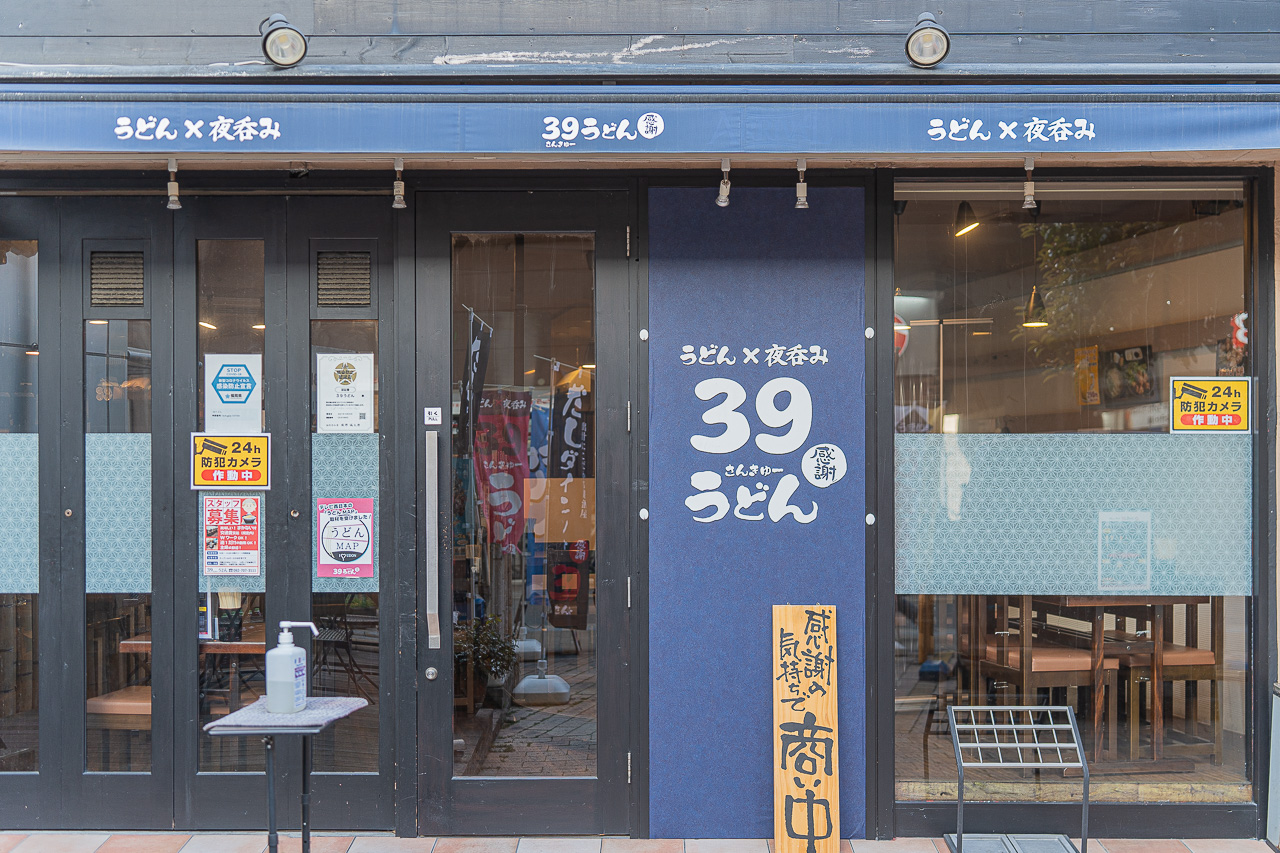
We visited Sankyu Udon, a station-area shop about four minutes on foot from Nishitetsu Fukuoka (Tenjin) Station. “39” is read san-kyu, a play on “thank you.” Udon started at JPY 390, welcome for workers watching their budgets. Near Imaizumi and Tenjin, it drew office workers at lunch. The source says it became an udon izakaya in the evening, combining drinks with noodles.
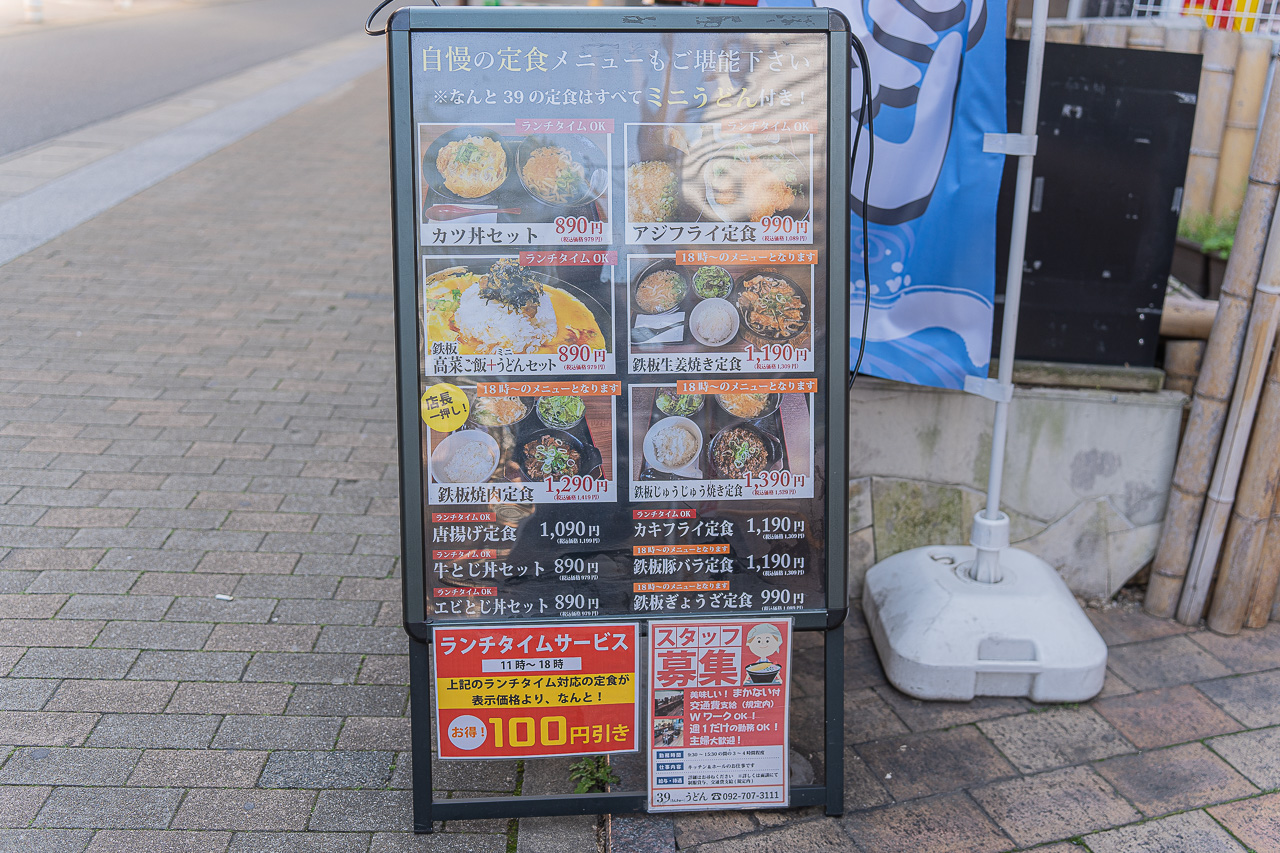
At lunch there were affordable sets beyond udon, including a sauce-dipped pork-cutlet rice-bowl set, a fried-horse-mackerel set, and sizzling-plate rice with udon. The source described a JPY 100 discount during the recorded lunch period, 11 a.m.–6 p.m.
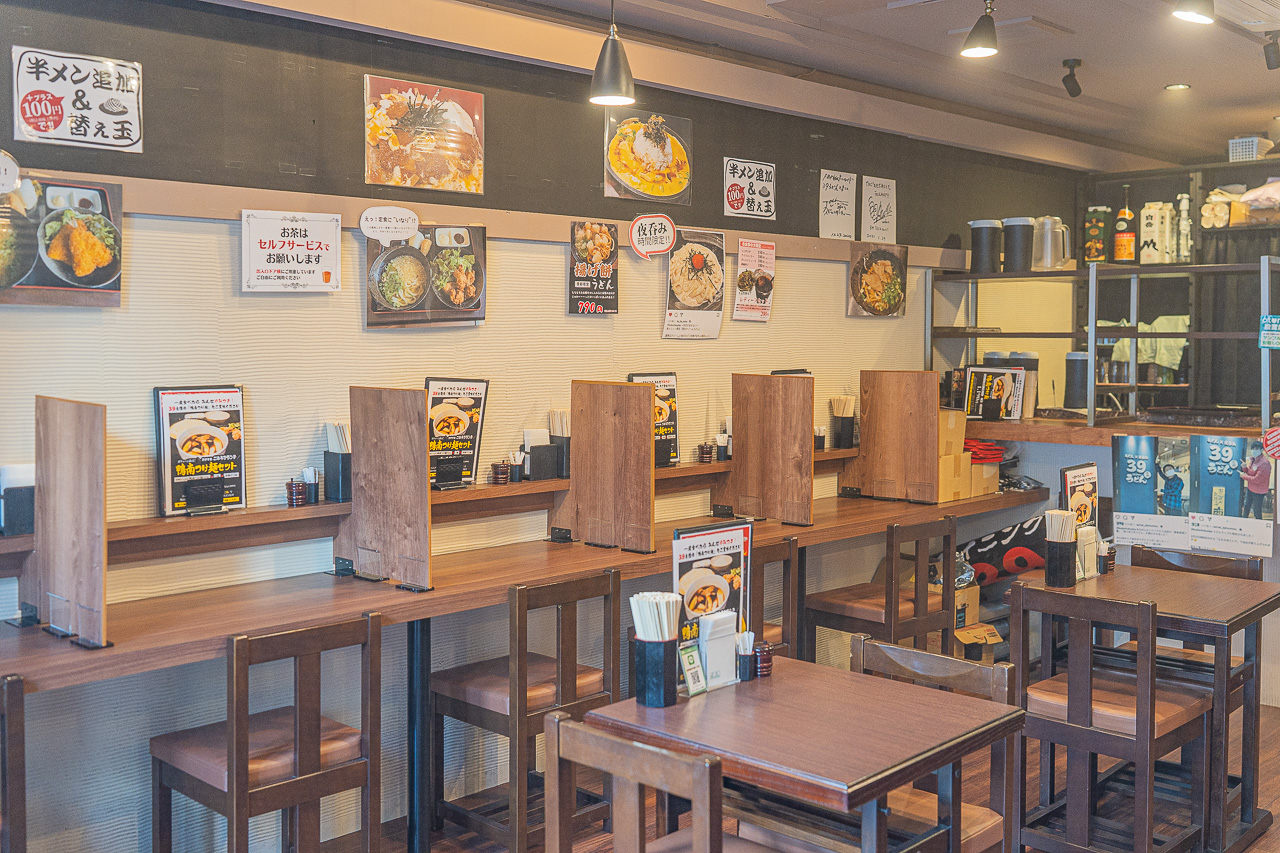
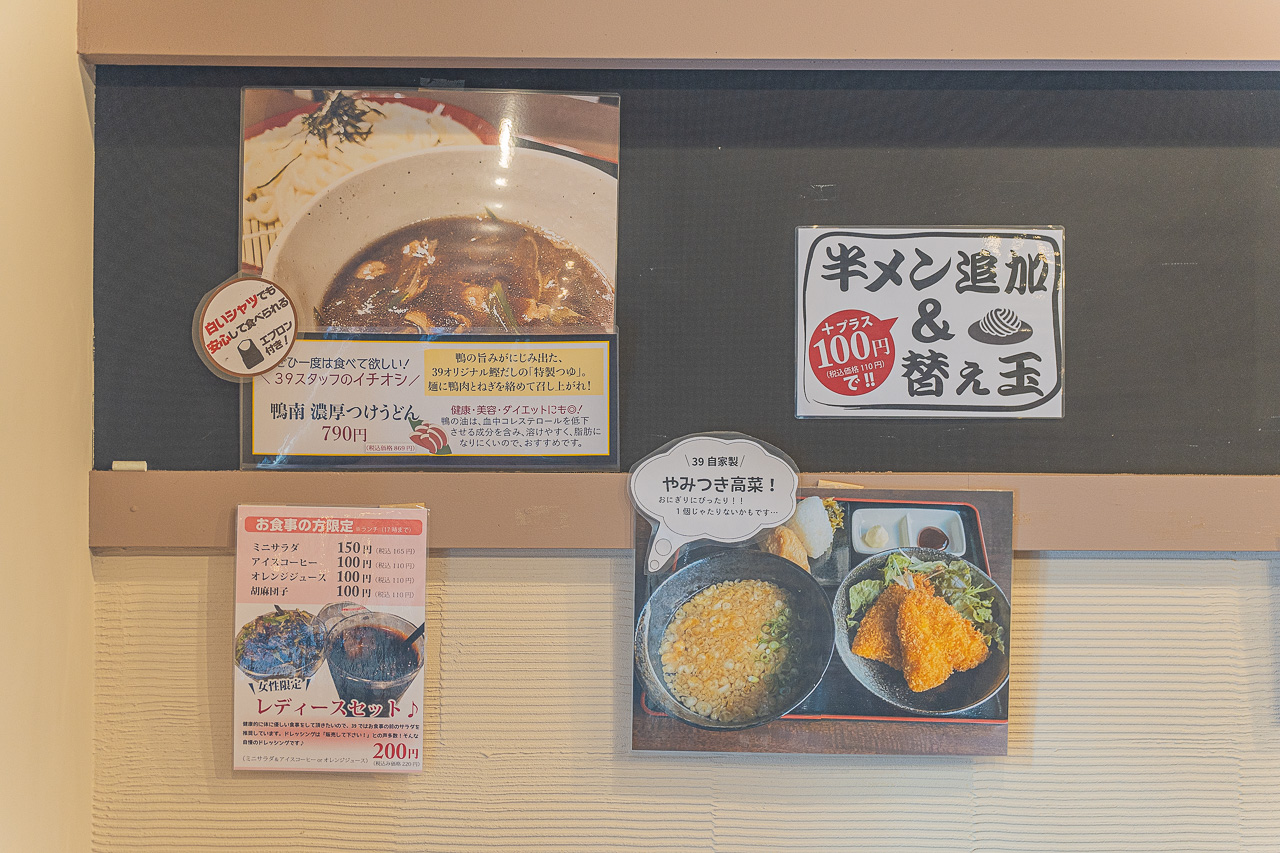
Inside were individual seats convenient for solo workers, tables for two or more, and another seating area not shown in the photographs. It was quiet when we arrived late; other customers typically finished within 10–20 minutes, so turnover was fast. Extra rice or noodles cost JPY 110 in the source.
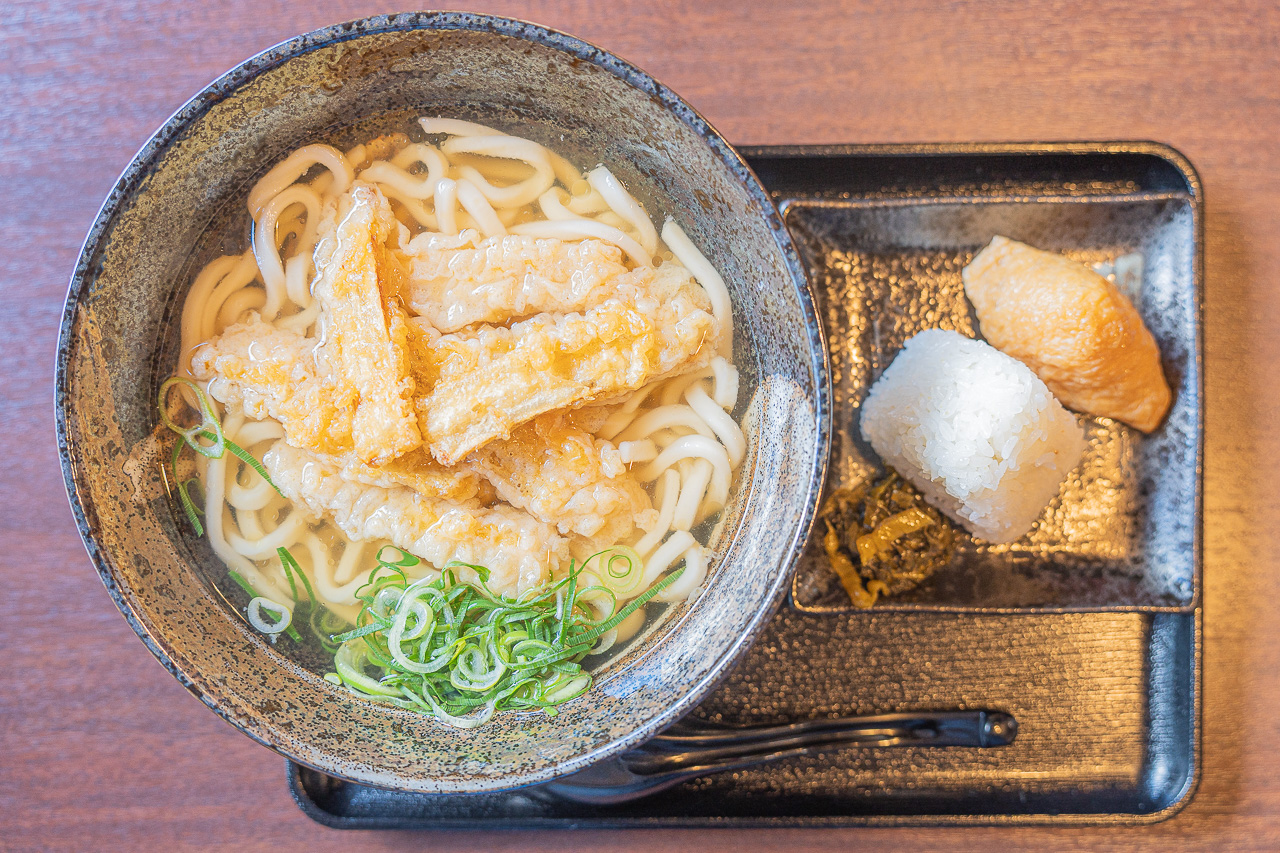

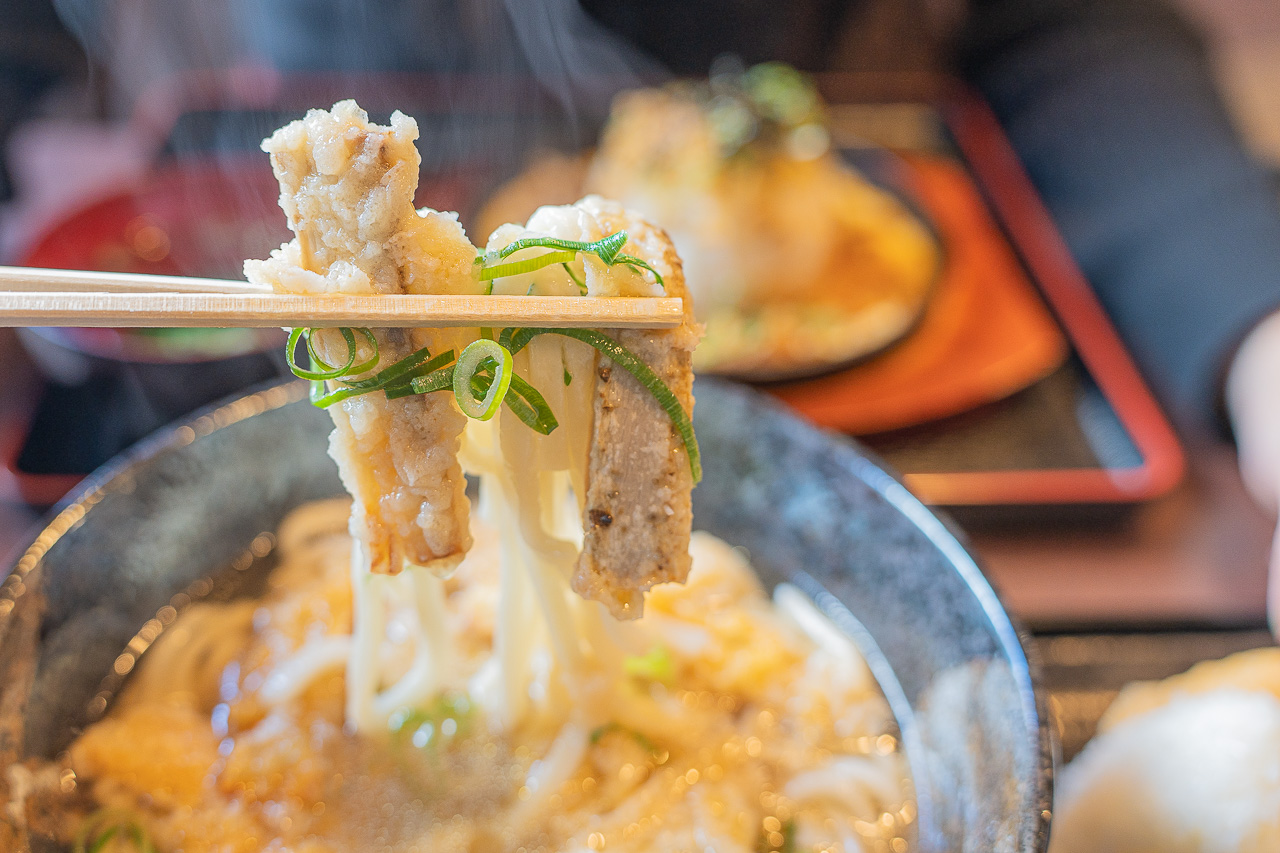
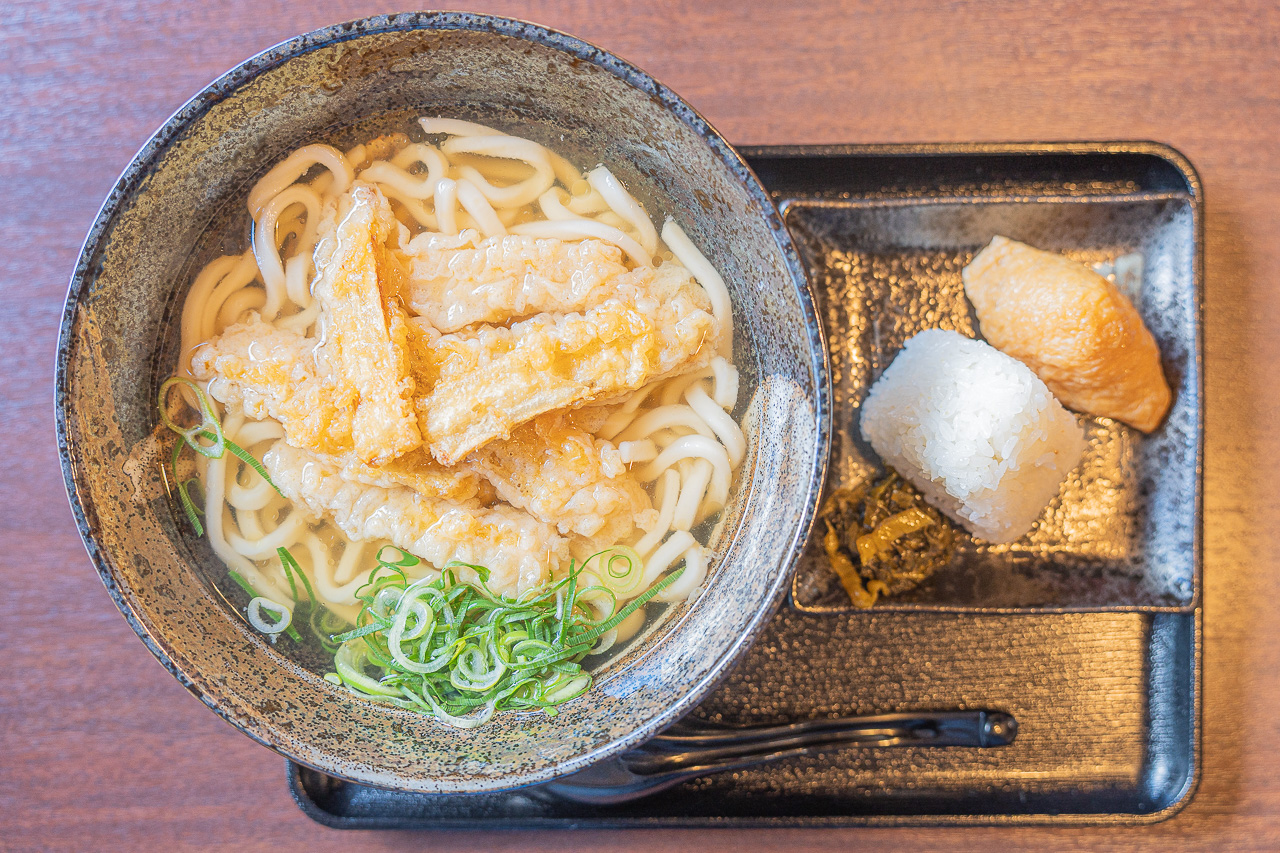
The main bowl was goboten (ゴボ天) udon, described as a Fukuoka favorite. Goboten is fried burdock: tender with a slightly bitter flavor and a common local topping. The noodles offered little resistance but went down smoothly, suiting anyone who enjoys soft udon. They were almost soft enough to drink and deliciously soaked with broth.
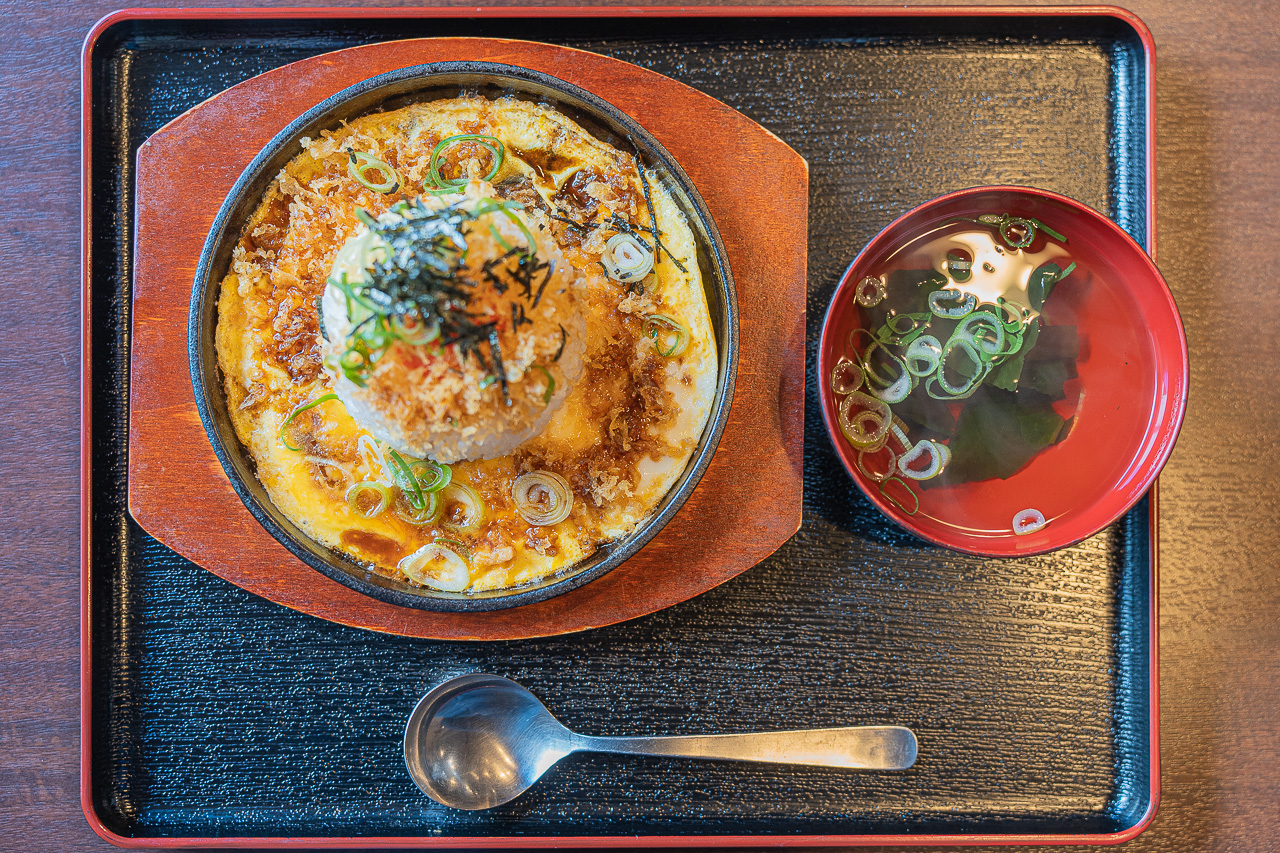
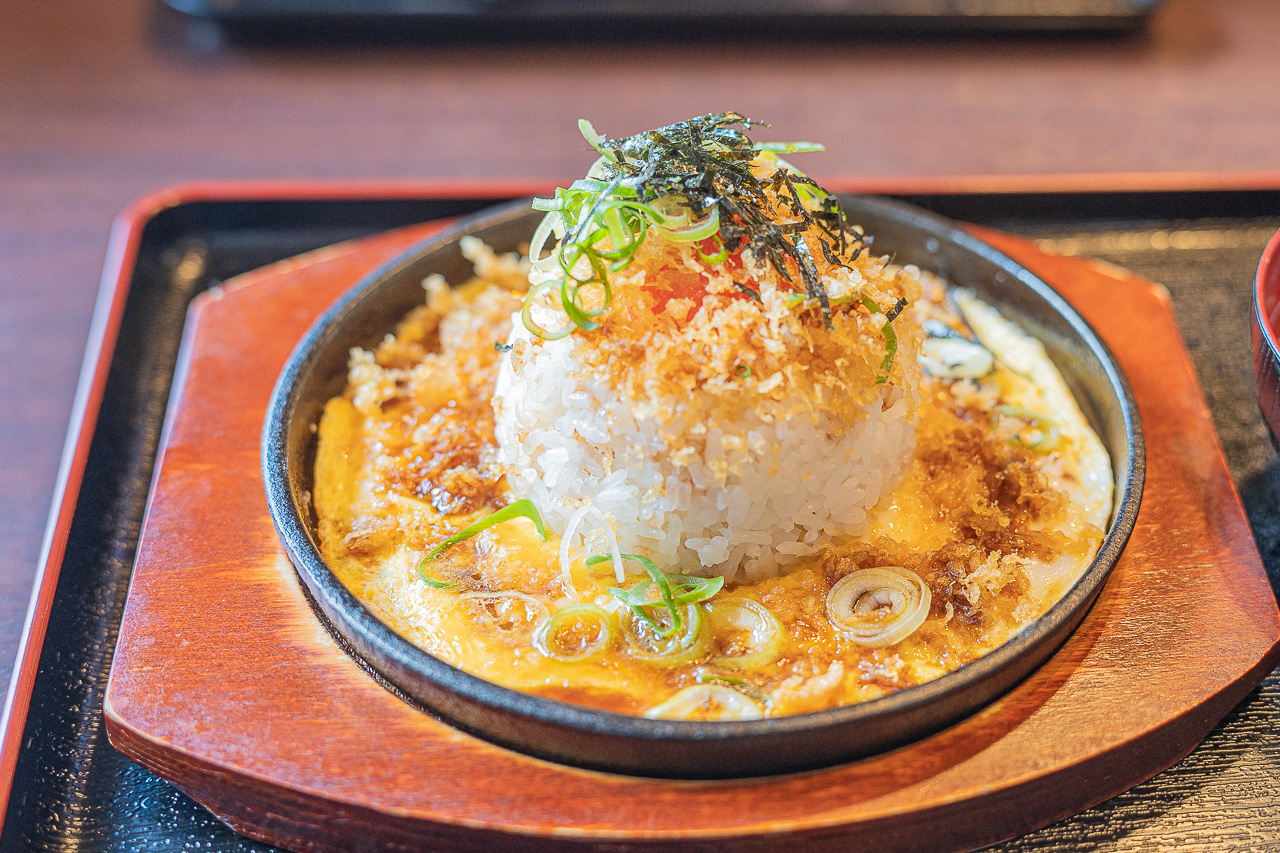
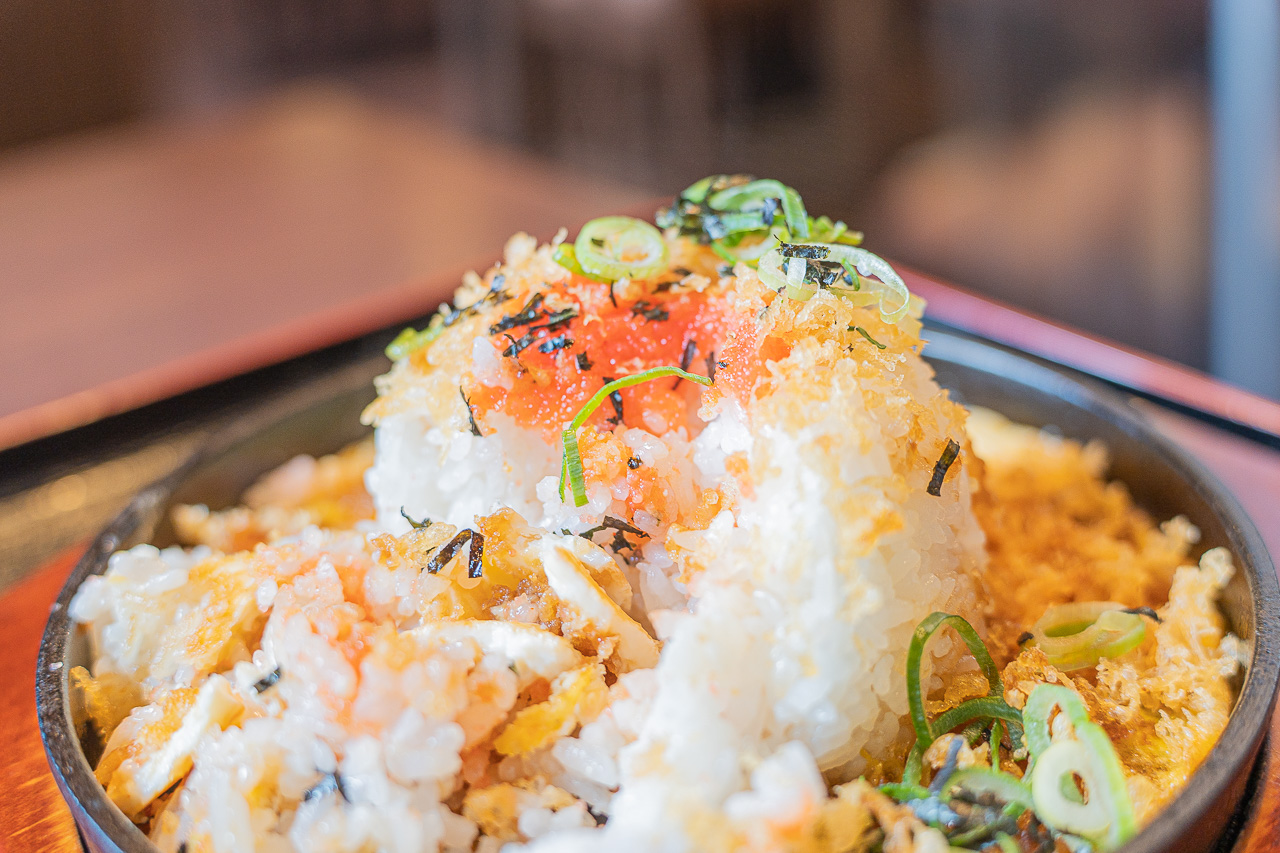
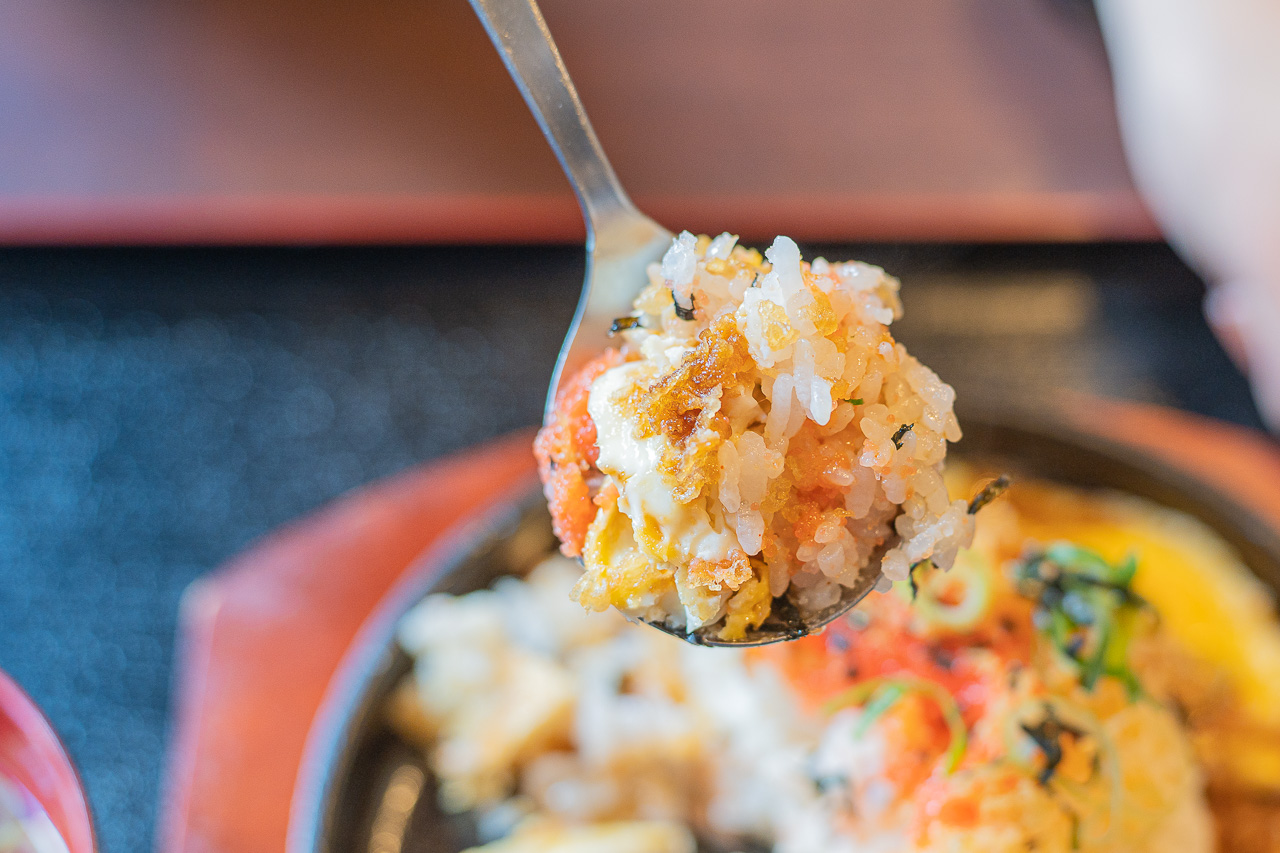
I also ordered the sizzling-plate set. This original Sankyu dish began with egg on a hot plate, a mound of rice, tenkasu tempura crumbs, kake-udon sauce, and Fukuoka’s mentaiko. I had never seen it elsewhere and enjoyed it much more than expected. Crisp tenkasu, the mentaiko’s saltiness, egg, and udon sauce made a new and satisfying combination.
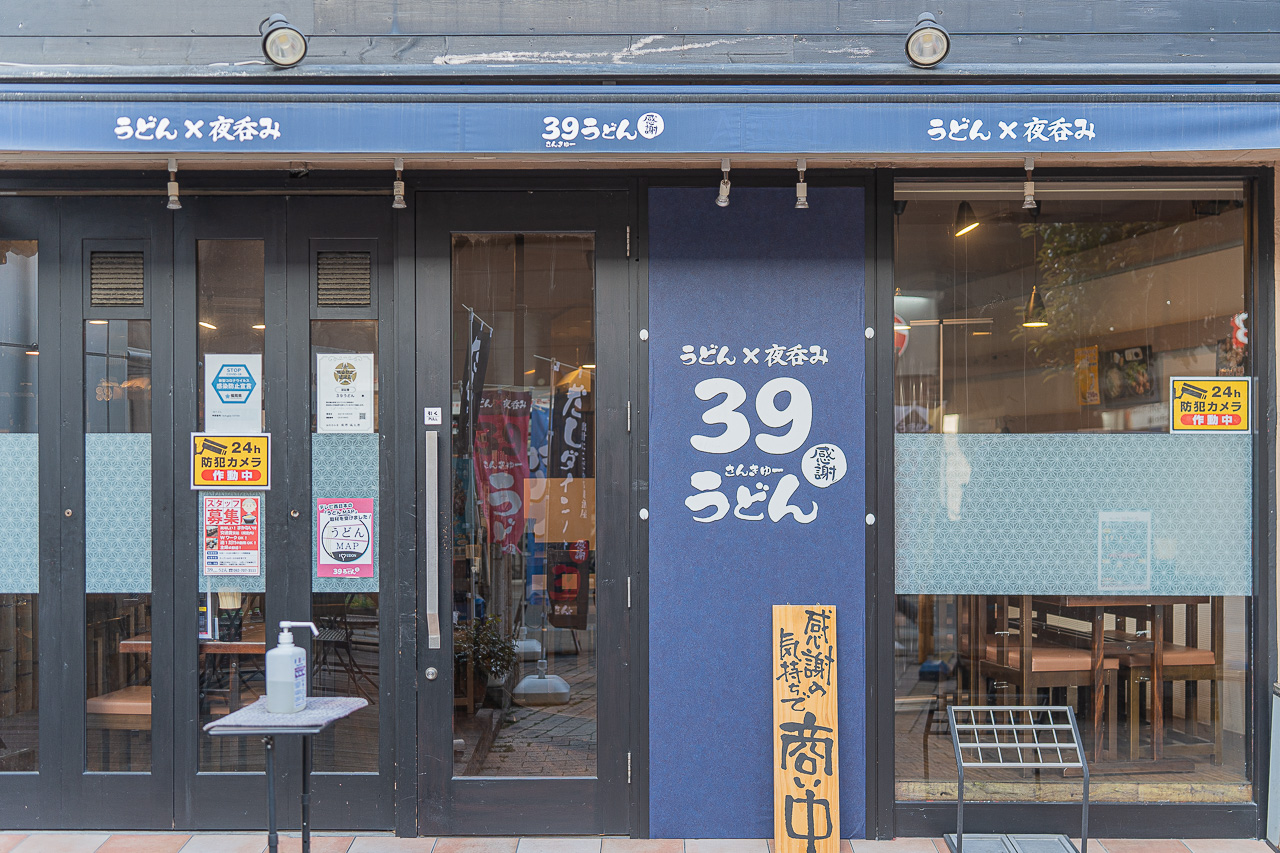
Hungry after getting off in Tenjin, we found Sankyu Udon. For me, udon near a station rarely disappoints.
Sankyu Udon
Sankyu Udon · 1F, Edel Tenjin, 1 Chome-10-20 Imaizumi, Chuo Ward, Fukuoka 810-0021, Japan (エーデル天神 1F)
★★★★☆ · Izakaya
www.google.com