Hot-Spring Stays near Fukuoka: Yufuin, Beppu and Northern Kyushu
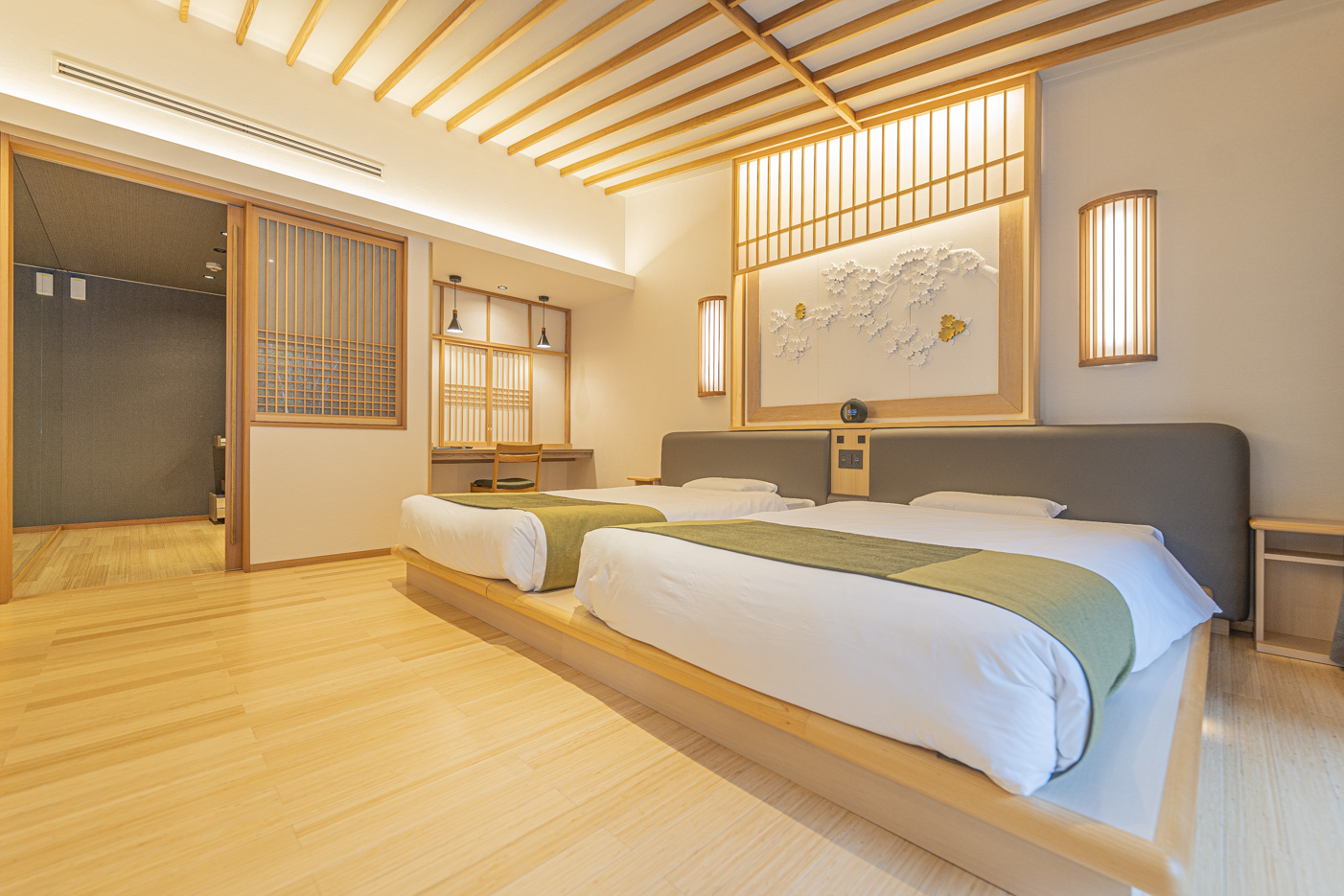
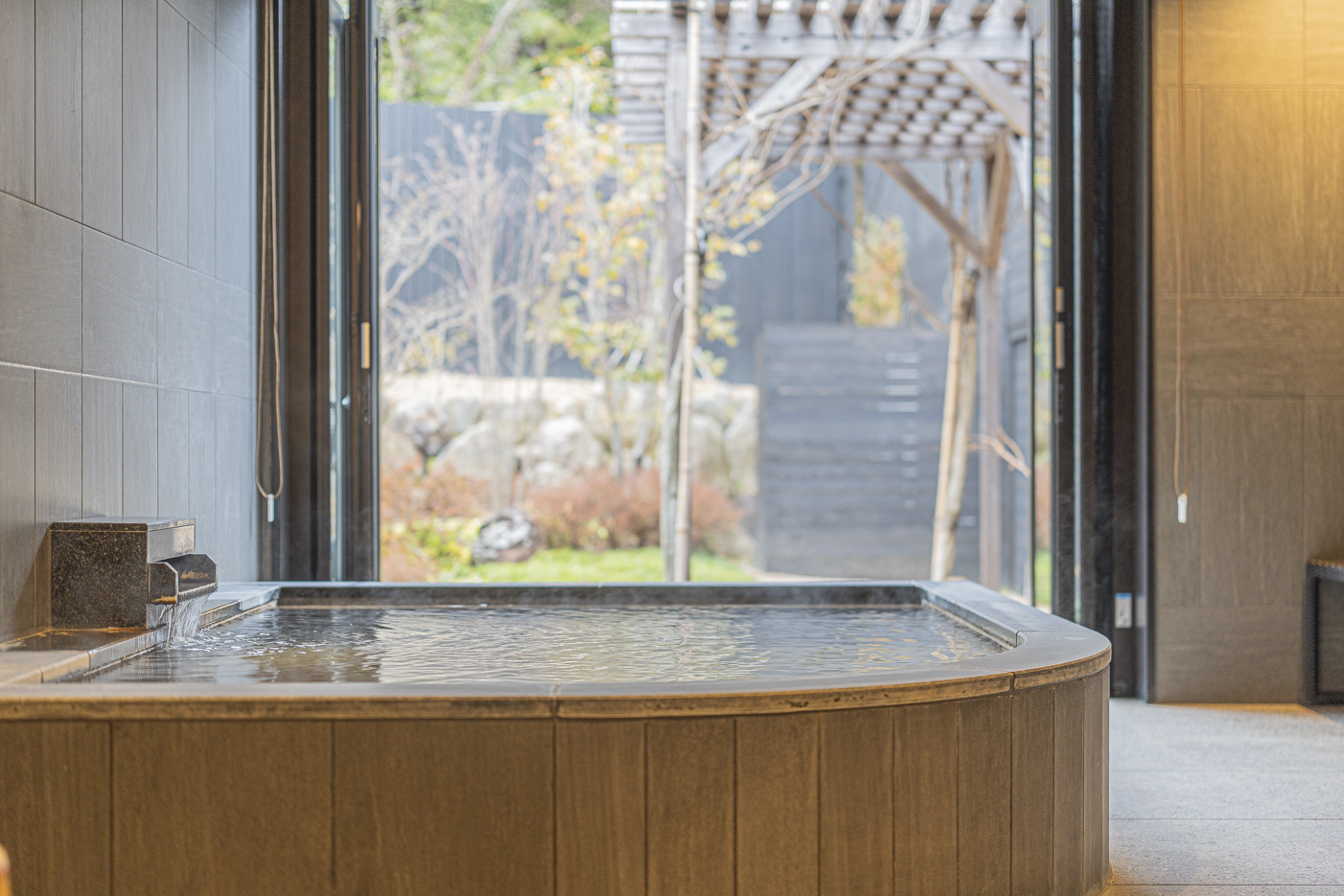
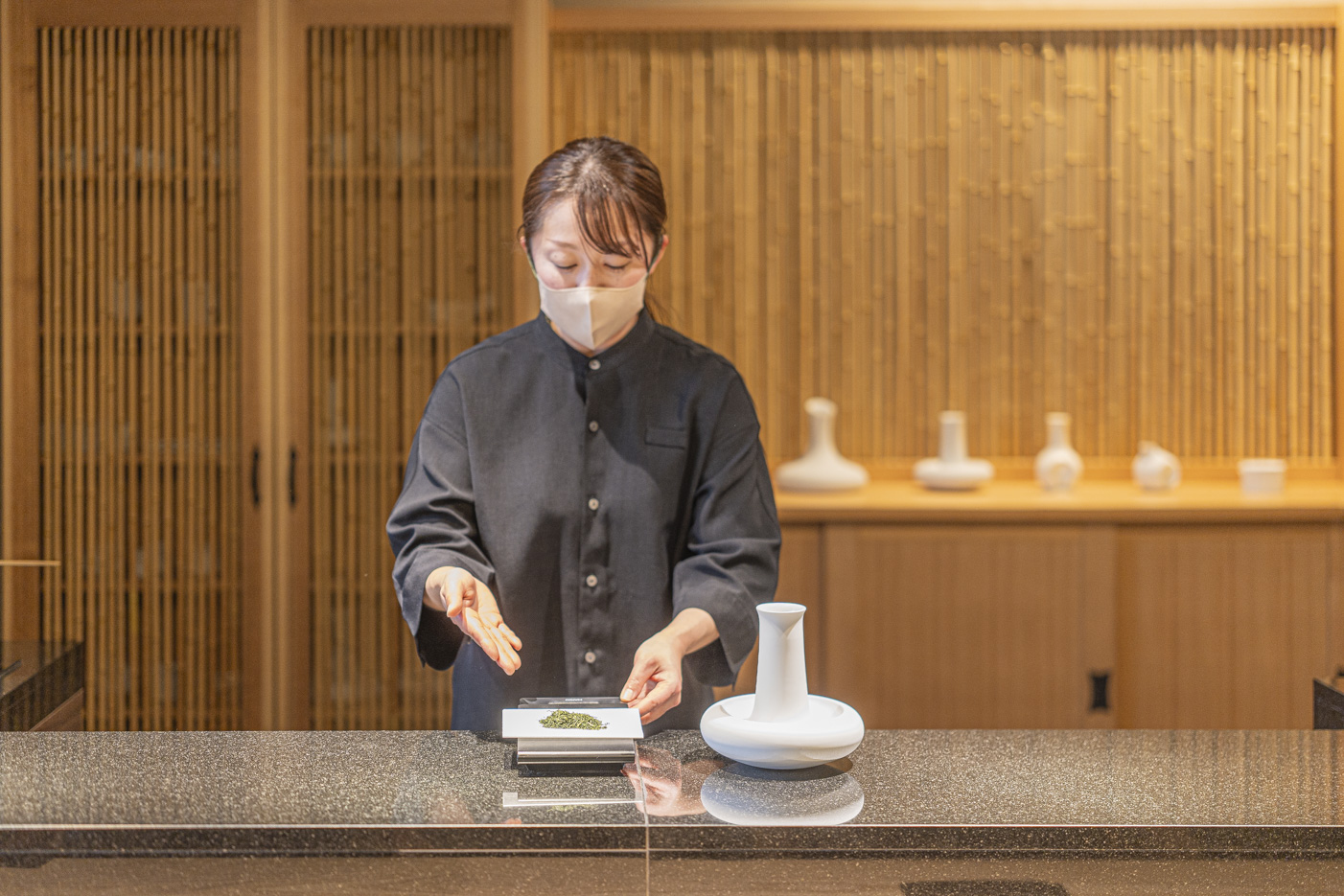
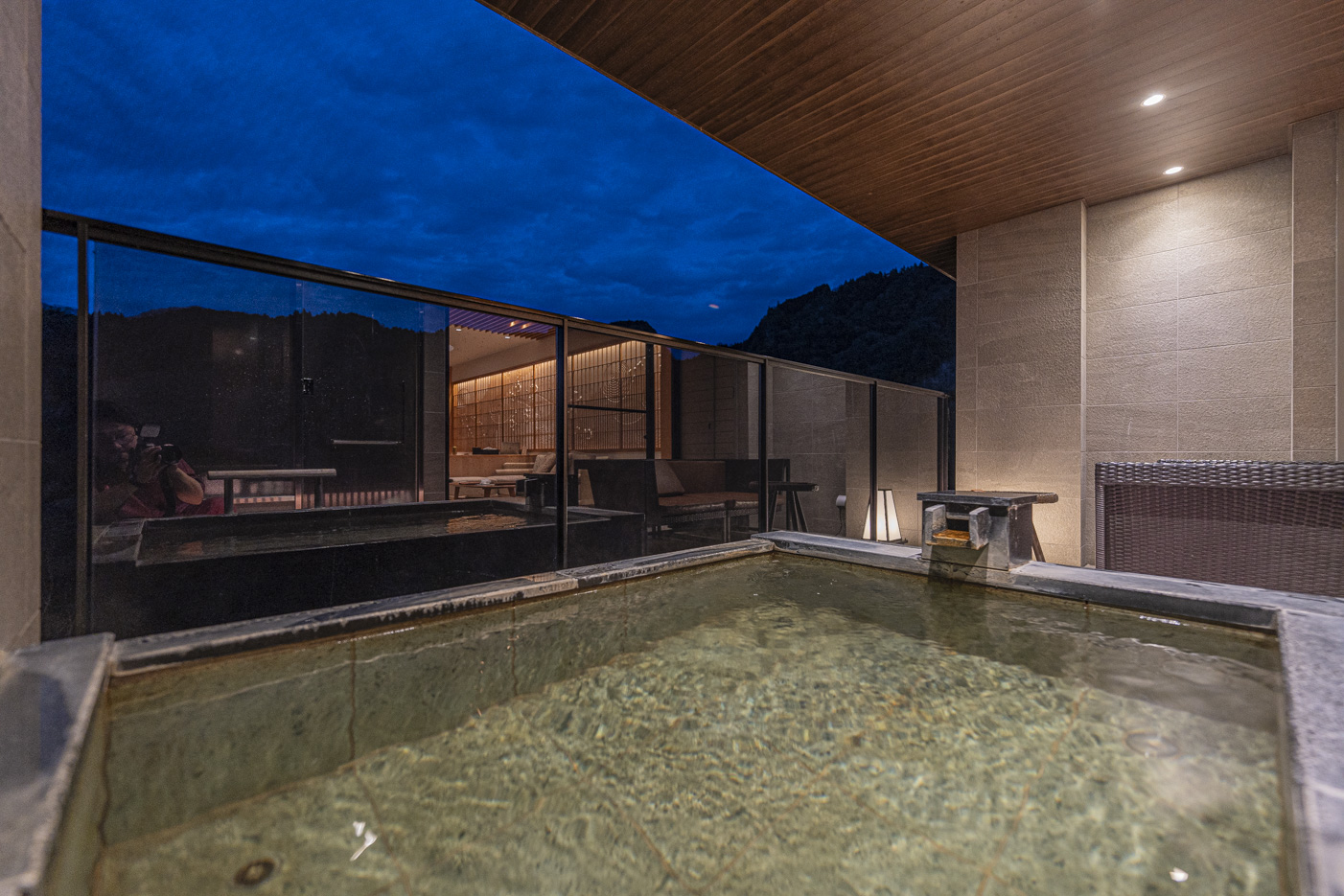
These northern Kyushu accommodation and day-bathing reviews are for travelers planning a hot-spring trip from Fukuoka. Compare room baths, private family baths, meals, and routes around Yufuin, Beppu, Ureshino, and nearby areas through the original photos and Google Maps links.
Guide update: September 8, 2026. The introduction, selection notes, FAQ, and link labels were organized on this date. It does not mean that every property’s prices and operating conditions were rechecked.
Prices, packages, room features, operating conditions, and transport arrangements below remain tied to their source records. The English adaptation does not establish that they are unchanged today. Match any room-bath or sauna description to the particular room type, and distinguish day bathing from an overnight package.
English adaptation: October 28, 2026. Source captured October 28, 2026, Japan time.
How to compare hot-spring stays near Fukuoka
Area and travel route Choose your destination, such as Yufuin, Beppu, or Ureshino, then use the map to check how it fits your route.
How you want to use the baths Distinguish overnight stays from day bathing, and compare room-bath and private-family-bath experiences separately.
Rooms and meals Compare the rooms and food in the photos, then check exactly what is included in the accommodation plan you intend to book.
33 source visit records The guide covers ryokan, hot-spring hotels, guesthouses, and day baths. It retains repeated records of the same property and a historical record of a facility that has closed. This is not a count of 33 unique currently operating hotels.
Editorial Latin spellings help readers recognize names; original Japanese names are retained where supplied. This does not claim a newly verified official English spelling.
Questions about choosing a ryokan or hot-spring trip
Which areas does this guide cover?
Browse records from
Yufuin · Beppu · Ureshino · Kumamoto / Aso · Kuju · Miyawaka
and other parts of northern Kyushu. Compare both the destination and whether the source describes an overnight stay or a day visit when planning onward travel from Fukuoka.
What should I compare when choosing an onsen ryokan?
First decide whether to stay overnight or use a day bath. Compare the area, room, bath type, and meal conditions. Records such as
Kuoritei’s room-bath experience · Sendou’s day-bathing experience
help match the choice to your purpose. Use each property’s Google Maps link to check the route.
Are there reviews of bathing without an overnight stay?
Yes. Sendou’s
overnight stay · day-bathing visit
are listed separately. Even at the same property, the conditions can differ. Check the operator’s current day-use availability, hours, and reservation method before going.
Are room baths or private family baths included?
The records describe room-bath experiences at
Kuoritei · Kinmonco · Miyawaka Toranoyu
. Private-family-bath experiences are also recorded at Sendou and Yufuin Iyotomi. Check the bath type and use conditions of the specific room or plan you book.
Are there hot-spring hotels or solo options besides traditional ryokan?
Yes. There are records of hot-spring hotels such as
Super Hotel Premier Aso Kumamoto Airport
and accommodation such as Guesthouse Yufu. If traveling alone, check the price for your party size, the room, and the bath-use conditions in the actual booking plan.
Are the rates, shuttles, and operating details still the same?
Prices and transport information are records from the time of the visit. This guide also retains
the historical Manyo no Yu visit
; the facility closed on August 28, 2024, according to the Fukuoka Prefecture tourism information linked below. Before booking, check the property’s official information and your selected plan for current rates, operation, and shuttle terms.
Set in woodland in Takeo, Saga Prefecture, OND HOTEL is a hot-spring hotel for an unhurried stay built around bathing, saunas, and food. You can reach it without a rental car by taking a train from Hakata to Takeo-Onsen Station and using the hotel shuttle, reserved in advance.
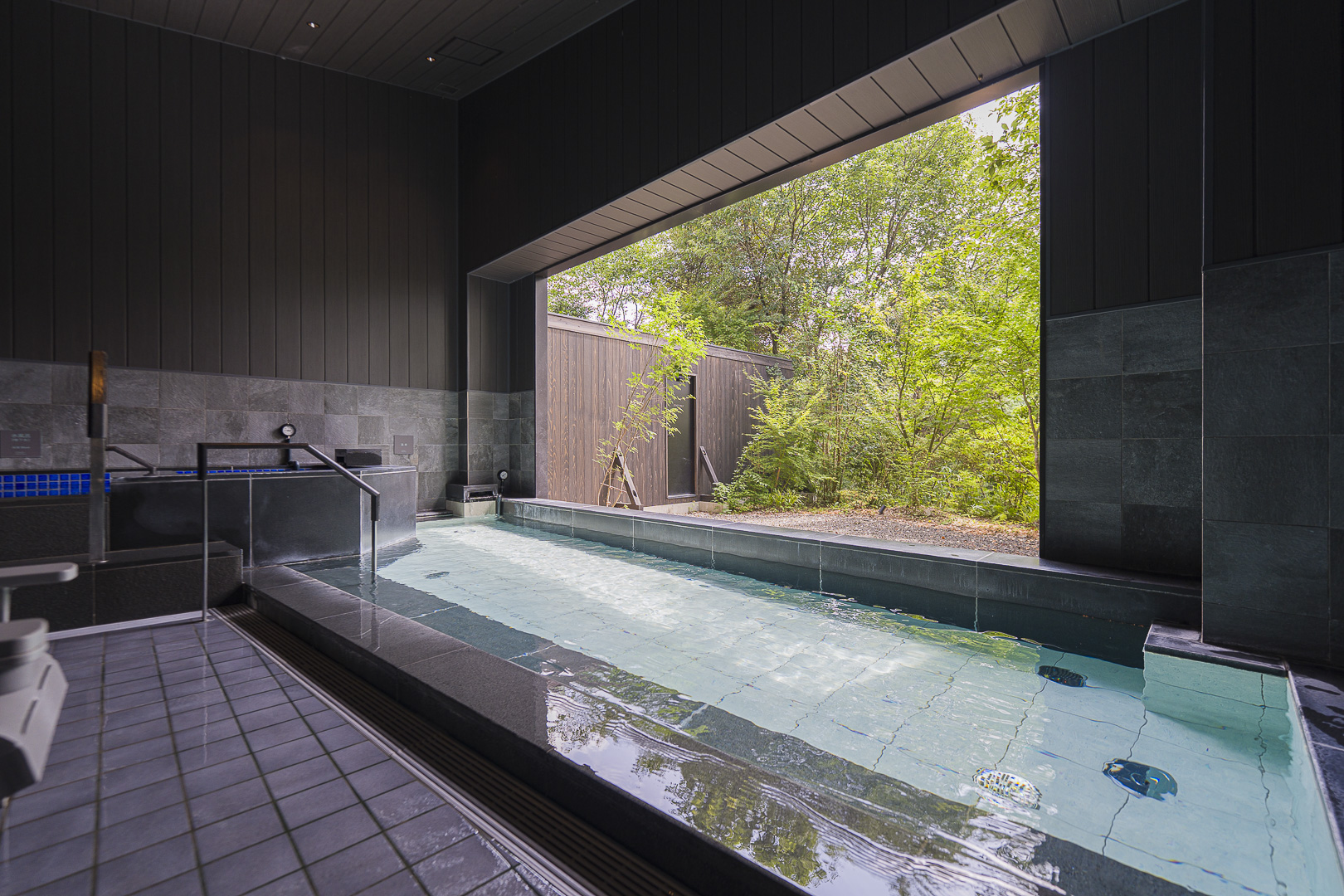
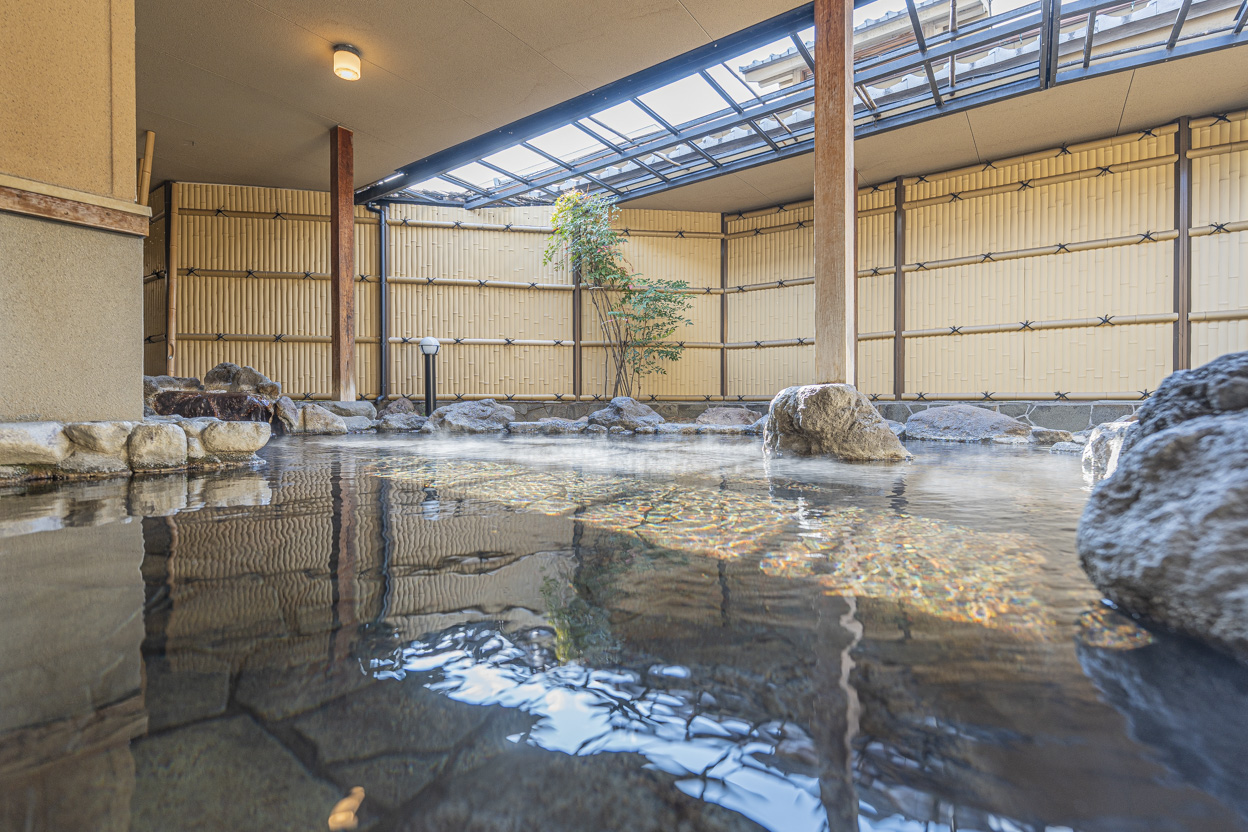
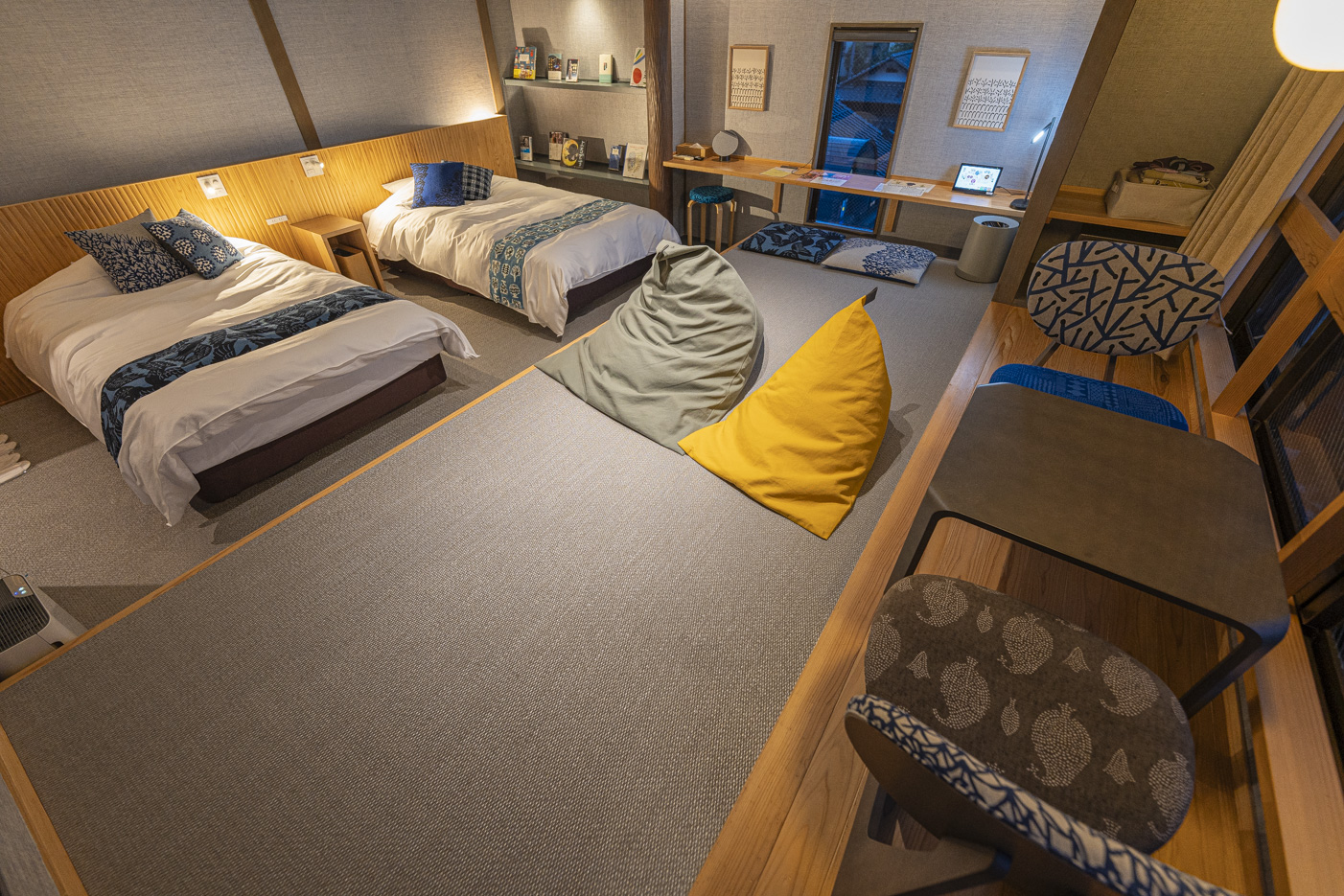
The hot springs look out toward the forest, and the men’s and women’s communal bathing areas each have two sauna types. Private hot-spring and sauna use requires a separate paid reservation. The source suggests a Standard Twin if you mainly intend to use the communal baths, a Sauna Twin for two people who want an in-room sauna, and a Luxury Sauna room for three or four adults.
A dinner course using local ingredients such as Saga beef and a Japanese breakfast are further attractions. The reviewer recommends an itinerary that allows plenty of time for baths and meals at the hotel rather than rushing between sightseeing stops.
About an hour by car from Fukuoka’s Tenjin area, Furuyu Onsen ONCRI sits in the mountains of Fuji-cho, Saga City. It combines the atmosphere of an old hot-spring village with a contemporary resort stay. The central pleasure is taking time to relax in Furuyu’s nuruyu, comfortably mild rather than very hot spring water.
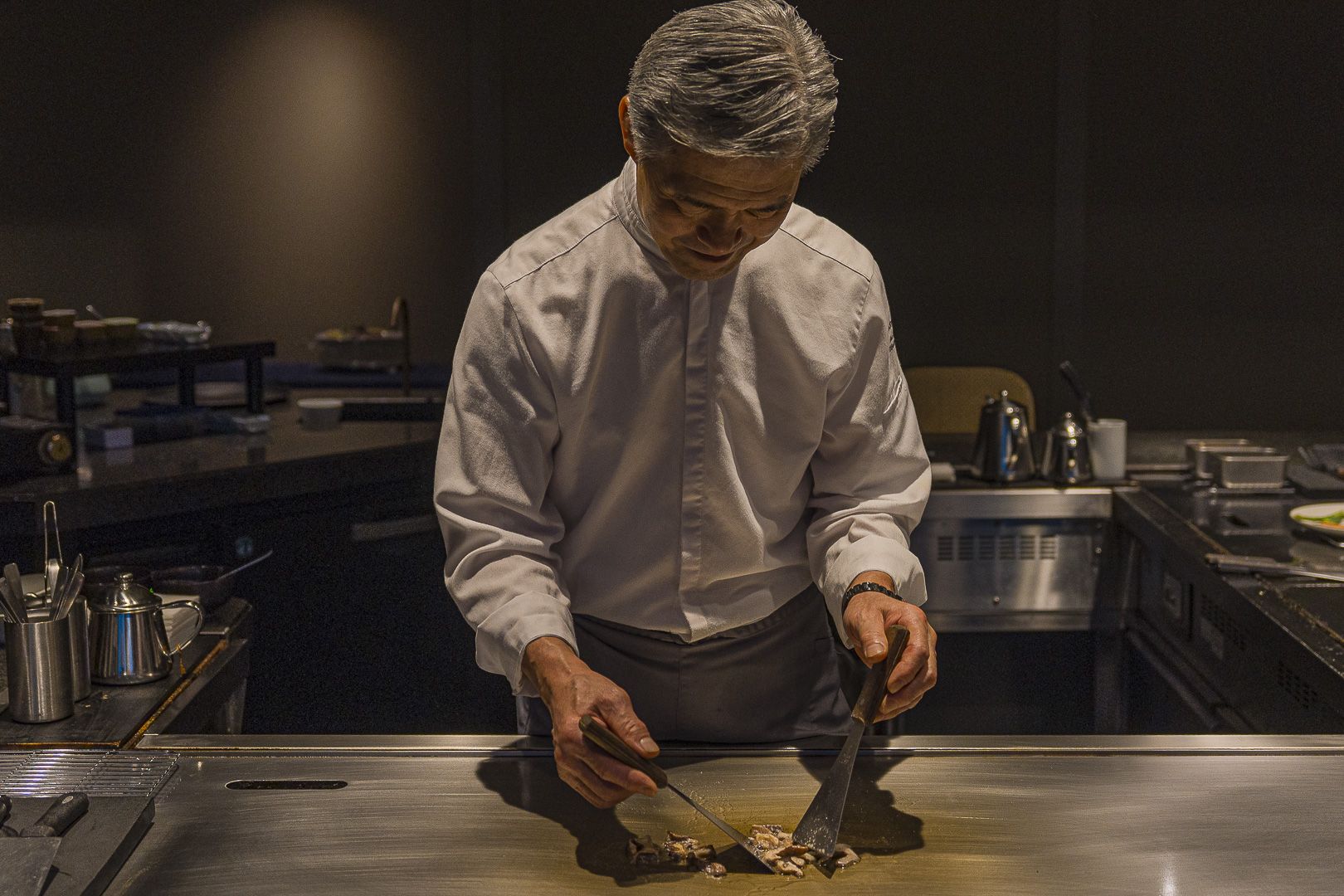
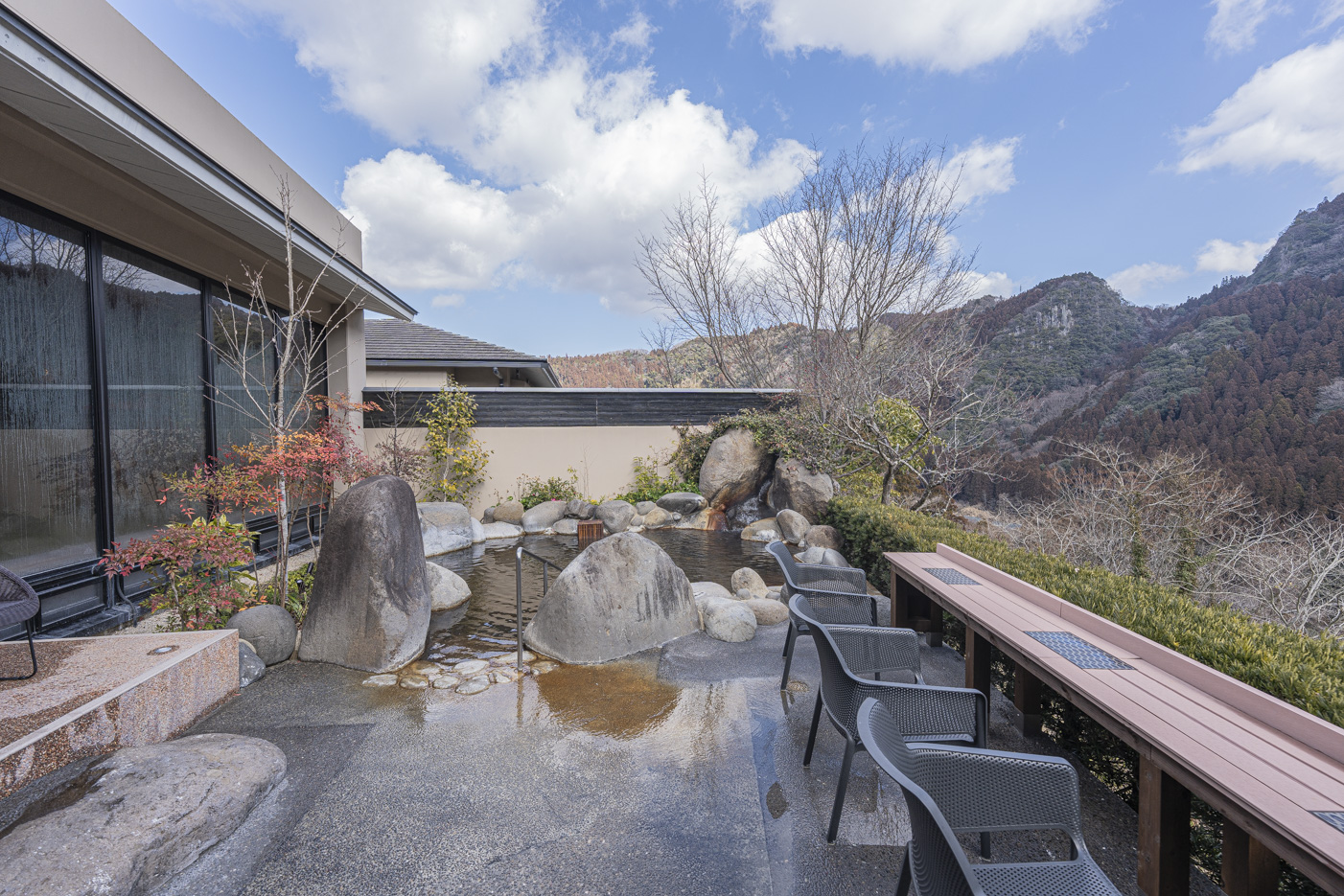
There are 15 types of natural hot-spring bath in total across the men’s and women’s areas, including outdoor baths with views toward Mount Tenzan. You can move between several baths, while rooms also look out over the surrounding mountains. Italian, kaiseki, and teppanyaki restaurants use seasonal Saga ingredients. It suits travelers who want quiet time enjoying the hotel’s baths and food instead of a packed sightseeing schedule.
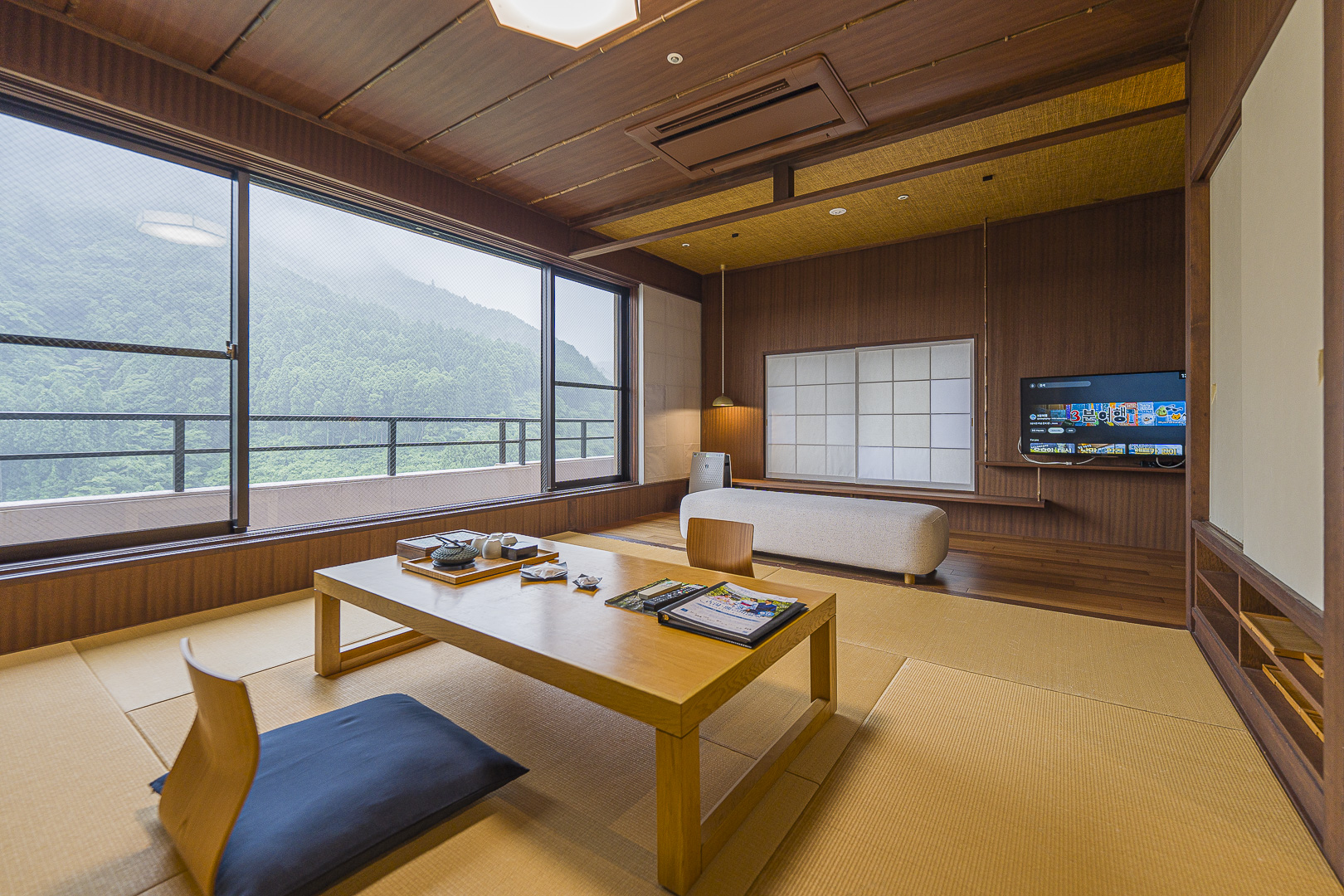
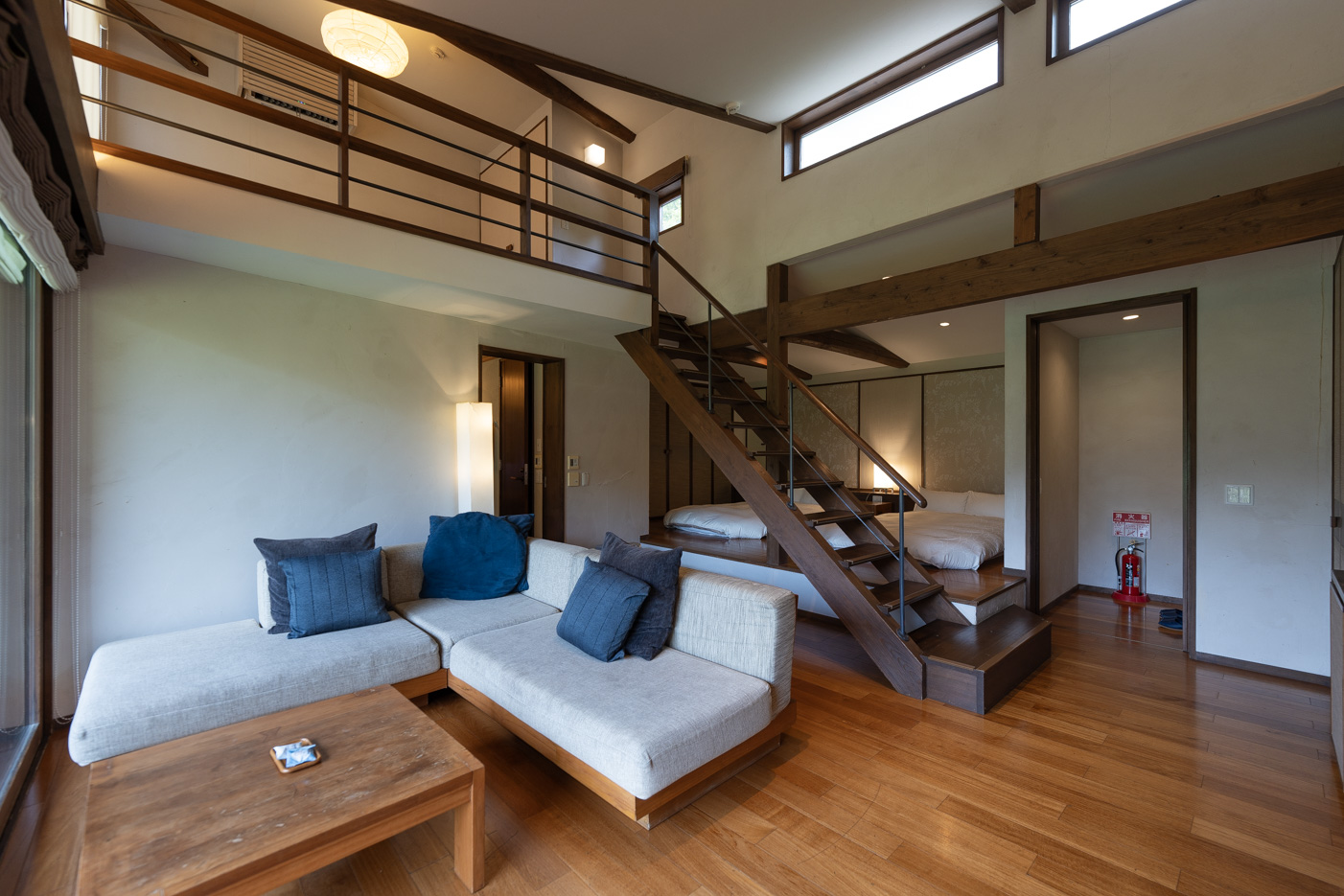
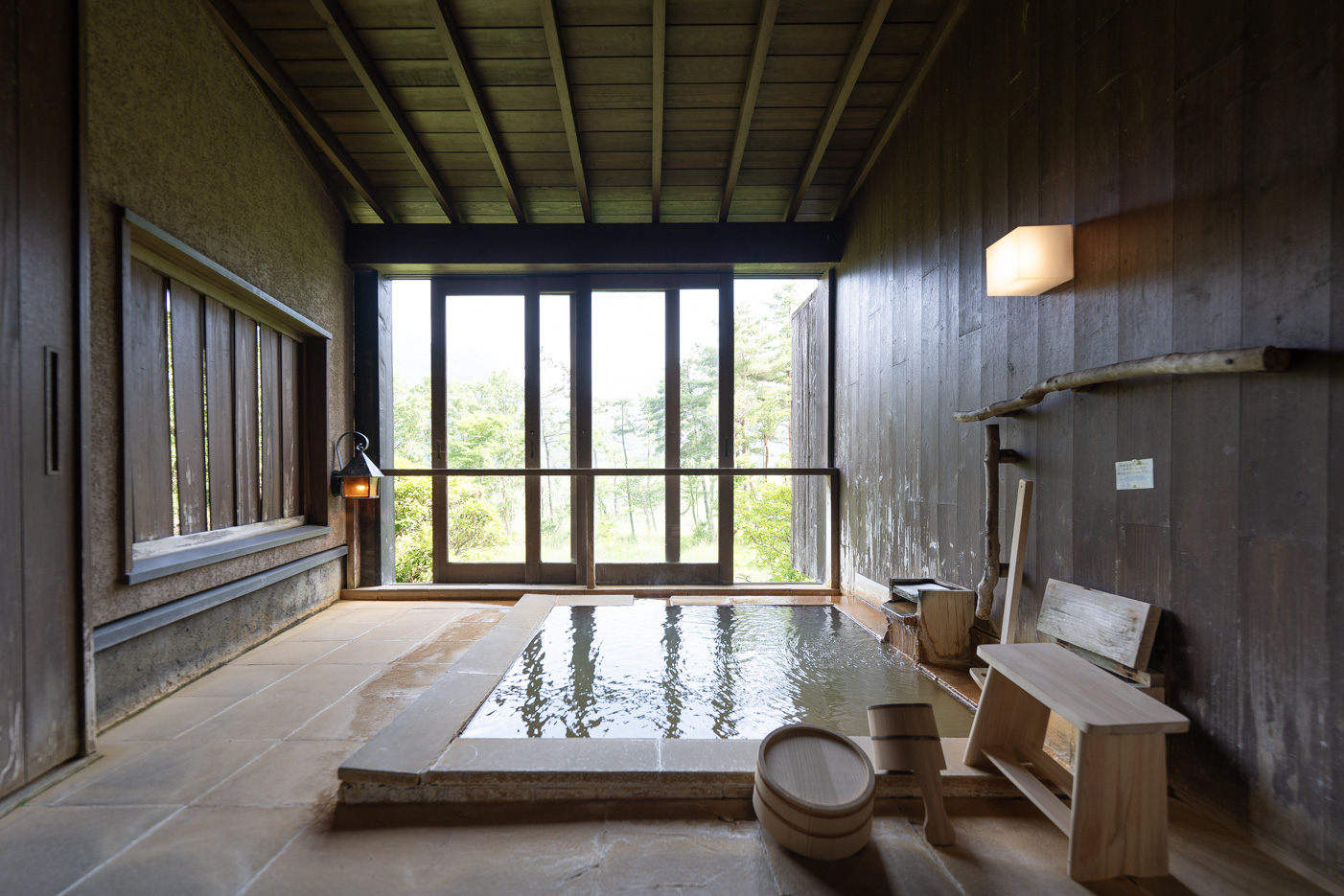
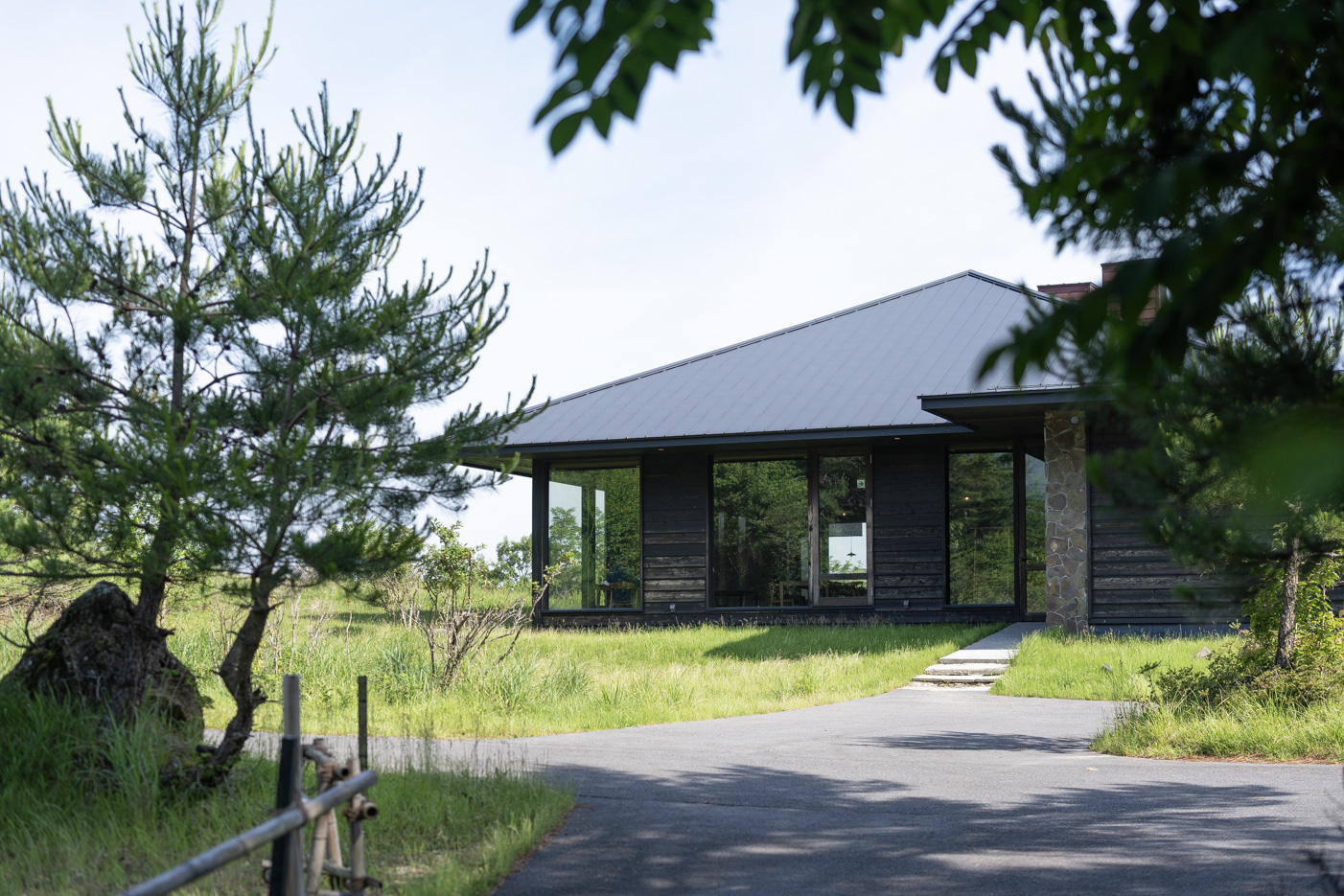
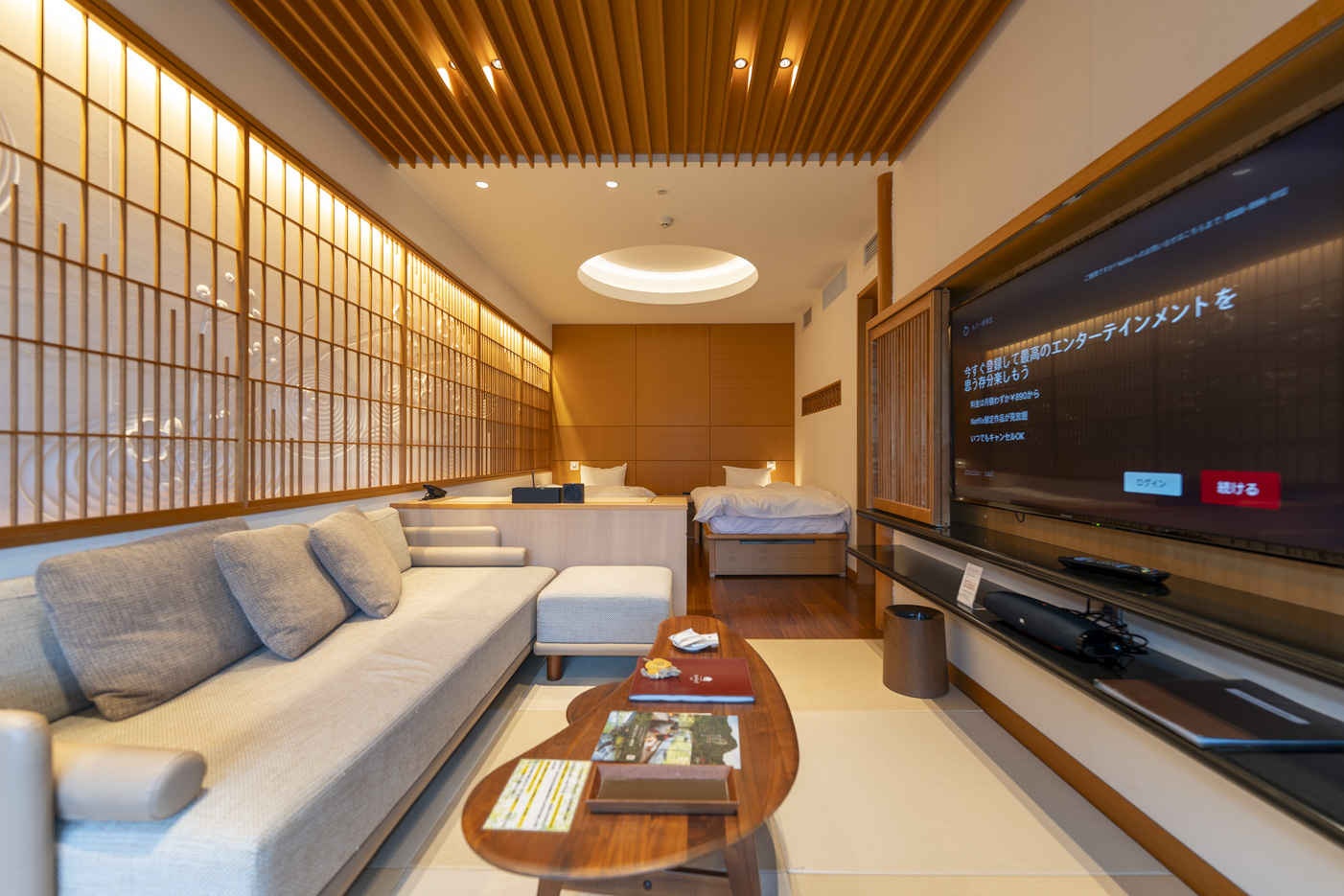
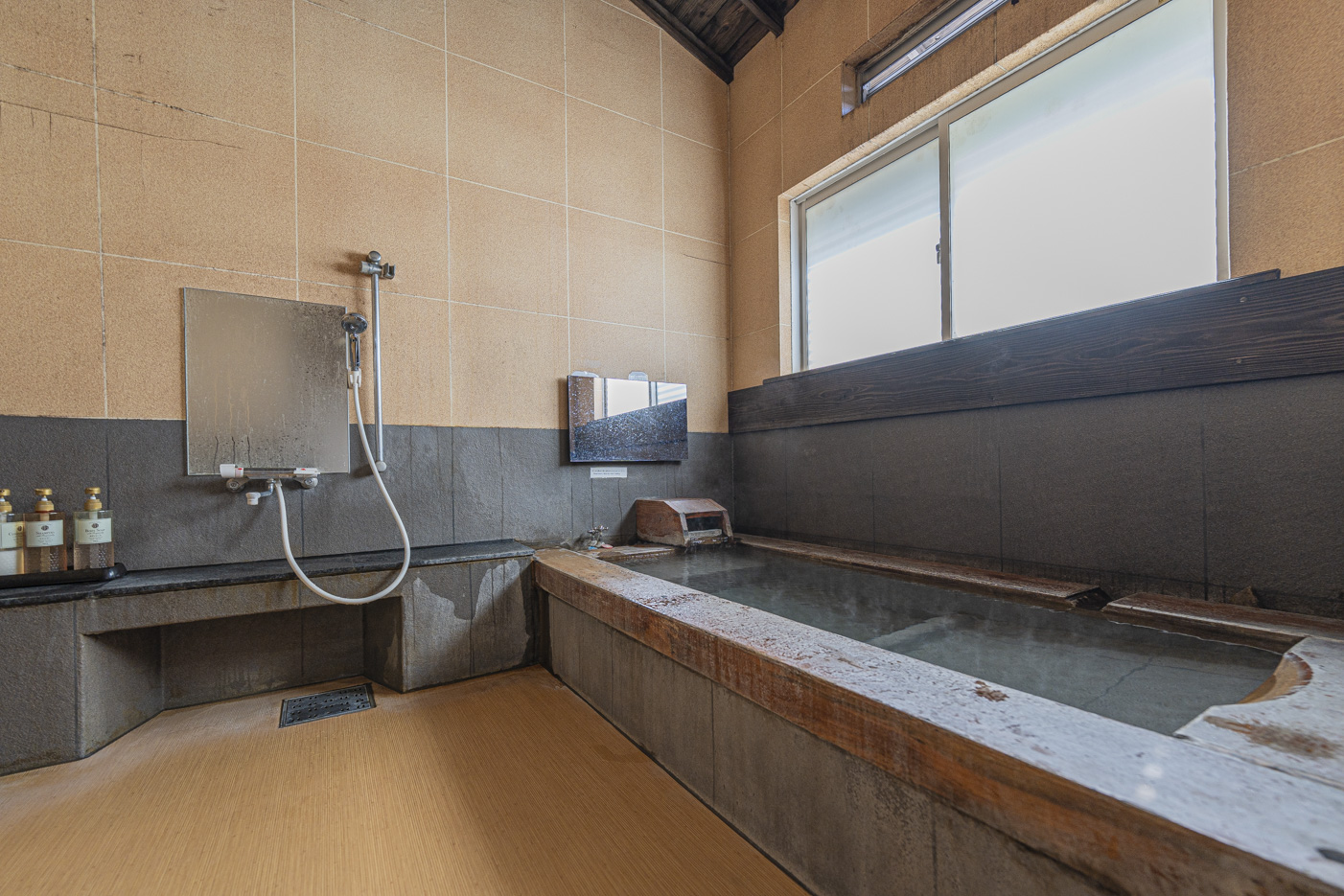
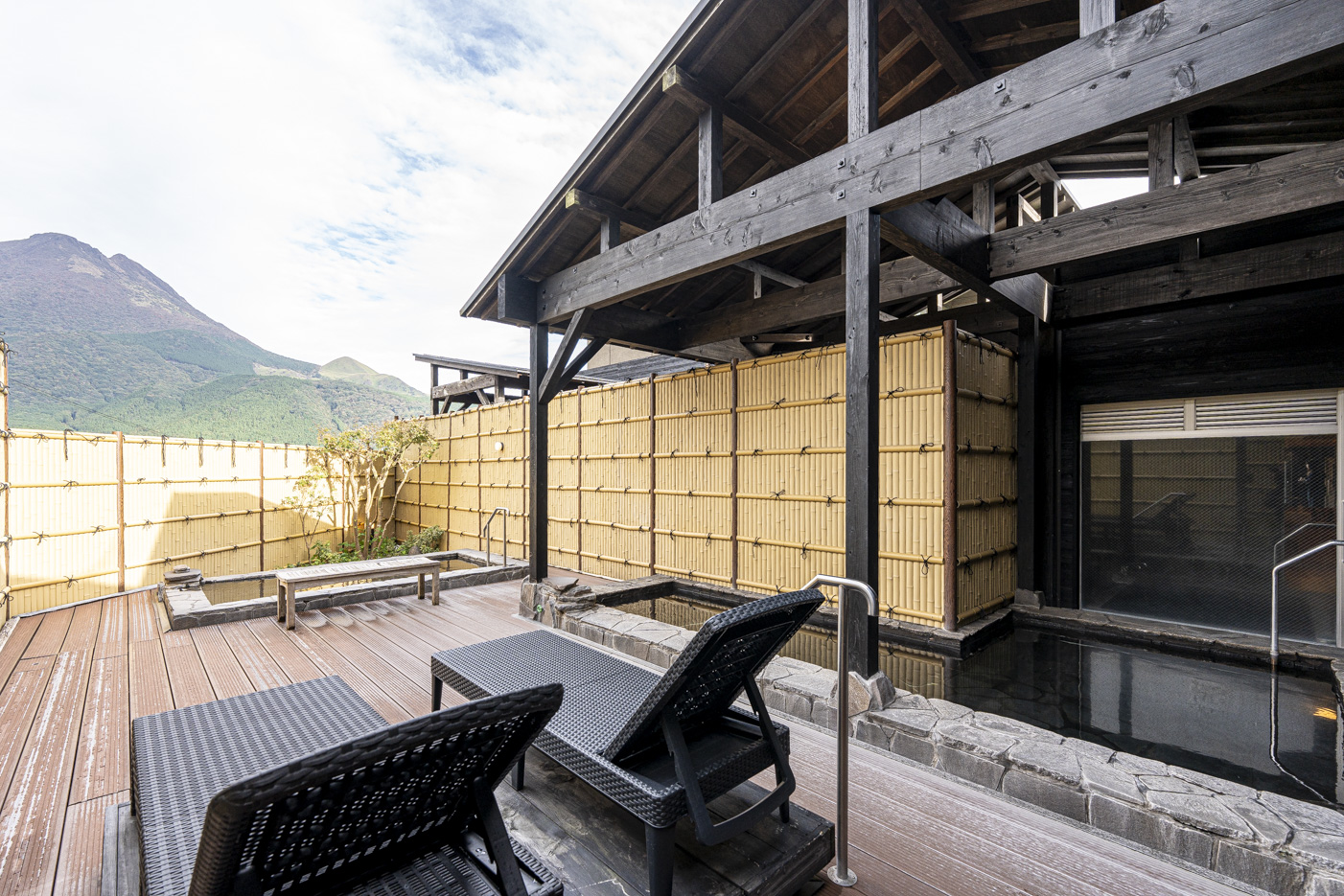
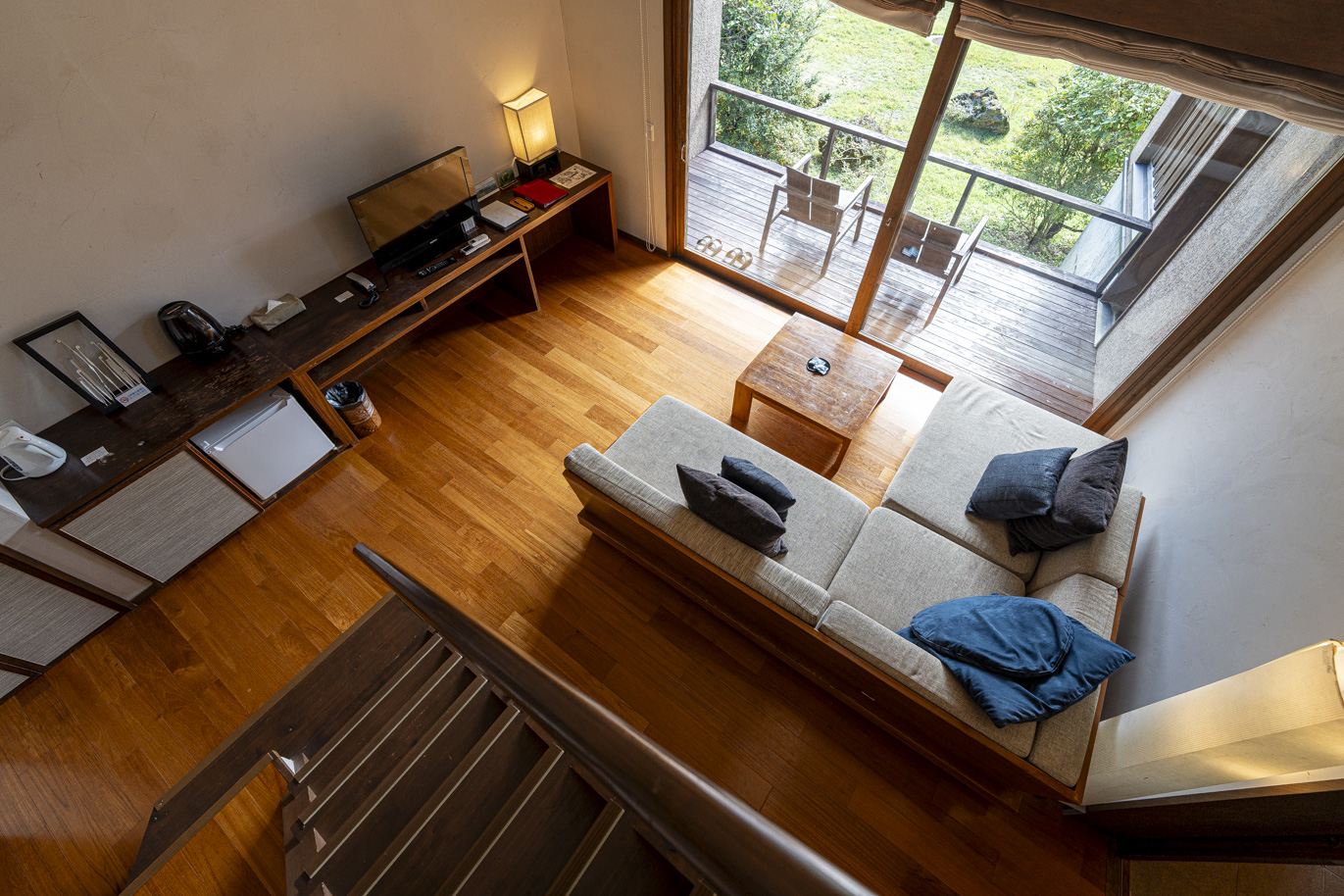
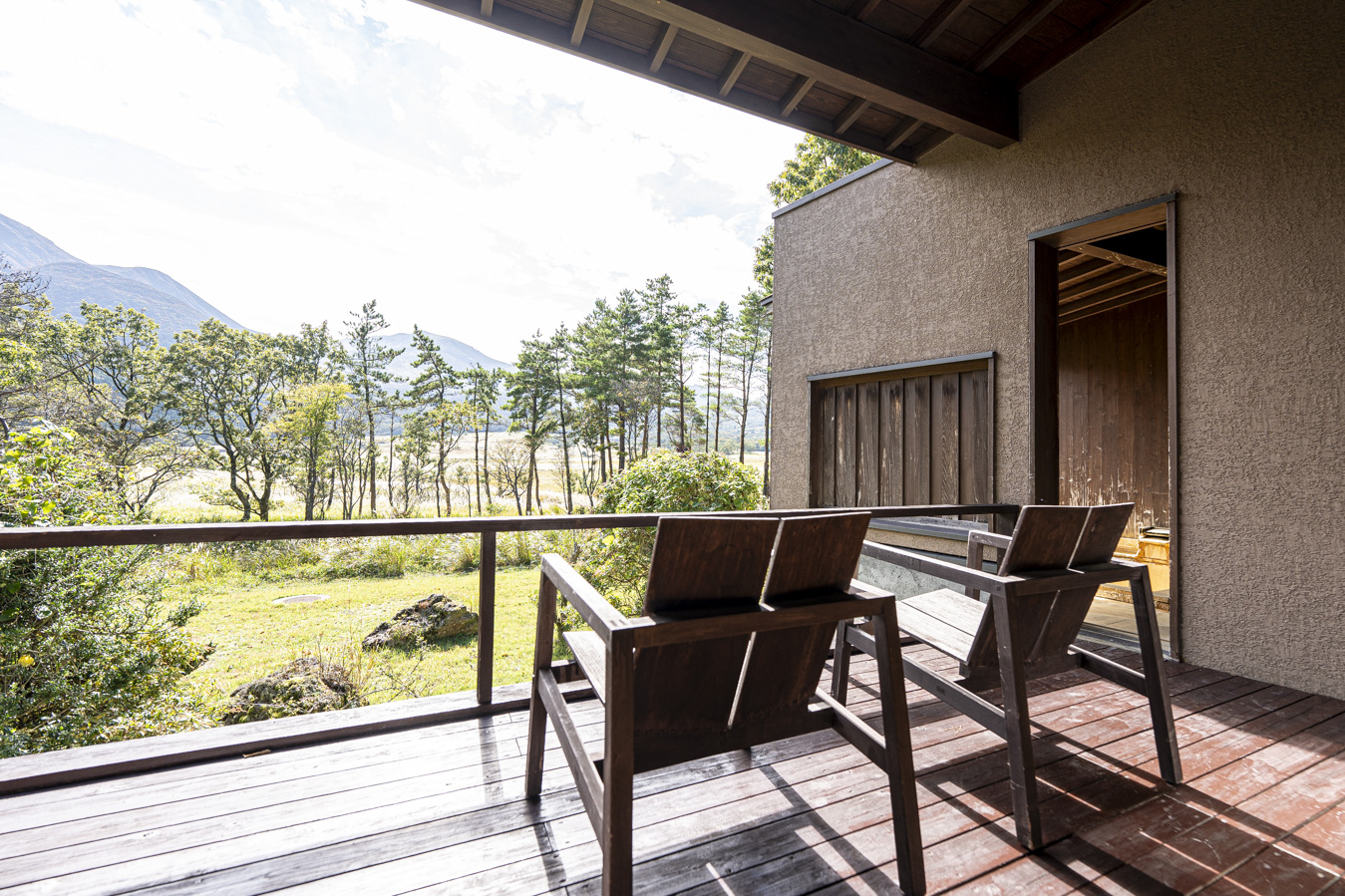
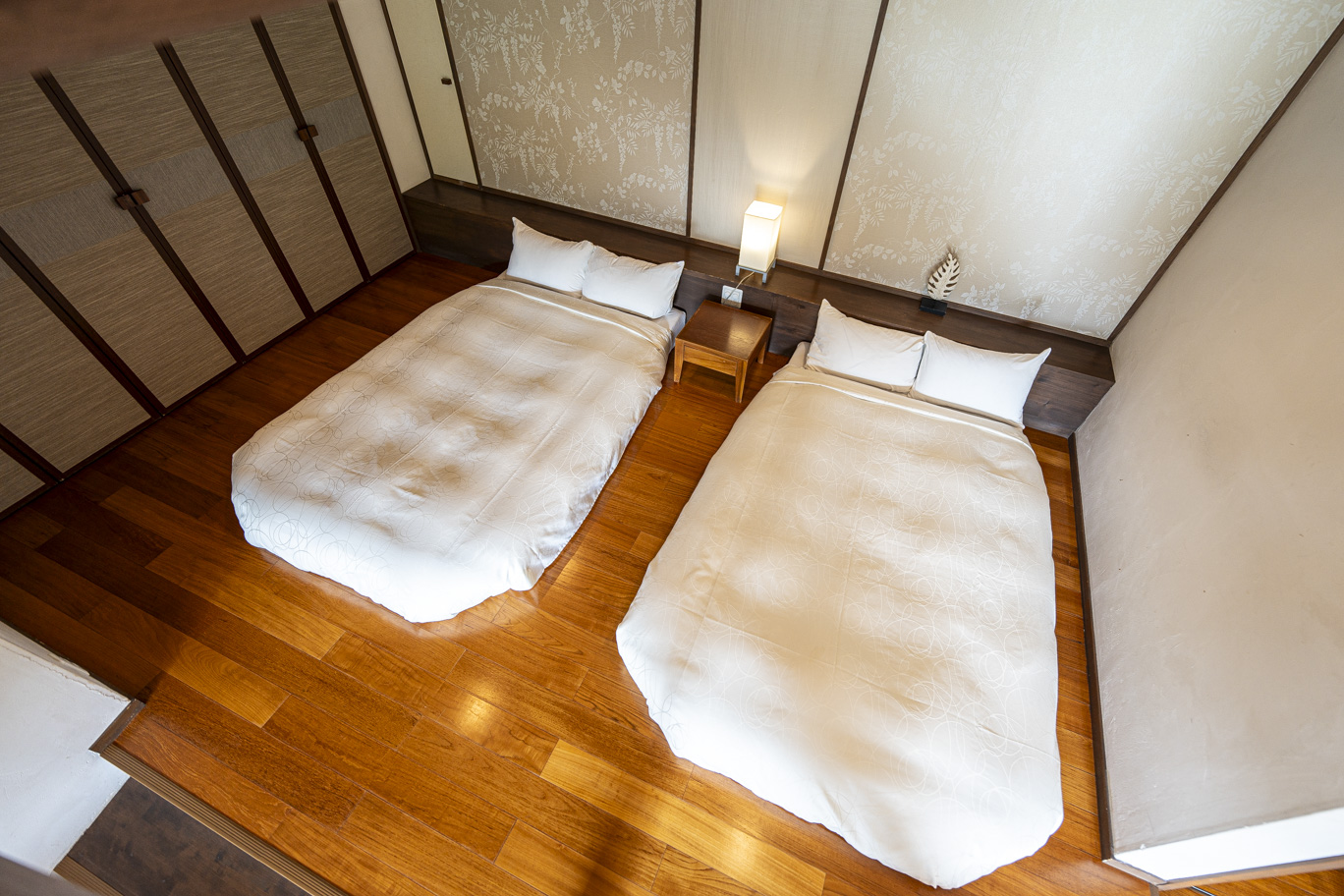
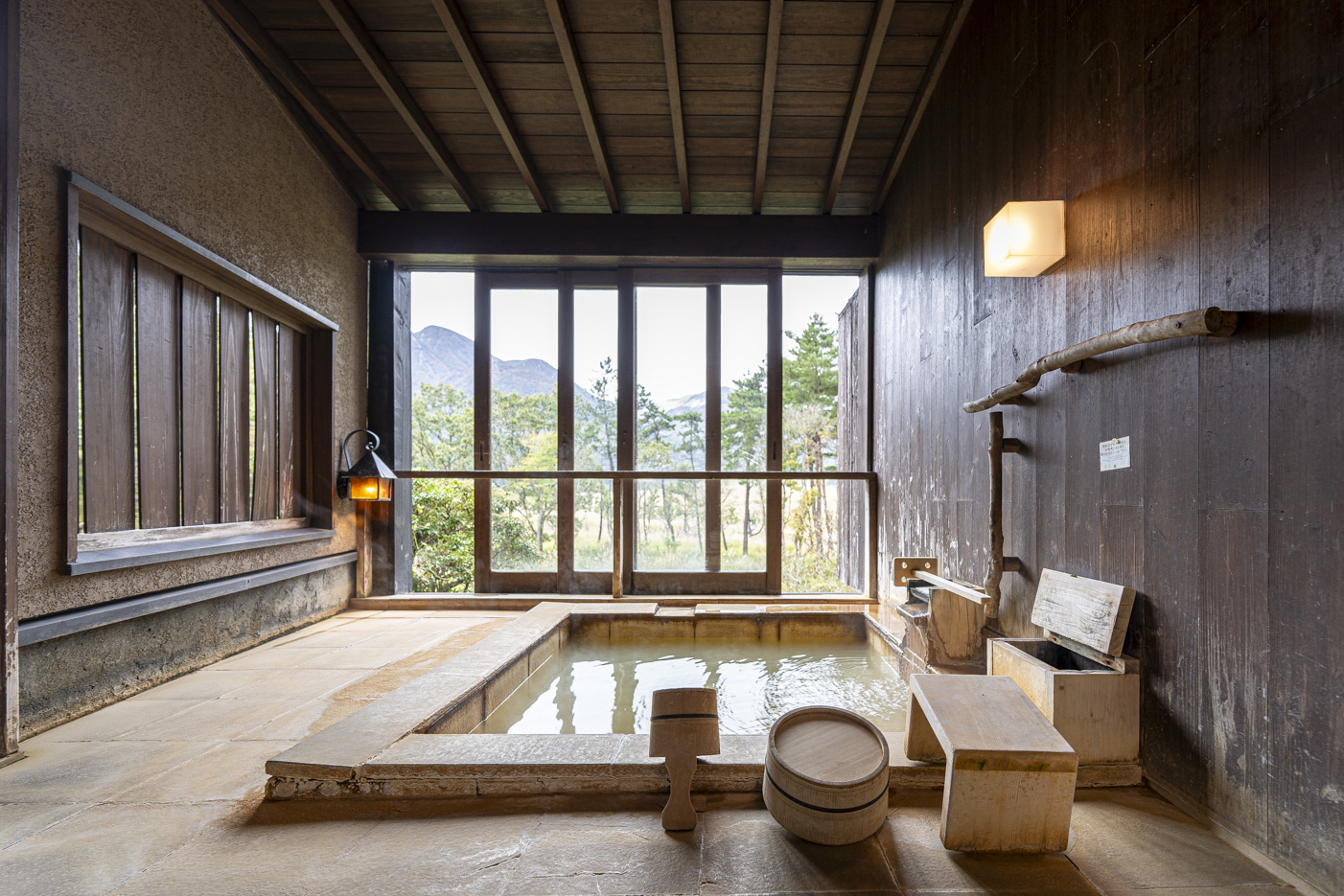
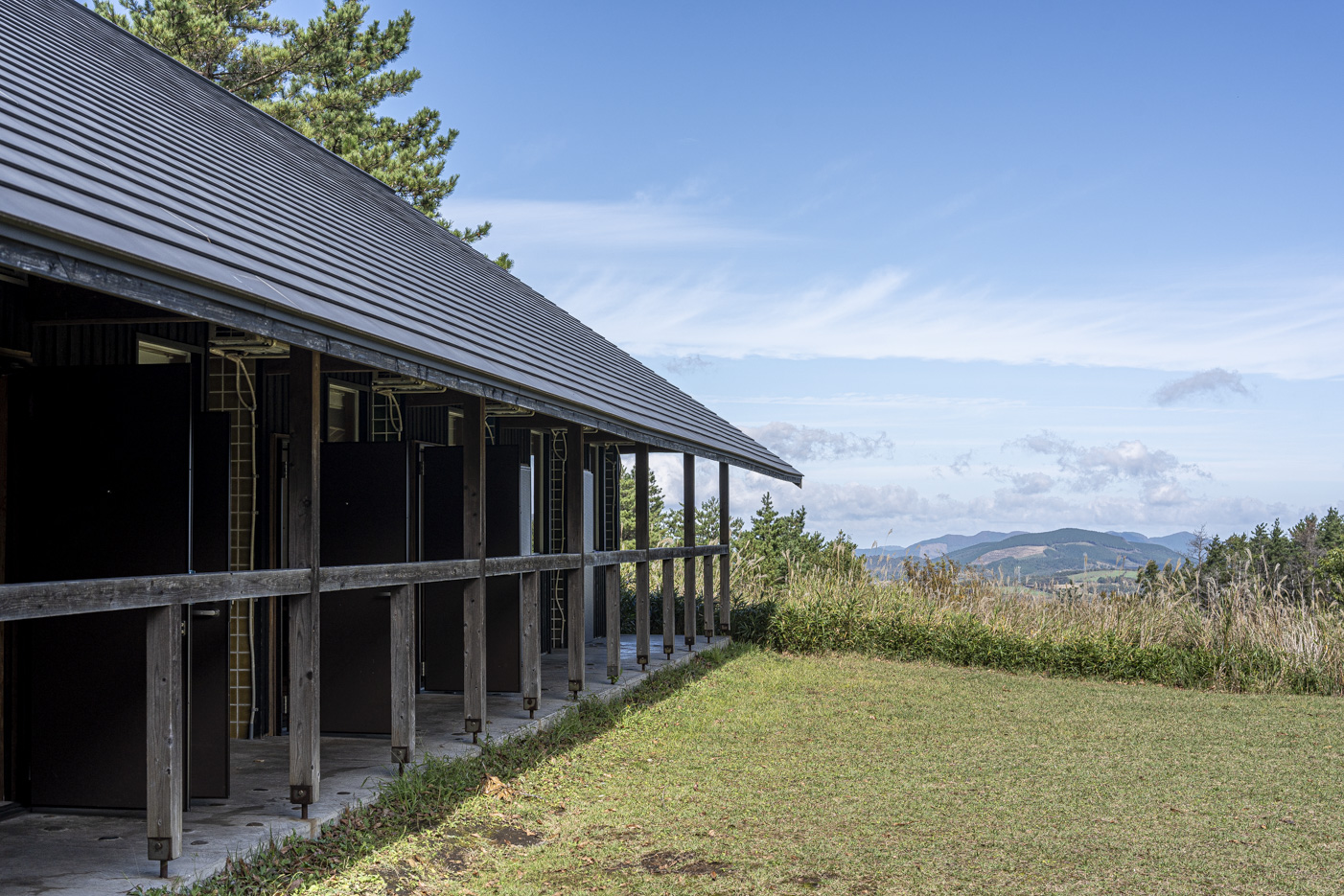
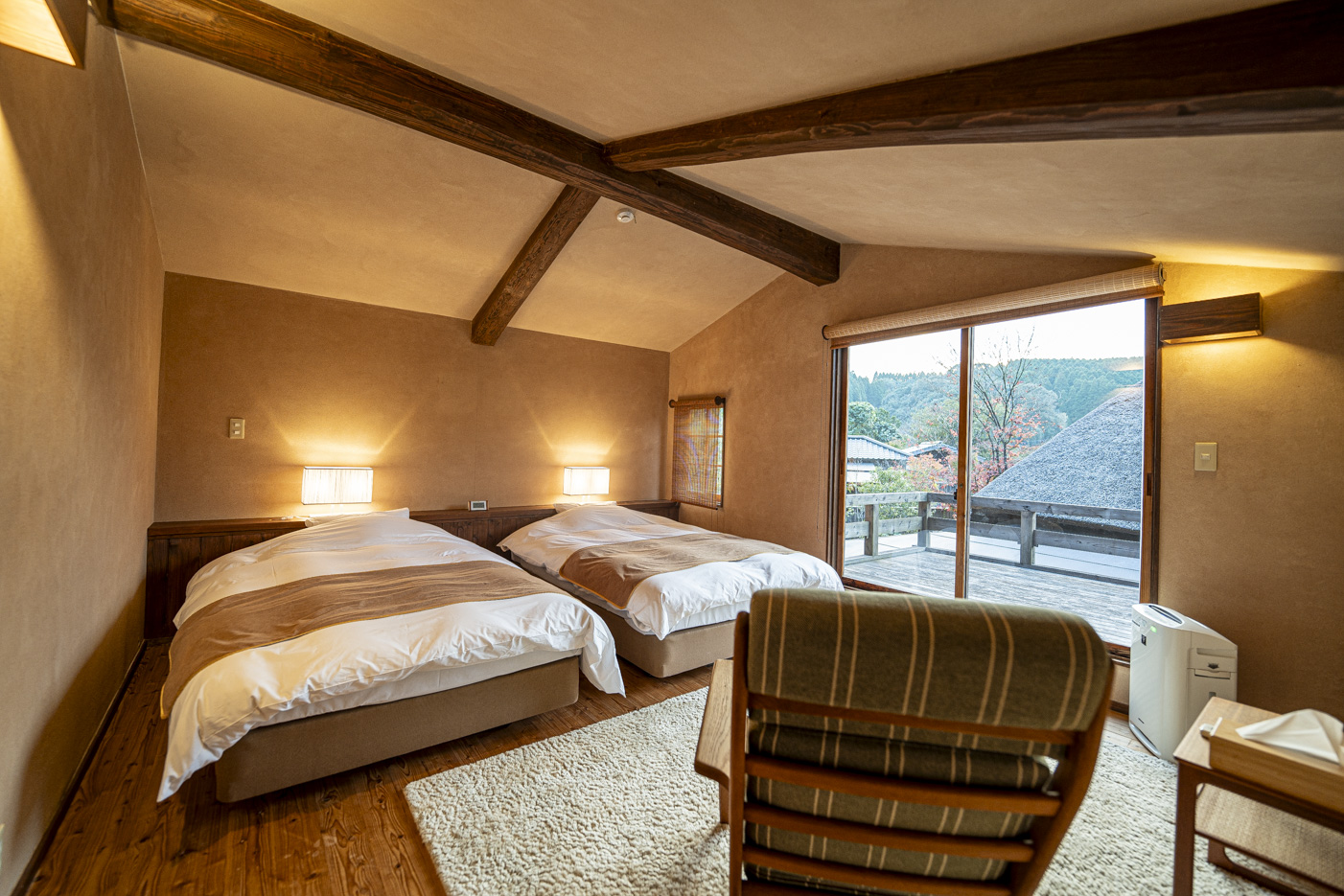
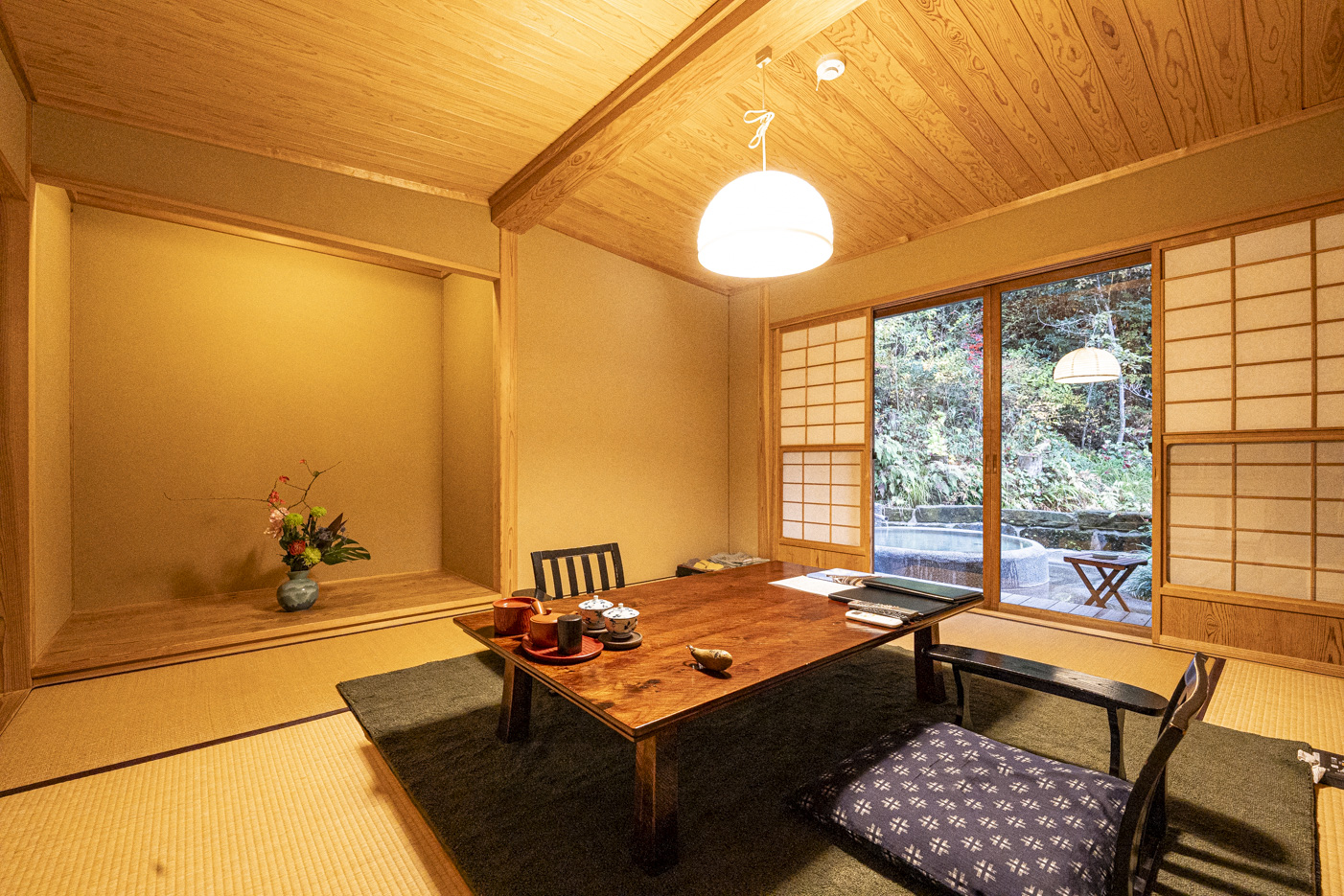
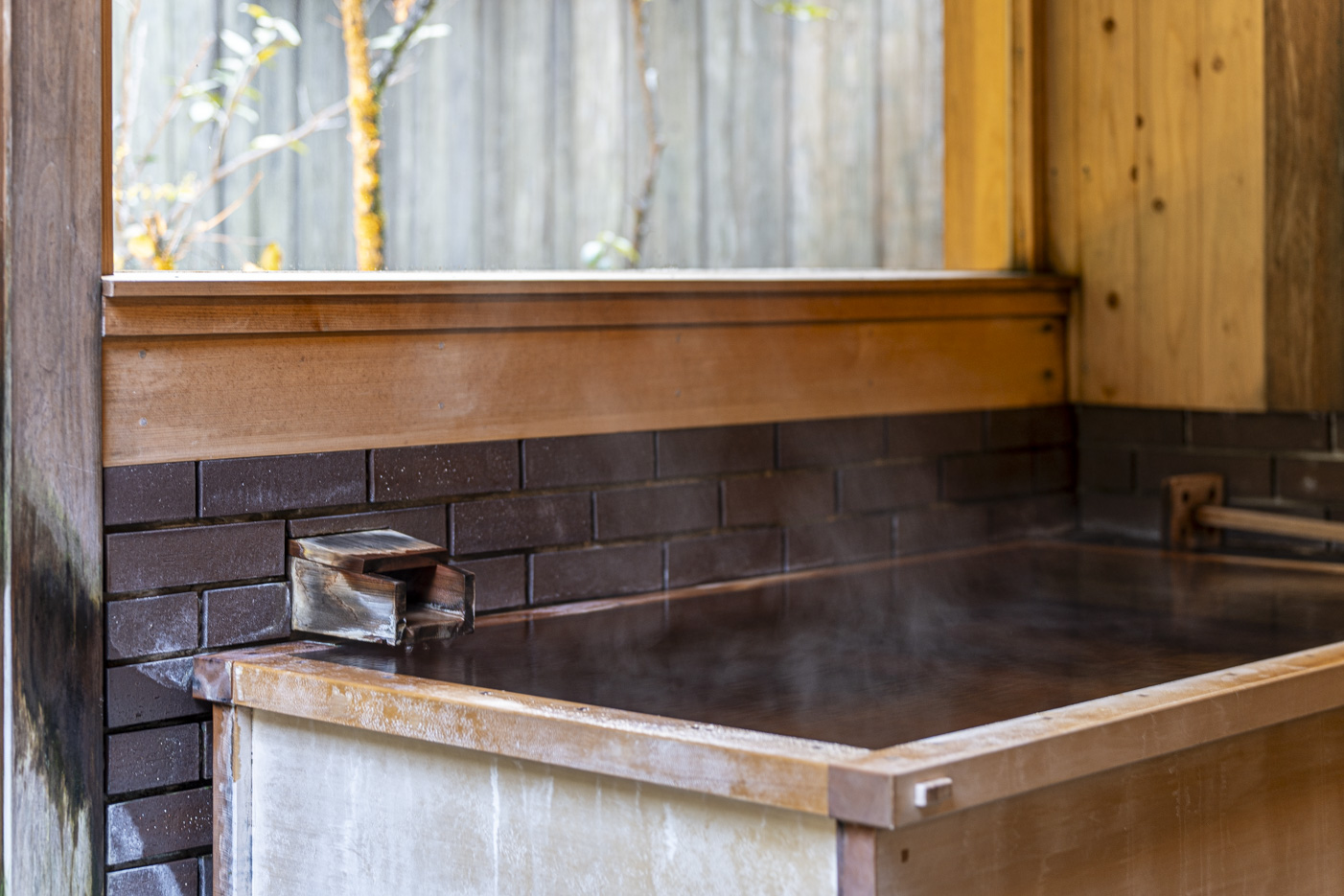
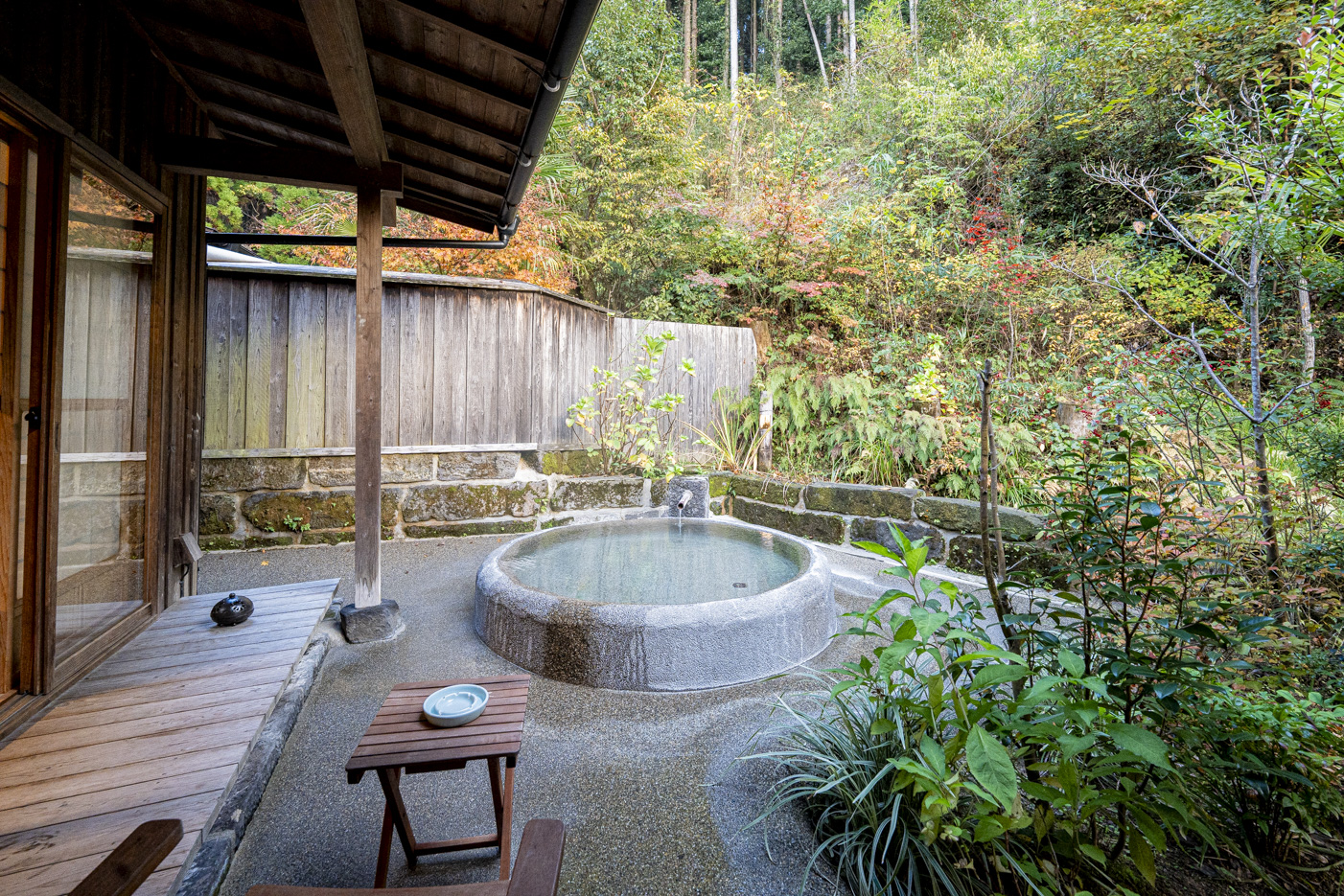
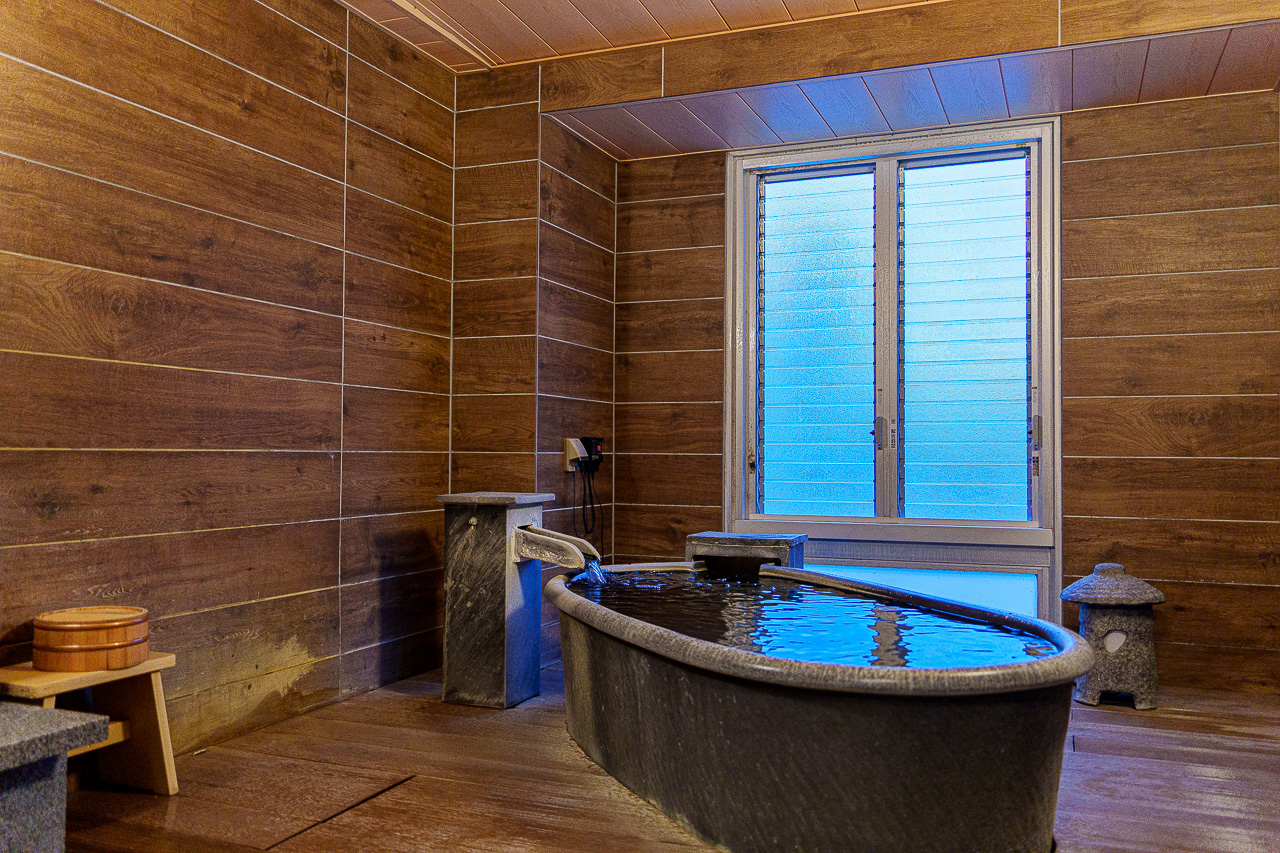
Kuoritei offers detached, villa-style accommodation in a natural setting, with a natural hot-spring bath attached to every room for private bathing whenever you wish. The source records pickup from Yufuin Station, allowing a visit without a rental car. The maisonette rooms have warm natural-wood interiors, views of the Kuju mountain range, and well-provided minibars and amenities.
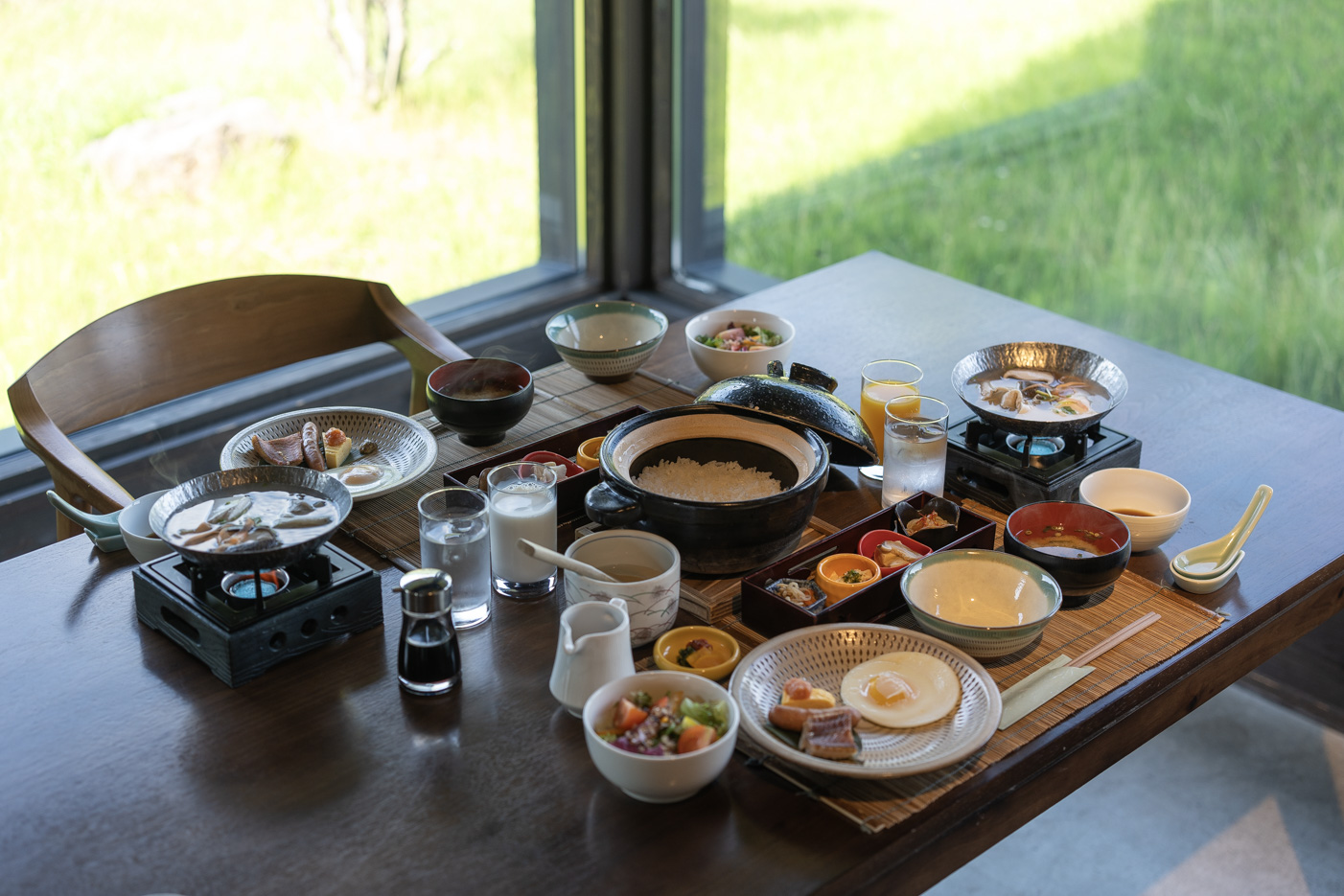
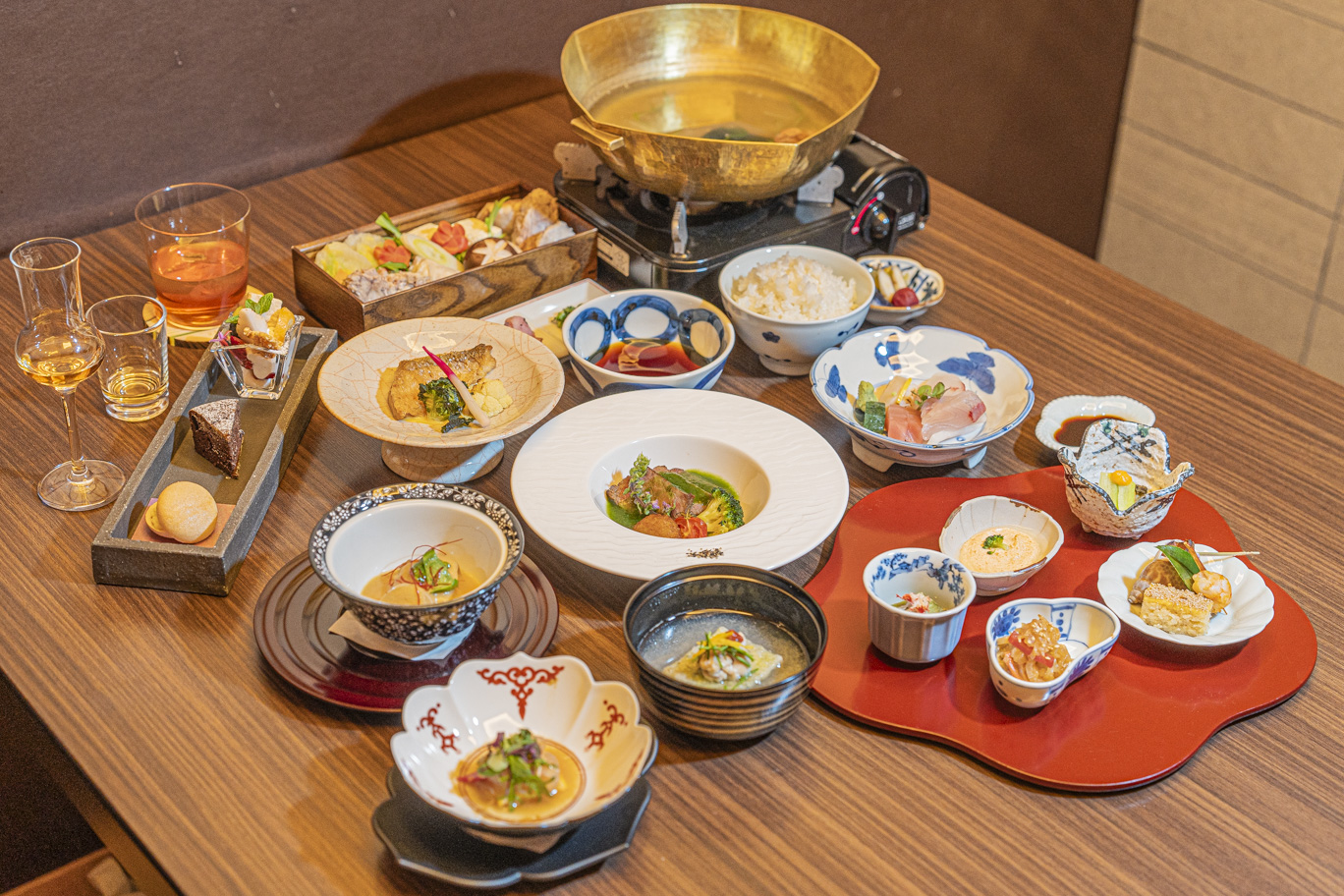
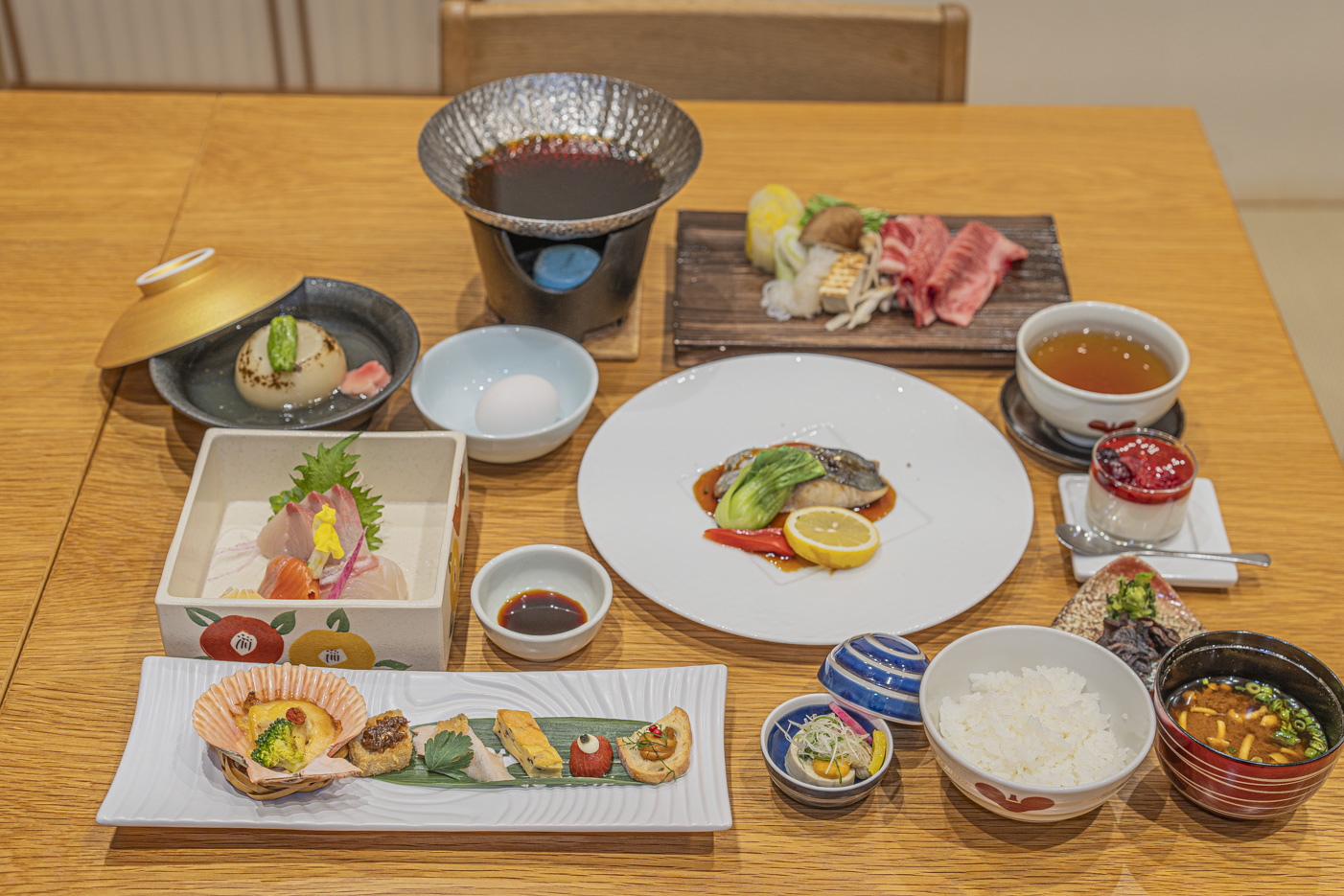
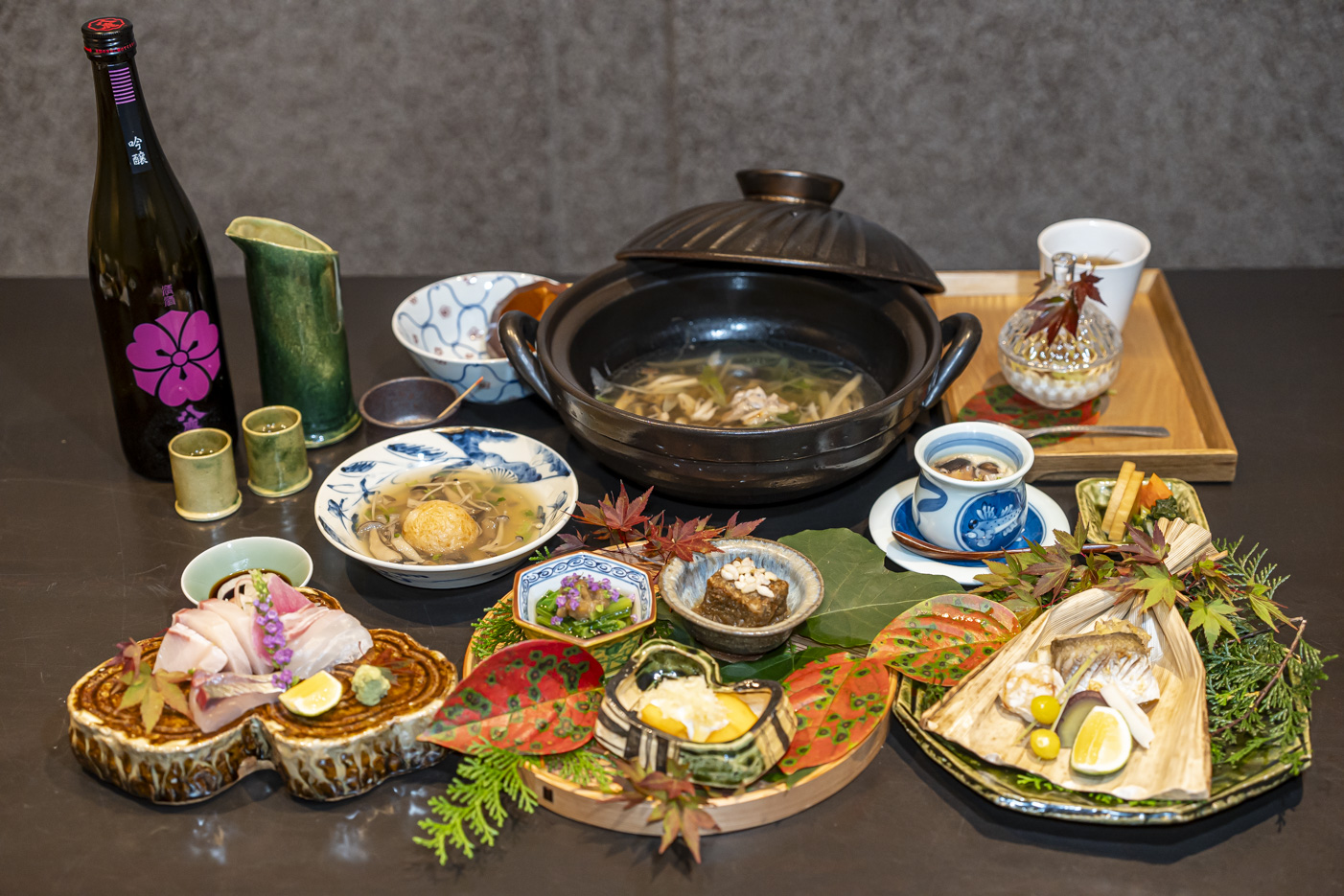
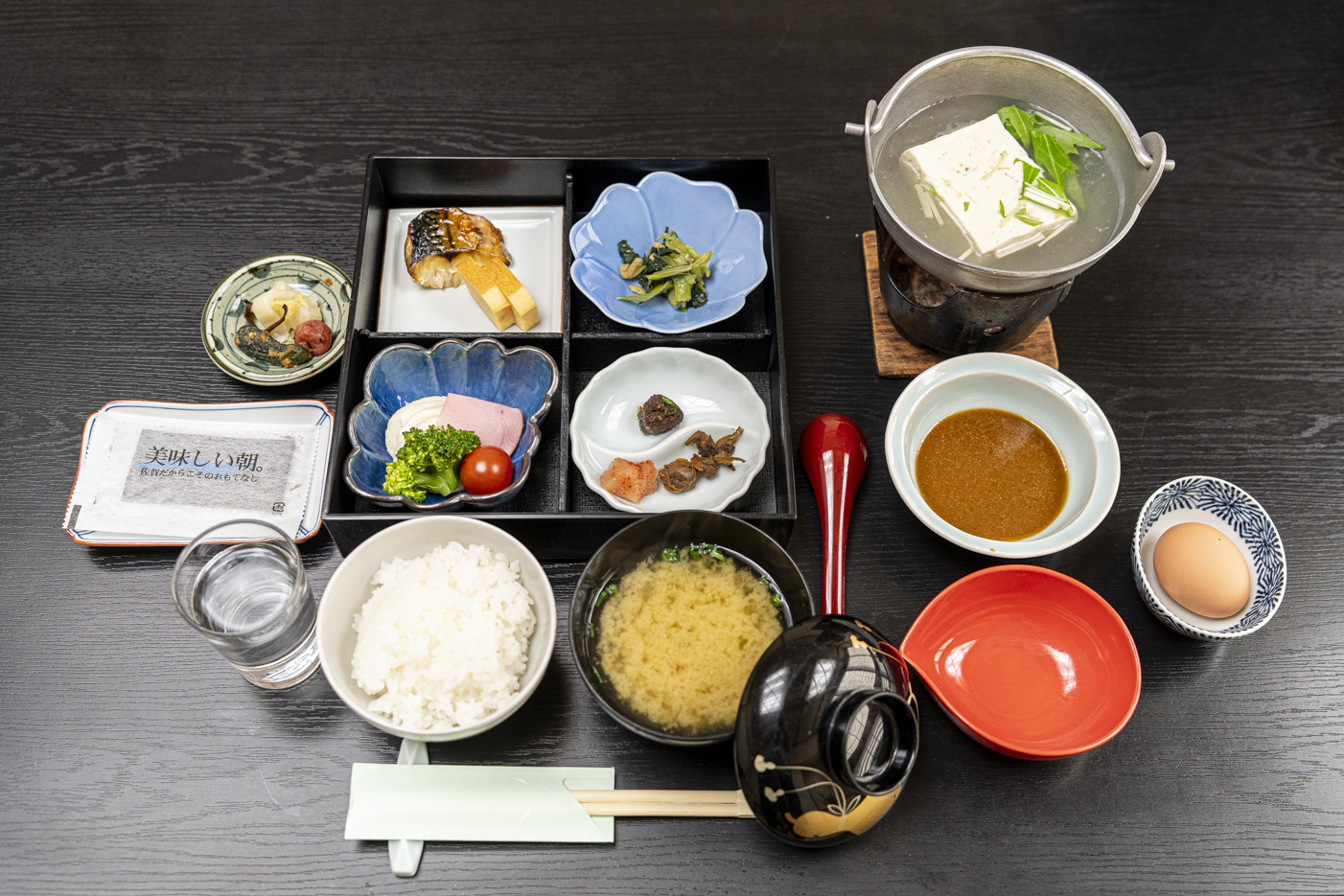
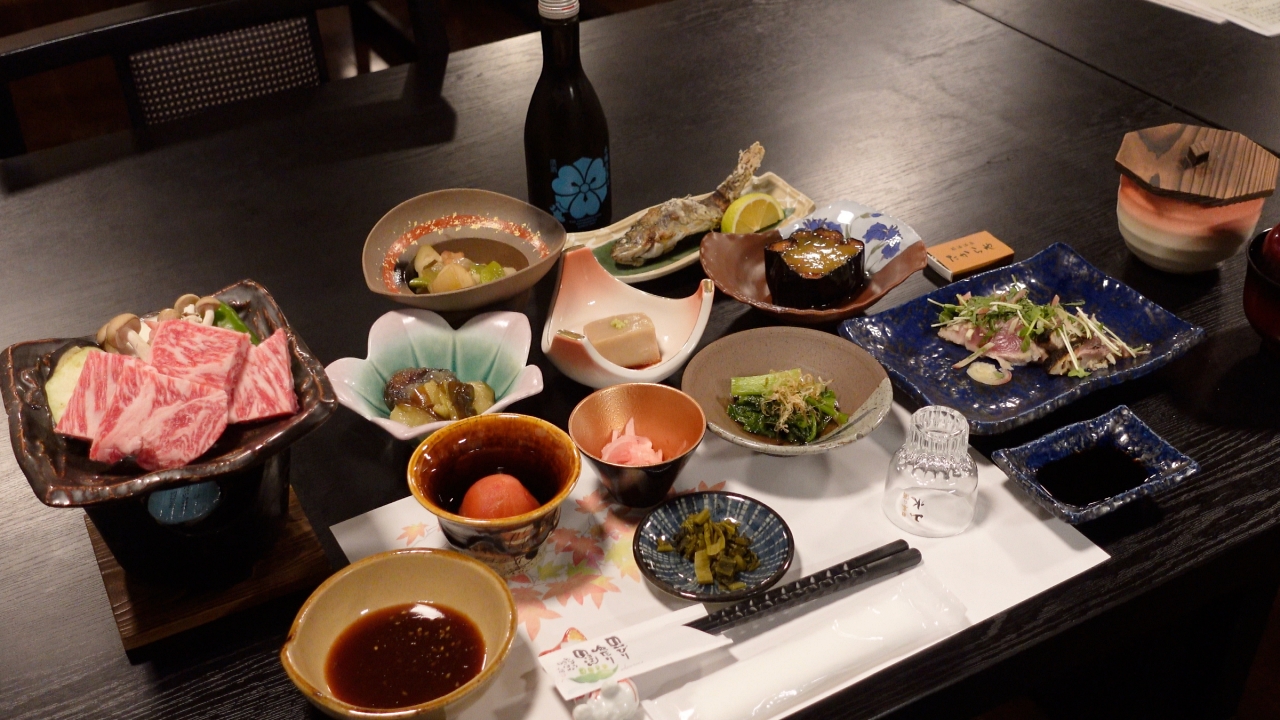
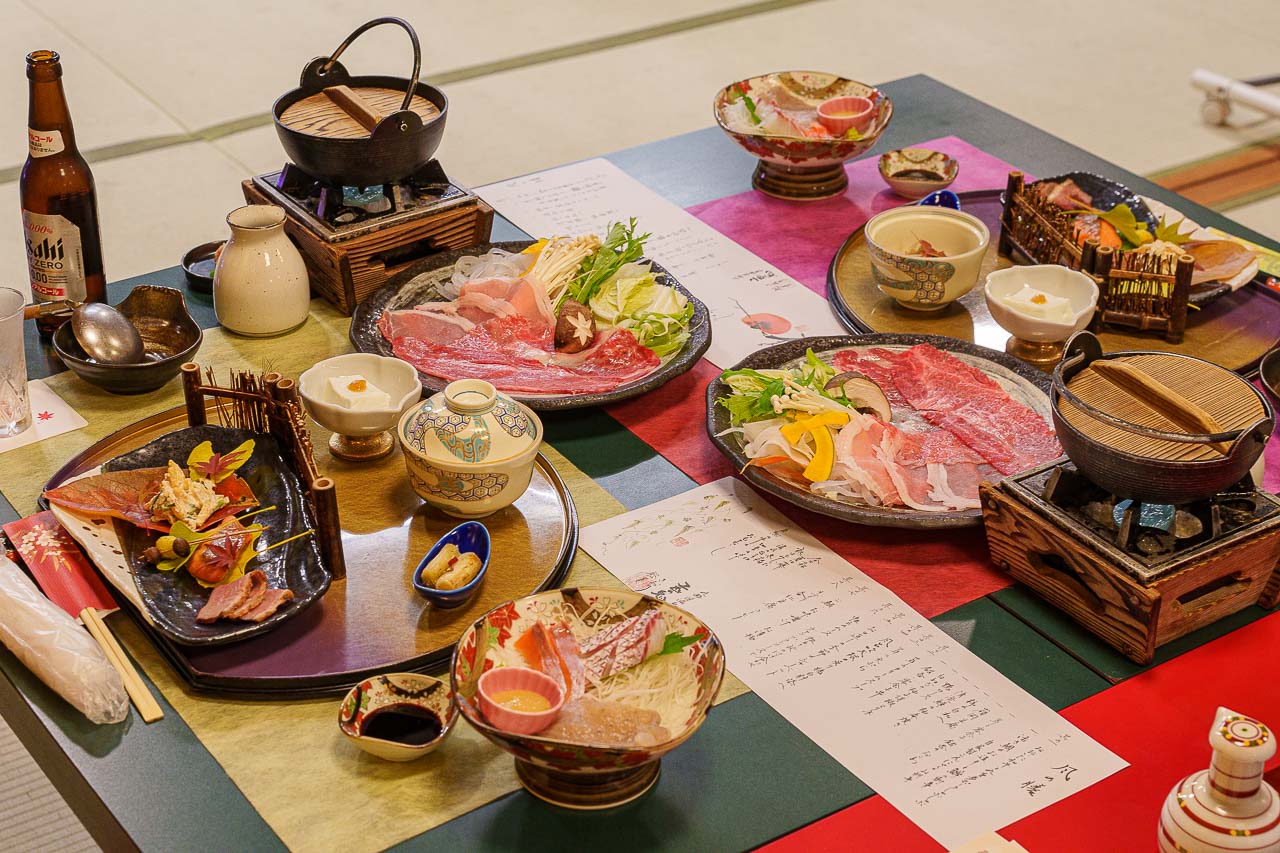
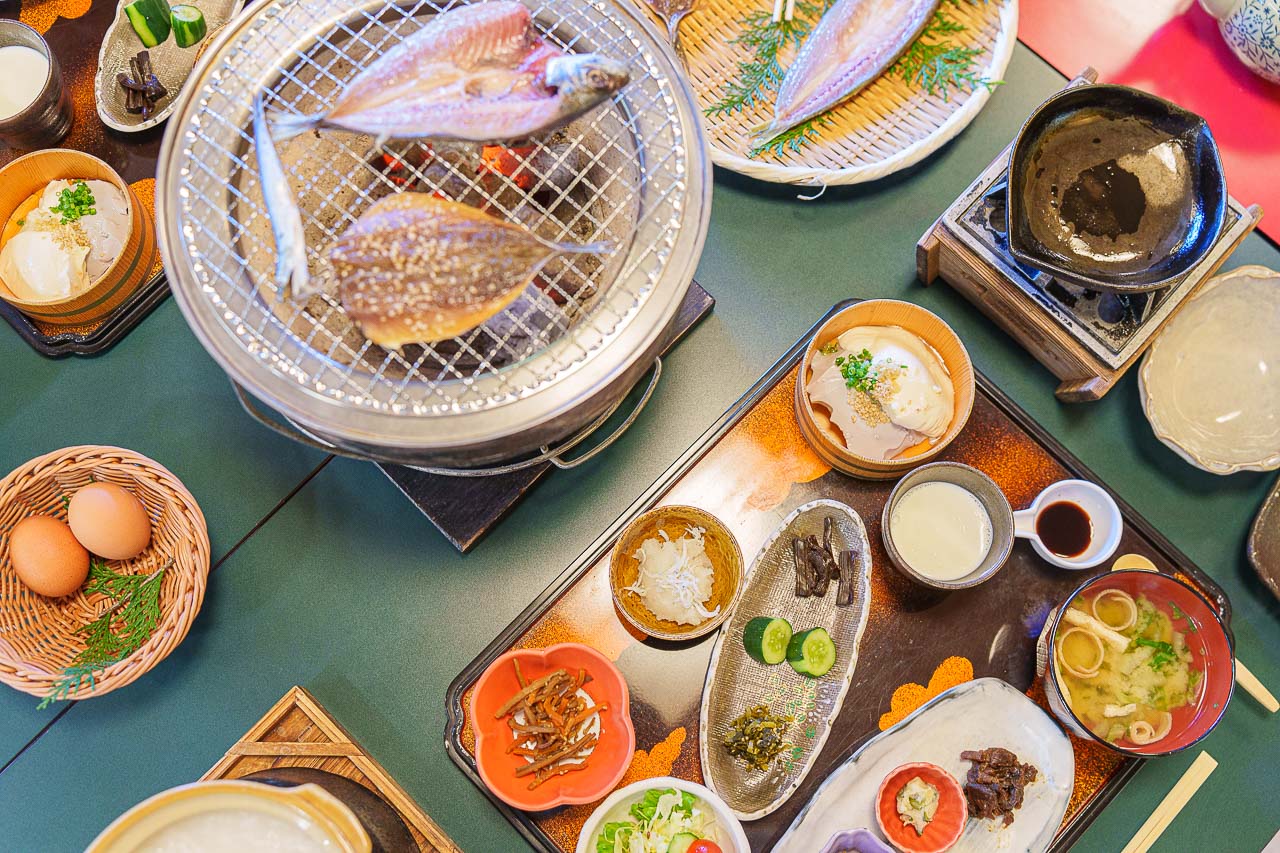
Dinner is a neatly presented course attributed in the original review to a Michelin chef, while breakfast includes substantial dishes such as clay-pot rice and shabu-shabu. The reviewer presents it as an upscale villa-style retreat for adults needing a break, including a special trip with parents.
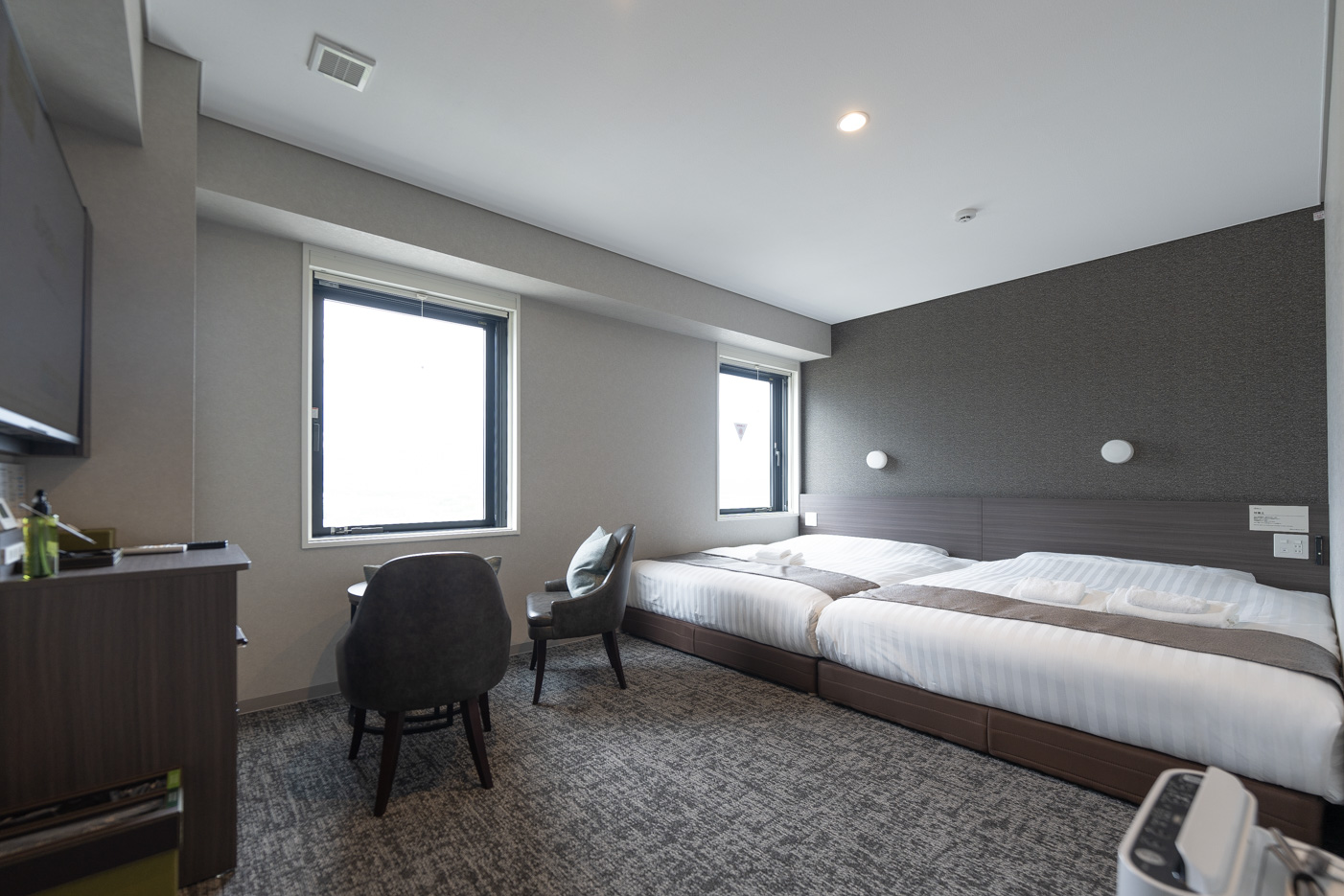
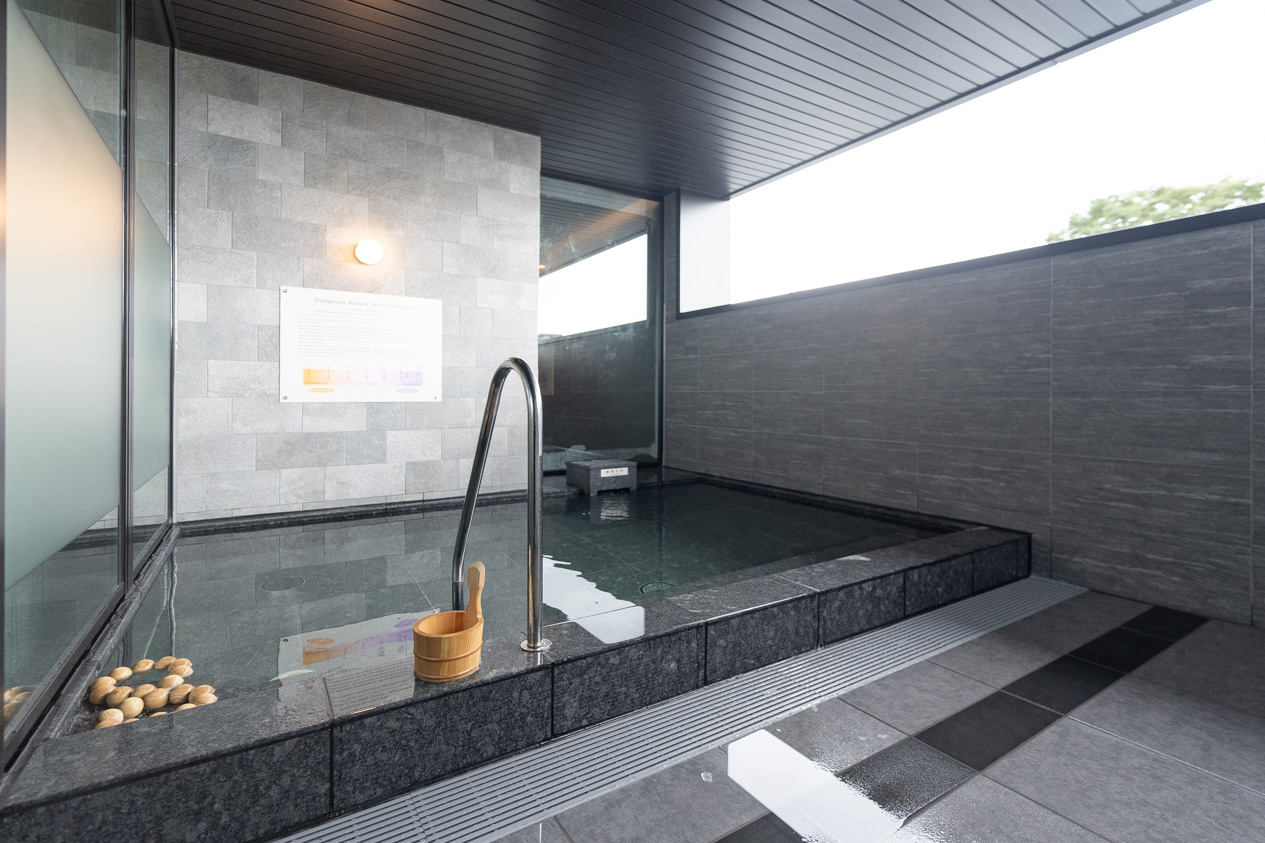
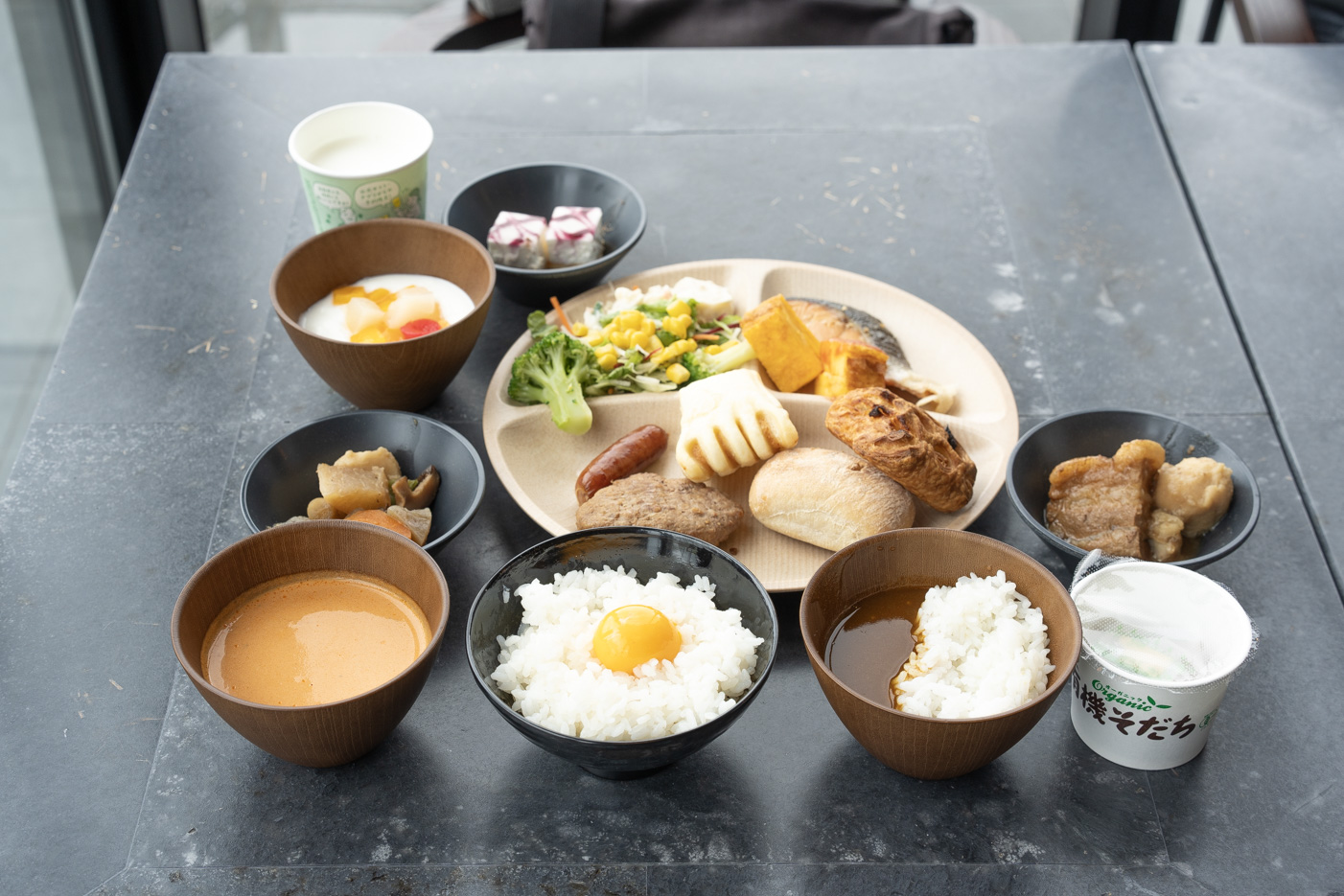
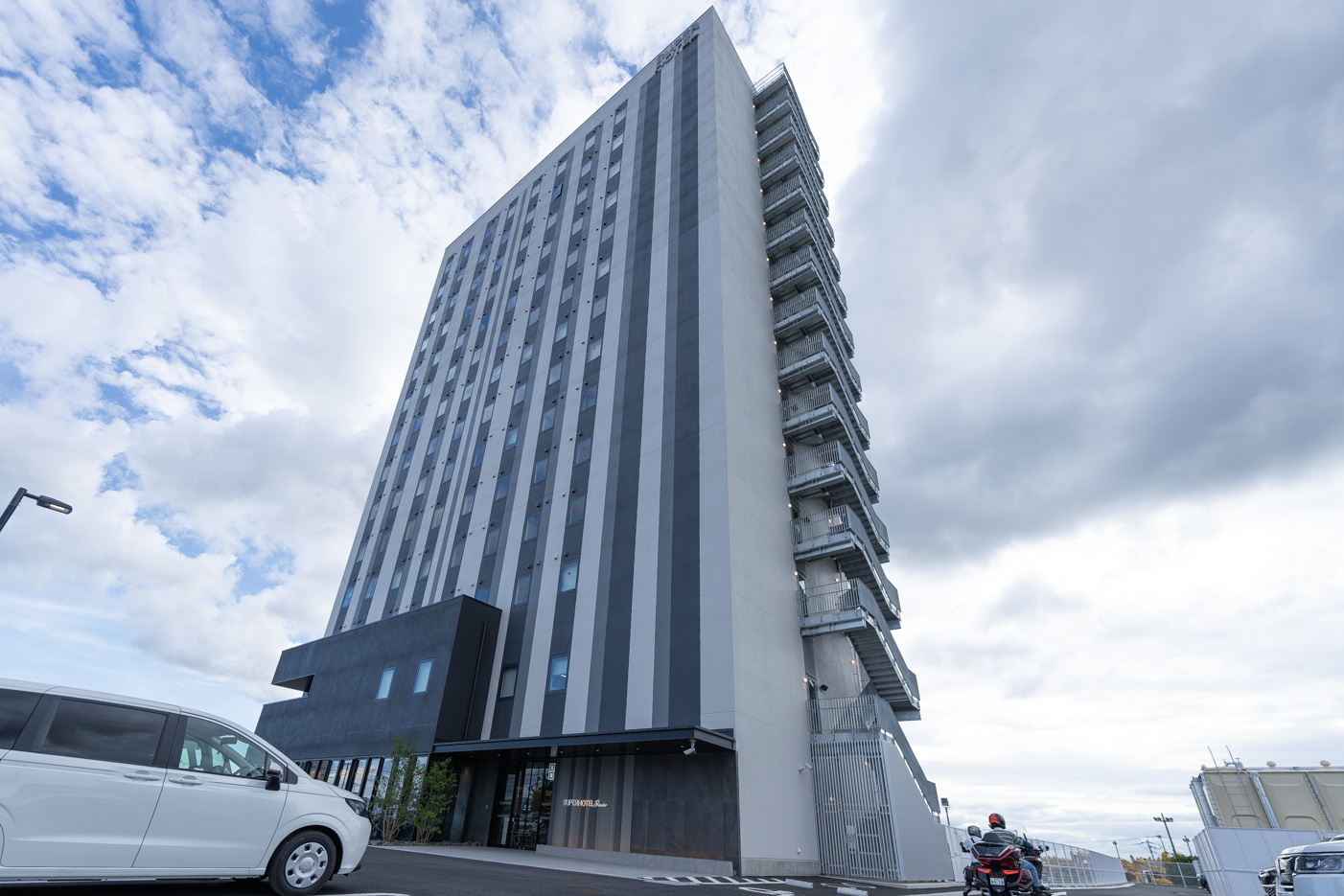
This newly opened hotel near Kumamoto Airport offered an unusually generous range of inclusions for a business hotel in the original record. Alongside unlimited natural hot-spring use, there were unlimited drinks including highballs, wine, and sake, plus ochazuke made with horse-bone broth at 9 p.m.
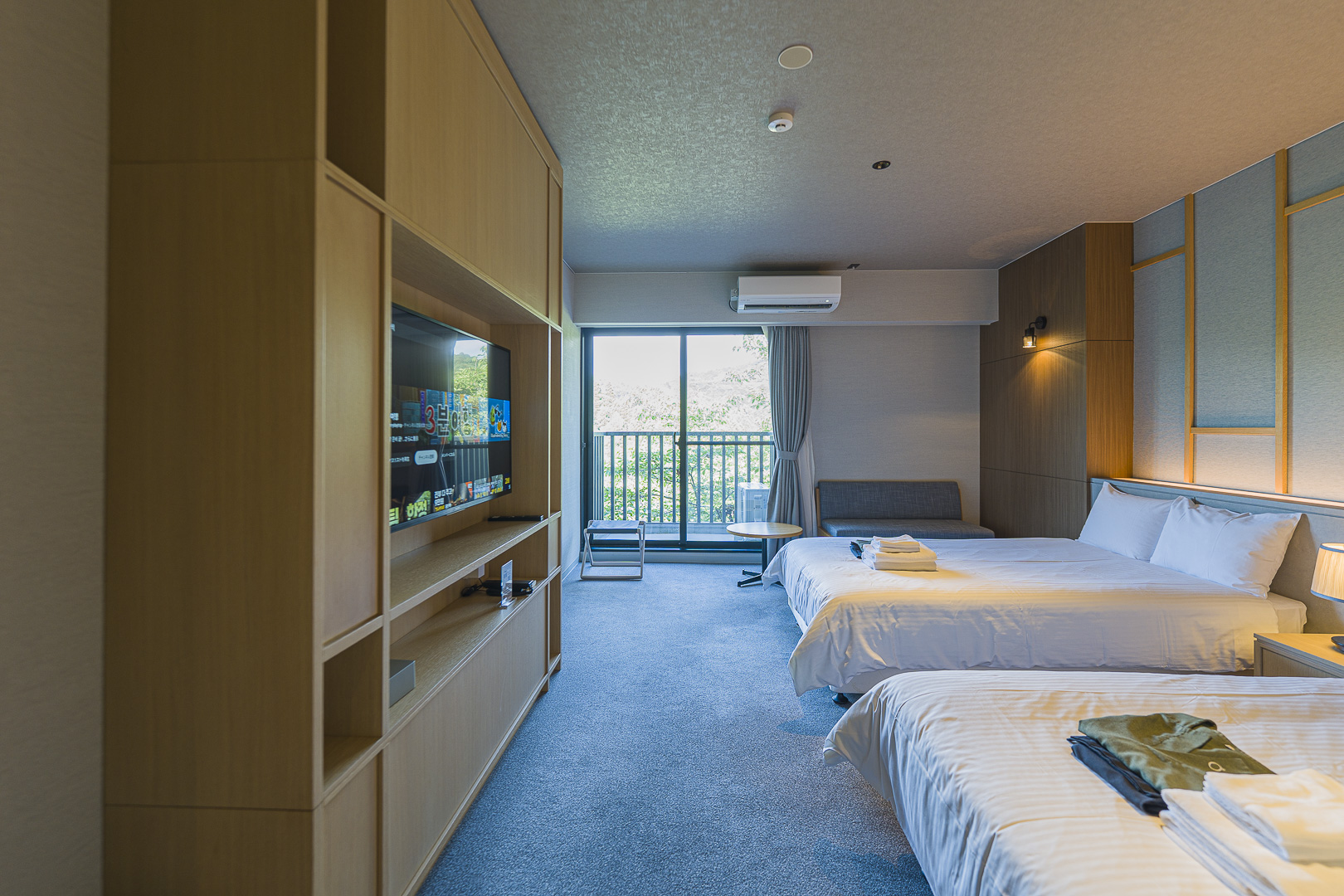
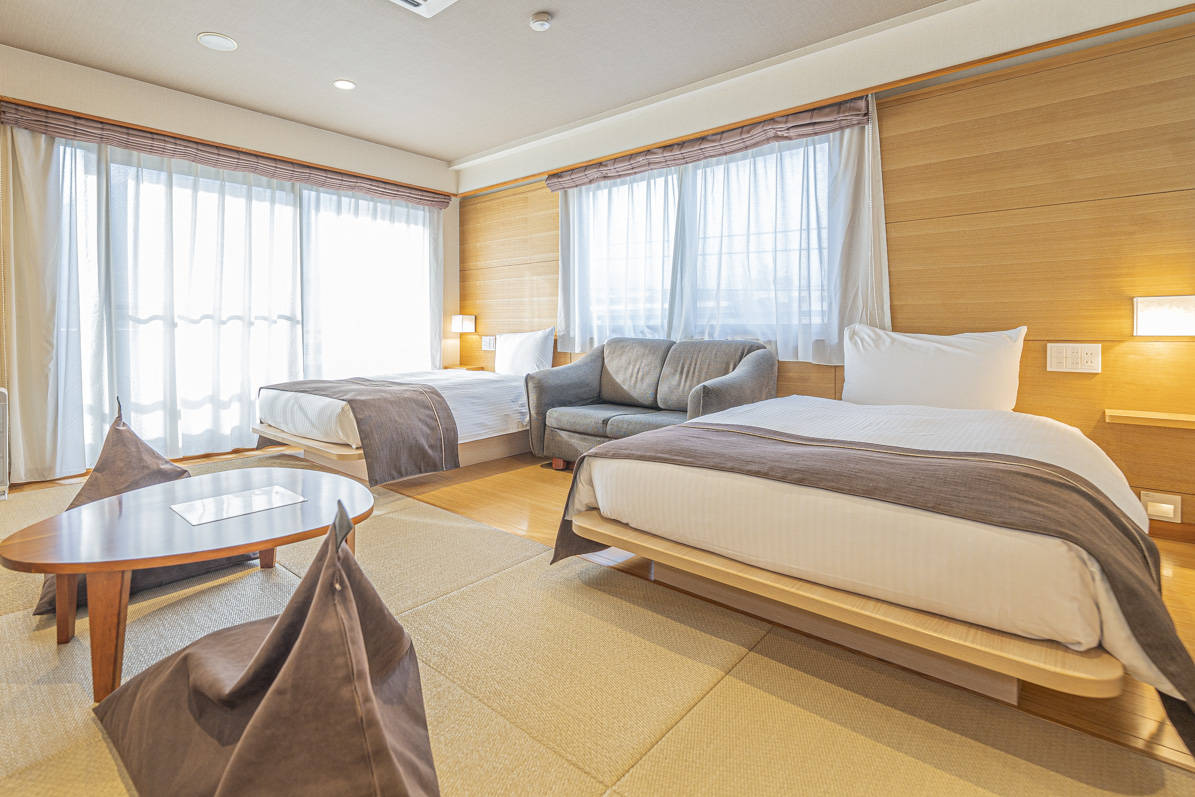
Spacious rooms and large beds came with conveniences such as Netflix-compatible televisions and charging cables. Amenity and pillow selections were supplemented by products including hair oil and face masks. The reviewer considered it particularly good value for the first or last night of a Kumamoto trip. These inclusions describe the source stay rather than a freshly checked current package.
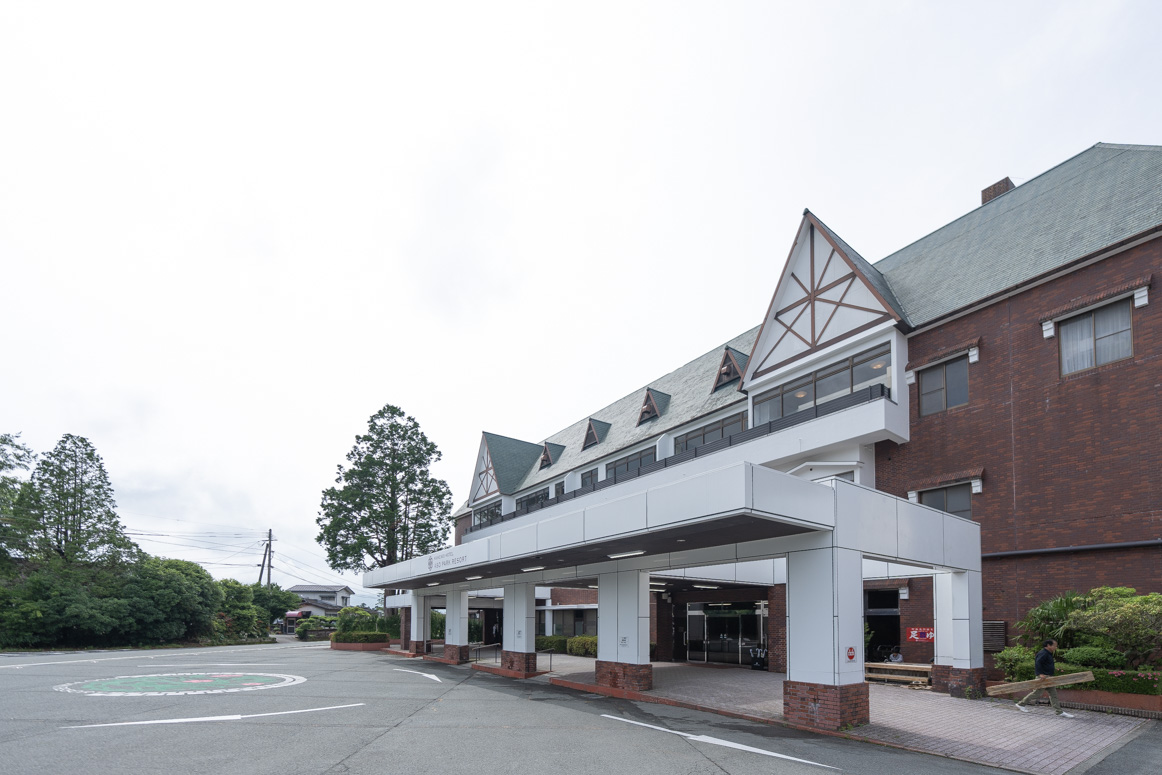
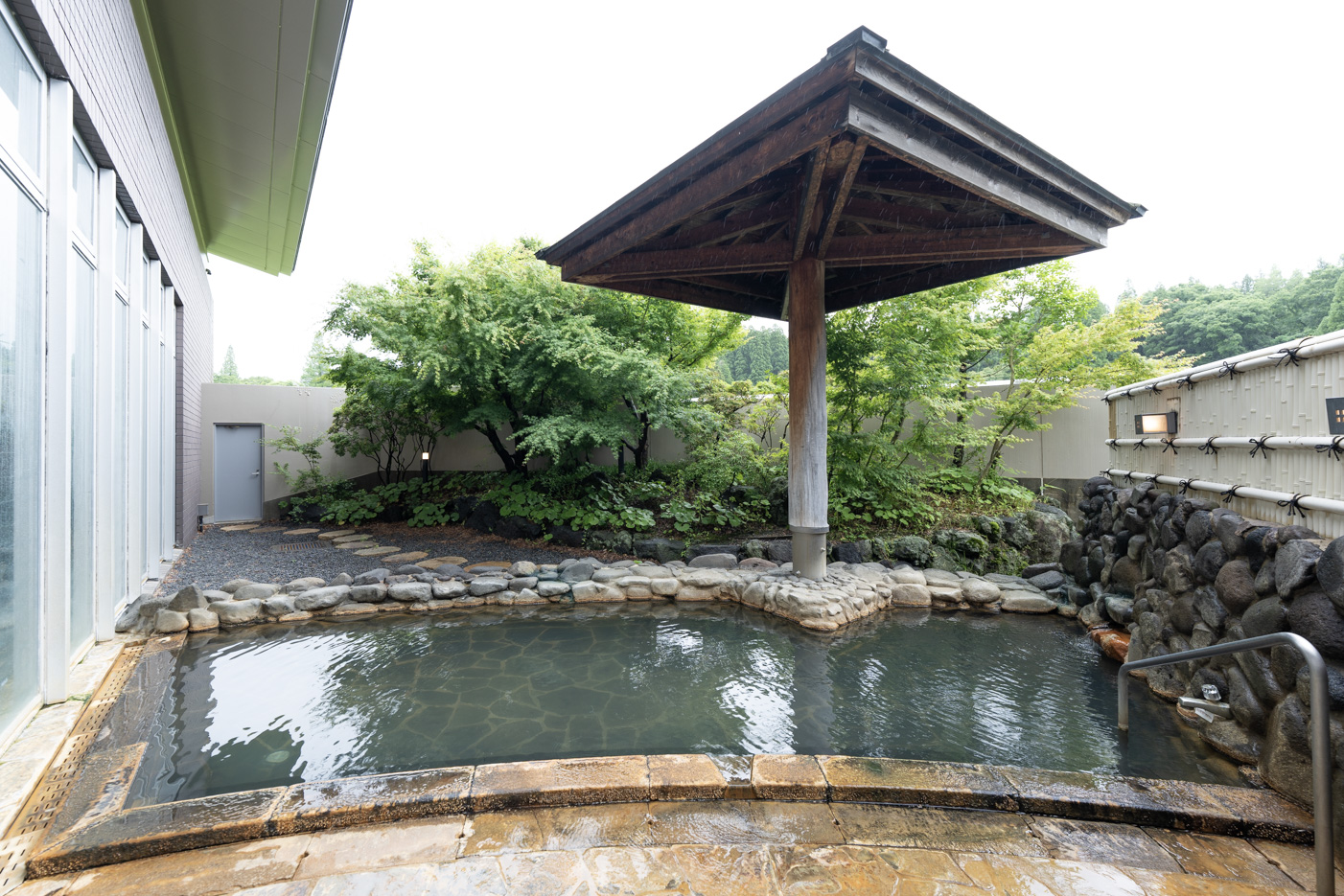
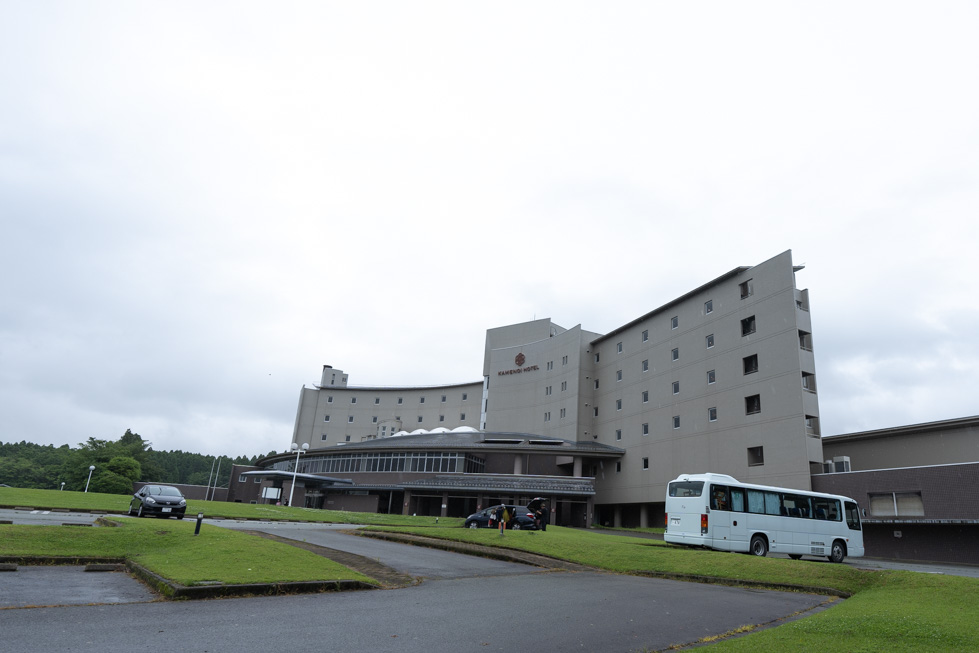
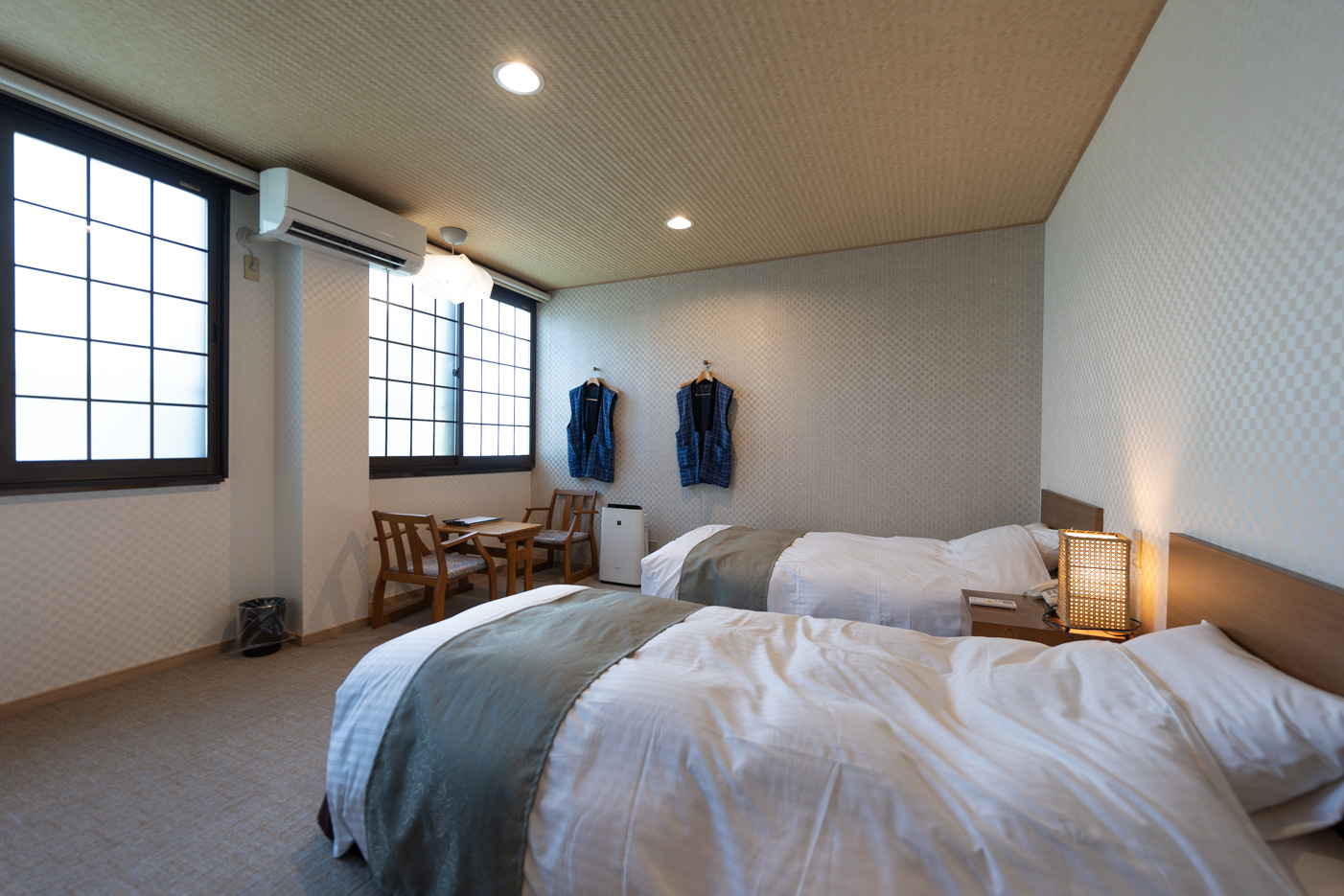
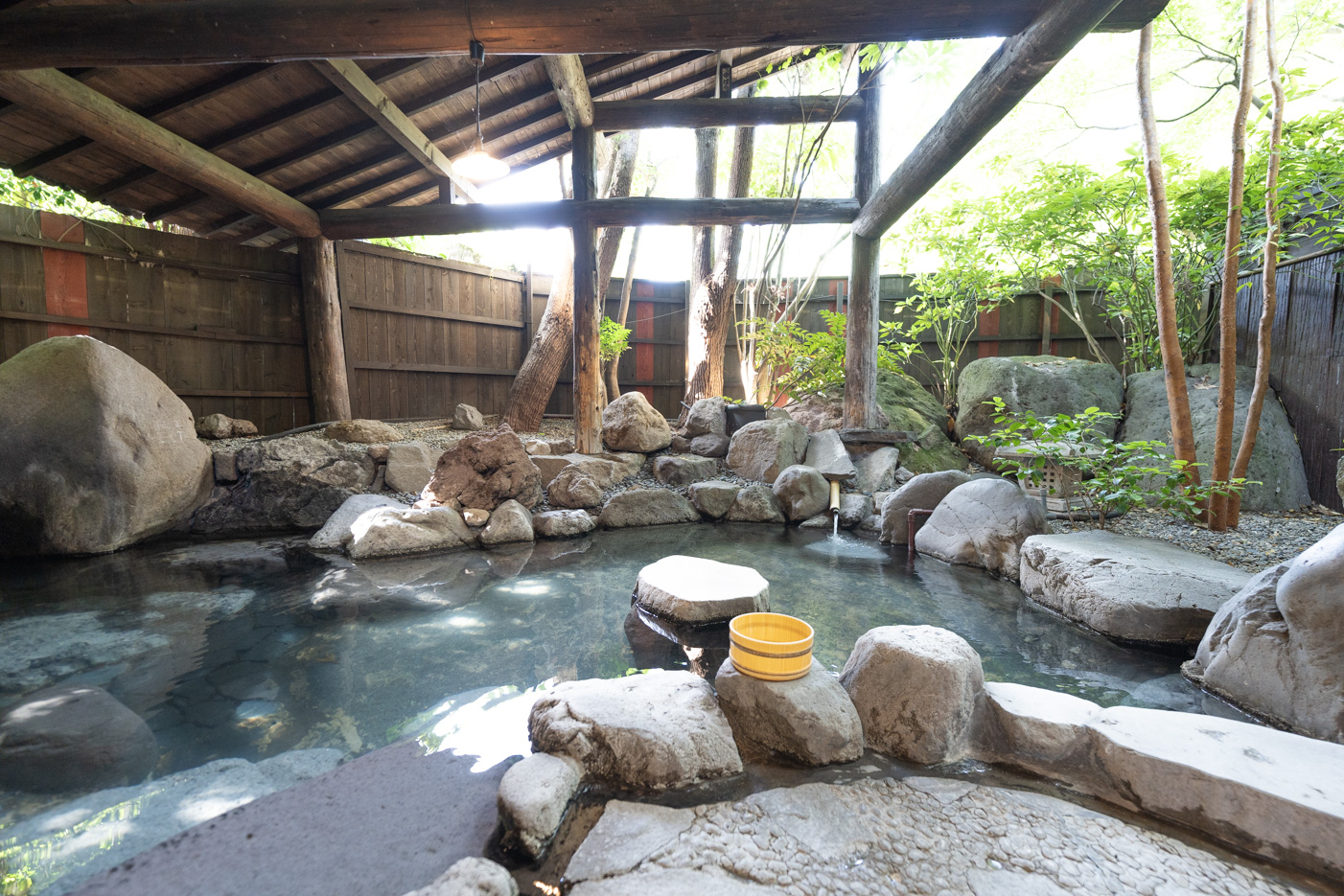
In Aso, Kumamoto, Kamenoi Hotel Aso Park Resort has spacious, playful rooms suited to families. Kumamon, the regional mascot, appears in room designs and adds a distinctly local touch. The hotel’s continuously flowing hot springs include both indoor and outdoor baths.
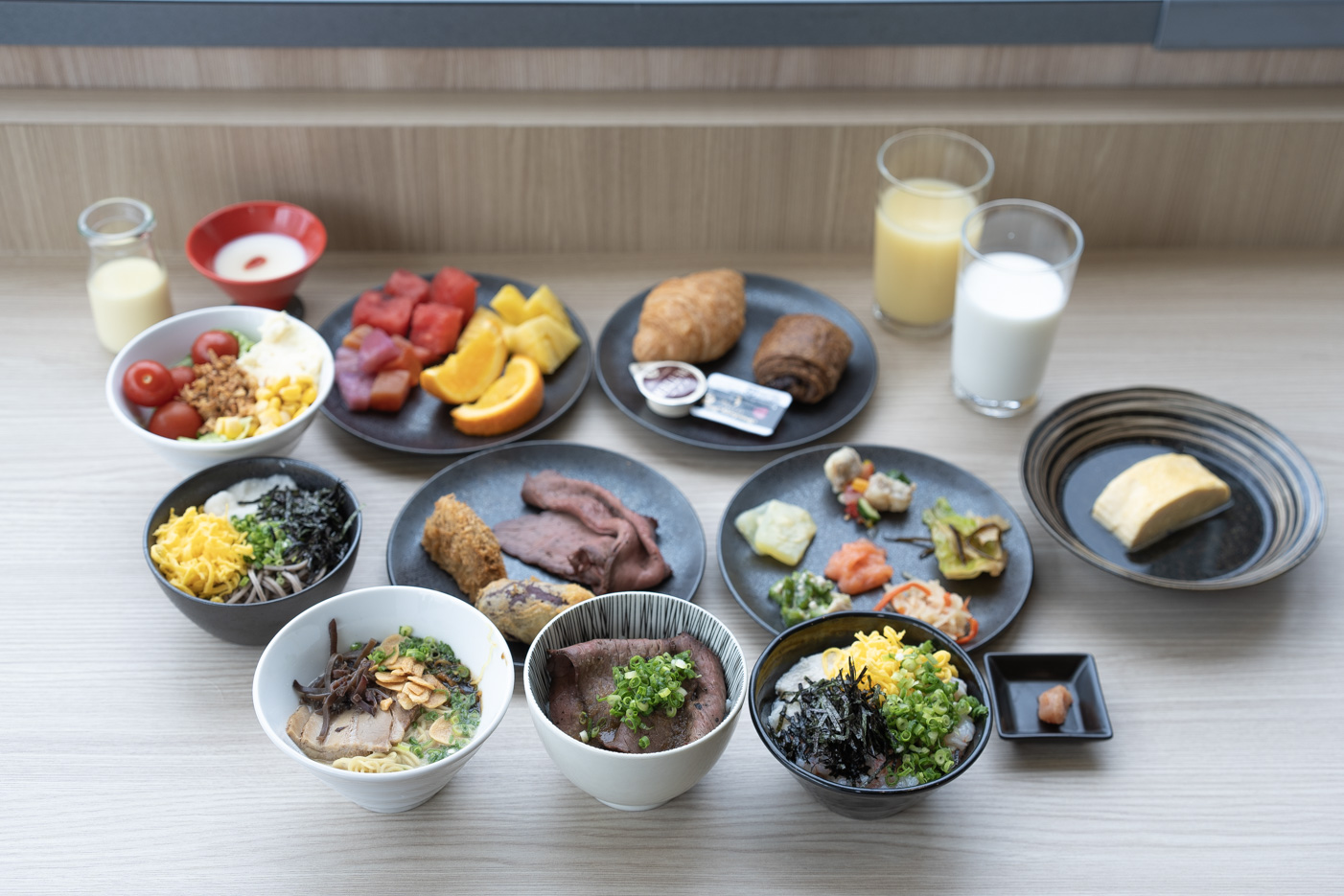
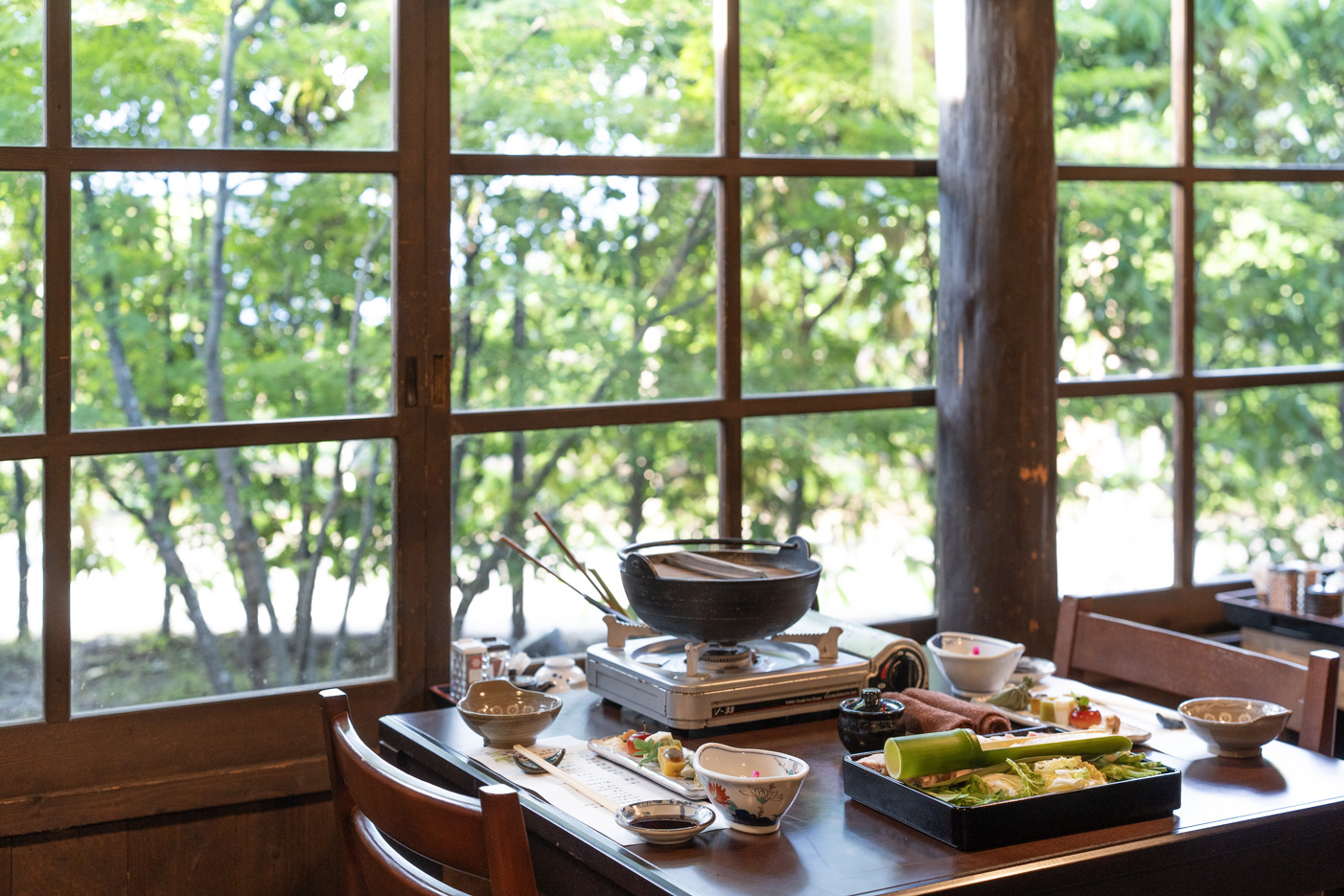
Dinner is a buffet with a live kitchen, with late-night food and breakfast also part of the source experience. Nearby Miyajimonzencho offers local activities and tastes such as flowing somen noodles, traditional snacks, and fortune slips, allowing some neighborhood exploration alongside the stay.
Kamenoi Hotel Aso in Kumamoto’s Aso area is recommended in the original review for a trip with parents. Indoor and outdoor hot-spring baths offer time to unwind, and the playful Kumamon-themed rooms can bring out a sense of childhood even in adults.
The room televisions supported Netflix and YouTube during the source stay. A complimentary shuttle from Aso Station made the hotel accessible by public transportation.
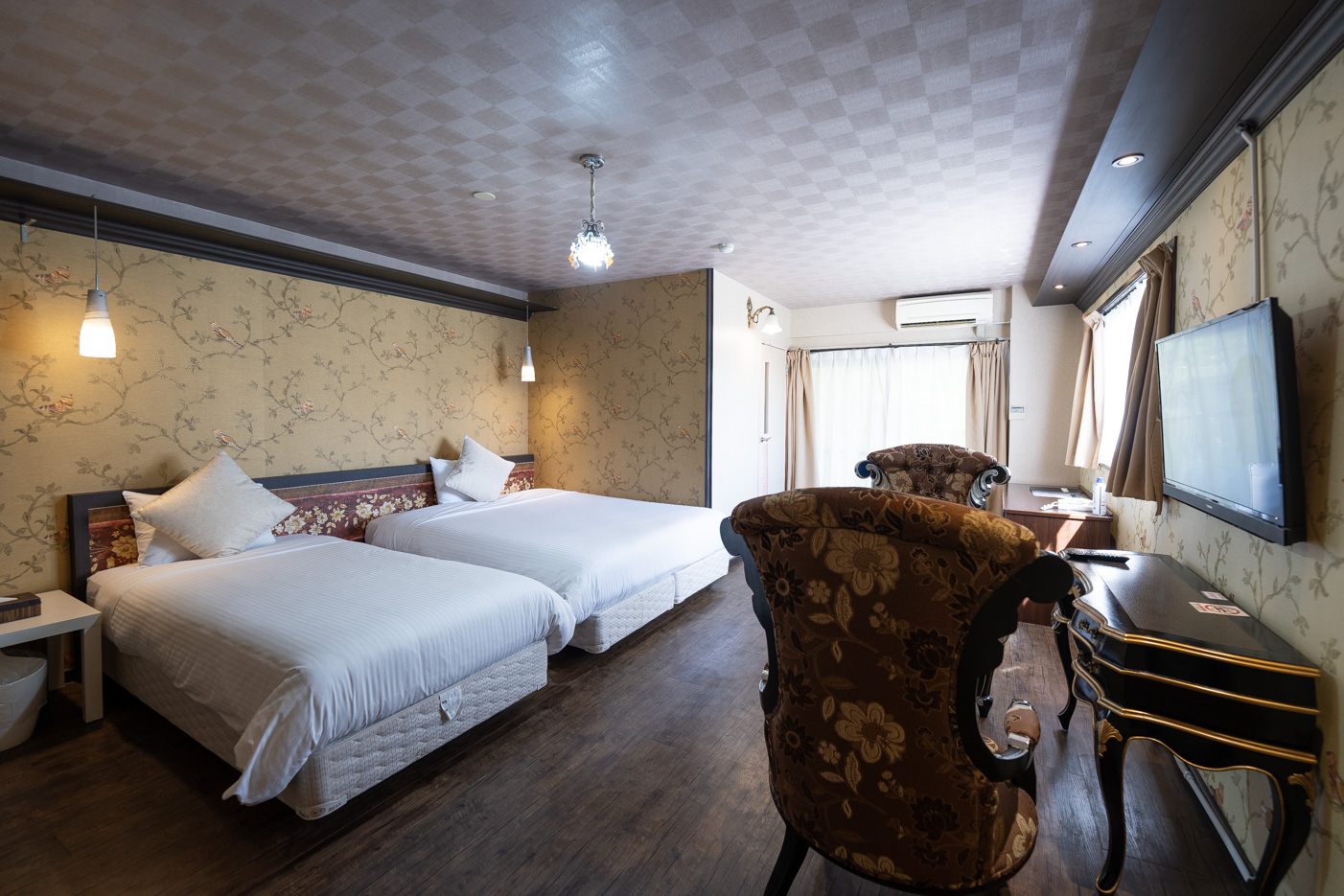
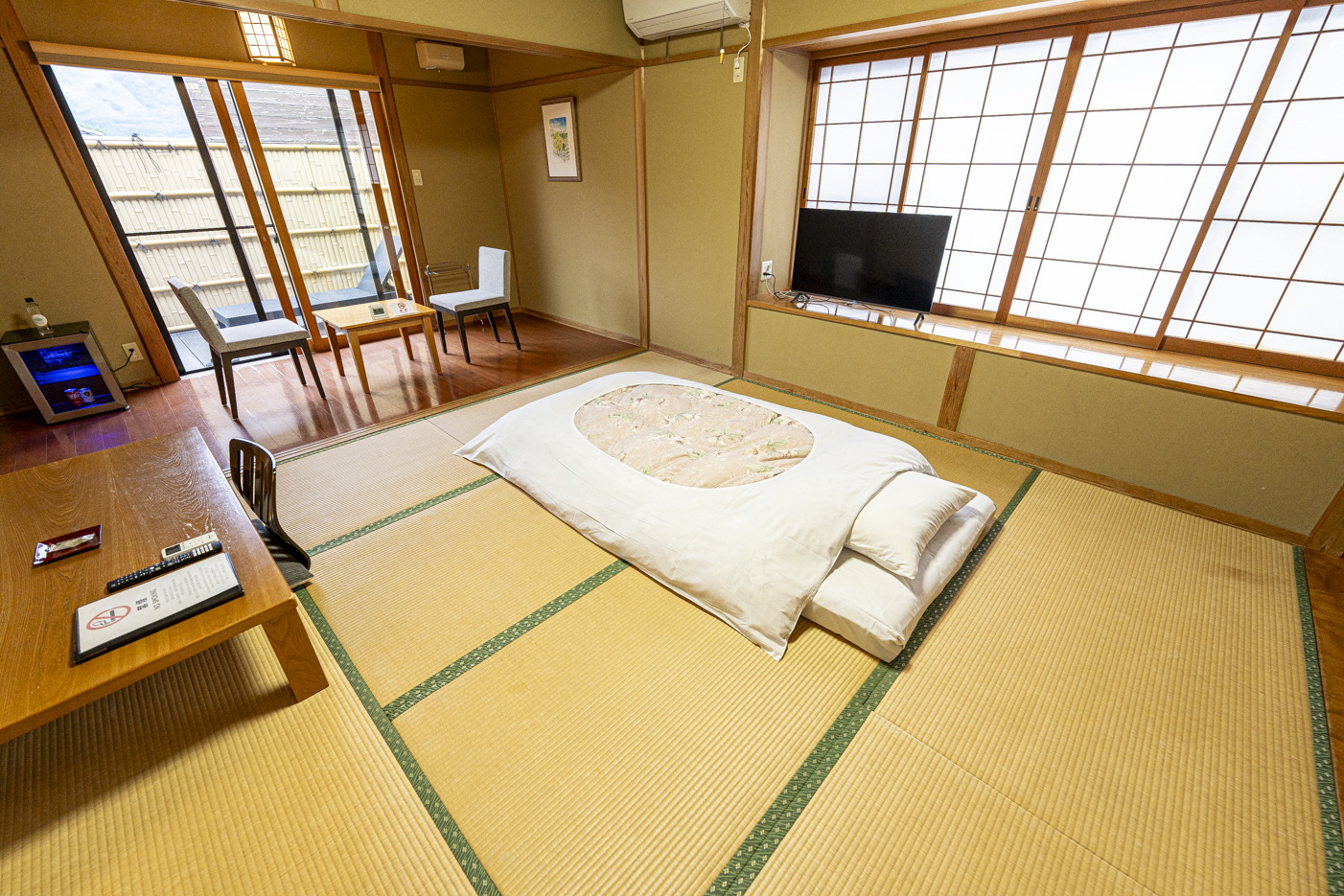
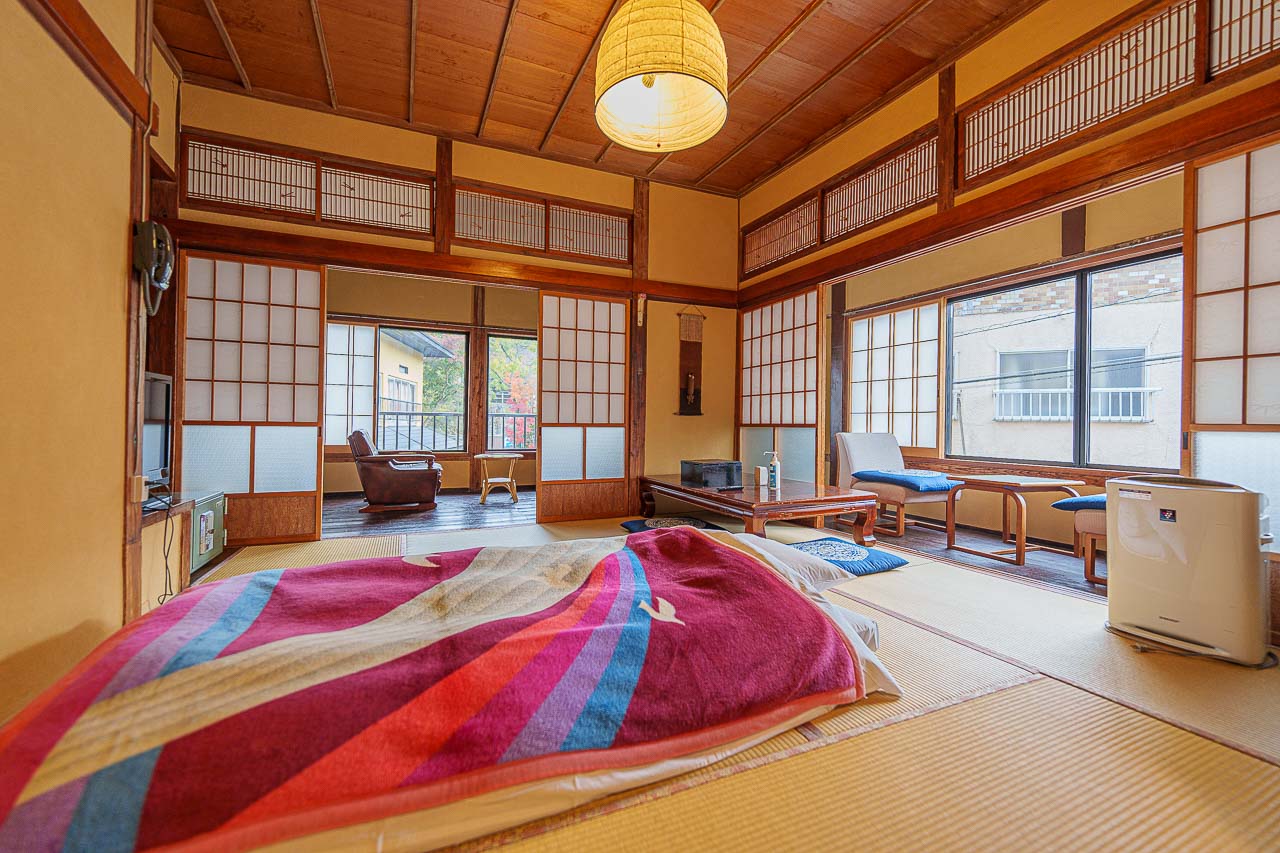
About five minutes on foot from Yunotsubo Street, Hotaru no Yado Sendou is a conveniently located ryokan with a quiet atmosphere. Its classic but spacious rooms include Western-style beds, tables, and conveniences such as an air purifier.
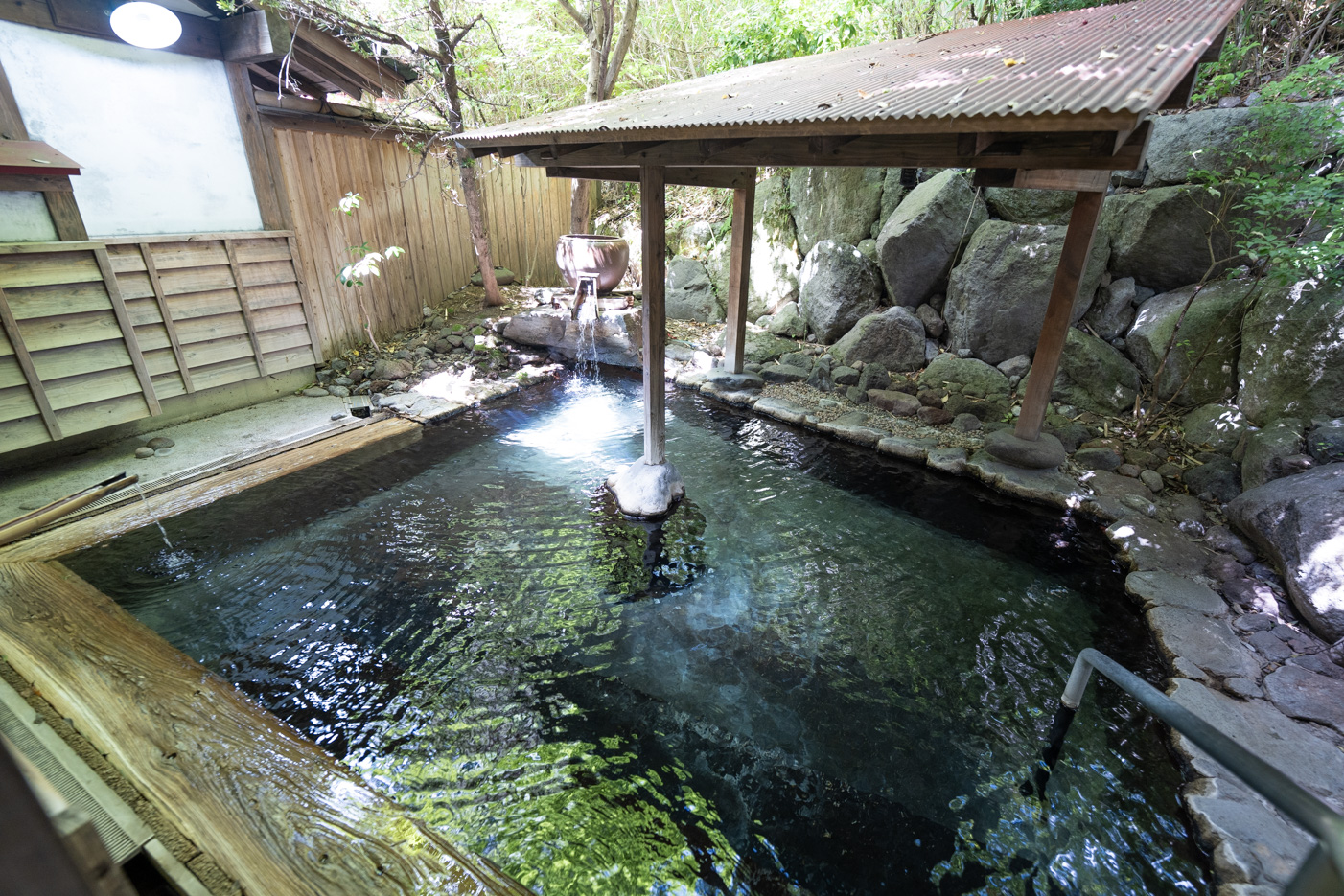
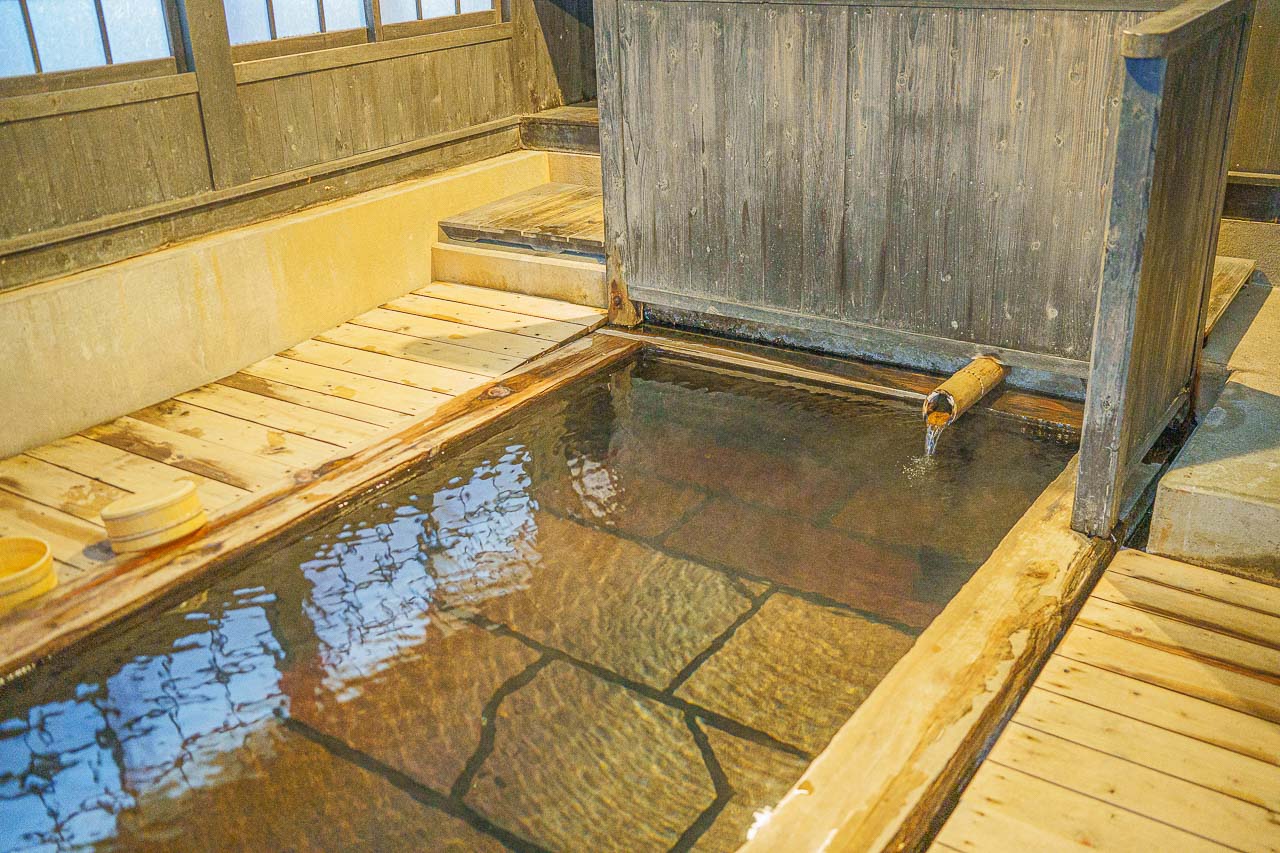
The source stay recorded unlimited 24-hour access to the communal baths and private family baths, with surroundings that felt like bathing in a forest. An unlimited draft-beer corner offered a relaxed drink after a bath. The original Korean record quotes a starting rate of KRW 180,000 for one night with two meals, without clearly specifying the pricing basis. That historical Korean-won figure has not been converted into a current yen or US-dollar quote.
Yufuin Besso Shikisai Hotel is about five minutes by taxi from Yufuin Station, with a shuttle service also recorded in the source. Two outdoor baths and two private family baths allow both shared and private bathing. The rooms have a classic appearance but are spacious and comfortable, with the bathing area, washbasin, and toilet separated for convenience.
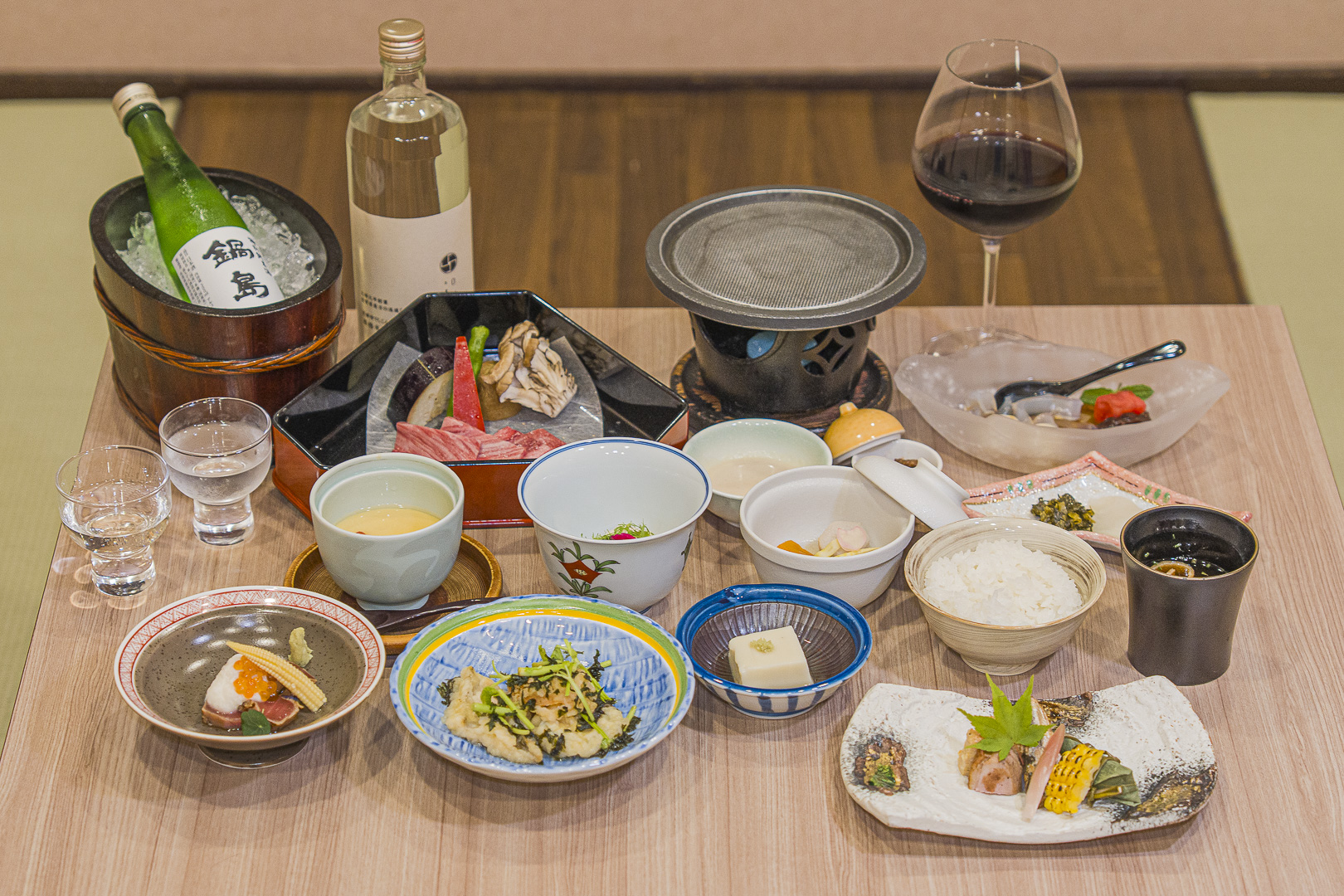
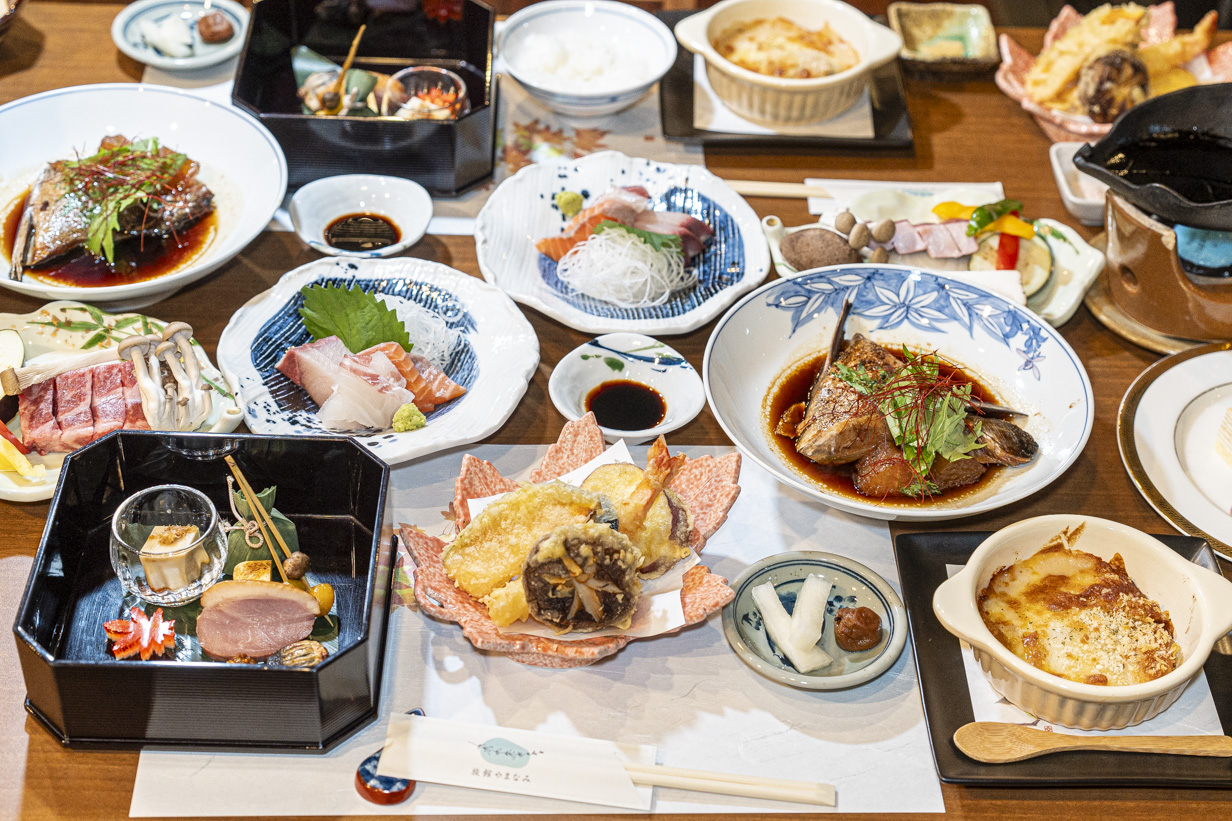
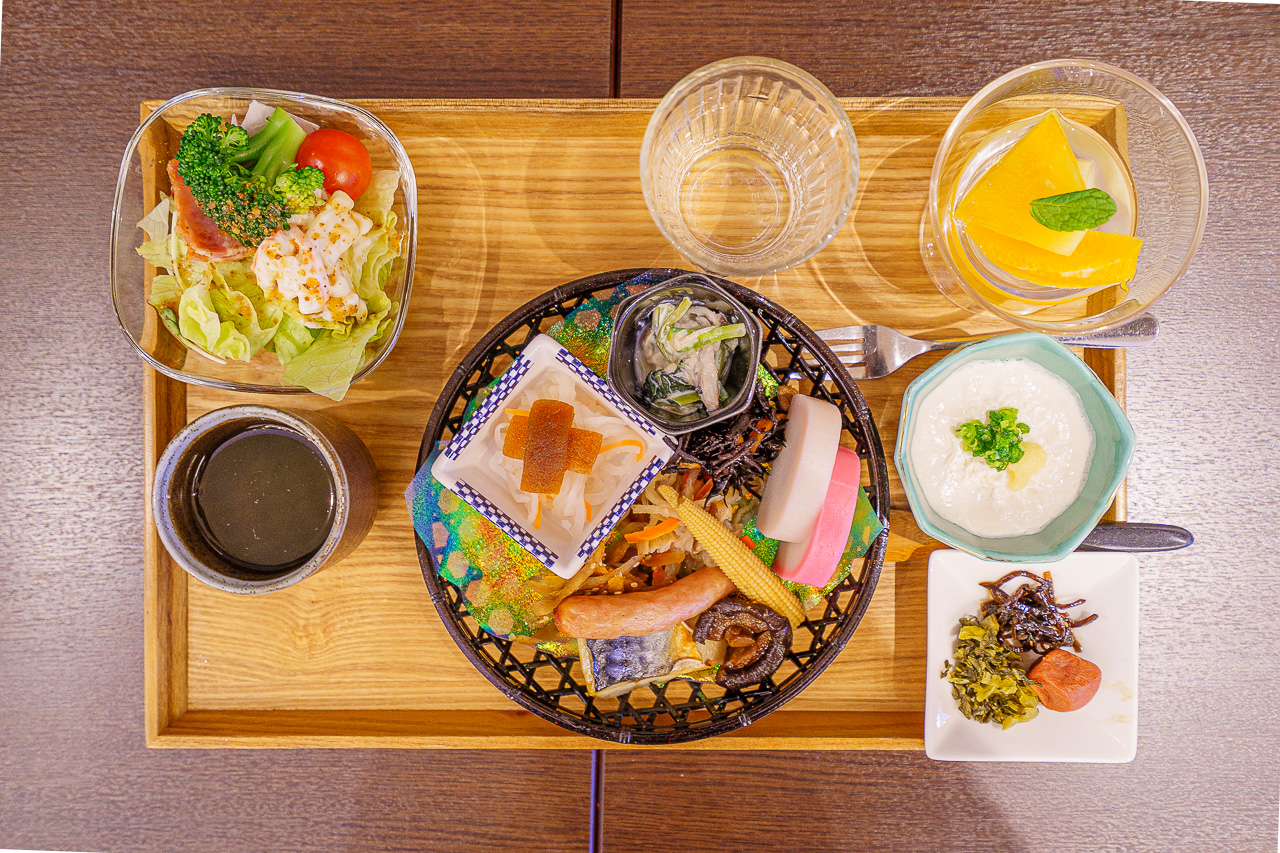
Dinner is a carefully arranged kaiseki meal, while breakfast is simple and neatly presented. Complimentary station transport was available for check-in and checkout, but going out during the stay could require an additional taxi fare. Confirm the shuttle arrangements for your booking.
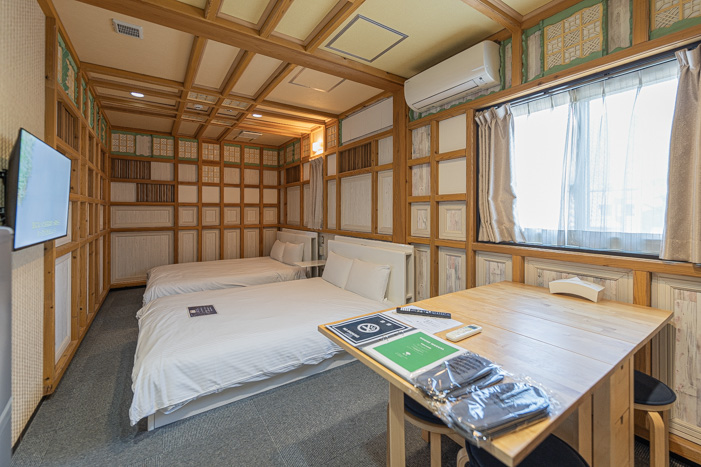
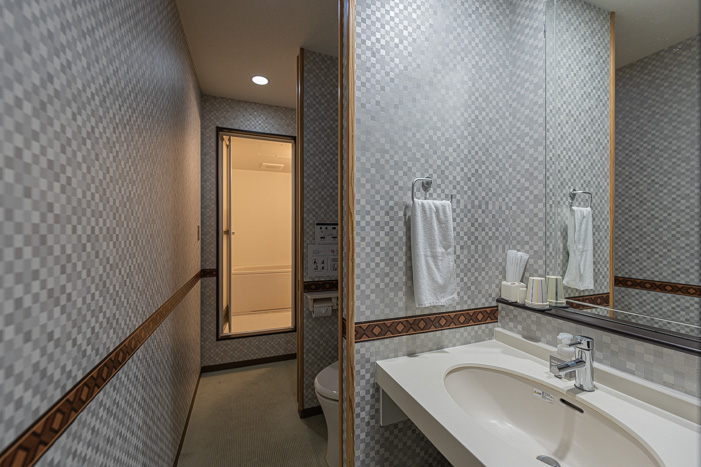
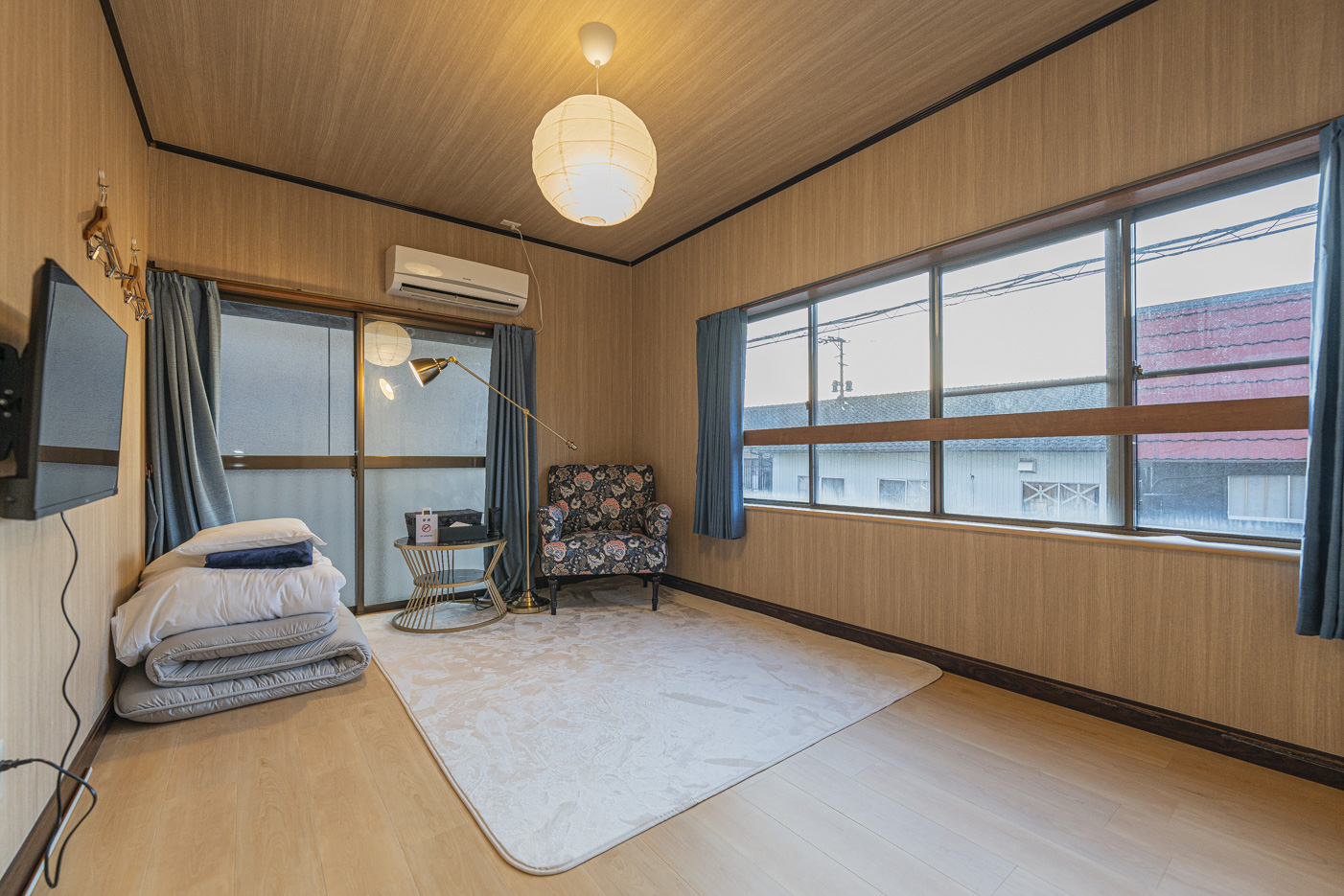
If traditional ryokan prices feel too high, this accommodation near Yufuin Station is an alternative. The spacious rooms have a microwave, refrigerator, and table, with a separate bathroom, toilet, and washbasin.
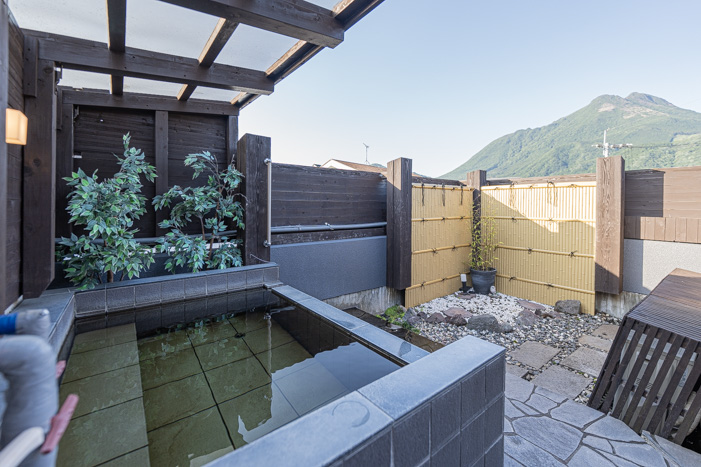
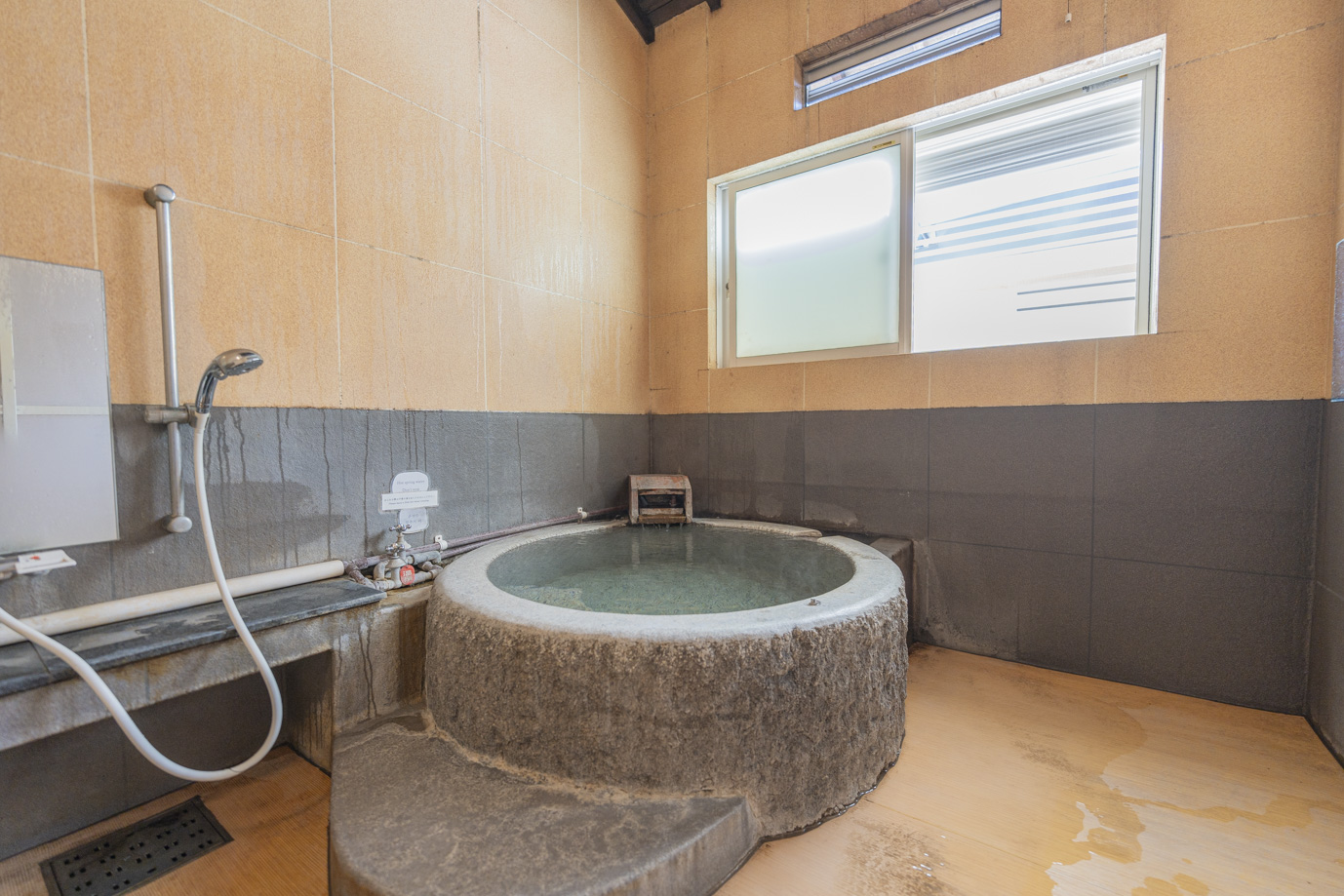
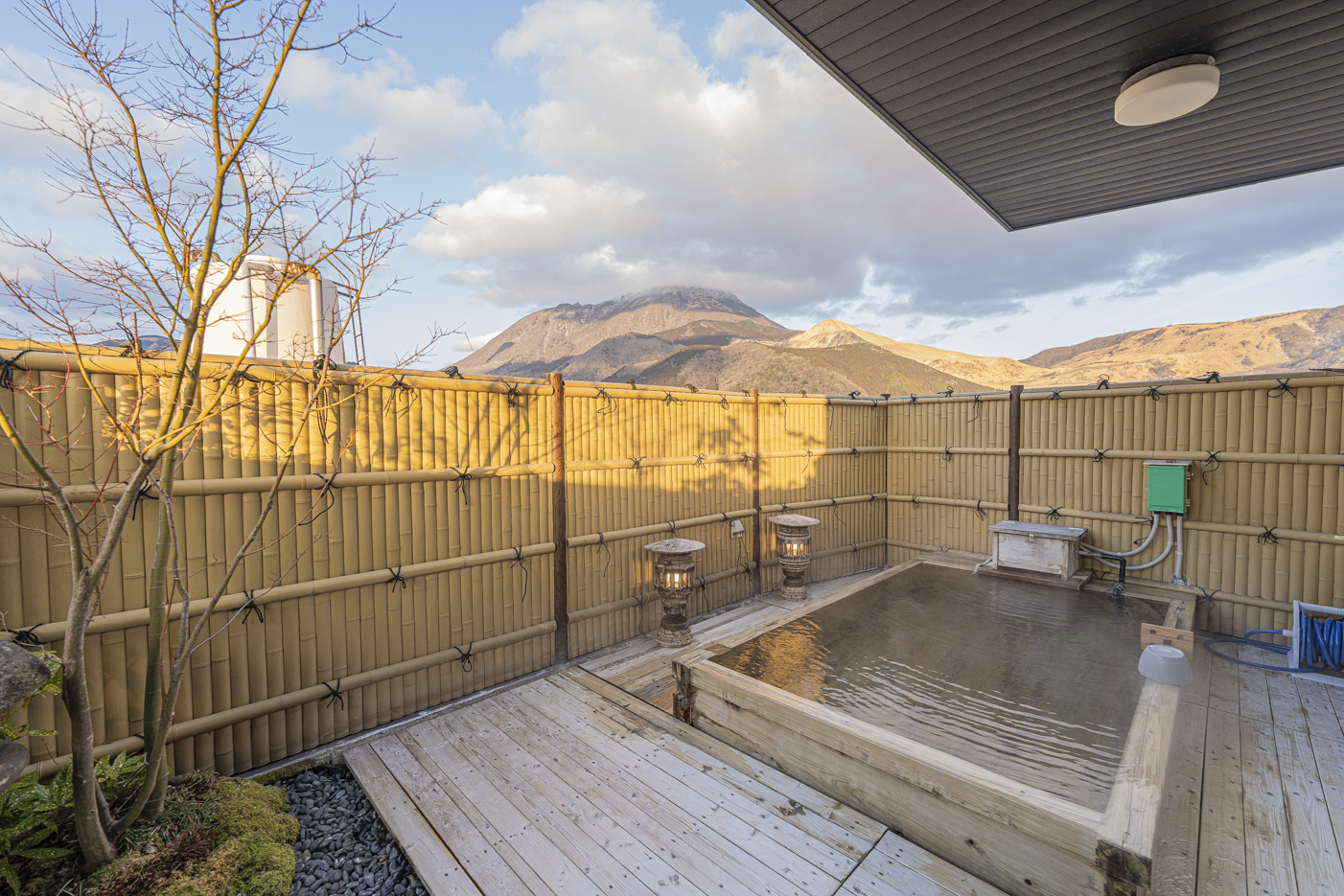
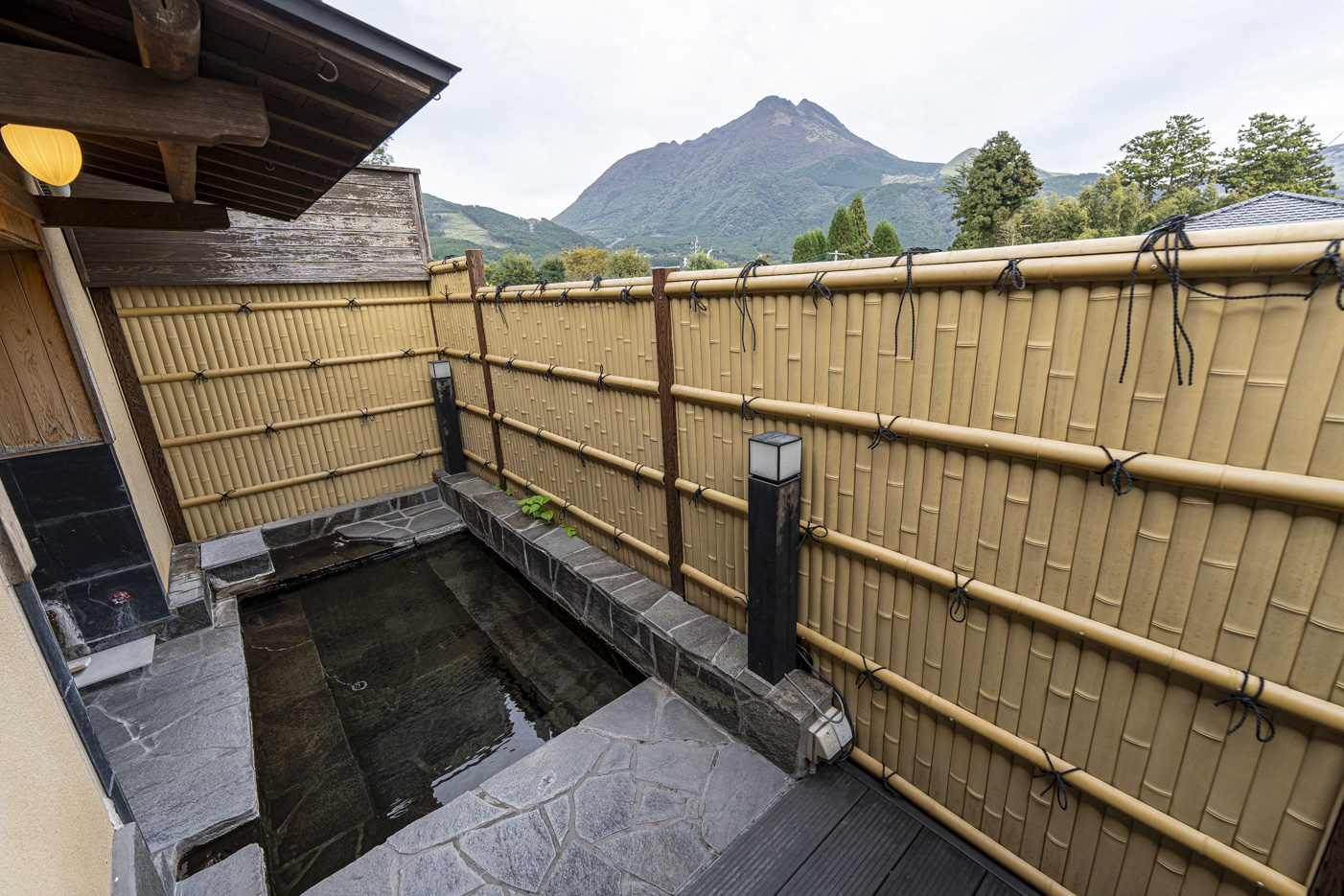
Guests take turns using a private-family-bath-style hot spring, with a view of Mount Yufu while bathing. You can shop at a supermarket and assemble your own meal instead of paying for a formal ryokan dinner. Washing and drying laundry were complimentary in the source record. One important access limitation: there is no elevator.
Yadoya in Ureshino Onsen offers an upscale, tea-themed stay with distinctive experiences. Green-based Japanese interiors reflect the tea motif and create a setting removed from everyday life. Every guest room has flowing spring water, and both room baths and the communal bathing area provide opportunities for a leisurely soak.
The communal bath area also has a sauna with tea-based löyly, surrounding you with its fragrance. Ureshino tea is available in different parts of the property, with varieties including green tea, Japanese black tea, and sencha.
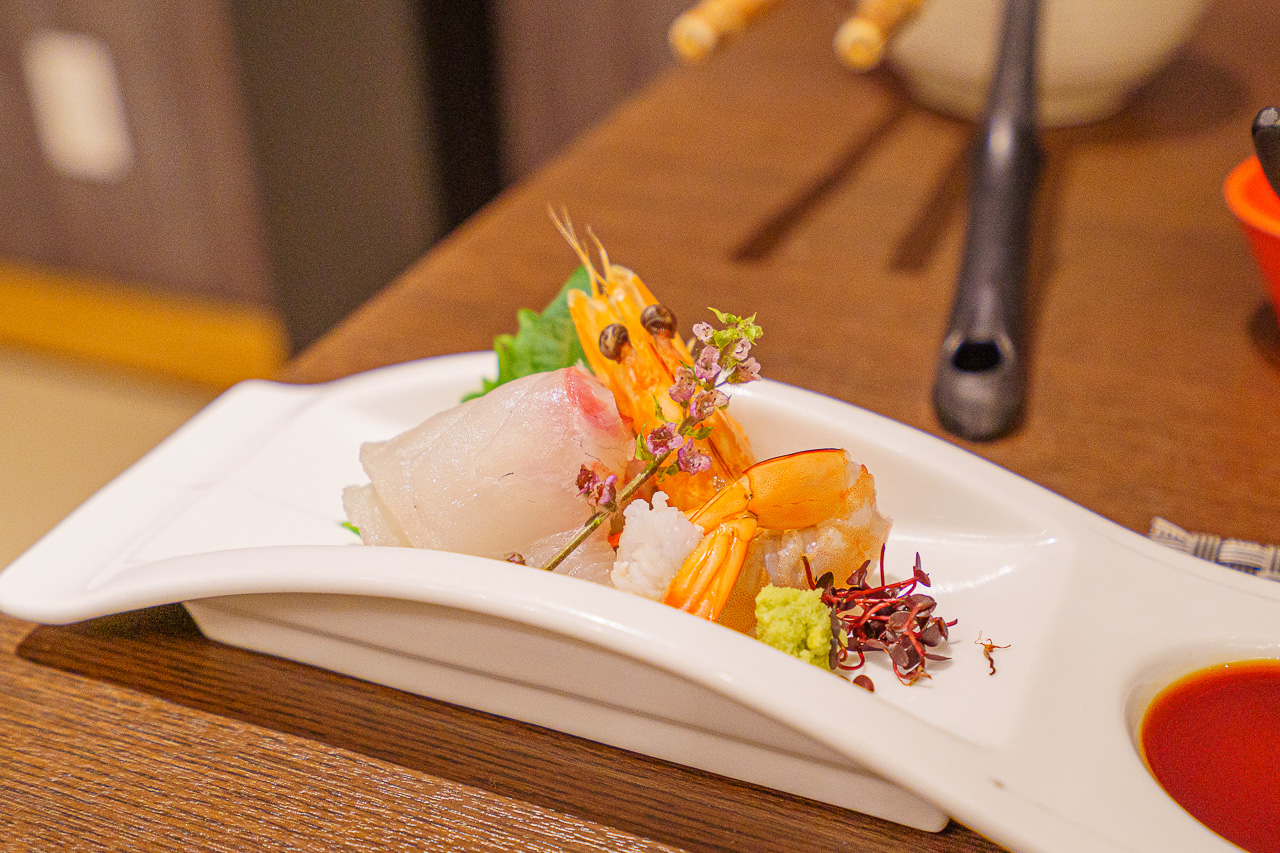
Dinner kaiseki and breakfast use fresh ingredients sourced within an 88 km radius. An in-house tea specialist also leads a tea ceremony. The original reviewer found that trying it before settling into the tea-themed stay deepened the understanding and enjoyment of the tea.
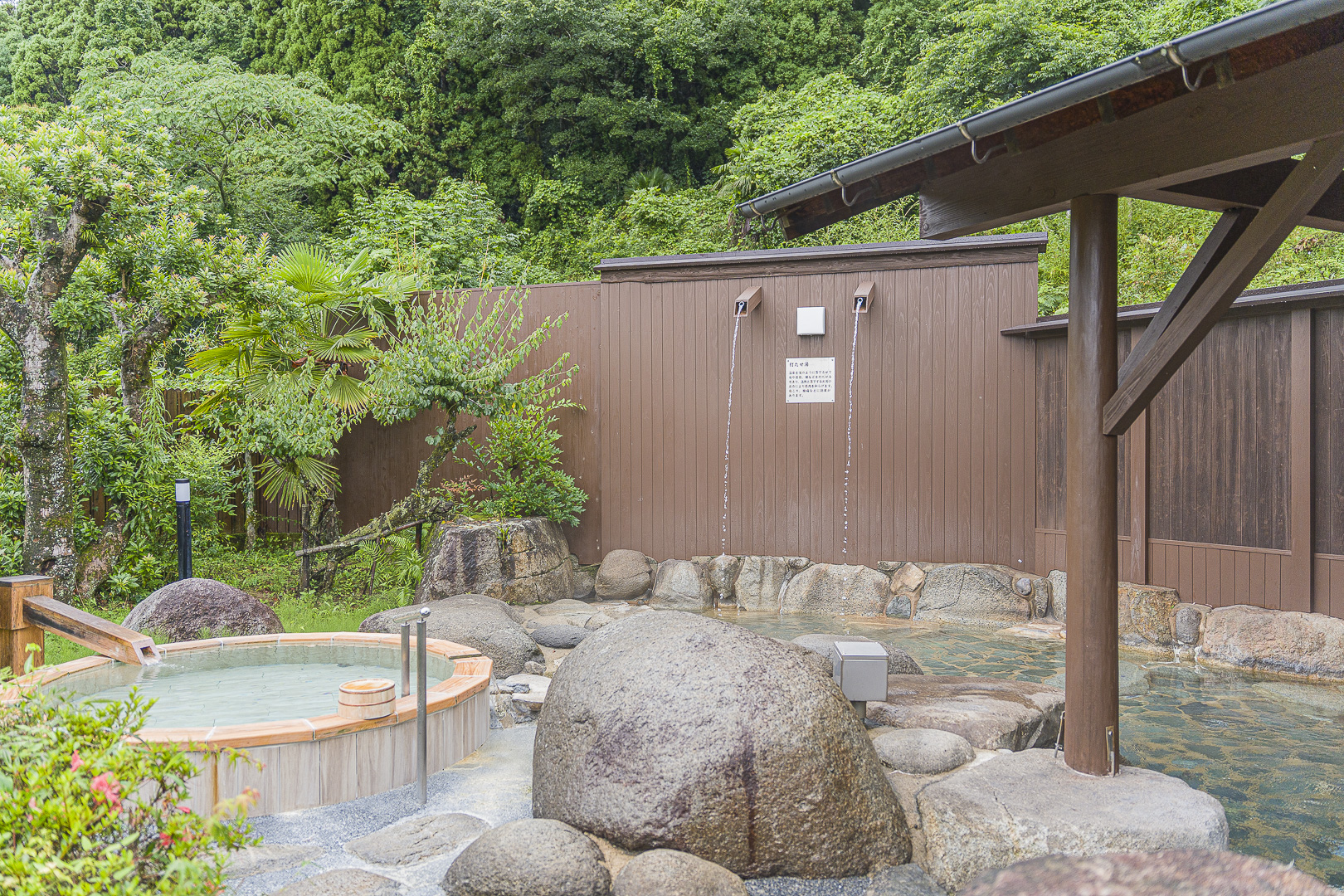
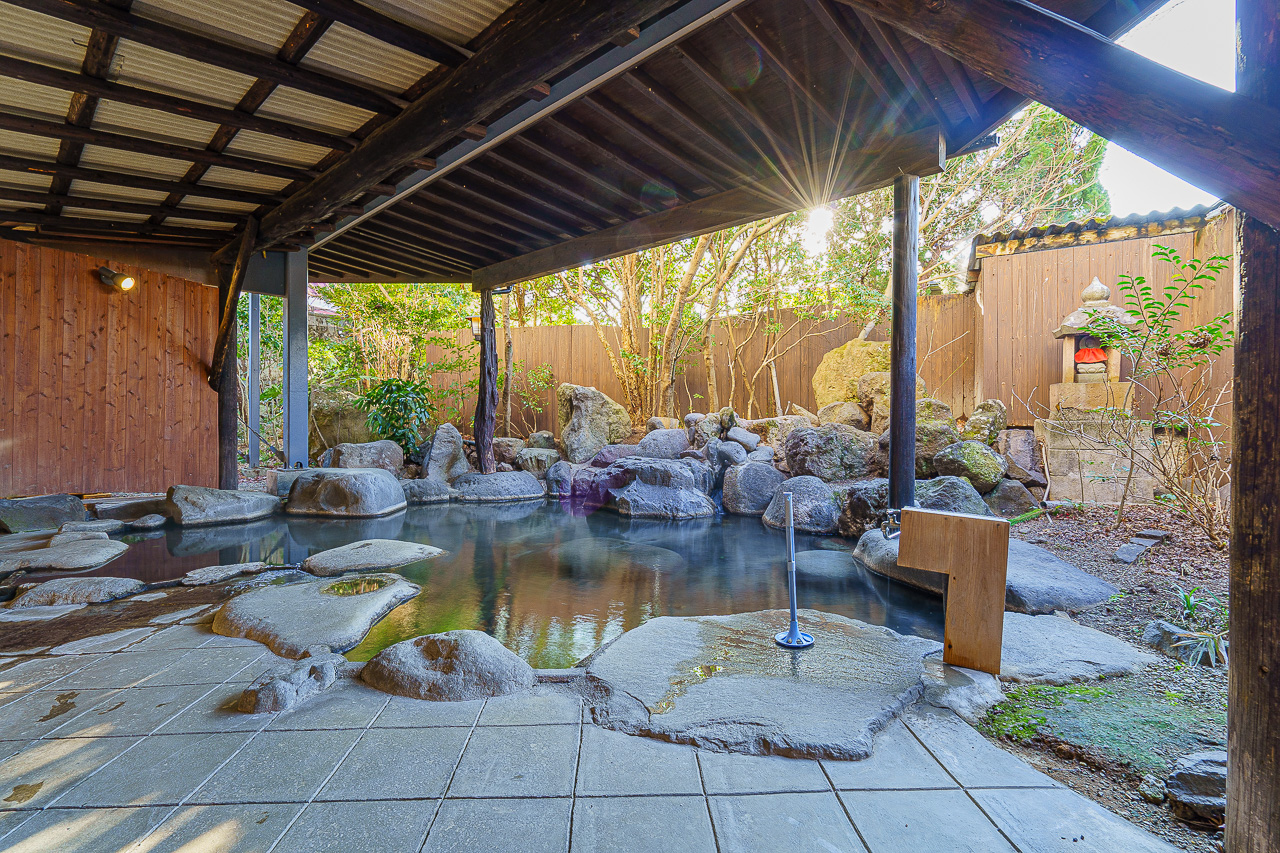
Umehibiki in Hita, Oita Prefecture, is a plum-themed ryokan combining relaxation and dining in refined surroundings. Seasonal natural scenery is one of its main attractions. The outdoor bath, continuously supplied from the property’s own spring, looks across the broad Hibiki Valley.
A guest-only Sauna Lounge opened in 2024. The source describes unlimited use during a stay of its private sauna, cold bath, and scenic terrace. Some rooms have outdoor baths, while plum motifs appear throughout the modern Japanese interiors, adding a refined atmosphere within the mountain landscape.
Dinner kaiseki and breakfast feature local ingredients and plum-based creative dishes. A homemade plum wine, produced at the brewery attached to the property, is served as an aperitif. Pairing local food with this regional specialty adds another dimension to the stay.
Spring plum blossoms, summer greenery, autumn leaves, and winter snow bring different reasons to visit. About an hour and a half by car from Fukuoka in the original record, it is recommended for a special trip.
Hanabeppu is a welcoming, modern Japanese ryokan in Beppu, Oita. Its ‘warm and gentle’ concept creates a home-like place to stay, with bright, open spaces and the comforting feel of wood.
The hot springs have a traditional reputation as ‘beauty water,’ with services and a broad amenity selection especially geared toward women. Dinner kaiseki, a breakfast set, and a semi-buffet introduce a variety of locally sourced food.
It is within walking distance of Beppu Station, convenient for sightseeing and suitable for families, couples, or friends traveling together.
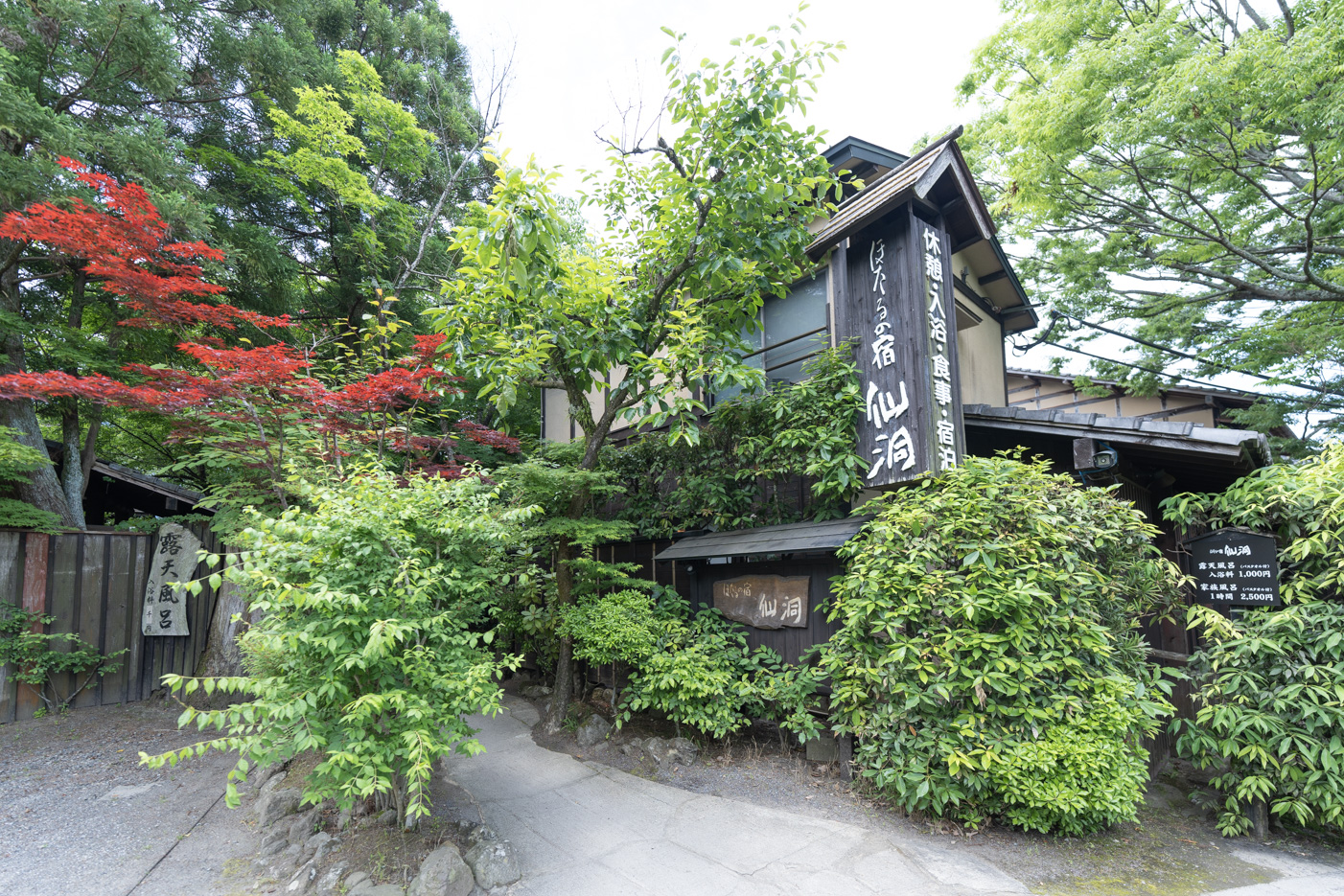
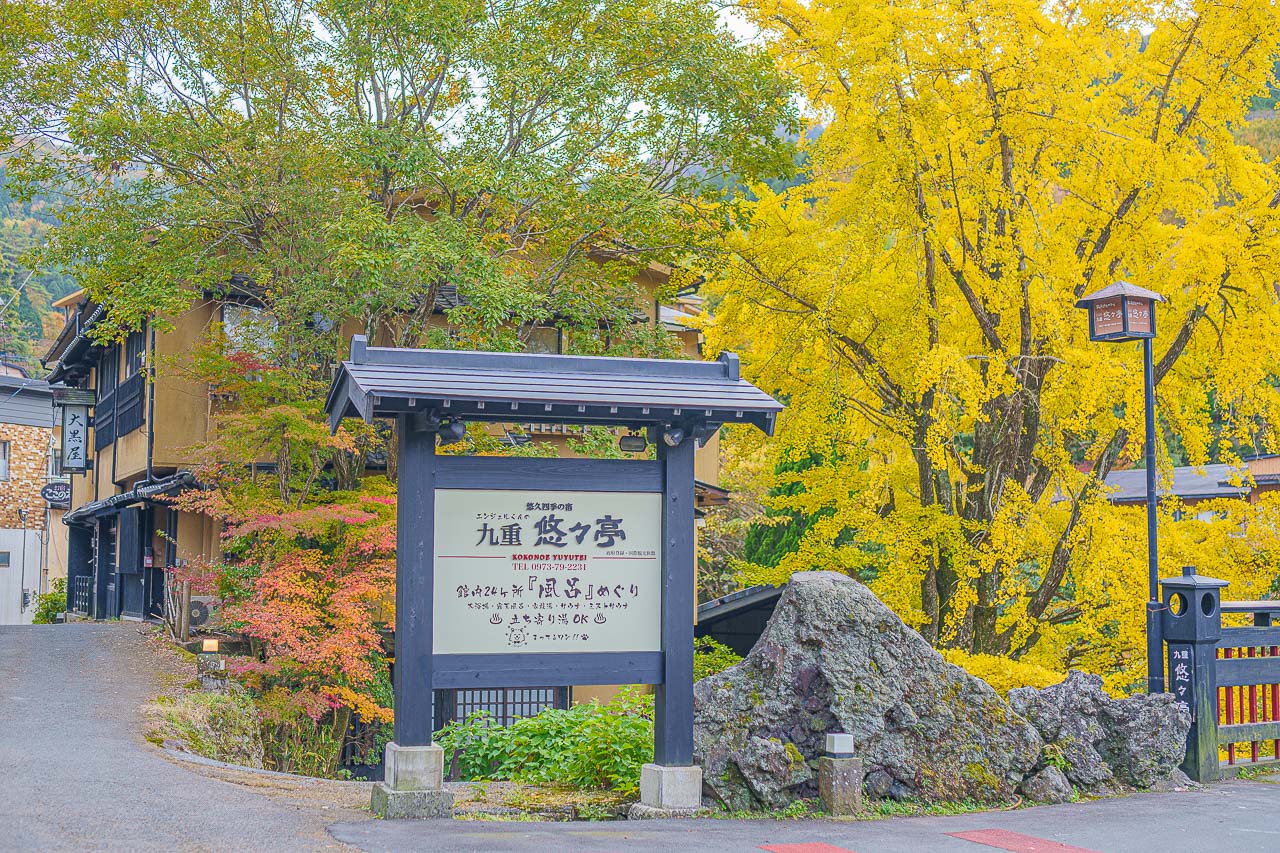
Near Lake Kinrin in Yufuin, Hotaru no Yado Sendou offered day access to its communal hot-spring bath and private family baths as well as overnight stays. There is no particular view, but the setting allows a quiet soak.
The source day visit recorded a family bath at JPY 2,500 for one hour. Shower products and towels were supplied, making a bath-only visit straightforward. This is a separate day-use record, not a duplicate claim that the overnight package has the same terms.
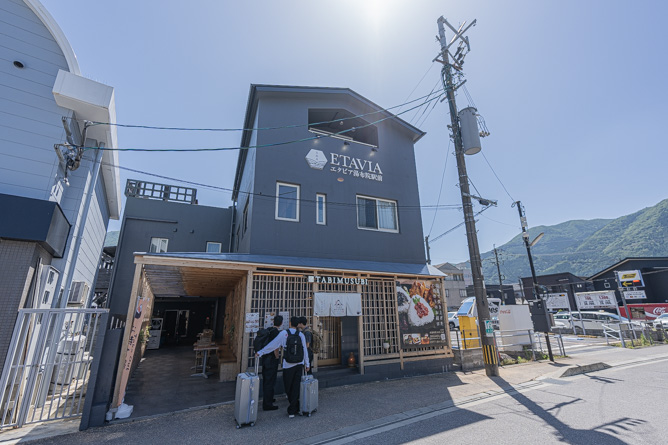
Guesthouse Yufu opened in 2025 about five minutes on foot from Yufuin Station. It suits a trip focused on exploring Yunotsubo Street until later in the day, taking a bath, and sleeping well. Unlike many Yufuin ryokan that bundle meals with bathing and accommodation, it is an approachable option for solo travelers who do not need meals.
Despite being a guesthouse, the rooms are spacious, clean, and adequately equipped. The shared spaces feel homely, rather like a log-house holiday lodge. Overnight guests could use the communal hot-spring bath in the neighboring accommodation from 9:40 p.m. to 9 a.m. the following morning. A private family bath was separately bookable at JPY 1,000 for 40 minutes in the source record.
Enokiya Ryokan in Yufuin is pet-friendly, allowing families traveling with dogs to enjoy a relaxed stay together. Its Japanese-Western rooms were renovated in May 2023 and combine tatami with beds, with the sound of the river and attractive evening light adding to the setting.
Generously sized indoor and outdoor private family baths allow bathing in privacy. Dinner includes seasonal kaiseki and local sake. The property’s pub also pairs Oita snacks with regional sake and other traditional alcoholic drinks.
Yamanami Ryokan is praised in the source for its views across Yufuin toward Mount Yufu. The experience begins with a cold welcome beer and continues with natural hot springs in quiet, green surroundings. The panoramic terrace outdoor bath offers a particularly memorable mountain view.
All rooms in the main building are described as having Mount Yufu views, while the annex has rooms with outdoor baths. Seasonal scenery and kaiseki made from local ingredients make this a place to slow down and enjoy a more indulgent stay. The room and bath descriptions apply to the stated buildings and room types, rather than every room having its own outdoor bath.
Chojabaru Onsen Trial Onsenkyo Kuoritei — separate source record
長者原温泉 トライアル温泉郷 久織亭
In a beautiful mountain landscape around 1,000 meters above sea level, Kuoritei is an upscale retreat away from the city, surrounded by the Tadewara wetlands and mountain scenery. Natural sounds and fresh air are part of the appeal.
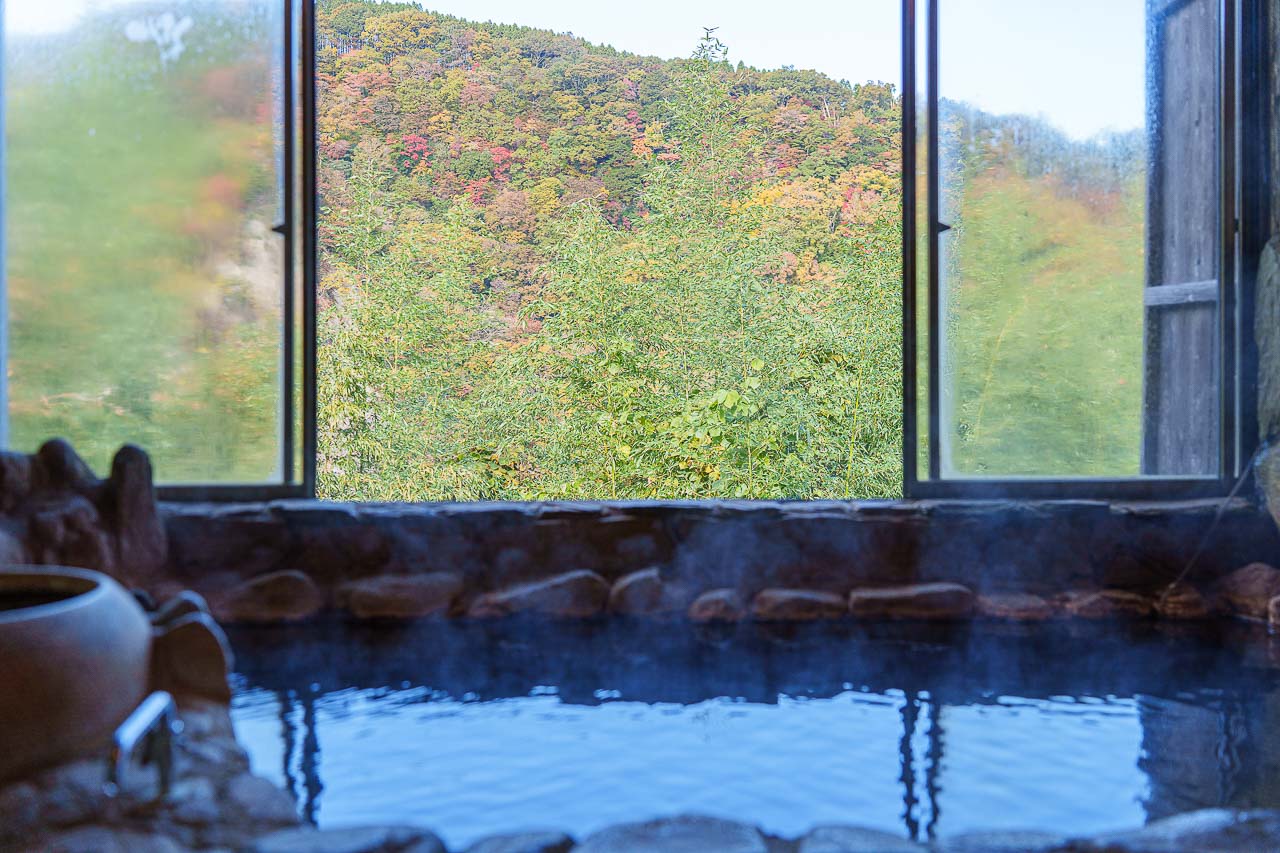
This source record describes every room as having a semi-open-air hot-spring bath for enjoying the seasons at your own pace. The bicarbonate spring water is another attraction, traditionally praised for its feel on the skin. This is a separate Kuoritei record retained in the original order.
Toranoyu is a good-value hot-spring accommodation option for a trip from Fukuoka, with log-house-style lodges in natural surroundings and unlimited use of private family baths in the source stay. The original journey was about an hour and a half by car from Hakata.
Guests prepare their own bedding, with extra charges for bedding provision and some amenities as described in the source. The historical room-only rate was under JPY 3,000 per person when two people shared one room, with seasonal variation. A substantial sukiyaki dinner was available for an additional charge and is recommended by the reviewer.
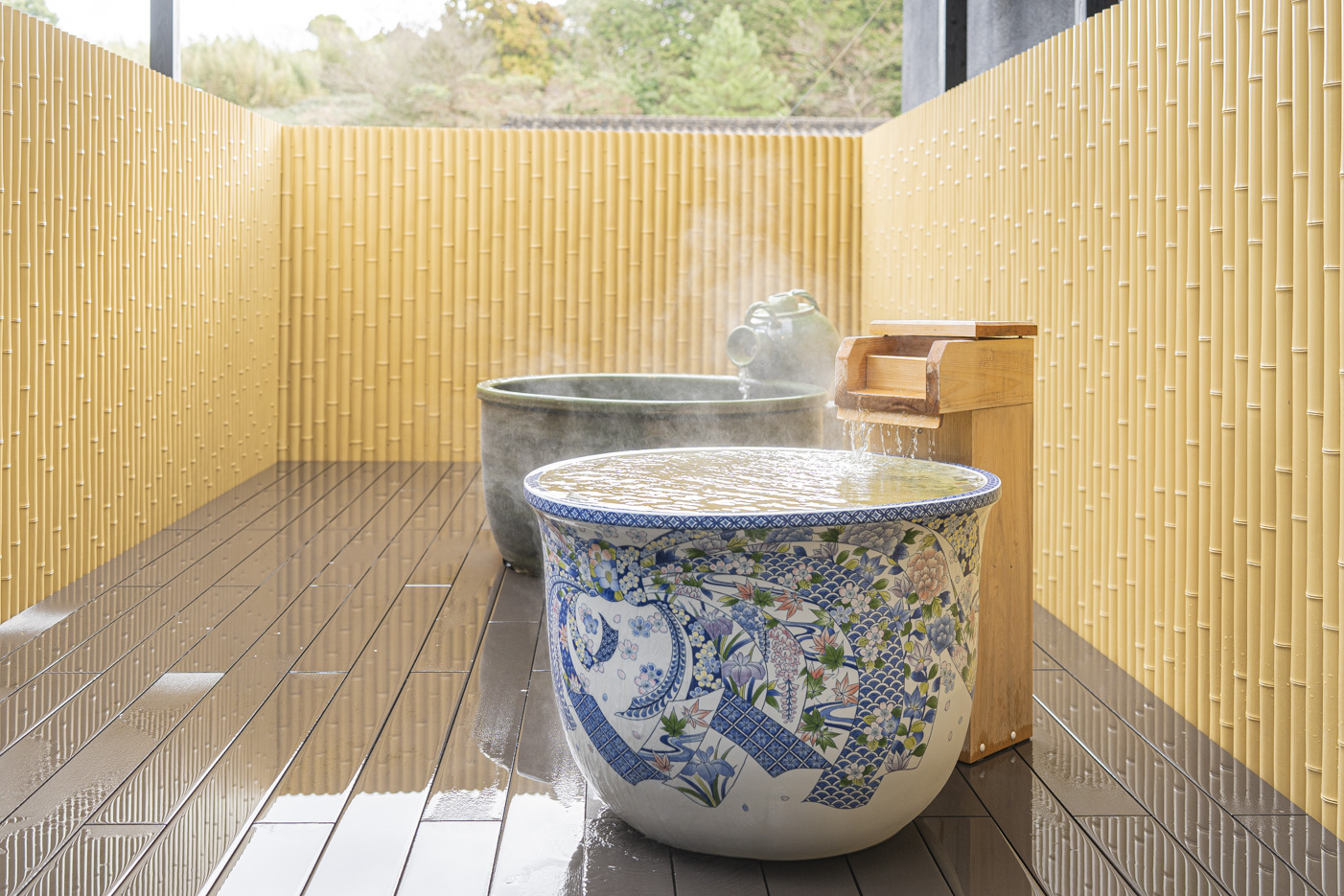
Warakuen is an upscale ryokan in Ureshino Onsen, outside Fukuoka. The newly renovated Platinum Suite described in the source has two Arita-porcelain tubs plus an indoor hot-spring bath, for a total of three private baths in that specific suite.
The spacious, refined room and a natural hot-spring experience using a green-tea bath additive add to the regional character. Arita ceramics in the interior and a varied amenity selection were also satisfying. The three-bath arrangement belongs to the featured Platinum Suite, not to every room at the property.
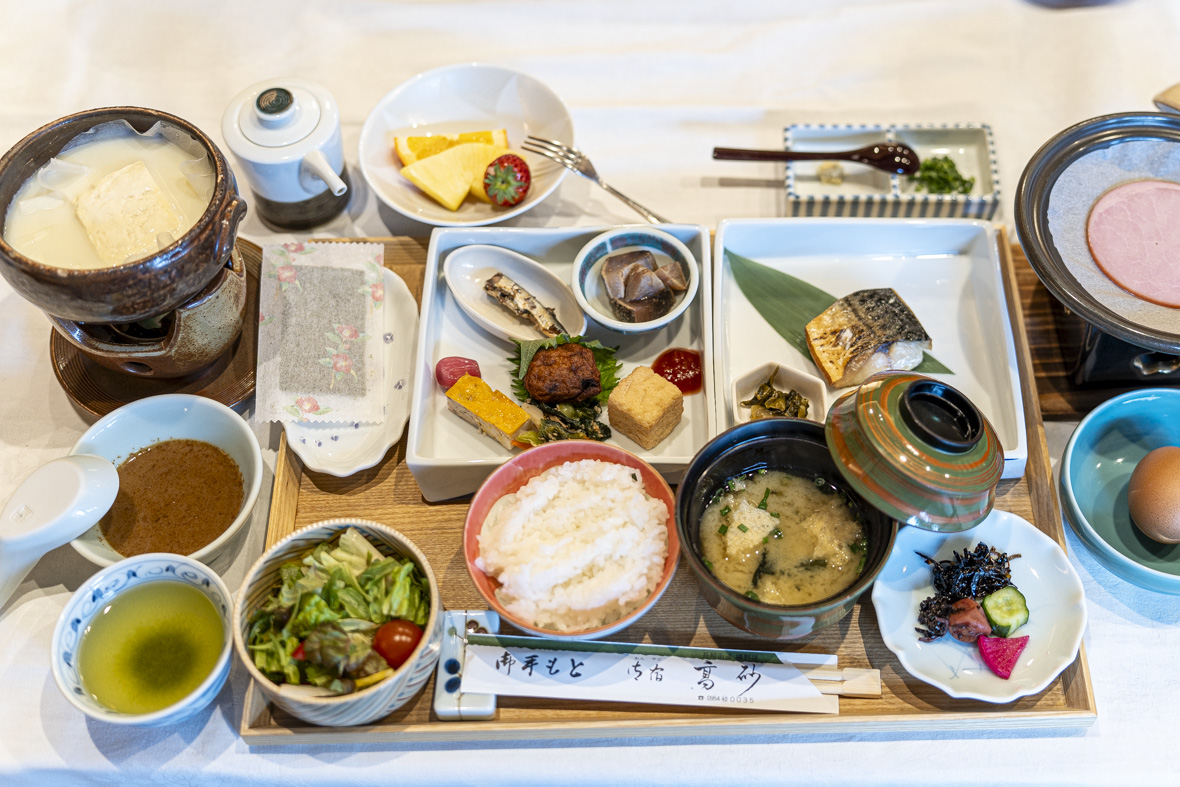
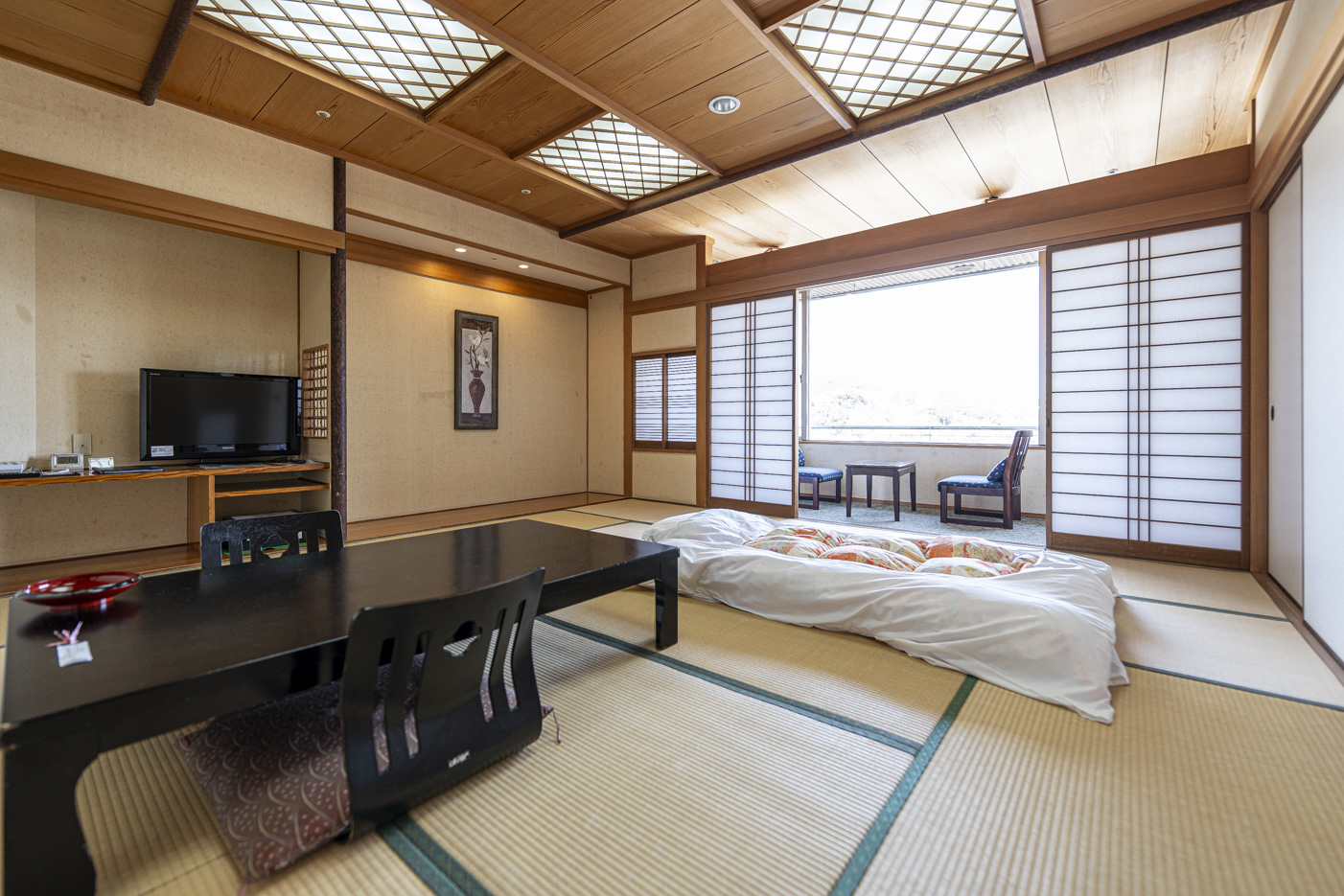
Takasago Ryokan in Saga’s Ureshino Onsen is noted for bathtubs made from hiba wood brought from Aomori and unlimited 24-hour hot-spring use in the source stay. Recently renovated rooms were compactly charming and tidy, with the bathroom and washbasin separated for convenience.
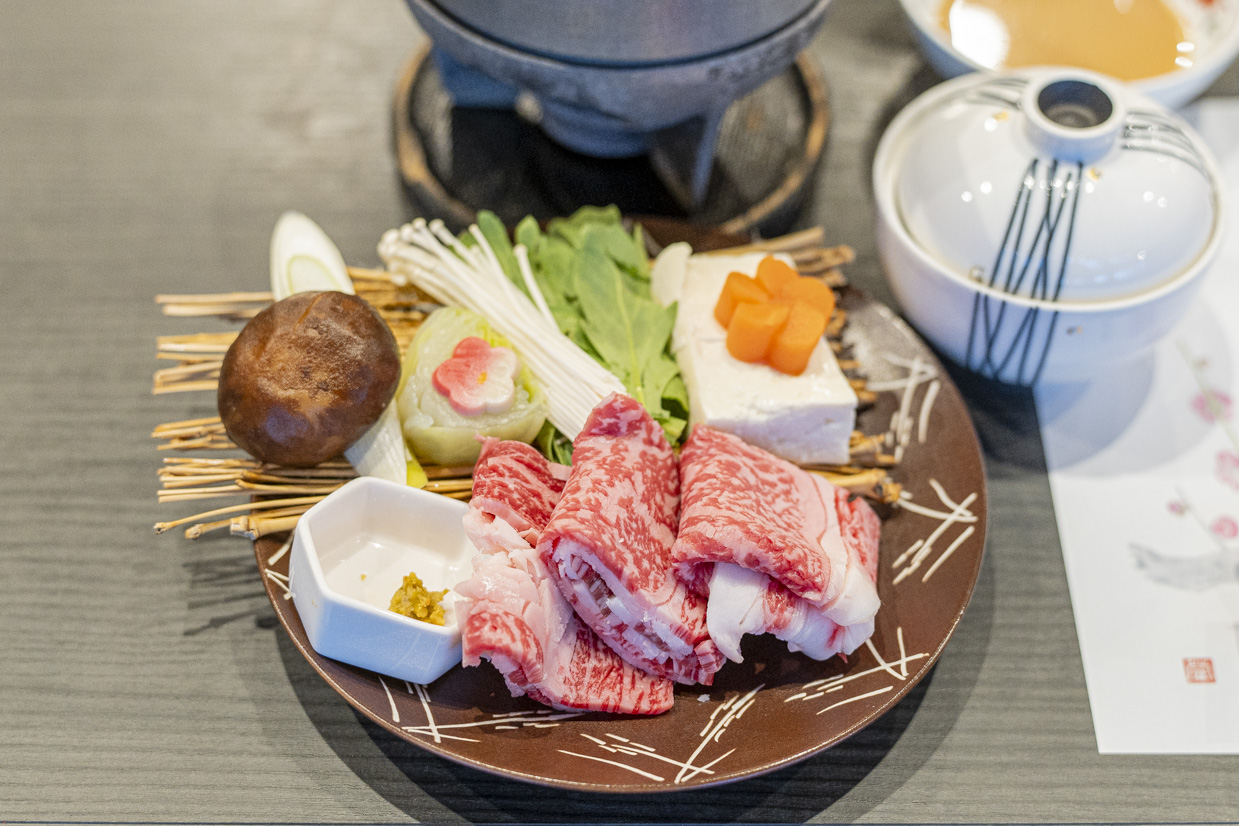
Spring water flowed into the room bath for bathing whenever desired. Outside the ryokan, the source also records free use of a library and a footbath. Dinner featured Saga beef and seasonal dishes, making it an appealing option for travelers who value food as well as bathing.
Saga’s Ureshino Onsen is a quiet Kyushu hot-spring town known for water traditionally described as ‘beauty water.’ Hotel Kasuien showed some age, but its good baths, clean rooms, and especially the dinner quality made it good value in the source visit.
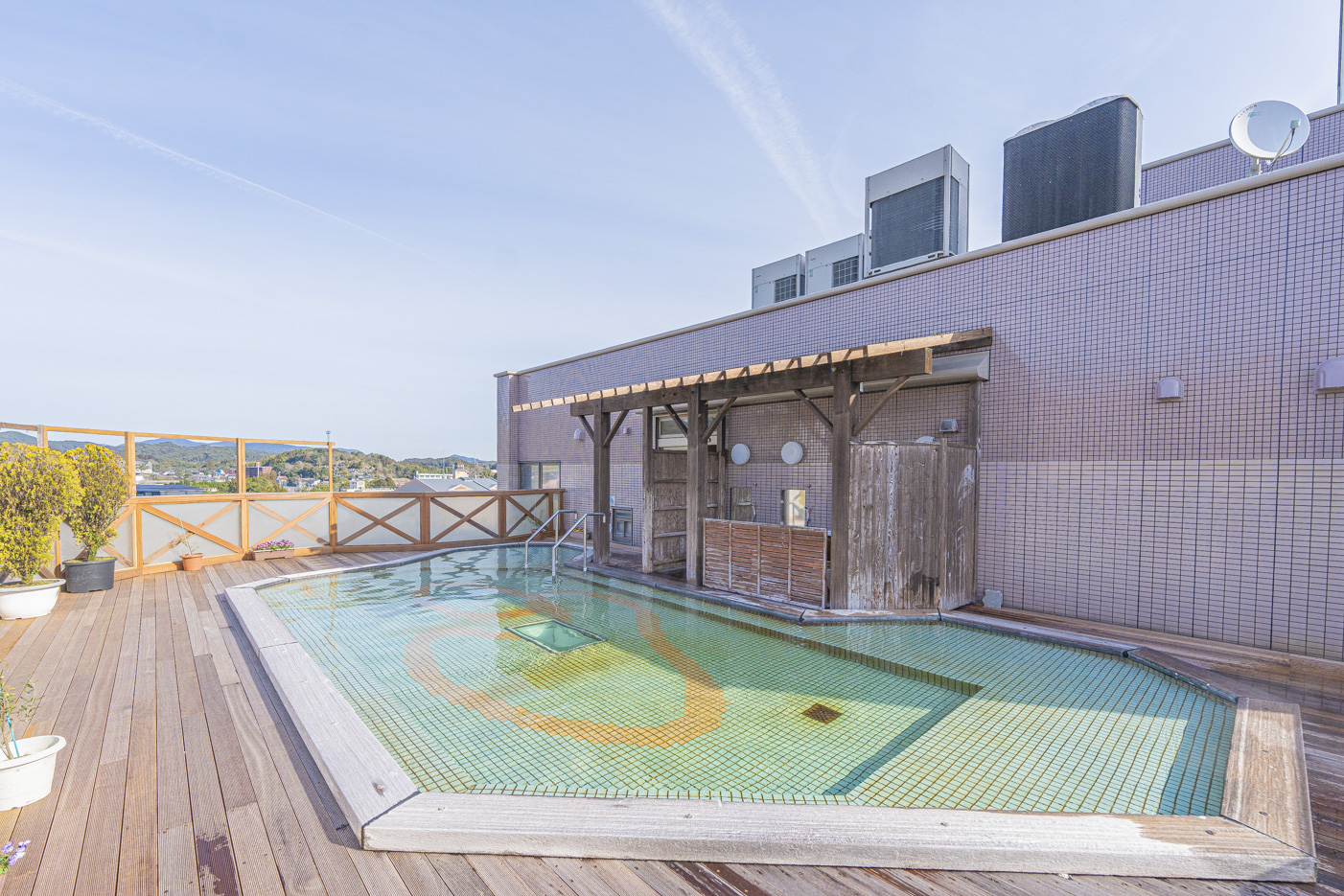
A rooftop outdoor bath offers a particularly open feeling as you soak beneath the sky, while the kaiseki course arrives as a sequence of carefully prepared dishes. The reviewer recommends it for a one-night, two-day hot-spring trip from Fukuoka.
About two and a half hours by car from Fukuoka, this private ryokan in Kumamoto Prefecture accommodates only five groups per day according to the source record. Beautiful natural surroundings frame a spring known for its silky, slippery feel, often compared locally to a beauty serum.
The smooth water envelops the body, with a moisturized feeling lingering for a while after the bath, adding to the soothing atmosphere.
Yunosato Hayama is a traditional ryokan about ten minutes by car from Beppu Daigaku Station. Natural hot springs include communal and private outdoor bathing, with family baths described in the source as available to guests with tattoos. That statement concerns the family baths and does not establish a policy for every shared bath.
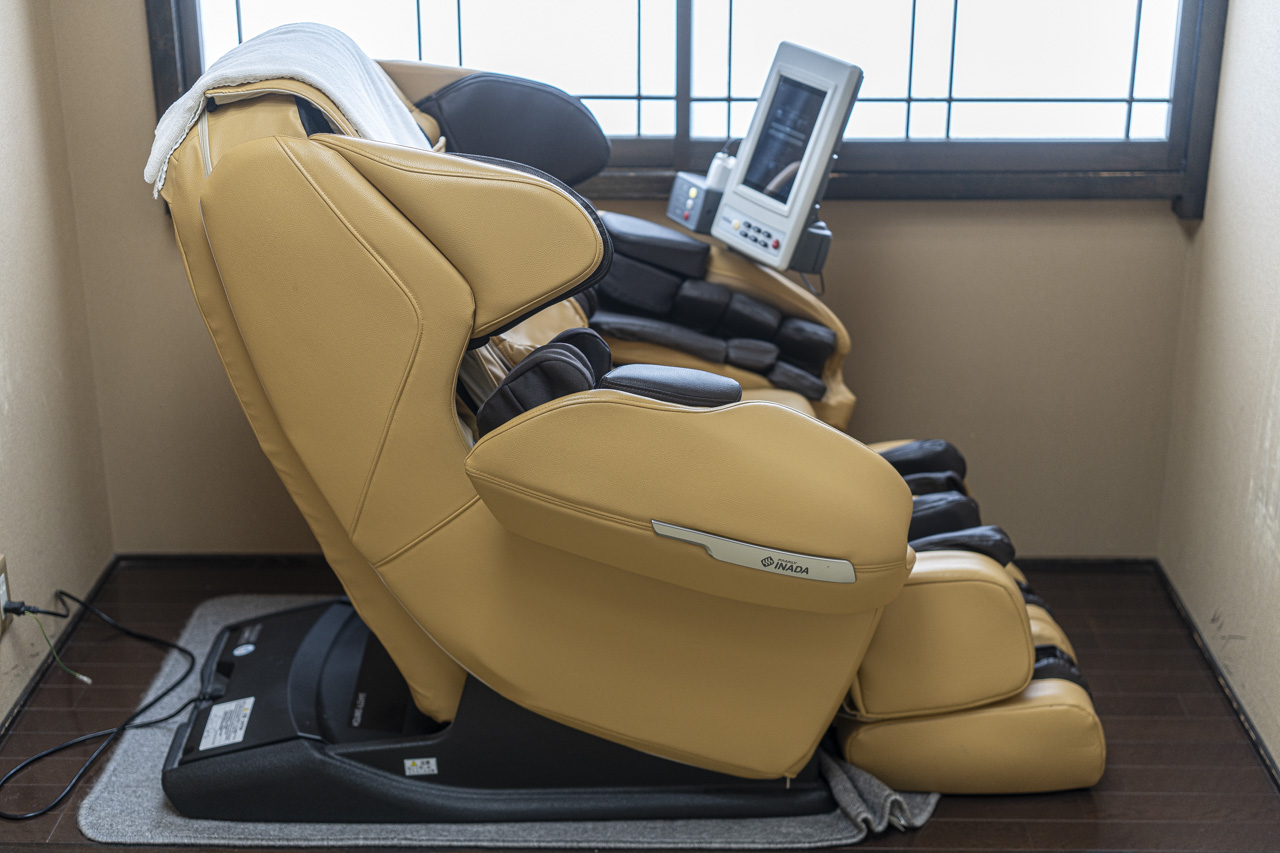
The traditional tatami rooms show some age but have conveniences such as massage chairs for a comfortable stay. Kaiseki dinner offers a chance to experience a traditional Japanese meal. Confirm the particular bath’s current tattoo and booking conditions before making plans.
Miyawaka Kominka Neri is in the quiet, attractive town of Miyawaka, about 40 minutes by car from central Fukuoka. This converted traditional Japanese house accommodates just six groups per day in the source record.
Natural surroundings create a peaceful place to relax. The property keeps an old Japanese atmosphere while adding modern conveniences. Meals using fresh regional ingredients and opportunities to encounter local culture add to the appeal of a stay in Miyawaka.
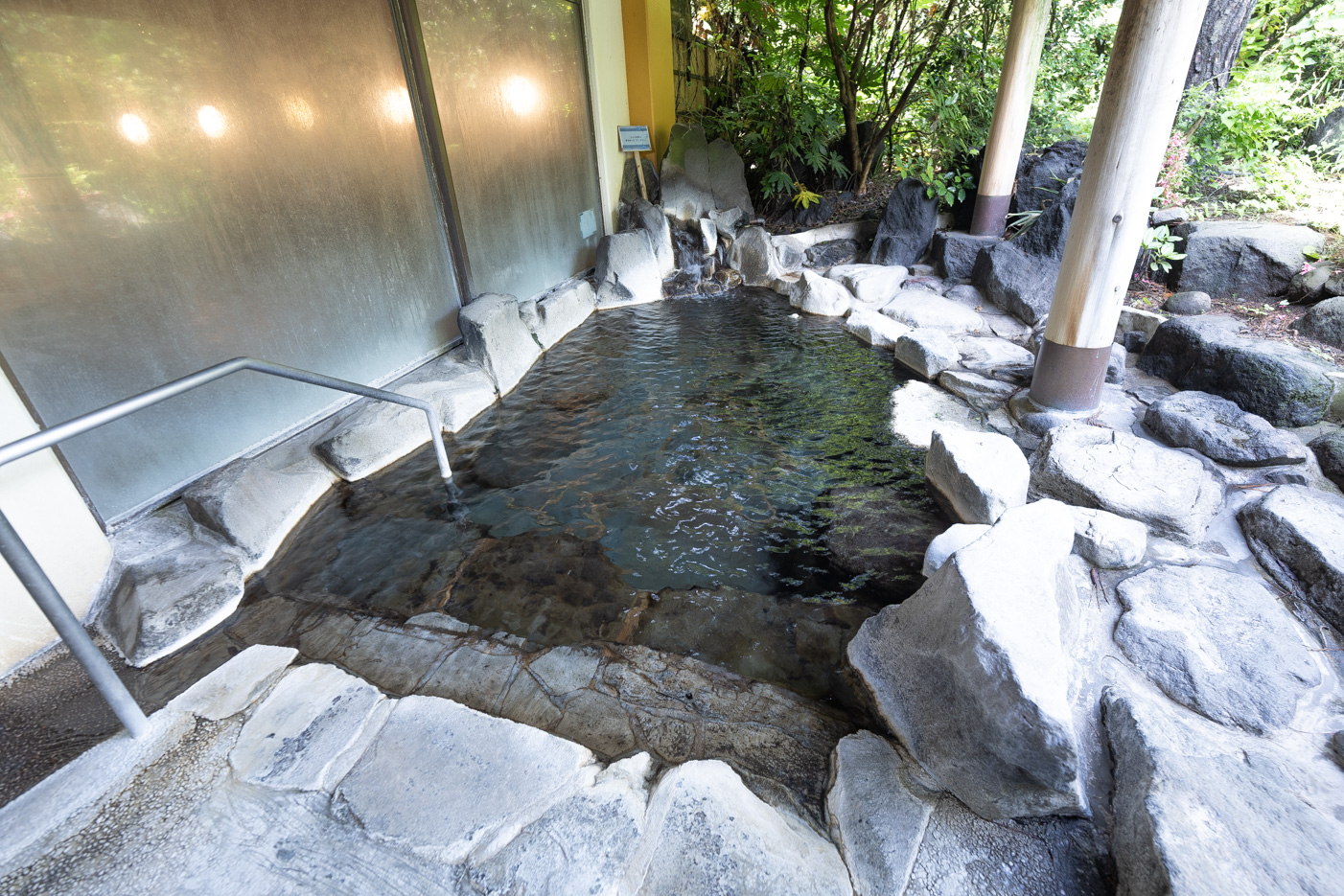
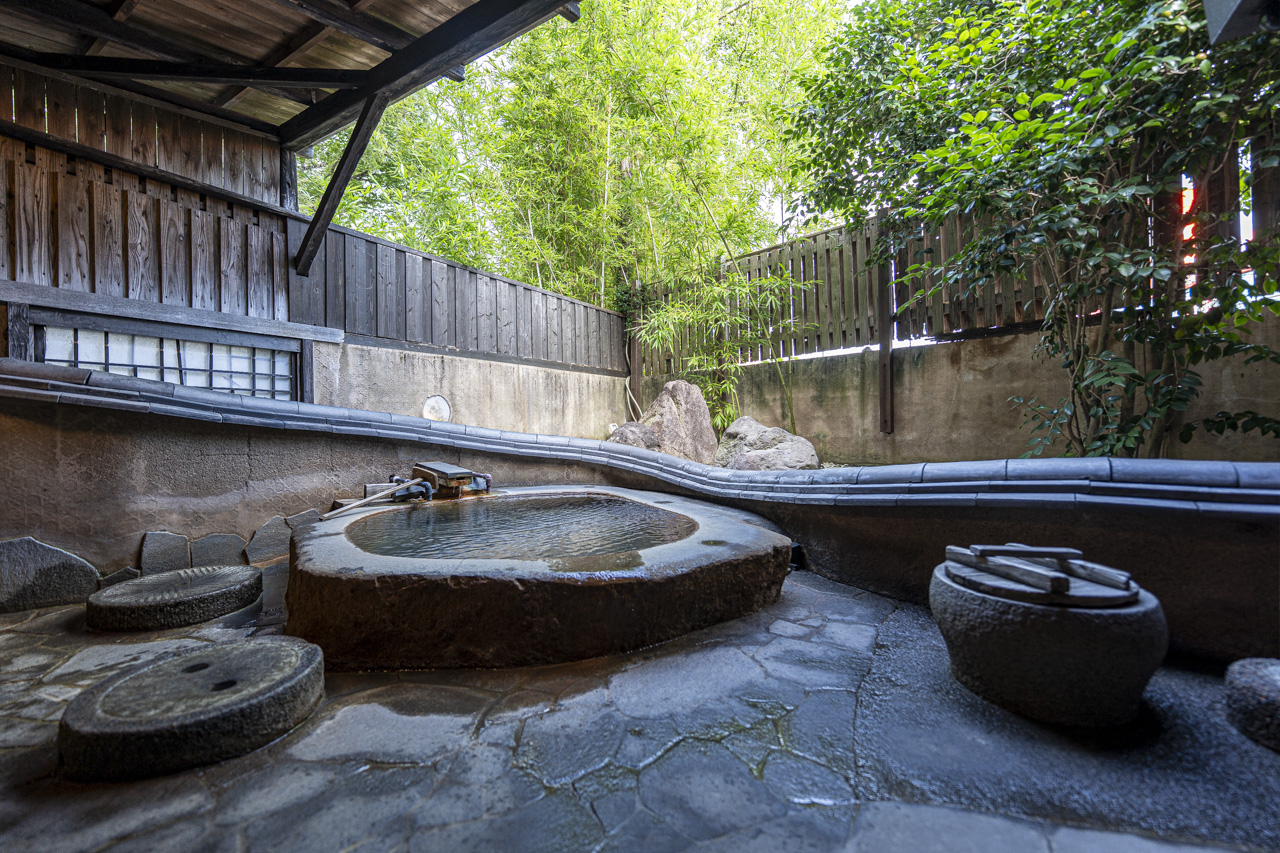
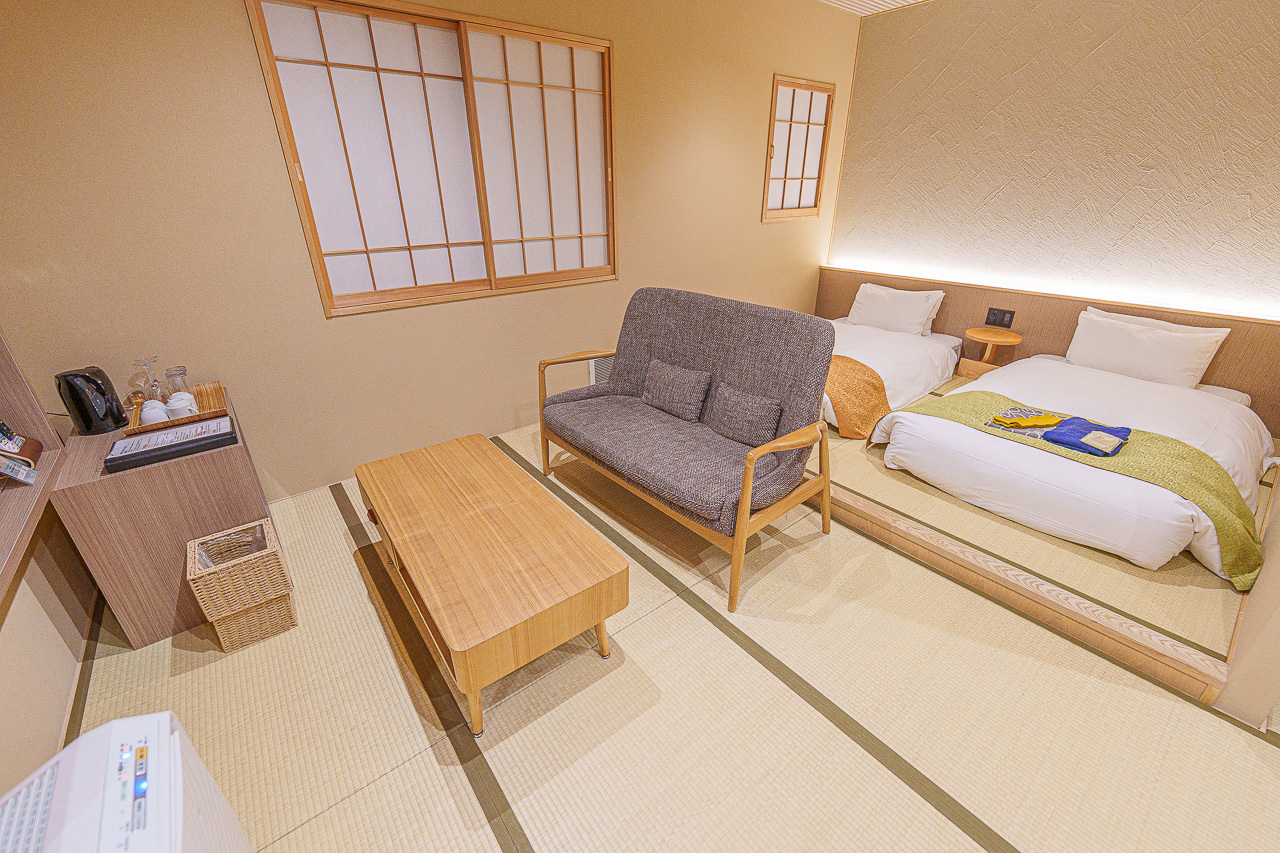
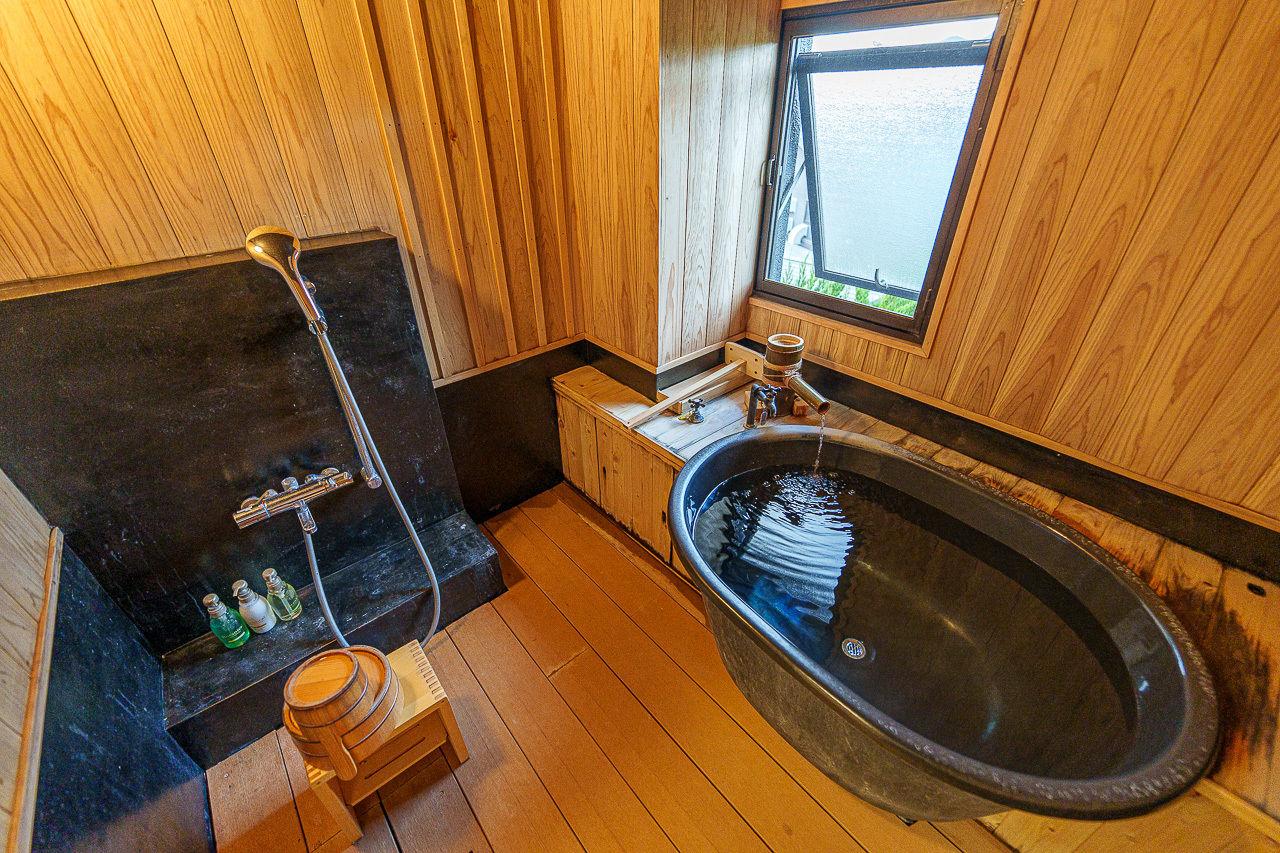
Less than about an hour by rental car from central Fukuoka, Miyawaka Toranoyu offers natural scenery that the original reviewer compared favorably with Yufuin. Spacious rooms and a natural hot-spring bath available in the room around the clock are strong attractions, but the food was an especially good match for the reviewer’s tastes.
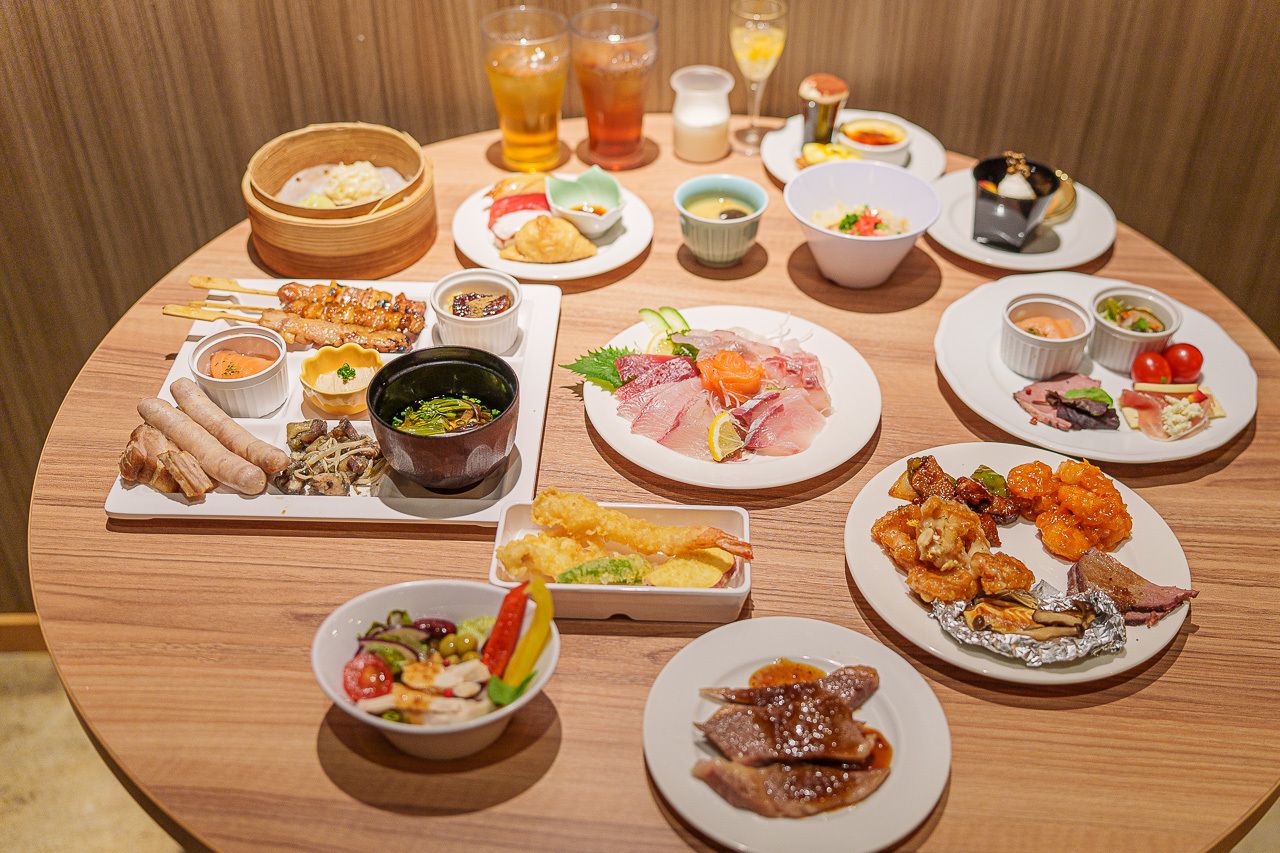
The wide dinner selection covered many dishes visitors hope to try in Japan, with enough variety to feel full even when sampling a little of each. Breakfast was just as impressive, turning the stay into a relaxed hotel-and-bathing break. The surrounding landscape adds to that feeling of escape.
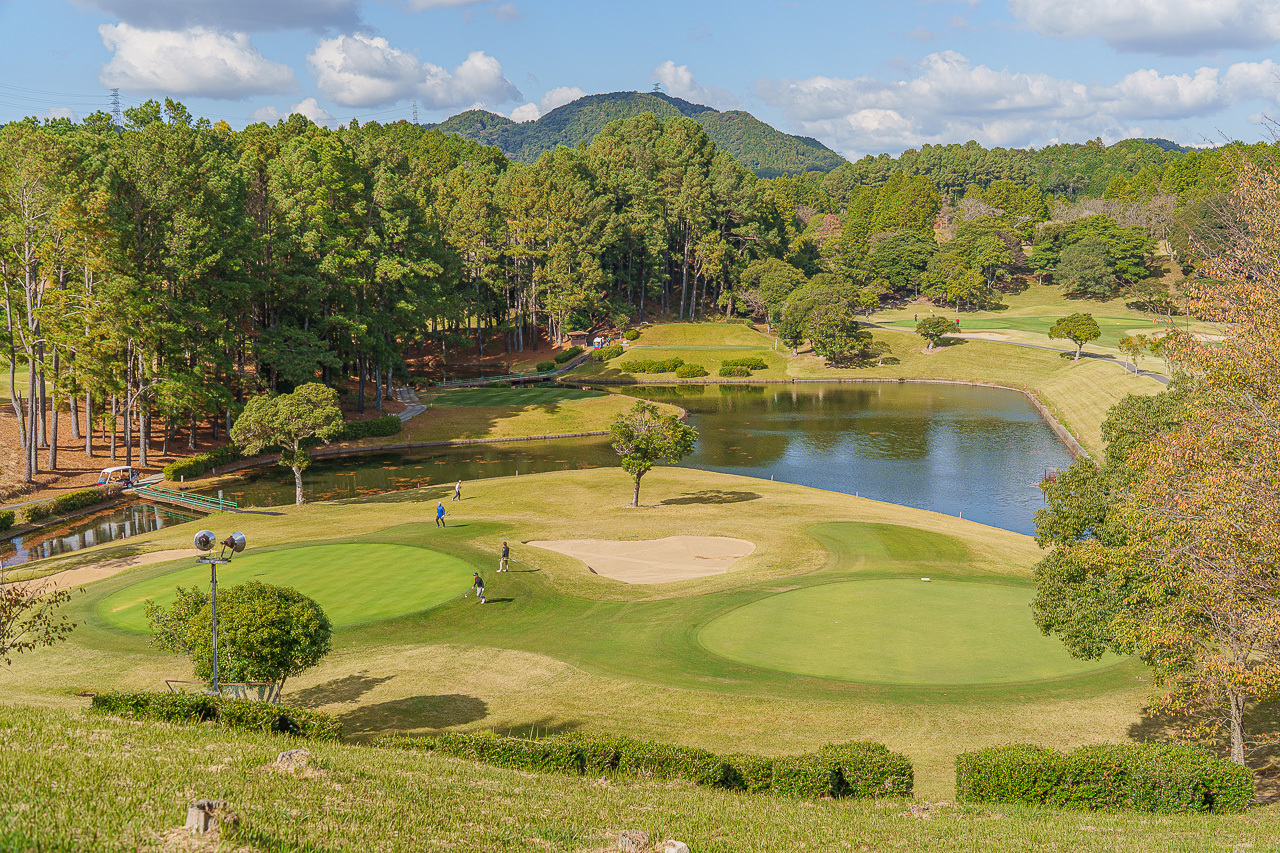
SUNGOLF & RESORT Wakamiyago Course is nearby, making it possible to combine golf, varied meals, and a room bath available 24 hours a day. This Miyawaka property is distinct from the Chojabaru Toranoyu listed earlier.
The reviewer found Yufuin Iyotomi particularly good value among lower-priced ryokan. Its baths include a traditional-style outdoor bath and four indoor baths, all arranged for private-family-bath use.
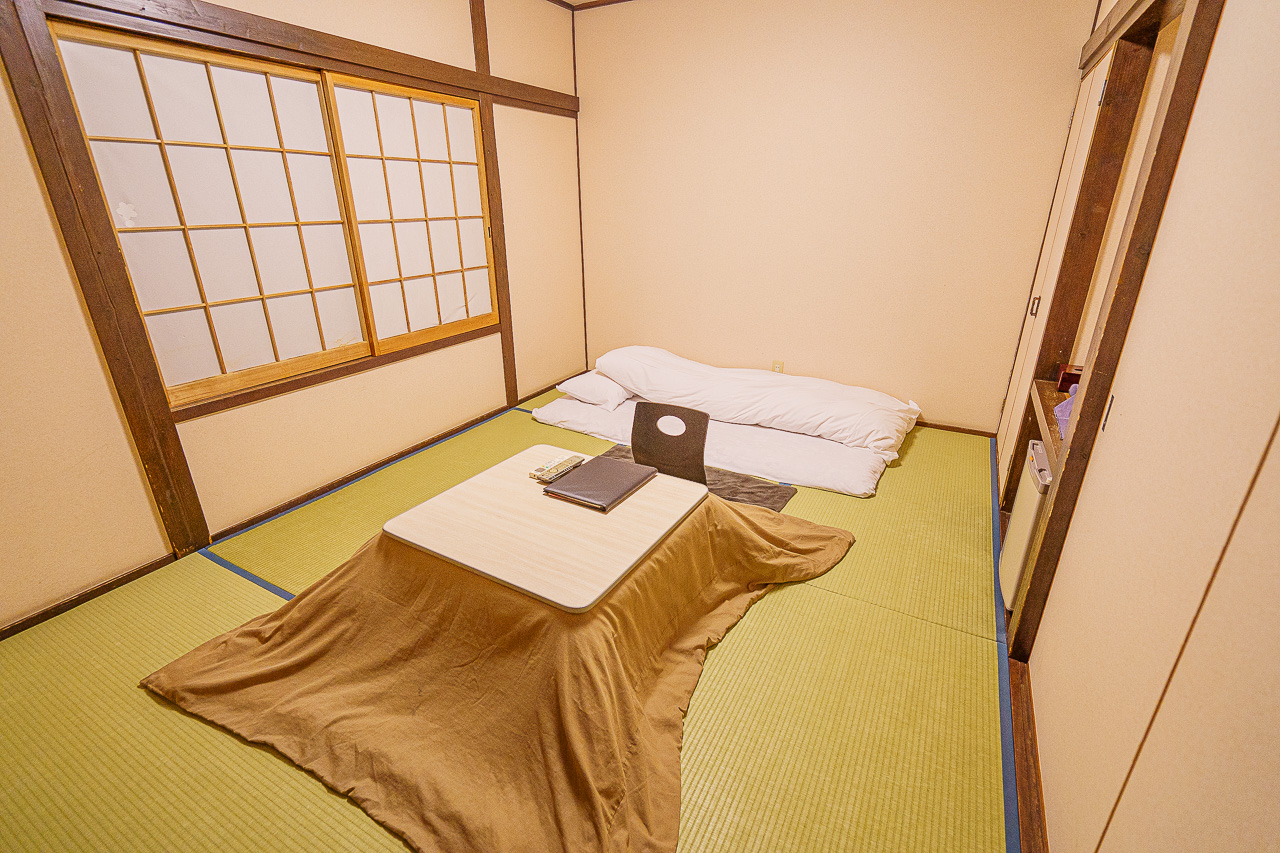
Rooms are tatami-style, and single rooms are available—a useful alternative to the common two-person ryokan booking format. Meals are another strength: seasonal dishes and the ryokan’s creative cooking were attractively presented and enjoyable to eat.
About ten minutes by taxi from Yufuin Station, Kinmonco is set in the mountains and first feels like arriving at a lodge. The welcome was pleasant from check-in. Quinces floated in the family bath, filling the air with their fragrance, and at certain times the front lodge offered sake tasting.
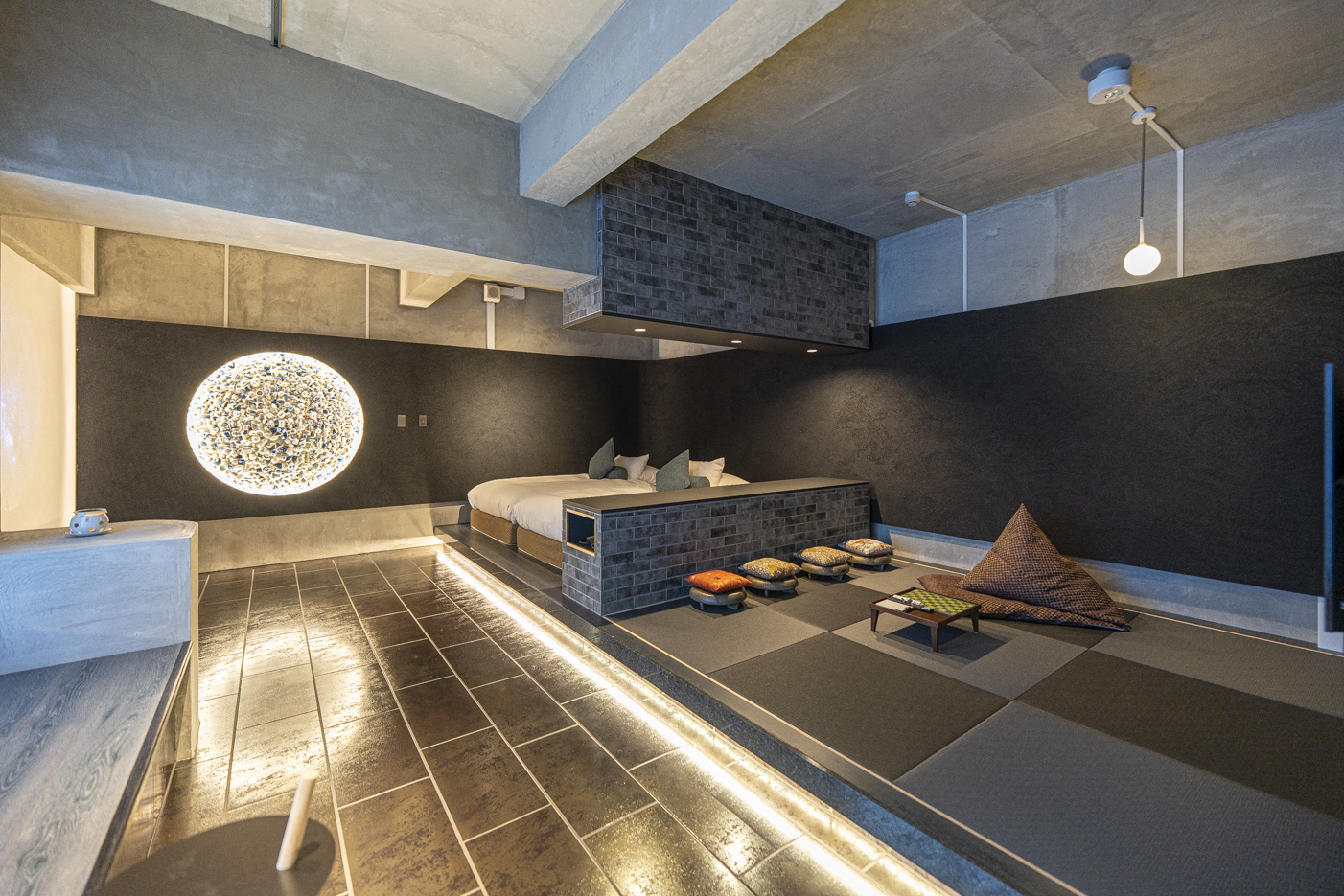
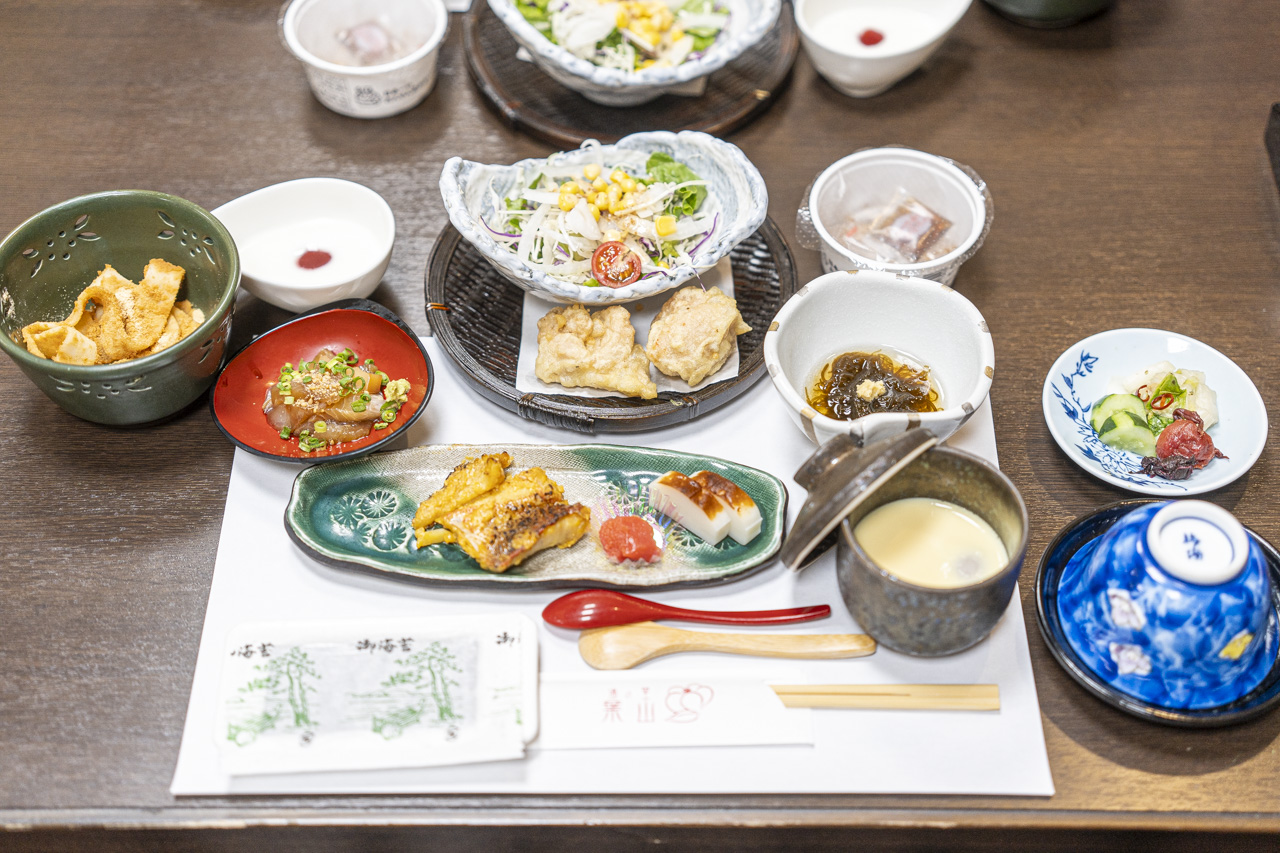
The featured room had two levels: a sunlit bed area downstairs and a living-room-like space upstairs. A room hot-spring bath flowed around the clock. Bathing, then sitting outside the lodge looking at the autumn landscape, brought an expansive sense of freedom. The ryokan’s creative meals were accomplished in flavor and particularly beautiful in presentation. These observations describe the featured room and visit.
KAI, the ryokan brand operated by Japan’s luxury Hoshino Resorts group, also has a Yufuin property. The original review found the landscape, interiors, meals, and service all up to the brand’s positioning. Views of rice fields and firefly-like lights created a calming atmosphere.
The reviewer generally recommends two nights at KAI because dinner menus differ between the nights. Both breakfast and dinner were good, with wild boar, venison, and badger recorded as a particularly unusual food experience toward the end of the meal. Mountain-view baths looking toward Mount Yufu, good food, and refined facilities brought a level of comfort that reflected the high price.
Tsuetate Onsen is about 30 minutes from Kurokawa Onsen. Its name is associated with a legend of an elderly visitor throwing away a walking stick after bathing. The place we stayed was Ryokan Izumiya, where the welcoming proprietress, large rooms in an old-established inn, and particularly good breakfast made an impression. We regretted not booking dinner.
The source spring is more than 90°C, and the bathing water also felt quite hot during the visit; the source temperature is not presented as the temperature of a bath to enter. Facilities included indoor and outdoor baths and an individual sauna whose enclosed shape reminded the reviewer of a coffin and felt less inviting.
Kurokawa Onsen is a small, quiet hot-spring town popular with Korean travelers. Ryokan Misato is set on a hill. The outdoor water sometimes turned milky white during the source experience, a change the reviewer could not explain.
The baths felt very hot, so the reviewer would not recommend this choice to someone who prefers cooler water. Because it is a mountain destination with limited alternatives, include dinner in your ryokan booking if you want a dependable evening meal. A tofu set at nearby Tofu Kissho makes an enjoyable lunch option.
The original account warns that there was no convenience store within roughly a 30-minute drive. Treat that as a historical access warning and plan supplies and meals rather than assuming a shop will be close. The ryokan and tofu restaurant have separate original map links below.
Takaraya Ryokan in Sujiyu Onsen is near the Kokonoe Yume Otsurihashi suspension bridge. The inn feels quite old-fashioned but offered very good value in the source visit. Its spring comes from the Kuju mountains, and falling-water installations provide a massage-like bathing experience that the original account associated with easing sore muscles.
As often happens in long-established inns, meals were generous and well prepared. The reviewer recommends it for an approachable Japanese ryokan trip. The mountain setting also means you may encounter wildlife.
After many ryokan stays, the reviewer found it unusual to encounter a property balancing scenery, baths, food, atmosphere, hospitality, and price as well as Nihiki no Oni. Where other attractive inns might charge two or three times more at peak periods, the source describes relatively small differences between weekday, weekend, and seasonal rates. Some guests reportedly booked the following year while checking out.
Deep in the mountains, the property offers fine scenery and especially good baths and meals. Six private family baths and one shared bath provide different bathing experiences. Creative dishes change with the seasons, making return visits appealing.
Transport is the main drawback, and the reviewer recommends a rental car. The source also records station pickup for those without a car, naming the nearby JR station as ‘Bungo-Nakamori.’ That station spelling and the pickup arrangements need confirmation directly with the property before travel; no alternative station identity has been guessed in this preview.
Manyo no Yu — closed August 28, 2024; historical visit record
博多 由布院・武雄温泉 万葉の湯
Closed August 28, 2024 — historical photographs and visit record only.
This facility closed on August 28, 2024. The photographs below are records from when it was operating and are not a current accommodation or day-bathing recommendation.
The original visit covered water brought from Yufuin and Takeo, large communal baths, private family baths, and relaxation areas. Contributor Sangyun’s experience also informed itinerary tips combining accommodation and airport travel. The photographs preserve the former facilities and the experience of using them.