About an hour by car from Fukuoka or Kitakyushu, Fukuchi (福智町) lies in the central-to-northeastern part of Fukuoka Prefecture, beneath the town’s symbolic 901-meter Mount Fukuchi. Its natural setting supports specialties such as rice and fruit. Around the foothills are many kilns producing Agano ware (上野焼), a nationally designated traditional craft with more than 400 years of history, making it a pottery town.
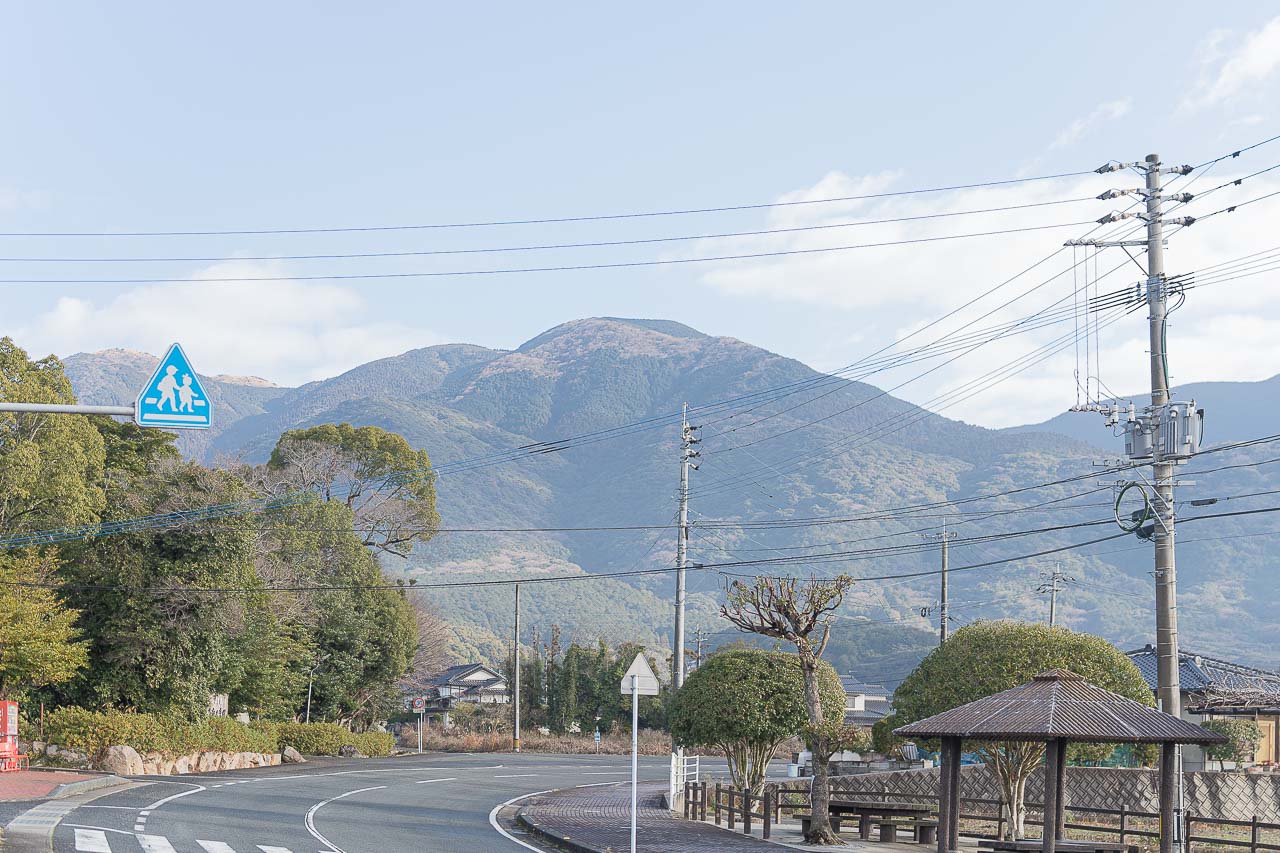
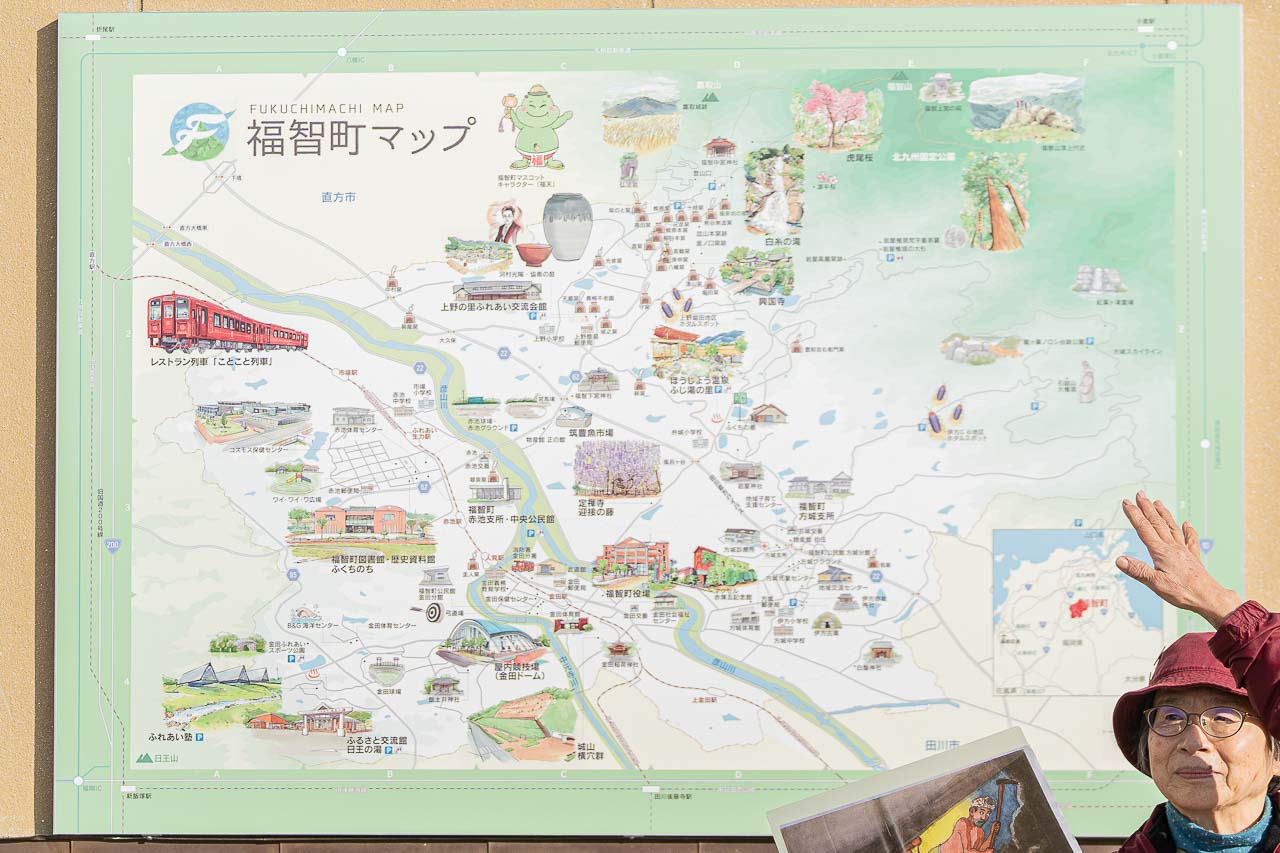
Fukuchi was created by merging the former Akaike, Kanada, and Hojo towns (旧赤池・金田・方城町). About 45 km from central Fukuoka and 35 km from Kitakyushu, it occupies a central position in the prefecture. Neighboring areas include Nogata and Kitakyushu, Kawara, Tagawa and Itoda, and Iizuka, each with distinct culture and scenery. Its 42.04 square kilometers lie in a basin surrounded by hills and mountains, with a river splitting through the center and a green natural environment.
Coal extraction made the area part of the major Chikuho coalfield (筑豊炭田). Kanada became a transport hub, while the source associates Mitsubishi Hojo Mine with the Kawara area and Meiji Mining’s Akaike operation with Akaike. Rapid development brought workers, goods, and prosperity. The later shift from coal to oil reduced mining and led to closures. Akaike, Kanada, and Hojo pursued financial reconstruction before merging as Fukuchi on March 6, 2006. The source describes renewed development focused on tourism and education using local nature and culture; the mine-location wording is retained as an unverified source description.
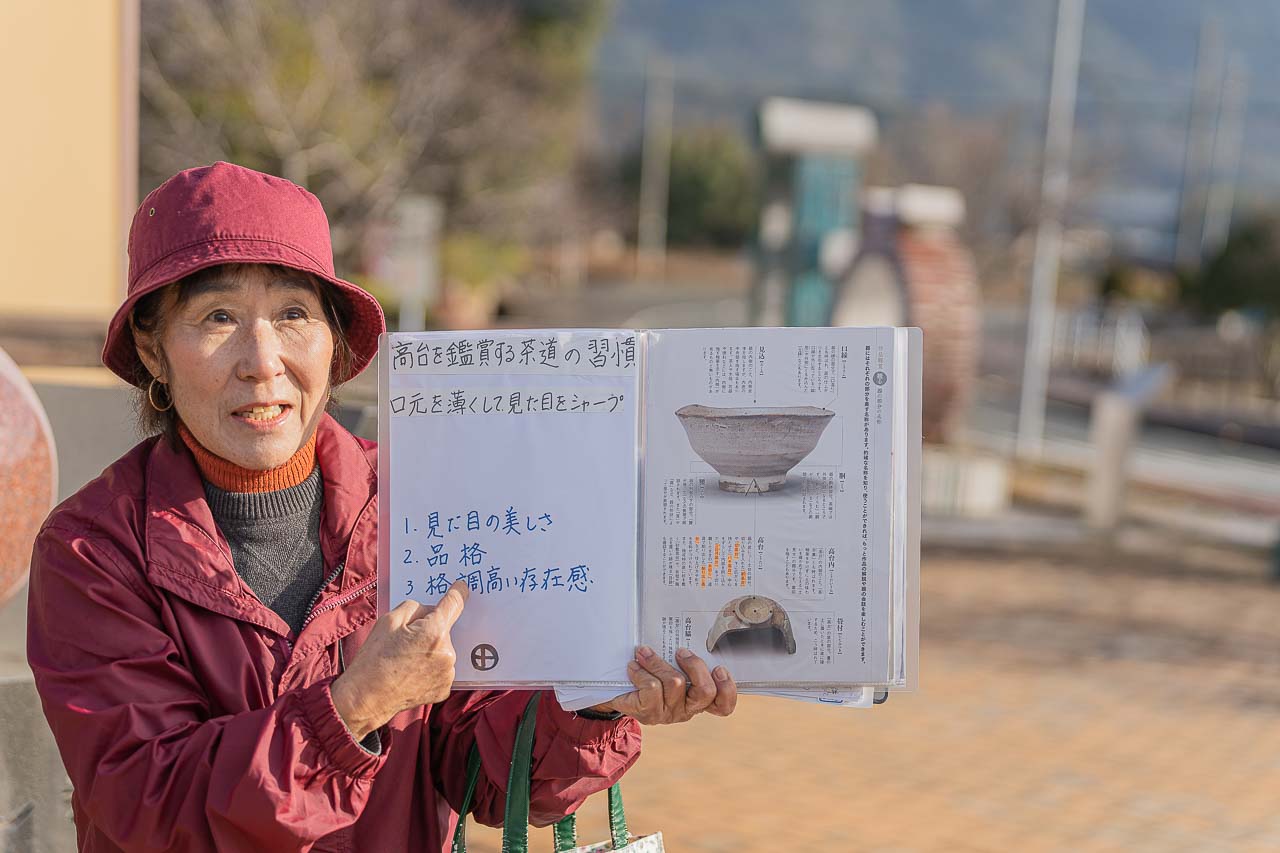
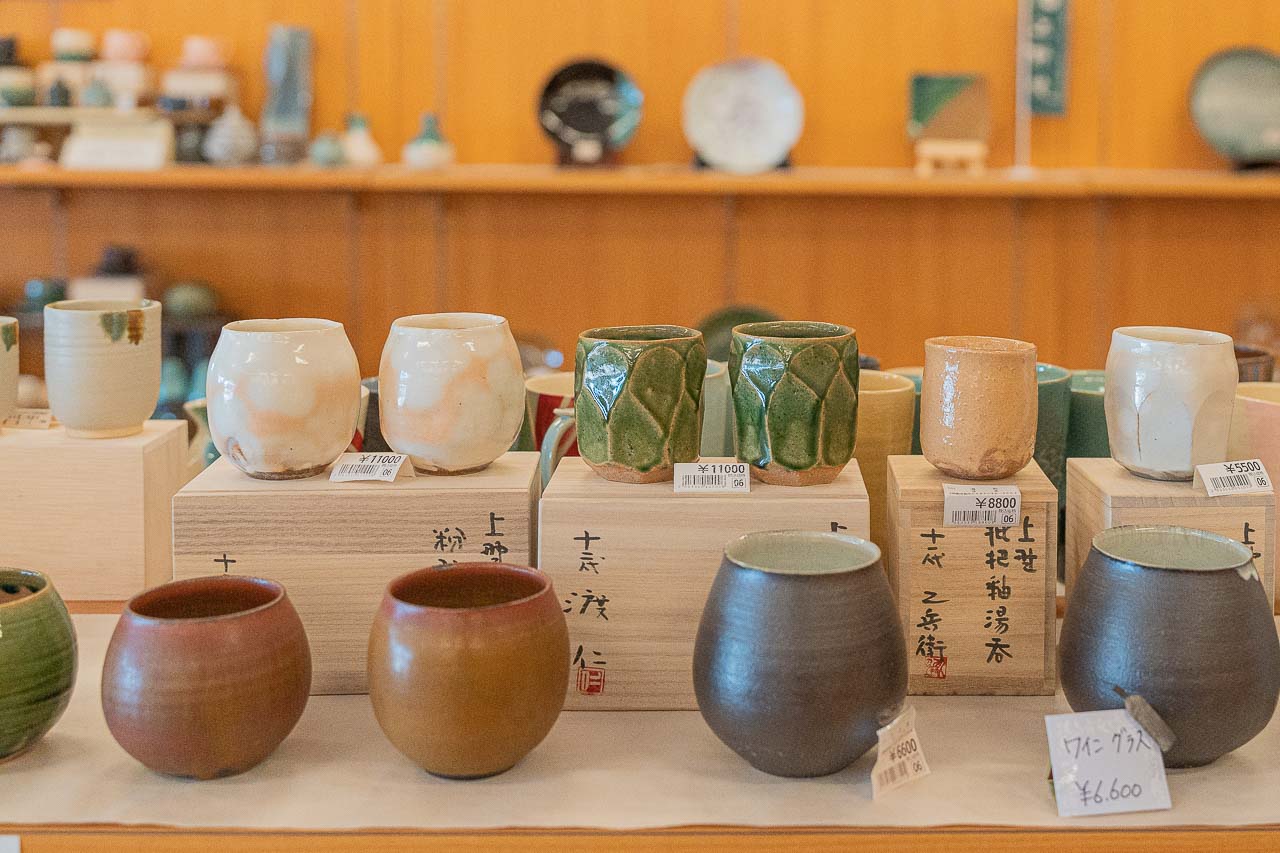
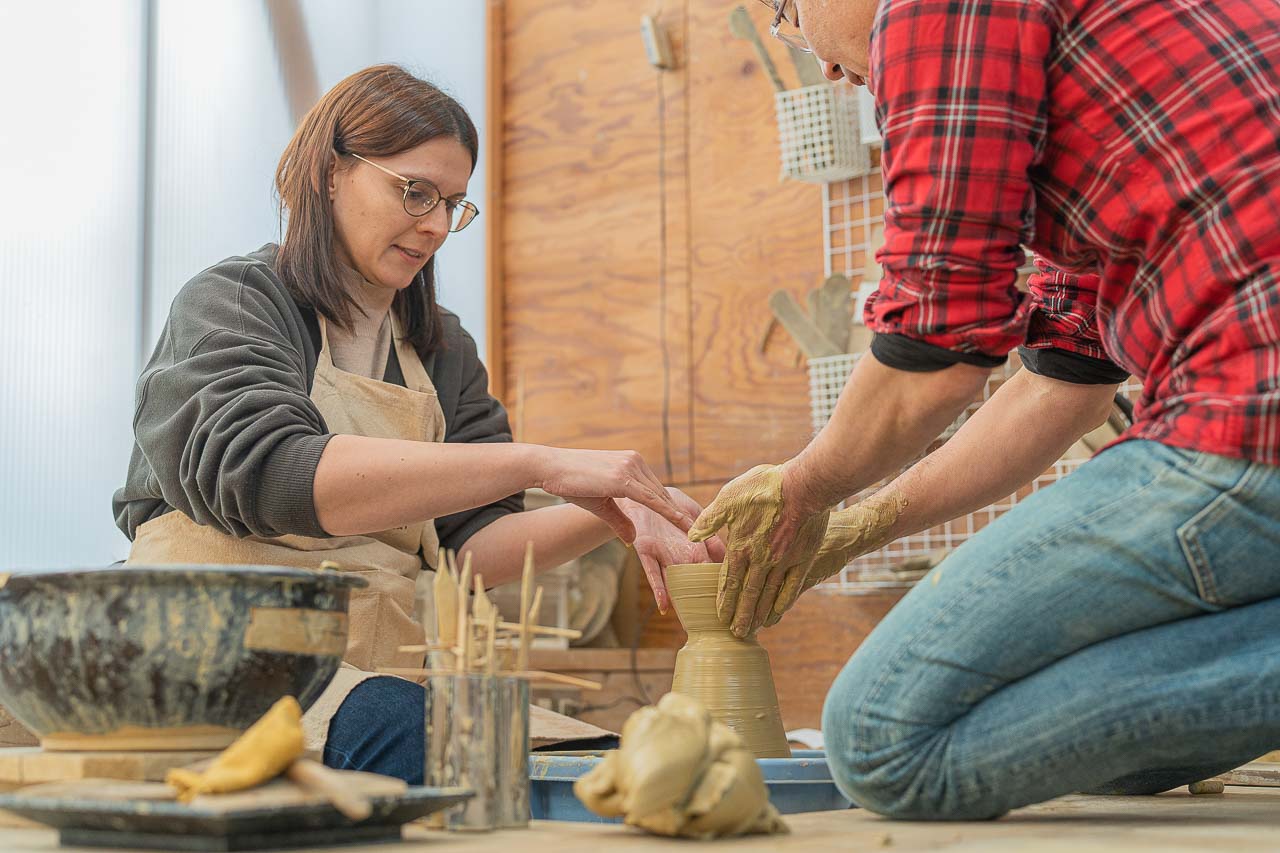
The Agano ware pottery experience (上野焼・作陶体験), part of that effort, began with a guided introduction to its history and historic works. The source describes the ceramics as beautiful, dignified, and striking—in other words, a high-end craft.
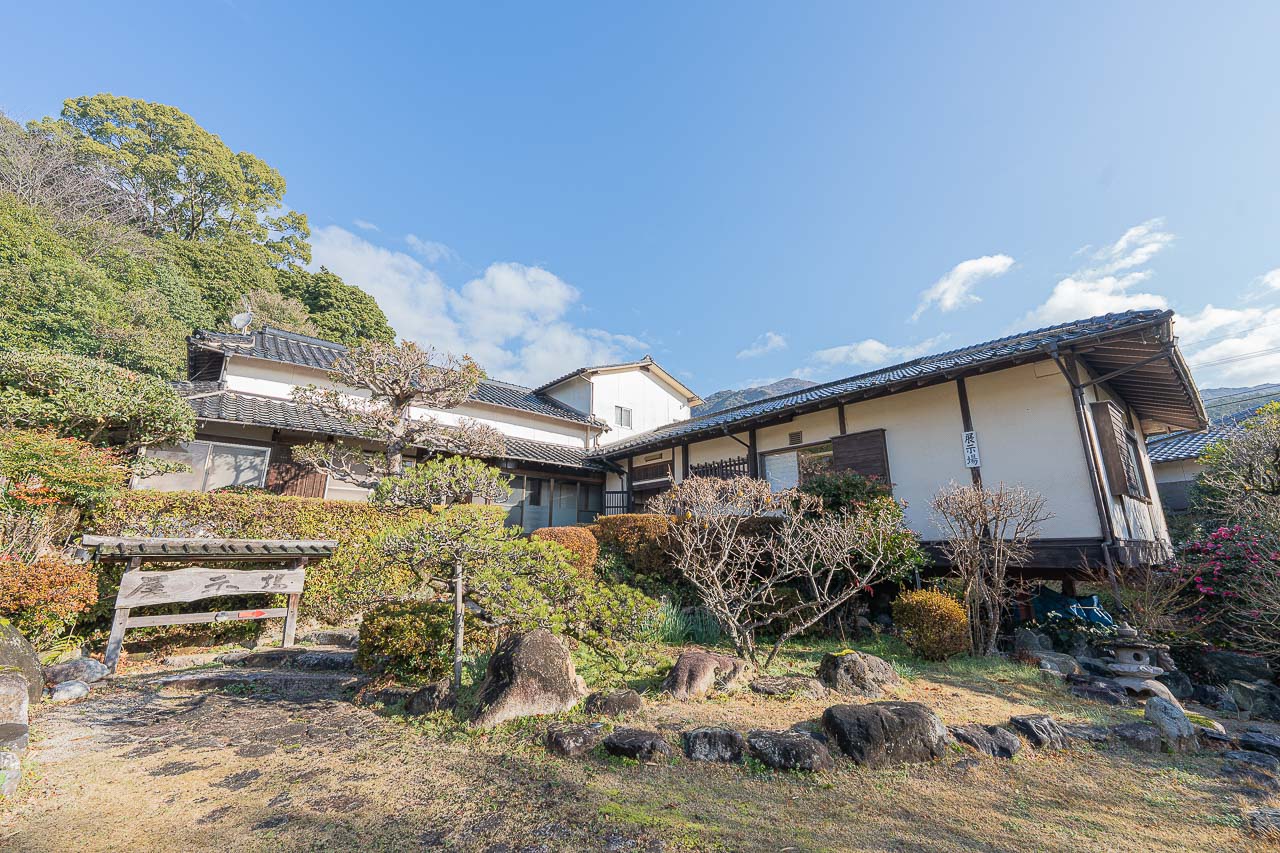
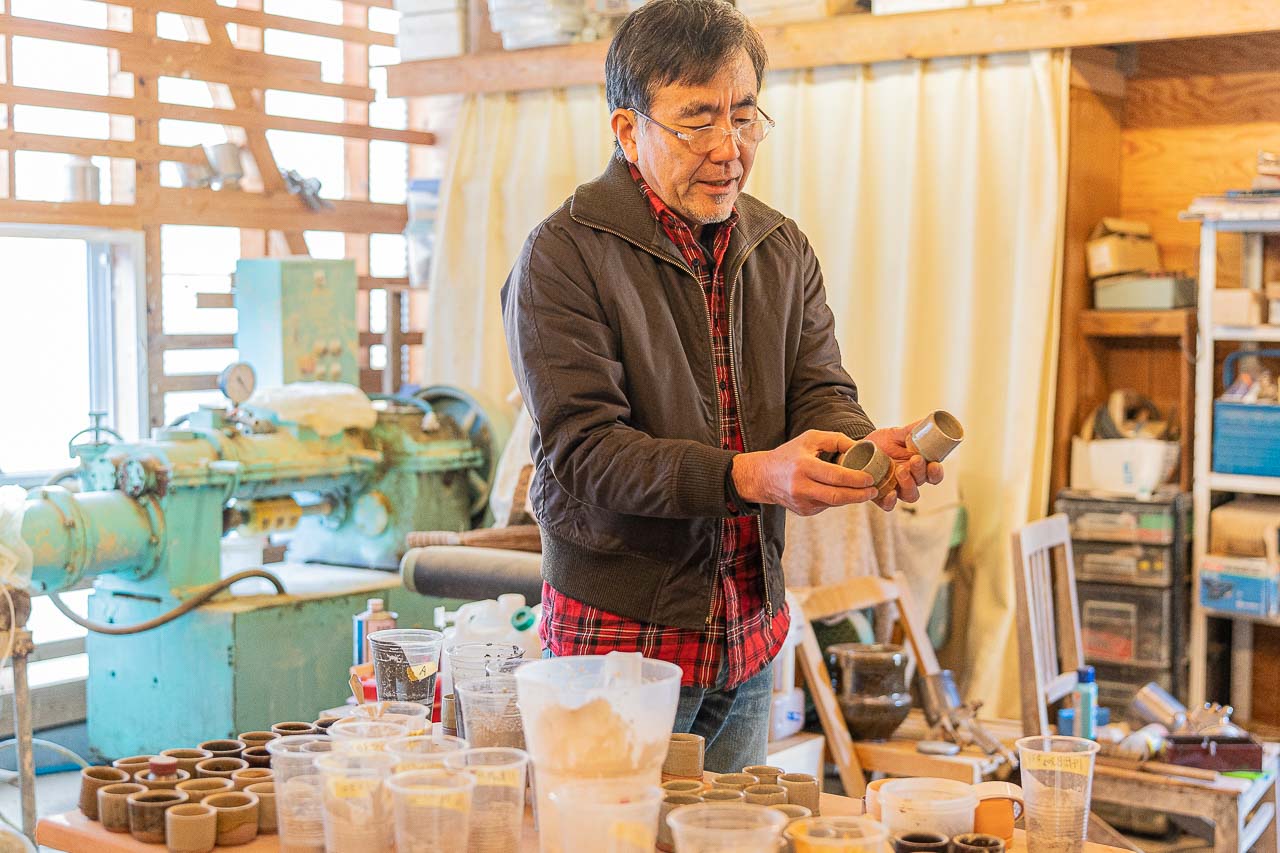
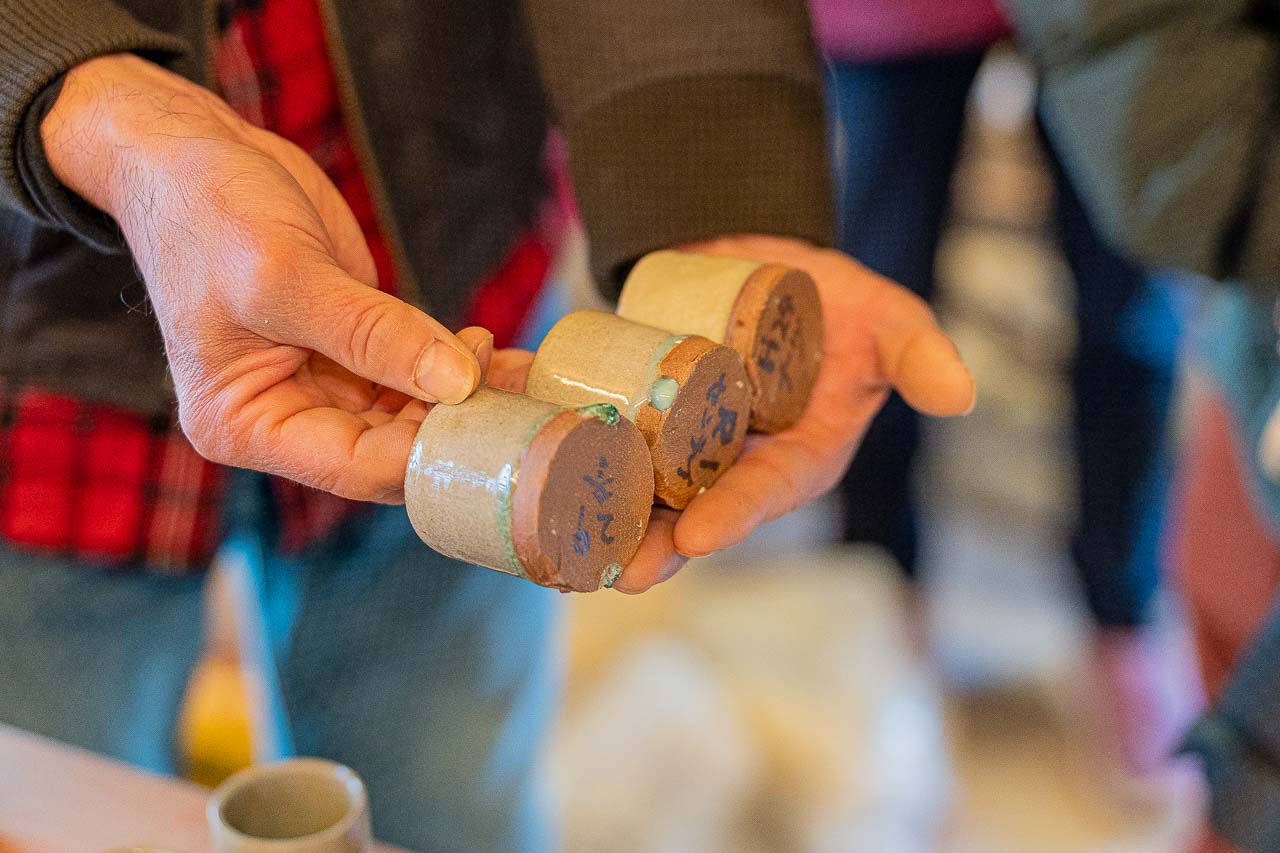
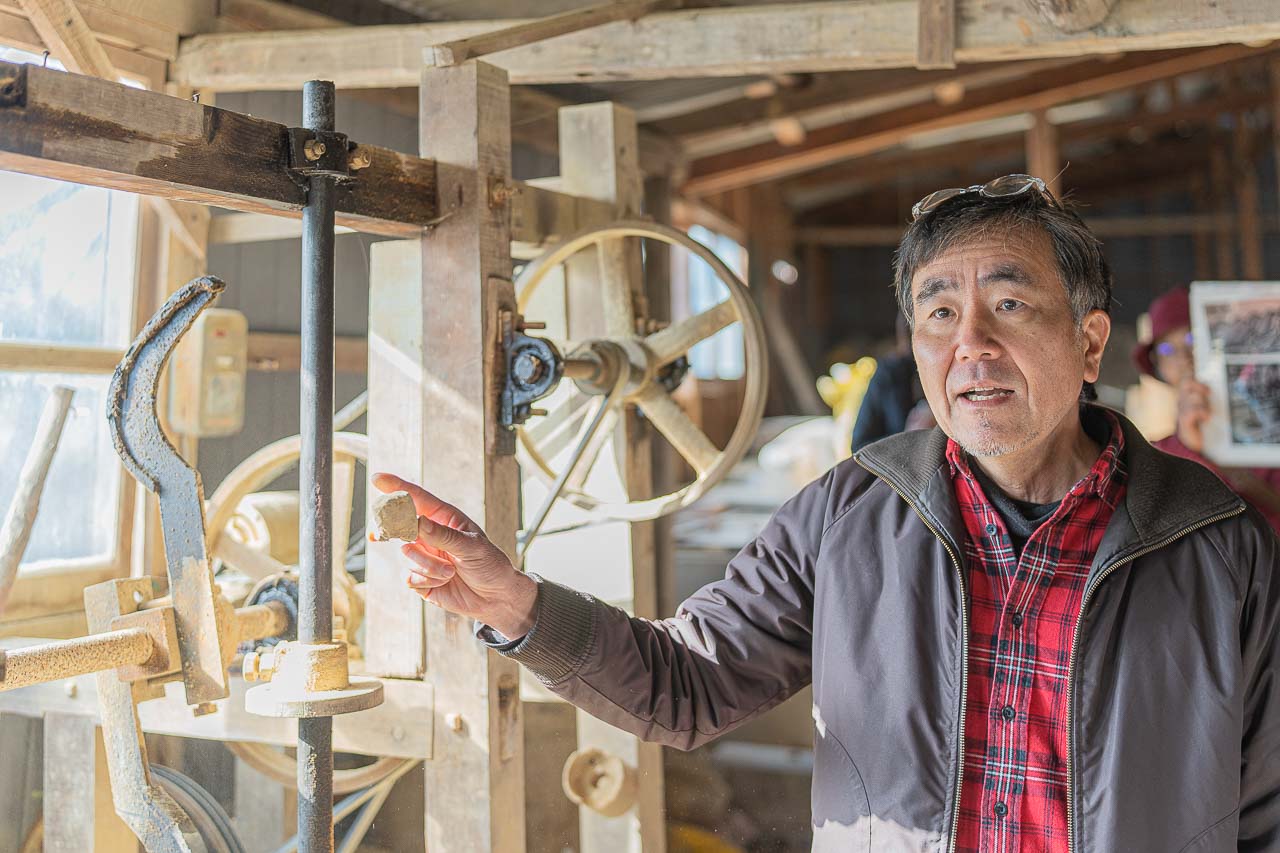
The tour visited Watari Kiln (渡窯), described as the home of a prominent pottery lineage, and its distinctive climbing kiln, or noborigama (登窯). Guidance came from Mr. Watari, identified in the source as the twelfth generation of the lineage. His gentle manner, passion for making ceramics, and historical perspective gave depth to our introduction to Agano ware.
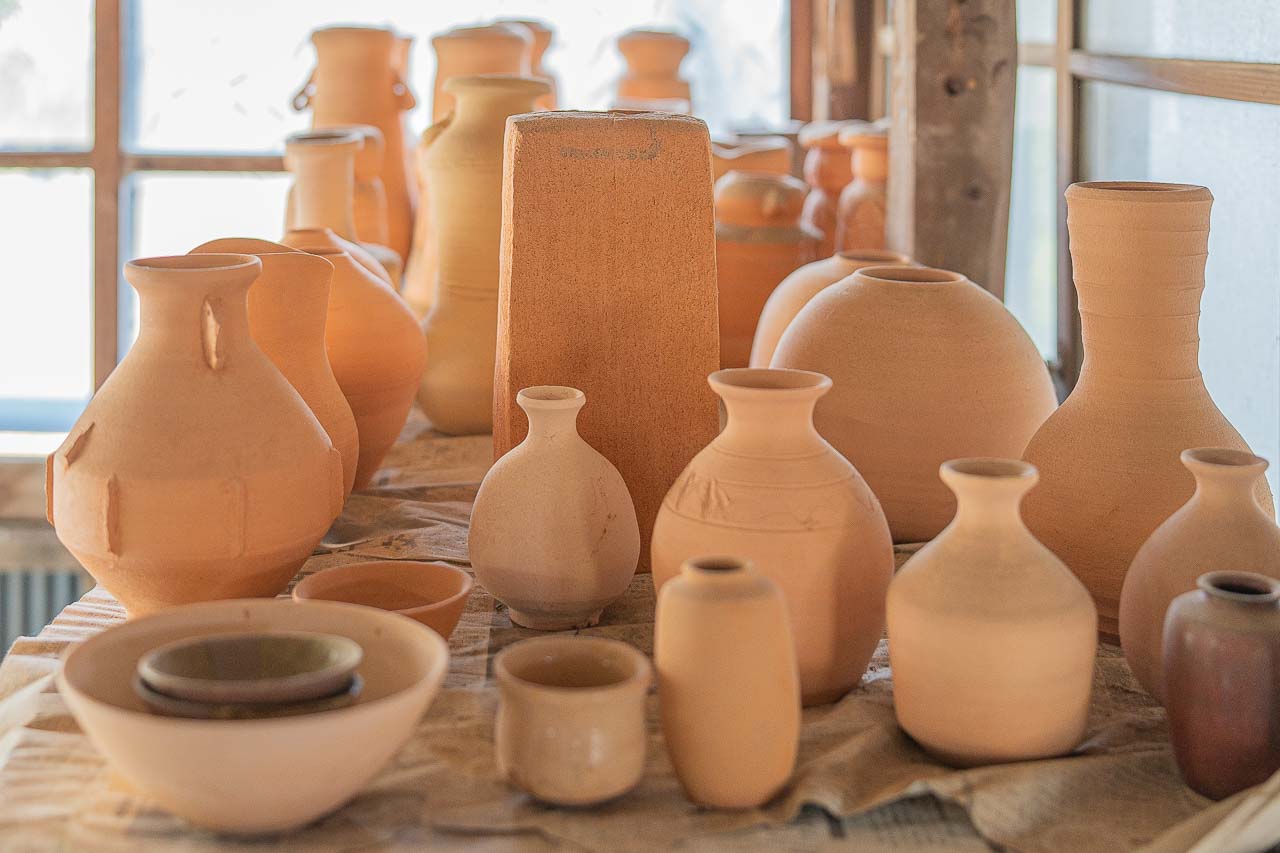
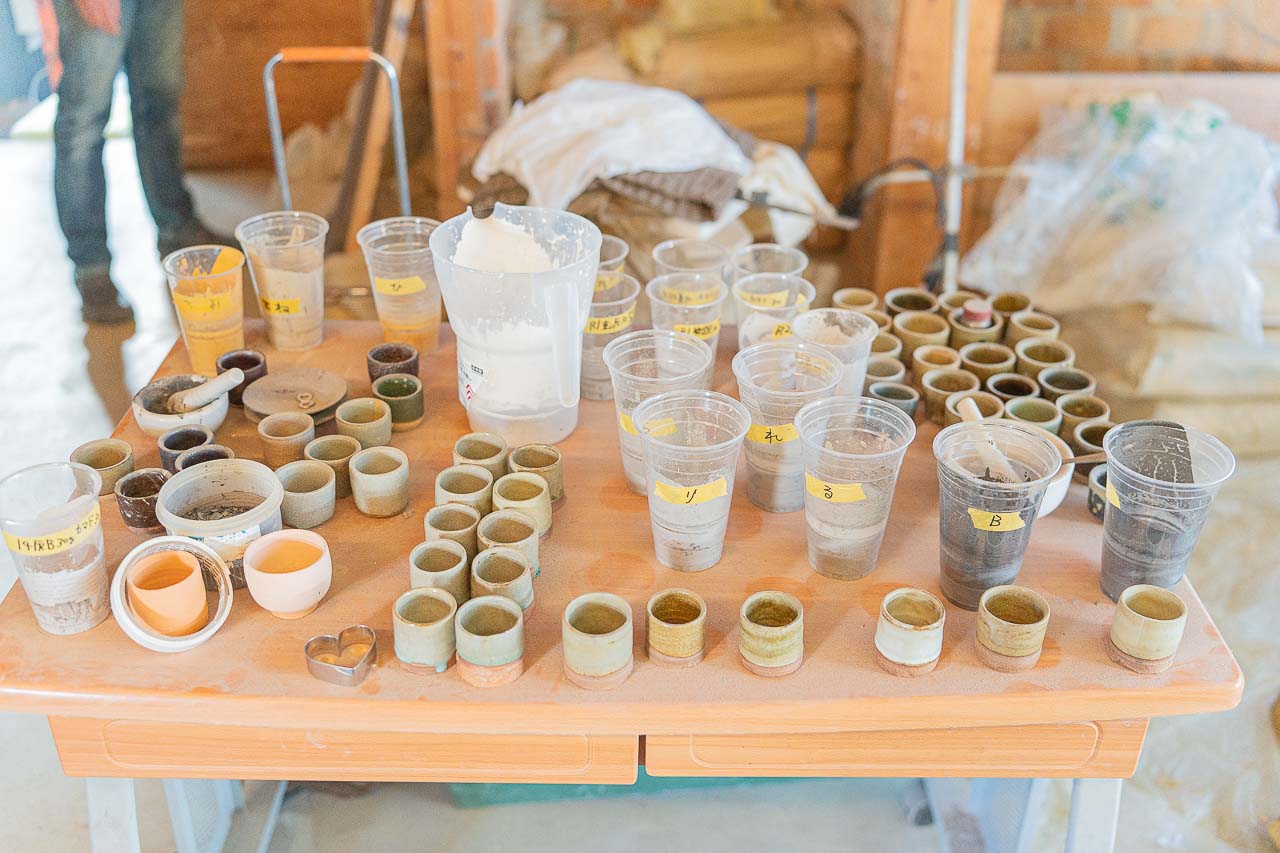
The source traces the tradition about 420 years back to 1602, when Hosokawa Tadaoki (細川忠興), first lord of the Kokura domain in Buzen and a student of tea master Sen no Rikyu (千利休), invited the Joseon potter 尊楷. The craft developed vessels for the lord’s use, with thin construction and a refined feel. Local clay and glazes produced varied colors, gloss, and patterns. Enjoying each maker’s technique and individuality remains part of its appeal, while many everyday items are also made. The original reflects that Agano ware can blend into a space while changing its atmosphere.
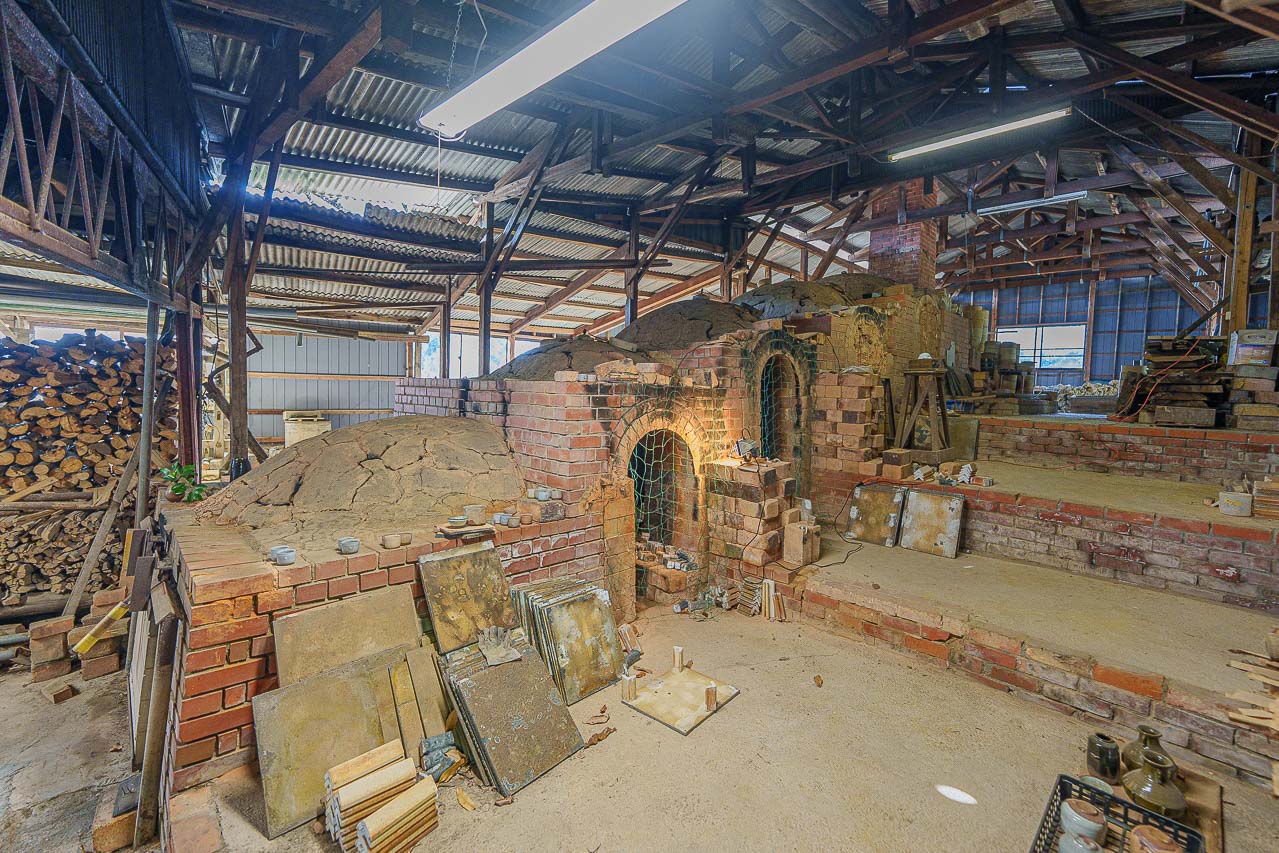
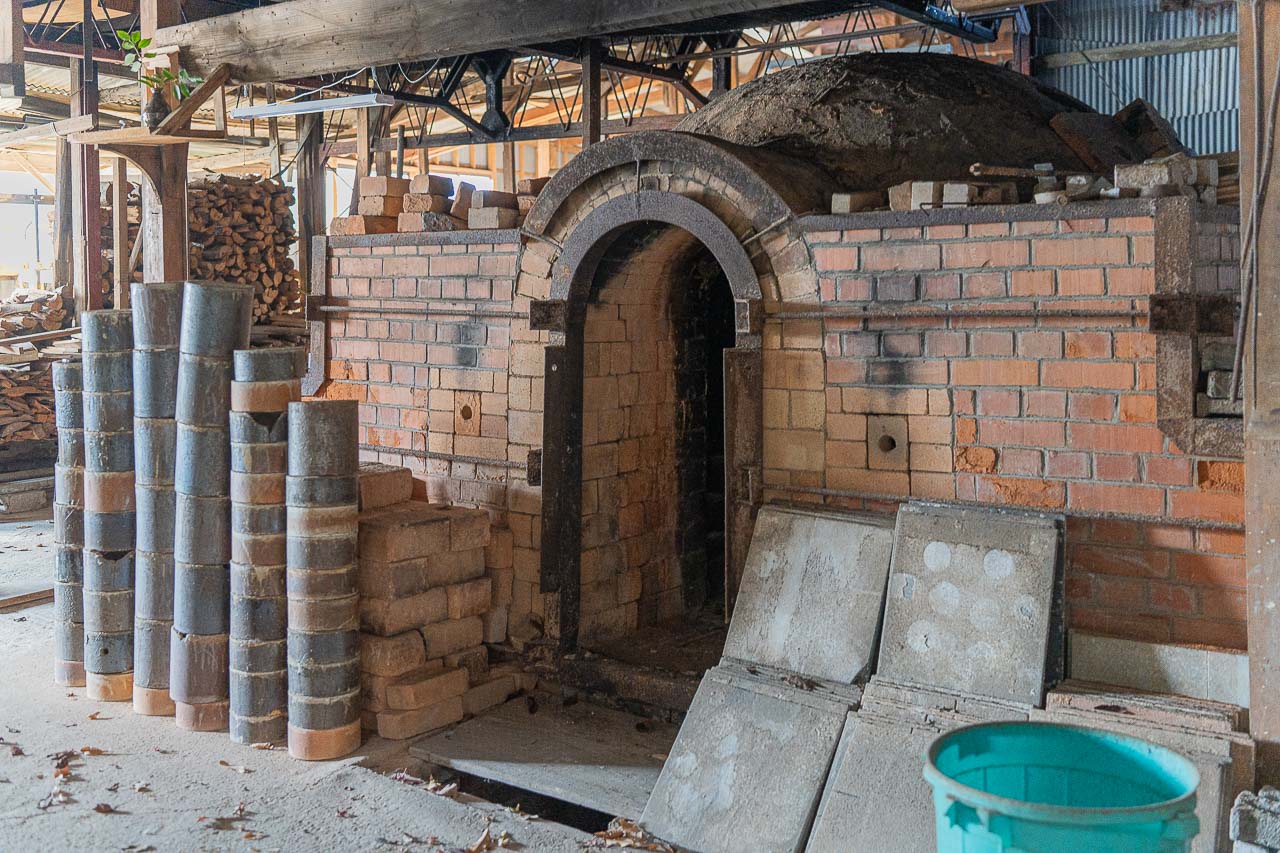
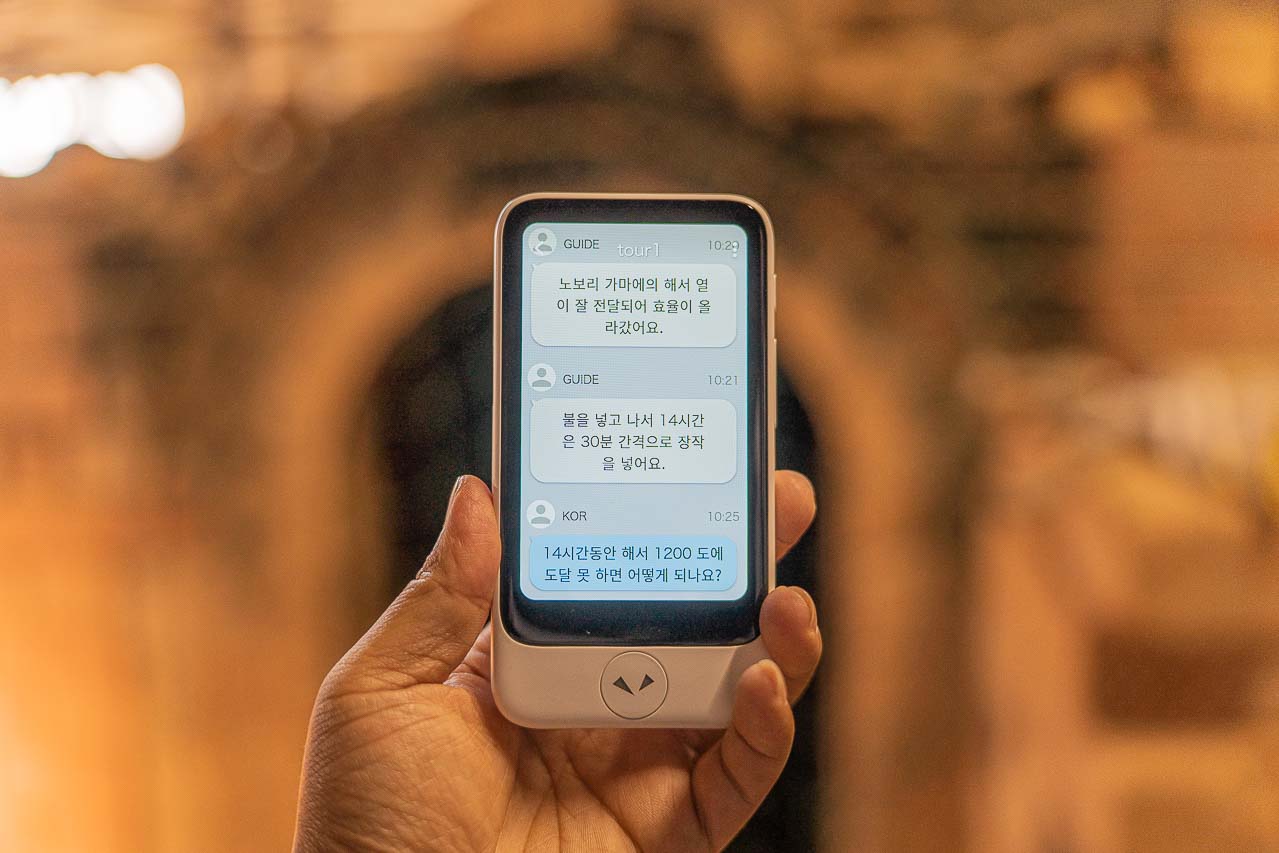
The experience gave access to a kiln not normally open to the public and insight into the craft behind Agano ware. Mr. Watari’s guidance deepened our understanding of its art and tradition. Technical vocabulary could be difficult, so a pocket translator was provided. On our visit, his Japanese could appear in Korean, while my Korean was conveyed in Japanese; English-language support is not inferred.
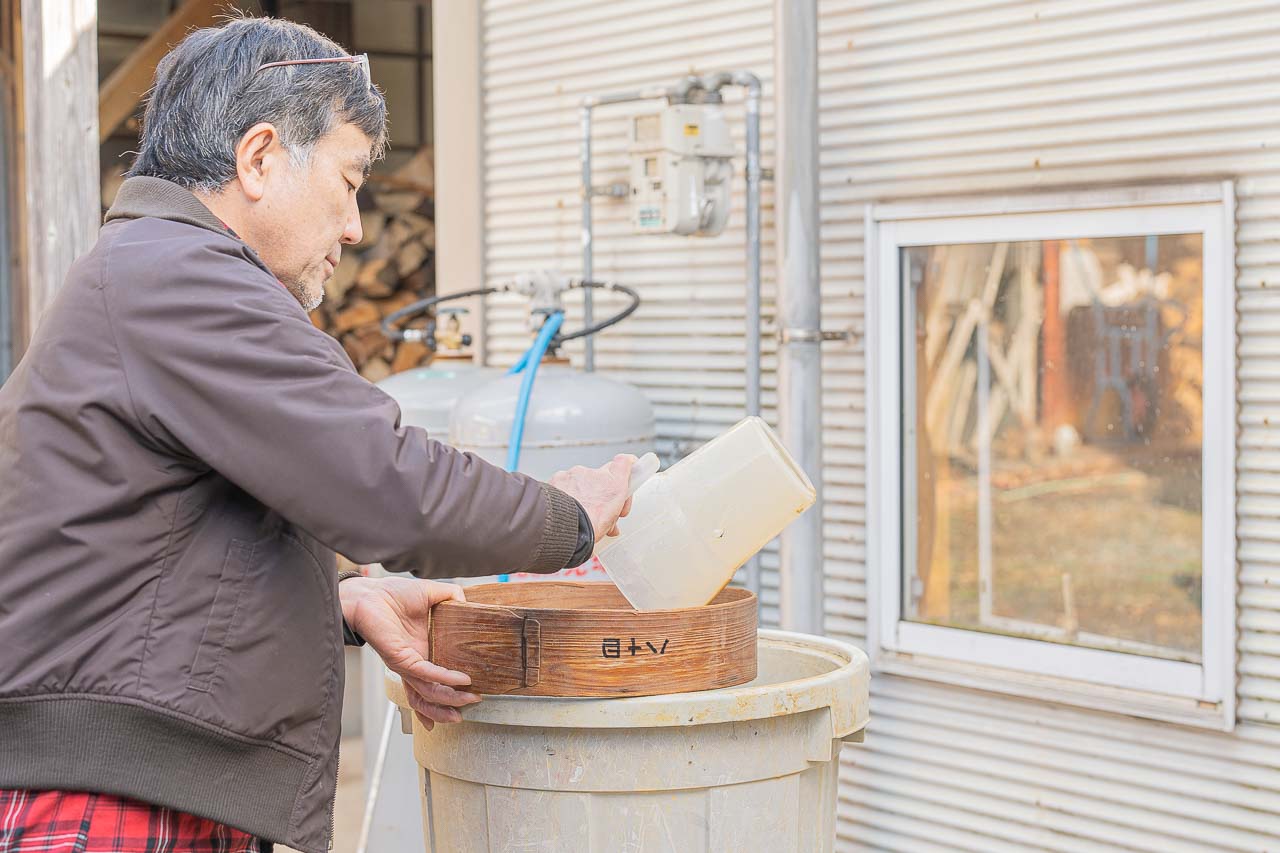
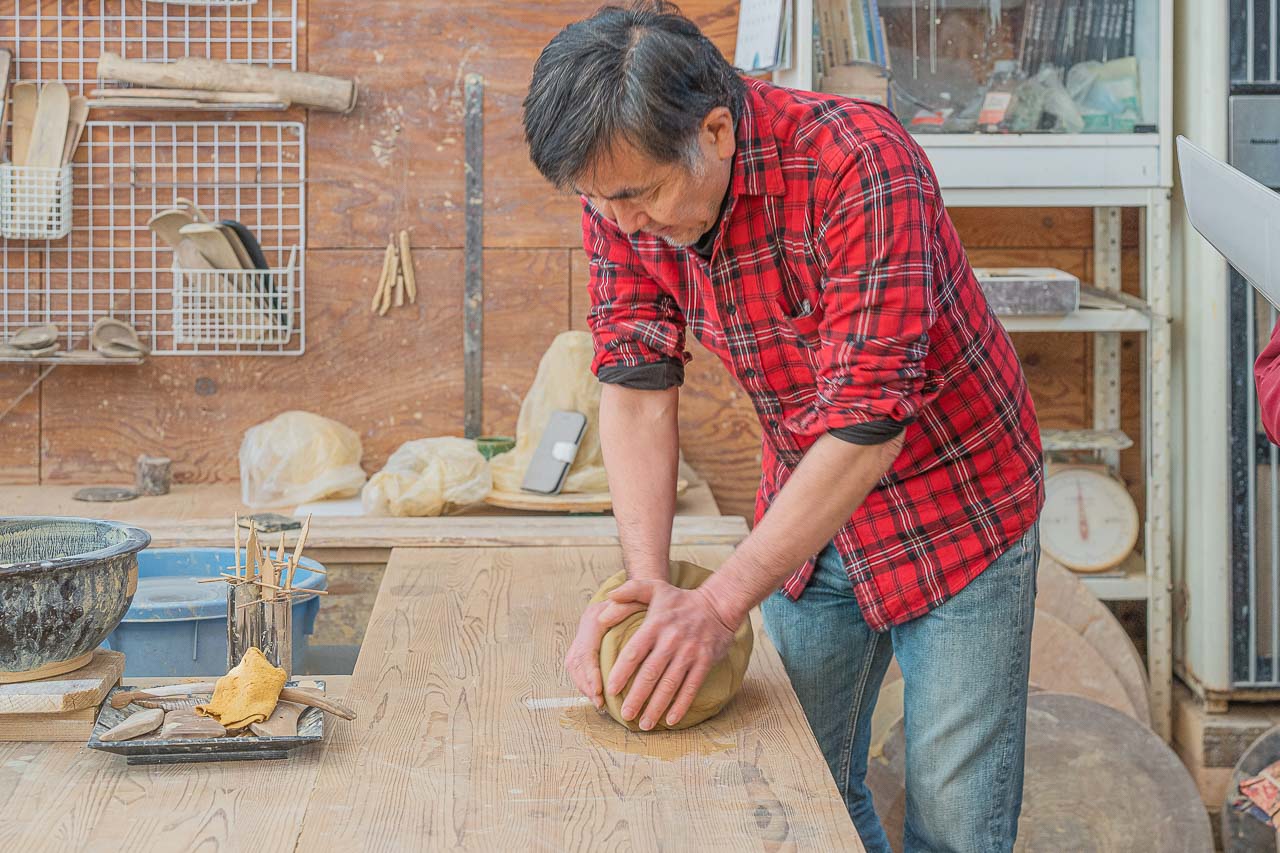
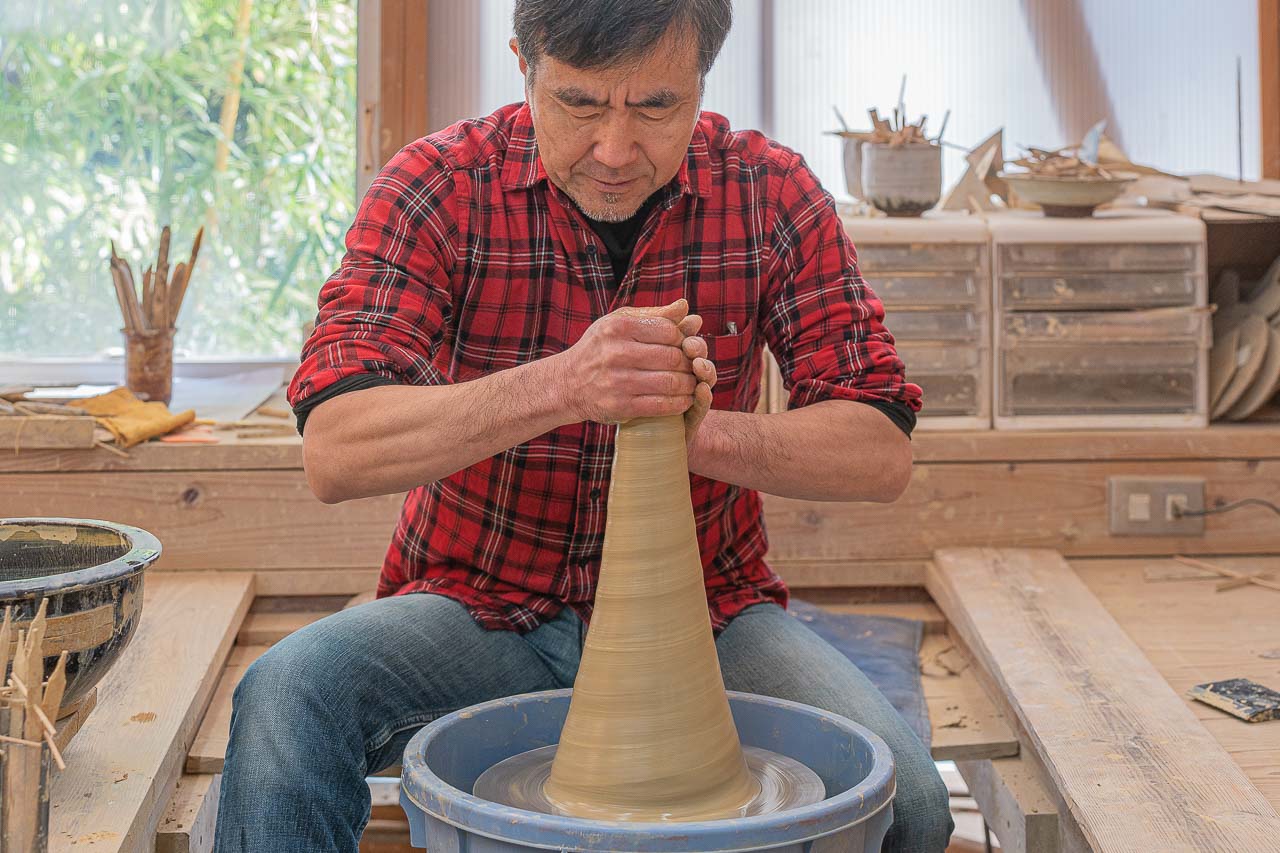
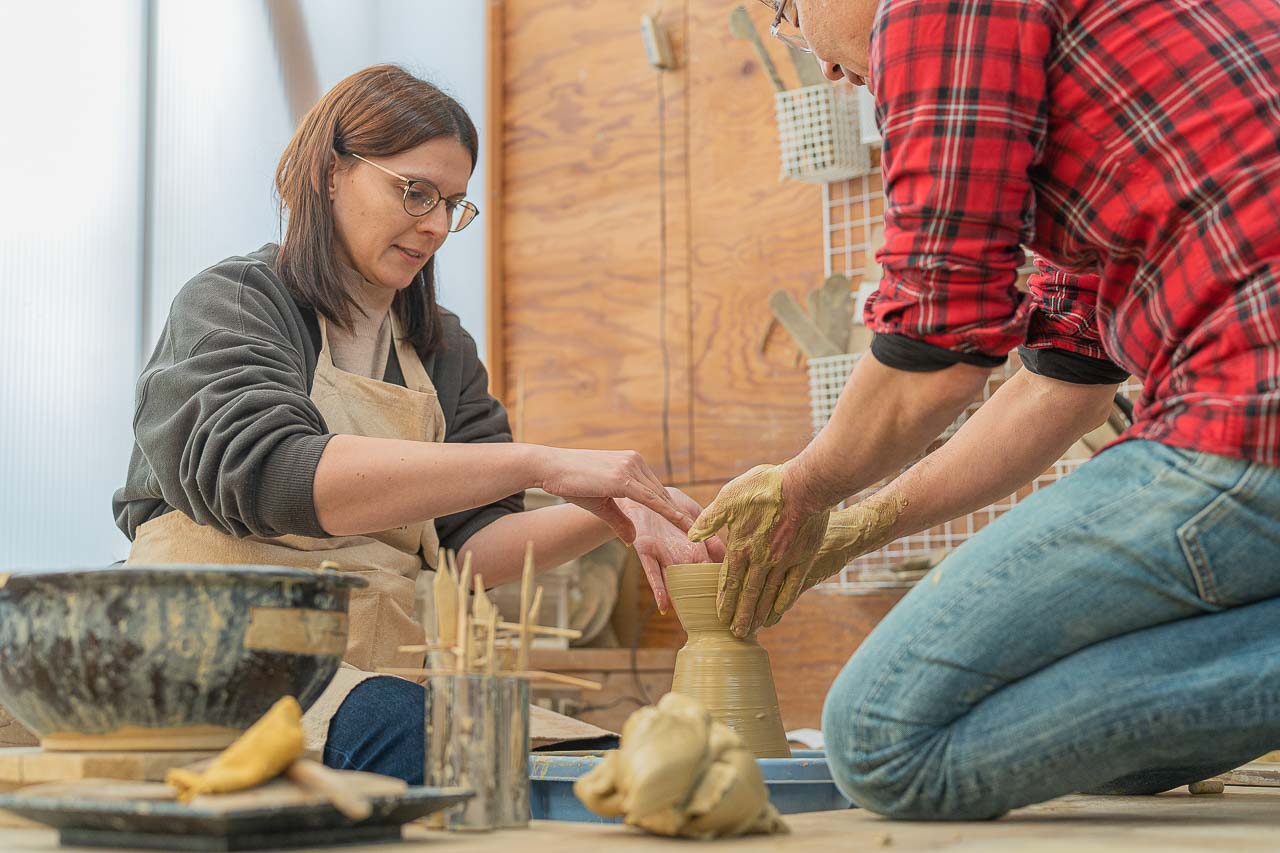
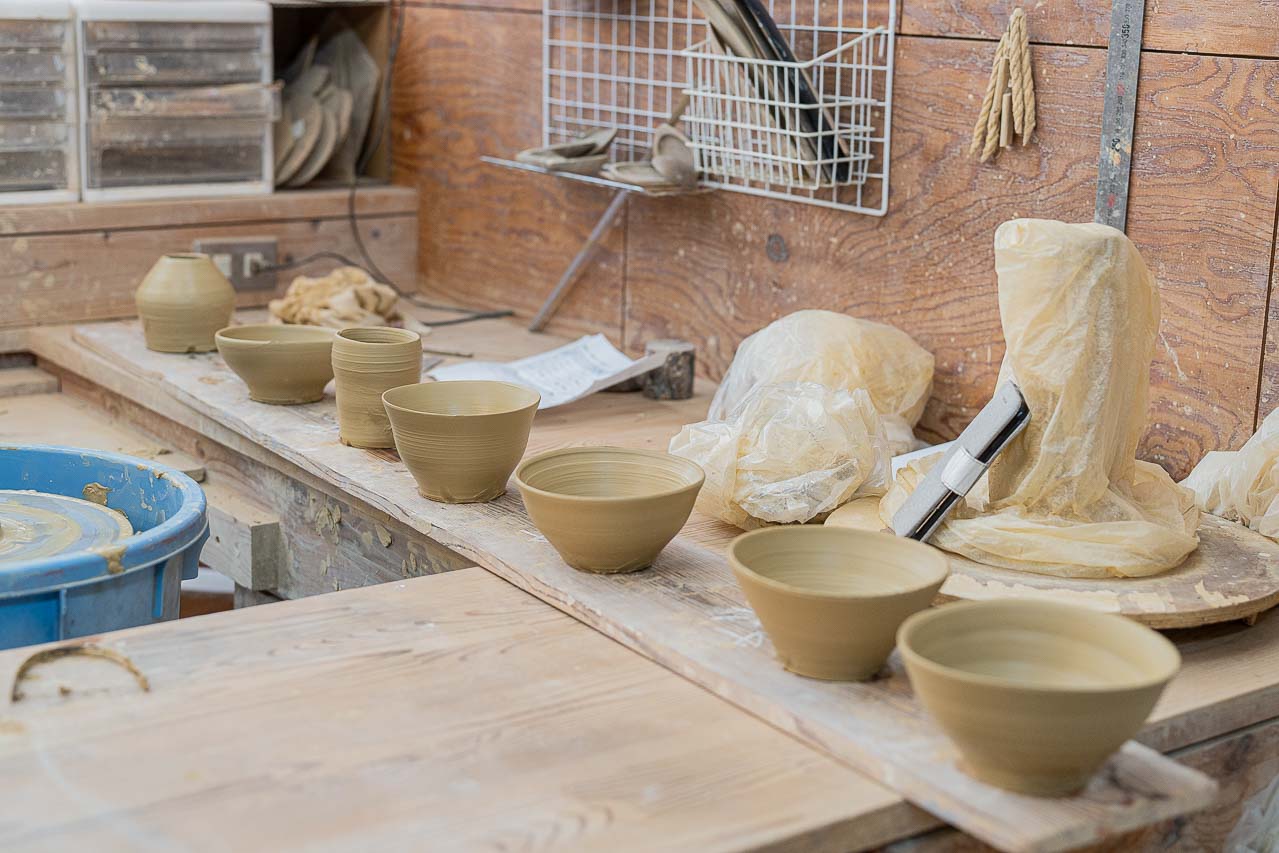
The best part was trying an original piece under a potter’s careful guidance. Participants began wondering whether they could manage it, but soon became more comfortable and started smiling. Their involvement added a personal touch to the pottery. Beginners made mistakes, but Mr. Watari’s smile kept the atmosphere relaxed each time.


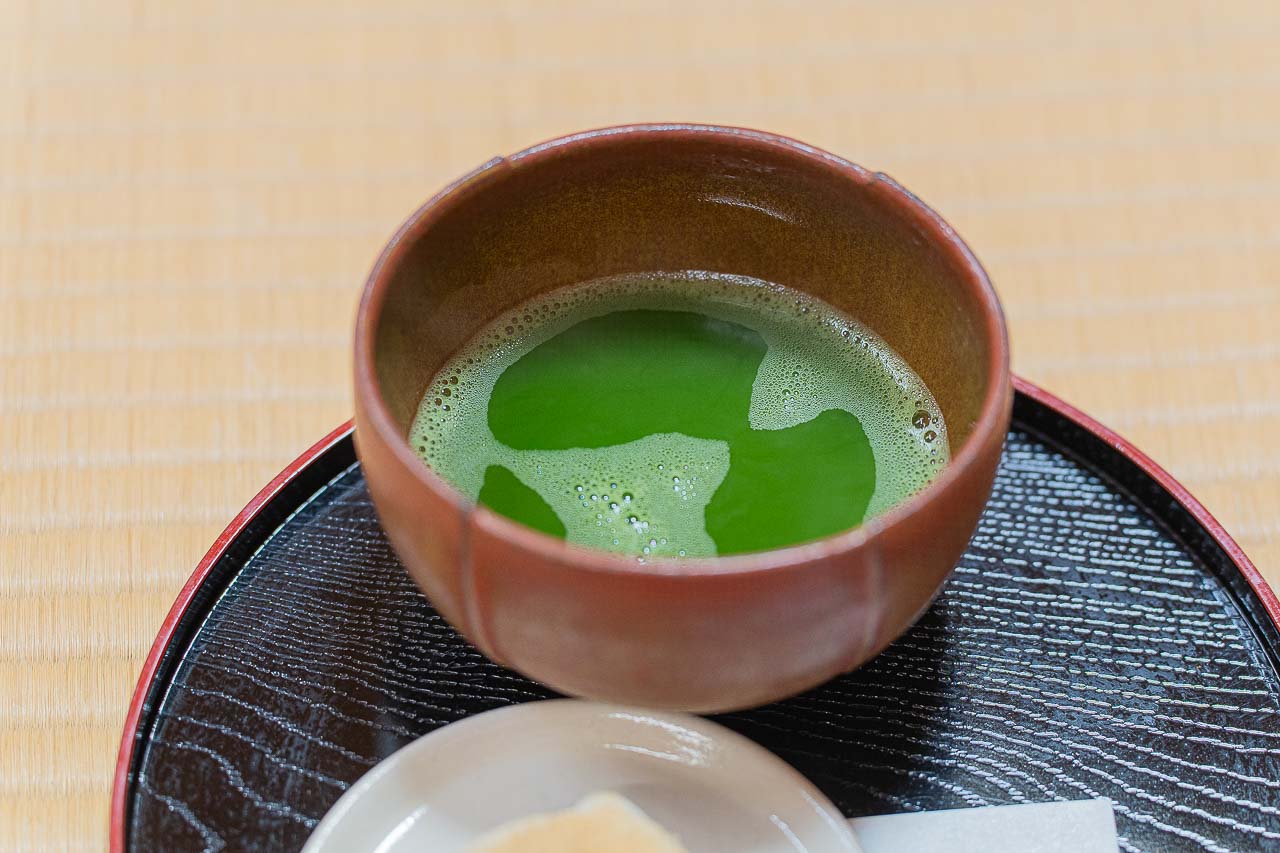
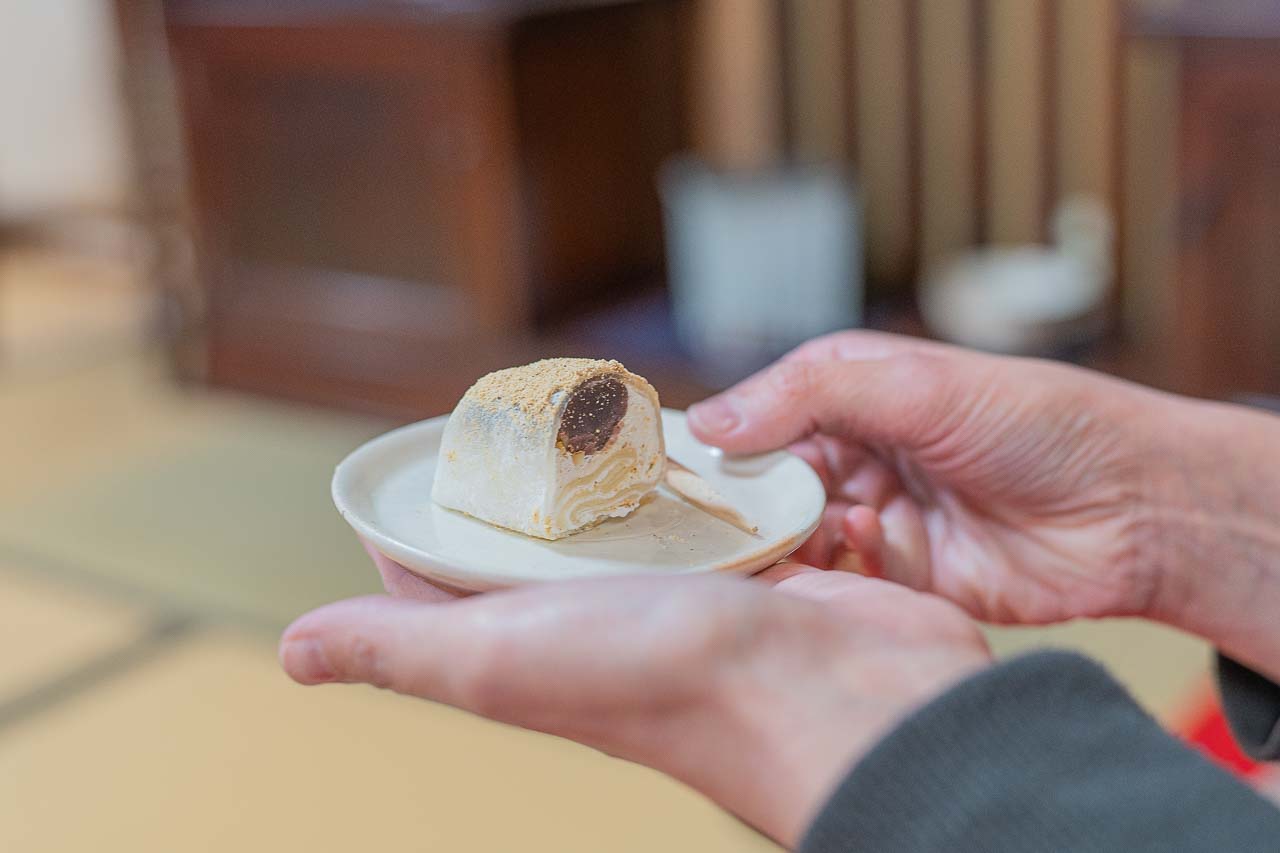
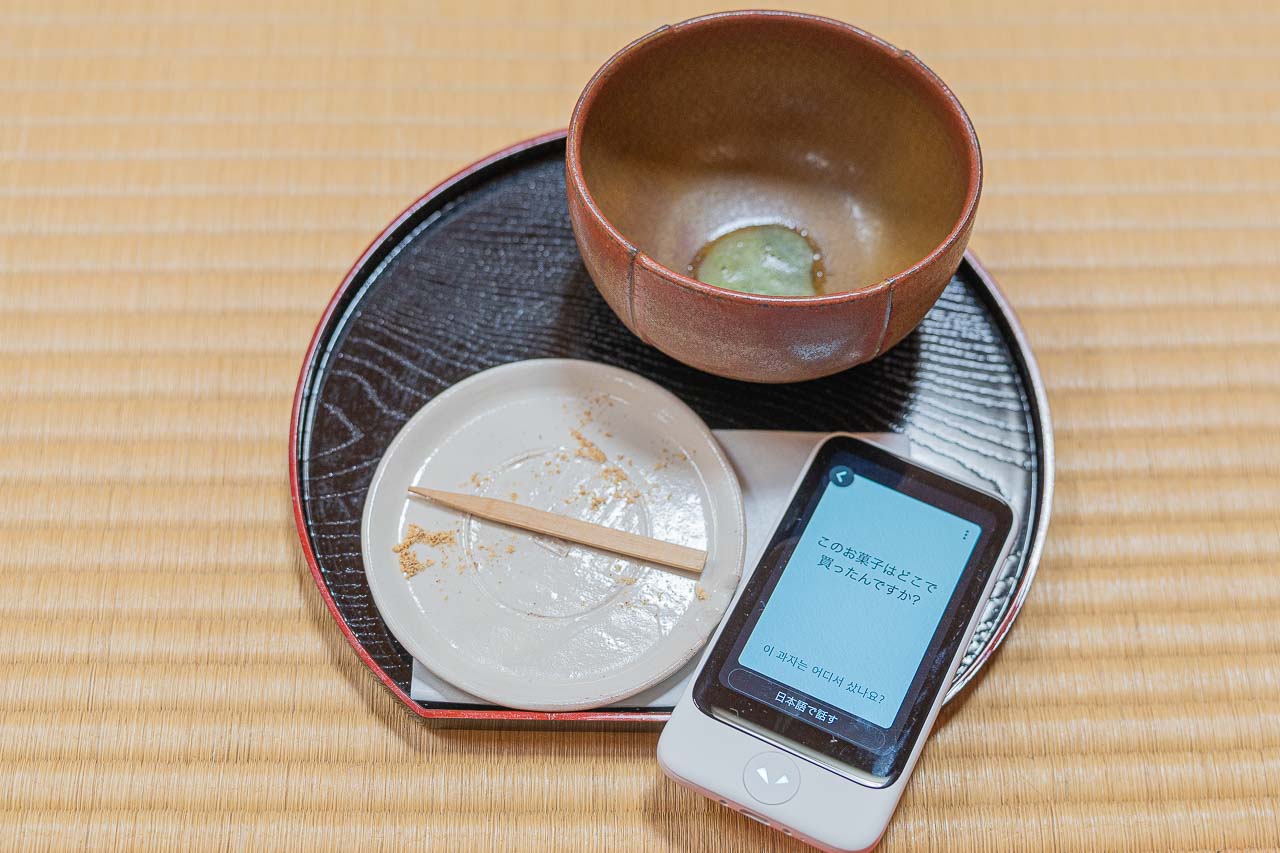
The tea experience after the workshop let us appreciate the pottery’s beauty further. Along with the ceramics, it offered Fukuchi matcha and sweets. Popular Fukuchi mochi (福智餅) added to the occasion: soft rice cake wrapped soy-milk cream, red-bean paste, and walnut accents, coated in roasted soybean flour. The combination suited the atmosphere of the tea gathering.
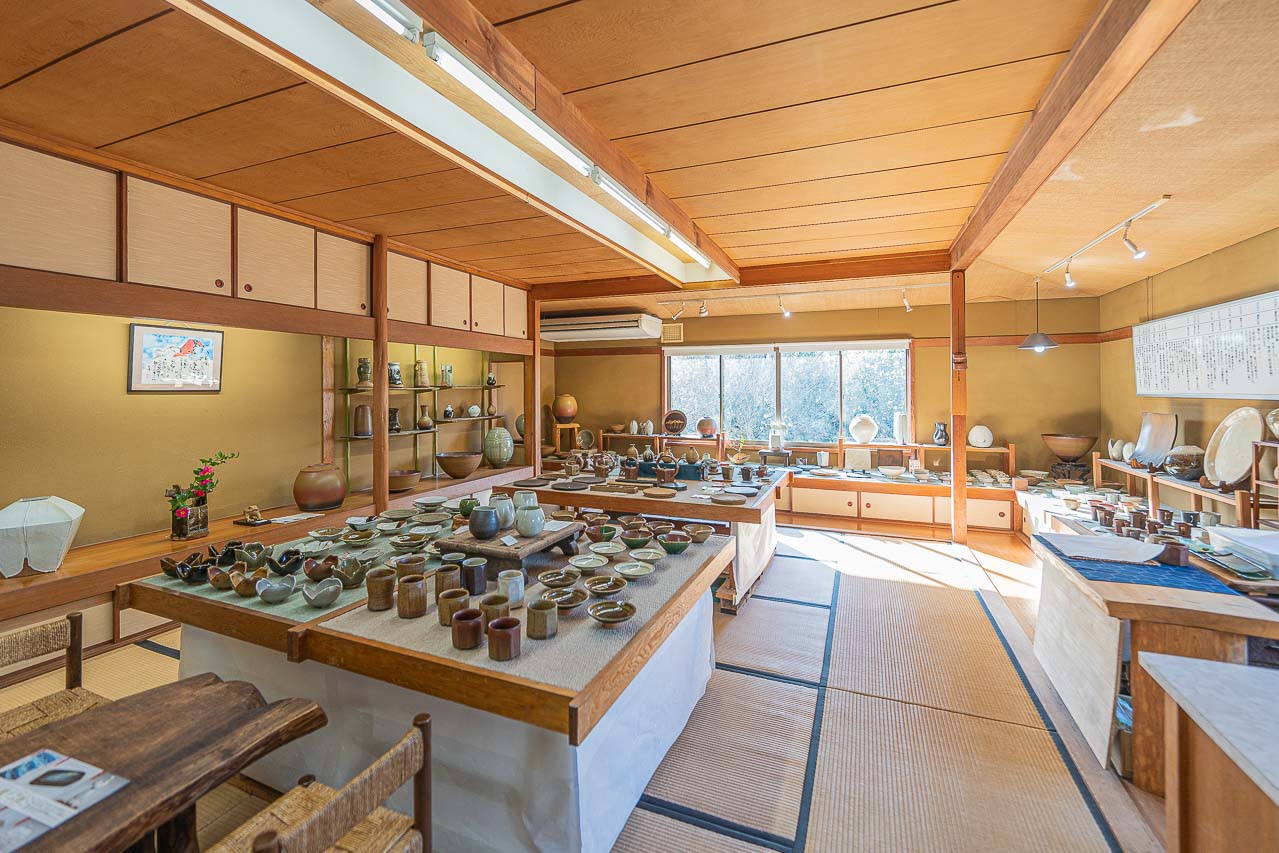
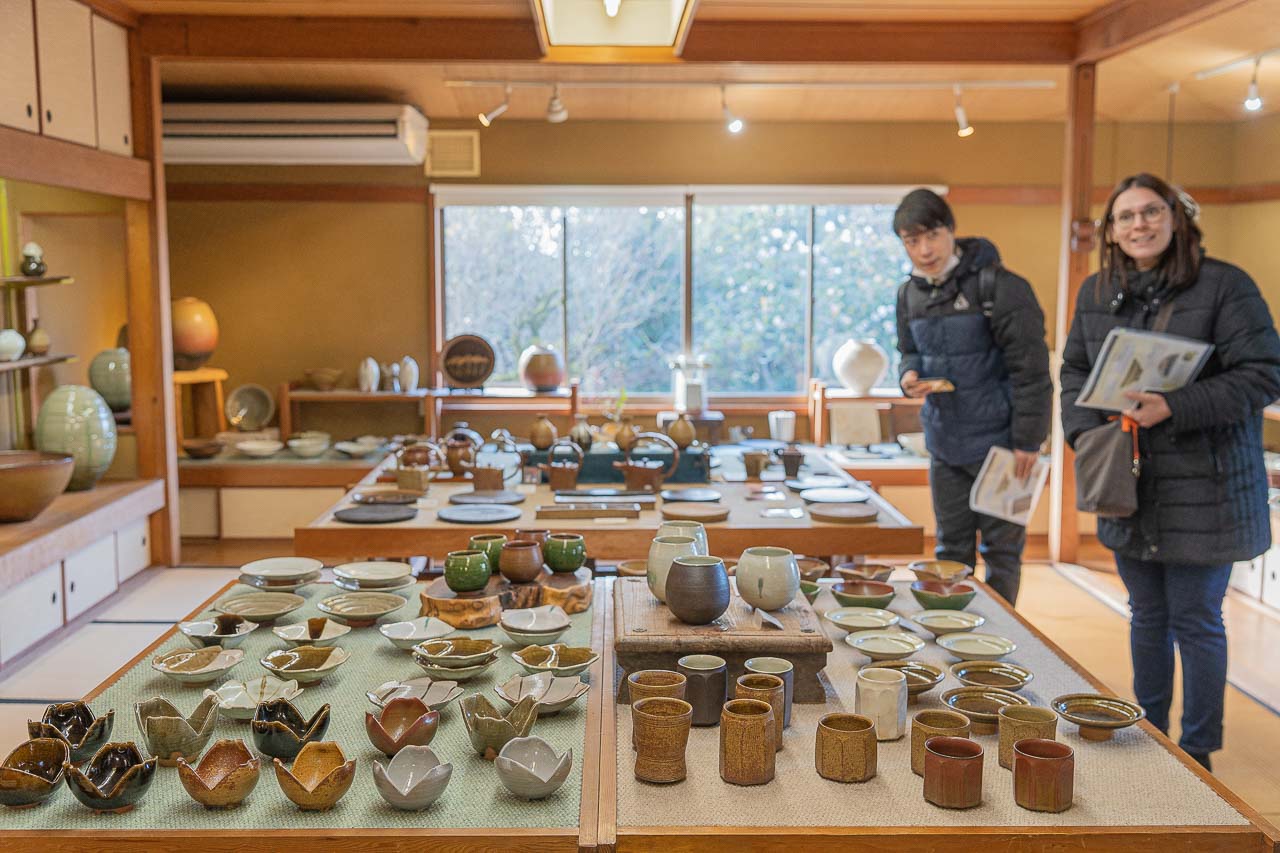
After pottery and tea, a special premium lunch served in Agano ware was another way to make a Fukuchi visit memorable. The original linked a separate article with the details of that meal.
Fukuoka travel: a special meal served in Fukuoka ceramics
Fukuoka travel: a special meal served in Fukuoka ceramics
An abbreviated original preview: about an hour from Fukuoka or Kitakyushu, Fukuchi is rich in nature and known for rice, fruit, and a tradition stretching more than 400 years…
errdaytrip.com
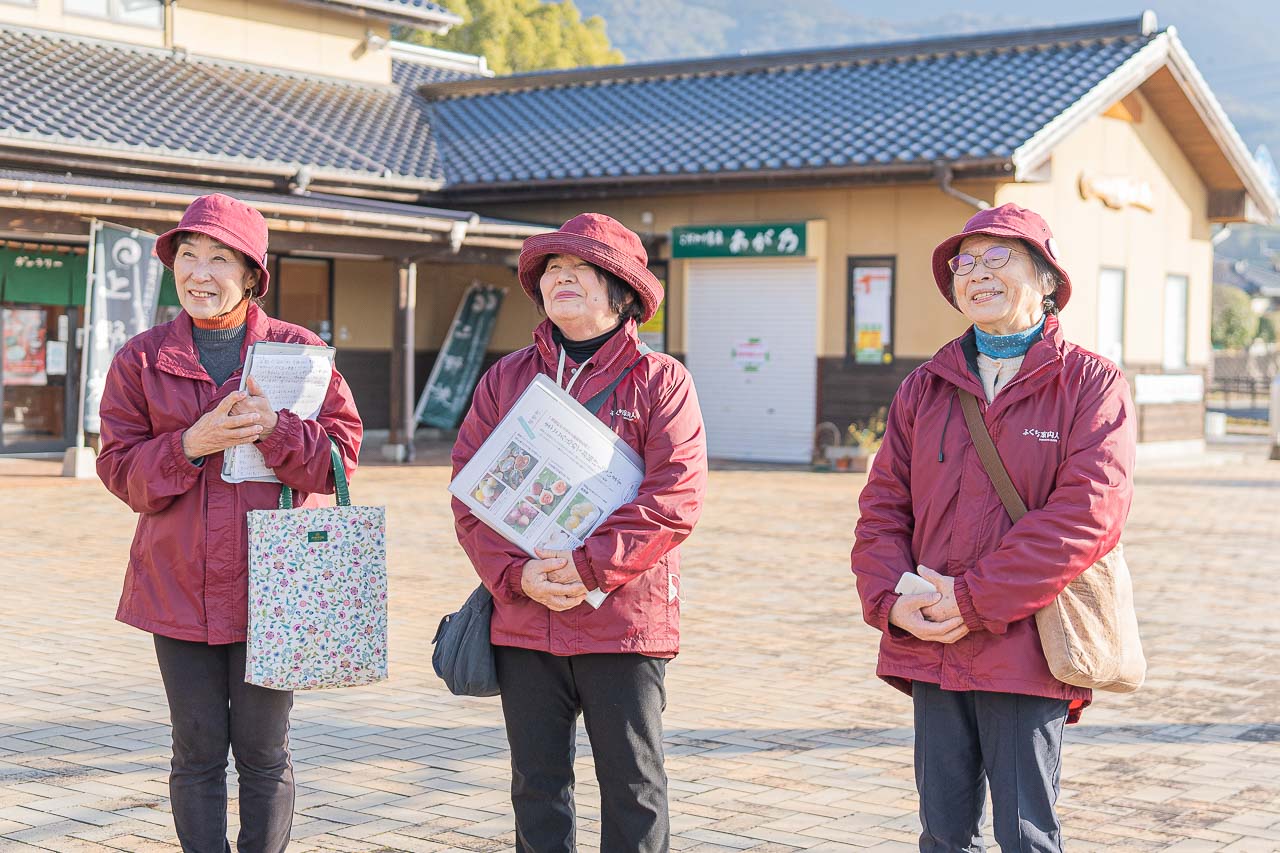
The source gives about 70 minutes by car from Fukuoka Airport or about 60 minutes from Kitakyushu, with bus and rail options as well. It recommends exploring local history and nature with a Fukuchi guide, whose humorous introduction made it a memorable experience.
An experience for all five senses: Fukuchi premium experience: https://aganoyaki-experience.mystrikingly.com/3