
Yasube (安兵衛)
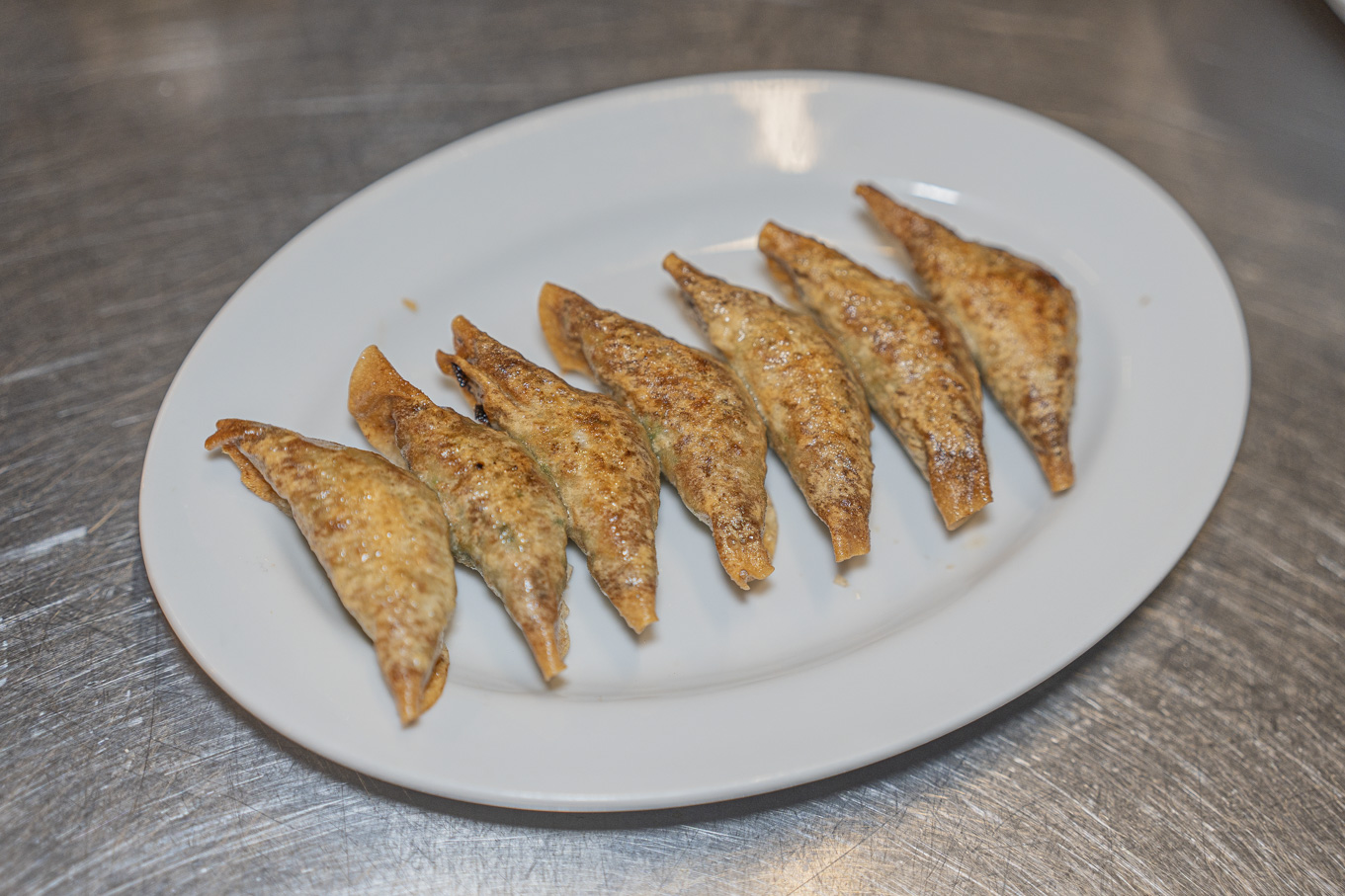
Kochi, sometimes called a land of drinkers, retains a strong street-stall culture despite declining stall numbers. Although ramen often finishes a night out elsewhere, Kochi stalls also serve many drinking snacks. Gyoza became popular as both a snack and a final bite, leading to a local habit of ending drinks with stall gyoza. Yasube’s signature filling combines pork, cabbage, garlic chives, garlic, and ginger, with a high vegetable proportion and Kochi-grown chives and ginger, crops for which the source describes Kochi as Japan’s leading producer. Thin wrappers and plentiful vegetables give a light texture unlike the heavier gyoza I knew, making them easy to crave again. Fish cakes and light soy-sauce ramen round out a simple menu enjoyed by residents and visitors.
Google Maps: Open the original Google Maps location
Tsukasabotan Sake Brewery (司牡丹酒造)
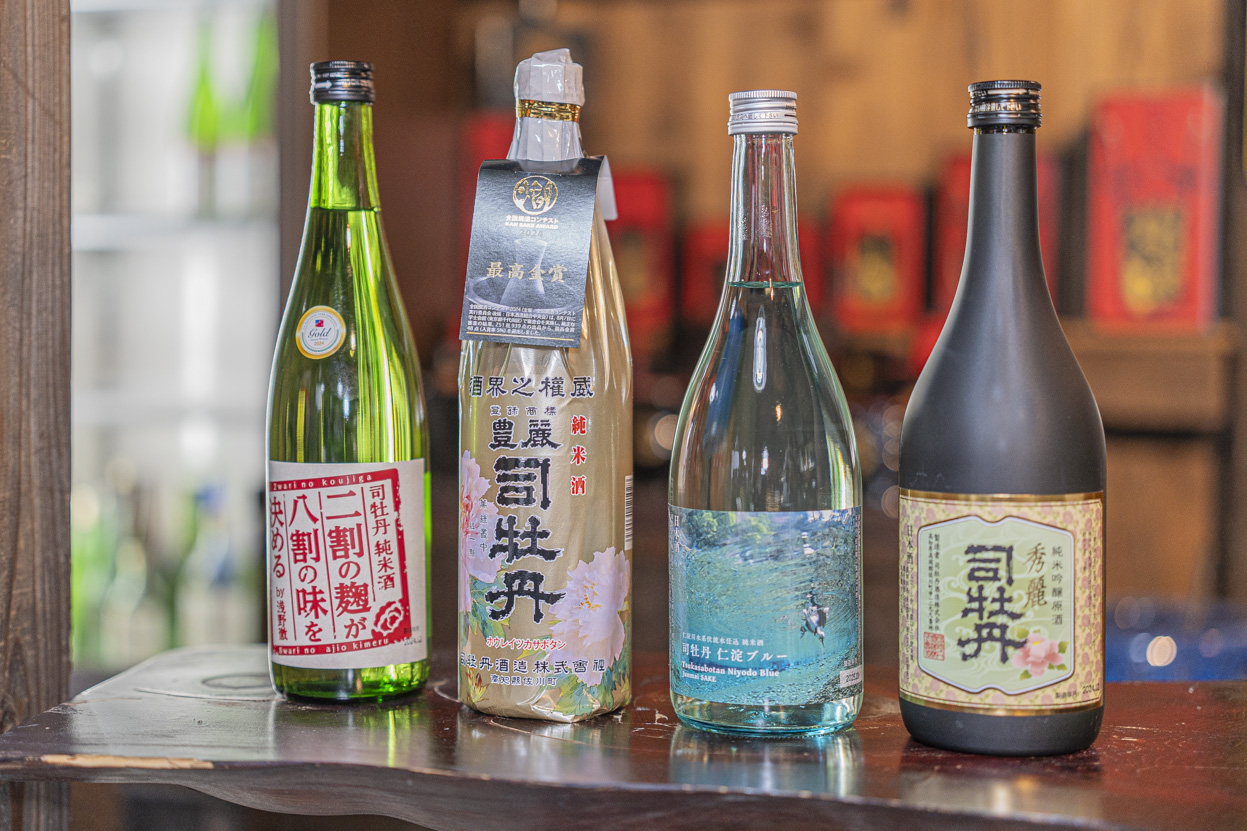
Founded in 1603 according to the source, Tsukasabotan is one of Kochi-Tosa’s representative local sake producers. The account says Sakamoto Ryoma and other notable figures enjoyed its sake. It describes an elegant character with a long finish, shaped by soft water from the Niyodo River system. A junmai product is described as mellow, fragrant, and easy to keep drinking, suitable with many foods, especially yakitori or hot pot; a honjozo is suggested chilled with seared bonito. The product names in this Korean source passage are garbled and cannot be reliably identified, so no official English product identity is invented. Tsukasabotan sake was readily encountered at Kochi izakaya and was one of the writer’s suggested local experiences.
Google Maps: Open the original Google Maps location
Kuroshio Kobo ( KUROSHIO KOBO, 黒潮工房)
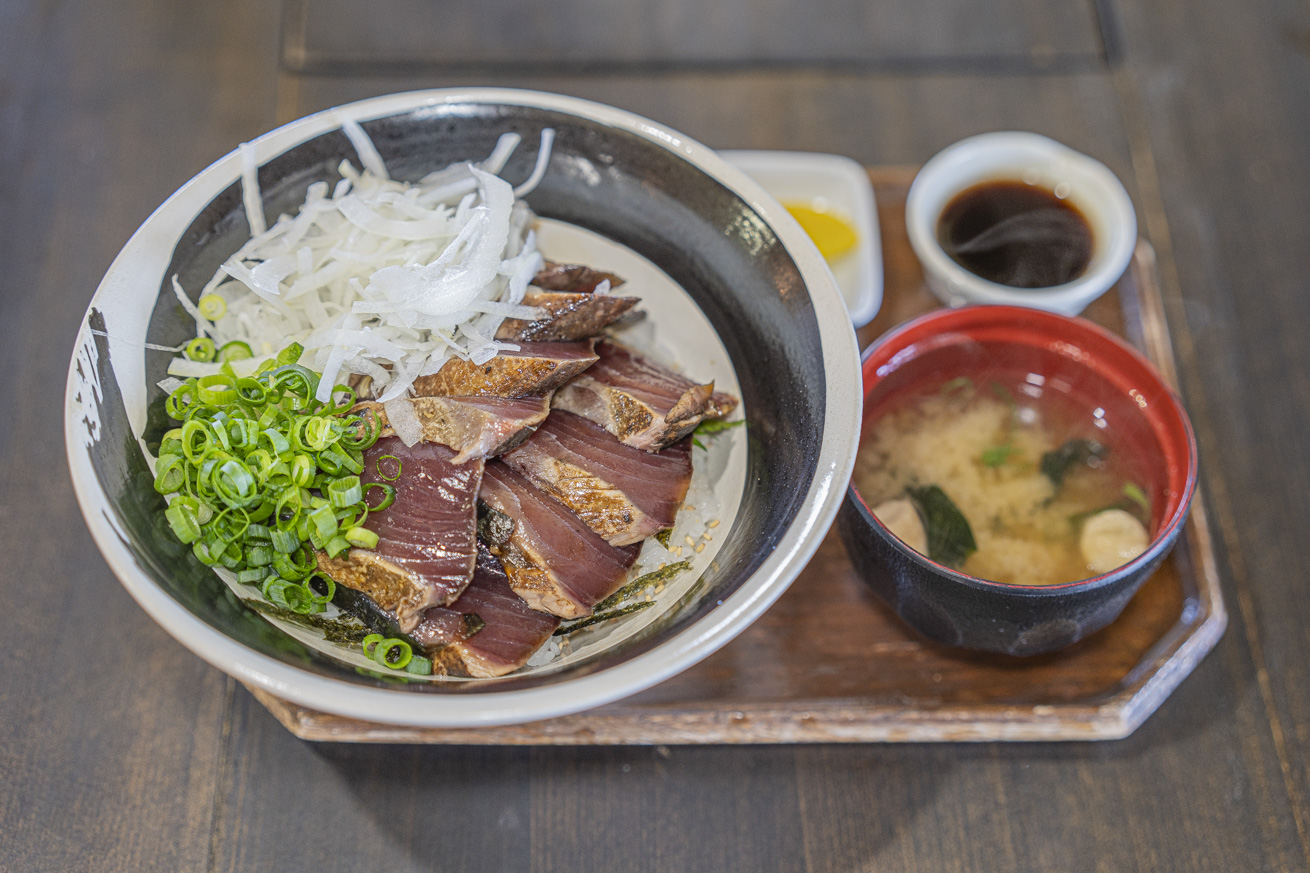
In Kure, Nakatosa, Kochi Prefecture, Kuroshio Kobo adjoins Kuroshio Honjin, a hot-spring accommodation on elevated ground overlooking the Pacific. It had an activity area for experiencing local straw-seared katsuo tataki, or bonito. The source describes straw-seared bonito preparation experiences from April through October. Fresh bonito seared entirely over straw had a fluffy texture, with the straw-only cooking emphasized as the key. In winter, its dining area offered freshly seared tataki sets, dried-fish sets grilled by diners, and other dishes using seasonal Nakatosa ingredients.
Google Maps: Open the original Google Maps location
Oioitei ( 美味美味亭)
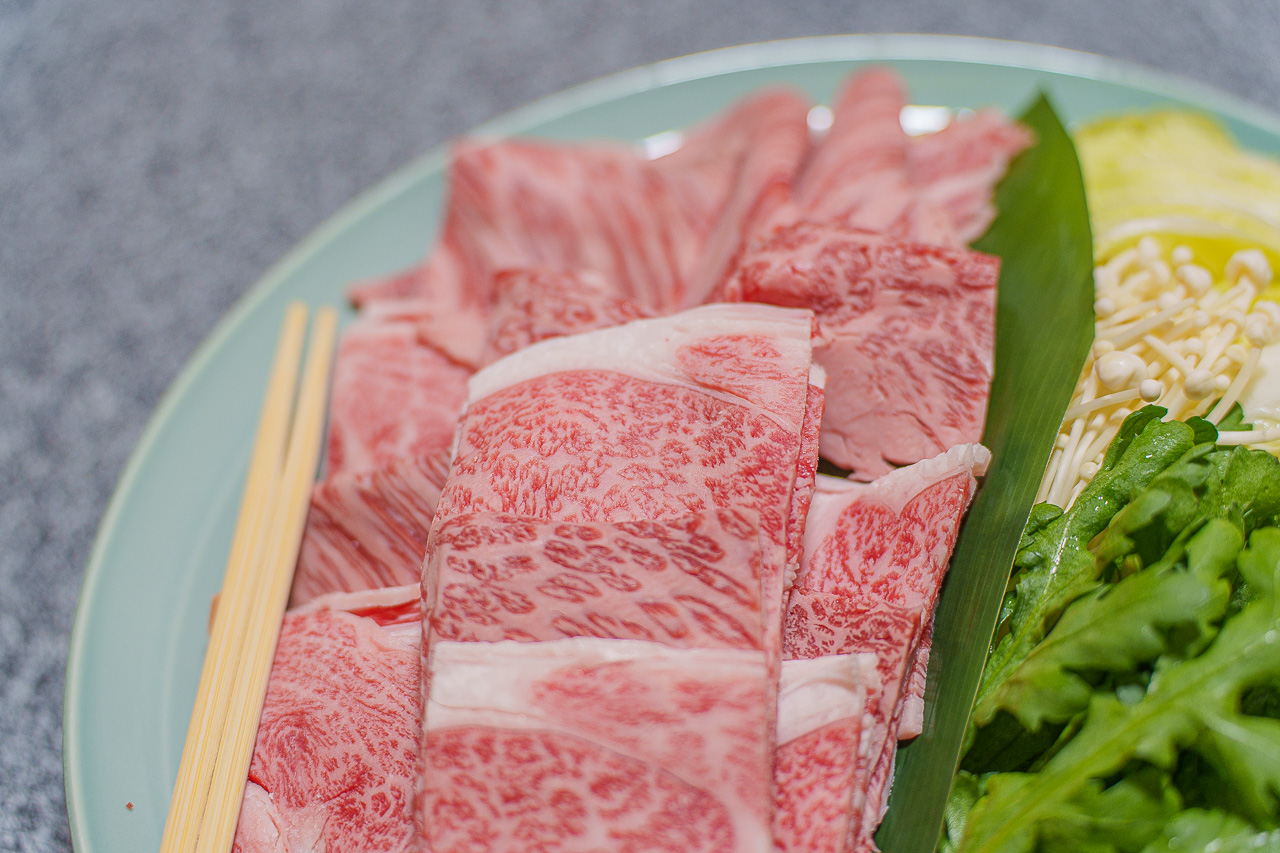
The source describes Oioitei as the dinner venue for the Kumo-no-Ue Hotel annex, beside a butcher shop with more than 40 years of history, run by an owner who raised cattle. Selected meat was the focus. Its substantial sukiyaki course used Kochi Japanese Black wagyu for a luxurious, satisfying meal. A neatly presented, moist roast beef was the appetizer. Large pieces of garlic-flavored fried chicken were crisp outside and juicy enough to rival a main dish. Chimaki bamboo-leaf sticky-rice parcels contained chunks of beef in chewy okowa rice. The main Japanese Black wagyu was simmered with vegetables in sweet soy sauce for sukiyaki, and premium ice cream finished the course. It was a way to enjoy the meat of which this Yusuhara butcher was proud.
Google Maps: Open the original Google Maps location
Taniguchi Shokudo (谷口食堂)
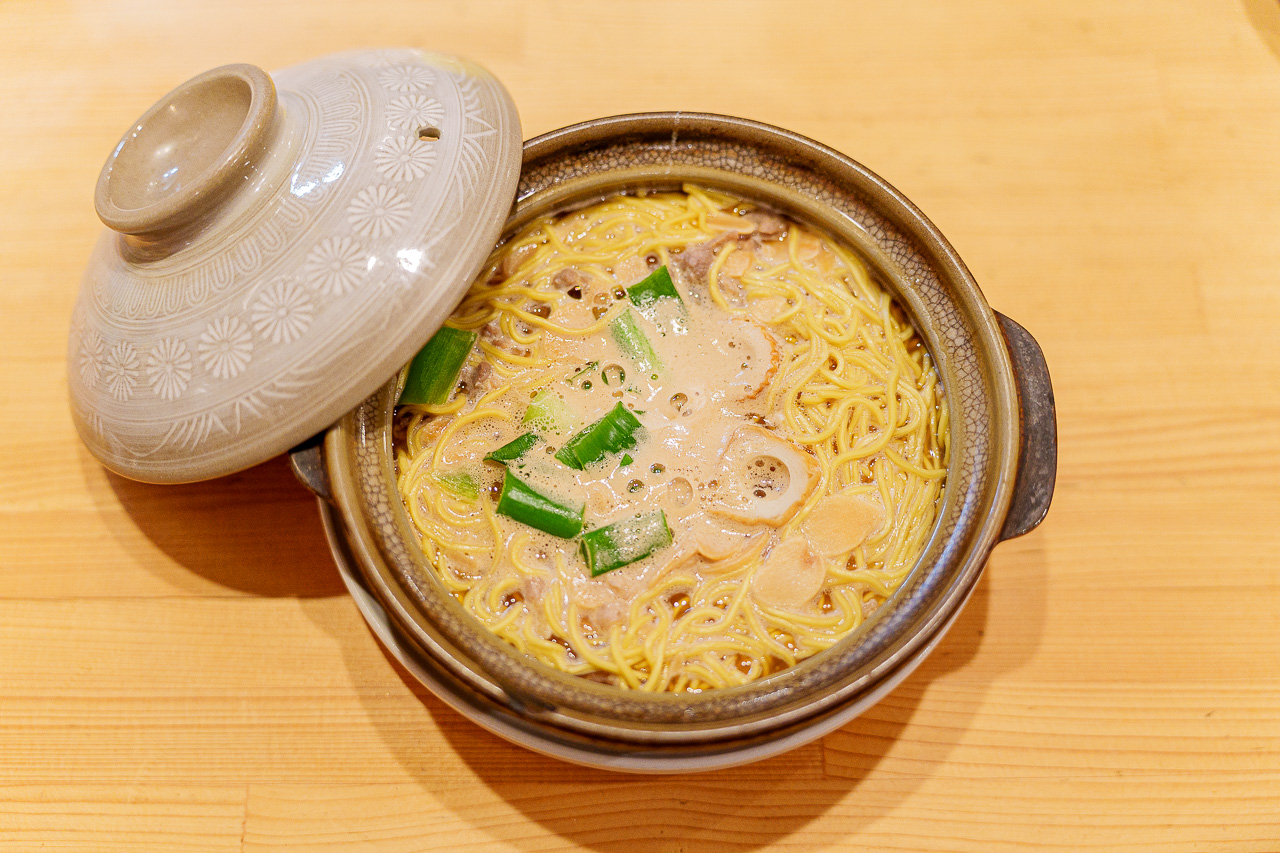
Opened in 2016 according to the source, Taniguchi Shokudo served nabeyaki ramen, the comfort food of Susaki, Kochi. Locals also ate it after drinking, a role the original compares with Korean pork-bone hangover soup. The broth slowly simmered chicken, pork leg, Hidaka kelp, and vegetables, then added soy sauce from an established brewery for a light but deeply savory flavor. The original’s next ingredient name is unclear, but it also lists fish cake and firm-cooked egg noodles. Curry powder or ichimi chili on the table offered a change of flavor. Orders centered on a ticket machine, but card payment was also described as available.
Google Maps: Open the original Google Maps location