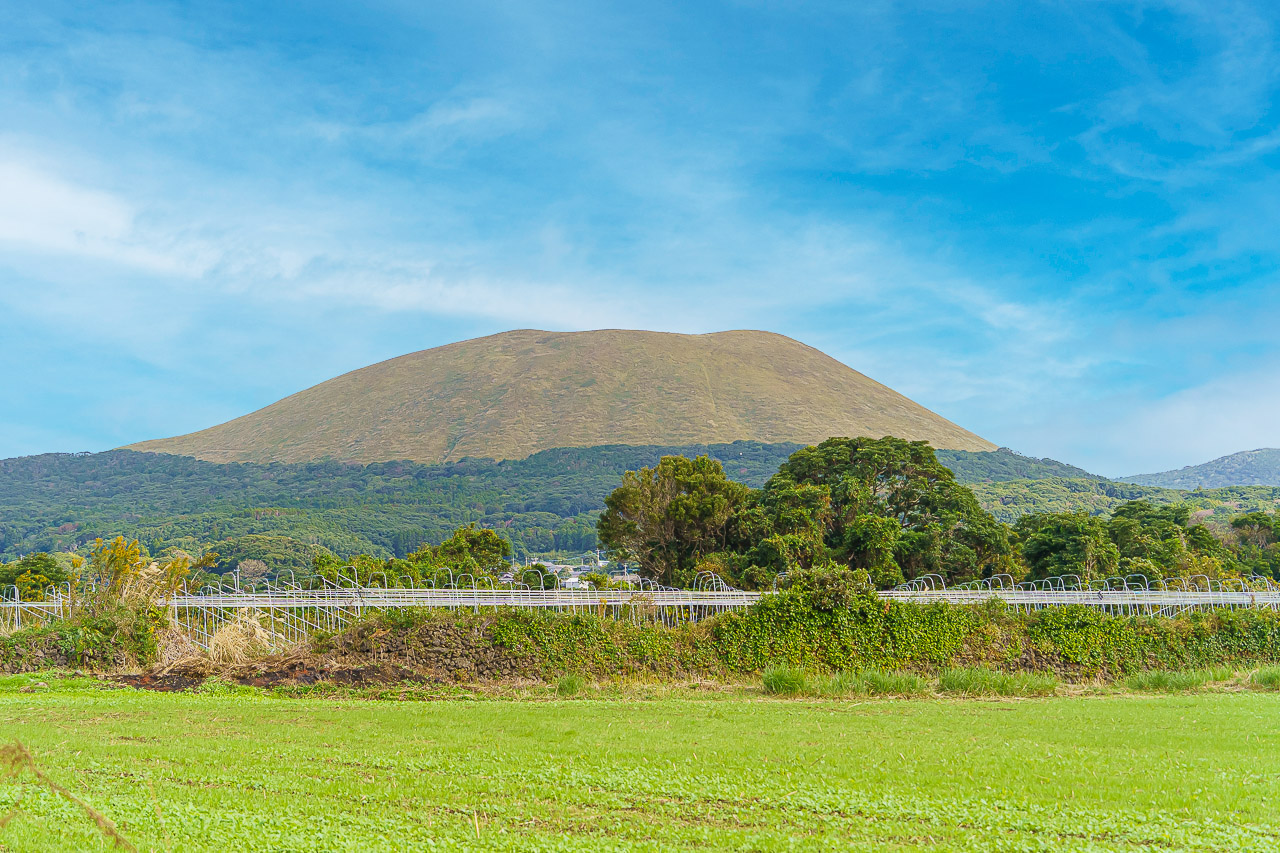
We visited the Goto Islands in Nagasaki Prefecture.
The source places the Goto Islands (五島列島) roughly 180 km southeast of Jeju, west of Nagasaki near the meeting of the East China Sea and the Sea of Japan/East Sea. These are its broad geographic descriptions, not a navigation route.
Around 140 islands are described, centered on five principal islands from north to south: Nakadori (中通島), Wakamatsu (若松島), Naru (奈留島), Hisaka (久賀島) and Fukue (福江島).
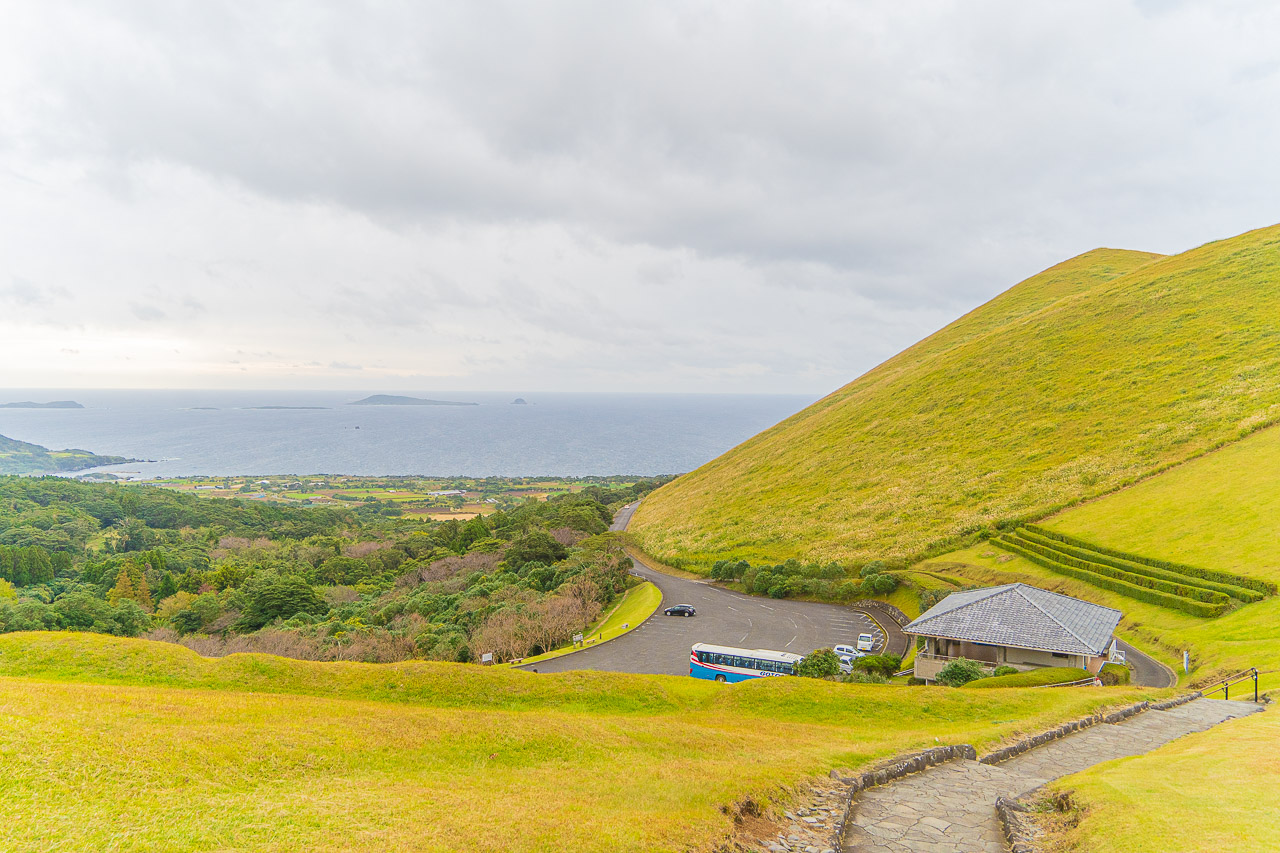
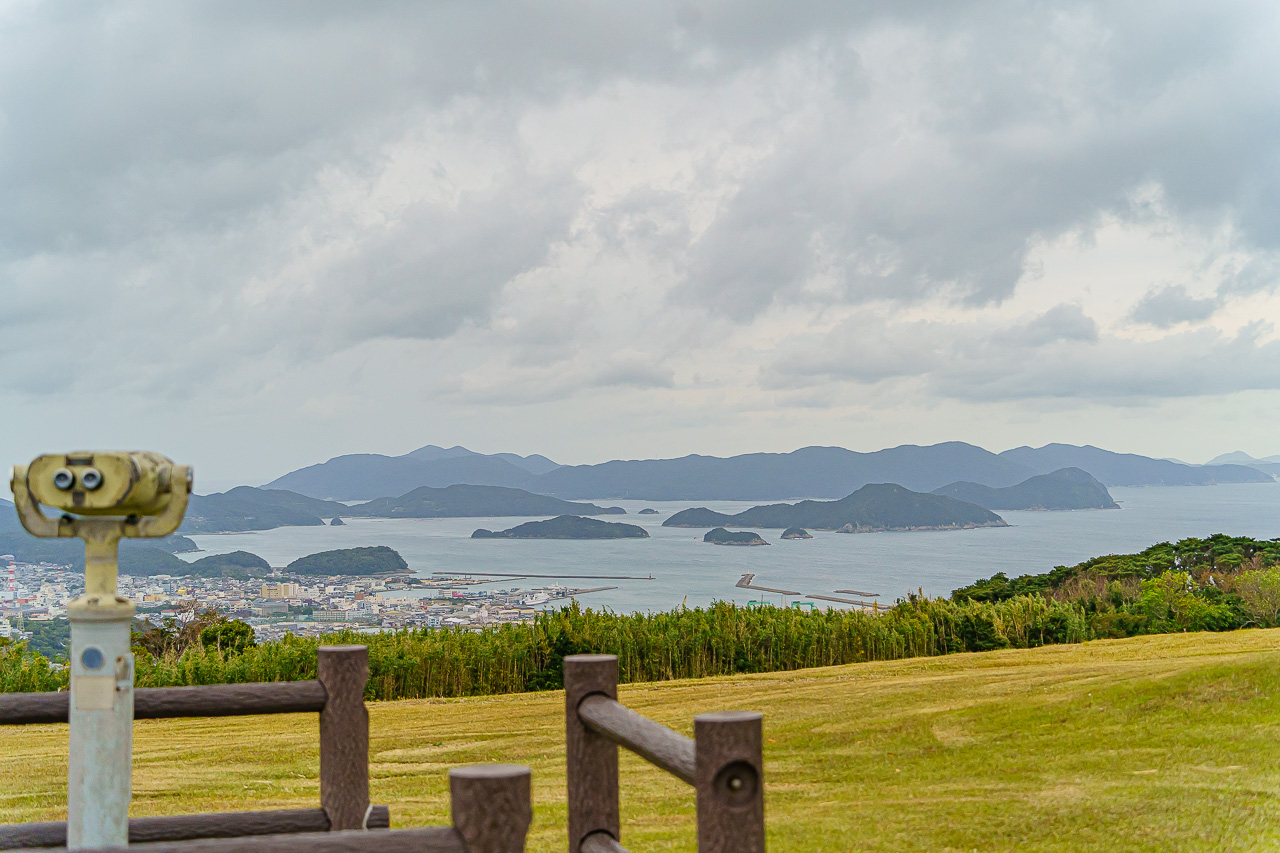
Our first stop is Onidake, a symbol of Fukue Island.
The 315-meter-high hill has a beautiful rounded shape covered in grass.
A lookout over central Fukue is only about three minutes on foot from the parking lot, adding to its appeal.
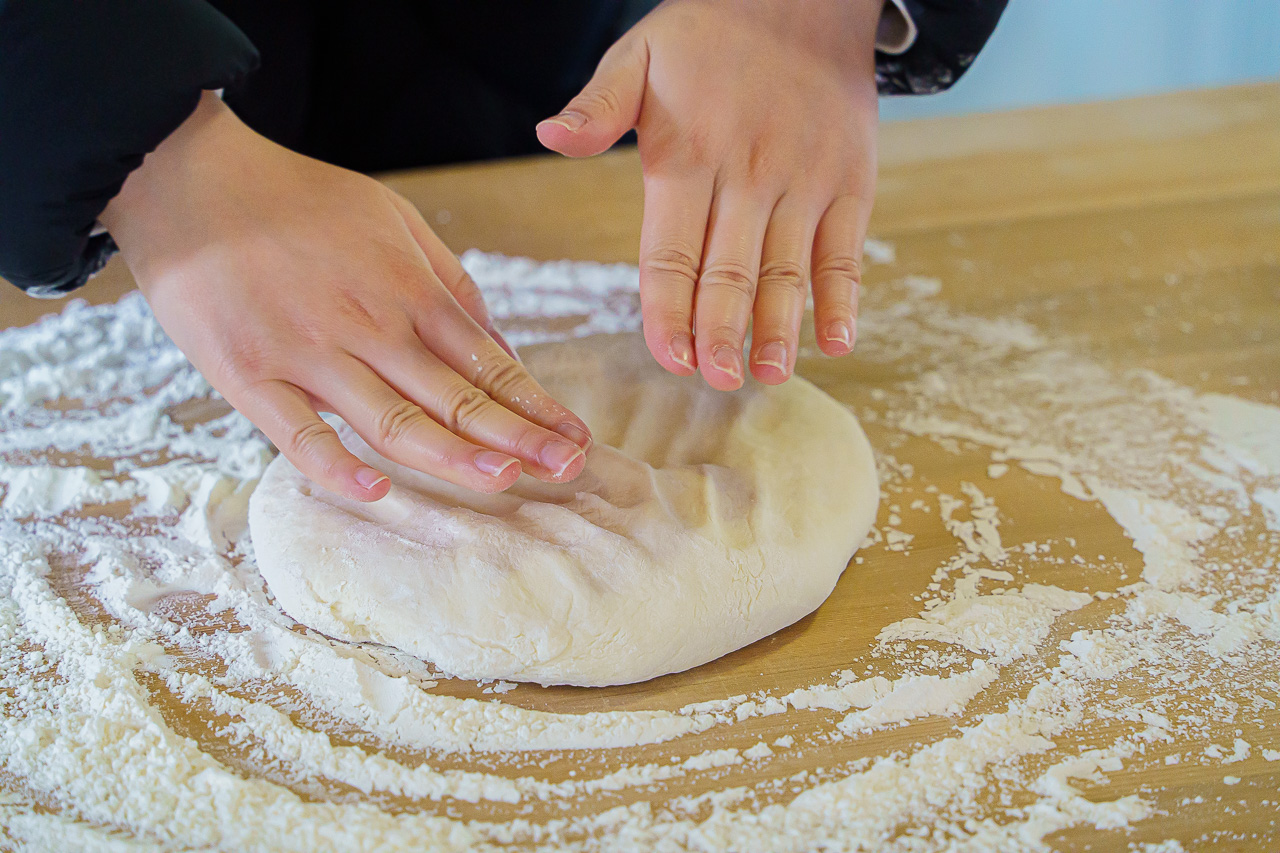
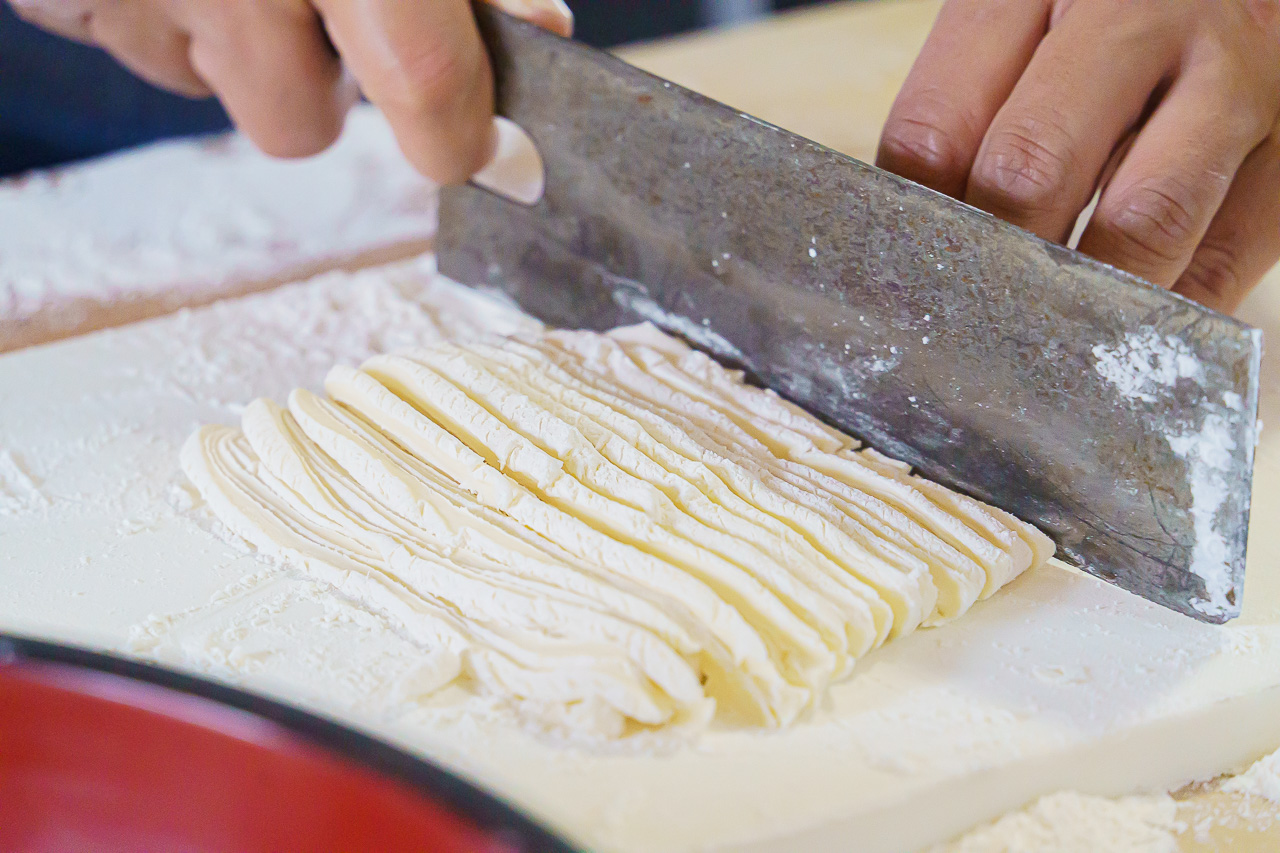
Around five minutes from Onidake is Onidake Shiki-no-Sato, offering an udon-making experience.
We try the process from kneading the dough to forming the noodles.
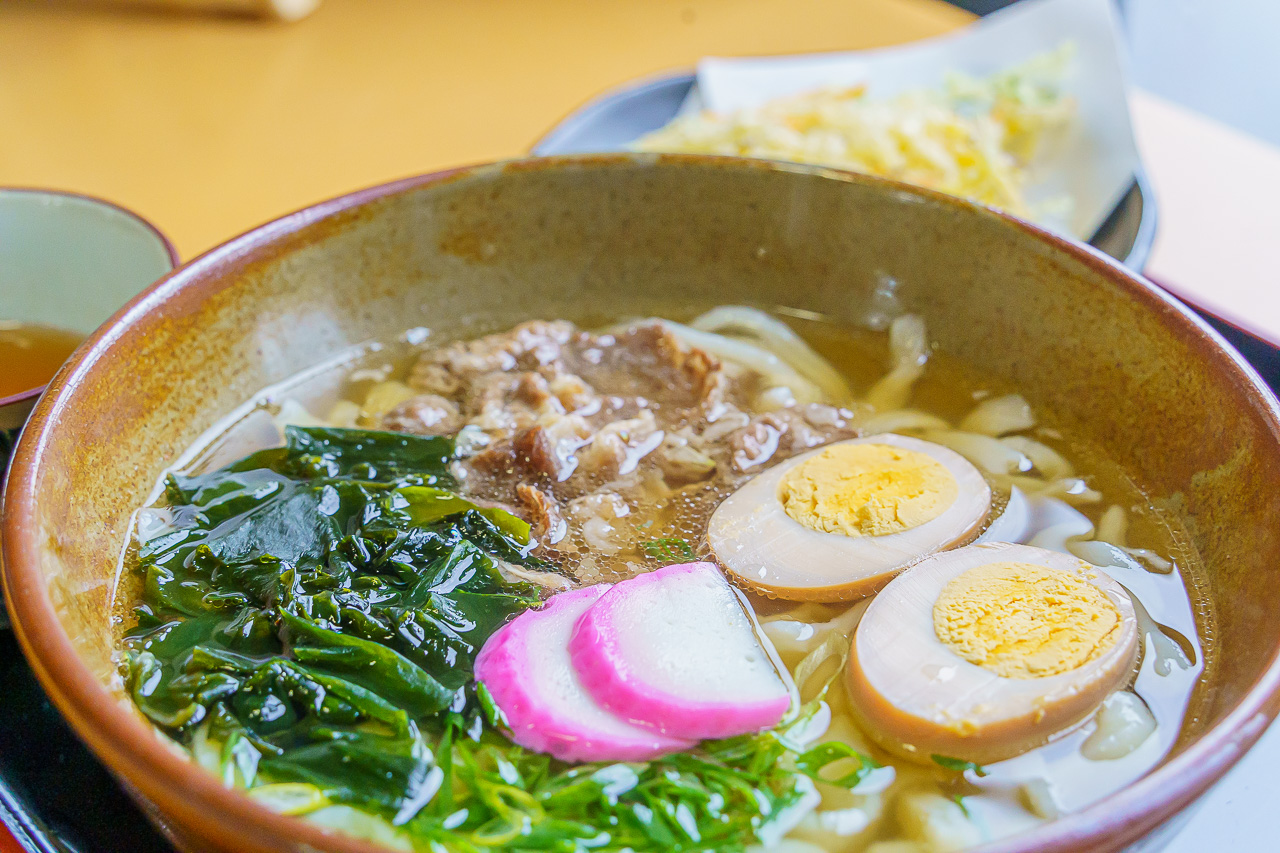
The experience takes about an hour—long or short, depending on your perspective.
When we finish, the shop cooks the noodles. Their shapes and thicknesses are all different, but having made them ourselves makes their chewy texture especially satisfying.
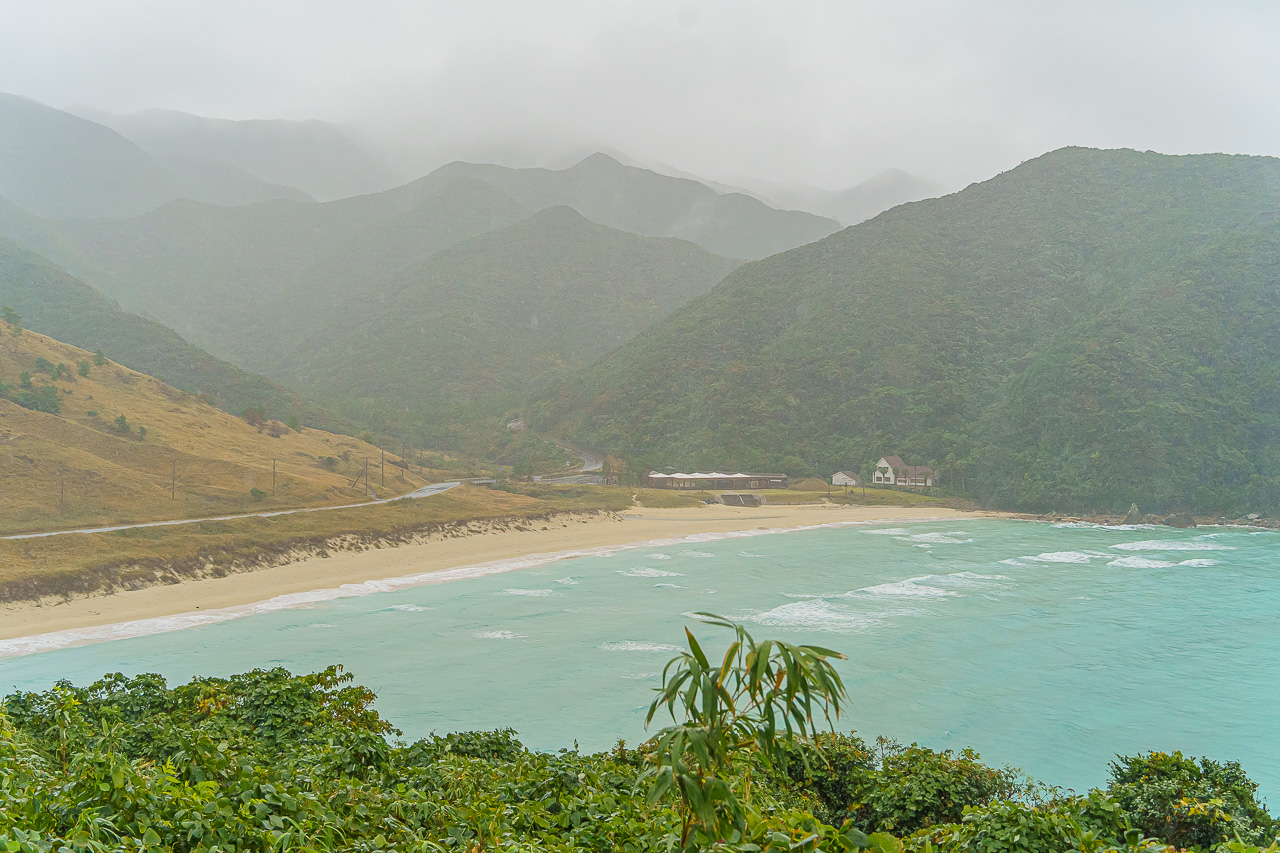
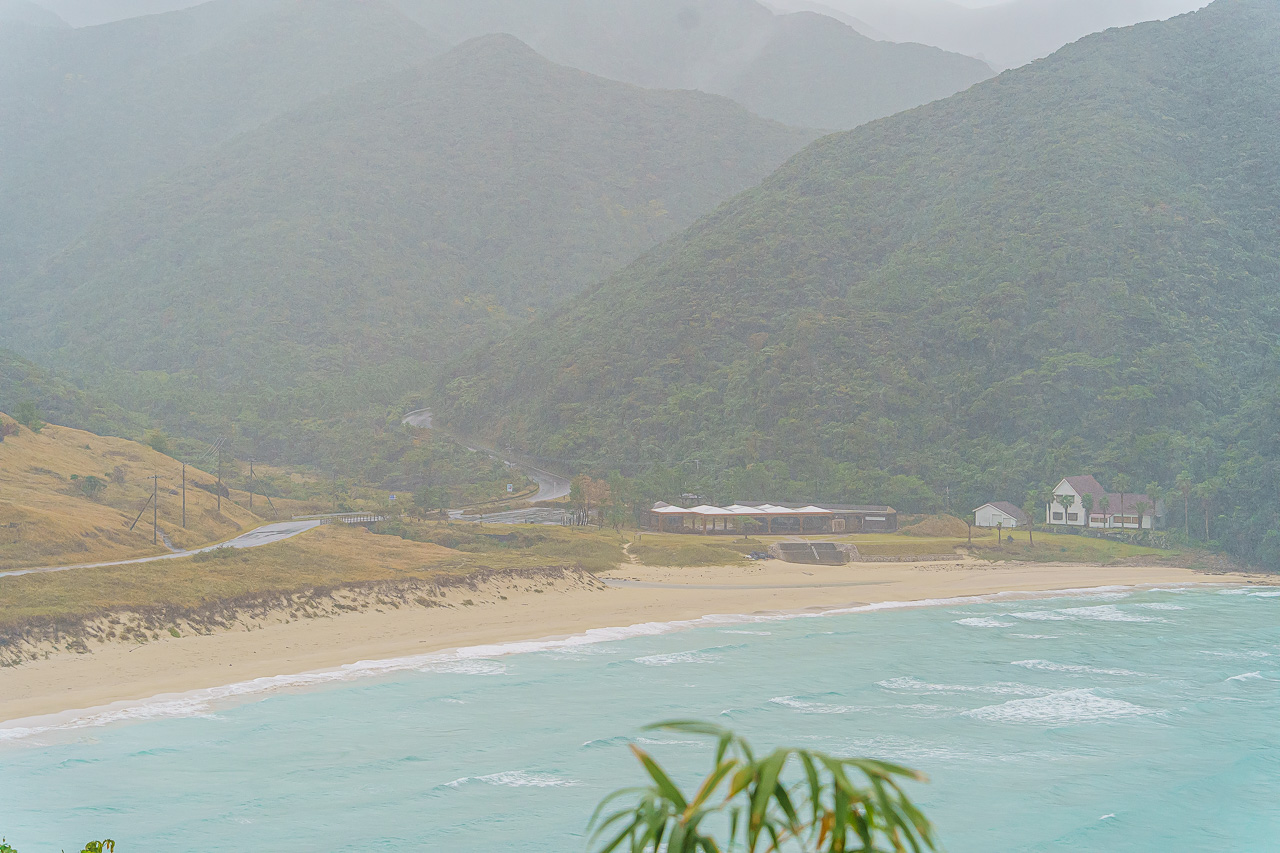
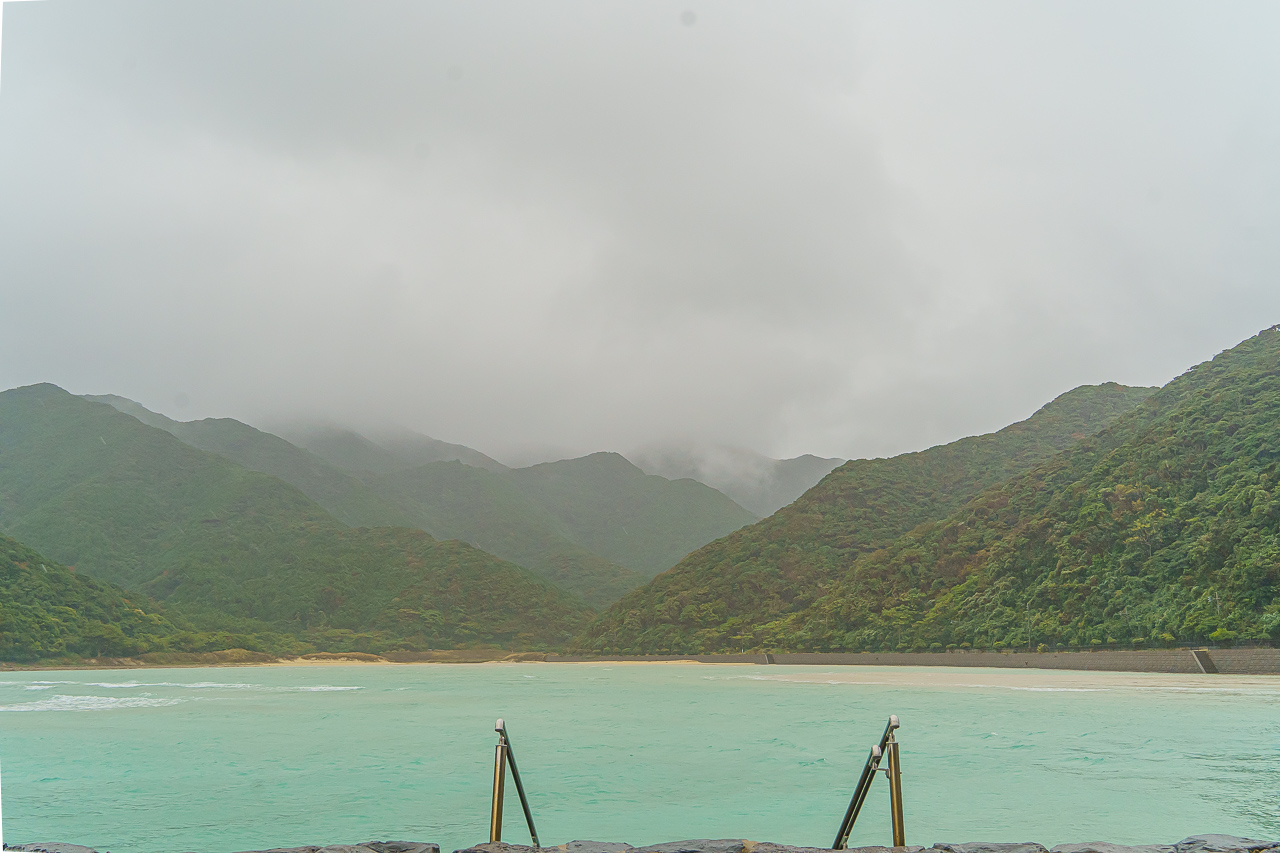
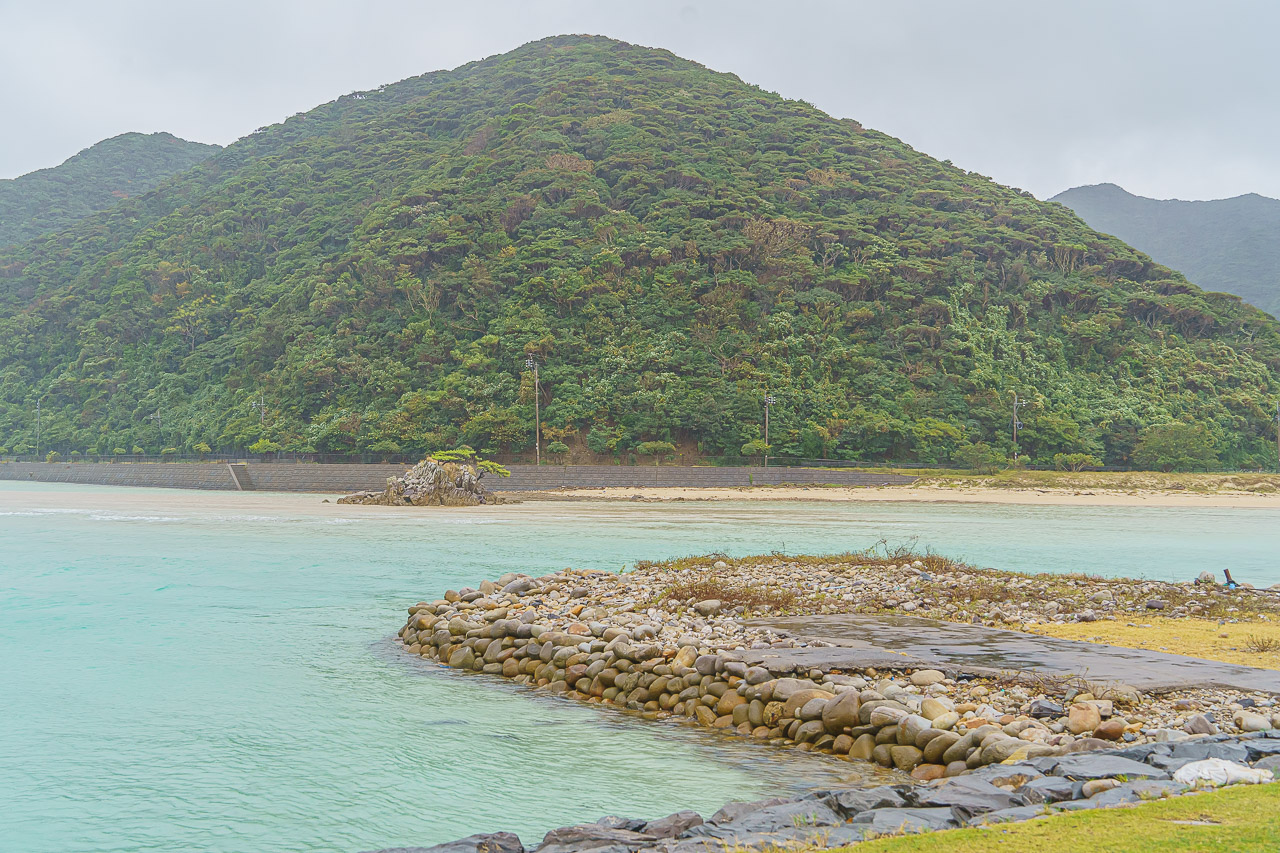
Takahama Beach is listed in the source among Nagasaki’s top 100 sightseeing spots, Japan’s top 100 shores and a selection of 88 swimming beaches.
It is even called Japan’s most beautiful beach in the account, an opinion I cannot judge on this rainy day.
Imagining the mountains, sea and white sand under better weather, I can see its appeal.
A little farther along is Tontomari Beach.
The source describes a natural, shallow swimming area extending for about 1 km, with water around an adult’s waist. Actual depth depends on tide and conditions.
It says such beaches are relatively uncommon in Japan because shallow areas were often reclaimed. That broad explanation is the original account’s claim.
Goto has retained much of its natural coast, and I can imagine children enjoying it in summer.
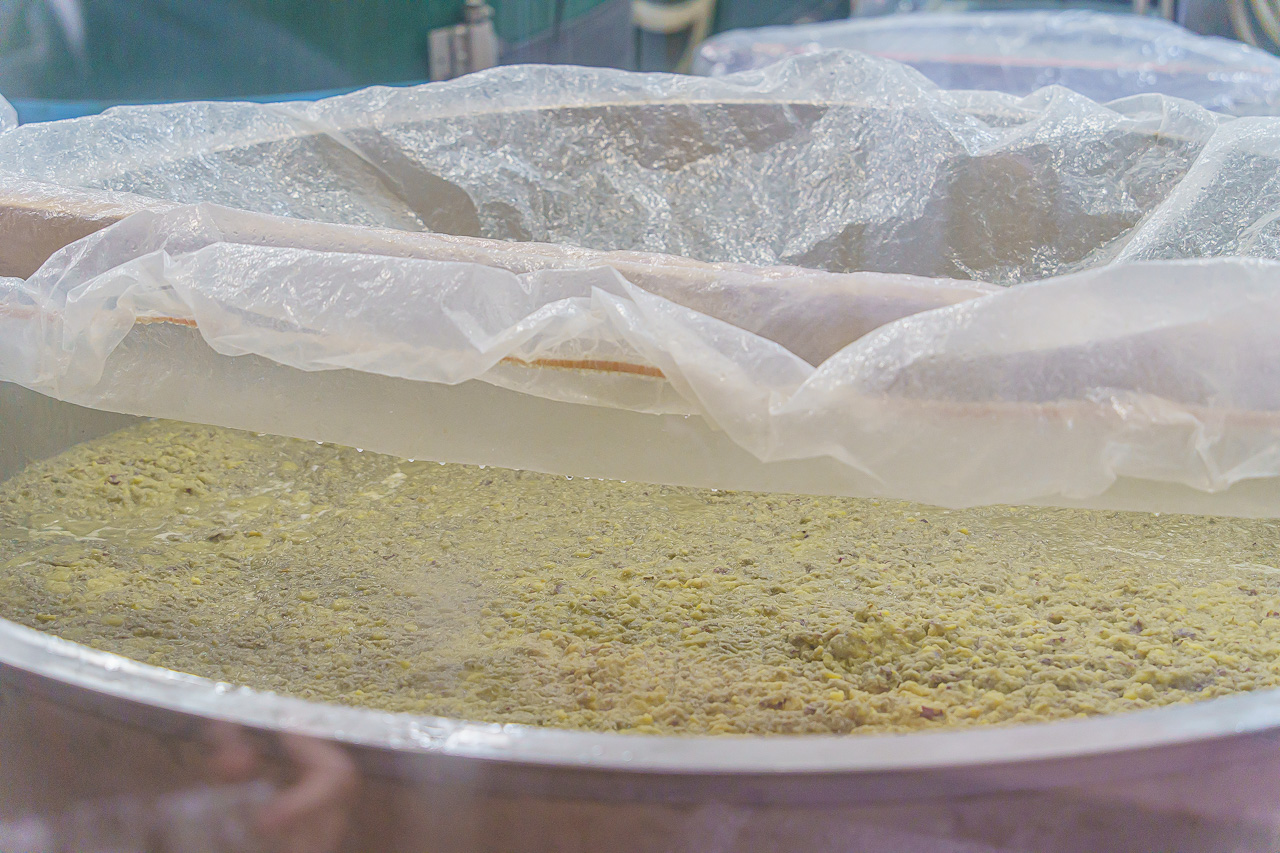
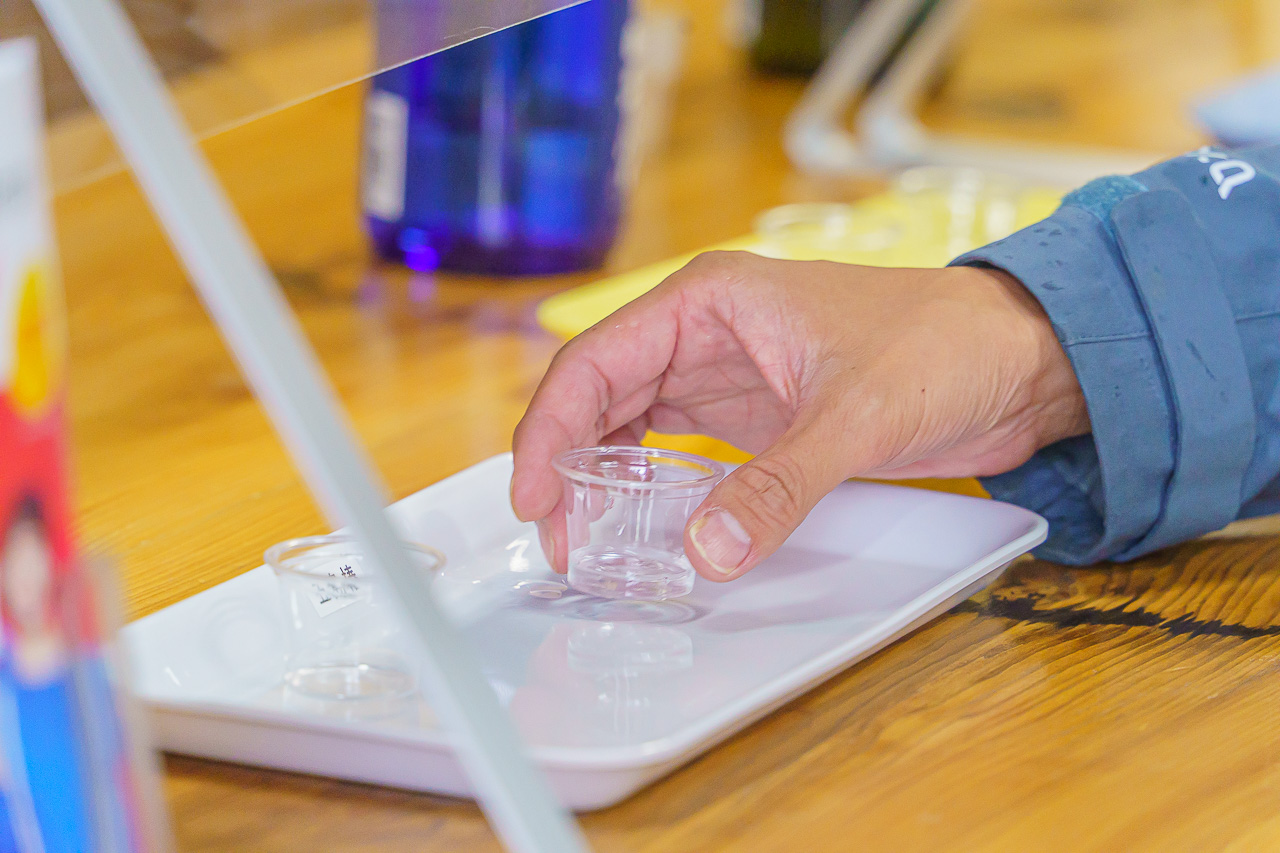
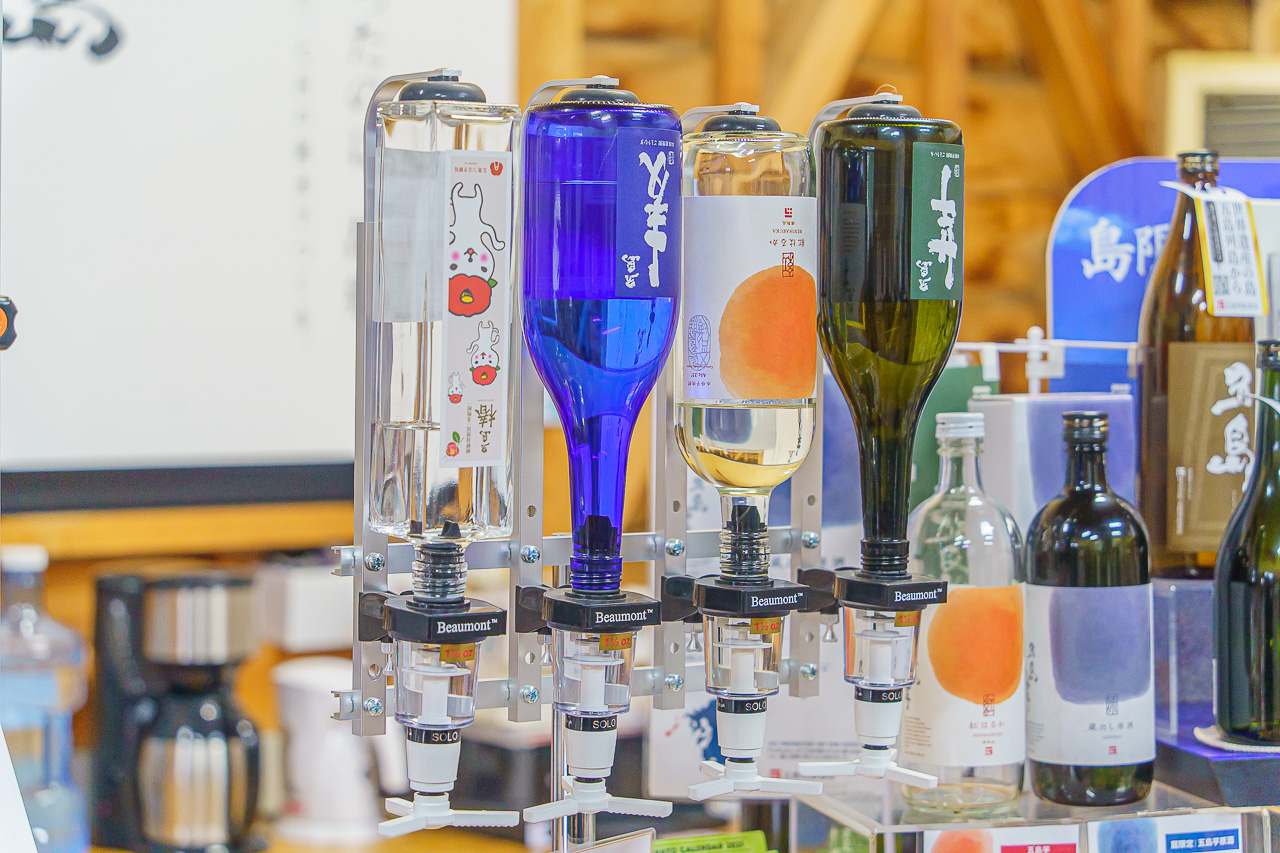
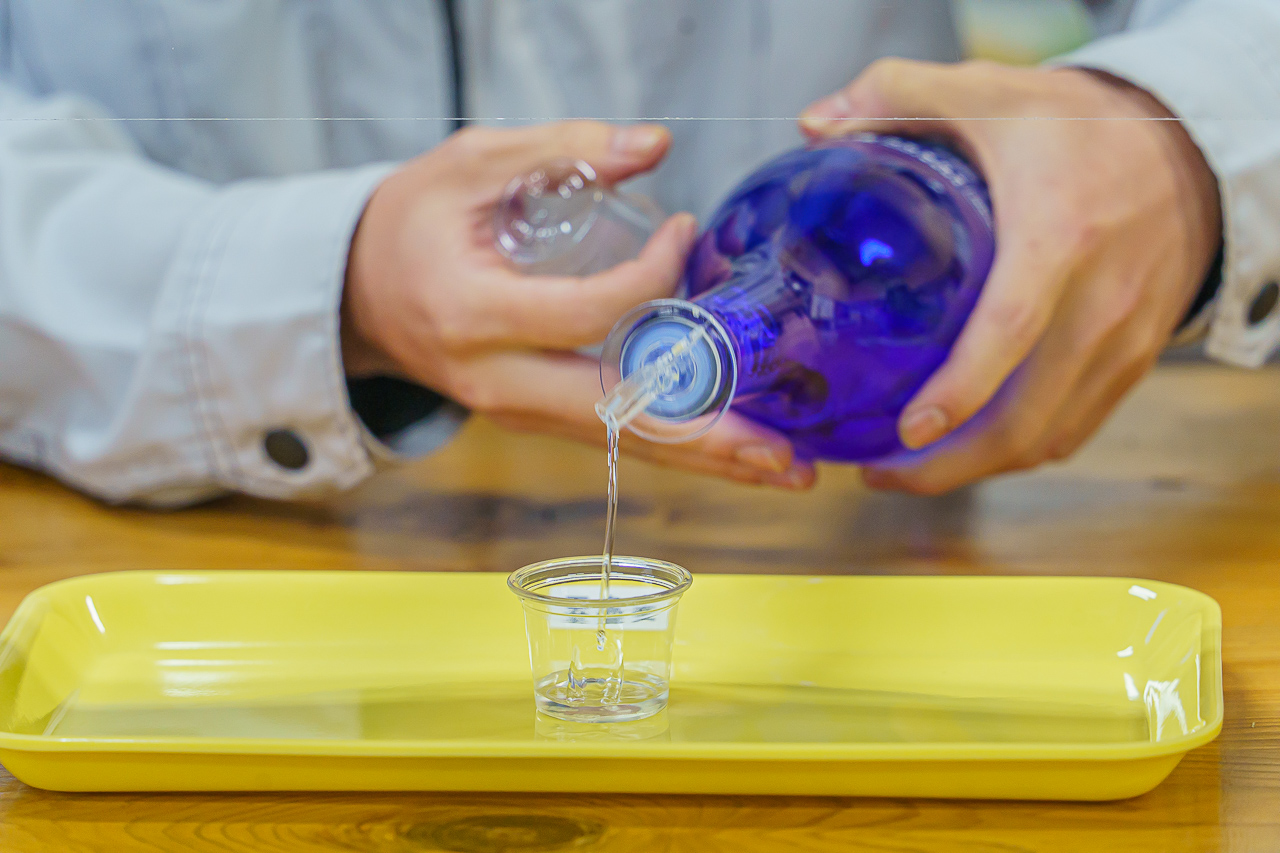
Barley and sweet-potato shochu are other Goto specialties. At Goto Islands Shuzo, we hear a brief explanation of production and try a tasting.
A shochu dispenser surprises me.
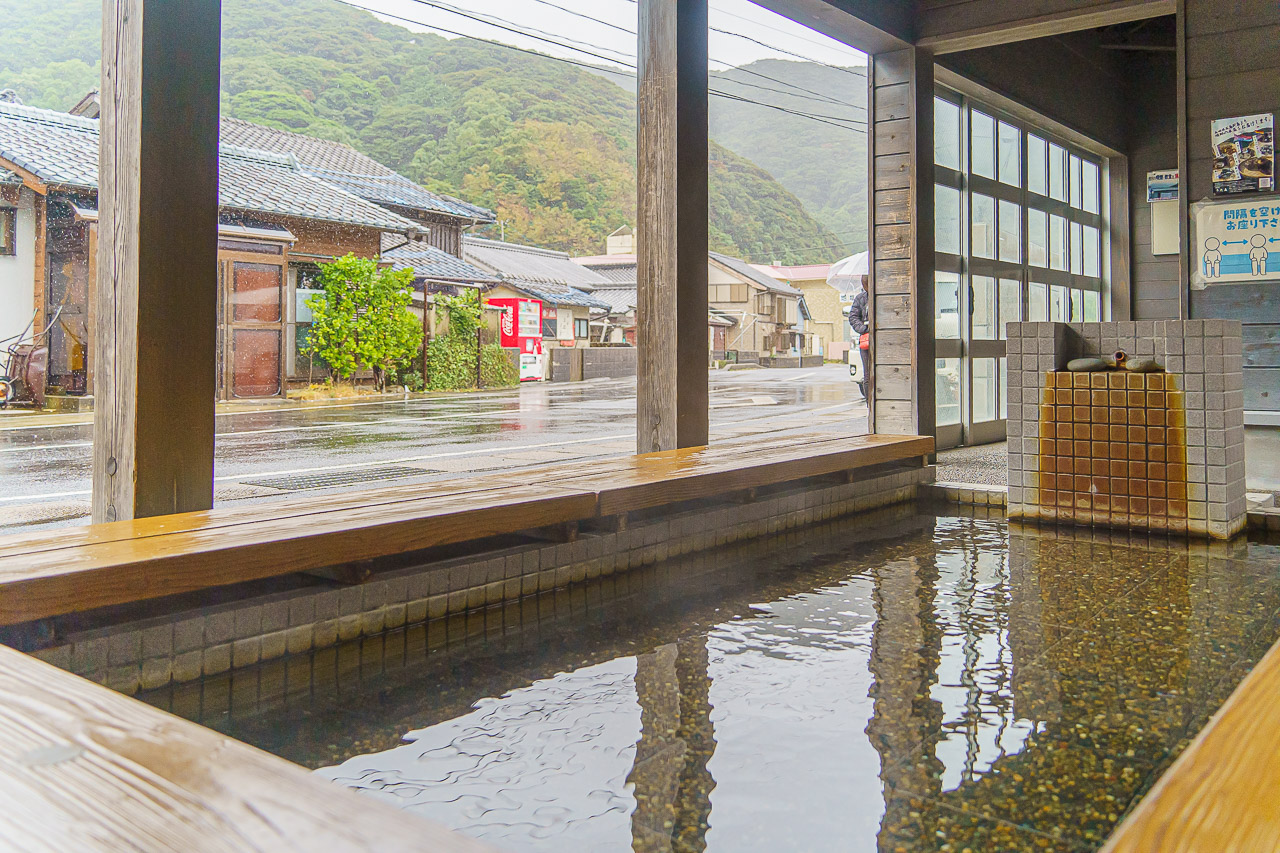
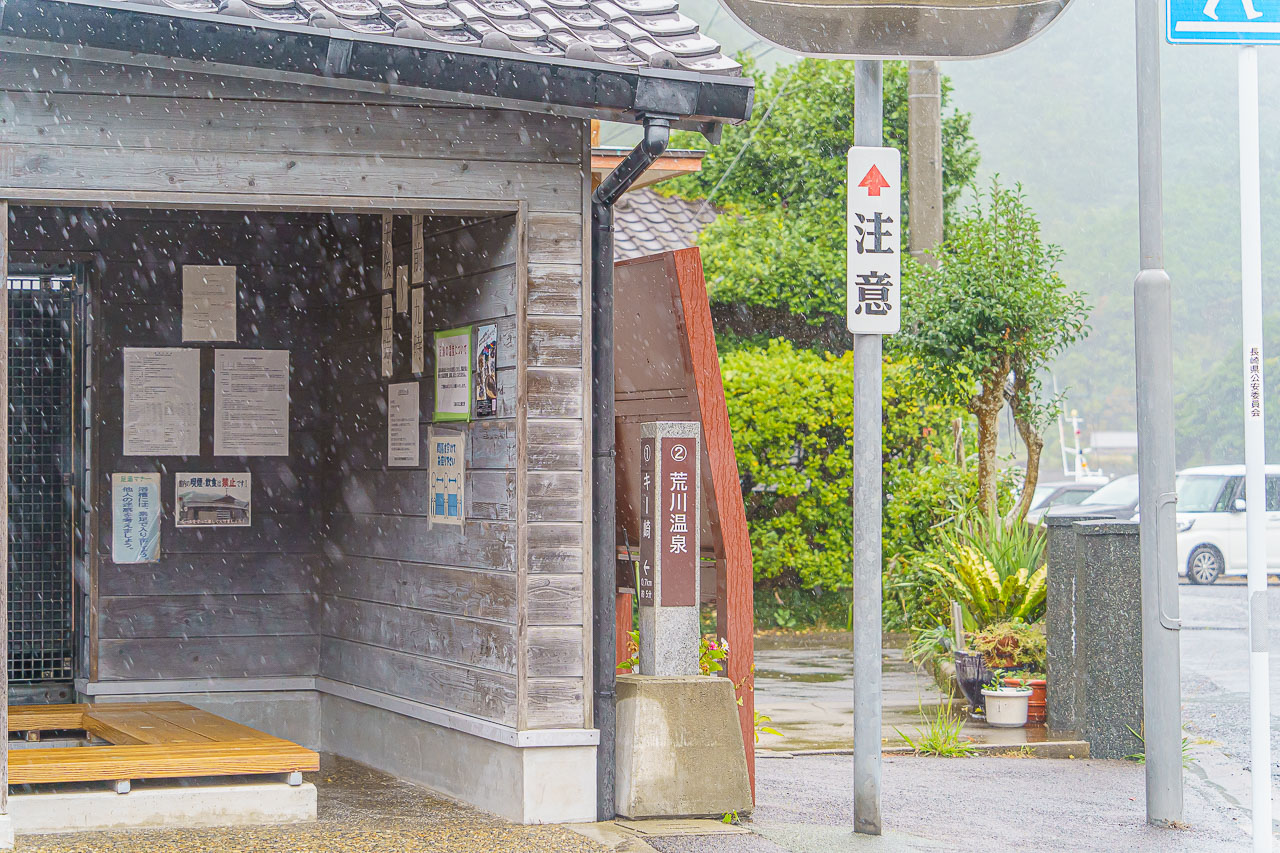

On the way into town, our taxi driver recommends Arakawa Onsen.
It is rainy and very cold, but putting my feet into the footbath soon warms me up.
There are full bathing facilities as well, an option if you want more than a footbath.
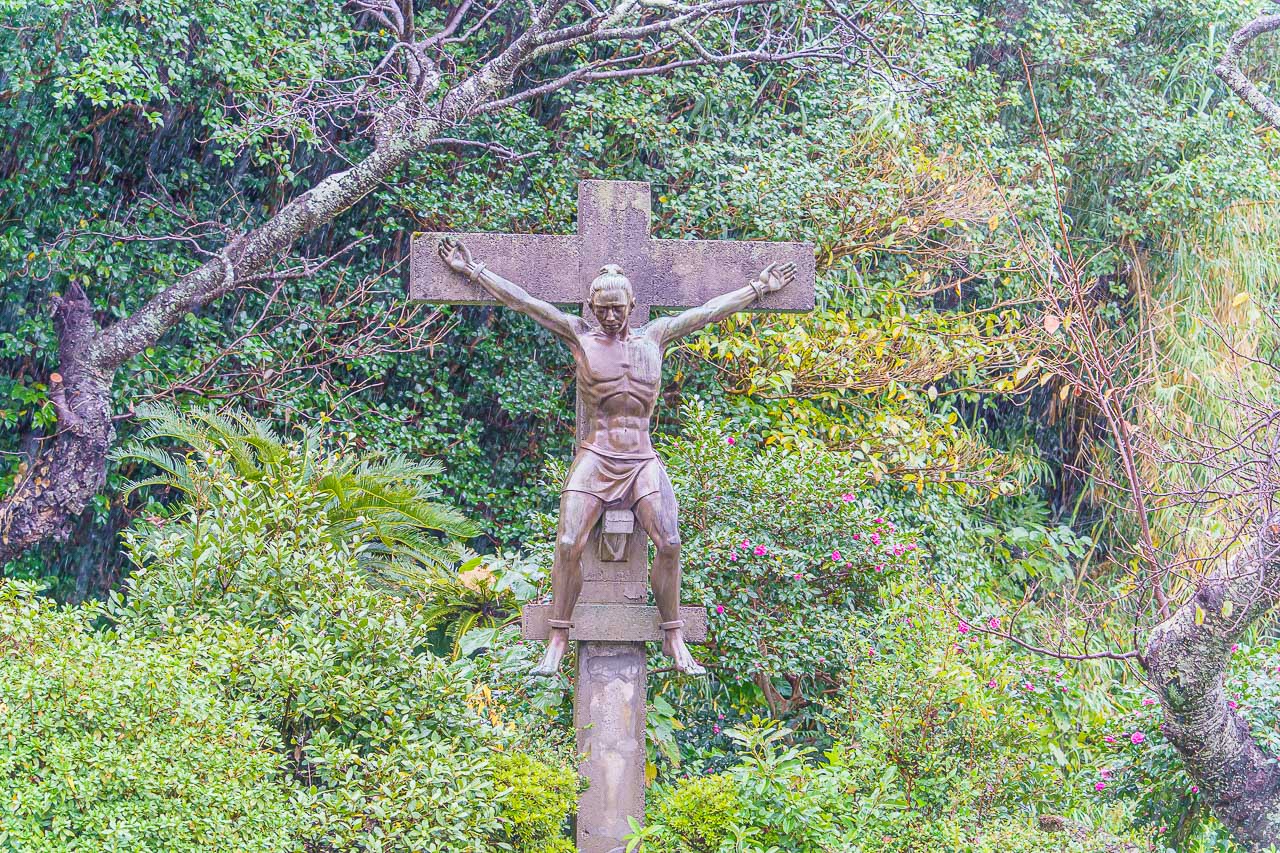
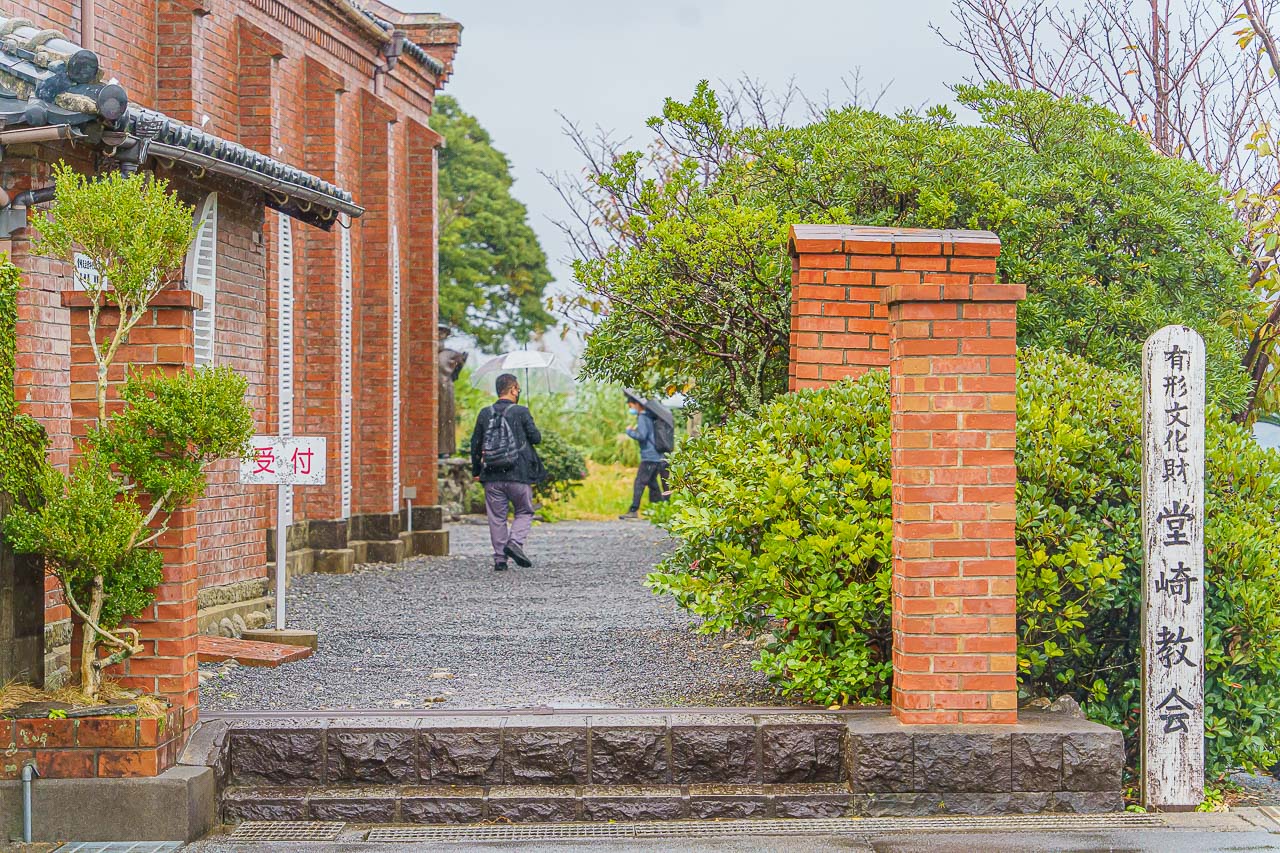
The source recounts how persecuted Catholics in Nagasaki fled to the Goto Islands and practiced their faith in hiding.
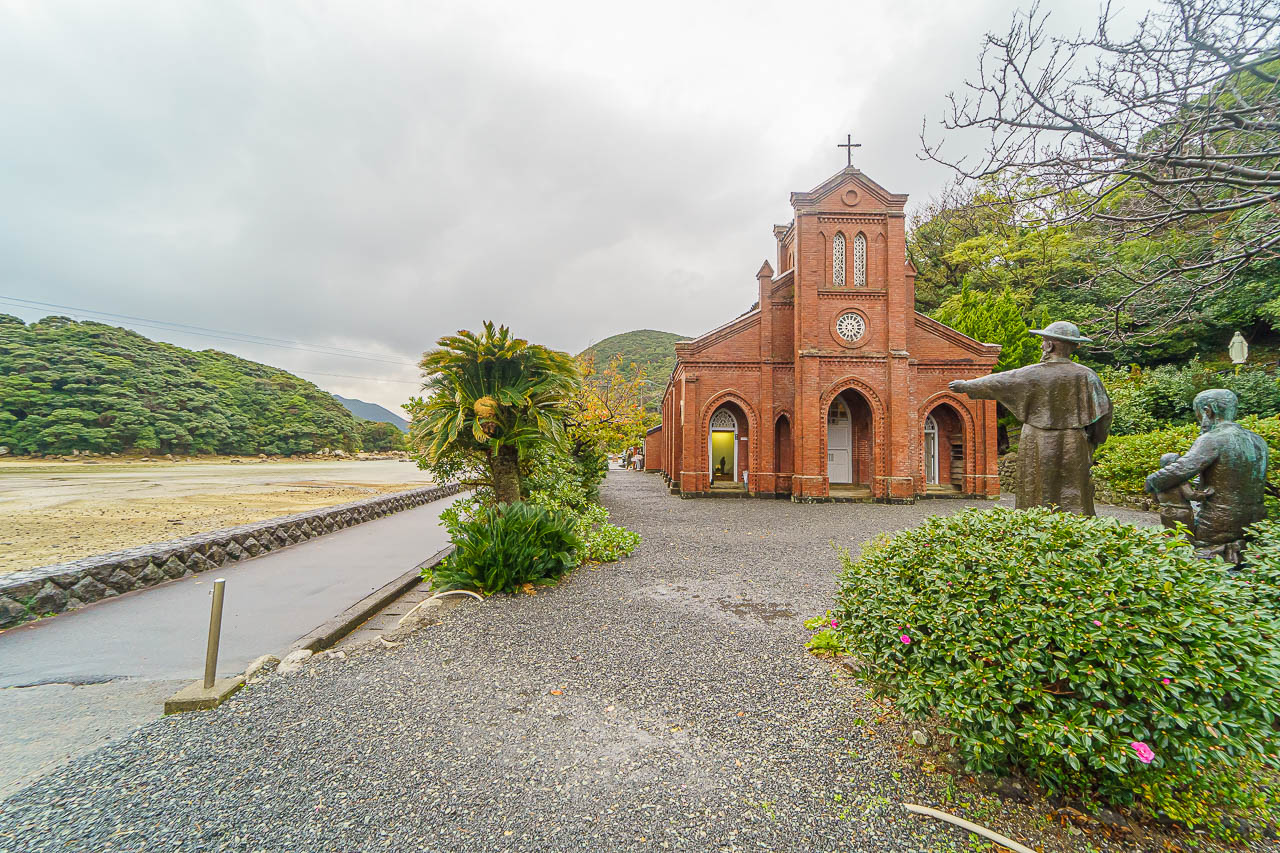
Traces of that history remain throughout the islands. Dozaki Church was the first church built in Goto after the ban on Christianity was lifted in 1873, according to the source. It gives completion in 1907 and consecration in 1908.
Dozaki Church was designated a Nagasaki Prefectural Cultural Property on April 9, 1974, recognizing its architecture.
It now serves as a museum.
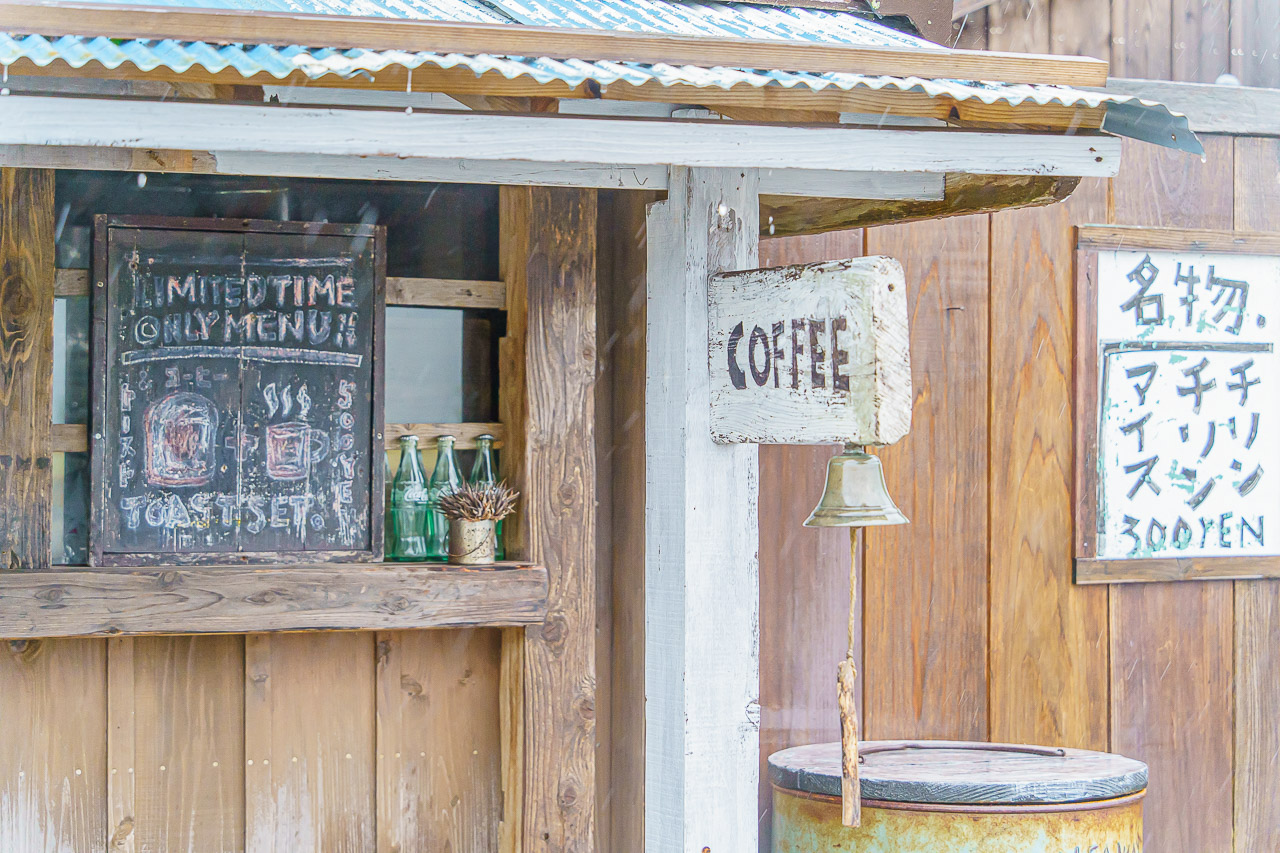
Near the church entrance is BABYQoo, a well-known coffee shop often featured in Goto publicity. Unfortunately, it is closed today.
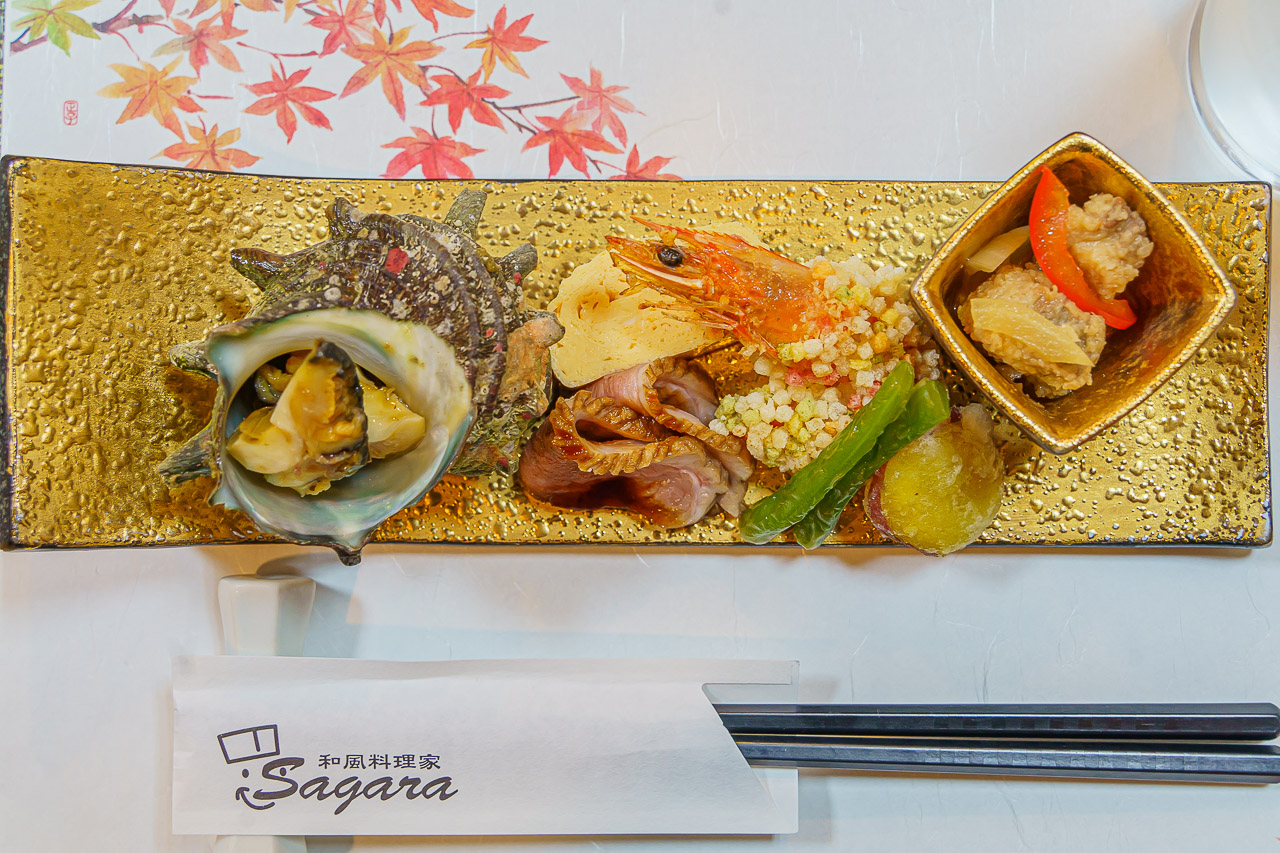
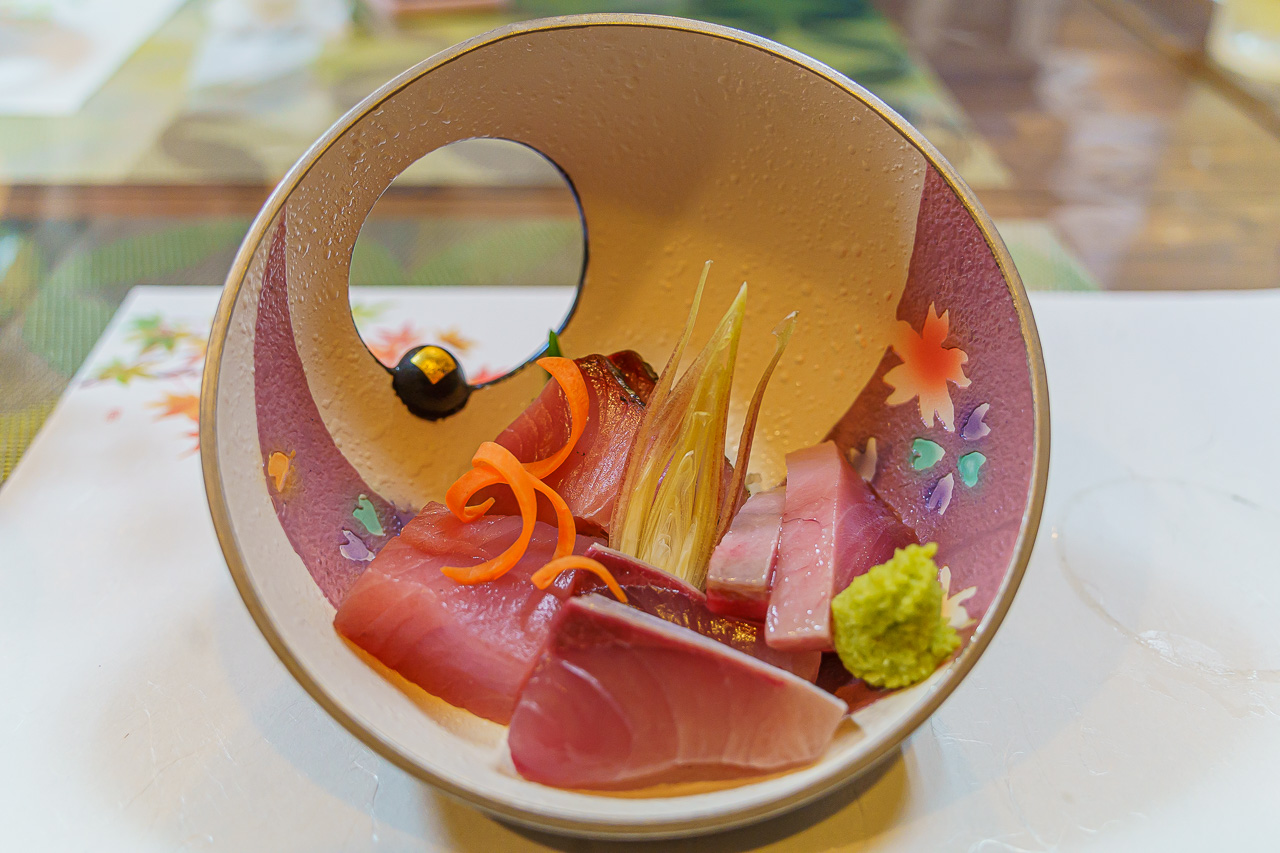
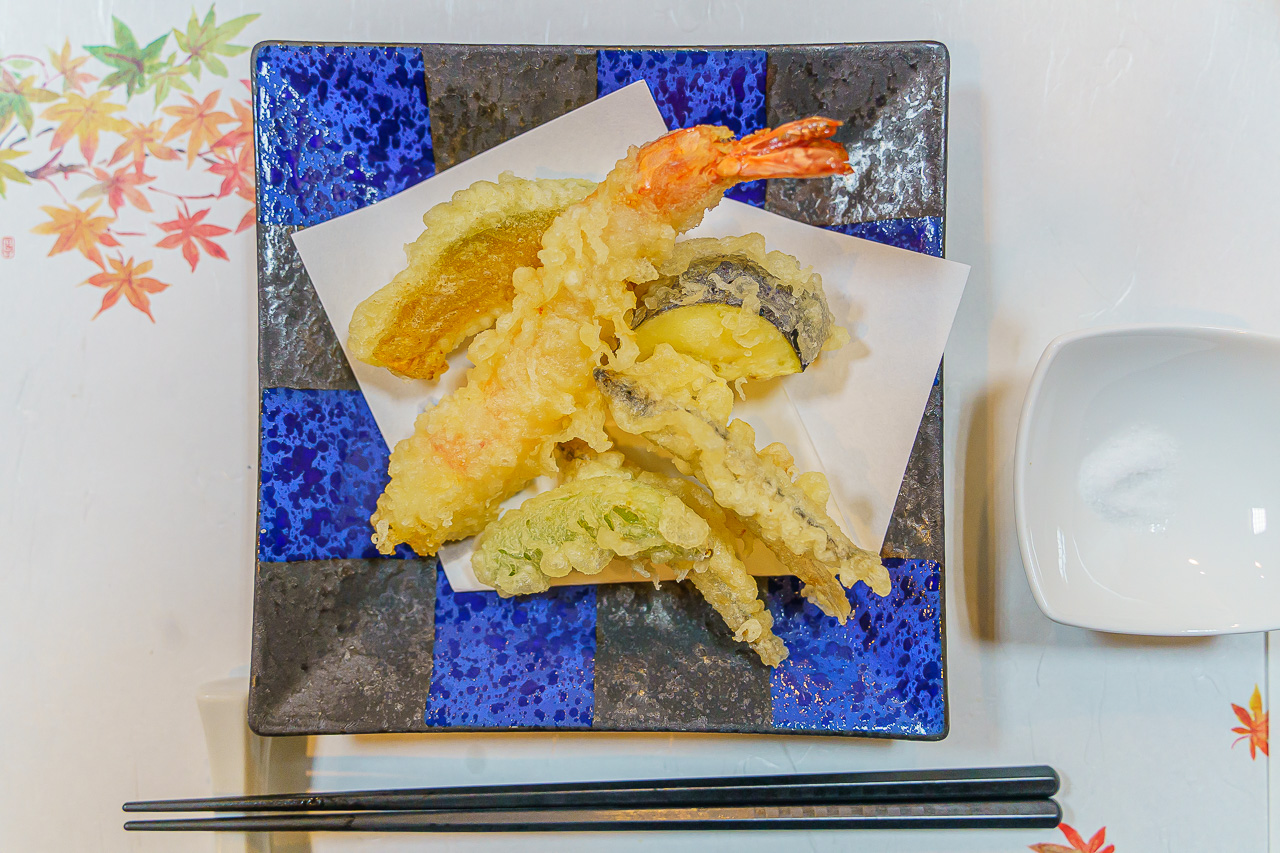
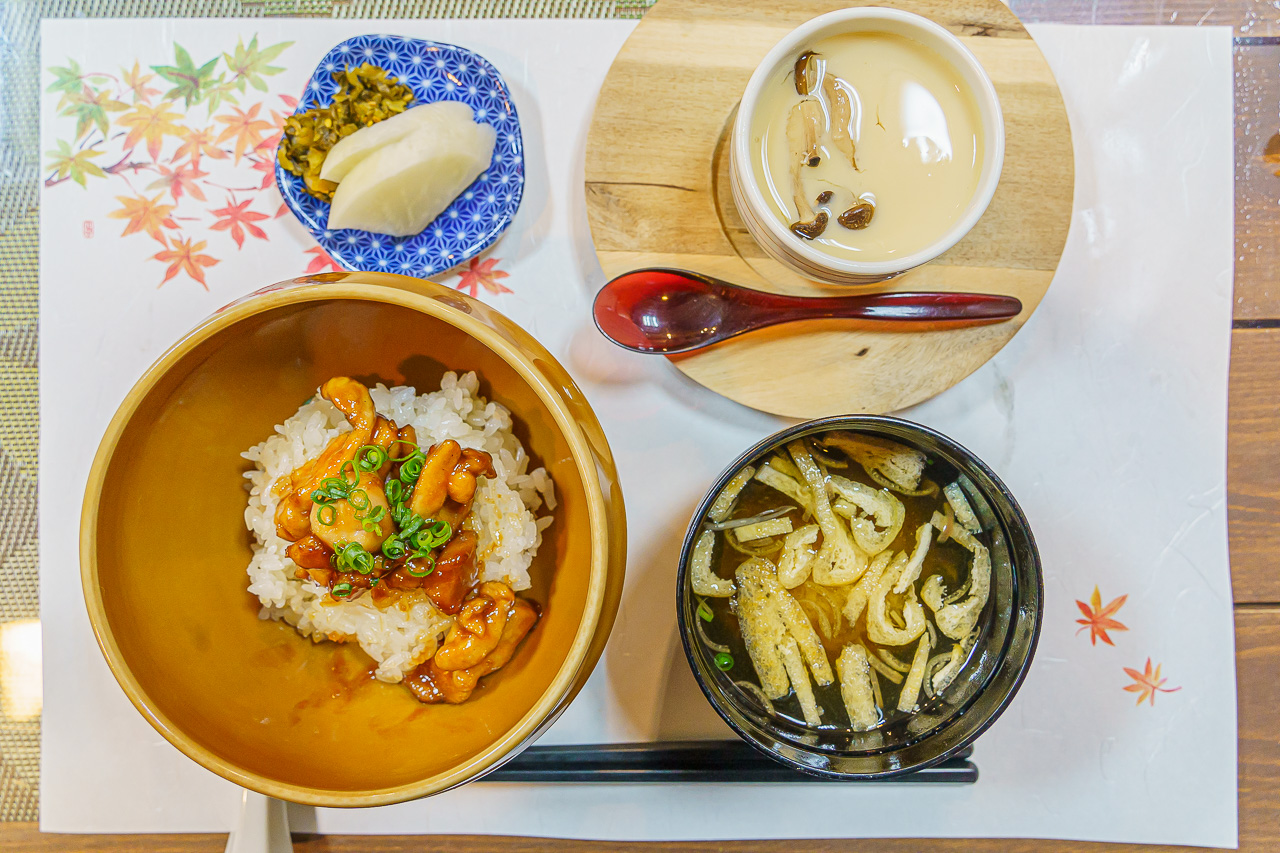
For dinner, we go to Sagara in town.
The kaiseki meal emphasizes fresh Goto ingredients.
The thick-cut sashimi is particularly delicious.
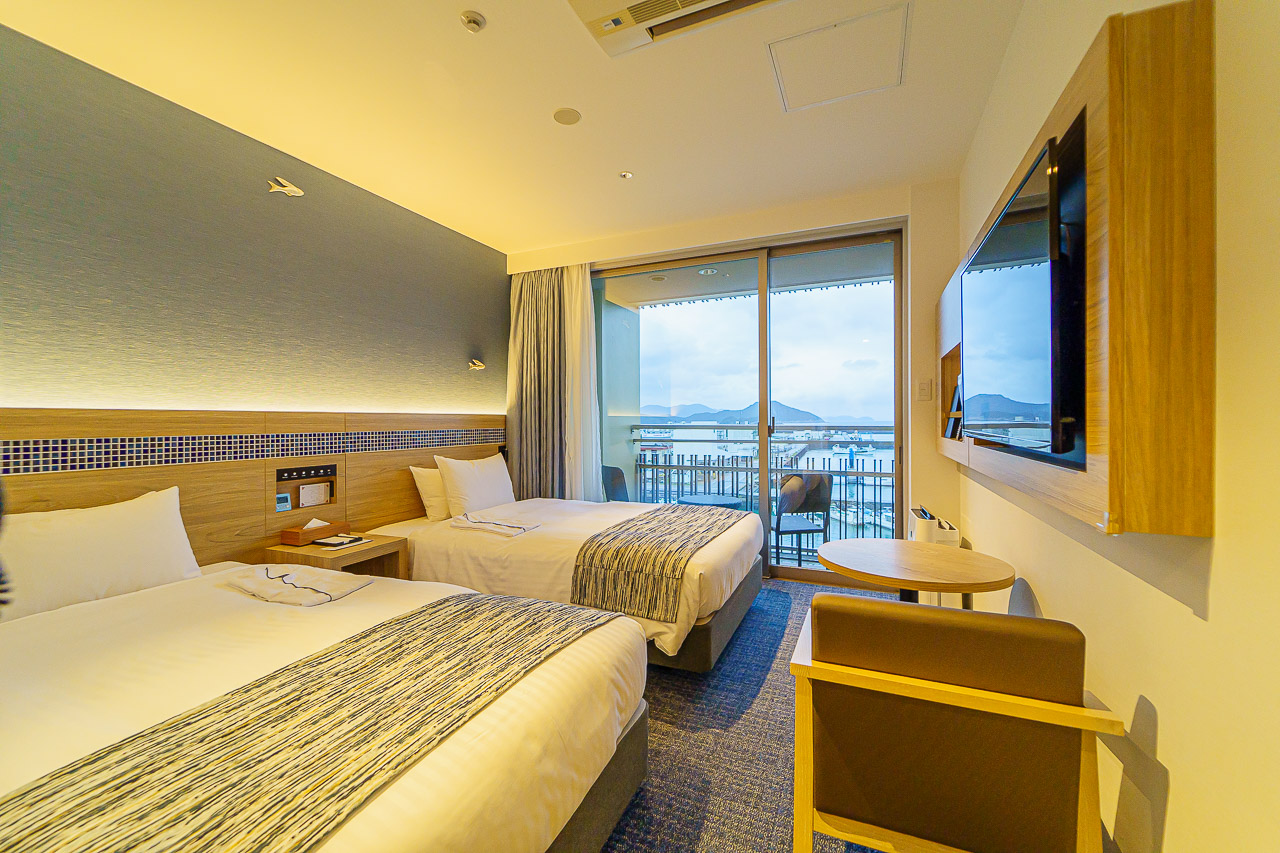
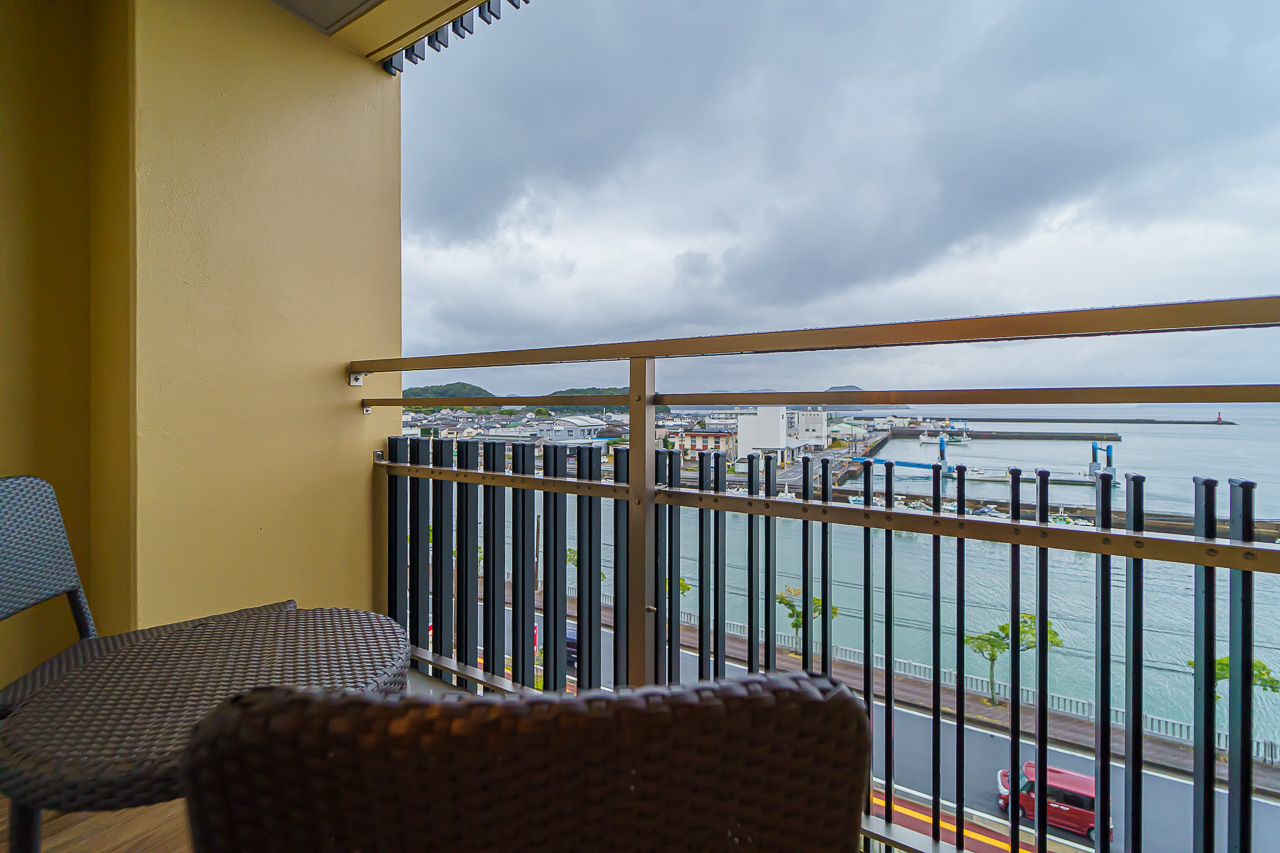
We stay at Goto Tsubaki Hotel by Fukue port, an area with plenty to see.
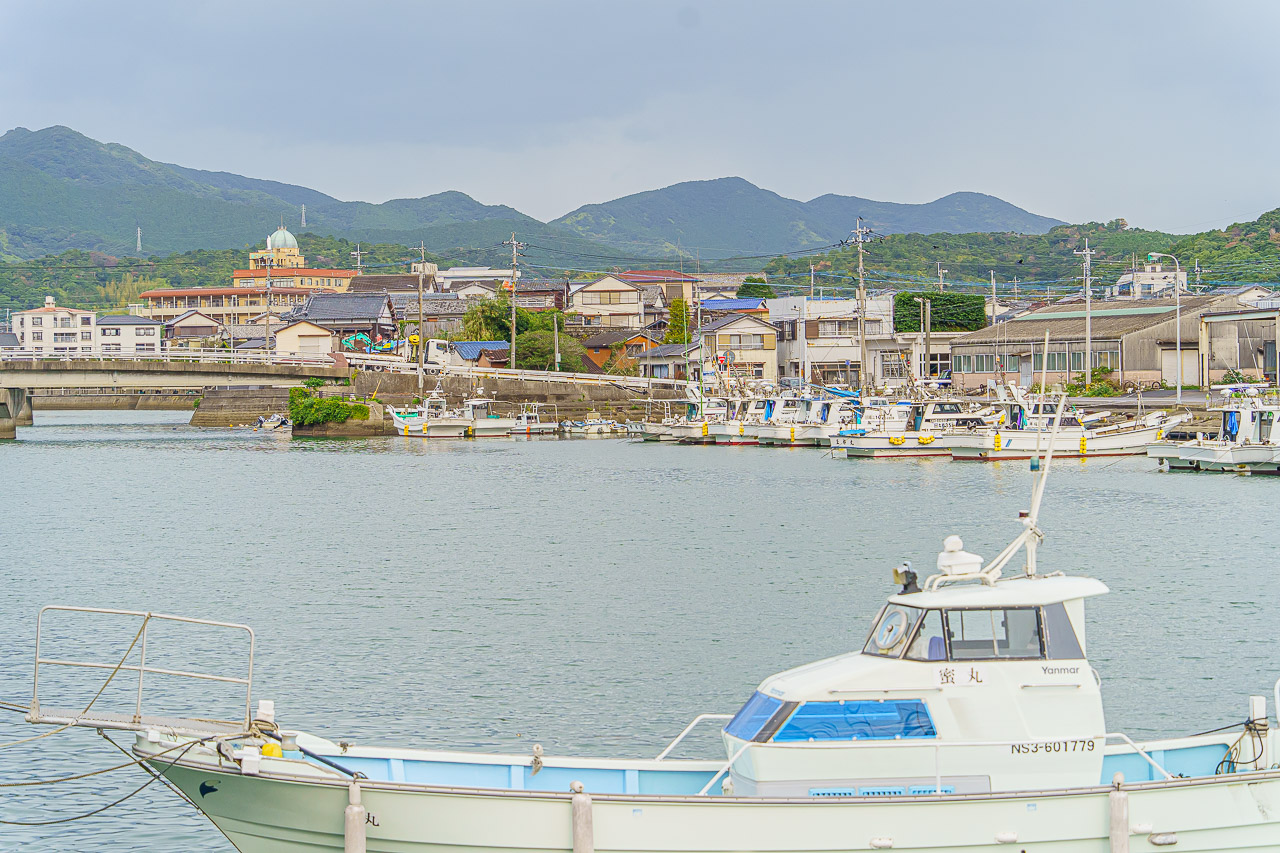
The source describes all rooms as ocean-view, looking over the open harbor.
With its ferry terminal, food and sights, Fukue port is a pleasant place to walk around.
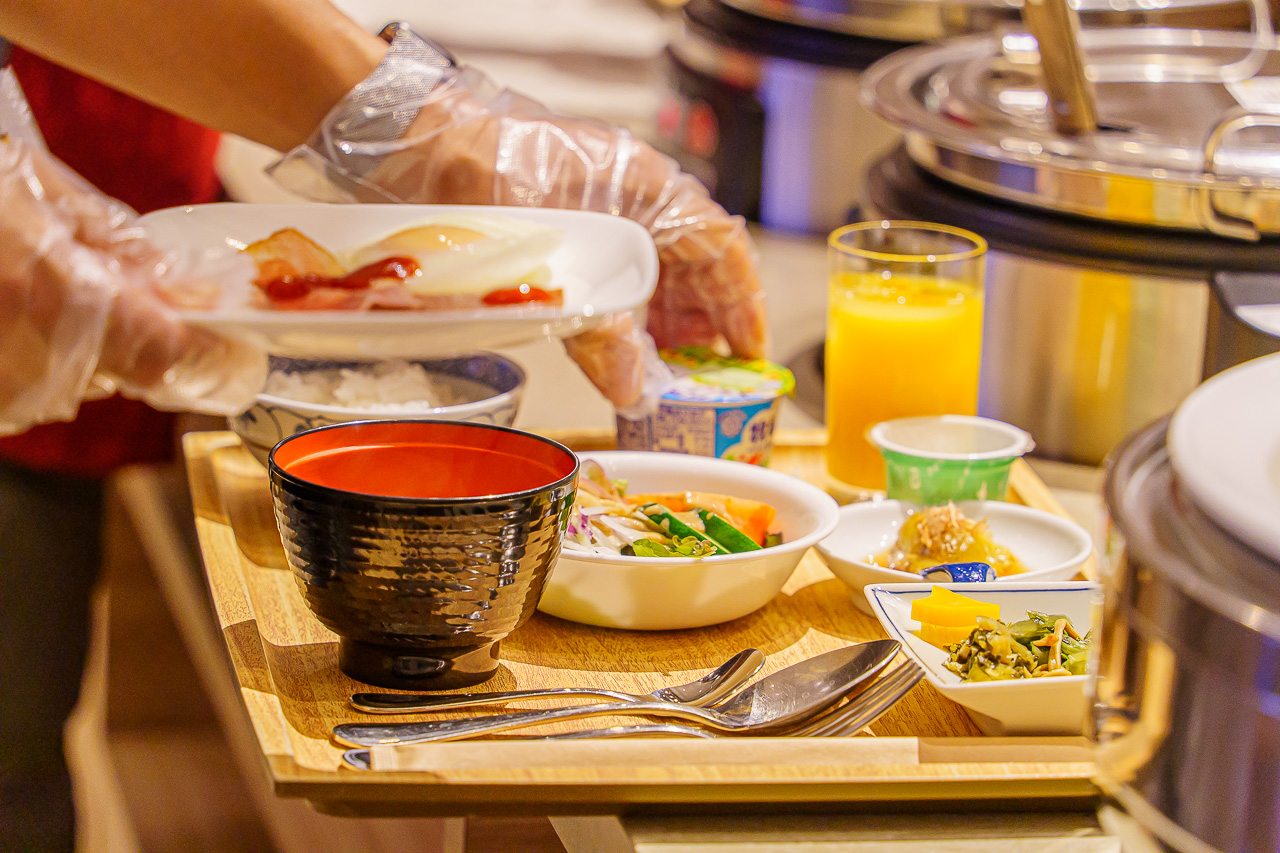
After the hotel breakfast, we head out for a cycling experience.
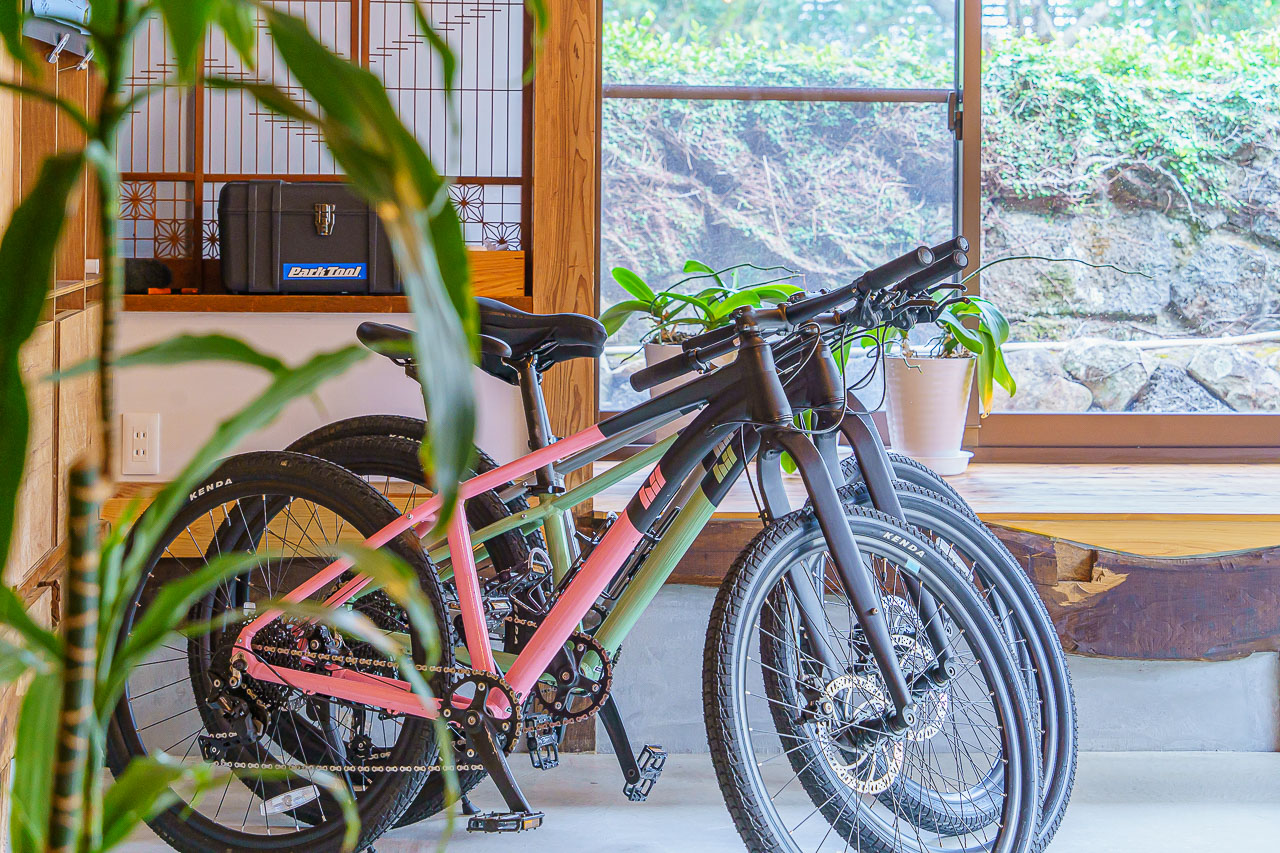
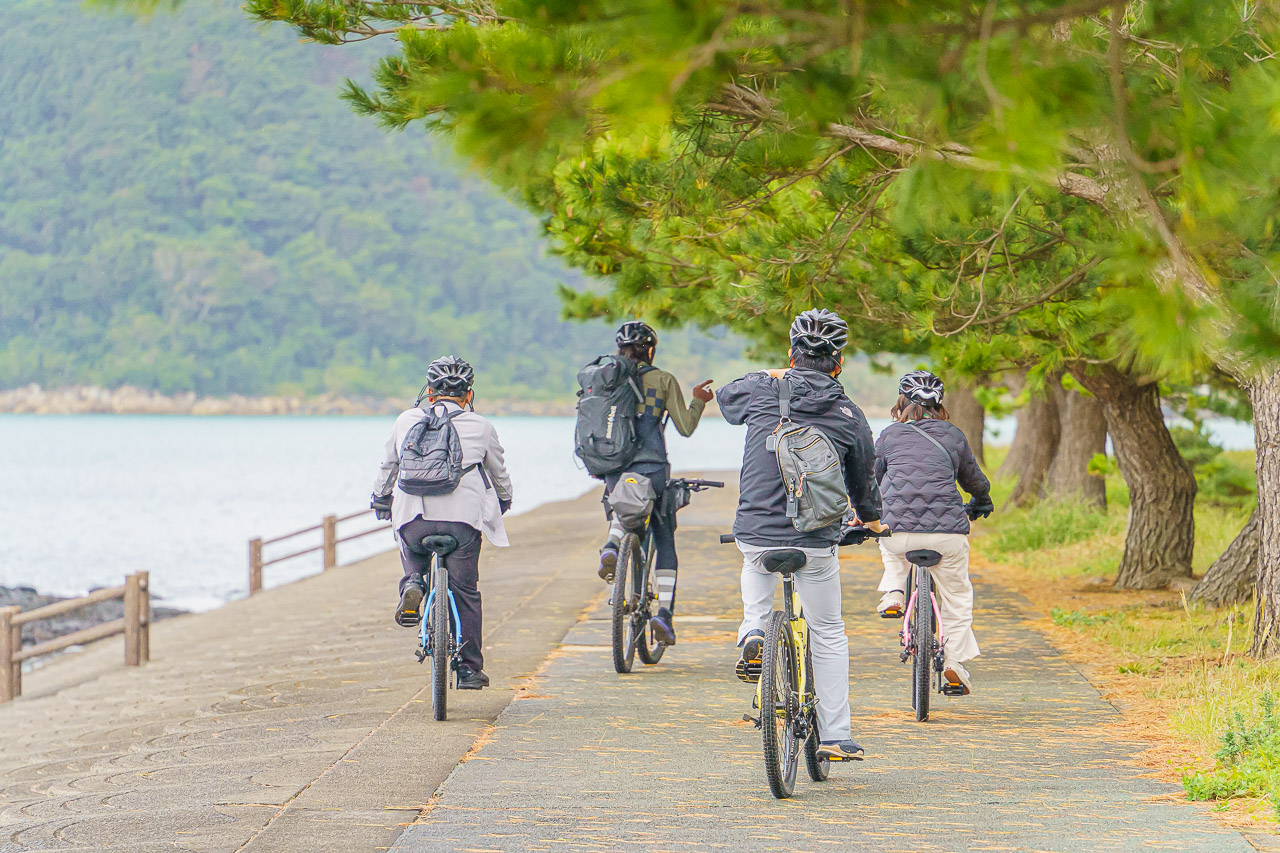
Cycling on Goto turns out to be enormous fun.
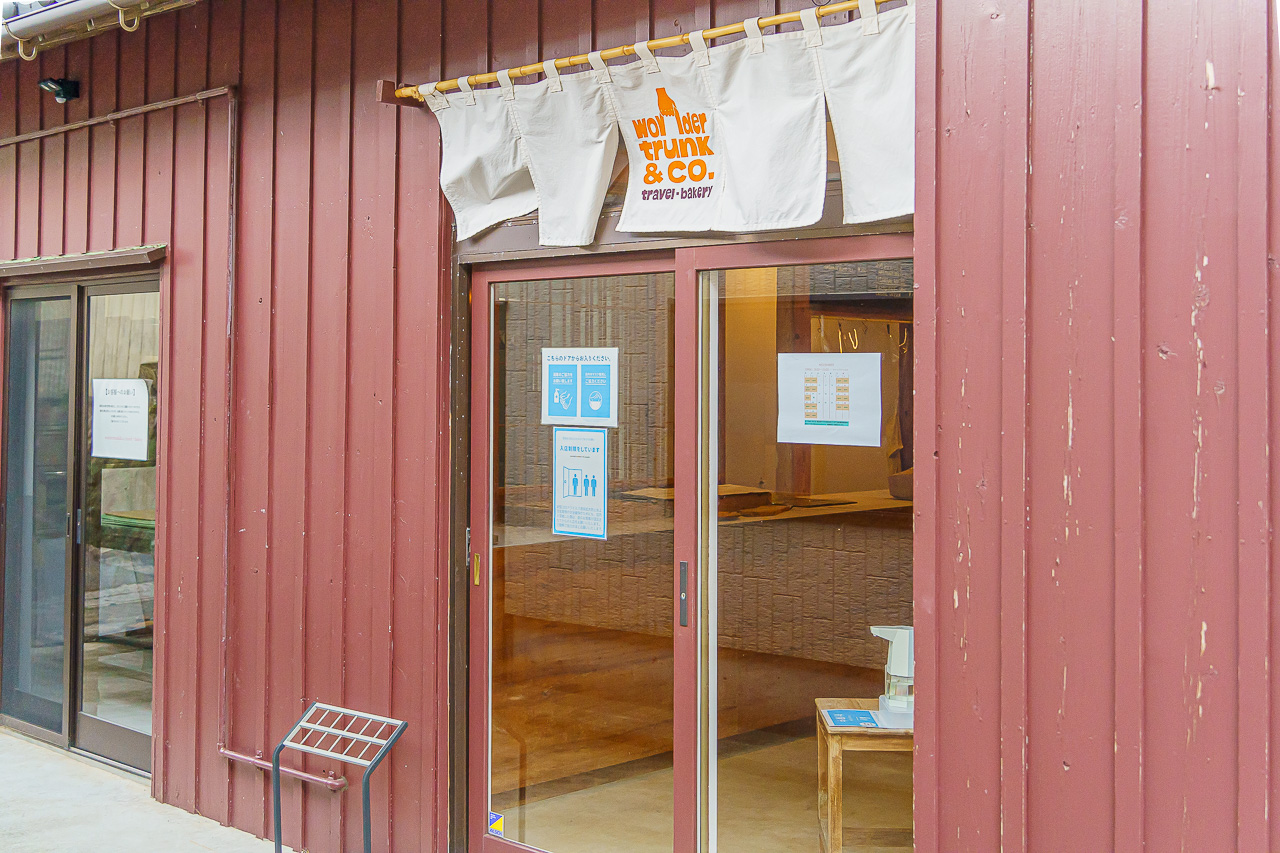
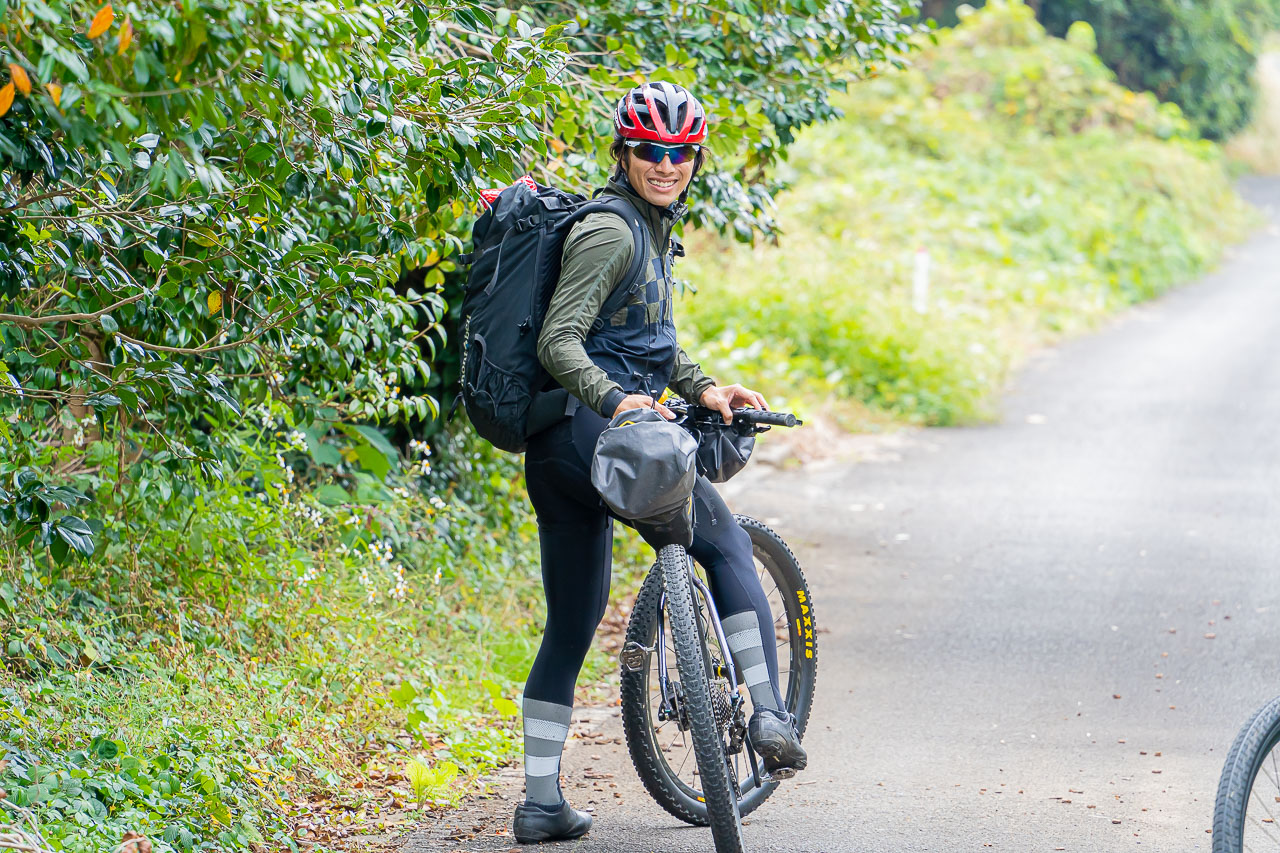
Booked through wondertrunk & co. travel bakery, the ride is led by Will, a professional rider.
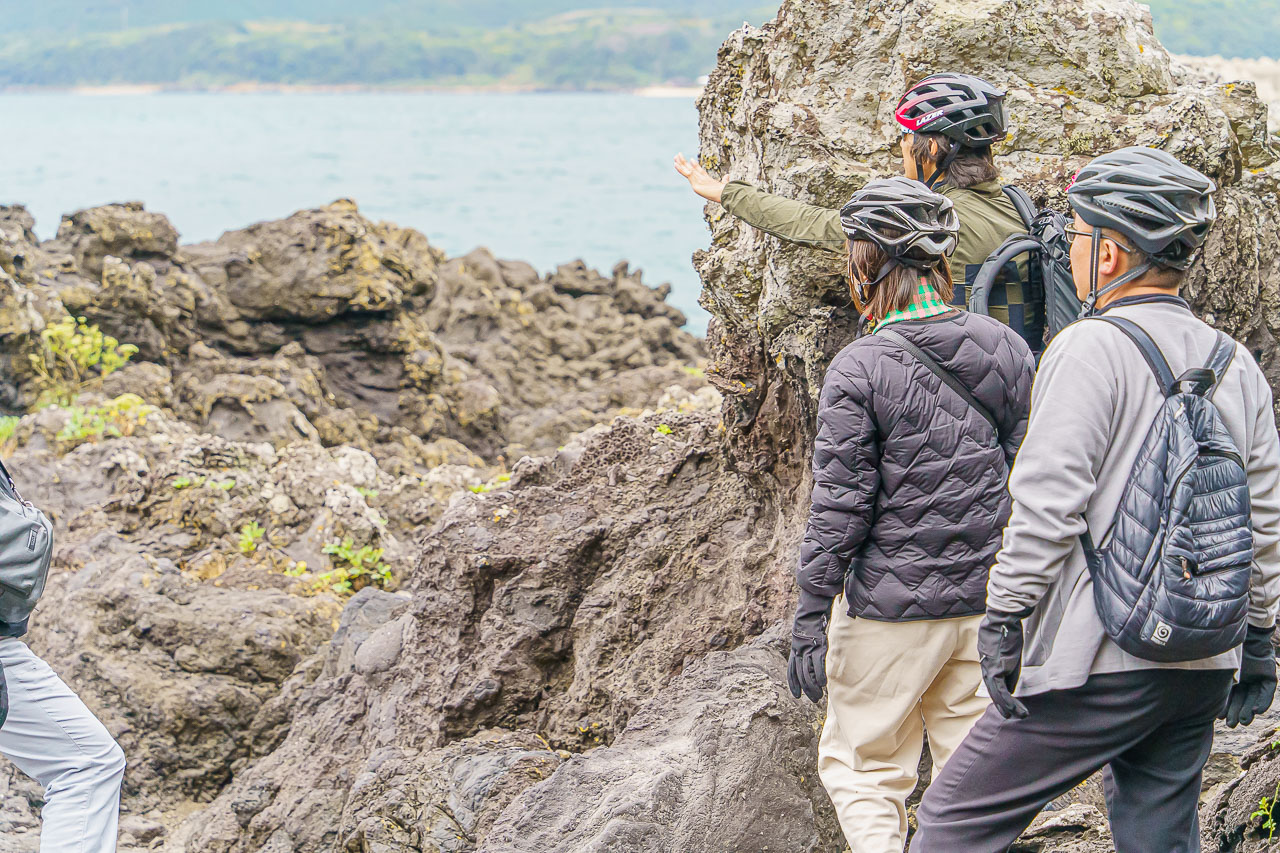
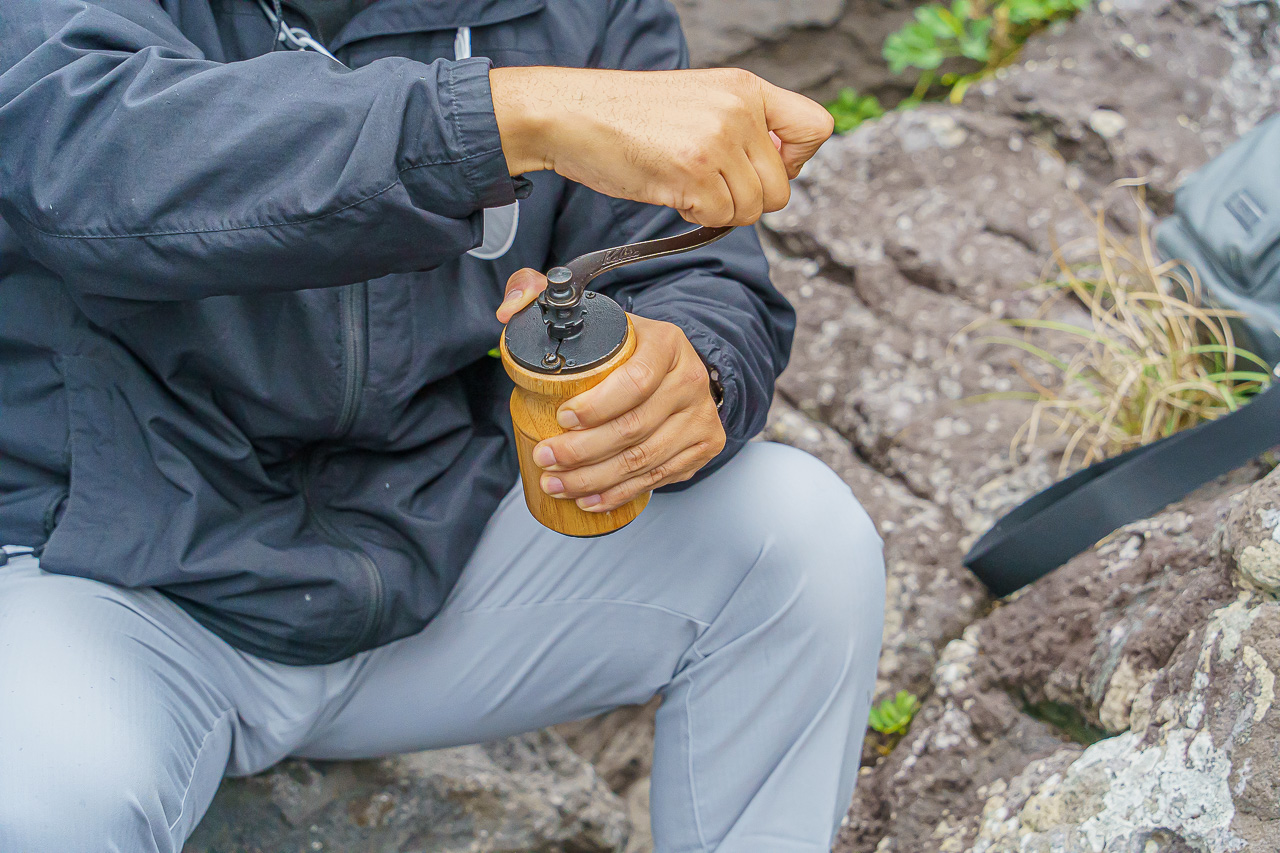
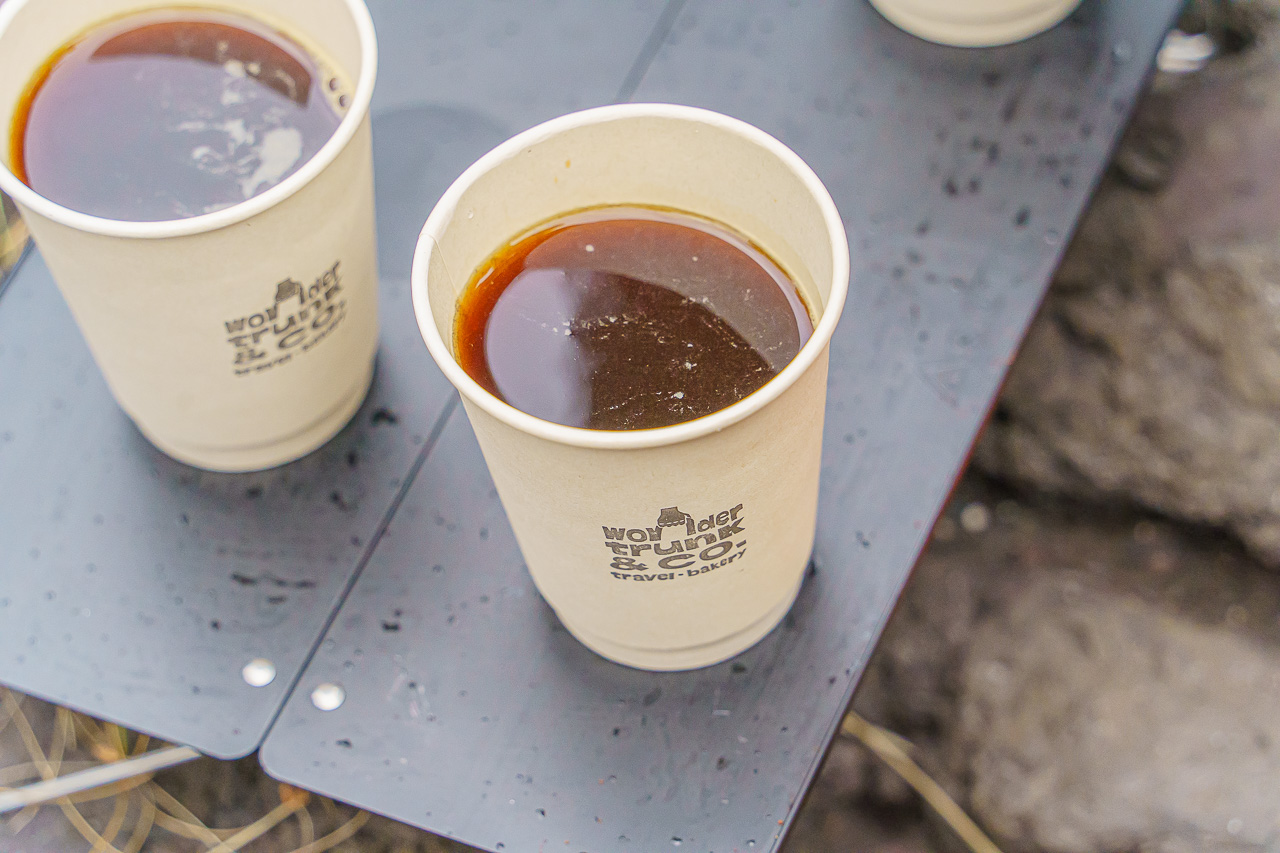
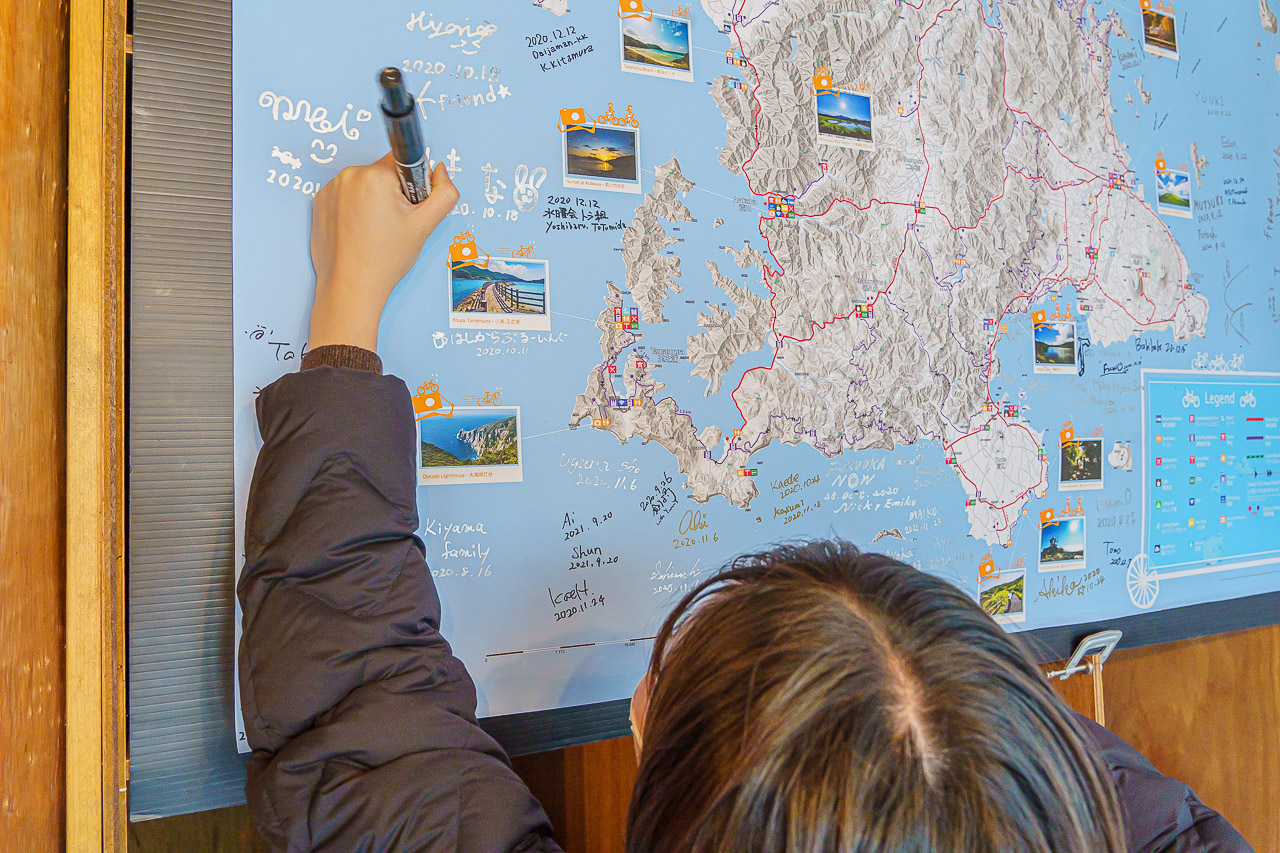
During the ride, we turn into the wooded hills toward Will’s ‘secret base.’
He rummages in his backpack and, before long, produces a cup of coffee.
Coffee freshly brewed from the beans beside a coastal cliff is a cup I will remember.
After the ride, we can stop at the bakery and leave a signature.
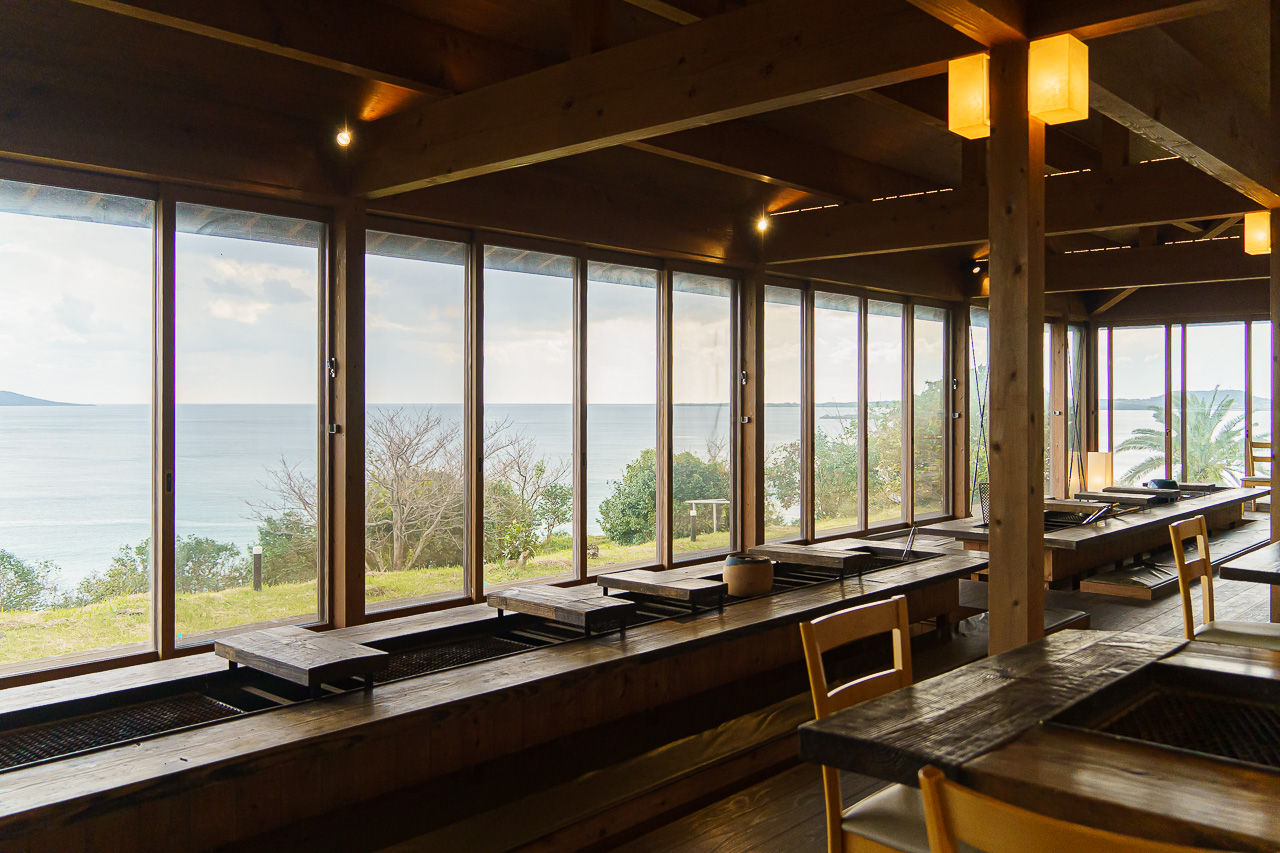
Tired from cycling, we arrive for lunch at Tsubaki Chaya, with an open sea view.
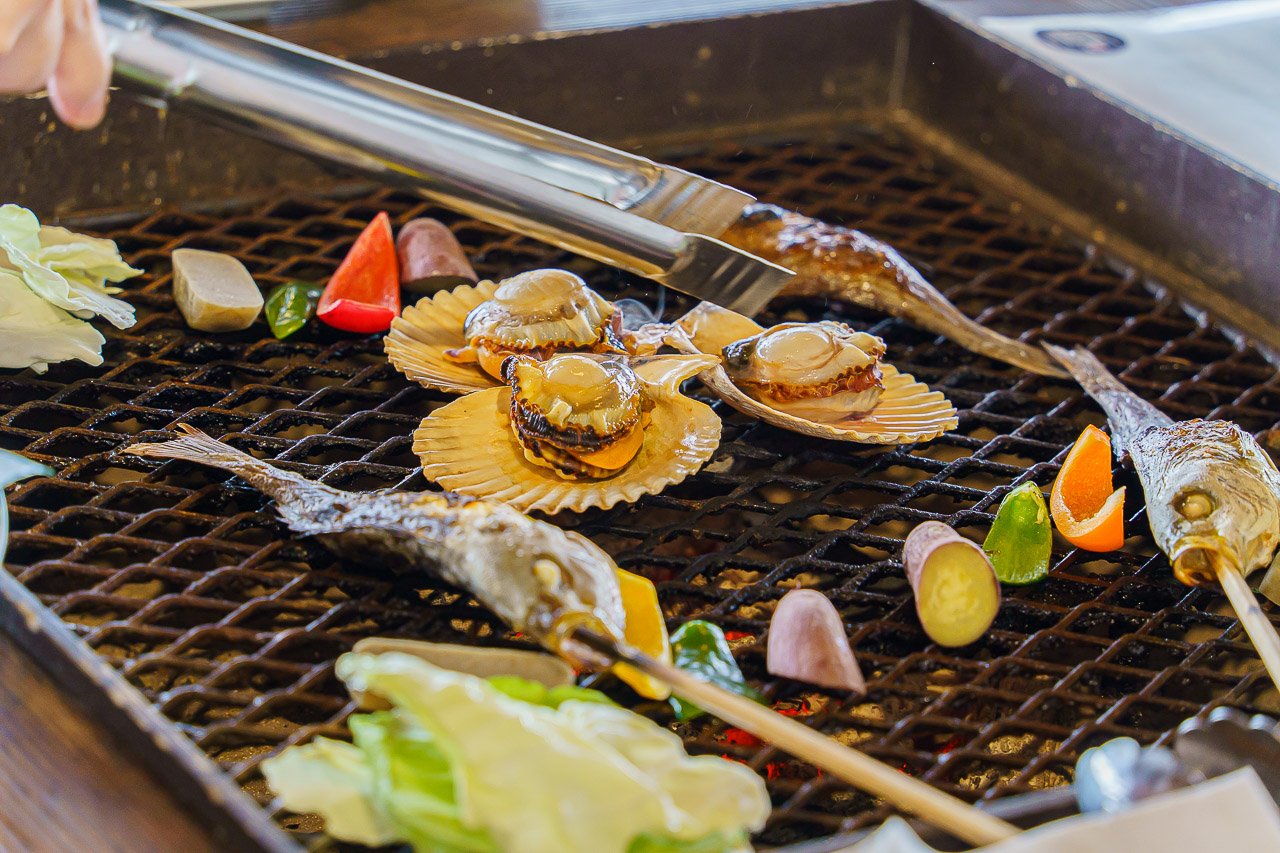

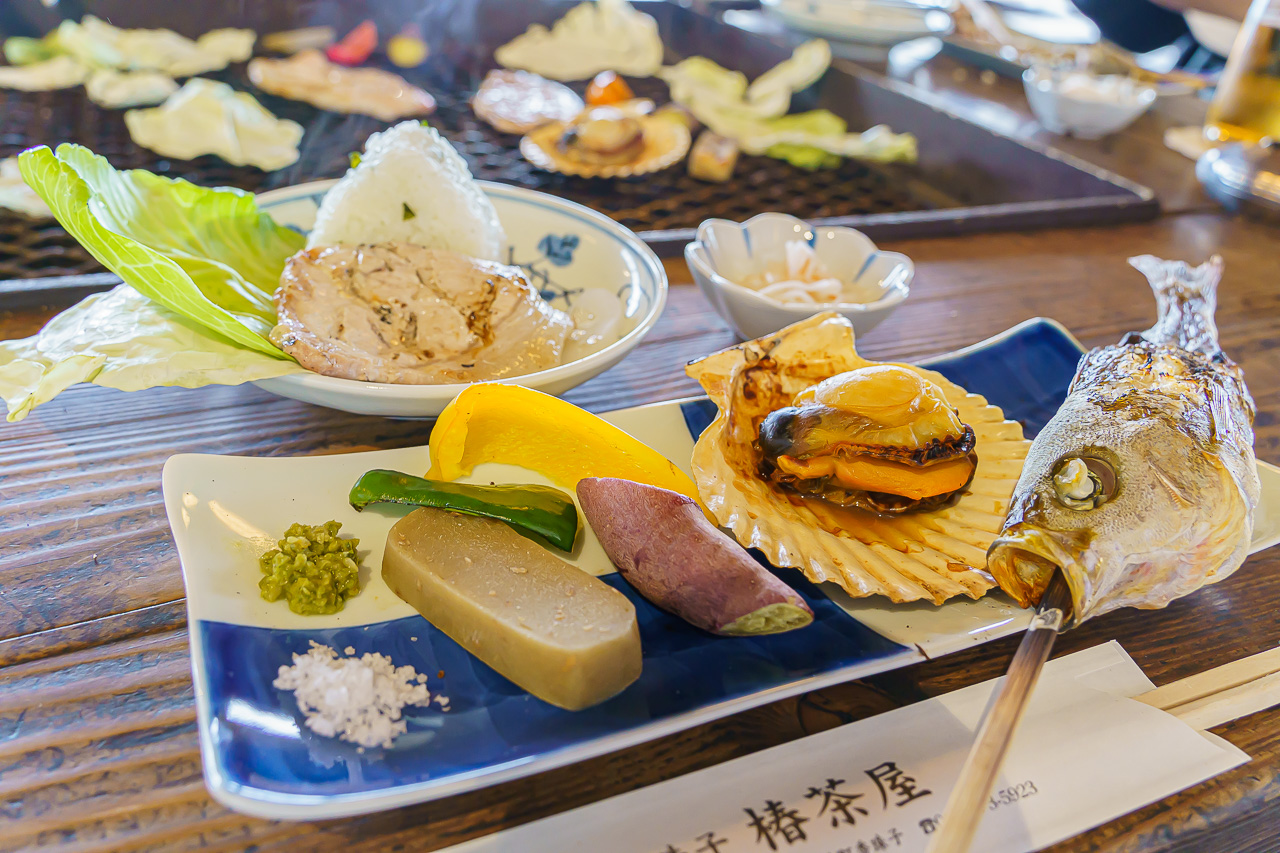
Fresh Goto seafood is plentiful here too.
Fish skewered and cooked over charcoal tastes excellent.
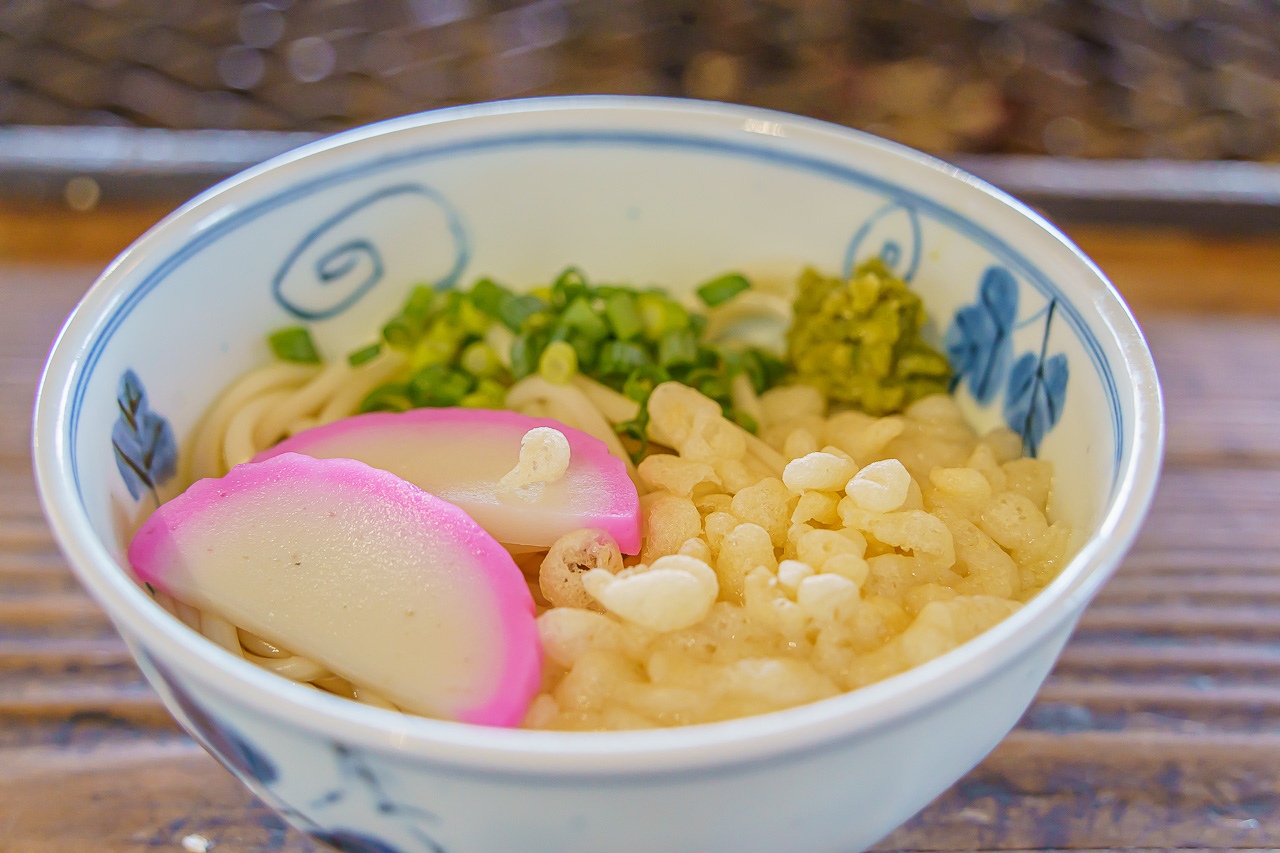
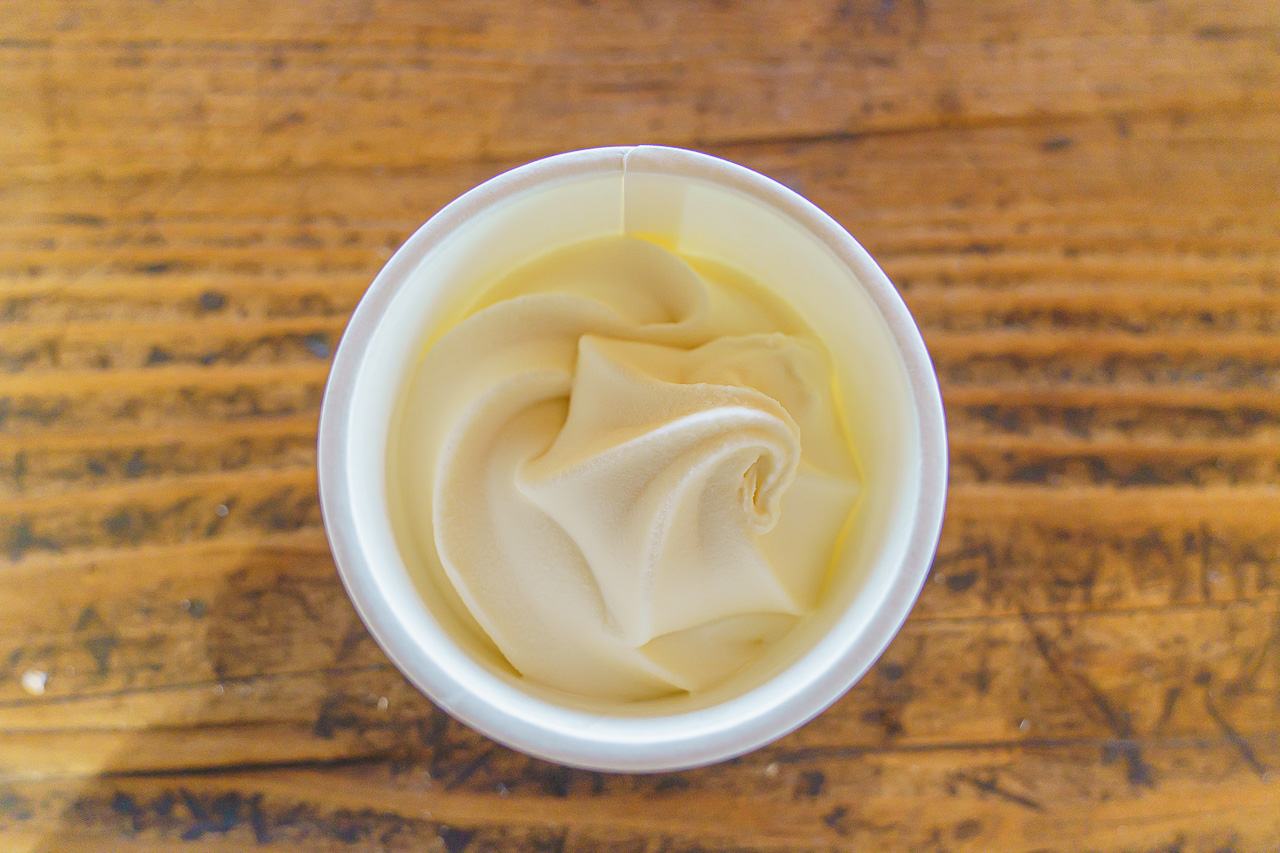
Goto udon and sorbet finish the meal.
Unlike ordinary thick udon, Goto udon has slender noodles that remind me of pasta.
The source says evenly formed noodles are dried in a cool place for a month; that production period is not independently established here.
It is an island specialty I would recommend trying.
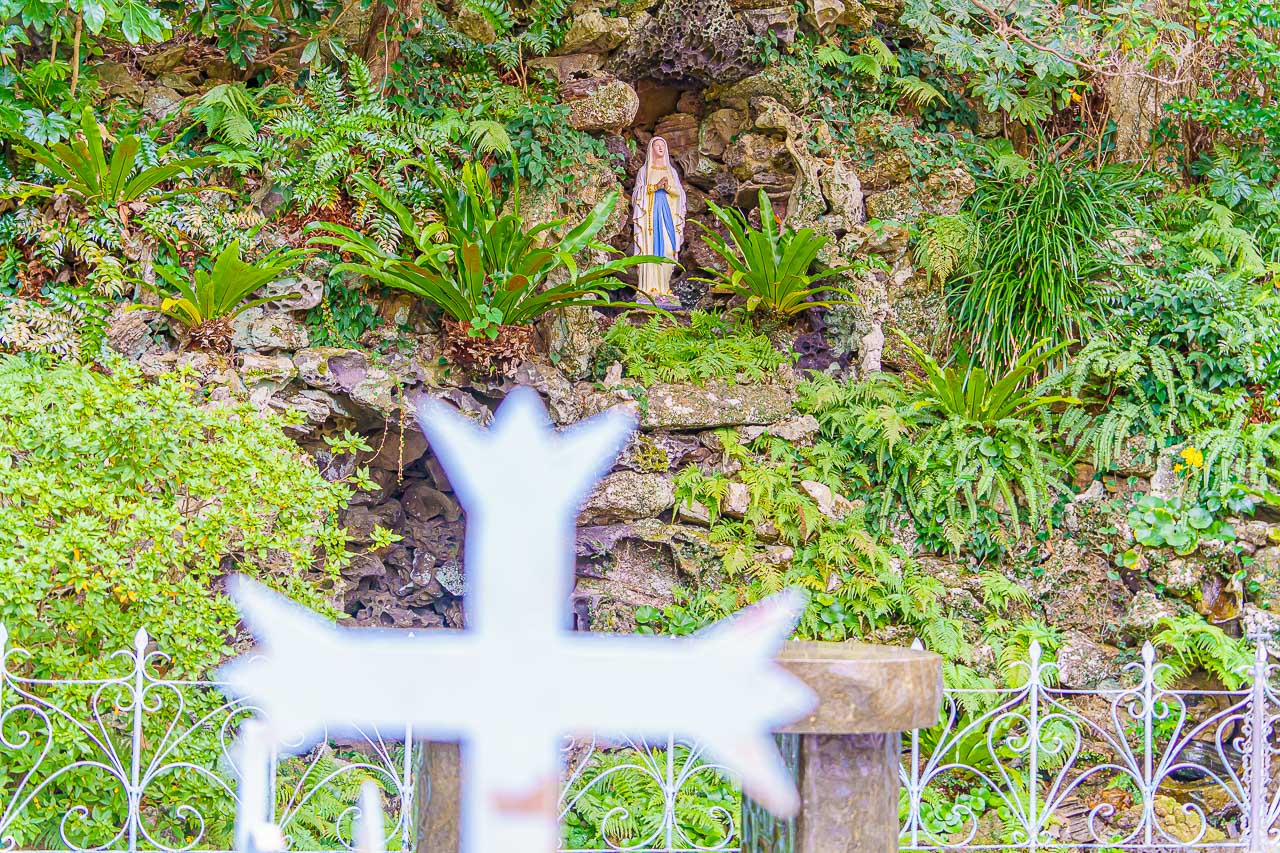
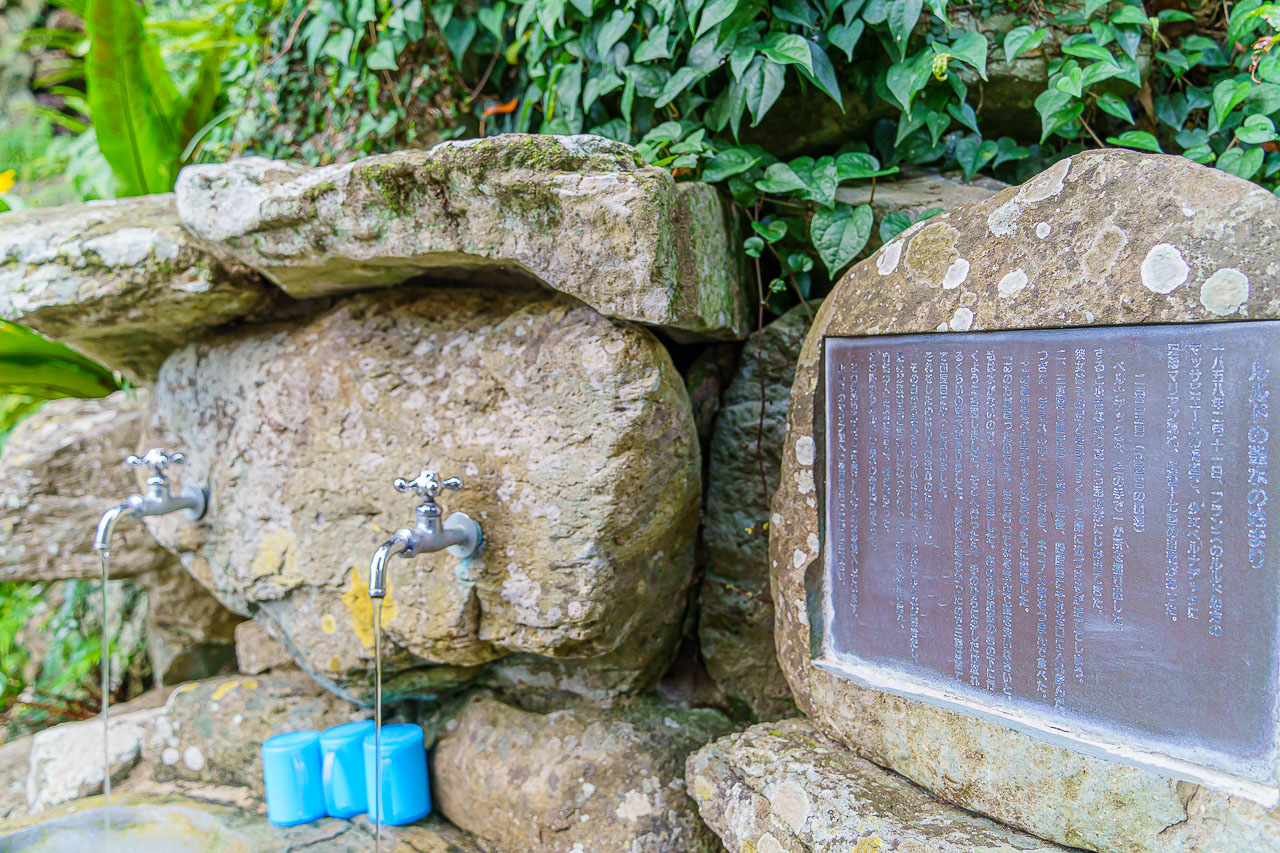
The church transcribed as ‘Ichiura’ in the source is known for a recreation of Lourdes in France. In Catholic tradition, the Virgin Mary appeared to Bernadette at Lourdes, and a spring became associated with miraculous healings. This is an account of religious belief, not a medical claim.
The source says Father Albert Pélu brought Lourdes water to Goto and poured it into a spring beside a grotto, creating Japan’s first Lourdes site. The name transcription and ‘first’ claim have not been independently verified here.
Seeing the holy water come from a tap makes it feel a little less mysterious to me.
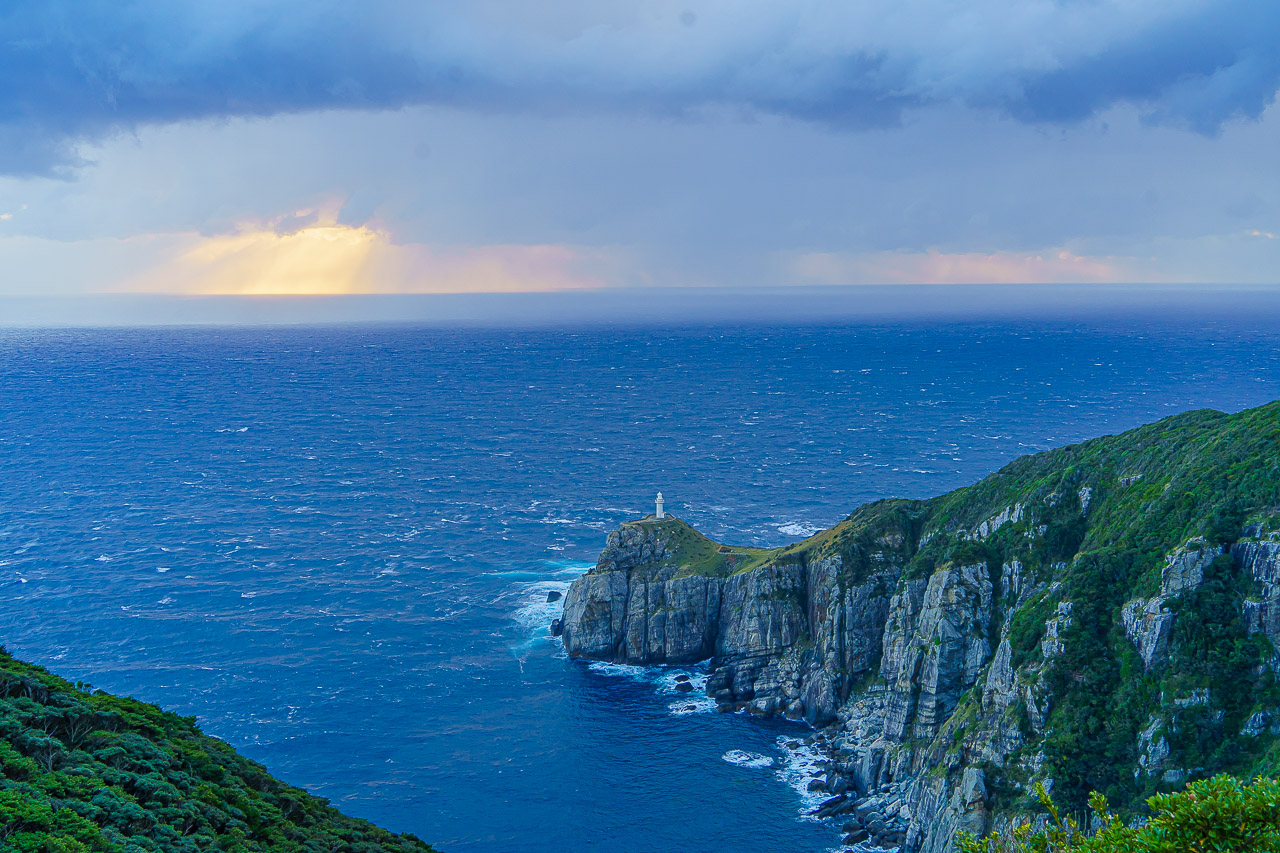
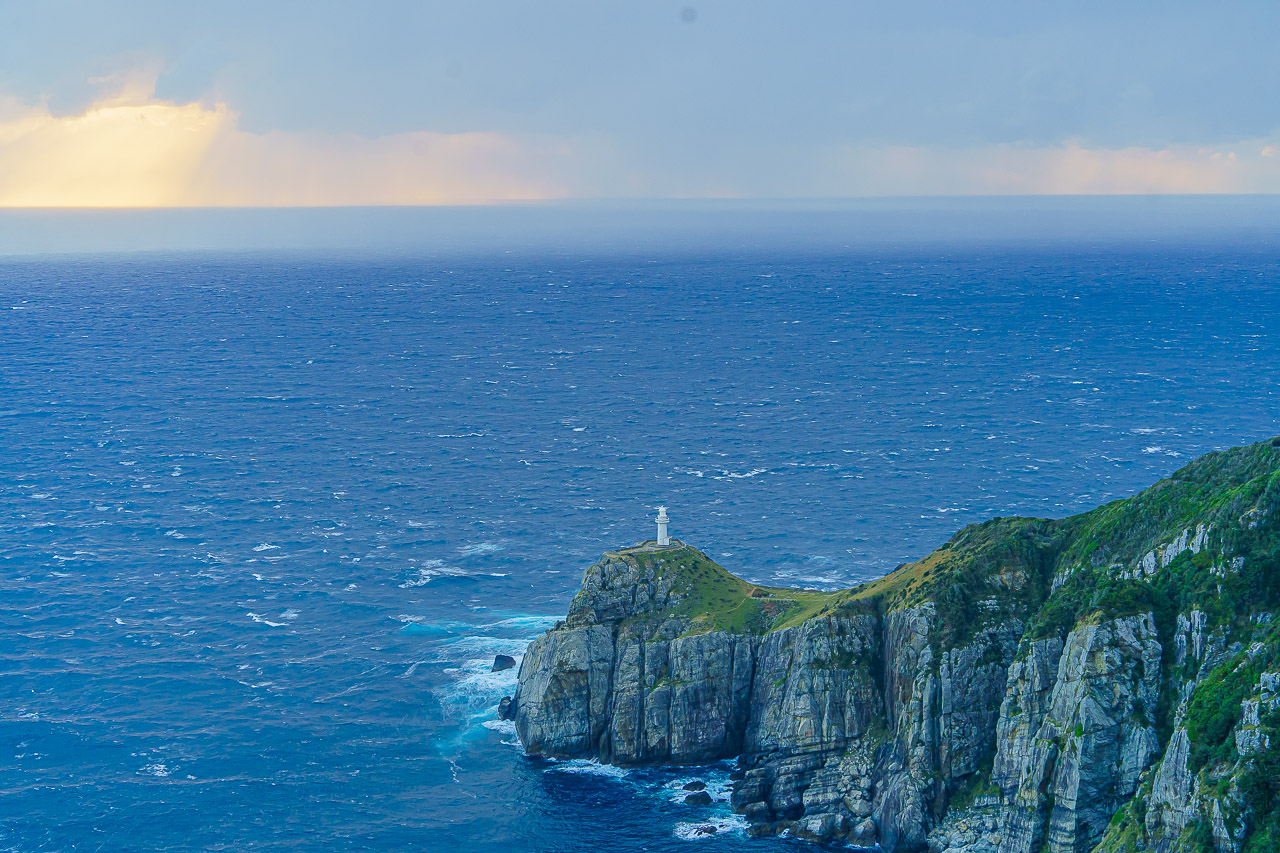
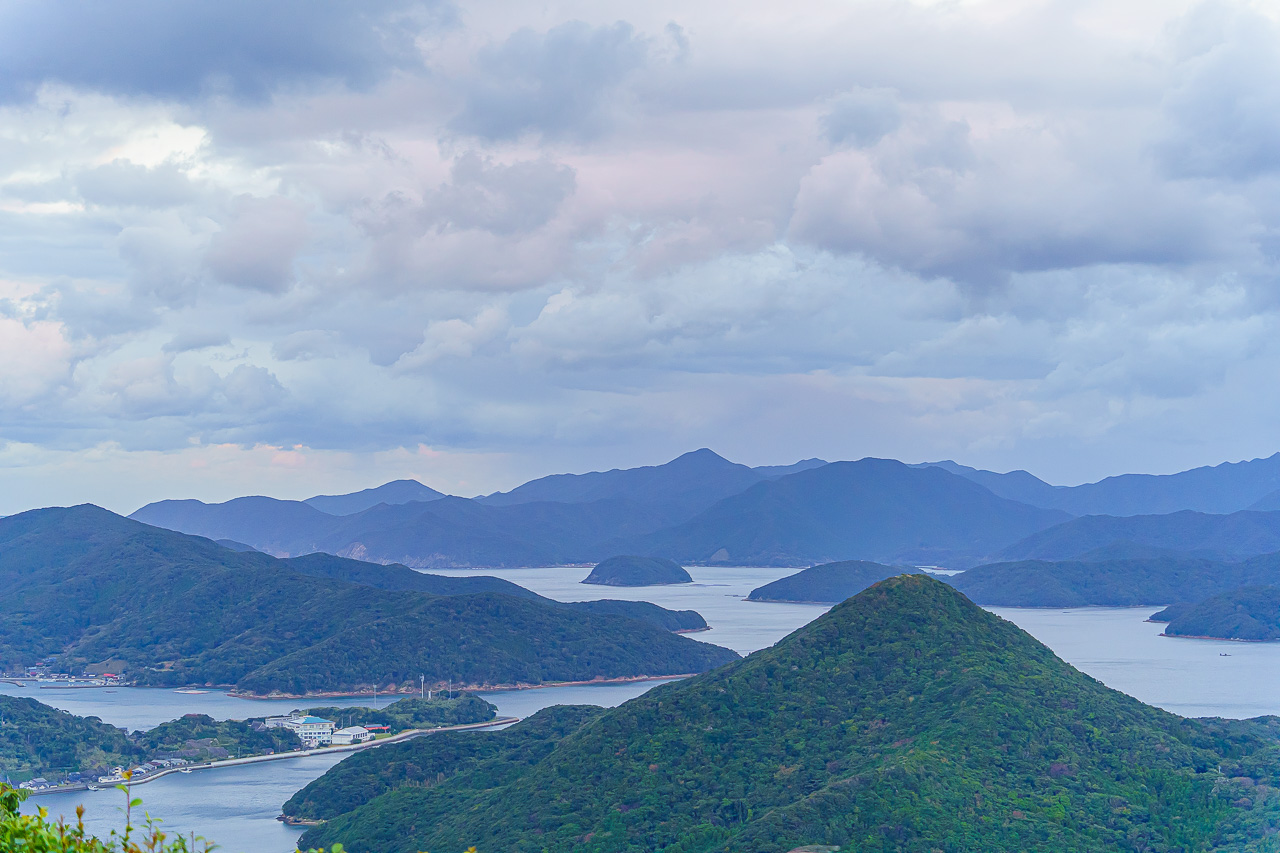

Osezaki Lighthouse is one of Goto’s best-known attractions. The source dates its first lighting to 1879 and gives a light range of 22 km; that range follows the original and has not been rechecked.
It is also known as the setting for the final scene of Villain, directed by Japanese Academy Award-winning Lee Sang-il, drawing film fans.
A 1.2 km trekking route leads to the lighthouse, but the source says the round trip takes more than an hour. For this visit, I suggest enjoying the distant view if that walk does not fit your plans.
In good weather, sunsets draw evening visitors as well.
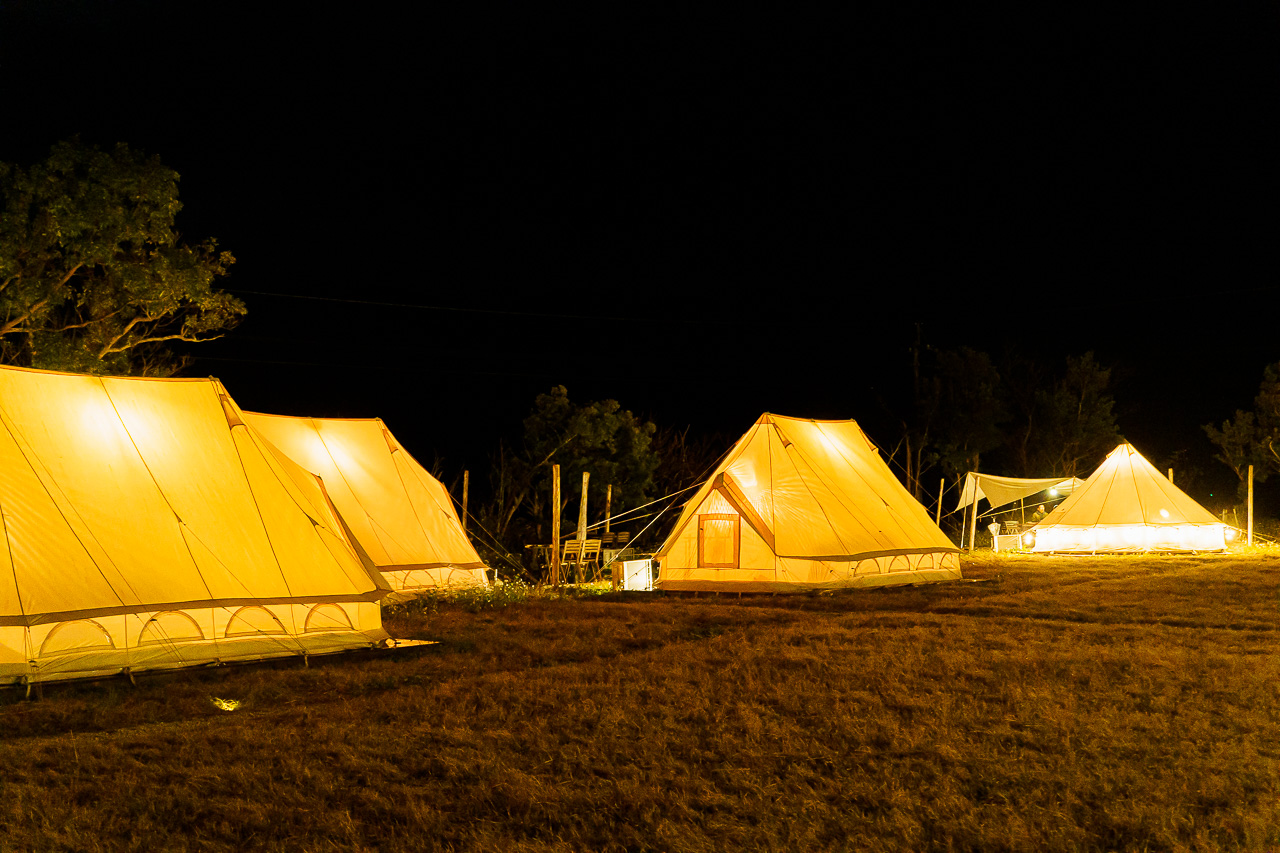
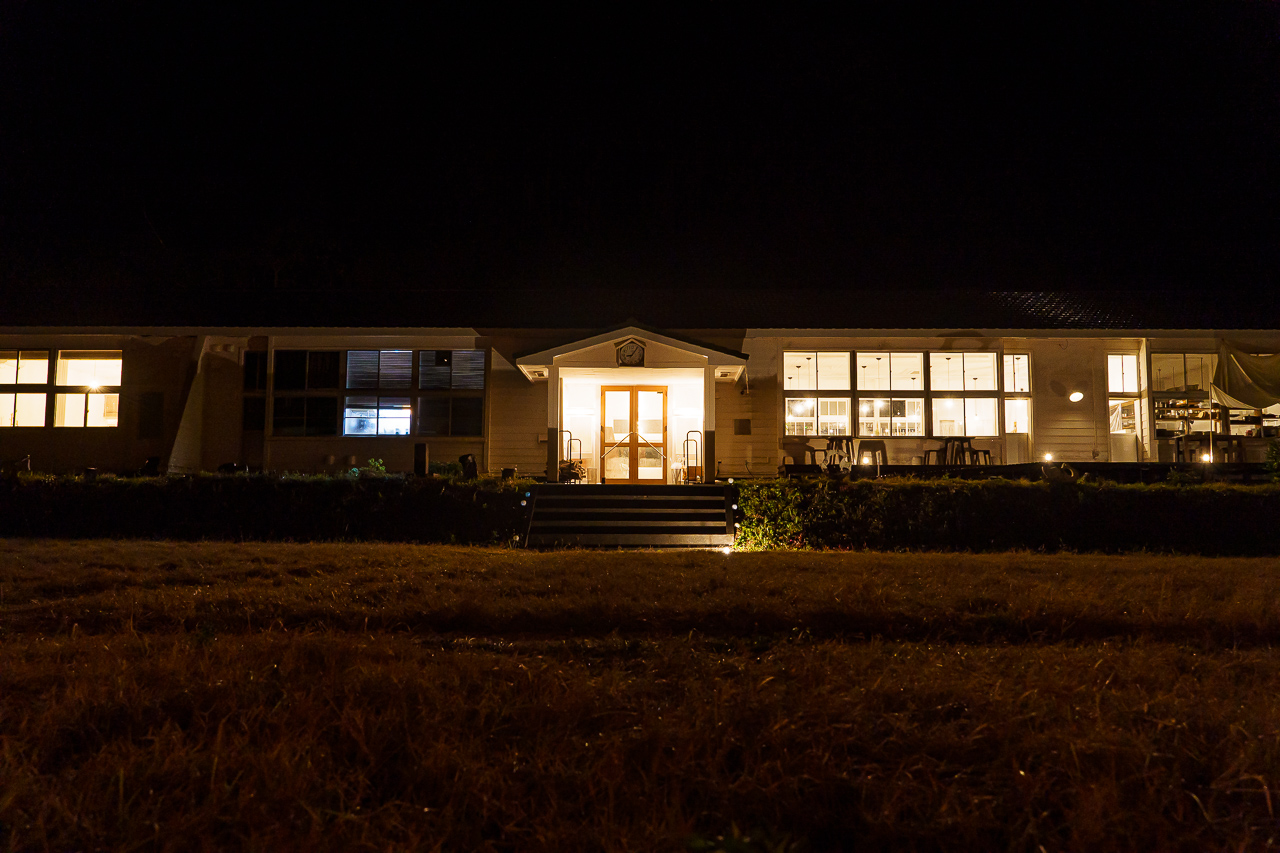
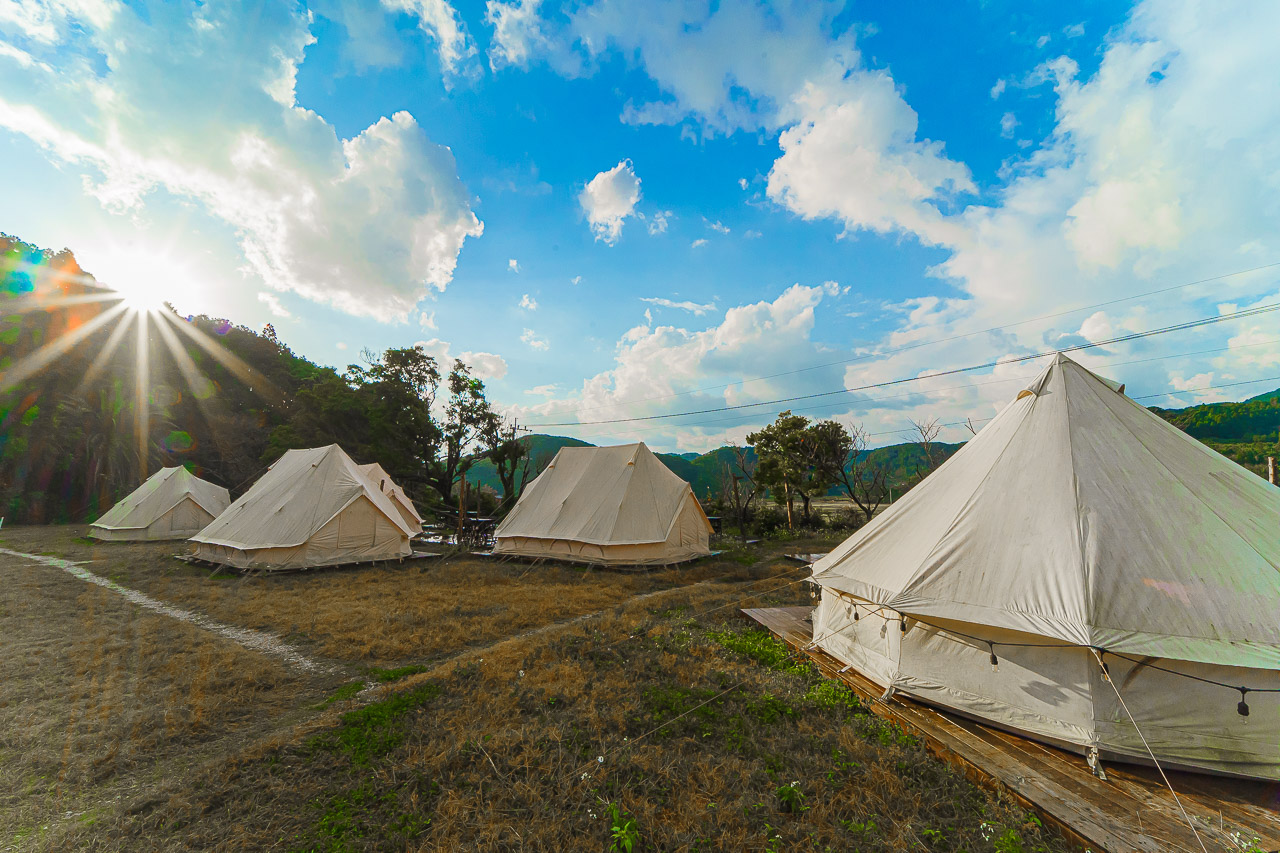
For our last night, we try glamping at Nordisk Village, created by renovating the closed Tao Elementary School.
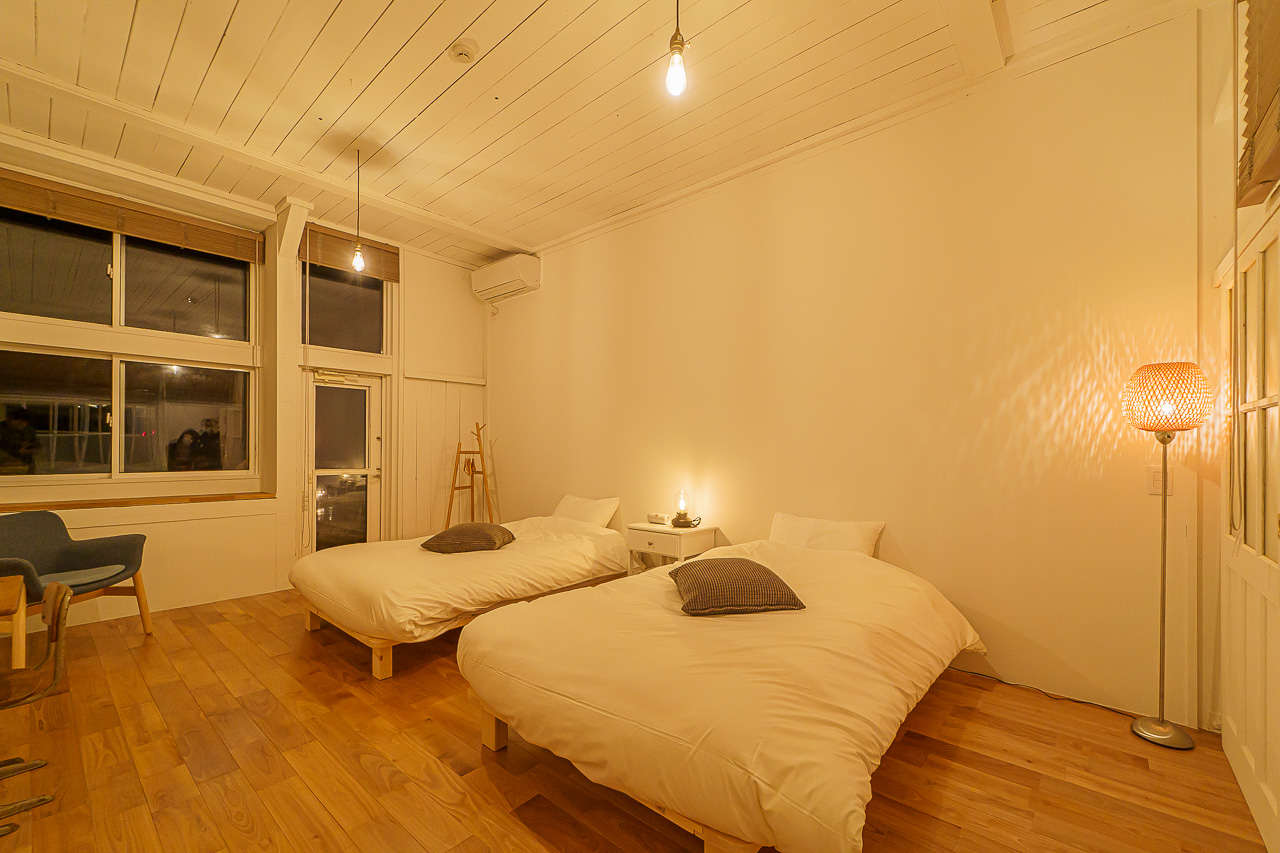

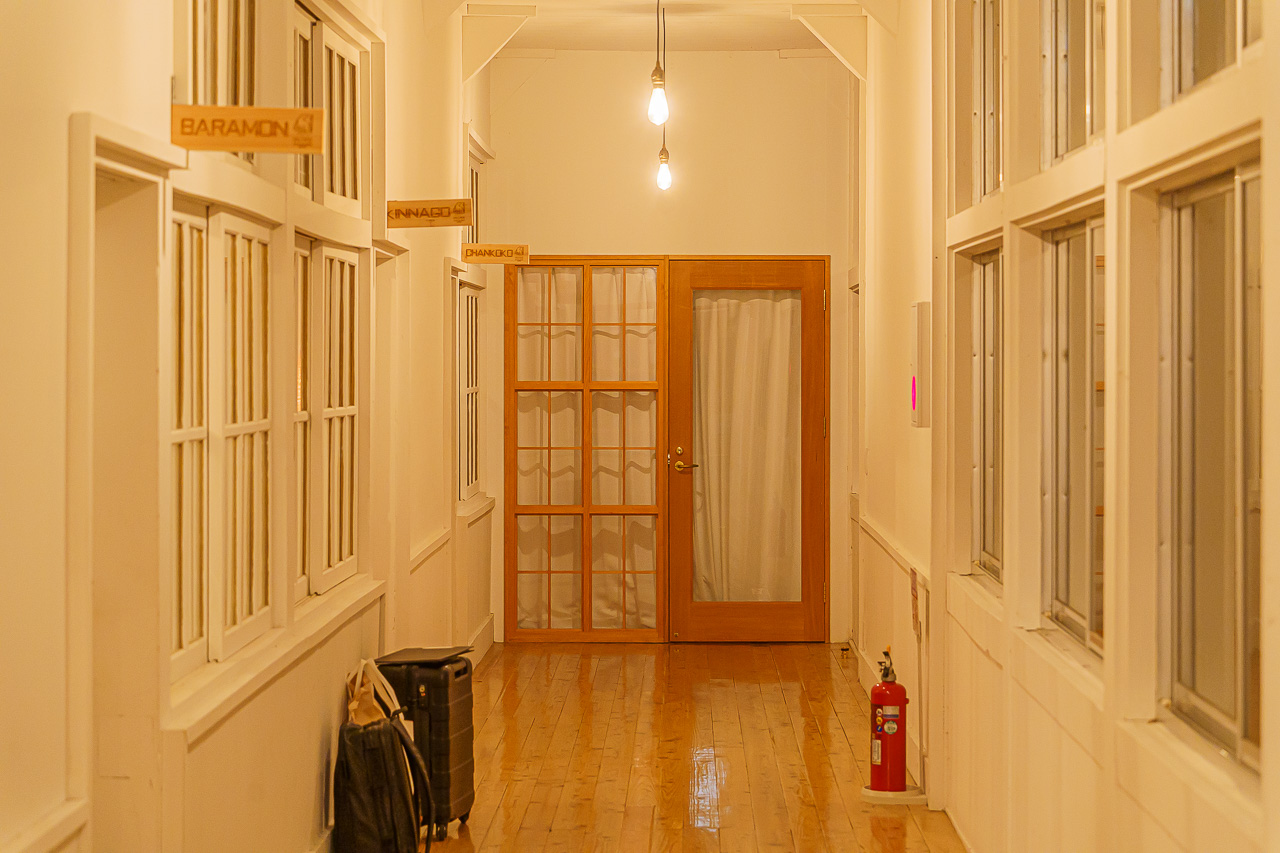
The grounds have glamping tents, while the school building contains hotel rooms. Choose the style that suits you.

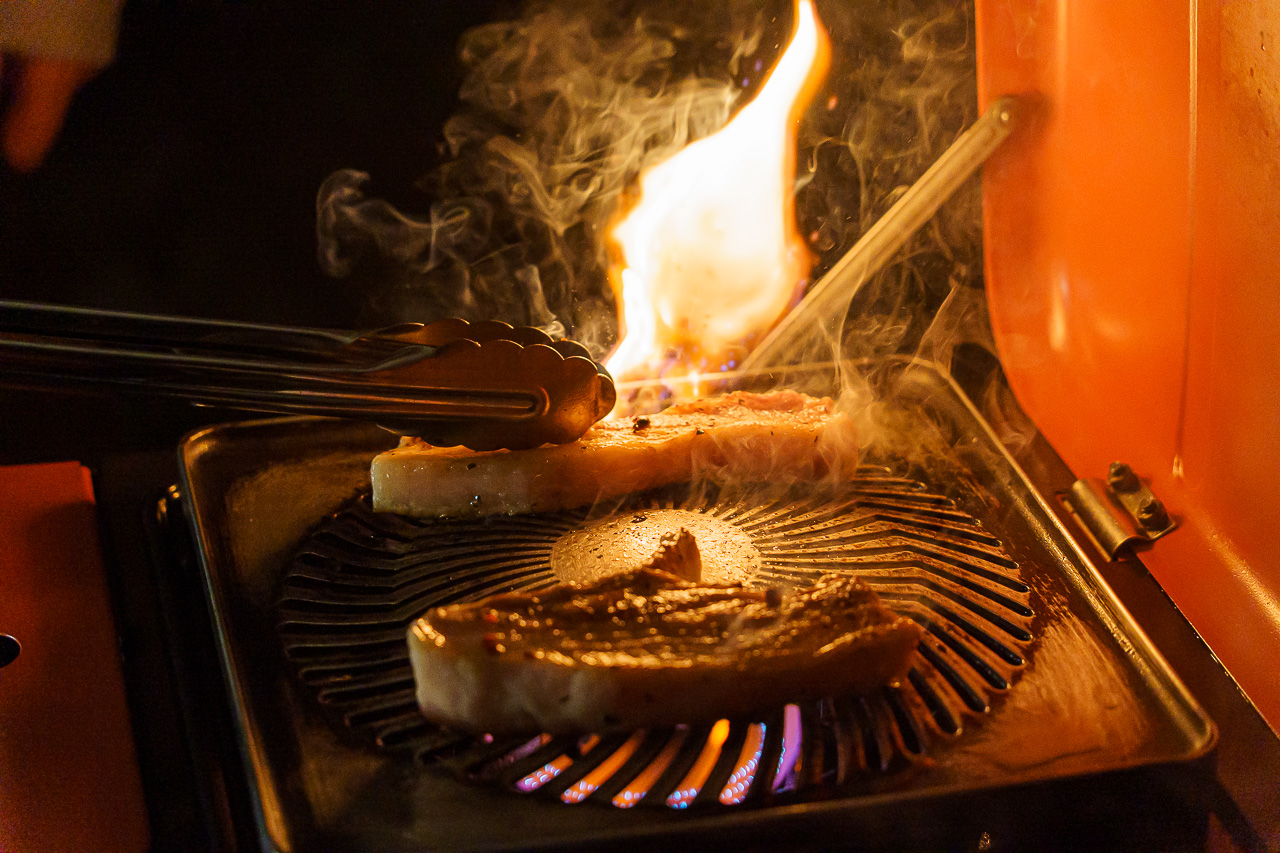
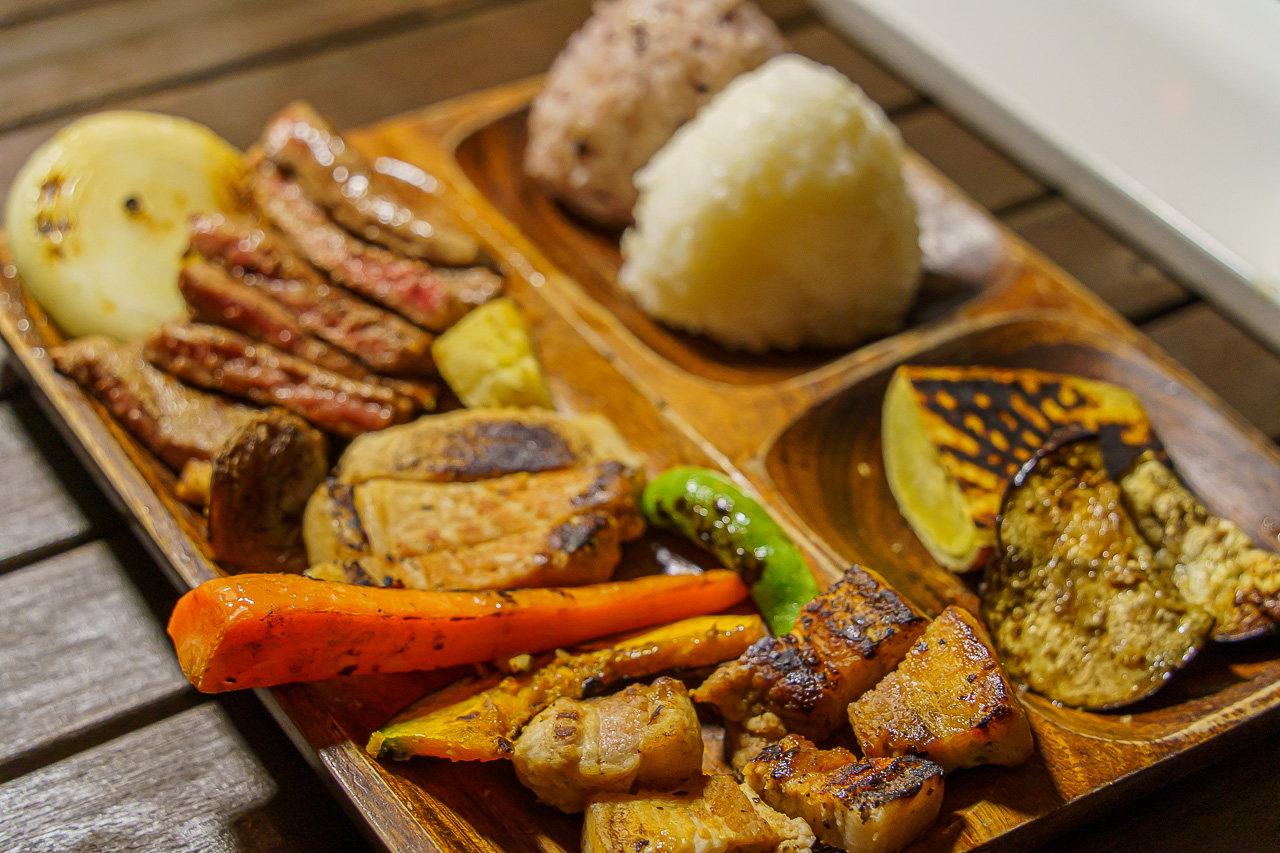
Dinner is a barbecue, an essential part of my glamping experience.
Goto wagyu, pork, vegetables and rice are all described as island produce.
Fresh Goto ingredients cooked right on the grill: an appealing combination.
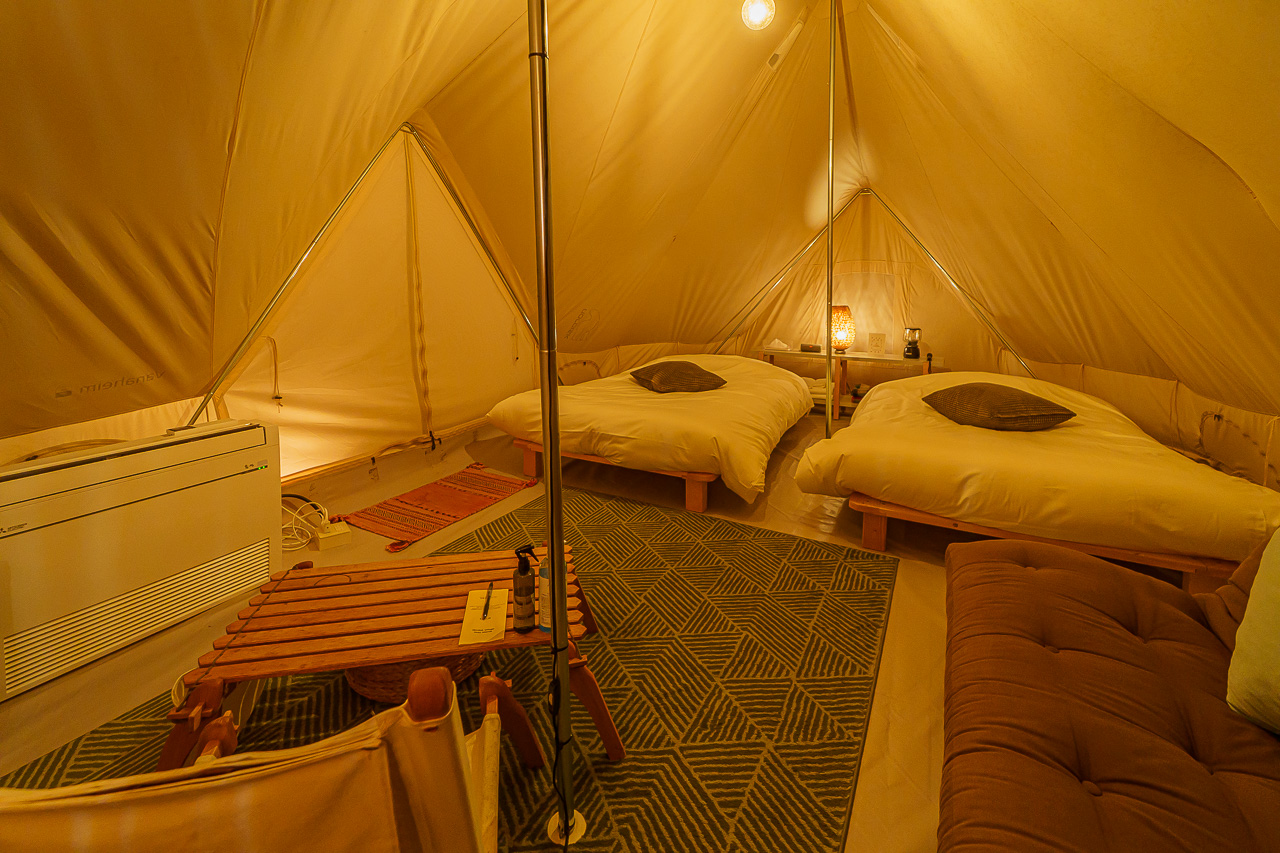
After the barbecue, we retire to the tent.
The source markets Nordisk Village as Asia’s first Scandinavian-style glamping site, with the theme hygge: Danish comfort and coziness. The similar sound of Korean hyuge, ‘rest,’ amuses the author. The ‘first’ claim is historical promotional language rather than newly verified status.
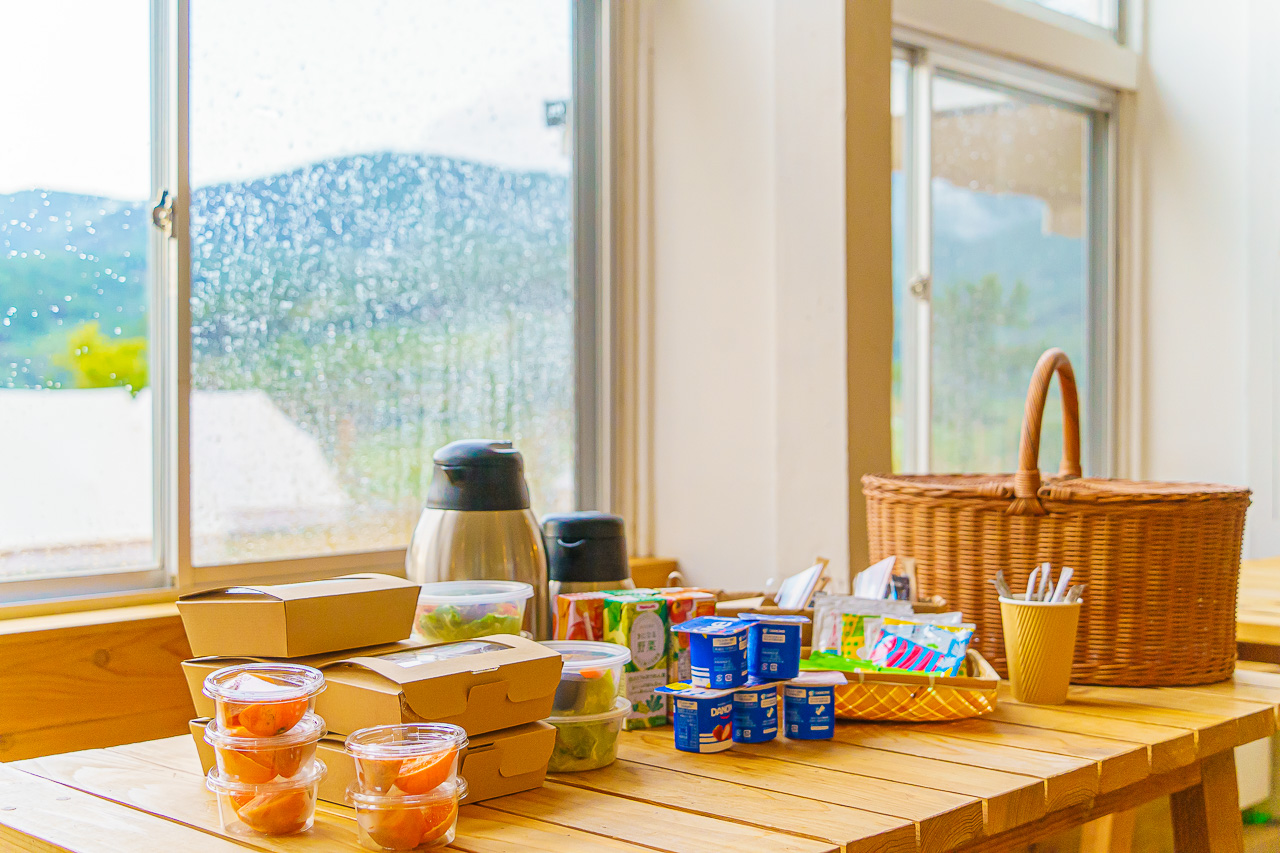
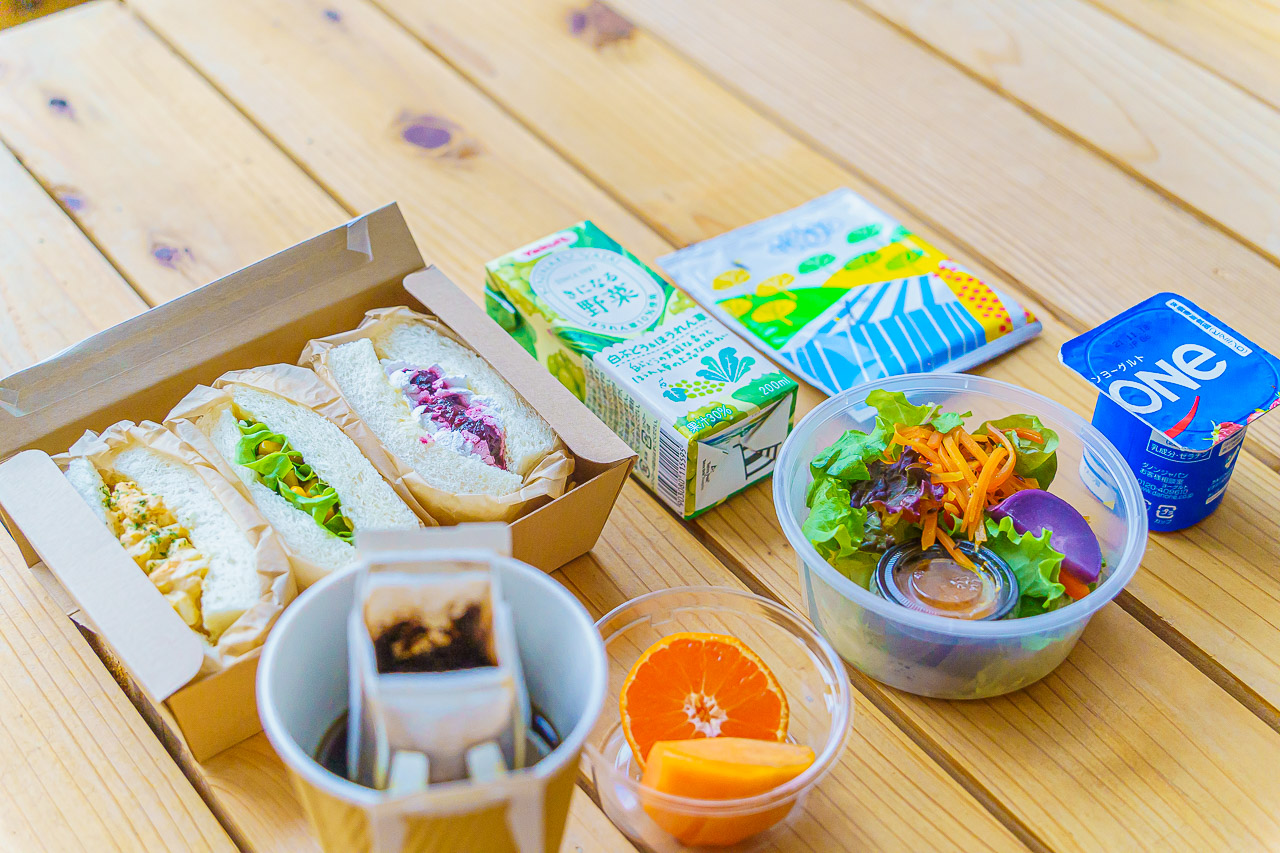
A simple breakfast basket arrives in the morning.
It can be eaten in the tent or in the restaurant inside the old school.
That convenience is part of glamping’s appeal.
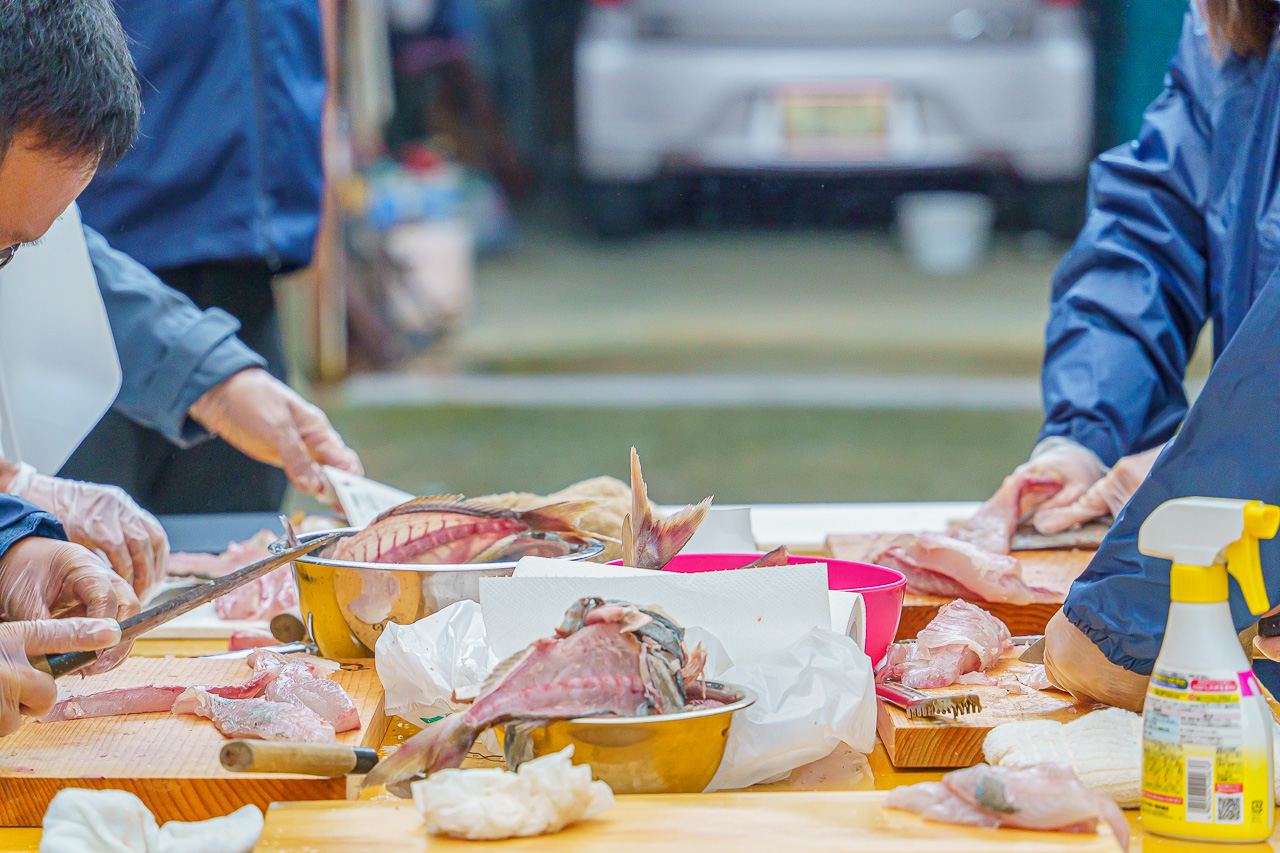
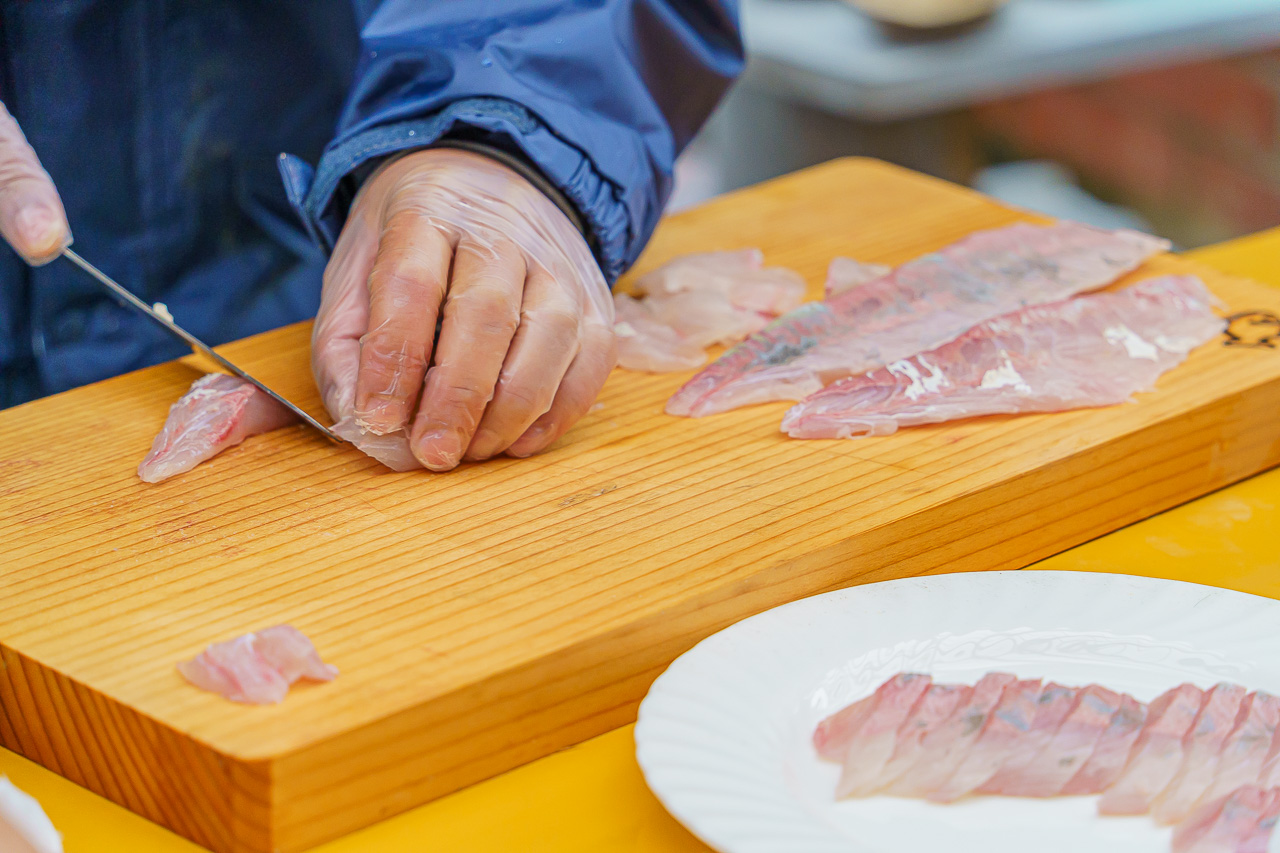
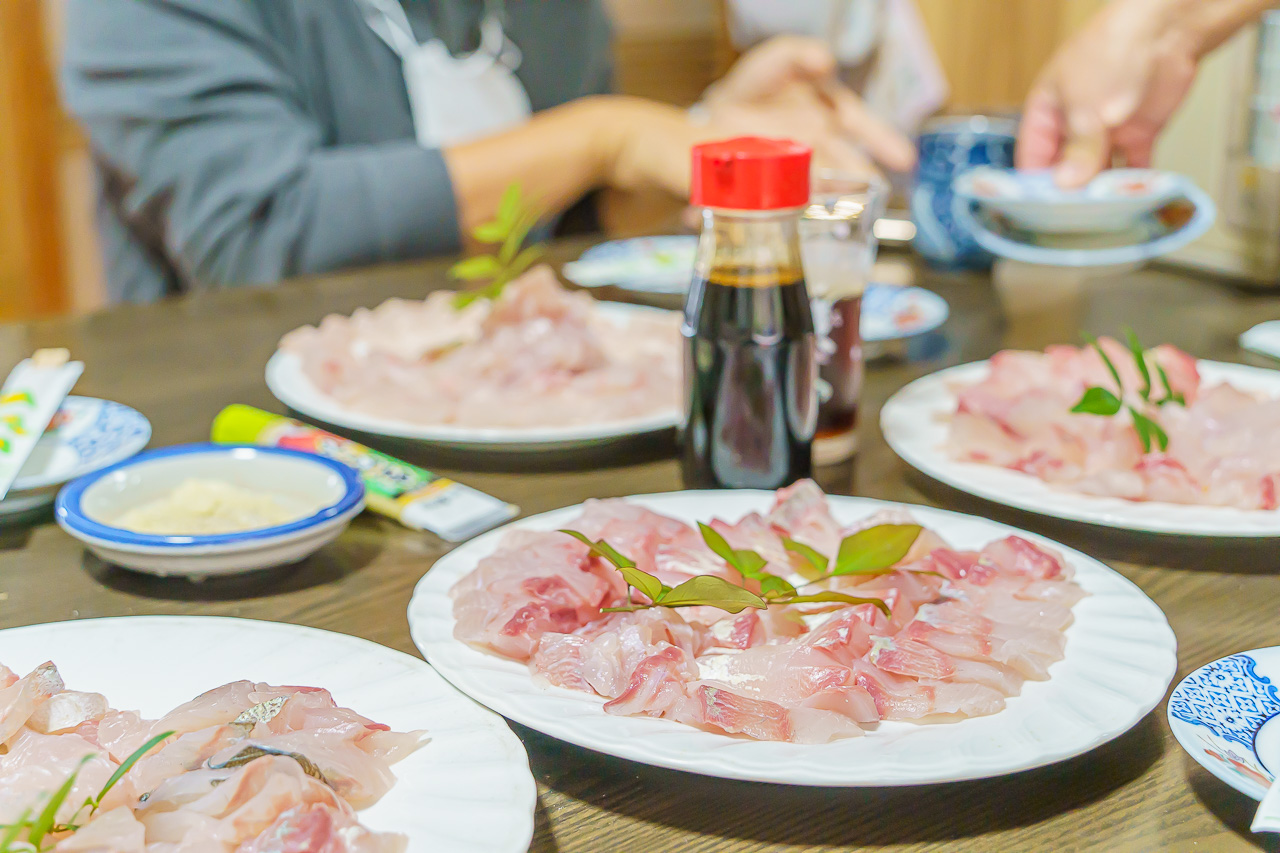
Our planned boat-fishing trip is canceled because of wind and rain, so we book a sashimi-preparation experience instead.
Over about an hour, we prepare sashimi ourselves, then taste it.
We try it raw and as shabu-shabu. Perhaps making it ourselves makes it taste even better.
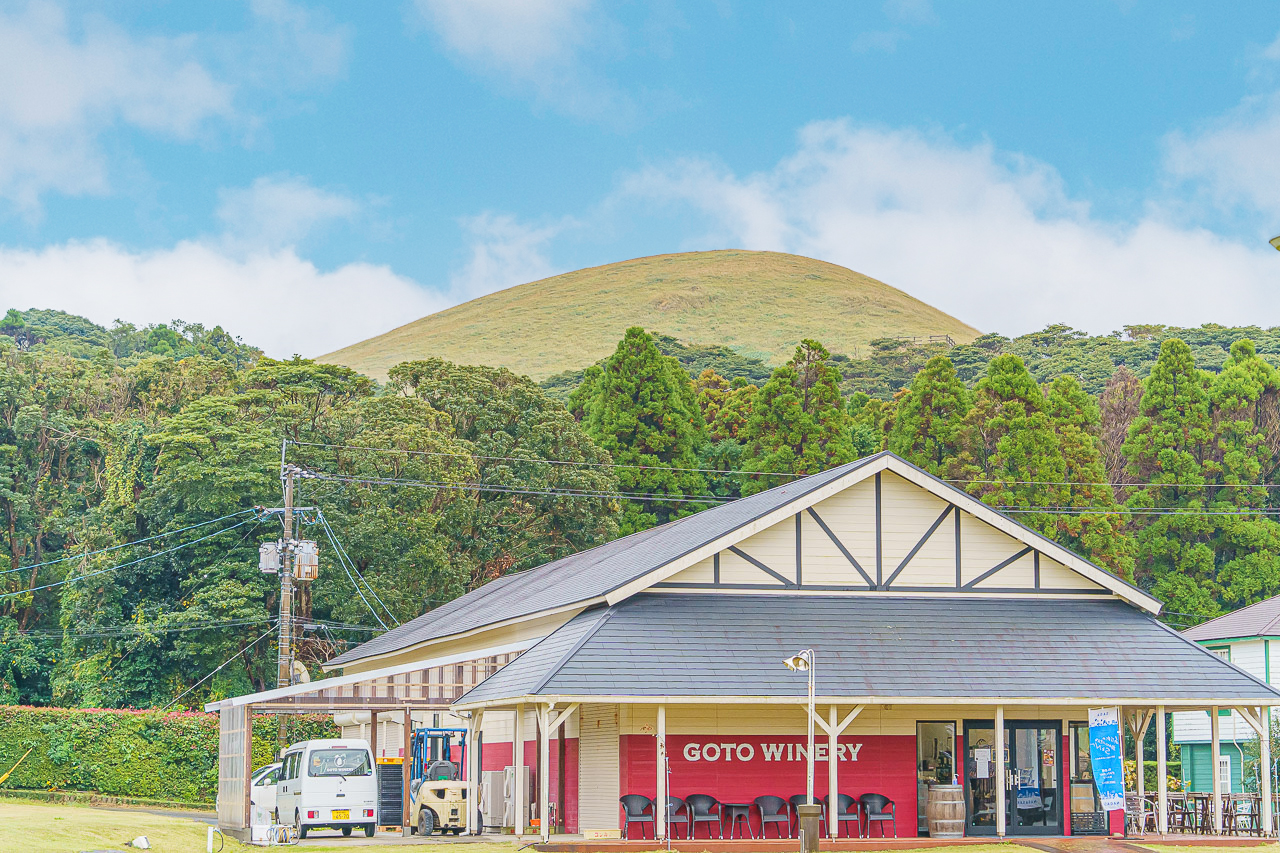
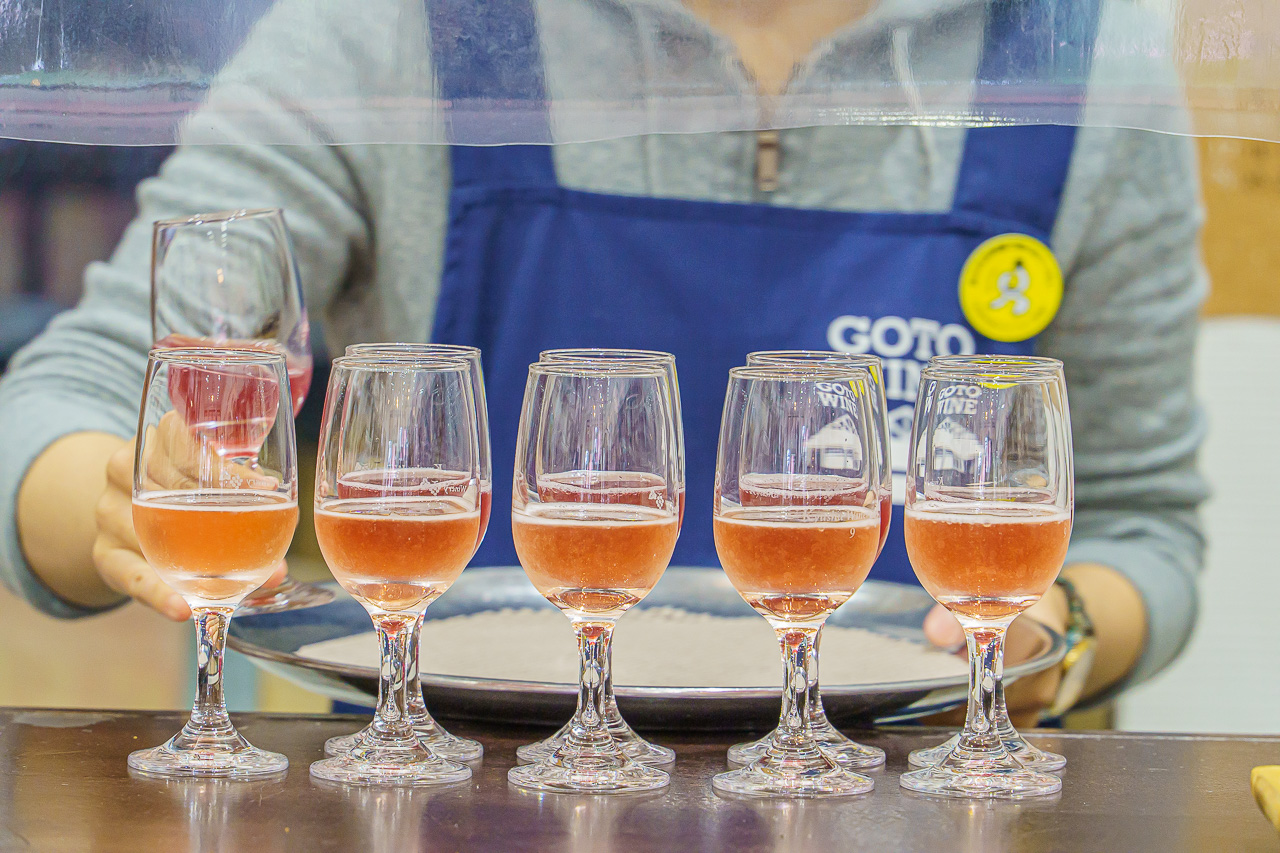
For me, sashimi also calls for wine.
Goto Winery offered paid tastings, including Campbell Early 2020, described as a gold-medal winner at the 2021 Sakura Awards, which the source calls Asia’s largest wine competition.
The wine uses Goto-grown grapes and yeast from locally growing camellias, according to the account. It notes favorable recognition from women sommeliers for its clean taste.
Tasting it, I find fresh strawberry- and cherry-like aromas, gentle sweetness and bubbles—almost like a soft drink in its easygoing character.
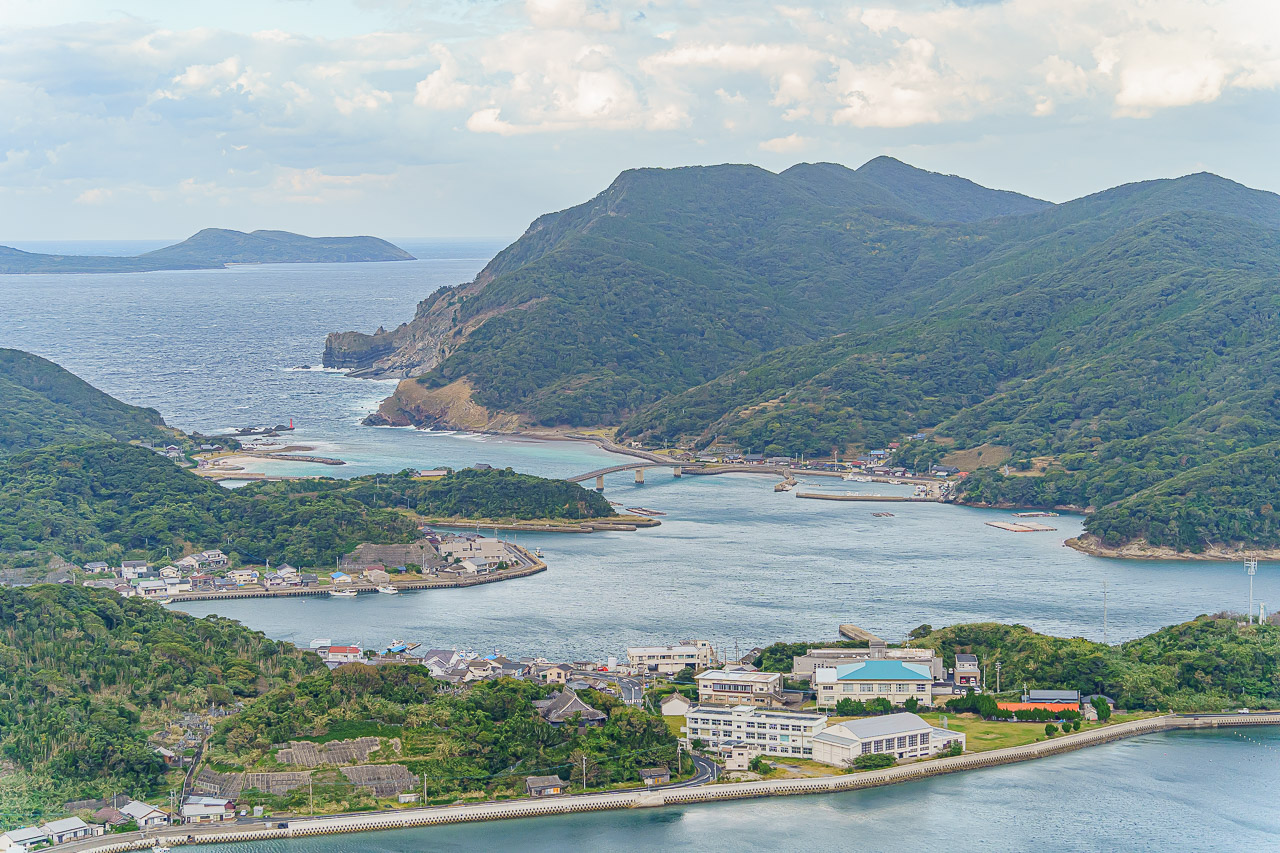
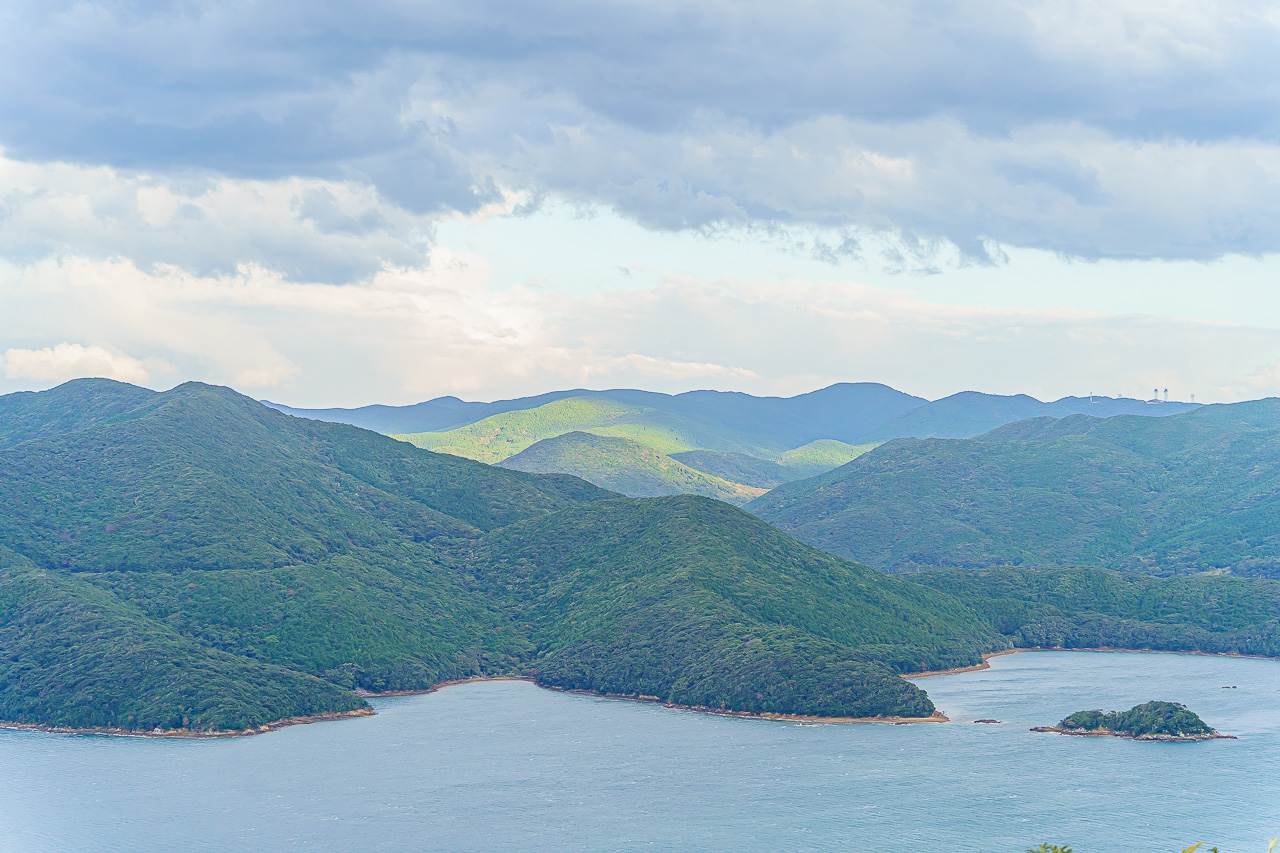
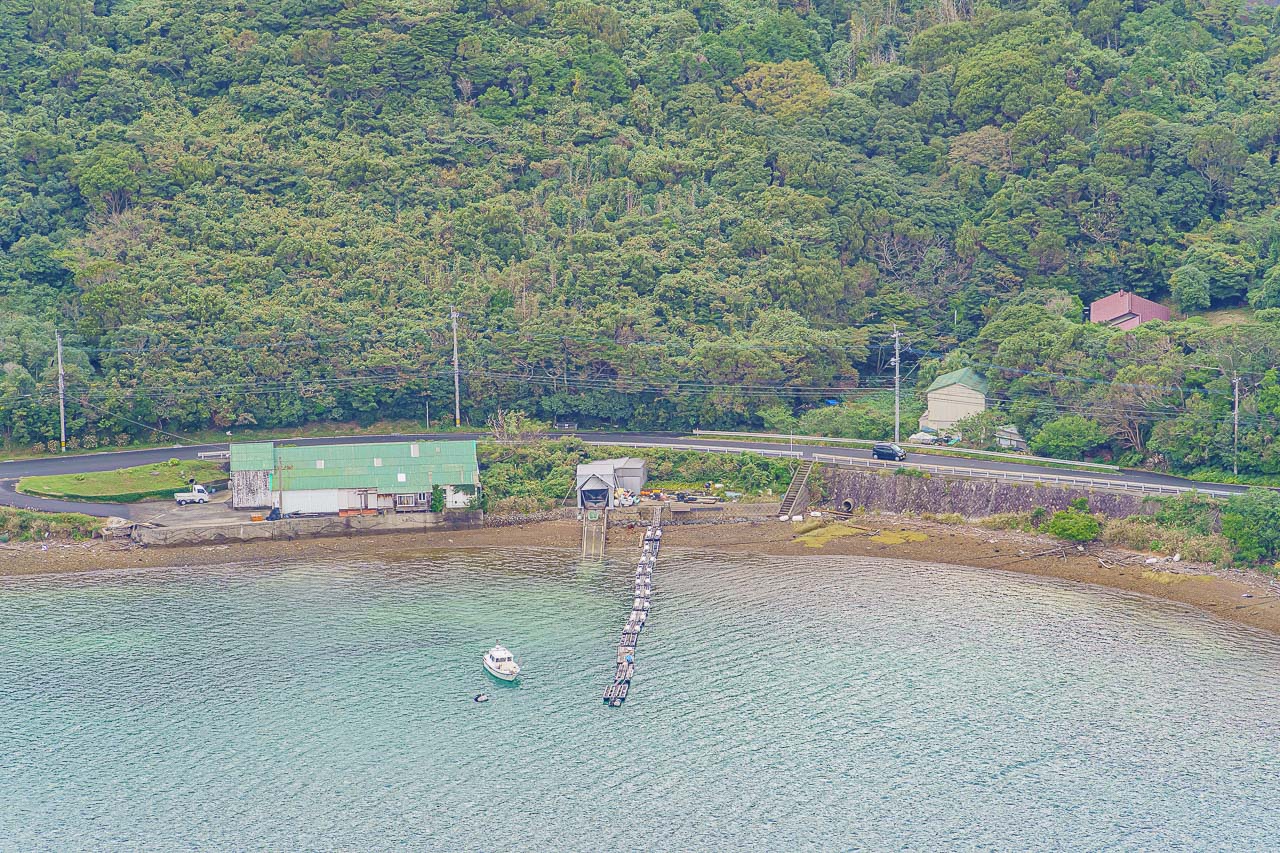
Tempted by the prospect of a light hike with a good view, we set off for Ontake Observatory.
A relaxed climb along about 2 km of winding mountain path reaches the lookout over Fukue Island. The source says it served as a command point for catching yellowtail from the early through late Meiji period.
The 360-degree panorama is genuinely impressive.
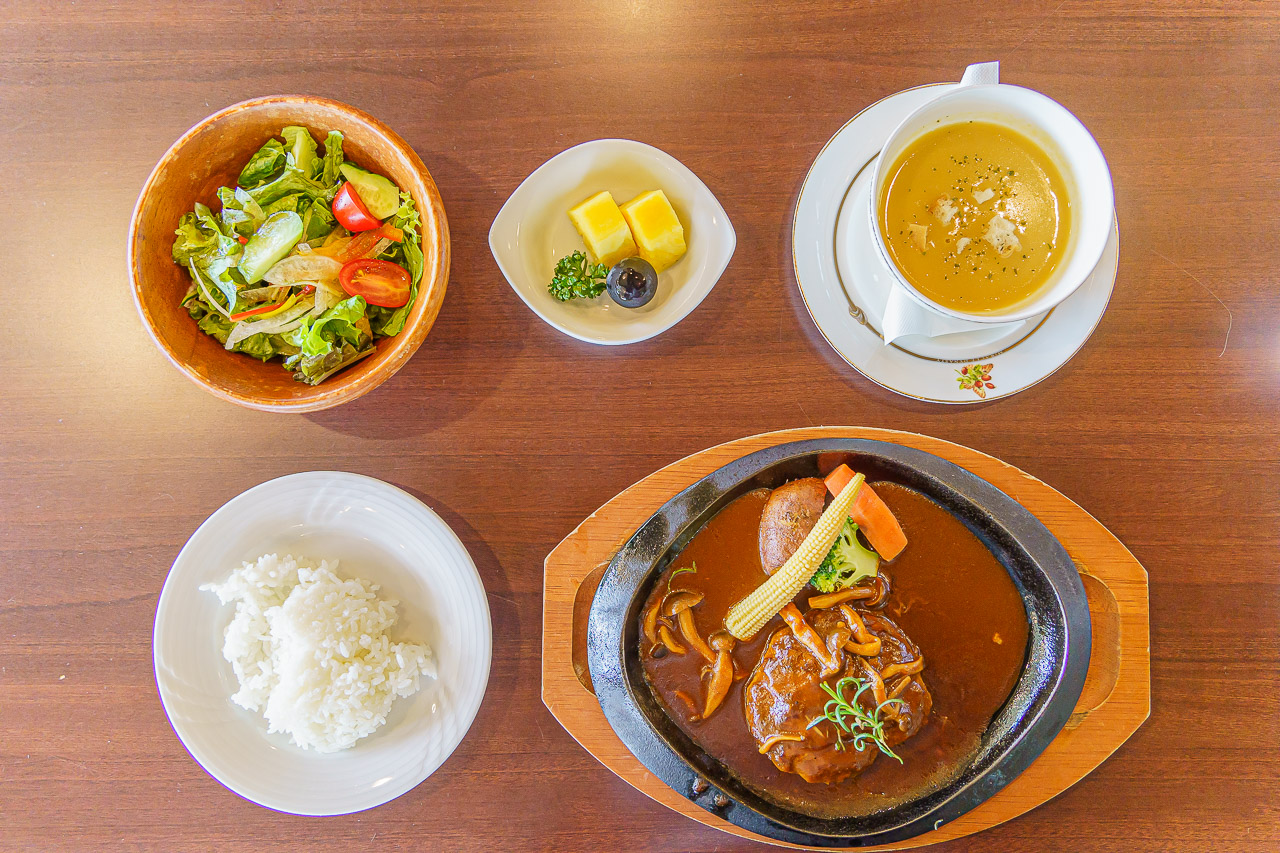
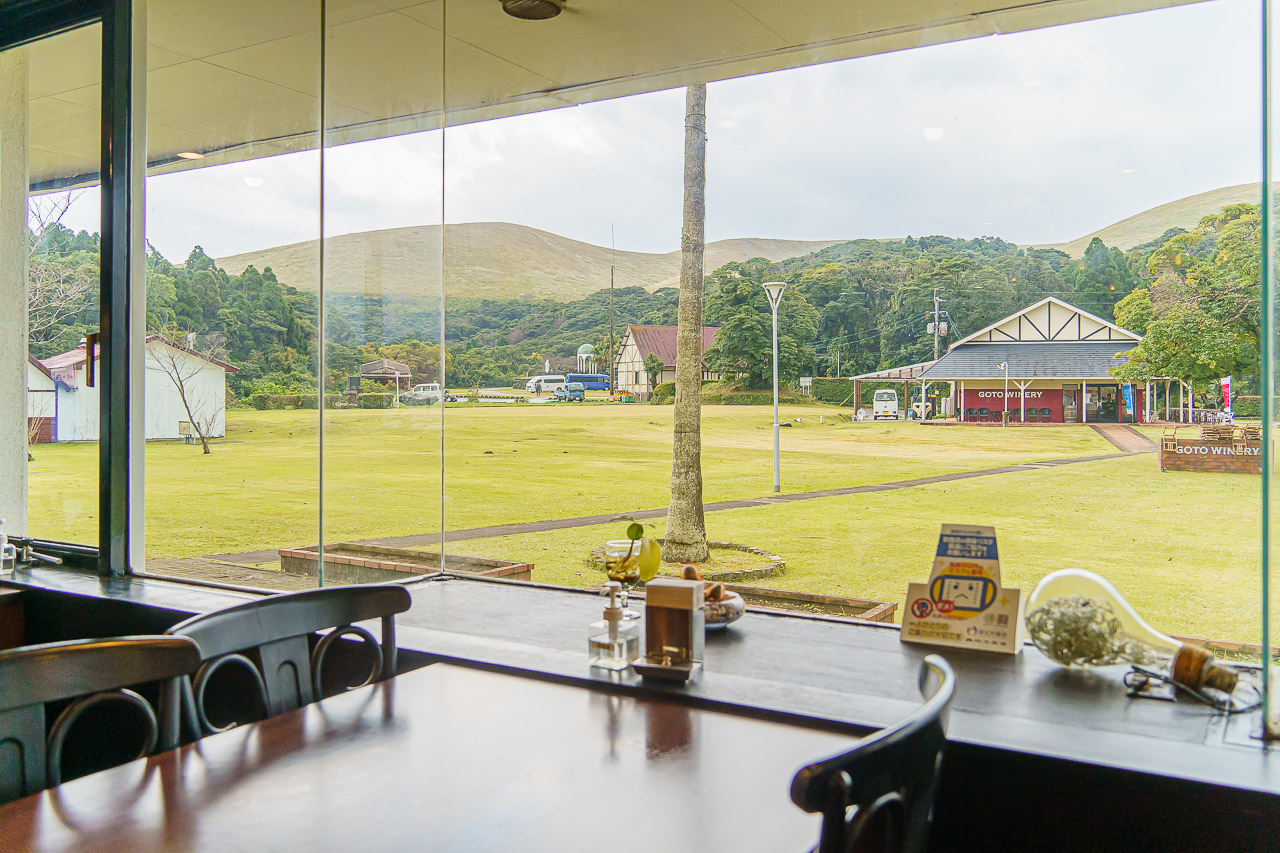
For a slightly early dinner, we go to Goto Conkana Kingdom.
Goto wagyu is a food I would recommend trying here. The source calls it a calf-stage relative of Kobe beef, but that description does not establish Kobe certification or a guaranteed supply relationship. This restaurant offered it at an approachable price in the author’s experience.
Raised amid Goto’s sea breezes and pastureland, the beef is described as tender, with fat that does not linger heavily on the palate.
The Goto Islands offer plenty to see, eat and do.
If you are traveling in Nagasaki Prefecture, an island visit could be a rewarding way to engage all the senses.
Detailed accounts continue in separate articles.