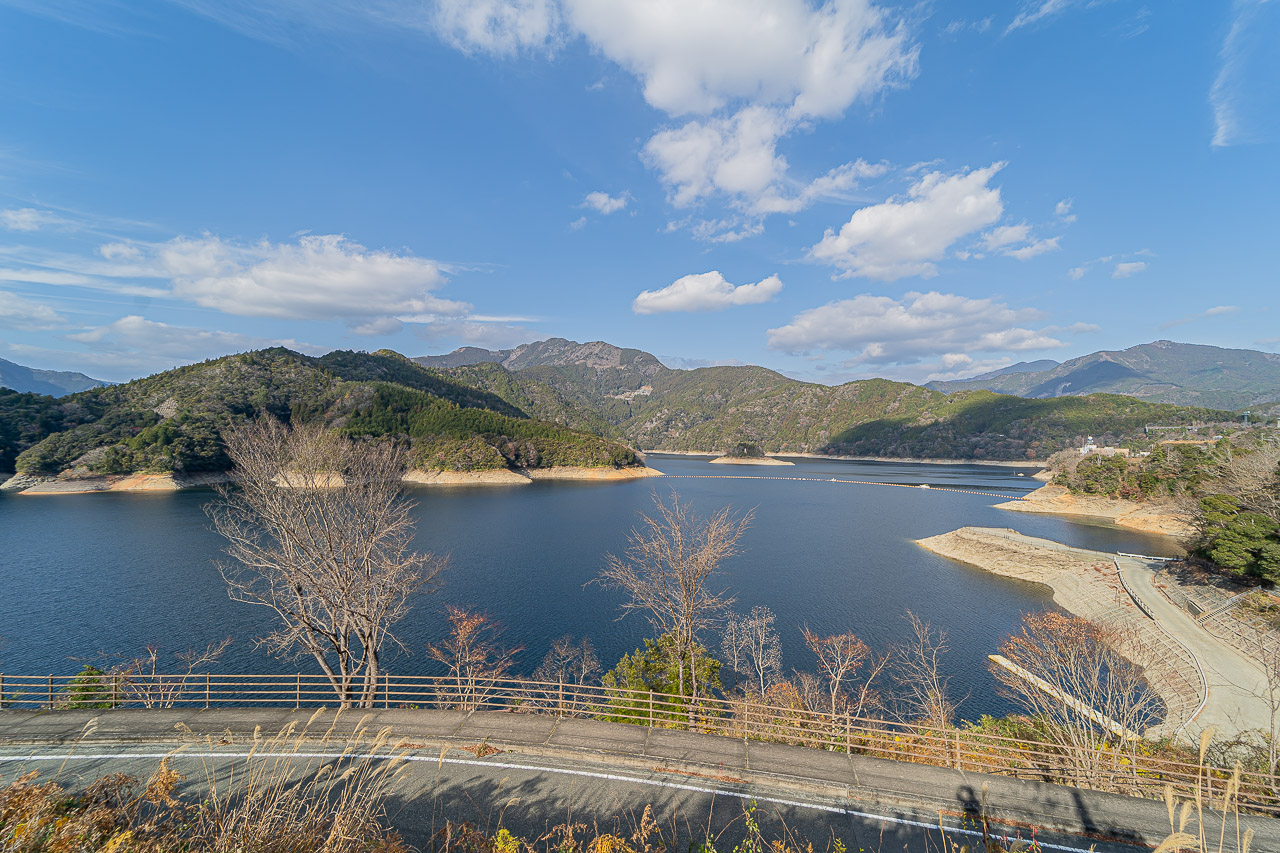
About an hour’s drive from Kochi City brought us to the Tosa area, notable even in this nature-rich prefecture.
Its mountains and rivers draw people for outdoor activities, and the large Sameura Dam is located here.
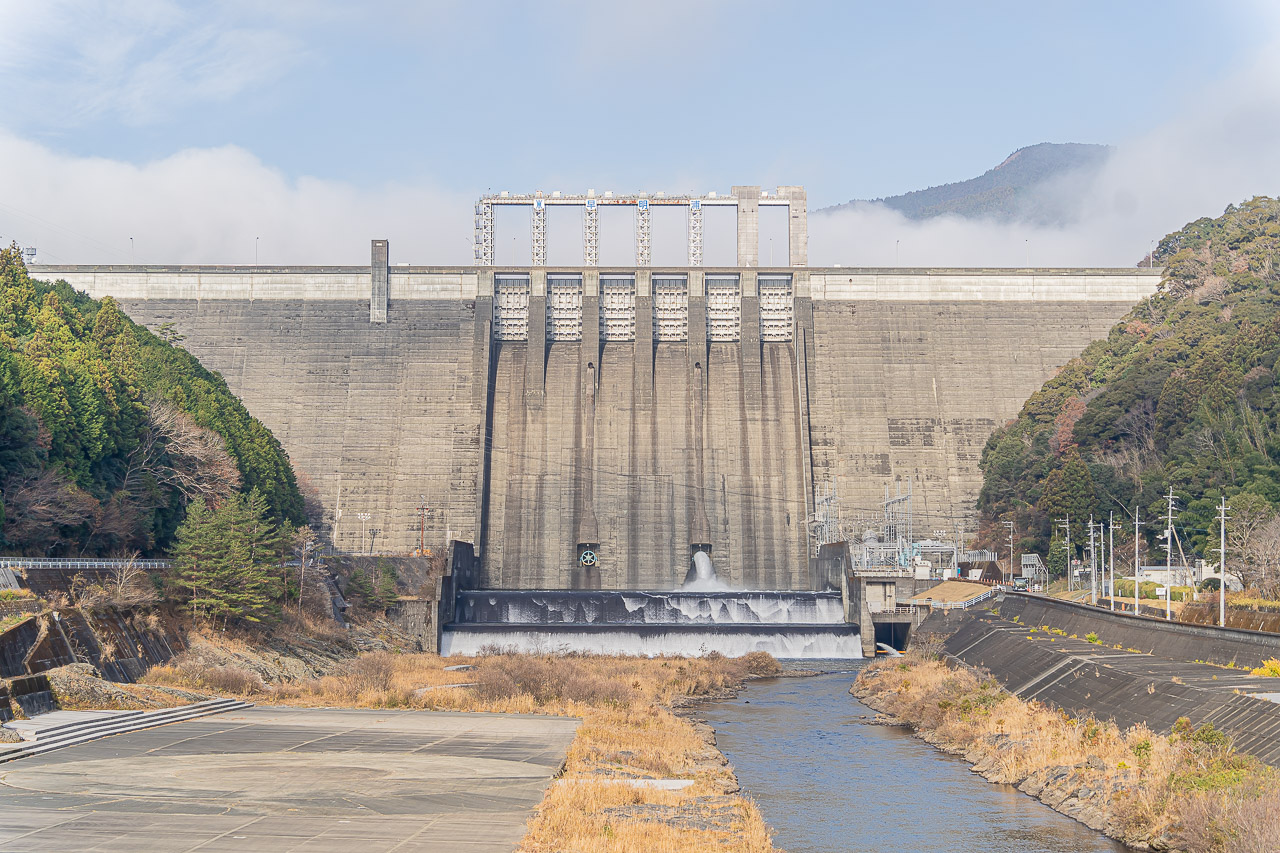
The source describes a gravity concrete dam 106 meters high, with total storage of 316 million cubic meters, effective storage of 289 million, and water-use capacity of 173 million. It calls it Shikoku’s largest dam and explains its major influence on the region’s economy and everyday life, earning it the name “the lifeblood of Shikoku.”
The artificial reservoir is Lake Sameura, included in the 2005 selection of Japan’s 100 notable dam lakes.

Right beside it was Sameuraso, described as offering lake views from all guest rooms.
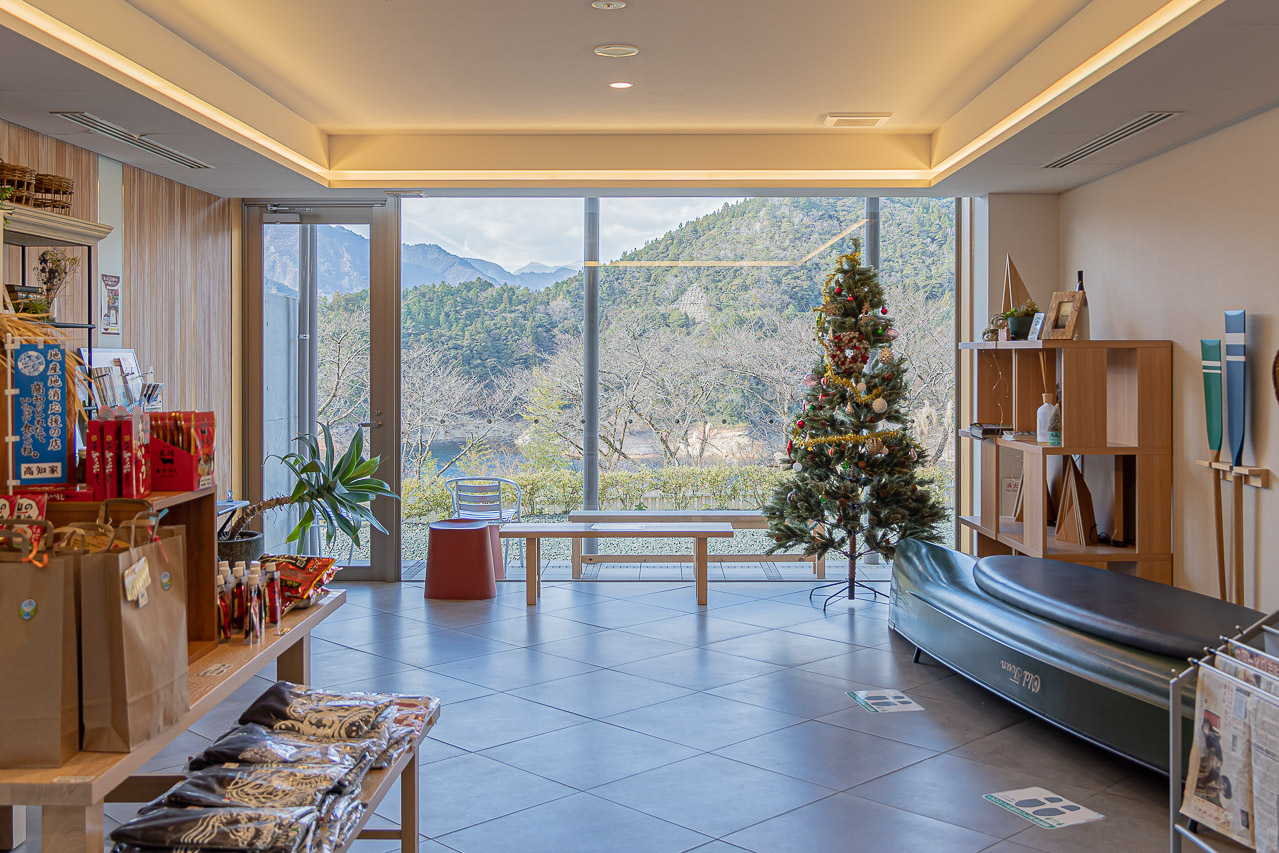
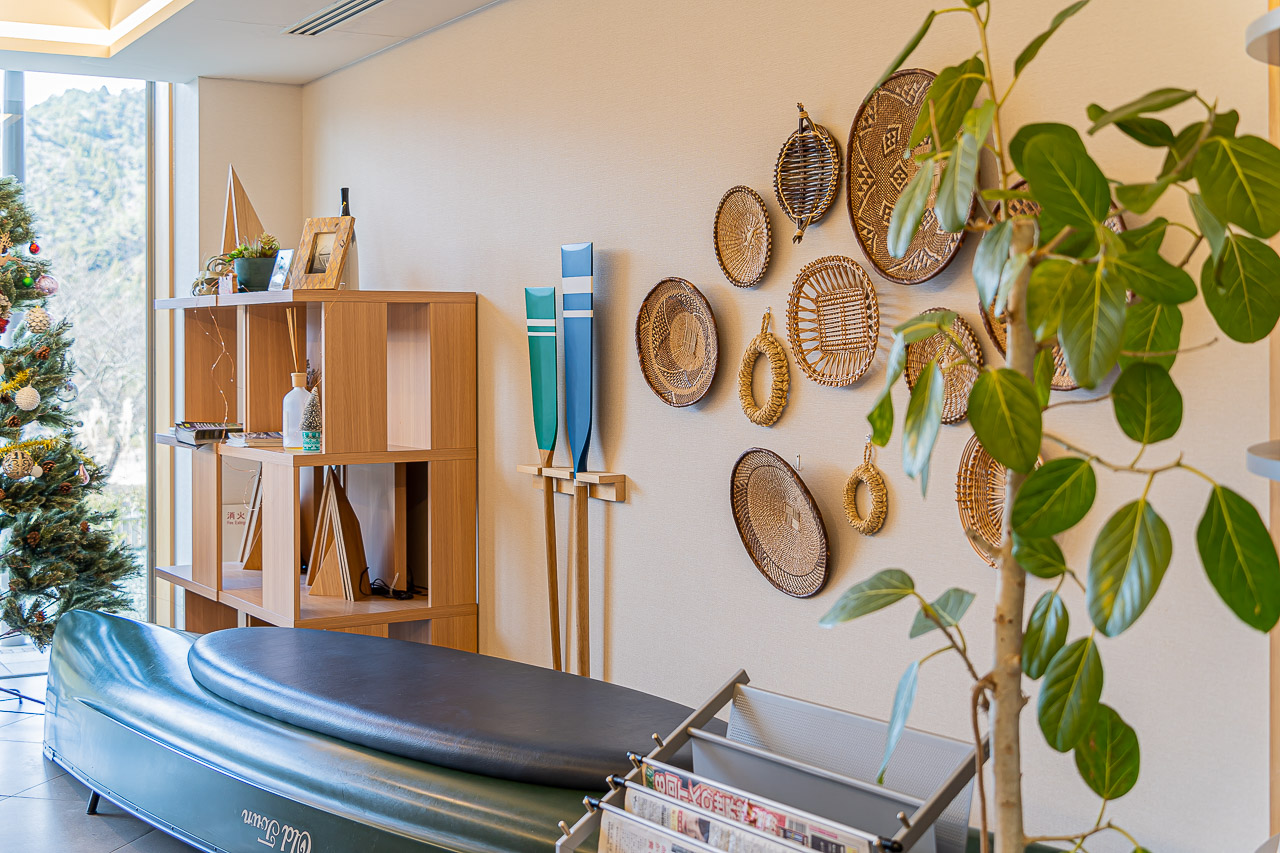
A canoe displayed at the entrance made a strong impression, reflecting one of the lake’s activities.
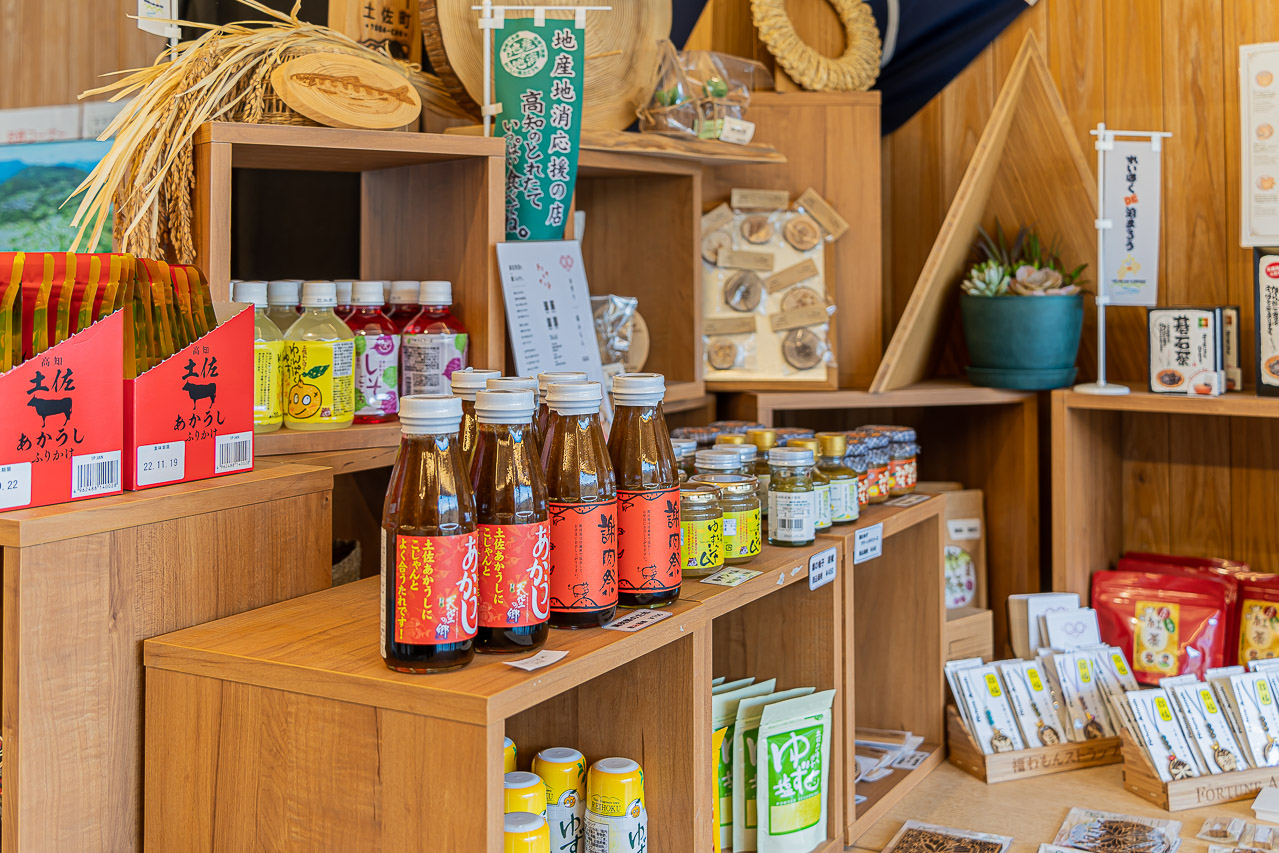
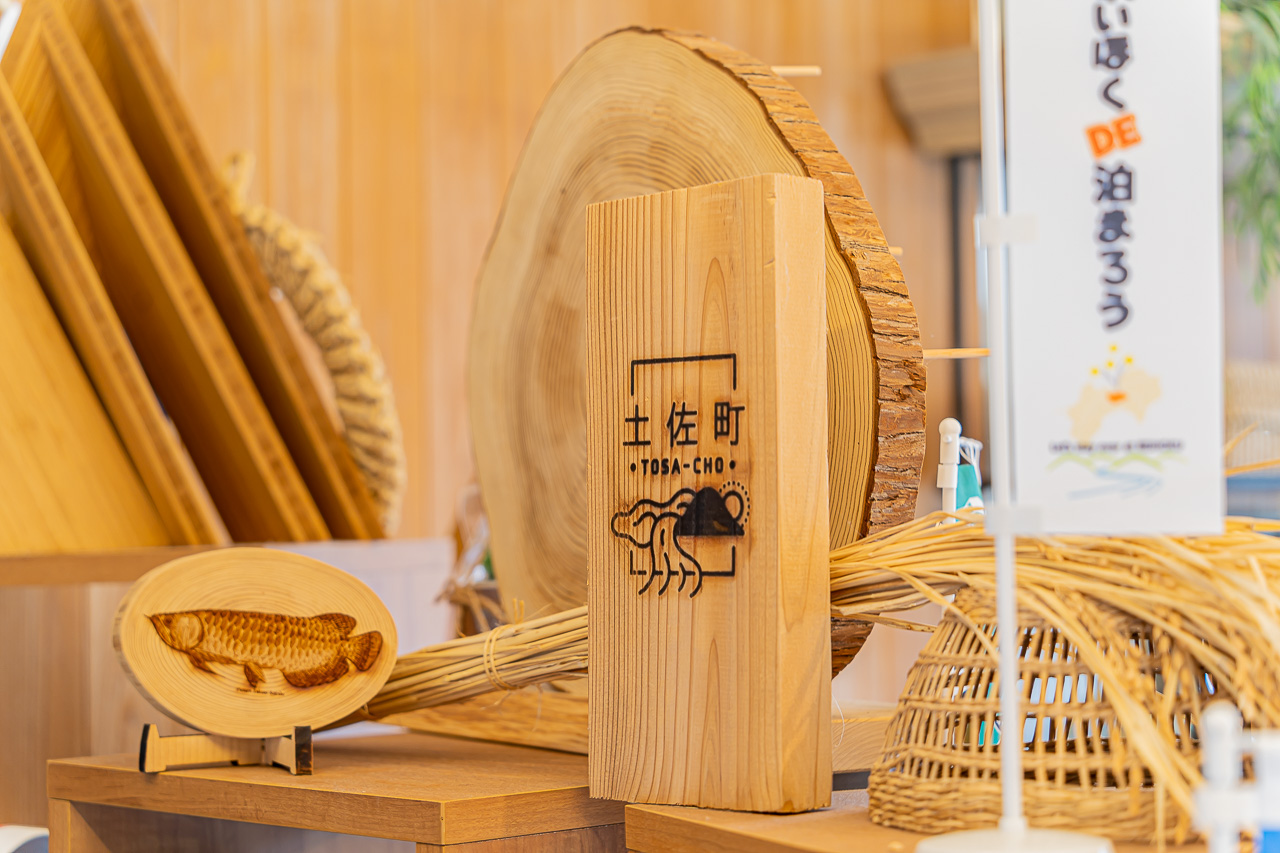
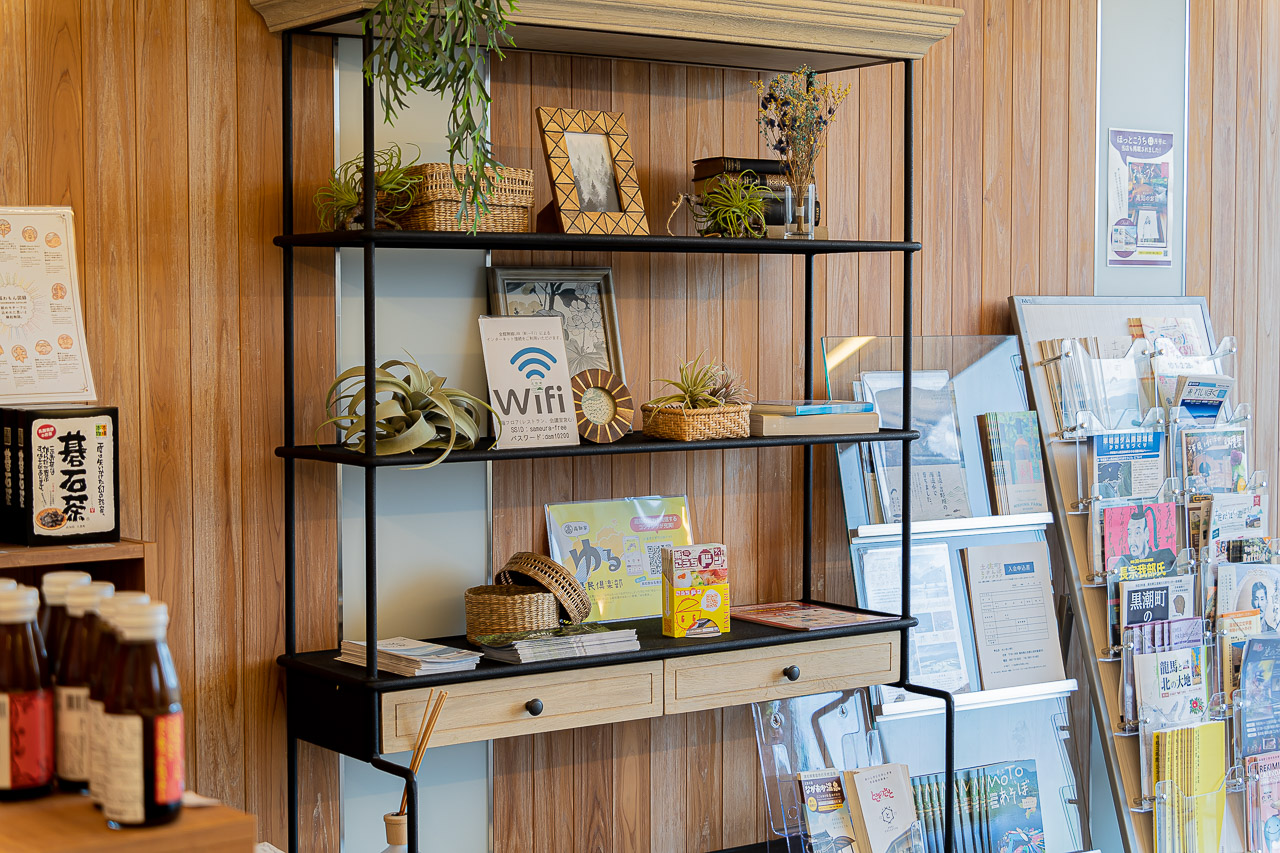
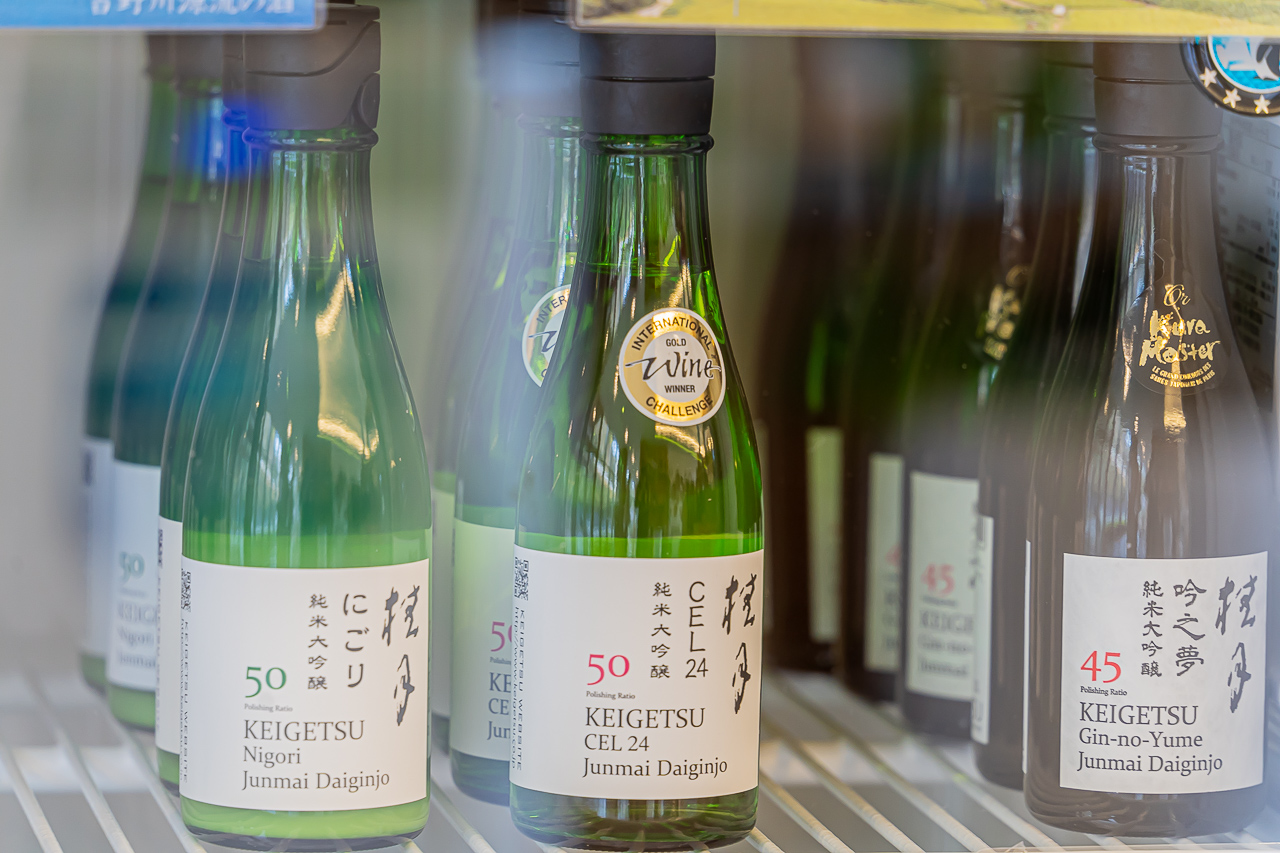
Original products from the Tosa region were also on display.
The source highlights rice, akaushi red cattle, Goishicha tea, yuzu, and ginger among the local specialties.
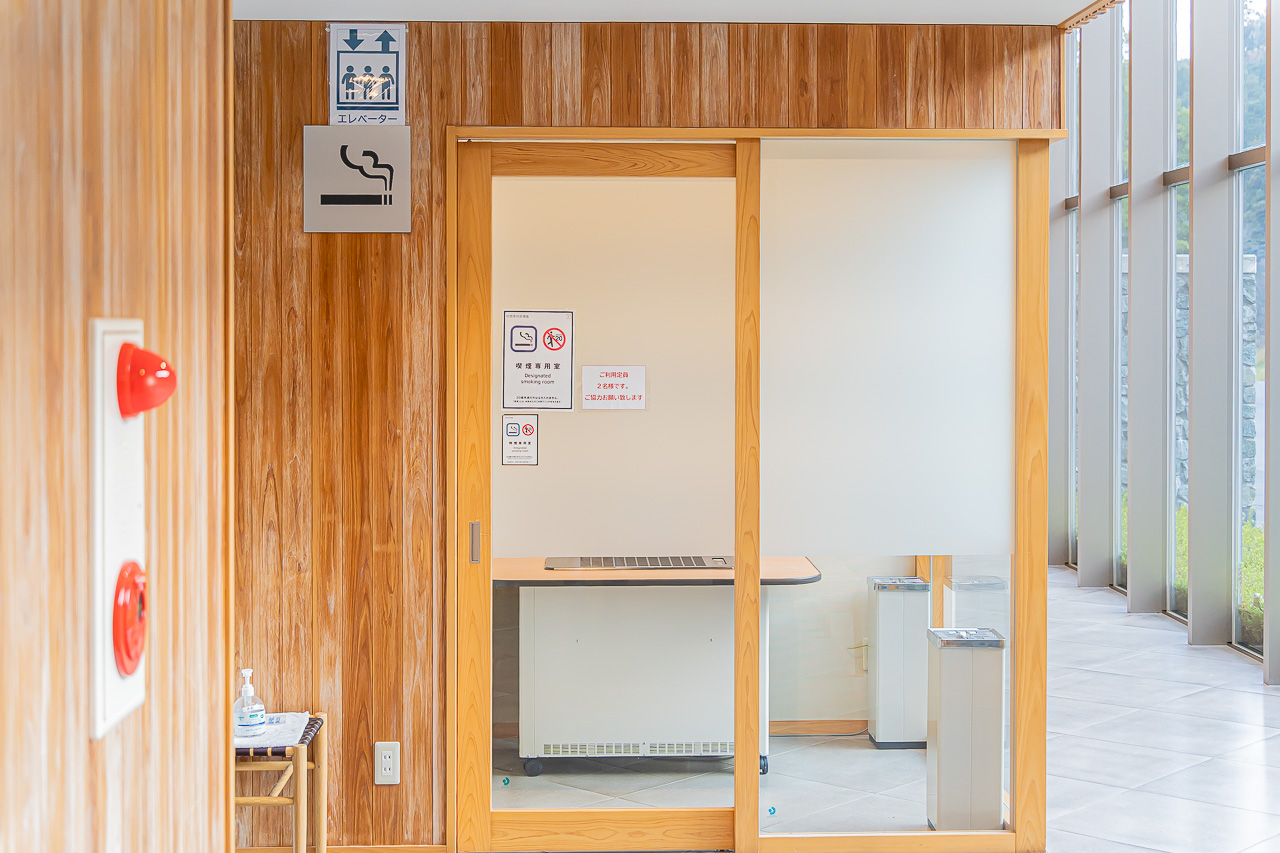
There was also a smoking booth inside the hotel.
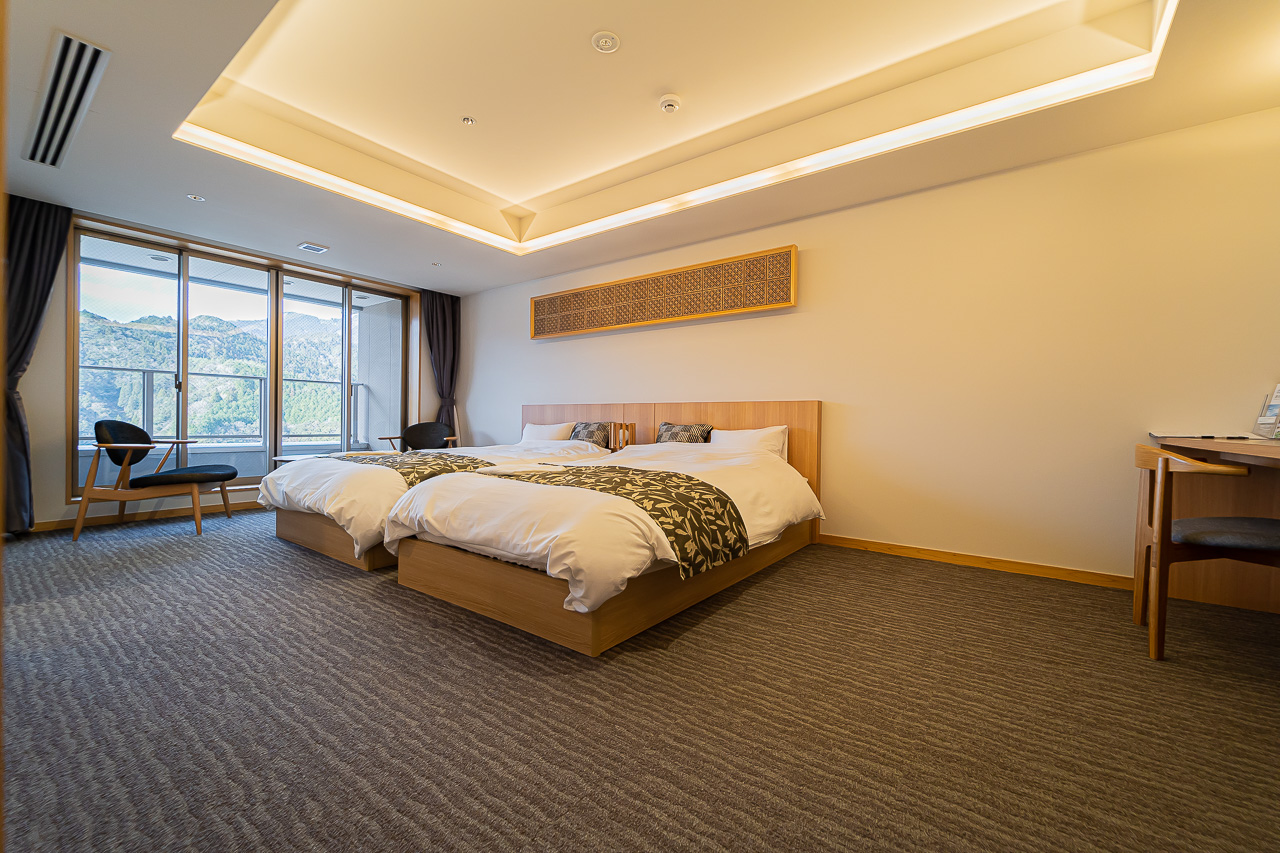
Three room types were listed: deluxe twin, Japanese-style tatami, and regular twin.
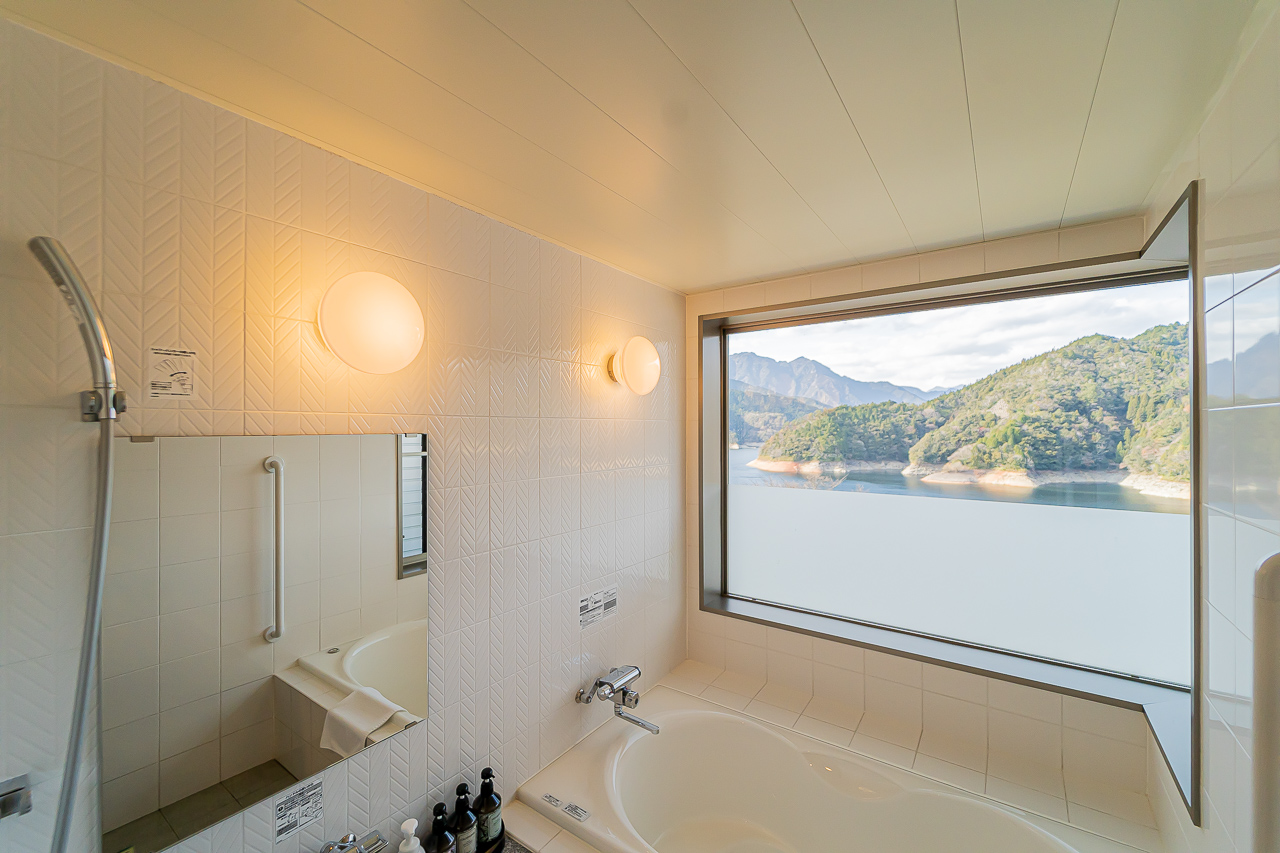
This was the deluxe twin.
I liked its lake-facing bathroom with a separate toilet.
However, frosted film meant the view could not be seen while sitting in the bath.
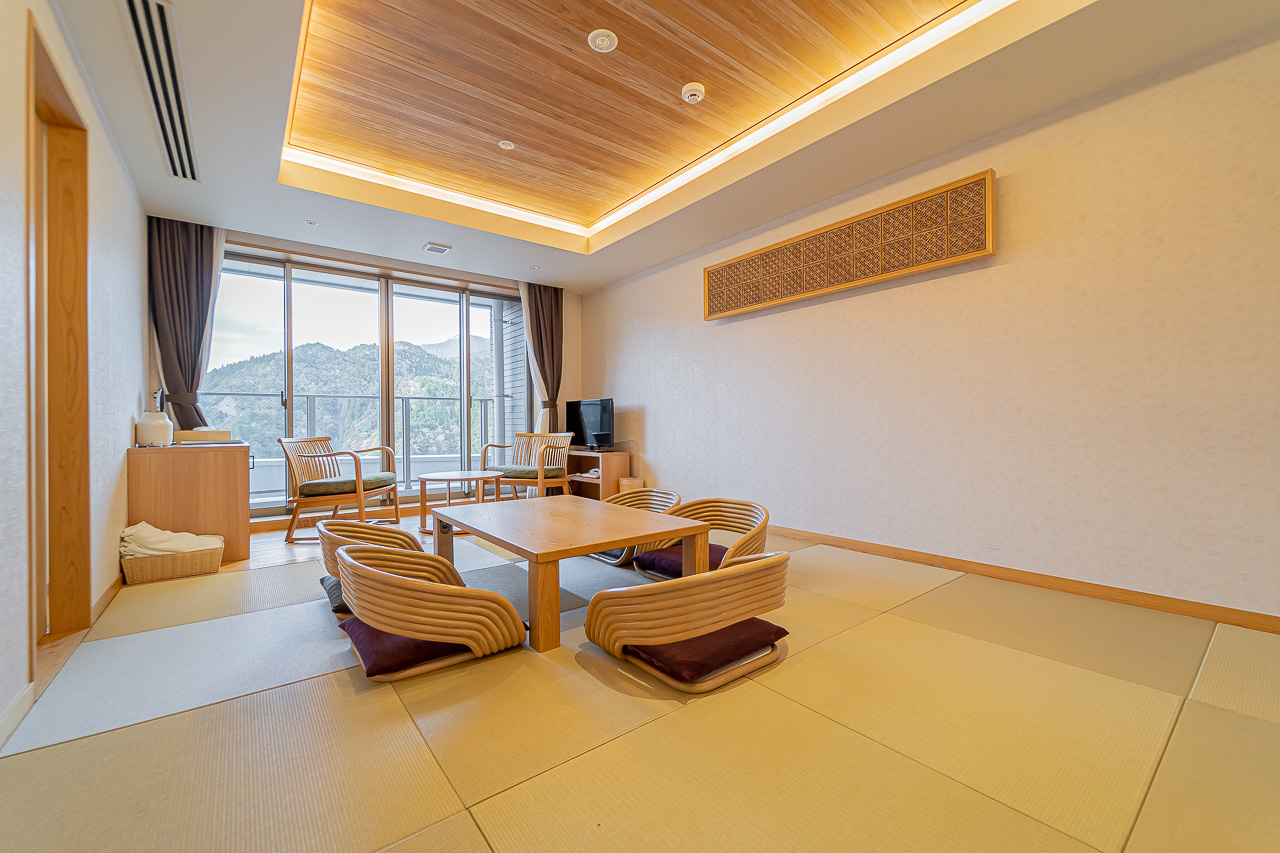
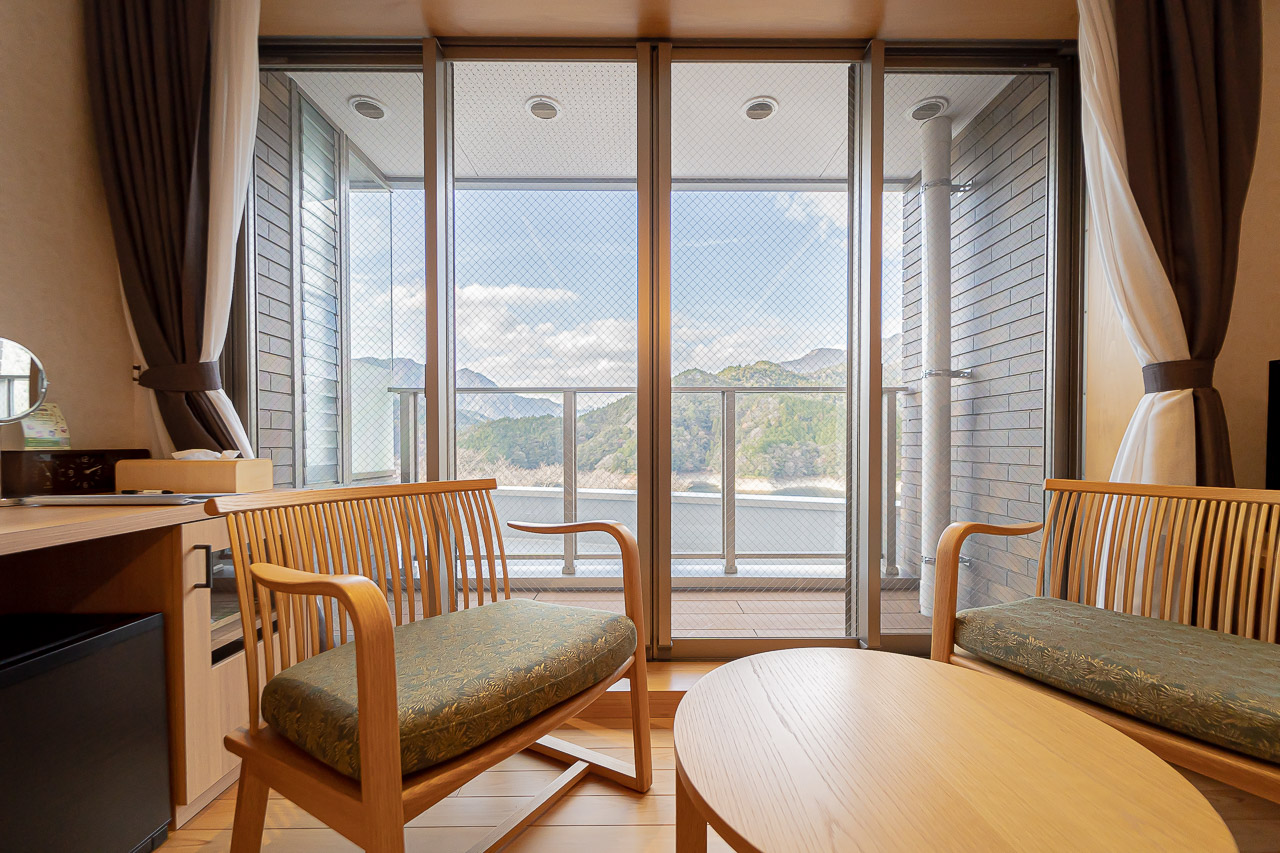
The Japanese-style tatami room.
It had the same type of lake-facing bathroom.
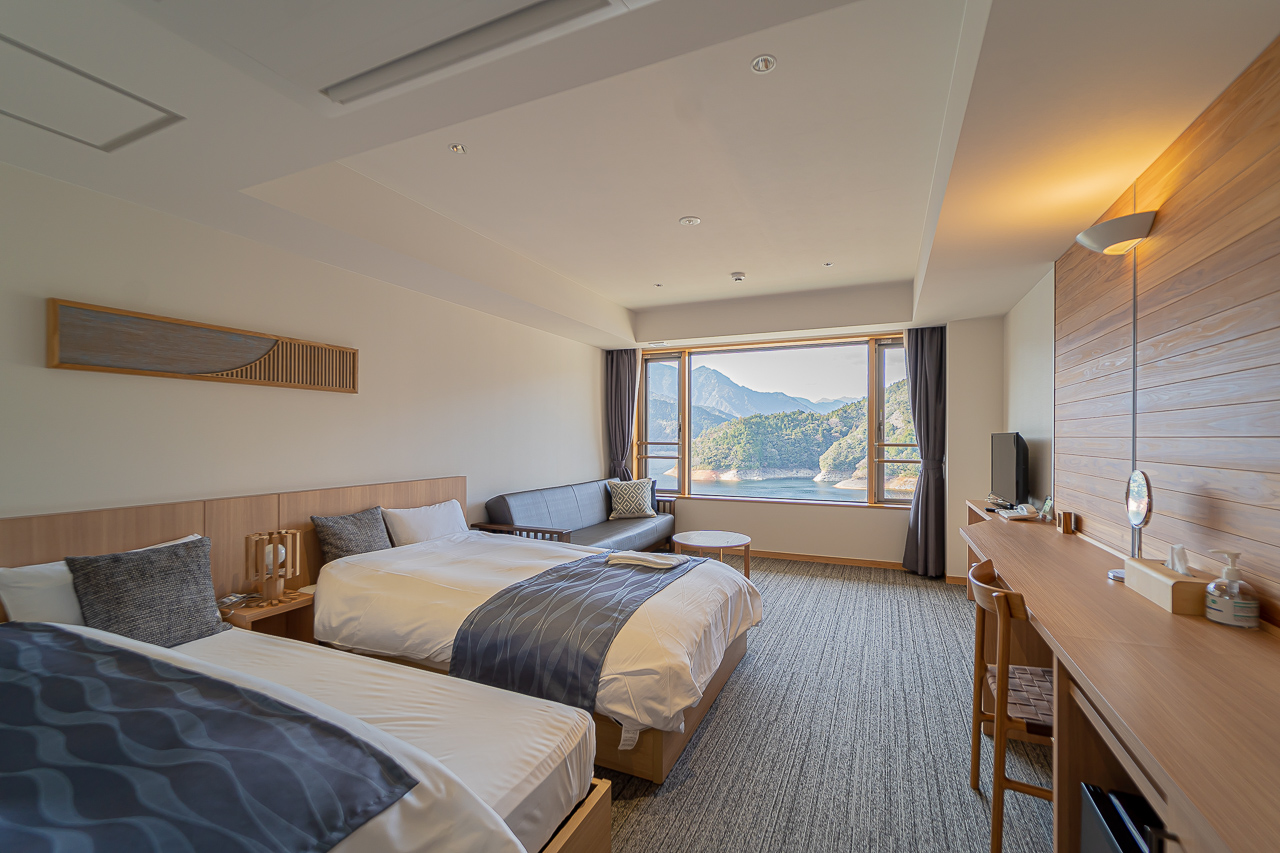
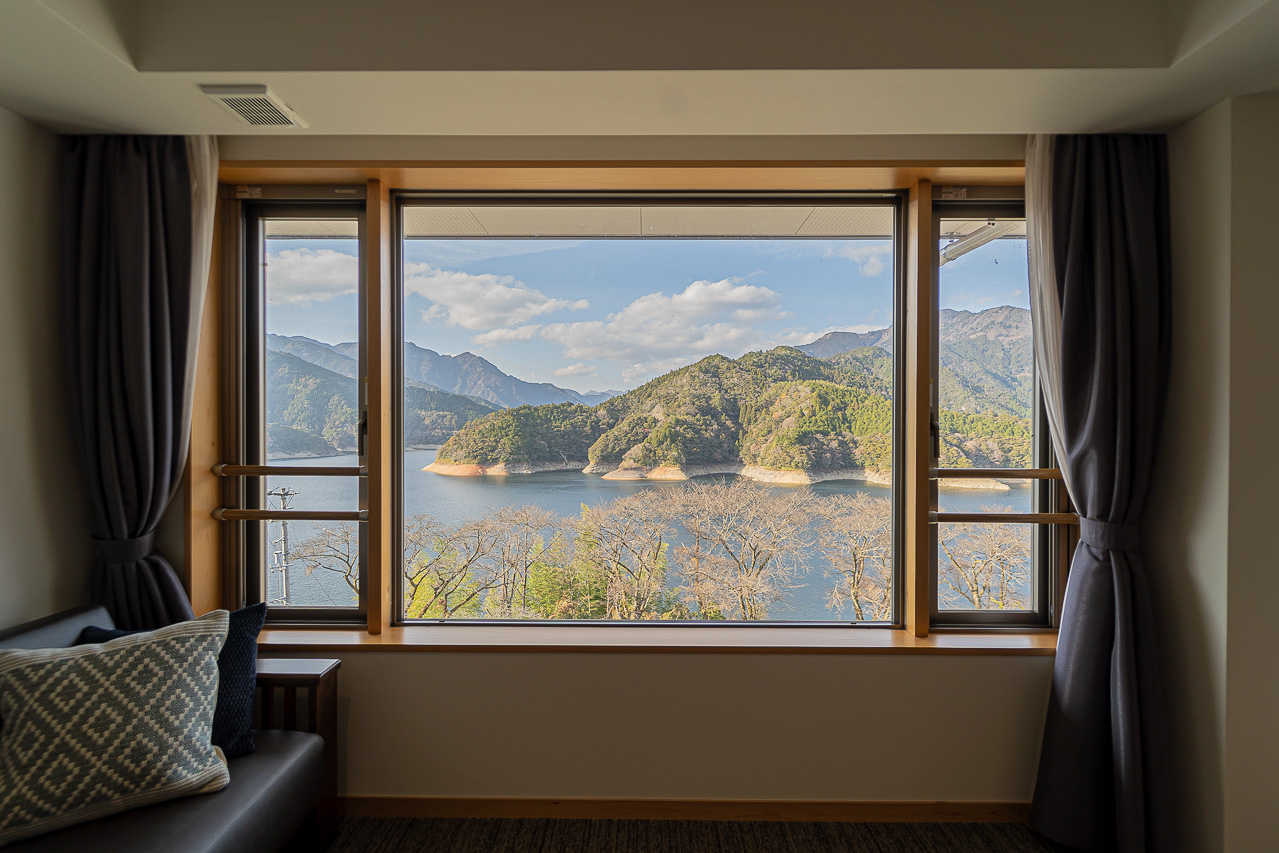
And this was the regular twin room where we stayed.
The room was spacious overall; even this standard twin did not feel cramped.
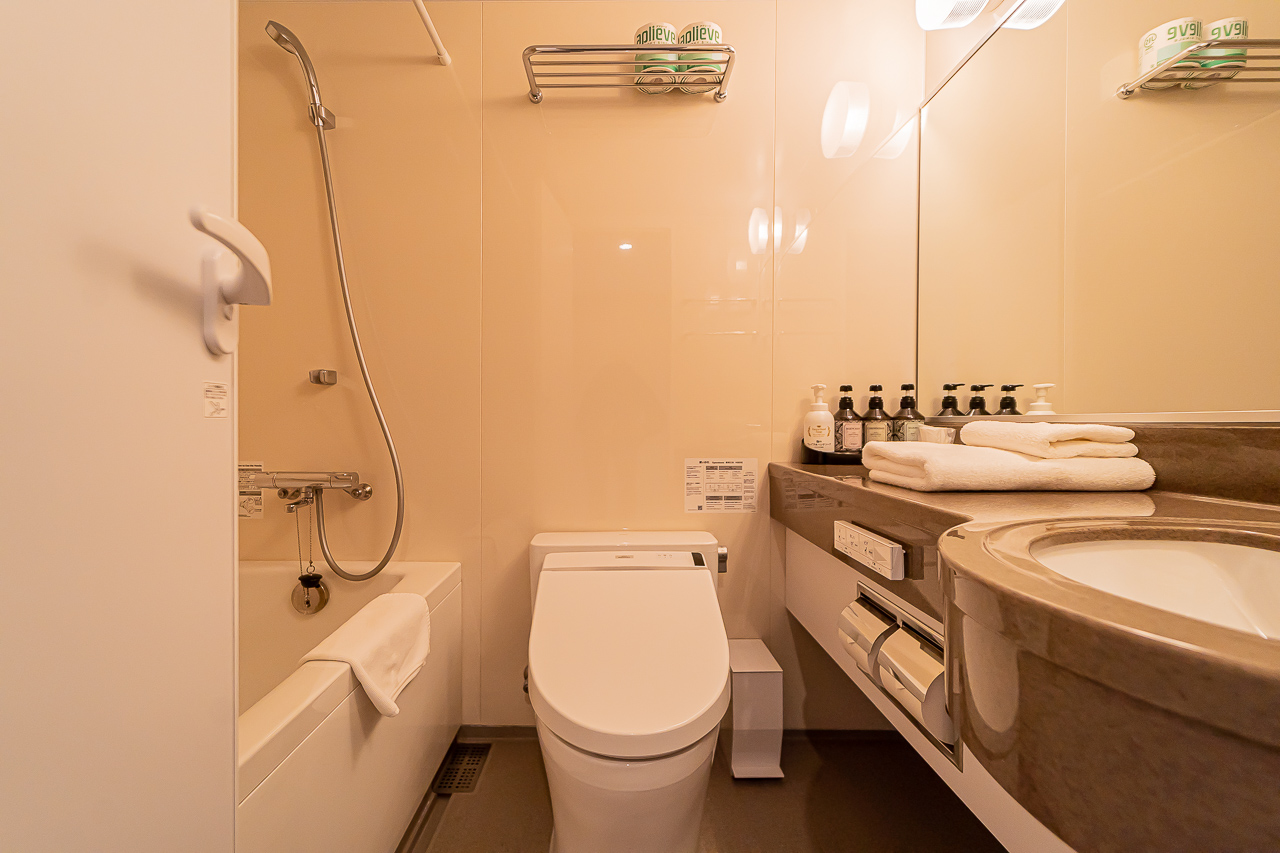
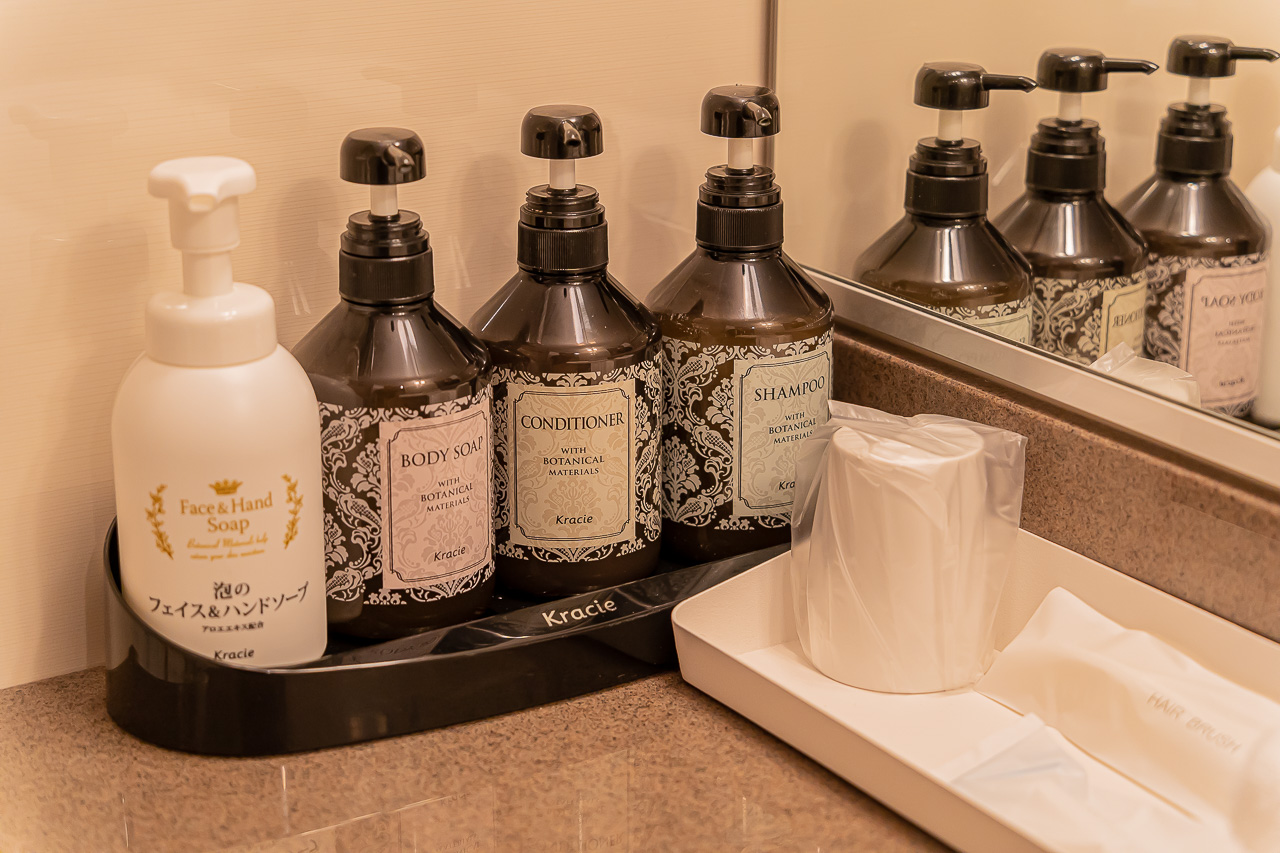
Its bathroom did not face the lake, but otherwise we found nothing especially inconvenient.
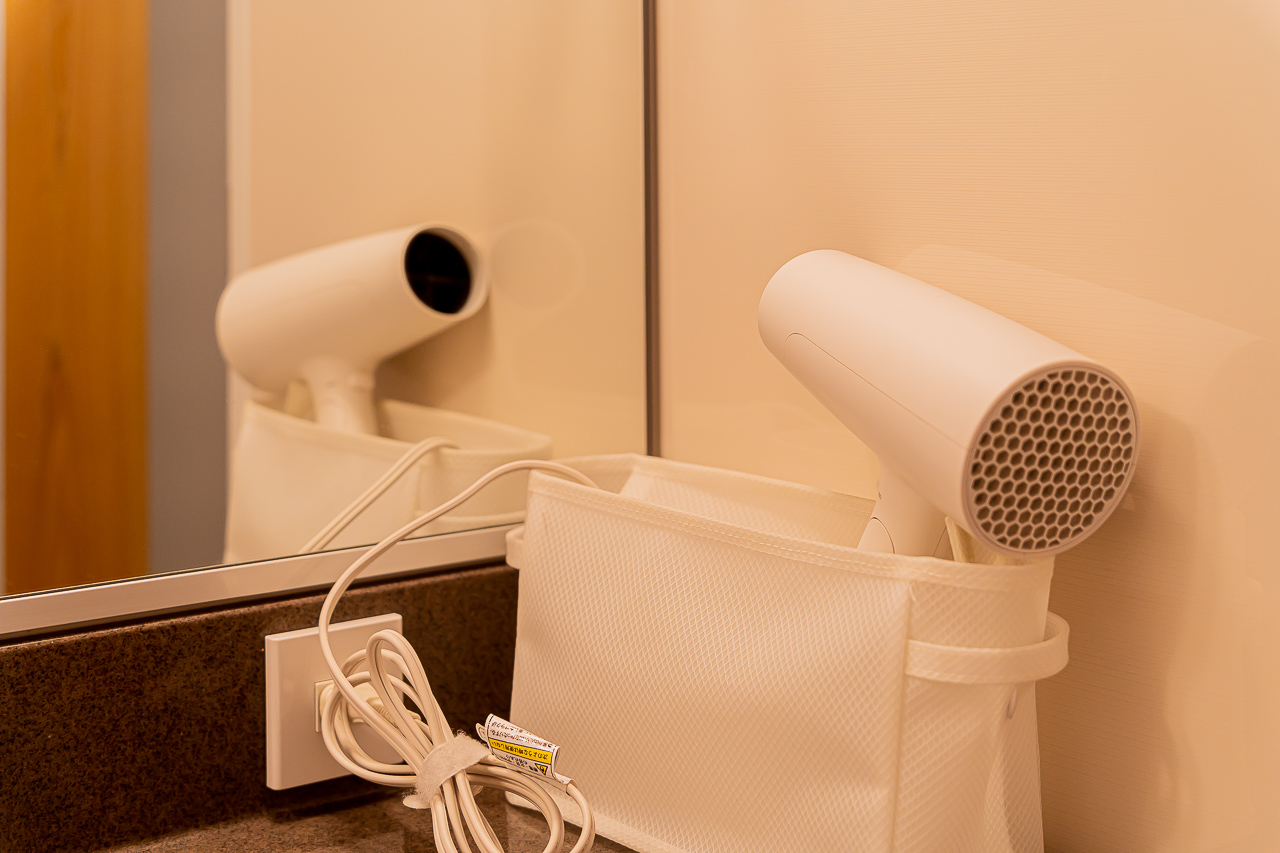
I was pleased to find a Muji hair dryer marketed as an ionic model.
I had wanted to try one, but my hair dryer at home had not broken, so I had never had the occasion.
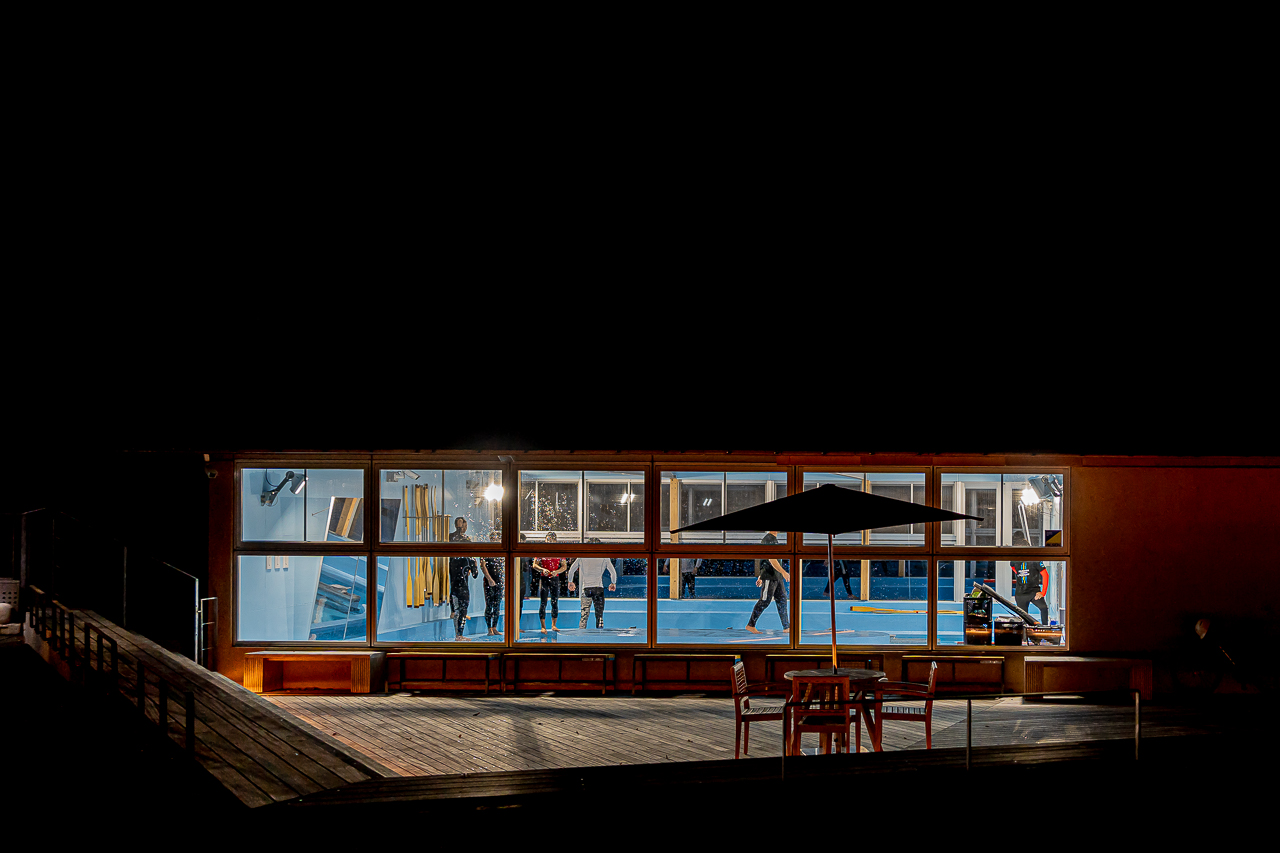
At night, we could see canoe athletes busy training beside Sameura Cafe.
It was a place for coffee and lake views; the original writer planned a separate account of it.
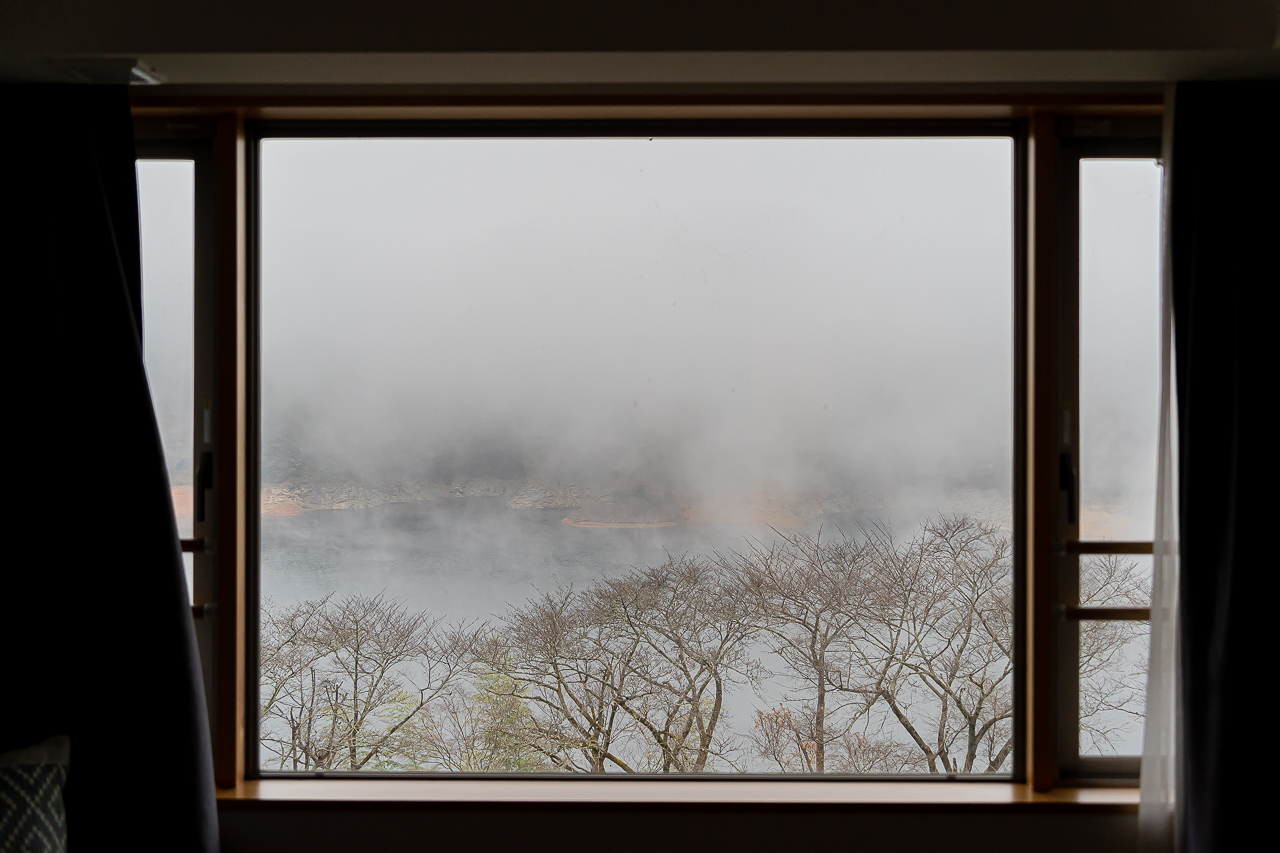
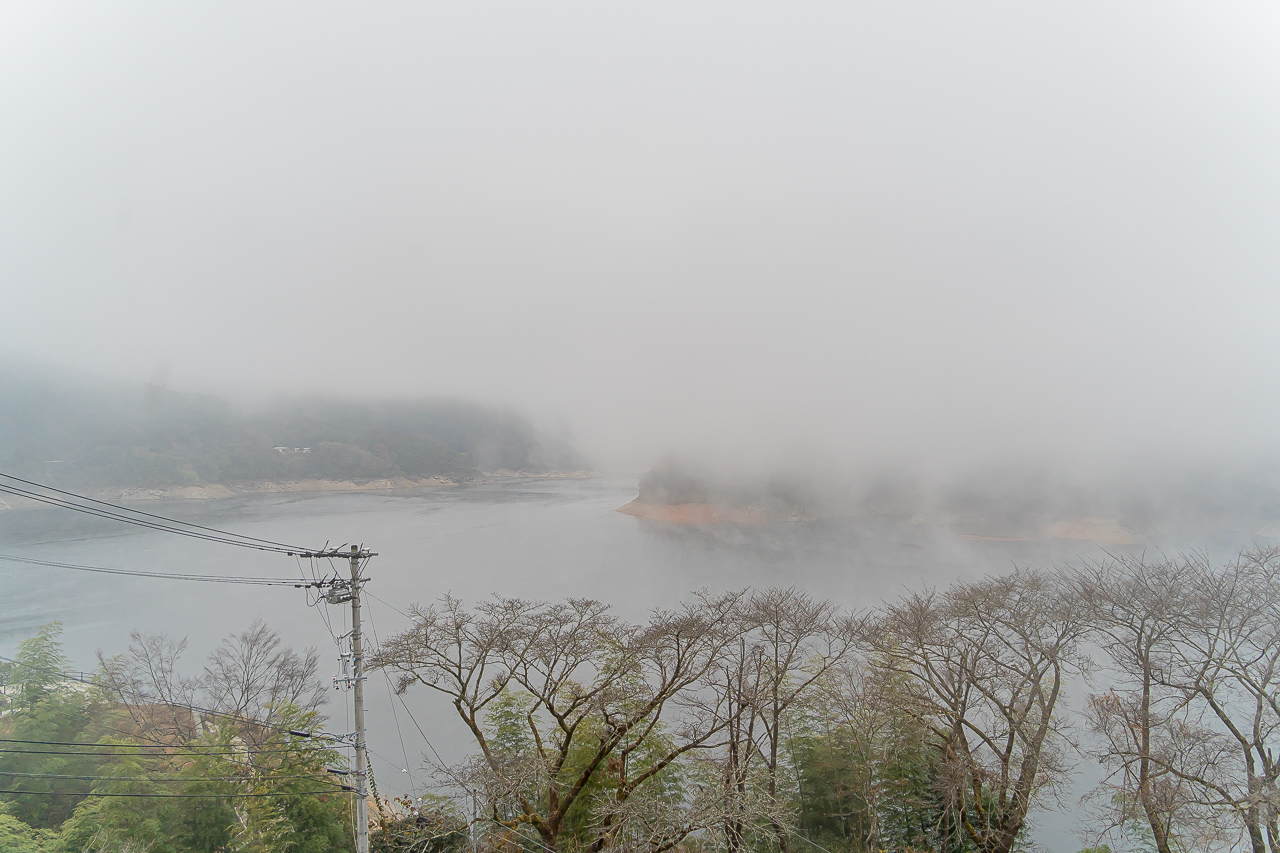
In the morning, thick fog hung over the lake.
That too was a beautiful sight.
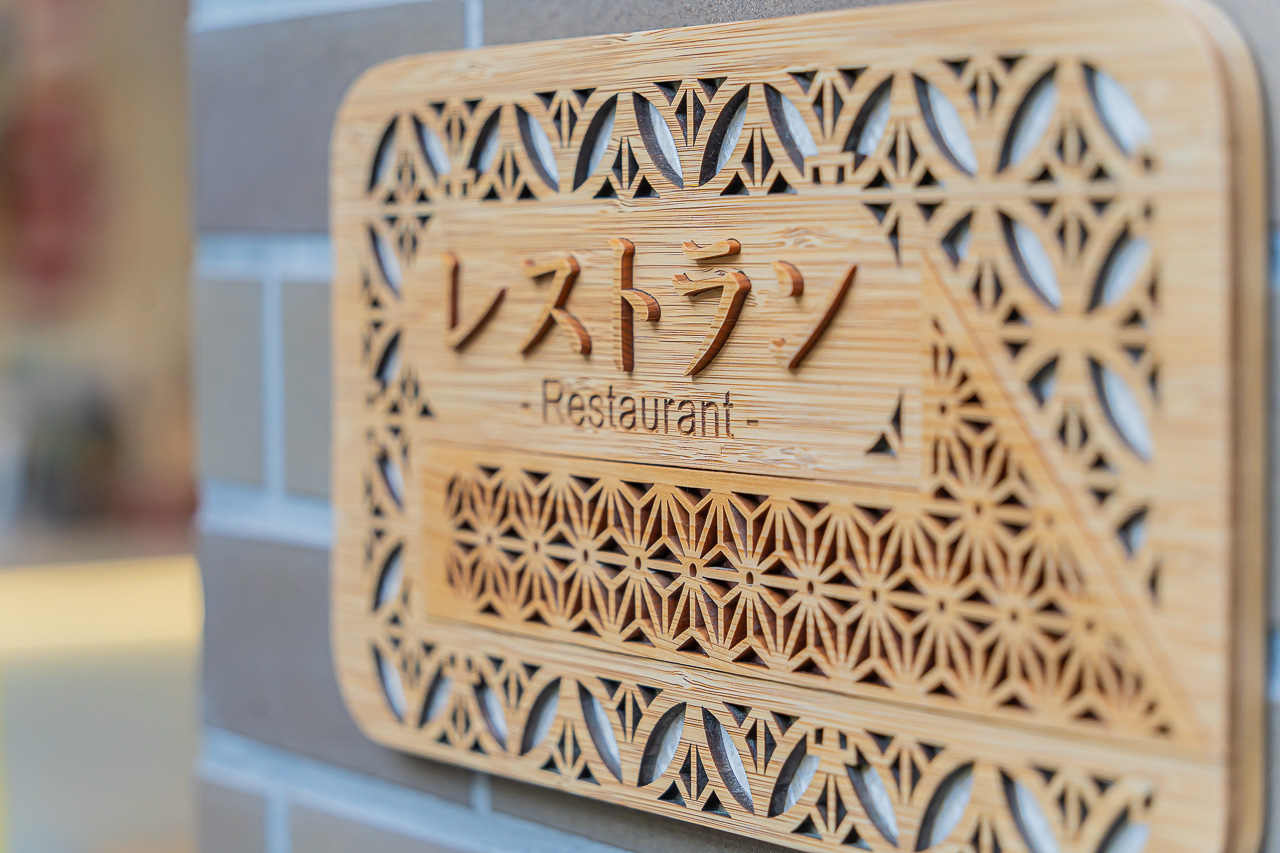
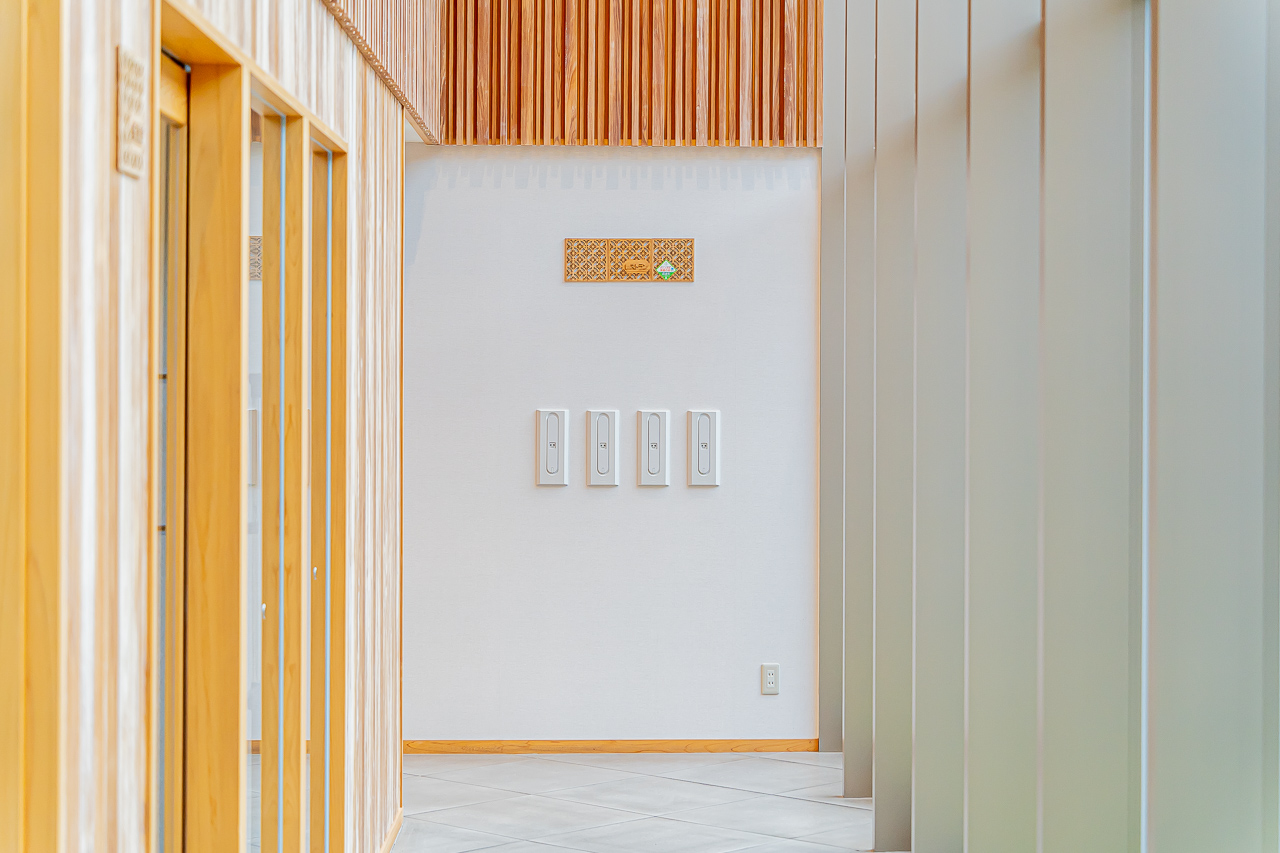
We went to the restaurant for breakfast.
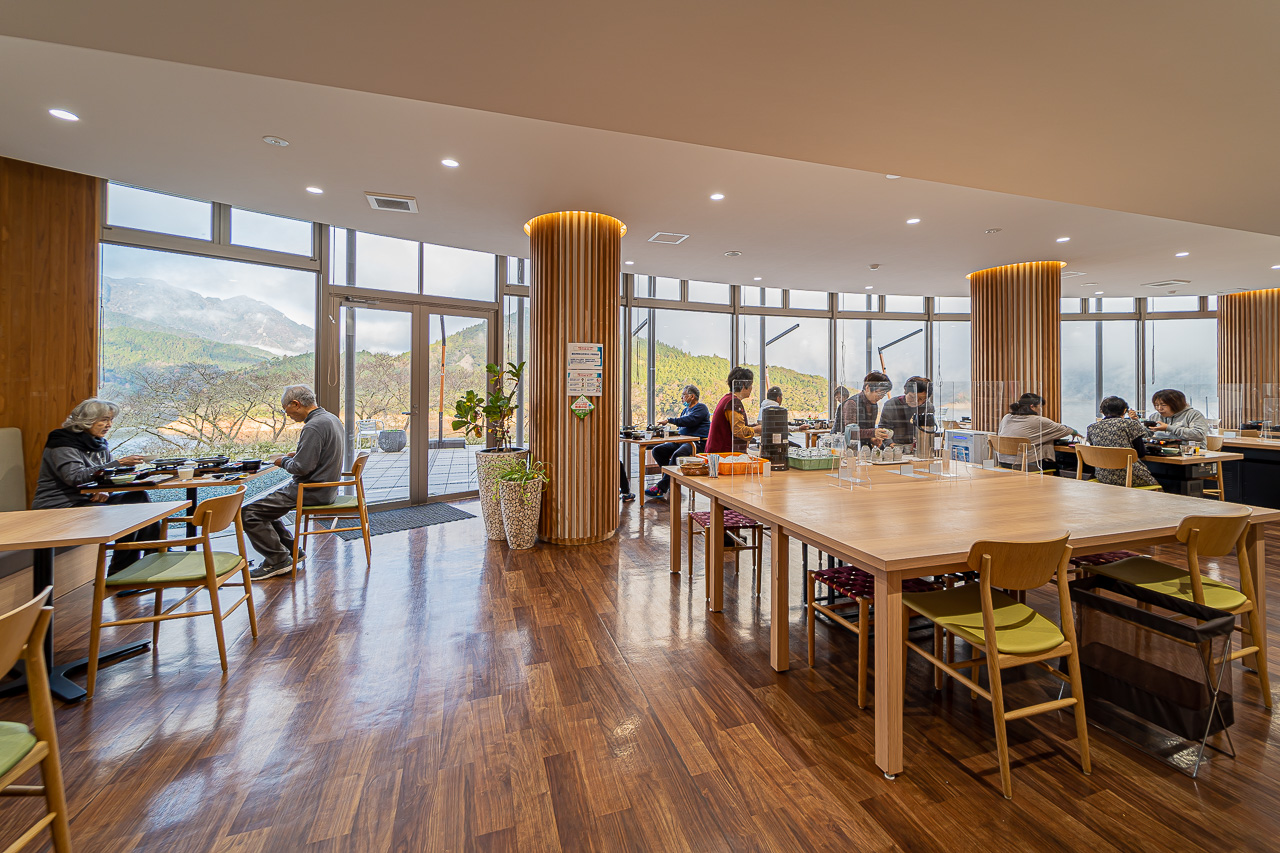
The calm interior had full-height windows along the lakeside, giving a clear view of the water.
We were told meals could also be taken on the outdoor terrace in warm weather.
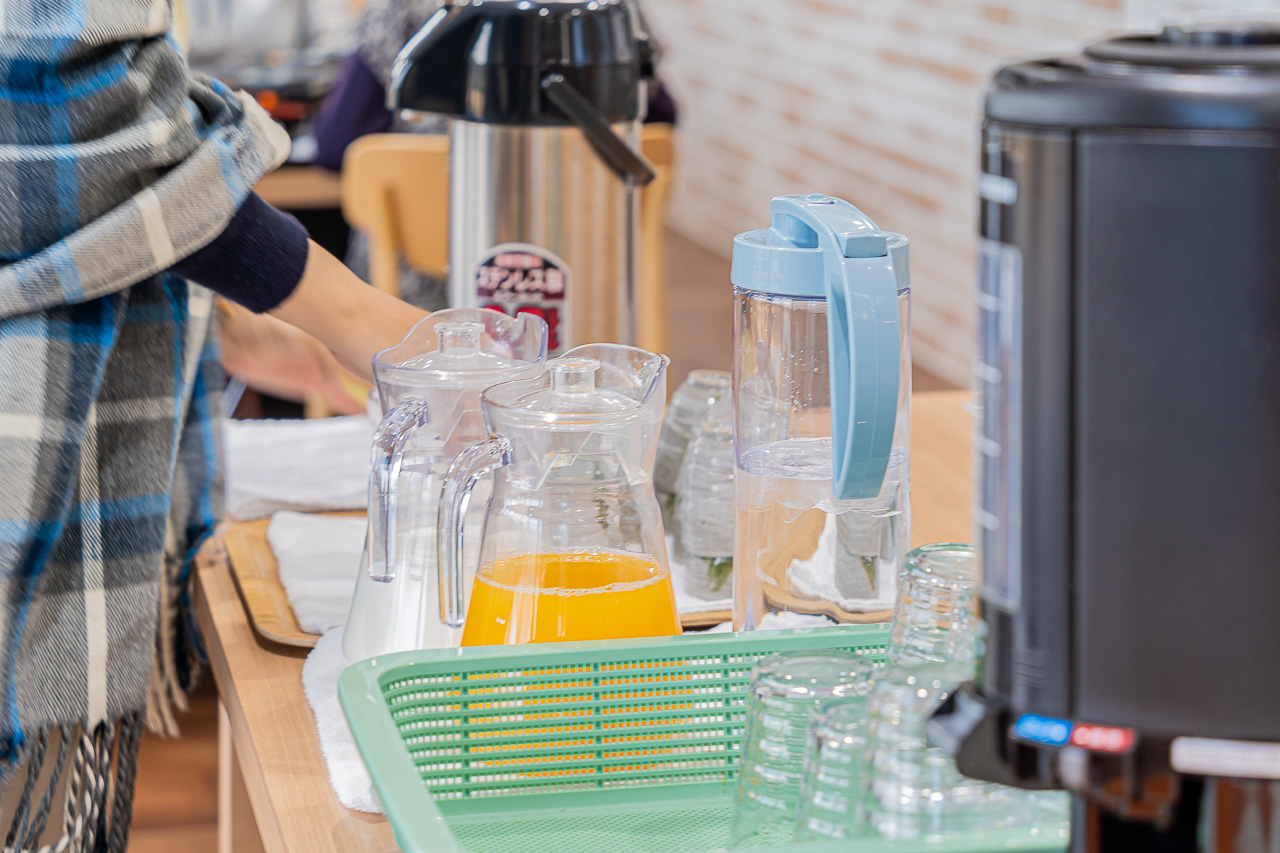
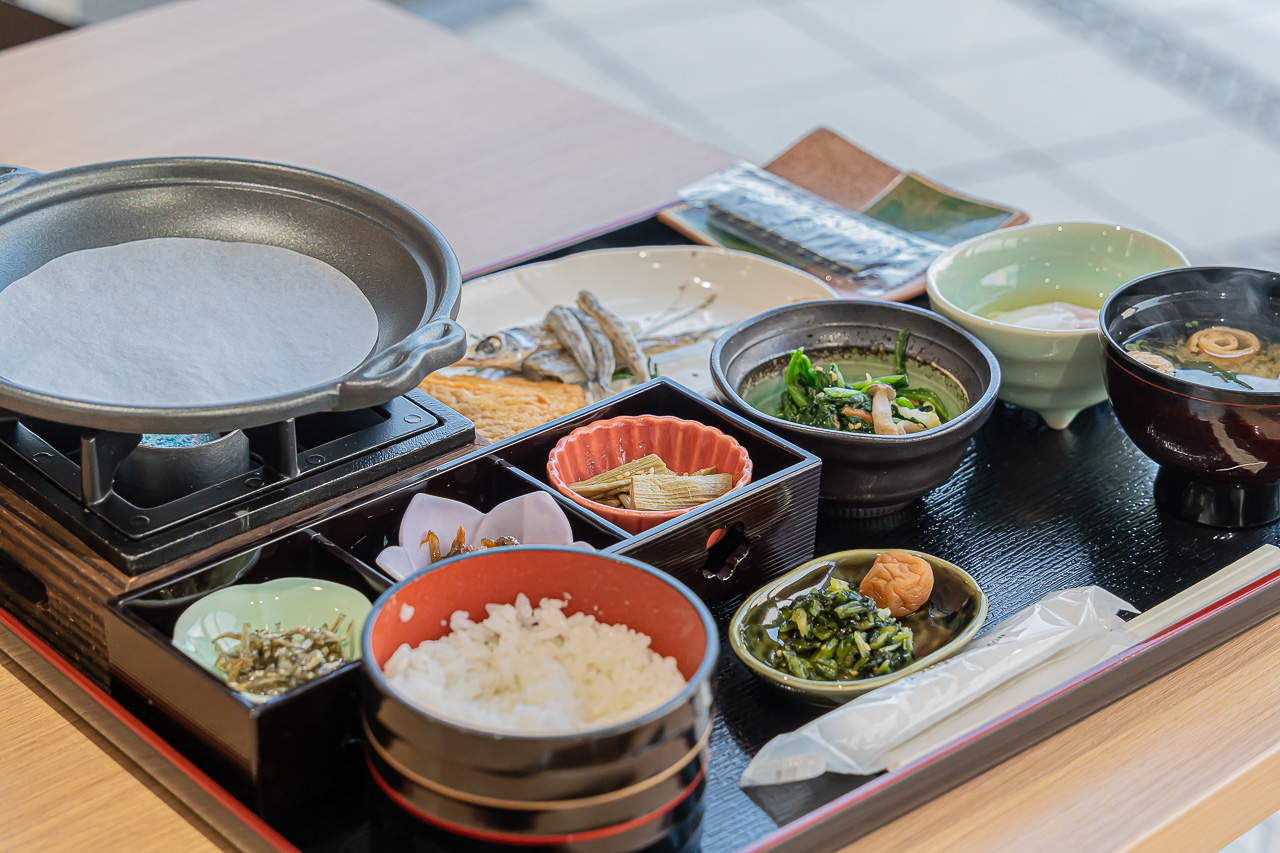
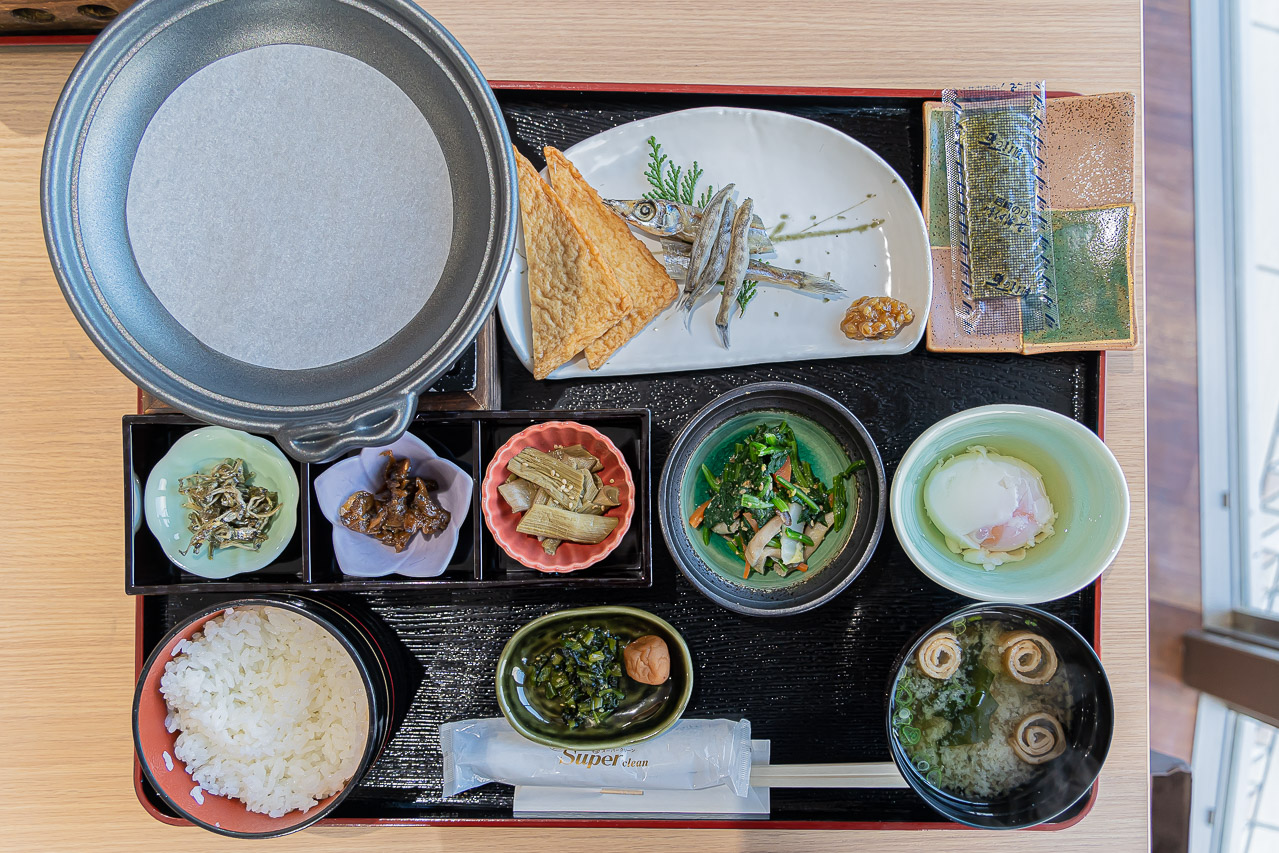
Breakfast was a neatly presented Japanese meal using Tosa ingredients.
There were fish cakes and fish to grill yourself.
The meal also included Japanese-style nori brushed with soy sauce and grilled, stir-fried small fish, several simmered dishes I could not identify, dressed spinach, a soft-cooked egg called an onsen tamago, and gentle miso soup that suited the morning.
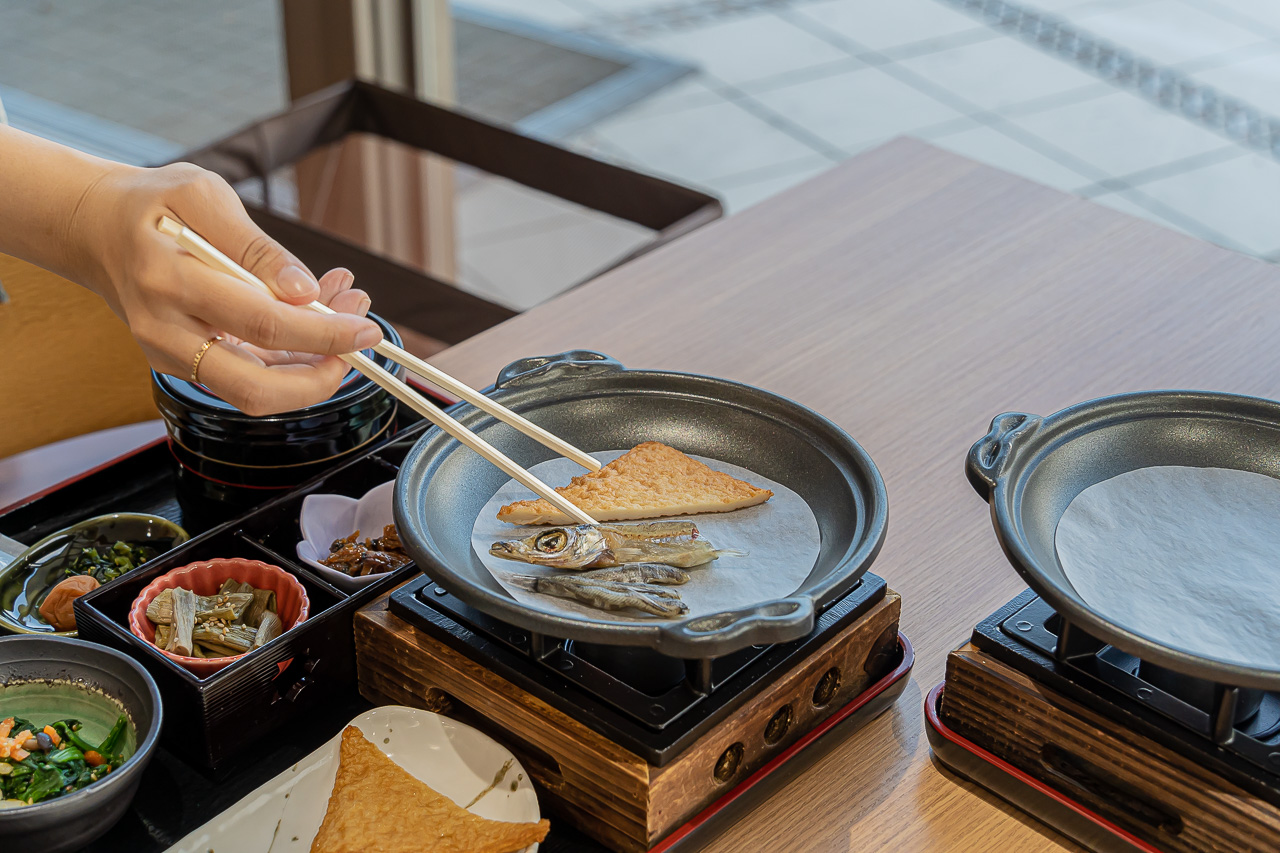
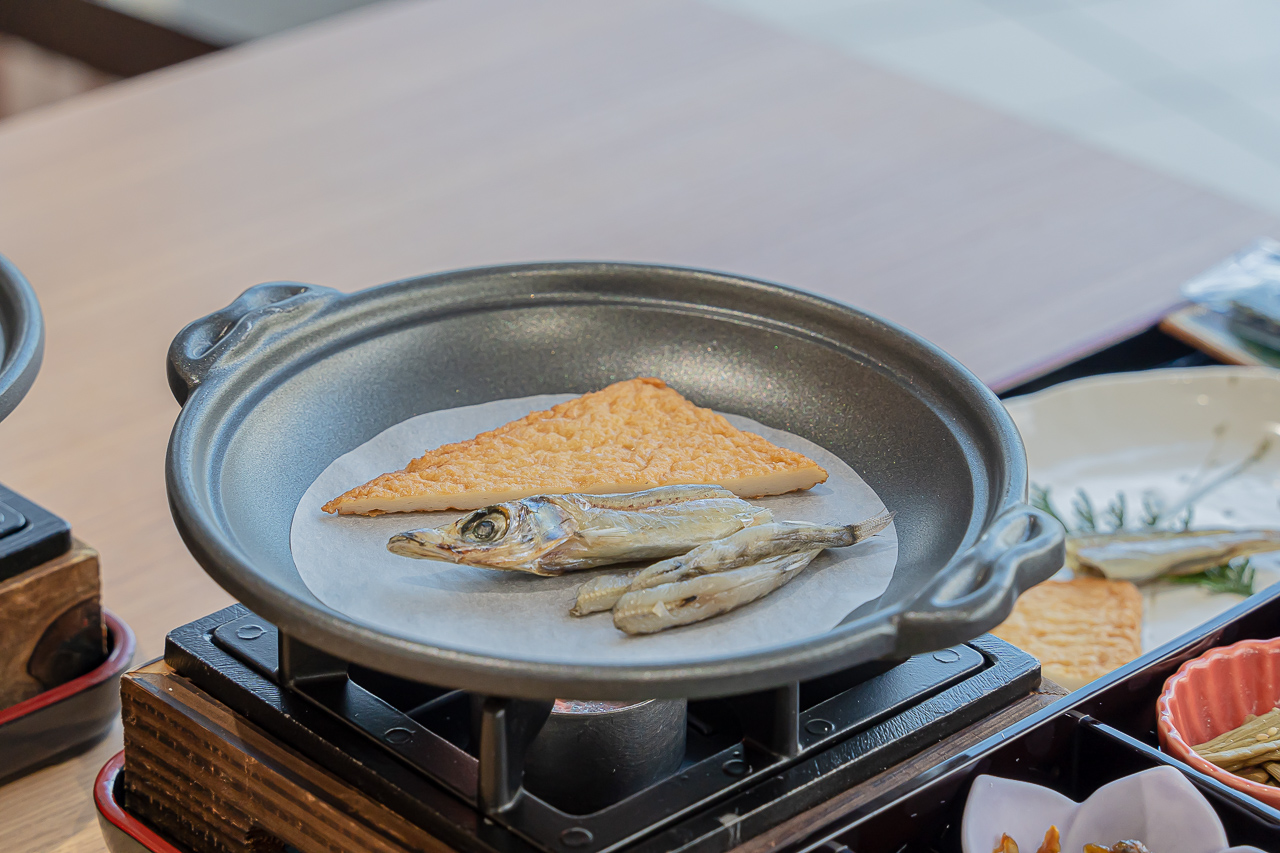
The larger fish was called okiurume (沖うるめ), and the smaller one mehikari (めひかり).
Kochi Prefecture is well known as a source of both fish.
Once well grilled, the okiurume could be eaten without separating the flesh, as its bones were soft enough to chew.
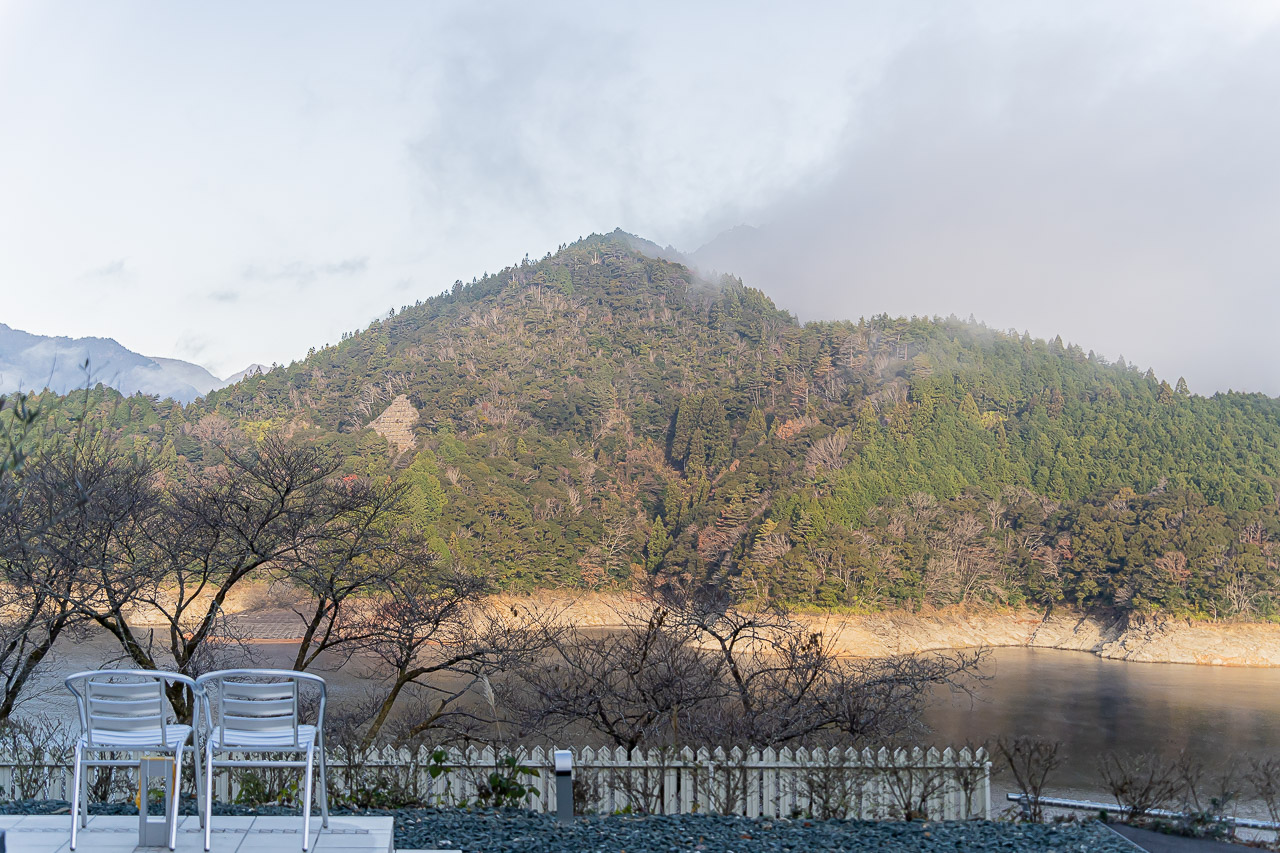
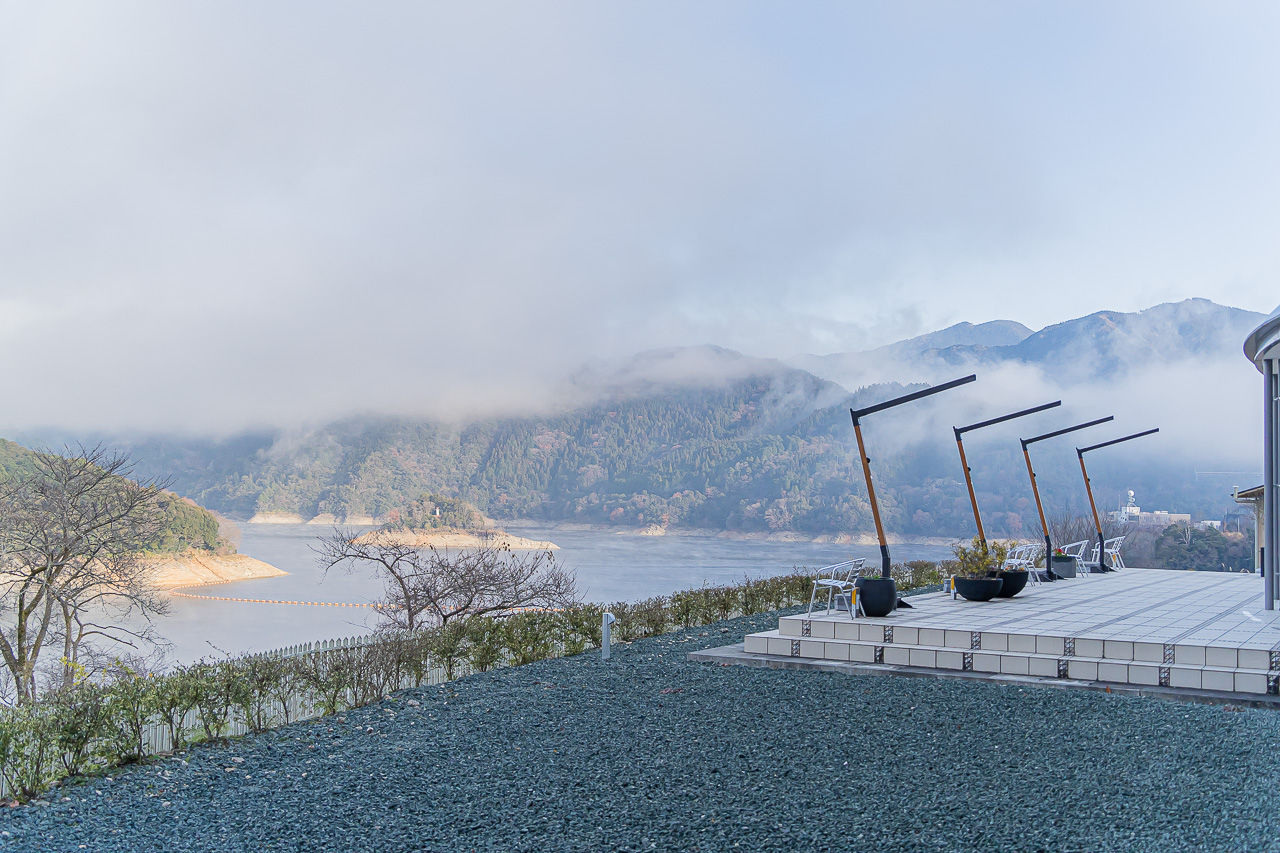
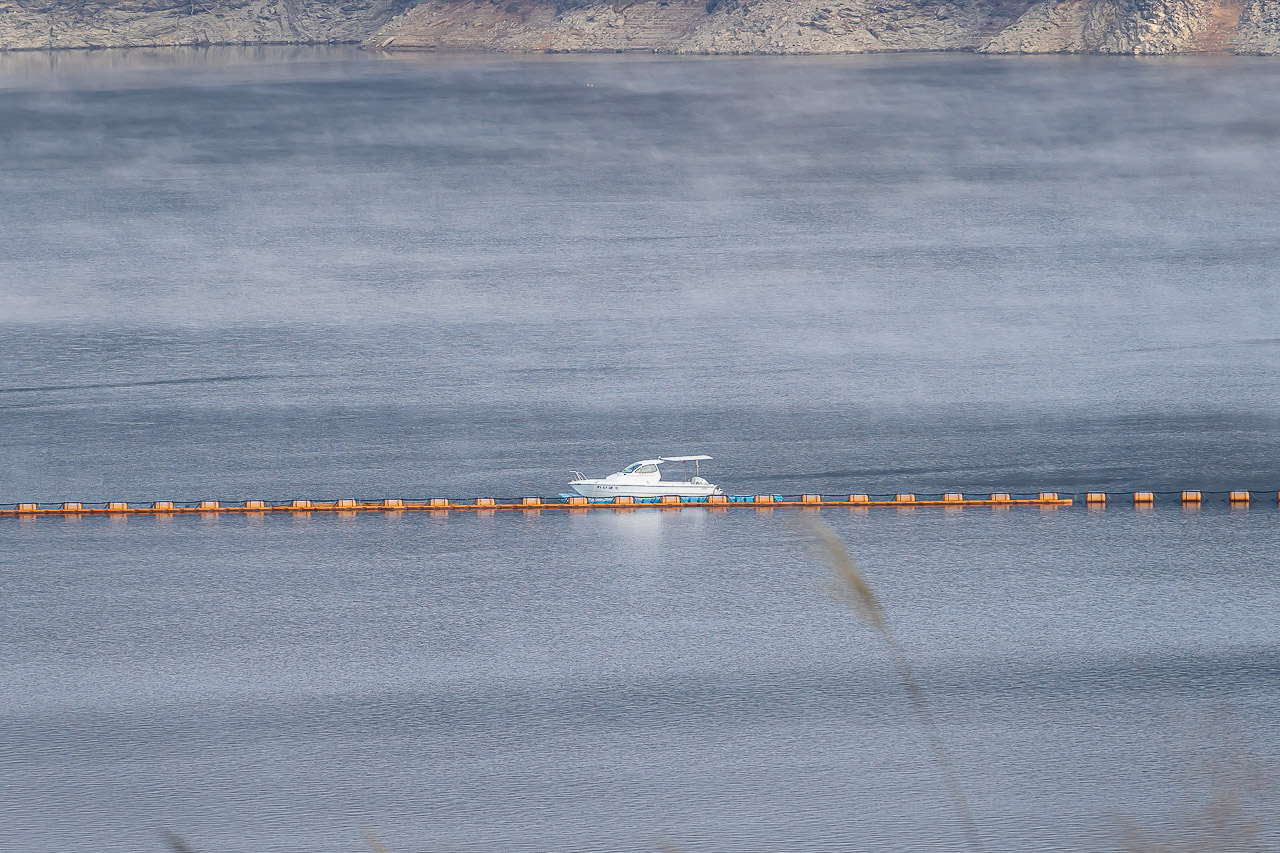
After eating, we went outside the restaurant and sat in the chairs.
We passed an unhurried moment watching clouds overhead, the fog lifting, and boats on the lake.
Birdsong and the quiet sounds of the mountain setting were lovely.
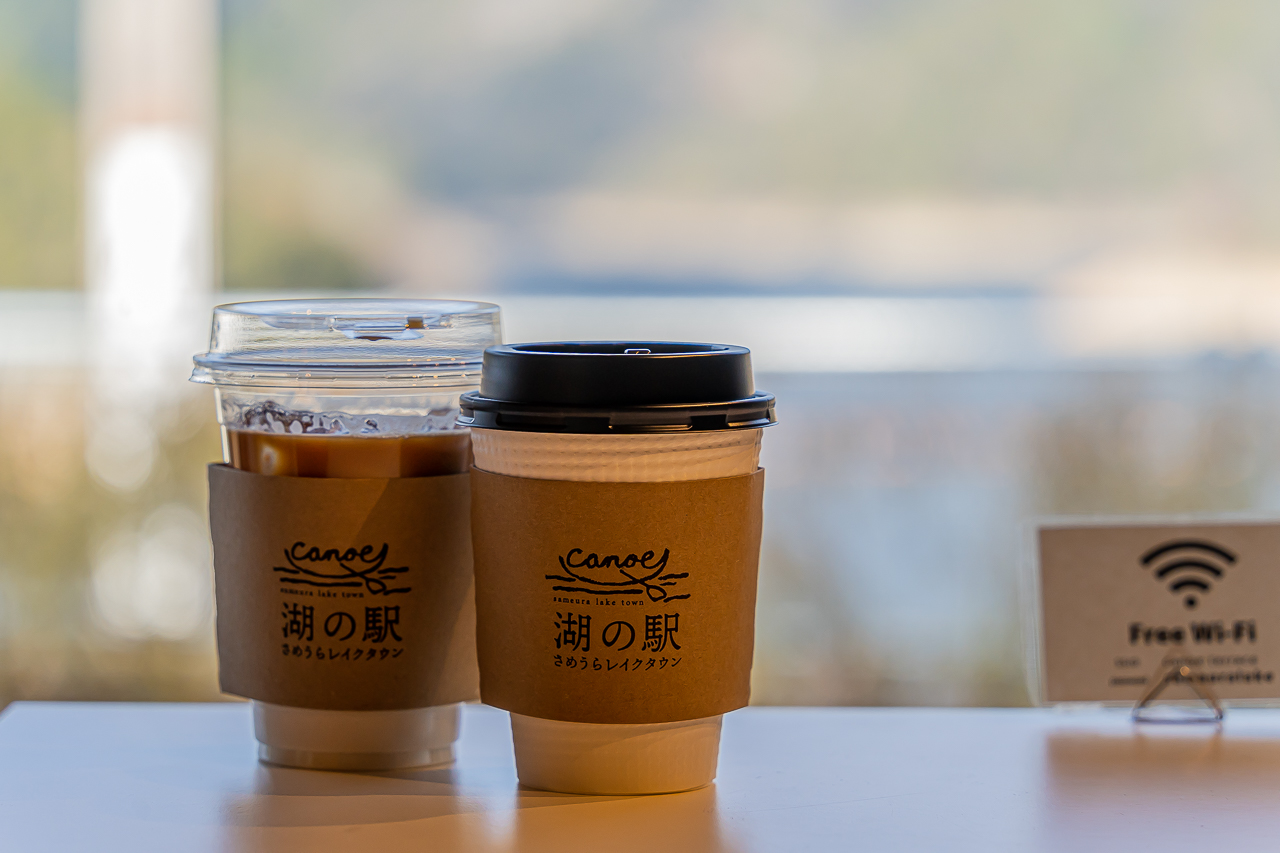
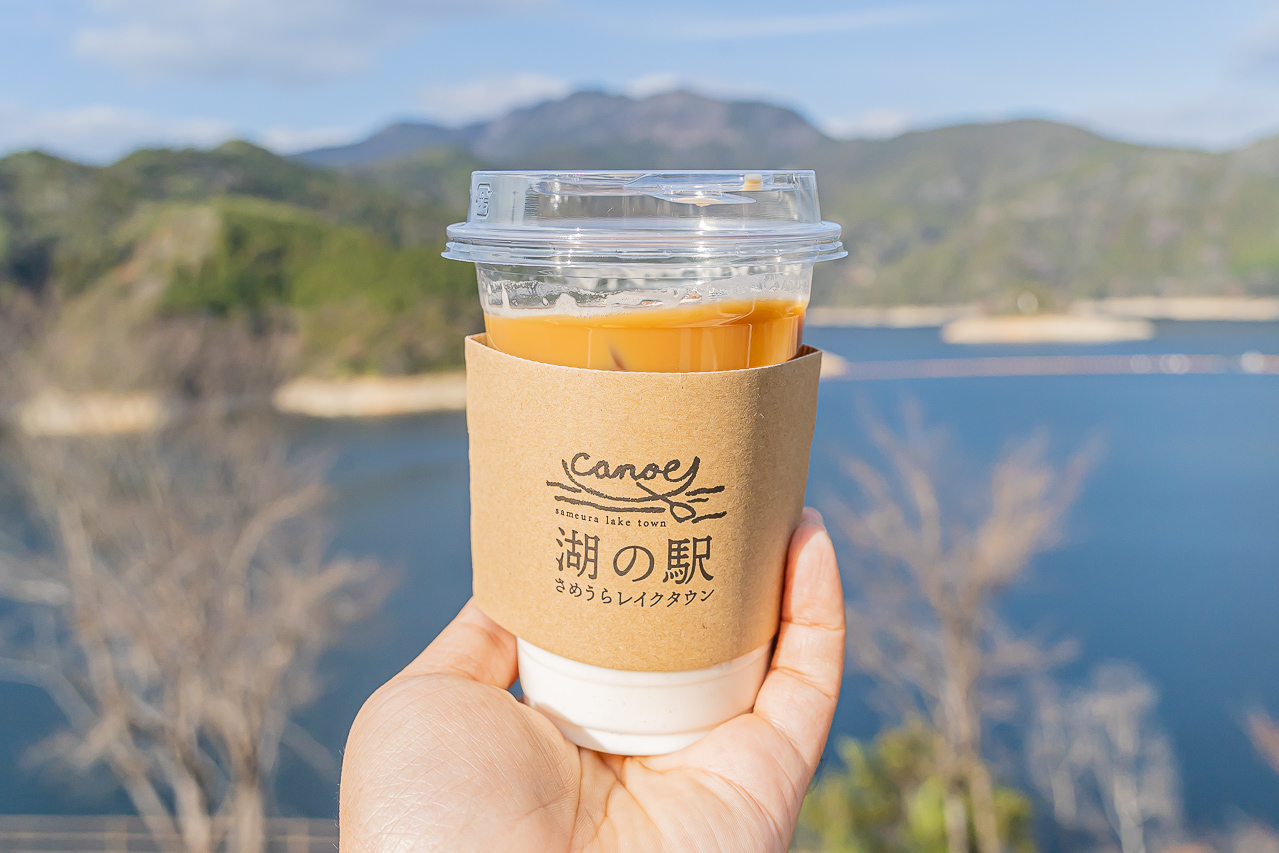
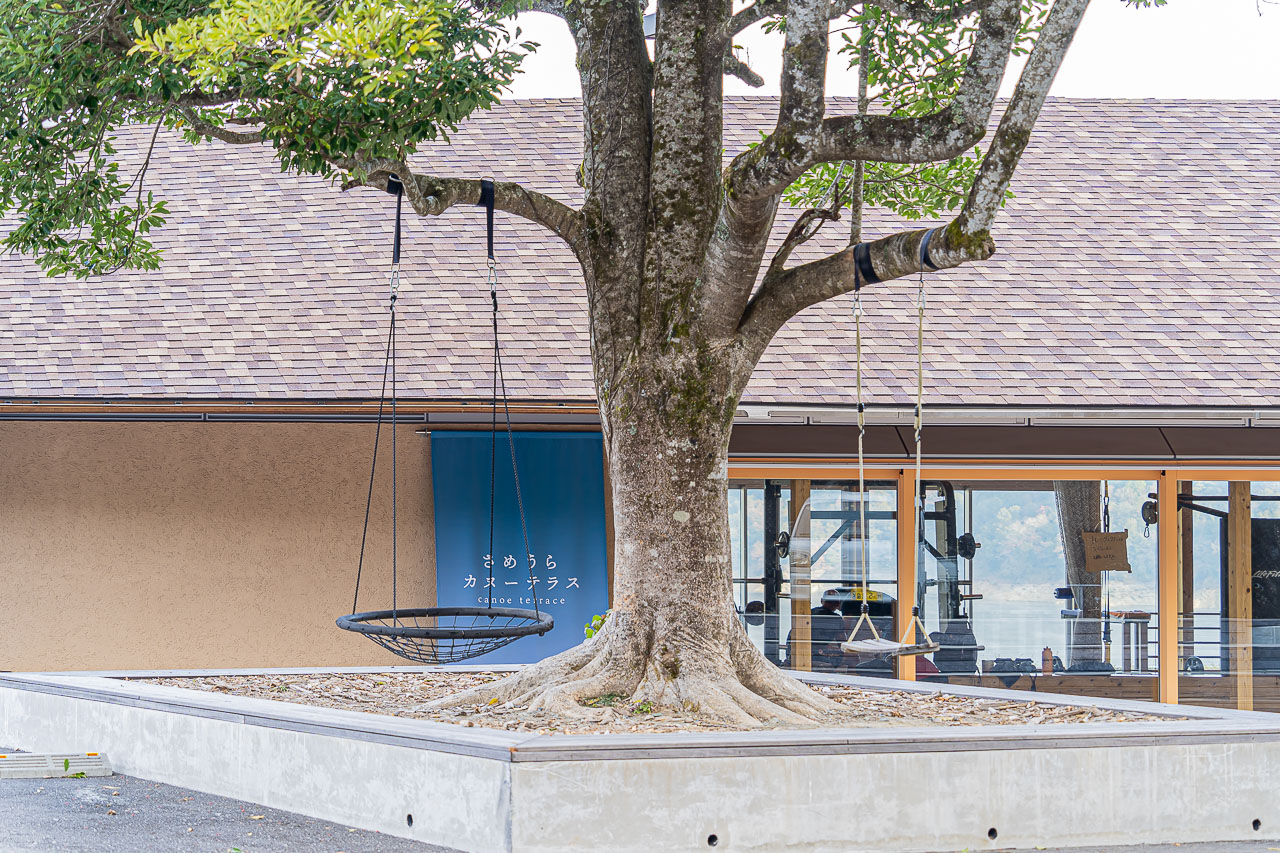
After checkout, there was no need to go far: we could sit at the neighboring Sameura Canoe Terrace and have a leisurely coffee.
Sameuraso let us enjoy the luxury of doing nothing while watching a quiet, still lake.
Perhaps that is what real rest feels like.
Sameuraso Lakeside Hotel ( さめうら 荘 レイクサイドホテル)
Address : 高知県土佐郡土佐町田井 146-1
Phone : 0887-82-1020