San’in (山陰)in early autumn, with an Air Seoul flight arriving at Yonago Airport(米子空港), where the air already felt cool.. We took the lively Sakaiminato Line (境港線)toward Matsue Station (松江駅)and continued , by bus to Matsue Shinjiko Onsen Station(松江宍道湖温泉駅), where the mood of the journey fell into place.. Our destination was among Japan’s celebrated sunset 100spots: Lake Shinji. (宍道湖). As the sun lowered, the lake turned a clear crimson, , and small ripples flashed like glass.. Walking paths, terraces , and benches line the shore. , A scenic point, about a 15-minute walk from the accommodation in the source’s estimate, (嫁ヶ島)frames the setting sun with Yomegashima’s silhouette.. When the final light brushes across the water, , the place naturally becomes a highlight of the trip..
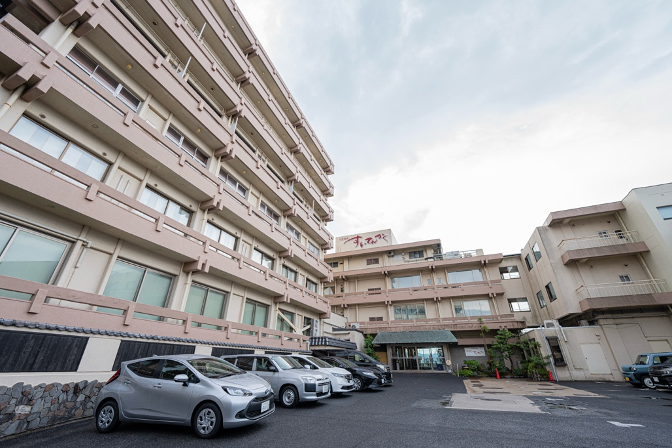
Our first hotel was Yukei Kohan Suitenkaku, (夕景湖畔 すいてんかく). ‘at Matsue Shinjiko Onsen. (松江しんじ湖温泉), True to its introduction as a place to settle the heart while facing Lake Shinji, , it worked well as a base at the gateway to San’in.. Colorful yukata rentals for women guests, , cleansing oil ·and facial wash were among the thoughtfully prepared amenities. , A shop and umbrella loans were useful as well..
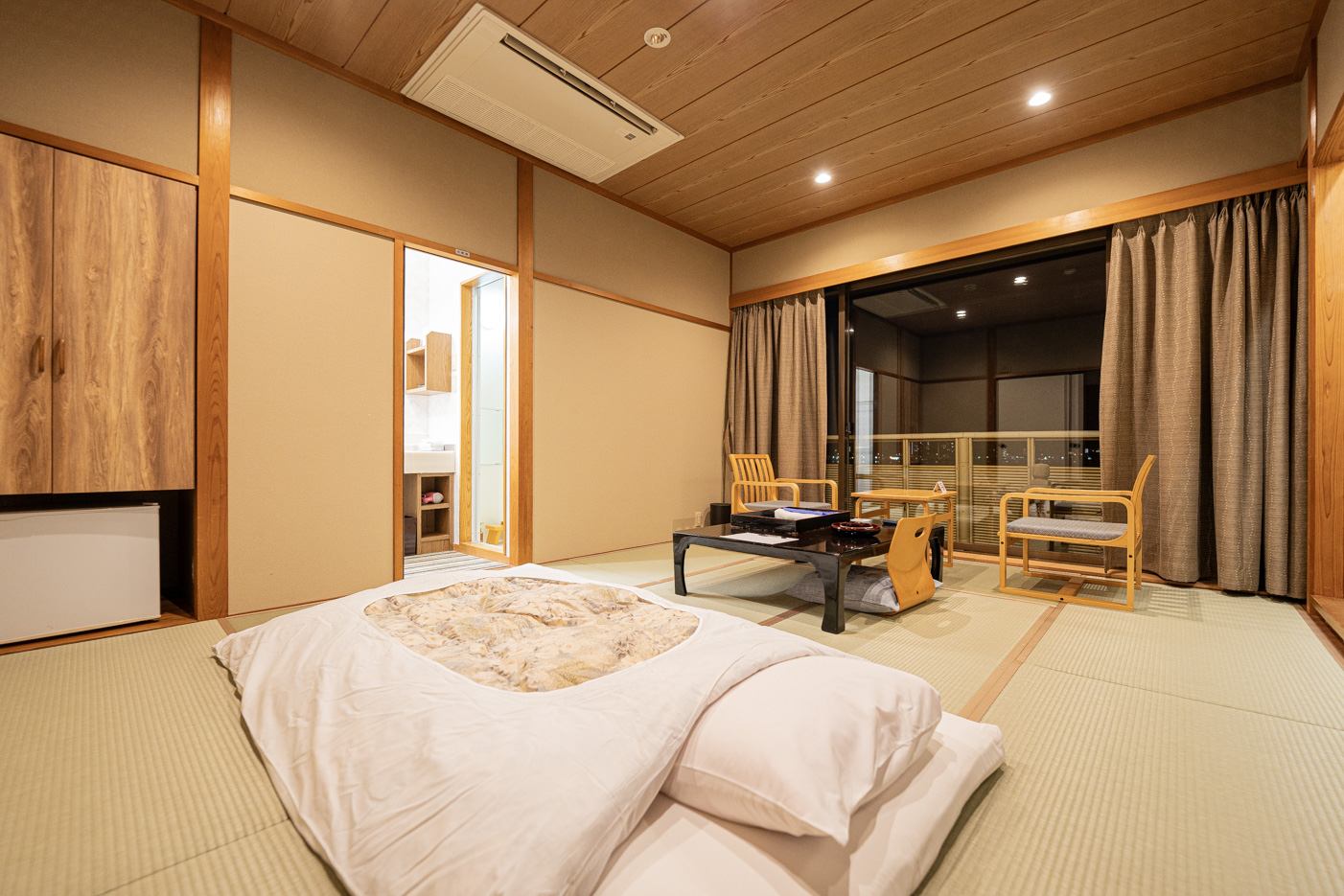
Room categories included spacious town-facing Japanese-style rooms and Lake Shinji-view rooms. An indoor shower and washbasin helped make the stay comfortable.

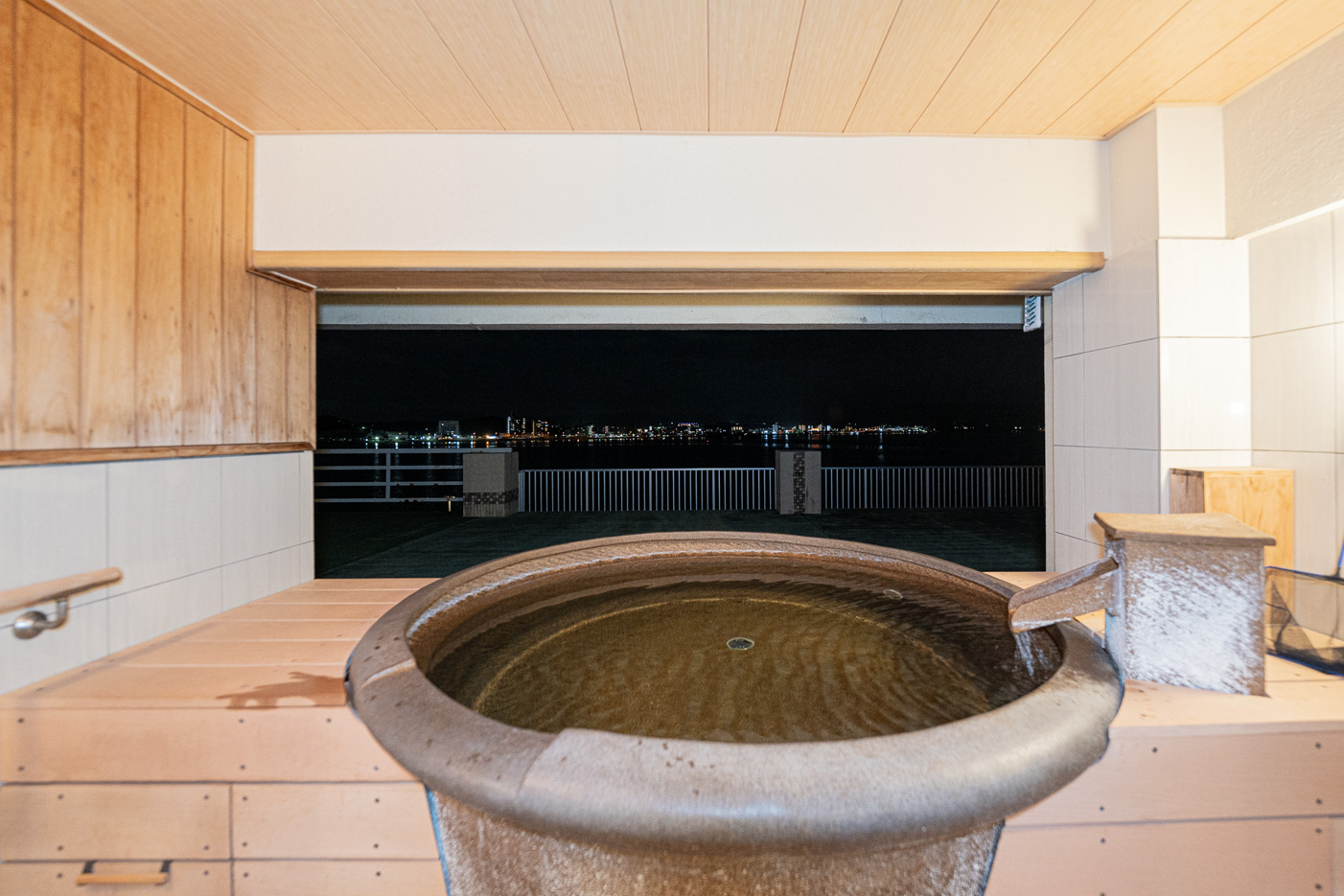
The source-period communal-bath hours were 6–9 a.m. and 4 p.m.–midnight. The account describes abundant spring water emerging at 77°C from 1,250 meters underground near the shore; this is the source temperature, not the bathing temperature. The clear, colorless water felt refreshing and smooth on the skin. An indoor bath faces a Japanese garden, with a hinoki open-air bath for women and a rock bath for men under the described allocation. A guest-only private outdoor bath was JPY 2,850 for 45 minutes, featuring a ceramic tub promoted as among Shimane’s largest, with the lake breeze and light around you.
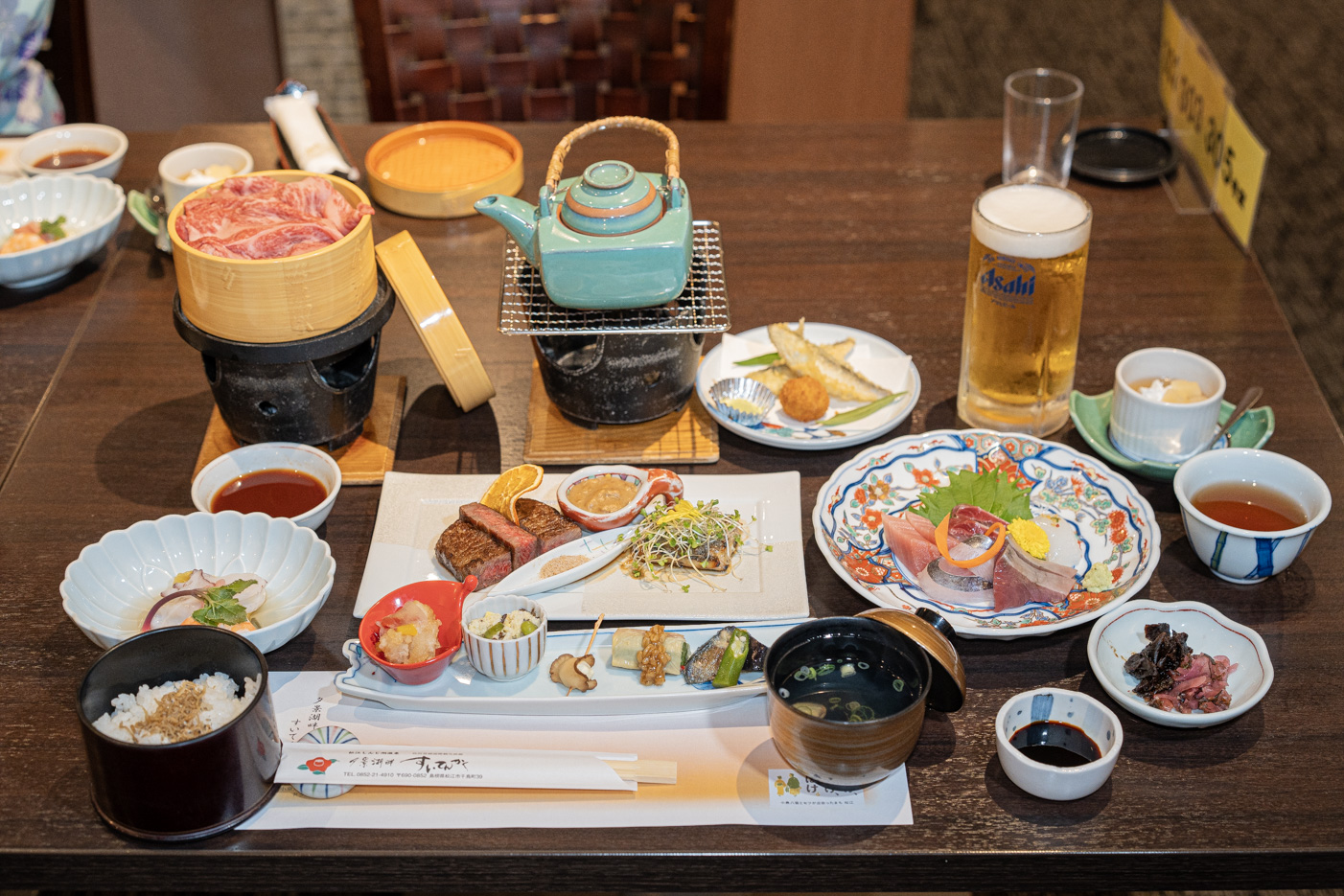
Dinner was as varied as San’in’s landscape, where sea, mountains and lake meet. The source introduces auction-sourced Sea of Japan seafood, Shimane wagyu and Lake Shinji’s seven specialties: sea bass, shirauo whitebait, carp, eel, moroge shrimp, amasagi smelt and shijimi clams. Small appetizers included eggplant and okra ohitashi, miso in a yuba roll, smoked iburigakko pickle with cheese, okara and nanban-style fish. Dobinmushi combined shrimp broth with anago eel, ginkgo nuts and mitsuba. Sashimi featured tuna, ‘burimasa’ identified in the source with Kindai-raised hiramasa, okiaji, squid and a fish transcribed as imogatsuo; uncertain names are retained rather than replaced with guessed species. Grilled tachiuo cutlassfish and akamutsu, associated here with nodoguro, came with flying-fish dashi sauce, chrysanthemum and sprouts. Wagyu steak had onion-and-porcini sauce. A hot pot of wagyu, chicken dumplings, shimeji and mizuna finished brightly with tomato ponzu. Sardine tempura and bite-size pumpkin croquettes added a sweeter note. Tottori rice with sansho-seasoned tiny fish and crisp daikon tamari pickles accompanied a clear soup full of shijimi. A small seasonal dessert was enough to finish.

Breakfast began with a nine-item tray including simmered black beans, plum-flavored namasu, seasoned konjac, eggplant, carrot salad and seaweed salad. Small hamburger steaks, simmered dishes, daily sides and the original keema curry joined bread, salad, fruit, shijimi soup, rice and juice in the buffet. The source also describes a semi-buffet of rice, shijimi soup, onsen eggs, salad, curry and daily dishes; the overlapping descriptions are retained rather than assumed to be two different meal plans.
Google Maps: https://maps.app.goo.gl/tceyBpAsm4rUp8JC6
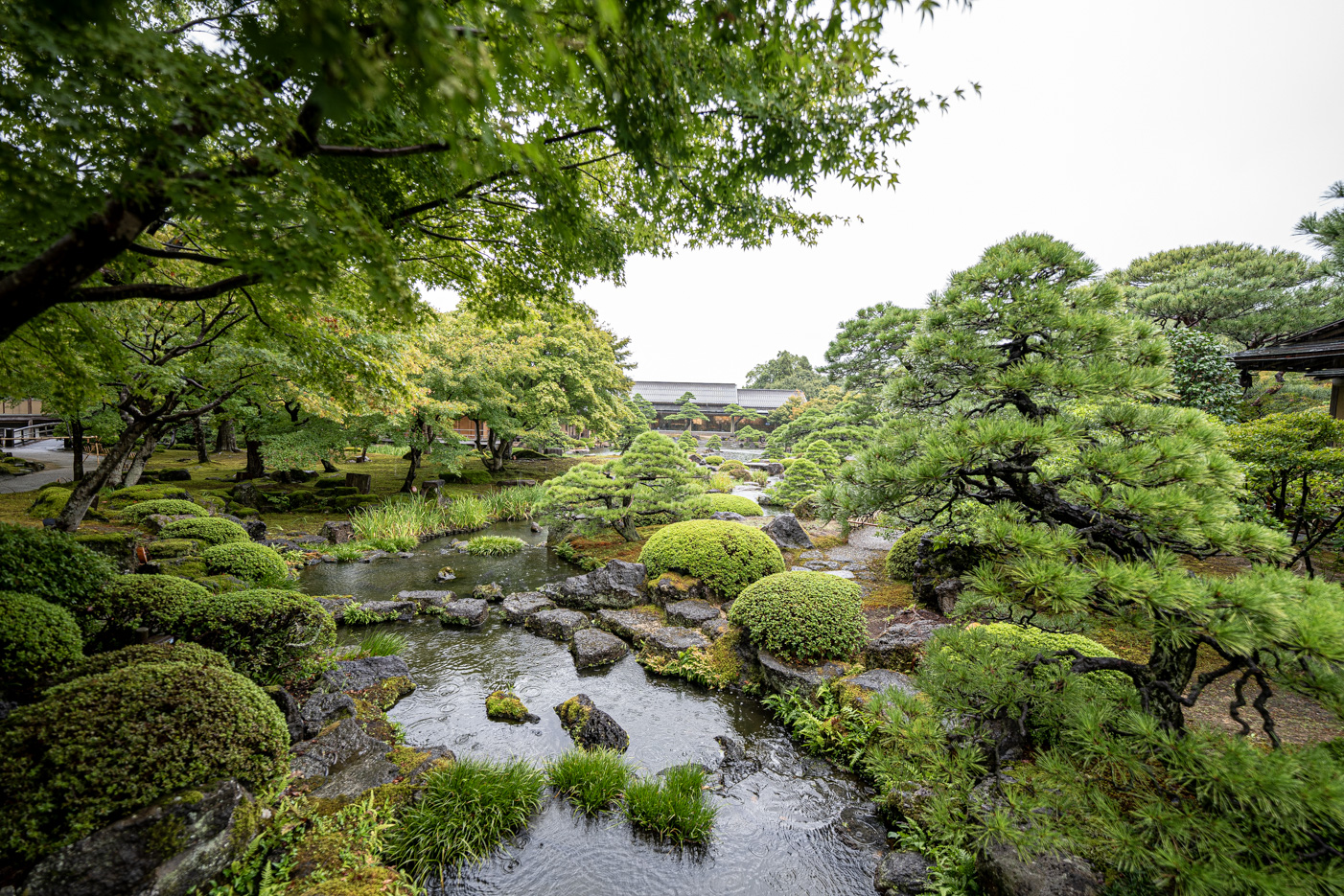
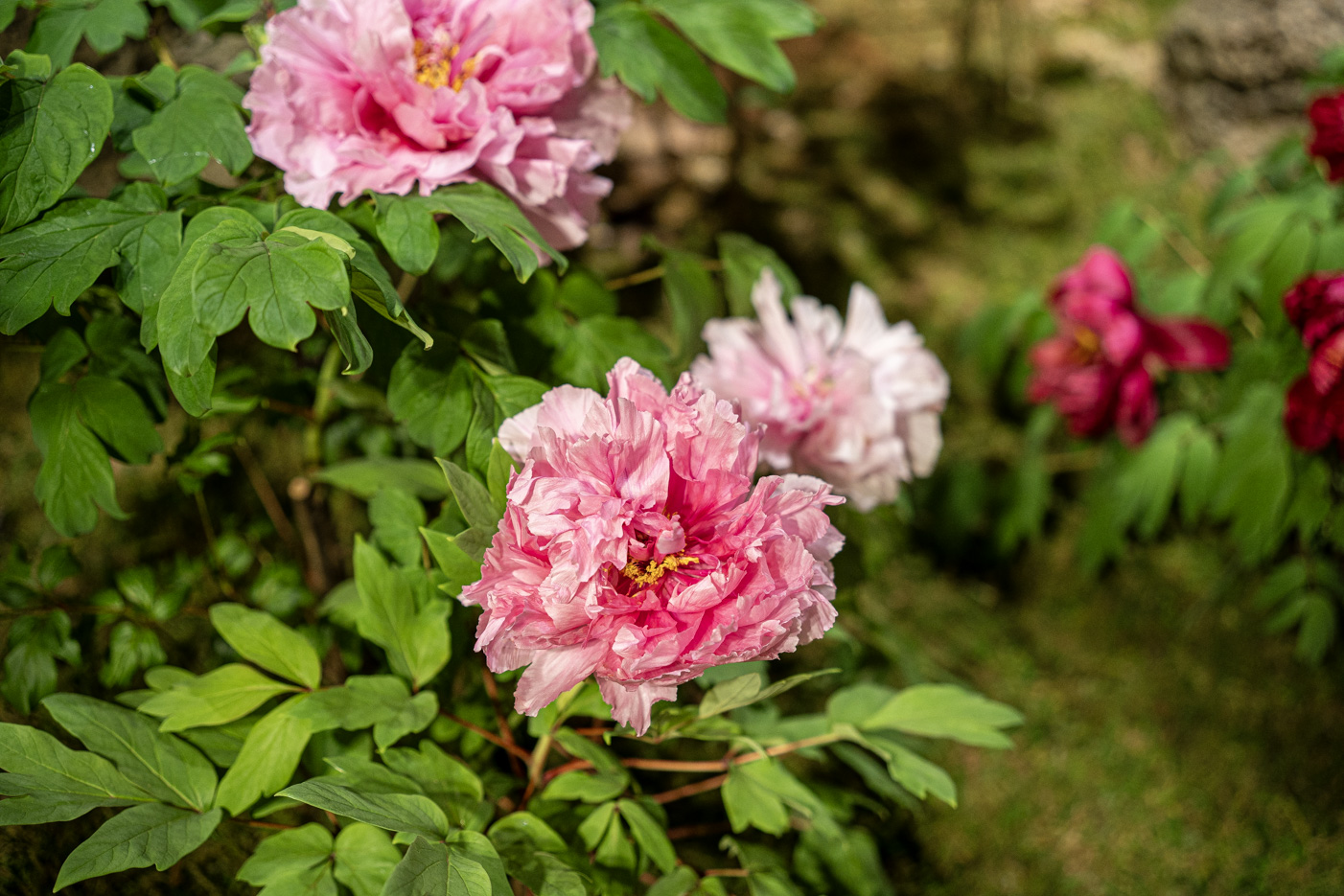
On the second morning, a roughly 50-minute bus ride took us to Yuushien (由志園) on Daikonshima. The source quotes adult admission of JPY 1,000, varying by season, and hours of 10 a.m.–5 p.m. Its roughly 40,000-square-meter pond-stroll garden changes through peonies, cherry blossoms, herbaceous peonies and irises in spring, autumn leaves, and winter snow and illumination. The pond-filling peonies around May’s Golden Week and the autumn dahlia display are described as especially striking.
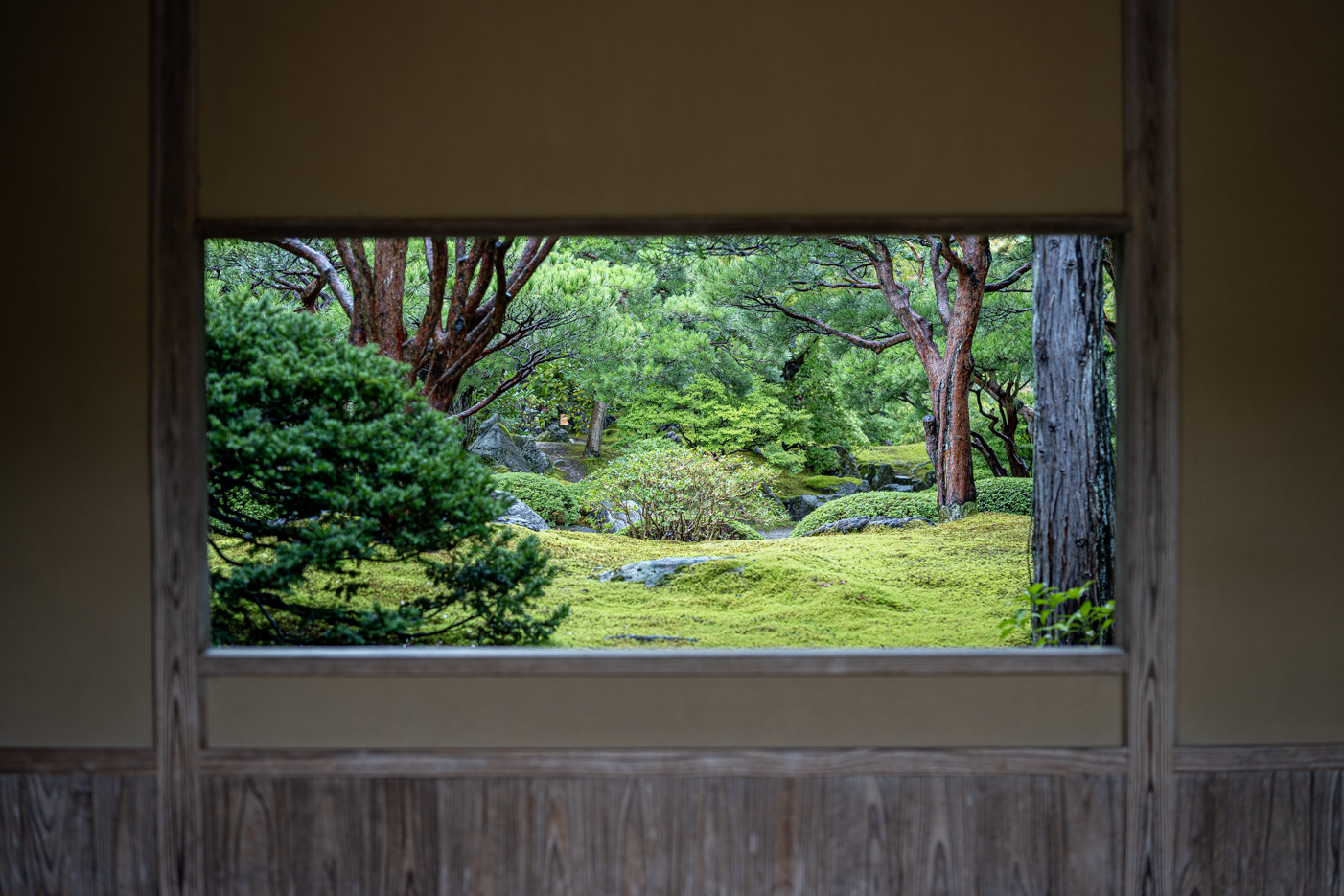
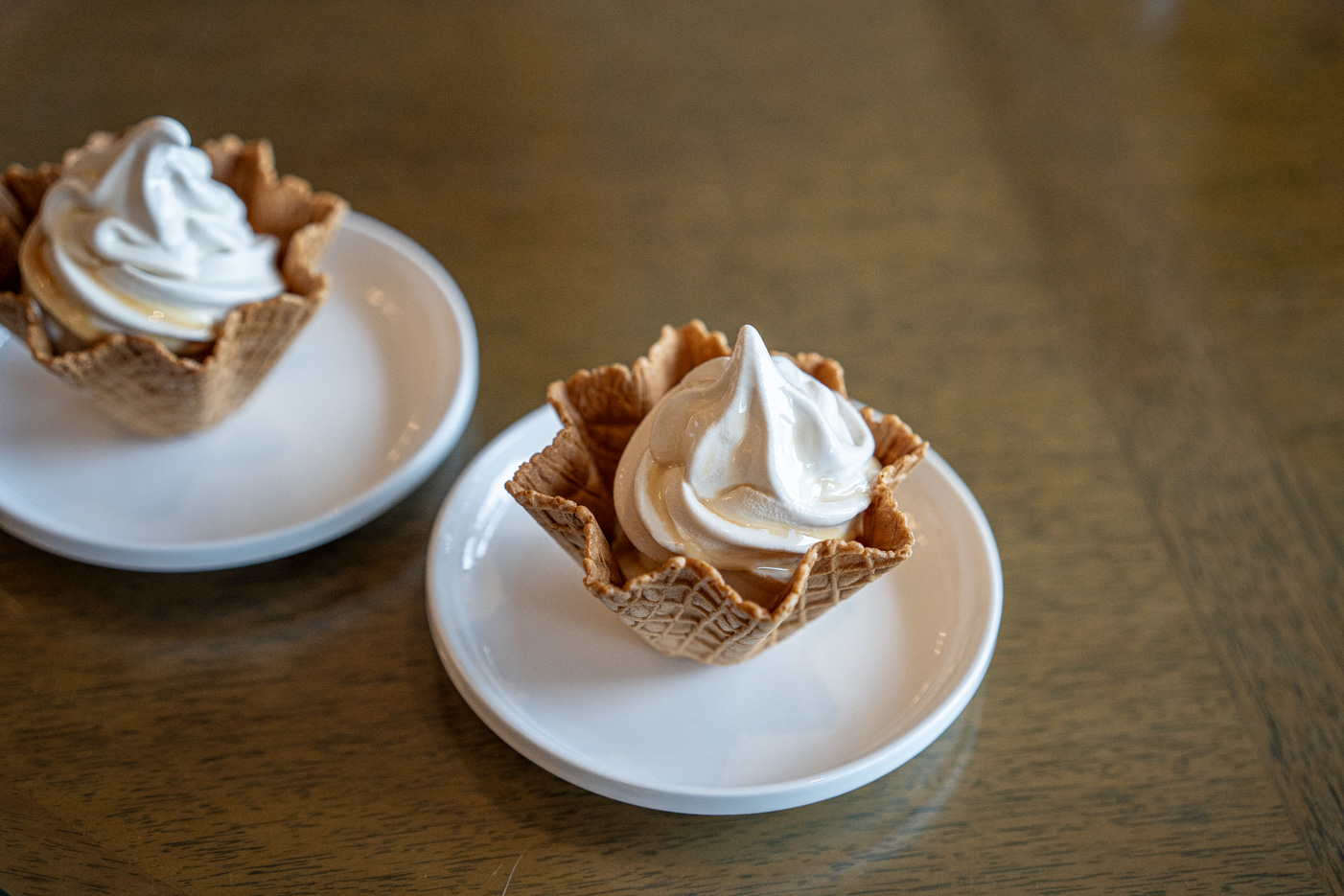
At Café Ichibo (一望), overlooking the garden, the source introduces roasted ginseng coffee and ginseng tea. Ginseng soft serve, JPY 680, had a gentle aroma and restrained sweetness. Restaurants and shops added local products and peony-themed sweets. These are flavors and menu descriptions, not health claims.
Google Maps: https://maps.app.goo.gl/qvEuBspUwCkEhEfv8
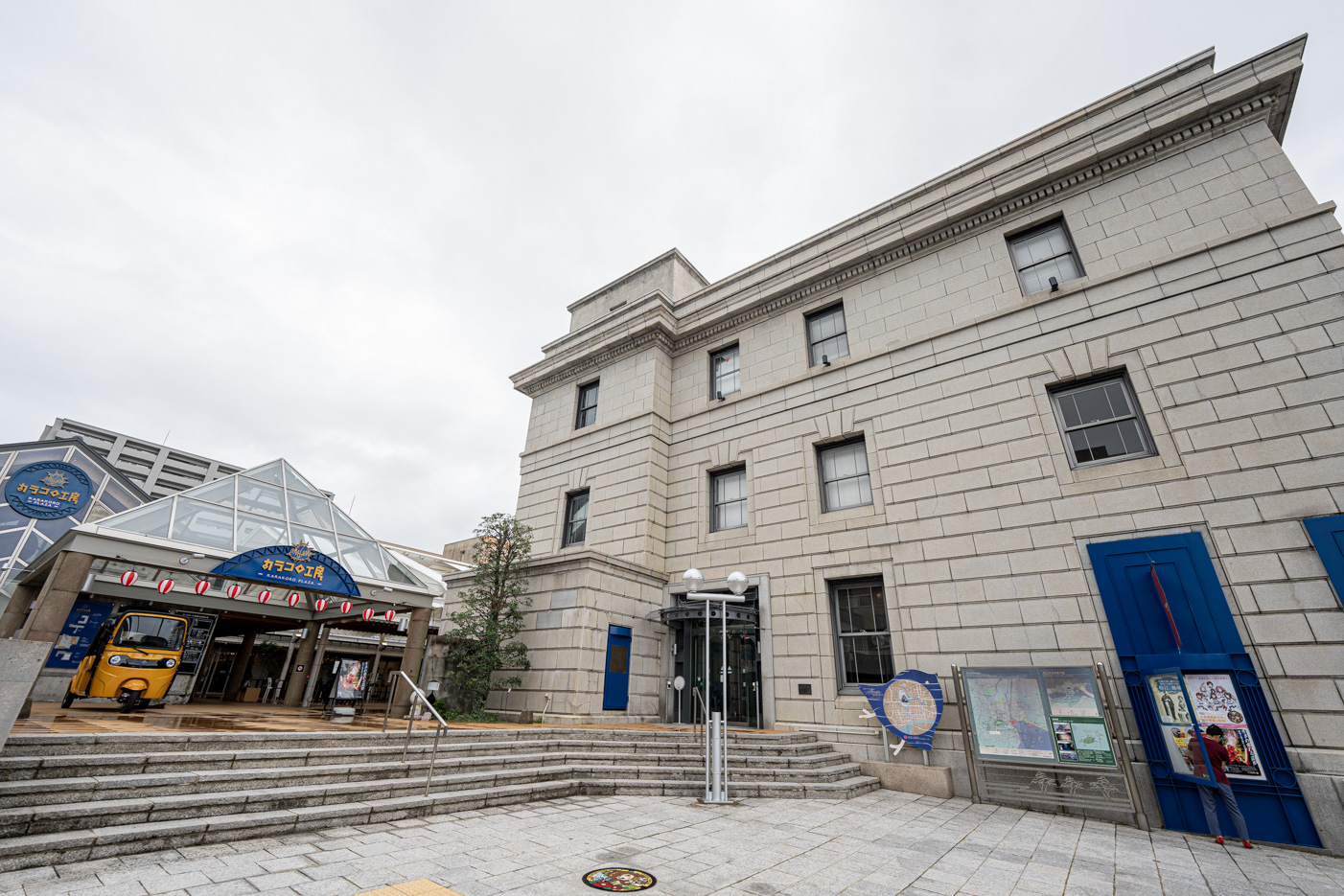
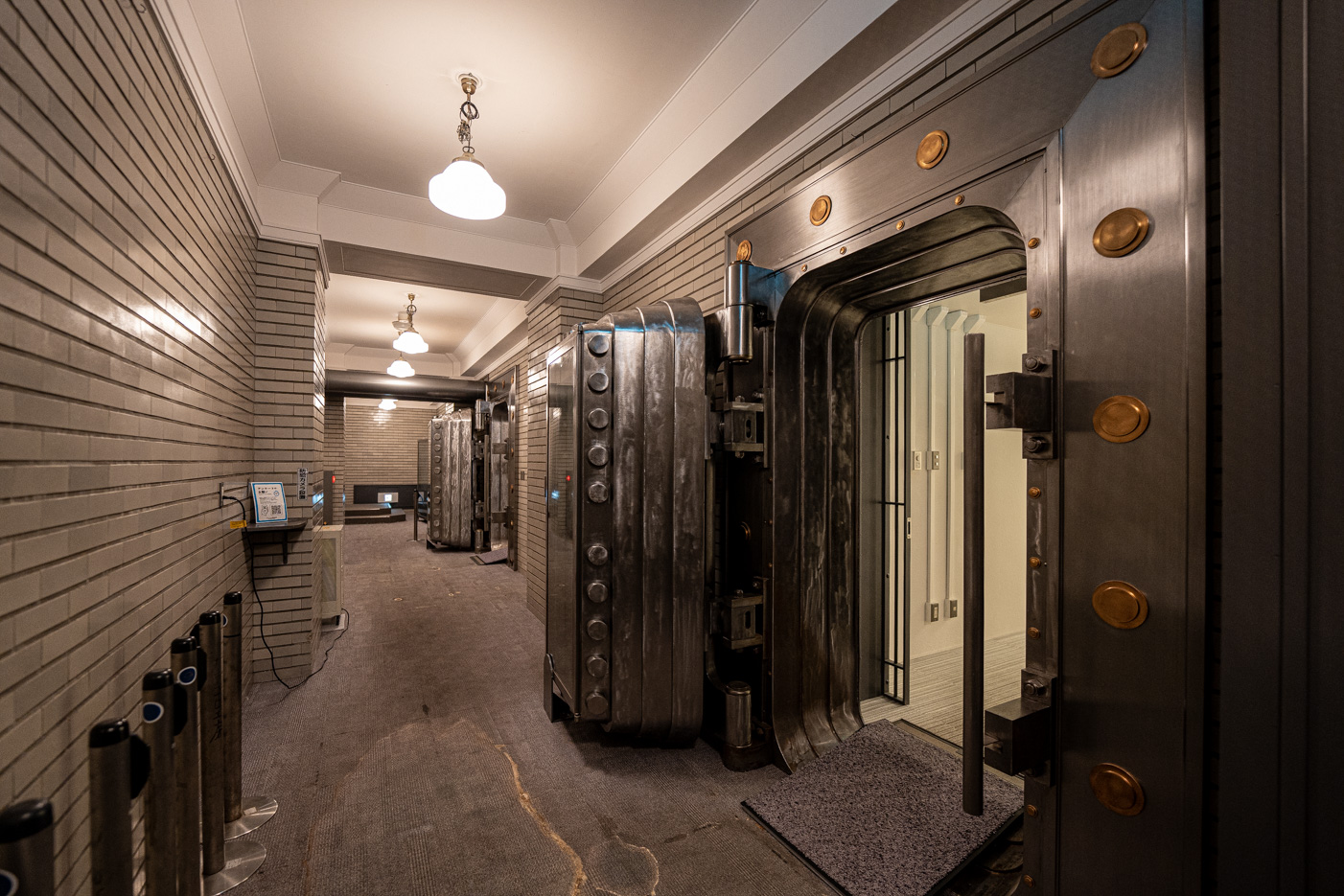
Back in town, Karakoro Art Studio occupies the former Bank of Japan Matsue branch, designed by Uheiji Nagano in 1938. Exterior columns, the banking counter, lighting, second-floor gallery and gridded windows retain its earlier atmosphere. In the basement exhibition area, the huge vault door conveys the physical weight of the bank’s former purpose.
Google Maps: https://maps.app.goo.gl/7f3JBTREKfZFufDg8
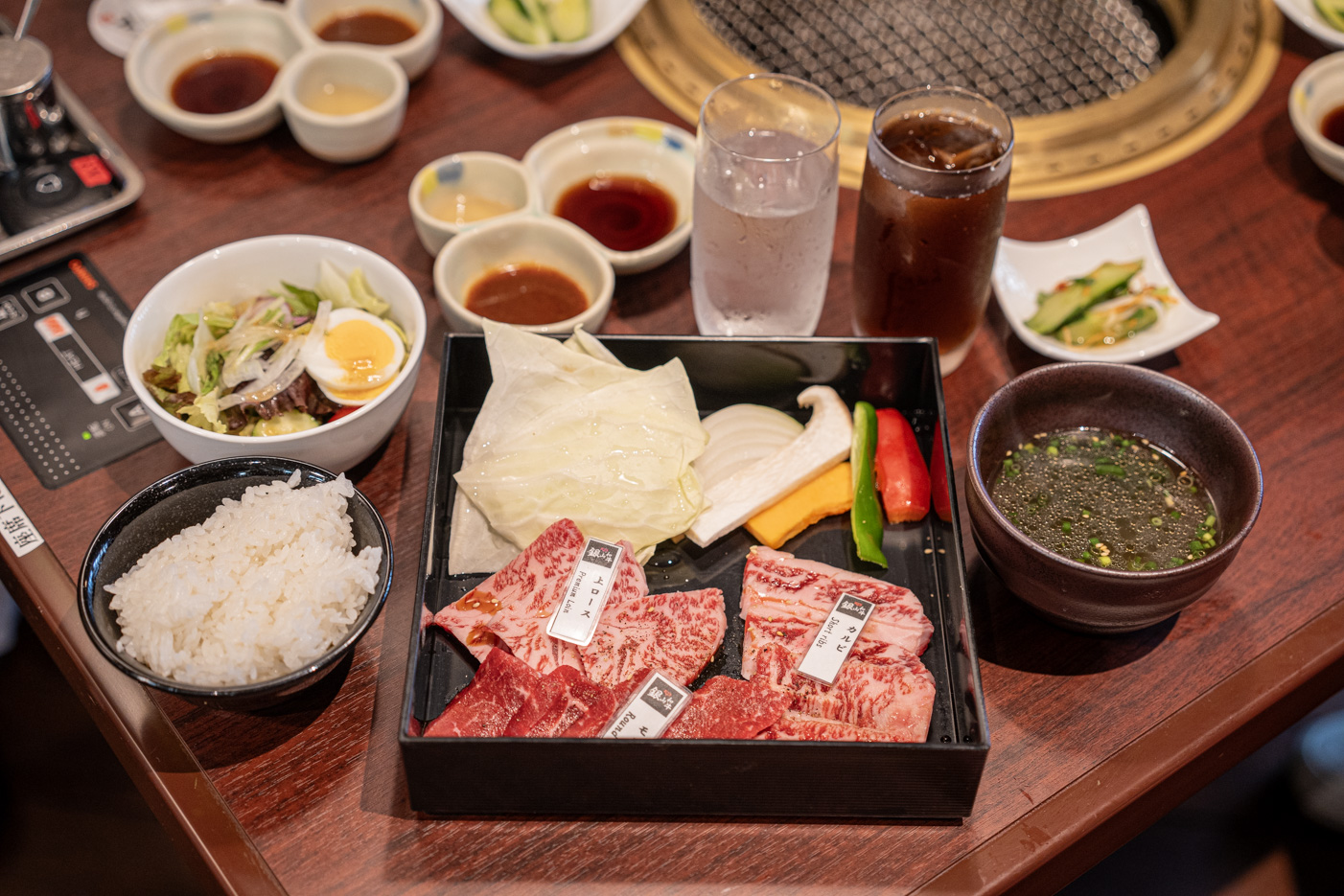
On the first floor is Shimane Bokujo Ginzan Wagyu’s Karakoro restaurant (しまね牧場 銀山和牛). Farm-direct Japanese Black beef raised in Oda, Shimane, showed freshness and sweet fat in the source experience. Smokeless tables helped reduce clothing odors rather than guarantee their complete absence. The branch-exclusive Karankoron Set was JPY 2,980, with meat, grilling vegetables, salad, egg soup, kimchi, rice, ice cream and coffee. The premium loin was especially tender and juicy. Sauce choices were sweet tare, miso tare and lemon.
Google Maps: https://maps.app.goo.gl/PUiaRqDKK2b3AiRX6
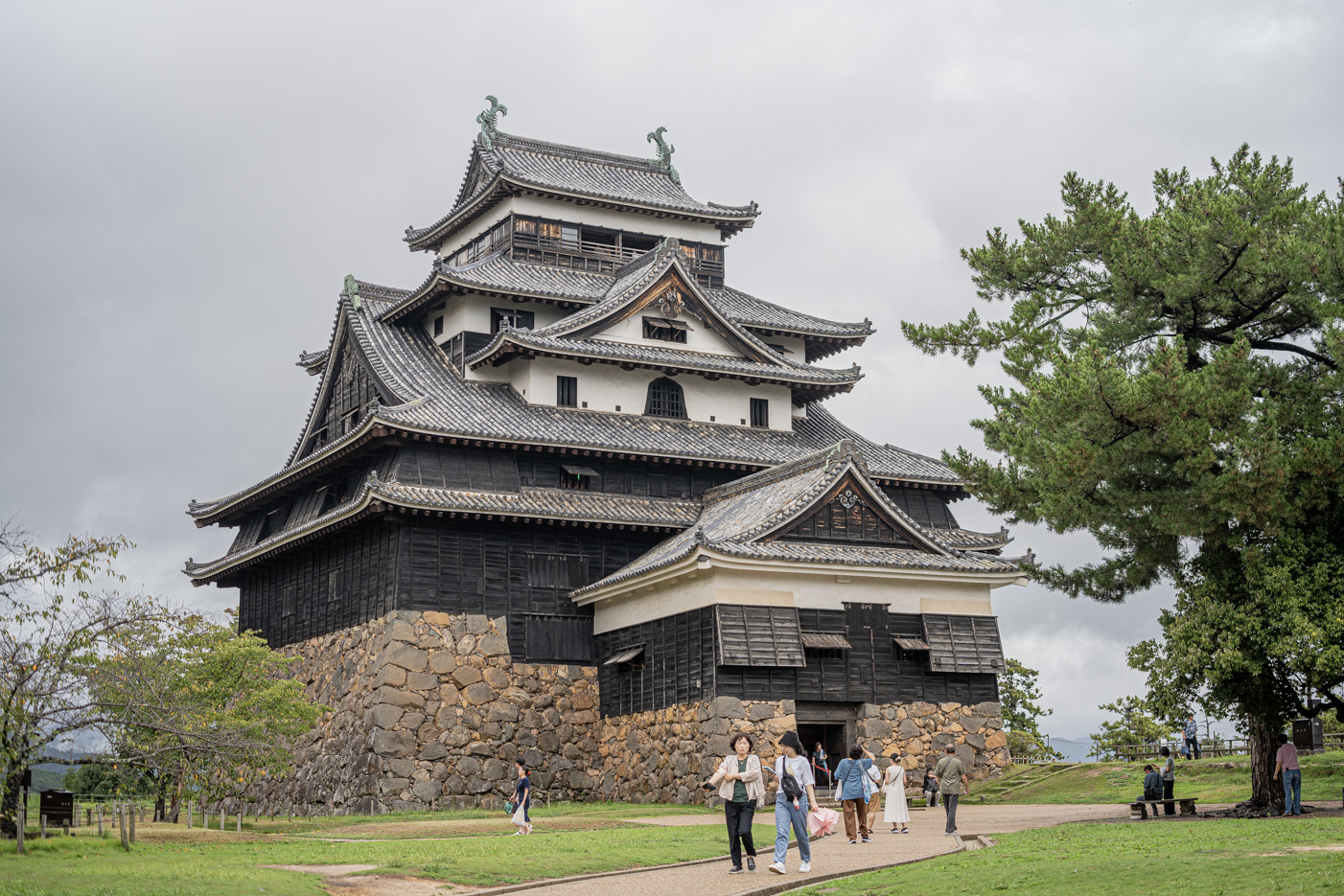

After lunch, we headed to National Treasure Matsue Castle. One of Japan’s twelve surviving original keeps, it was designated a National Treasure in 2015. The source describes it as second in area and third in height among the relevant keeps, without specifying the measurement basis. Restrained dignity, rather than elaborate ornament, defines its appearance.
Google Maps: https://maps.app.goo.gl/71V2hA6oF2tApxPK7
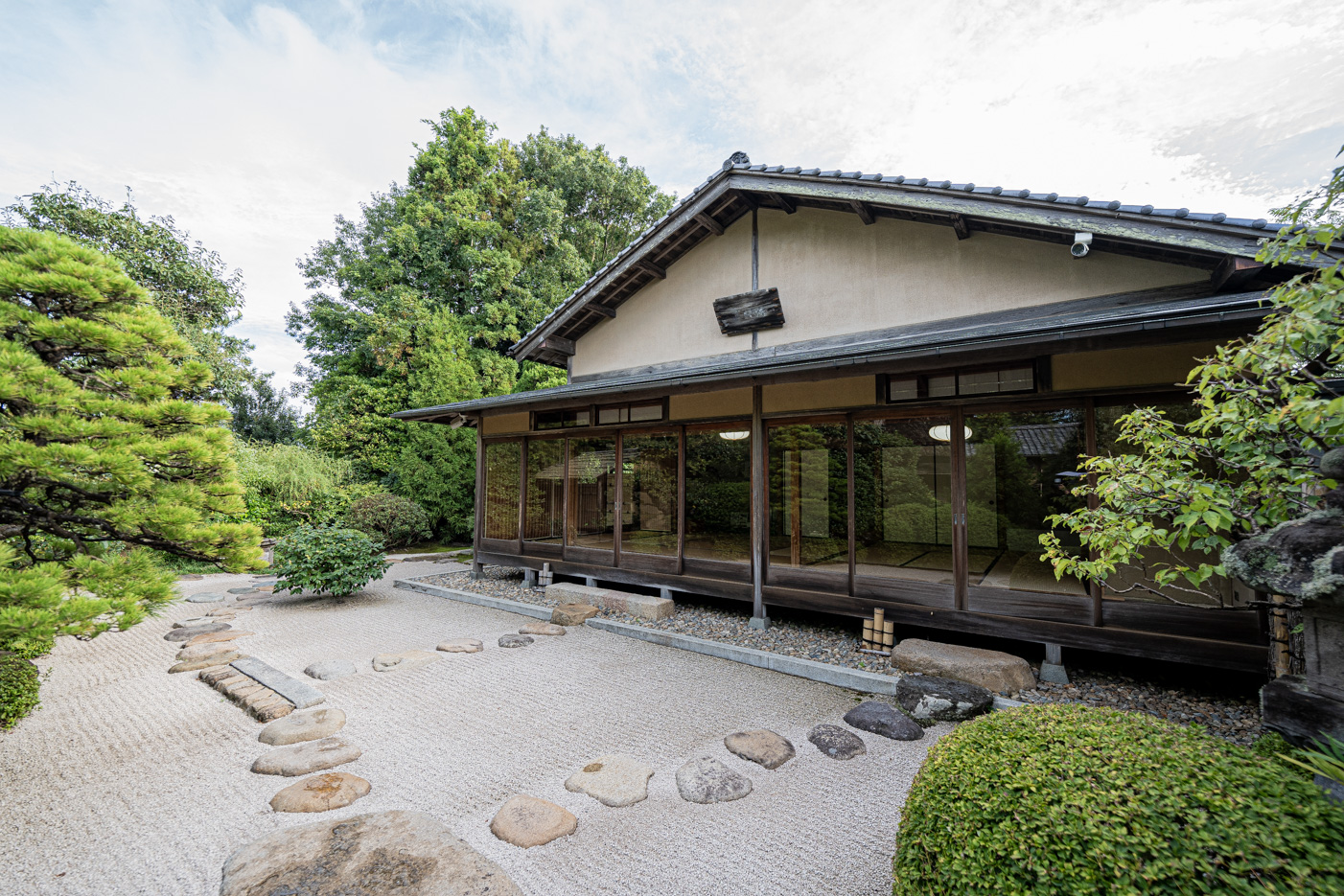

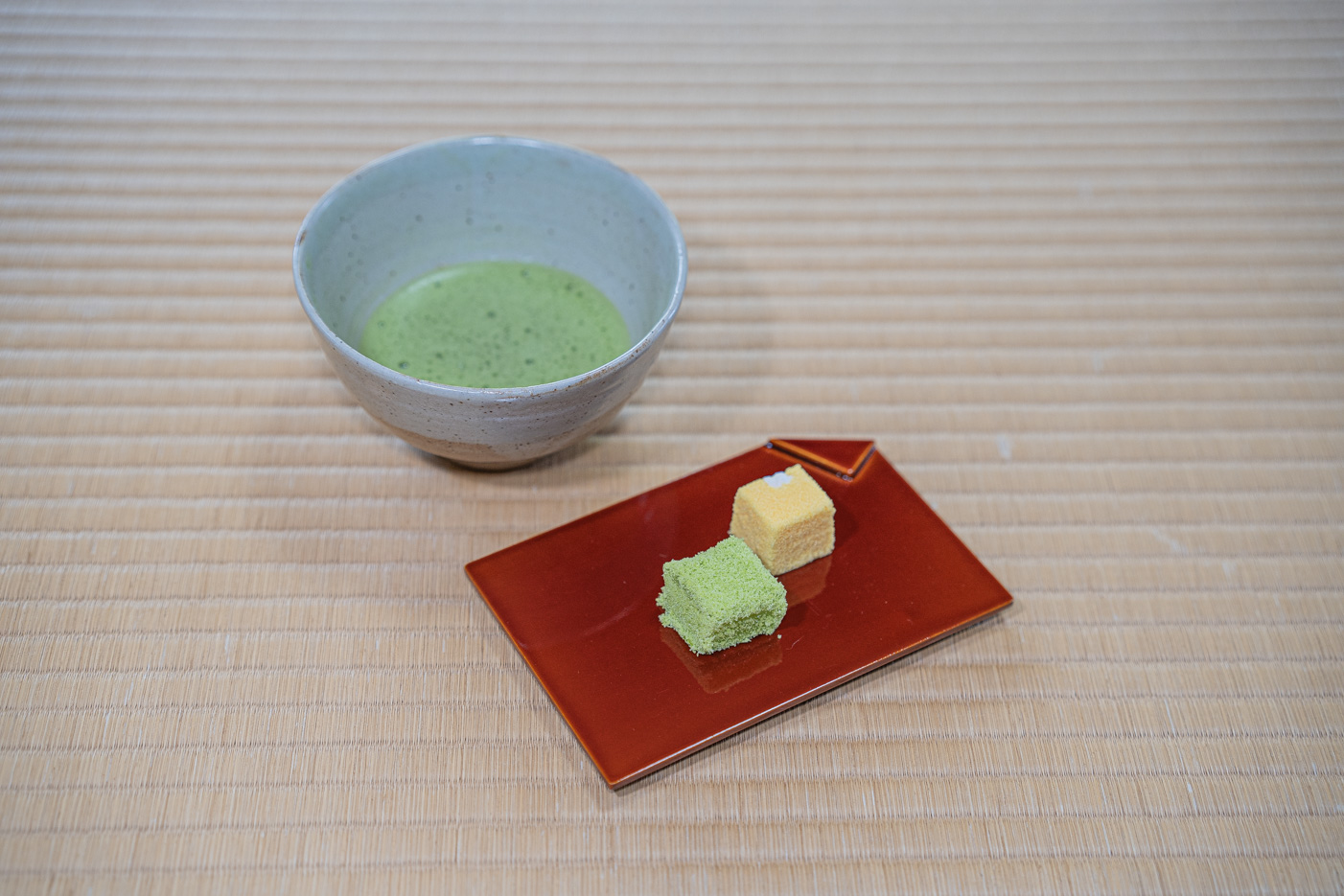
On a hill by Shiomi Nawate north of the castle, Meimei-an (明々庵) expresses Matsue’s tea culture. The source quotes JPY 600 admission and another JPY 600 for matcha and two Japanese sweets, around ten minutes on foot from the castle. Built in 1779 under the seventh lord, Fumai, it was restored at its present location in 1966 and designated a prefectural cultural property. Tea-room details include a nijō-daime layout, shimōza-doko alcove and mukōgiri hearth arrangement. The open site provides an unusual castle view outside the building. Independent visitors could come without reservations under the source-period arrangements and encounter Izumo-style tea practice, different from Kyoto’s. The author understands why people compare its beauty with Kyoto’s.
Google Maps: https://maps.app.goo.gl/aV75Vc4BgnKU2VmLA
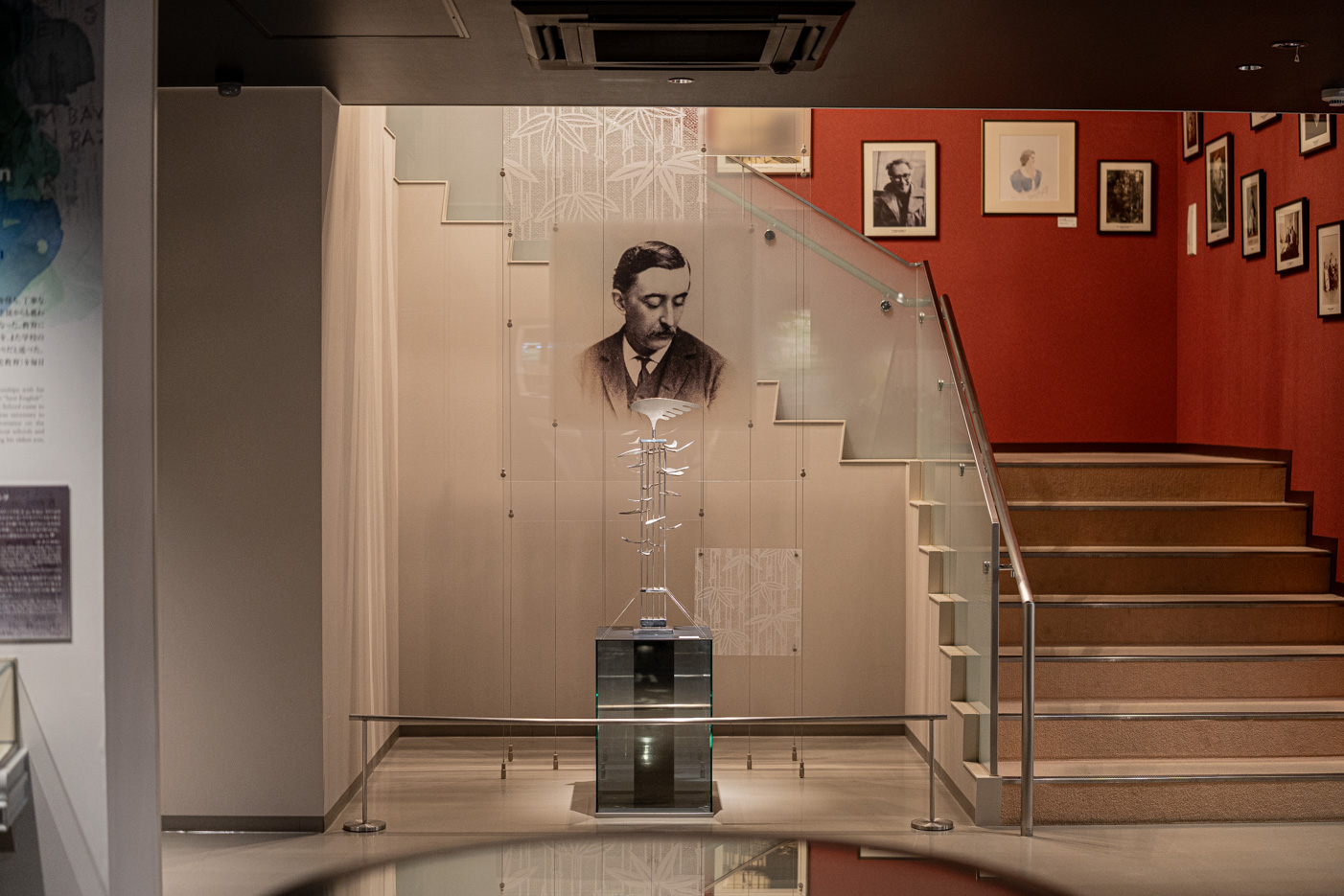
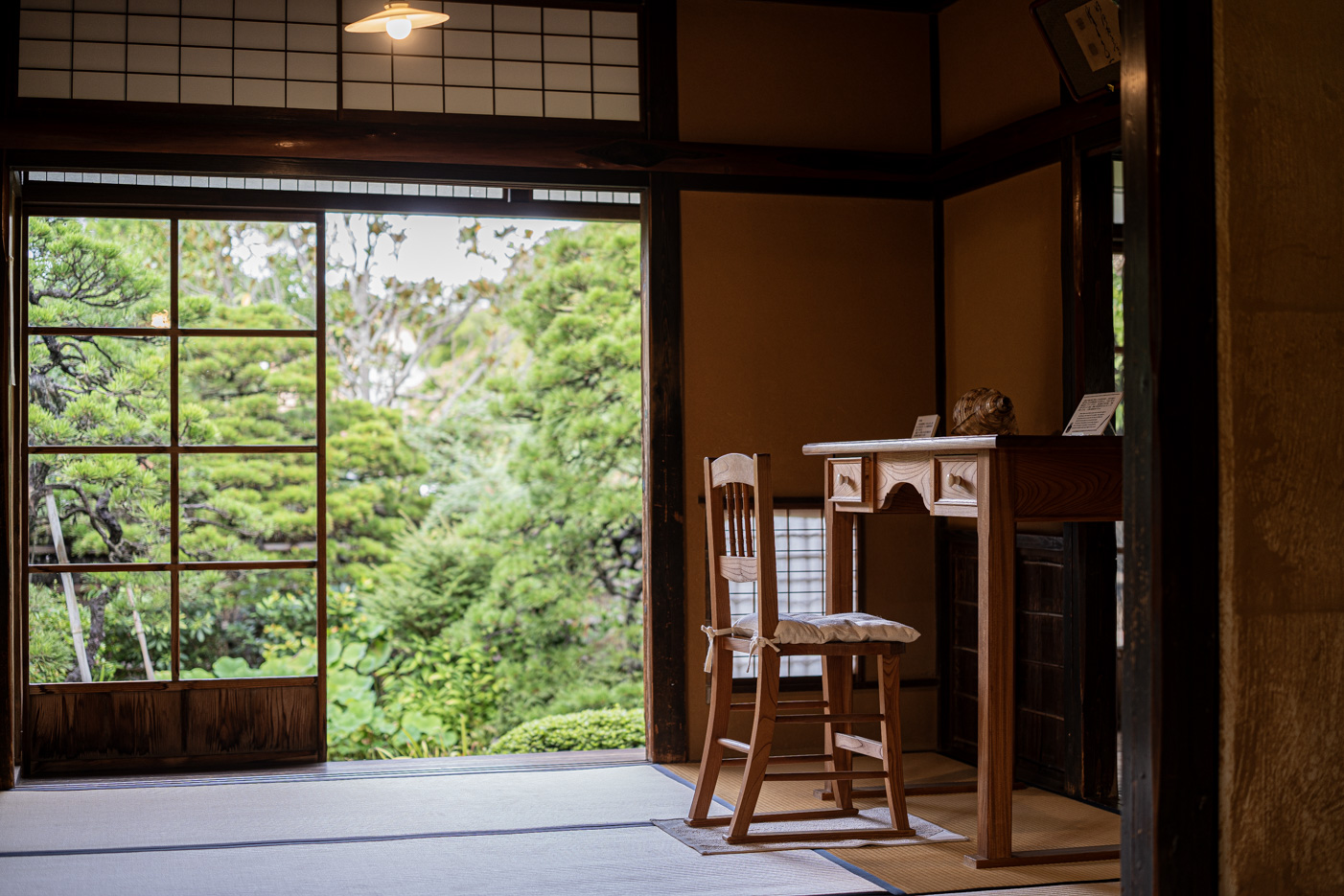
In this literary city, Lafcadio Hearn—Koizumi Yakumo (小泉八雲)—also has a former home and museum. The house was the first home of Hearn and his wife Setsu. A replica raised desk recalls accommodations for his poor vision and blindness in his left eye, while the garden retains its earlier form. The museum, quoted at JPY 600 admission and around 16 minutes on the Lakeline bus from JR Matsue Station, introduces works such as Glimpses of Unfamiliar Japan and Kwaidan through graphics and video. Personal objects, first editions and manuscripts fill the displays. A retelling corner presents San’in ghost stories; a second-floor library holds works and related literature with a search system. An exhibition viewing Kwaidan through Setsu’s perspective and readings by Shiro Sano left a lasting impression of the city.
The museum normally prohibits photography, according to the source.
Google Maps: https://maps.app.goo.gl/VArAMPqYSPMztBZU9
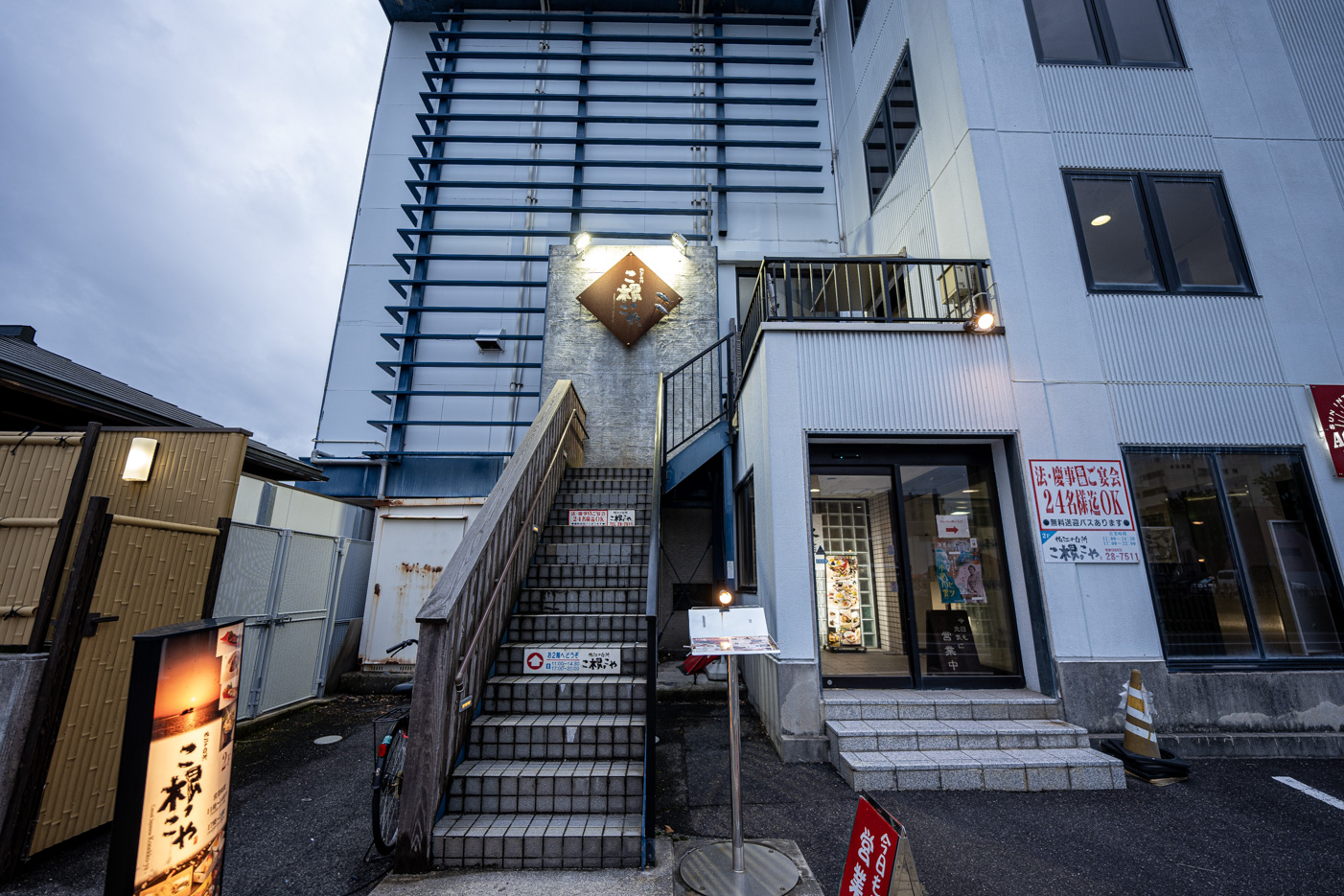
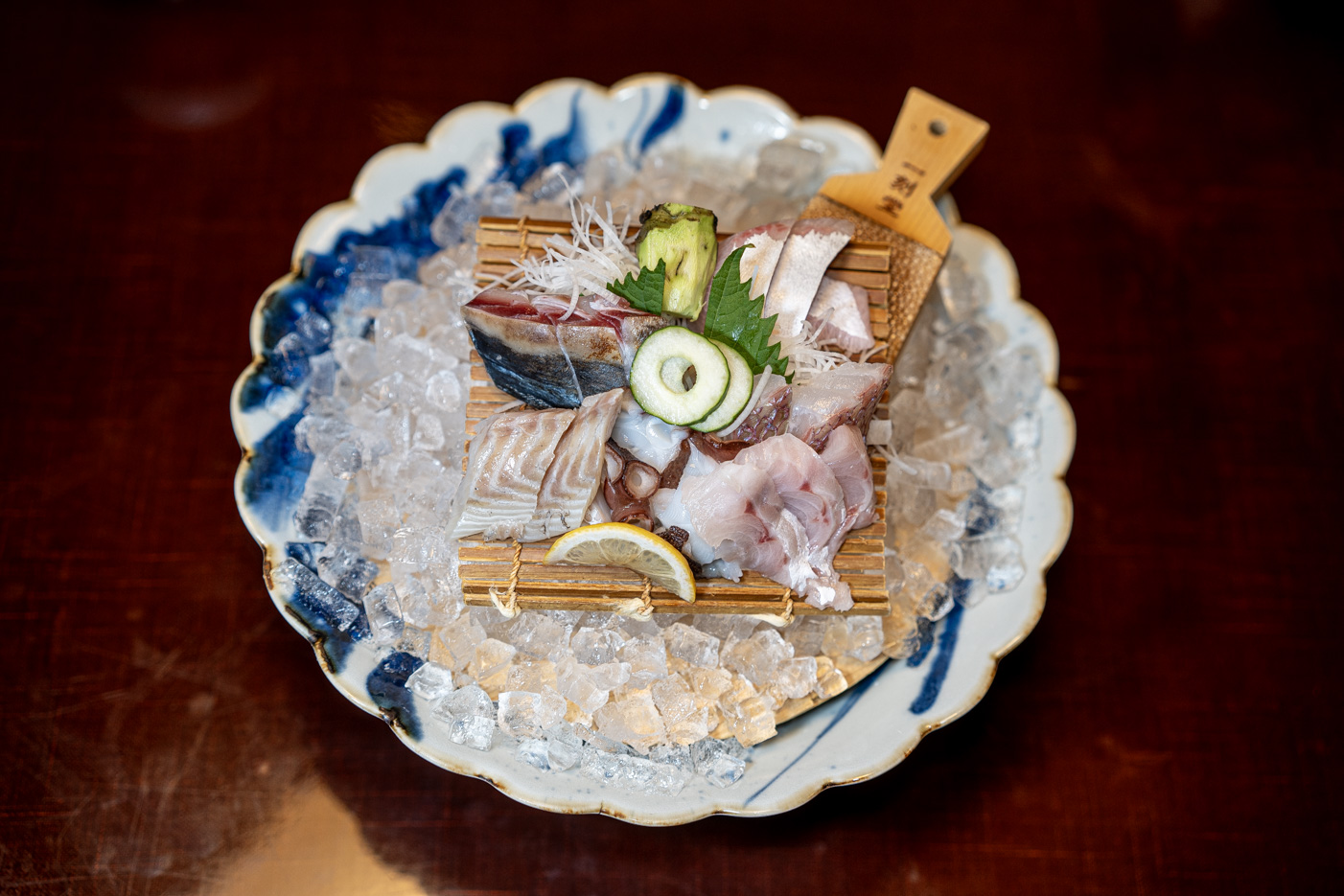
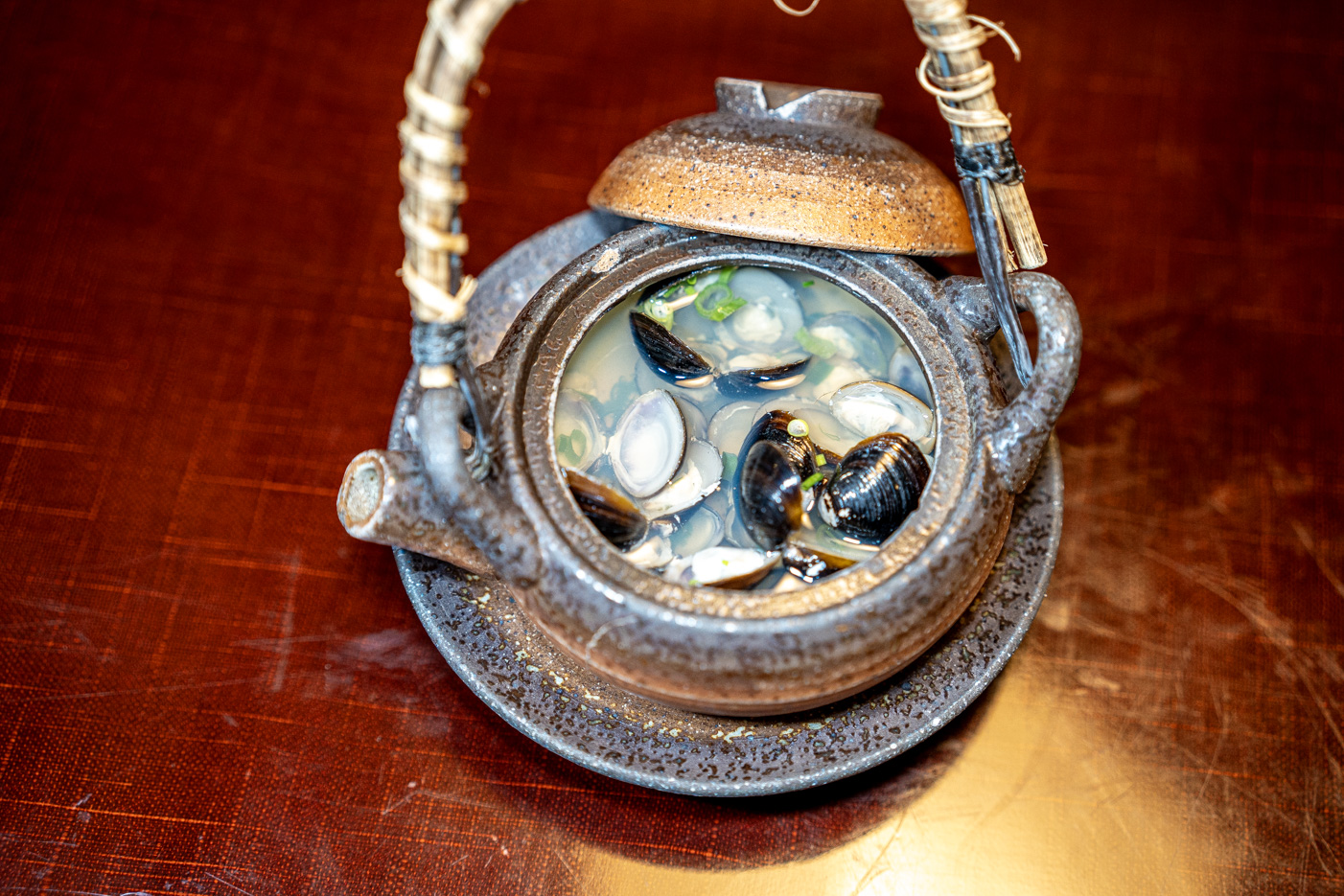
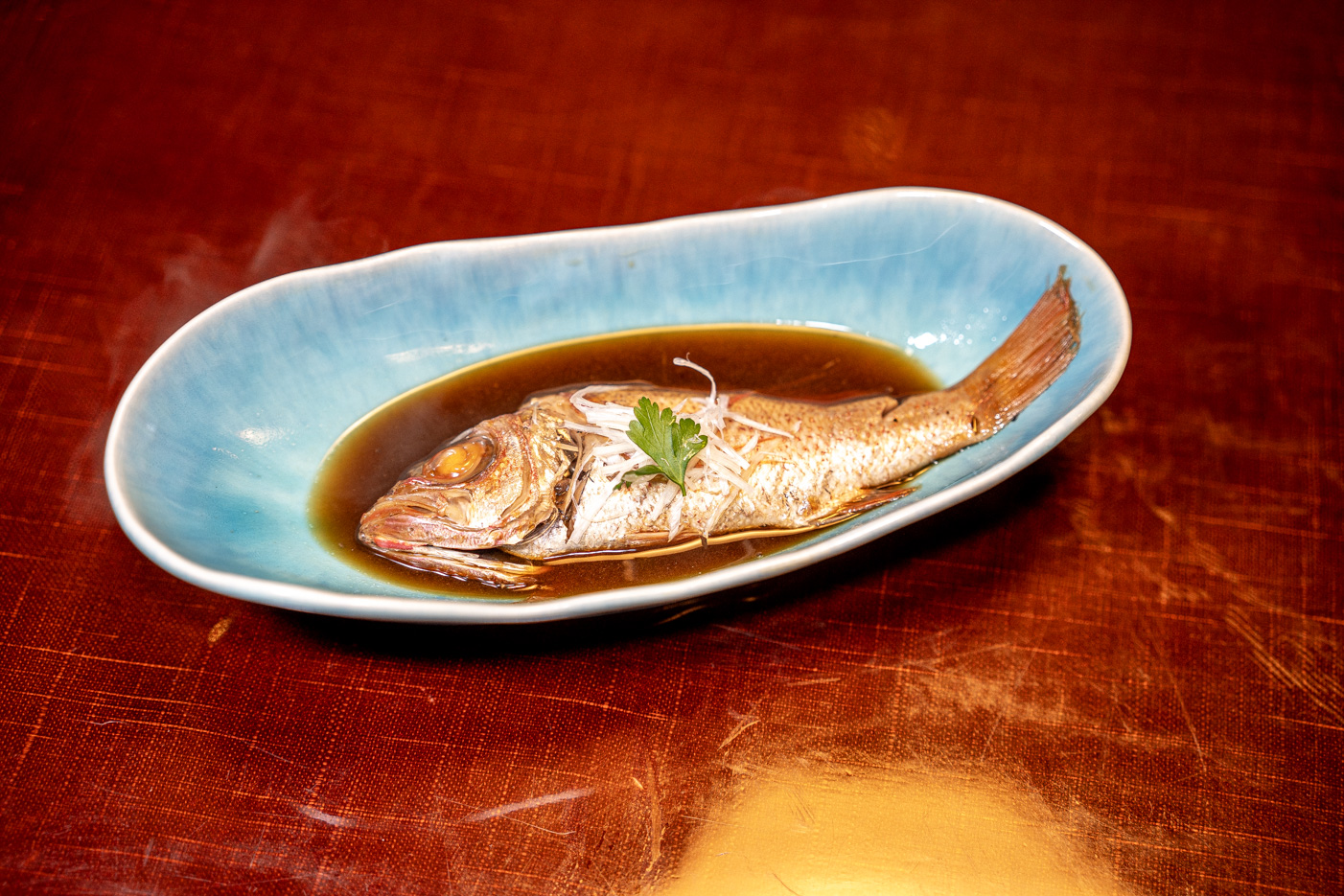
Dinner was at Konekko-ya (松江の台所 こ根っこや), on the second floor of Shinjiko Shijimi-kan. Sake-steamed shijimi, JPY 770, combined lake clams with Kyoto-style dashi. Simmered nodoguro, JPY 2,380, had the rich umami of this prized white fish. A three-kind sashimi selection including nodoguro was JPY 2,900, and sea-bream chazuke JPY 950. Izumo soba salad and the lake view added to a satisfying end to the afternoon’s walking.
Google Maps: https://maps.app.goo.gl/wW364hhWGBtkDPFU7
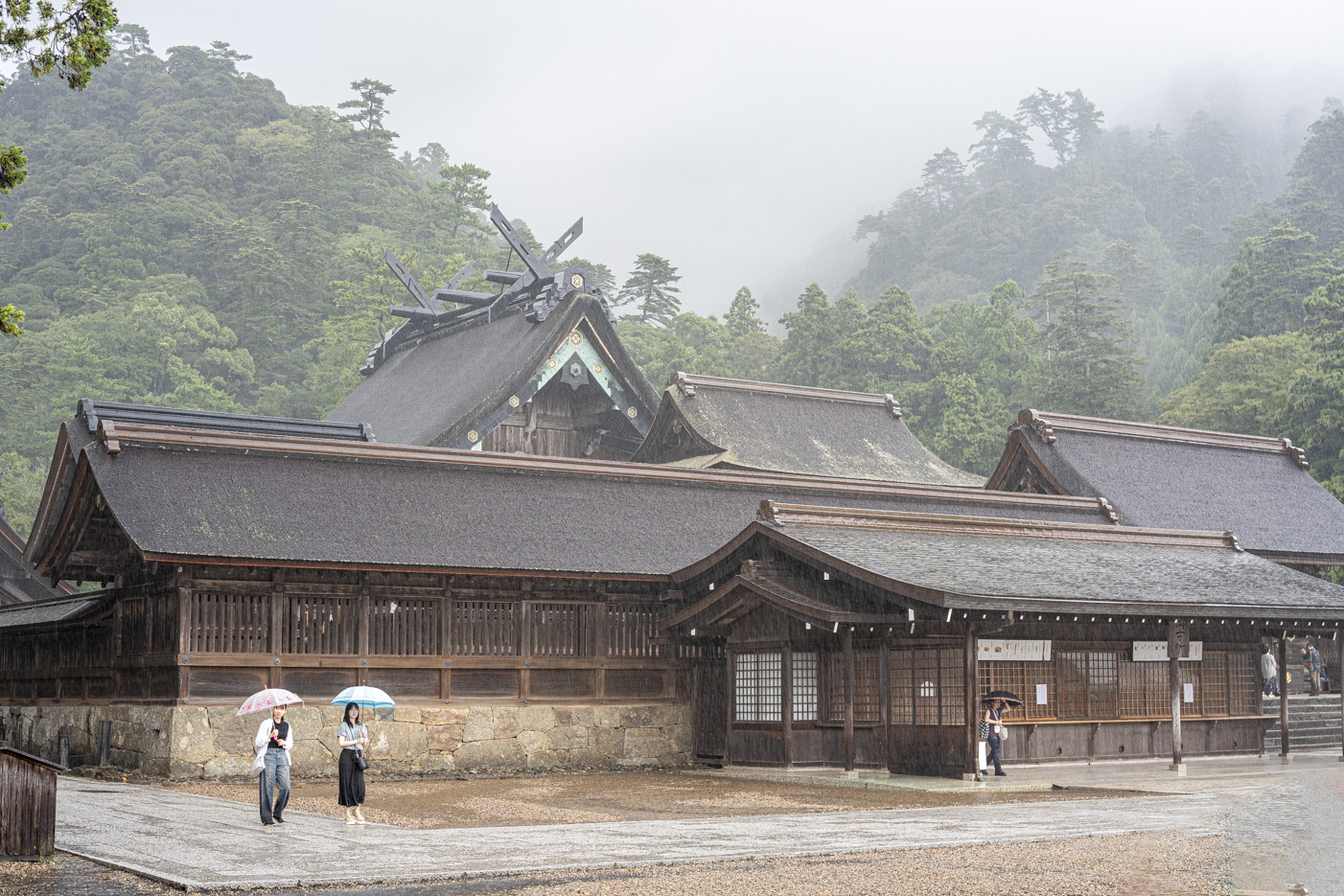
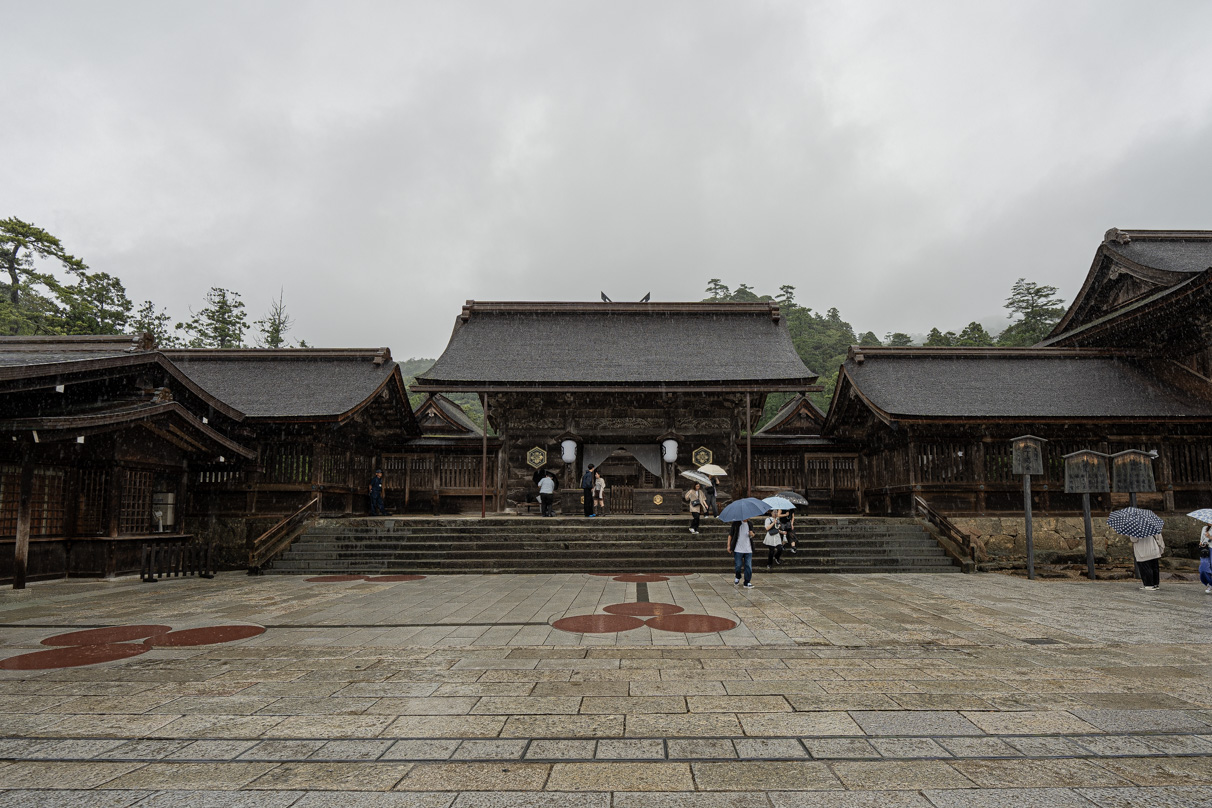
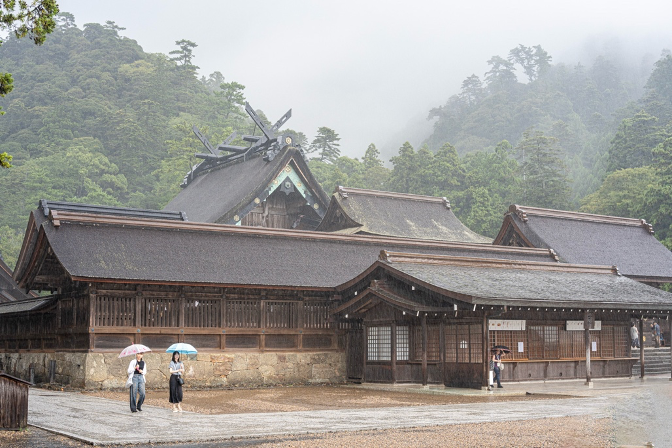
On the third day, Izumo Taisha brought the phrase ‘land of the gods’ to life. Rain and cloud covered the area during our visit, creating an appropriately mysterious atmosphere. The principal deity is Okuninushi-no-Okami (大国主大神). In the Kojiki’s land-transfer myth, he yields the land to Amaterasu, and a grand palace is built as part of the shrine’s origin story. The present main hall dates to 1744 and is described as around 24 meters high, or roughly 23 meters in some sources, among Japan’s largest. Tradition speaks of a 96-meter structure in remote antiquity and a 48-meter one in the Heian period; these are transmitted accounts, not established measurements of surviving buildings. In 2000, huge grouped-three-post foundations were excavated to the south, lending weight to discussion of an earlier monumental shrine.
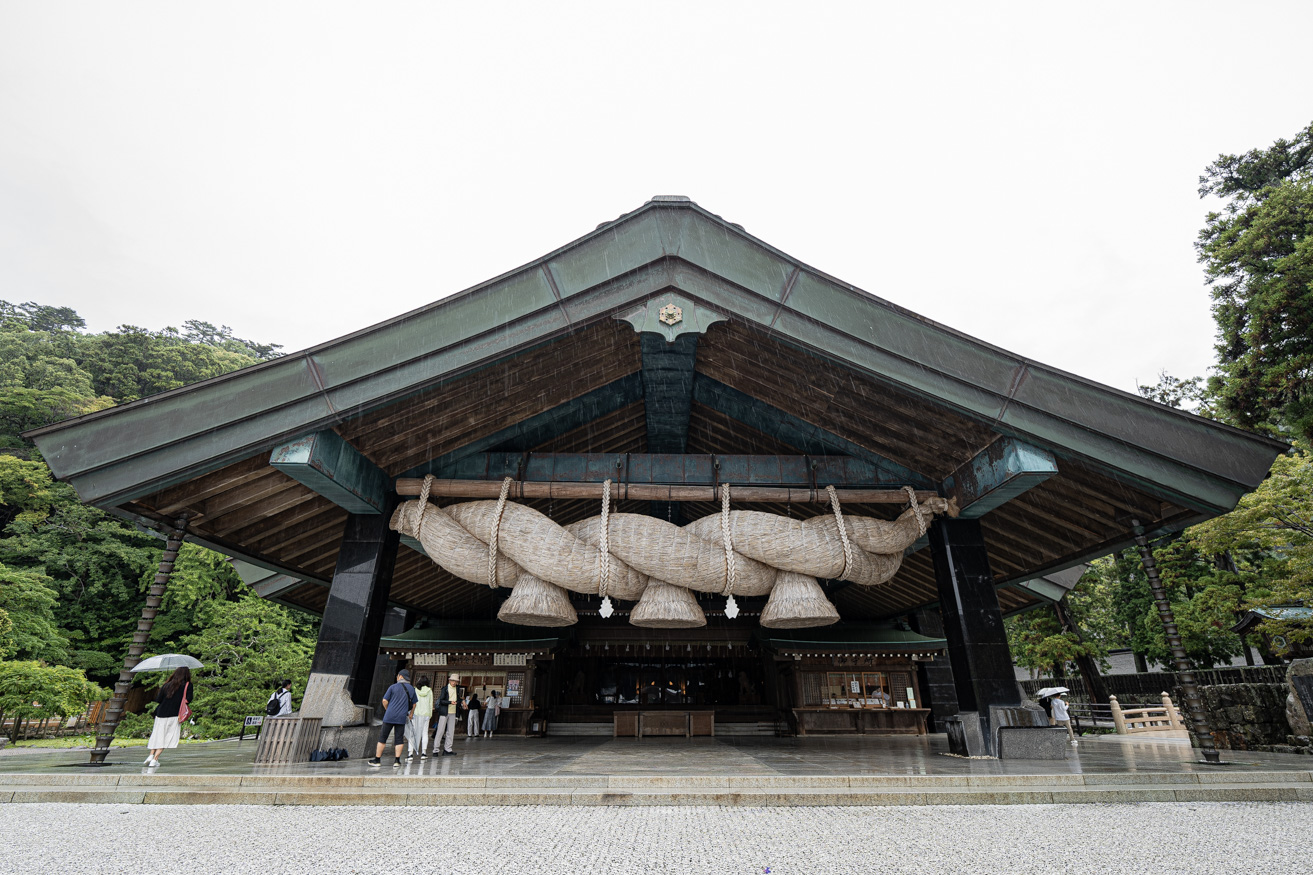
A huge shimenawa rope, described as 13.6 meters long and 5.2 tons, hangs at the Kaguraden, with replacement every six to eight years in the source account. Inasa Beach, where the gods are welcomed, and a tradition of offering sand beneath the eaves at Soga Shrine connect mythology with local practice. Shinmon-dori’s pine-lined approach and the Shimane Museum of Ancient Izumo extend that route. Couples and newlyweds gathering to reaffirm affection and relationships feel natural in this setting; the account describes their practice rather than promising any result.
Google Maps: https://maps.app.goo.gl/eRg2WoEFWMiwcvo78
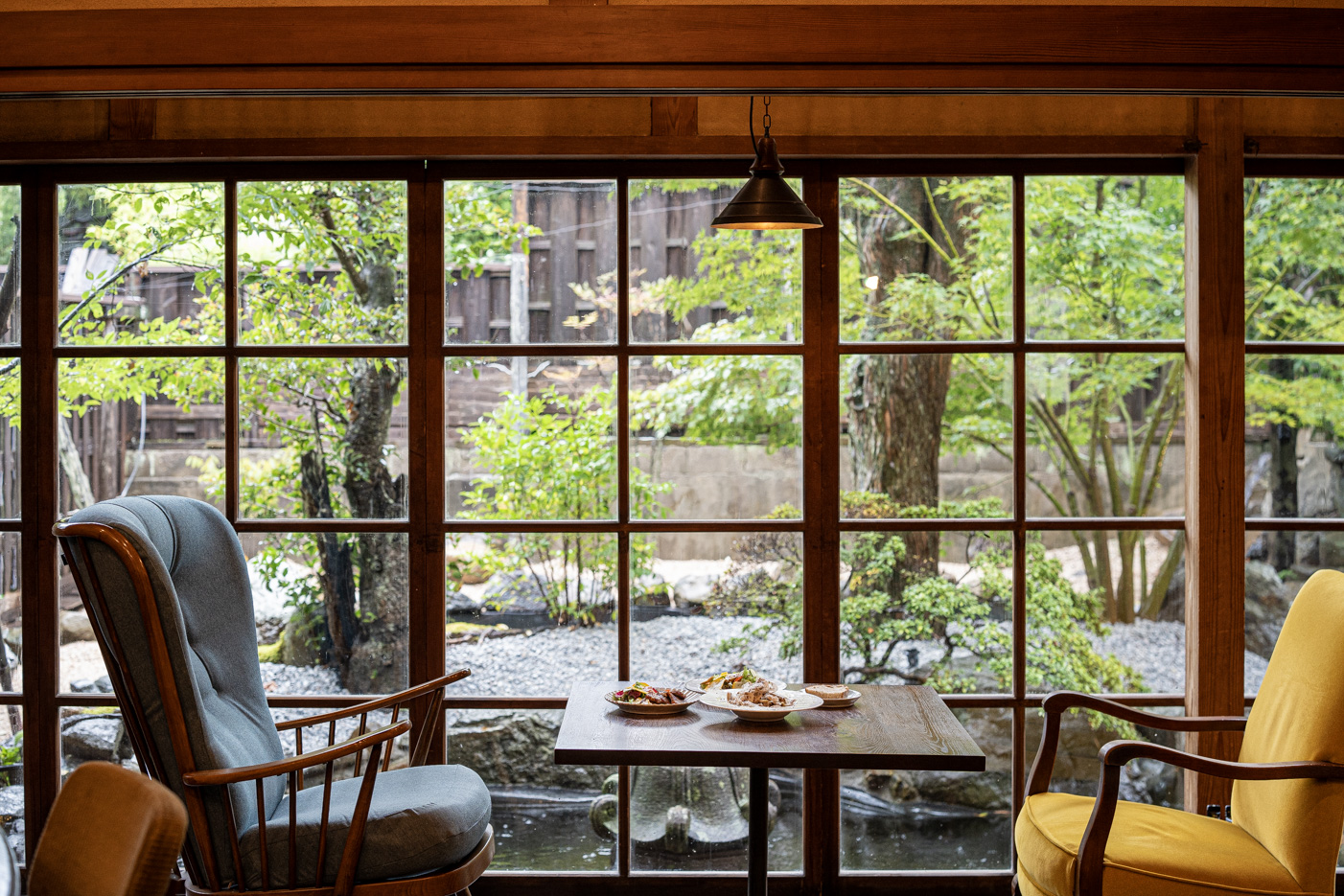
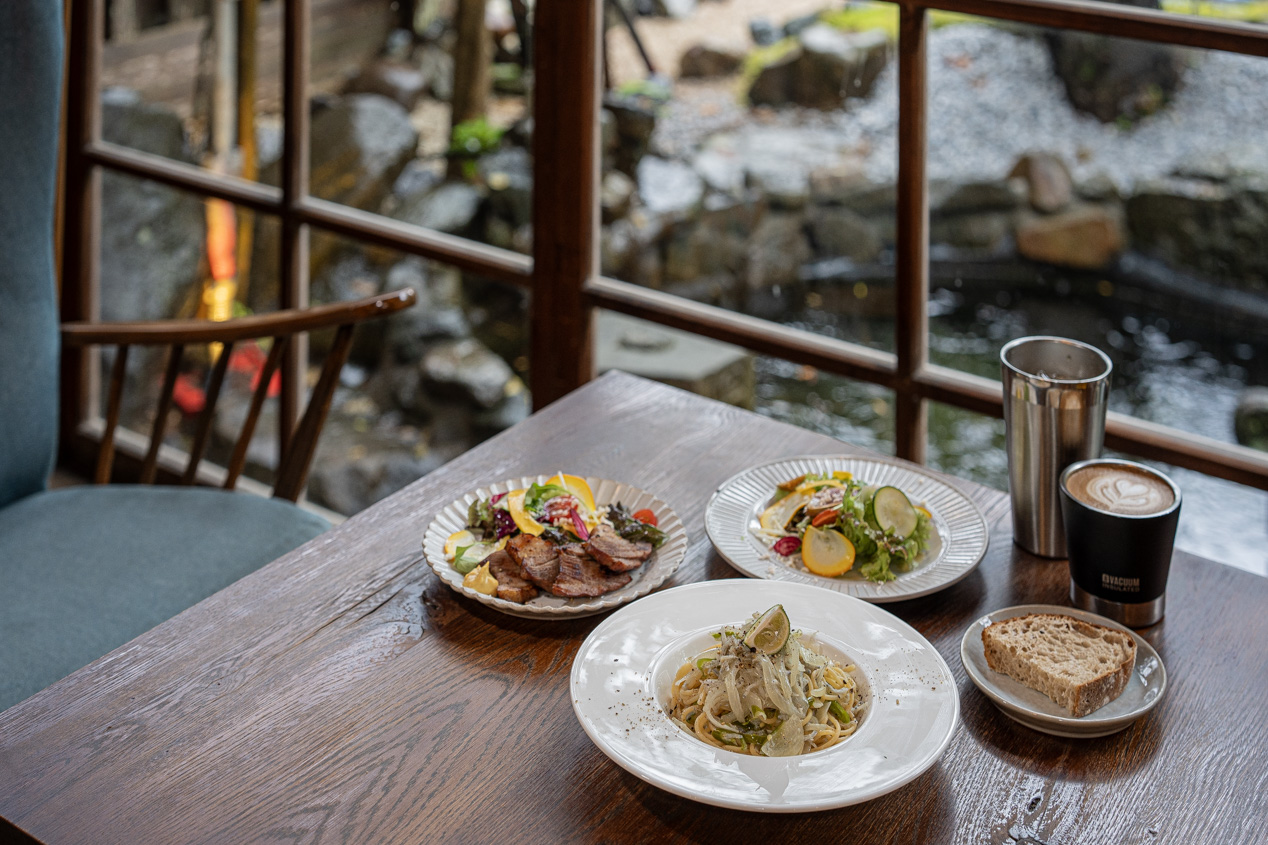
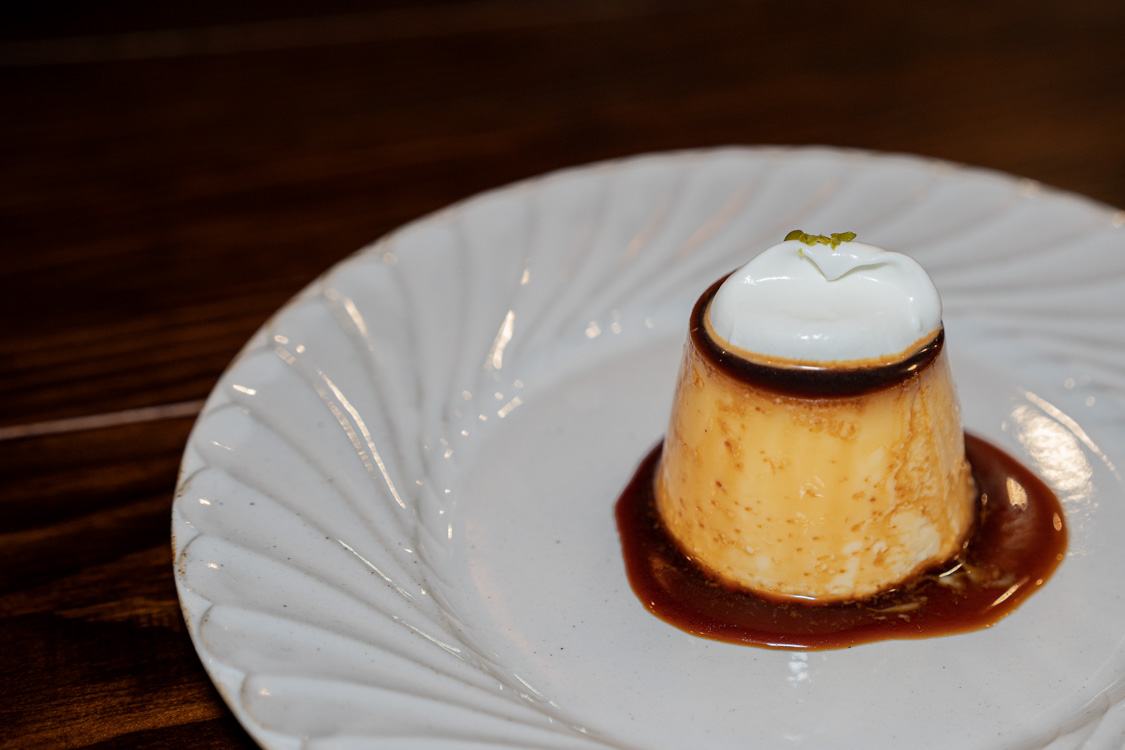
Lunch was at TAKAHAMA GARDEN near the shrine. A renovated Western-style house more than a century old keeps its classic exterior but has a modern Japanese interior. Sofas and counter seats receive natural light, while koi swim in a garden tended by the staff. A pasta set was JPY 2,100 including tax, with salad and naturally fermented bread. Grilled house-made bacon was JPY 1,200 including tax, alongside homemade ginger ale and iced latte. Green-chili and shirasu oil pasta was set to level three of five, a fresh heat that brought beads of sweat. Fig, zucchini and cottage-cheese salad had a refreshing dressing; firm-textured pudding ended with balanced sweetness.
Google Maps: https://maps.app.goo.gl/YUM47W5W1KsEWqgd6
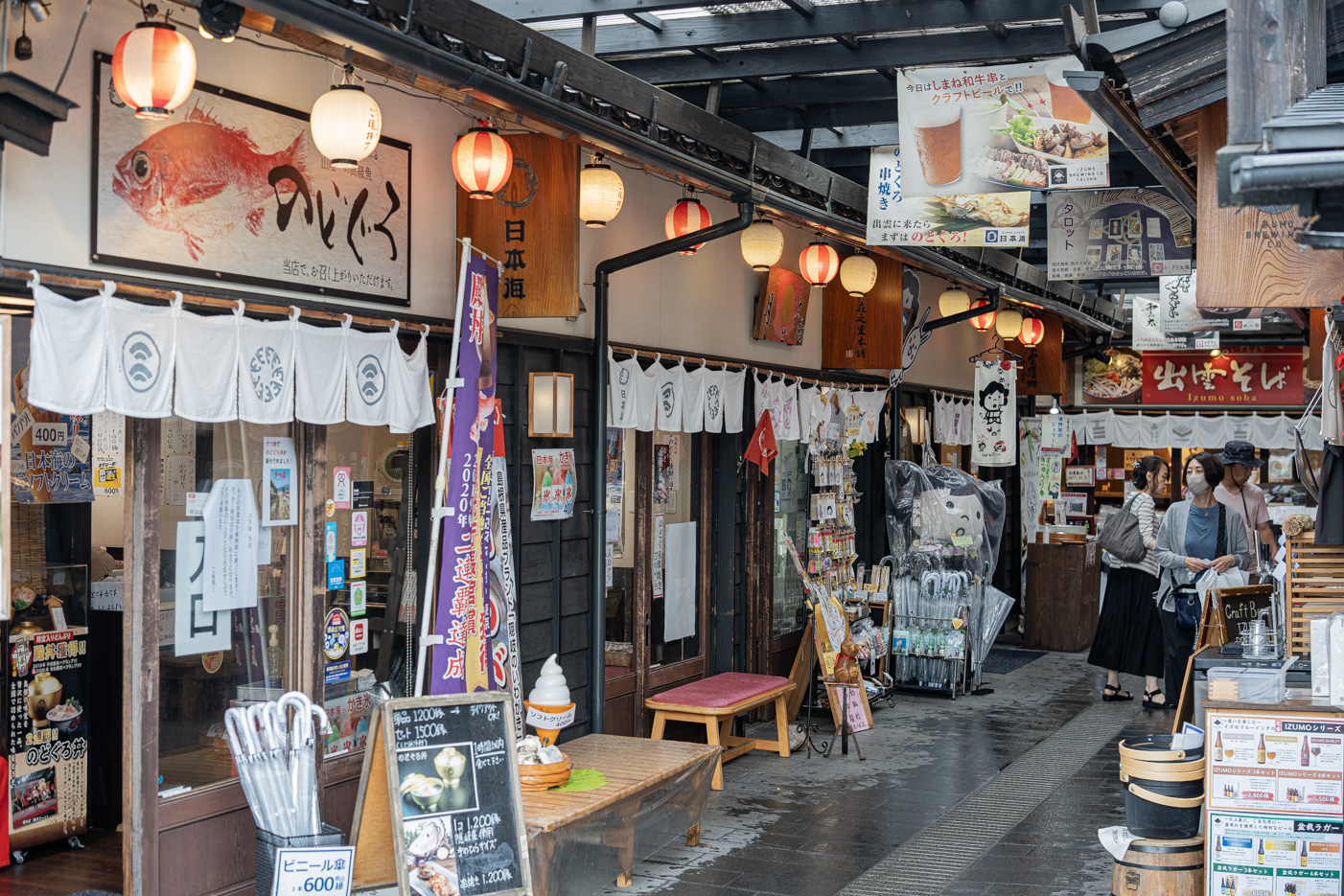
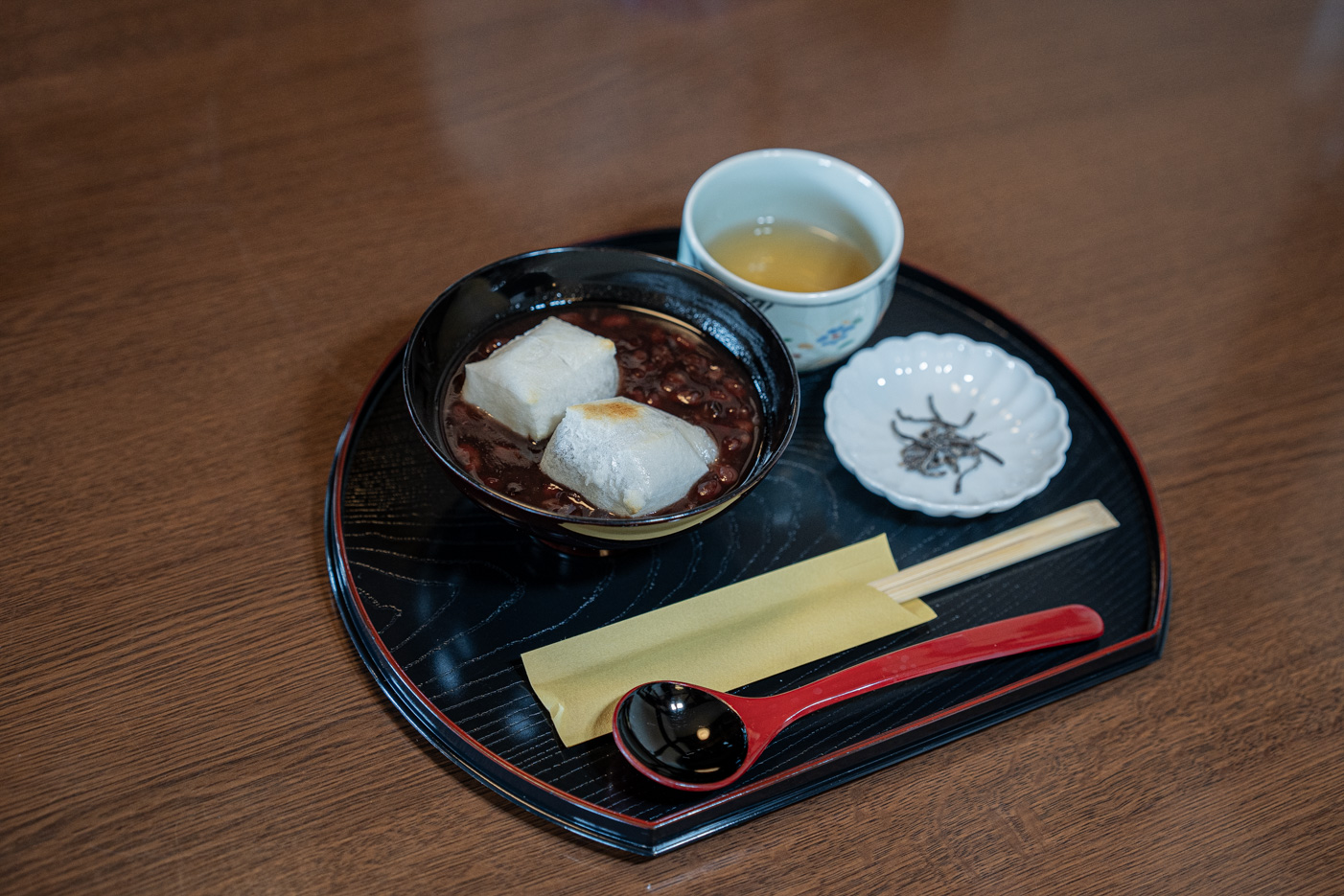
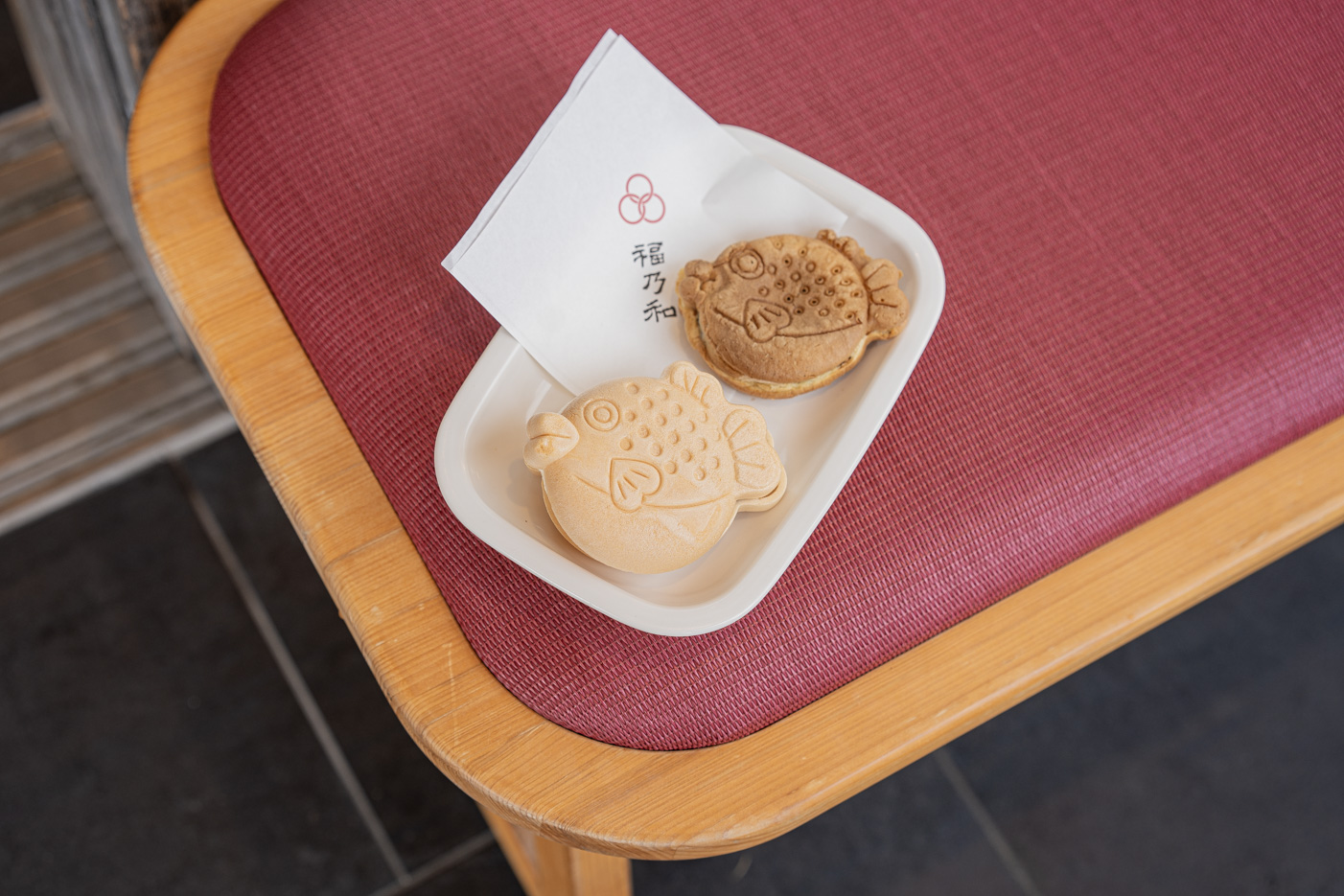
Afterward, we walked Shinmon-dori, roughly 700 meters from the great torii by Ugabashi to the shrine entrance. Souvenir shops, Izumo soba and zenzai shops line the lively approach. Fukutoku Enman’s pufferfish-shaped Ofuku-yaki was JPY 300 each, with a hidden heart motif to find and share as a symbol of good fortune and connection. Café Pomme Vert’s warm Izumo zenzai was JPY 780; shiratama cream zenzai, also JPY 780, added vanilla ice cream, cream and rice-flour dumplings for a softer version.
Google Maps: https://maps.app.goo.gl/T1MrhWUEb5oGxz3V9
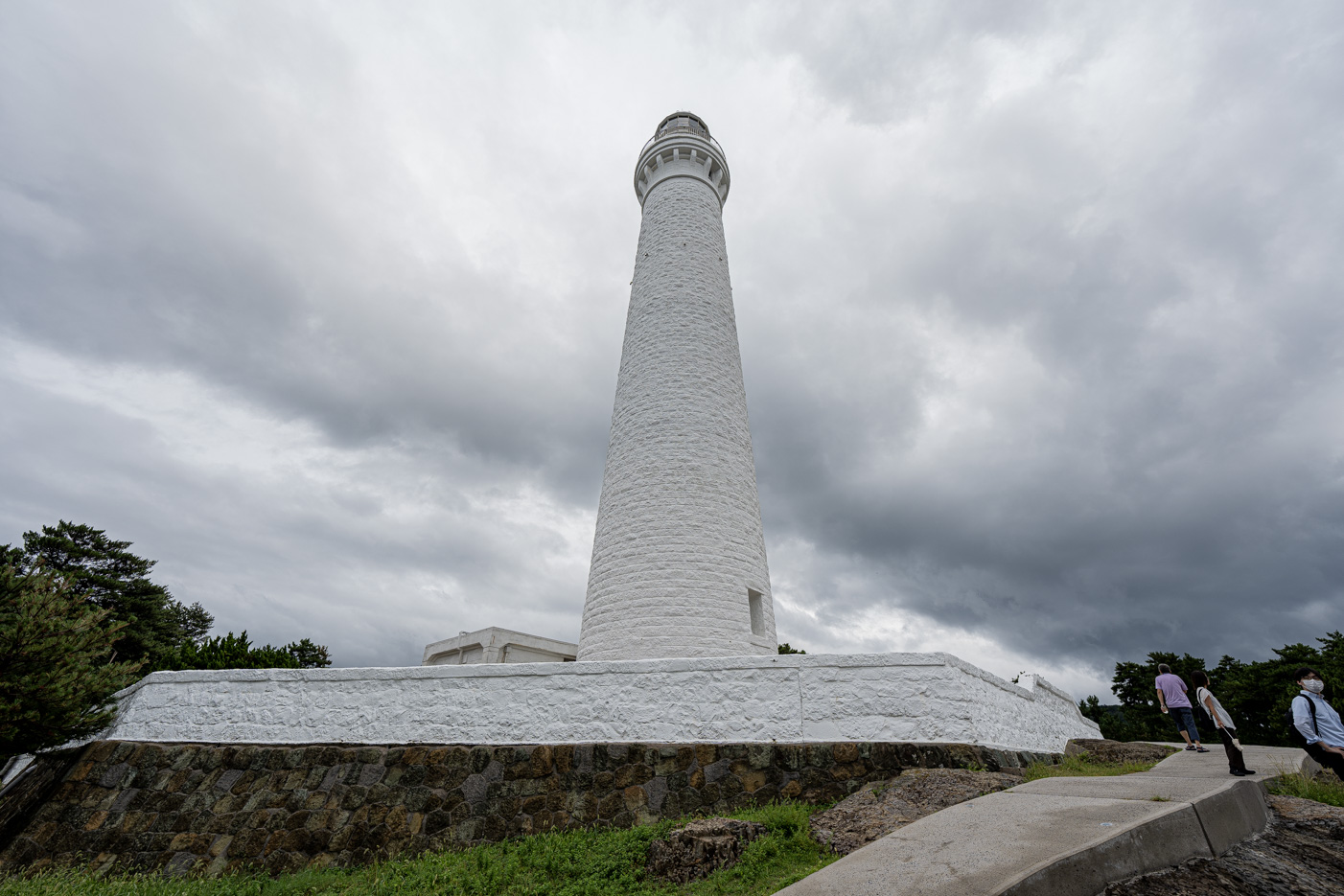
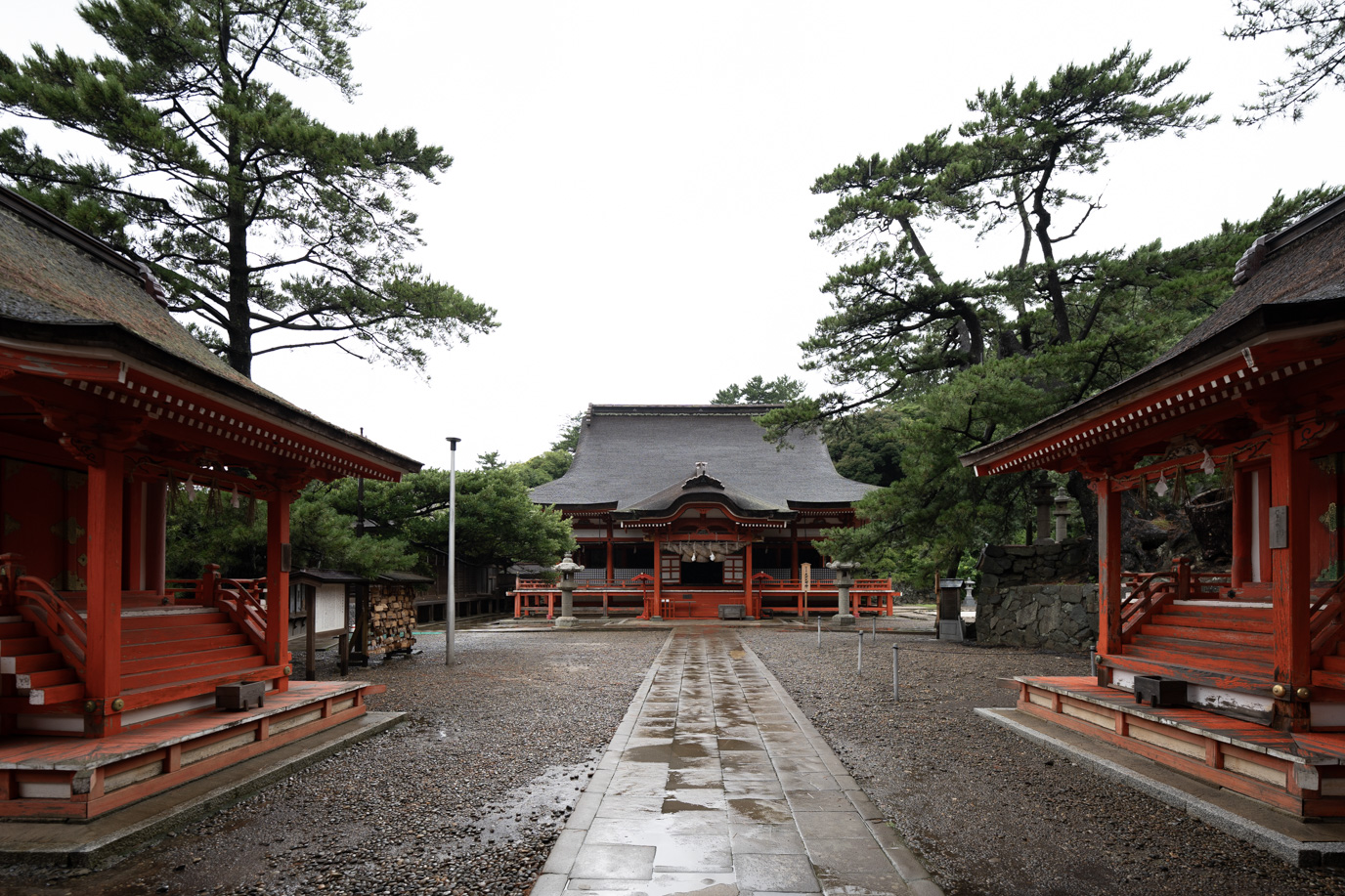
Toward evening, we went to Hinomisaki, where cliffs and coastline overlap. Izumo Hinomisaki Lighthouse is described as a 43.65-meter stone lighthouse, Japan’s tallest in that category. Climbing its 163 spiral steps opens a view over the Sea of Japan toward the Oki Islands. Hinomisaki Shrine has Hishizumi-no-Miya and Kami-no-Miya sections; twelve shrine buildings and related structures are described as Important Cultural Properties. Offshore Fumishima, a black-tailed-gull breeding ground, is a Natural Monument according to the account.
Google Maps: https://maps.app.goo.gl/mYbQkujQQ7mex7Za9
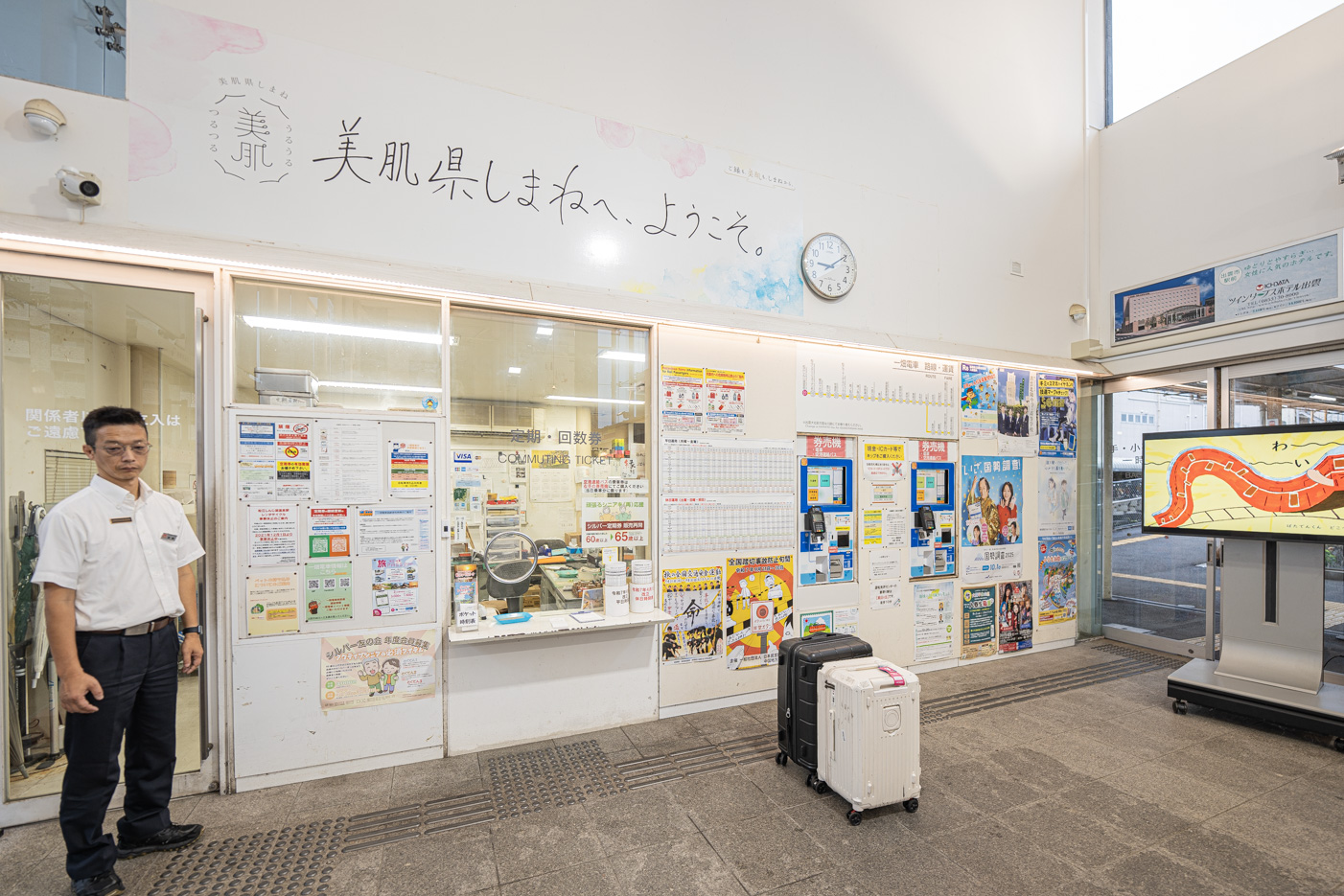
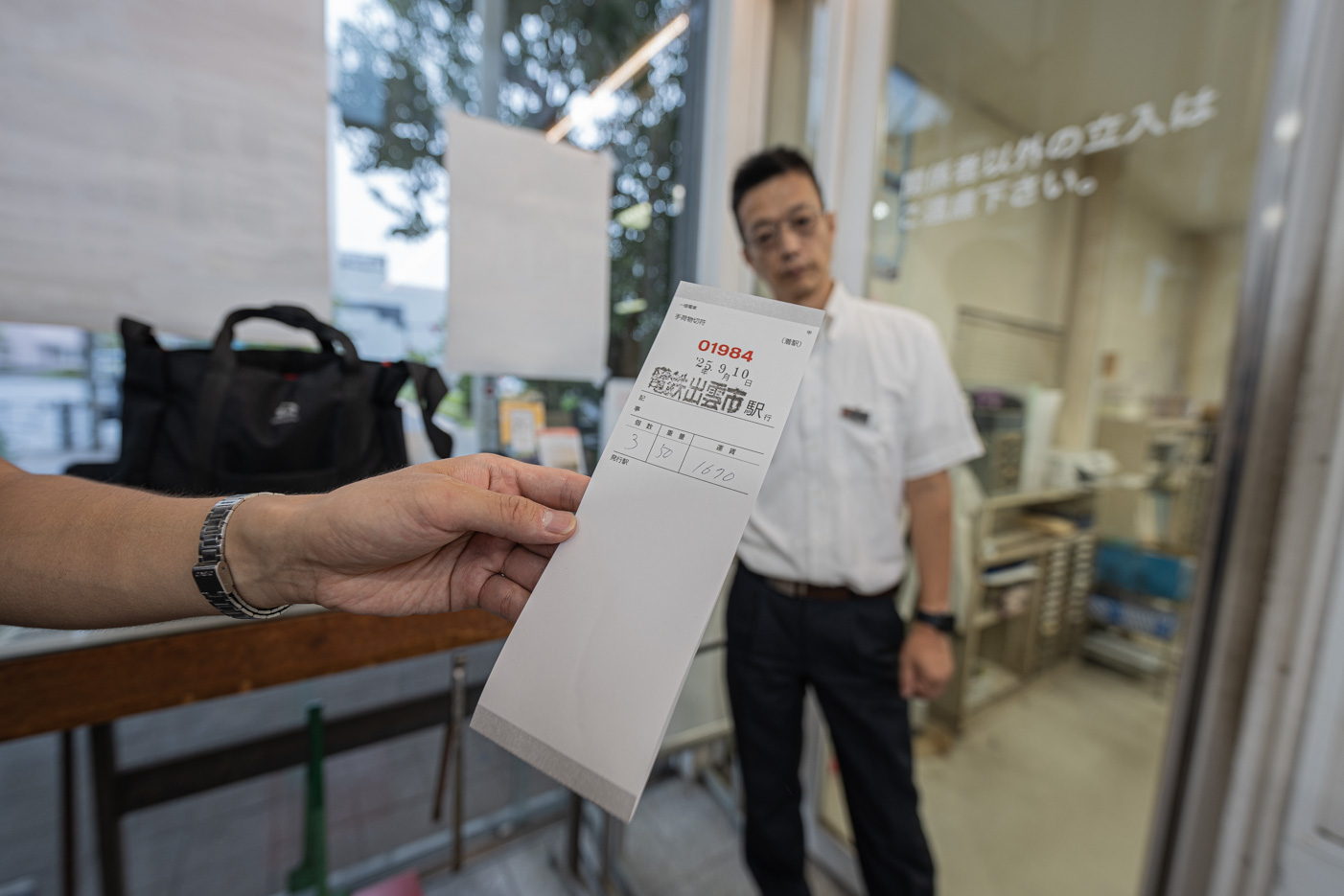
When changing accommodation, the source suggests Ichibata Railway’s baggage-consignment service from Matsue Shinjiko Onsen toward the Izumoshi station area. Collection and pickup were restricted to business hours at staffed stations: Izumo Taisha-mae, Dentetsu Izumoshi, Kawato, Unshu Hirata and Matsue Shinjiko Onsen. Izumo Taisha-mae and Kawato were unstaffed early in the morning and after evening hours, when handling was unavailable. The source quotes up to three pieces per person, with weight bands of JPY 720 for 10 kg and JPY 920 for 20 kg. Verify the precise station endpoint, weight limits and current arrangements before relying on this archived service.
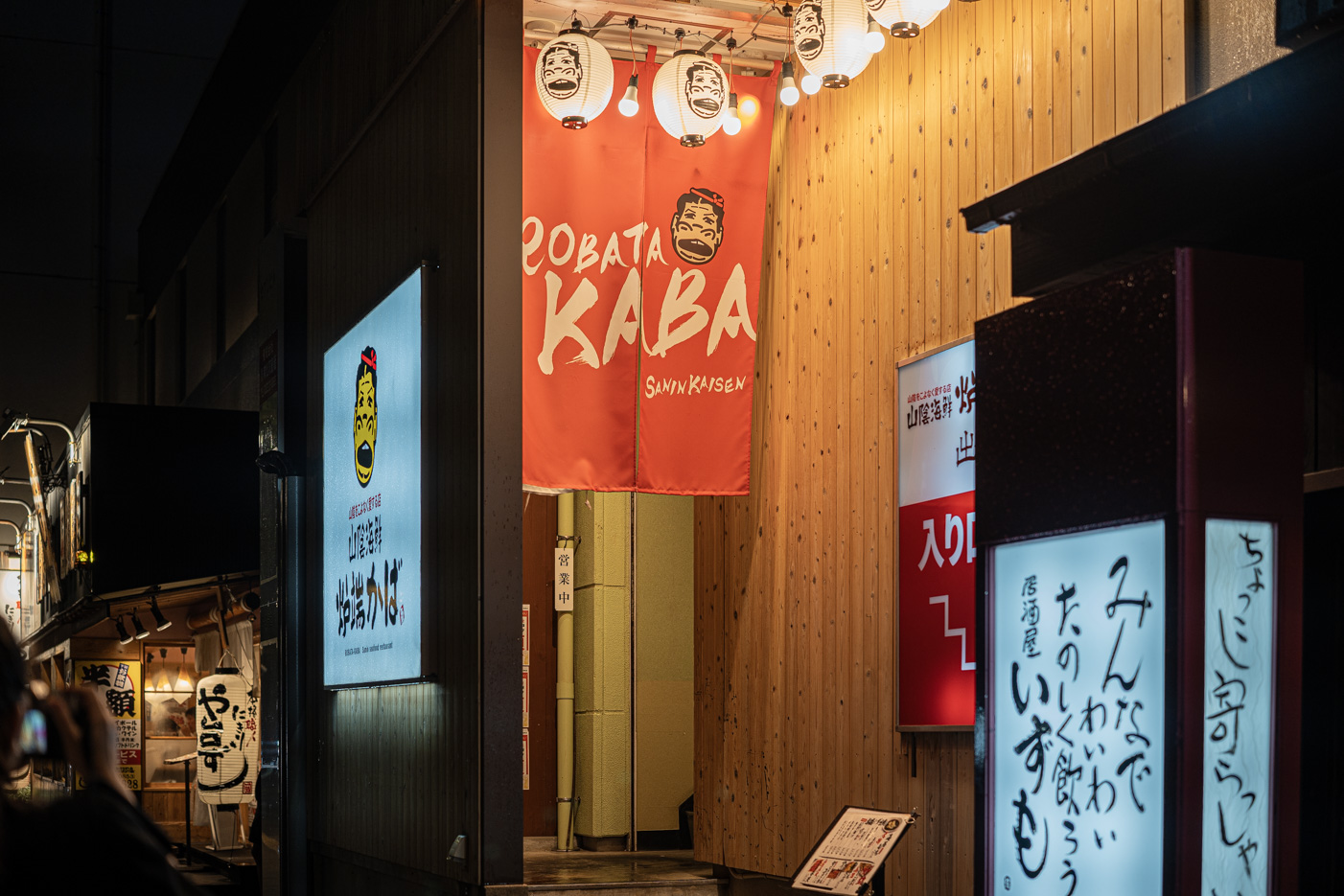
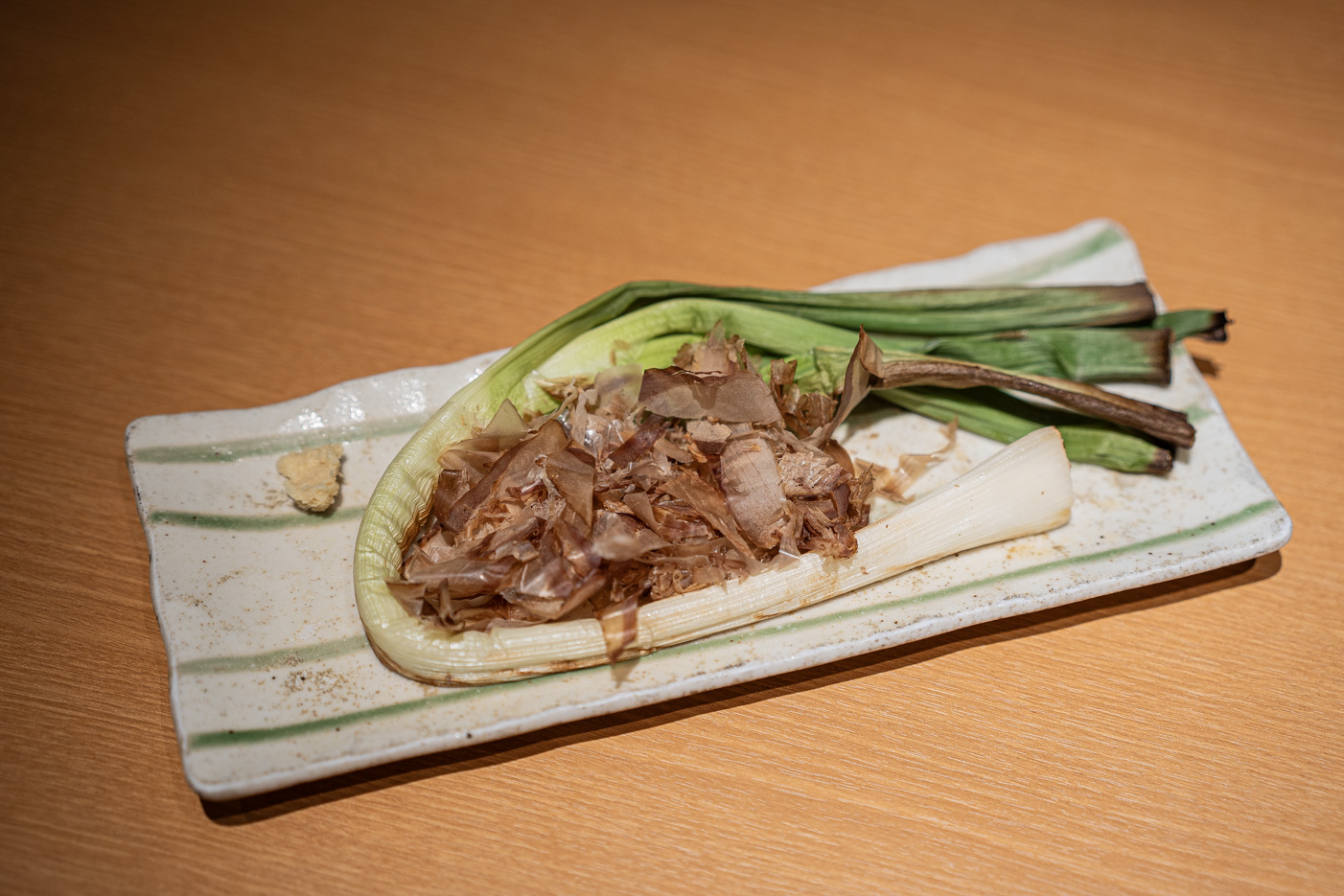
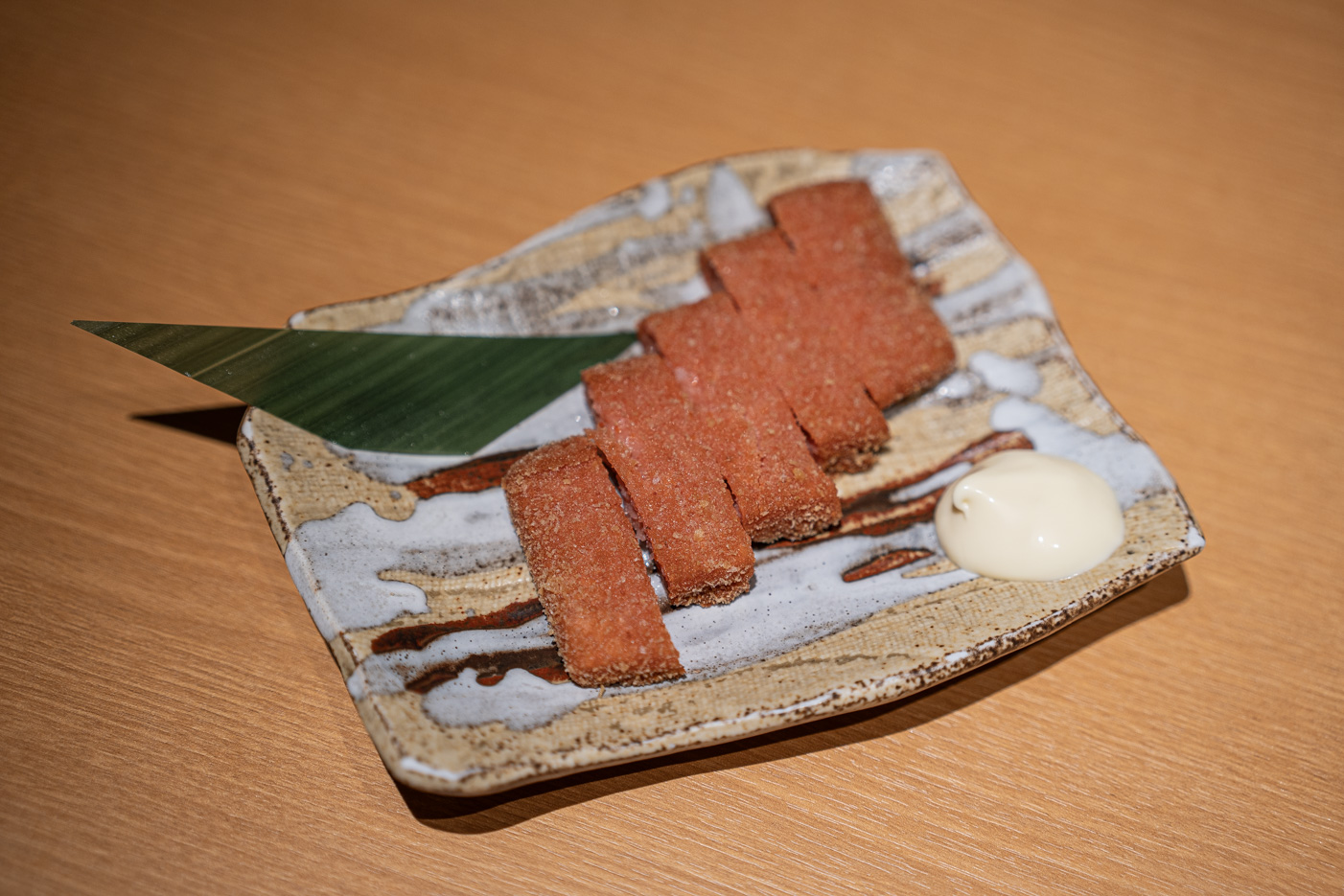
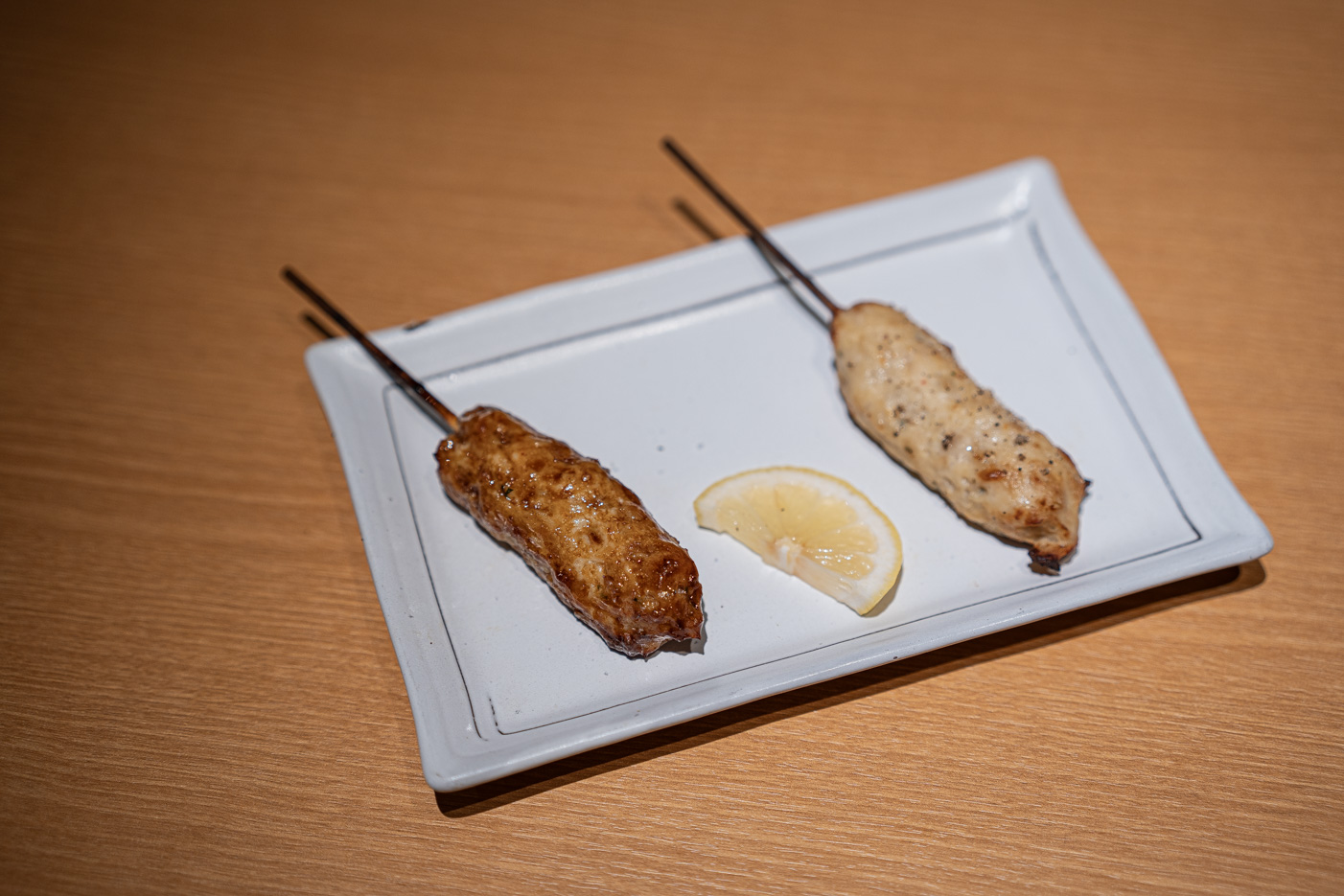
Dinner was at the locally popular Robata Kaba near Izumoshi Station. Olein 55 wagyu seared-meat sushi balanced the beef with salt. Mentaiko dashimaki omelet, JPY 814, and charcoal-grilled tsukune, JPY 280, suited a drink. Soy-marinated ebitama was attractive and tasty. A Sakaiminato red-snow-crab cream croquette, JPY 638, brought a rich, creamy crab flavor. Spicy akaten, JPY 583, made a distinctly San’in accompaniment to beer.
Google Maps: https://maps.app.goo.gl/P7kLLsDt551kiXZb6
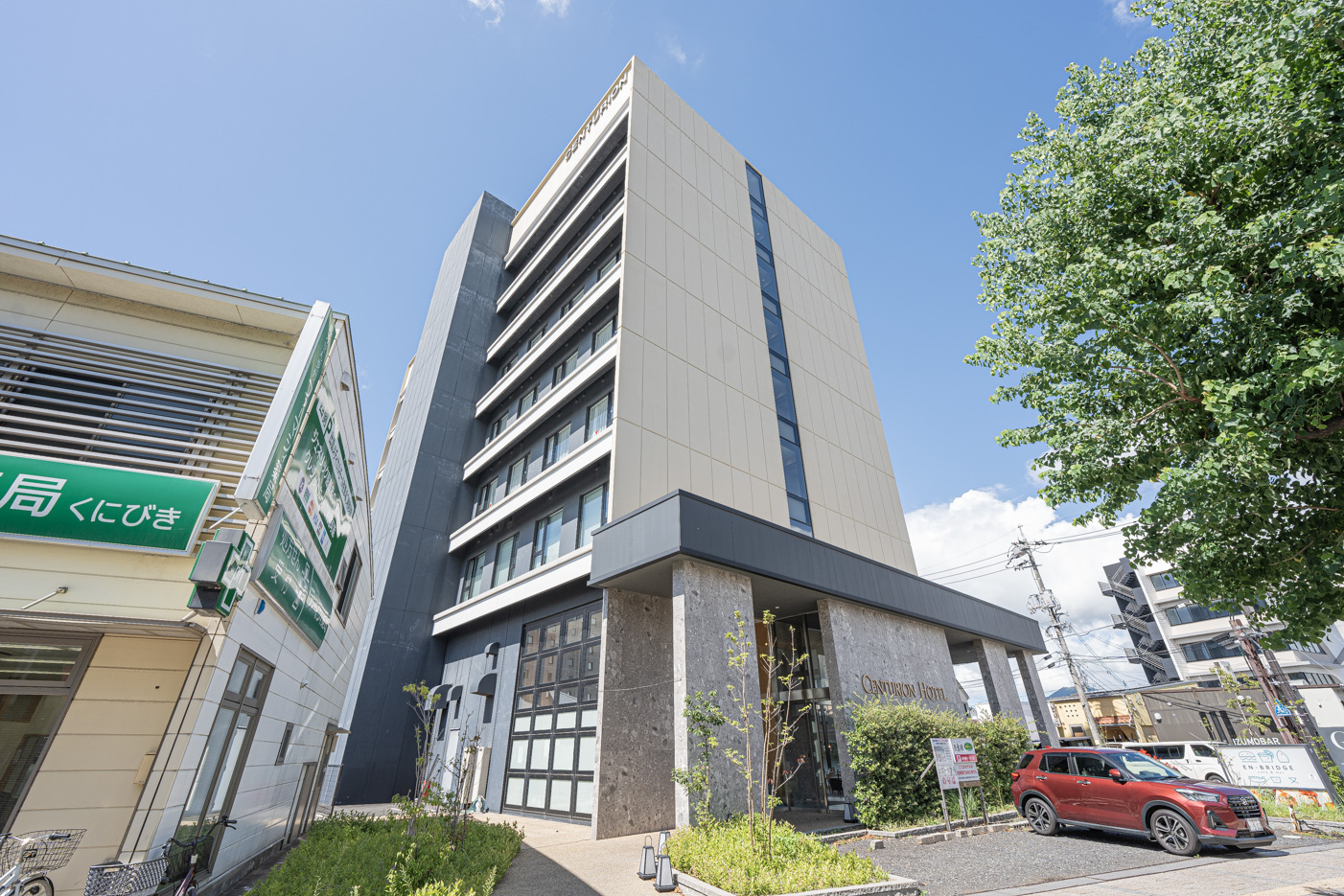
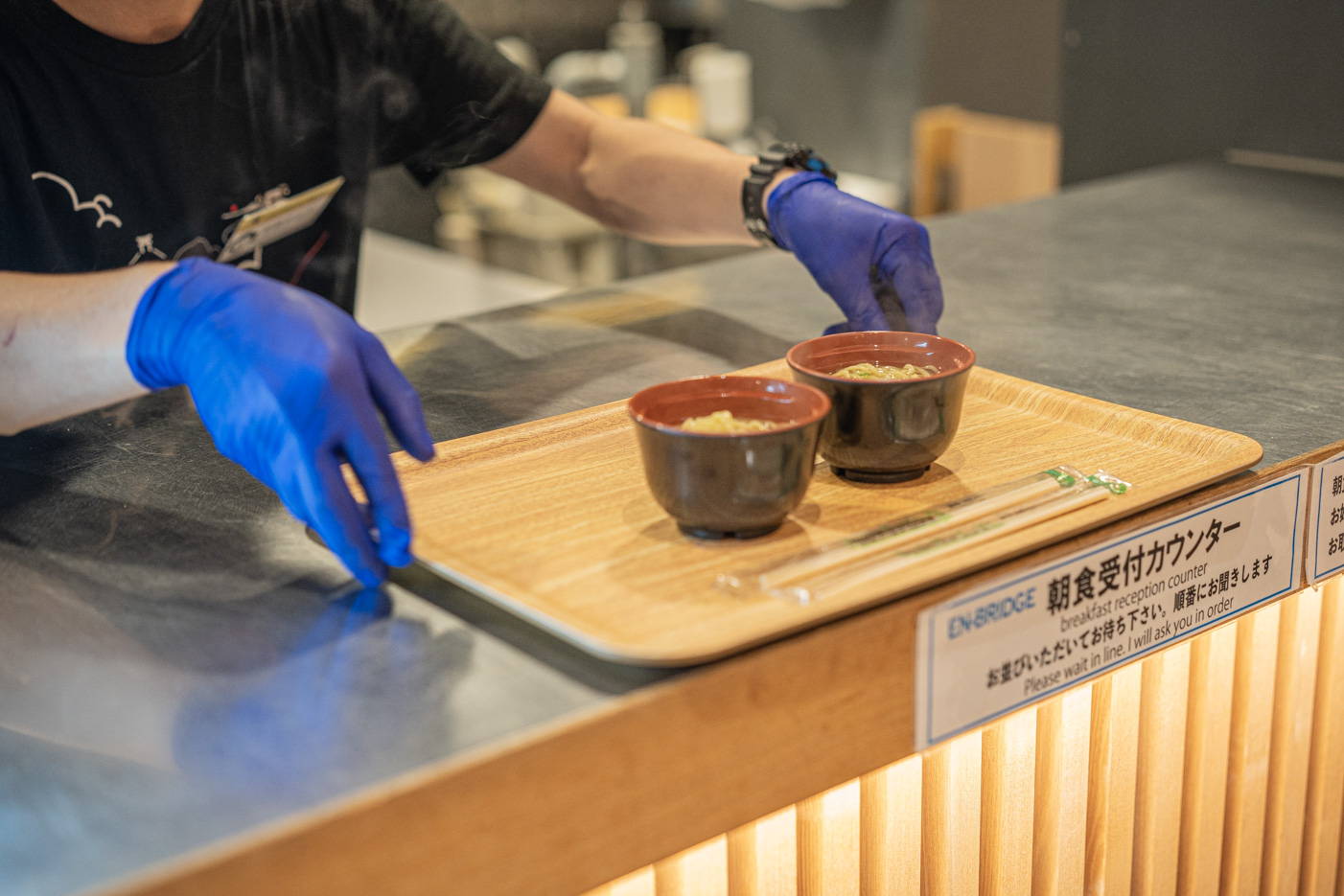
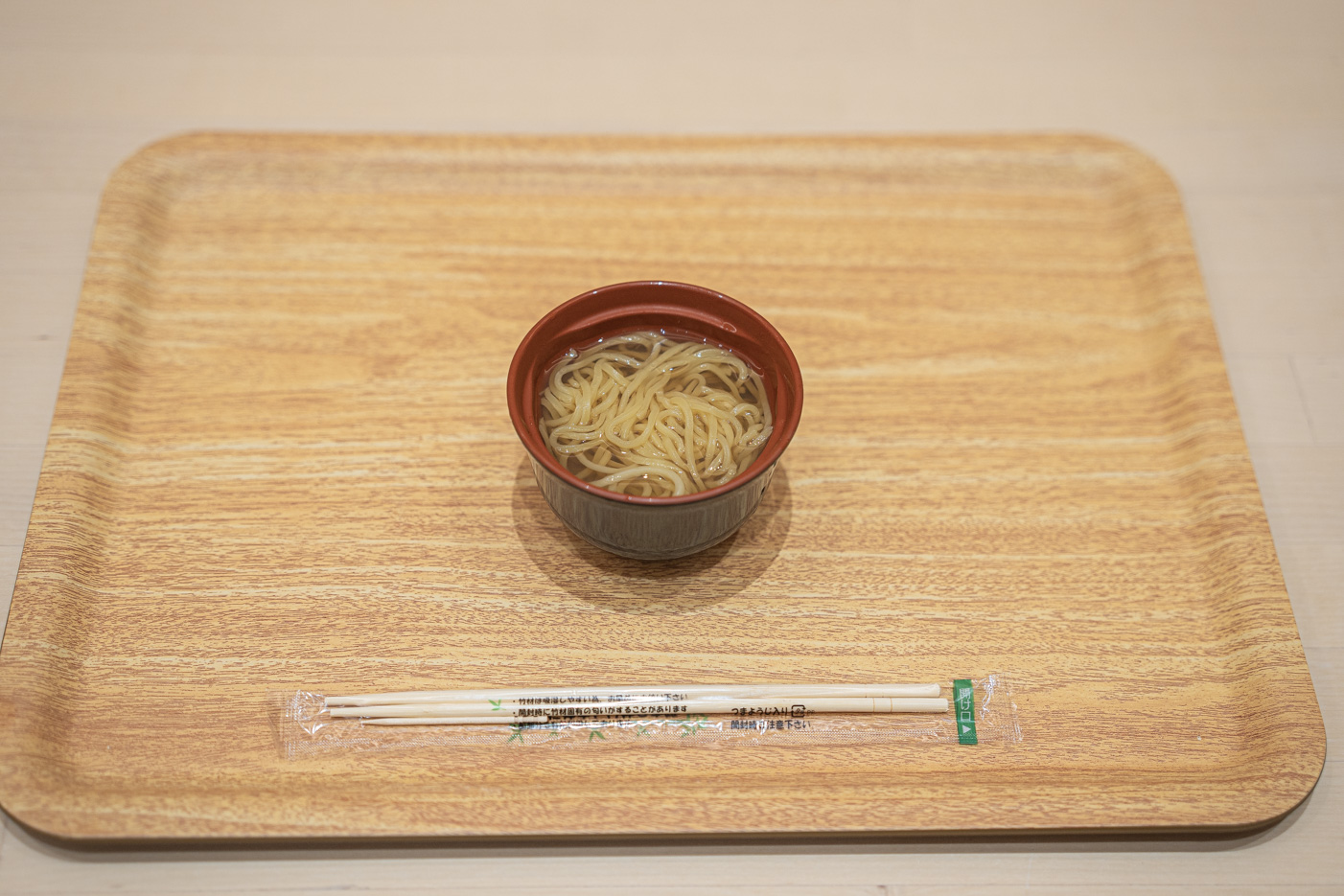
Our accommodation was Centurion Hotel & Spa Classic Izumo, around three minutes on foot from JR Izumoshi Station, with many restaurants nearby. The lobby offered complimentary infused water labeled ‘detox water,’ a menu name rather than a proven health effect, and a broad amenity bar. From 8–9:30 p.m., one serving of mini Lake Shinji shijimi ramen was included under the source-period guest service.
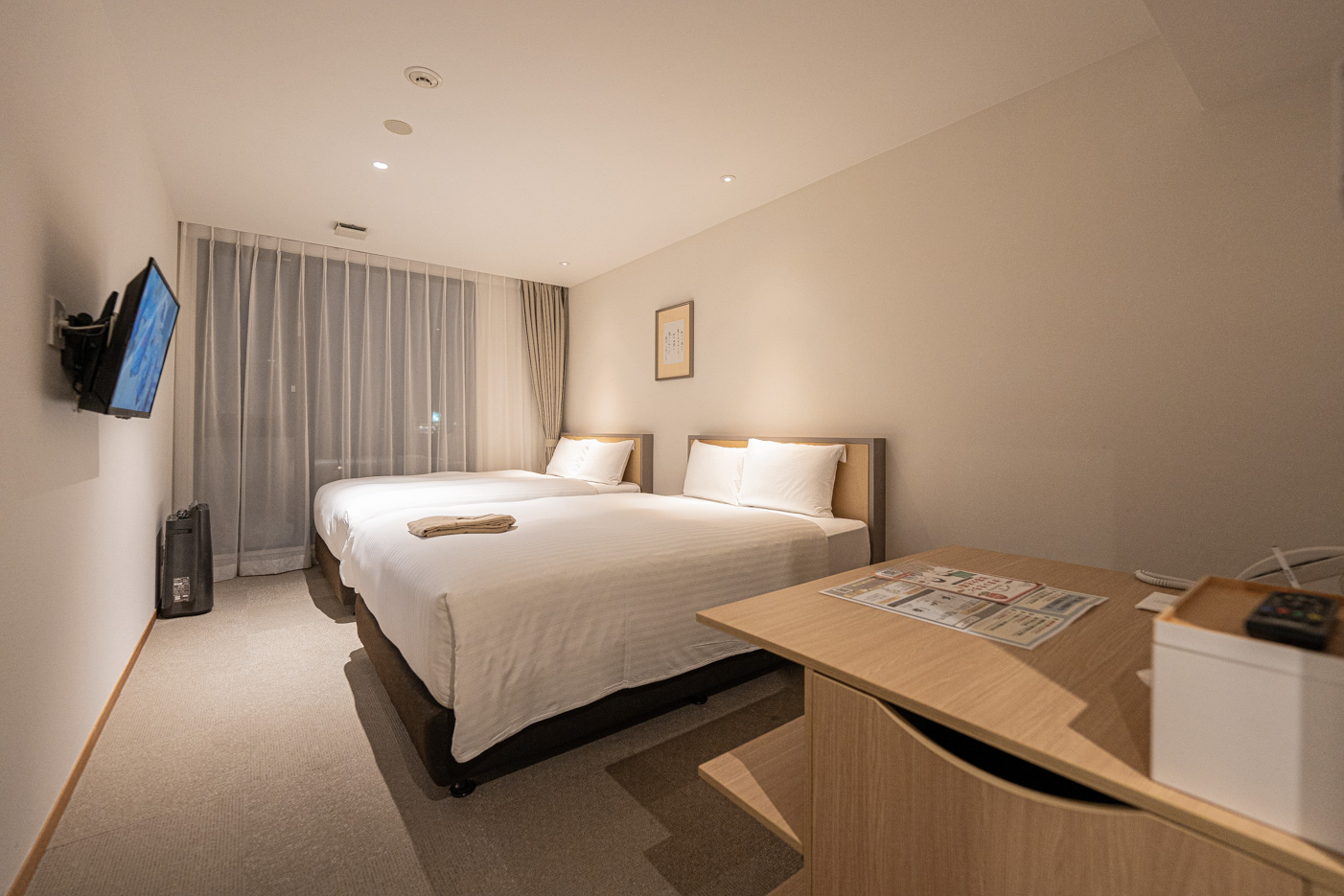
A piano was available for guests to play. The first-floor Sauna Resort Oriental Izumo—Kagura-no-Yu—was described as open 24 hours apart from regular cleaning, with a hot sauna, cold bath and outdoor-air rest space. The men’s IKI sauna was promoted as recreating Finnish smoke-sauna-style löyly with unusually dense steam. The women’s ZIEL sauna was presented as Shimane’s first high-temperature self-löyly sauna, using two to two and a half times the usual quantity of Kerkes stones for distinctive steam and sound. Those superlatives are source marketing, not newly verified claims. Between 6–10 a.m., a small lactic-acid drink was provided after bathing. Our room was sufficiently spacious, with comfortable bedding and artwork details reflecting Izumo.
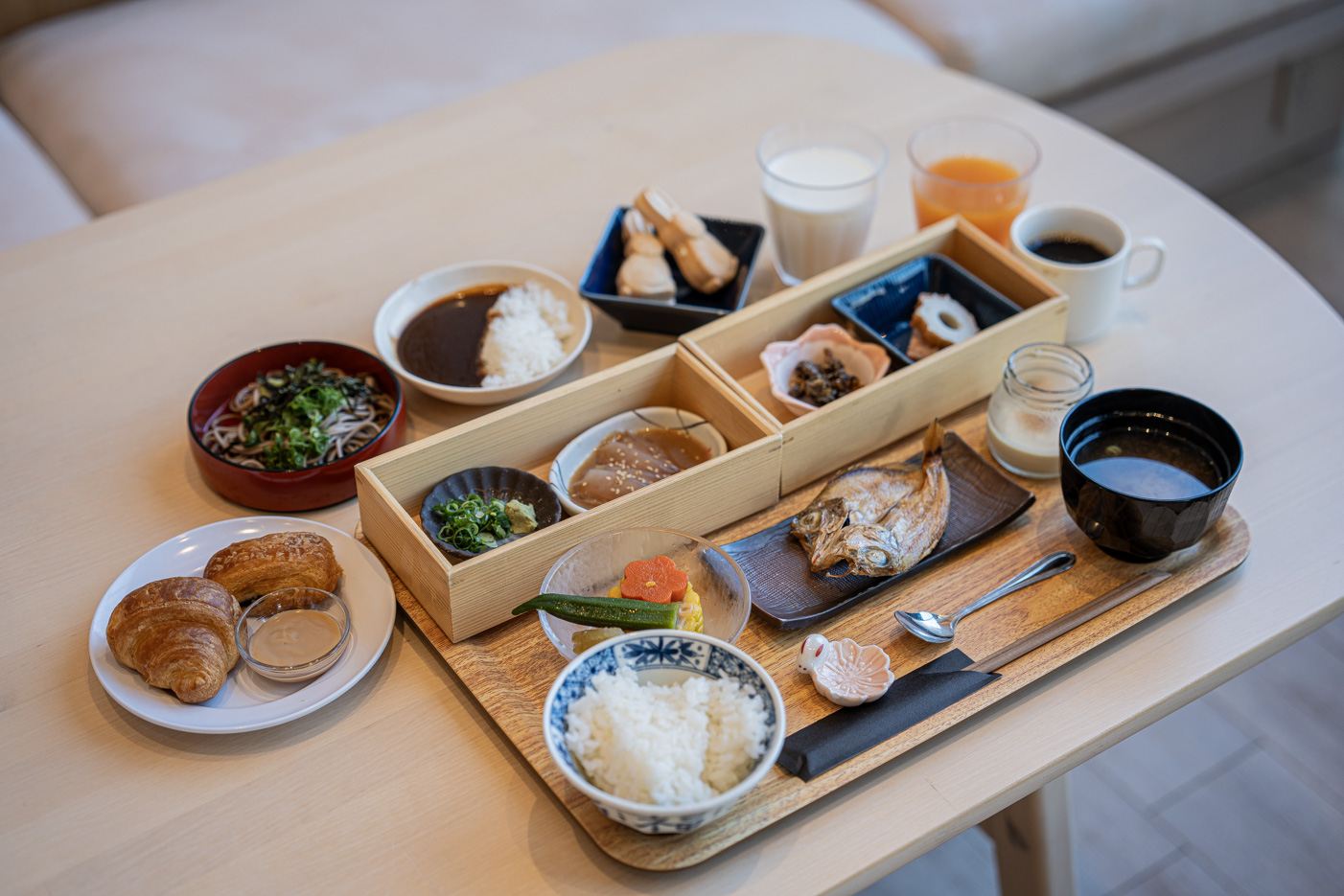
Breakfast offered a choice between an Izumo Enmusubi Japanese breakfast and a Centurion American Breakfast. The Japanese meal featured Shimane’s Nita rice, clear soup with tied yuba, sesame-sauce-marinated sashimi that could be eaten as served or as chazuke, simmered shijimi, local akaten, grilled ago flying fish and salt made from seawater, called kamishio in the source.
Google Maps: https://maps.app.goo.gl/ALSkm1oNgZmbDx9D6
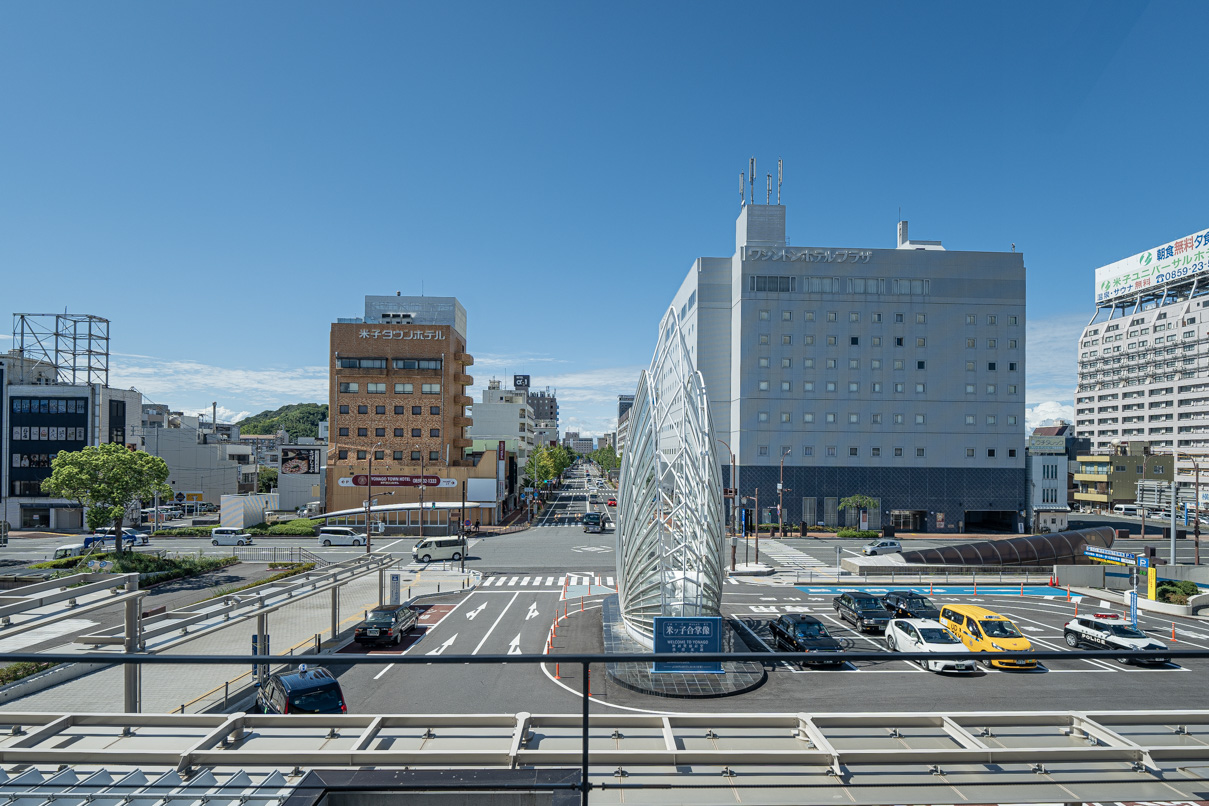
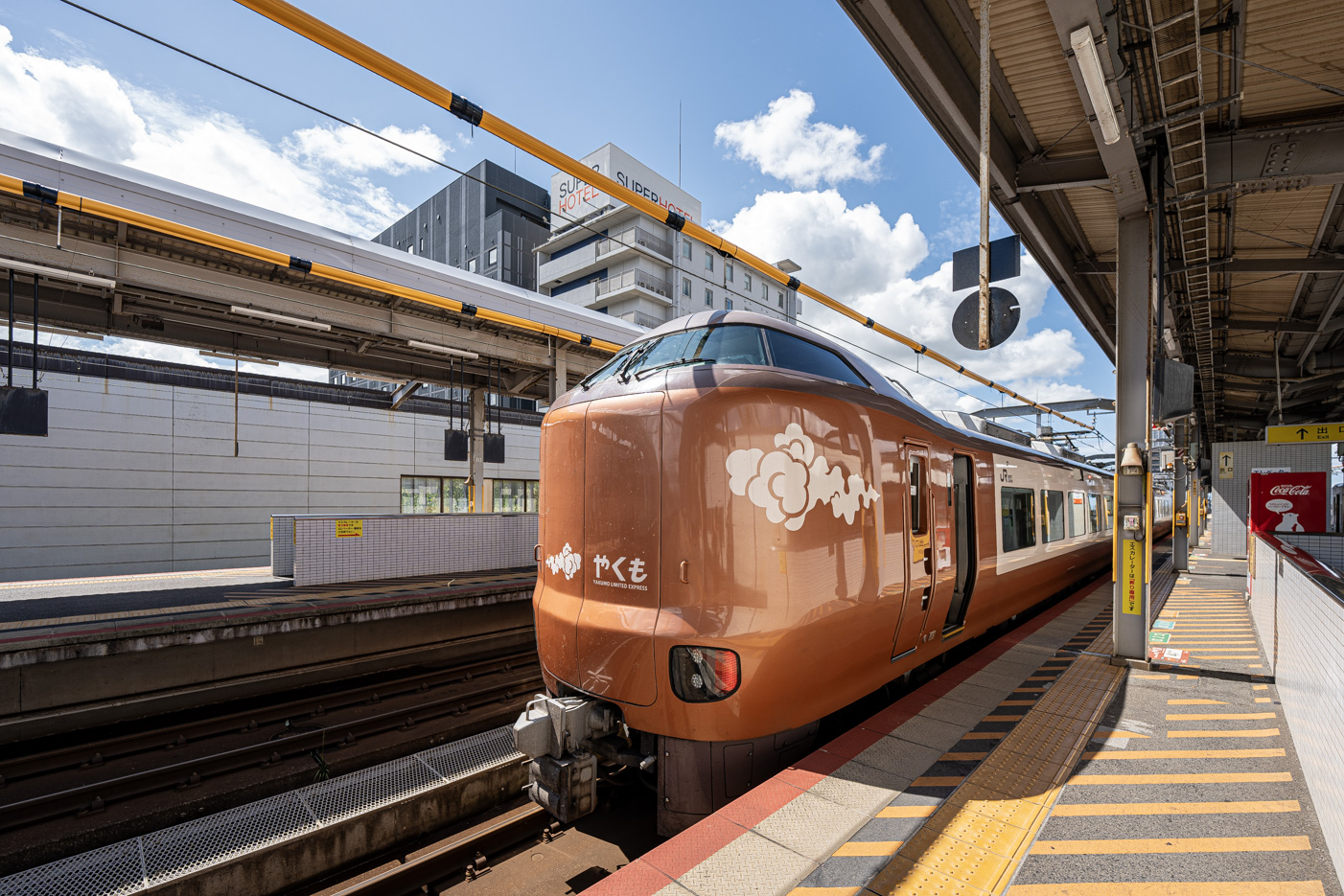
Checking bus times ahead makes travel around Izumo and Hinomisaki smoother. The journey begins with Lake Shinji’s sunset, gathers around Izumo Taisha’s mythology and leaves a final impression through the lighthouse and sea. For this trip without a rental car, public transport and baggage consignment kept things manageable. Slower travel also lets you notice local detail: water and fire expressed in food, and the seasons recalled through gardens. San’in does not announce itself loudly; it stays with you quietly.