Three minutes from Ohori Park Station. The day I finally understood, through taste, what it means for meat to melt.
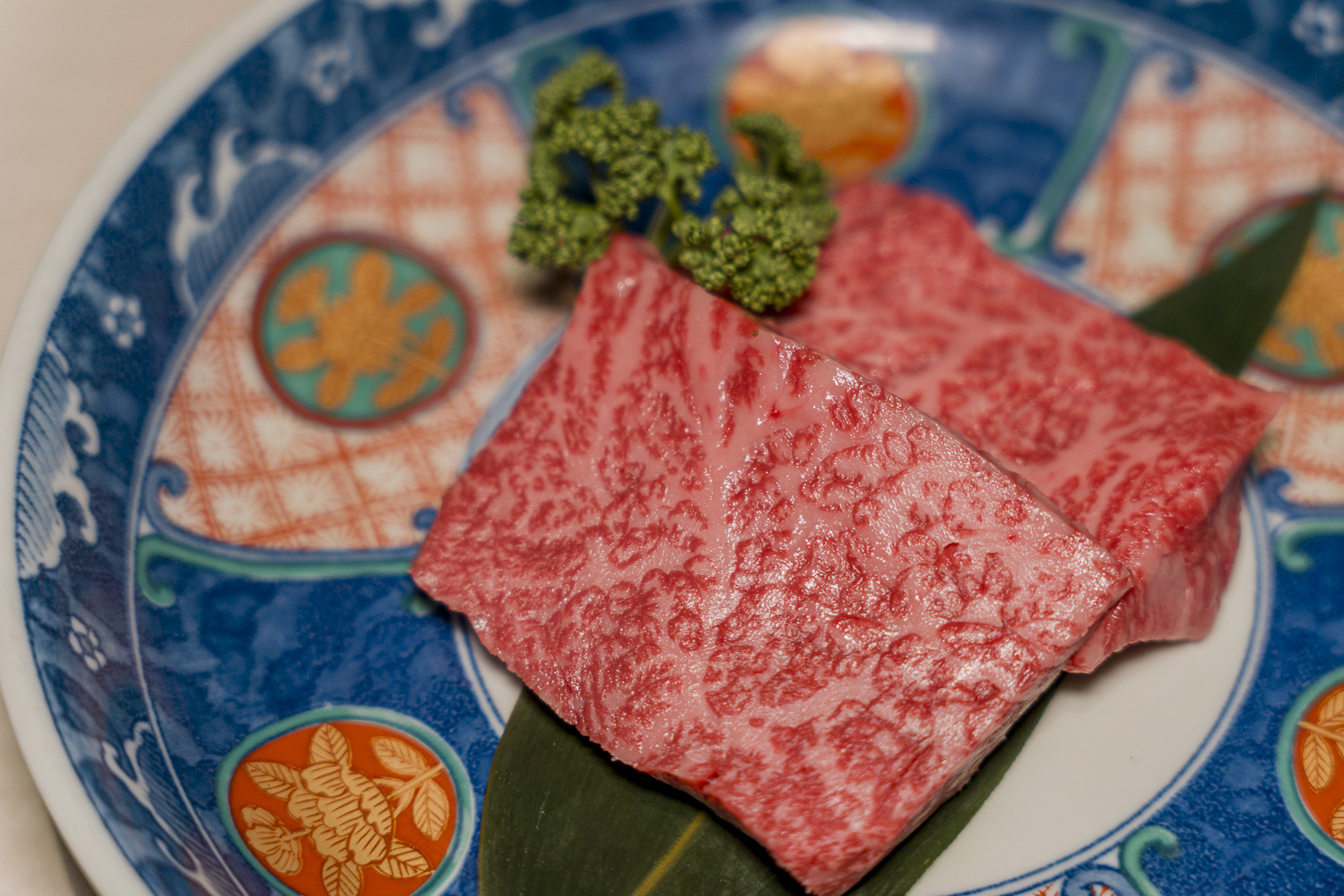
Step out of Ohori Park Station on the subway Airport Line and it is a three-minute walk. Exactly three minutes. At the end of that short walk is WAGYU PINFU.
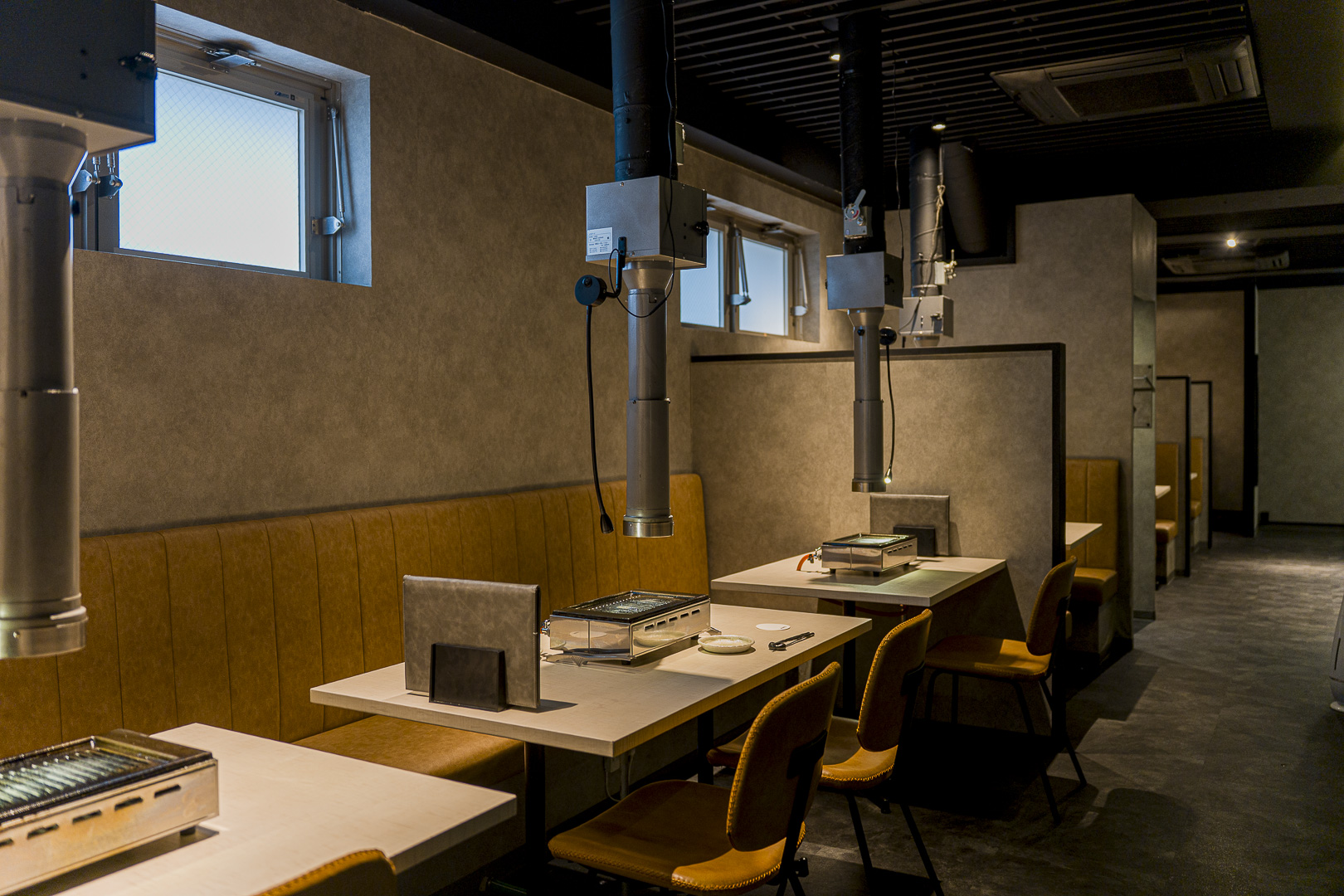
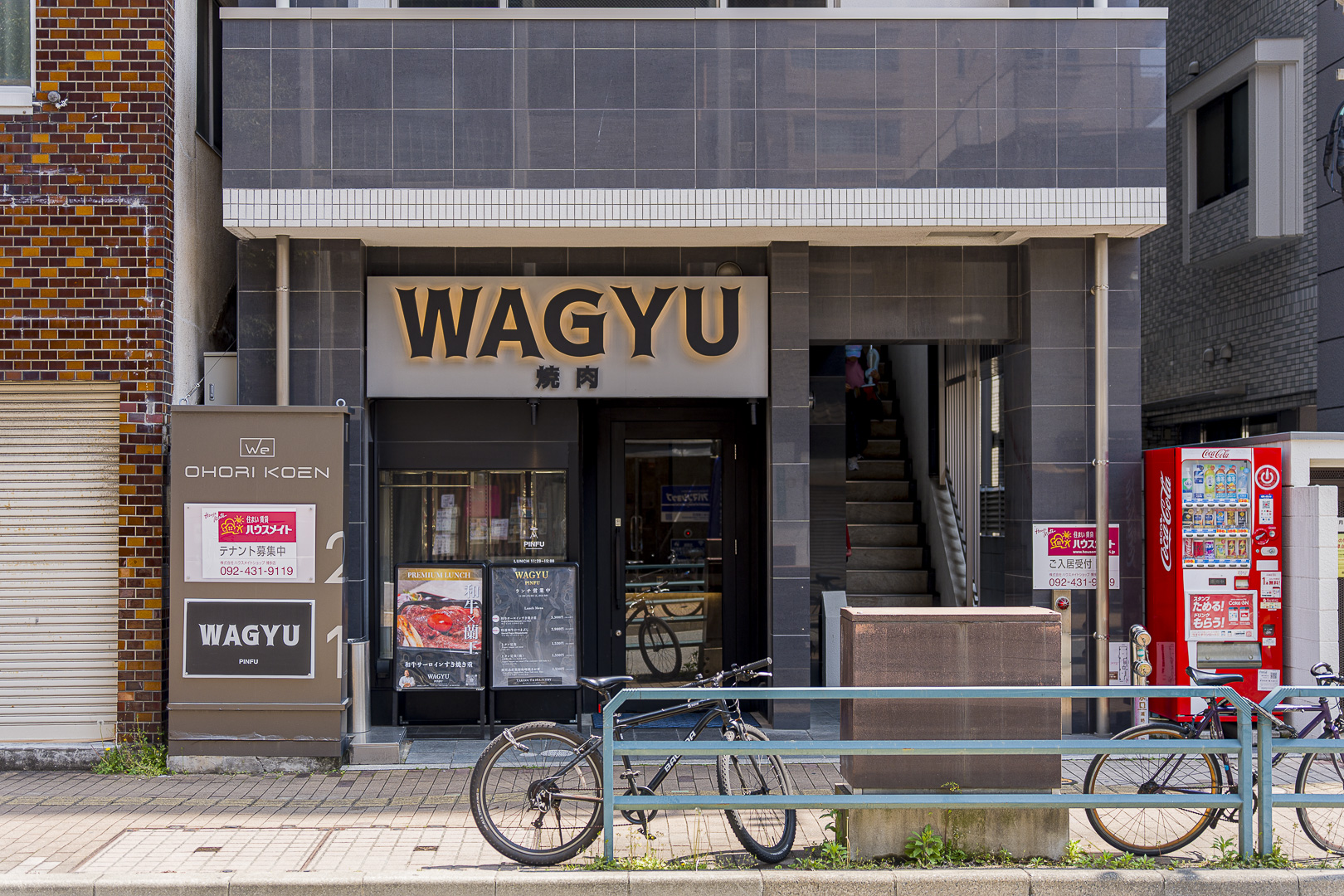
The entrance is simple and stylish, without excess. Inside, it is quiet and composed, with a slight sense of anticipation.
It has that distinctive atmosphere of a good restaurant. There are two small private rooms toward the back. It feels suitable for a business meal, a date, or simply a quiet dinner alone.
You can let the restaurant take care of the meal by ordering the JPY 8,800 full course.
PINFU full course: JPY 8,800 including tax — 9 dishes
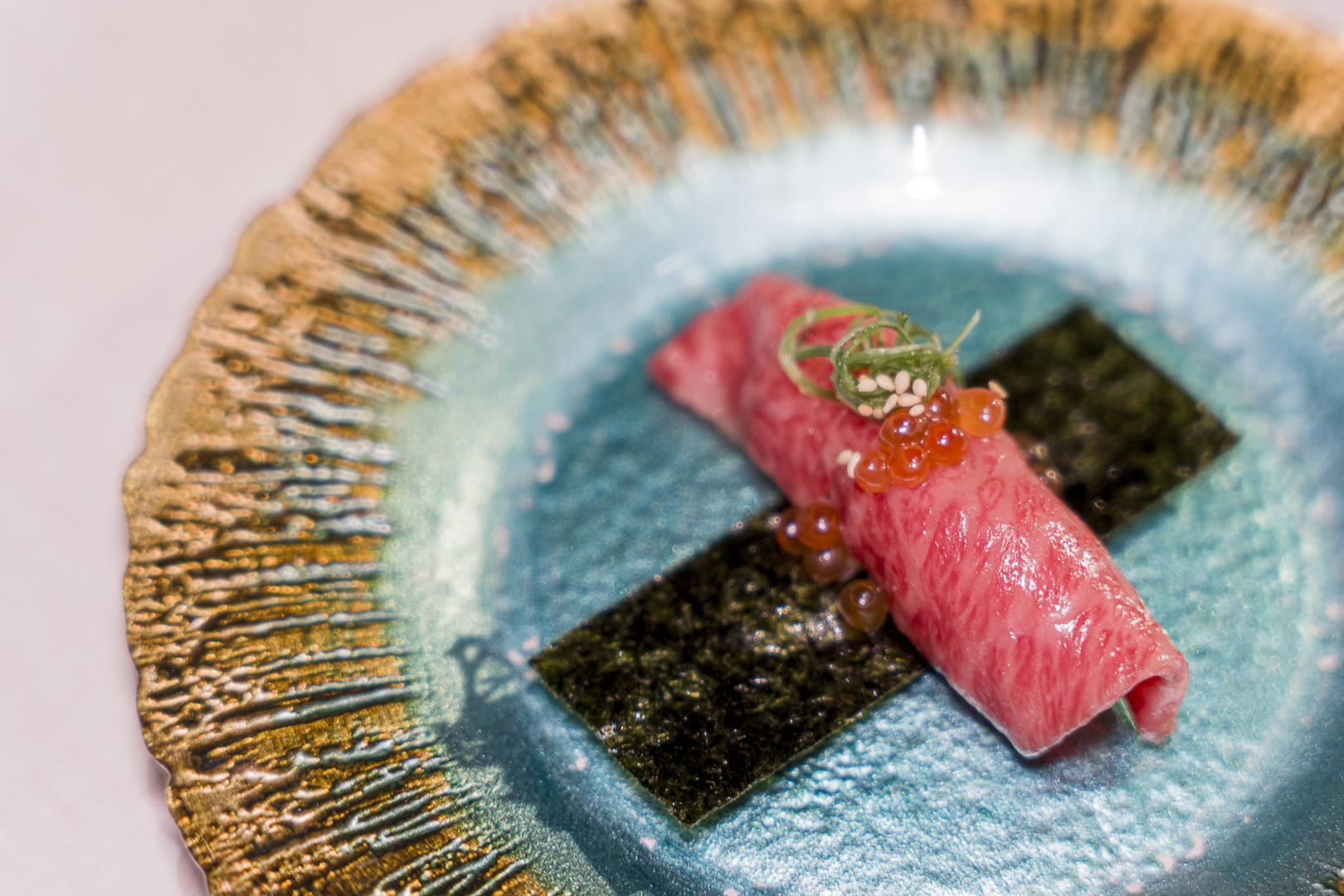
The day’s raw-beef sushi, topped with ikura
I hesitated for a moment over eating the beef raw, but one bite settled my personal reaction. The ikura and a sprinkling of salt sit over the fine, moist fat of the wagyu, with the salmon roe’s salinity finding just the right place. It feels calculated, in a good way. As the opening sentence of a course, it makes quite an impression.
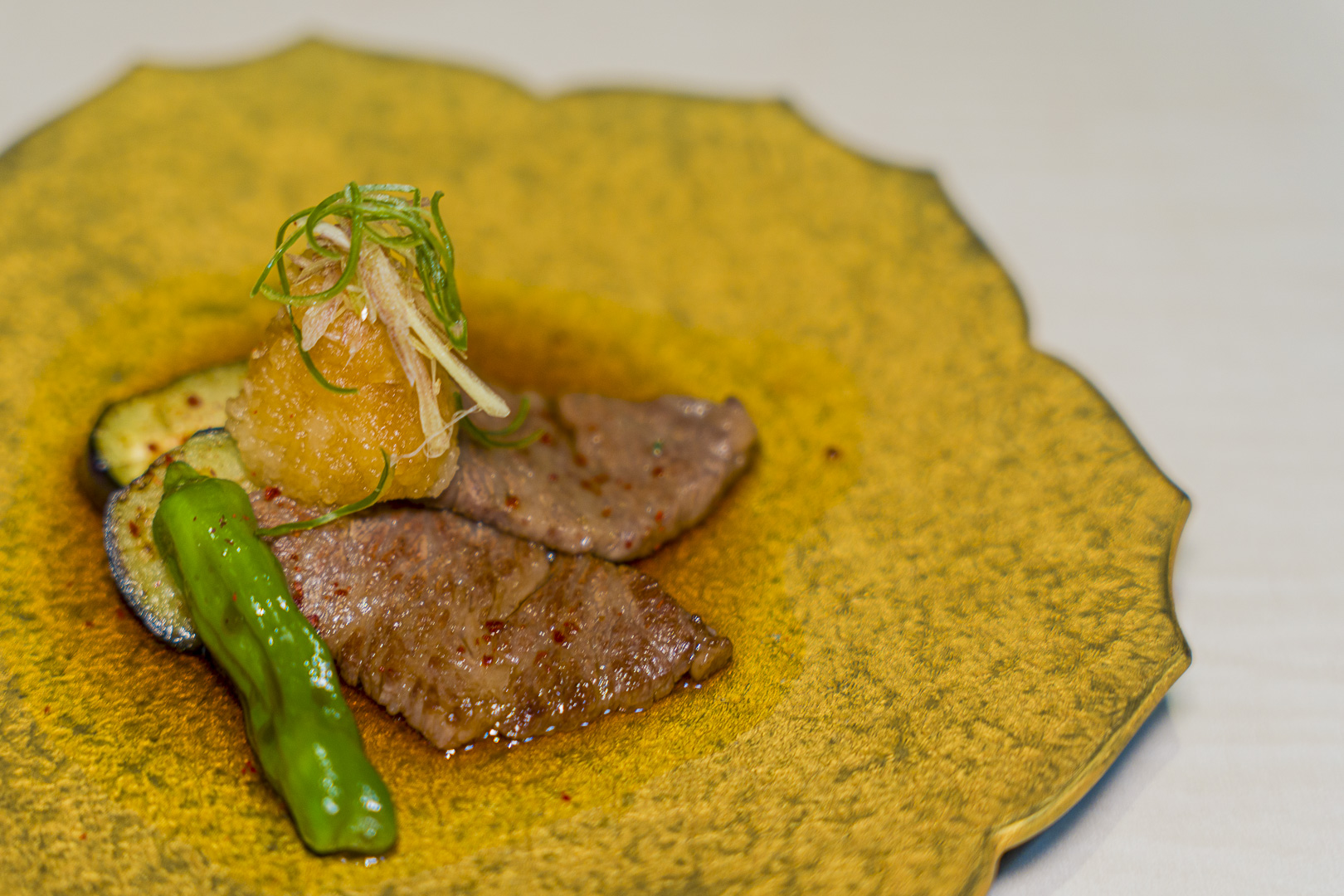
Appetizer: dressed vegetables and meat
Tangy and refreshing, the meat and vegetables are gently dressed in an ohitashi-style preparation. The clean acidity cuts through the richness so far. It opens the appetite quietly.
The eggplant is tender, and the pepper has a gentle heat. Nothing feels aggressive. It nudges the palate back toward the meat: a short, clear interlude.
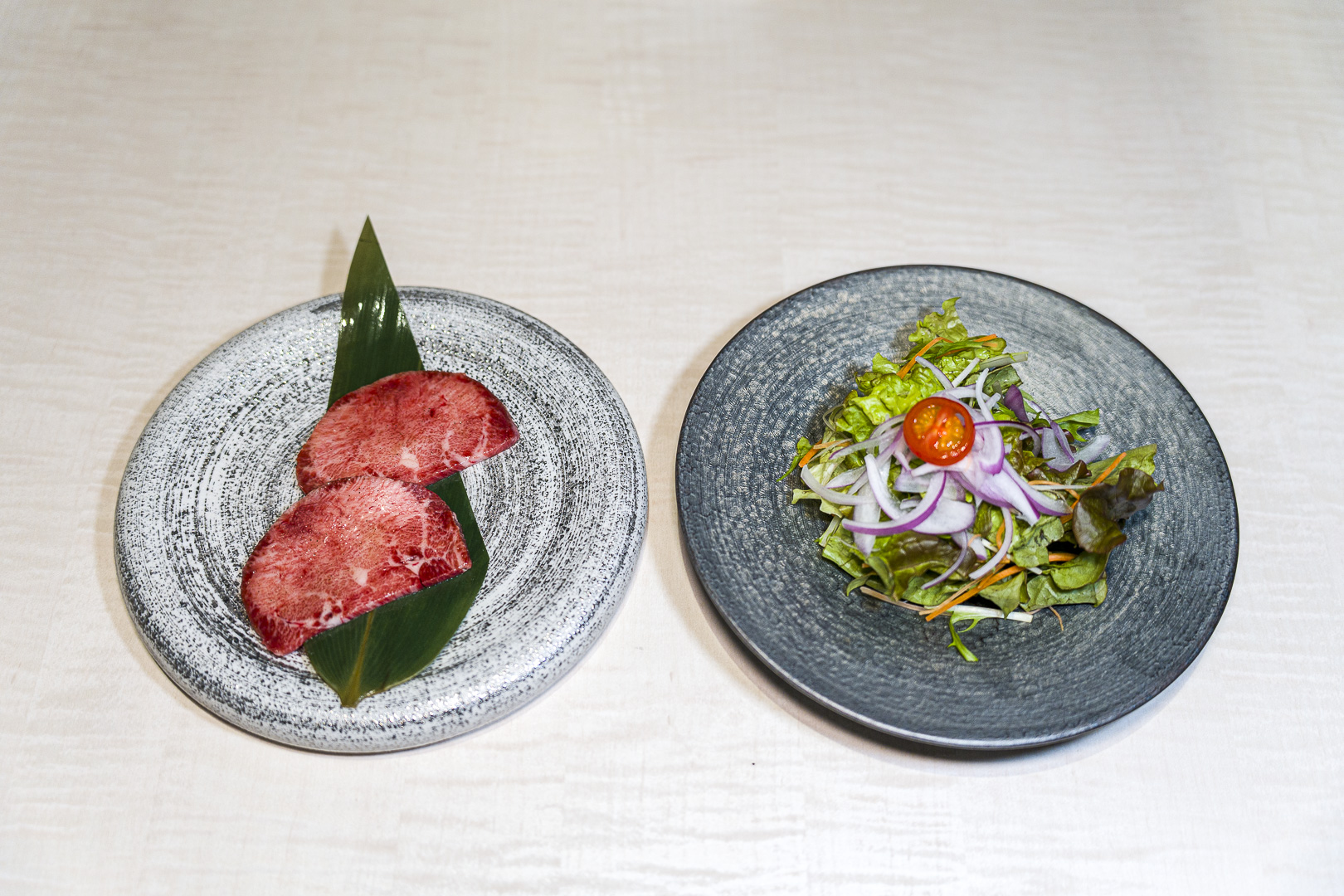
Selected beef tongue and salad
The beef tongue is cooked gently at the table. It is not thick, so it cooks quickly, almost as if being lightly sautéed. The texture is firm without much fat. The salad has a house-made onion dressing with a surprisingly elegant acidity. It makes me pause to wonder why such a simple vegetable salad tastes so good.

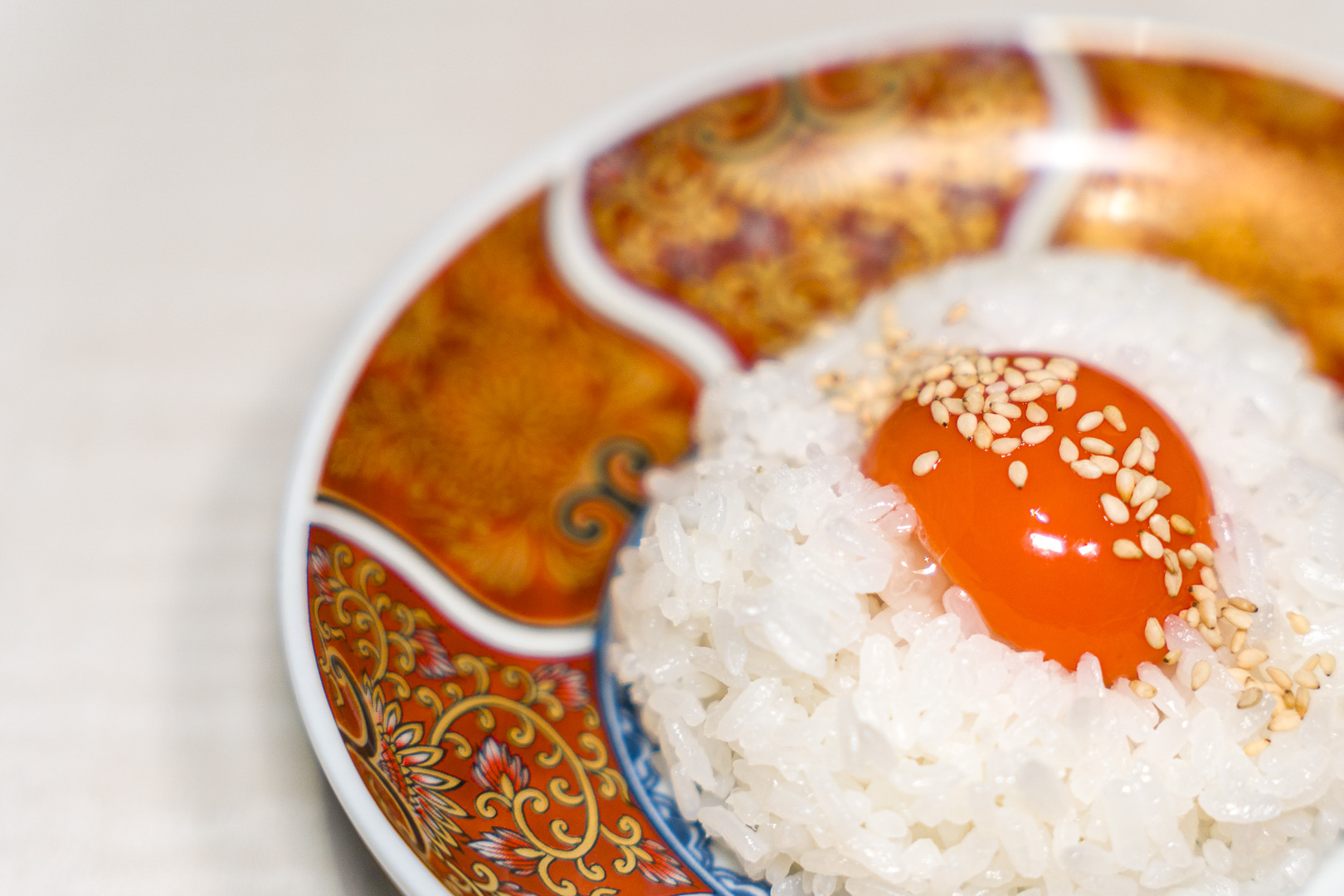
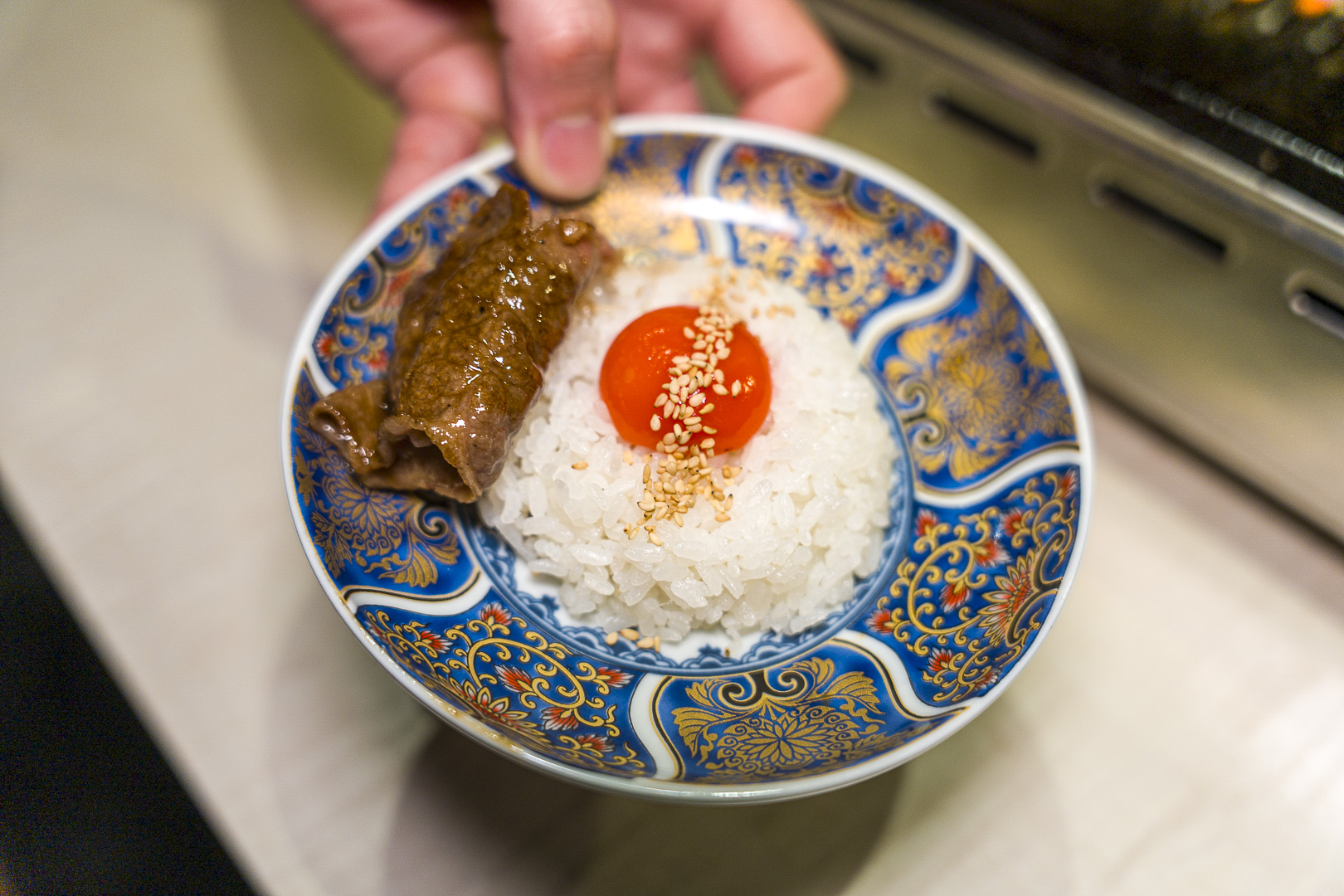
Yakisuki: palm-sized marbled beef with a Ran-o egg
This is the course’s highlight.
A palm-sized slice of marbled beef is grilled boldly over the flame. Its appearance alone feels unfairly good. Then there is the egg: an orange yolk, springy and glossy. At the time, its color gave the writer an impression of healthy hens raised without chemical fertilizers; the color itself does not verify that farming claim.
One bite releases richness and umami together, joined by the thickness of the yolk. Now the rice makes sense: something is needed to carry this concentration of flavor. When rice, beef, and egg come together, conversation briefly stops. It happens around the whole table.
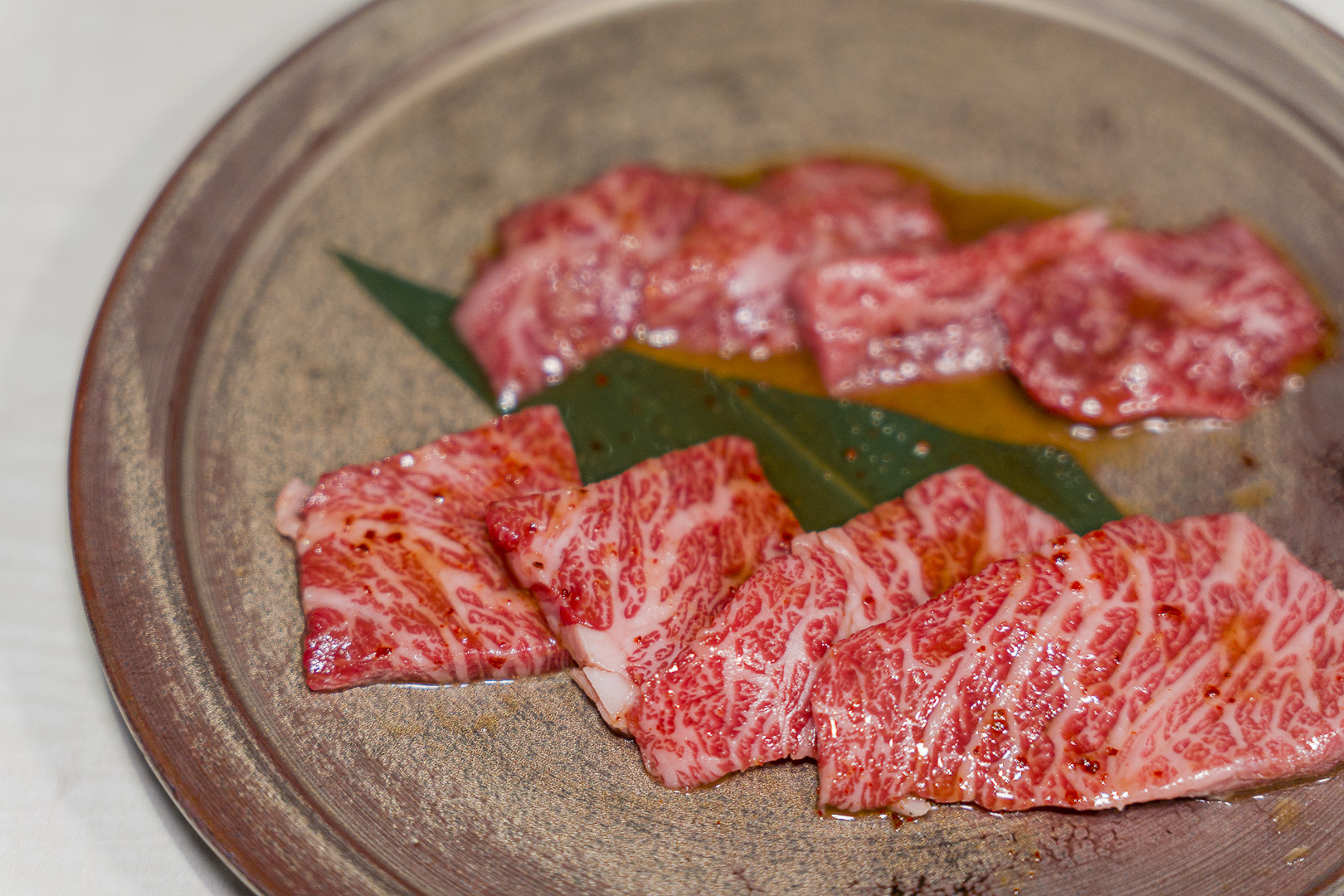
Selected grilled cuts: 2 pieces with salt and 2 with tare sauce
Zabuton and harami are trimmed to precise shapes and thicknesses, each just right for one bite. As you chew, the beef’s sweetness spreads slowly and quietly. Salt lets the meat speak for itself; tare gives it a little more depth. The approach relies on the beef without getting in its way. It is not flashy, but it is convincing.
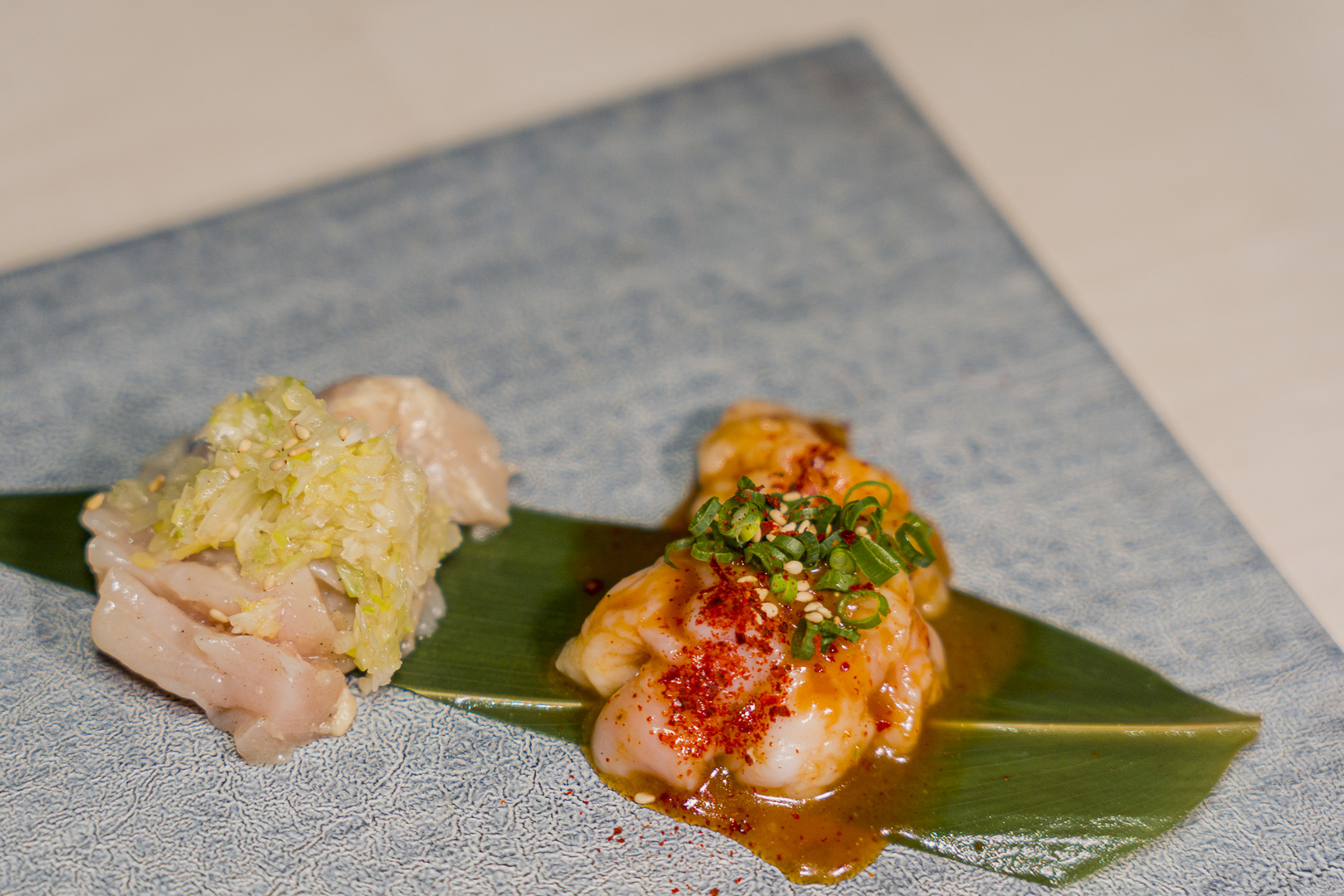
Offal: shimacho and mino
The cuts are not fixed: the restaurant serves whichever offal is in the best condition that day. On this visit, it was shimacho and mino. Both were springy, without an unpleasant smell. Even someone who usually avoids offal might be tempted here. The texture is pleasantly bouncy and light—a dish that quietly challenges preconceptions.
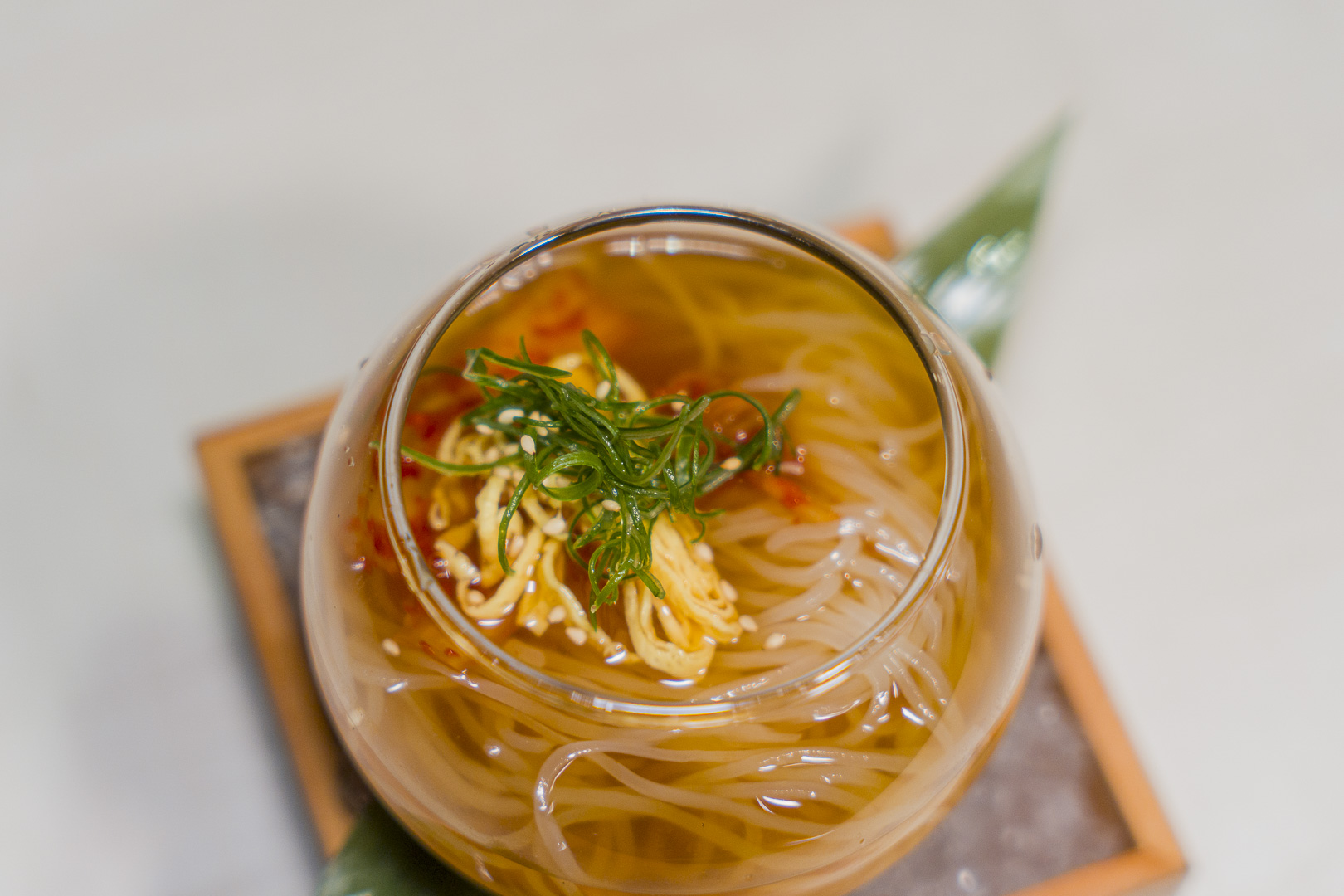
Chilled noodles
The round glass bowl is clear, with ice underneath to keep it cold to the end. It is a smart idea. The grip does not become cold, making the bowl comfortable to lift.
The beef-based broth is chilled. The noodles slide down smoothly rather than breaking apart, and the kimchi’s acidity arrives a moment later. It is refreshing rather than spicy. This kind of pacing explains why nine dishes never feel tiring: it resets the palate and makes you look forward to what comes next.
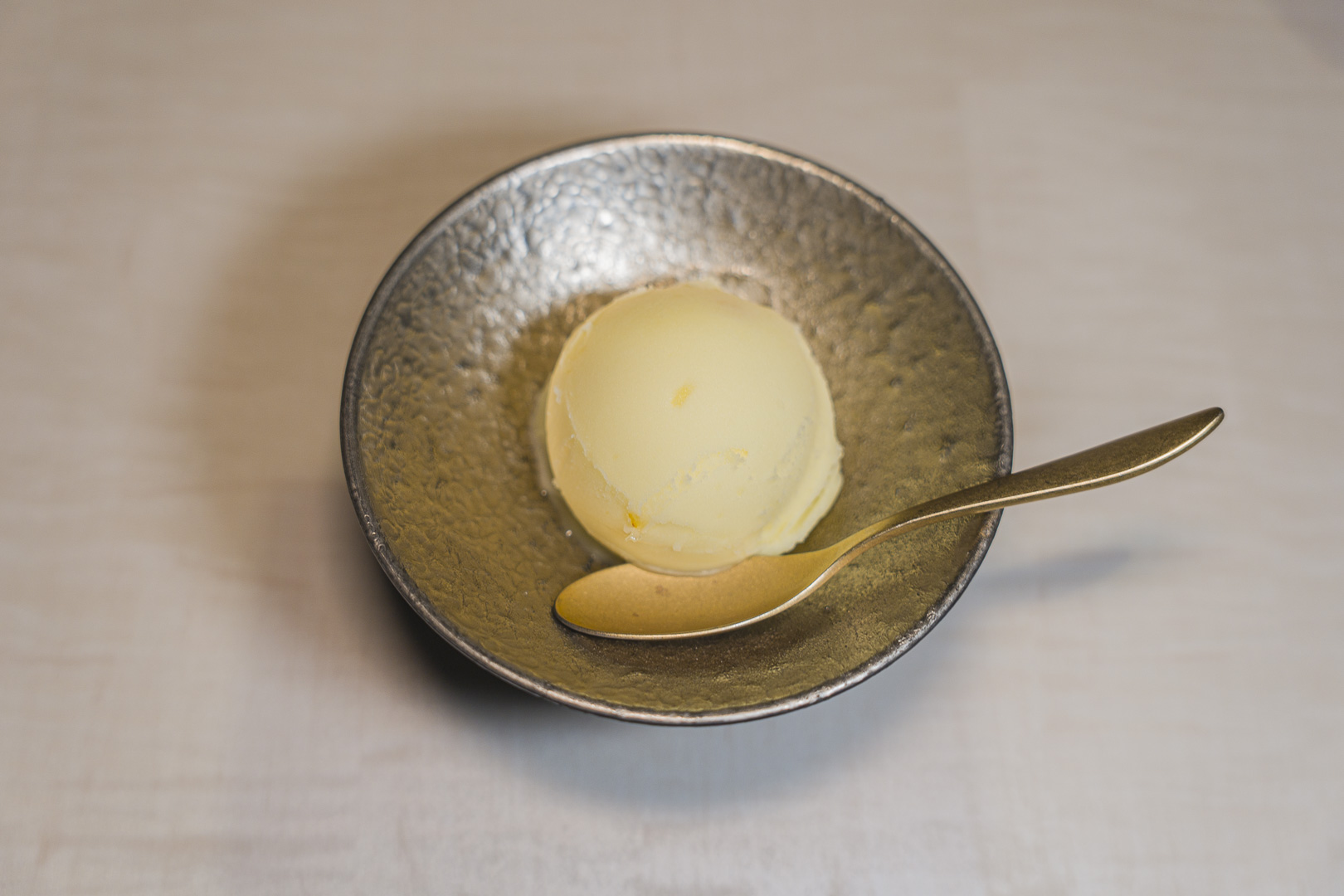
Dessert: yuzu sorbet
There is real yuzu pulp inside. The fragrance is just right rather than overwhelming. It is a perfect final sentence for the course, ending the meal briefly and cleanly.
Drinks
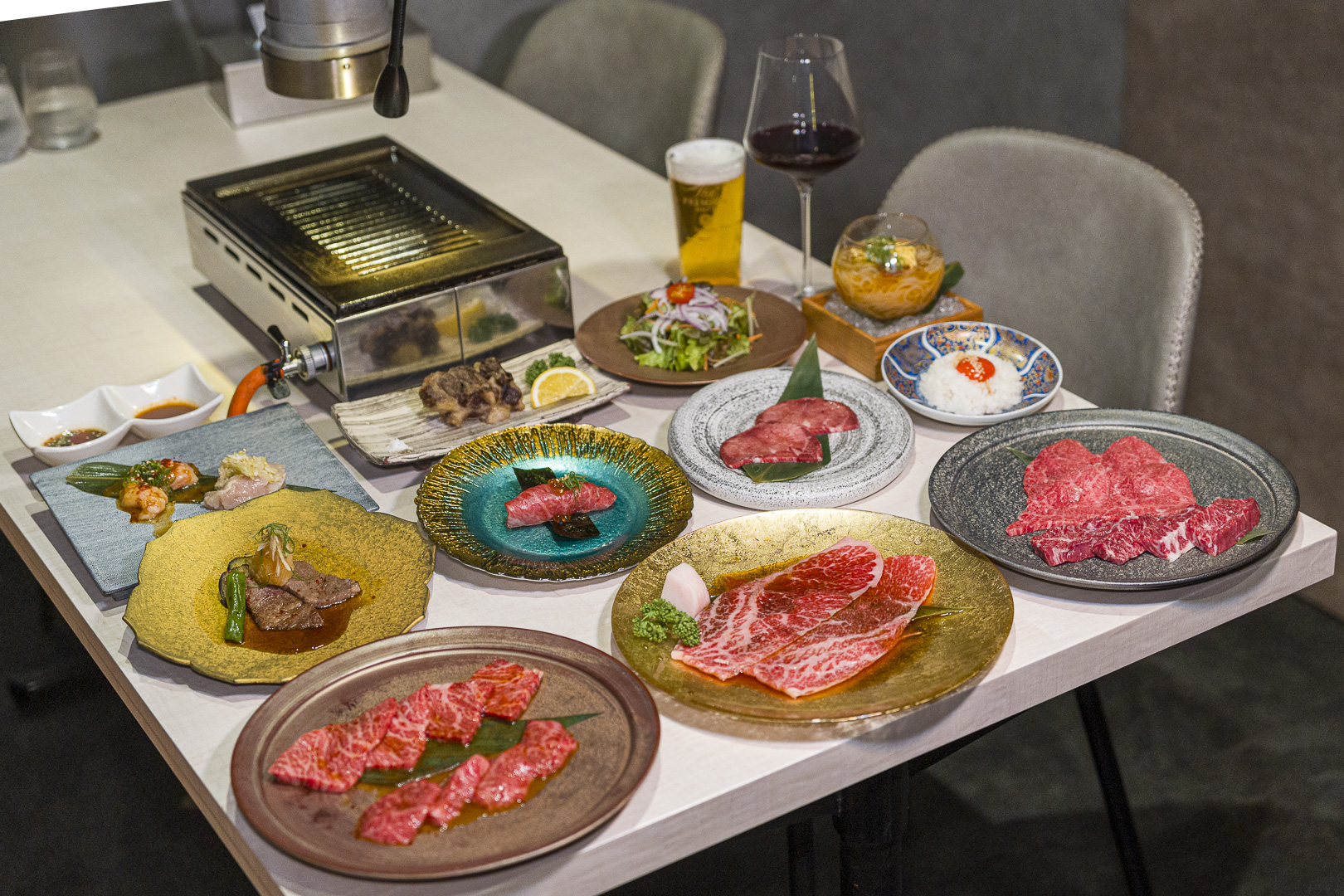
The Premium Malt’s: JPY 770 A dedicated glass and a very particular pour. The creamy foam holds the aroma. It is an excellent first drink before yakiniku.
House red wine: JPY 880 — La Croisade Réserve Cabernet–Syrah A full-bodied Mediterranean wine blending Cabernet Sauvignon and Syrah. It works well with the beef. Serving this choice for JPY 880 suggests good judgment: a thoughtfully chosen house wine.
Lunch: 11:29–15:00, last order 14:30
Lunch begins at 11:29. The numbers 2 and 9 echo niku, the Japanese word for meat. This is a restaurant that enjoys that kind of joke. Solo diners can order, including a course, without a reservation. Portions are generous too.
Wagyu sirloin sukiyaki: JPY 3,630
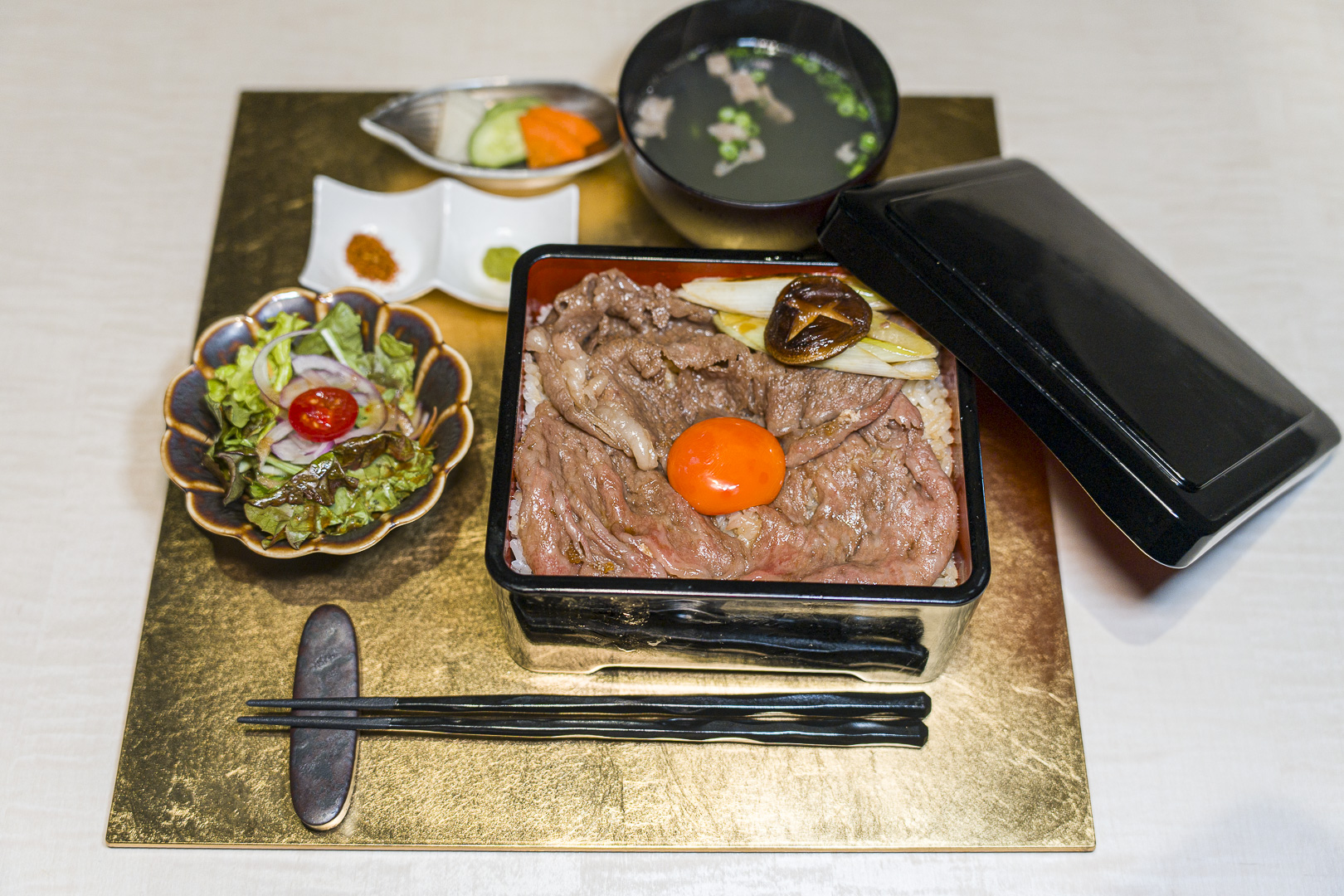
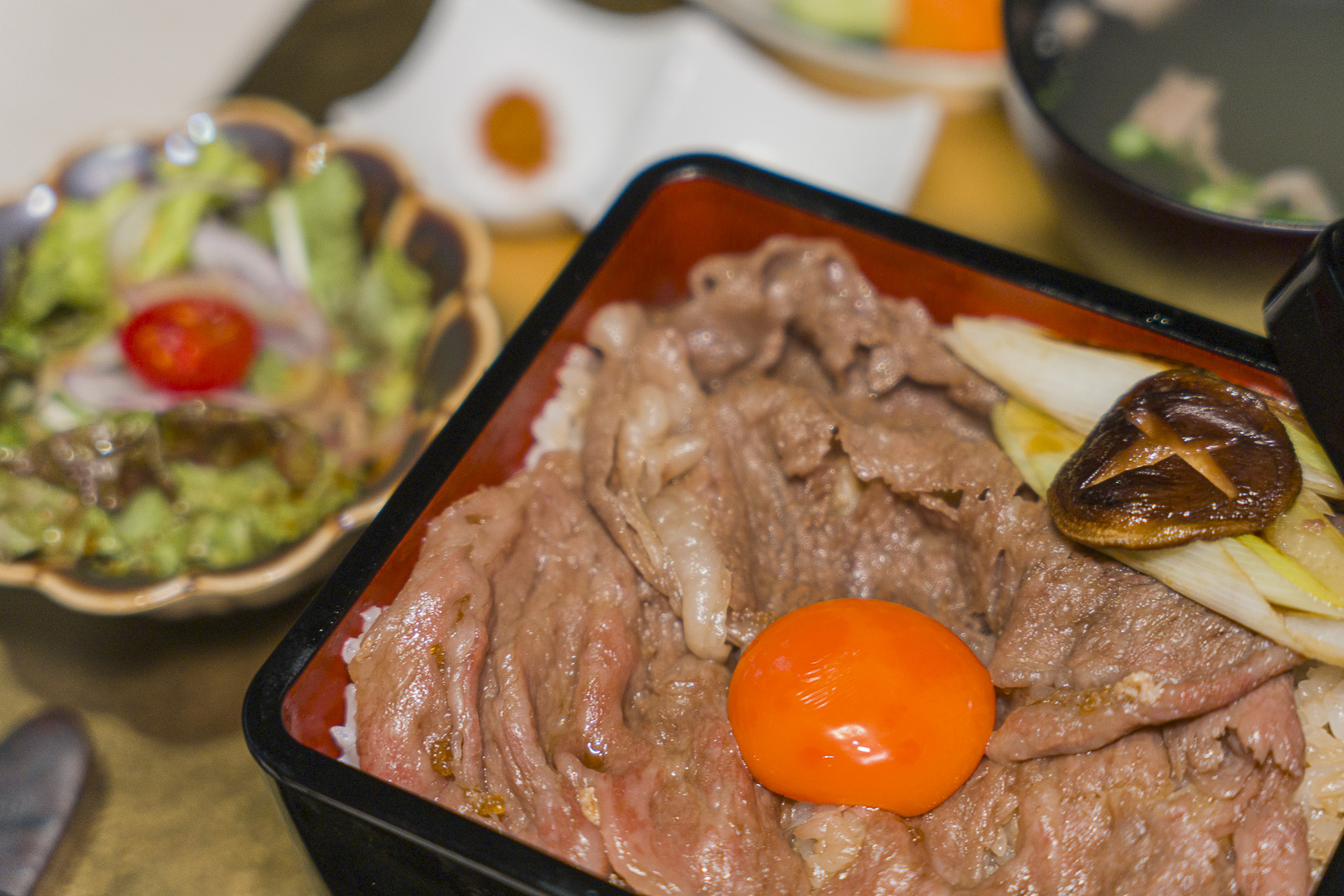
A lavish pairing of a large sirloin portion and a Ran-o egg. The egg’s freshness makes the first impression; then comes sweet beef that seems to melt in the mouth. There is plenty of rice, and the soup carries a deep beef savor. Pickles and salad come alongside, with a remarkably good dressing. It feels like a serious meal for a lunch menu.
Selected hitsumabushi: JPY 3,280, with extra beef for JPY 1,100
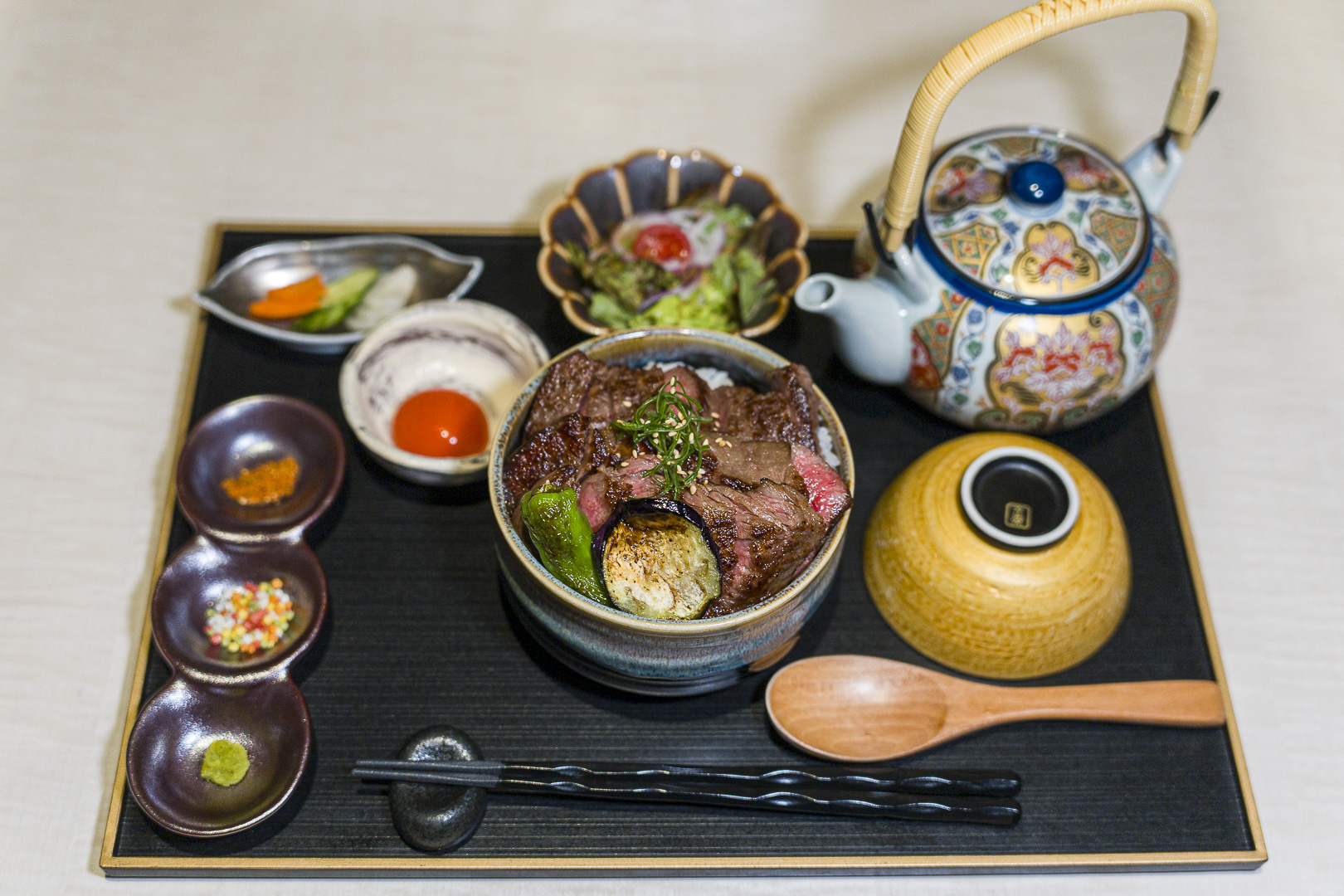
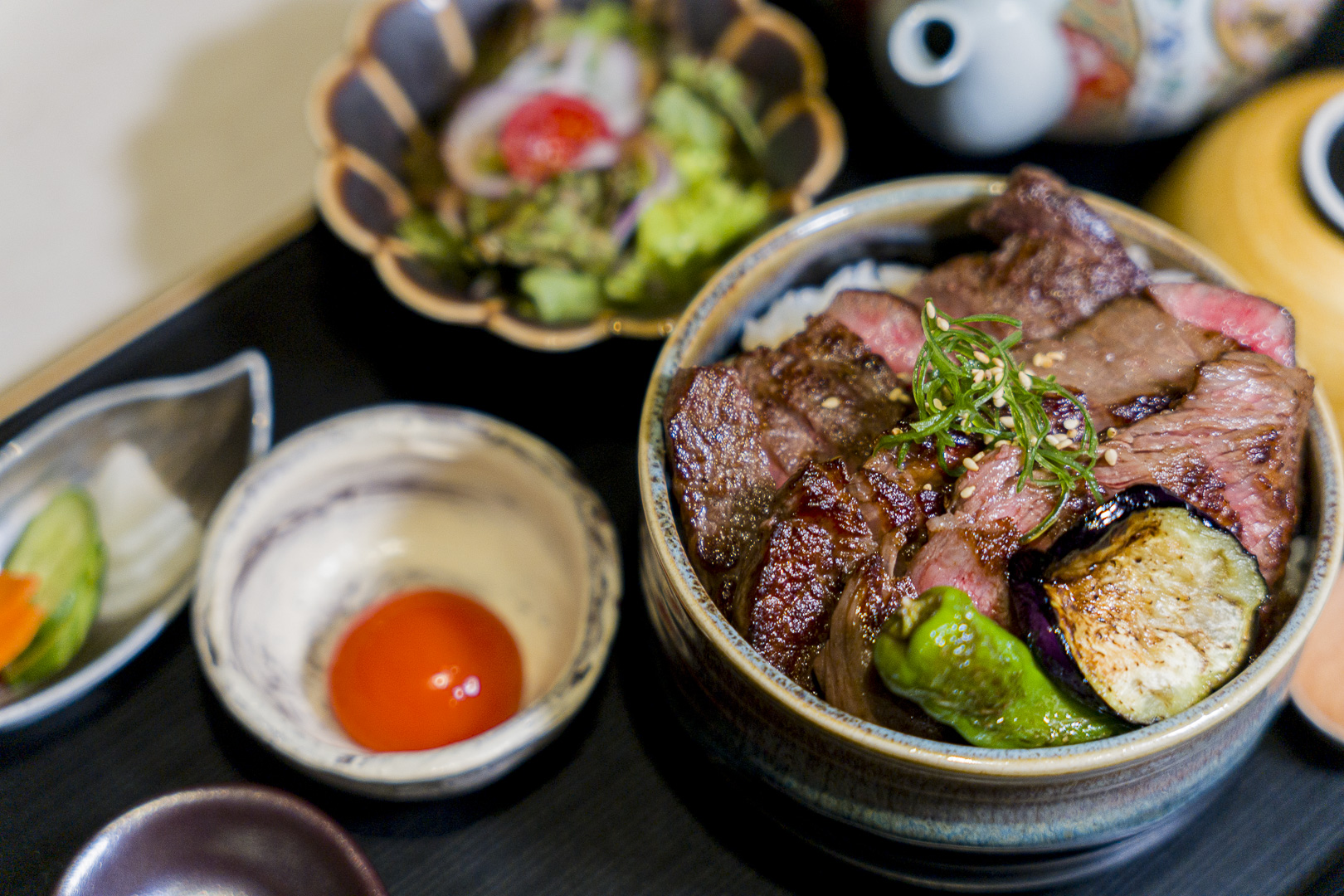
The cut is ichibo, served medium rare. The bowl may look small, but it contains a substantial amount of rice. It is filling.
Condiments include wasabi, ichimi chili, arare rice crackers, and a Ran-o egg from Nagasaki. Again, the yolk is orange.
There are three ways to eat it.
- As served — Taste the ichibo on its own: tender and light.
- Mixed with the egg — The thick yolk adds depth.
- With condiments and dashi — Change the flavor with wasabi or ichimi, then pour over the dashi to eat it like ochazuke. It makes a light, refreshing finish.
Salad and pickles round it out. That is a complete lunch on its own.
Course prices
| Course | Price including tax | Details |
|---|---|---|
| JPY 6,000 course | JPY 6,600 | Different course contents |
| JPY 8,000 course | JPY 8,800 | Most popular; 9 dishes |
| JPY 10,000 omakase | JPY 11,000 | Reservation required by the previous day |
Courses are available for one diner. A lunch course can be ordered without a reservation.
There is a particular pleasure in ordering a Premium Malt’s and waiting for the first meat. The lights are low, the music quiet, with only the occasional sound of tableware. Some places make you feel unexpectedly good without seeming to do anything extraordinary.
My impression was that a similar meal in Tokyo might have cost two or three times as much. This felt like a price, and a quietly accomplished meal, that belonged to Fukuoka.
WAGYU PINFU is that kind of place.