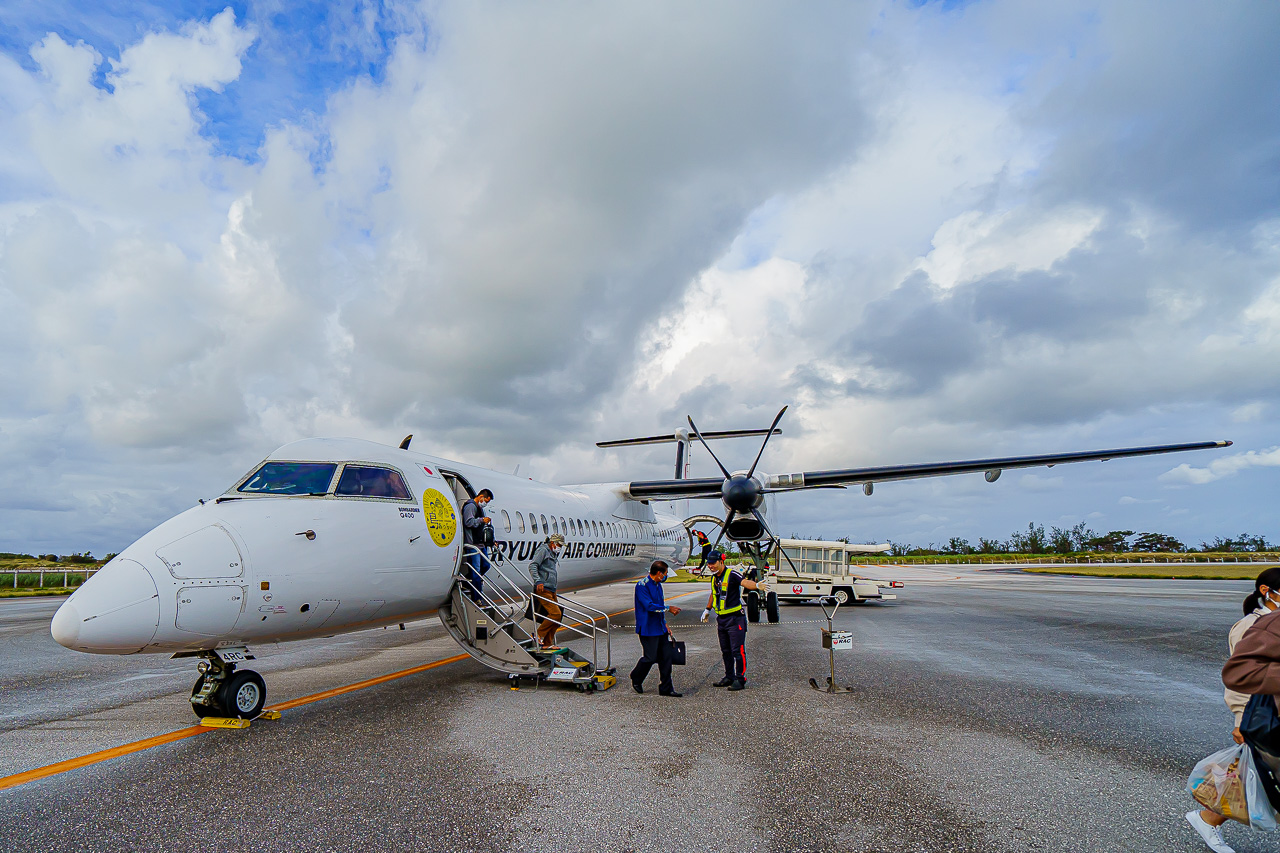
We visited Minamidaito Island, part of Okinawa Prefecture but standing isolated in the Pacific.
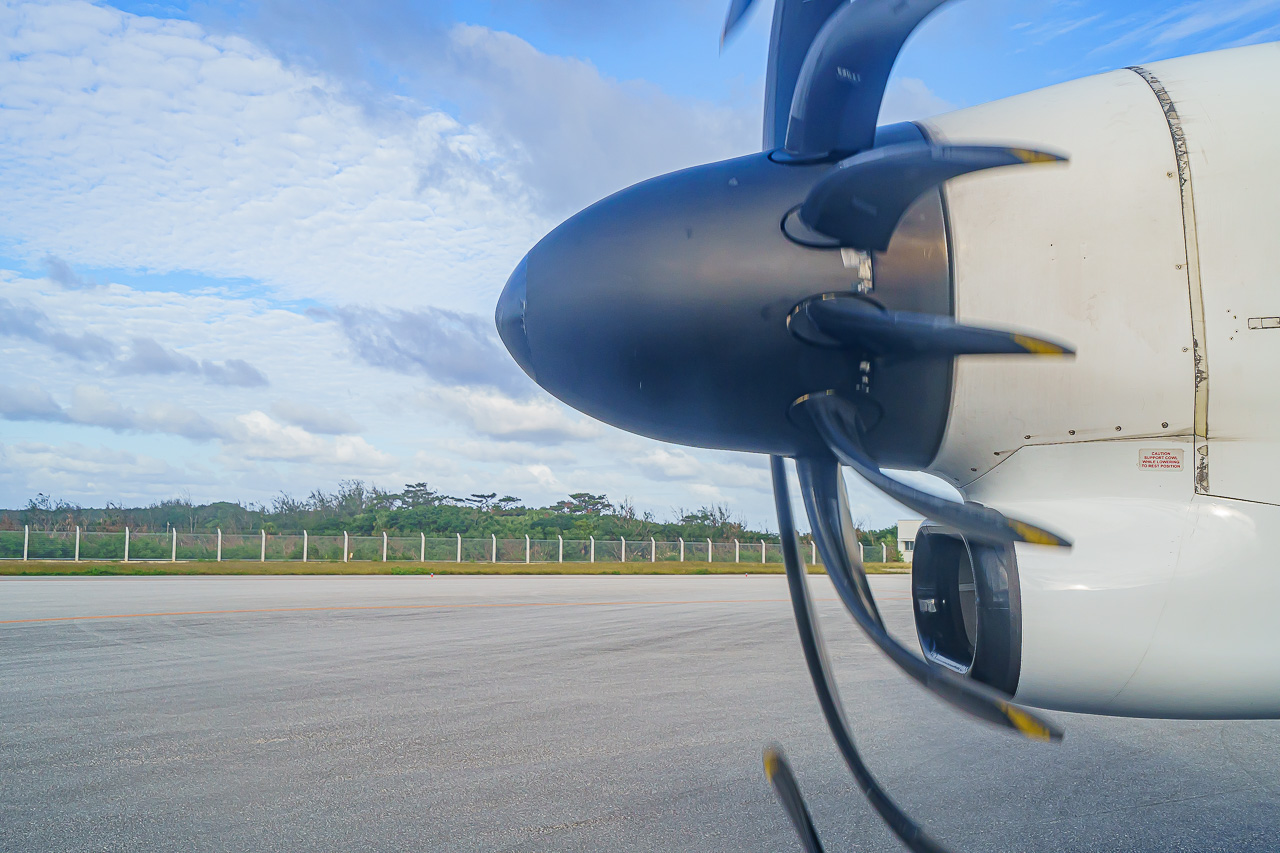
About 400 km from Okinawa’s main island, it belongs to the Daito Islands and is described as the prefecture’s sixth largest by area.
With no other land for roughly 360 km around it, it is often described as a remote island amid the open Pacific.
The surrounding sea is very deep; the source says depths reach 1,000 meters not far offshore.
A famous arrival experience involved ferry passengers being lifted ashore in a cargo-crane cage. However, the source gives about 15 hours one way, around two sailings weekly, irregular operation, and indefinite suspensions in bad weather, leading the writer to recommend flying instead.
Airfare, though, was comparable to traveling as far as Osaka or Tokyo, making it a decision to weigh.

After arriving, we collected a rental car.
The source says there were no buses or taxis. Even on a small island, walking in summer heat would be difficult, so it considered a rental car or bicycle essential for sightseeing.
Having reserved ahead, we received the car directly in the airport parking area.
There was no detailed scratch inspection.
My low-cost mobile service lost its 4G indication and internet connection—something I had not anticipated.
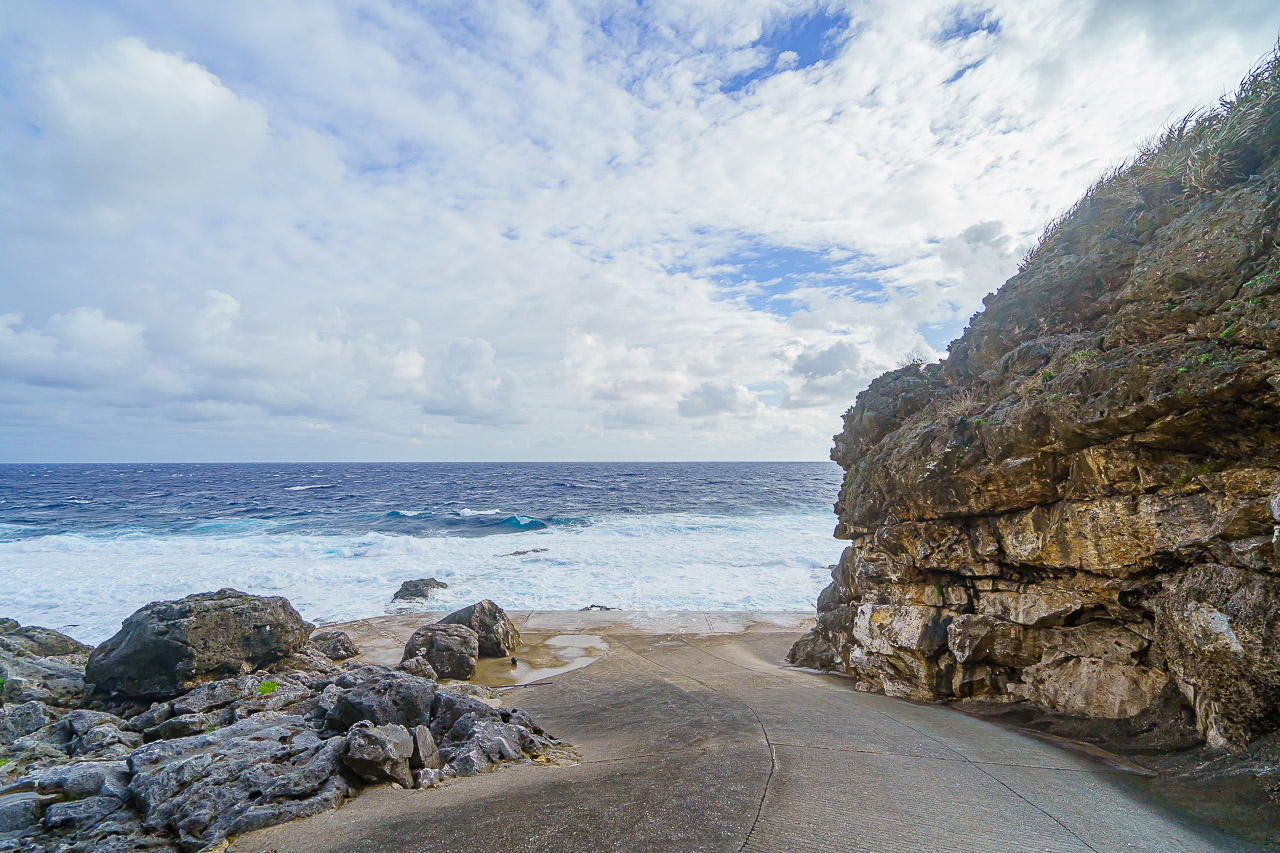
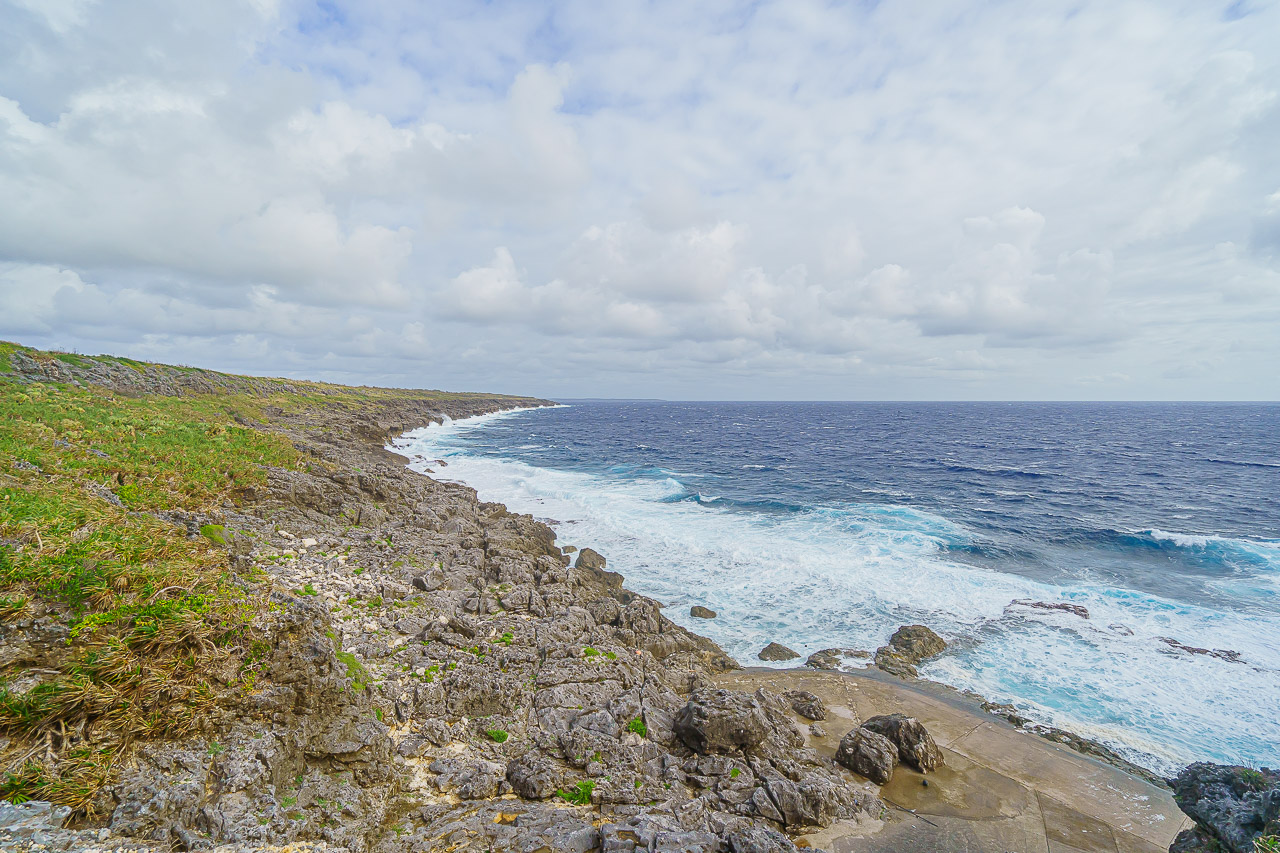
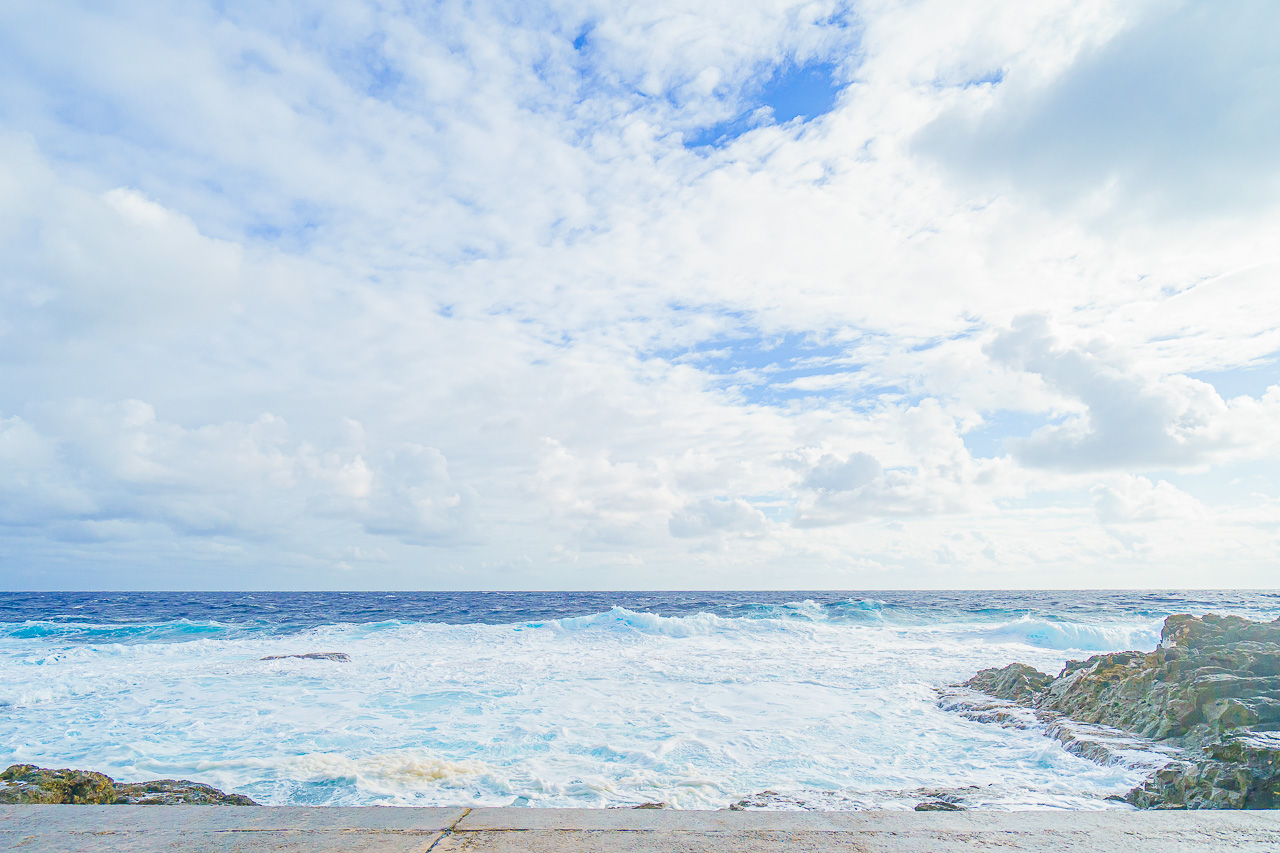
Formed from an uplifted coral atoll, Minamidaito has cliffs around its perimeter rather than sandy beaches.
Local children wanted somewhere to swim and play, so islanders created a pool.
According to the source, dynamite blasted a hollow in the coastal cliffs to make a natural seawater pool—a remarkably forceful approach.
Tidal exchange renewed the water and brought fish in, making it appealing for snorkeling in the account. The source calls it a safer place to play amid the island’s rough coastline; this is a historical description, not a current assessment of swimming conditions.
It was called Kaigunbo Pool, said to derive its name from an old Japanese Navy marker.
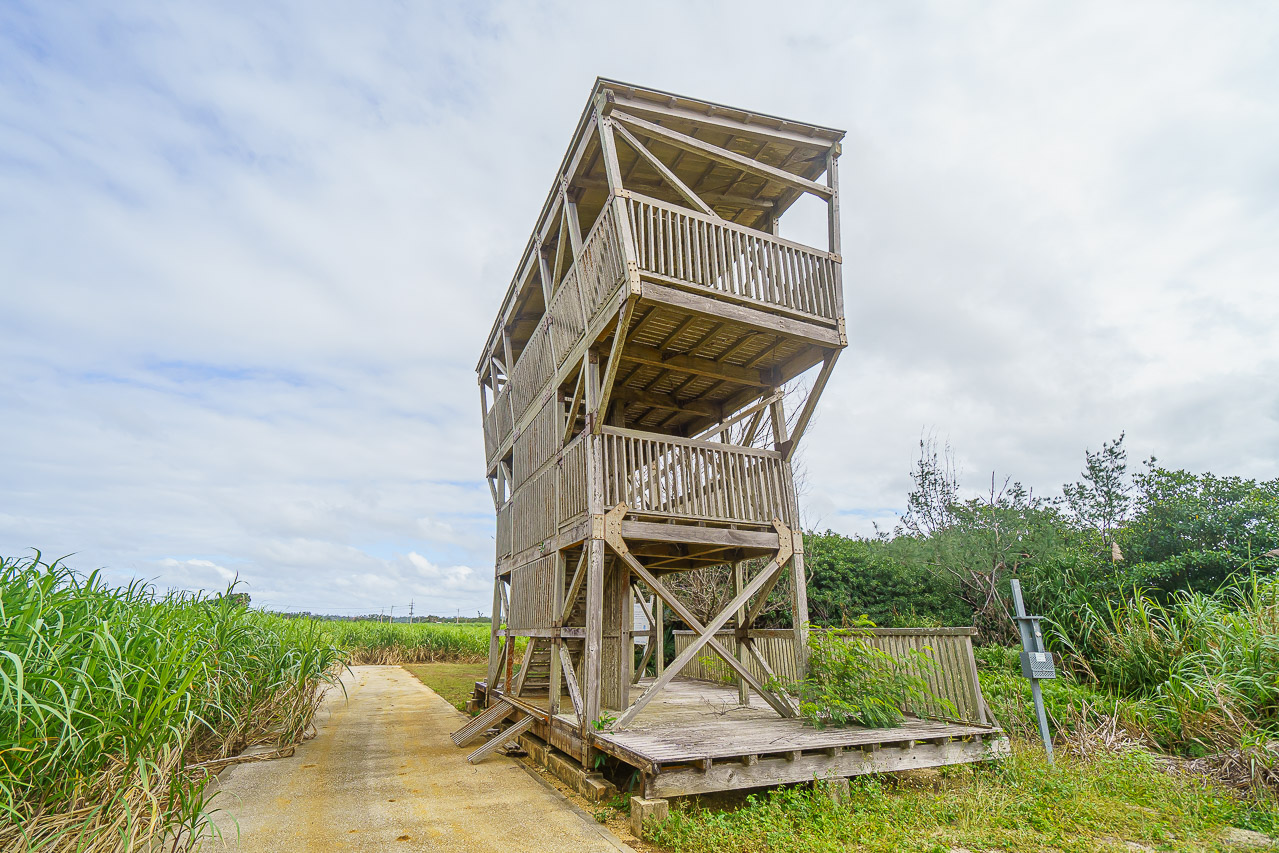
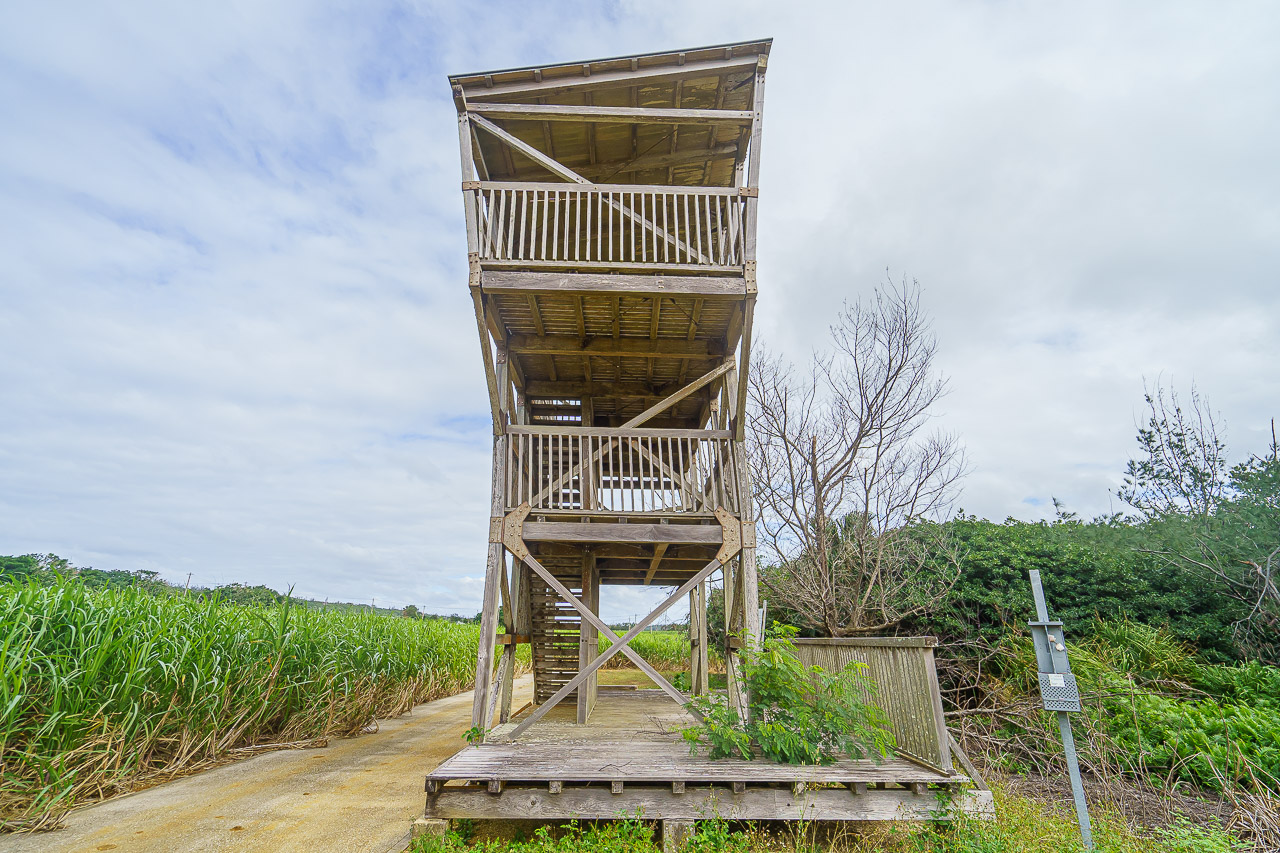
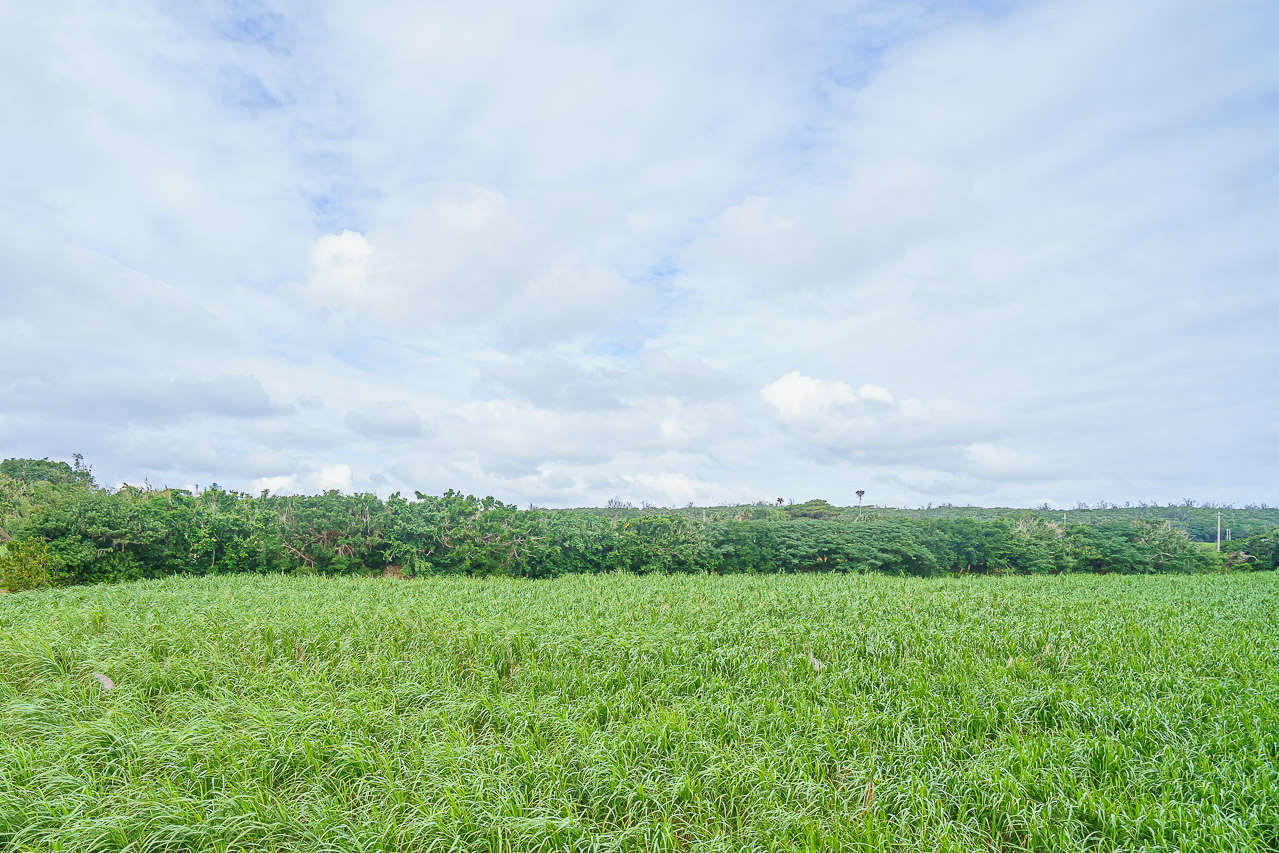
Using an old printed guide, we went to Daiike Observatory.
It looked close to collapse and no longer served as a functioning viewpoint.
There was little else to see around it.
The source explicitly says it was closed and entry prohibited; this is a past-visit record, not an invitation to access it.

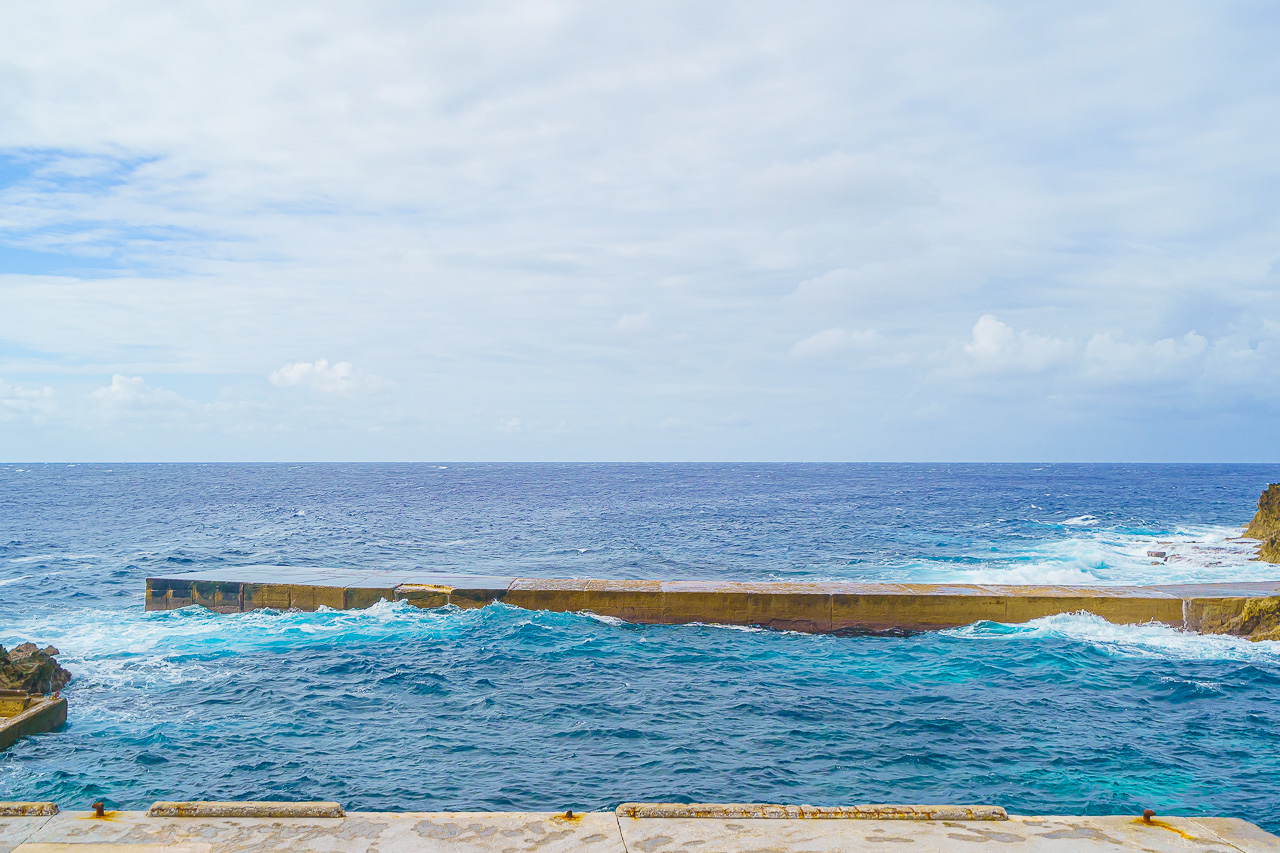
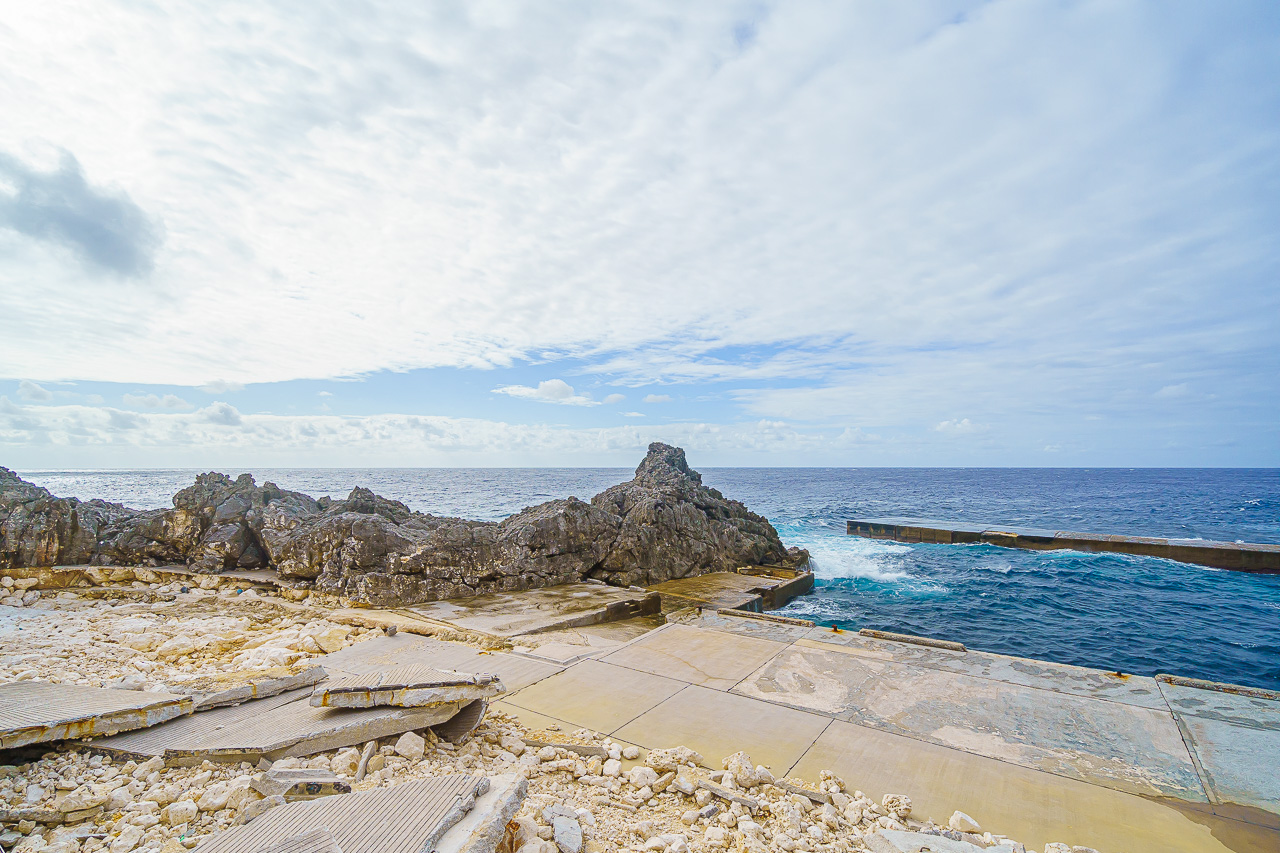
To the south was Kameike, or Turtle Pond, Port. Cut from huge coral rock, it was named after a large turtle reportedly caught at the entrance. Unlike a port built mainly by adding structures, this one’s excavated scale was striking.
When winter seasonal winds made unloading on the west coast difficult, the source says this port was used instead.
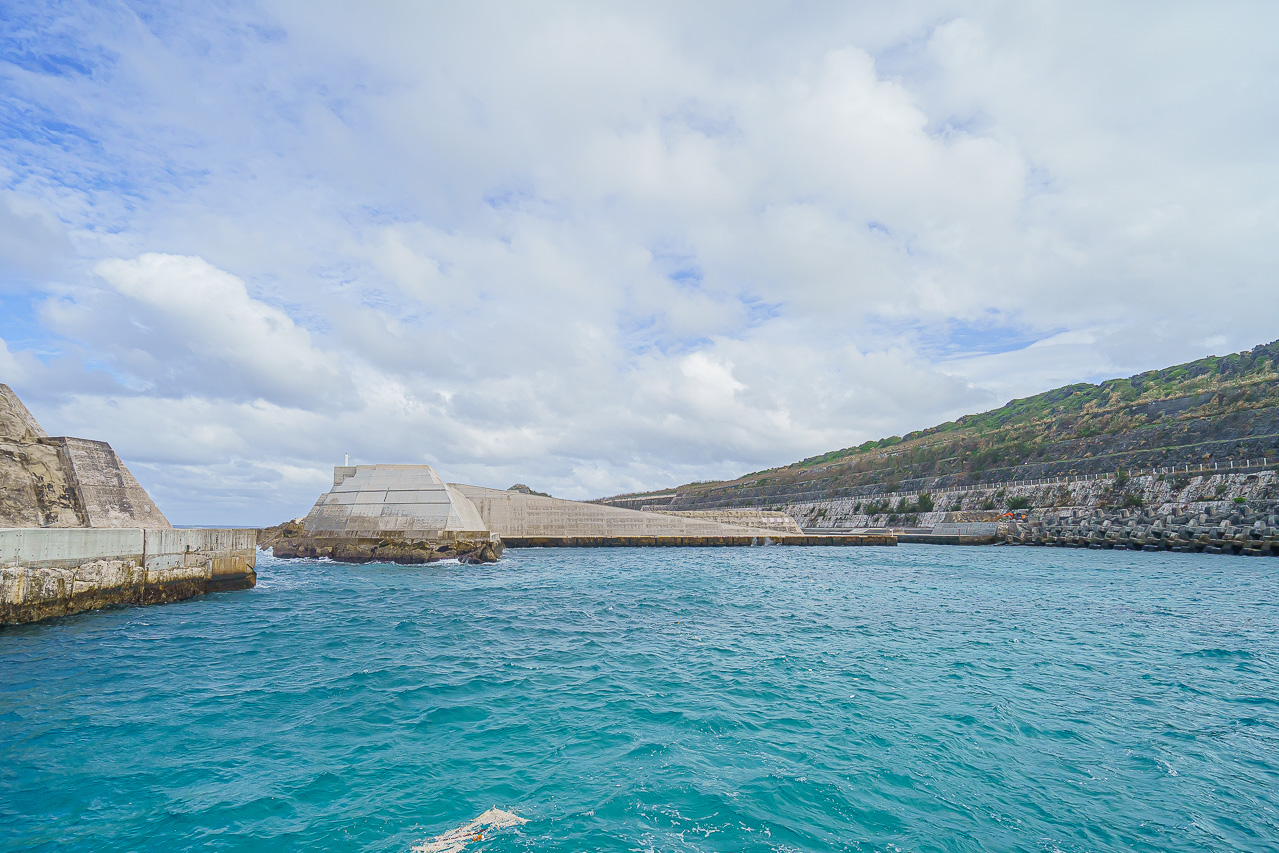
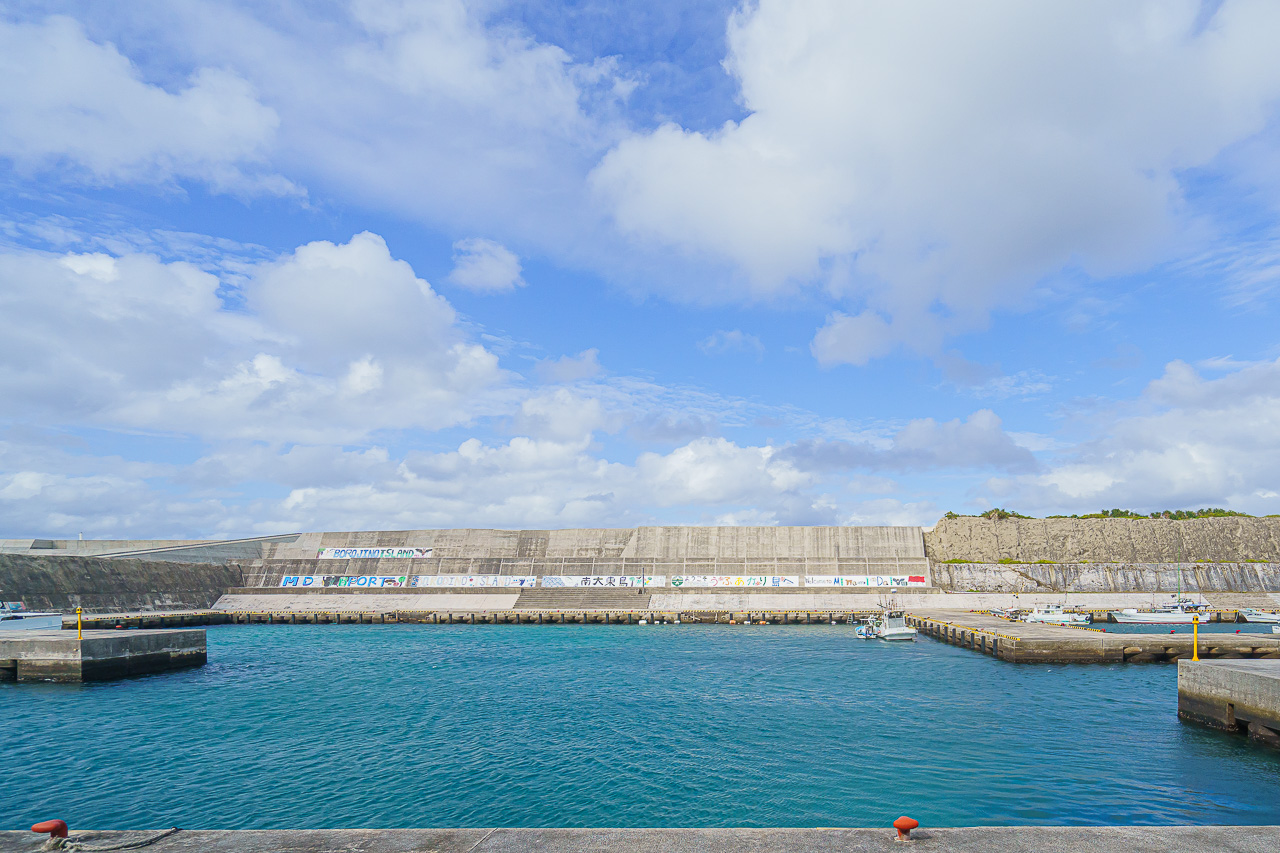

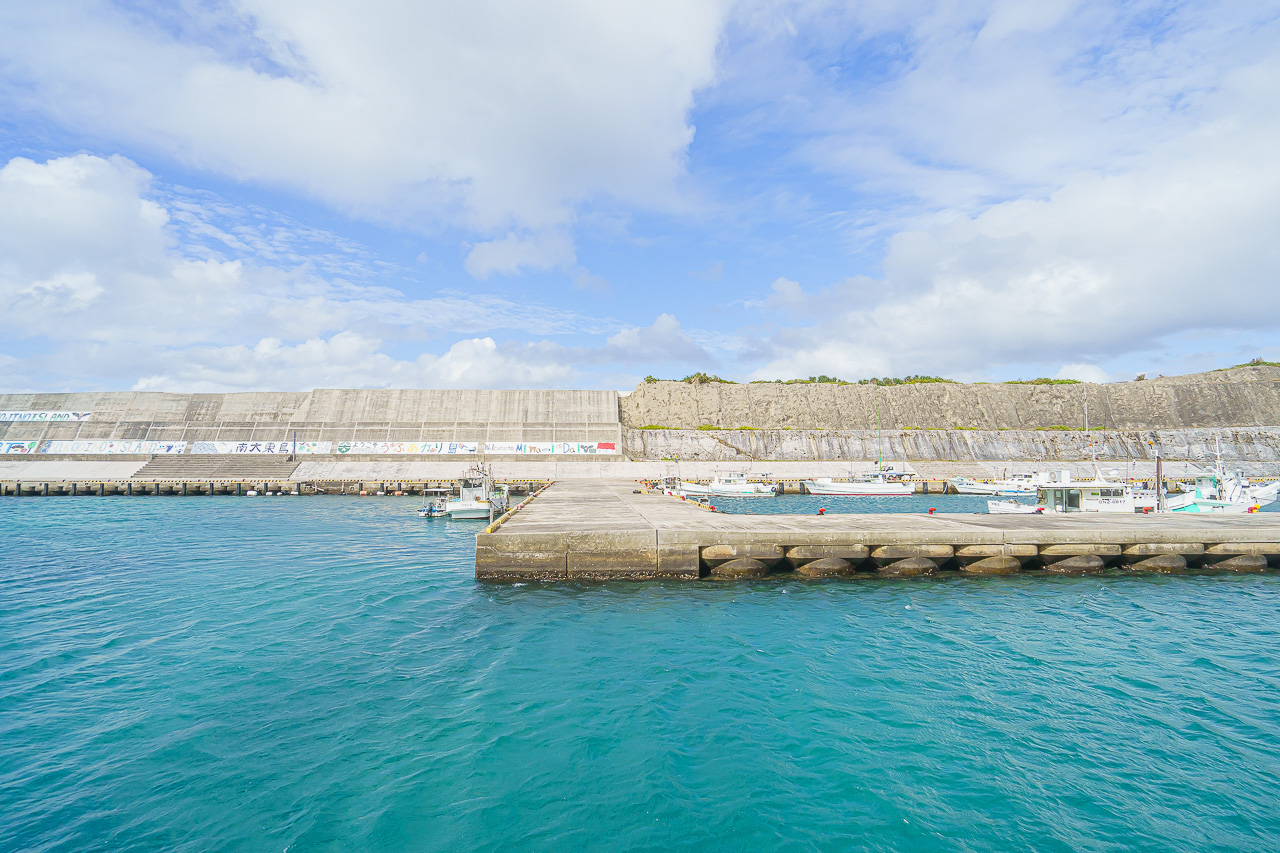
Fishing was one pillar of life beside these rich waters. With cliffs preventing ordinary mooring, cranes raised and lowered boats. Okinawa Prefecture undertook major works to develop Minamidaito Fishing Port for the industry. Many boats stood alongside the port, and with the right timing visitors could see a large crane moving one. Cranes lifting catches are familiar elsewhere; lifting an entire boat was on another scale.
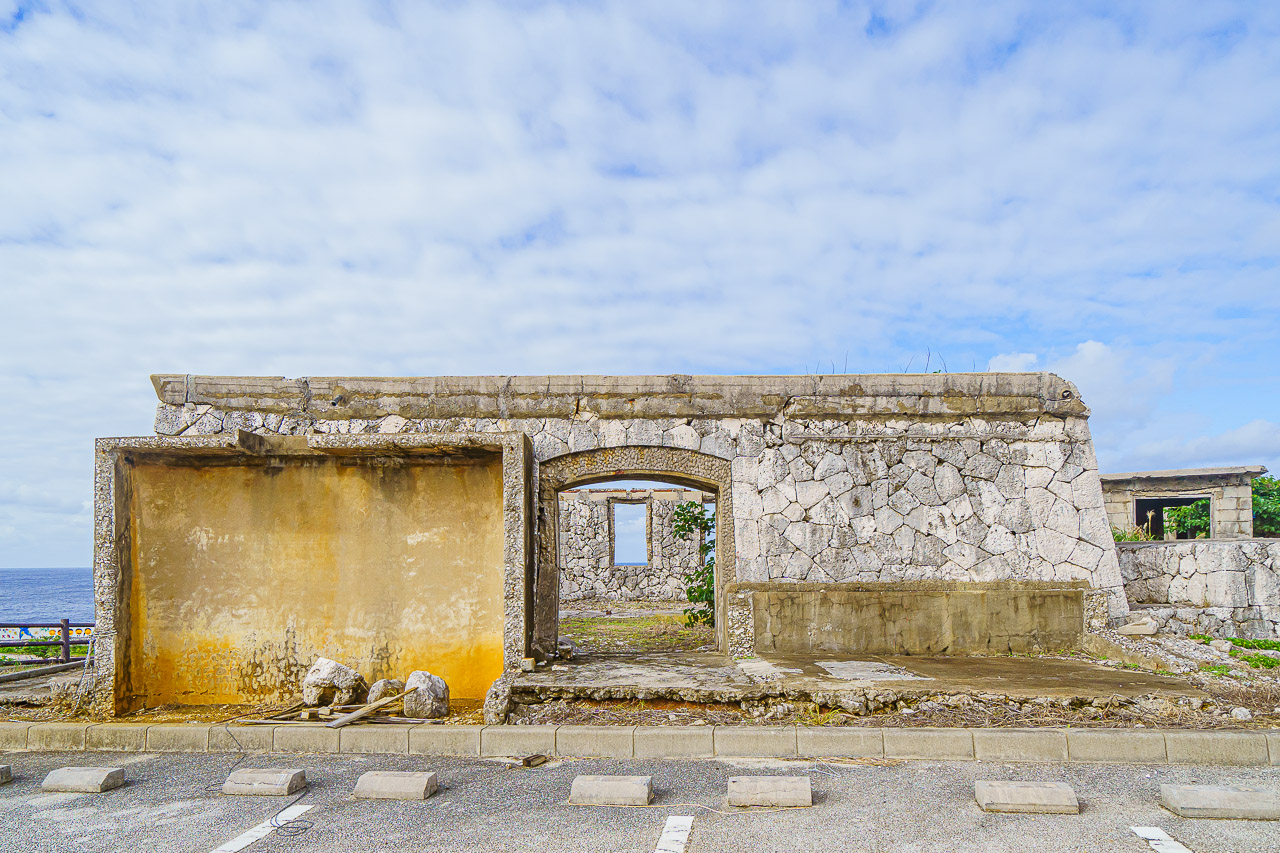
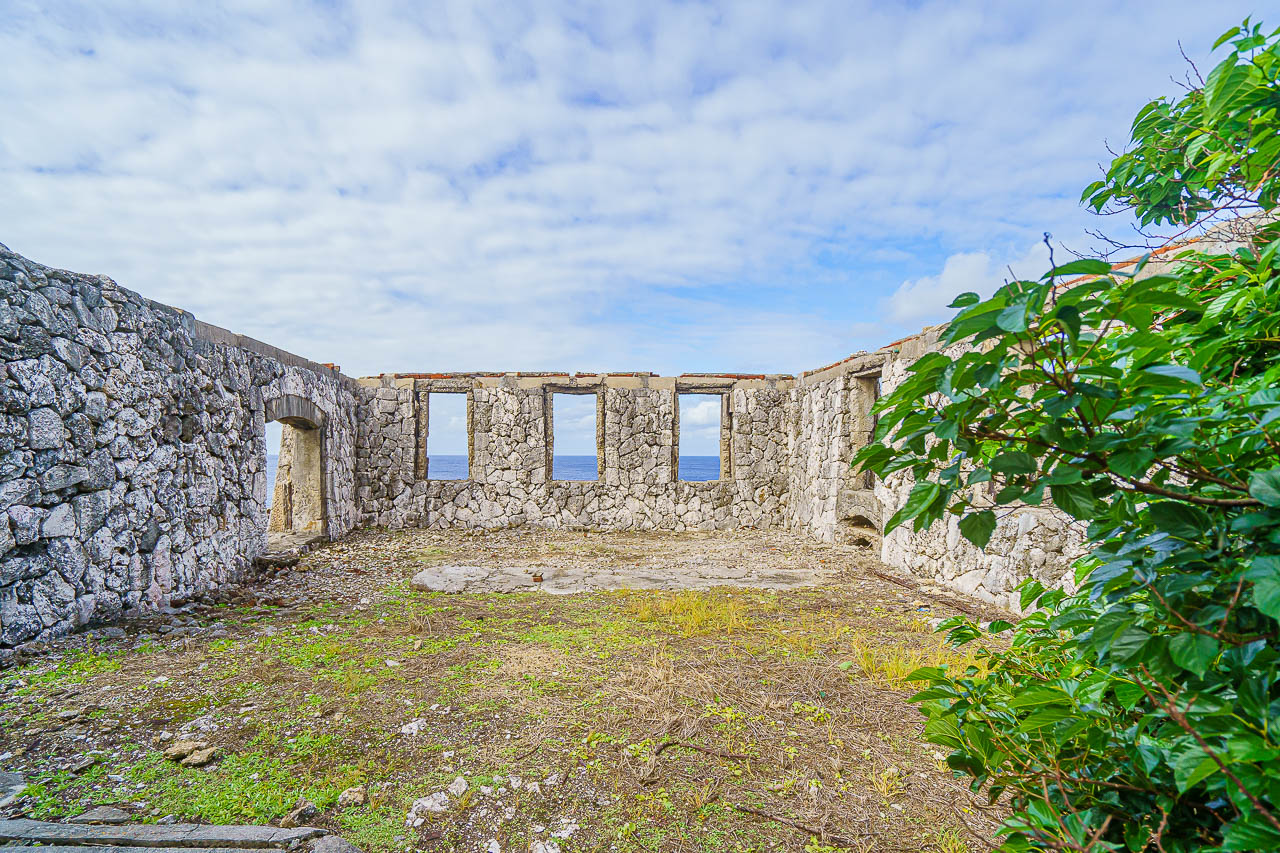
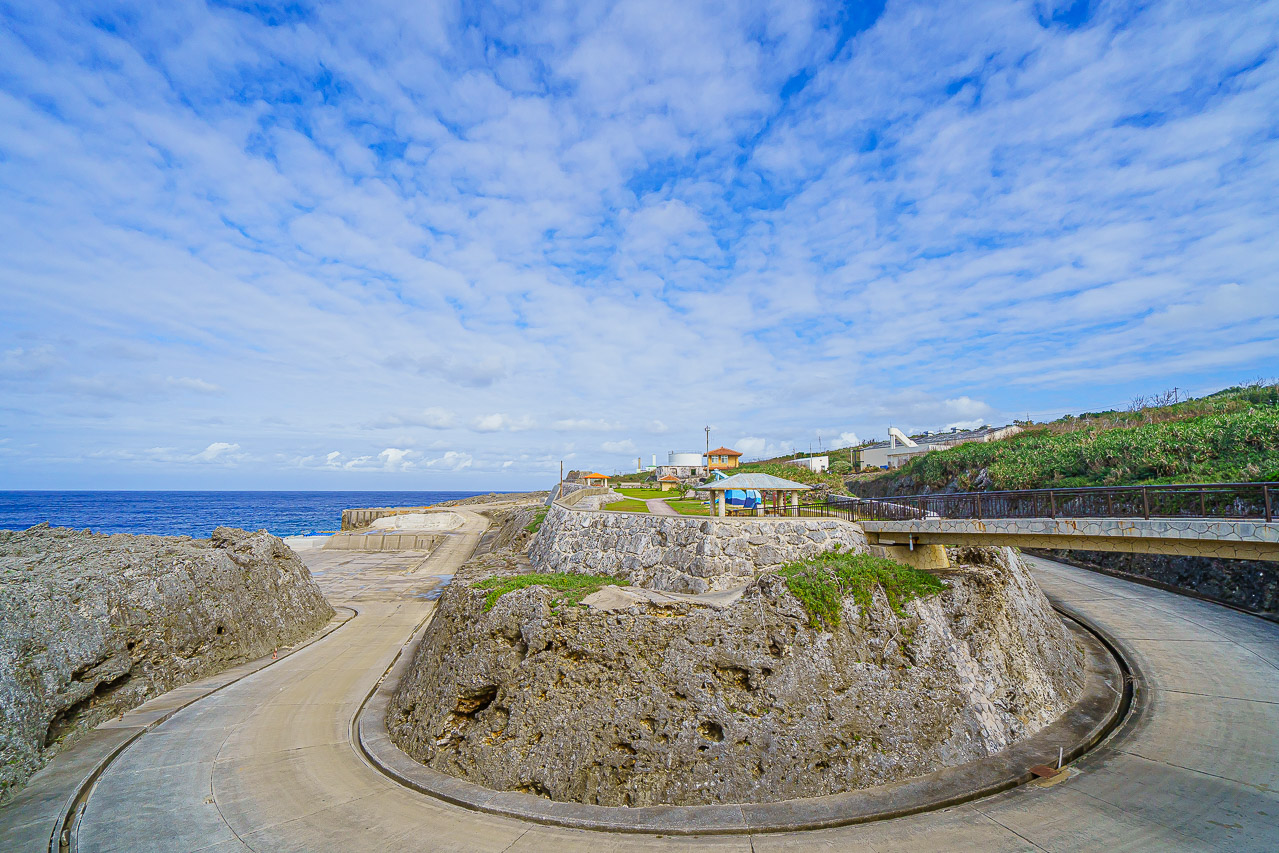
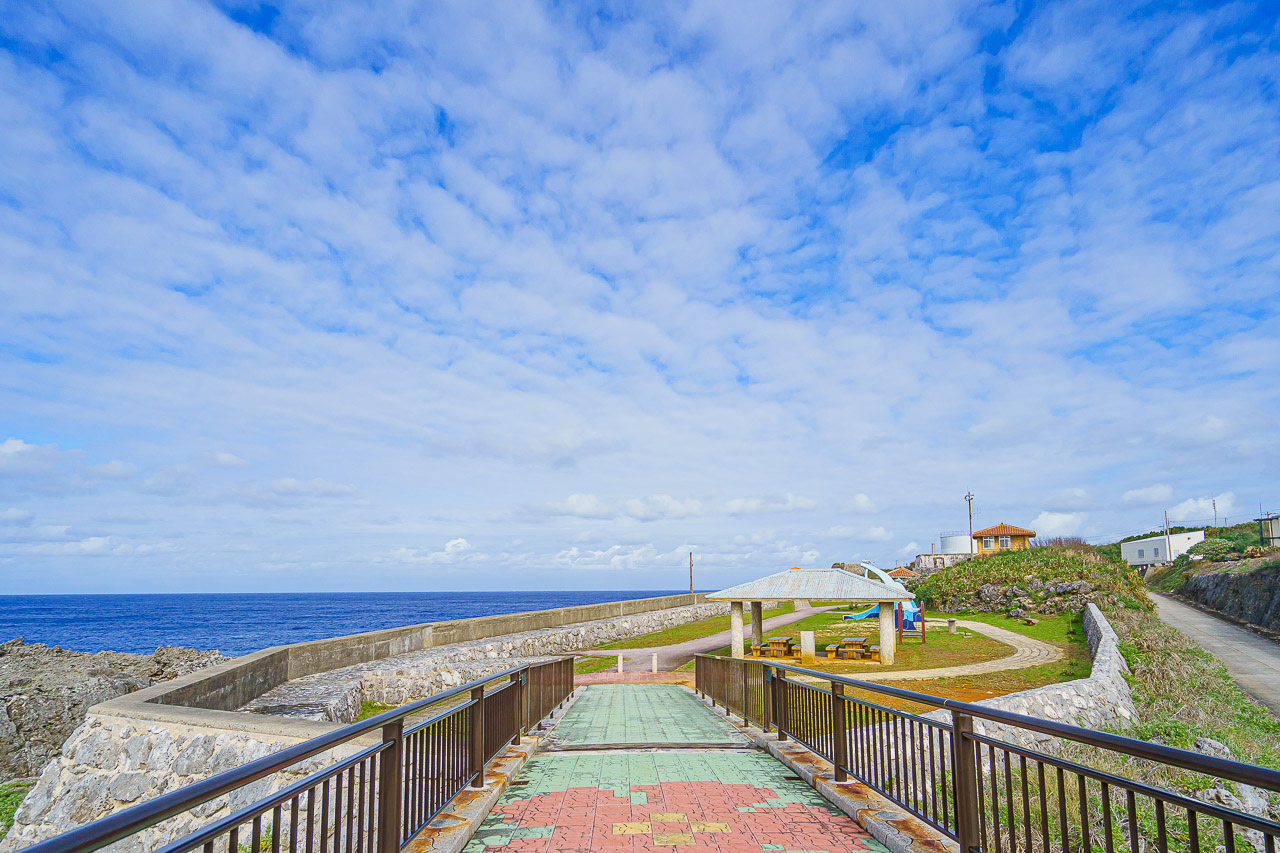
Minamidaito was originally uninhabited. Settlers landed in Meiji 33, 1900, to develop sugarcane fields.
This castle-like boiler-house ruin was a well-known relic of that pioneering period.
Built around 1924 according to the source, it was designated as a national cultural property.
An elevator-like device once reportedly lifted passengers from ferries here, though no trace remained on our visit.
Facing west, the area was known for sunsets.
Millennium Park nearby was another place to walk.
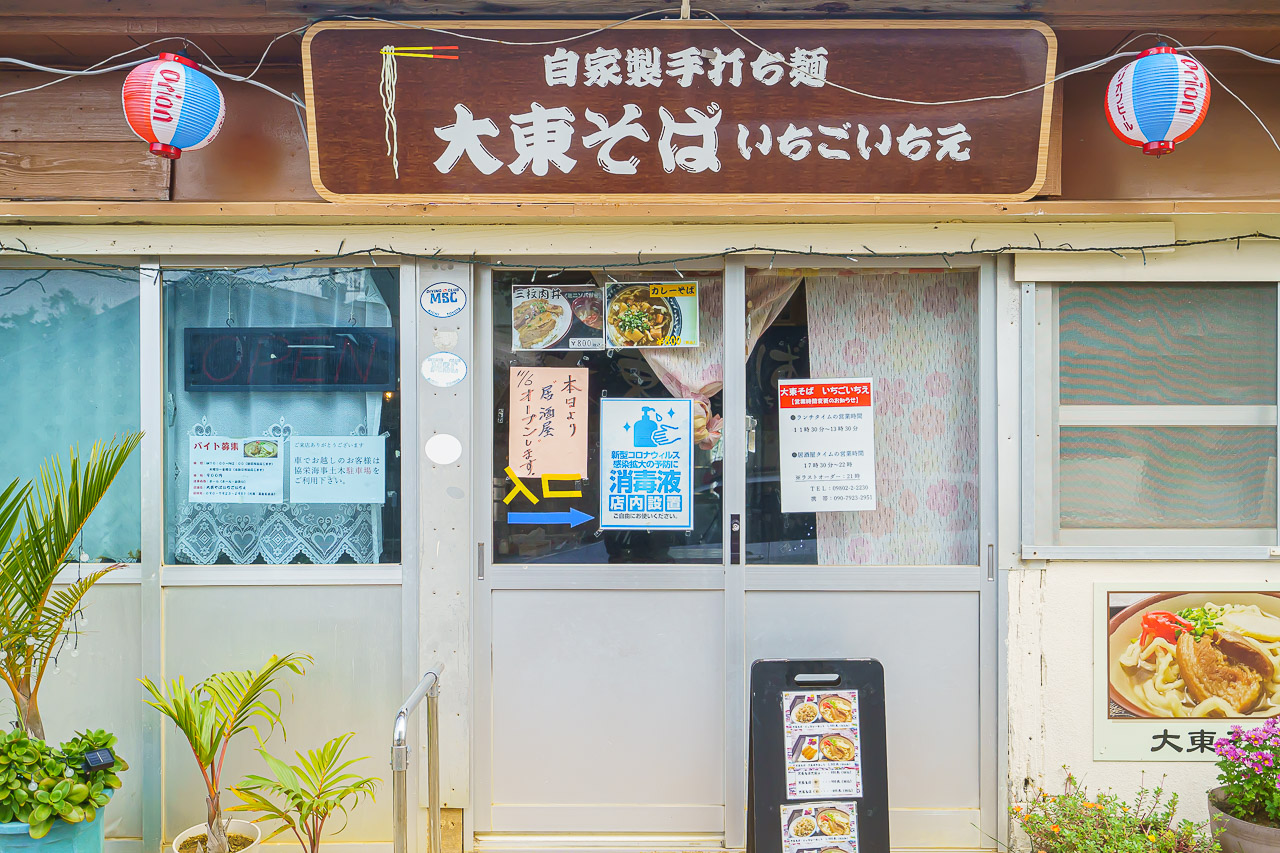
For lunch, we sought a restaurant offering Daito sushi and Daito soba.
Daito Soba Ichigo Ichie.
Ichigo ichie means something like “a once-in-a-lifetime encounter”; I took the name as expressing care in preparing each meal.
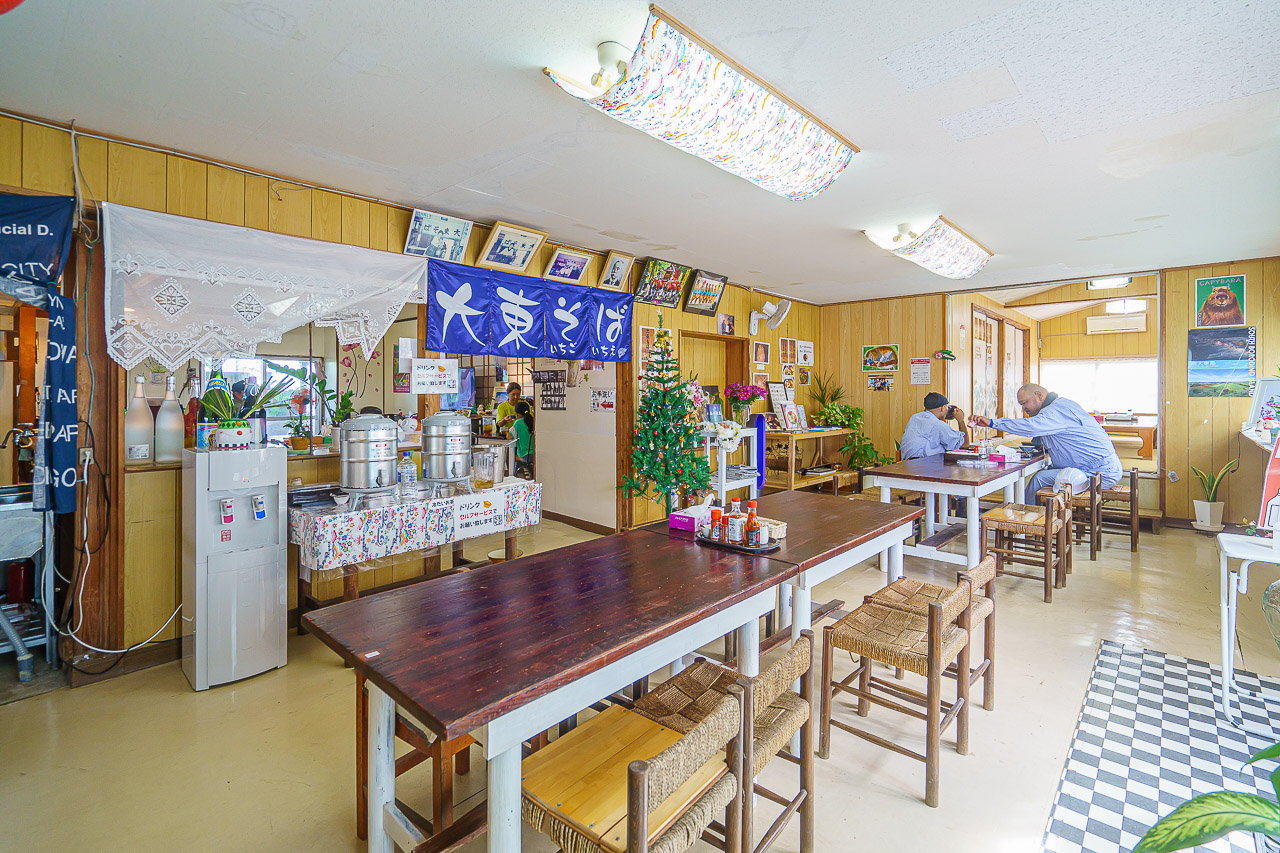
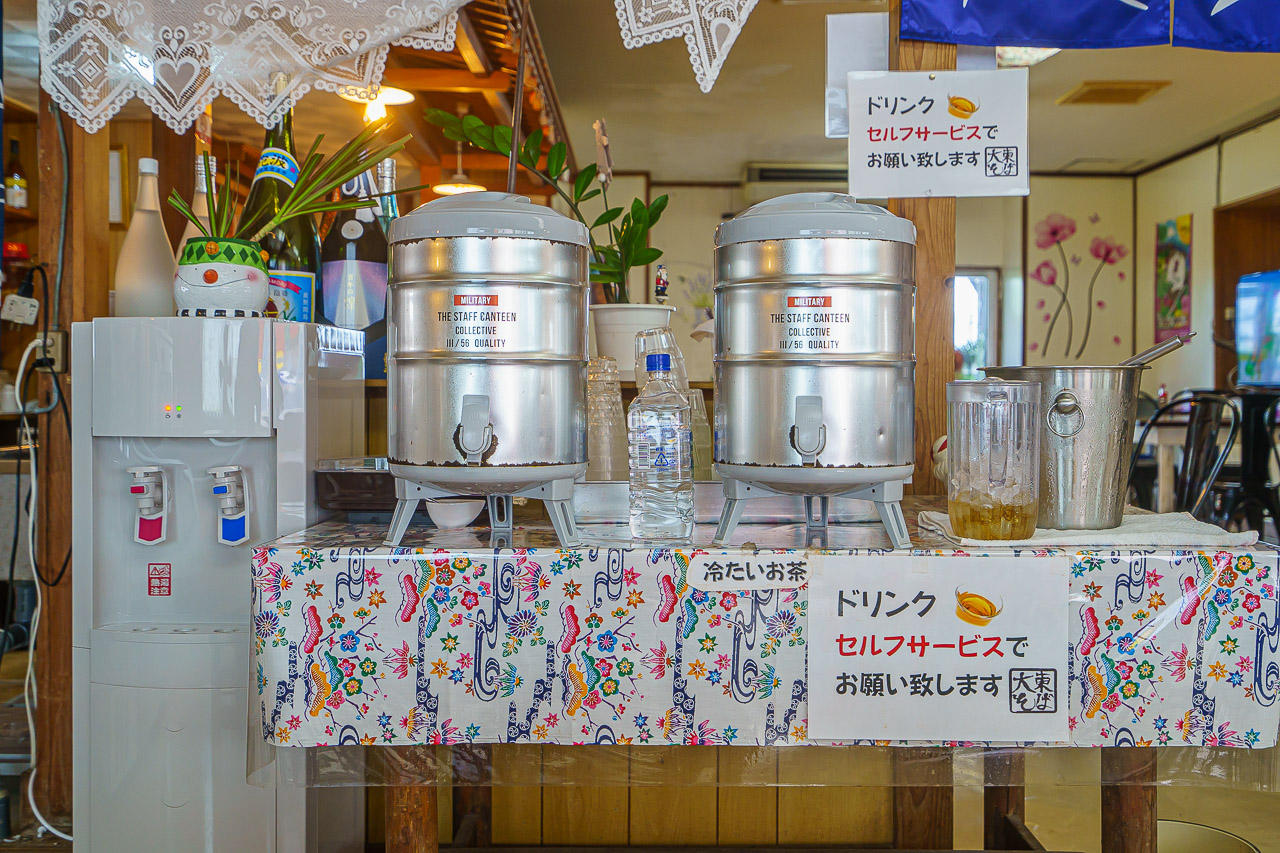
Water and lemon tea were self-service.
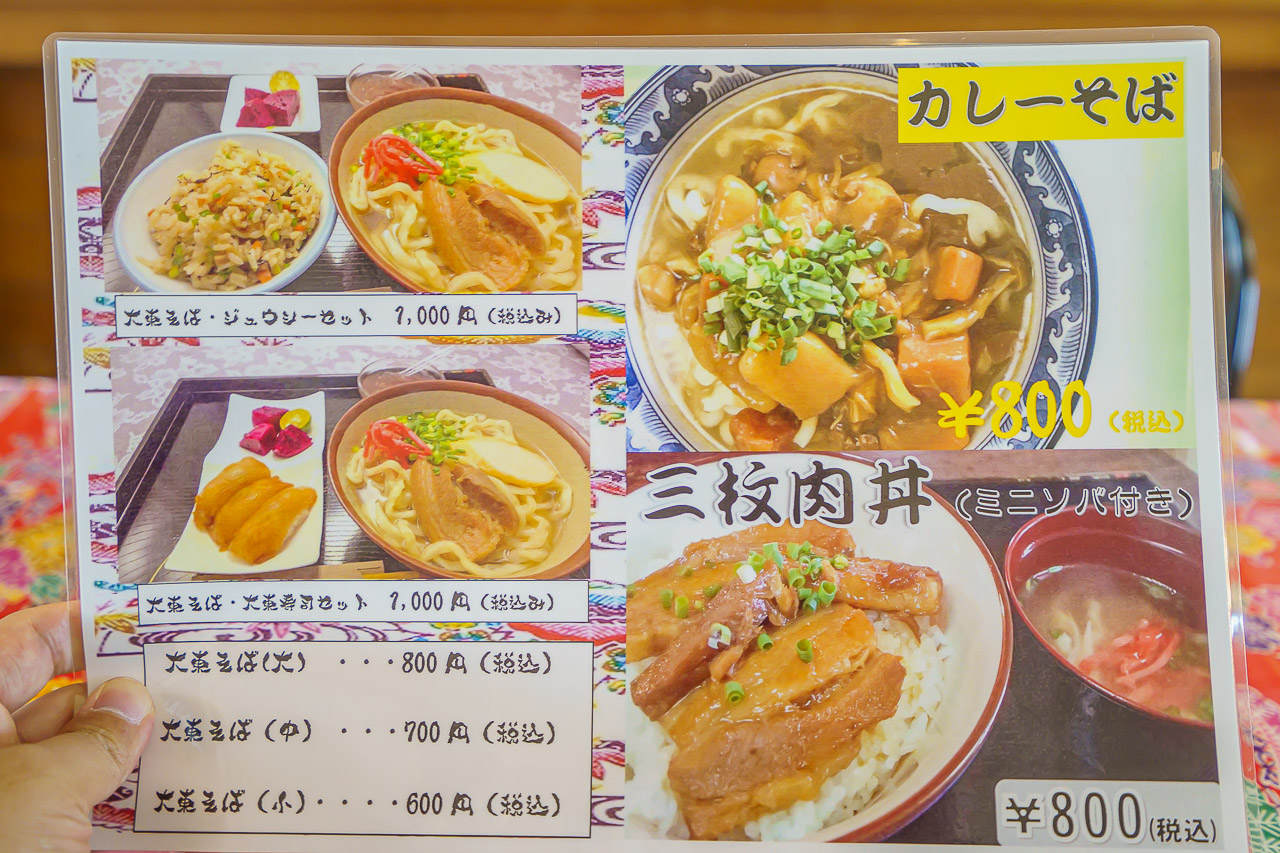
I planned to order the Daito soba and Daito sushi set without hesitation.
But strong wind and rain had prevented fishing boats from leaving for three days, so Daito sushi was unavailable.
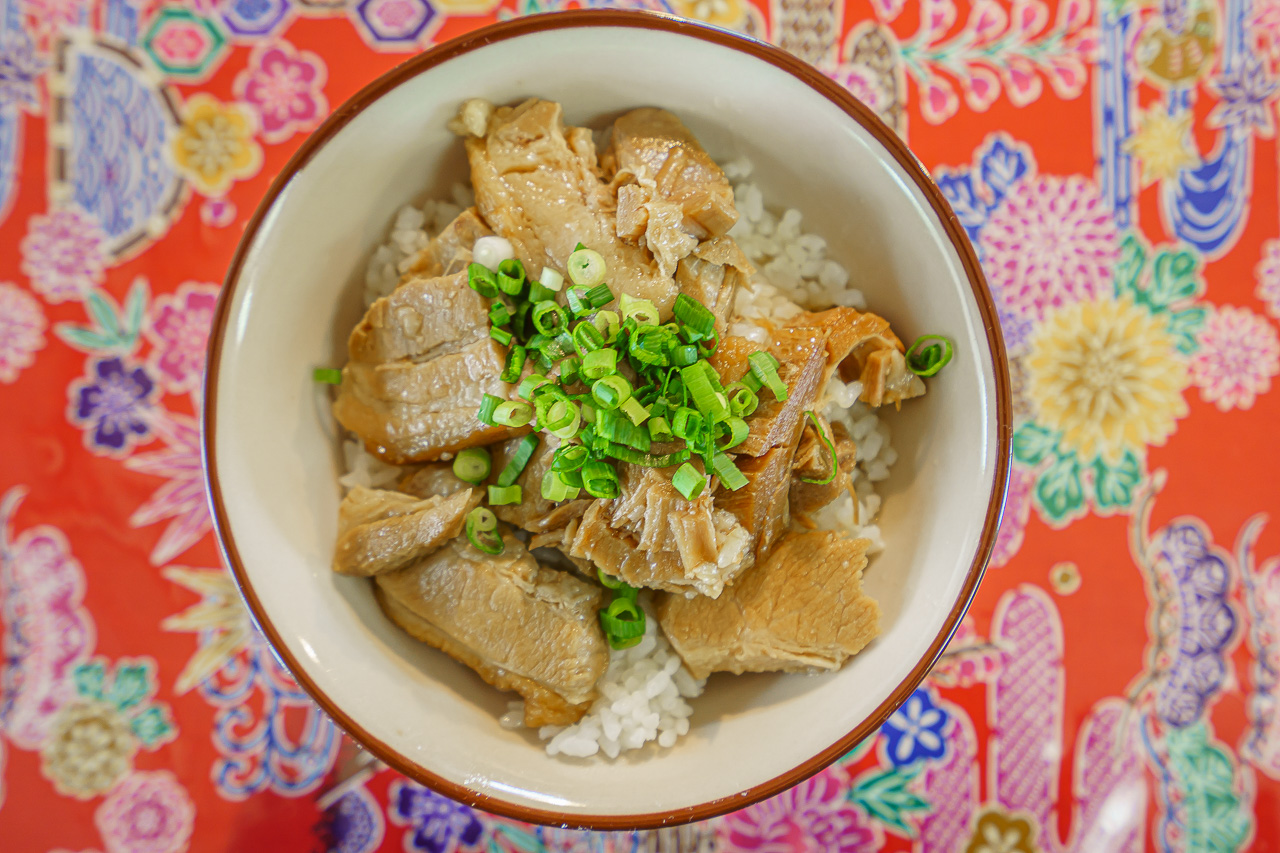
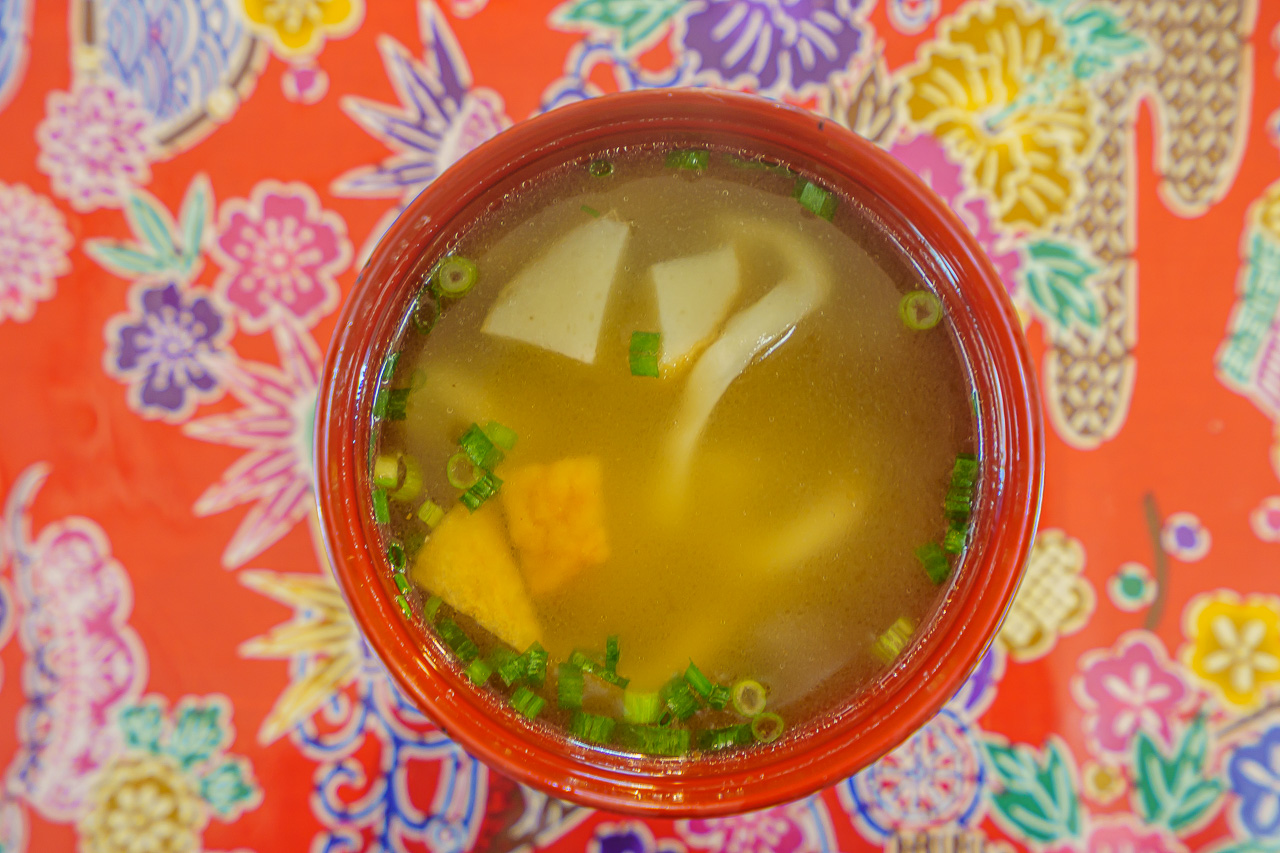
A set came with mini Daito soba, so I reluctantly changed to the pork-belly rice-bowl set.

The handmade Daito soba noodles were irregular and chewy, different from the Okinawa soba I knew.
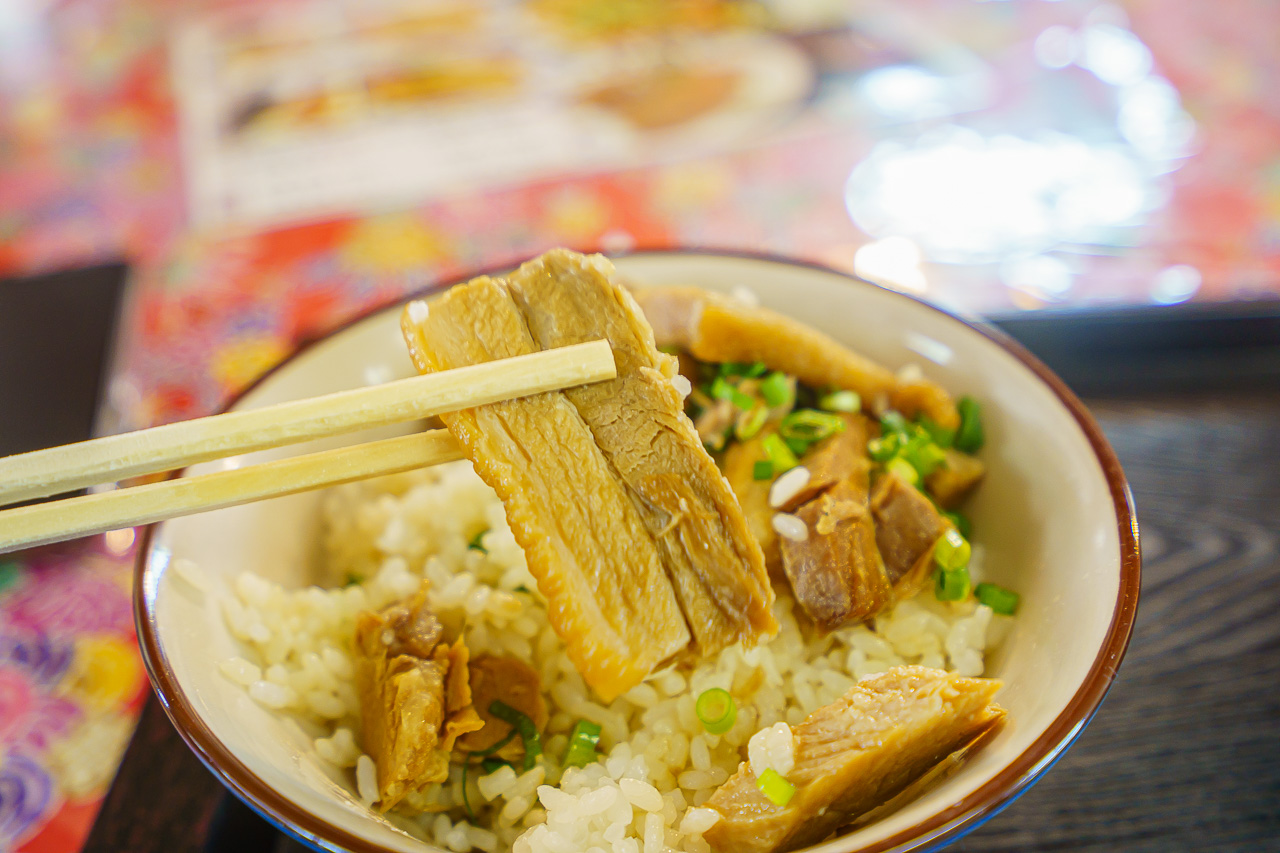
The pork belly had simmered a long time and was very tender.
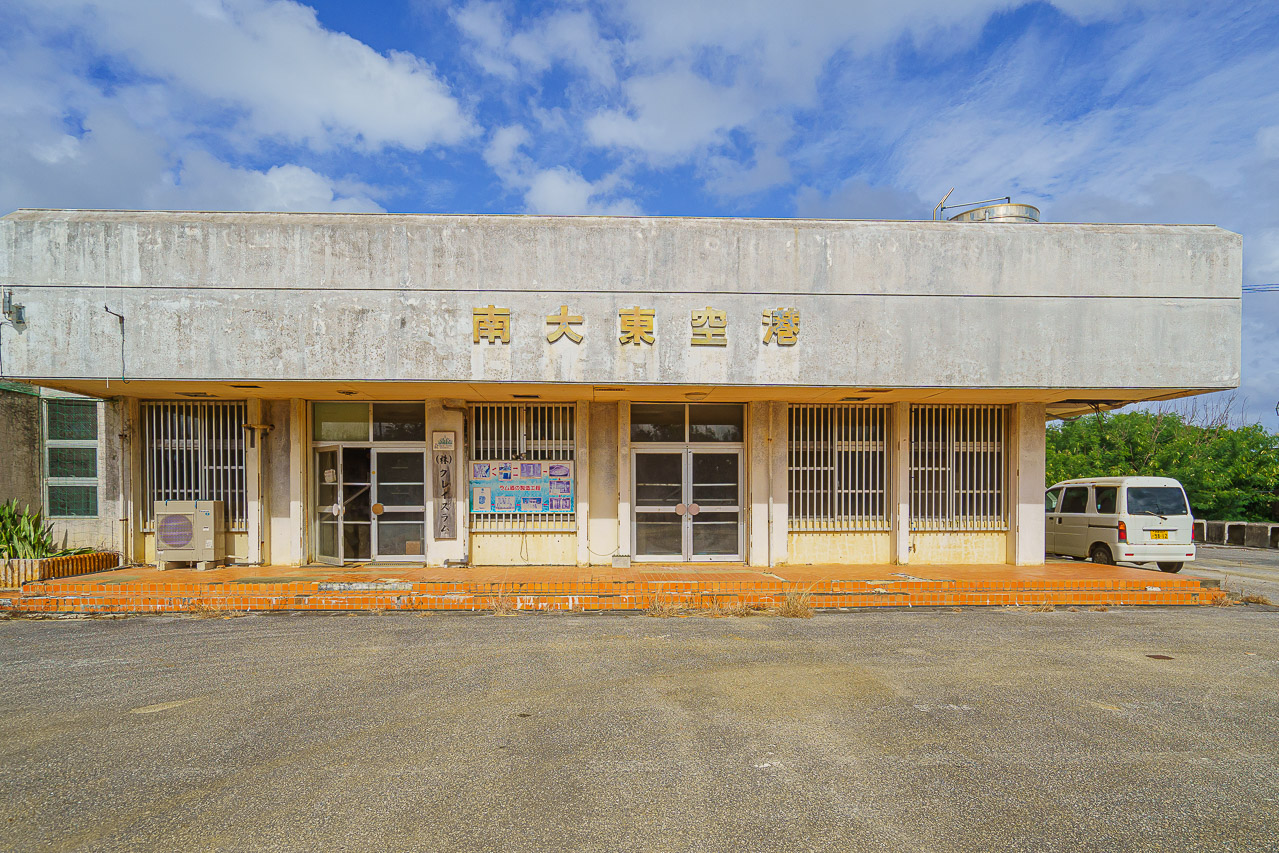
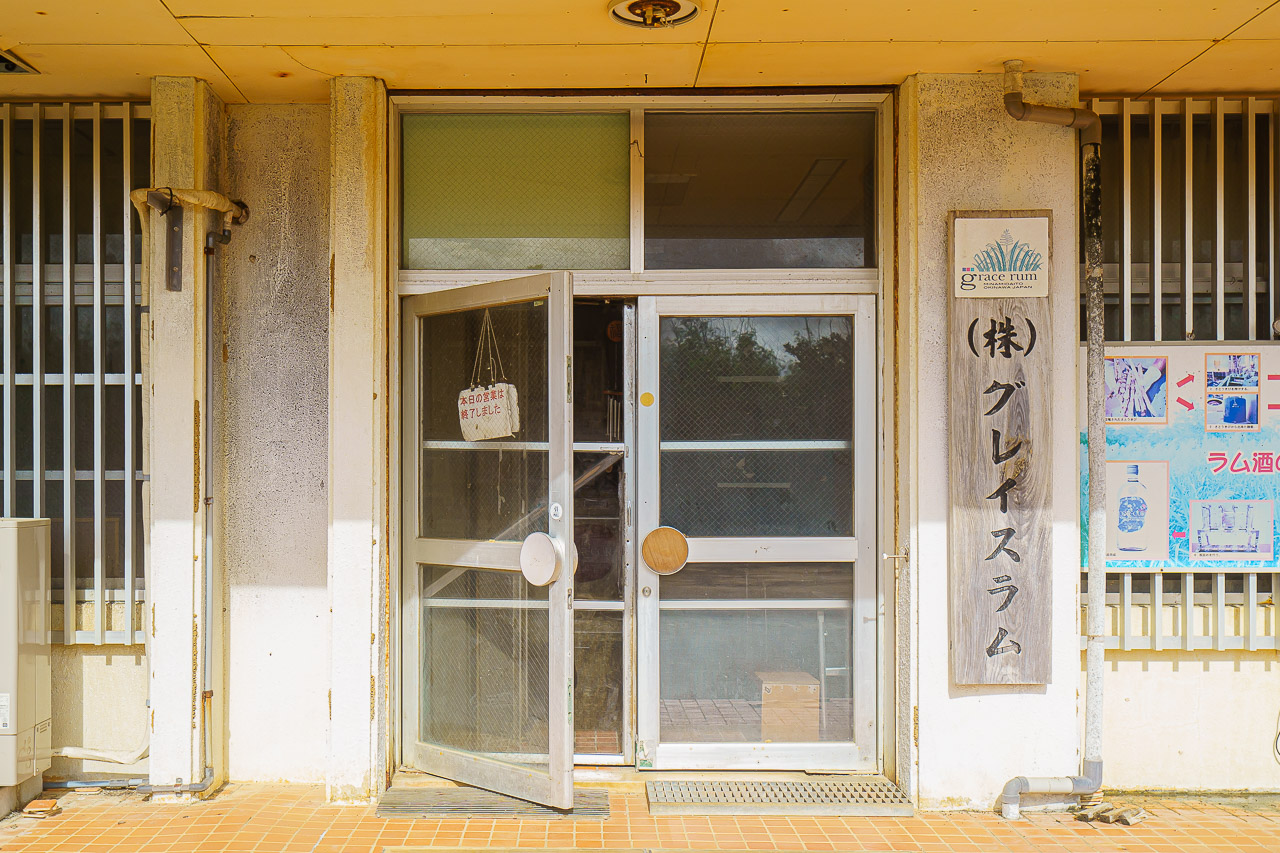
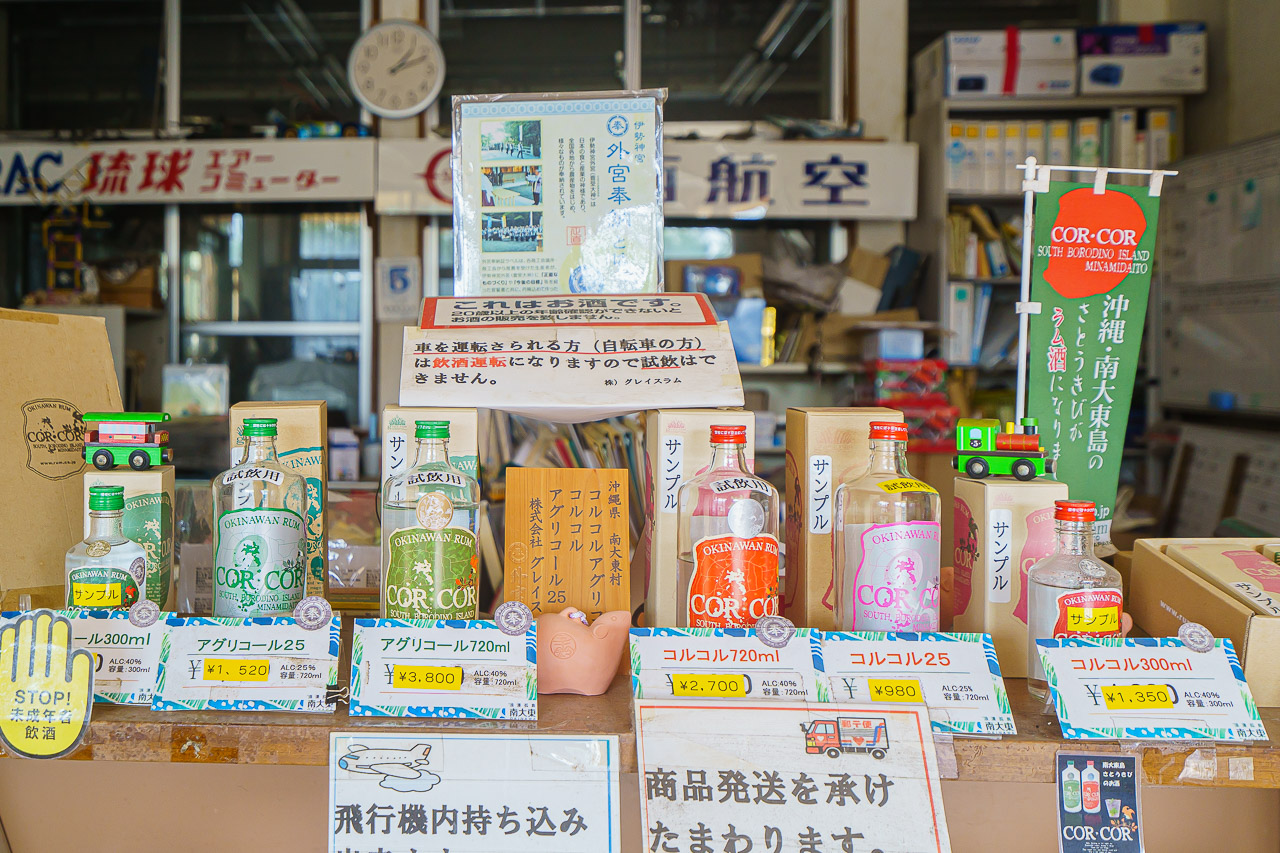
Although driving around the island took under 30 minutes, there was also a distillery to visit.
Grace Rum, a representative Minamidaito spirit.
The source describes it as Okinawa’s only rum made entirely with the island’s sugarcane.
It says no added sugar, flavoring, or coloring was used, preserving the ingredients’ character.
It was said to be well known among rum enthusiasts.
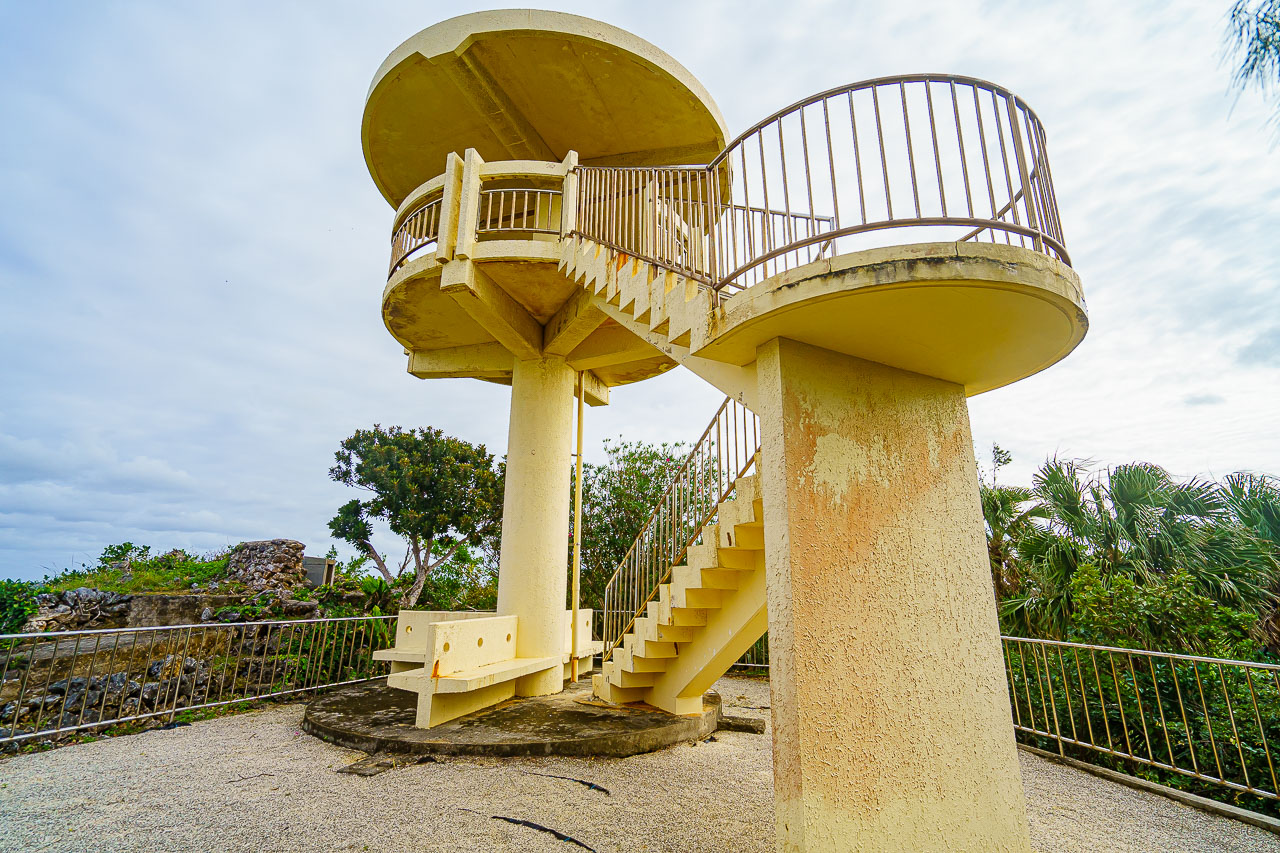
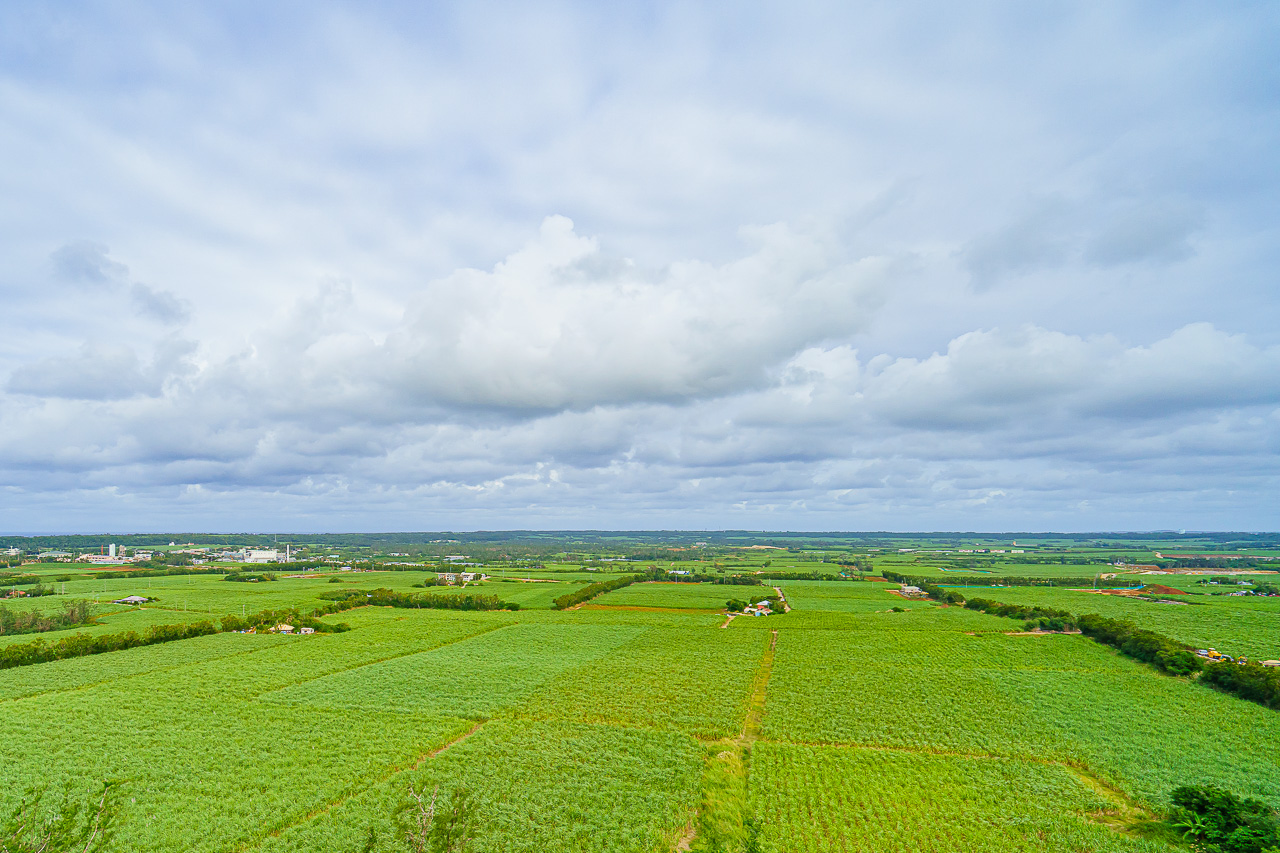
Himawari Observatory was described as built by the former Japanese military during World War II to watch for enemy forces.
As an uplifted atoll, the island has a bowl-like shape: the coast is highest and the interior lower. From the center, the sea is hidden despite the island’s small size, leaving broad flat views that reminded me of Hokkaido.
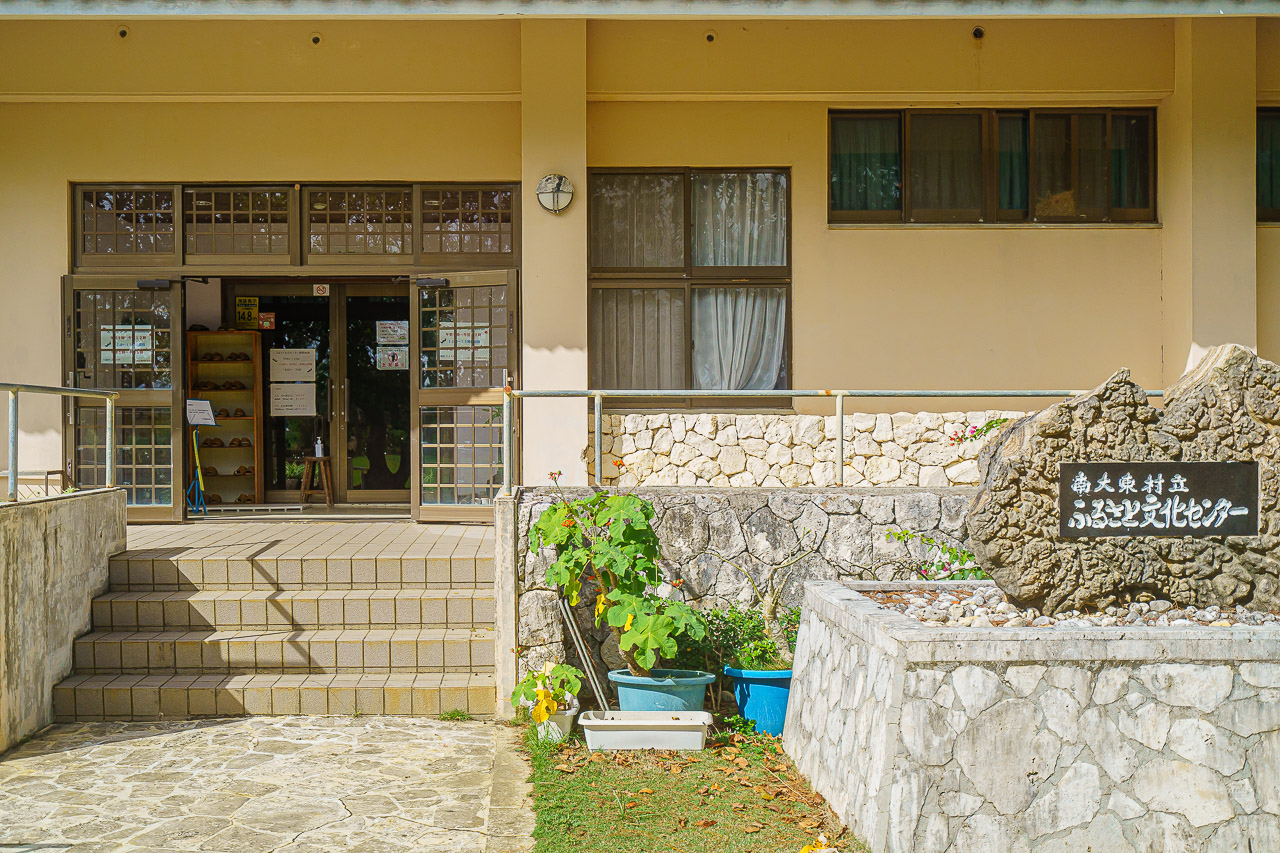
Furusato Cultural Center, the island’s history museum.
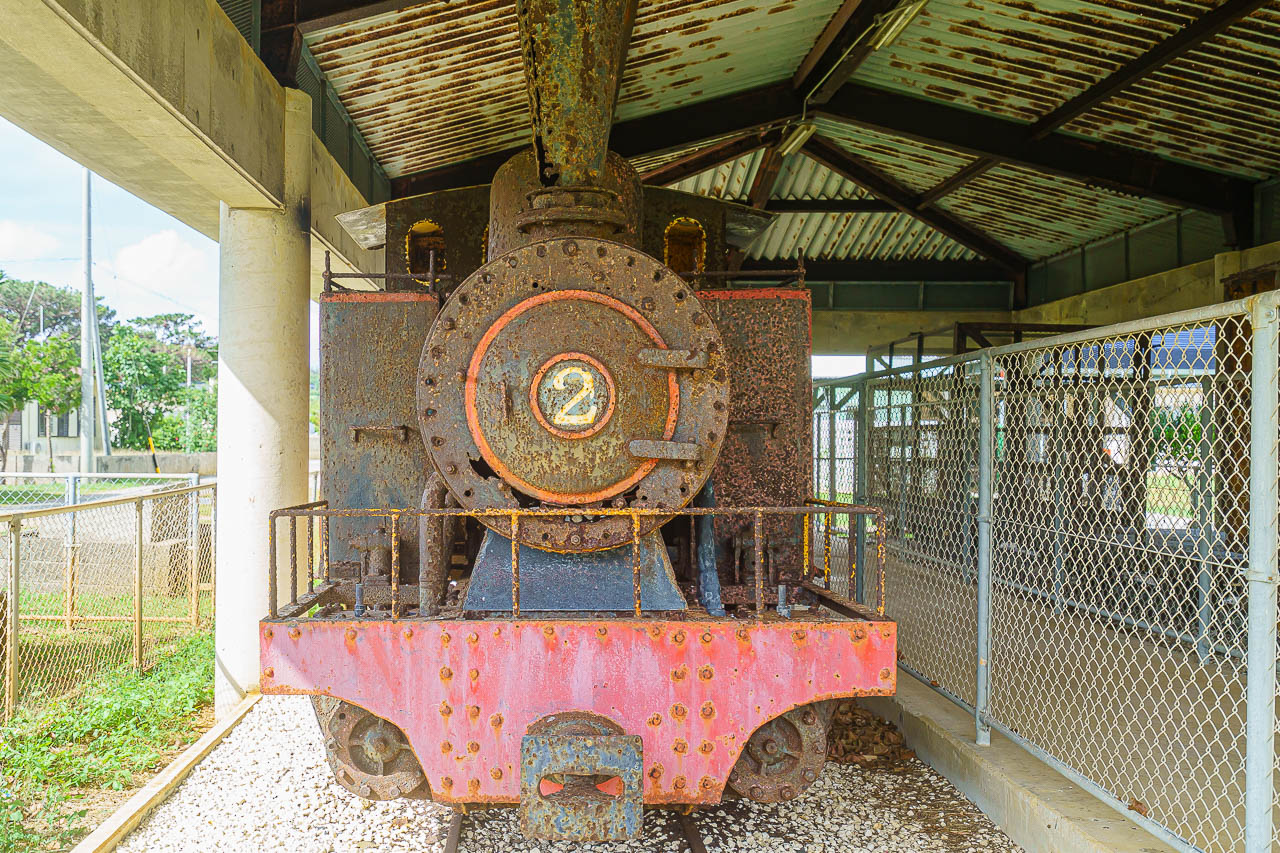
It presented the distinctive culture from the pioneering era onward. A retired sugar train, used for about 80 years to transport cane, was displayed beside it as a symbol of that history.
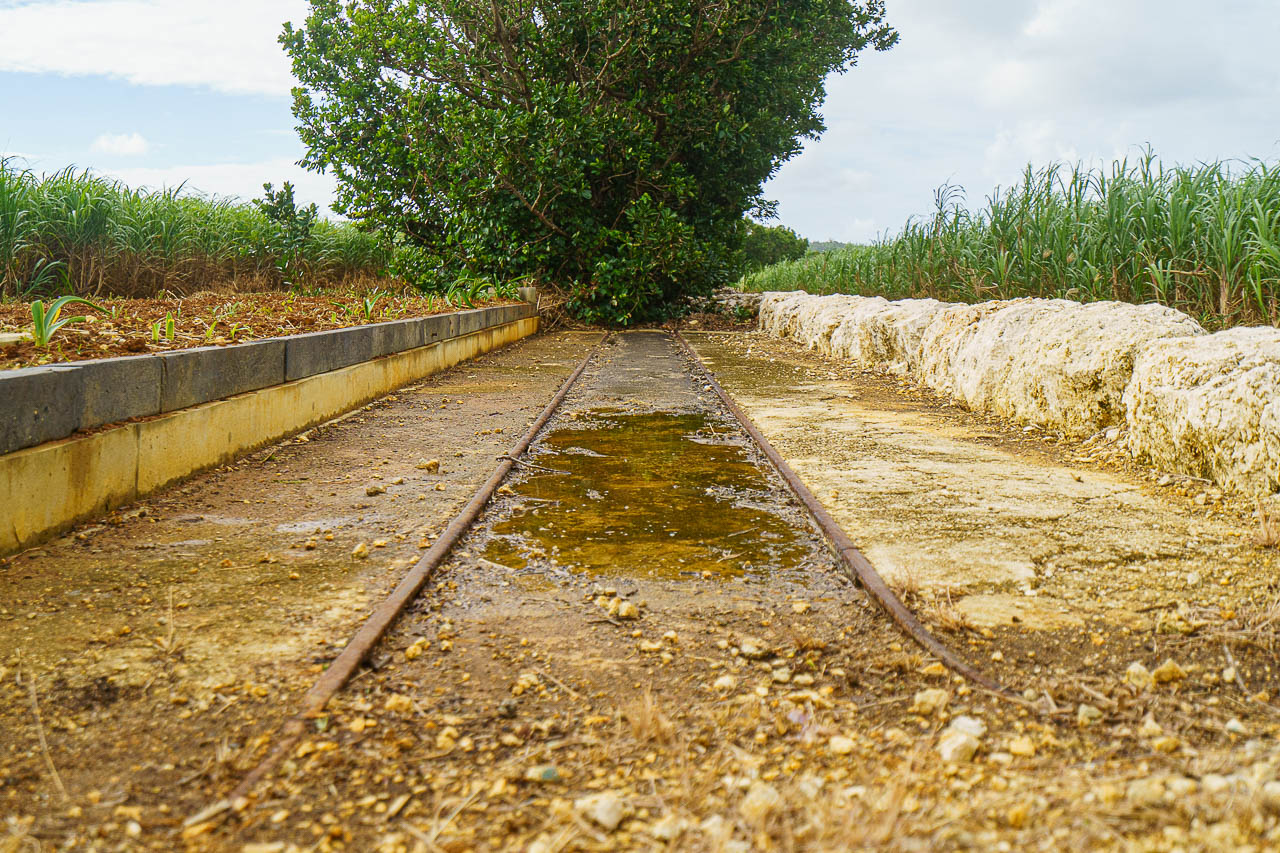
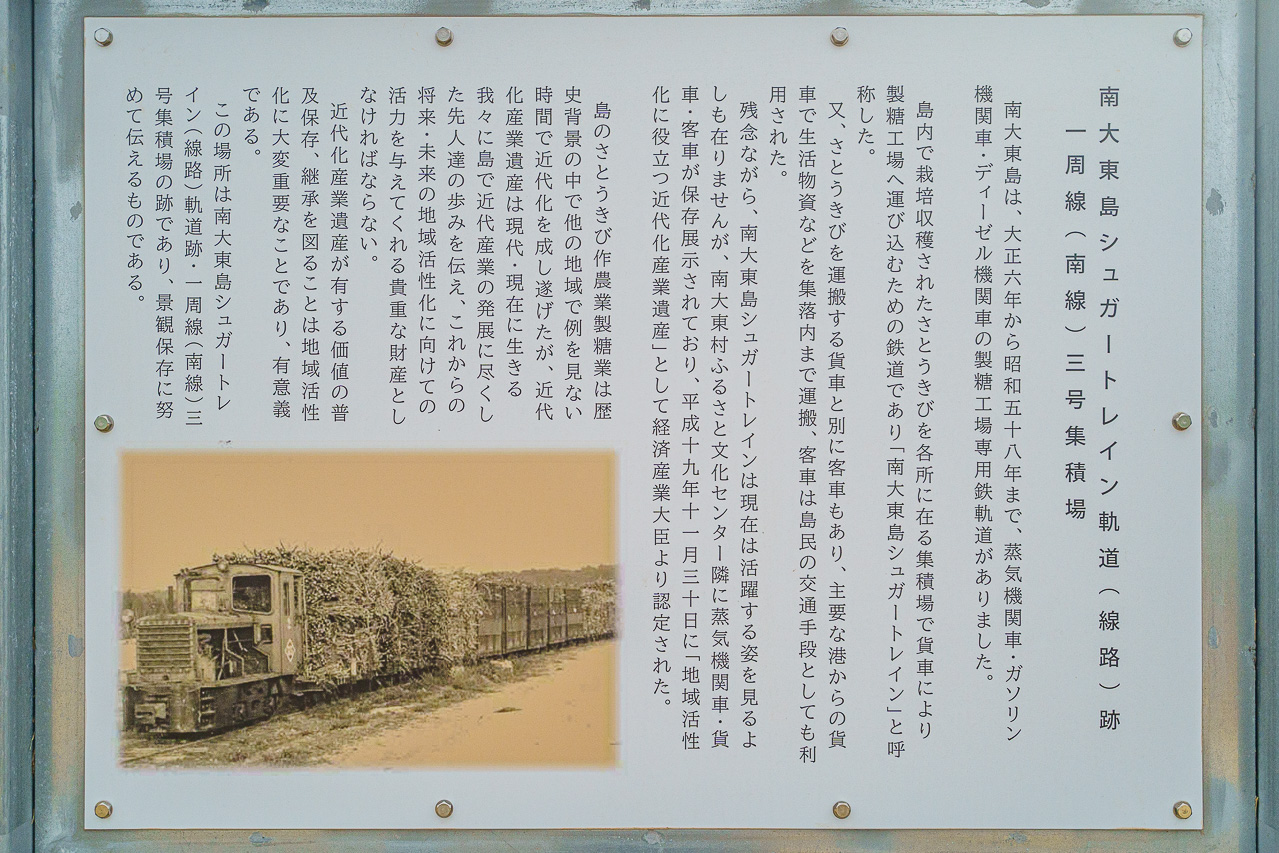
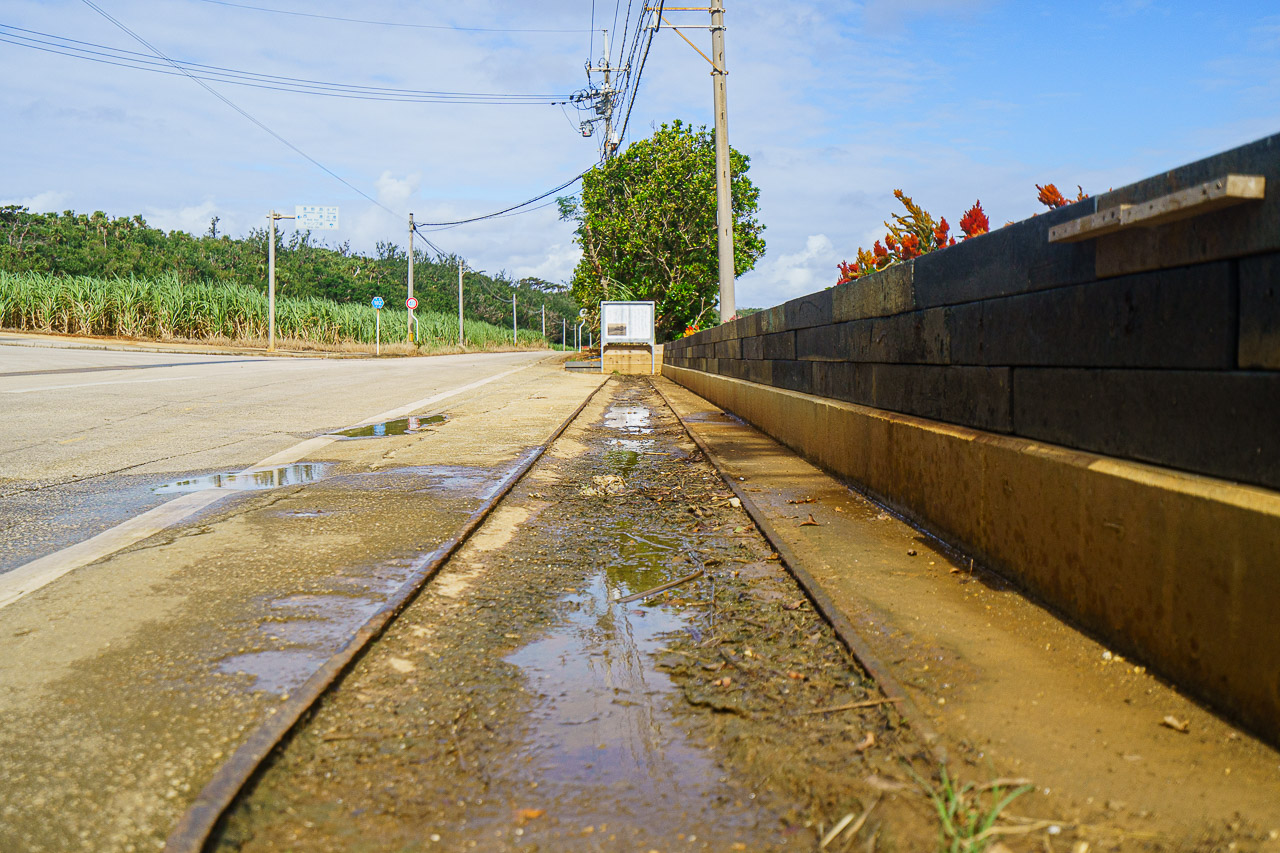
Most tracks had been removed after retirement, but a few traces remained.
The fact that a railway once ran on a remote Pacific island drew rail enthusiasts from elsewhere in Japan, according to the source.
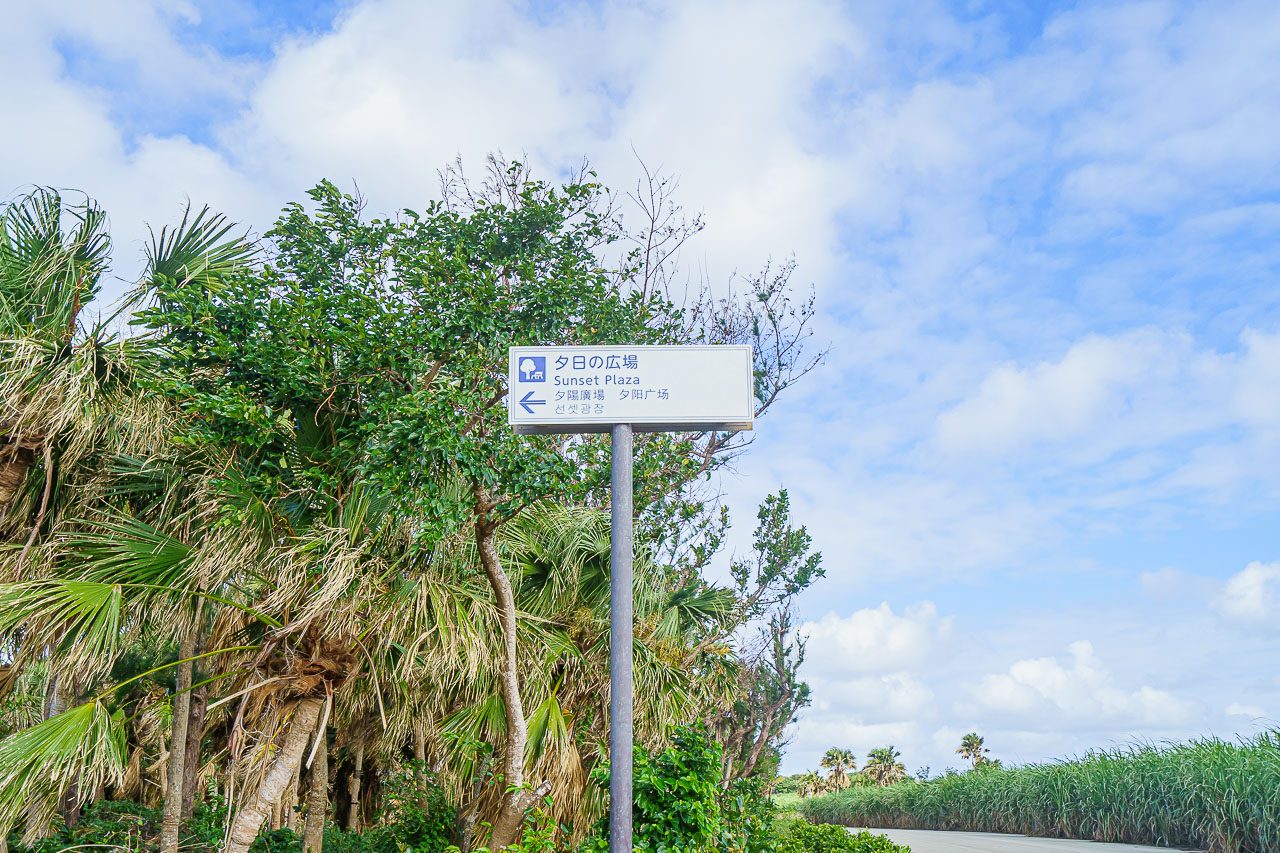
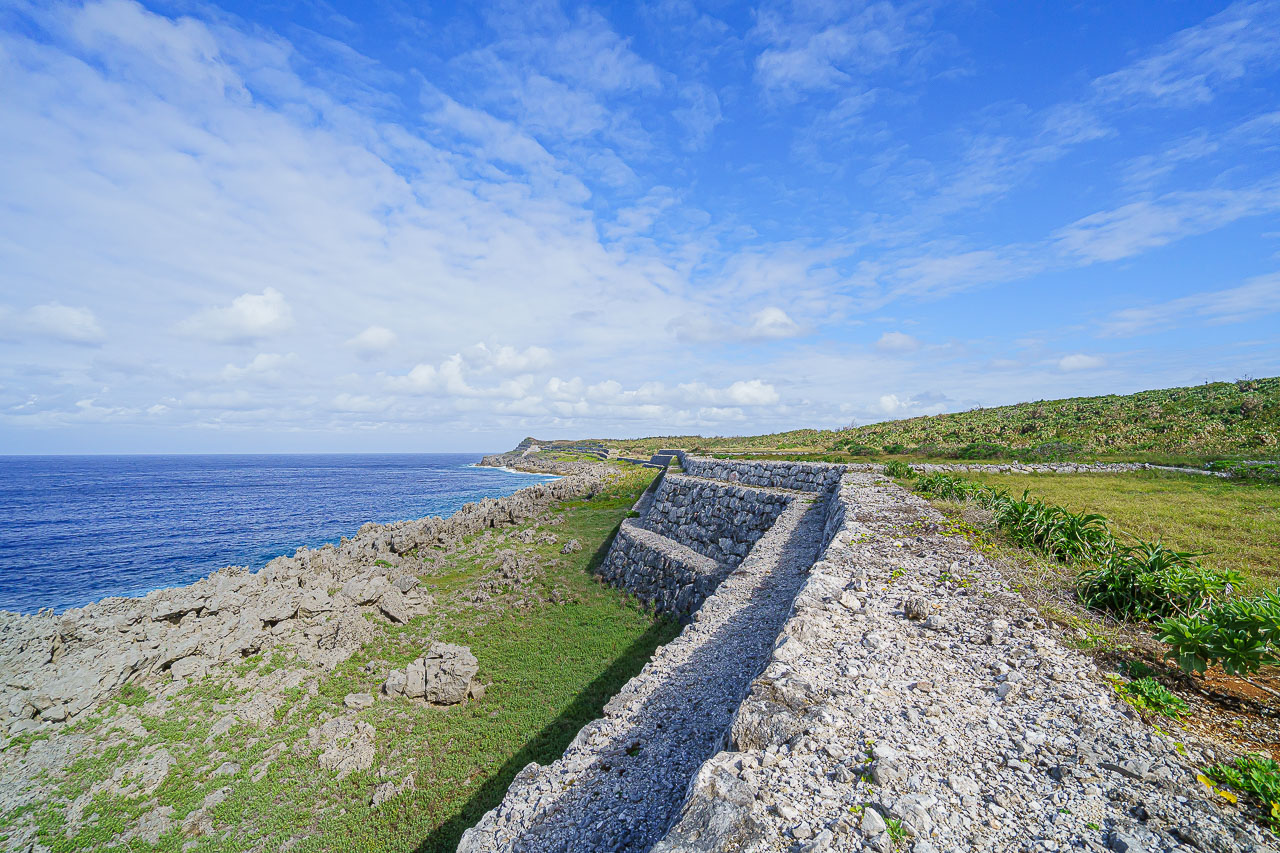
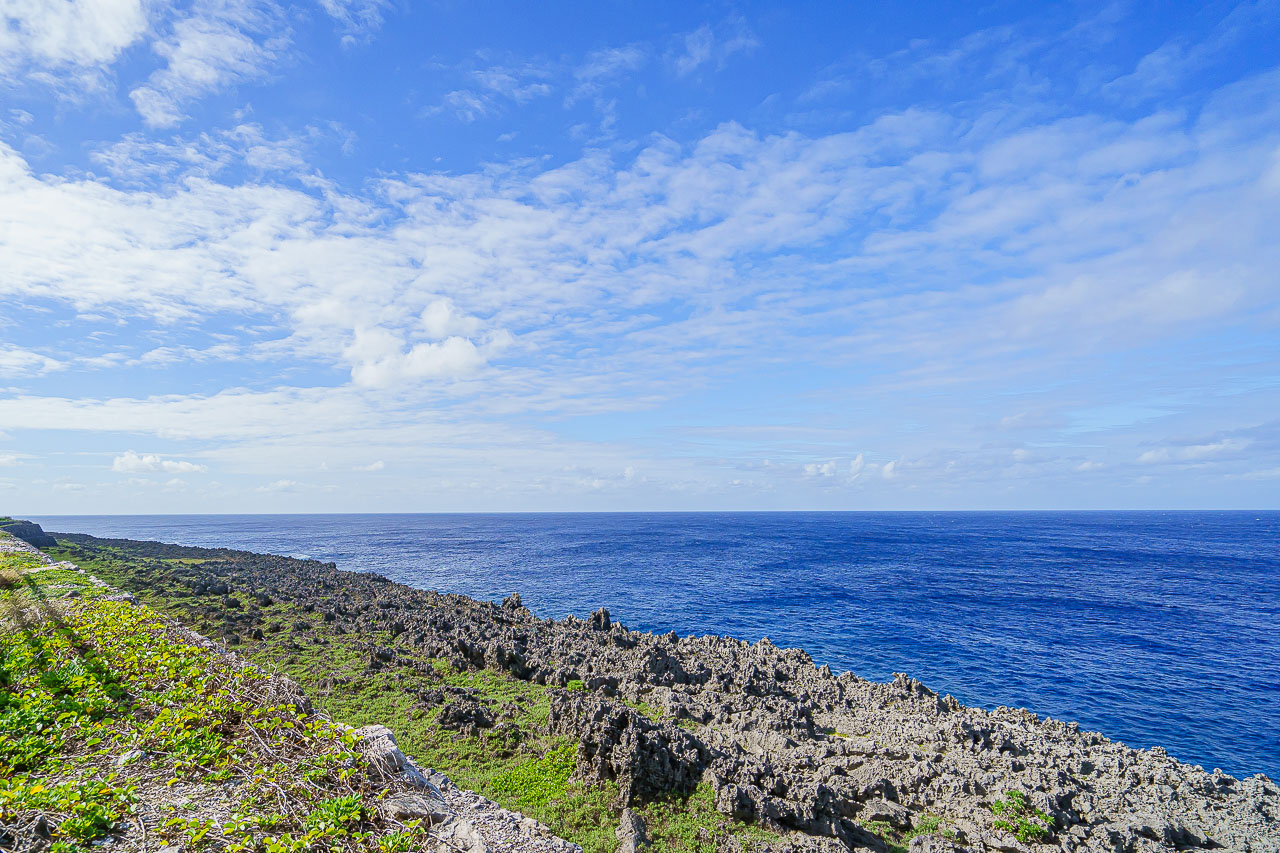
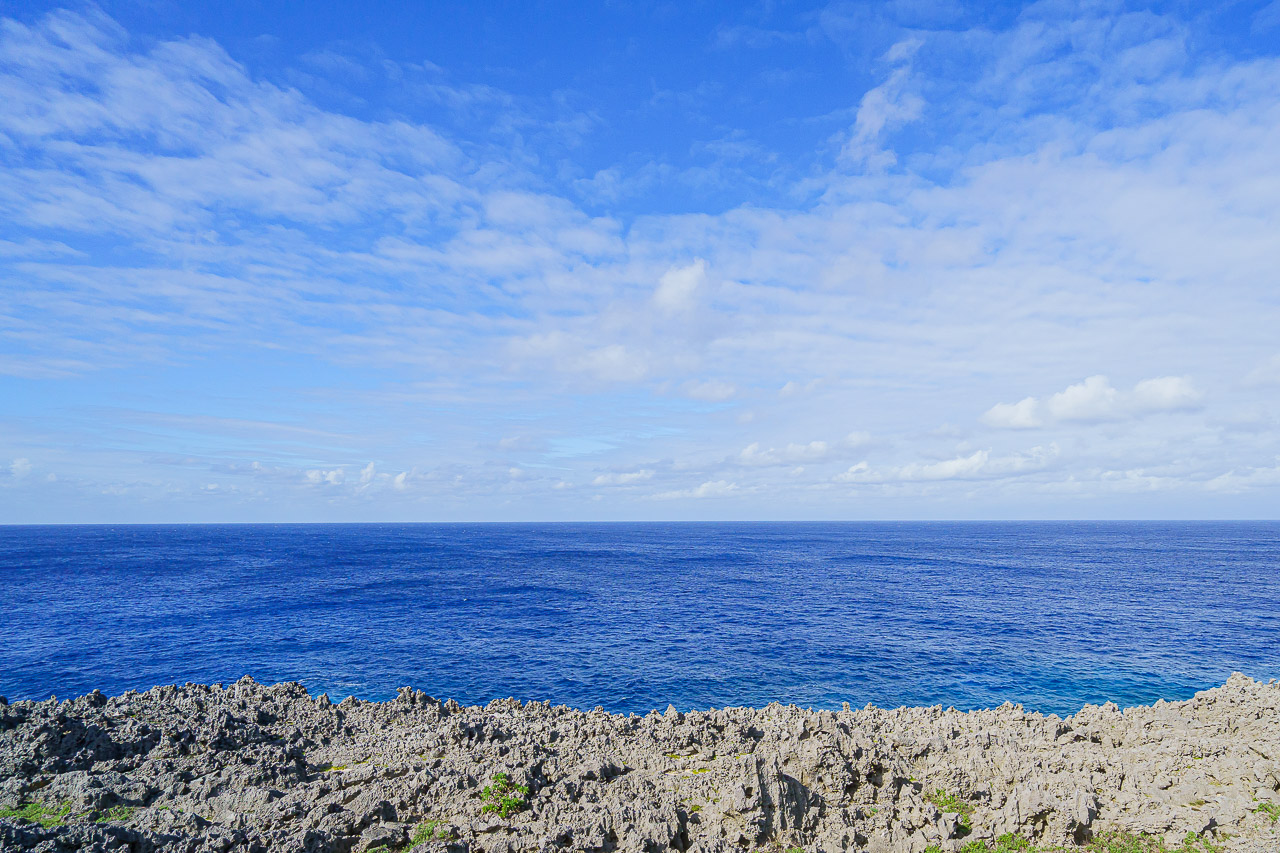
Sunset Plaza lay on the west side.
Huge cliffs topped by an artificial stone wall resembled old castle ruins. In good weather, the source describes sunsets coloring the horizon red.
Minamidaito is one of Okinawa’s harder-to-reach islands. It offered a distinctive encounter with nature more powerful and rugged than I had expected.
Minamidaito Village (南大東村)
Address: Minamidaito-son, Shimajiri-gun, Okinawa (沖縄県島尻郡南大東村)
Phone: 09802-2-2001, village office