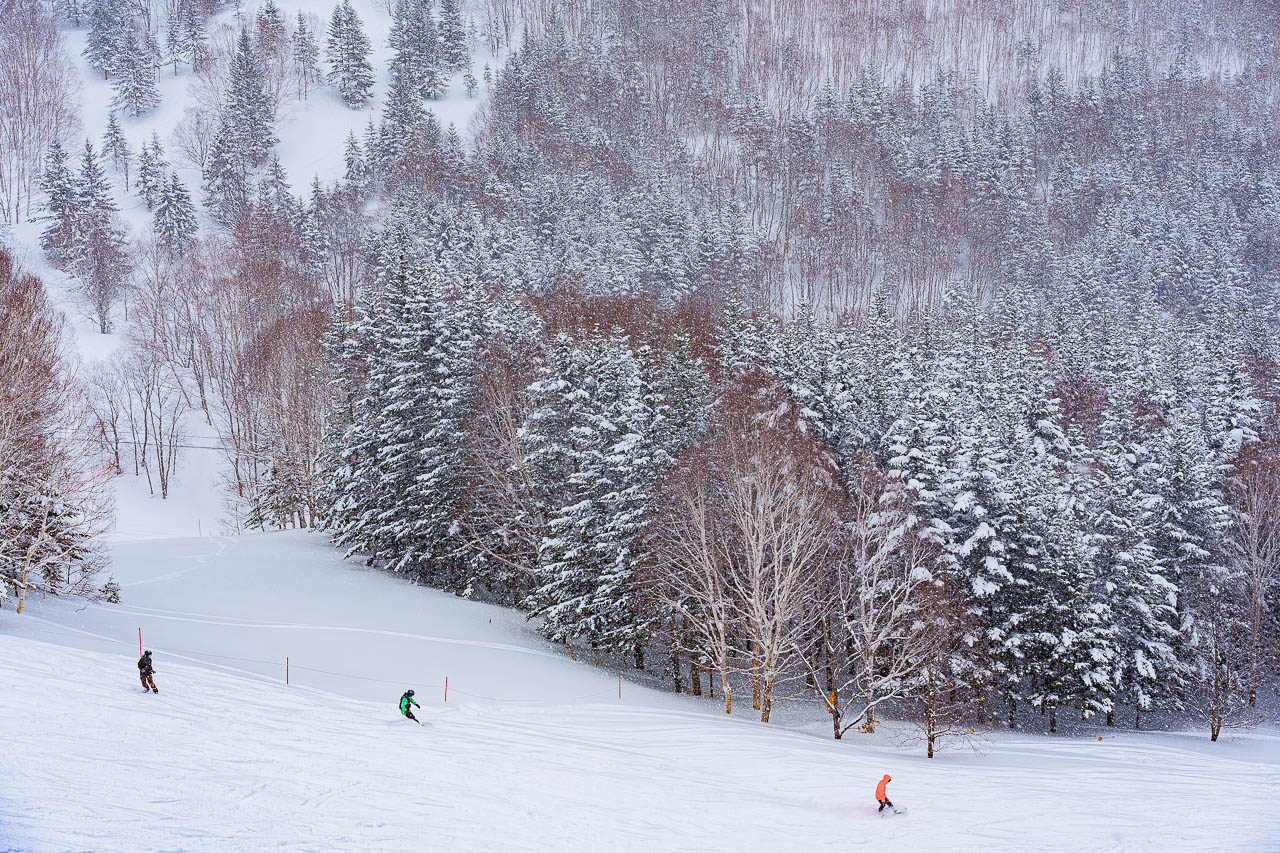
I returned to Hokkaido after visiting the previous month.
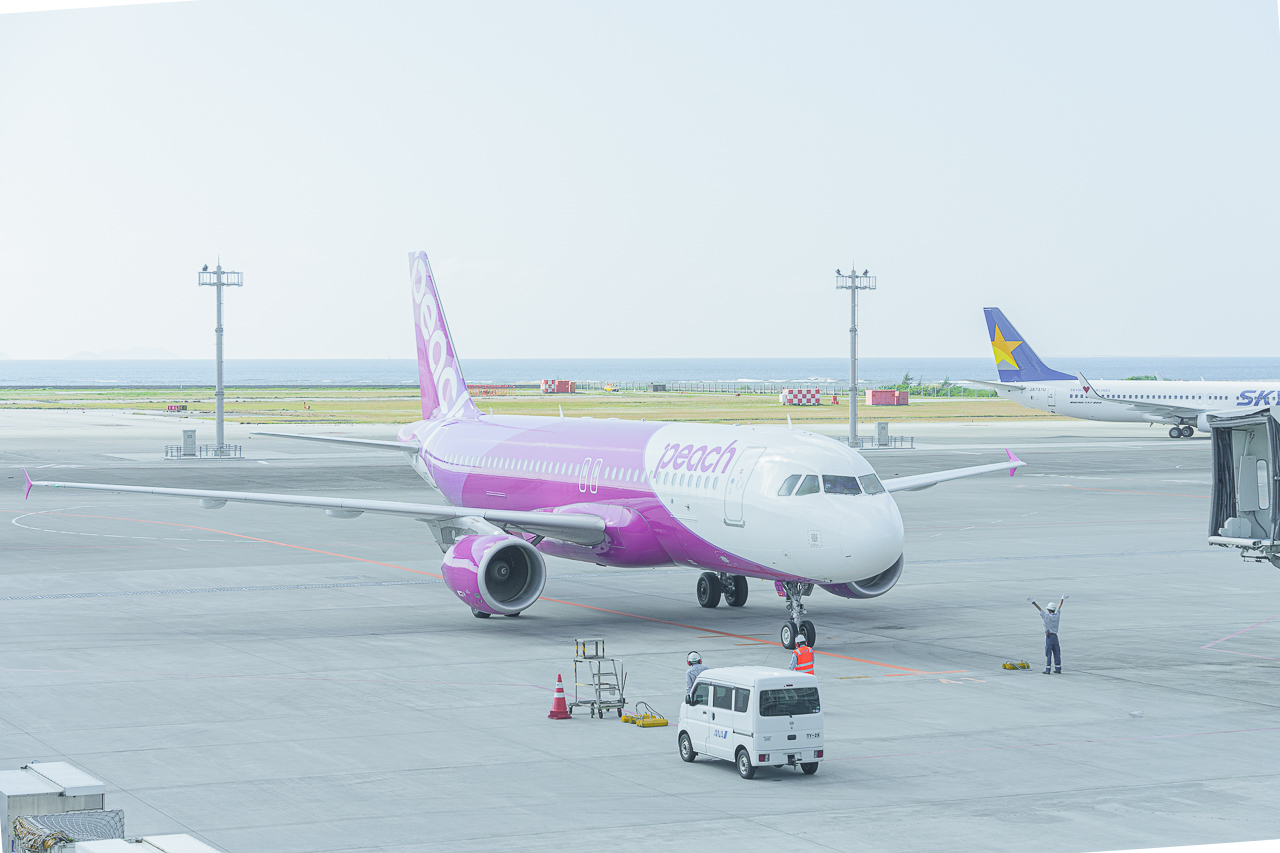
This time, distinctive accommodation I had missed became the focus of a hotel-centered getaway.
I flew from Okinawa in Japan's south to Hokkaido in the north, around 3 hours 30 minutes in the air.
Arrival was at 7:30 p.m., as on the previous trip.
Having missed Otaru before, I went there directly from New Chitose Airport.
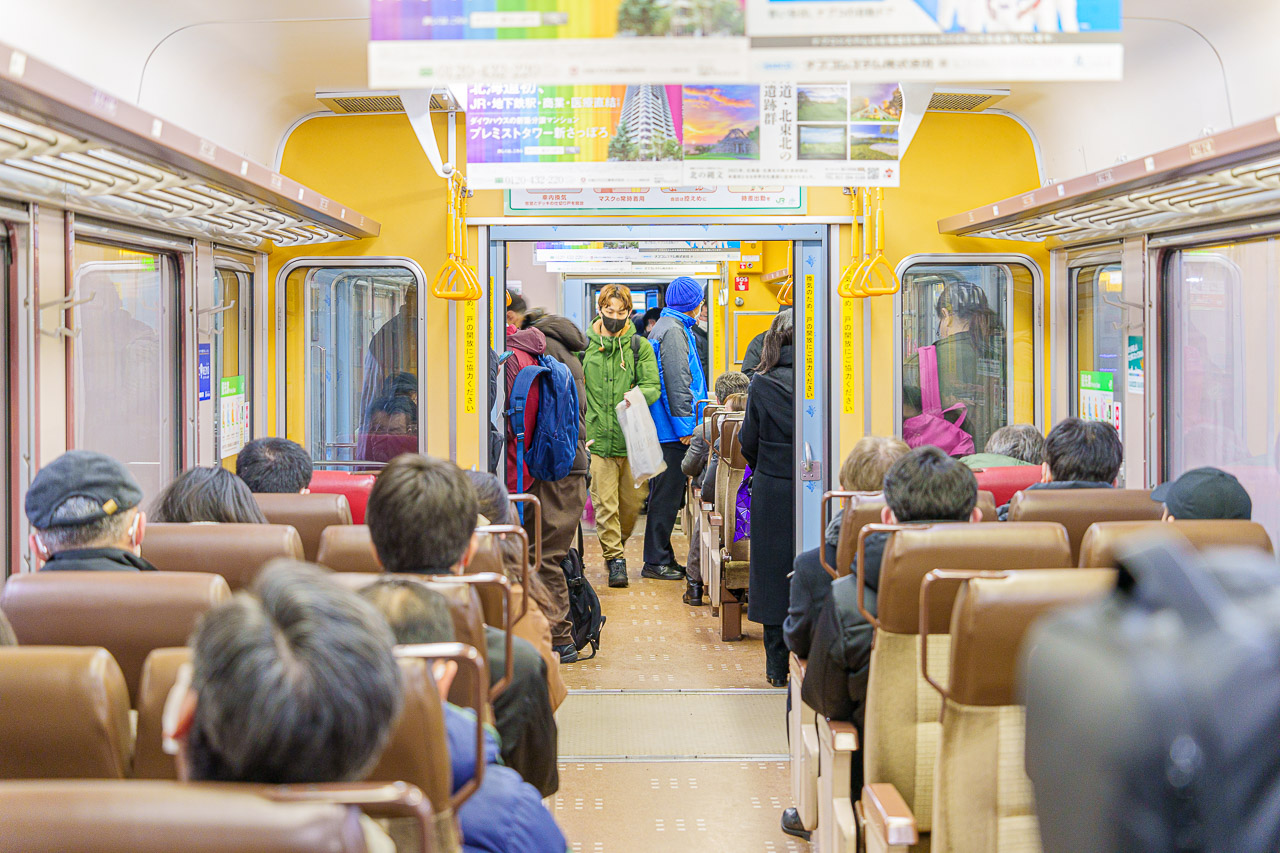
The Rapid Airport train cost ¥1,910 and took around 1 hour 30 minutes in this account.
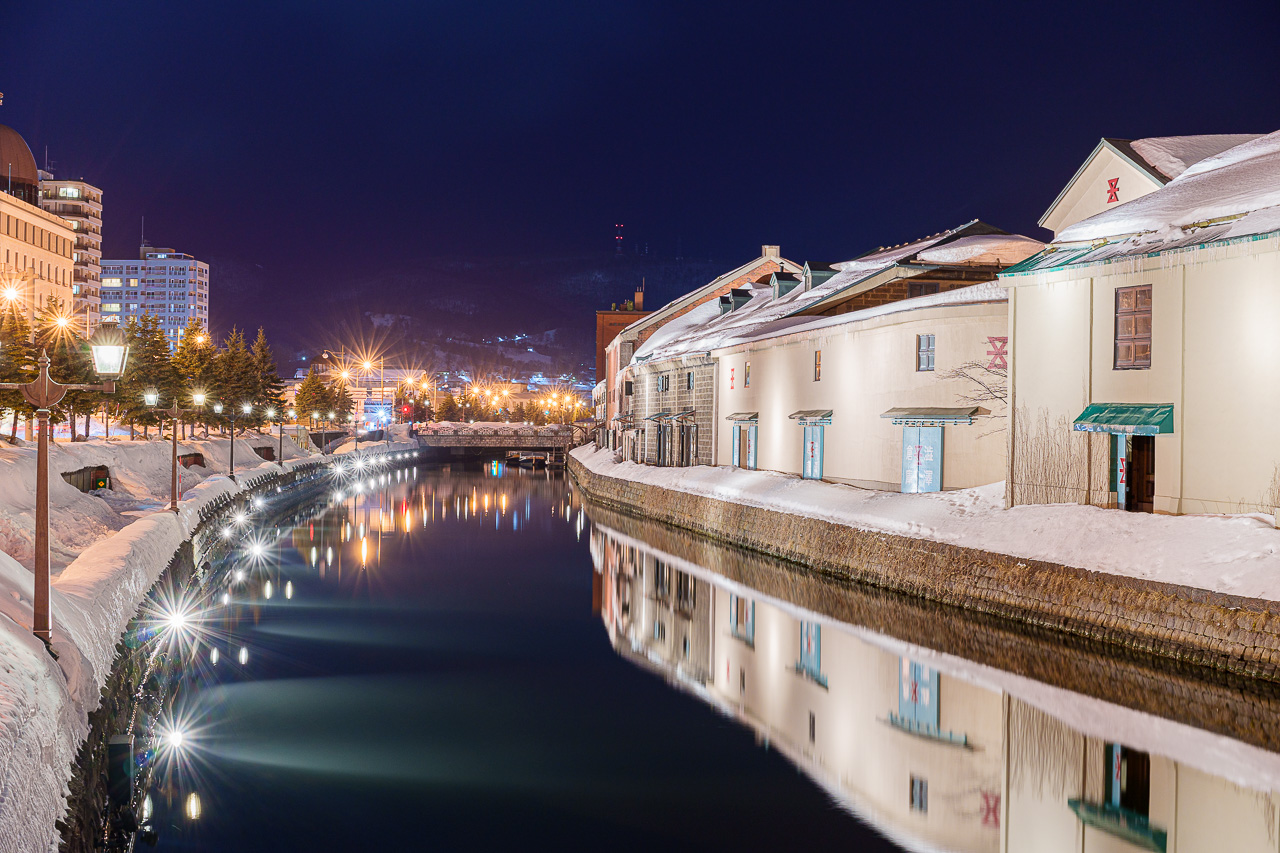
As soon as I arrived, I took a night photograph of Otaru's signature canal.
Nothing unusual, but the canal remained lovely at night.
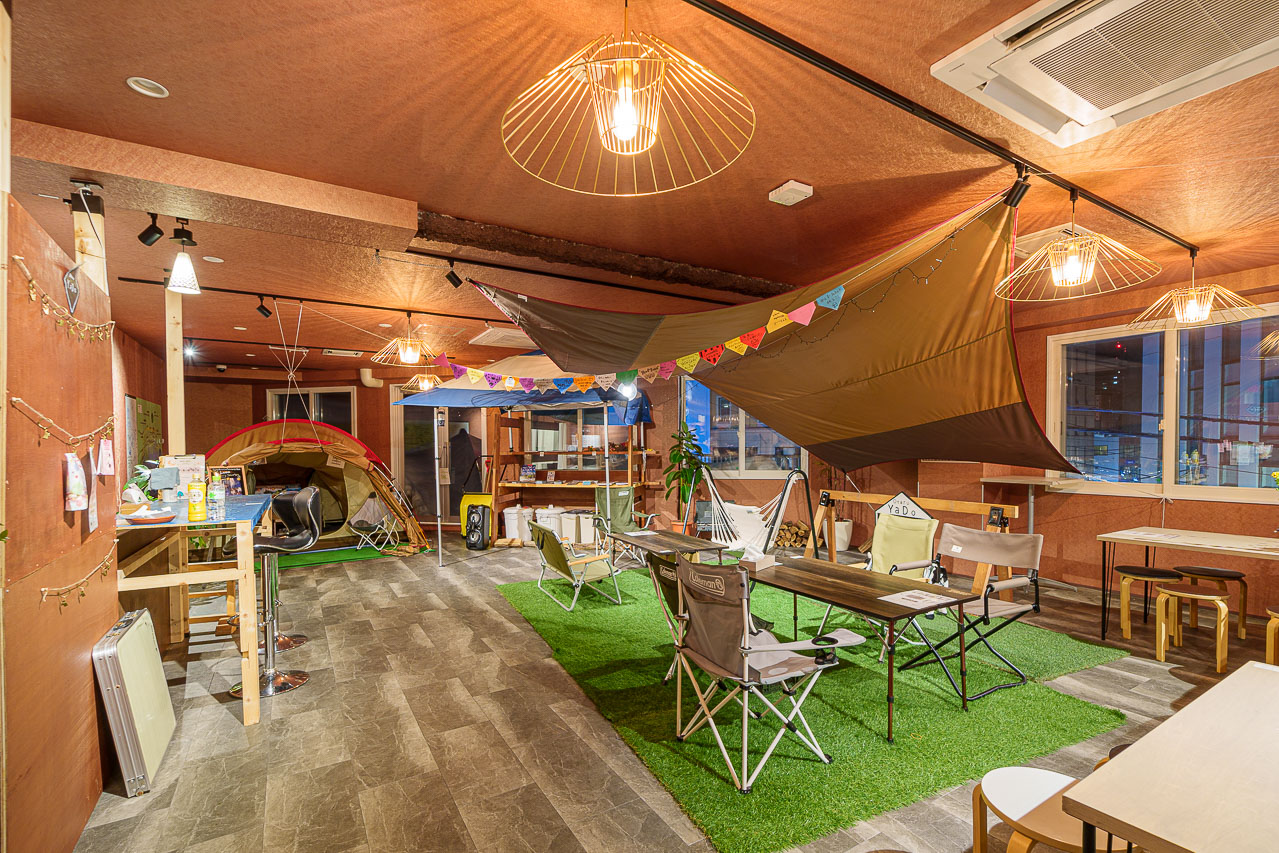
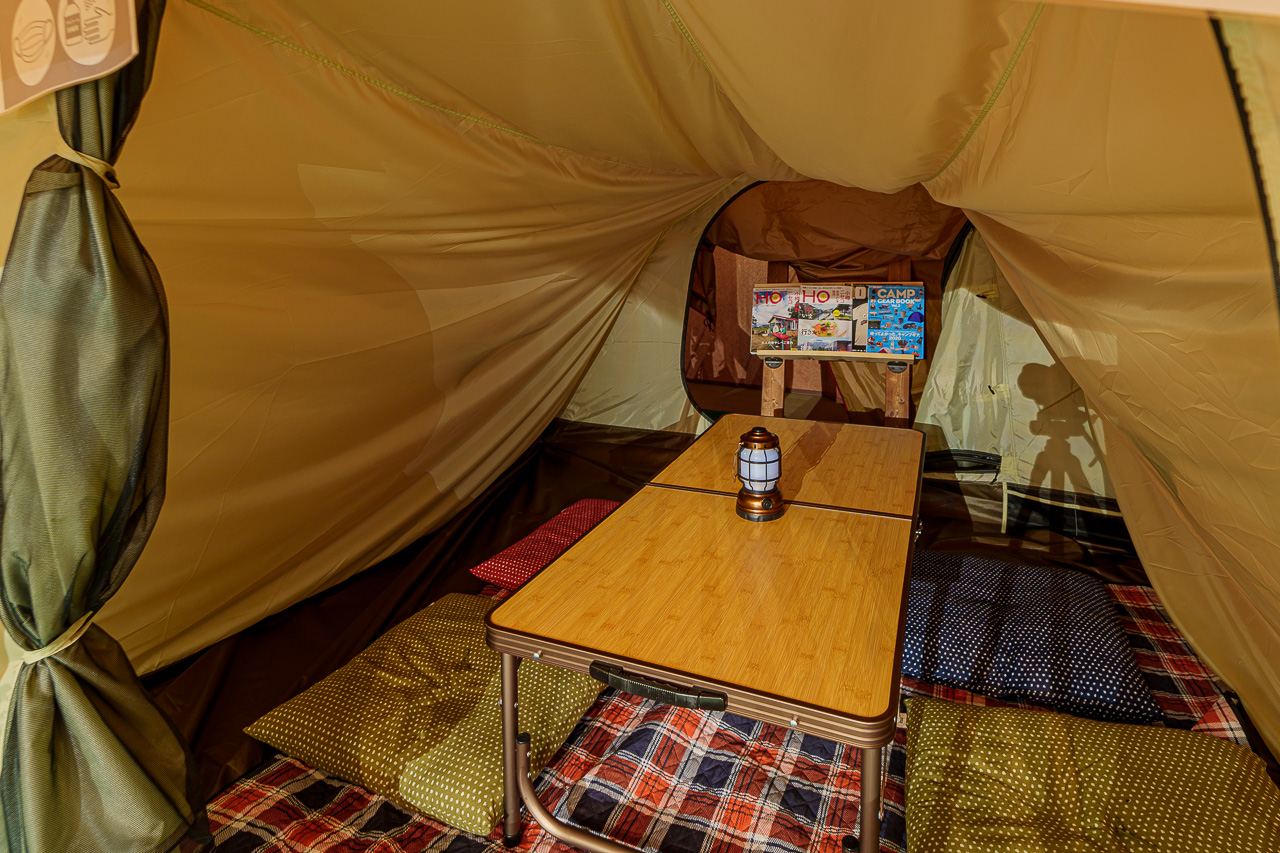
Otaru Yado, with an interior arranged like a campsite.
It suited someone like me arriving late and mainly needing a place to sleep.
With a simple evening snack and a can of beer, I enjoyed indoor camping. The cold weather strengthened that feeling.
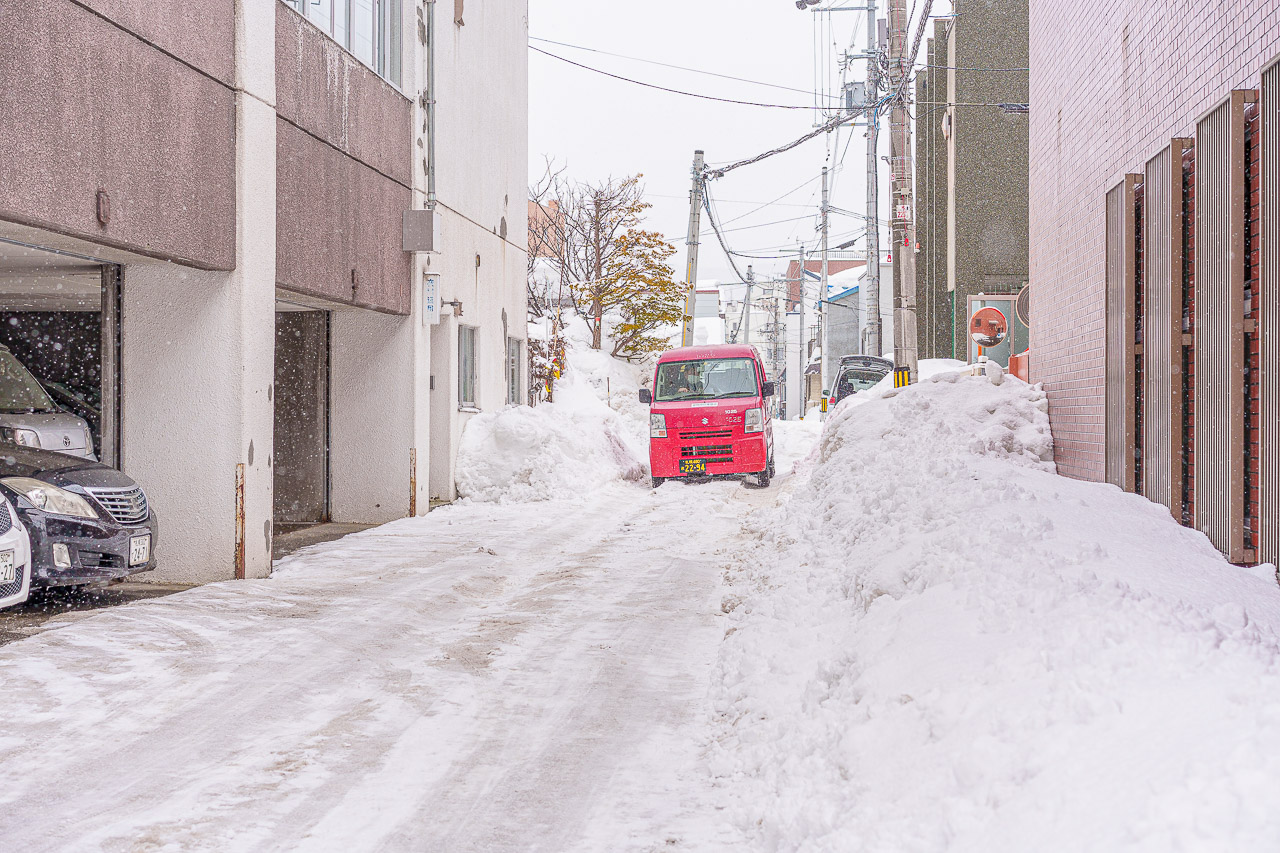
Hokkaido's postal workers have a demanding job.
They were out delivering early, riding over frozen roads.
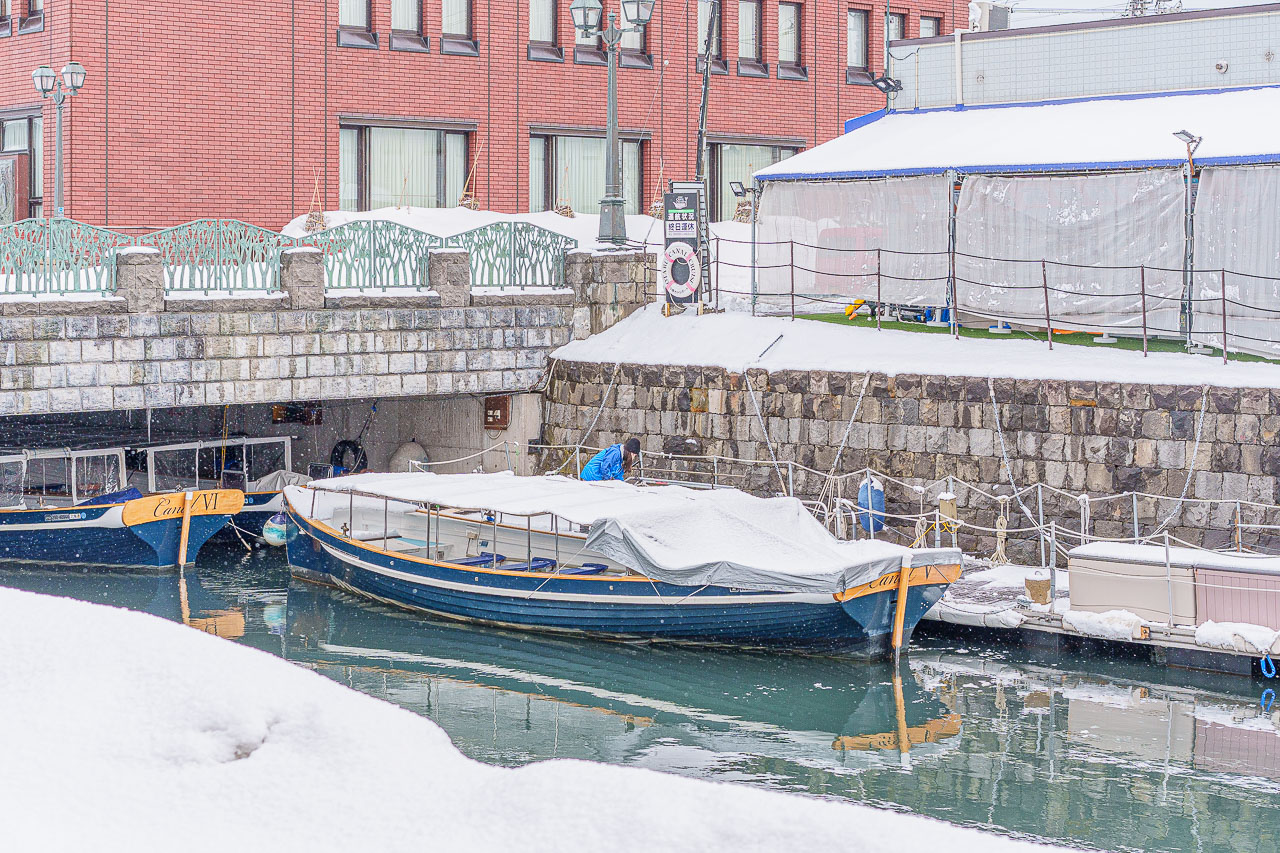
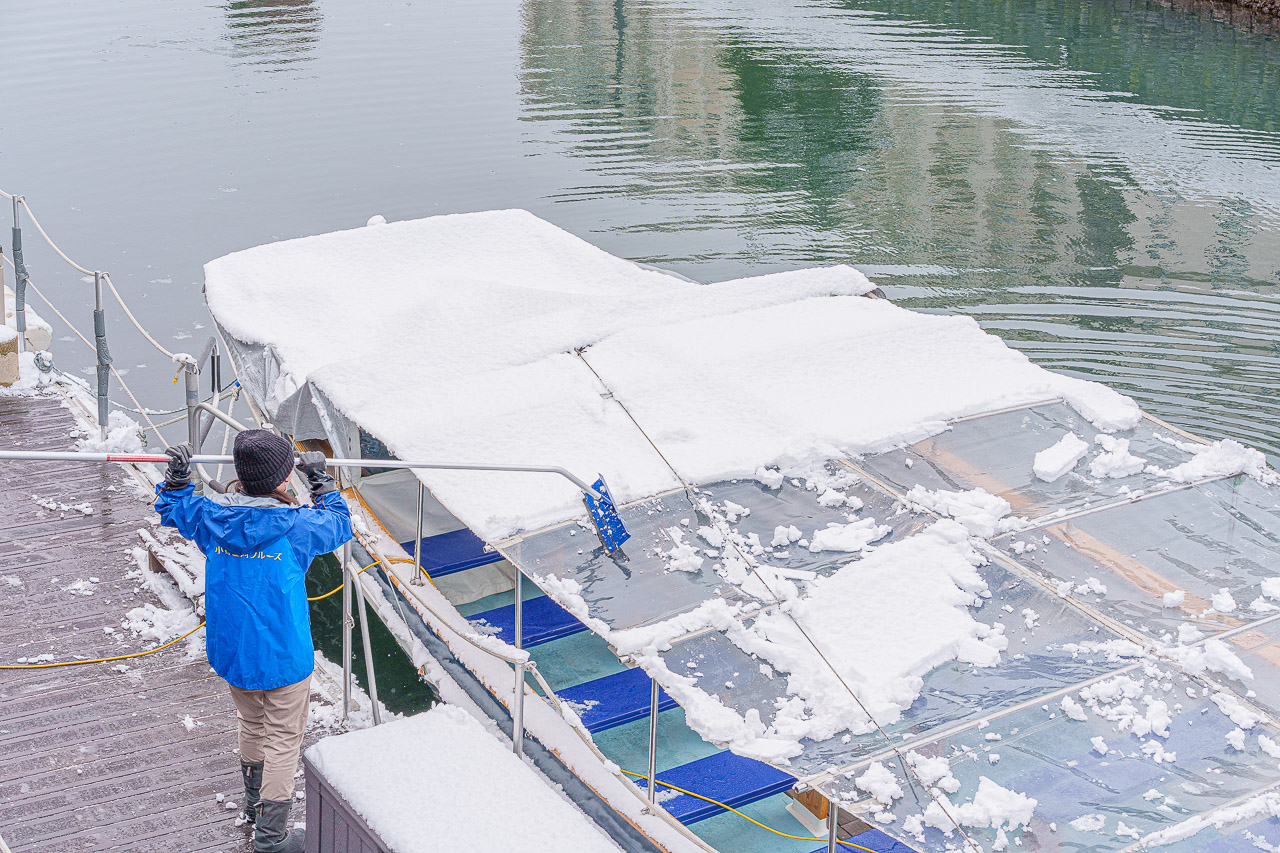
Returning toward the canal from the night before, I saw sightseeing boats.
They were not operating then; snow was being cleared.
Snow seems to keep Hokkaido residents busy.
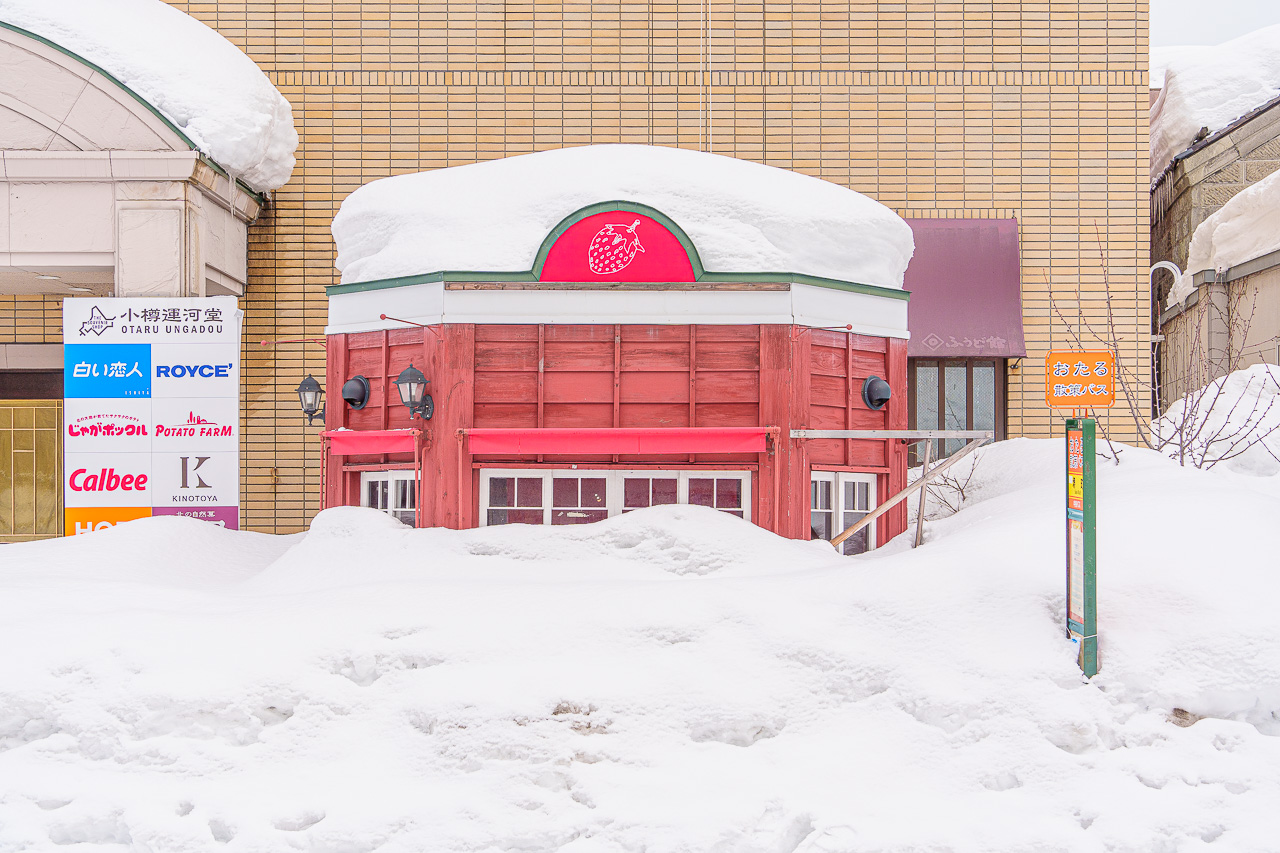
I took a short walk along Sakaimachi Street, Otaru's busy shopping area.
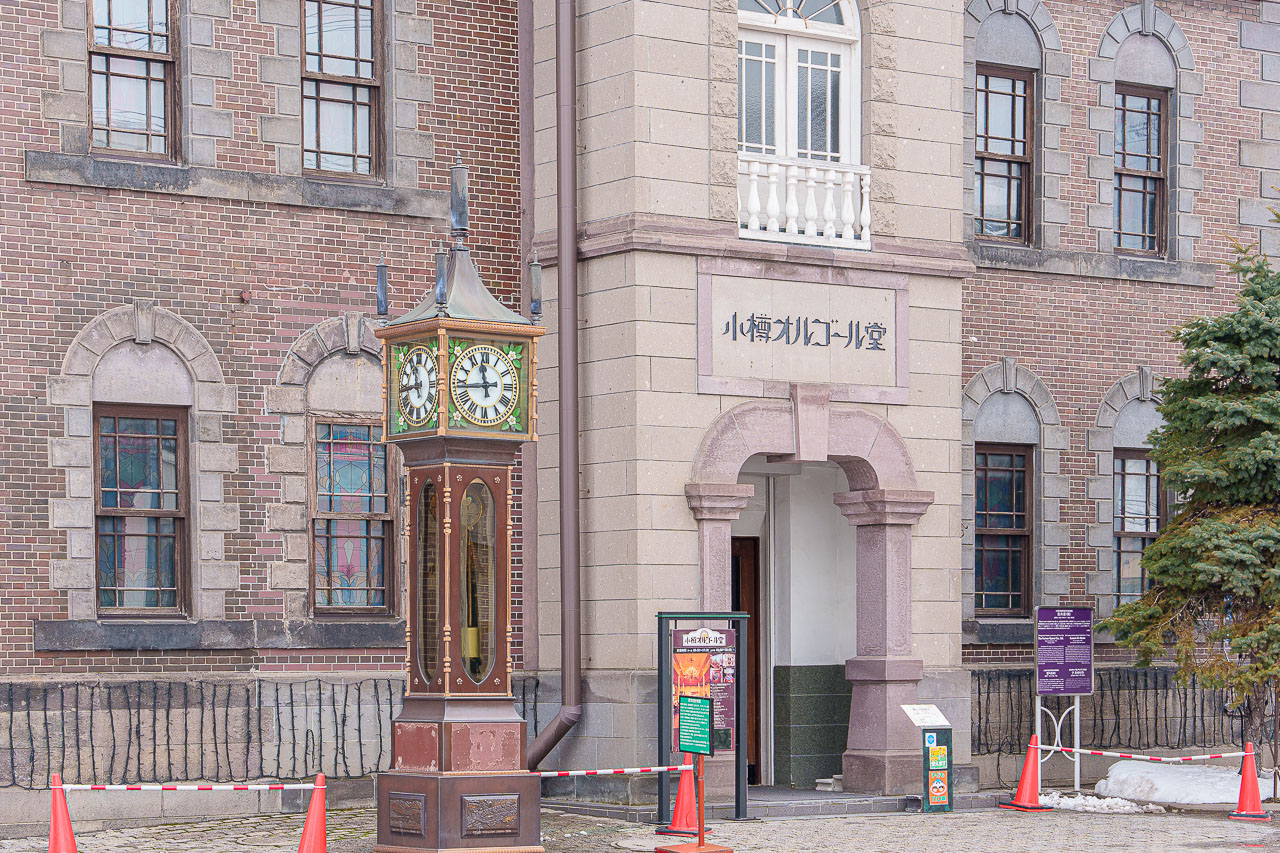
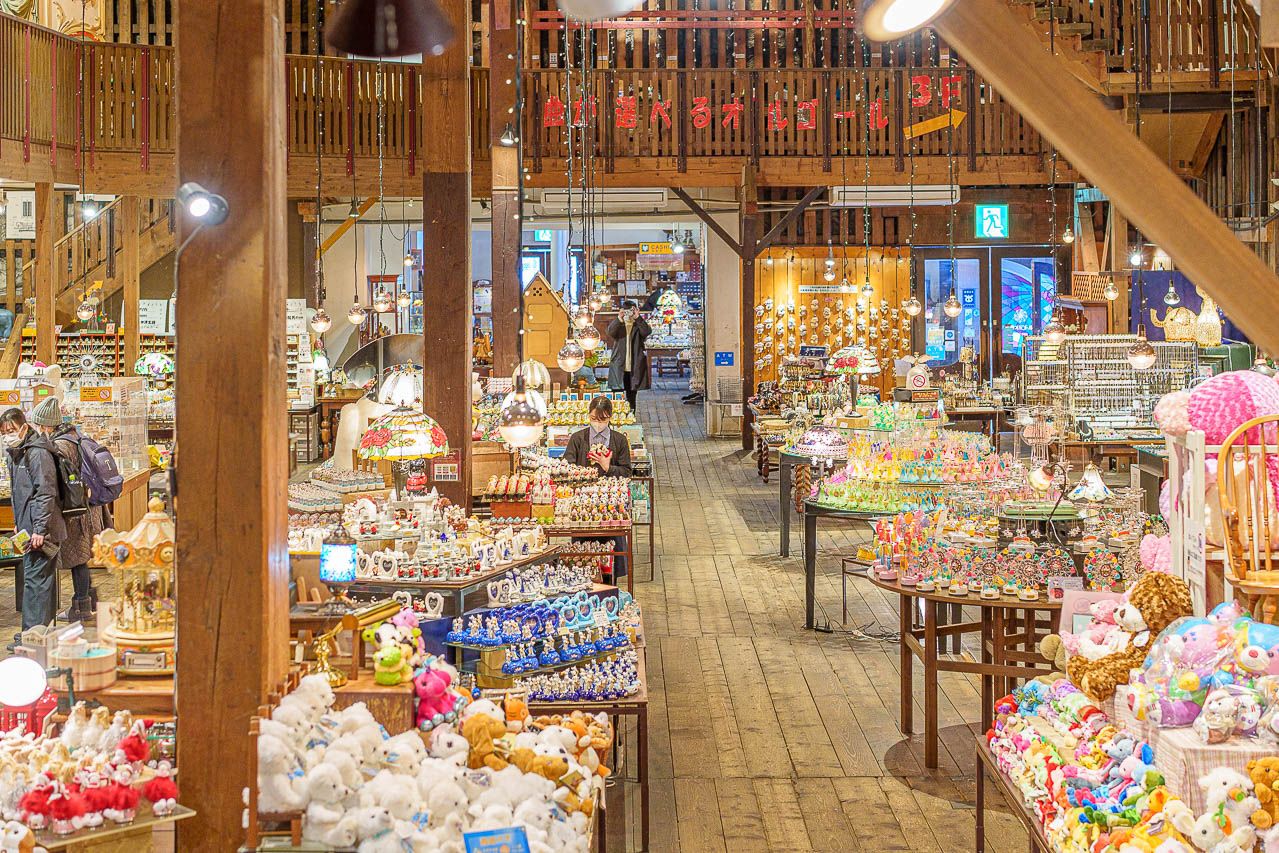
I looked around the well-known music-box shop
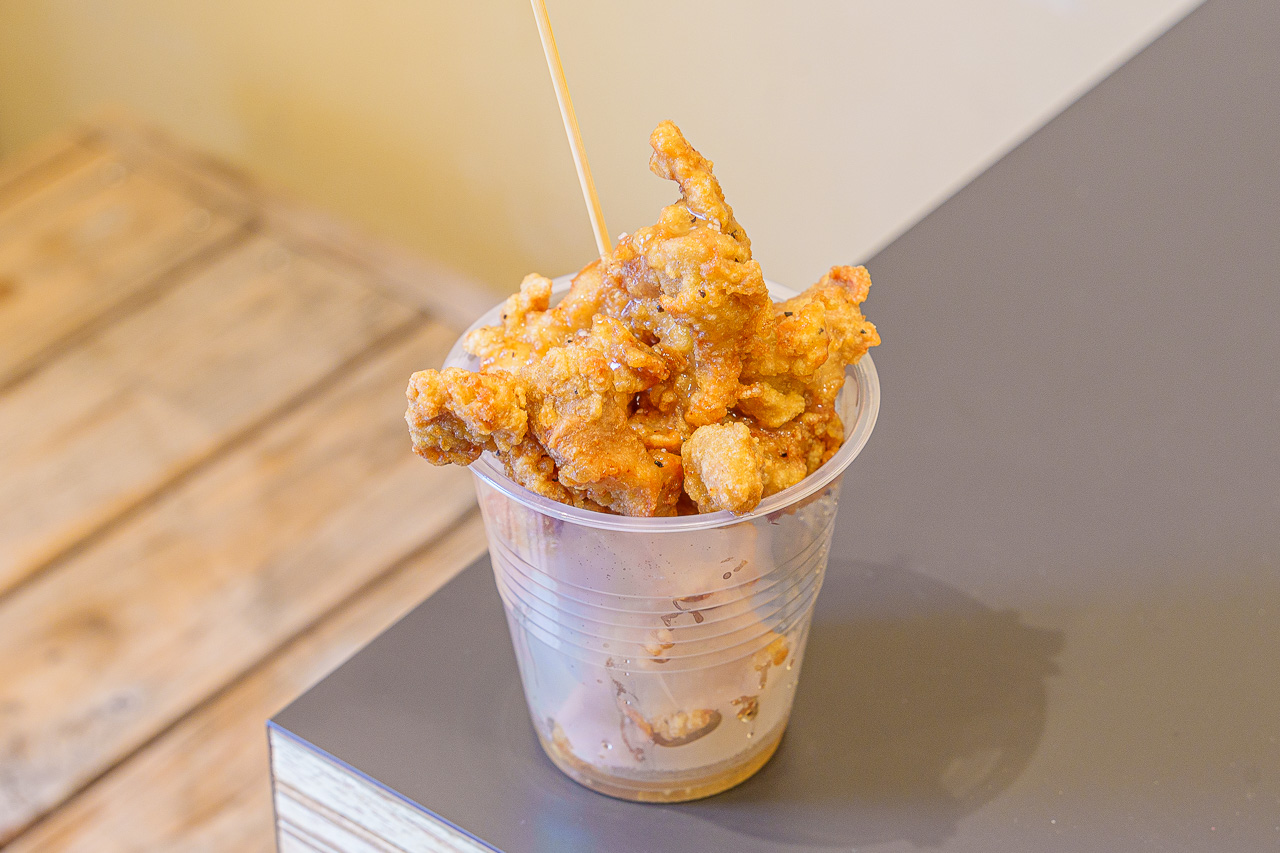
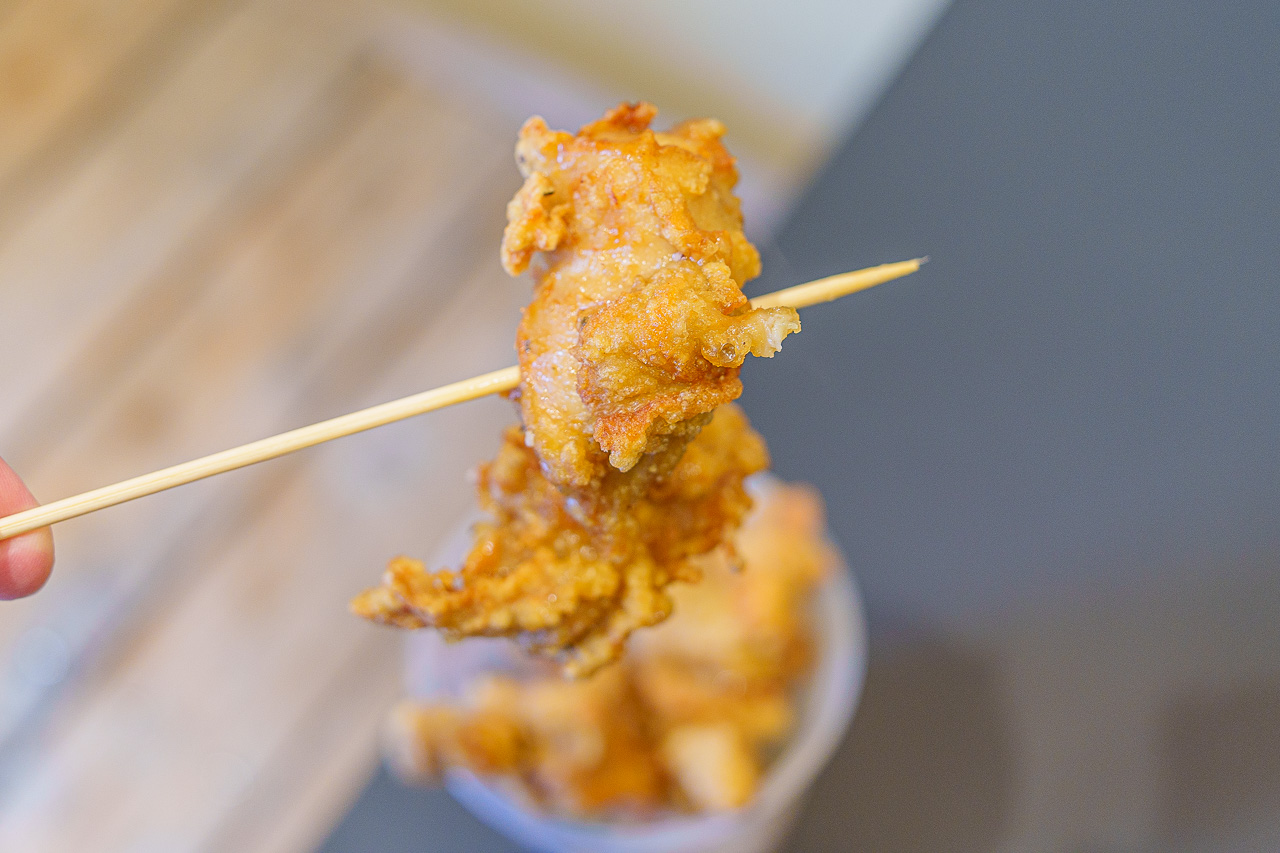
and tried zangi, Hokkaido's fried-chicken comfort food, from a street stall.
At ¥500, the snack was more substantial than expected—almost enough to replace lunch.
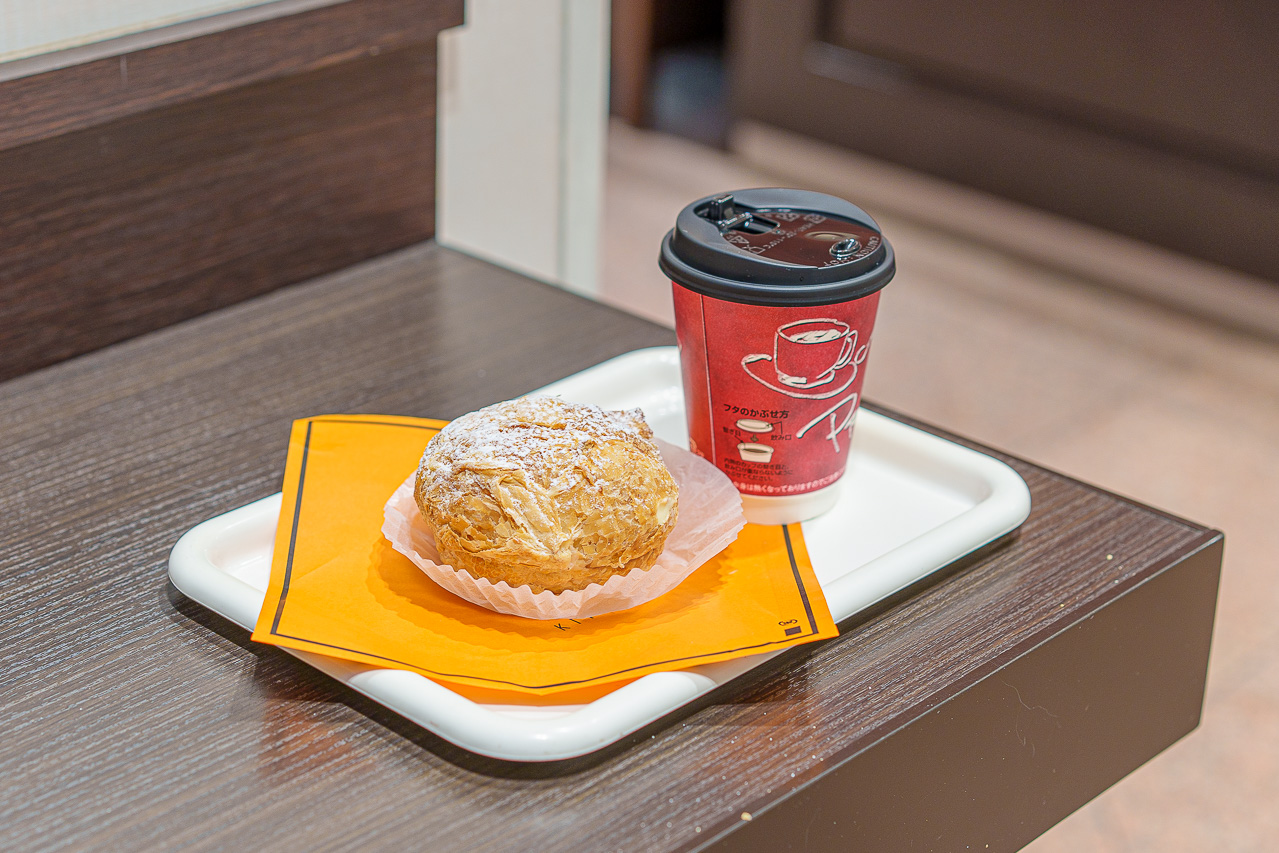
Kitakaro's special cream puff and coffee were another Otaru stop I did not want to miss.
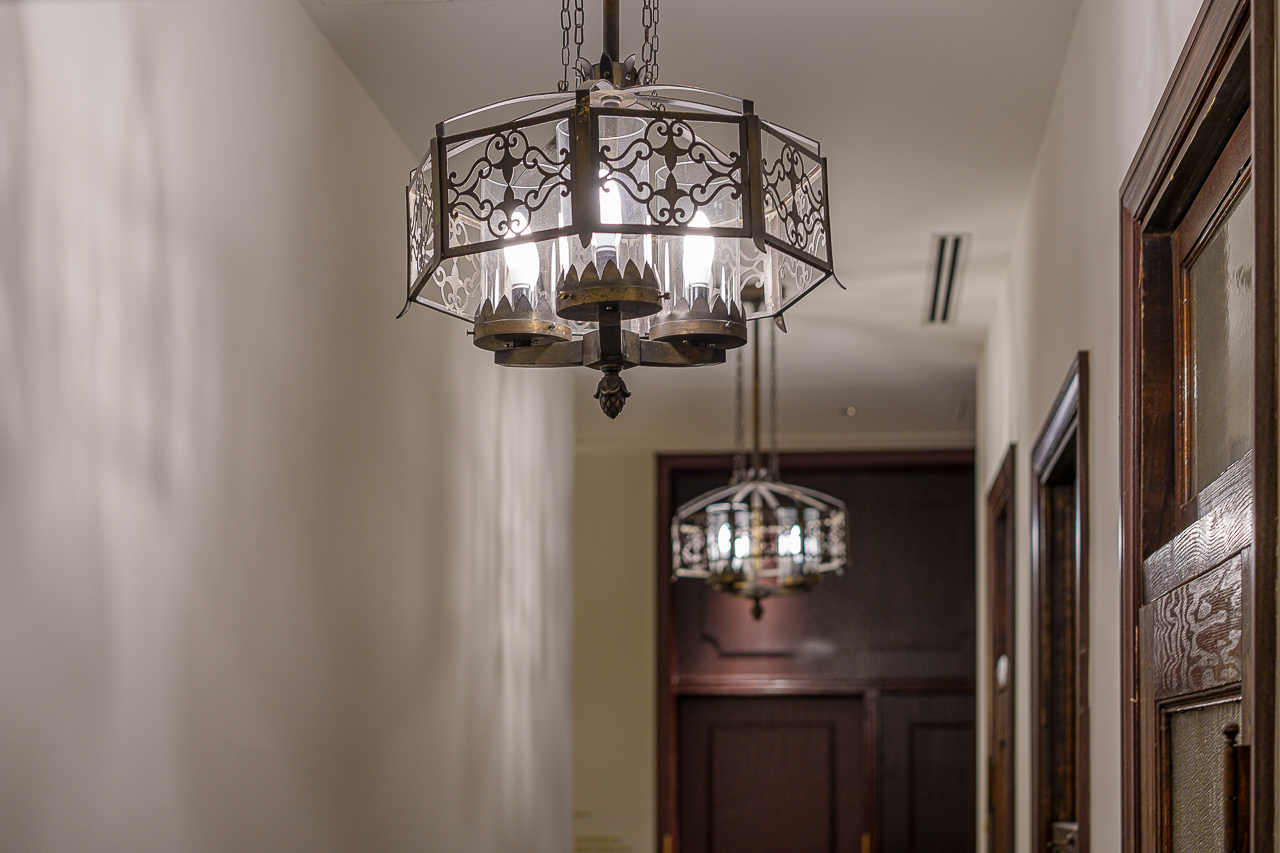
When check-in time arrived, I headed straight to the hotel, fitting this trip's hotel-getaway theme.

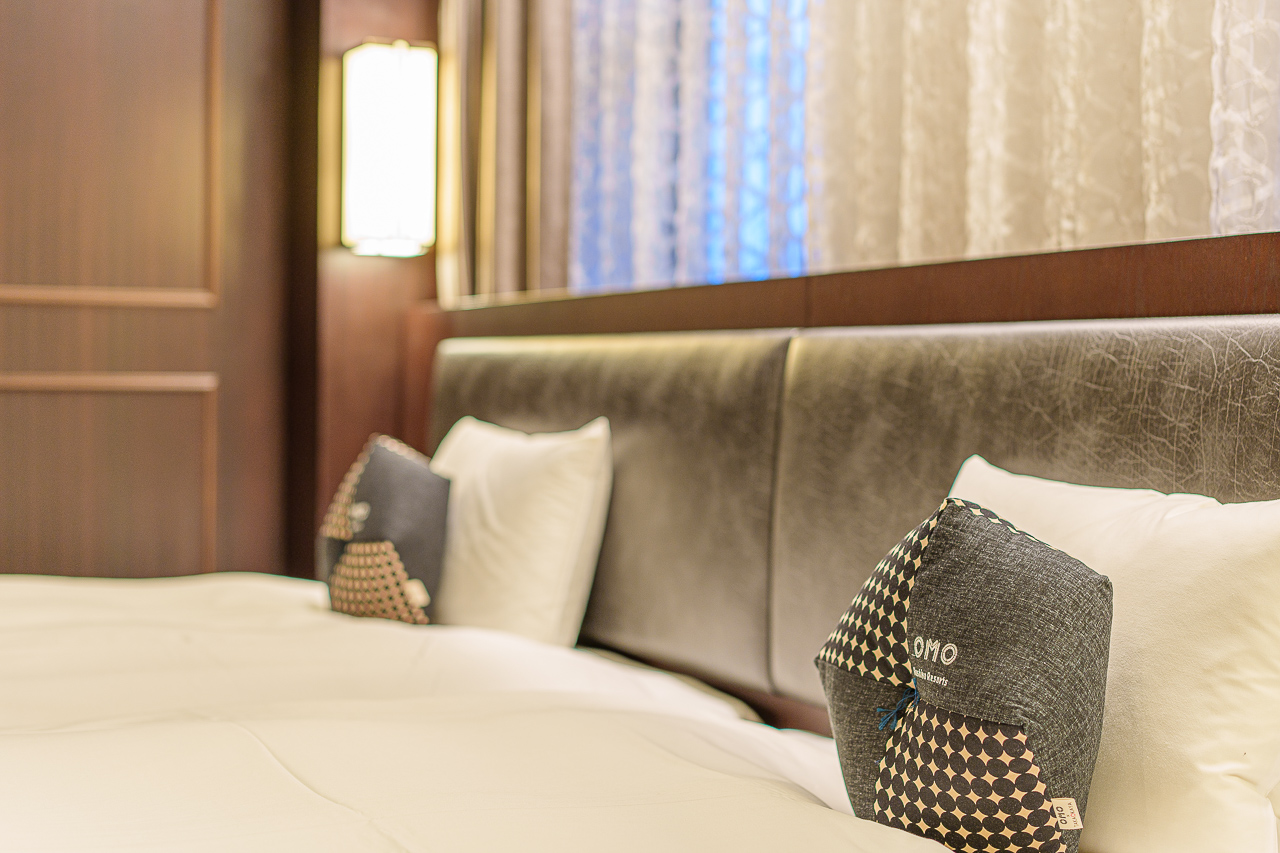
The second night's stay was OMO5 Otaru by Hoshino Resorts.

After checking in and resting in the room, I went to the restaurant for dinner.
It was early enough that I had the room to myself.
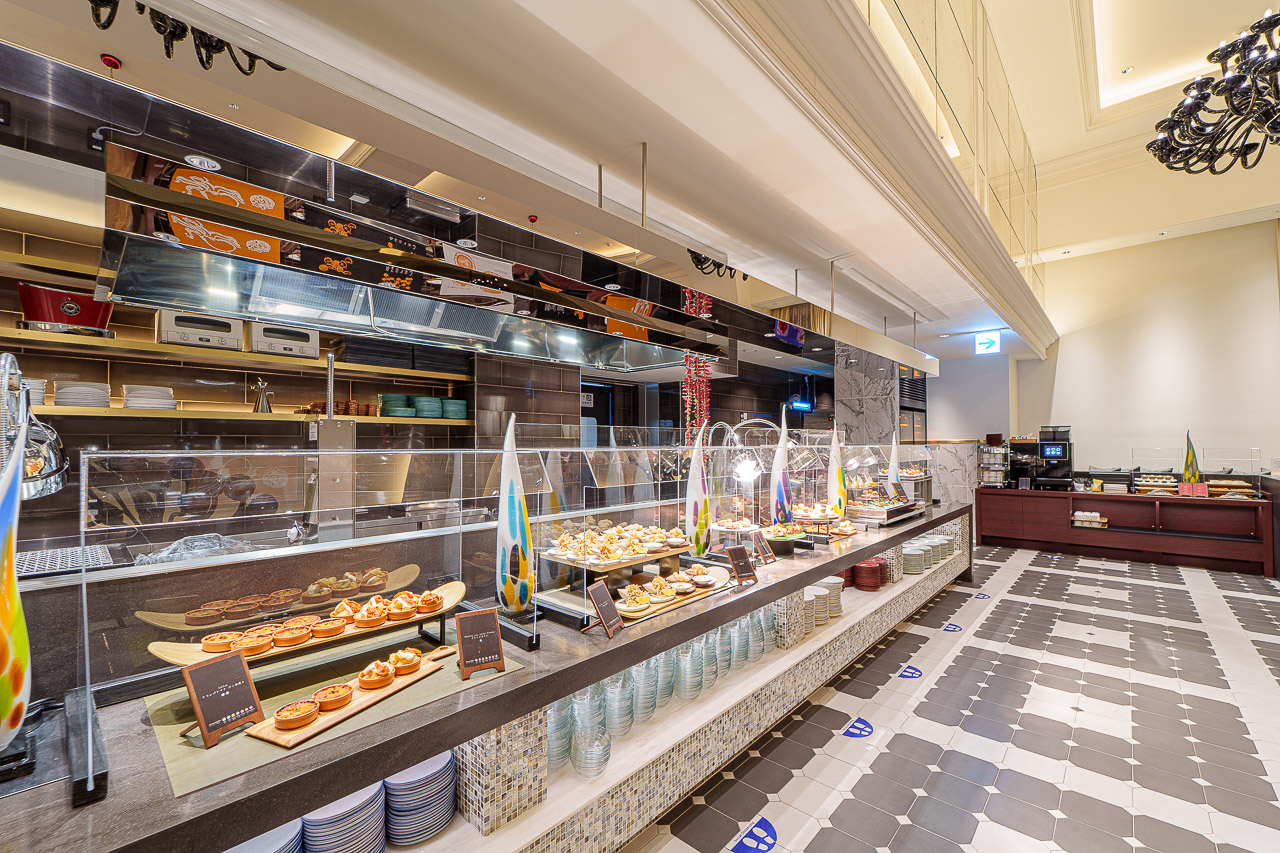
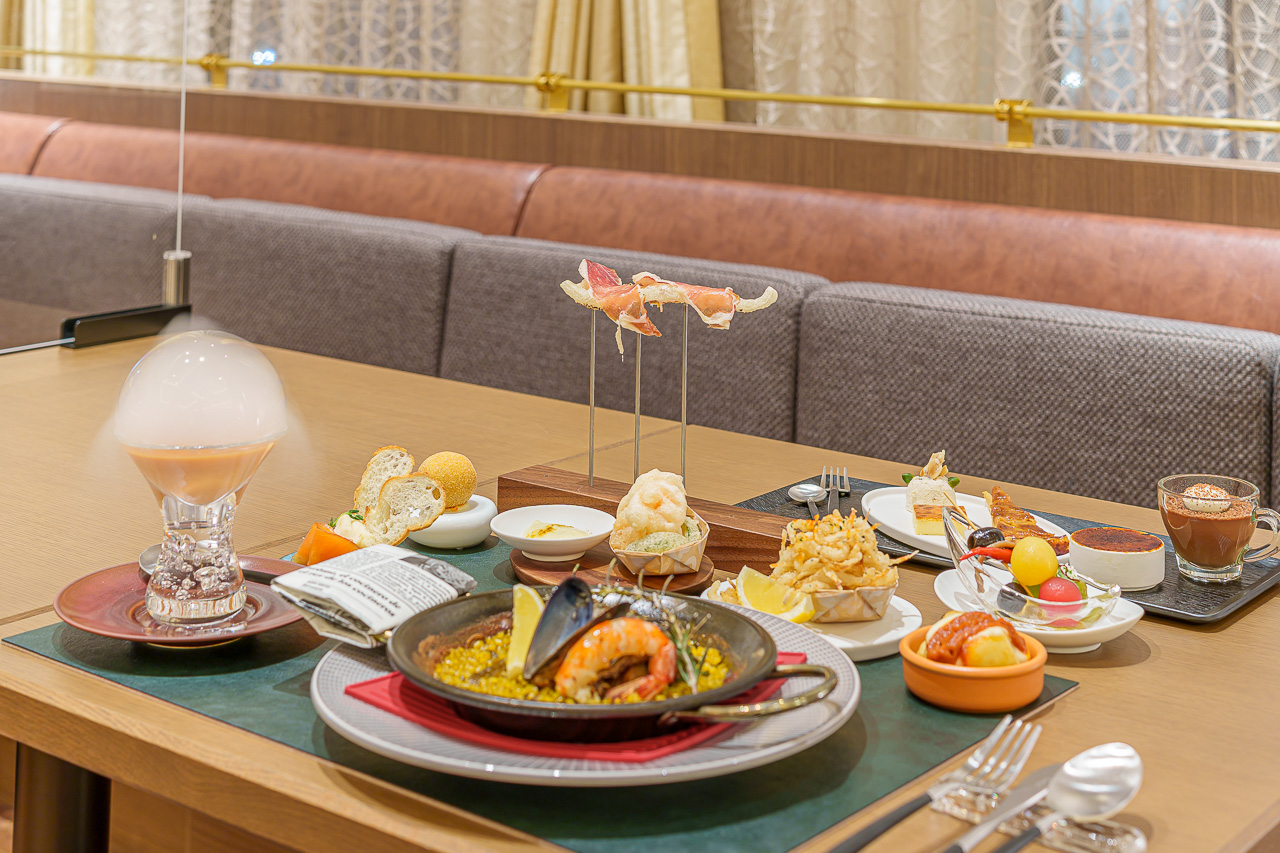
Dinner was a semi-buffet: order 1 main dish and choose 6 items from the buffet to suit your taste.
There were 5 mains: herring-and-seafood paella, squid-ink paella, grilled beef, grilled pork and steamed seafood with fish.
With Otaru's herring association, I chose the herring-and-seafood paella.
The bones were soft enough to eat, and it was delicious.
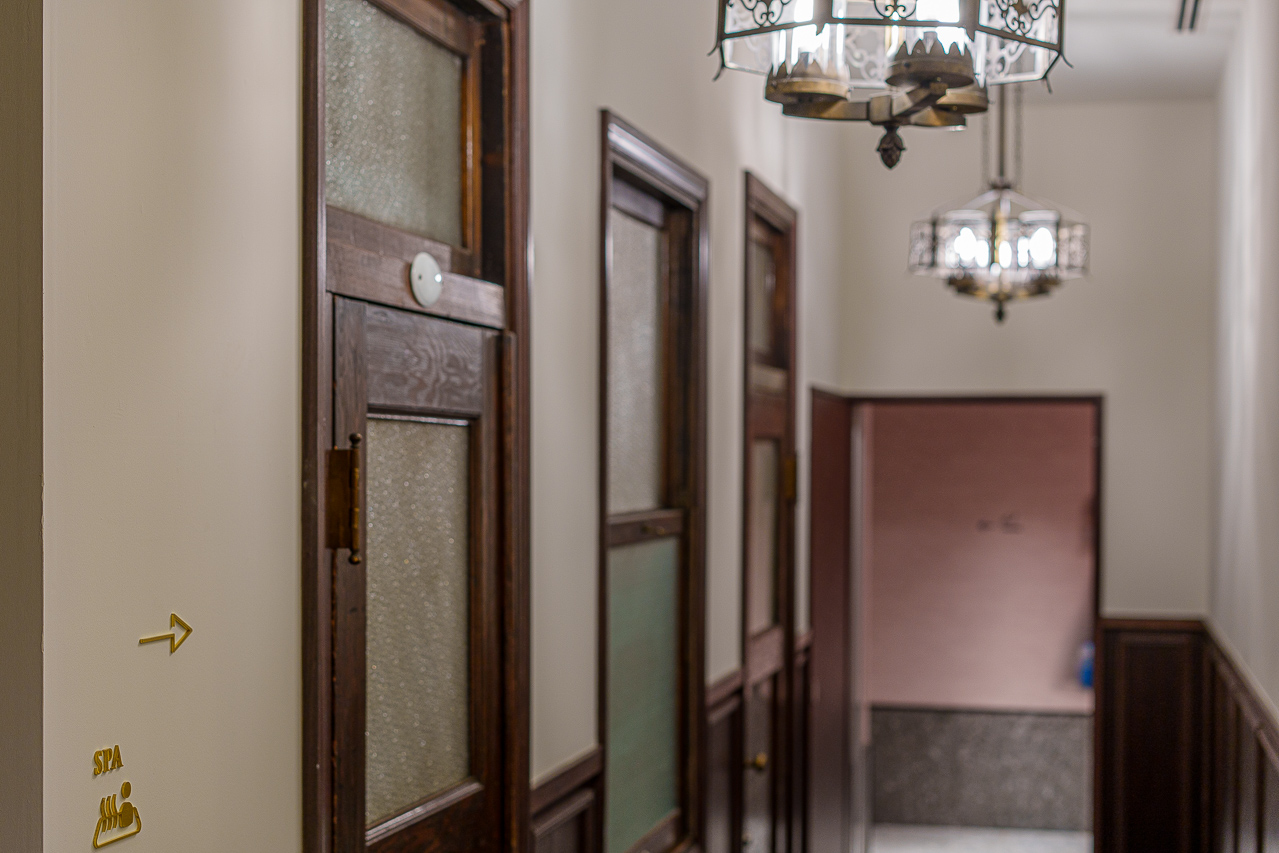
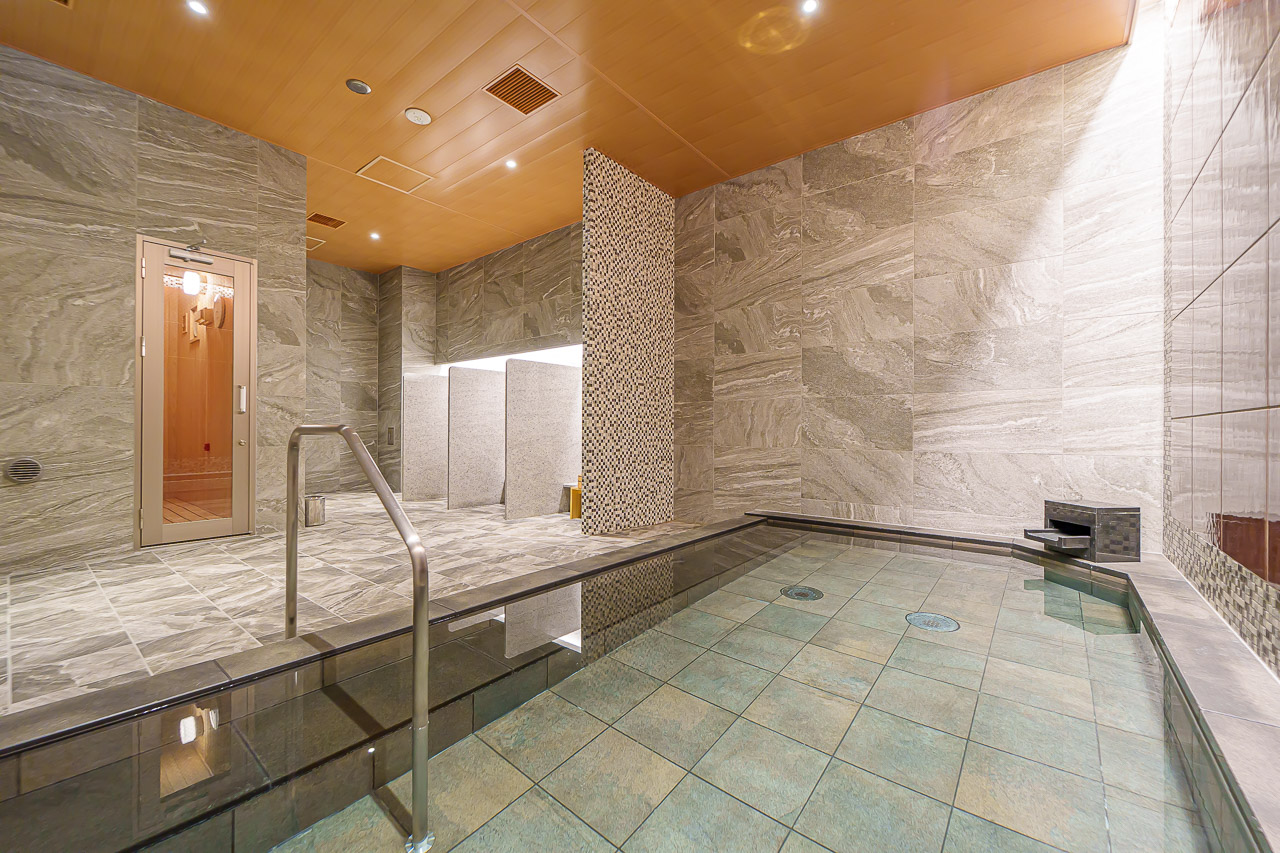
After a good dinner, a bath and sauna were next.
In Hokkaido's cold winter, bathing and a sauna left me ready to fall asleep as soon as I lay down.
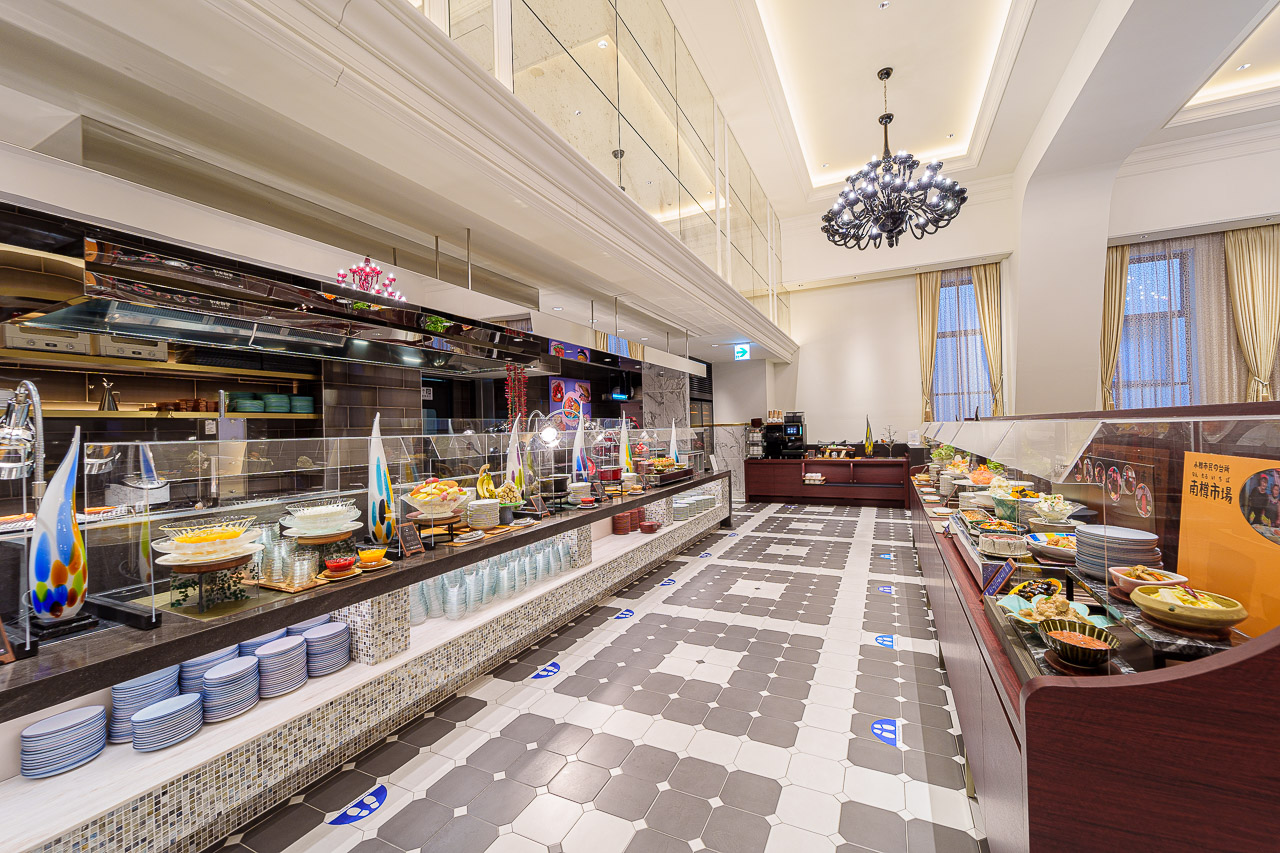
After waking, I headed to the restaurant to eat again.
Breakfast the next day was a buffet.
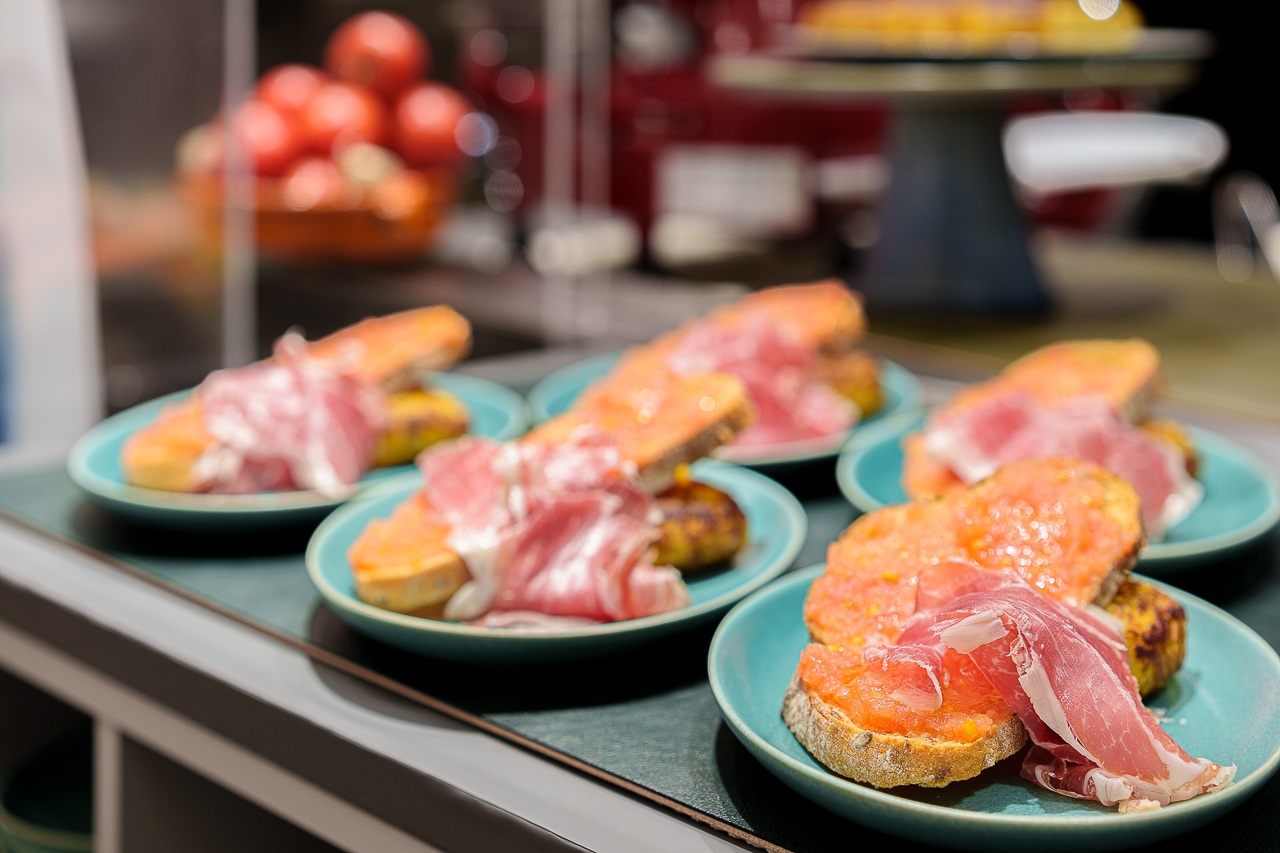
Plenty of tempting choices.
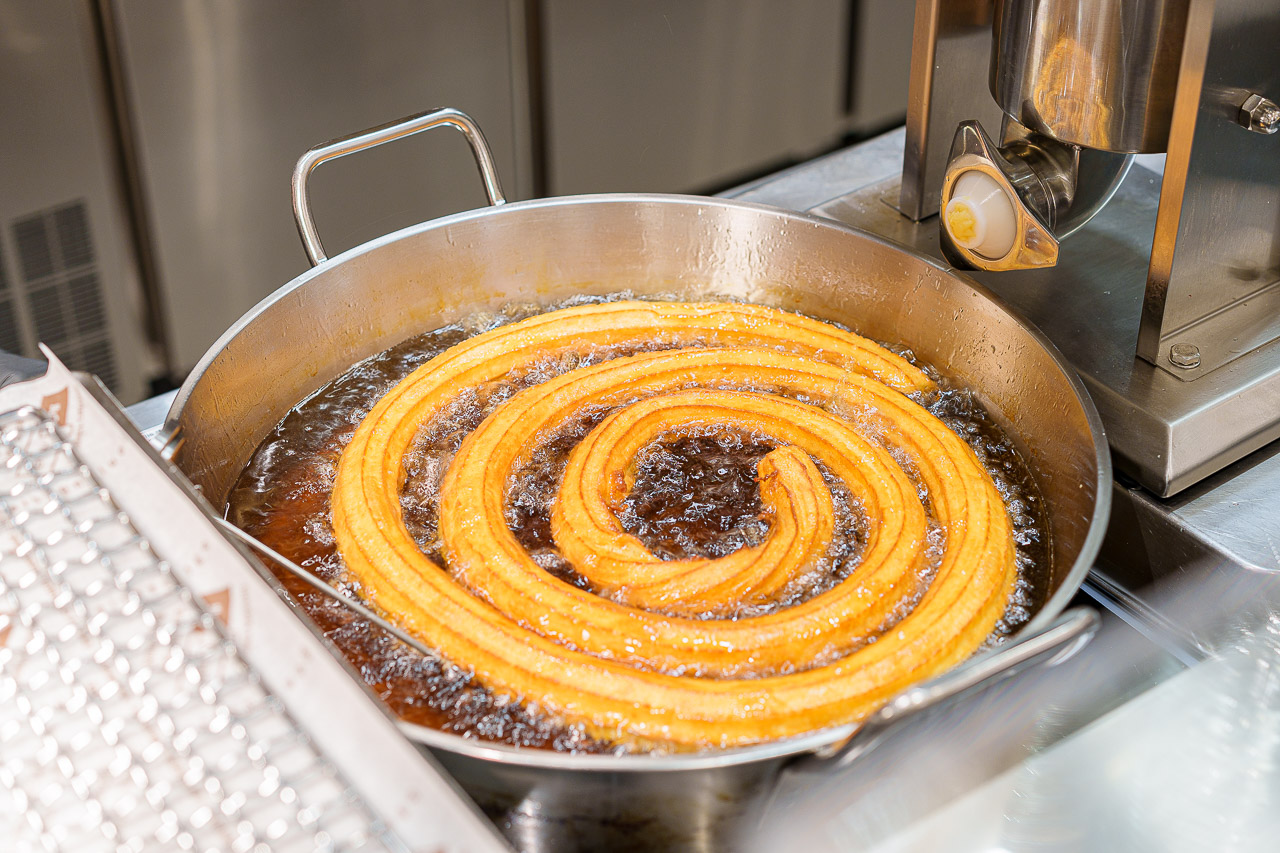
Churros were fried to order.
Chocolate-covered churros were hard to resist.
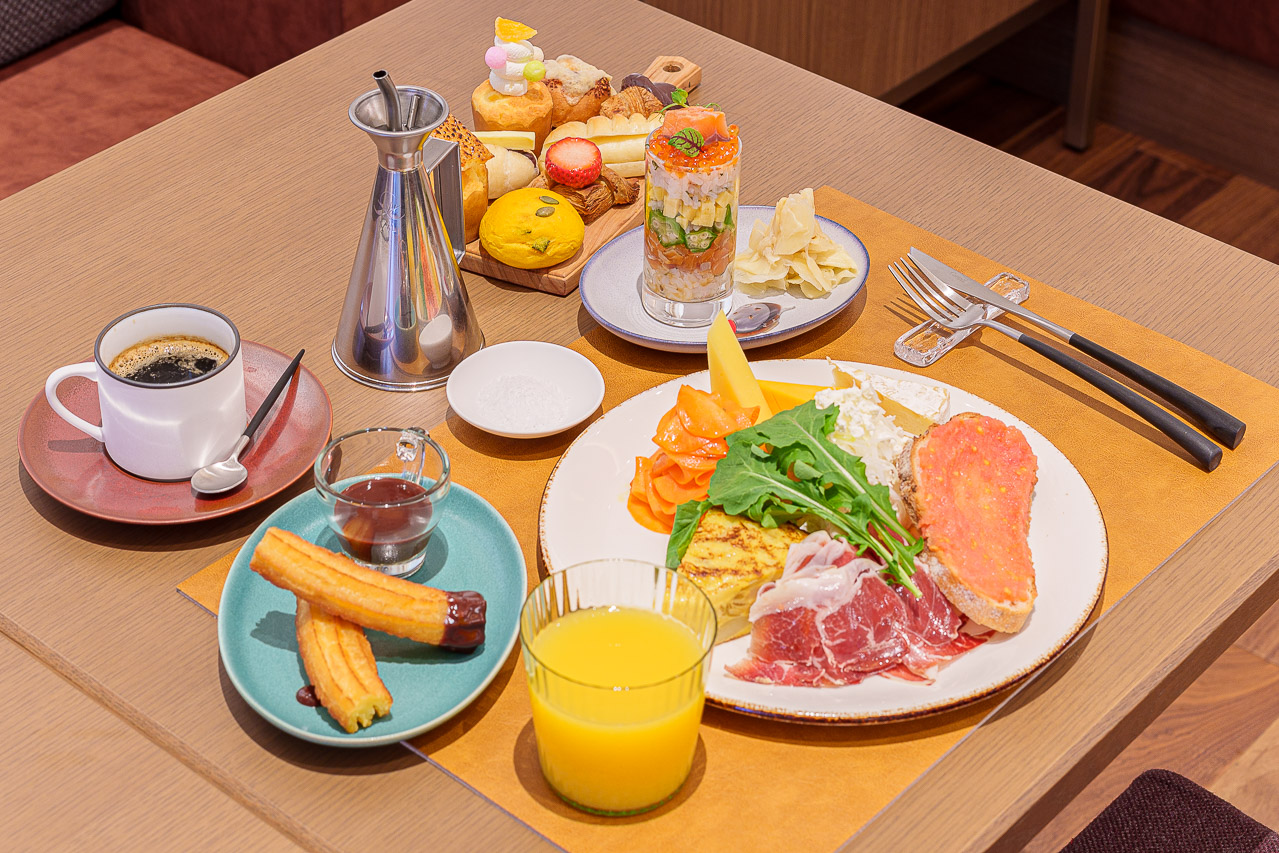
Choosing several appealing dishes left me with too much.
It felt as if I might not need another meal until dinner.

After breakfast, I set out around Otaru with the explanations of an OMO Ranger, Hoshino Resorts' particular local-guide service.
The ranger introduced the neighborhood and its history entertainingly, holding their own against a specialist guide in my view.
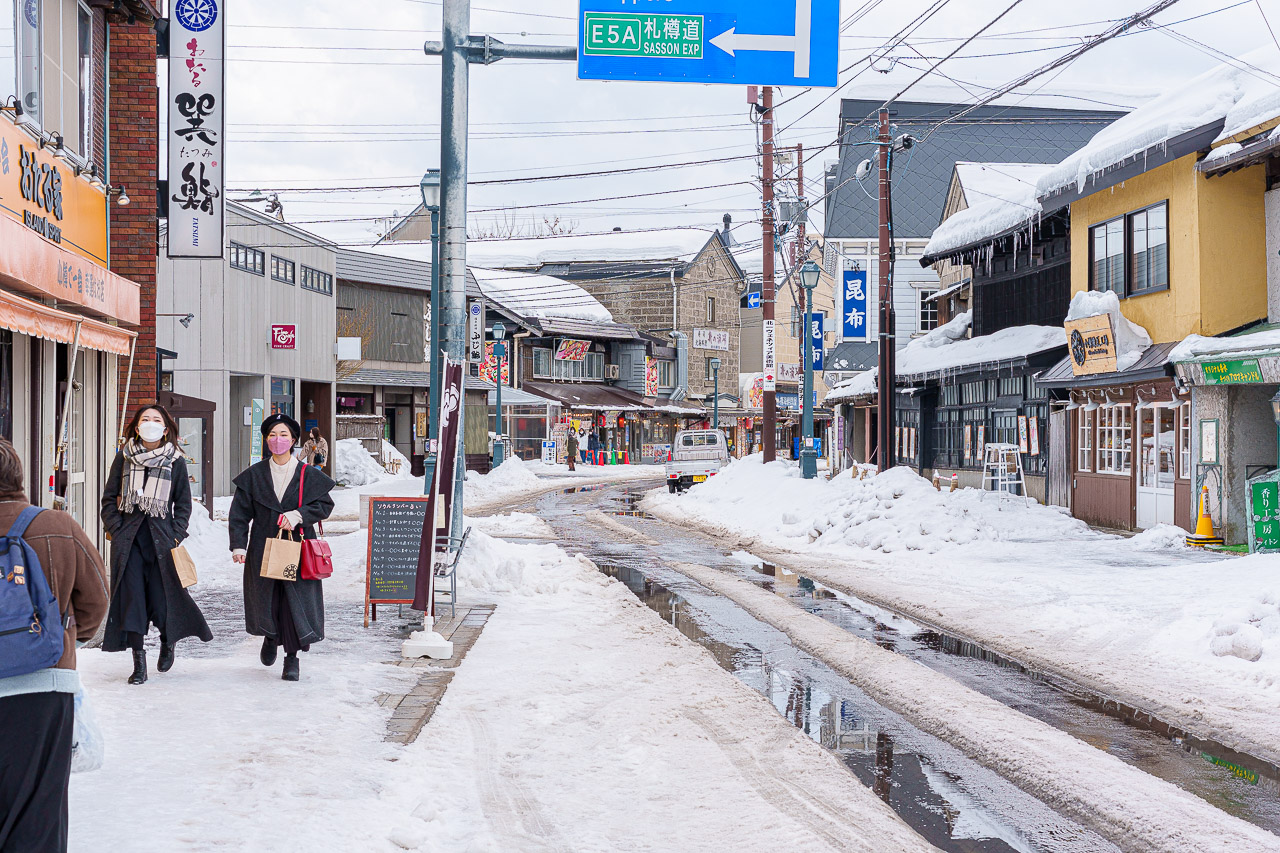
Sakaimachi Street, briefly visited the day before.
Walking with stories and food recommendations was more enjoyable than exploring alone.
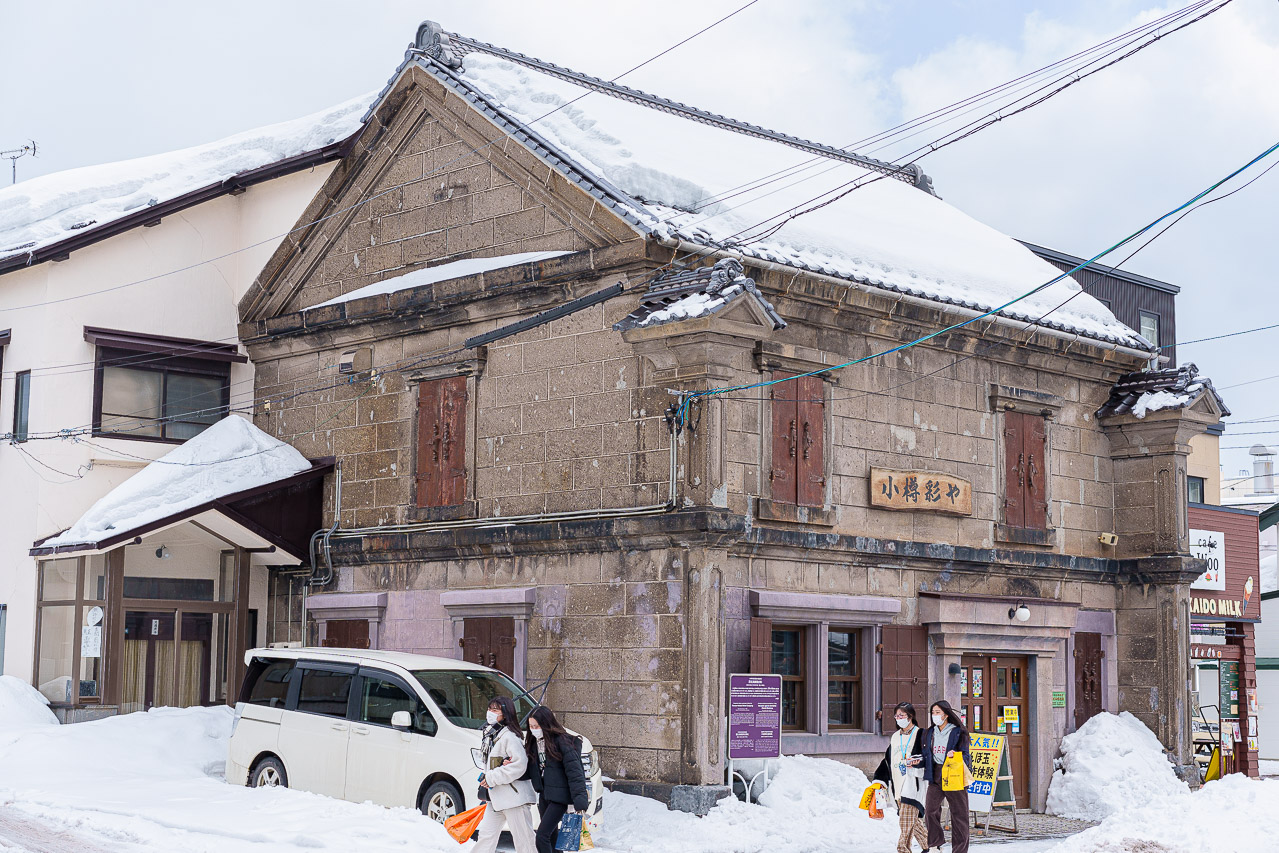
The area was once a center of finance and trade, according to the explanation.
Many of these old-looking buildings were formerly banks.
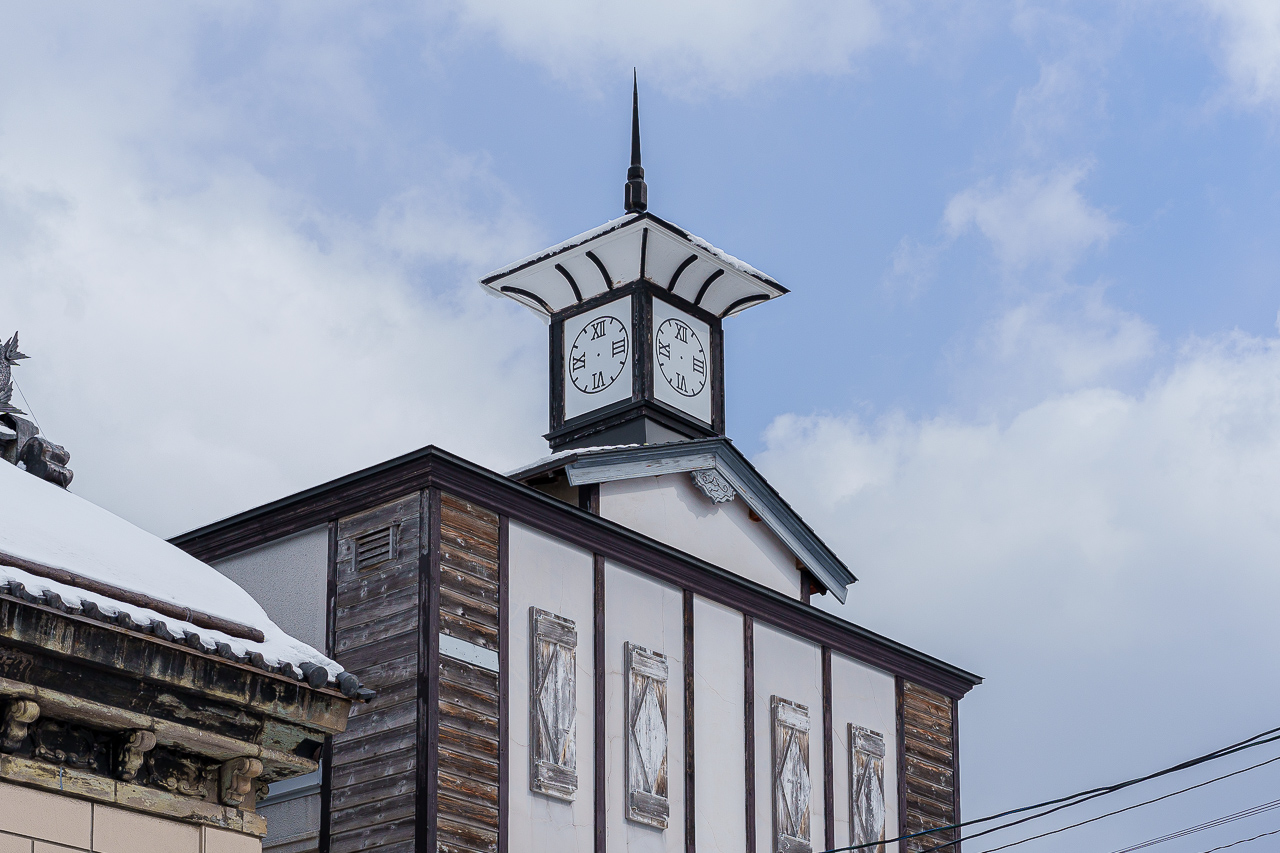
A clock tower without a second hand.
The guide joked that time does not pass inside, so the building does not age.
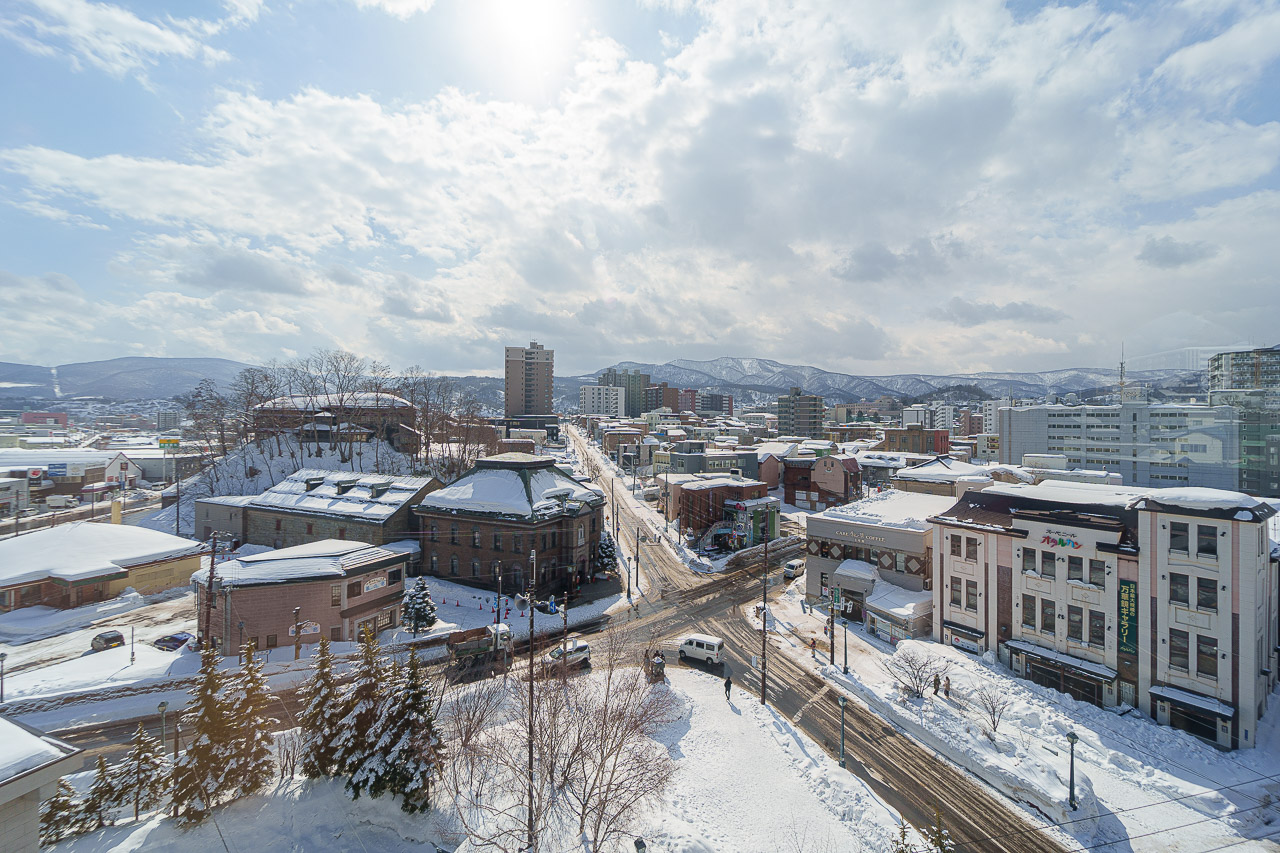
From a hidden viewpoint shown by the ranger, I photographed Marchen Intersection.
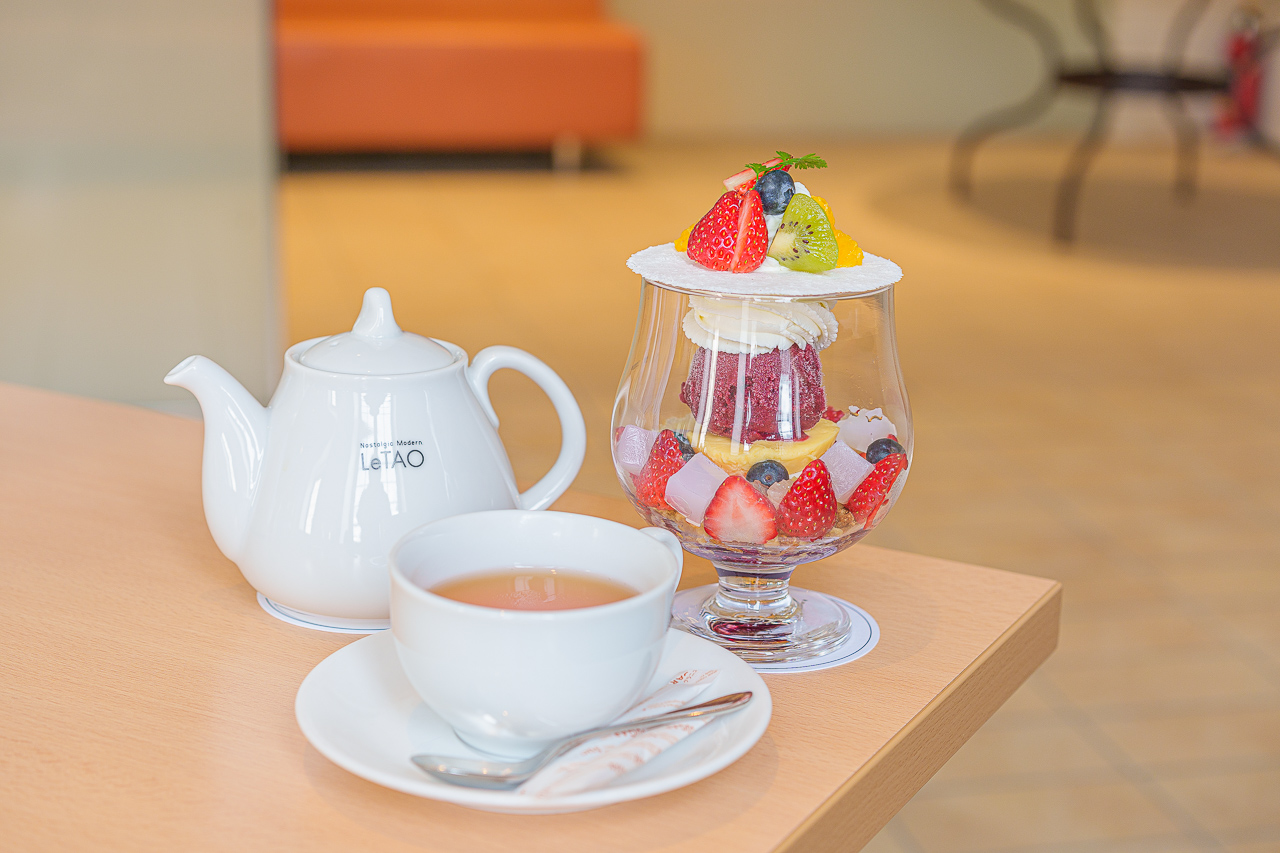
At OMO5 Otaru by Hoshino Resorts, the recorded stay offered access to a guest-only parfait at Otaru dessert café LeTAO.
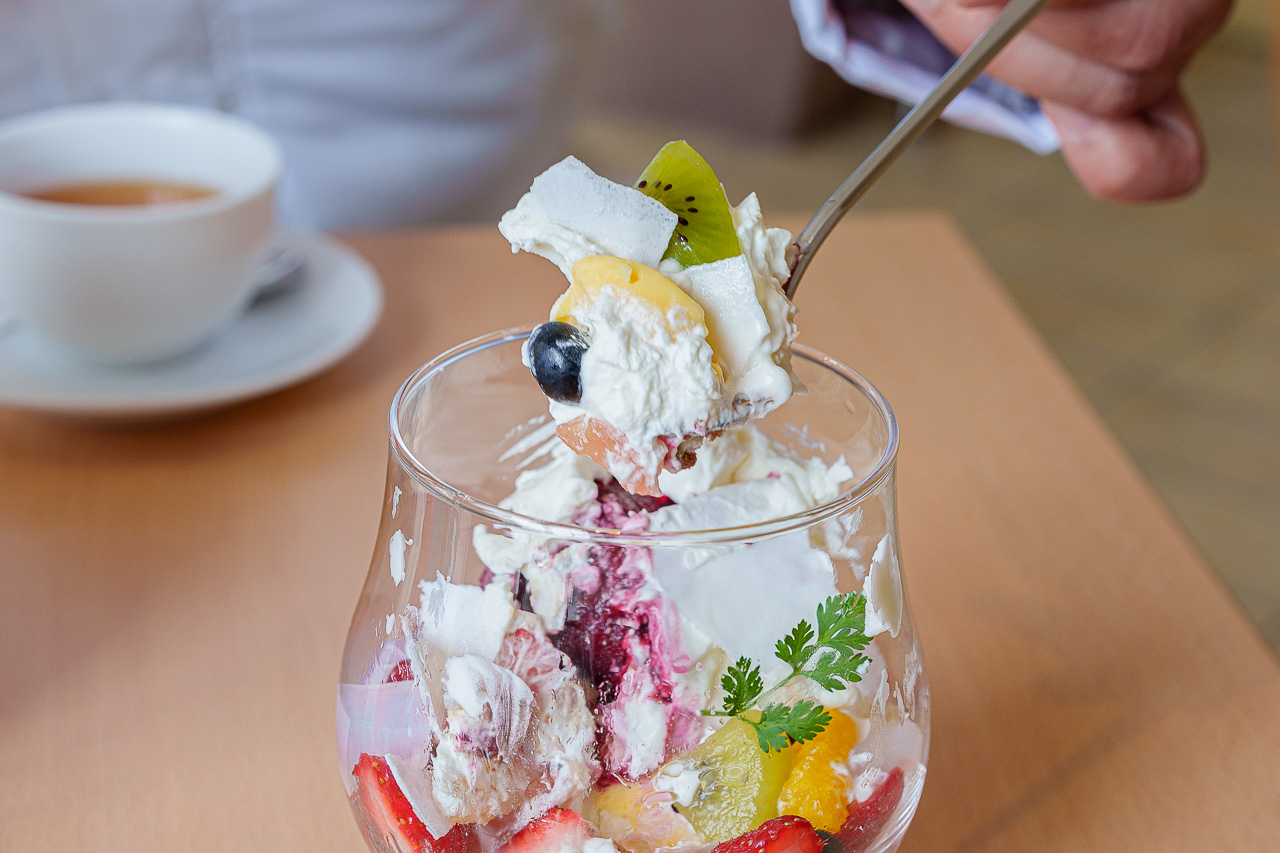
Removing the sugar panel let the fruit and cream above tumble down.
It was full of fresh fruit, and the cream was particularly good.
Here I said goodbye to the OMO Ranger.
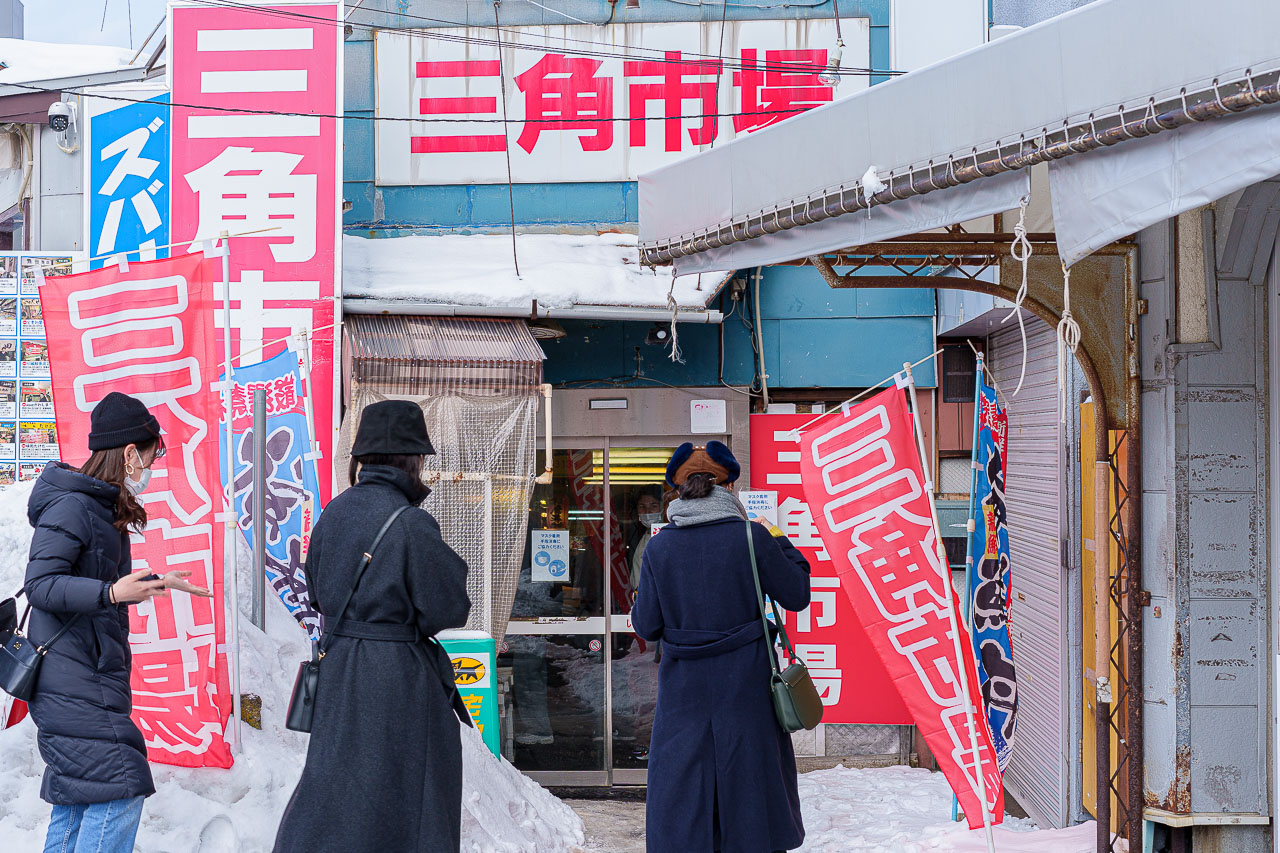
After the outing and check-out, I visited nearby Sankaku Market.
Its triangular shape seemed to use a spare space between buildings, perhaps explaining the name.

I had planned fresh seafood there, but breakfast and dessert had filled me up, so I skipped it.
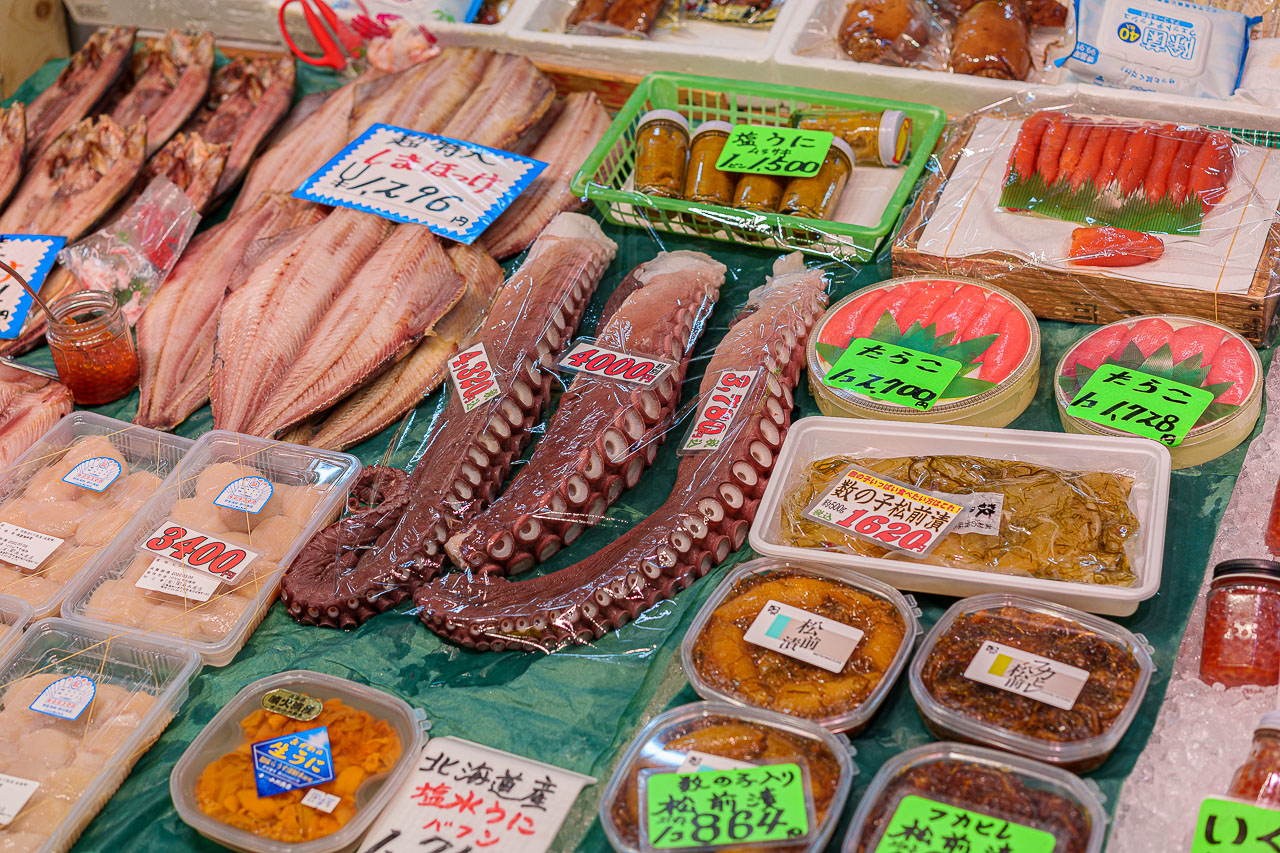
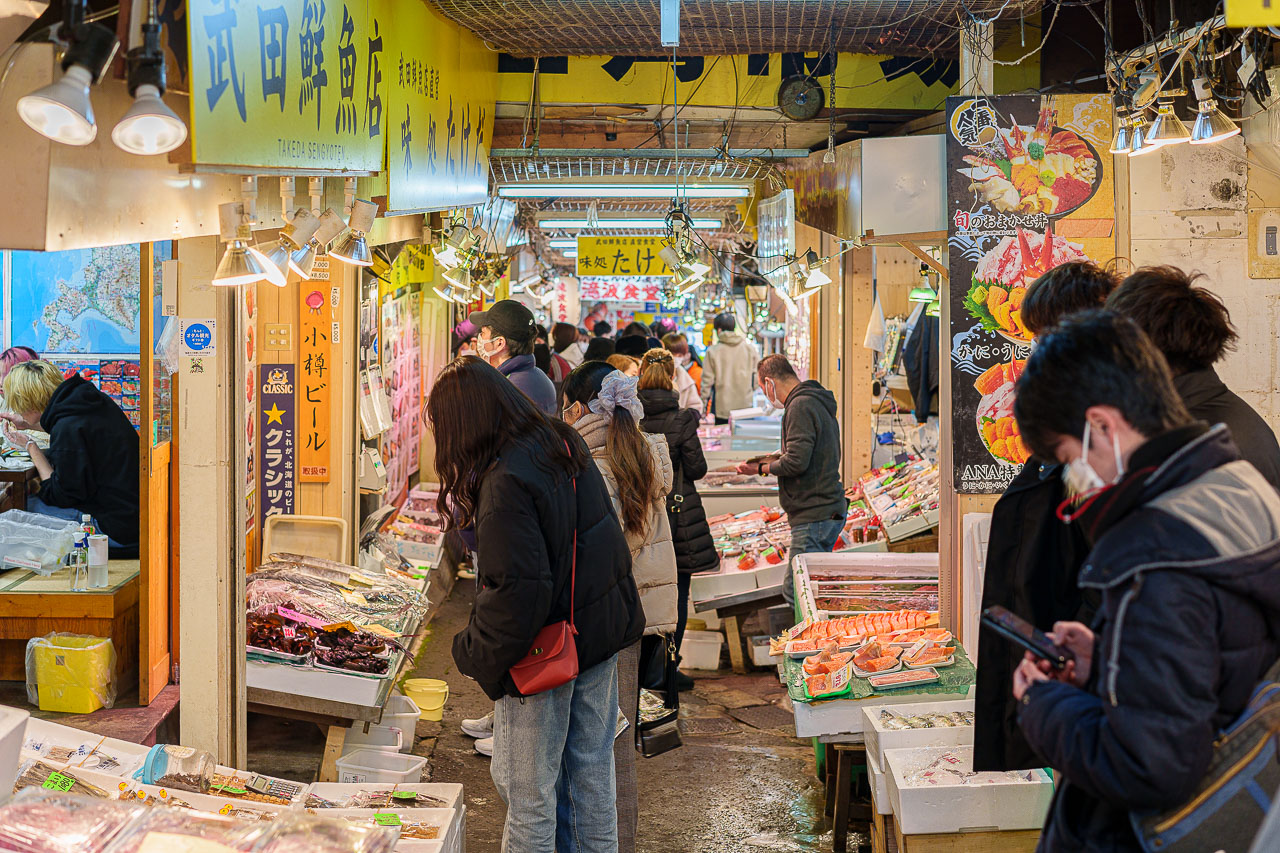
There were many visitors who looked like university students.
Most restaurants had long lines. I would like to eat there next time.
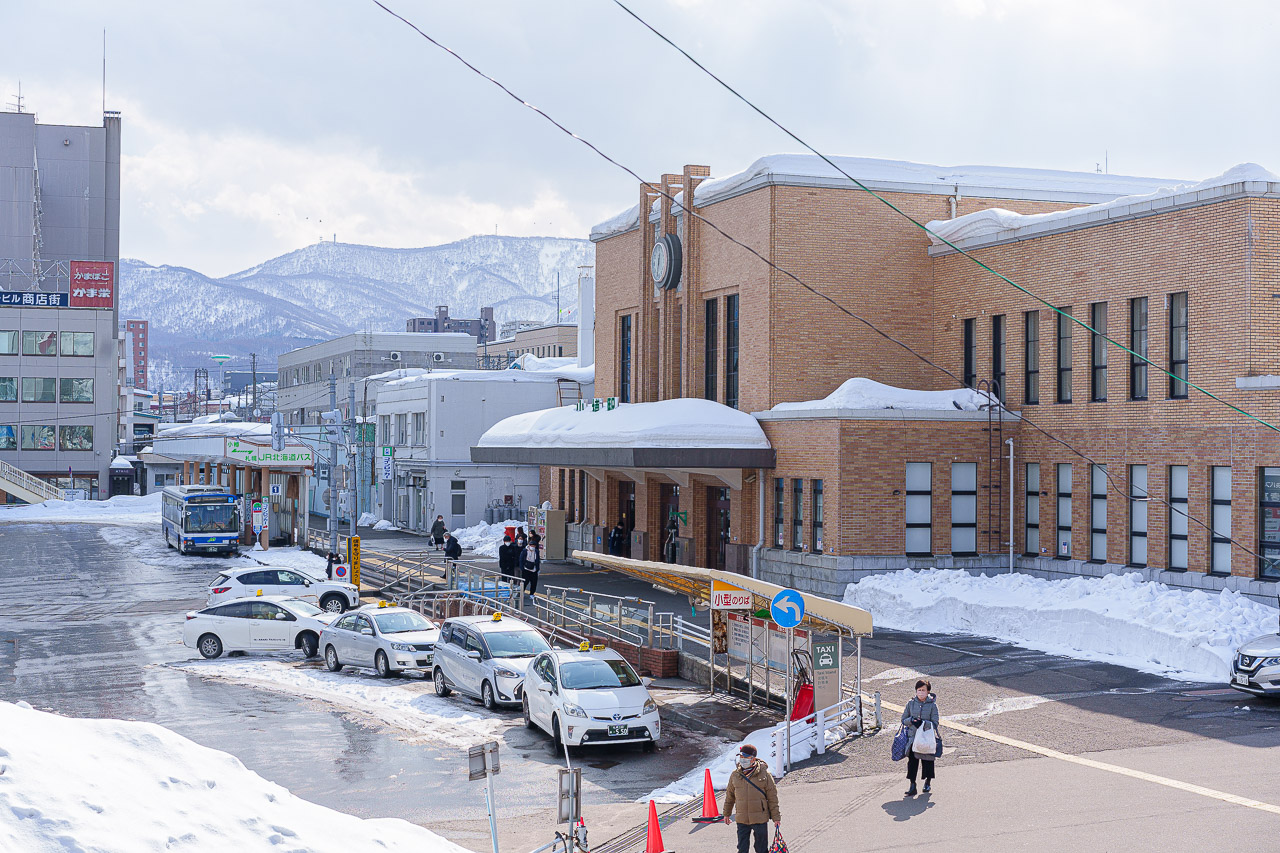
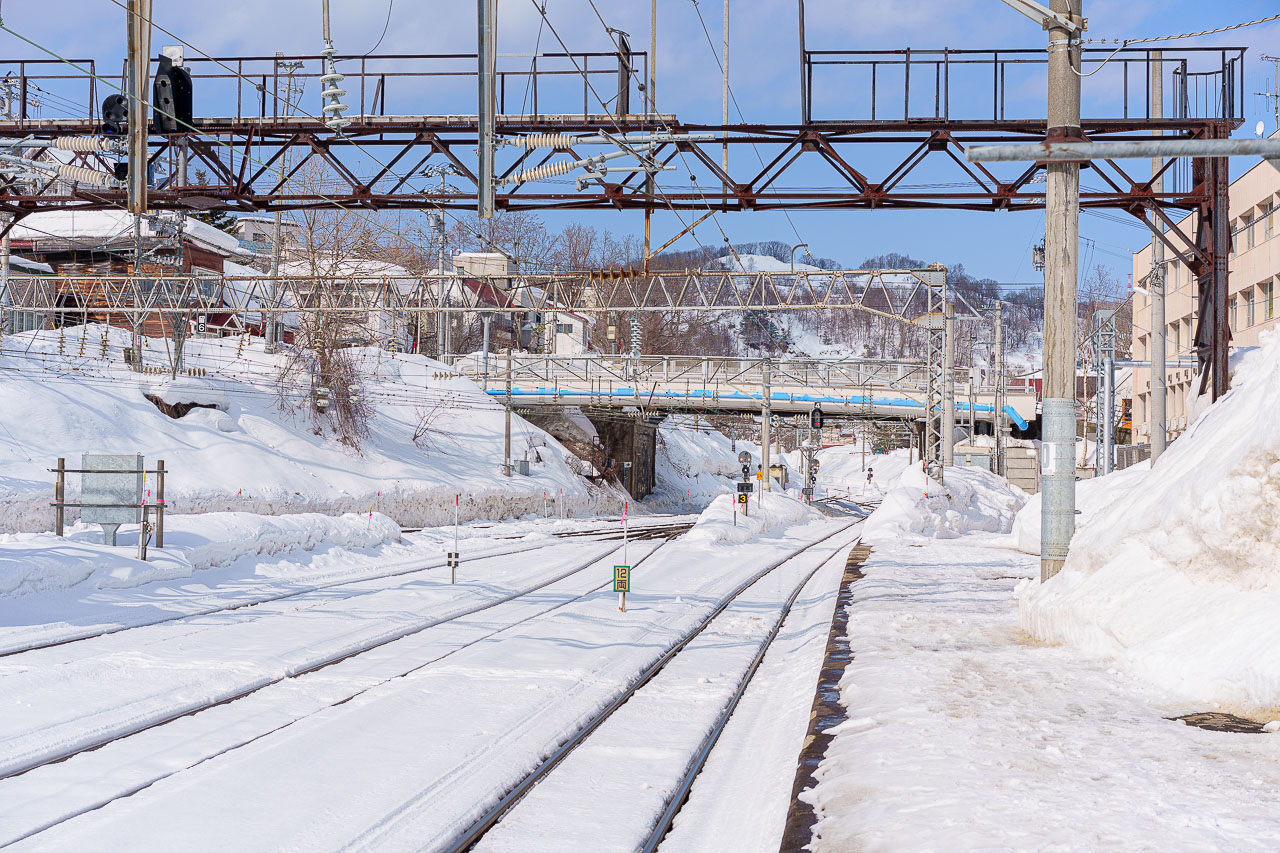
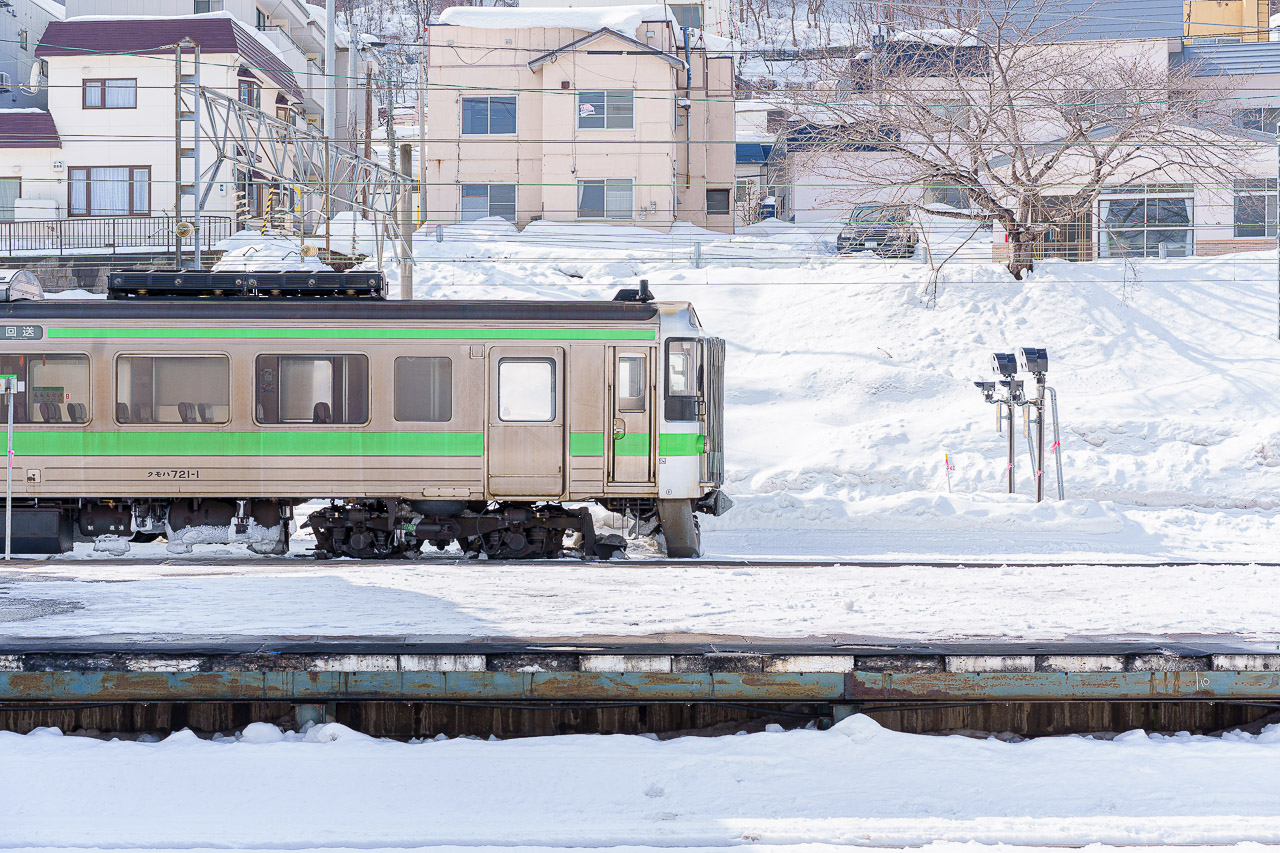
I traveled from Otaru Station to Sapporo Station.
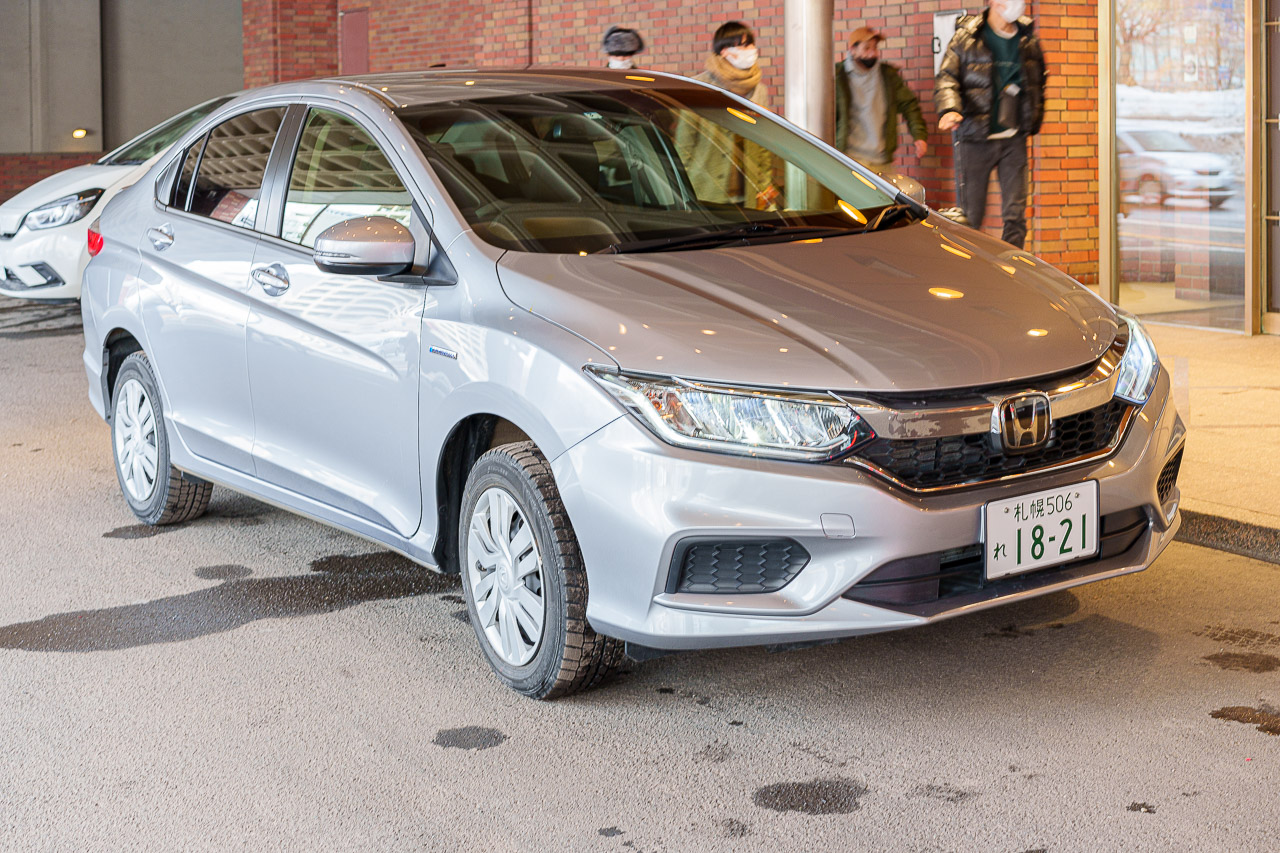
In Sapporo I rented a car for the onward journey.
A Honda rental Grace Hybrid.
In the original author's judgment, long distances between Hokkaido sights made a hybrid worthwhile even at several tens of thousands of KRW more. That is the trip's cost impression, not a current universal saving.
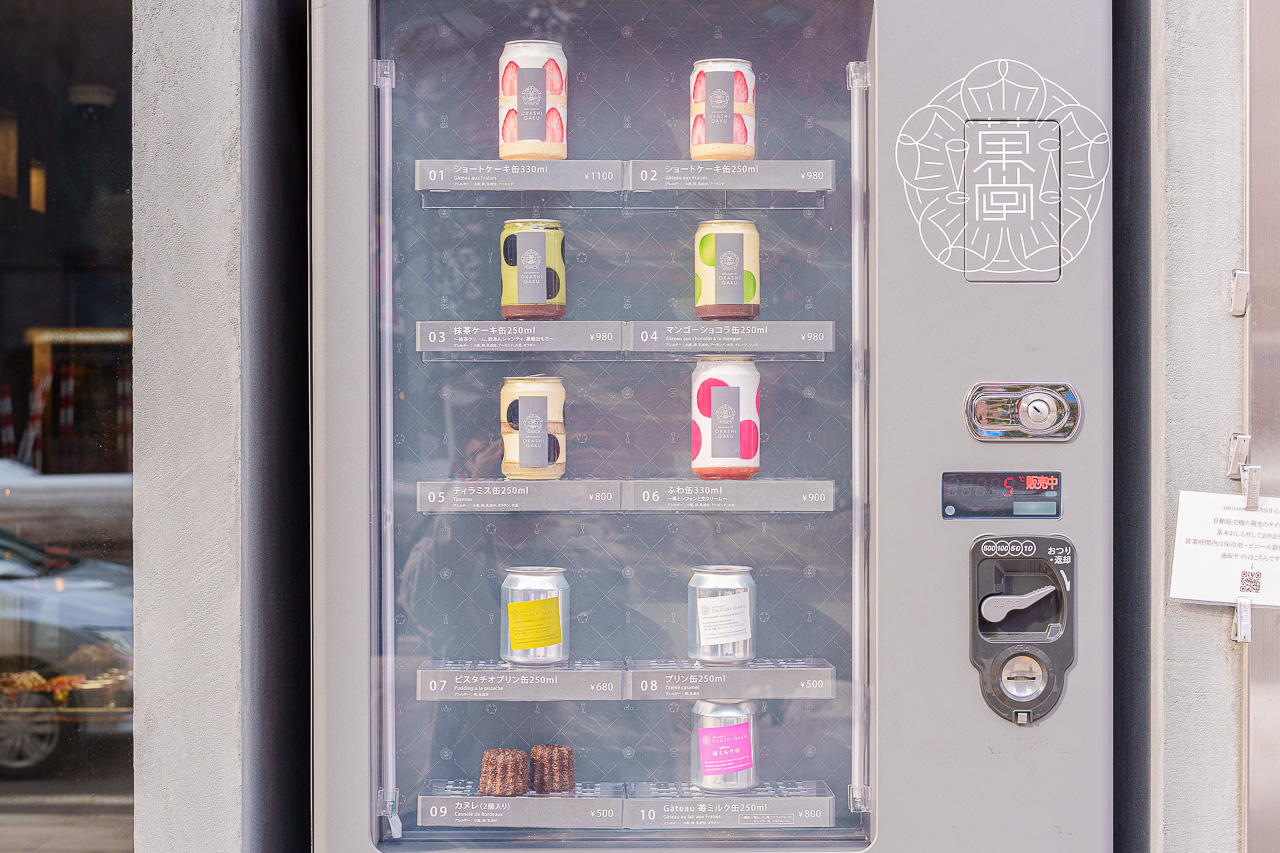
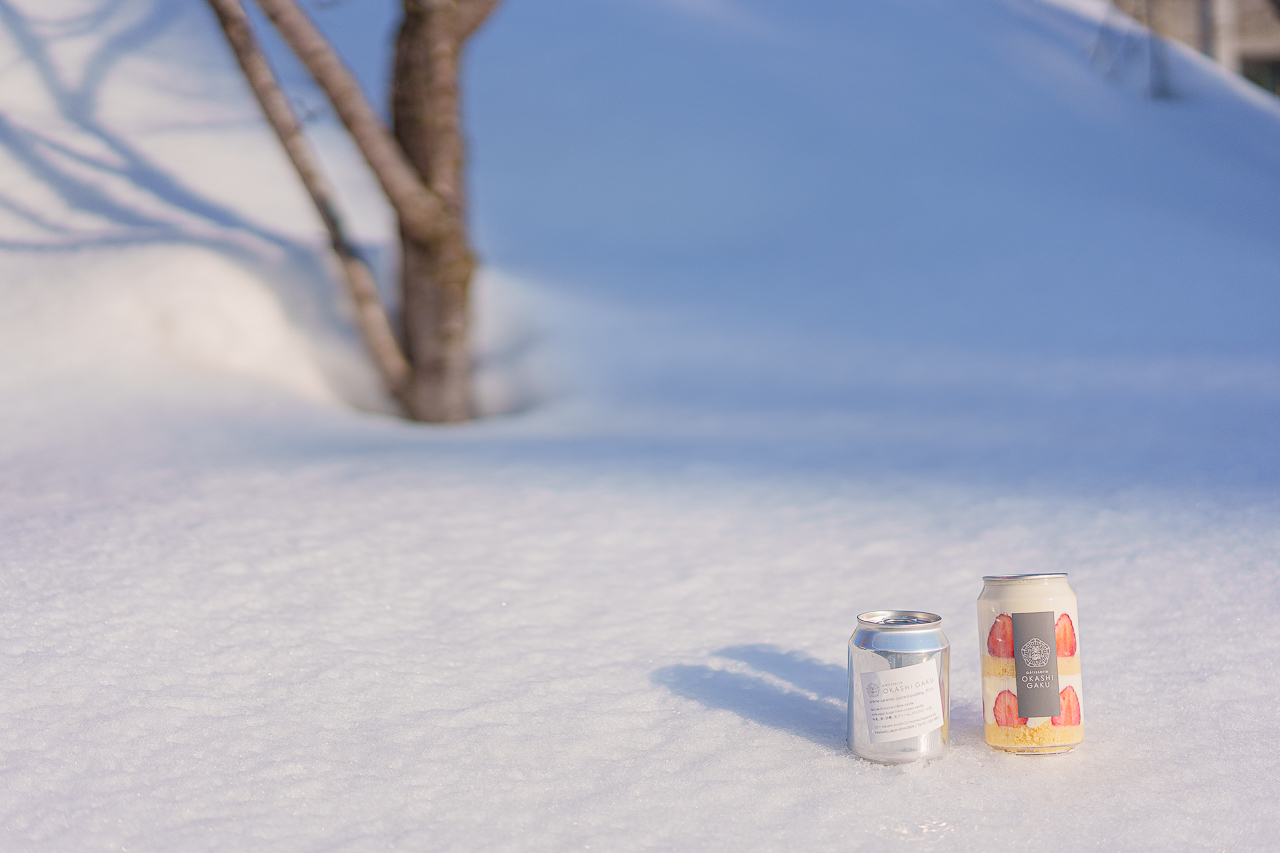
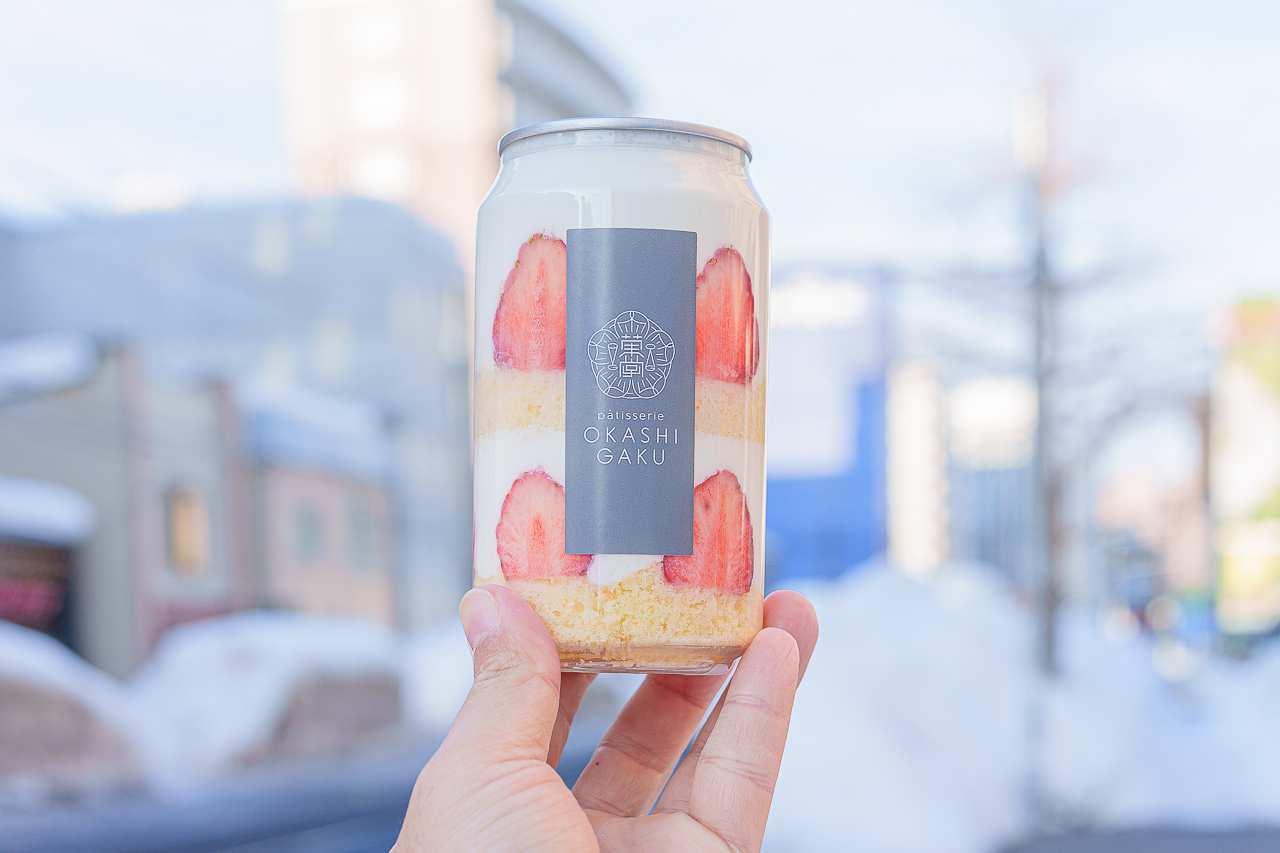
Before leaving, I stopped at Susukino's well-known Okashigaku cake vending machine for a strawberry-shortcake can and a pudding can.
I had wondered why cake was sold in cans beyond Instagram appeal, but the portability made it an appealing gift idea.
The author felt it could be carried more conveniently than an ordinary shortcake over a longer journey.
The original account imagines buying one before a flight to Korea and giving it to friends on arrival. That is a gift idea in the source, not verification of storage, transport or import conditions.
The recorded price was ¥1,100, a little expensive.
I was told its popularity often left little stock in the afternoon.
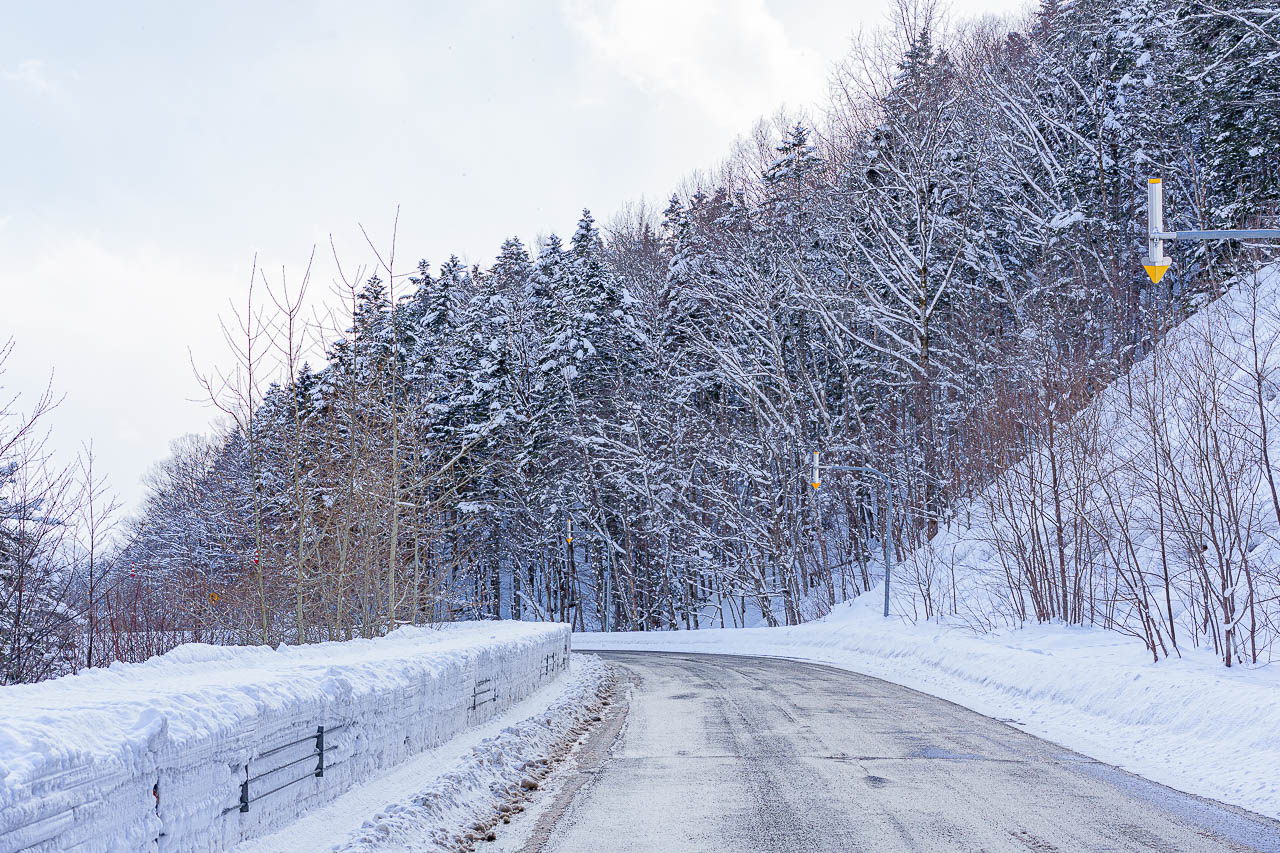
I set out for Hoshino Resorts Tomamu.
Driving was enjoyable with scenery unlike what I usually see.
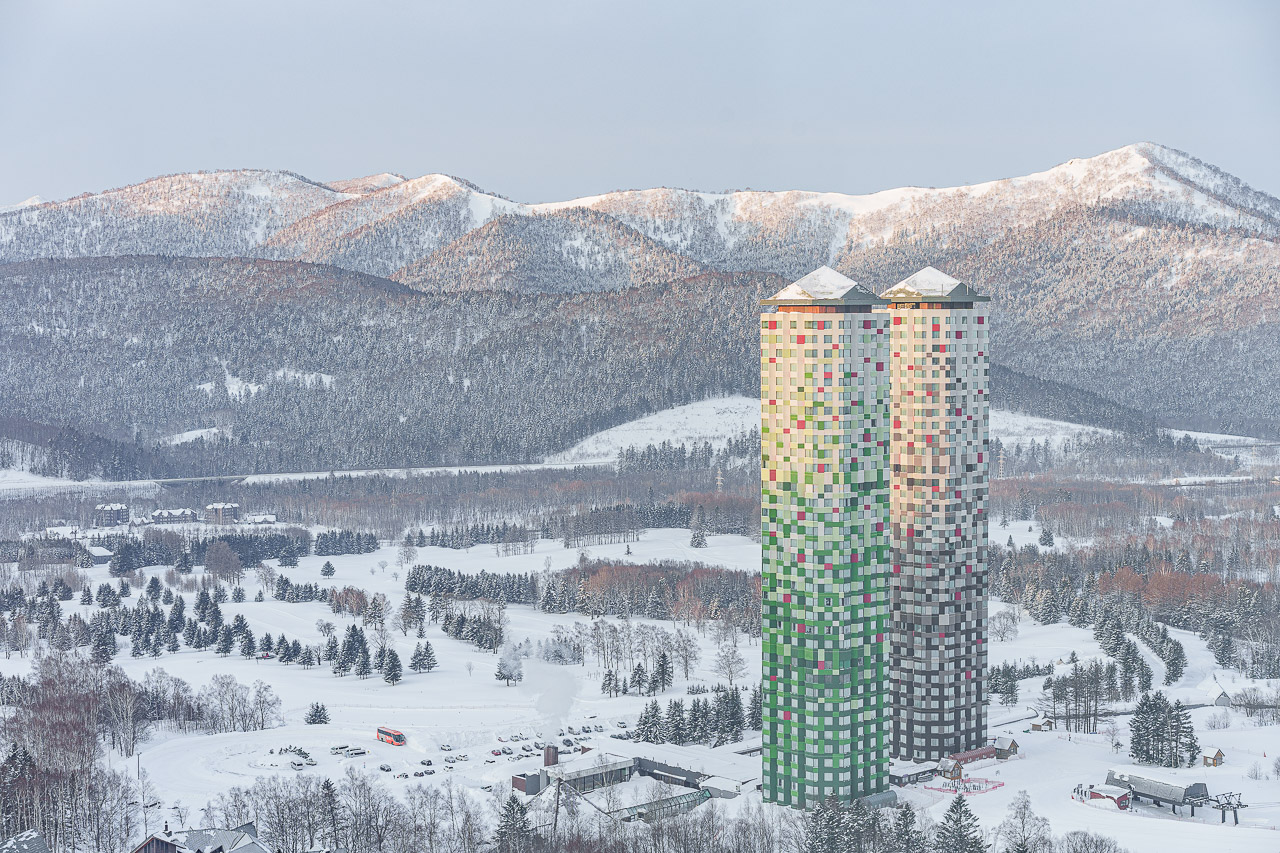
After 3 hours, I reached Tomamu and was surprised by its enormous scale.
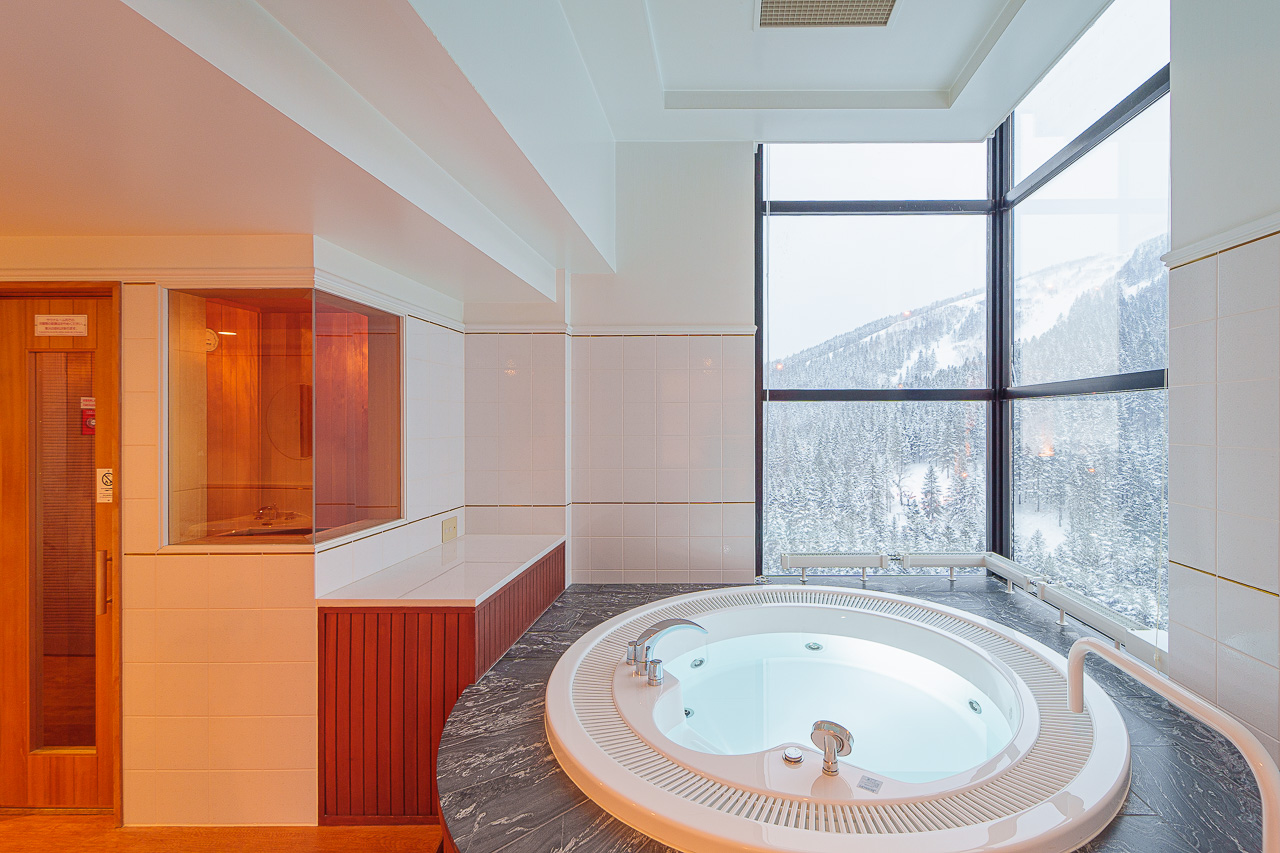
My stay was in RISONARE Tomamu, one of the resort's accommodation areas.
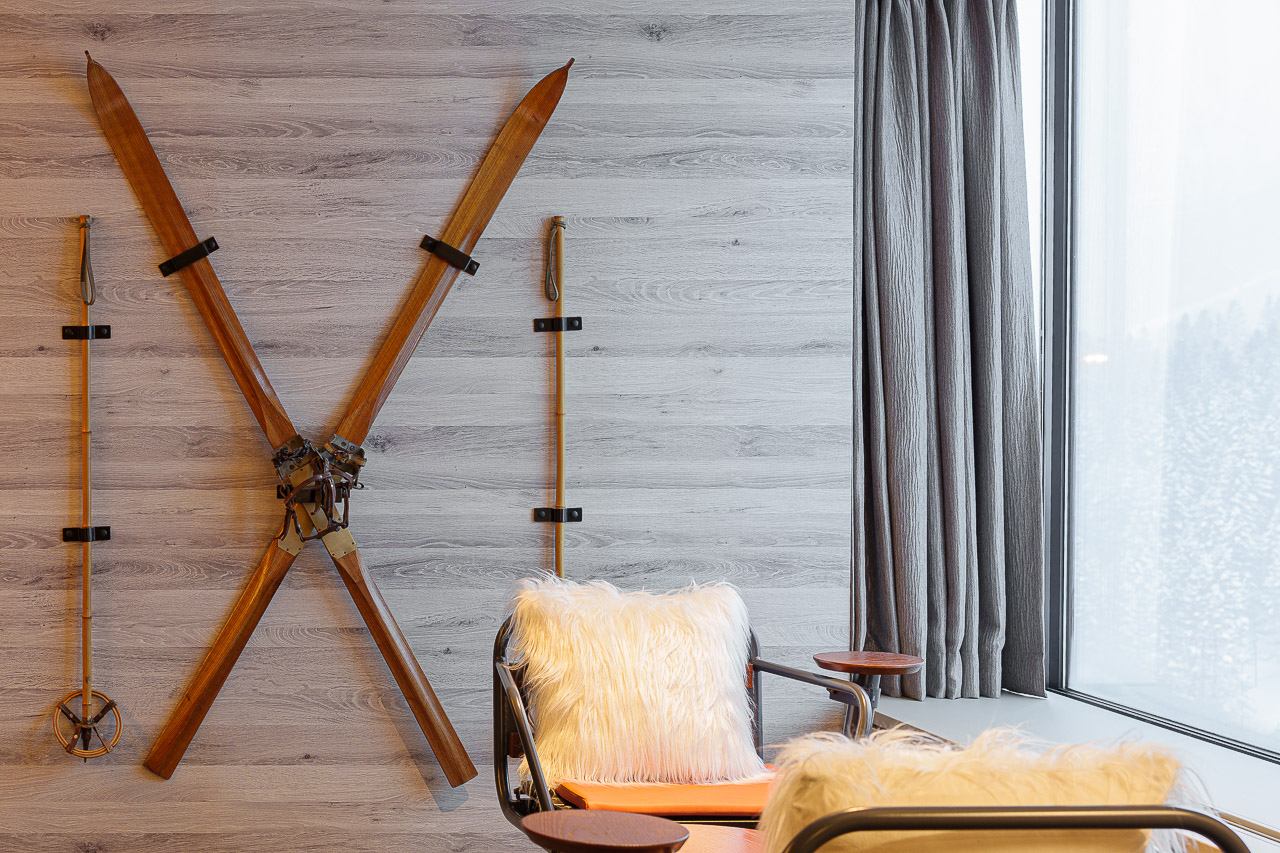
Set higher on the plateau, its rooms are all suites of at least 100 m² with view-facing whirlpool baths and saunas, as described in the source.
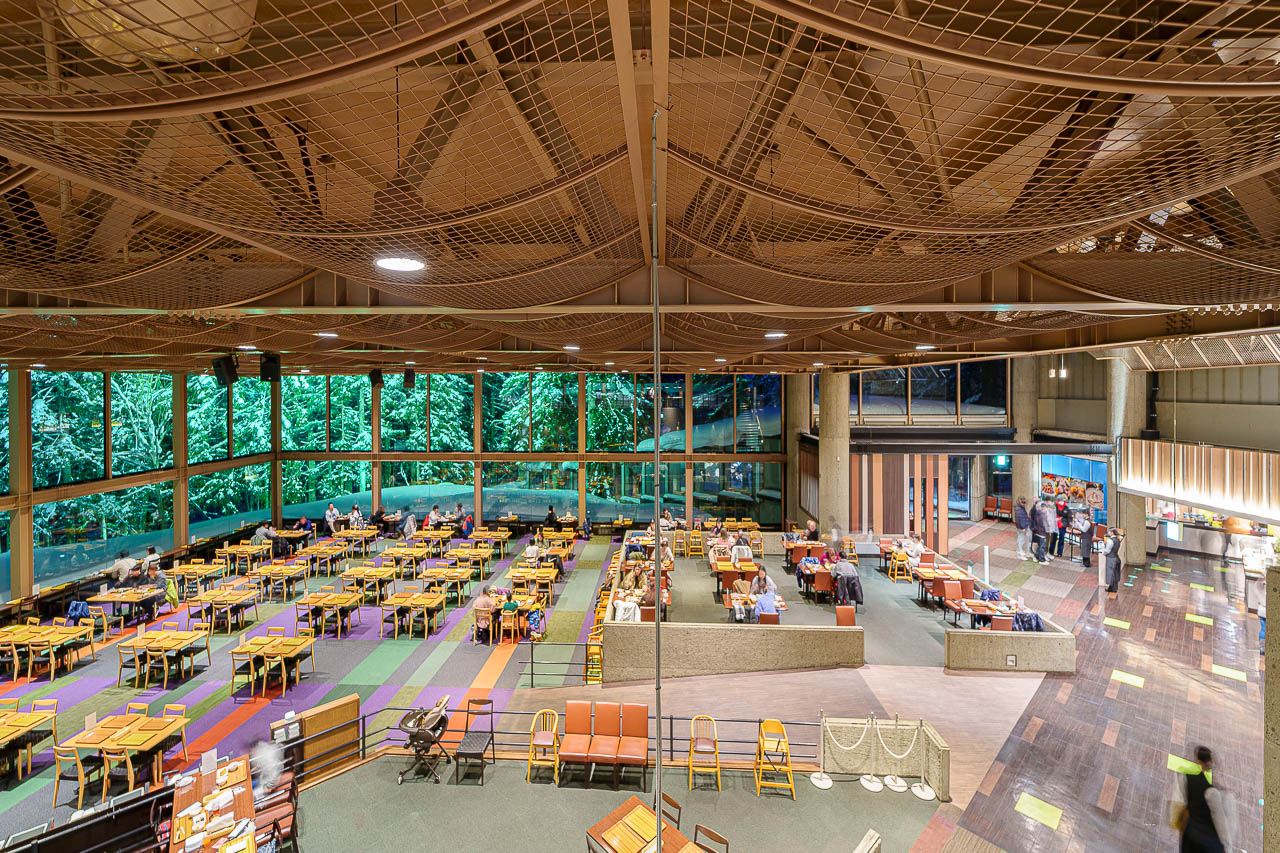
I left my luggage in the room and headed for dinner.
This time I chose the forest restaurant Nininupuri.
The account describes around 20 restaurants across the resort.
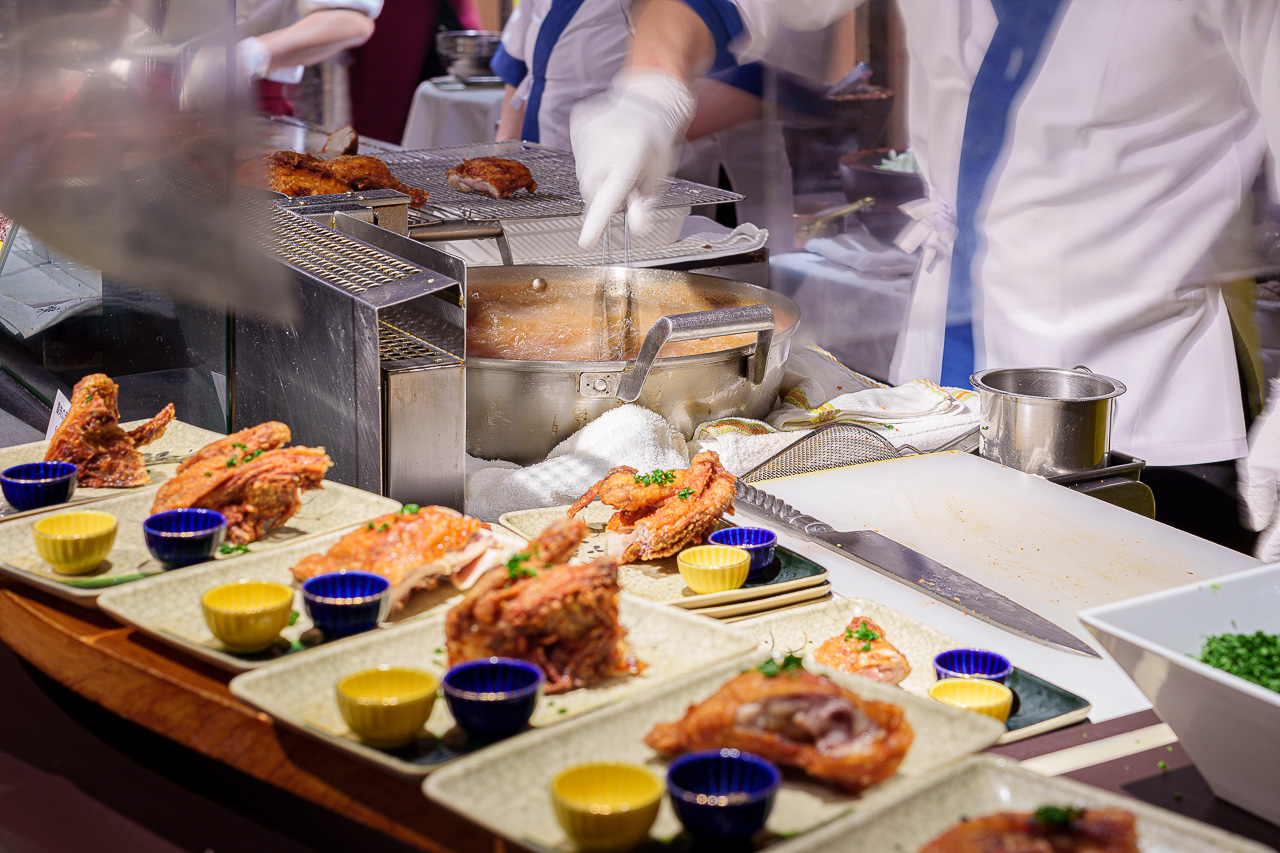
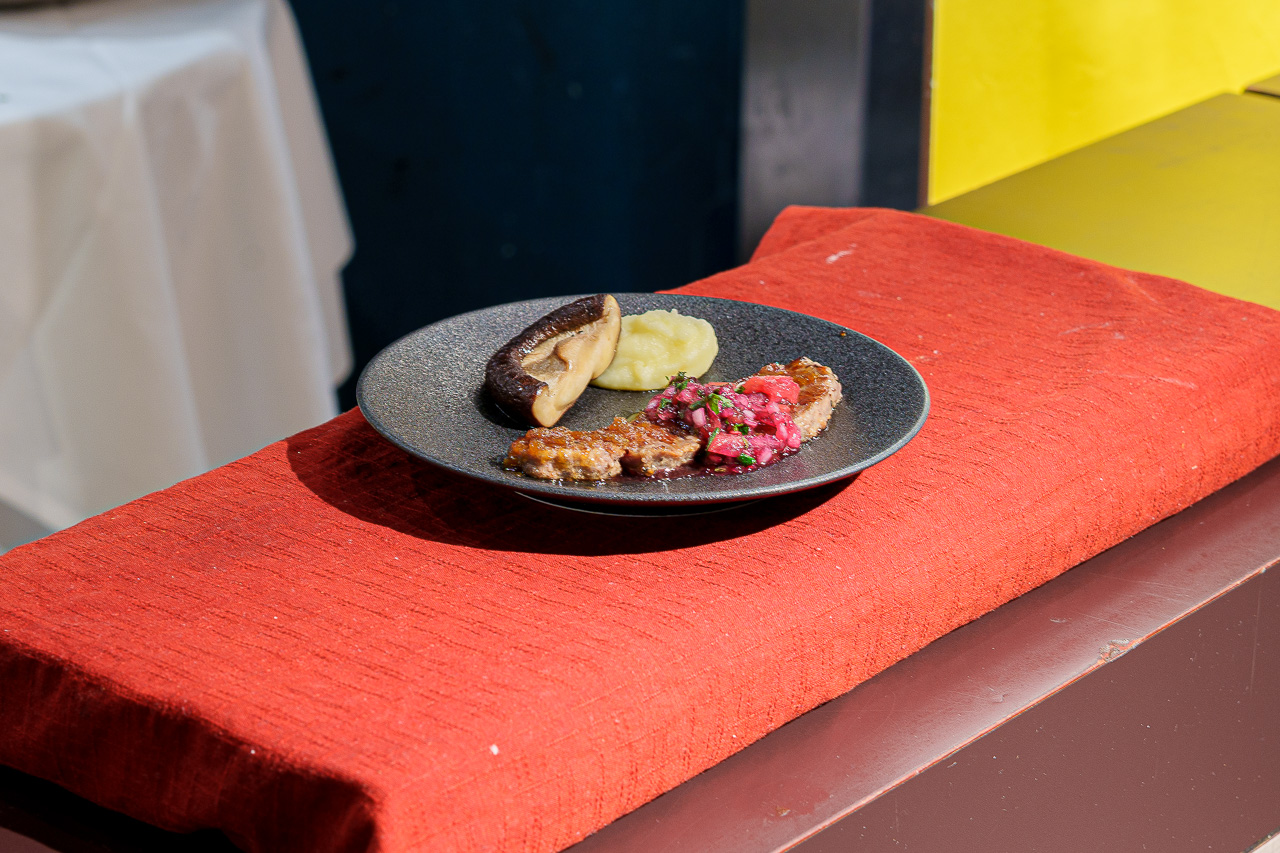
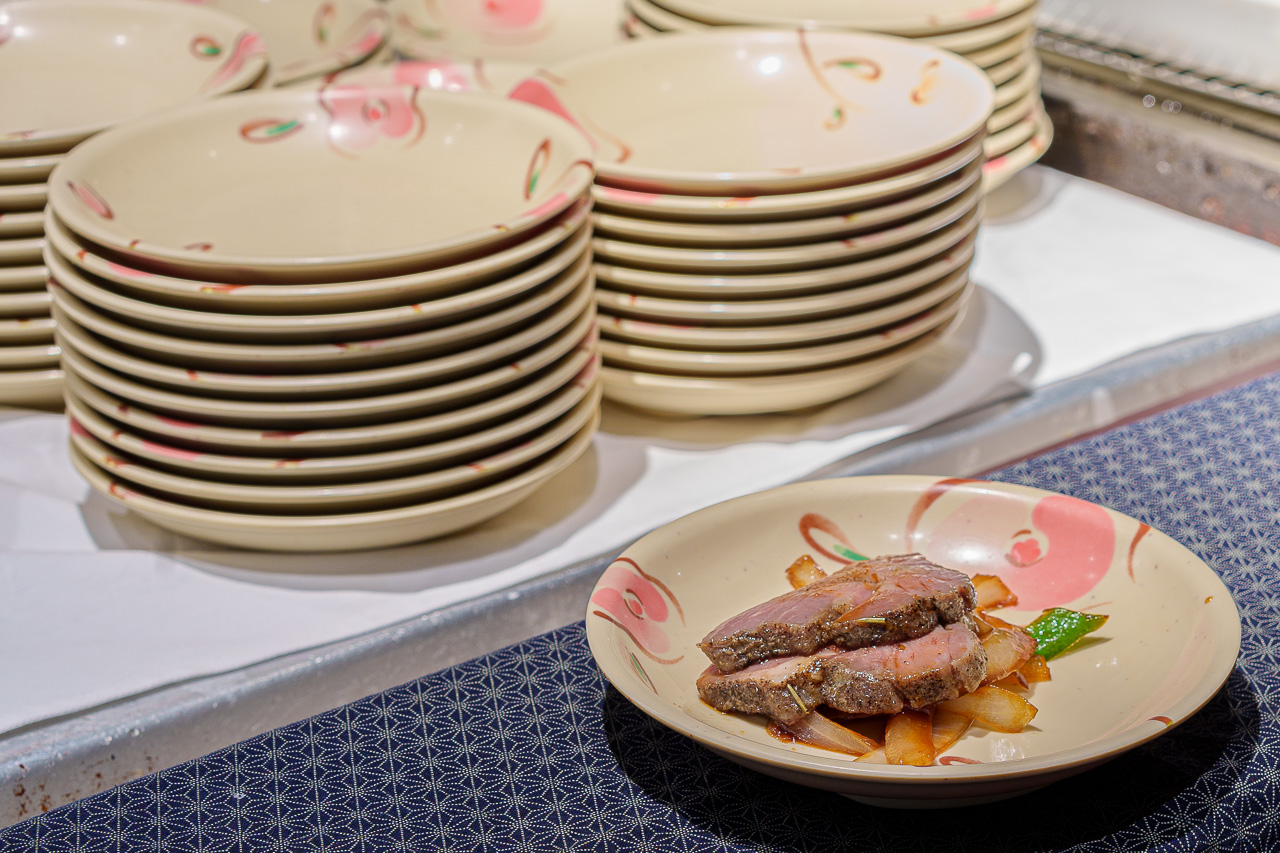
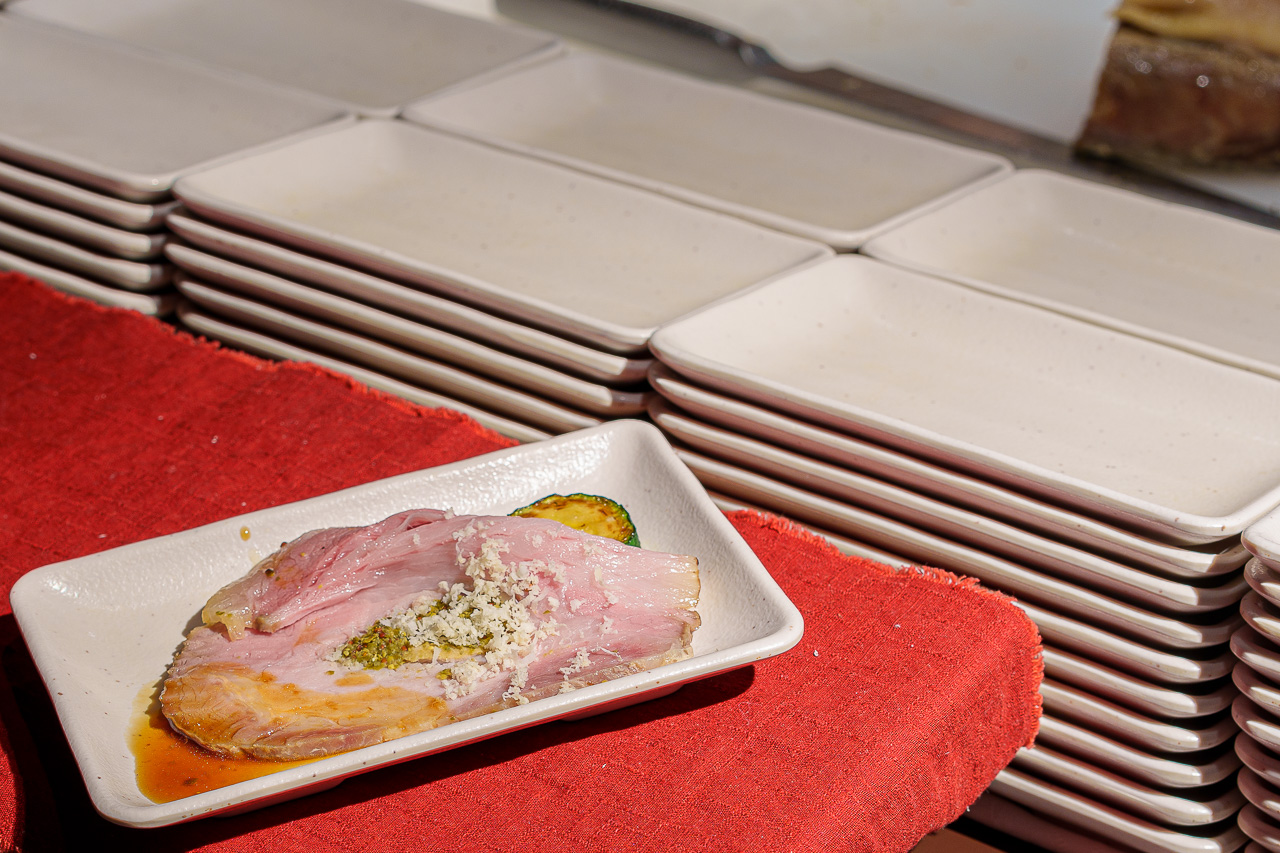
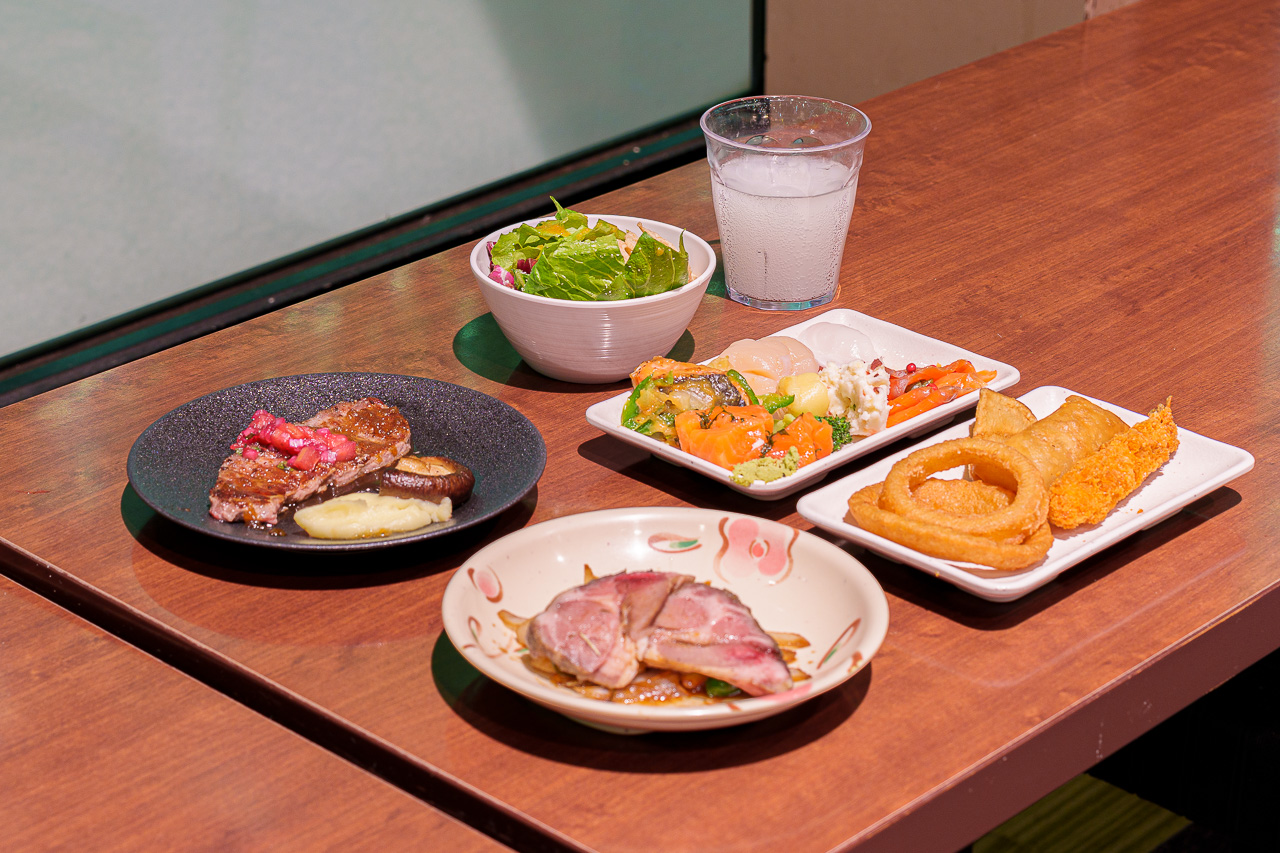
The dinner buffet had many choices, but I kept to freshly prepared steak, chicken and seafood.
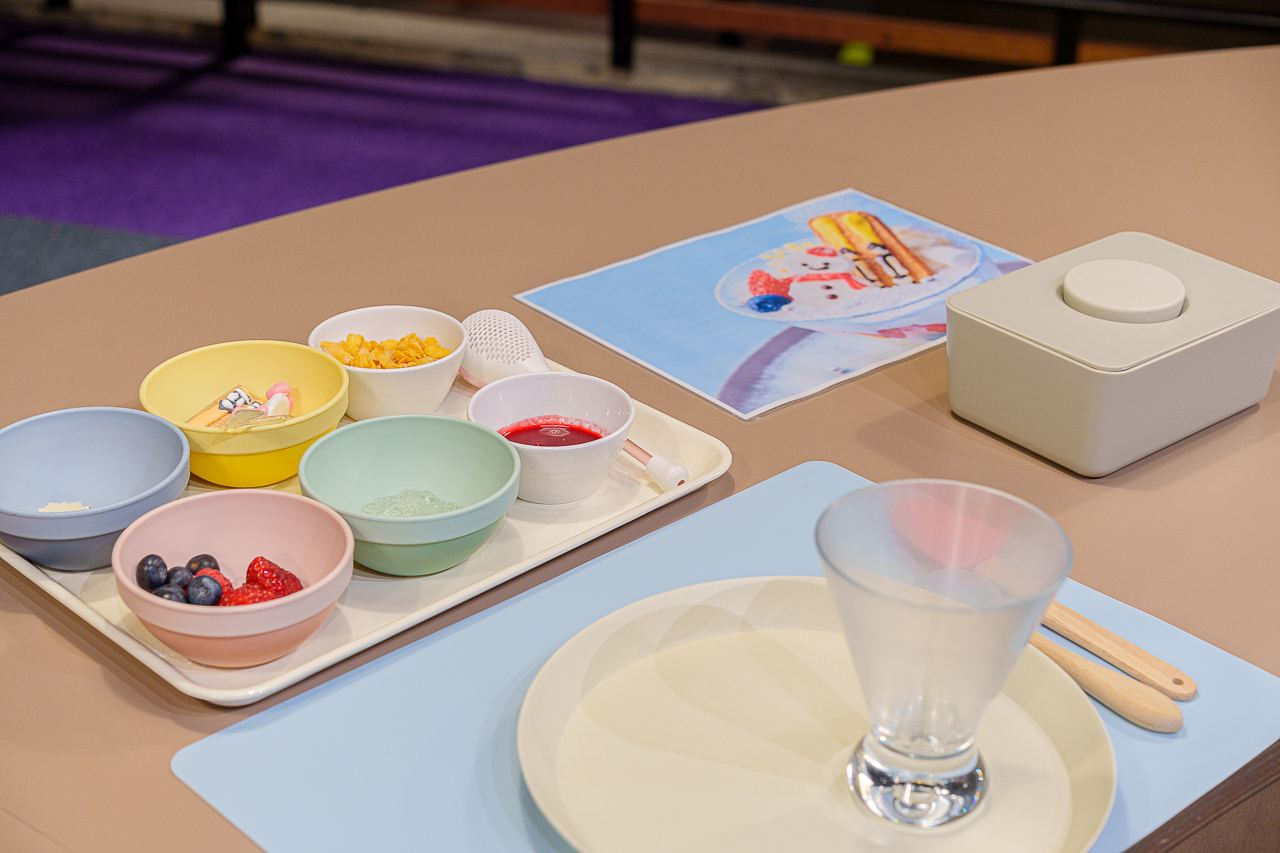
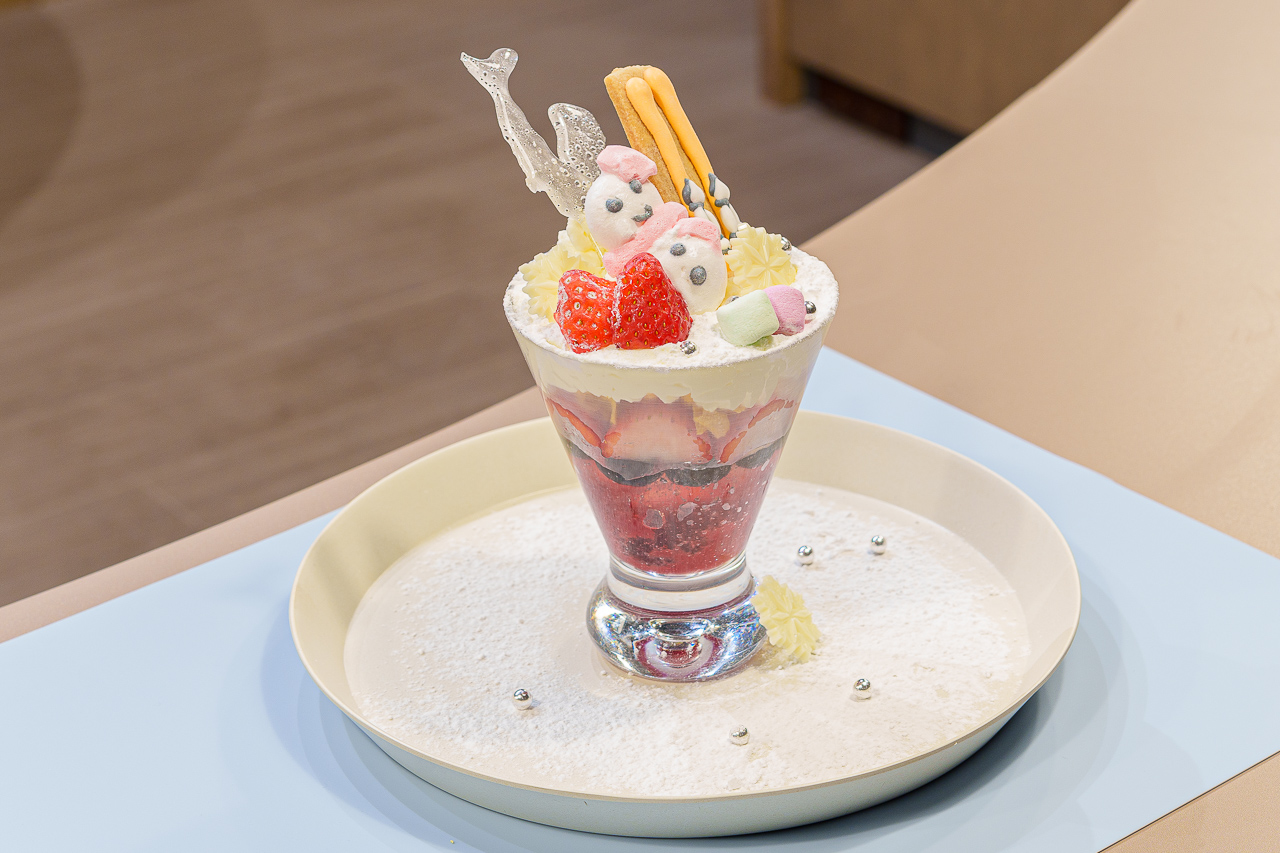
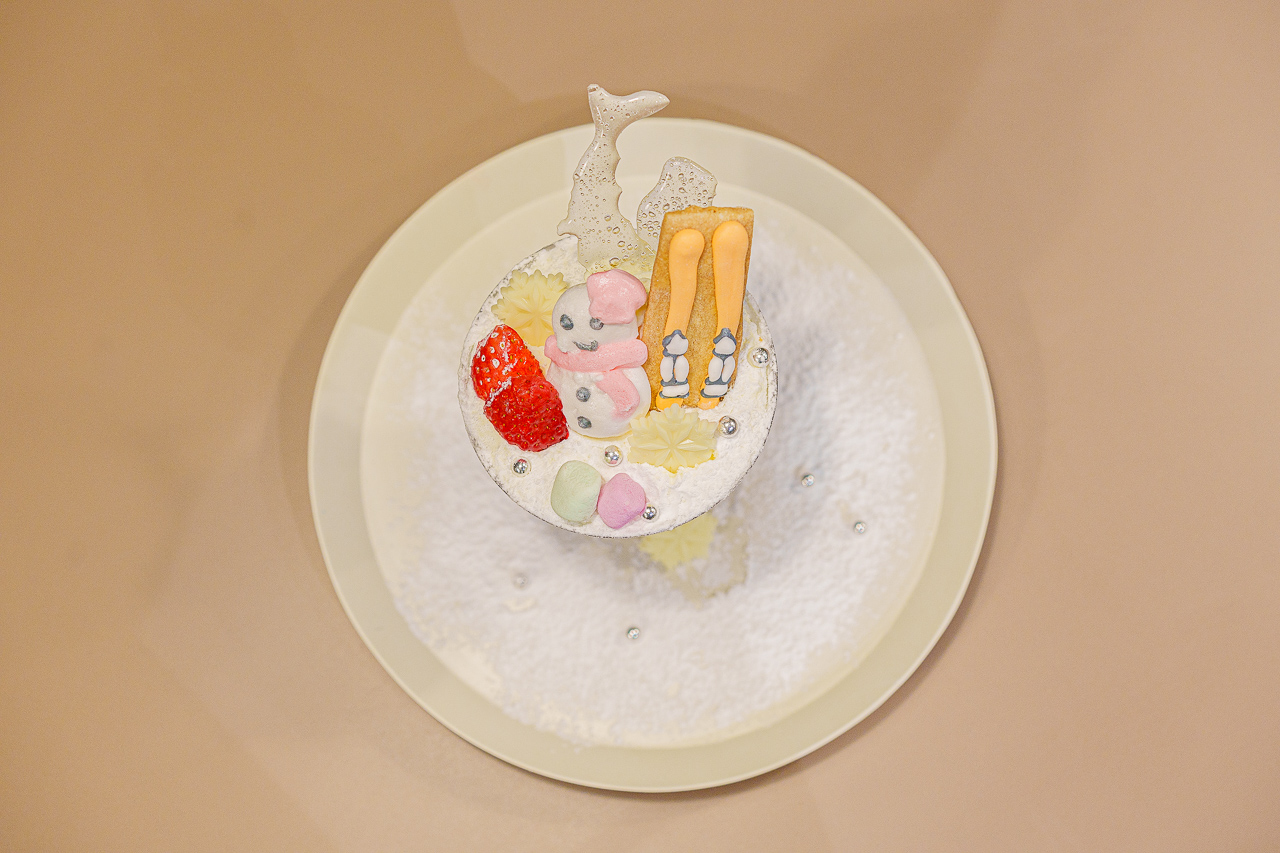
Upstairs, a children's dessert-making activity combined play with something to eat.
I had not expected much from a children's dessert, but was surprised by how good it tasted.
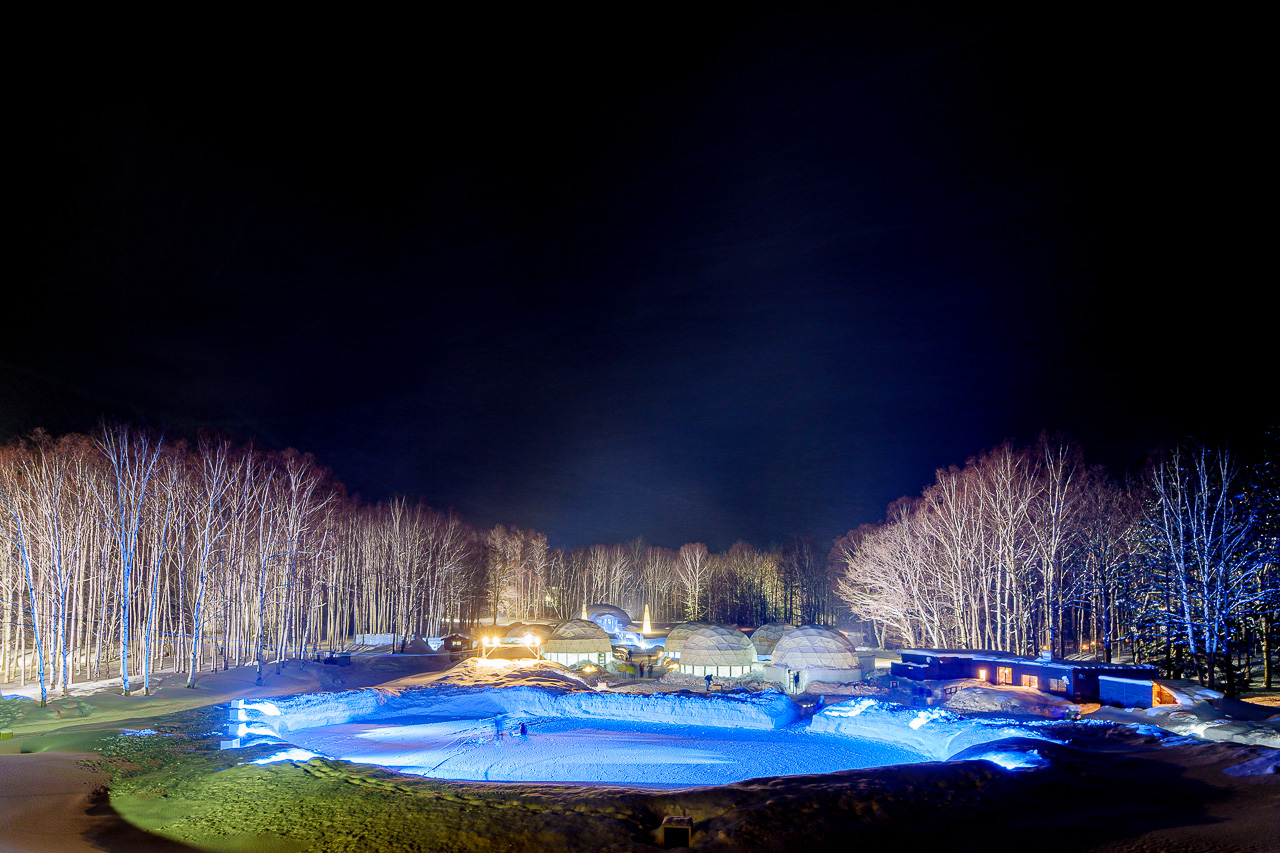
In the evening, Ice Village opened at Tomamu.
Rows of igloo-shaped ice domes held activities and shopping.
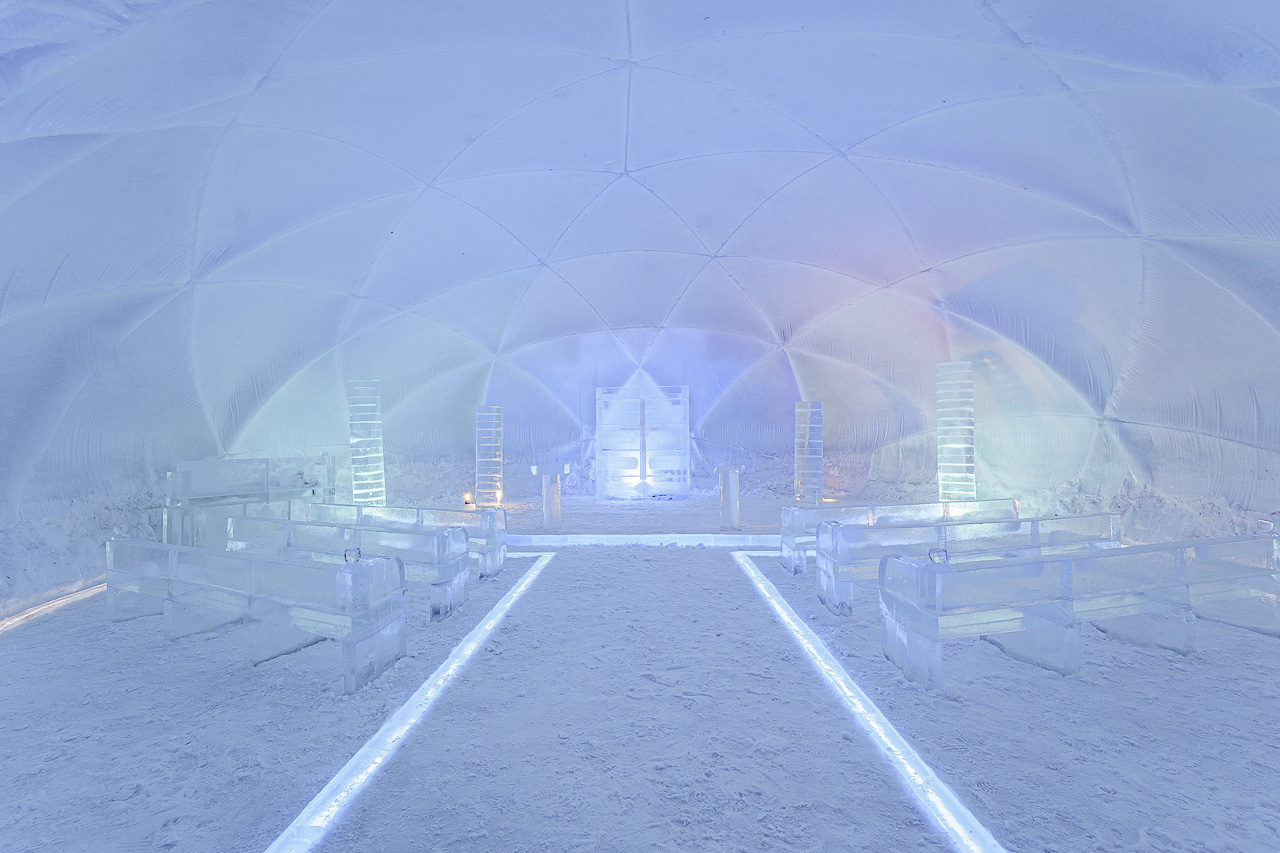
There was an ice chapel that could host weddings
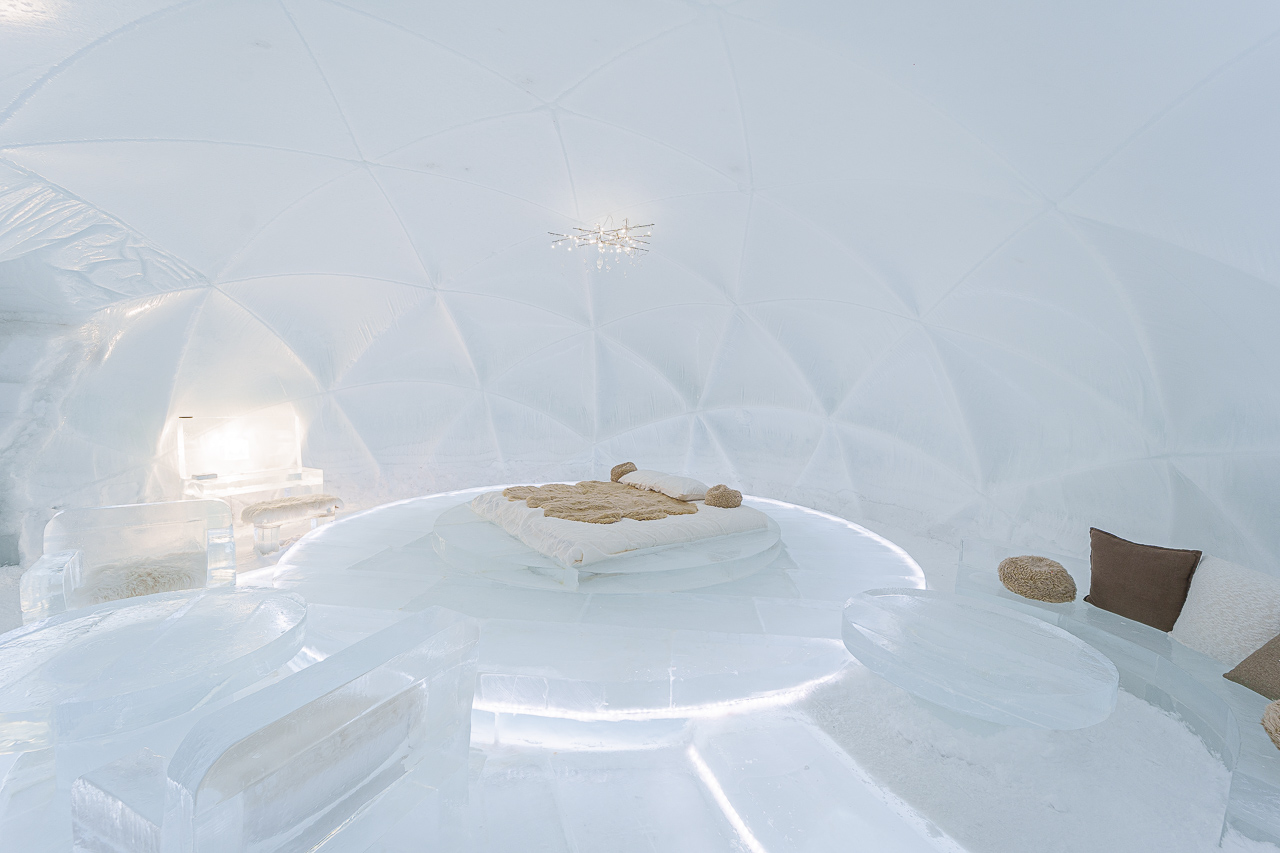
and an ice hotel too.
Overnight stays were possible. Inside, I found it less cold than expected; I did not stay there overnight.
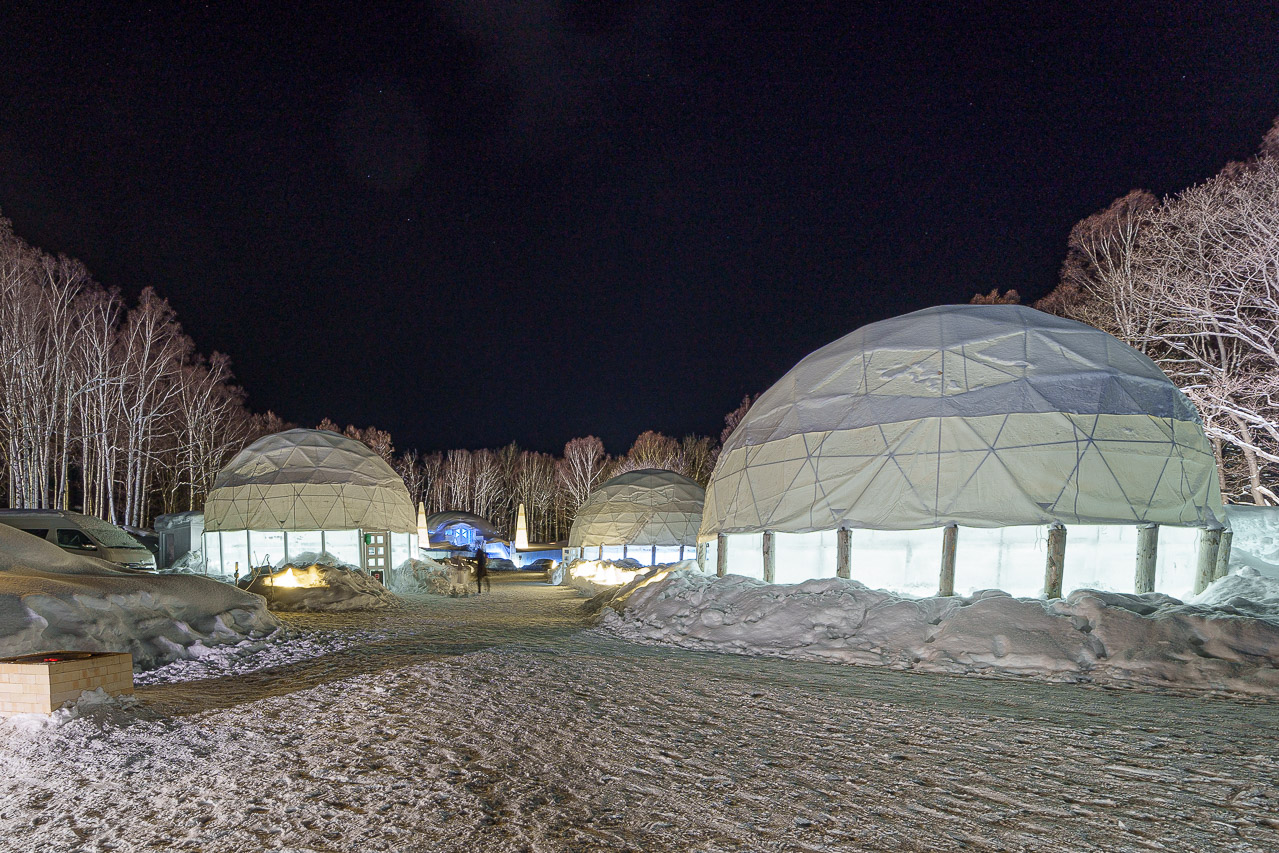
Each space had distinctive sights or activities, making time pass quickly.
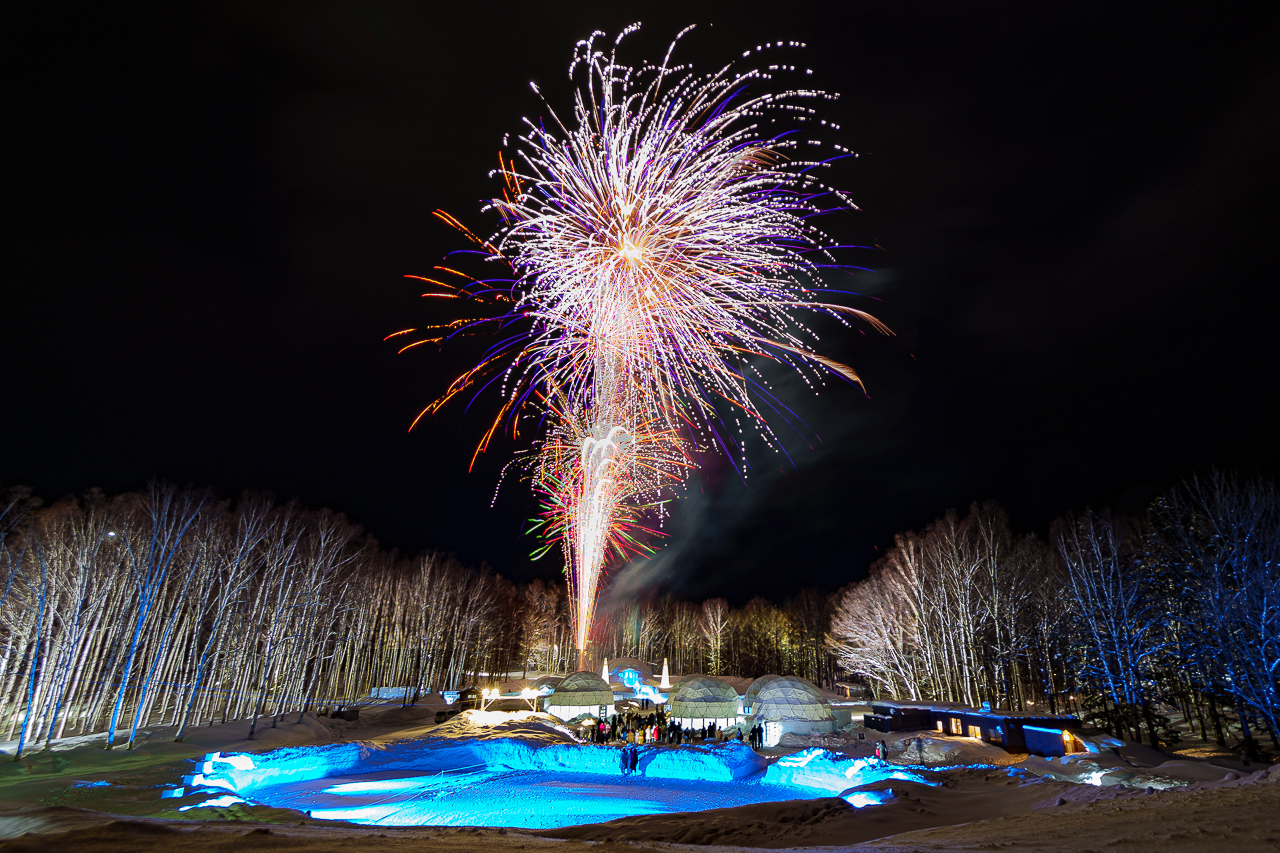
After a while, an announcement said fireworks were starting. Everyone waited in the quiet dark as bursts lit the sky.
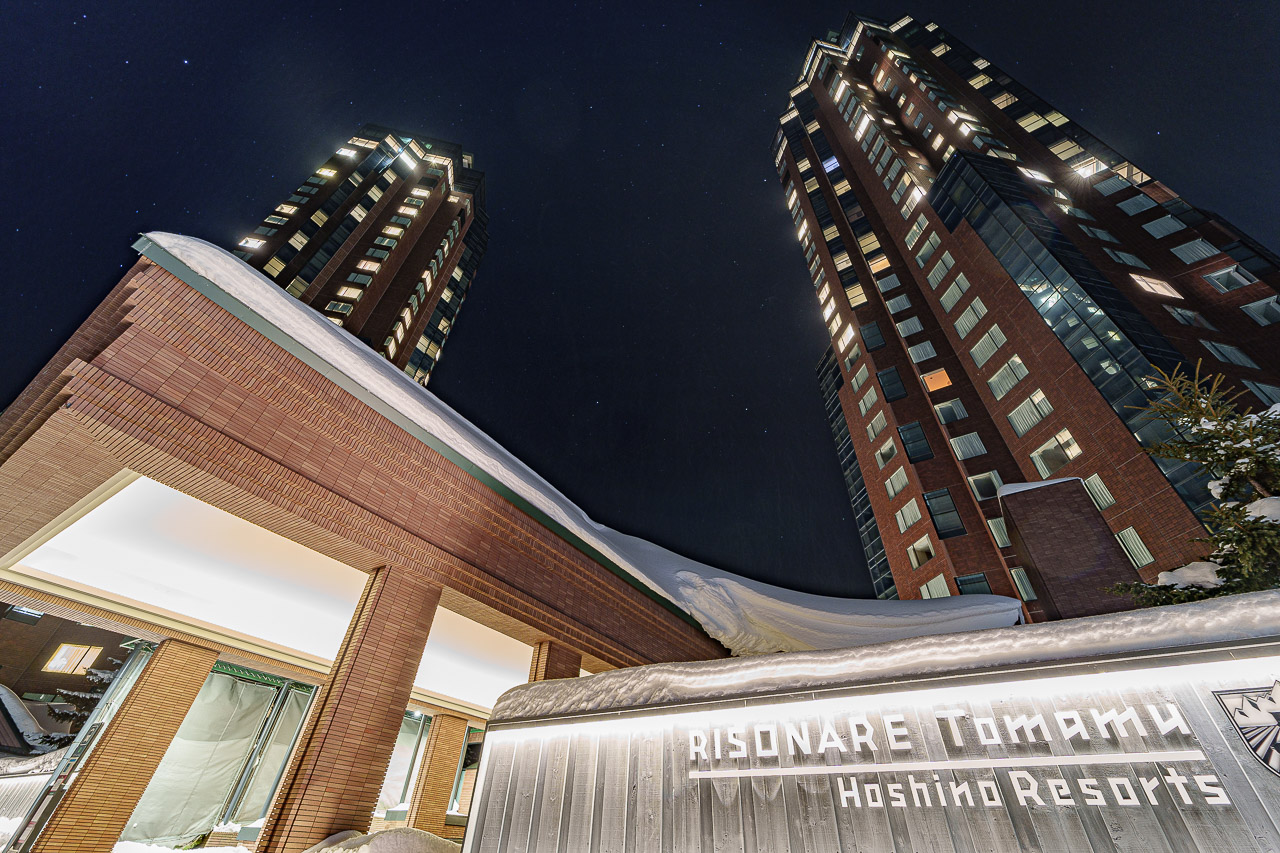
After playing with almost a child's energy, I took the shuttle back to the hotel.
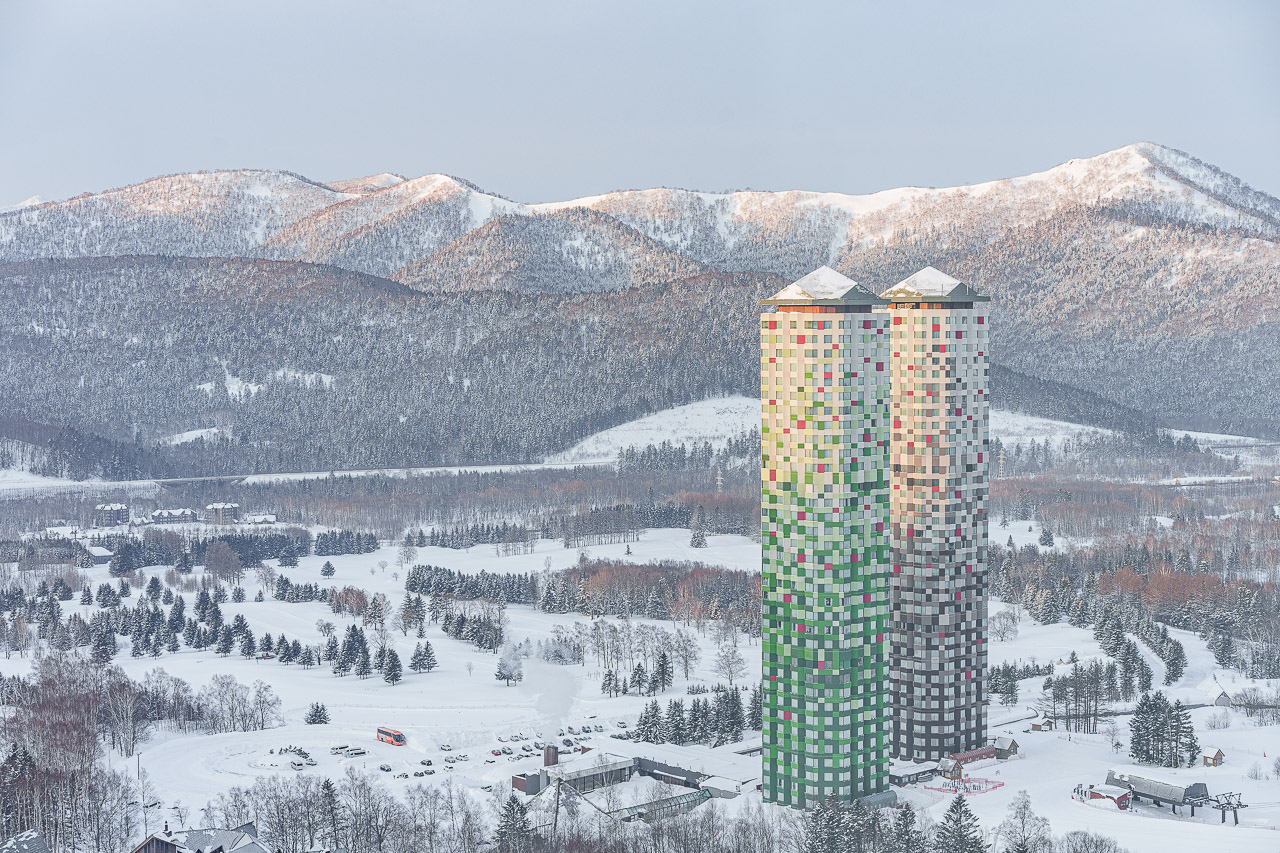
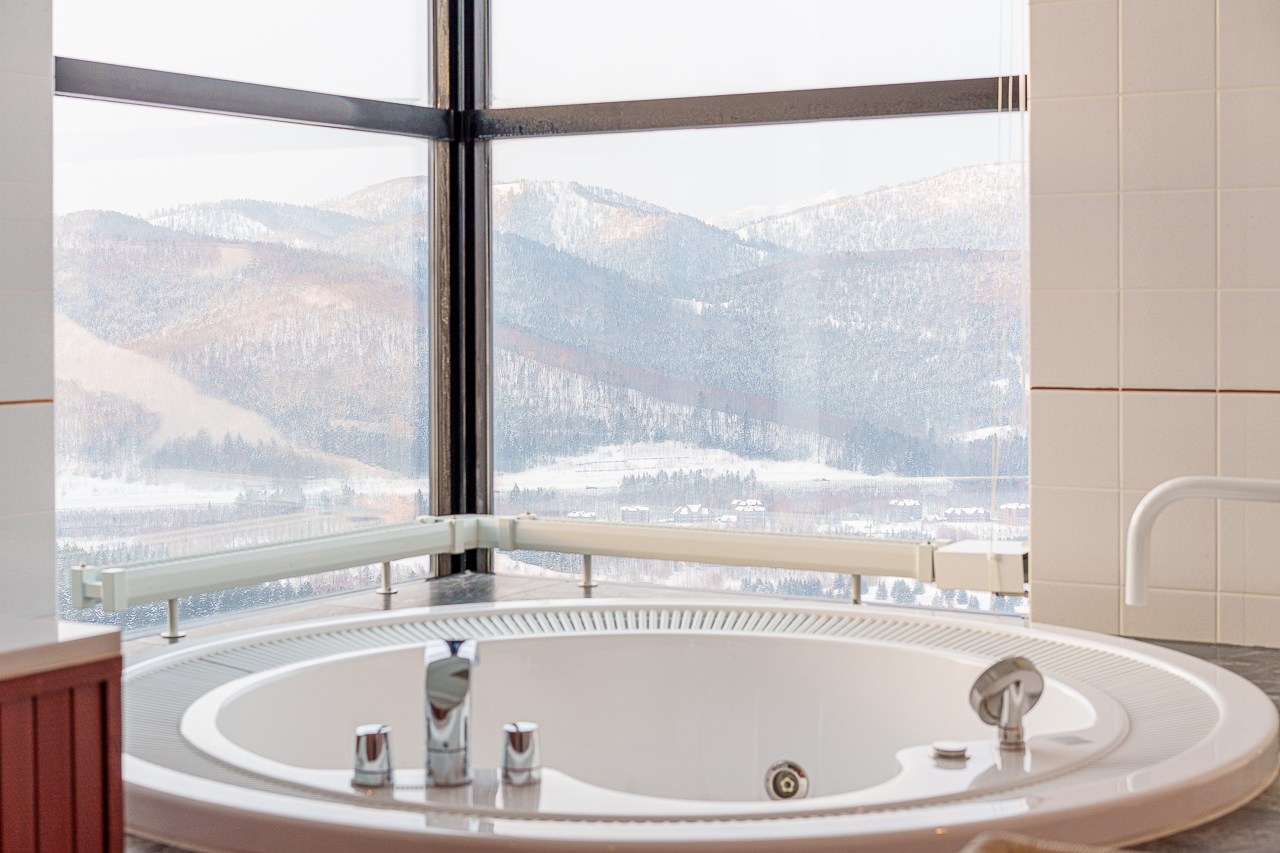
Morning began luxuriously, with a snowy view from the whirlpool bath.
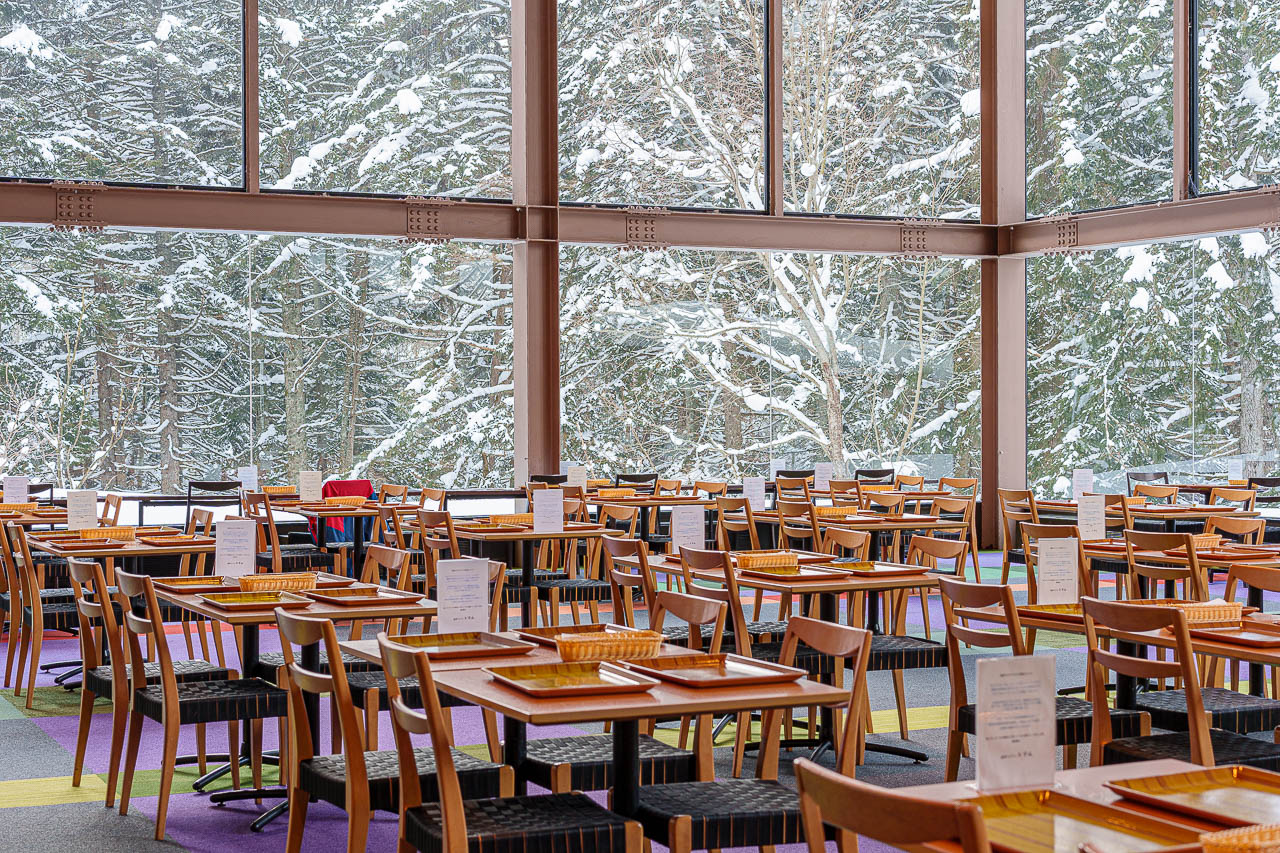
For breakfast I returned to the previous evening's dinner venue.
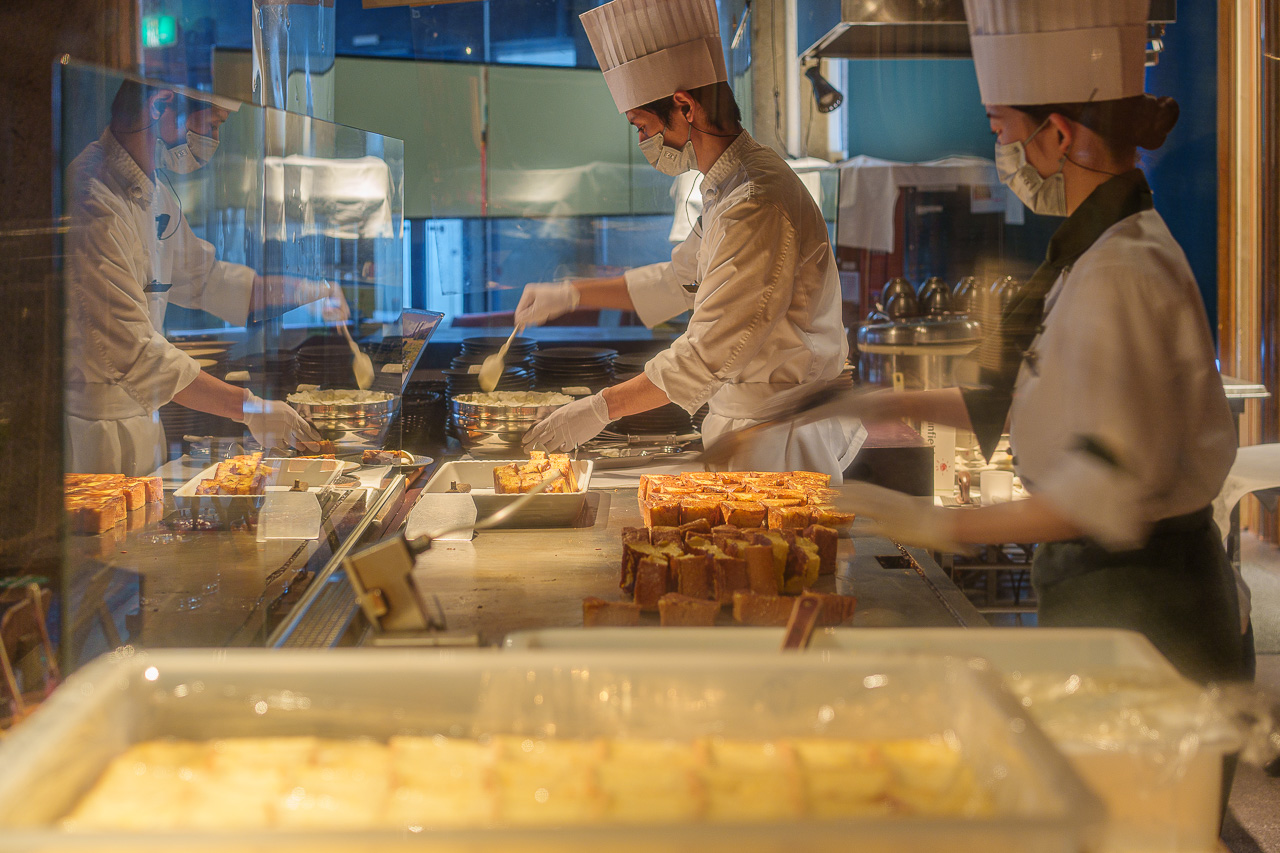
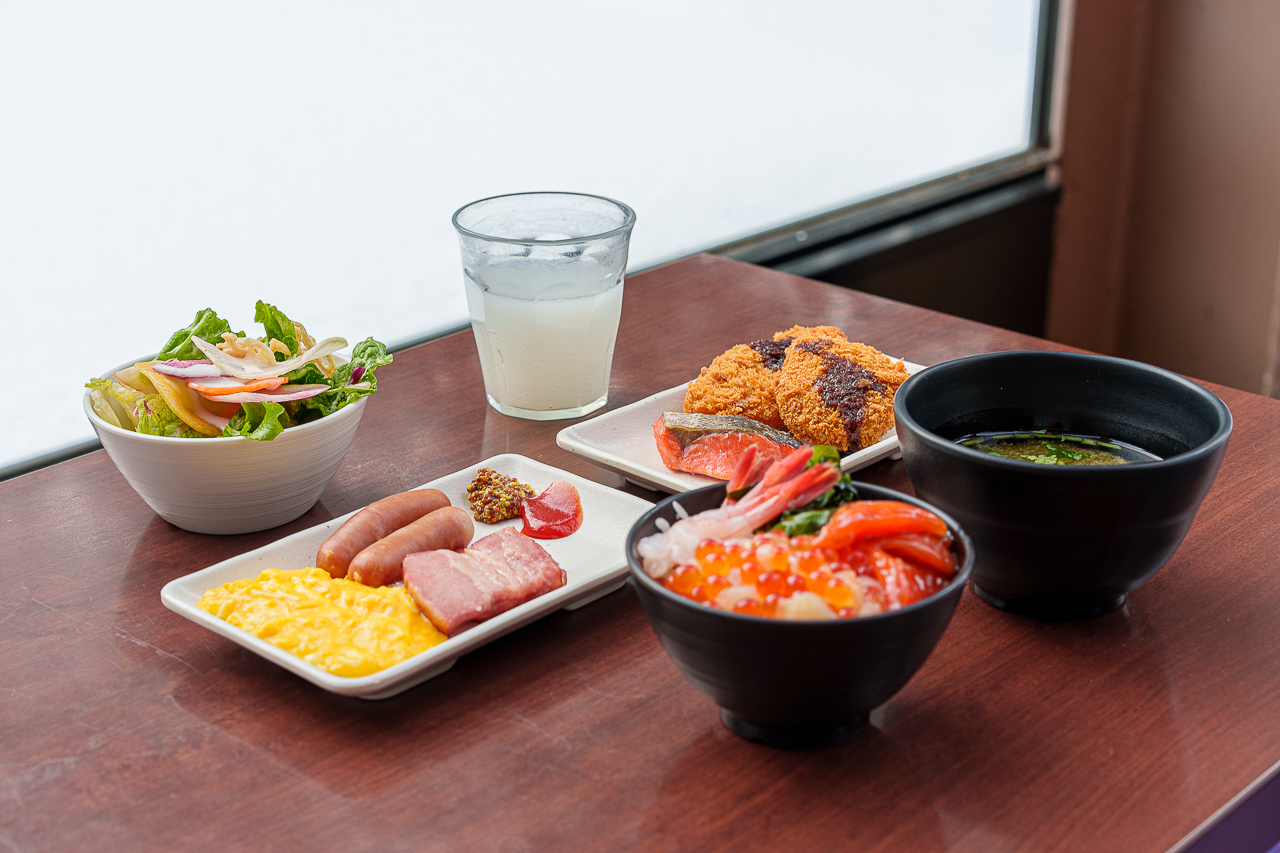
A welcome surprise: my favorite seafood rice bowls.
The salmon was excellent, and the roe felt remarkably fresh.
I meant to eat a little, but finished 2 bowls.
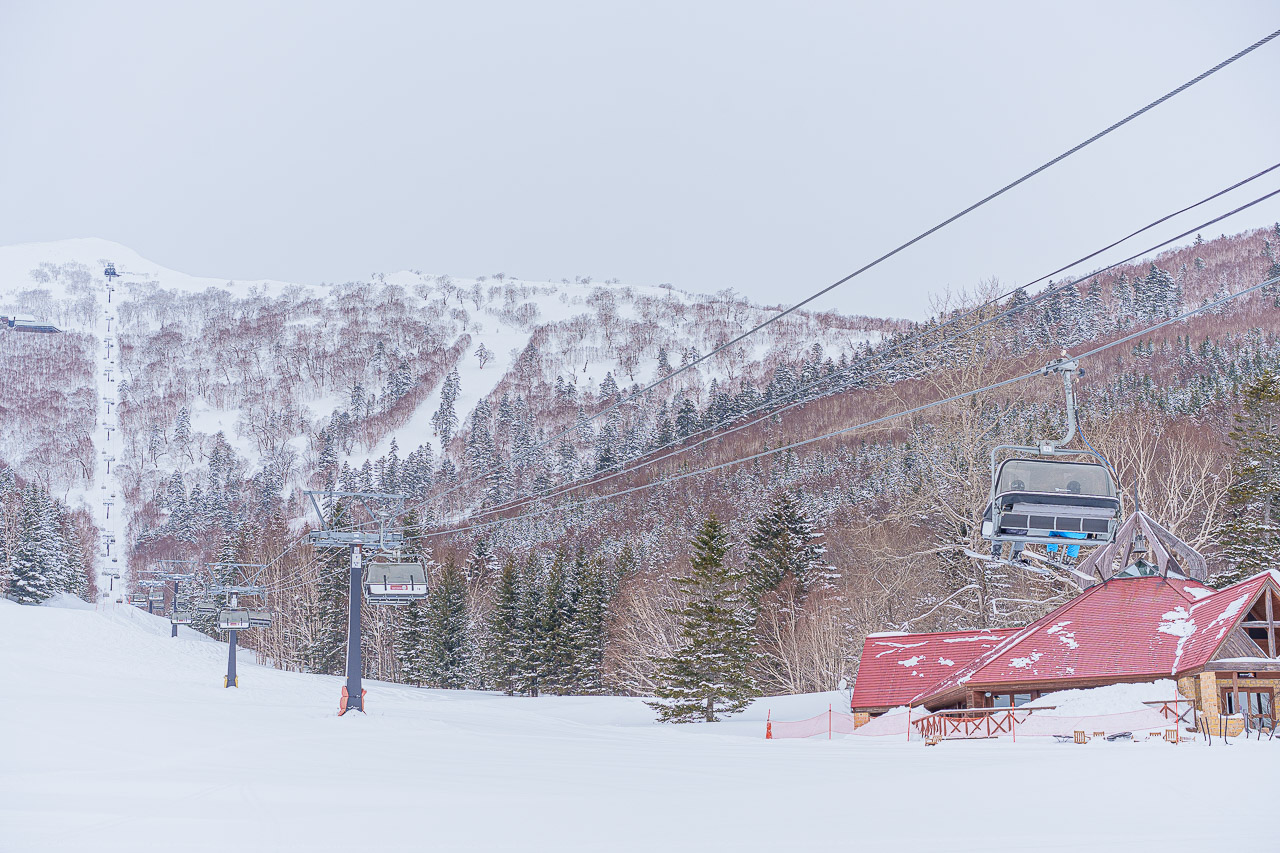
The day would focus on Tomamu's activities.
I took the lift toward the mountain top.

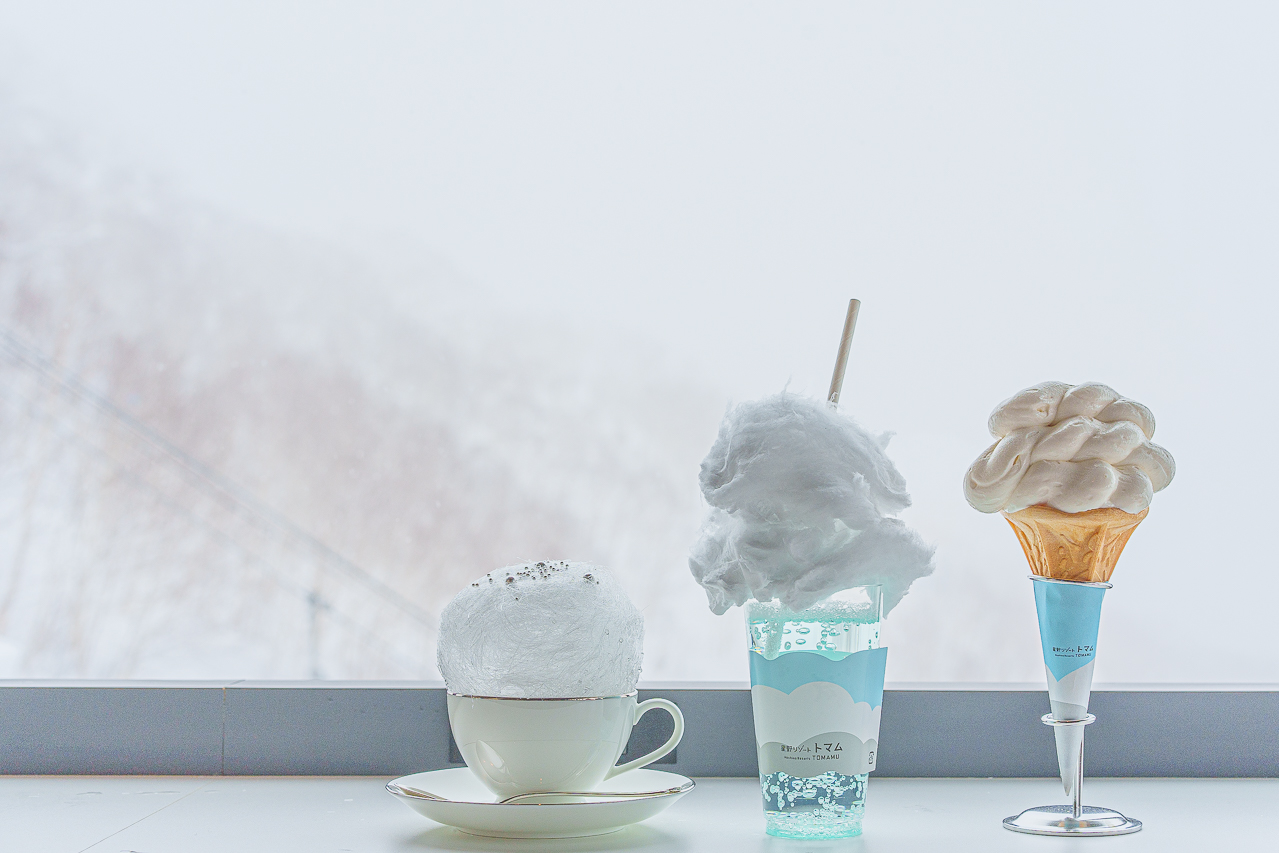
Unkai Terrace is known for sea-of-clouds views from spring through autumn.
The main terrace had been renovated the previous summer. Its high elevation made it feel suspended over the clouds, giving rise to the Cloud Café name in this account.
The desserts followed a cloud theme too.
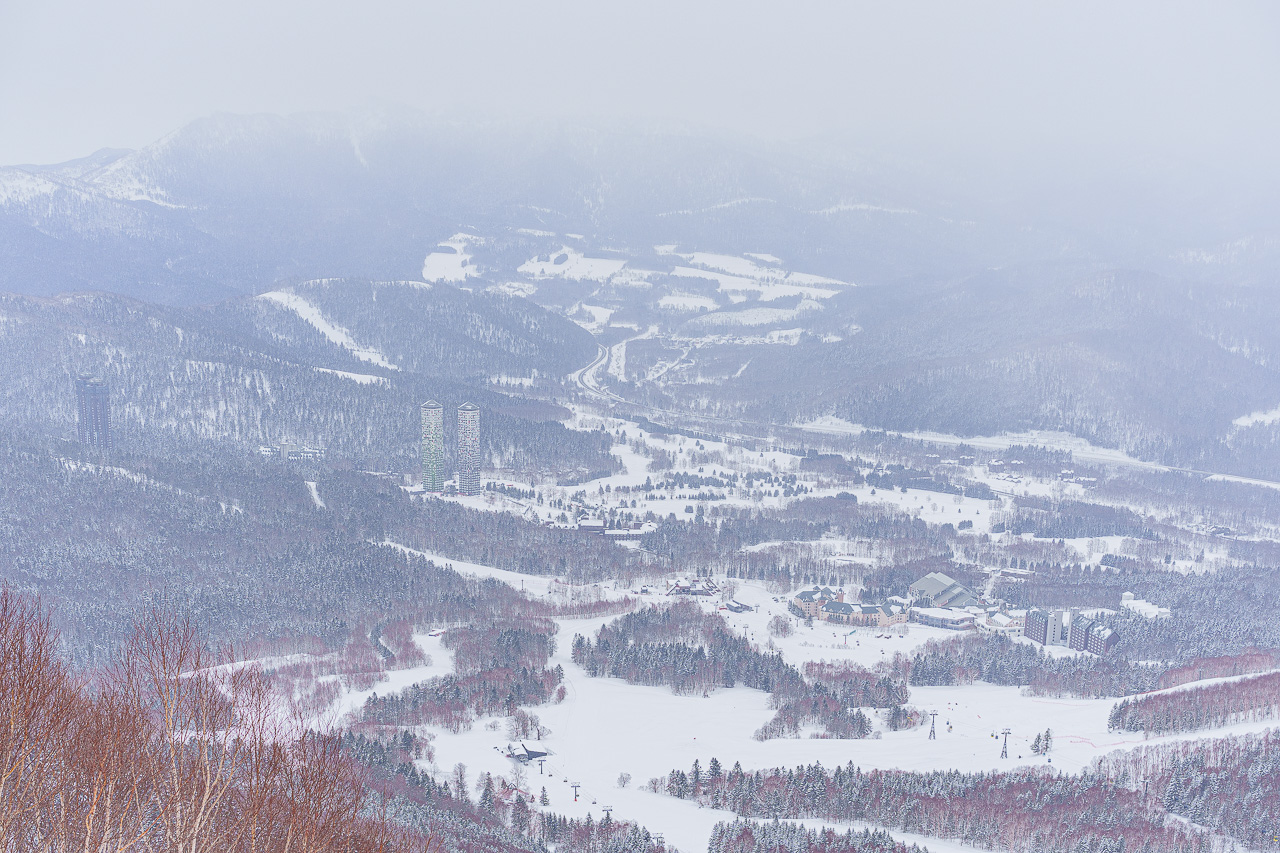
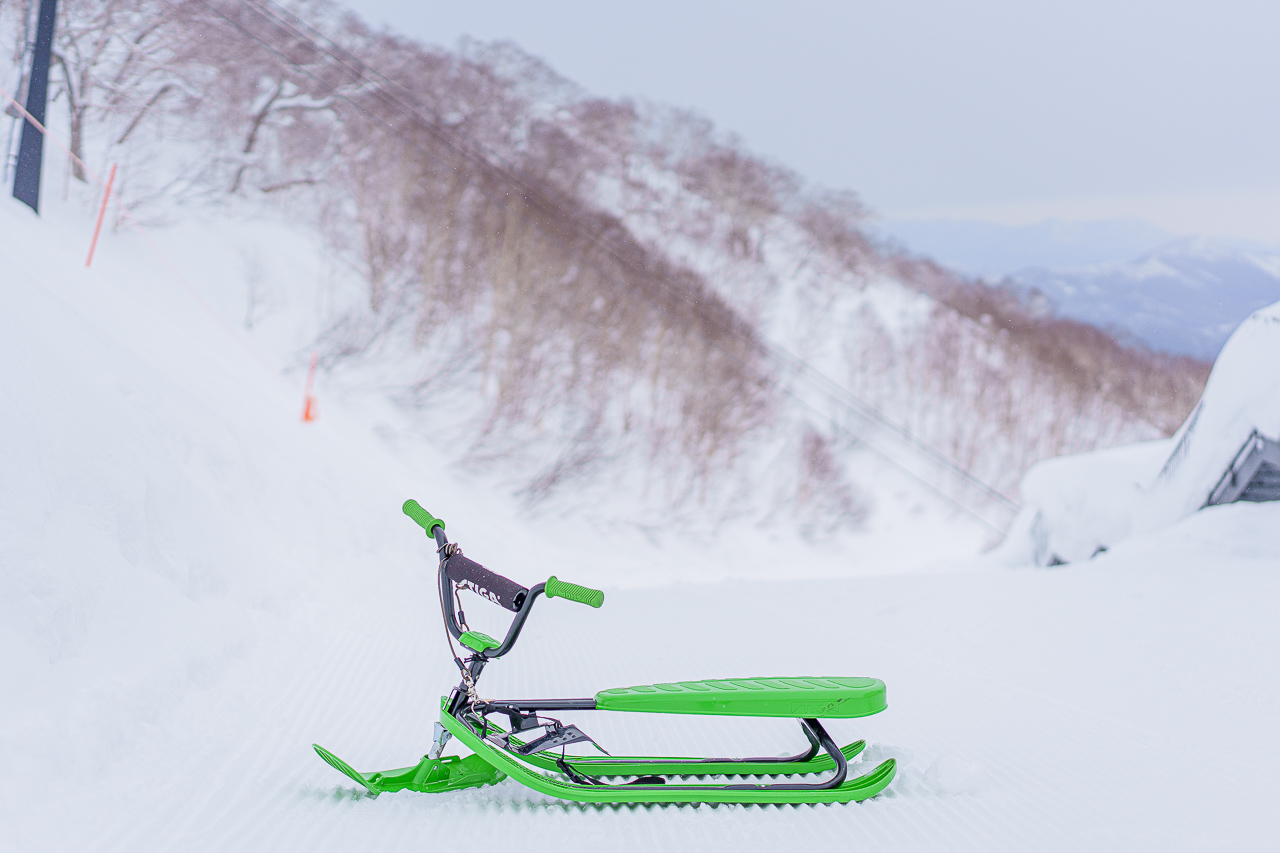
Unable to ski or snowboard, I rented a snow cart with brakes.
It reminded me of Mario-style street carts in Japanese cities.
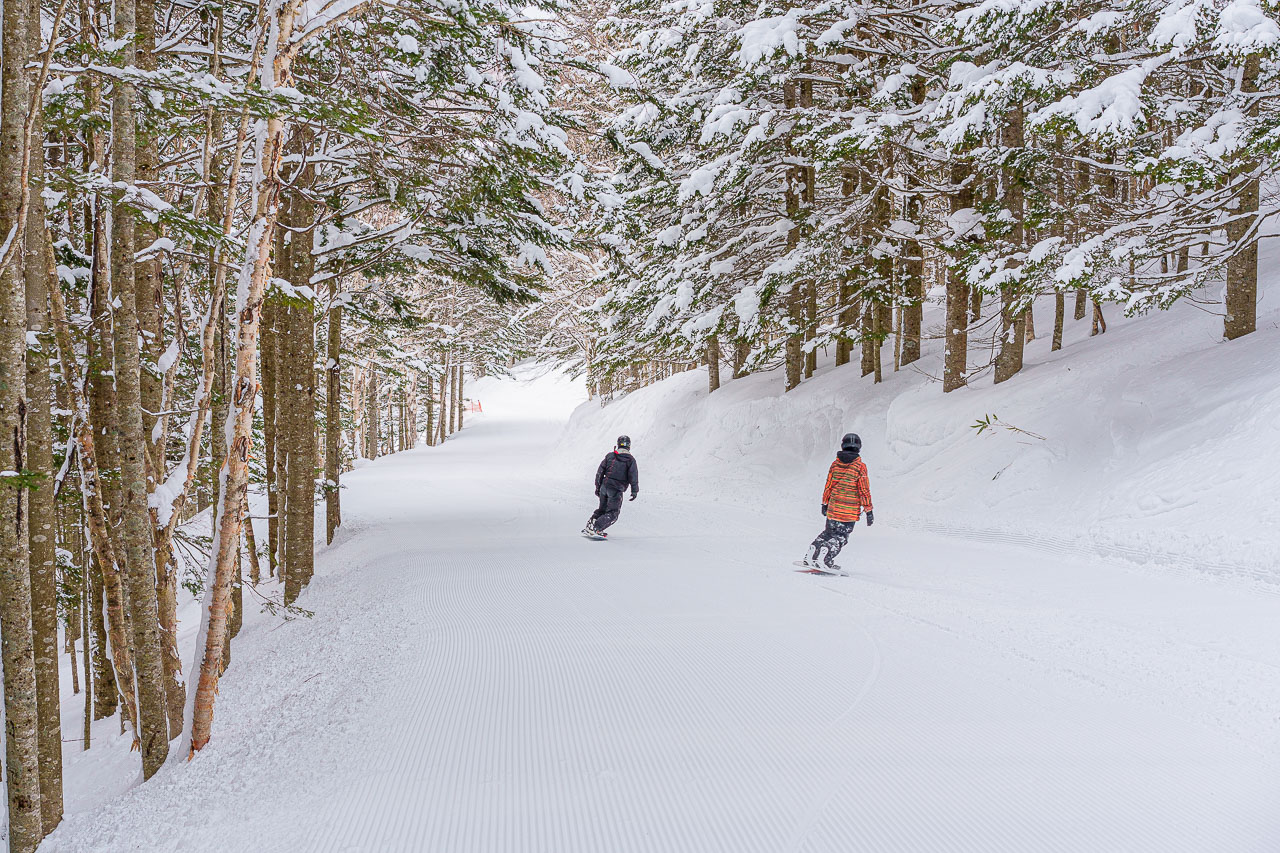
Envying the skiers and snowboarders, I descended happily at my own pace.
Photo spots and sights along the way made reaching the bottom take a while.
With more time I would have liked another run.
Even without skiing, I could enjoy the snow.
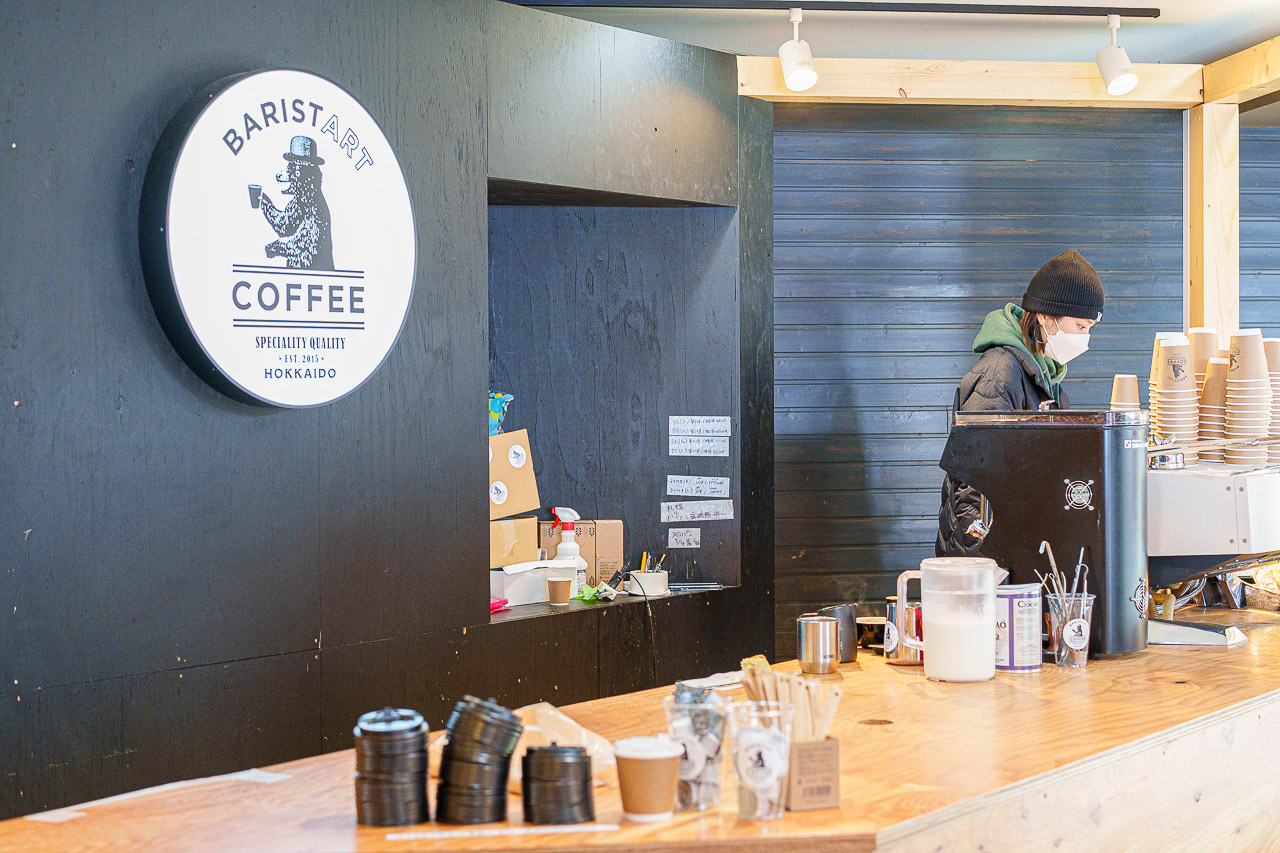
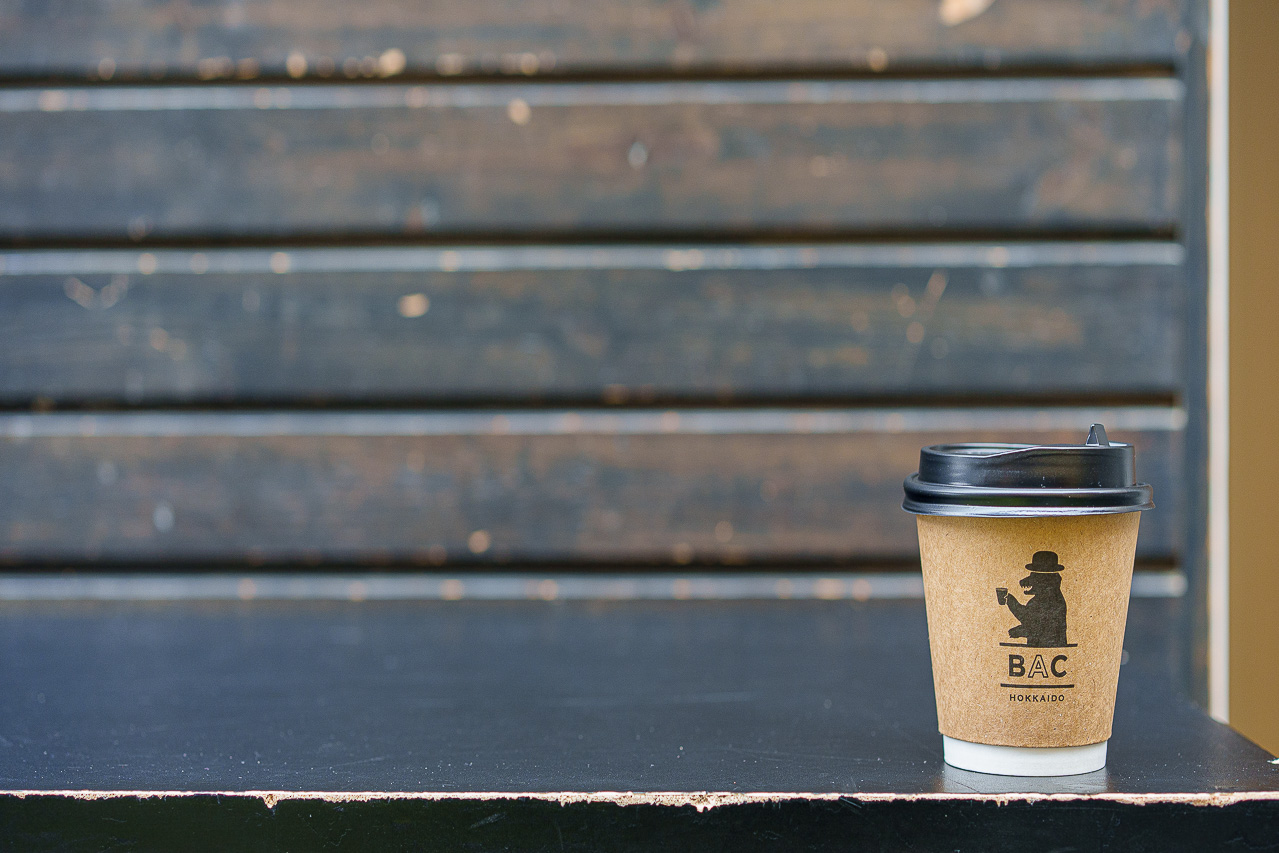
After returning the cart, I ordered coffee to warm up.

Following a short rest, I tried snow rafting.
I had ridden plenty of banana boats on Okinawa's sea, but a raft over snow felt different.
Compared with seawater obscuring my eyes, wearing goggles here felt more comfortable.
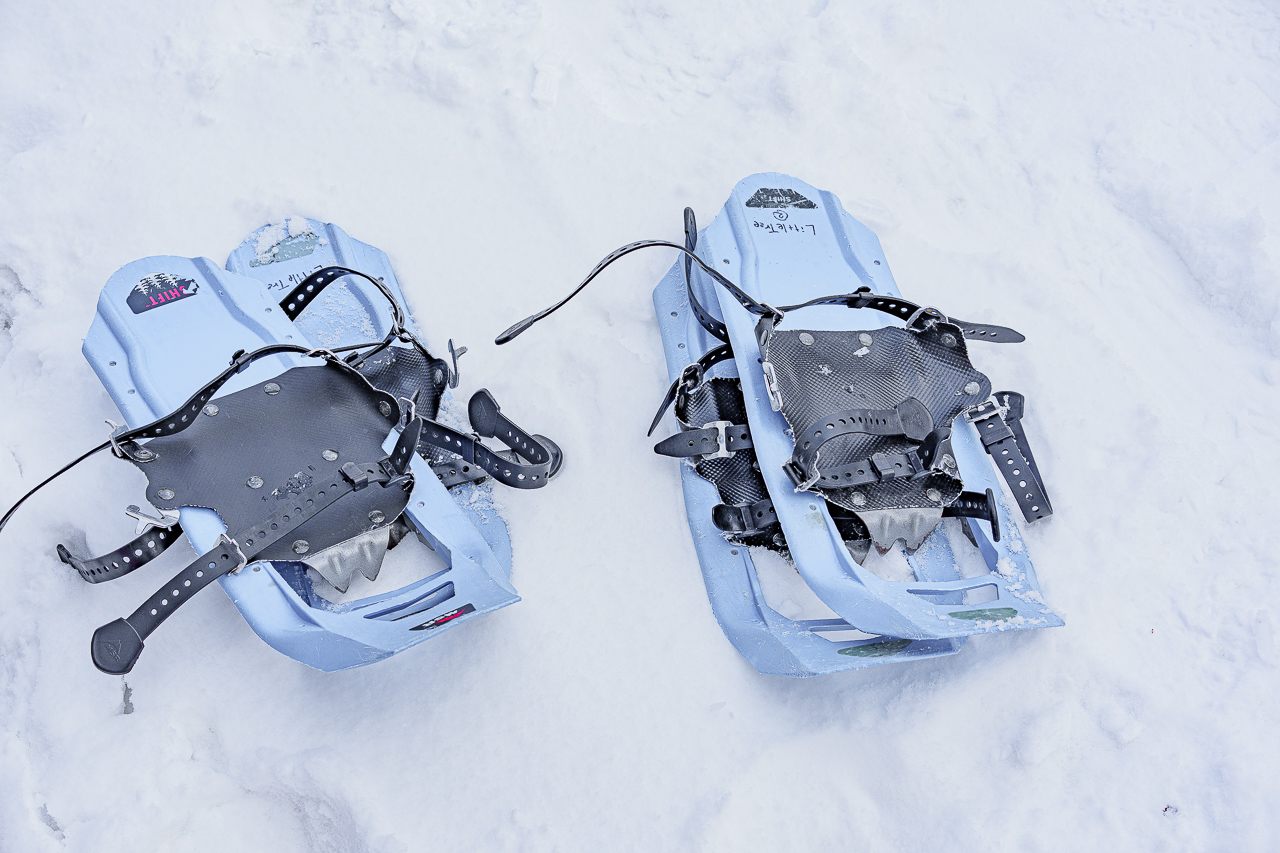
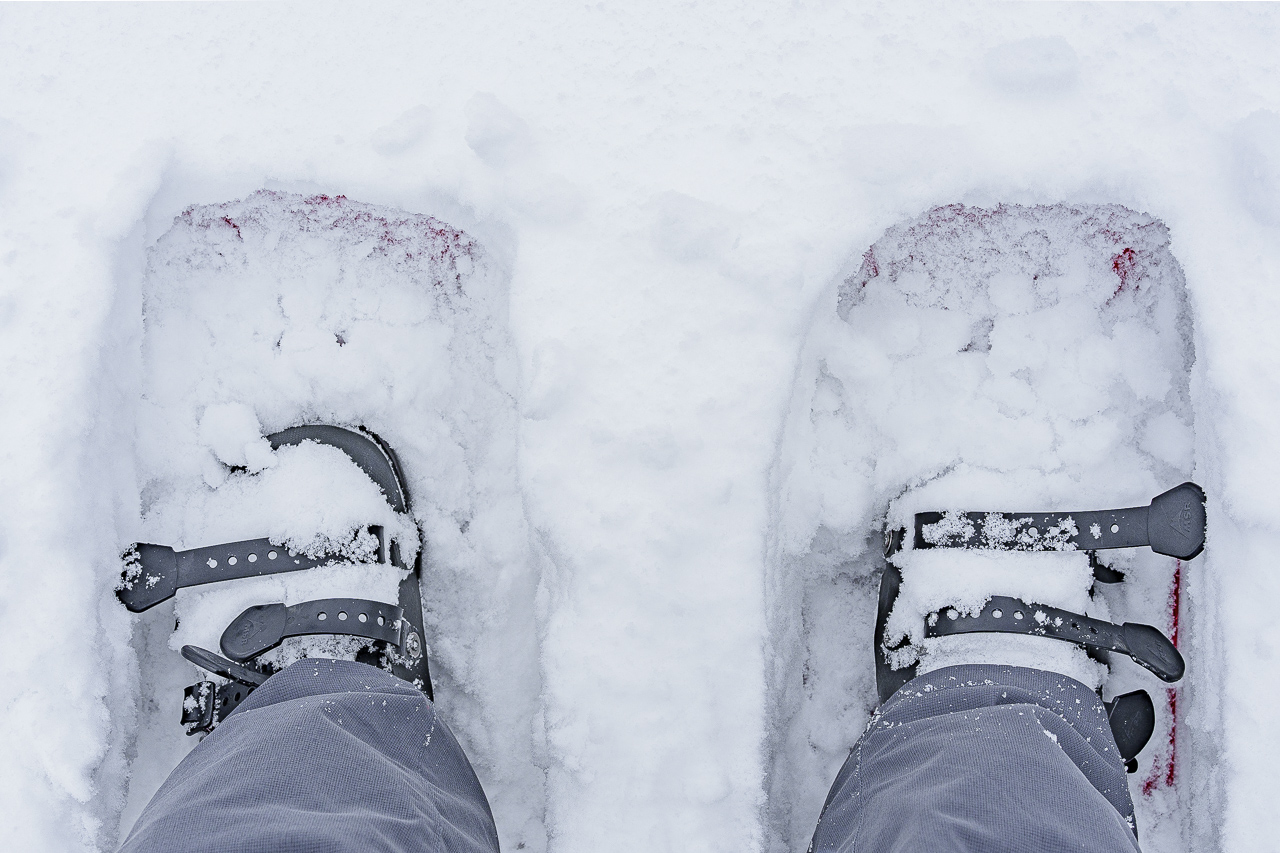
Next came a guided forest walk using snowshoes.
Deep snow usually makes walking difficult as feet sink, while snowshoes help make progress.
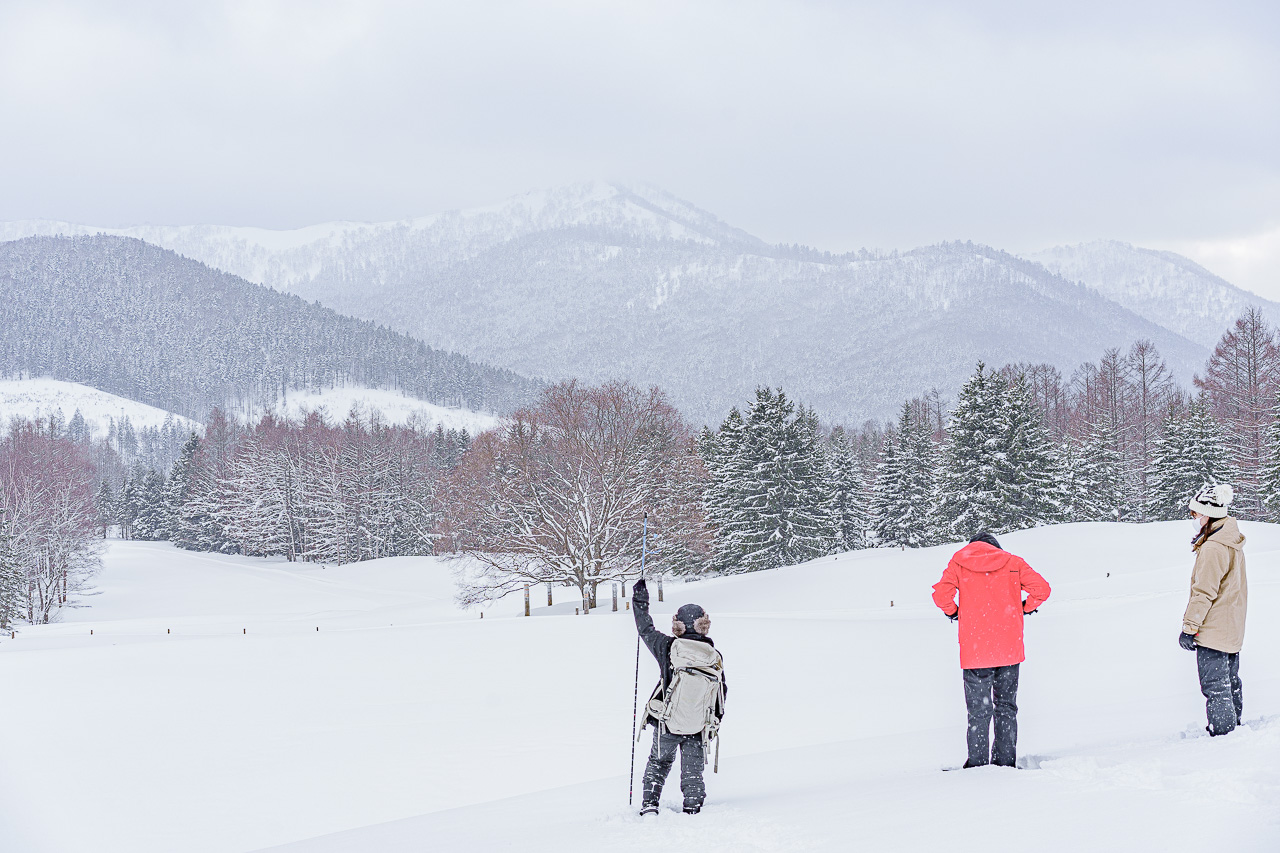
The guided snowshoe forest walk explores woods that feel untracked, with an expert familiar with the environment, for around 45 minutes through different parts of the mountain.
Routes little used recently offer the possibility of wildlife encounters, calls or tracks—part of the program's appeal.
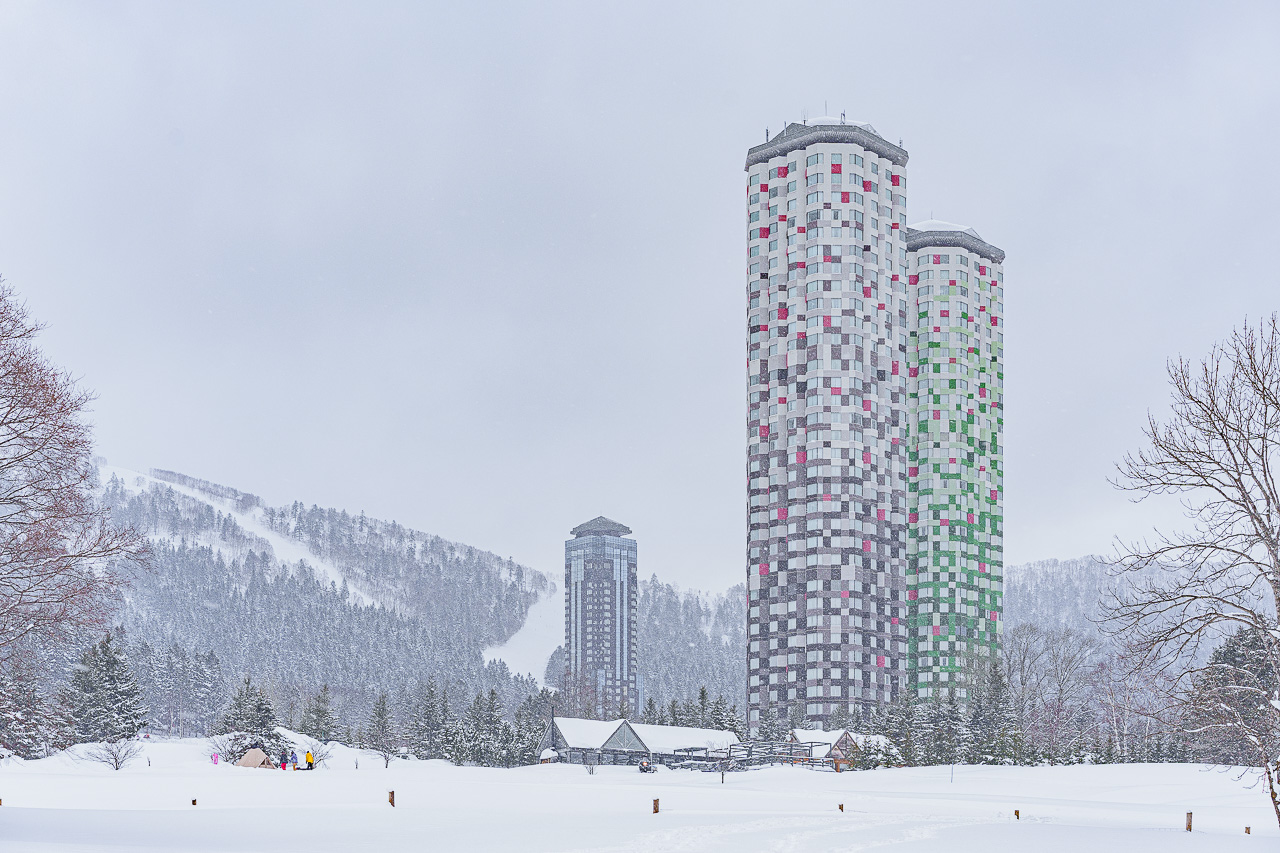
Looking back, I saw our footprints and Tomamu's large towers.
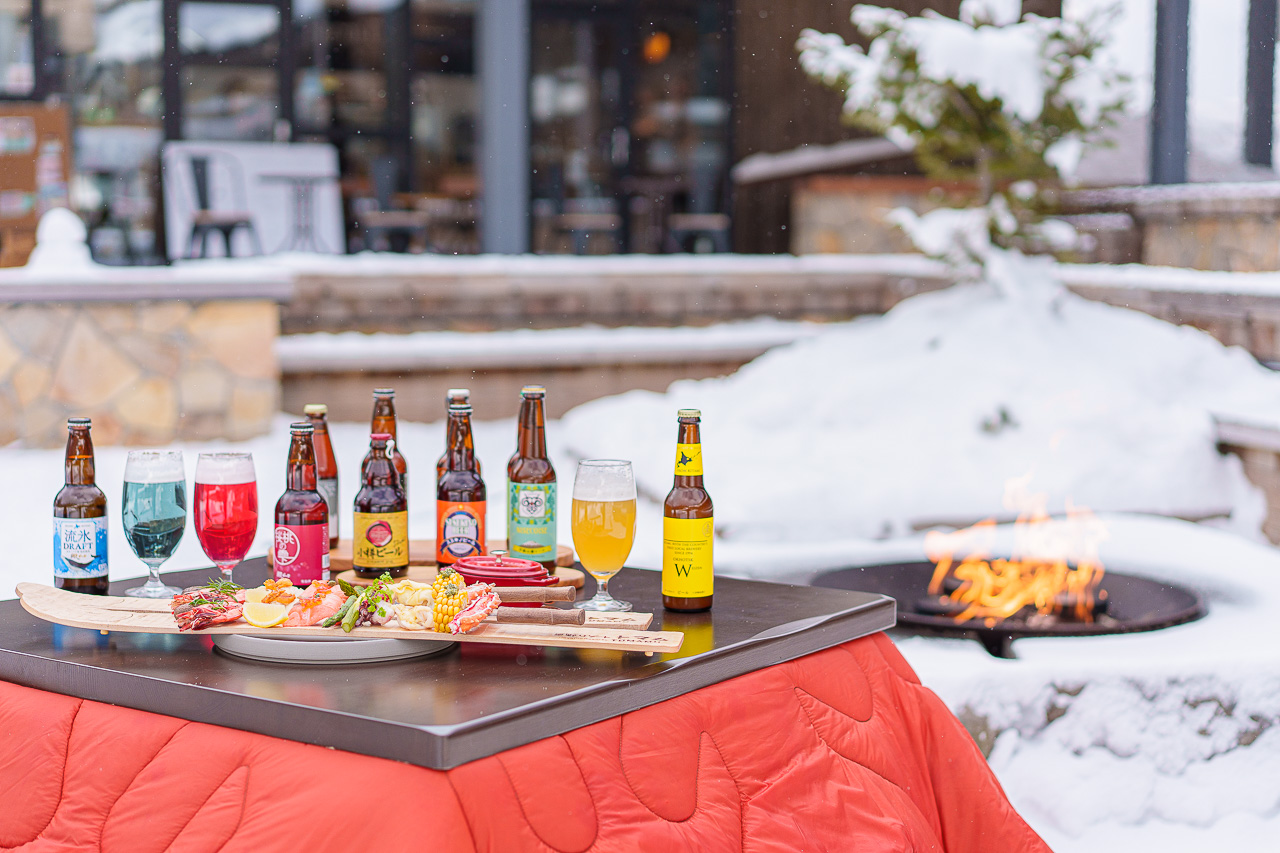
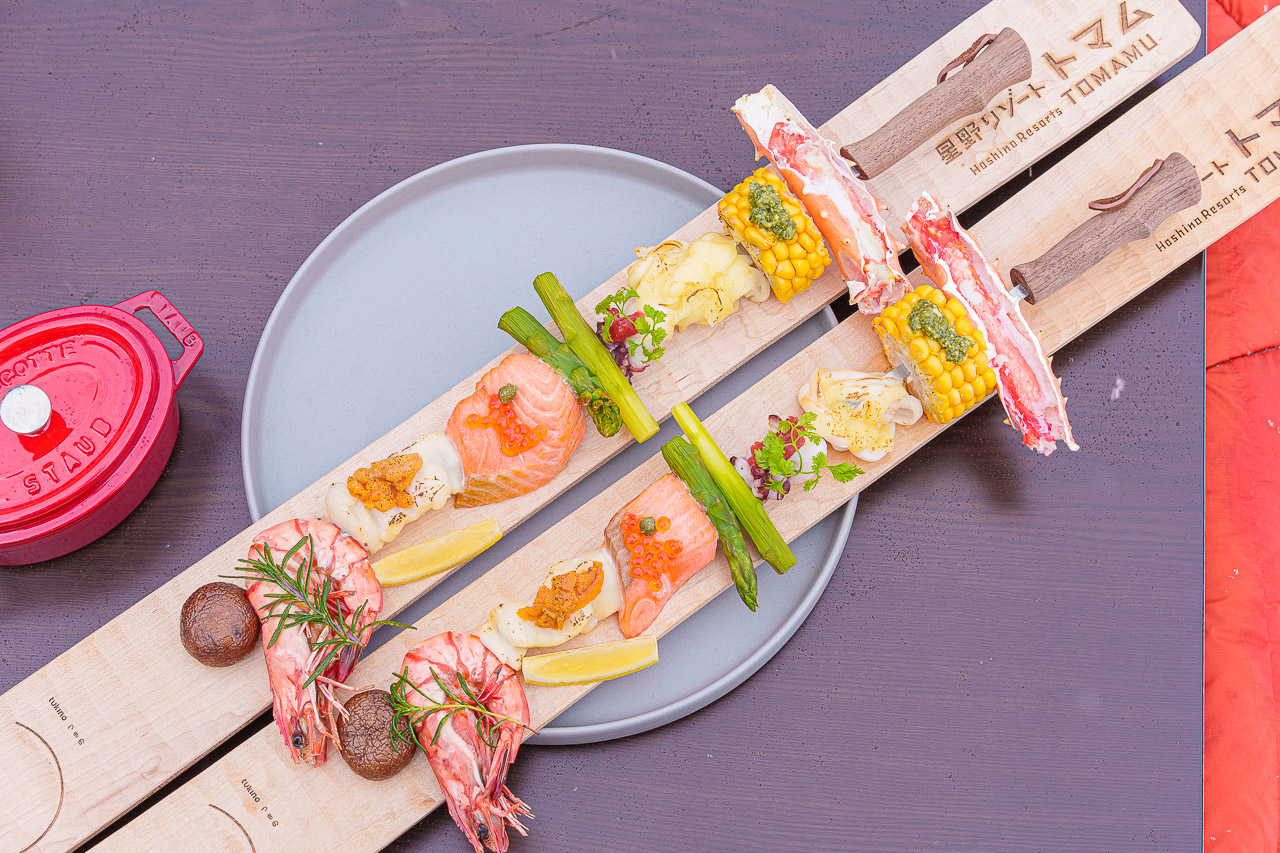
Hungry and covered in snow, I came to the Ski-in Ski-out Kotatsu Beer Terrace.
Skiers and snowboarders could enter in their equipment for food or beer.
Without removing shoes, guests could warm up under a kotatsu while trying fresh seafood and beers from across Hokkaido.
The warm kotatsu and cold beer outdoors made a wonderful contrast.
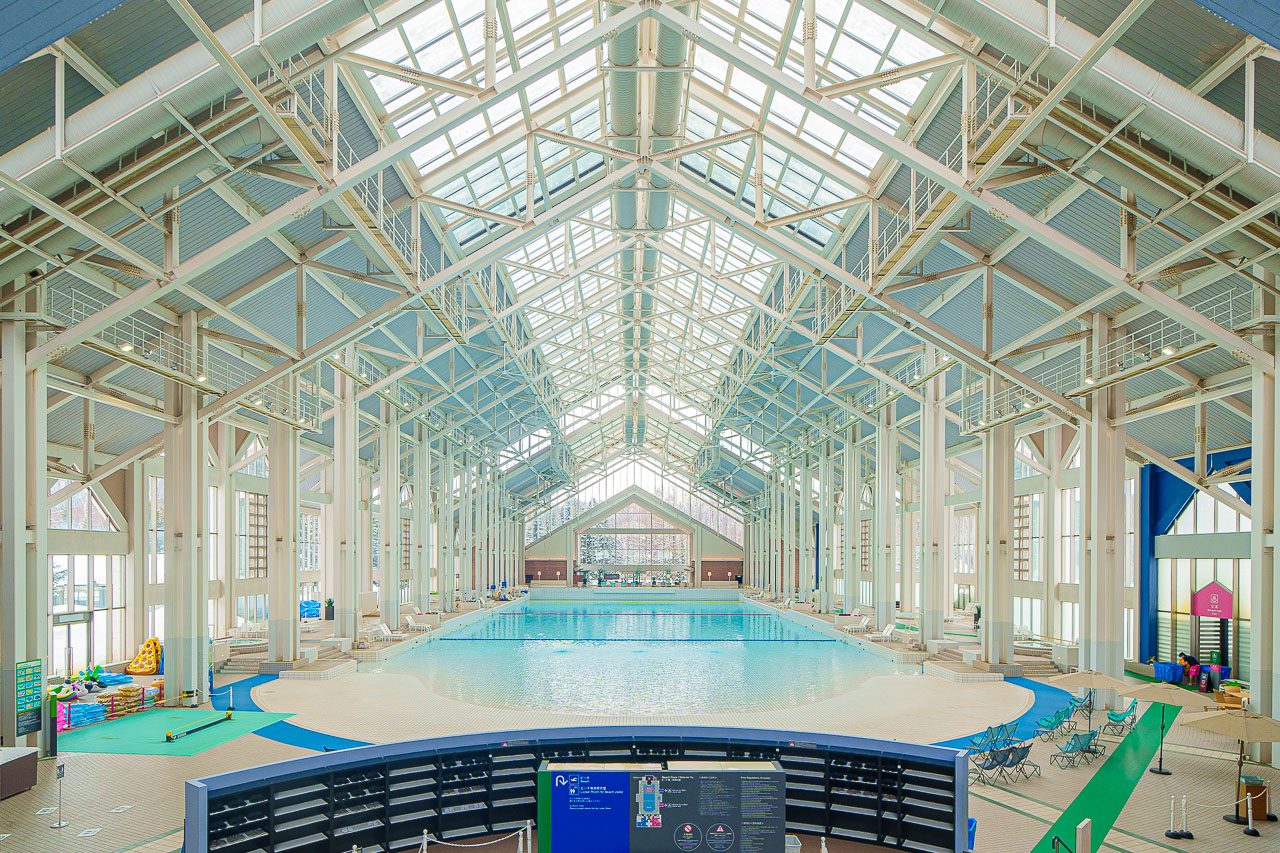
After time outside below freezing, I wanted a warm open-air bath.
I went to Tomamu's Mina-Mina Beach.
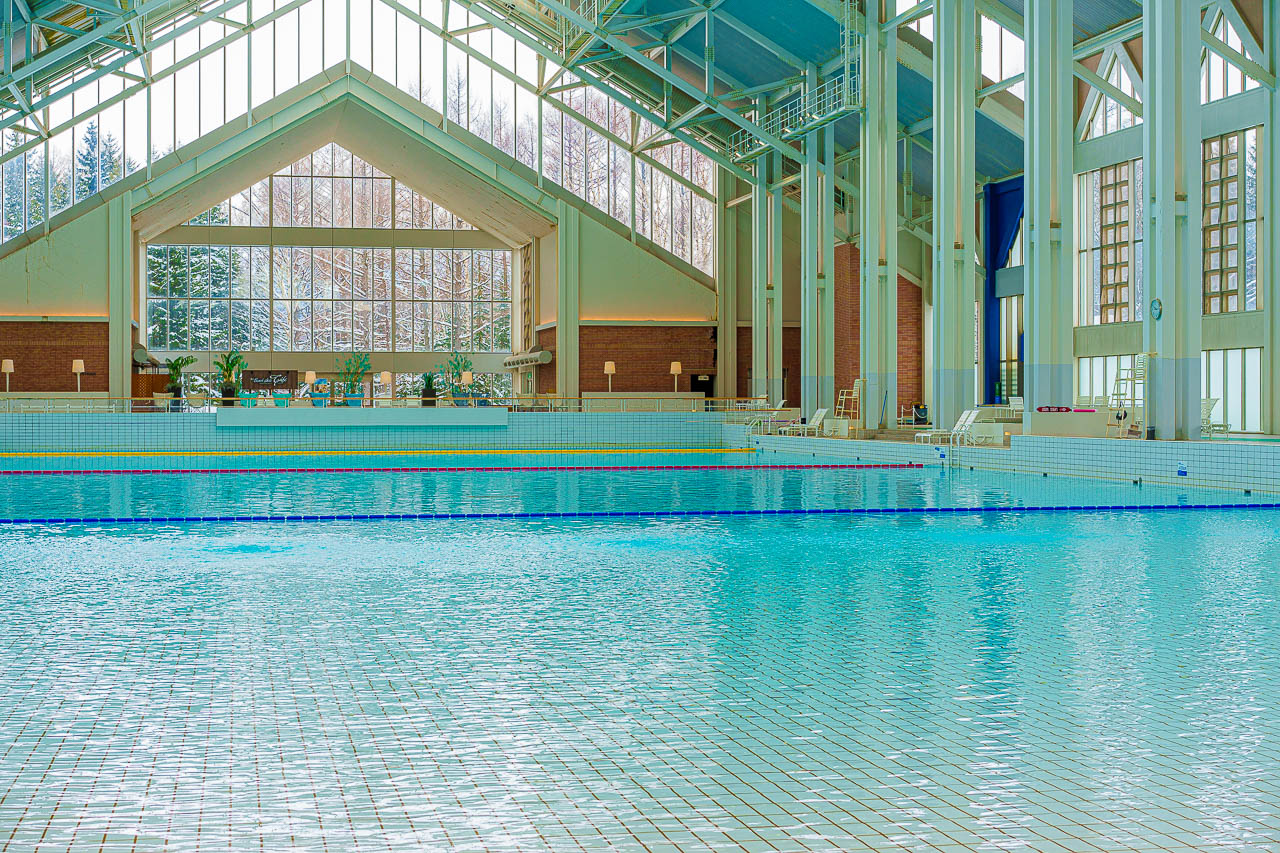
Past the artificial-wave pool,
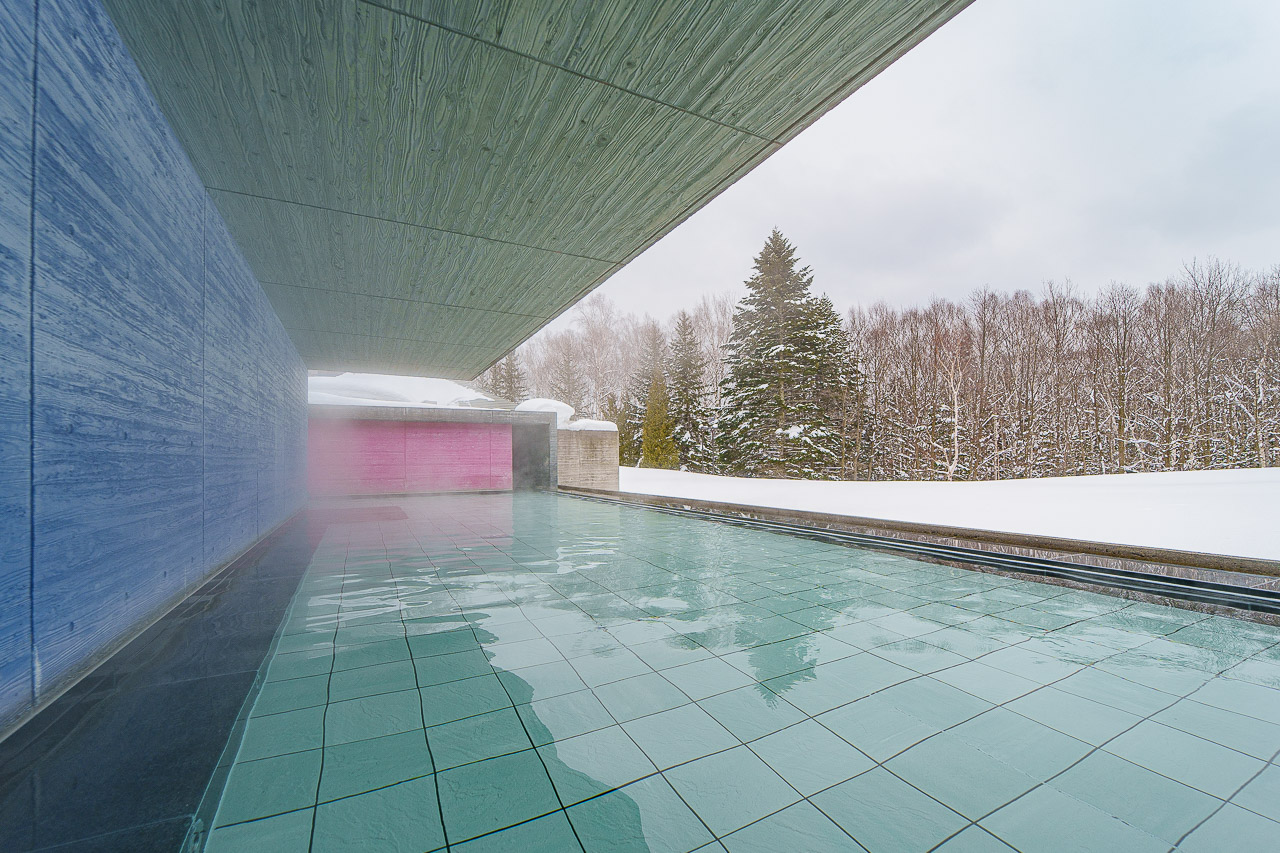
the bathing area had indoor and open-air baths for an enjoyable soak.
The outdoor bath felt especially open, while its screening from view reassured the original reviewer about privacy, including for women. This records that visit's impression.
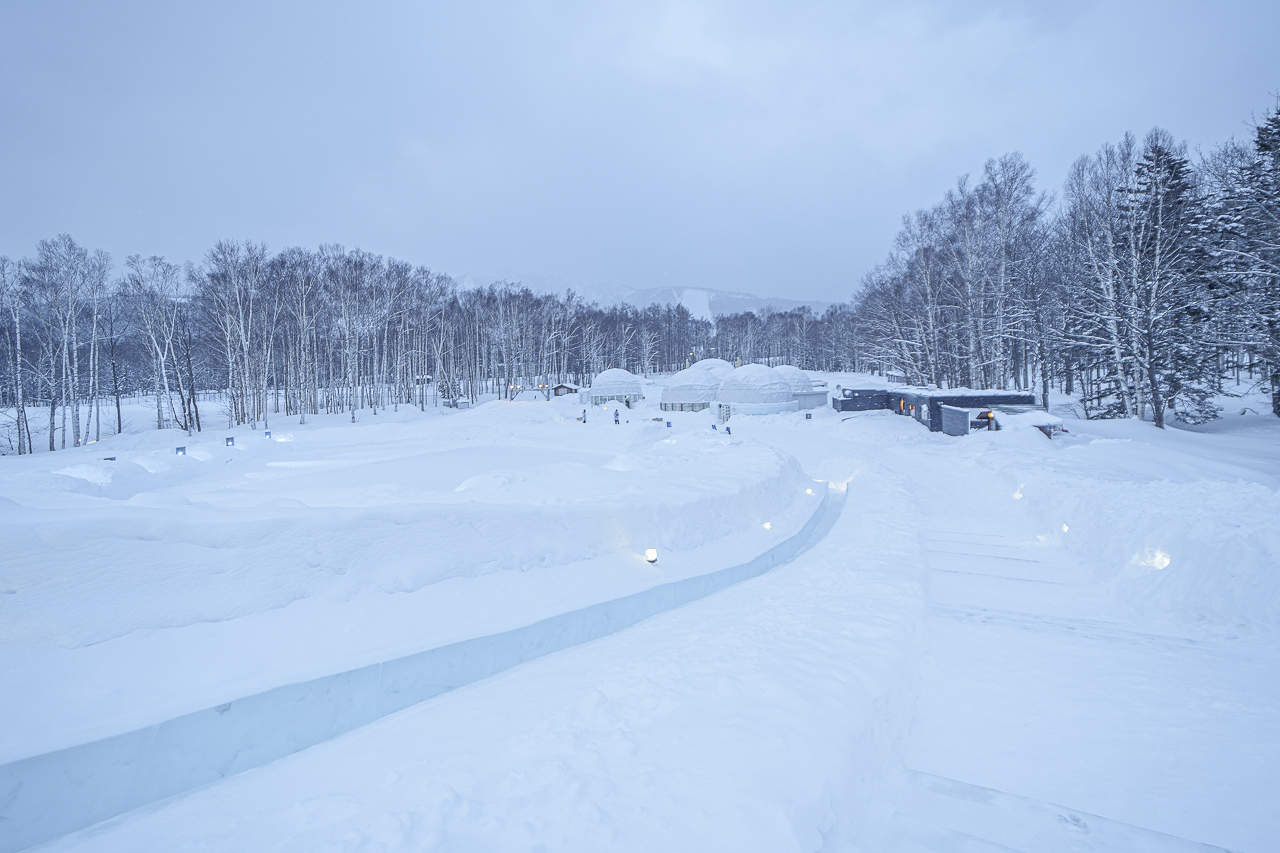
A little earlier in the evening, I returned to Ice Village.
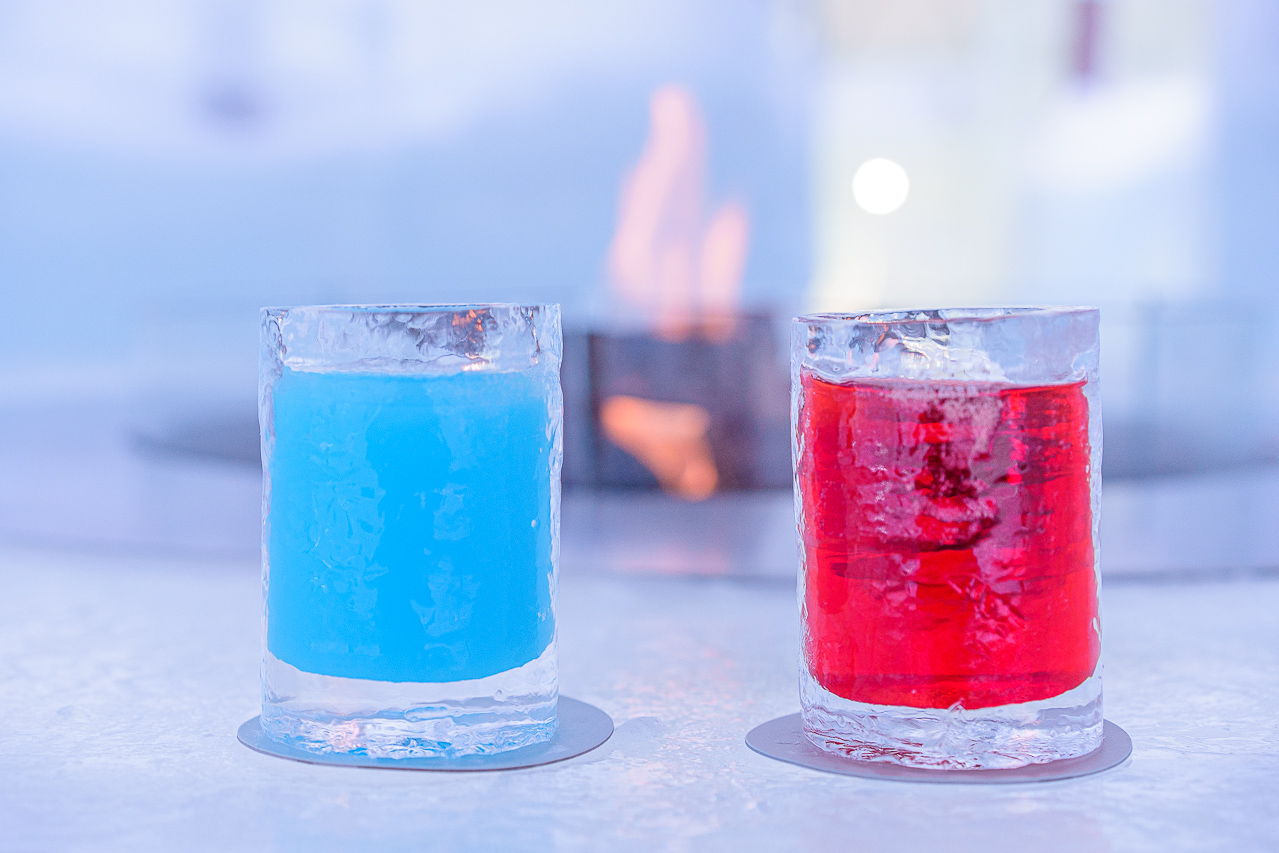
At its bar I had a blue-and-red cocktail that reminded me of the Korean flag.
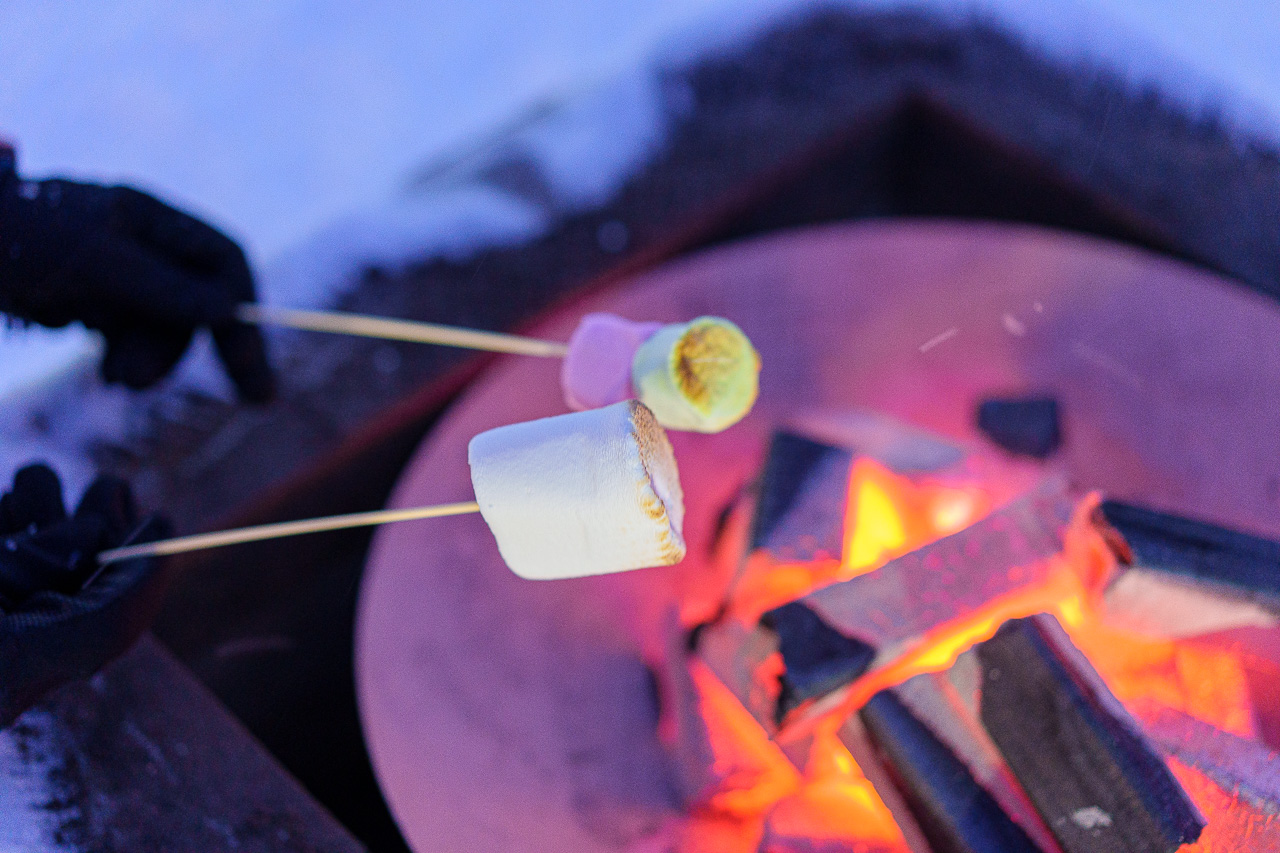
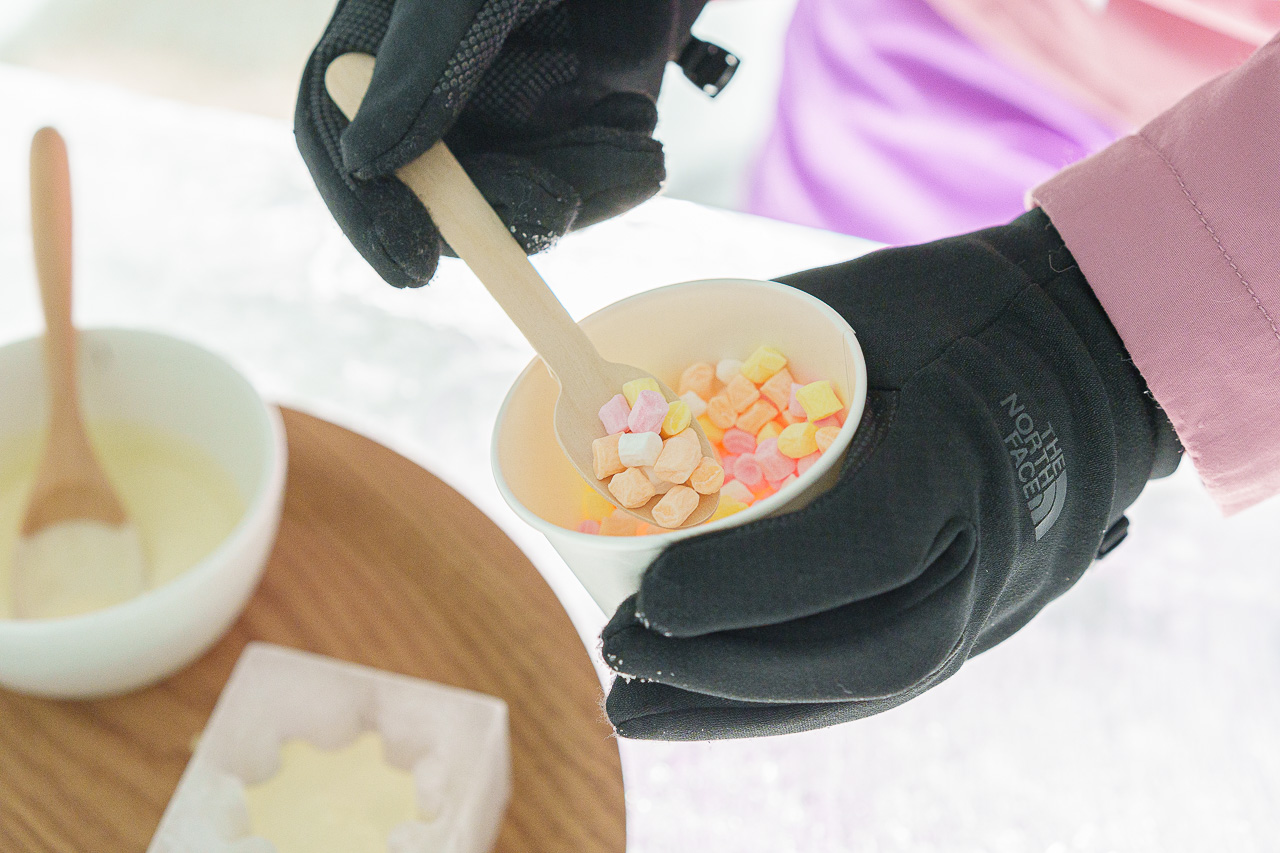
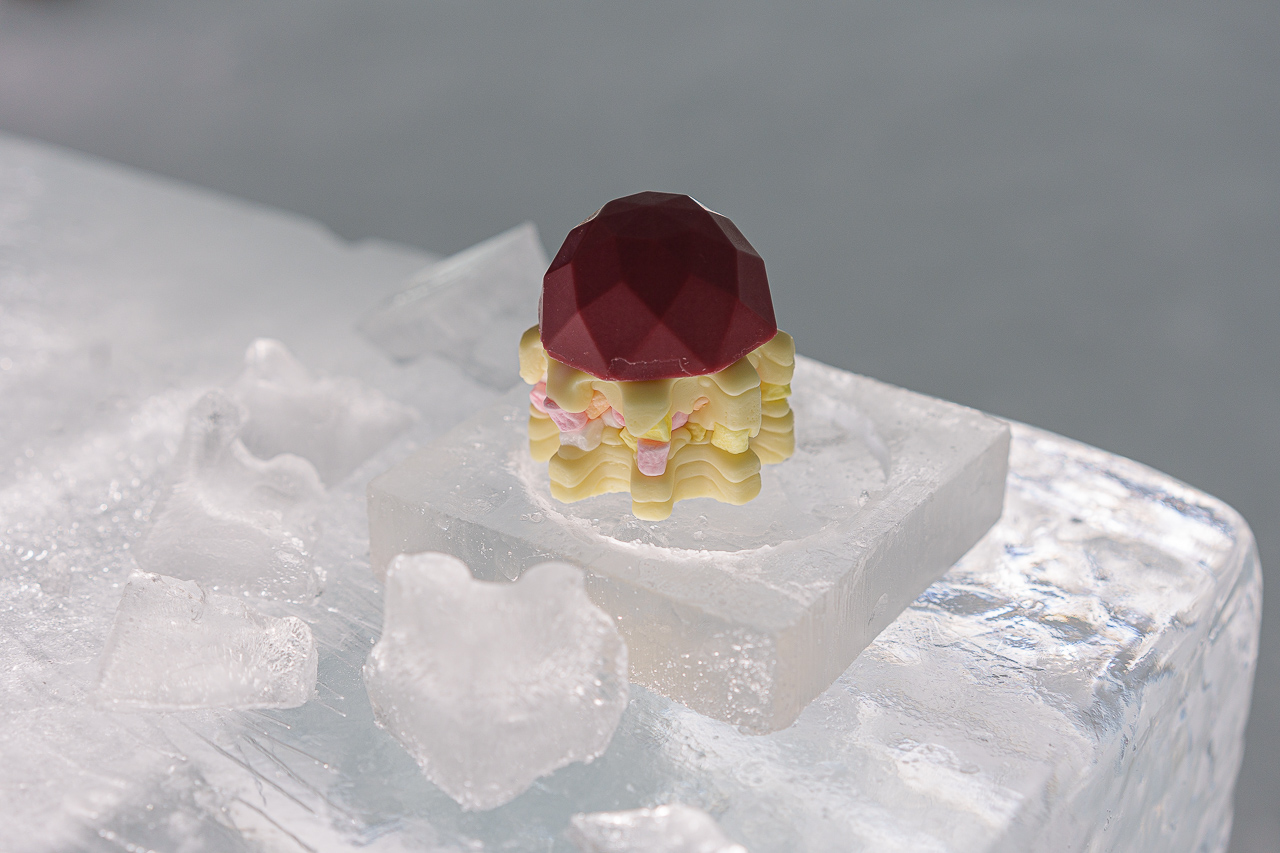
I also toasted marshmallows over charcoal.
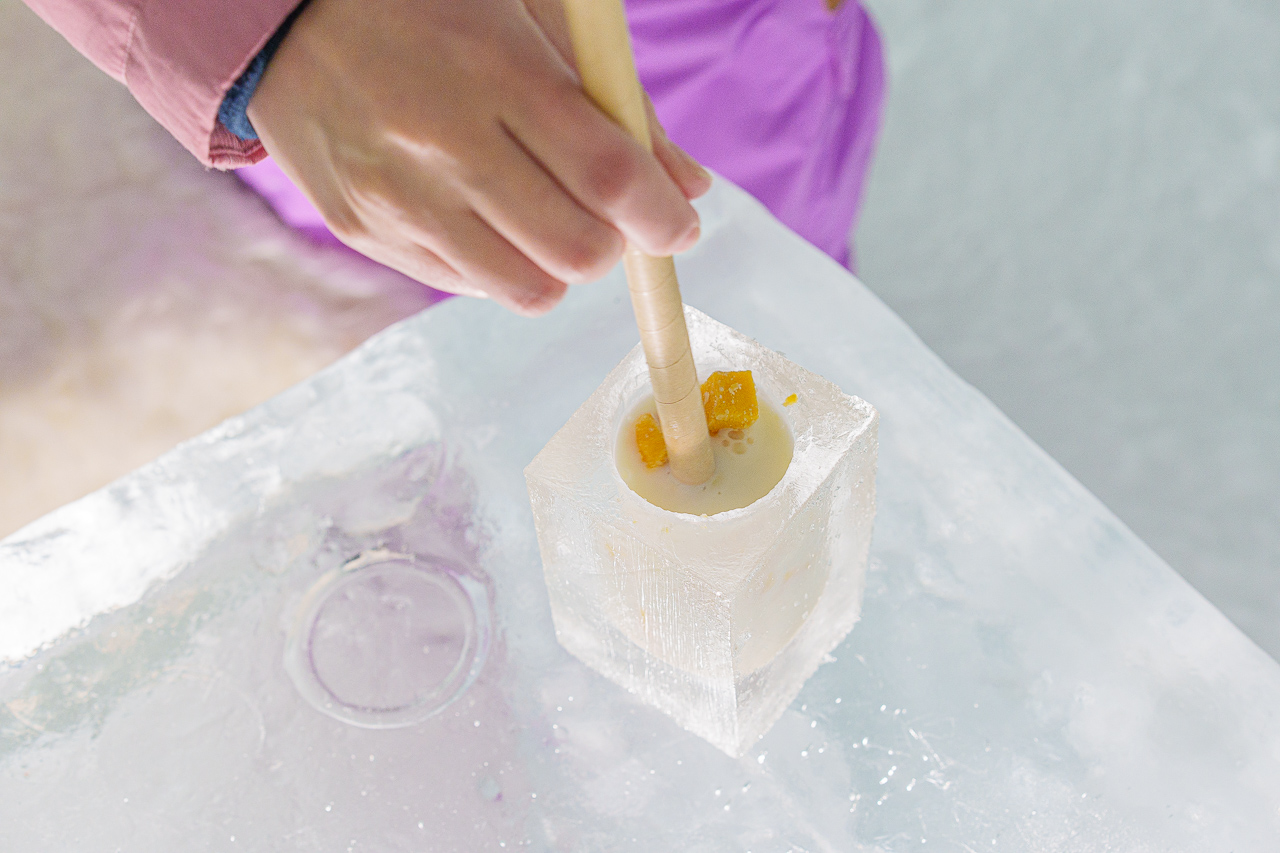
Making an ice-cream latte in an ice cup.
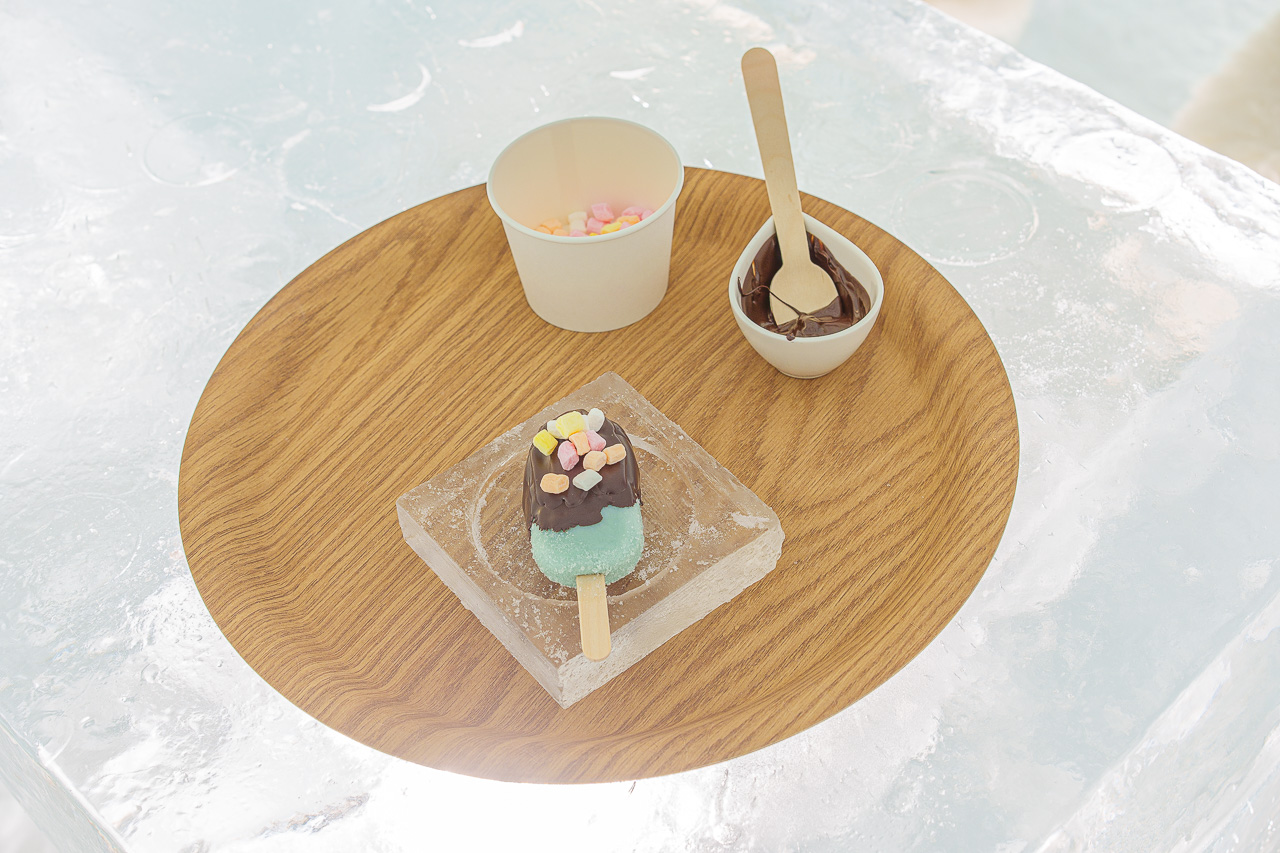
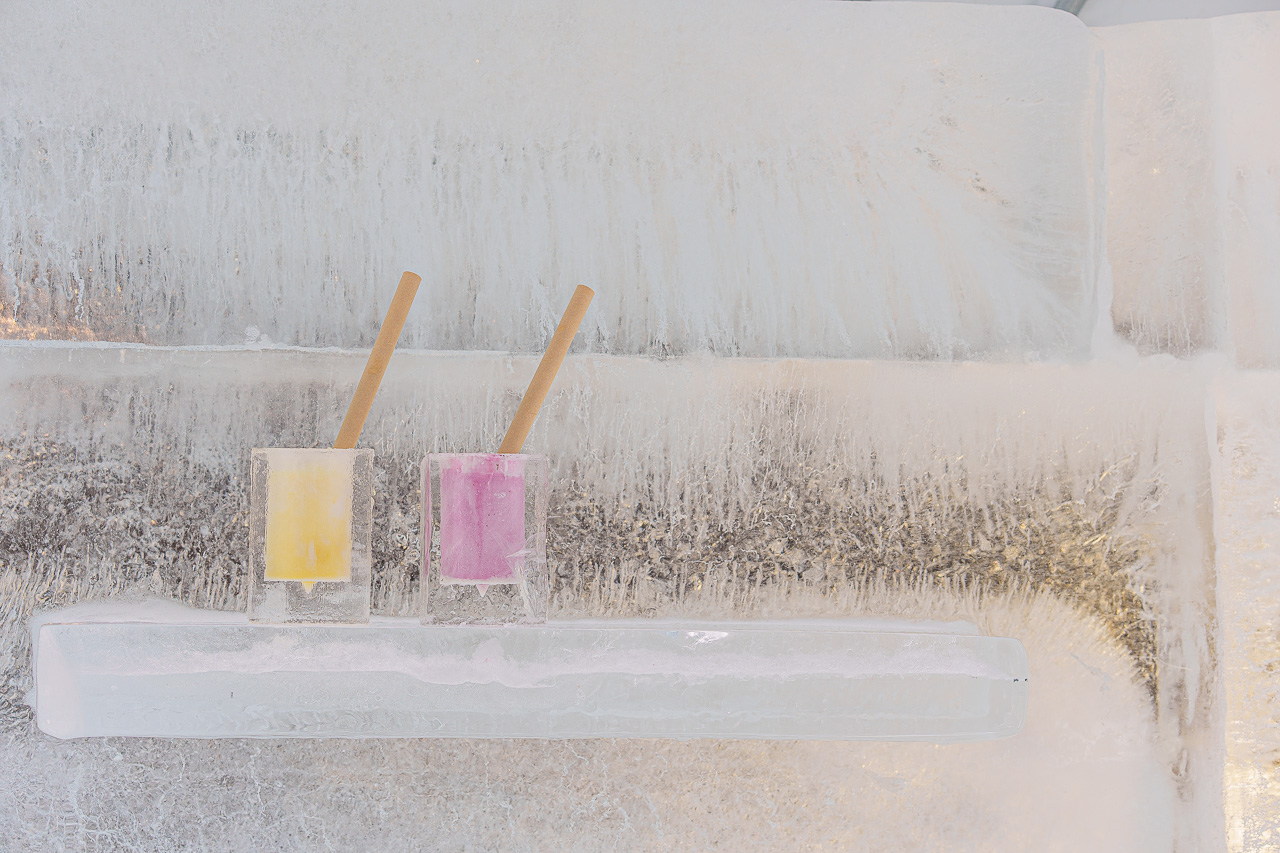
Mint-chocolate ice pops could be made too.
Even the base was real ice.
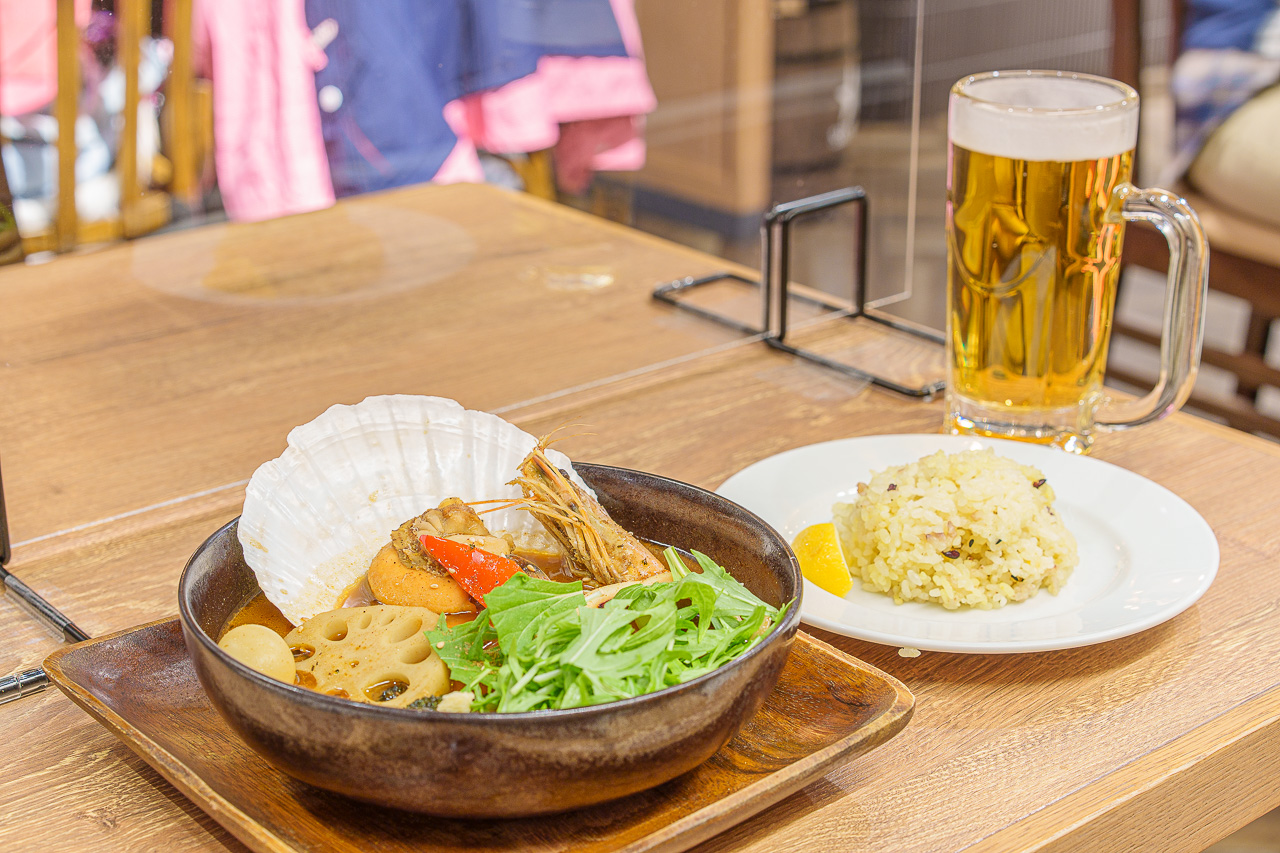
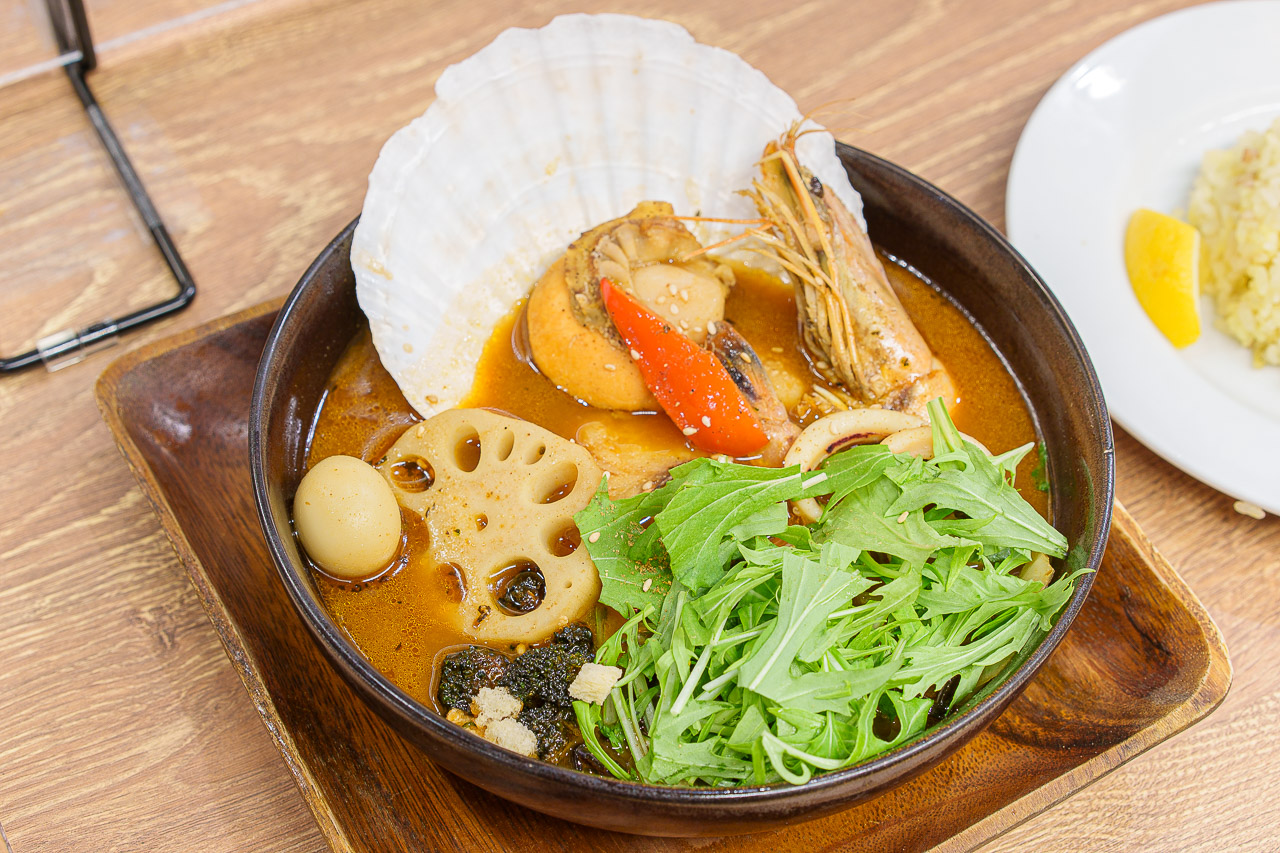
For dinner I went to GARAKU in Hotaru Street for seafood soup curry.
I had not expected to find this popular Sapporo soup-curry restaurant, known for queues, here.
The Hokkaido seafood helped make it delicious.
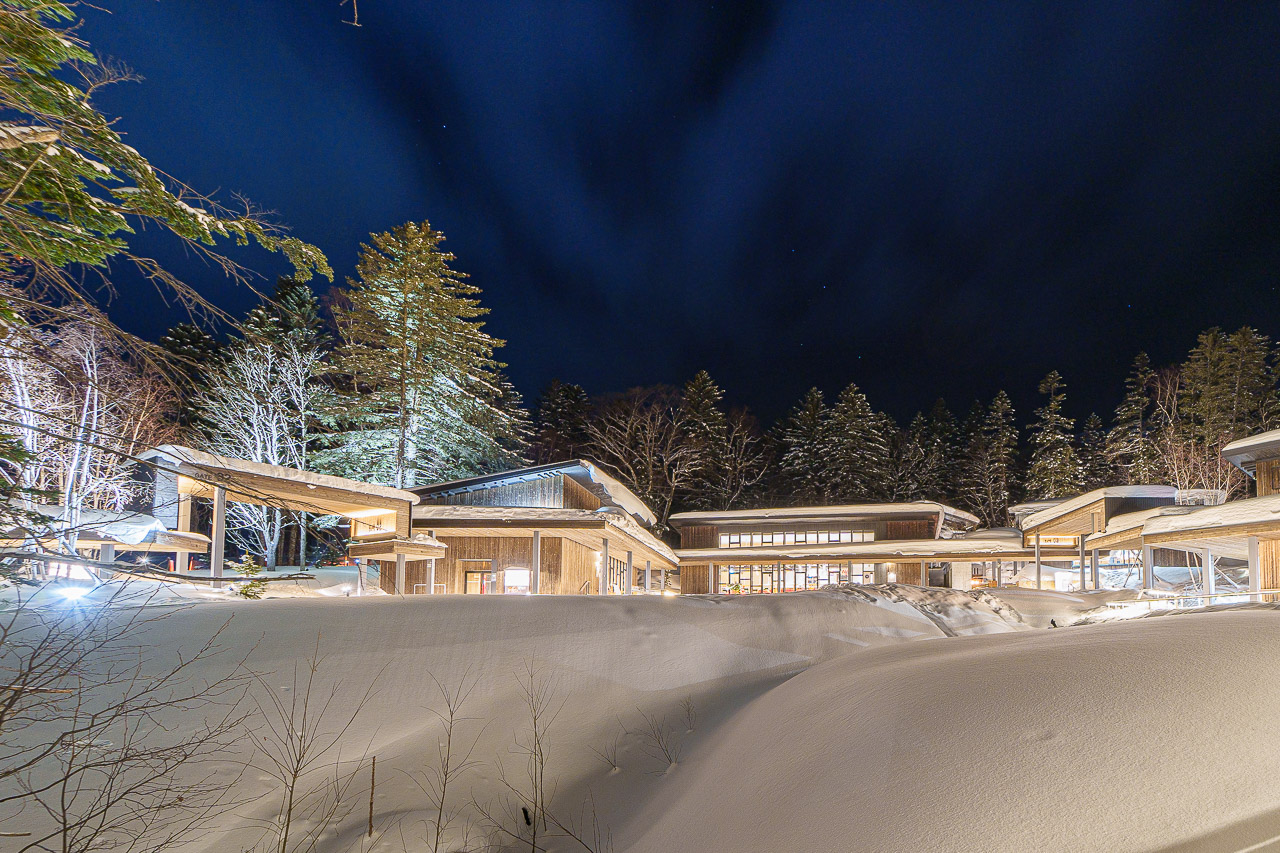
Hotaru Street sparkled among the trees and looked even lovelier at night.
Almost every night view at Tomamu seemed photogenic.
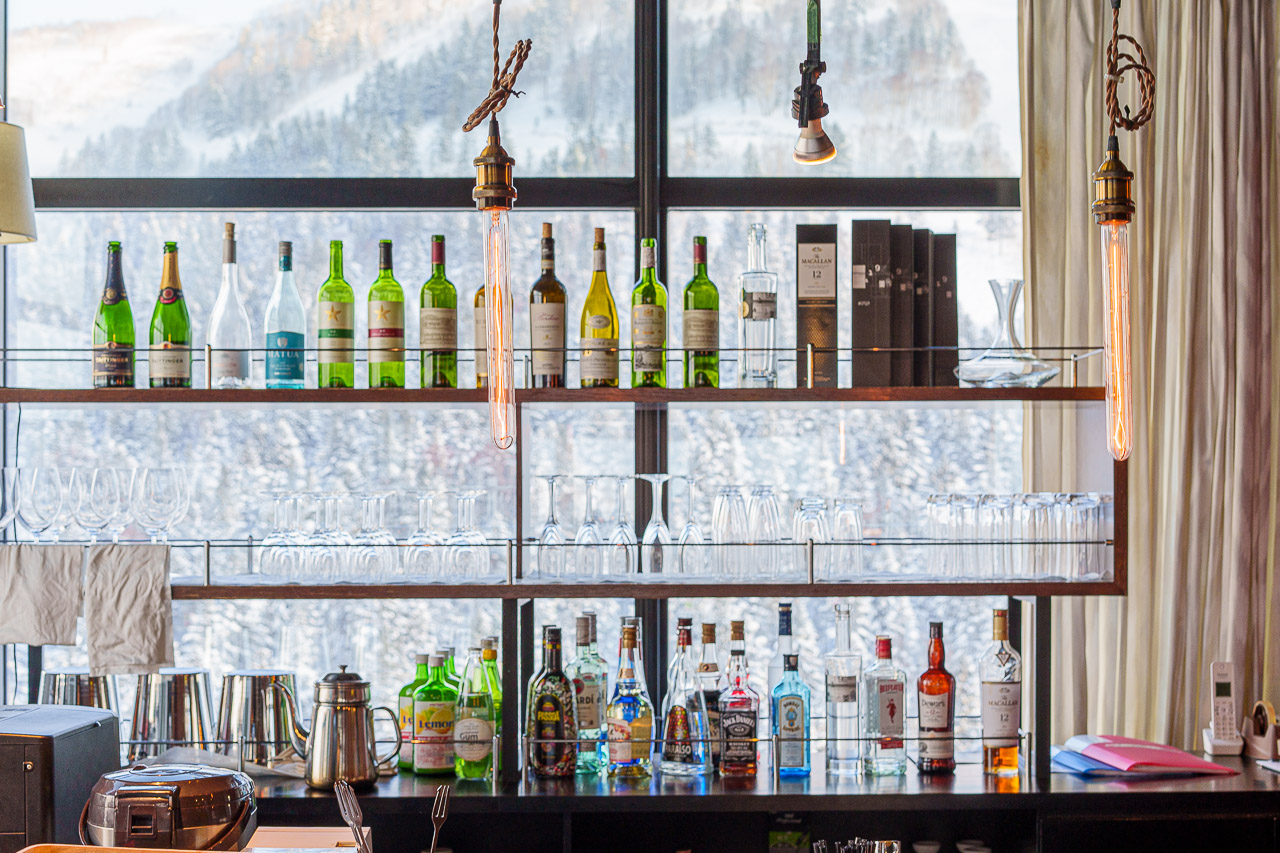
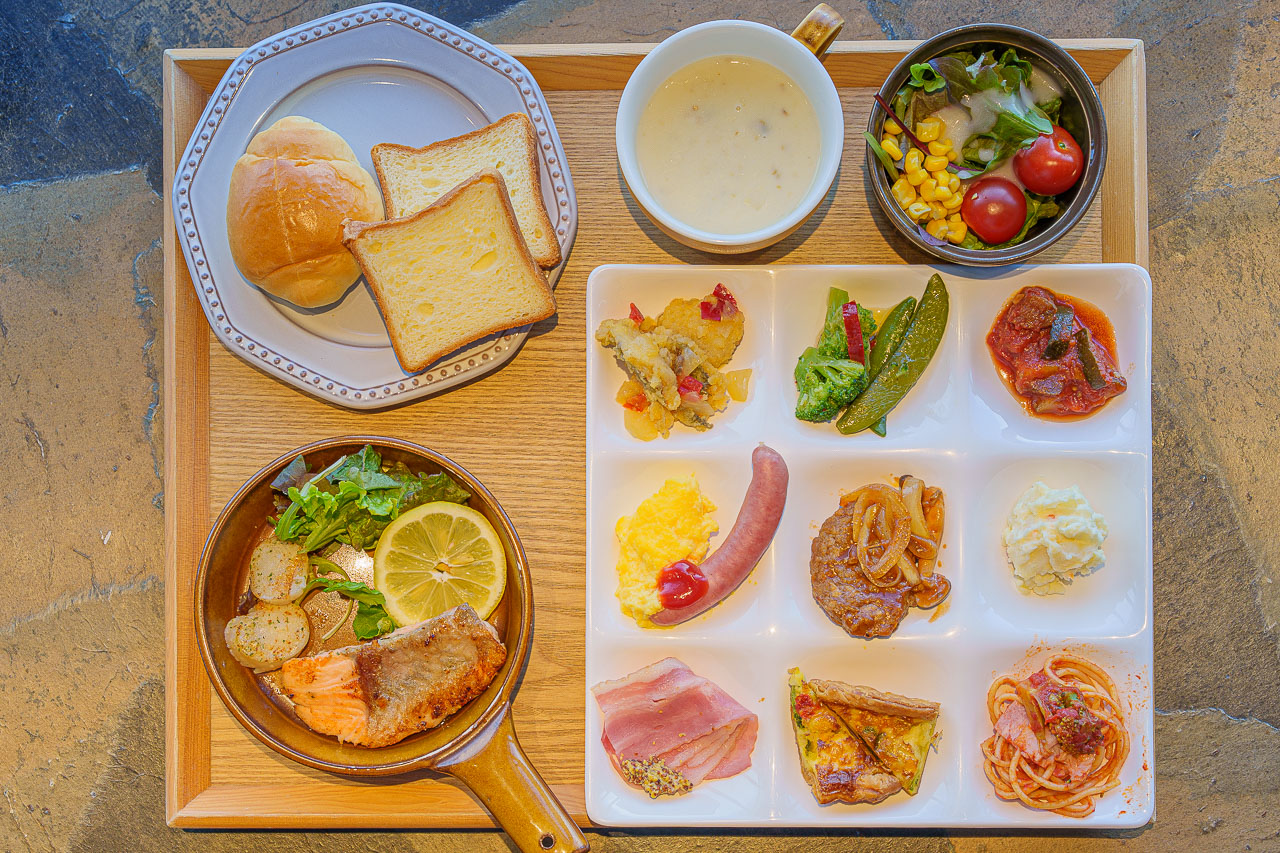
The next breakfast was at GRILLED・AGI on RISONARE's 32nd floor.
It was a semi-buffet: choose 1 of 3 mains and help yourself to the rest.
I chose grilled salmon and scallops.
Eat, sleep and play—a true hotel getaway.
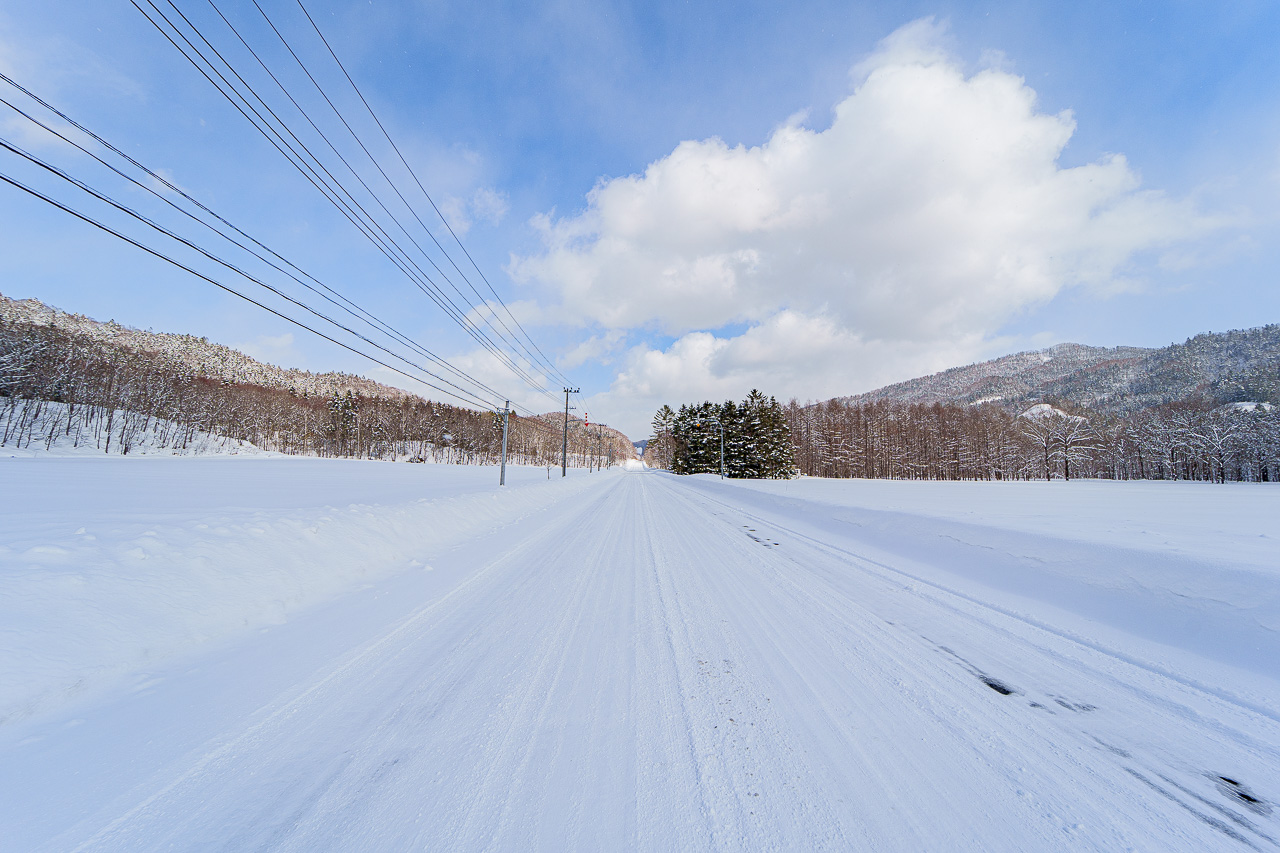
After check-out, I headed back to Sapporo.
The best weather came on the day I left Tomamu, which was frustrating.
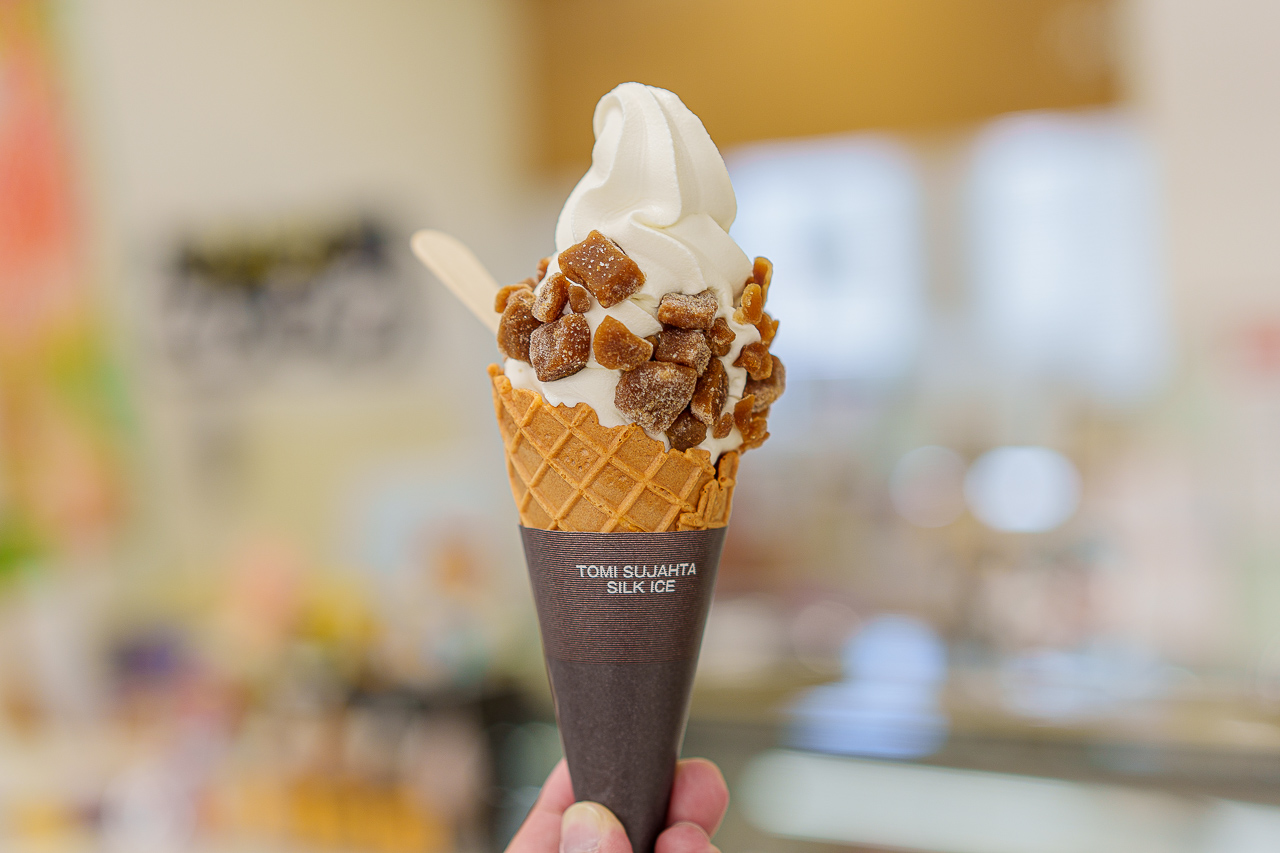
On the way, I stopped at Yubari Merodo roadside station in melon-famous Yubari and bought a milk soft serve called Tan Koro.
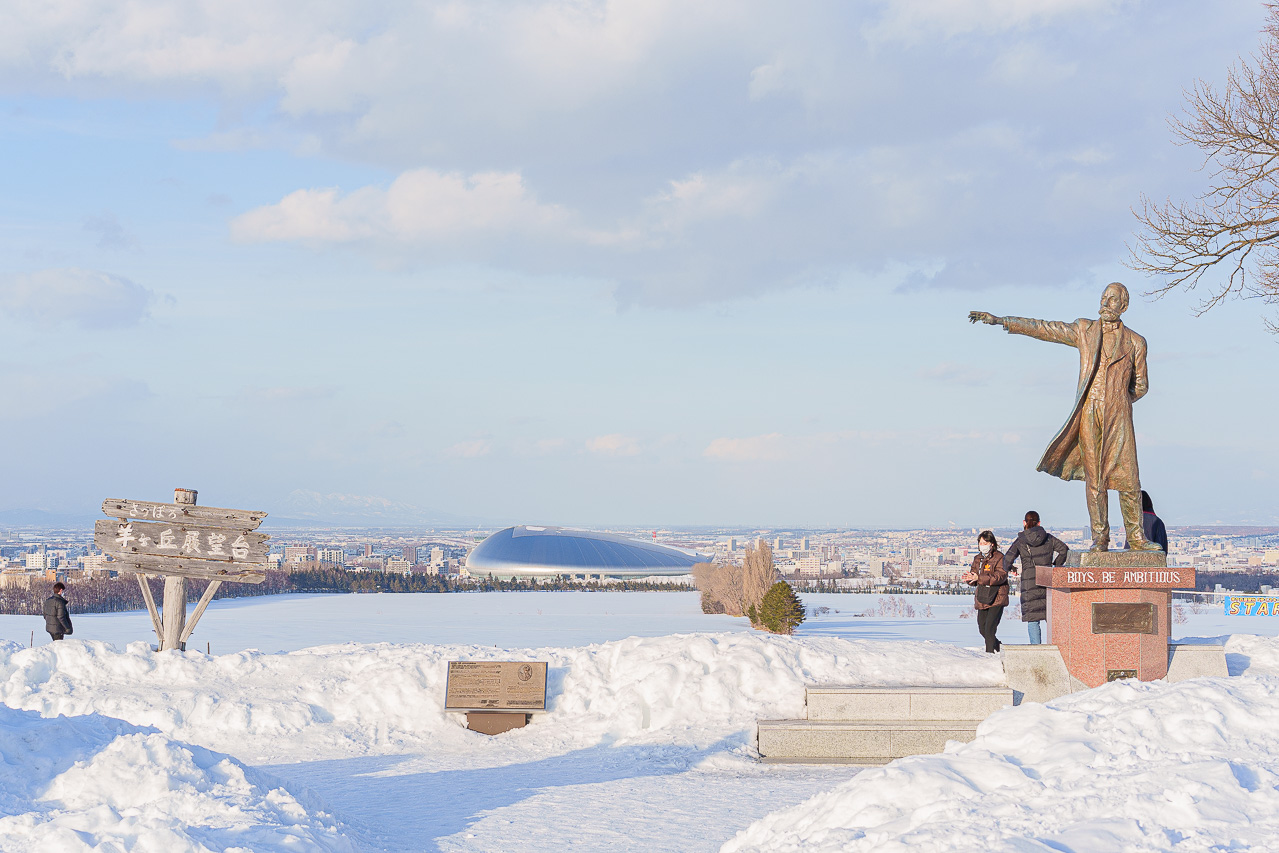
Near Sapporo, I visited Hitsujigaoka Observation Hill and the Dr. Clark monument, associated with 'Boys, be ambitious.'
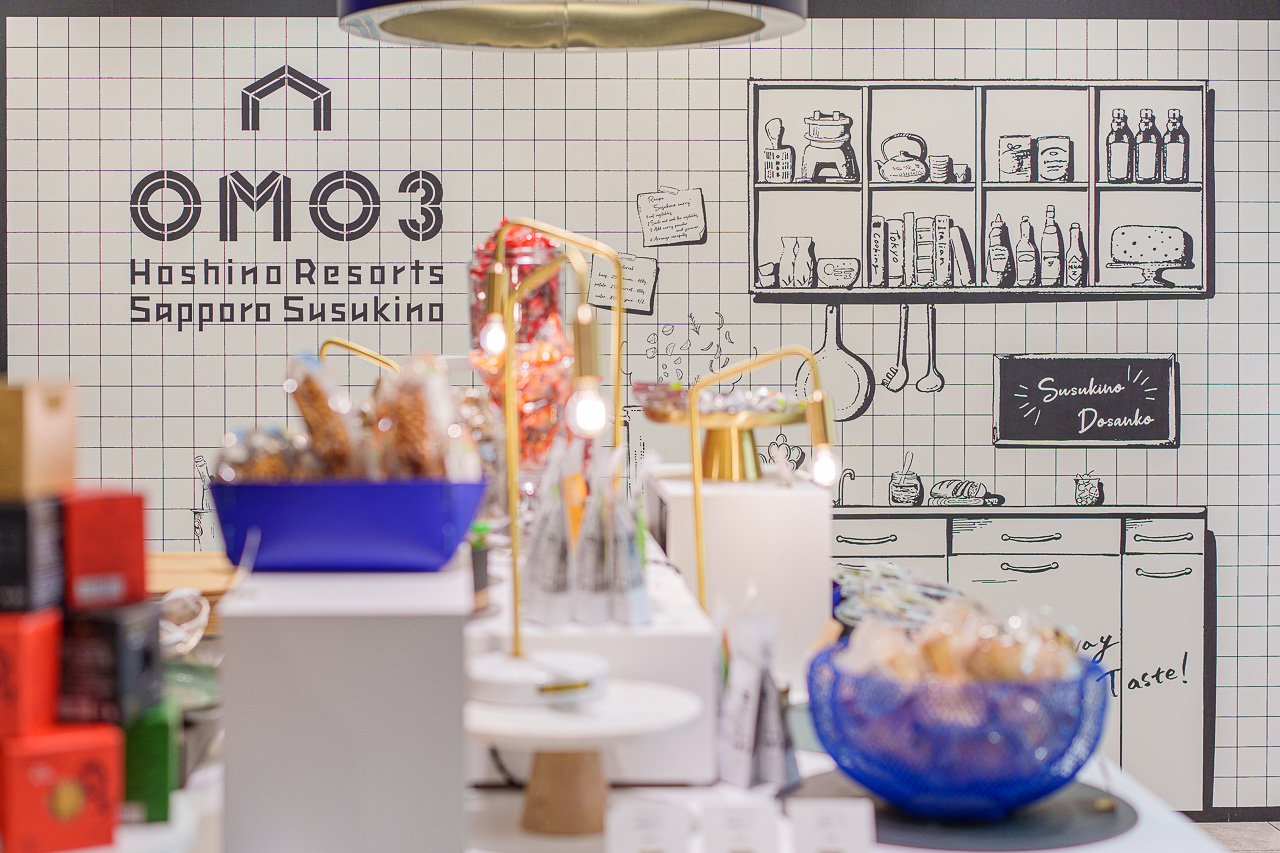
Then I reached the day's accommodation, OMO3 Sapporo Susukino by Hoshino Resorts.
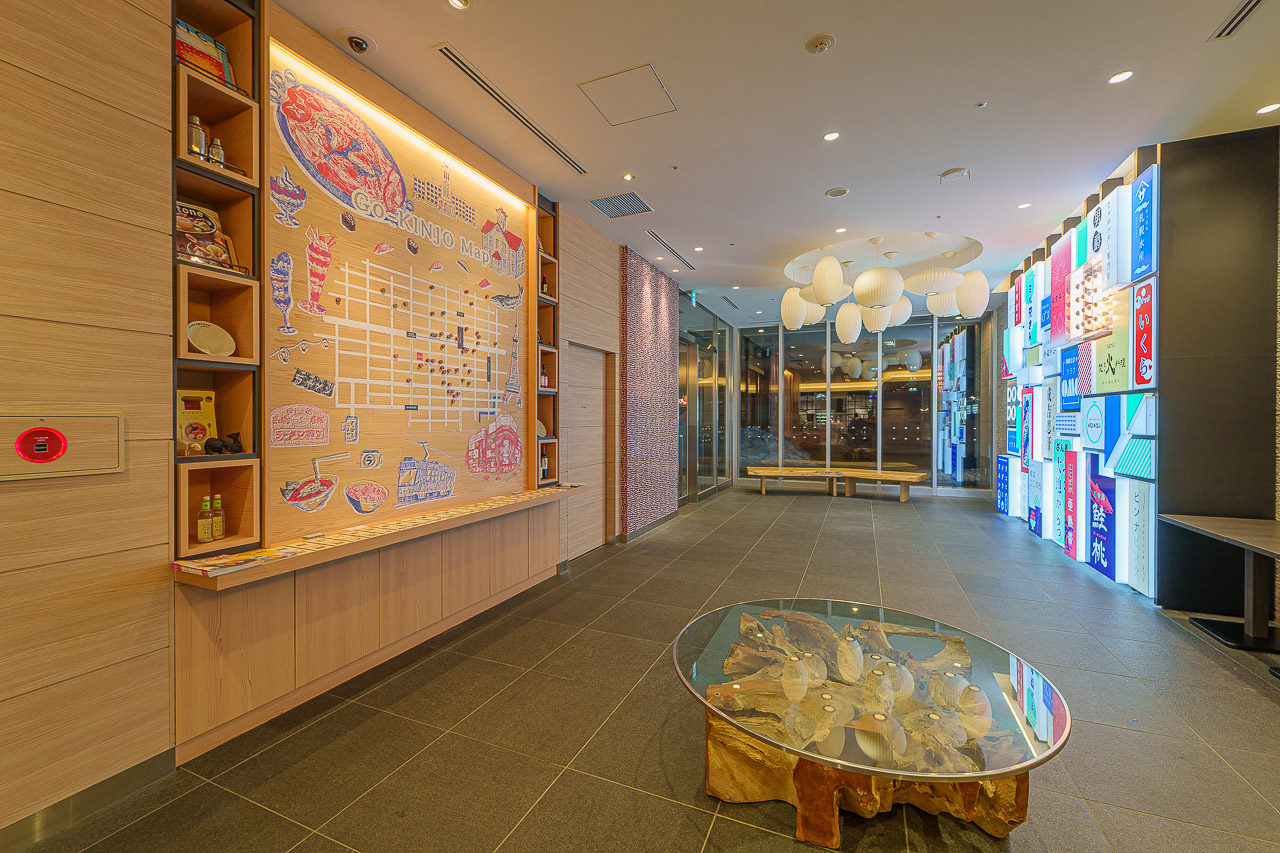
Its concept was exploring Susukino's roughly 3,500 eating places, as counted in the account, and enjoying food and drinks late into the night.
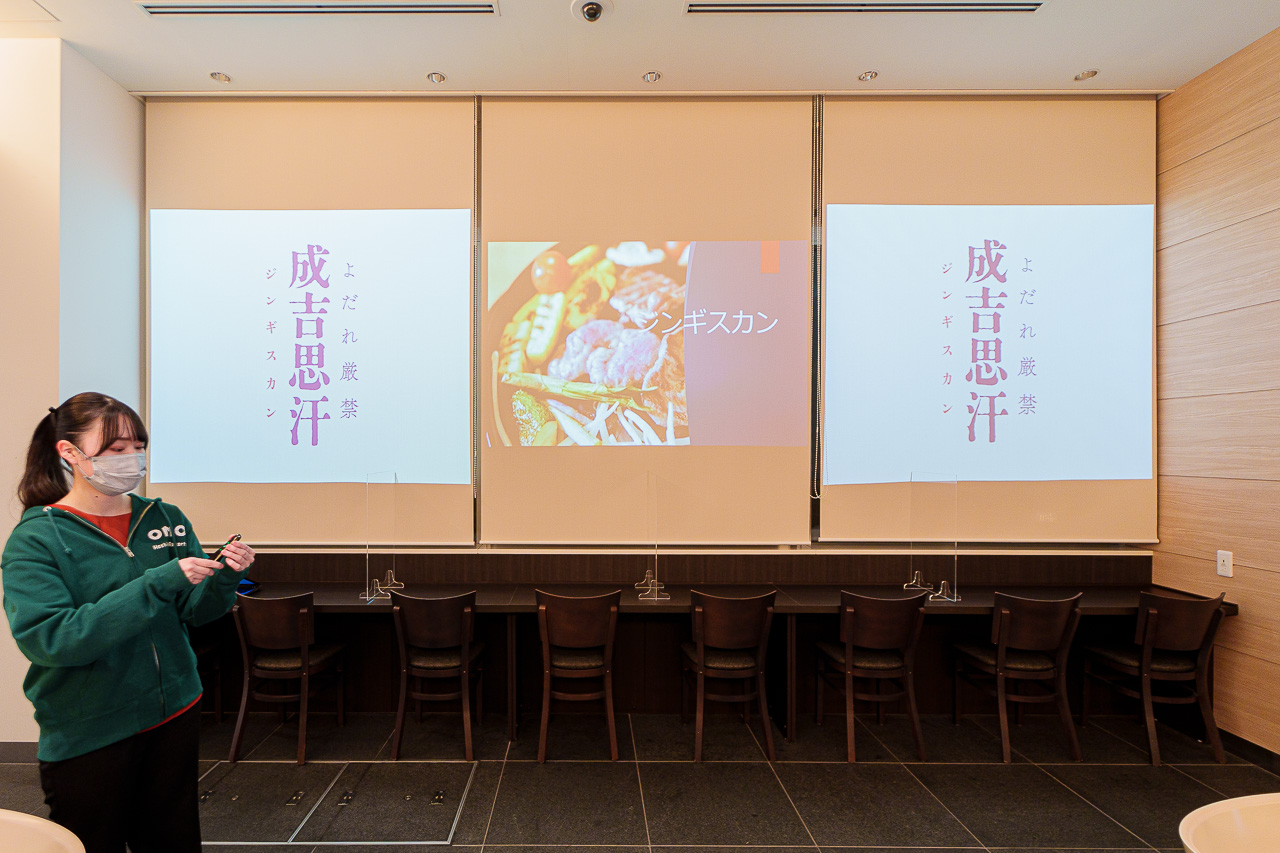
Each evening an OMO Ranger introduced food history and restaurant details that visitors might otherwise miss, helping with the choice.
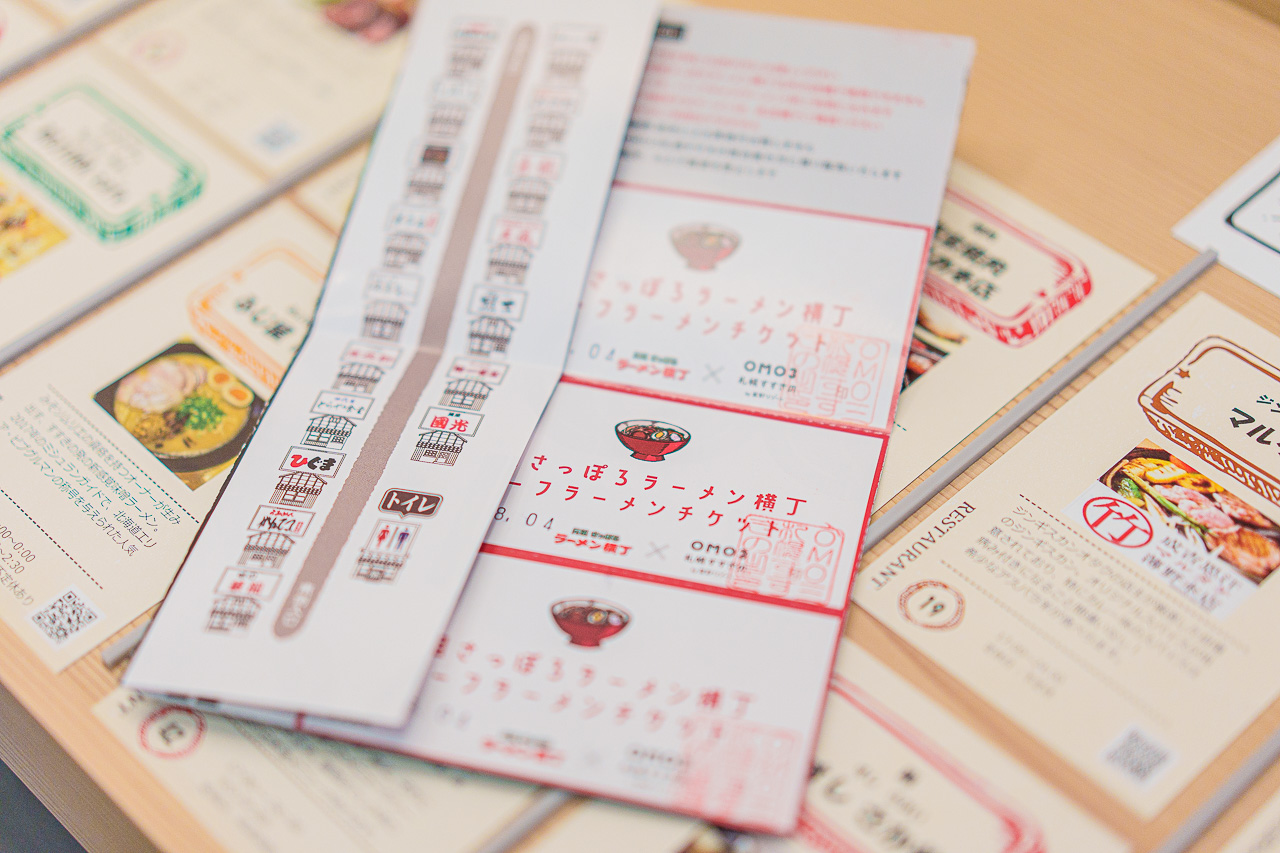
The Sapporo Ramen Yokocho comparison plan supplied tickets for 3 bowls among 17 shops on the well-known ramen lane.
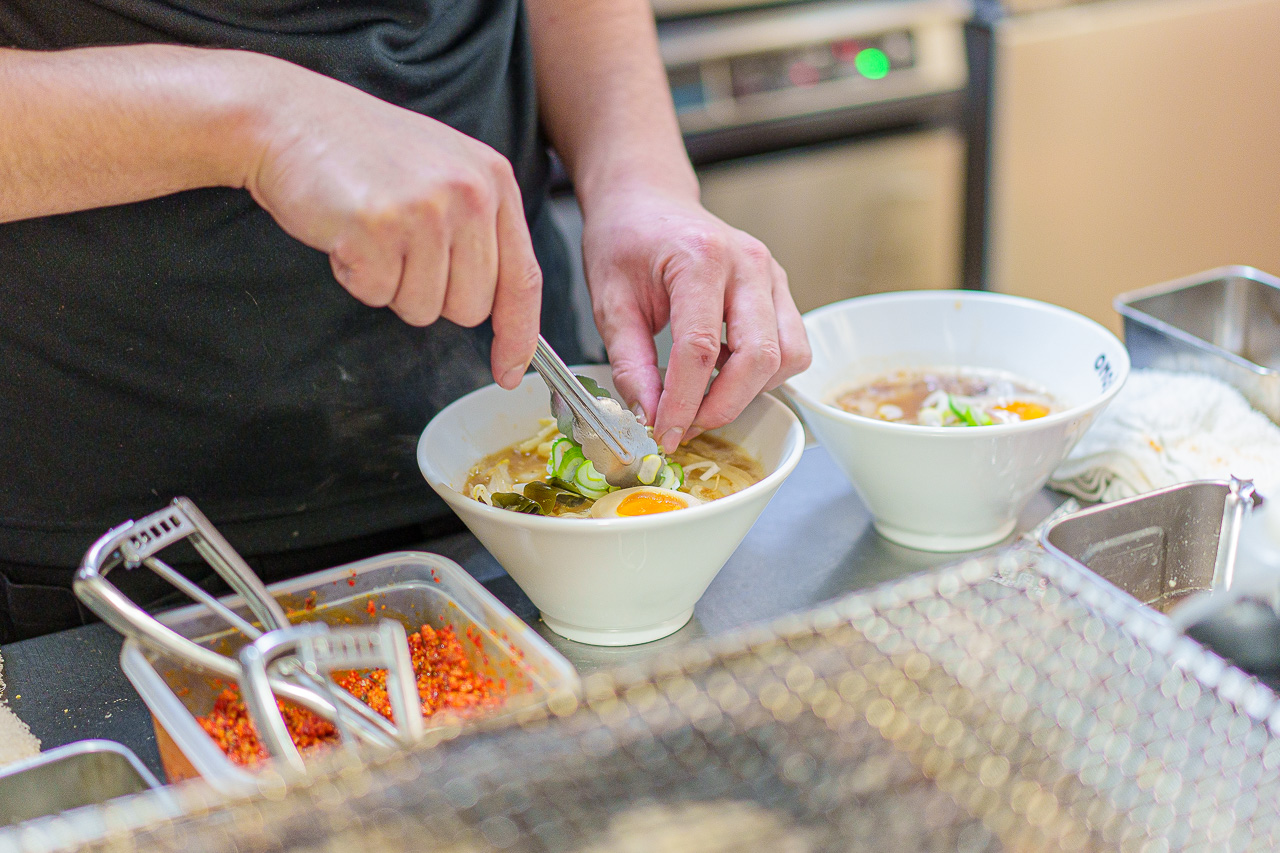
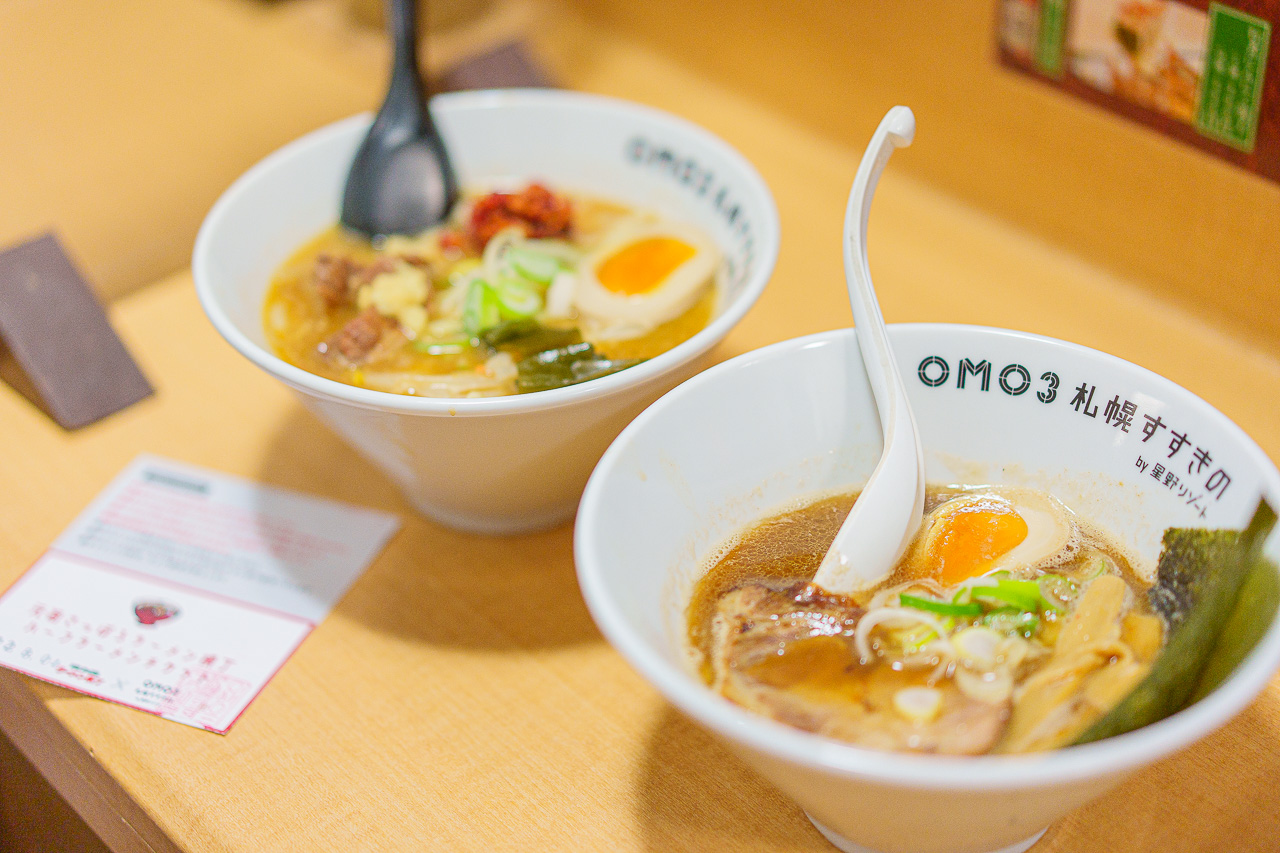
Half-size bowls made trying several places a pleasure.
I could compare 2 flavors at one shop or have a bowl at each of different shops.
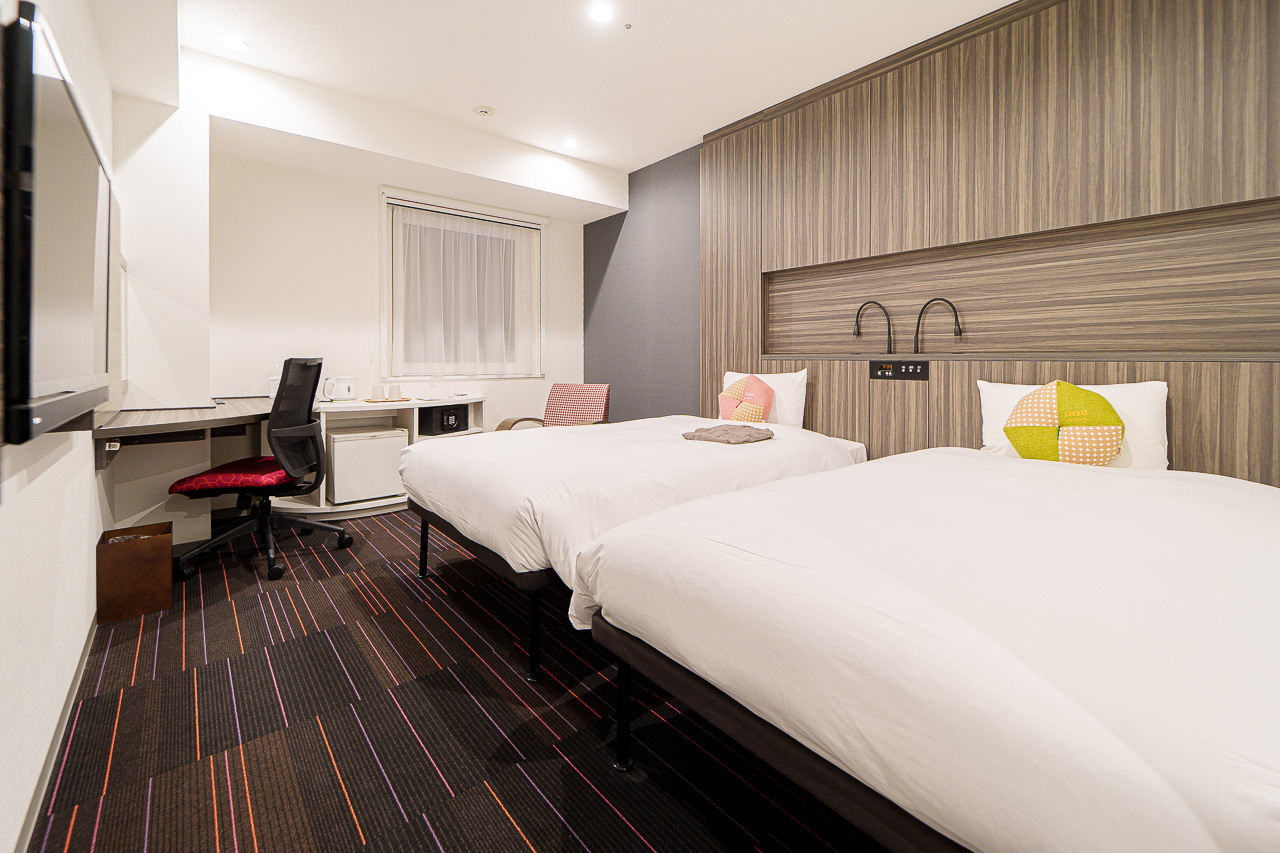
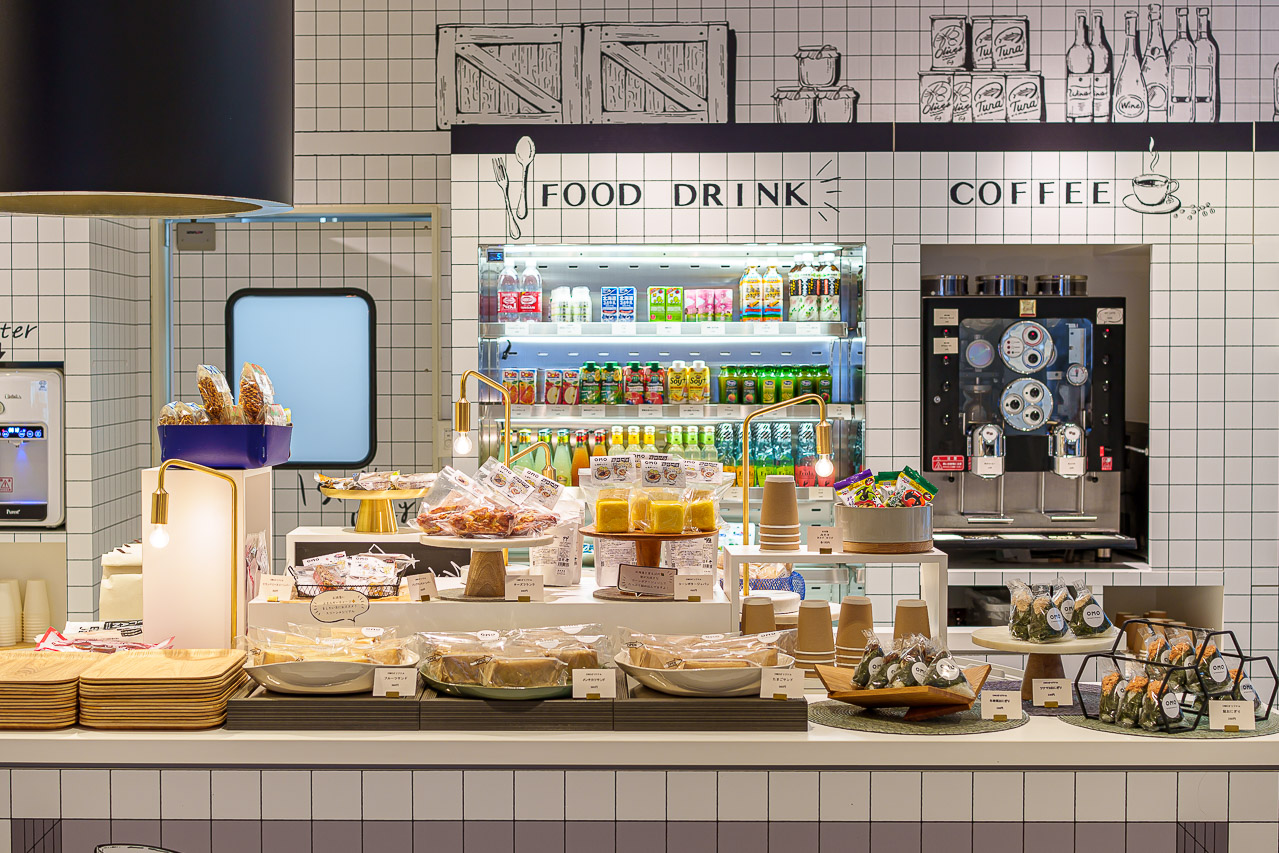
After 3 bowls, the OMO Food & Drink Station awaited back at the hotel.
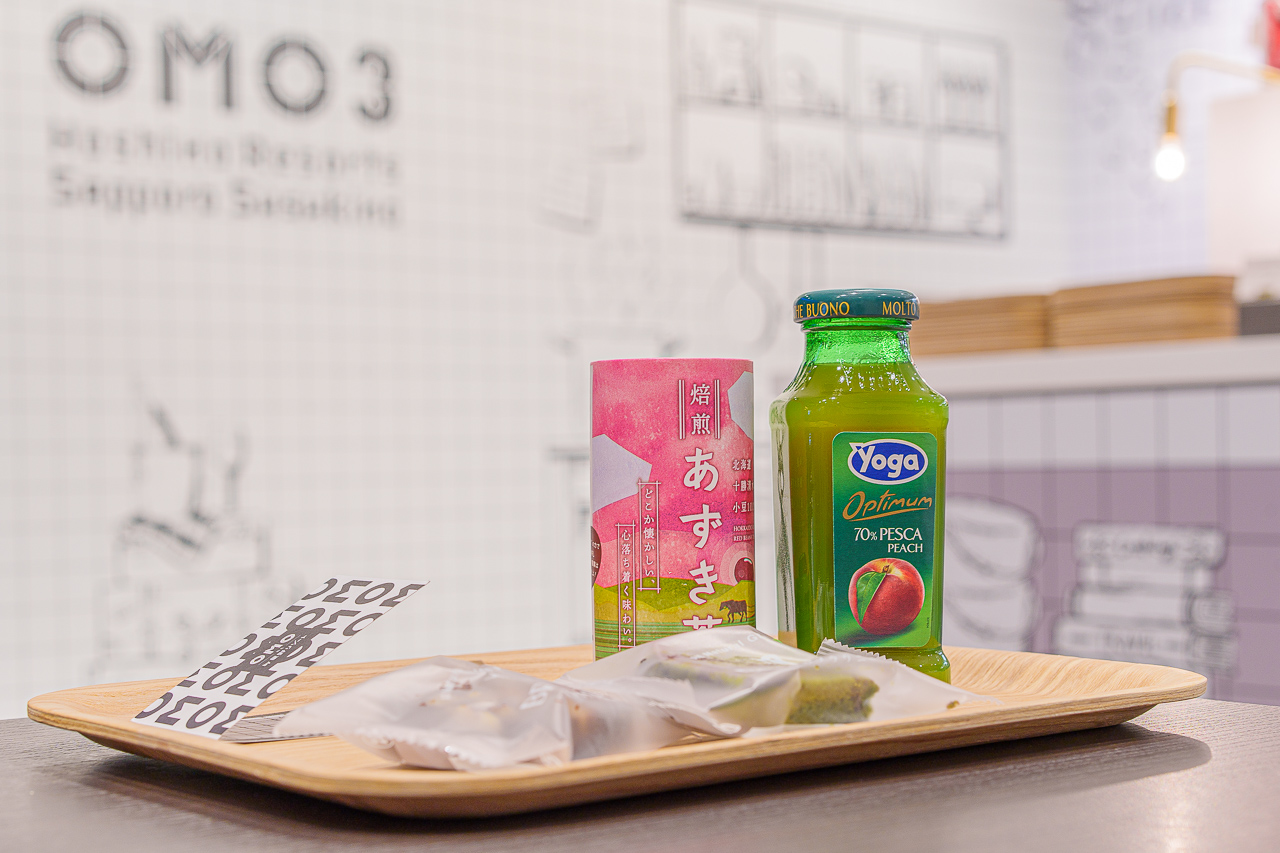
Guests could come and go freely, with snacks, alcohol and other drinks available.
Self-checkout let me enjoy the space into the early morning without depending on reception staff.
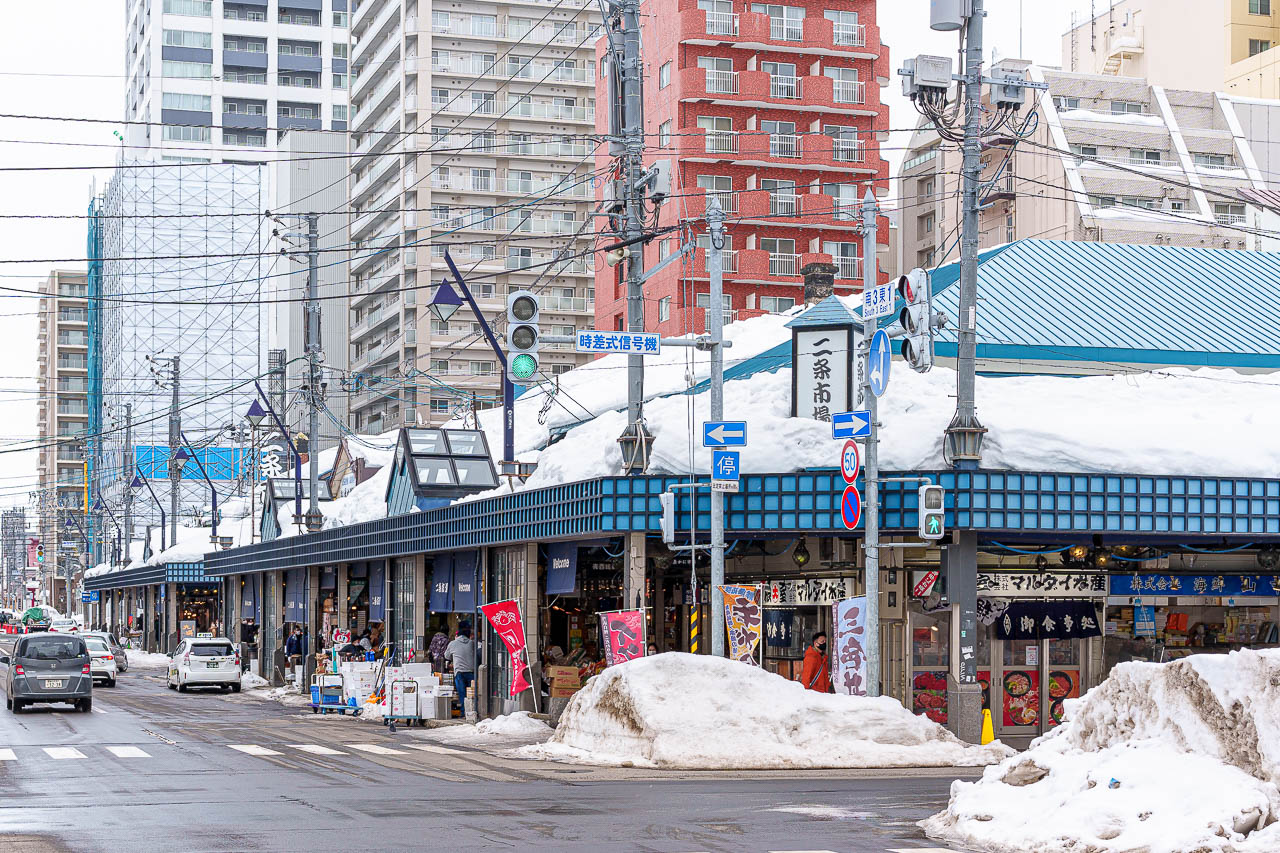
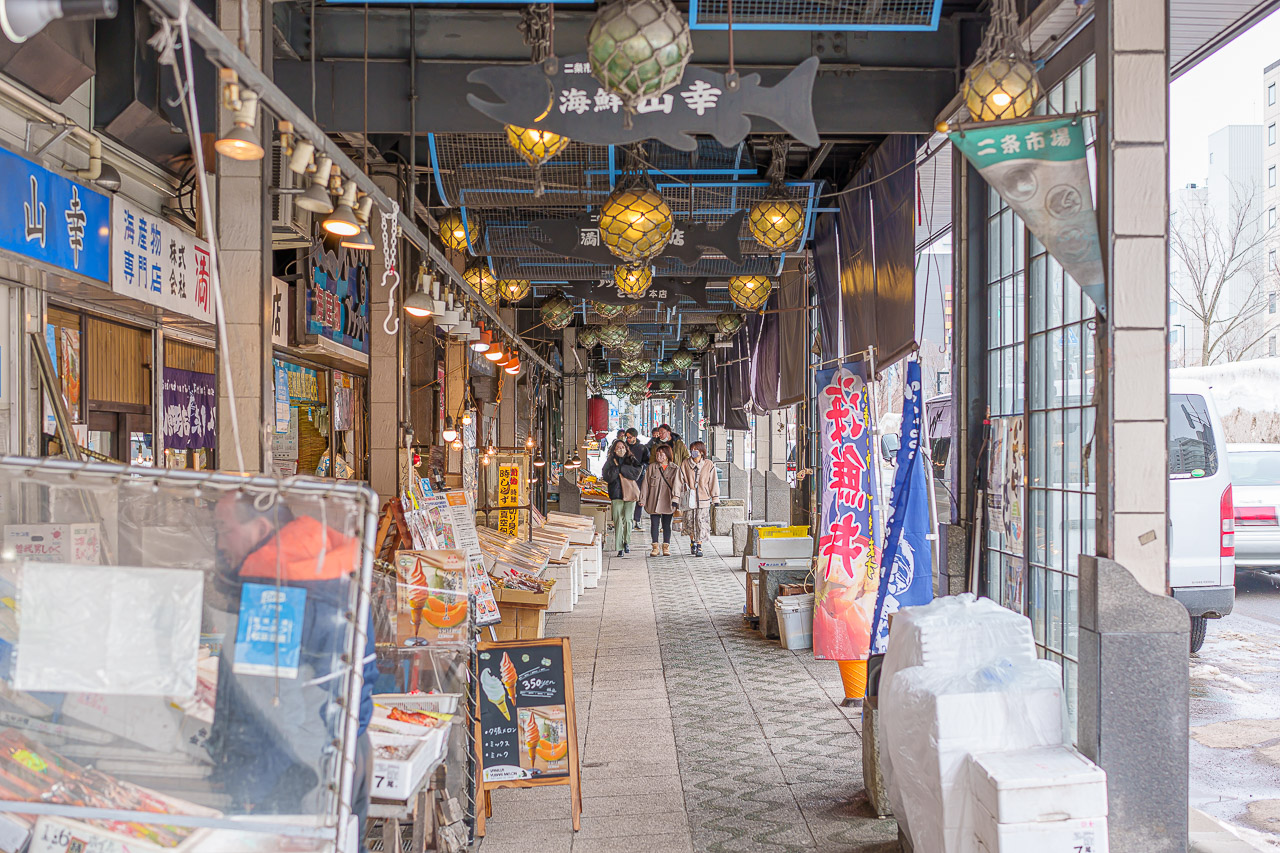
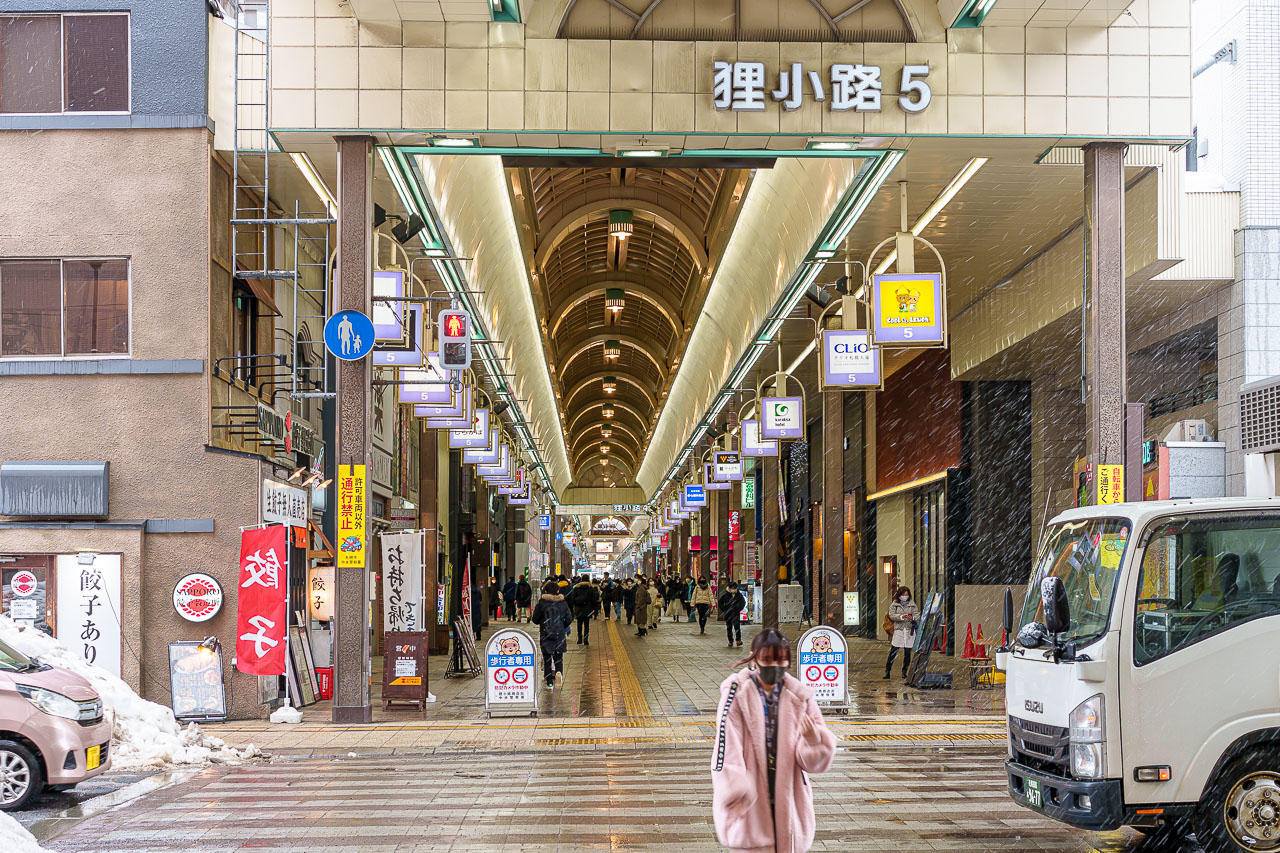
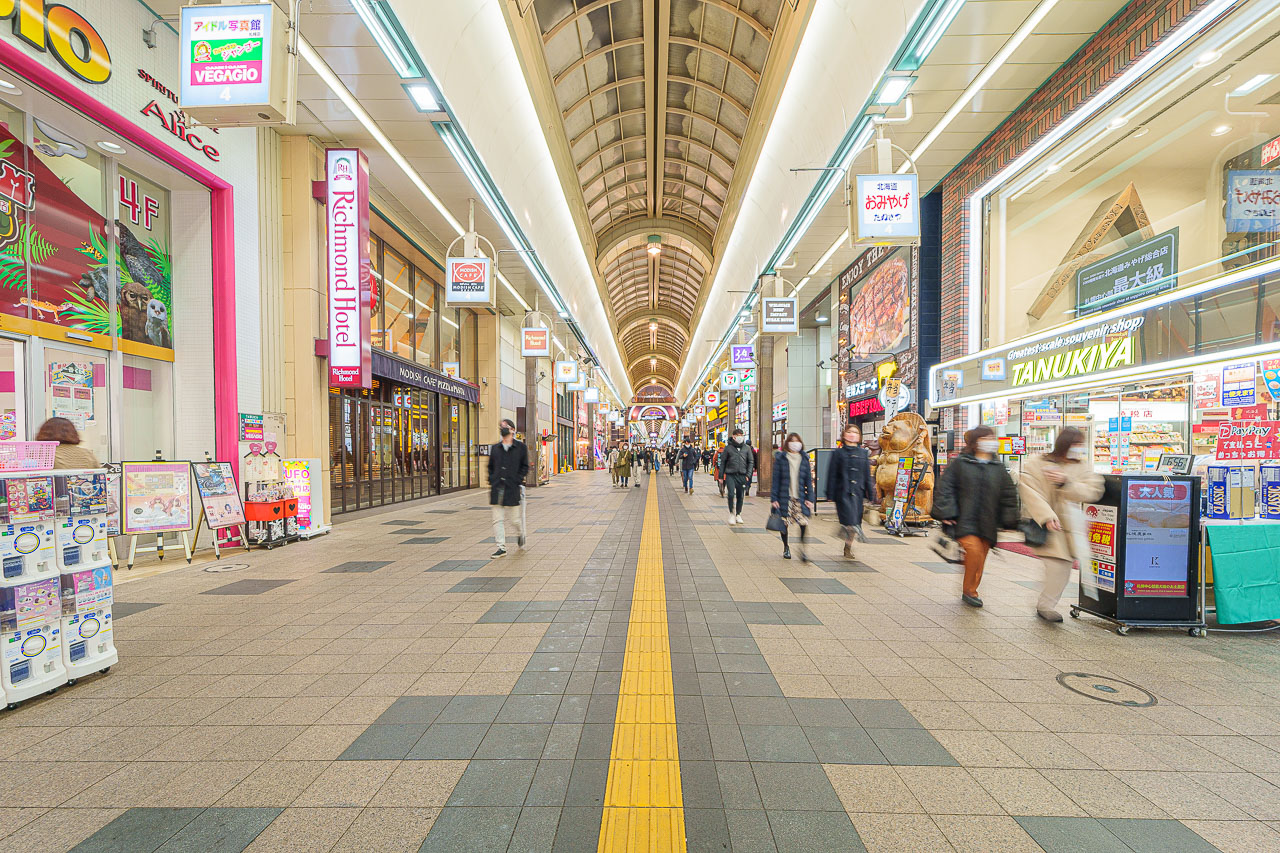
After check-out, I explored central Sapporo.
I walked around Nijo Market and Tanukikoji,
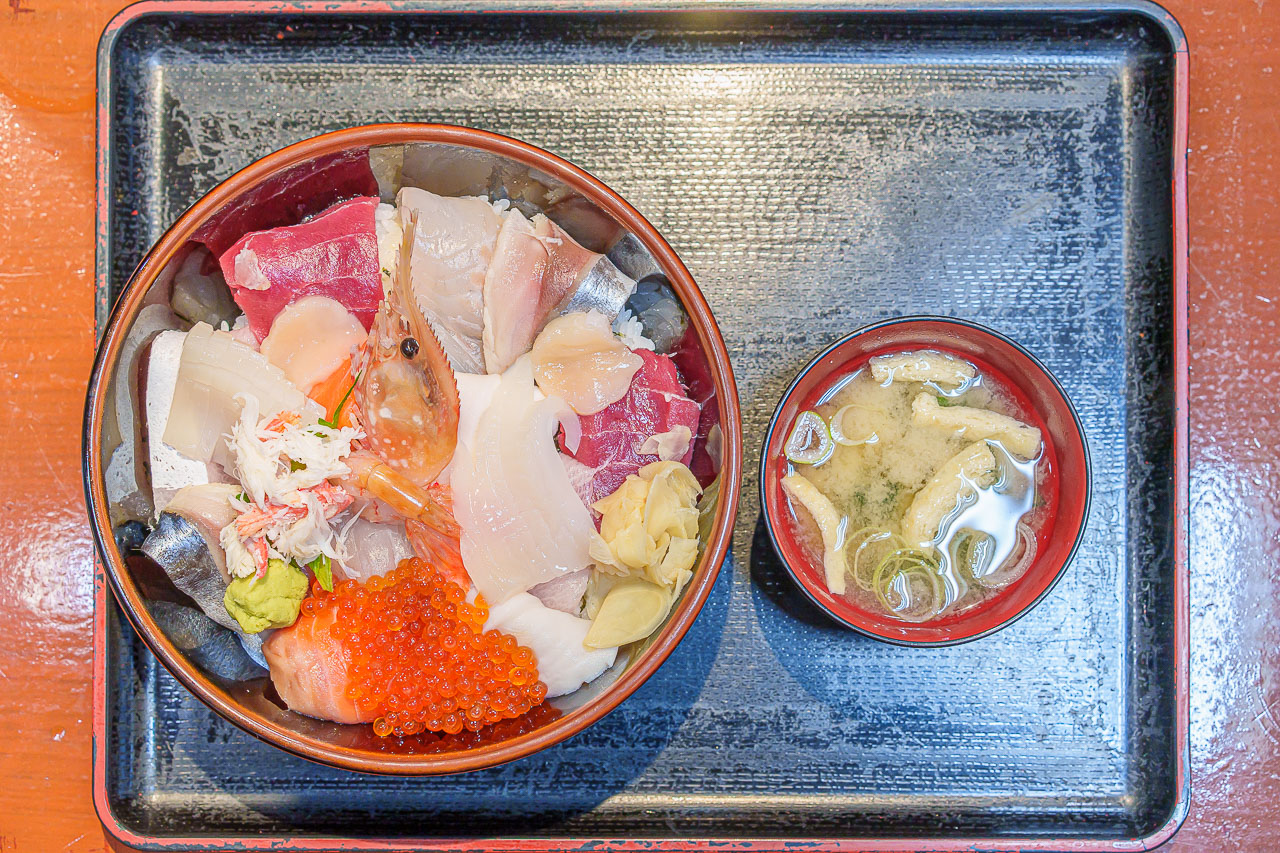
then had an enormous seafood rice bowl for lunch.
I had actually planned a restaurant serving bear and deer, but it was closed during the pandemic.
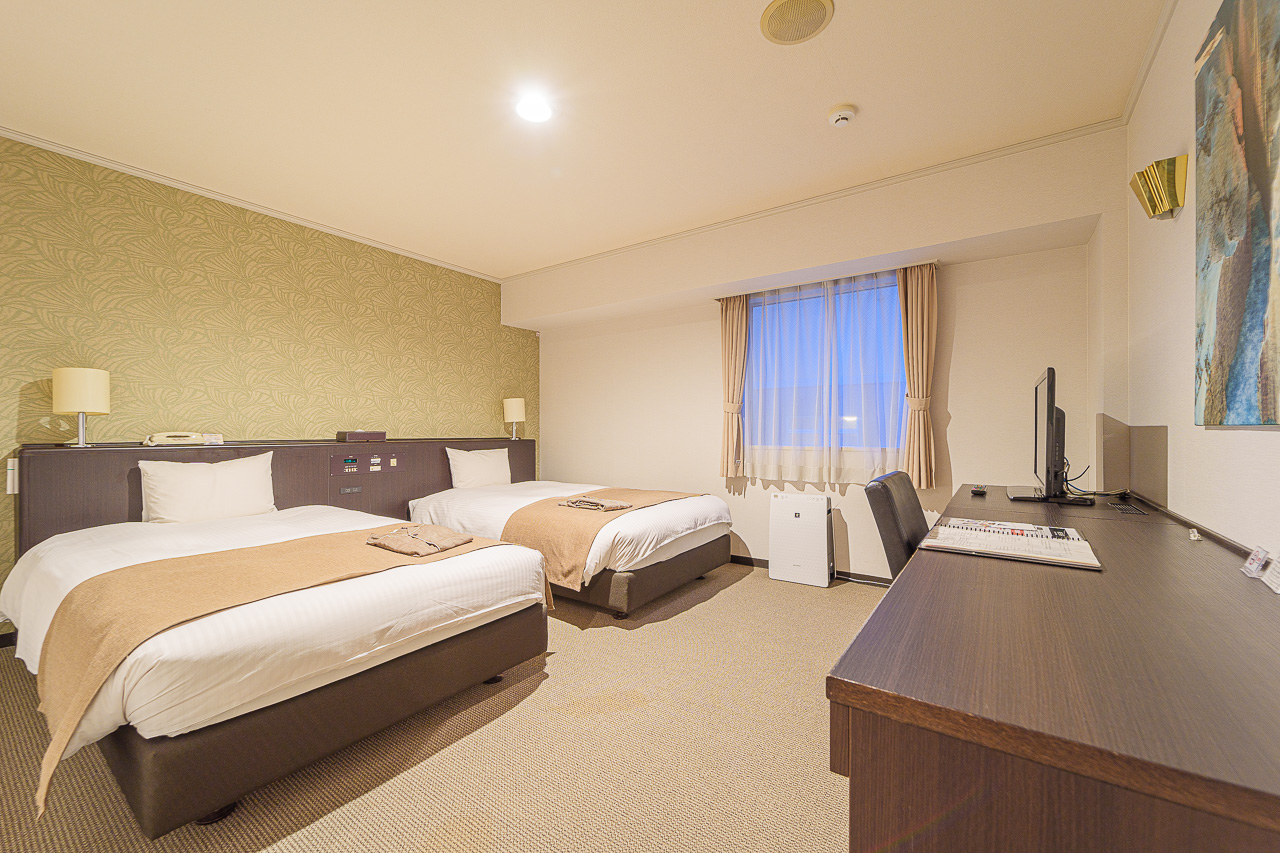

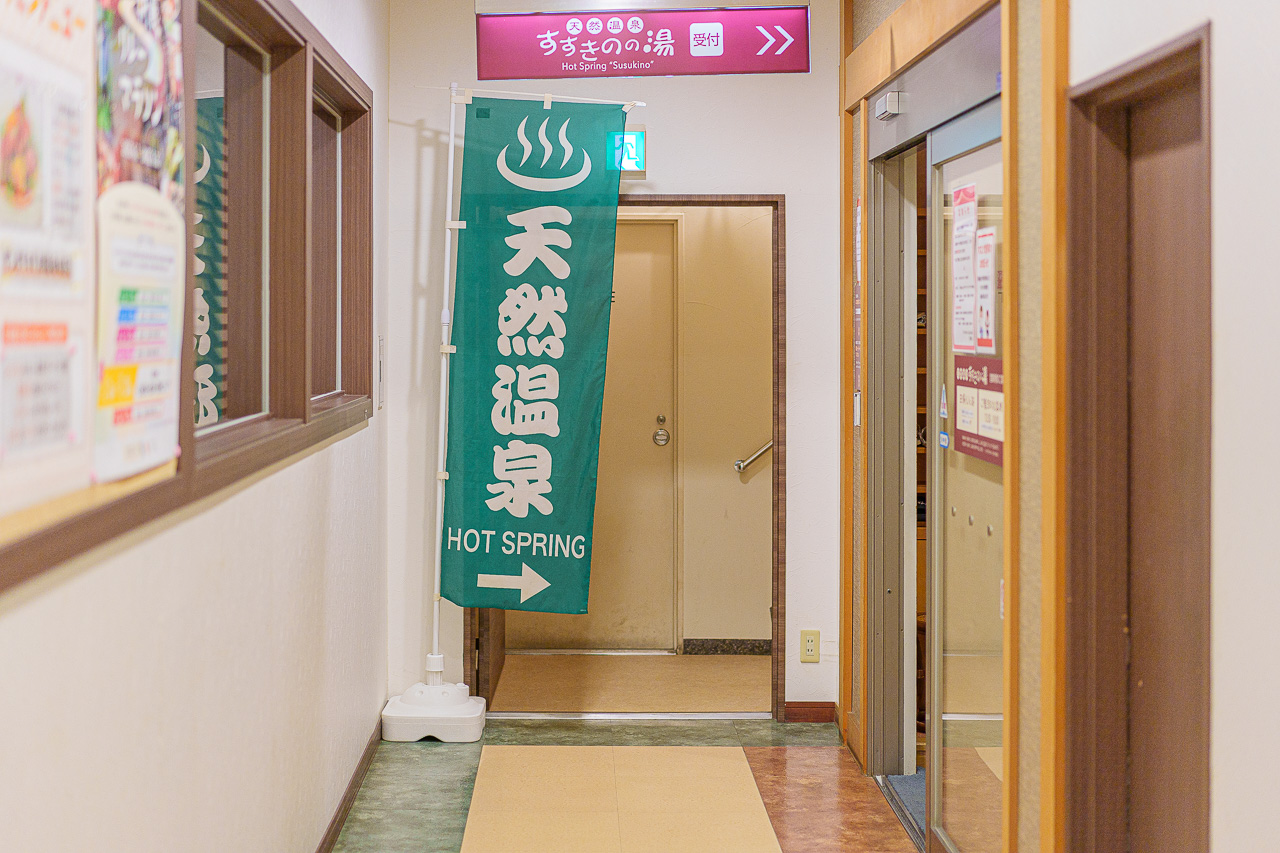
The final stay was Hotel Royal Stay Sapporo.
A hot-spring visit felt essential to this hotel-focused trip, so I headed to bathe. The source does not identify the bath as a facility of this hotel.
It was busy, seemingly popular. Photography in the bath was not allowed.
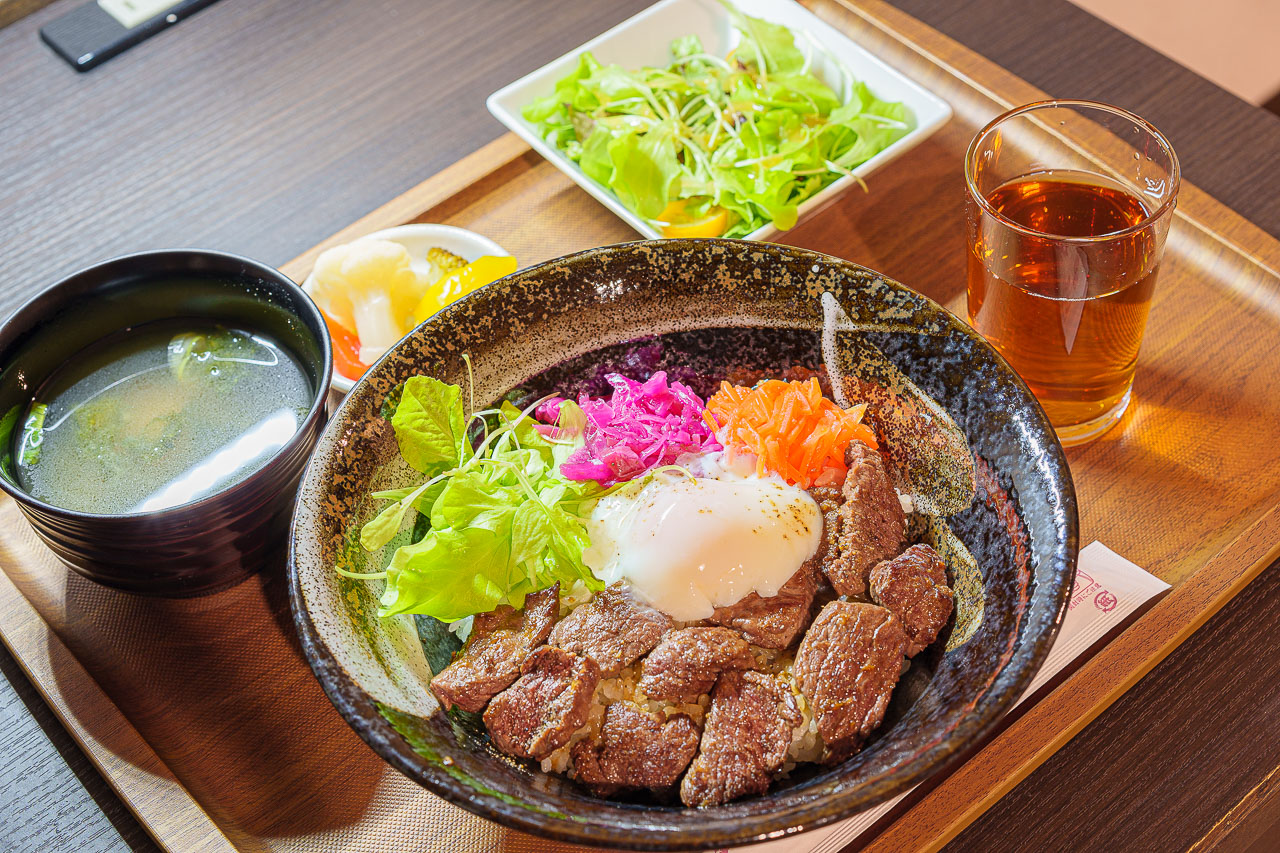
Dinner was a steak rice-bowl set.
It was conveniently brought to the room, with the finished tray left outside the door.

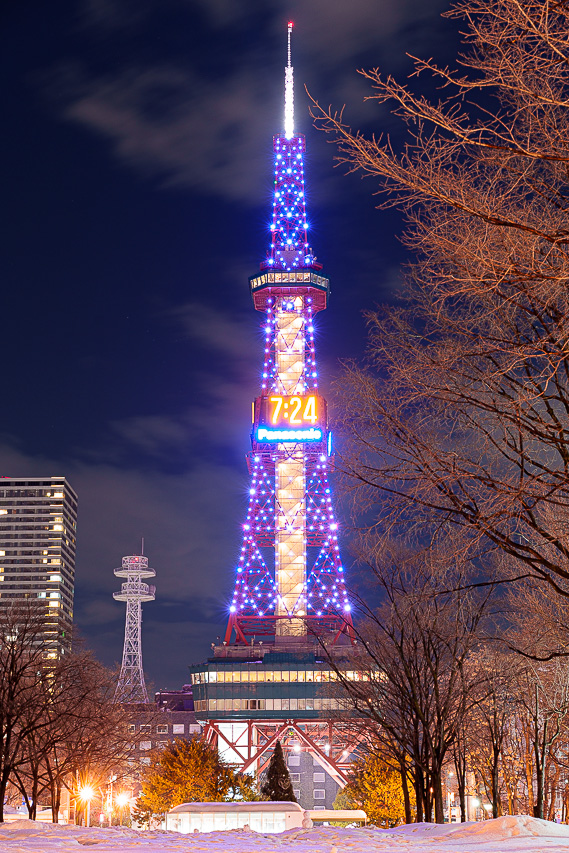
After dinner I walked Sapporo's nighttime streets and visited the TV Tower area.
The familiar Nikka figure again.
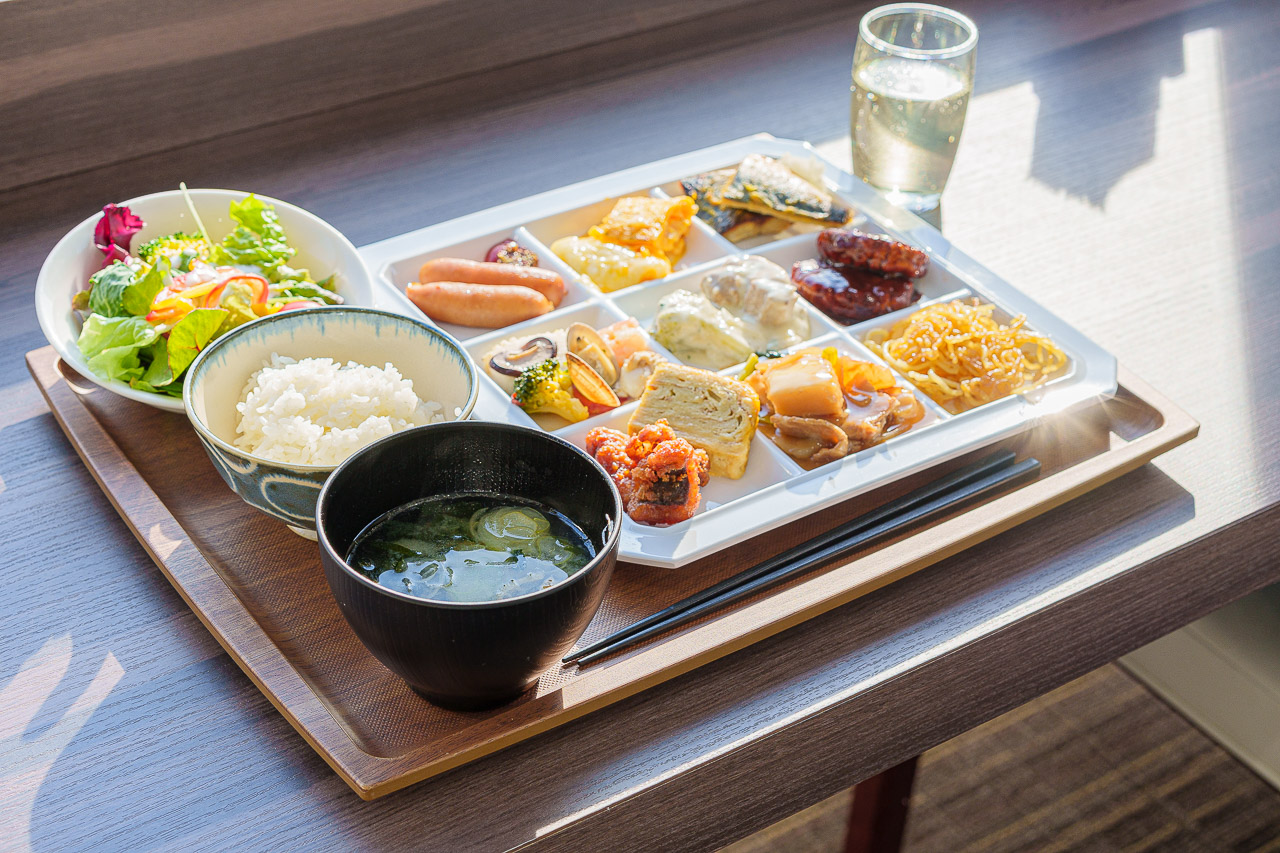
Breakfast the next day was a buffet.
A simple but satisfying selection of sausages, grilled fish and yakisoba made an enjoyable meal.
Sadly, it was time to return to everyday life.
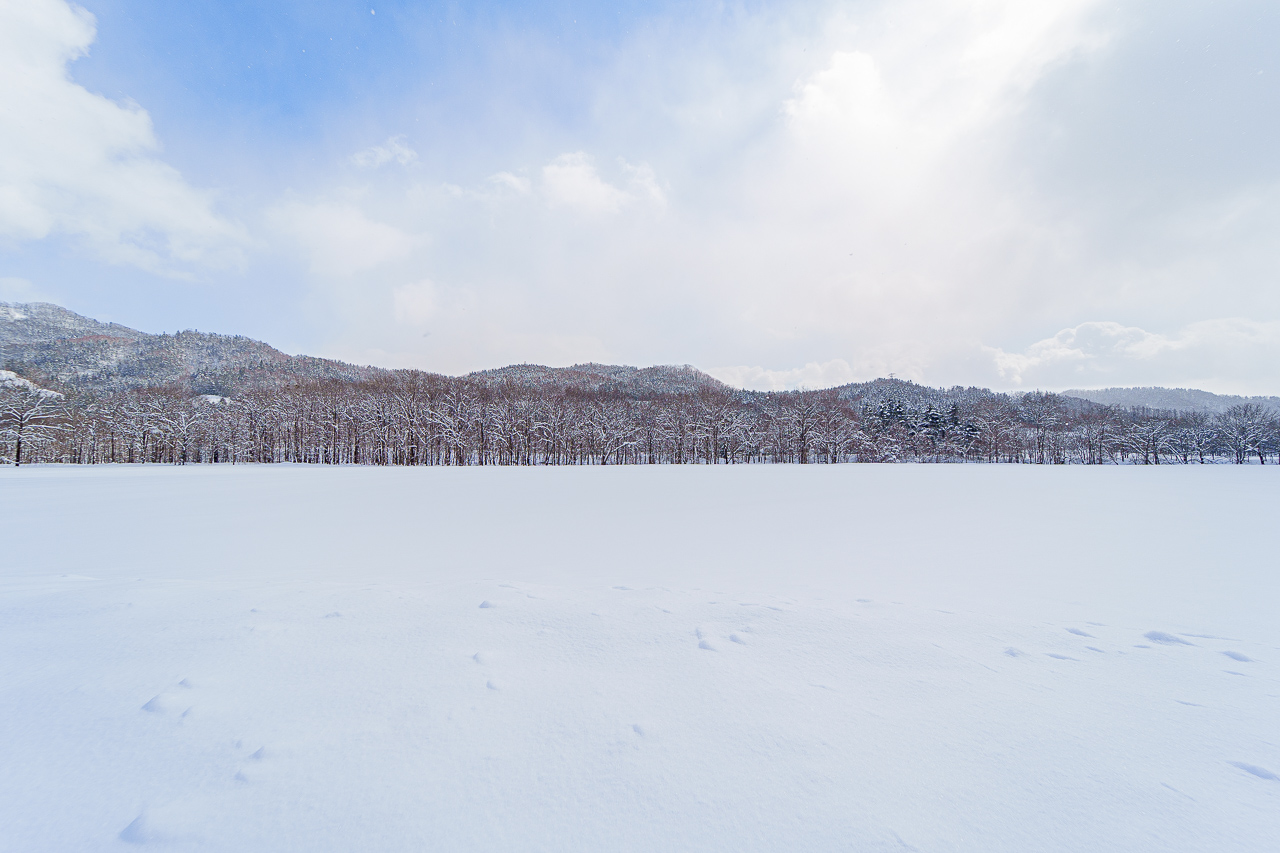
A special winter surrounded by snow came to an end.
Continued in the individual related accounts.