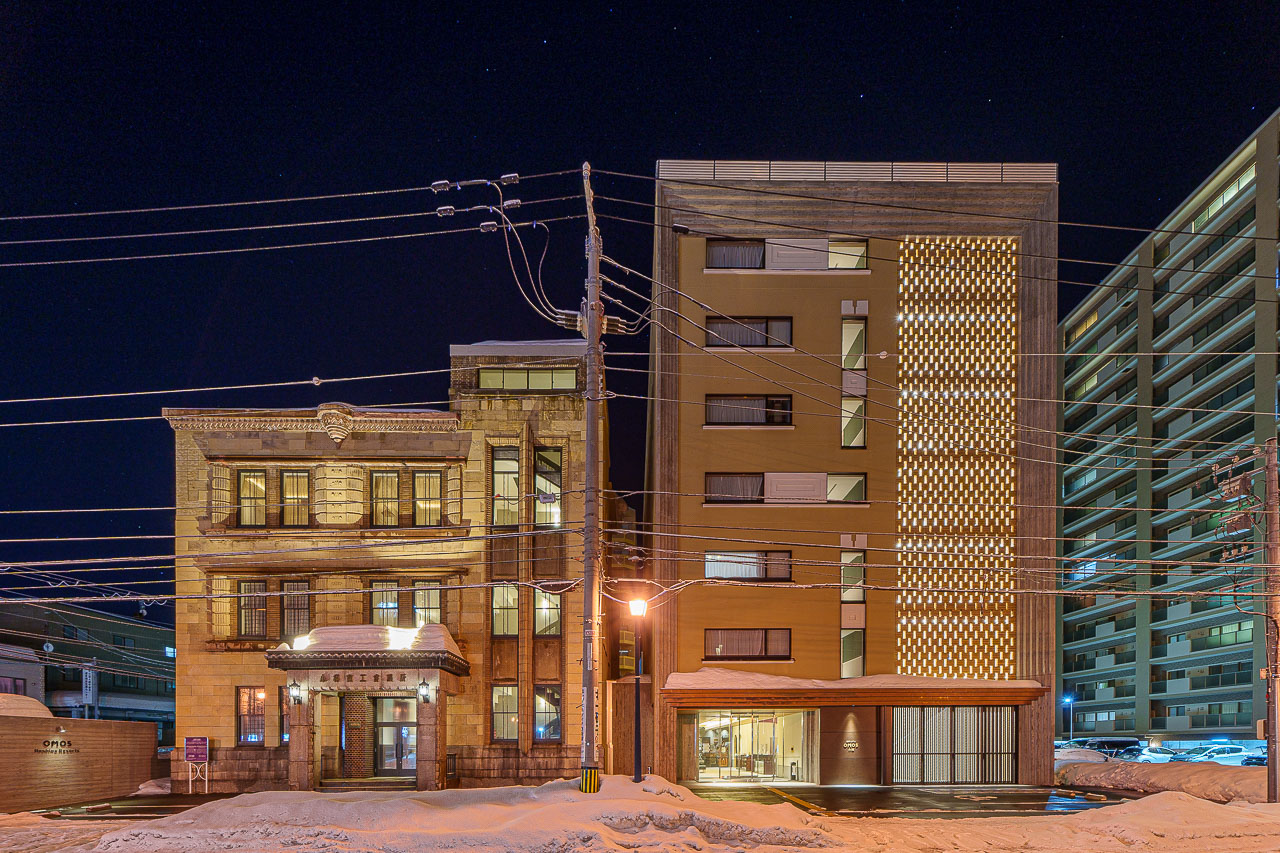
We arrive in Otaru, a highlight of a Hokkaido winter trip.
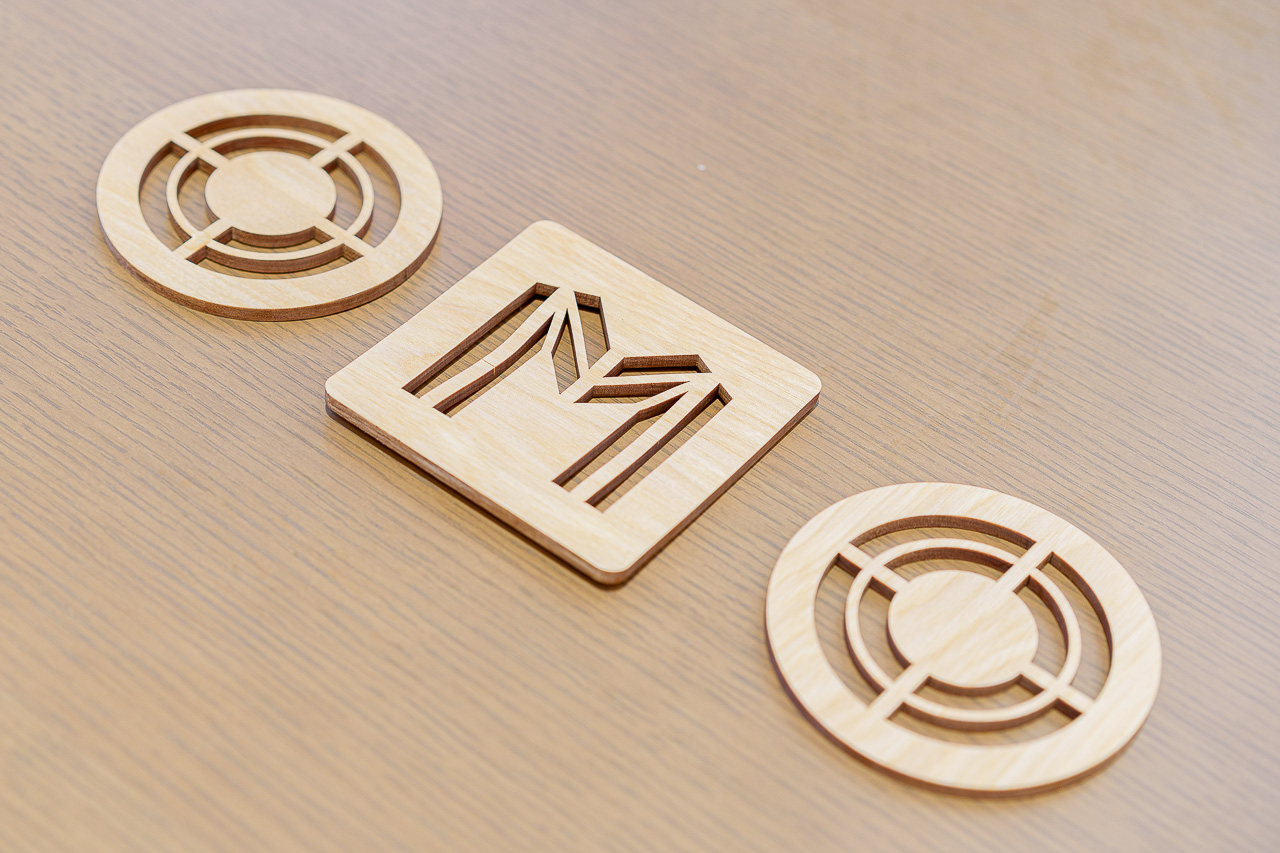
Our hotel is OMO5 Otaru by Hoshino Resorts.
OMO is the city-hotel brand of Hoshino Resorts, described in this source as having a 107-year history, aimed at people staying in a city to explore it.
Its numbers—1, 3, 5 and 7—indicate a broader range of facilities and services as they increase.
The source compares OMO1 with a capsule hotel and OMO7 with a full-service hotel including restaurants and cafés. This is its explanation of the brand at that time.
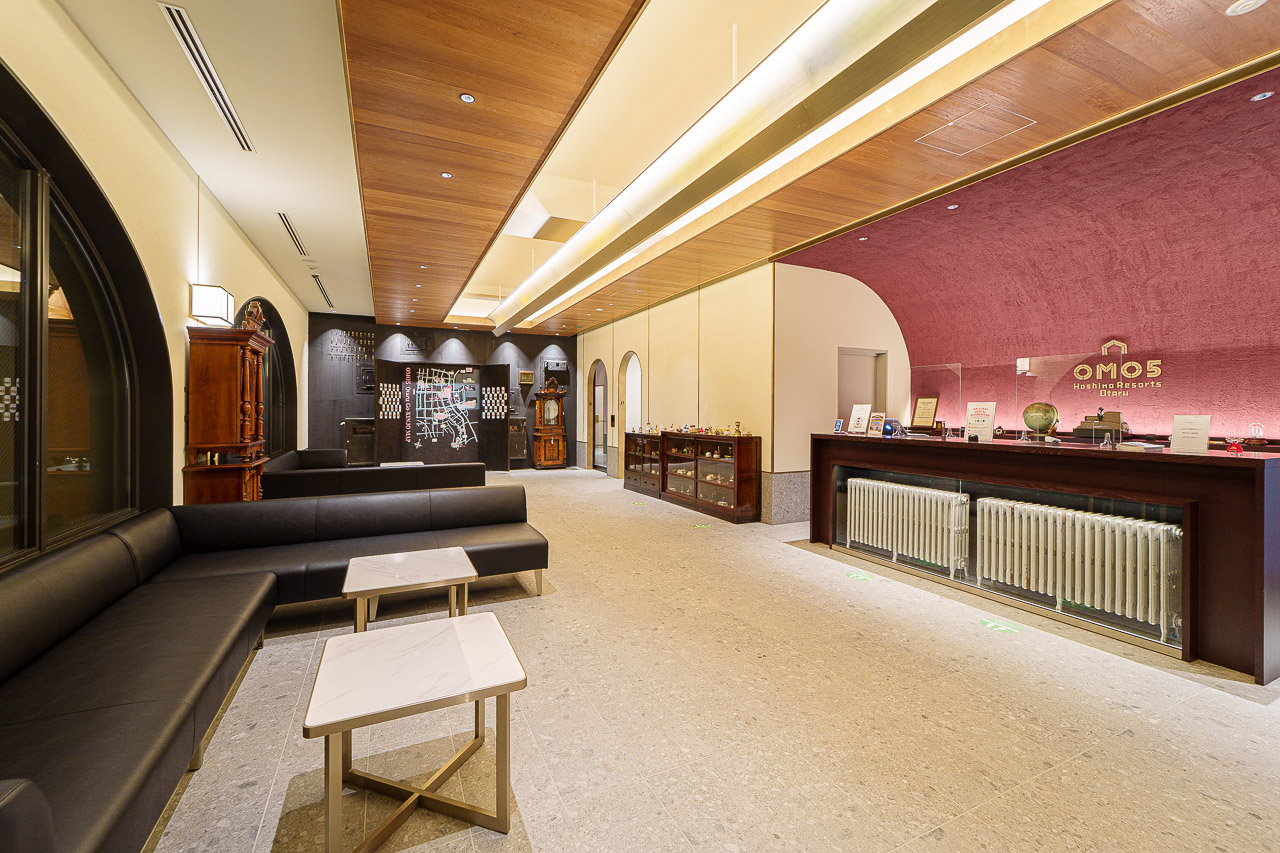
At reception, OMO Base occupies the wall.
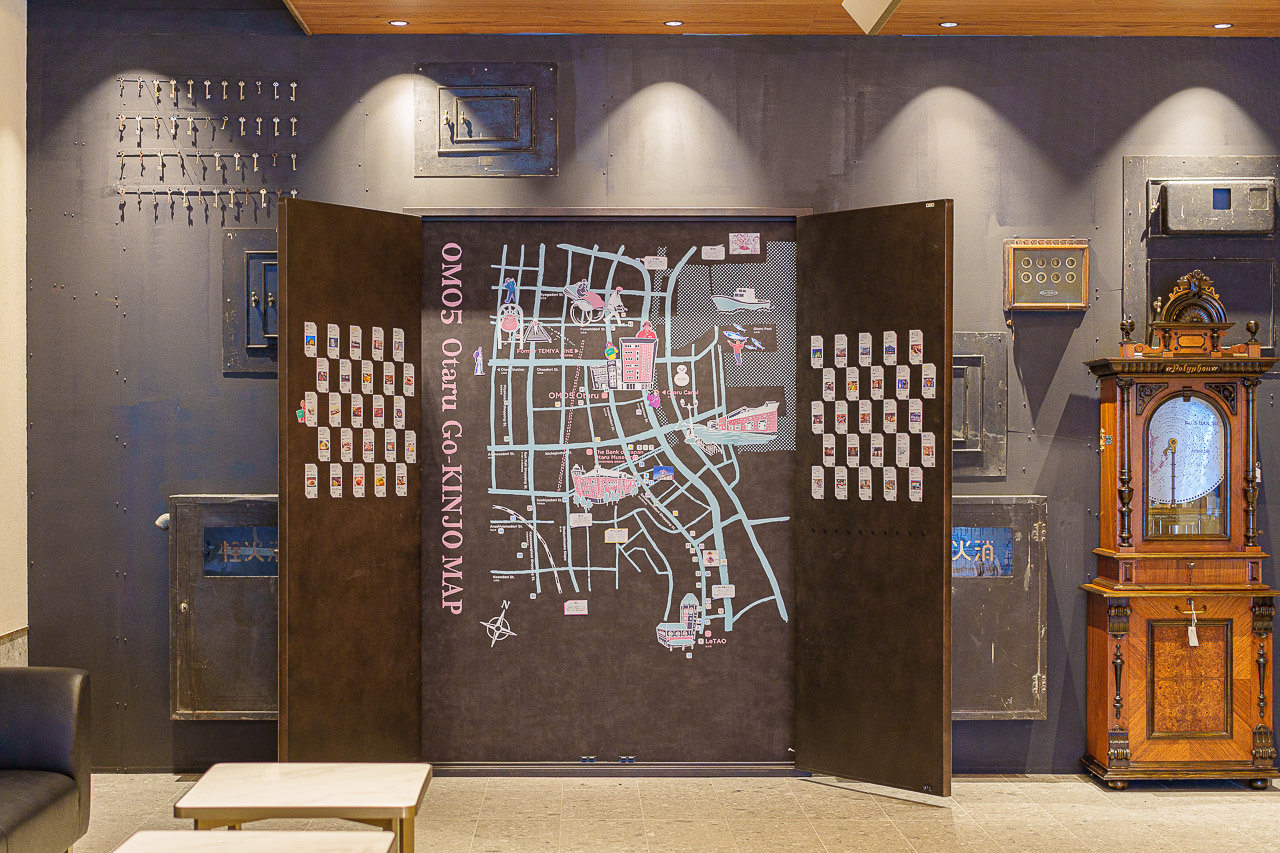
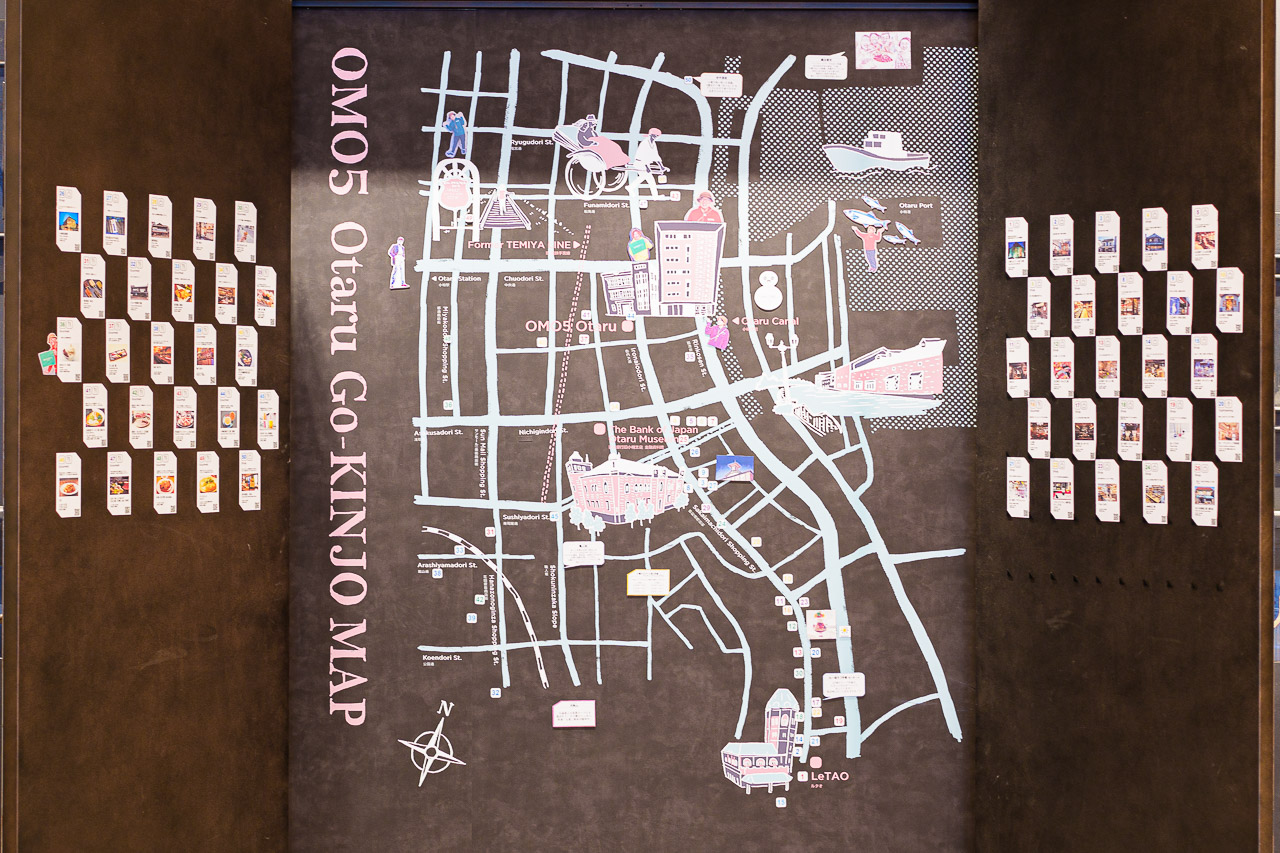
Its OMO5 Otaru Go-KINJO neighborhood map introduces local sights and restaurants.

Around 50 attractions and food stops are described, with QR codes linking directly to Google Maps for directions.
There is no Korean on this map, but it includes English, making it useful without Japanese.
It expresses the idea of a city hotel for sightseers.
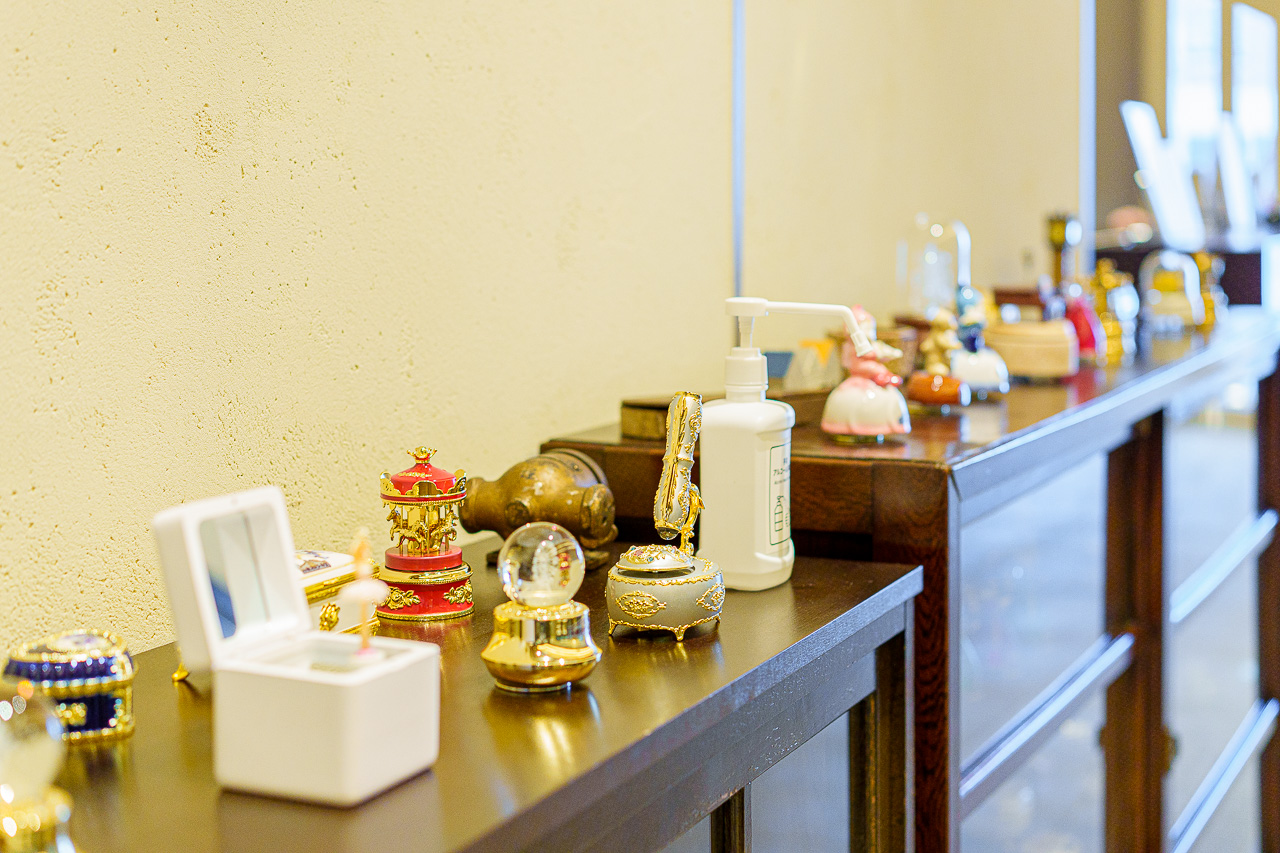
After checking in, I notice music boxes displayed by reception.
Guests could borrow one to take to the room—a fitting detail in Otaru, known for music boxes.

The hotel combines a South Wing renovated from the 1933 Otaru Chamber of Commerce building with a North Wing focused on modern function and design, bringing together nostalgia and contemporary hotel style.
We stay in the historic South Wing.
Check-in is in the North Wing, then we move across.
I later learn that the South Wing is Municipal Historic Building No. 10, according to the source.
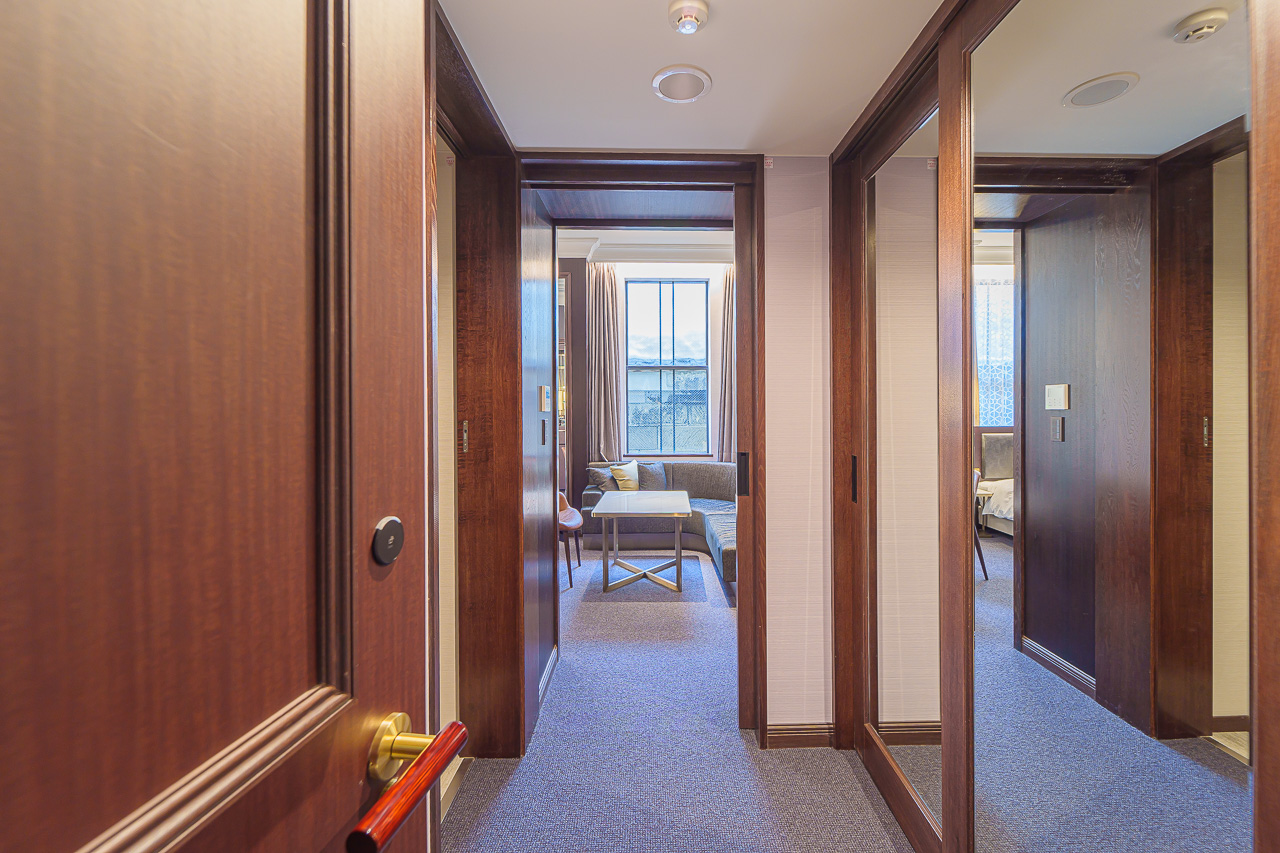
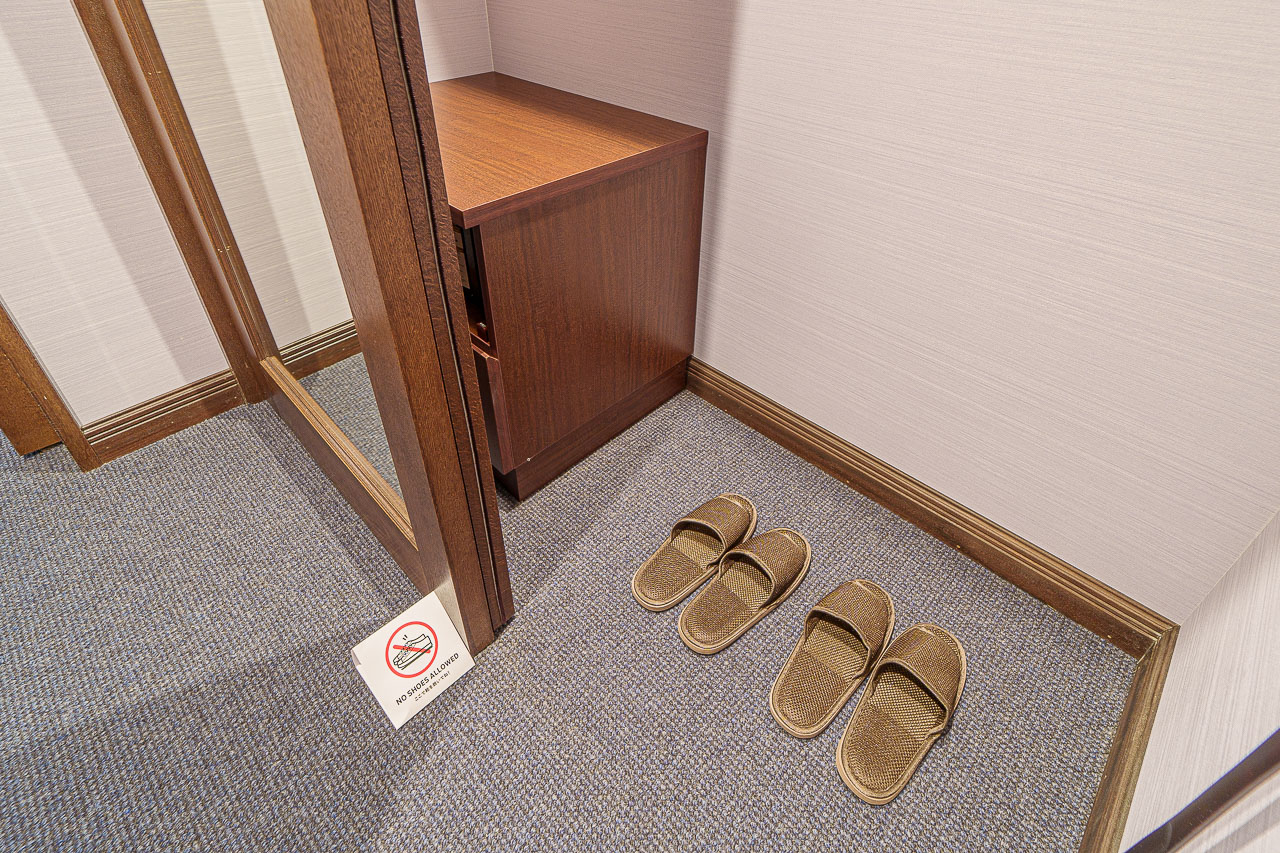
Gray carpet and dark timber give the entrance an elegant feel.
First, shoes off and slippers on.
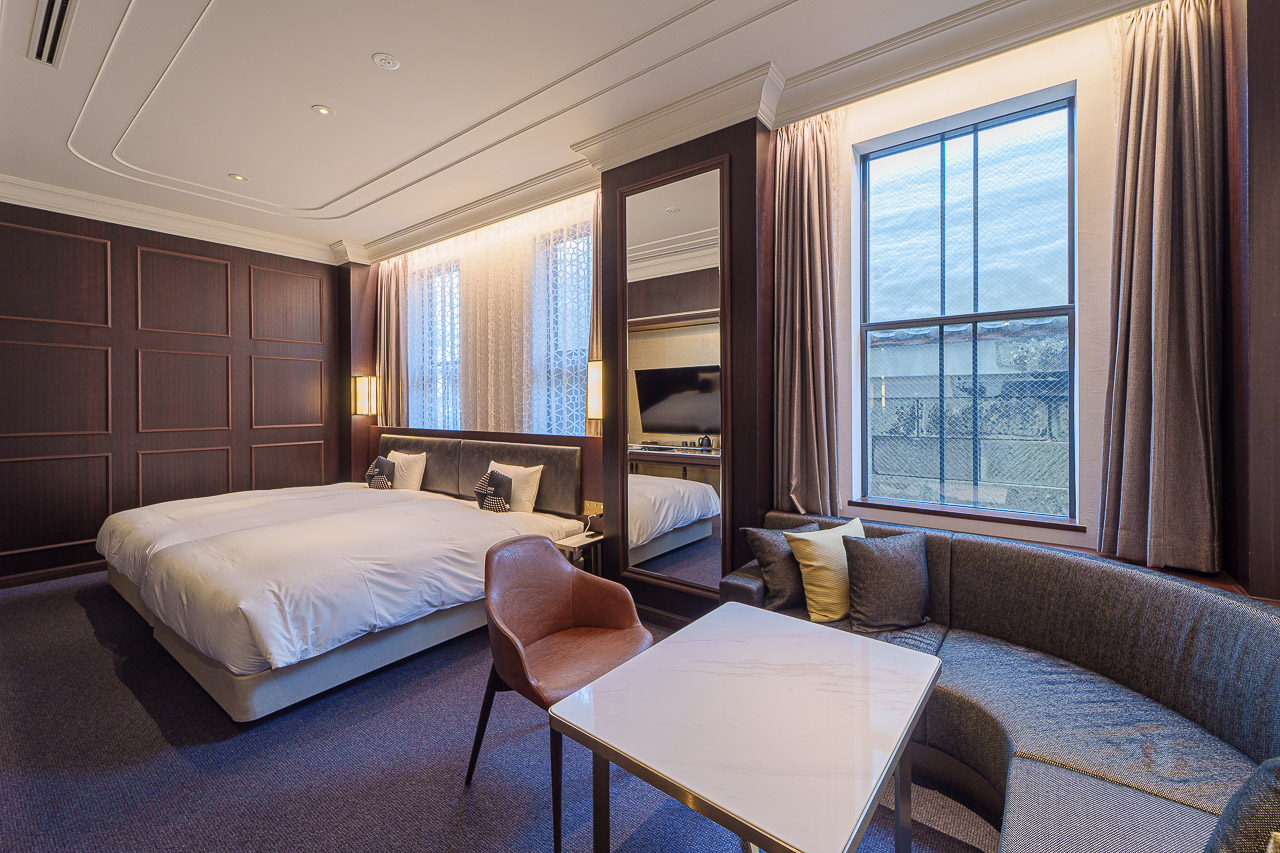
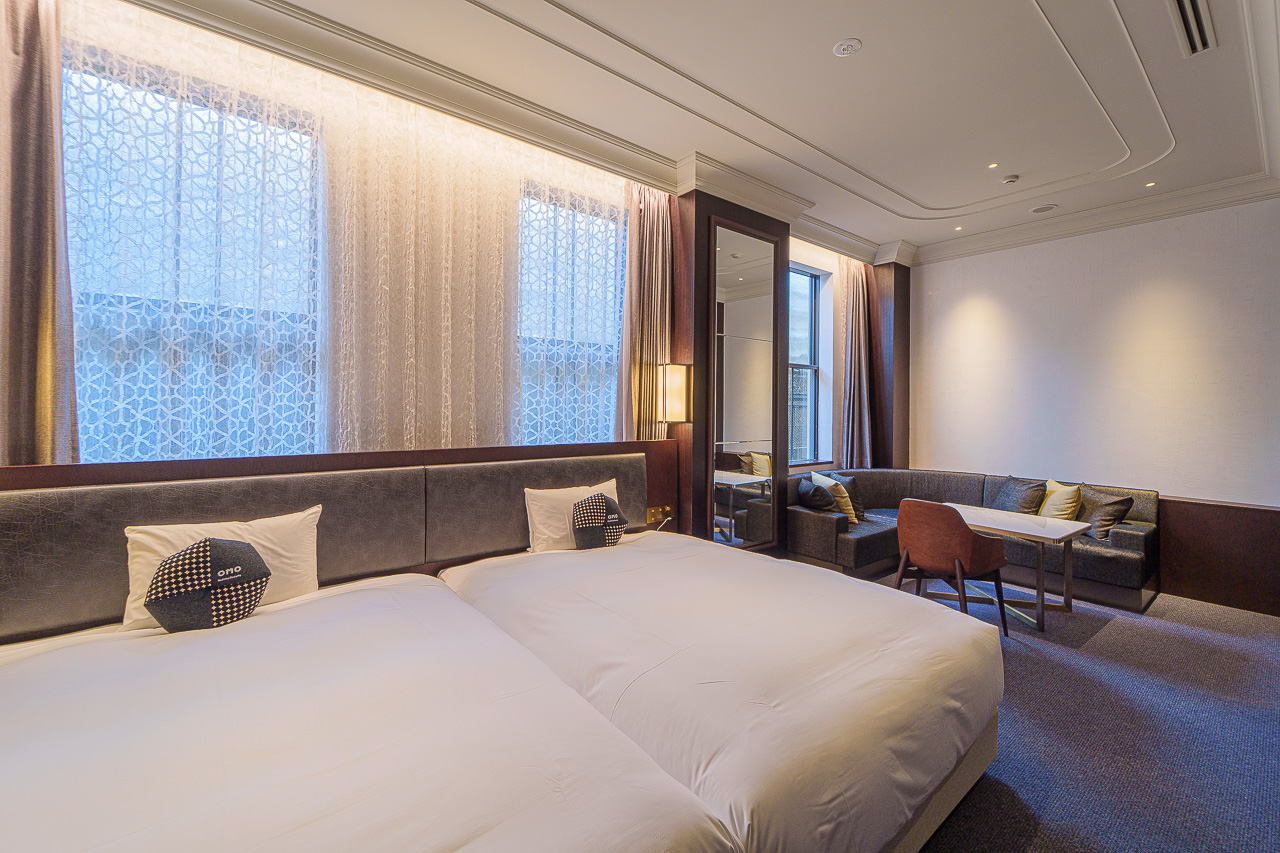
The clean, polished interior, large room and high ceiling are surprising in a building around 90 years old at the source date.
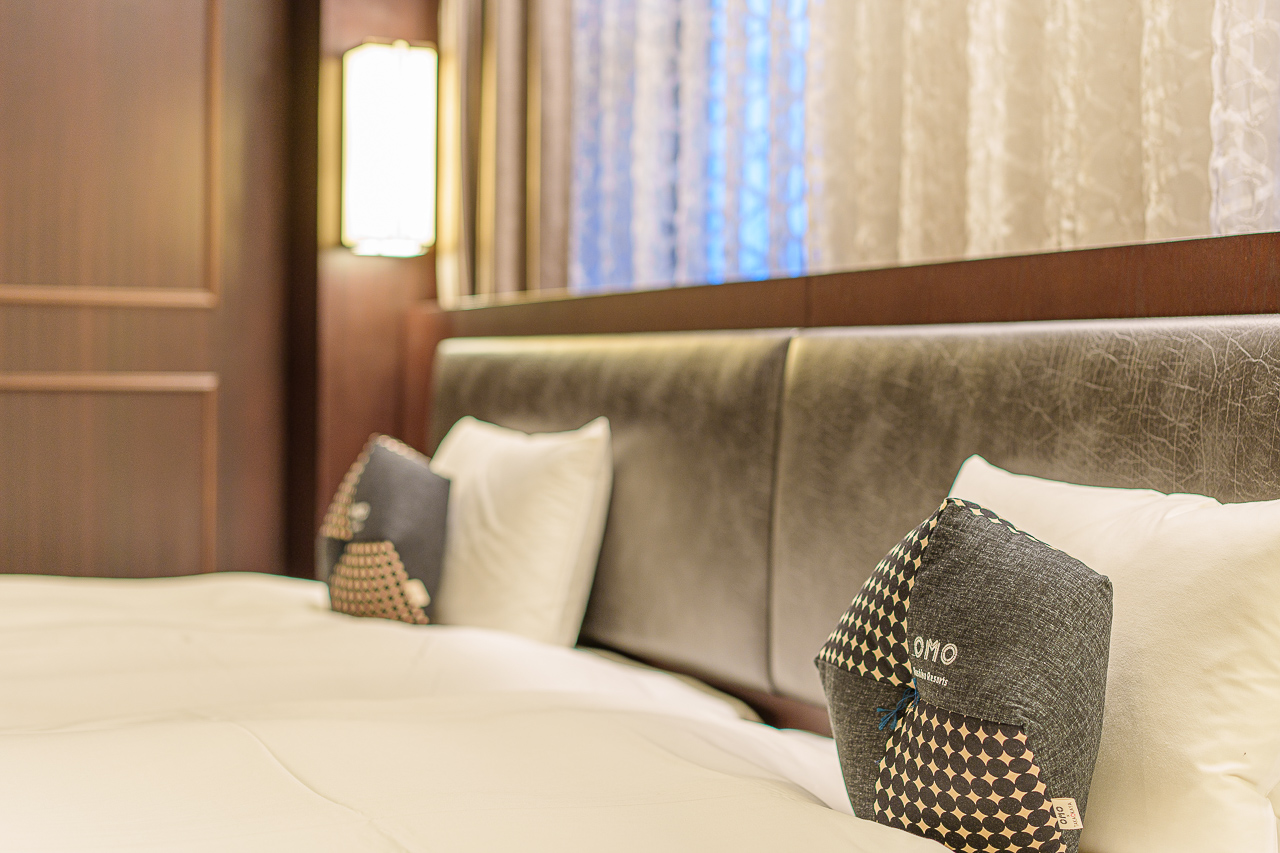
A cute OMO-logo cushion sits on the bed. I find it almost irresistibly comfortable.
That evening, I fall asleep while using my phone against it.
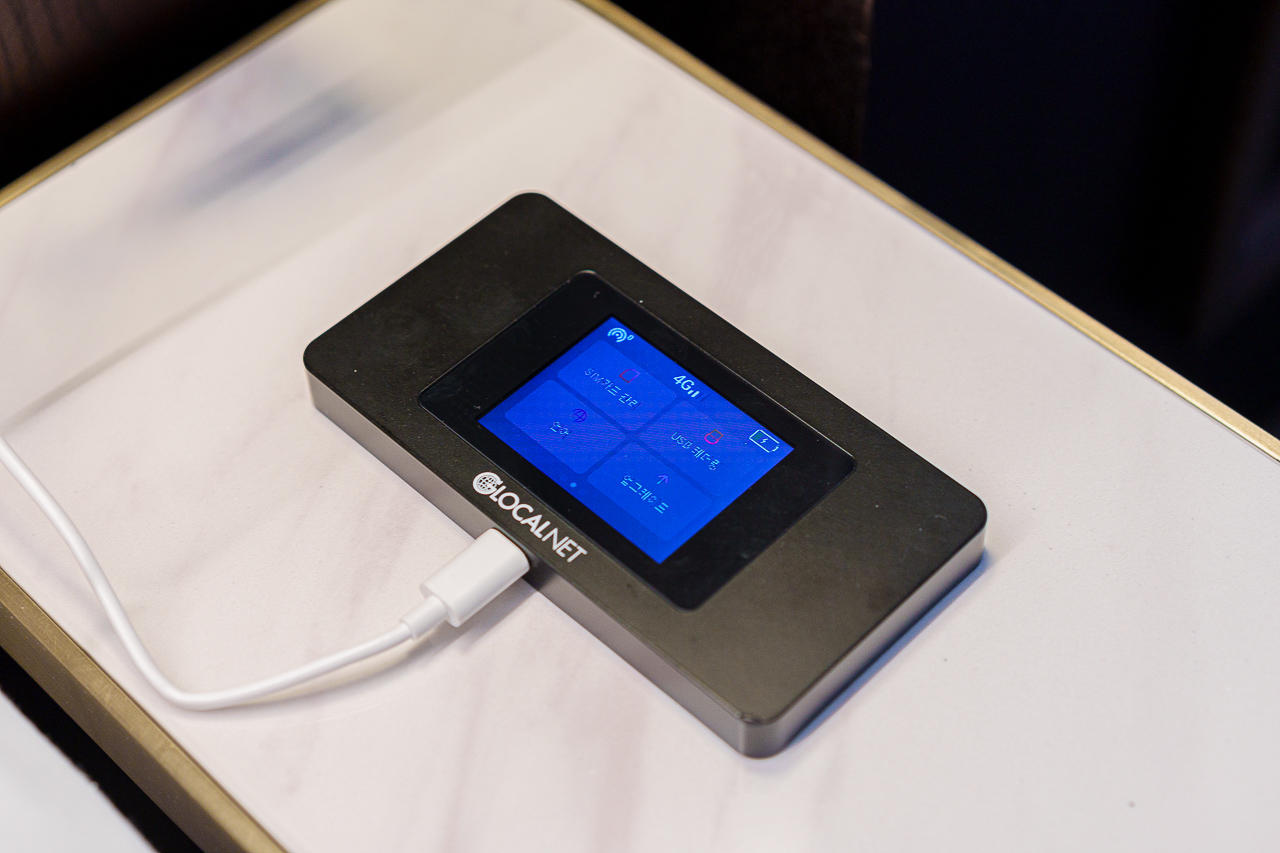
A portable Wi-Fi device on the side table could be useful for overseas visitors or guests short of mobile data.
Its initial setting is Japanese, but Korean can be selected. Under this stay’s loan arrangement, it could save a separate Wi-Fi rental; present availability is not established.
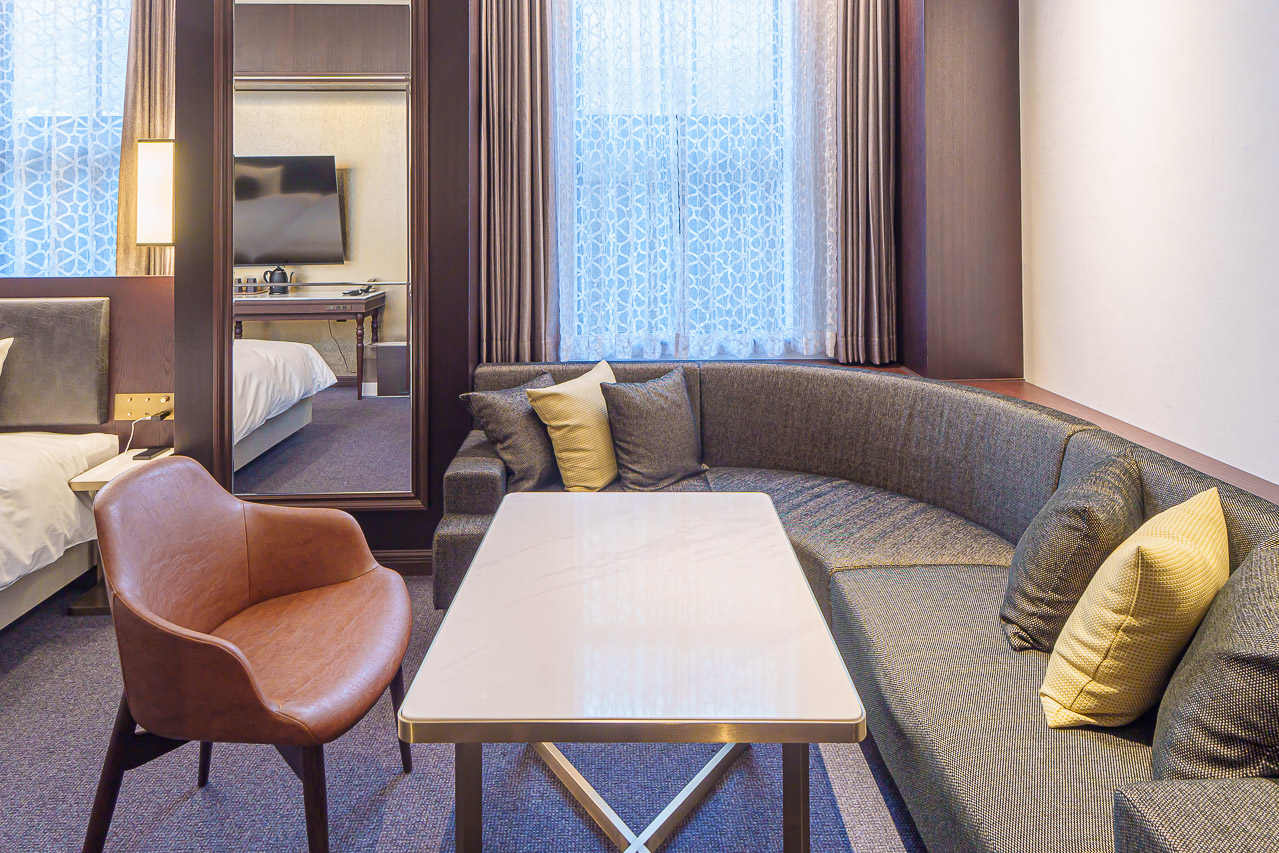
A sofa and table stand beside the bed.
That area alone looks large enough for another ordinary twin or double bed, though it is not described as an approved extra sleeping space.

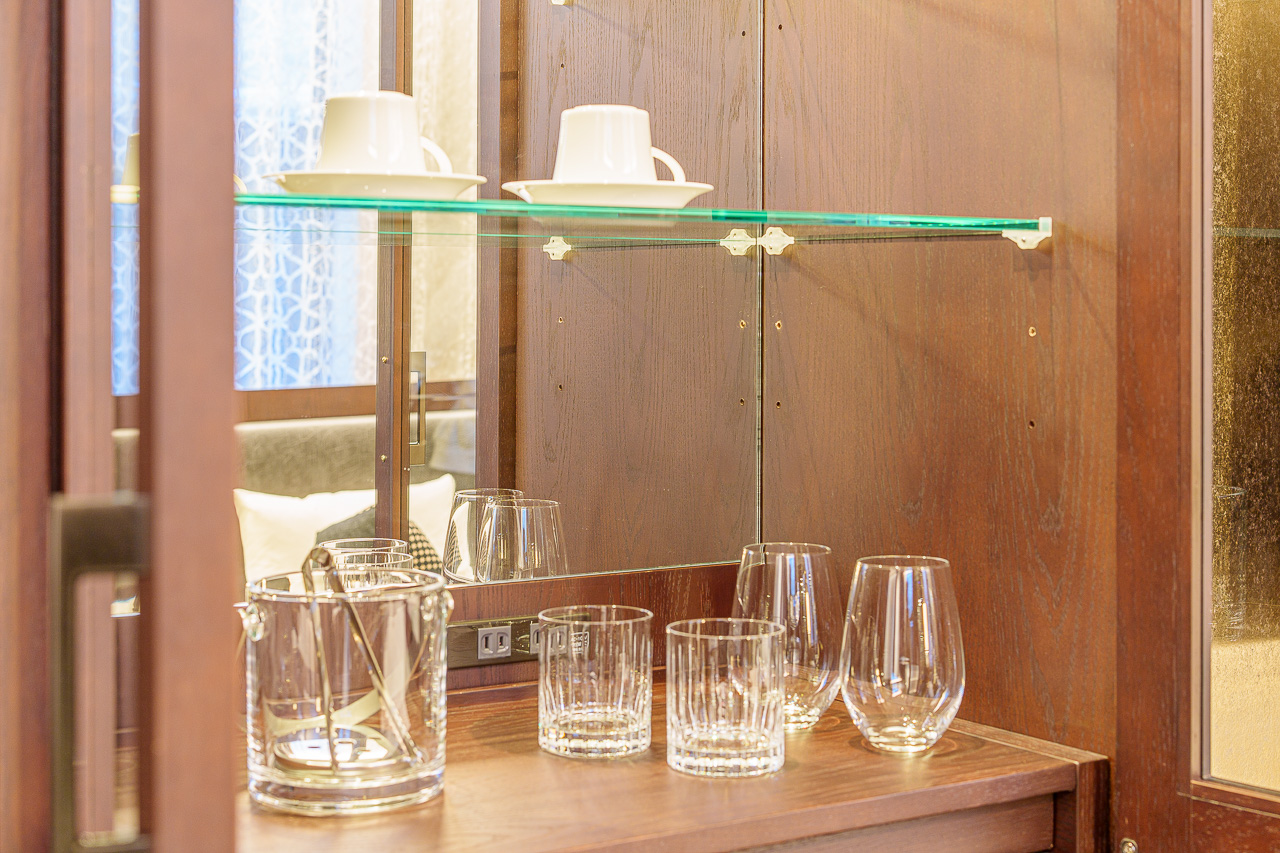
Roomwear with a cute logo, a television that looks at least 60 inches and glasses.
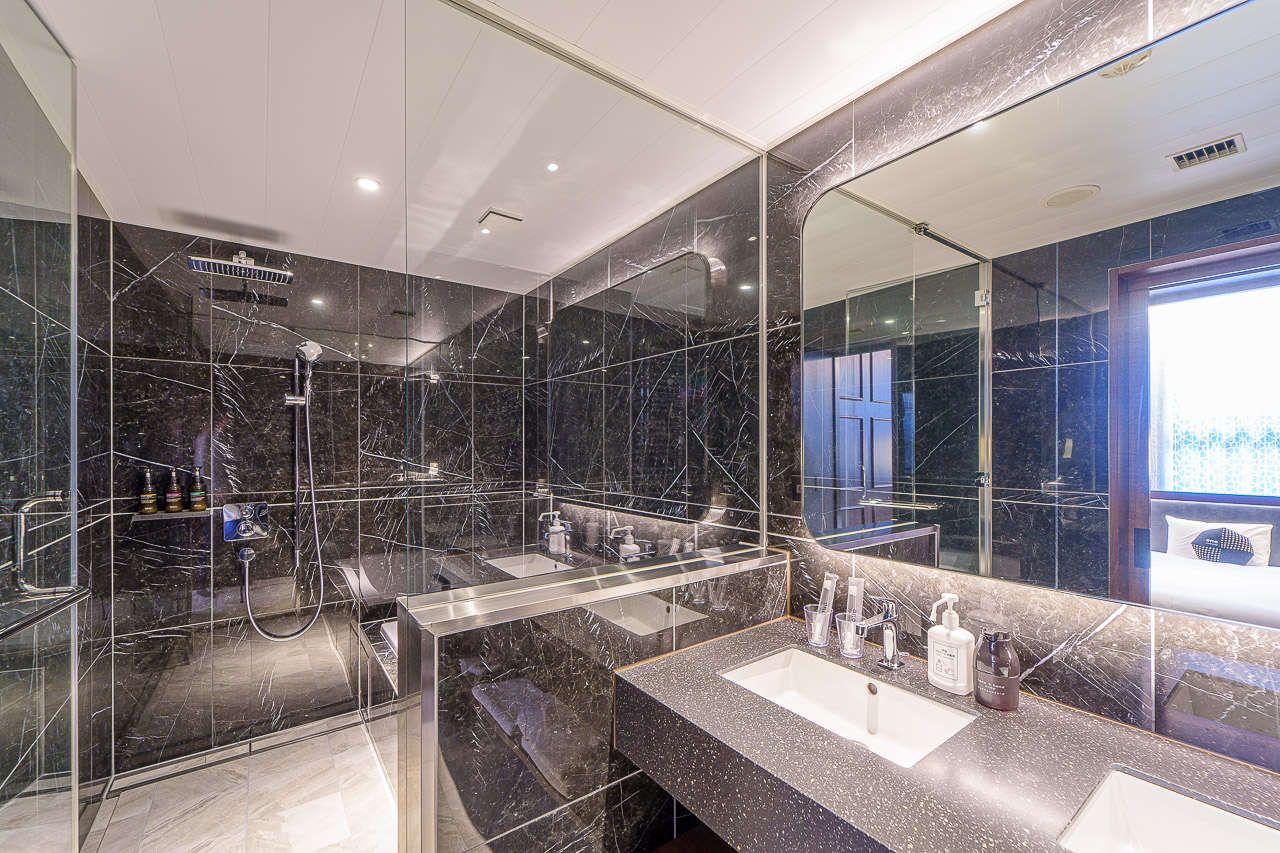

The bathroom is directly opposite the bed.
Marble gives it a luxurious appearance.
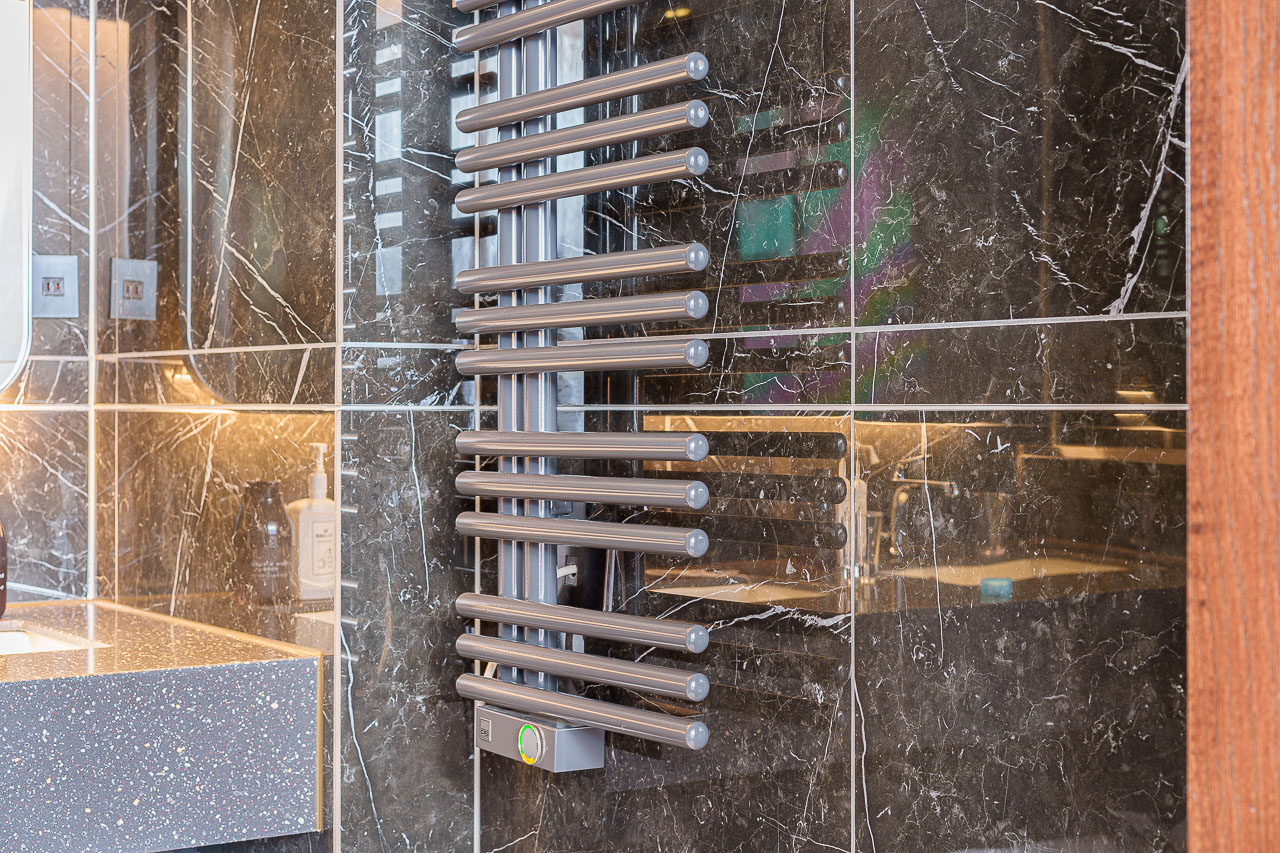
A radiator beside it helps keep the air warm after a winter bath.
Using it as instructed can warm the space before getting out. A thoughtful detail on a cold day.
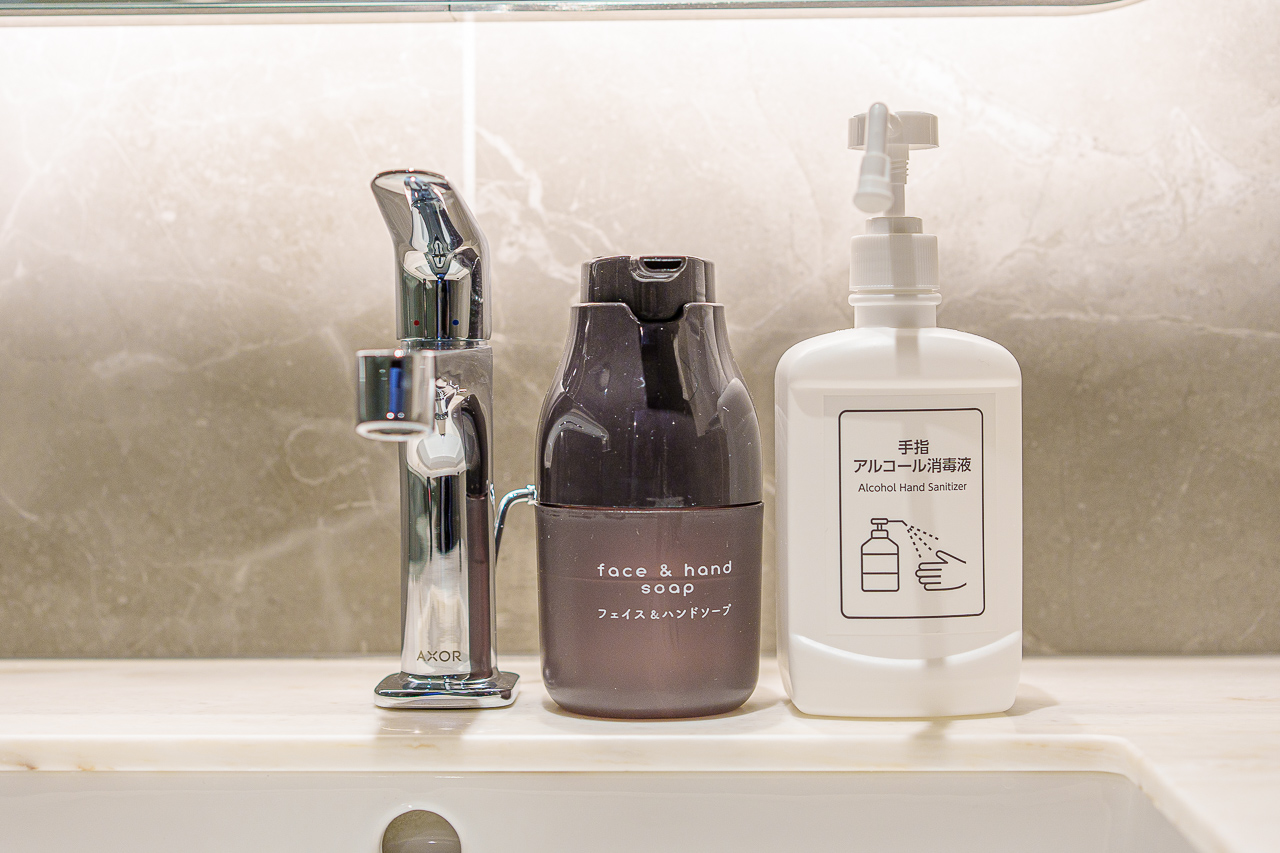
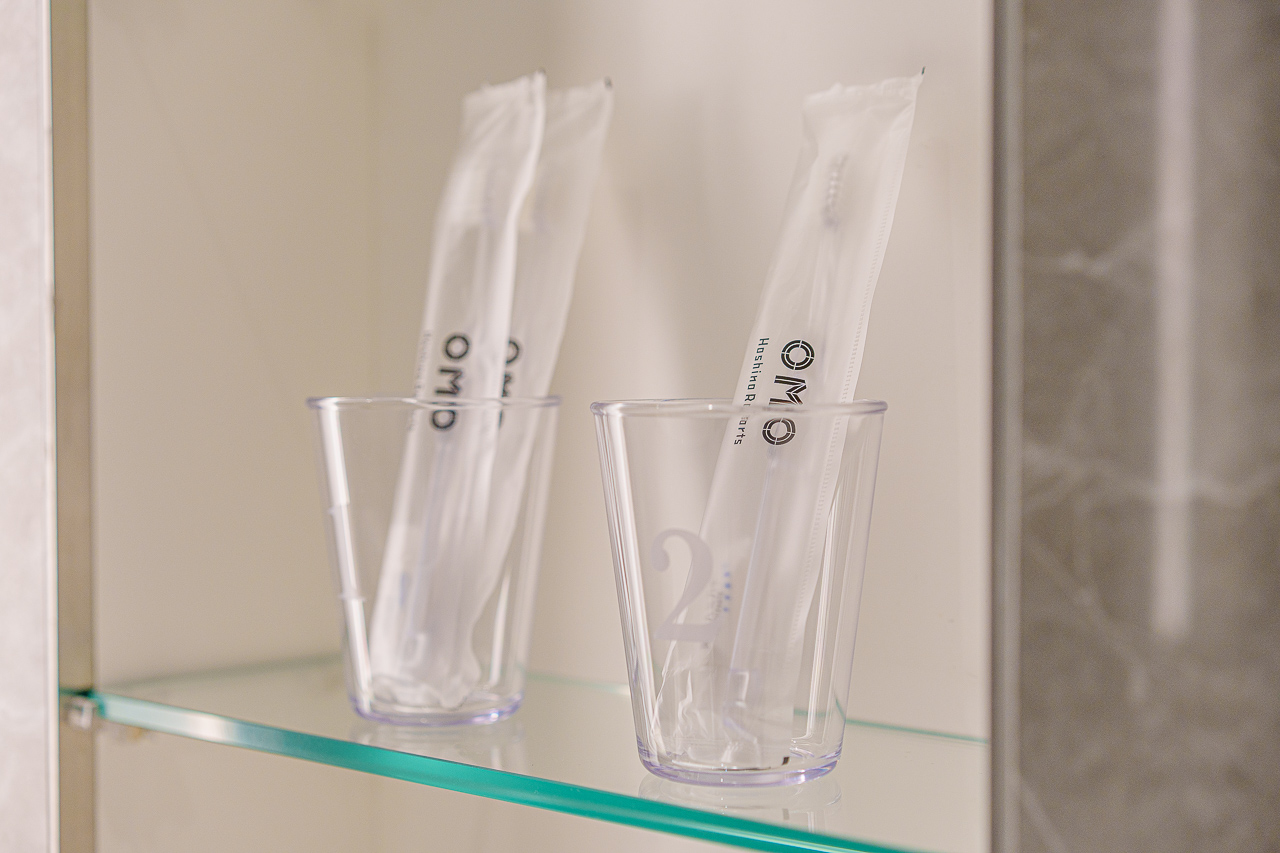
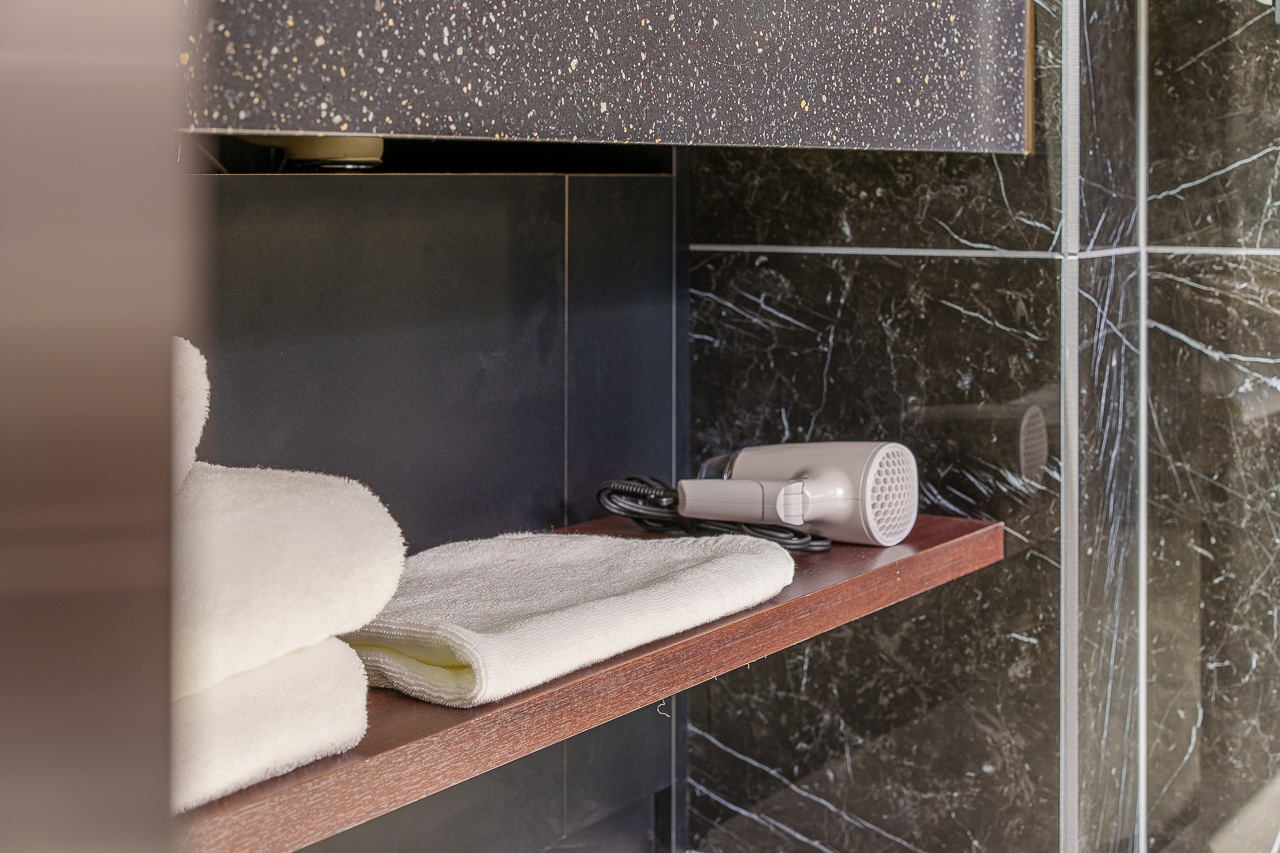
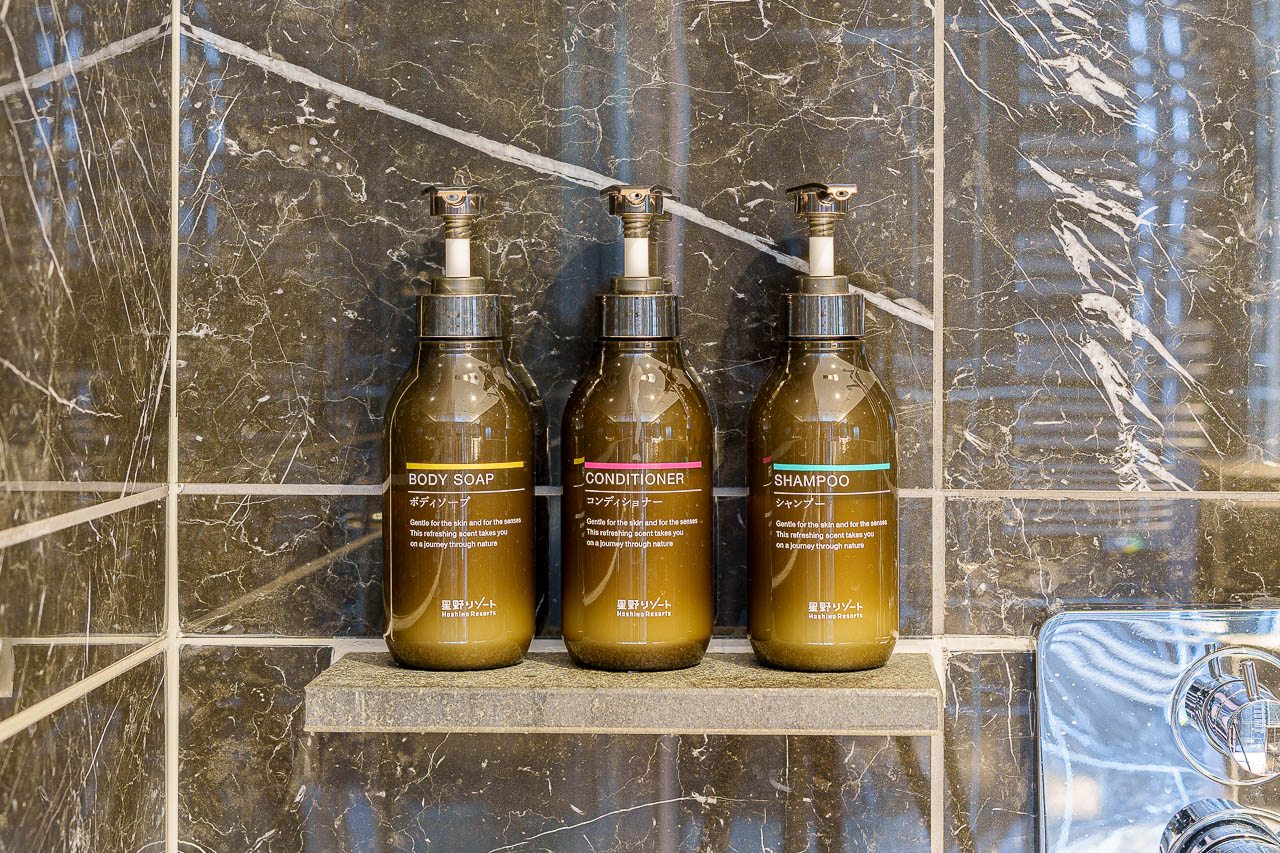
Amenities carry Hoshino Resorts’ original branding.
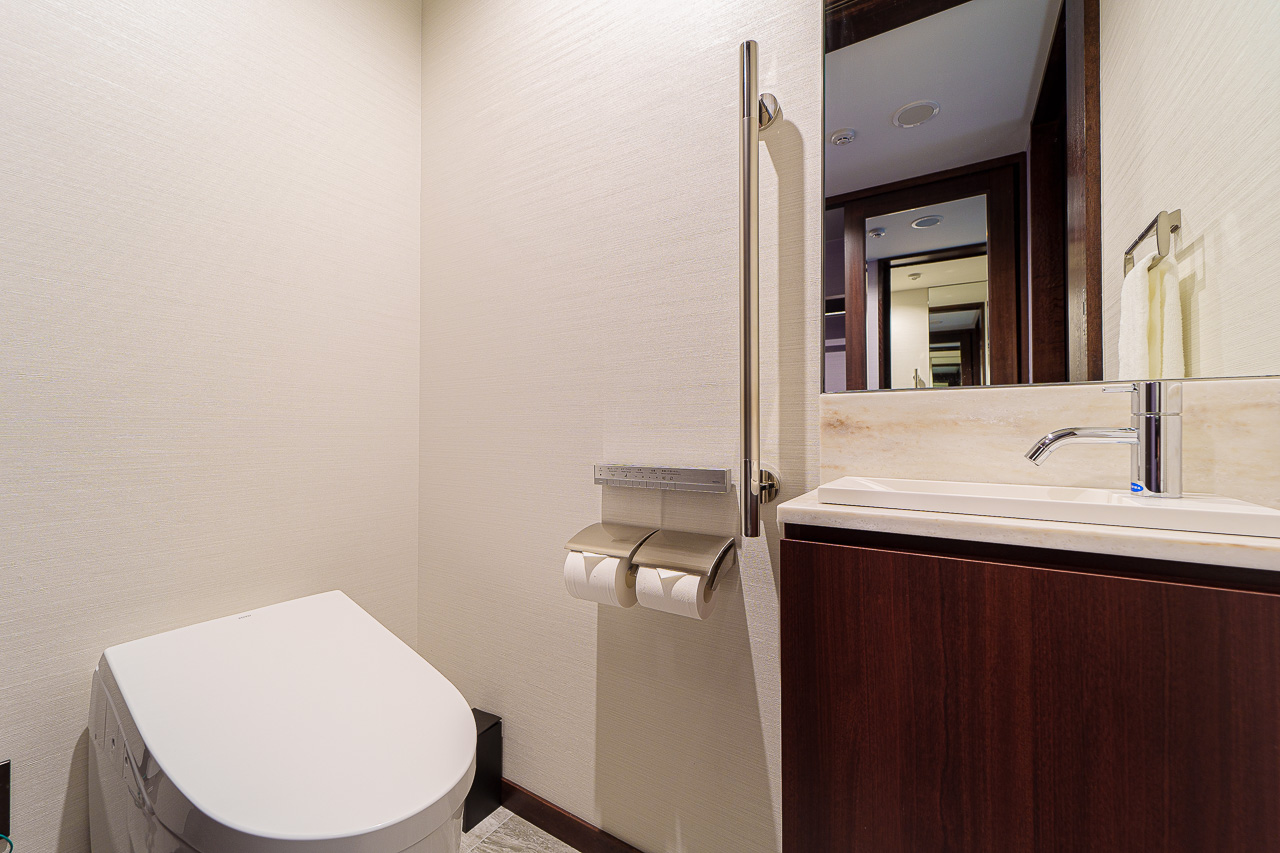
The spacious toilet area near the entrance has a bidet and automatic lid.
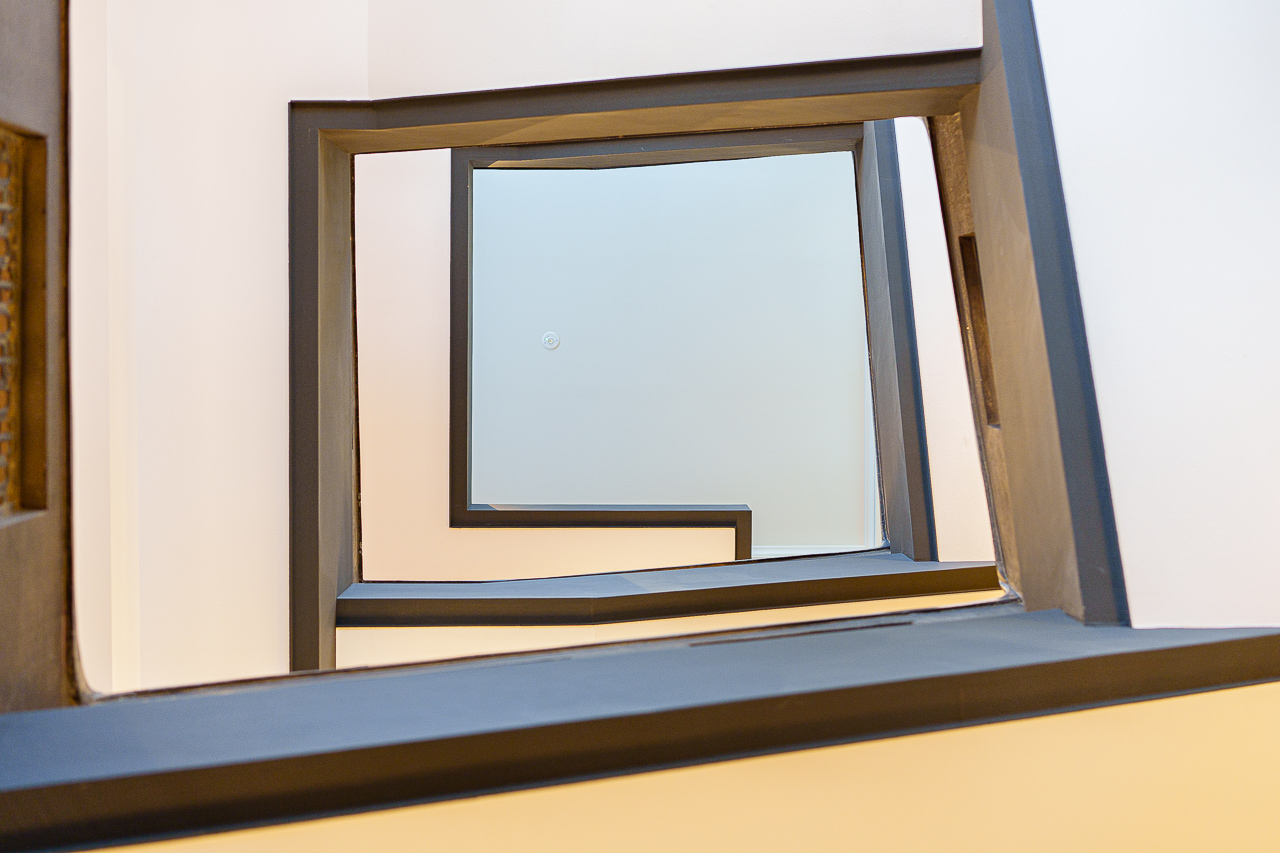
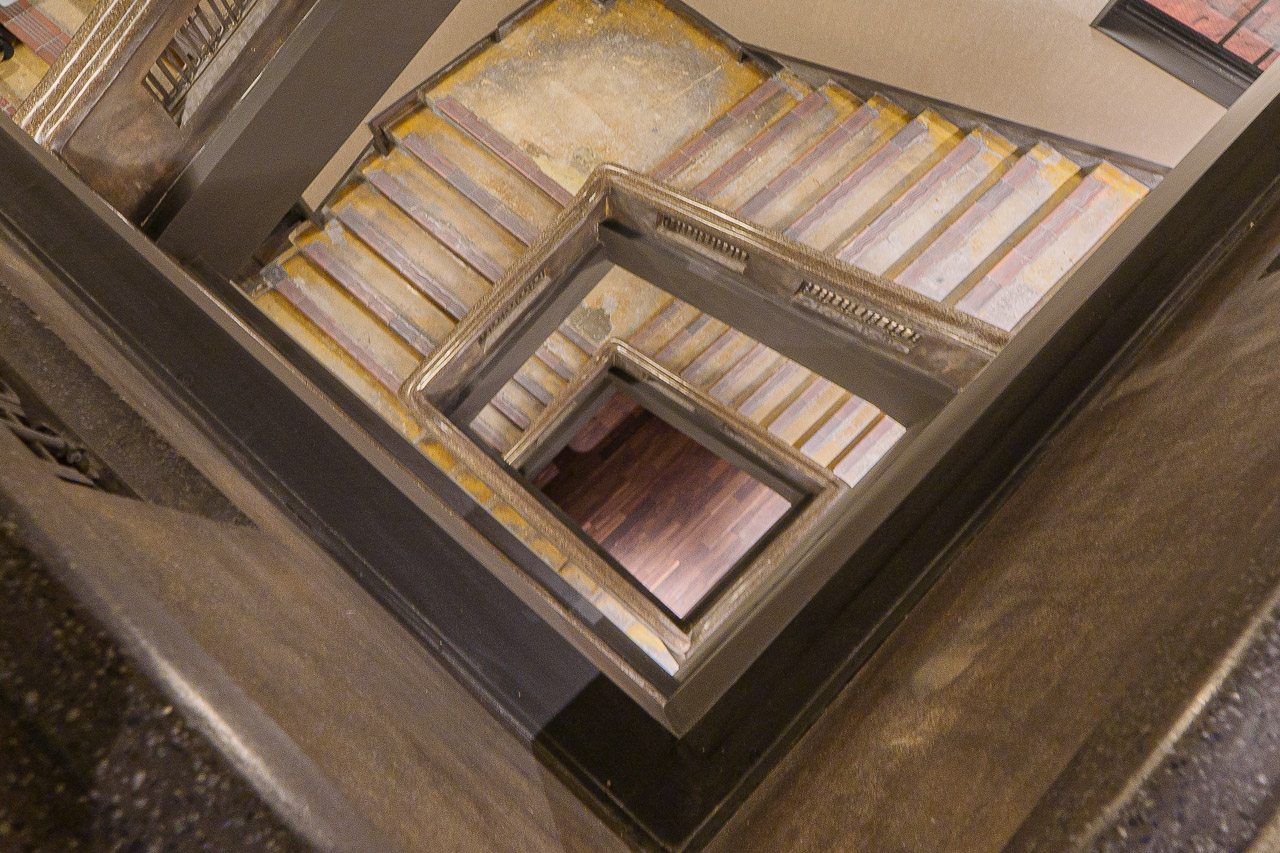

After putting our luggage down, we go to the shared bath.
The winding stairs of the old Chamber of Commerce lead to the first floor.
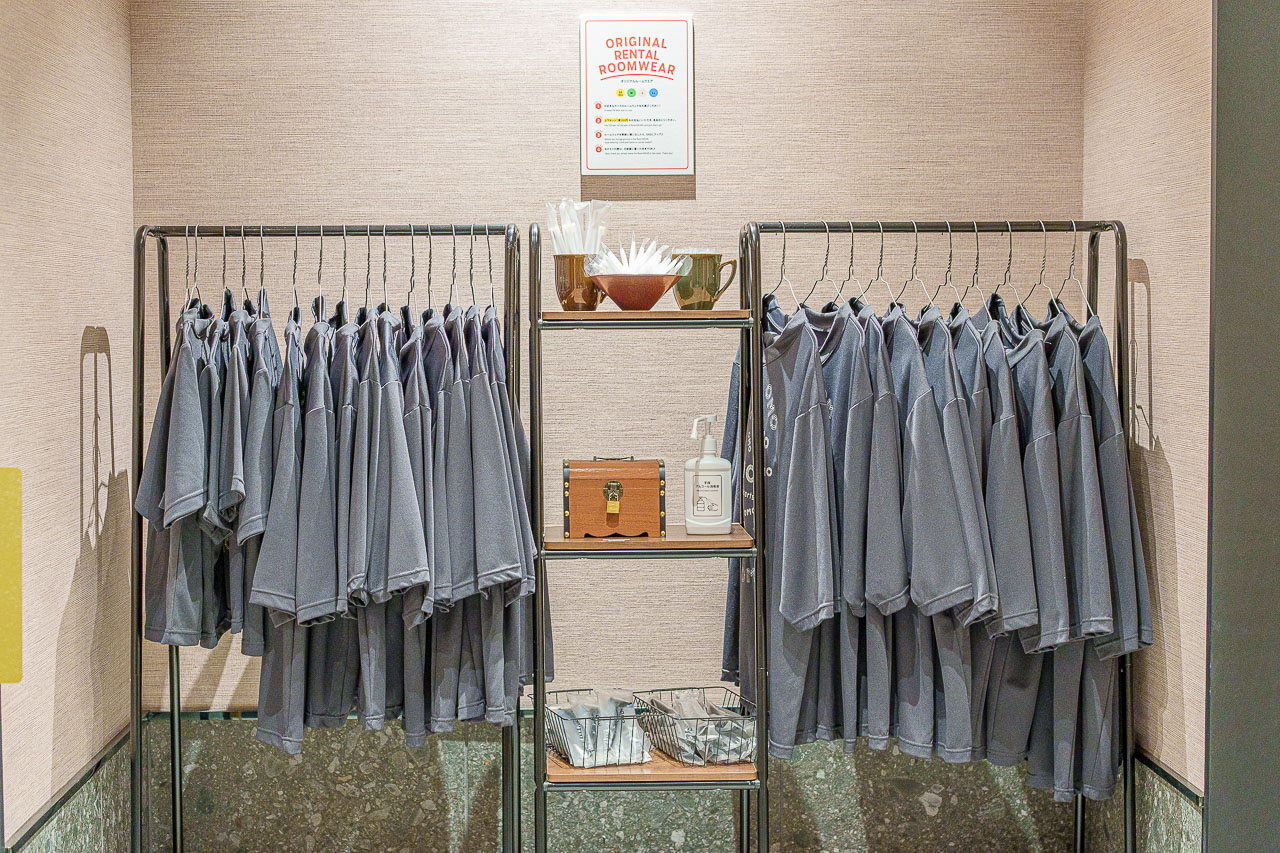
Loan roomwear
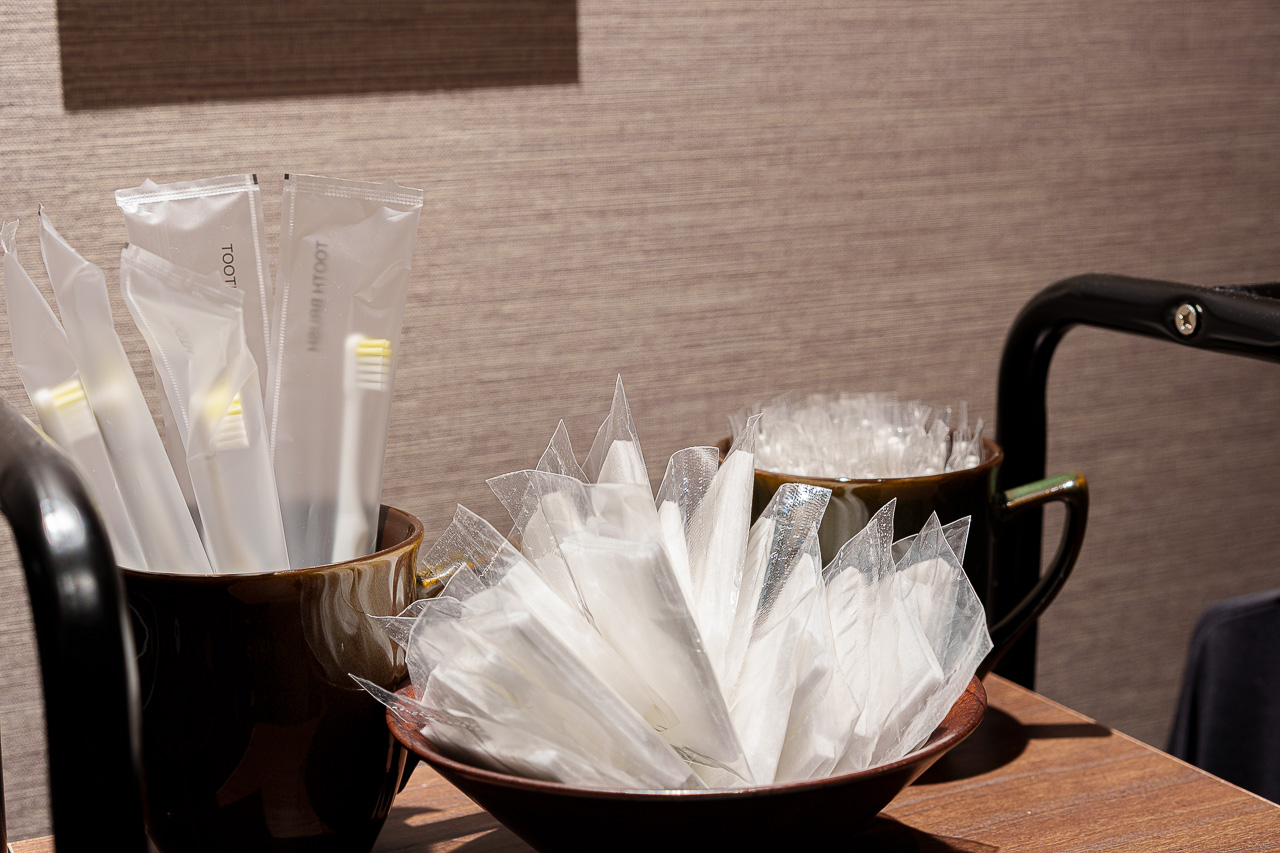
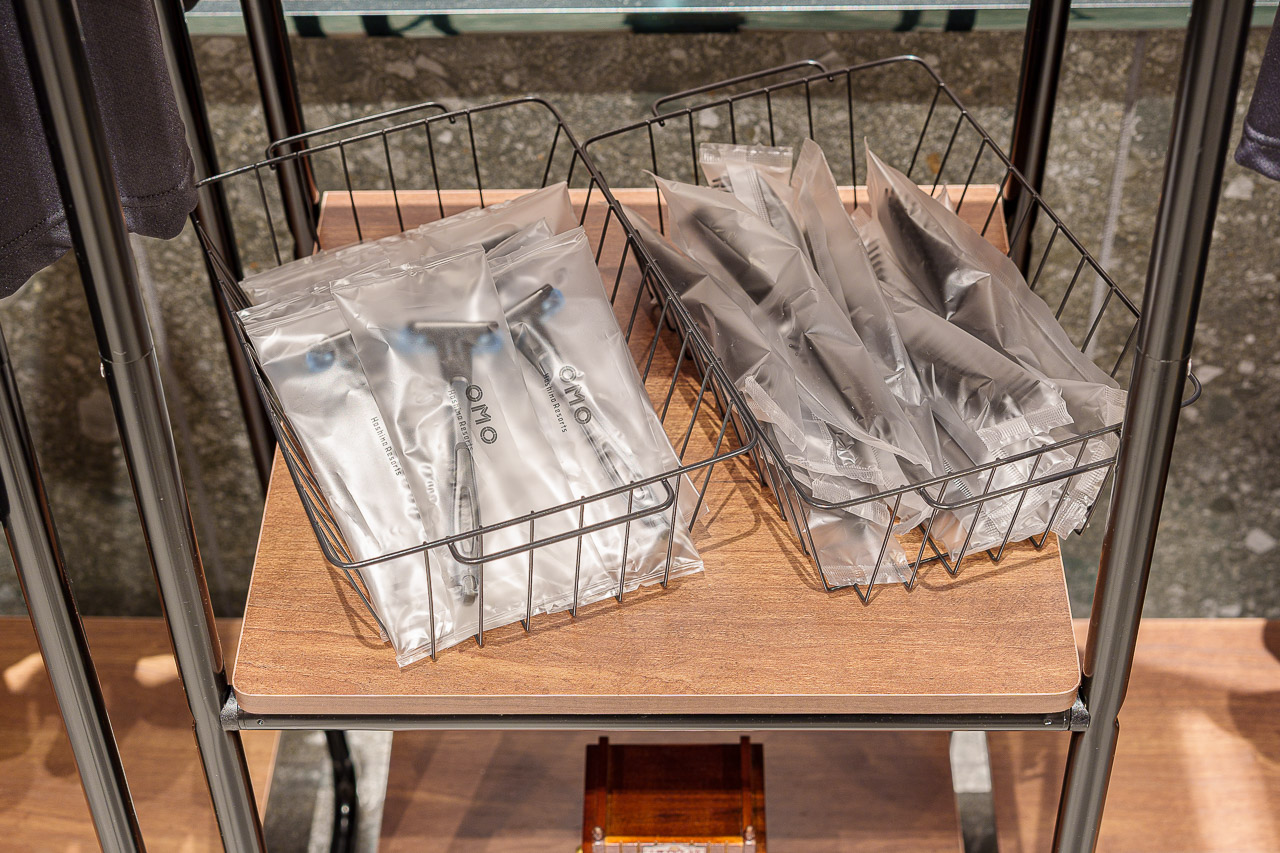
and amenities are available near the entrance.
Towels are not set out here, so bring the room’s towels under the source-period arrangement.
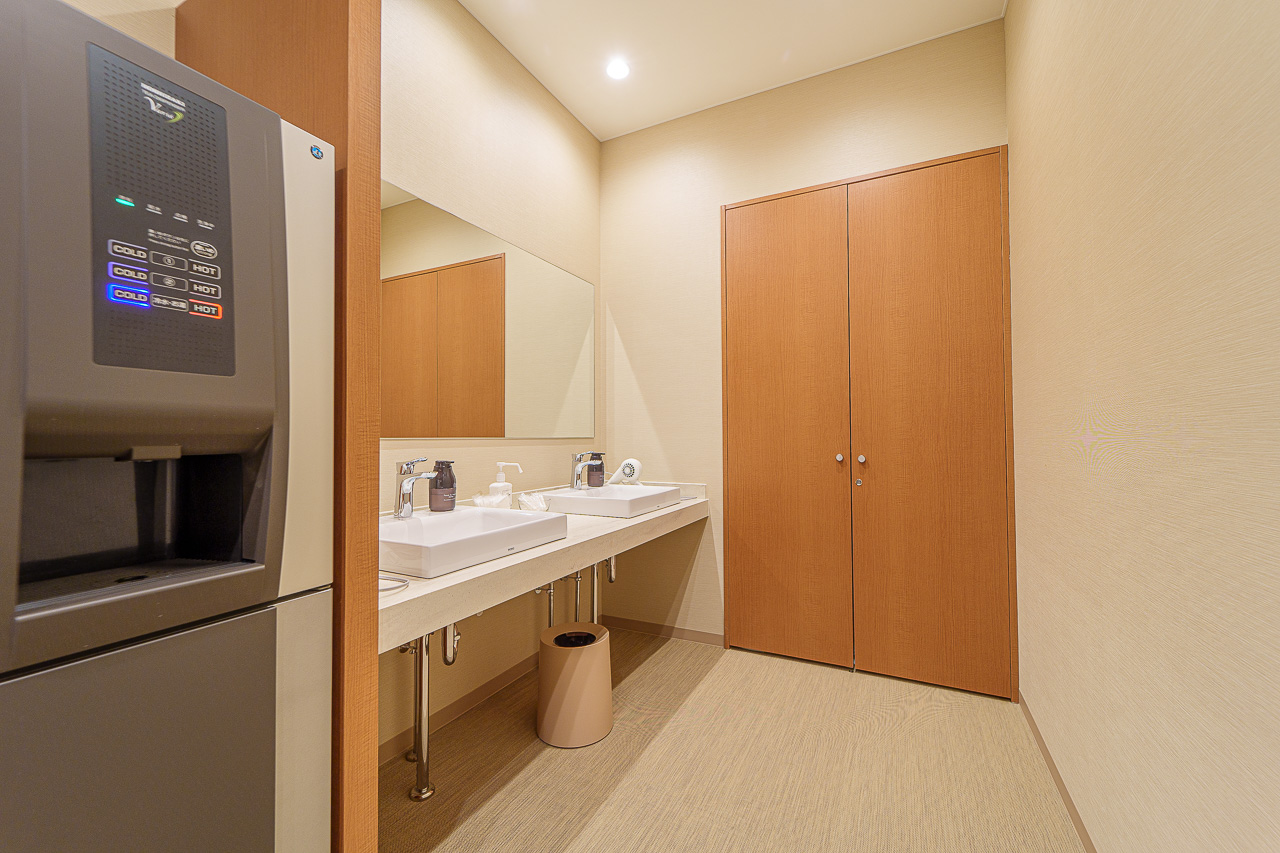
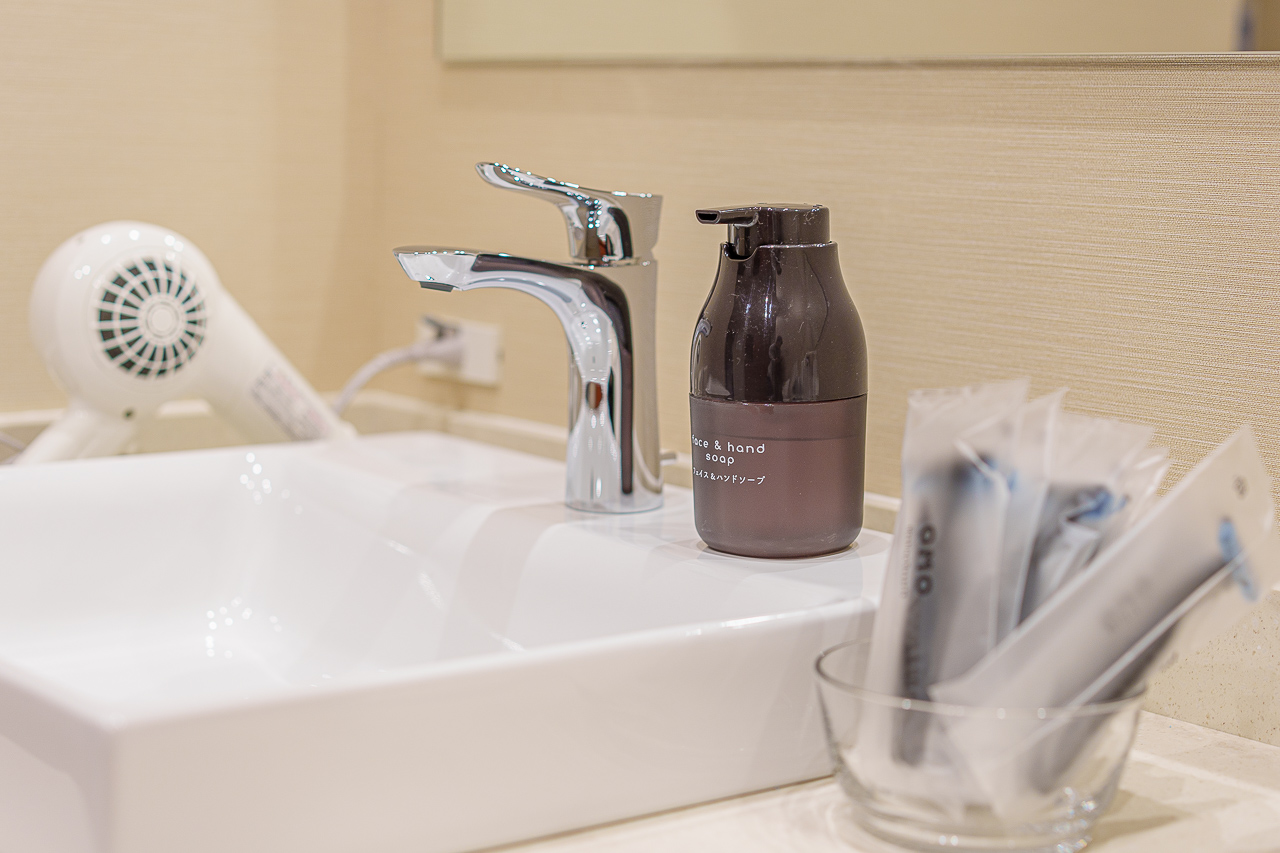
A water dispenser in the changing area is convenient.
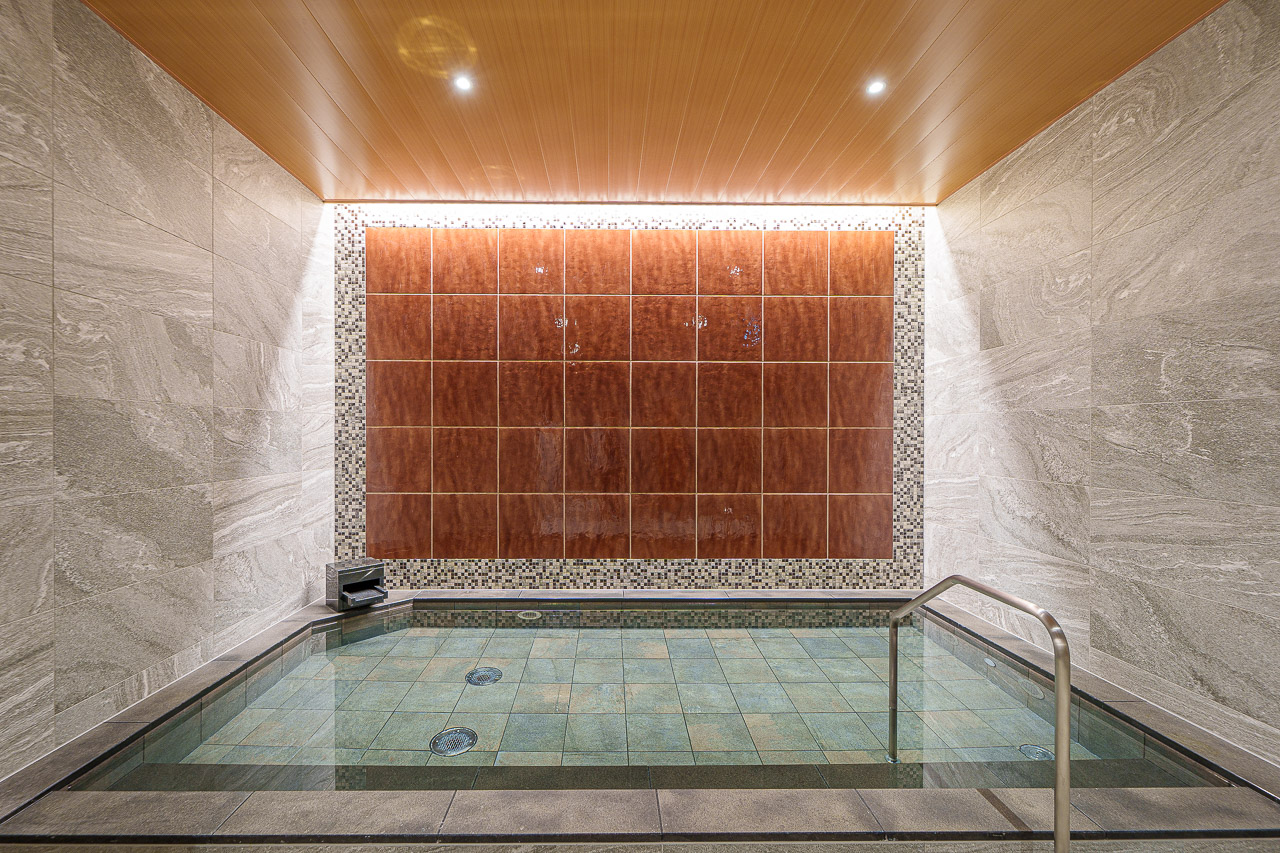
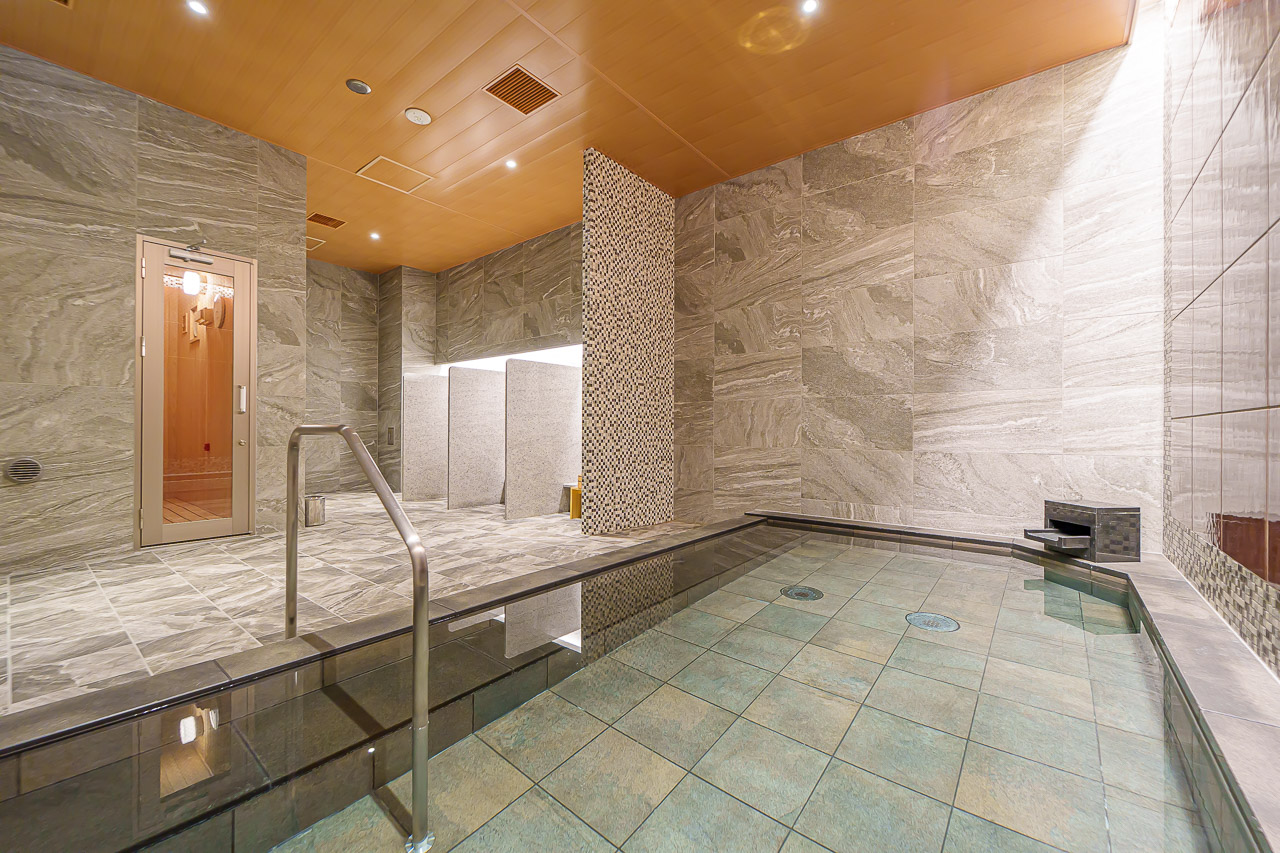
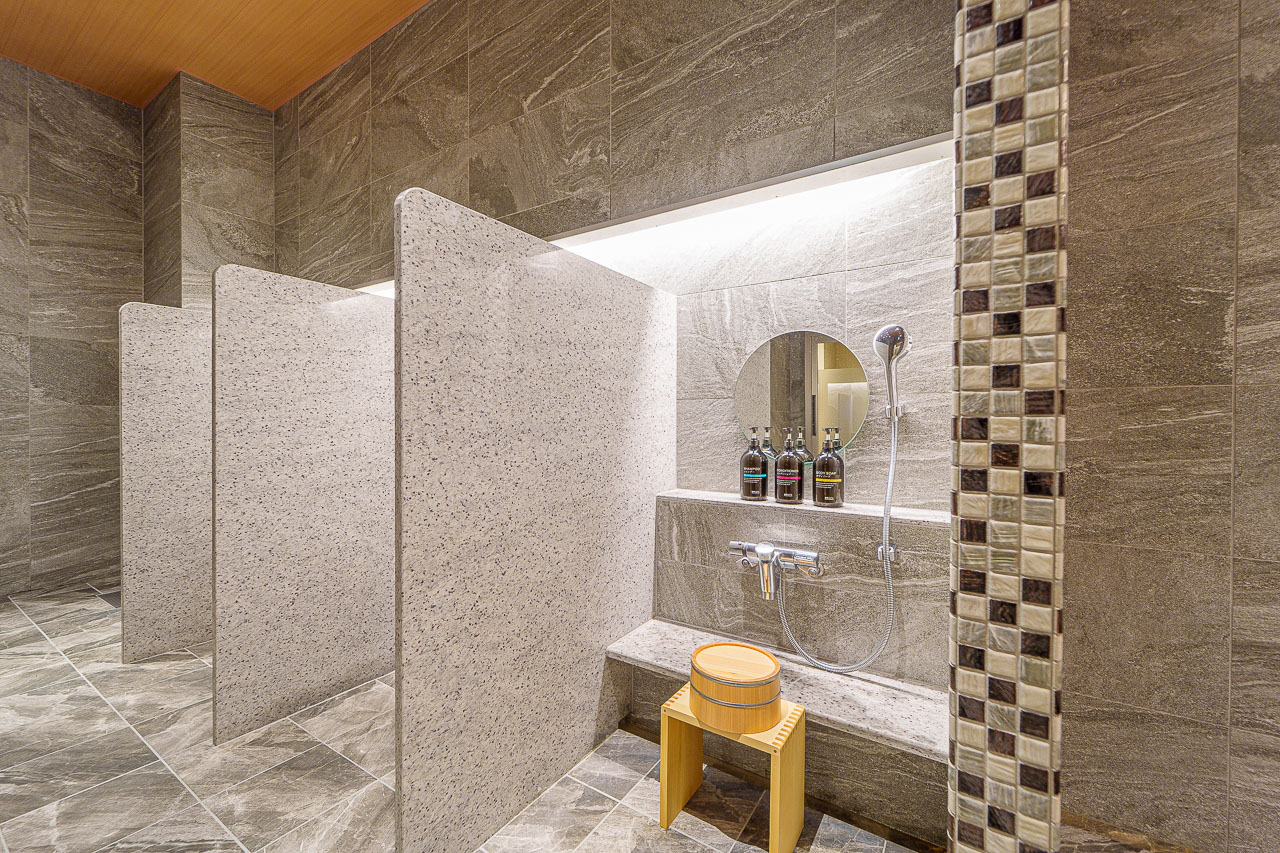
There is a spacious bath and washing stations with dividers.
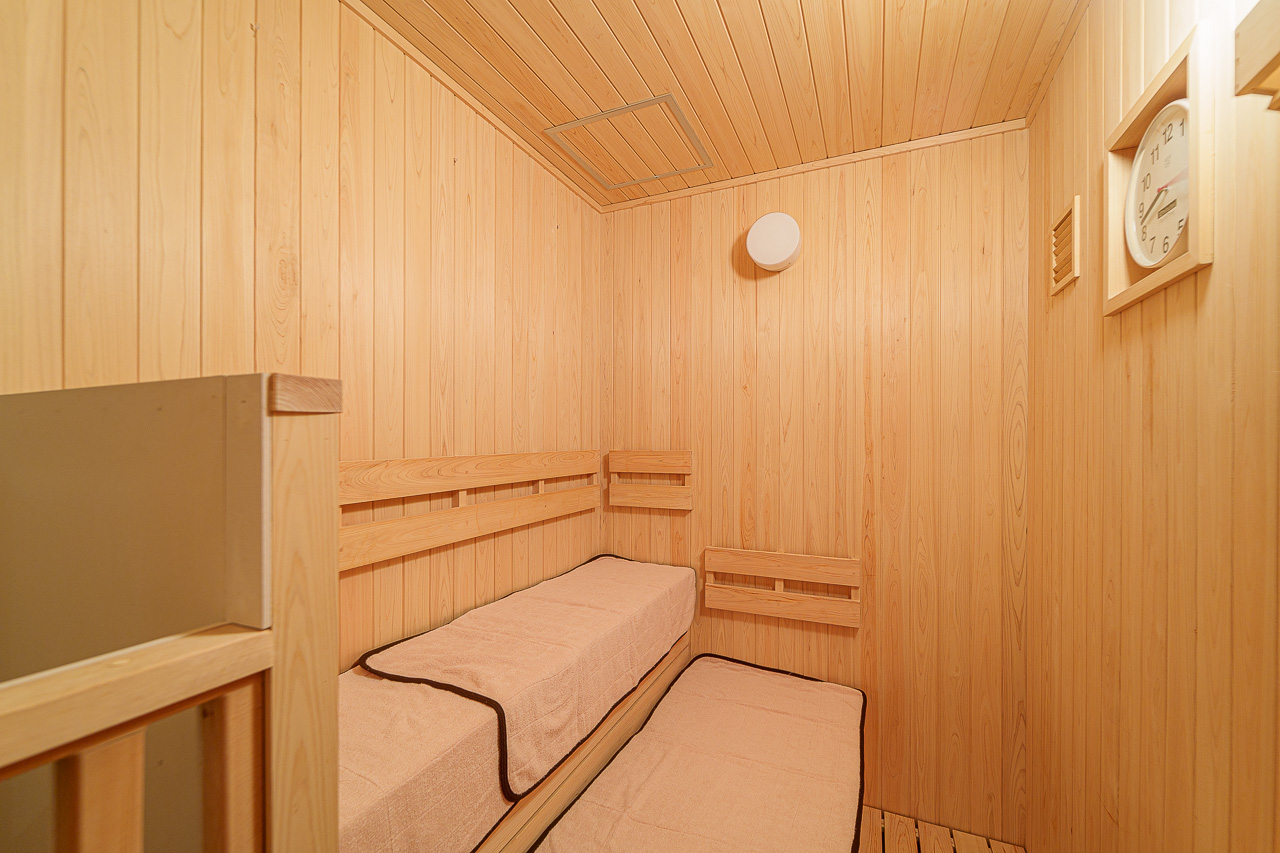
A Finnish-style hinoki sauna adds an appealing winter option.
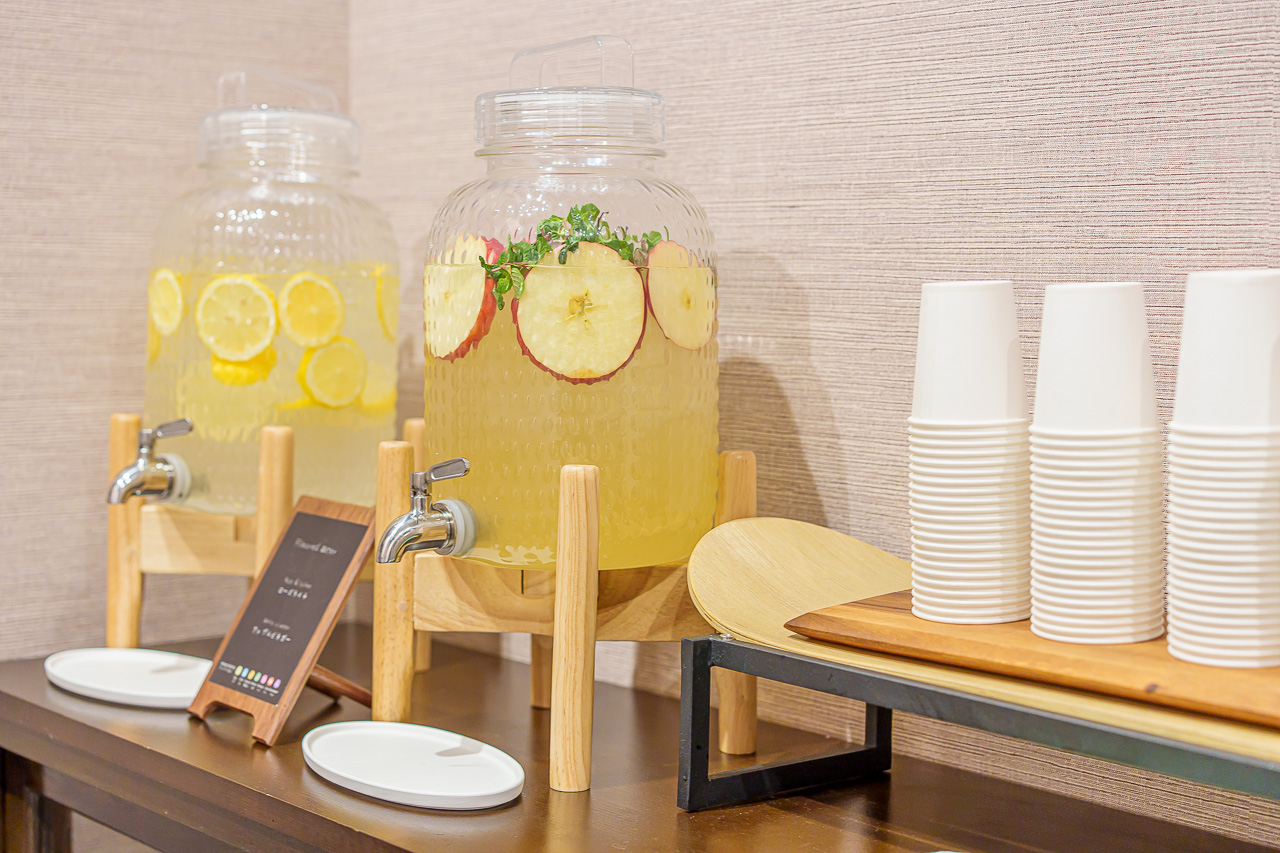
After bathing, we find lemonade and an apple drink.
They are complimentary. The lemonade suits me so well that I have about three glasses.
A sweet drink after a warm bath reminds me of bathhouses in Korea.
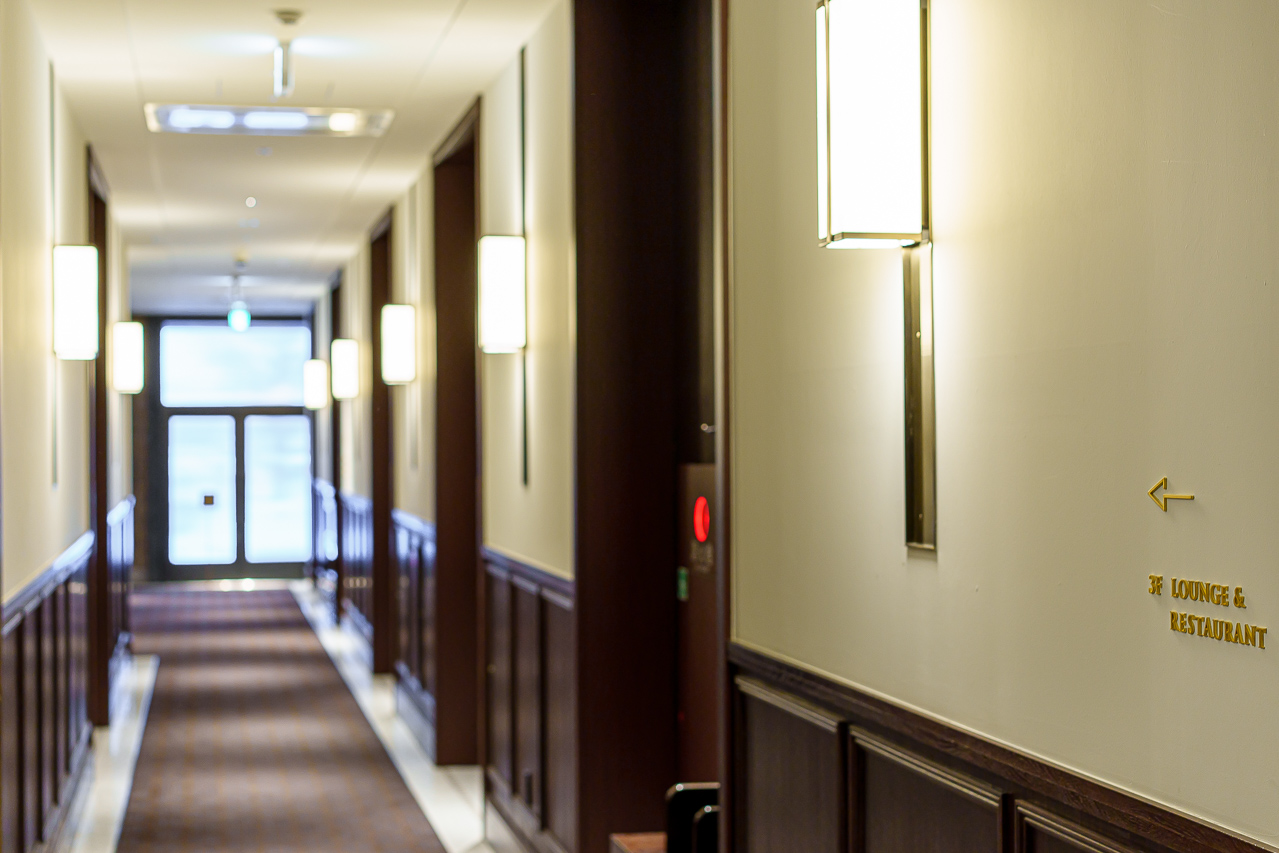
Now to dinner.
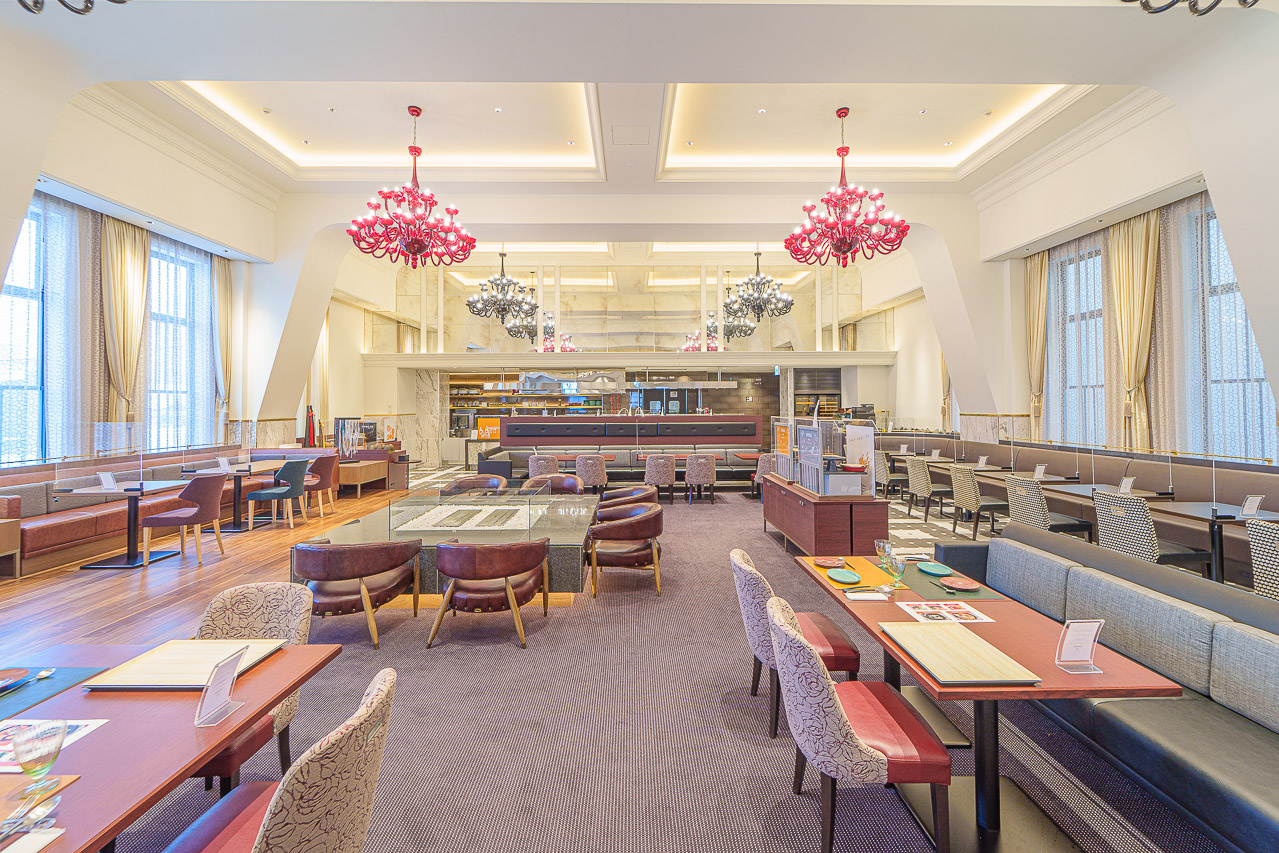
OMO Café & Dining on the top floor.
The restaurant reuses the former Chamber of Commerce’s large meeting room.
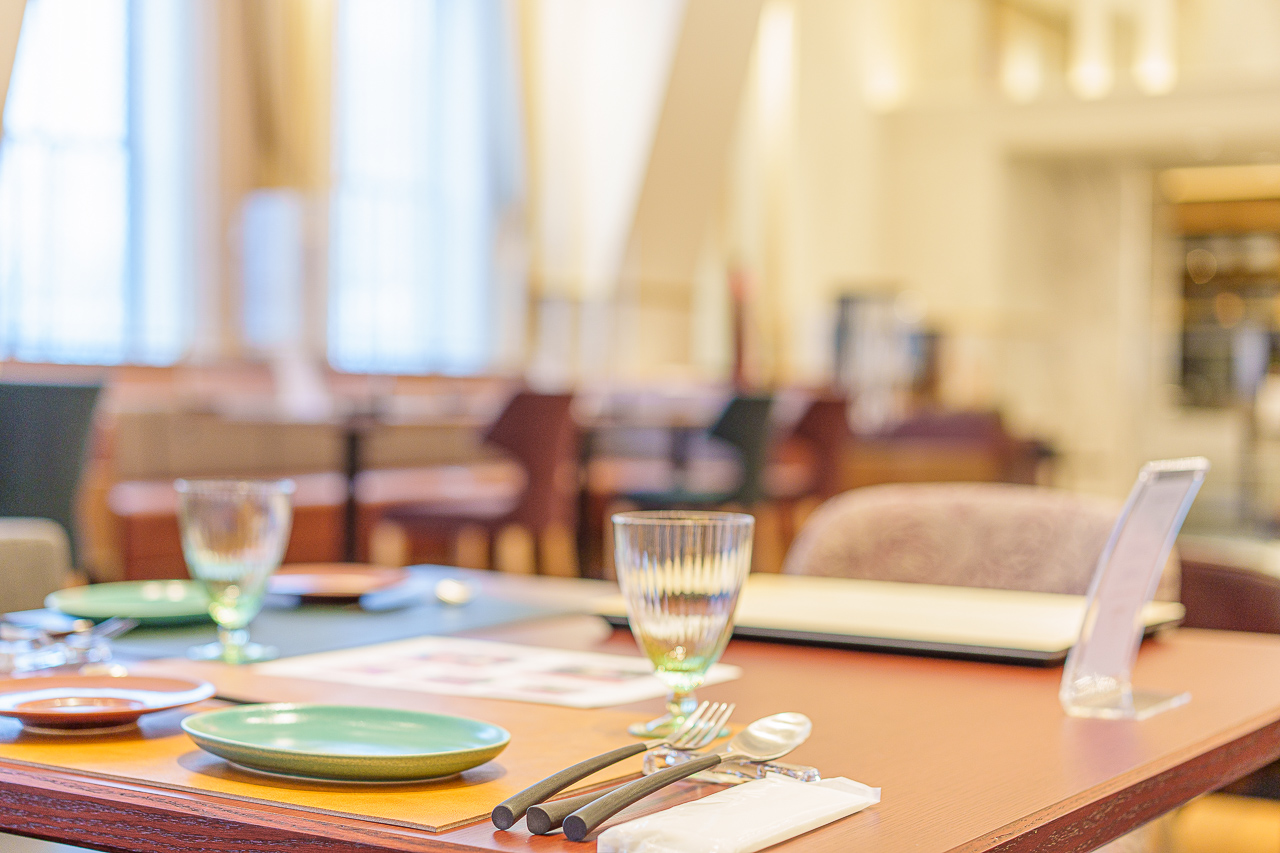
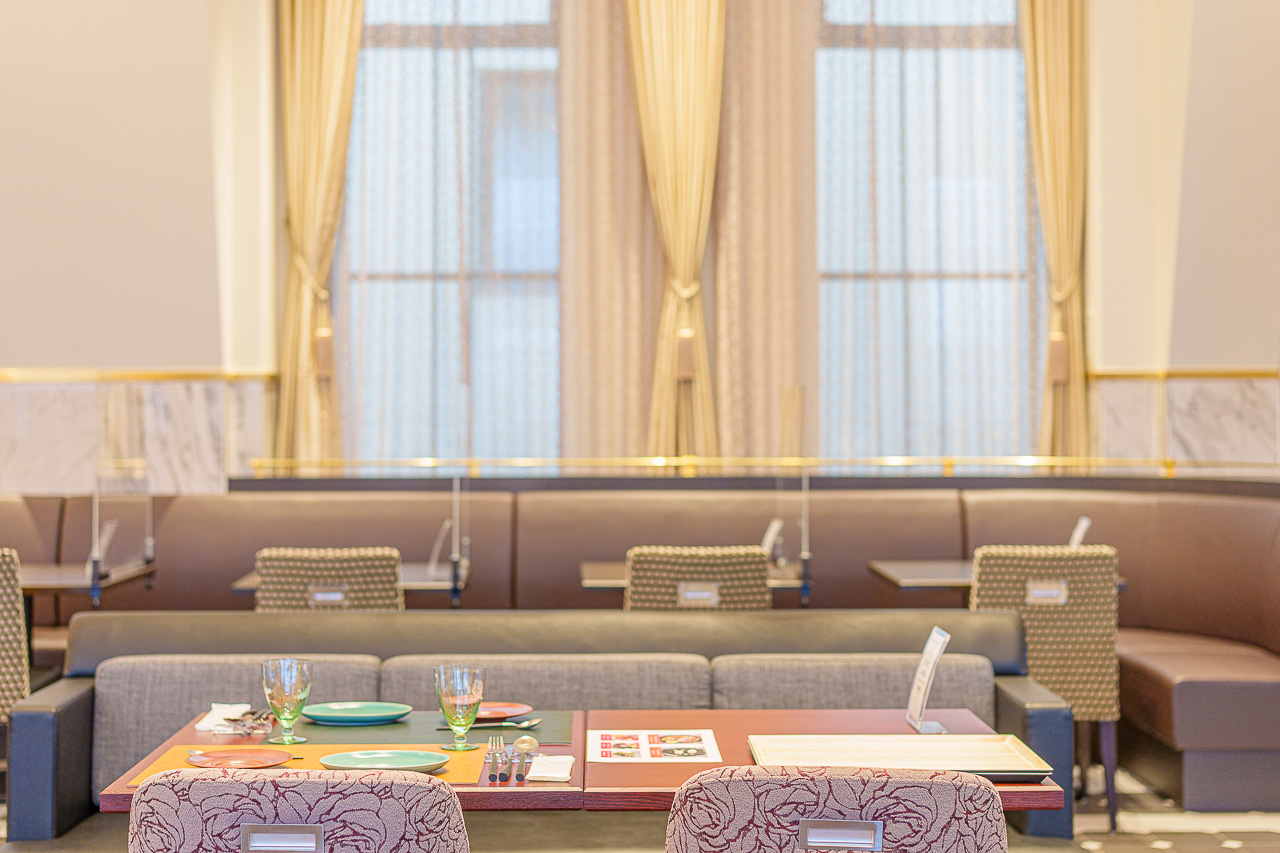
We arrive early enough to have the room almost to ourselves.
Tables are set individually, suggesting assigned seats.
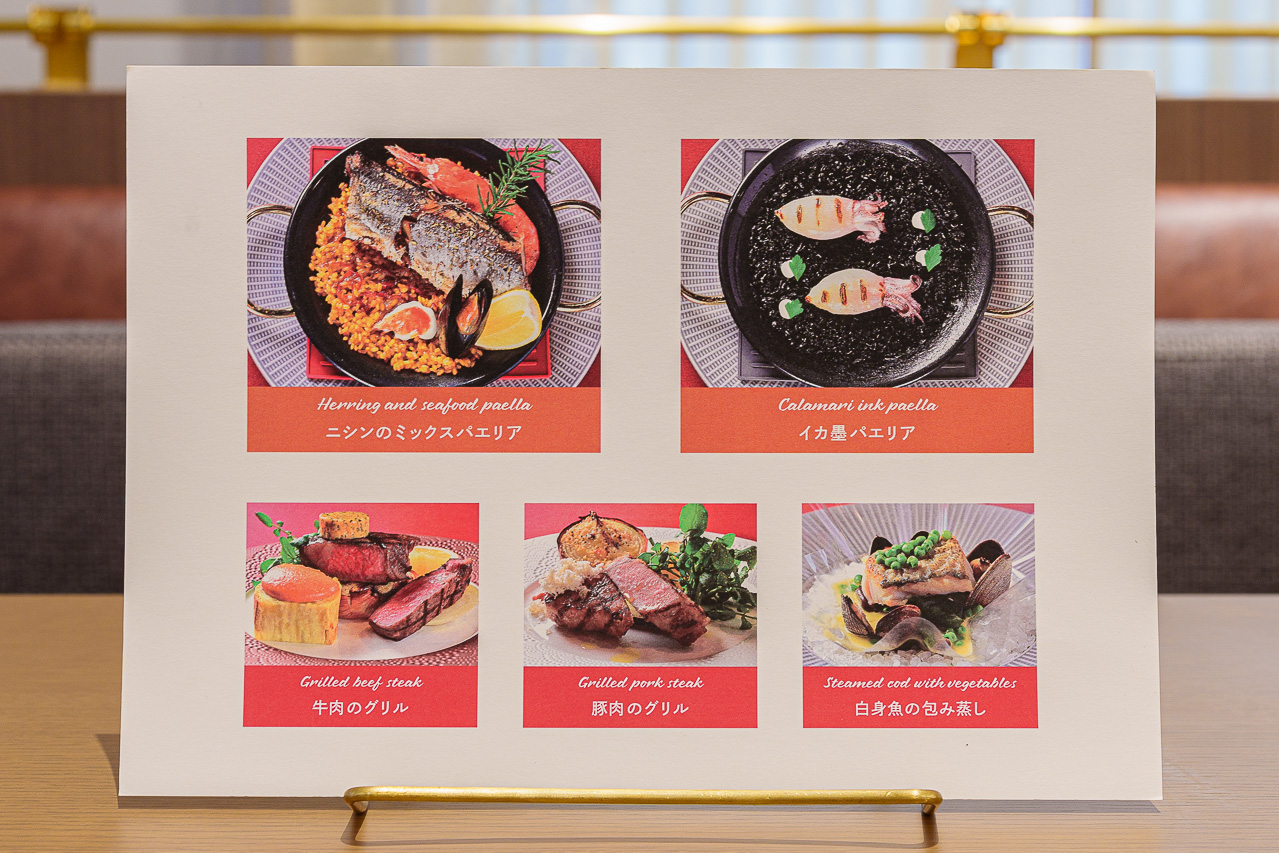
Spanish paella leads the menu.
The concept is said to draw on Spain’s historic buildings and seafood-focused cooking.
We order herring-and-seafood paella featuring one of Otaru’s familiar fish.
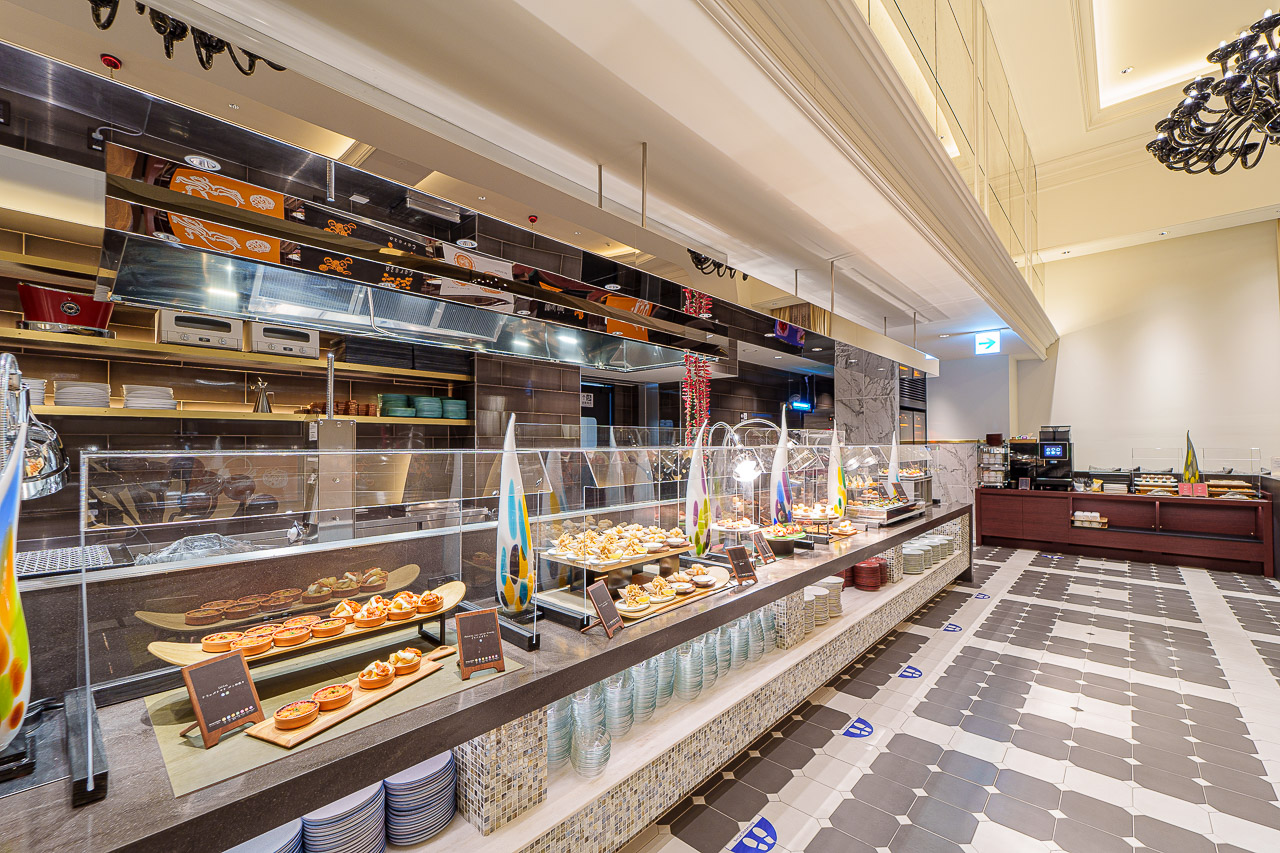
Dinner is a semi-buffet: one main dish, then six choices from the buffet under the source’s meal arrangement.
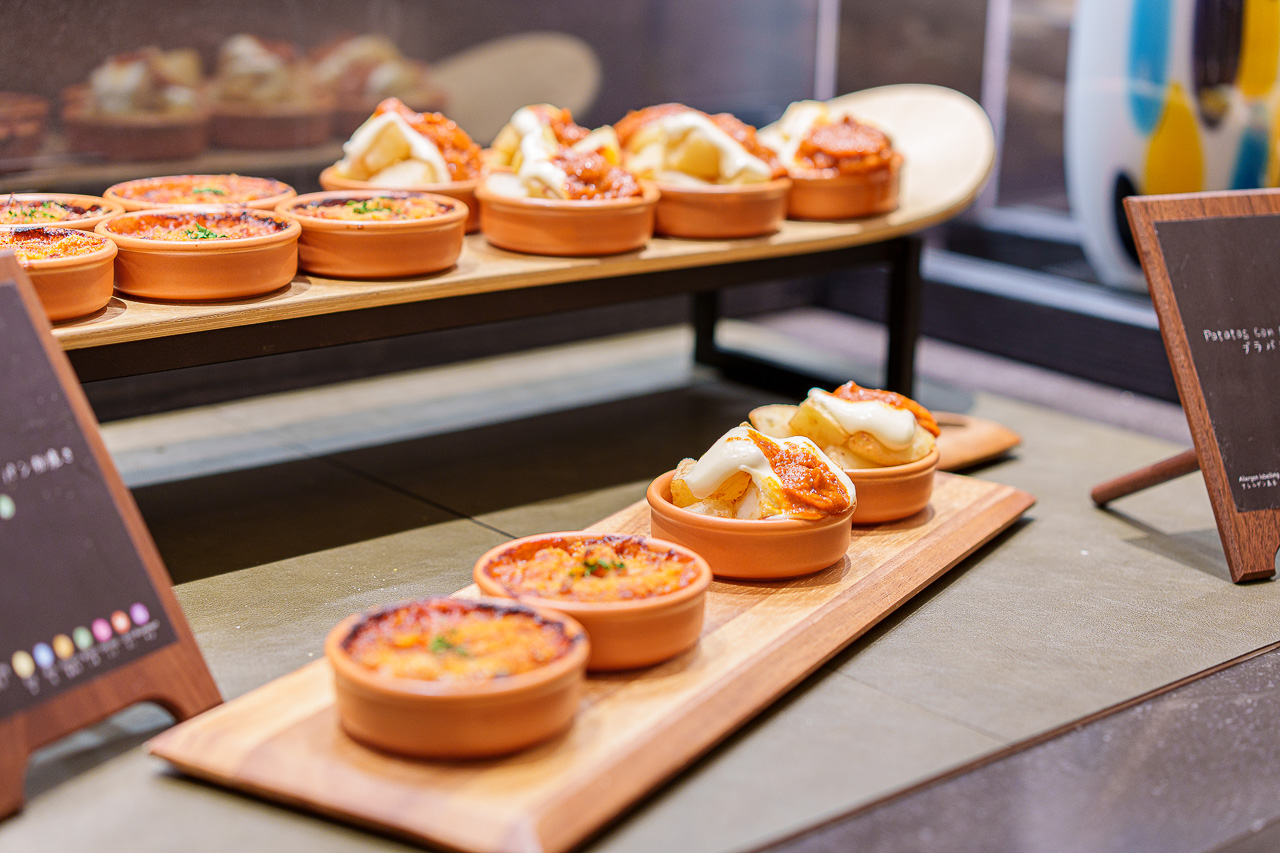
Patatas bravas: fried potatoes with spicy sauce.
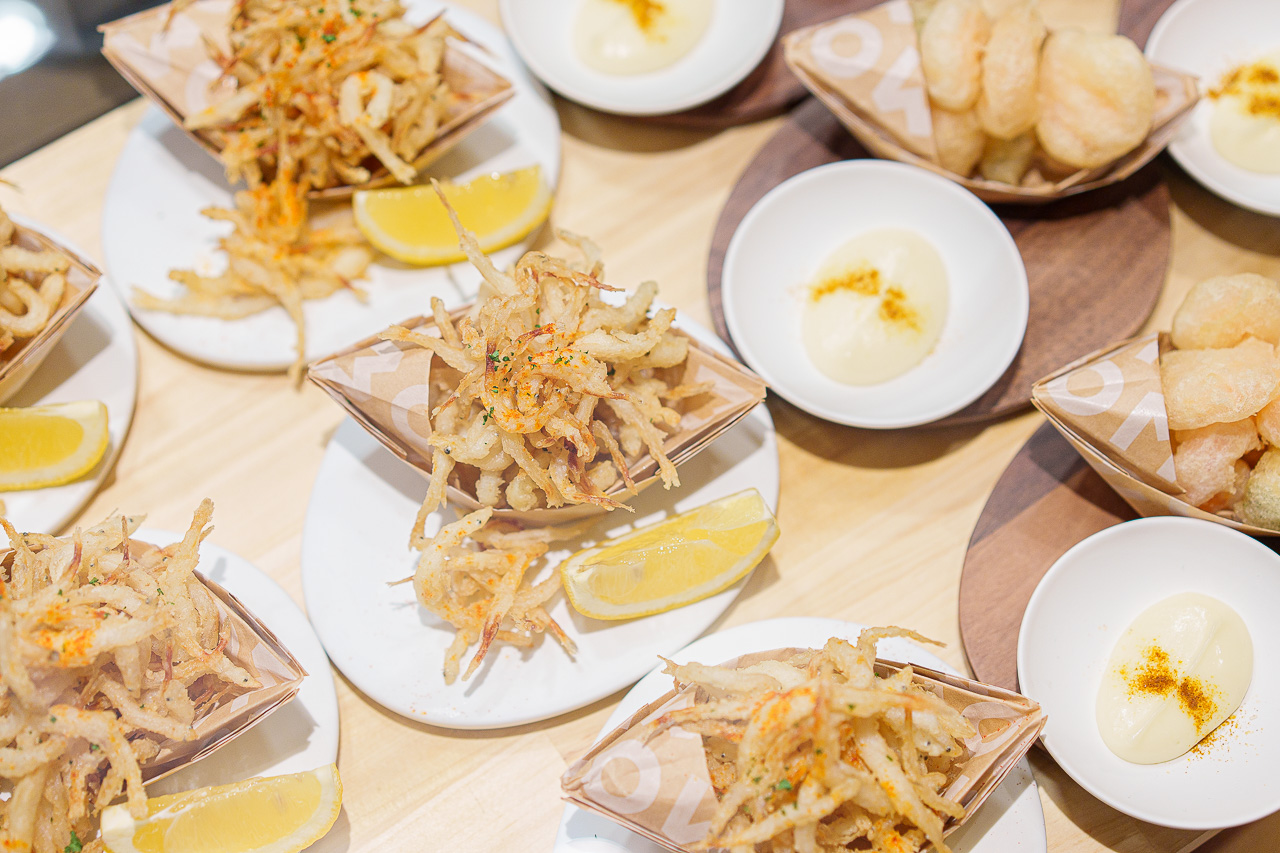
Small shrimp and zucchini, perhaps a dish the author calls calamari; that identification is uncertain.
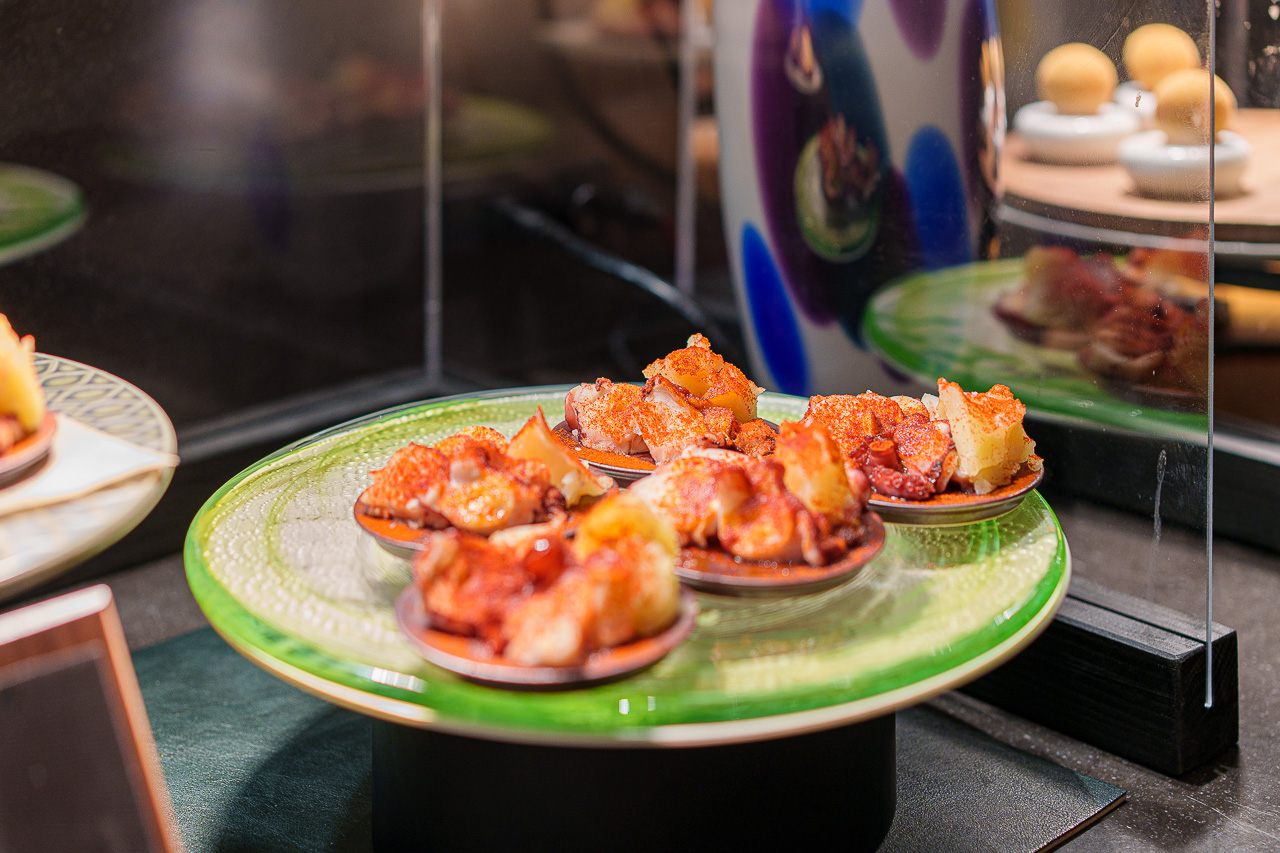
Polbo á feira, a Spanish-style octopus dish.
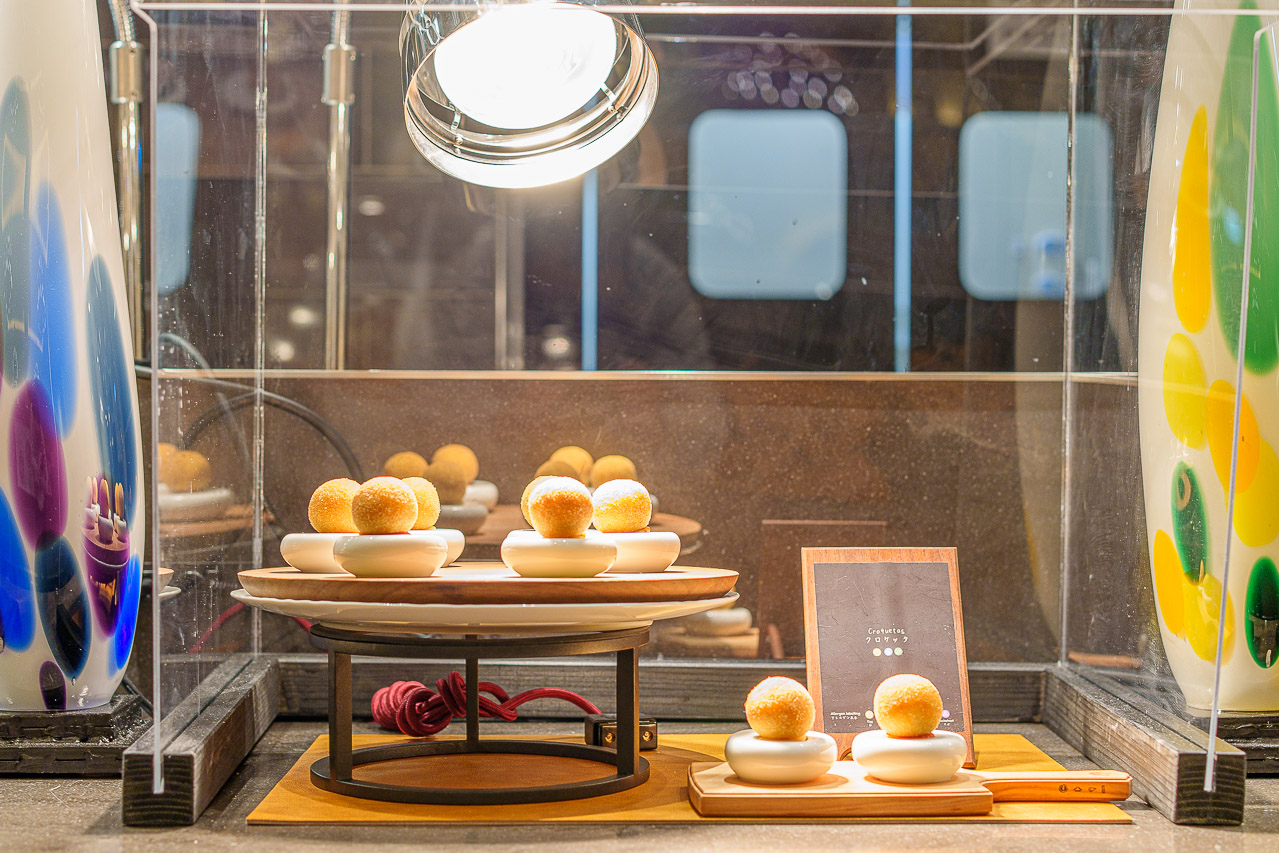
Round, appetizing croquettes.
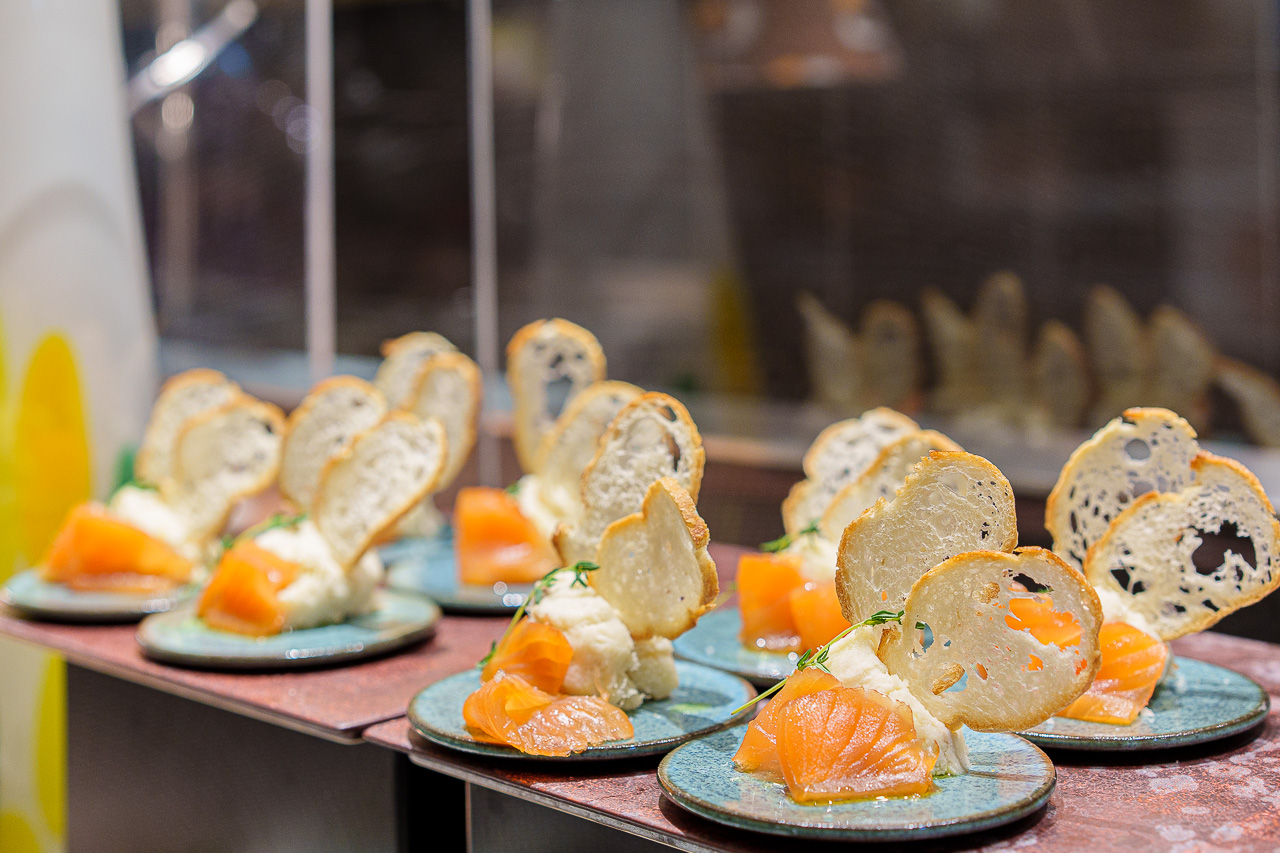
A dish called brandada here, with salmon, potato salad and baguette.
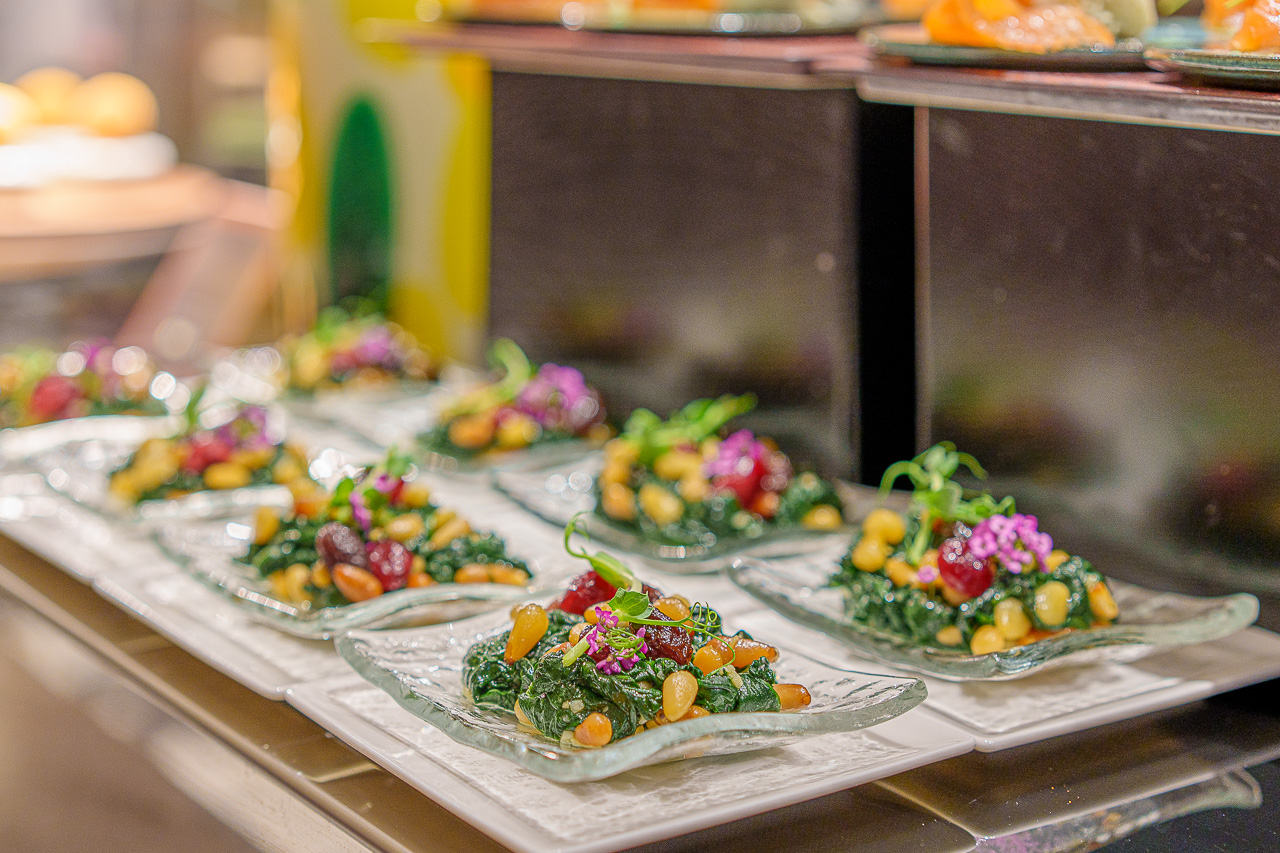
A spinach-and-vegetable dish transcribed as ‘Catalunya’ in the source.
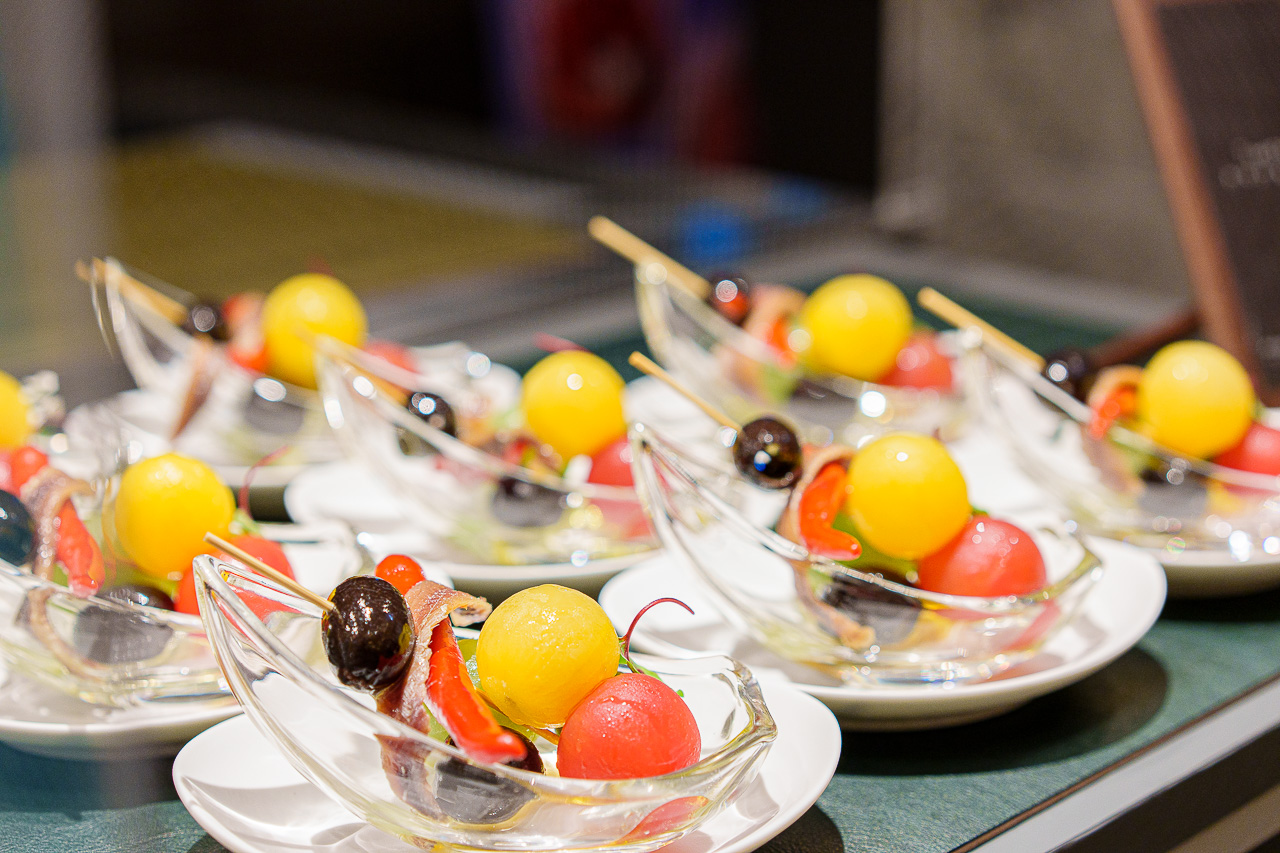
Marinated tomato, olives and a hot pepper.
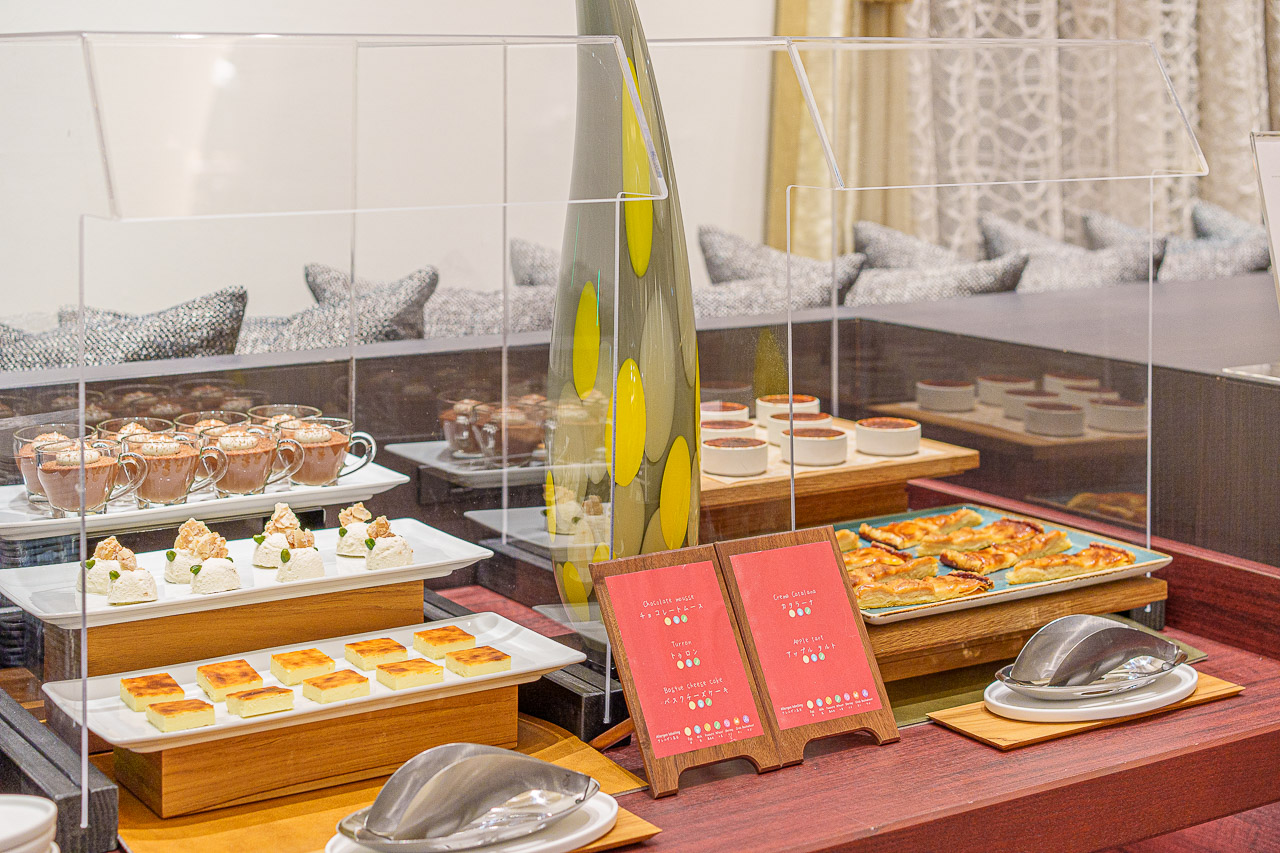
Desserts that make me happy simply looking at them.

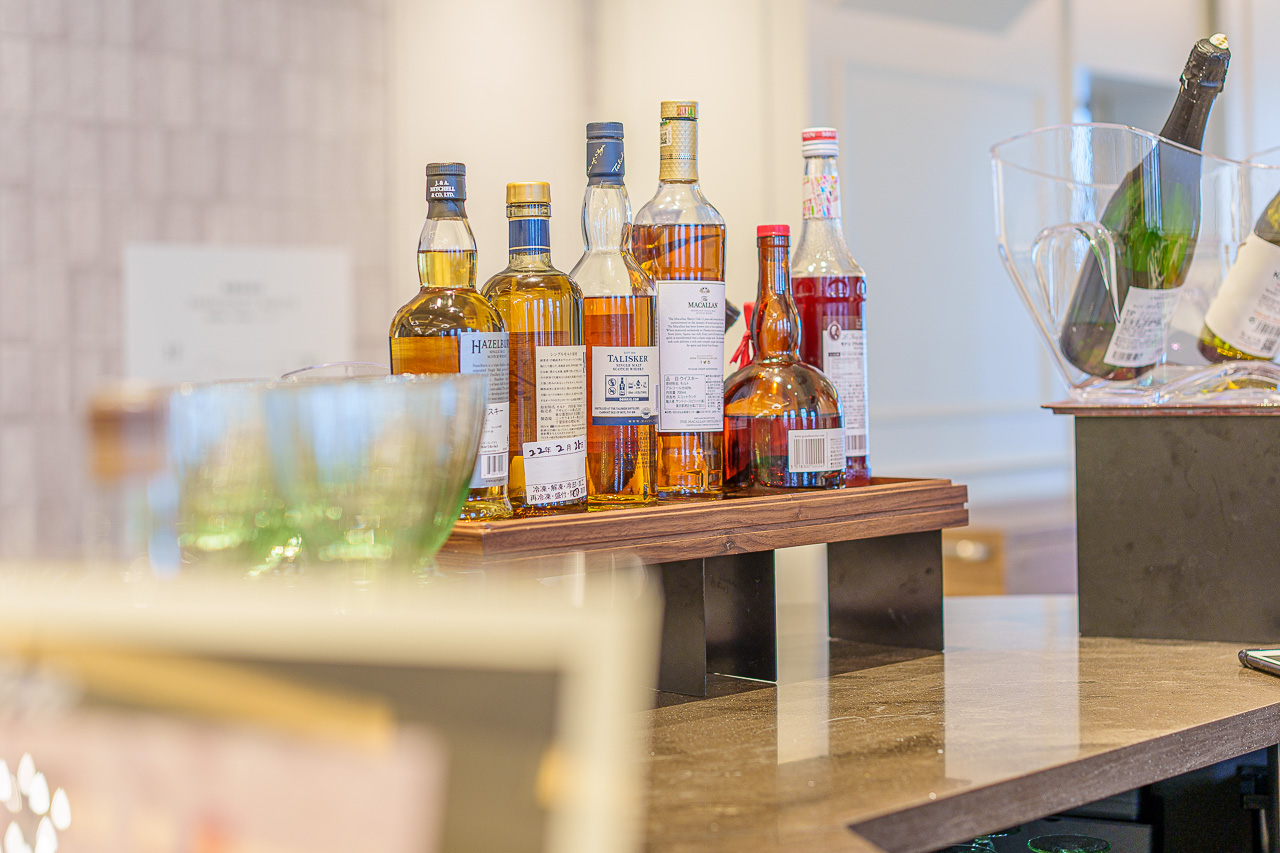
The drink bar near the entrance included unlimited red and white wine, txakoli, cocktails and soft drinks under the dinner plan.
Spanish food calls for Spanish wine, so I ask for txakoli.
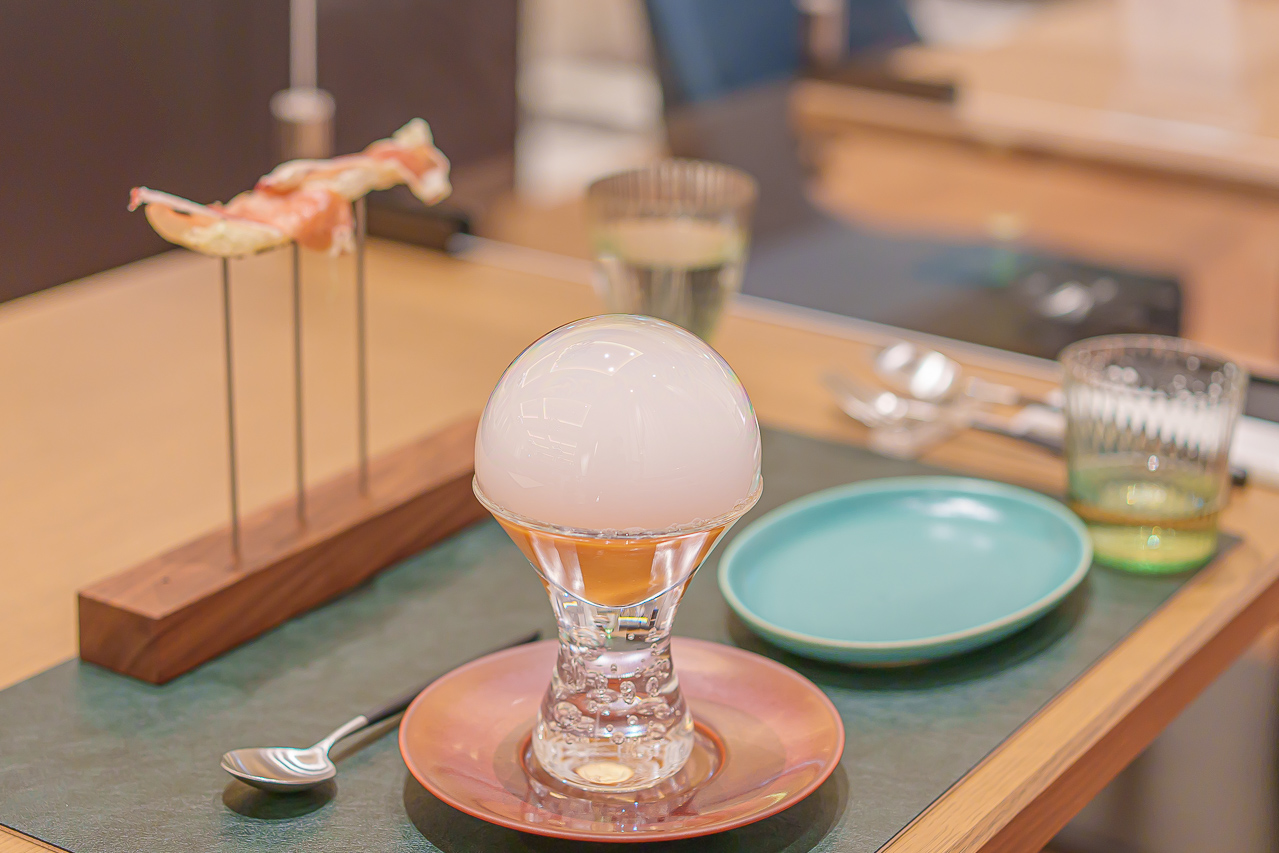
After receiving the wine poured from a height, I return to find gazpacho at the table.
A round dome over the soup is described as preserving freshness, part of its theatrical presentation.
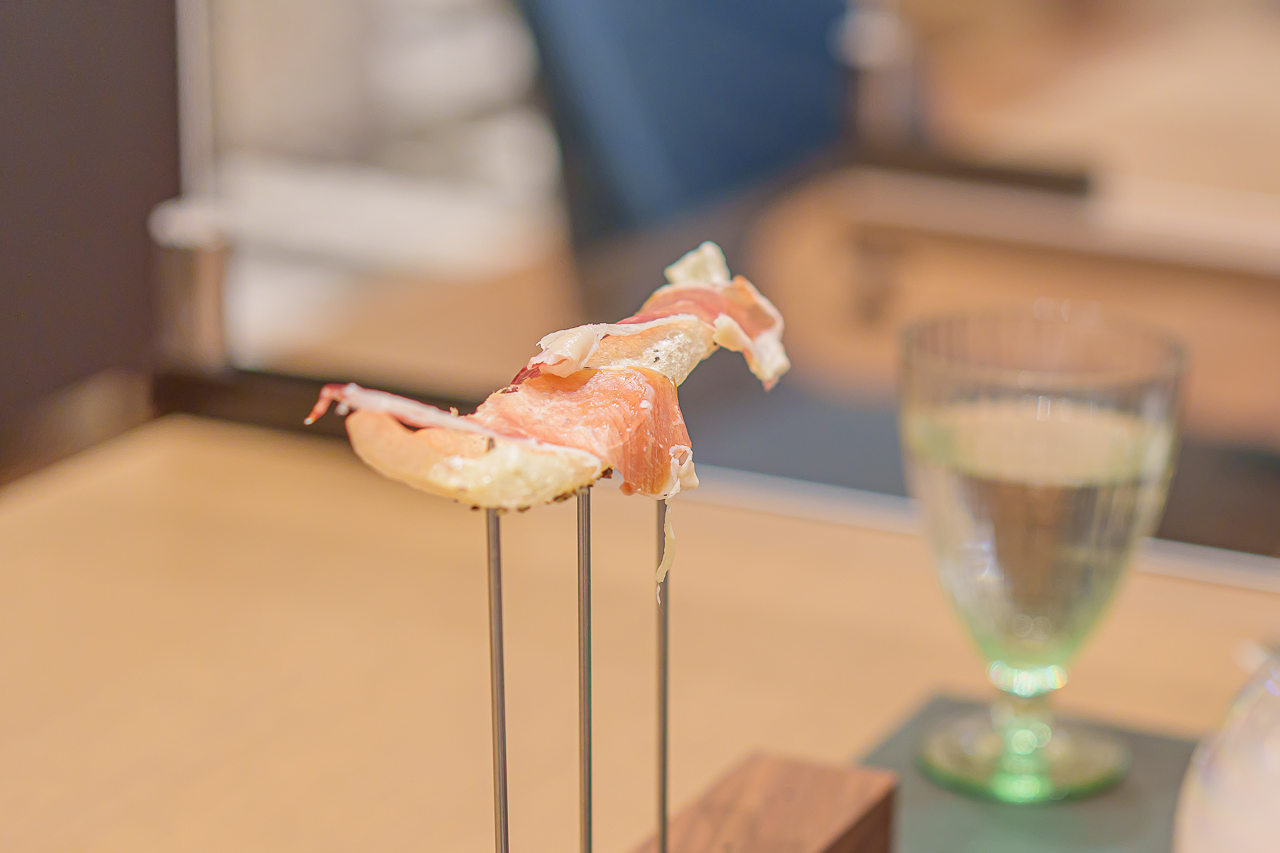
Cured ham and chicharrón, associated in the source with Mexico, accompany the wine.
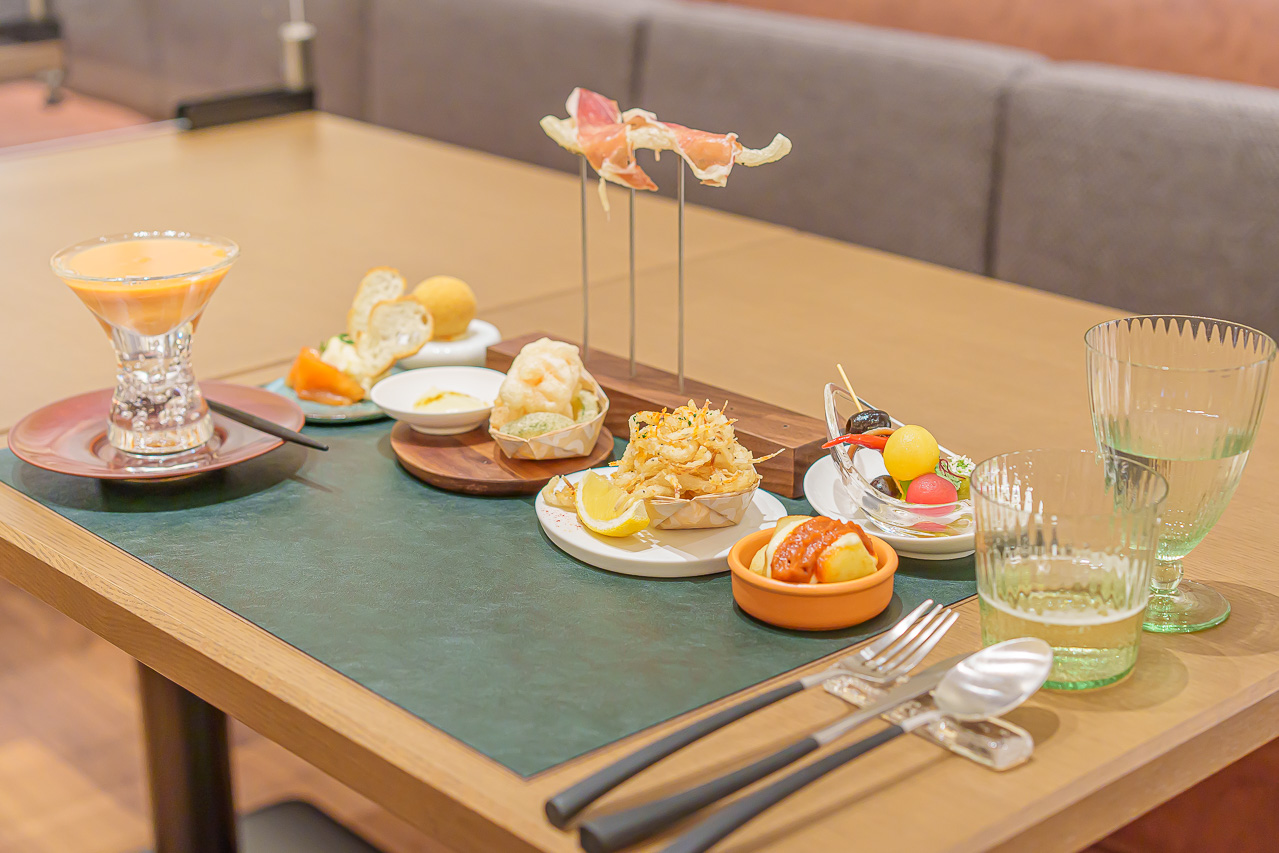
While I have a drink and collect buffet food, the dome bursts.
It can last from one to five minutes, according to the explanation.
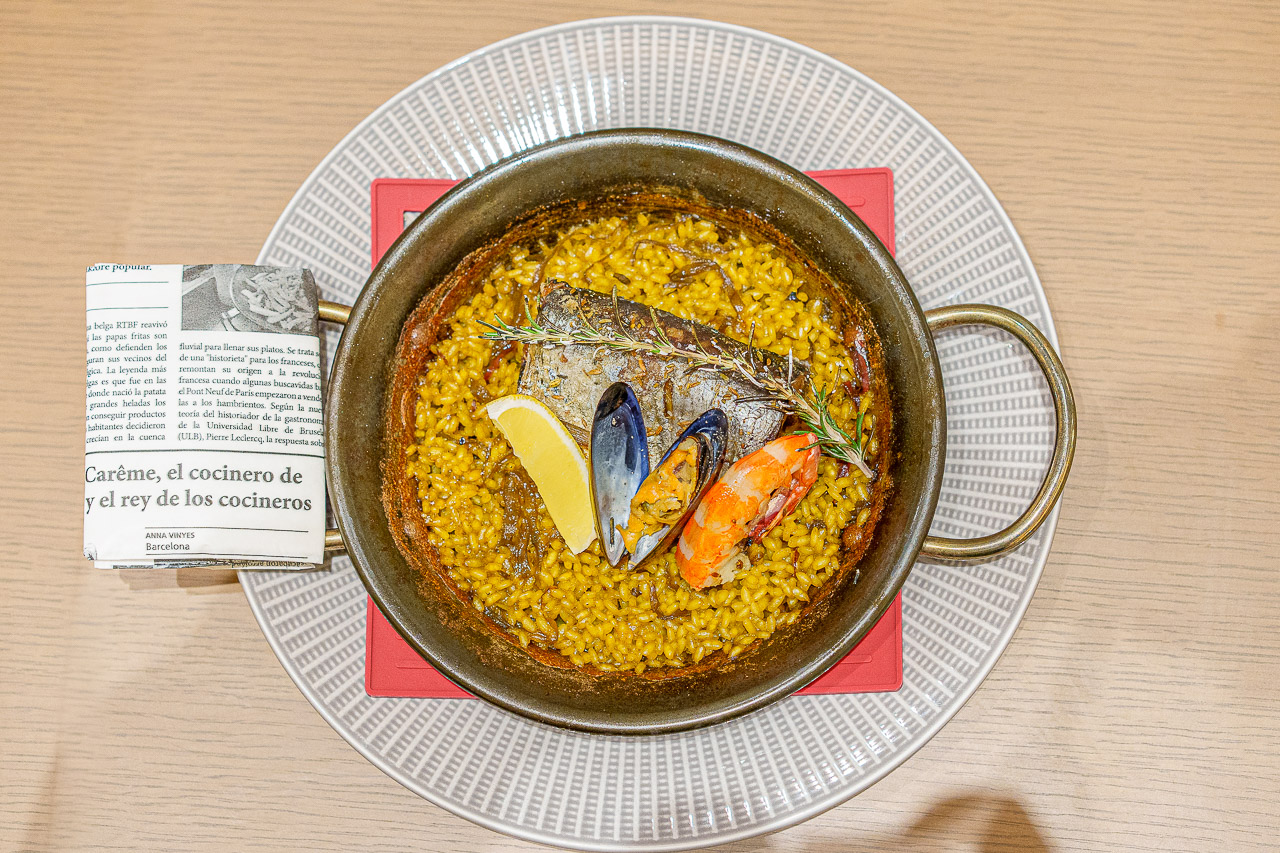
At last, the herring-and-seafood paella arrives.
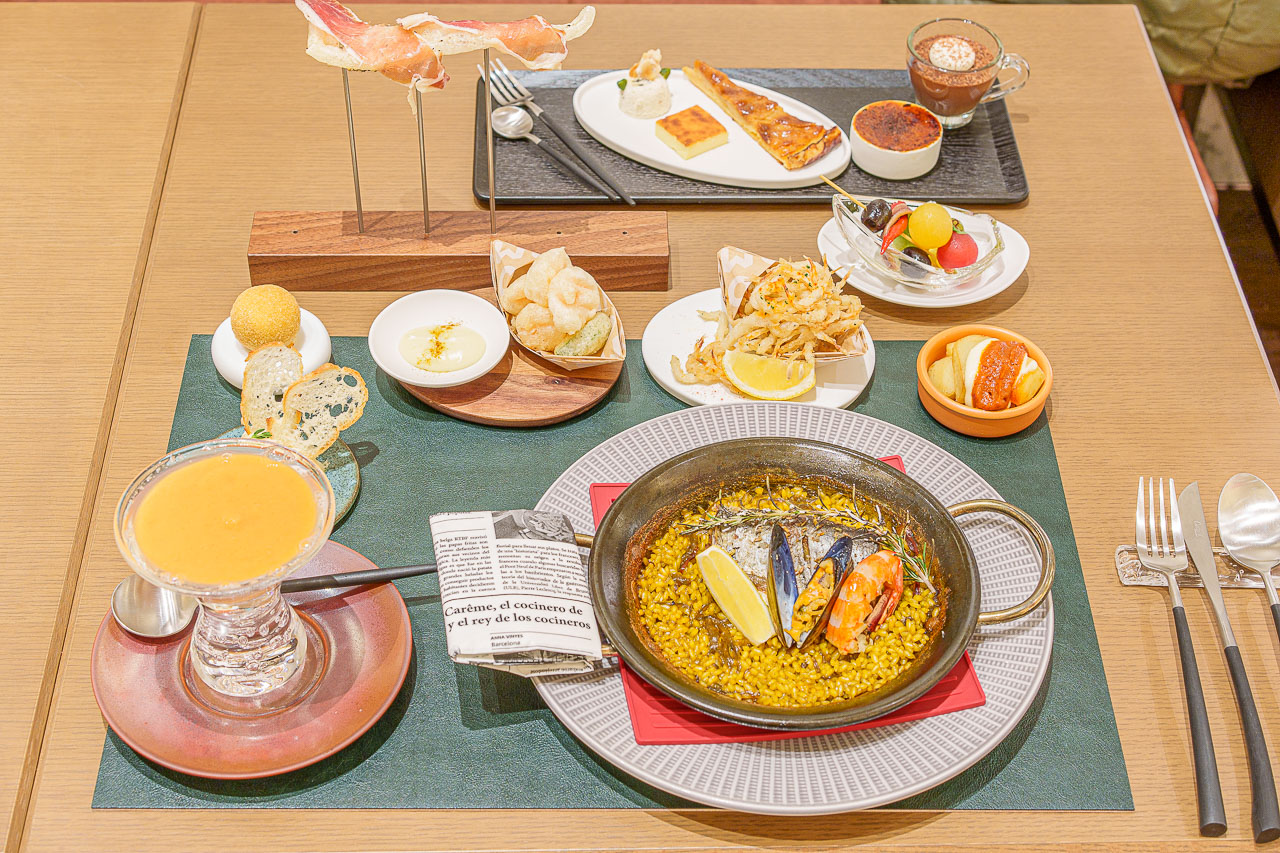
One main and six buffet dishes complete dinner.
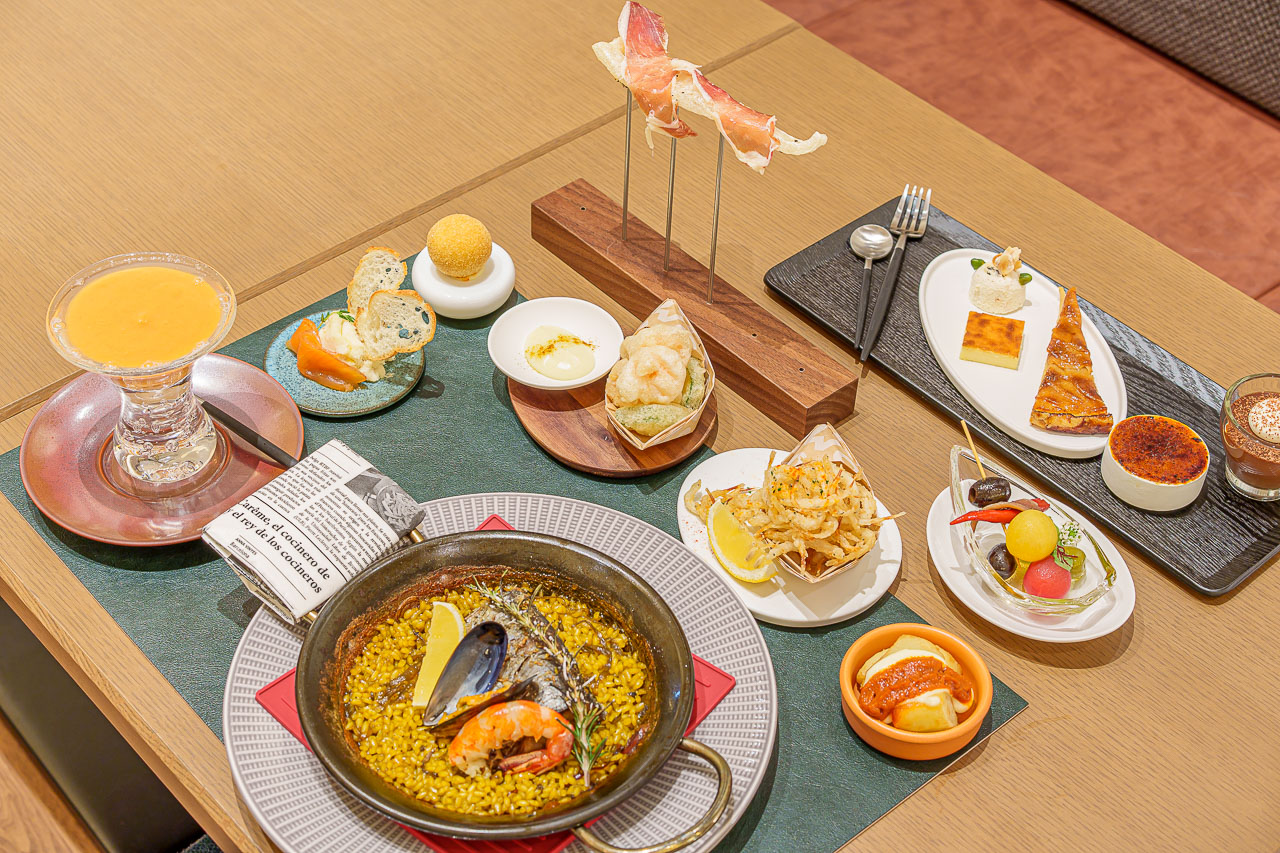
Everything is here, but something feels missing.
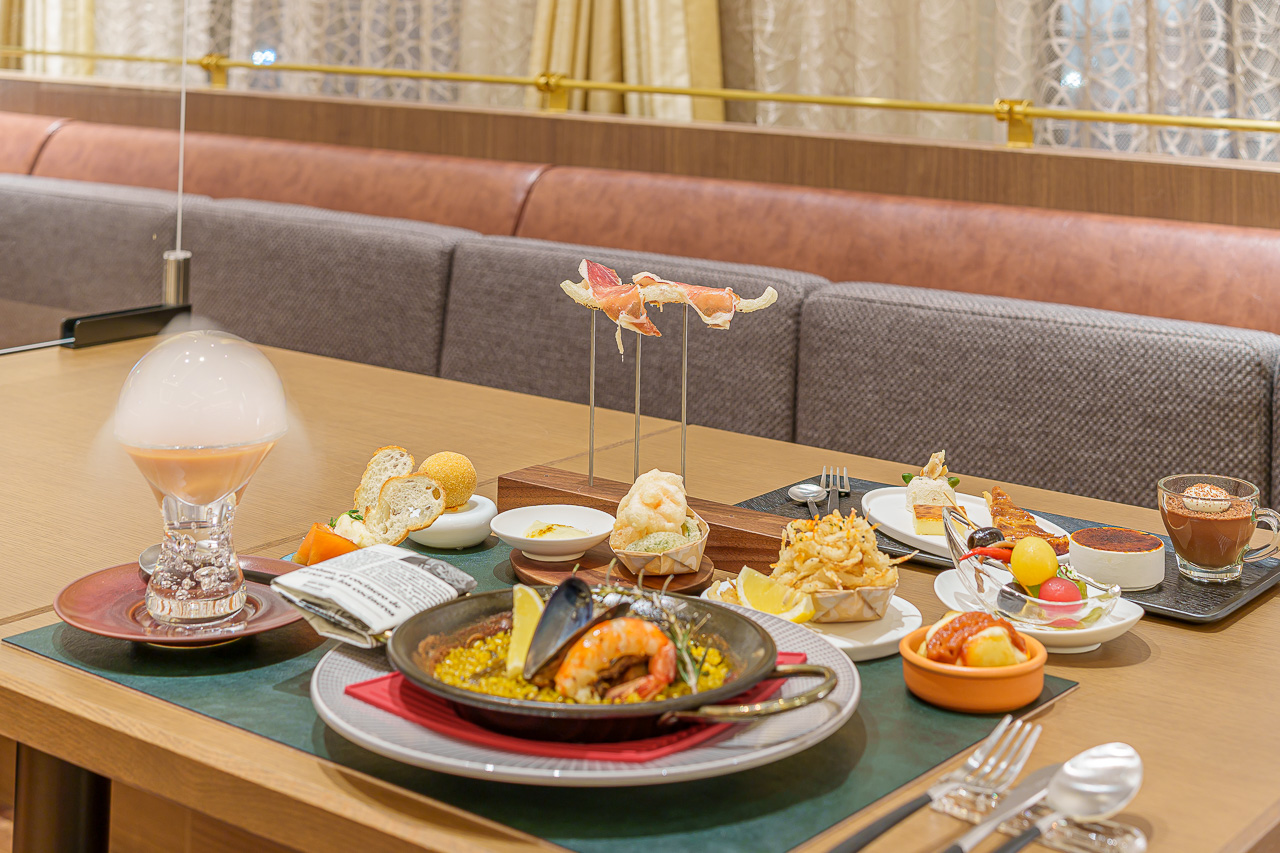
I realize I want another look at the gazpacho dome.
When I ask, the staff kindly make it once more.
A photograph before eating.
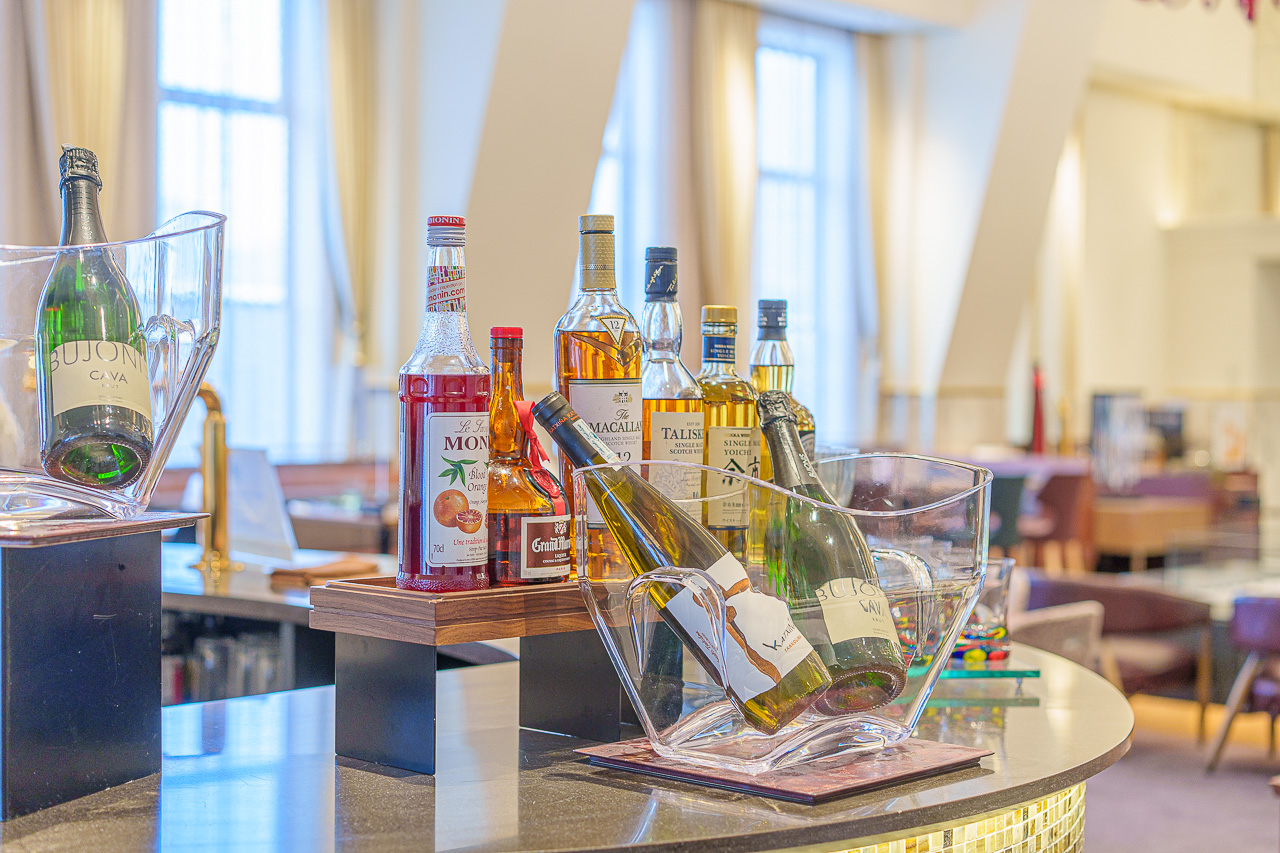
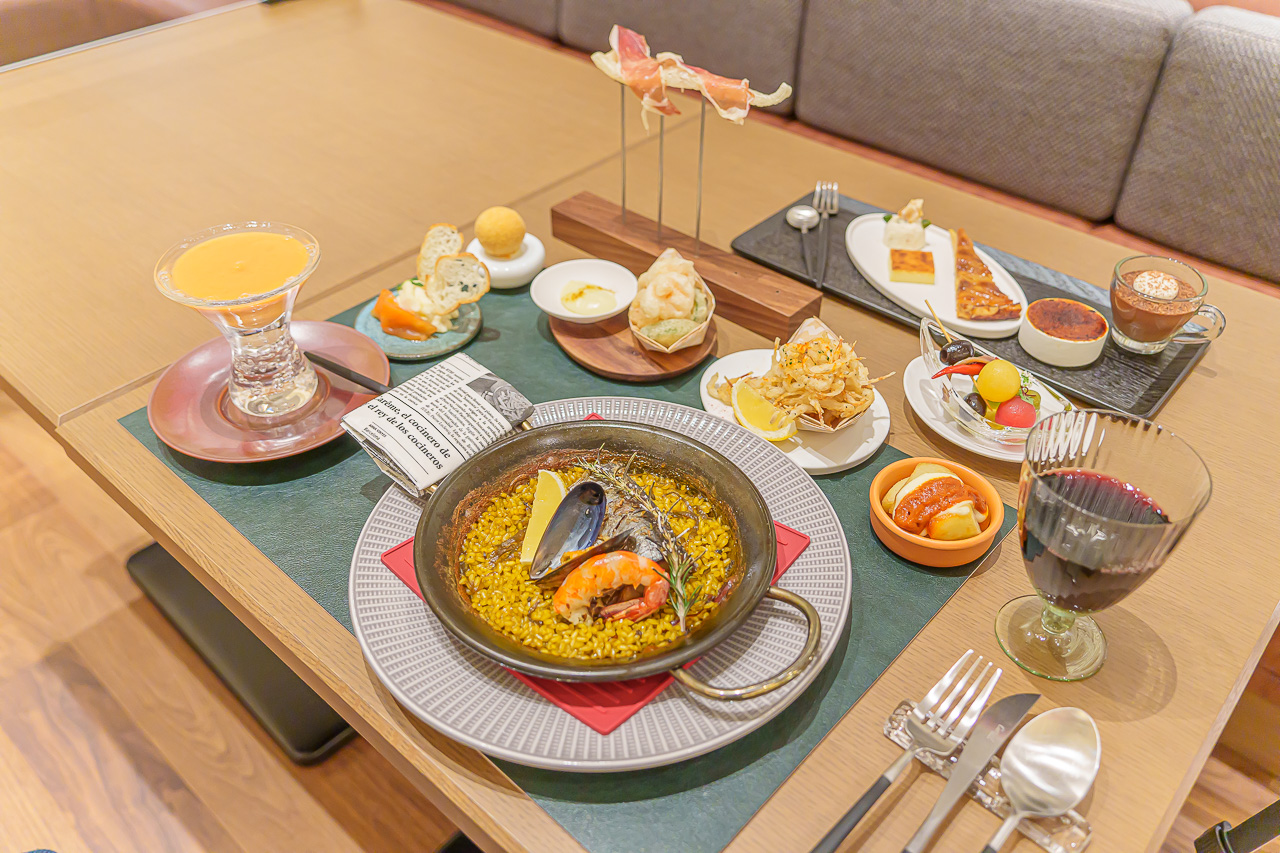
The txakoli is unexpectedly good, and after two glasses I bring a red wine to accompany the meal.
The herring bones are soft enough in this preparation for the author to enjoy them; that is a personal eating observation, not a general recommendation to eat fish bones.
A delicious and filling dinner.
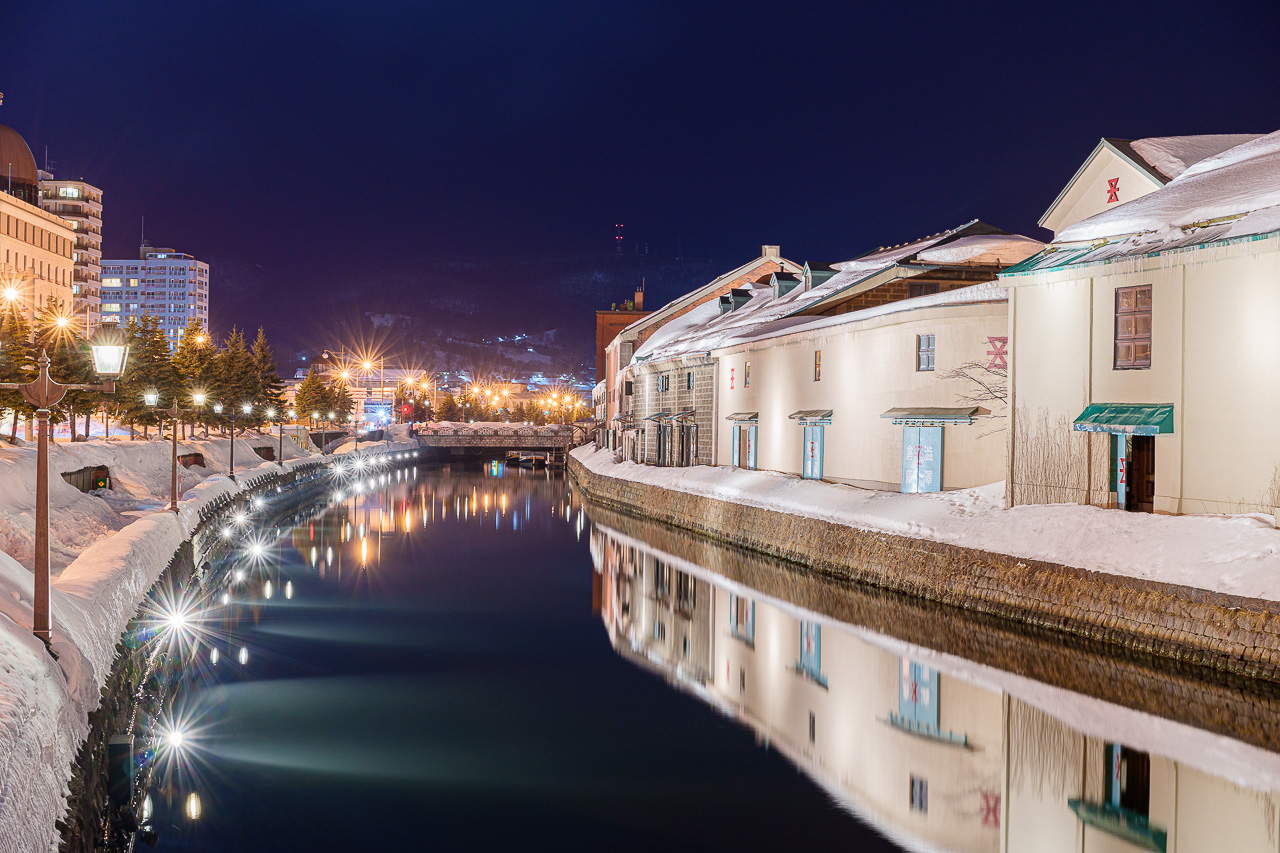
The weather is good, so we walk about a minute to see Otaru Canal at night.
The illuminated canal is beautiful every time I see it.
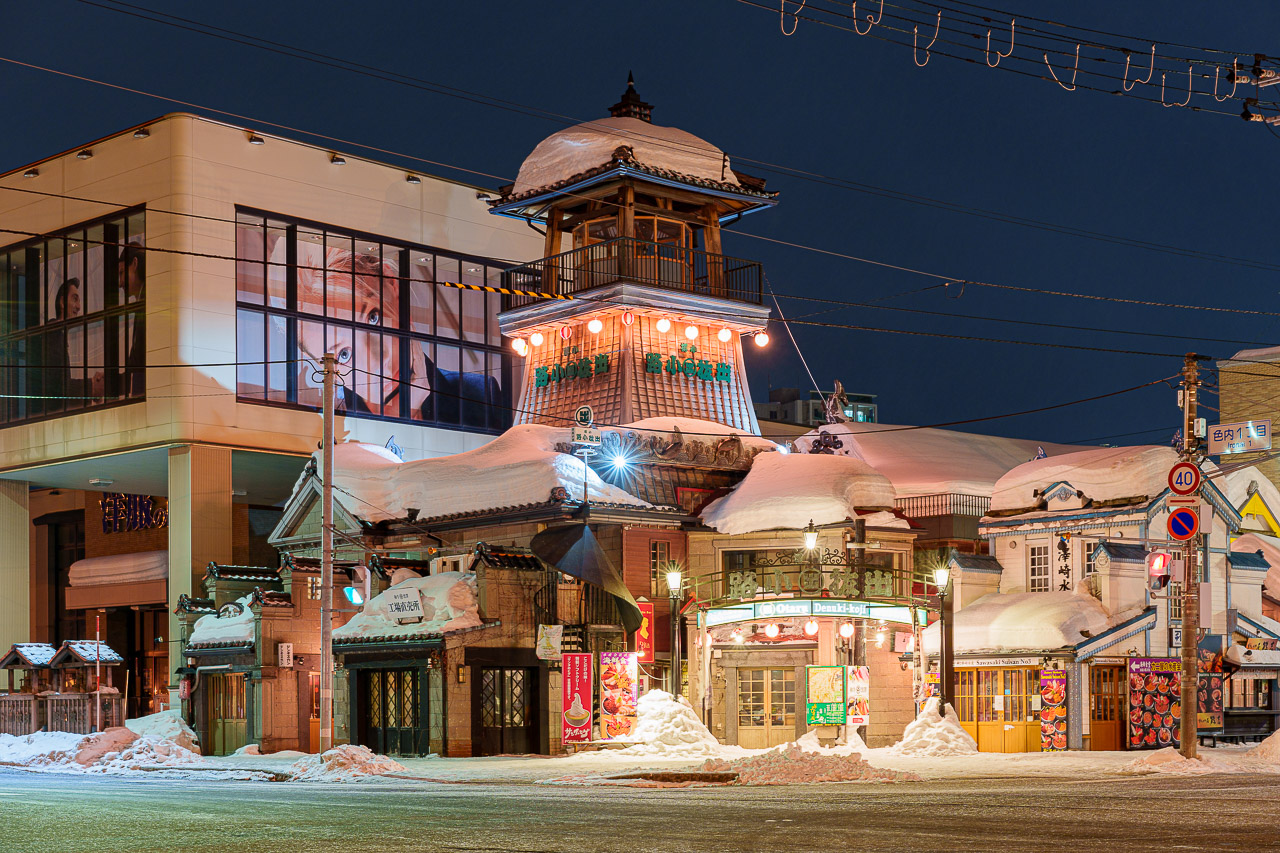
Across the canal near the Asakusabashi intersection is Otaru Denuki Koji, a food-lane complex featuring local ingredients.
Its recreated pioneer-era streets contain around 20 shops, serving signature dishes and opportunities for conversation, according to the source.
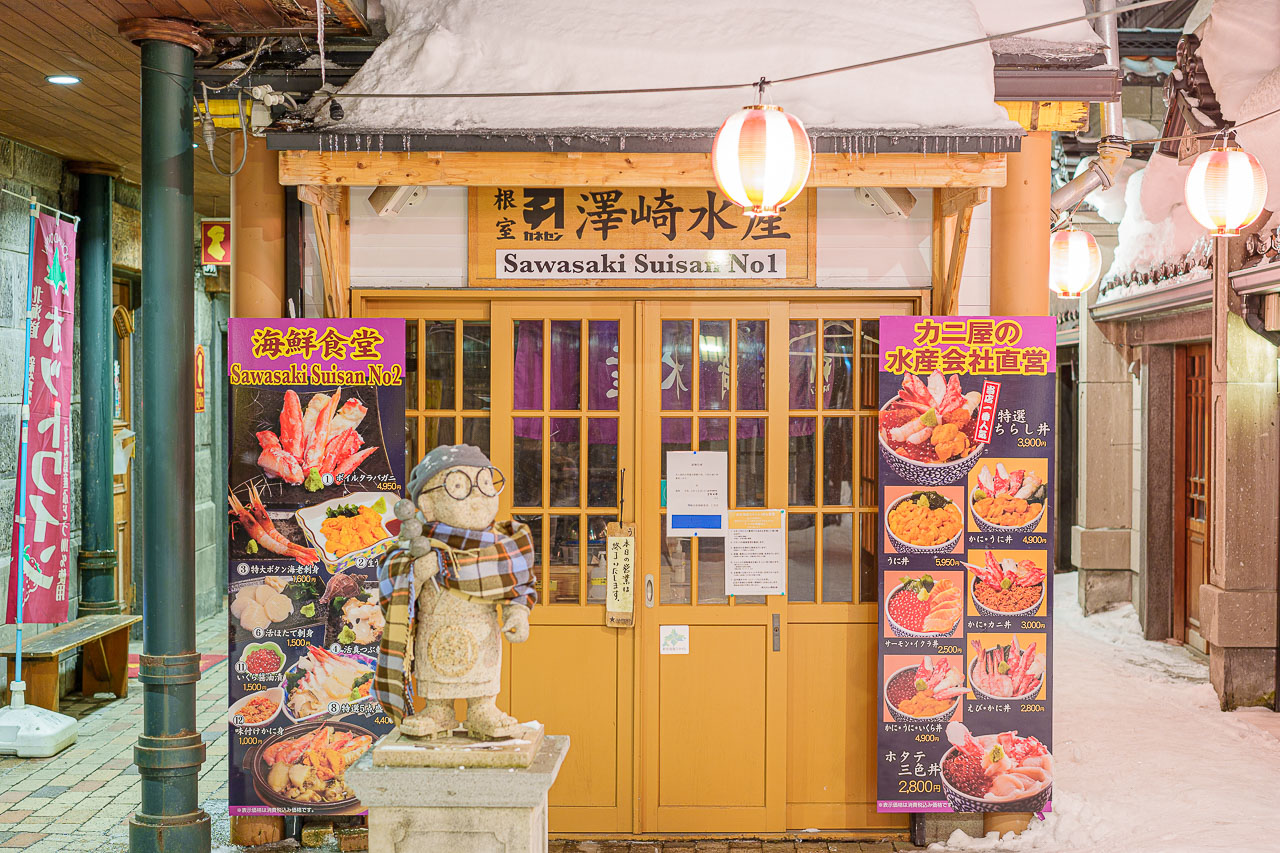
During this pandemic-period visit, however, it is closed.
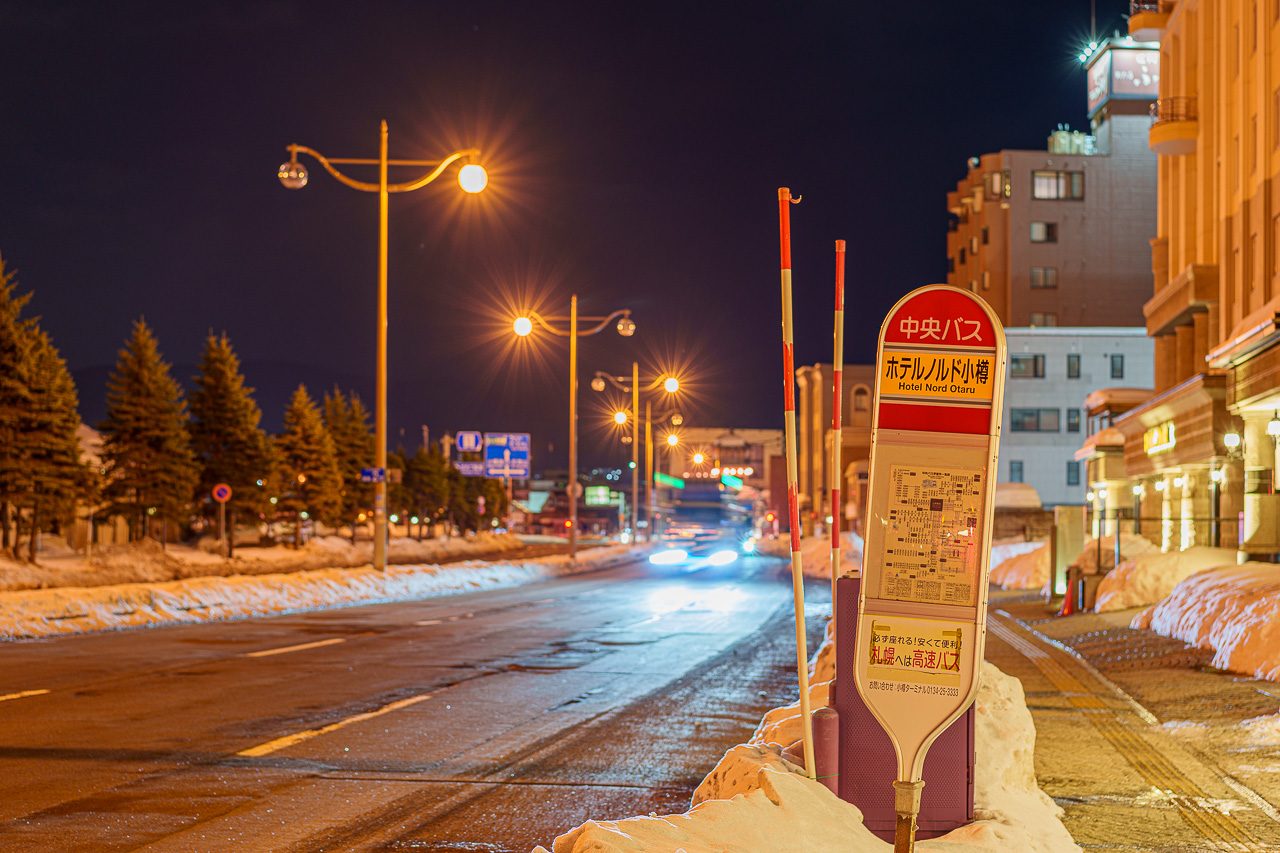
We return to the hotel.
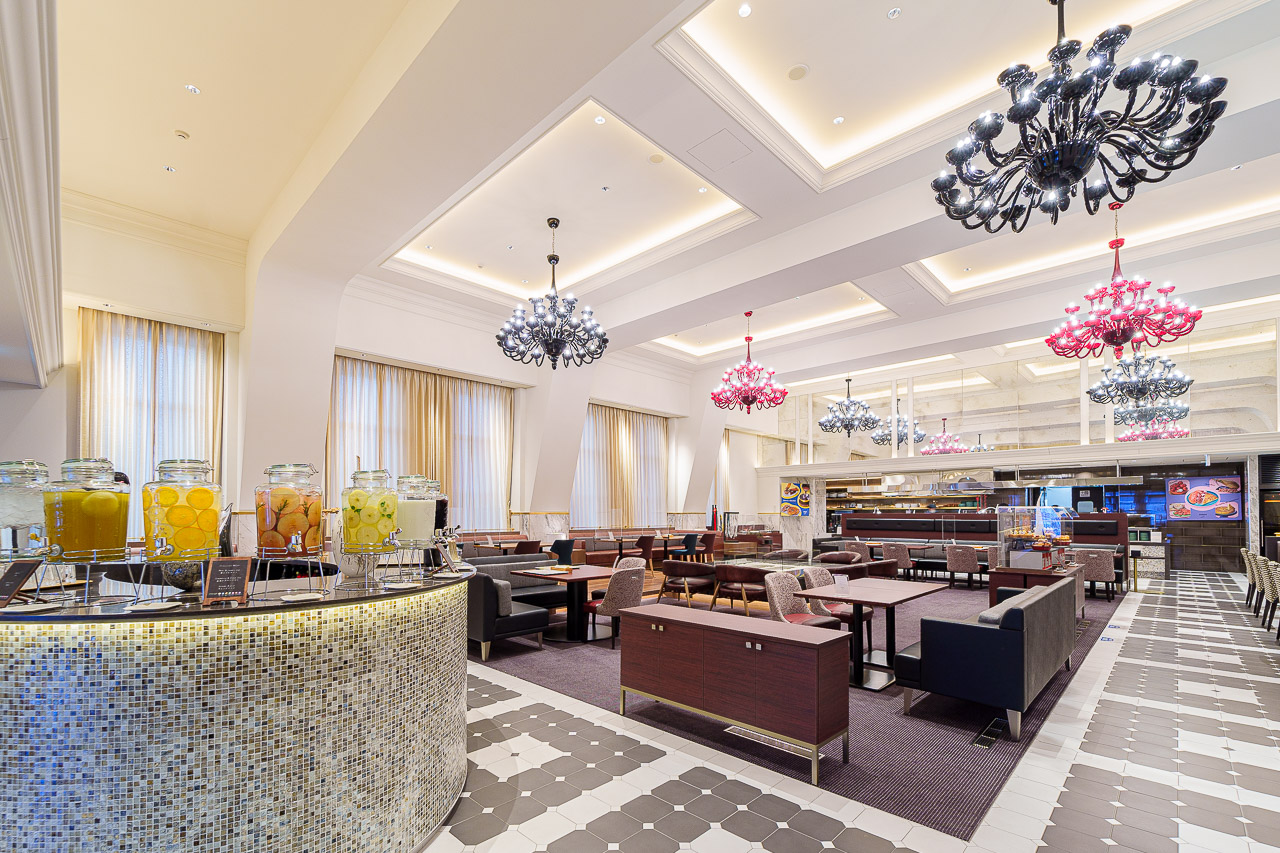
The next morning, we come back for breakfast.
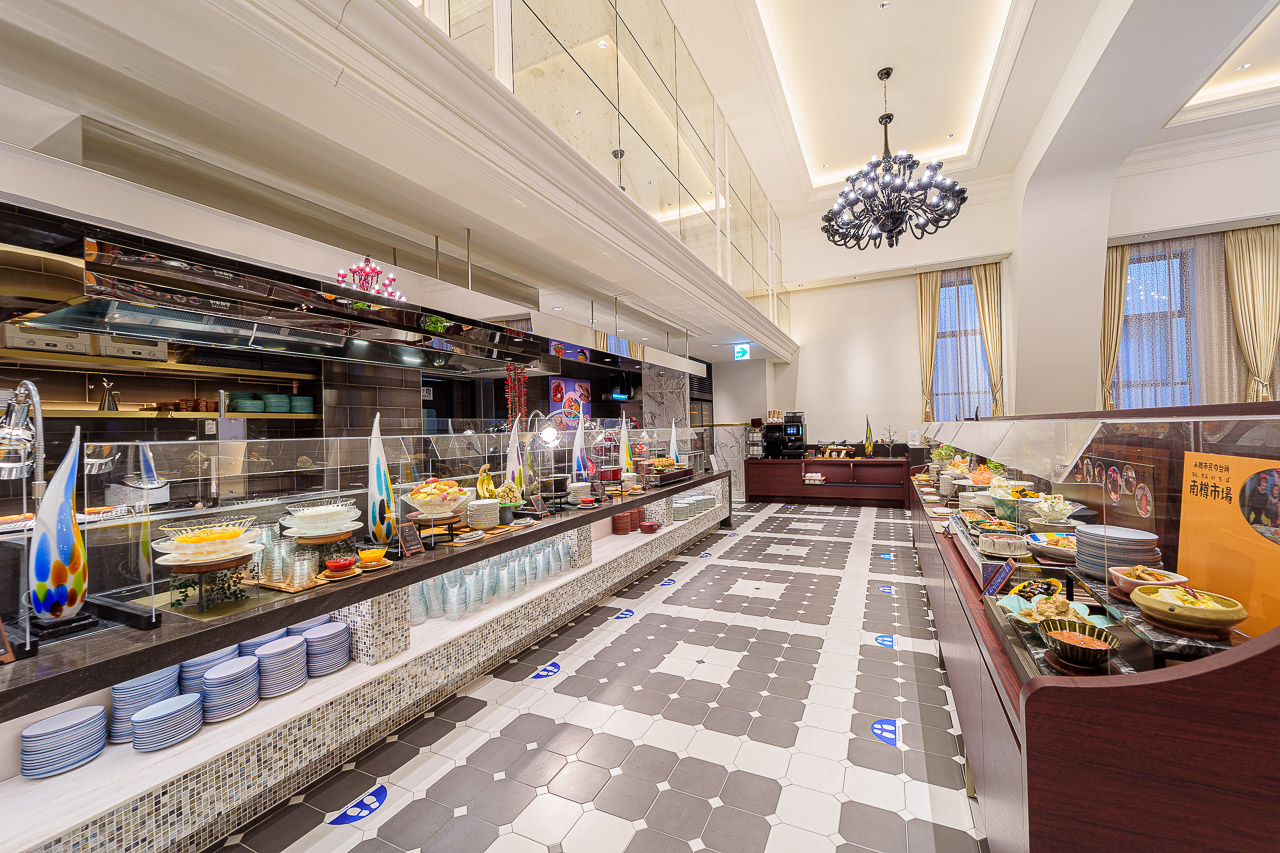
Breakfast is a buffet.
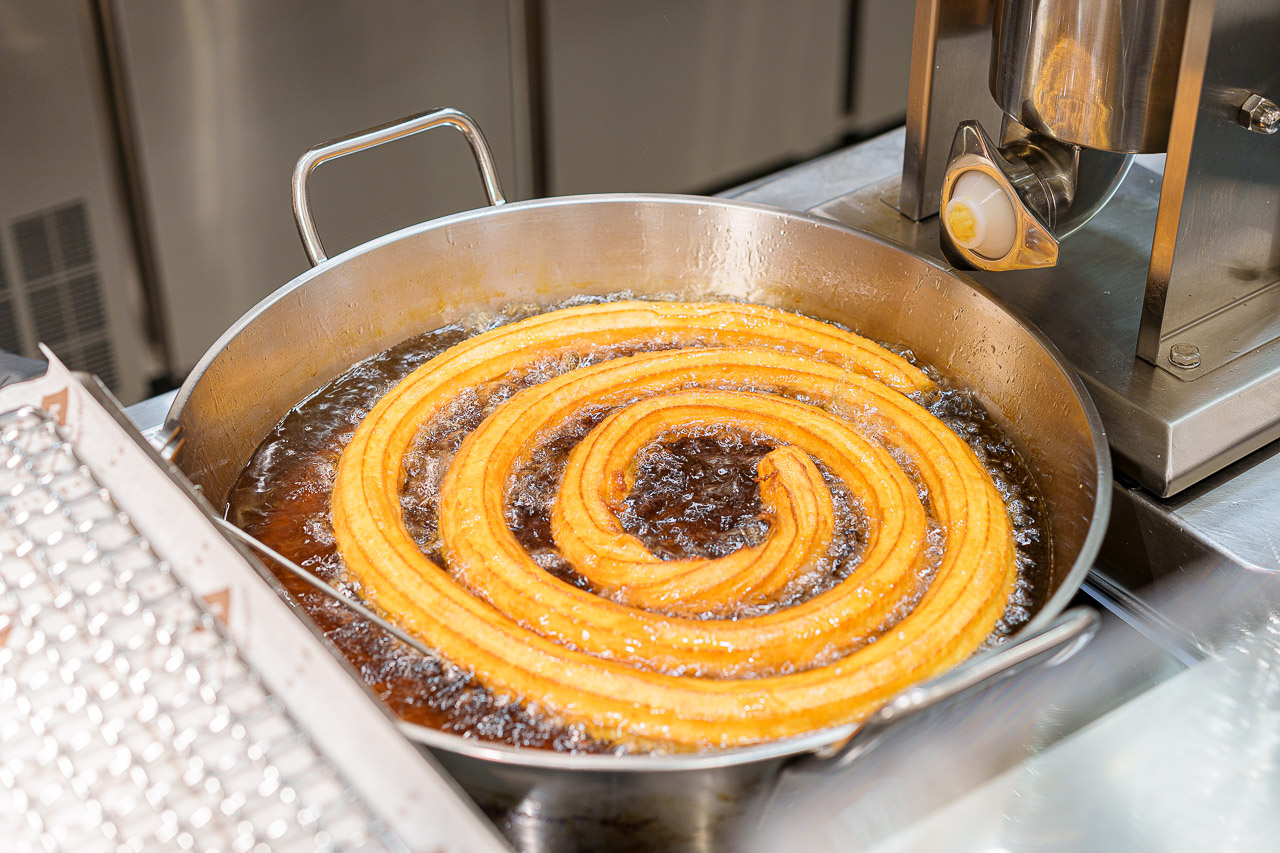
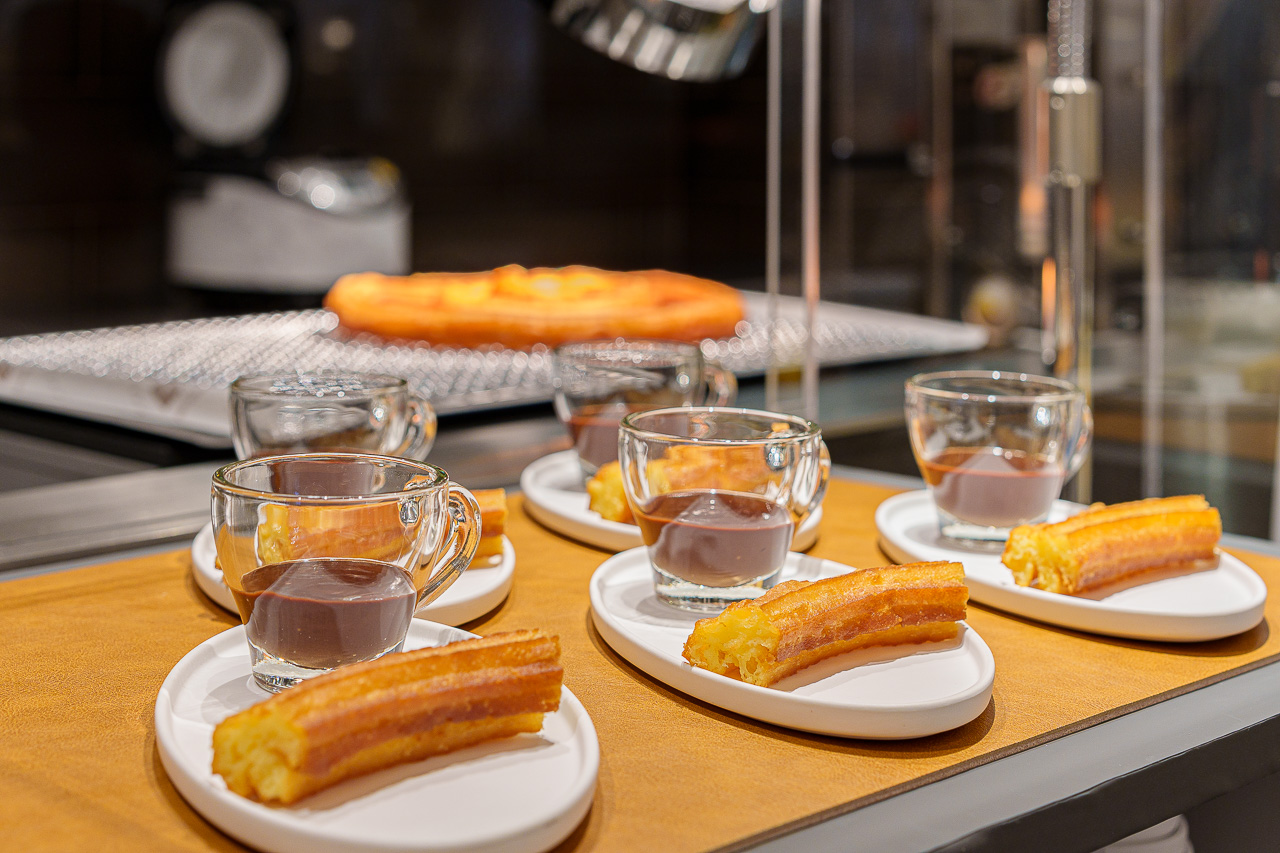
Freshly fried churros with rich chocolate.
An irresistible combination.
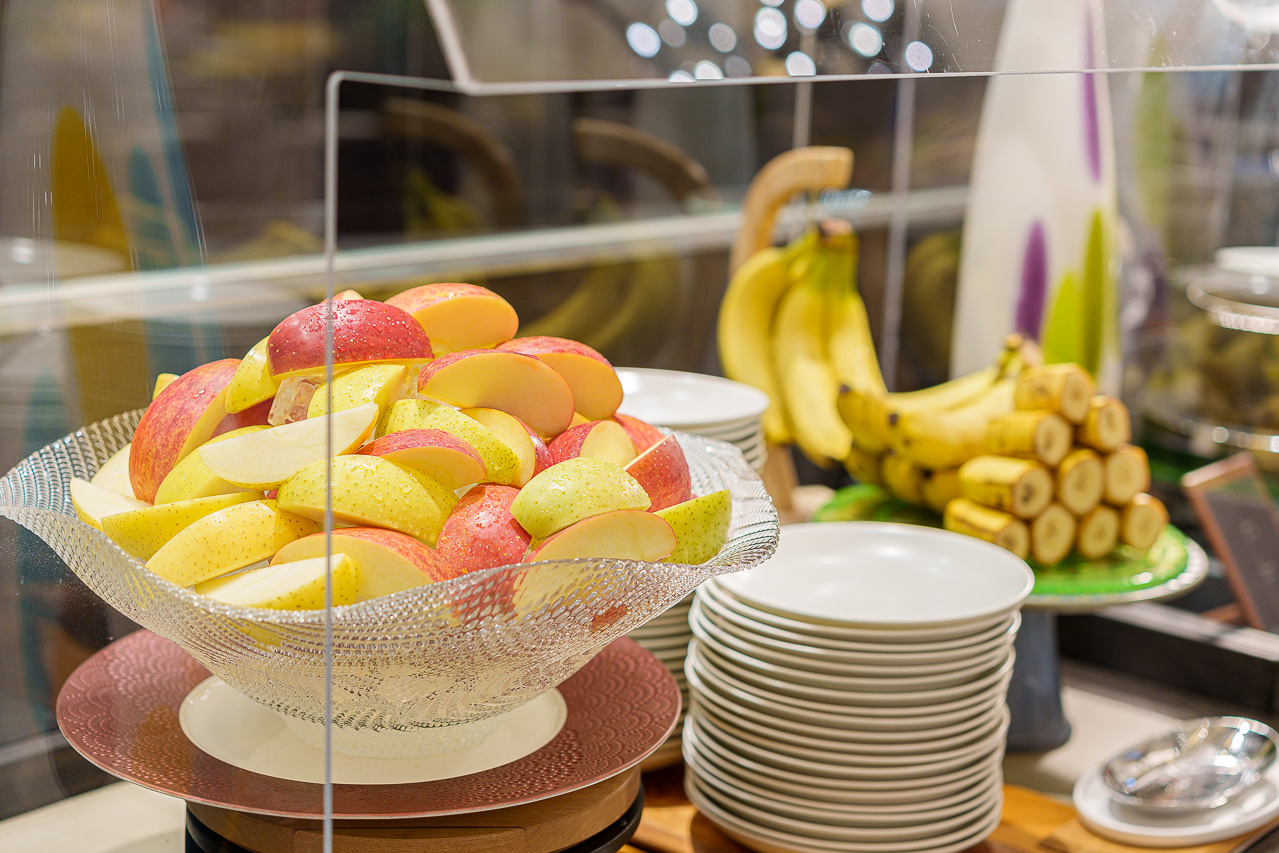
Fresh apples and bananas.
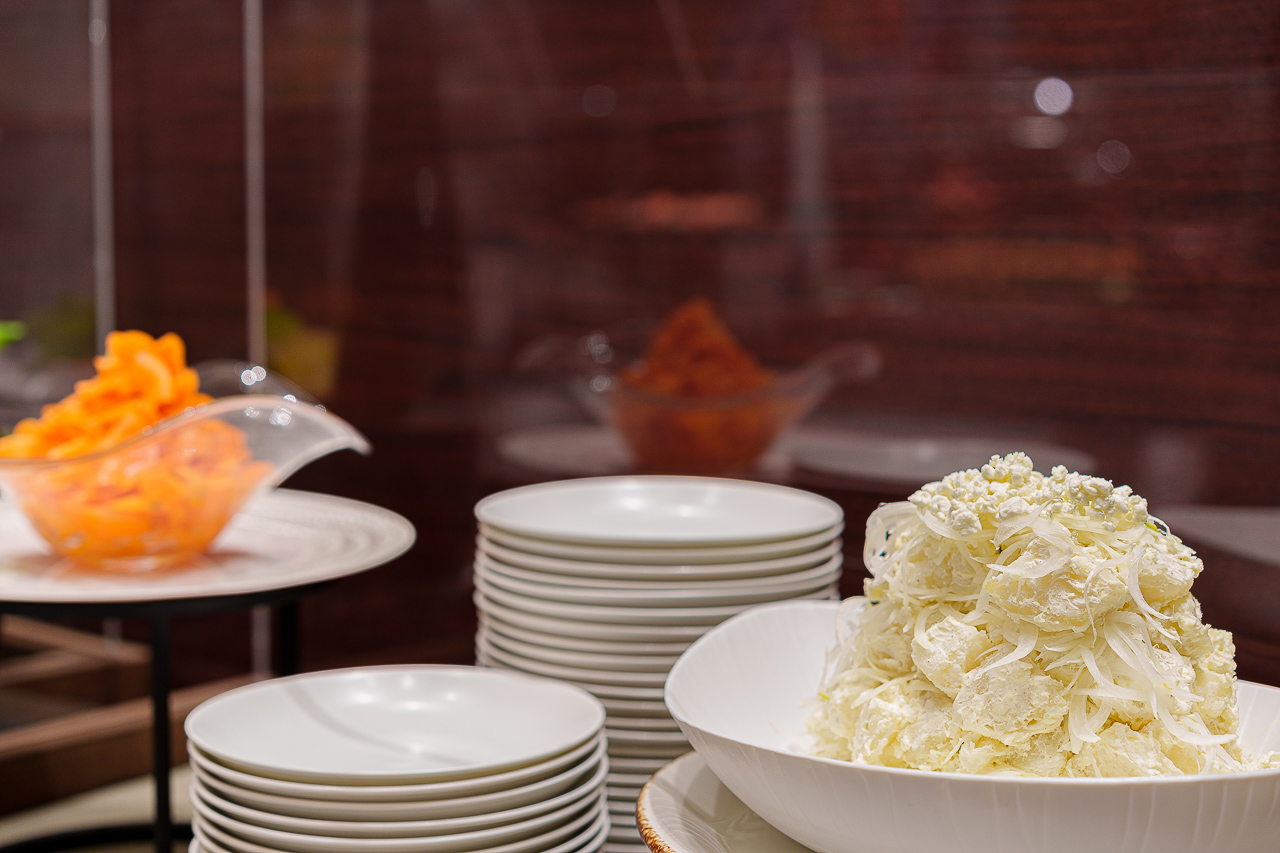
Carrot salad and onion salad with plenty of cheese.
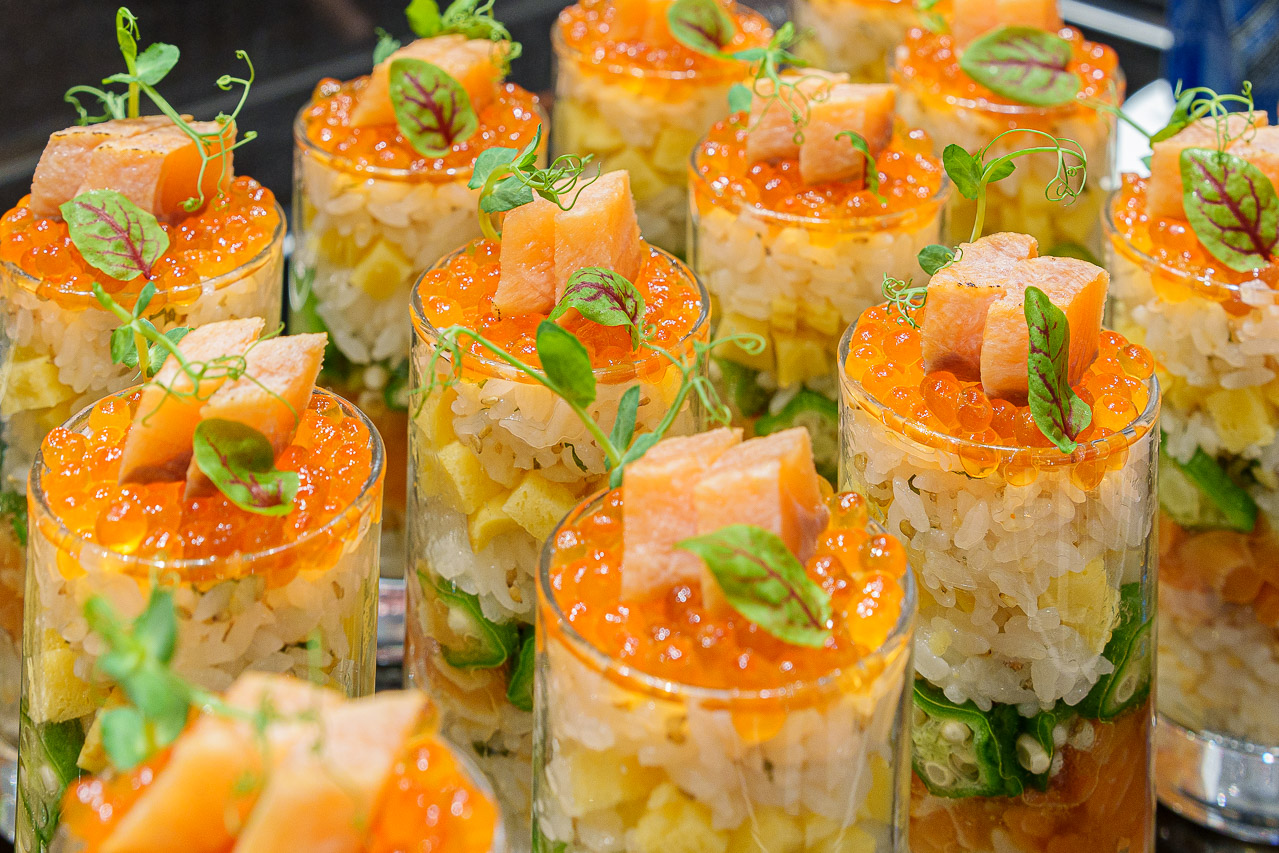
Parfait-style chirashi, attractive with salmon and salmon roe.
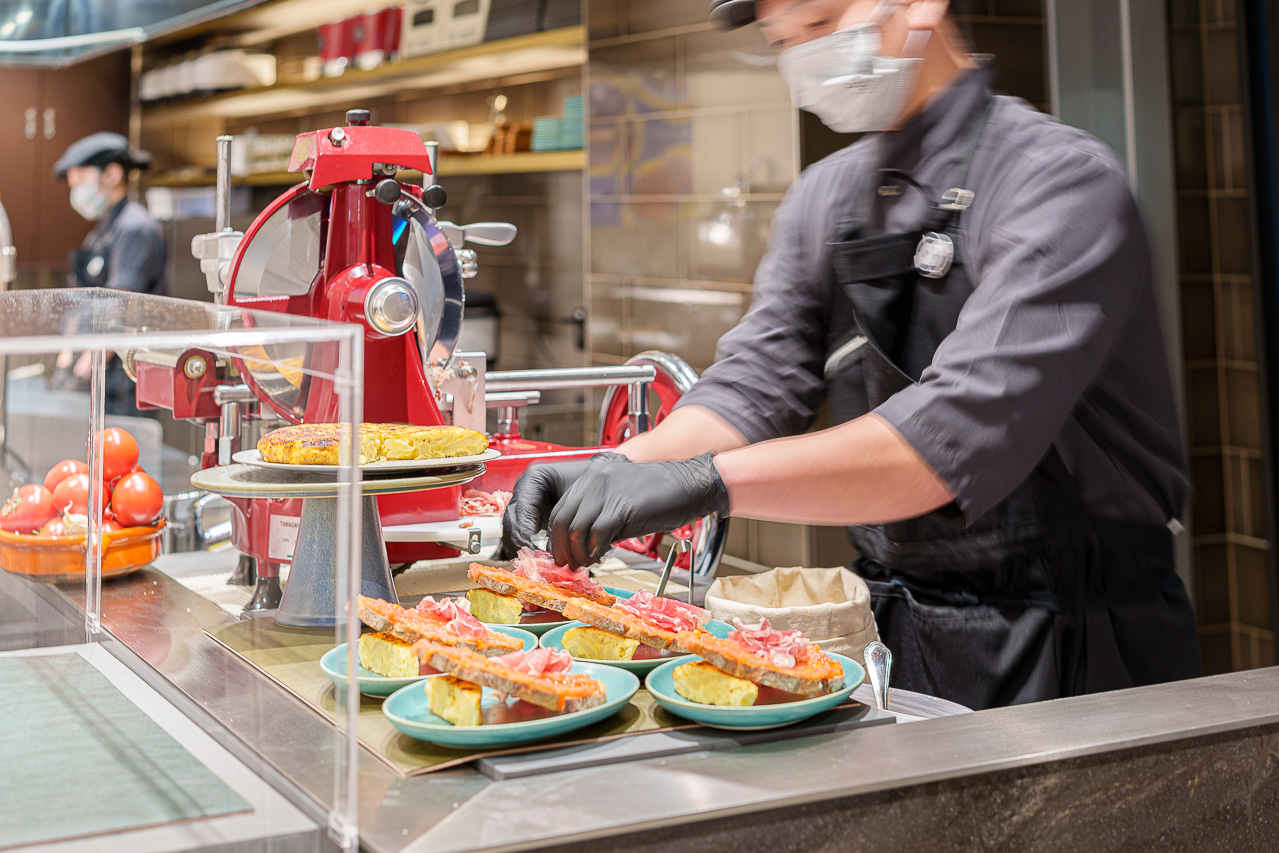
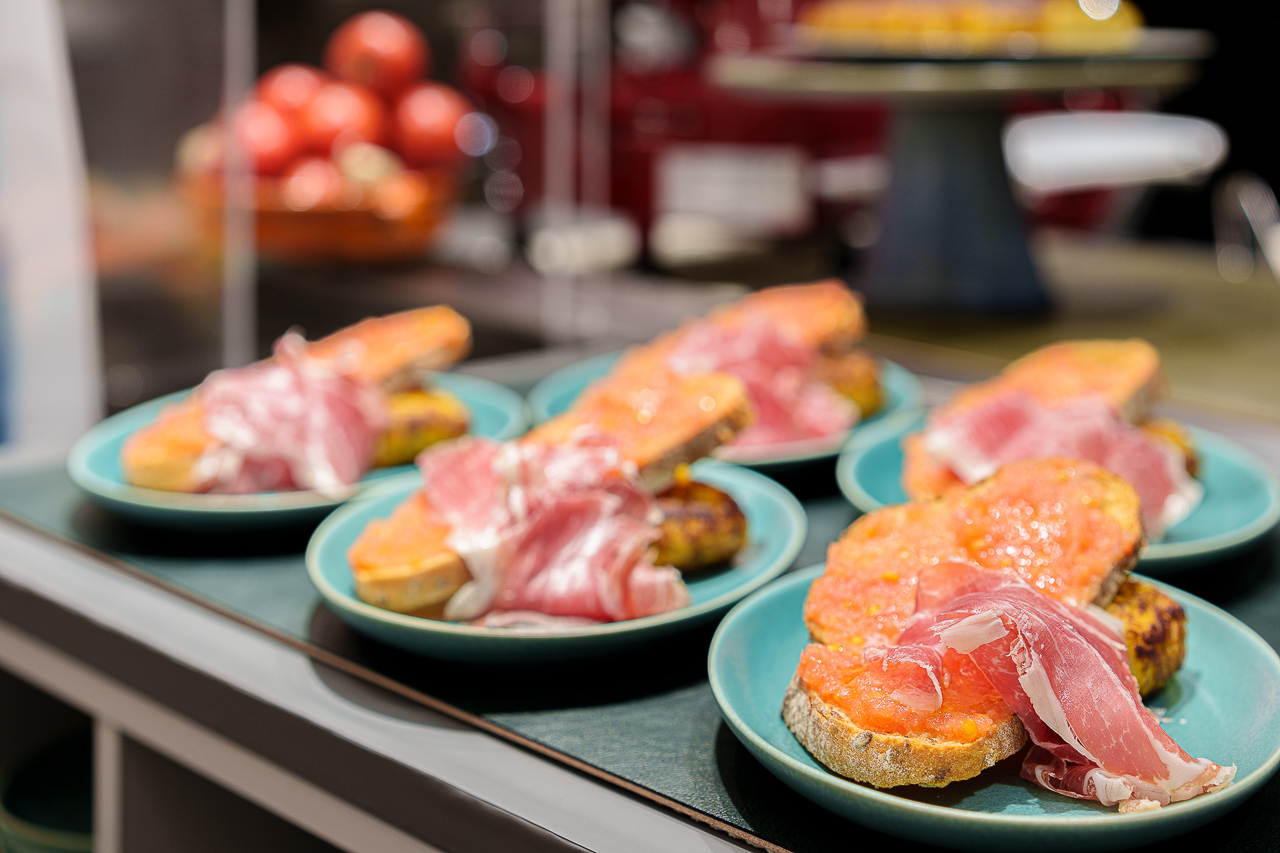
Baguette with refreshing tomato pesto.
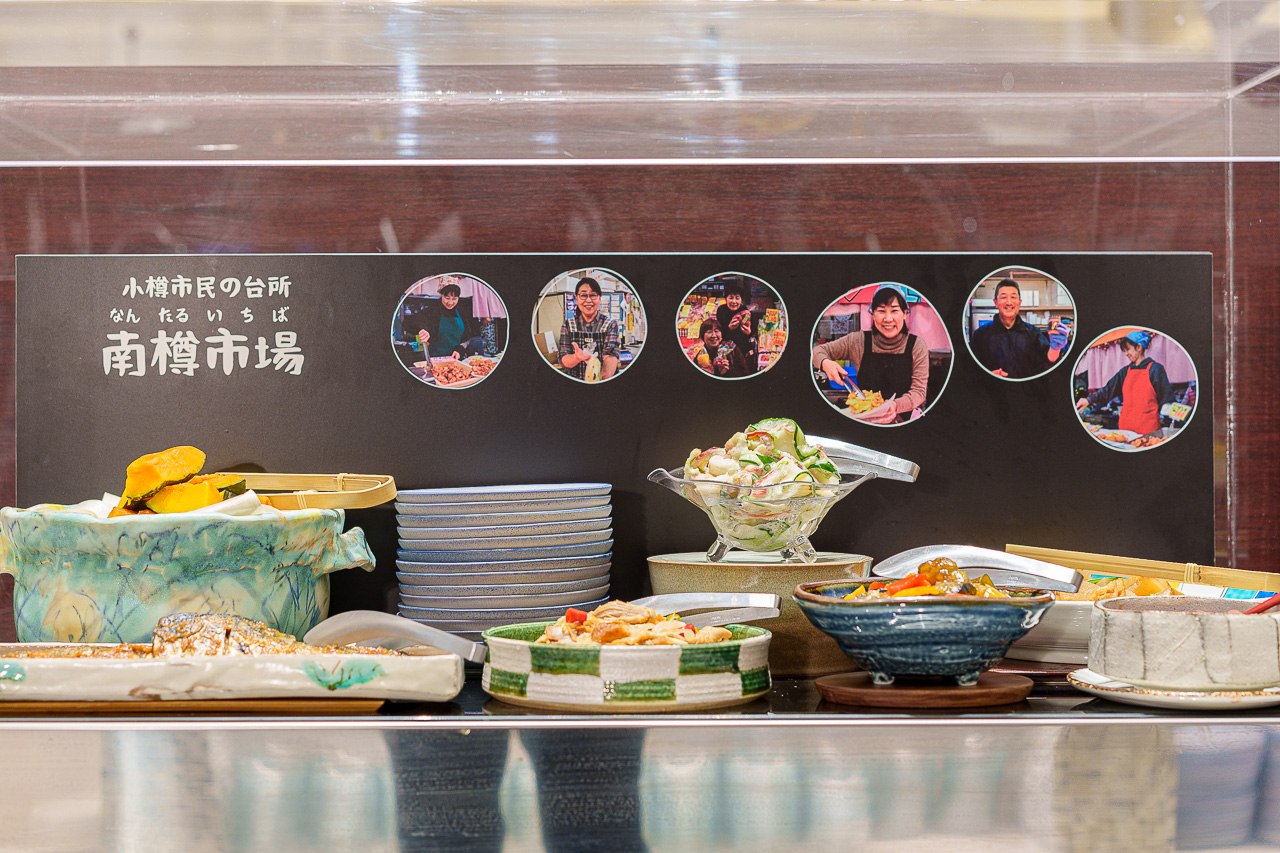
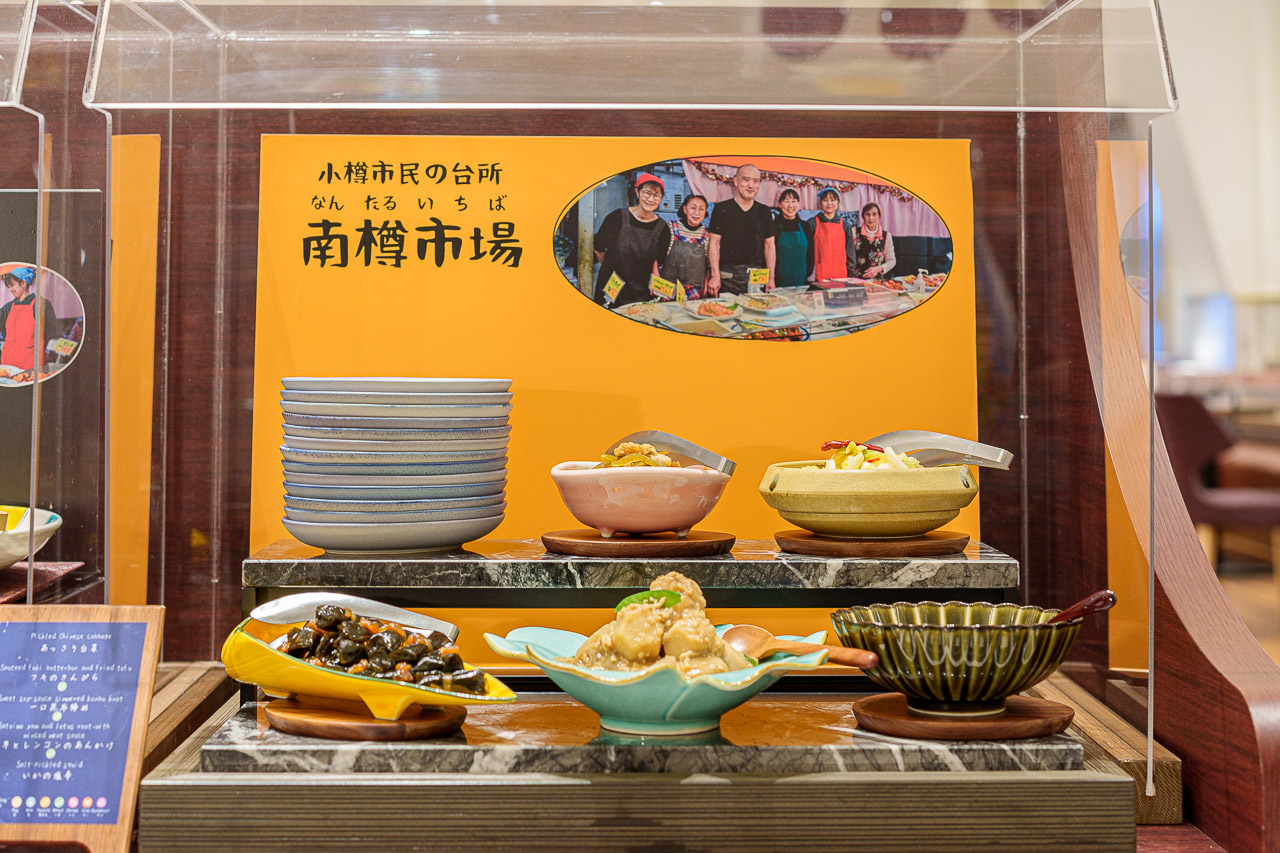
Specialties brought from Otaru’s Nantaru Market are offered as well.
It is nice to try several without traveling to the market itself.
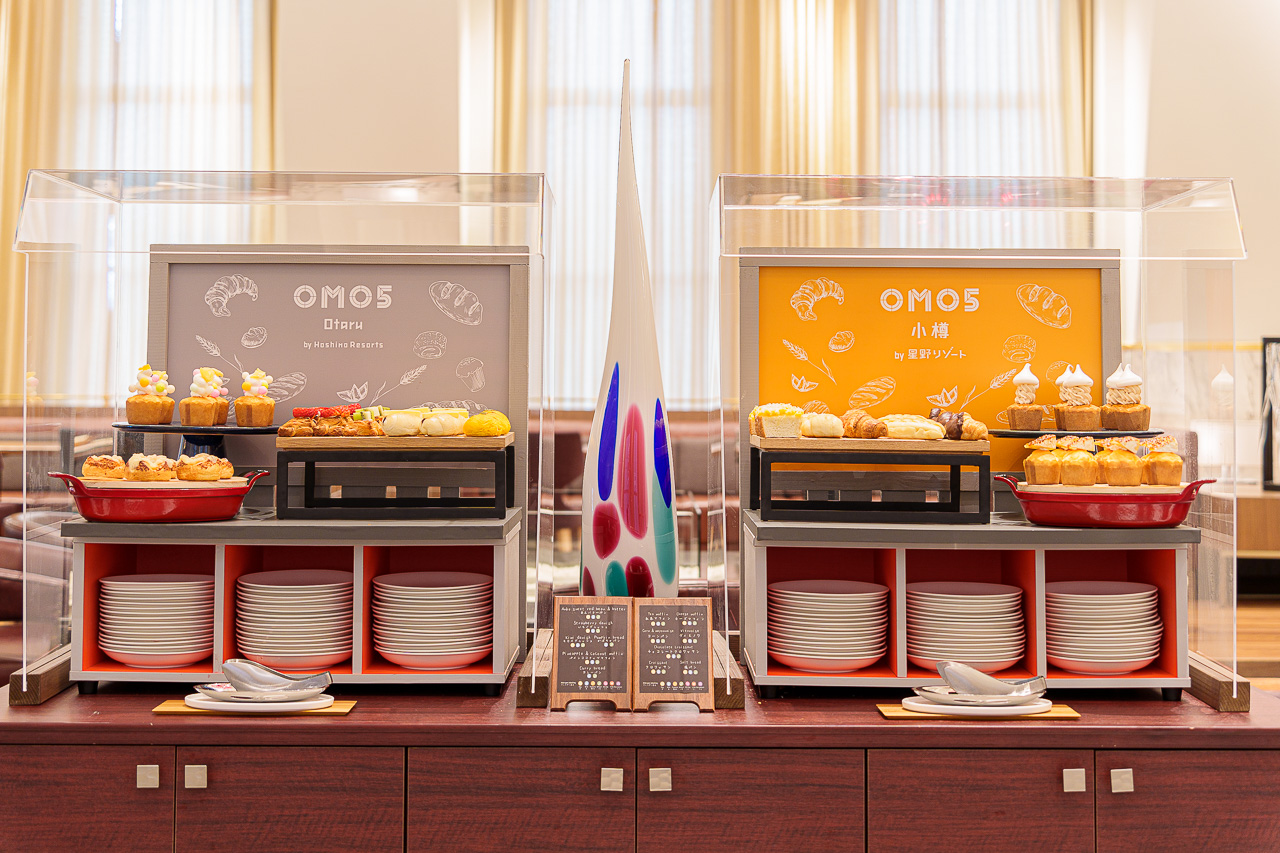
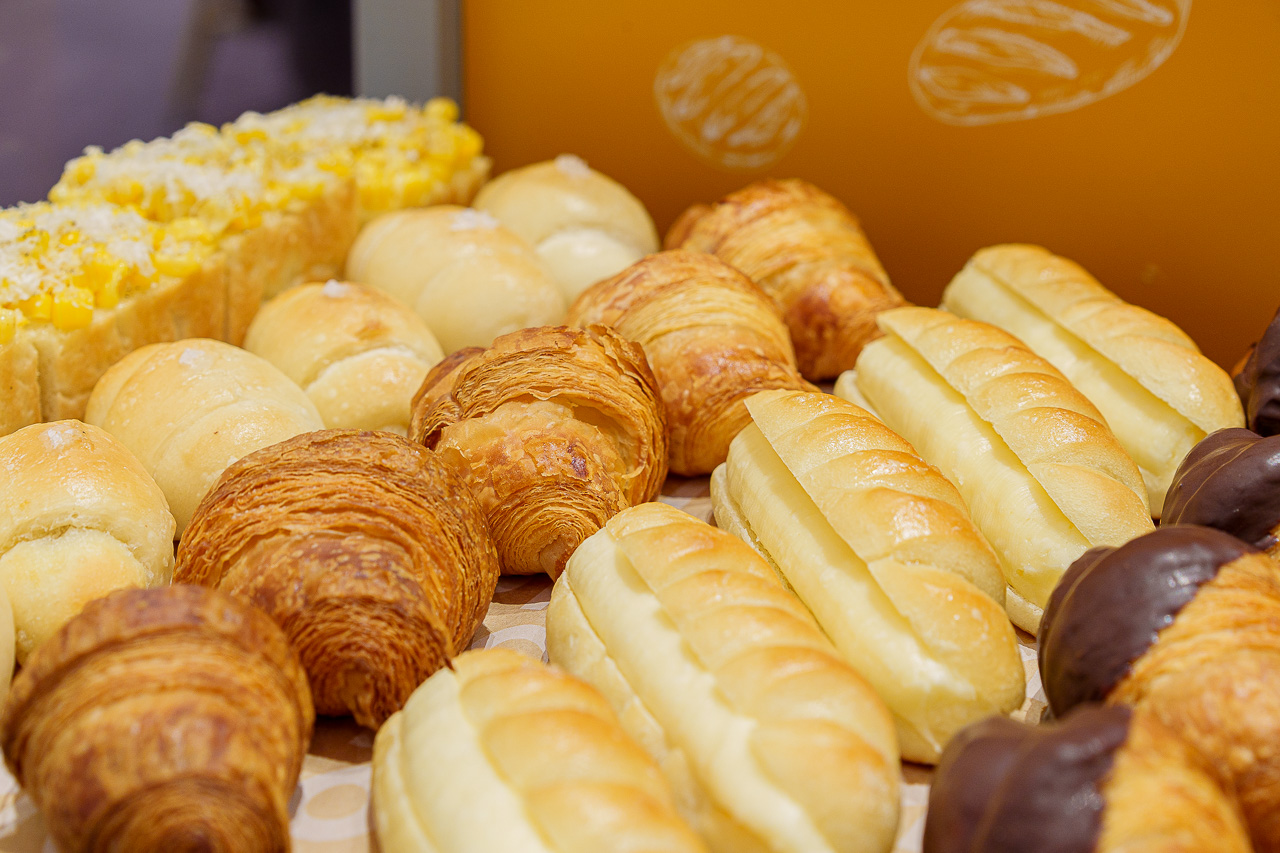
There is also plenty of bread and dessert.
What should I choose this morning?

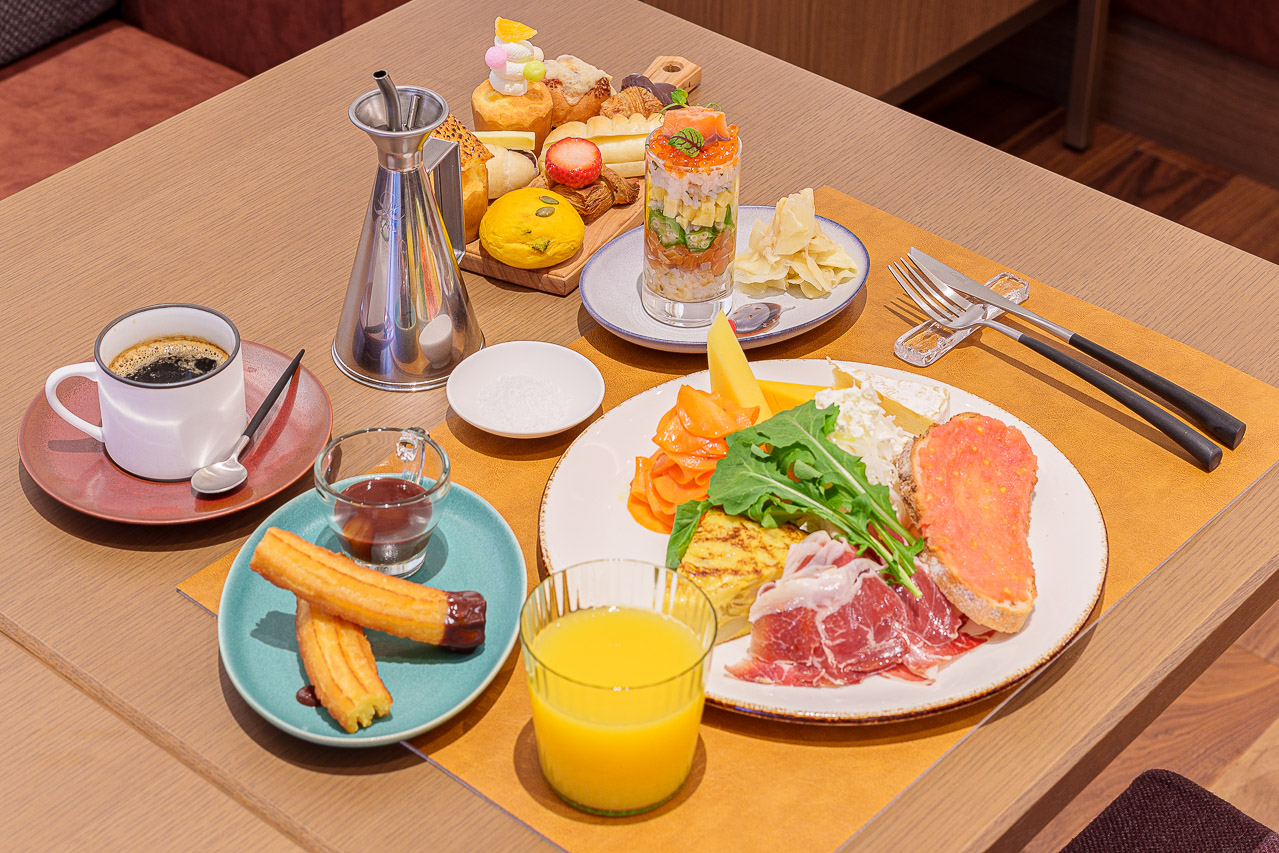
Despite asking that, I bring back another generous spread.

Perhaps I have been too ambitious.
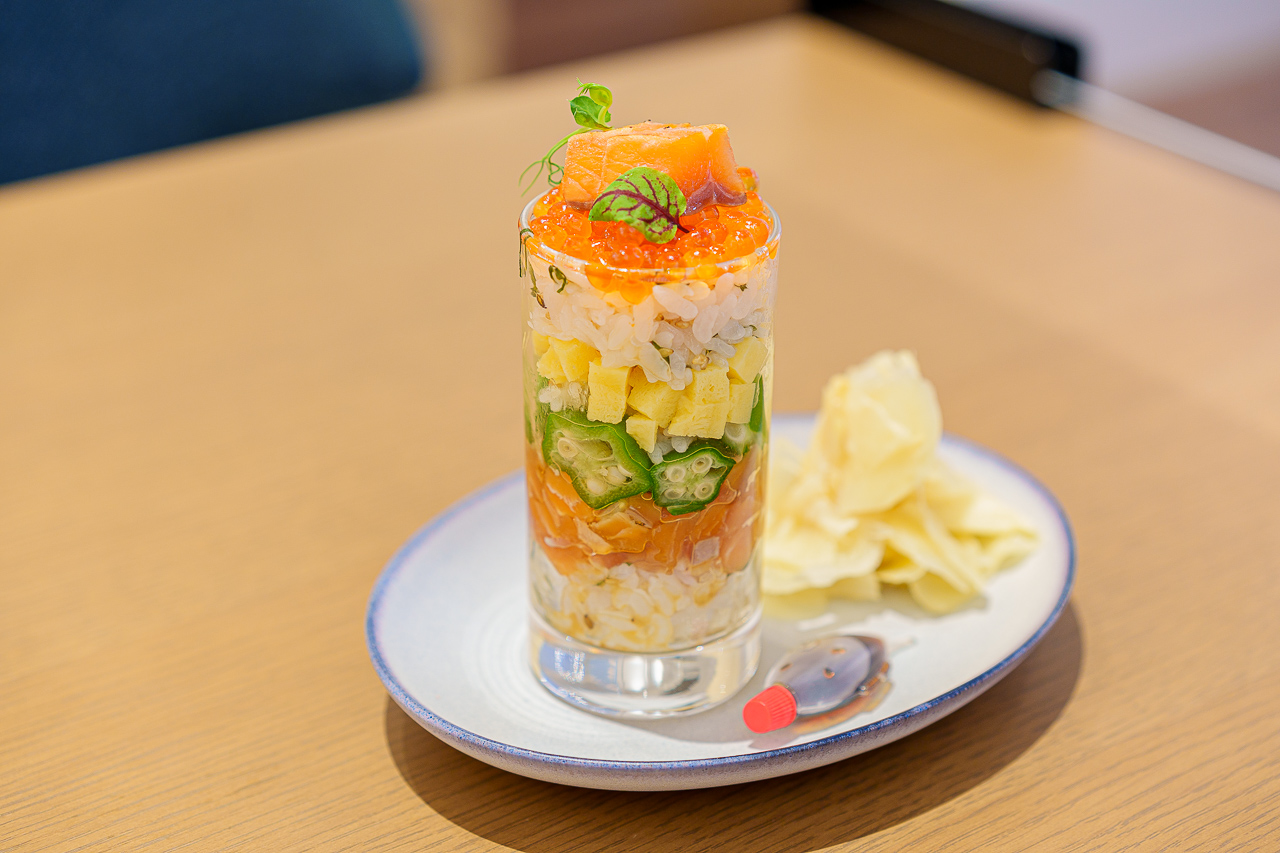
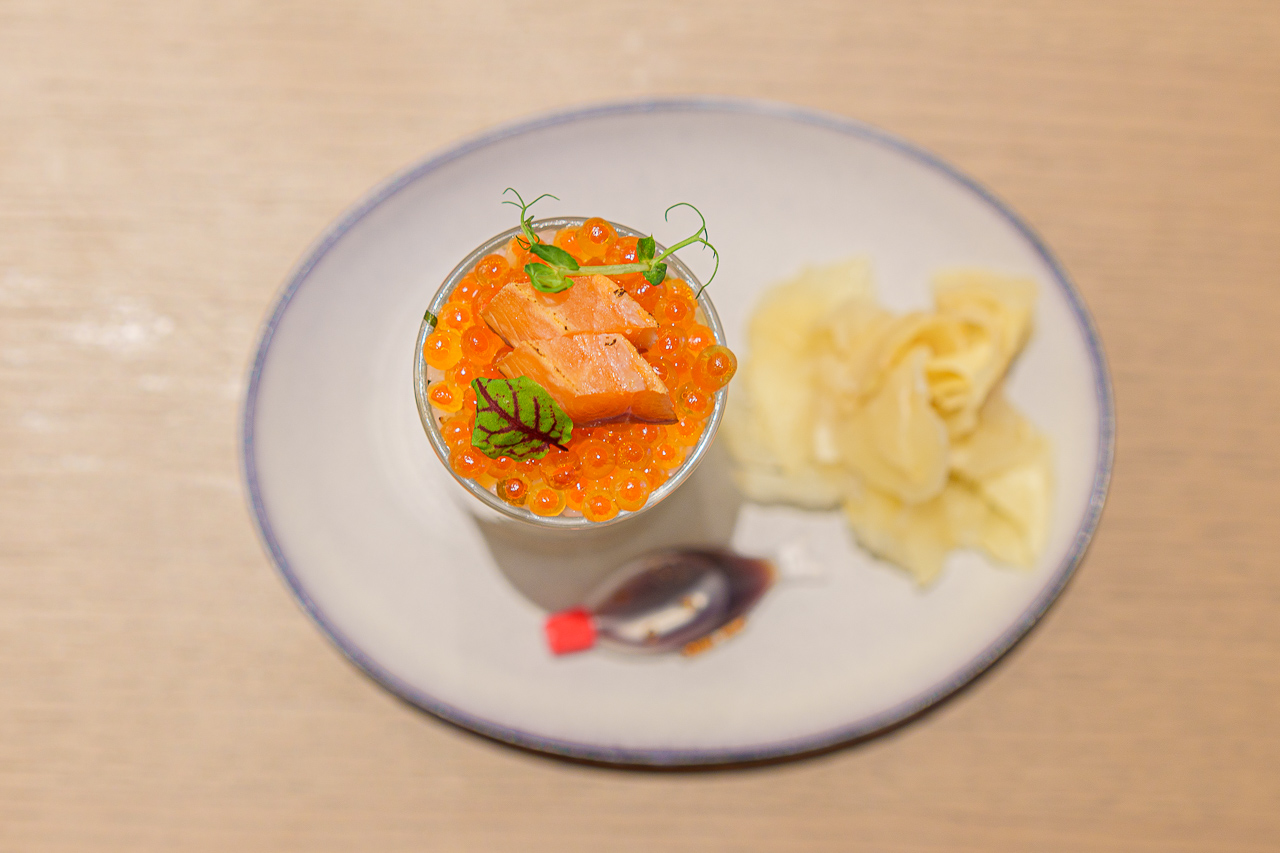
The tower-style salmon-and-roe bowl is surprisingly delicious.
It is a little awkward to eat. First come the gentle salmon and salty roe, then a layer with okra’s distinctive sticky texture.
I do not usually like that texture, but enjoy it here.
At the bottom is marinated salmon, bringing its richness back again.
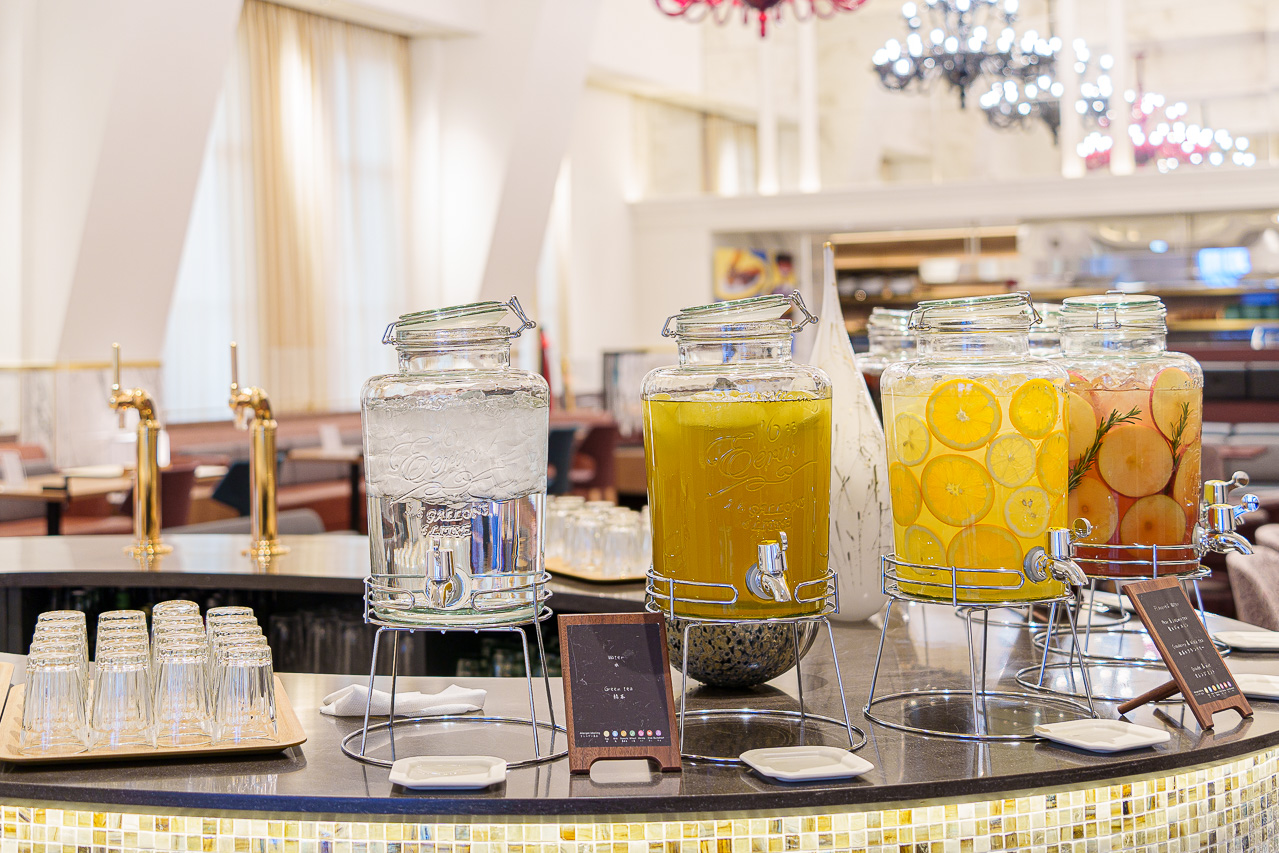
Collecting a drink, I notice the cute OMO stands.
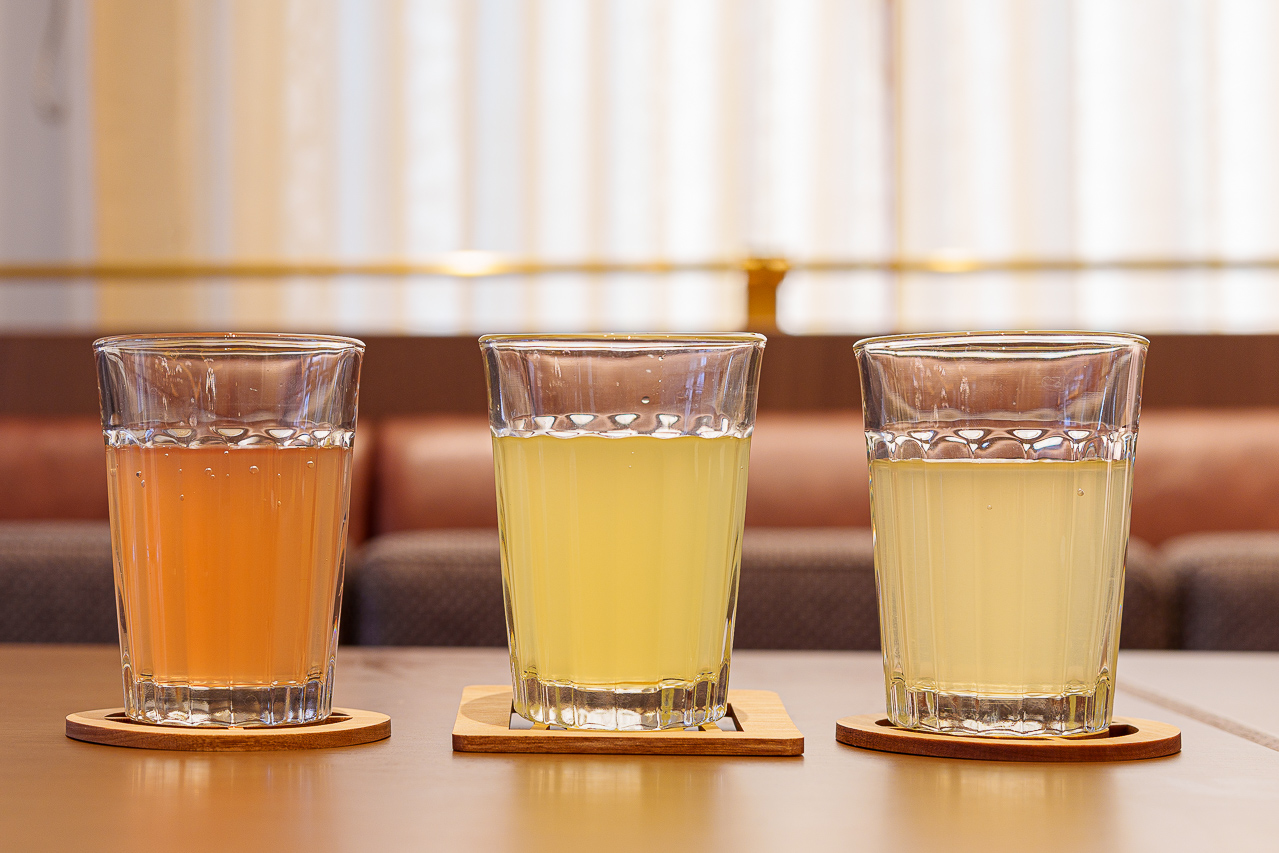
I cannot resist placing a glass on each for a photograph.
From left: apple, orange and lemon drinks.
I get teased for having to finish them all.
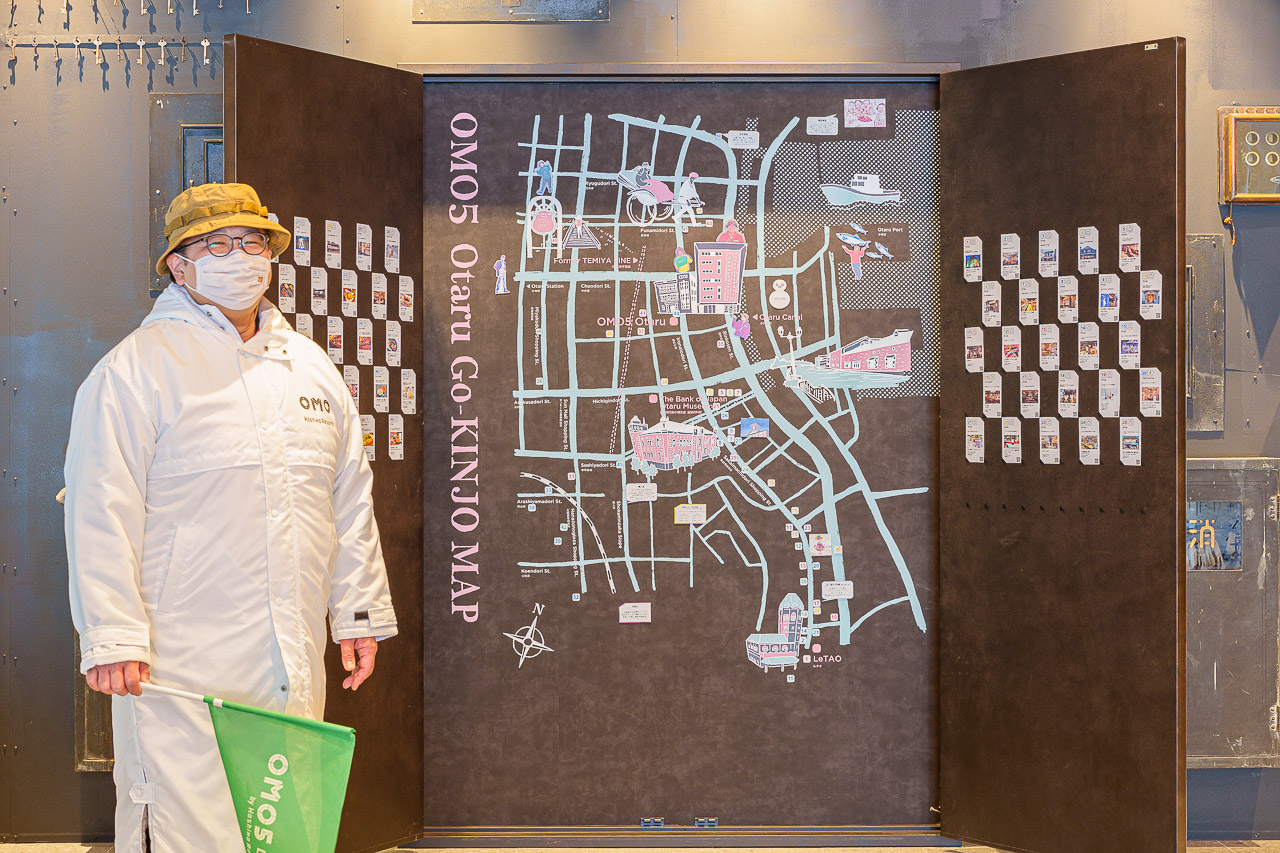
After eating until I can barely drink more water, it is time to meet our OMO Ranger in the lobby.
We set off to explore Otaru with this hotel guiding service.
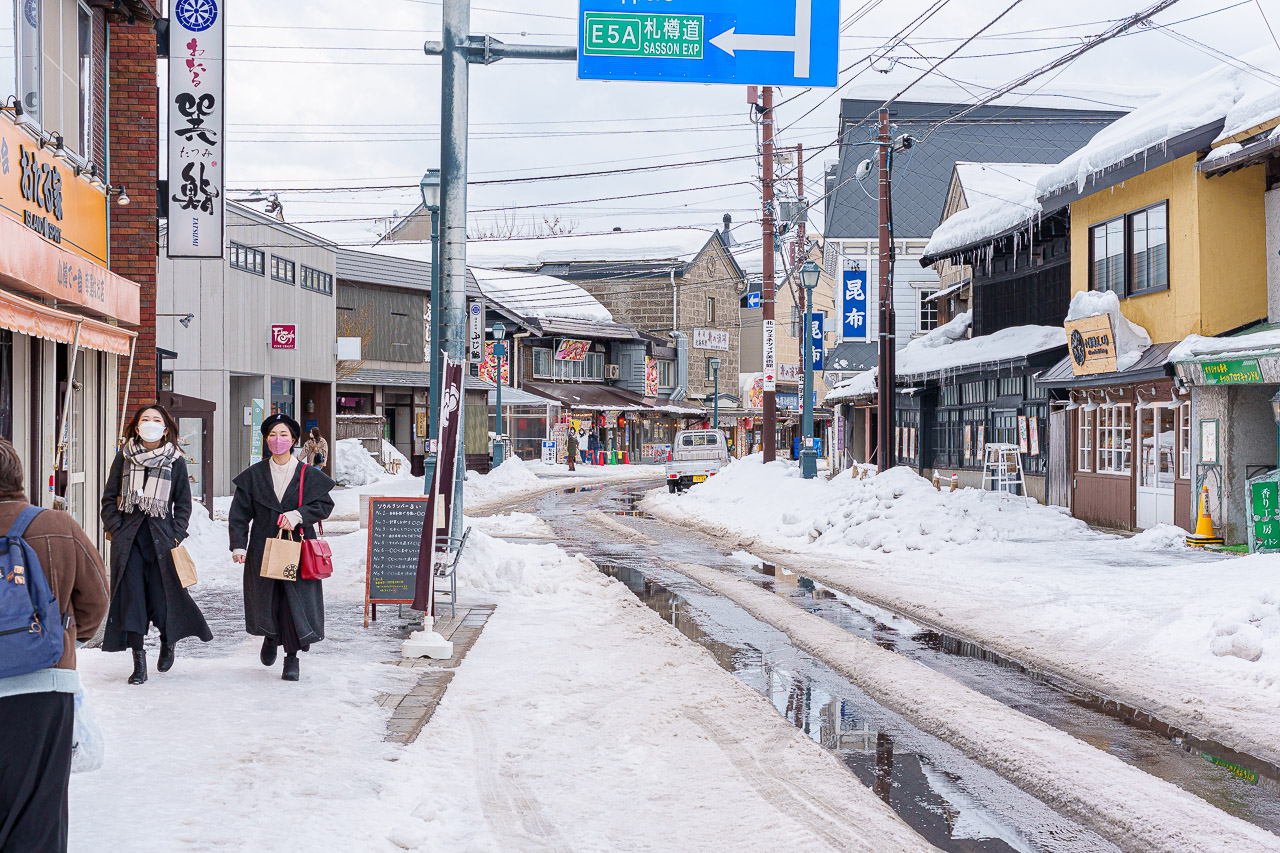
Rangers introduce the neighborhood and its history in an engaging way, as part of the OMO concept.
We walk along busy Sakaimachi Street.

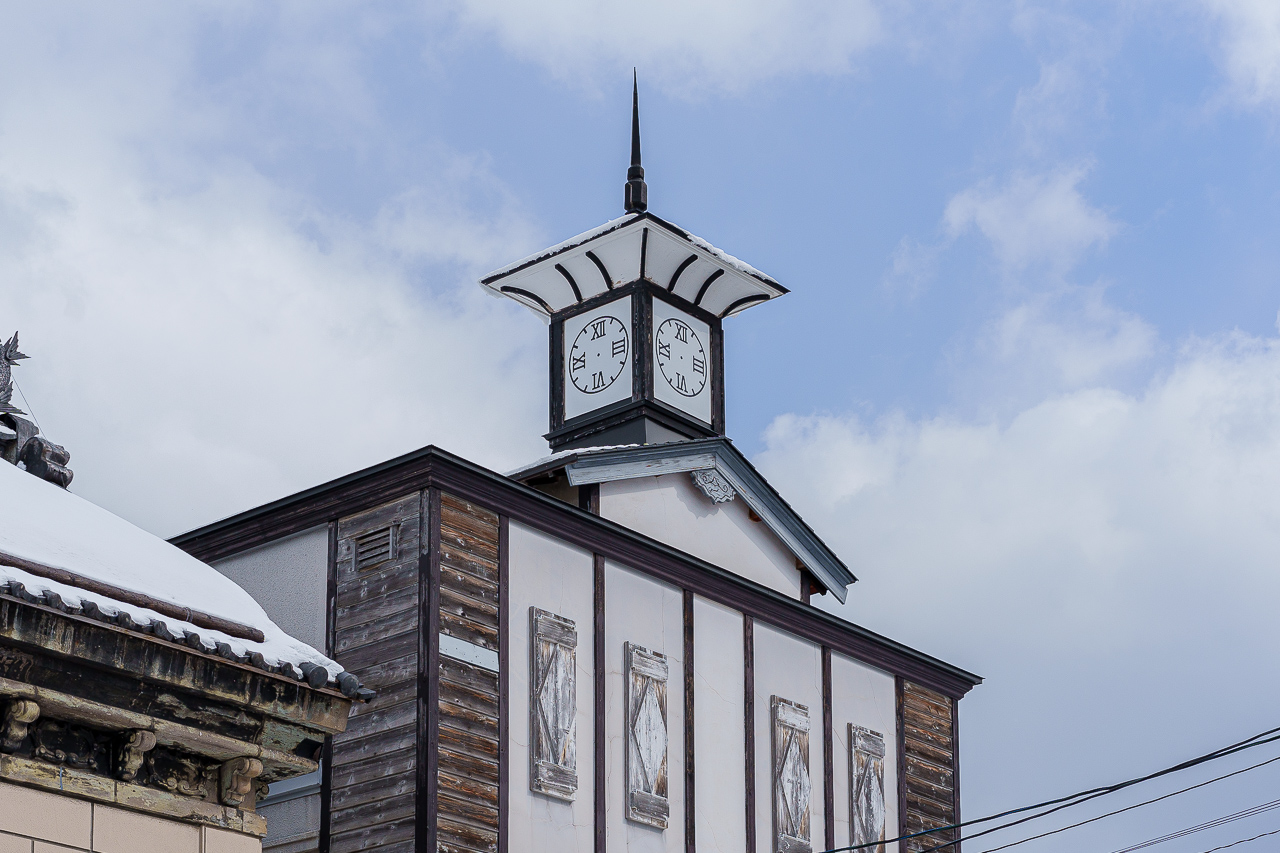
The Ranger asks, ‘Does anything look strange about that building?’
Several things might qualify, but the clock has no visible hands. Why?
The playful explanation is that time does not pass inside the ‘House of No Aging,’ Furokan (不老館).
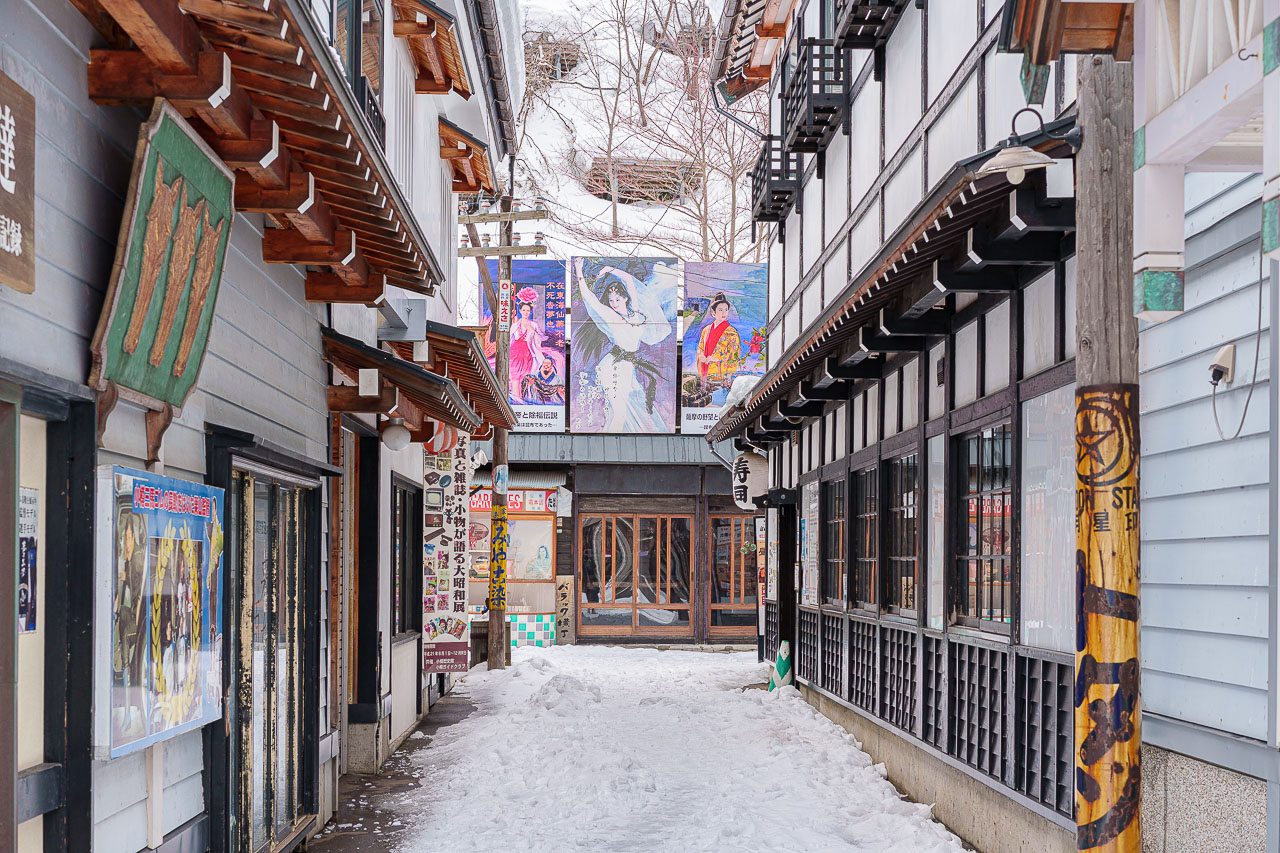
A lane recreates an older Sakaimachi streetscape.
The guide says it is often used for film and television locations.
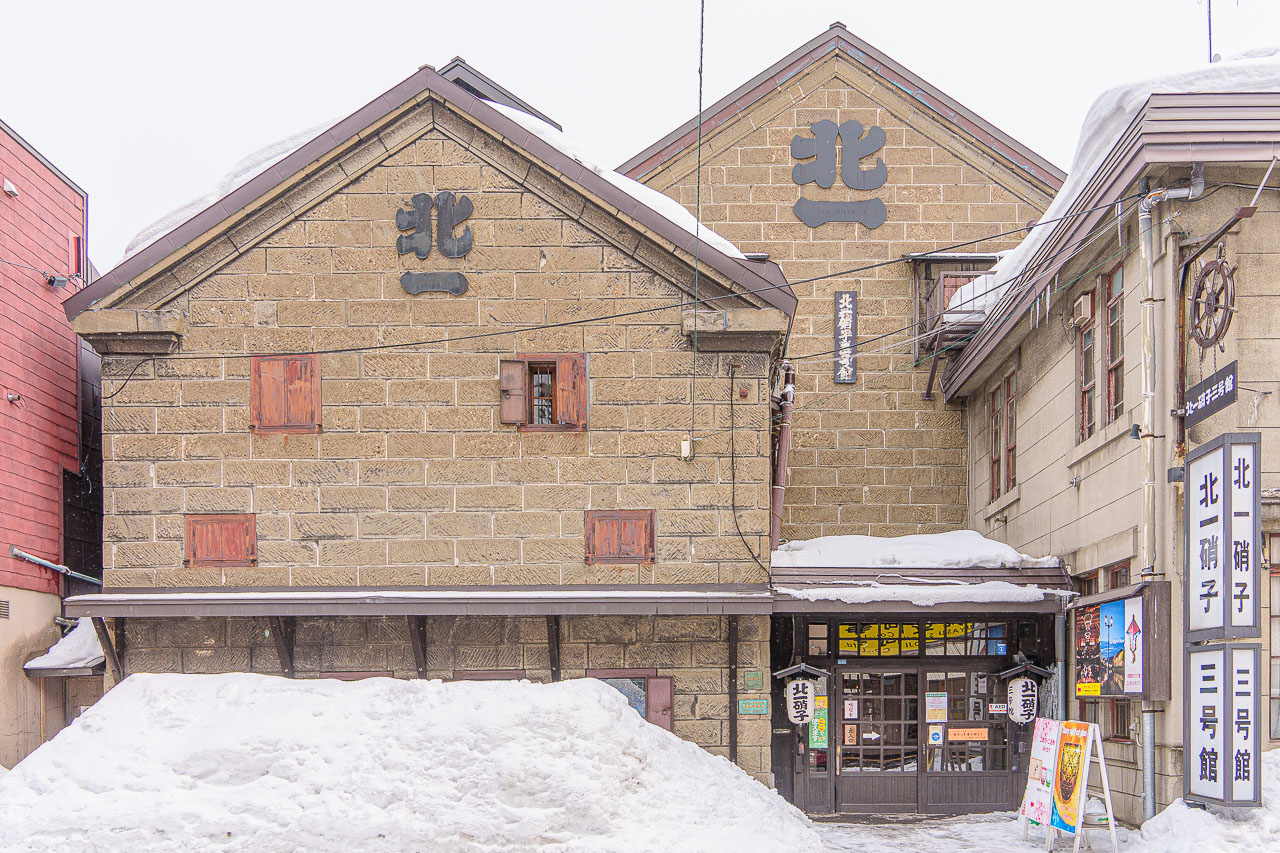
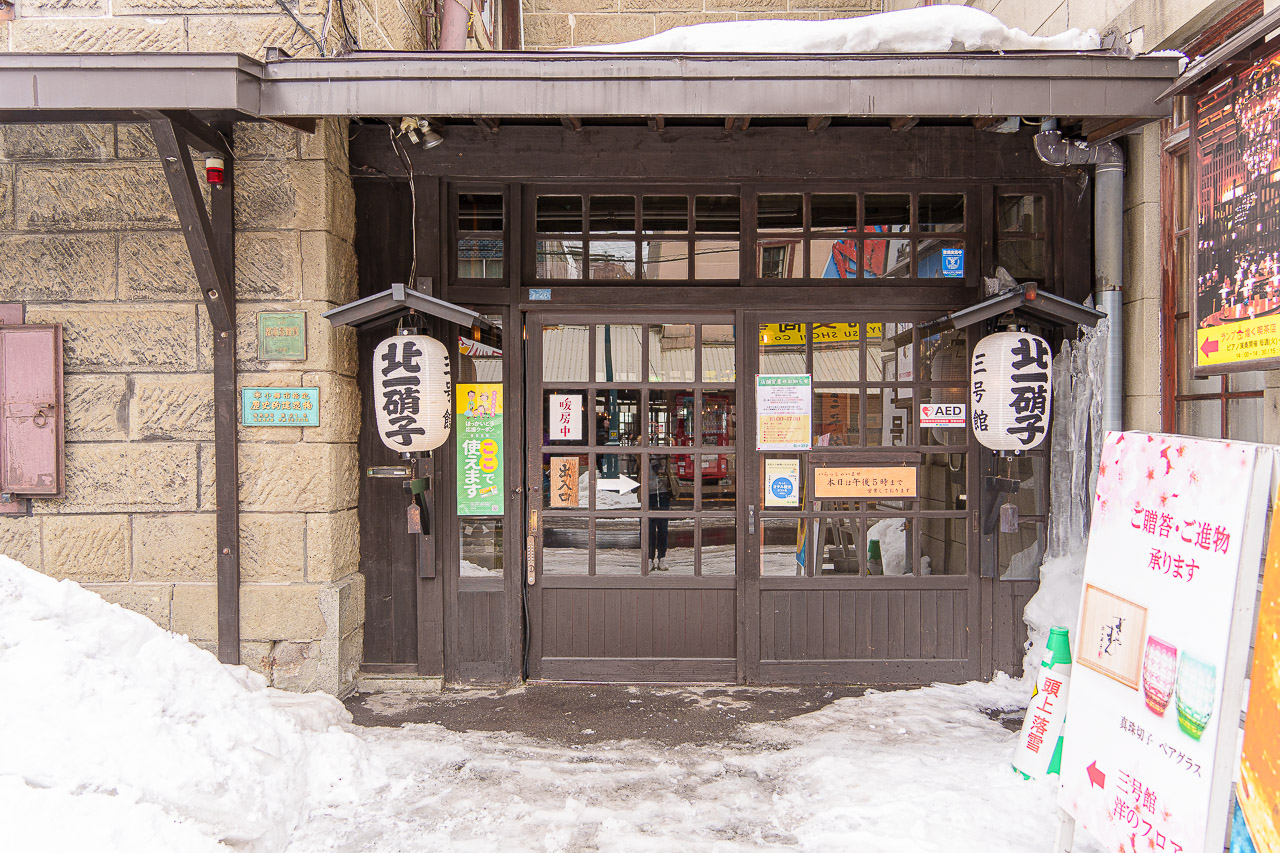
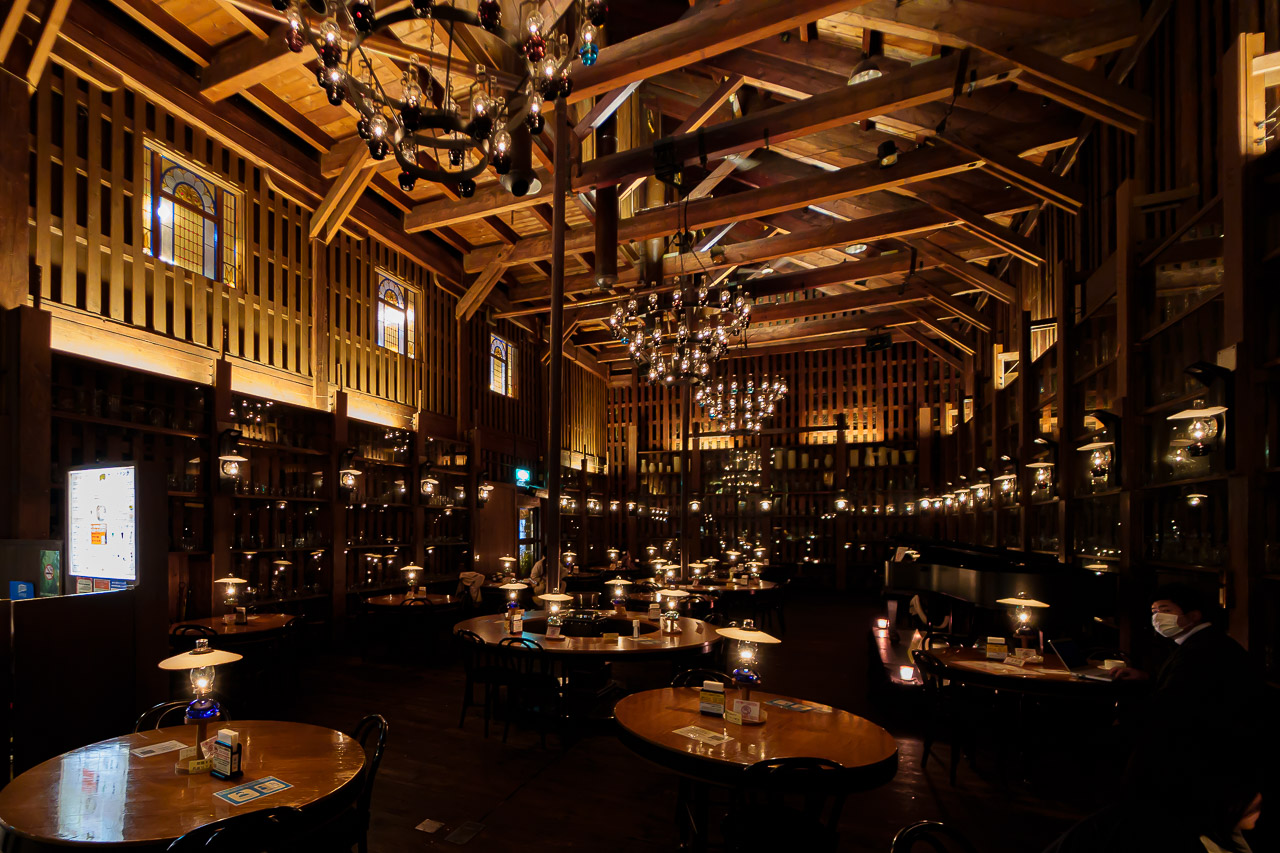
The café in Kitaichi Glass No. 3.
Around 160 lamps shimmer inside, creating a magical atmosphere.
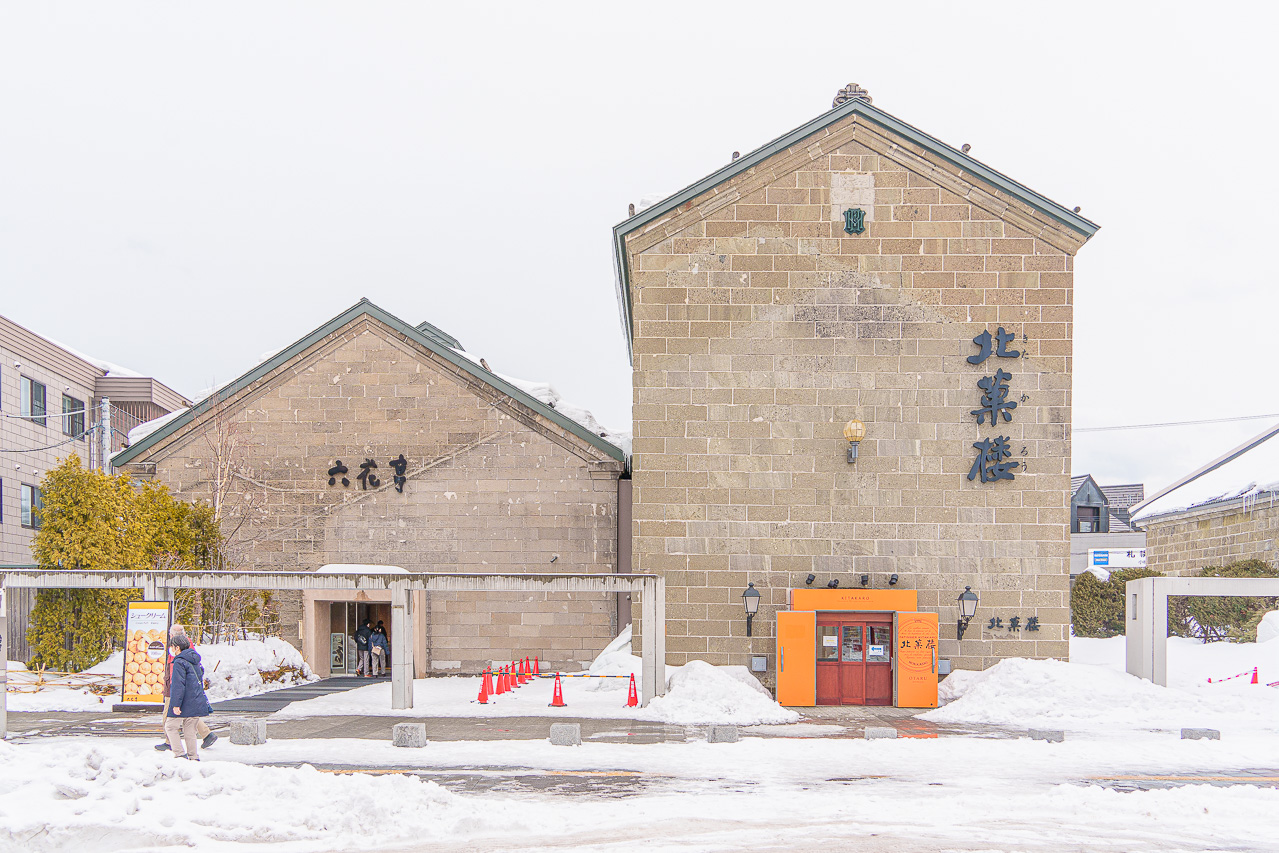
Kitakaro’s sweets workshop, known here for delicious cream puffs.
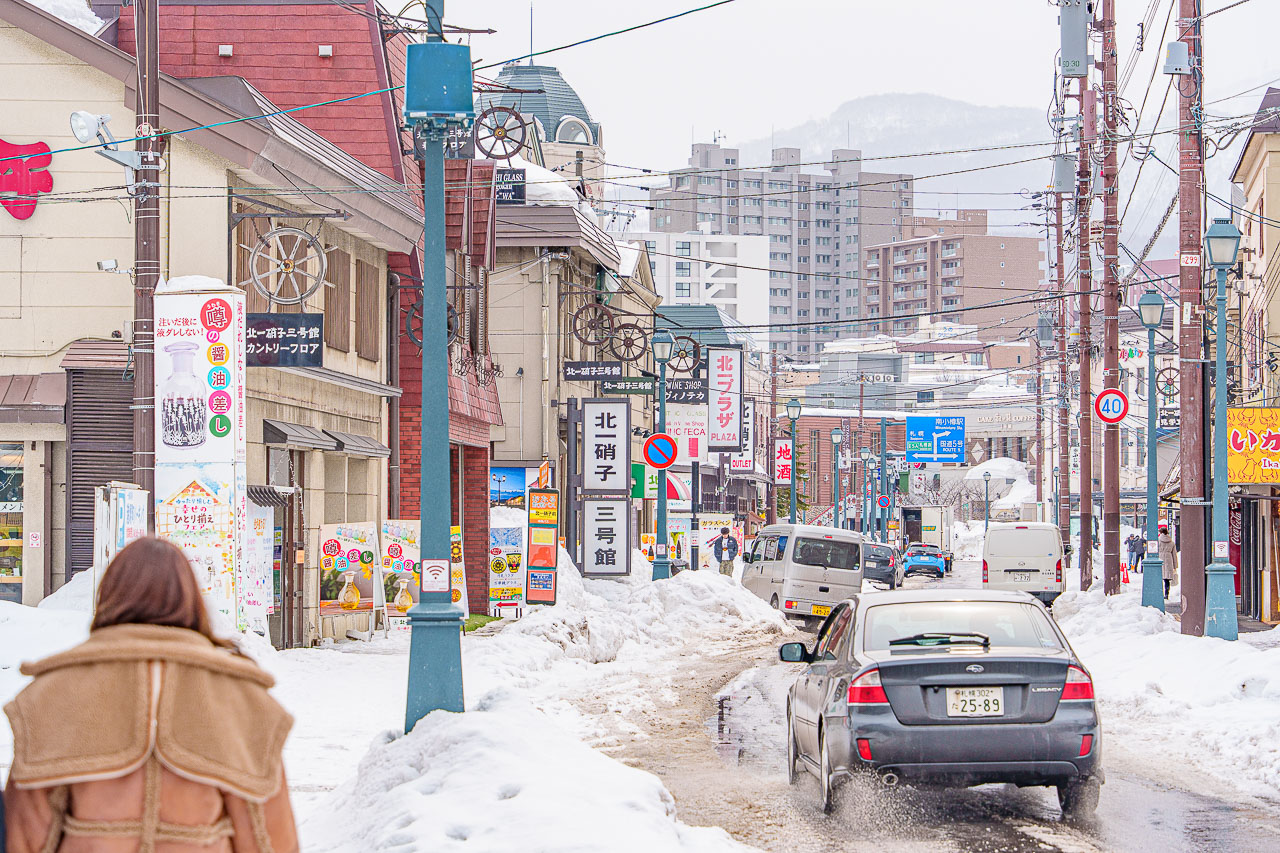
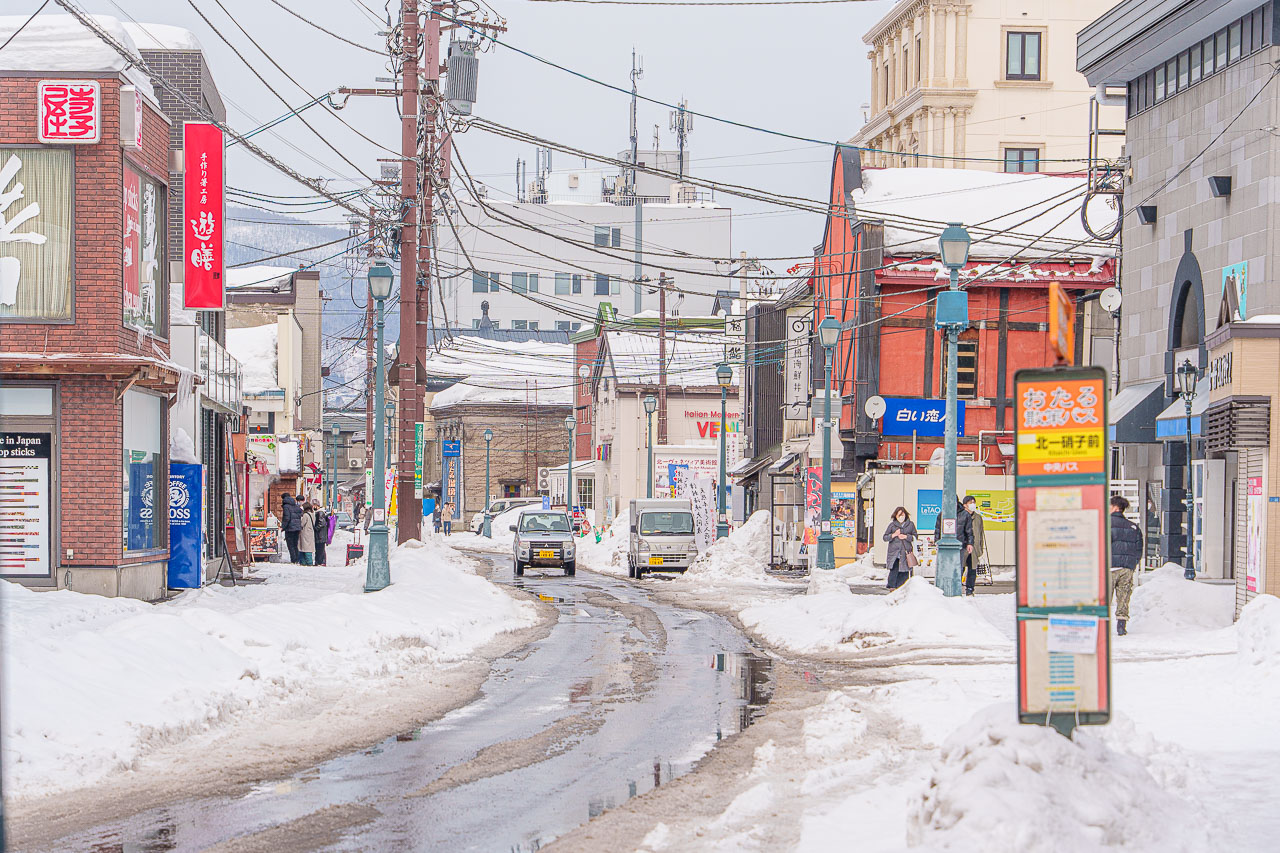
Otaru’s streets are lovely, though the overhead wires somewhat interrupt the view for me.
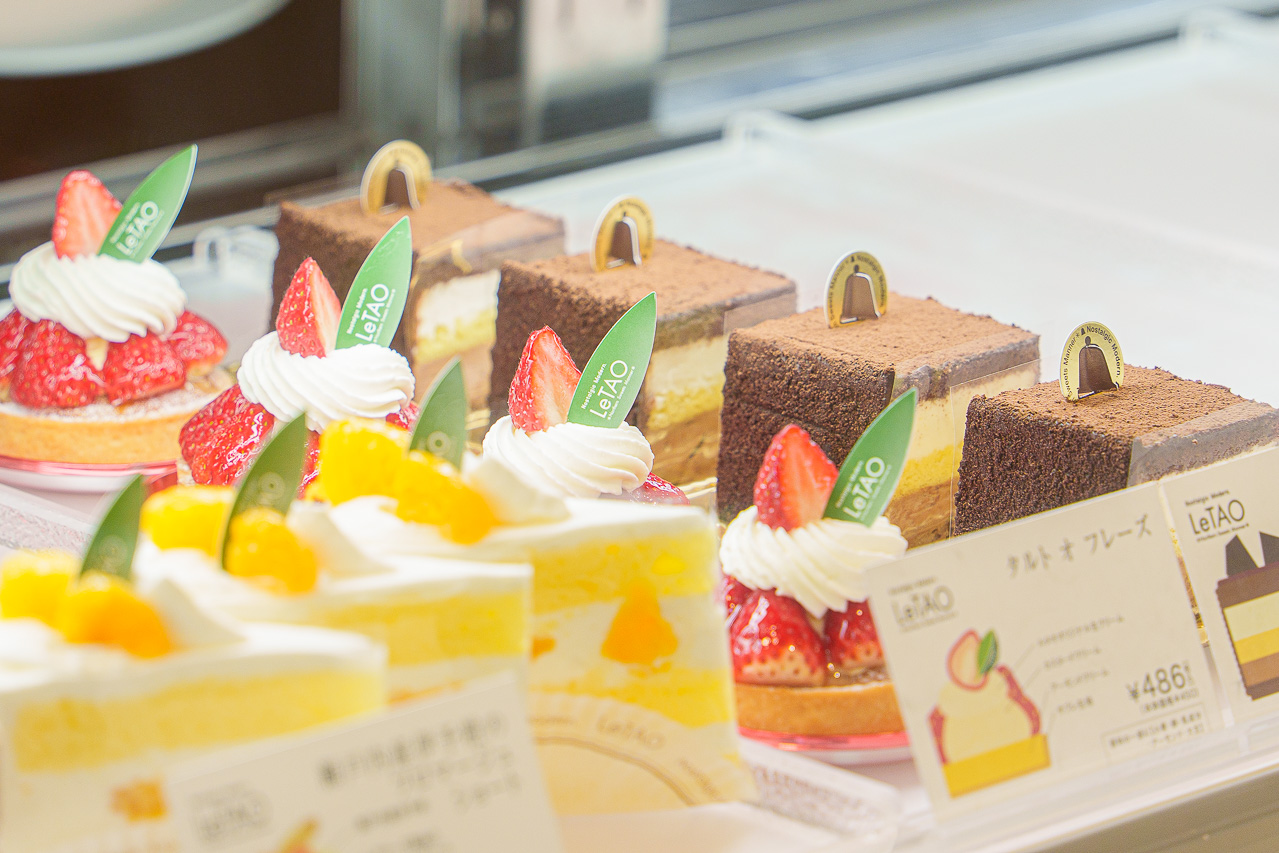
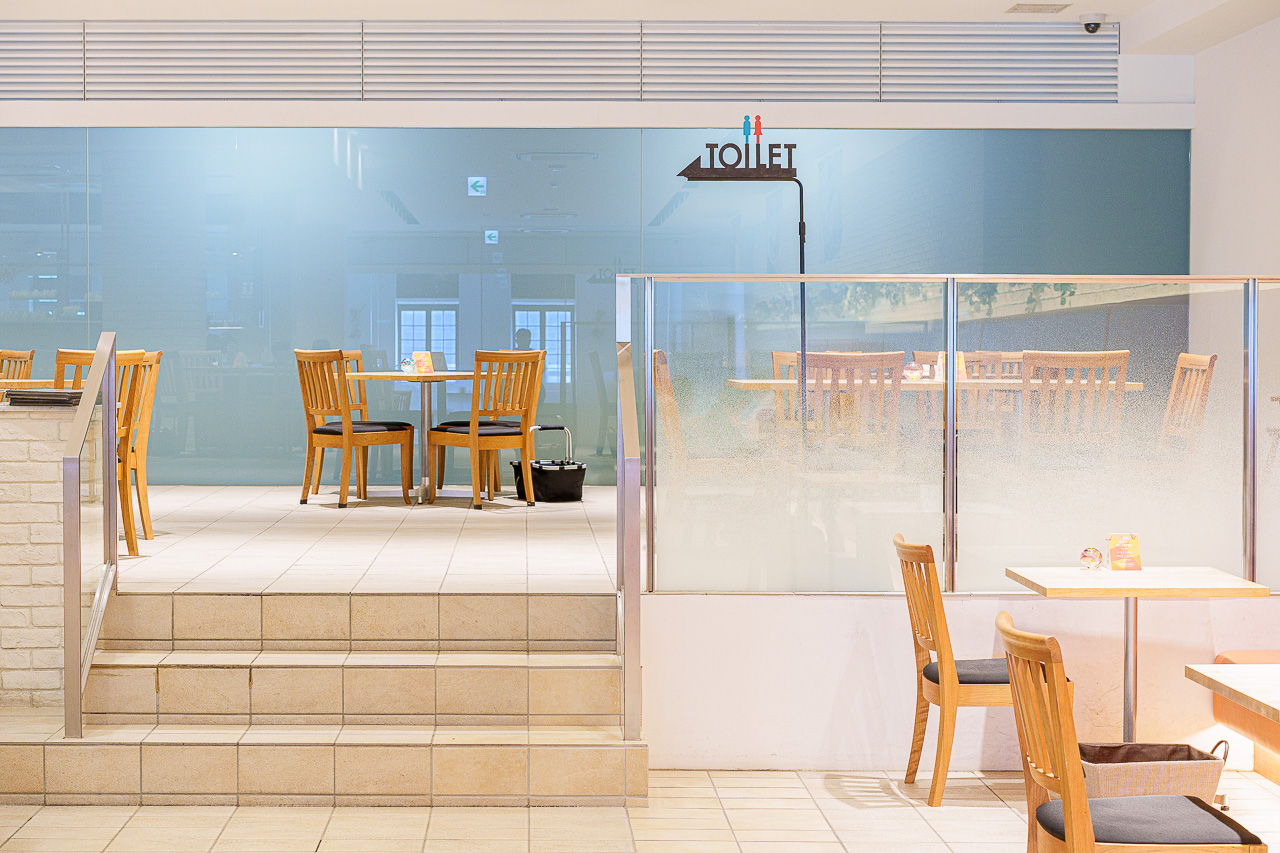
After around 15 minutes of history and local stories, we reach our final stop: LeTAO.
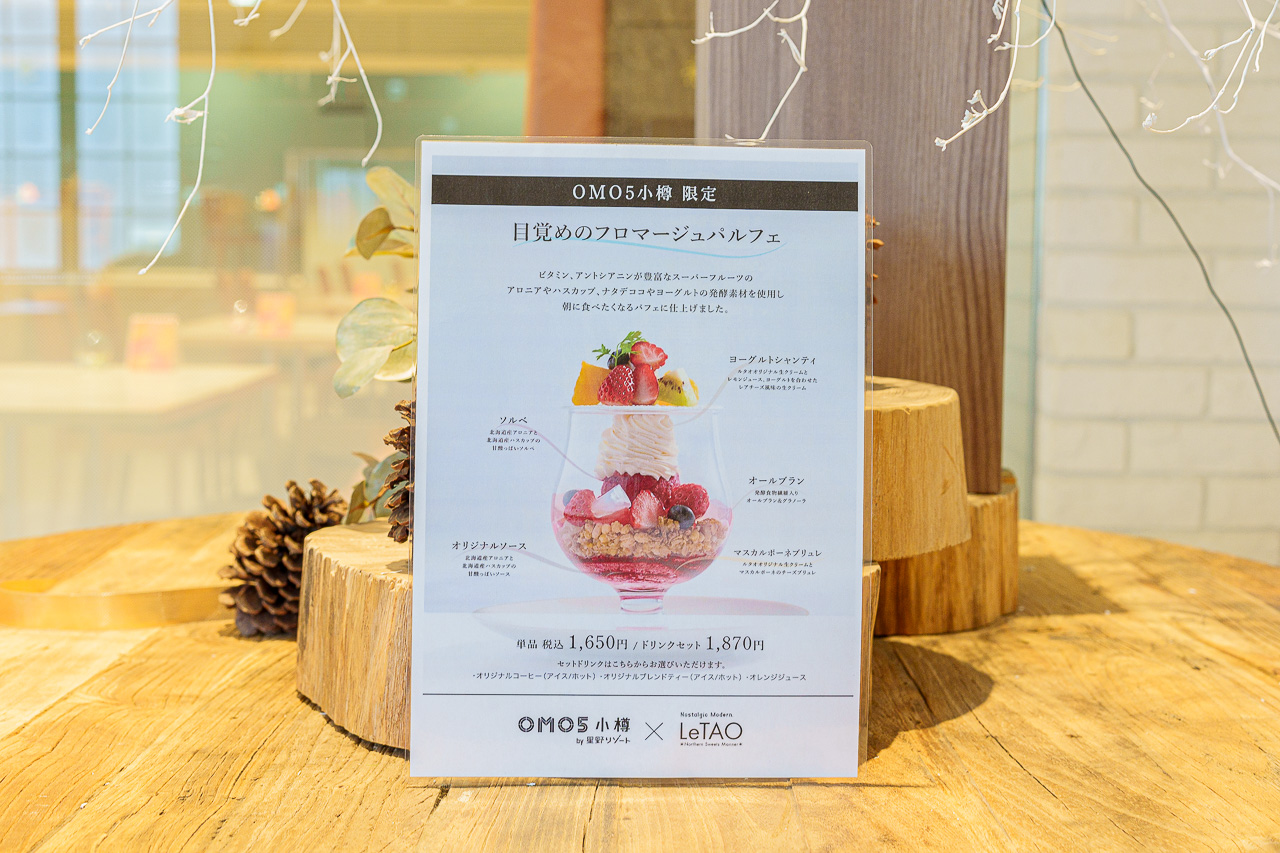
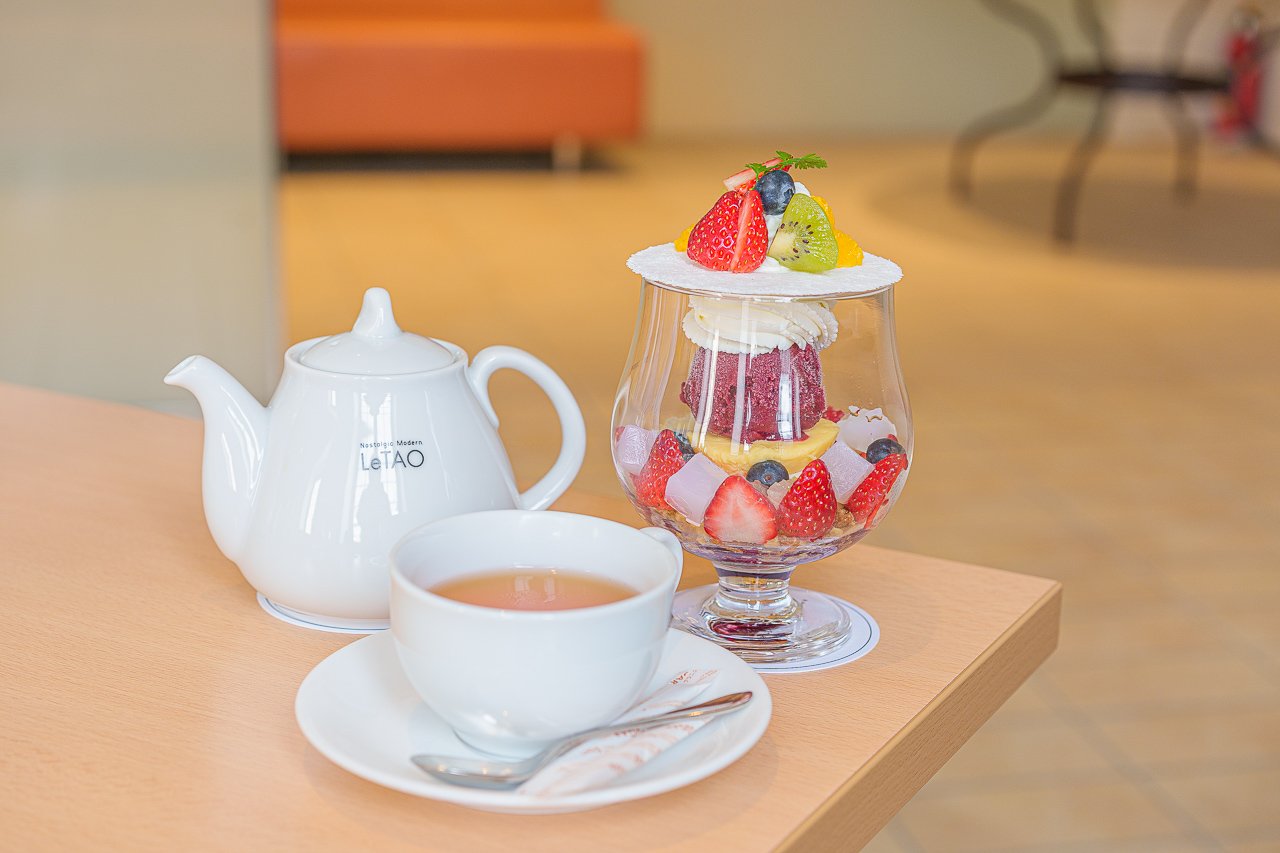
Guests at OMO5 Otaru could enjoy a guest-exclusive parfait at this well-known sweets café under the source-period arrangement.
It uses seasonal fruit; winter brings strawberries on this visit.
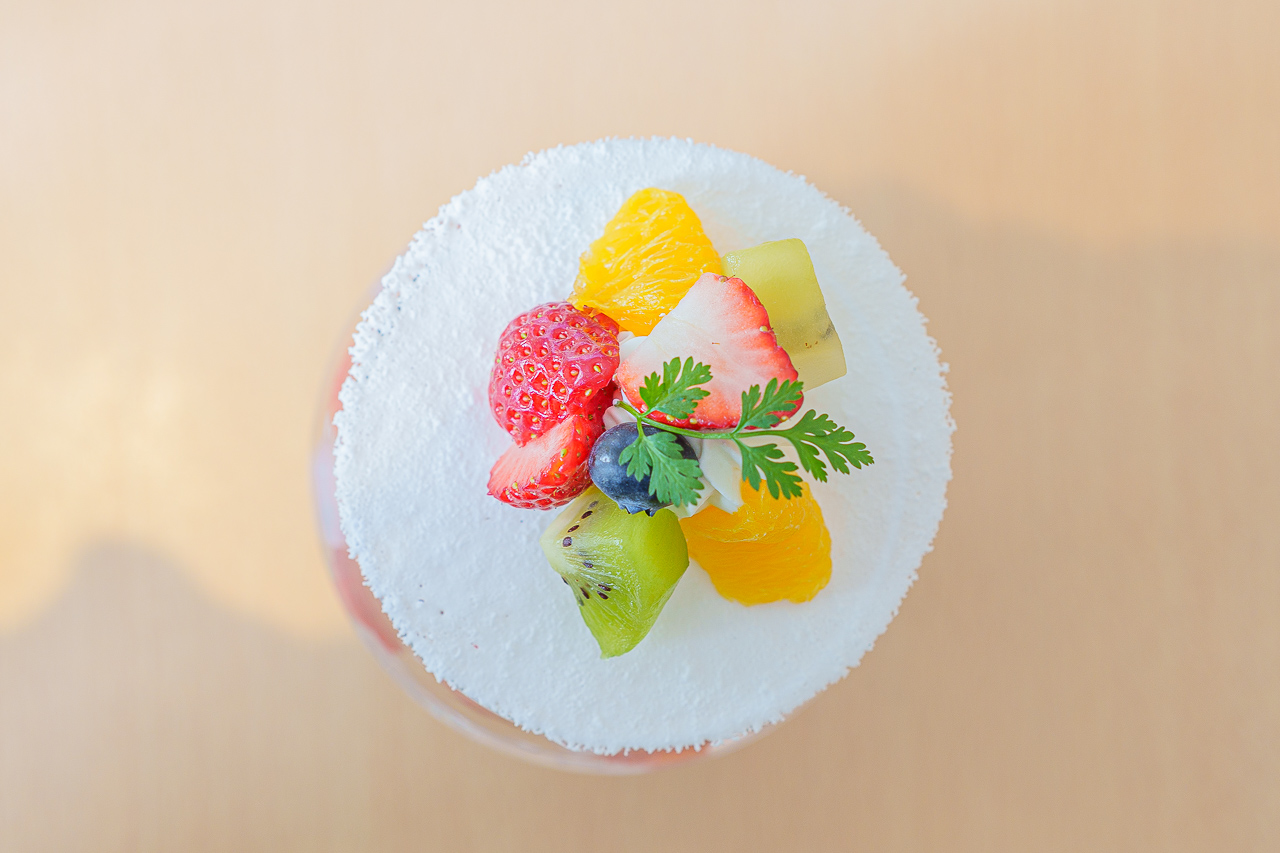
Cream and fruit sit above a thin sugar sheet.
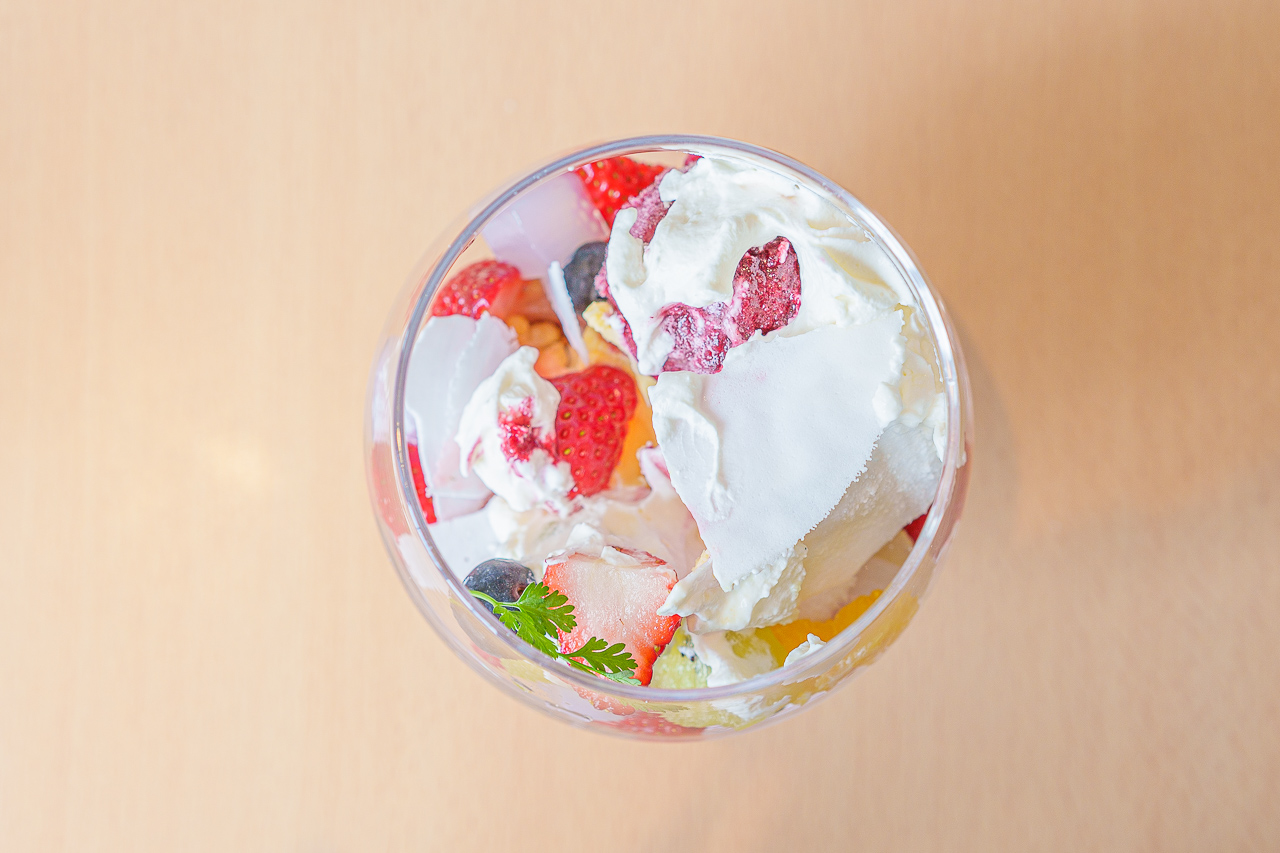
Wondering how to eat it, I break the sugar and the arrangement tumbles down.
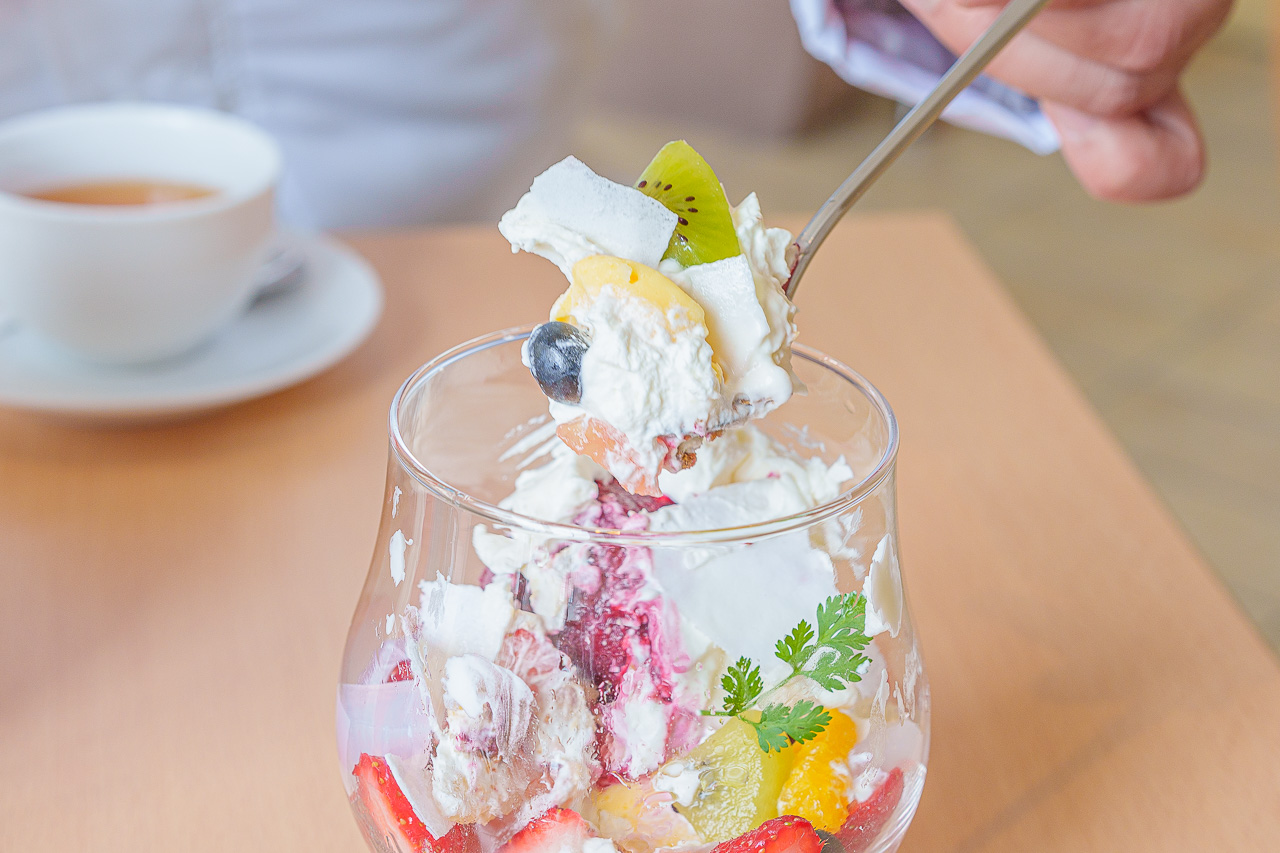
This may be a parfait that cannot be eaten neatly.
The fruit is fresh, but the excellent cream reminds me why this is a dessert specialist.
Despite the big breakfast, I find room for it.
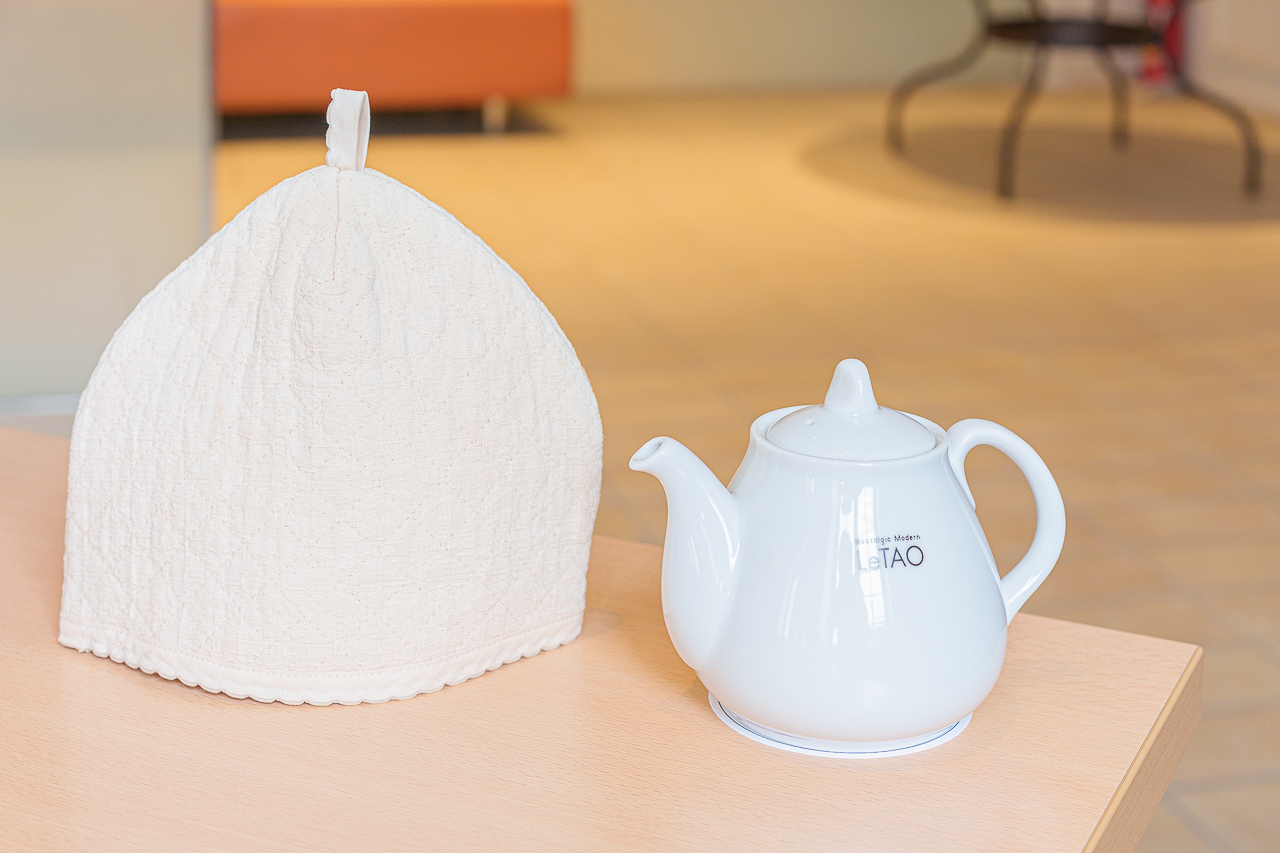
A tea cozy like a little hat keeps the black tea warm for longer.

From the Ranger’s final hidden viewpoint, we look over Marchen Crossing and end the short tour.
A historic building and distinctive meals,
with a knowledgeable guide as well: OMO5 Otaru.
The OMO idea of doing more than providing a bed—adding pleasure through city exploration—made my Otaru trip more enjoyable.
OMO5 Otaru by Hoshino Resorts
https://www.hoshinoresorts.com/resortsandhotels/omobeb/omo/5otaru.html
OMO5小樽
Hoshino Resorts’ official site introduces its approach and six property categories, current information about its hotels and ryokan, company information and travel ideas.
www.hoshinoresorts.com