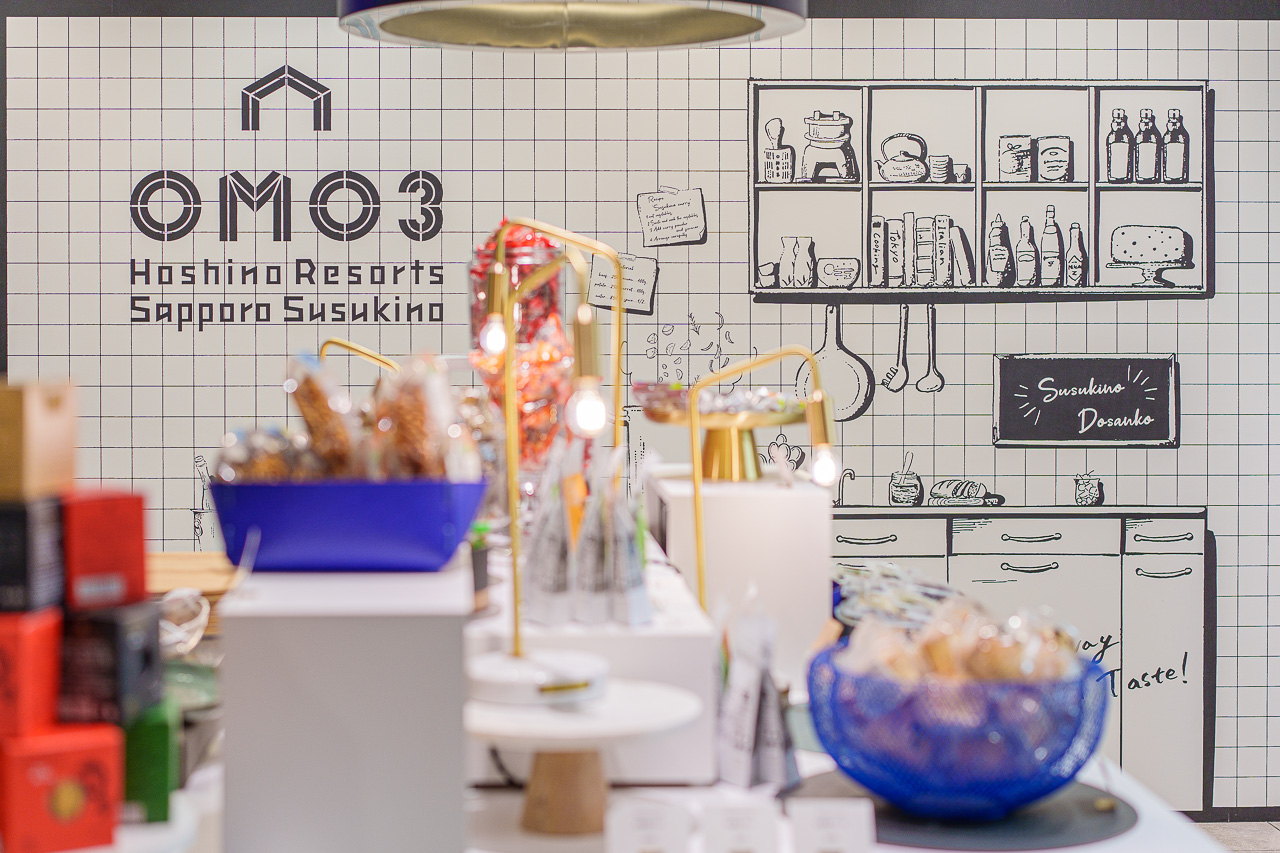
Susukino felt like the right finale to a Hokkaido trip.
This Sapporo nightlife district is the largest in Hokkaido. The original account counts it among Japan's 3 major entertainment districts, alongside Kabukicho in Tokyo's Shinjuku and Nakasu in Fukuoka.
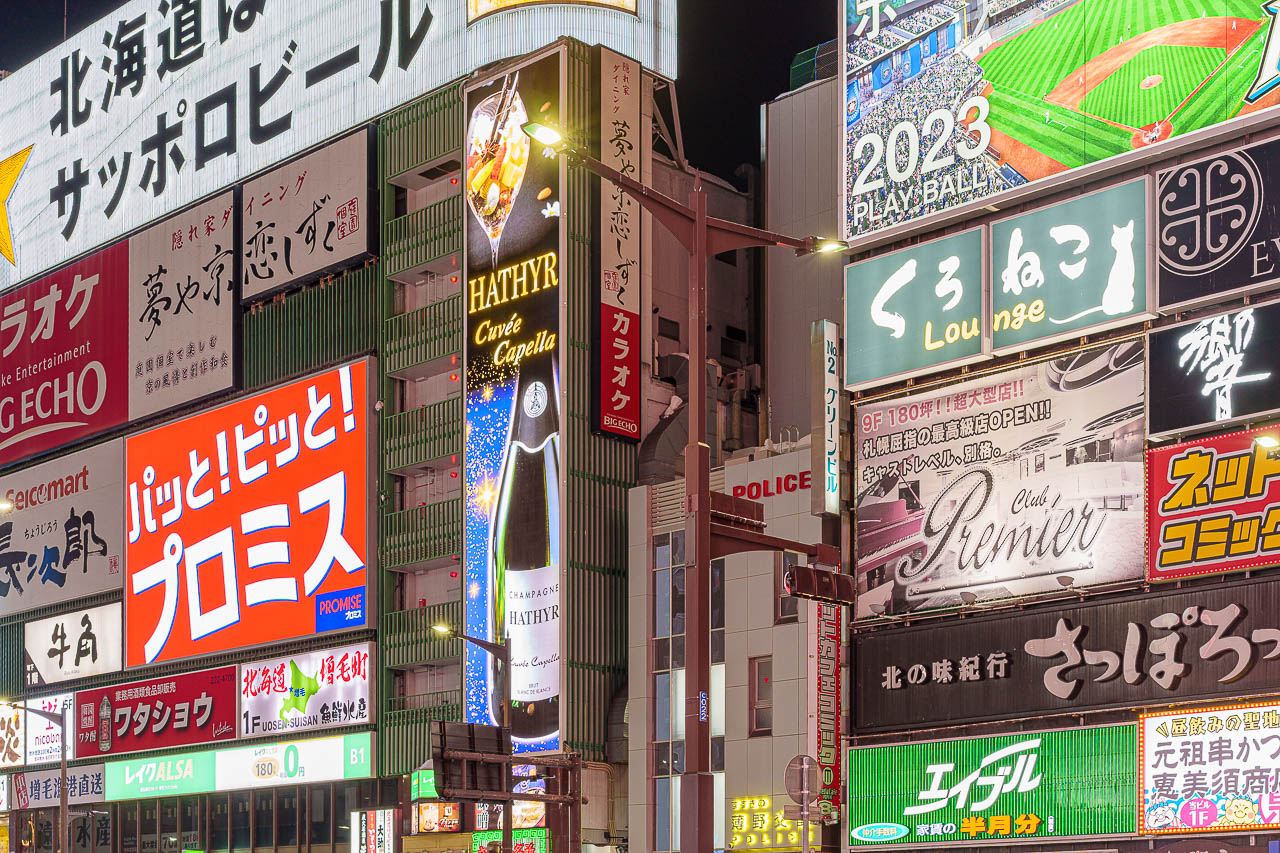
Large advertisements surround the intersection at Susukino Station, including striking signs from Japan's major beer companies.
The Sapporo Snow Festival especially fills the area with visitors from Japan and around the world.
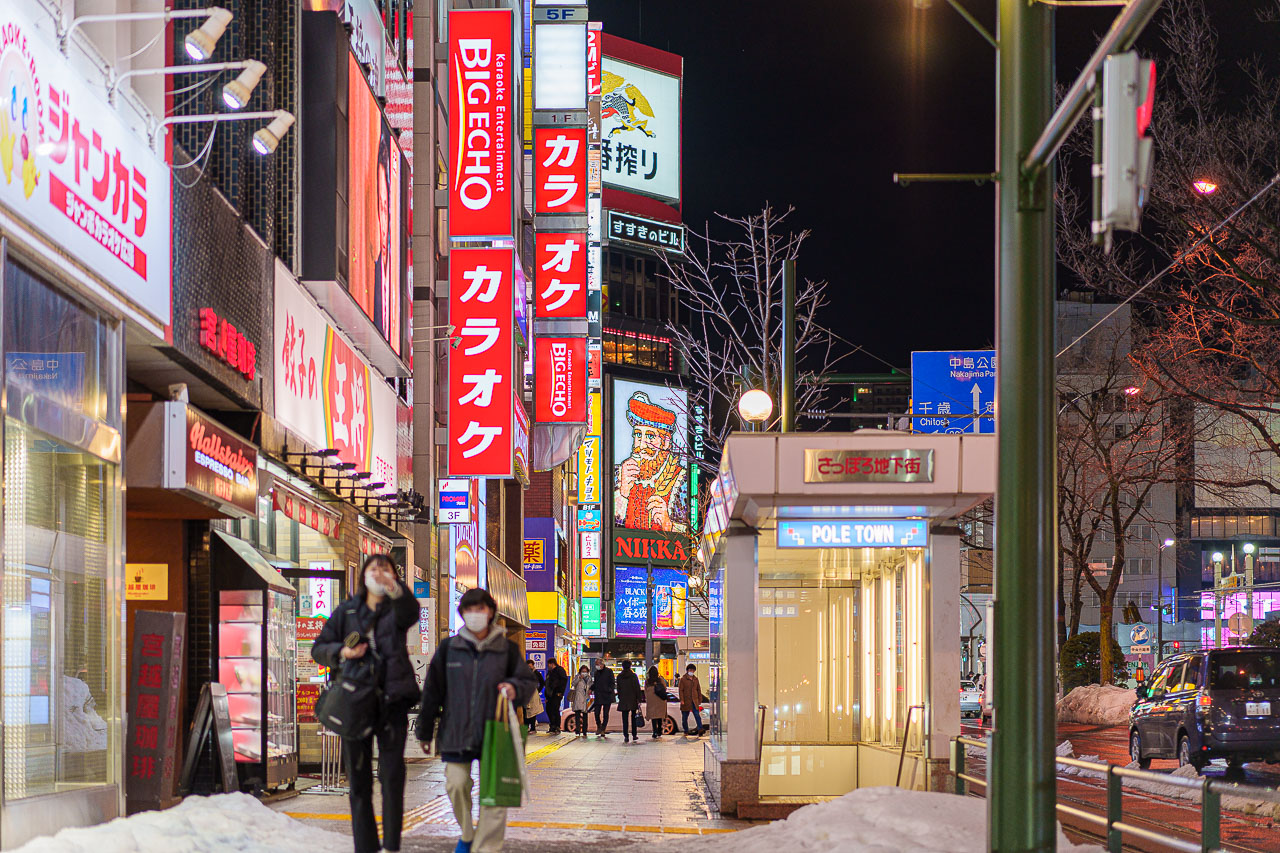
With so much foot traffic, Susukino also has many places to eat—around 3,500 in the source account.
Choosing where to go is always a pleasant dilemma.

This time I stayed at OMO3 Sapporo Susukino by Hoshino Resorts.
OMO is Hoshino Resorts' city-hotel brand for guests staying in town to explore it. The source describes the resort group as having 107 years of history at the time.
The numbers 1, 3, 5 and 7 indicate an increasing range of services and facilities.
For example, the source compares OMO1 to a capsule hotel and OMO7 to a full-service hotel with a restaurant and café.
OMO3 Sapporo Susukino by Hoshino Resorts is built around exploring nearby food spots and enjoying eating and drinking late into the night.
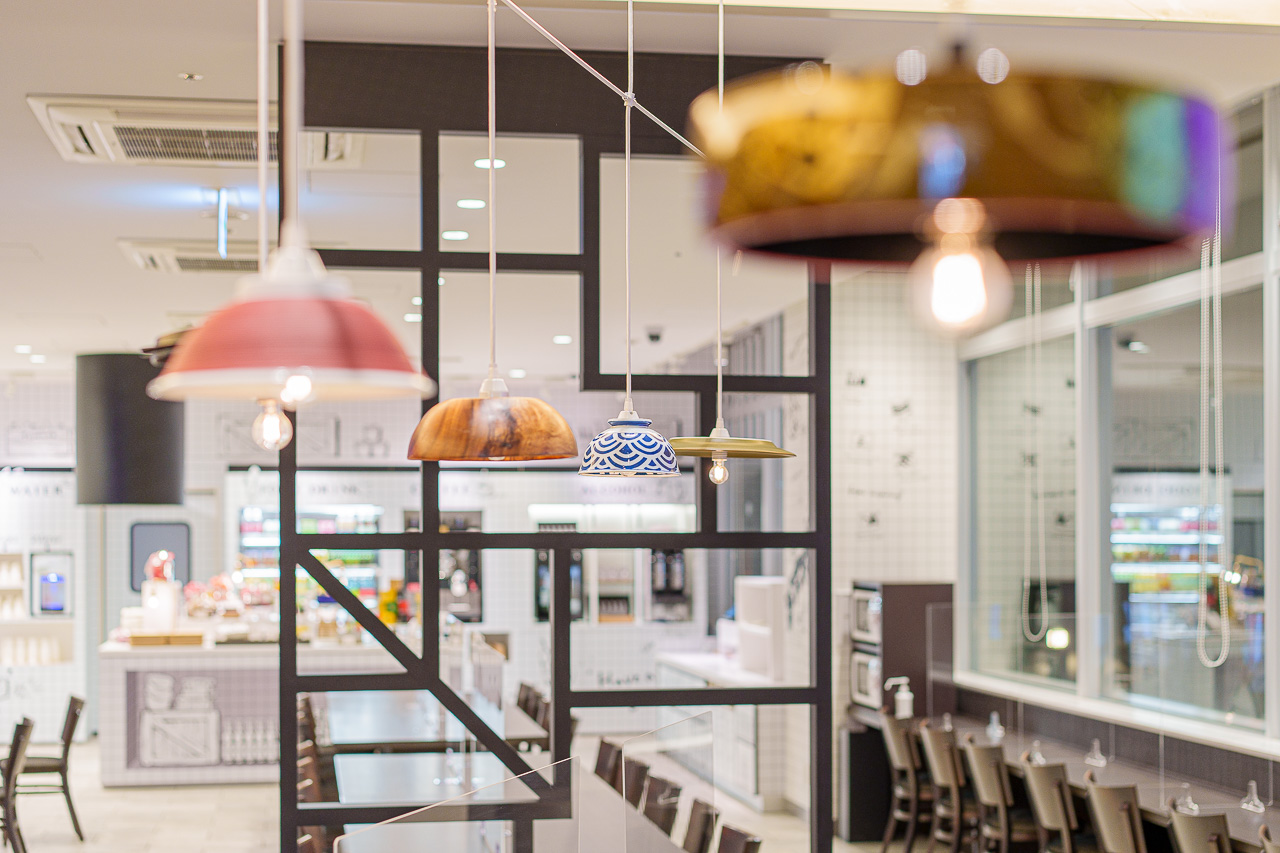
Its individual interior matches that theme, including lights made from bowls used for different Japanese foods.
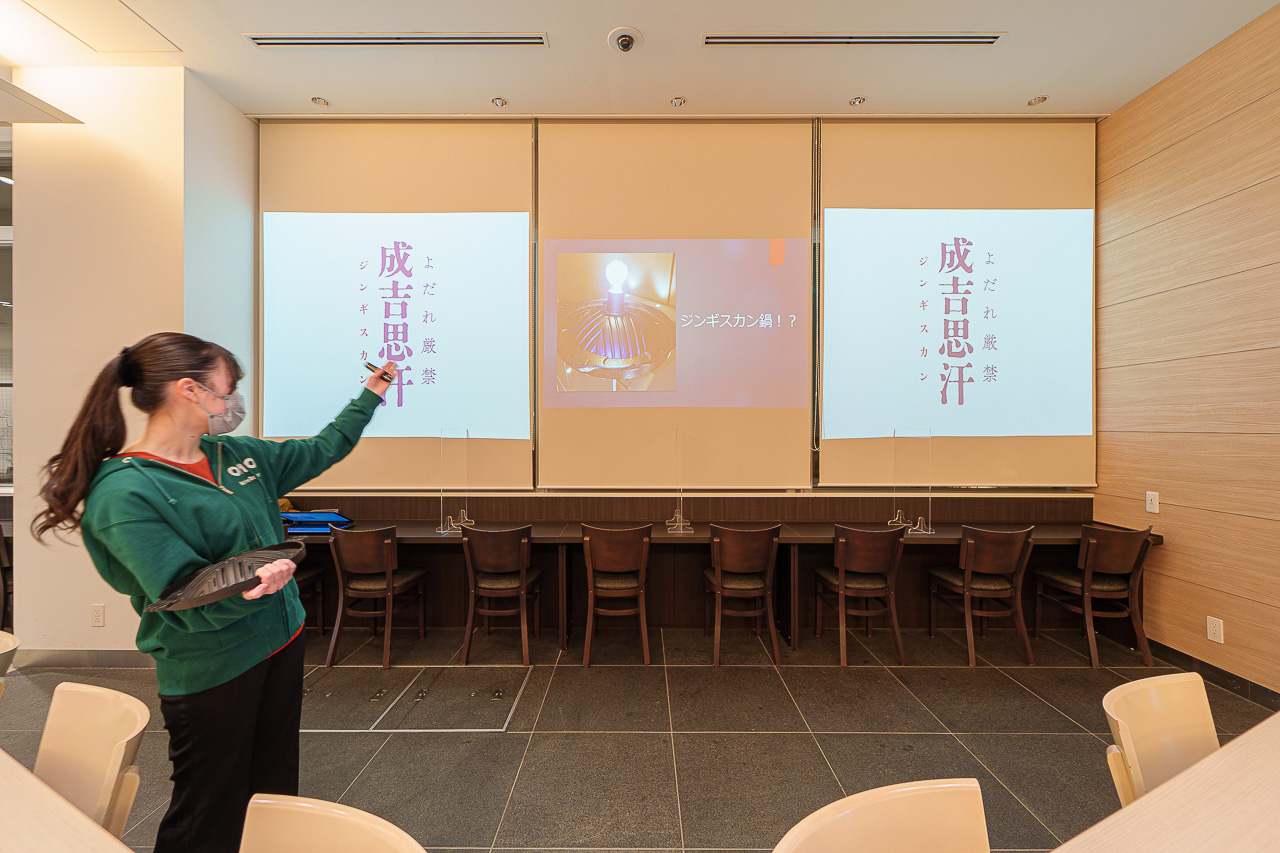
When I arrived, an OMO Ranger was introducing places to eat in Susukino.
In Otaru I had walked with an OMO Ranger; here, the focus was food recommendations.
OMO staff offer services intended to make a trip more enjoyable.
Neighborhood walks and introductions to places to eat and explore vary by hotel. Trying each property's OMO Ranger service is part of the fun.

The day's subject was jingisukan, a dish closely associated with Hokkaido.
Jingisukan is a Hokkaido dish of grilled mutton or lamb.
The source explains that this Japanese dish takes its name from the Japanese pronunciation of Genghis Khan, without a direct connection to Mongolia or the ruler himself.

We learned about its origins and different ways to enjoy it.
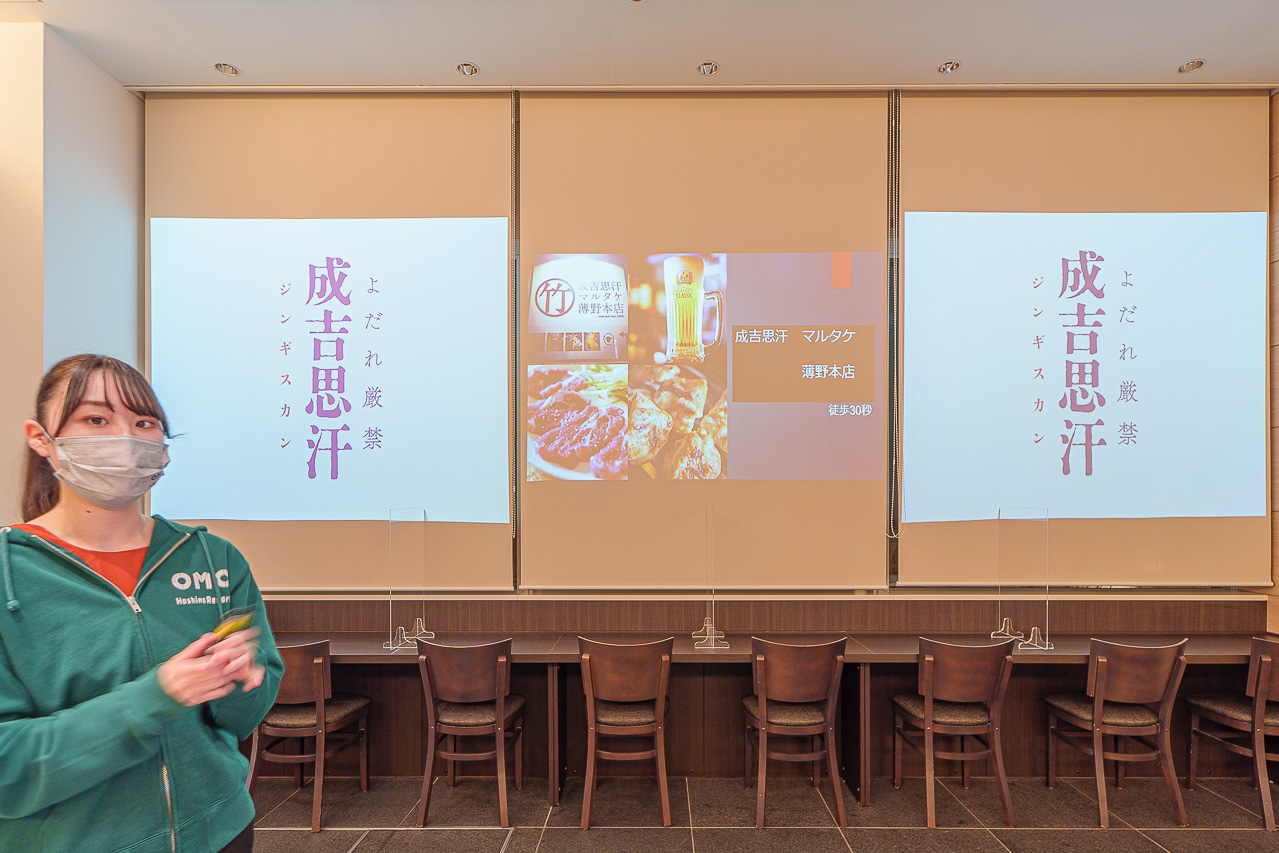
The introduction also explained restaurant names, why they were well known and how long it took to reach them from the hotel, making me want to visit.
Hearing these stories before going seemed likely to make the meal more enjoyable.
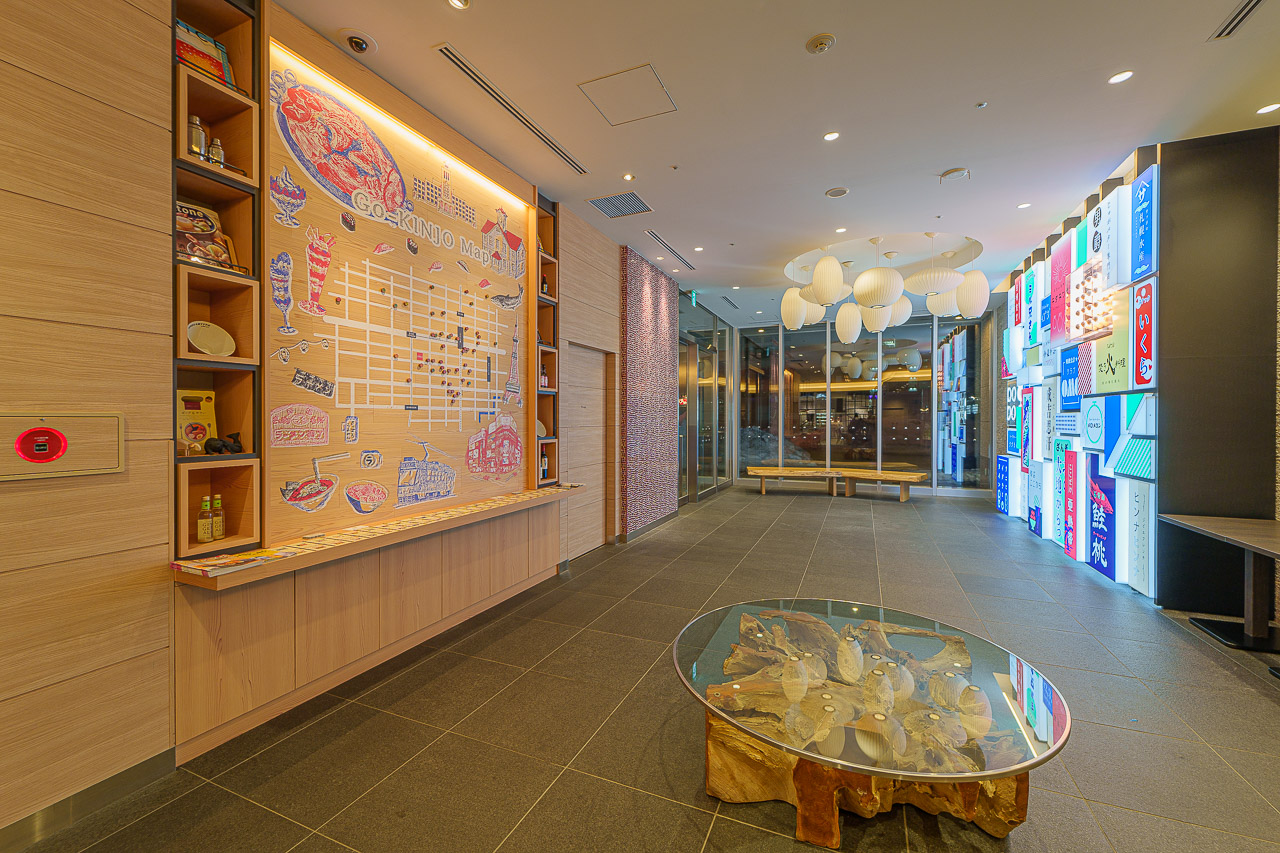
At the entrance, bright signs evoke Susukino.
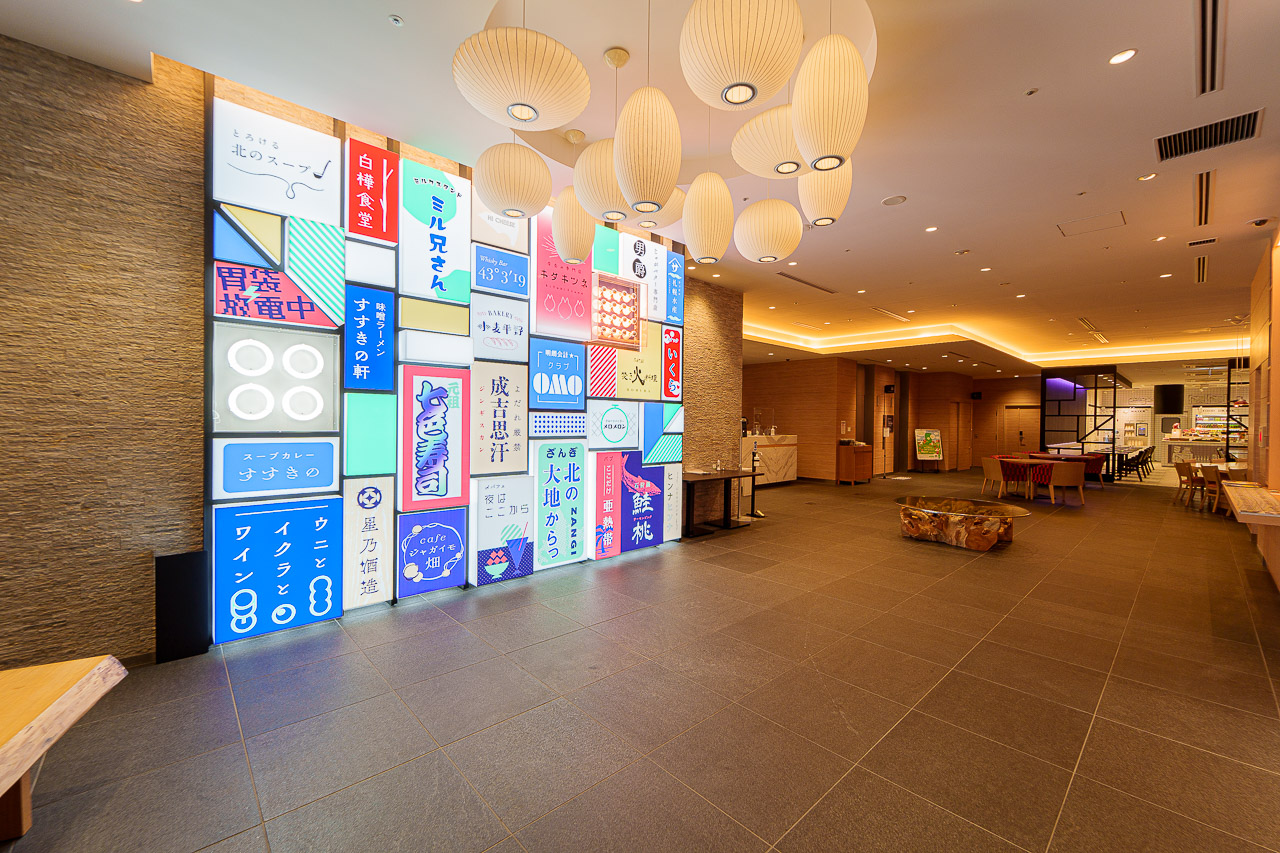
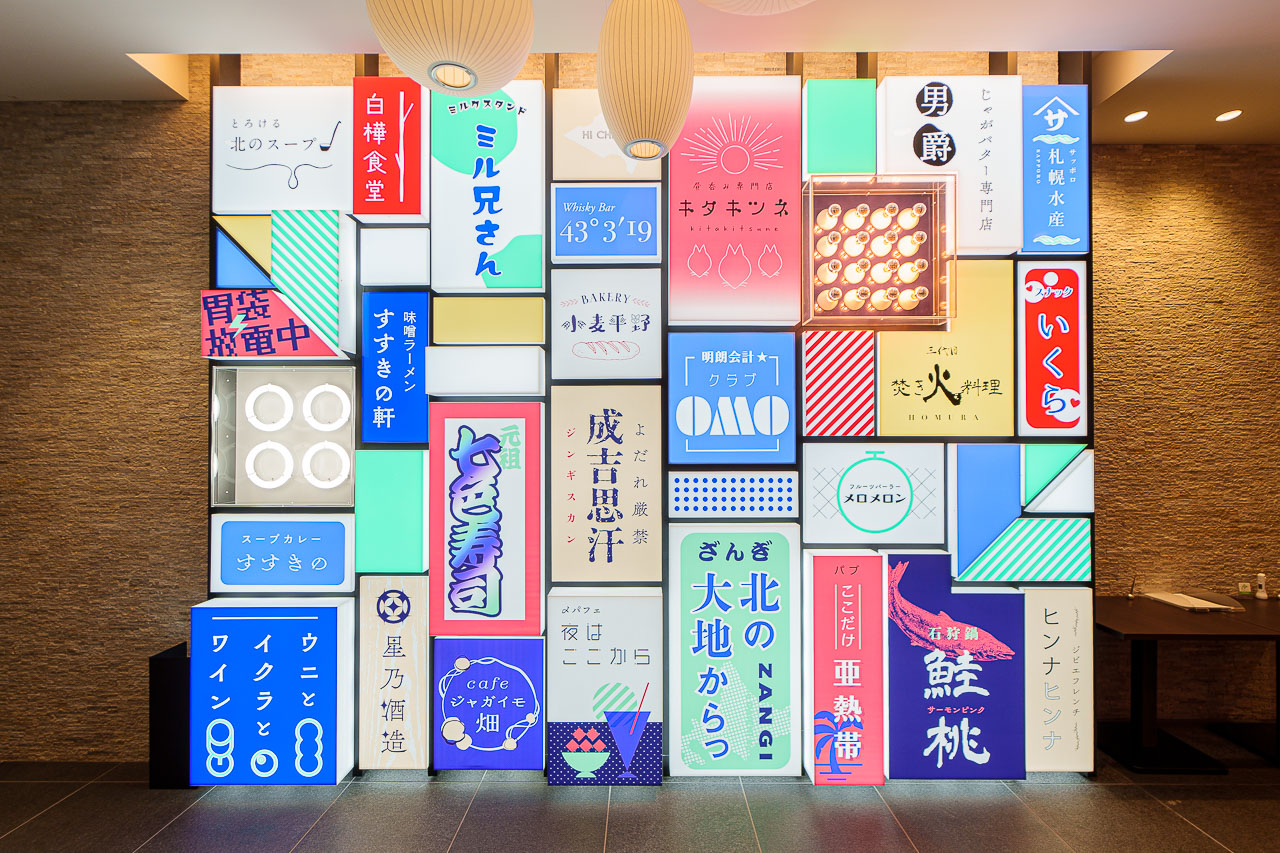
They look as if they could be real neighborhood signs, but are fictional.
They represent different businesses, from sushi restaurants to bakeries.
The pub called 'Only Here Is Subtropical' caught my eye. It sounded like a place that gets lively.
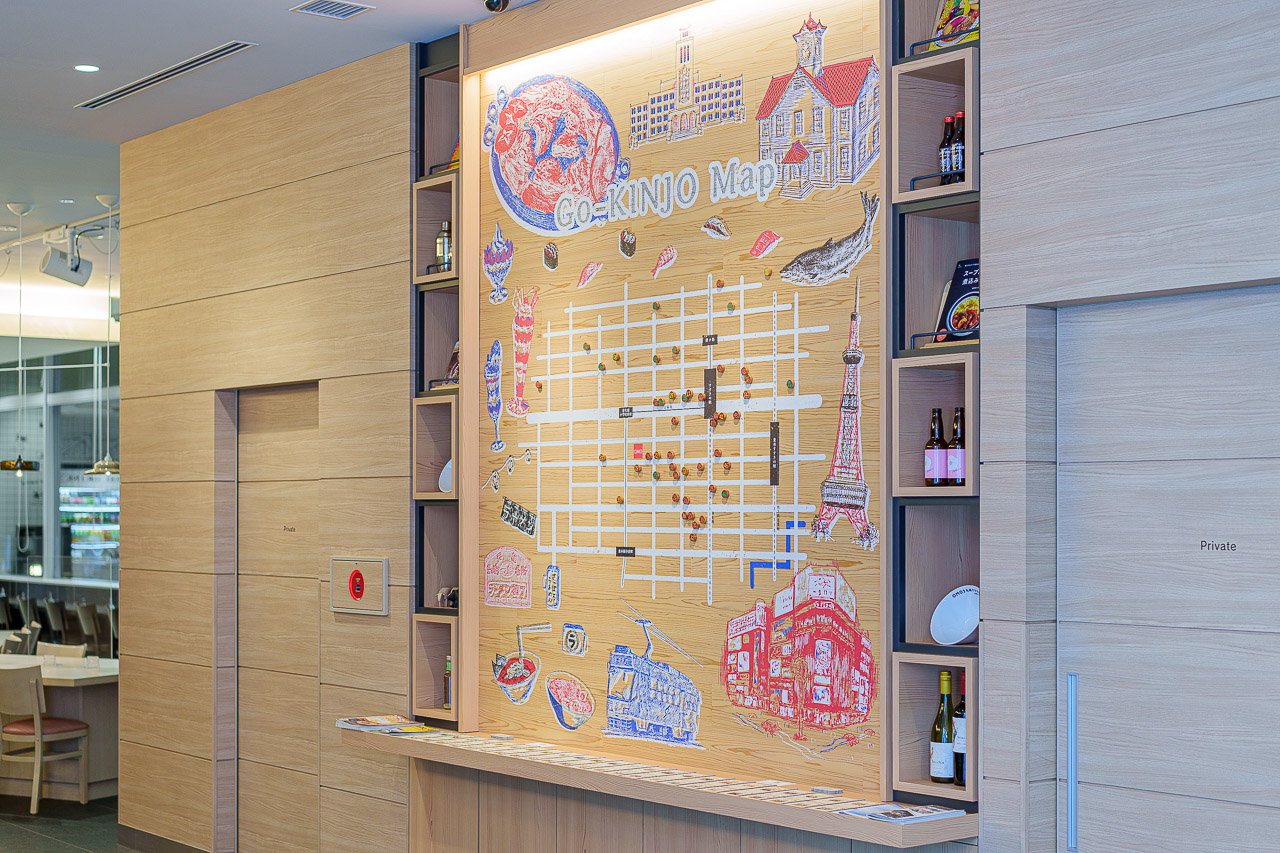
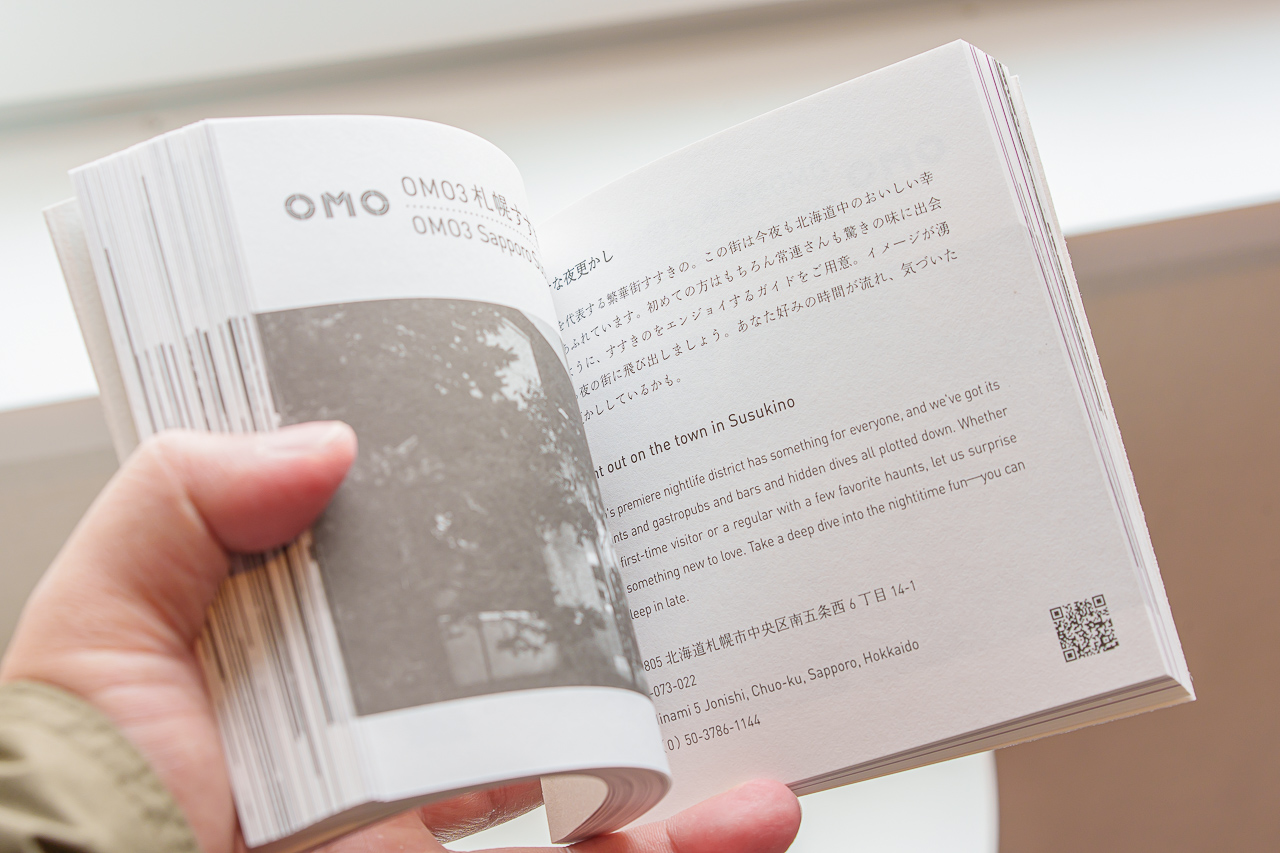
The OMO Base, introducing nearby food and sights, was here too.
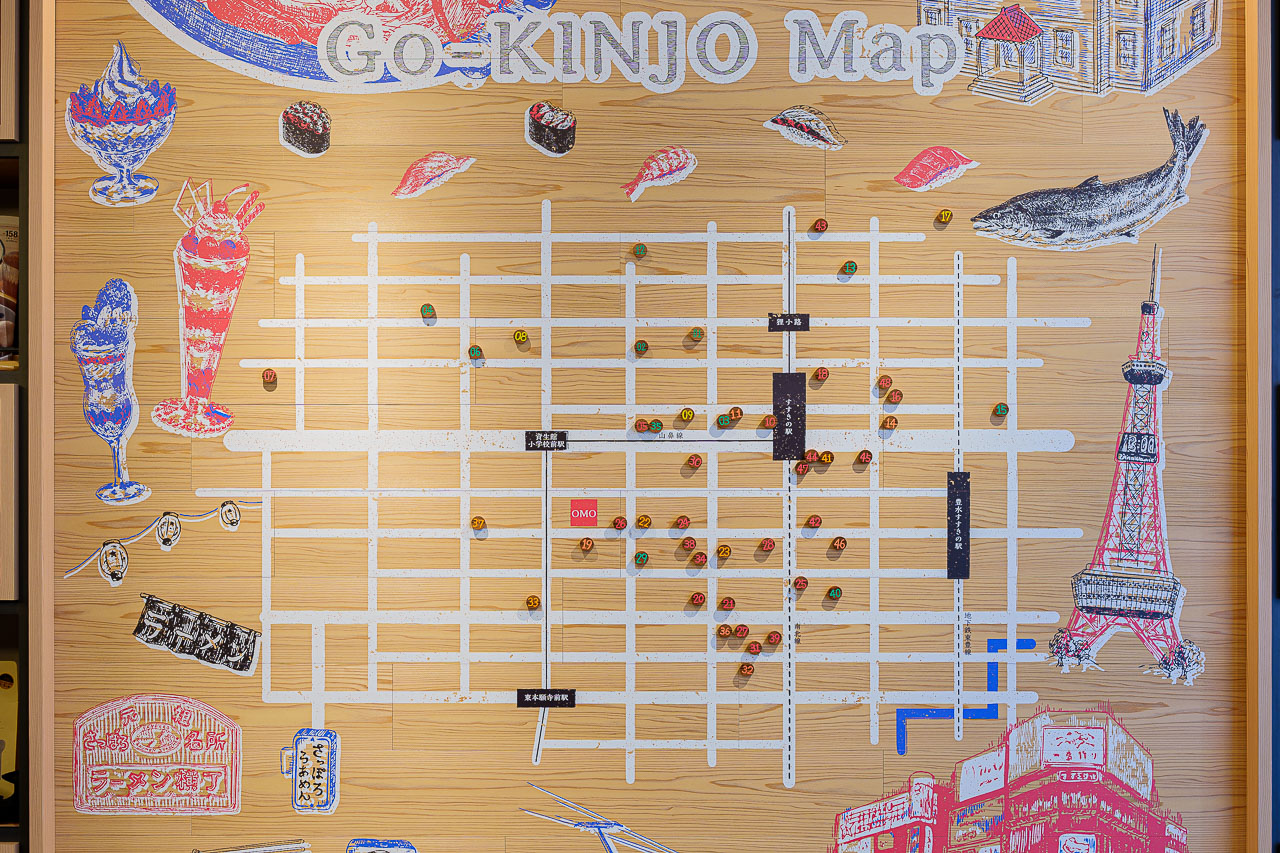
OMO3 Susukino Neighborhood Map
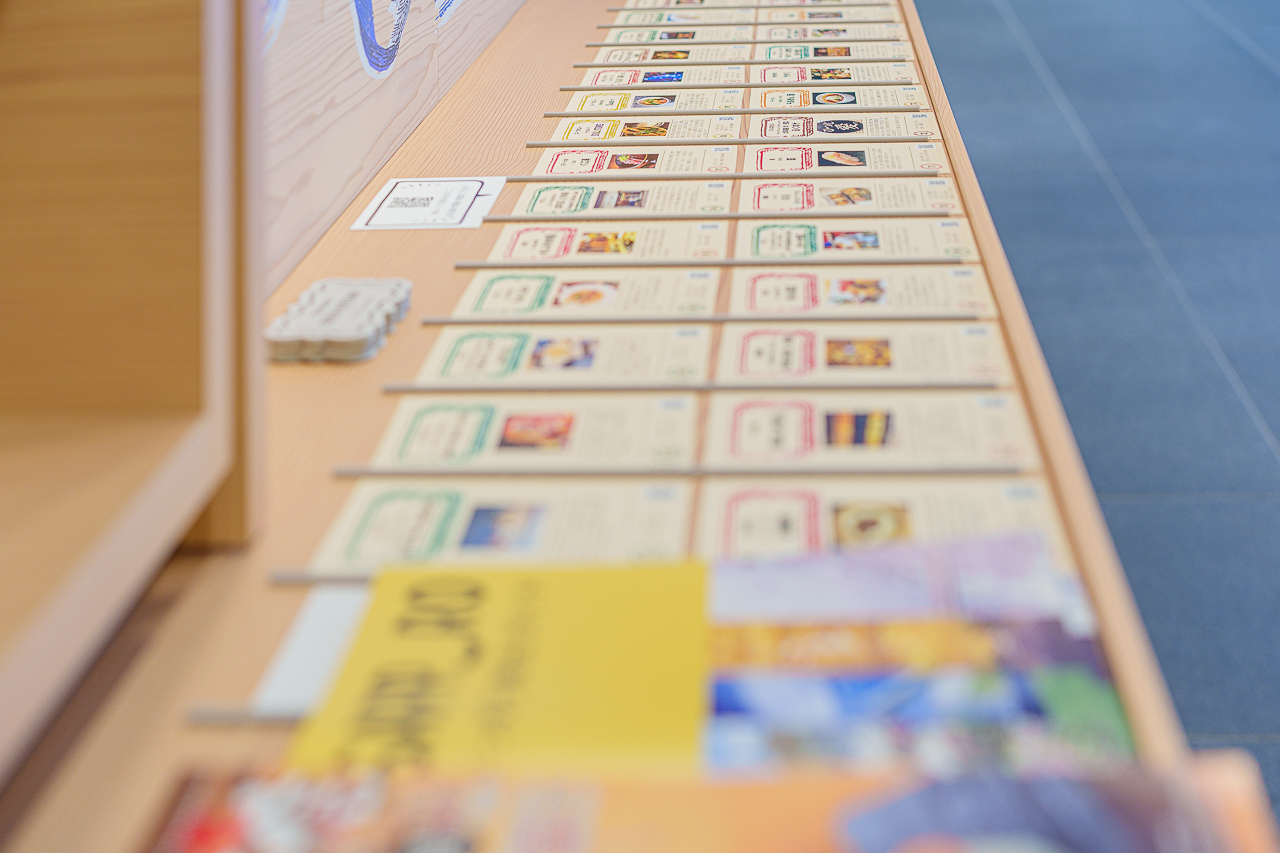
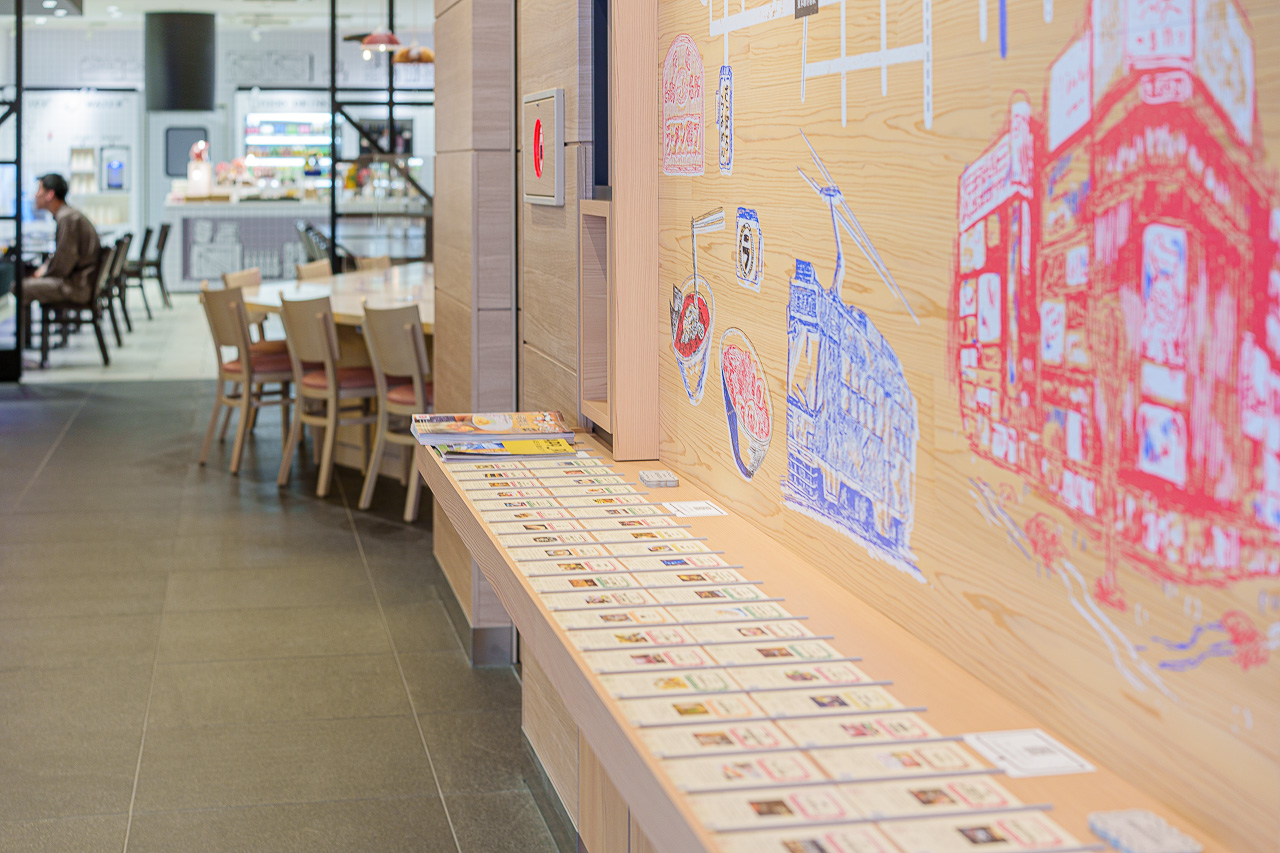
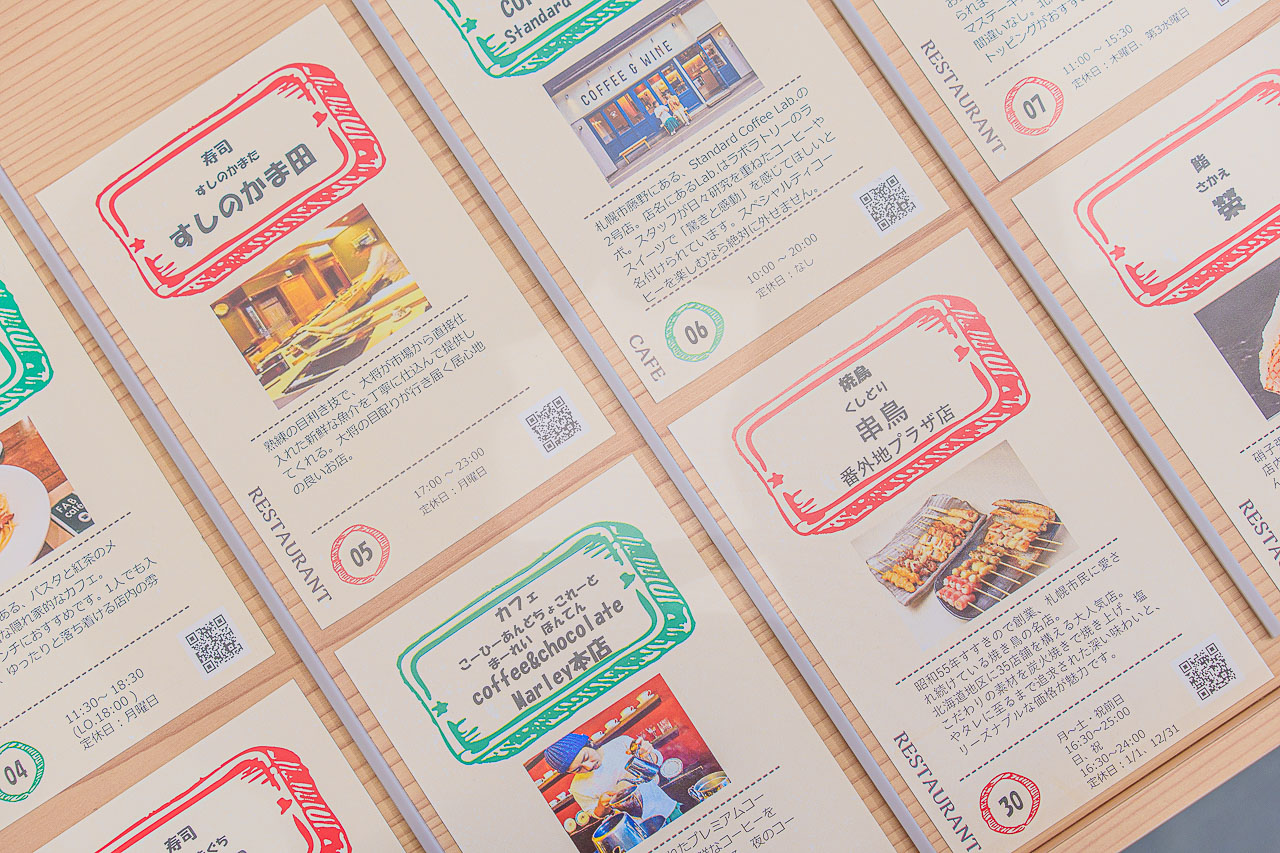
It introduces around 50 attractions, landmarks and places to eat. Scan a QR code to open Google Maps and directions—a useful all-in-one guide.
Hotel staff had found these distinctive businesses themselves and could explain them in detail when asked, which I liked.
It clearly conveyed the idea of exploring Susukino's food and enjoying eating and drinking late into the night.
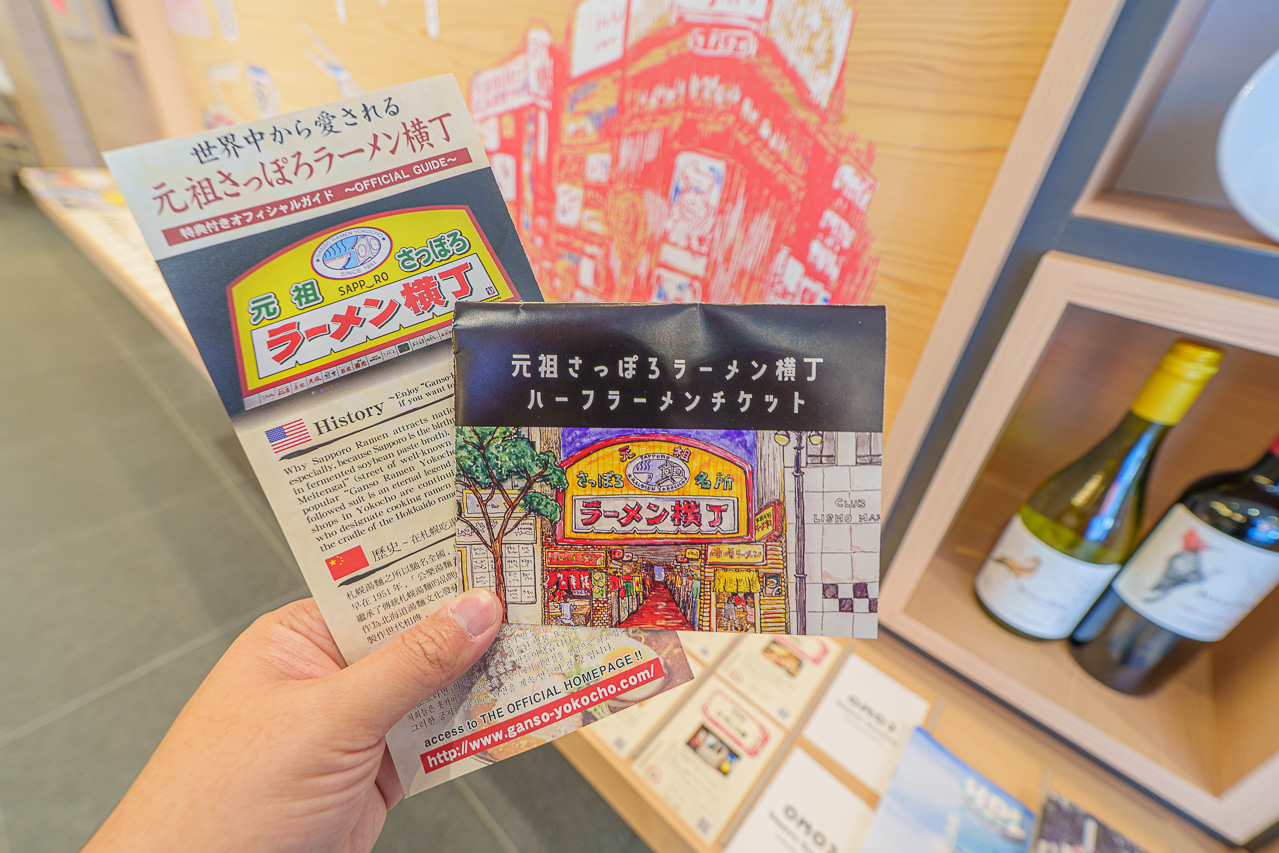
My stay plan was a ramen comparison at Sapporo Ramen Yokocho.
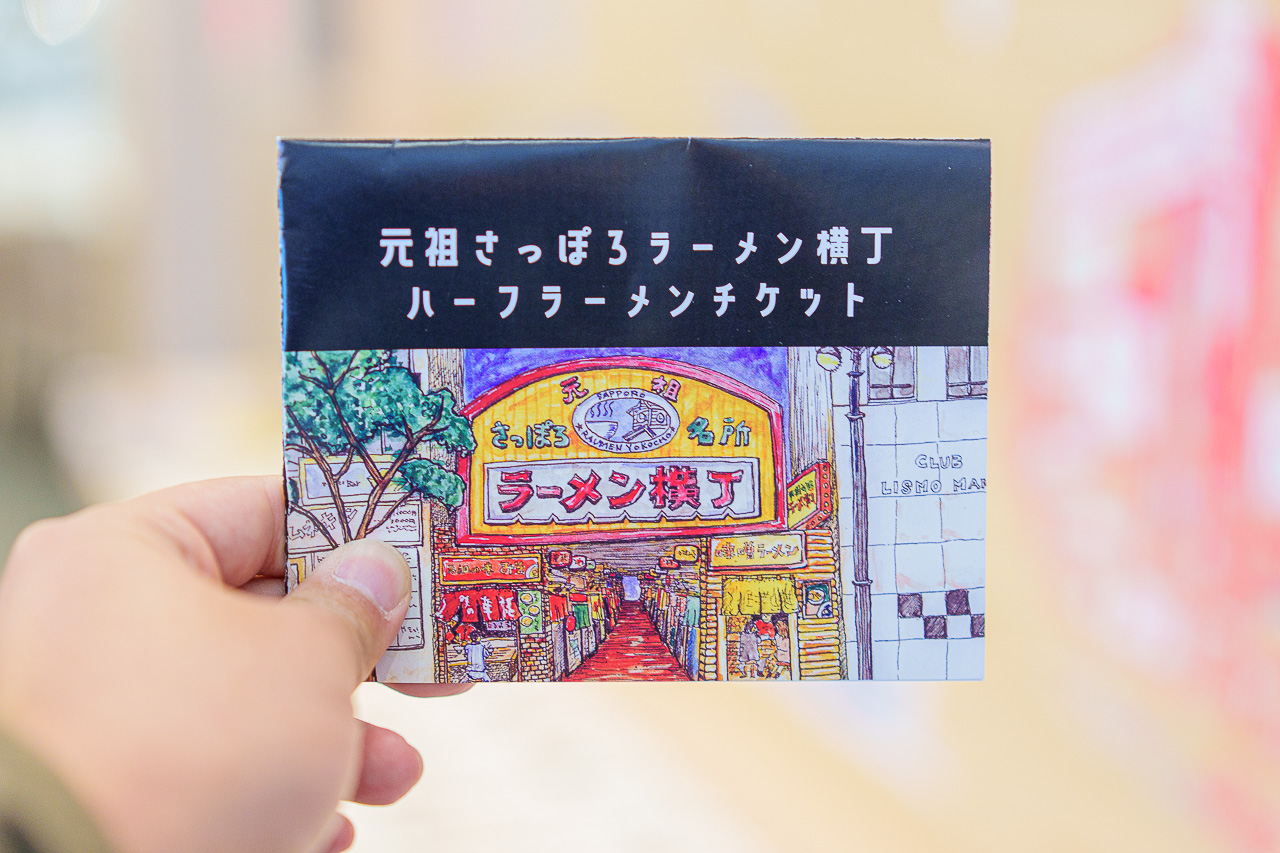

Booking the ramen-comparison plan brought a list of the well-known Sapporo Ramen Yokocho shops at check-in, along with

half-size ramen tickets for 3 bowls among its 17 shops.
The half-size ramen tickets were valid for 5 months, so they could be used the next day or on another trip if not finished that day.
Half-size servings were helpful: full bowls would have been too much to finish.
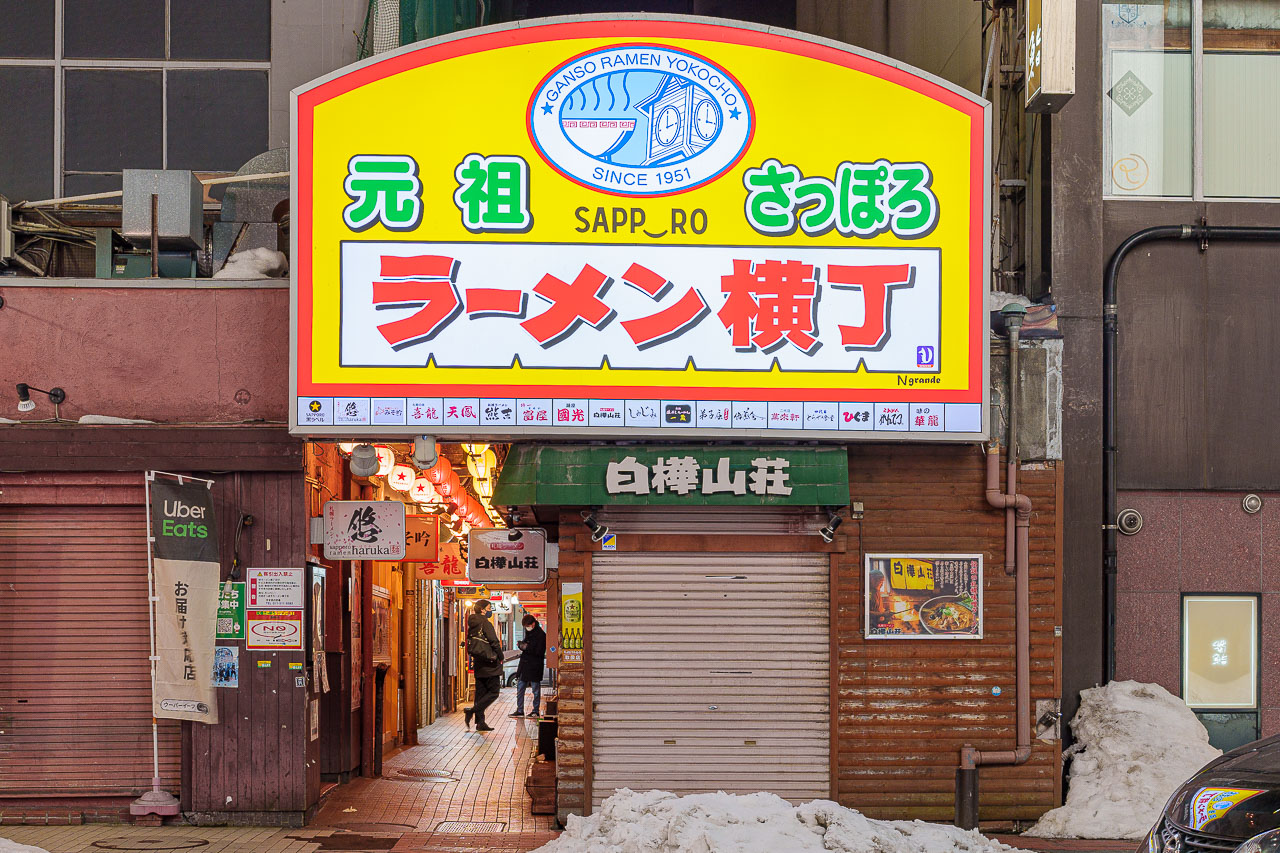
The original account describes Sapporo Ramen Yokocho as the birthplace of miso ramen and a place that helped spread Sapporo ramen across Japan.
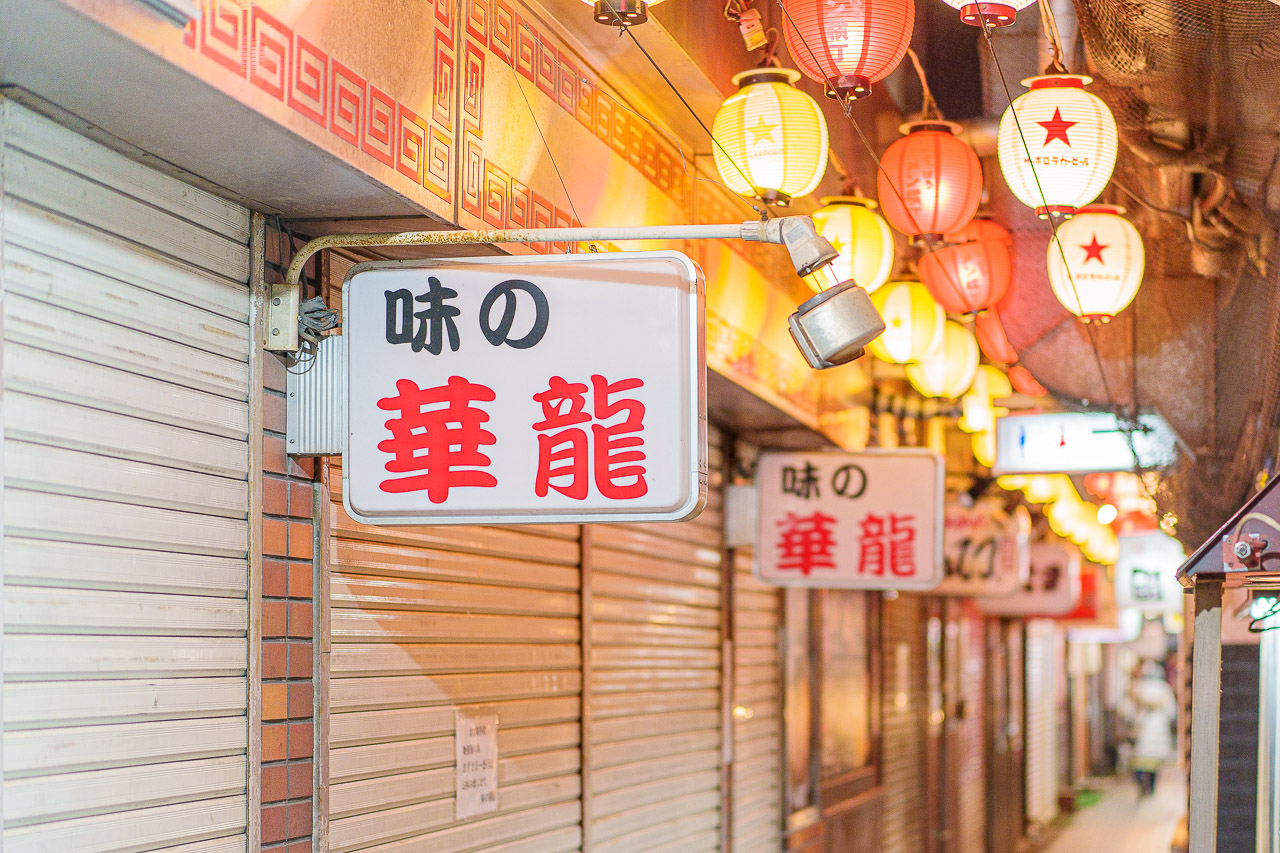
It normally draws Japanese and overseas visitors, often with queues, but many shops were temporarily closed during the pandemic on this visit.
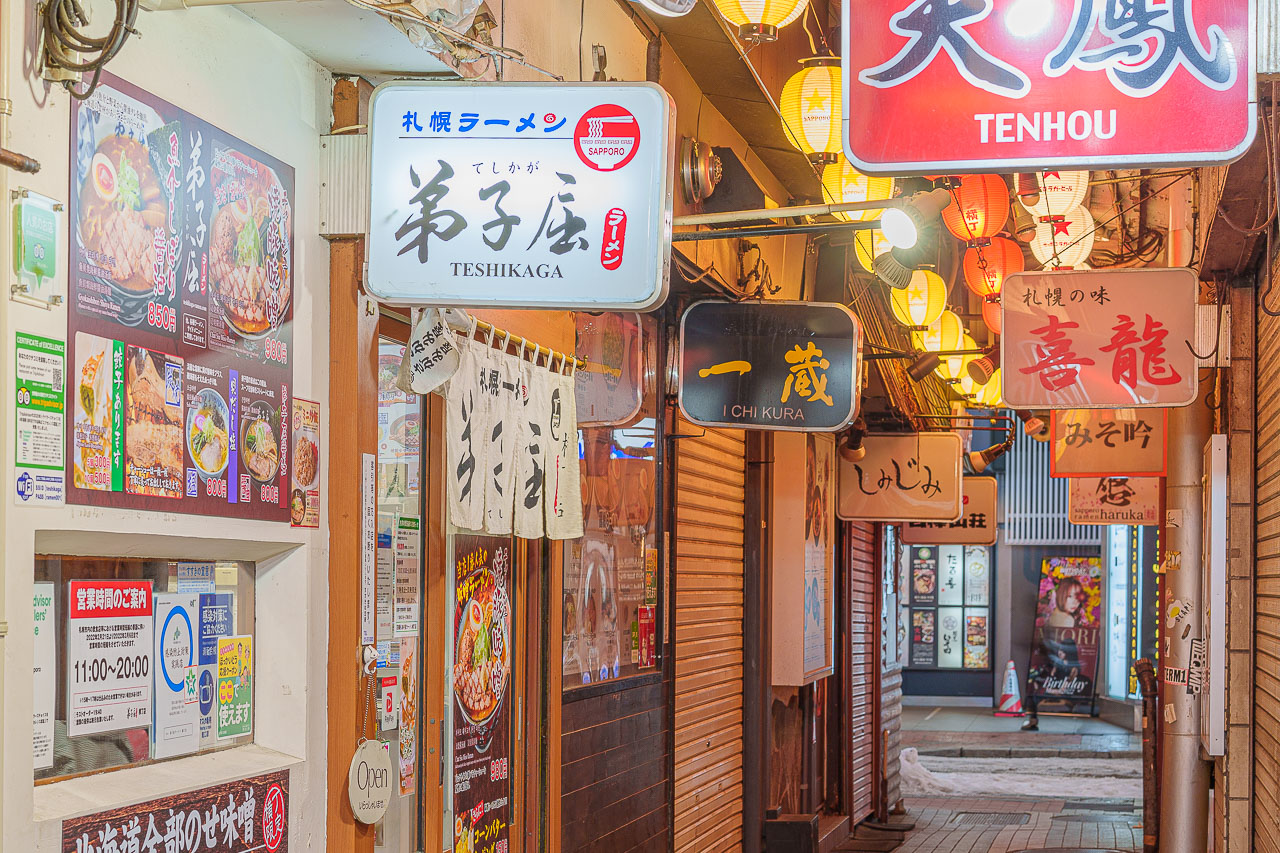
My first stop was Teshikaga.
It is known for a bowl said to bring together Hokkaido's flavors.
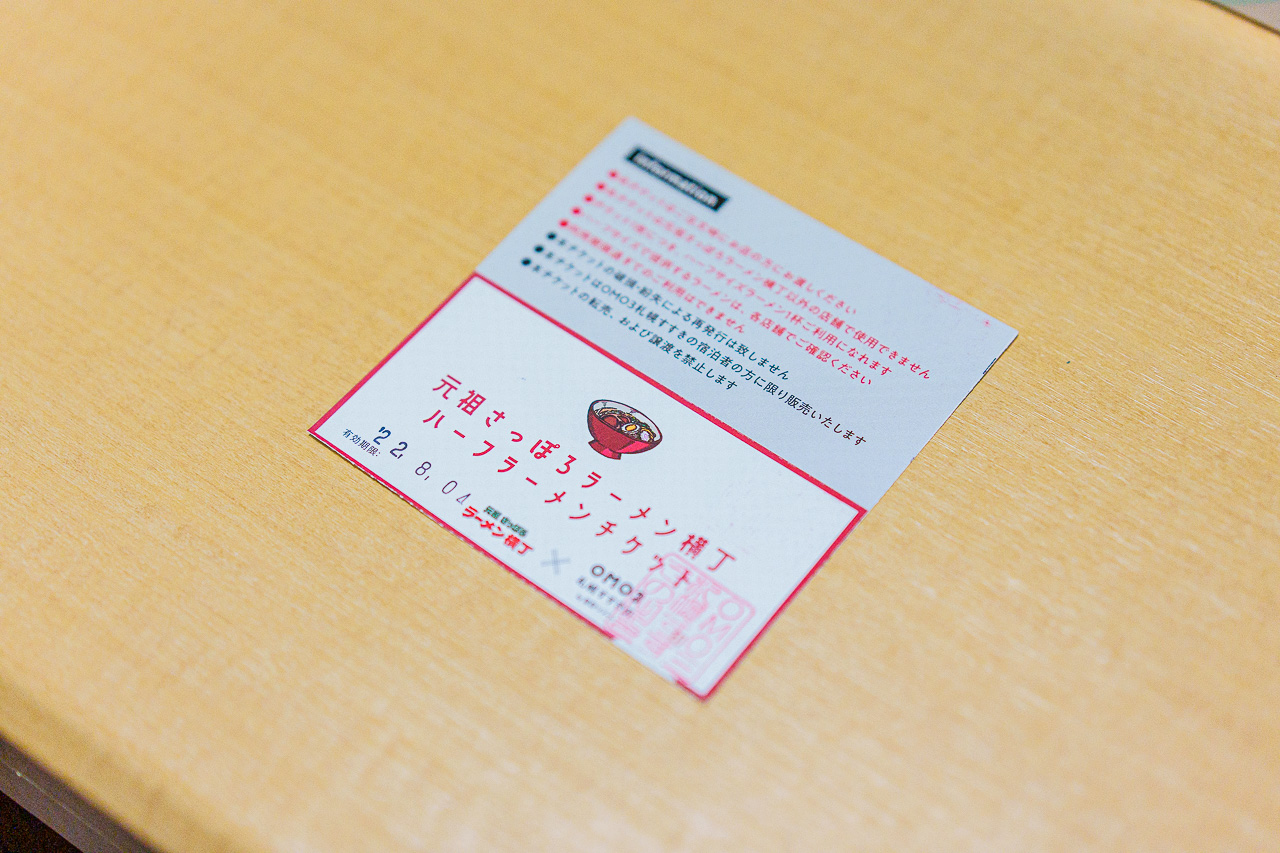
Normally I would buy a ramen ticket from the machine. Instead, I handed over the hotel ticket, named my choice and had ordered a half-size bowl.
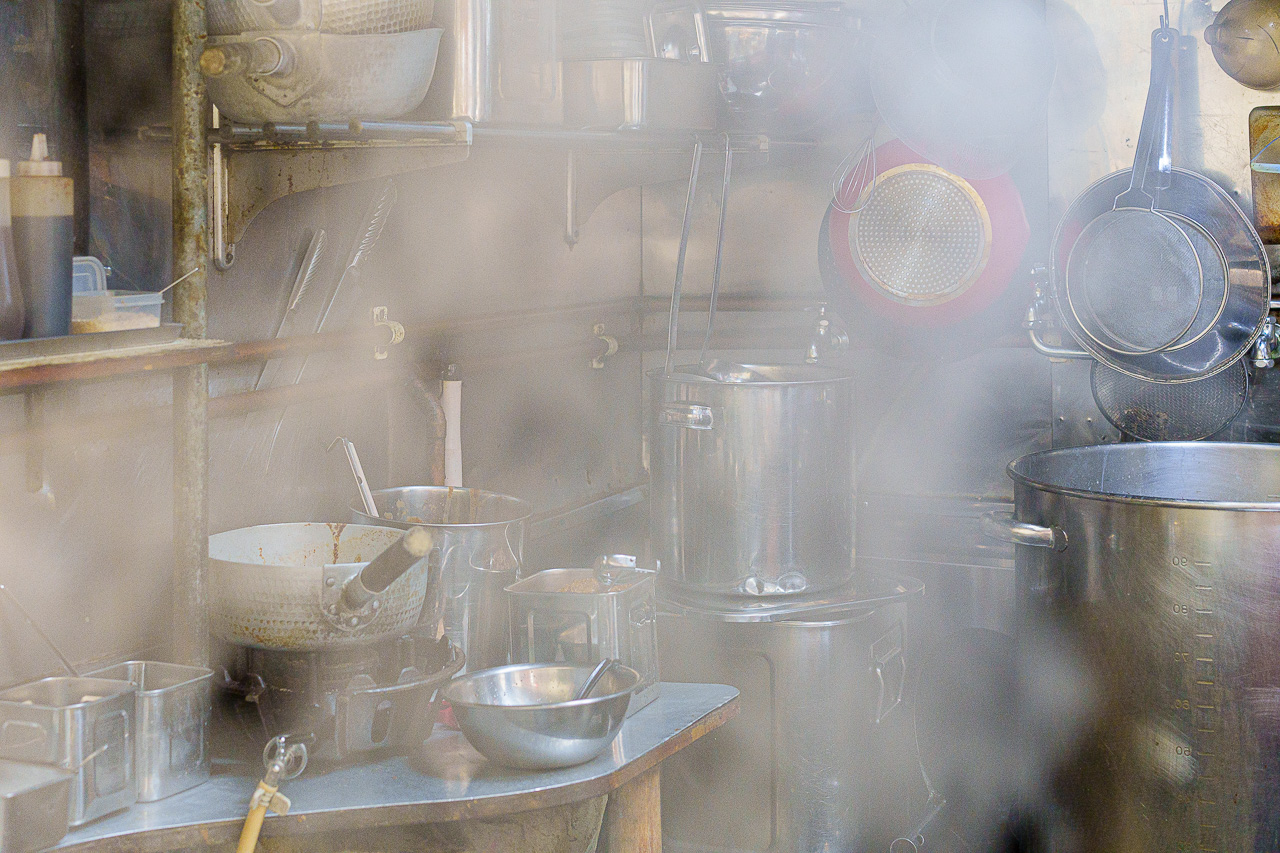
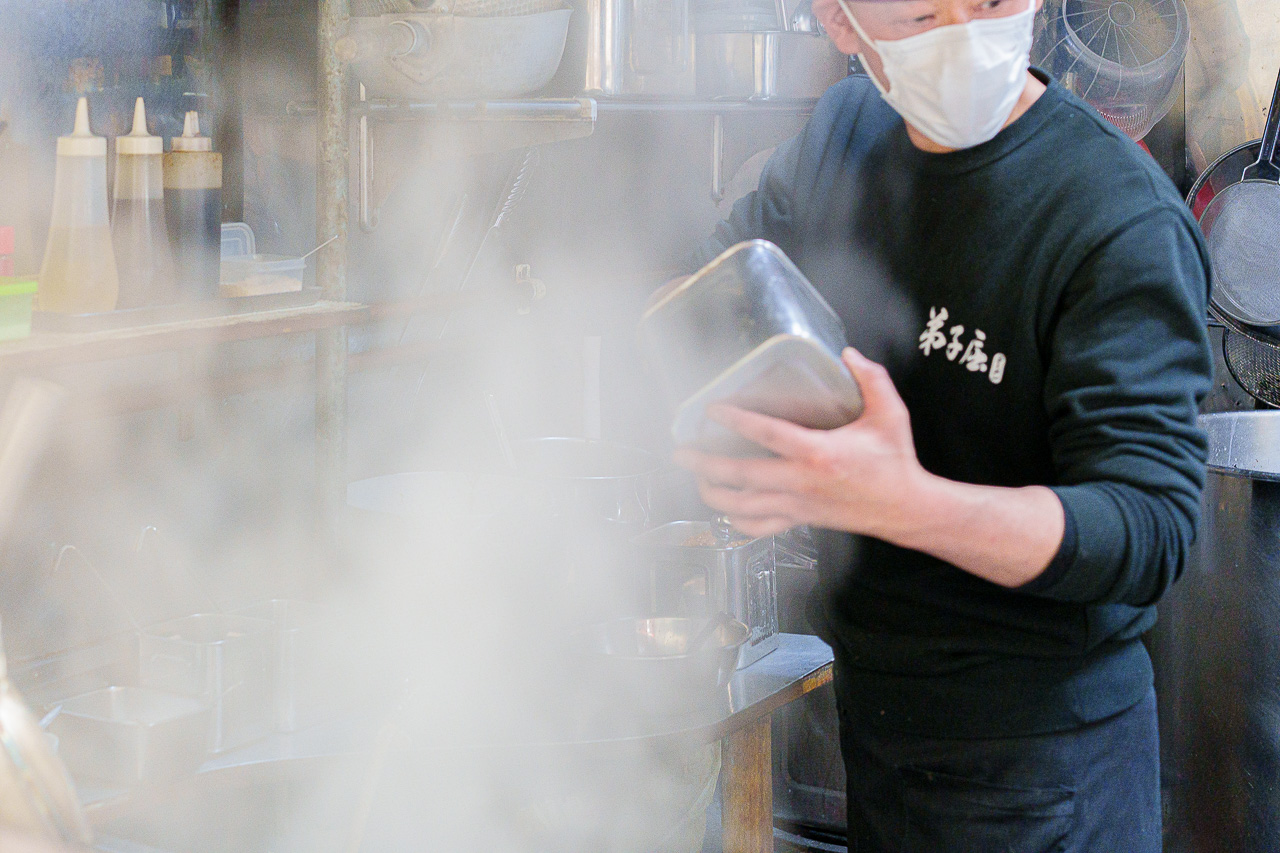
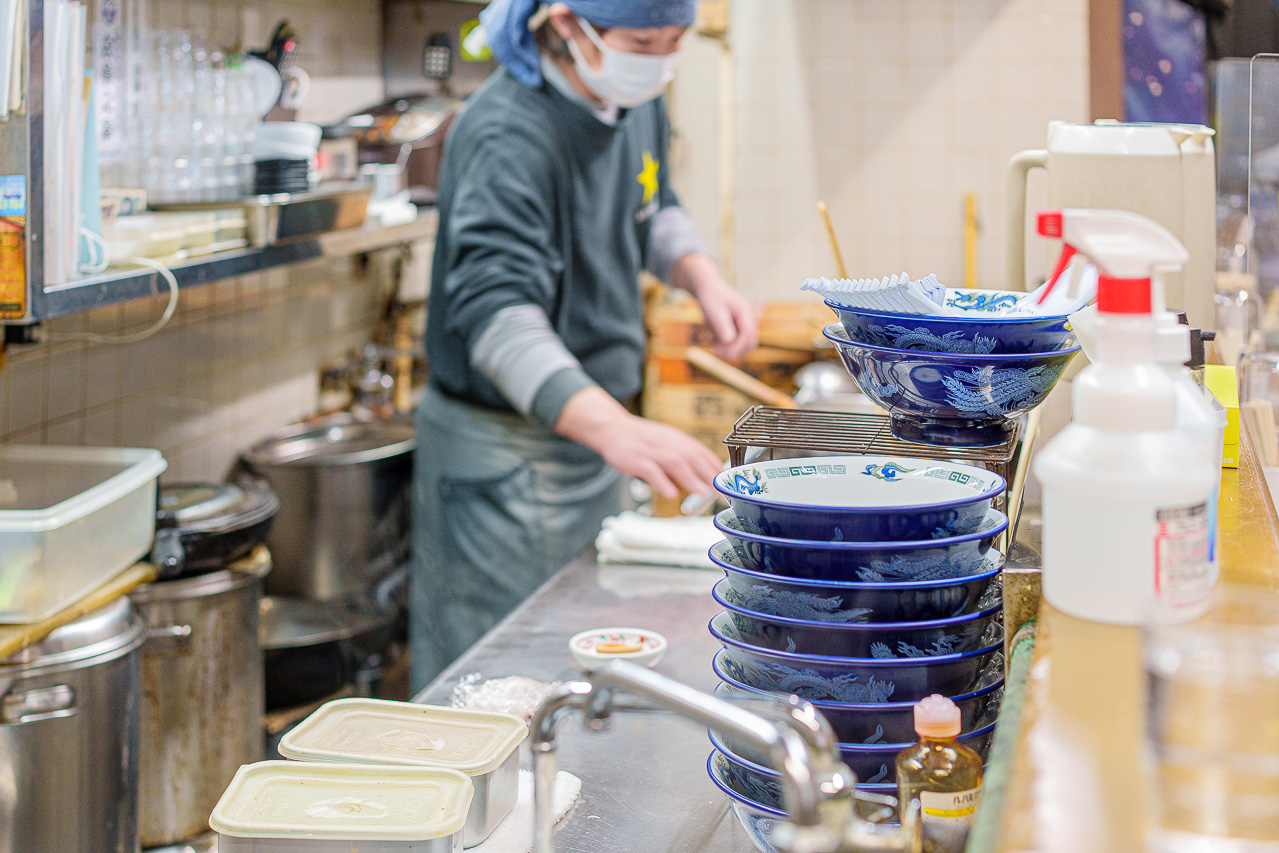
Steam from boiling noodles filled the room as the chef worked continuously.
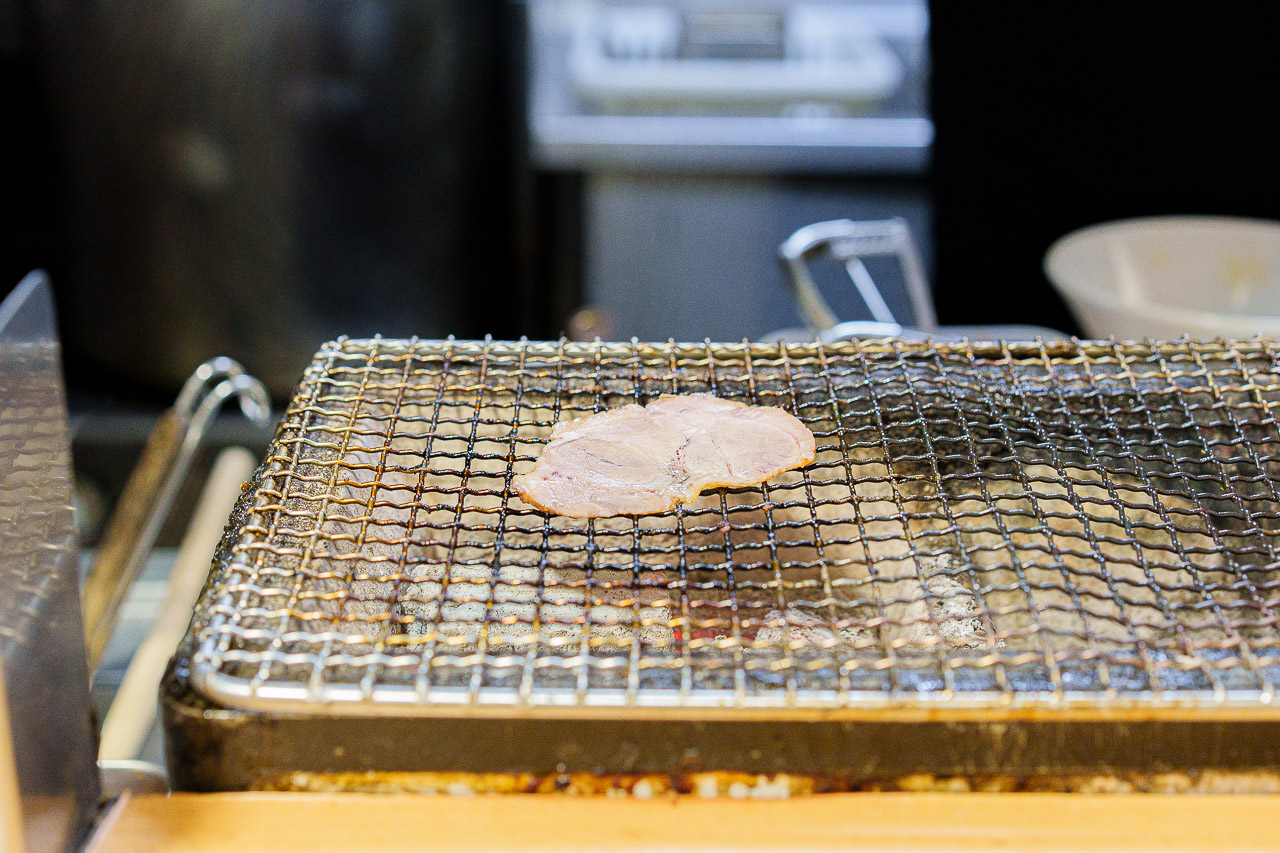
The smell of pork chashu sizzling over charcoal was irresistible.
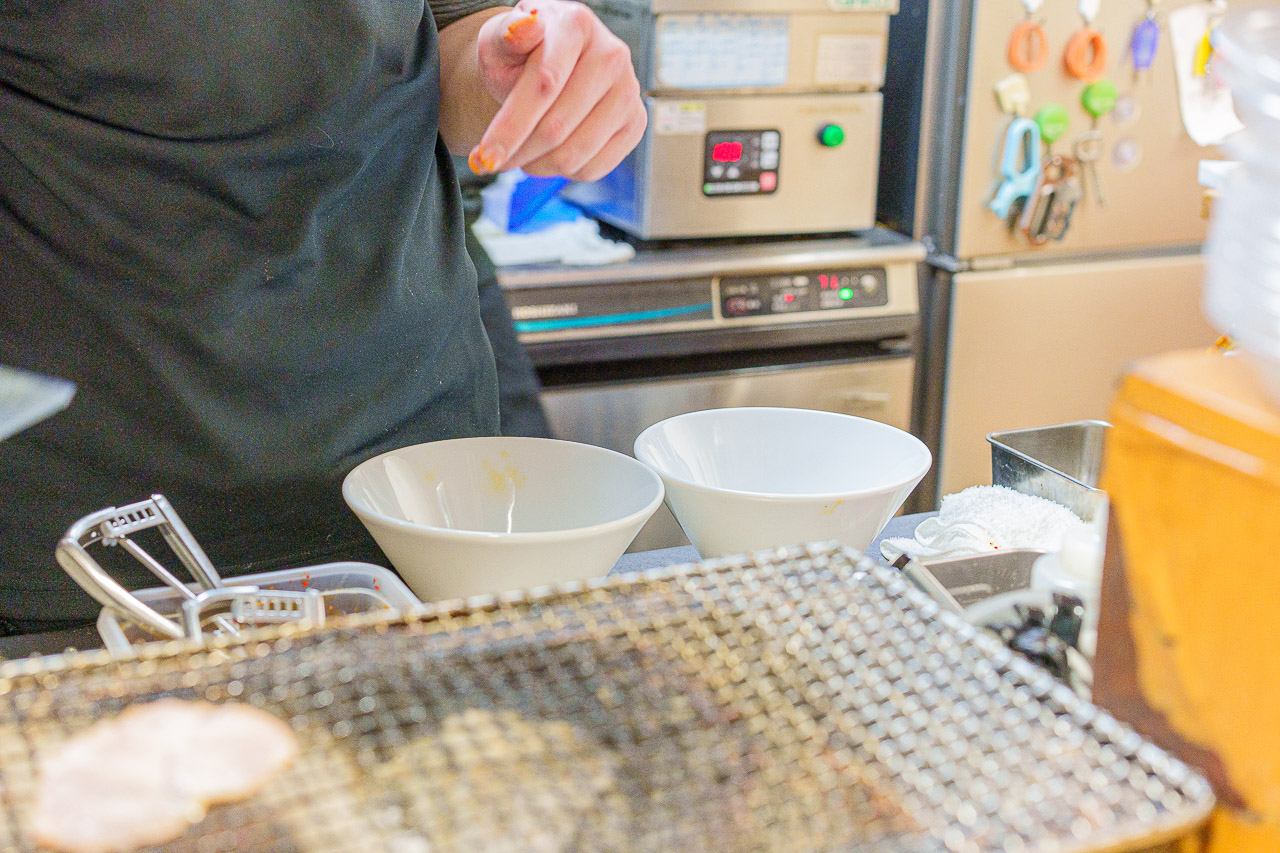
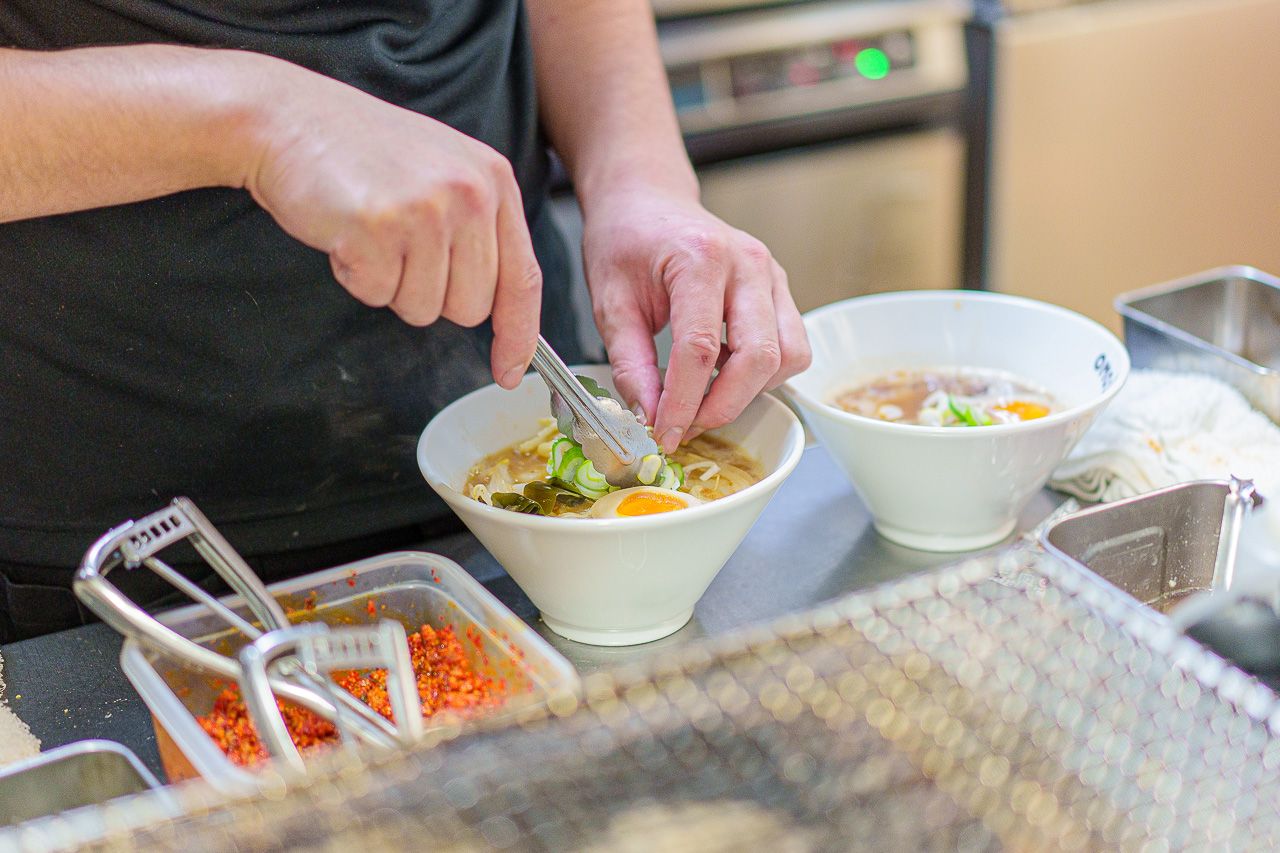
Service was quick too: the ramen arrived about 5 minutes after ordering.
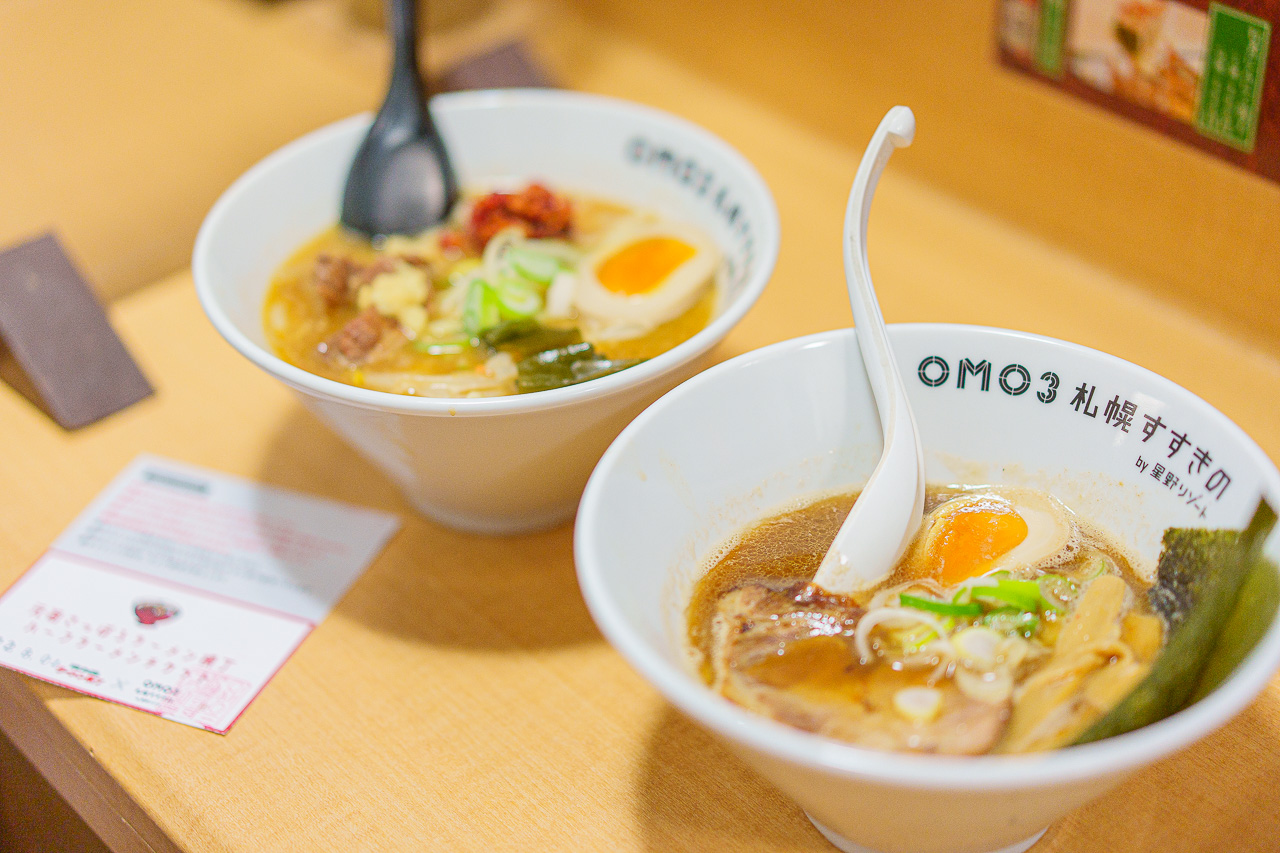
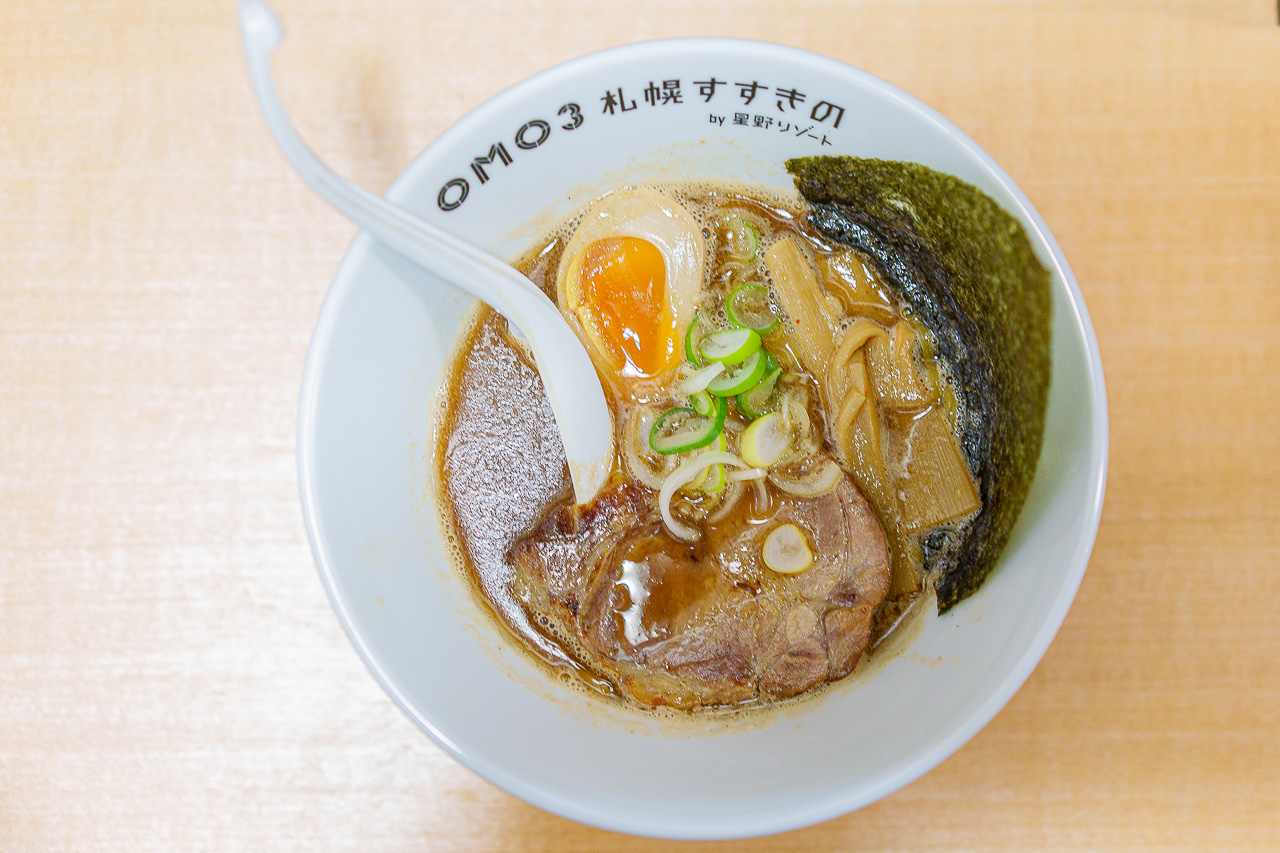
I was surprised to find the OMO3 logo on the ramen bowl.
Even this small detail had been considered.
I ordered shoyu ramen with seafood stock and
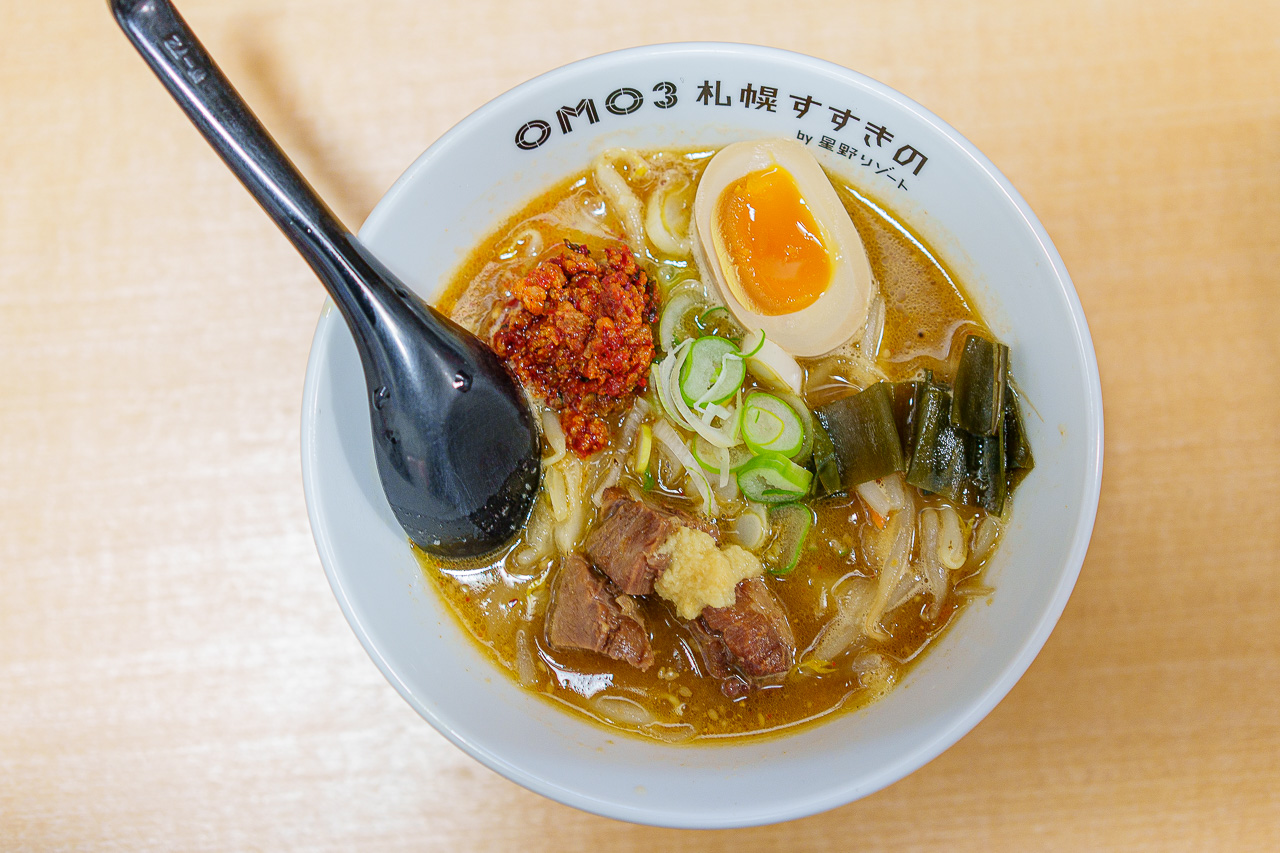
red miso ramen.
Although described as half-size, the servings were larger than I expected.
Teshikaga's miso soup uses seafood stock, combining the seafood's savory depth with miso's mellow flavor. I enjoyed it.
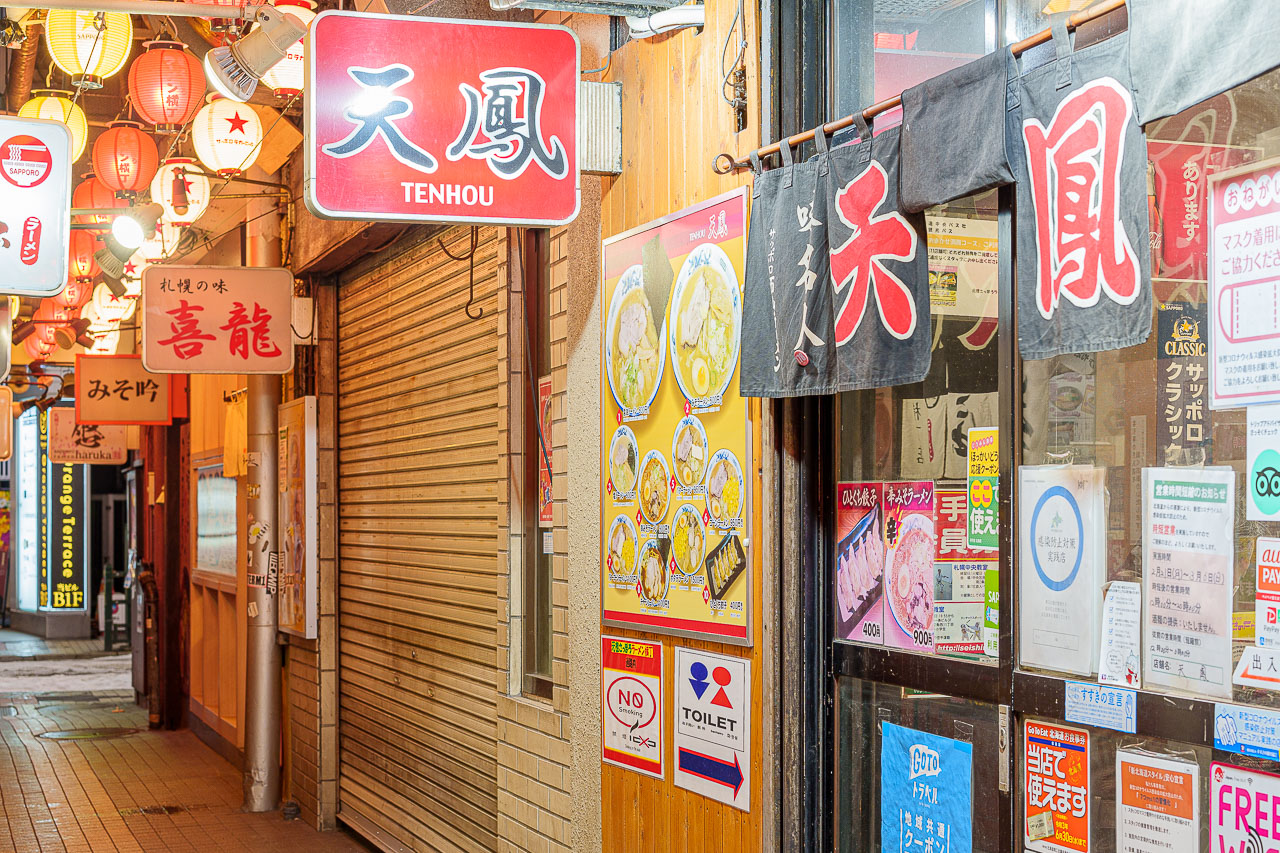
With the final ticket, I went to Tenho, which began in Sapporo Ramen Yokocho and grew into a national chain.
Although Hokkaido is known for miso ramen, I personally like tonkotsu, so I chose shio ramen made with a pork-bone broth.

Tenho's shio ramen has a distinctive white tonkotsu broth.
Shio ramen is usually associated with a clear soup, but this pork-bone base looks more like tonkotsu ramen.
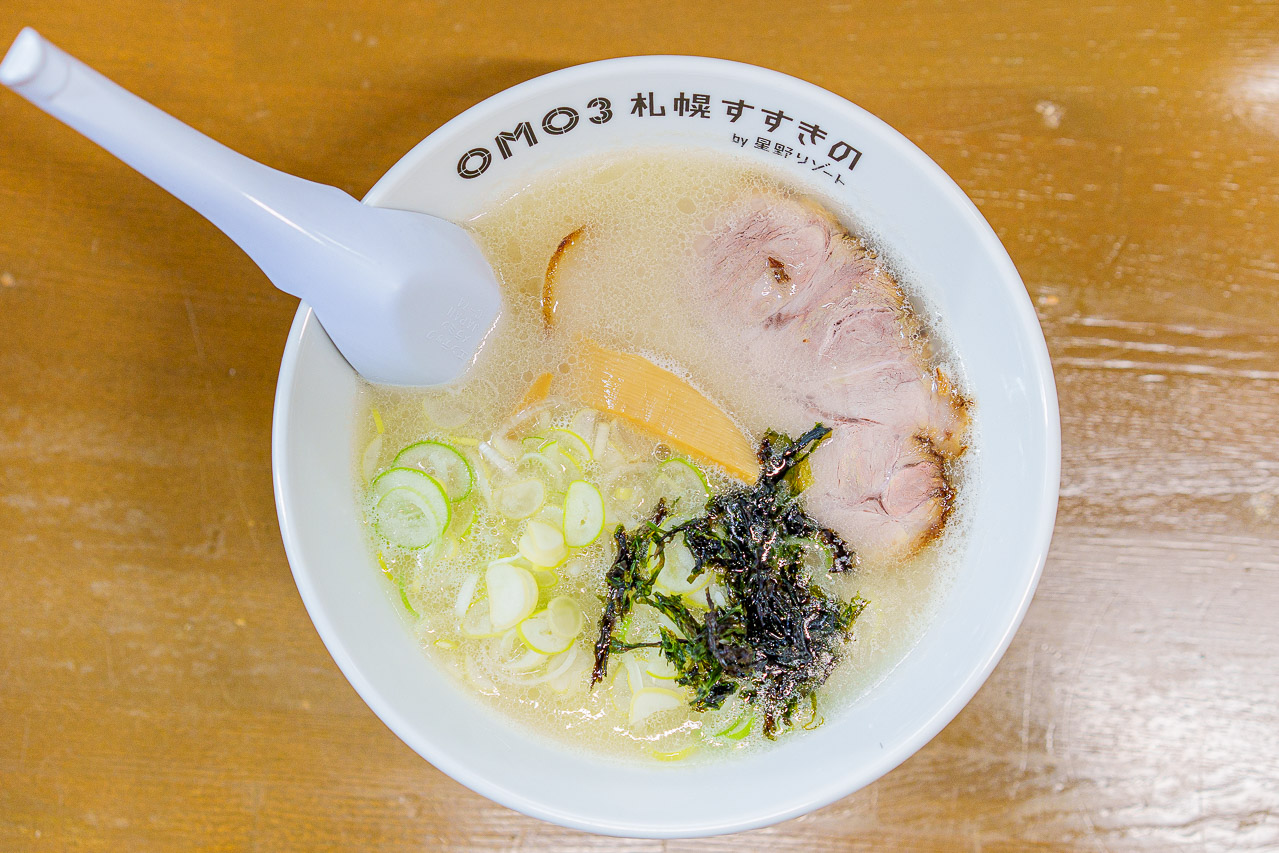
Even after the previous bowls, it went down easily. The clean finish still made it feel unmistakably like shio ramen.
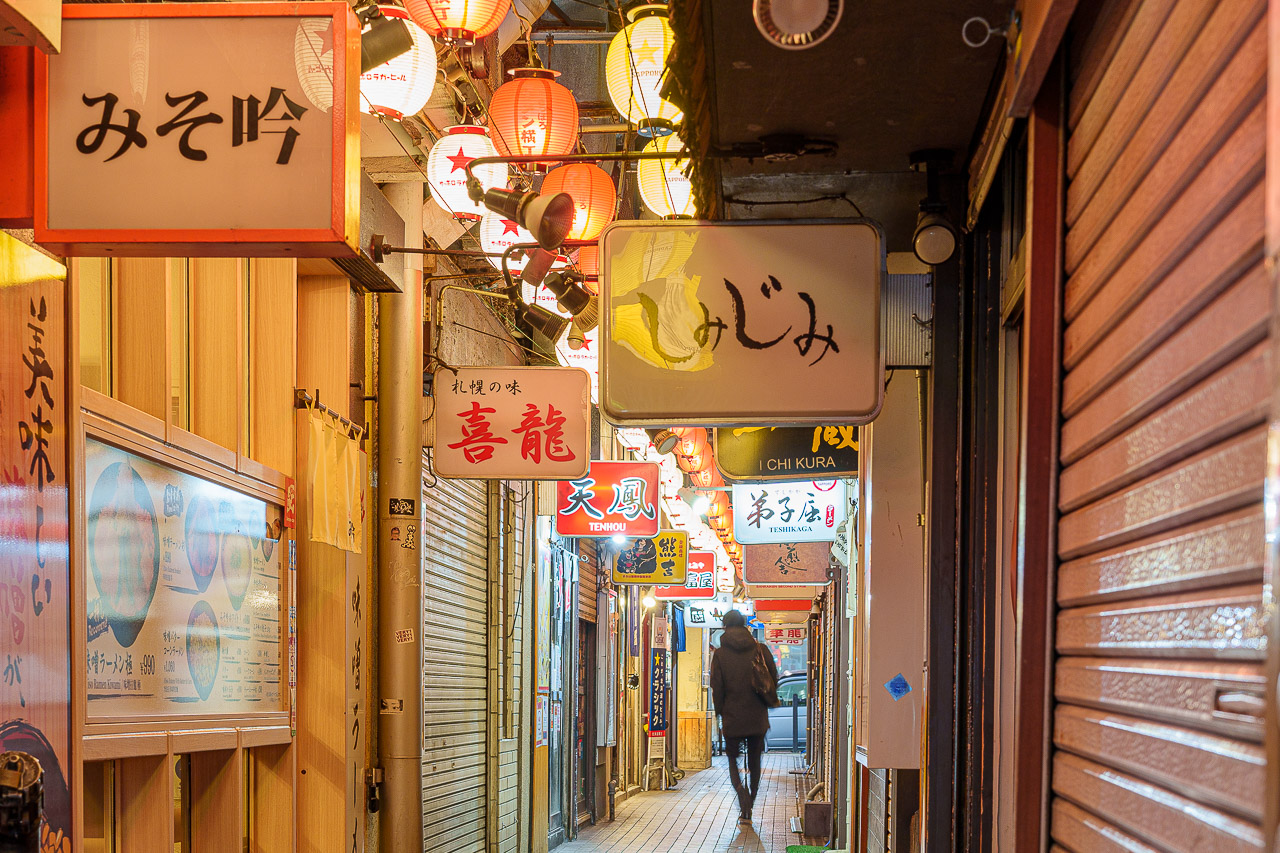
Shimijimi's ramen is good too, but I left it for another trip and headed back to the hotel.
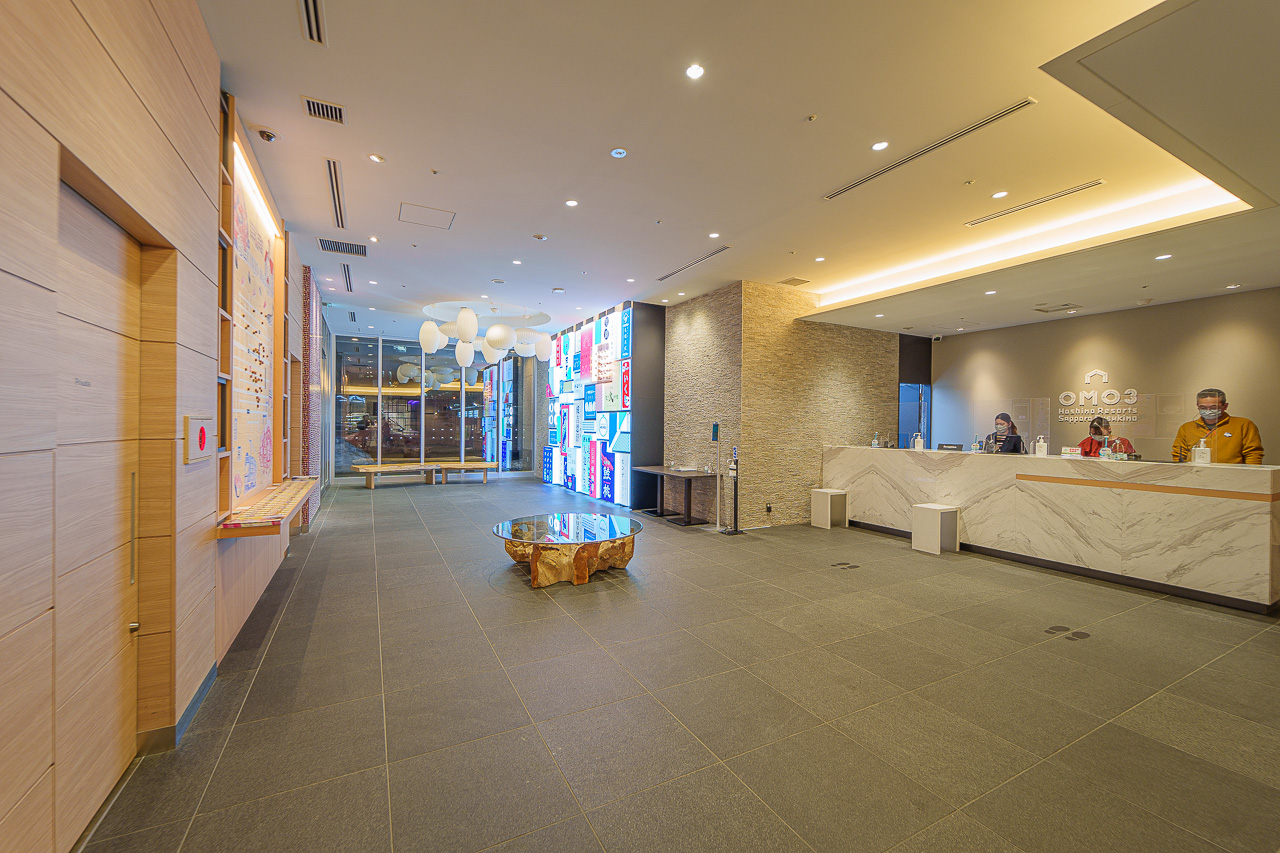
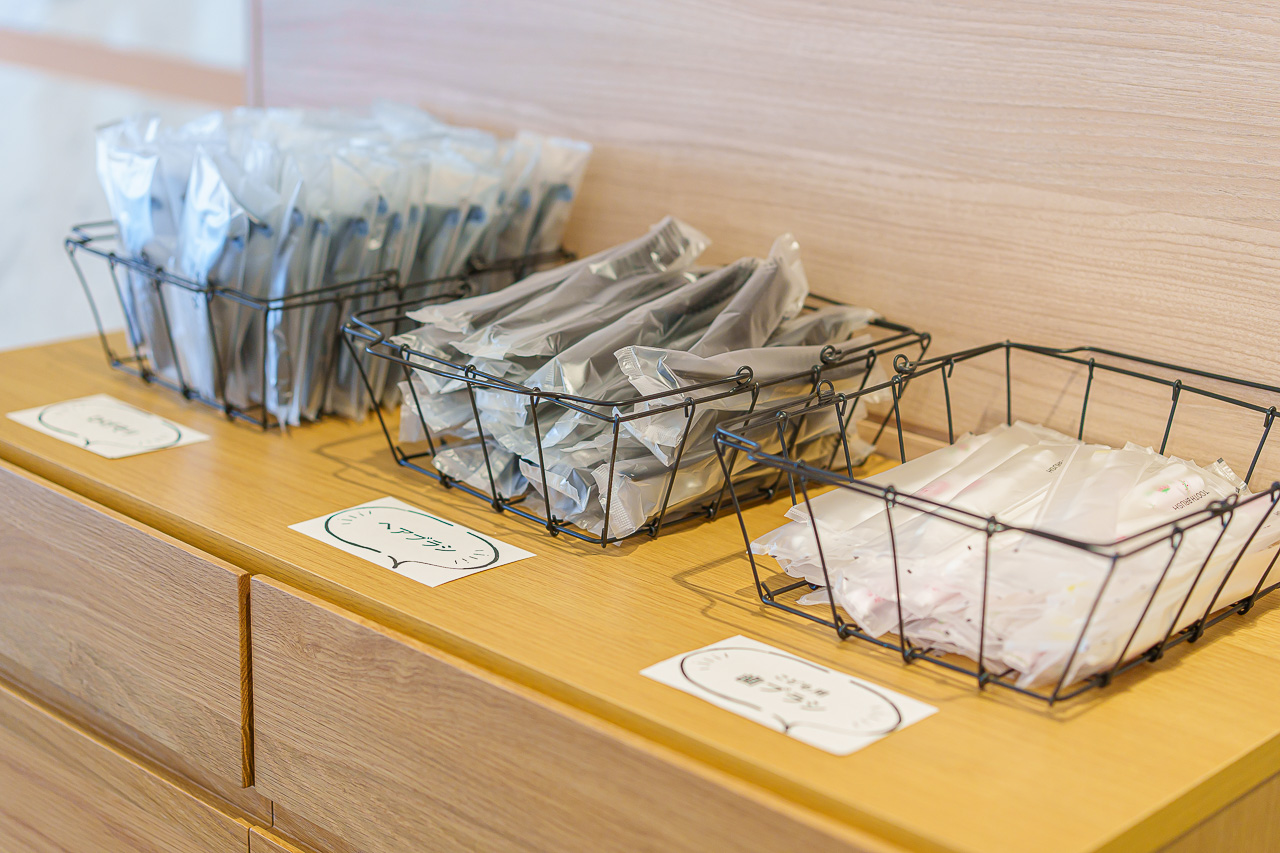
Extra amenities were available at the elevator entrance beside reception.
The room had a toothbrush but no other amenities, so I picked up a razor or hairbrush there if needed.
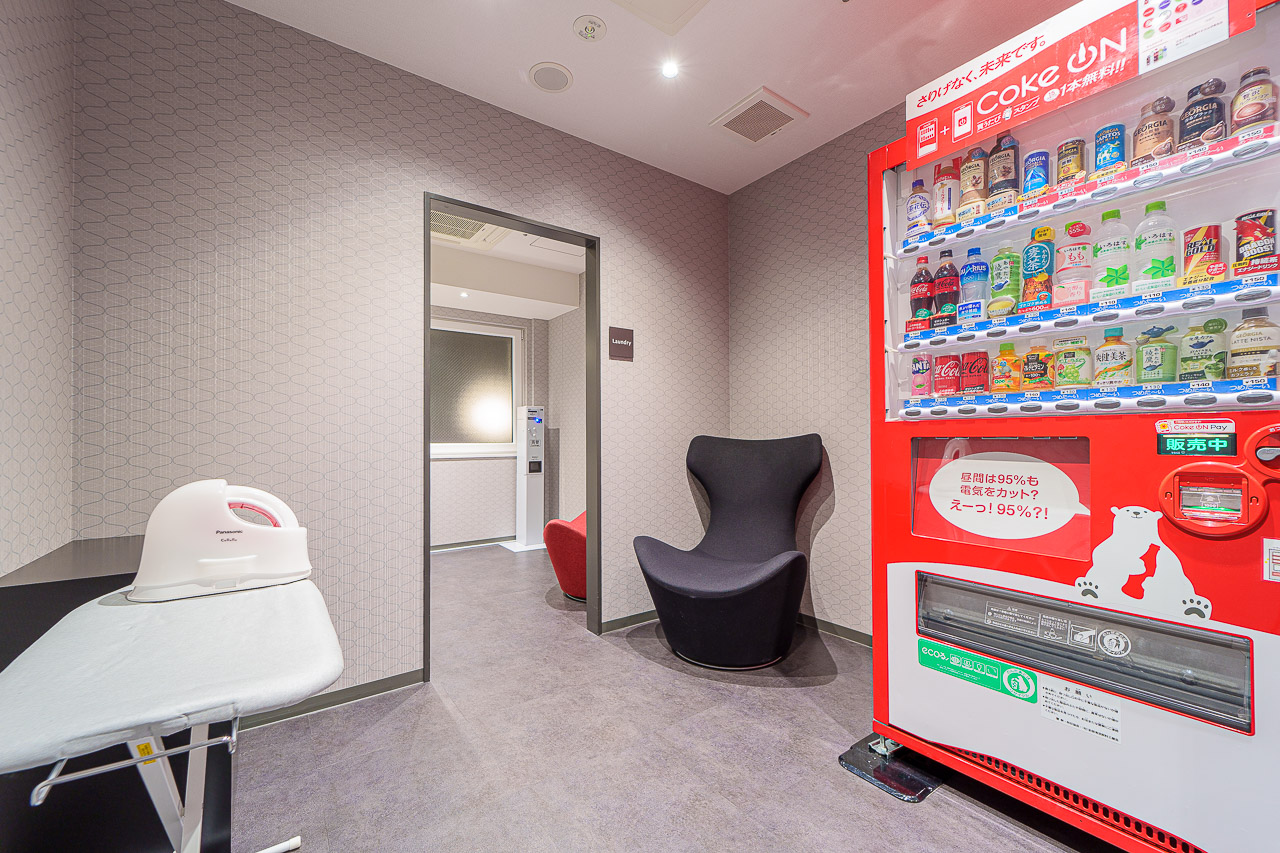
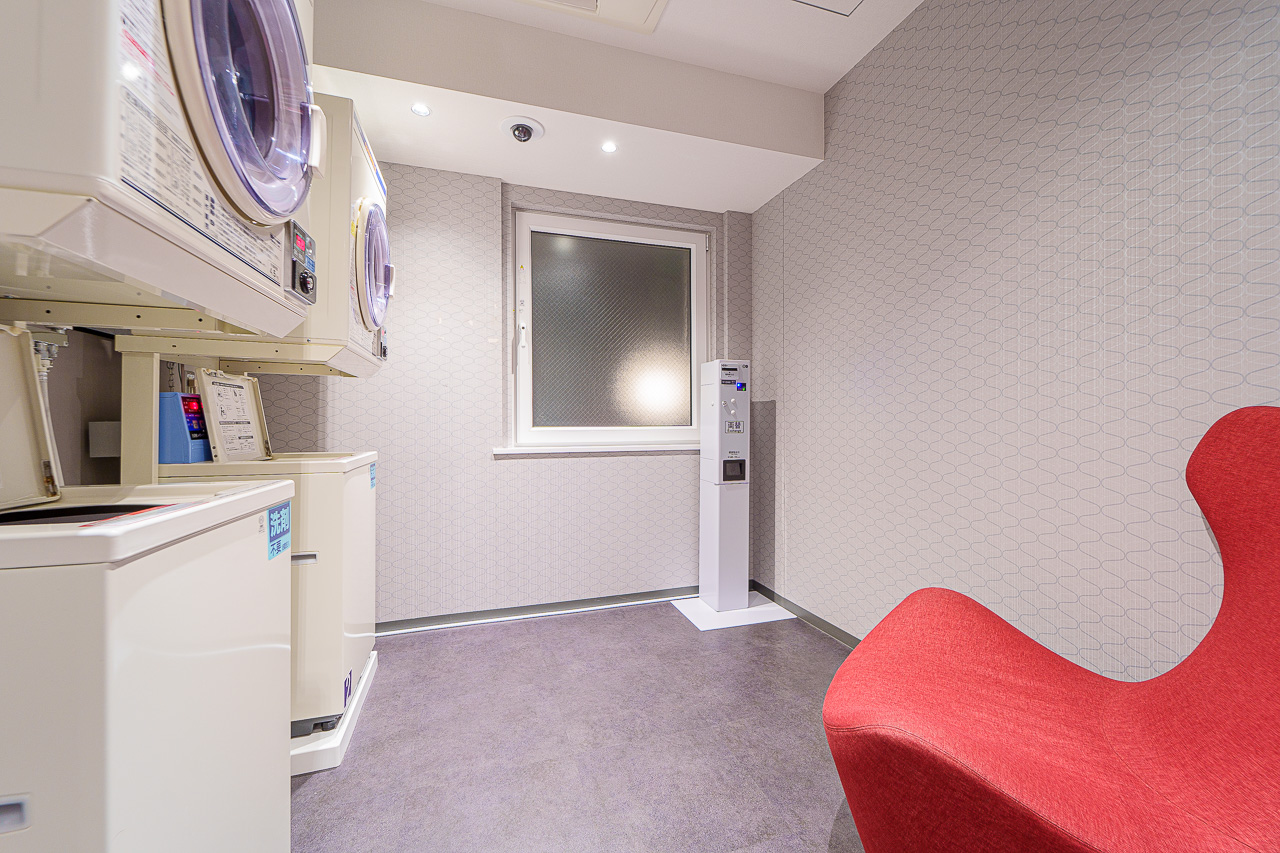
Coin-operated washers, dryers and an iron on the second floor were available 24 hours a day.
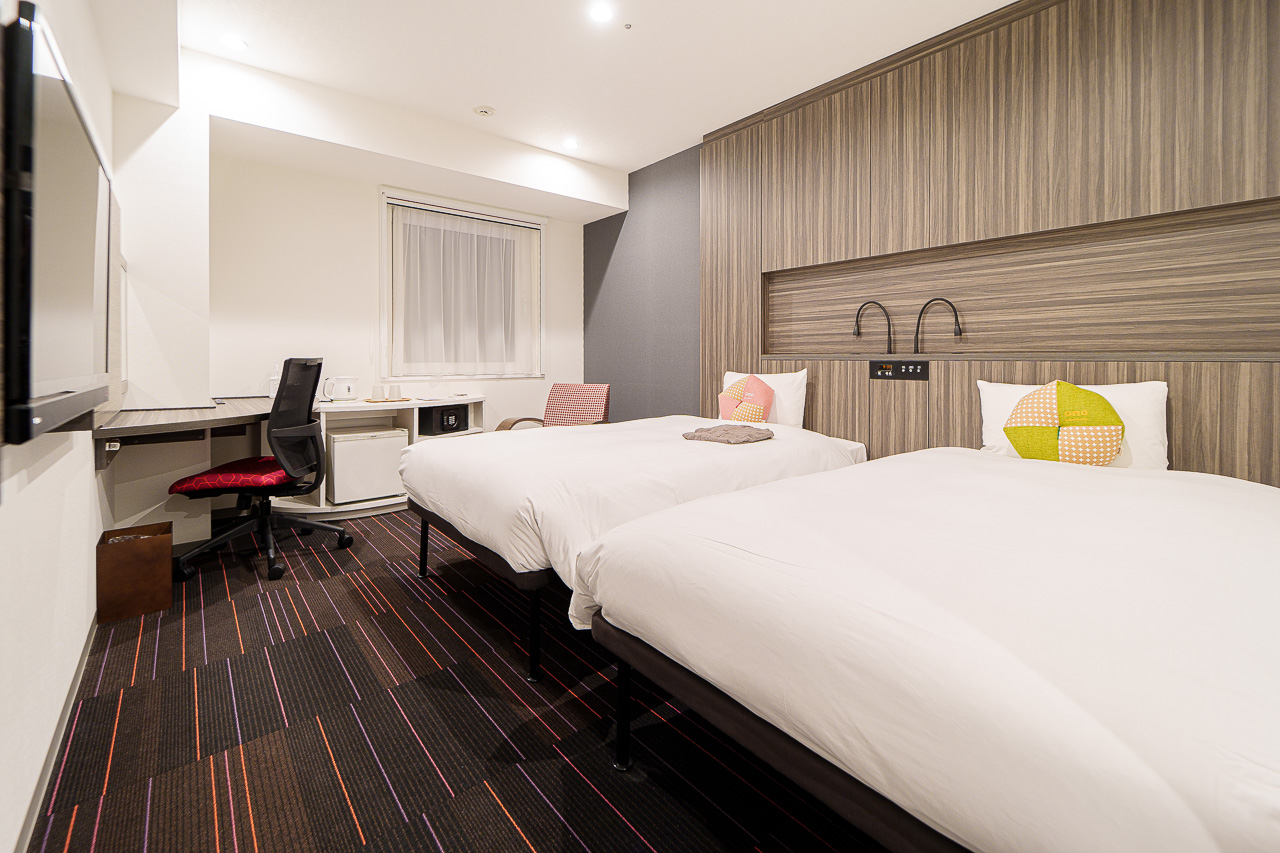
The room felt like a business hotel: simple and clean.
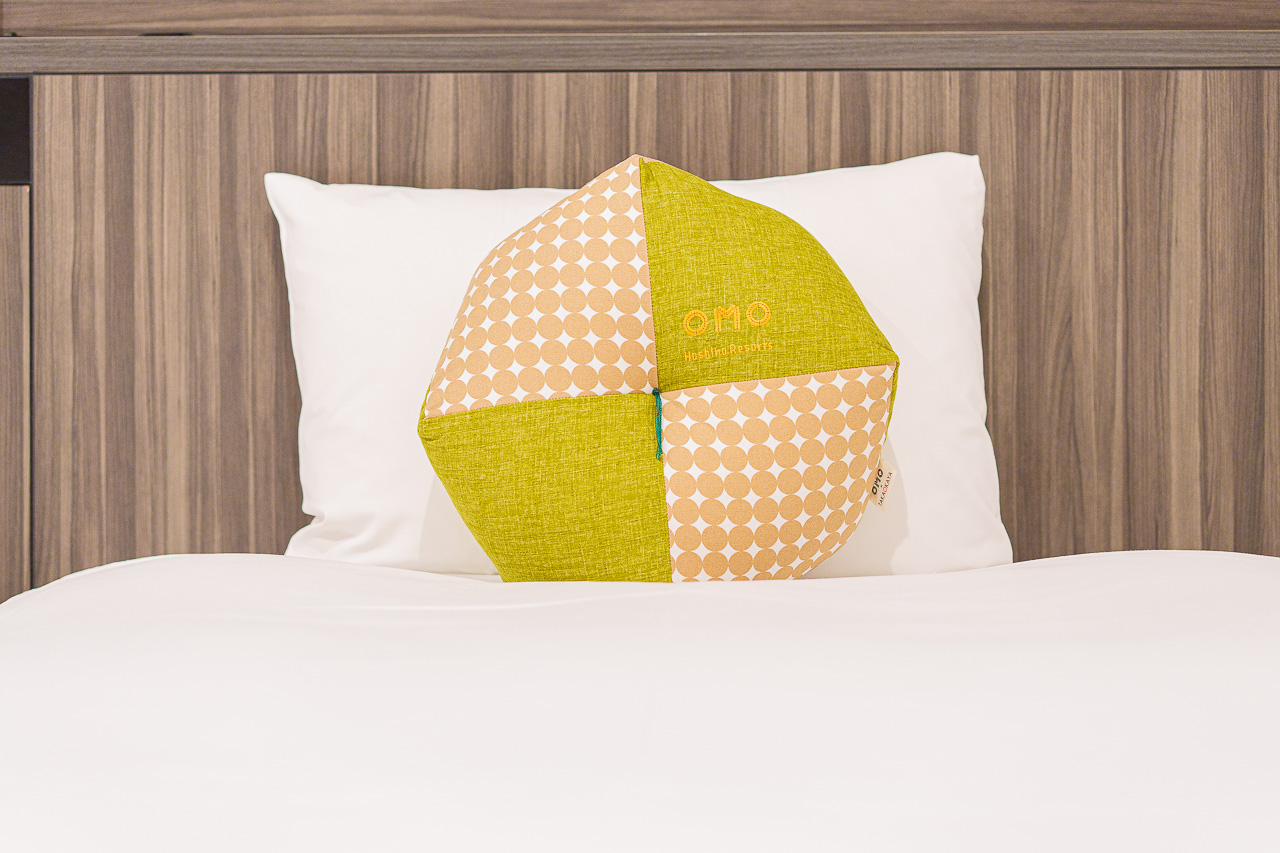
The wonderfully comfortable cushion was here too.
Resting my head on it made me feel I could fall asleep in an instant.
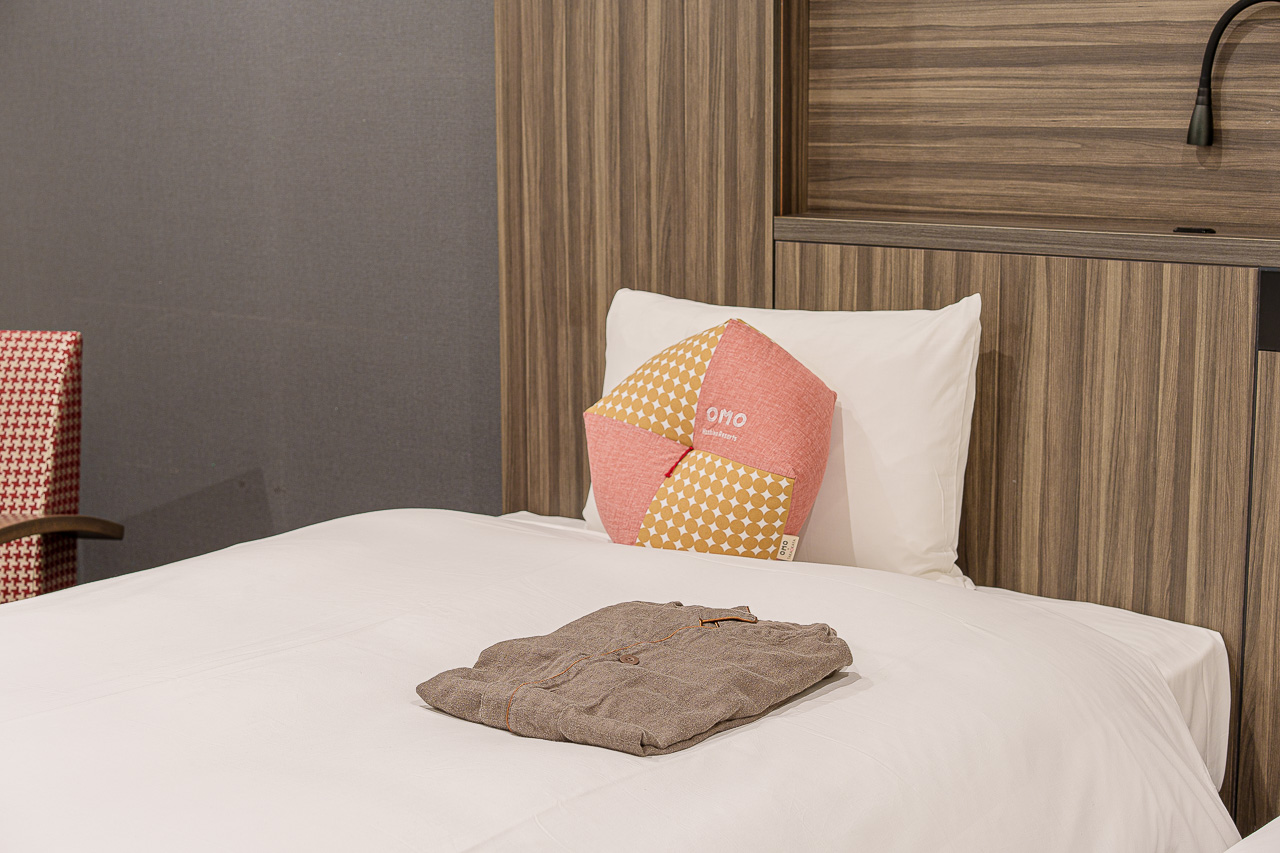
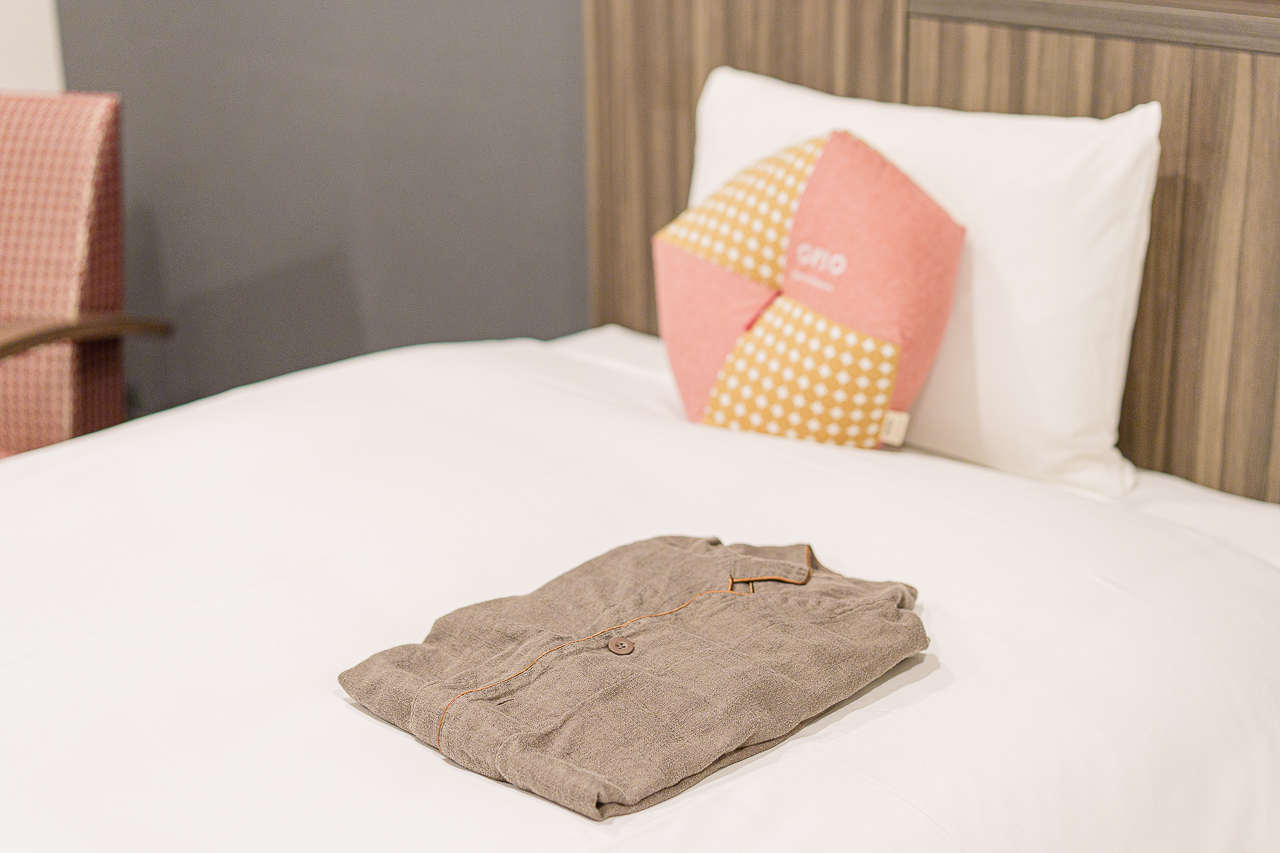
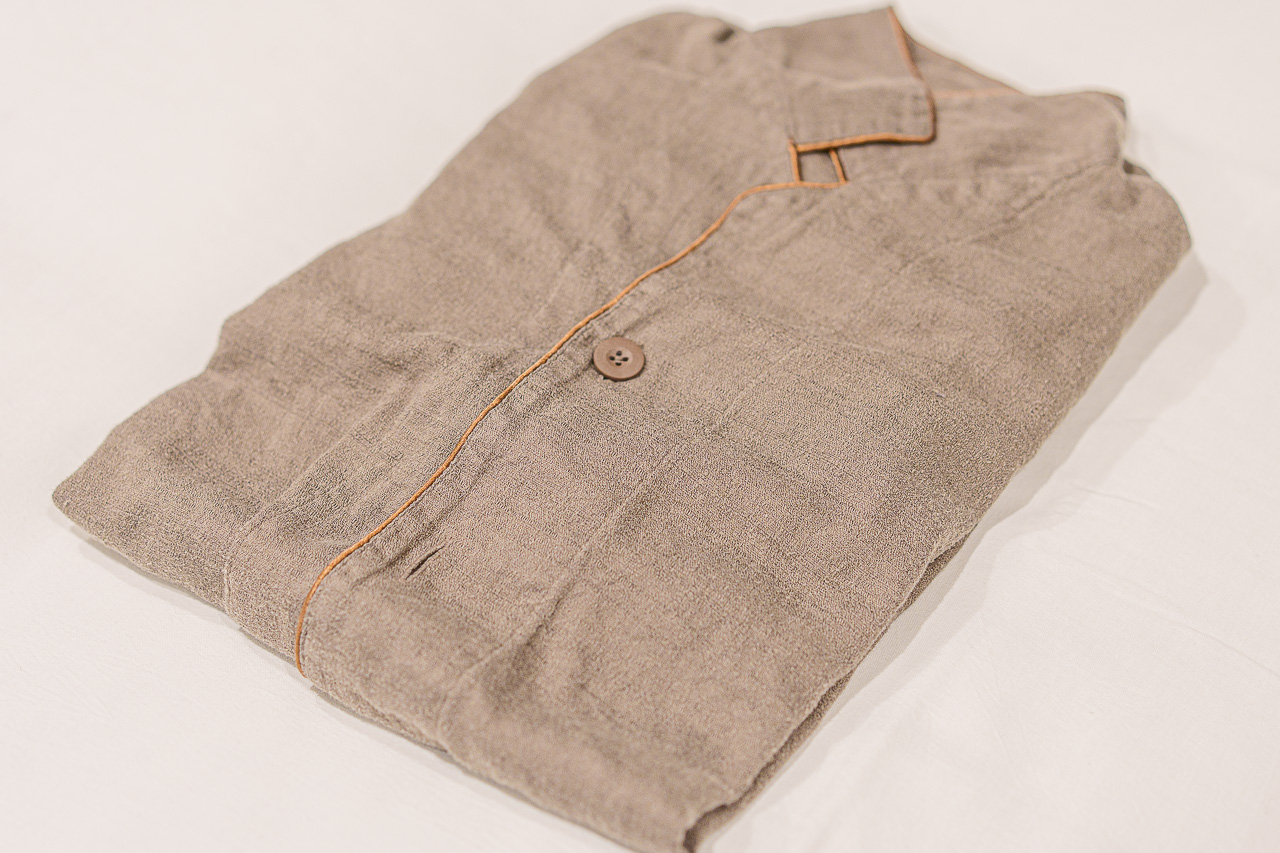
Pajamas cost an extra ¥200, but their soft, warm fabric was lovely.

A reading lamp shaped like an antenna, with charging sockets.
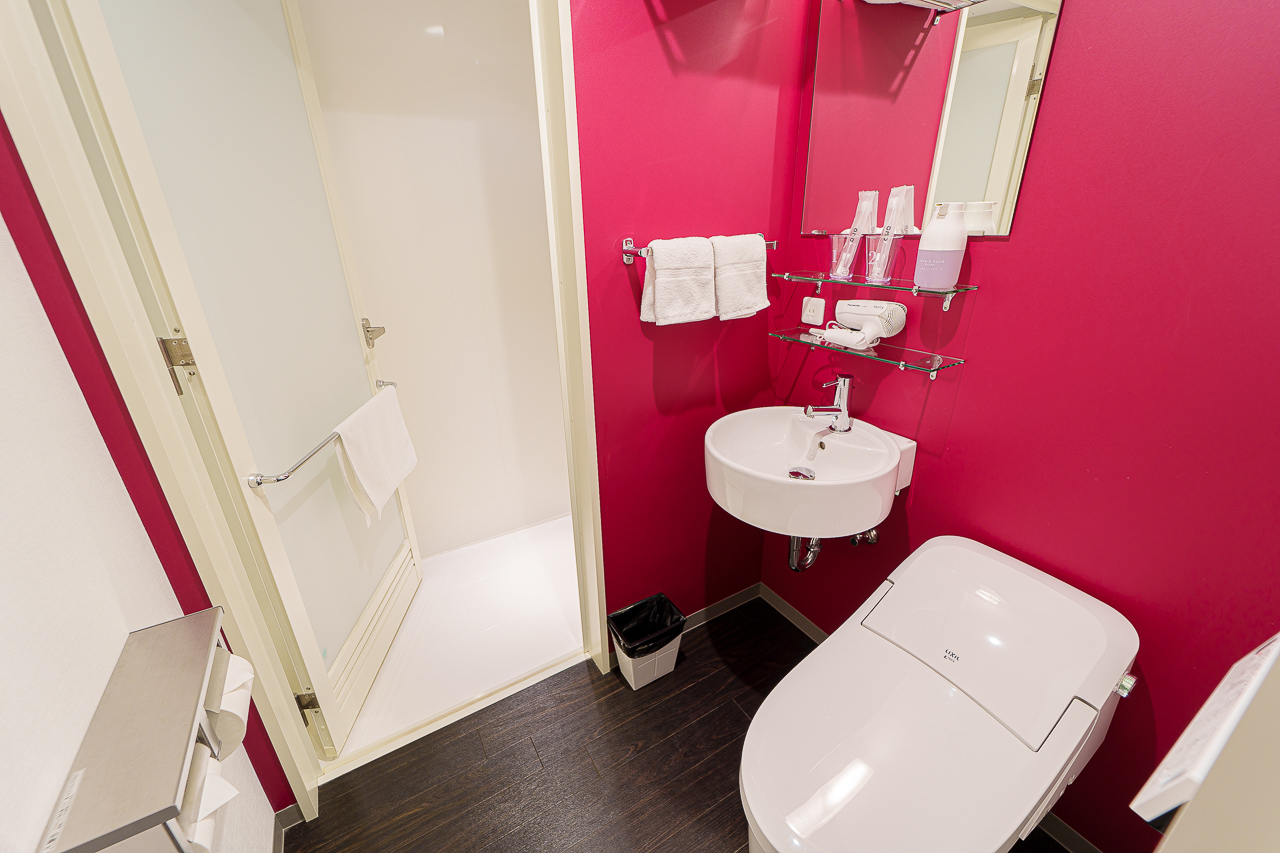
Despite the small space, separate shower and toilet rooms were convenient.
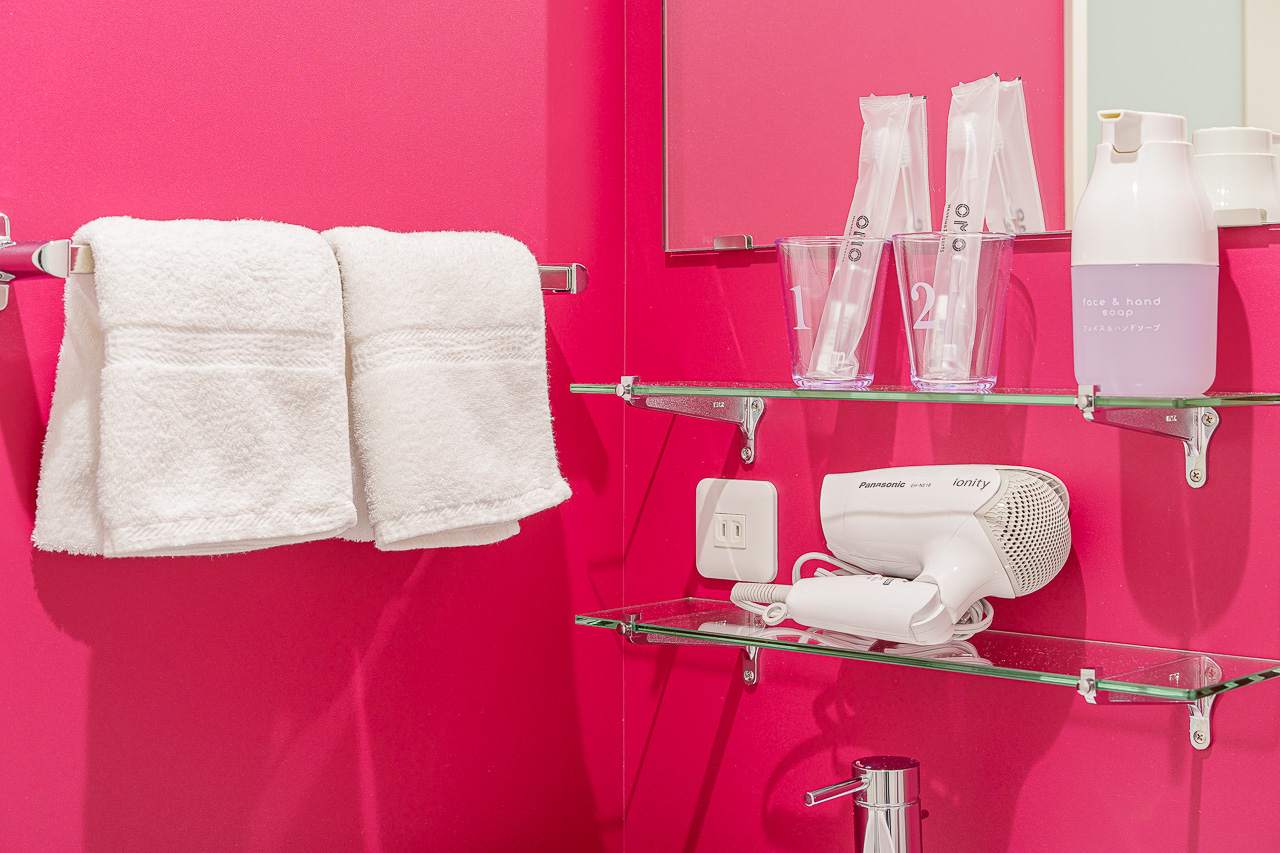
A very colorful toilet room.
Towels and toothbrushes were the standard amenities.
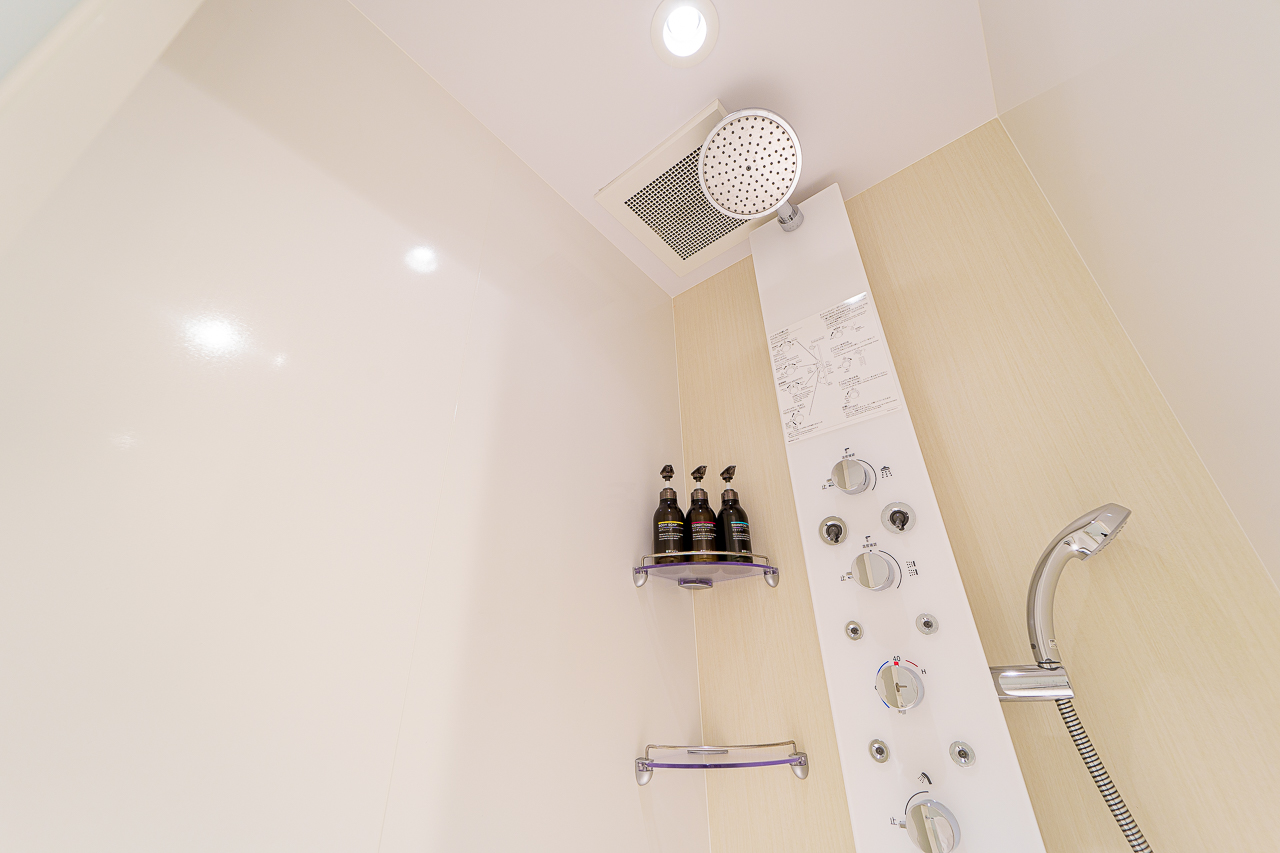
The shower had both a rain head and a handheld head, which could be used together.
As the photograph shows, there were enough controls to make me try different buttons at first.
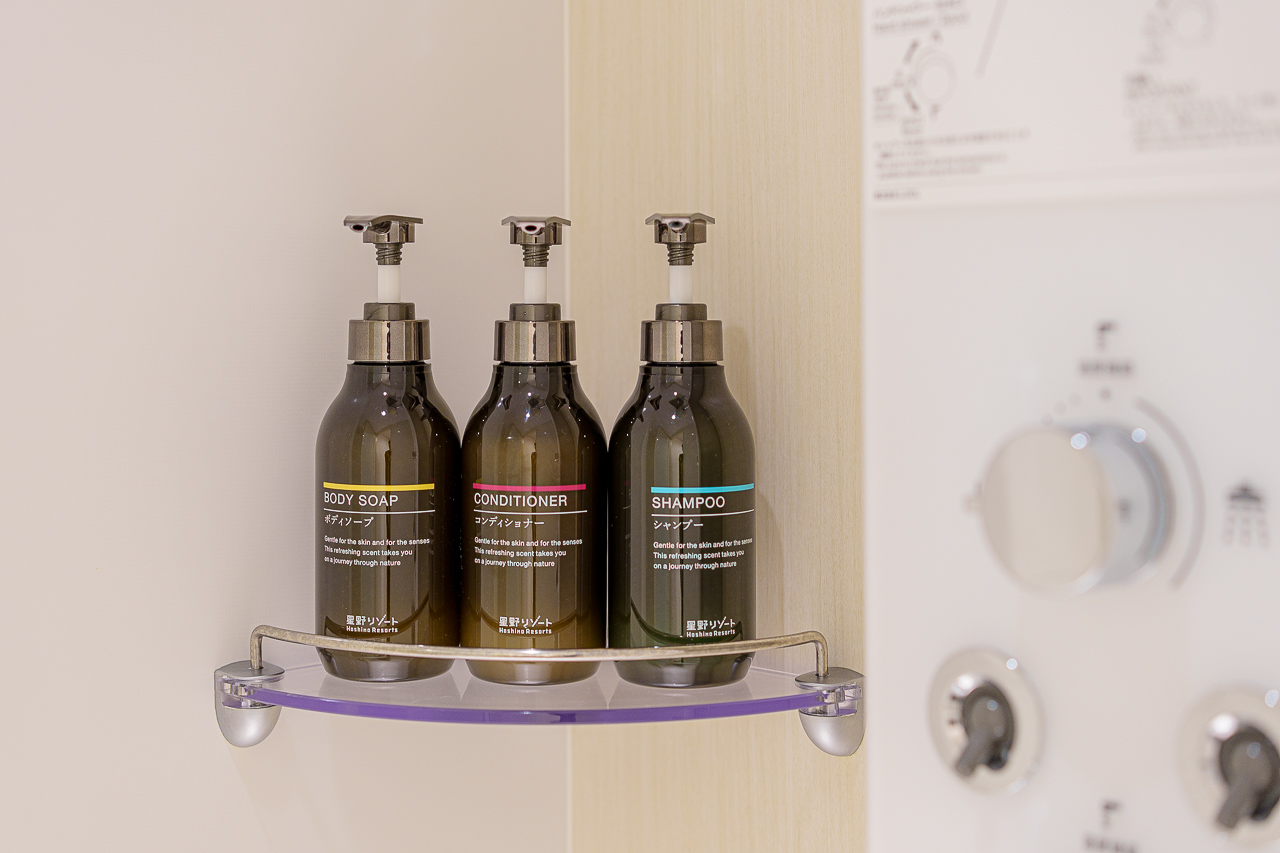
Hoshino Resorts' original cleansing set was provided too.
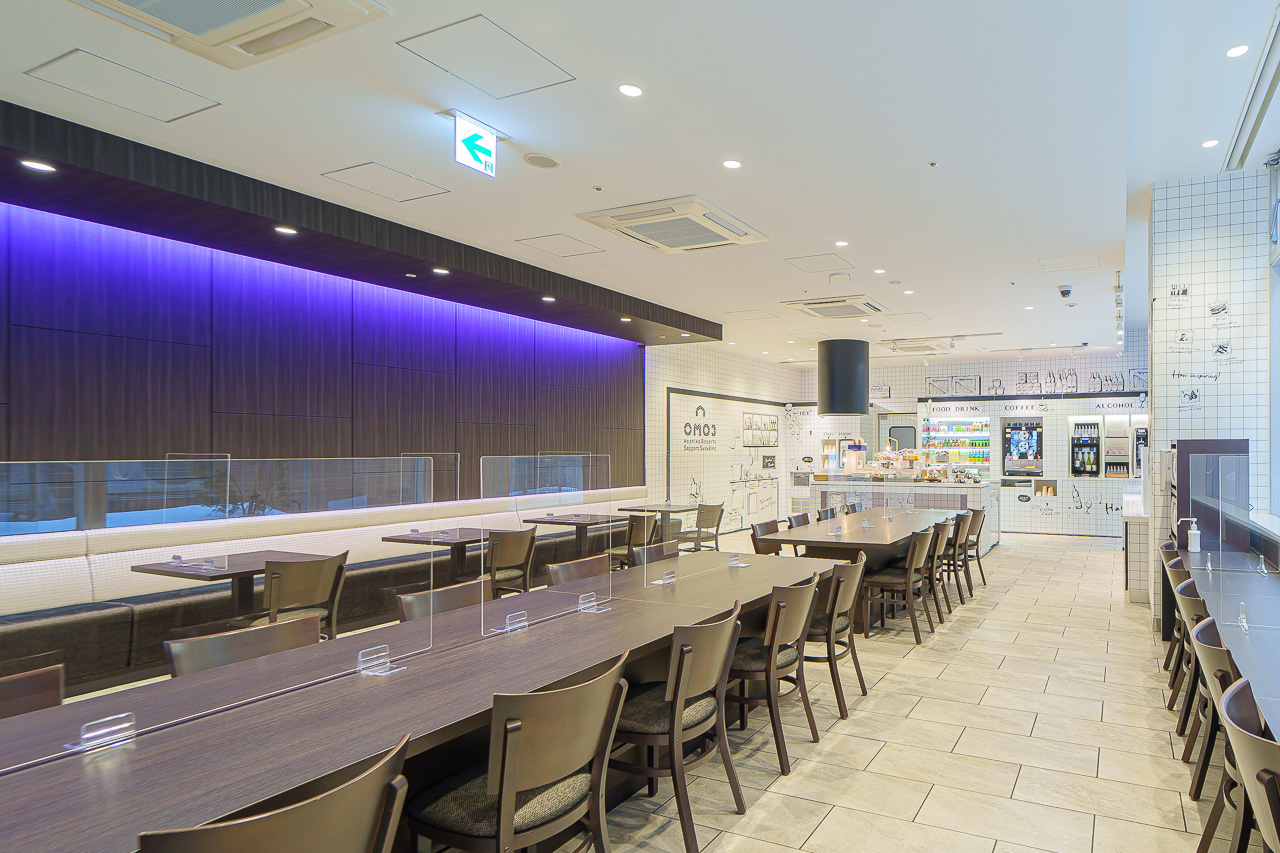
After my shower, I went down to the OMO Food & Drink Station late at night.
It felt like a guesthouse's shared living room, where everyone gathers.
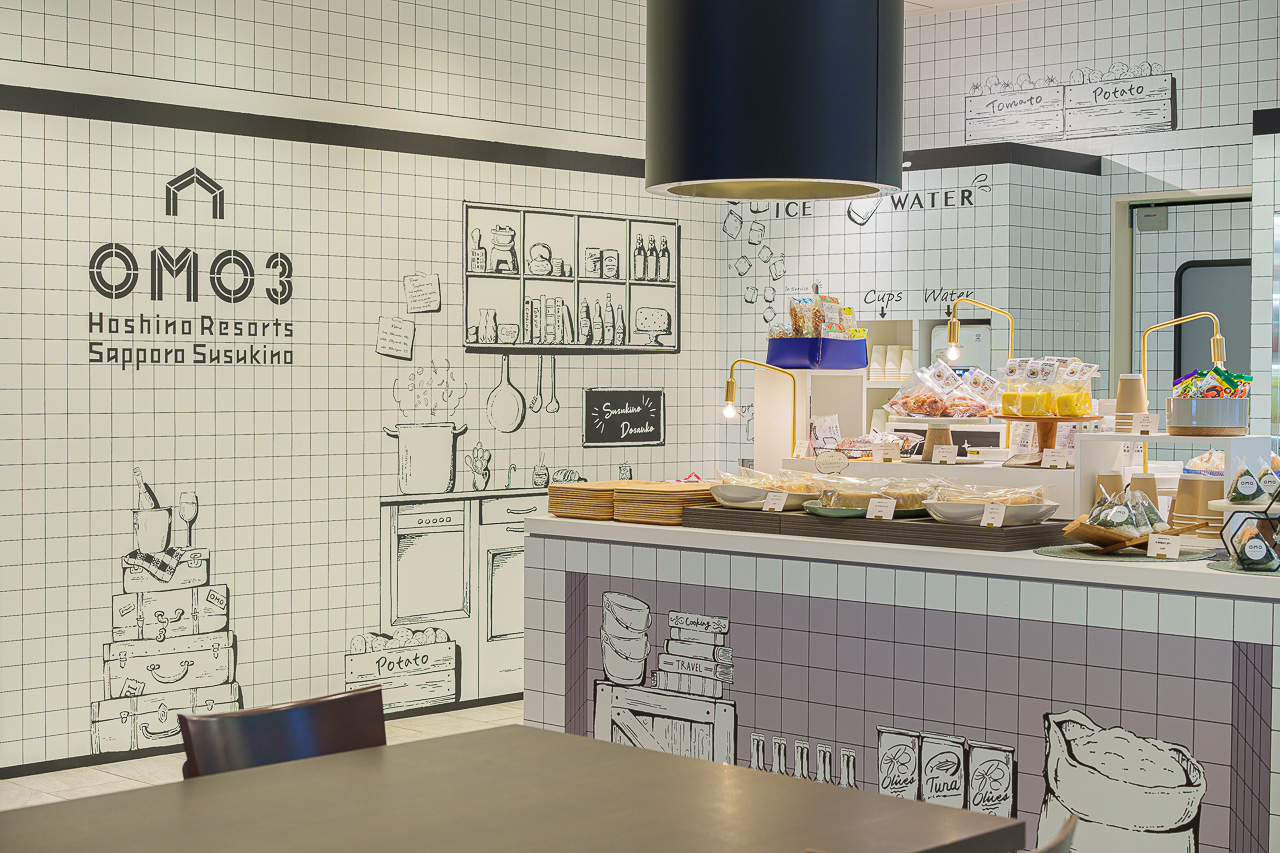
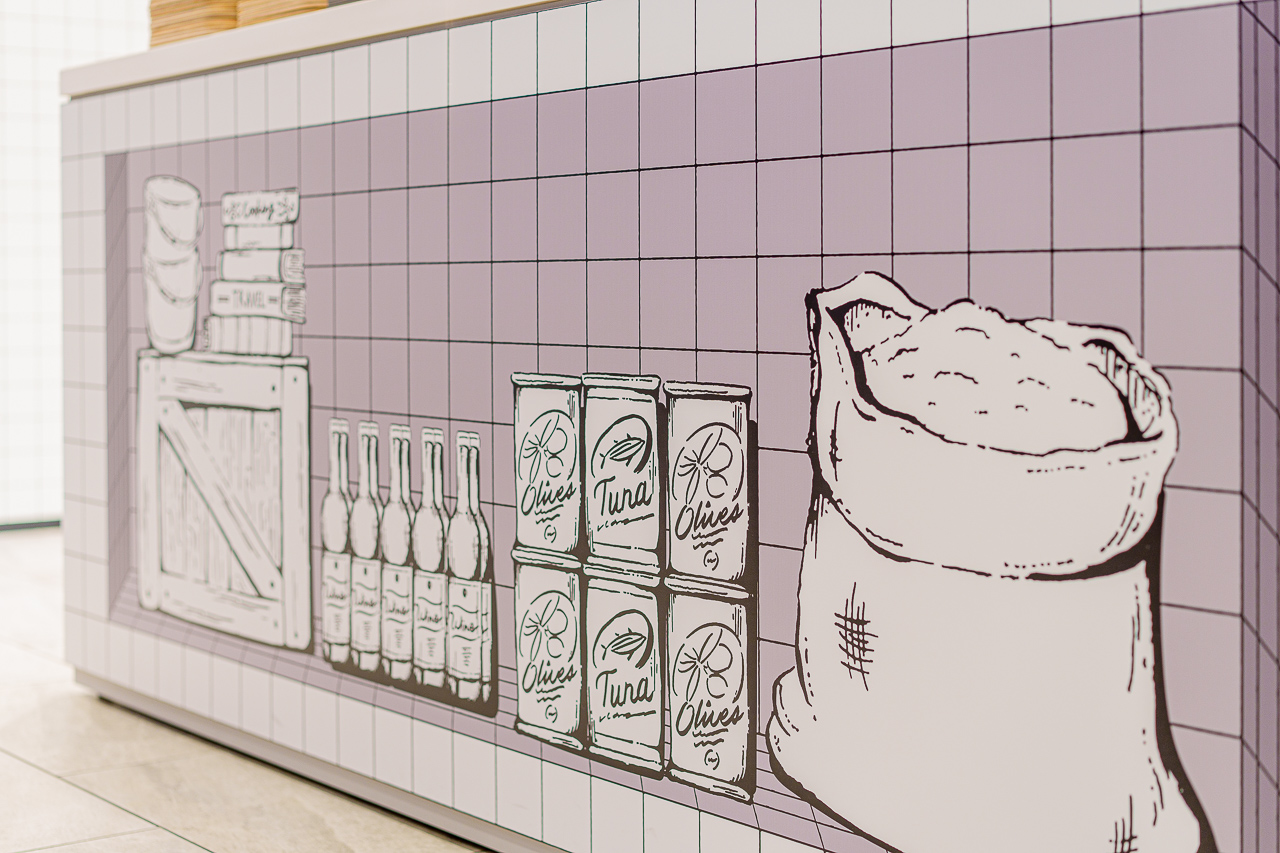
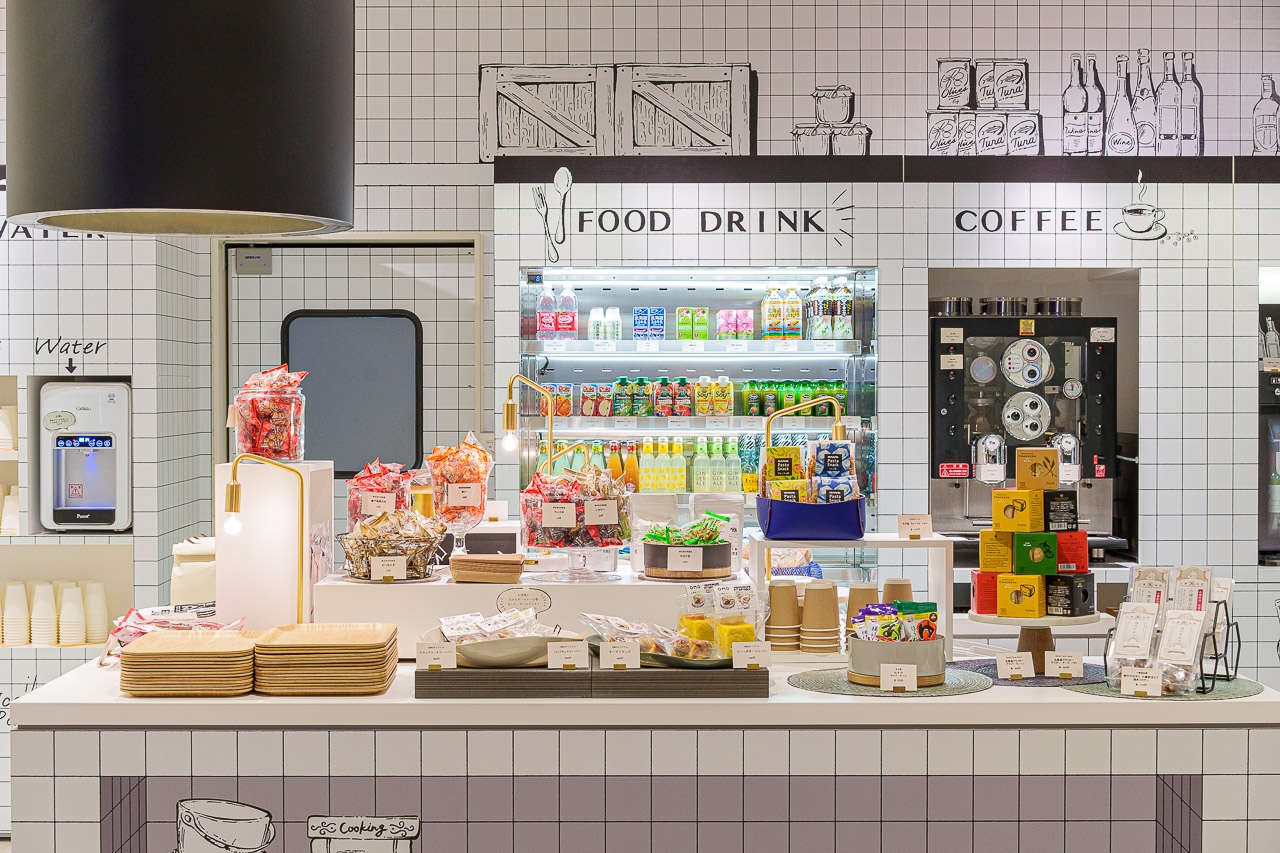
This unstaffed convenience shop was available 24 hours a day.
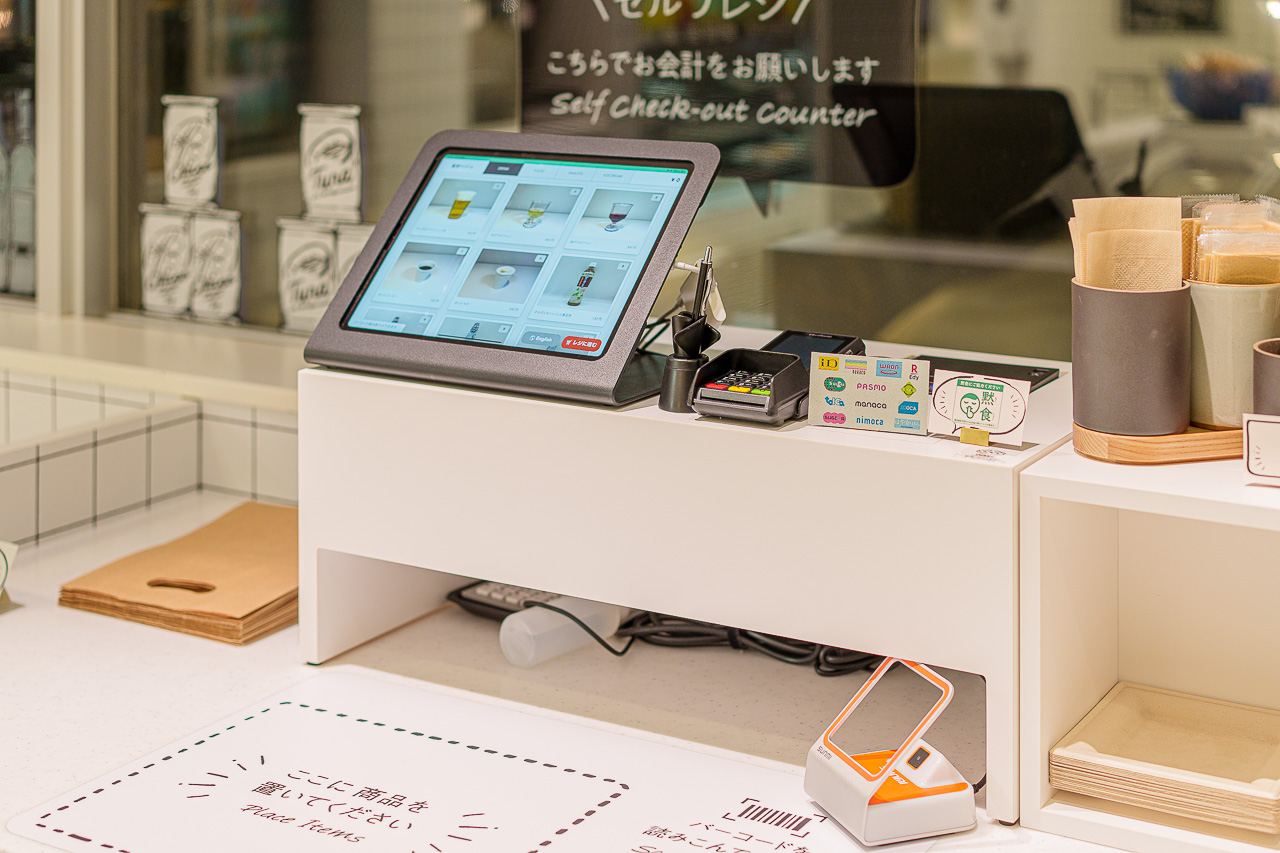
Self-checkout meant I could enjoy the space into the early morning without depending on reception staff.
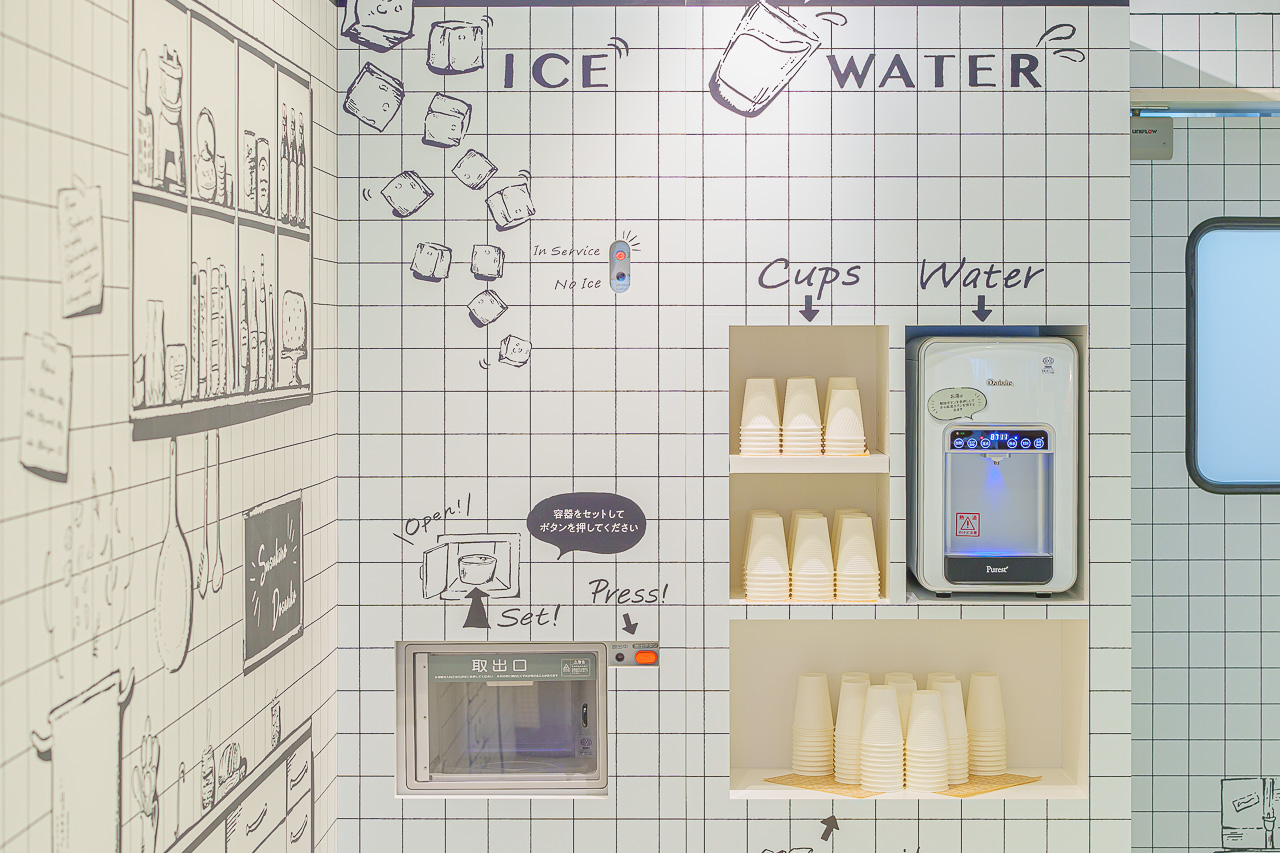
There was a drinking-water dispenser,
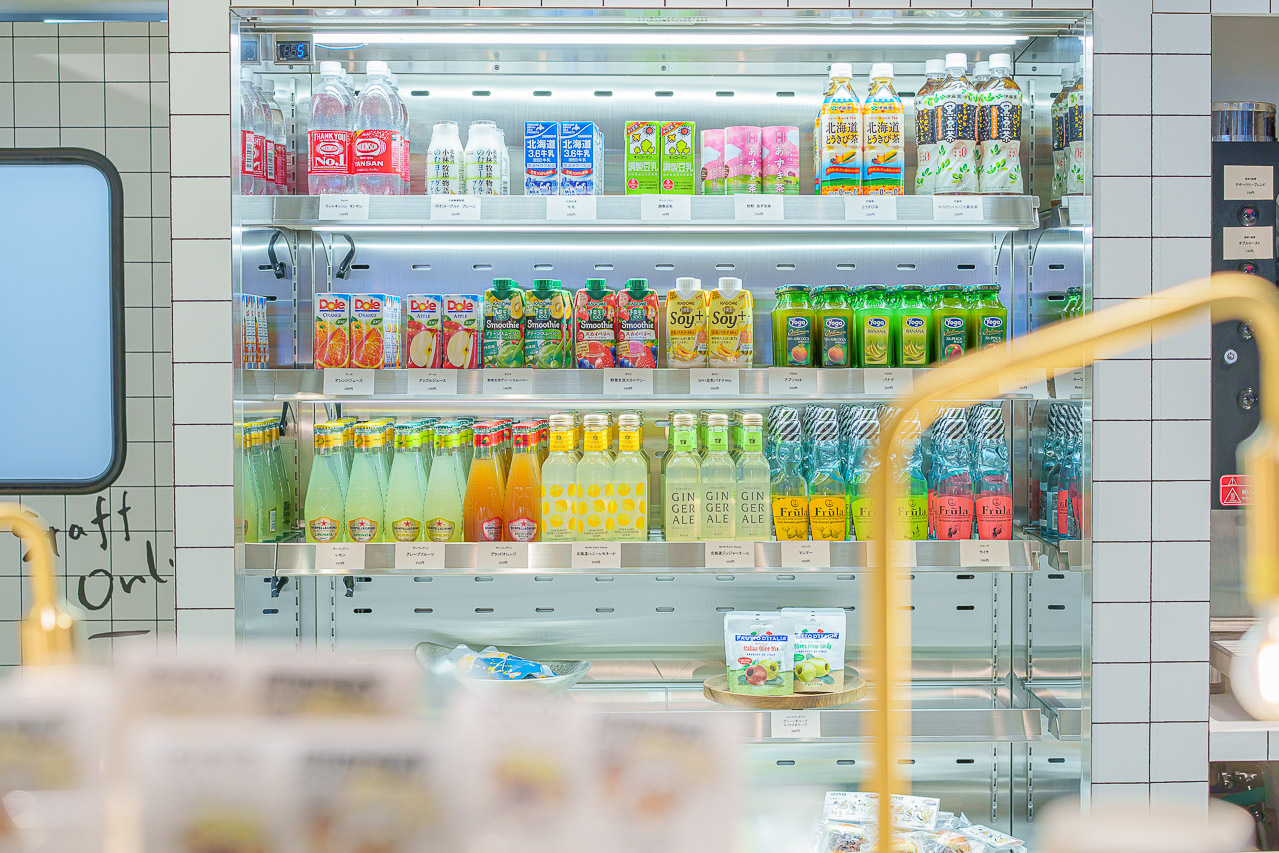
along with a selection of other drinks.
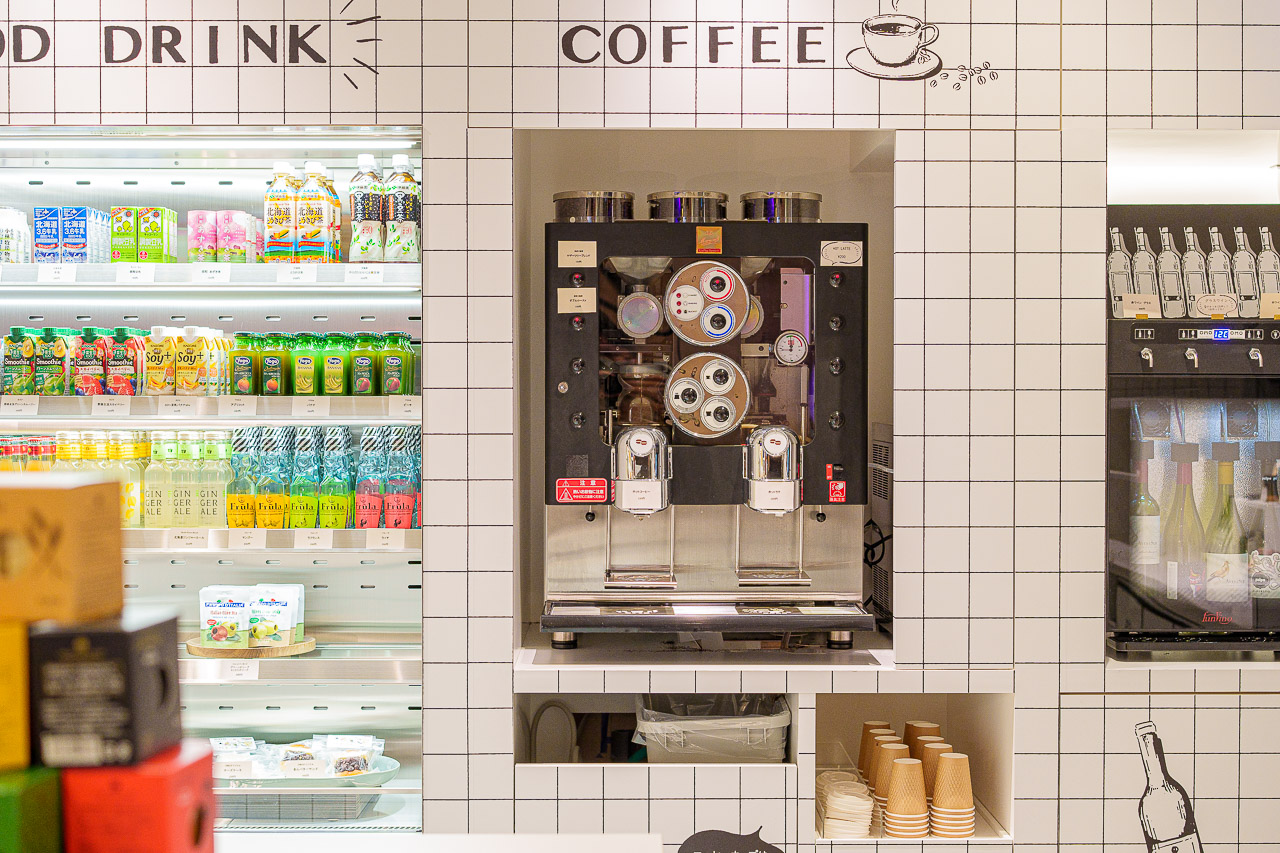
There was a coffee machine,
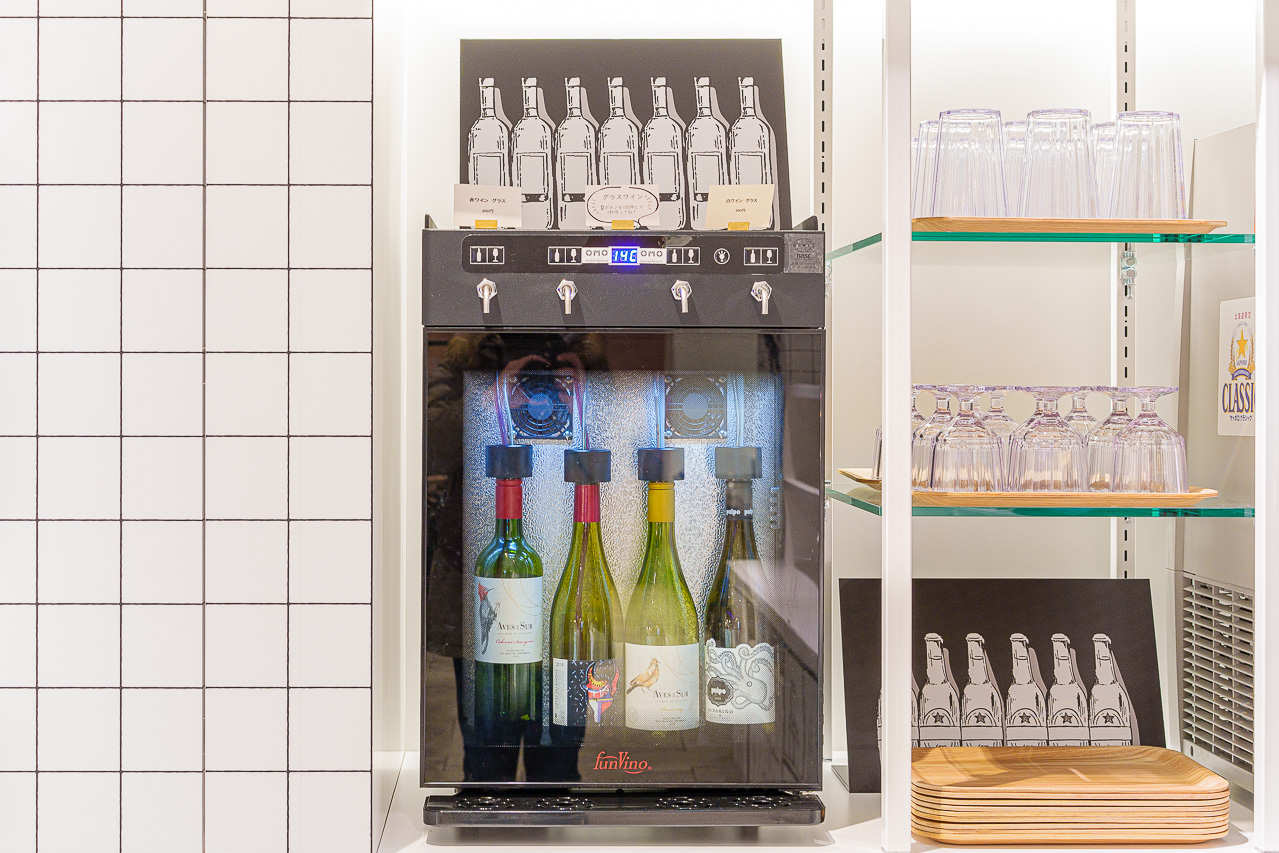
a dispenser for wine by the glass,

and a tap for cold draft beer.
With friends, it would be dangerously easy to keep going. Just one more drink.
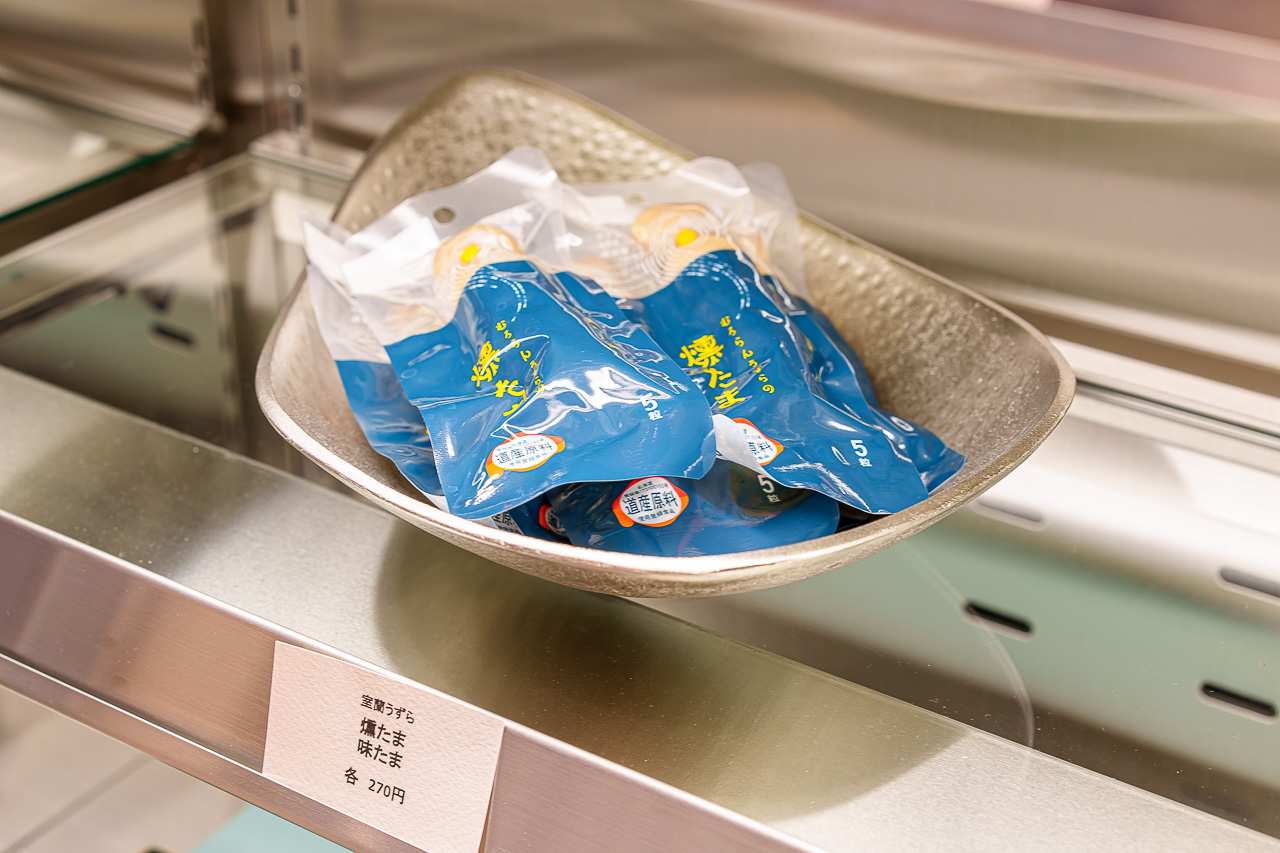
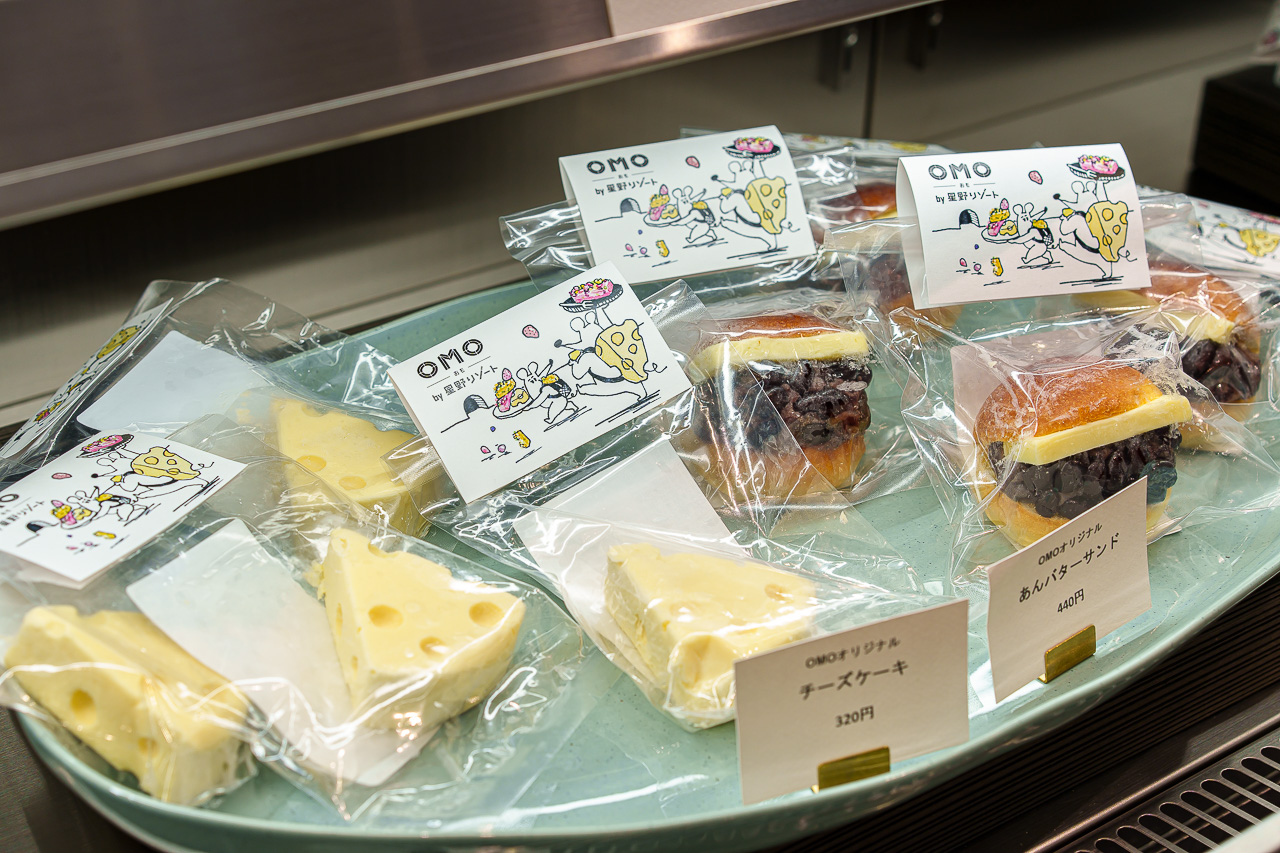
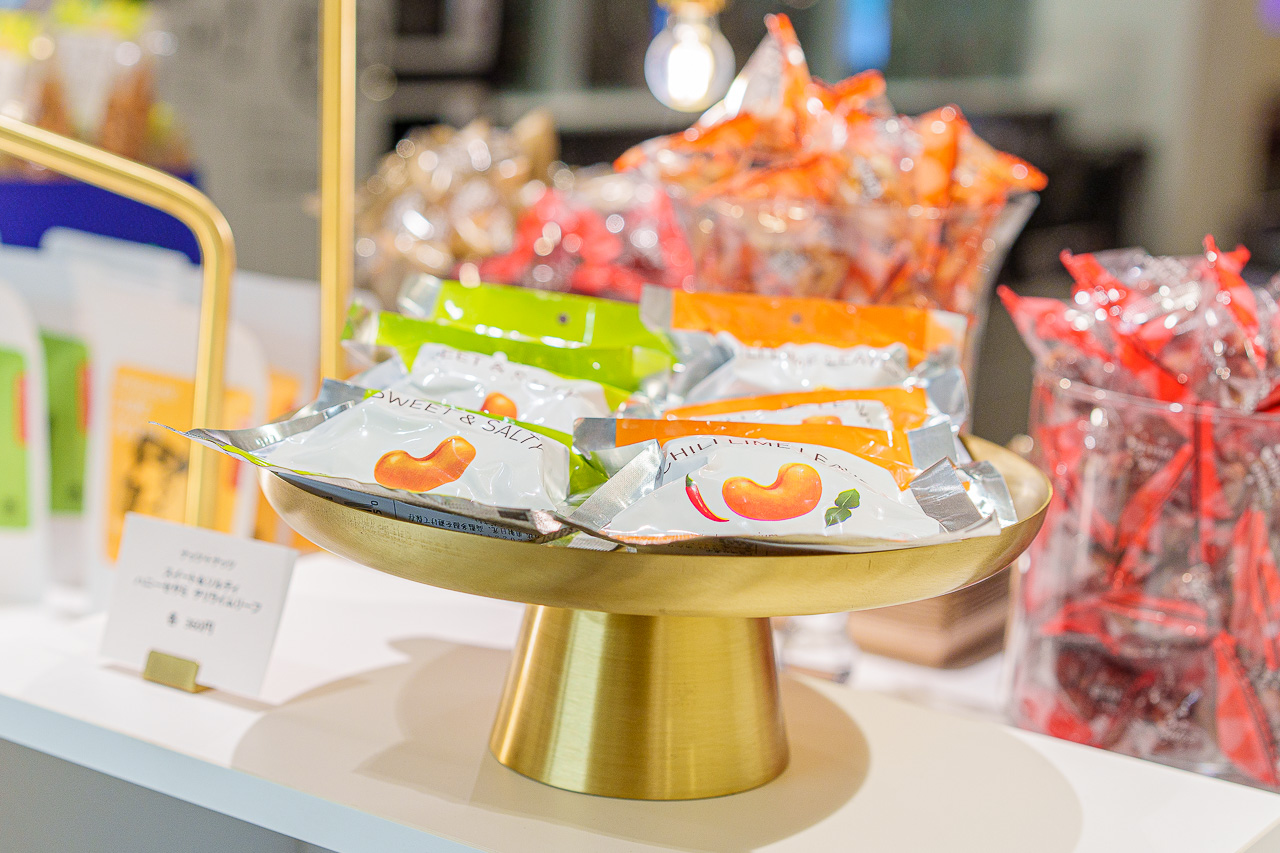
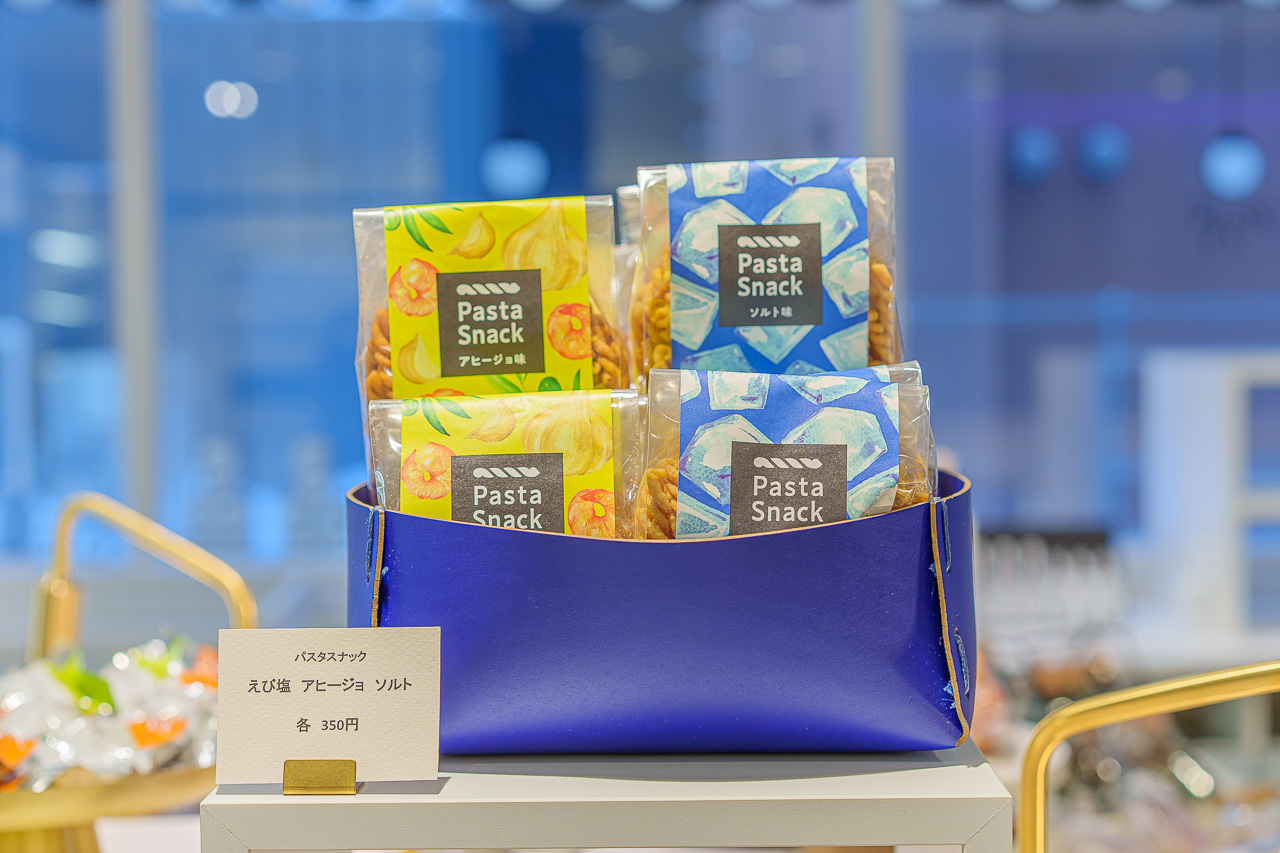
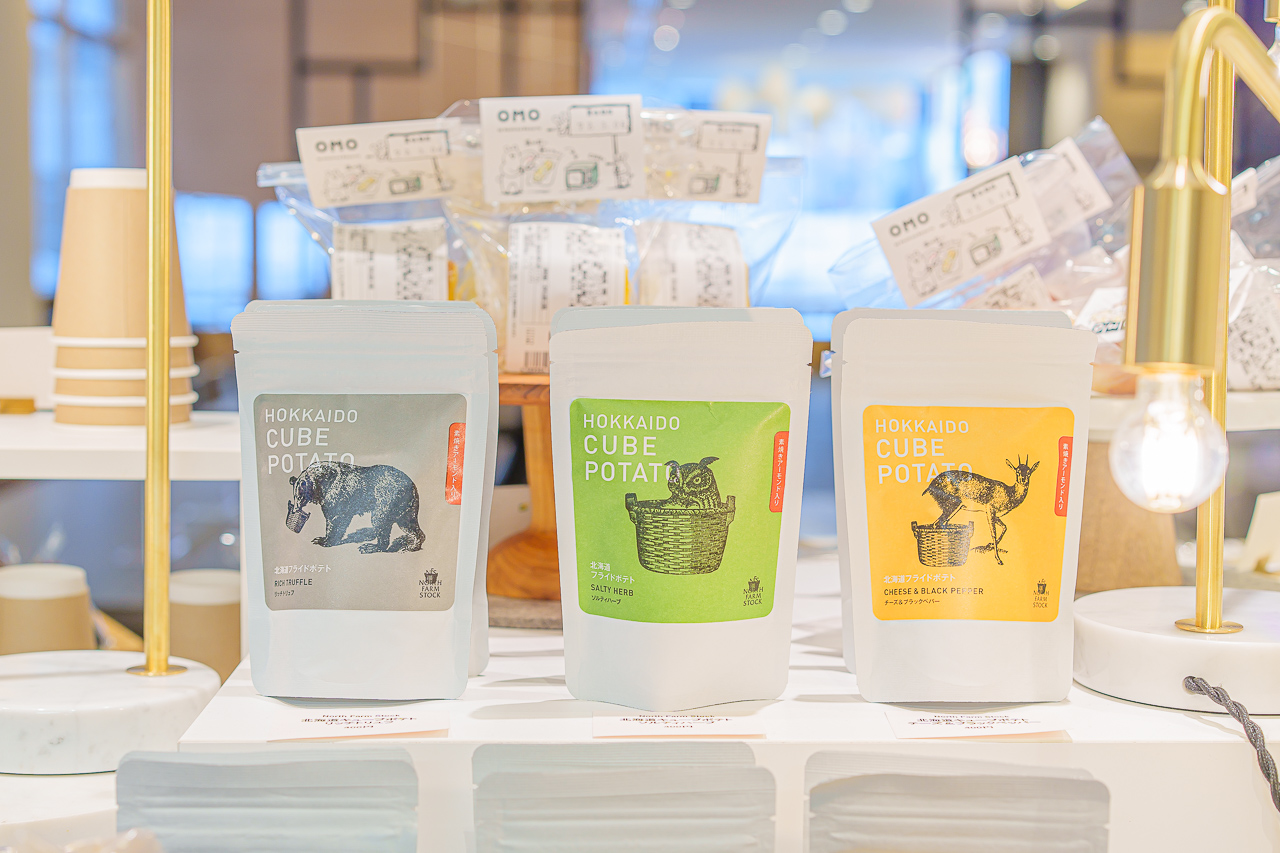
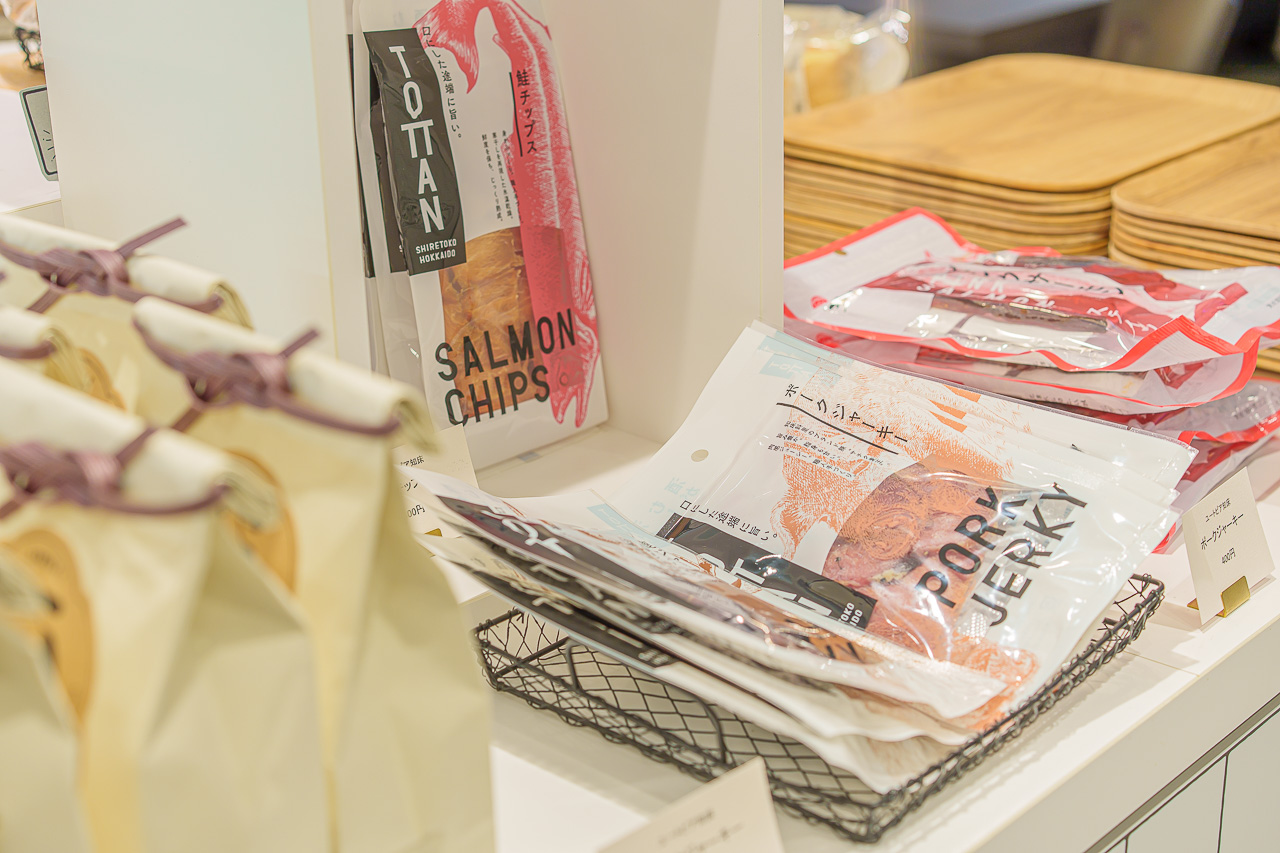
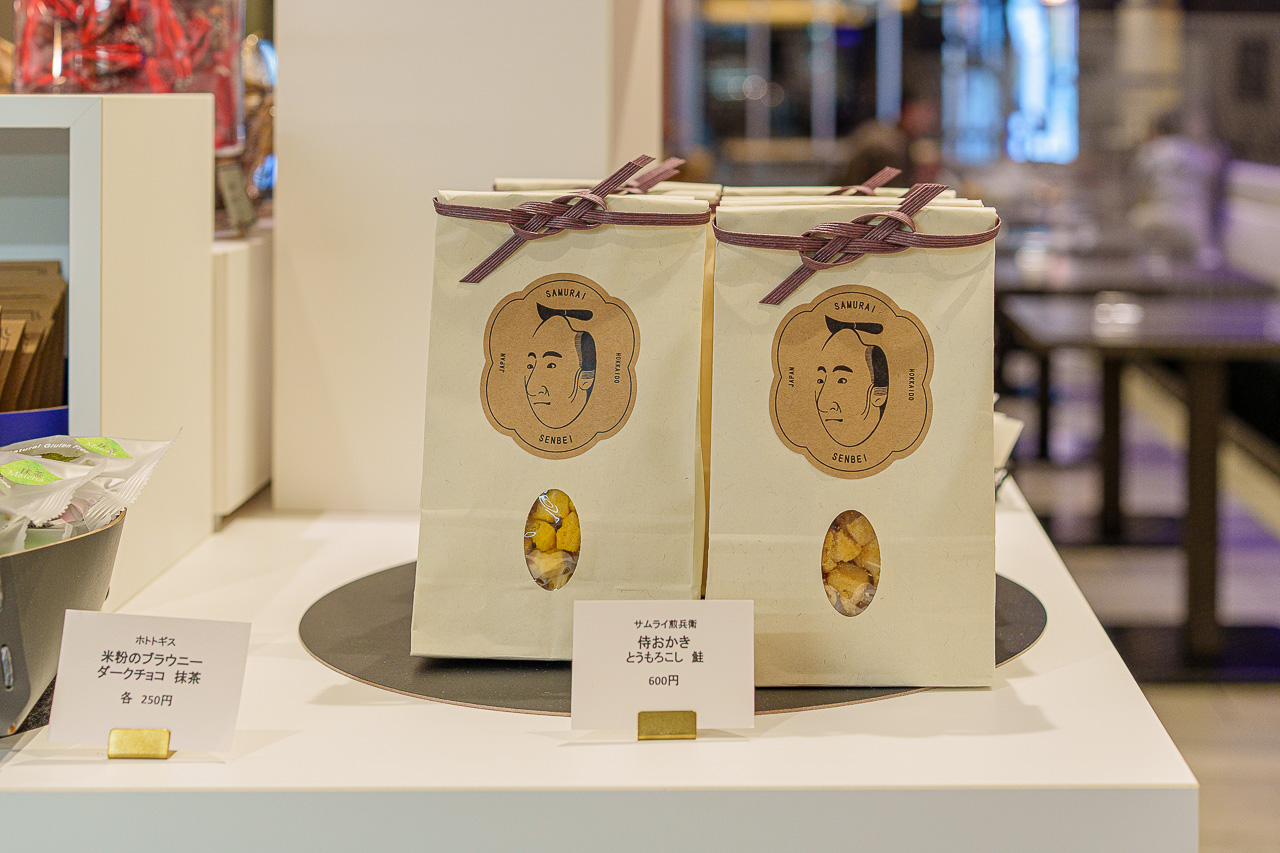
There were plenty of appealing drinking snacks too.
Dried salmon and corn snacks felt fitting for Hokkaido.
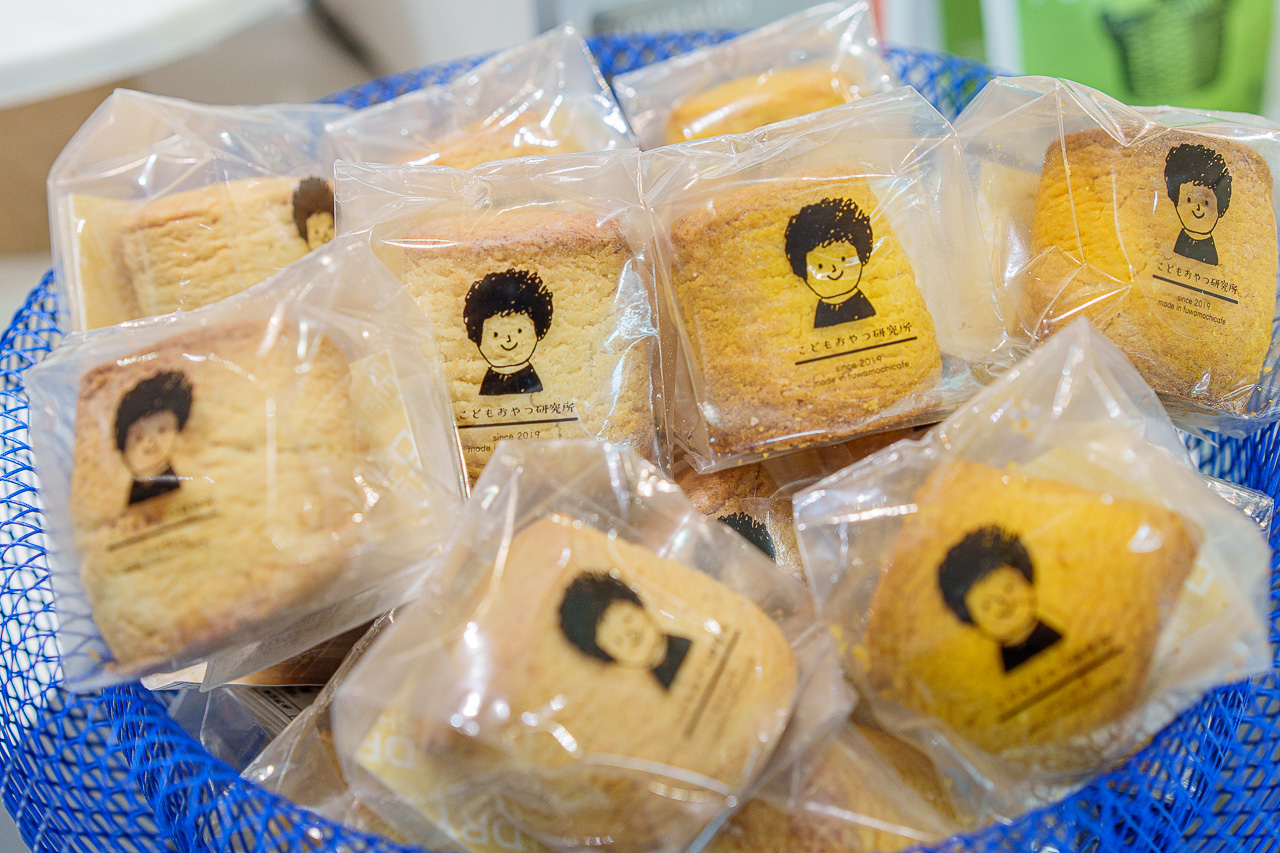
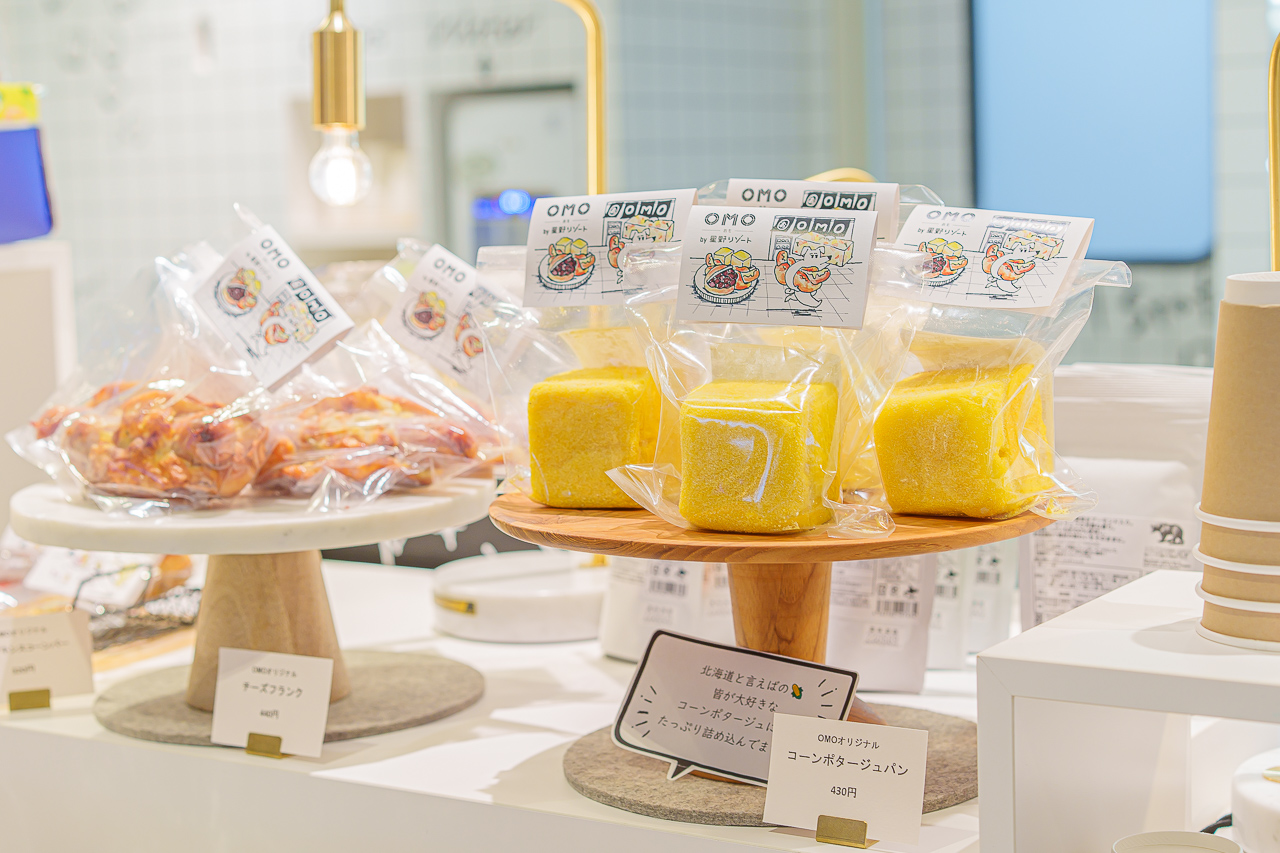
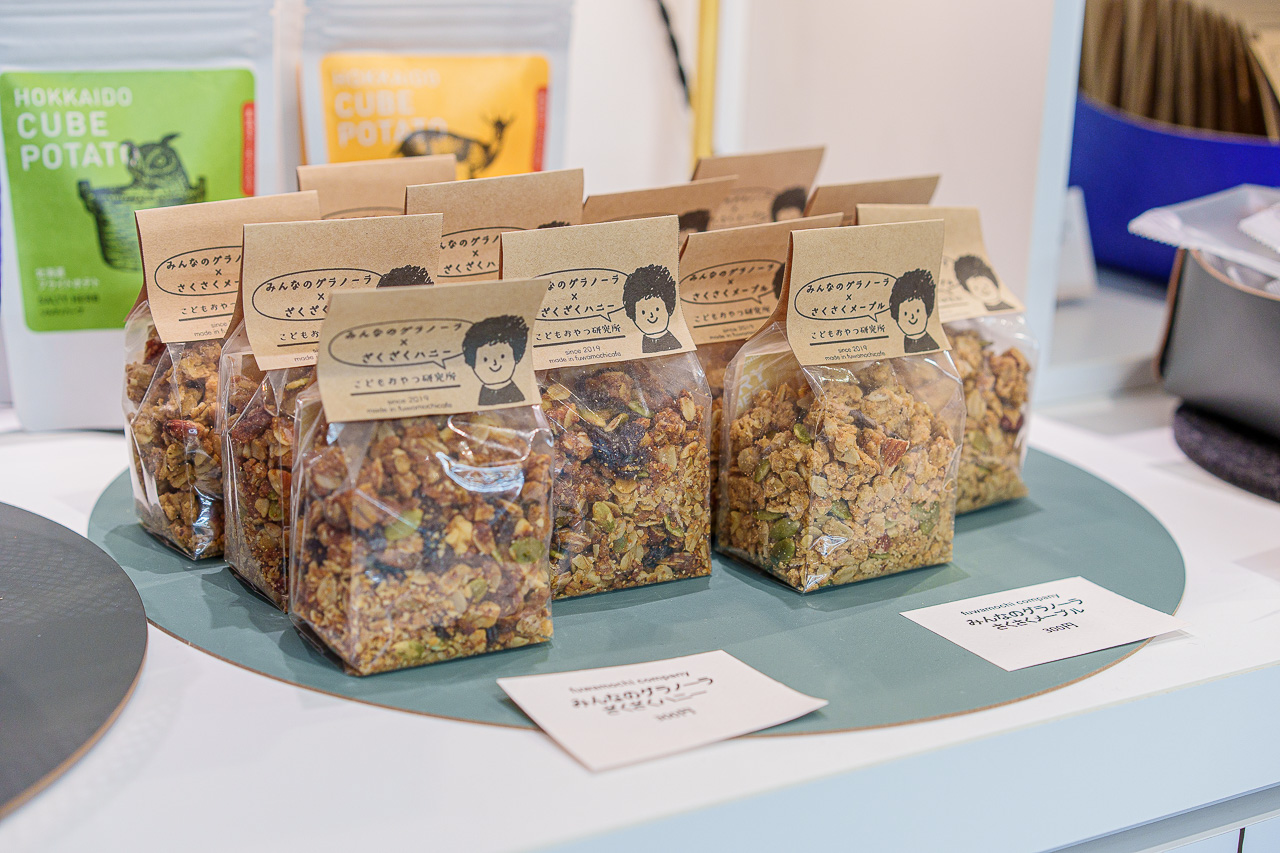
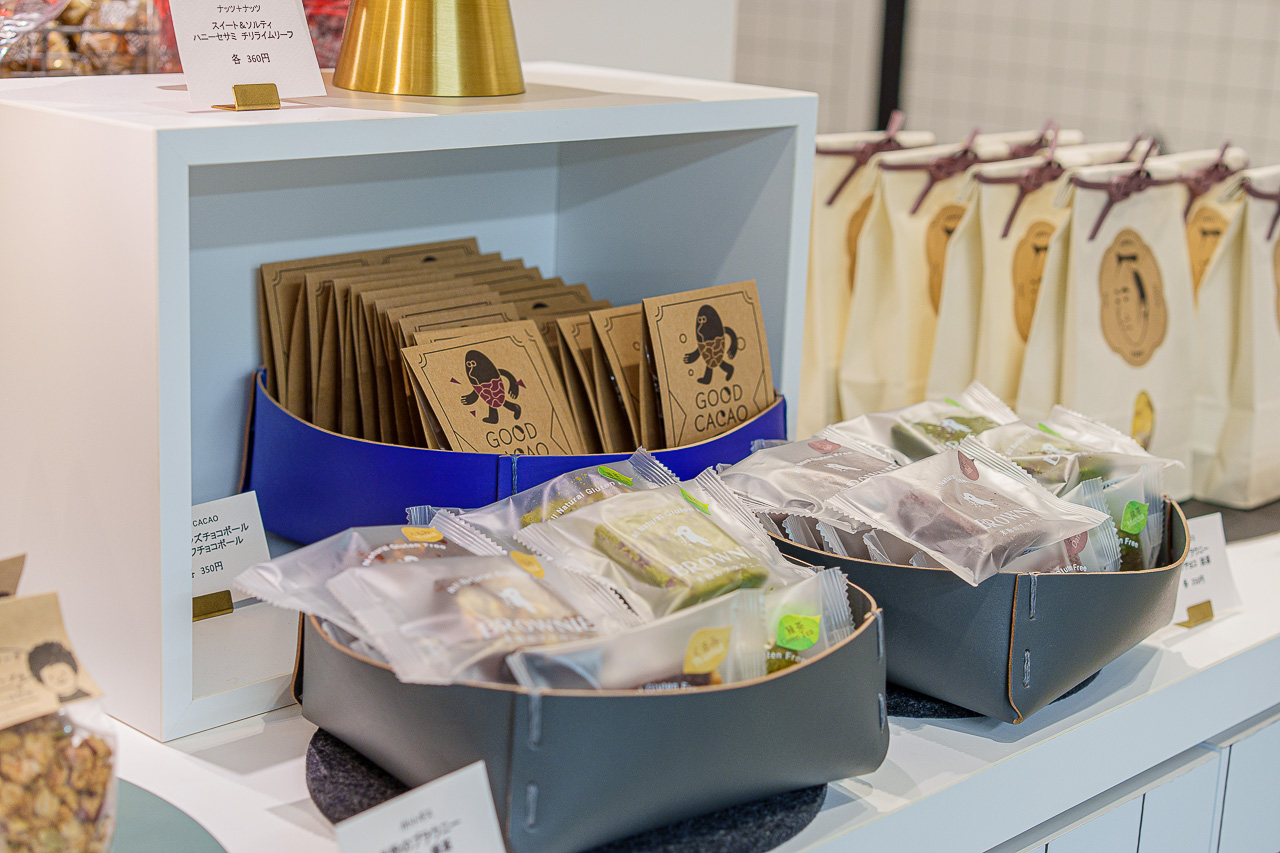
Bread and cereals were available as well.
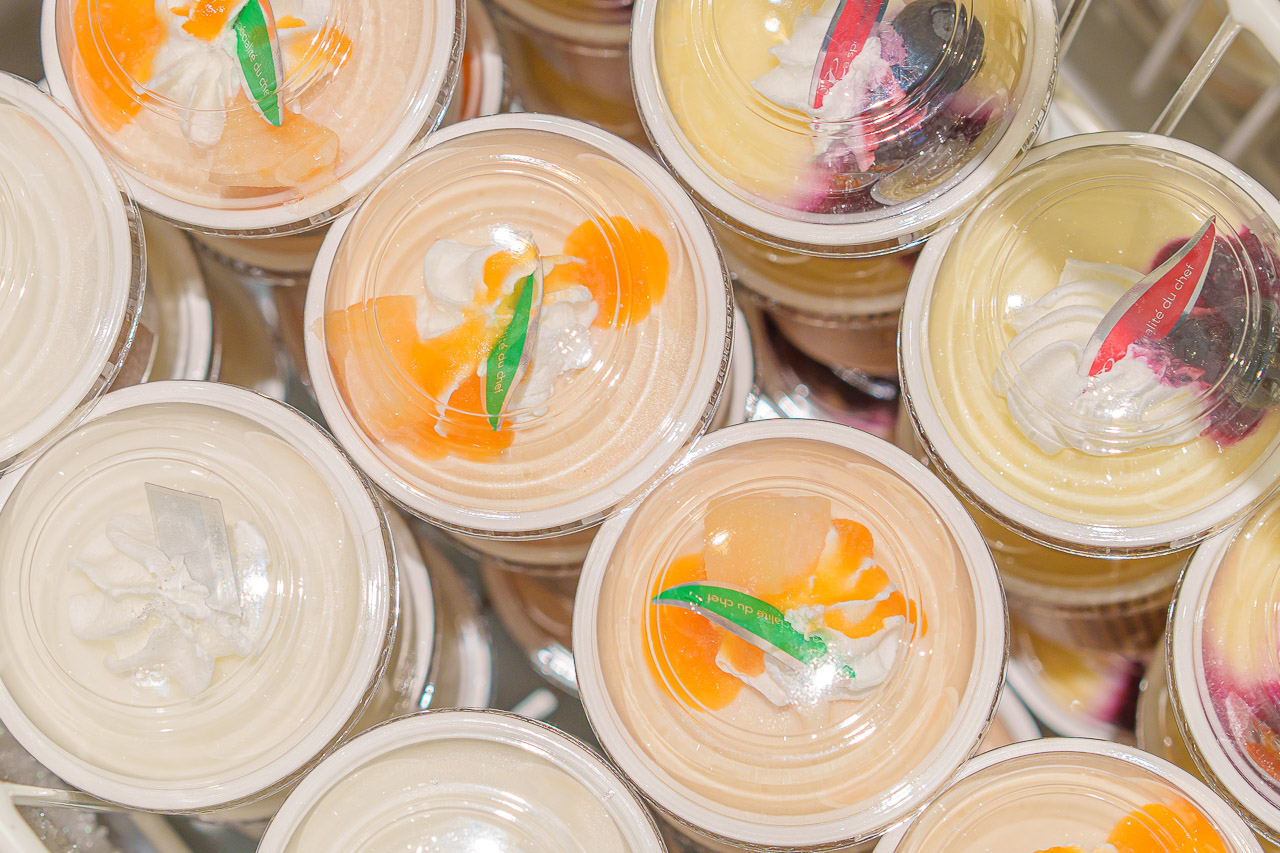
Ice cream made the choice even harder to resist.
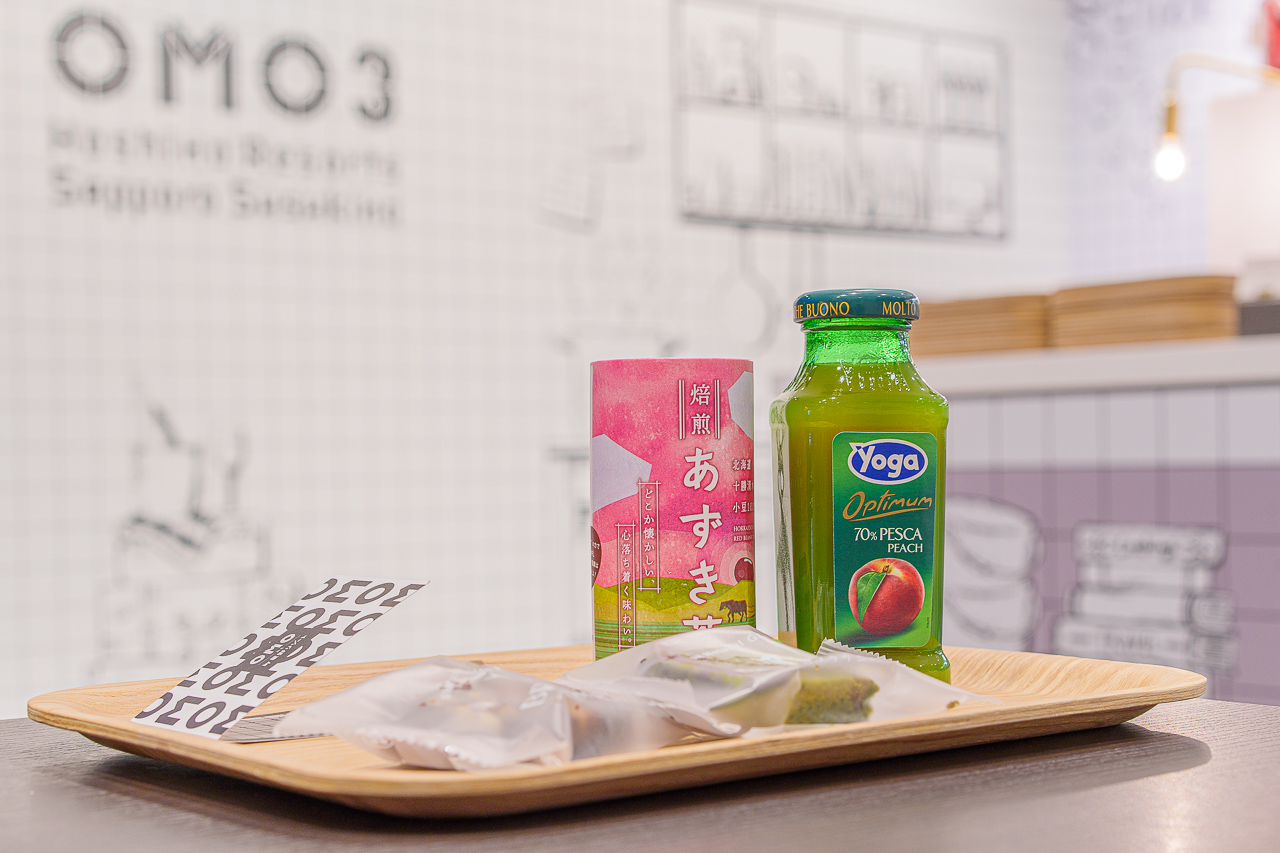
I chose azuki-bean tea I had never seen before, peach juice I like,
and a few simple snacks.
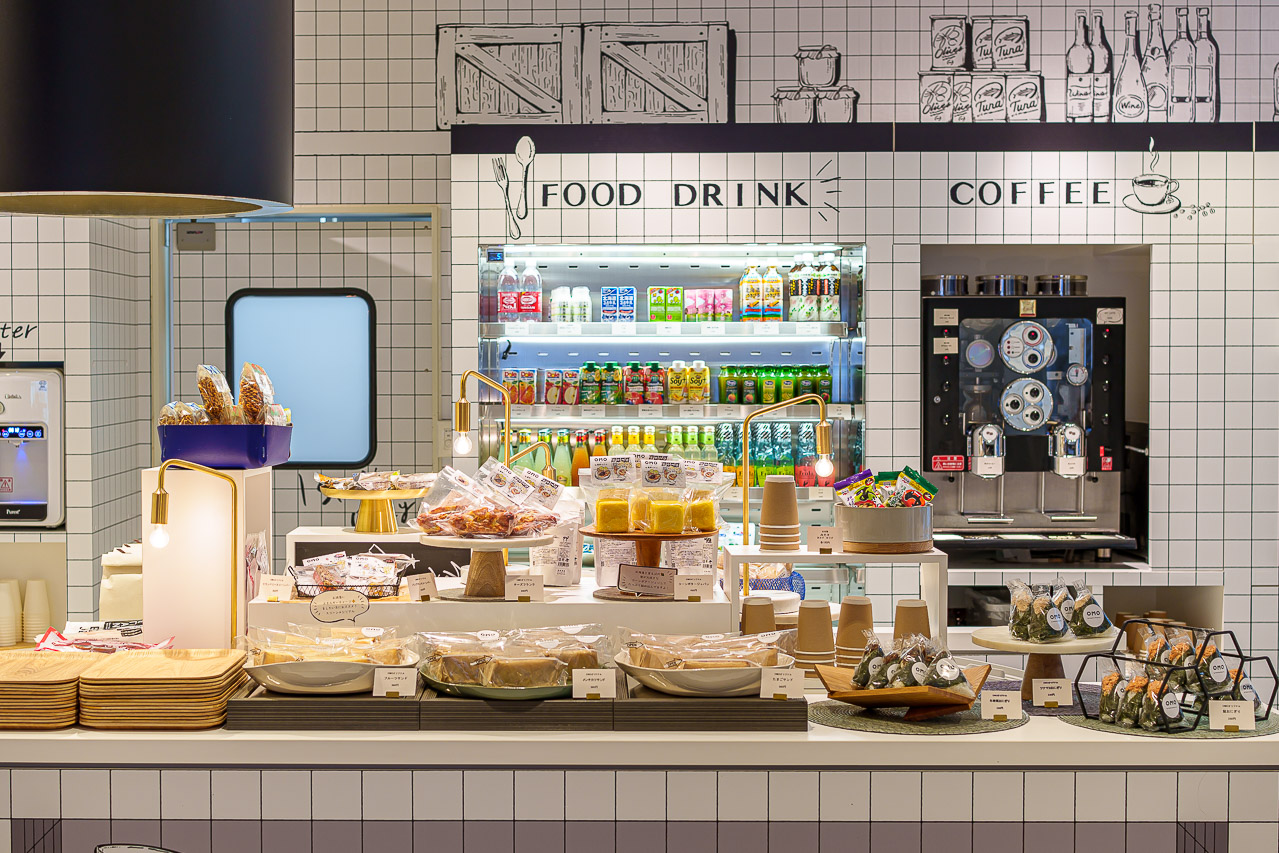
The selection changed a little in the morning.
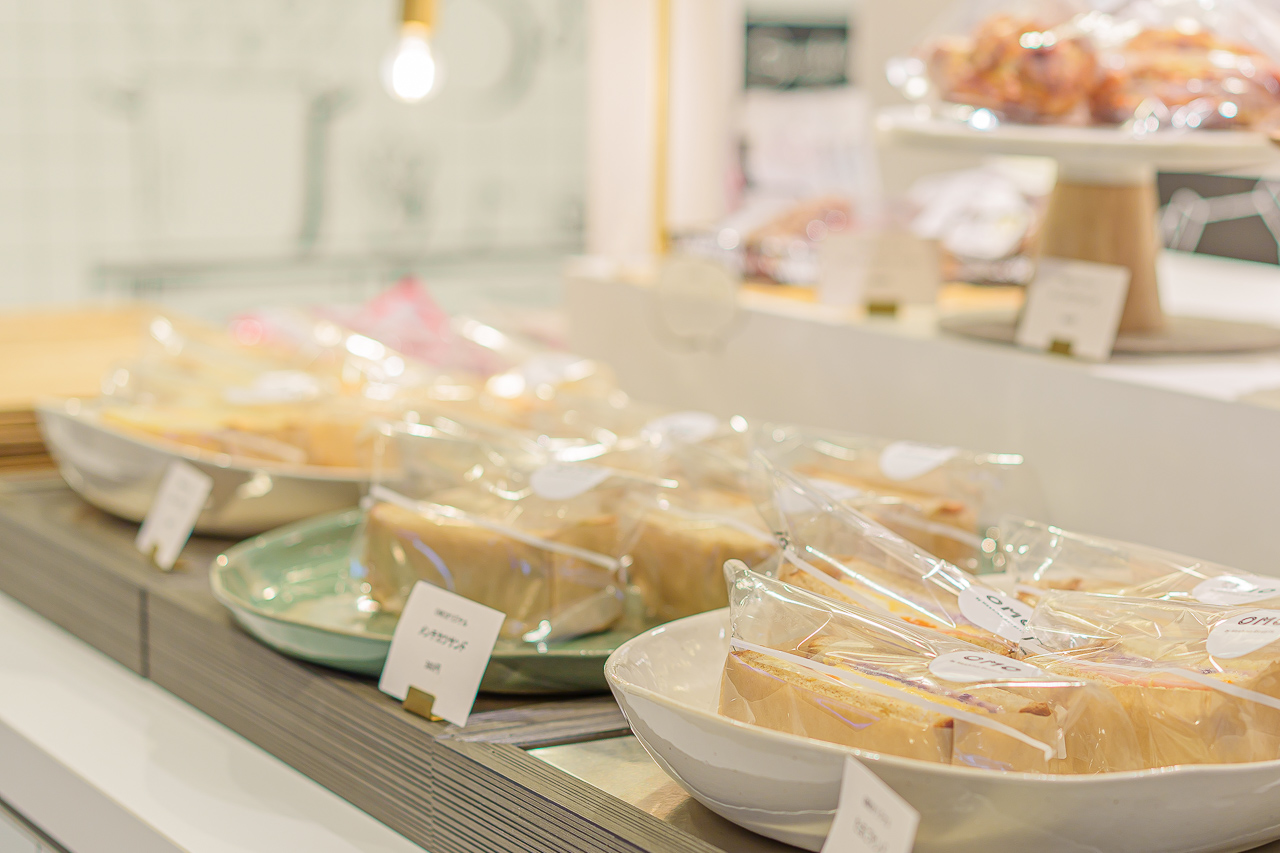
Sandwiches filled the space where drinking snacks had been the night before.
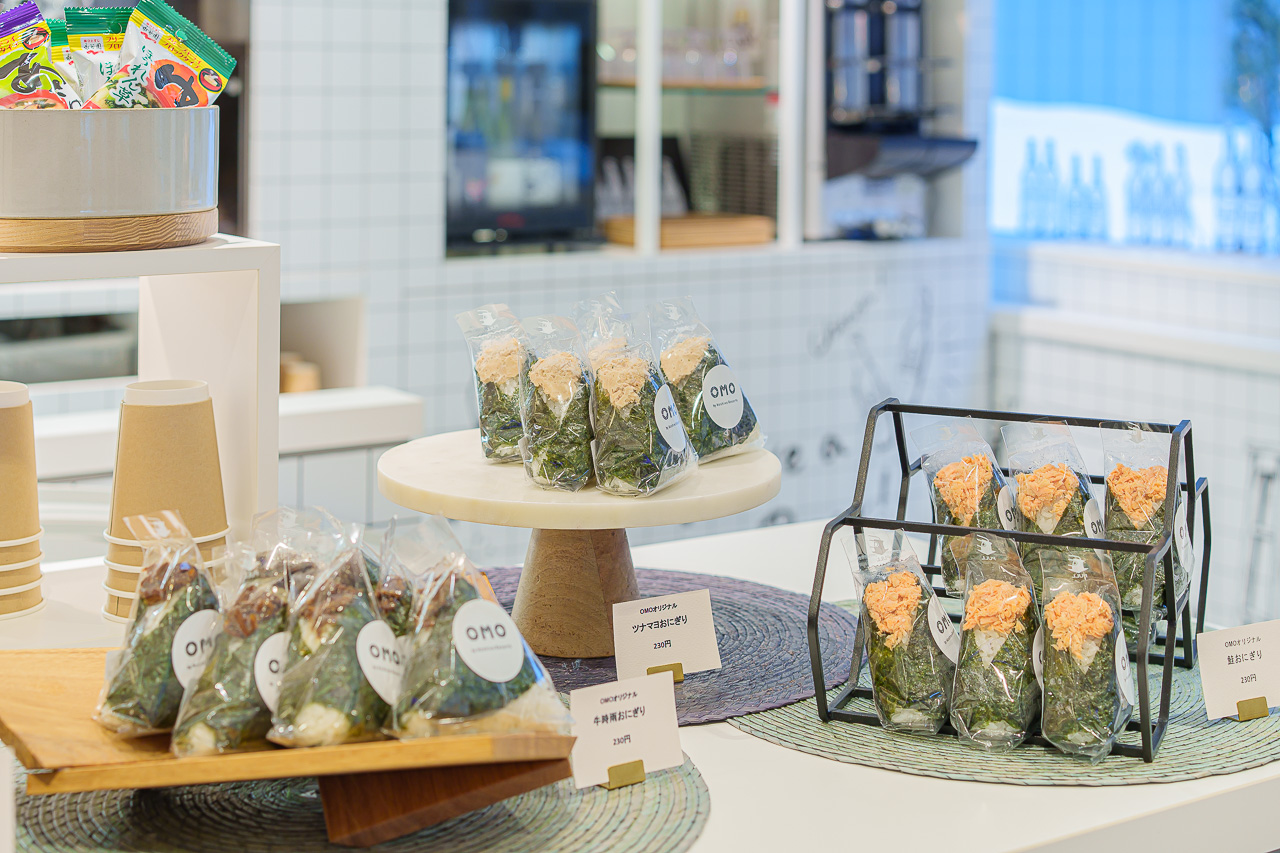
Triangular rice balls offered another quick breakfast option.
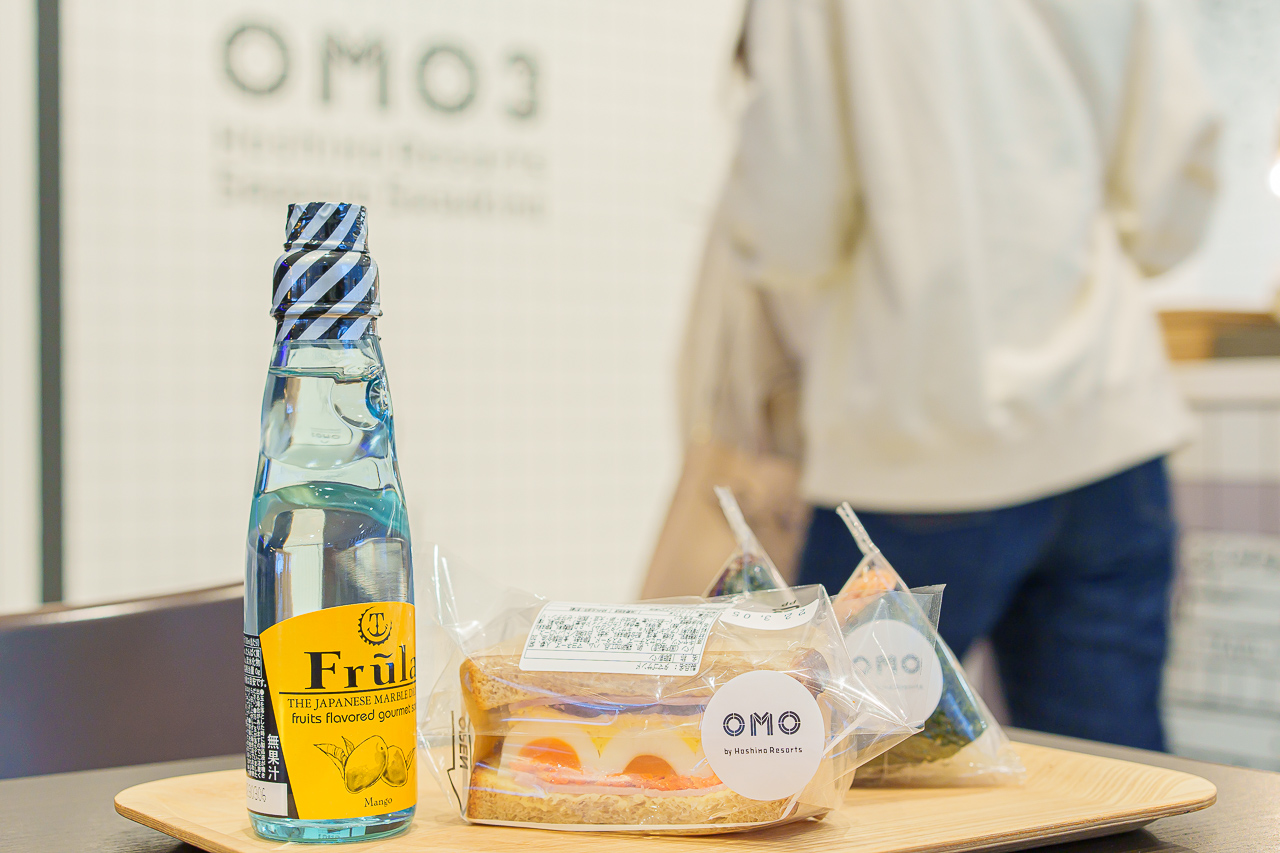
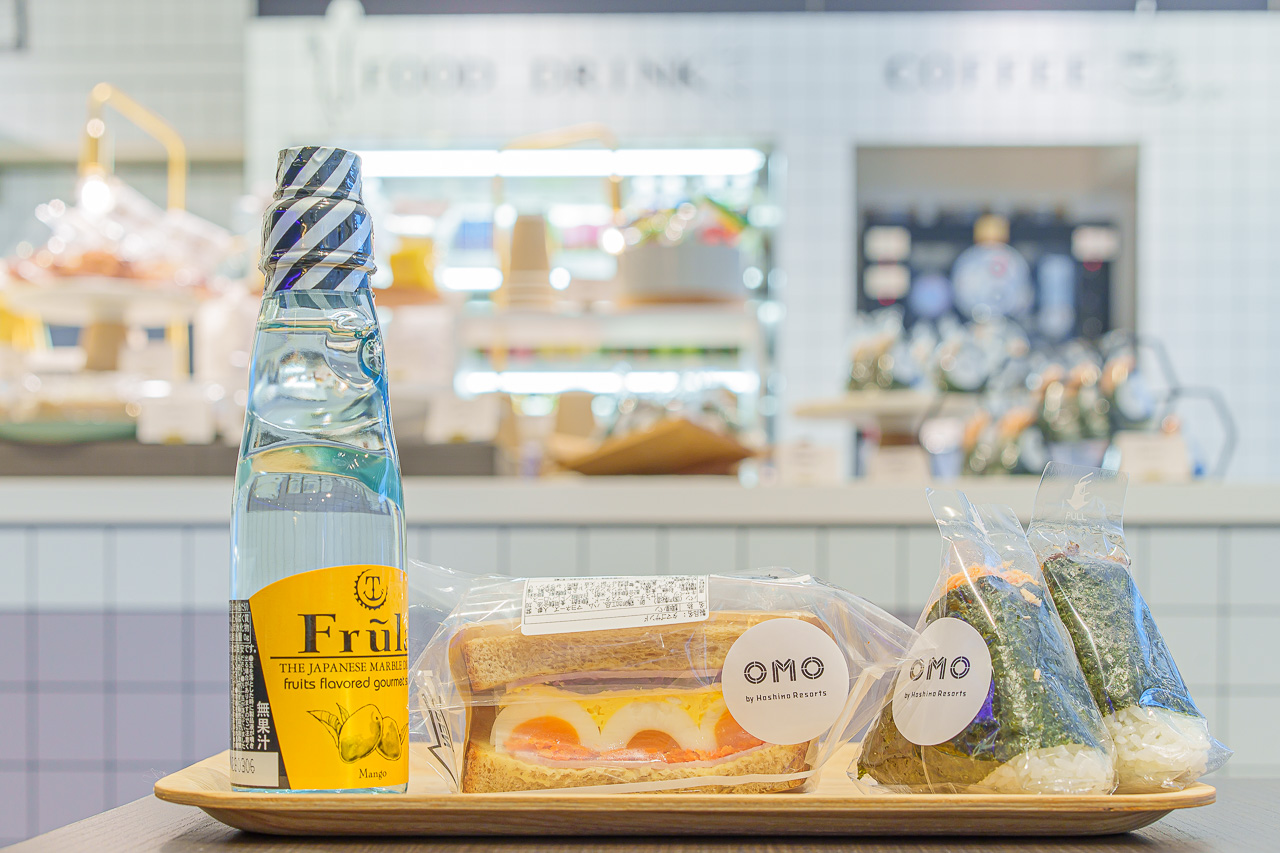
I tried a sandwich with a soft-cooked egg and a rice ball.

OMO Ranger food and neighborhood guidance, the relaxed feel of a guesthouse and plenty of nearby places to eat.
For a visit to Sapporo's Susukino, a stay at OMO3 Sapporo Susukino could make for a food-filled trip, exploring nearby restaurants and enjoying eating and drinking into the night.
OMO3 Sapporo Susukino by Hoshino Resorts (OMO3札幌すすきの by 星野リゾート)
Address: 6 Chome-14-1 Minami 5 Jonishi, Chuo Ward, Sapporo, Hokkaido
Telephone: 0570-073-099