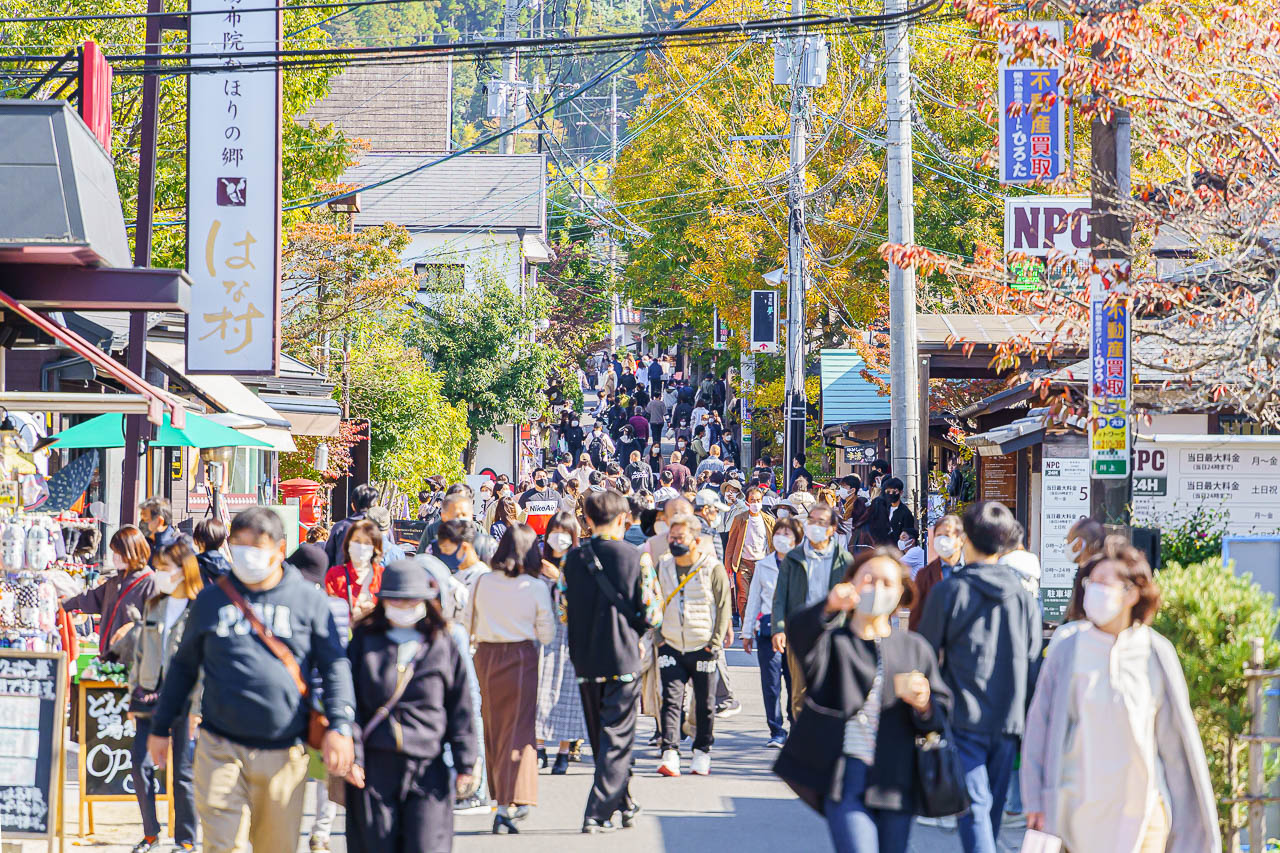
Yufuin Onsen is in Yufu, Oita Prefecture, Kyushu, a little over two hours by train from Fukuoka, a major gateway for visitors from Korea.
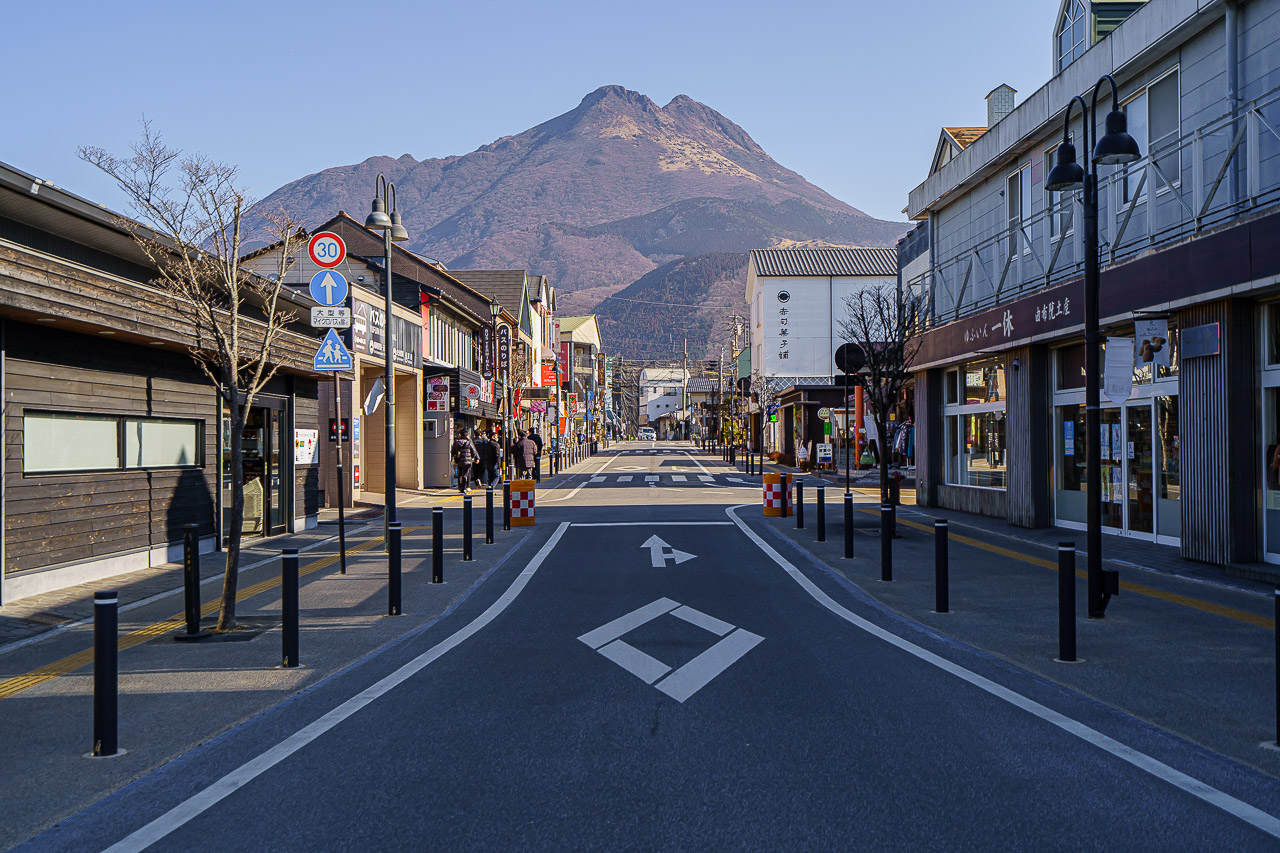
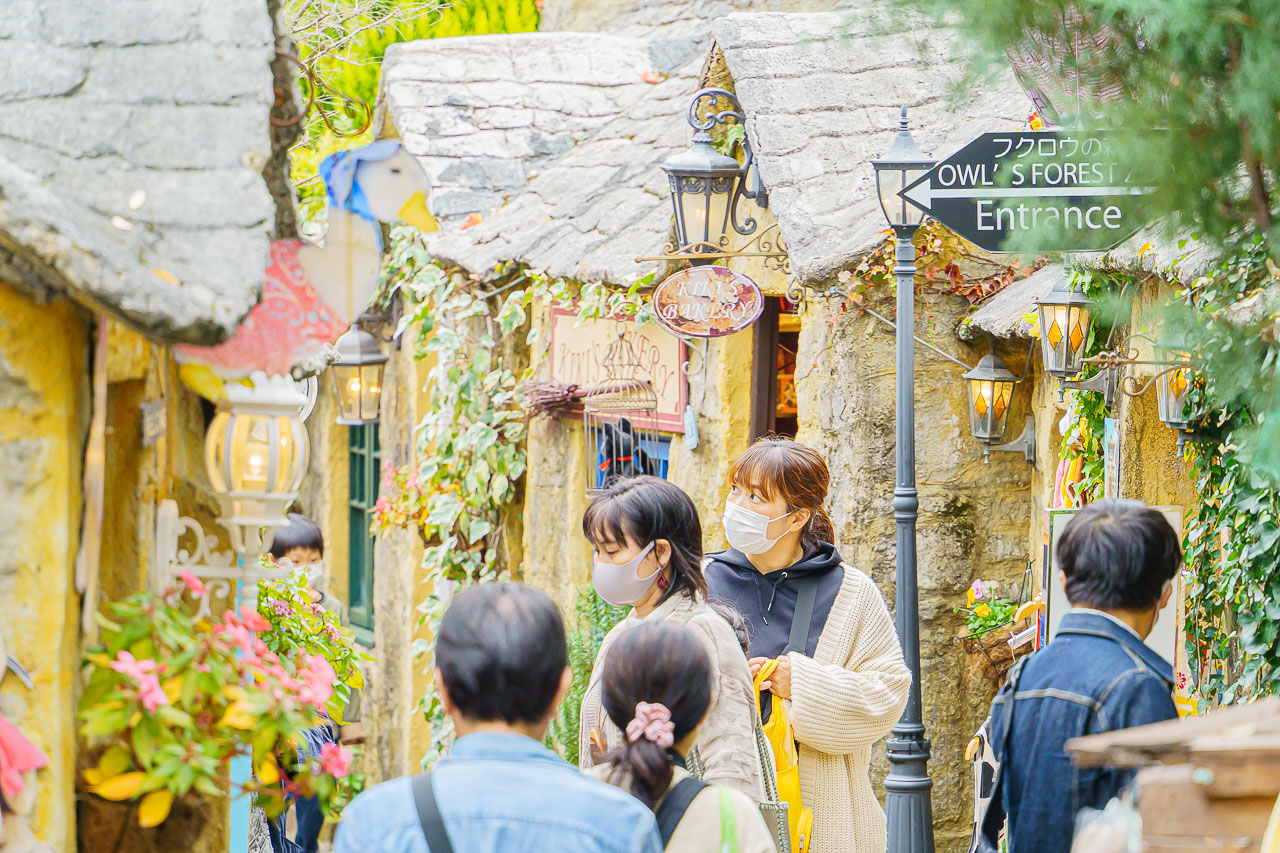
As you leave Yufuin Station, Mount Yufu rises around the town. Yunotsubo Street leads toward Lake Kinrin, lined with shops, onsen inns, galleries and other attractions.
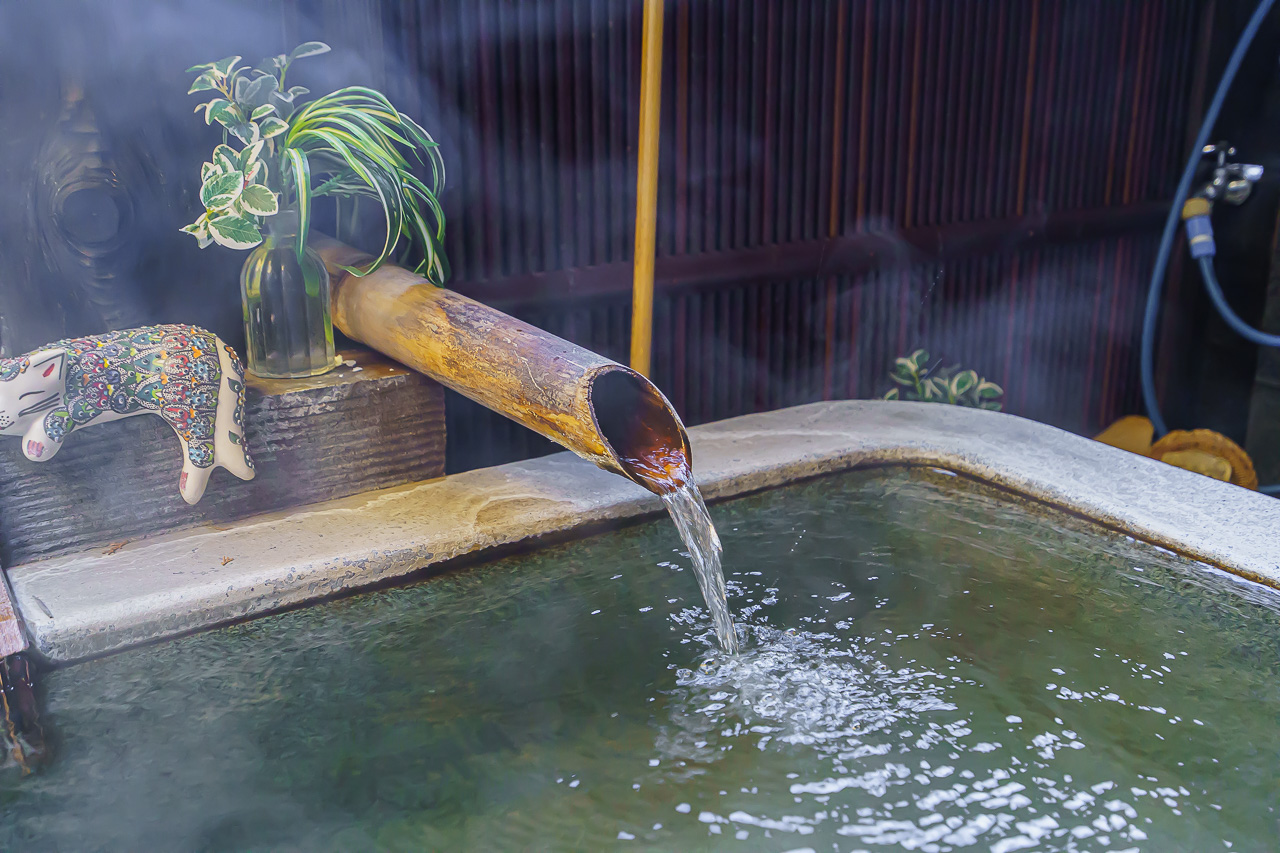
Accommodation ranges from affordable inns to high-end ryokan, making it a good place for a hot-spring trip.
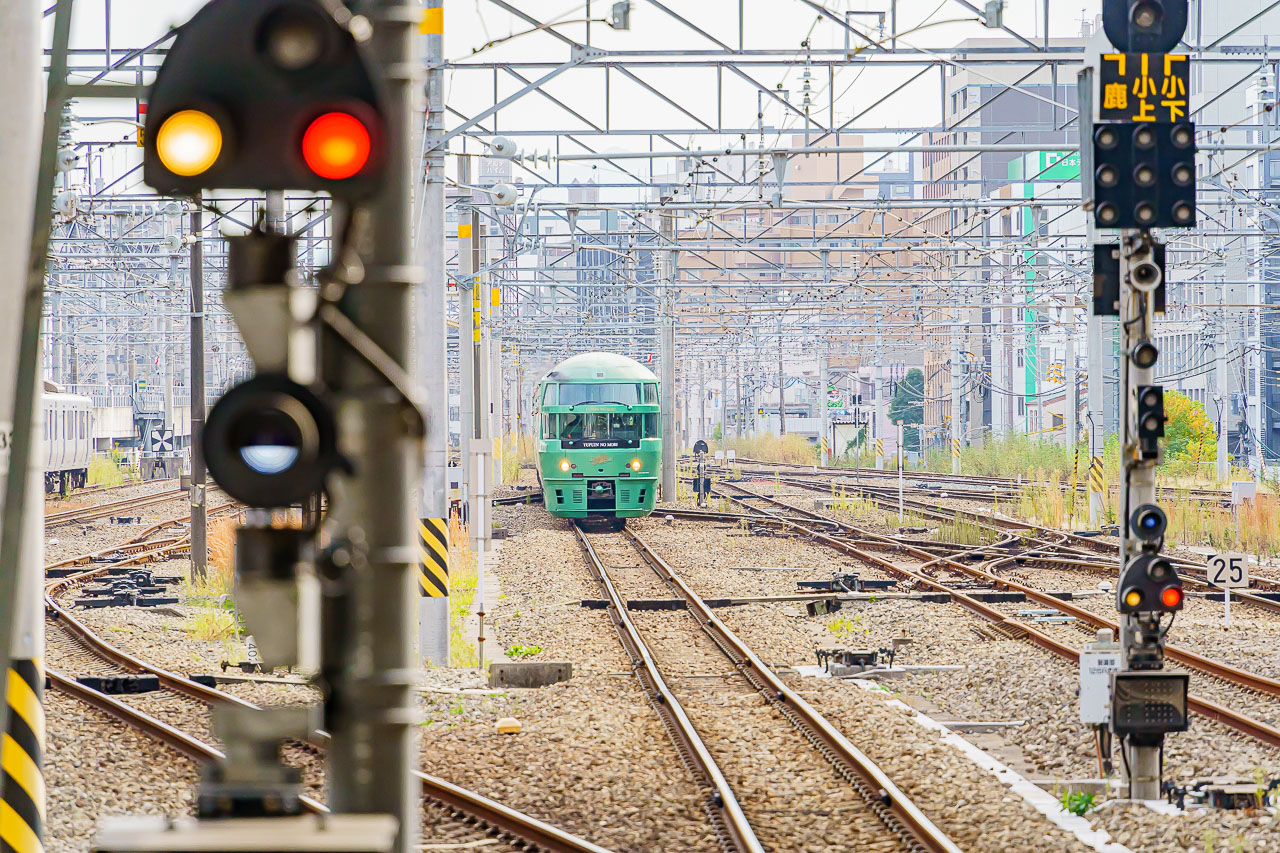
From Fukuoka, you can reach Yufuin by JR train or express bus.
The account lists express buses from Hakata Bus Terminal, Tenjin Bus Terminal and Fukuoka Airport’s domestic terminal.
For trains from Hakata, its introductory timetable lists six departures—7:45, 9:15, 10:16, 12:16, 14:34 and 17:15—and names Yufu DX, Yufu and the especially well-known sightseeing train Yufuin no Mori. This is historical information and differs from the timetable reproduced at the end.

JR Kyushu’s Yufuin no Mori limited express connects Hakata and Yufuin.
The source describes three daily round trips: two between Hakata and Yufuin, and one extending to Beppu.
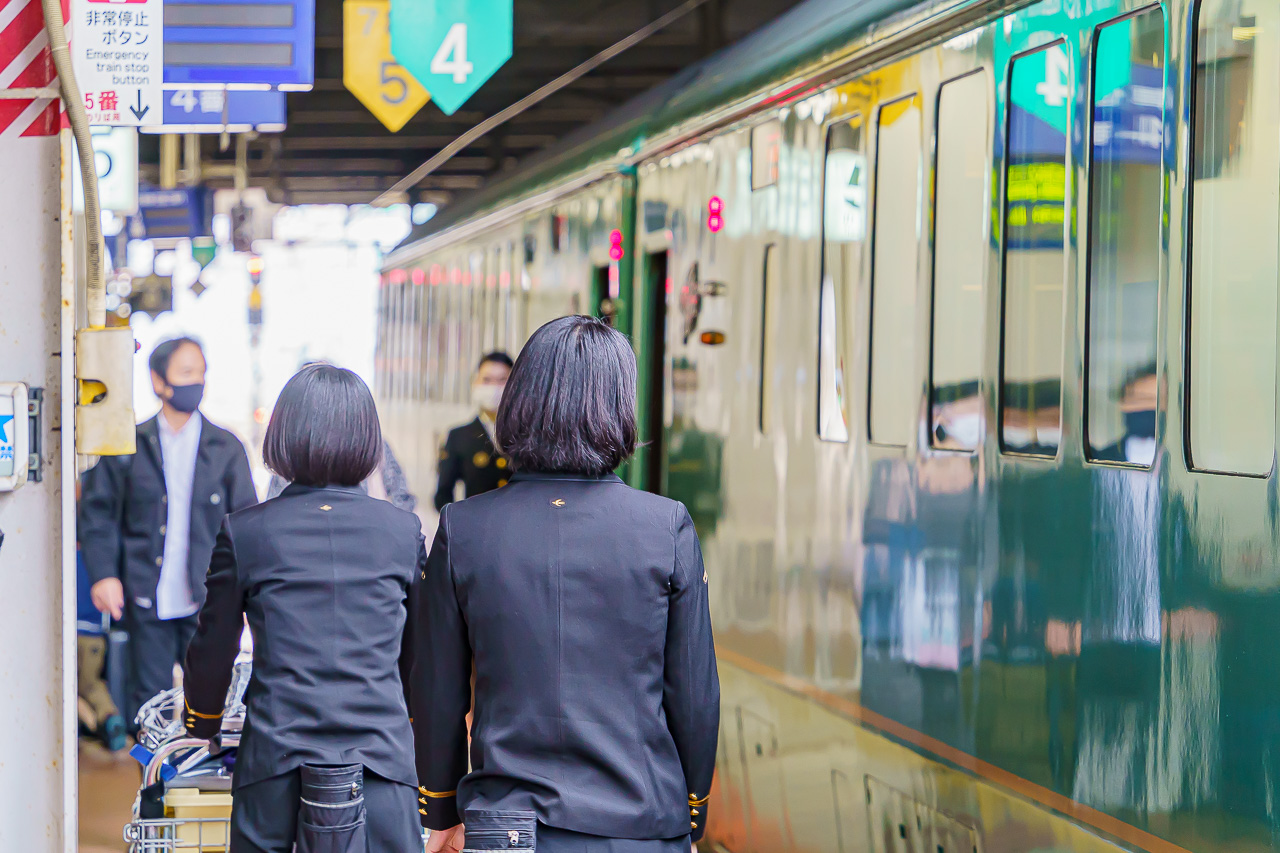
It describes two types of rolling stock: the first-generation train dating from the 1989 launch, allocated to services 3 and 4, and a later train called generation III, allocated to 1, 2, 5 and 6 and designed by Eiji Mitooka, also associated with Seven Stars in Kyushu. These labels and allocations follow the source period.
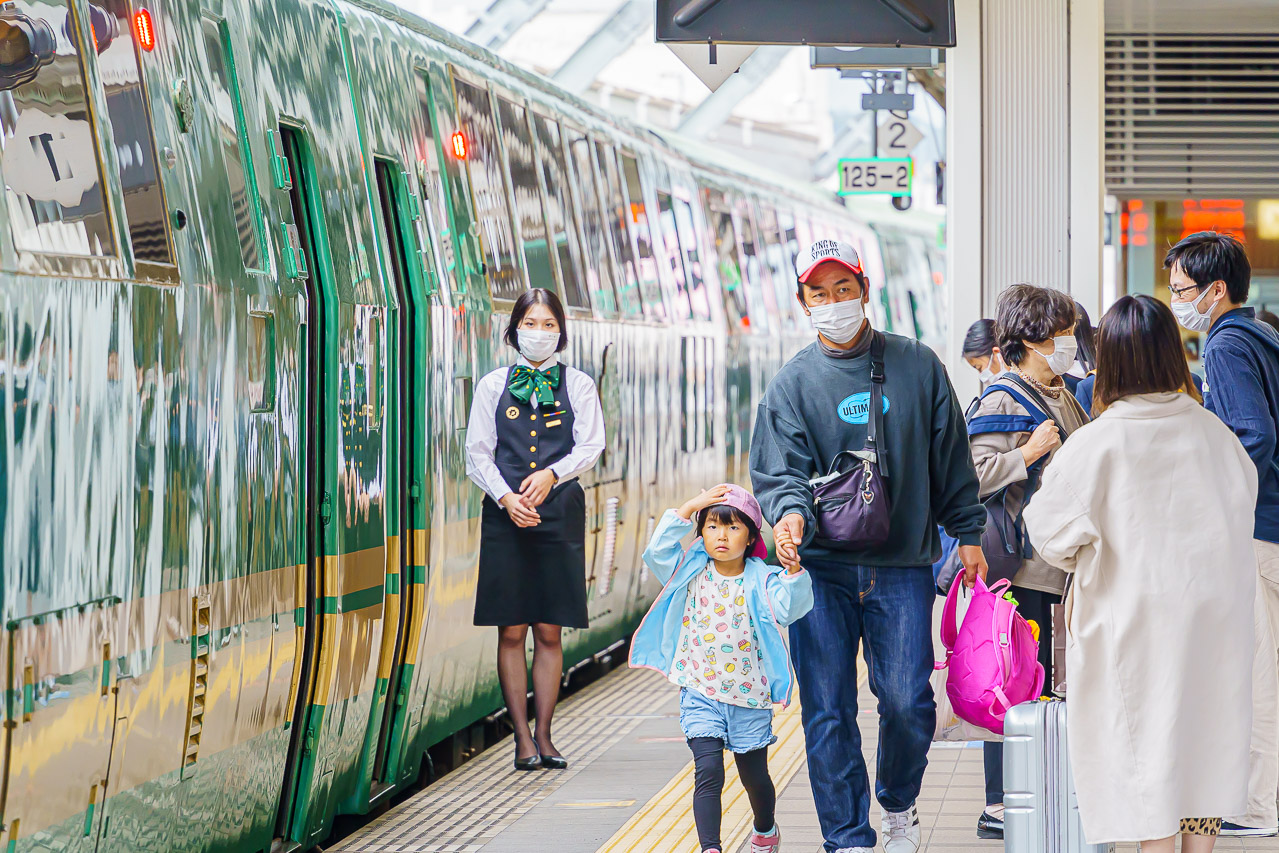
A sightseeing train with appeal across ages.
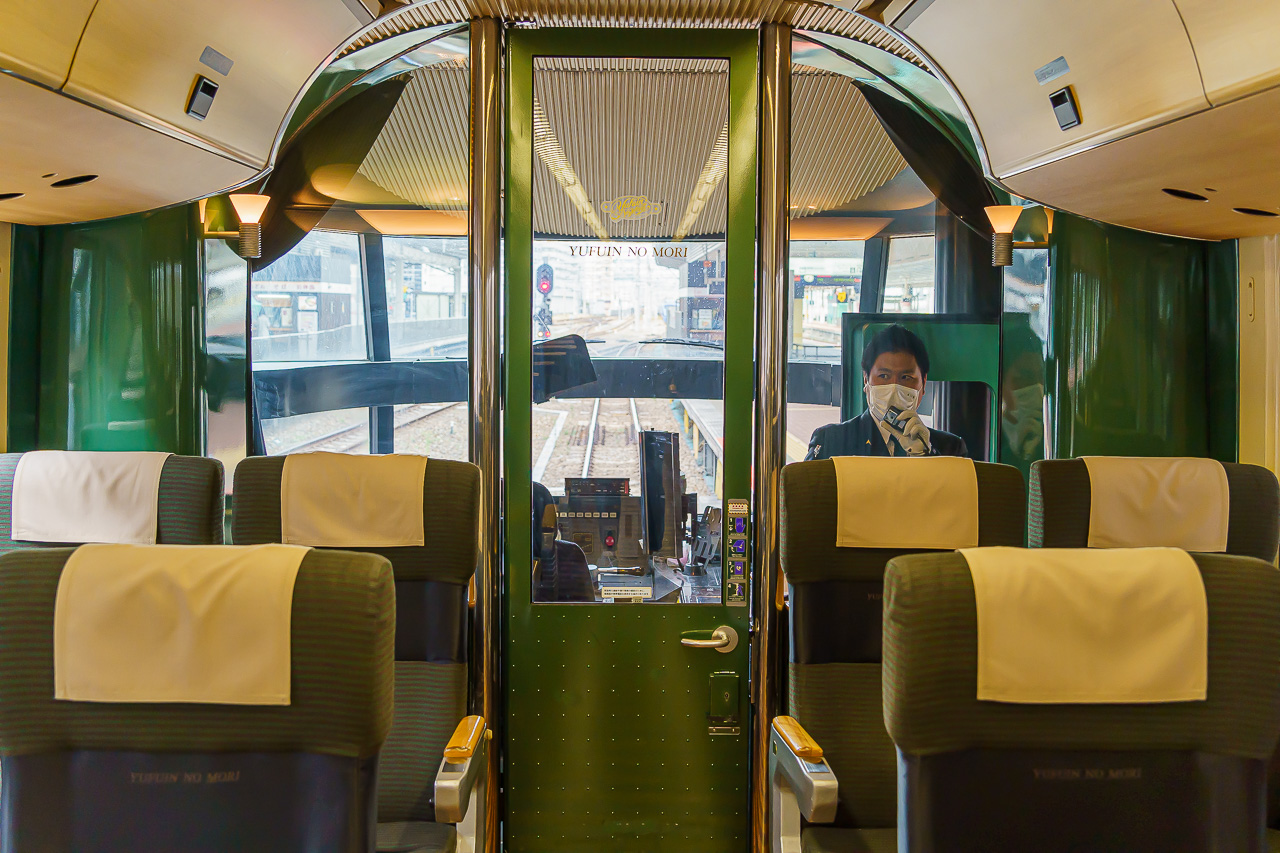
One defining feature is the dynamic view from an elevated seating position.
The high-decker layout puts the seats higher than on an ordinary train, giving the passing scenery a different perspective.
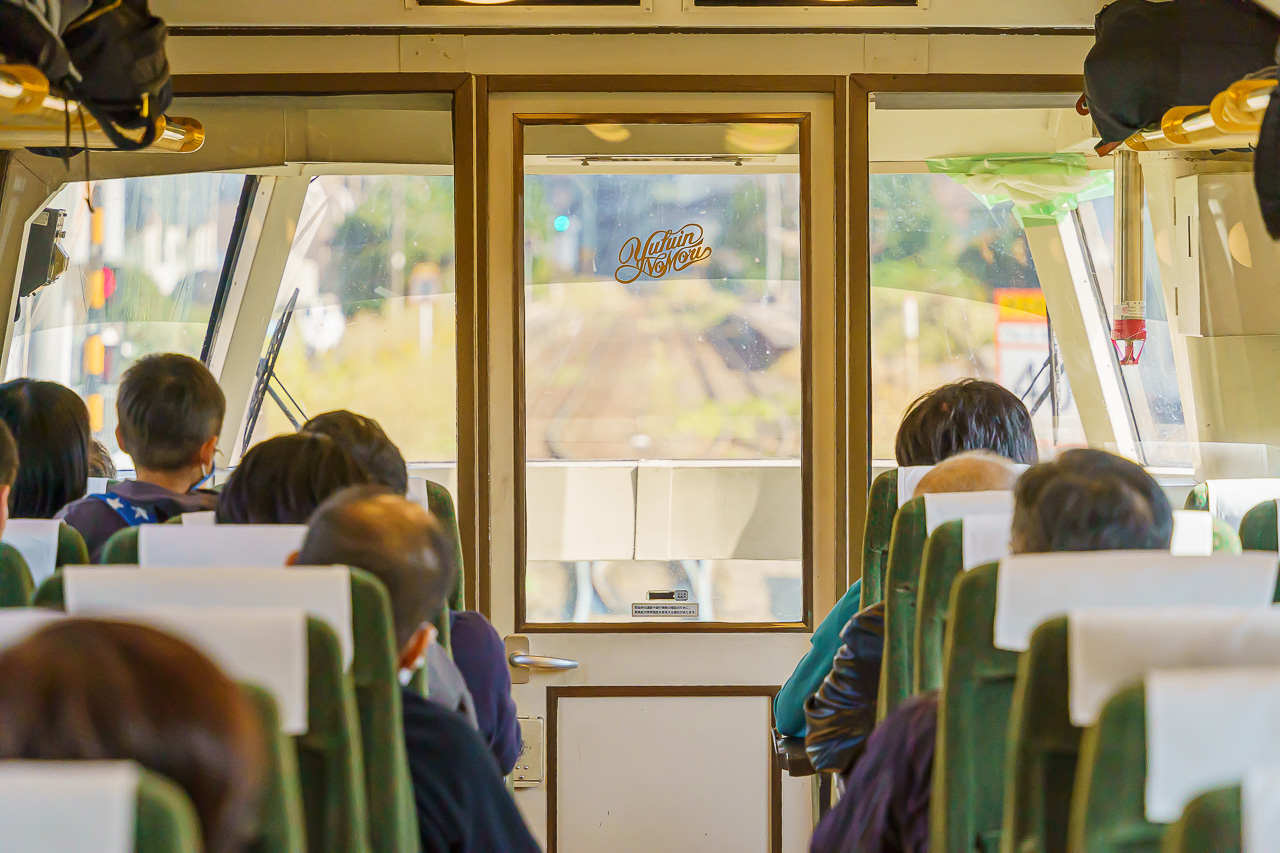
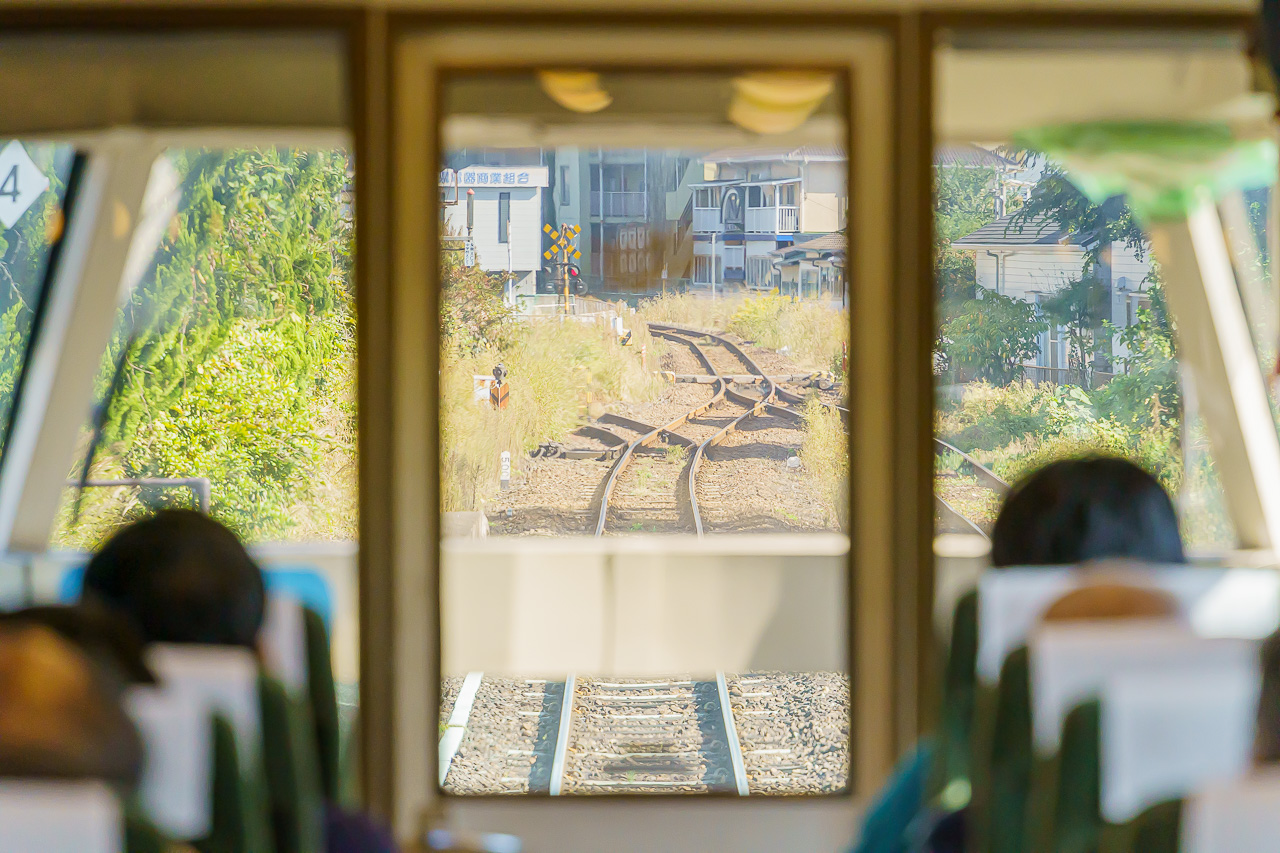
Panoramic seats at the front and rear are especially popular, offering a wide, roughly 180-degree view.
The source counts four such seats at each end, eight in total, and recommends asking about them when reserving.
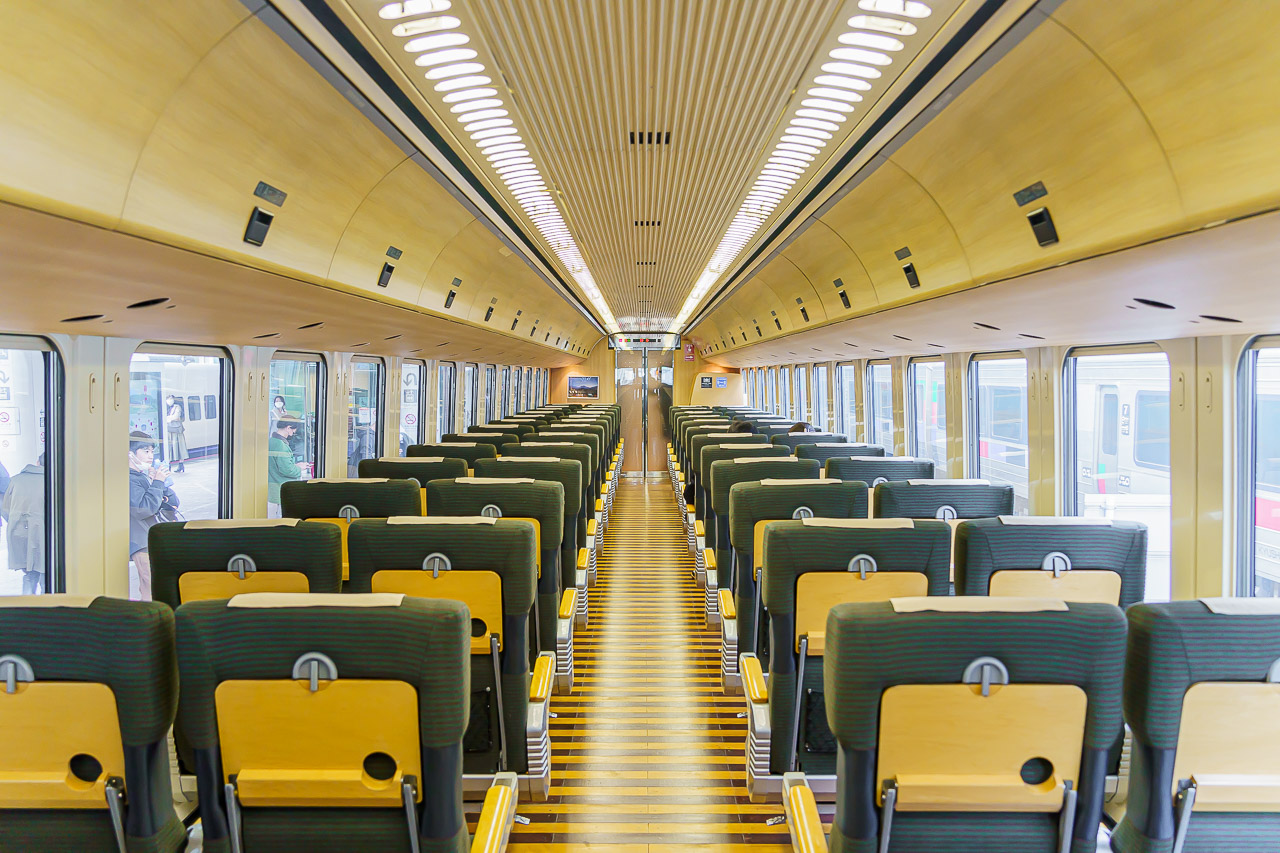
Generous timber, classic lighting and traditional-looking seats create a special journey, almost like relaxing in an elegant hotel.
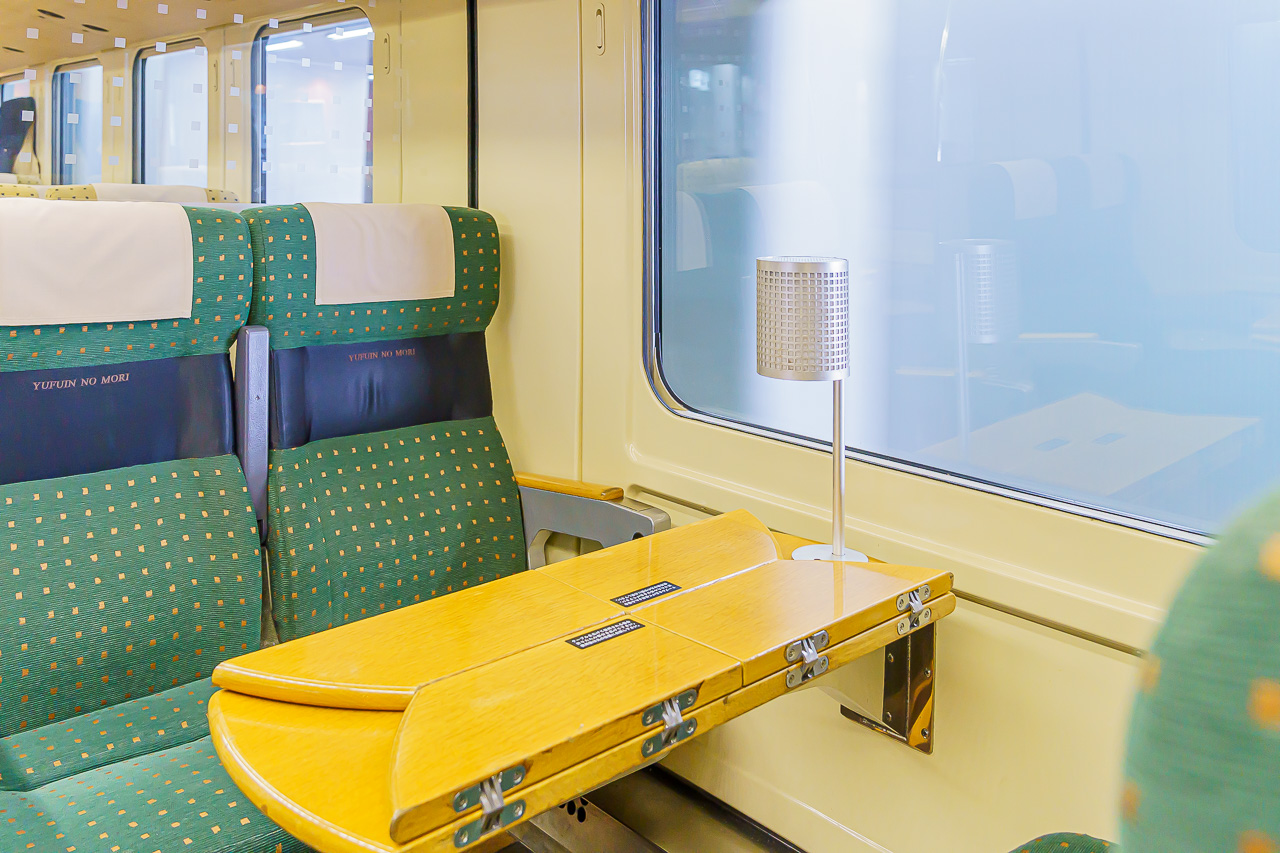
The standard arrangement is two seats on either side of the aisle, with some facing seats around a large table.
The source says those table seats could be reserved for groups of three or more, useful for talking and sharing a meal while watching the scenery.
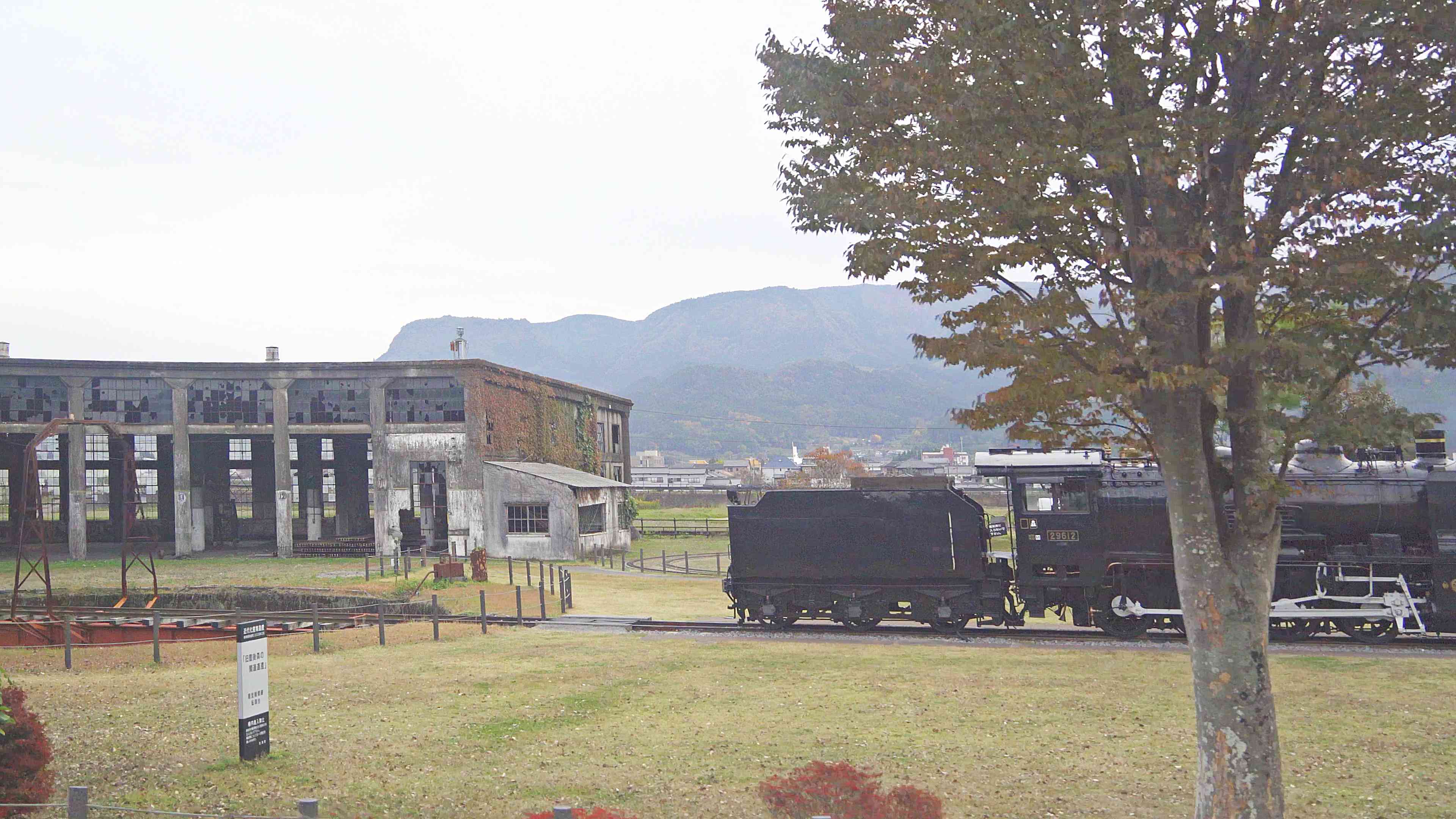
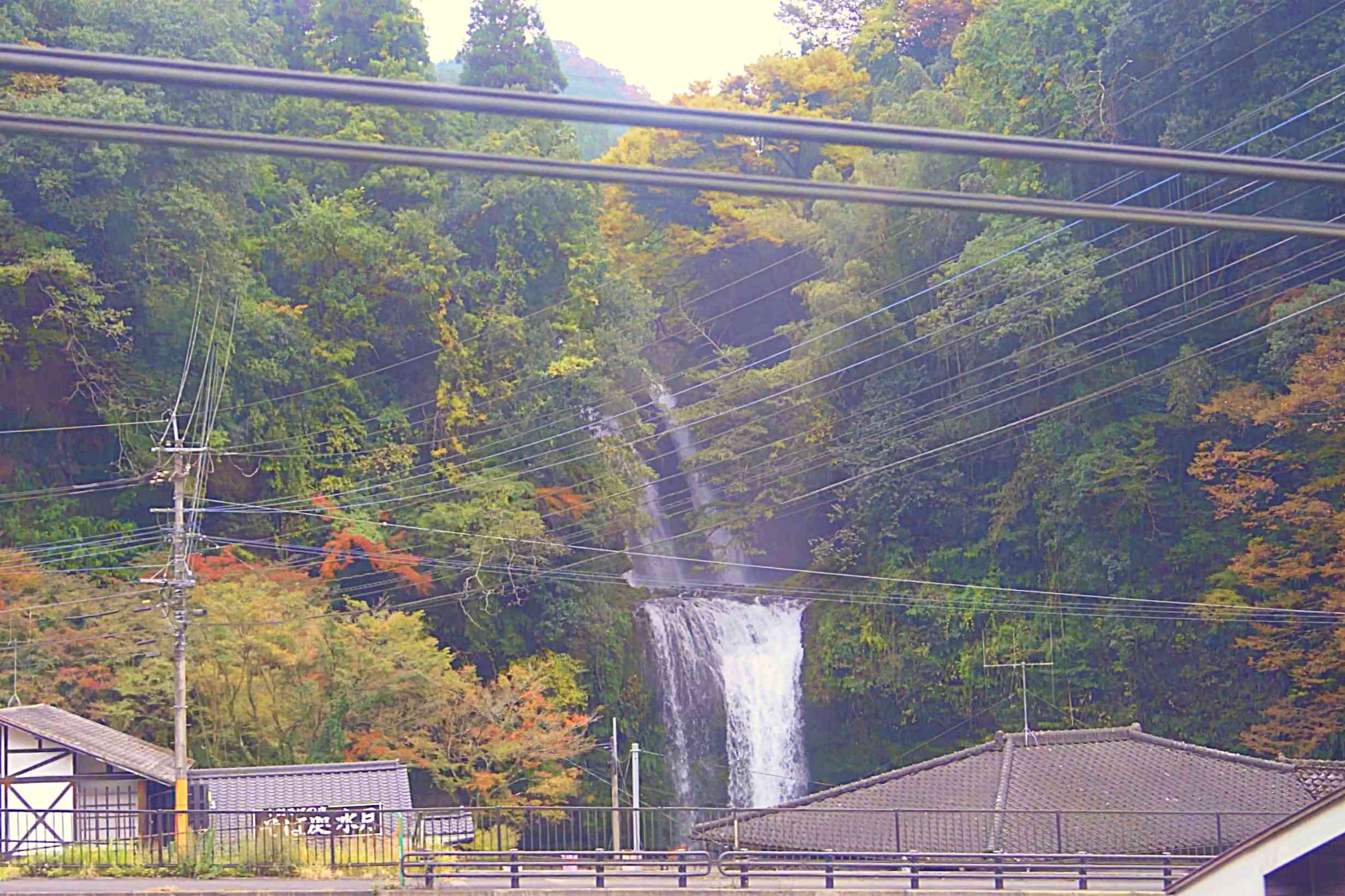
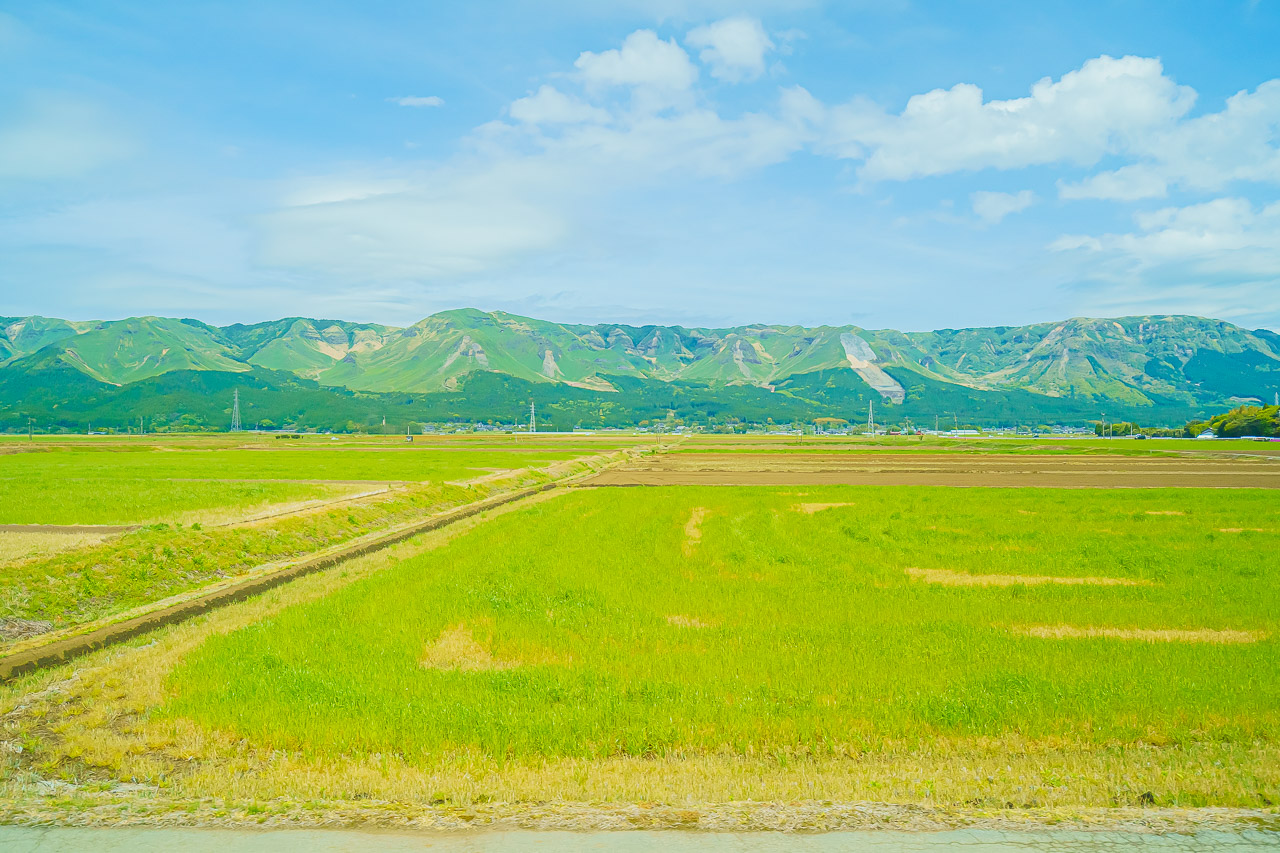
The great pleasure of train travel is the landscape beyond the window.
Mountains, waterfalls and even an old locomotive provide plenty to look at.
Heading from Hakata toward Yufuin or Beppu, the source recommends the right-hand C/D seats for more of the highlighted sights and photographs.
Onboard announcements point out the sights, so listen as you travel.
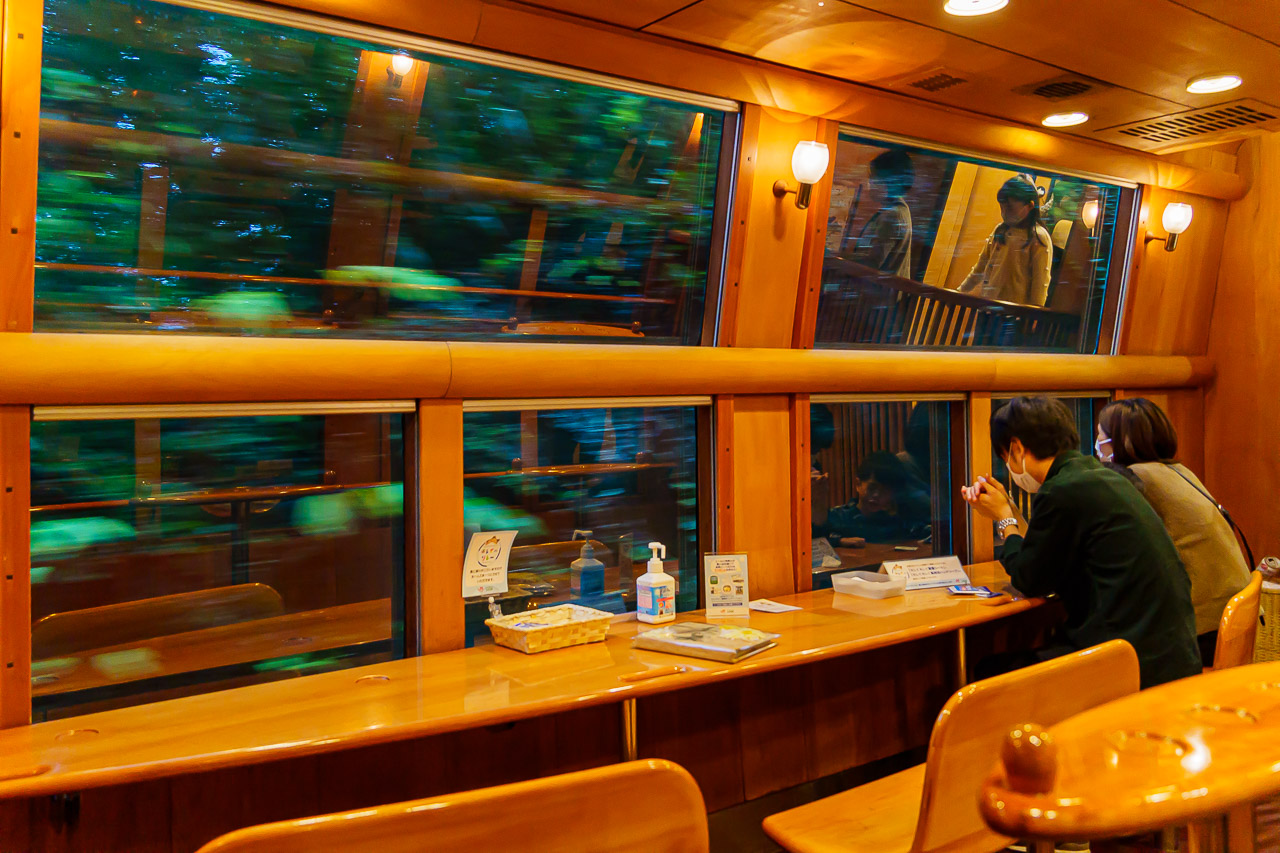
The salon space, described as unique to the first-generation train on services 3 and 4, has larger windows for the view.
Warm timber inside complements the leafy trees and countryside outside.
Between Bungo-Mori and Yufuin, cabin attendants gave sightseeing information about Yufuin in the salon.
They introduced recommended shops and hot springs, although the presentation was only in Japanese during this visit.
Photo books, magazines and picture books were free to browse, helping keep children occupied too.
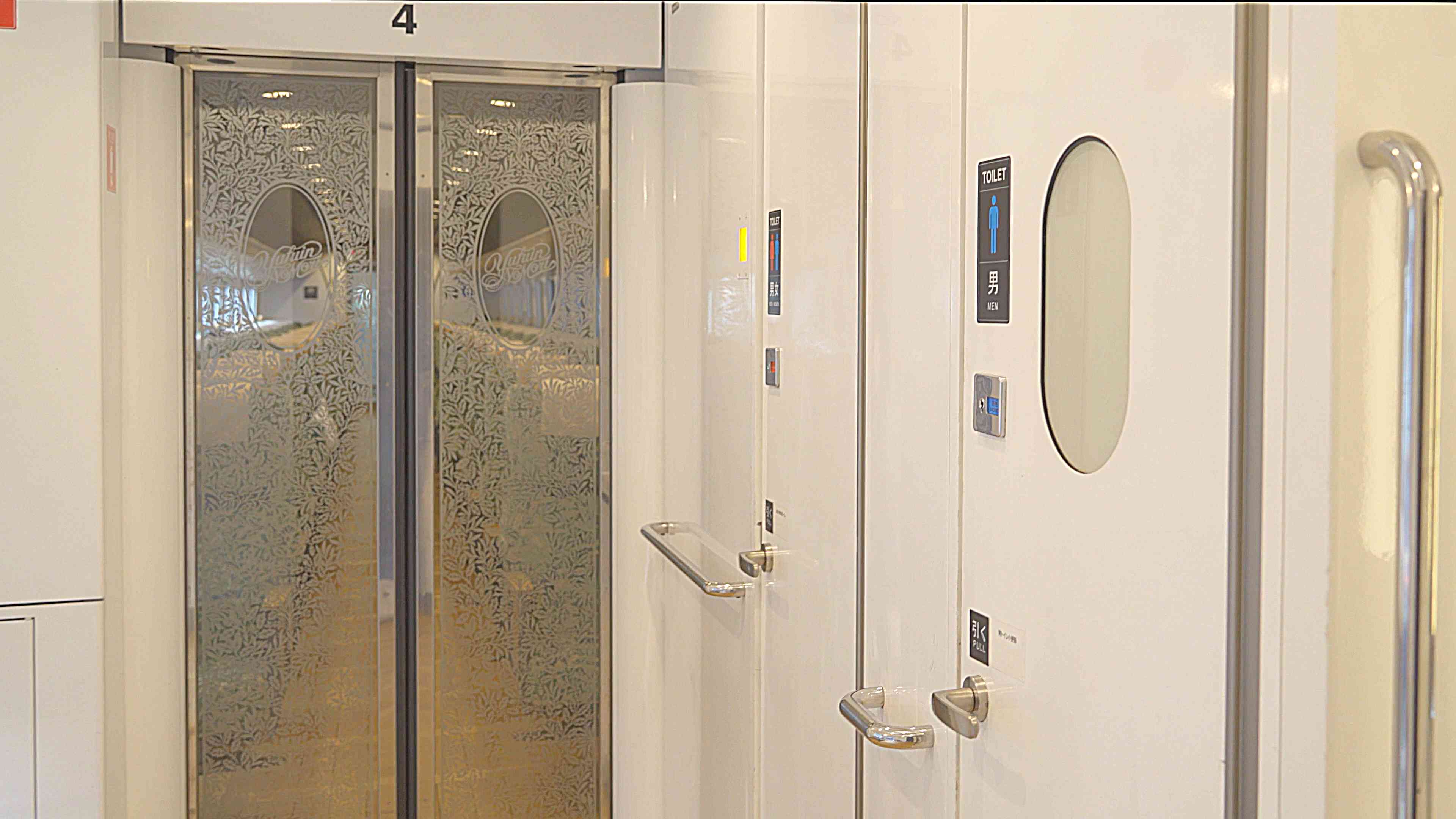
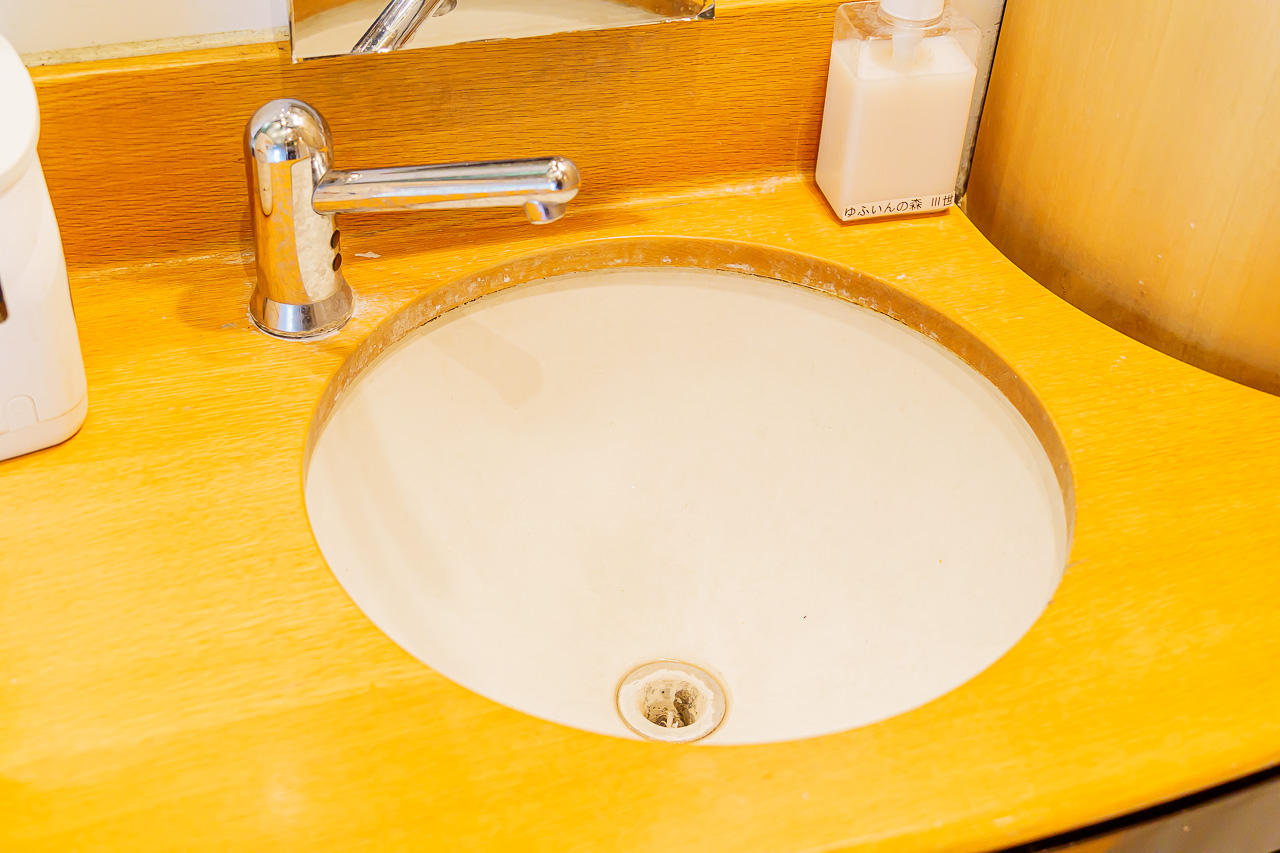
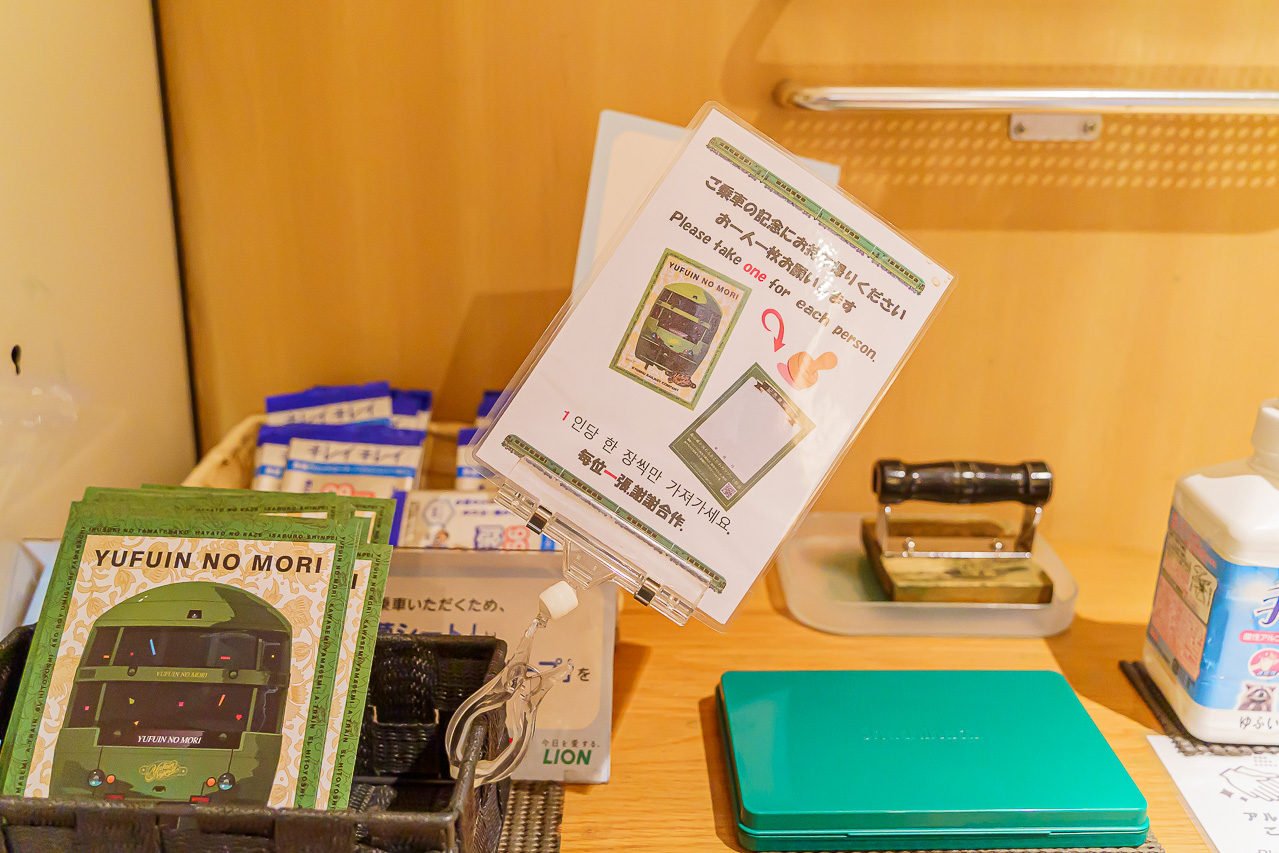

There are toilets, washbasins and a commemorative stamp of the sort often found in Japan.
Some services had shared-use toilet arrangements, according to the source, so check the signs rather than be surprised.
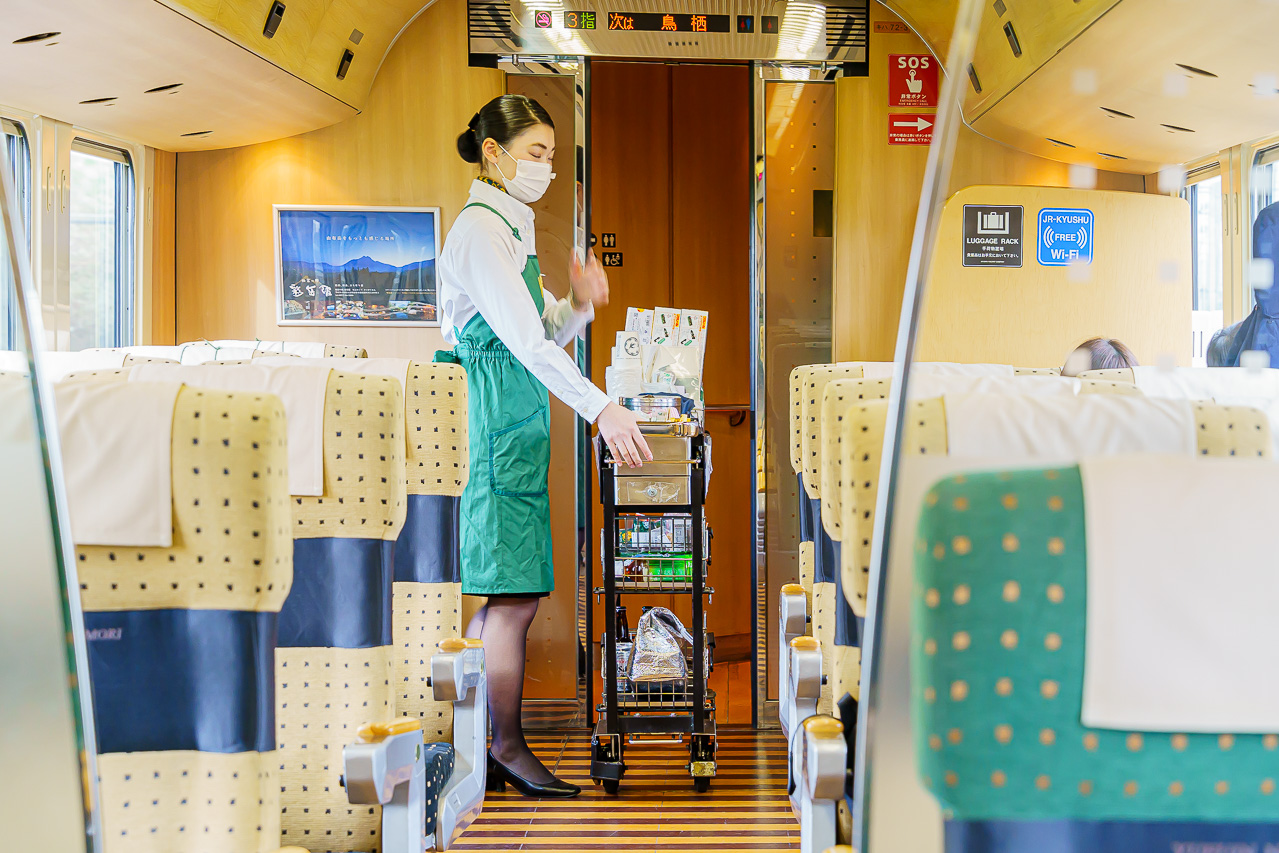
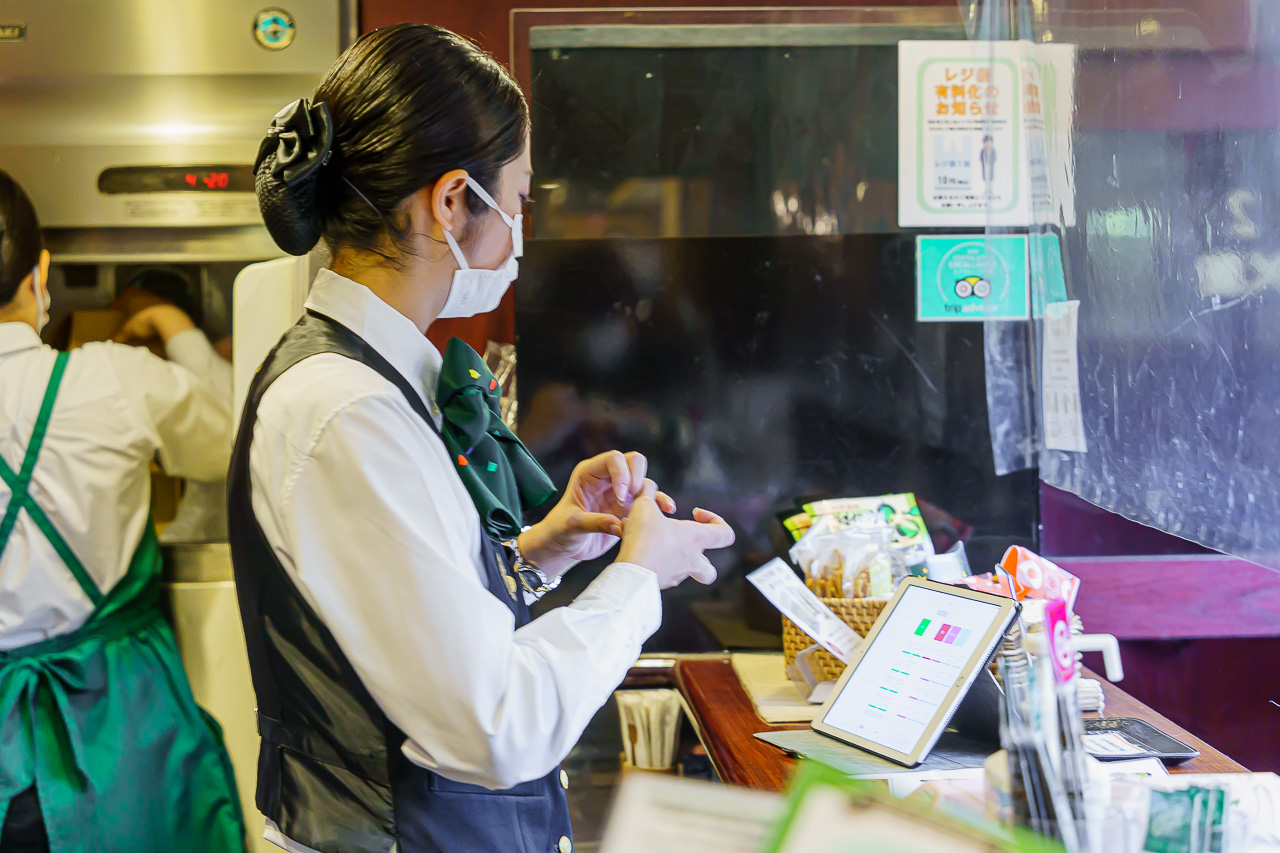
A train trip also calls for something to eat.
The onboard buffet counter sells food and drinks using ingredients from nearby areas.
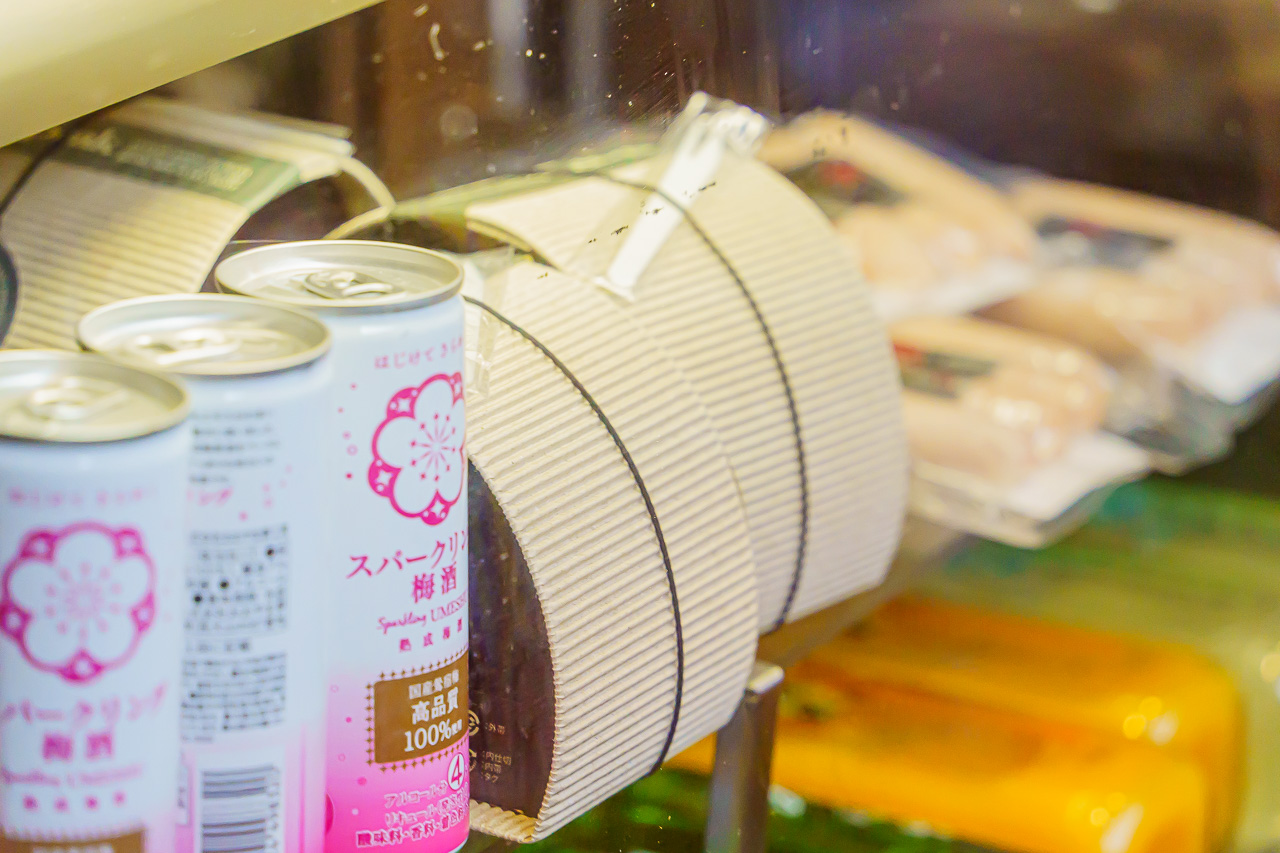
On journeys from Yufuin toward Fukuoka, the source particularly recommends B-speak roll cake, written ‘P Speak’ in the Korean original and well known among Korean travelers.
The quoted price was JPY 540, the same as at the shop.
It sold out quickly, so the source recommends buying early if it is offered on your Yufuin-to-Fukuoka journey.
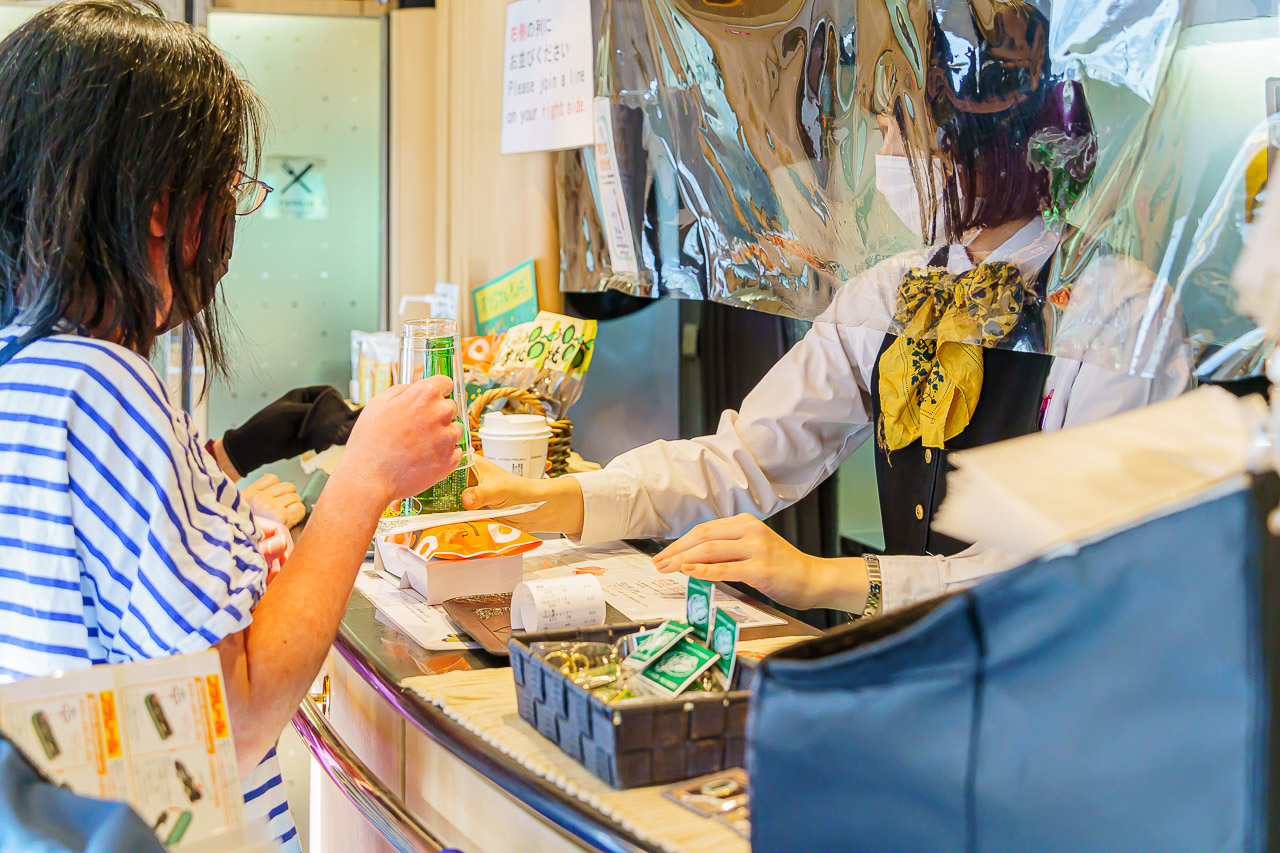
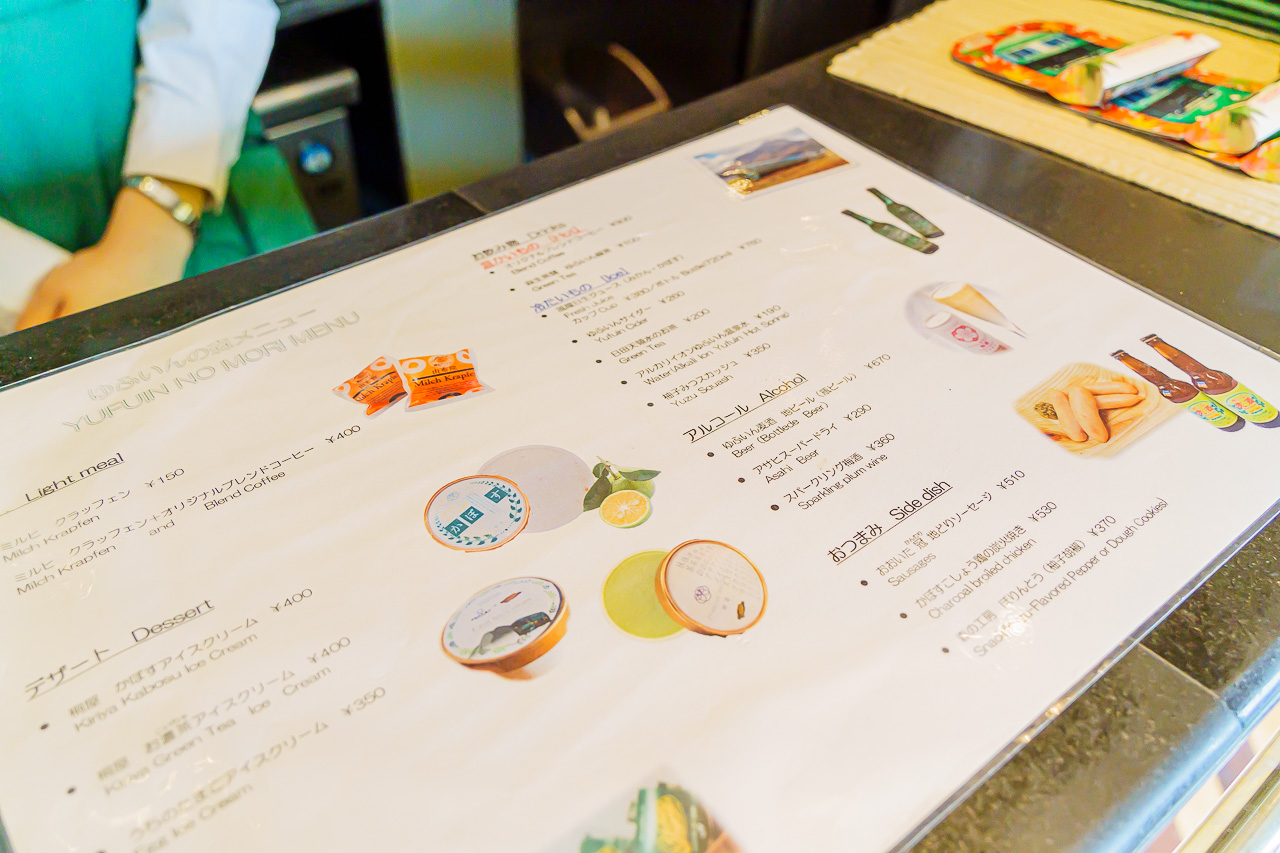
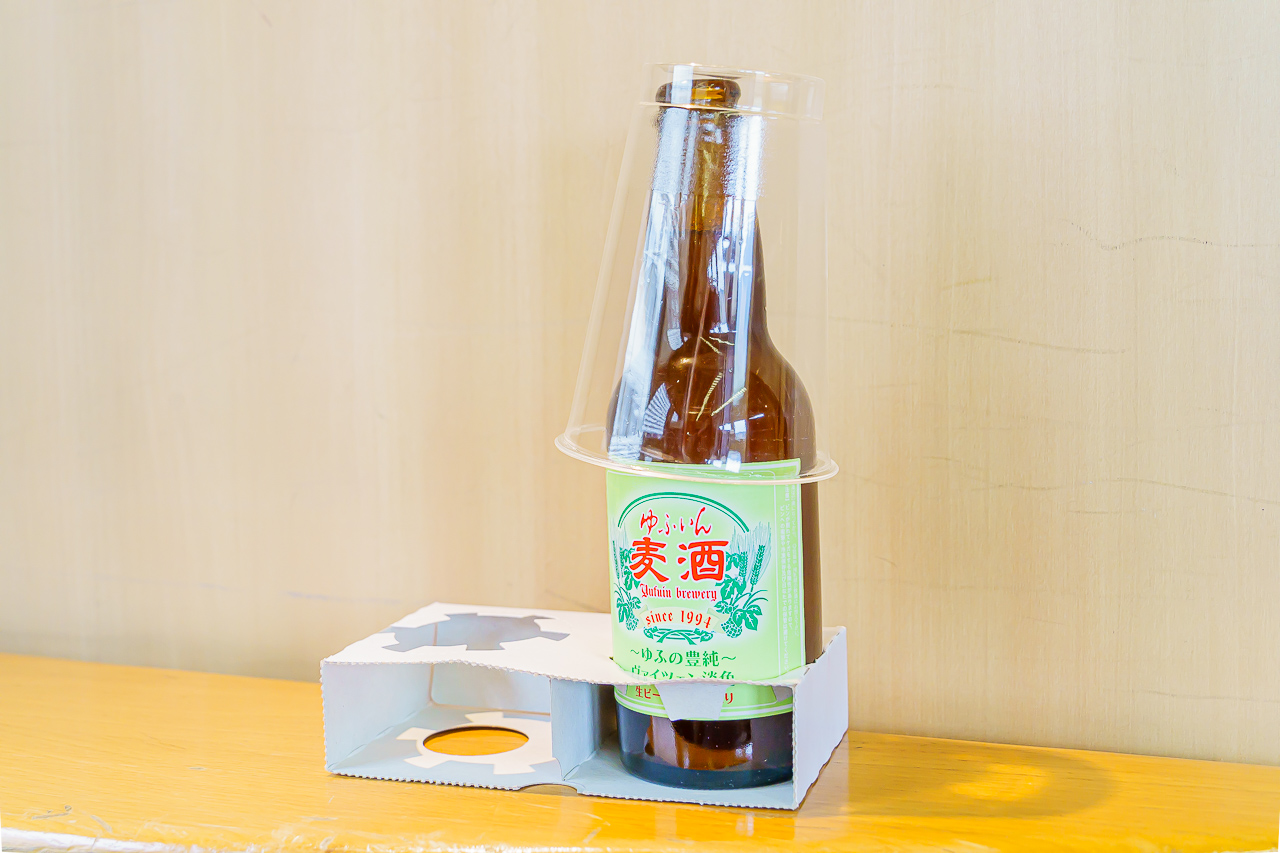
Other desserts and Yufuin no Mori merchandise were also for sale.
After choosing between Yufuin soda and Yufuin beer, I decide that beer suits the journey best: JPY 670.
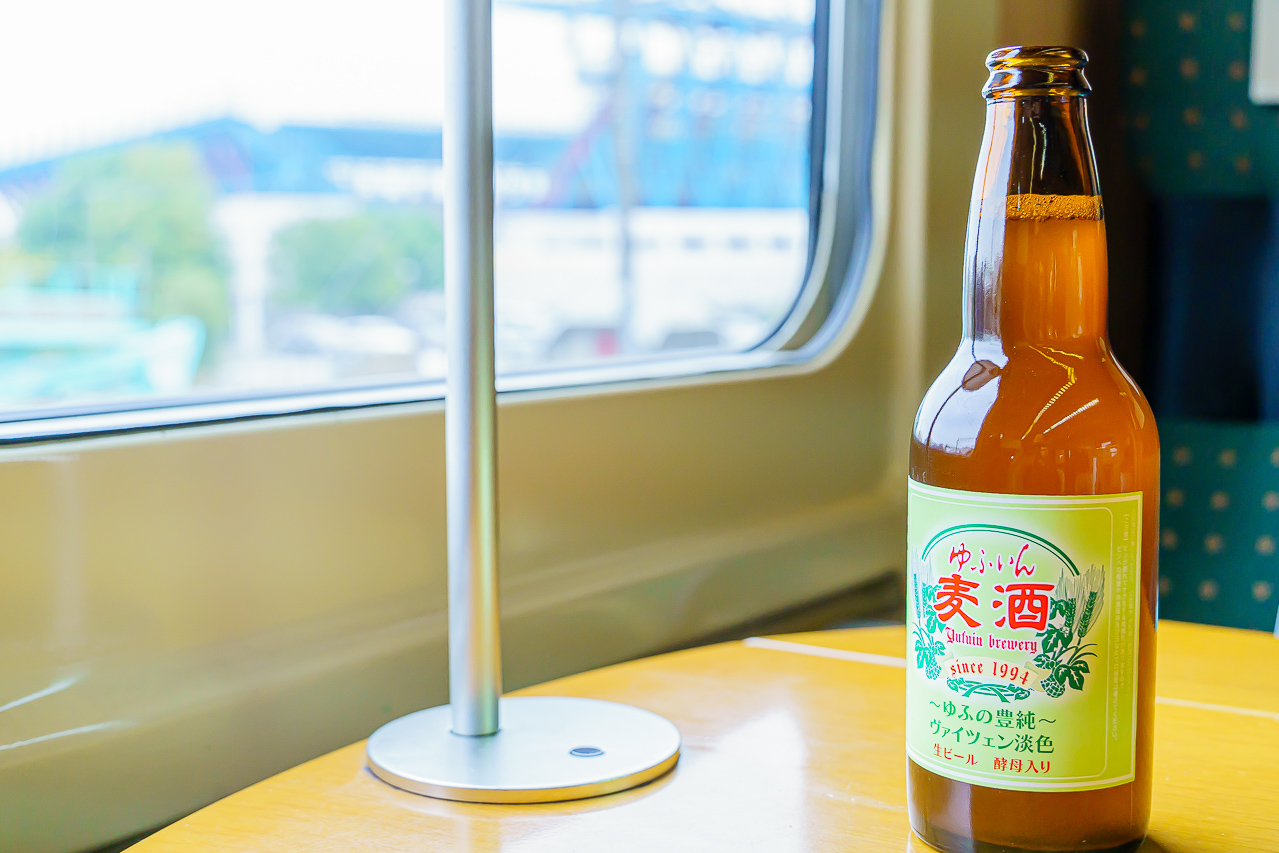
With the attendant’s permission, we move to a facing-seat area with a large table.
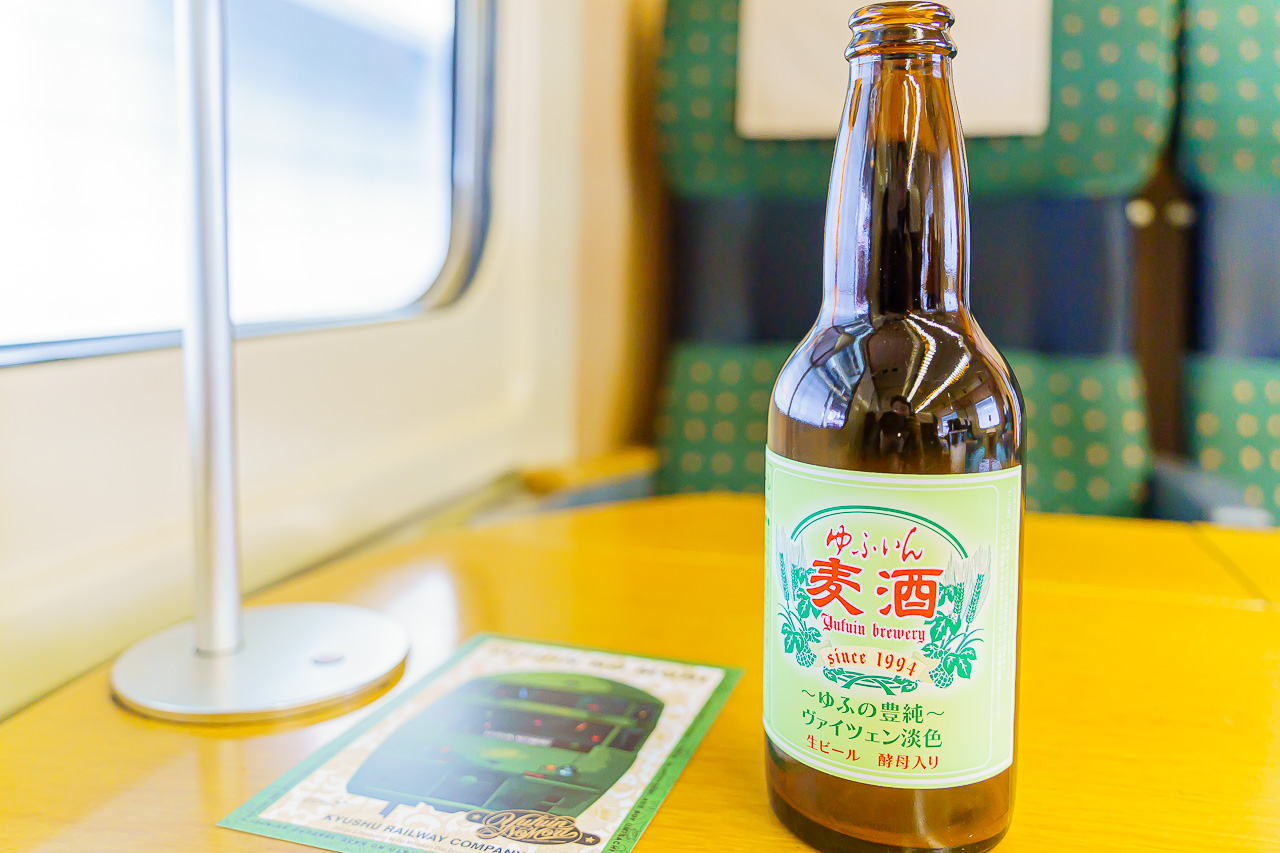
The local craft beer is described as using Yufuin’s clear mountain water and aromatic yeast, leaving a fragrant finish.
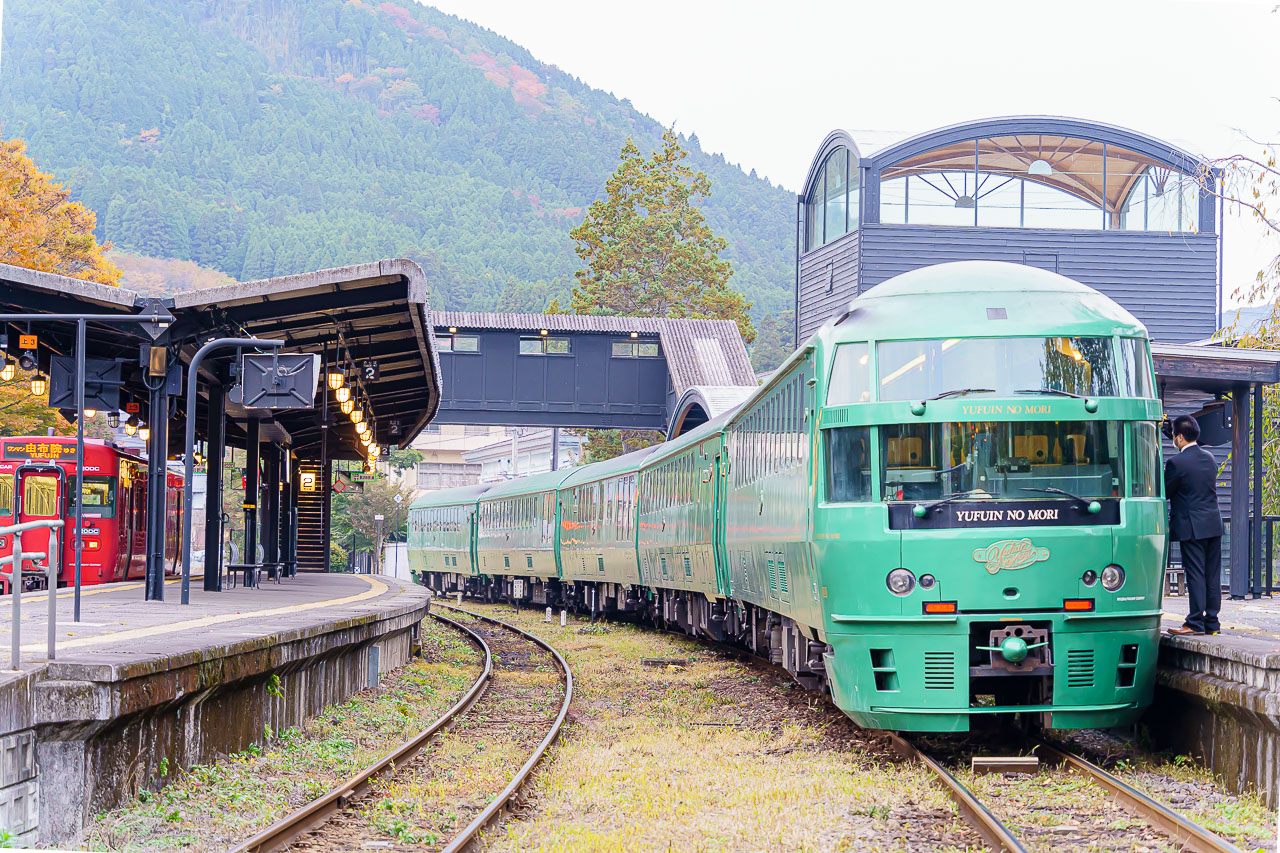

Looking, eating and drinking on the train makes the time pass quickly, and soon we reach Yufuin Station.
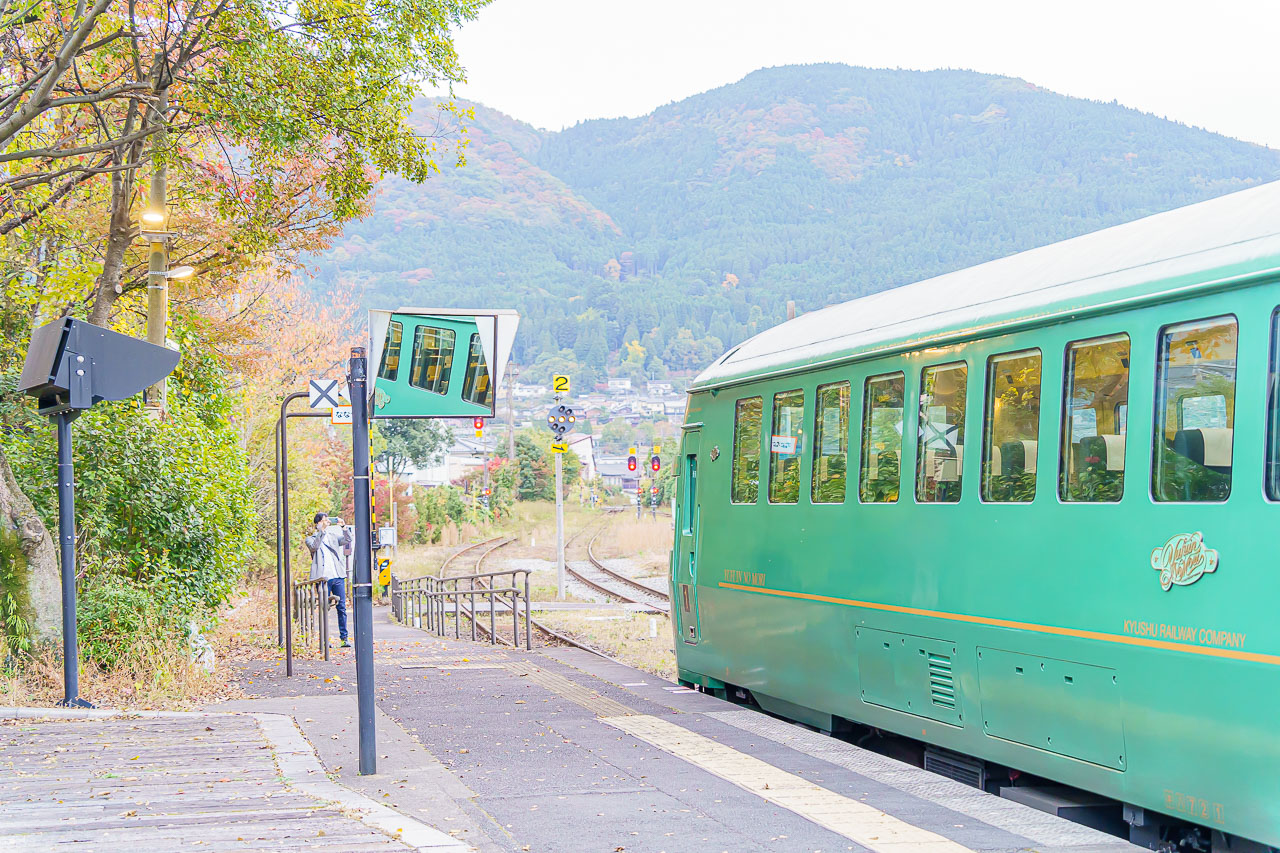
After getting off, everyone seems to take a photograph.
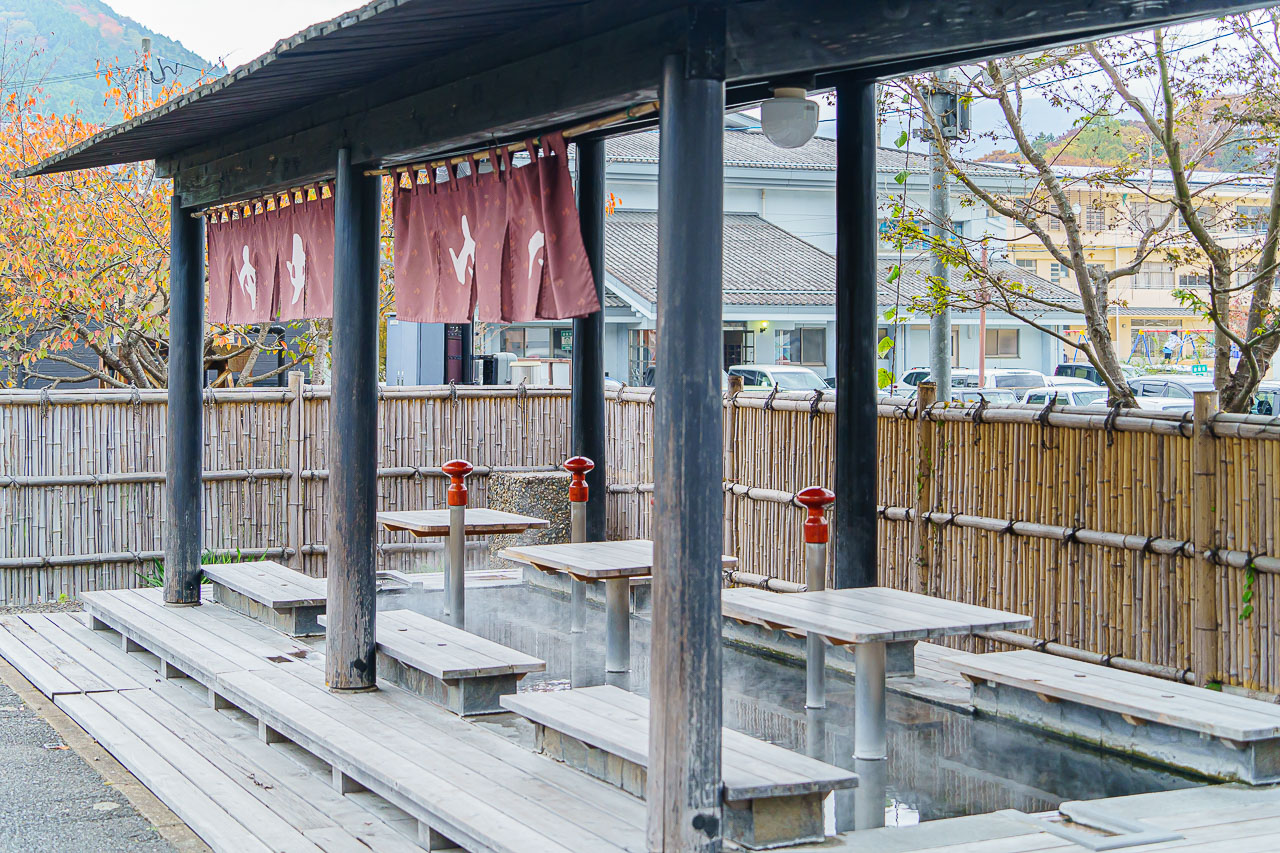
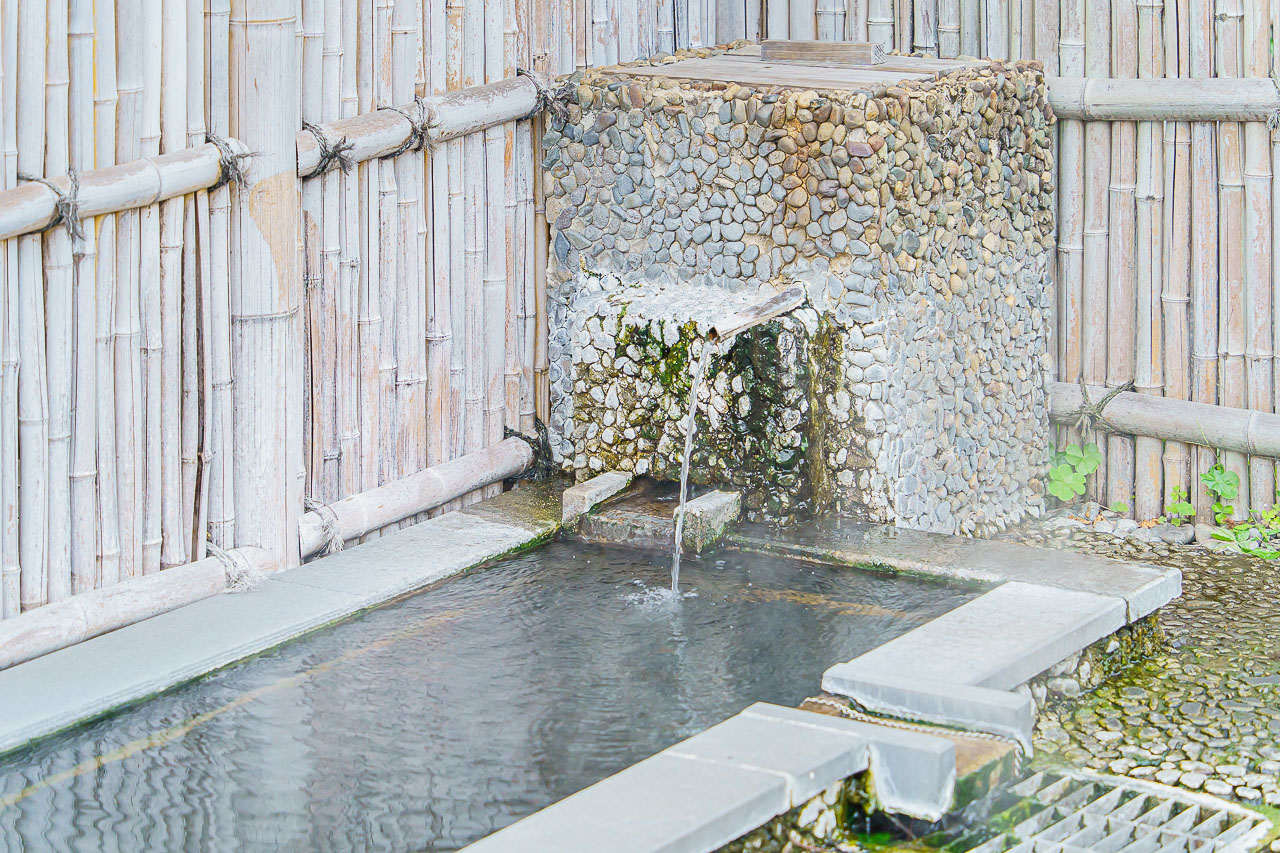
There is a footbath within Yufuin Station.
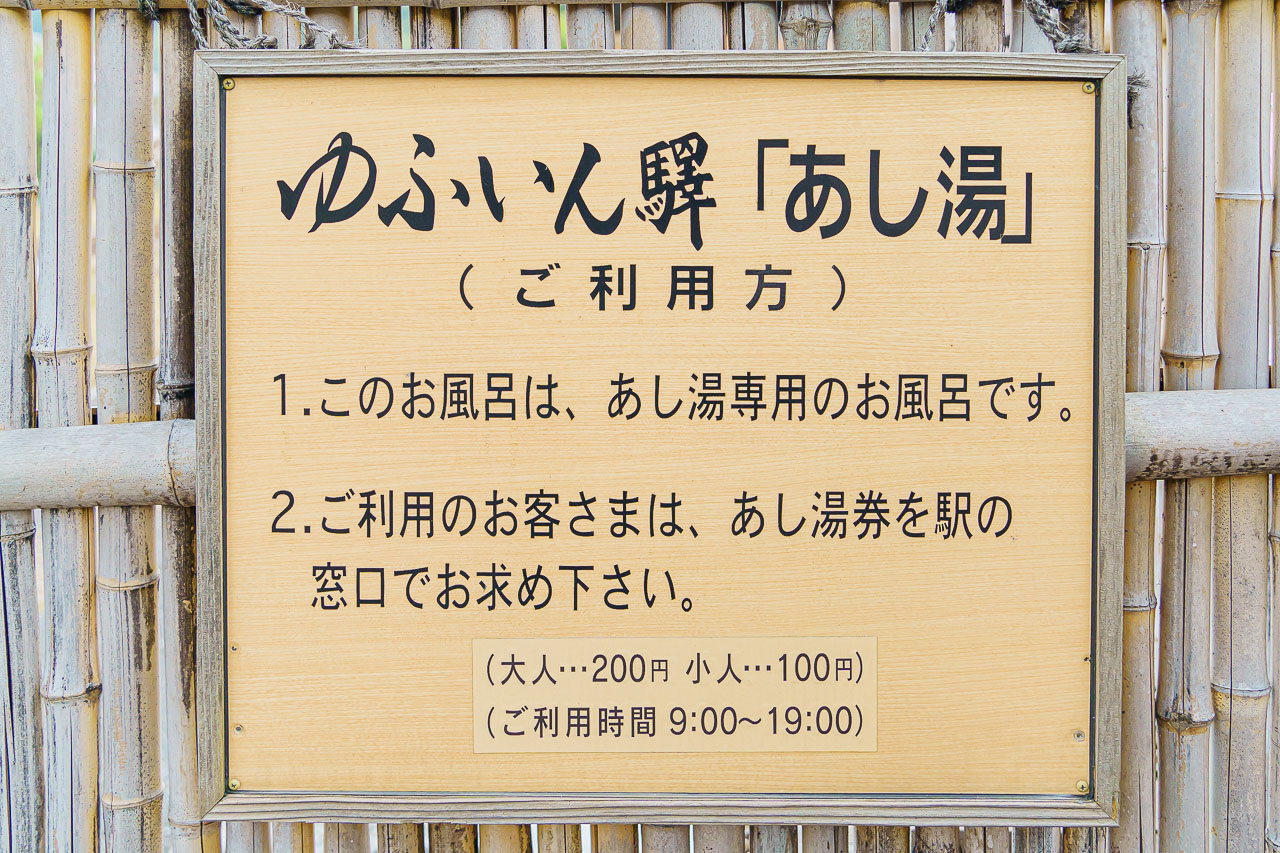
The source quotes JPY 200 for adults and JPY 100 for children, open 9 a.m.–7 p.m.
The JPY 200 price included a towel for drying your feet.
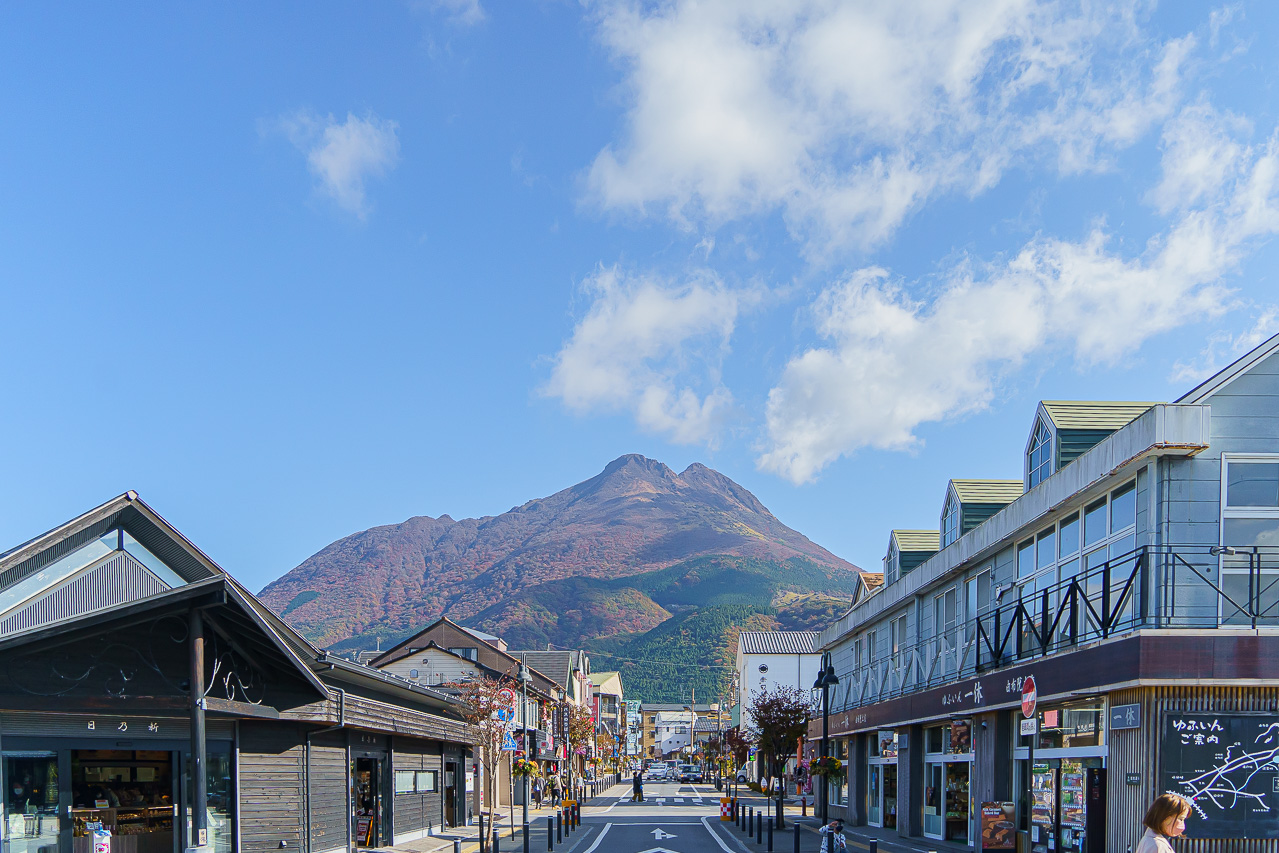
Walk toward Mount Yufu,
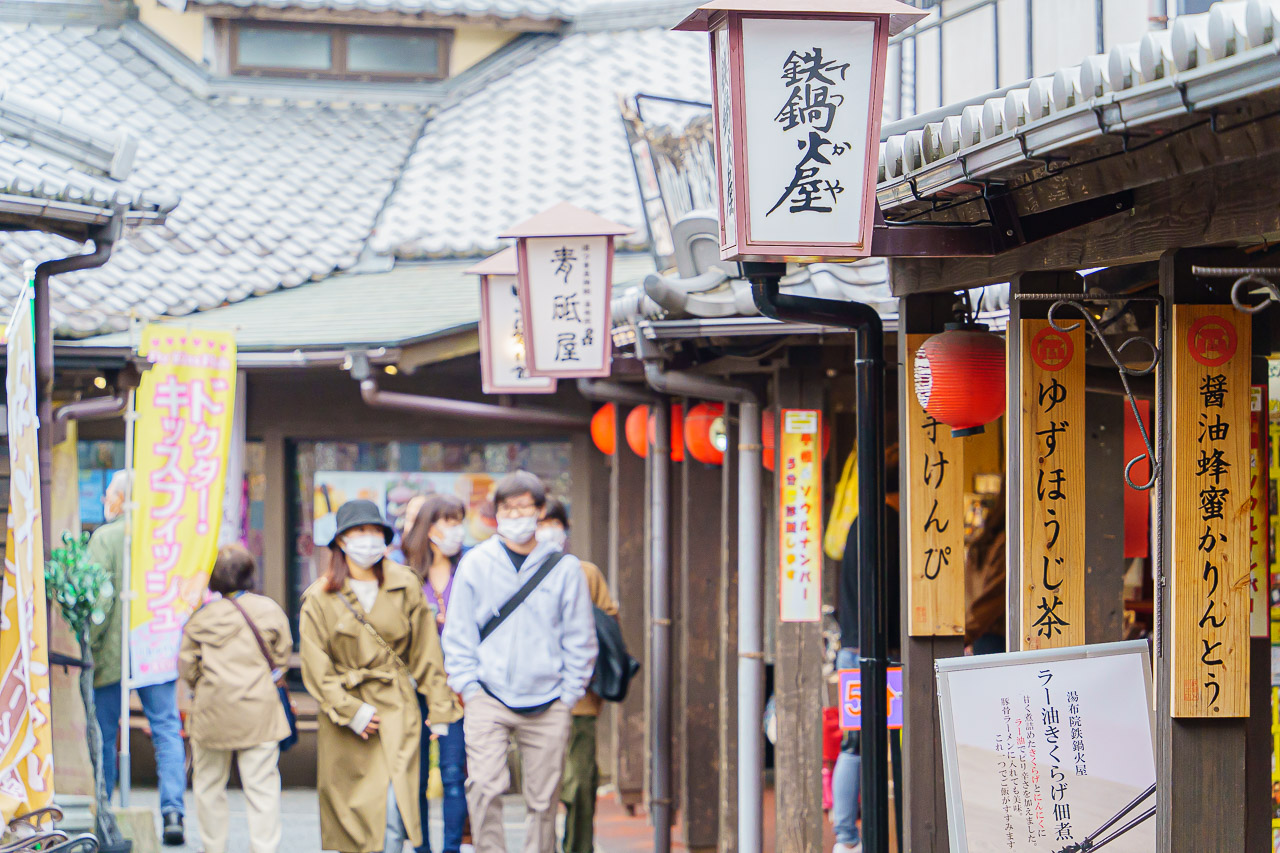

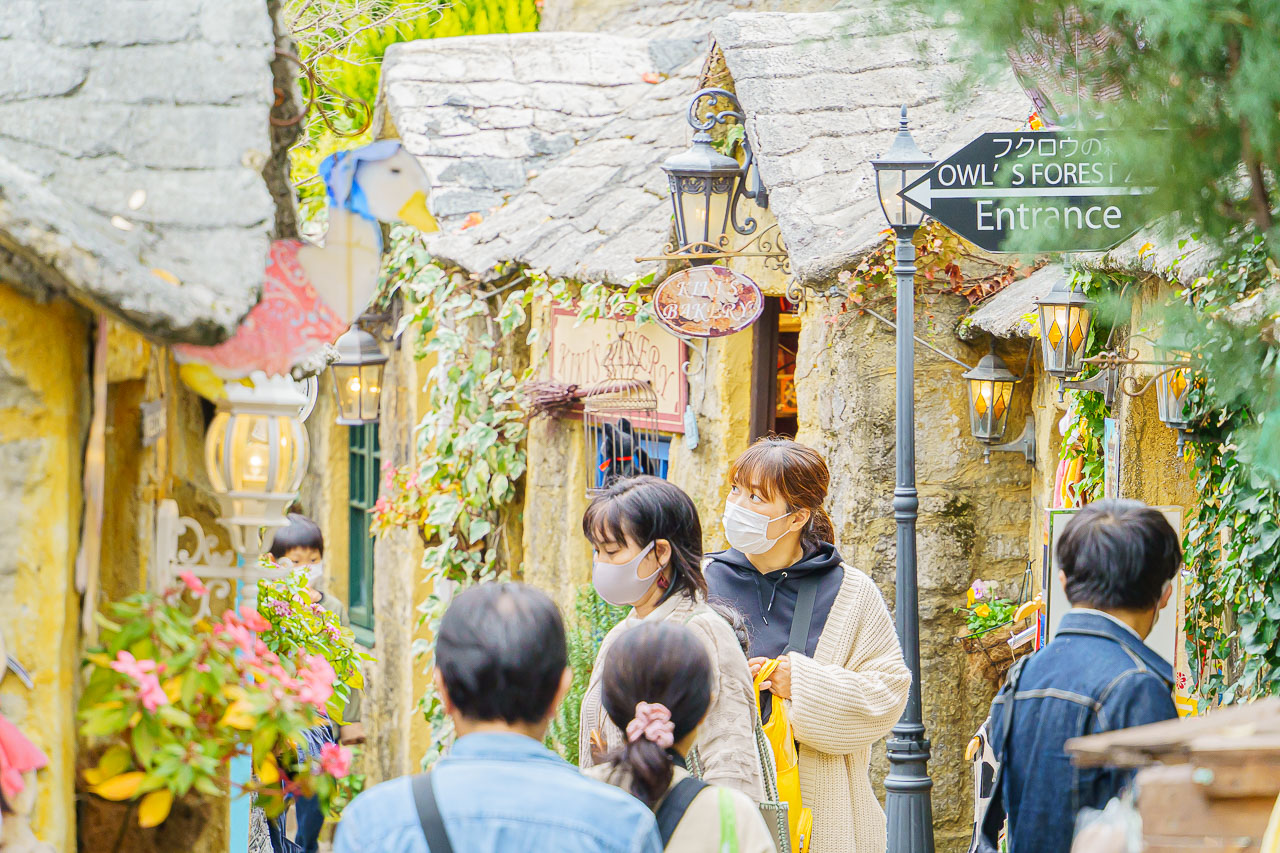
and you reach Yunotsubo Street, full of appealing shops and places to eat.
It is always busy in the author’s experience.
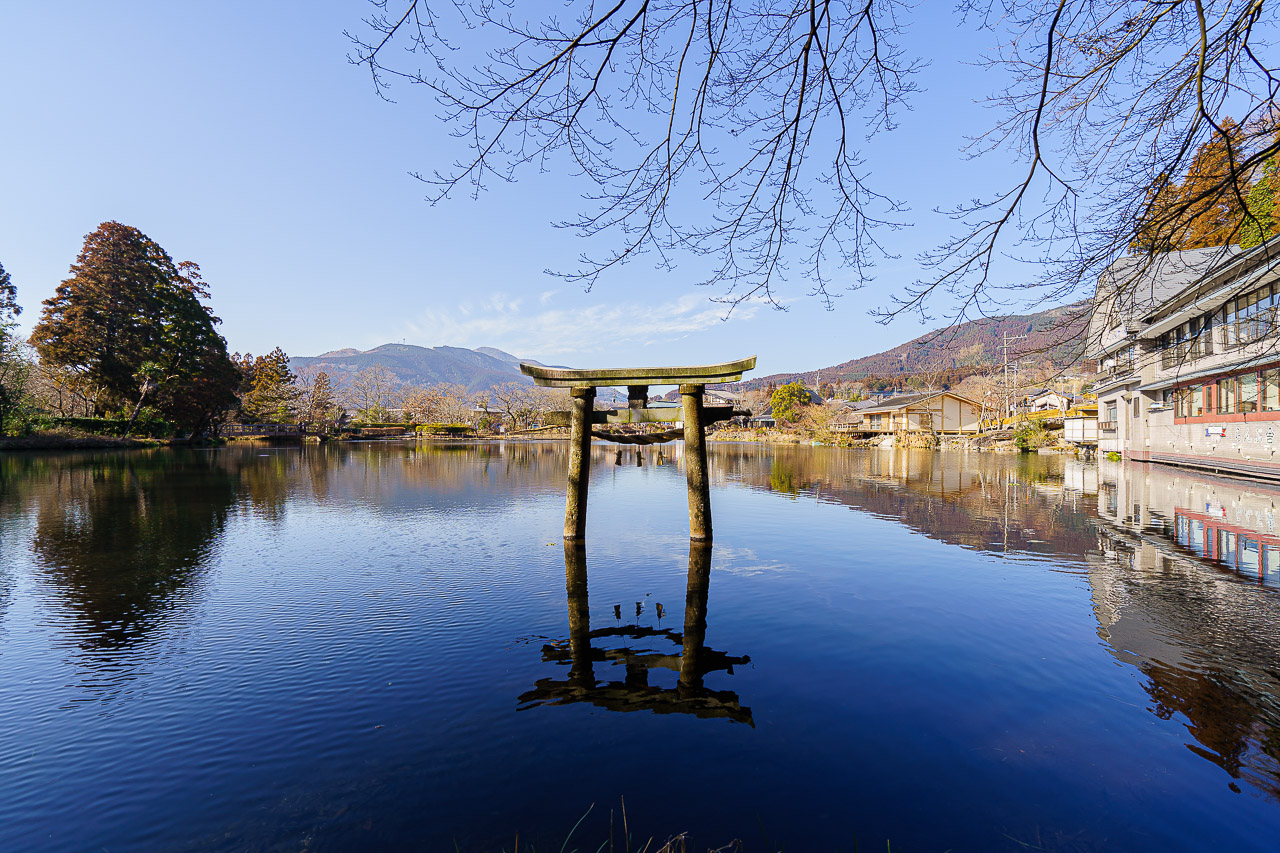
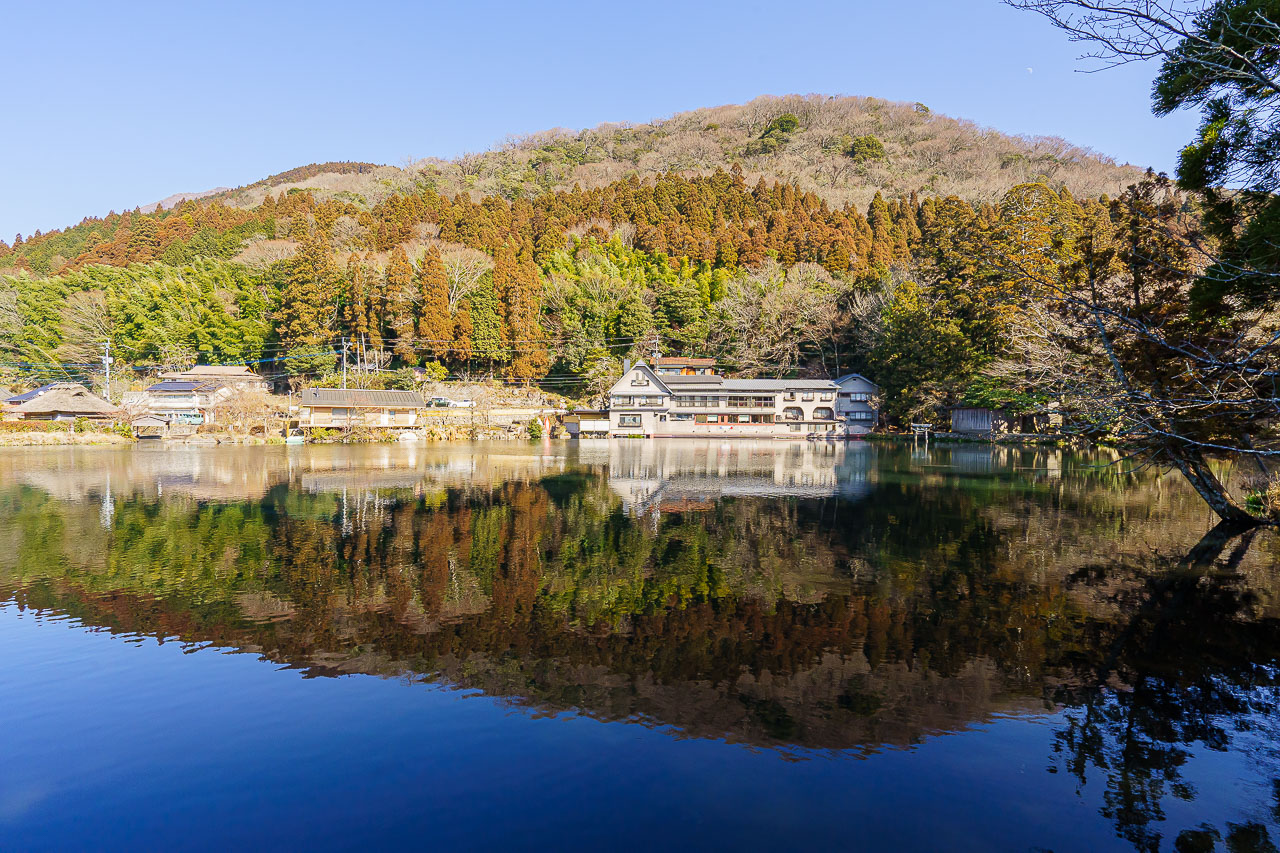
At the far end is Lake Kinrin, a popular sightseeing spot into which warm spring water flows.
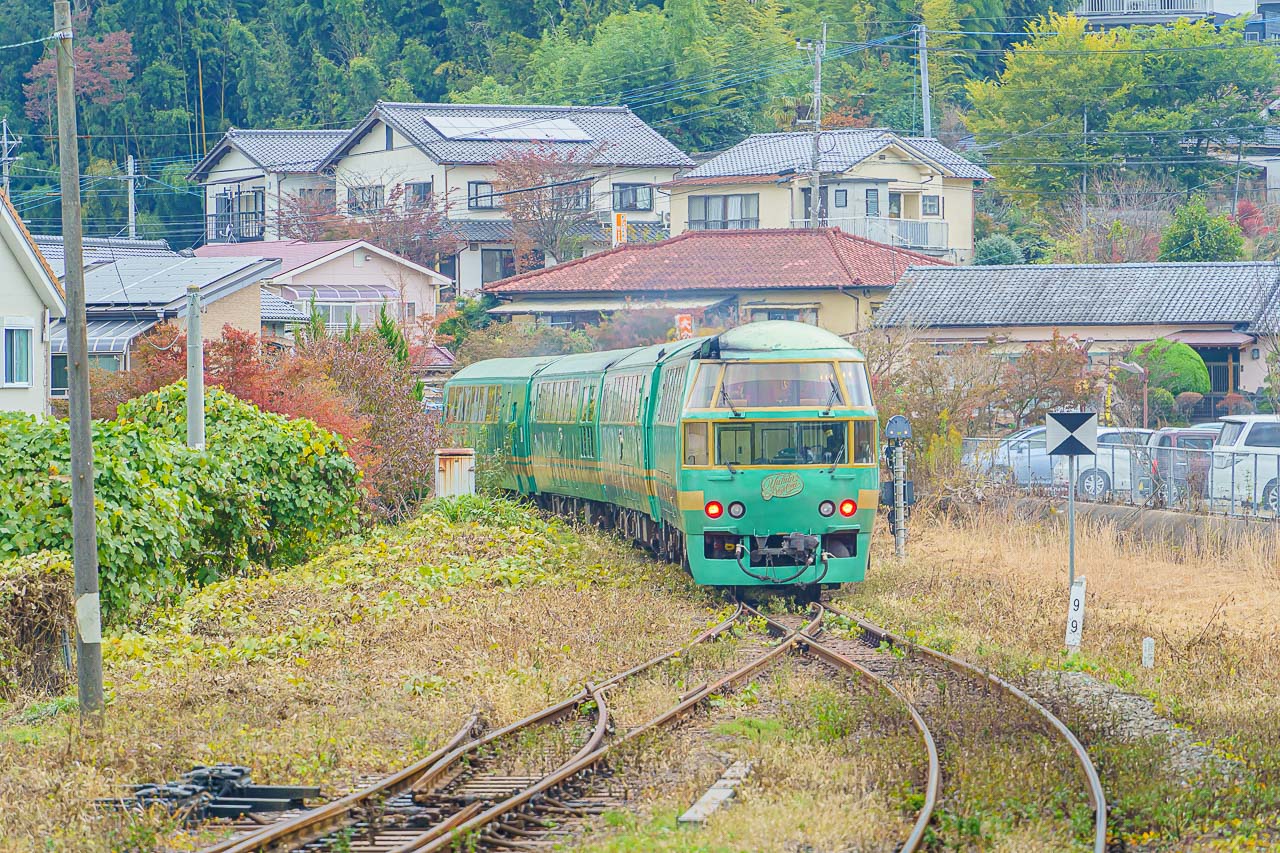
Yufuin no Mori is a comfortable limited-express journey from Fukuoka to Yufuin Onsen.
What could have been a dull two-hour transfer feels much shorter aboard this train.
Historical service 1: Hakata 9:24 a.m. → Yufuin 11:37 a.m.
Historical service 3: Hakata 10:24 a.m. → Yufuin 12:33 p.m. → Beppu 1:37 p.m.
Historical service 5: Hakata 2:35 p.m. → Yufuin 4:46 p.m.
Historical service 2: Yufuin 12:08 p.m. → Hakata 2:20 p.m.
Historical service 4: Beppu 2:41 p.m. → Yufuin 3:50 p.m. → Hakata 6:05 p.m.
Historical service 6: Yufuin 5:07 p.m. → Hakata 7:22 p.m.