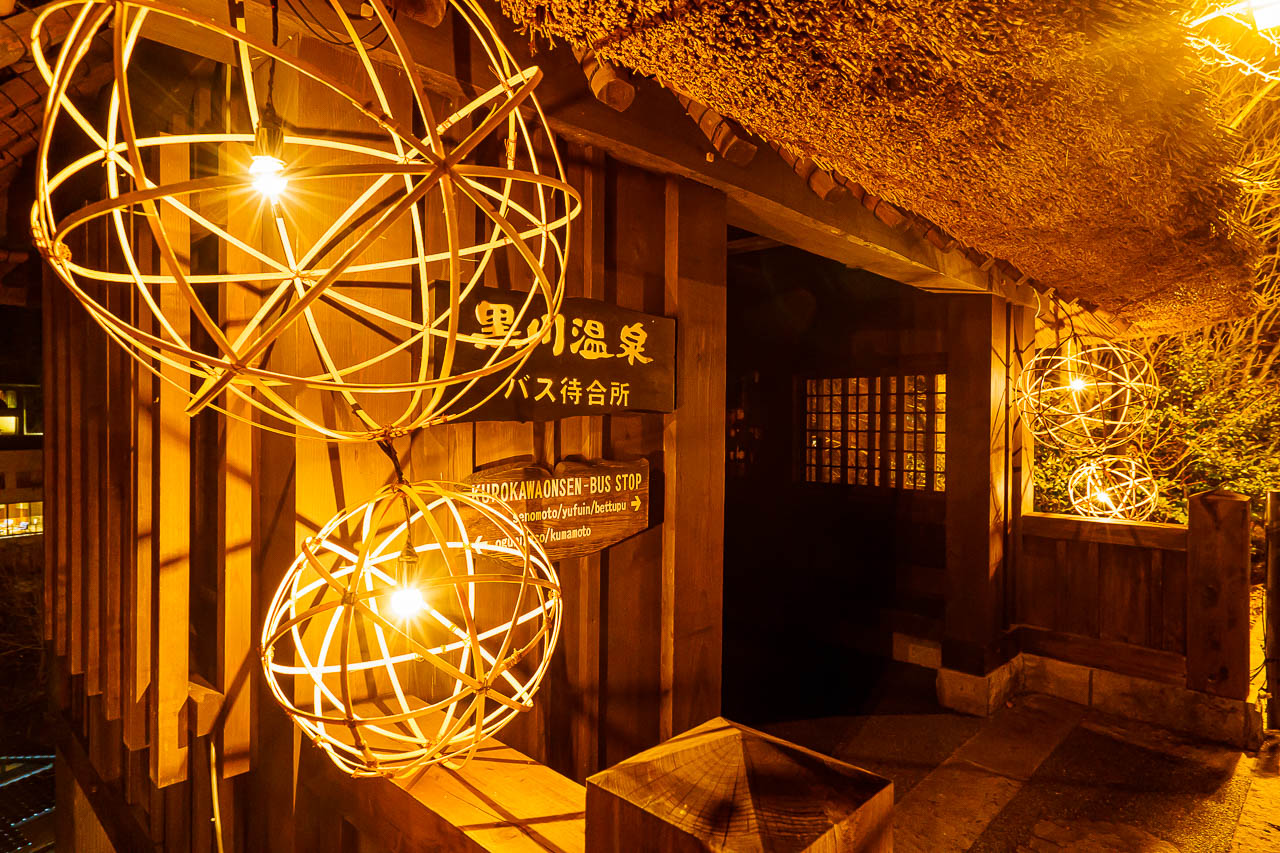
We visited Kurokawa Onsen, a quiet Kumamoto hot-spring village that the original associates with the atmosphere of Spirited Away; that association is not independently verified as a filming or inspiration claim.
Deeper in the mountains than Kyushu’s better-known Yufuin and Beppu, it lies north of Mount Aso and is a small village of traditional ryokan rather than large modern facilities.
The source records two stars in the 2009 Michelin Green Guide Japan, unusual for a hot-spring destination, and says it had previously ranked above Beppu and Yufuin in a Japanese hot-spring poll.
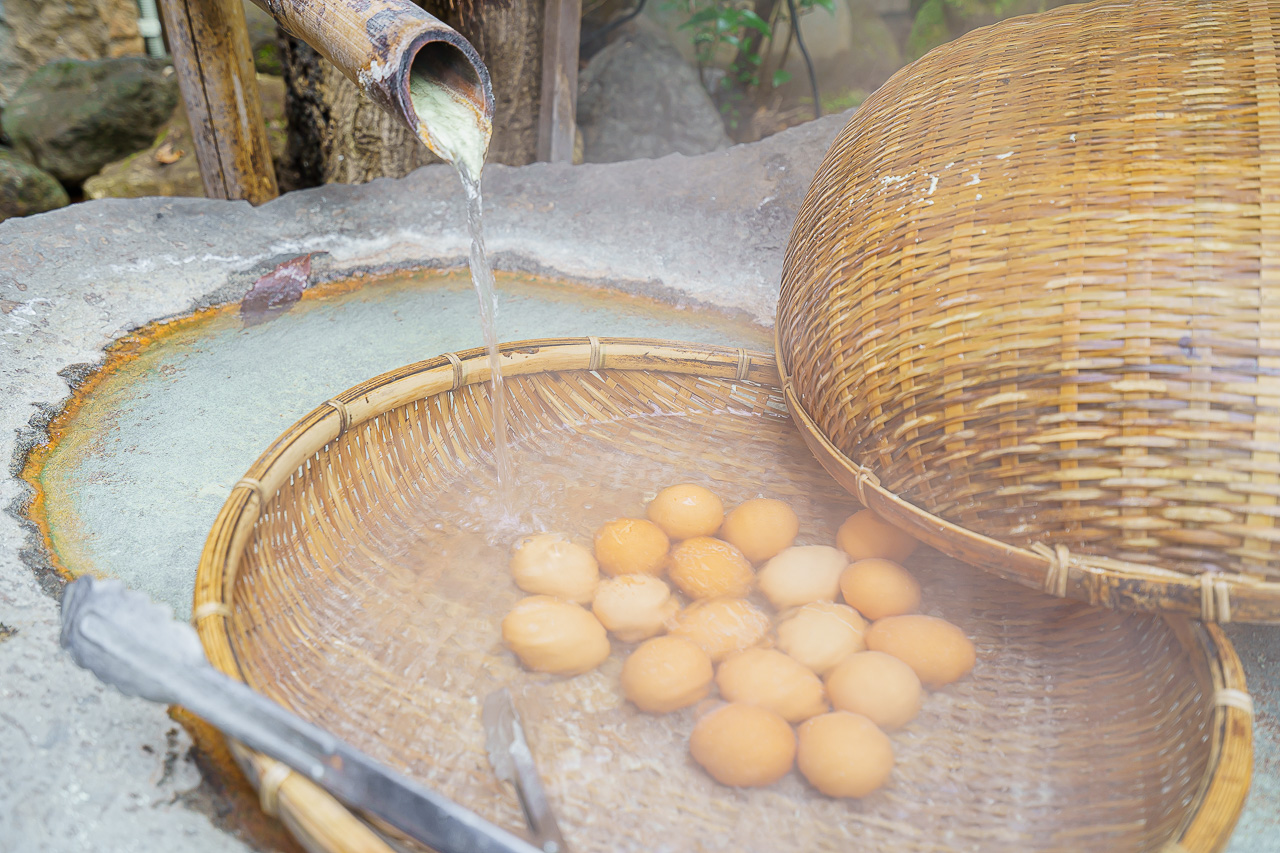
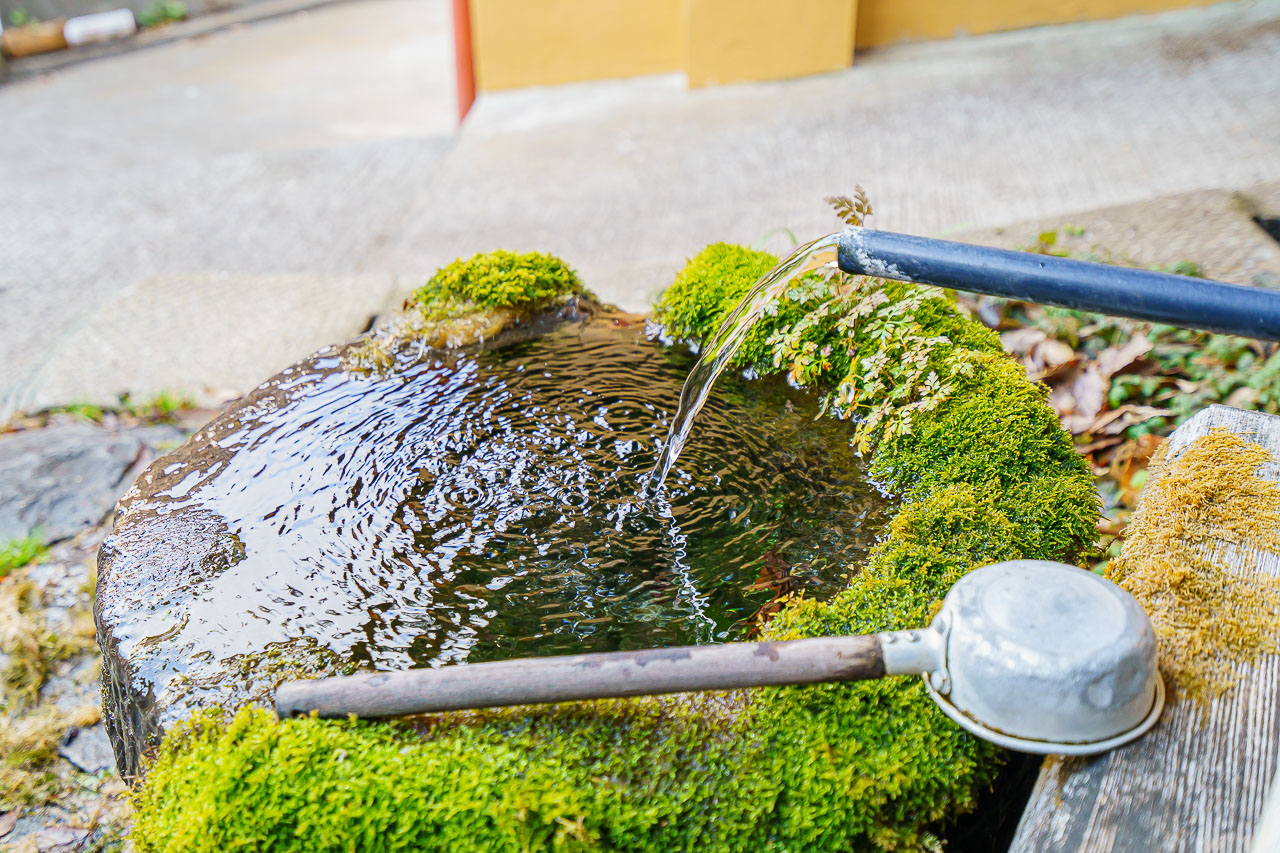
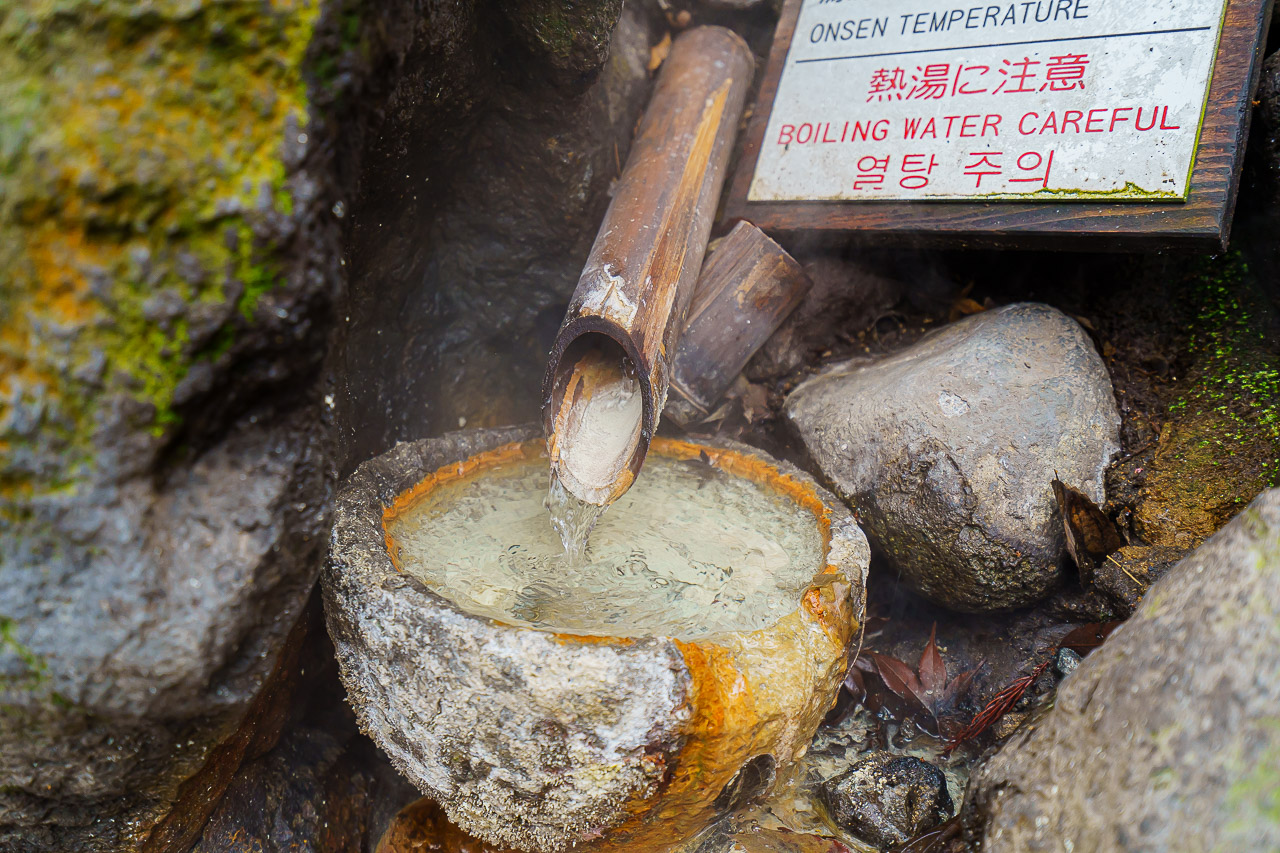
The hot springs themselves were the attraction. There were few souvenir shops and, in the source period, not even a convenience store.
With fewer tour groups and more families or independent visitors, it felt quieter than destinations such as Yufuin, Ureshino, and Beppu.
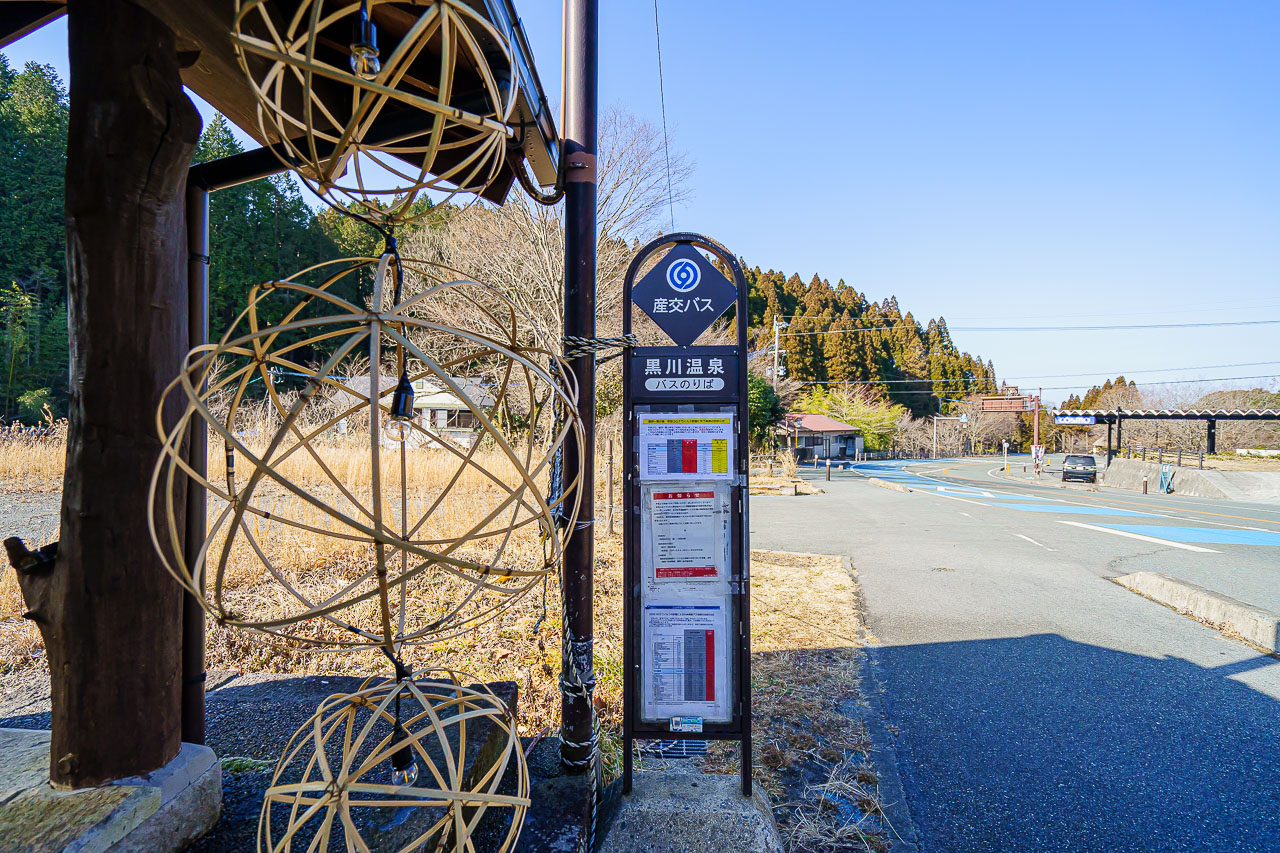
Apart from bathing, the small, attractive traditional village was the main sight.
Its remote mountain location meant limited public-transport destinations and departure times. Without a rental car, the source considered an overnight stay almost necessary.
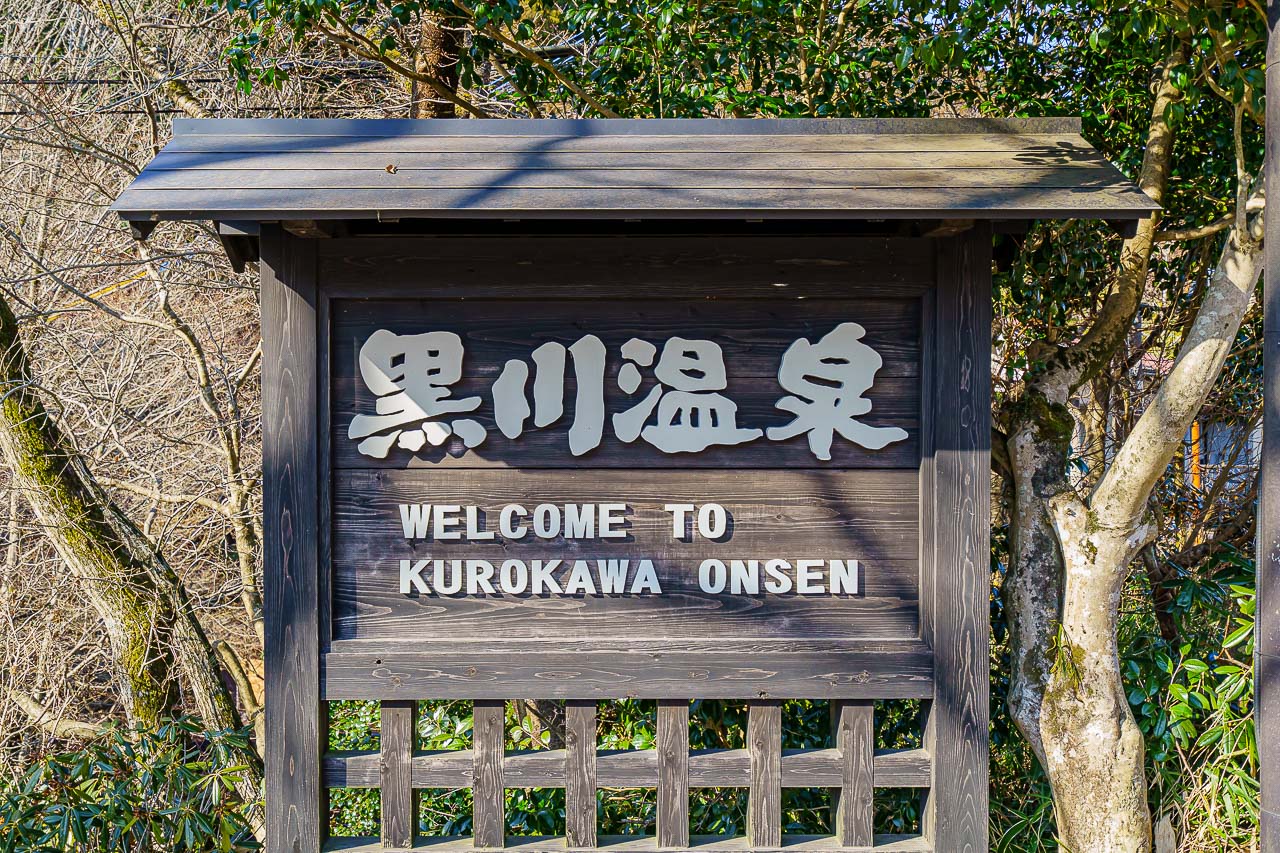
For people seeking a restorative ryokan break rather than busy sightseeing, it describes Kurokawa as often more satisfying than Beppu or Yufuin.

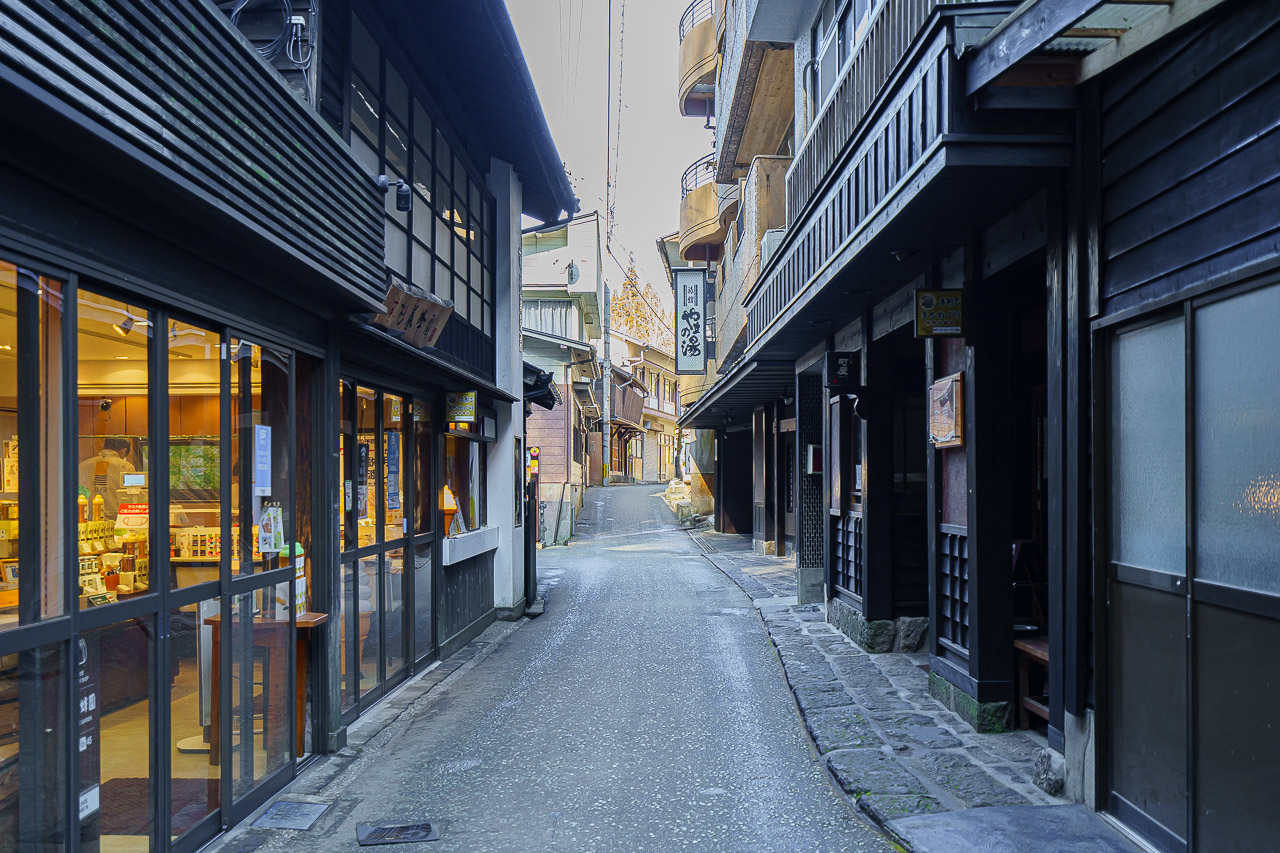
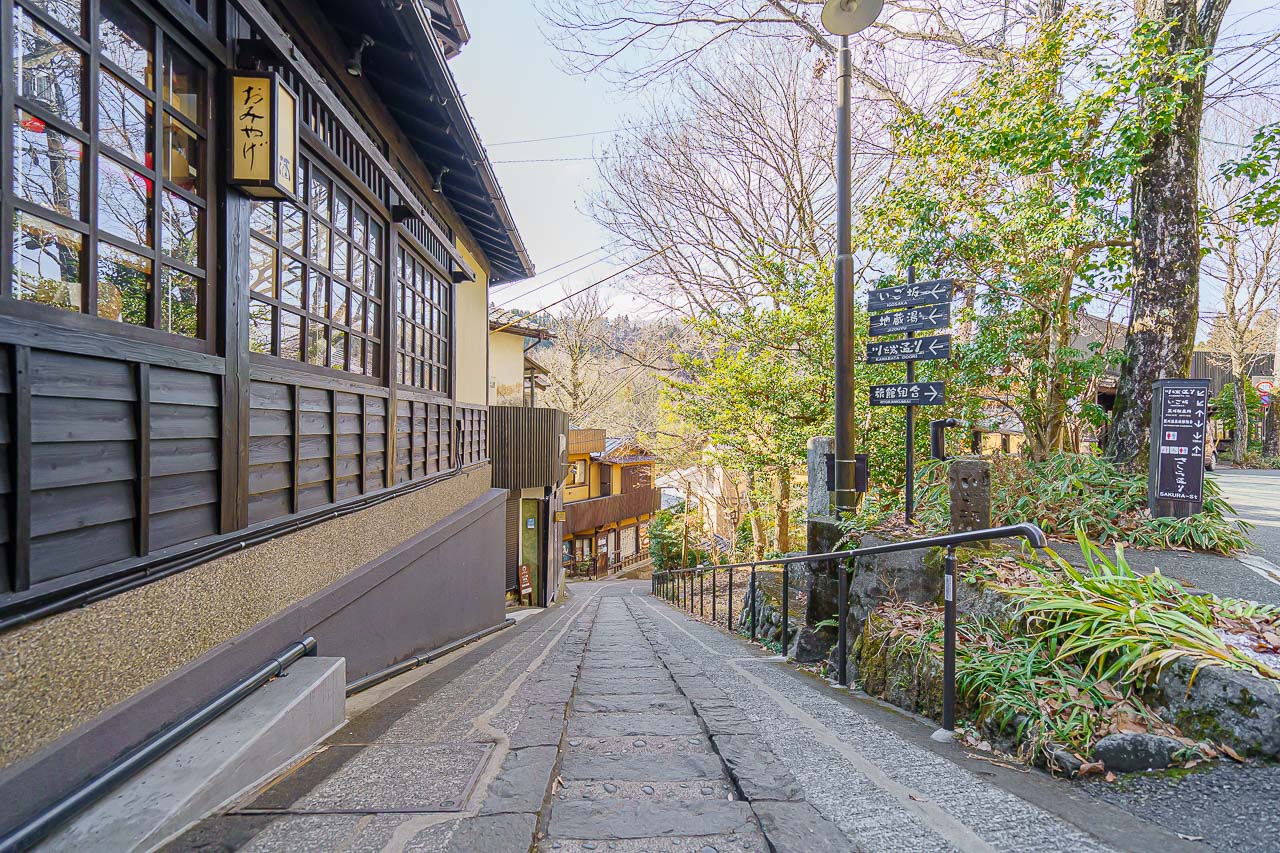
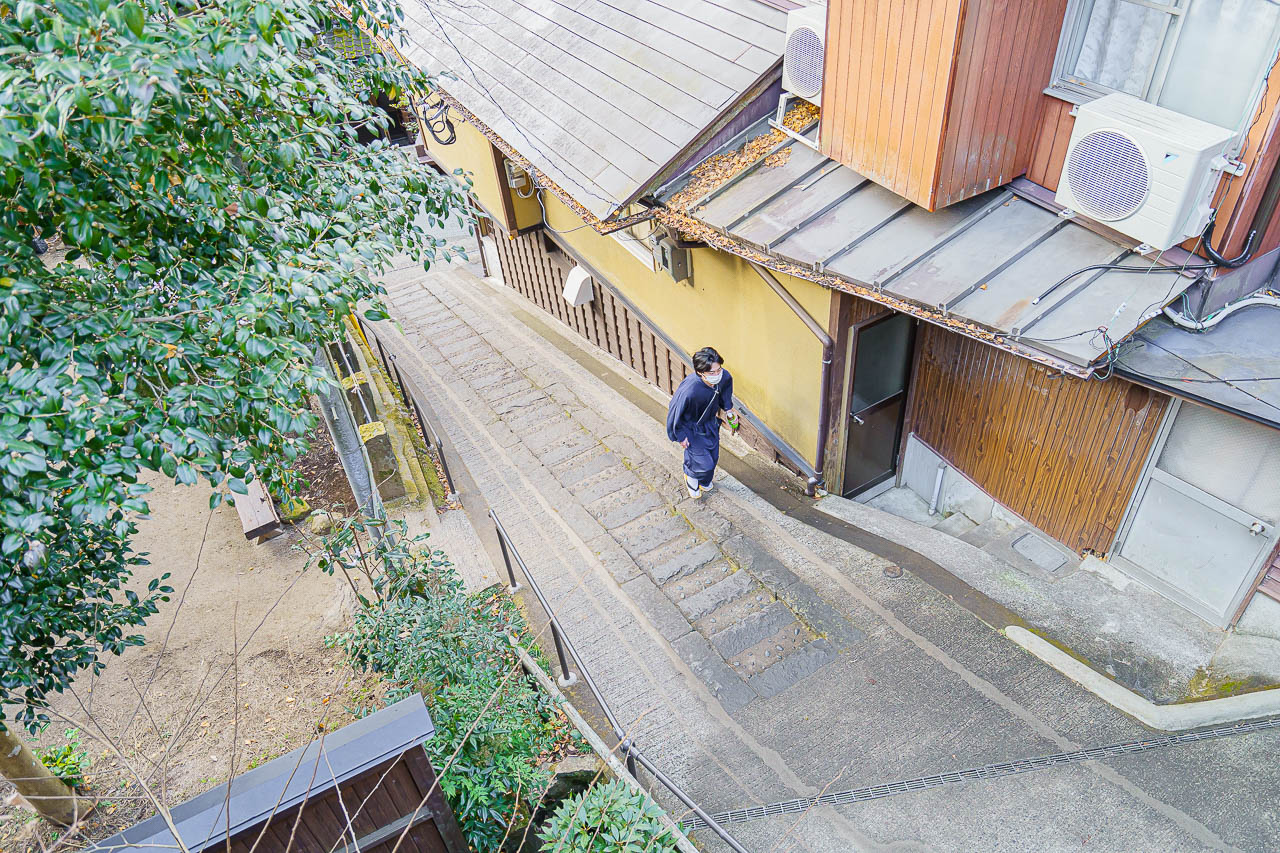
The streets were uncomplicated and pleasant to explore; most buildings were hot-spring ryokan.
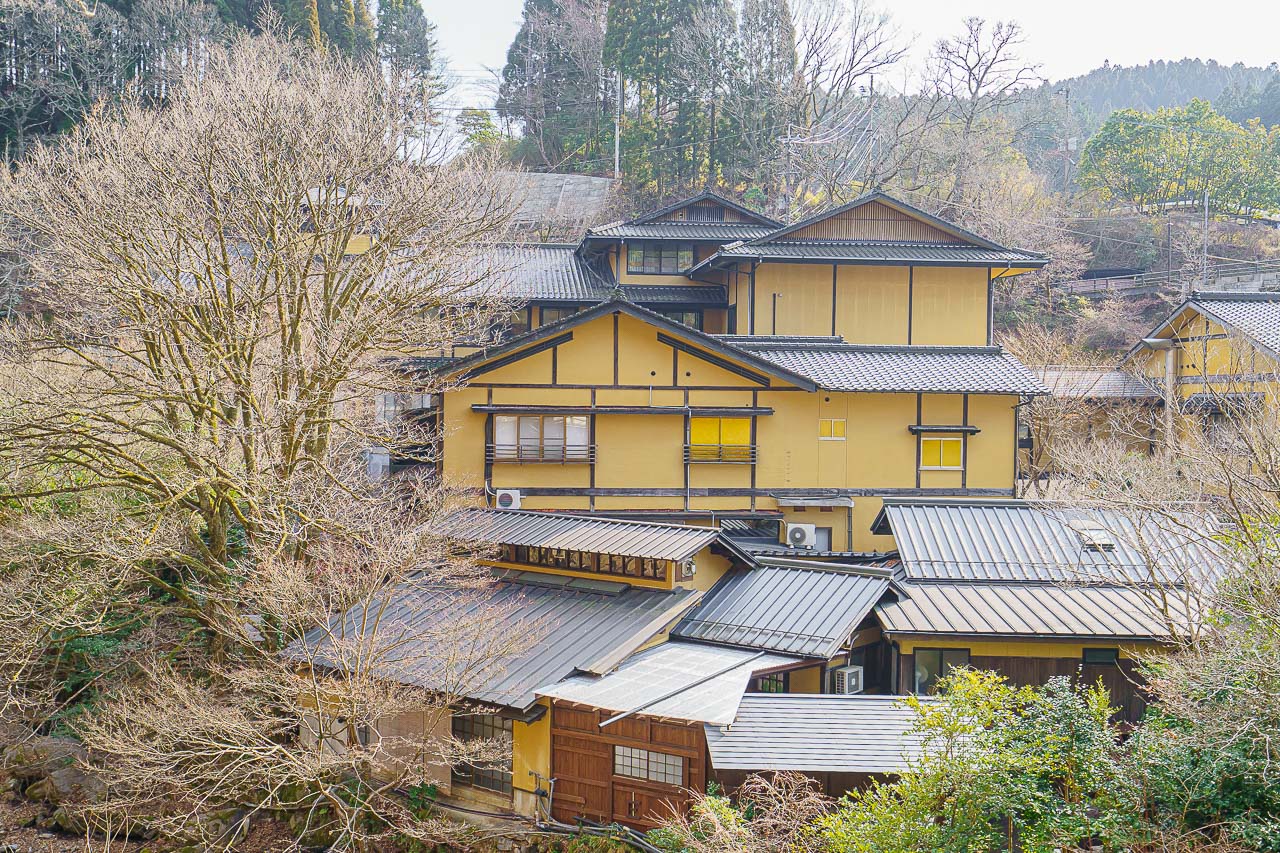
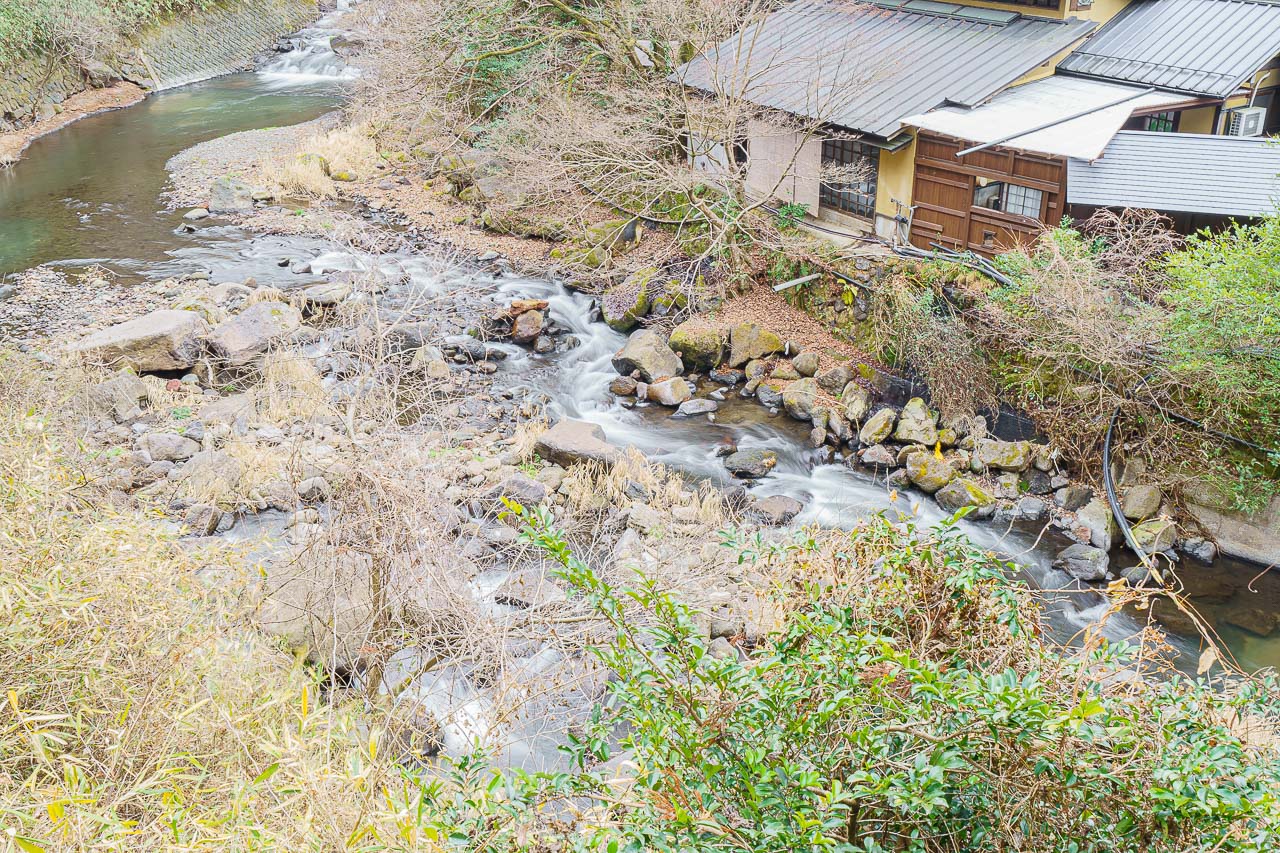
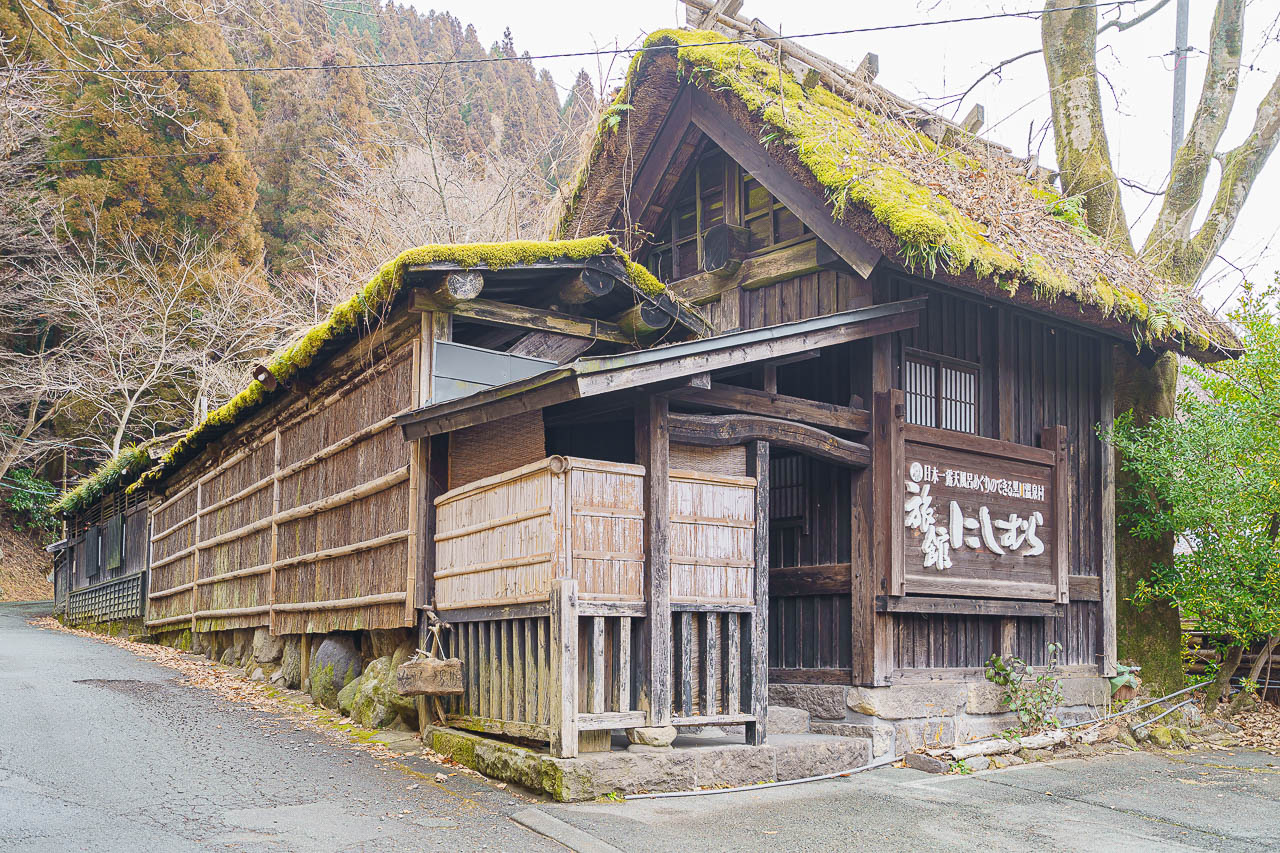

Each had its own character, with widely varying rates, making the accommodation choice interesting.
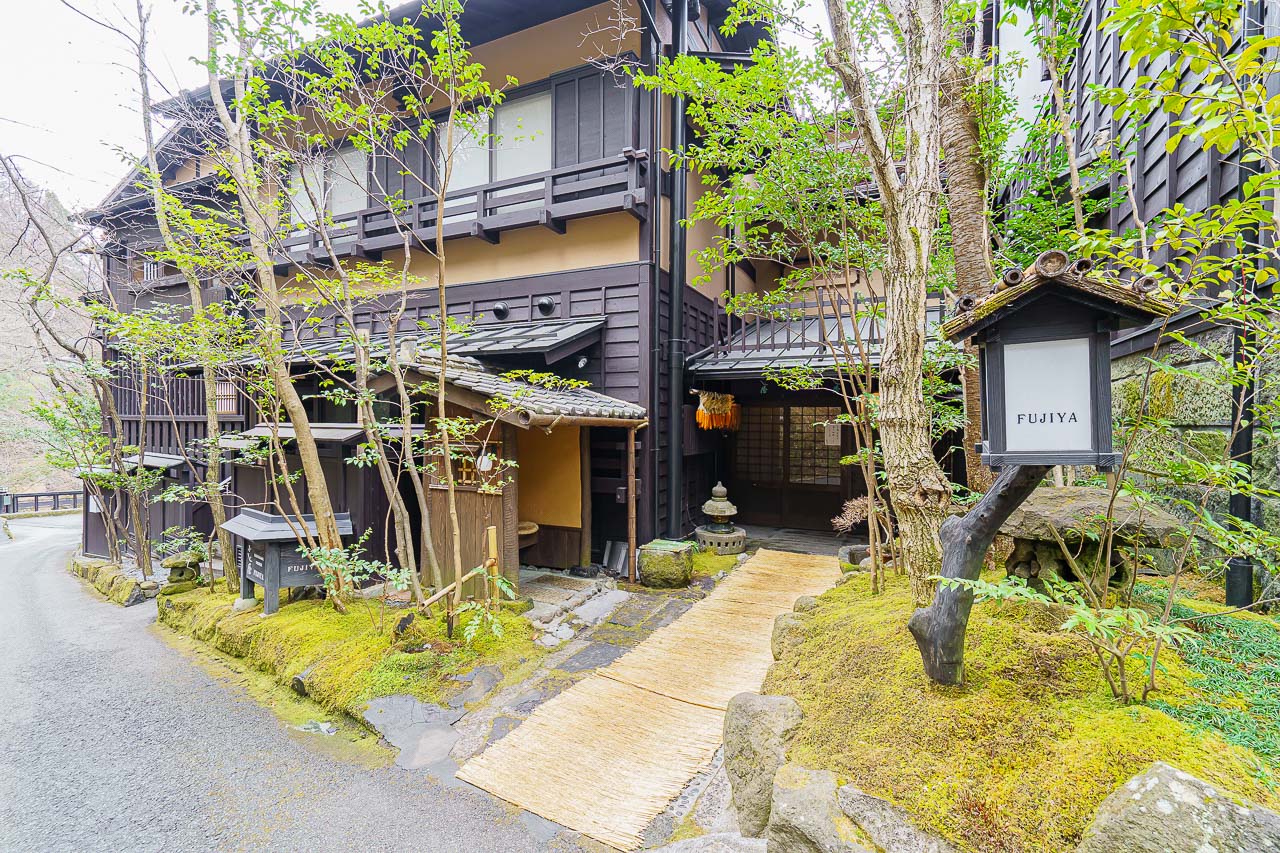
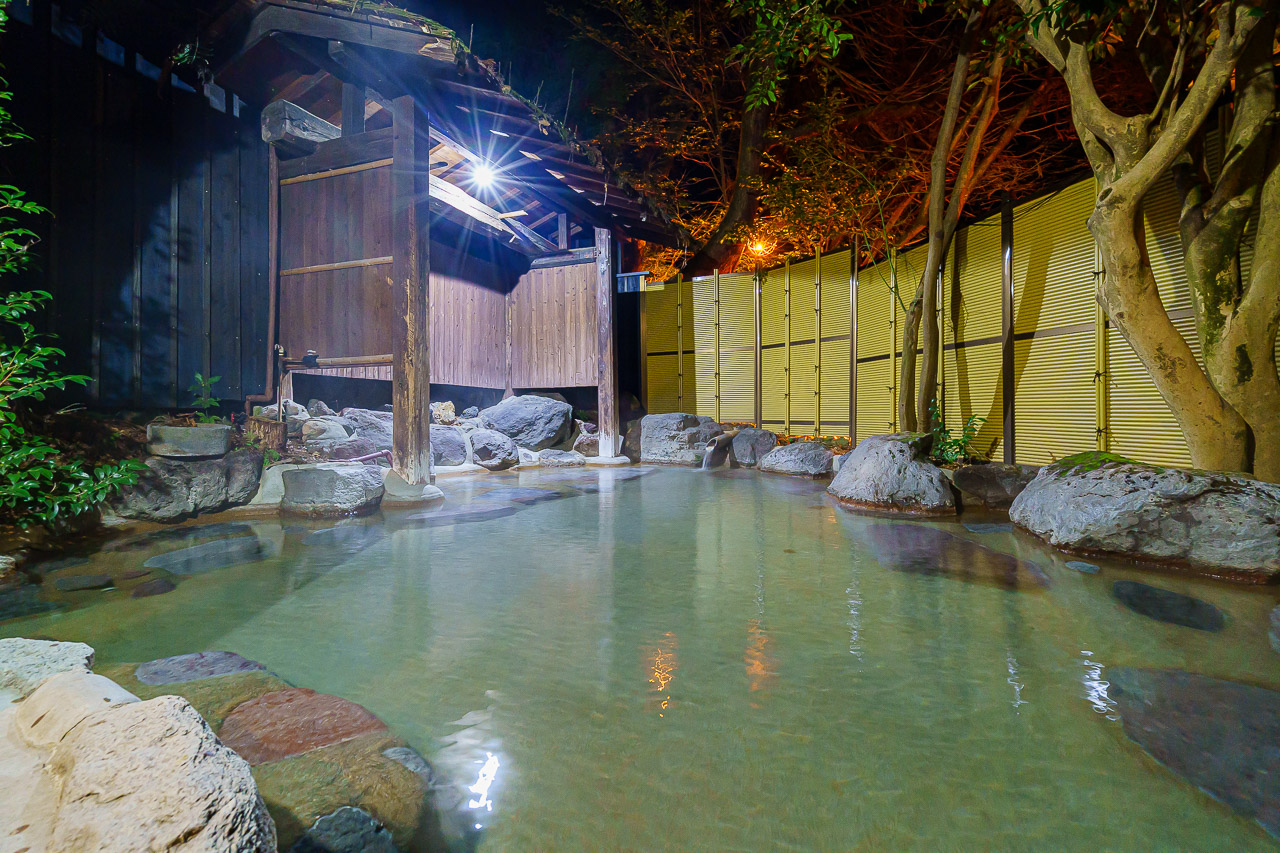
Staying guests could use their ryokan’s baths, while some baths were also available to nonguests for a fee.
For more than one bath, the source recommends a nyuto tegata, a wooden bathing-pass tag worn like a necklace.
It allowed a choice of three participating ryokan baths in the village under the recorded scheme.
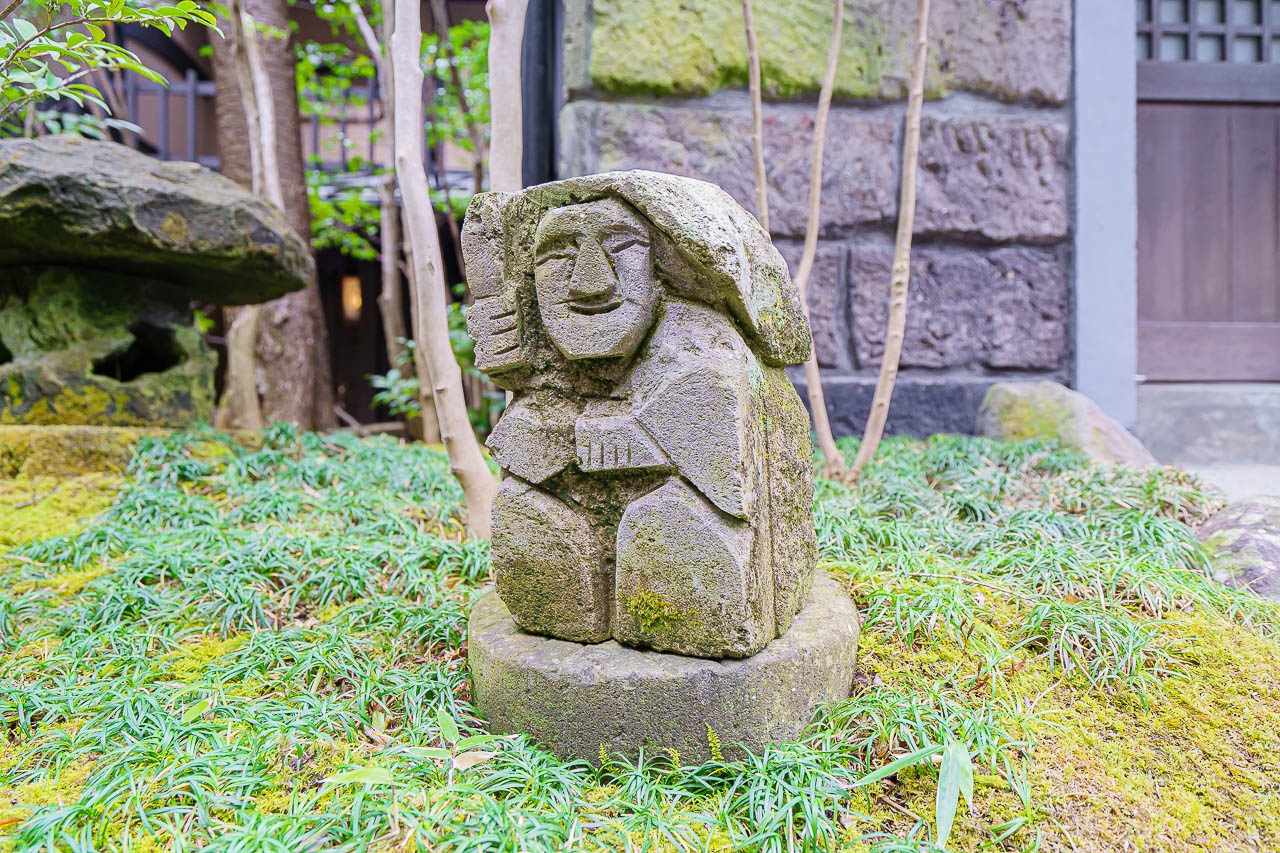
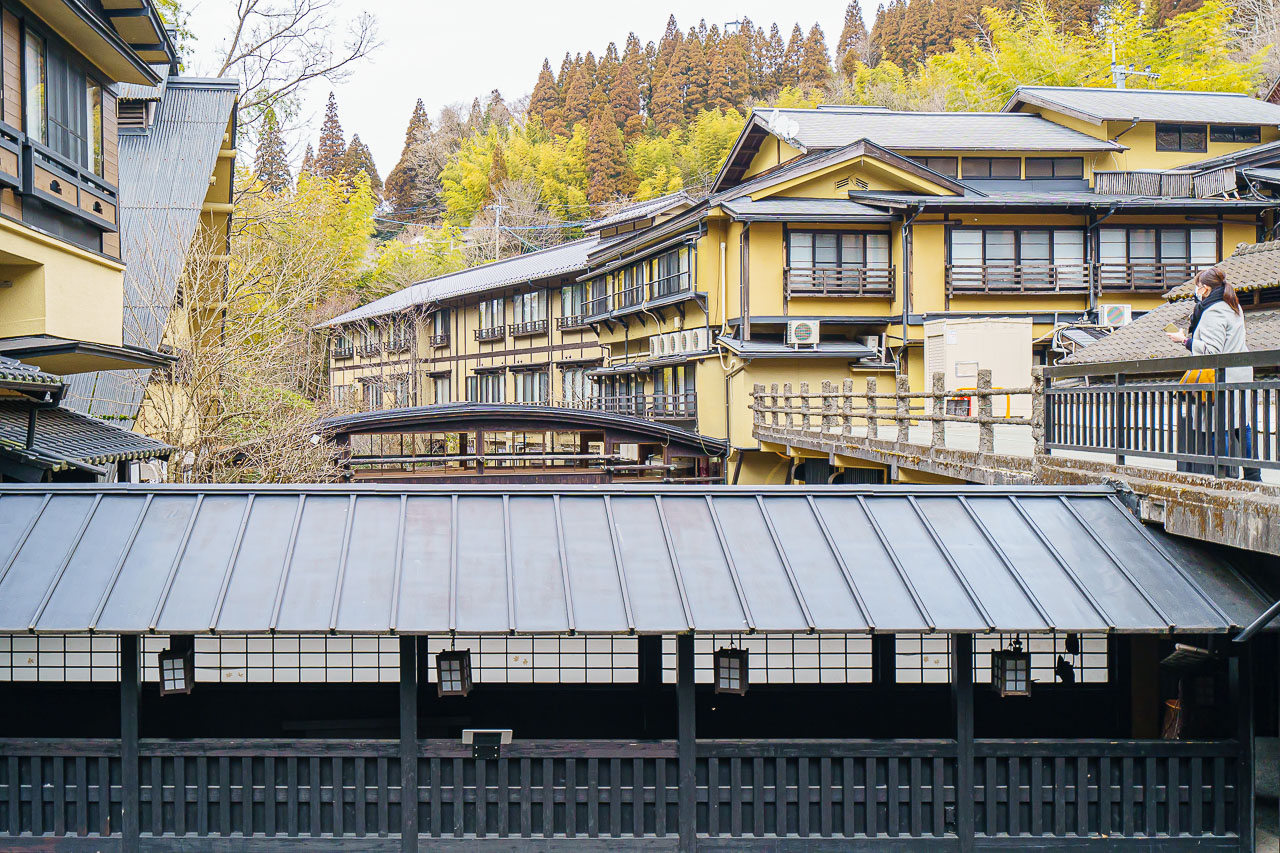
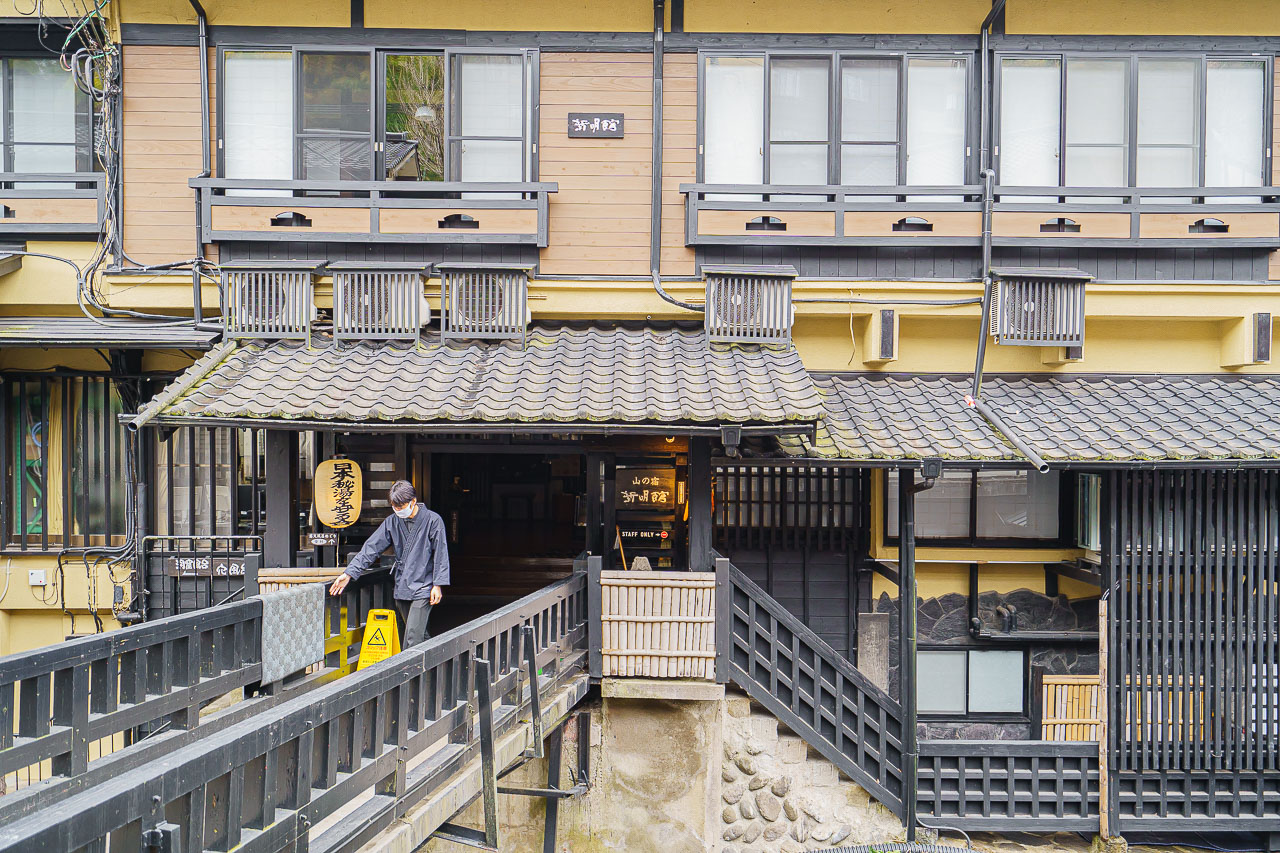
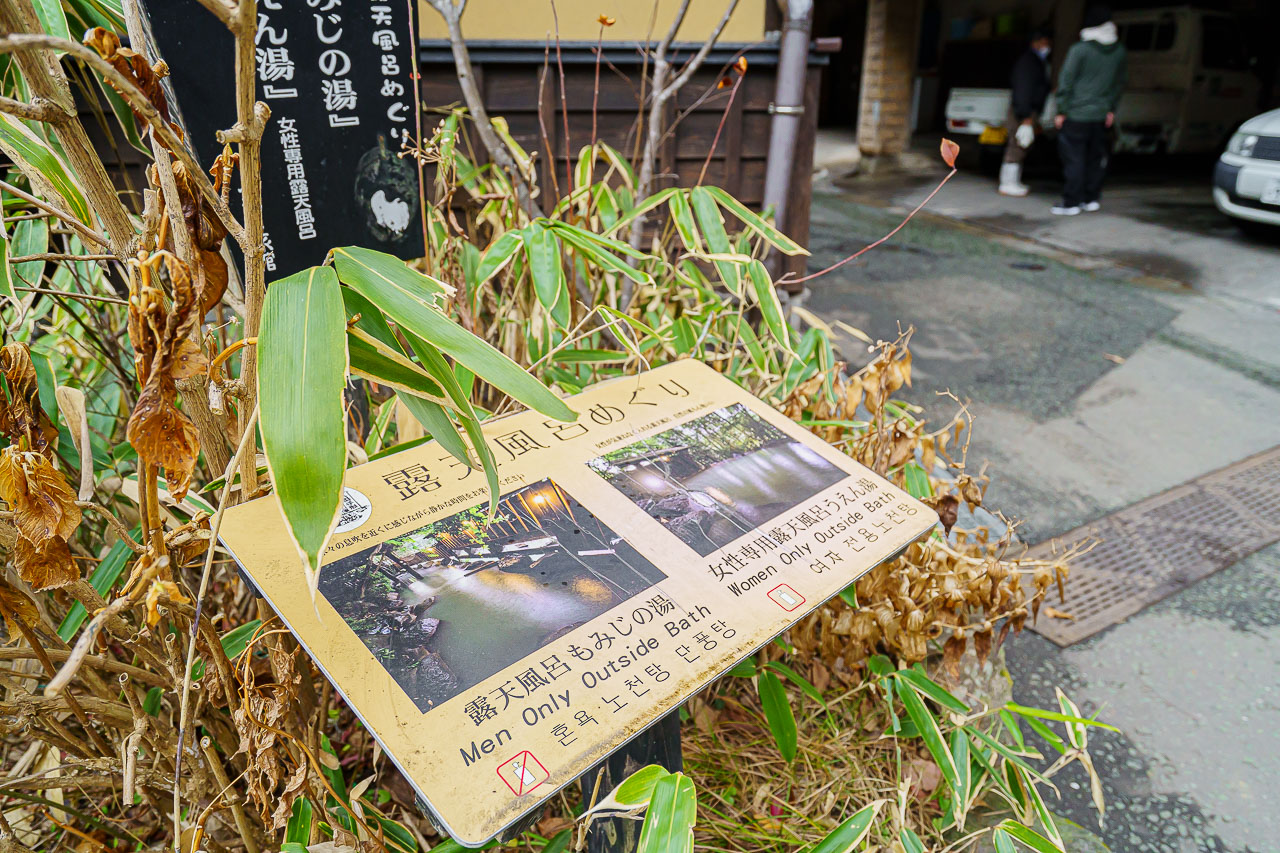
Three baths in one day might sound unusual, but the different settings and concepts made it a popular activity.
A day trip could be tight, especially when coordinating with public transport.
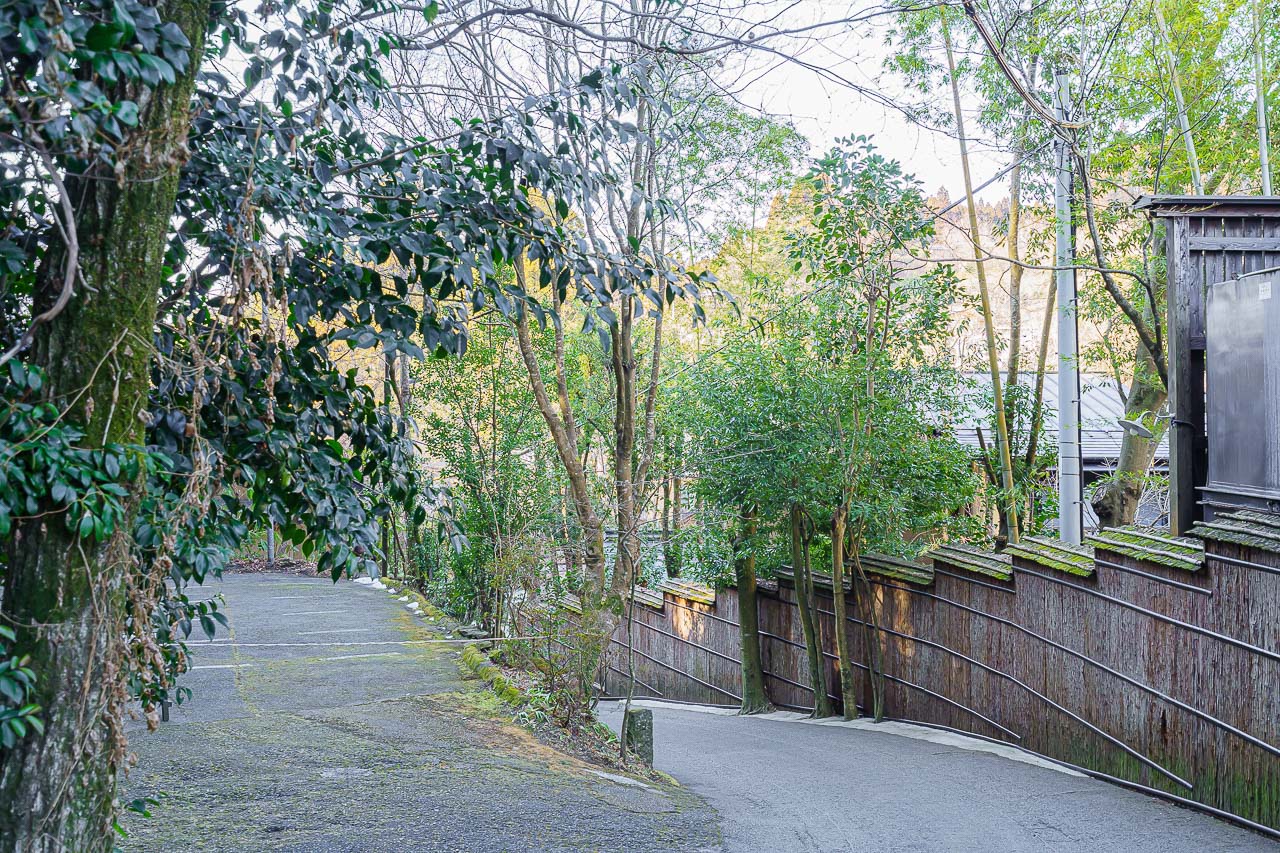
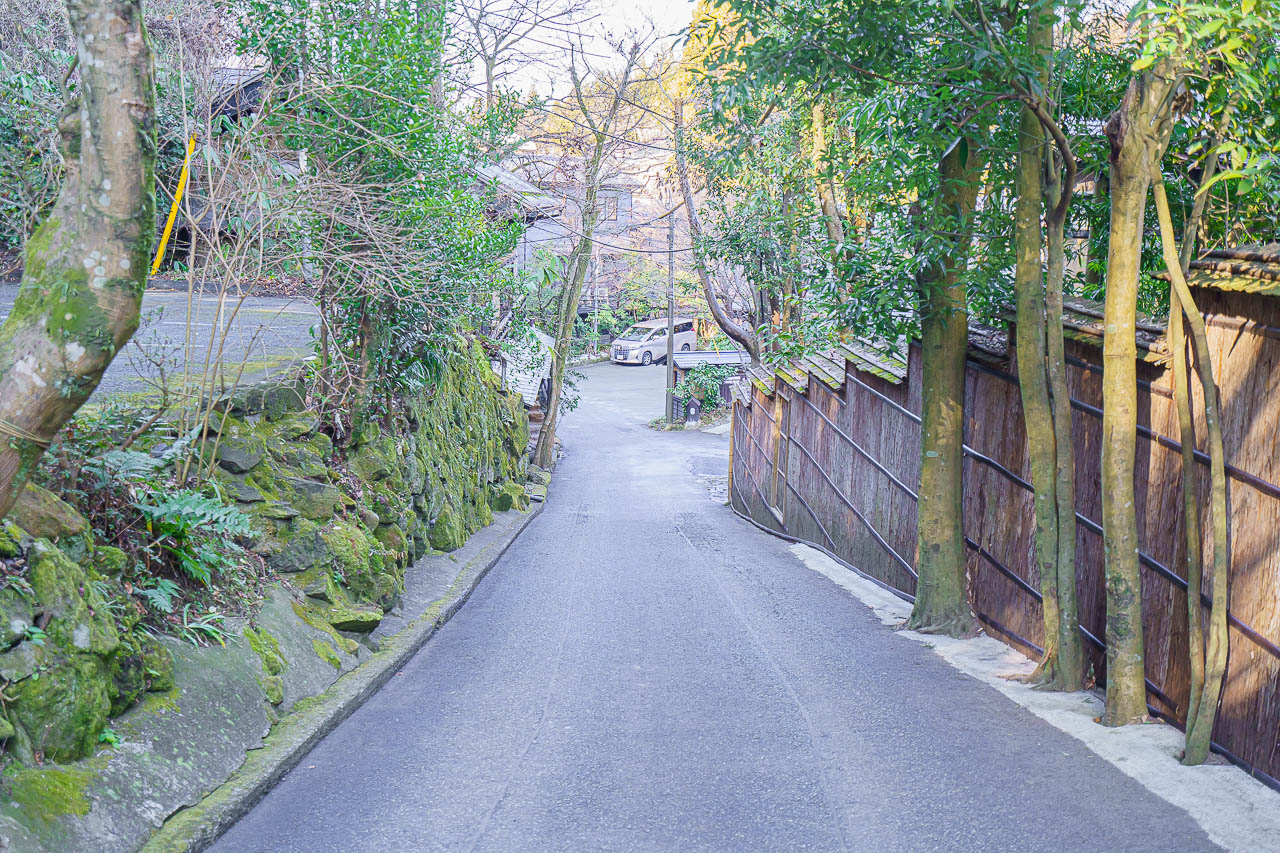

Walking the peaceful streets after a bath was another pleasure.
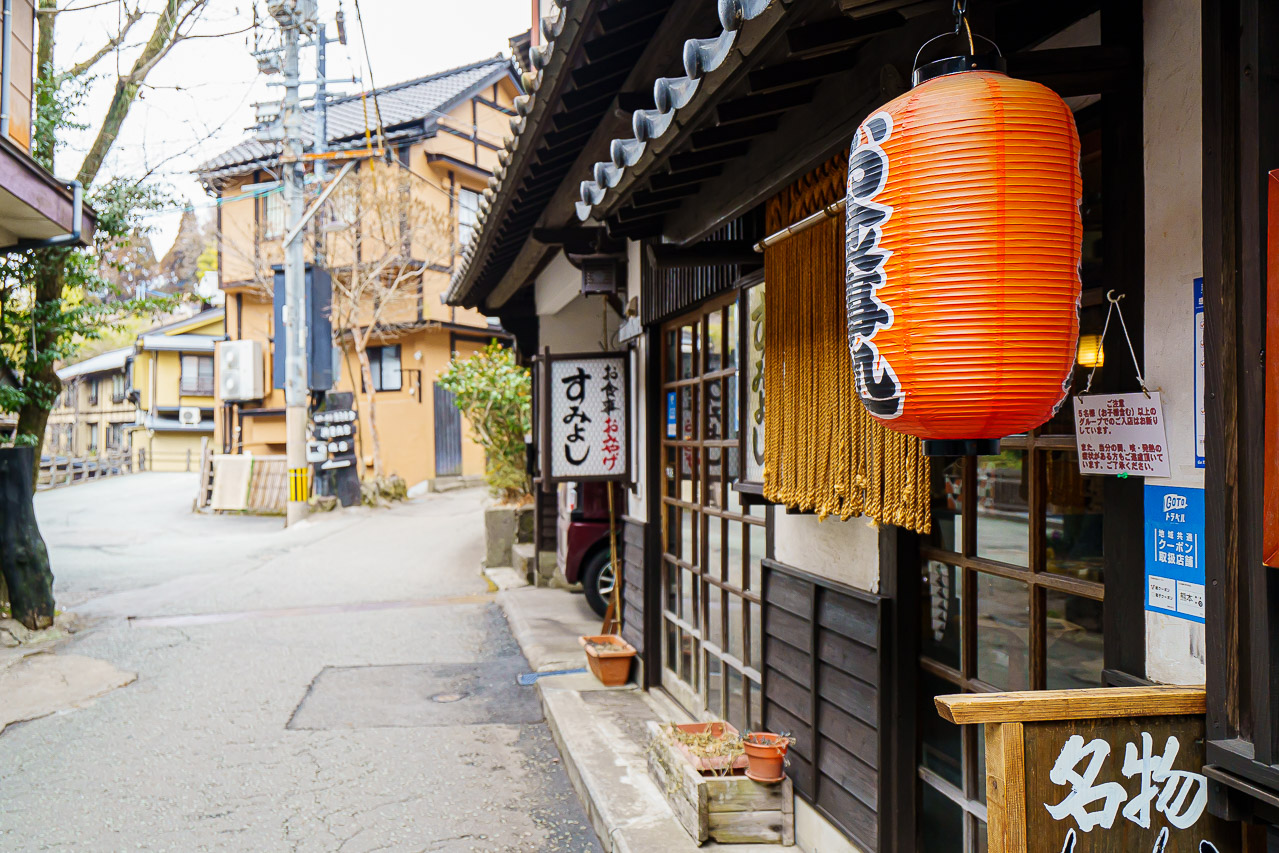
The source praises the food at notable ryokan, some mentioned in Michelin guides, and also the village’s restaurants.
Options included a pub serving Kumamoto horse meat as a cutlet with curry and restaurants with creative Japanese home-style food.
With relatively few restaurants for the visitor numbers, lunchtime queues were possible.

Footbaths offered a taste of the hot springs without a full bath.
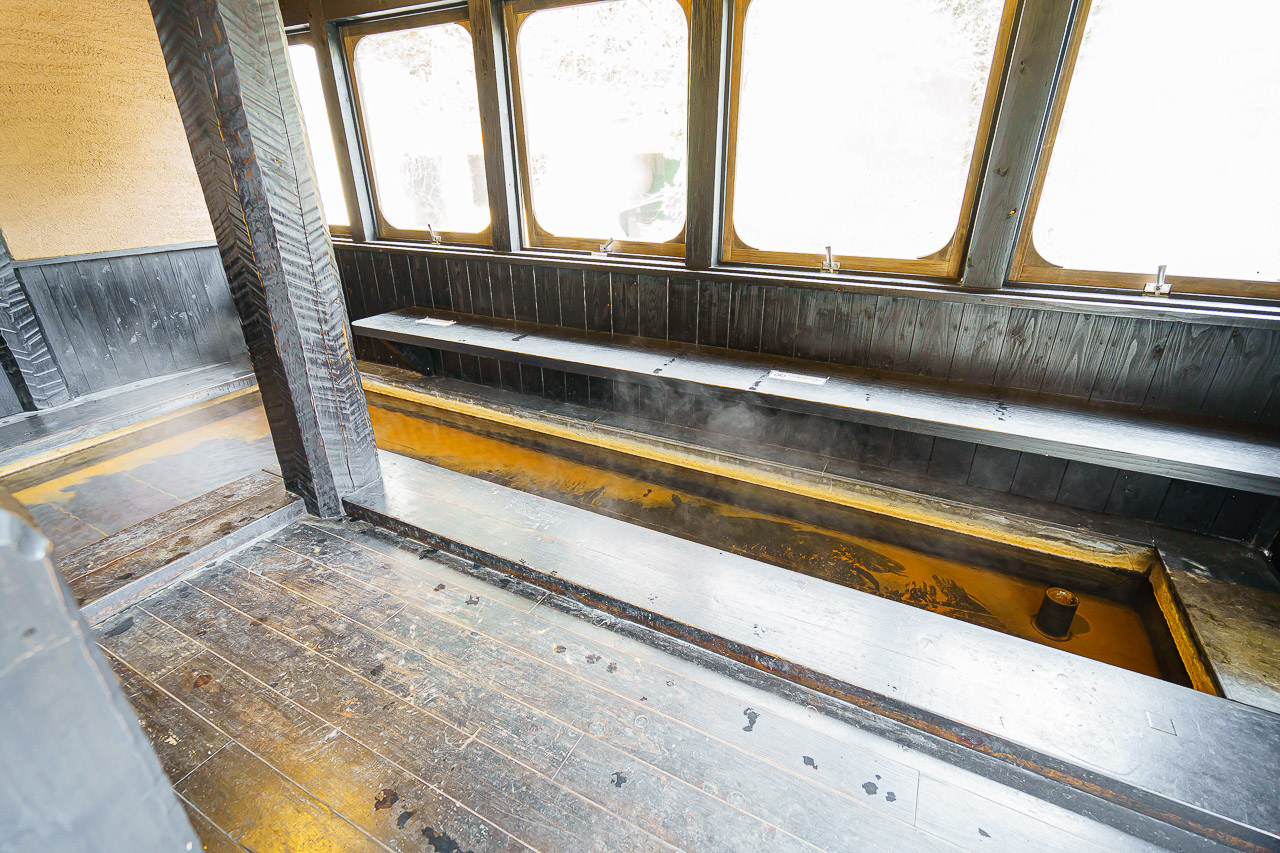
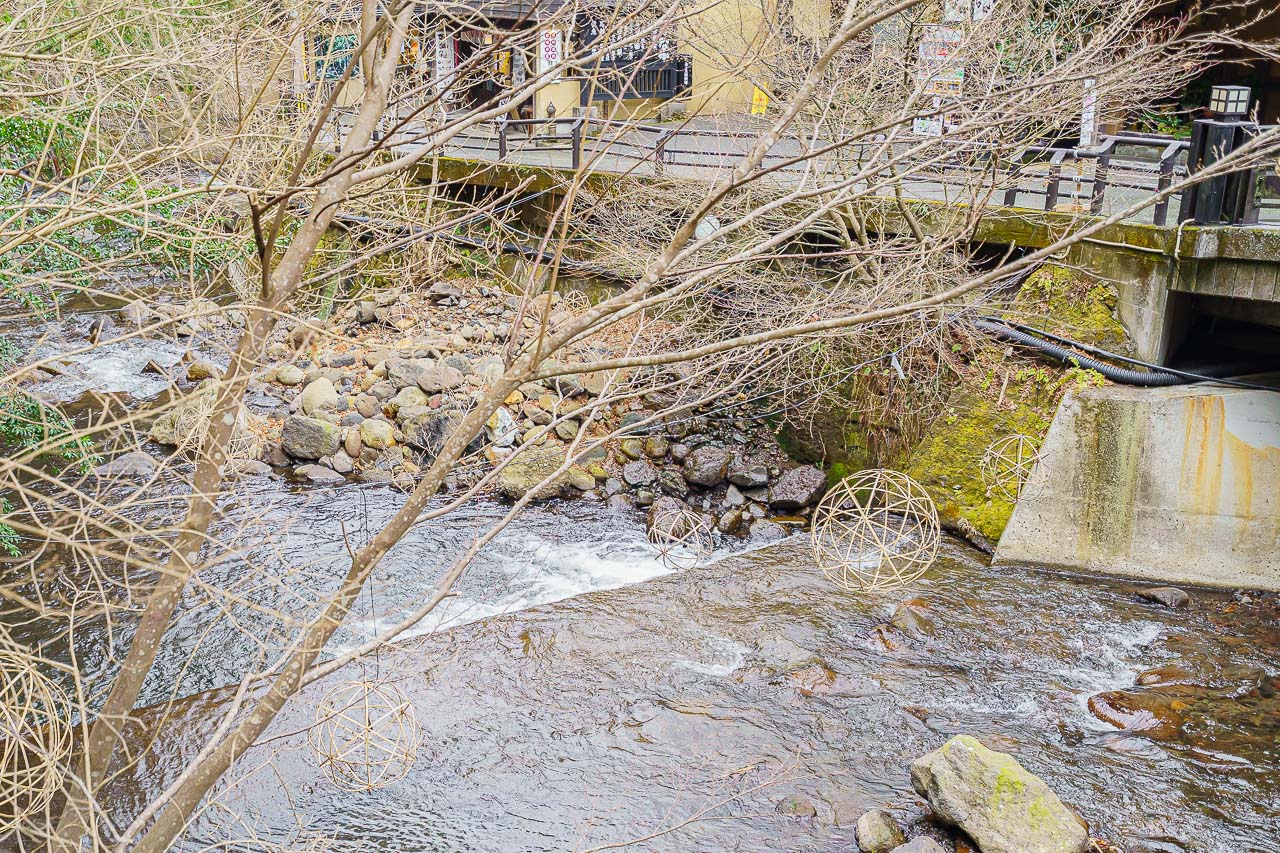
The recorded riverside footbath fee was JPY 200 for adults and JPY 100 for children.
Mineral deposits, including what looked like sulfur, had settled in the water.
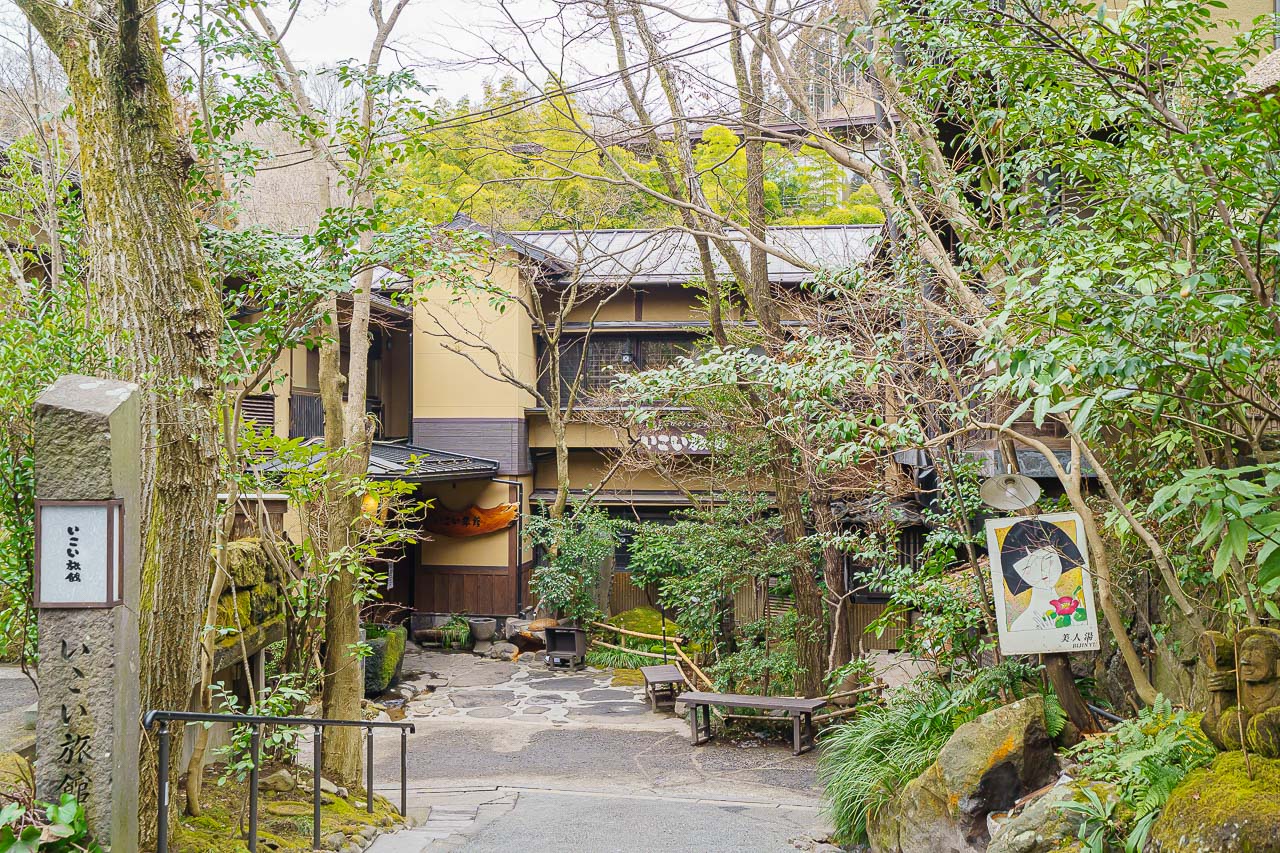
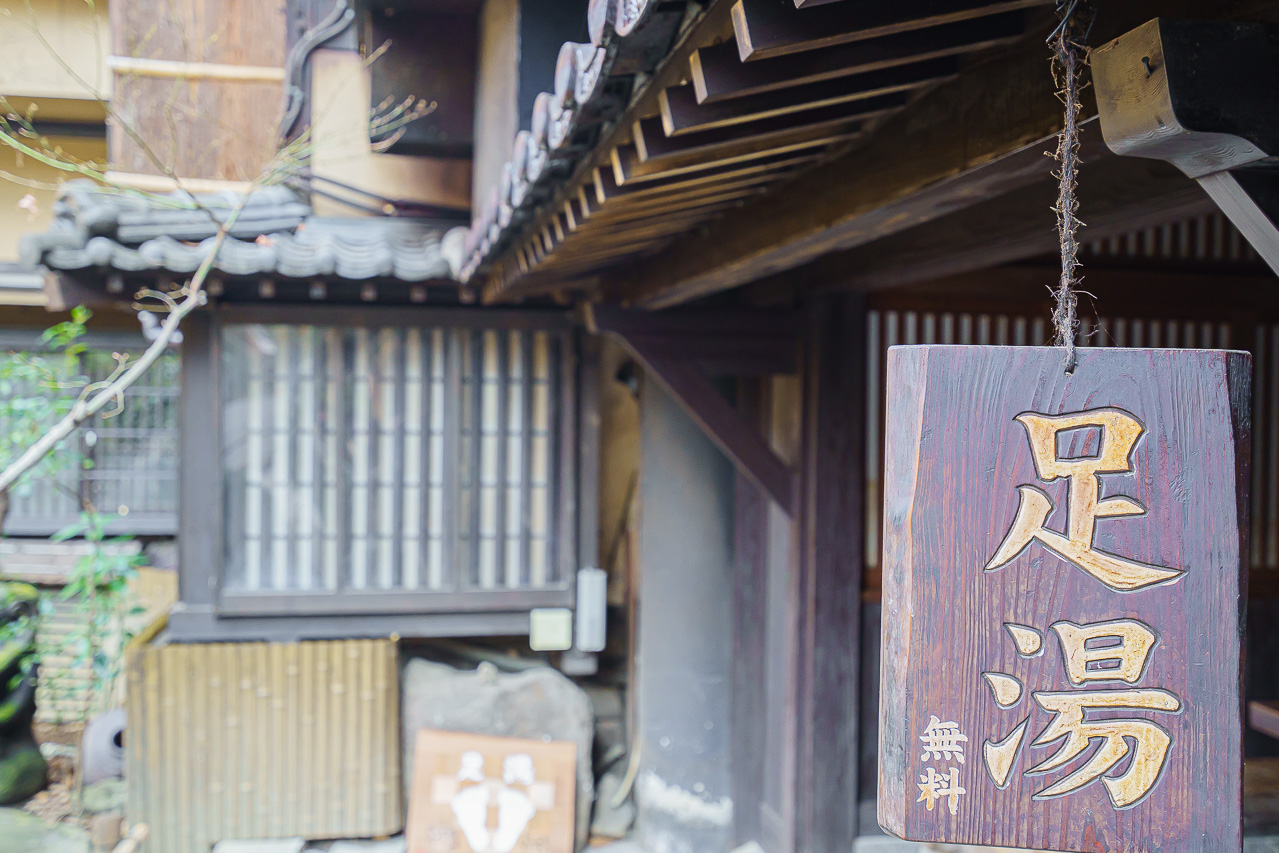
Another footbath at Ikoi Ryokan was free in the source.
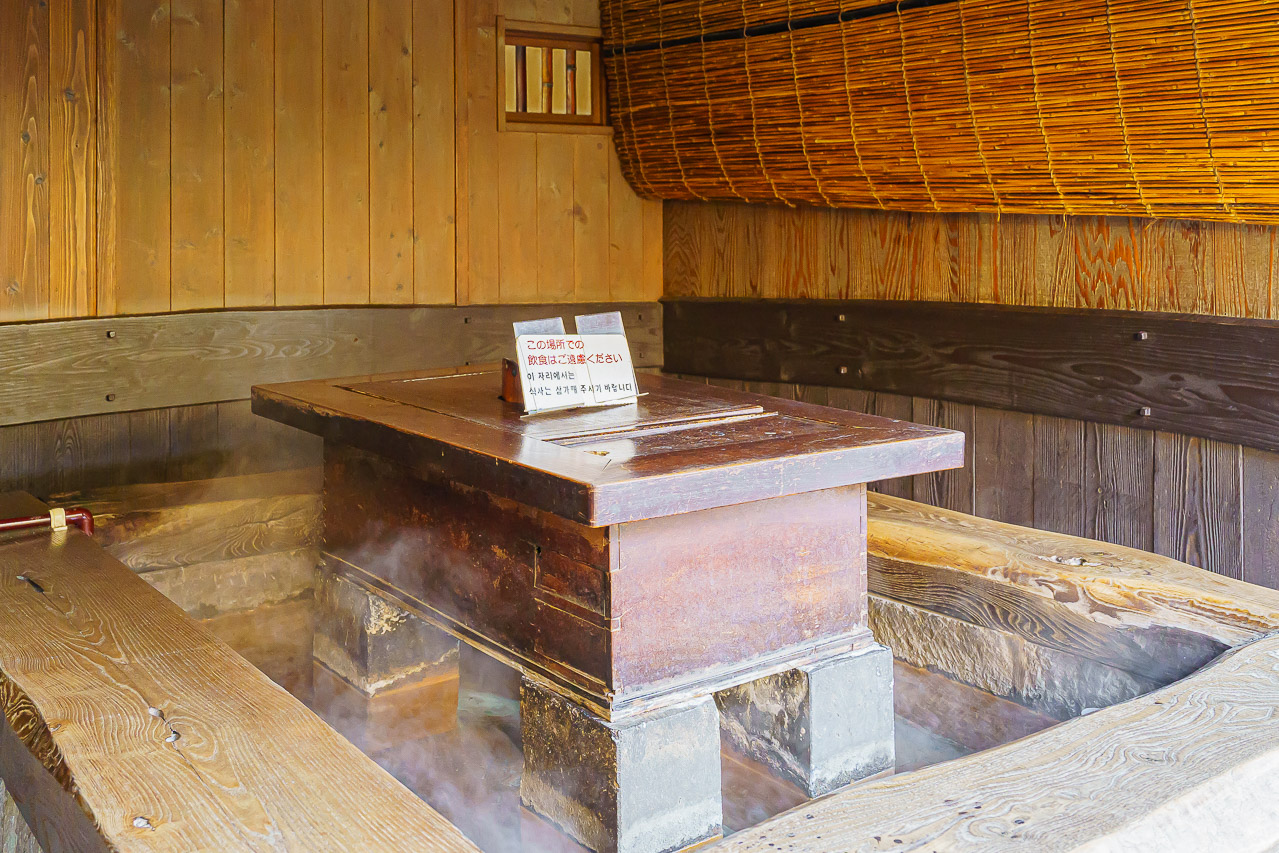
There were tables, but eating and drinking there were prohibited; it was for footbathing only.
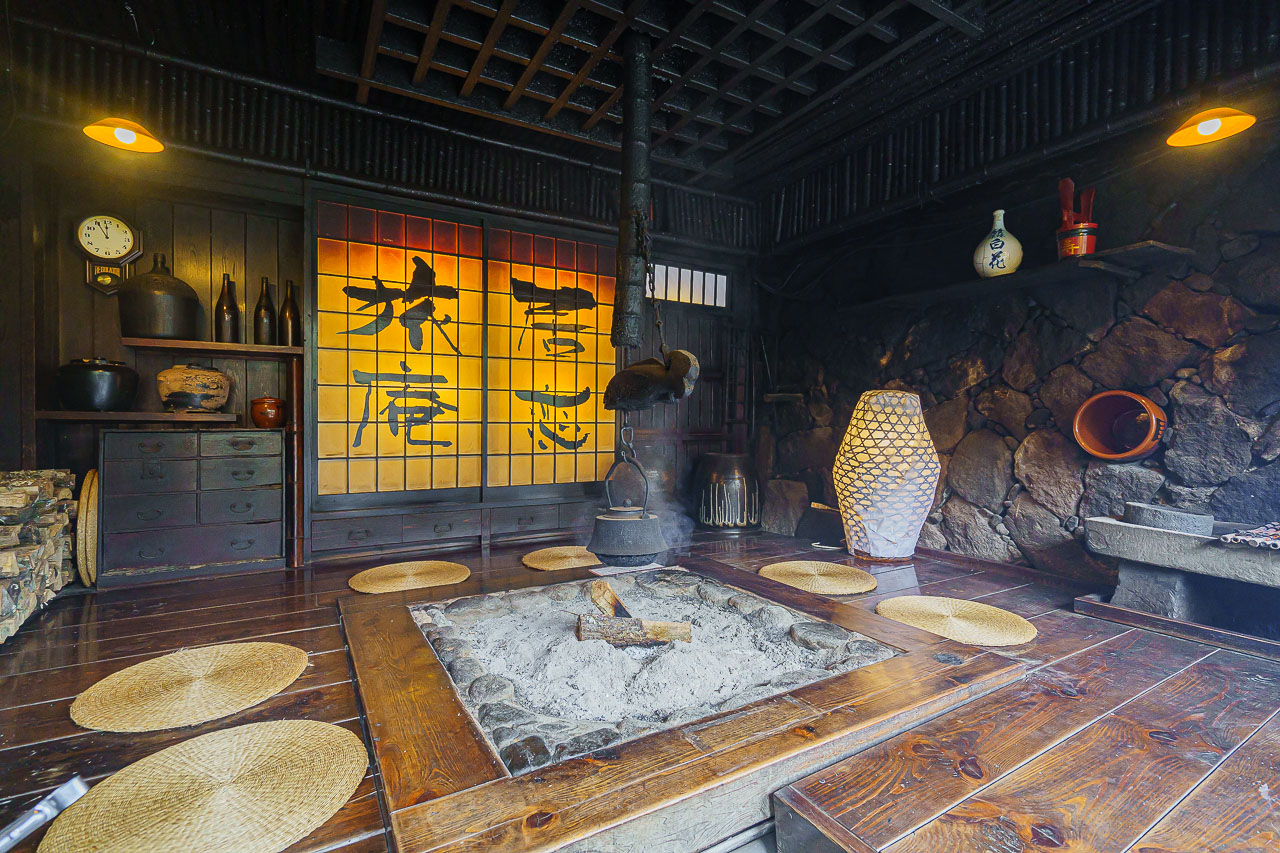
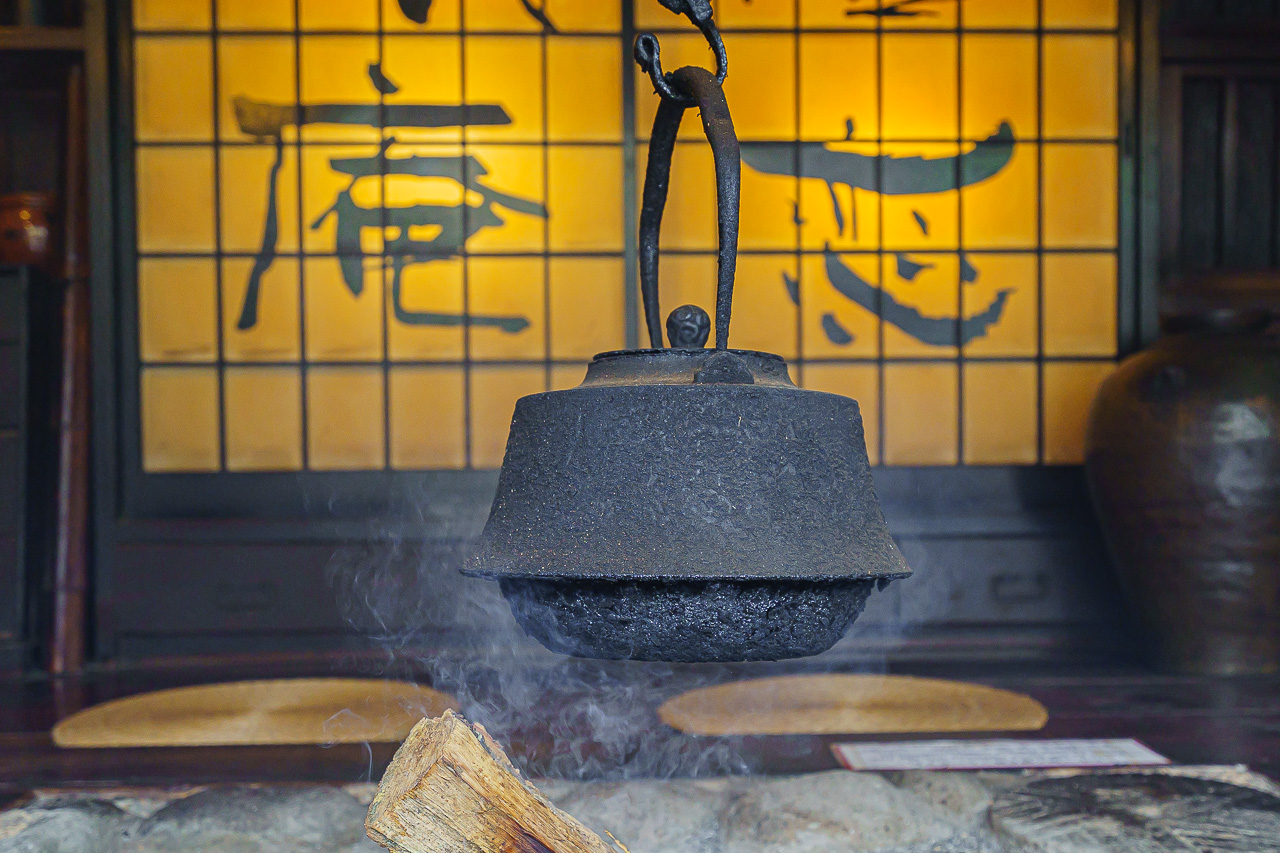
An old Japanese hearth nearby offered a chance, if lucky, to see tea being heated.
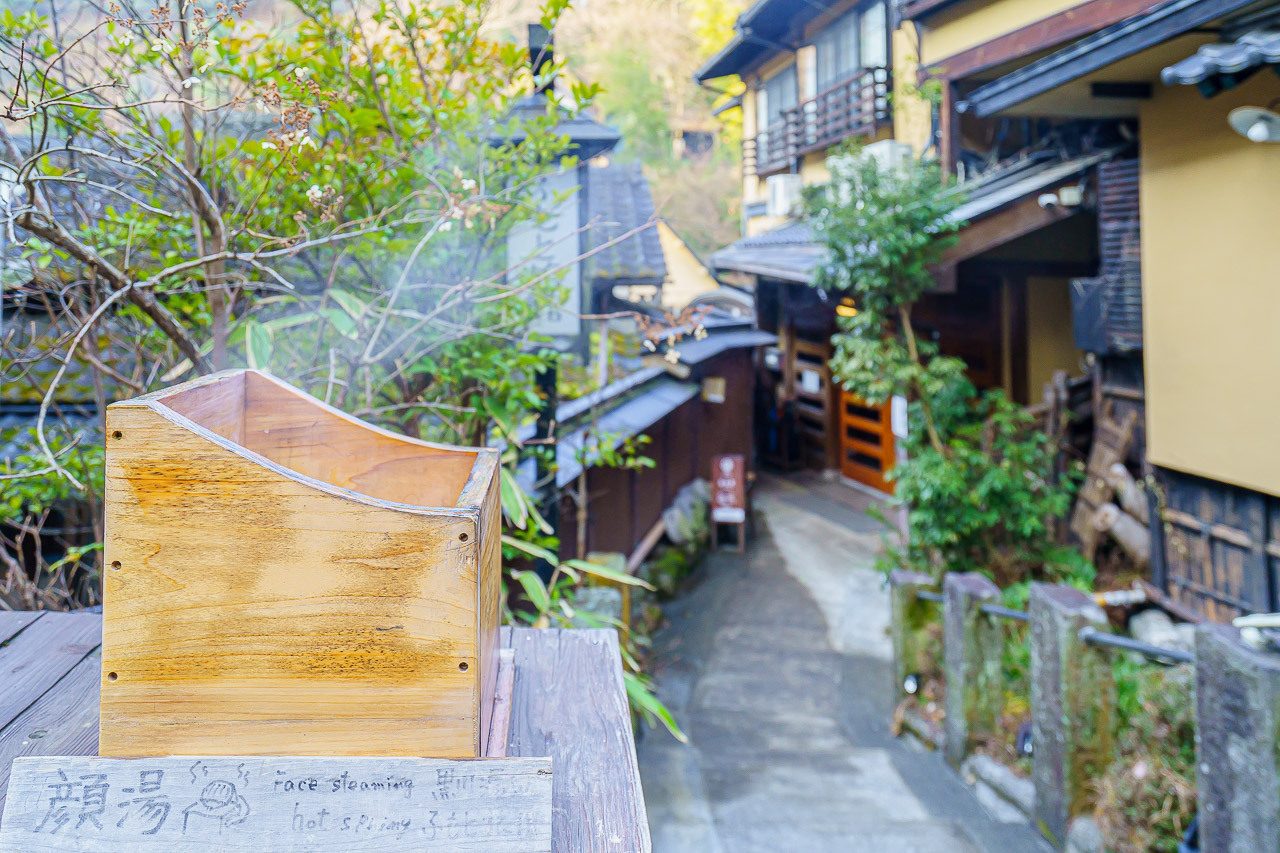
In the village center was a natural hot-spring facial-steam feature.
It was available for anyone to use; holding my face near the natural steam felt warming in winter.
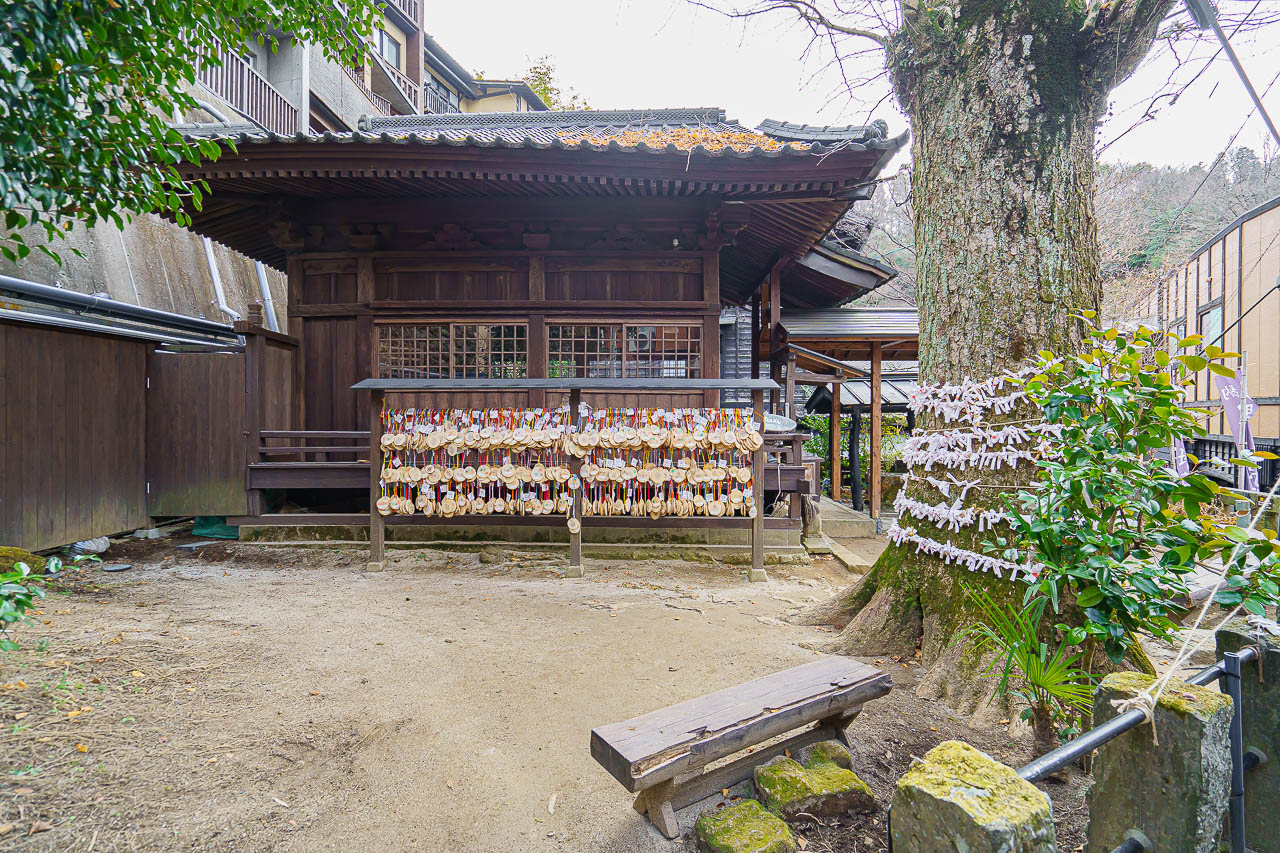
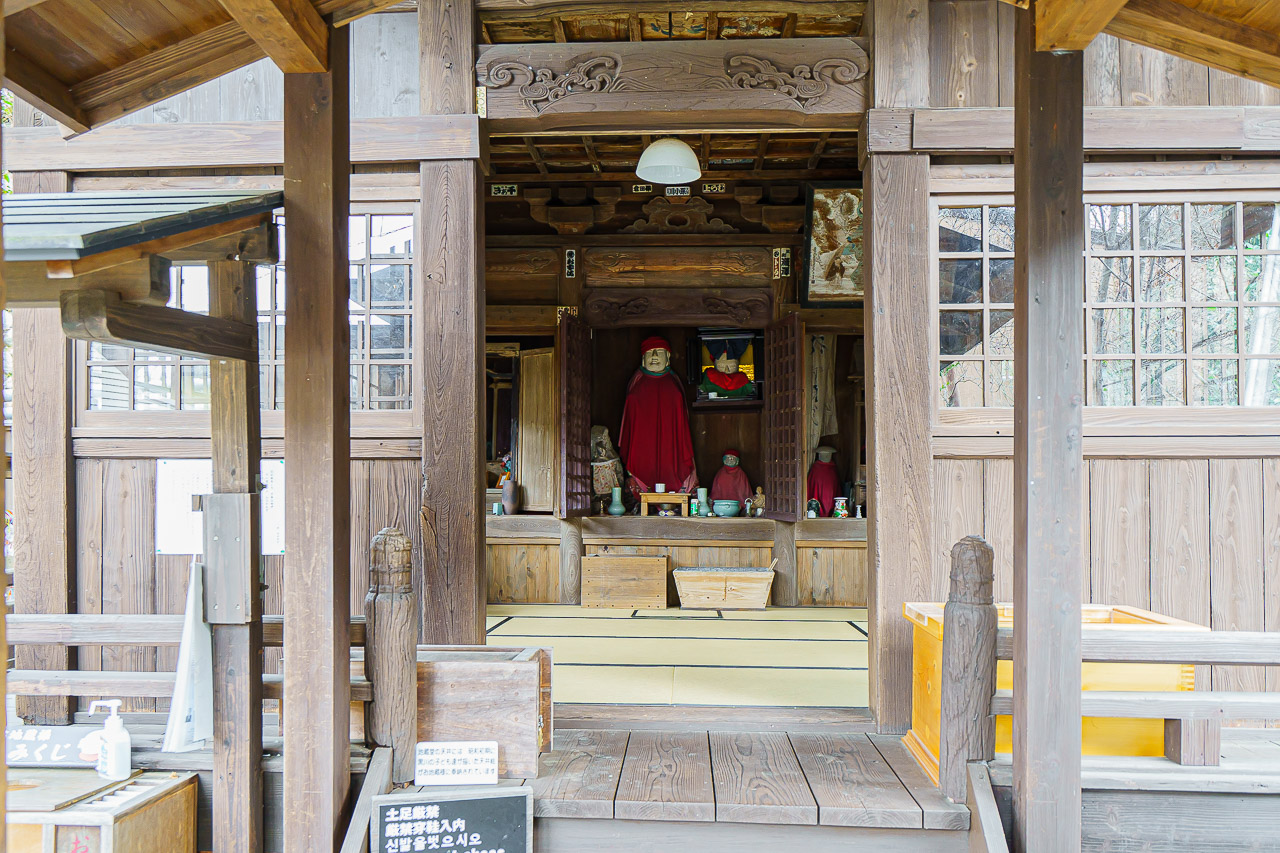
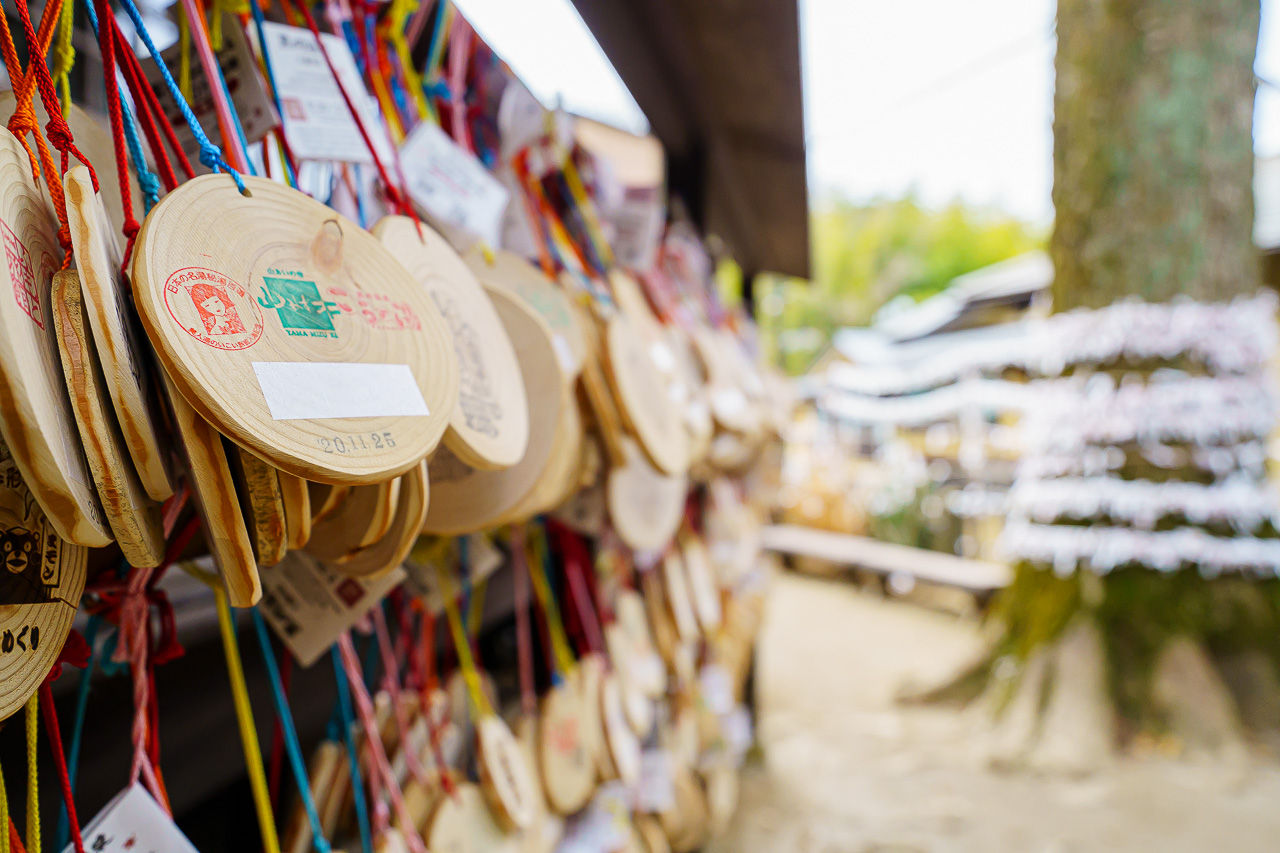
Nearby was Kurokawa Shrine, associated with protection of the hot springs,

and a place where used bathing passes were hung as prayer charms.
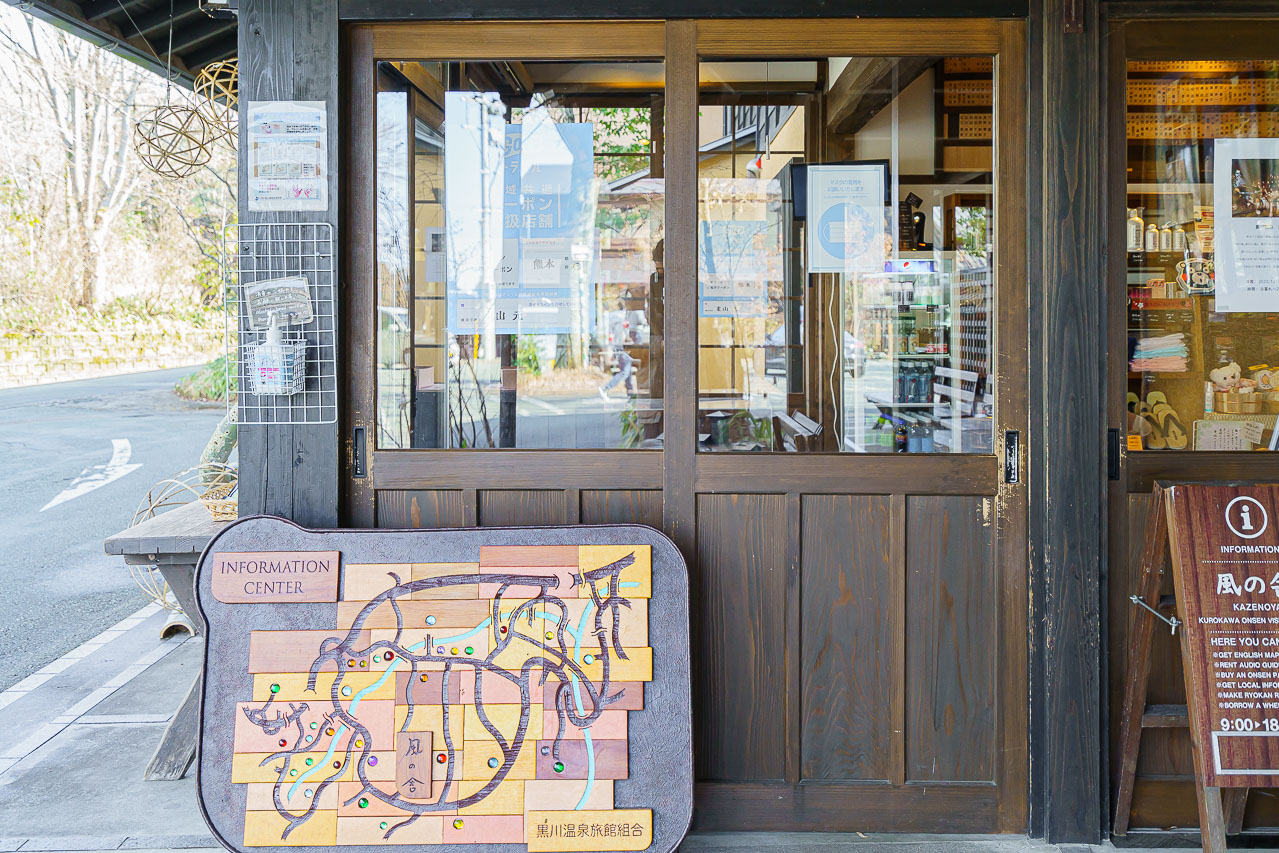
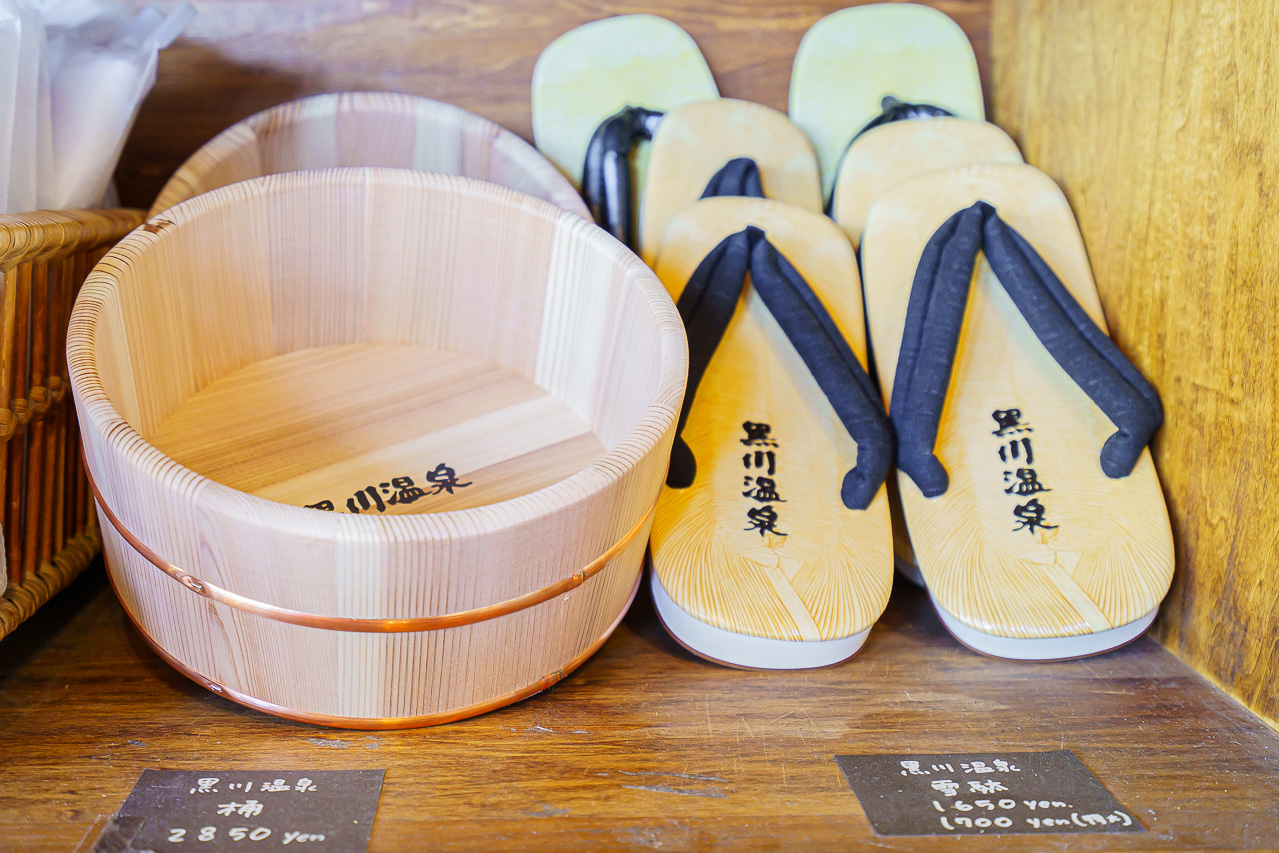
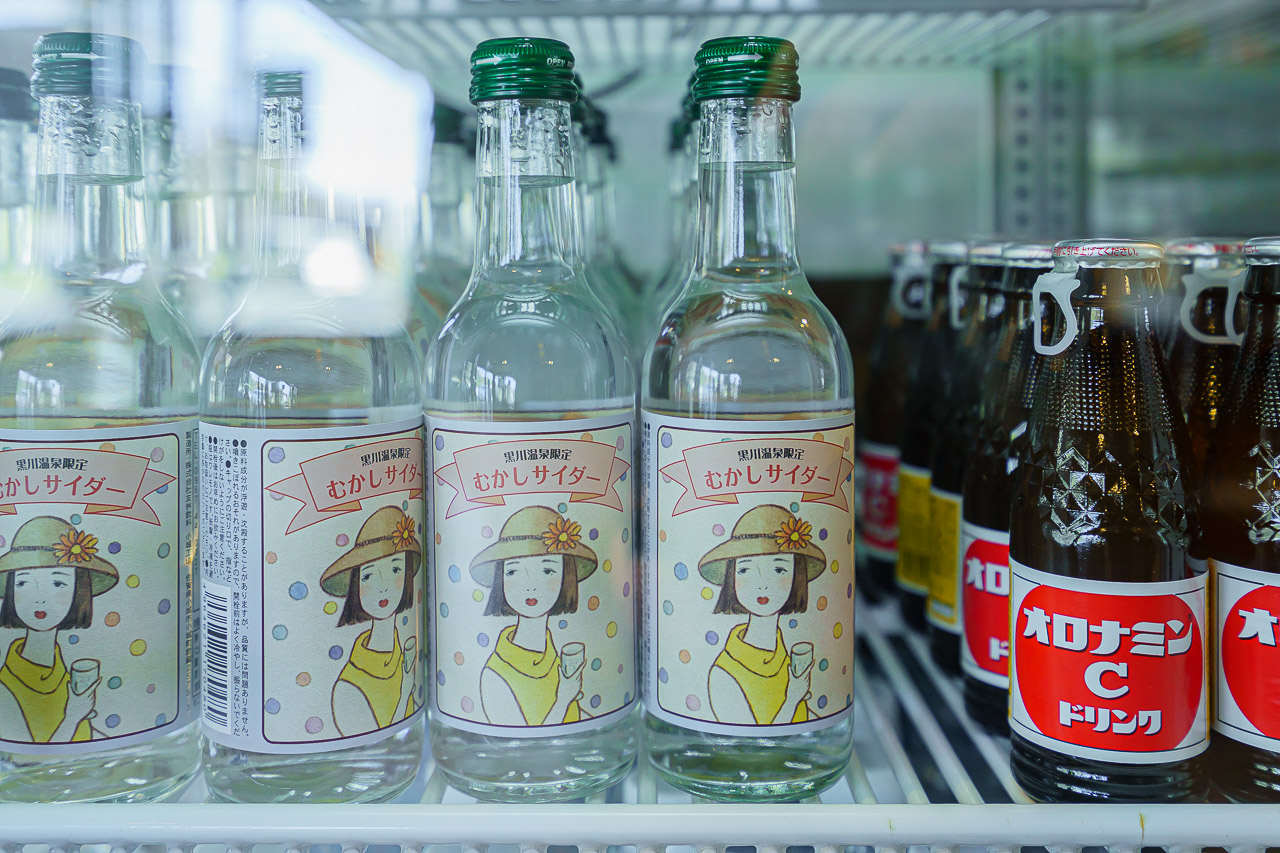
With no convenience store recorded in the village, guests could shop at ryokan or the information center.
Some small shops sold drinks and snacks, but closed early, so the source suggested buying ahead.
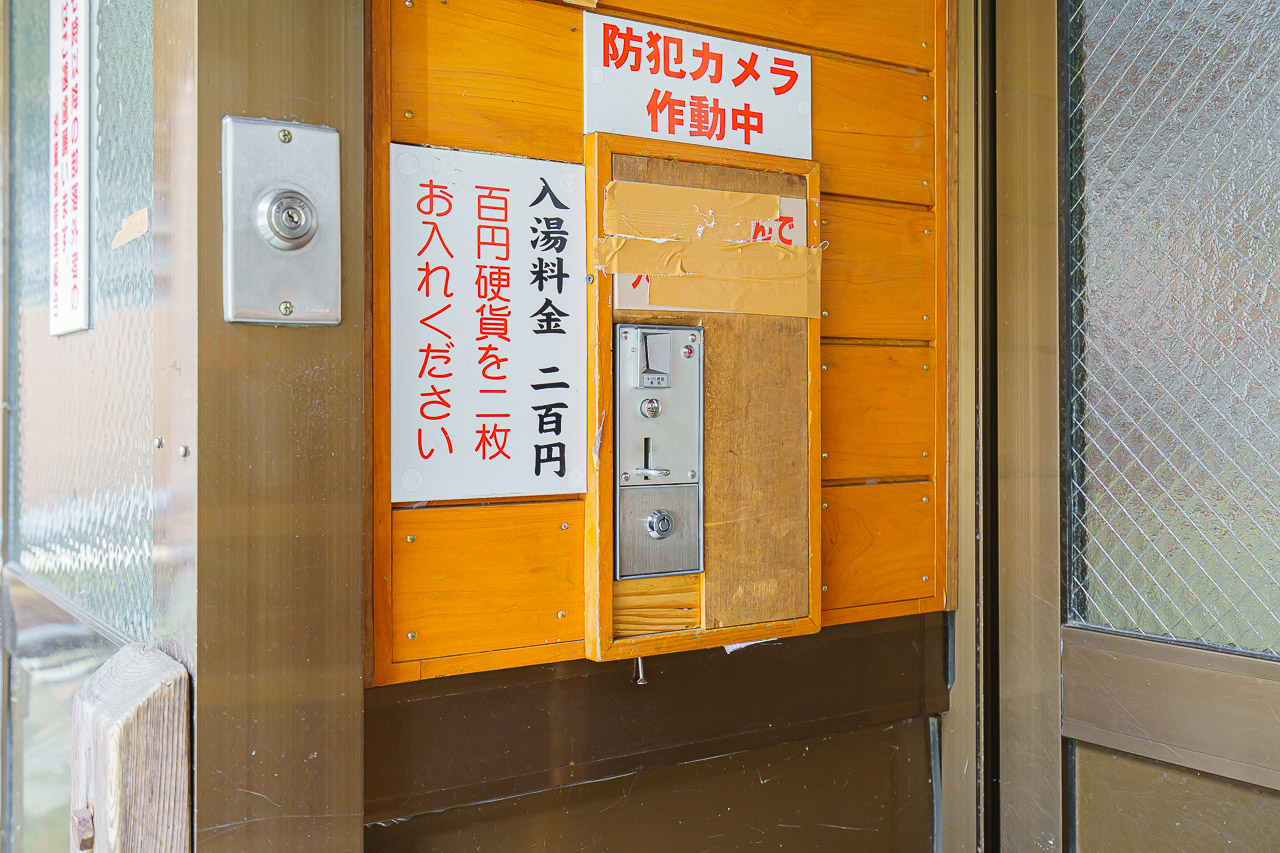
There was also a communal bath used by local residents.
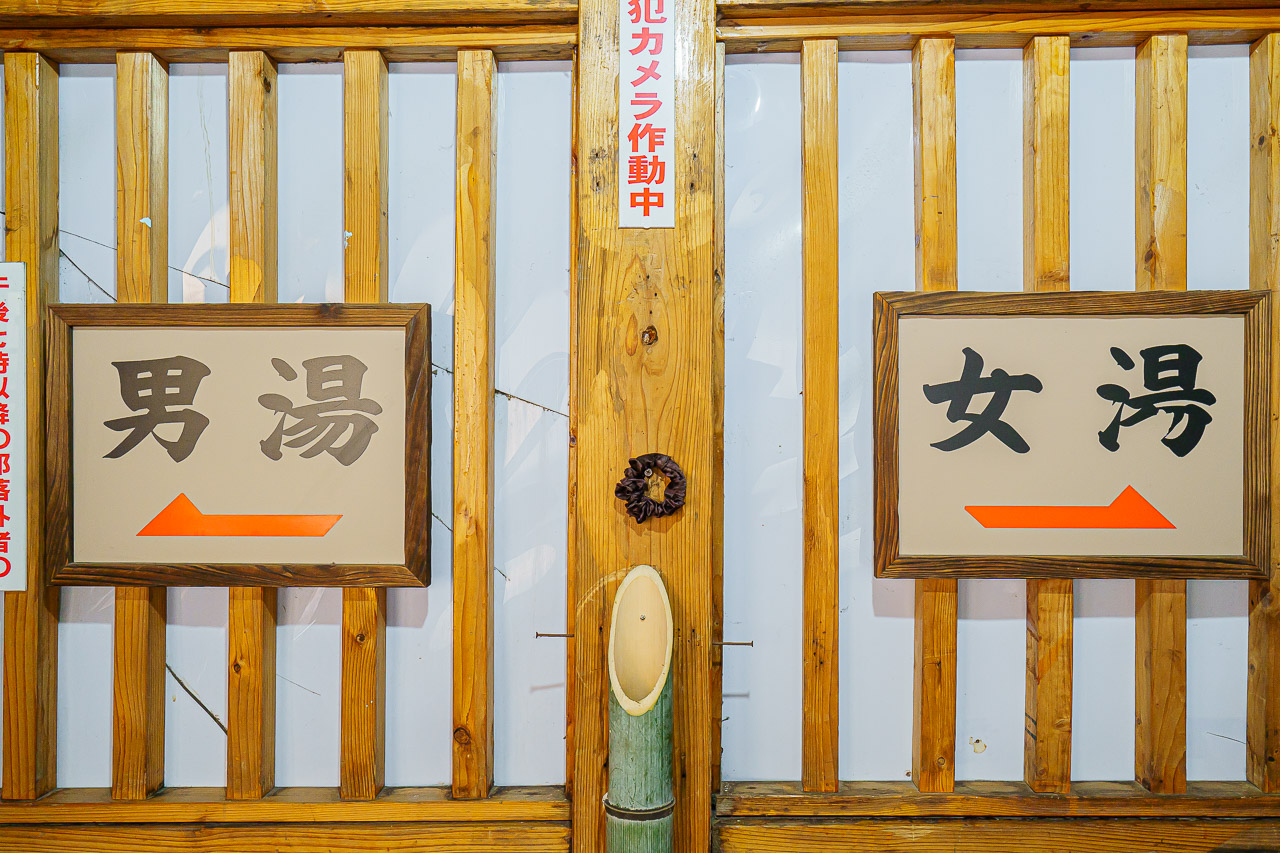
Men’s bath on the left, women’s on the right.
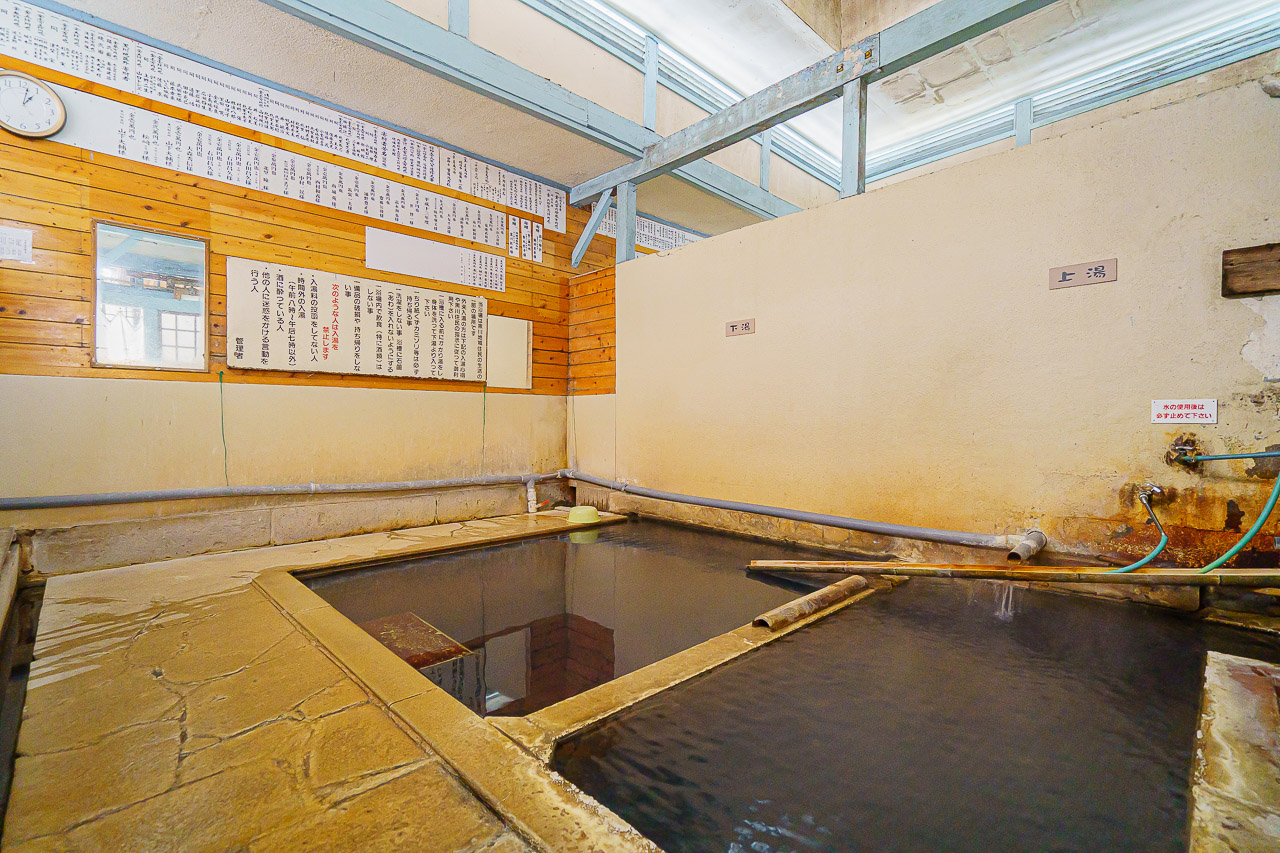
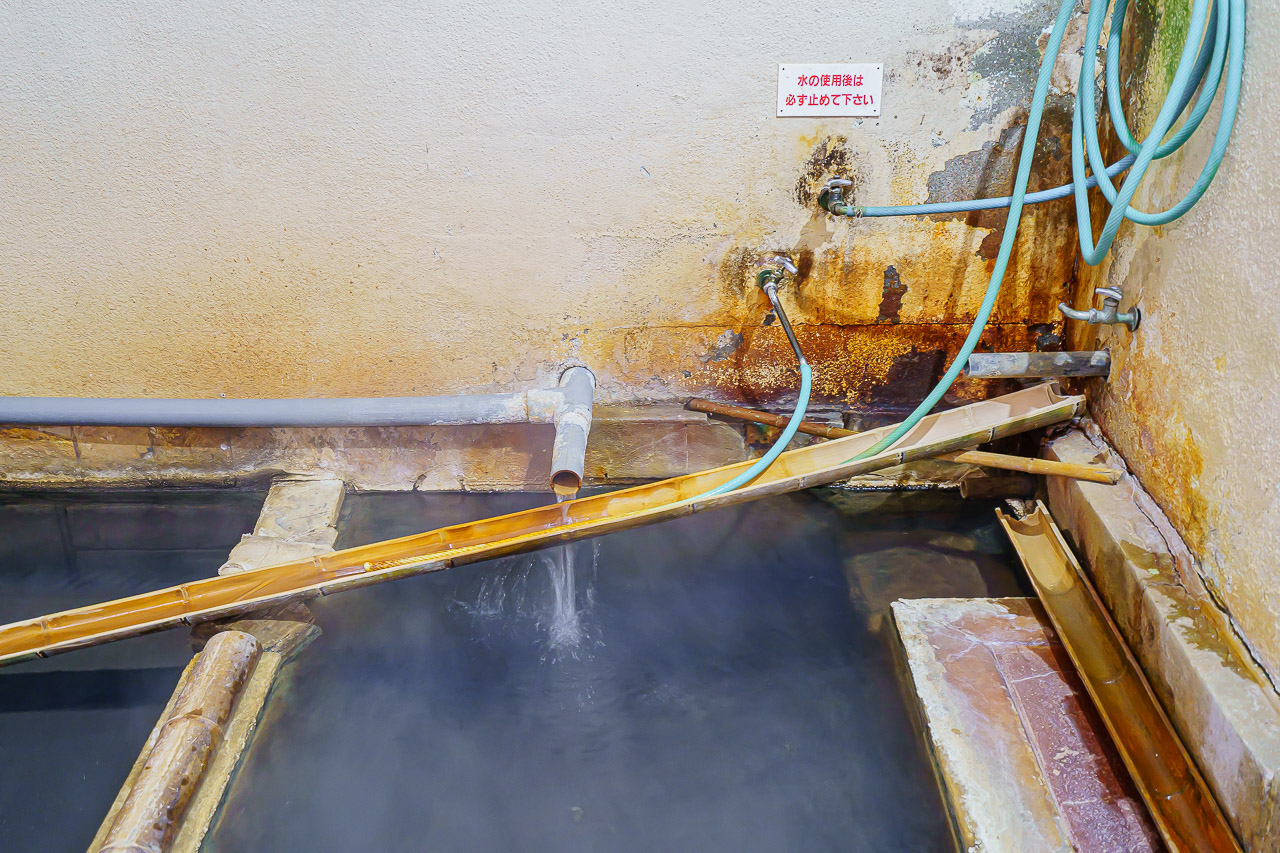
The facilities were basic, and the water extremely hot, seeming close to direct spring water.
The original visit describes adjusting it with tap water before bathing.
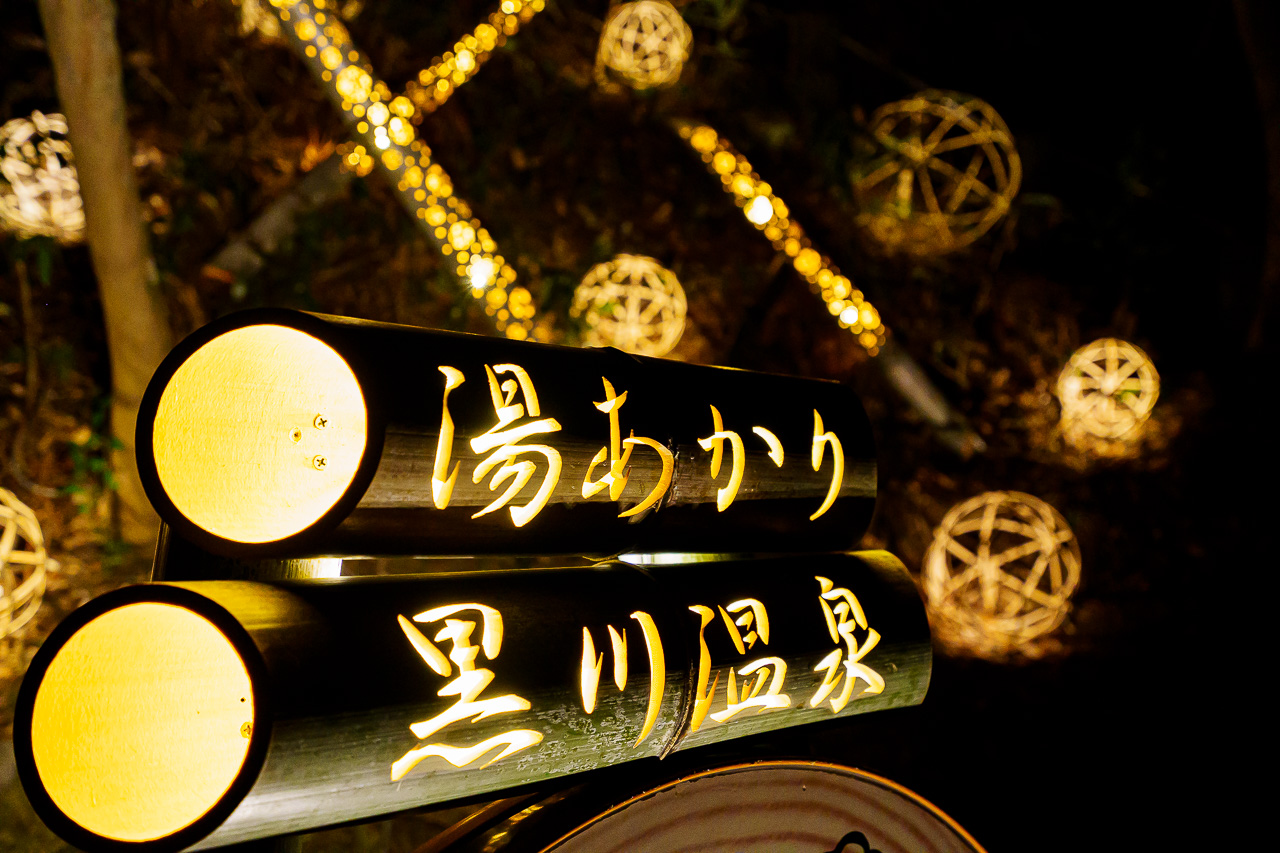
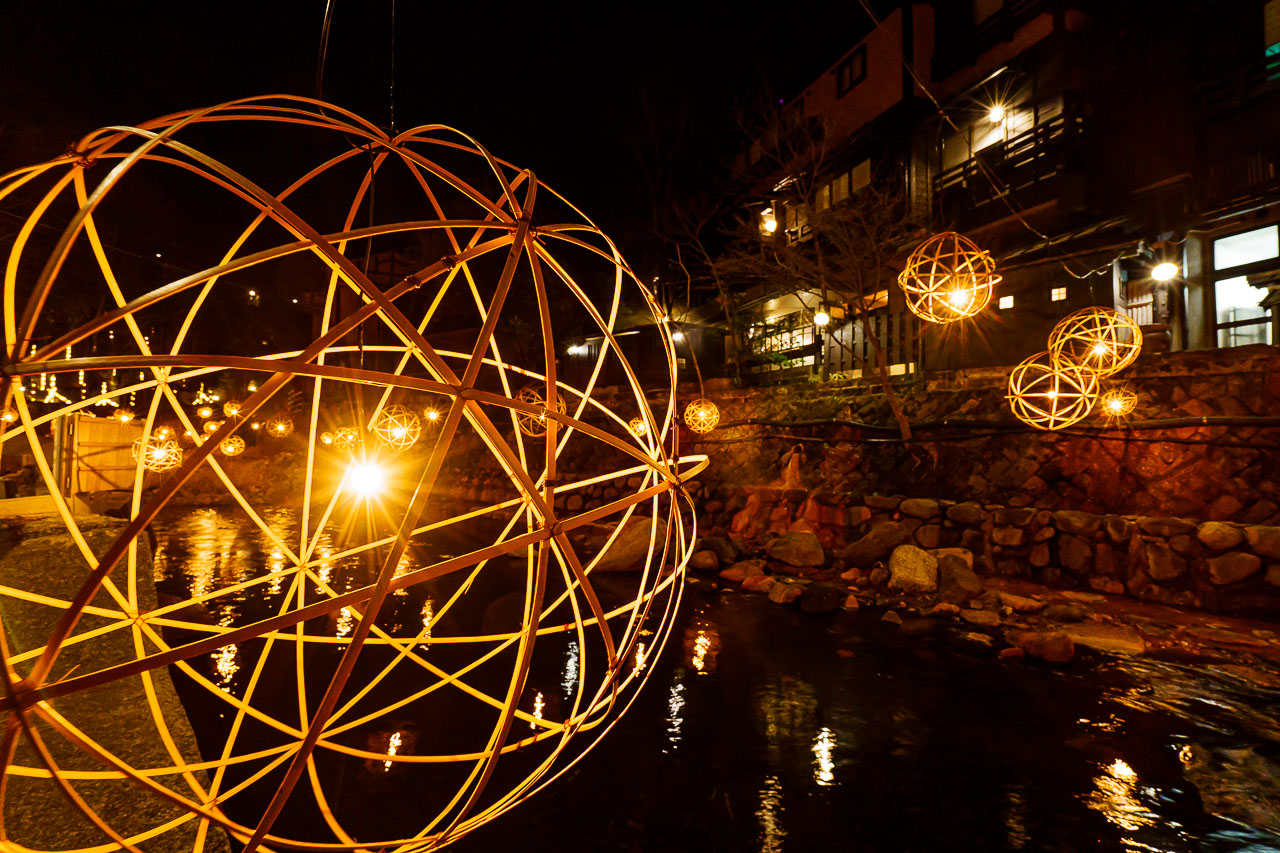
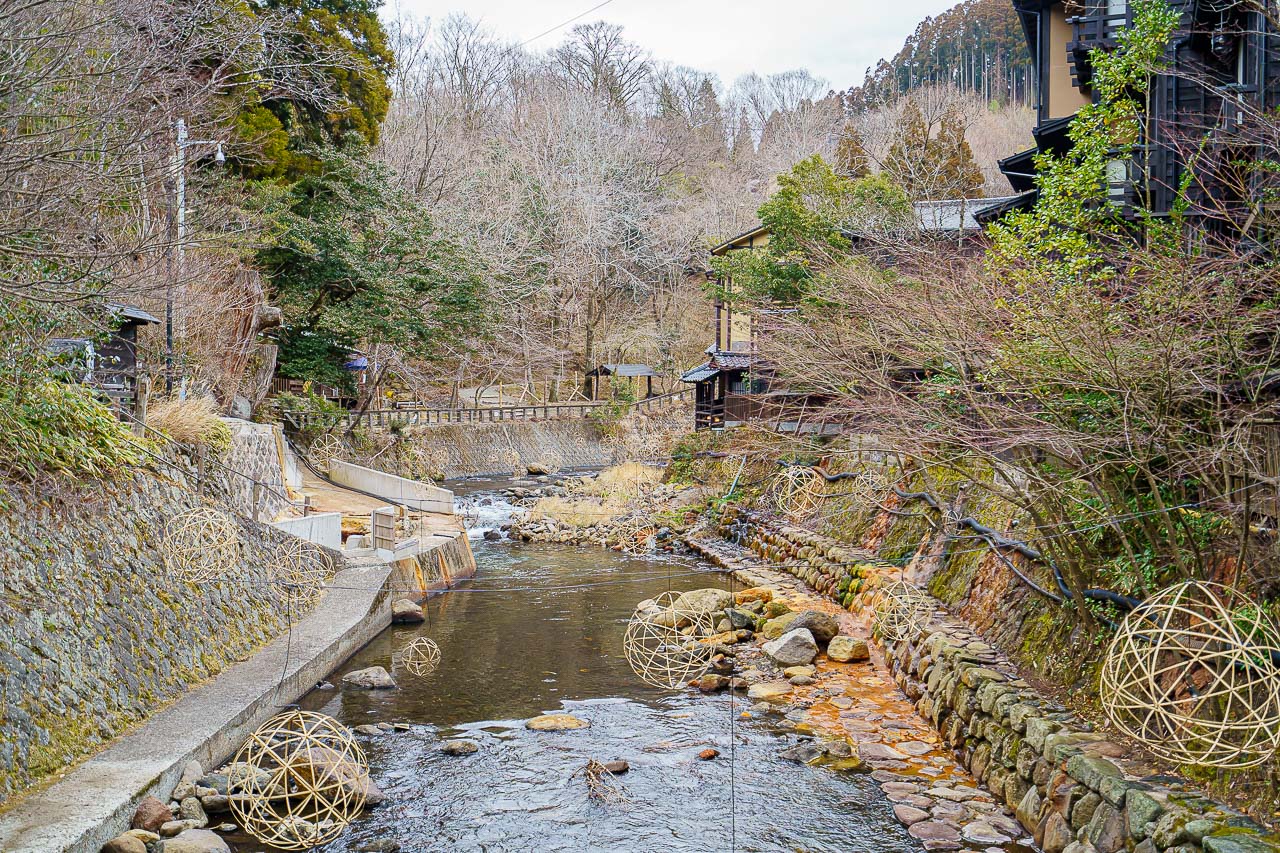
The source describes a winter bamboo-lantern illumination from mid-December to early April, calling it “Yuagari”; the event name and dates are retained as unverified historical source wording.
Beautiful bamboo lanterns stood along the Tanoharu River on Kawabata Street and elsewhere around the village.
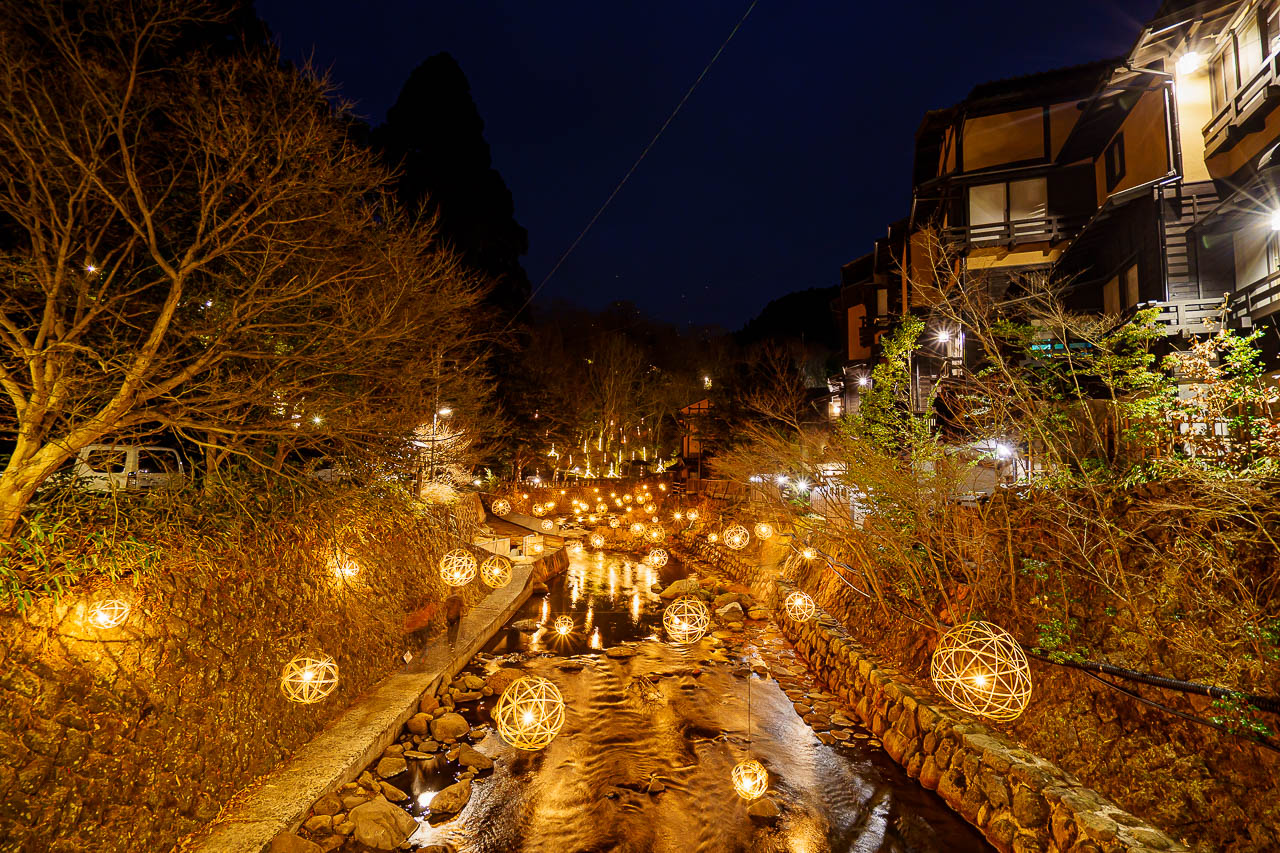
Neglected bamboo groves were described as a problem in various parts of Japan.
Fast-growing bamboo can crowd out other trees without continued maintenance, threatening the surrounding environment.
The source explains that Kurokawa cuts bamboo for environmental management and that the lantern event forms part of that work.
Residents used some hot-spring-related income to help maintain a beautiful, rich environment through such events.
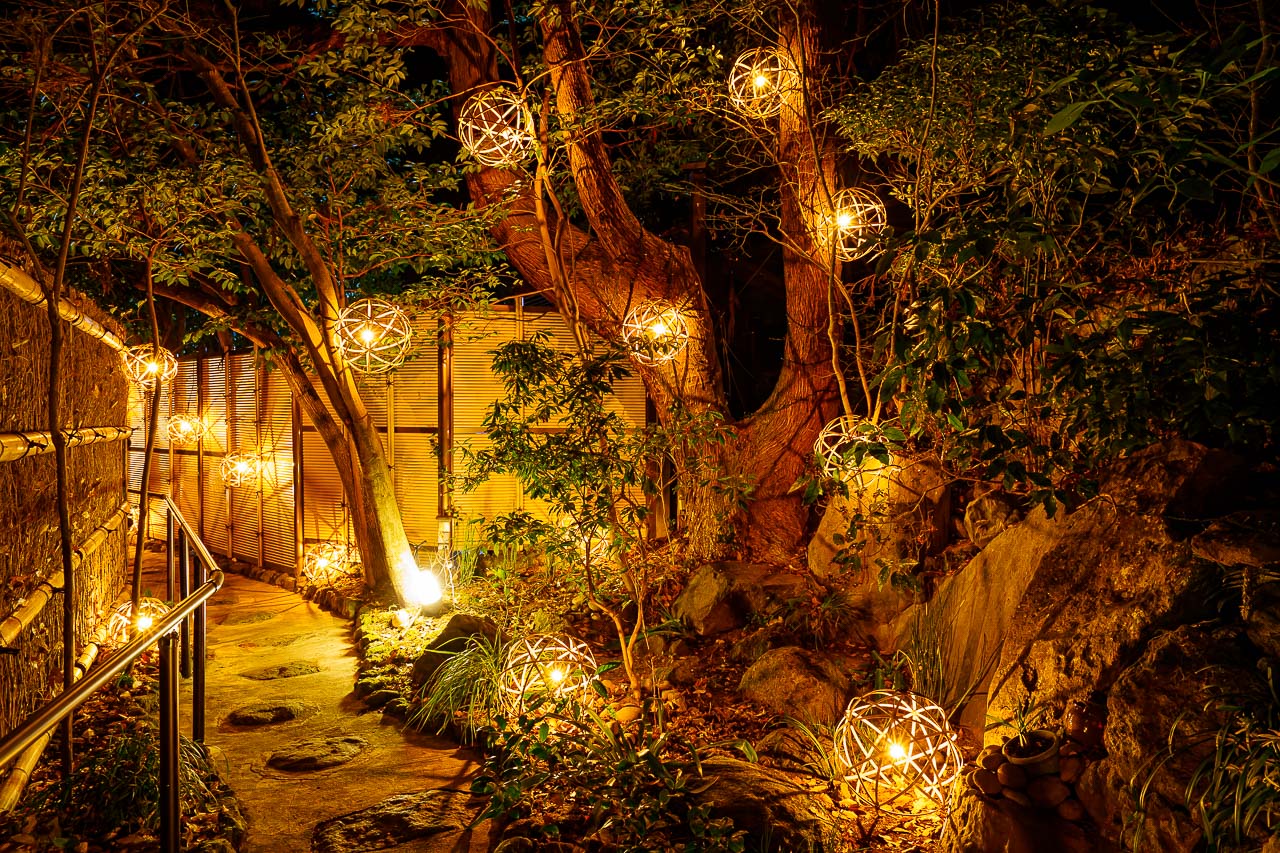
Kurokawa Onsen was quiet and beautiful enough to resemble an animated-film setting.
Choosing a distinctive ryokan, trying different baths with a bathing pass, and enjoying local meals and sweets all appealed.
In the evening, lantern light offered another memorable side of the village.
It was somewhere I would consider for a winter Japan trip.
Kurokawa Onsen village
Address recorded: 6594-1 Manganji, Minamioguni, Aso District, Kumamoto
Phone: 0967-44-0936