
When the air turns cold, I think of Kyushu.
With famous onsen areas and plenty to see and do, it is an appealing place for a restorative break.
Its proximity to Korea also makes it familiar to Korean visitors; the source’s ‘most visited’ wording is not backed here by a current visitor ranking.
We set off on a winter hot-spring journey.
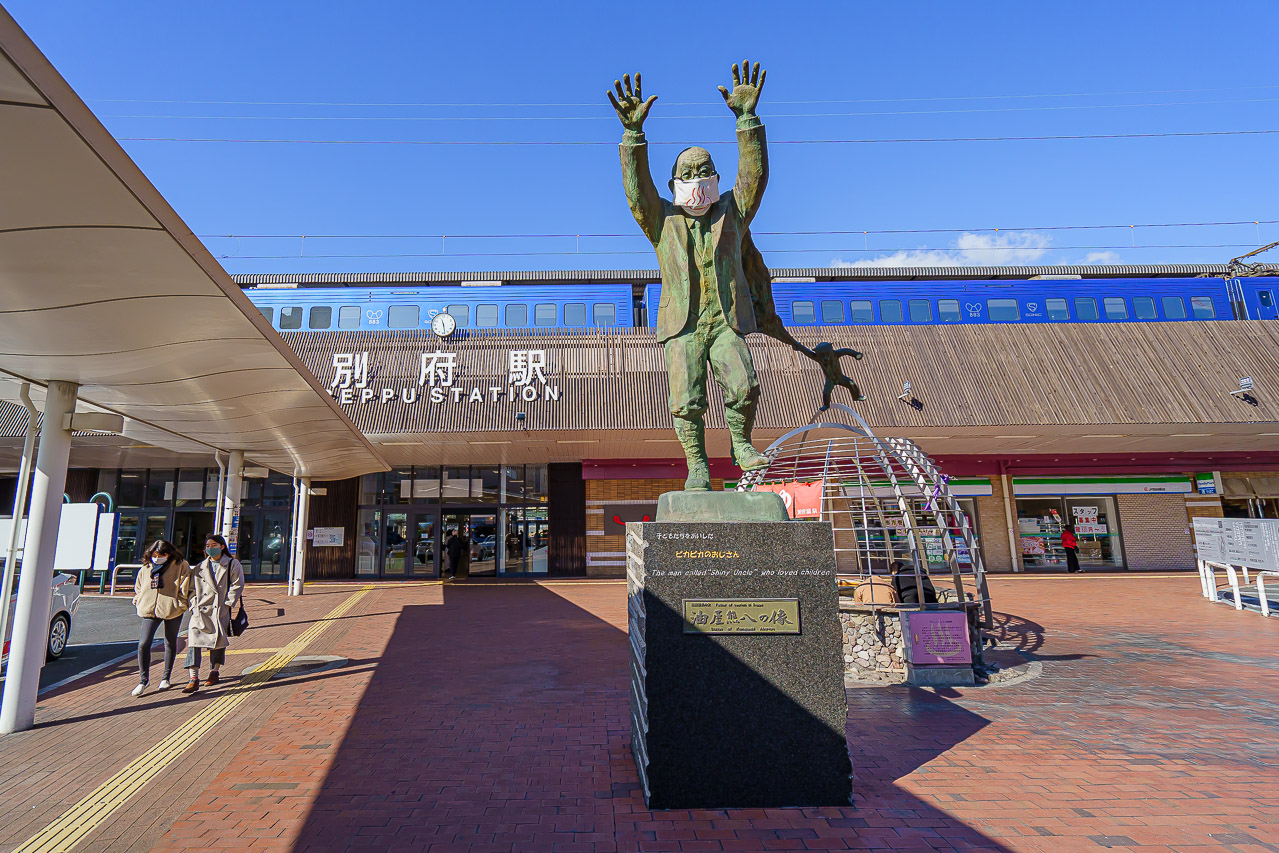
Our first stop is Beppu.
The source describes Beppu as Oita Prefecture’s second-largest city by population, in its central area.
Hot springs appear throughout the city. The account calls its discharge volume Japan’s largest, with more than 2,800 sources and 137,000 tons a day, used in daily life as well as tourism. These are historical source figures, not newly checked statistics.
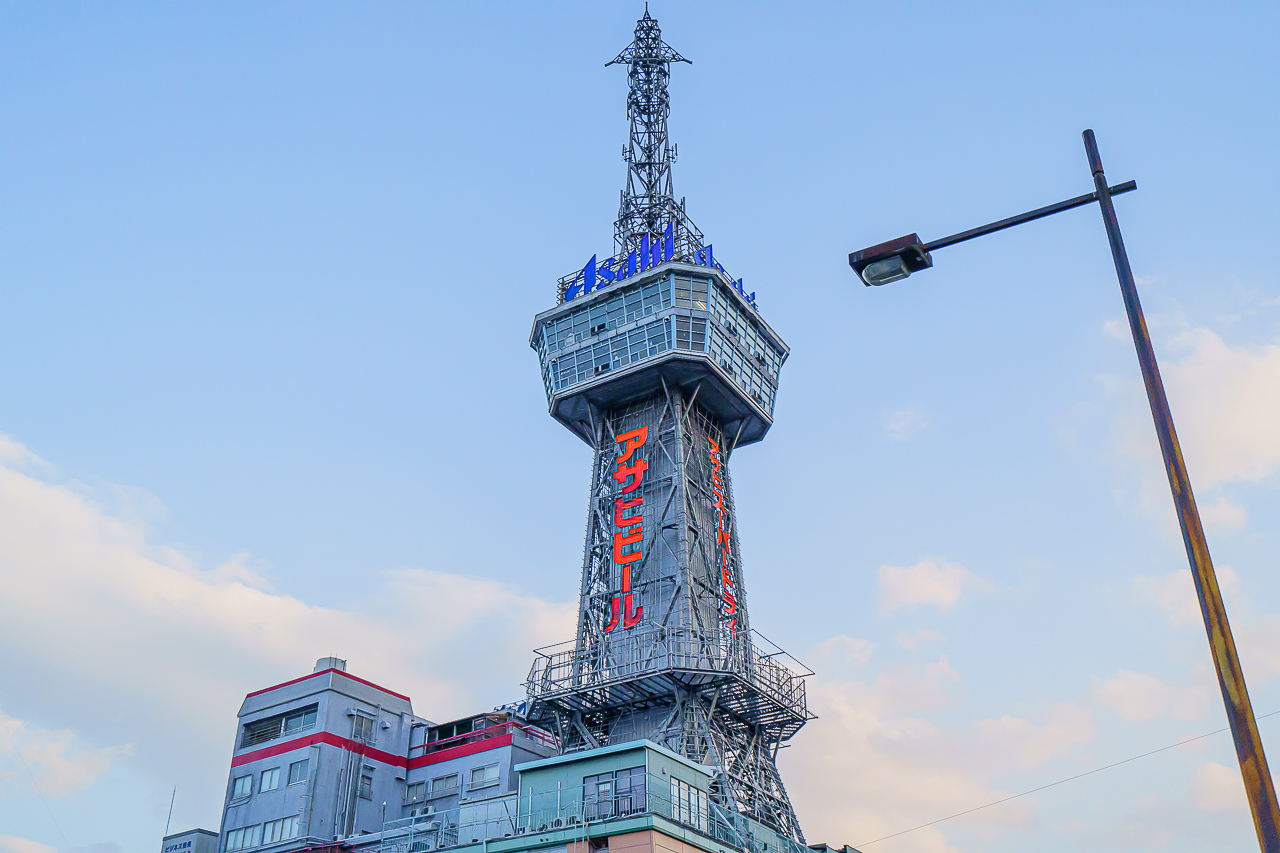
Beppu Tower is described as Japan’s third tower in the ‘six tower siblings’ group, still in use.
It was registered as a Tangible Cultural Property around its fiftieth anniversary, according to the source.
The original ‘six siblings’ list reads:
Beppu Tower — completed 1957, 90 m
Nagoya TV Tower — completed 1954, 180 m
Tsutenkaku, Osaka — completed 1956, 103 m
Sapporo TV Tower — completed 1957, 147 m
Beppu Tower — completed 1957, 90 m (repeated in the original)
Tokyo Tower — completed 1958, 333 m
Hakata Port Tower, Fukuoka — completed 1964, 103 m
All are credited in the source to Tachu Naito, the Waseda professor known for tower design.

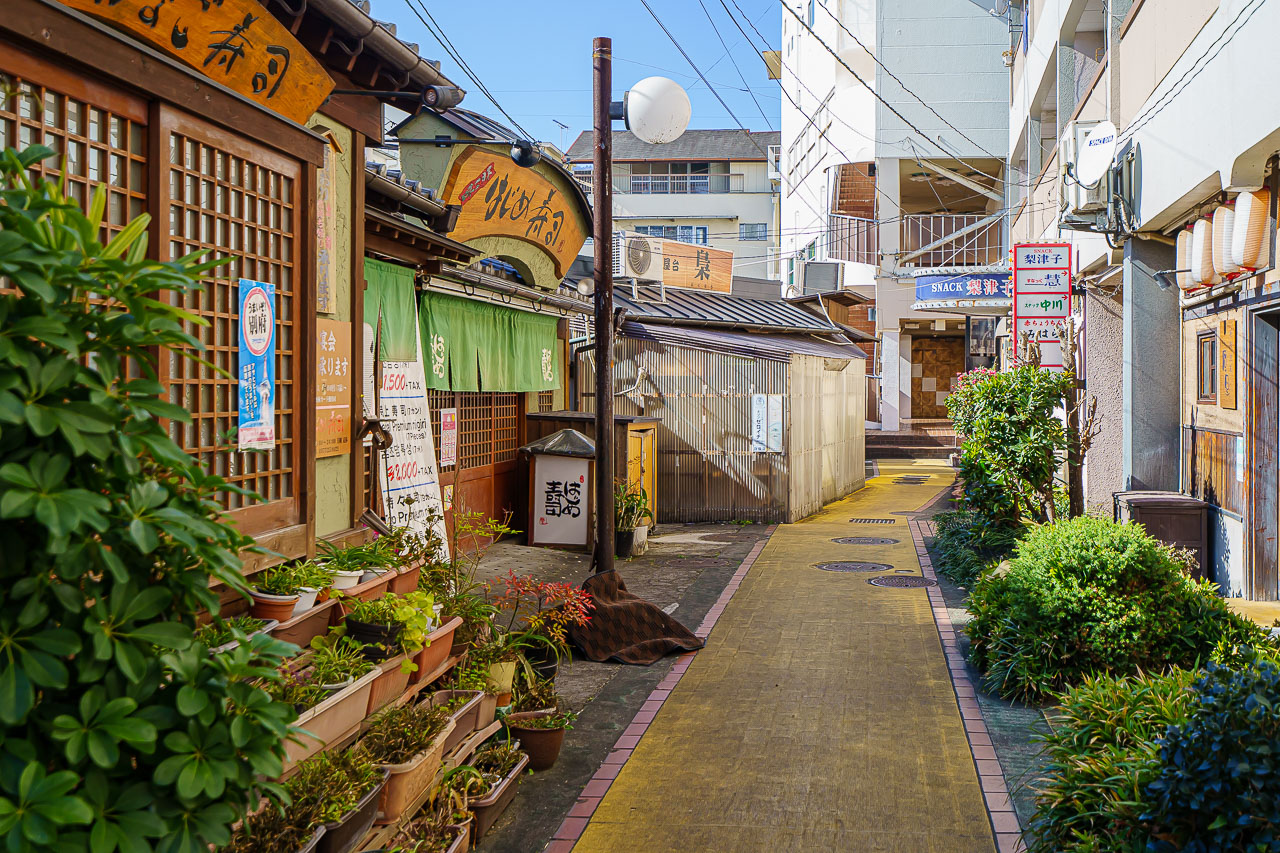
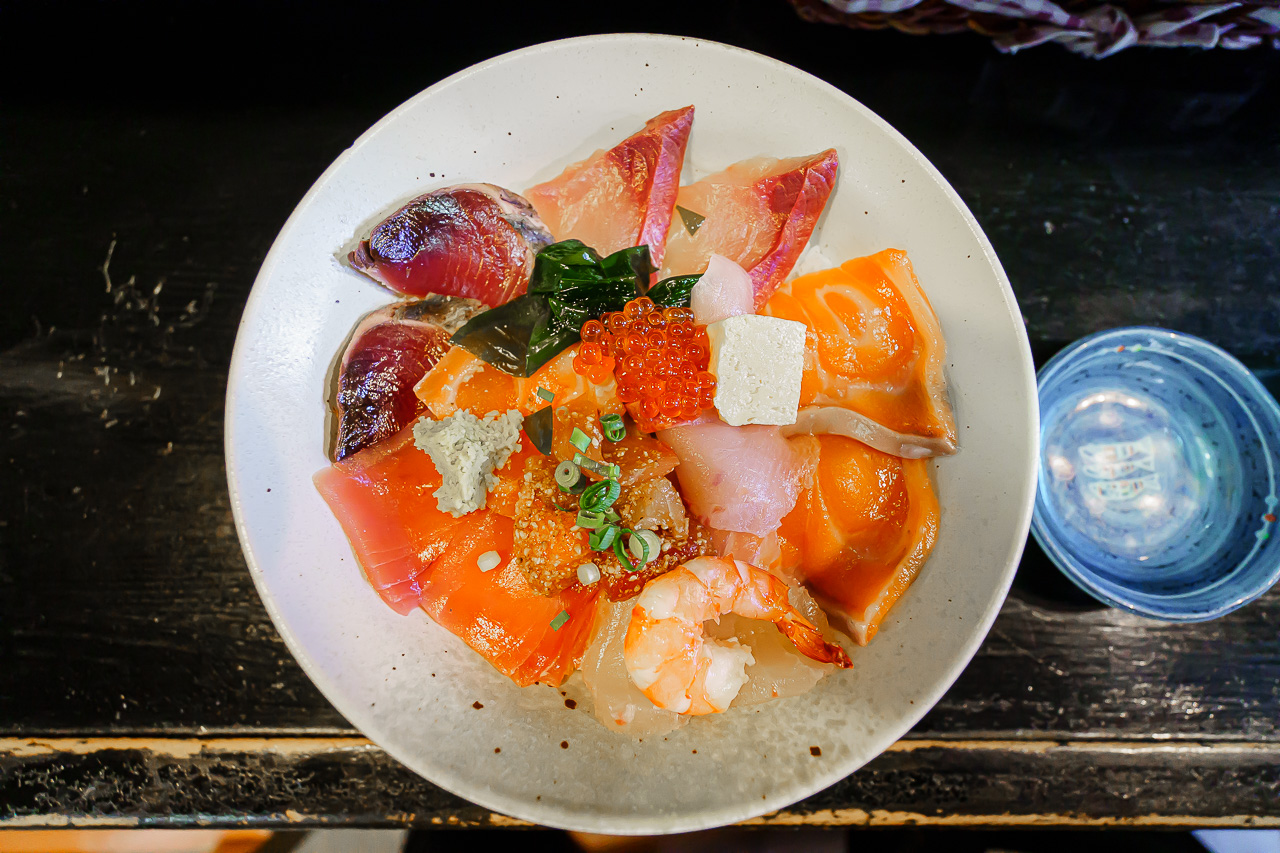
We try Izutsu’s seafood rice bowl, a Beppu specialty,
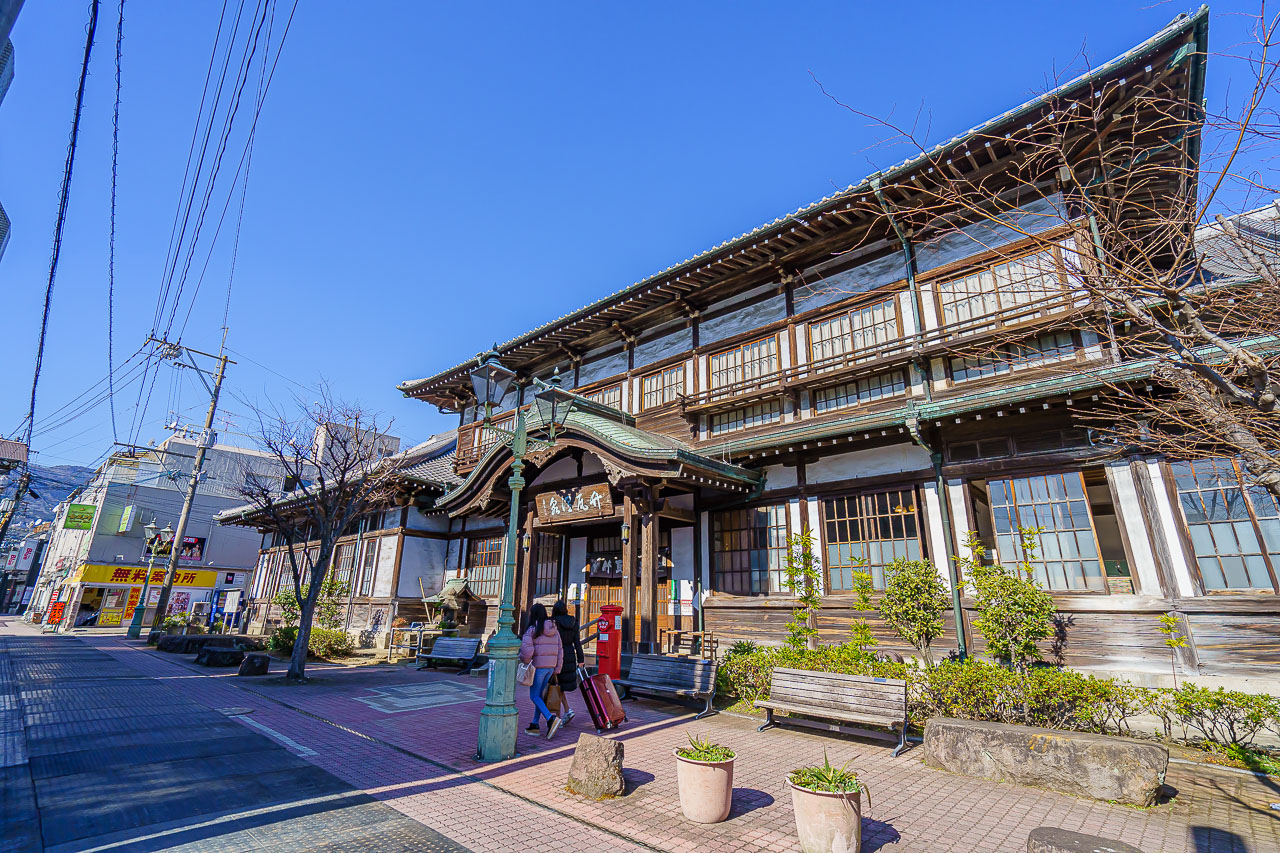
walk through shopping lanes and pass the well-known Takegawara Onsen.
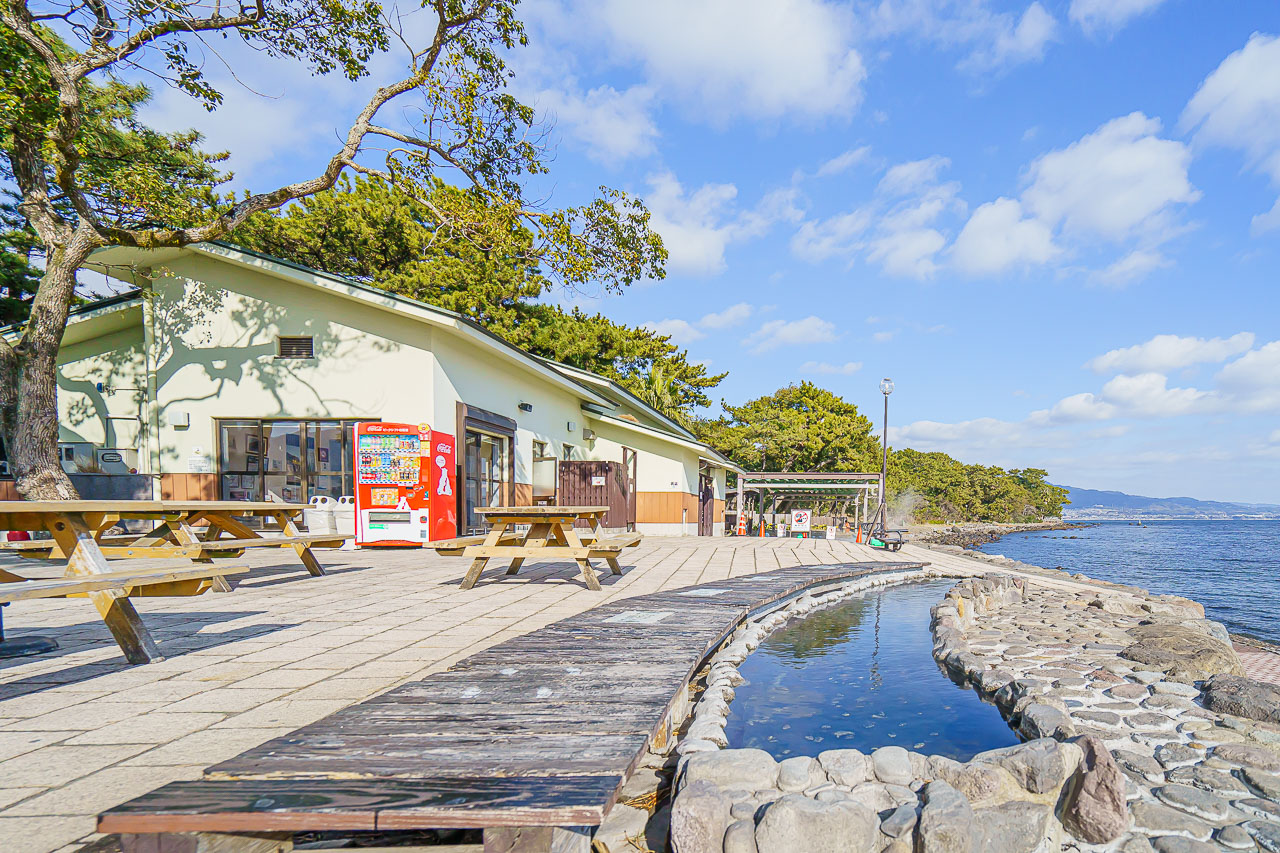
Our first night’s bathing is at Iyashi no Sato, an onsen ryokan near the coast.
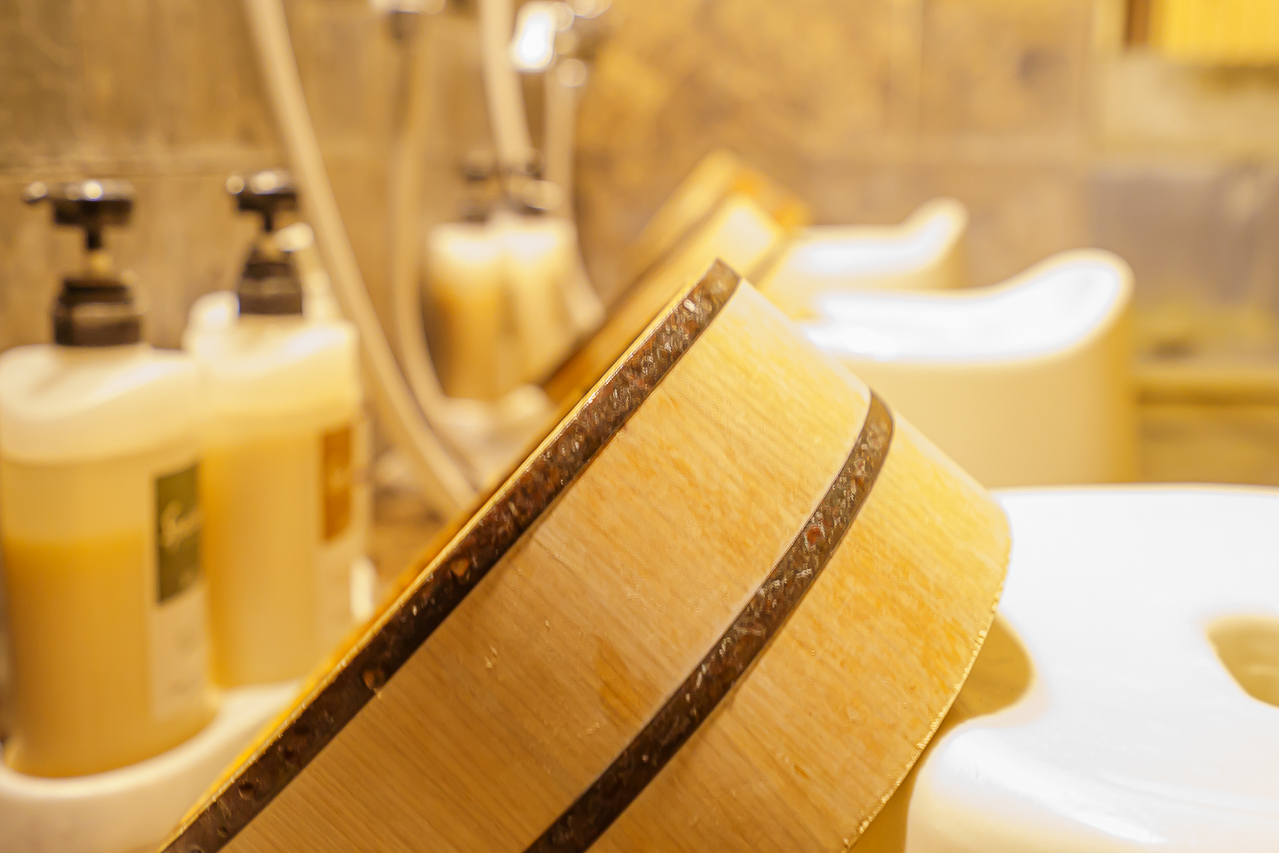
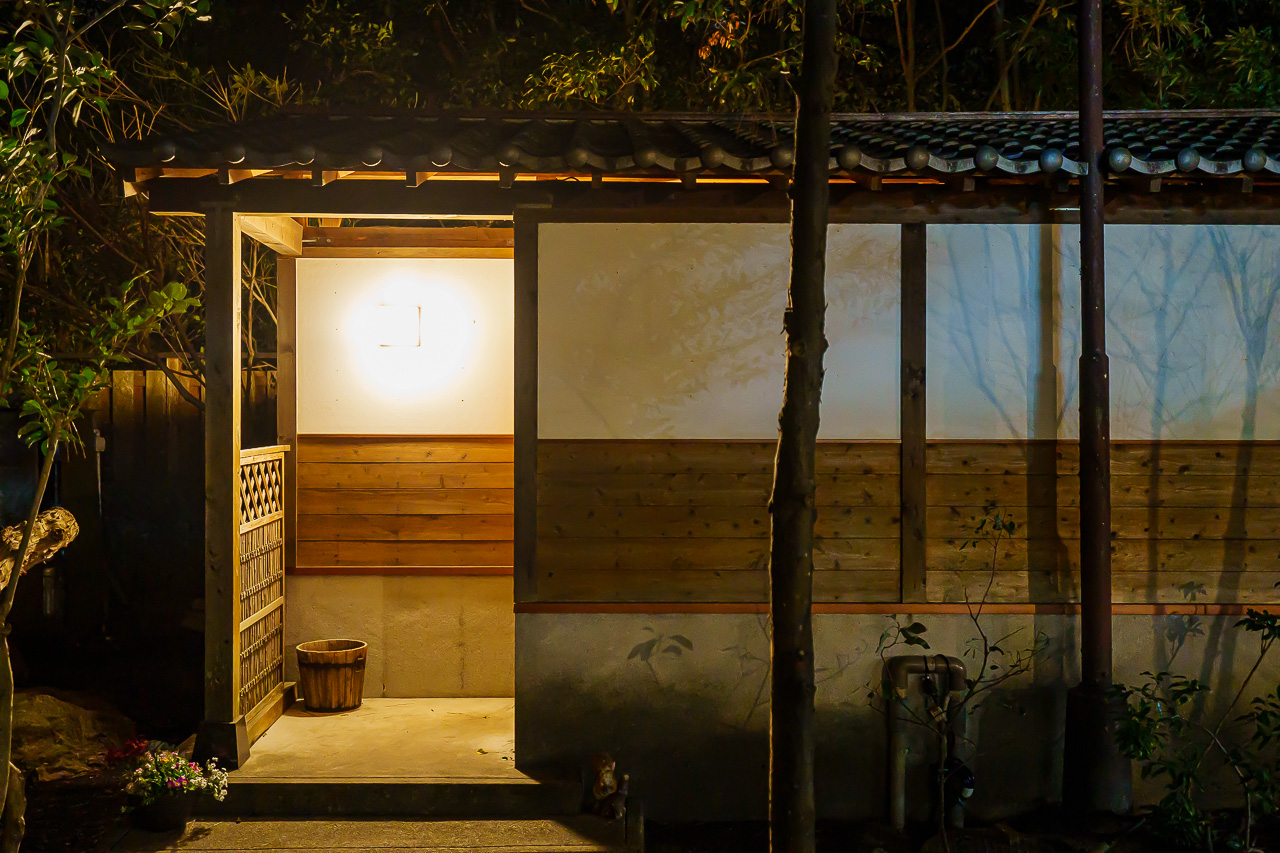
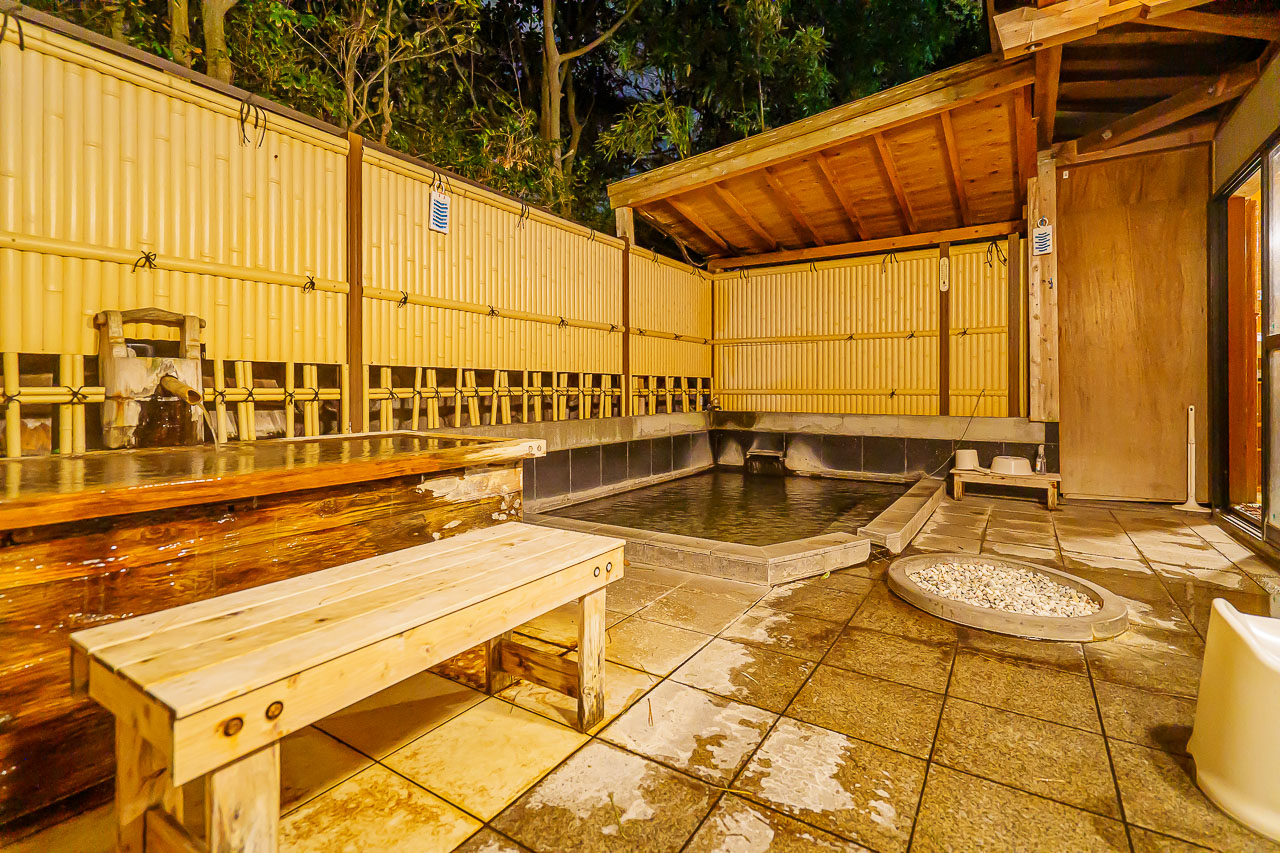
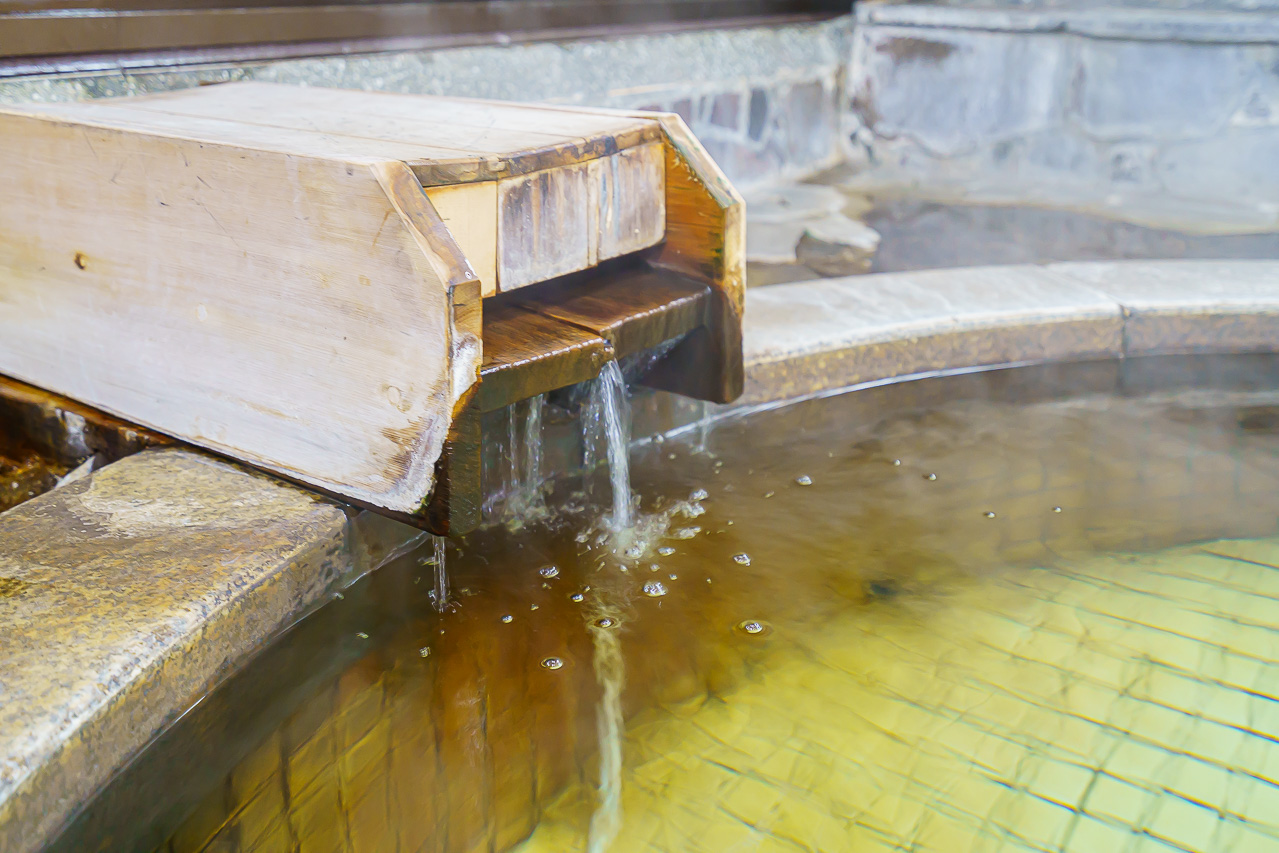
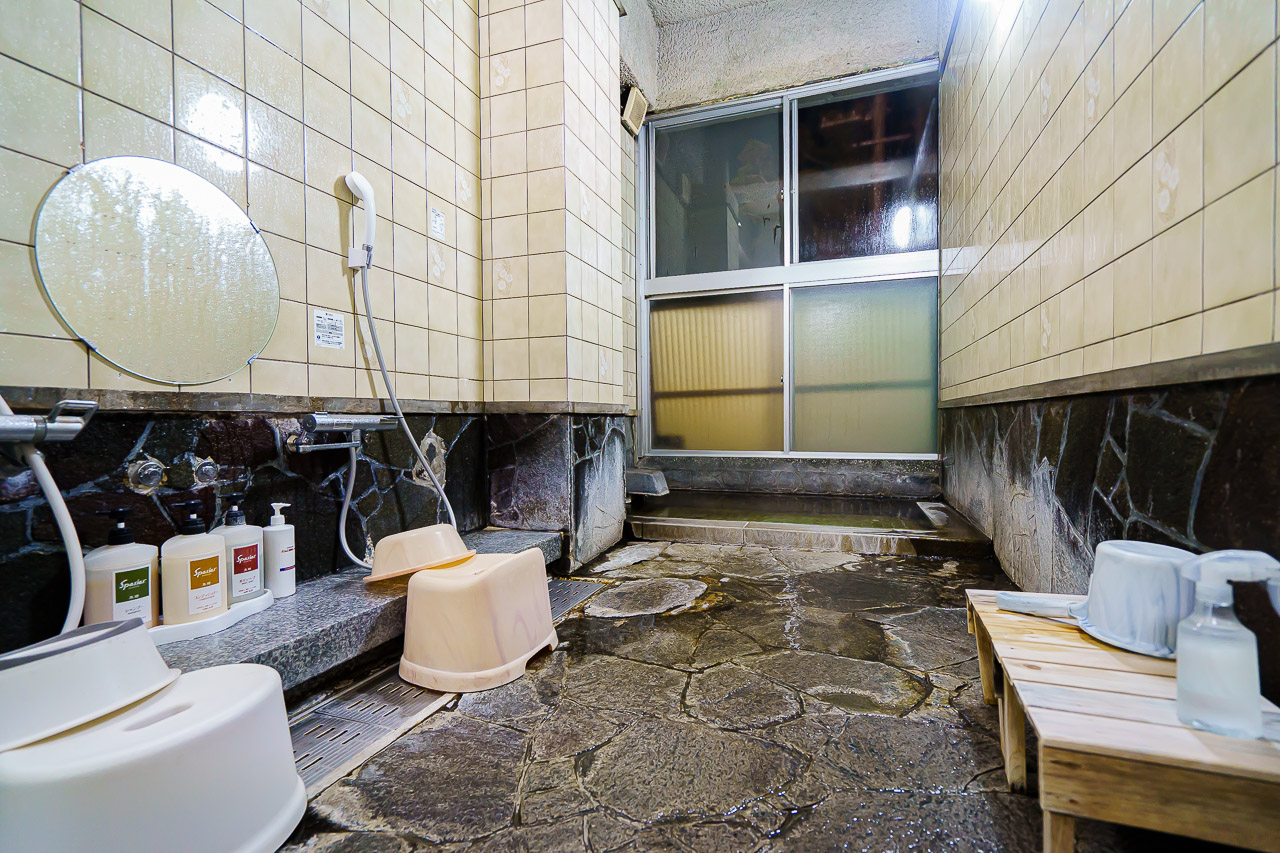
A quiet inn with six rooms, two indoor baths and an outdoor bath, all operated as private family baths during the stay.
The small hinoki outdoor tub is particularly pleasant.
Near the sea, I had wondered whether the water would feel salty, but it has a smooth, slippery touch instead.
Cypress fragrance and the continuous flow of kakenagashi water create a peaceful atmosphere.
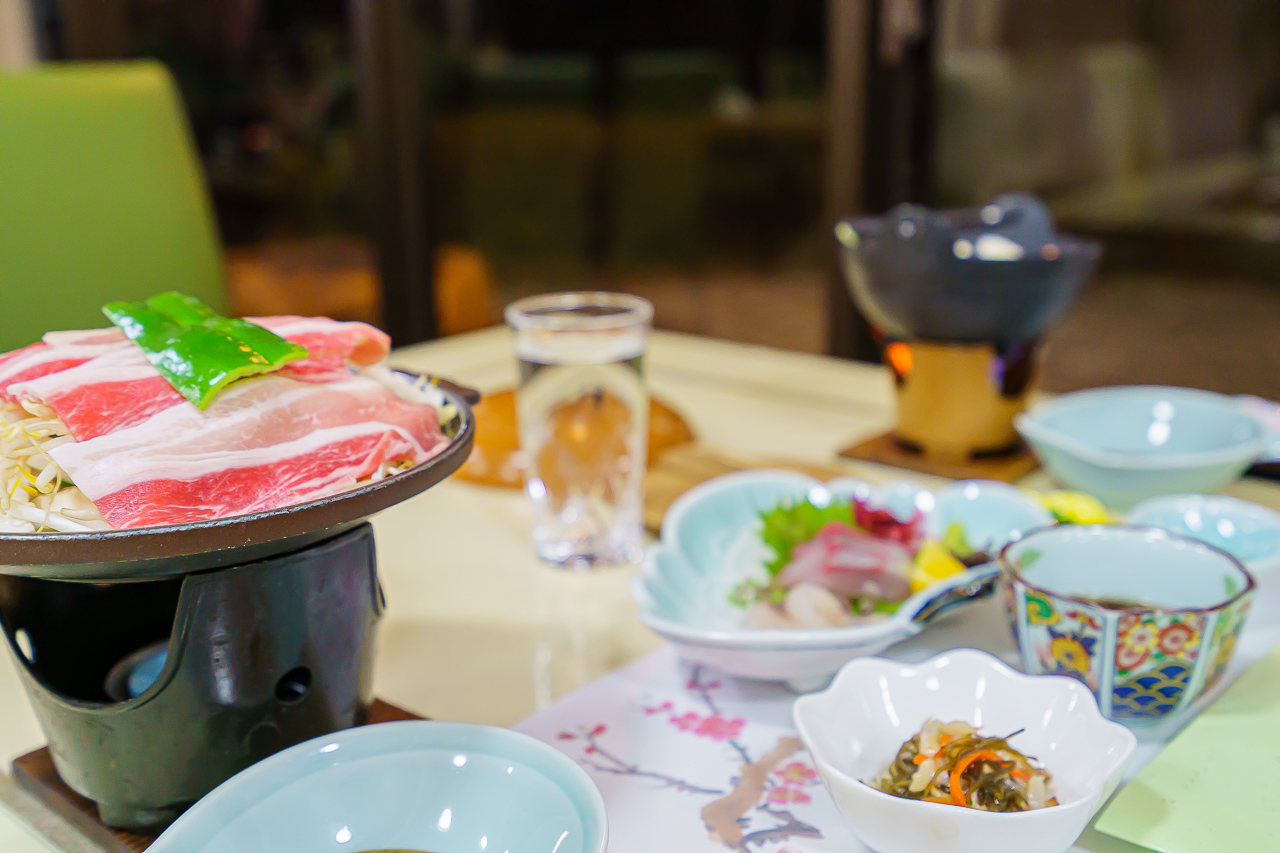
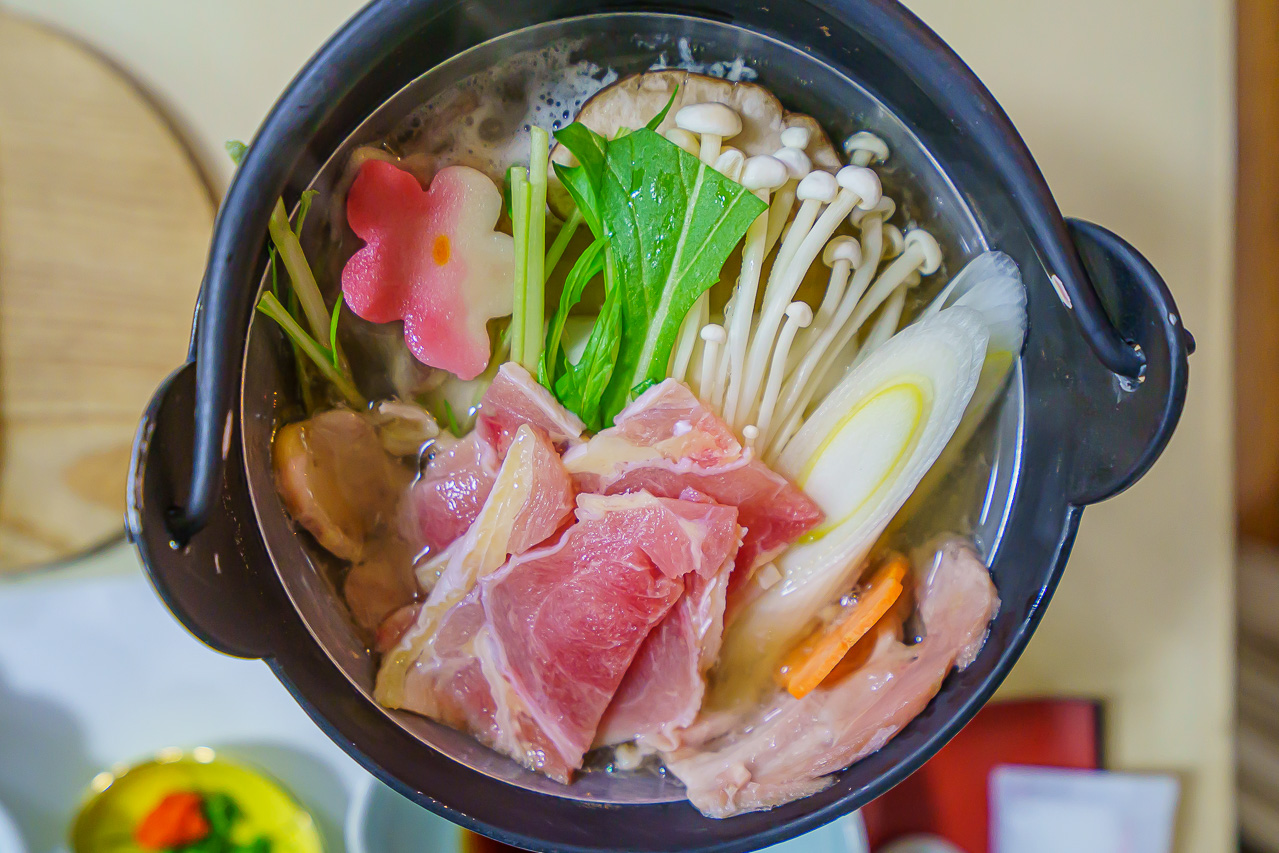
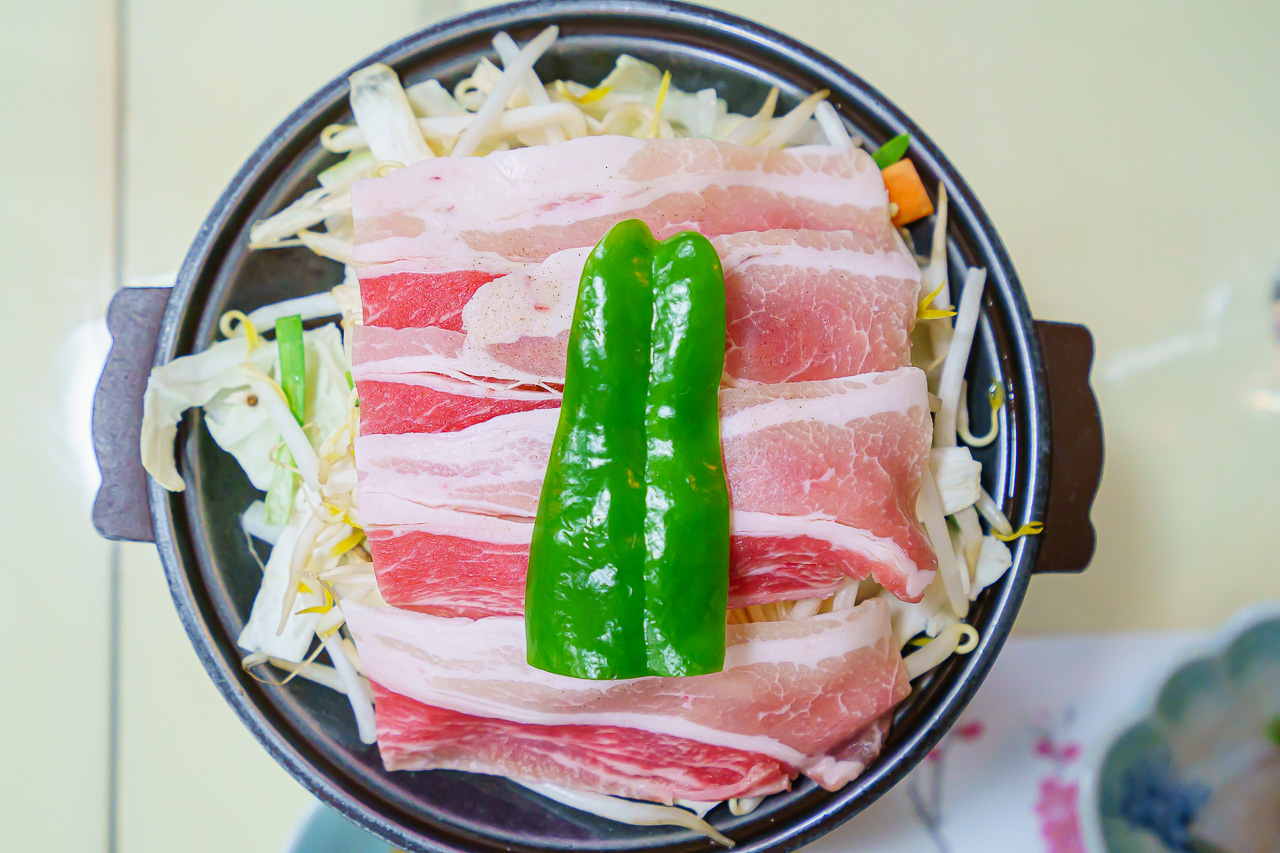
Dinner brings the expected kaiseki.
It is relatively simple, resembling a hotel dinner set.
Steamed pork, Oita-style local-chicken hot pot and a small sashimi selection.

Breakfast is a neat Japanese meal. The fish in the center, reminiscent of dried filefish, is especially good.
It is not fully hard like a dried snack; the flesh is soft, and the author found the bones edible in this particular preparation. That does not apply to fish bones generally.
Before leaving, we enjoy the outdoor bath once more.
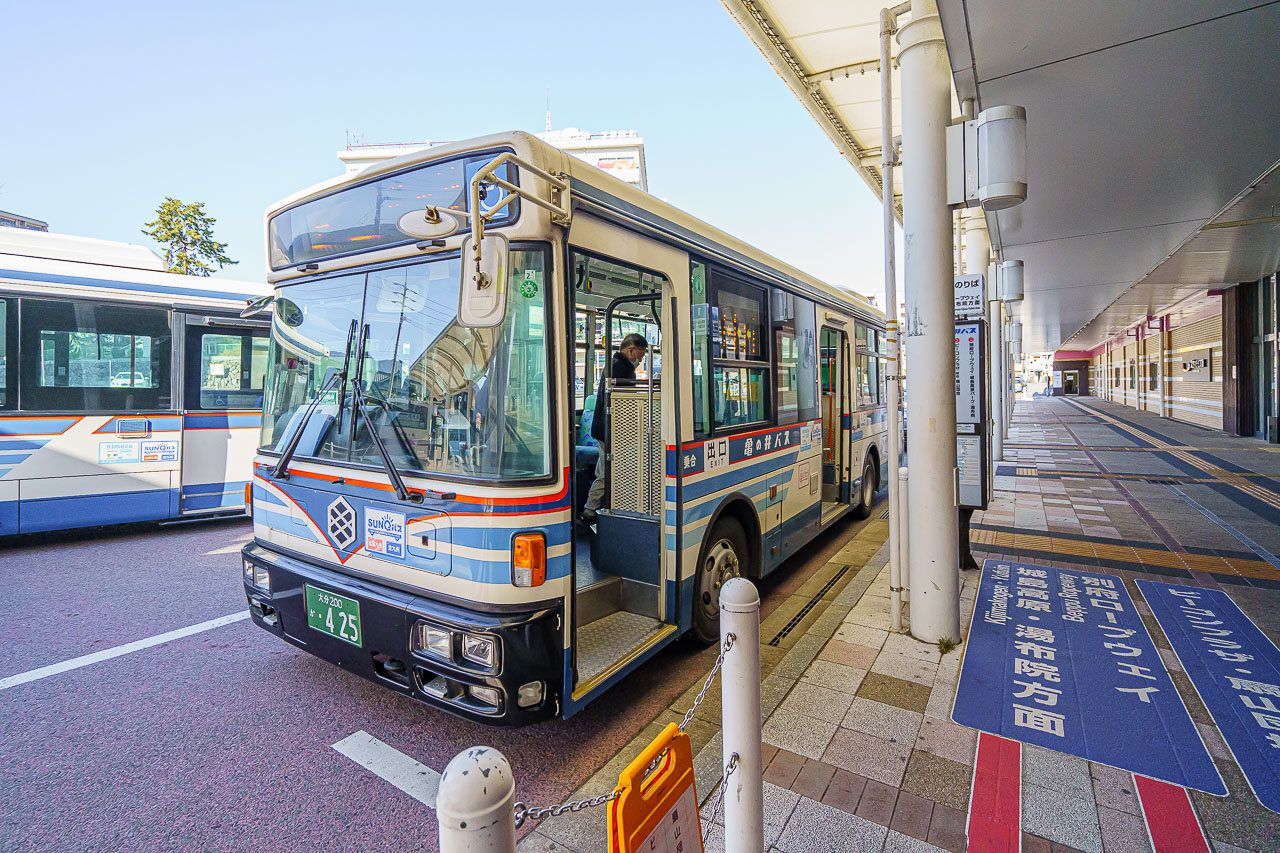
From Beppu Station’s north exit as described in the source, we take a bus toward Yufuin.
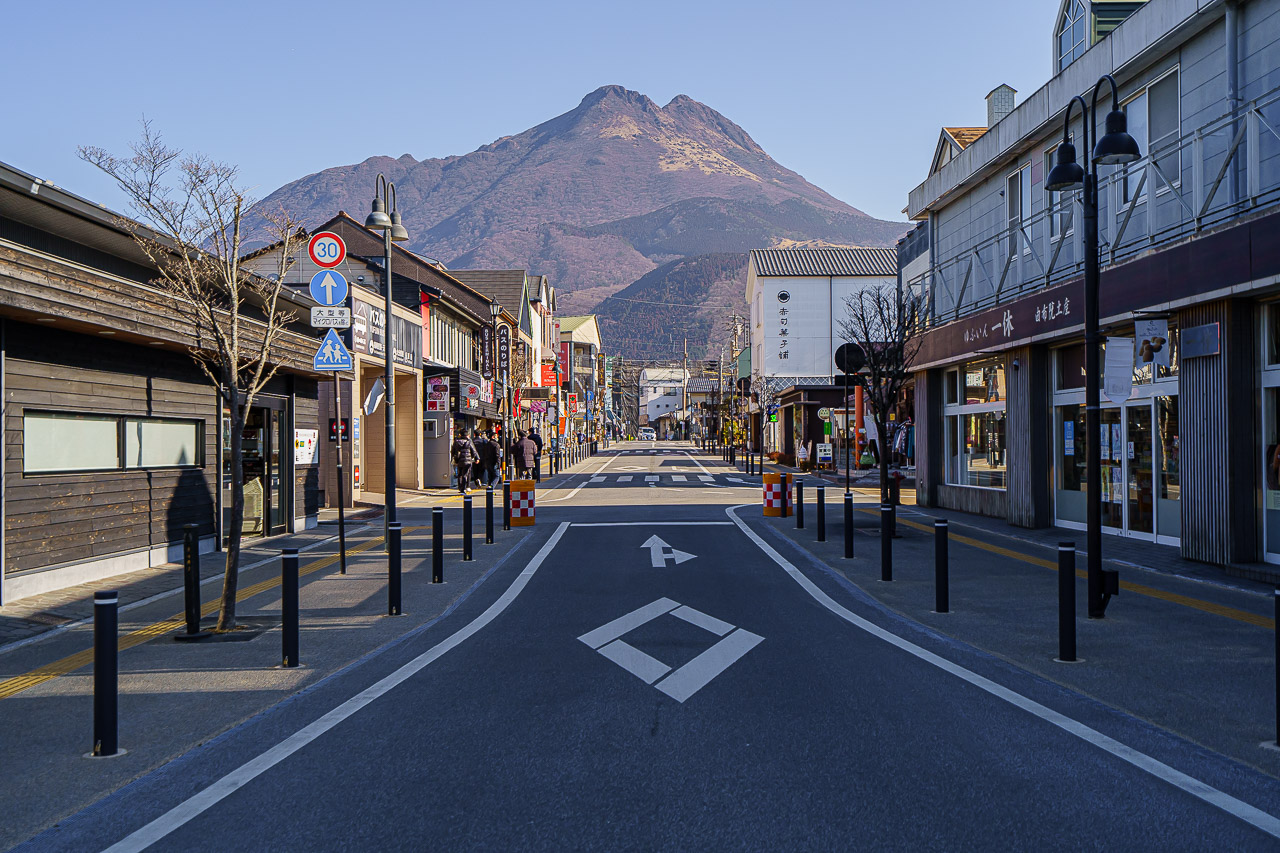
After around 90 minutes, we reach Yufuin with Mount Yufu in view.

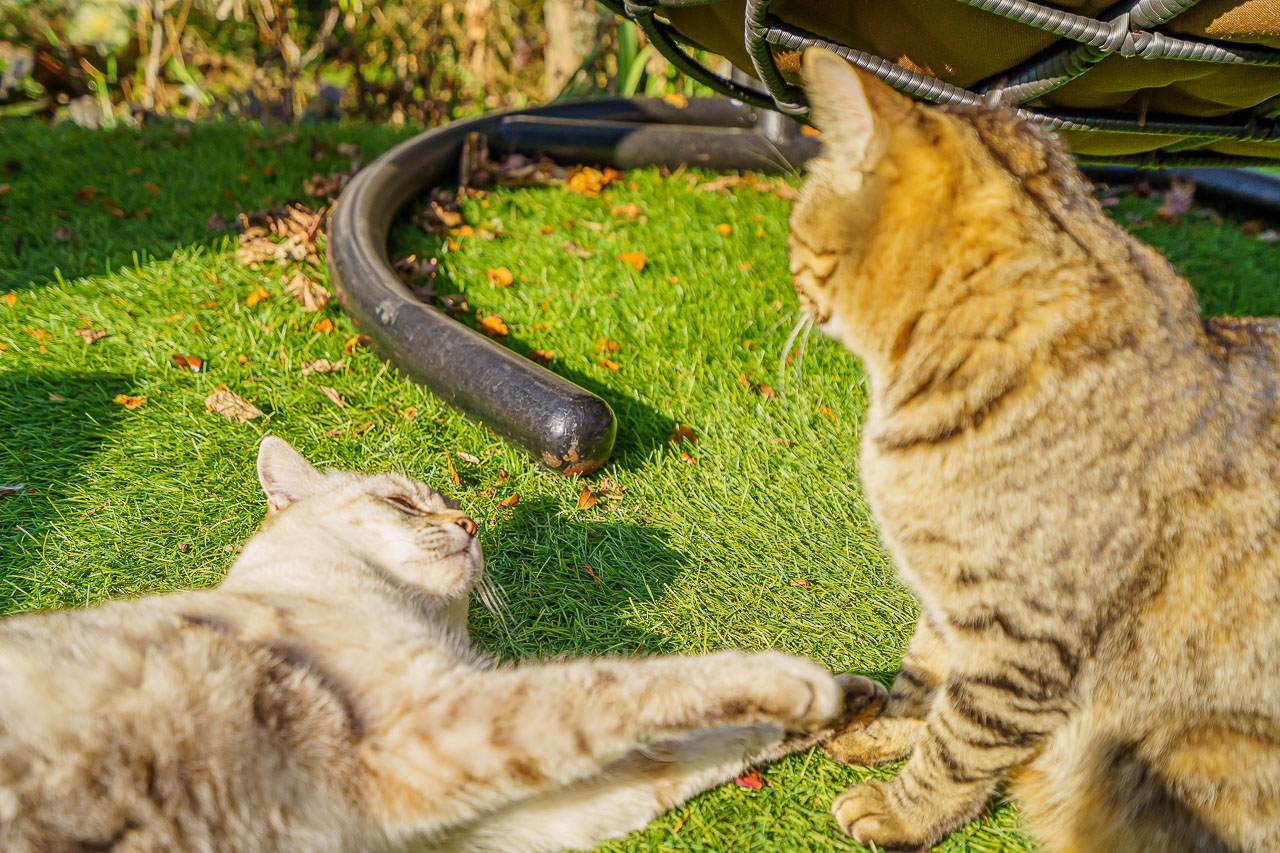
Cute cats greet us at the next inn, Onsen Ryokan Lamp no Yado.
The source describes it as accepting stays with pets, subject to its actual booking rules.
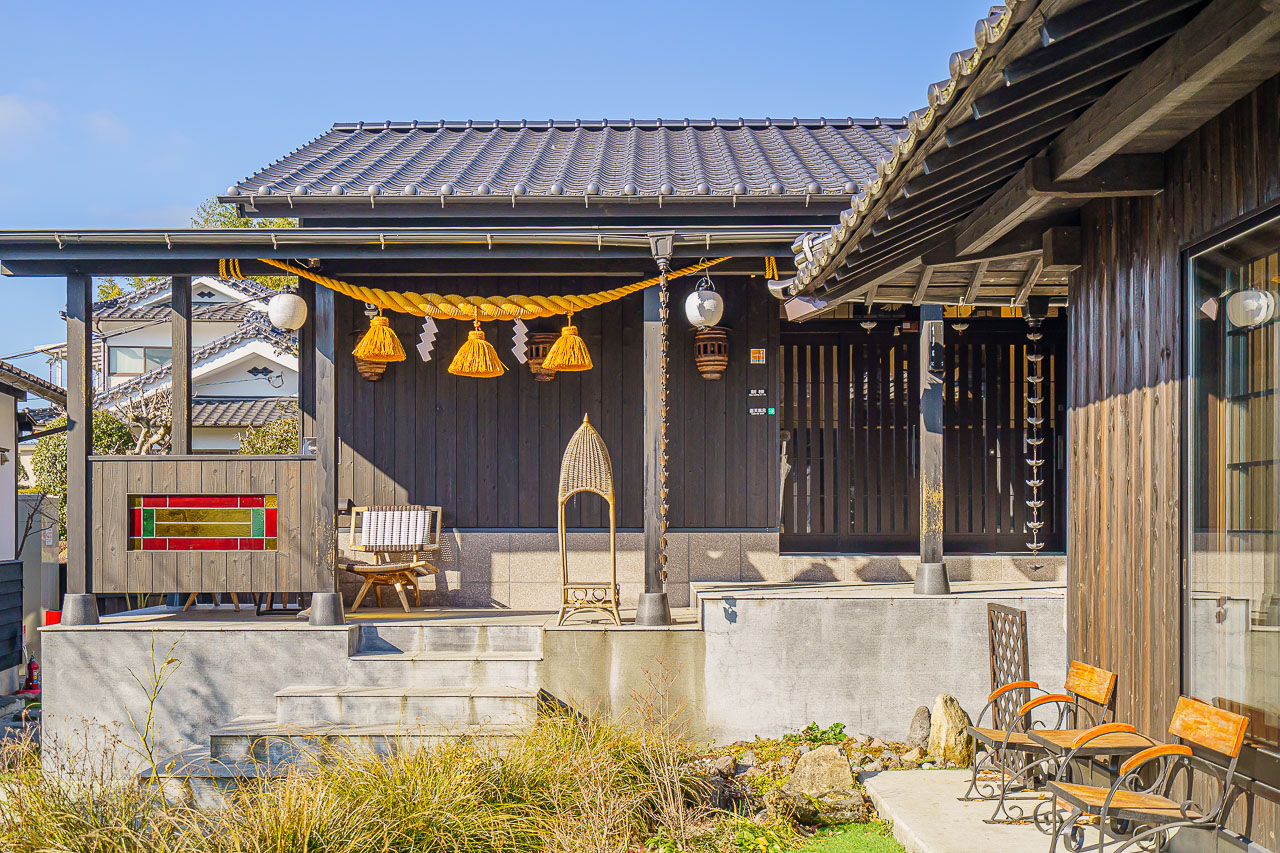
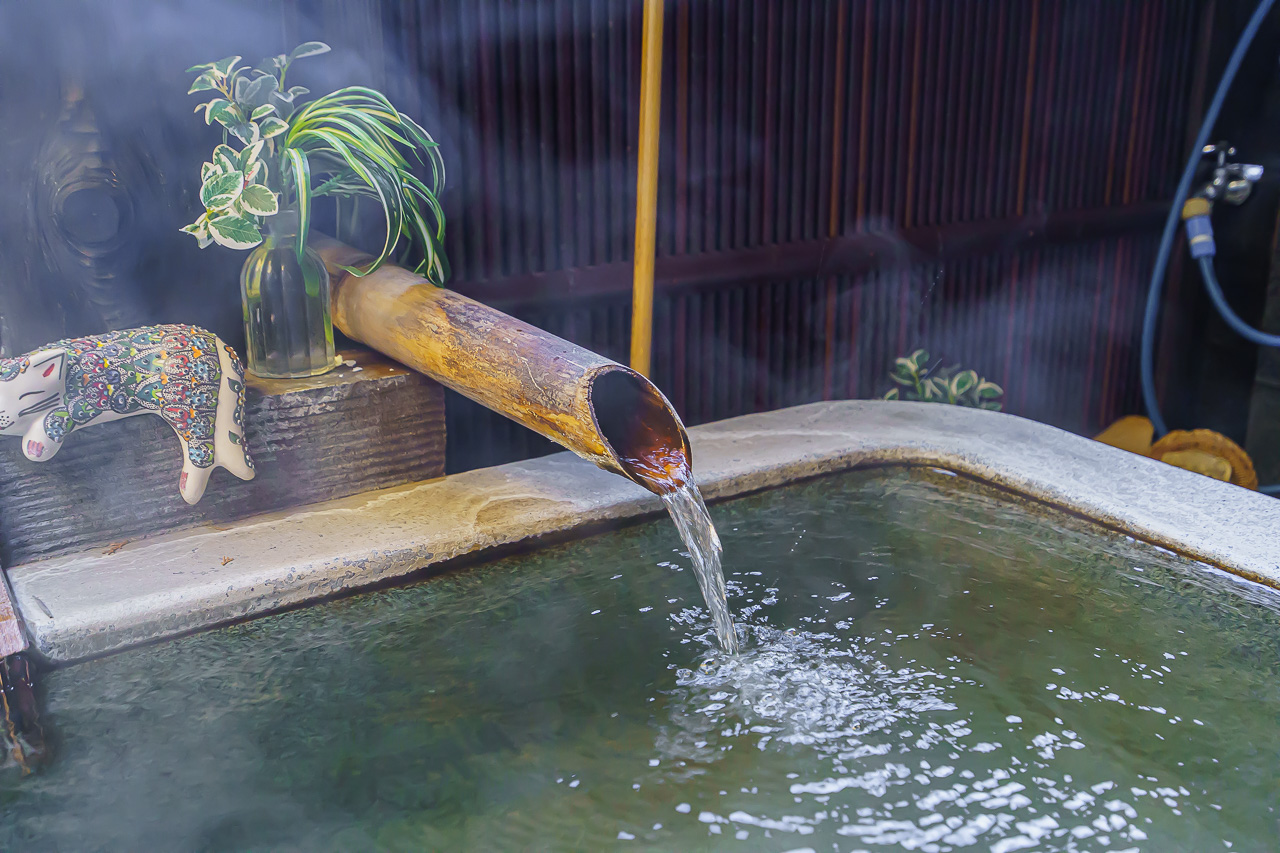
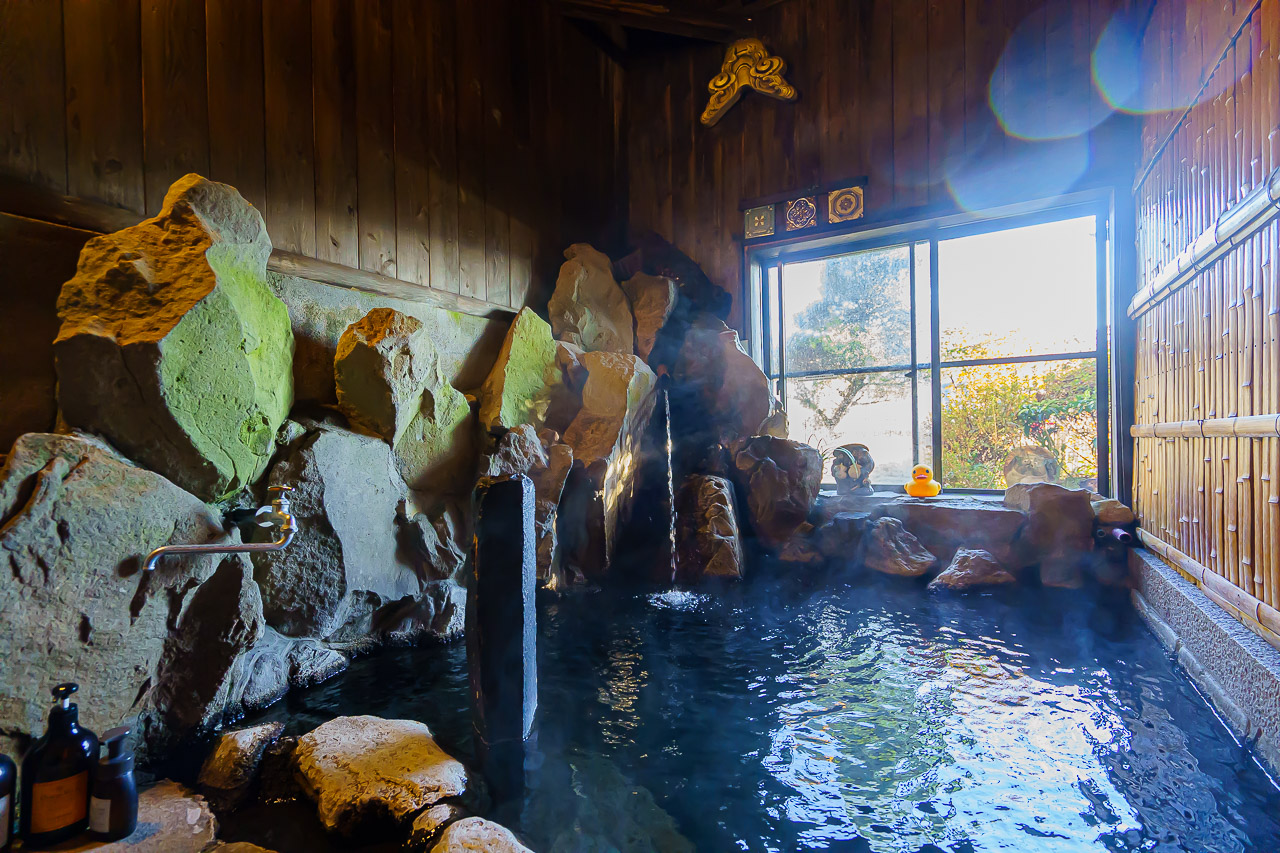
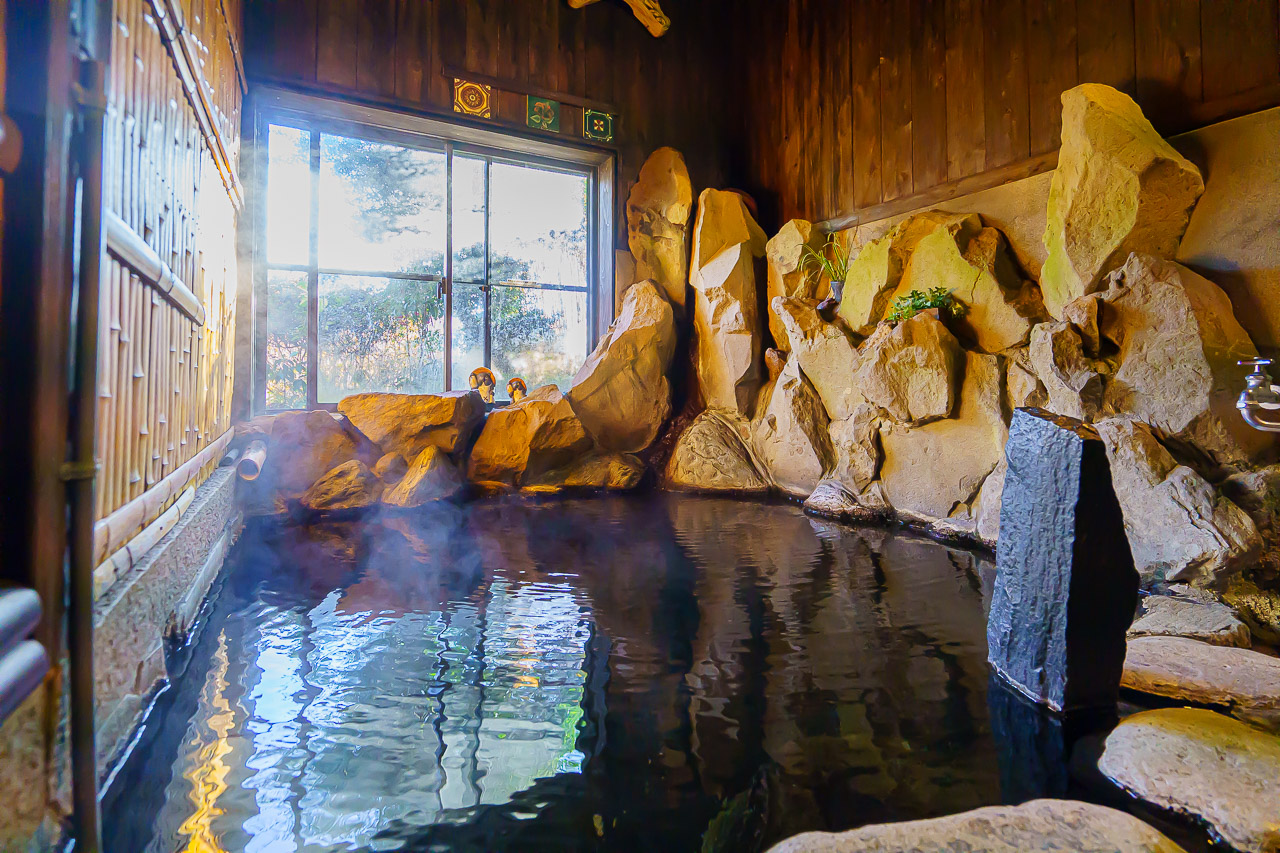
There is a rock-lined outdoor bath and three indoor baths.
All are operated as private family baths in this account.
The outdoor water feels very hot. The original describes adding cold water; do so only where the facility permits it.
I enjoy the water’s feel.
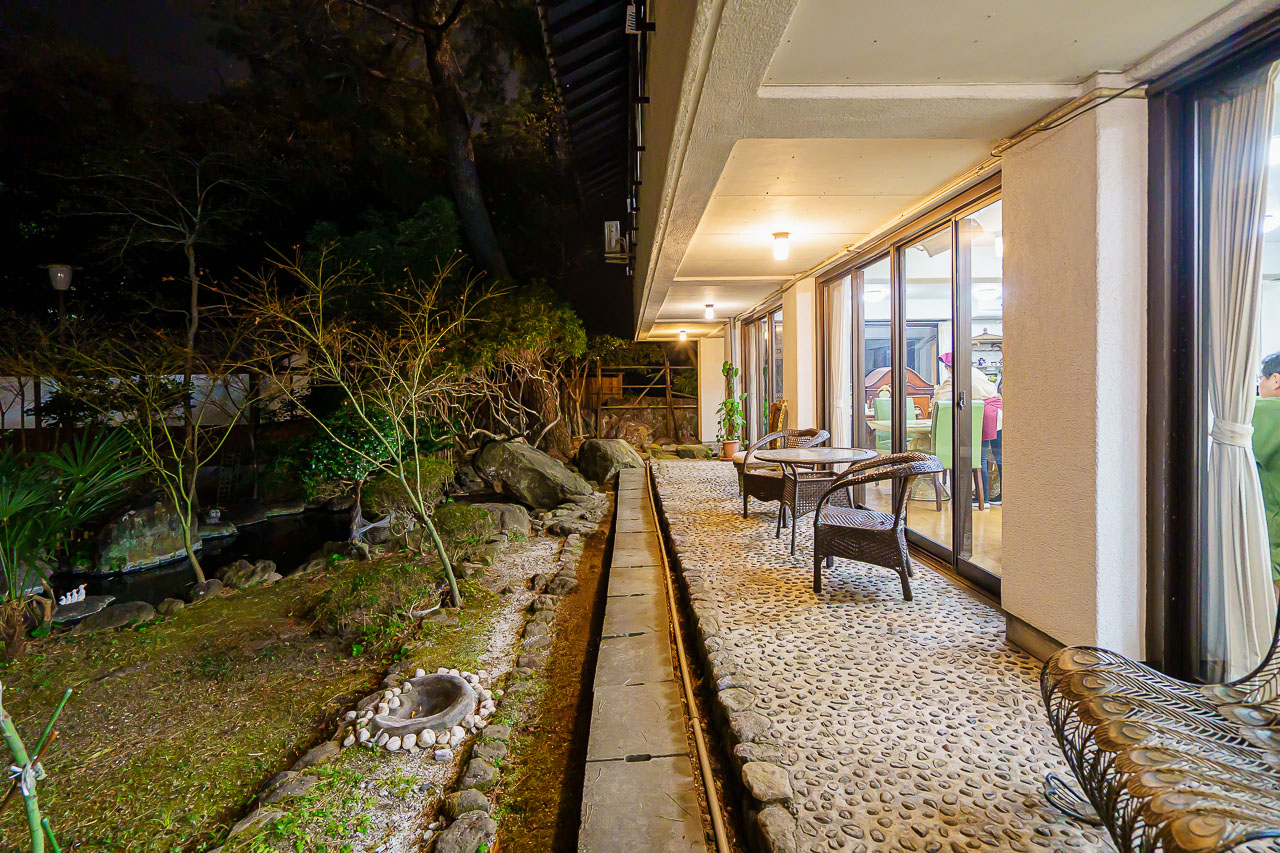
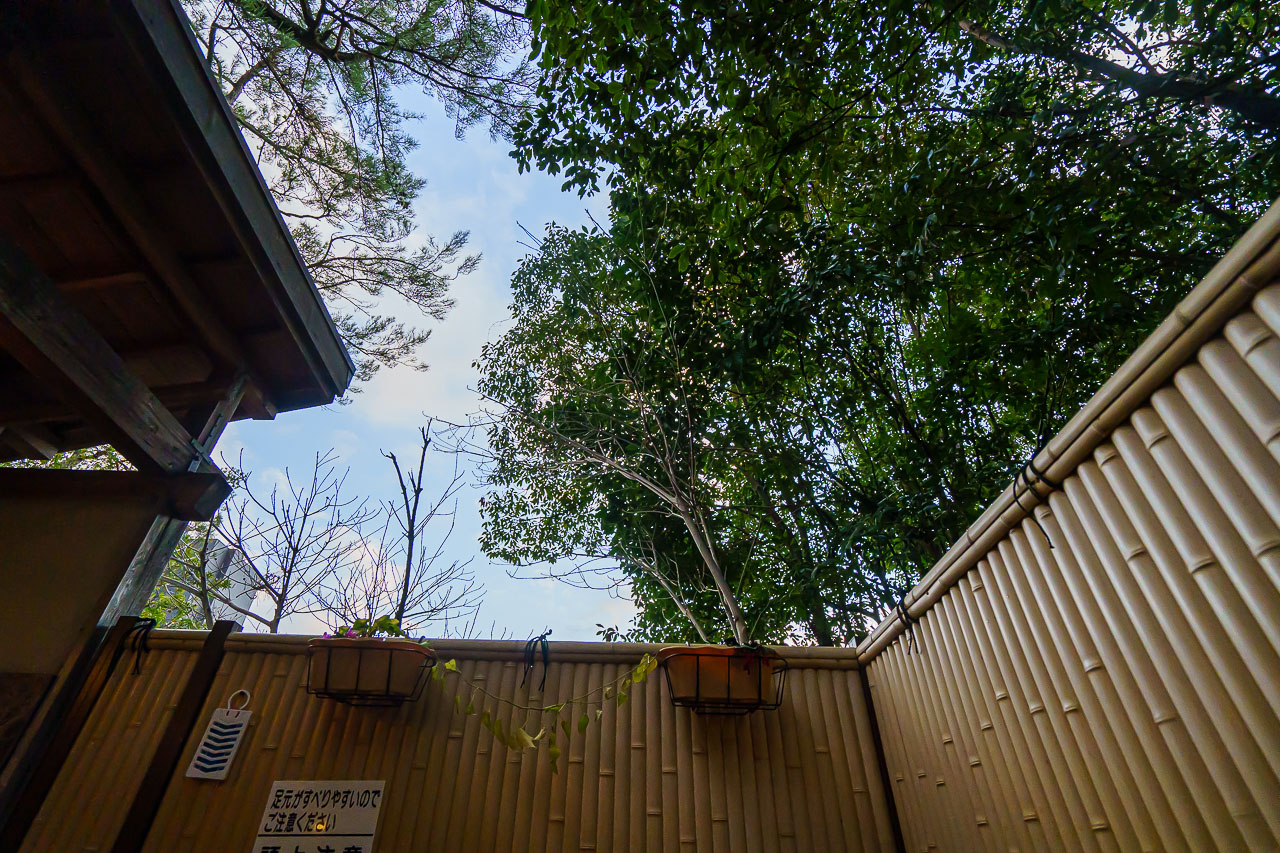
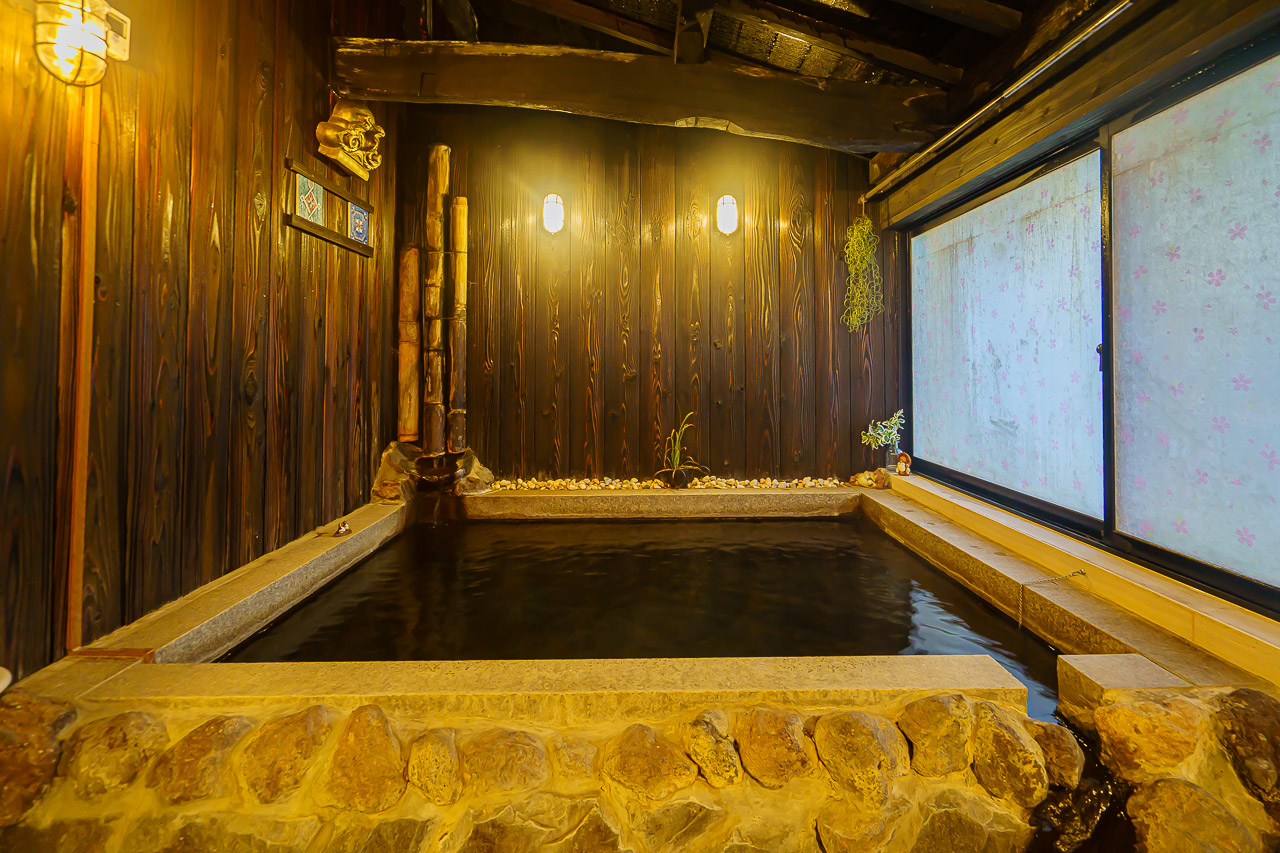
My personal favorite is the main-building indoor bath in the final photograph.
Opening the door gives it an outdoor feel, and the temperature suits me.
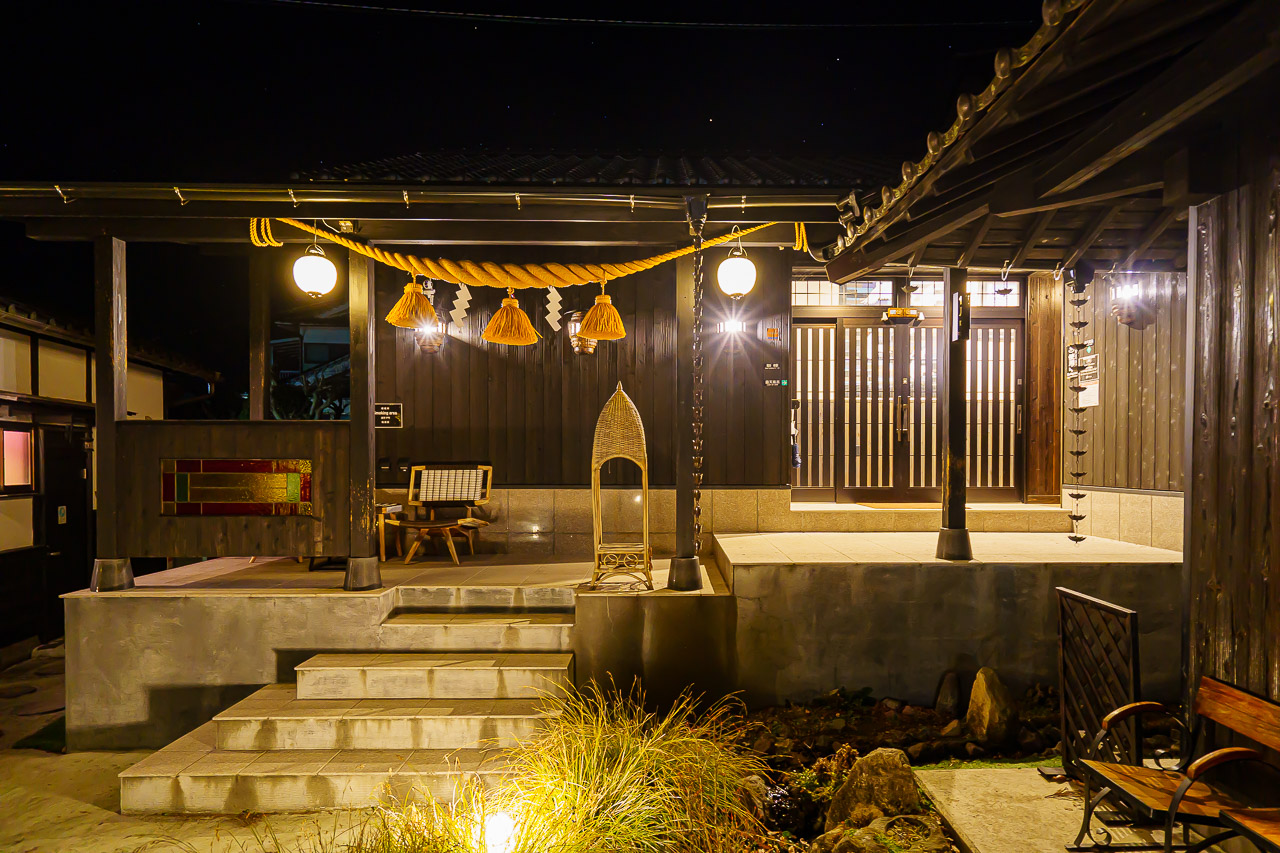
A bath and nap carry us quickly into the evening.
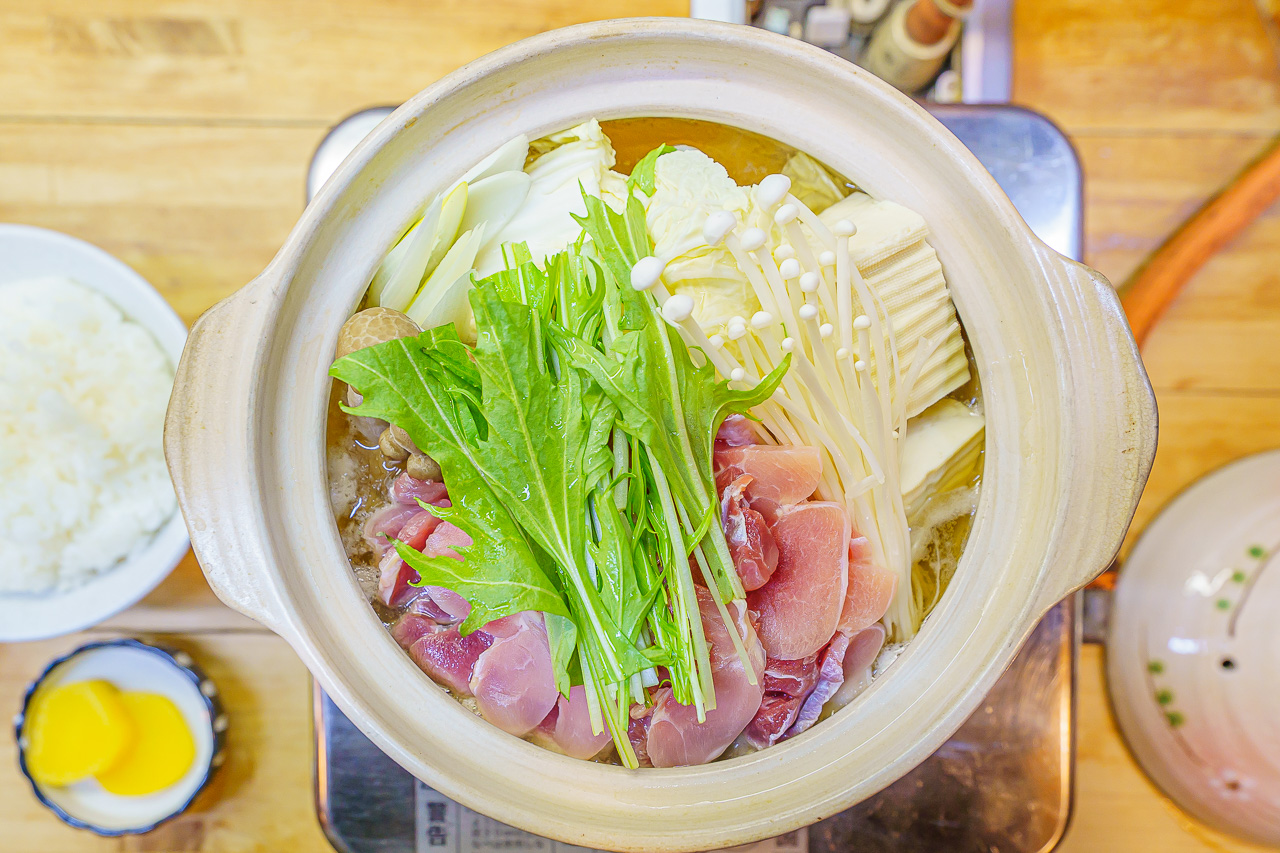
On Yunotsubo Street, we eat jidori nabe, a local-chicken hot pot.
Kyushu is known for chicken, and it seems to appear at every stop.
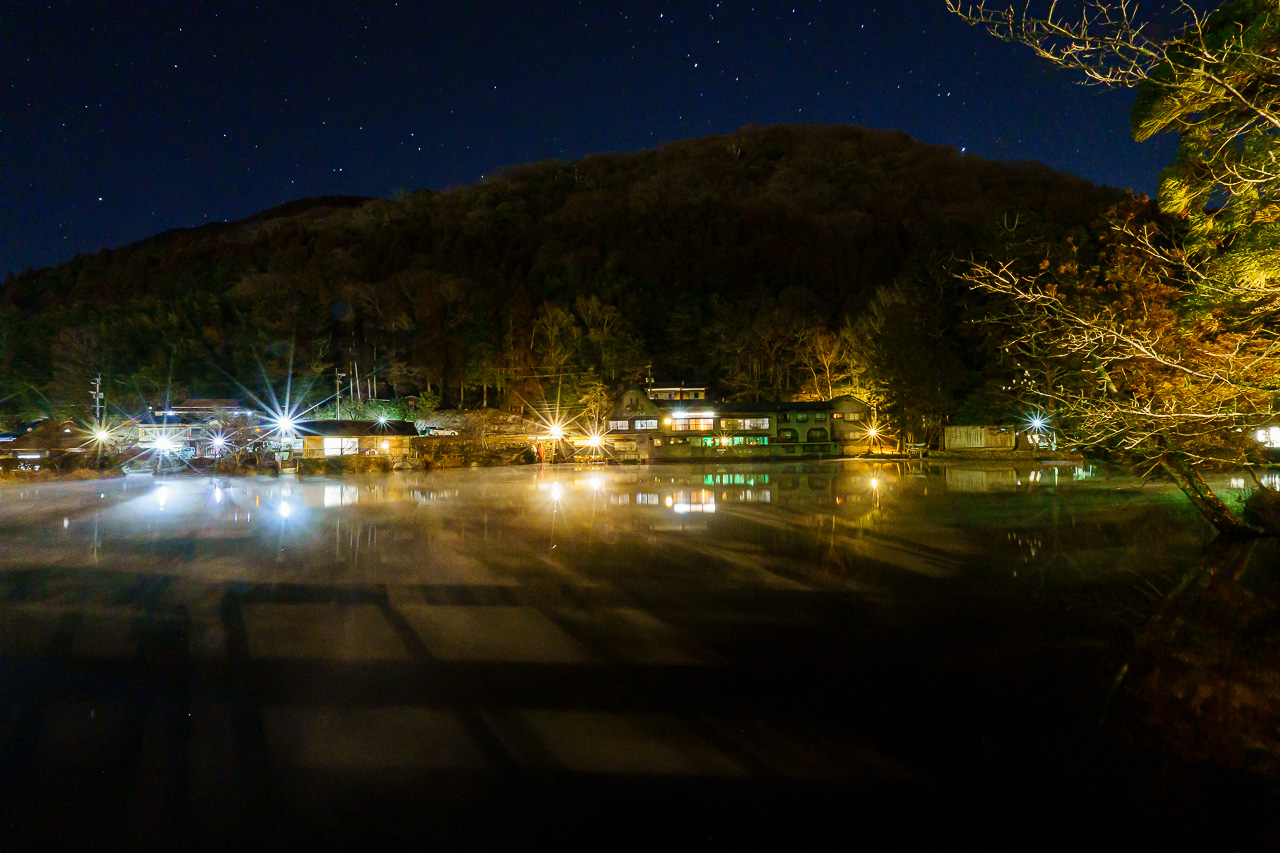
After dinner, we follow the street to Lake Kinrin.
Warm spring water entering the lake meets cold air, creating mist over the surface in the source’s explanation.
We take a few photographs and return to the inn.
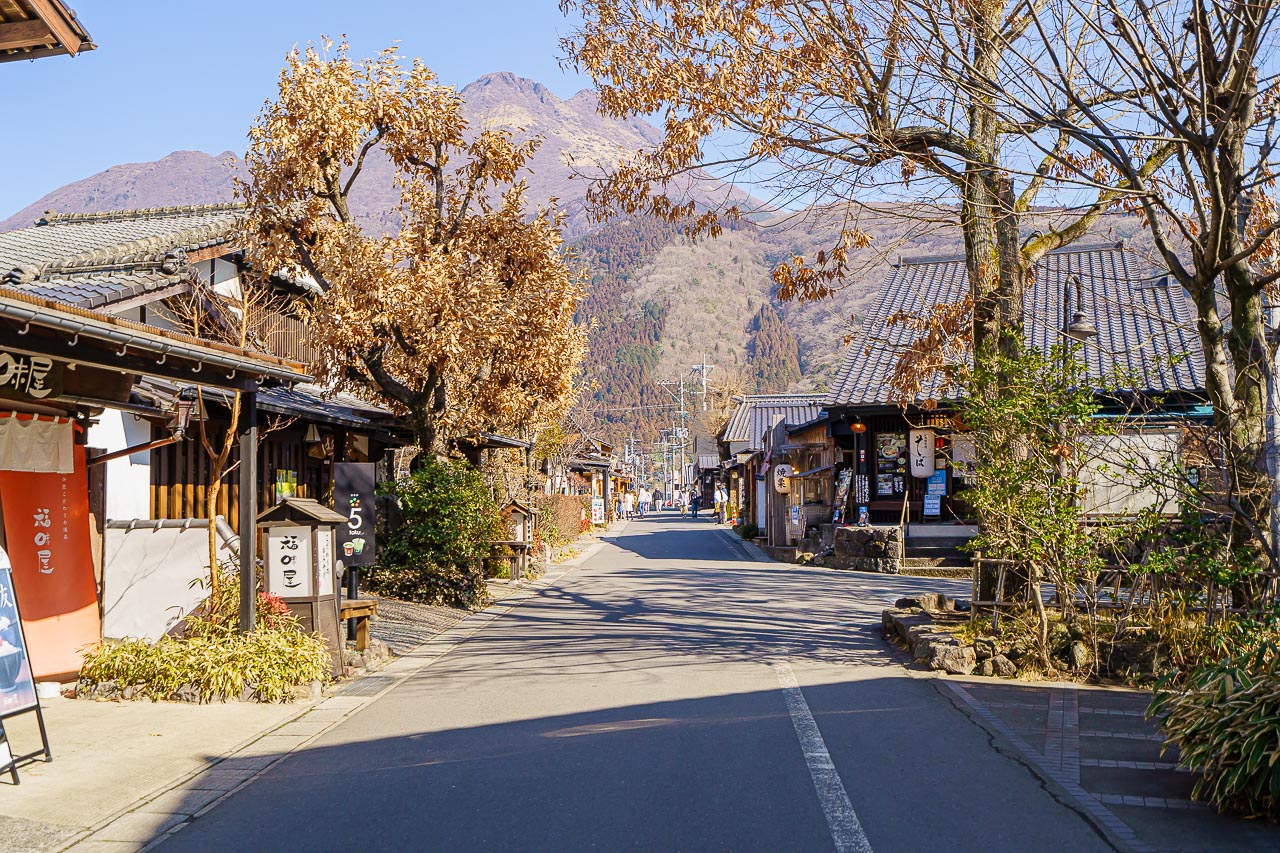
Around lunchtime, we go back out along Yunotsubo Street.
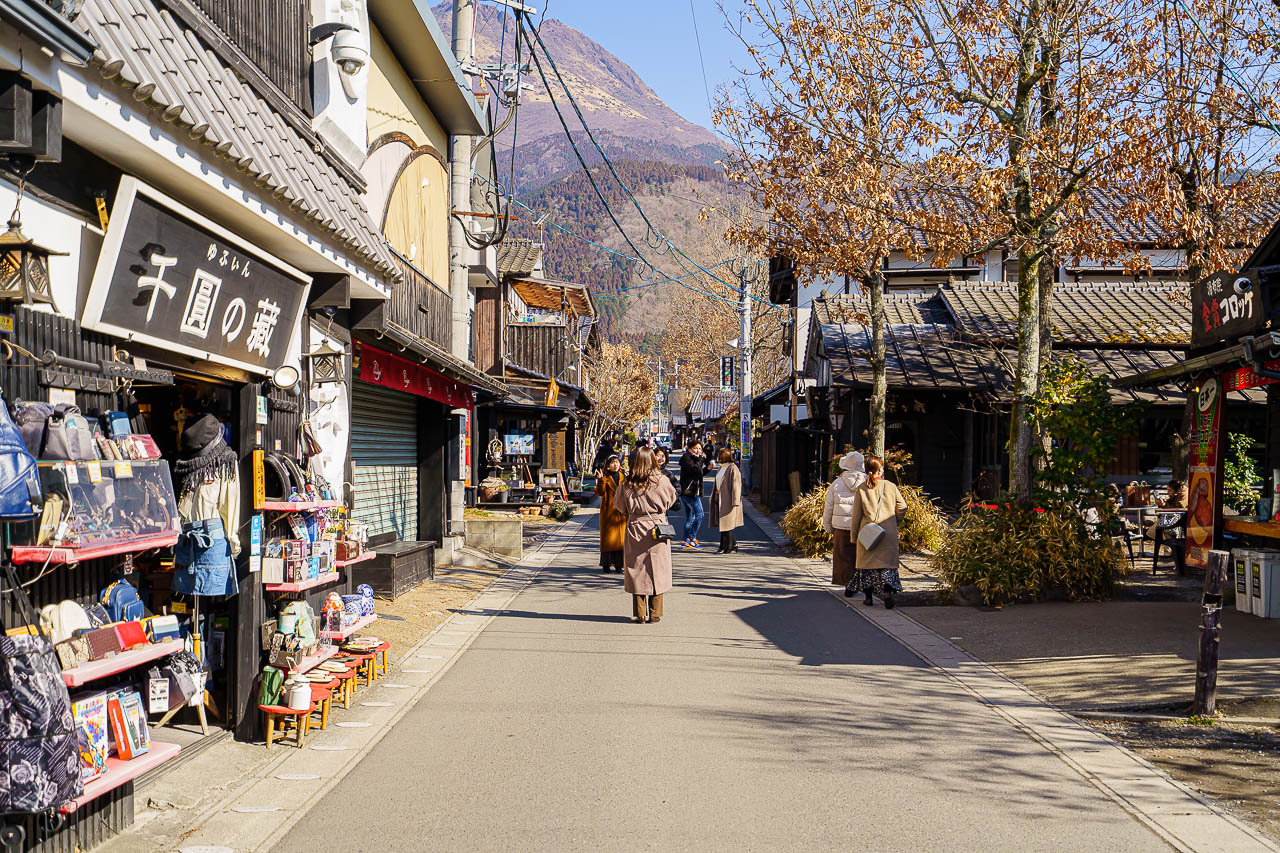
It is unusually quiet during the pandemic. A street once packed with visitors feels almost empty.
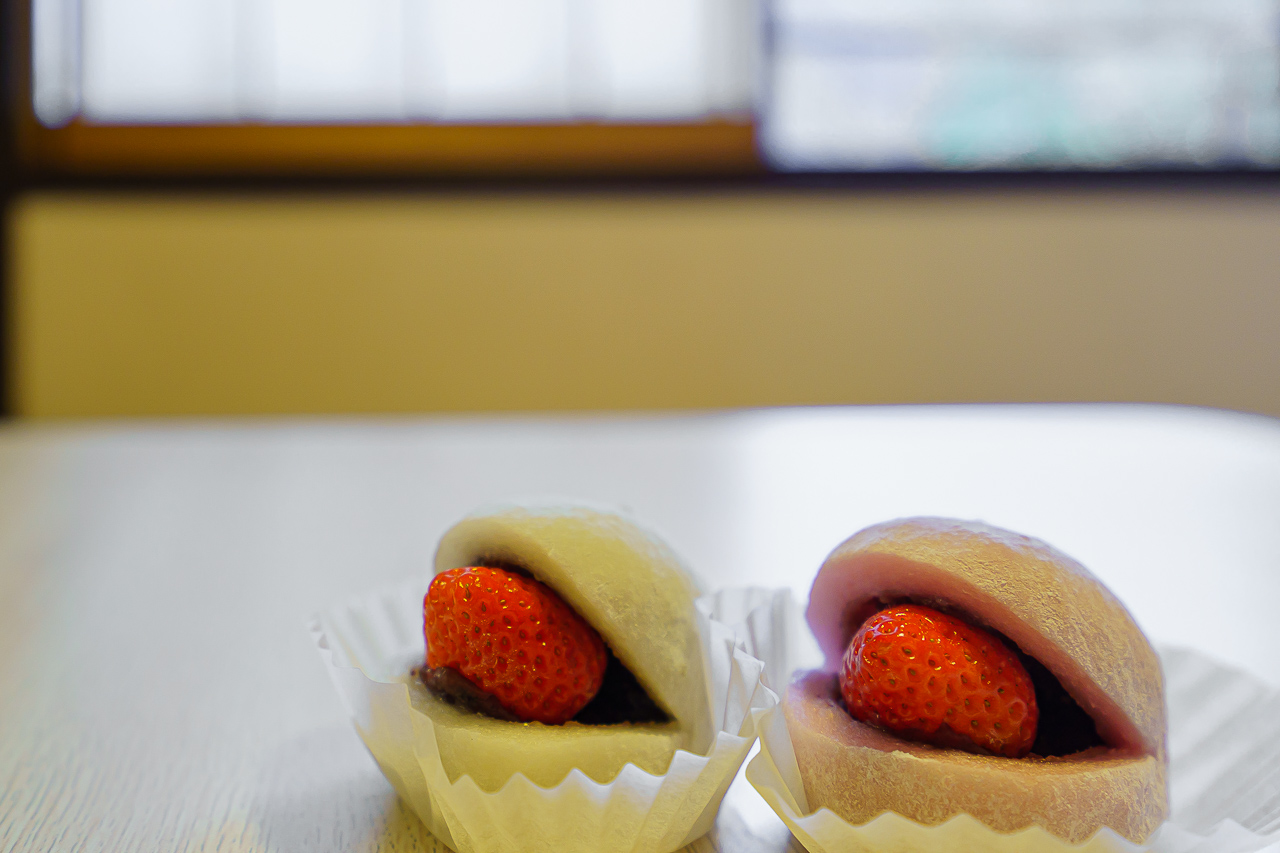
We snack as we walk toward Mount Yufu’s direction.
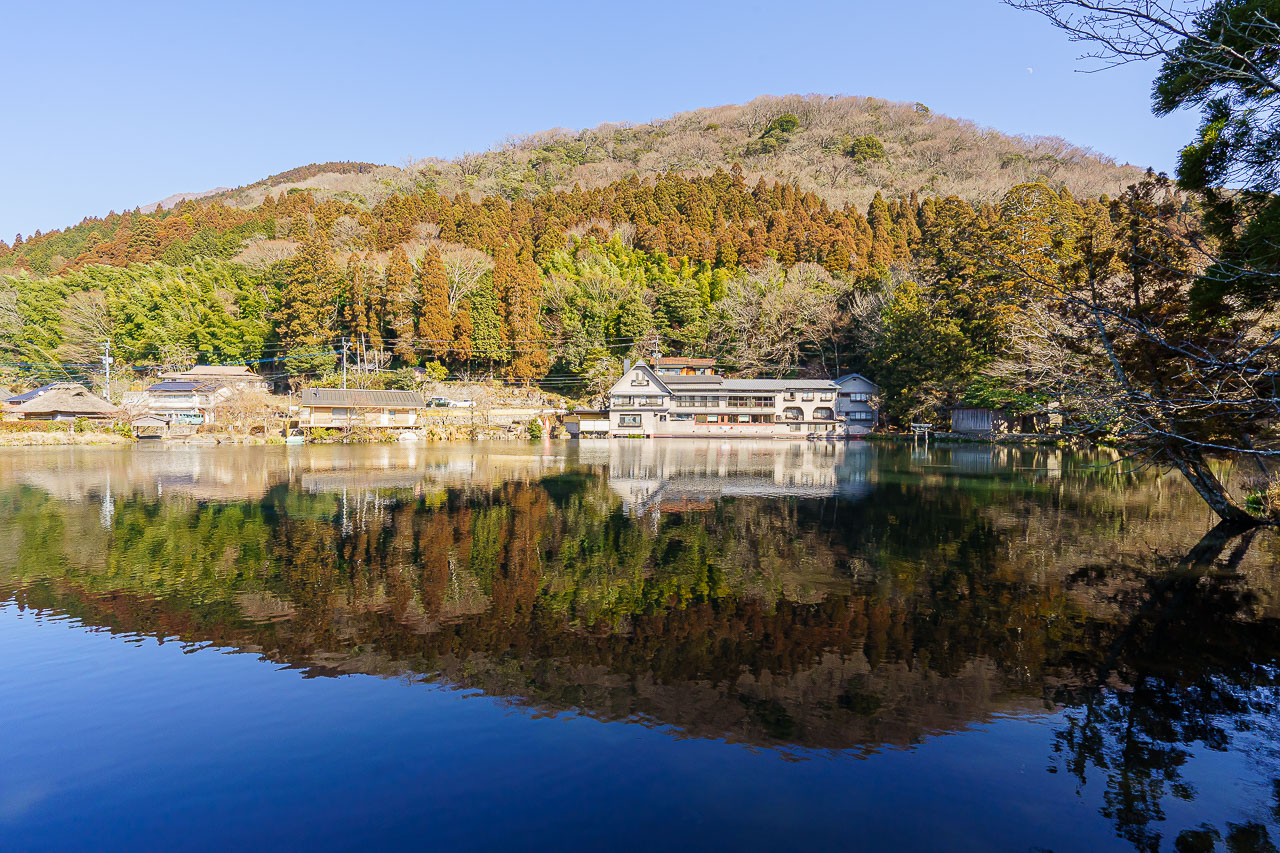
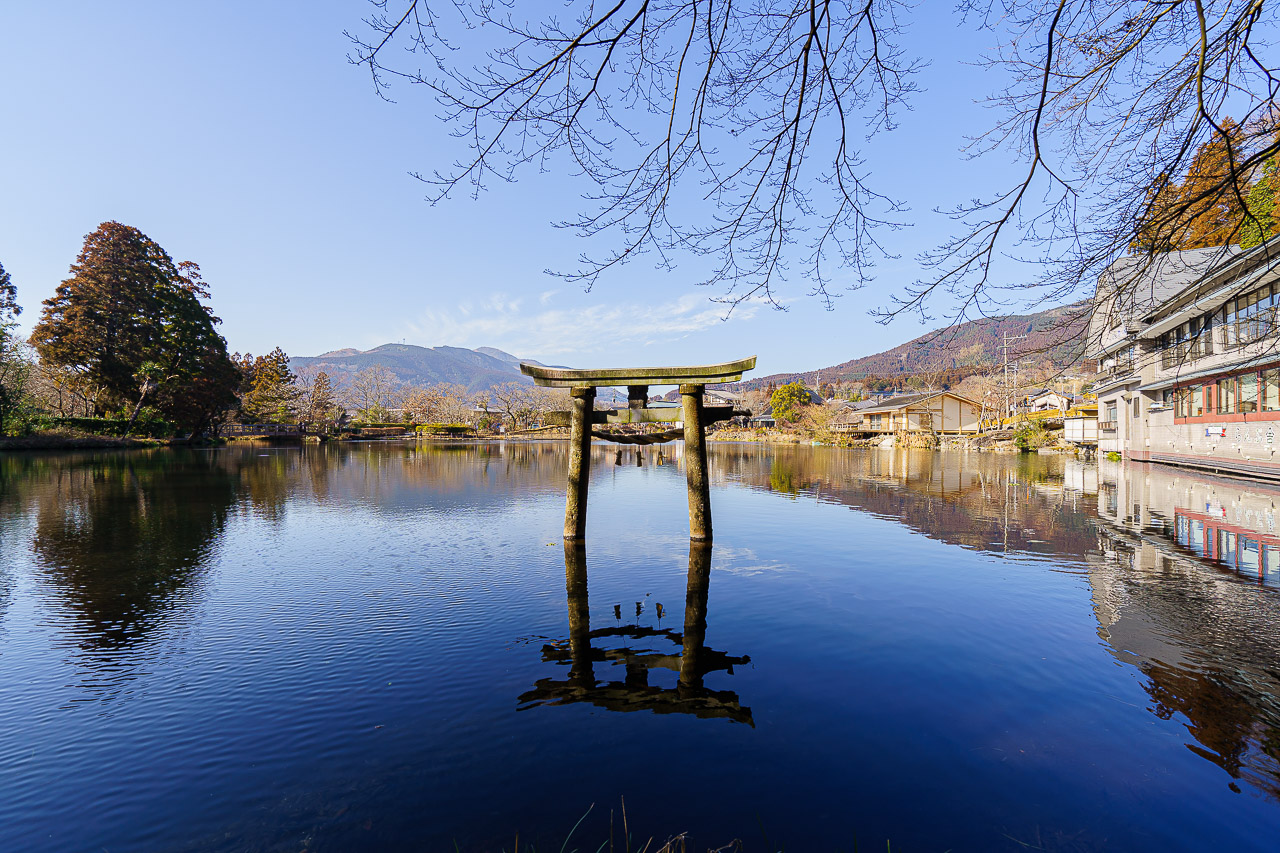
At the end of the route, Lake Kinrin looks different from the previous evening.
Bright weather makes it especially beautiful.
The account says dawn can bring morning mist; I would like to return early next time.
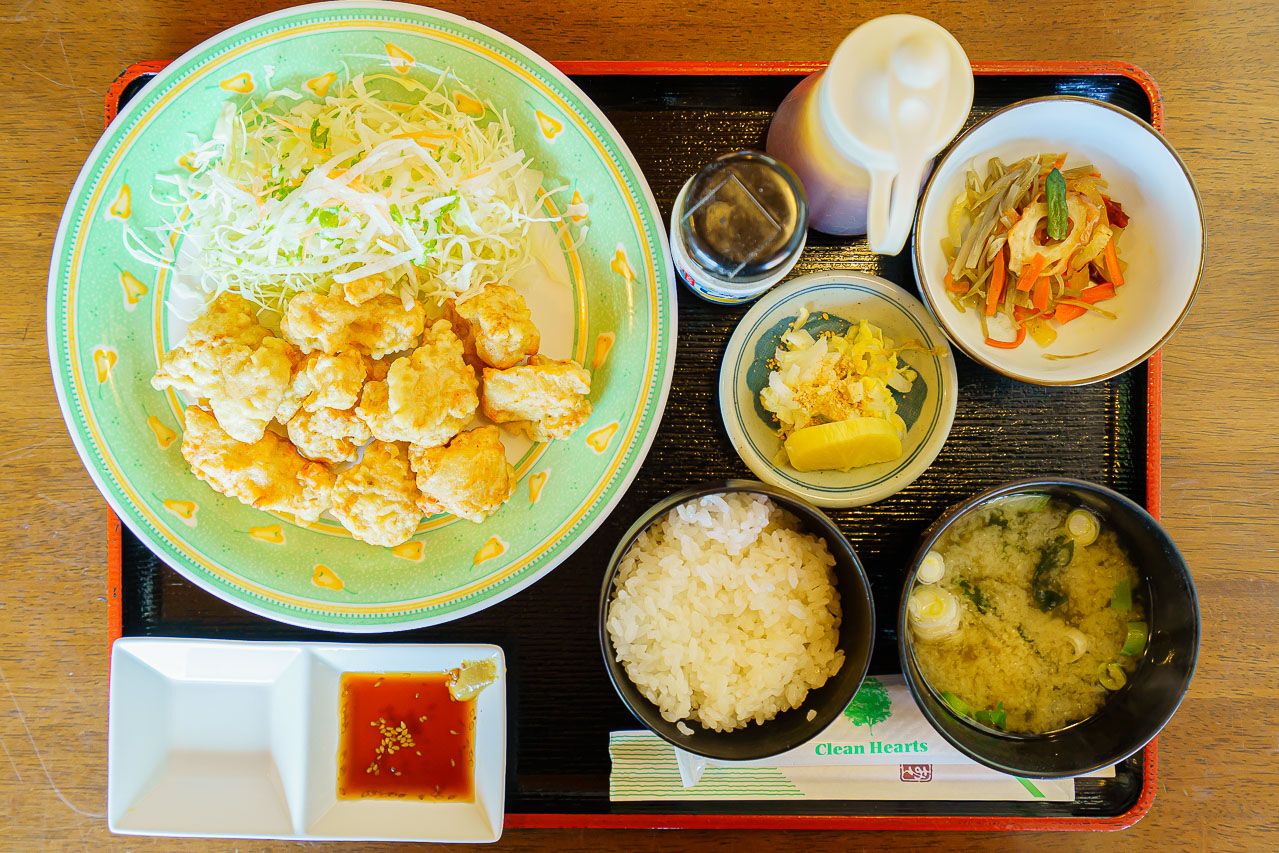
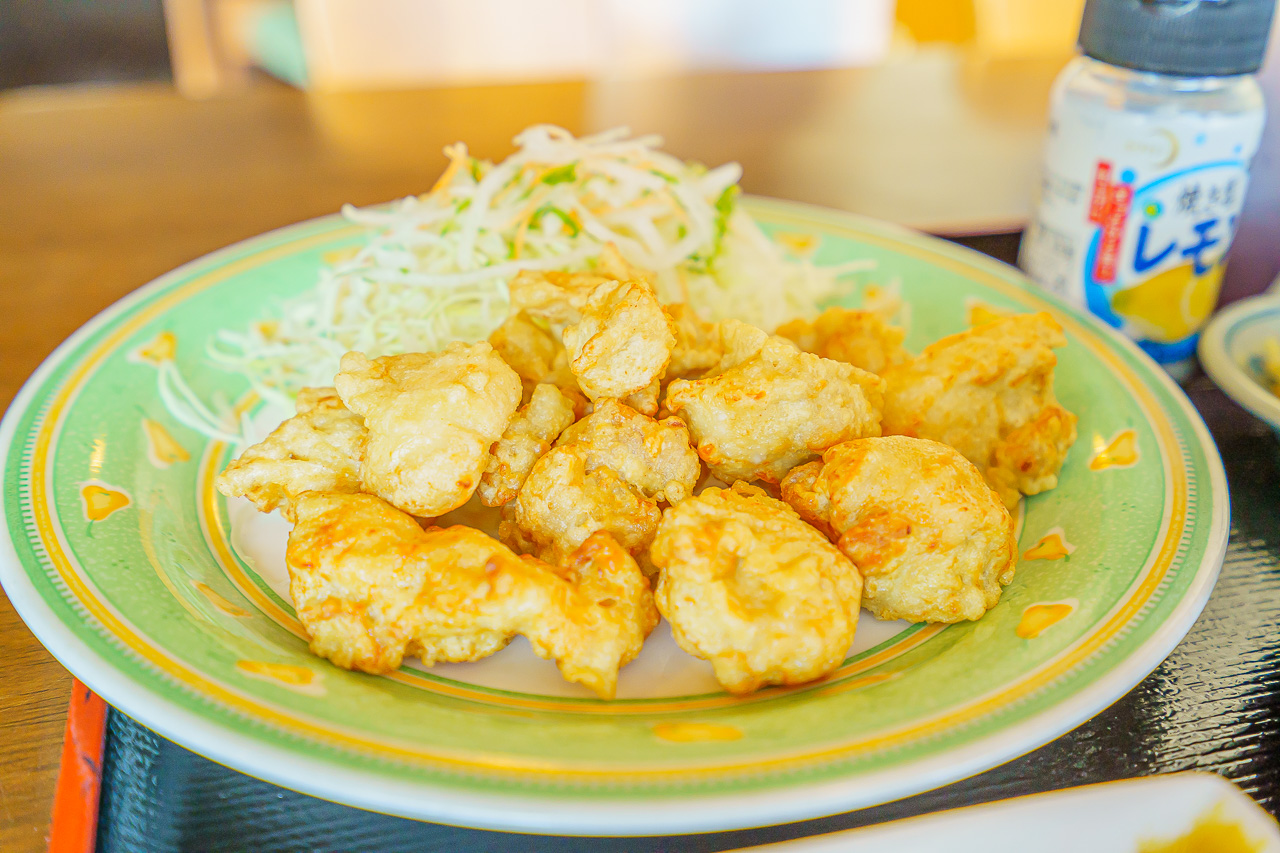
Lunch is a fried-chicken set at Hanamizuki by Yufuin Station.
The menu seems full of chicken, fitting the town’s reputation in the author’s experience.
Lemon-scented salt gives it a refreshing finish.
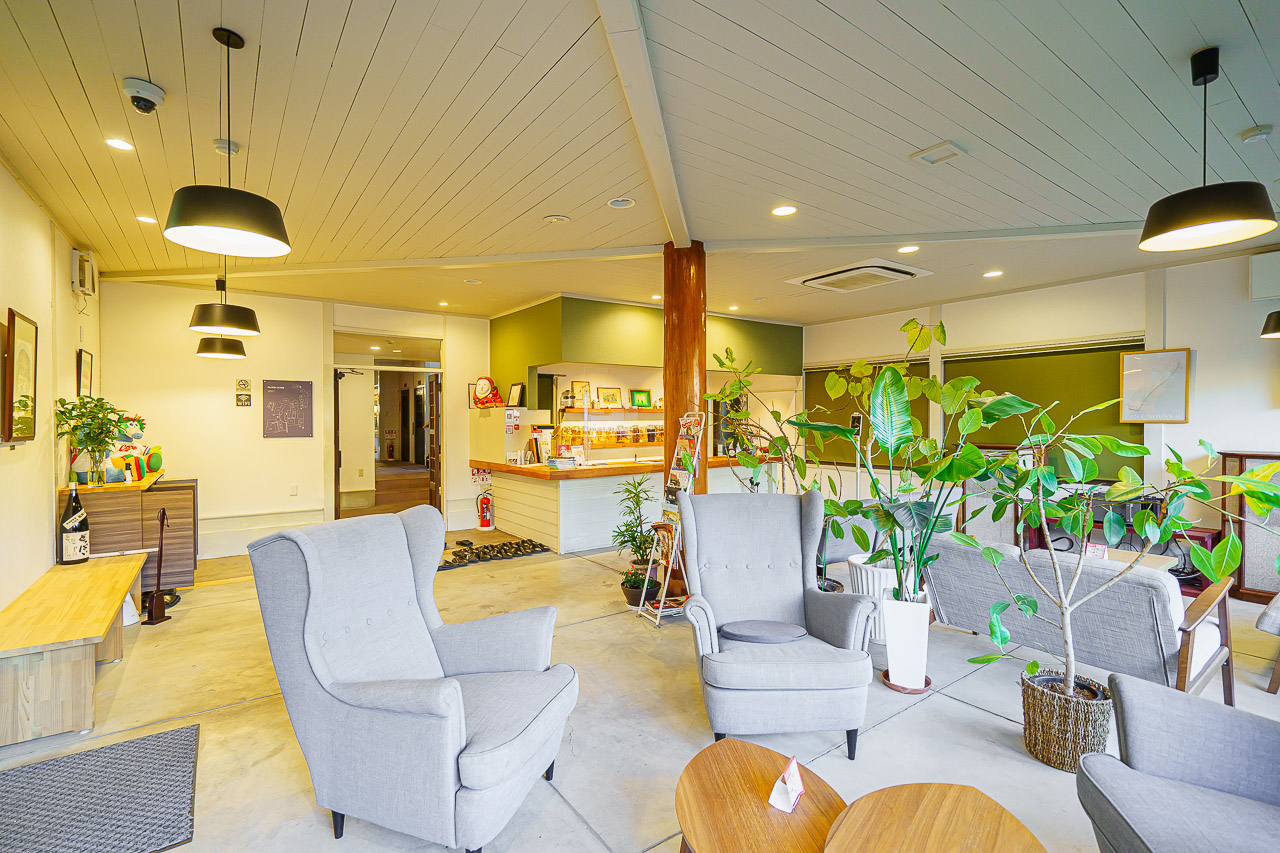
Our second Yufuin ryokan is Iyotomi.
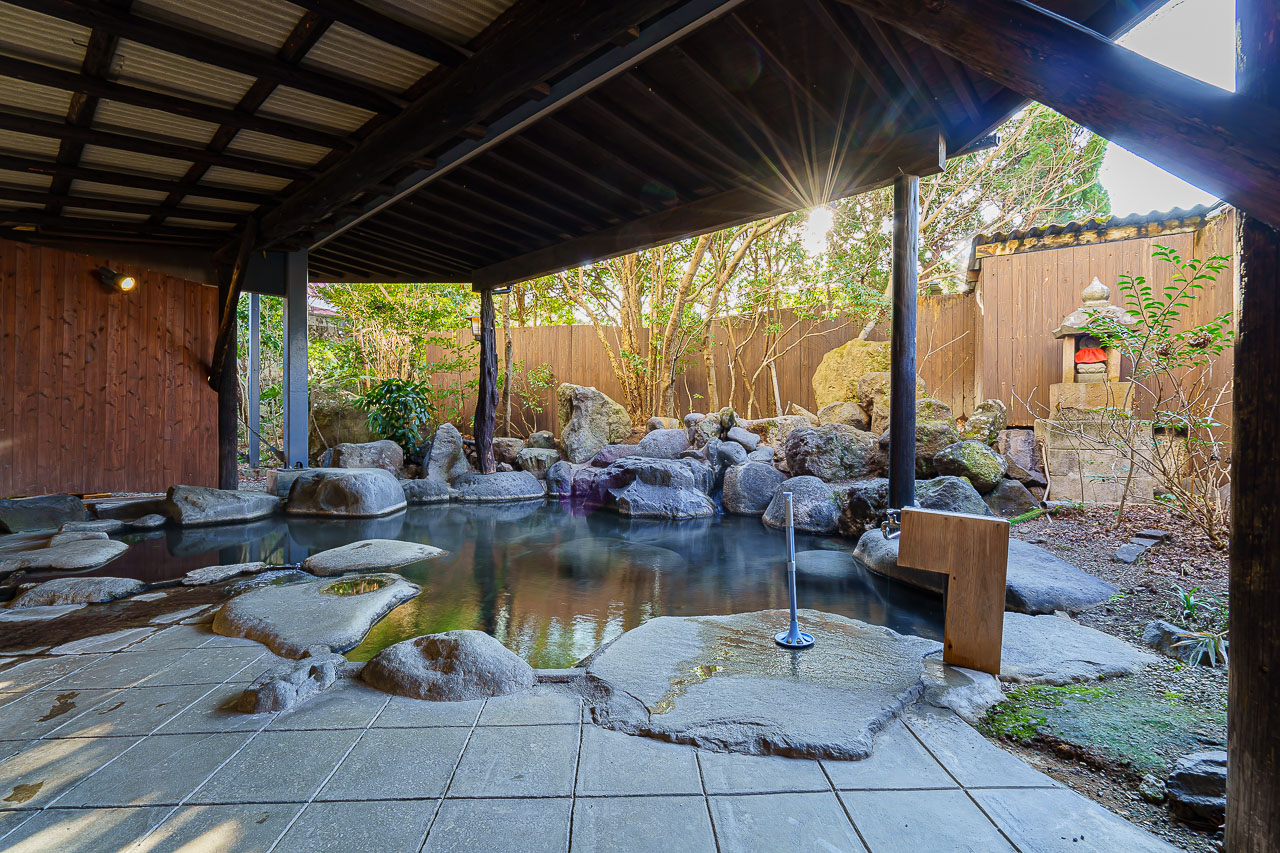
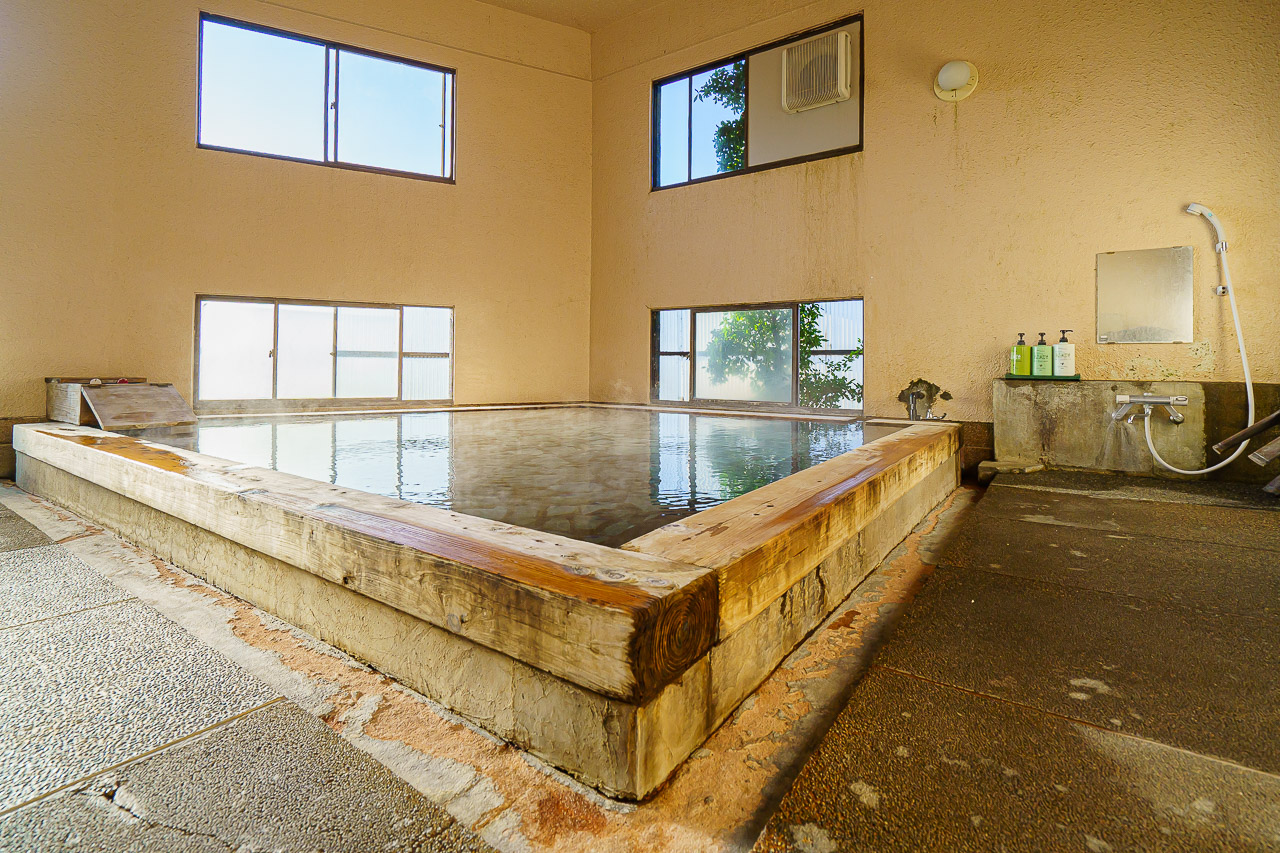
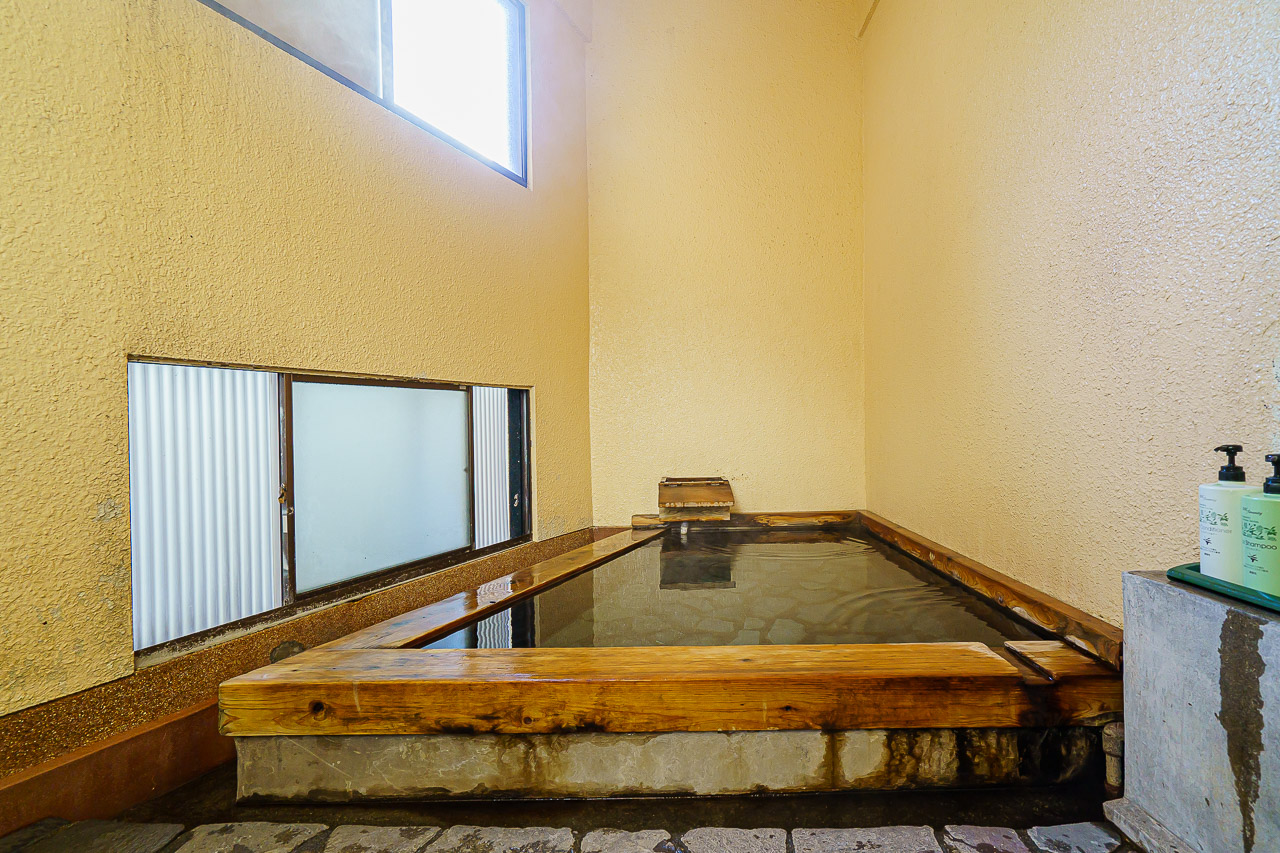
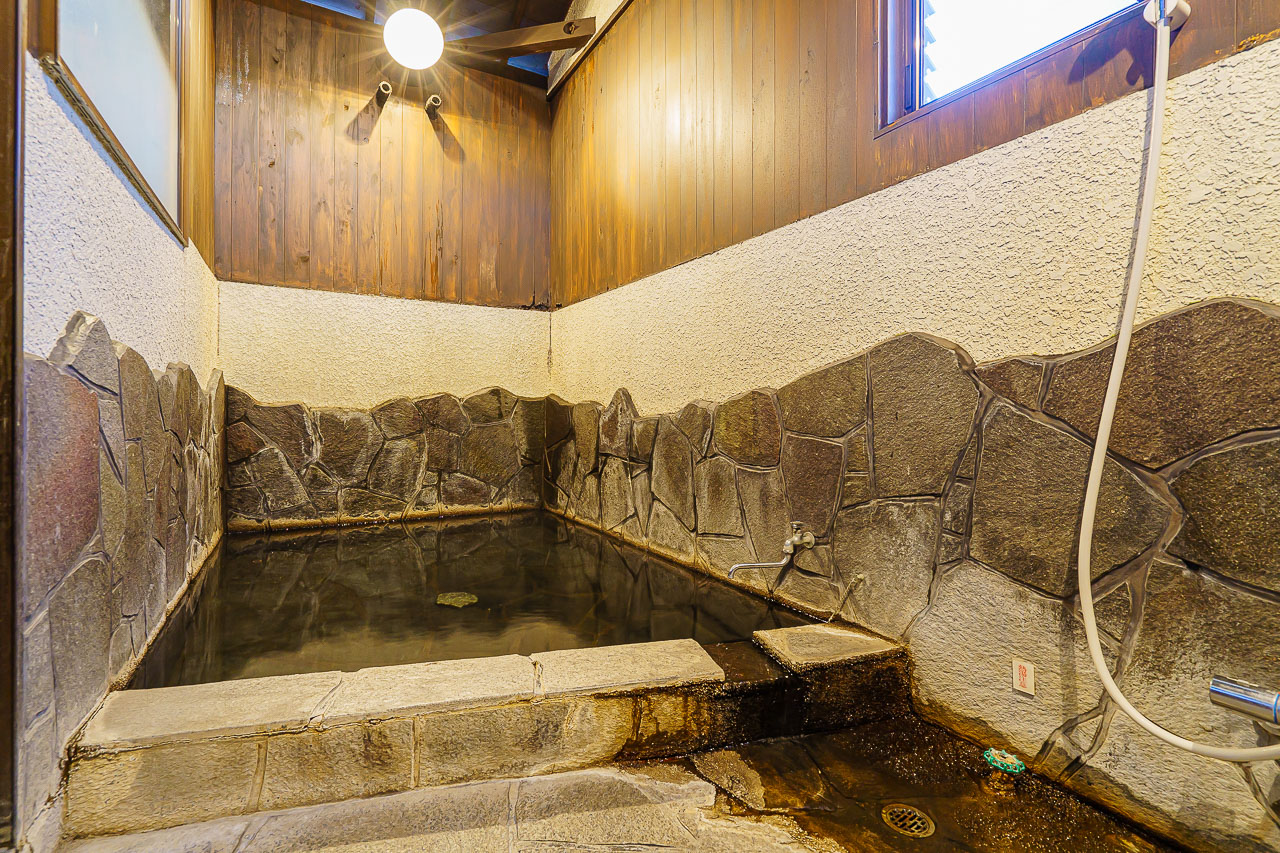
It has one outdoor and four indoor baths, all available privately under the stay’s system.
Unfortunately, one indoor bath is under repair during this visit.
The outdoor water’s feel and temperature are particularly satisfying.
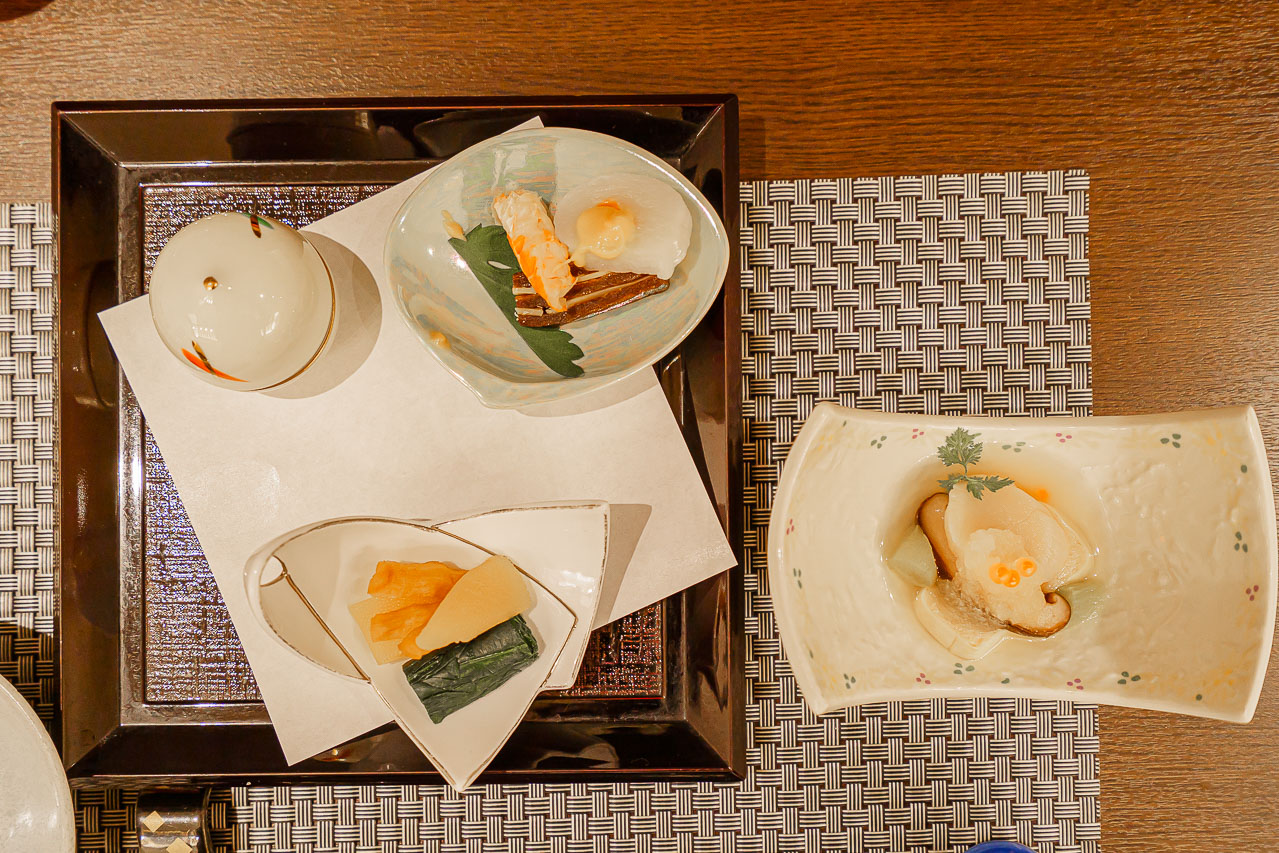
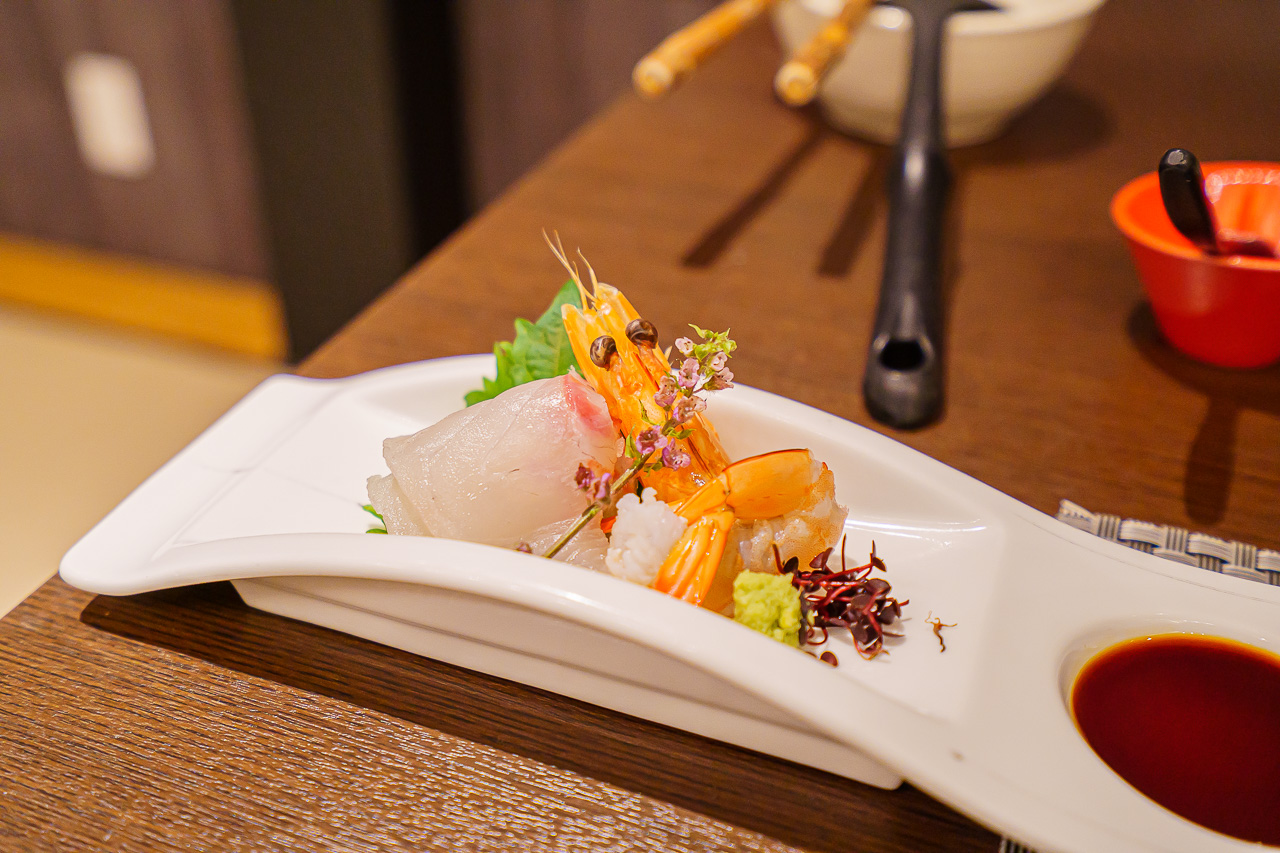
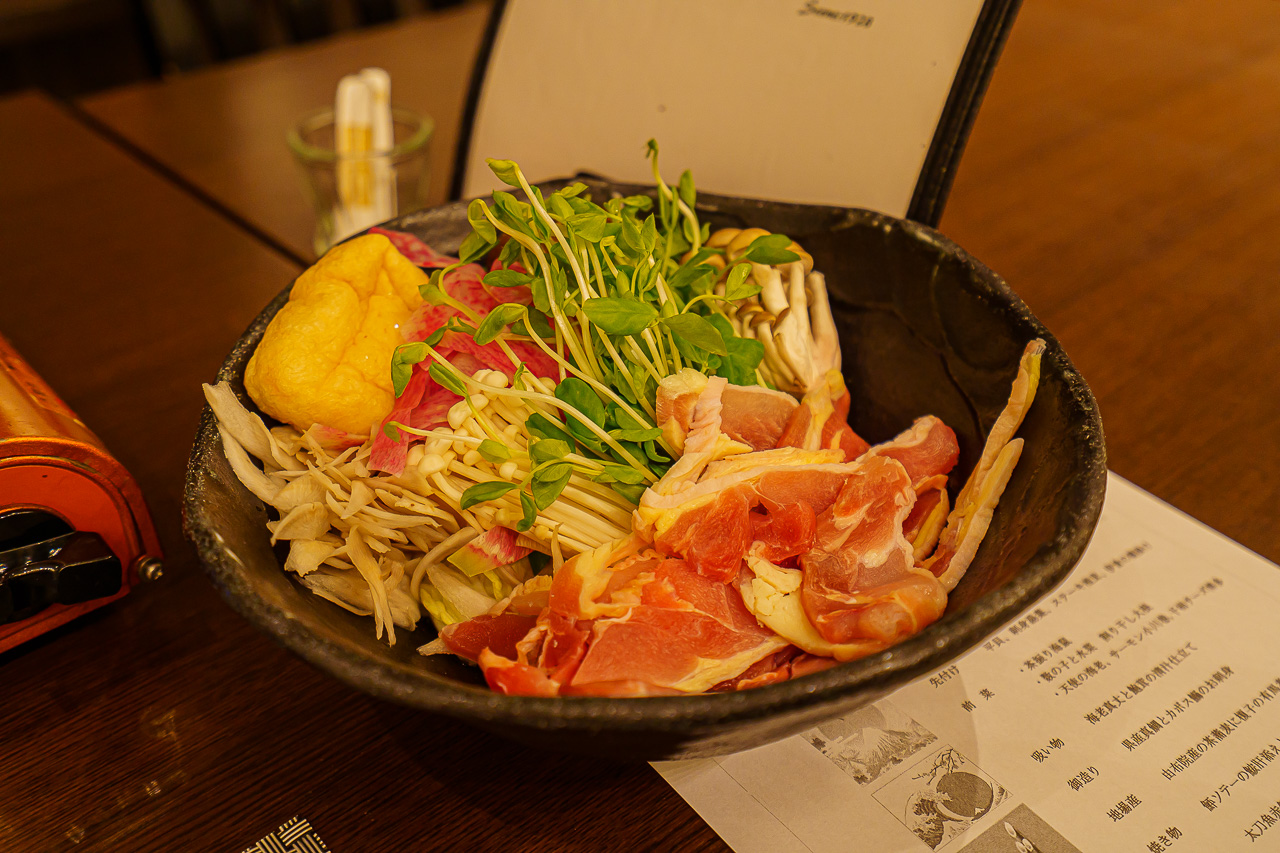
Dinner is kaiseki again.
There are unfamiliar Japanese dishes, but everything tastes fresh and good.
The hot pot is local chicken once more, the third version of the trip.
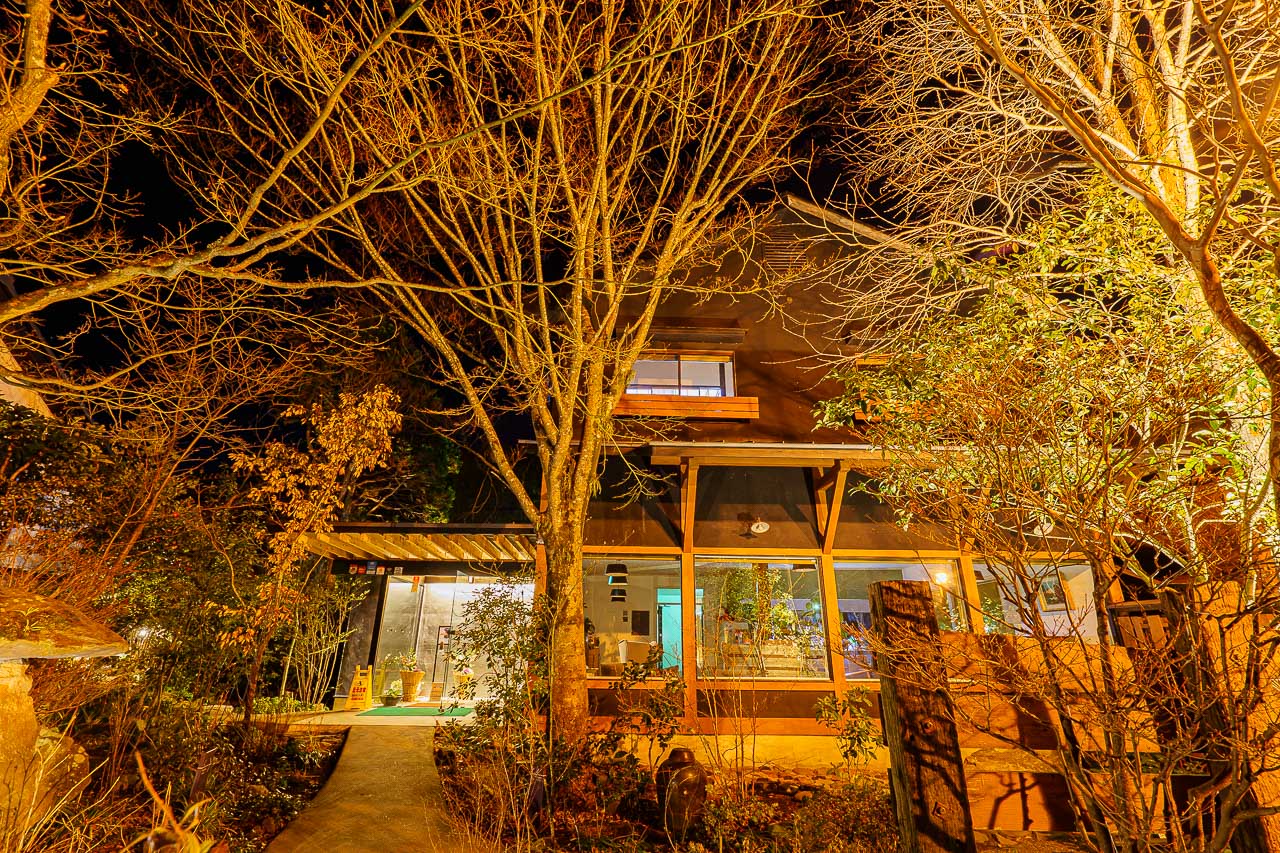
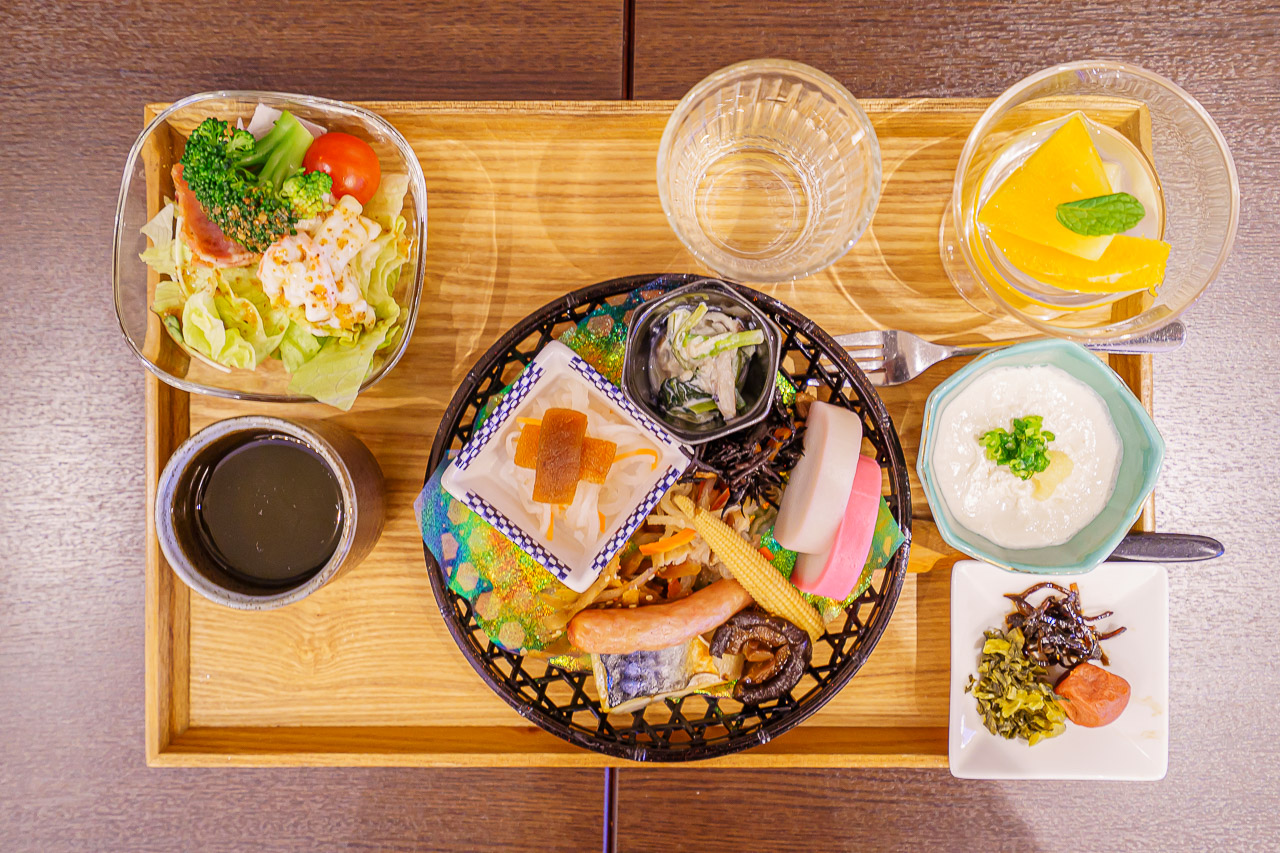
The next morning’s breakfast is neatly arranged Japanese food.
After another good meal and restful night, we continue.
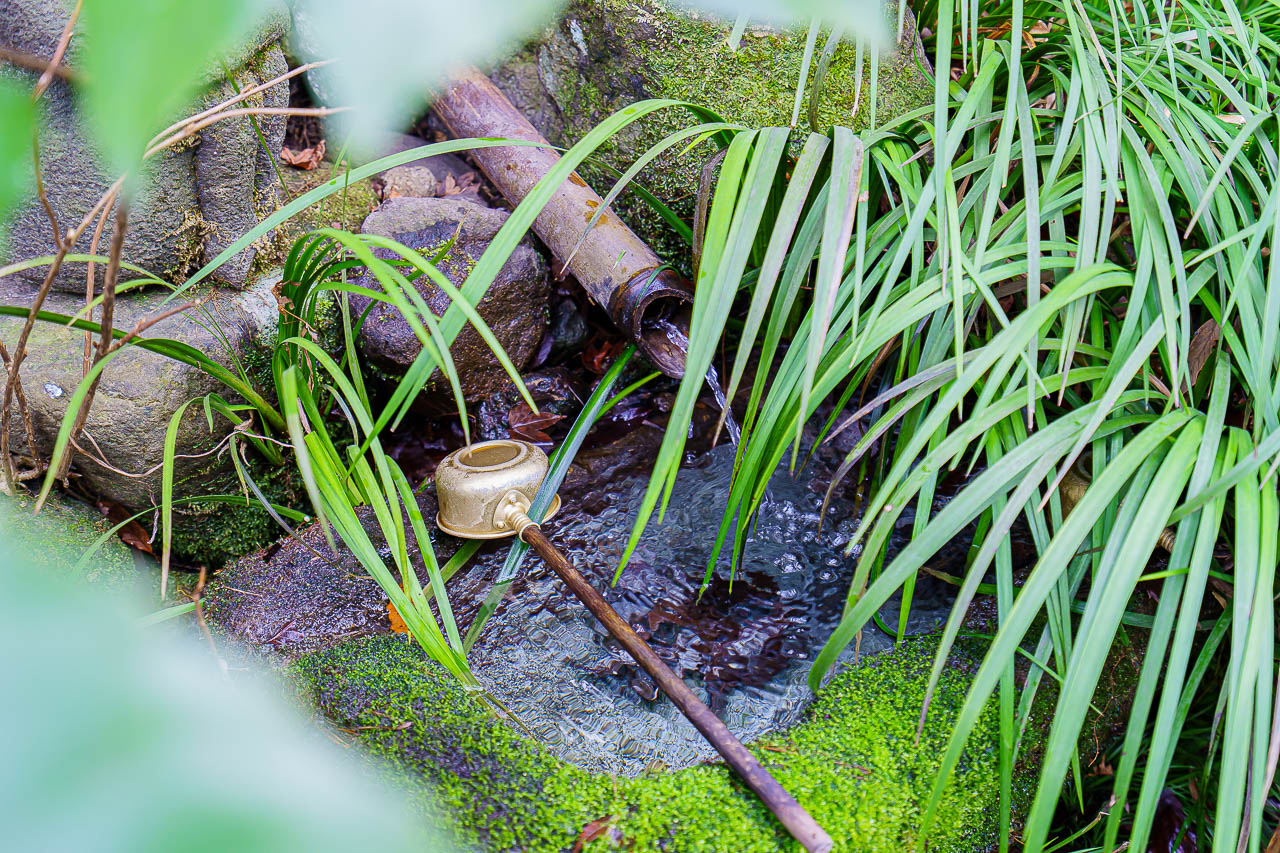
Around two and a half hours by bus brings us to Kurokawa Onsen in Kumamoto.
On the northern slopes of Aso, Kurokawa received two stars in the 2009 Michelin Green Guide Japan, unusual for an onsen destination according to the source. It also reports high placings in hot-spring rankings and repeats an association with Spirited Away’s imagery. The ranking and film-inspiration statements are the source’s claims, not newly verified attribution.
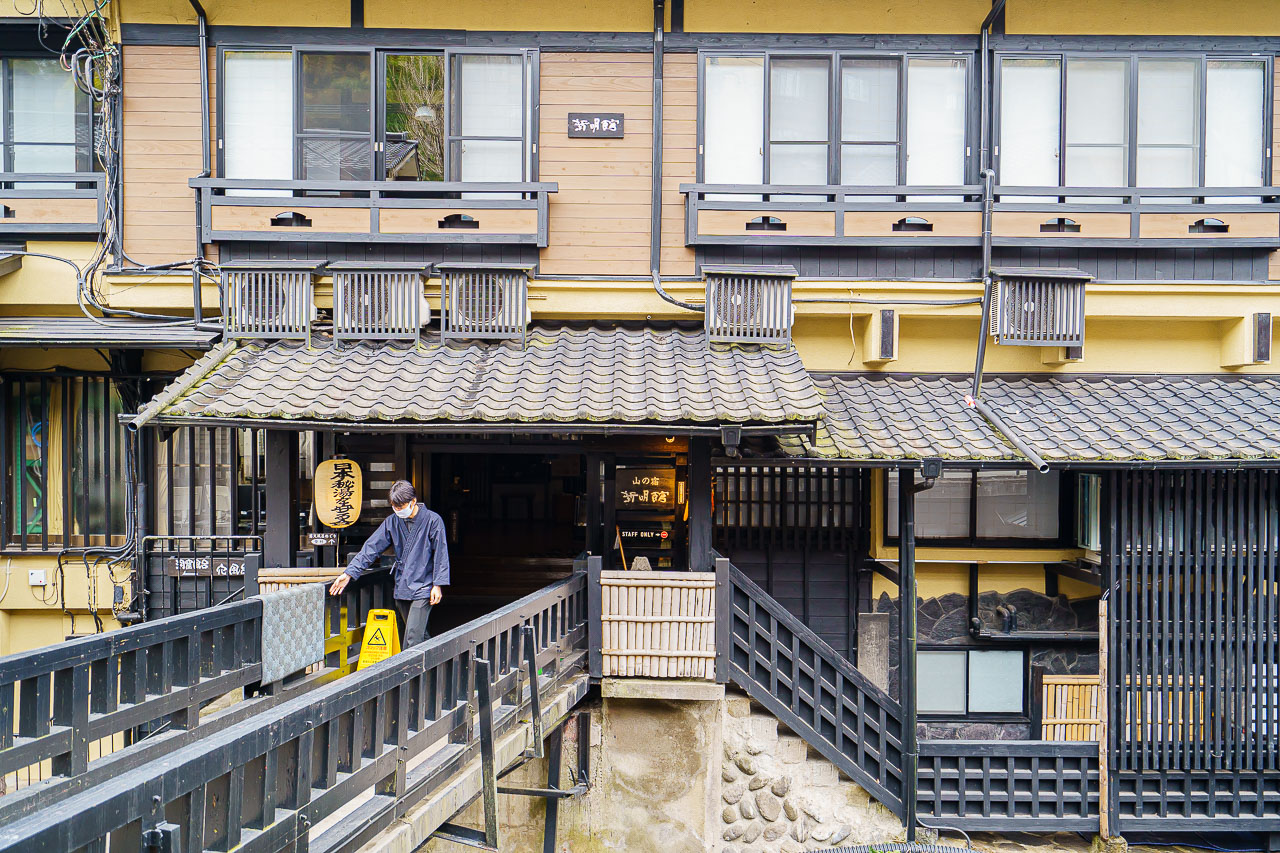
Compared with Yufuin and Beppu, it is a smaller village deeper in the mountains, emphasizing traditional inns rather than large modern facilities.
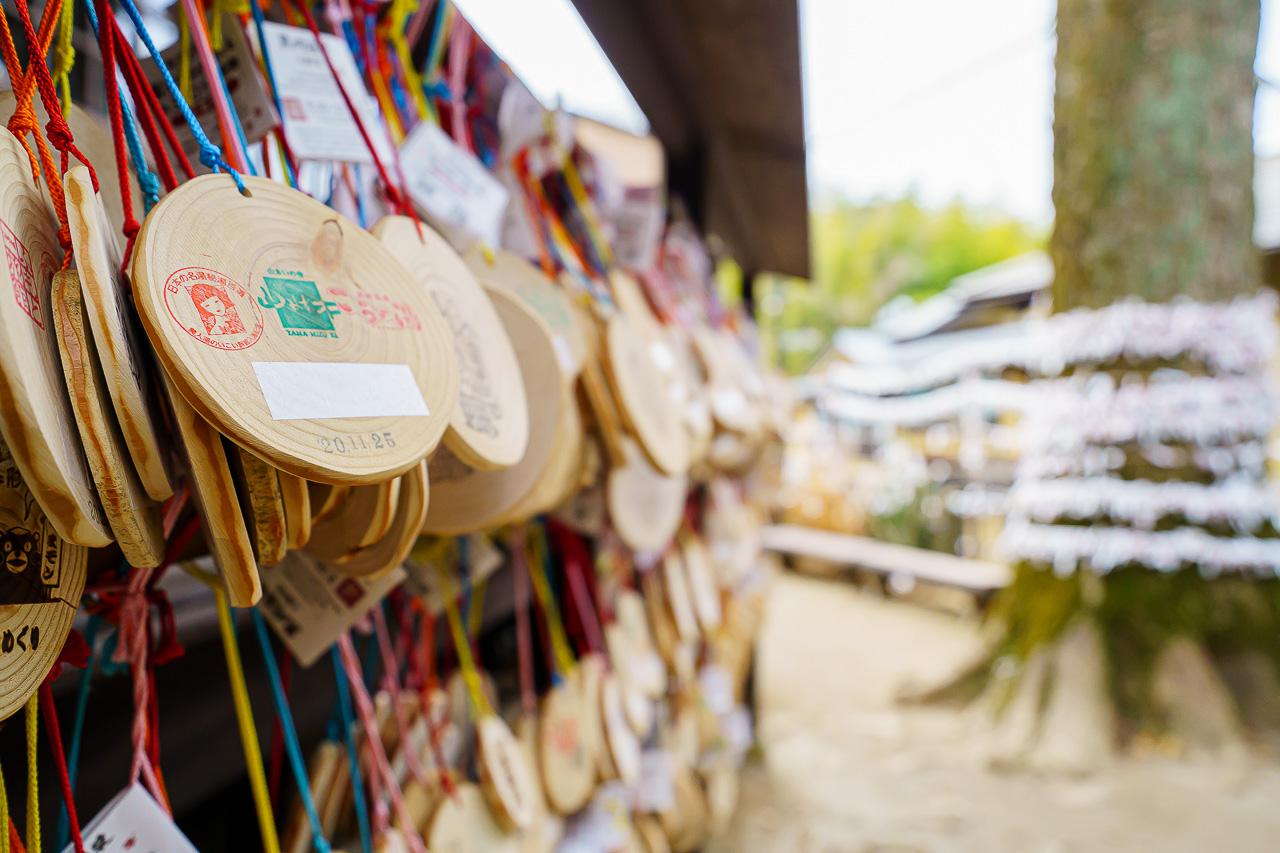
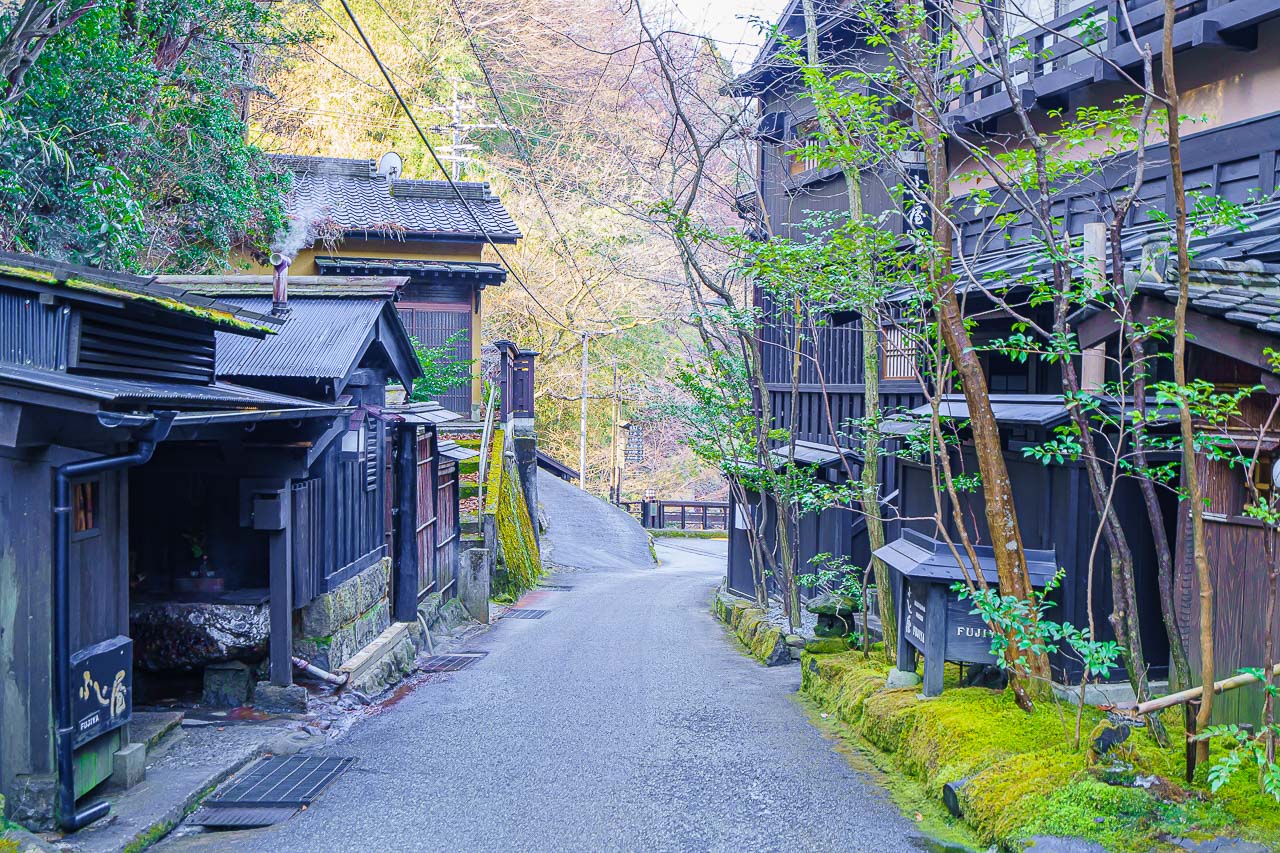
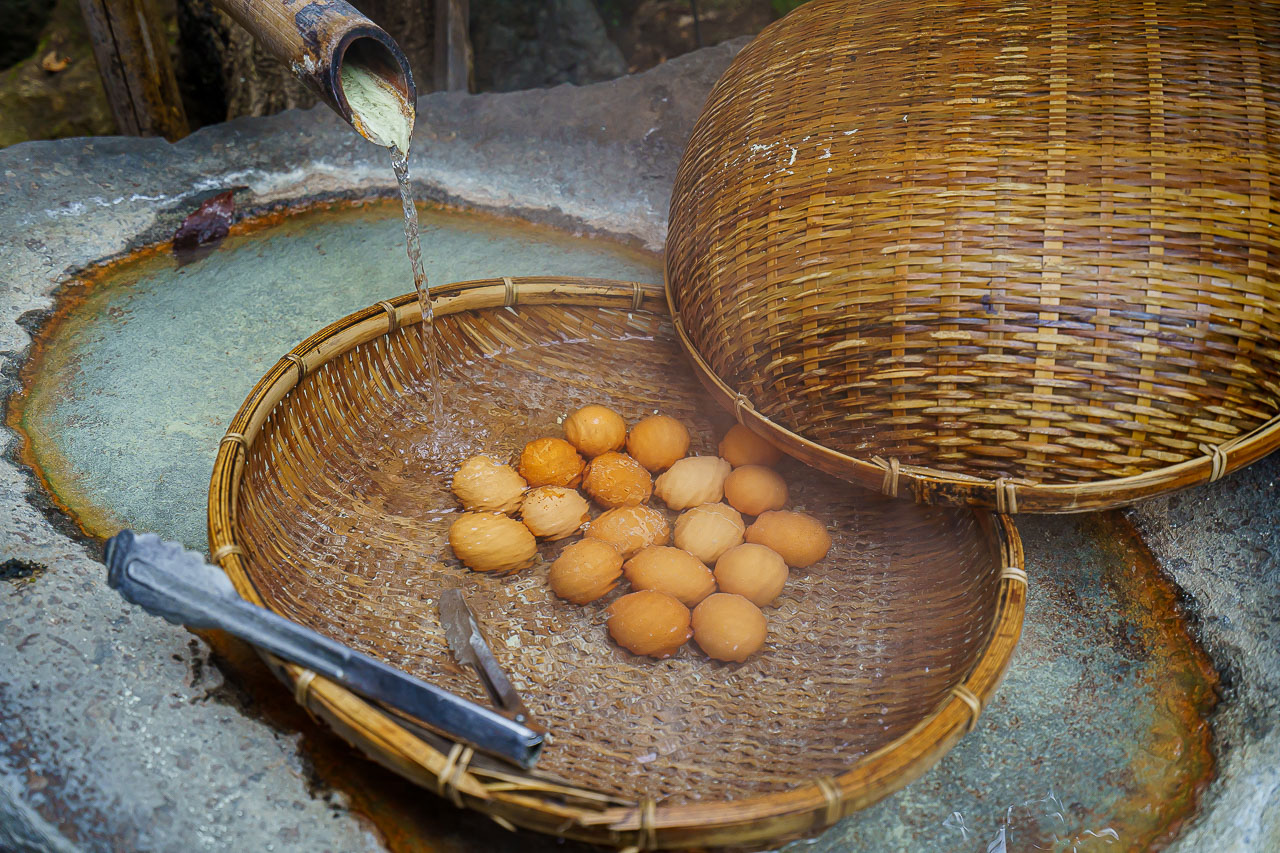
The account describes few souvenir shops and no convenience store at the time. More individual and family travelers than large groups contributed to its quiet atmosphere. For a bath-centered retreat, the author suggests some people may prefer it to busier towns; that is a travel judgment, not a universal comparison.
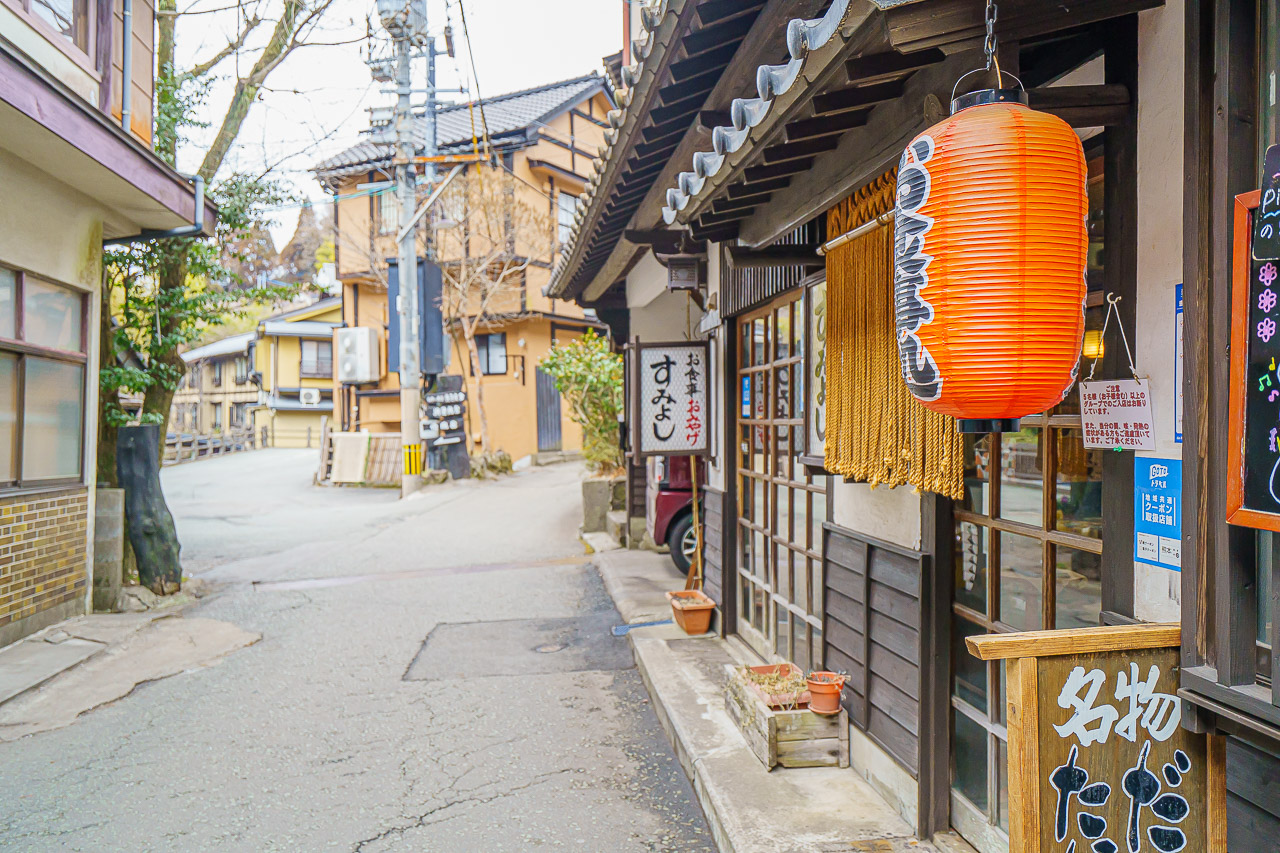
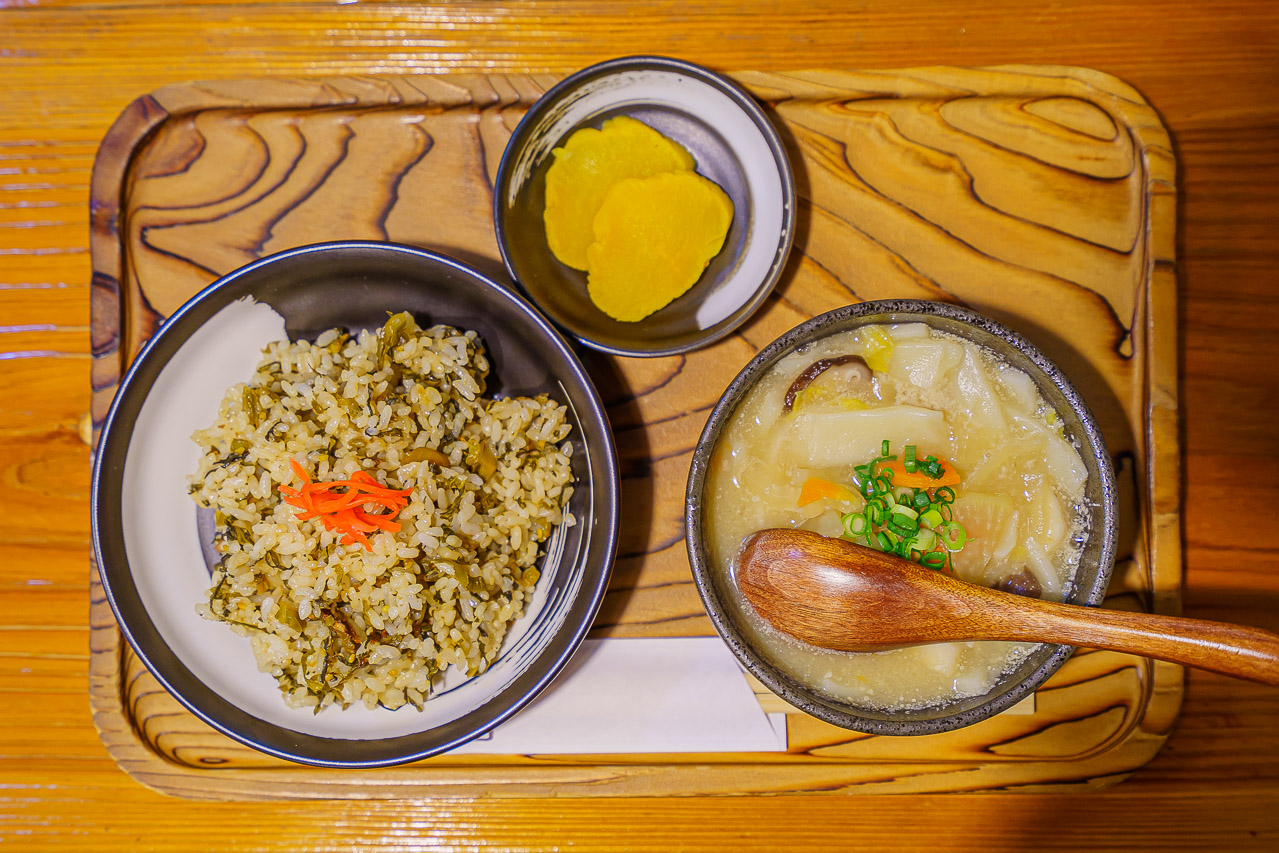
With few restaurants open, we eat takana fried rice and dago-jiru, a dumpling soup reminiscent of Korean sujebi, at Sumiyoshi.
A welcome break from chicken makes it taste even better to me.
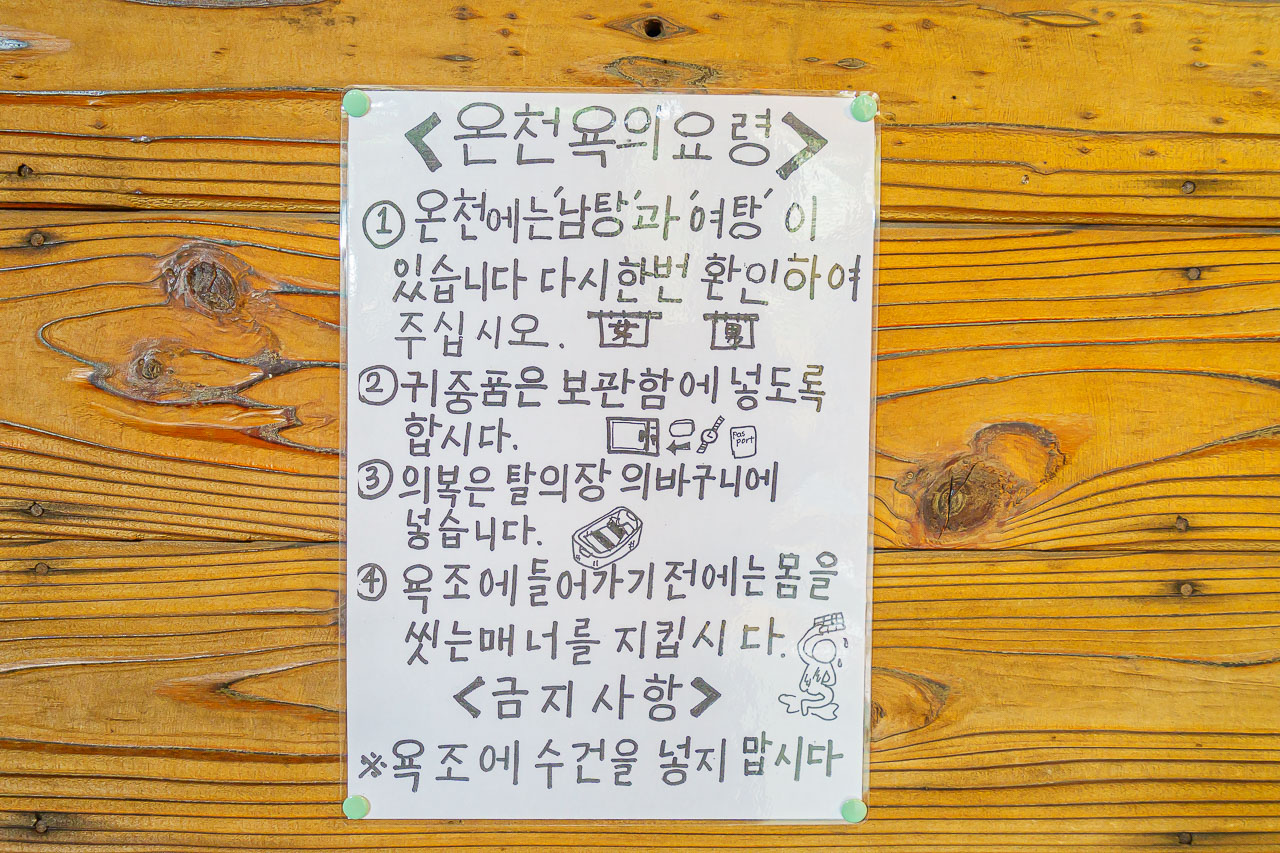
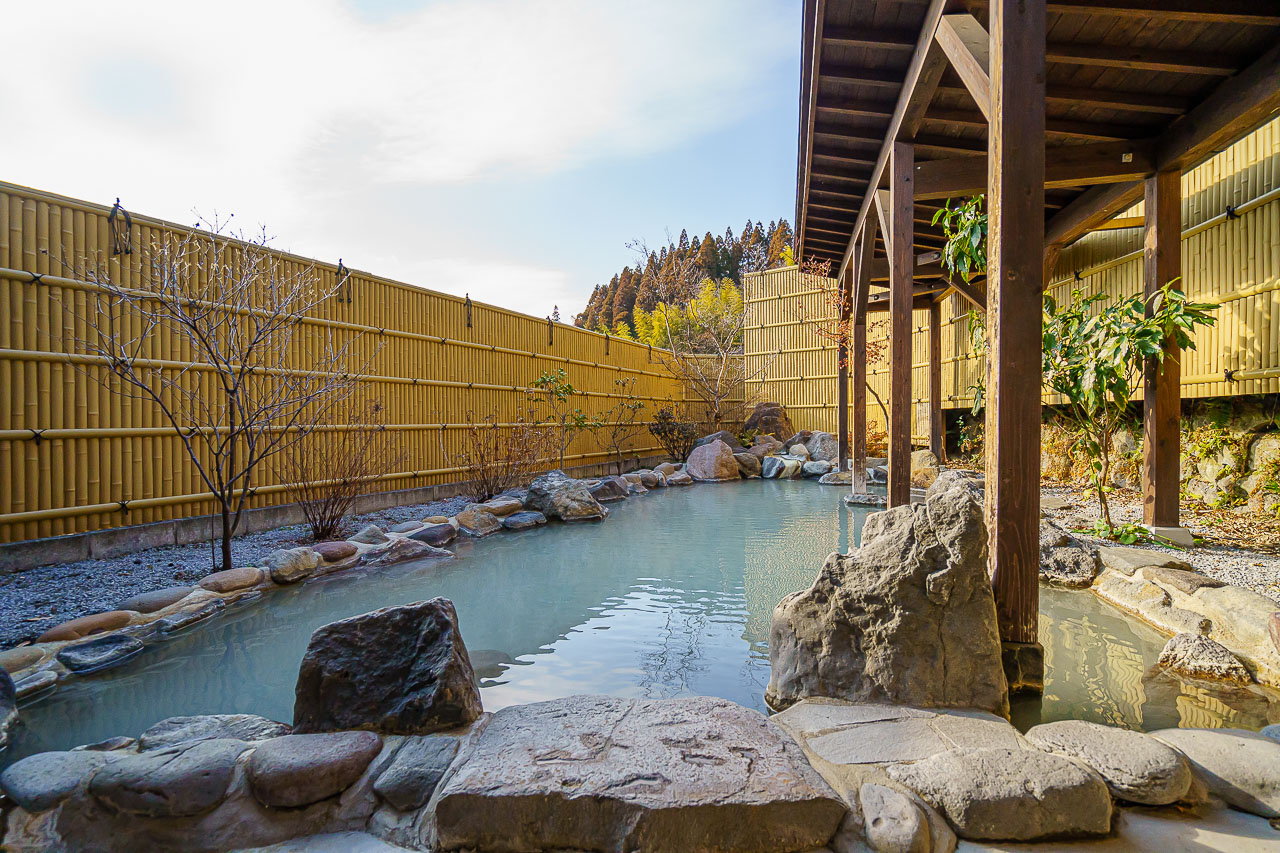
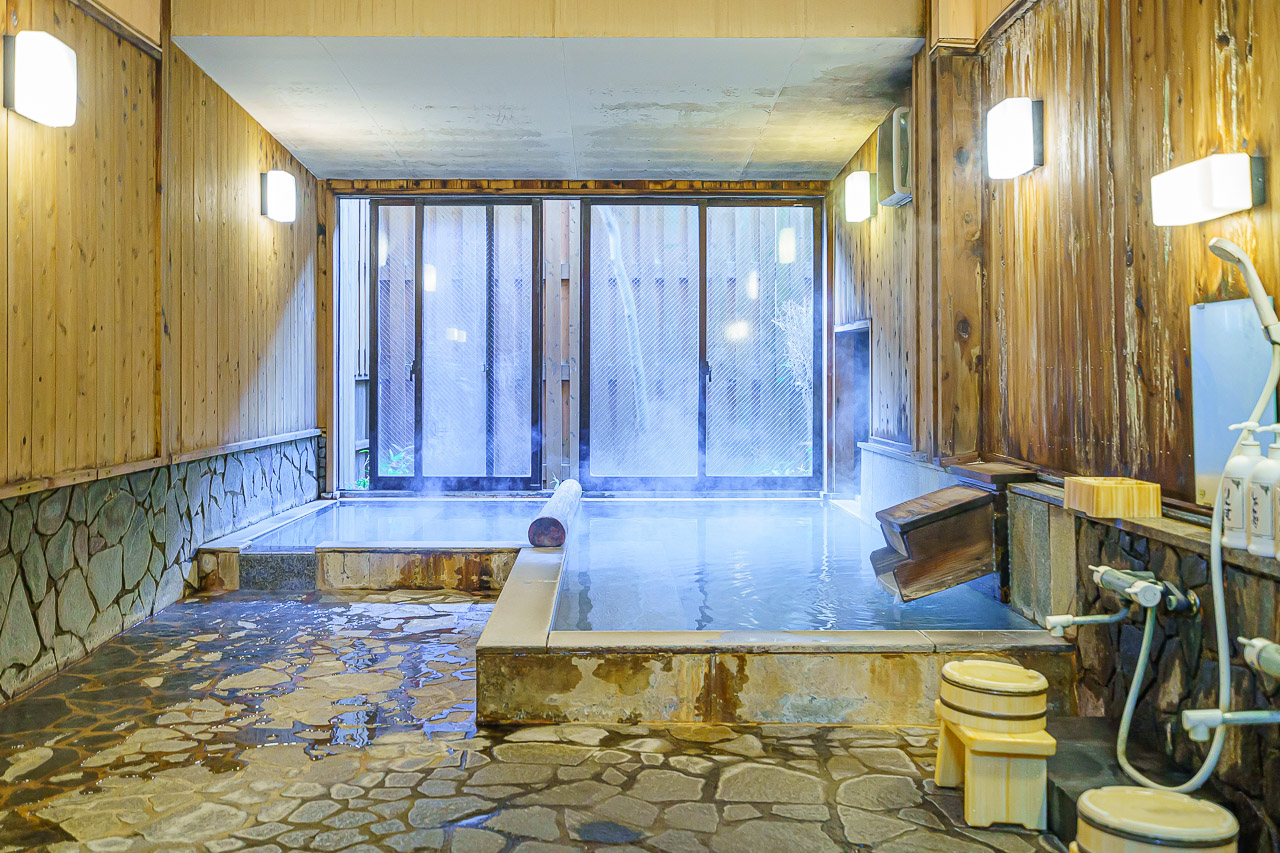
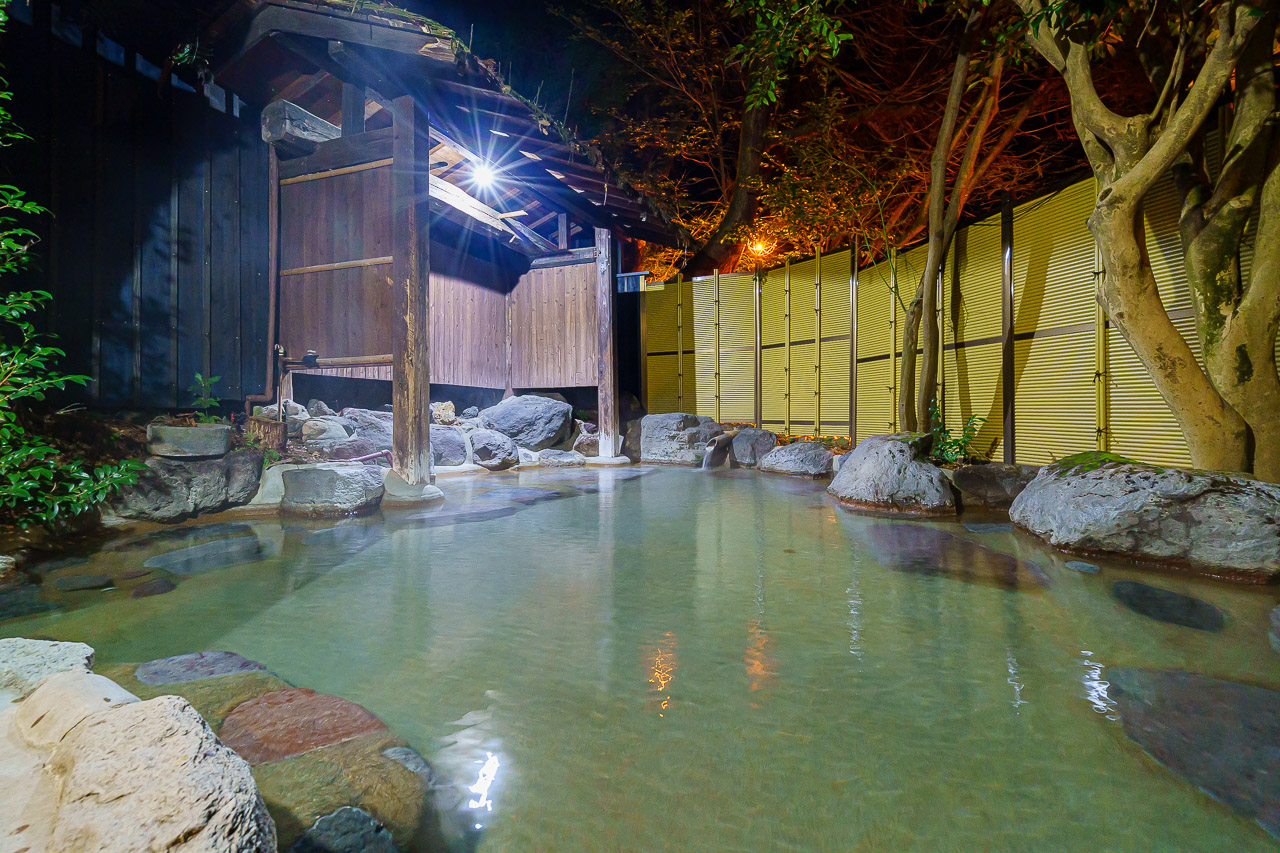
Our Kurokawa stay is Ryokan Misato.
Its water sometimes changes to an opaque milky color, described by the source as occurring without an obvious pattern.
On our visit, the women’s bath had turned milky, and the original includes a photograph. This does not establish permission for visitors to photograph occupied baths.
Men and women each have an indoor and outdoor communal bath.
I enjoy the water, though it feels quite hot. In this trip’s experience, Kurokawa’s baths generally seem warmer.
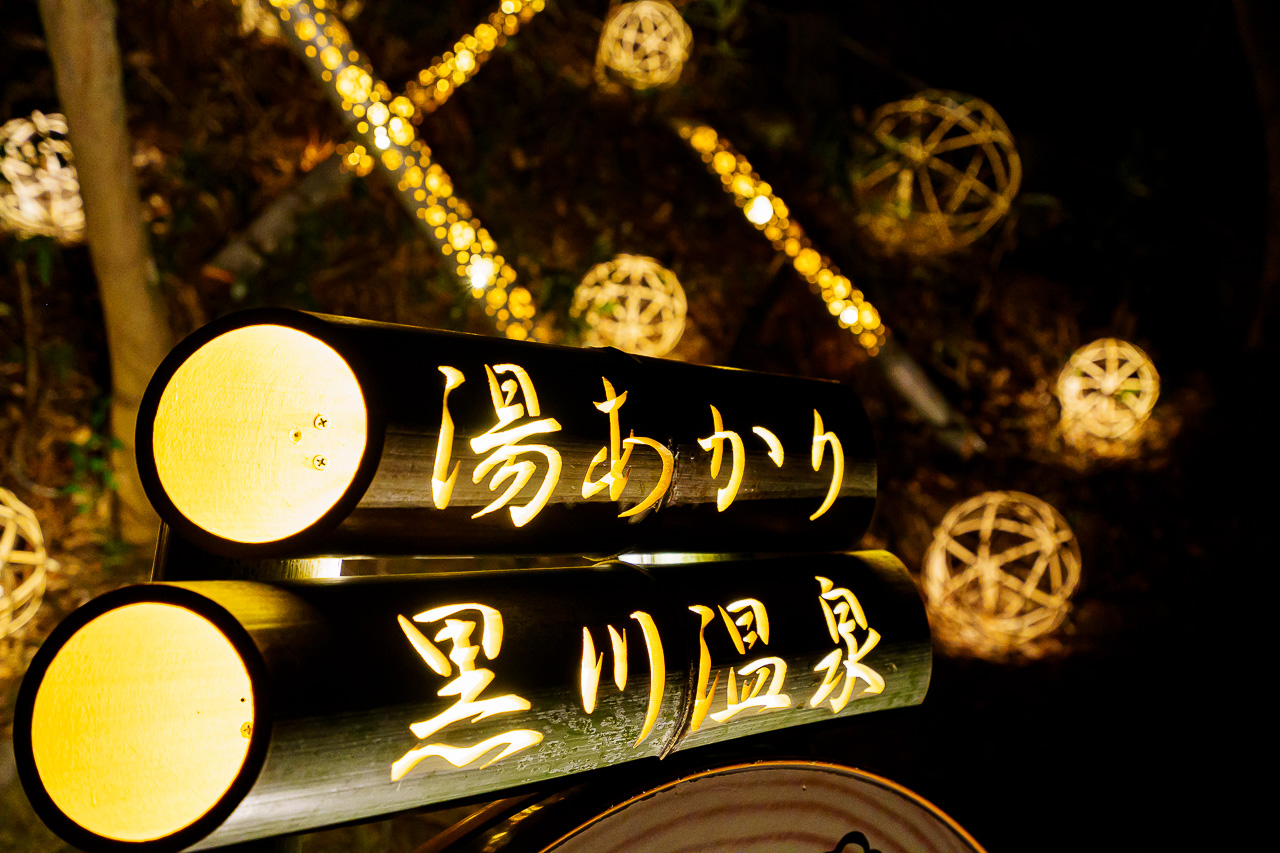
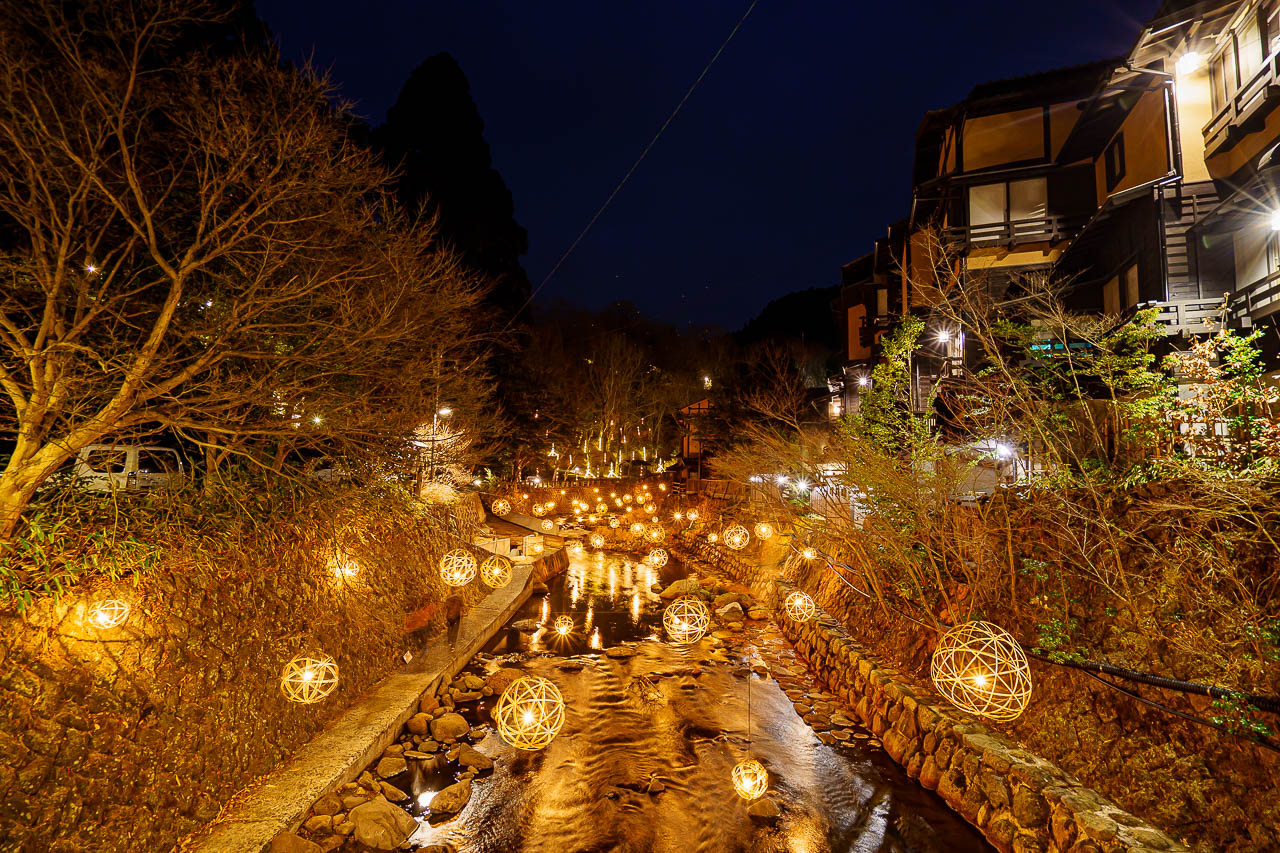
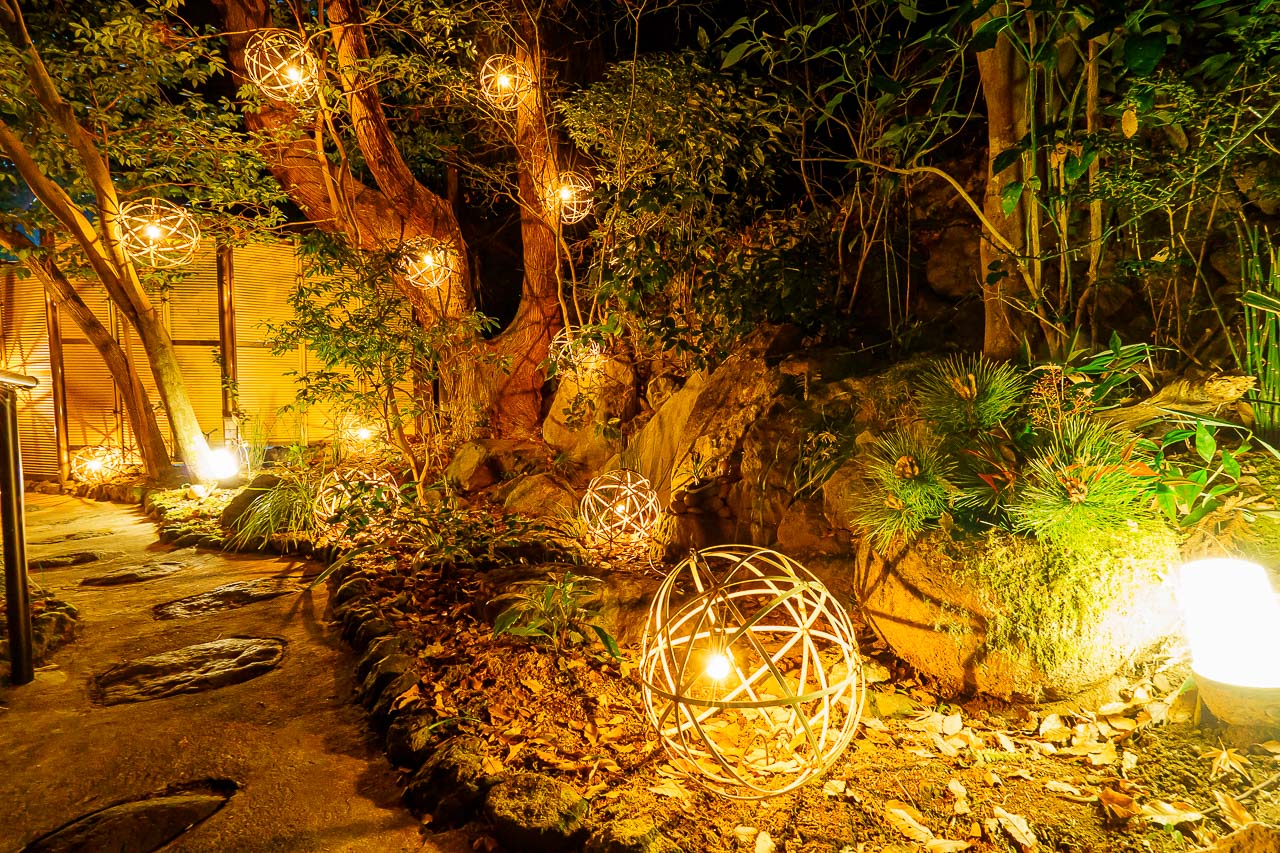
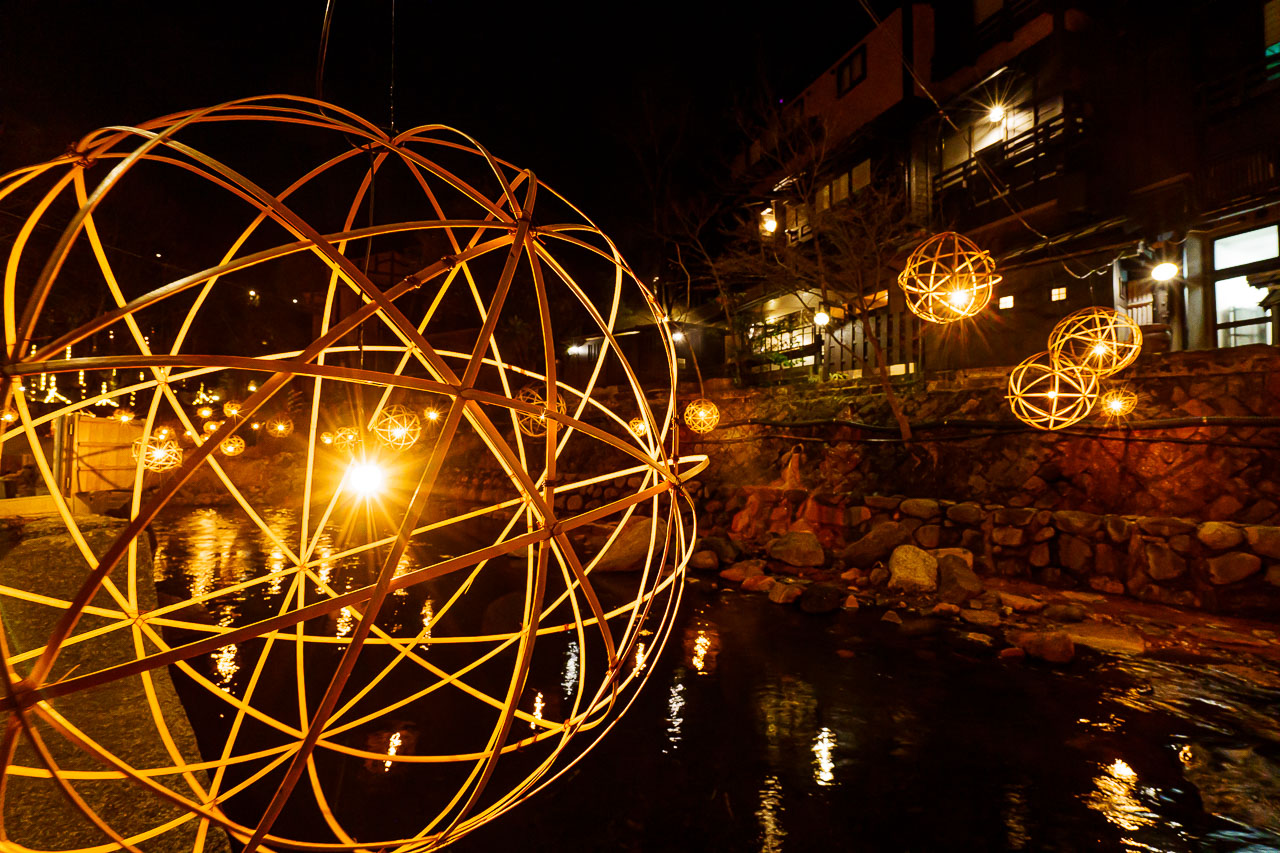
At night, we find the illumination event transcribed as ‘Yuagari’ in the source.
The account gives its season as mid-December to the end of May; this is historical scheduling.
The installations reuse bamboo that would otherwise be difficult to manage, according to the source.
I admire the local idea of turning that material into beautiful lights and a visitor attraction.
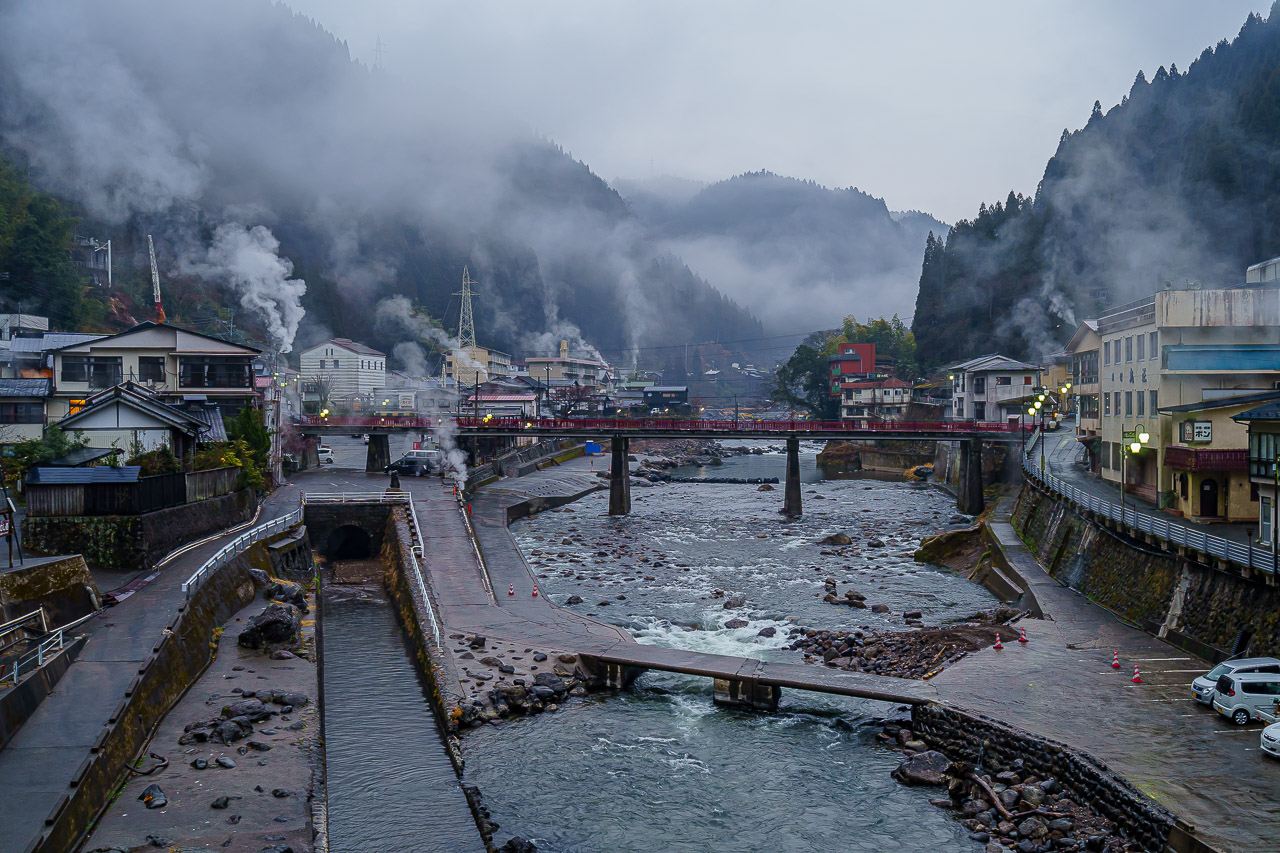
Our final stop is Tsuetate Onsen, around 30 minutes from Kurokawa in the source estimate.
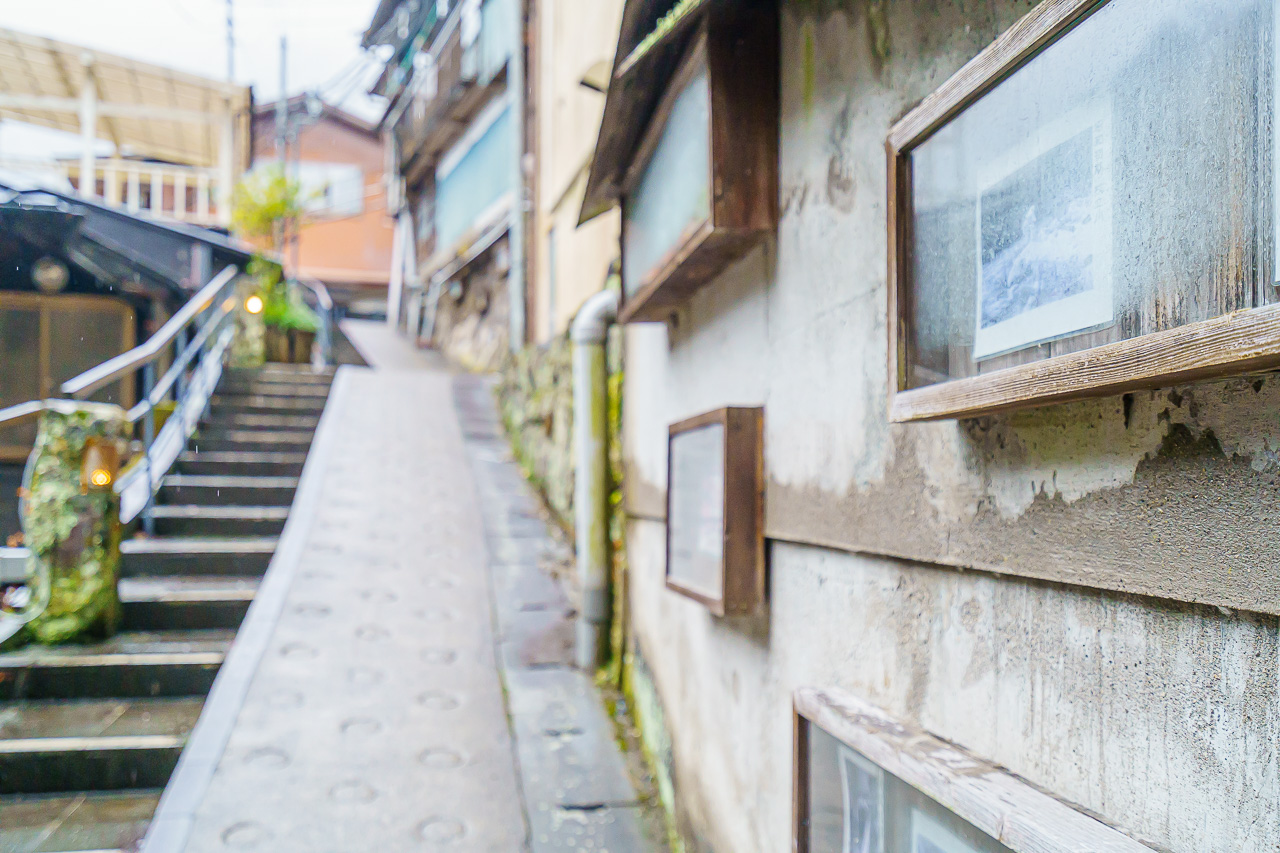
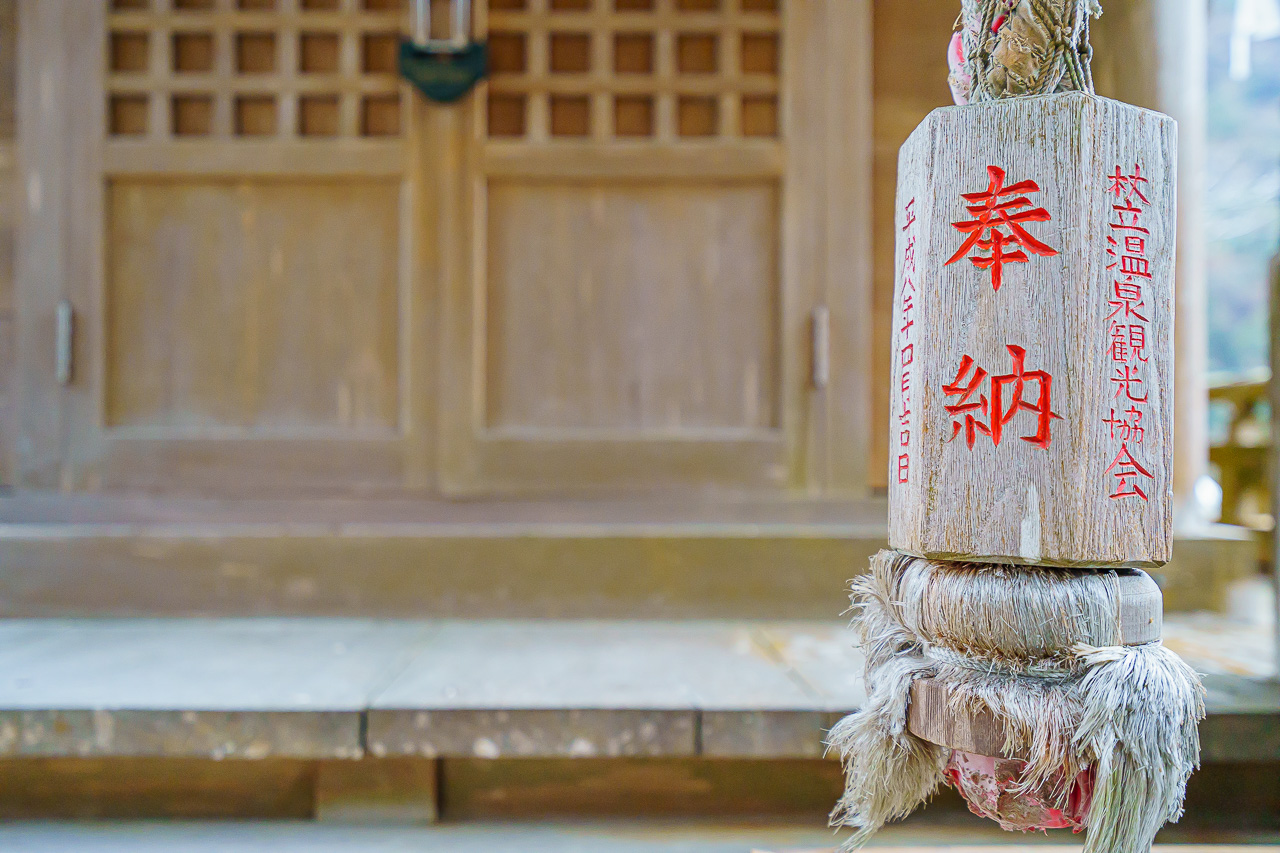
Its atmosphere seems to retain the 1980s, with nostalgic details throughout.
Steam rises at many points around the abundant springs.
For a quiet, affordable bathing-focused break during this period, I find it an appealing choice.
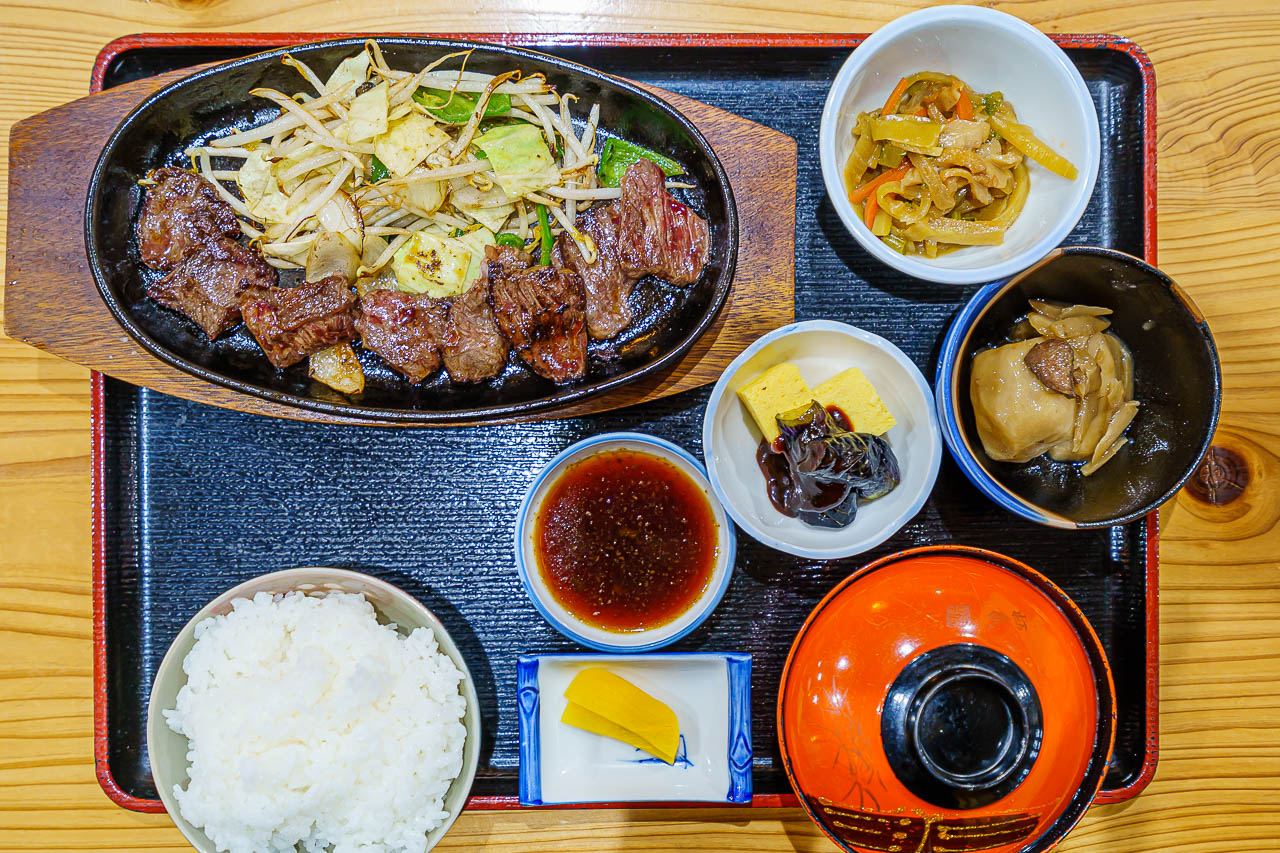
Dinner is finally a steak set, at Shokudo Komatsu.
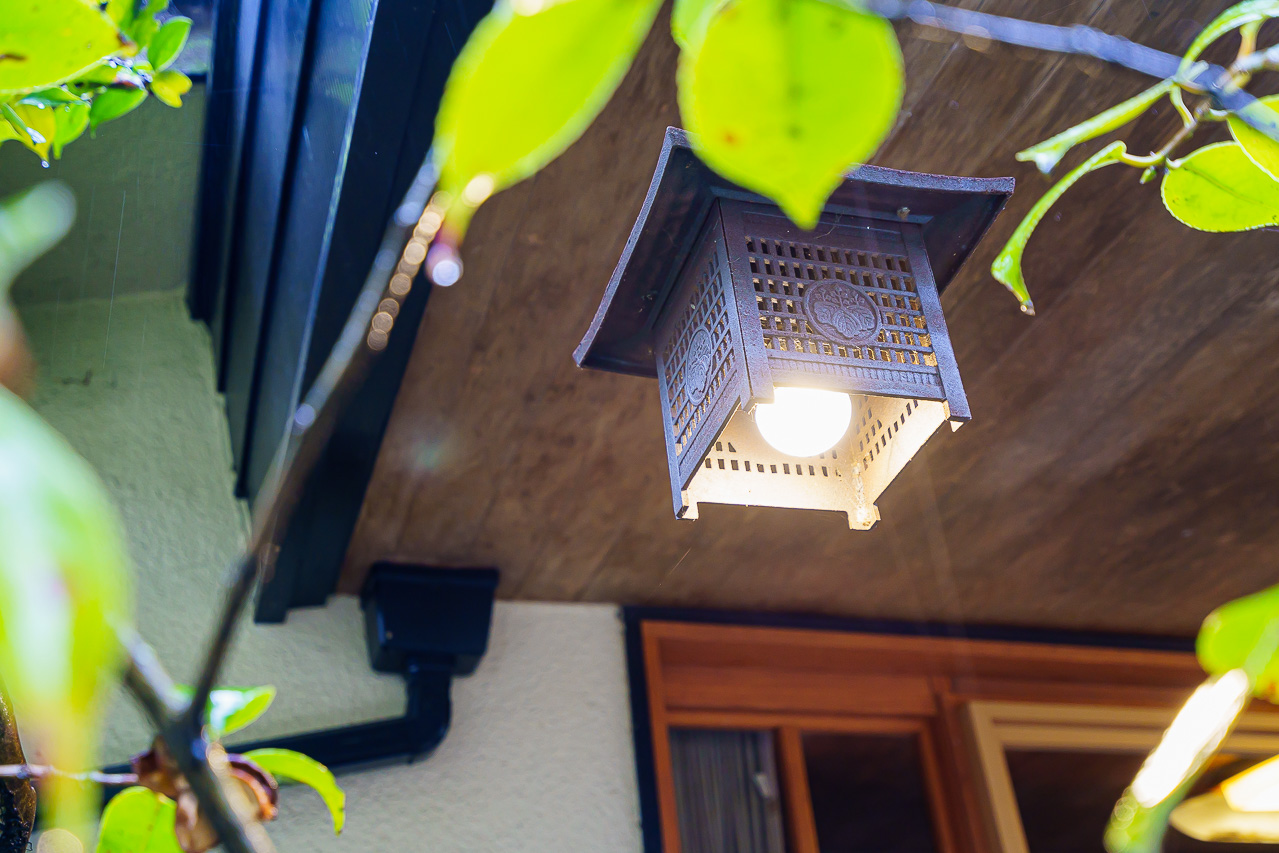
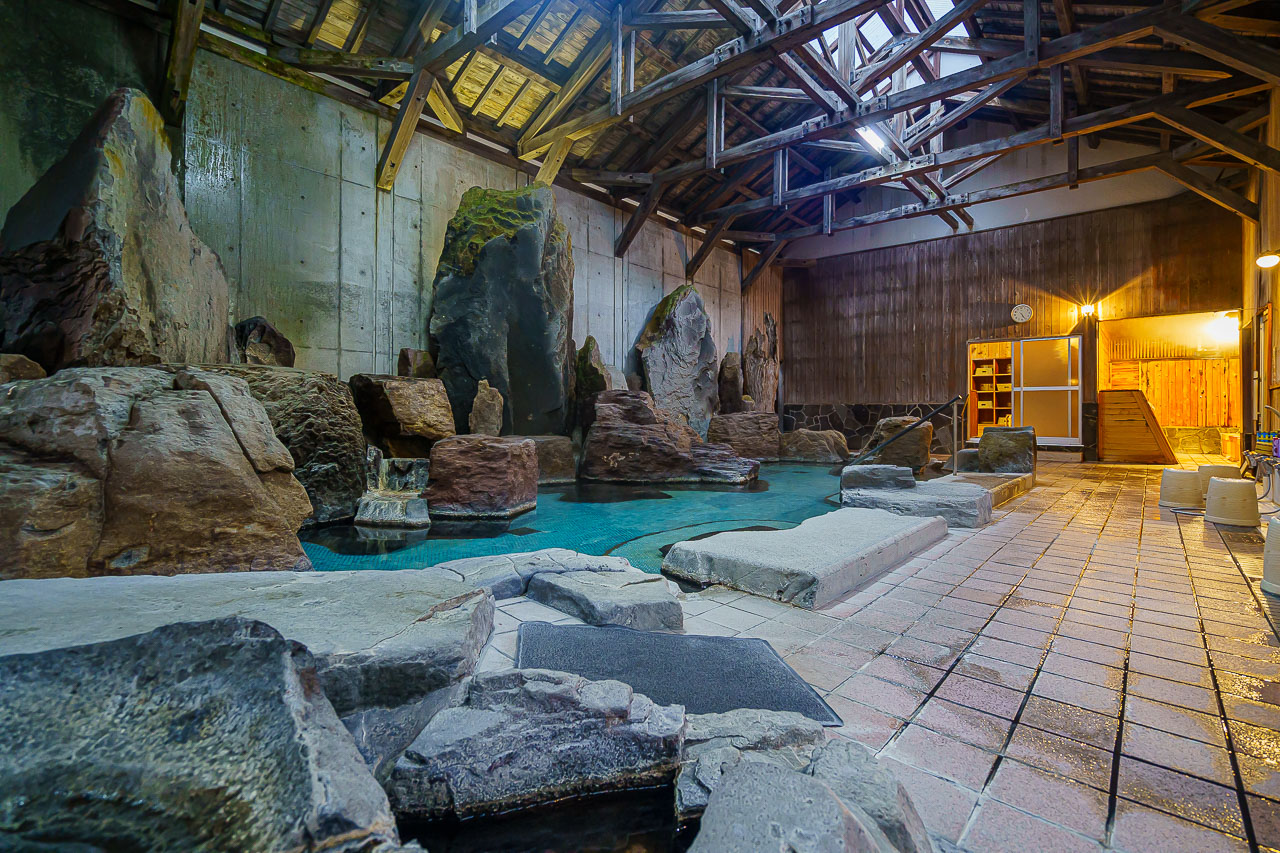
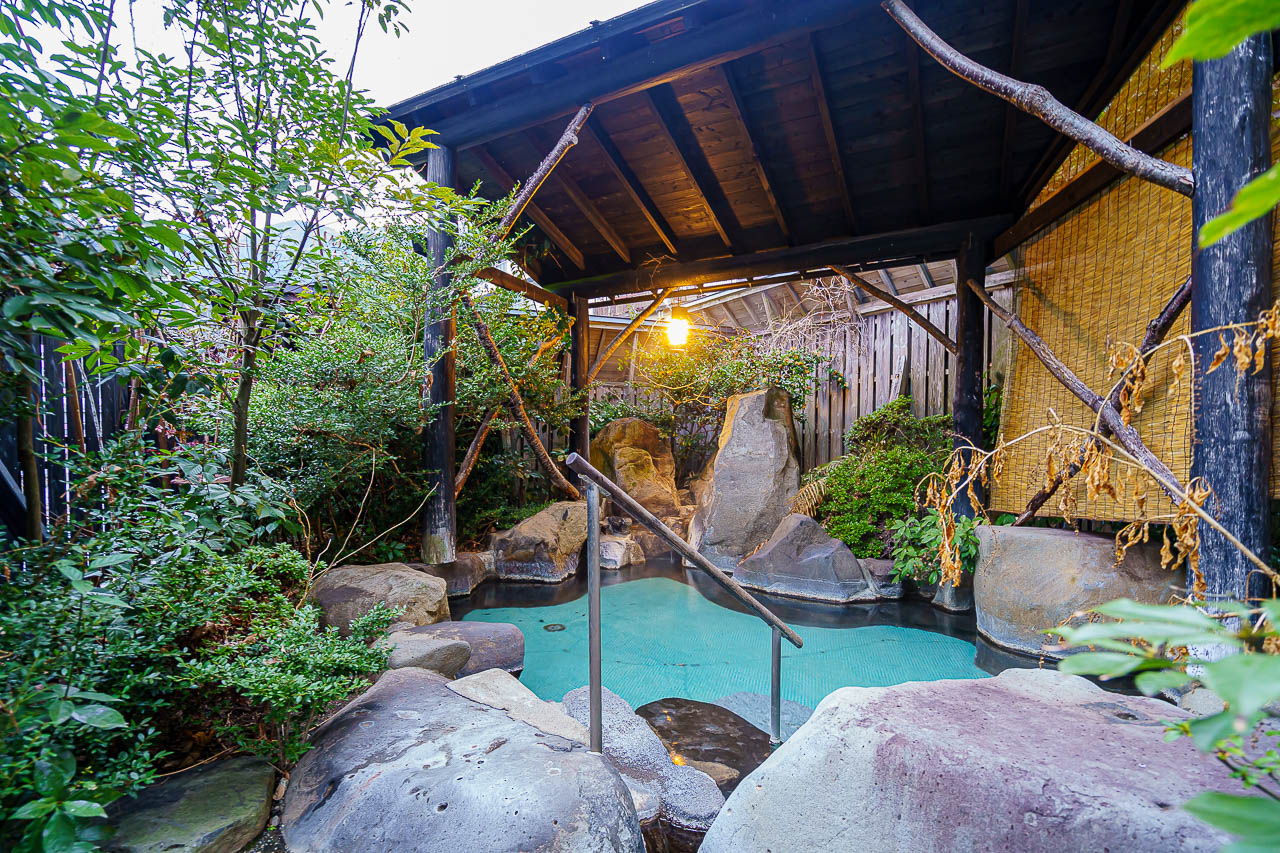
Our inn is Onsen Ryokan Izumiya.
The building shows its history but is tidy, a thoroughly traditional ryokan.
The owner’s kindness makes a strong impression.
Men and women each have a shared bathing area with an outdoor bath attached.
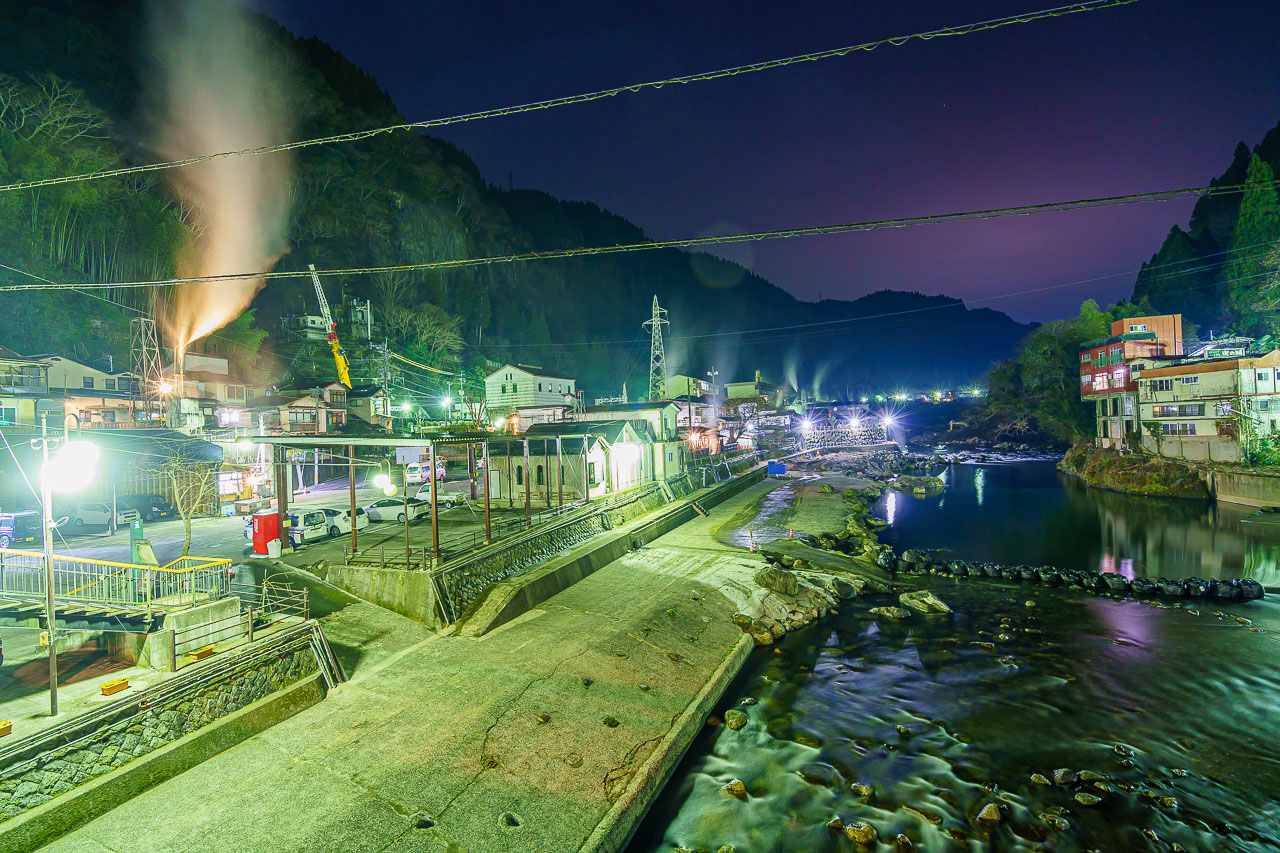
An evening walk around the onsen village is lovely.
Its quietness makes it better still.

Izumiya’s breakfast is a neat Japanese meal.
A few dishes are new to me, and I enjoy them.

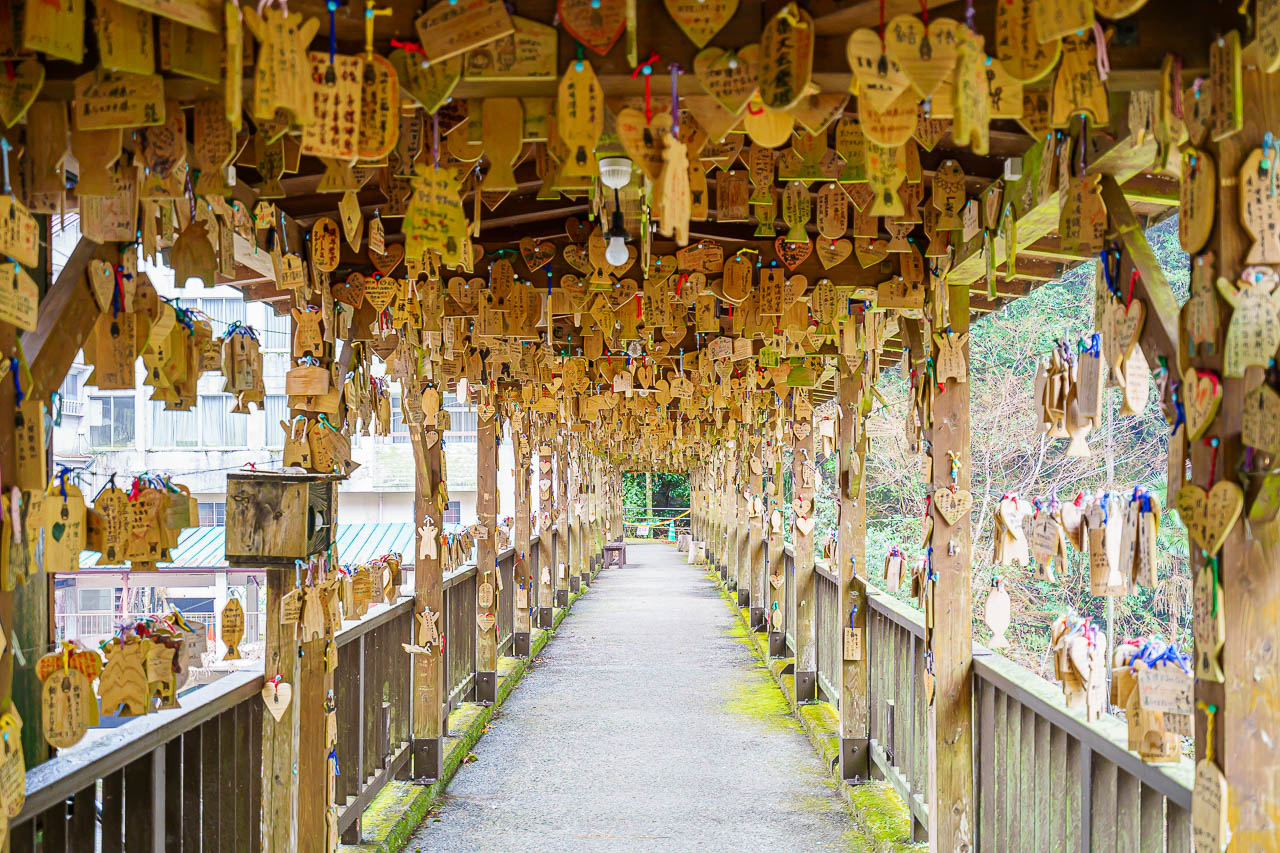
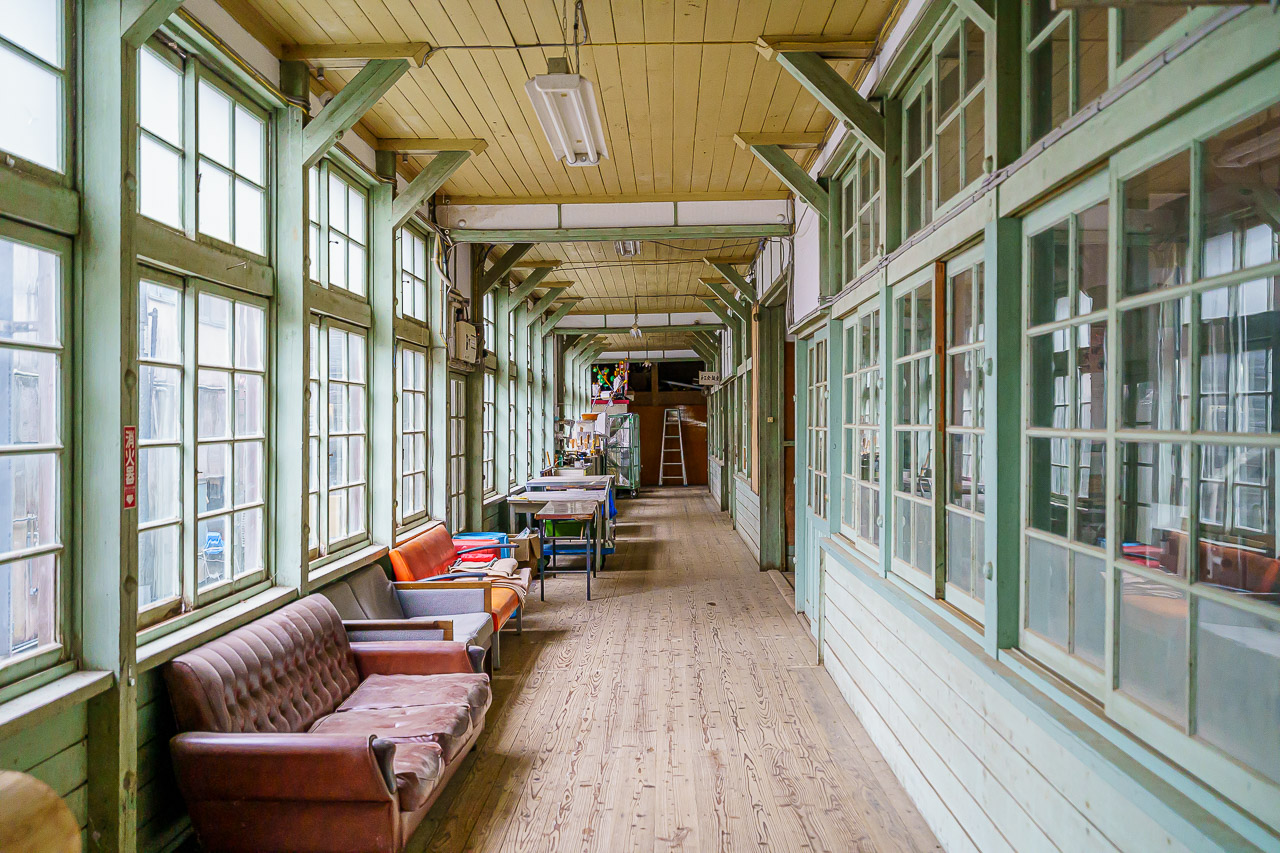
After checkout, we have time before the bus, so we explore nearby.
Momiji Bridge, associated with finding a good relationship, and an onsen community hall reusing a closed school are among the stops.
The empty hall has a tap running, which feels rather eerie to me.
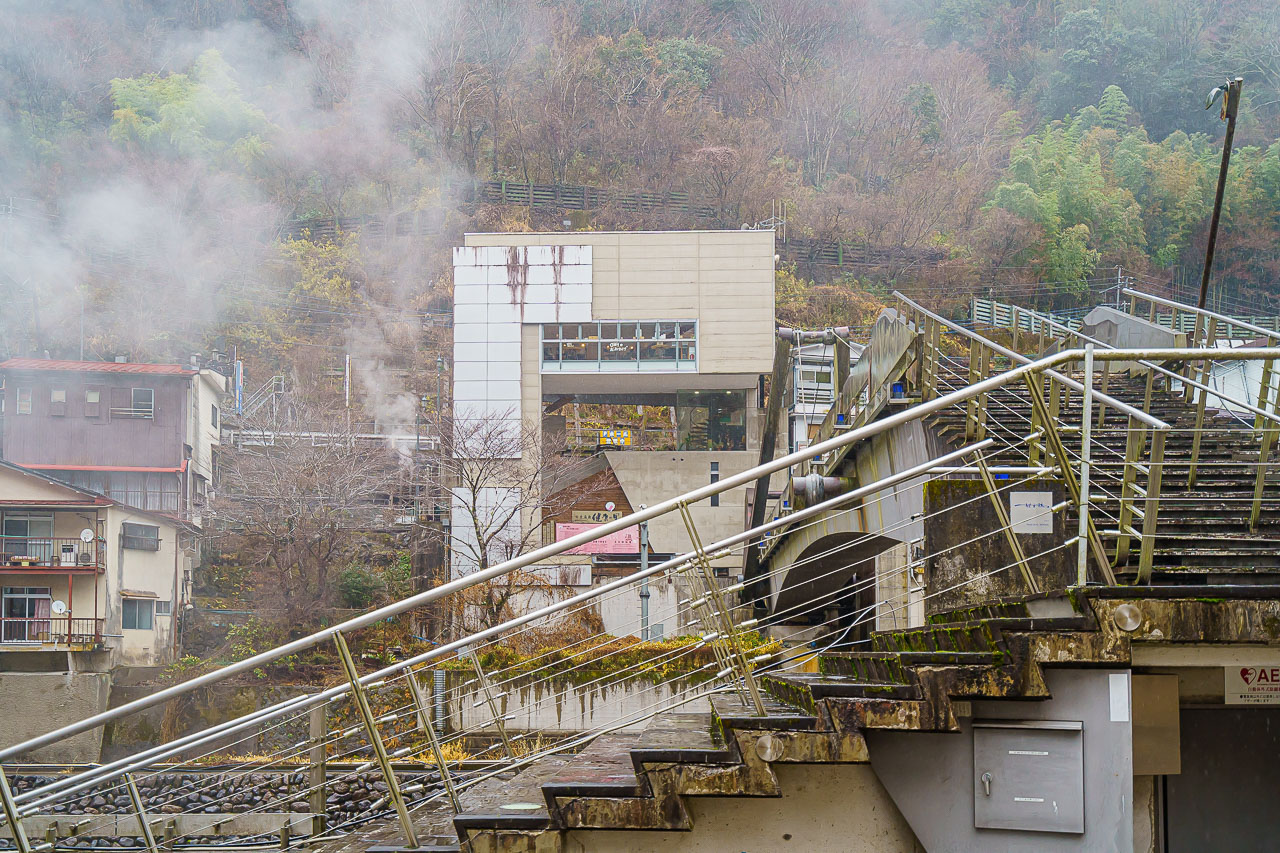
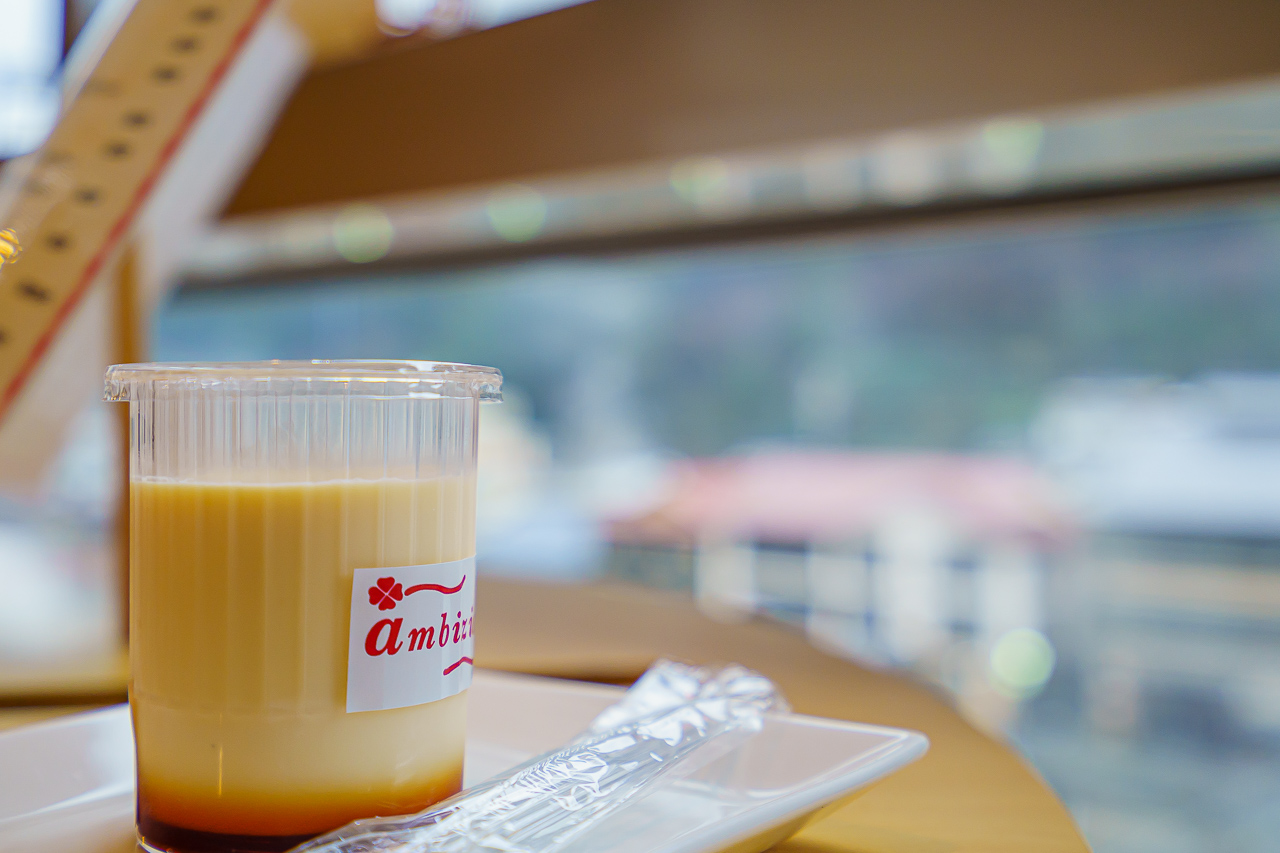
Tsuetate is known for pudding too. We try a product called ‘P Hall Pudding’ in the source, at the village’s highest area; the exact product name is uncertain.
Looking down over Tsuetate with steam rising between its buildings makes a striking final view.