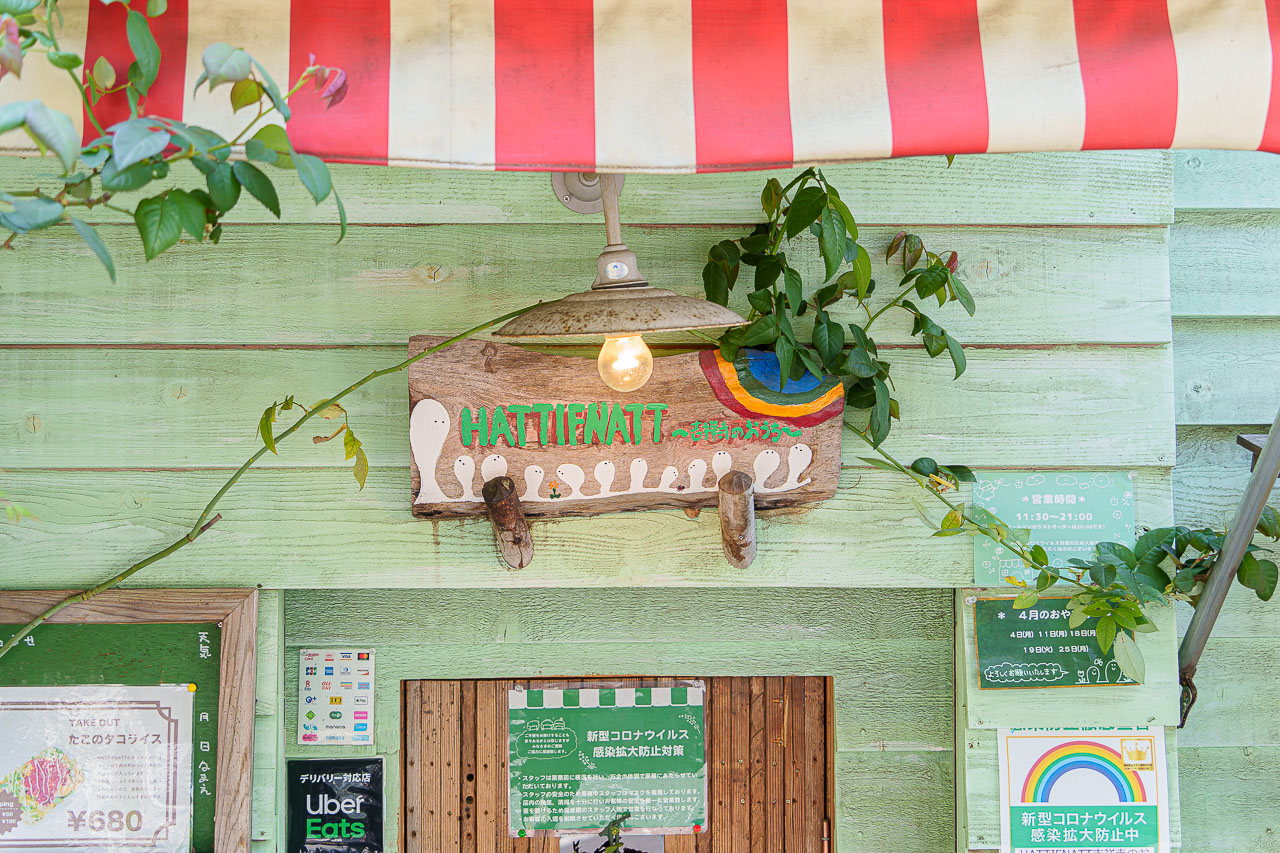
We visited Tokyo’s charming concept café HATTIFNATT.
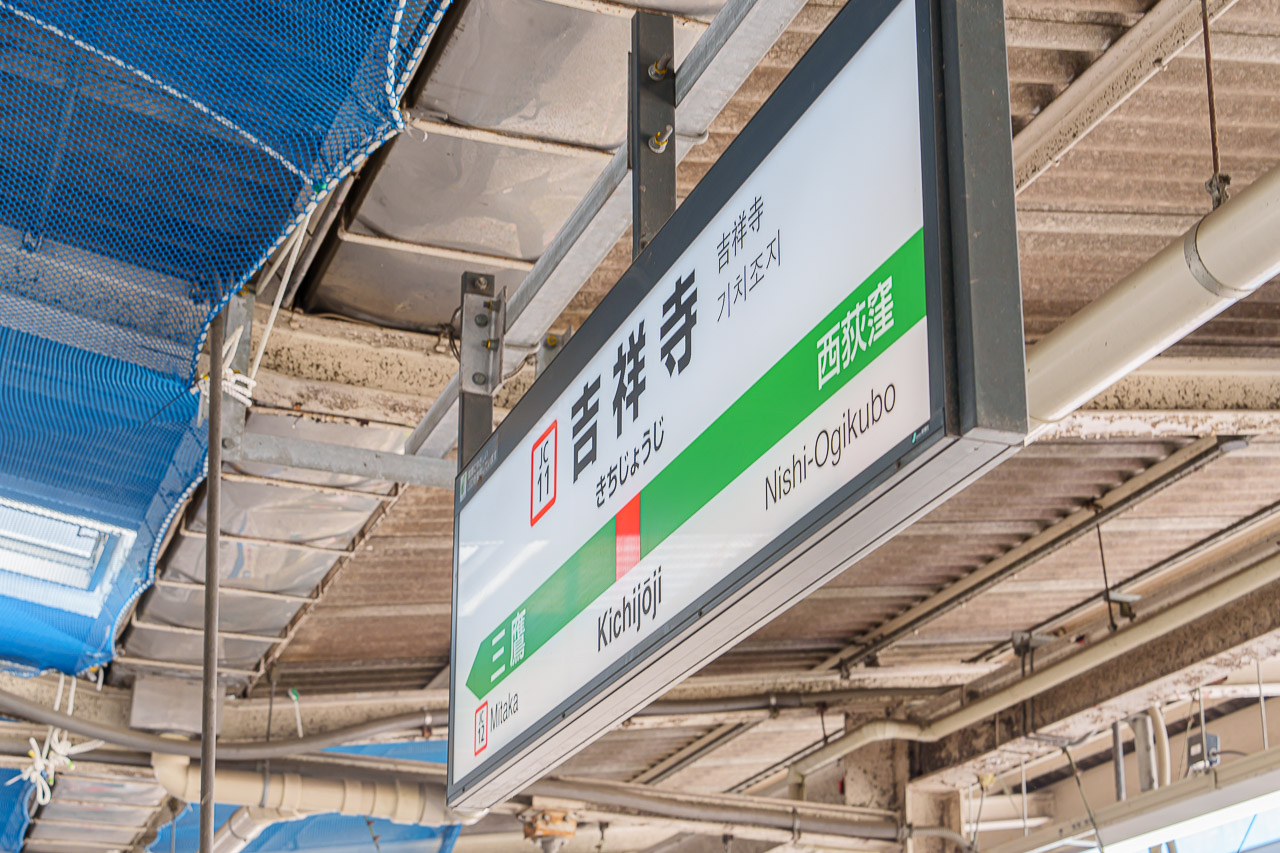
It was about five minutes from Kichijoji Station, itself around 20 minutes from Shinjuku, making it convenient.
Another branch was about five minutes from Koenji Station, around 15 minutes from Shinjuku.
The source listed Koenji opening at noon and Kichijoji at 11:30 a.m., allowing a choice to suit the day.

With limited time before the airport, I chose Kichijoji for its half-hour-earlier opening.
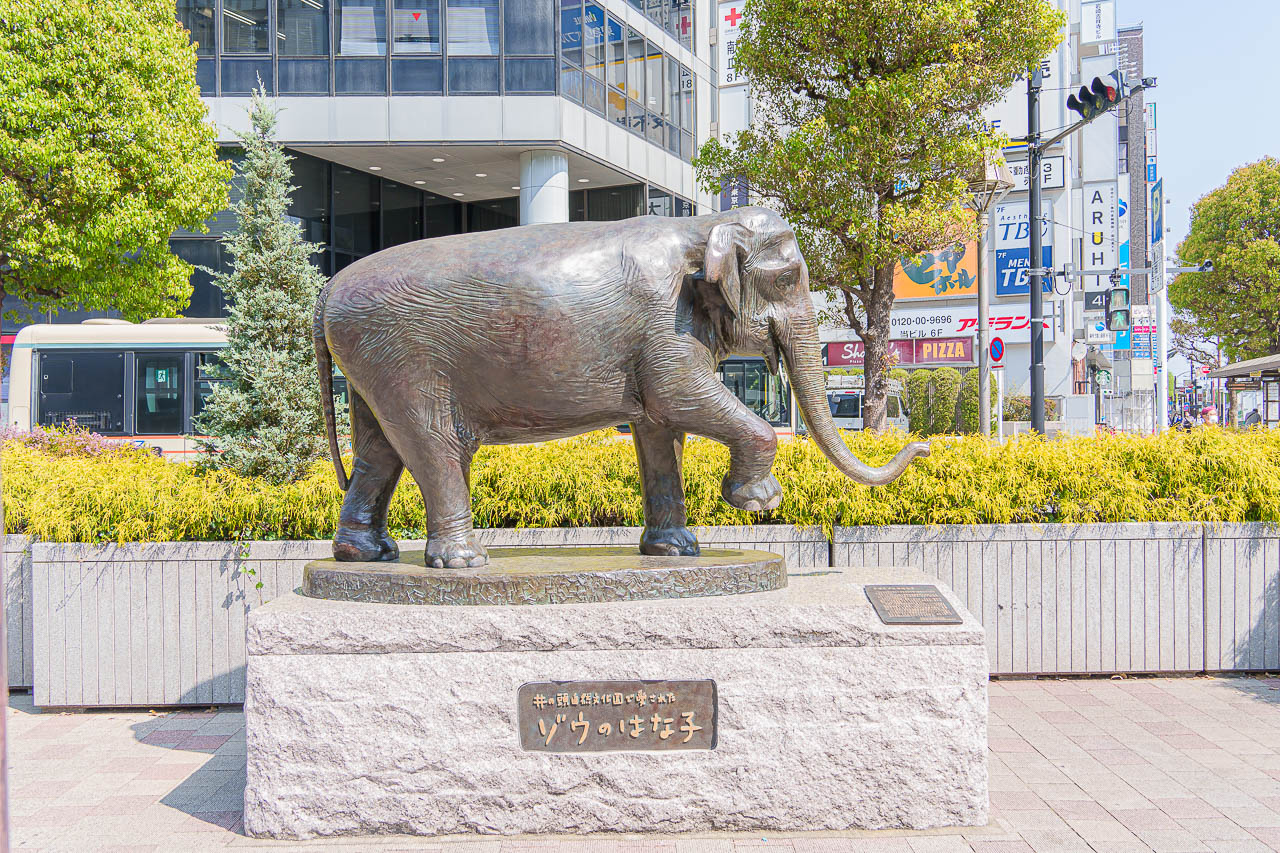
Outside the station, a statue of Hanako the elephant greeted us.
Hanako lived at Tokyo’s Inokashira Park Zoo to age 69. The source says she arrived from Thailand as a government gift in 1949 at age two and spent her life in captivity.
Her story received media attention and, according to the source, contributed to changing attitudes toward animals in Japan.
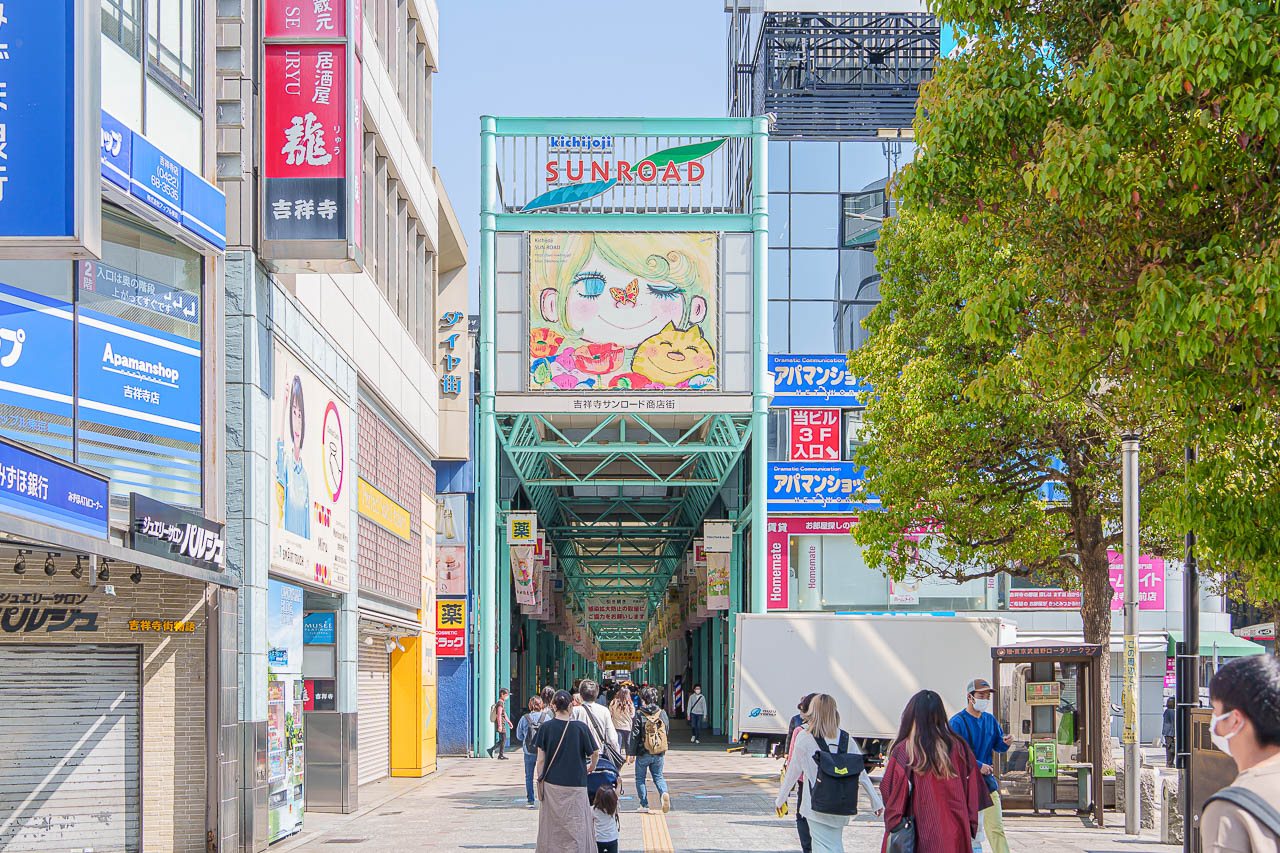
A little further was the covered shopping street called Sun Road.
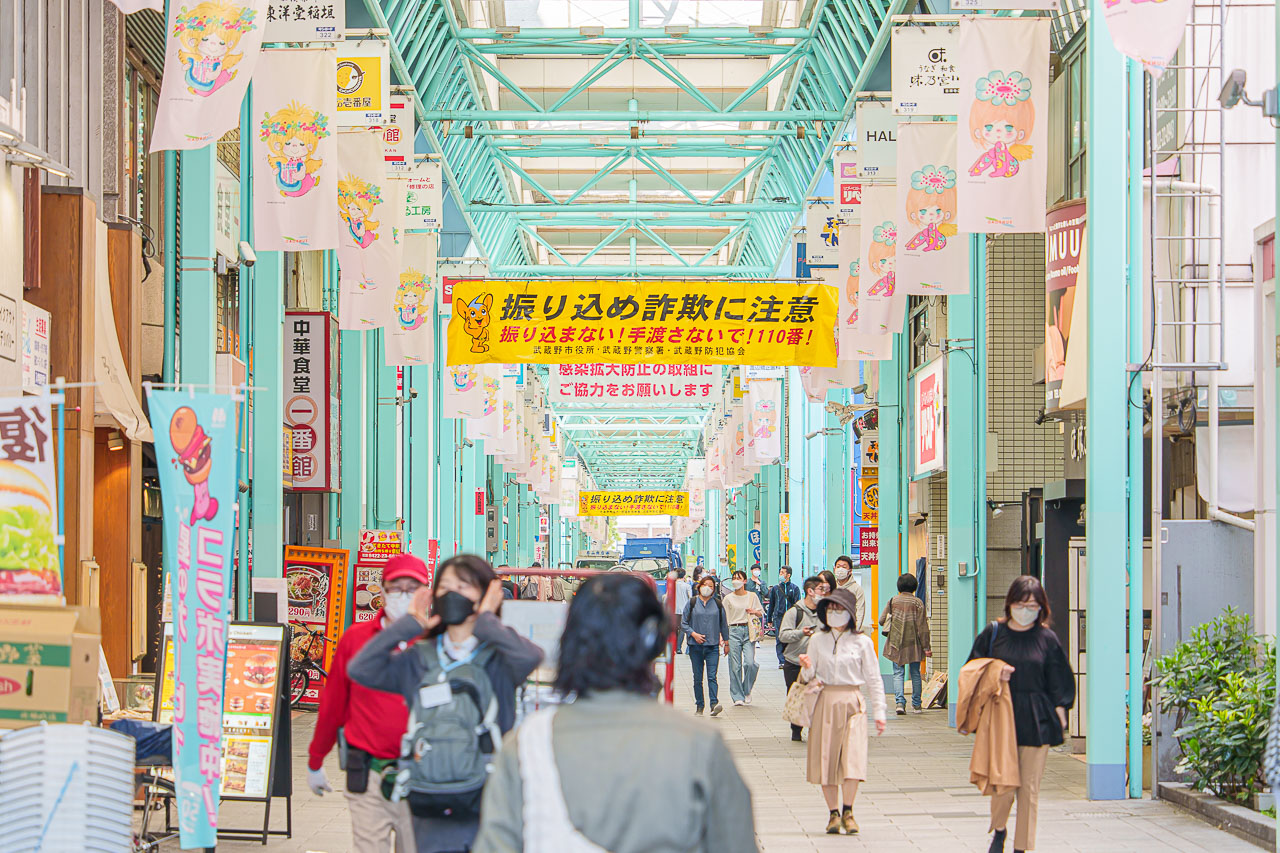
We had arrived so early that most shops were still preparing to open.
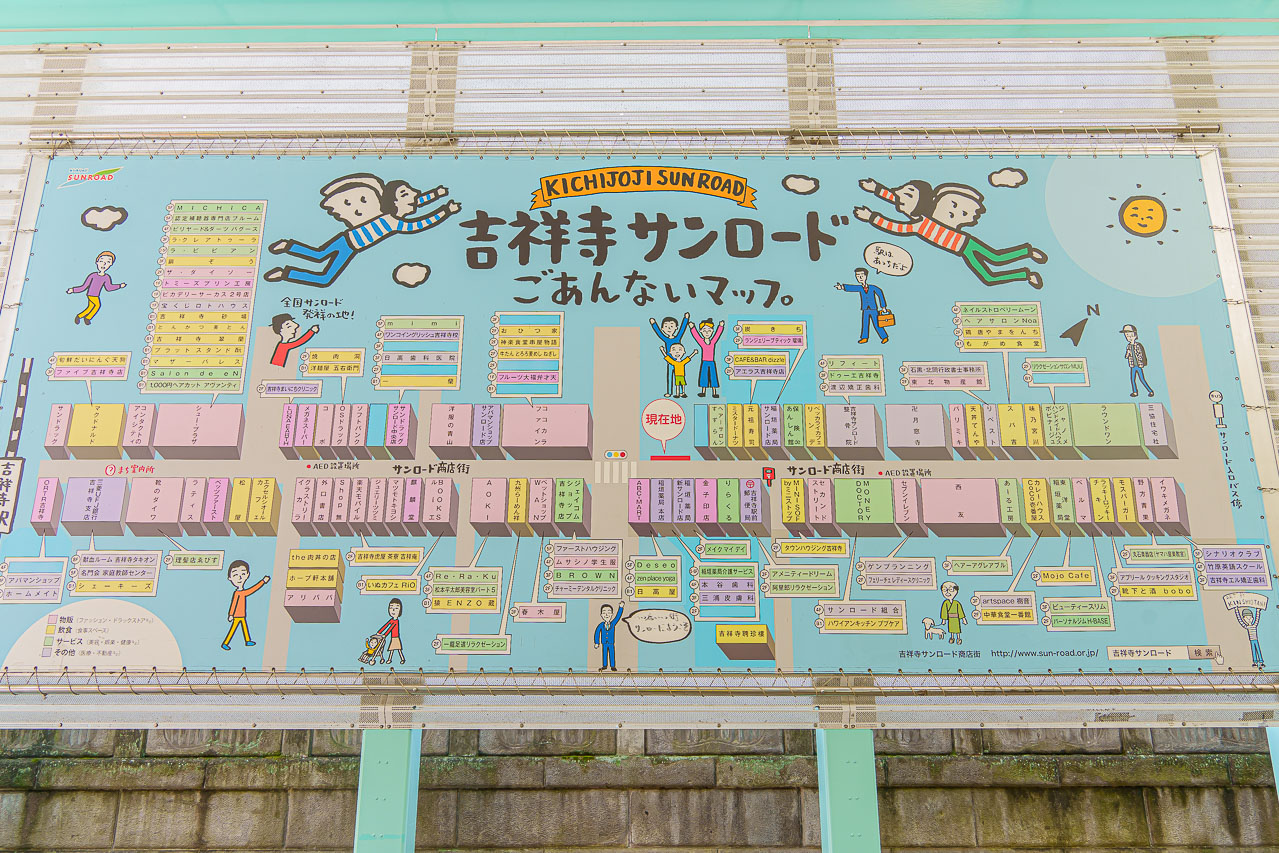
A large Kichijoji Sun Road map in the middle showed the shops at a glance.
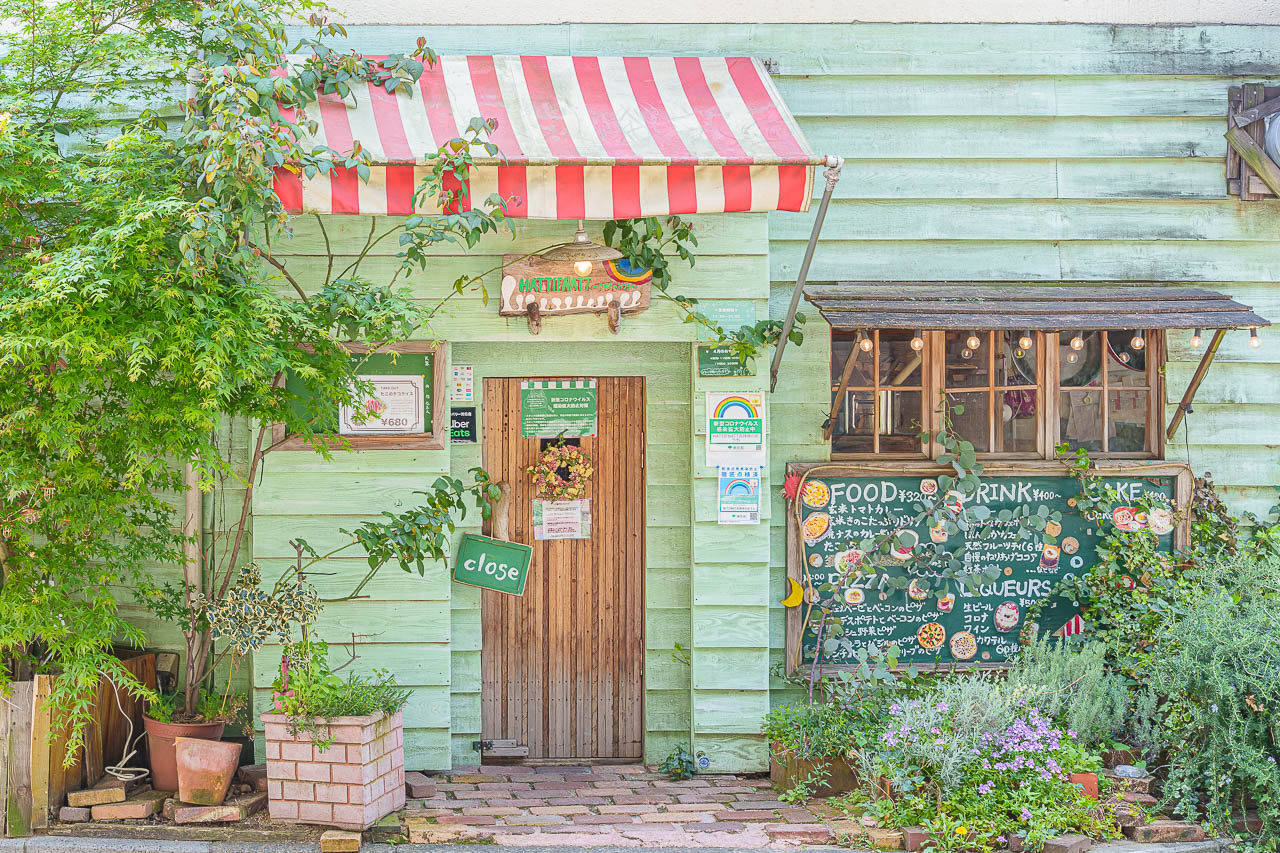
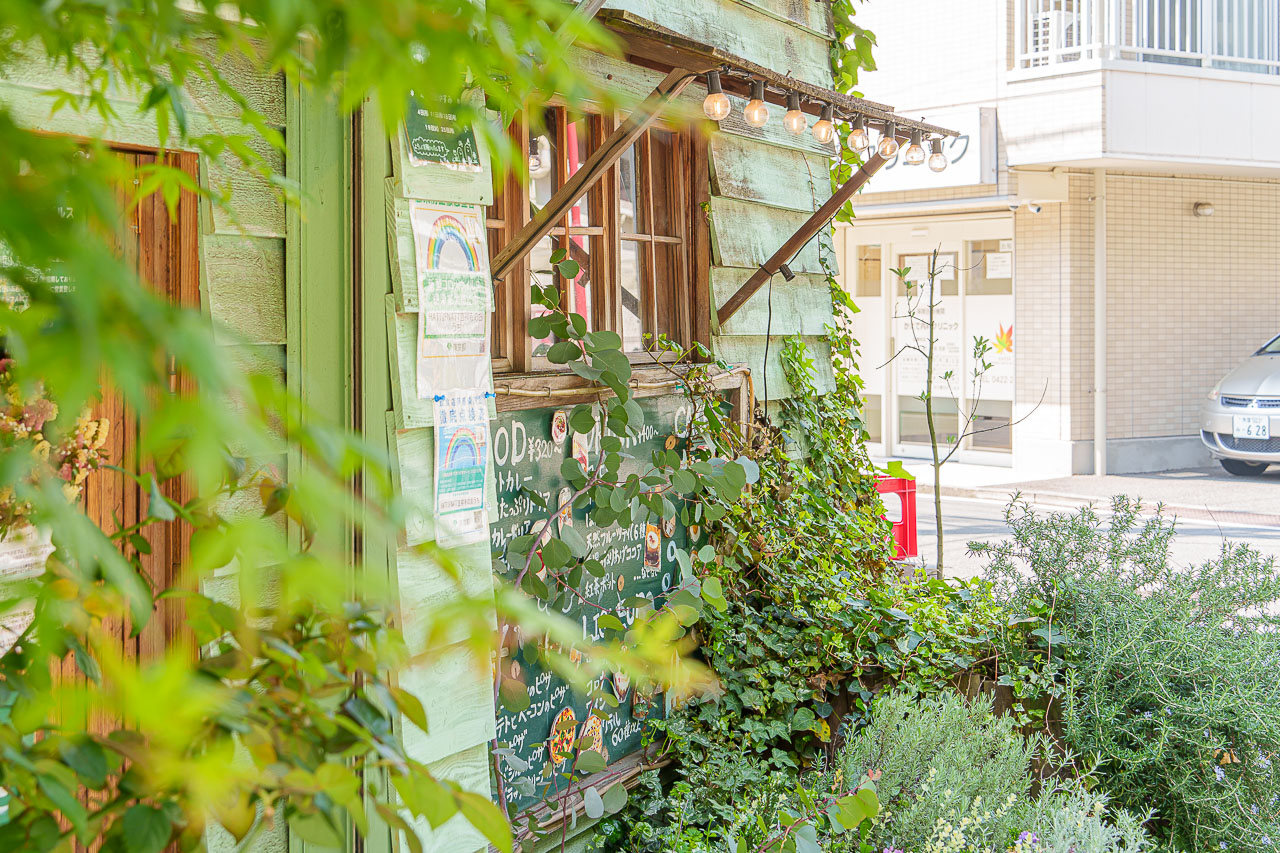
After about five minutes’ walking, an entirely different-looking building appeared.
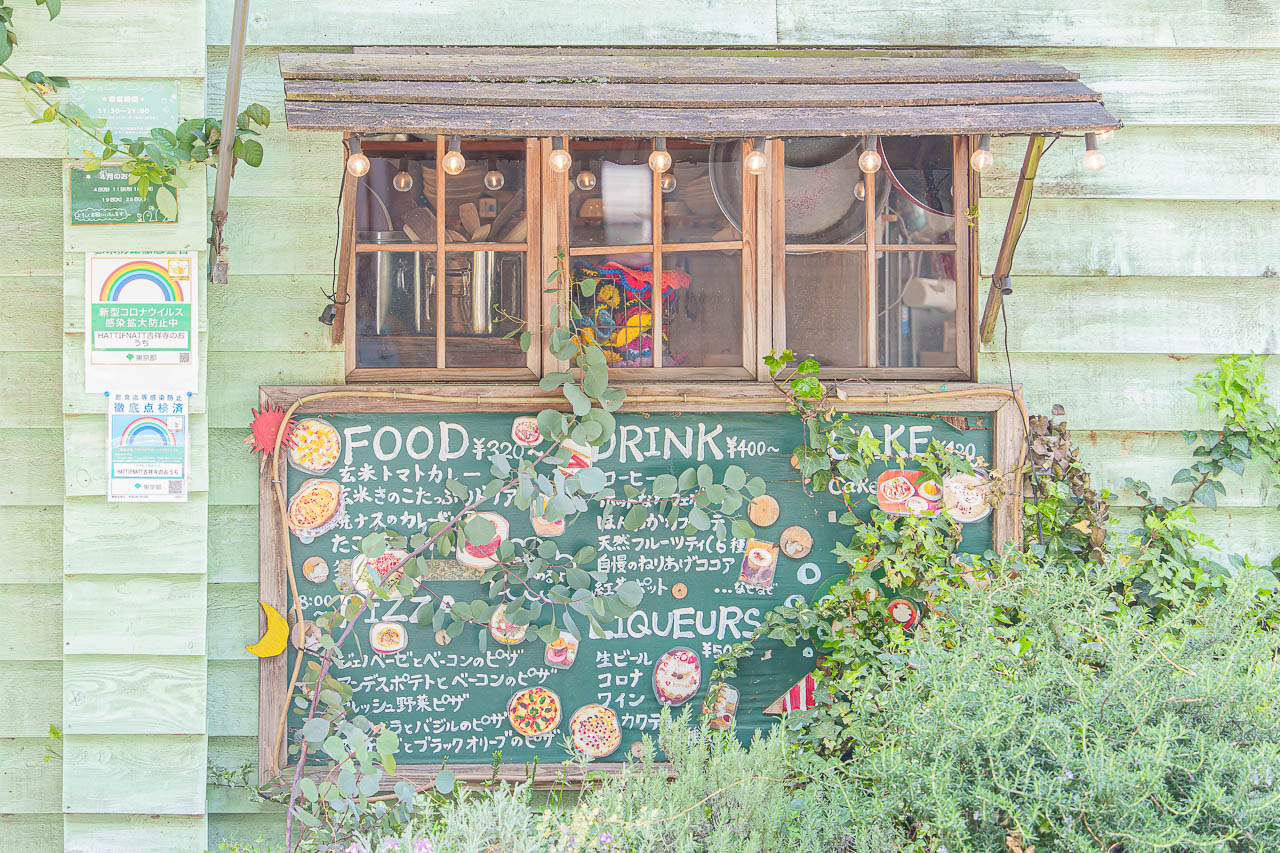
A chalkboard outside listed the menu, though the impressive plants made it hard to read.
The surroundings were an ordinary Japanese residential area, but this one place seemed to belong to another world.
We waited a little before opening.
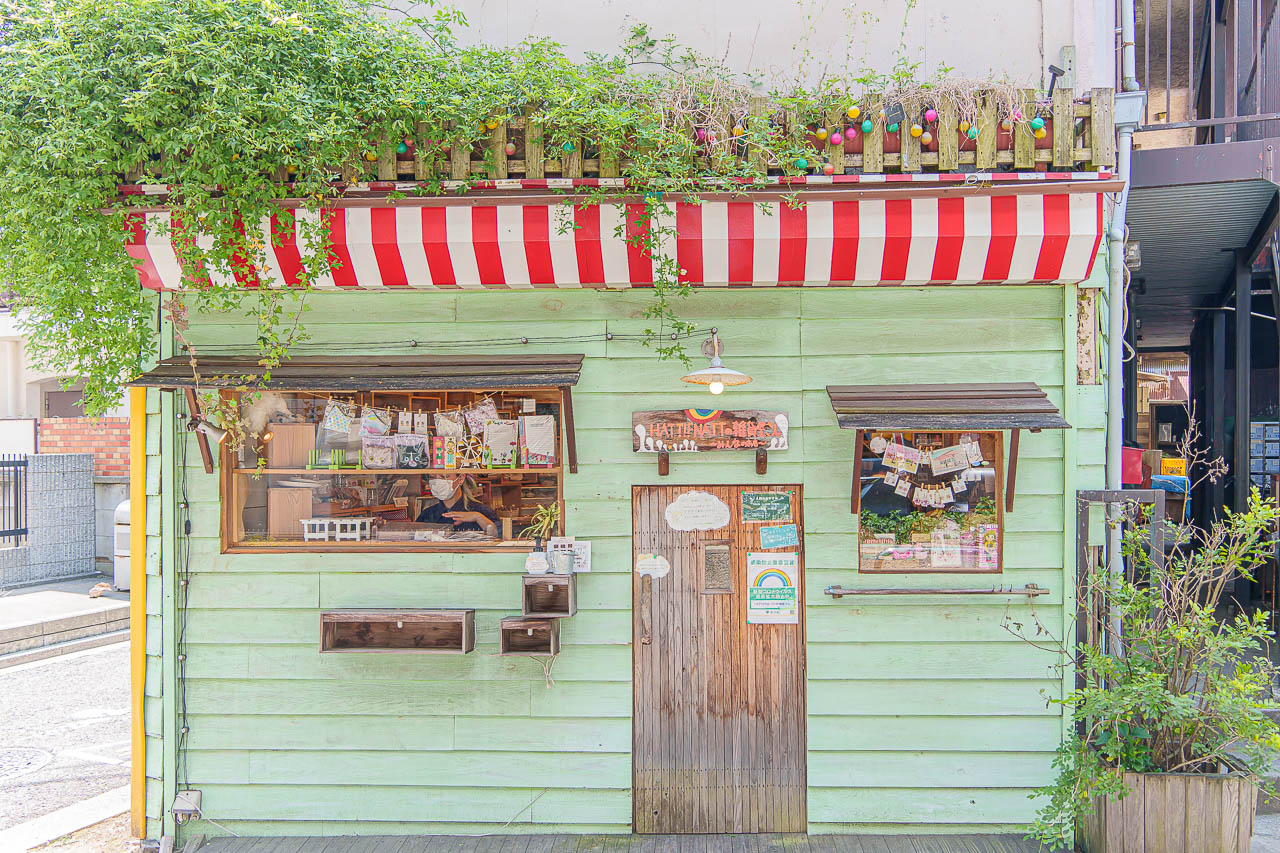
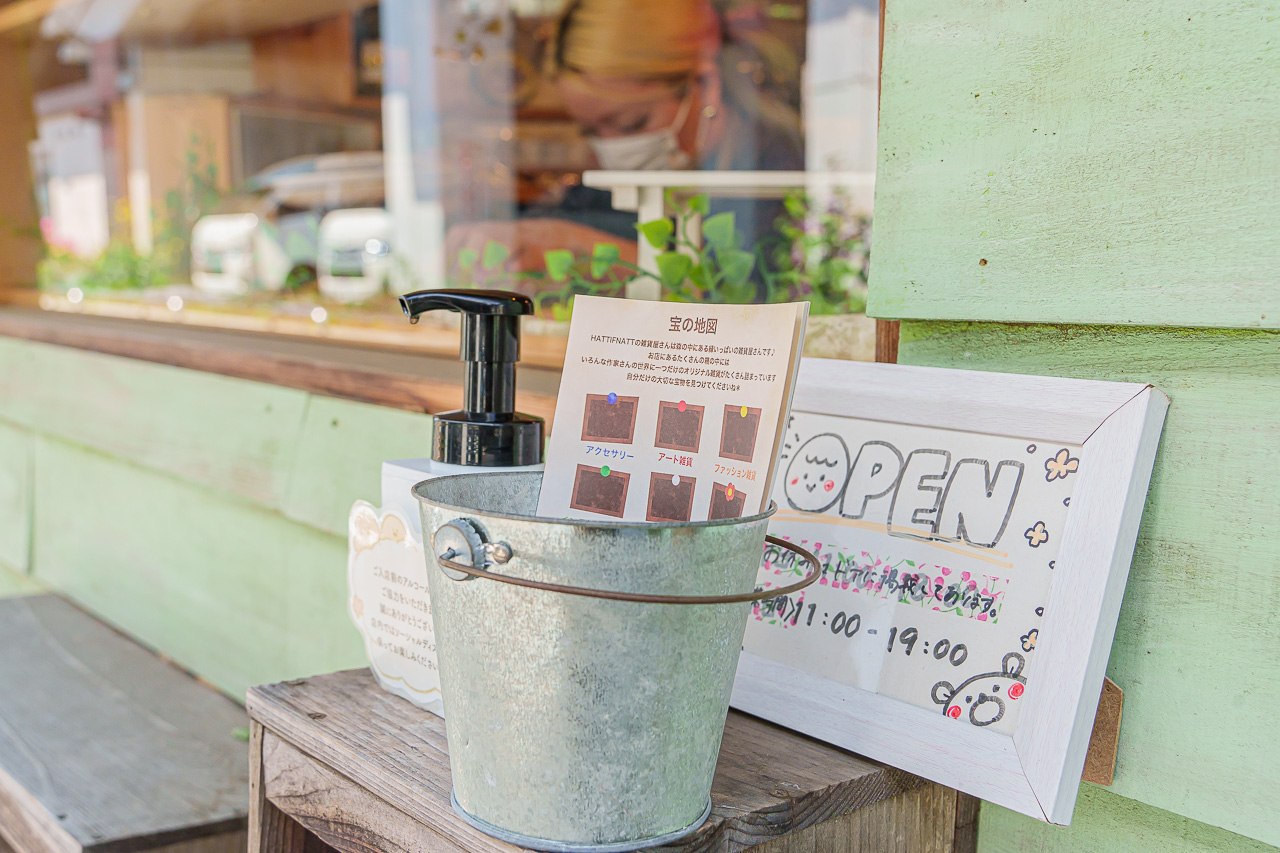
The neighboring HATTIFNATT gift shop opened first.
Its recorded opening was 11 a.m., half an hour before the café.
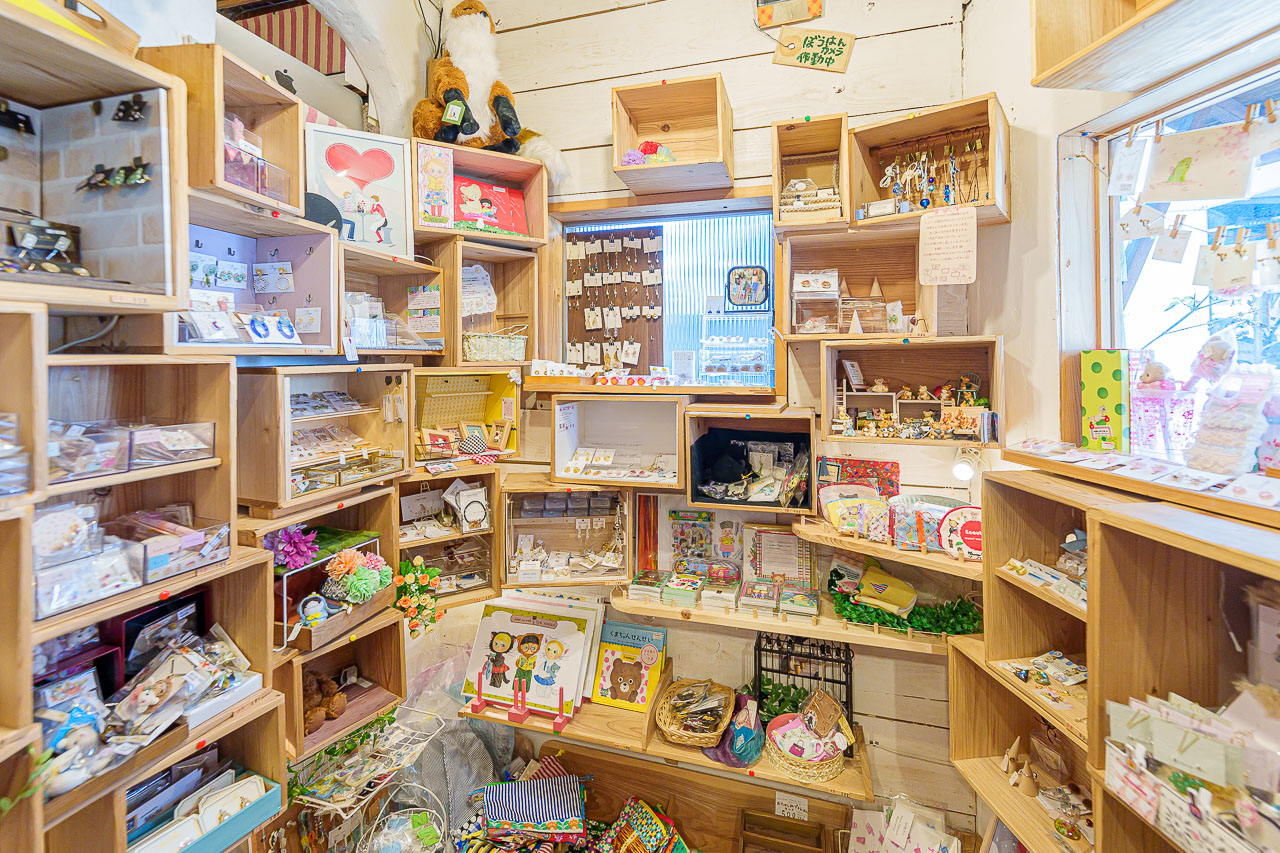
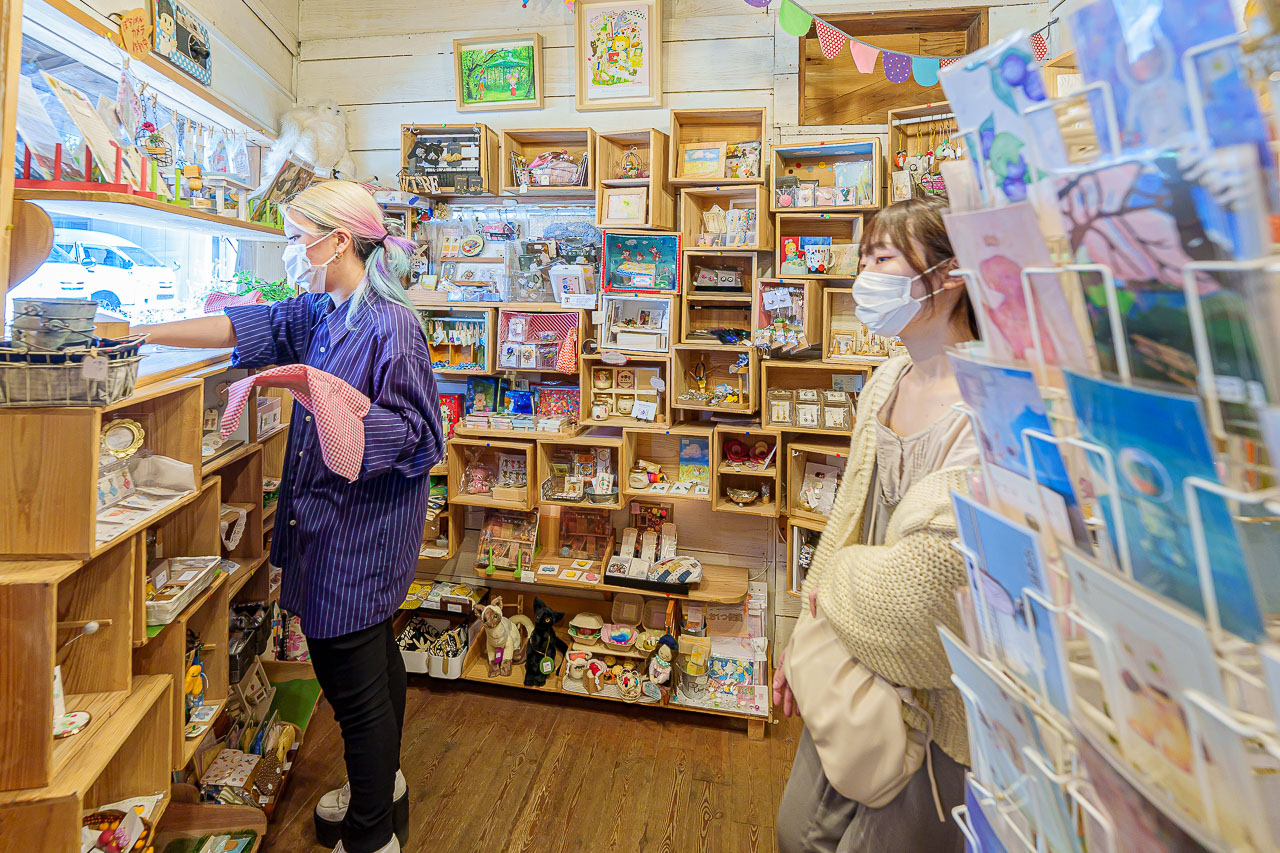
Inside was quite narrow.
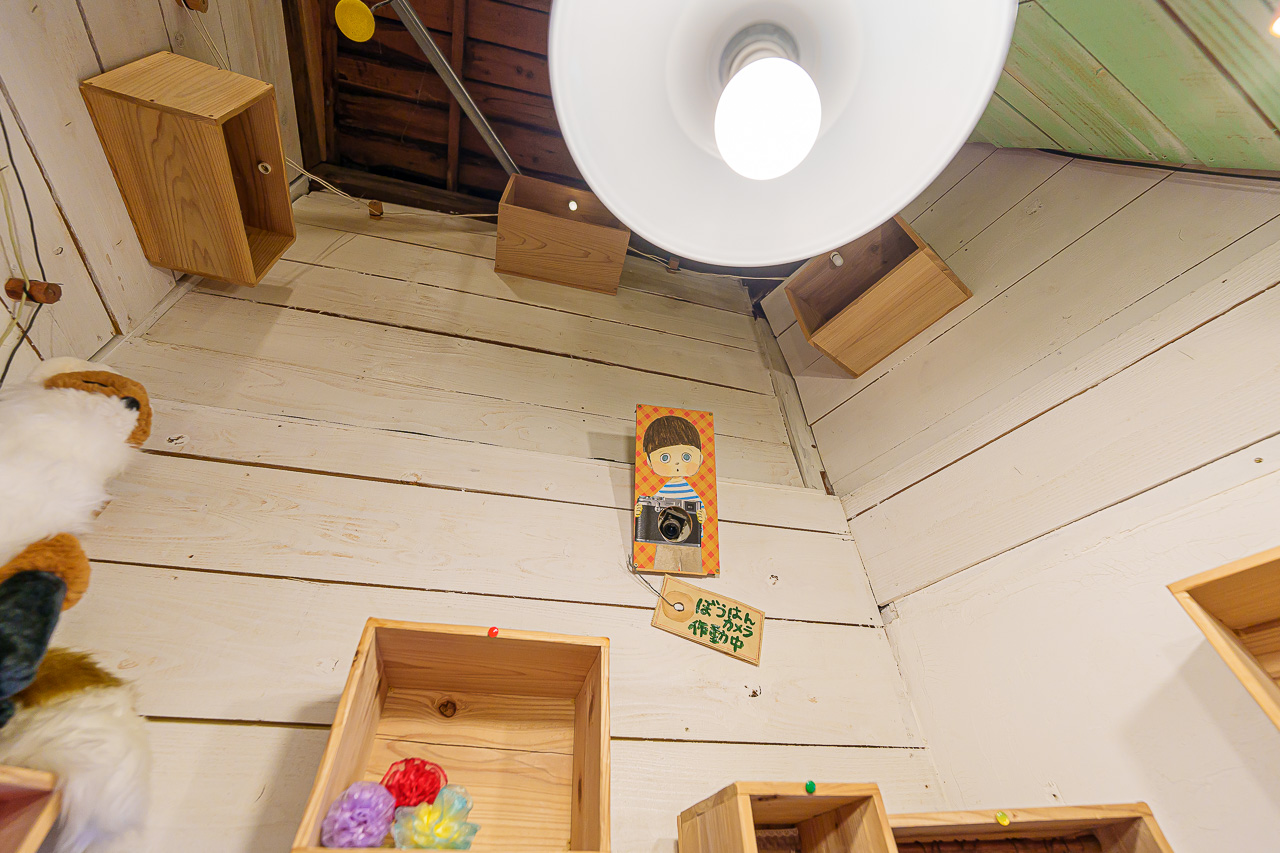
Even the security camera was cute.
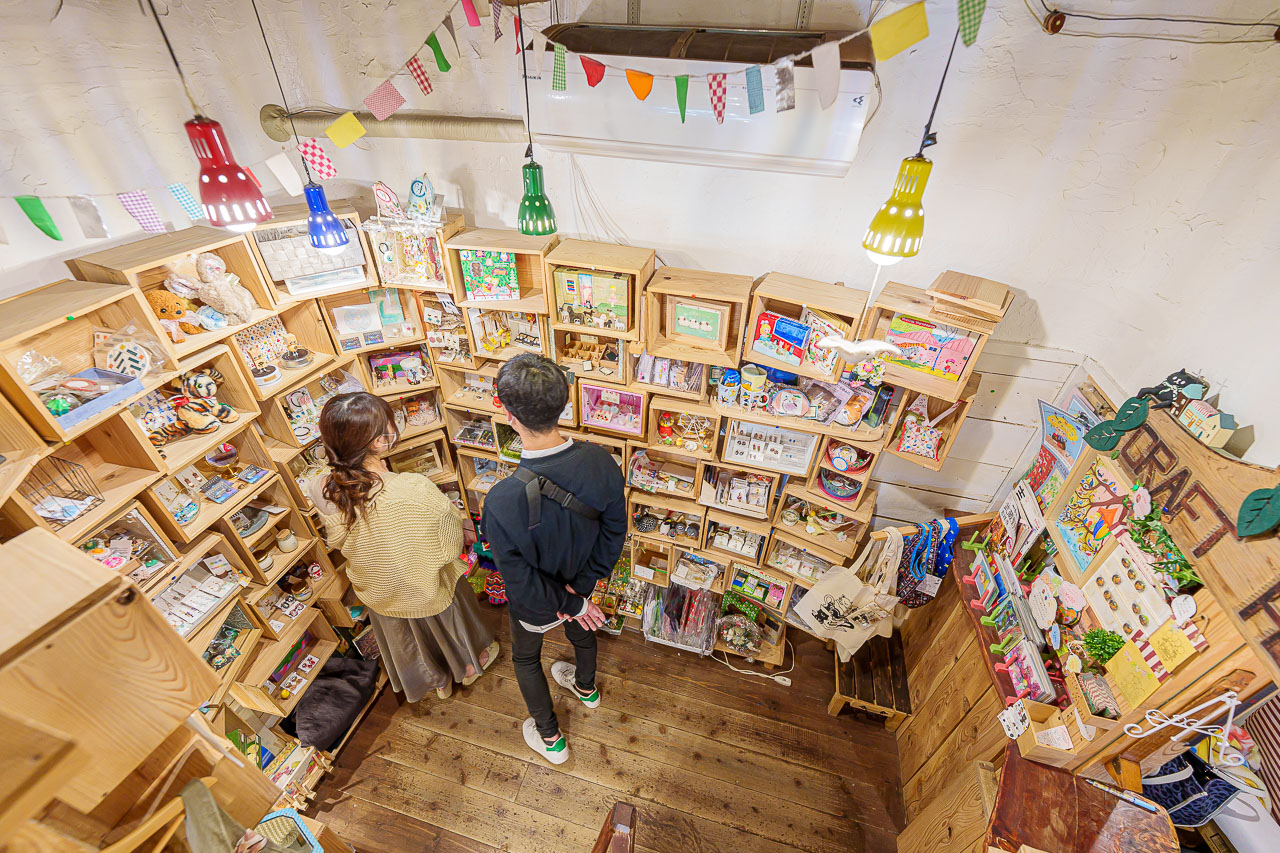
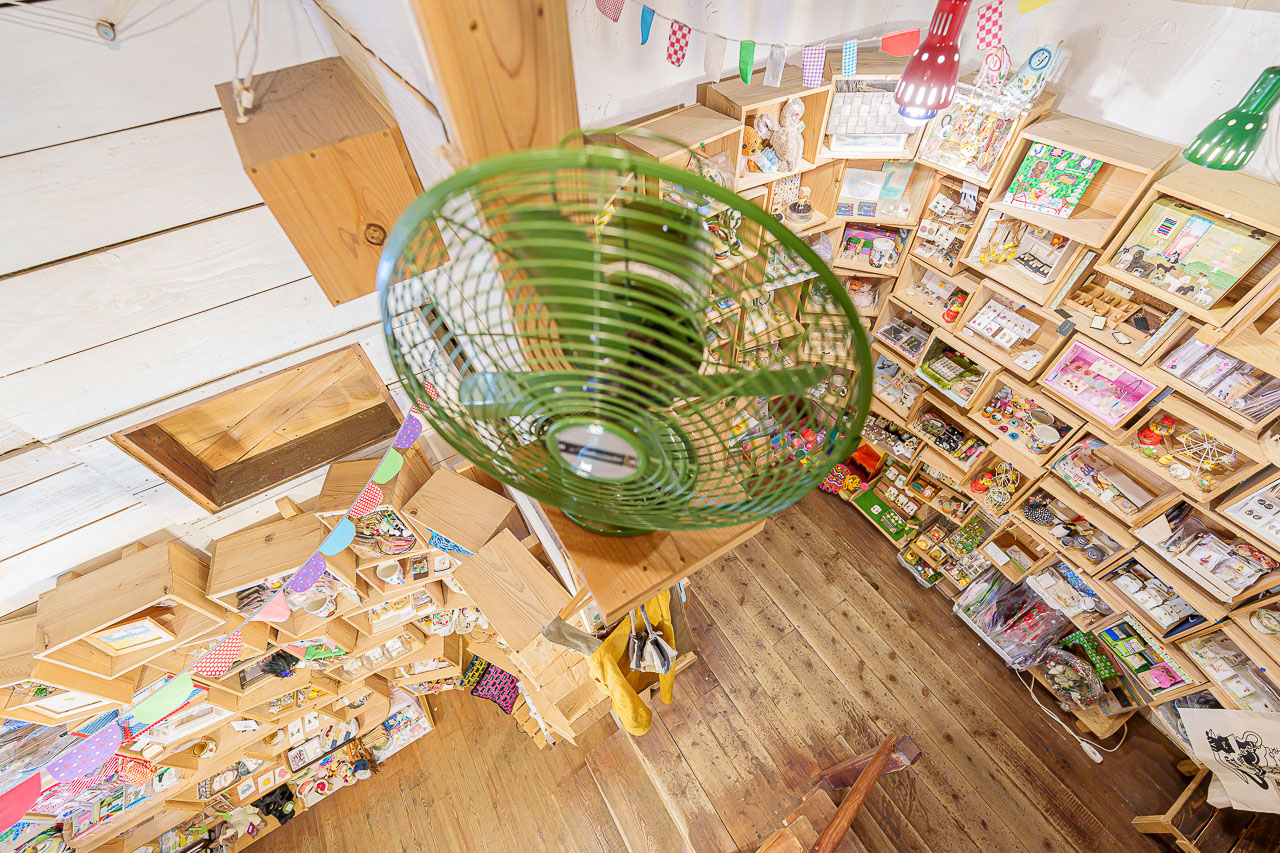
Despite its small size, the shop had a wide range of goods.
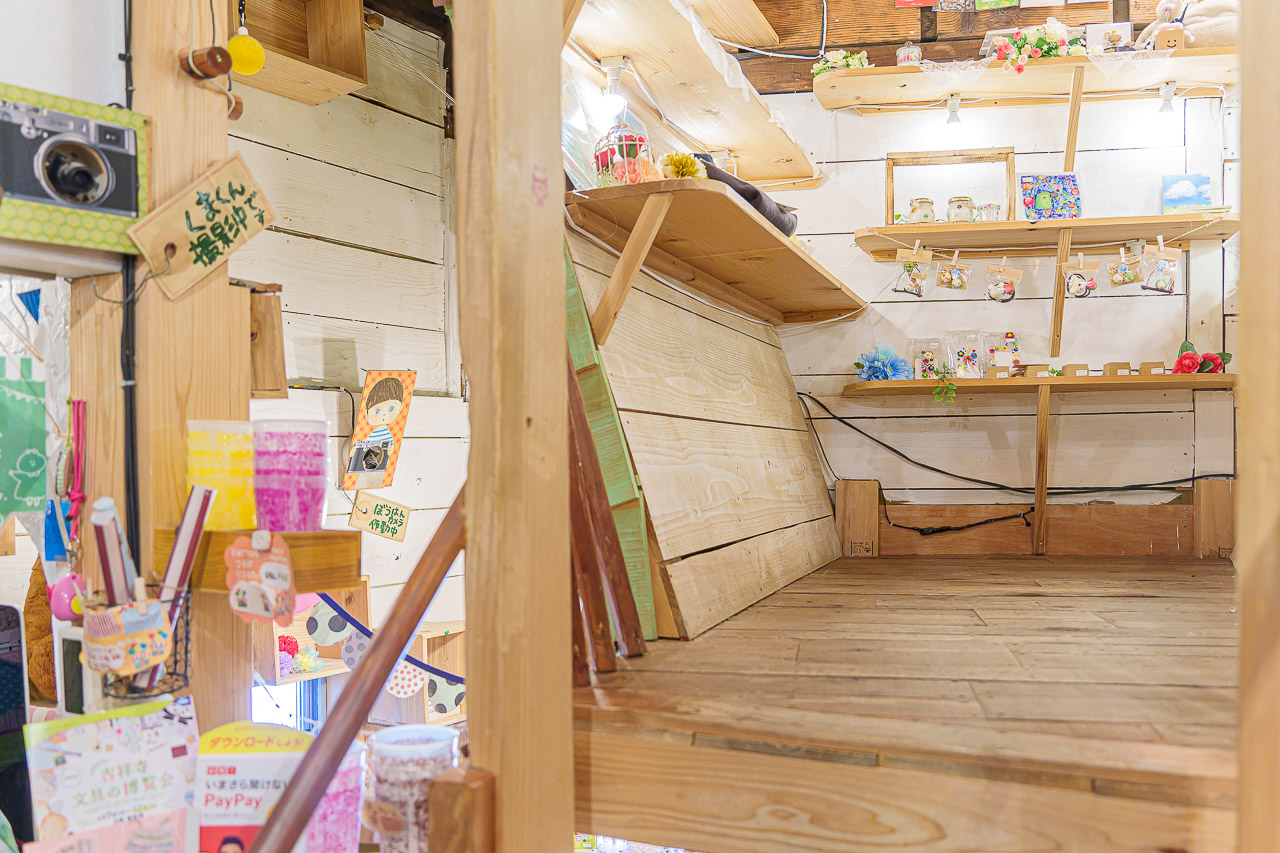

The third floor felt like a little attic; its creaking made me worry jokingly about it collapsing.
It brought back memories of making secret hideouts as a child.

Cute little goods filled the space.
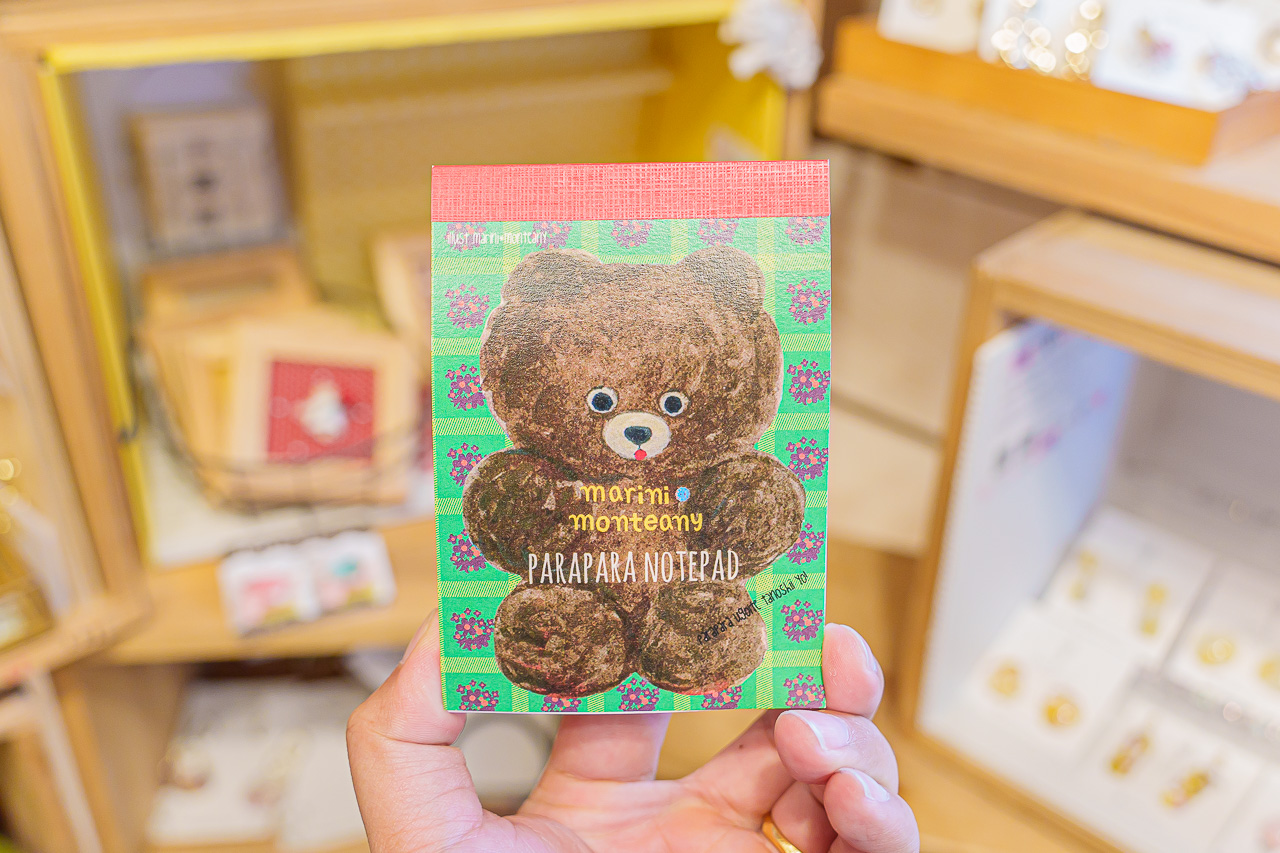
A bear notebook.
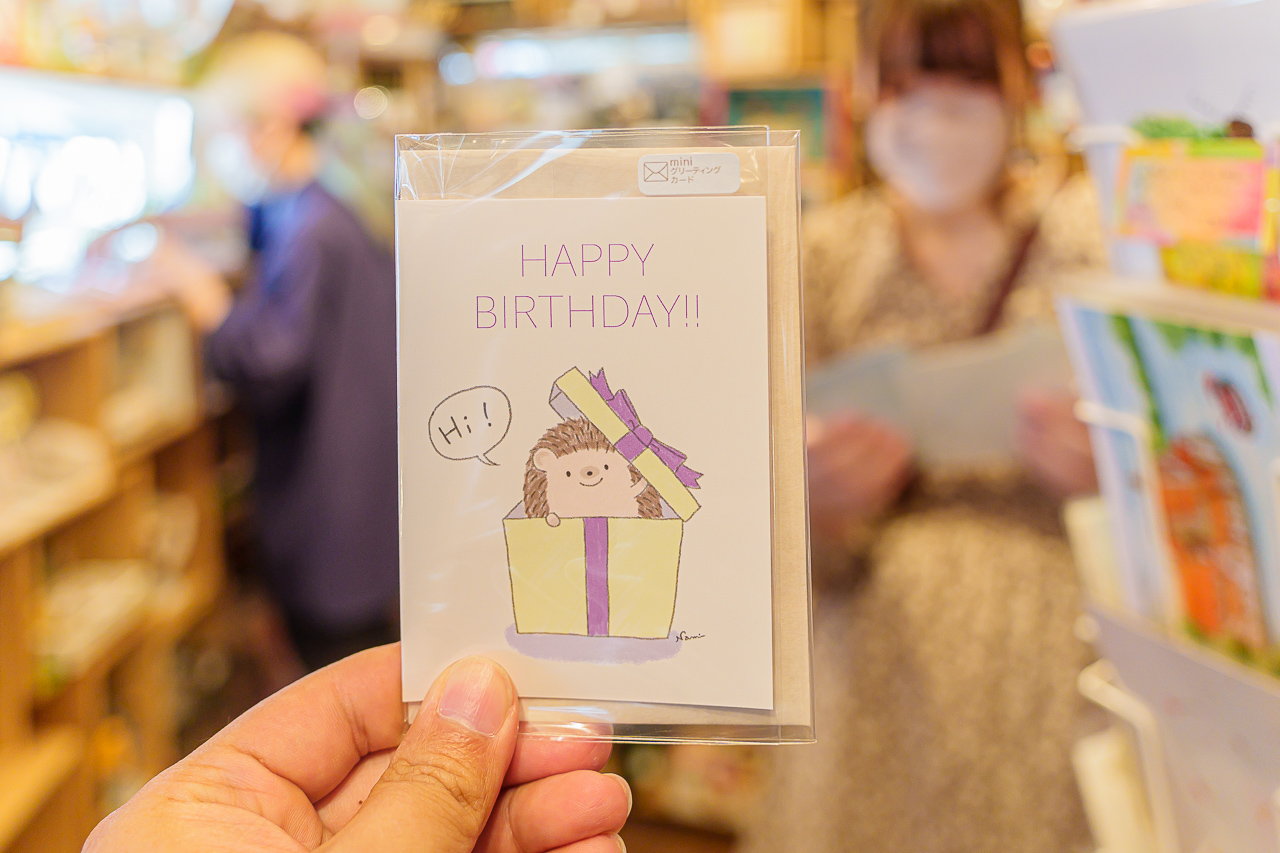
Birthday cards.
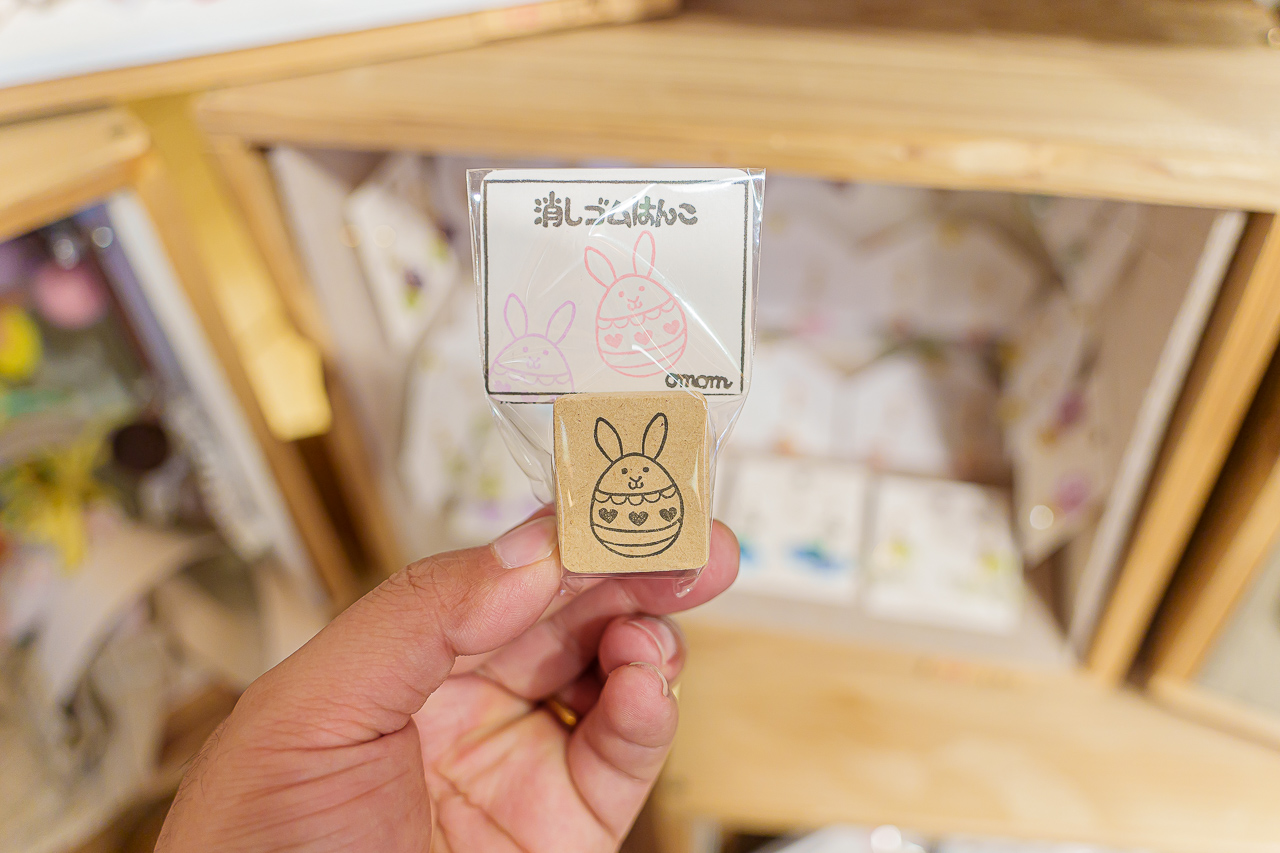
Little rubber stamps too.
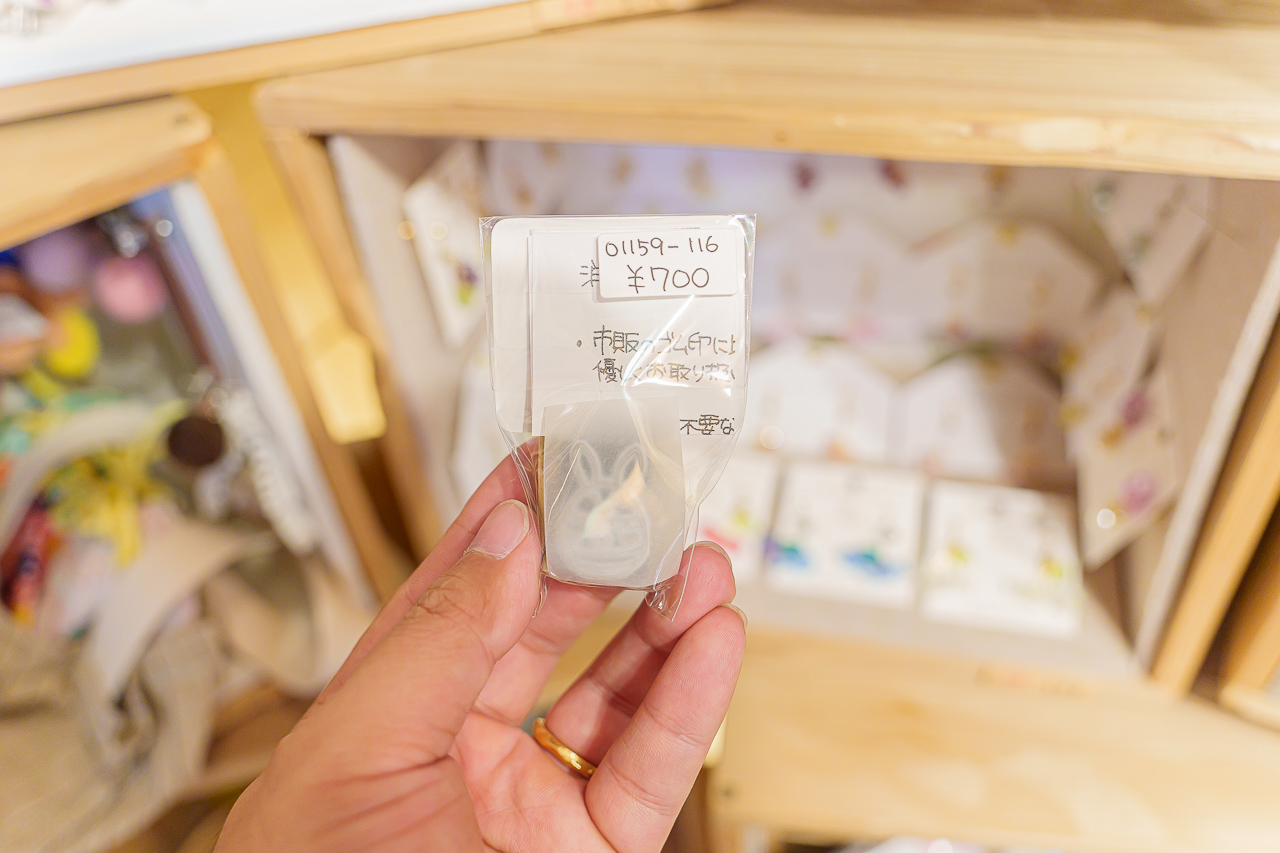
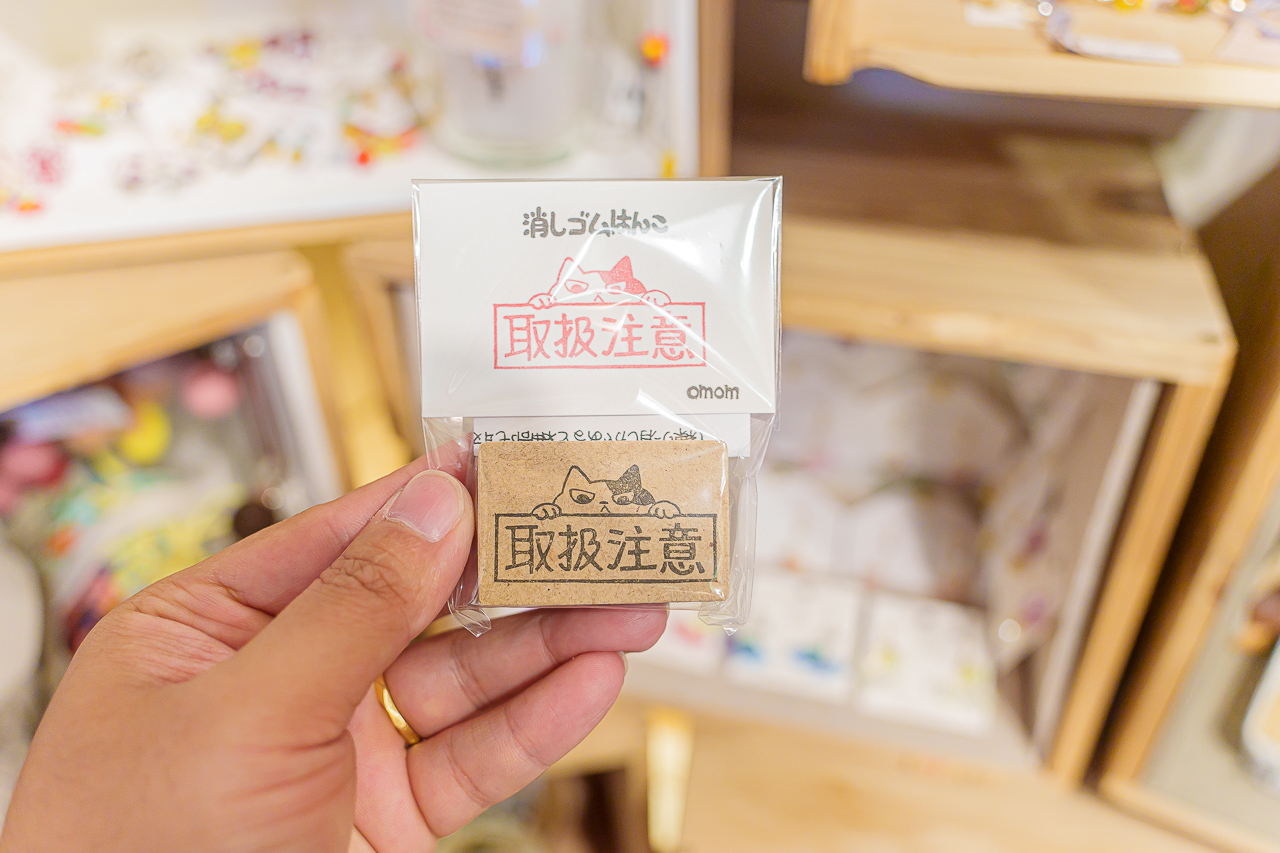
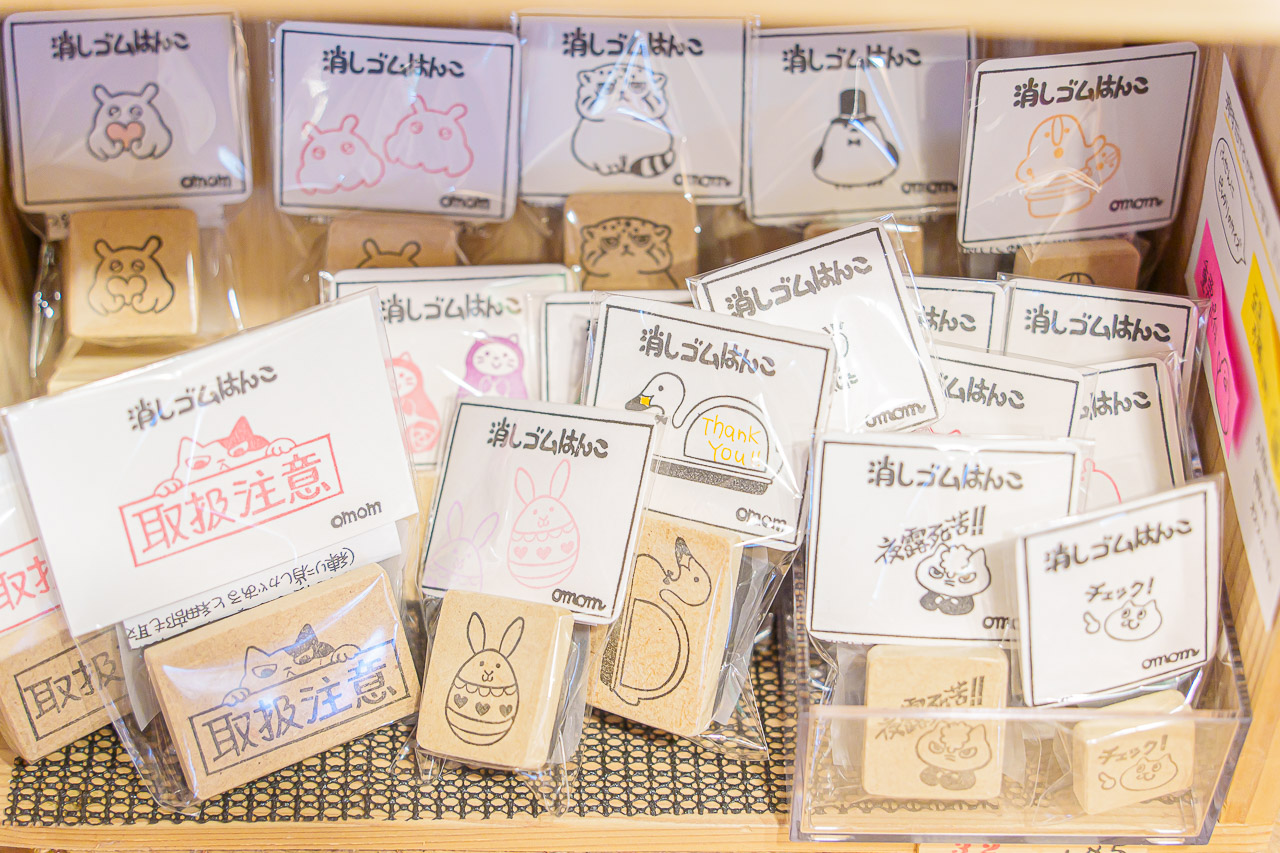
With stamps still common on Japanese company paperwork, I briefly thought of buying one for an office administration department.
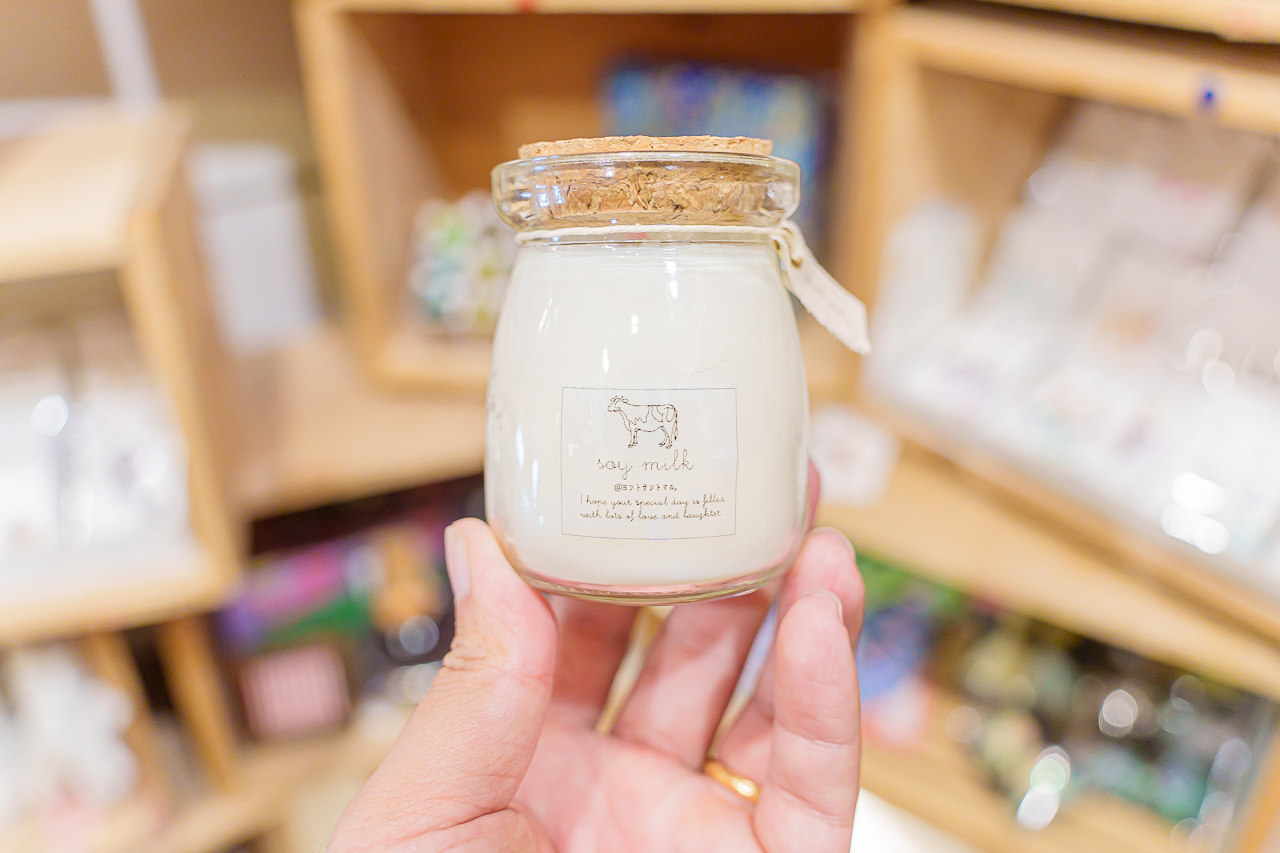
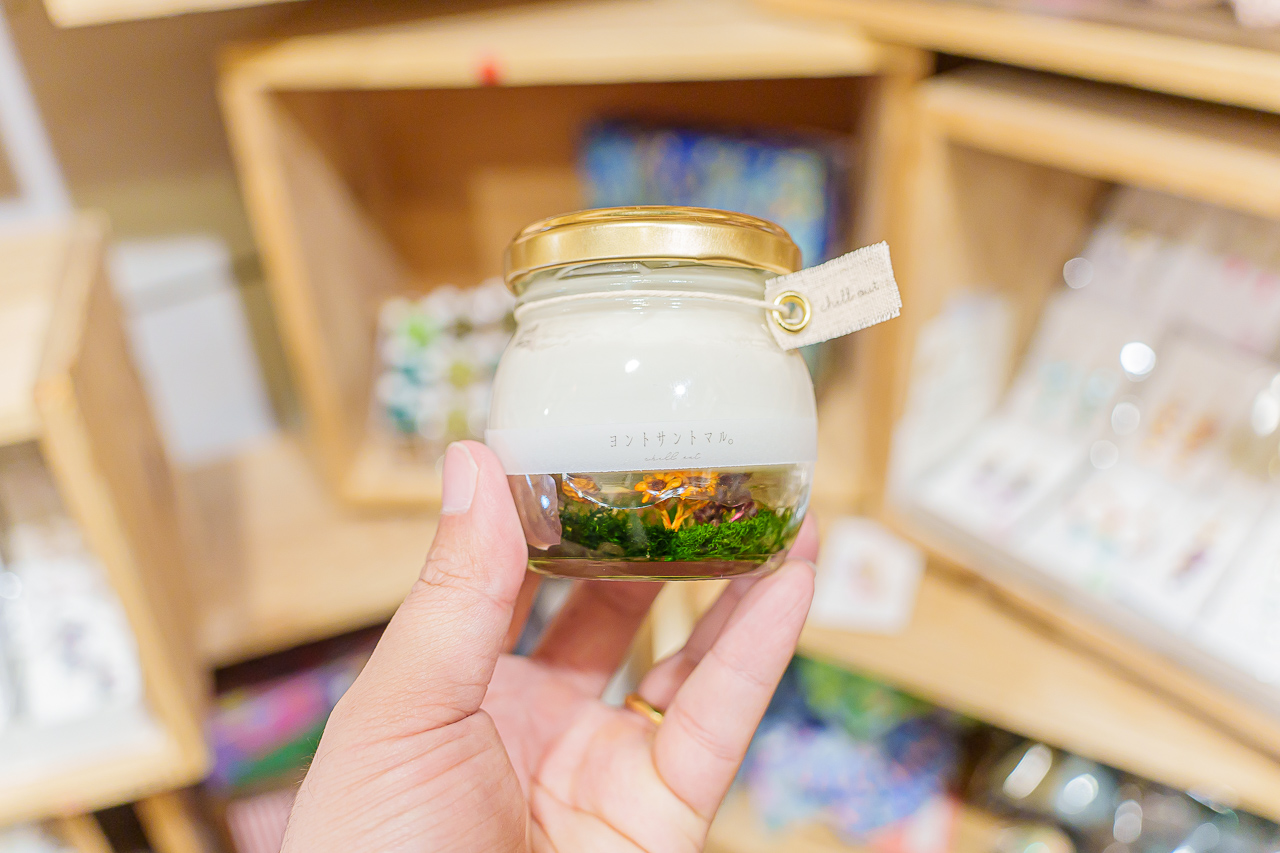
Probably scented candles.

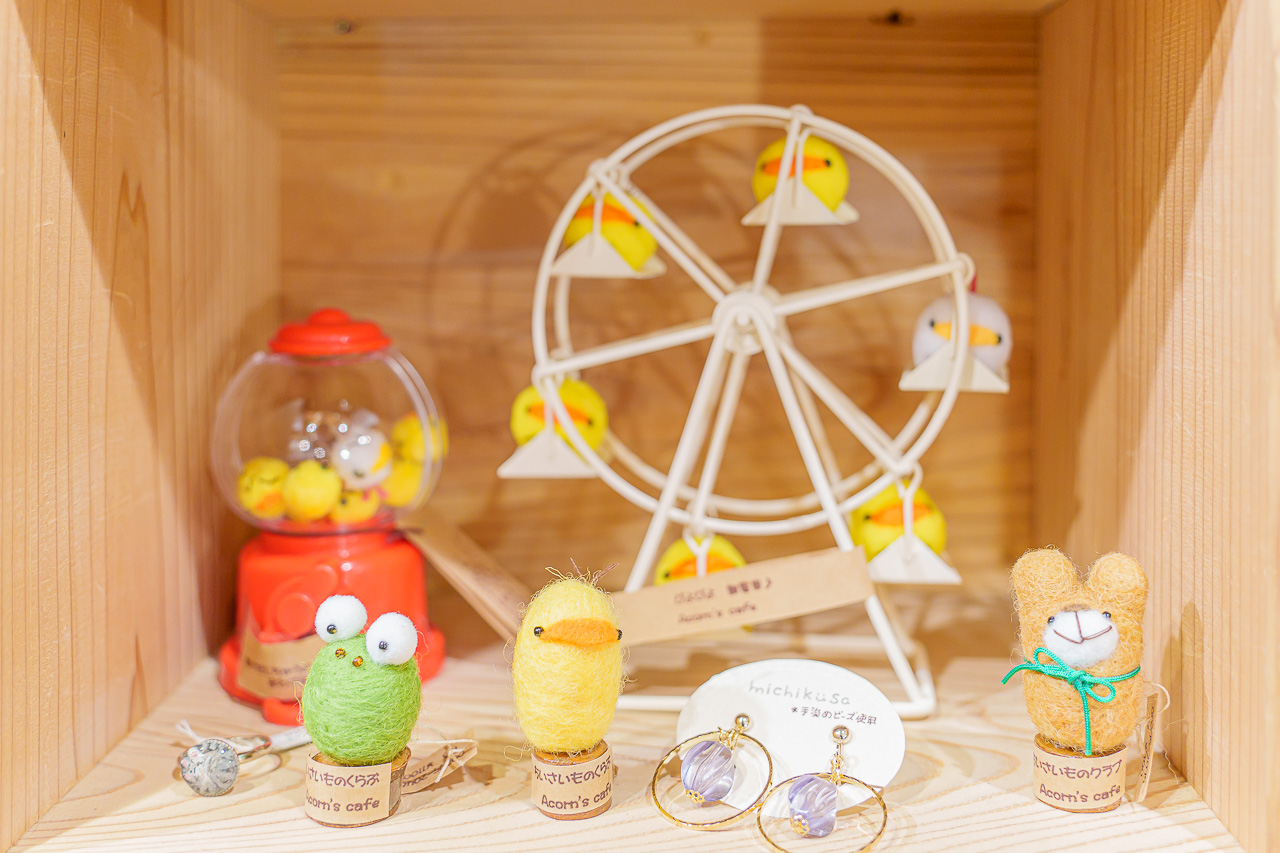
There were many tiny decorative items.
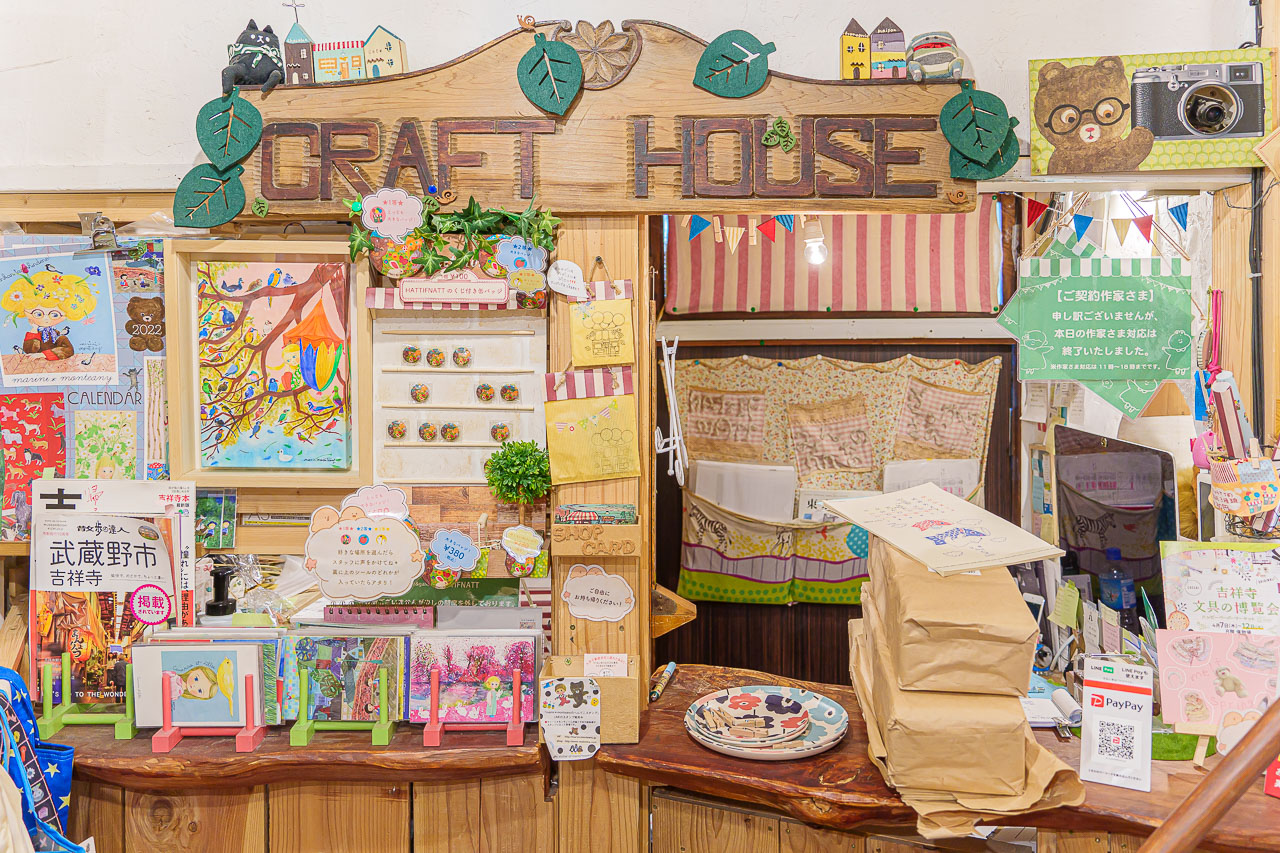
They seemed to be made and sold by a craft-house operation.
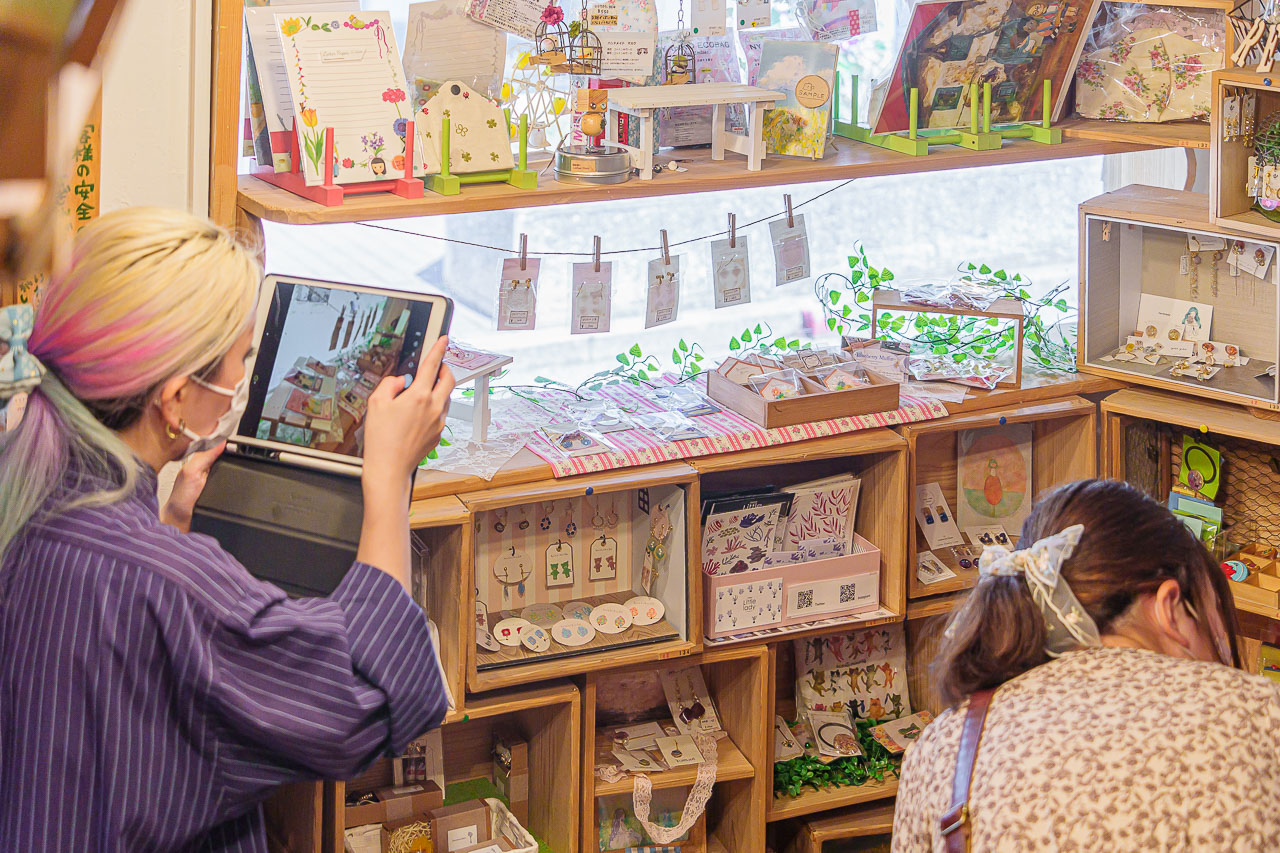
A staff member was photographing products, perhaps for an online shop.
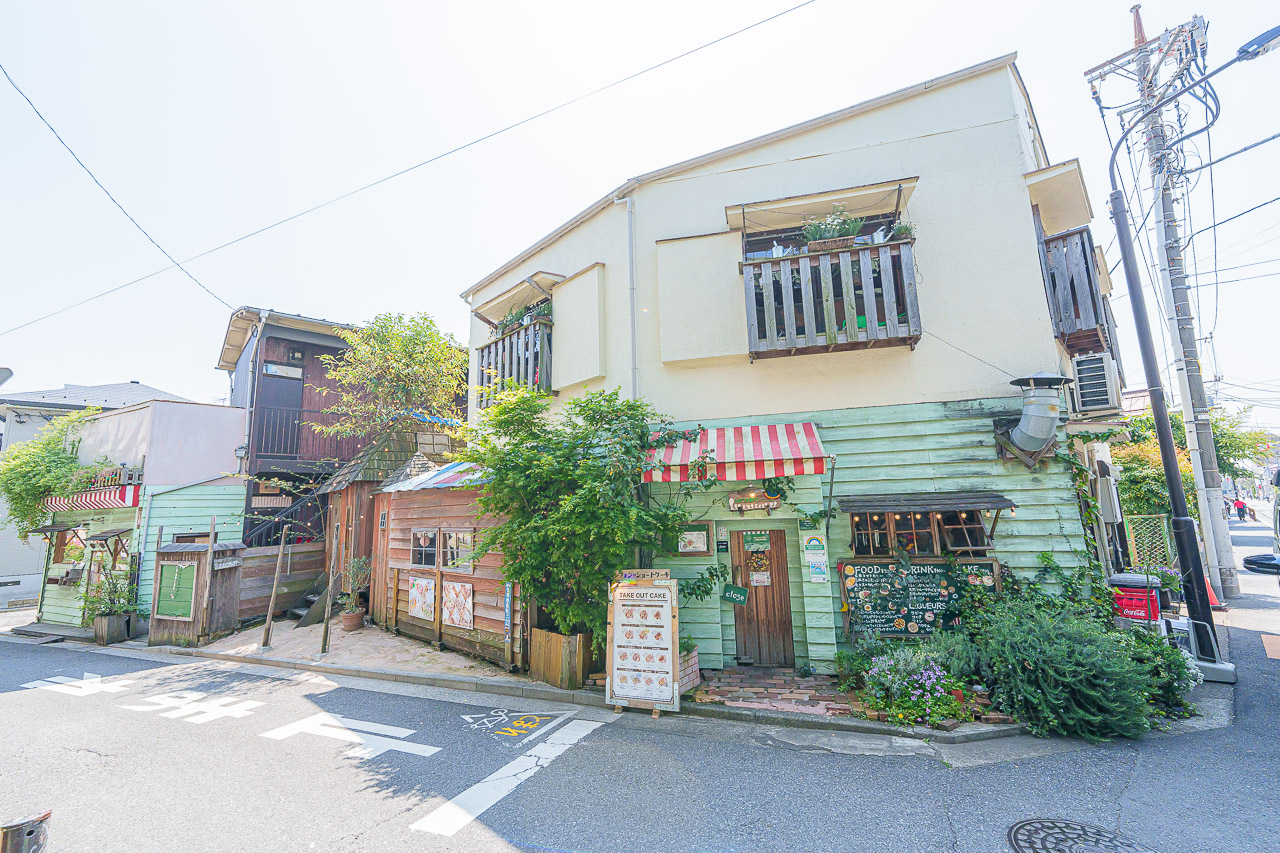
After we browsed, we heard the café was nearly ready and went back outside.
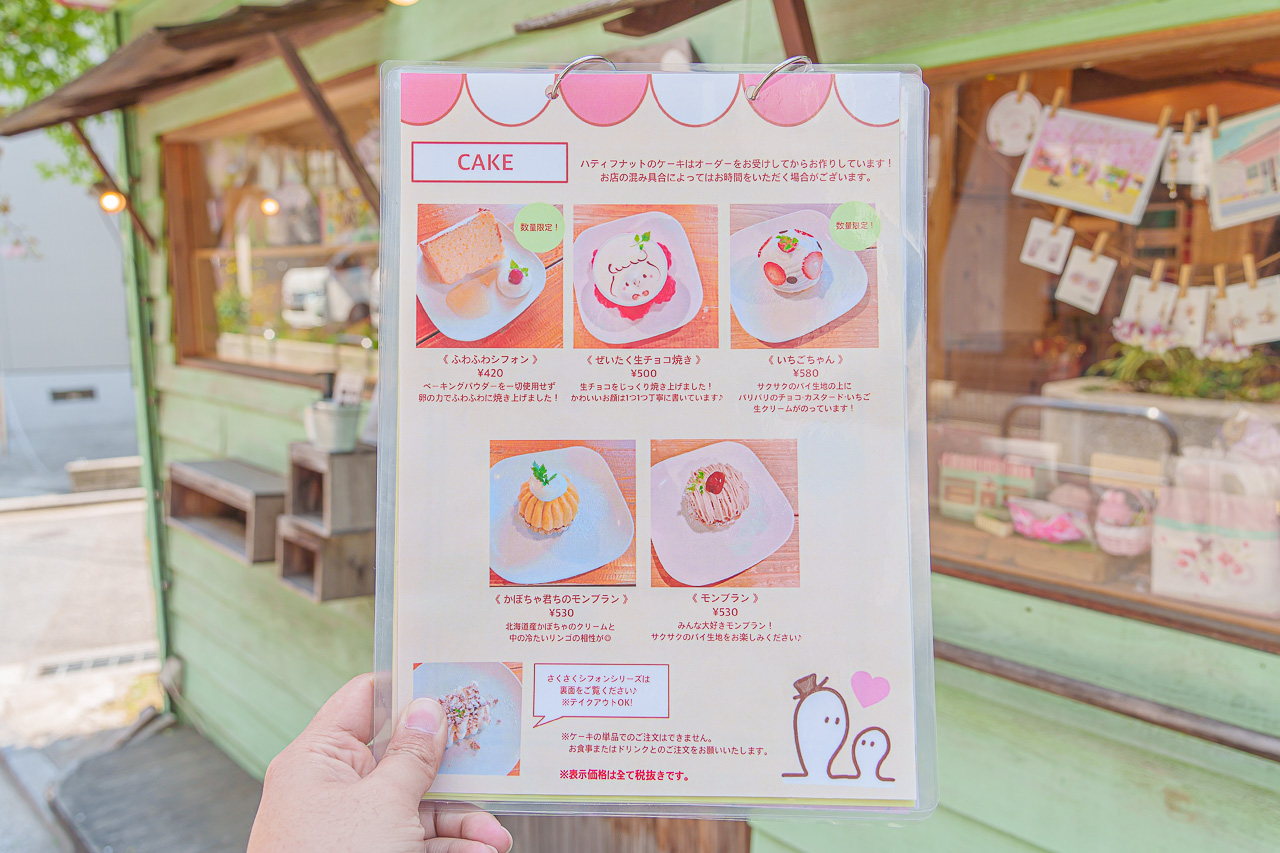
First, the menu.
Desserts included tarts and Mont Blanc-style cakes. I chose Ichigo-chan, a limited seasonal and quantity item with white cream and strawberries on a Mont Blanc-style base.
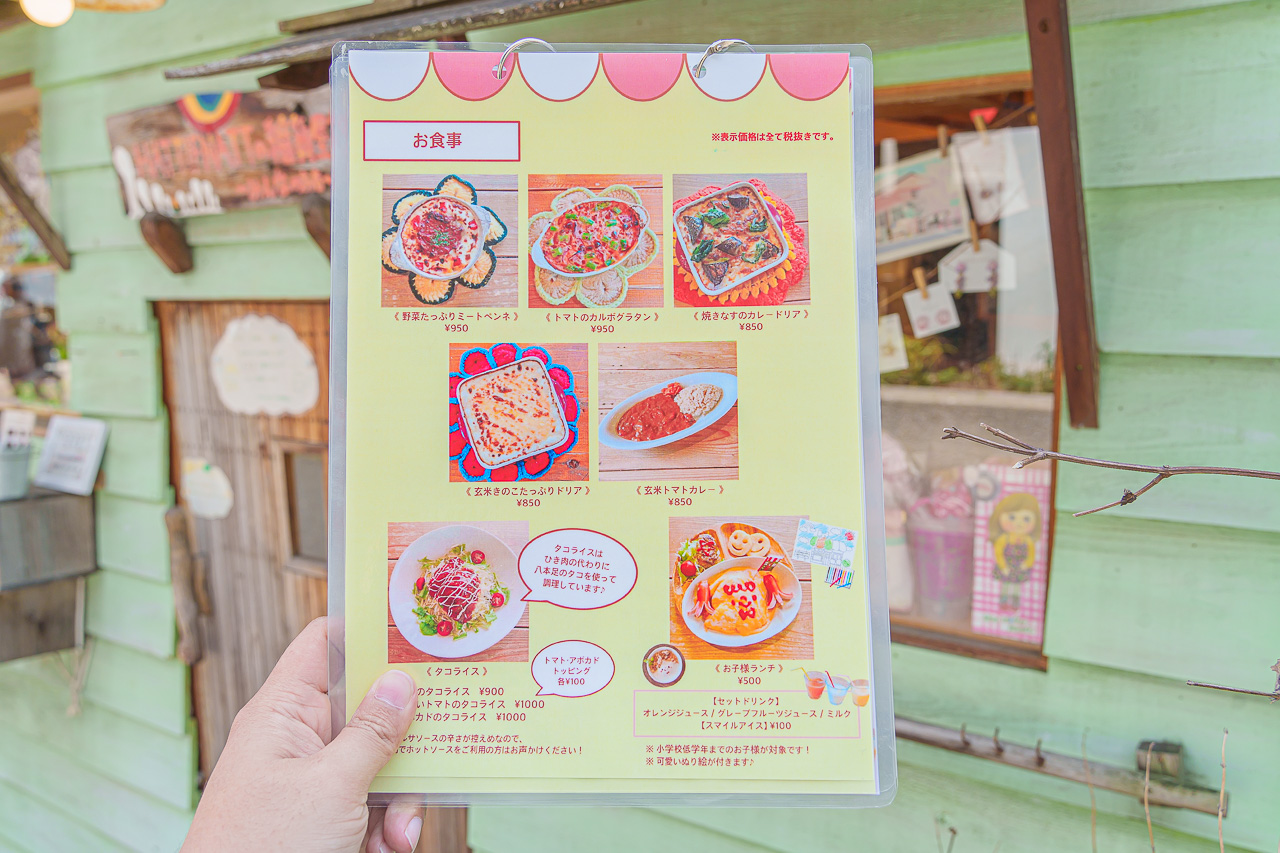
Meals were available too.
I noticed doria, curry, and taco rice.

There were sides to add to a meal and pizzas,
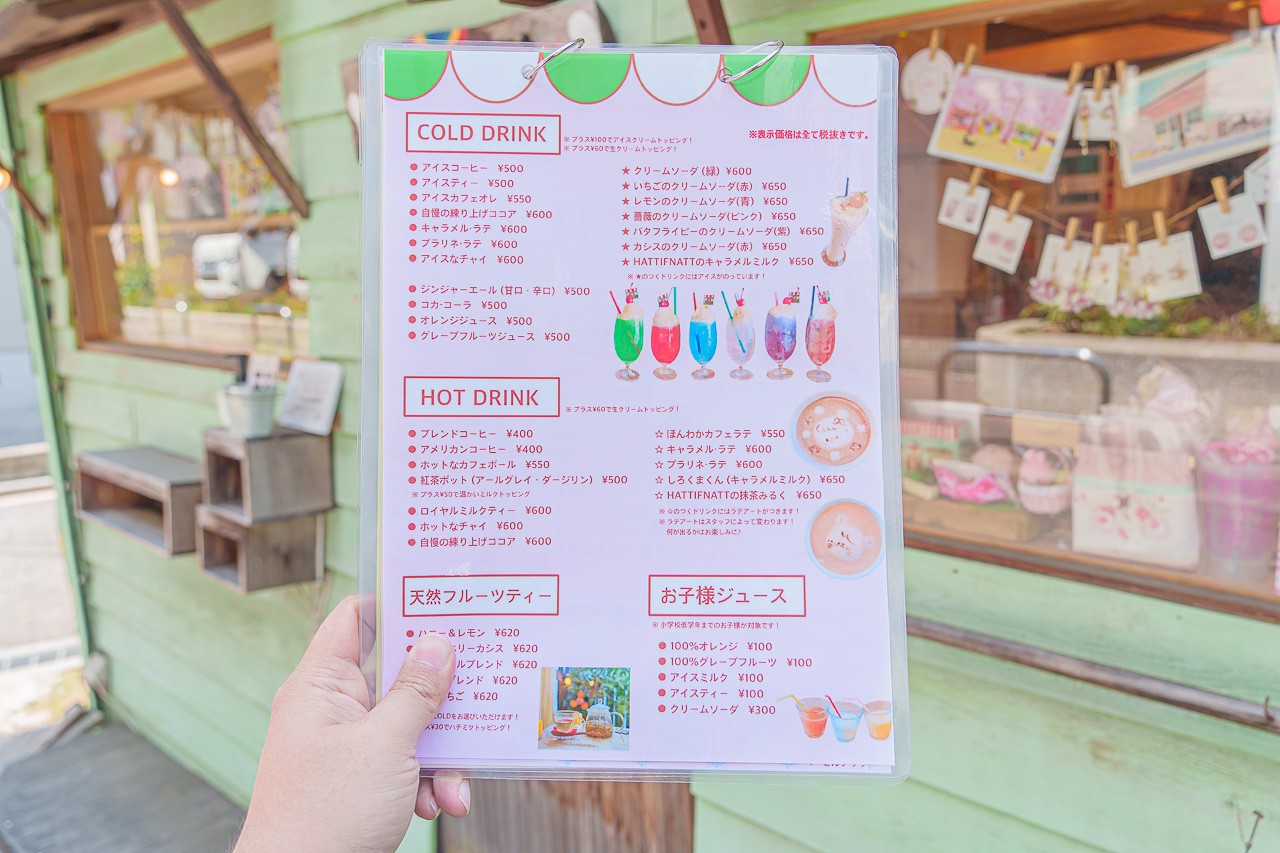
plus drinks.
I had expected concept-café prices to be high, so the relatively affordable menu surprised me.
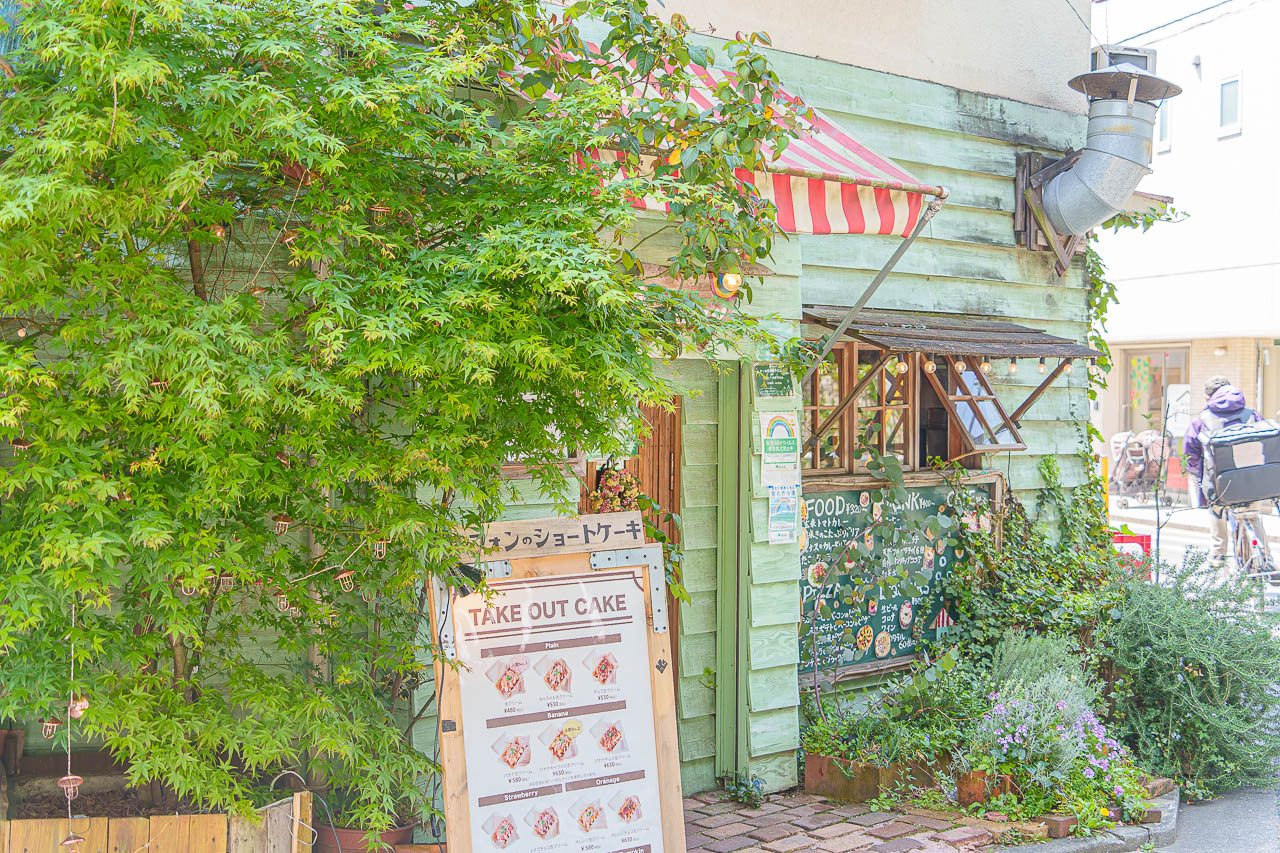

Inside, the natural-wood interior felt like a log cabin.
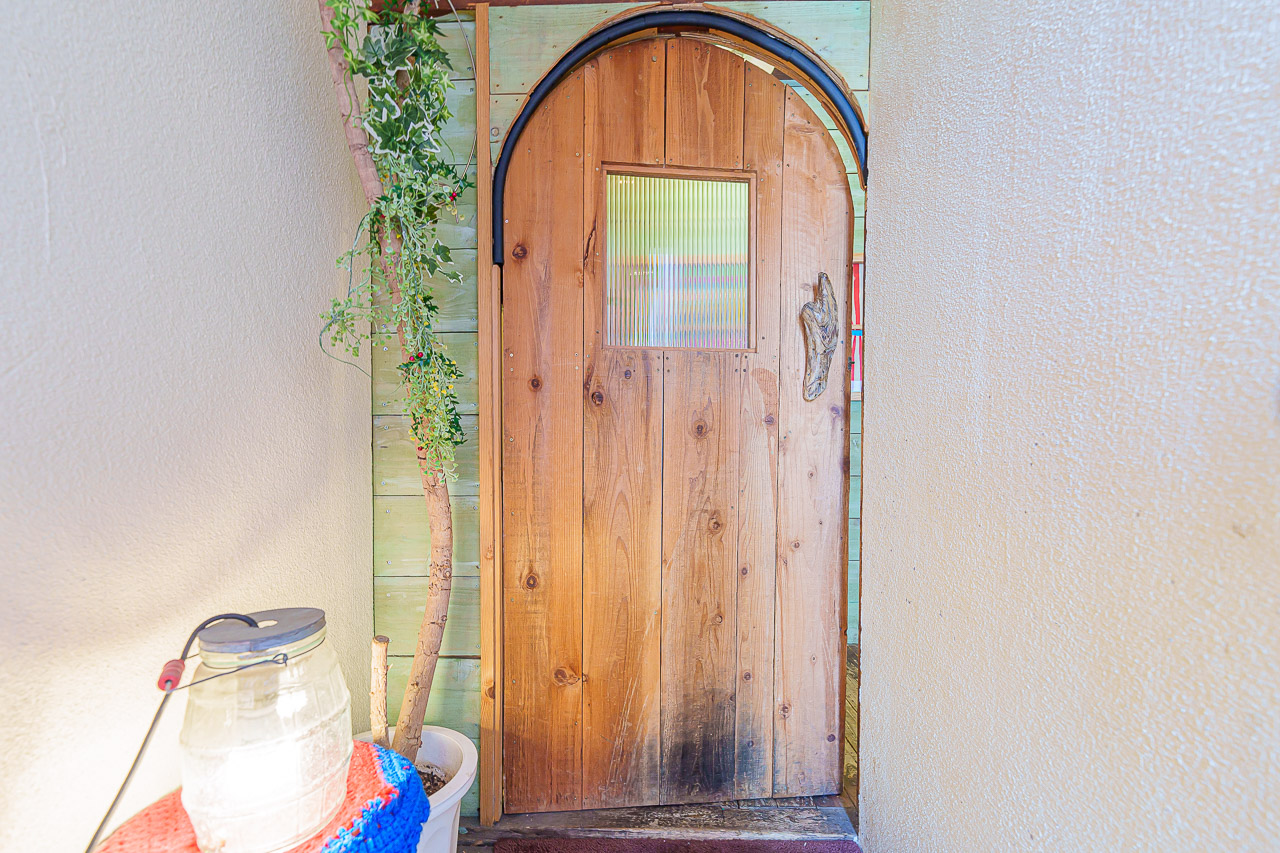
Even the doors looked like something from a fairy tale.
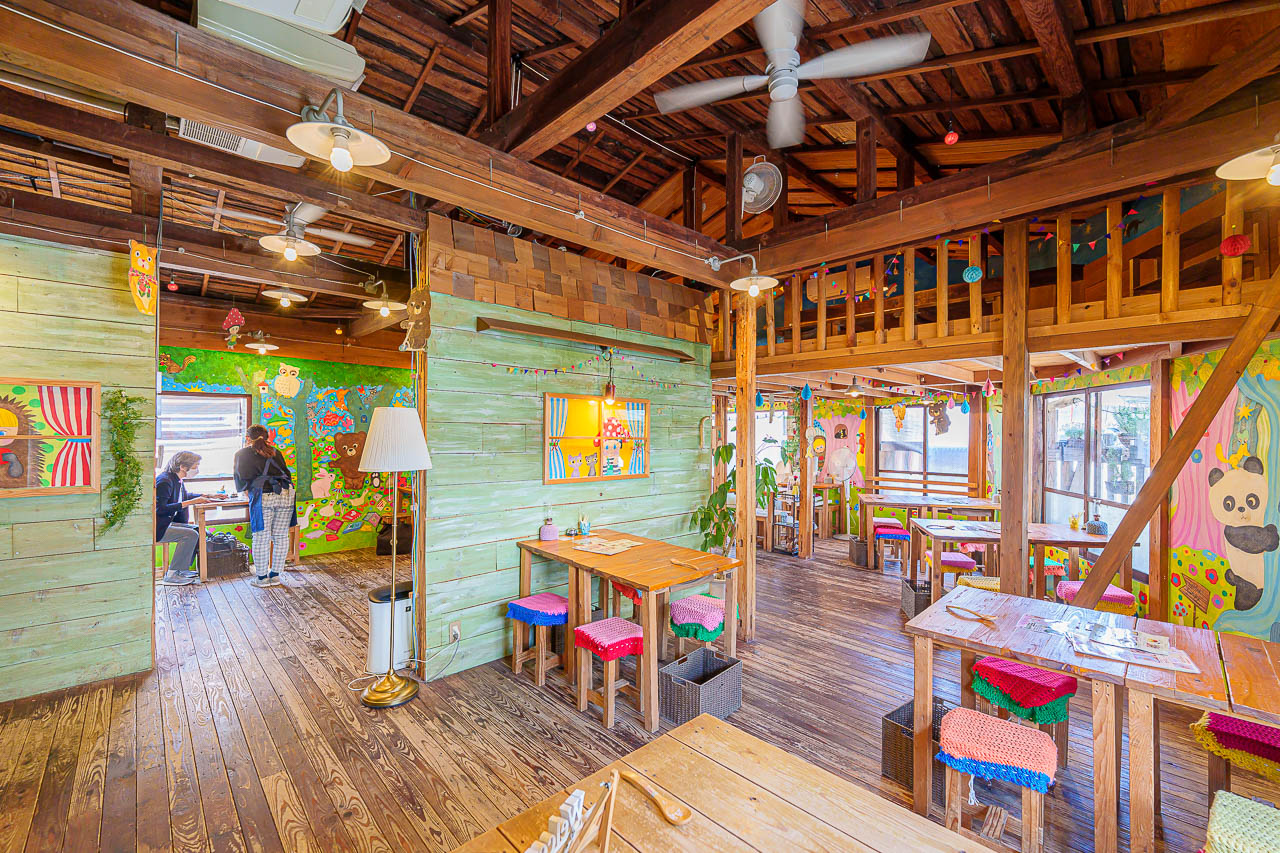
Seating was on the second floor, whose walls were covered in little illustrations.

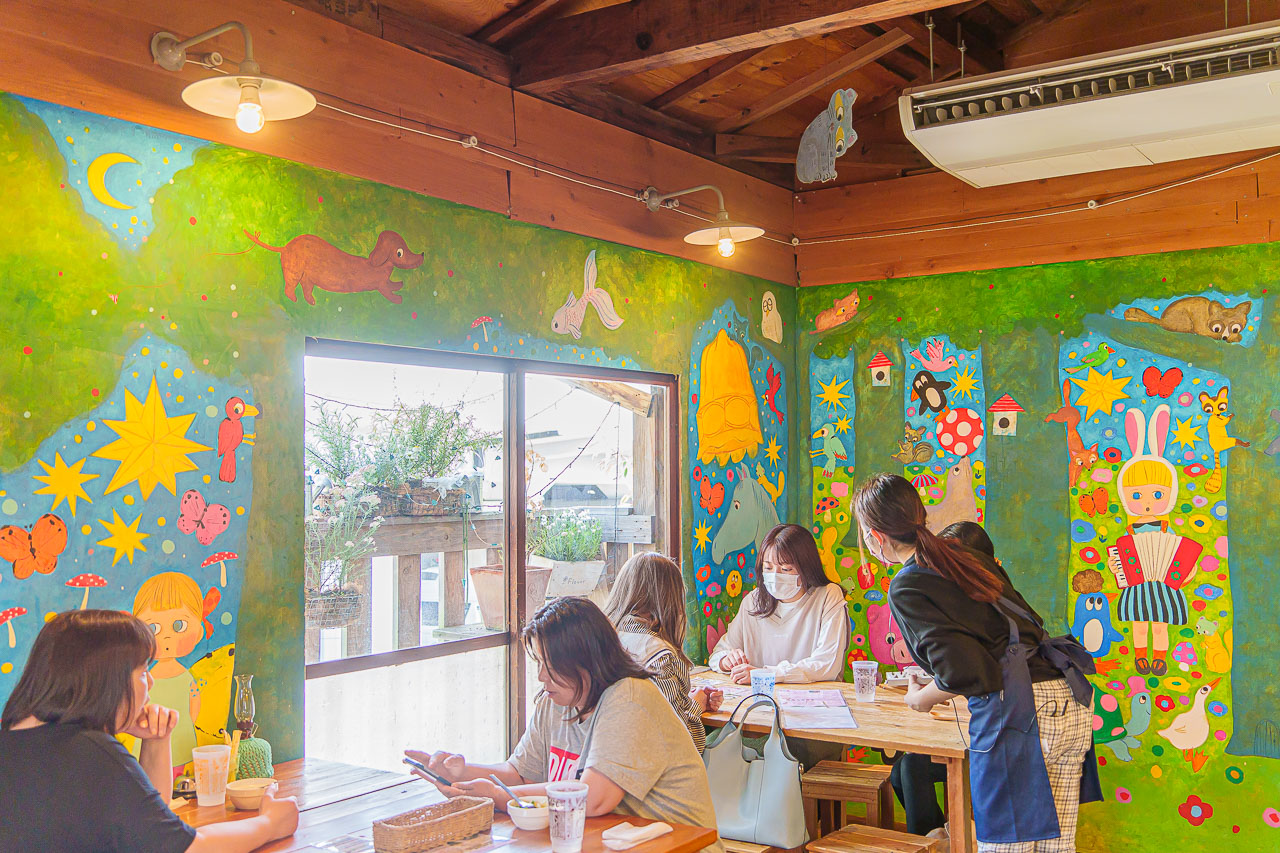
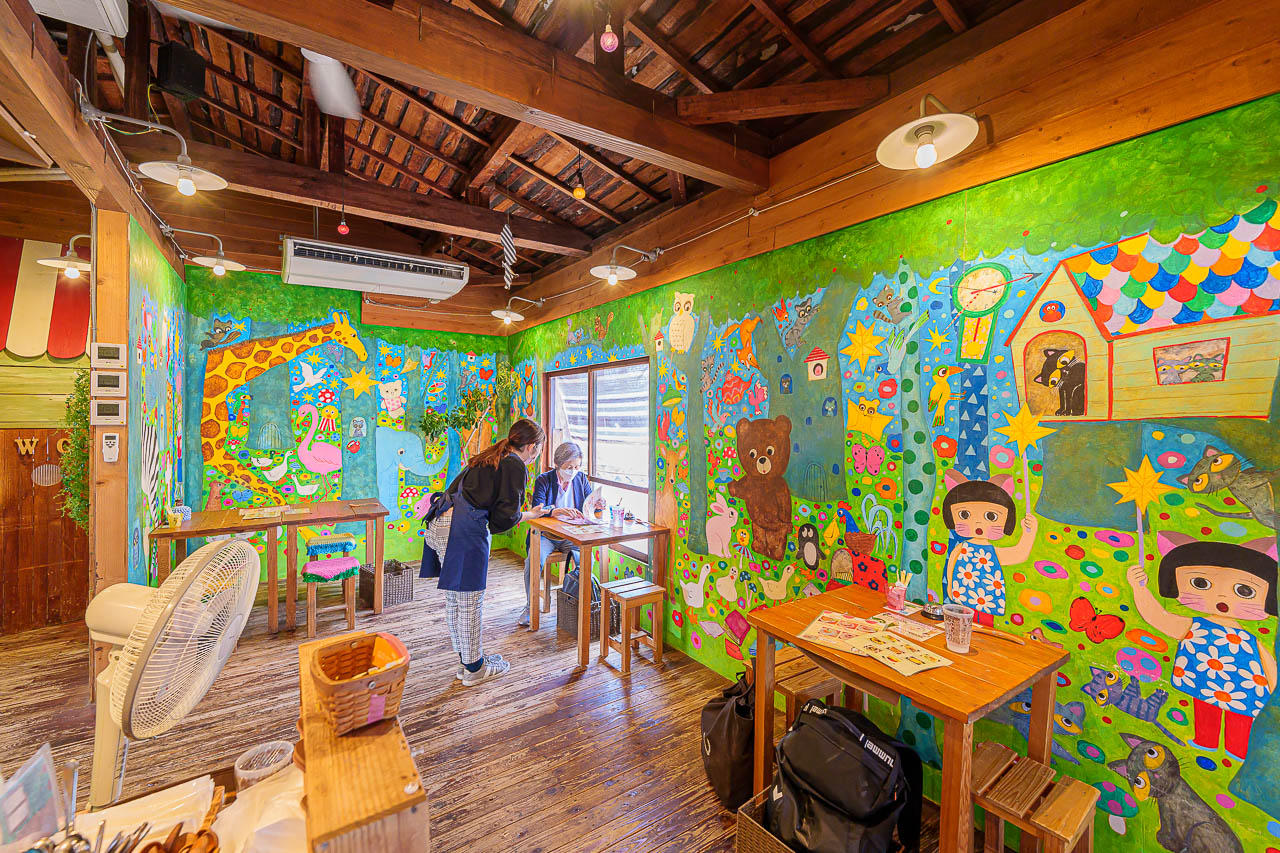
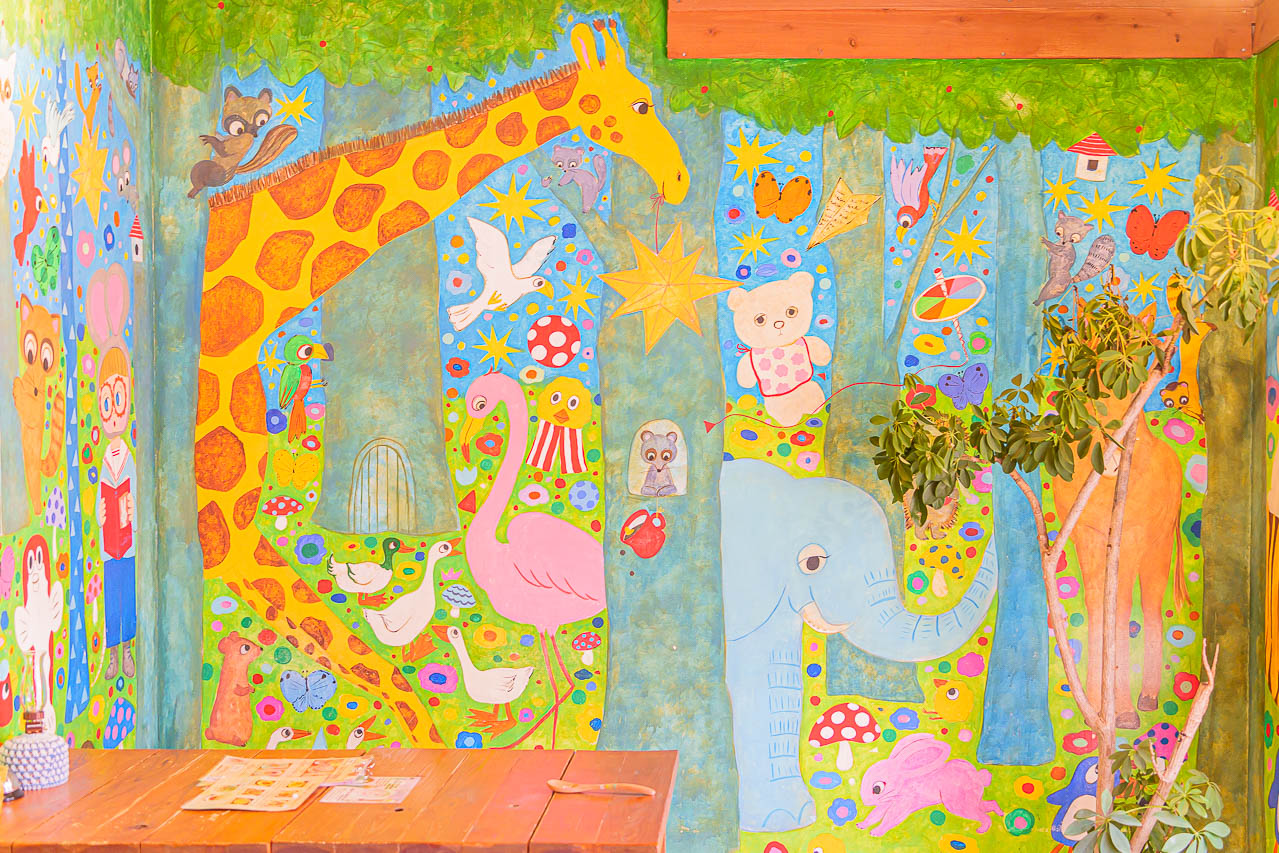
With murals everywhere and children’s hymns playing, it felt like entering a storybook cottage.
It seemed that almost any photo taken here with friends would turn out well.
We were told the owner’s father, a skilled carpenter, designed and built the café himself.
The murals were by marini*monteany, a team working on picture-book illustrations and product designs.
The source describes them as a well-known team that had also exhibited in Busan.
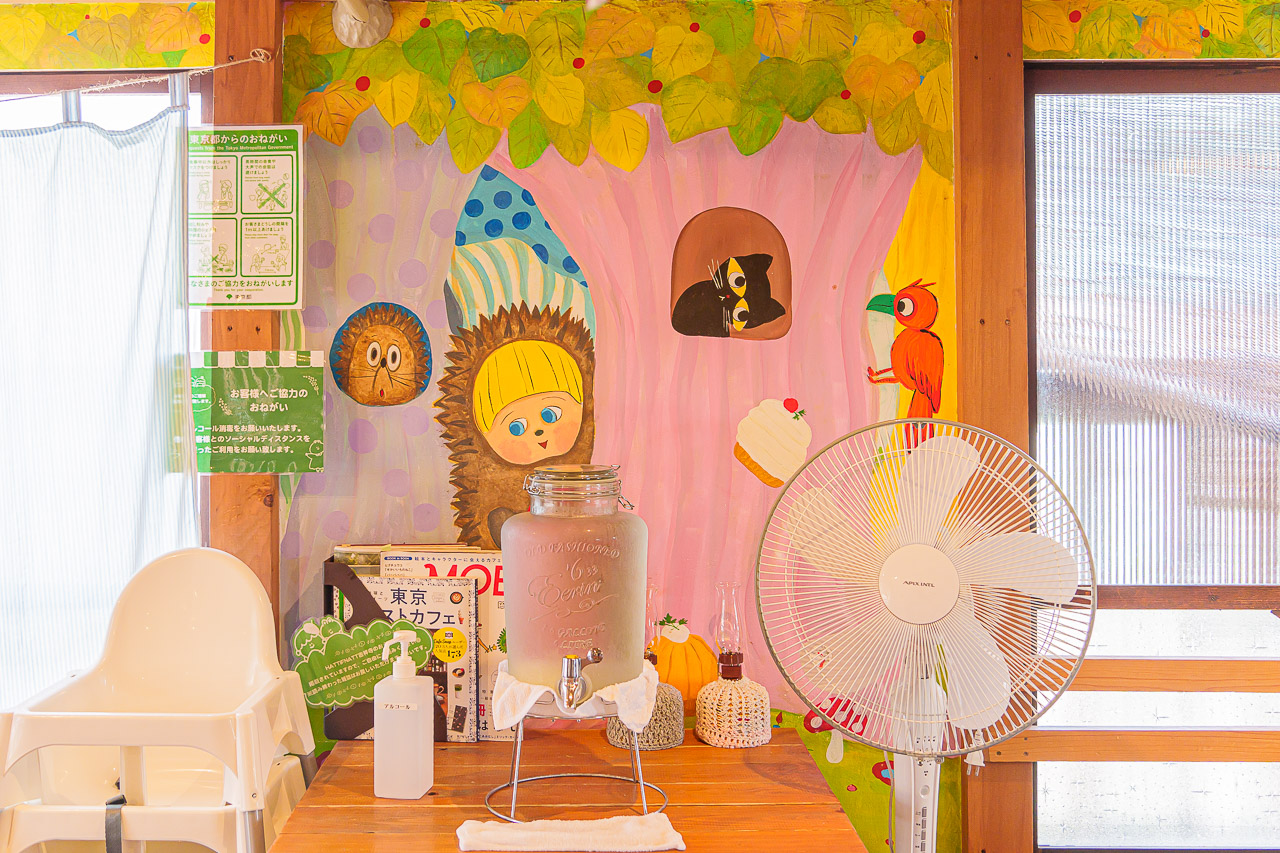
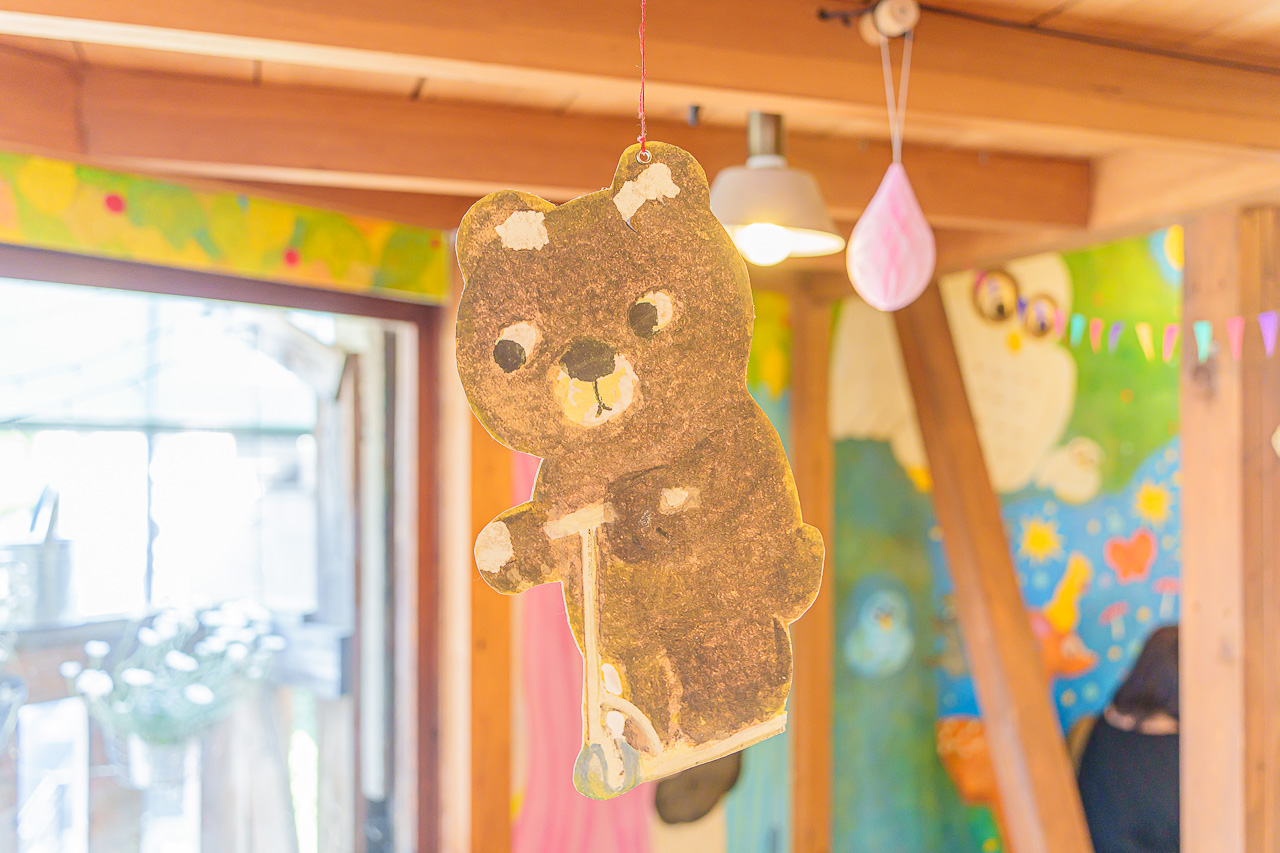
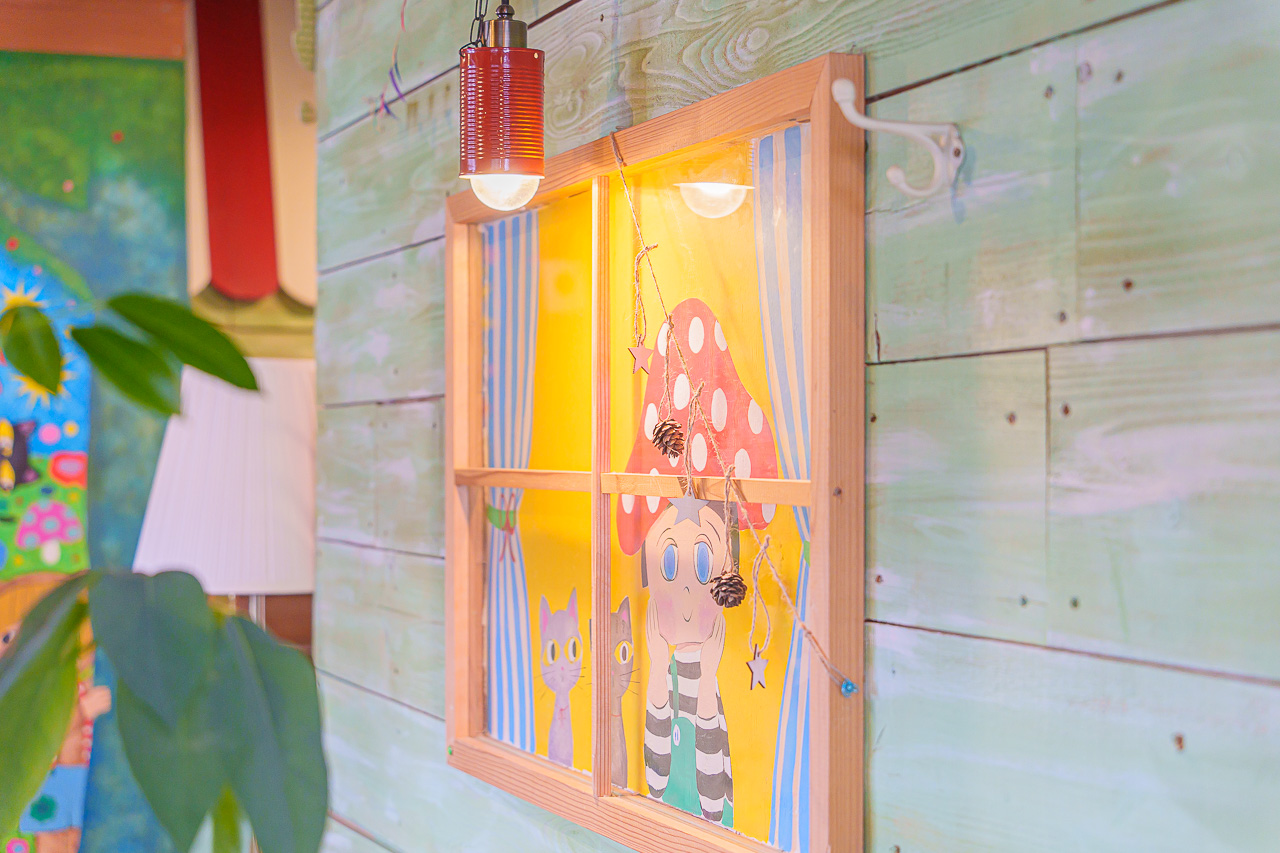
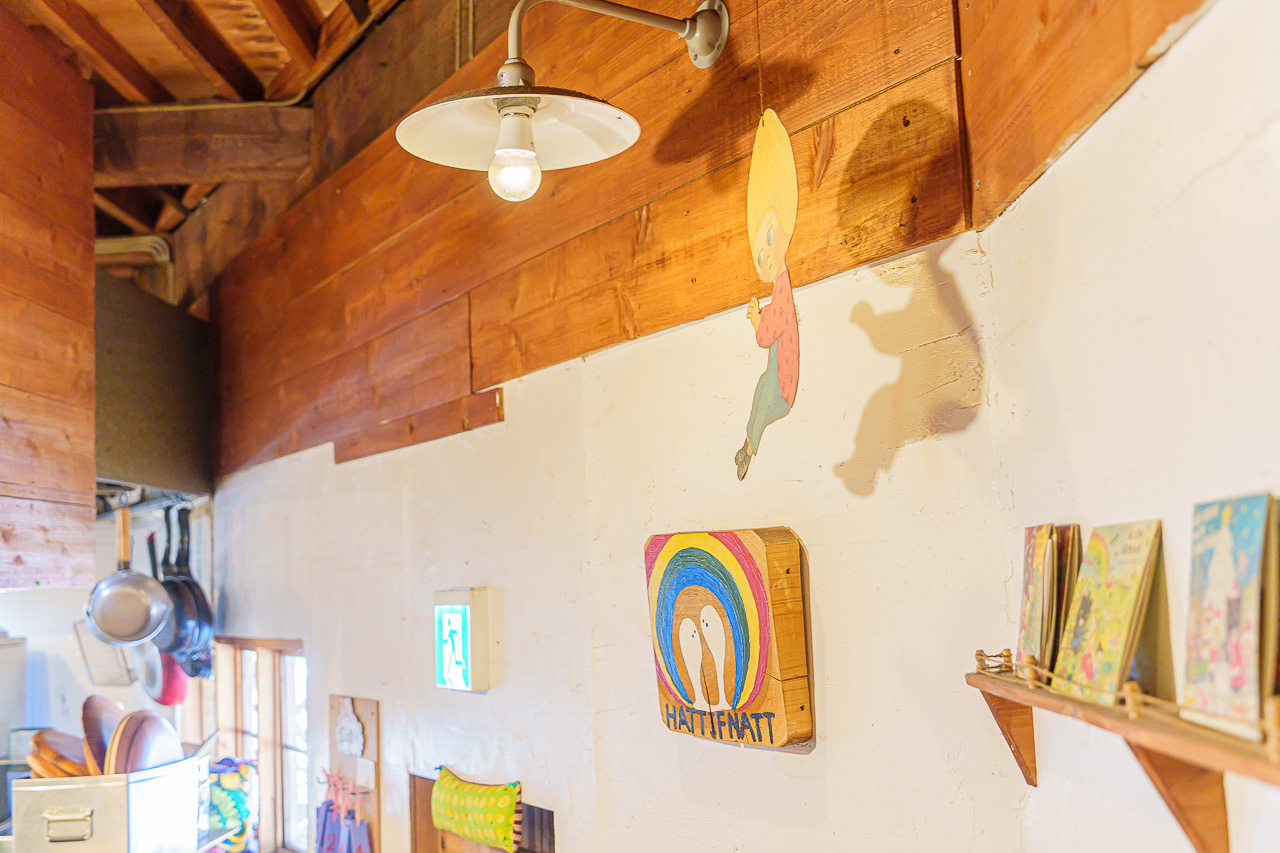
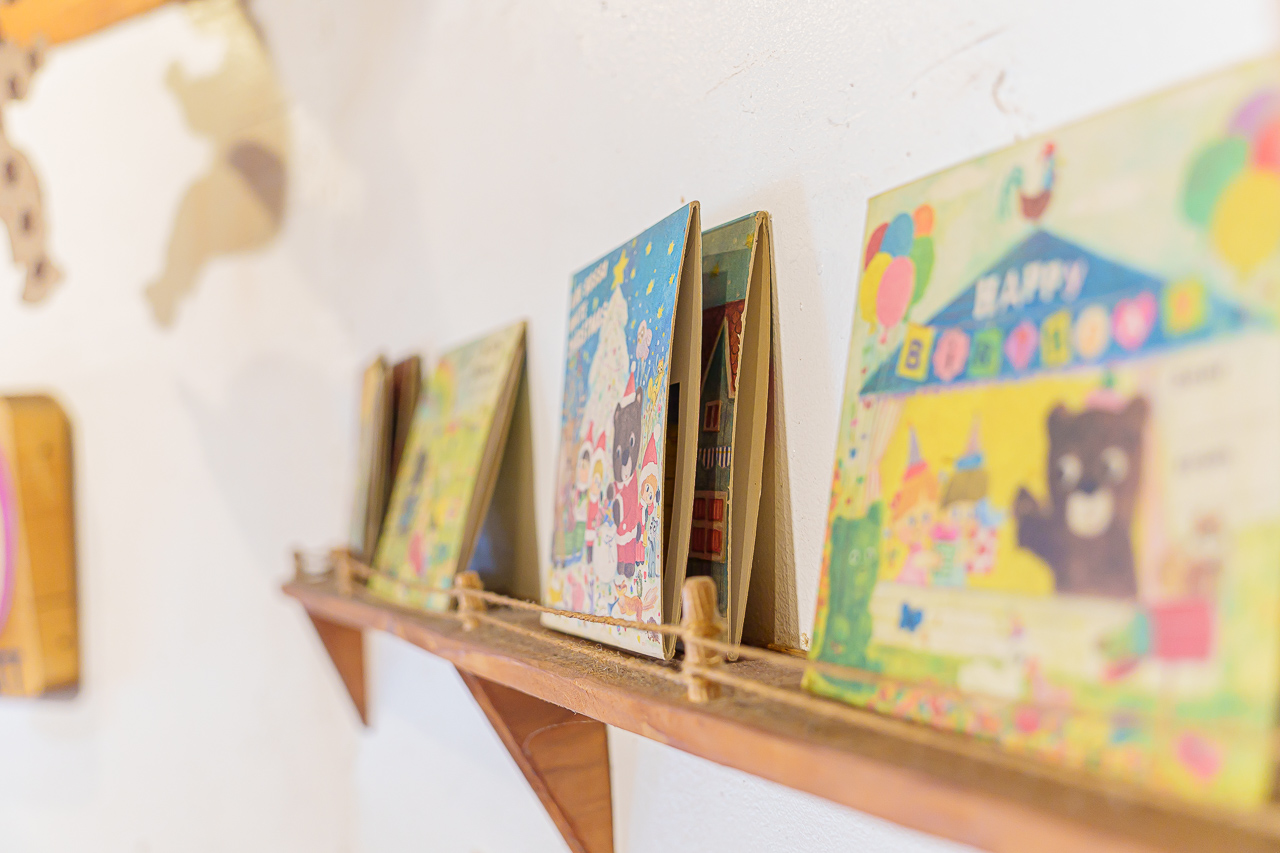
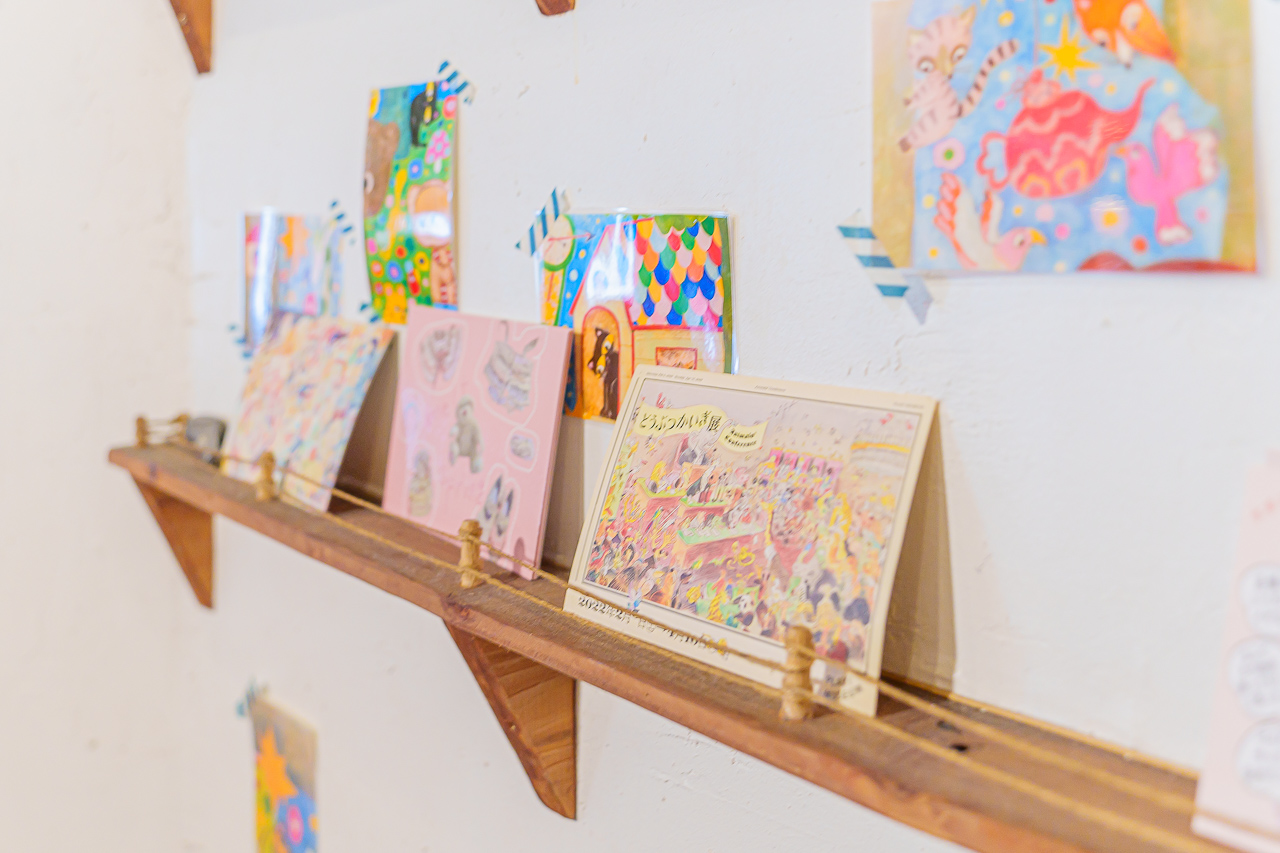
It seemed a café children would love, with an interior adults might enjoy even more.
Cute details appeared everywhere.
Looking at them one by one was part of the fun.
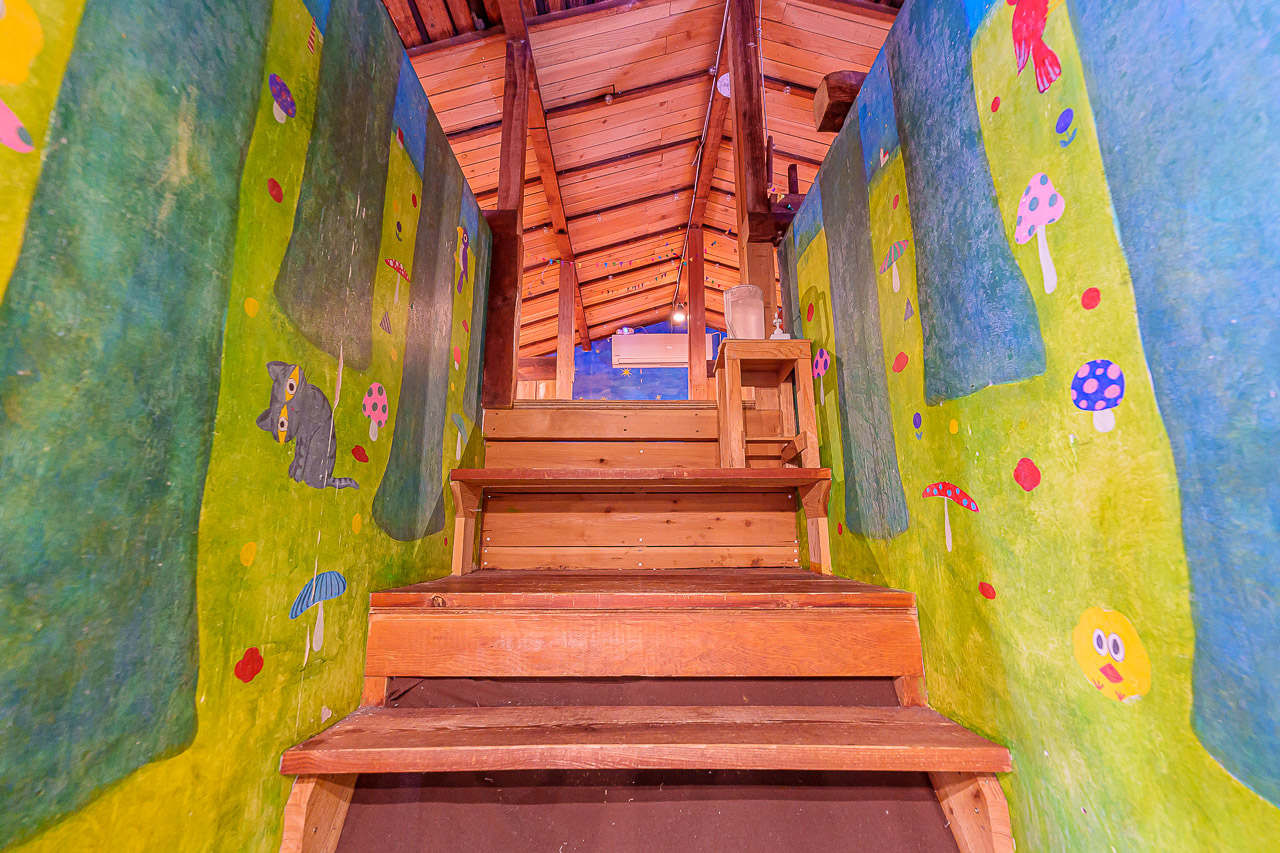
There were stairs further up, so I explored.
We had to remove our shoes before going upstairs.
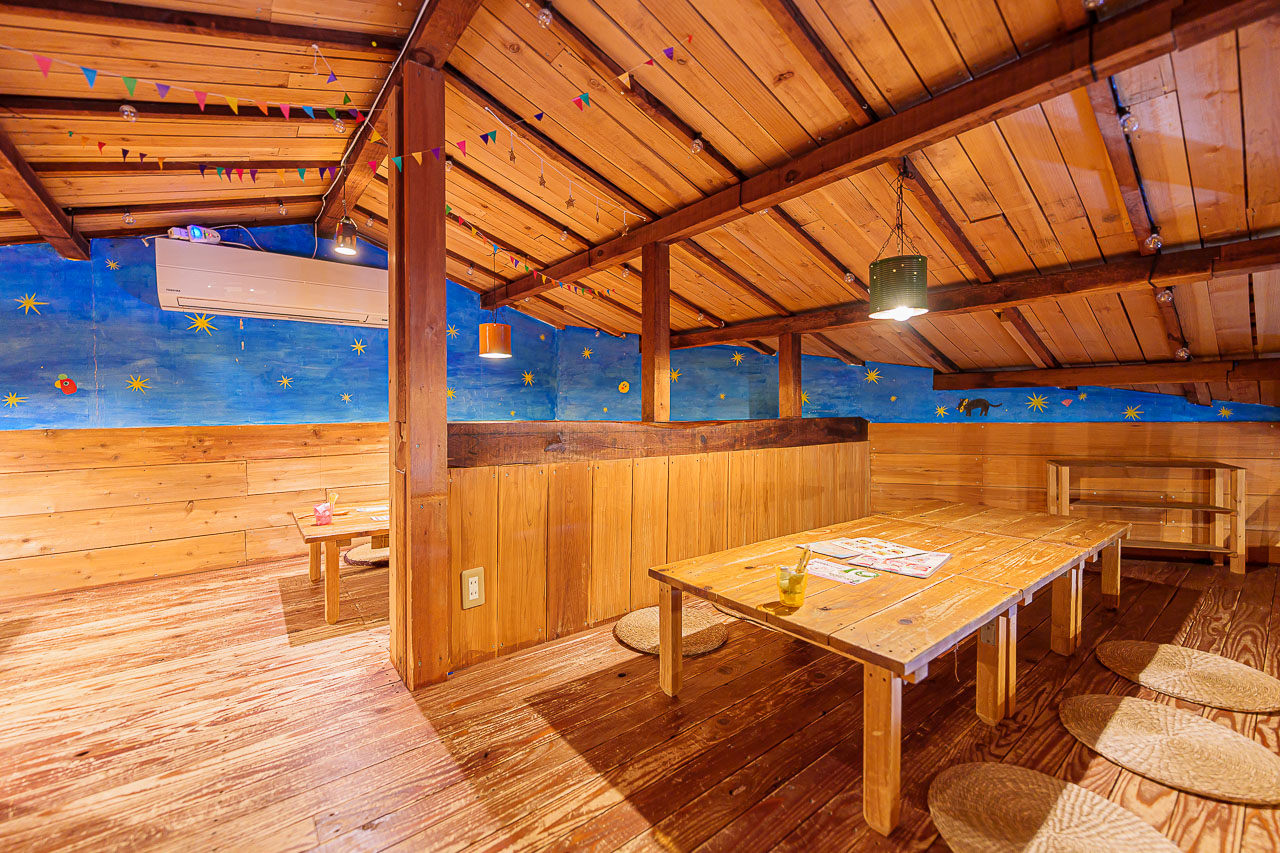
At the top was a space like a secret hideout.
Low tables made it seem suitable for visiting with children.
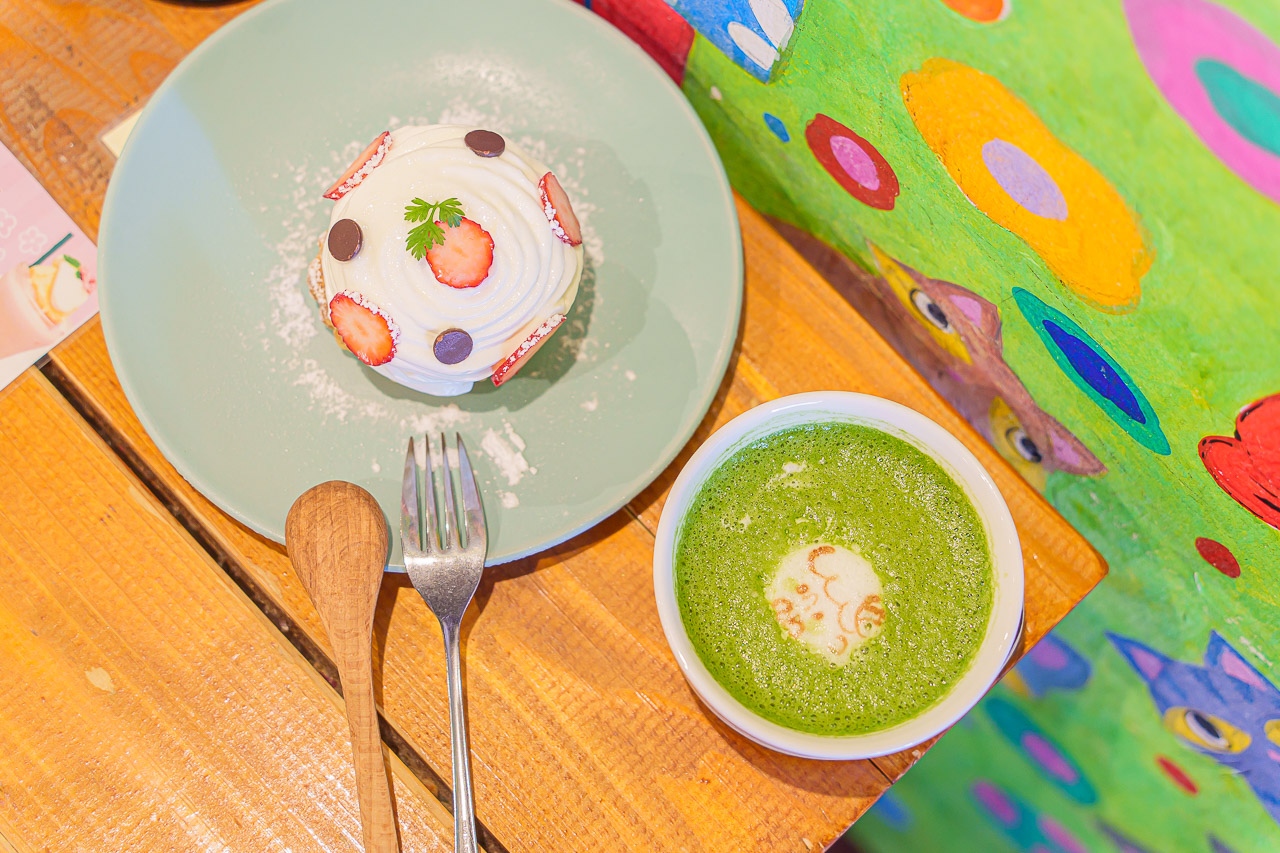
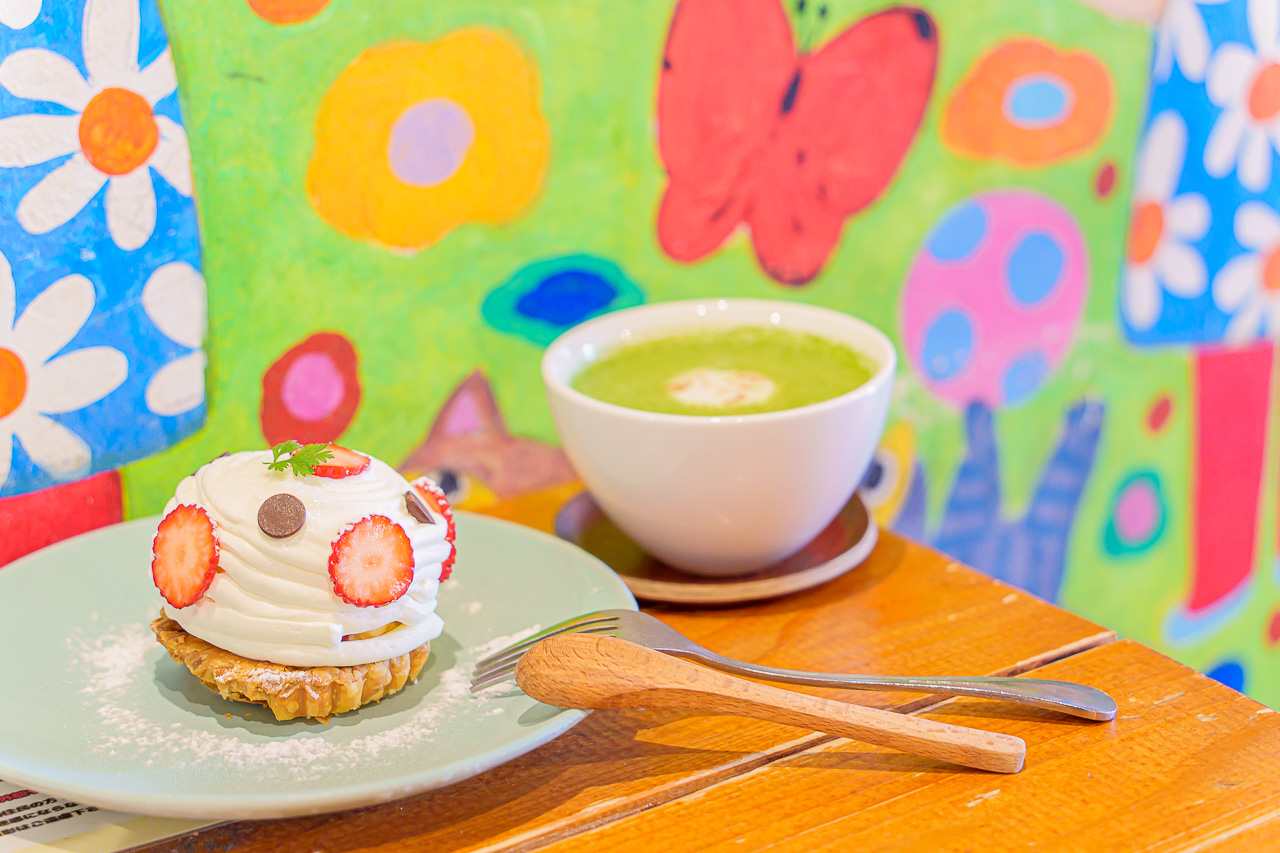
Our Ichigo-chan and matcha milk arrived.
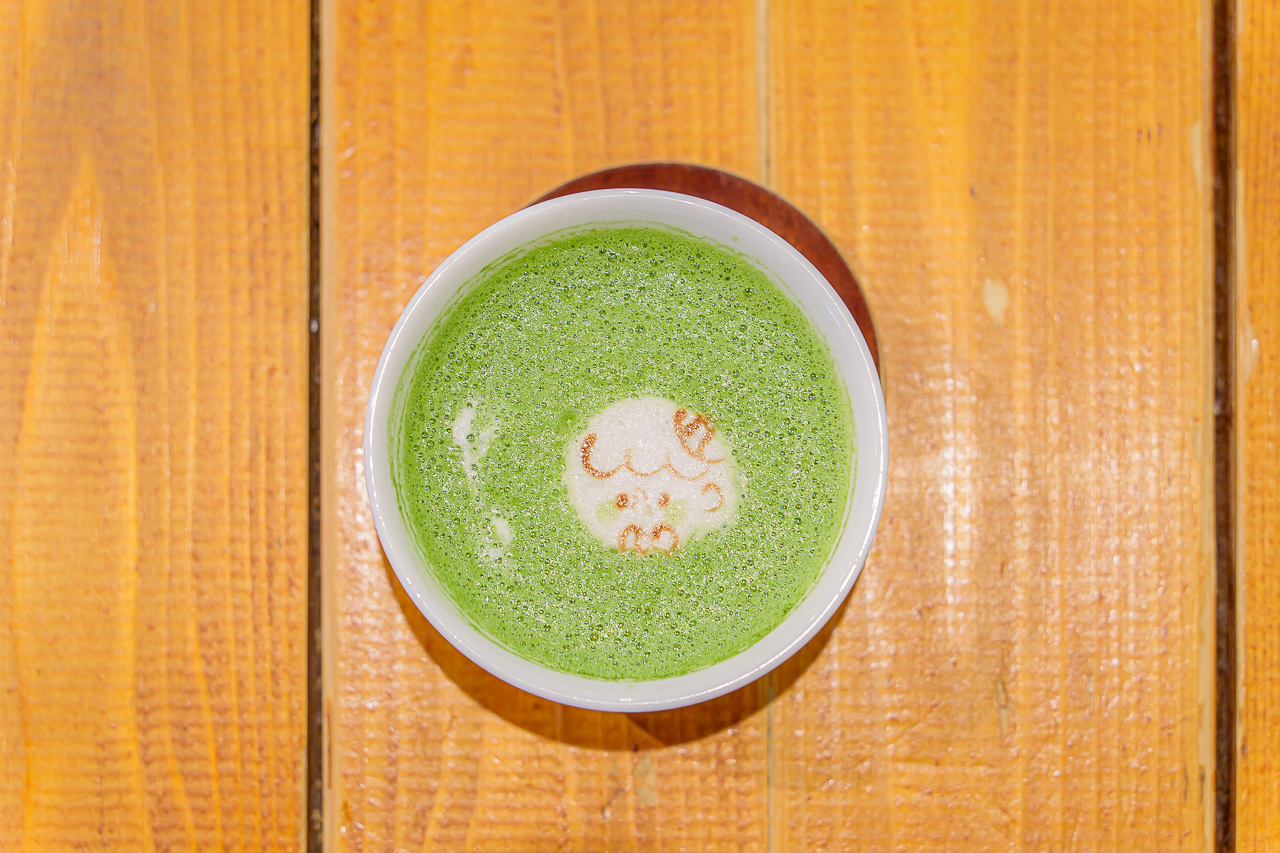
Cute latte art on the matcha milk.
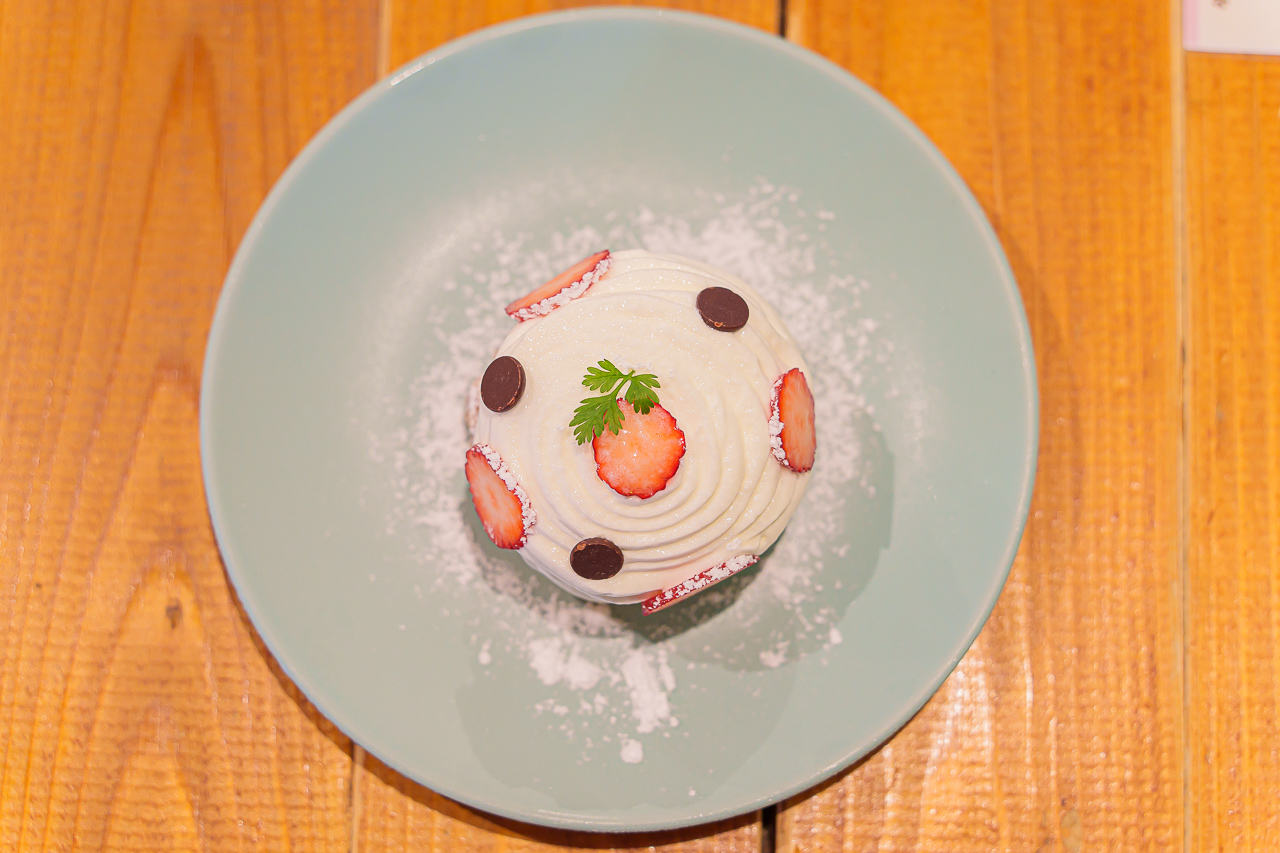
The delicious-looking Ichigo-chan.
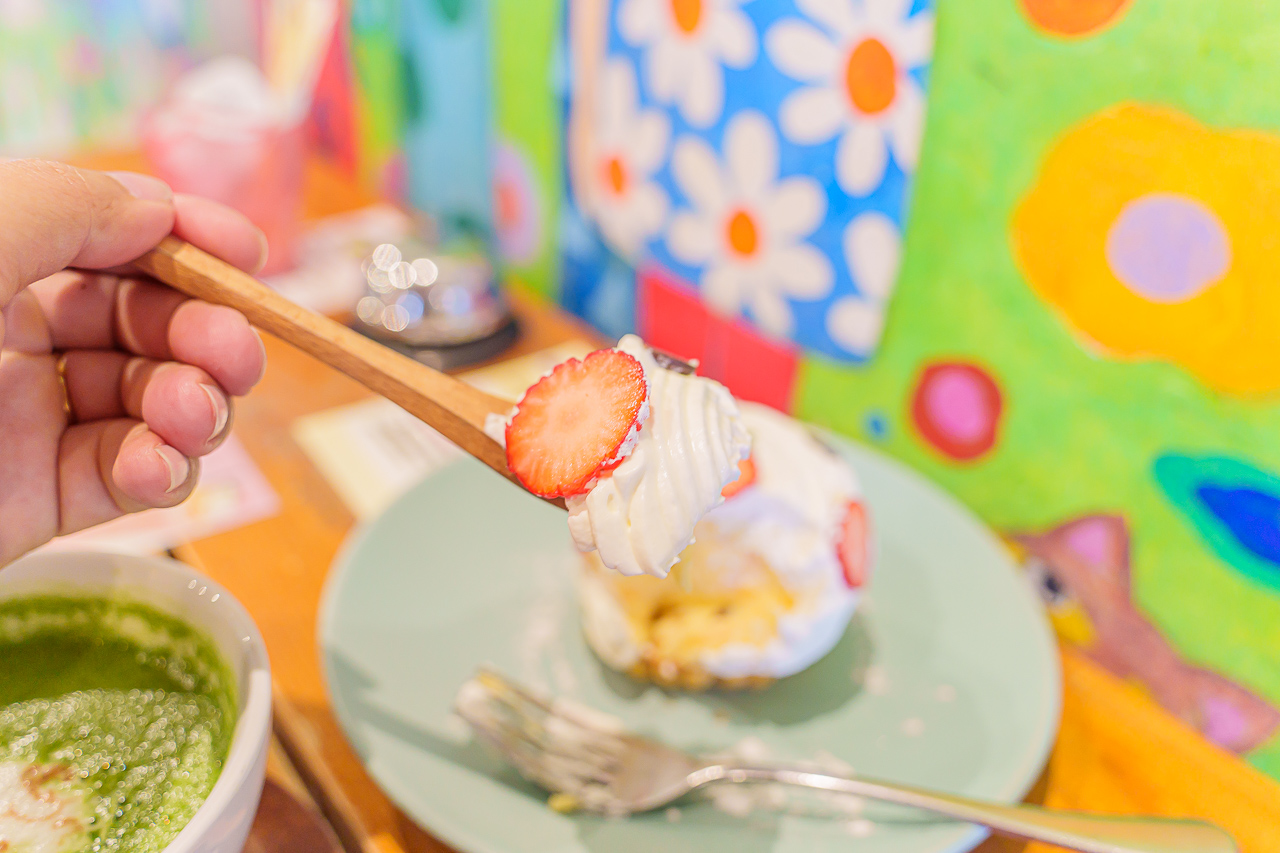
Those strawberries were irresistible.
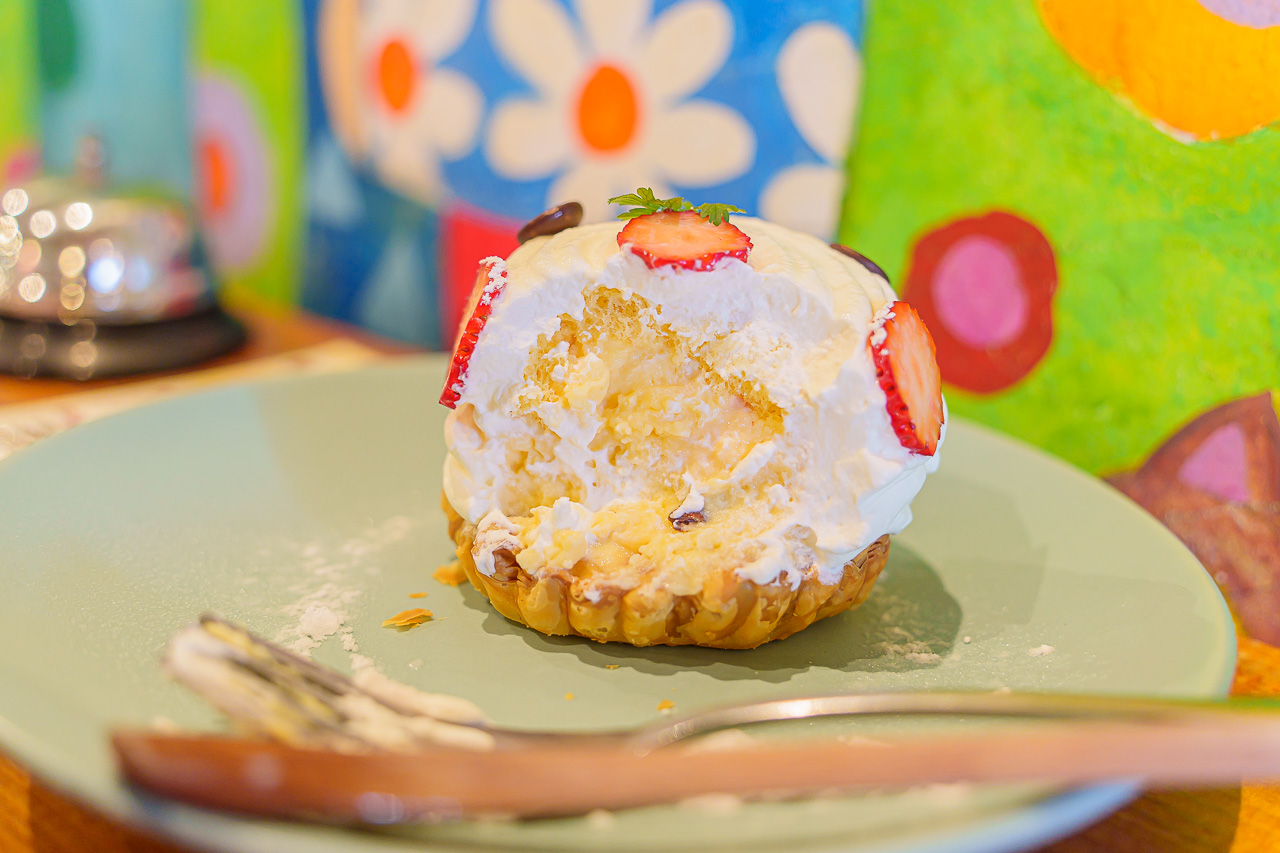
White cream surrounded a filling of custard cream.
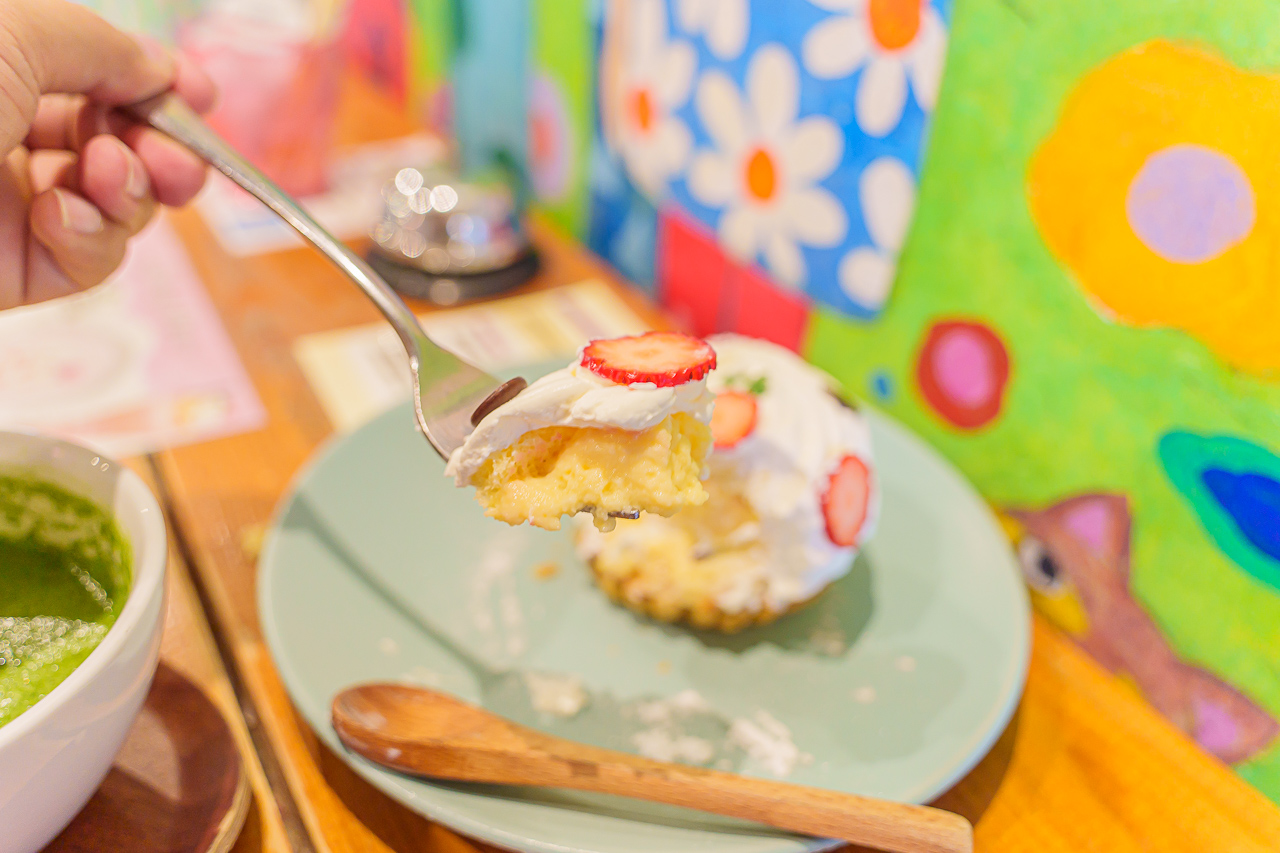
Two generous kinds of cream.
As a cream lover, I found it an indulgent dessert.
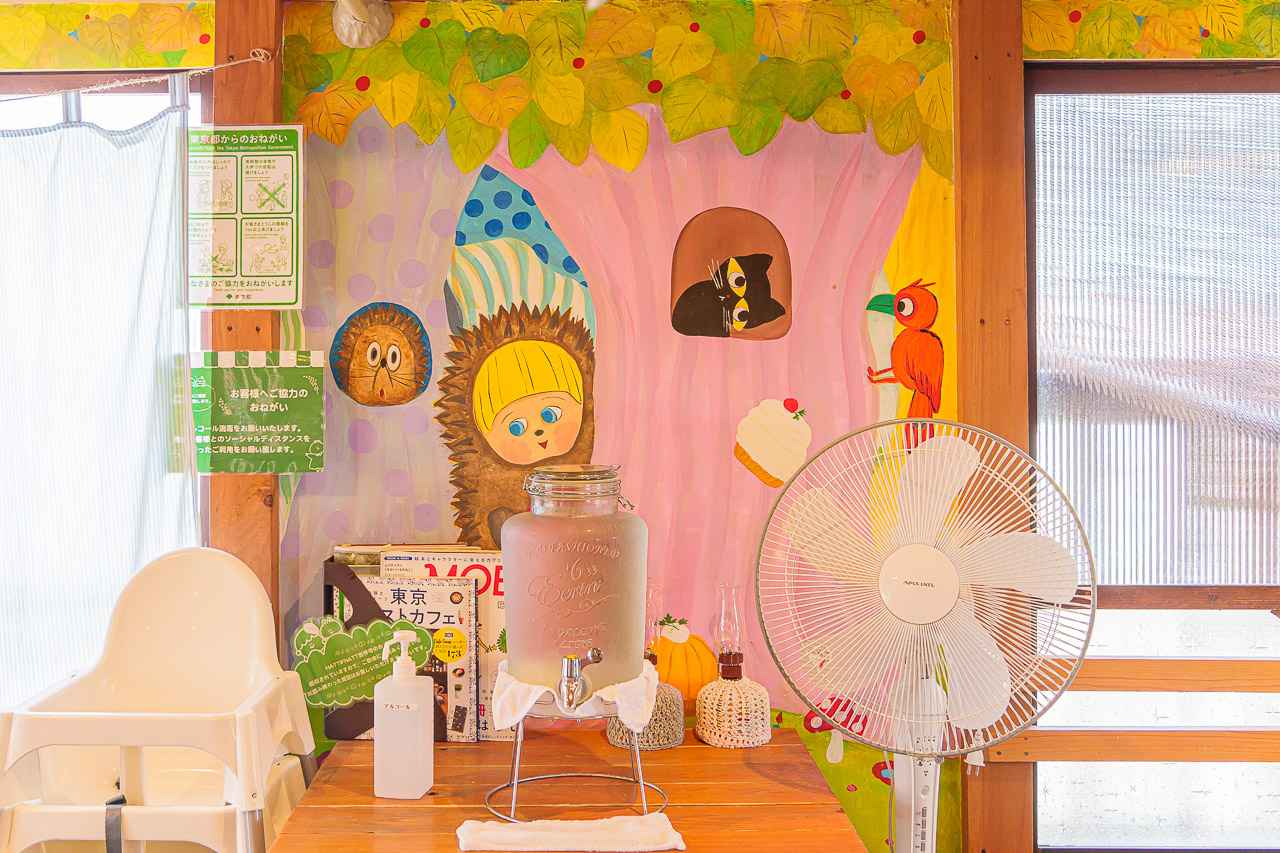
Water was self-service, watched over by a cute little character.
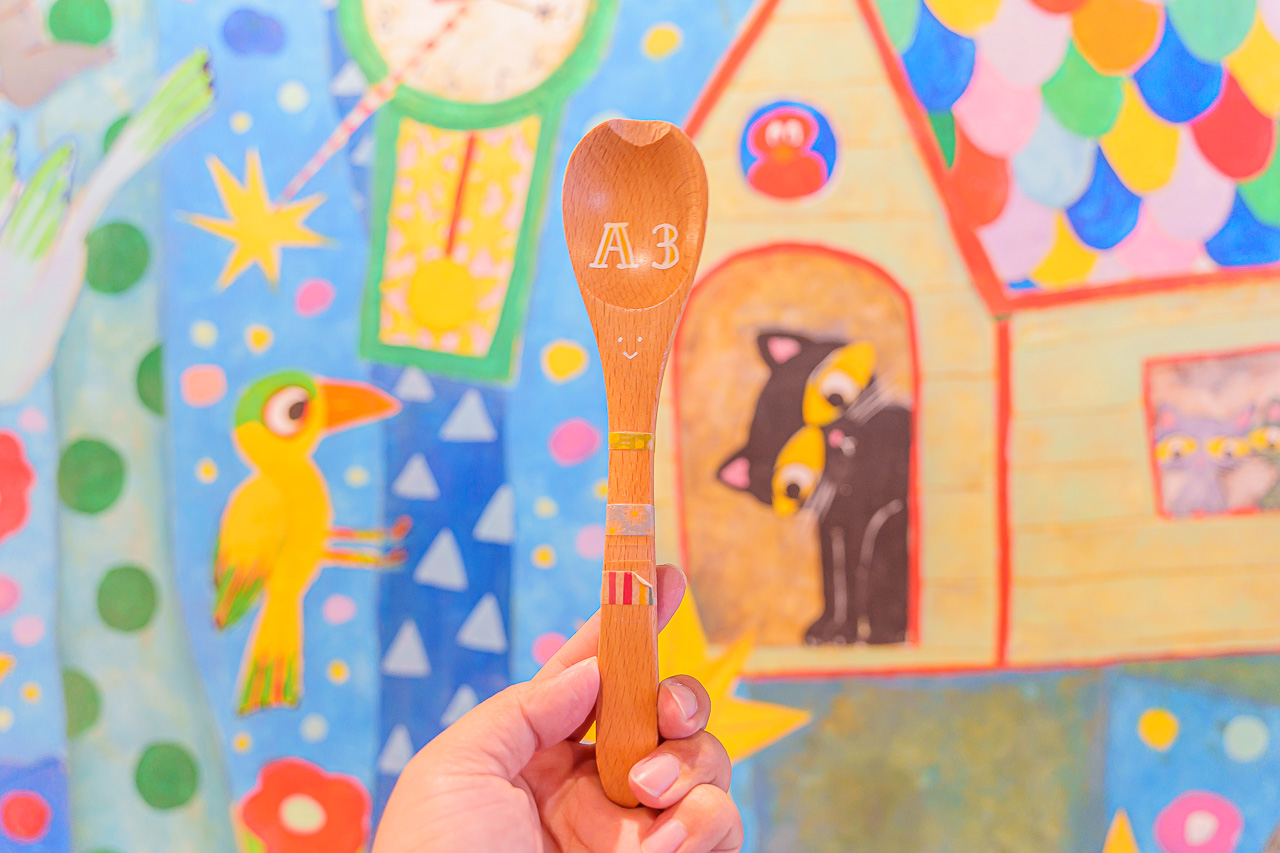
To pay, we took the spoon from the table to the counter.
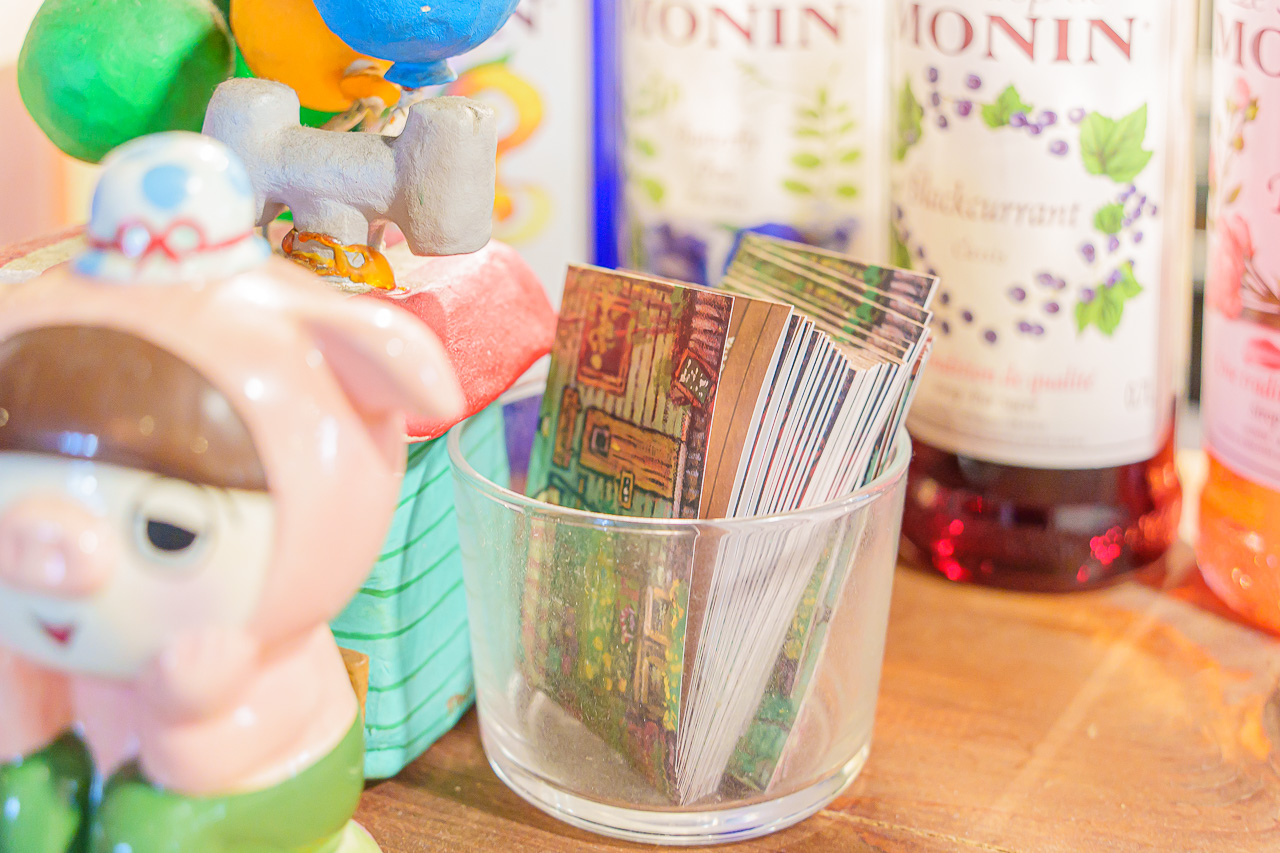
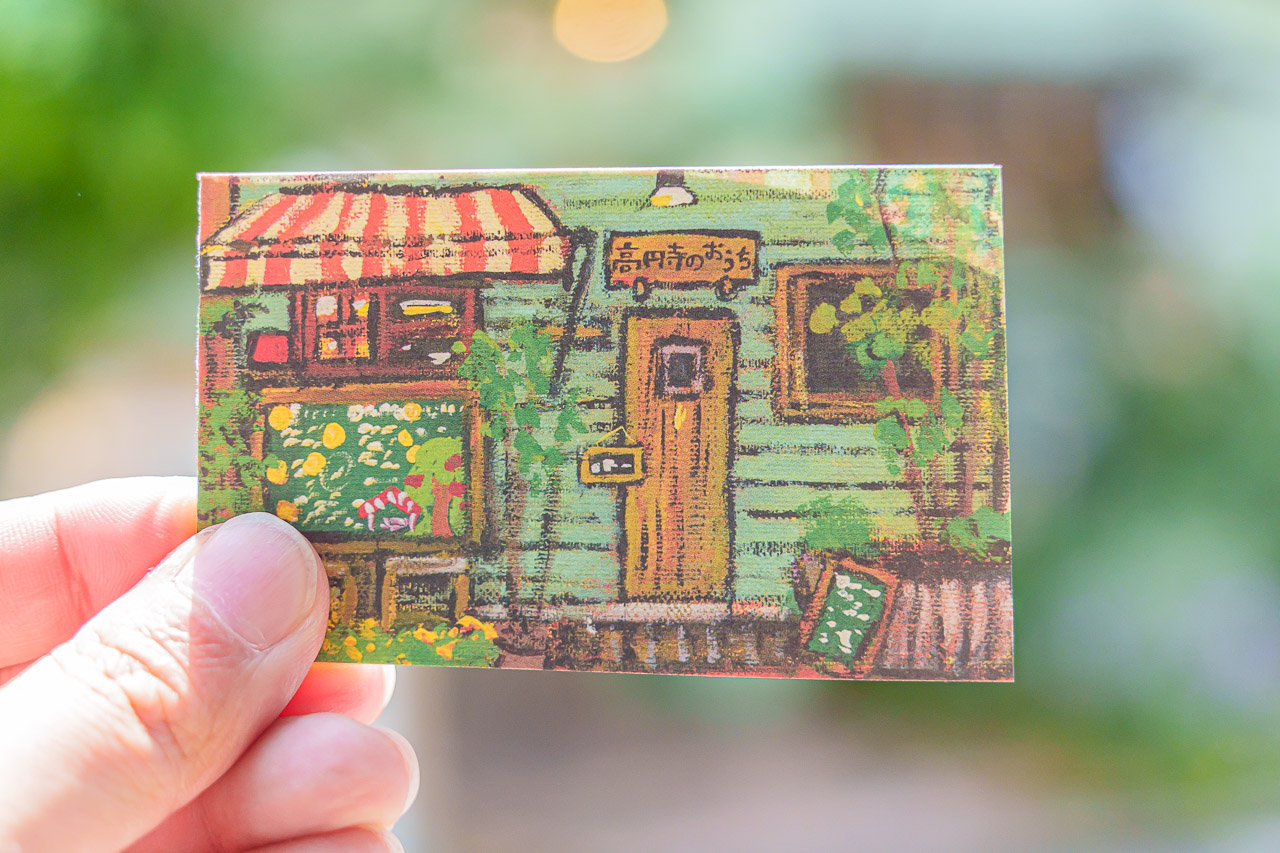
This had been a brief HATTIFNATT visit with a train to catch.
In a Tokyo full of modern, elaborate buildings, the café felt like being magically drawn into a fairy-tale village. I thought it a lovely option for finding a quiet pause in a Tokyo itinerary.
HATTIFNATT, Kichijoji no Ouchi
Address: 2-22-1 Kichijoji Minamicho, Musashino, Tokyo
Phone: 0422-26-6773
HATTIFNATT, Koenji no Ouchi
Address: 2-18-10 Koenjikita, Suginami City, Tokyo
Phone: 03-6762-8122