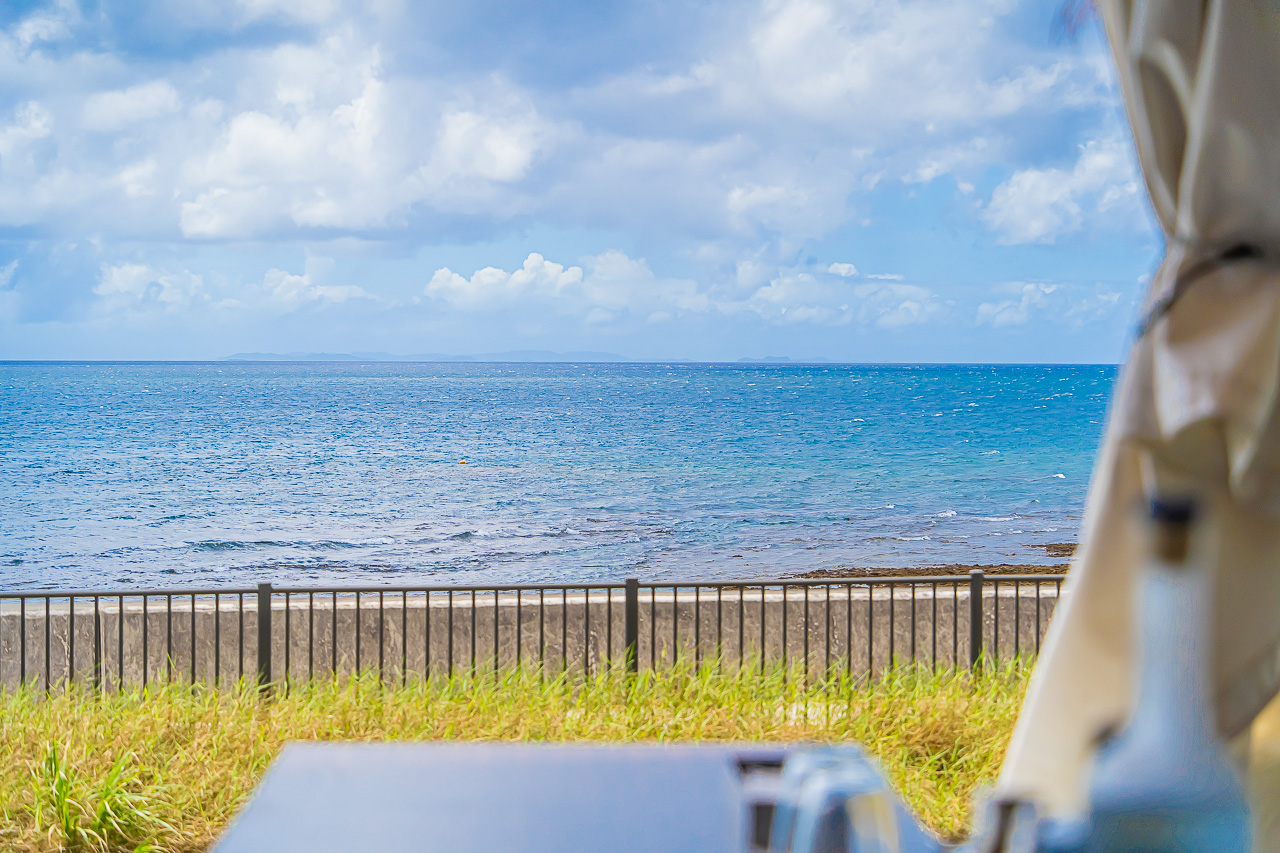
Near Miyagi Beach and American Village in Okinawa is the Sunabe waterfront.
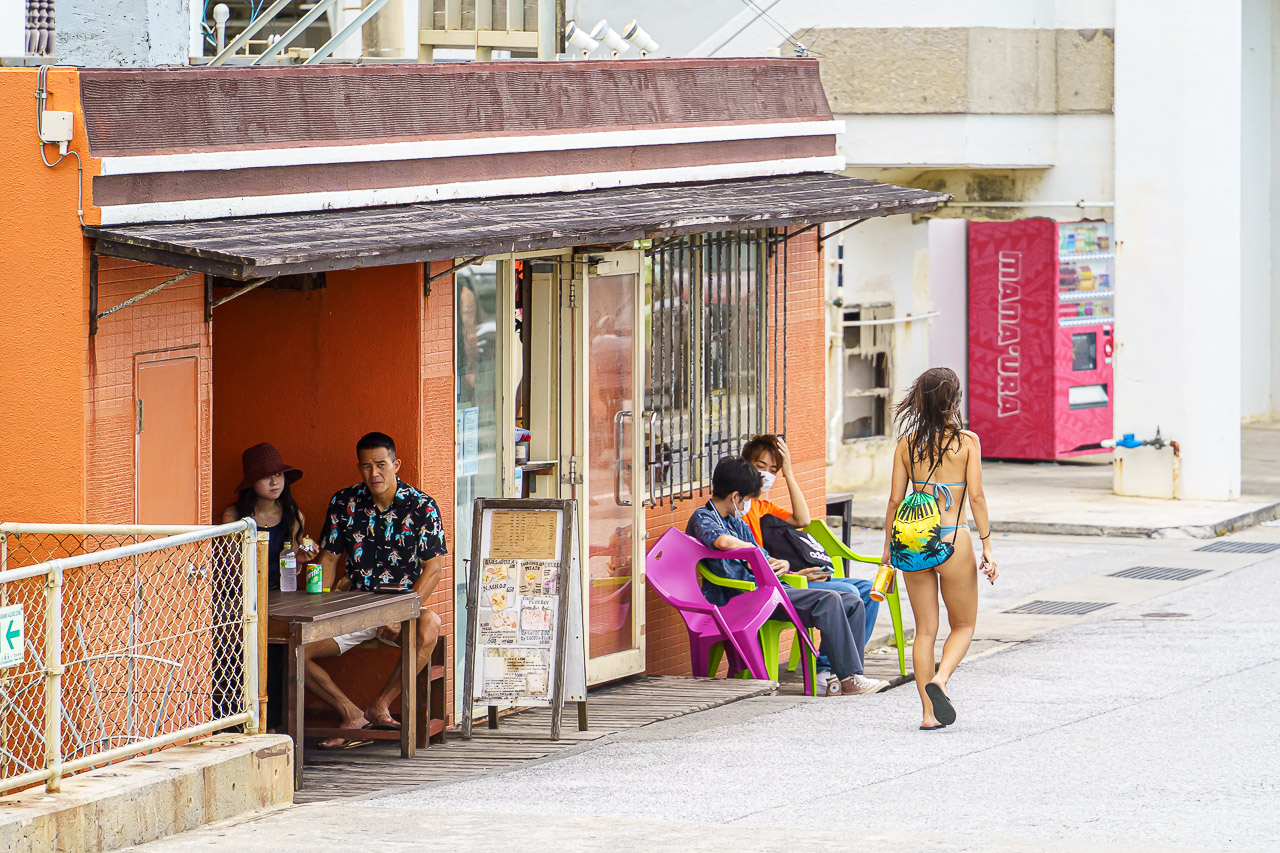
Its proximity to American Village and the many U.S. military families living nearby give it a relaxed, international feel, with a quiet side as well.
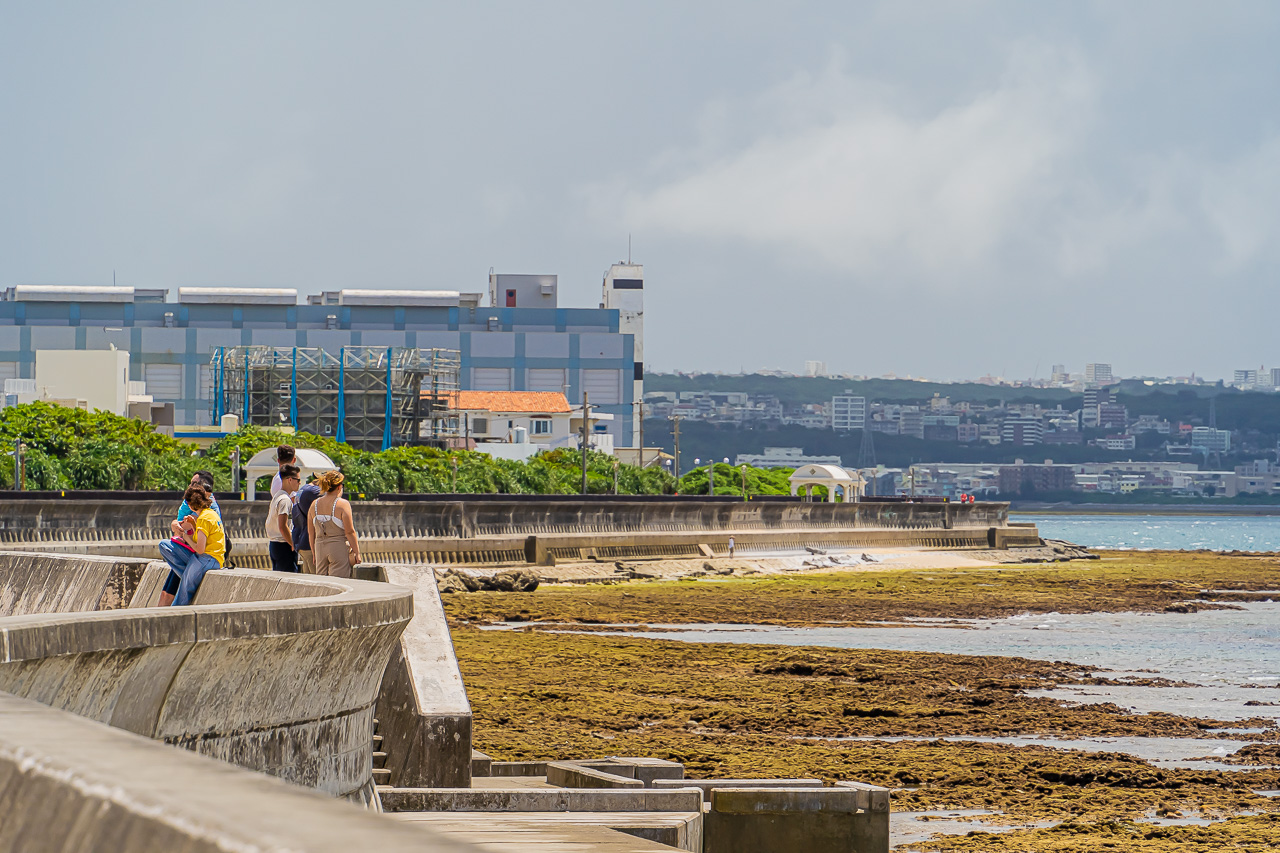
A well-kept promenade with a tropical atmosphere follows the shore. Two sets of steps along it lead down toward the sea.
The roughly 200-meter stretch between those steps was described in the account as a popular snorkeling area where swimmers could see marine life.
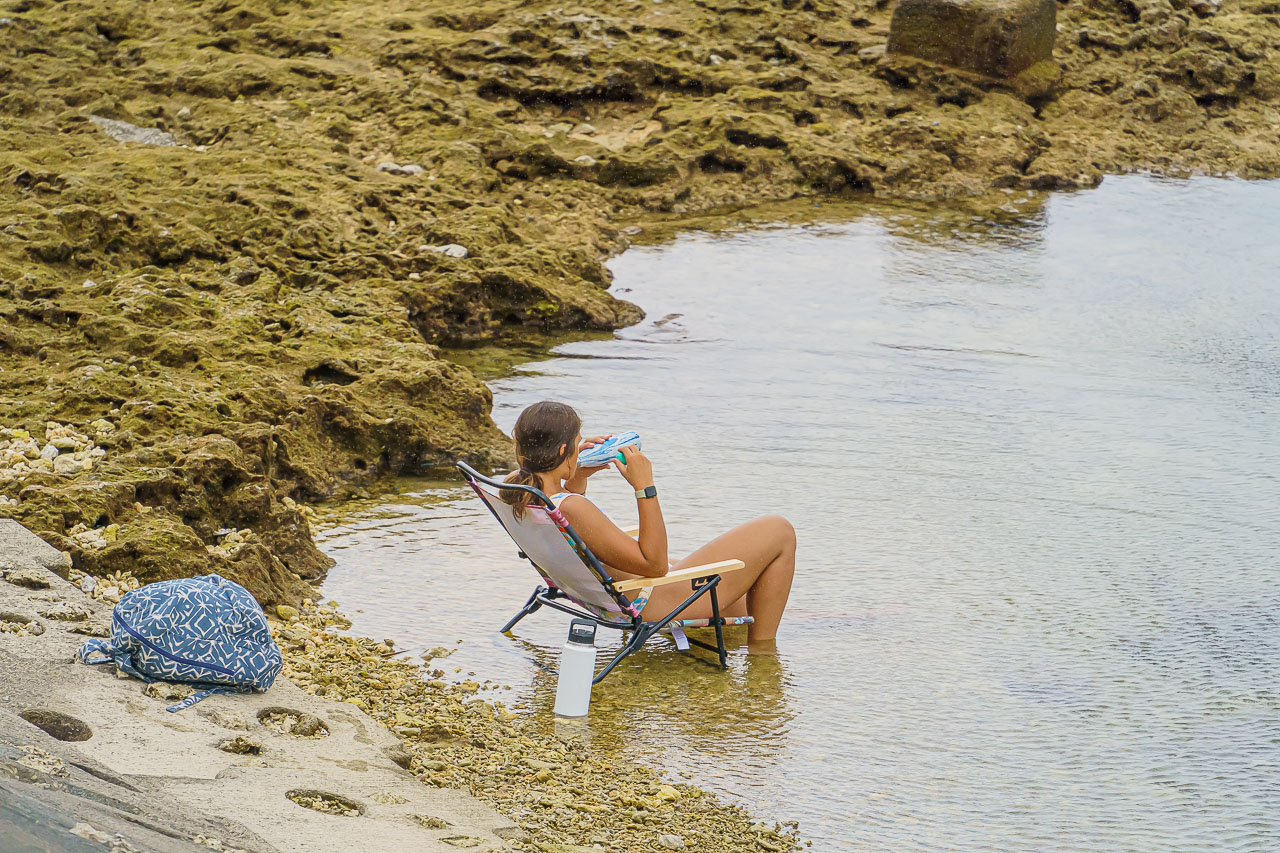
The source gives depths of about 3–7 meters at roughly 60–100 meters offshore; these are historical descriptions, not a current swimming-safety assessment.
Soft corals grow across the seabed.
The source says such extensive soft-coral growth is unusual even in Okinawa.
Despite the easygoing waterfront atmosphere, westerly winds can make the sea very rough. Sunabe is also known as a surfing spot.
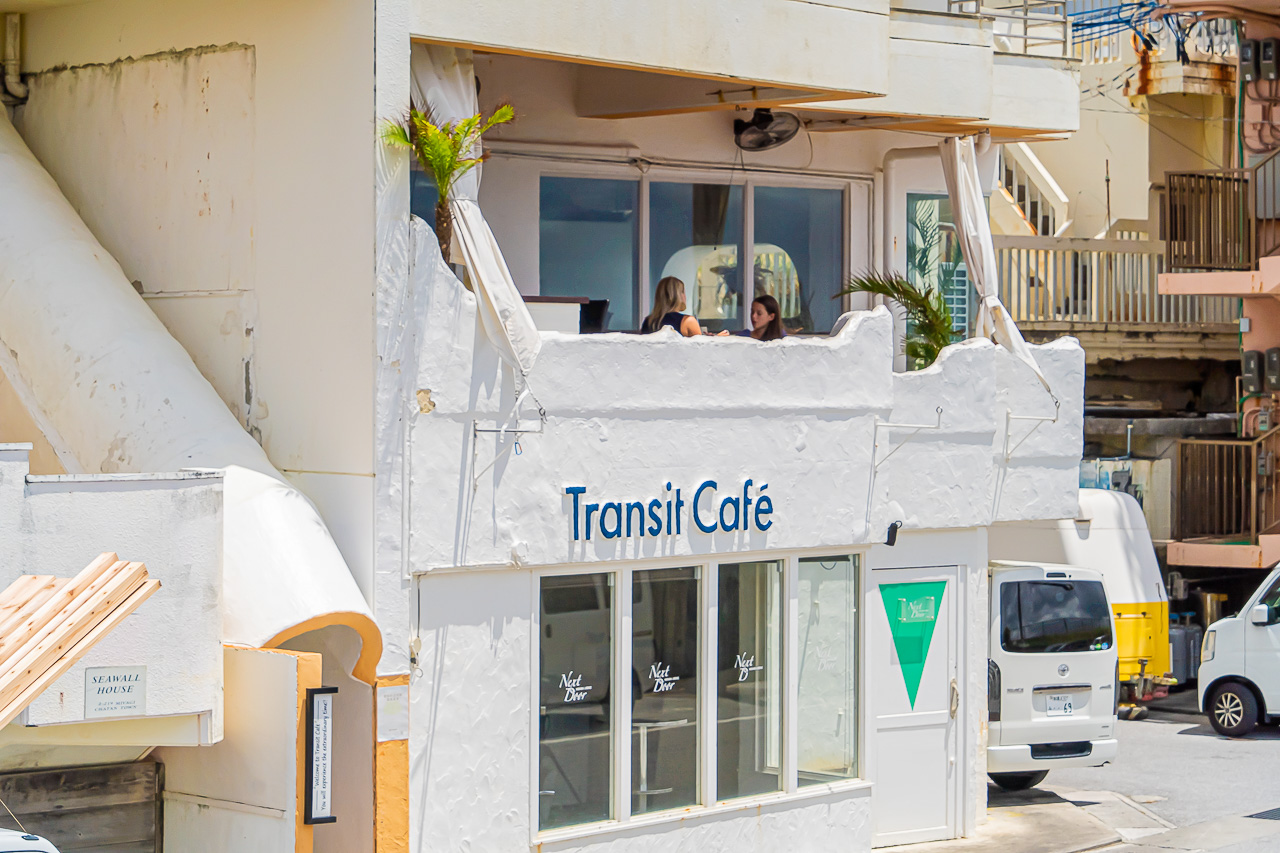
A white building catches the eye along the seafront.

Transit Café: a place to transfer from everyday life into the feeling of travel.
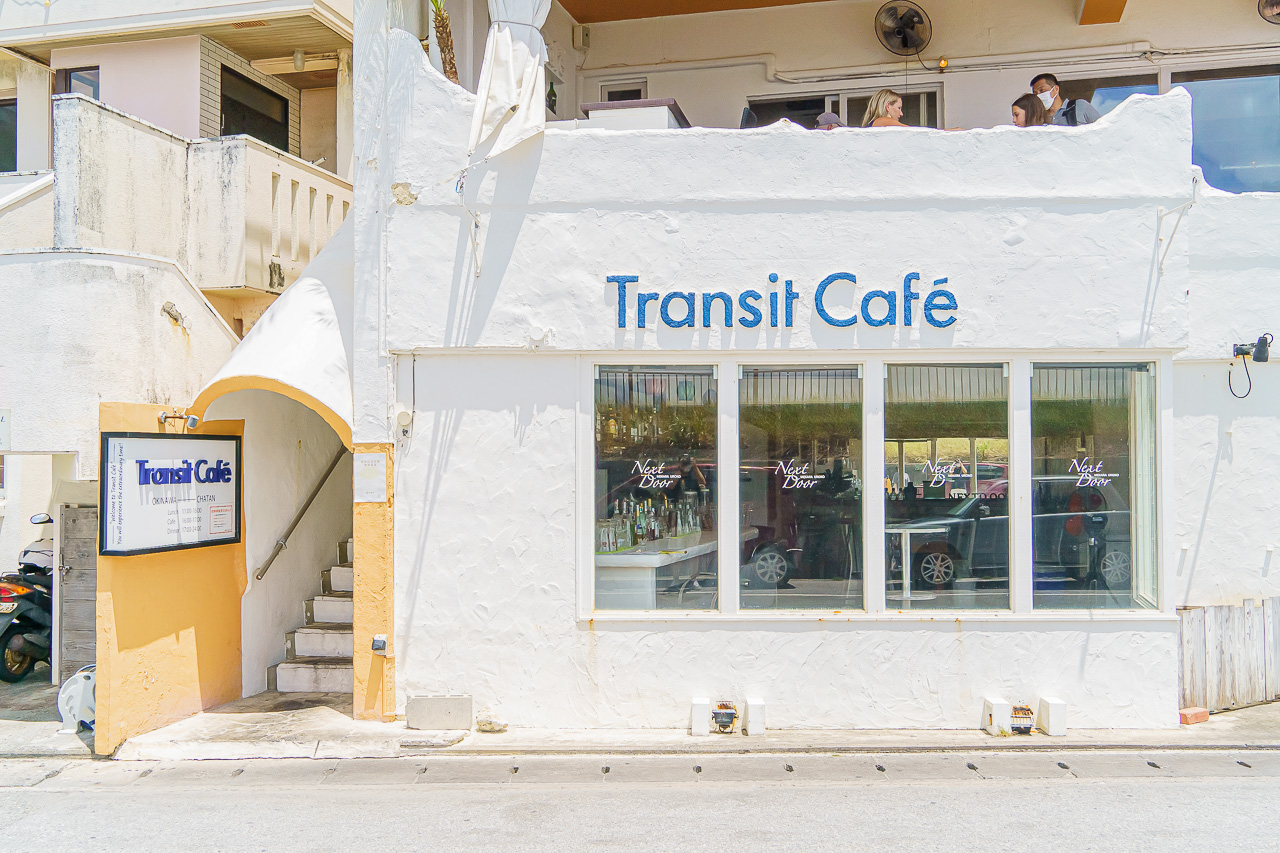
Its white seaside exterior makes me think of the Mediterranean.
It is so photogenic that I keep taking pictures.
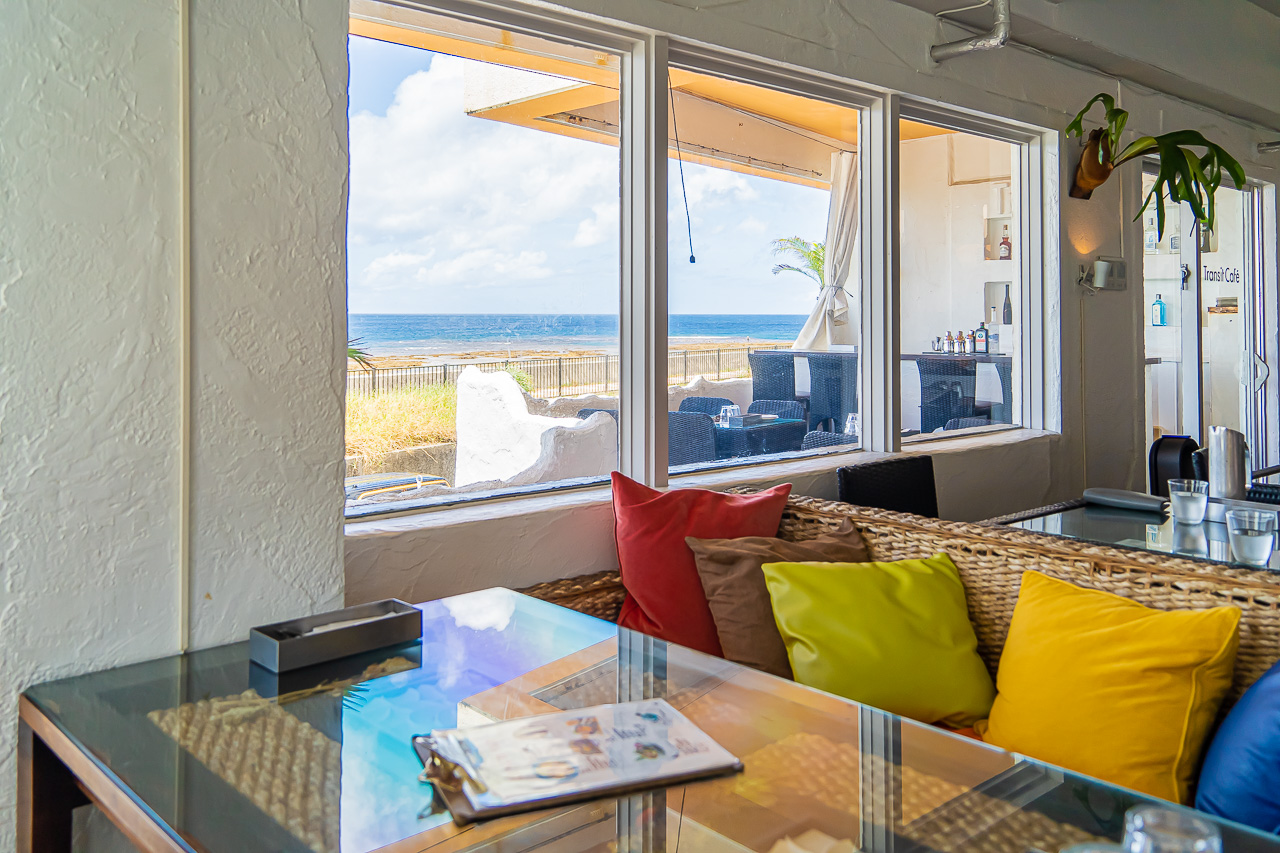
The cool-looking interior feels like a vacation retreat.
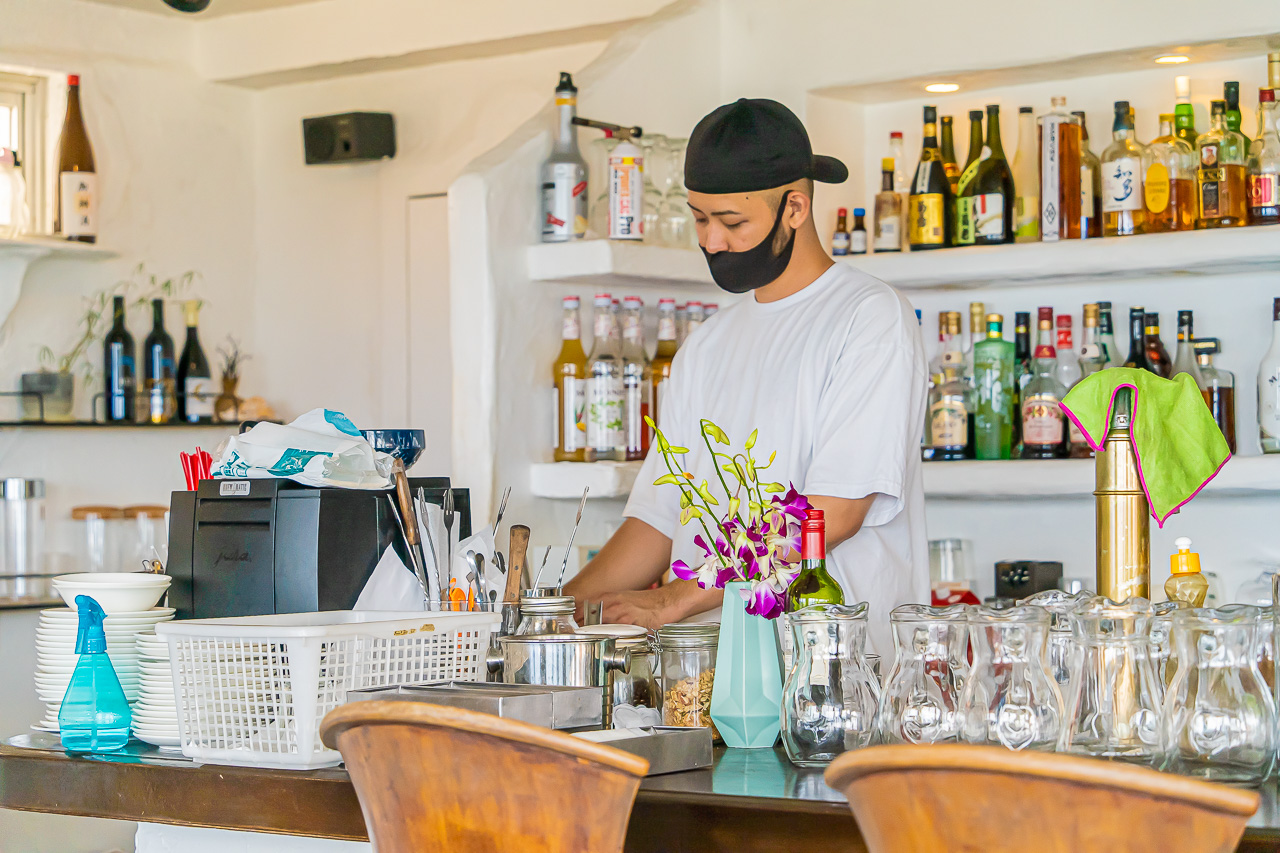

Even the café staff seem relaxed.
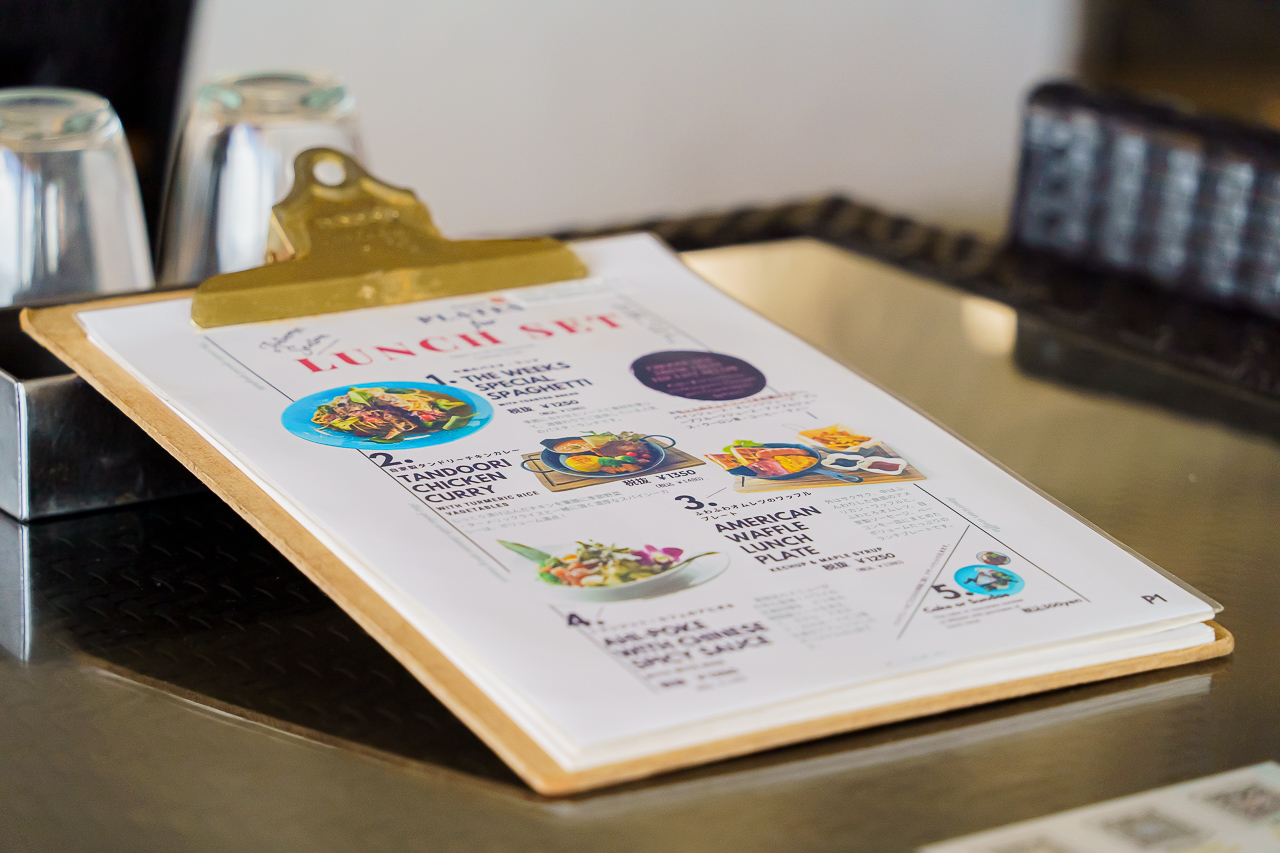
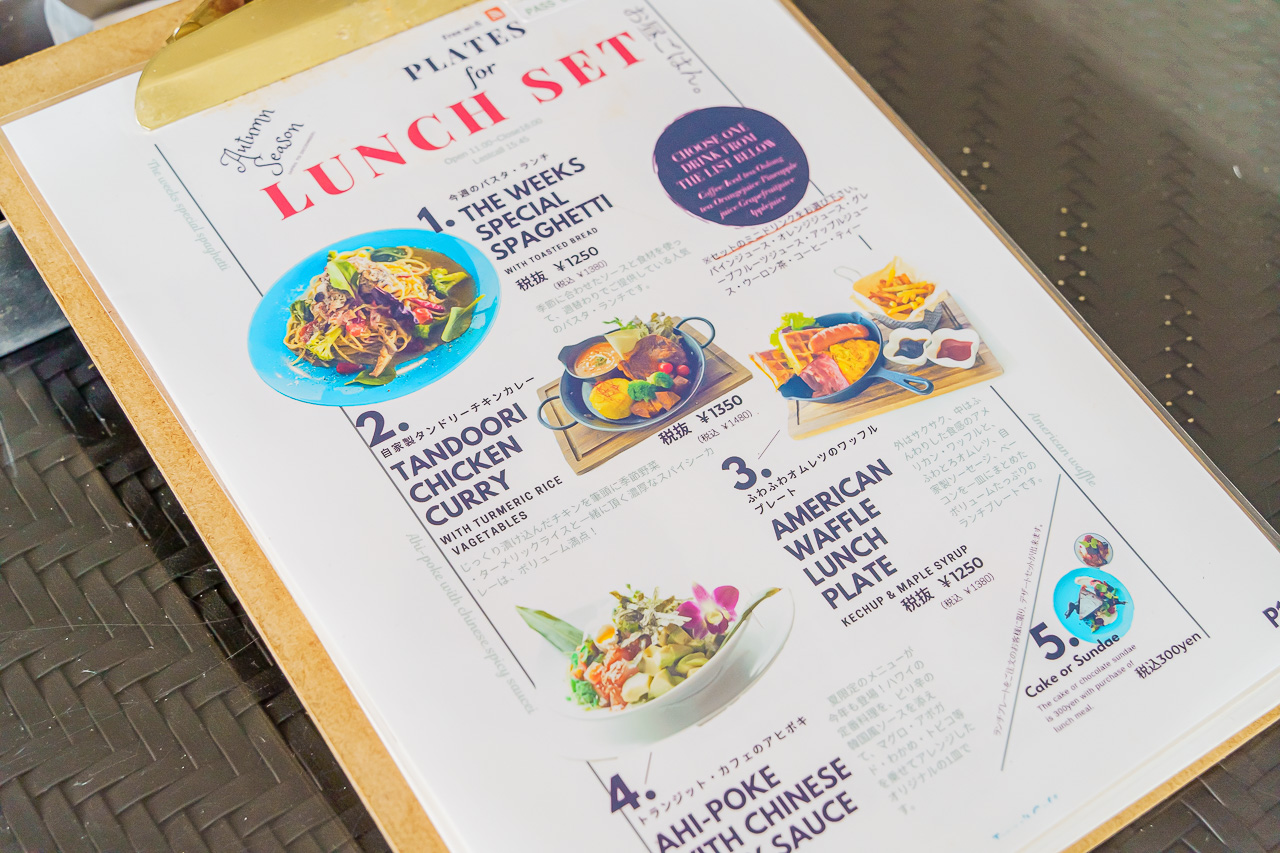
The lunch menu offered four straightforward main dishes and one dessert.
Photographs make choosing easy.
We ordered AHI-POKE WITH CHINESE SPICY SAUCE and TANDOORI CHICKEN CURRY.

The account notes that English was commonly usable around American Village, unlike many parts of Japan, and that some businesses accepted U.S. dollars. This is an observation from the source period, not a promise for every shop.
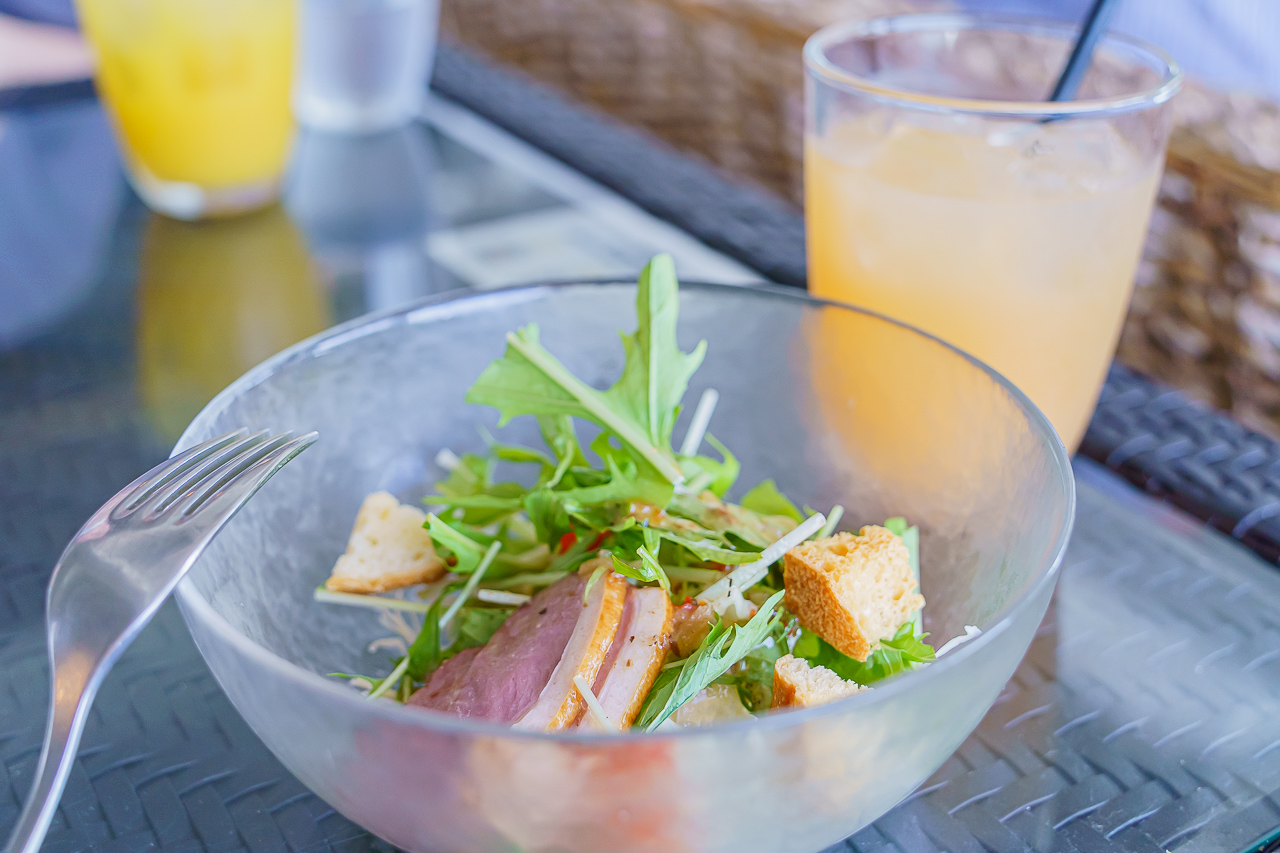
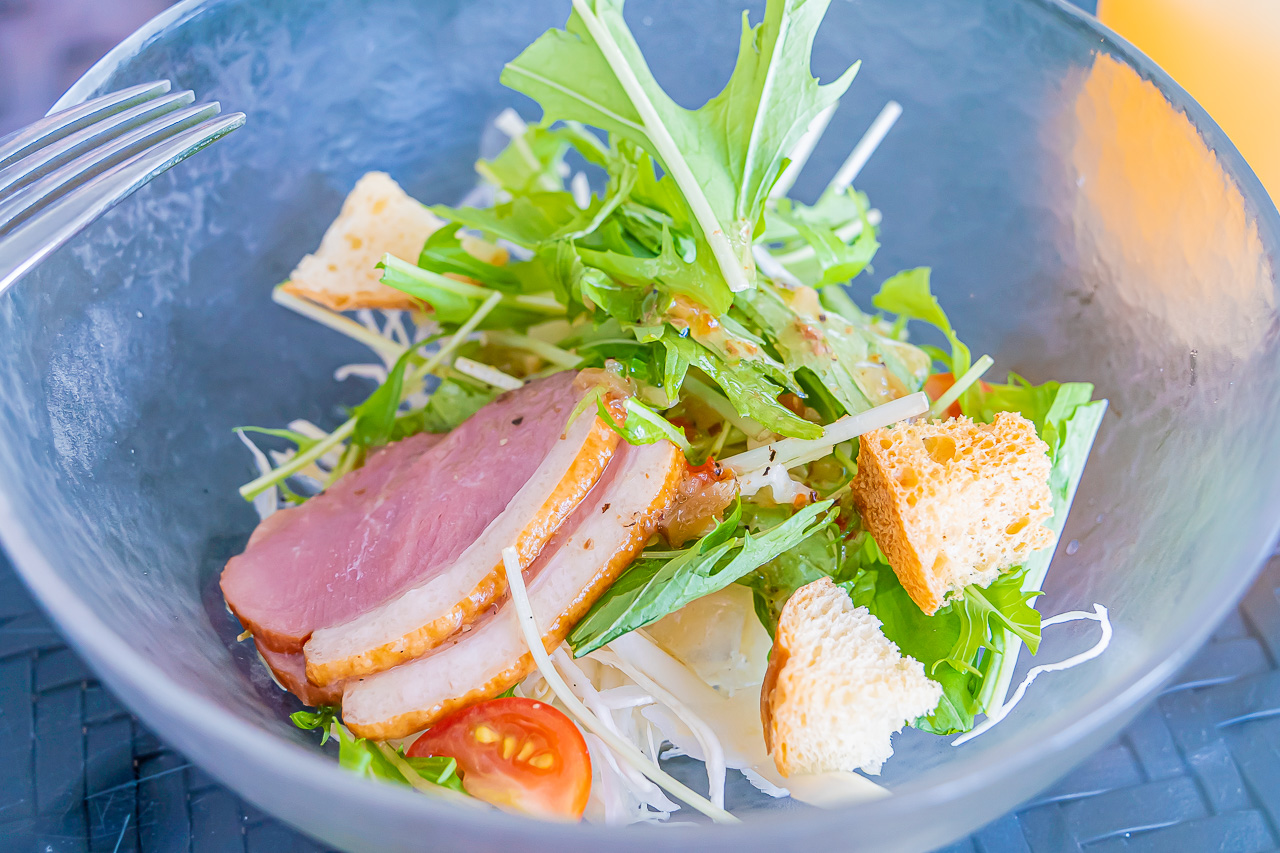
A tasty salad arrives.
It usually came with uncooked cured ham, but for some reason ours had smoked duck, which I enjoyed even more.
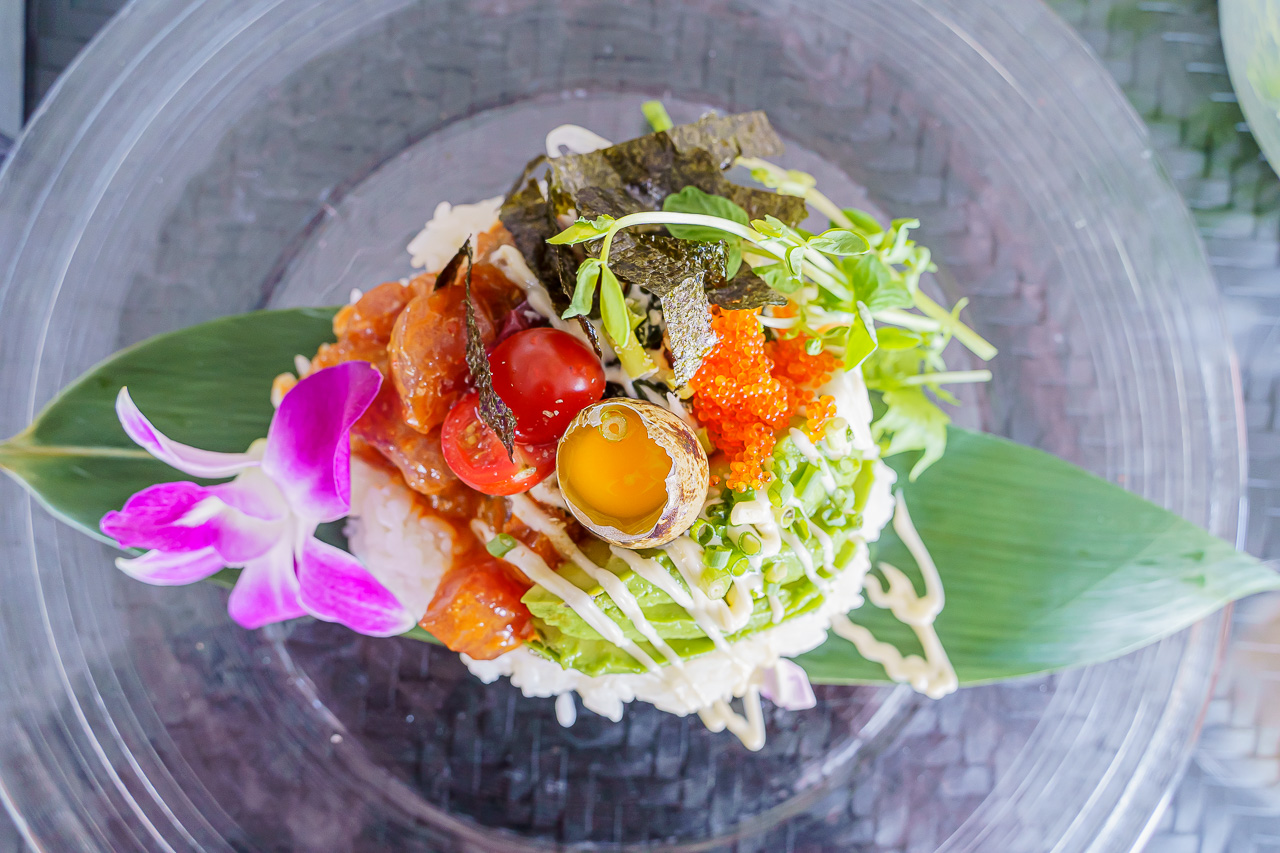
Here is Transit Café’s AHI-POKE WITH CHINESE SPICY SAUCE.
It looks different from the menu photograph—more generous and more attractive in person.
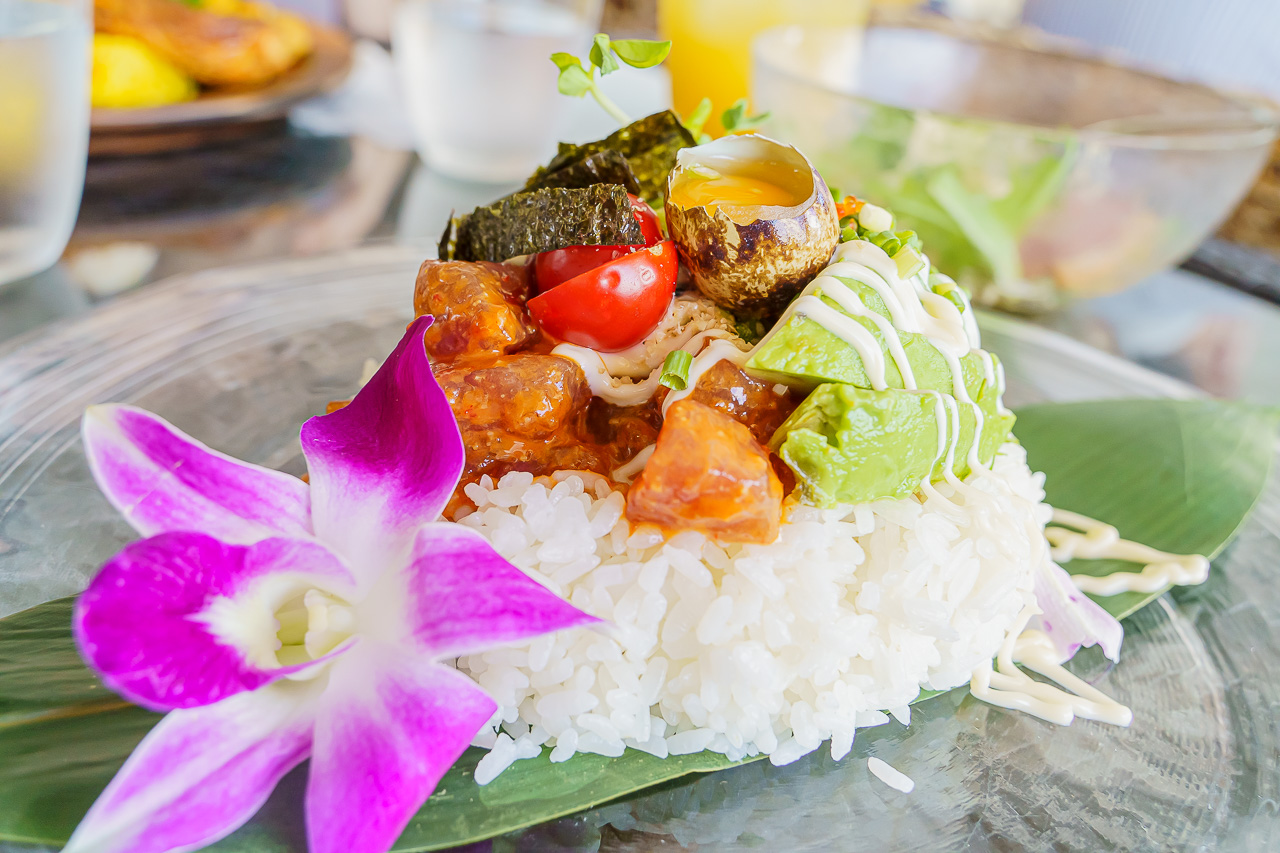
They might want to update that picture.
On white rice are sauced tuna, avocado, assorted vegetables and a quail egg, finished with flying-fish roe and nori.
Ahi poke is Hawaiian, and this felt like a faithful rendition of its flavor.

The chicken curry arrives as well.
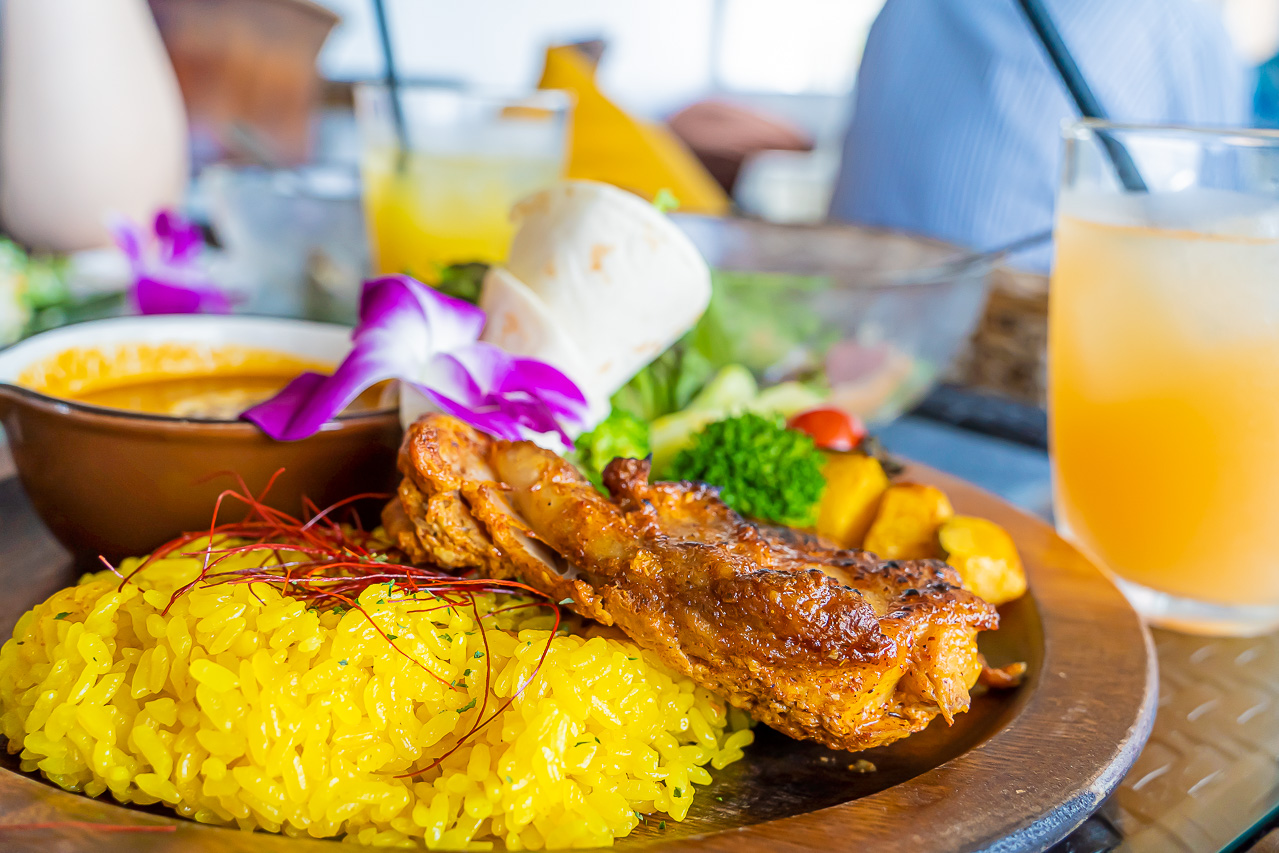
Again, perhaps it is time for a new menu photograph.
This, too, looks bigger and prettier in person.

After eating, we take our drinks out to the terrace.
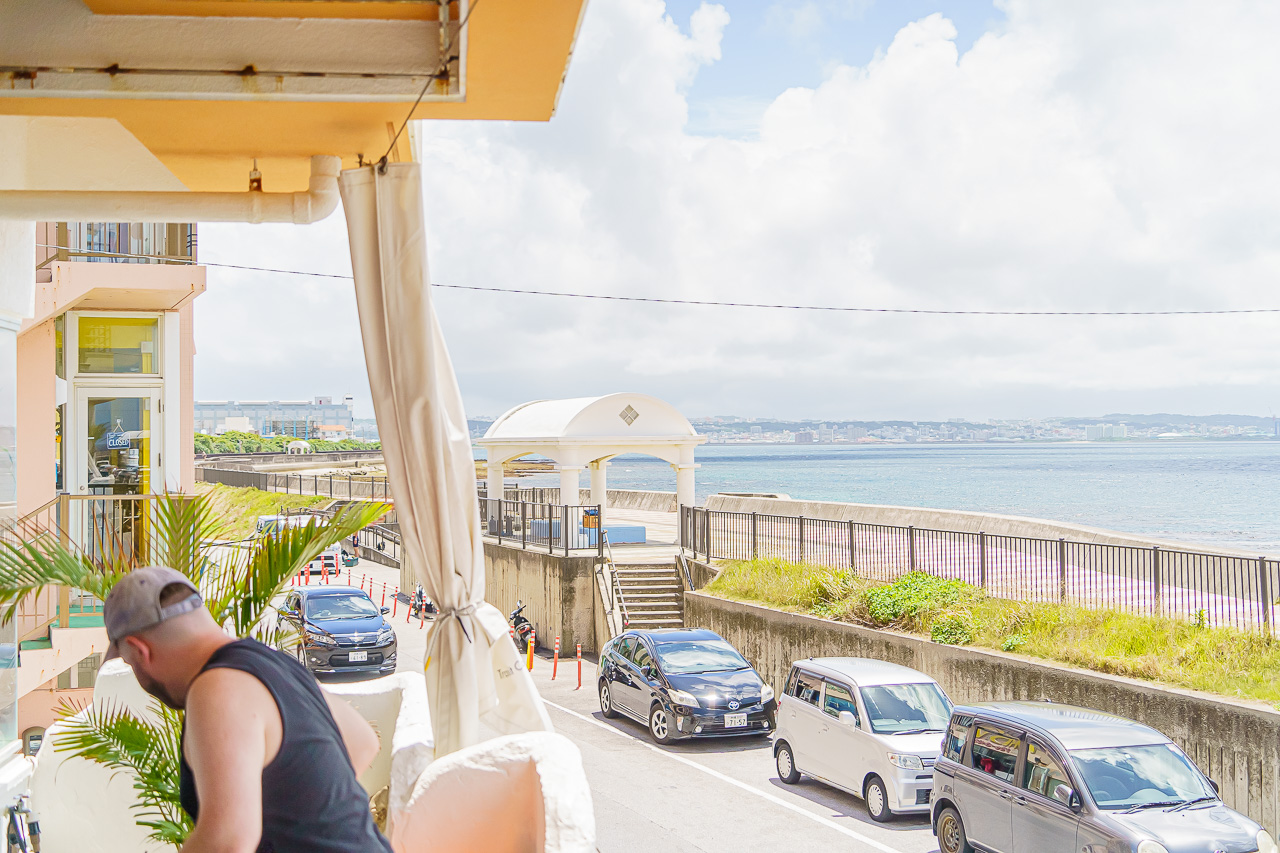
Cobalt-blue water, a cooling breeze, some illegally parked cars and Western visitors fill the scene.
For a moment it feels like the U.S. coast rather than Okinawa, Japan.
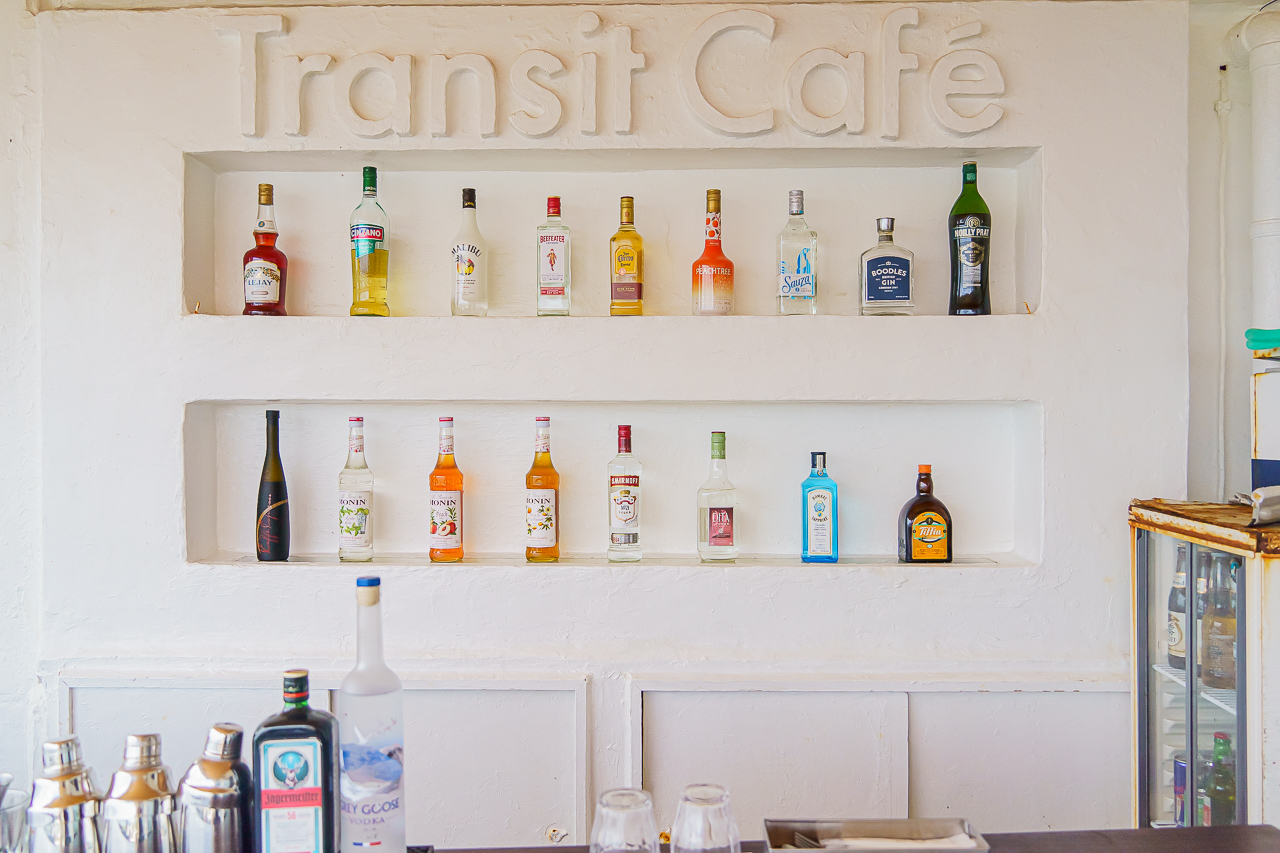
I can imagine the terrace turning into a lively evening gathering place, although this was a daytime visit.
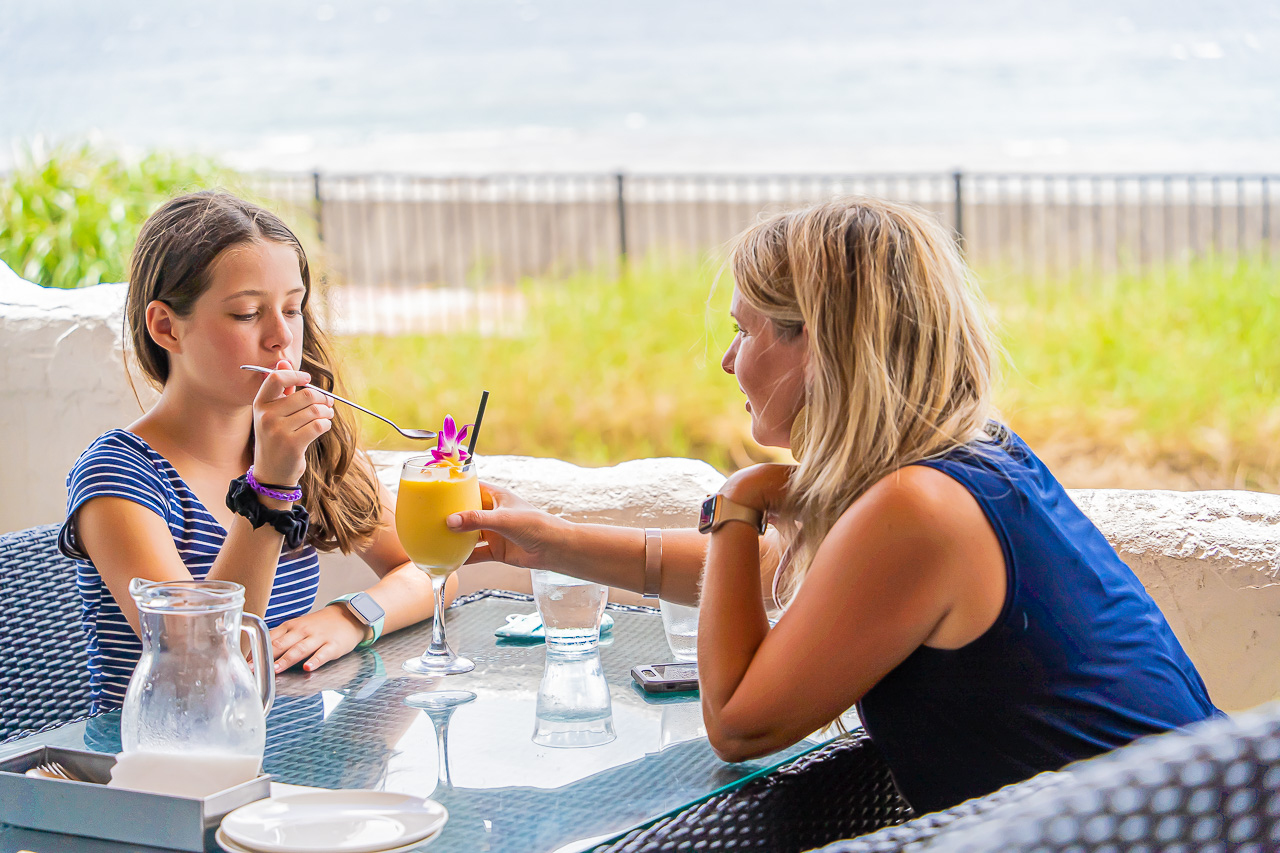
People are enjoying their time here.
The area seemed to draw more Western visitors than Japanese visitors, especially U.S. military families.
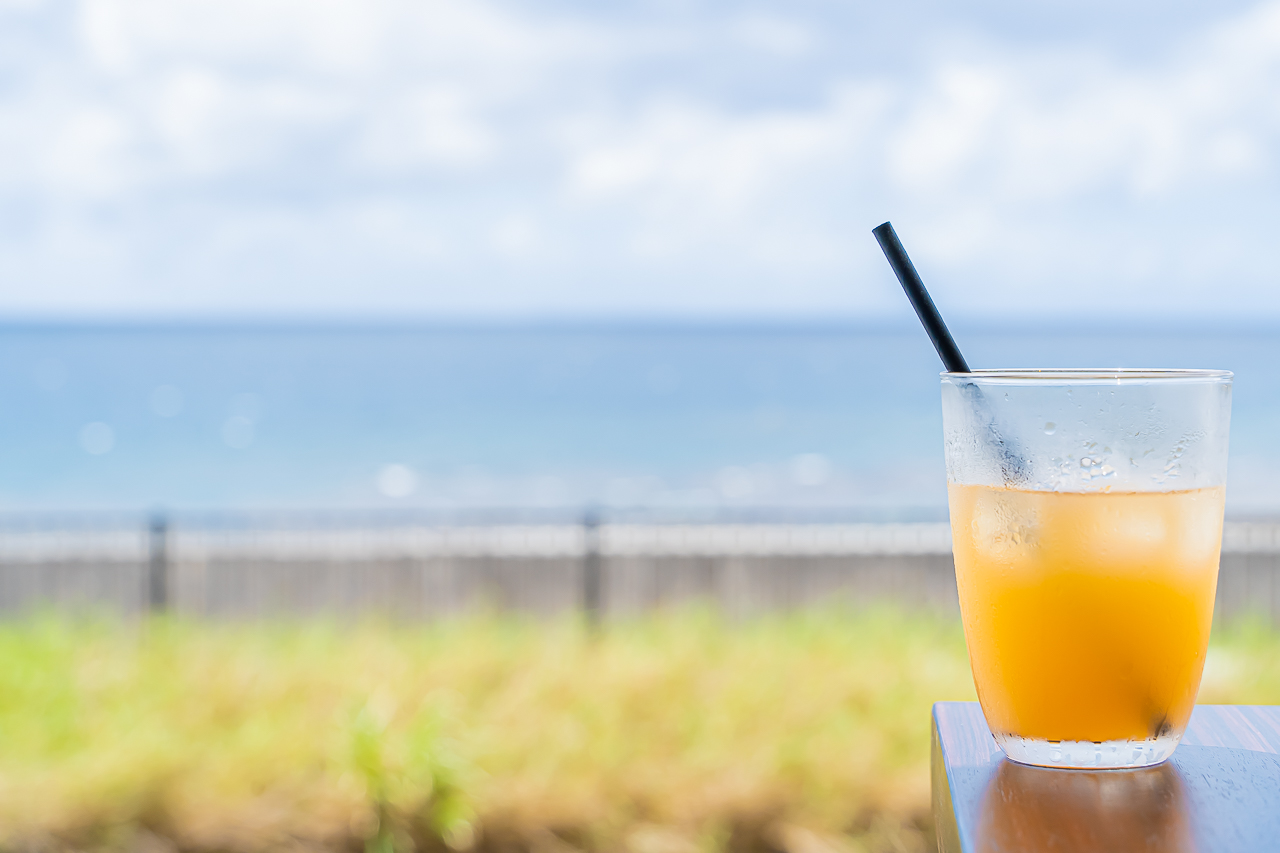
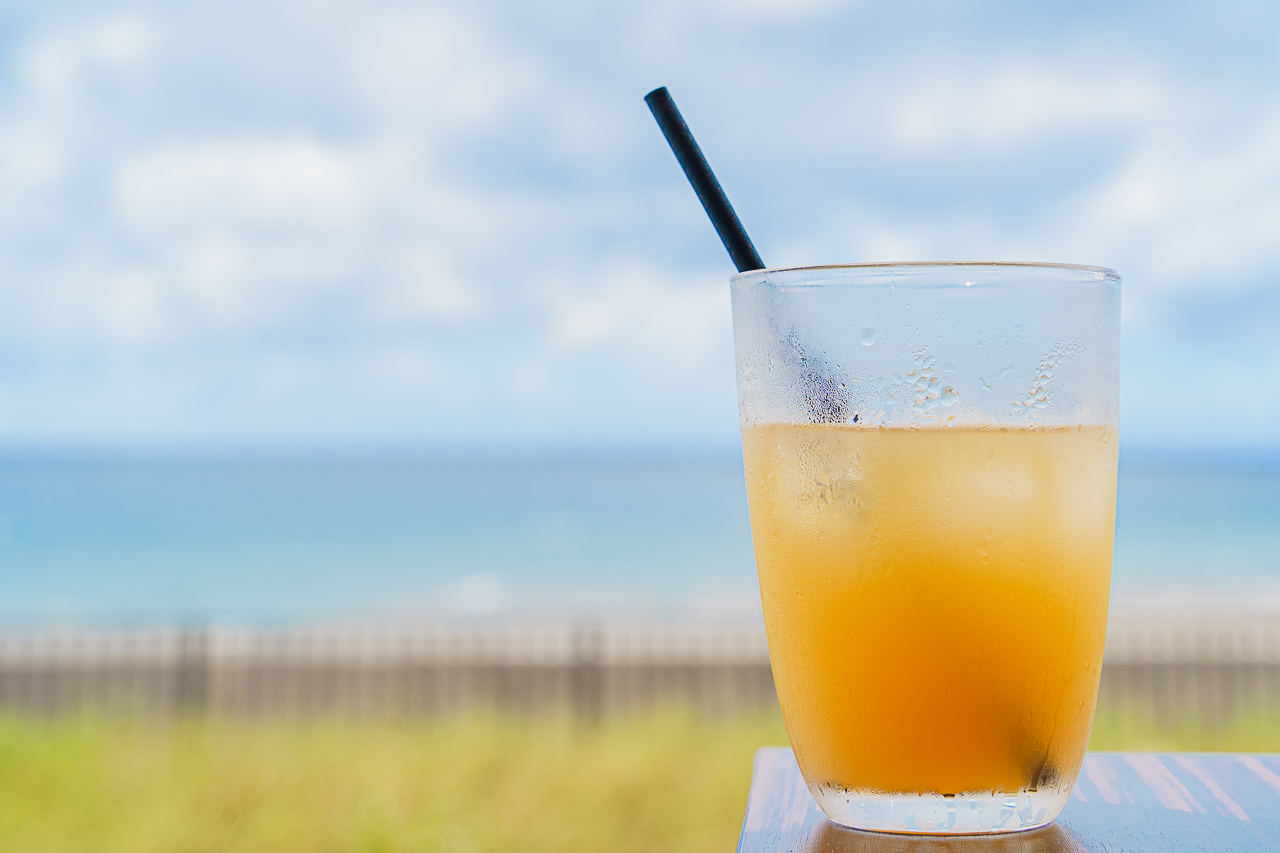
I take a photograph with beautiful Sunabe behind me.
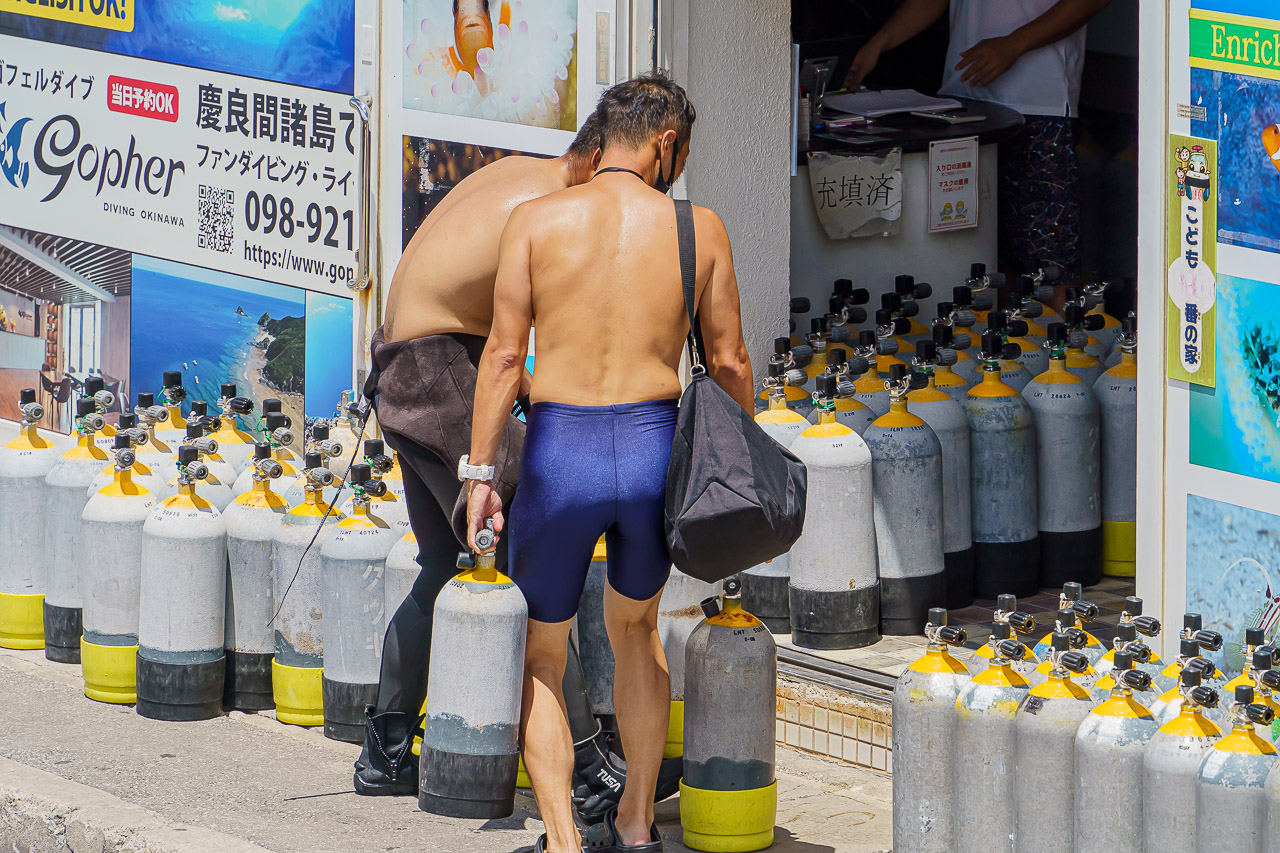
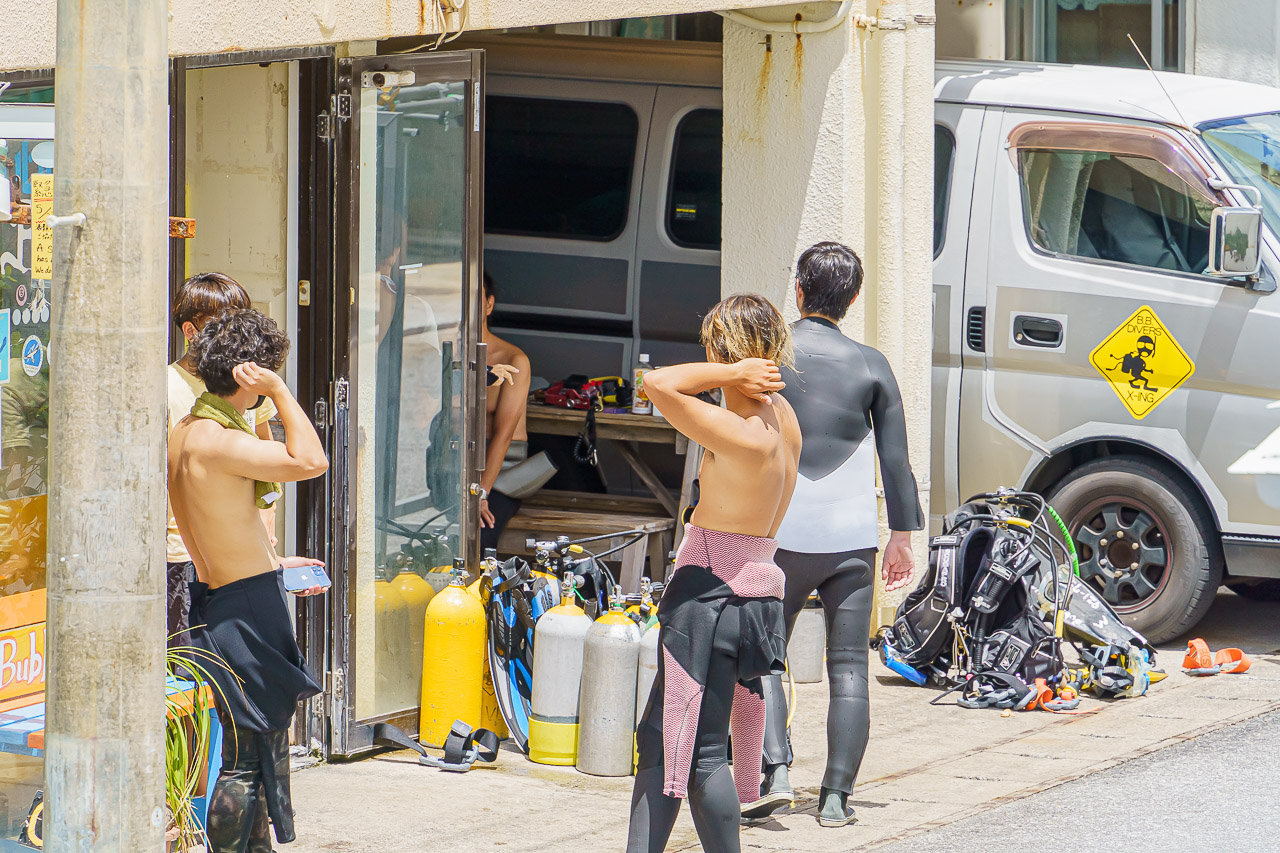
Divers begin returning one by one.
The source describes easily reached shore-diving points, relatively affordable diving and options for beginners. Those are the author’s observations; suitability depends on conditions and the operator, rather than this account alone.
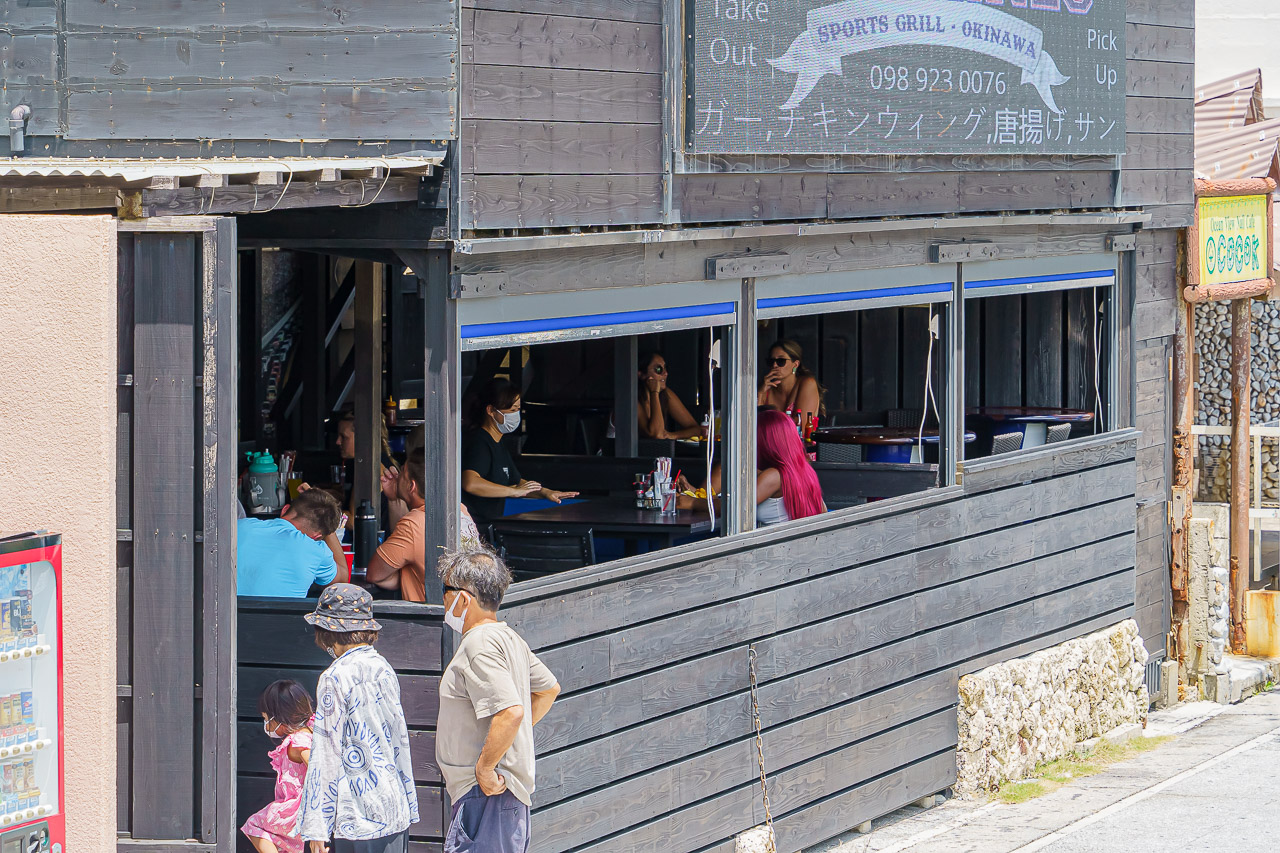
There are overseas visitors everywhere, adding to the feeling of being somewhere unfamiliar.
Then I remember: I am an overseas visitor, too.
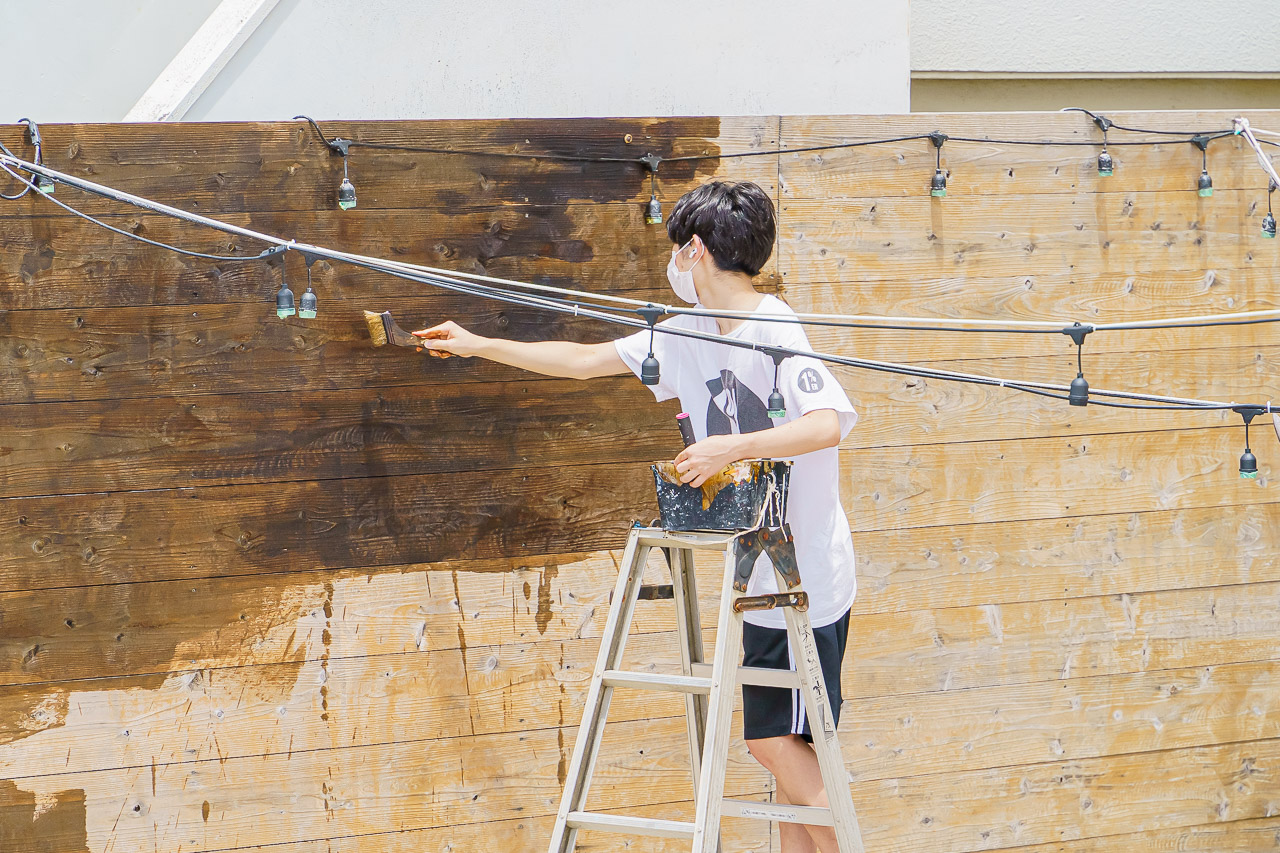
Maintenance seems to be a family activity.
A child who looks about elementary-school age helps their father paint.
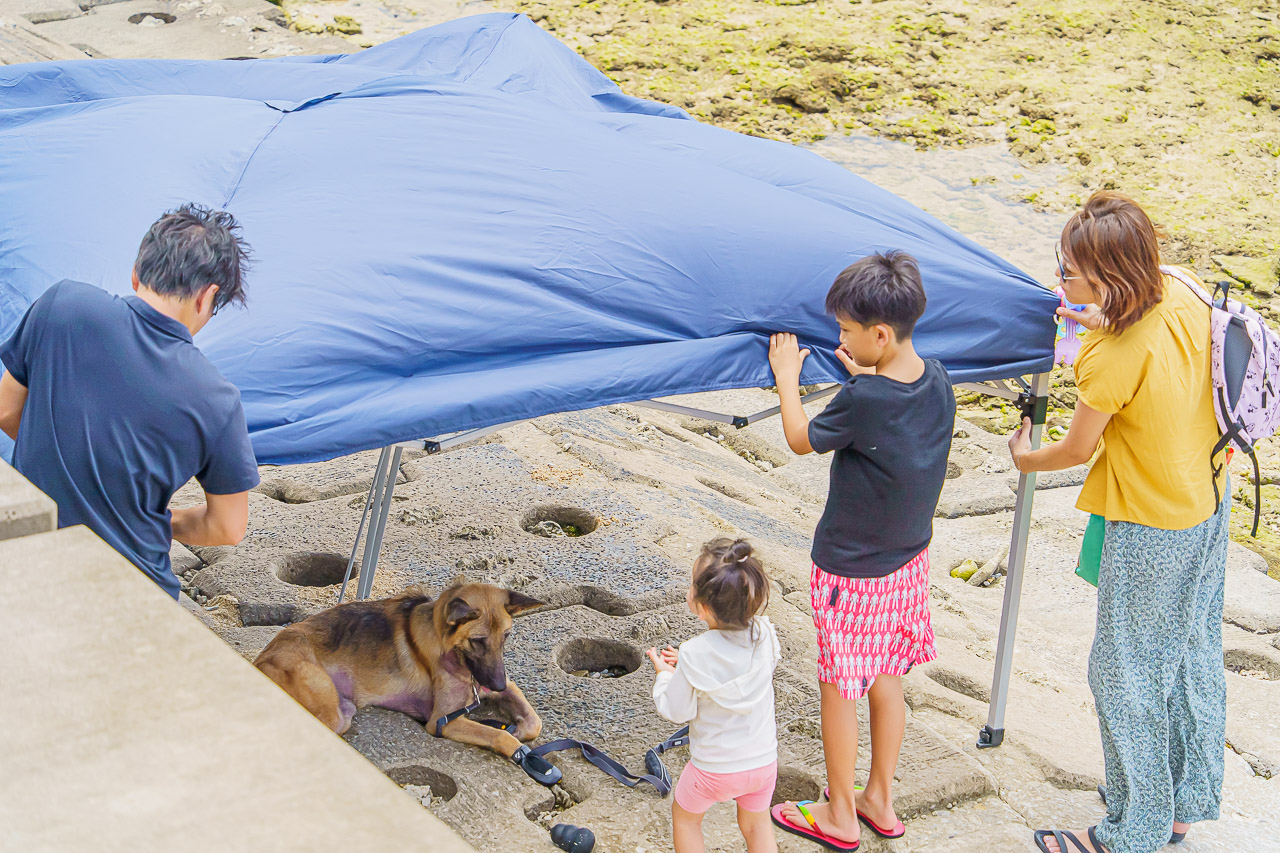
That dog has the right idea about relaxing.

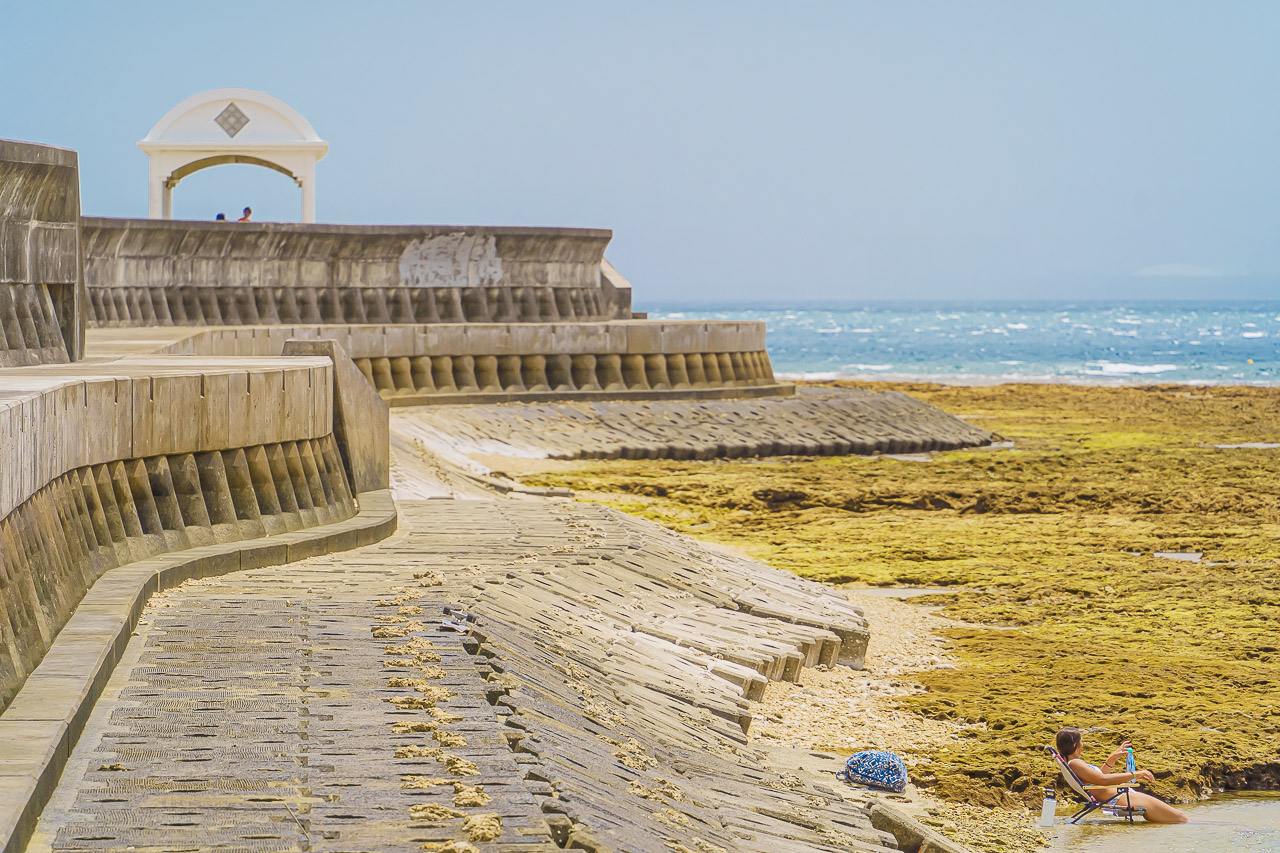
Before us are a cobalt-blue sky and sea.
Transit Café lets you eat while watching the waterfront change with the passing hours, stepping out of ordinary life for a little while.
Time feels different here.
Transit Café — Okinawa, Chatan
Address: 2F, 2-220 Miyagi, Chatan, Nakagami District, Okinawa
Phone: 098-936-5076