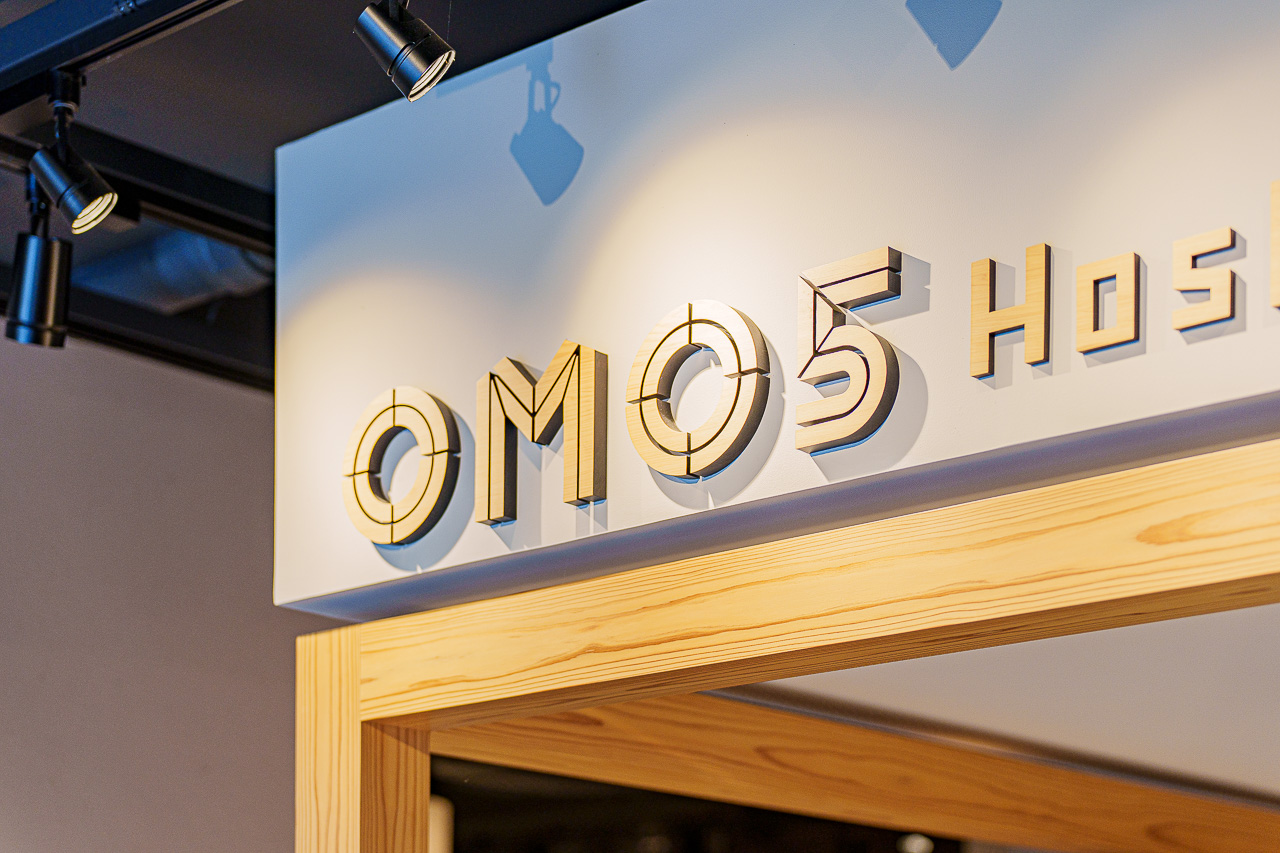
On the second day of my Kyoto trip, I came to OMO5 Kyoto Sanjo by Hoshino Resorts.
It is about 15 minutes by bus from OMO3 Kyoto Toji, introduced in the previous account.
A Journey Back 1,200 Years: OMO3 Kyoto Toji by Hoshino Resorts
A Journey Back 1,200 Years: OMO3 Kyoto Toji by Hoshino Resorts
I visited OMO3 Kyoto Toji by Hoshino Resorts, opened April 15, 2021. While a hotel is usually a base for sightseeing, OMO offers enough activities to make the hotel central to a trip…
errdaytrip.com
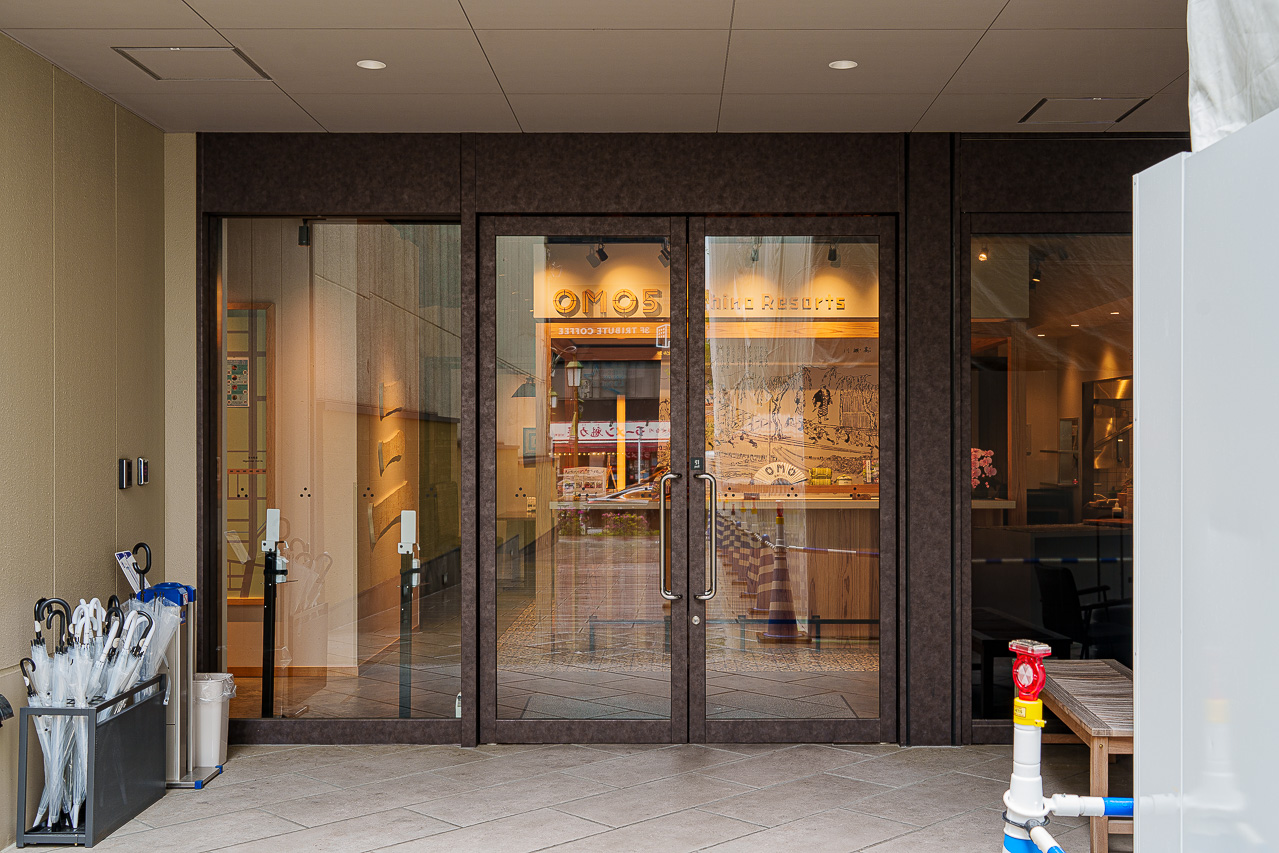
OMO5 Kyoto Sanjo by Hoshino Resorts is a 2-minute walk from Kyoto Shiyakusho-mae Station.
Sanjo has a distinctly Kyoto atmosphere, full of history and tradition.
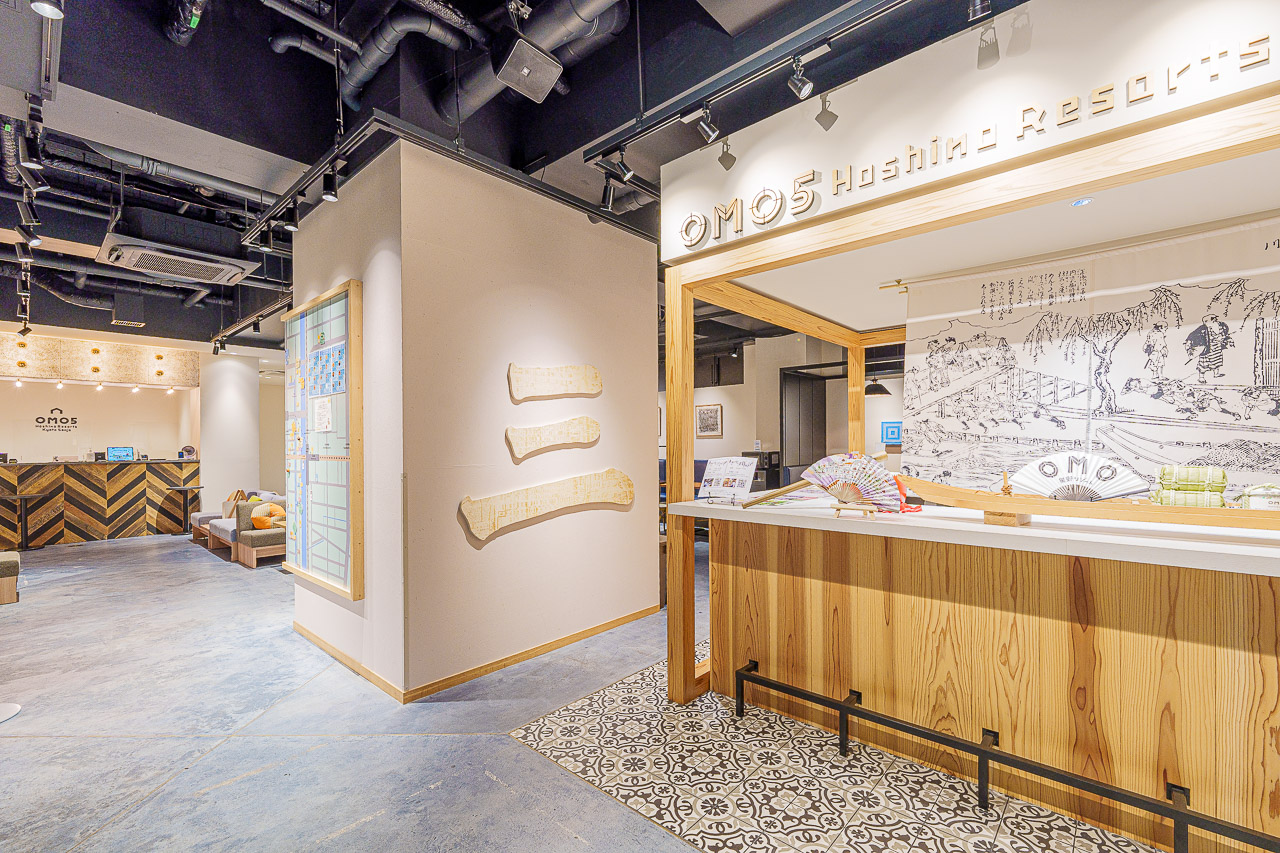
At Hoshino Resorts' city-exploration OMO brand, the number indicates the range of services.
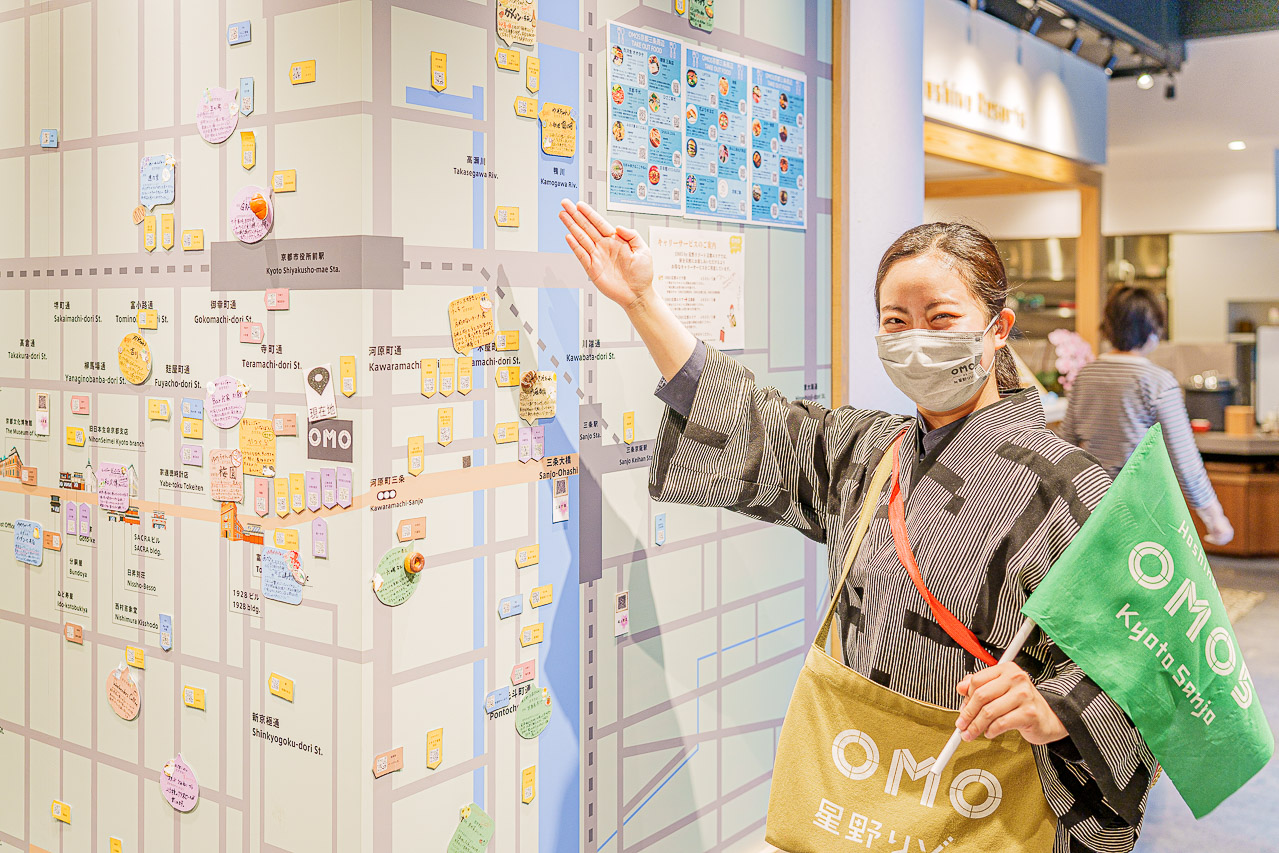
The account describes OMO5 as a boutique hotel with themed OMO Ranger guides, an OMO Base neighborhood map offering places beyond guidebooks, and a restaurant.
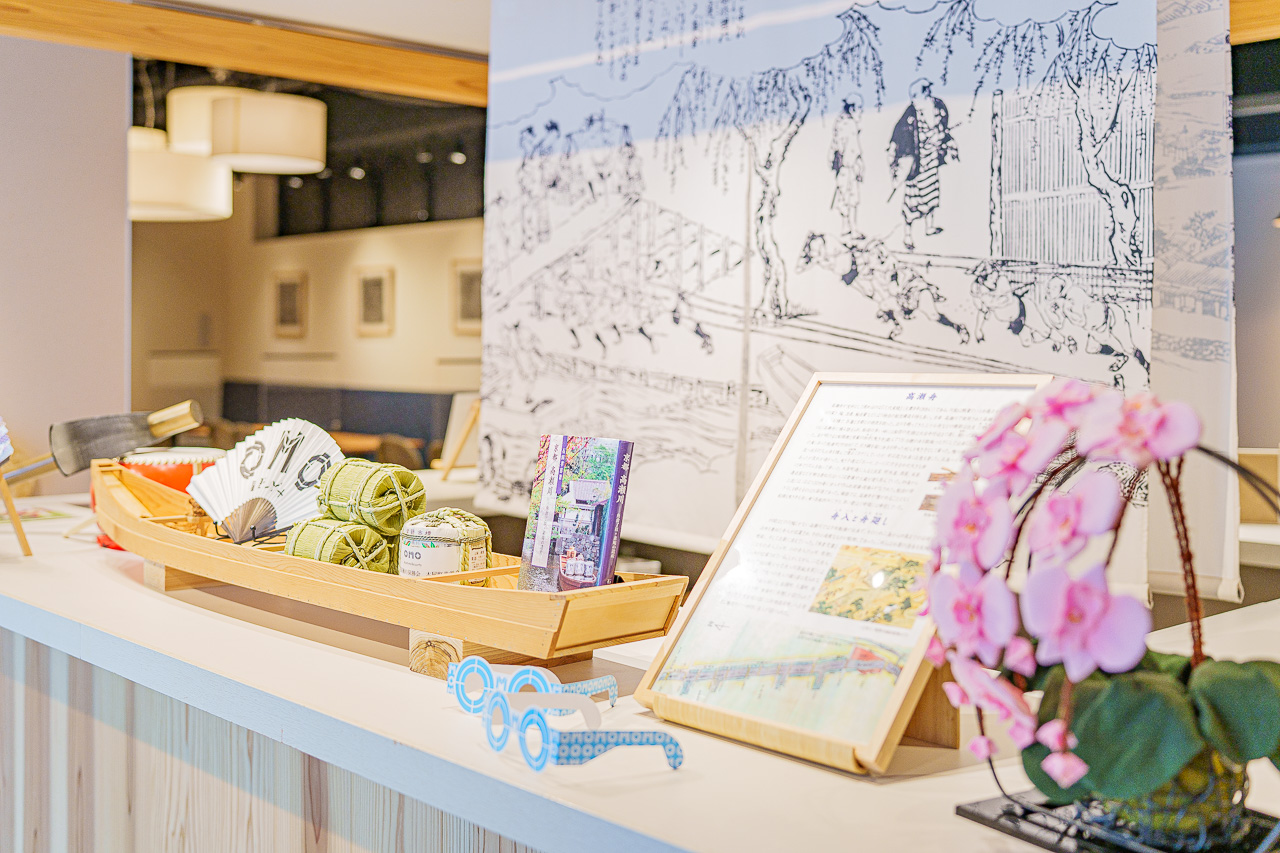
The OMO Base is just inside the hotel entrance.
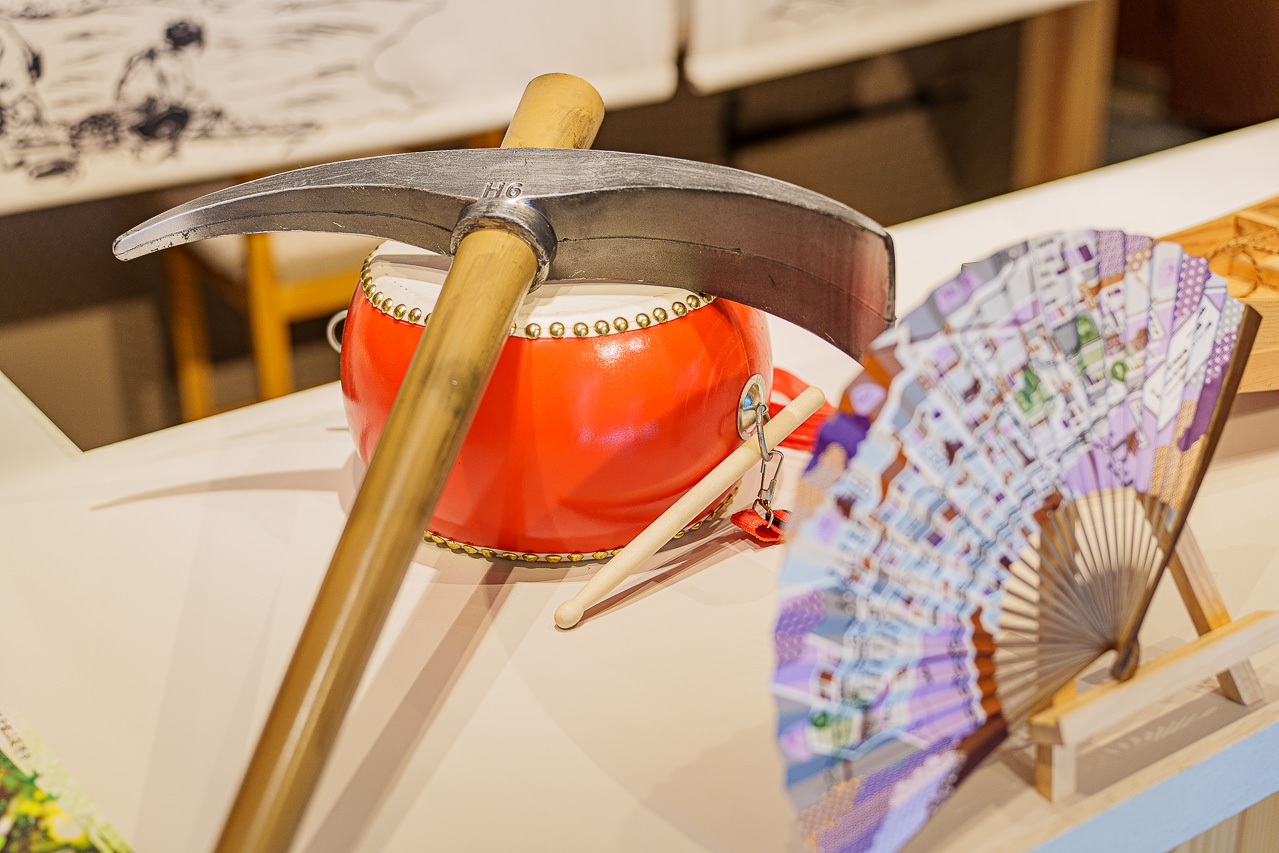
An illustration of Sanjo's Takase River, a boat said to be of the type once used there and historical objects raised my curiosity.
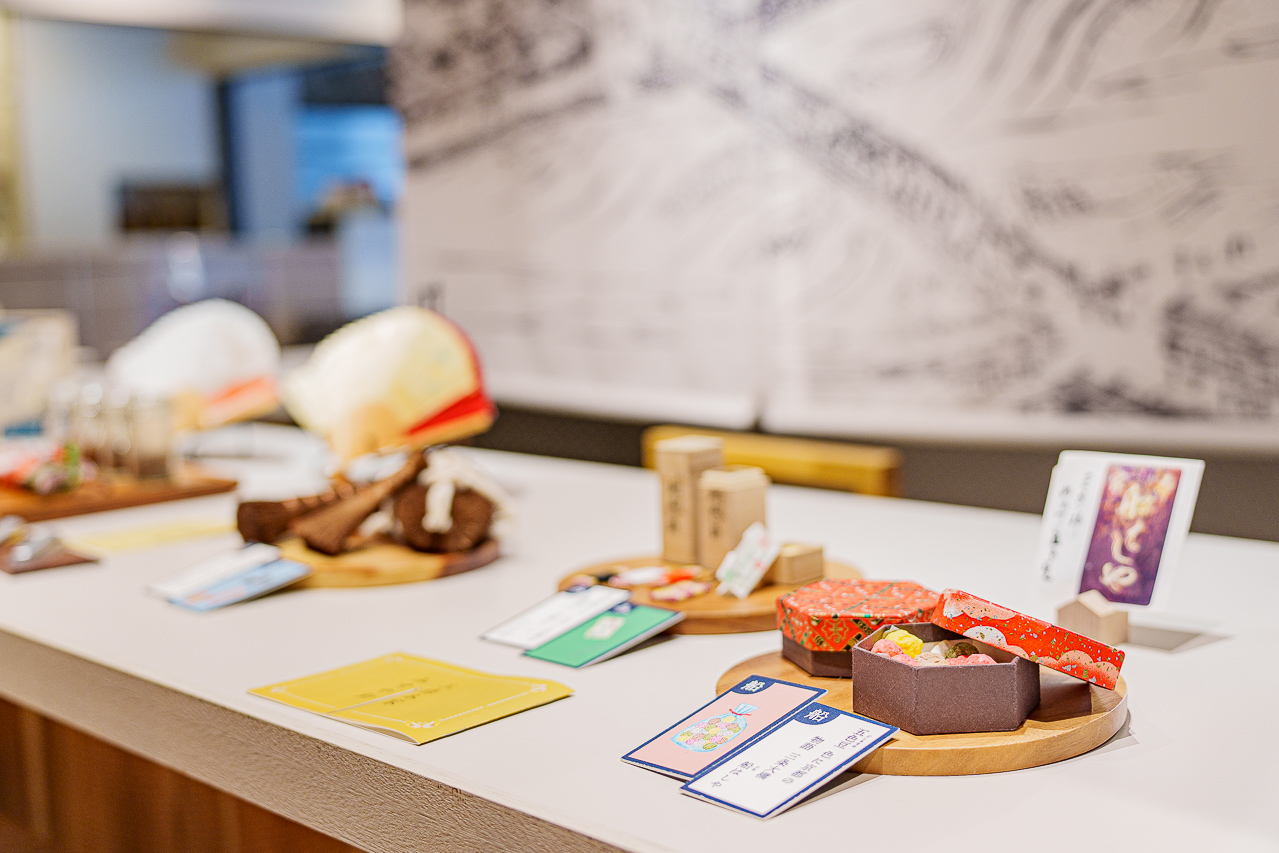
Products from nearby long-established businesses were displayed too: Japanese sweets, needles and tawashi scrub brushes that can be hard to find elsewhere.
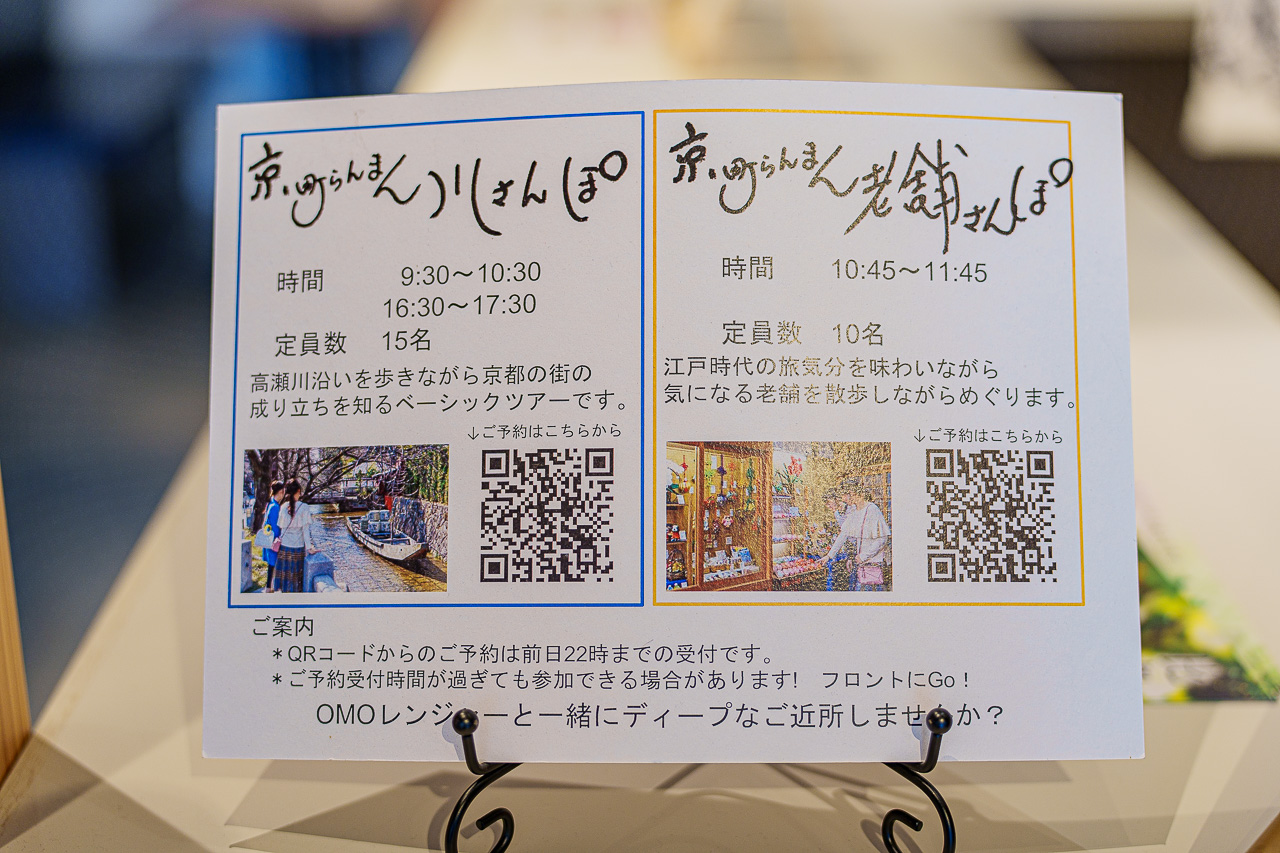
The OMO Ranger's Kyomachi Ranman River Walk and Long-Established Shop Walk promised to answer those questions.
The tours were free and first come, first served. Fortunately, visiting on a weekday let me reserve both.
For guests wanting an OMO Ranger tour, the account recommends contacting the hotel ahead when booking the stay.

Turning left brought me to reception.

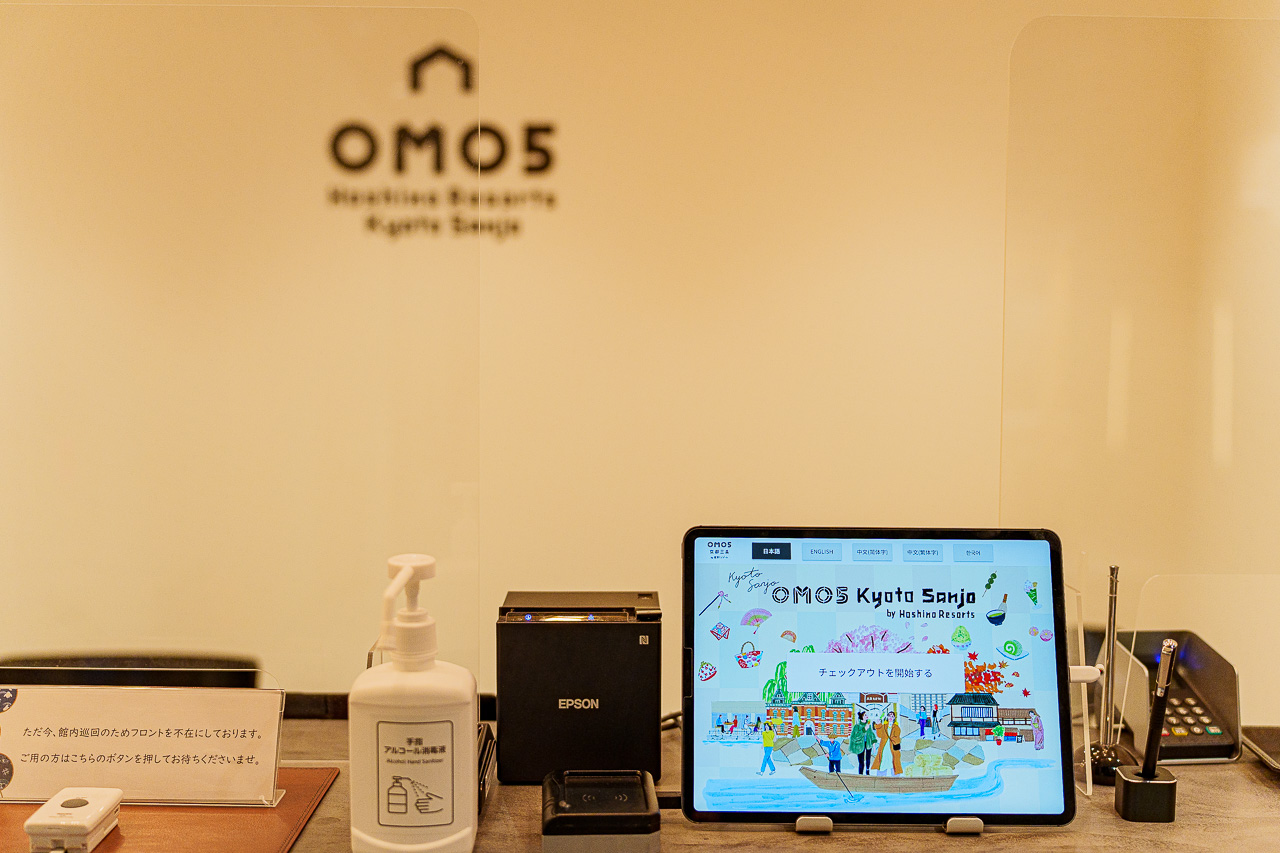
Check-in was straightforward on a tablet.
Korean could also be selected, which was convenient for me.
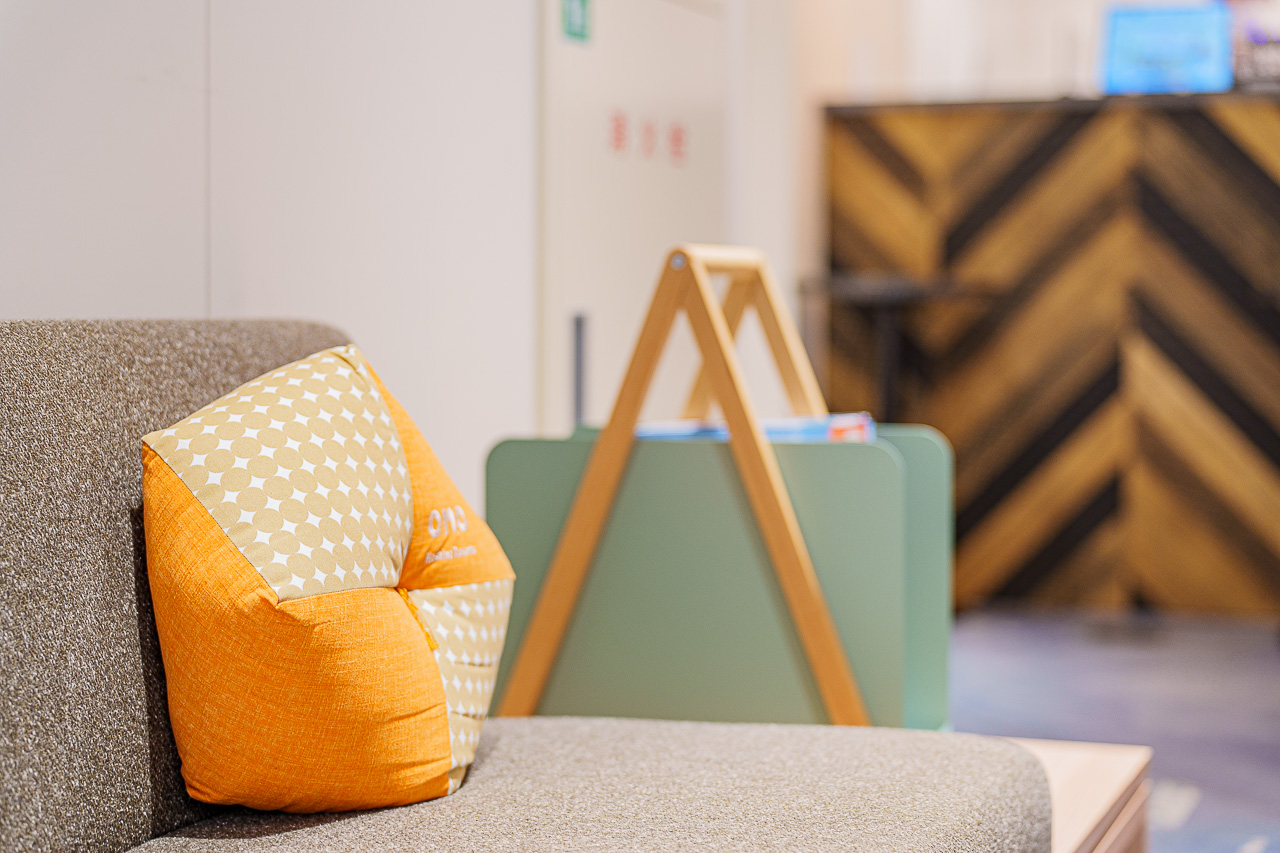
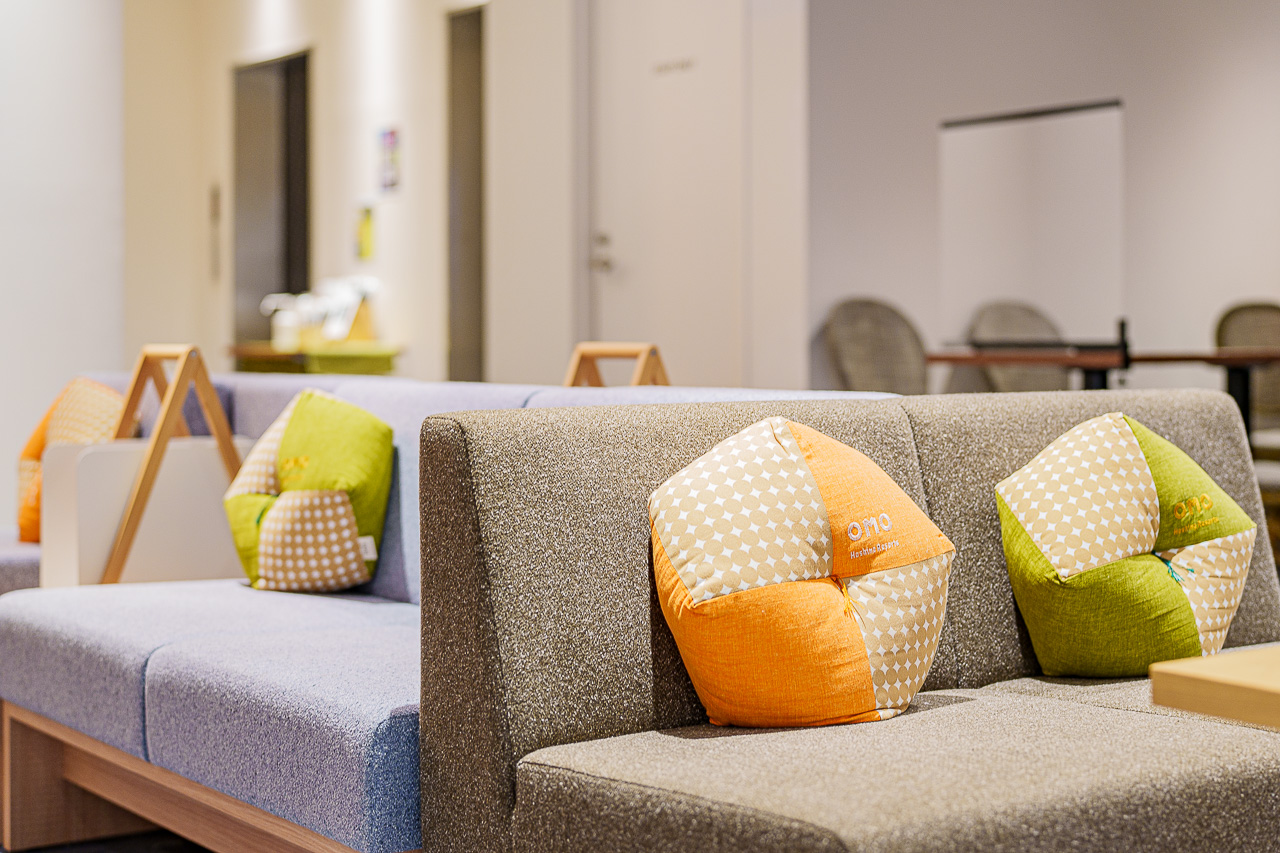
Sofas and cushions with the cute OMO logo surrounded reception.
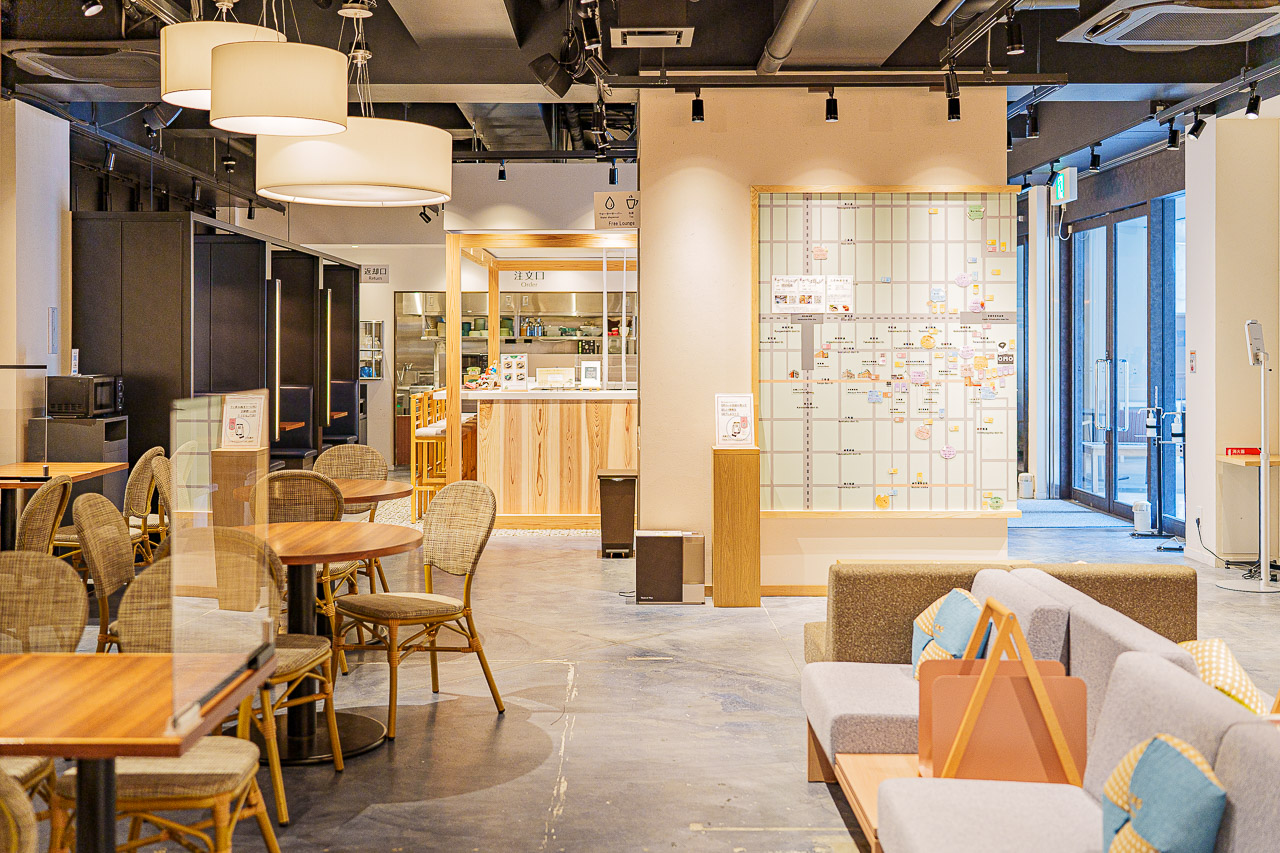
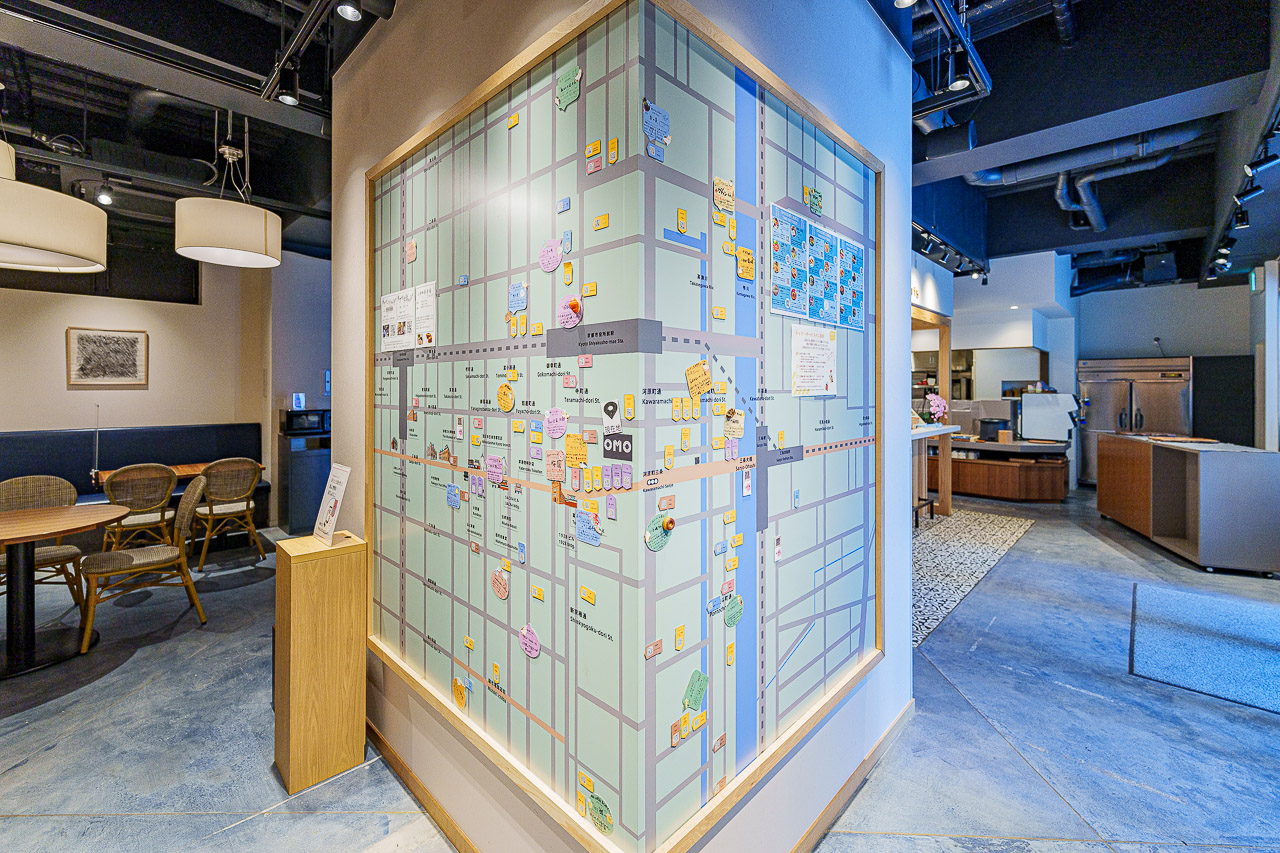
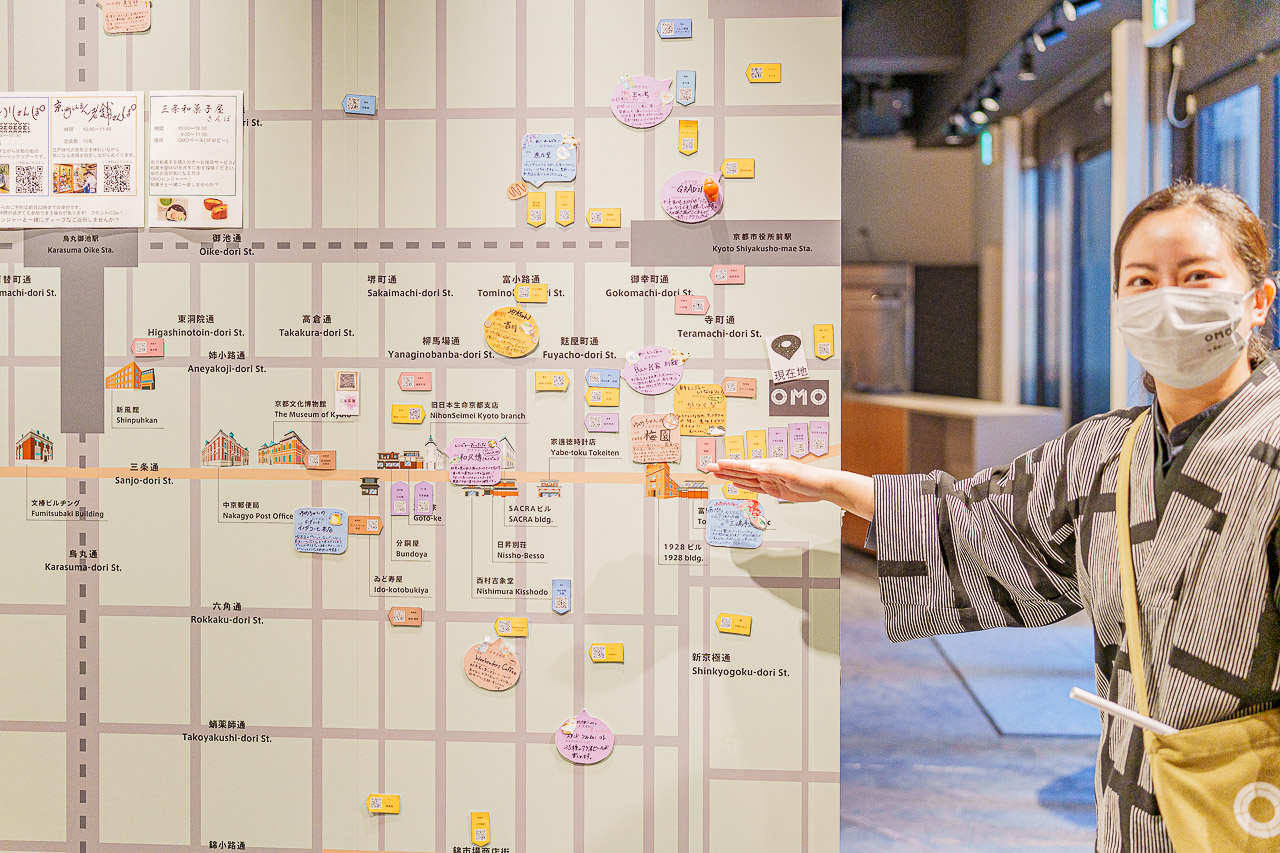
Behind me was the neighborhood map, gathering nearby facilities and restaurants.
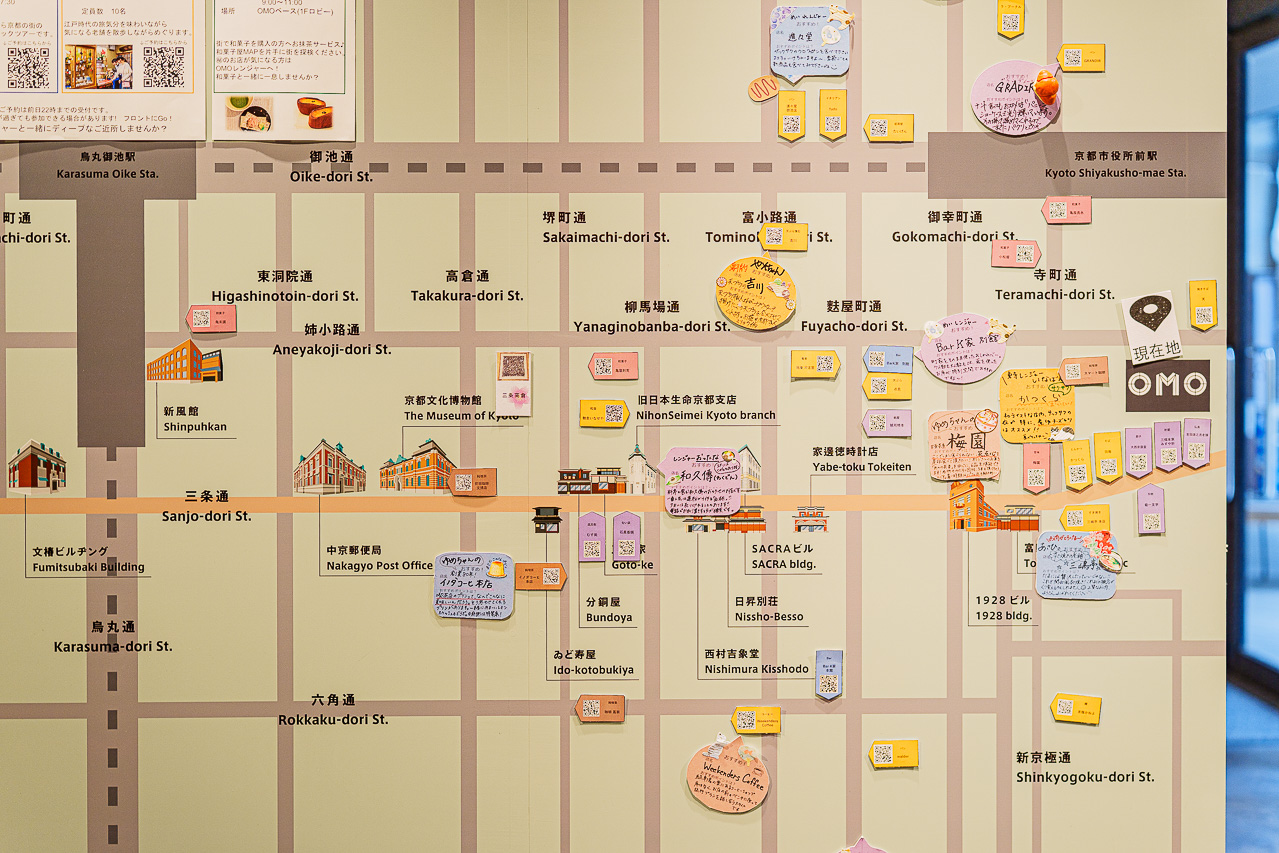
The board displayed places discovered by hotel staff themselves; at OMO5 Kyoto Sanjo, many were cafés.
Attractive cafés making use of Kyoto's atmosphere are another pleasure of this neighborhood.
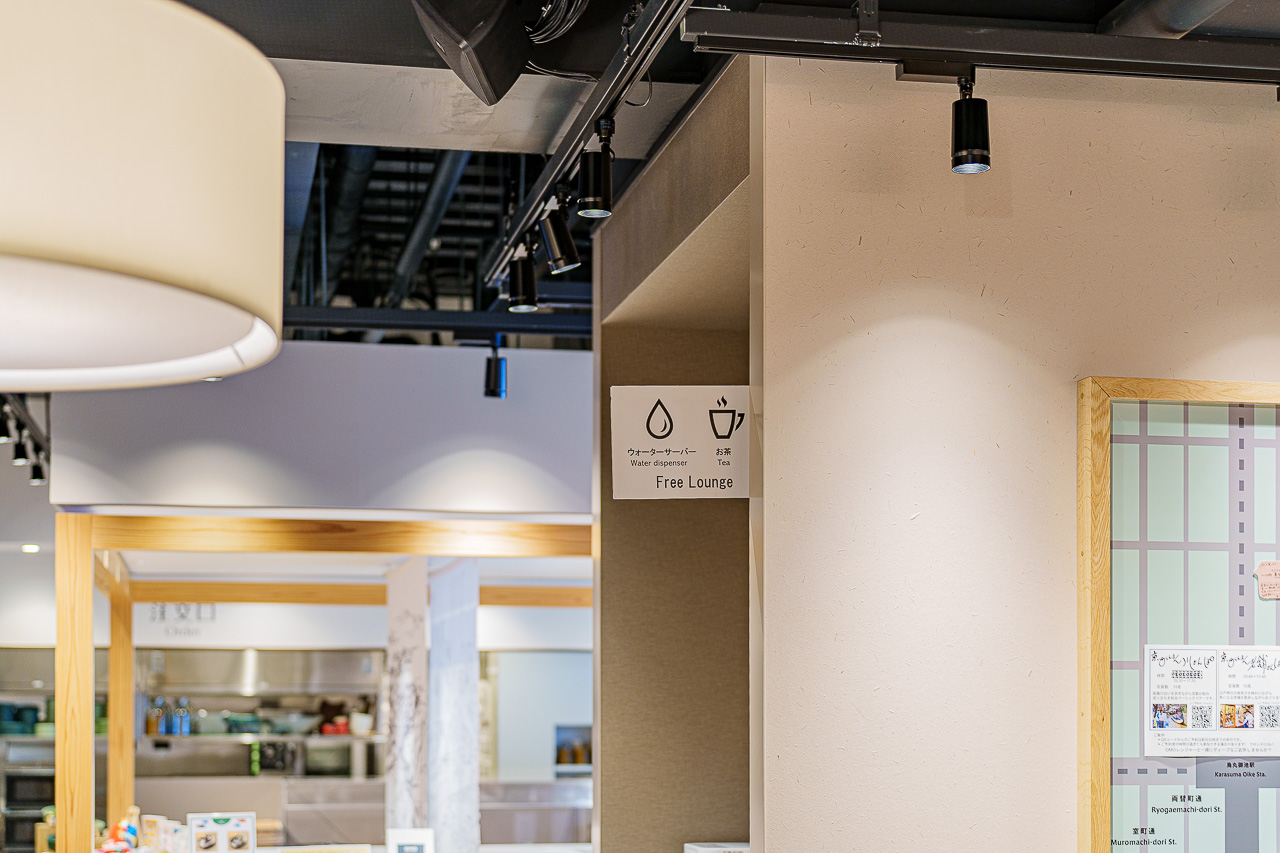
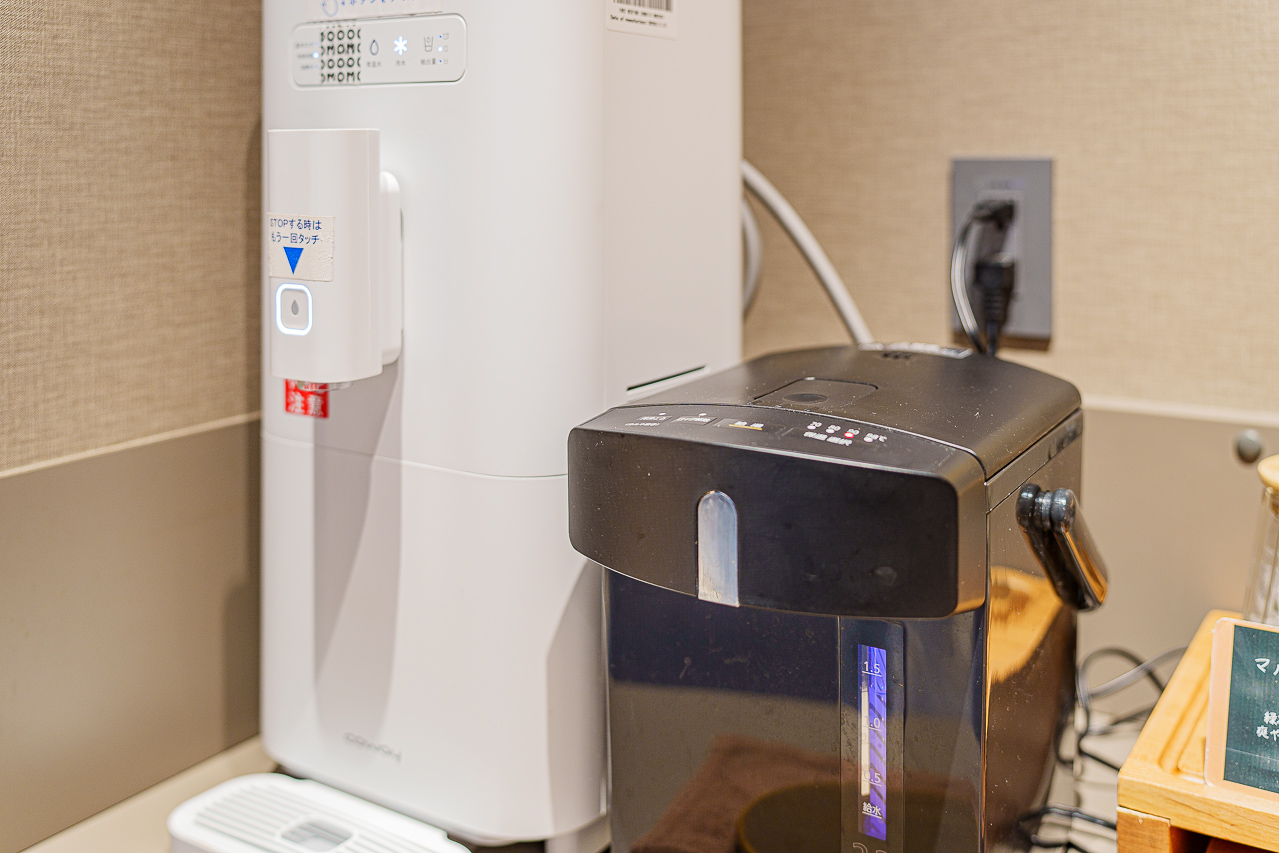
Beside the map was a freely accessible lounge.
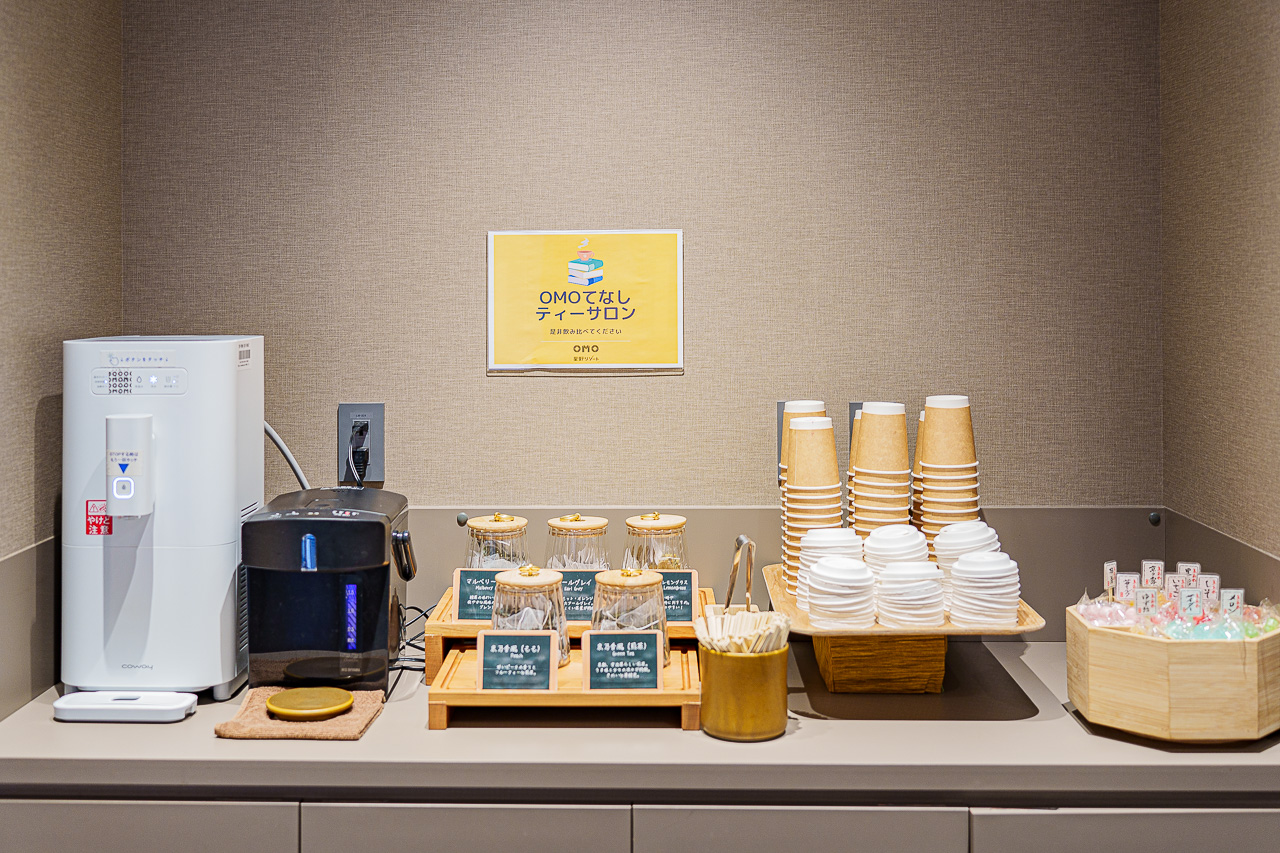
Fitting tea-loving Kyoto, a selection of teas was available.
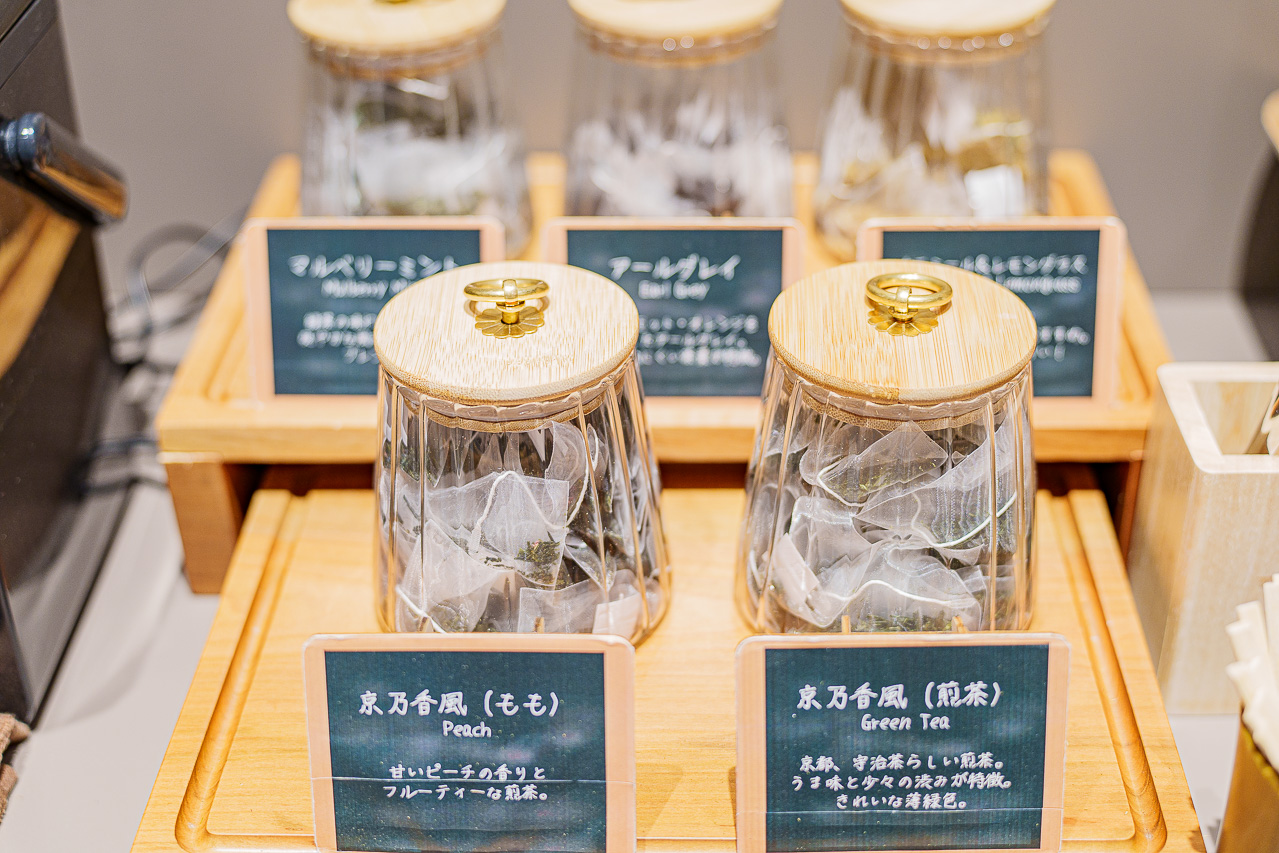
There were 5 kinds, including green tea, Earl Grey and peach tea.
I could drink in the lounge or take tea to the room.
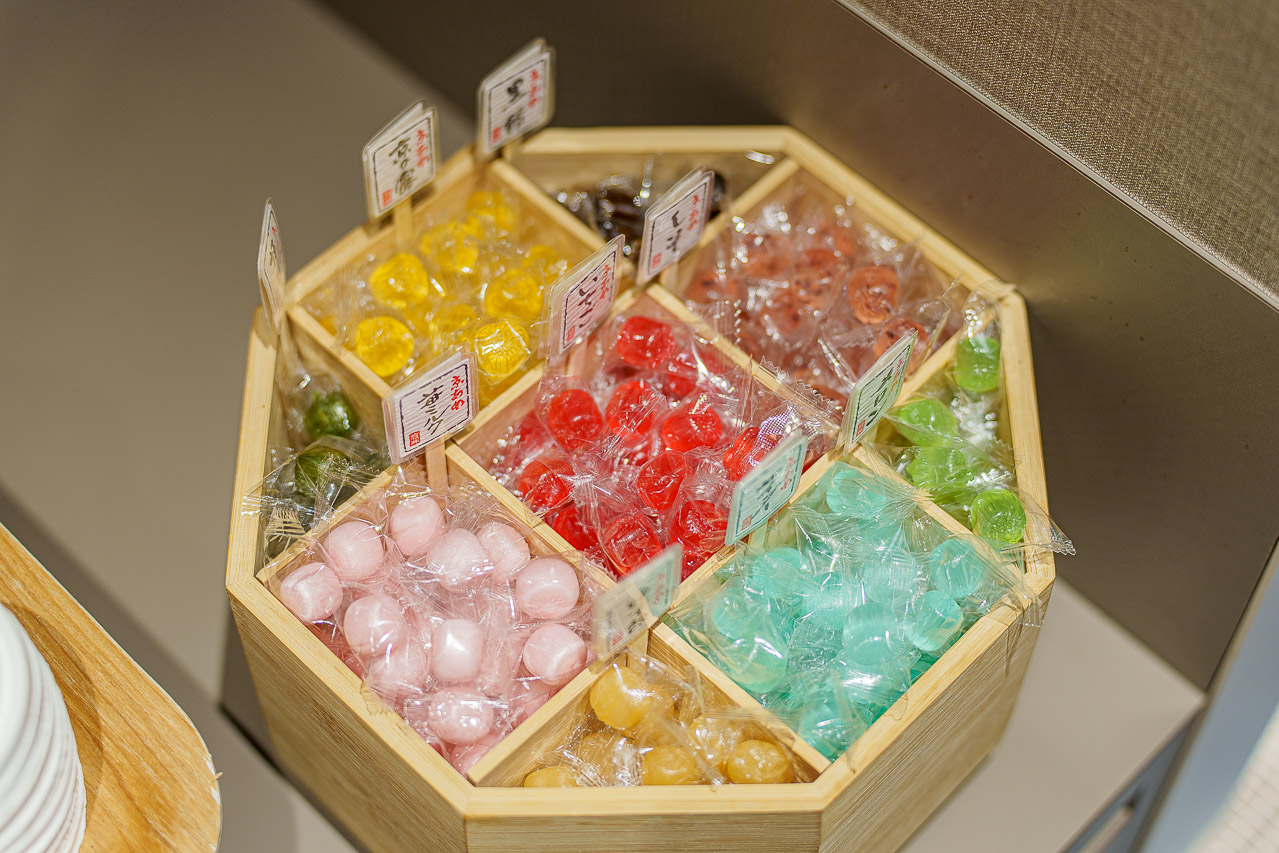
Candy in 9 flavors was available for a sweet break.
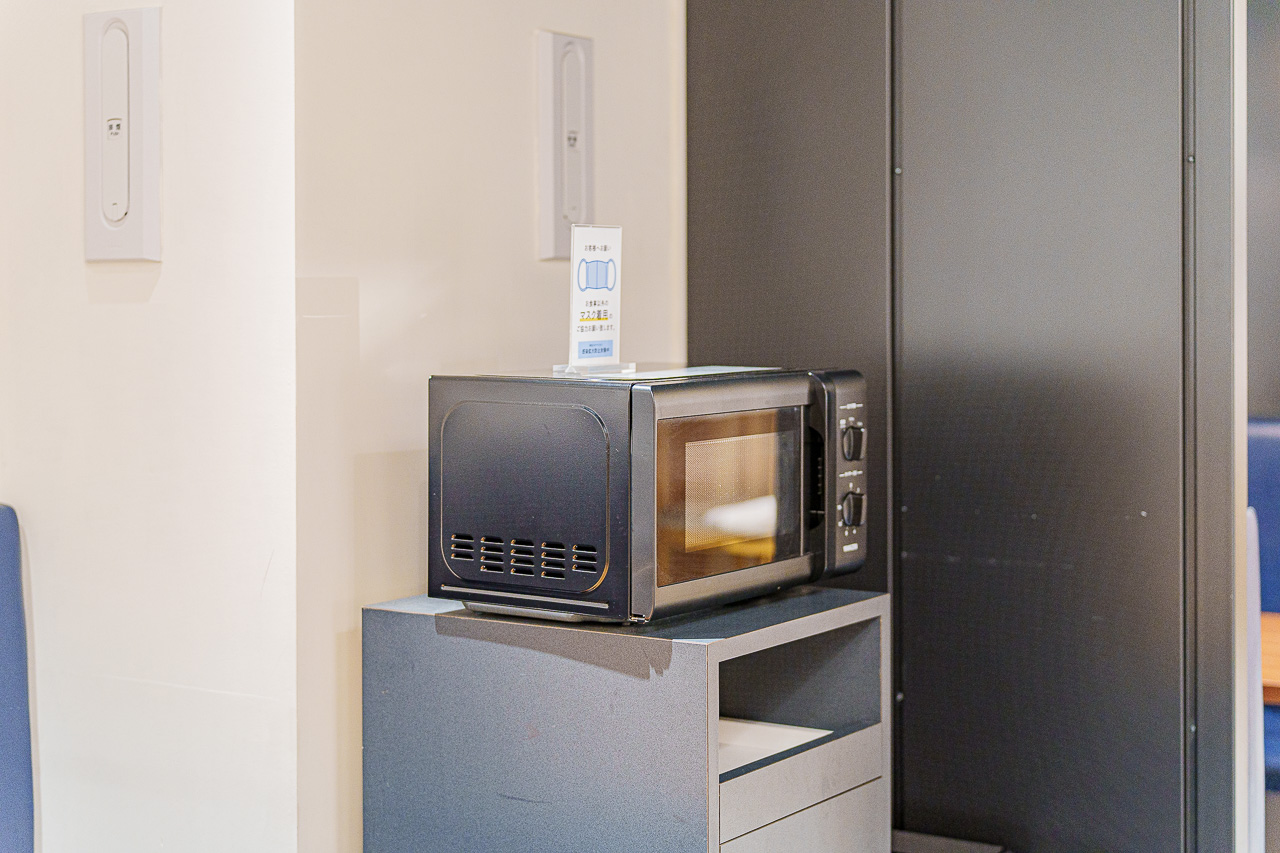
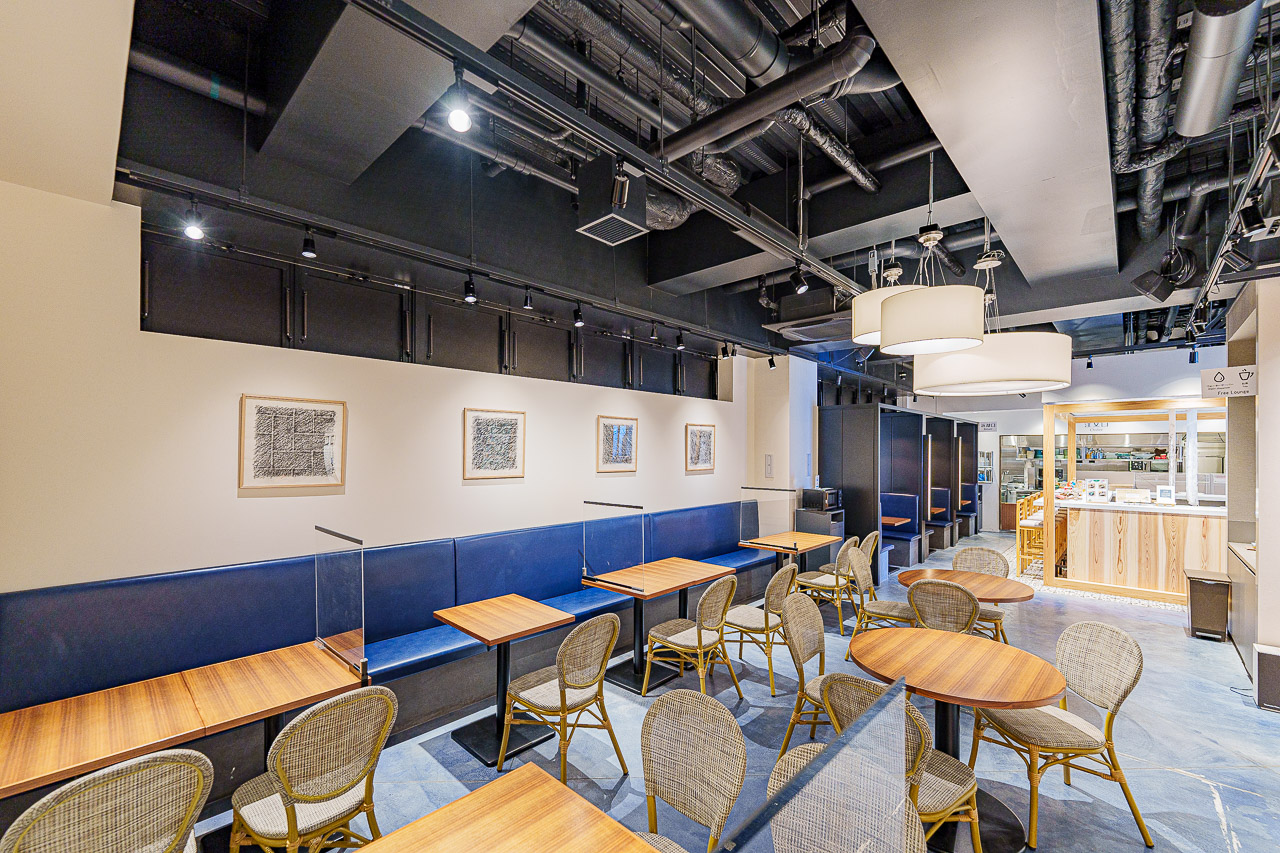
The lounge had plenty of space to sit over tea.
For this day, I thought I might replace coffee with tea.


Pajamas with the OMO logo and amenities stood in front of the elevator.
Pajamas cost ¥200; amenities were free.
In this account, OMO rooms did not normally have amenities already supplied, so I picked them up before going upstairs.
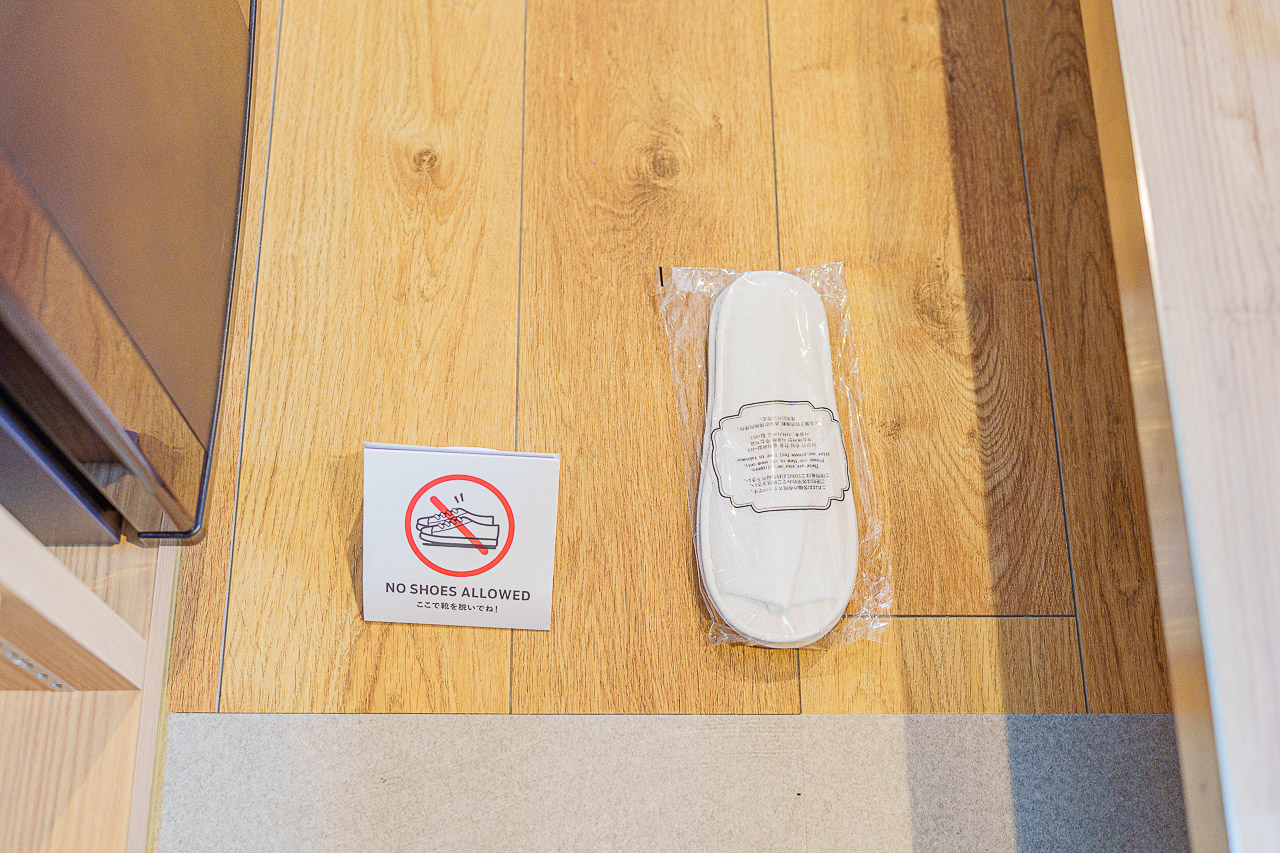
The room had a wood-floor feel, with shoes removed at the entrance.
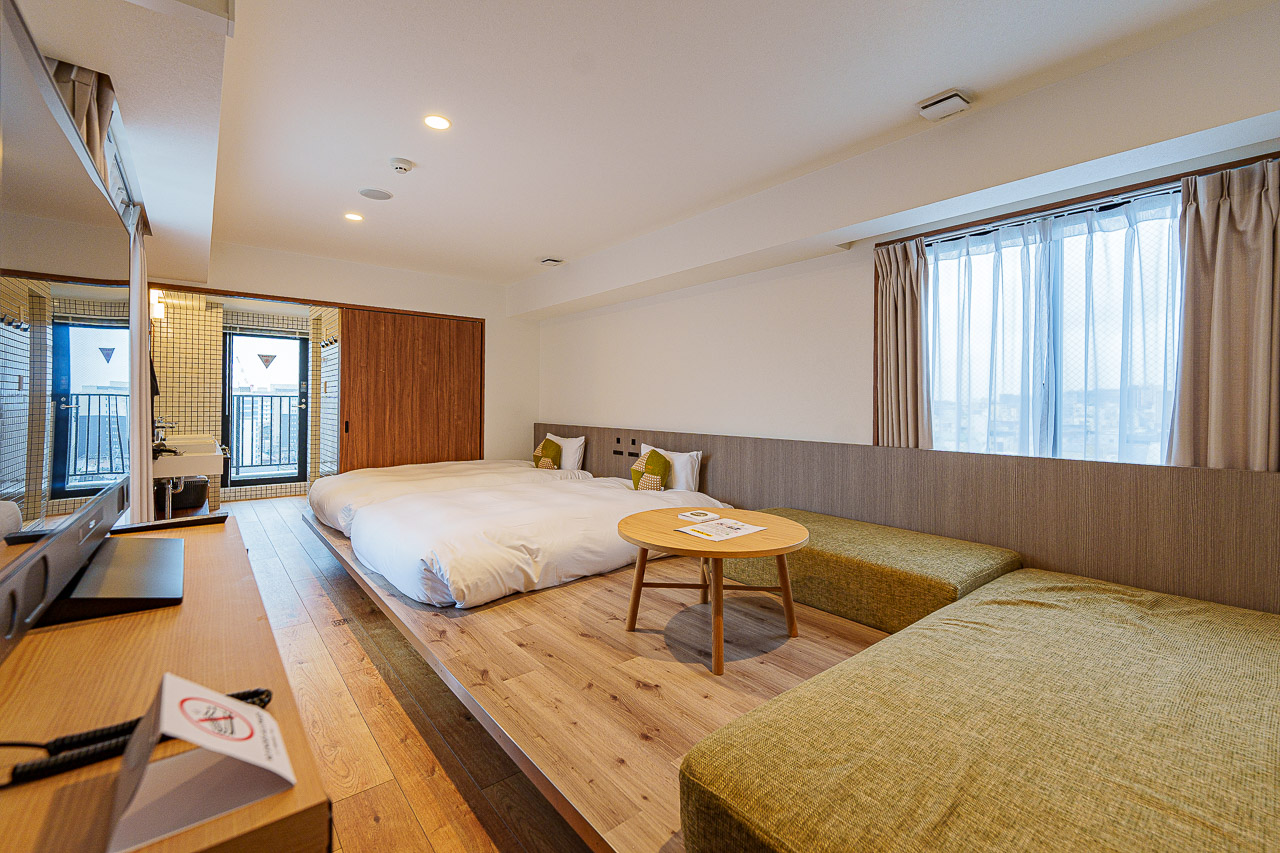
It was fairly spacious, with beds, a sofa, toilet and washbasin.
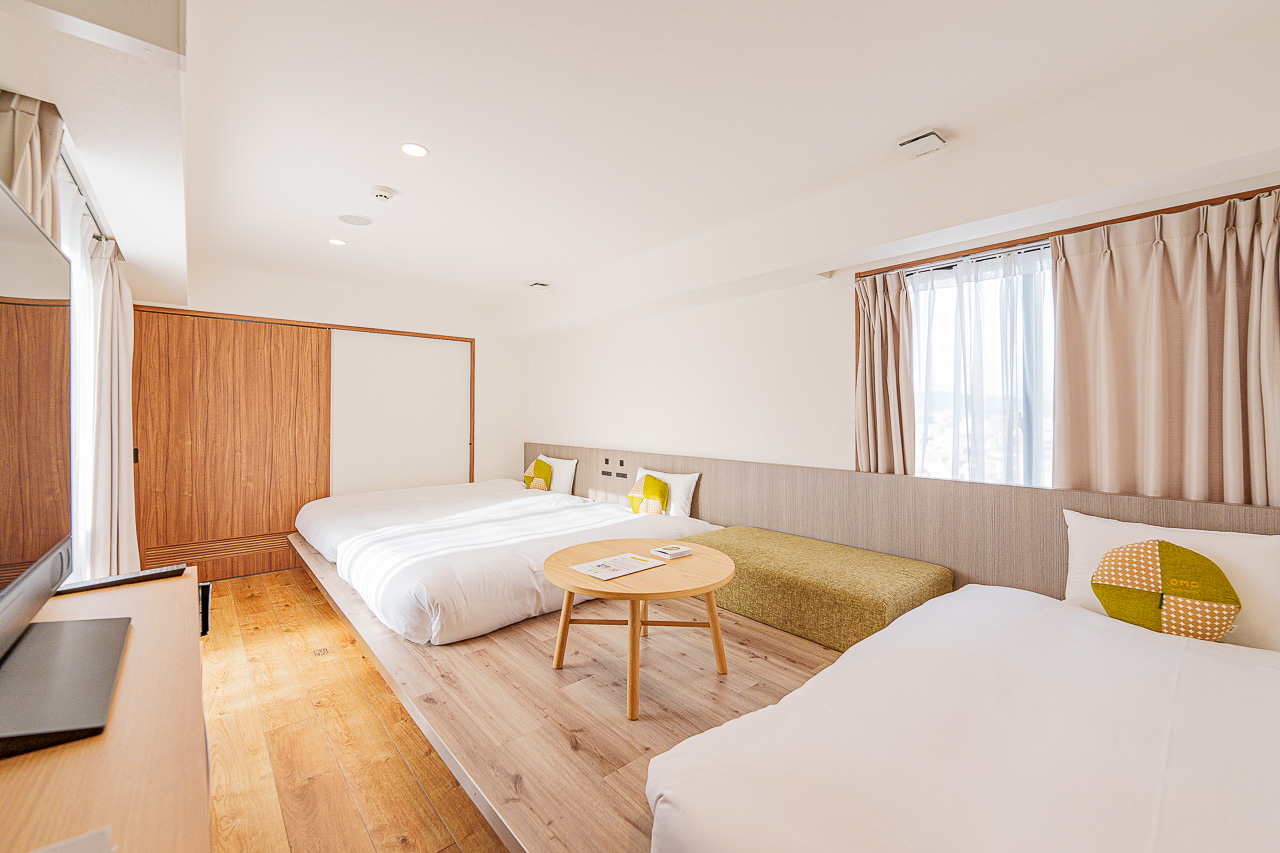
Doors could open or close off the washbasin area.
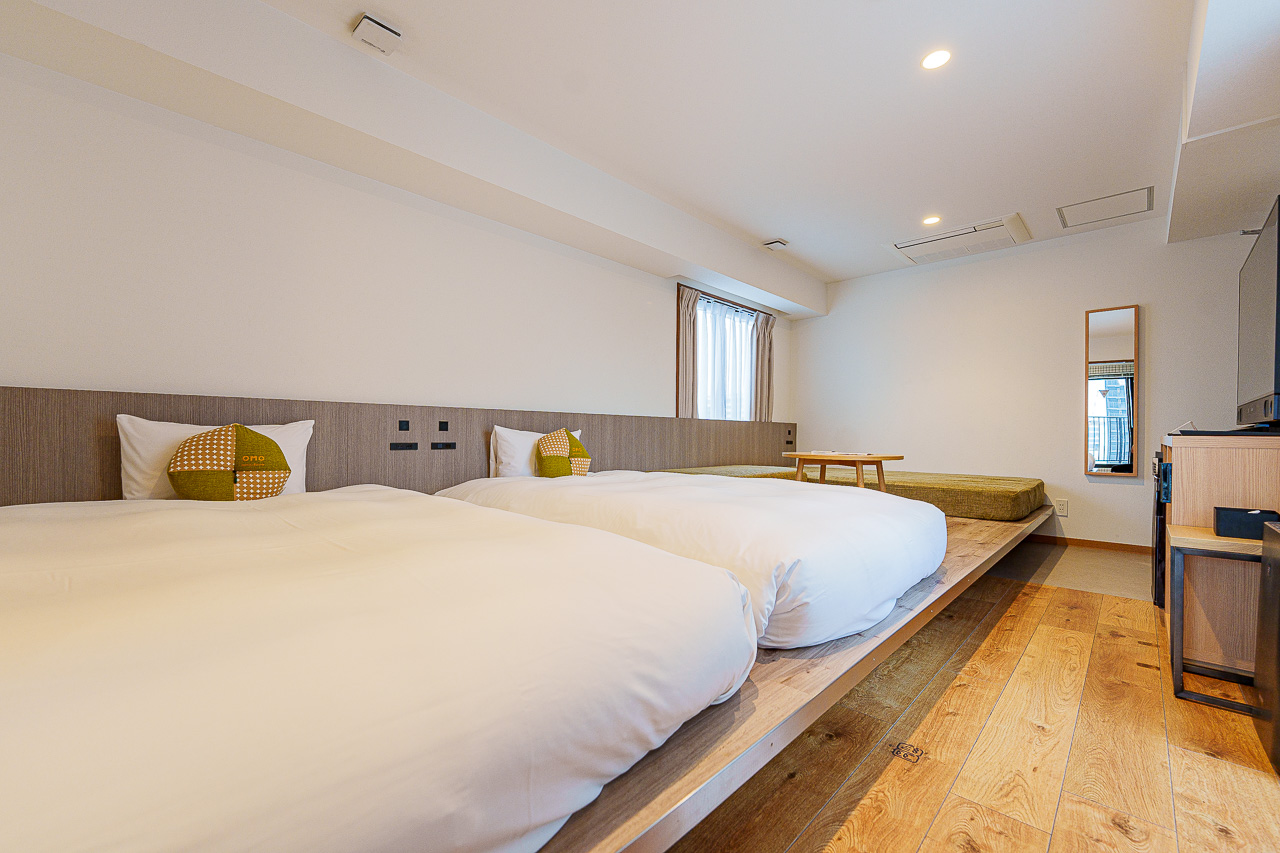
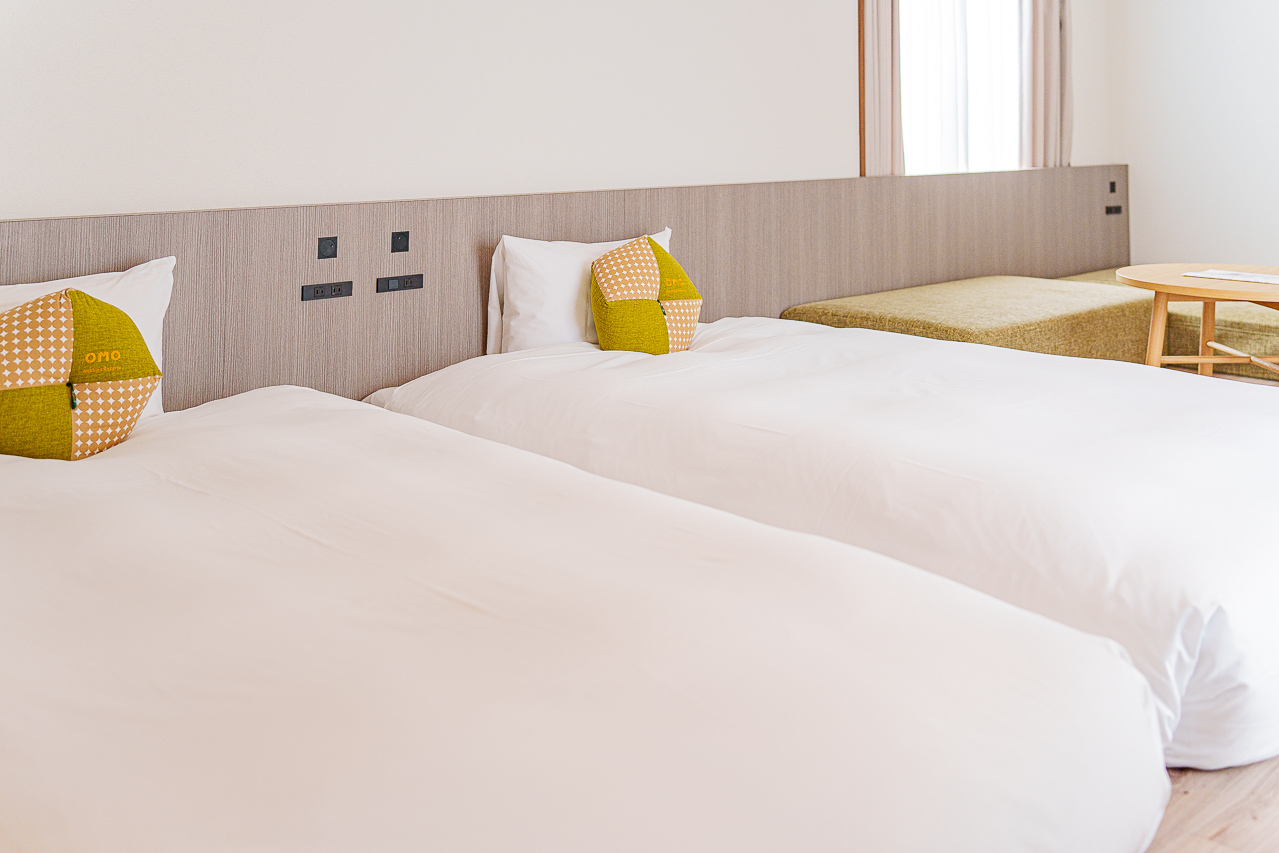
The beds looked soft.
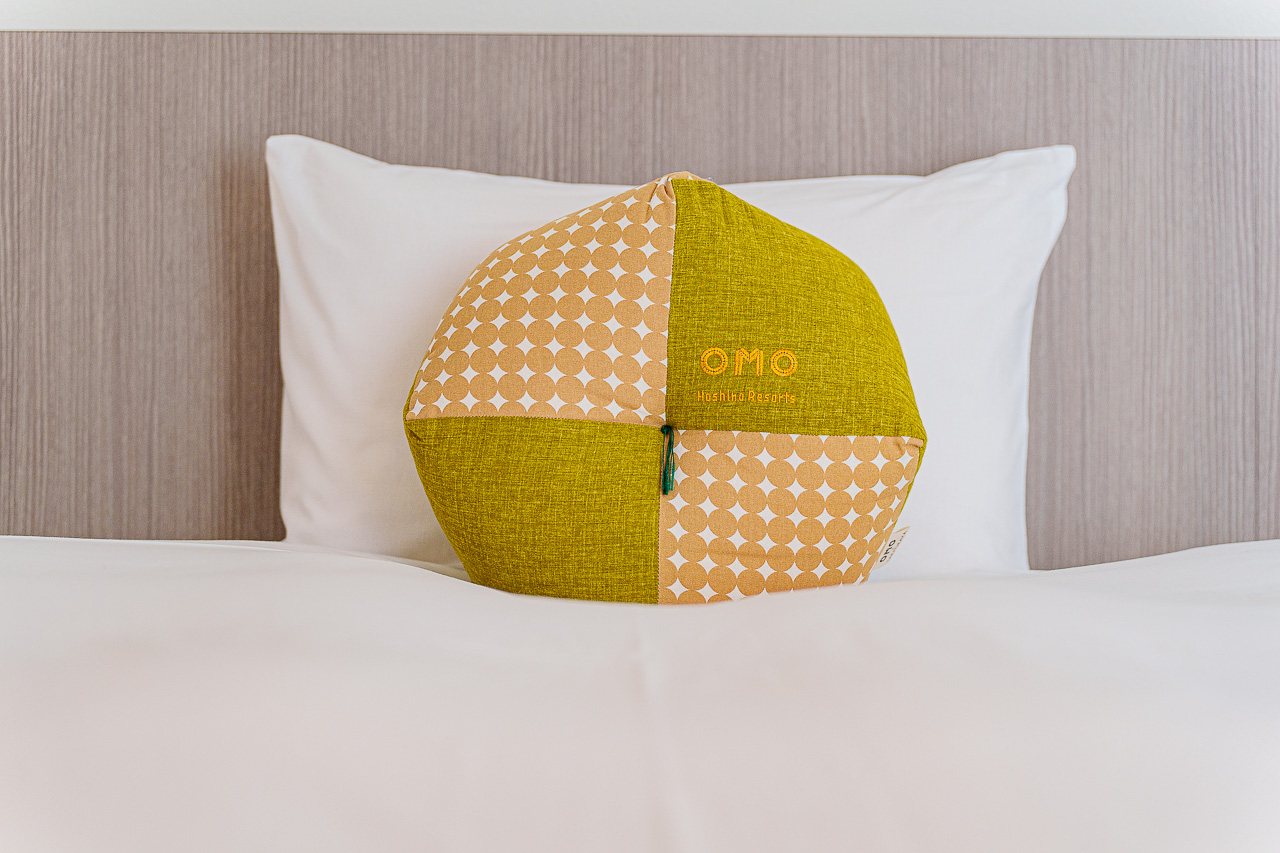
My favorite comfortable cushion with the cute OMO logo.
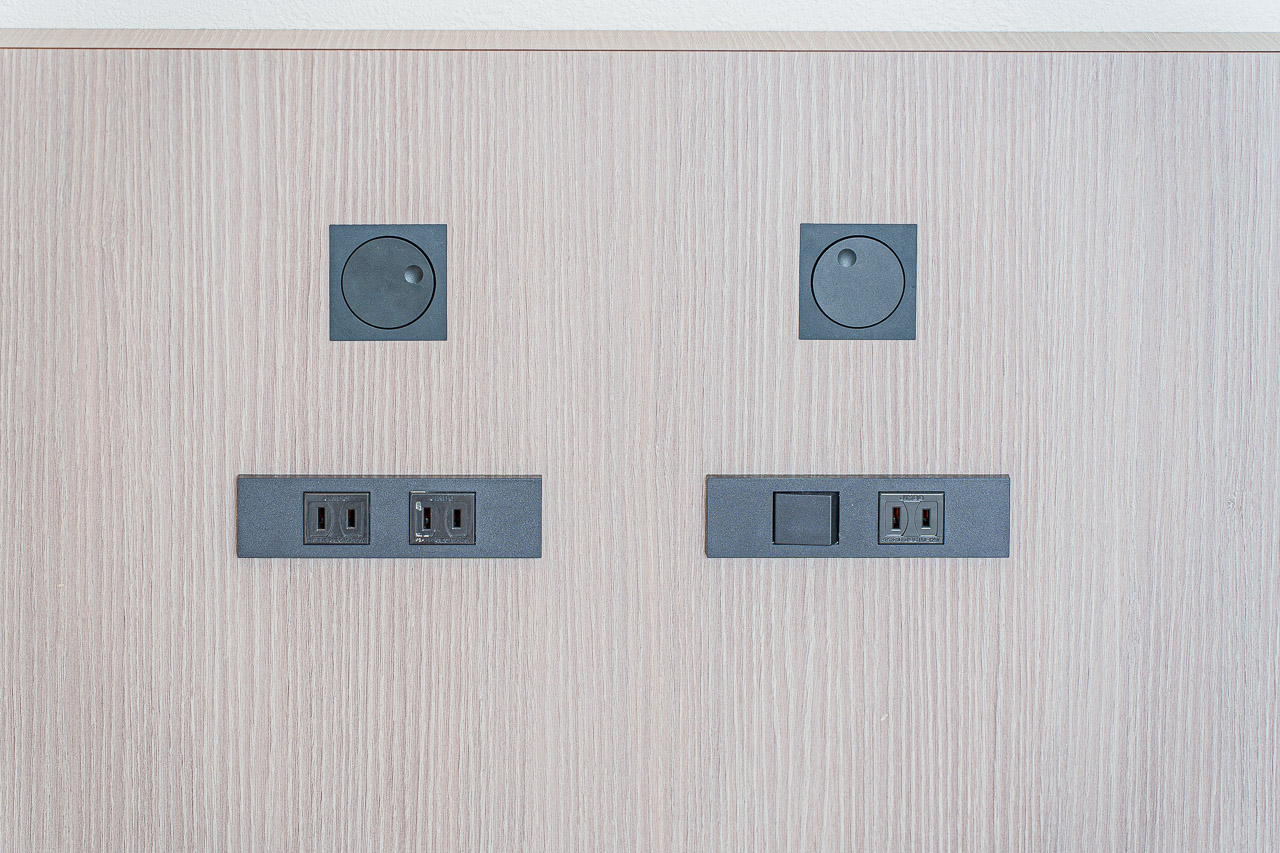
Reading lights and plenty of power sockets were beside the bed.
The absence of USB charging sockets was a small disappointment.
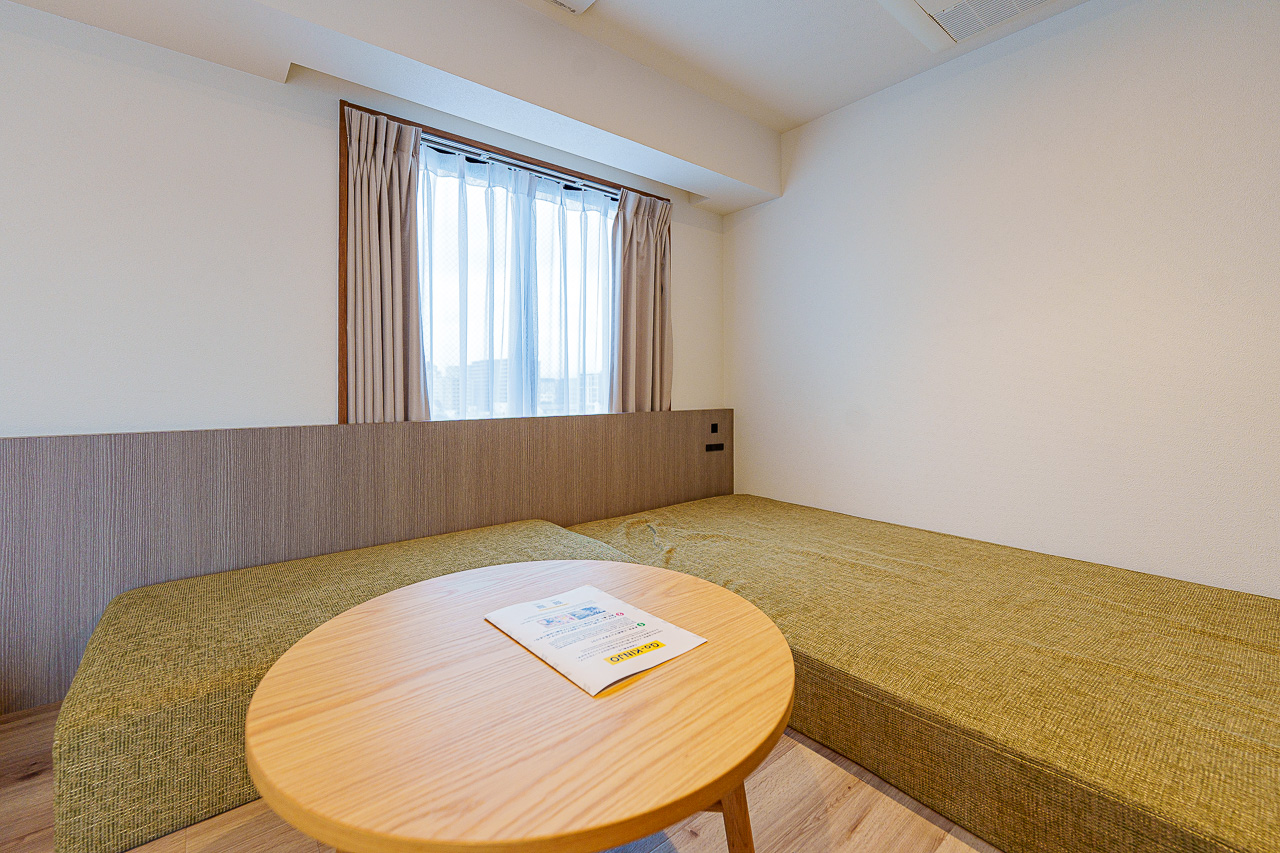
A large sofa and table stood beside the bed.
It looked large enough for someone to lie down—my impression, rather than a room-capacity statement.
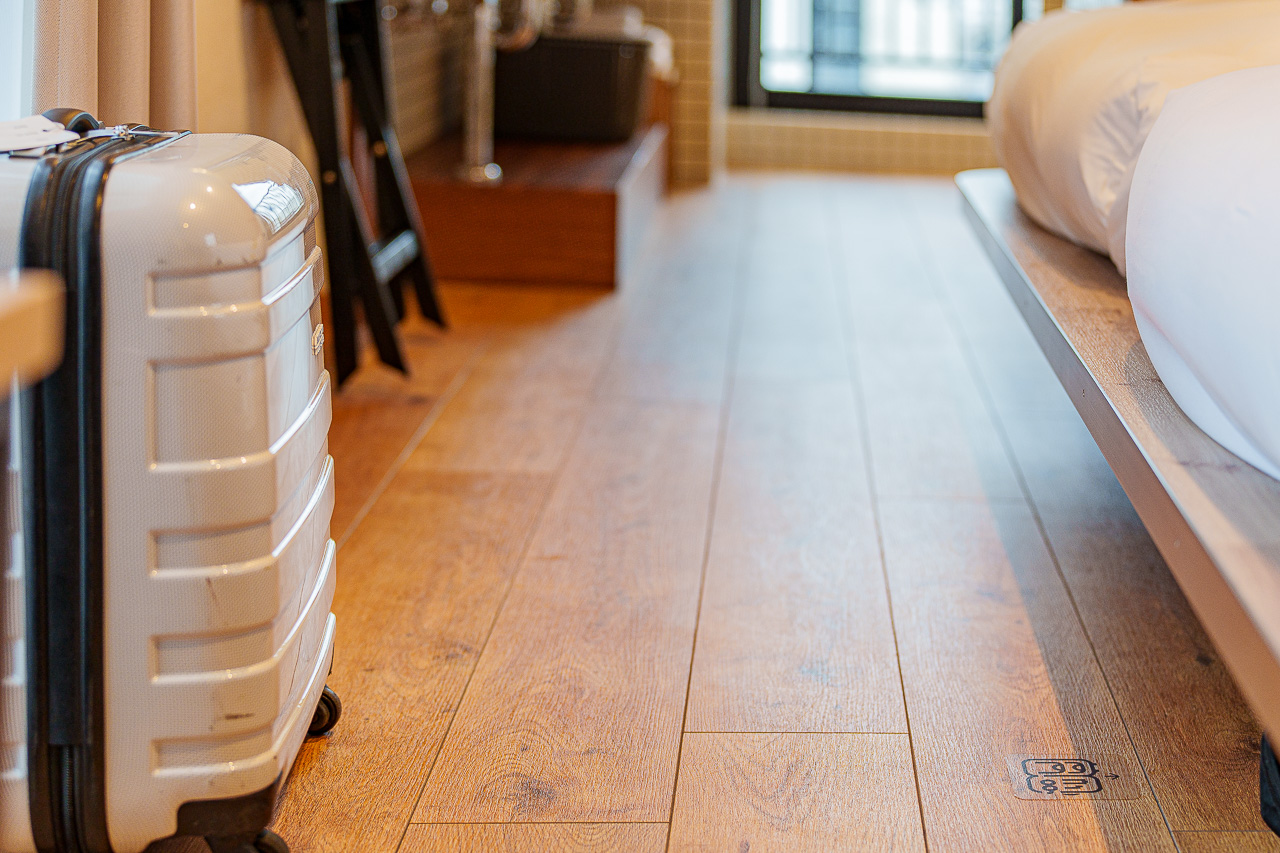
An idea for making the room feel larger was hidden at OMO5 Kyoto Sanjo.
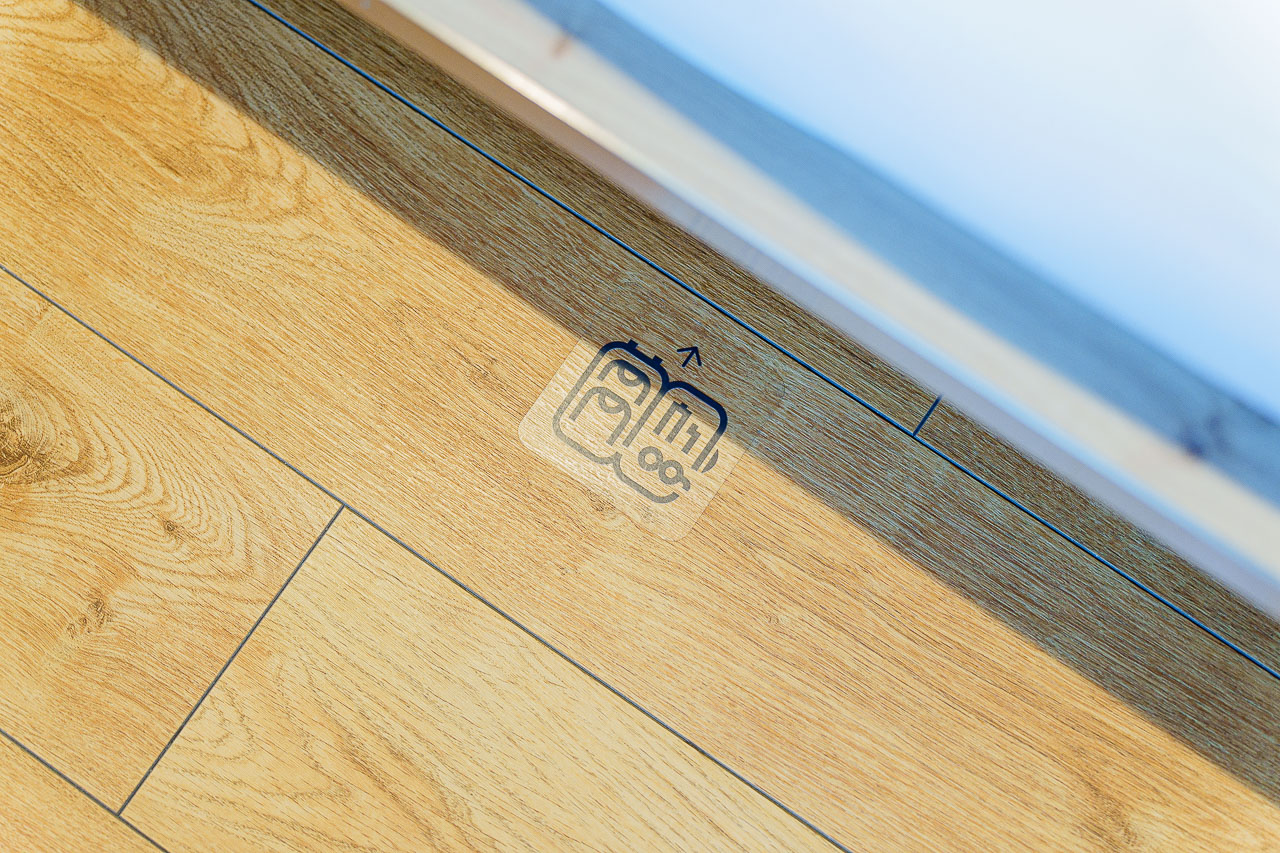
Suitcases can get in the way on a trip,
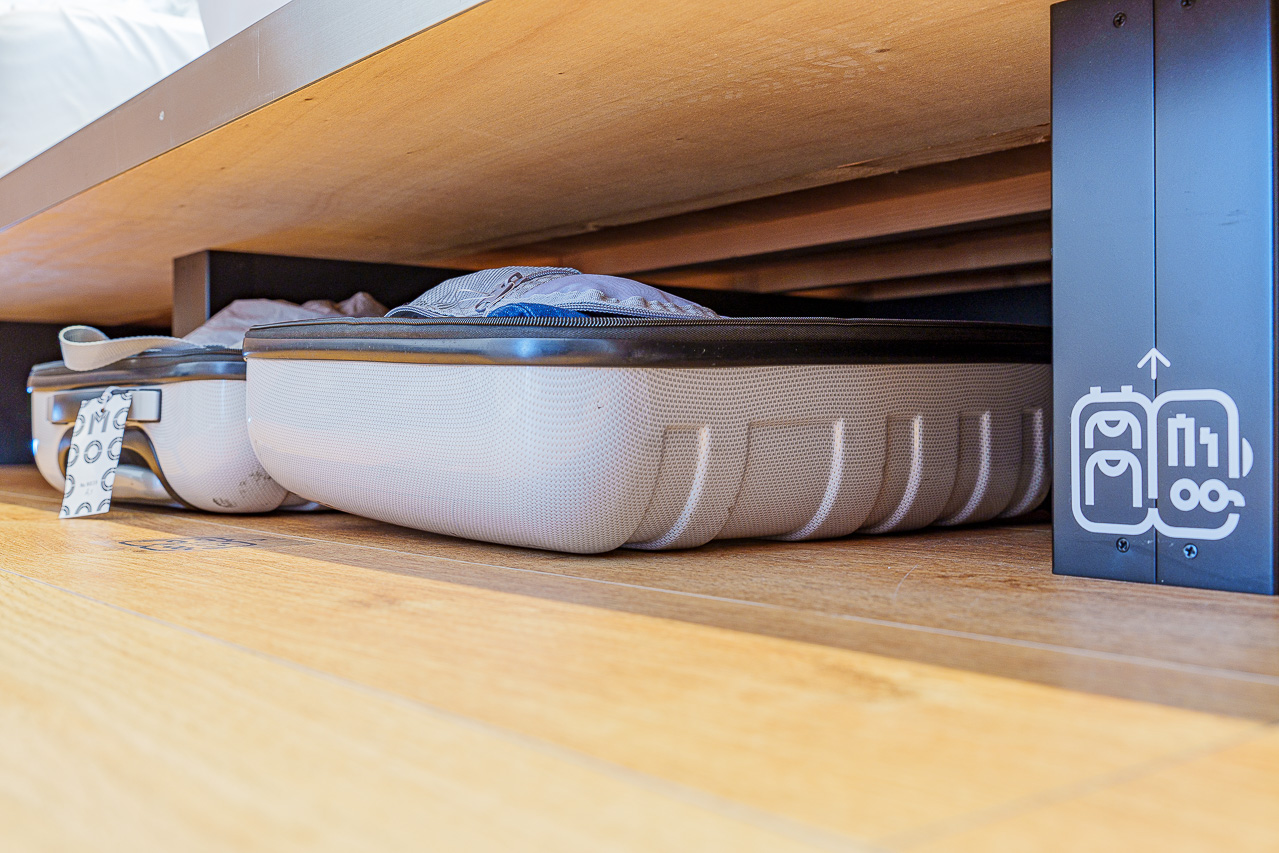
but luggage fitted into the space created beneath the Japanese raised-floor, or koagari, design without obstructing the room.
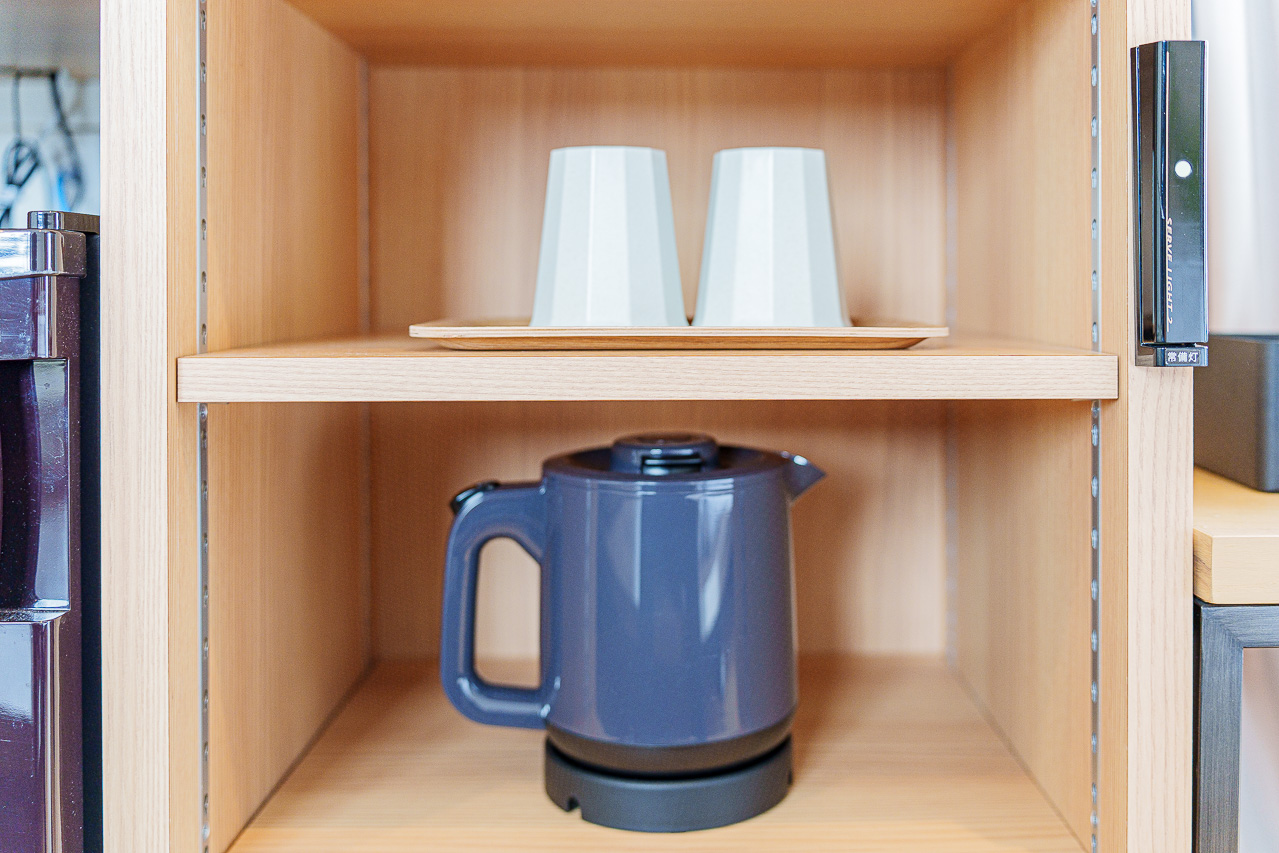
The shelf by the TV had a kettle and cups, though I did not use them because the OMO Base lounge was so convenient.
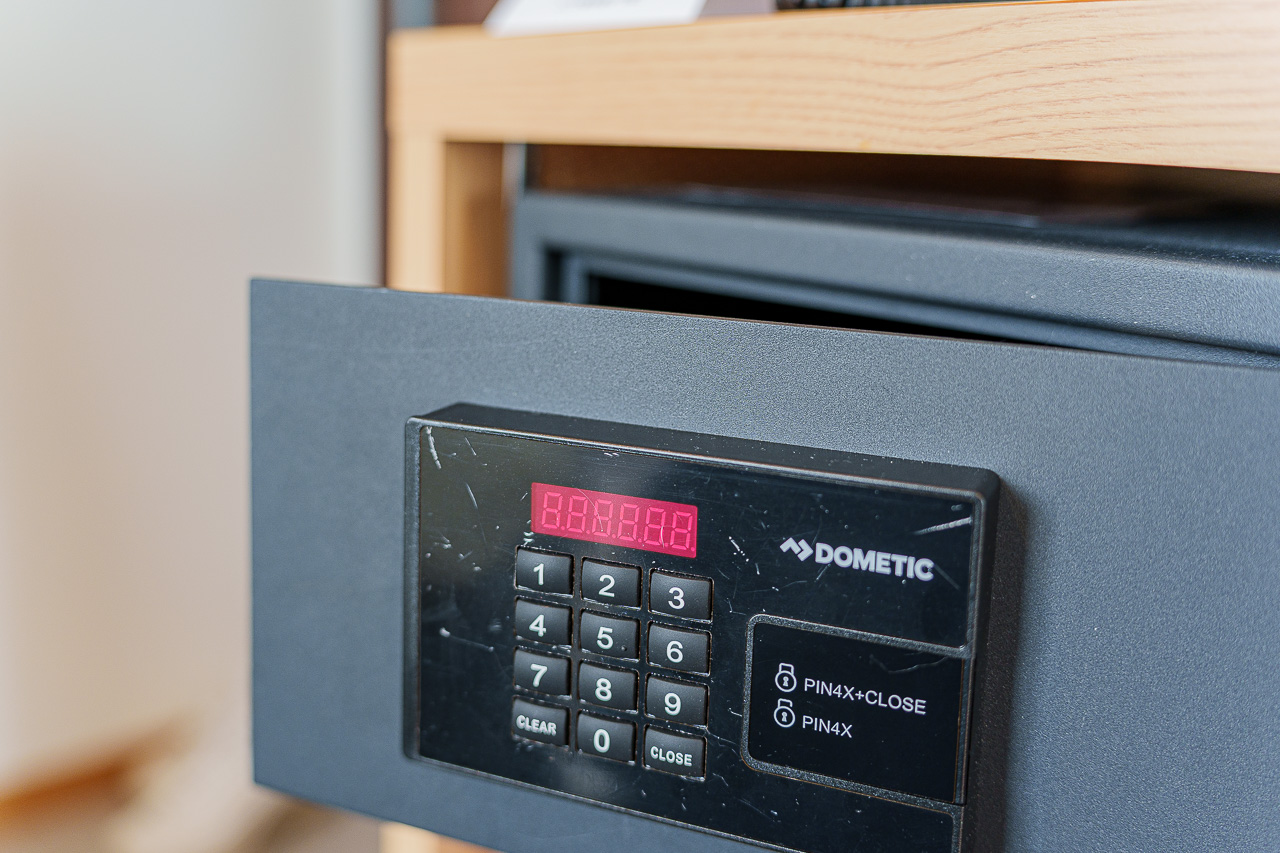
An electronic safe.
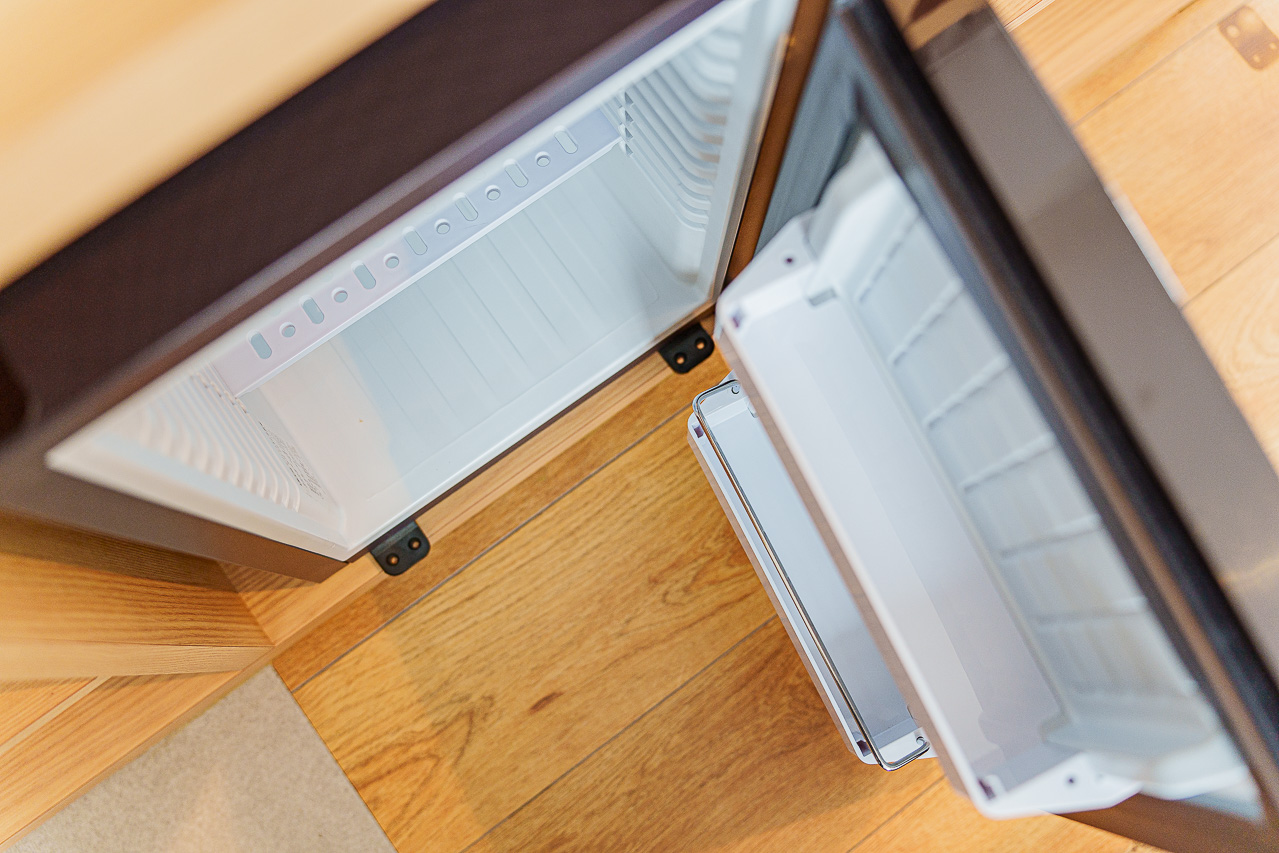
The refrigerator was larger than a typical business-hotel version.
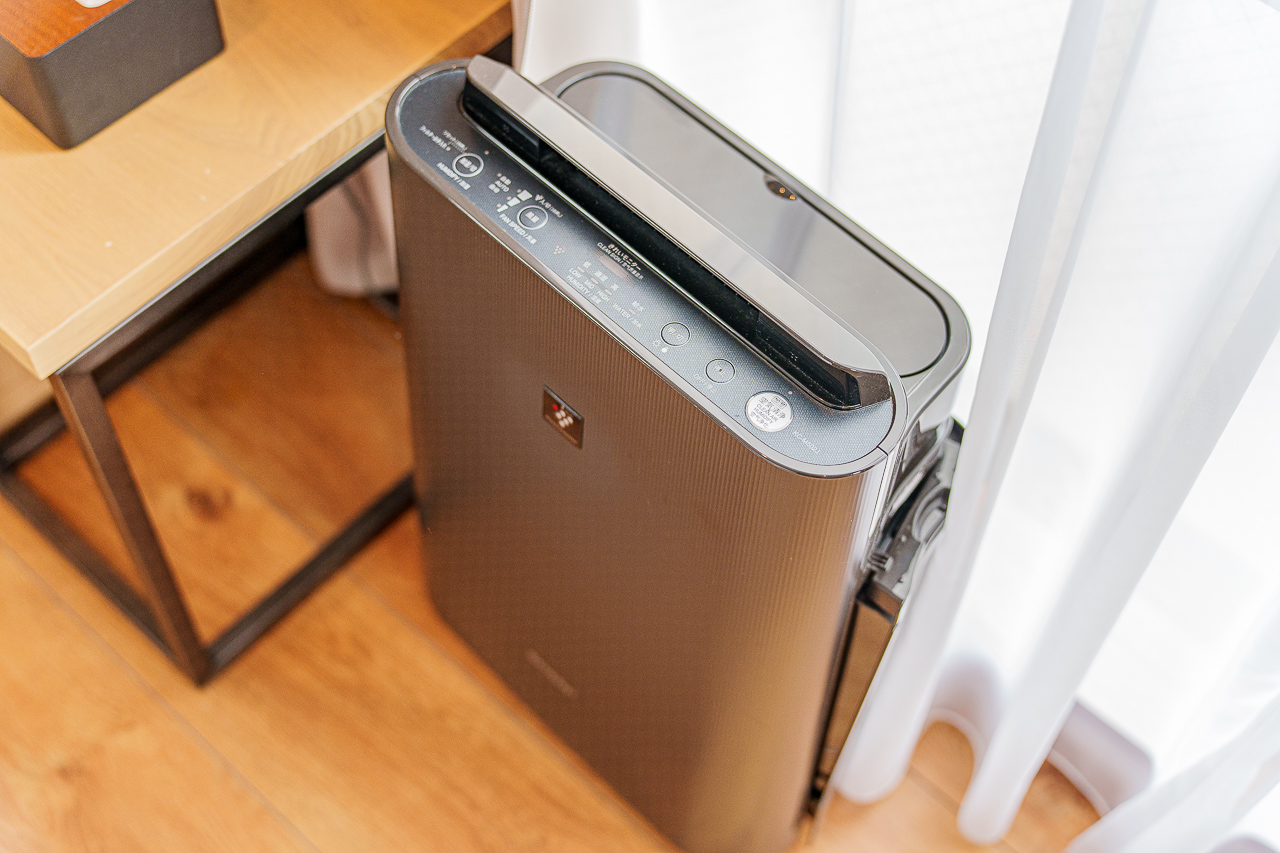
An air purifier, by then a familiar feature.
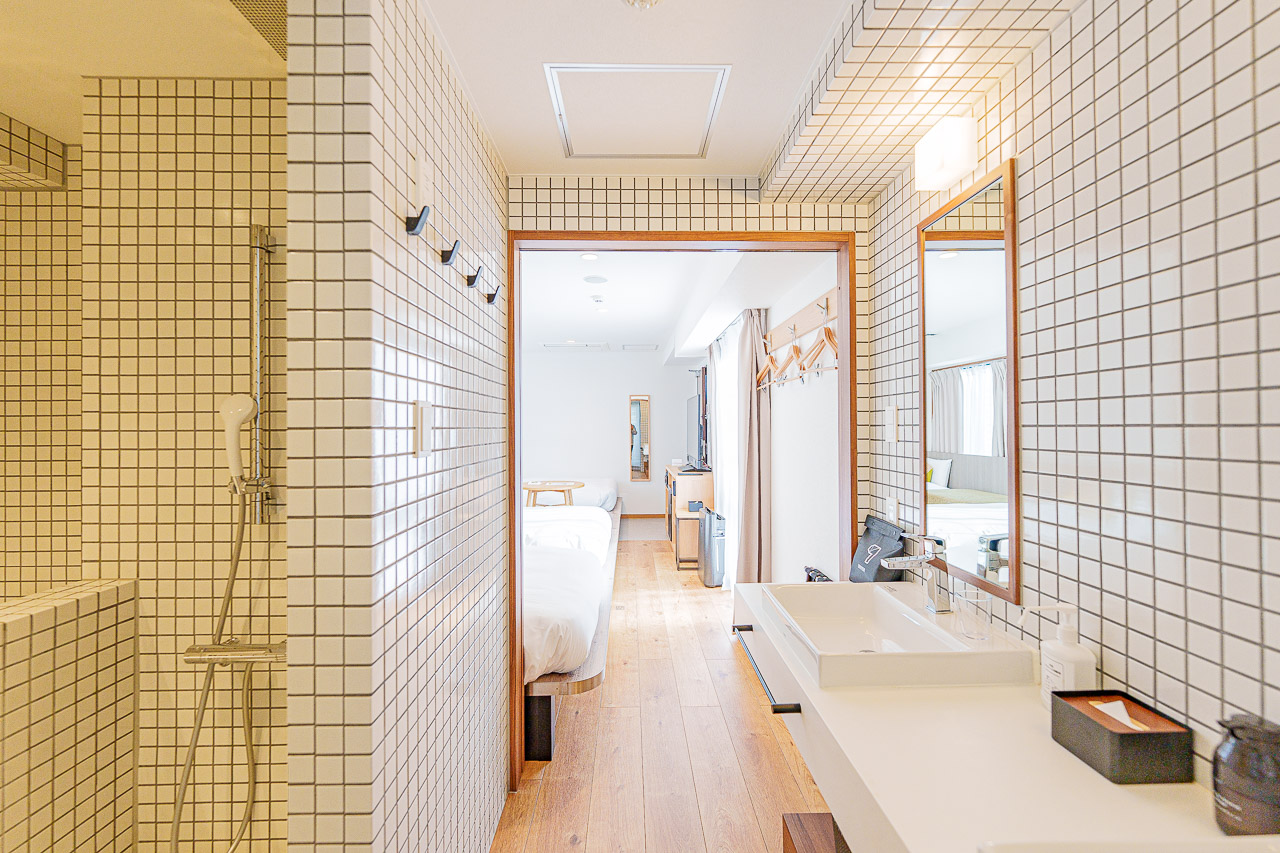
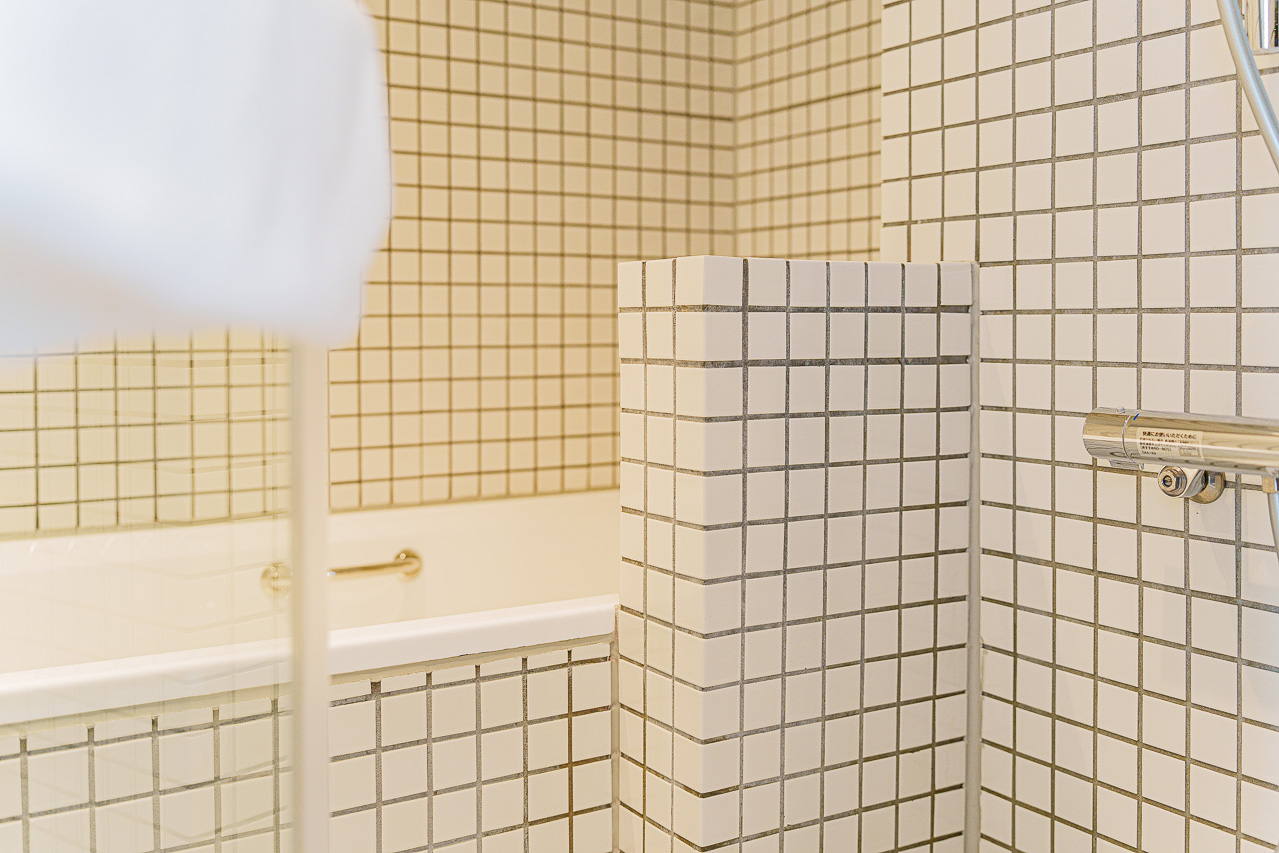
Cute tiles in the washbasin and shower areas made an impression.
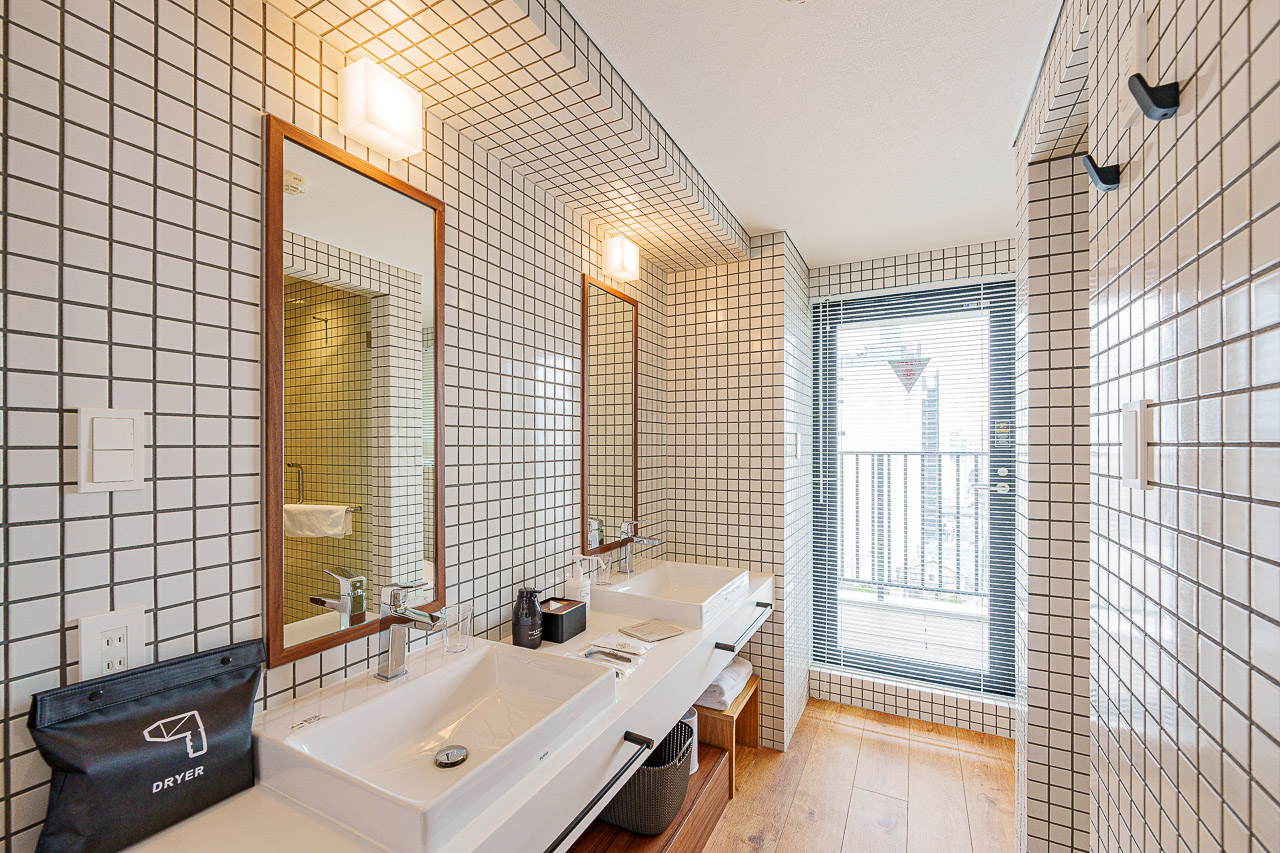
Tiles can be expensive and difficult to maintain…
But they were certainly beautiful.
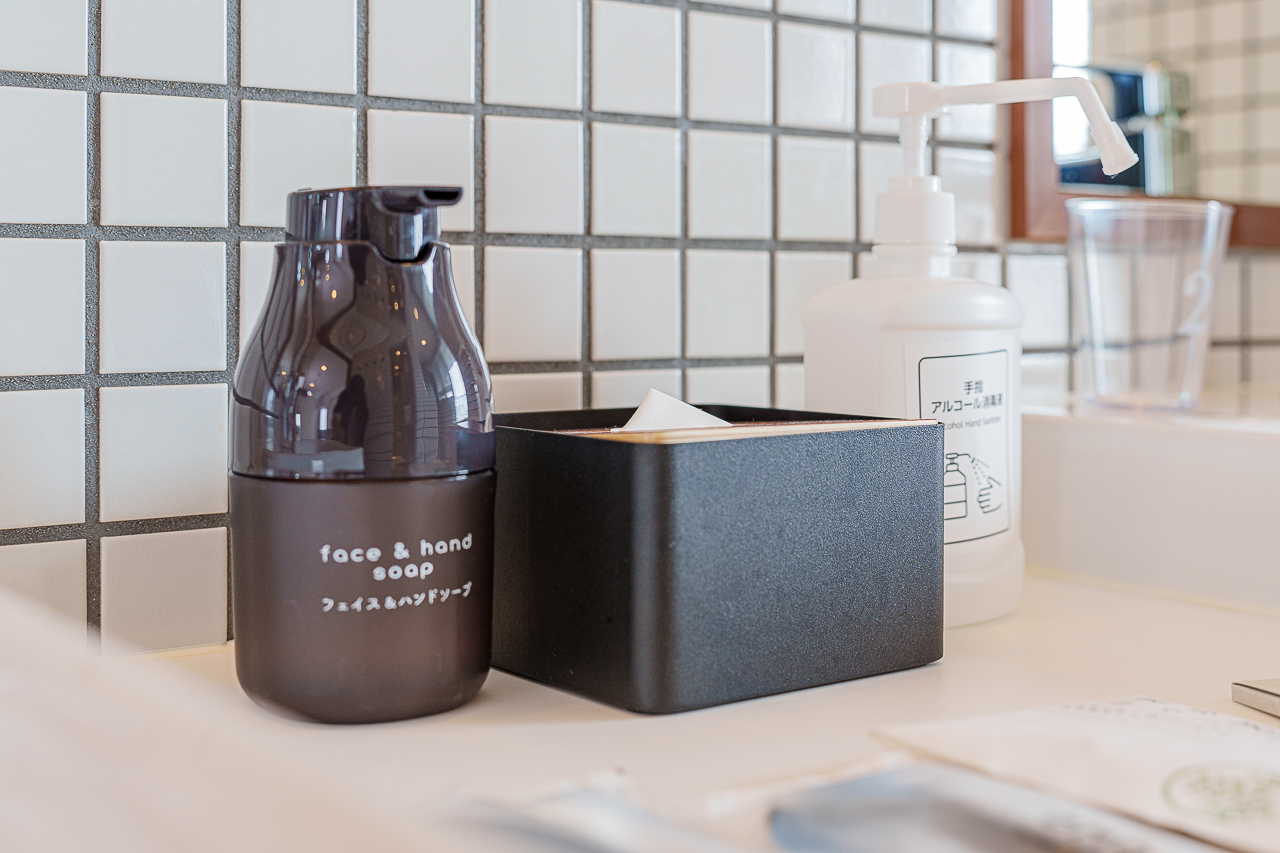
Cleansing foam and alcohol sanitizing spray.

A good-quality hairdryer was supplied too.
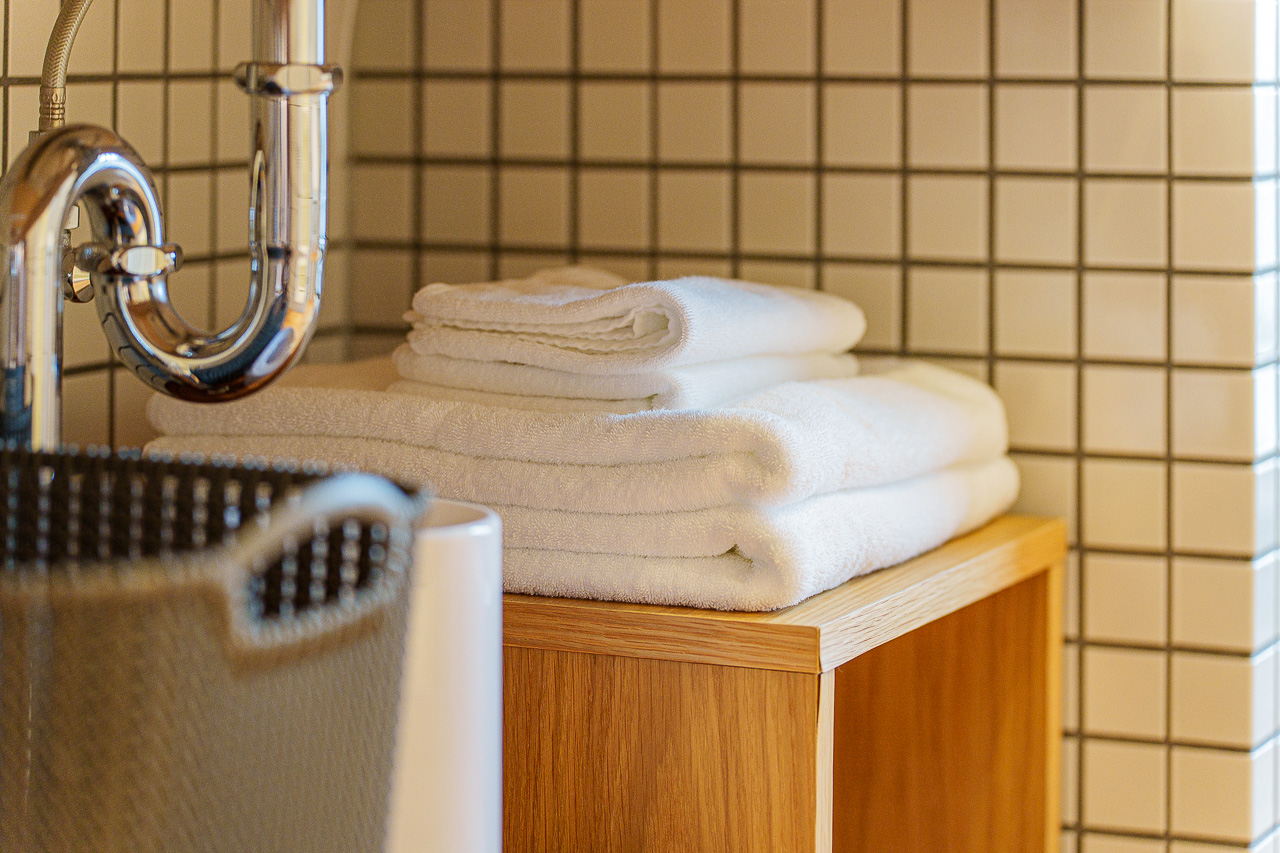
Towels were below the washbasin.

Wasn't the bathroom charming?
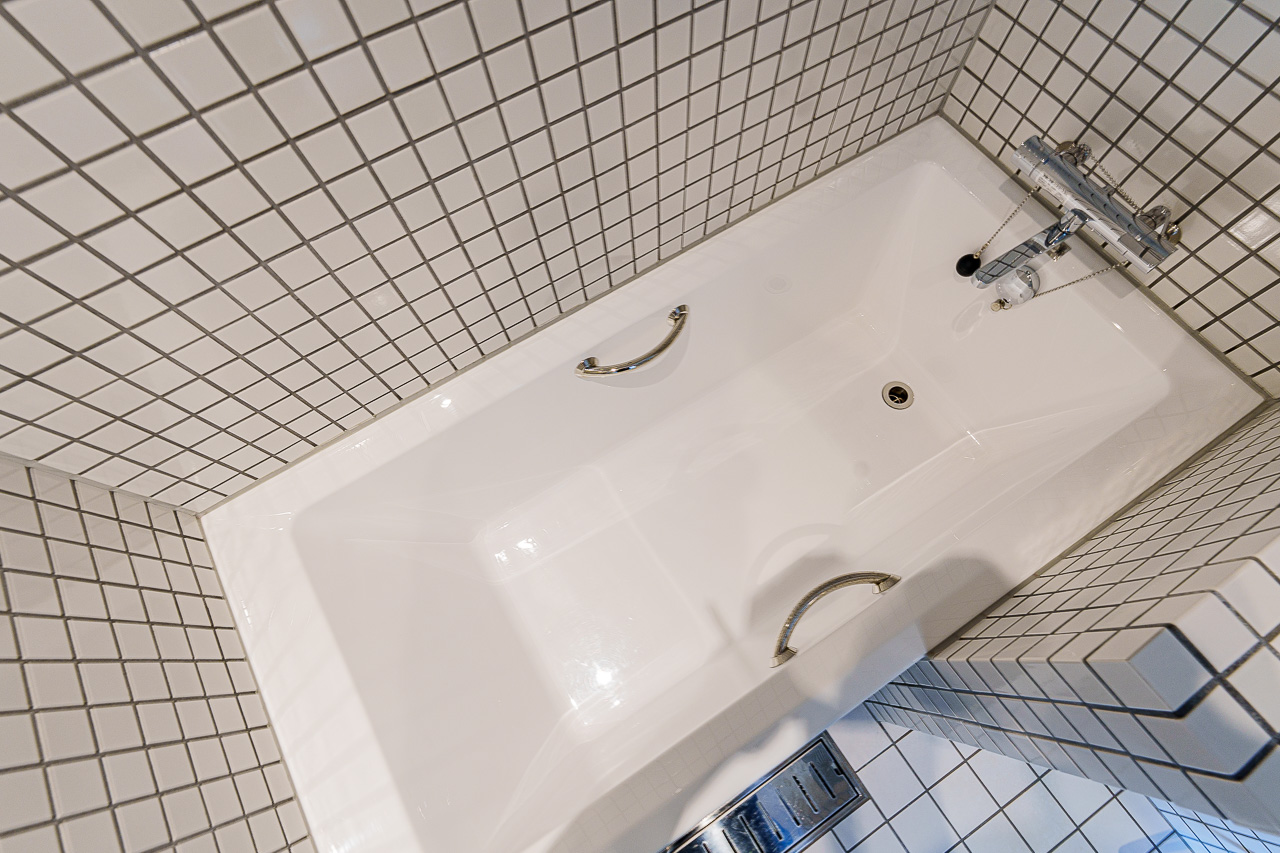
It looks small in the photograph, but the tub was generously sized.
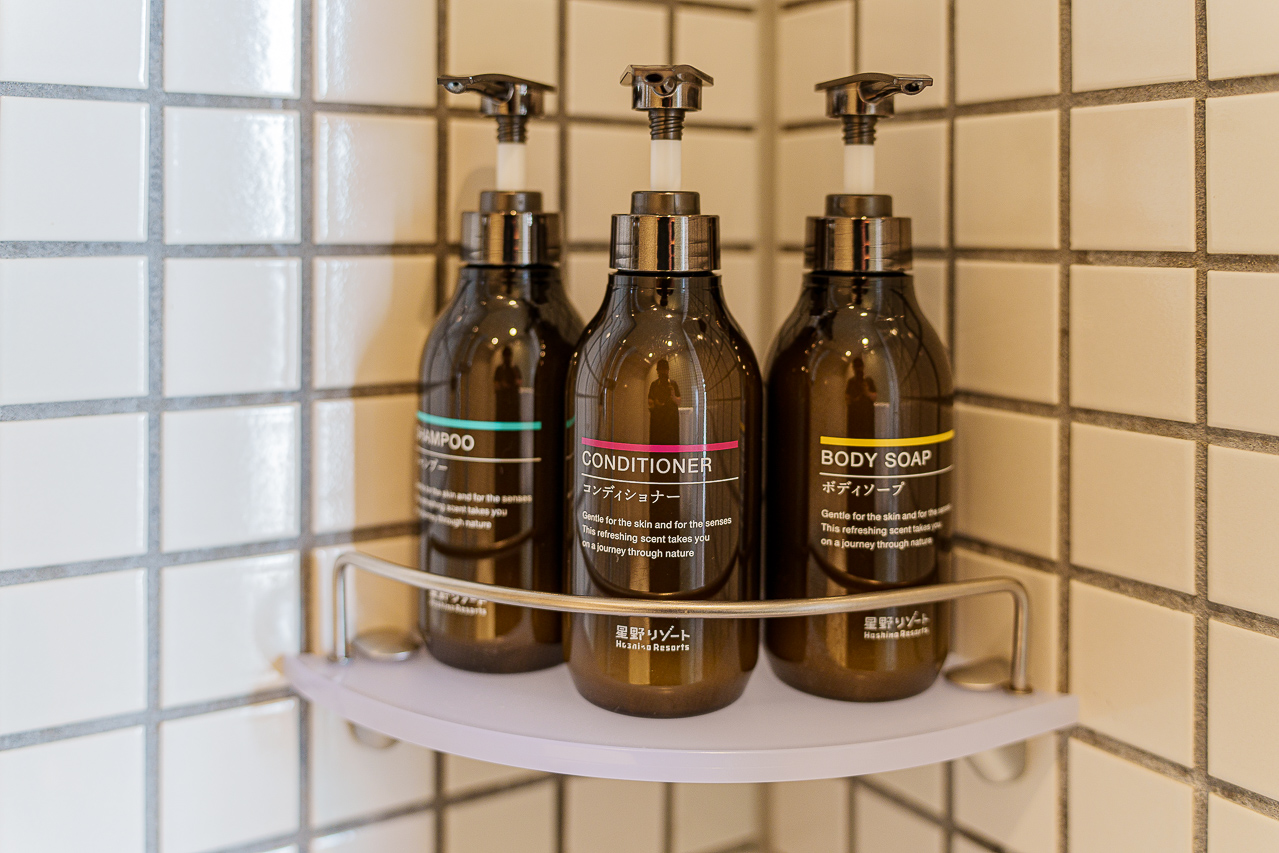
The cleansing products were Hoshino Resorts' own brand.
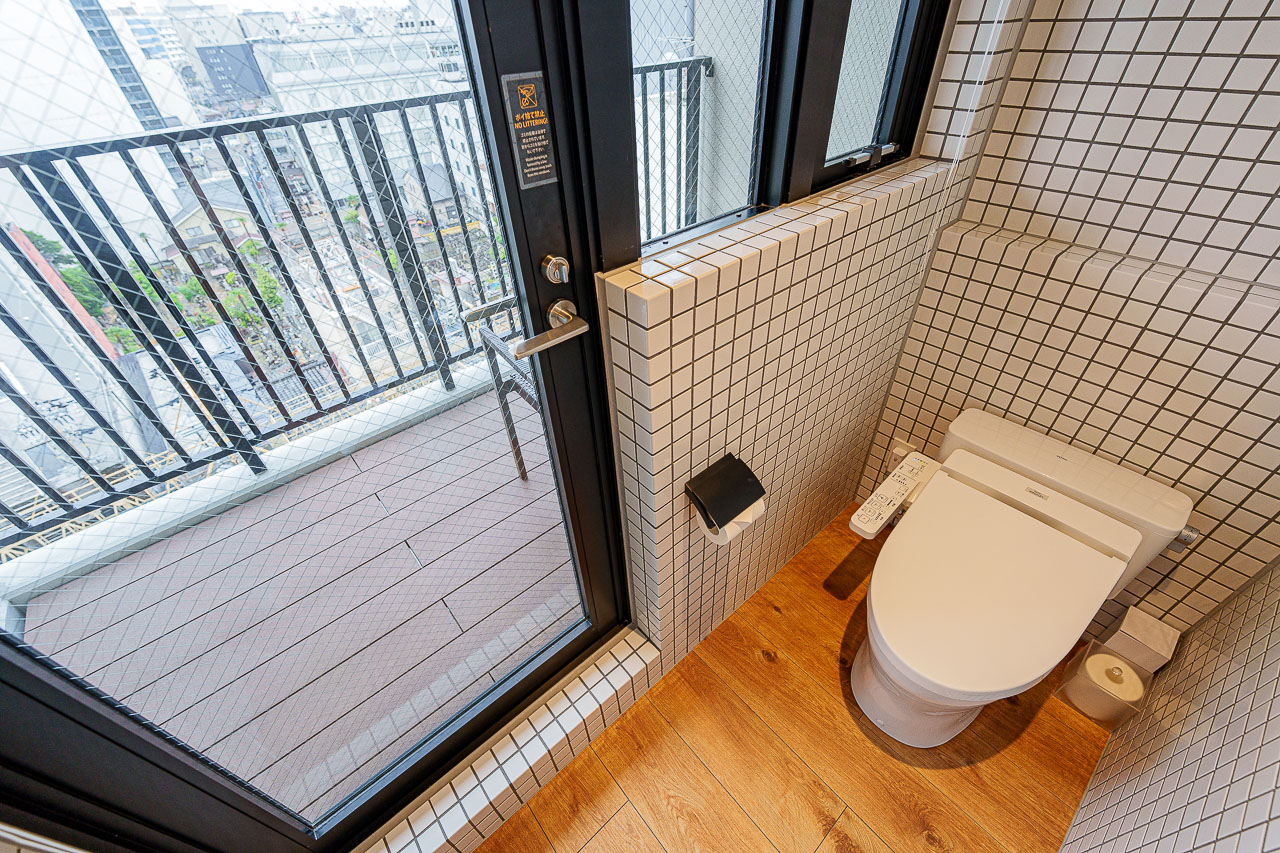
The toilet area felt open, though I missed a door separating it from the shower area.
For privacy, I would close the room's sliding door.

Beyond the toilet was a balcony.
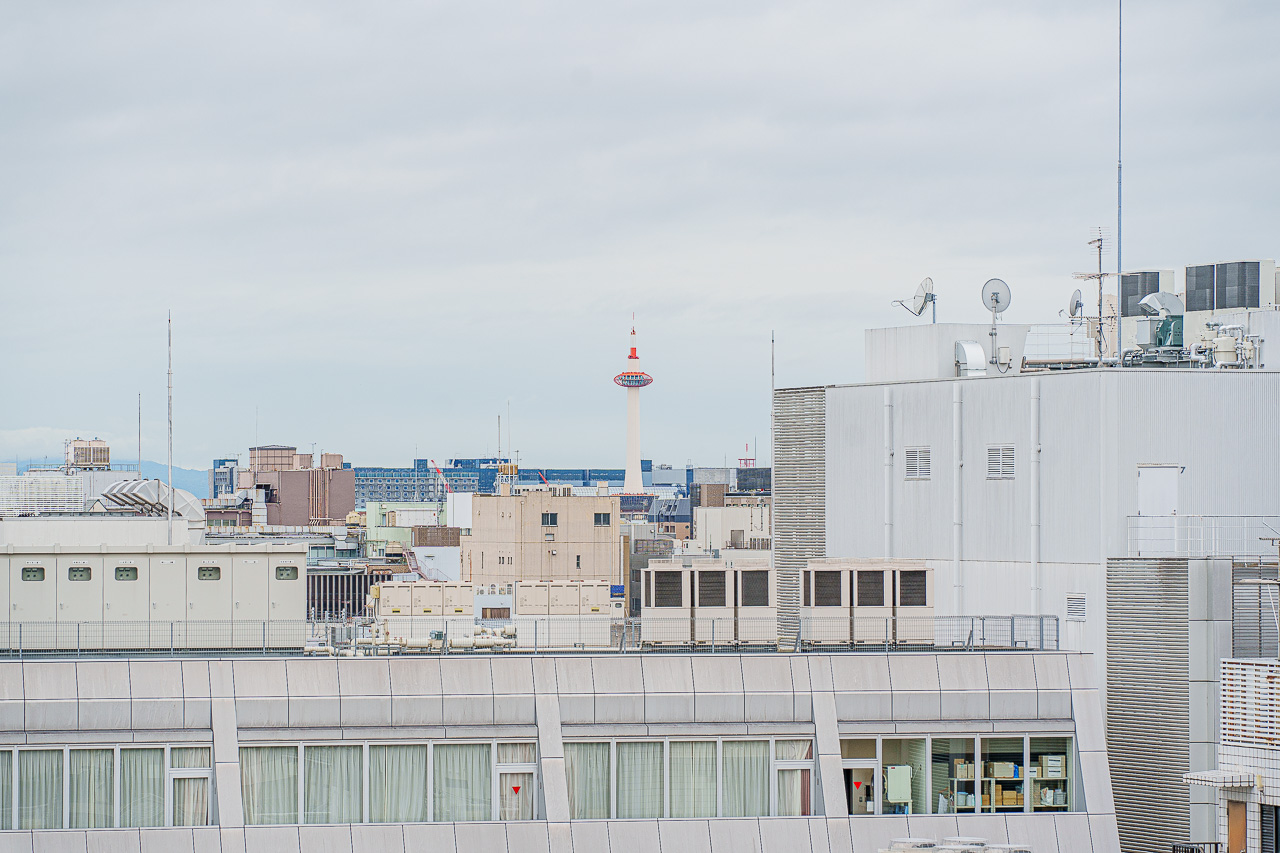
Kyoto Tower appeared in the distance.
A tower view for this stay.
Using the OMO Base recommendations, I set out for eel at lunch.
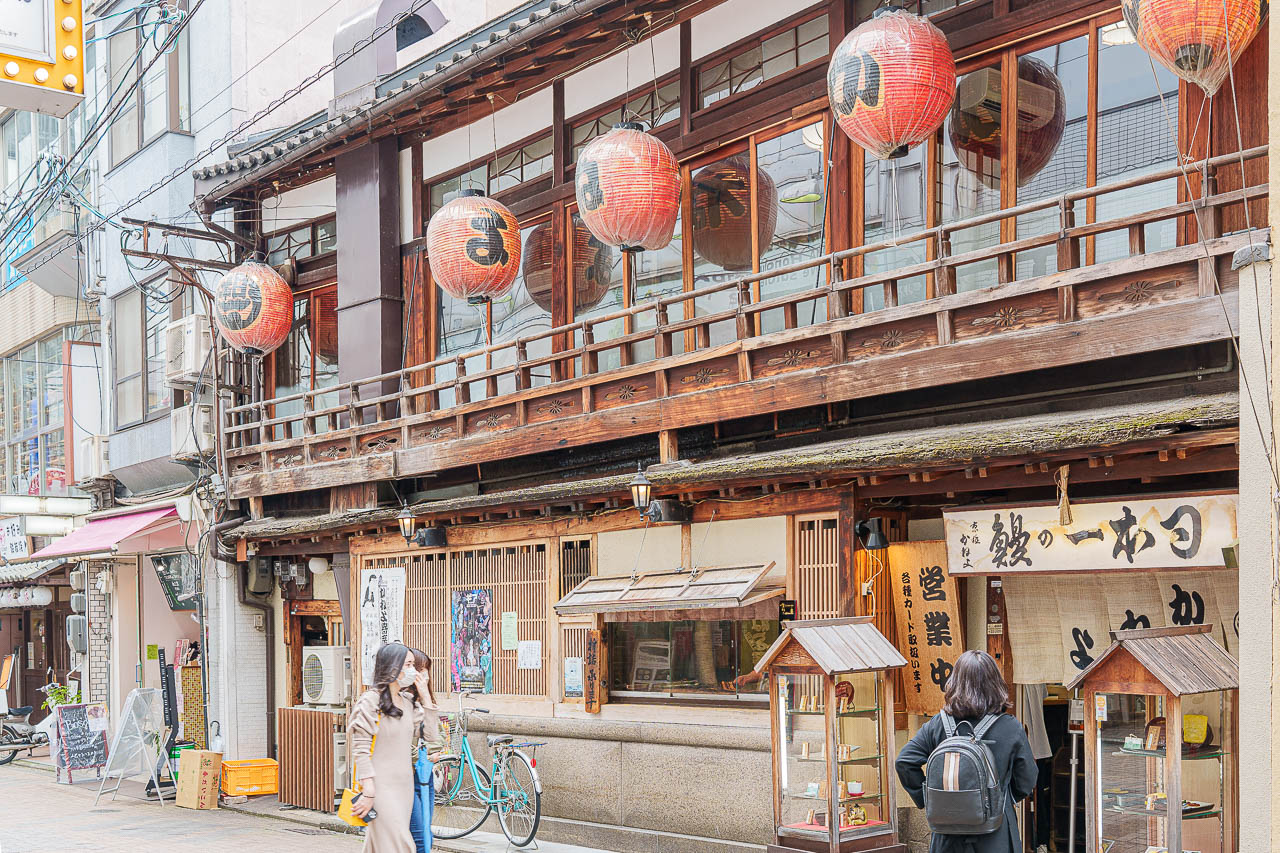
Kaneyo, a Kyoto eel restaurant.
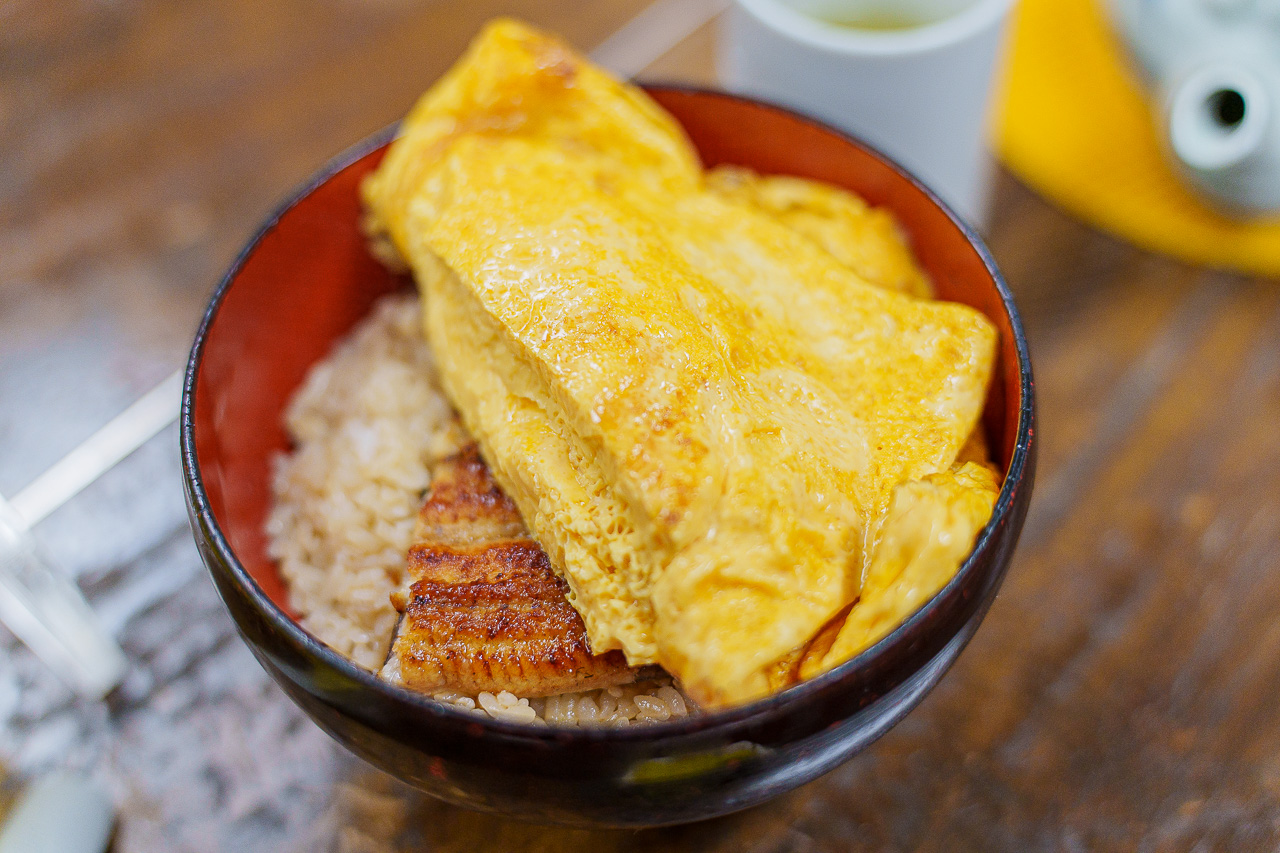
The eel beneath its blanket of egg looked irresistible.
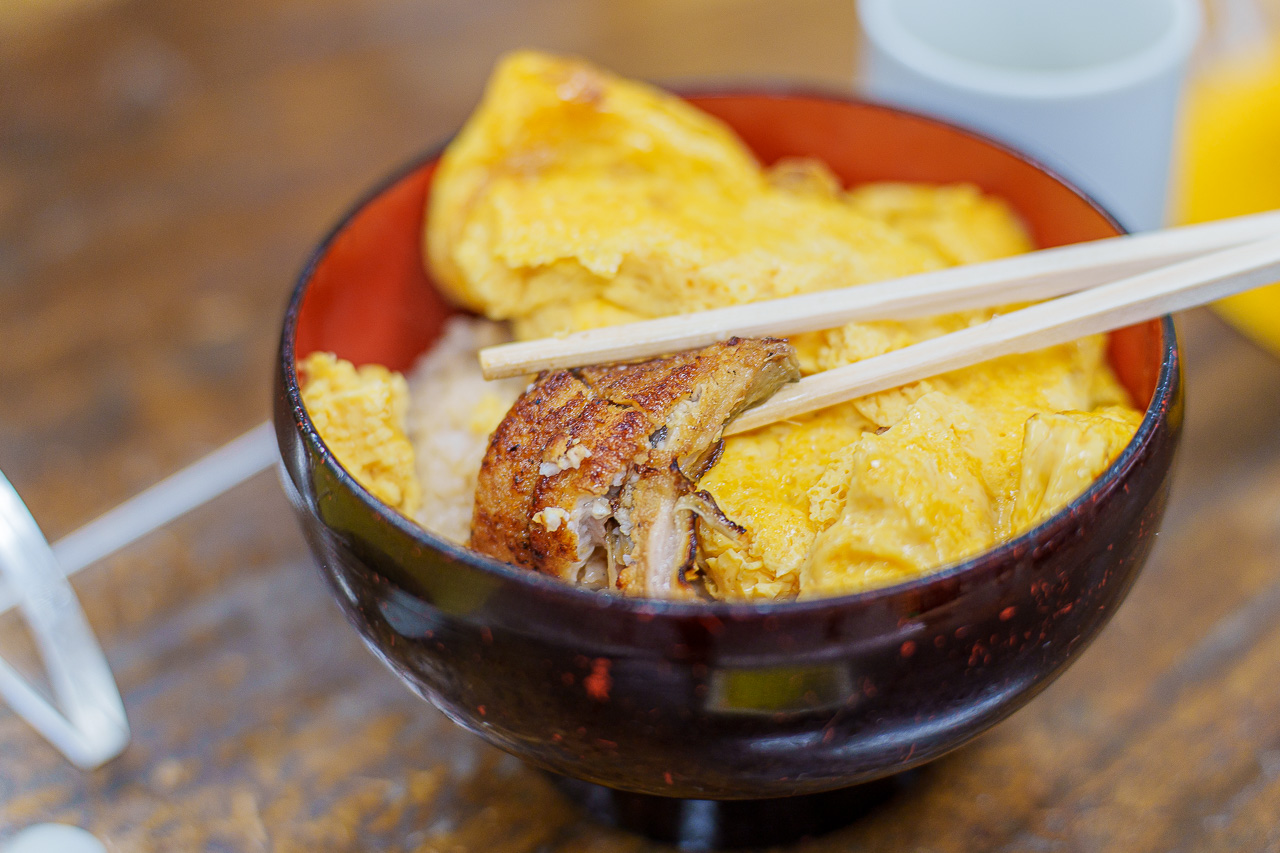
Charcoal-grilled eel melted softly in my mouth.
The obstacle to eating eel tends to be the budget rather than a shortage of eel.
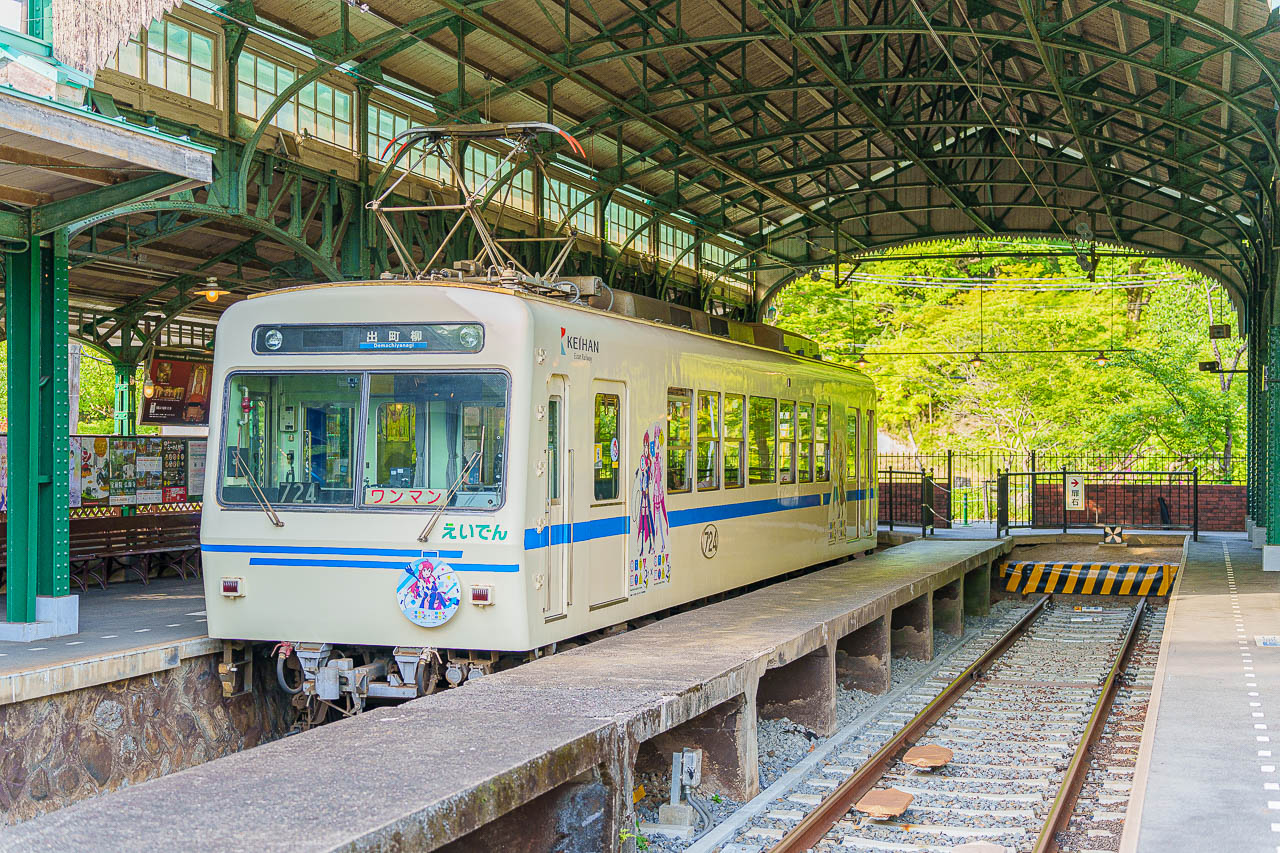
The weather improved in the afternoon, and I visited Rurikoin.
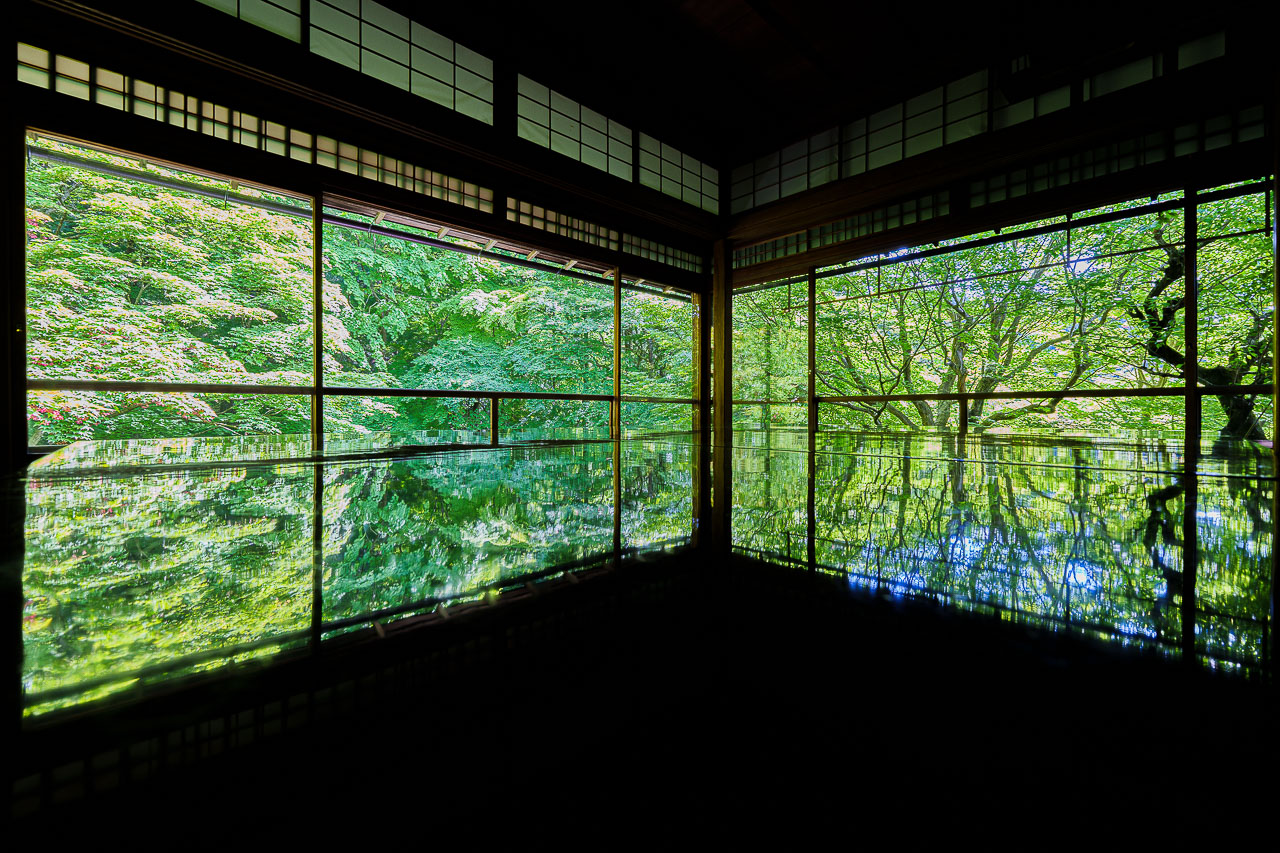
At the foot of Mount Hiei between northeastern Kyoto and Shiga, Rurikoin is known in the account for beautiful views popular on social media.
It was reportedly built as a villa from the late Taisho to early Showa period.
It is not open all the time. The source describes public openings of 2 months each in spring and autumn to protect the cultural property; this is not a current calendar check.
The view was beautiful enough to spend all day looking at.
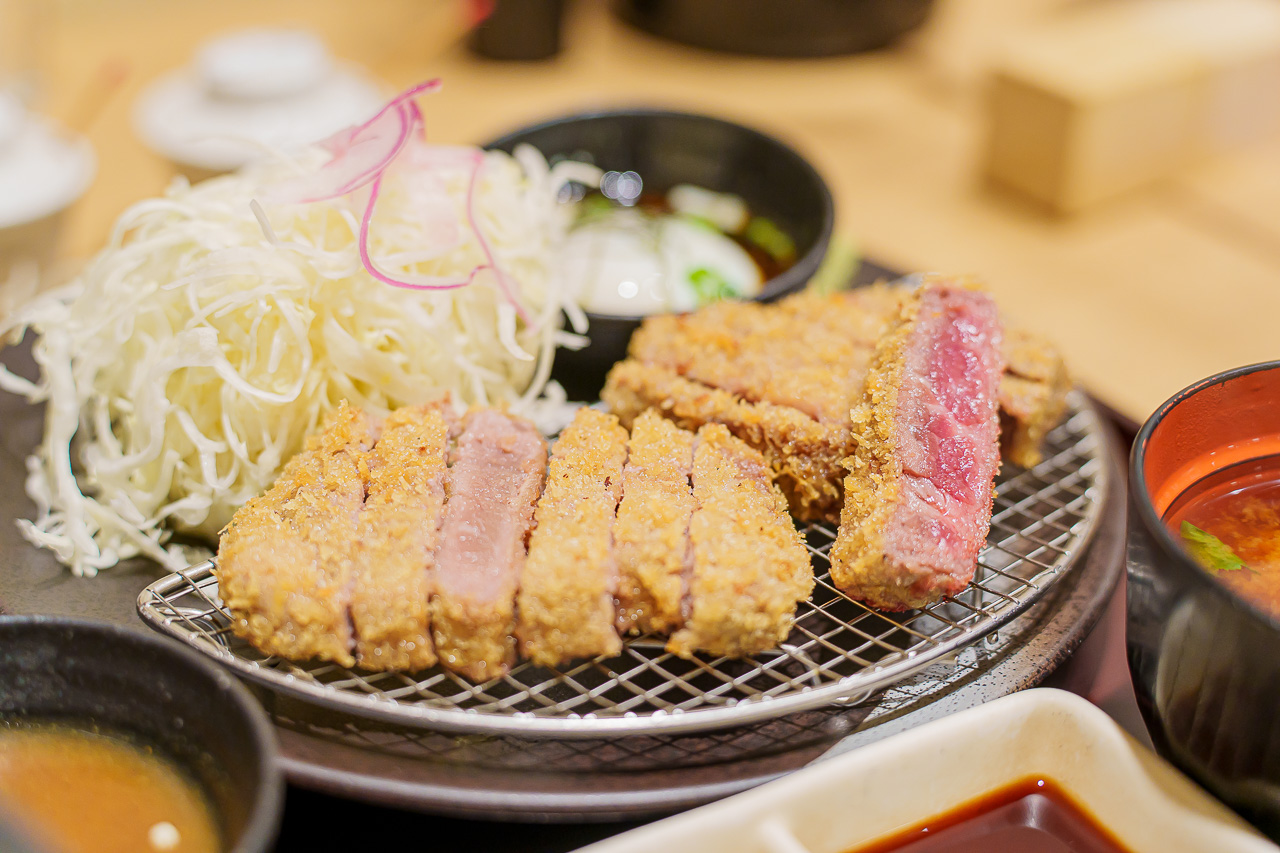
For dinner in Kyoto, I wanted gyukatsu and visited the well-known local chain Katsugyu.
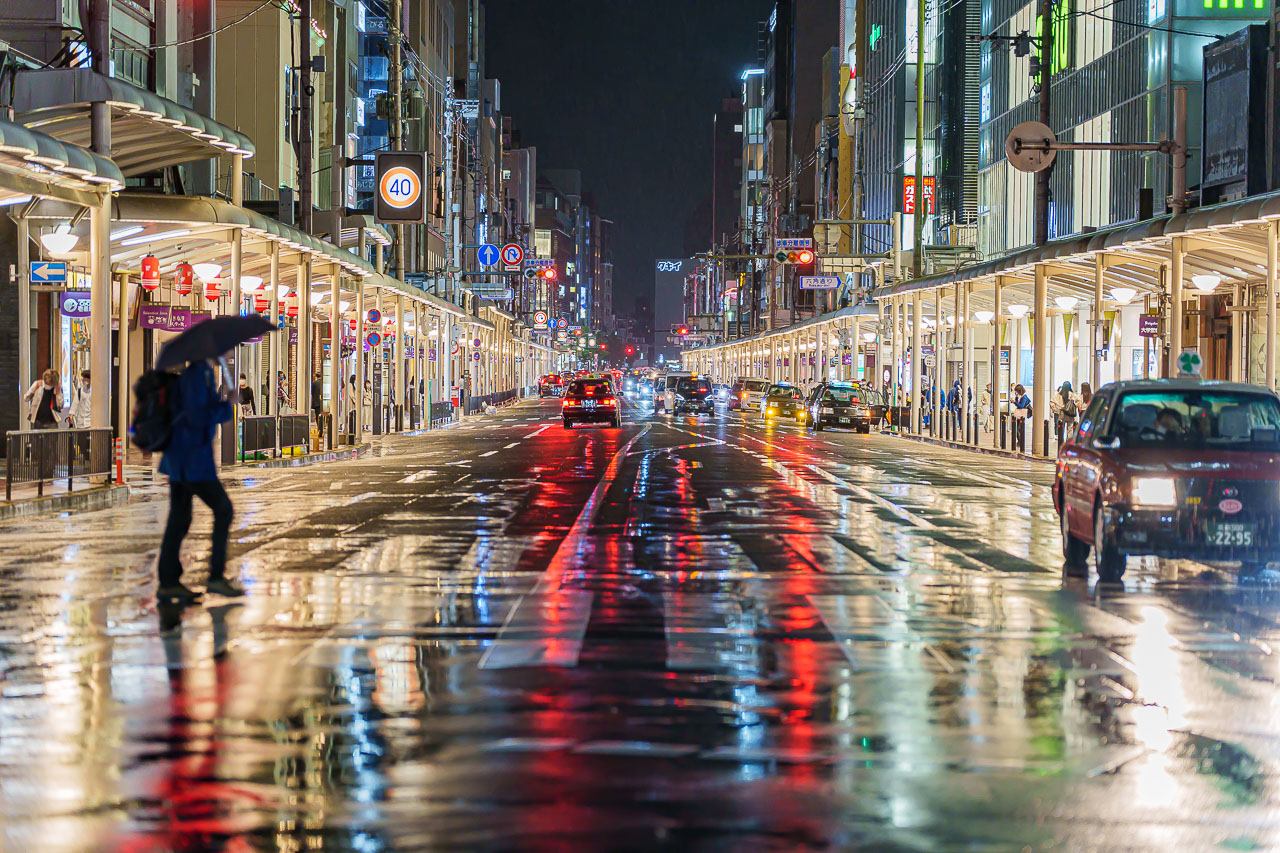
Rain poured in the evening, making Sanjo's streets shine.
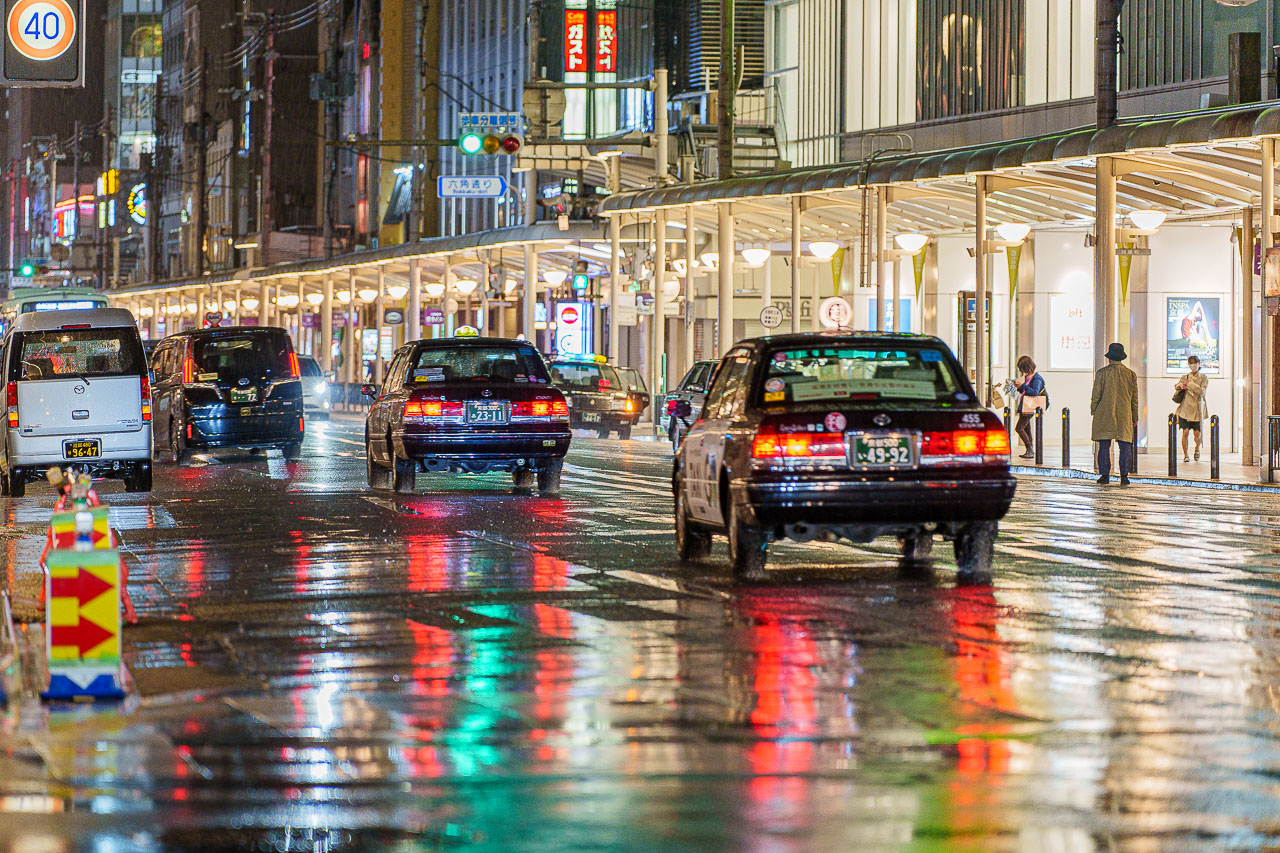
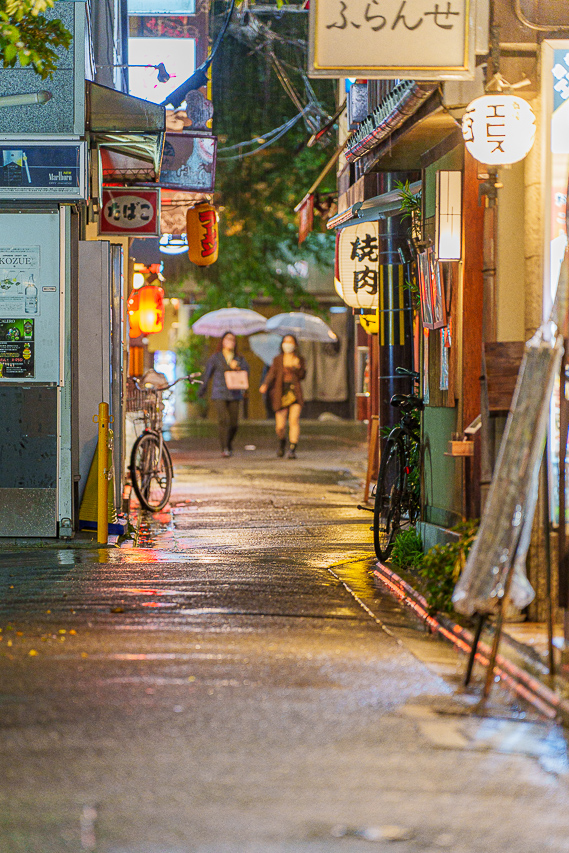
Kyoto's streets have atmosphere even in rain.
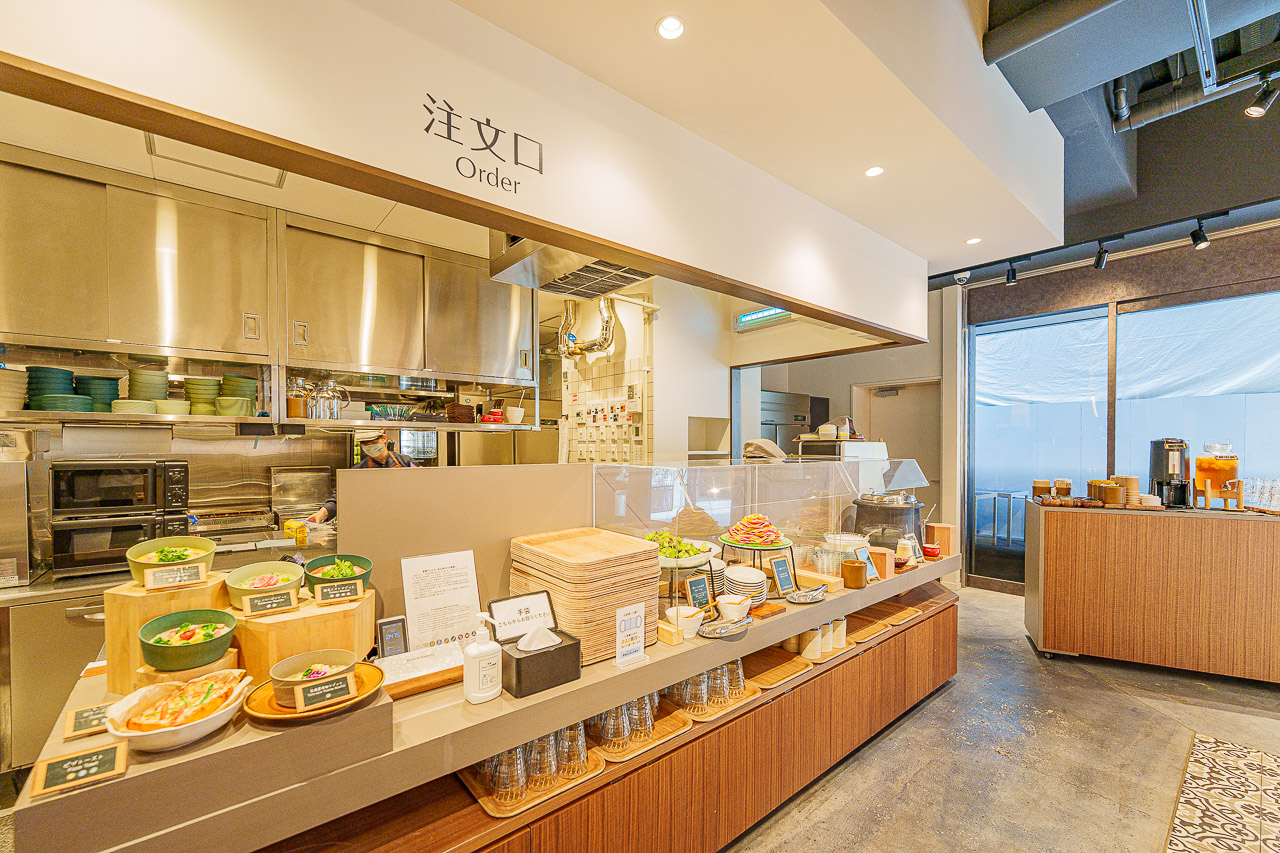

The next morning I chose hotel breakfast.
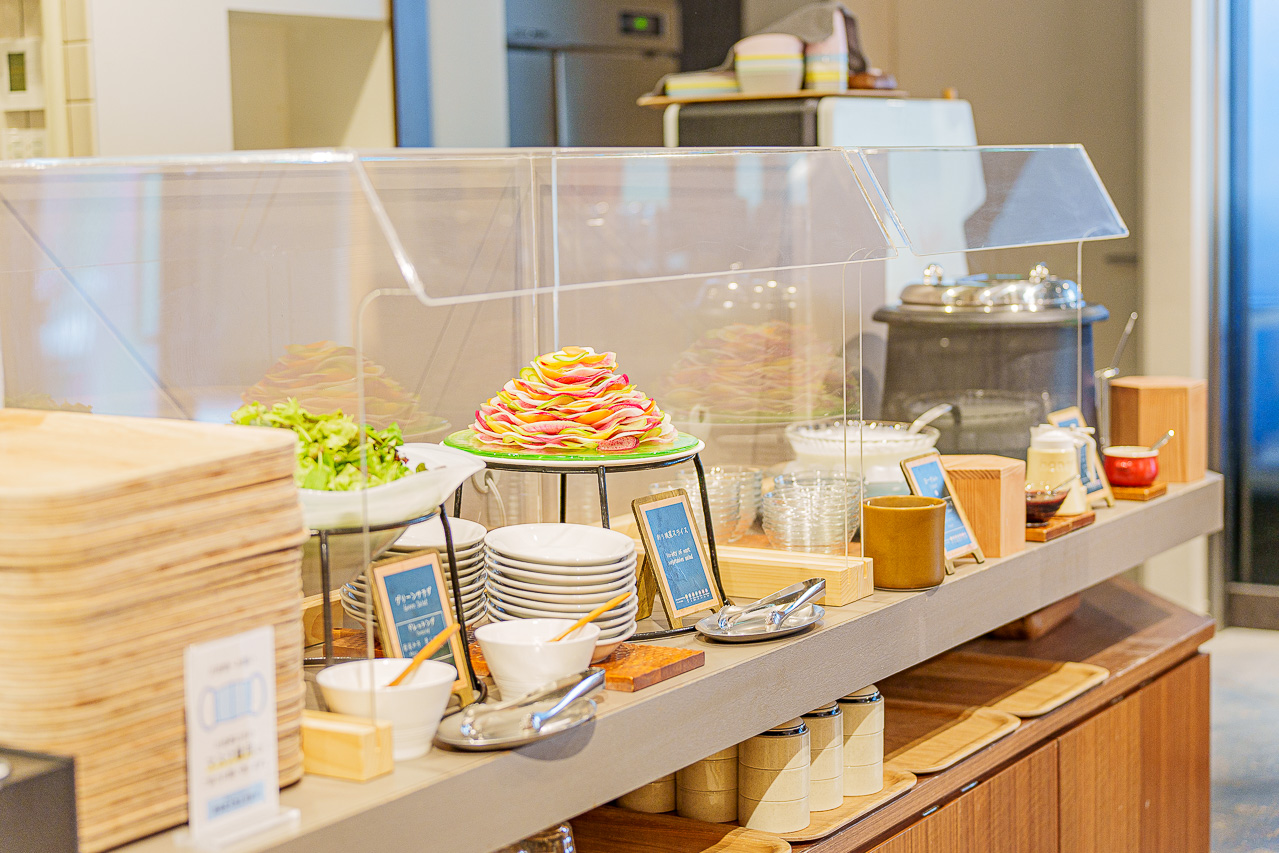
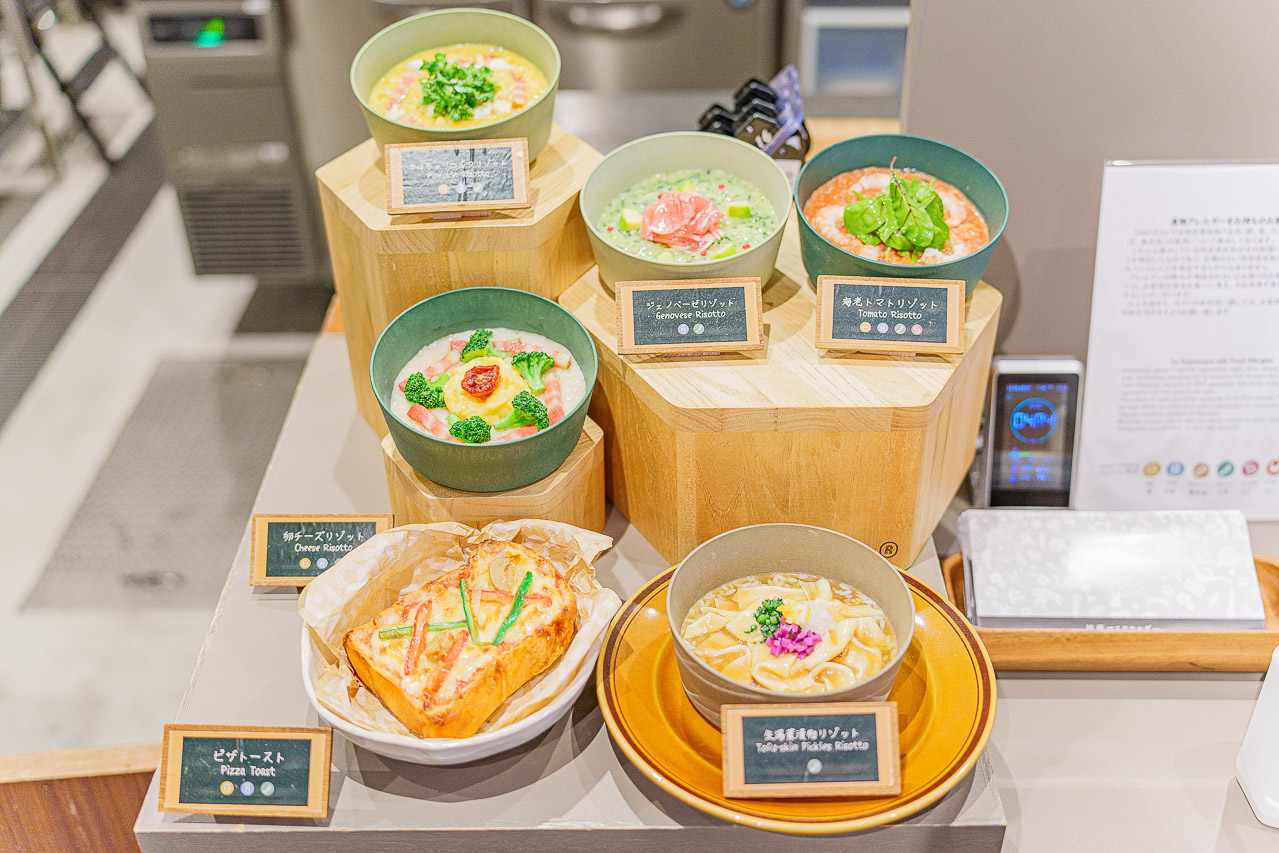
Breakfast was a semi-buffet: choose one of 5 main dishes, then help yourself to salad, tomato soup and yogurt.
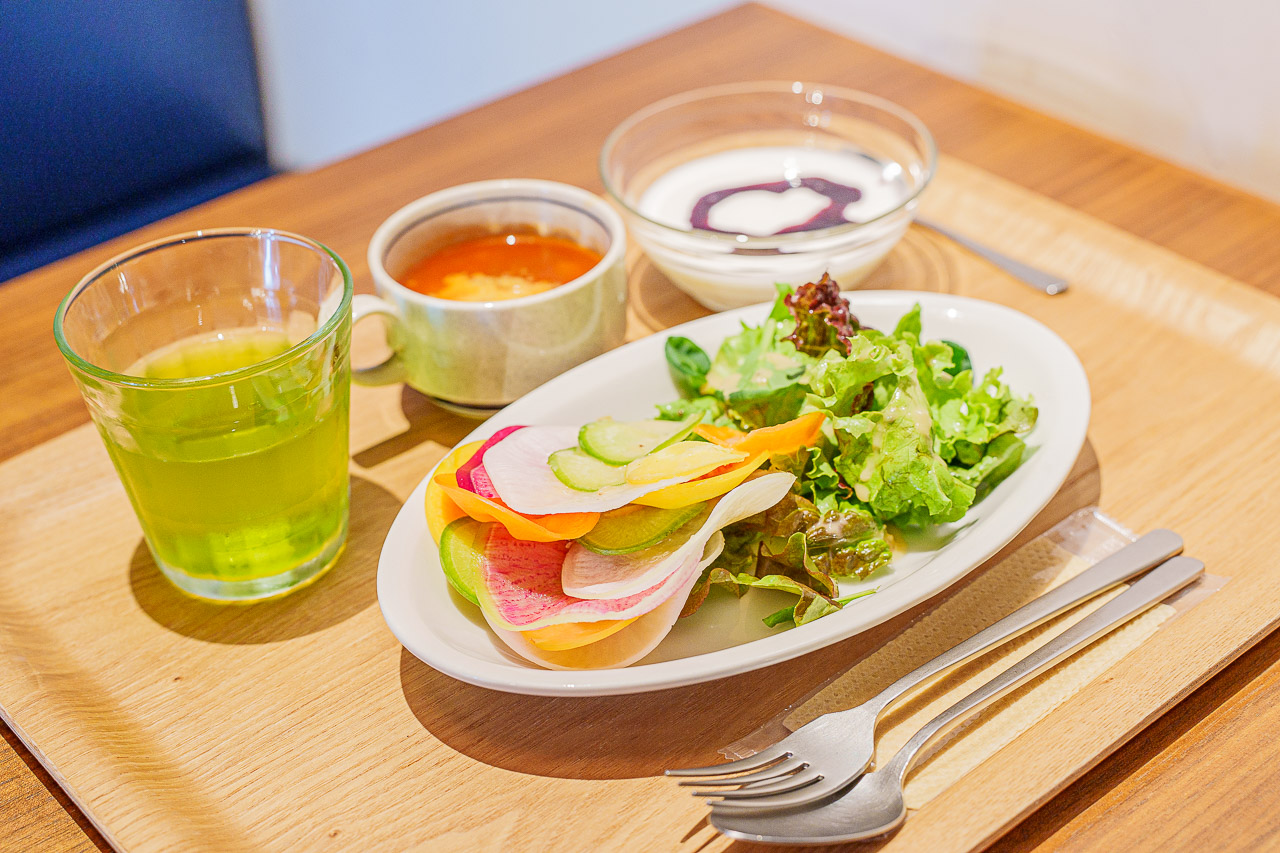
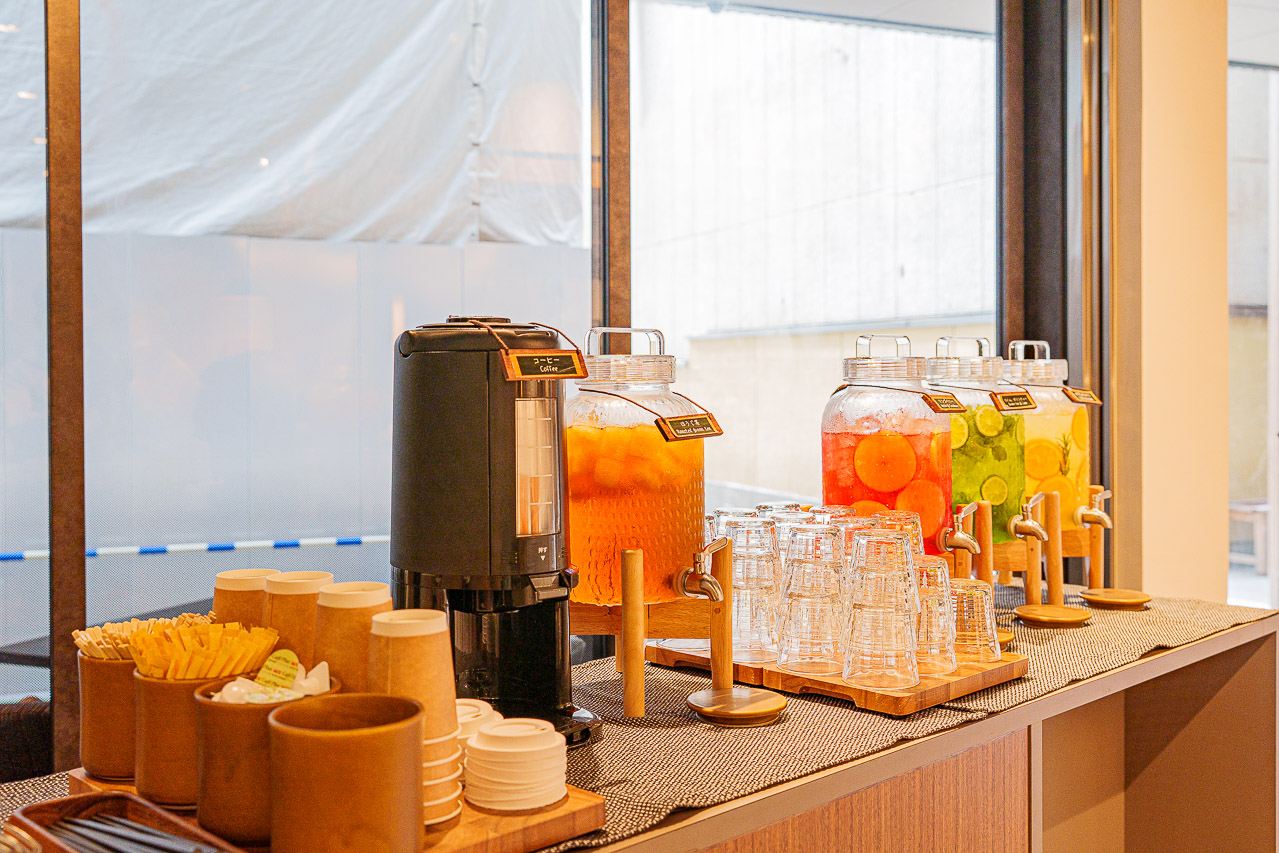
The buffet had salad, tomato soup, yogurt and infused water called 'detox water' in the source.
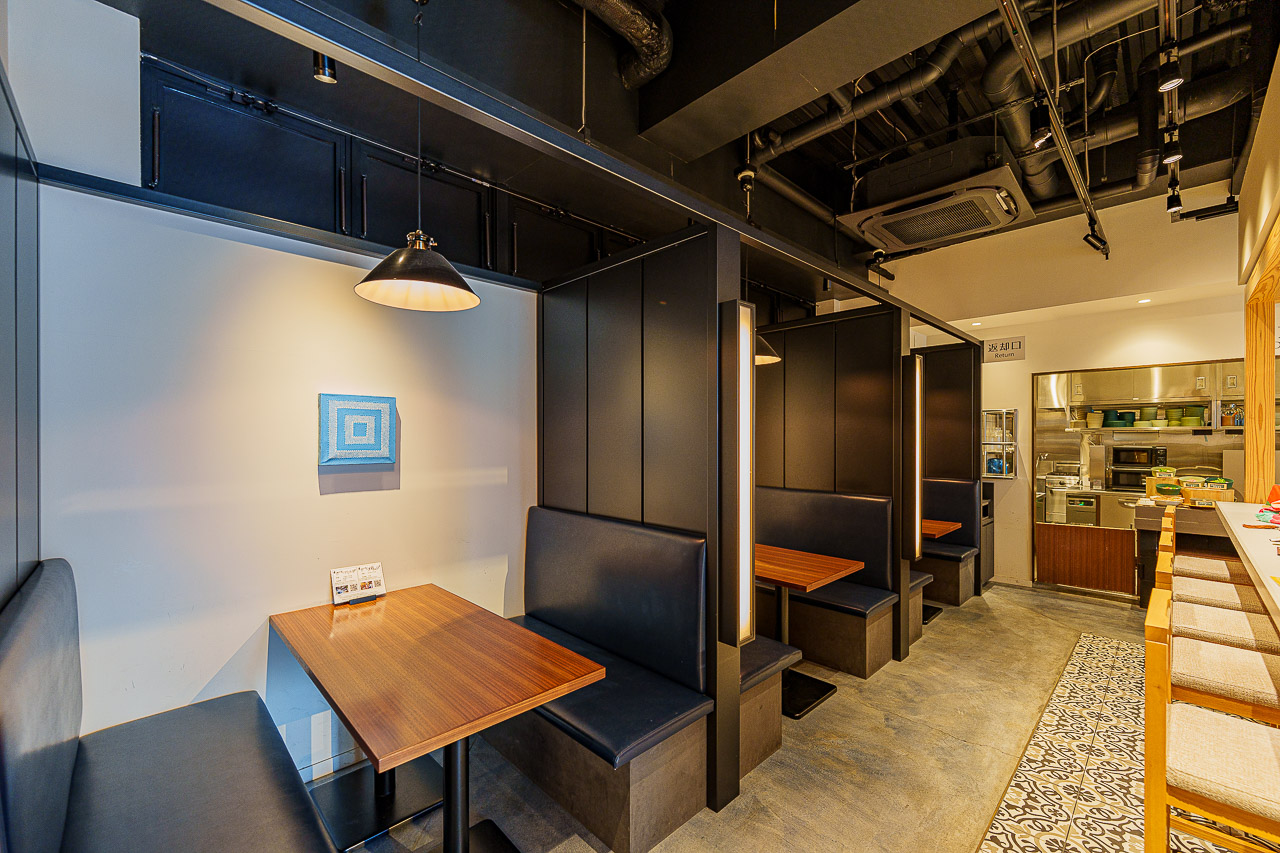
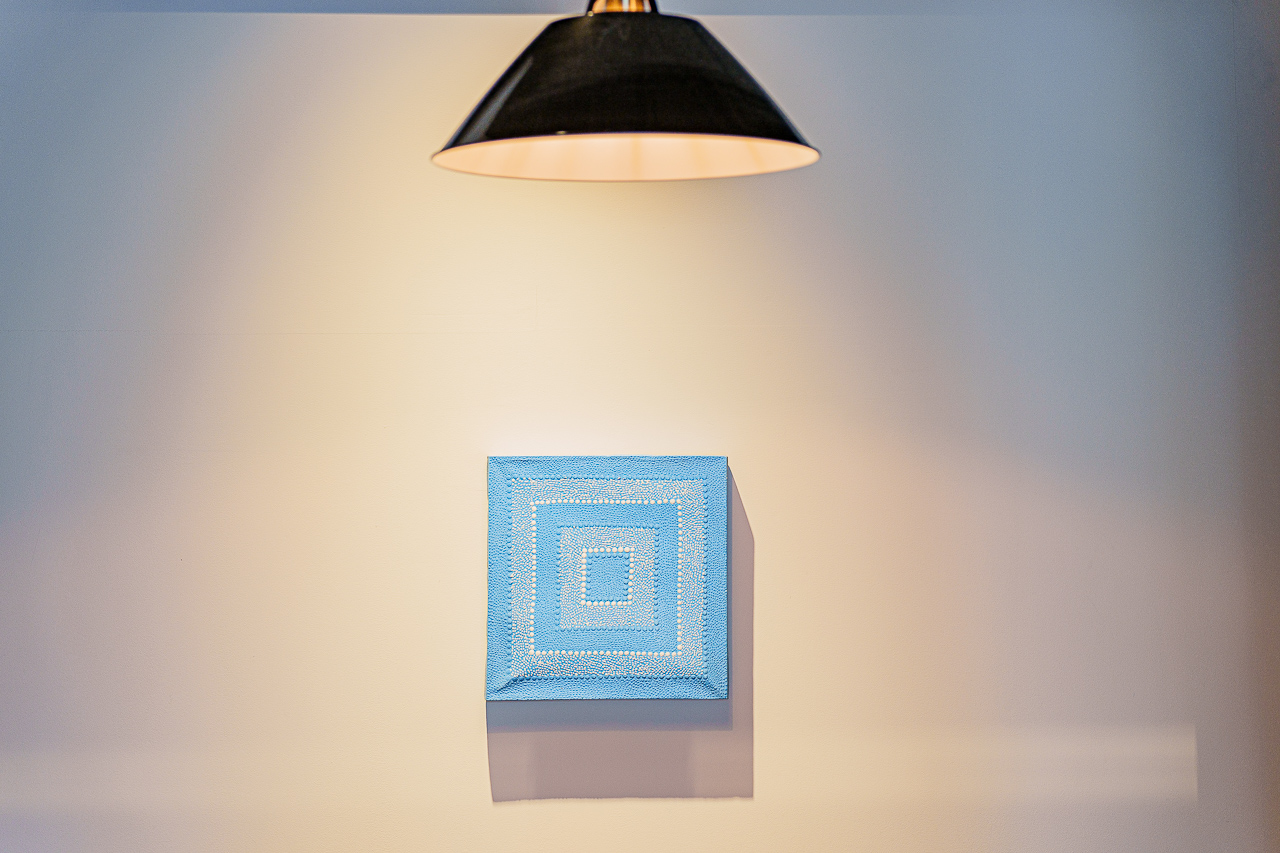
The breakfast tables had an appealing setting.
Seating was first come, first served.
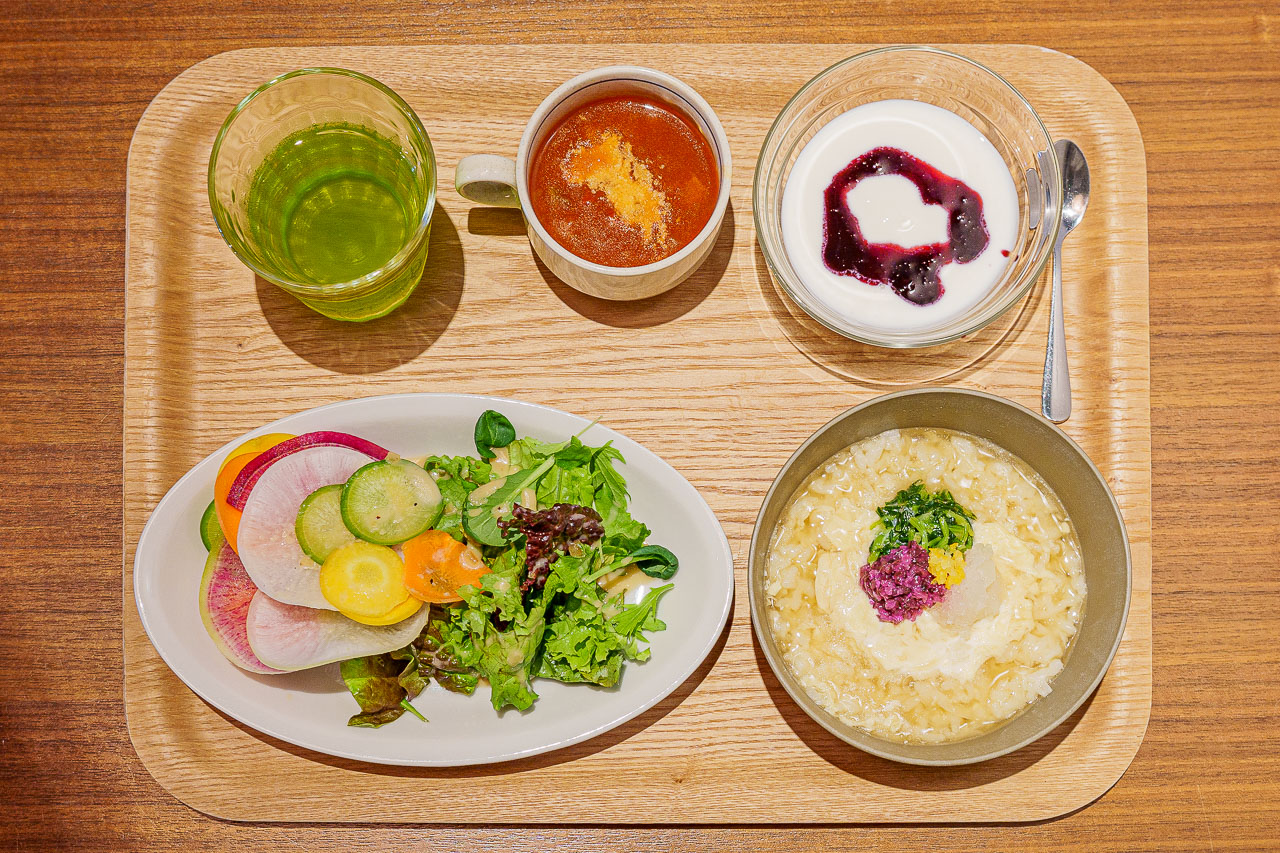
I ordered the dish named Io Yuba Pickle Risotto in the account.
It was described as an OMO5 Kyoto Sanjo-only dish, so I quickly chose it.
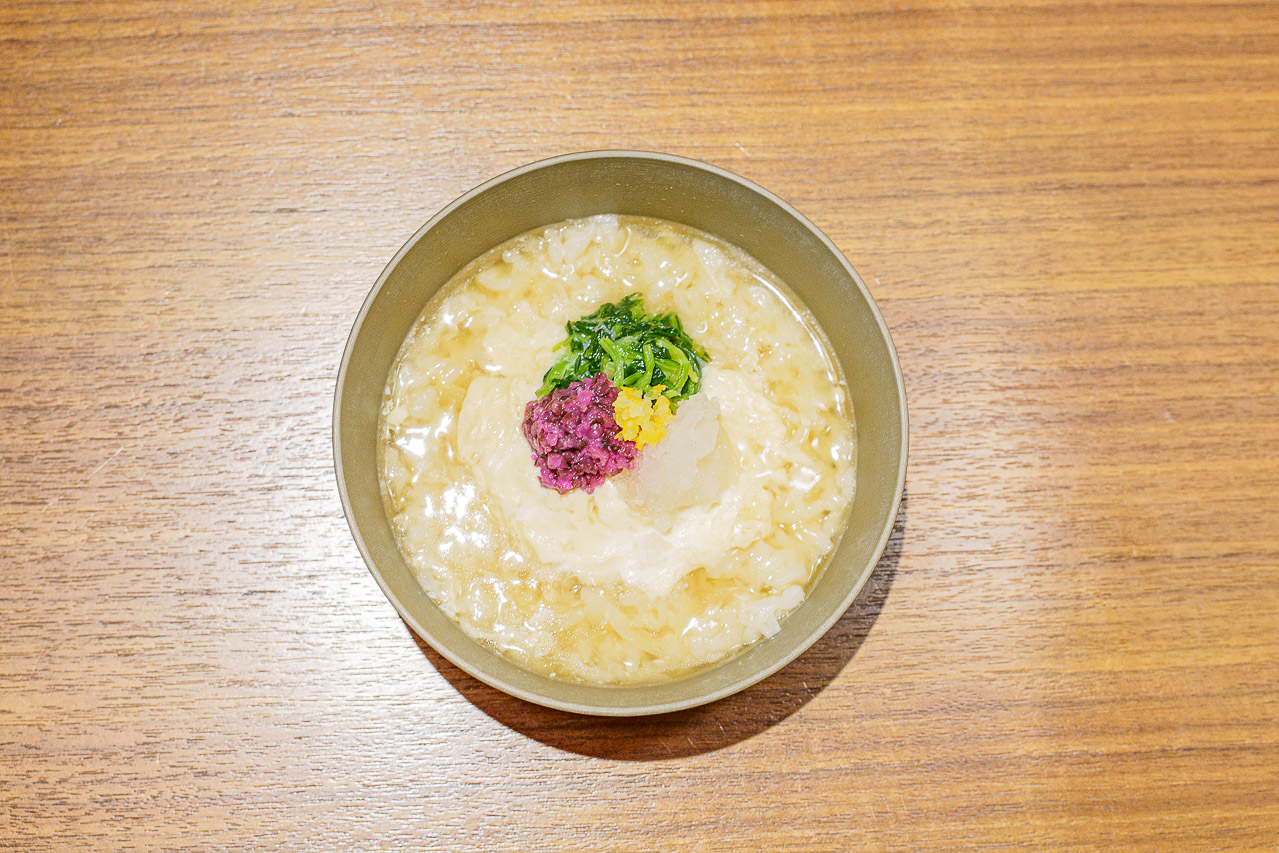
Though called risotto, it was softly textured like rice porridge, topped with assorted pickles and yuzu for a fresh, enjoyable flavor.
It felt like a gentle, wholesome start to the morning.
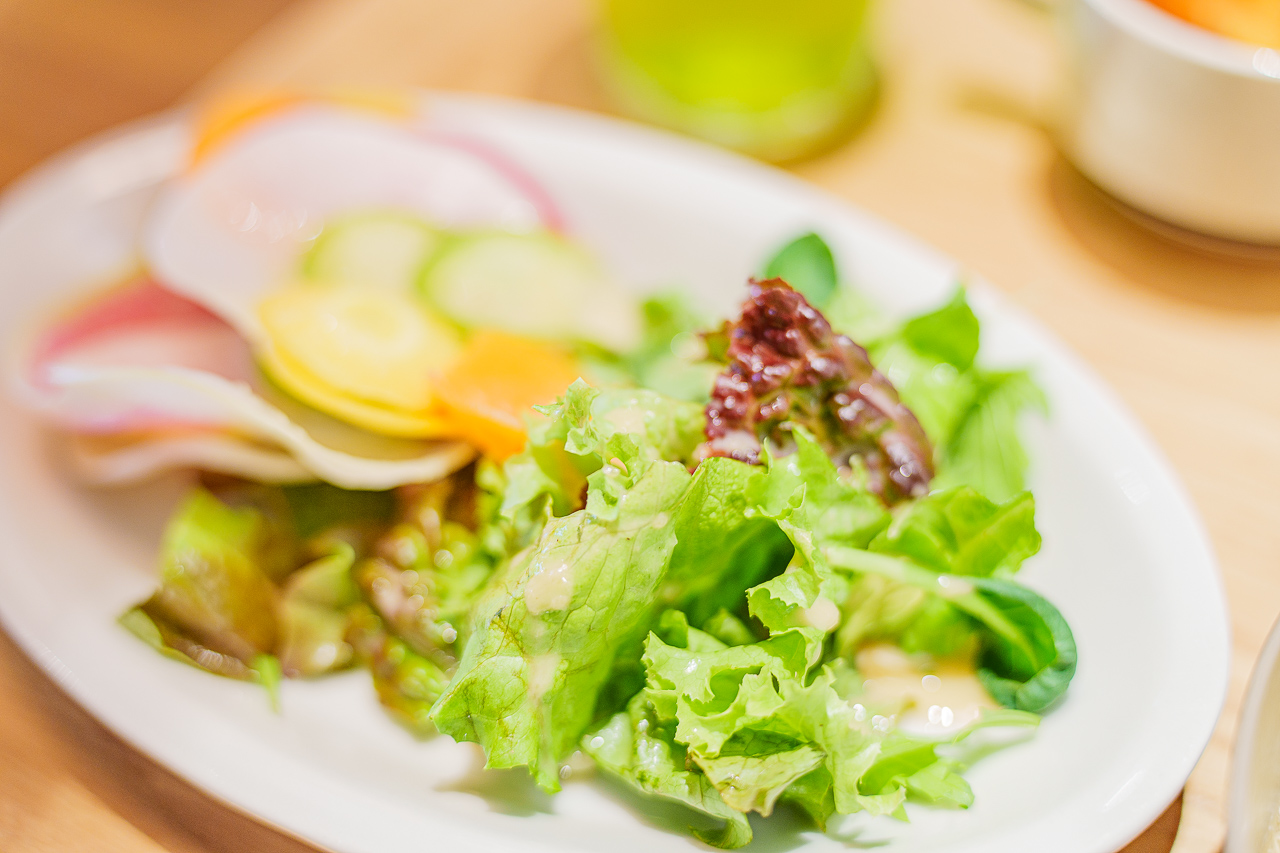
Fresh salad vegetables.
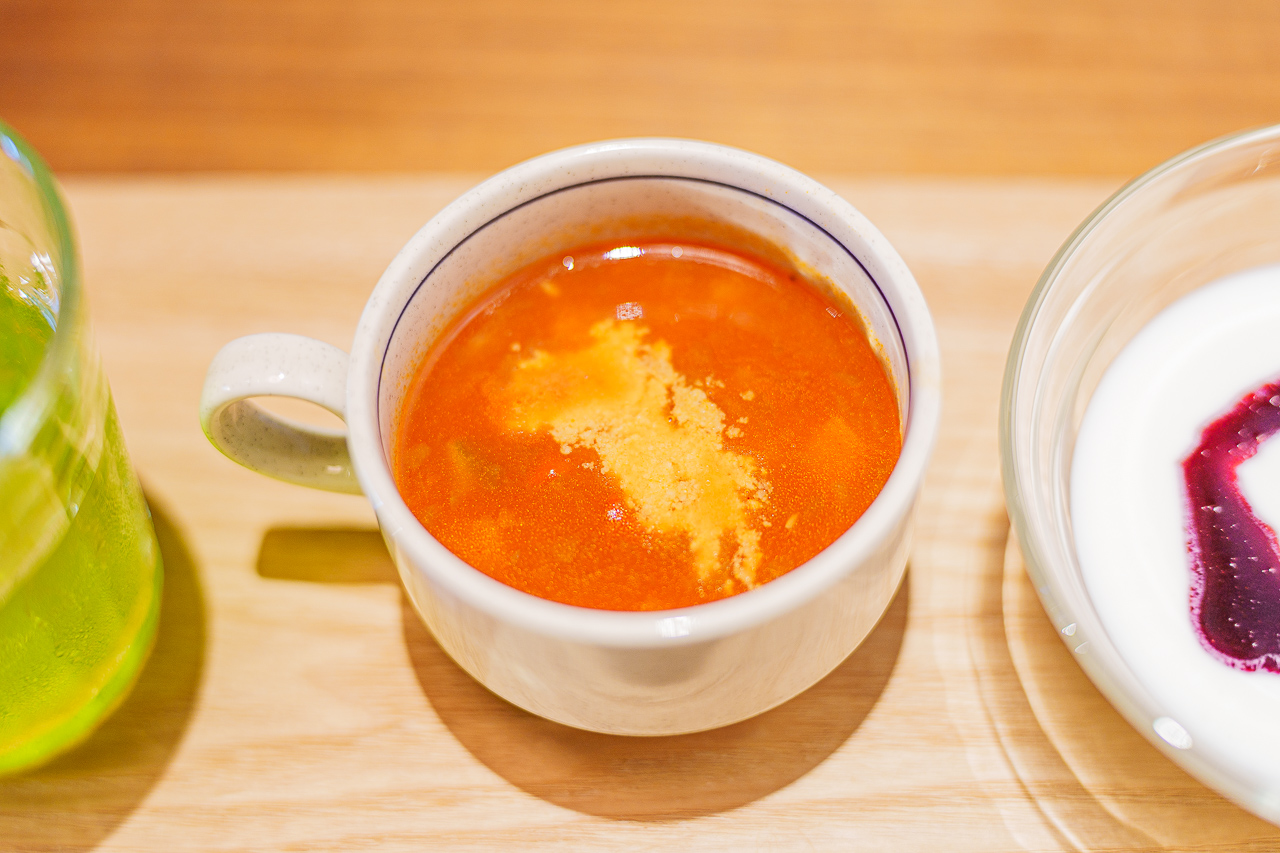
Tomato soup with a little cheese.
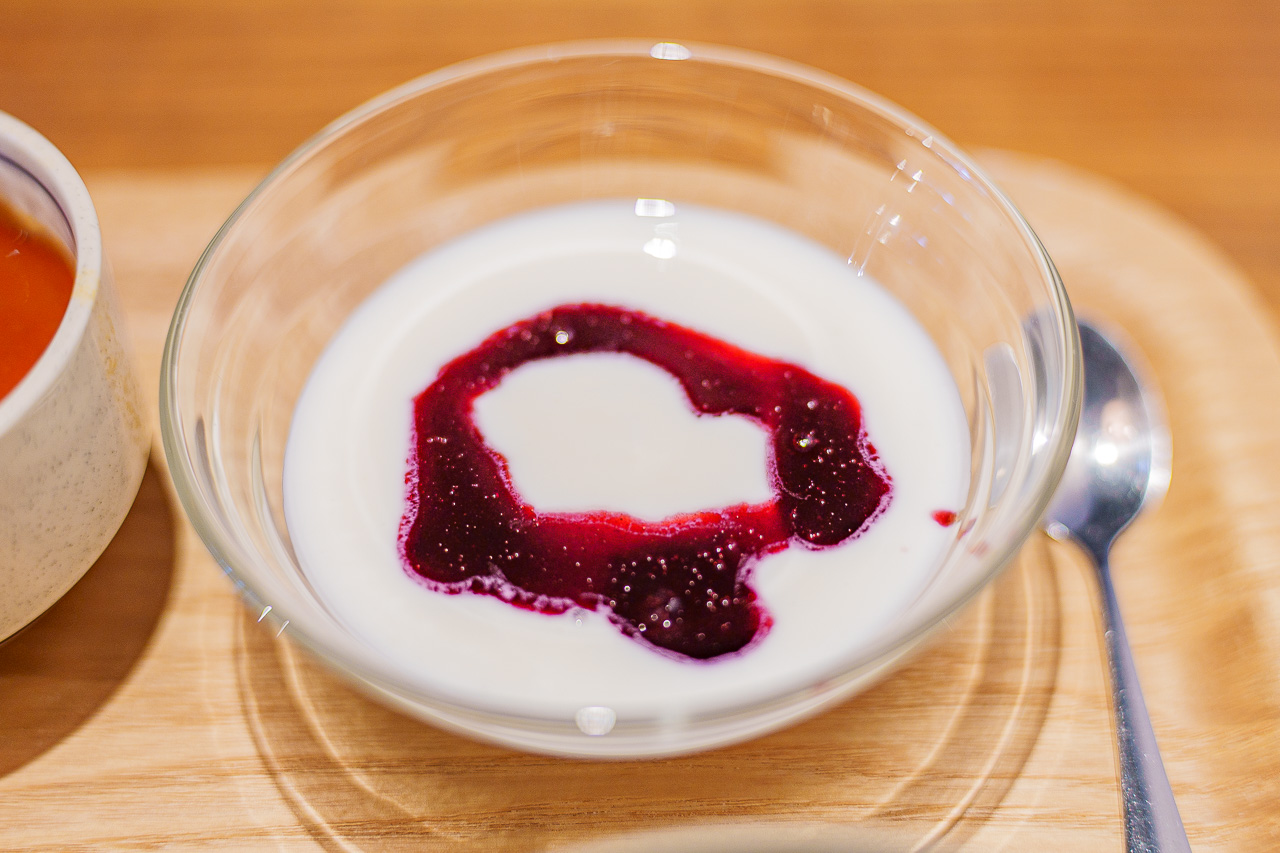
Yogurt with blueberry sauce finished a breakfast that felt easy on the stomach.
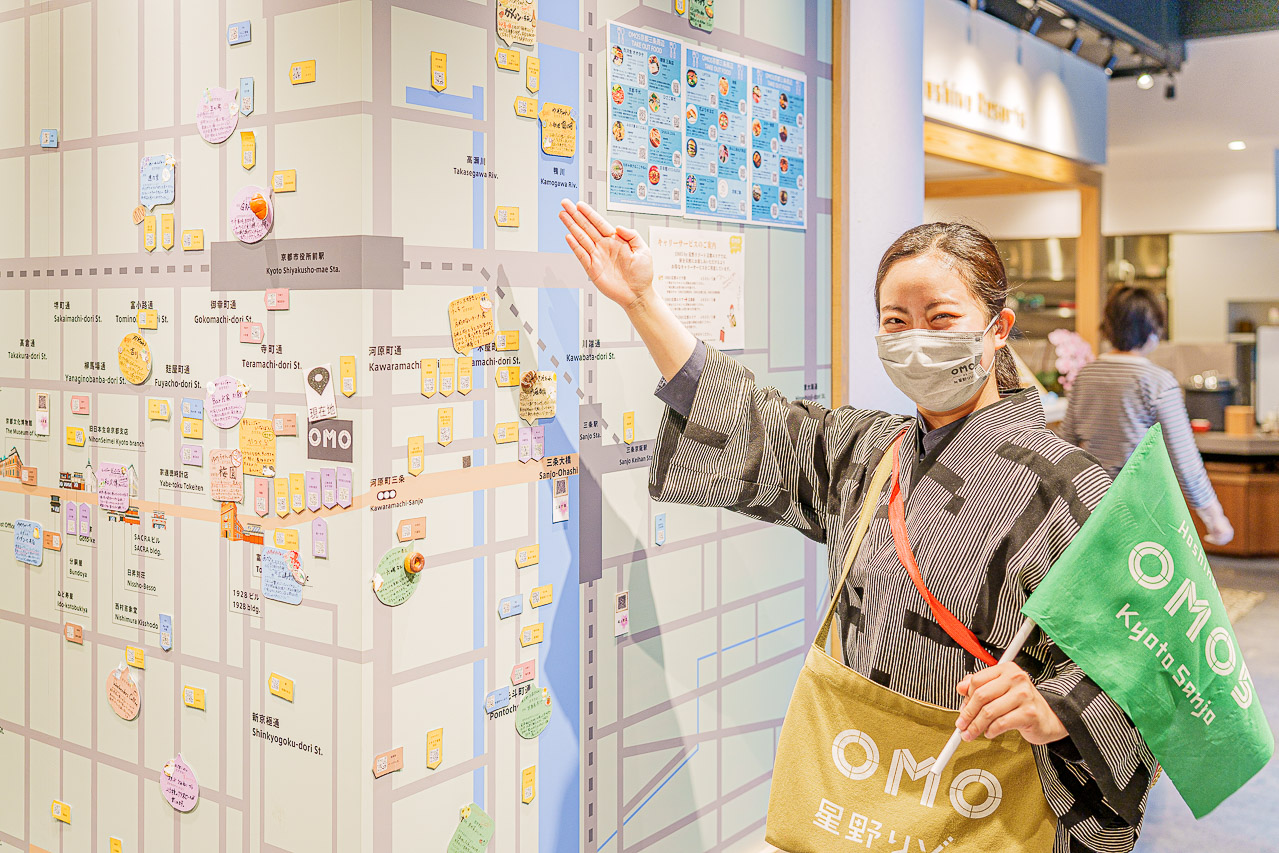
Then it was time for the OMO Ranger tours booked at check-in.
First came the Kyomachi Ranman River Walk at 9:30.
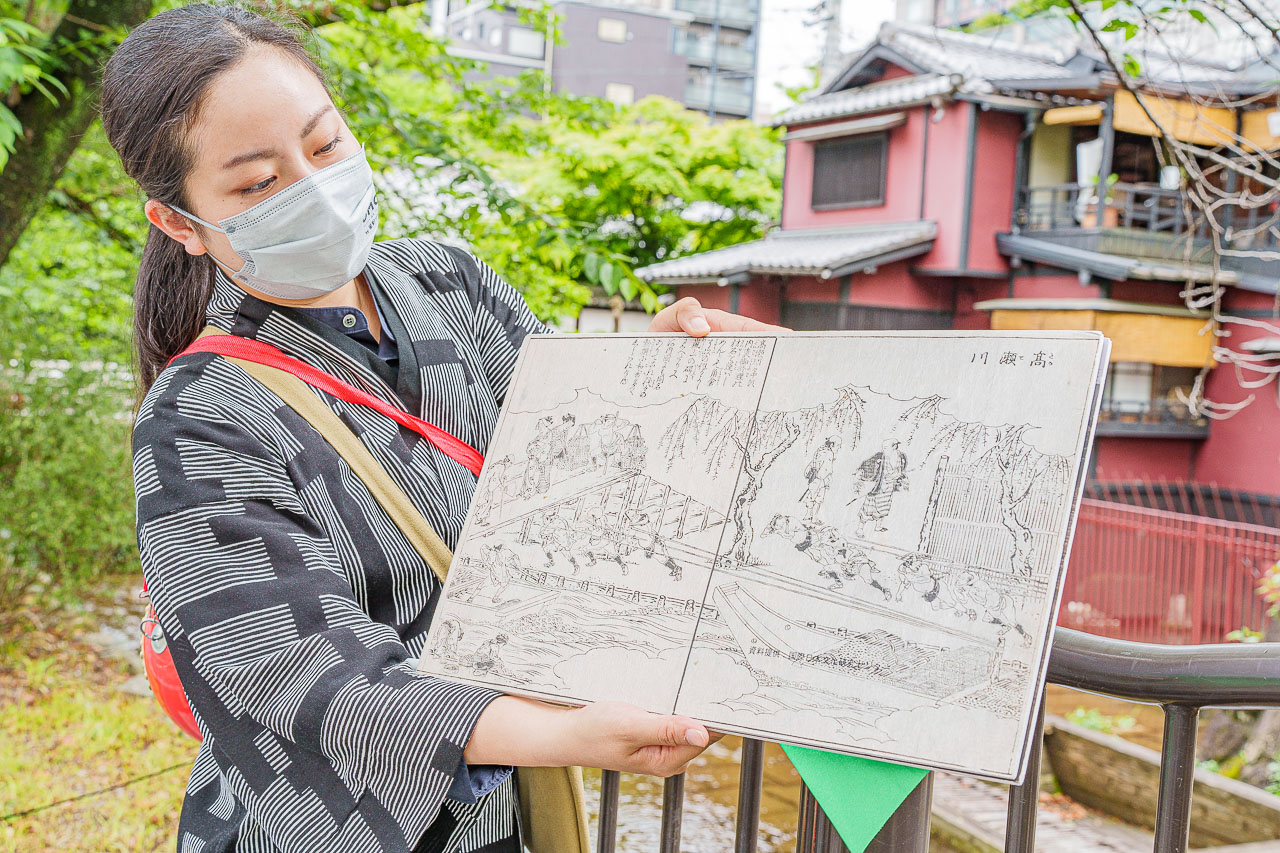
The Takase River, made to support Kyoto's commerce in the Edo period.
The tour story in the account describes an artificial canal built in 1614 by a person it names Kakura Ryoni, at a cost of around 250 billion. The original gives the amount as 2,500 eok without identifying a currency.
It was reportedly made for reliable goods transport to Osaka, with the investment recovered quickly—a remarkable business story.
The account says its creator also joined construction to encourage workers. I imagined that must have been demanding for them.
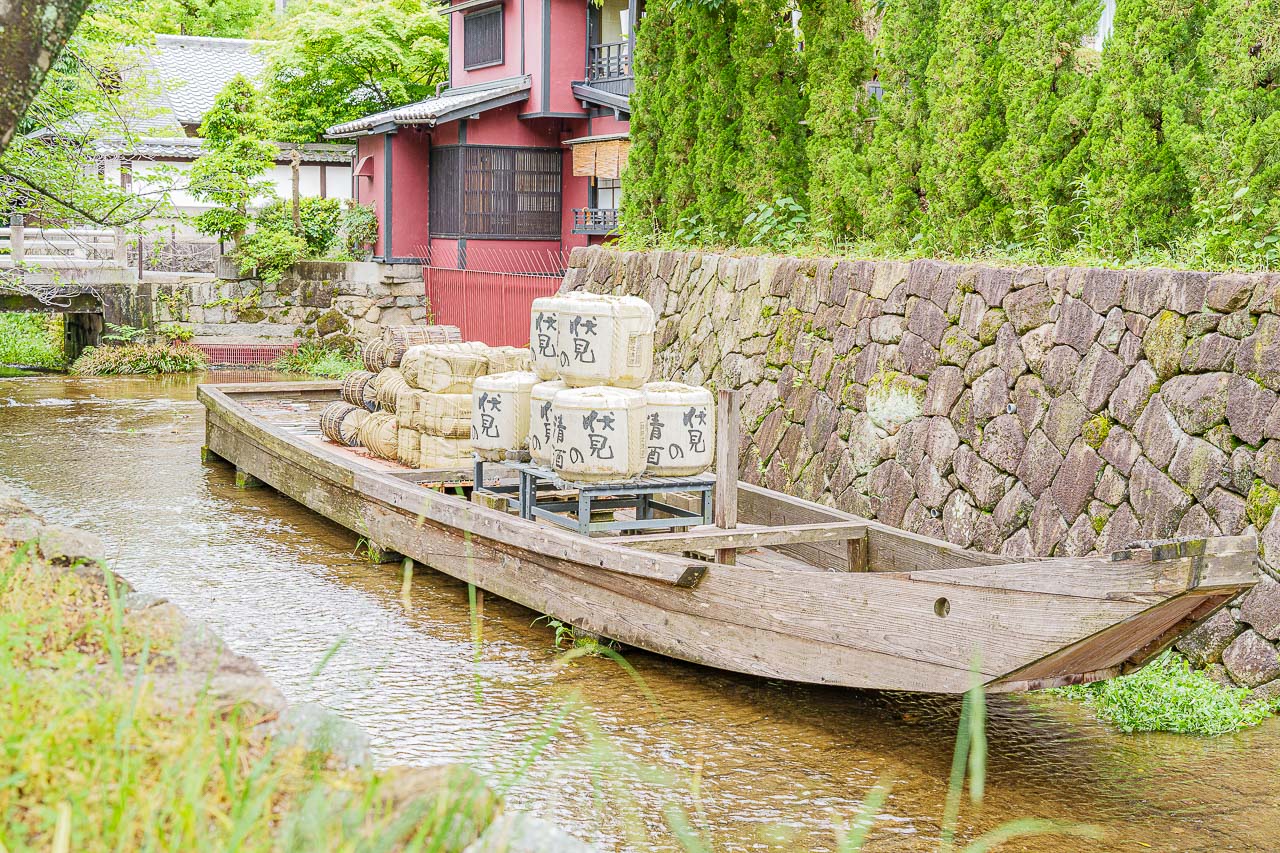
A boat of the period was displayed on the canal built to carry goods.
I was surprised to hear that boats like this traveled to Osaka.
More surprising was the story that people pulled them by ropes because the river was shallow.
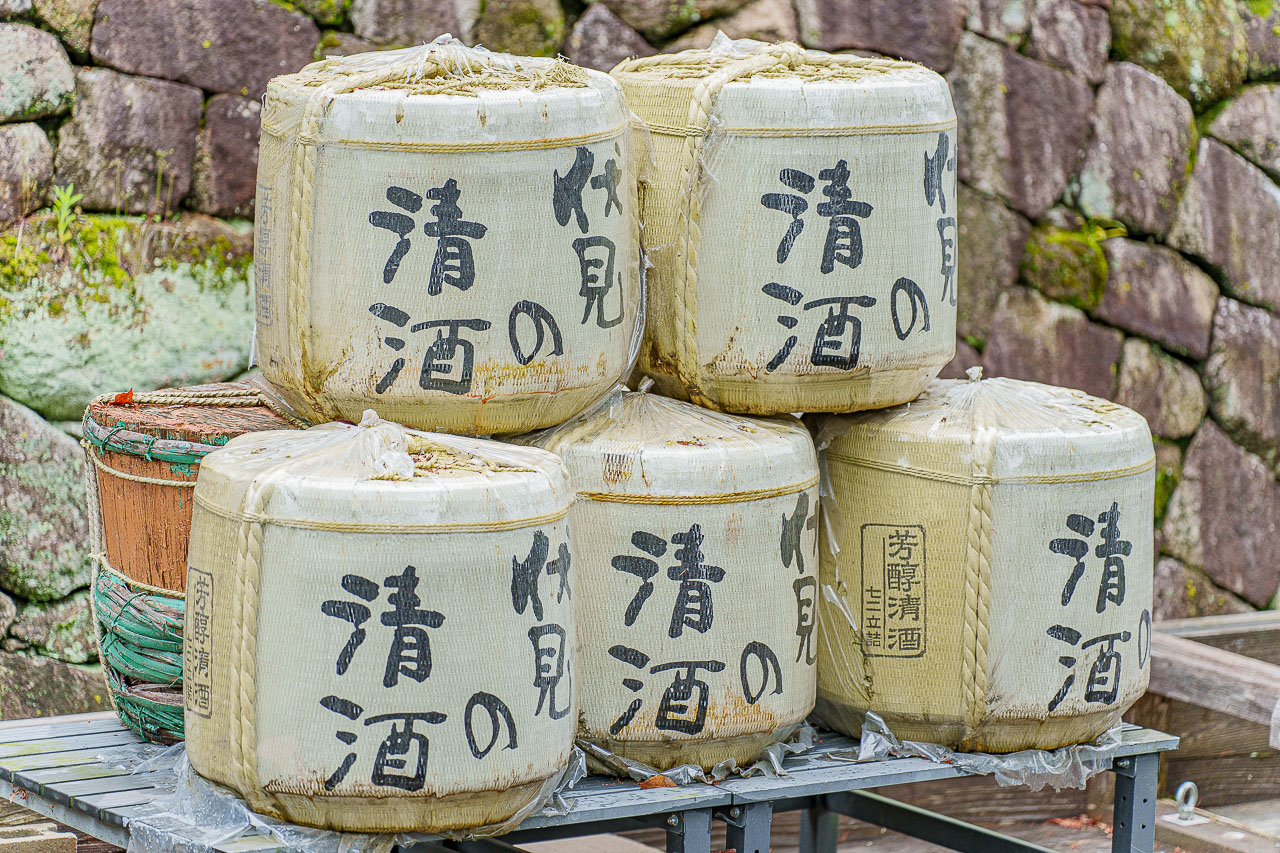
Sake
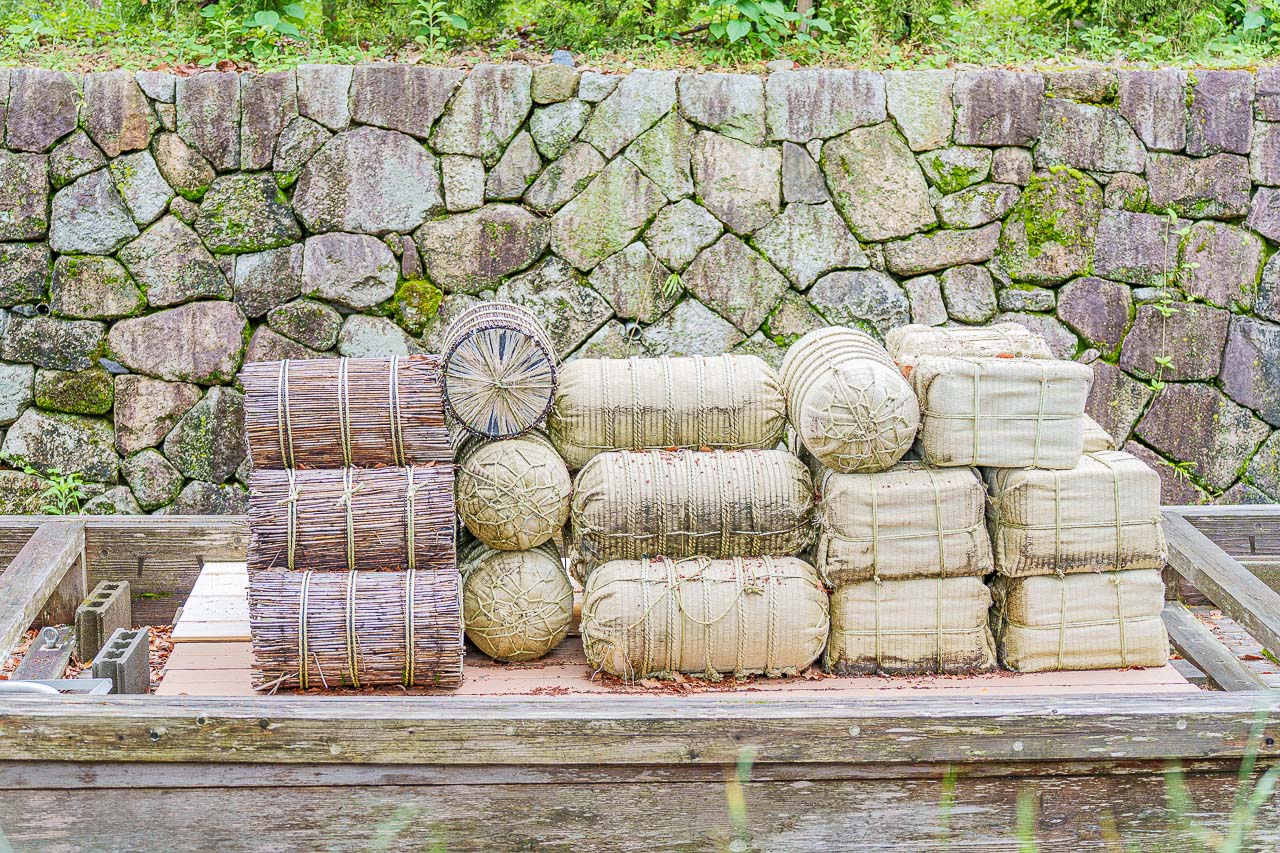
and rice were reportedly major trading goods.
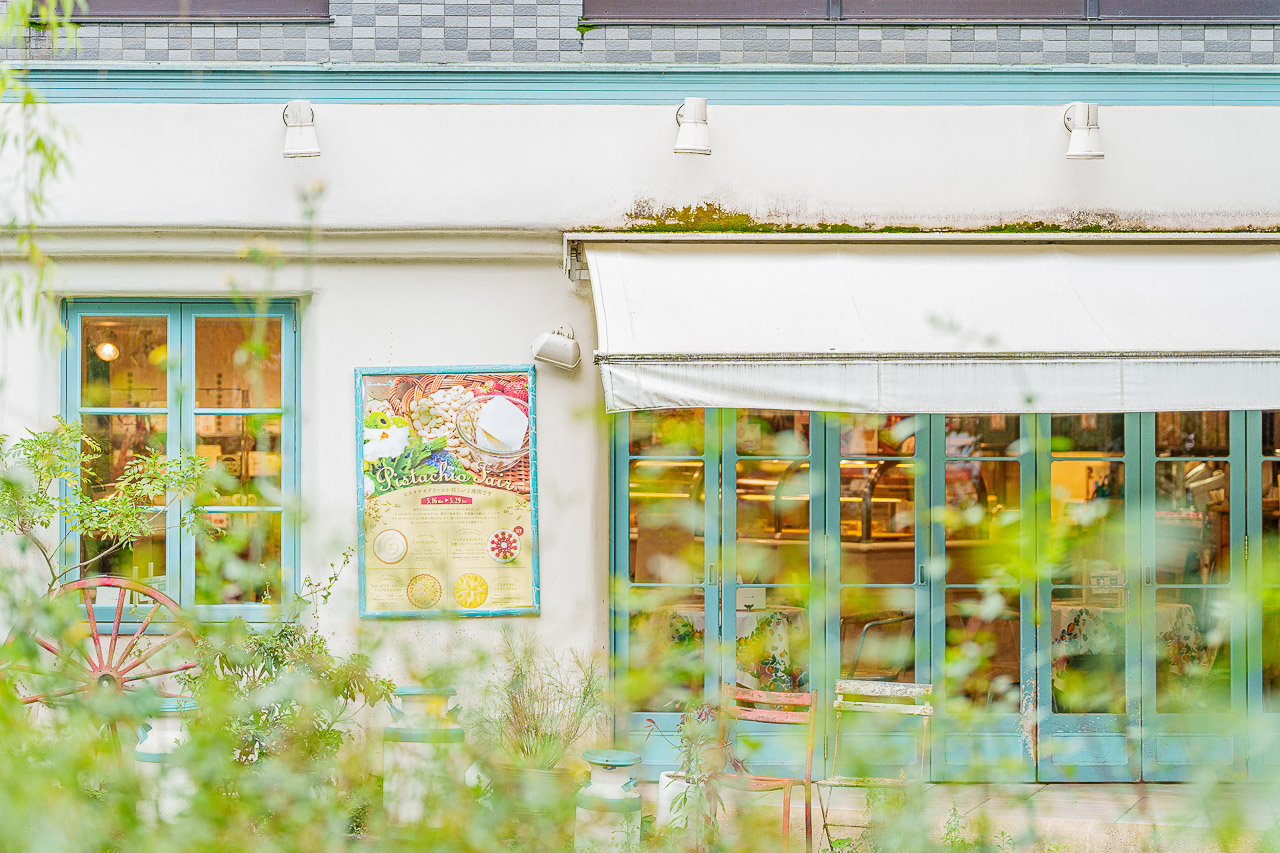
Small shops lined the river.
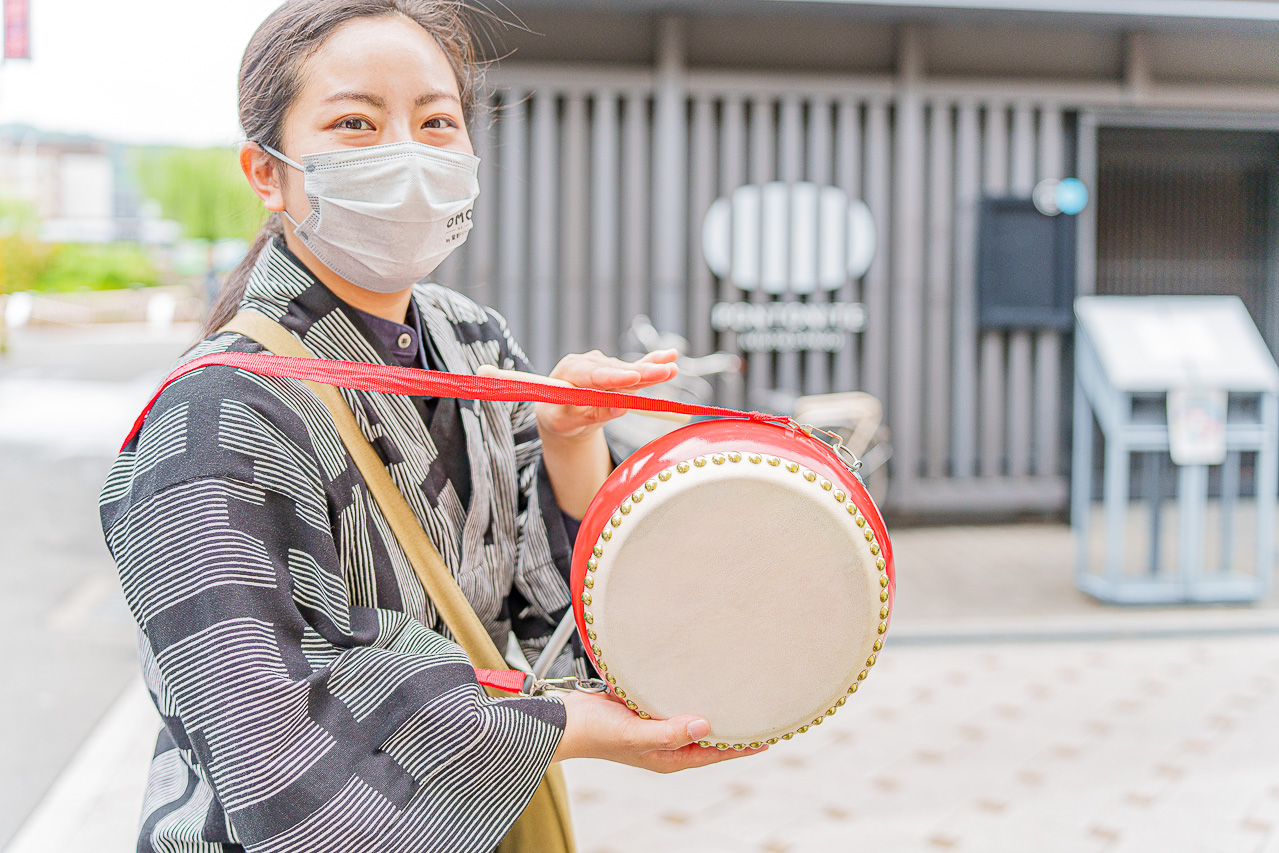
After a short walk, the OMO Ranger brought out a drum.
Asked to strike it, I naturally produced a 'ton-ton' sound.
Using the drum's skins and the Japanese sound shared by 'leather' and 'river,' the ranger explained a town between them, called Tonton-machi in this source account. It was a memorable piece of wordplay; the historical place-name explanation is not newly verified here.
Geisha frequently passed through this street, and there was also a venue where they performed.
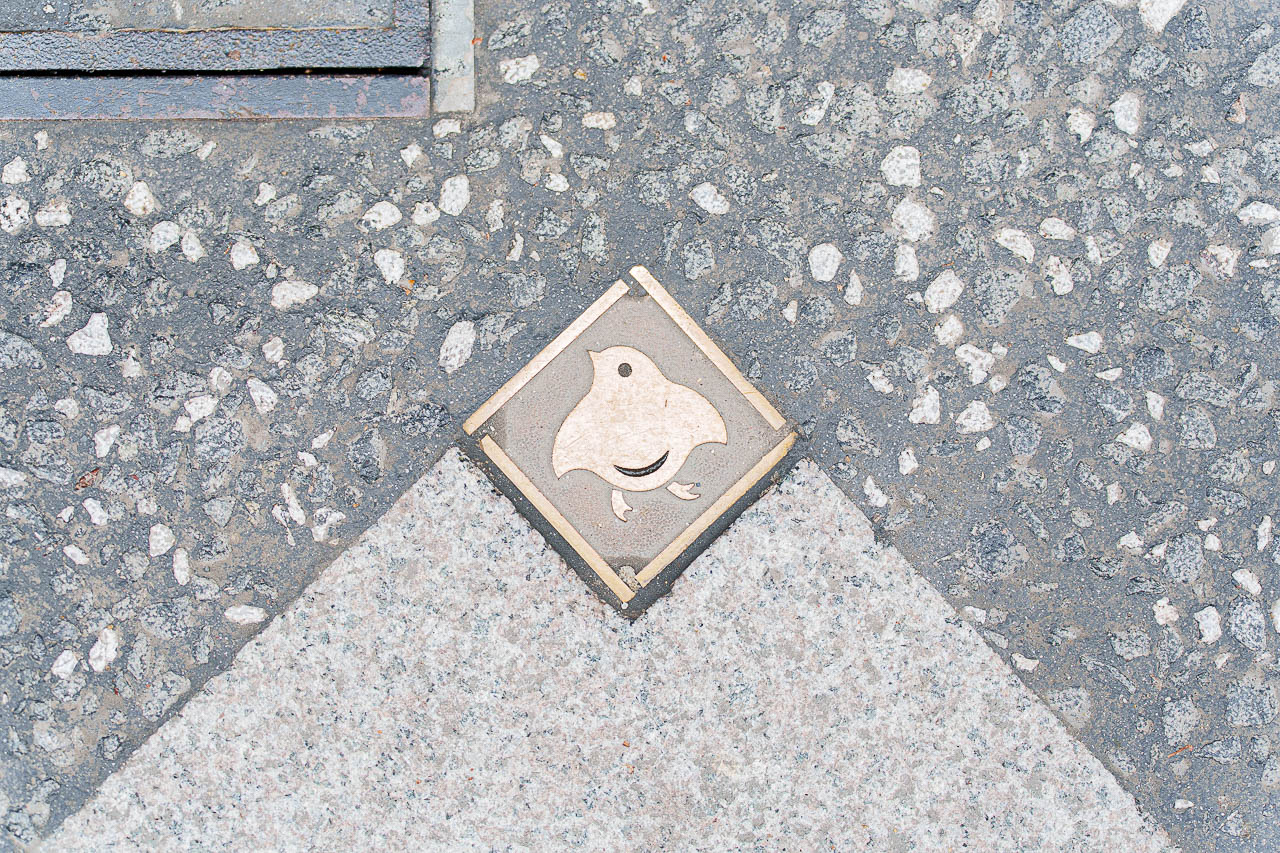
Small bird shapes appeared on the ground along Sanjo's streets.
They indicated a side passage,
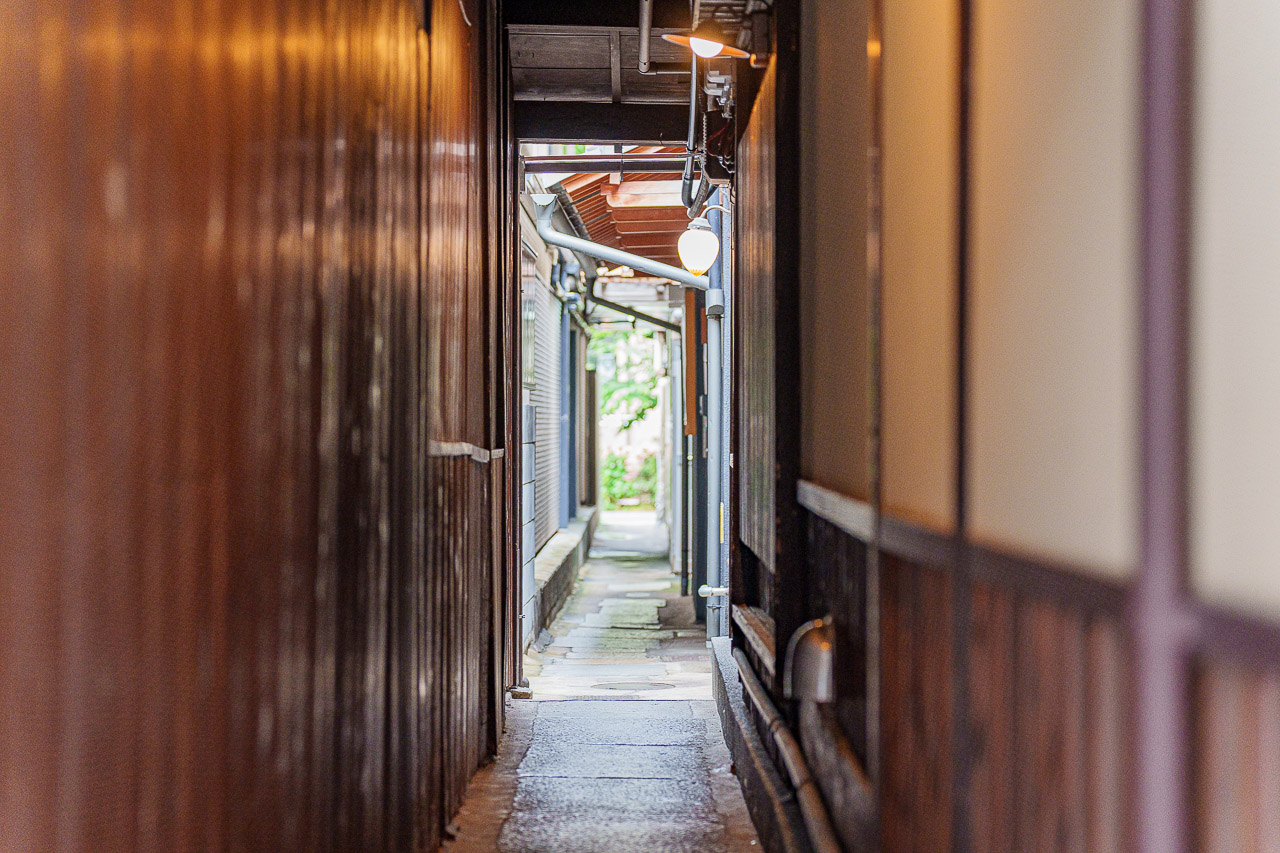
with narrow alleys still used by people.
Finding someone in a game of hide-and-seek here would be difficult.
Perhaps that is why Japan has so many hide-and-seek ghost stories, I joked.
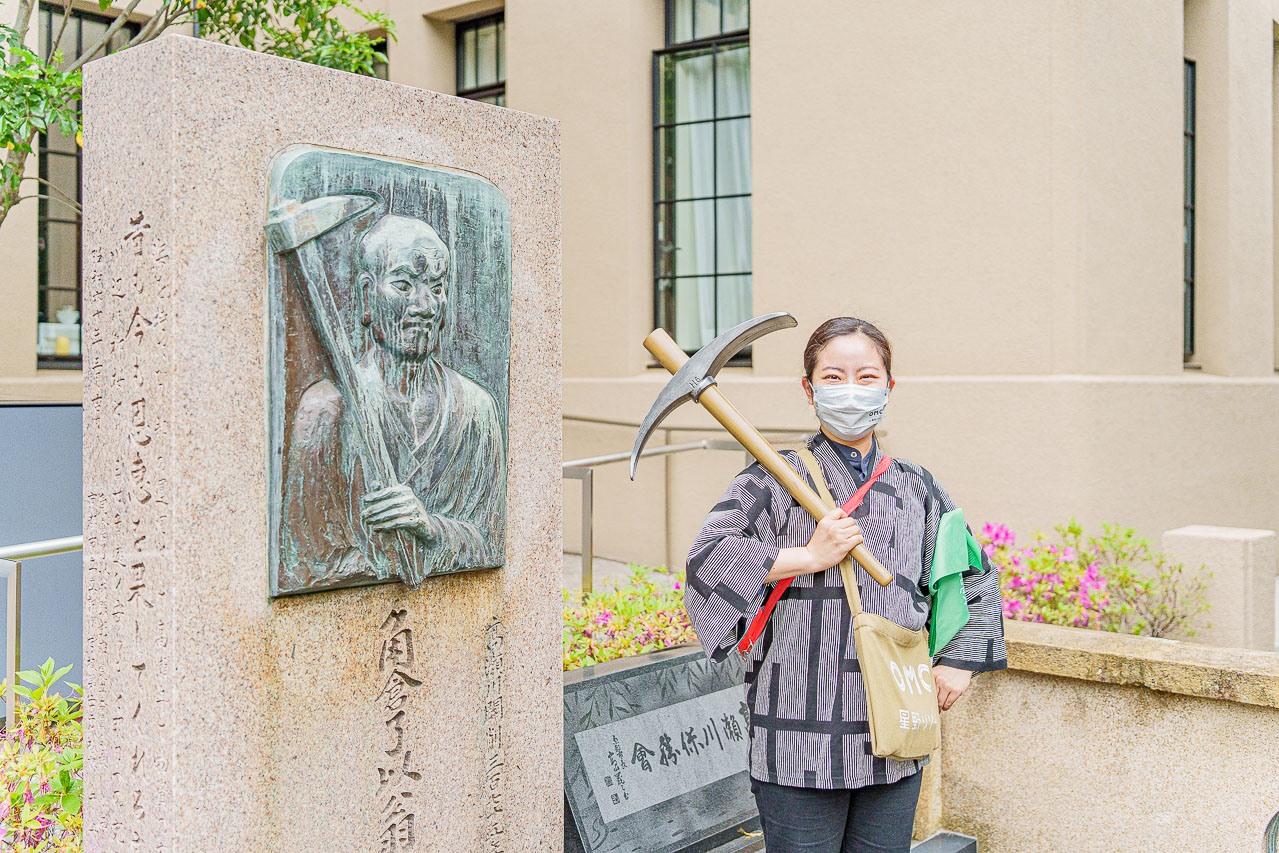
The walk ended posing in front of the statue of the canal's creator, whose name is rendered Kakura Ryoni in this account.
Anyone wanting photographs could use the props for a photo break.
The second tour, the Kyomachi Ranman Long-Established Shop Walk, began straight after the first.

The tour's story linked Sanjo's commercial growth with the travel tales of Yaji and Kita.
The source presents the two as celebrated Edo-period travel storytellers whose stories drew more travelers; this is the account's telling rather than a newly checked historical description.
A market developed to trade supplies those travelers needed, forming the Sanjo shopping streets in the story.
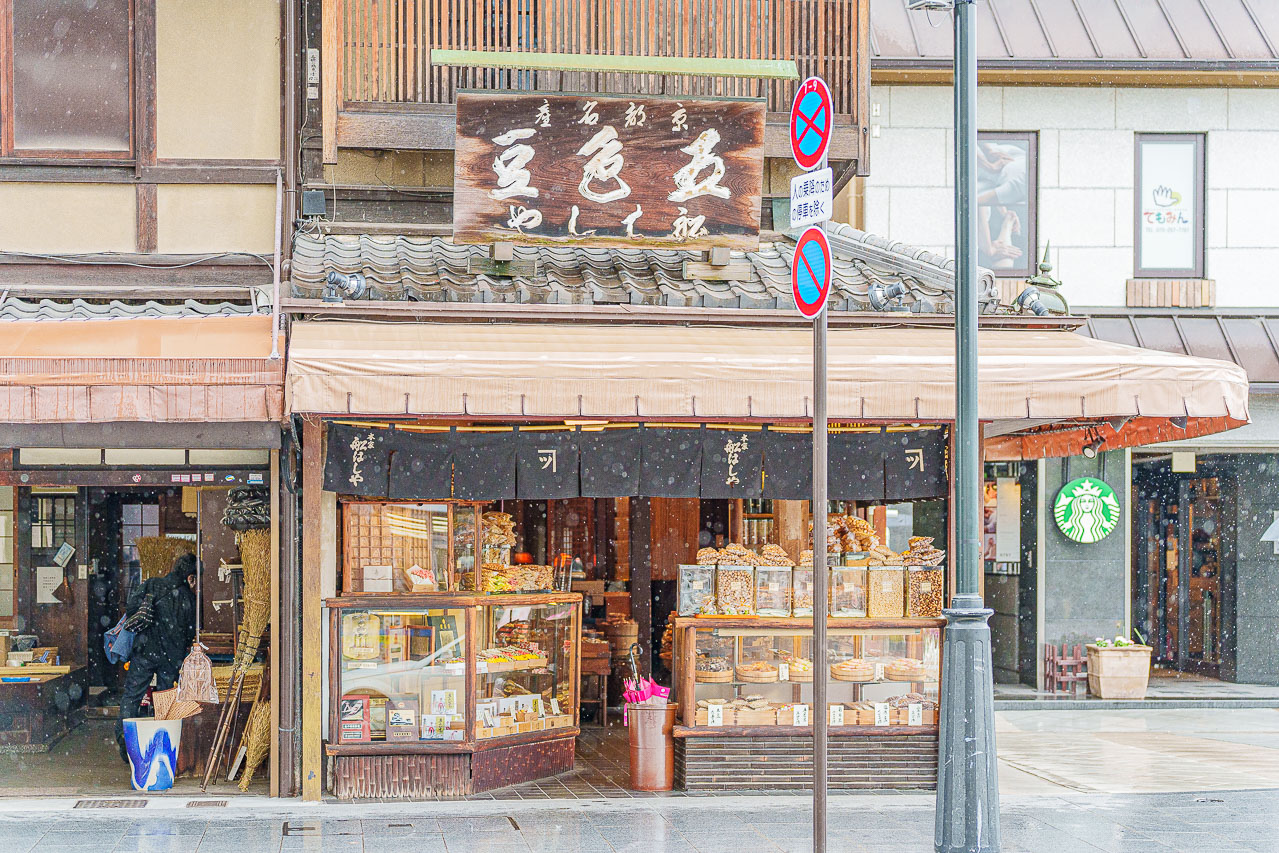
Food was important for travel then, including light, high-calorie rice crackers and sweets sold by established shops,
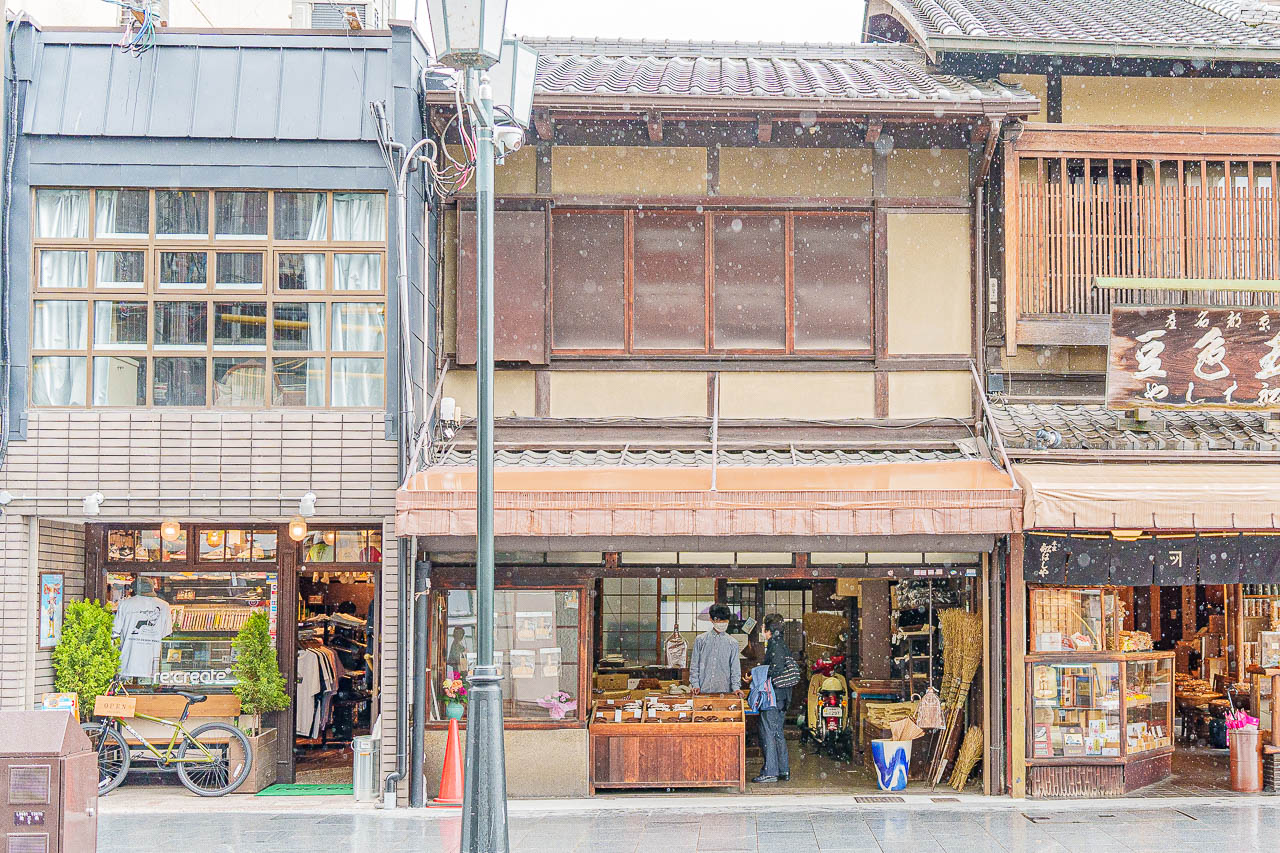
and Naito Shoten, specializing in tawashi scrub brushes.
According to the account, it had gone without a sign for hundreds of years on the belief that good products bring customers without advertising.
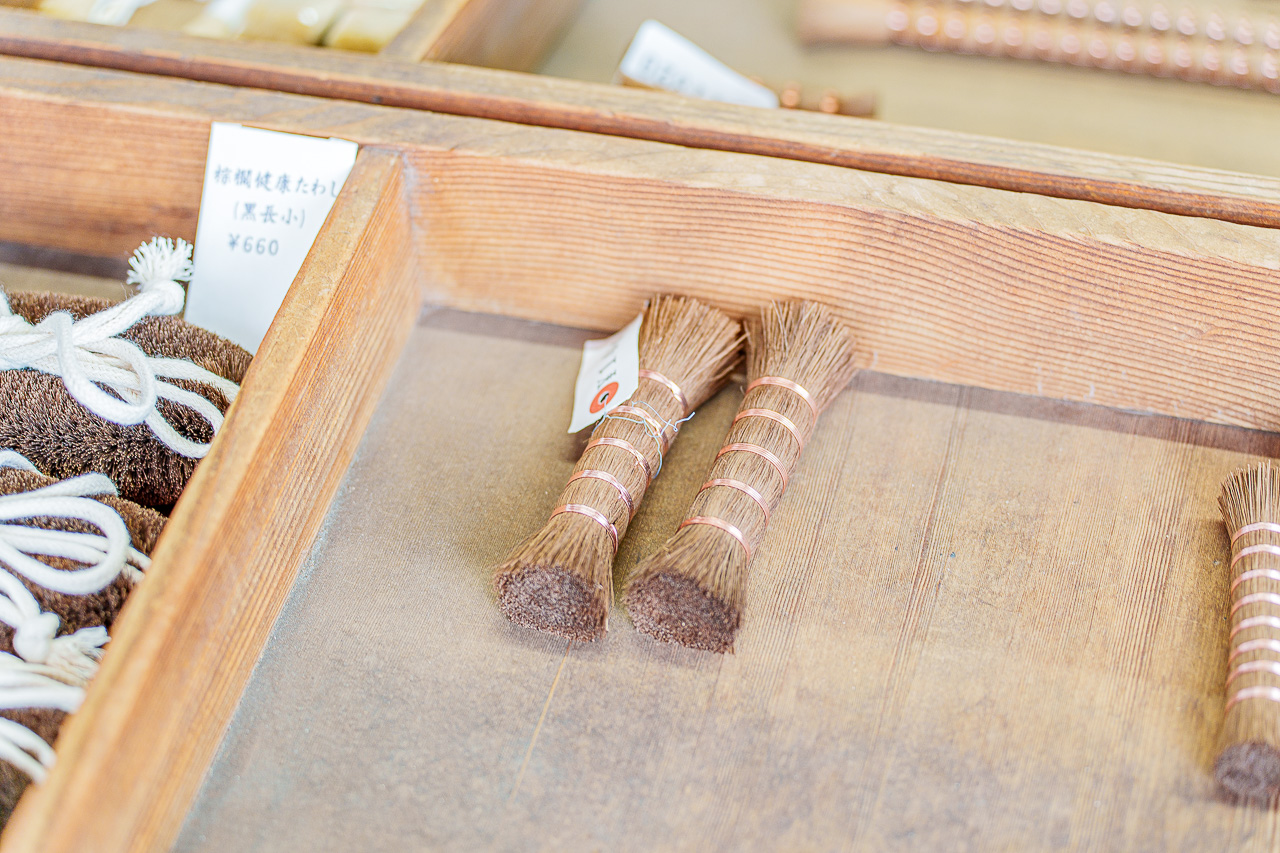
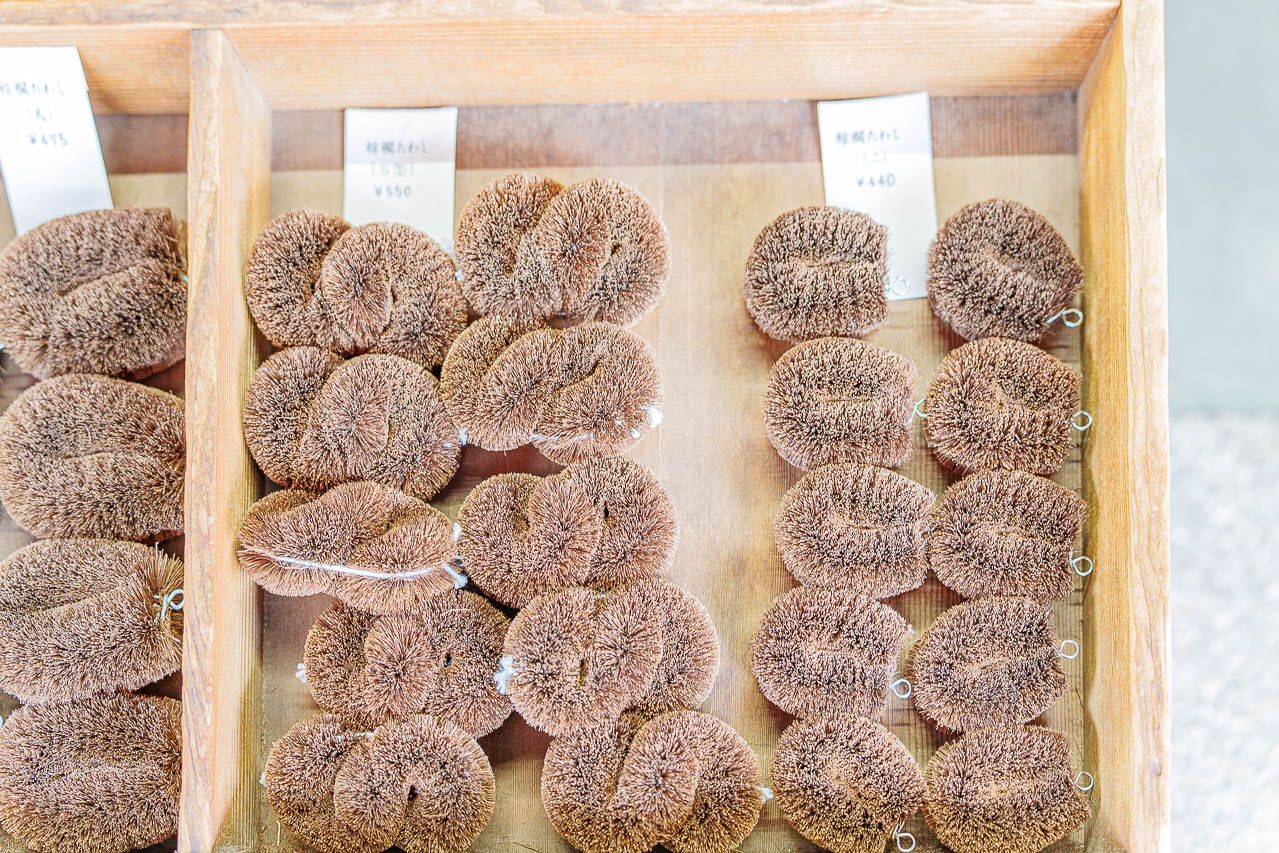
Brushes would have been useful for washing dishes while traveling.
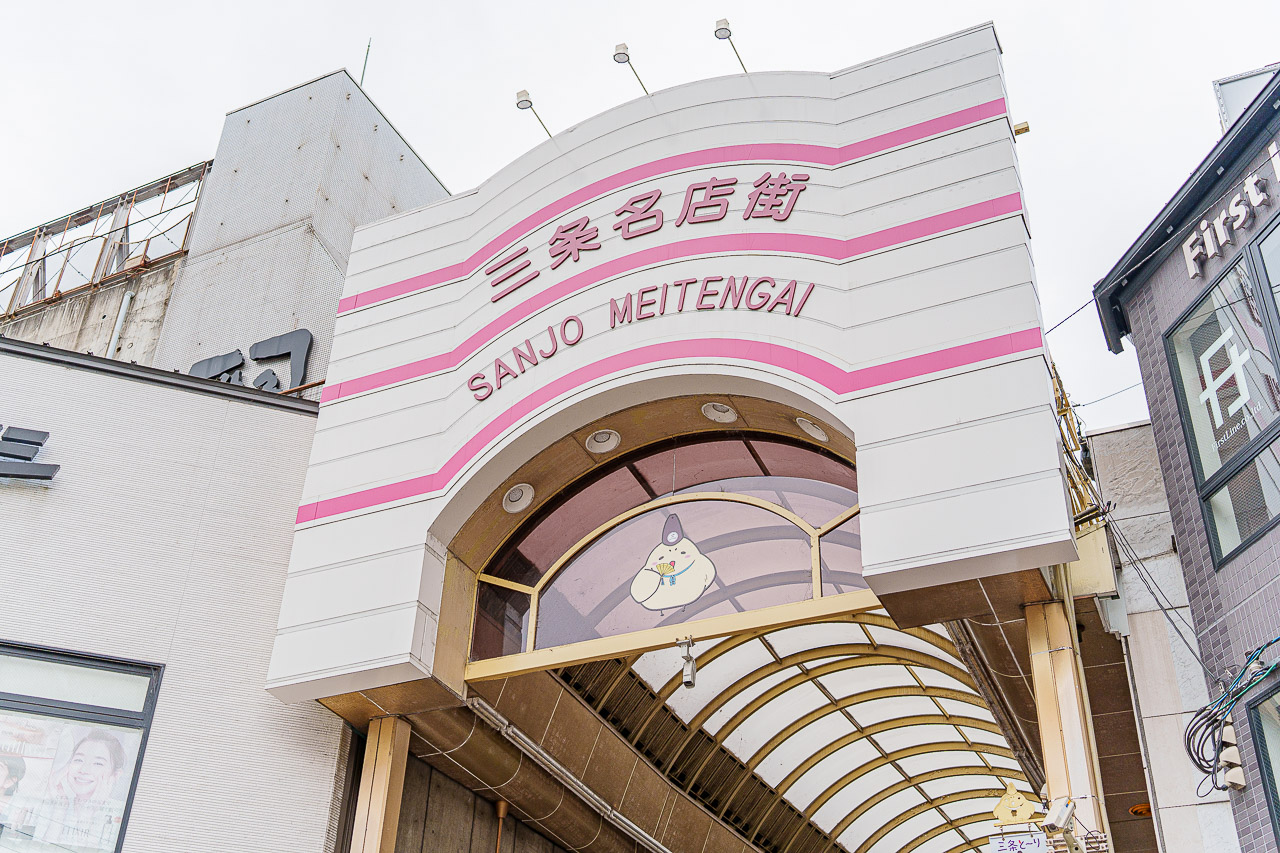
Sanjo Meitengai, the covered shopping street near the hotel.
Its arcade made a walk pleasant even in rain.
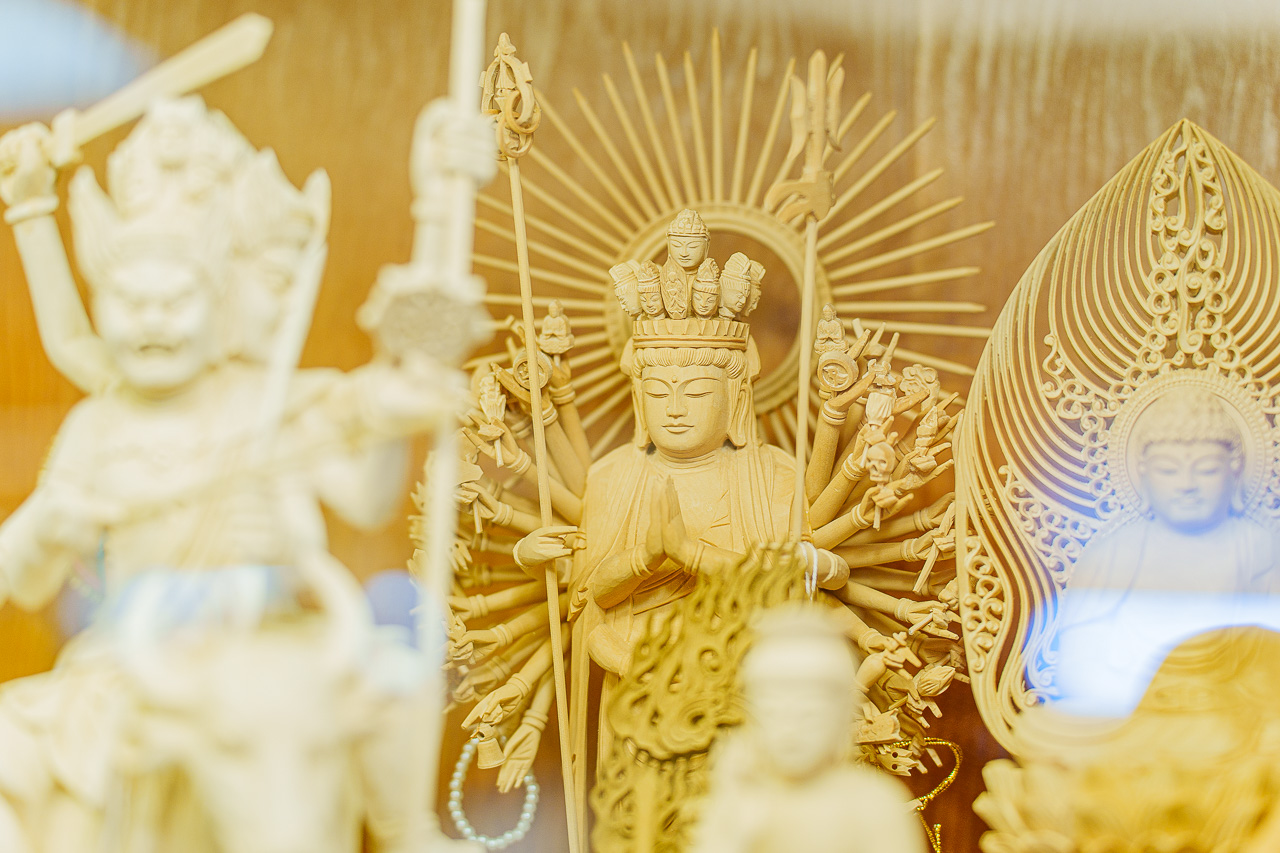
A Buddhist-statue shop named Yoshida Gennotsuji in the source, established in 1572.
The fine woodcarving was impressive to look at.
We were told its artisan ranked among Japan's top 5 for this level of skill—a claim retained from the account, not independently verified.
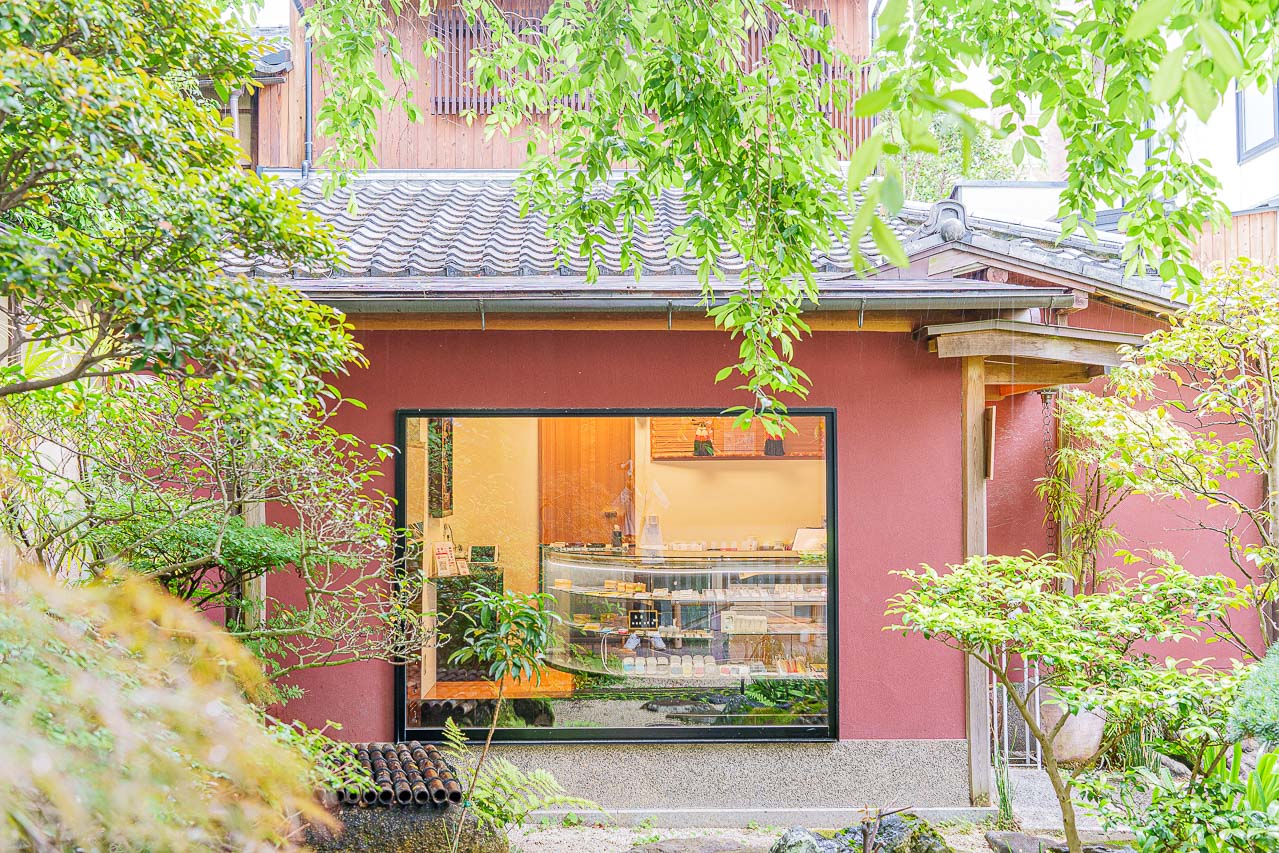
Down an easily missed side lane was another long-established shop in a lovely setting.
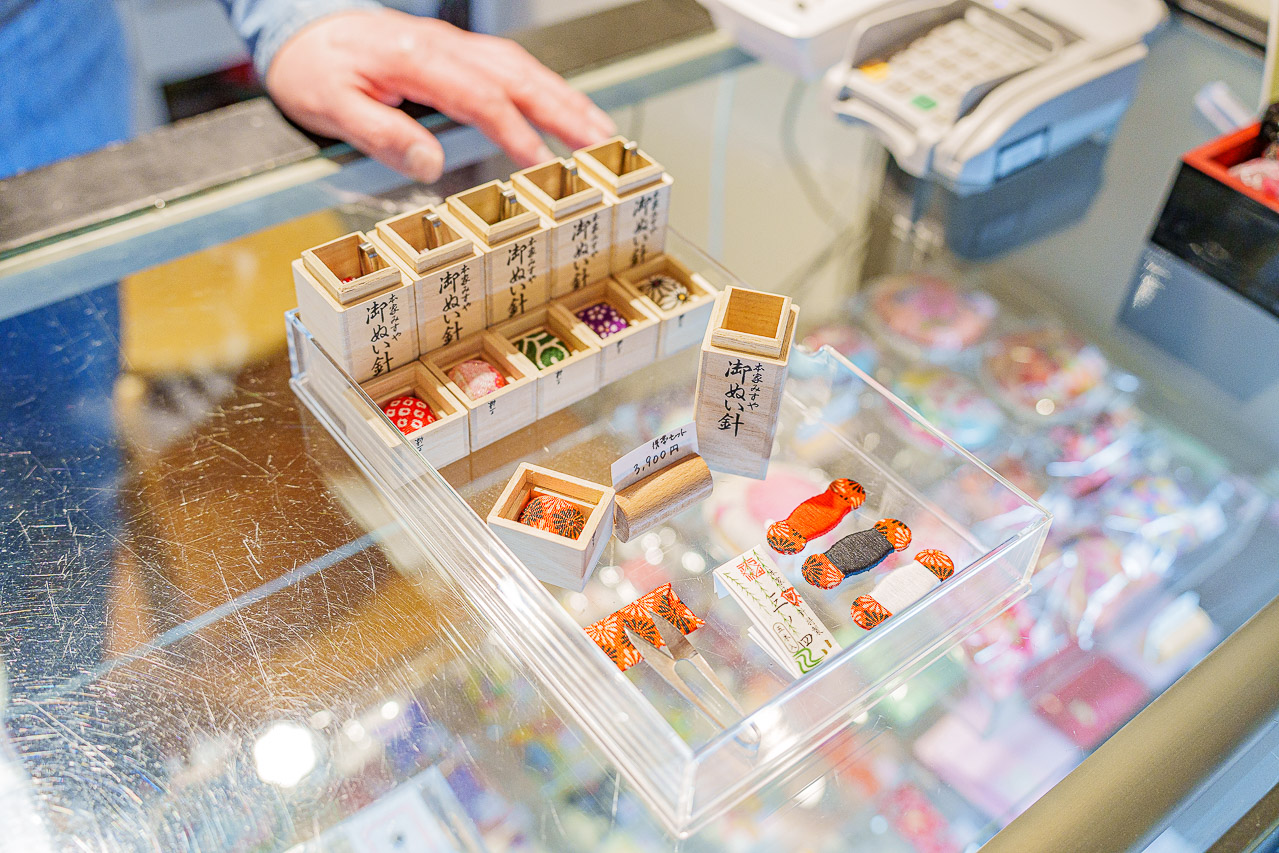
The needle specialist whose name is rendered Mizomotoga Misuya Needles in the source.
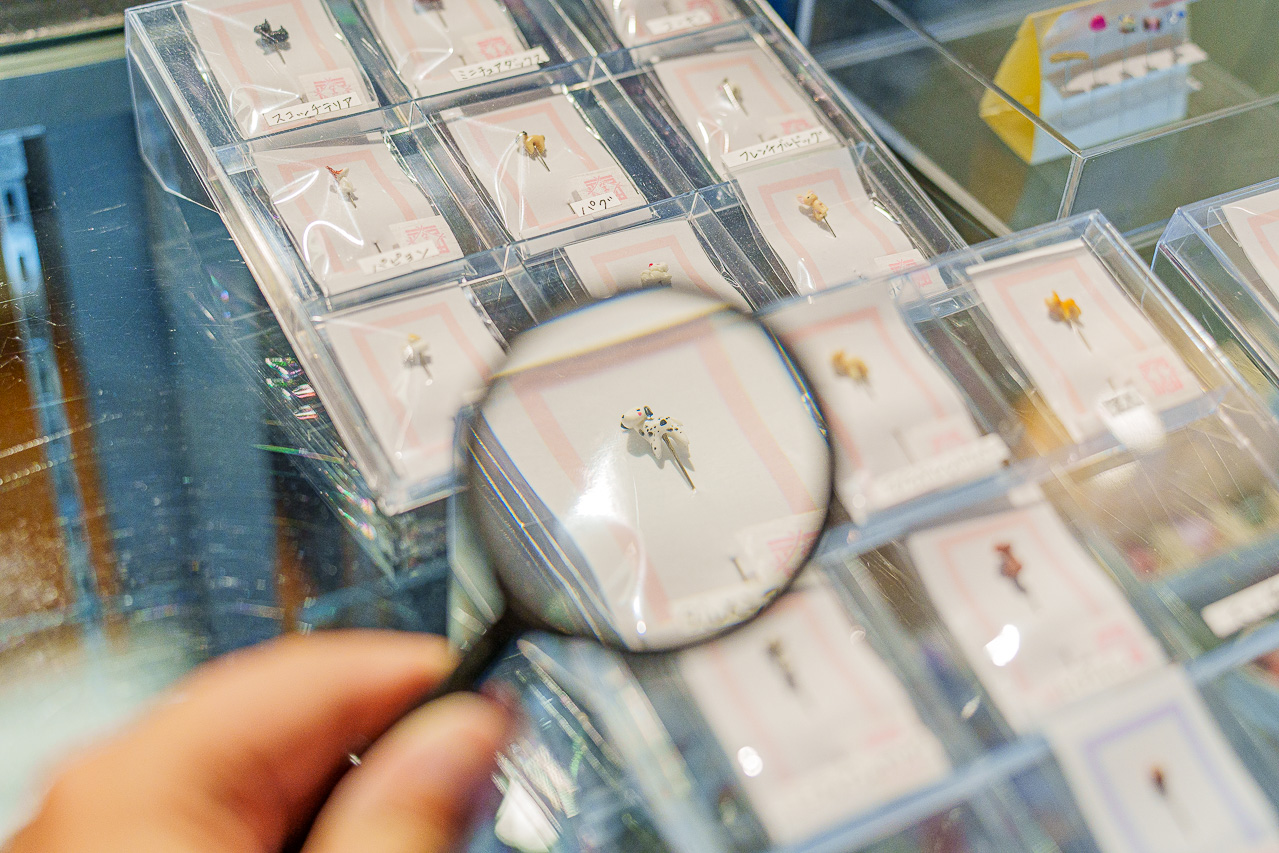
The small shop held many needles. With fewer people sewing now, the account says it also offered these charming souvenir needles.
Small and light, they were said to be popular gifts.
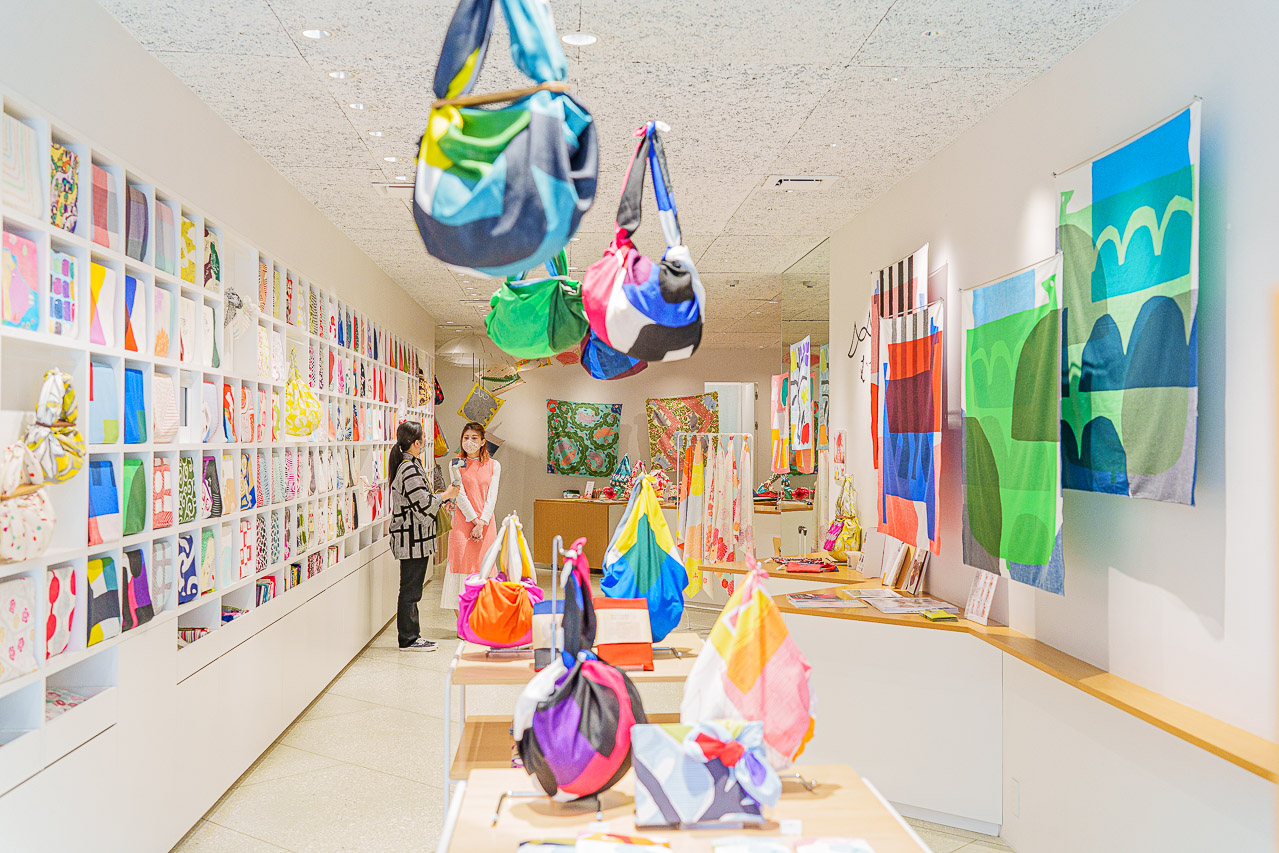
The final stop was a furoshiki wrapping-cloth specialist operated directly by its maker, named Musumi in the source.
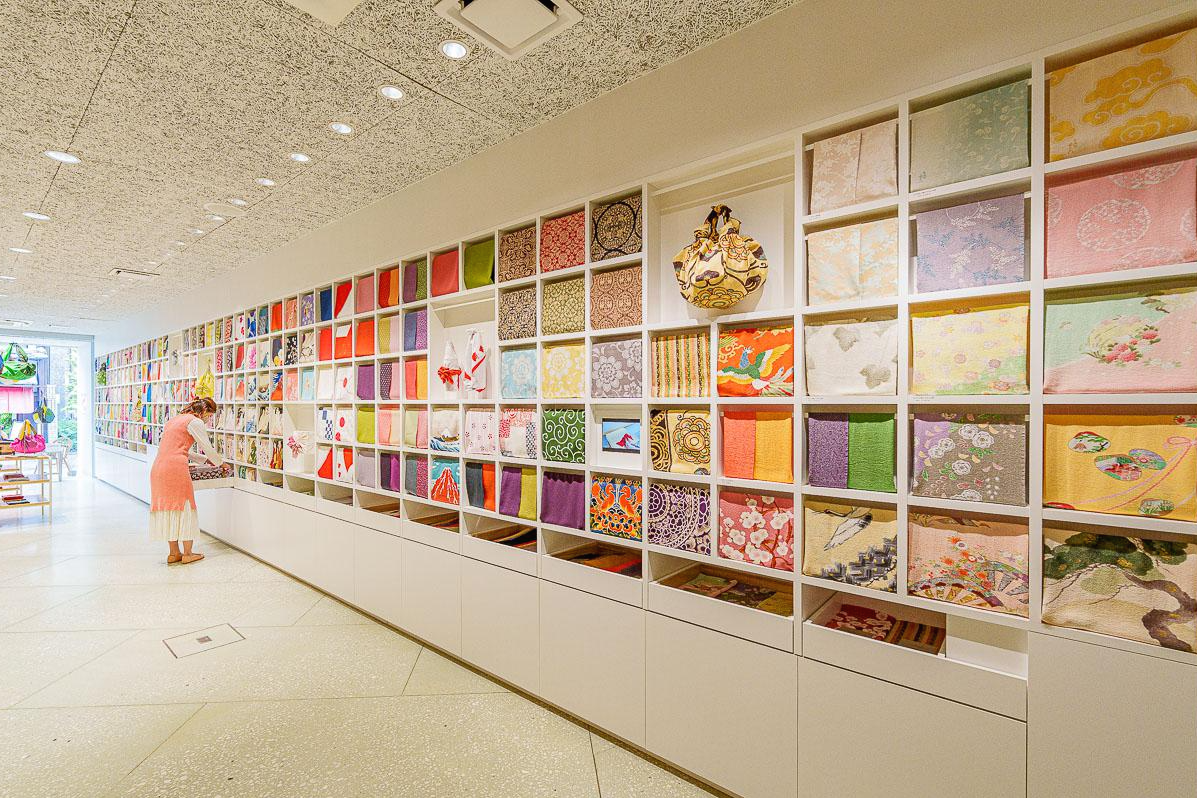
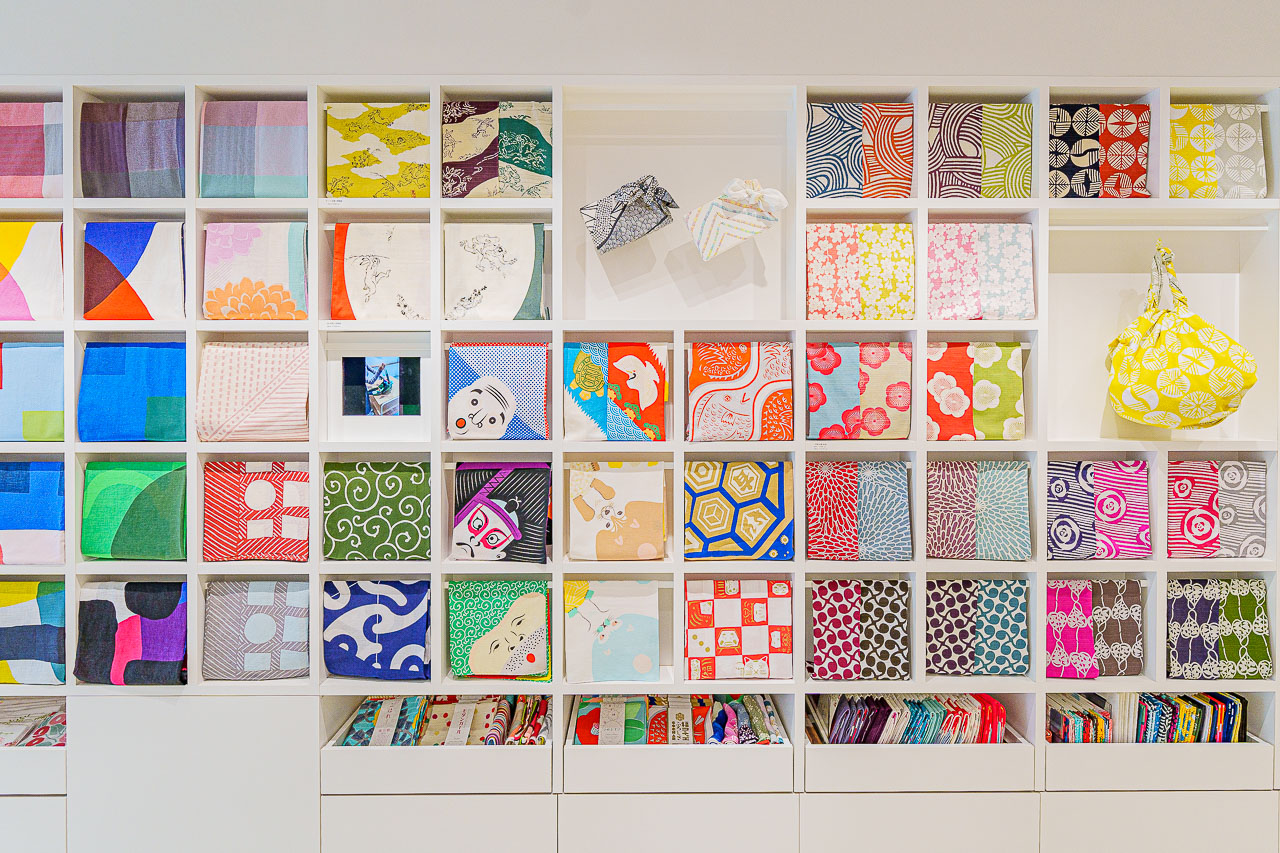
The many cloth colors were striking.
Seen together, they almost felt like an art gallery.
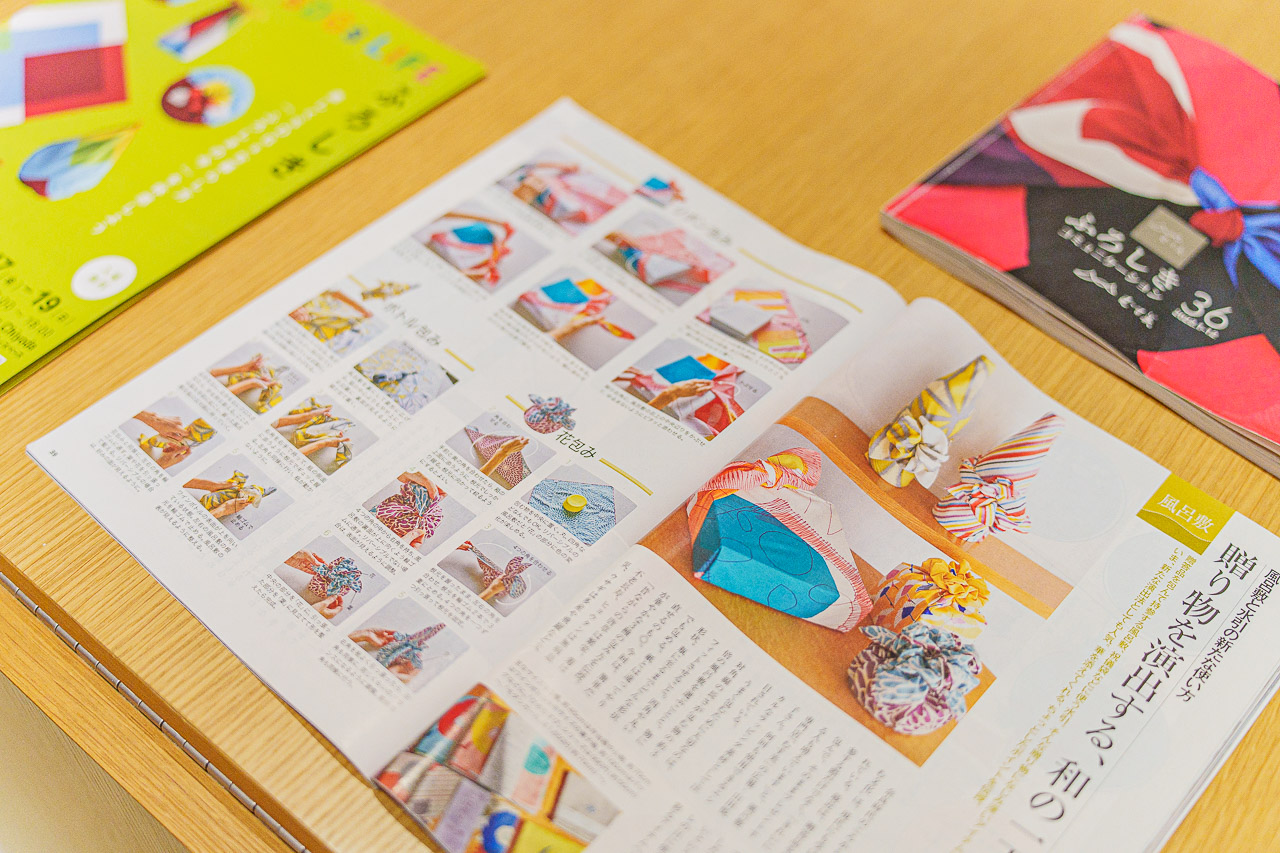
A single cloth can wrap a lunchbox or become a bag through different knots.
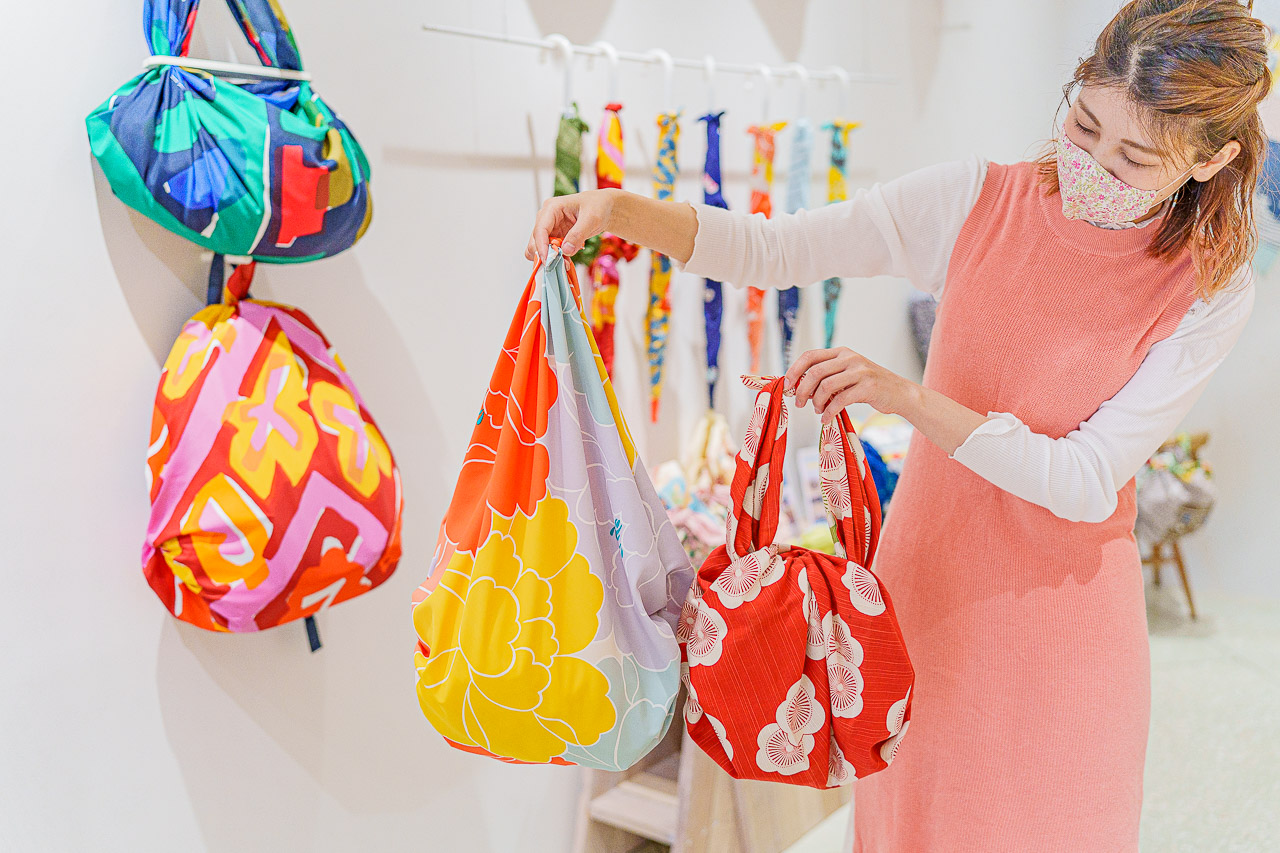
Turning it into a bag took a little over 1 minute.
A staff demonstration made the transformation fascinating.
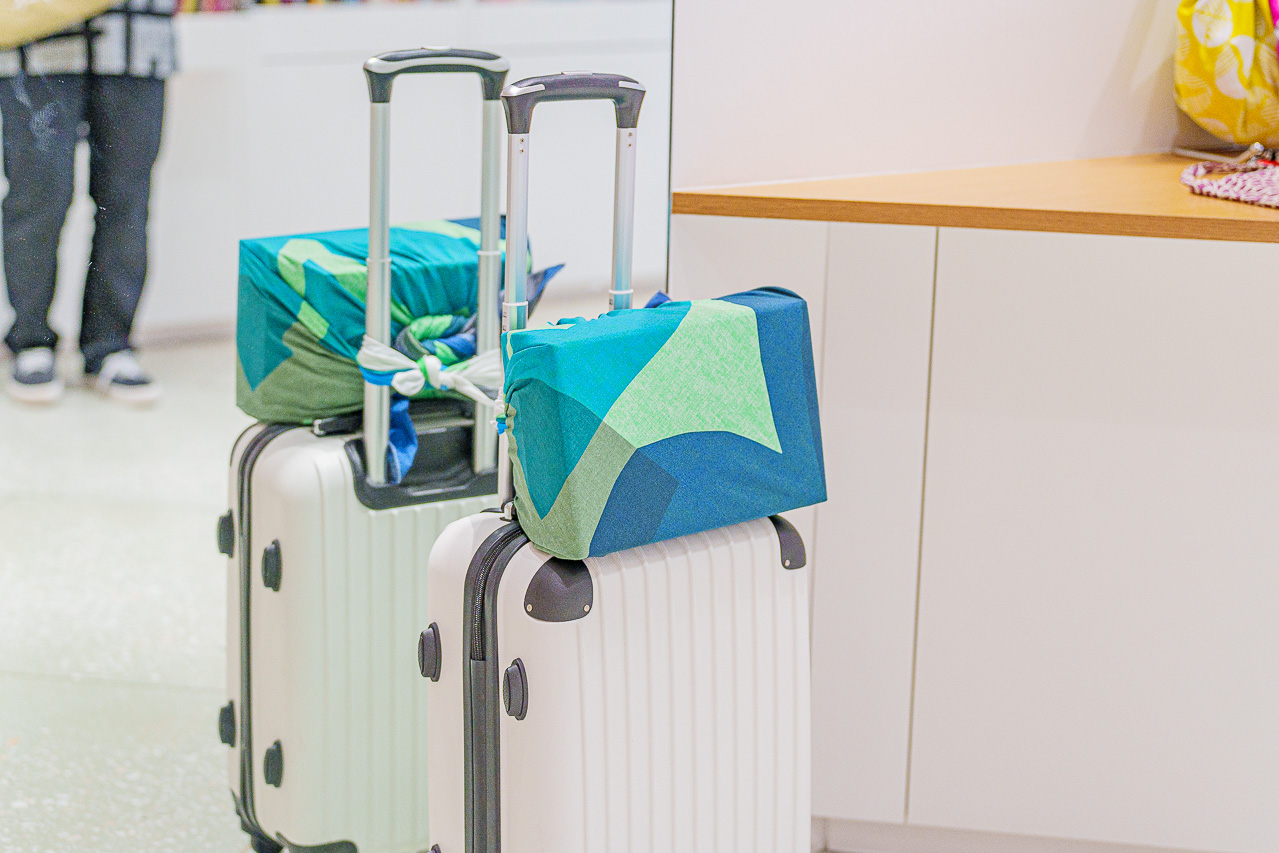
It could also become a travel bag.
The result looked like a bag carrying another bag—very charming.
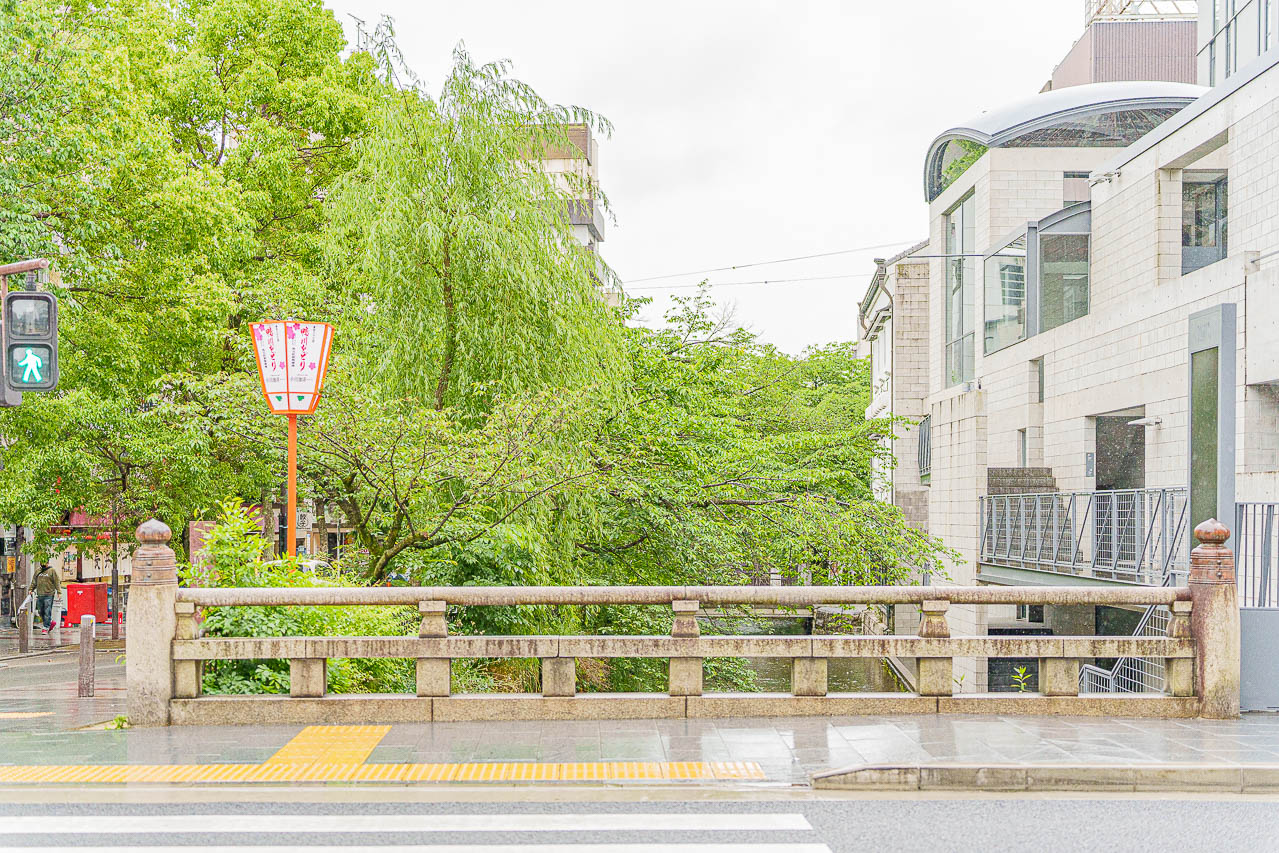
The shop walk ended, and we returned to the Takase River.
From a canal that supported trade to old shops associated in the source's story with Yaji and Kita and travel guides 200 years ago,
OMO5 Kyoto Sanjo by Hoshino Resorts offered a way to see, hear and walk Kyoto's history with an OMO Ranger.
I would consider a stay on another Kyoto trip.
OMO5 Kyoto Sanjo by Hoshino Resorts
Address: 434-1 Ebisucho, Nakagyo Ward, Kyoto
Phone: 0570-073-099
https://www.hoshinoresorts.com/kr/resortsandhotels/omobeb/omo/5kyotosanjo.html
Hoshino Resorts OMO5 Kyoto Sanjo | Official website
www.hoshinoresorts.com