I heard that the Steak 88 group, known for its meat, also had a shabu-shabu restaurant, so we went to try it.
Shabu-shabu is often shared from a large pot of broth. The account describes individual pots becoming popular after the start of the pandemic.
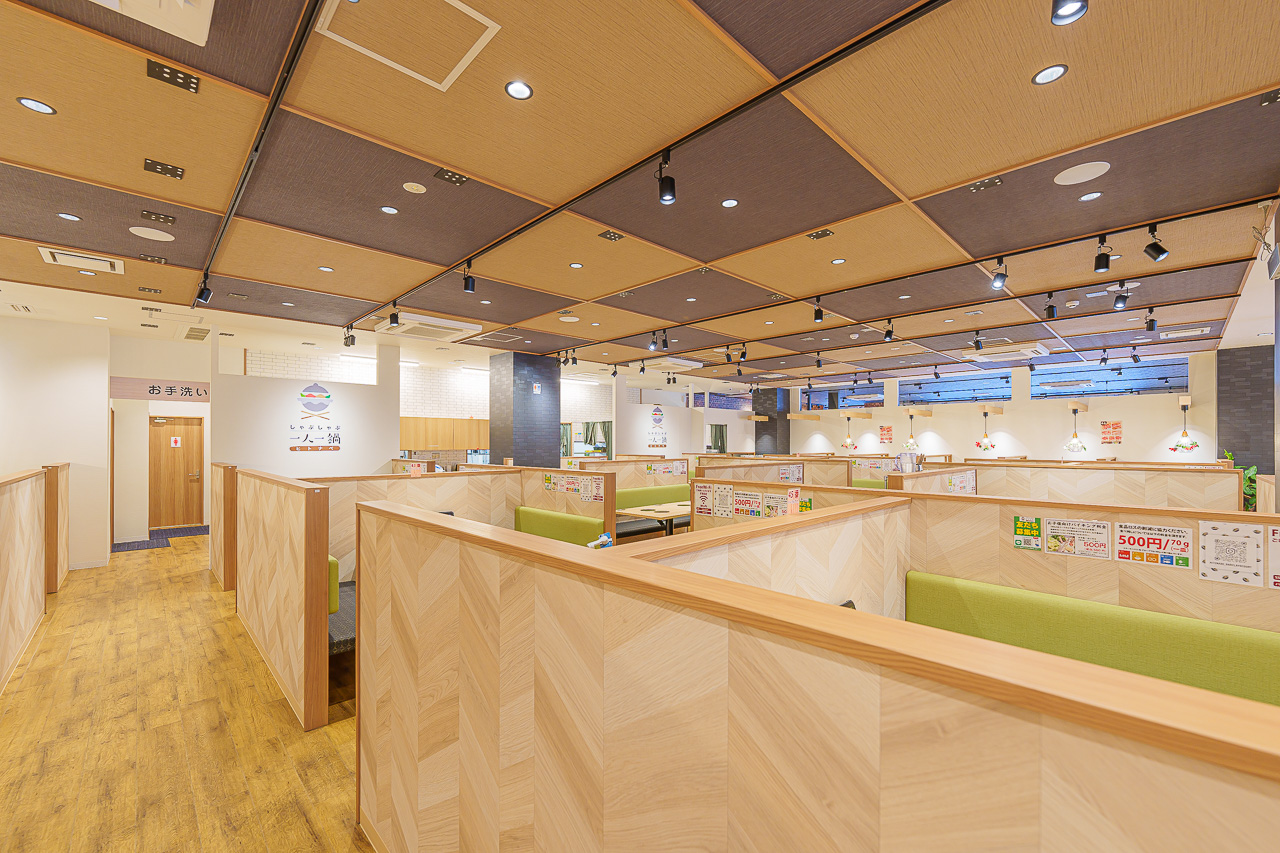
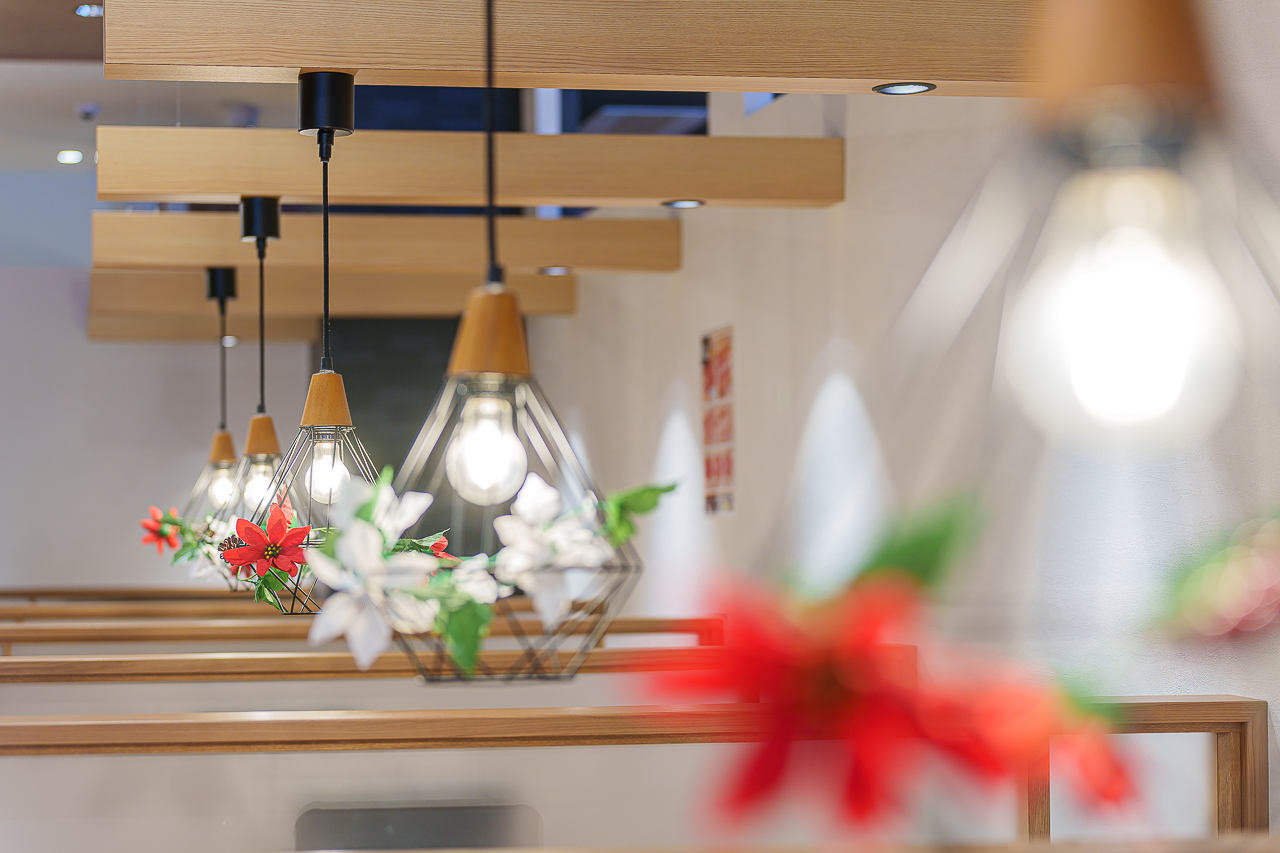
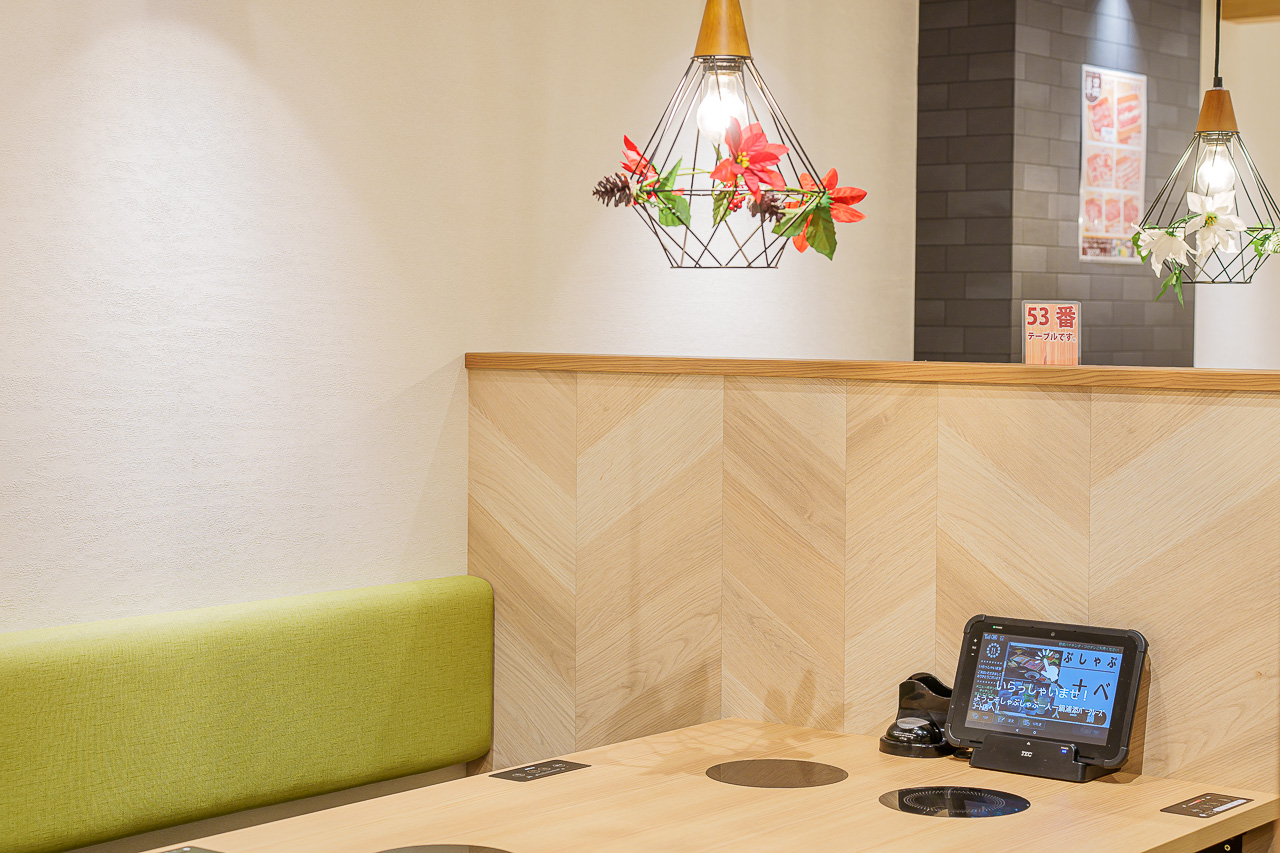
The interior was clean and neatly designed.
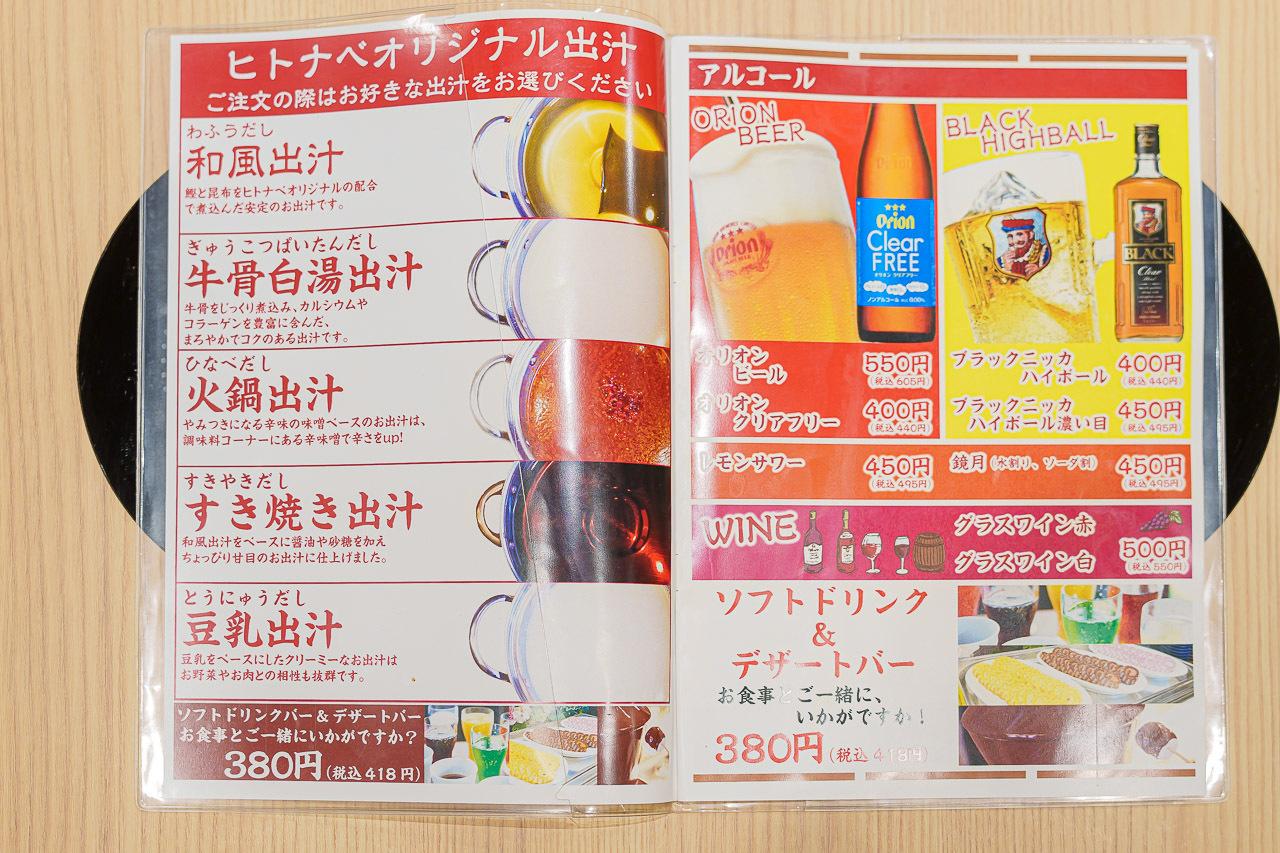
For me, the broth is central to shabu-shabu.
Choices included an Okinawan-style Japanese dashi, a rich beef-bone gomtang broth, spicy hot-pot broth, sukiyaki broth, and soy-milk broth that reminded me of Korean soy-milk noodles.
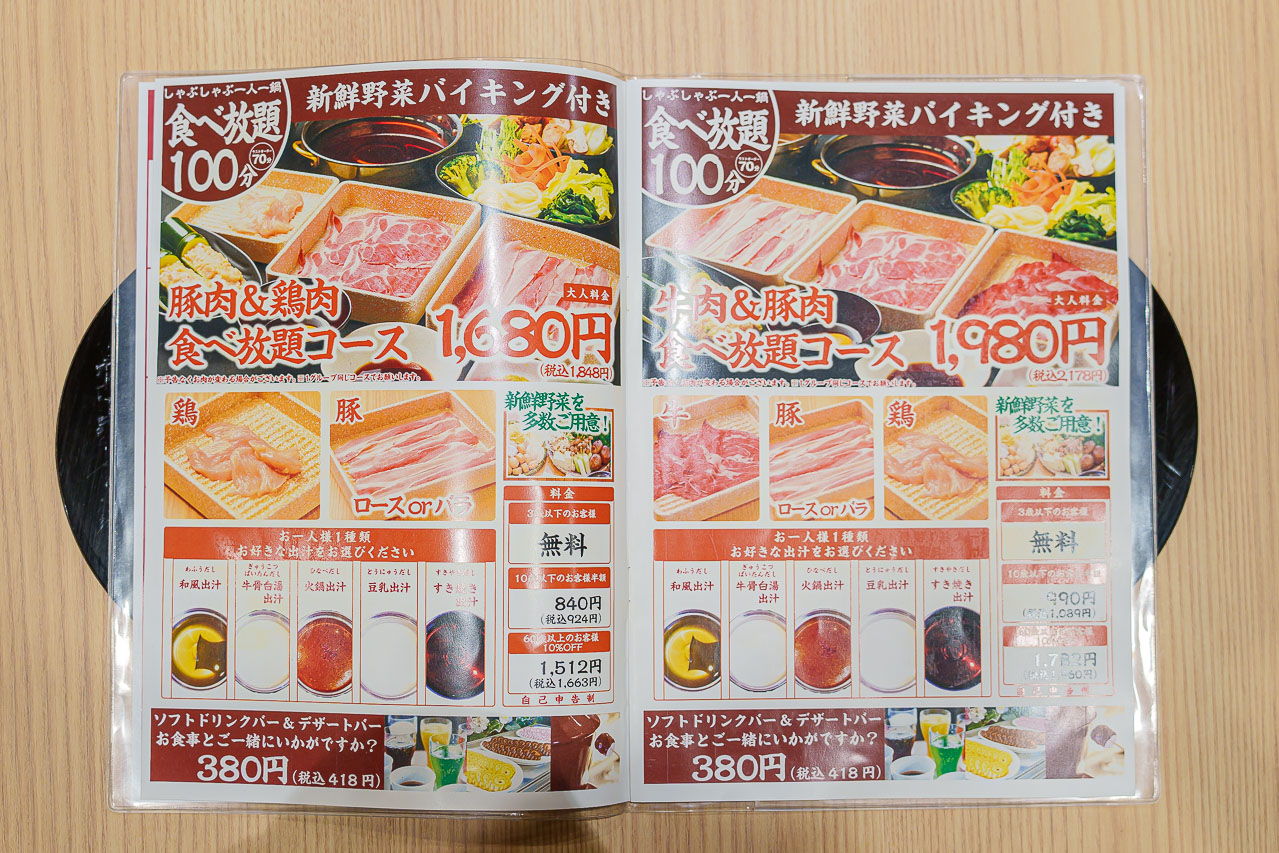
At the time, 70 minutes of unlimited meat and 100 minutes of unlimited vegetables started at JPY 1,848—then under roughly KRW 20,000, which felt inexpensive.
Access to soft drinks and the dessert bar cost an additional JPY 418.
Unlimited pork and chicken cost JPY 1,848; beef, pork, and chicken cost JPY 2,178.
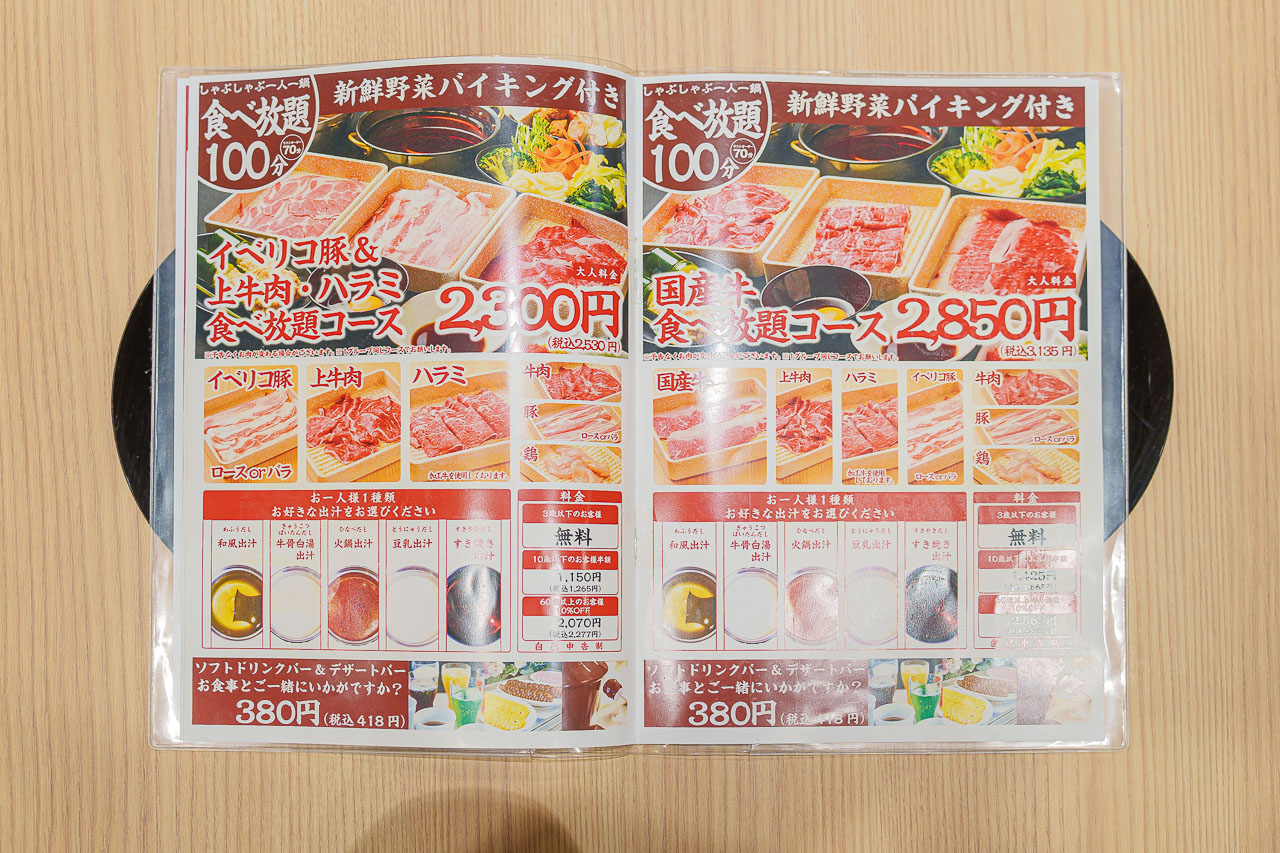
Higher grades increased in price, up to JPY 3,135.
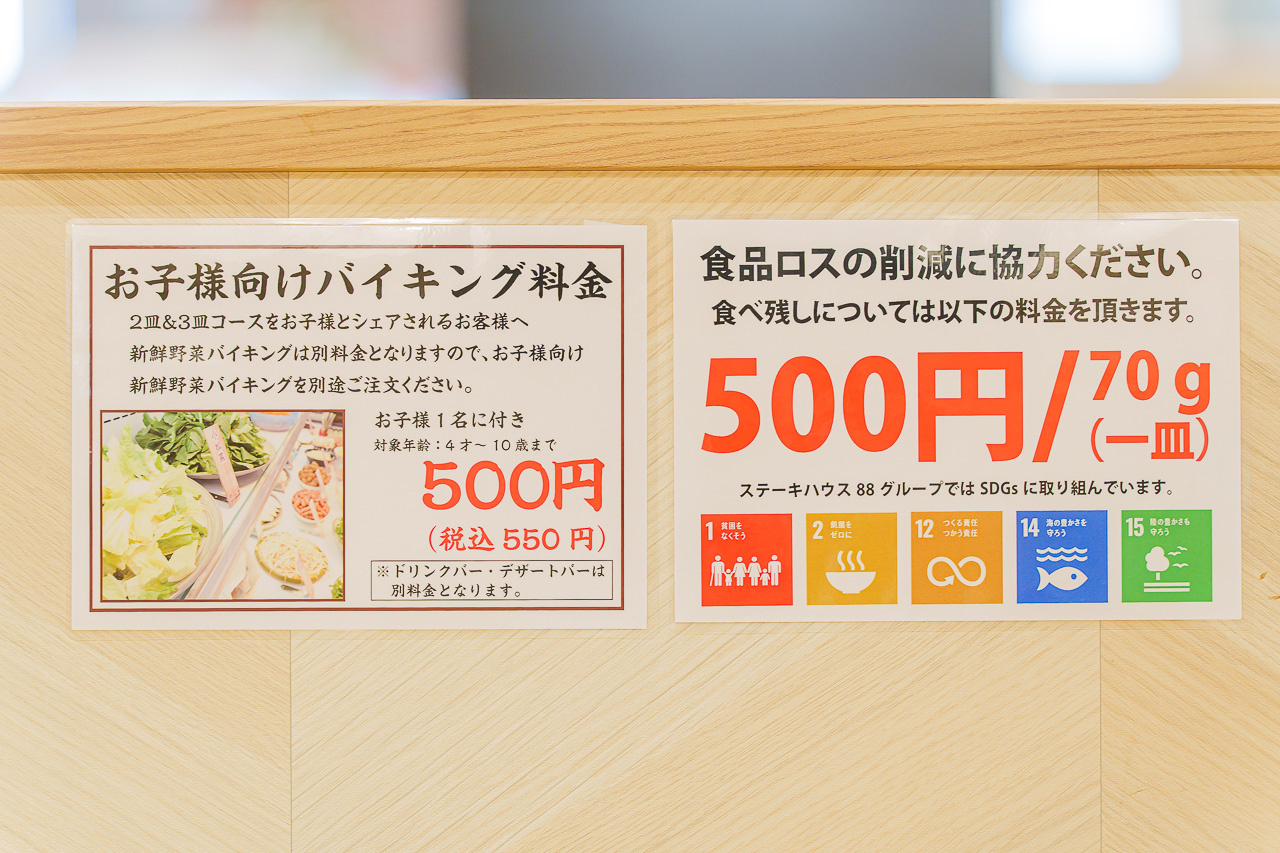
Children aged 4 to under 10 were JPY 550, with drinks charged separately.
Leftover food incurred an extra charge, so we needed to order only what we could eat.
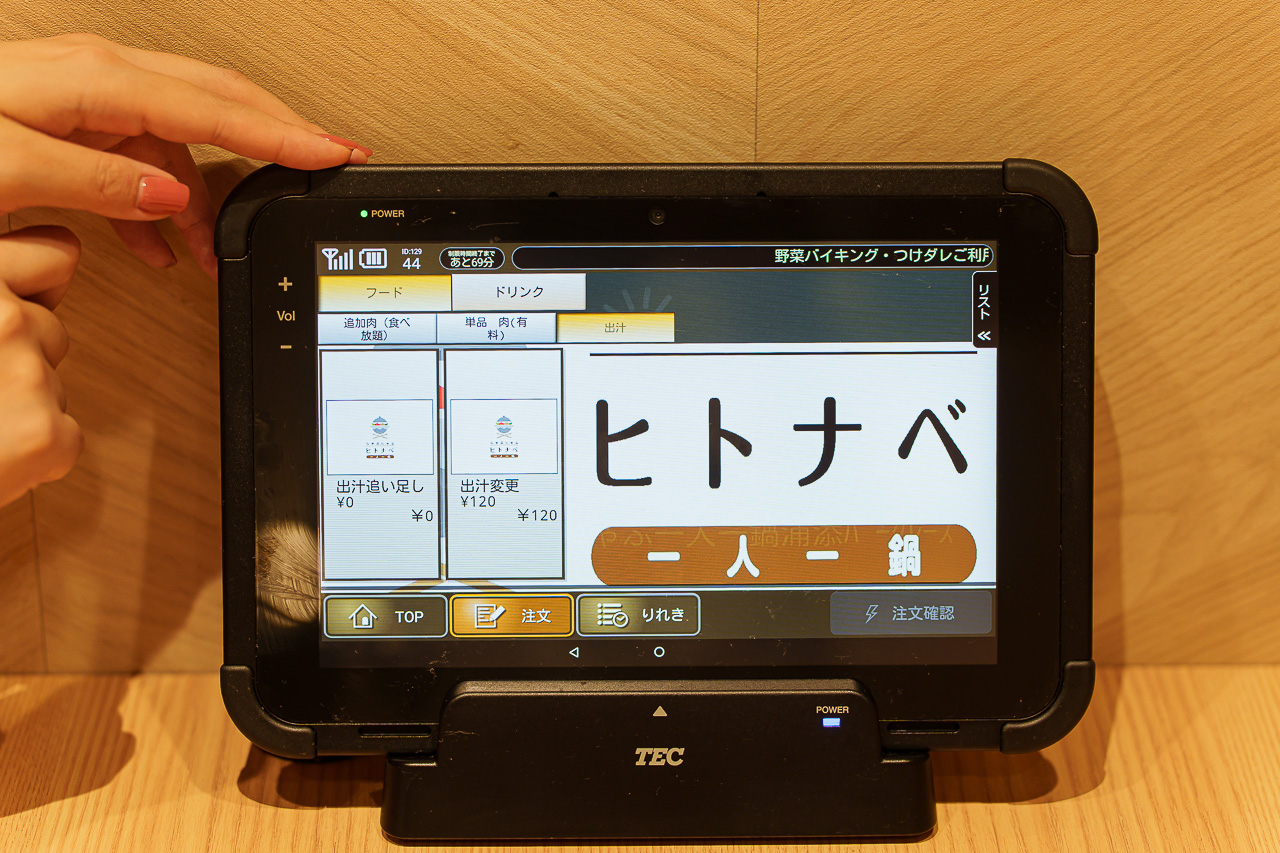
Broth refills were free, while changing the broth cost JPY 120 each time—a way to try different flavors.
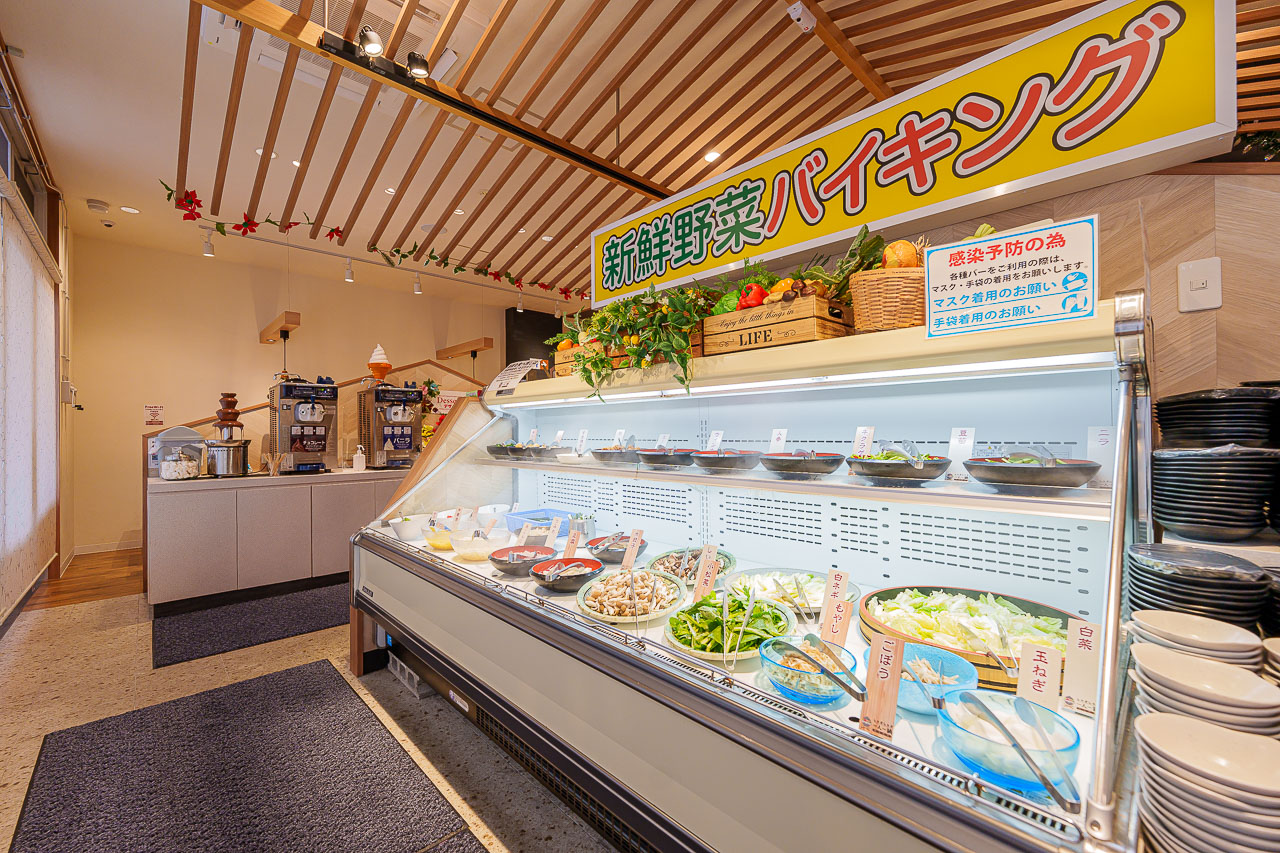

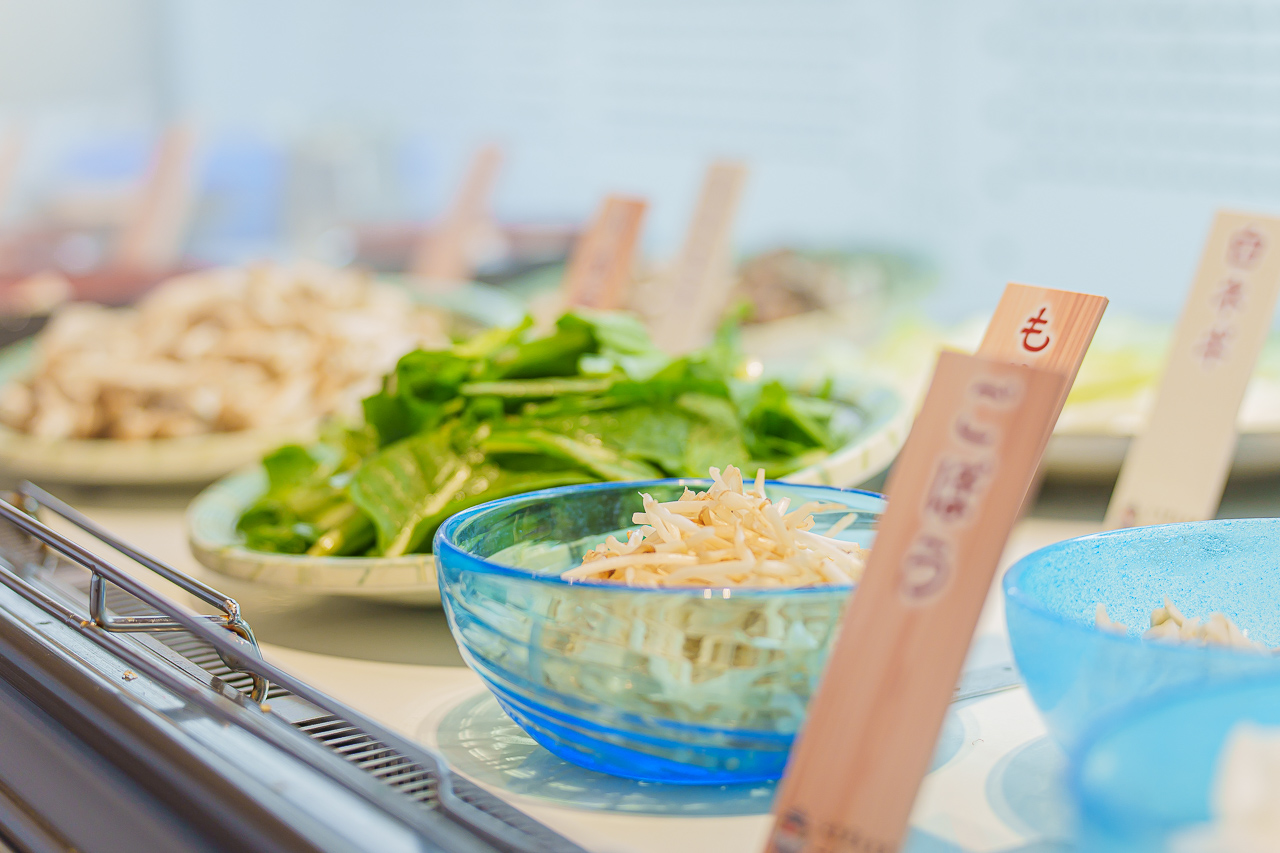
Vegetables are another essential part of shabu-shabu.
There were 27 kinds of fresh vegetables; the variety made the meal feel balanced.
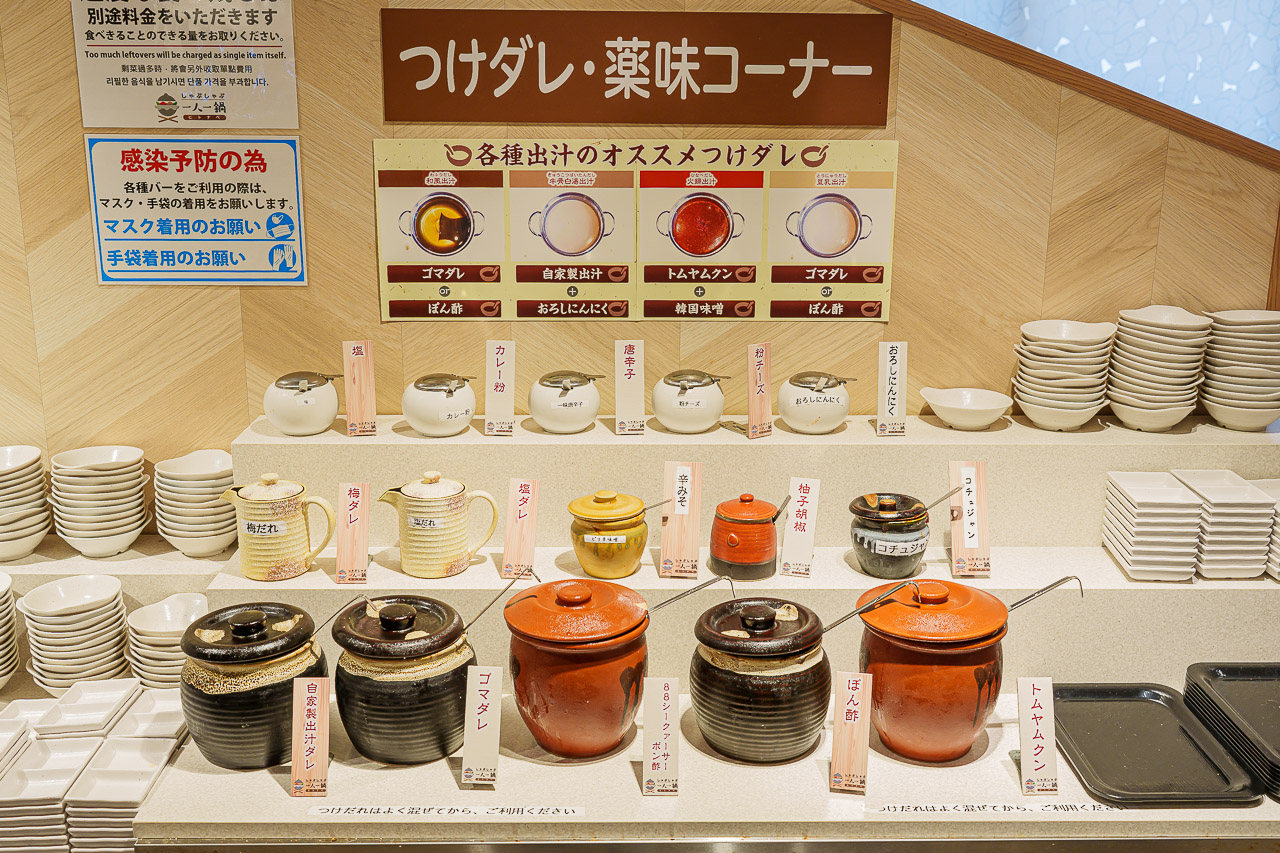
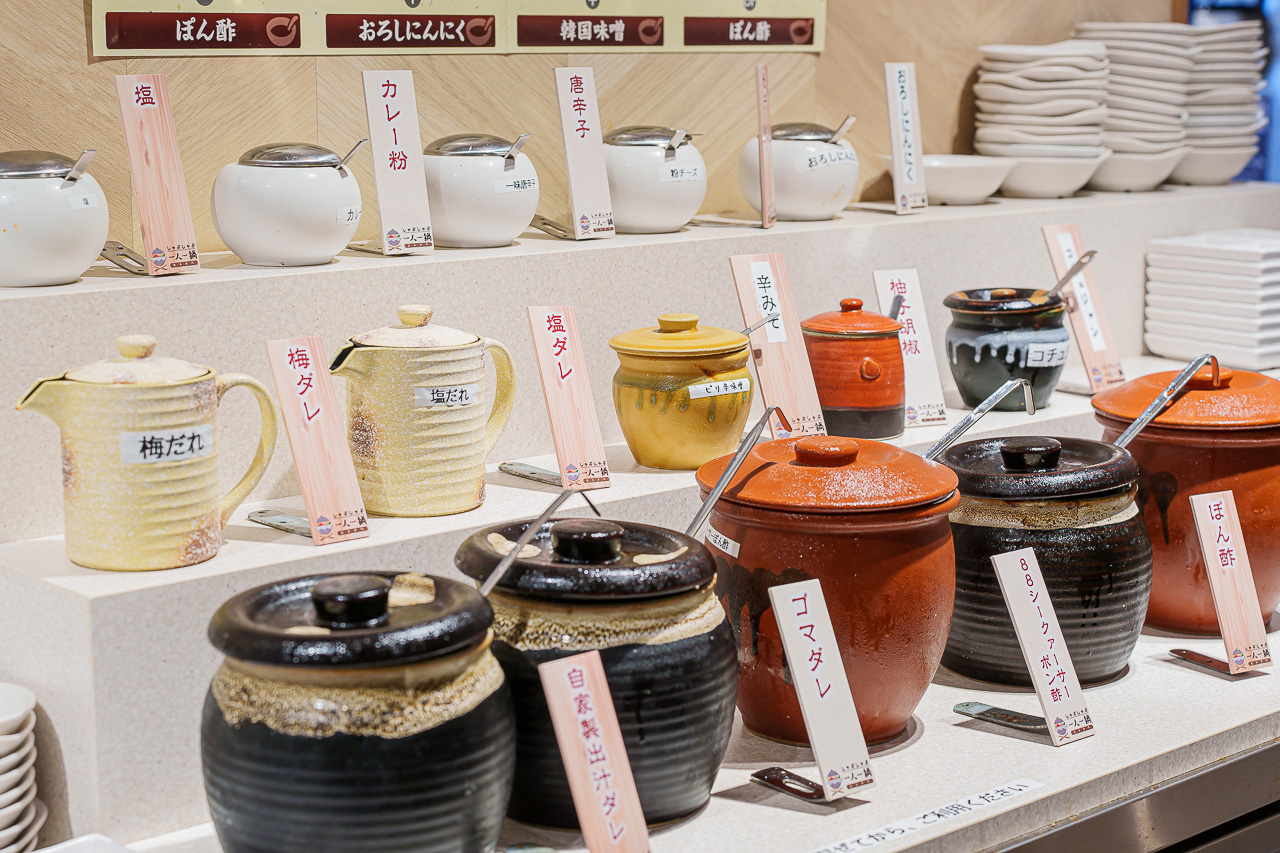
With plenty of sauces, finding one that suited our tastes was part of the fun.
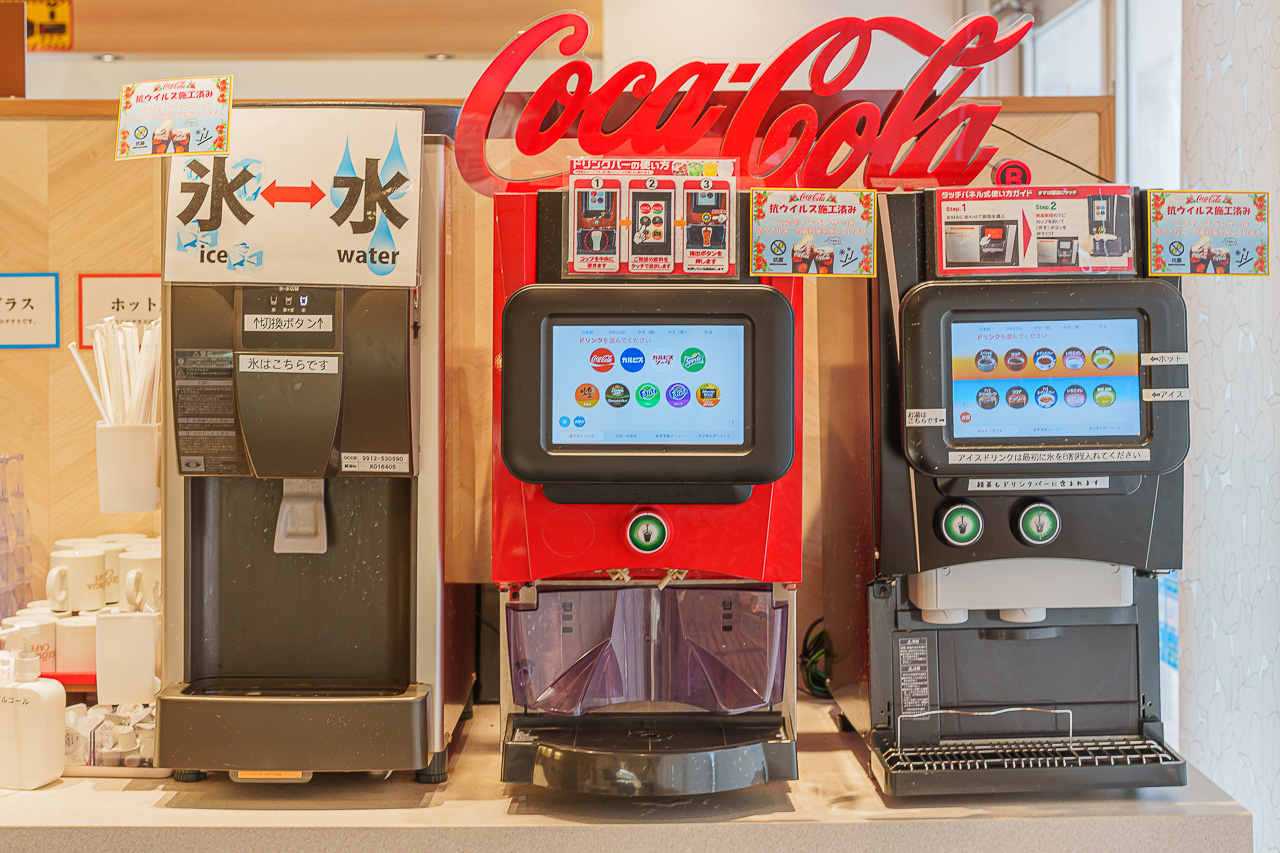
The drinks station was available with the drinks-and-dessert-bar add-on.
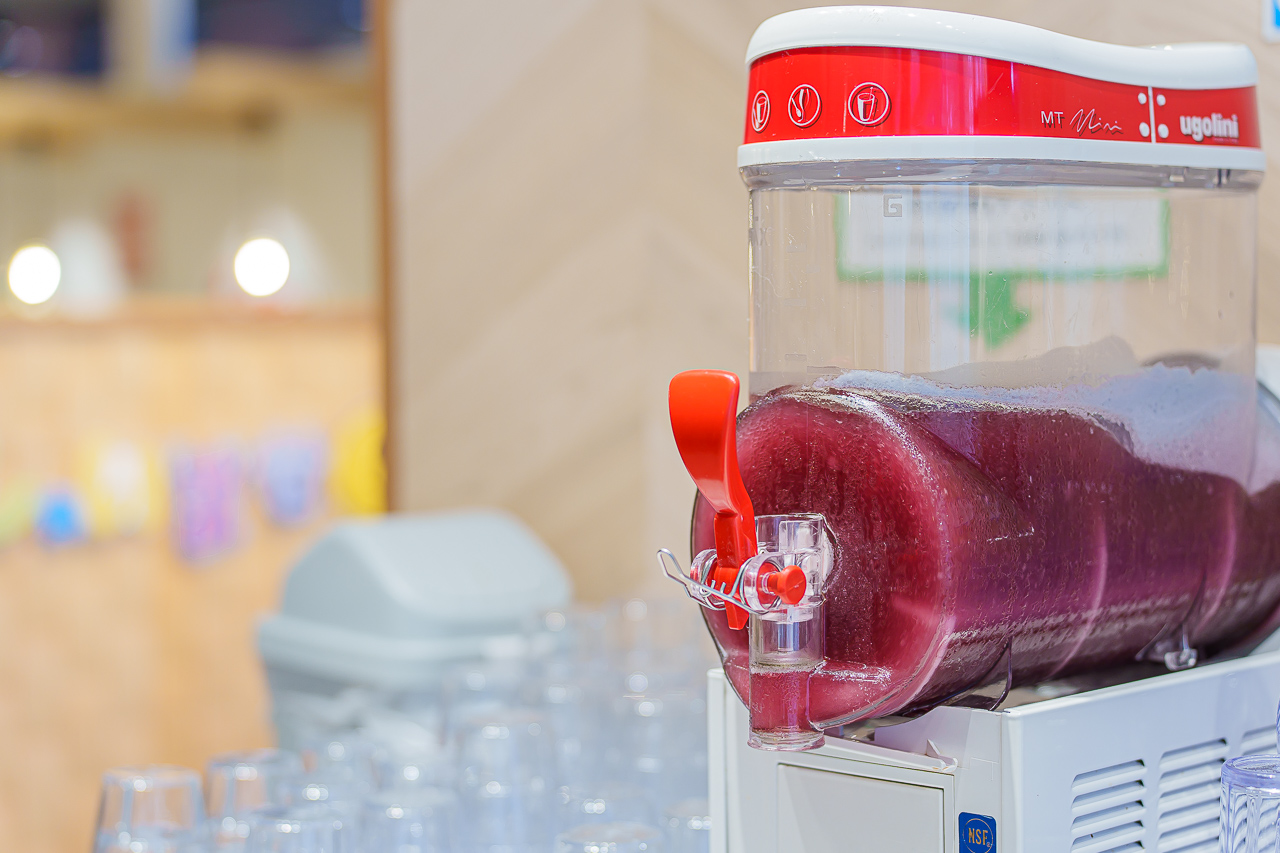
Refreshing grape sorbet.
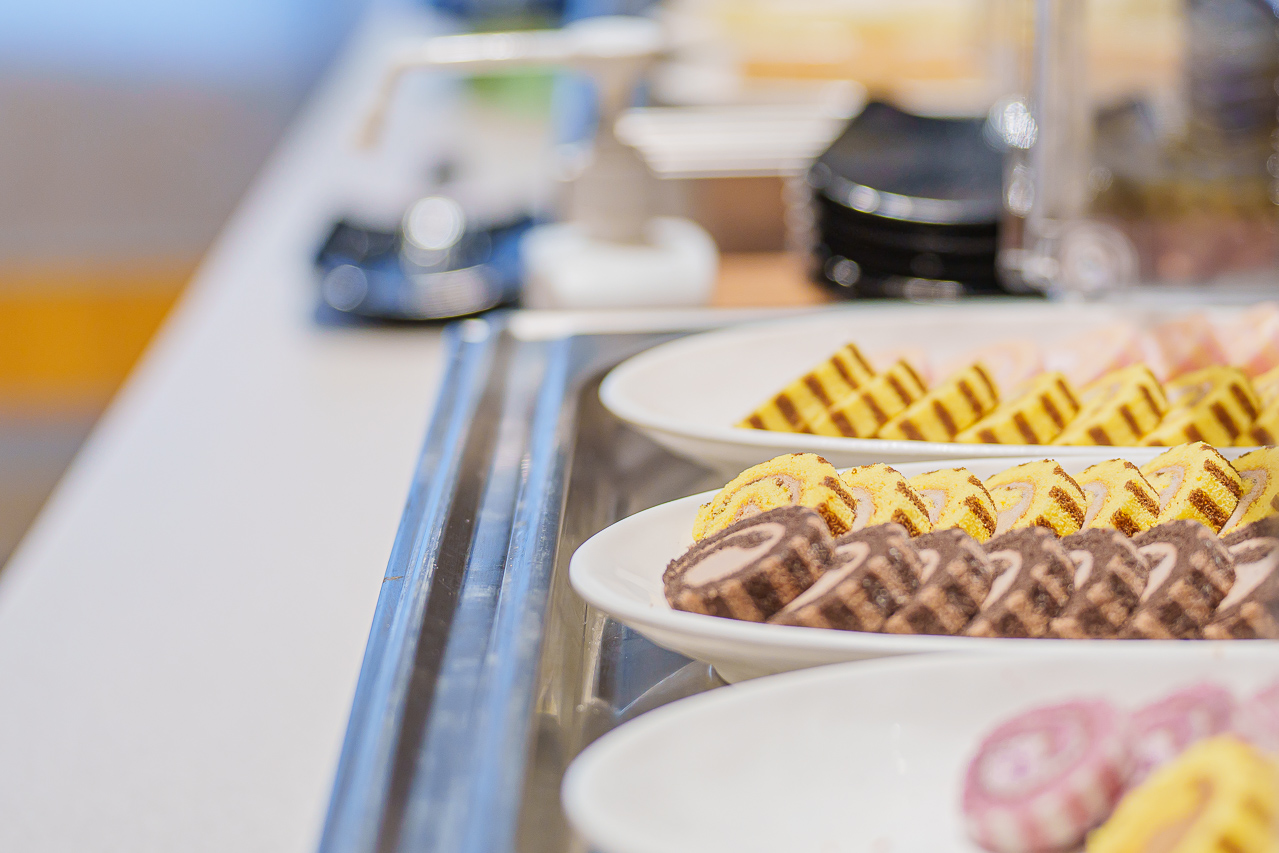
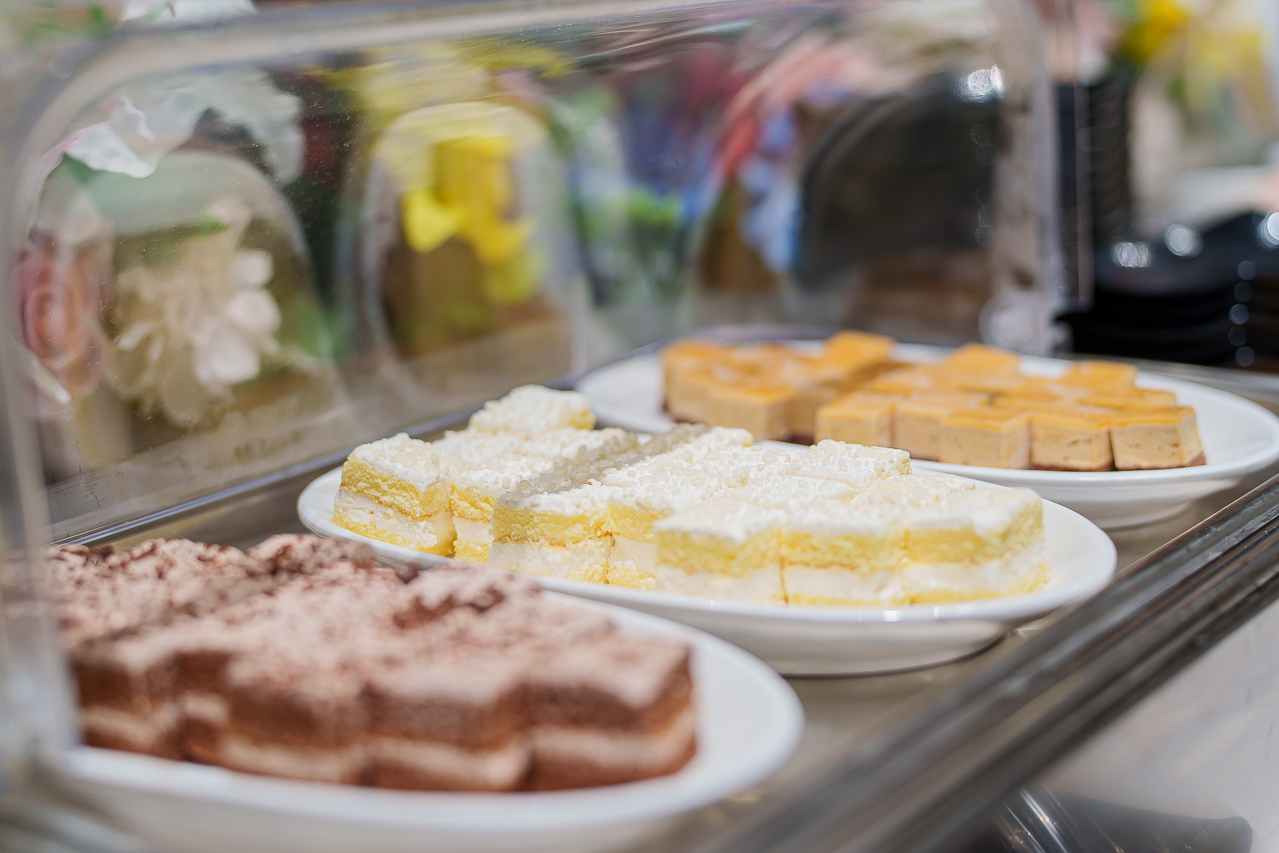
The familiar little cakes found at a buffet.
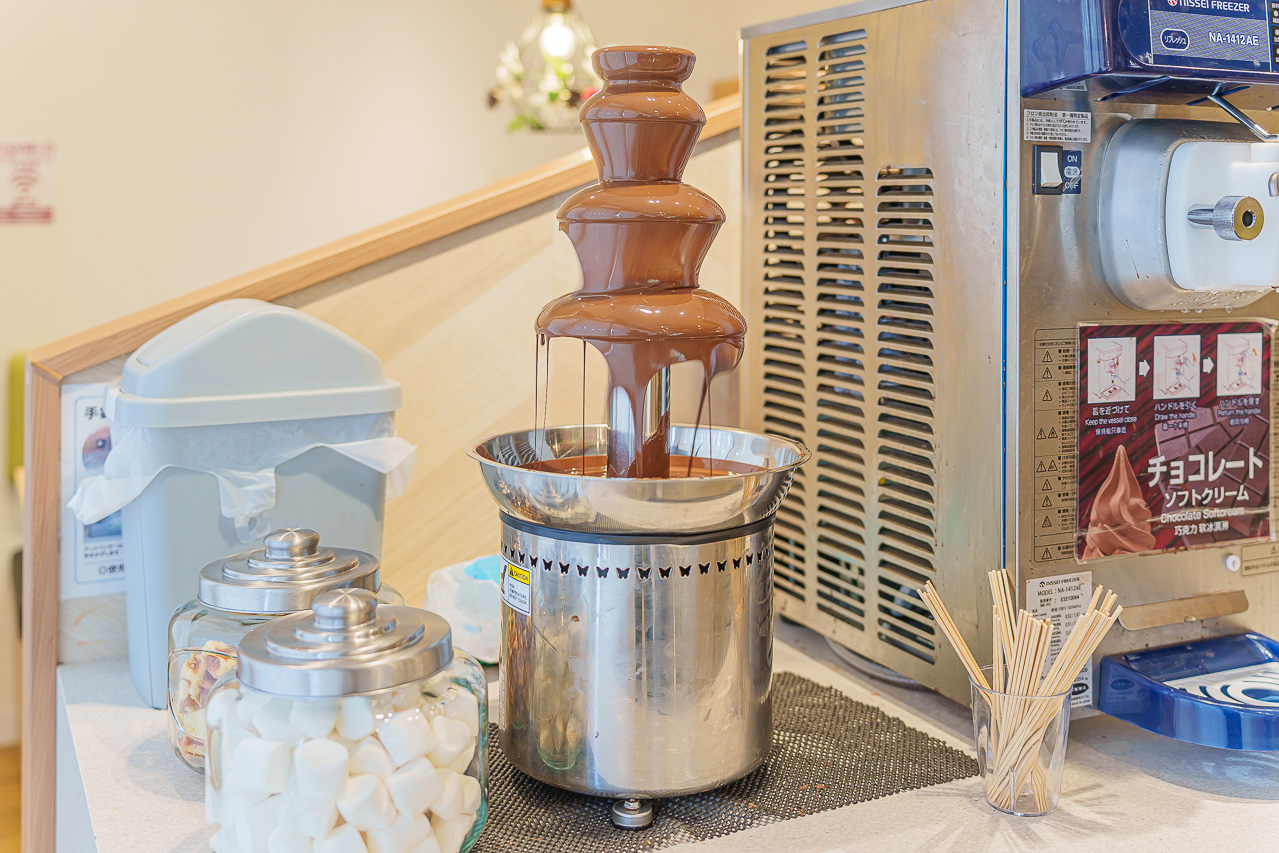
There were also ice cream and a chocolate fountain.
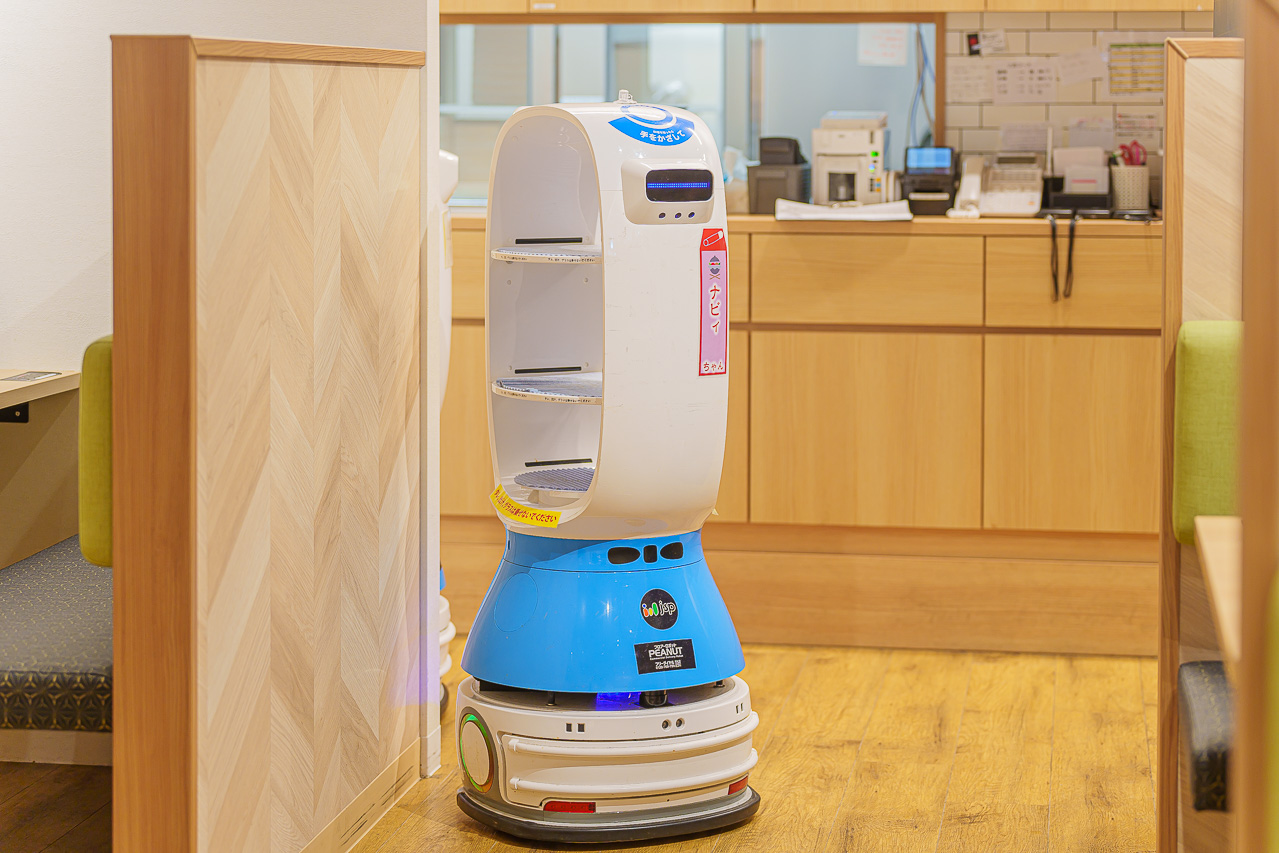
A service robot delivered orders, fitting for a modern restaurant.
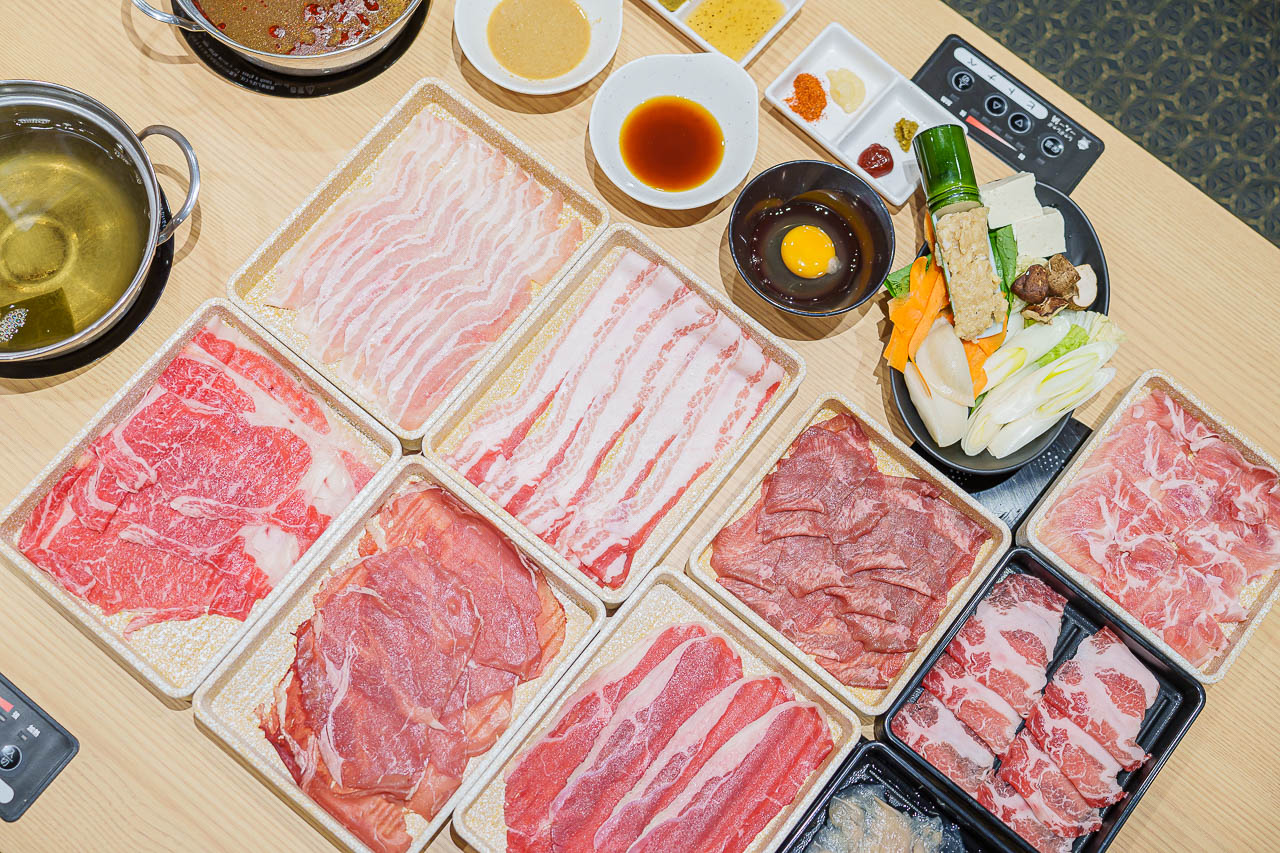
Feeling slightly sorry for the robot, I ordered the most expensive JPY 3,135 course and tried every item on it.
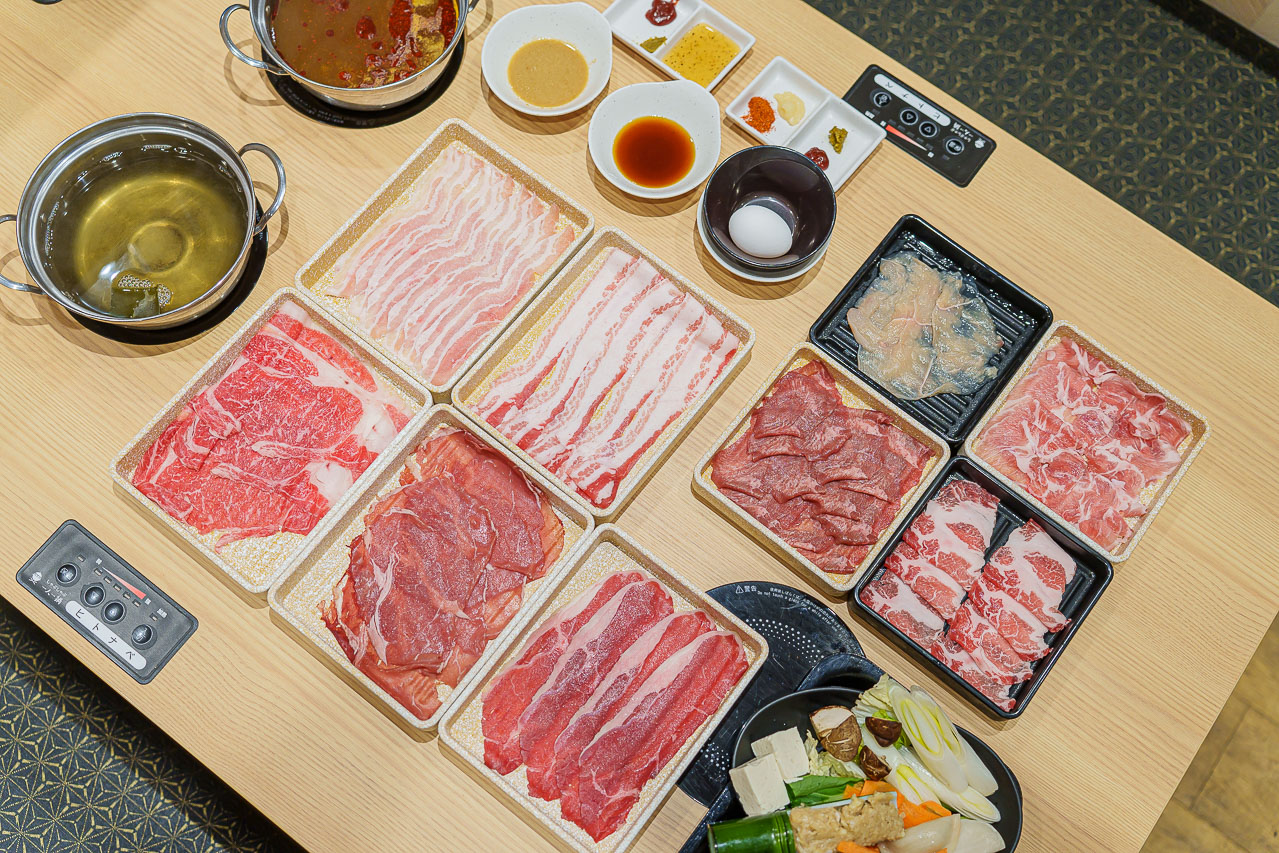
Even one serving of each made quite a spread.
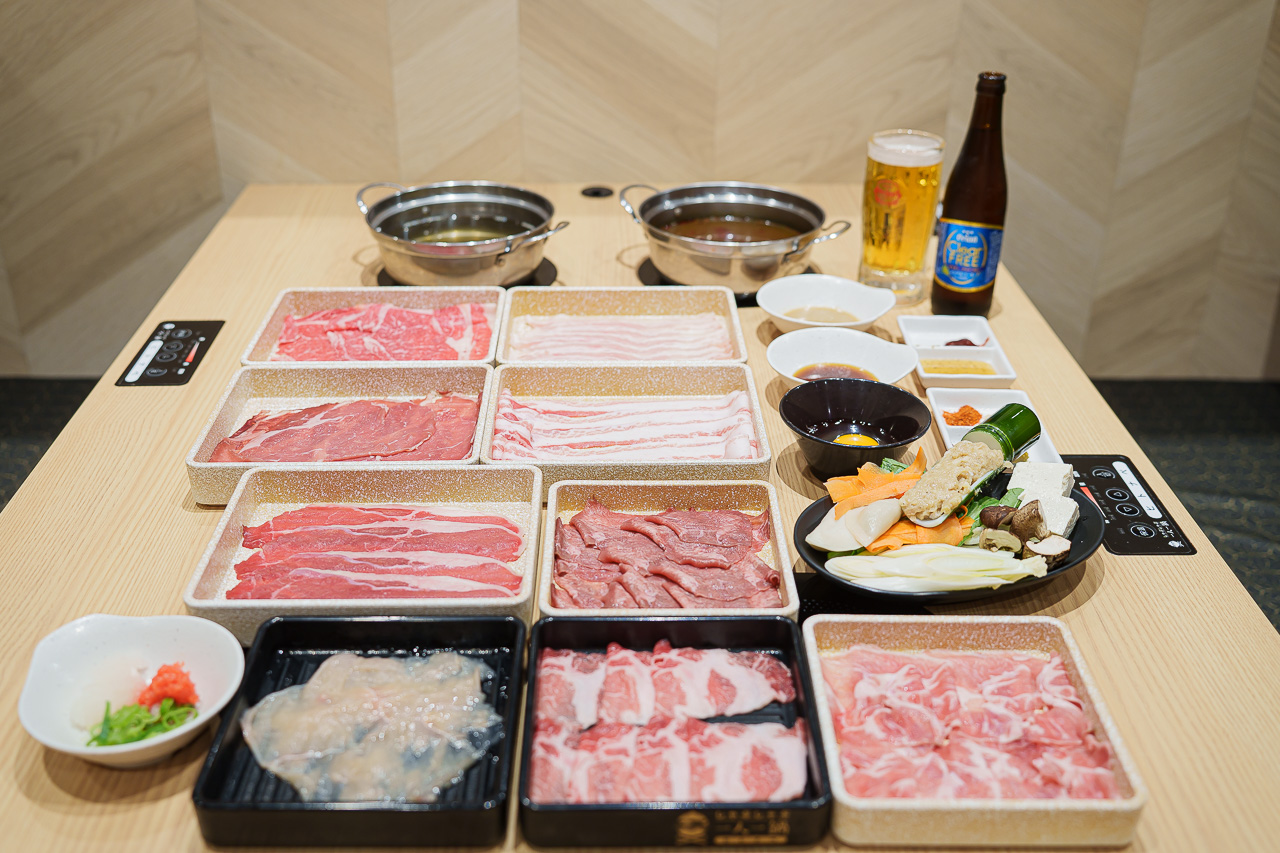
Time to eat.
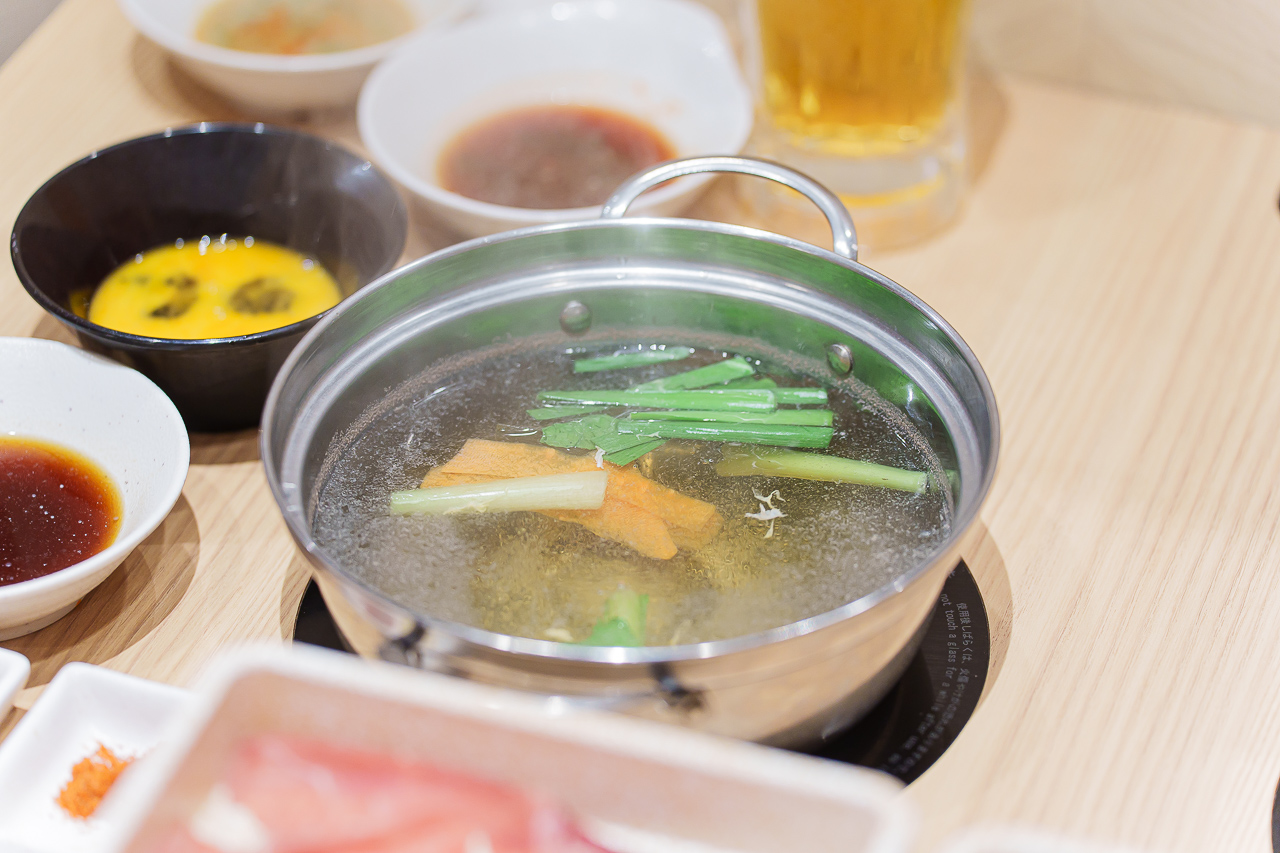
We began with the gentle Japanese dashi broth.
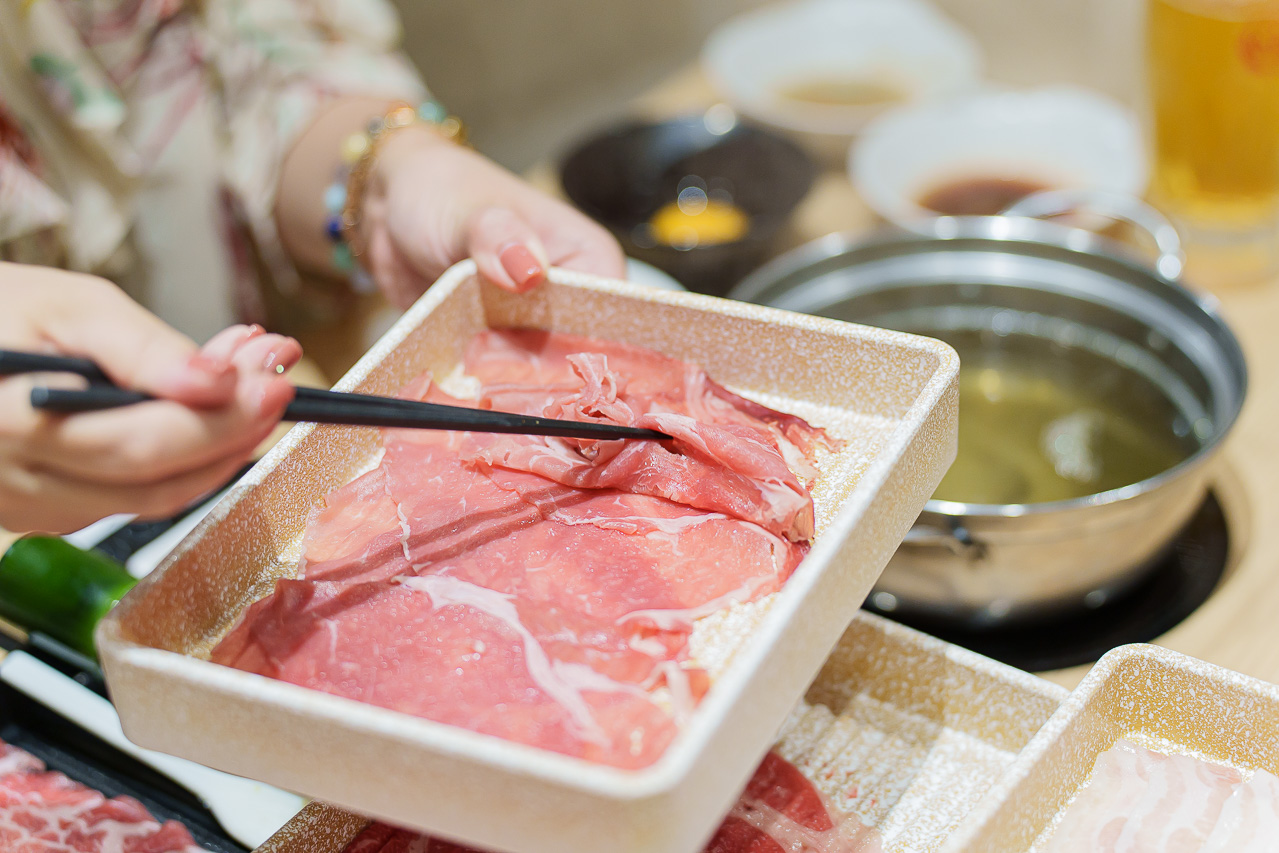
I had ordered everything at once and could not remember the cut, but this was beef.
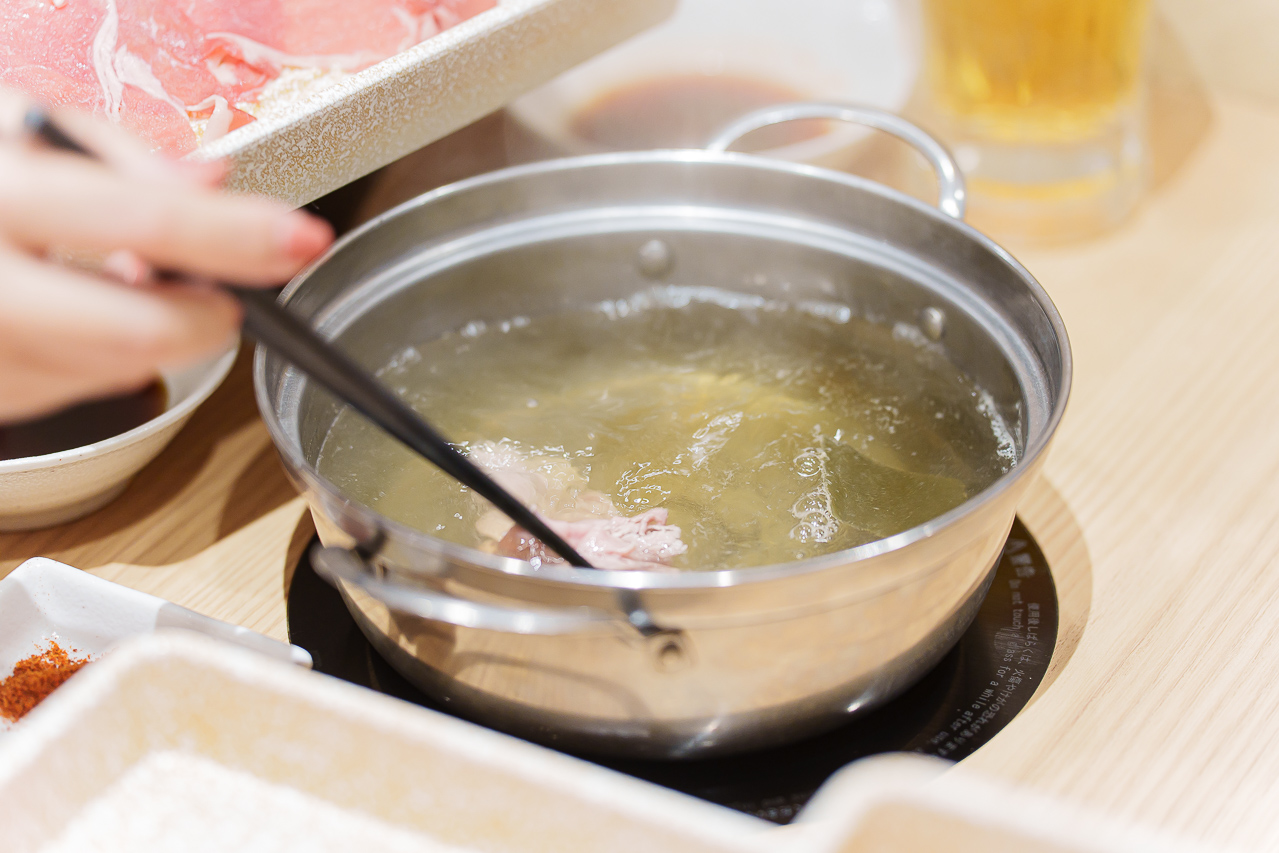
I swished the beef in the boiling broth to cook it.
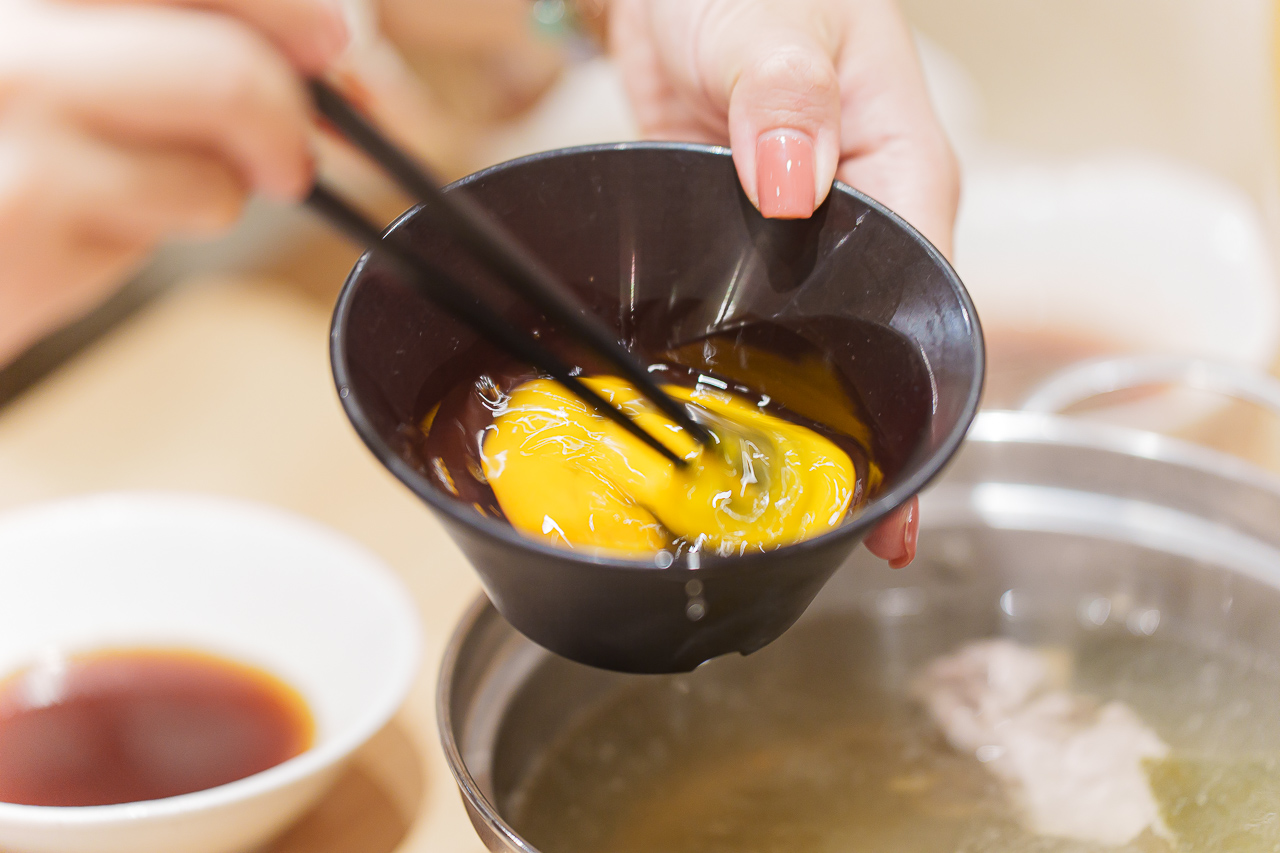
Then I tried it dipped in egg, in the style of a Japanese hot pot.
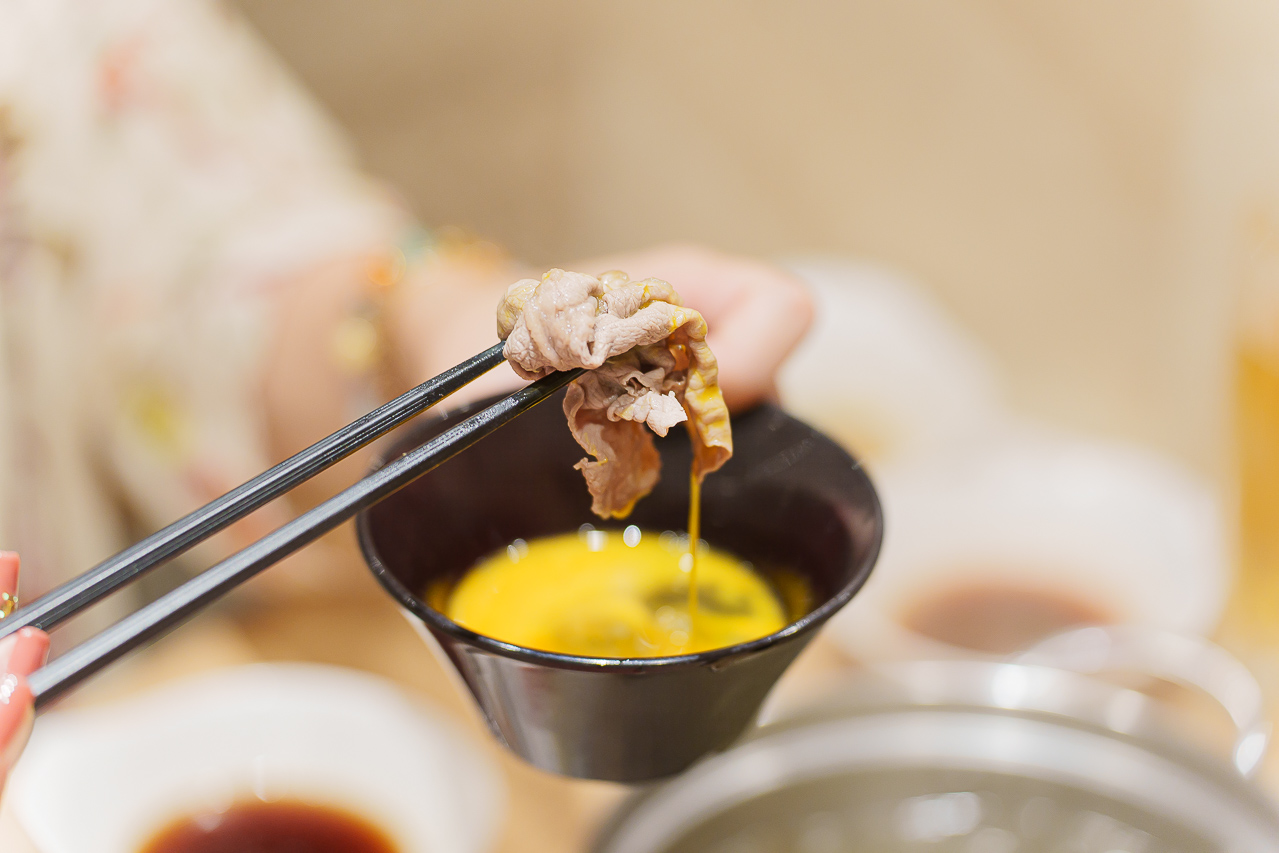
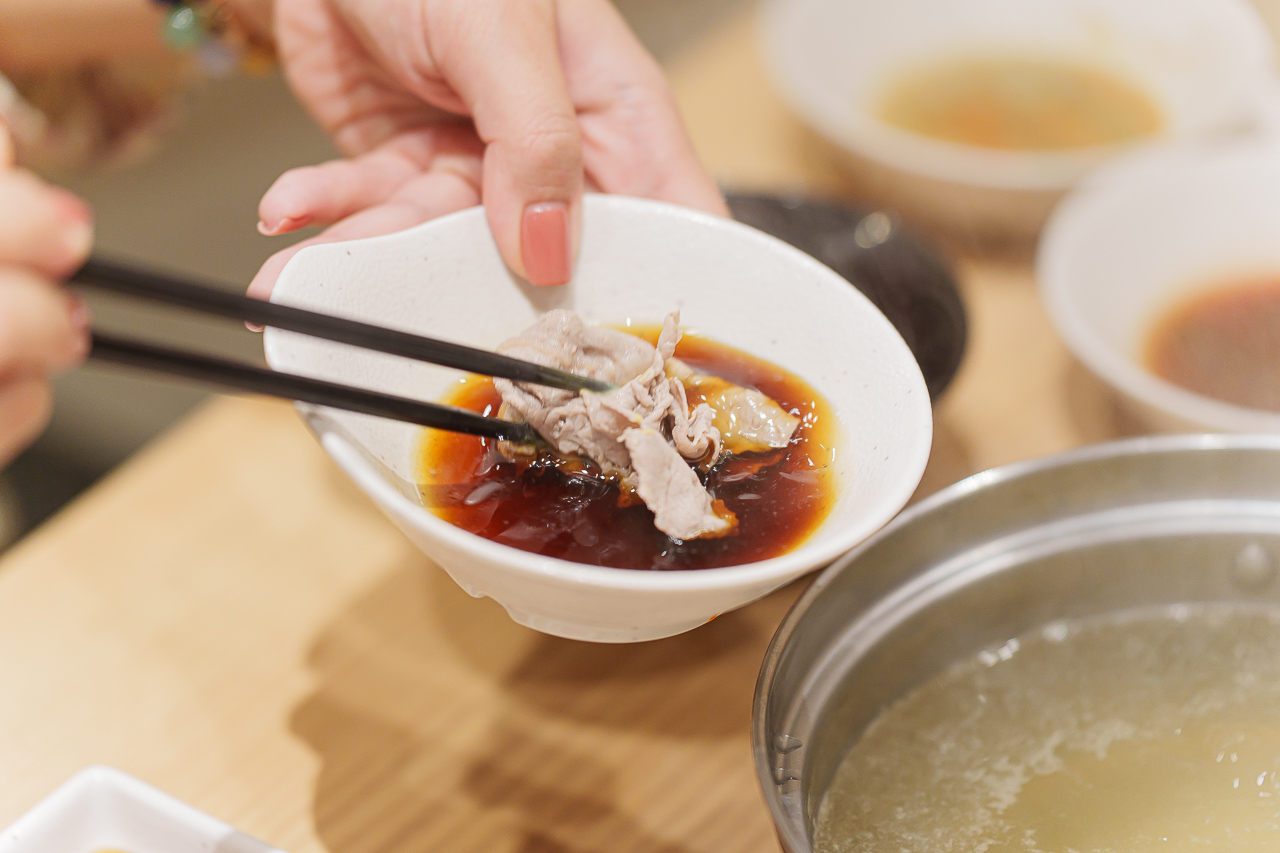
That combination was bound to be good.
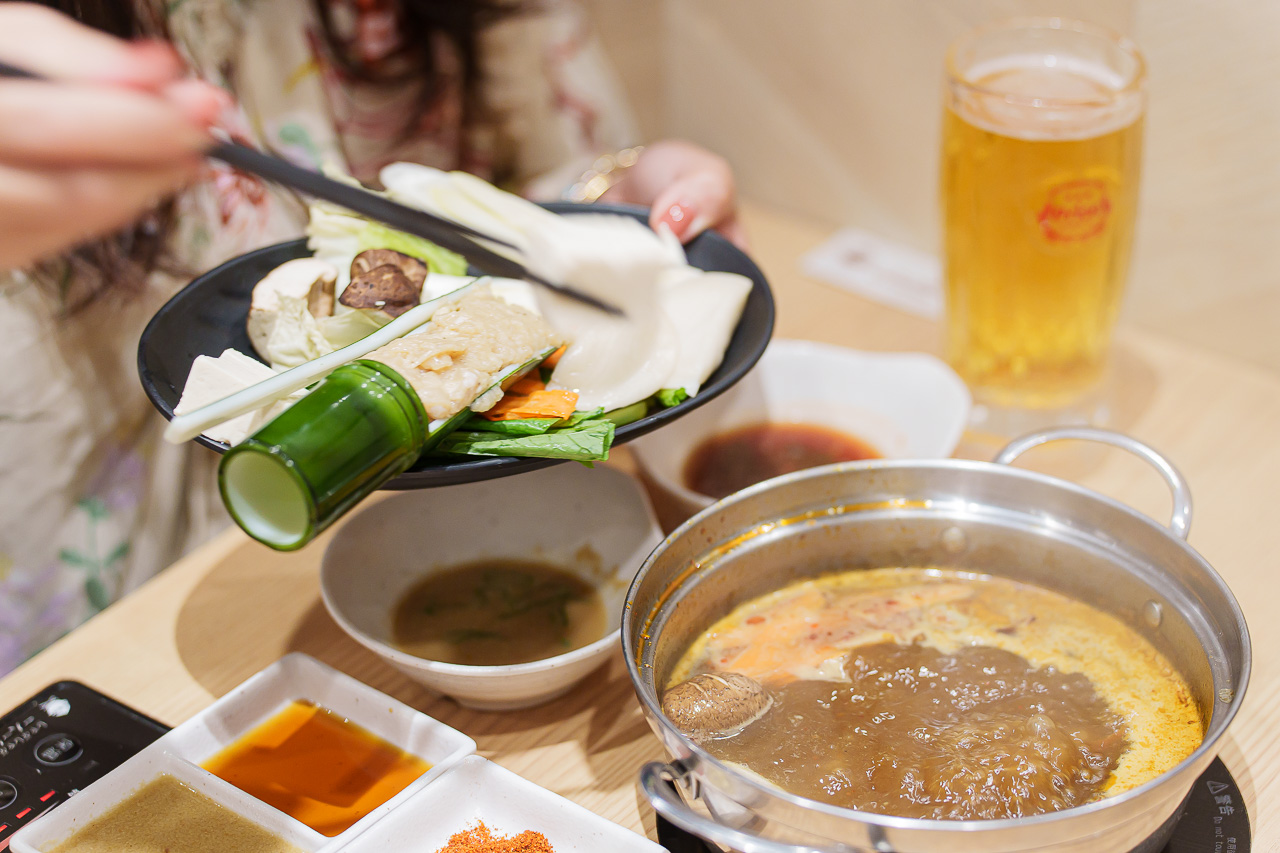
With a beer, I moved on to the mildly spicy hot-pot broth.
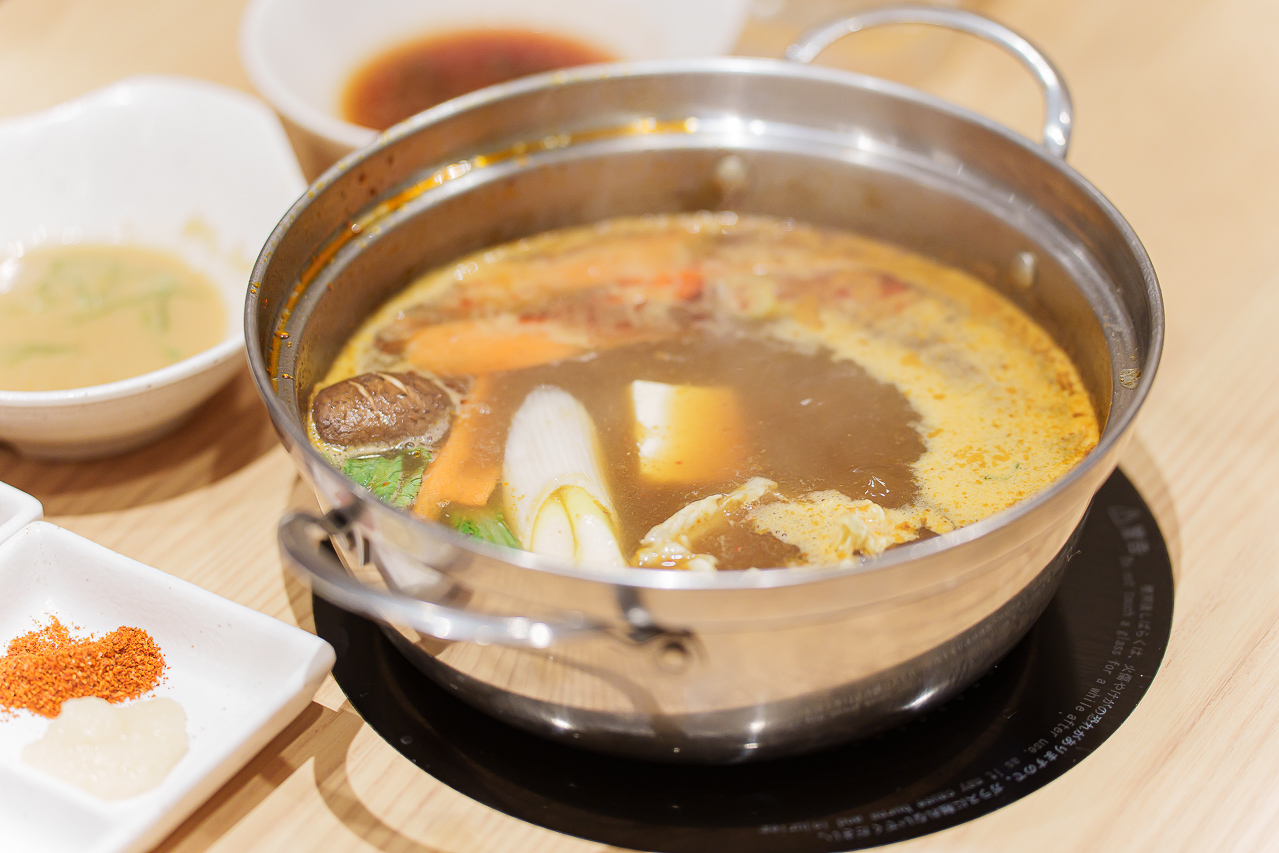
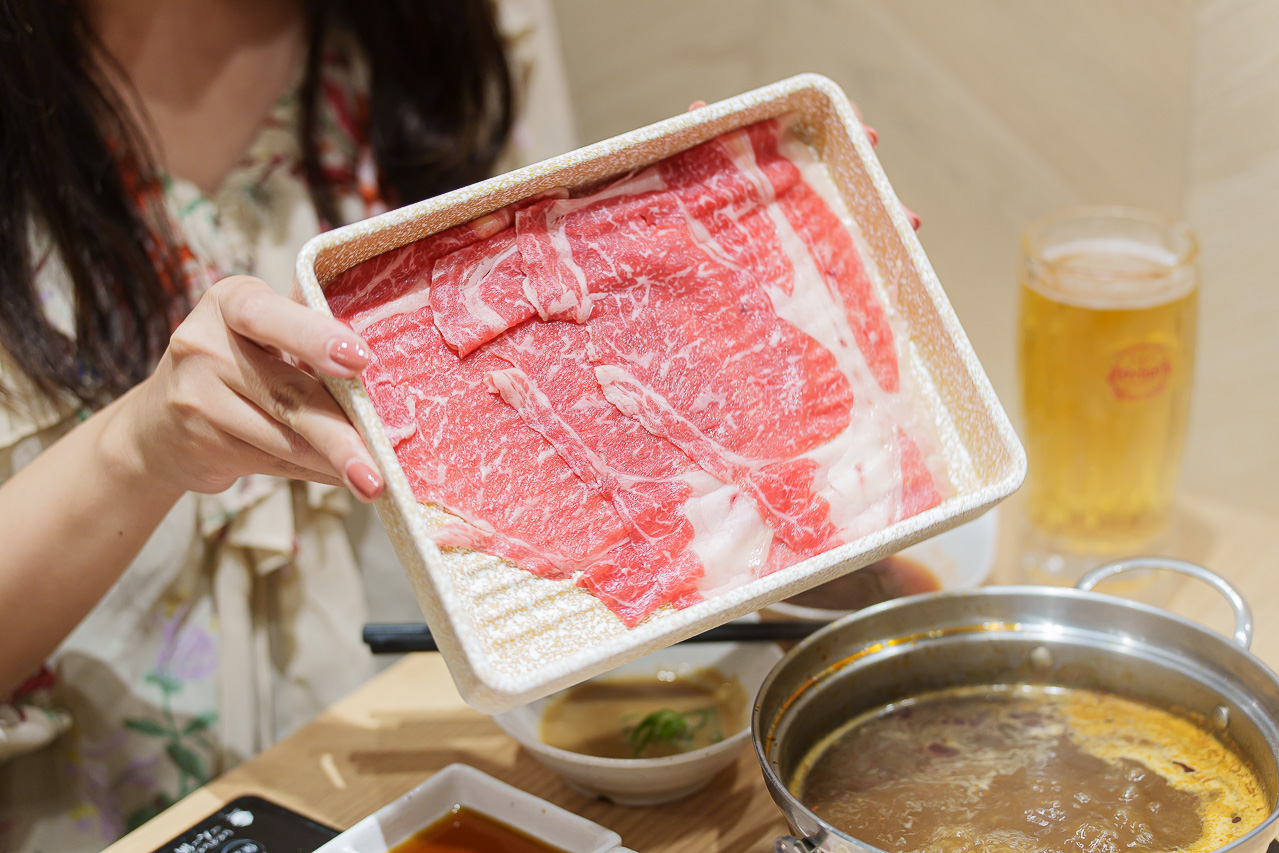
Beef went into that broth too.
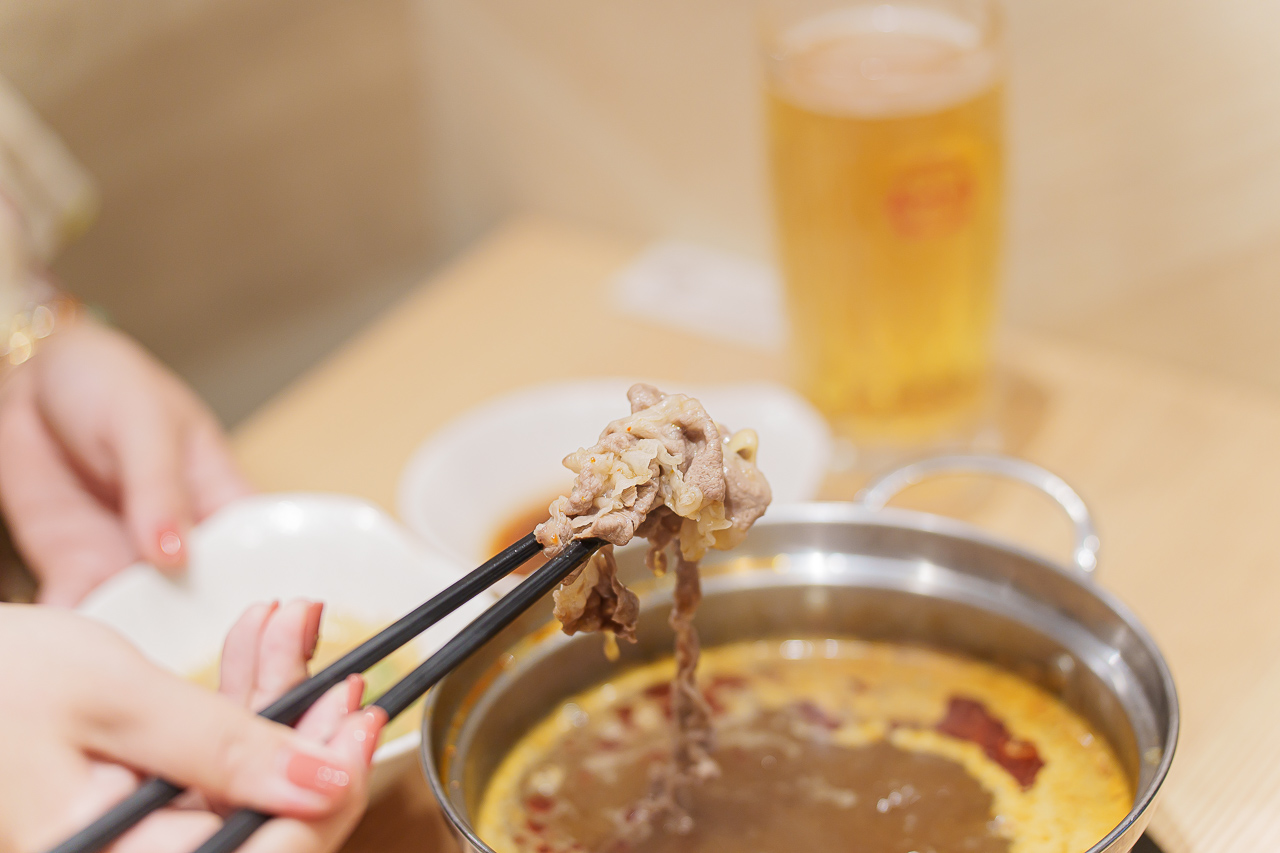
The moderate heat whetted my appetite.
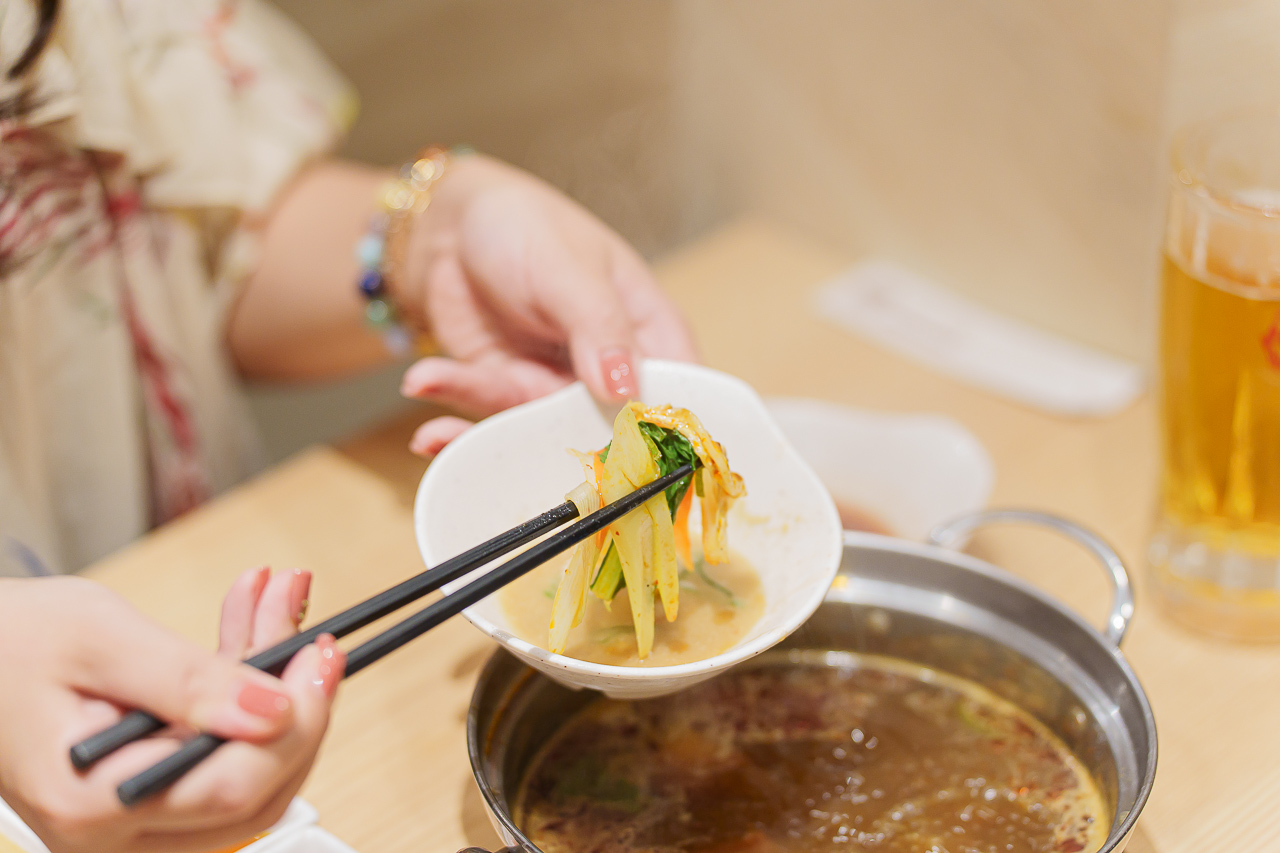
The spicy broth was particularly good with the vegetables.
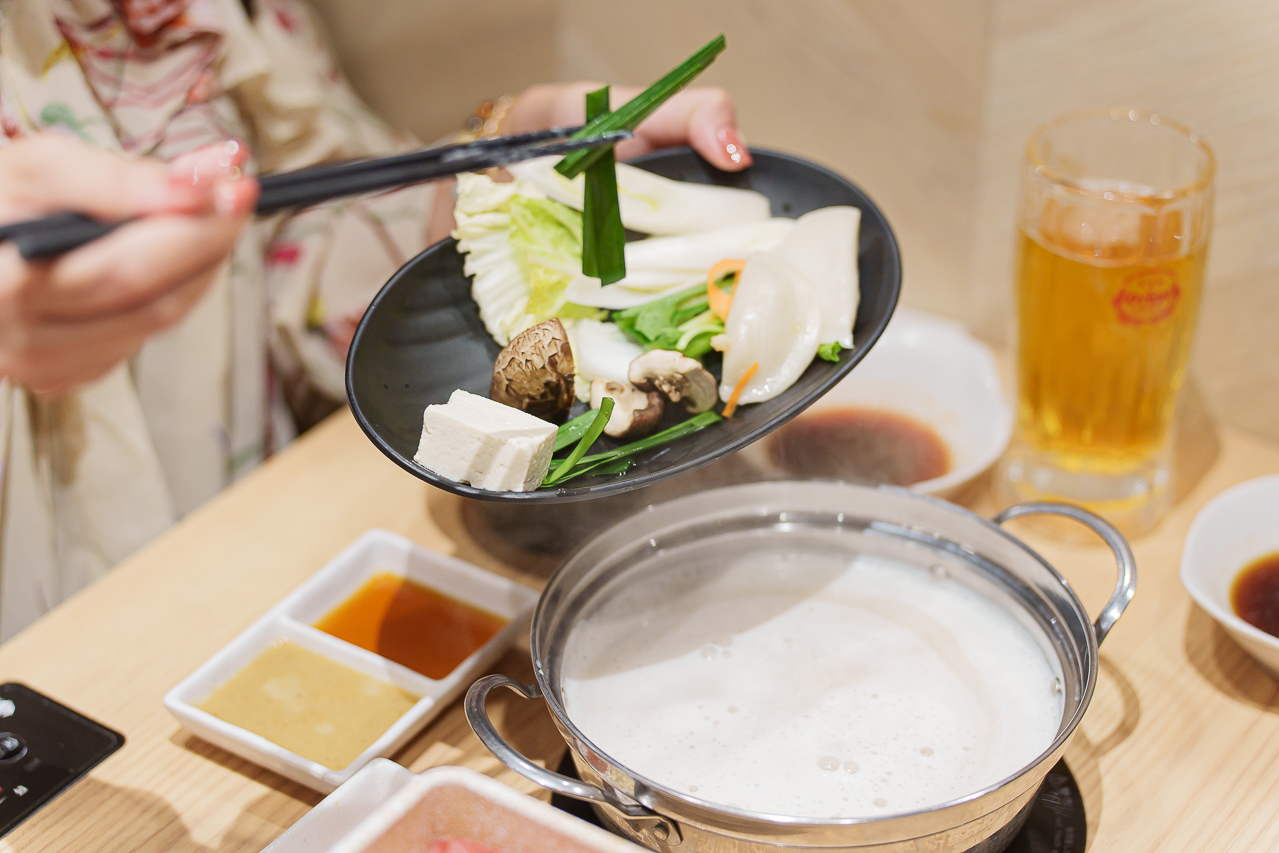
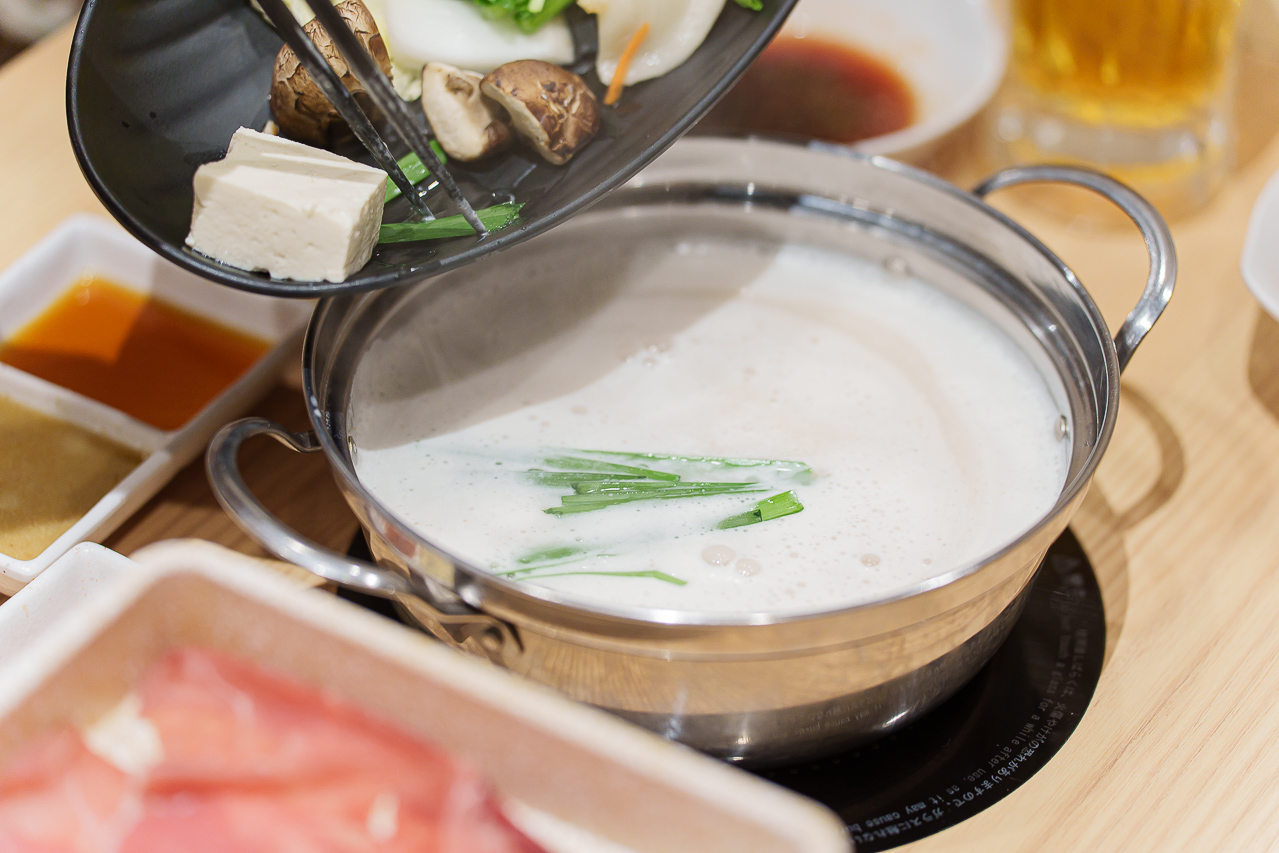
Finally, I tried the gomtang broth.
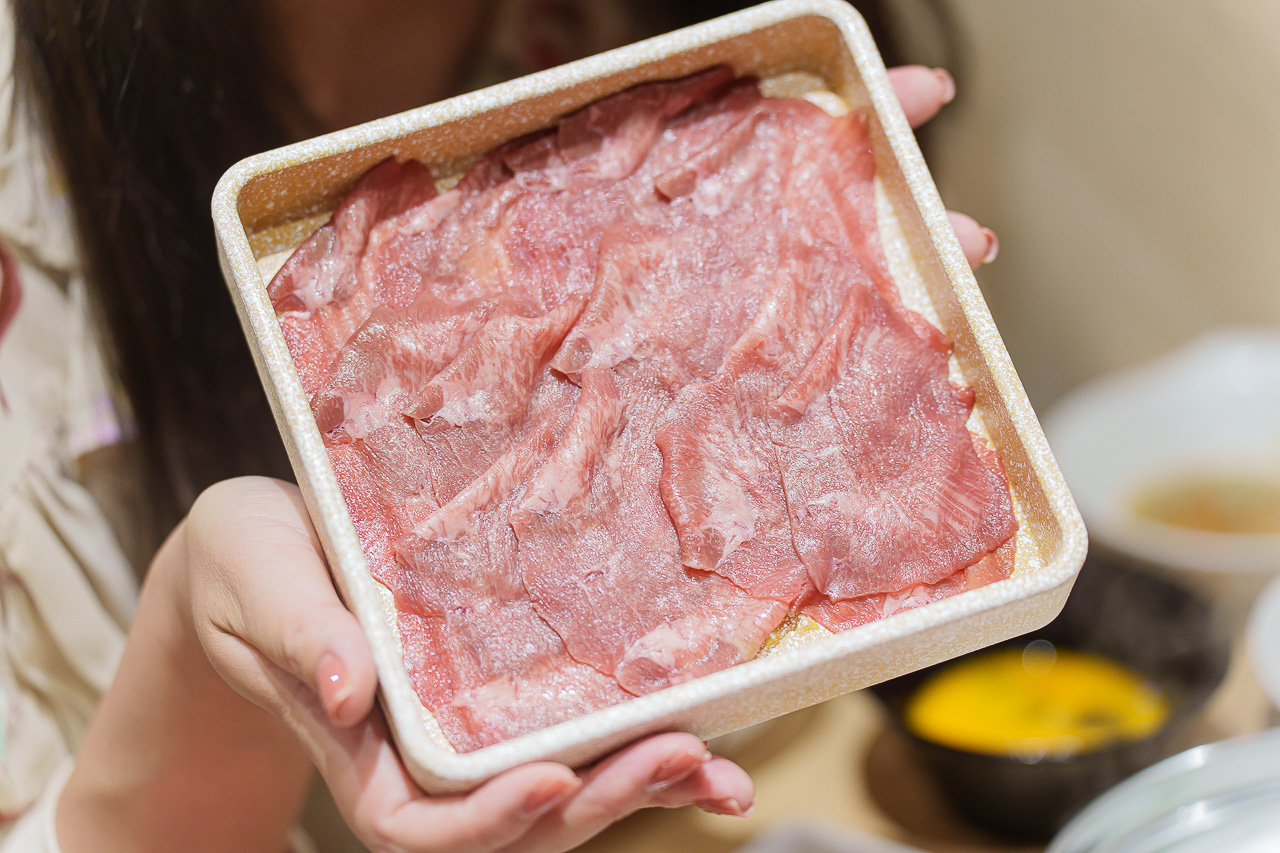
For that, I chose springy beef tongue.
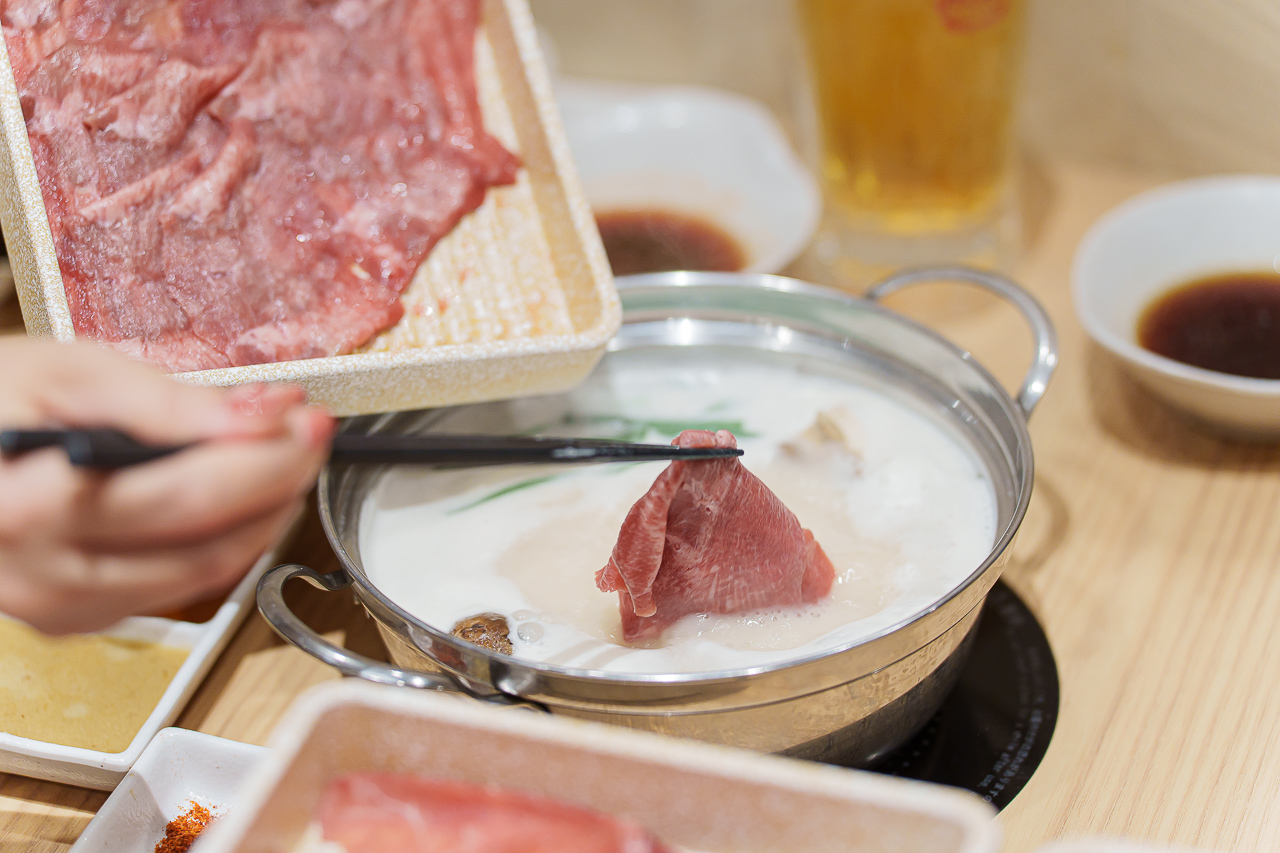
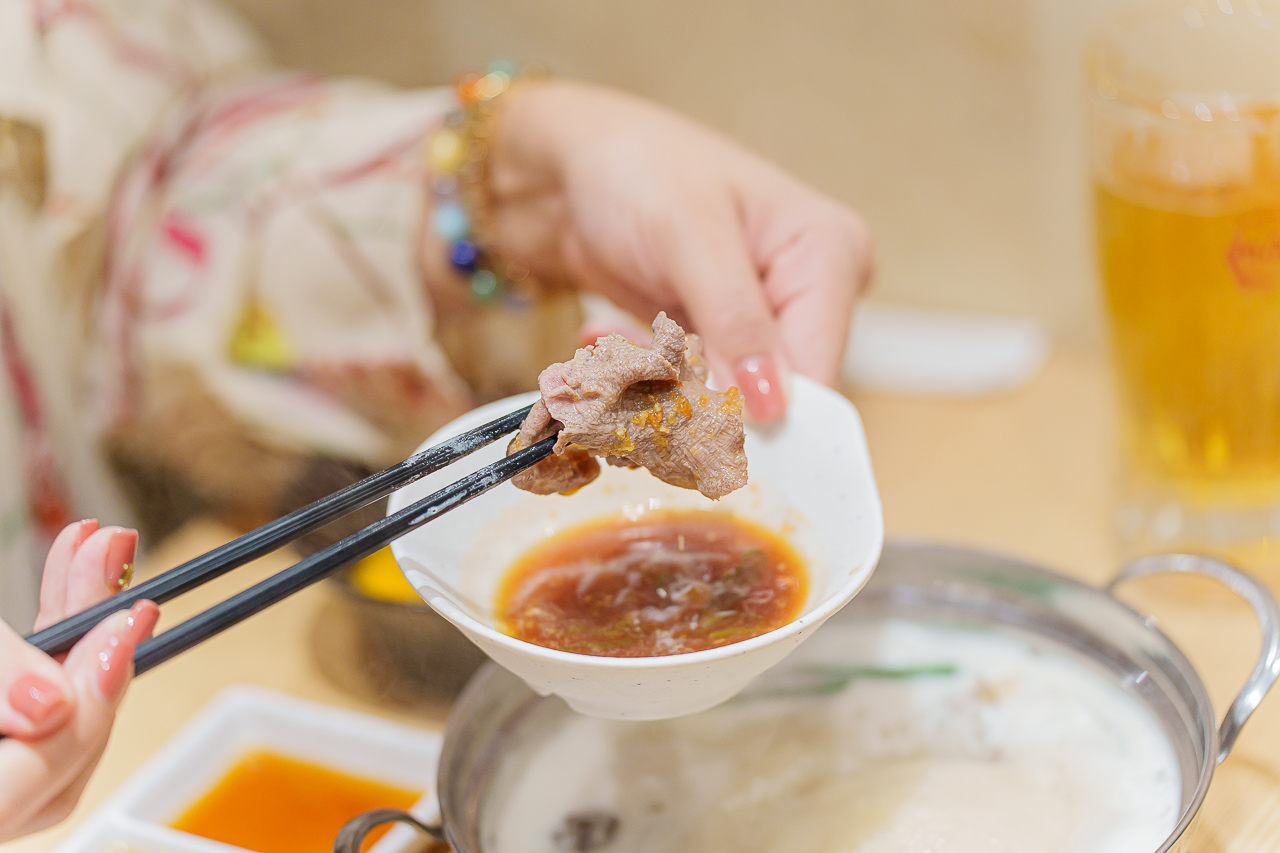
I dipped it in the restaurant’s signature 88 shikuwasa sauce.
It had a pleasantly chewy texture and tasted delicious.
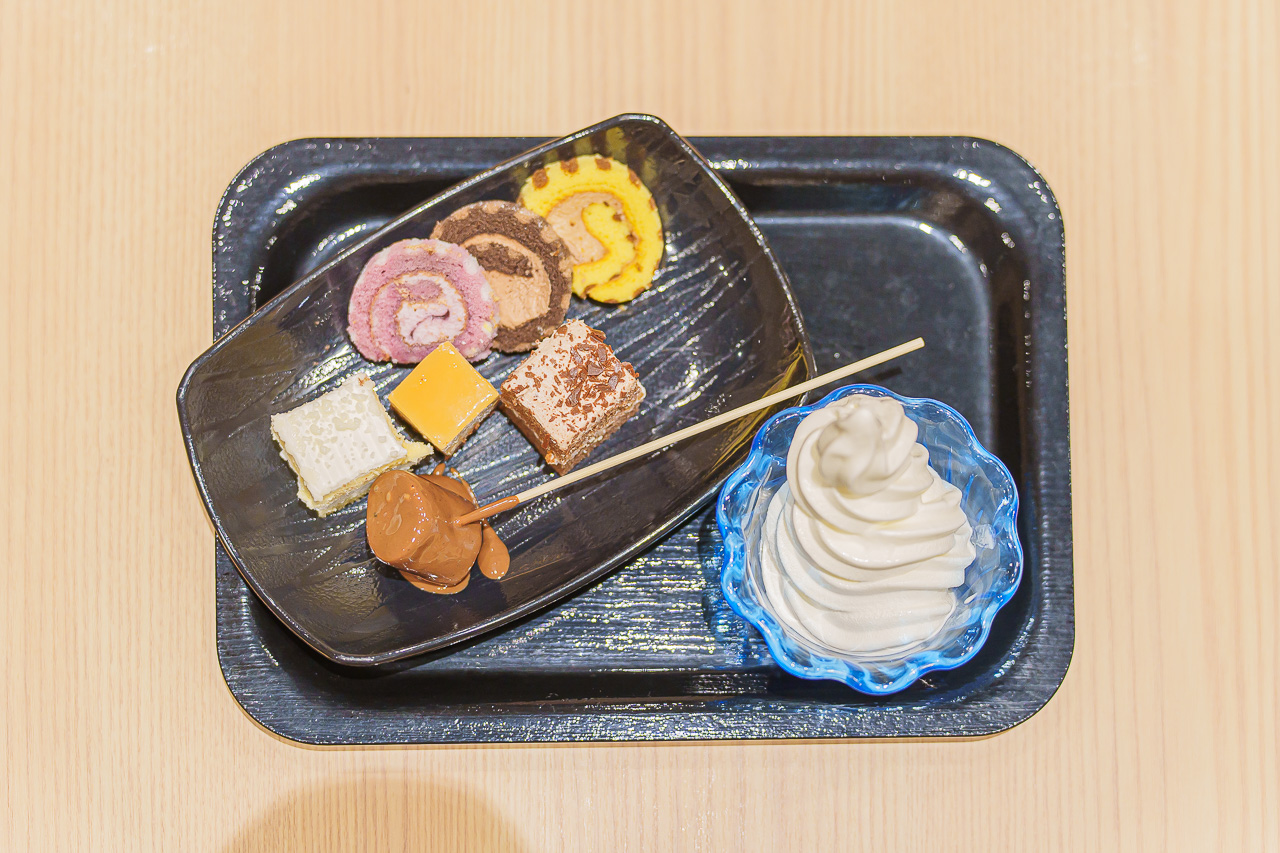
The drinks-and-dessert bar also supplied nostalgic snacks that reminded me of childhood buffet desserts.
Hitori Hitonabe Shabu-Shabu let me have a whole hot pot to myself.
I could choose the vegetables I liked and order meat freely, making a pot entirely to my own taste.
If you are exploring central Okinawa, I think it is worth considering.