Japan has many good ramen shops, but Kyoto offered one with a distinctive approach.
Vegan Ramen UZU Kyoto, a ramen shop for vegan diners.
Its appearance appealed to me, and I visited after hearing it had received a Bib Gourmand in the Michelin Guide Kyoto Osaka Wakayama 2022.
Michelin’s Bib Gourmand recognizes restaurants offering good food at a reasonable price. The source says its pictogram was officially introduced in the Michelin Guide in 1997 and has remained popular.
The original explains Bib Gourmand using historical regional price thresholds: EUR 35 in Europe, USD 40 in the US, JPY 5,000 in Japan, and KRW 45,000 in Seoul. These are the source’s figures, not current Michelin criteria.
In other words, it seemed to be a selection of places offering good value.
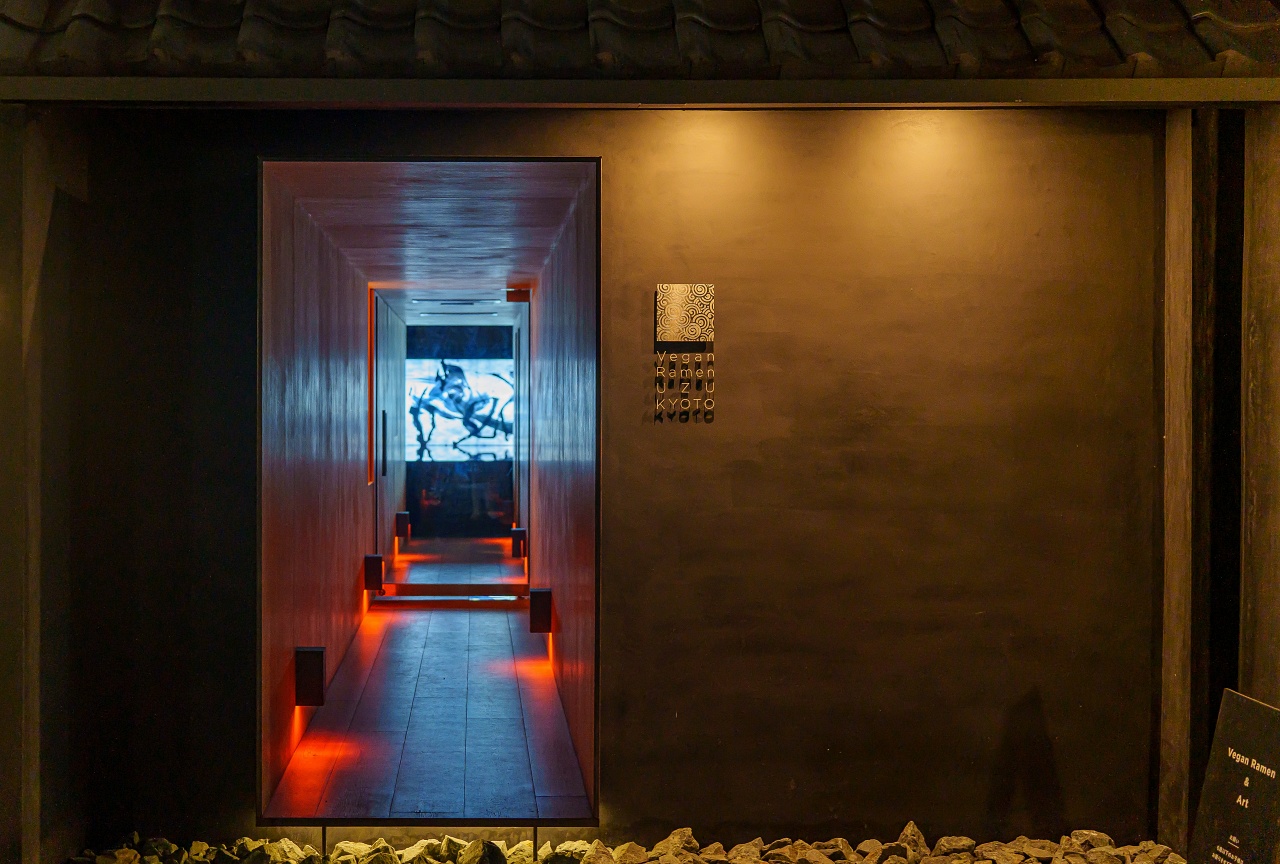
With elaborate lighting and décor, it was hard to tell whether this was a ramen shop or a club, which made entering feel slightly intimidating.

Vegan Ramen UZU Kyoto.
Before visiting, I had naively wondered whether removing chashu would make most non-tonkotsu ramen vegan. That was my assumption, not a verification of ramen ingredients.

A digital-art installation filled a screen at the front with constantly moving imagery.
The style looked familiar.
It was indeed work by the Tokyo-based digital-art collective teamLab.




The original recalls “teamLab Borderless” visits in Odaiba and Toyosu.
The source describes teamLab as an international, multidisciplinary art collective formed in Tokyo in 2001.
Its members include artists, programmers, engineers, CG animators, mathematicians, and architects, describing themselves as “ultratechnologists” and creating art with digital technology.
I had enjoyed the digital-art exhibitions visited in Odaiba and Toyosu; the source calls both “teamLab Borderless,” a venue attribution not independently checked in this archive.
The JPY 3,200 ticket price at the time felt expensive, though.


Once seated, the menu immediately made an impression.
A limited-quantity dish called Vegan Ramen Yatsukusa.
It was described as eight herbs or greens from Ohara, Kyoto, with handmade noodles rinsed in cold water, in a chilled soup combining oats, corn, and spicy miso.
The price was a formidable JPY 2,200.
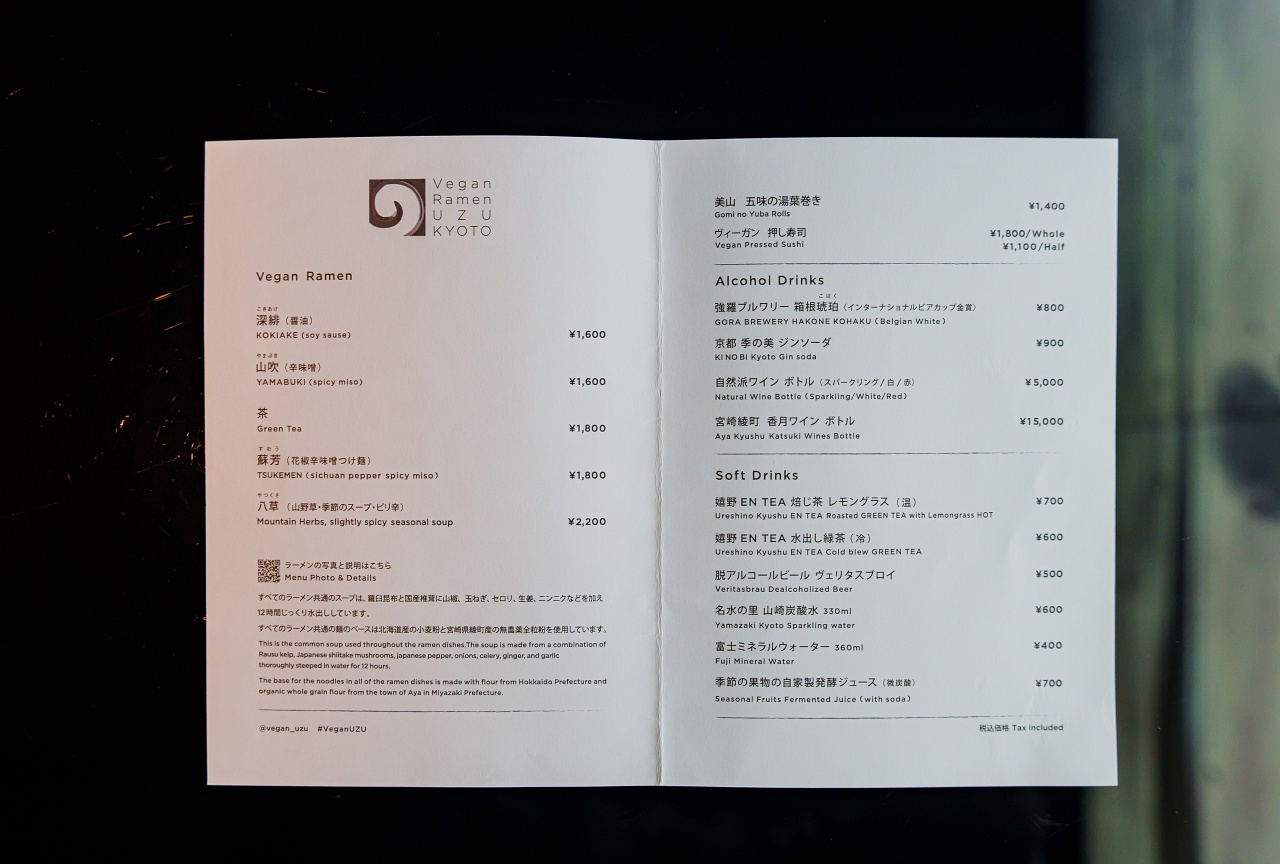
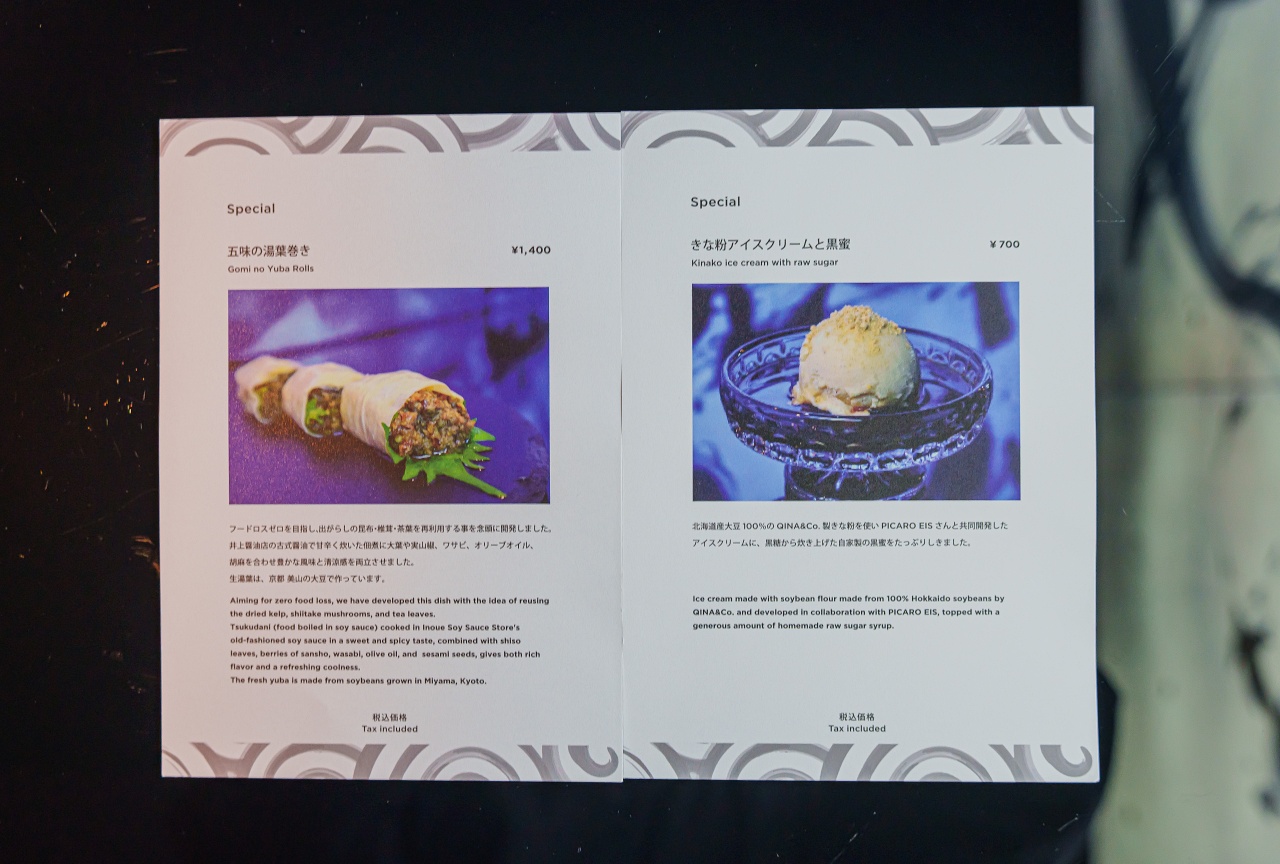
The other dishes were similarly expensive.
Shoyu ramen looked the most approachable, so we ordered it and the Yatsukusa ramen.
Being in Kyoto, we also ordered a yuba roll.
Often called tofu skin, yuba is more precisely the thin film lifted from heated soy milk.
It has a soft texture and a mild flavor.
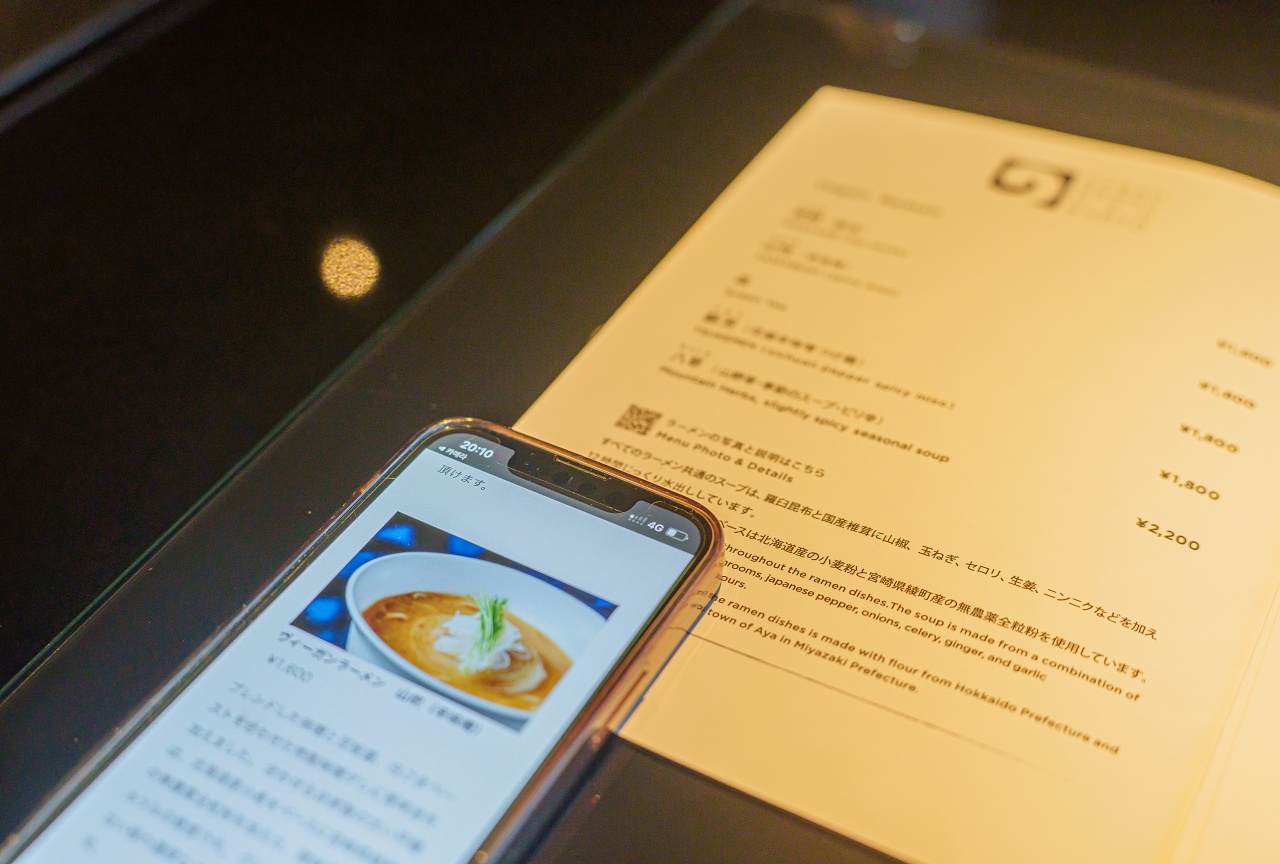
Scanning the QR code at the bottom of the menu brought up photographs and detailed explanations, which was helpful.
A translation tool made them manageable to read.
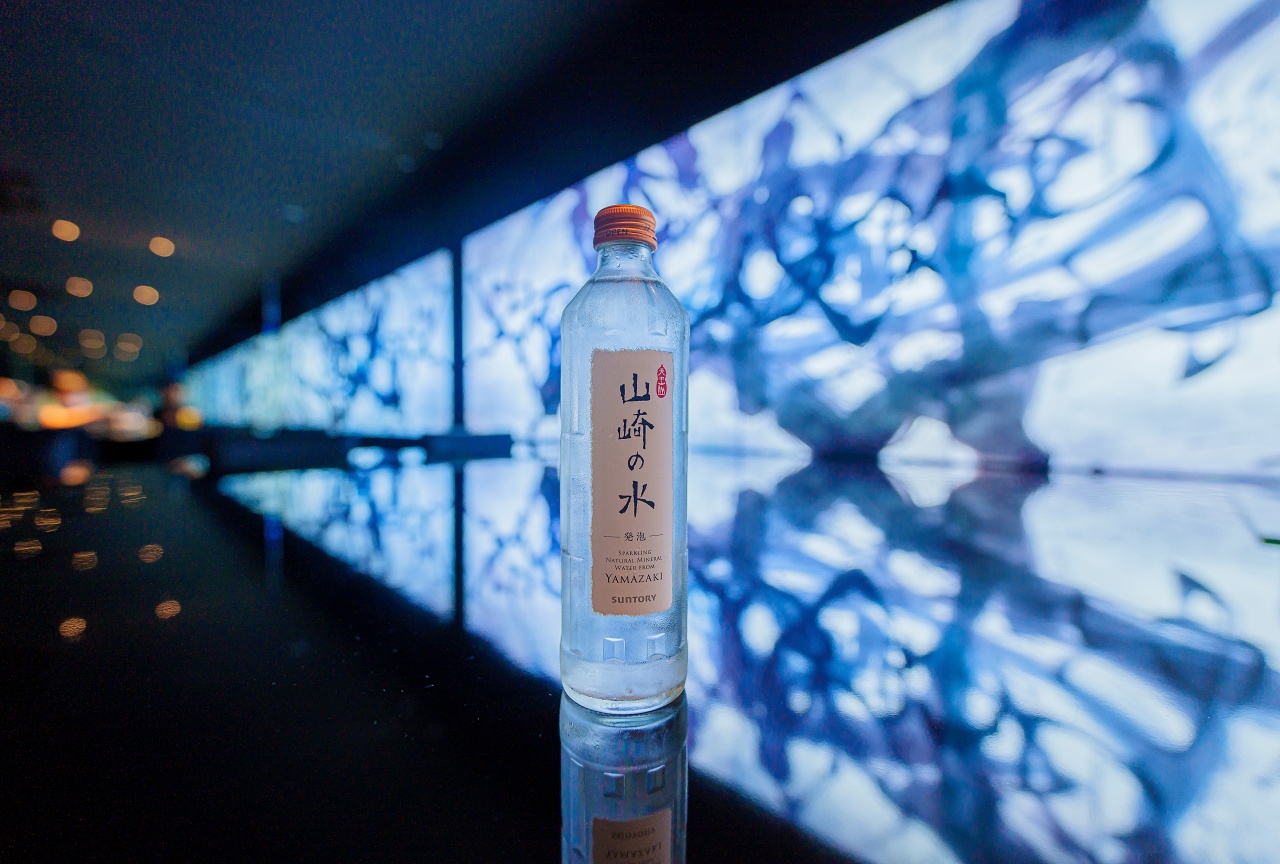

We thought we had finished ordering, but a drink per person was required, so we added beer and sparkling water.
With the already high ramen prices and the mandatory drinks, it felt quite expensive.
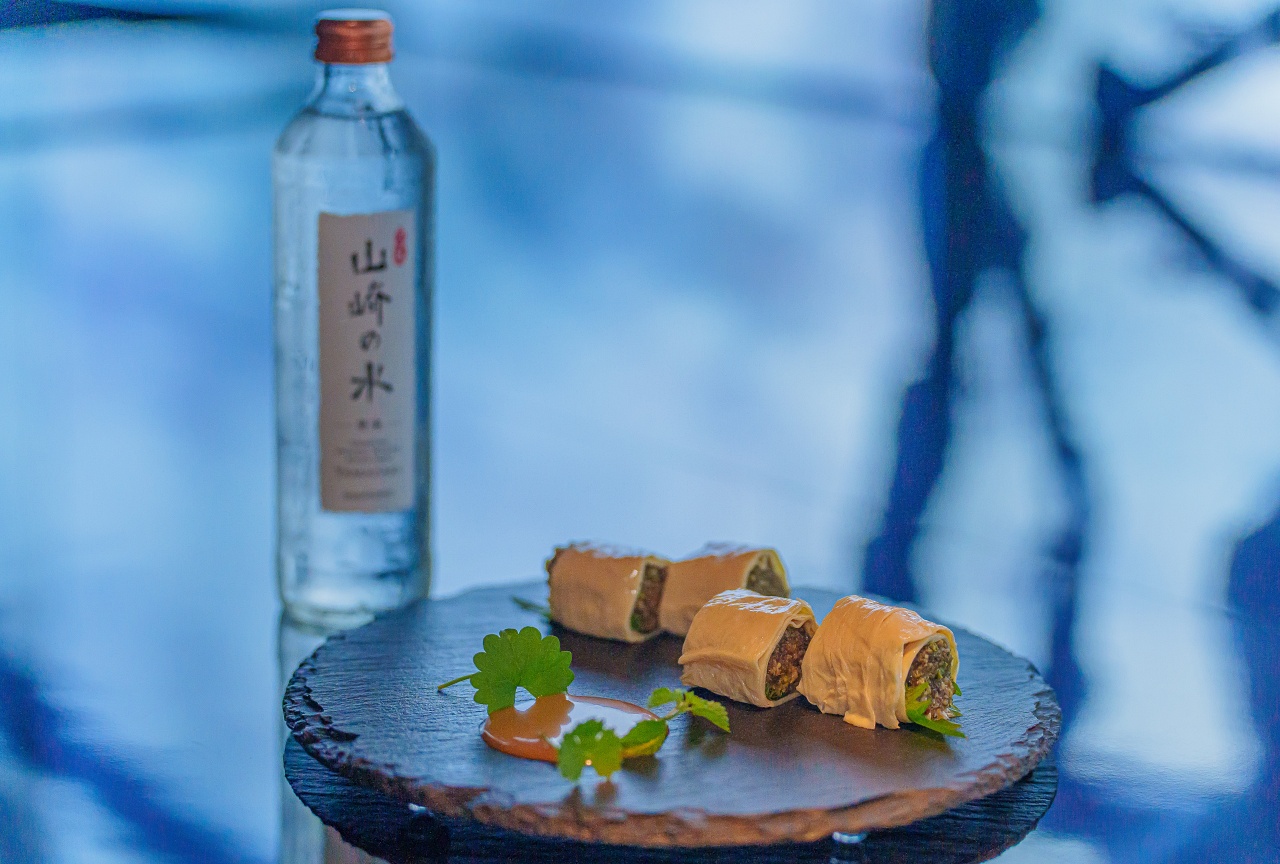
The yuba roll arrived.
It contained kelp, shiitake mushrooms, and tea leaves, with Inoue soy sauce, wasabi, and olive oil. It was delicious.
I would happily eat vegan food like this again.
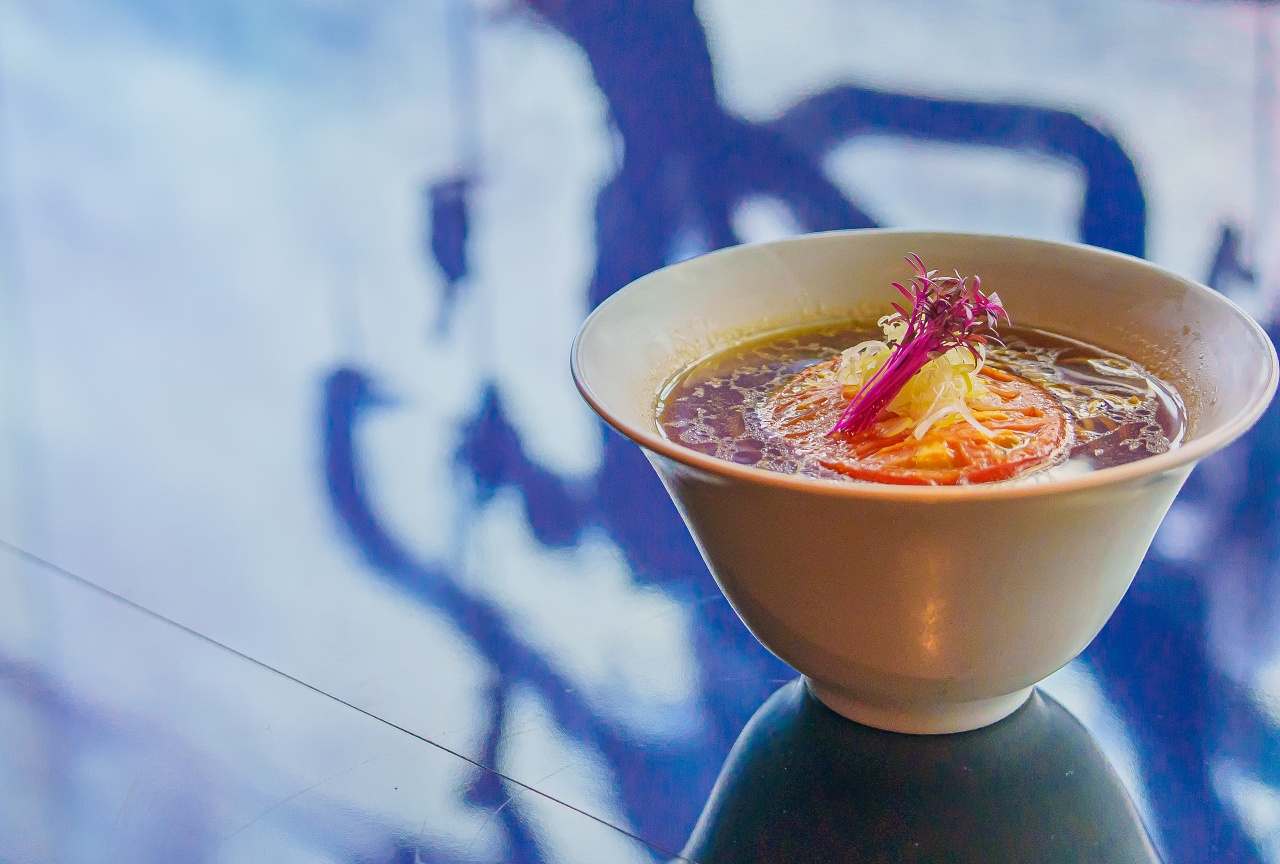

The shoyu ramen finally arrived.
The simplest original vegan shoyu ramen used the well-known Inoue soy sauce and aromatic oil in its broth.
The noodles combined Hokkaido wheat with pesticide-free whole wheat from Aya, Miyazaki, described as popular at the time. Their savory flavor developed as I chewed.
In place of chashu, there was tomato.
The combination worked well when I tasted it.
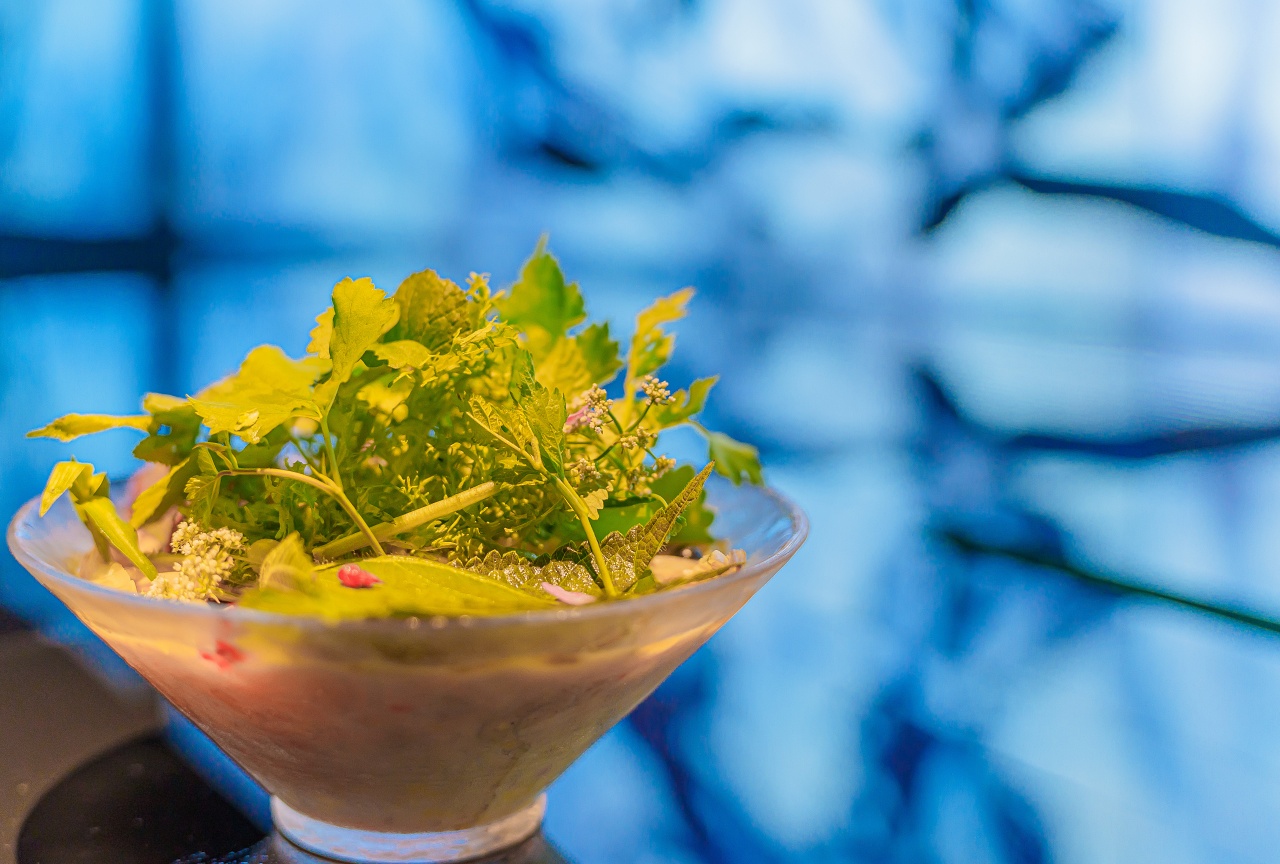
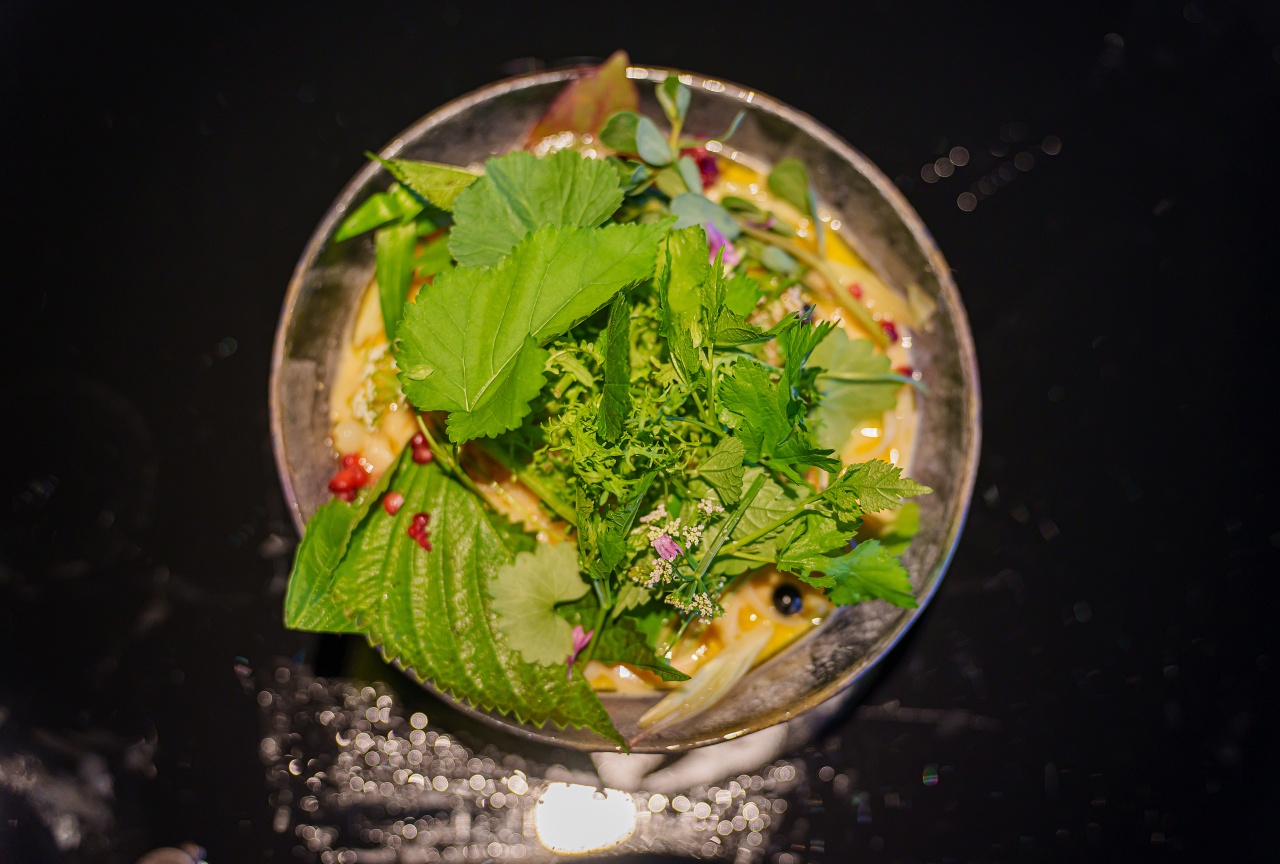
Finally, the highlight: Vegan Ramen Yatsukusa.
Plenty of greens covered cold miso-based soup and noodles.
I am not especially fond of vegetables, so eating unseasoned greens was not my favorite part, but the noodles underneath were delicious.
It felt like a particularly wholesome meal to me.
The total came to JPY 6,300.
I found myself wondering about the Bib Gourmand value-for-money label.
Vegan Ramen UZU Kyoto
Address: 146 Umenokicho, Nakagyo Ward, Kyoto, 604-0905
Phone: 080-7603-6106