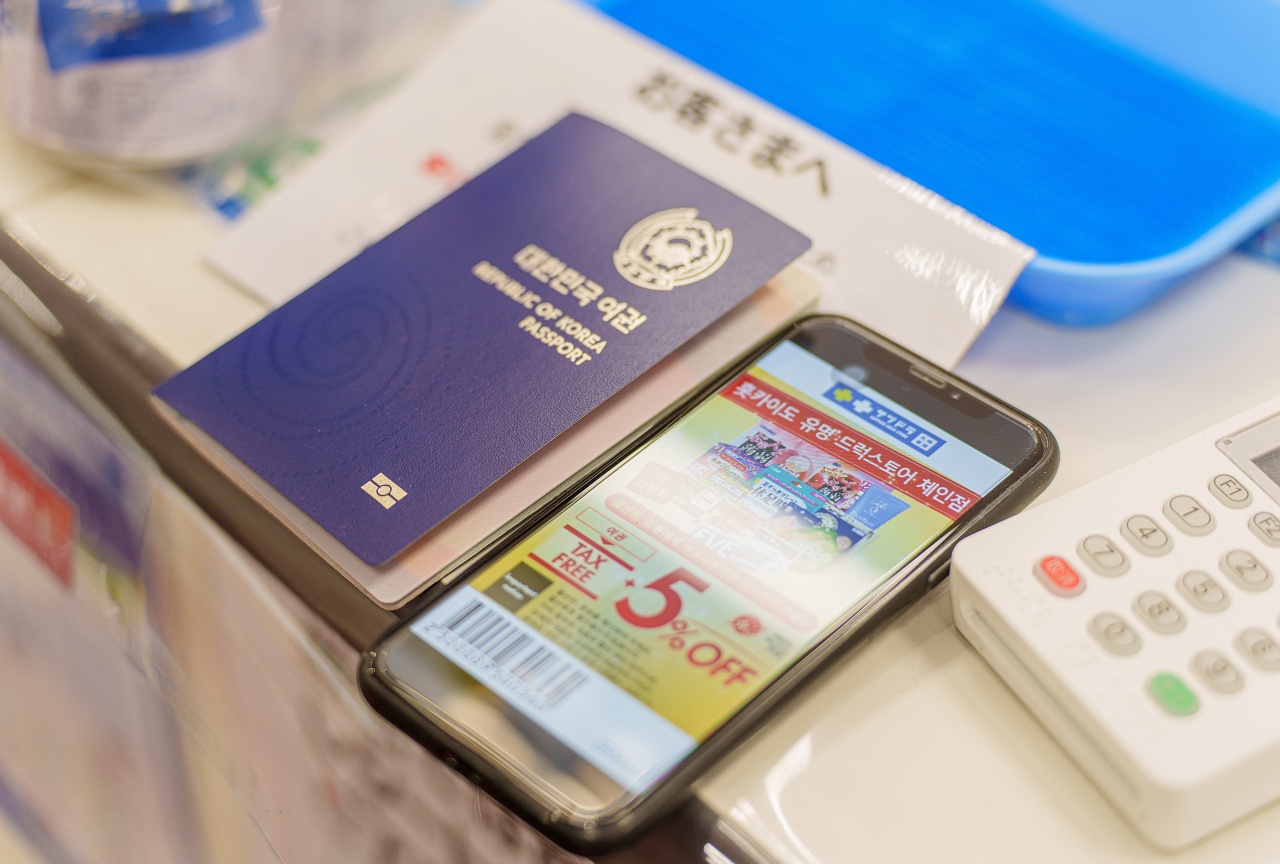
We return to Hokkaido again this winter.
The author noticed some travelers postponing Japan trips because of cost,
with even low-cost flights from Korea to Hokkaido exceeding KRW 700,000 in that period. This is a dated Korea-origin comparison, not a U.S. airfare quote.
Perhaps for that reason, friends request several purchases when they hear about the trip, and we do plenty of shopping.
Here is the original shopping account of gifts and everyday finds.
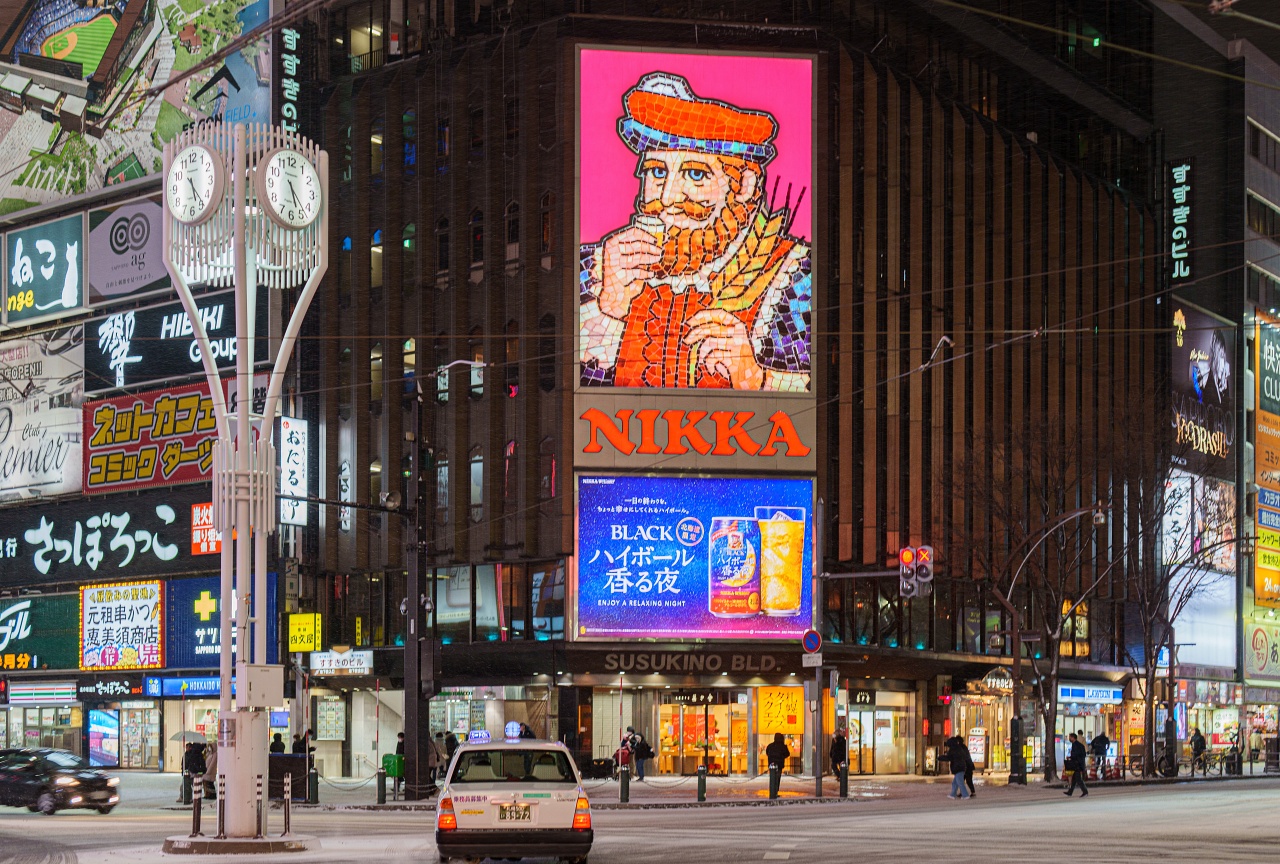
Arriving late in the evening, we head straight to Susukino (すすきの), the nightlife district.
The author notices Korean visitors after the reopening of visa-free travel described in the historical account; no present entry rule is established by that observation.
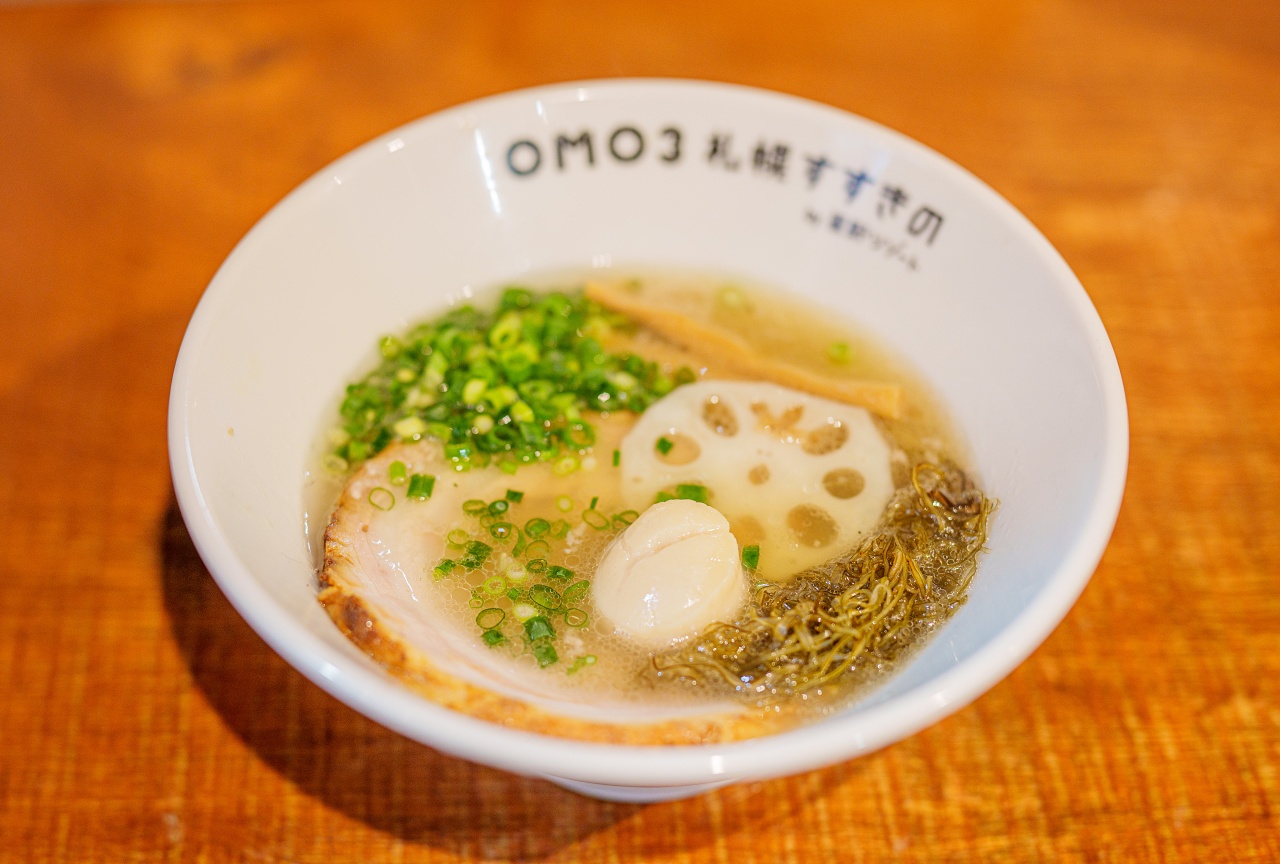
Susukino brings Ramen Yokocho to mind.
The lane gathers shops serving several Hokkaido ramen styles in one place.

We also spend a night in Otaru, seeing Sakaimachi Street and the canal,

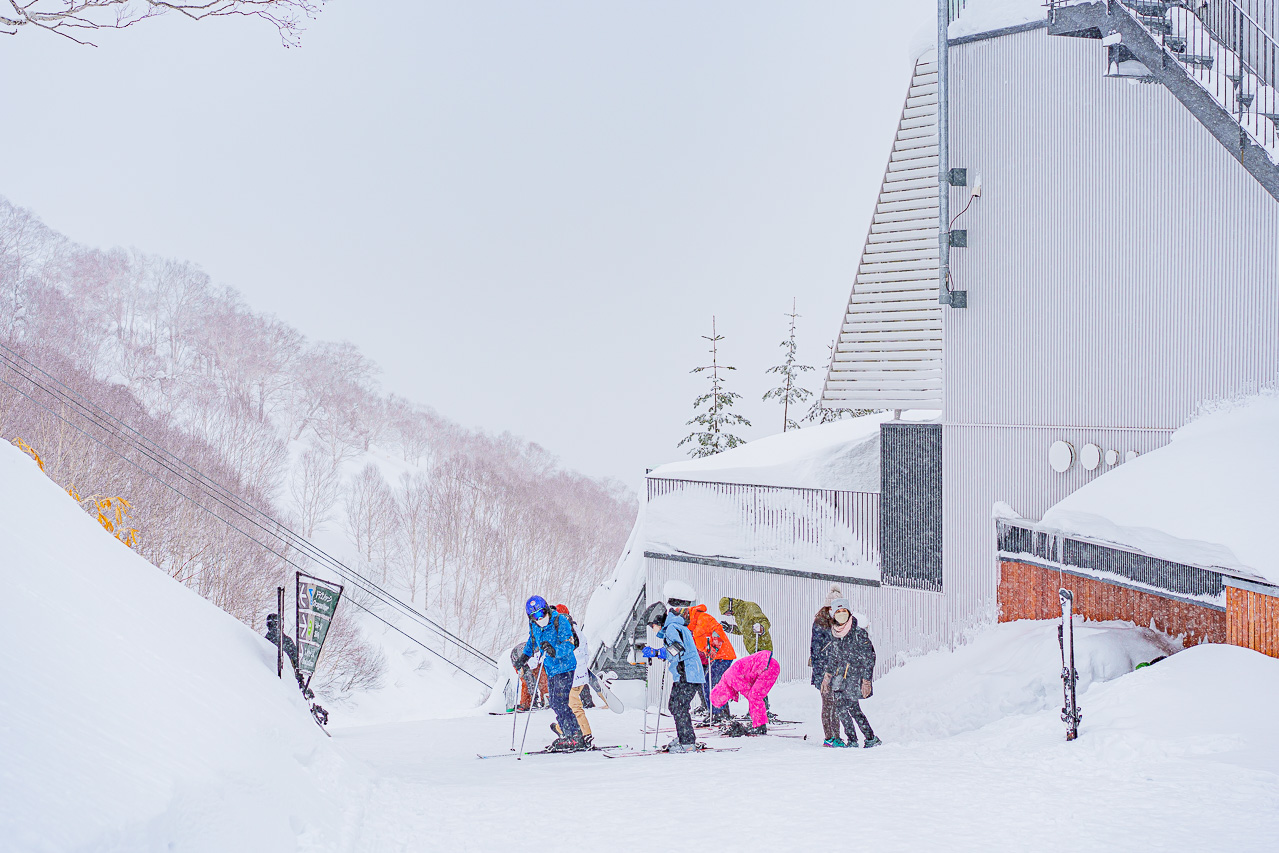
then visit Tomamu for the full snow-country feeling.
For shopping in Sapporo, we go to Tanukikoji (狸小路).
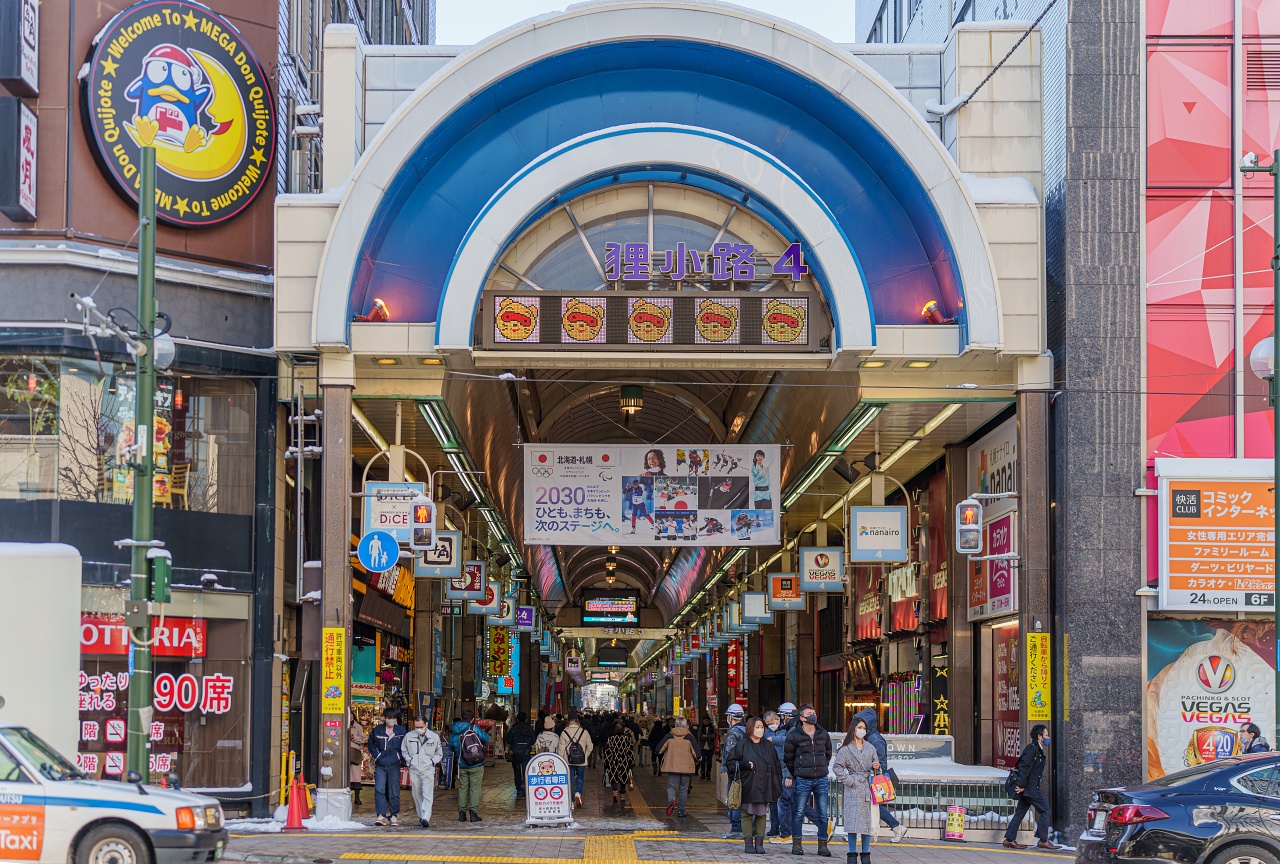
The source describes around 200 businesses along roughly 1 km east–west through central Sapporo.
Its covered arcade from Nishi 1-chome to Nishi 7-chome offers shelter from snow and rain.
Old and new businesses coexist, making it a familiar stop on a city visit.
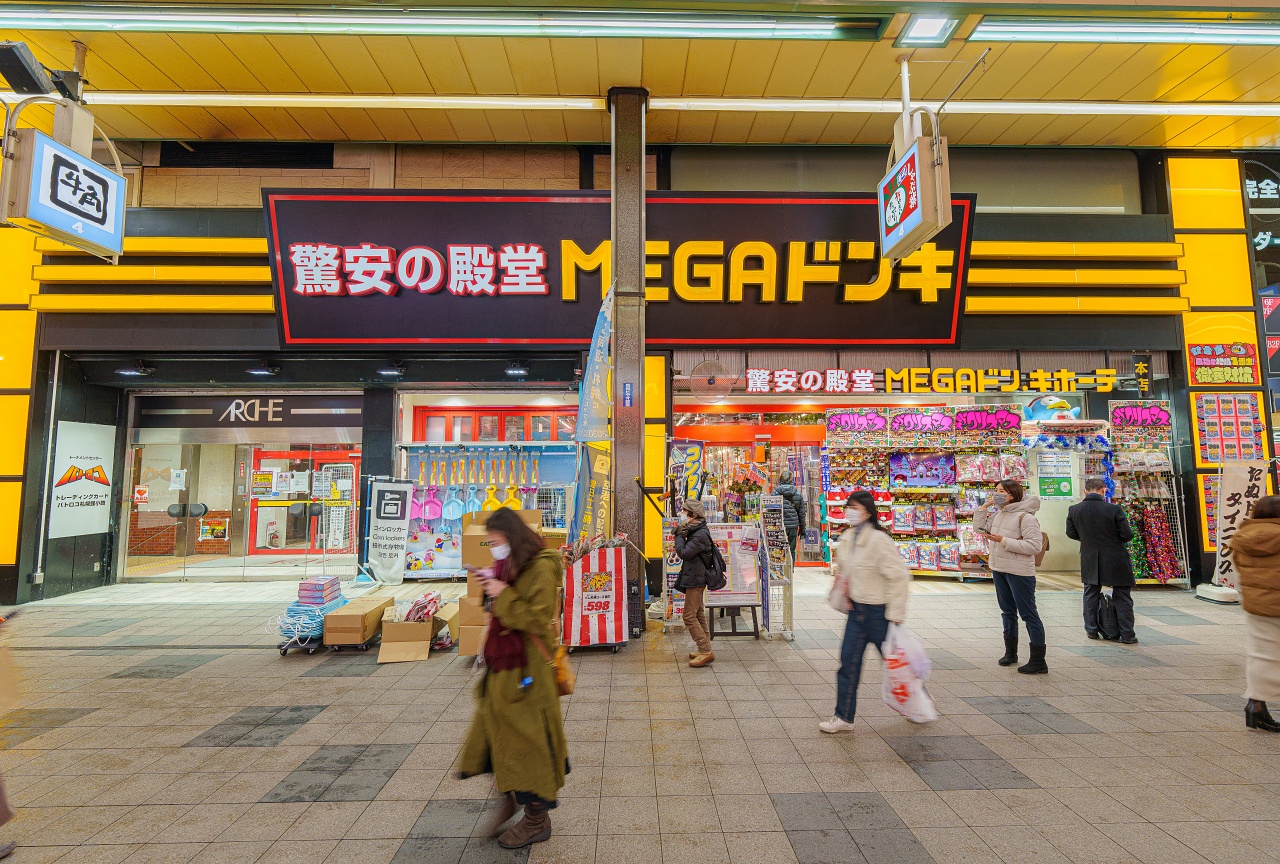
We begin at Don Quijote.
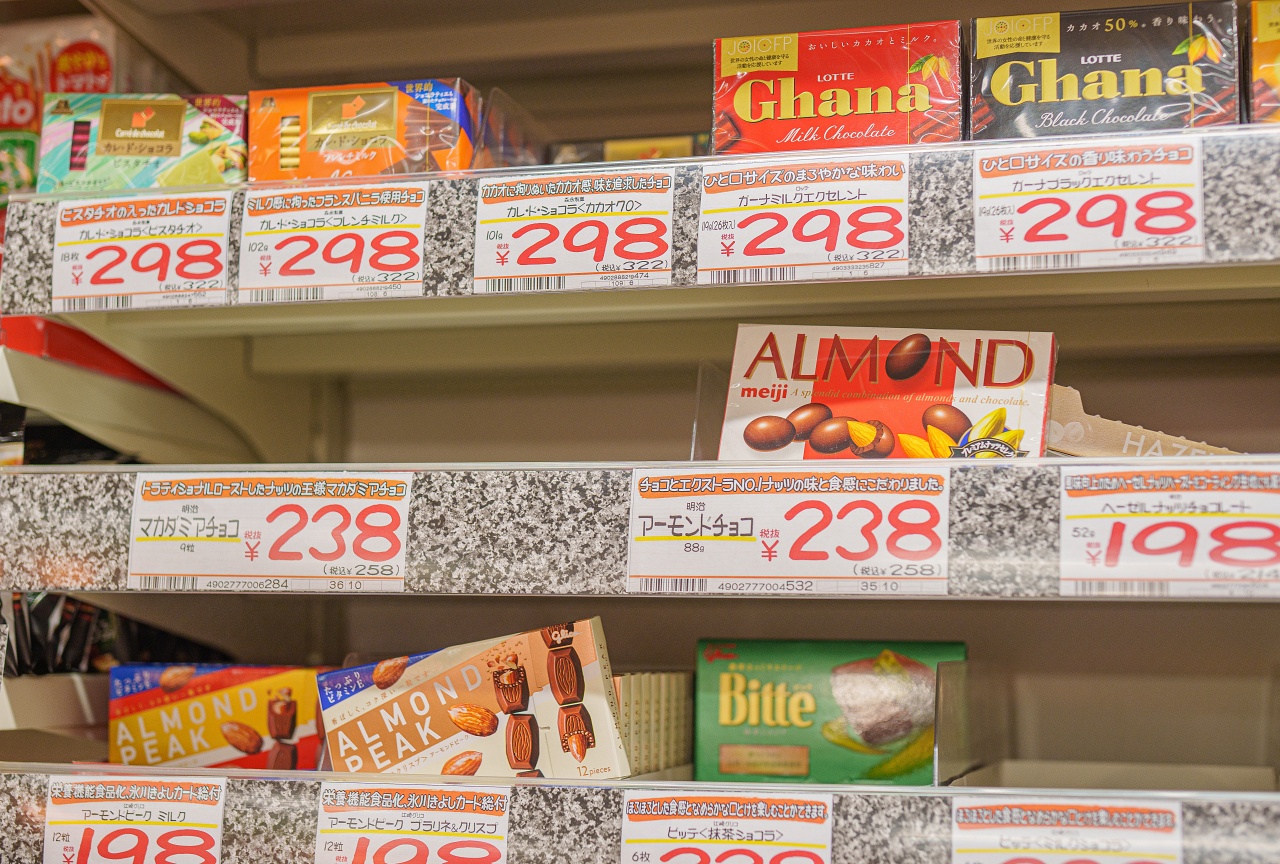
Our first targets are Meiji’s macadamia and almond chocolates.
The source describes Meiji as occupying five places among a top-ten list of Japan’s favorite chocolates, without identifying the ranking methodology.
The macadamia shelf is empty, leaving only almonds. I wonder whether we need another supermarket.
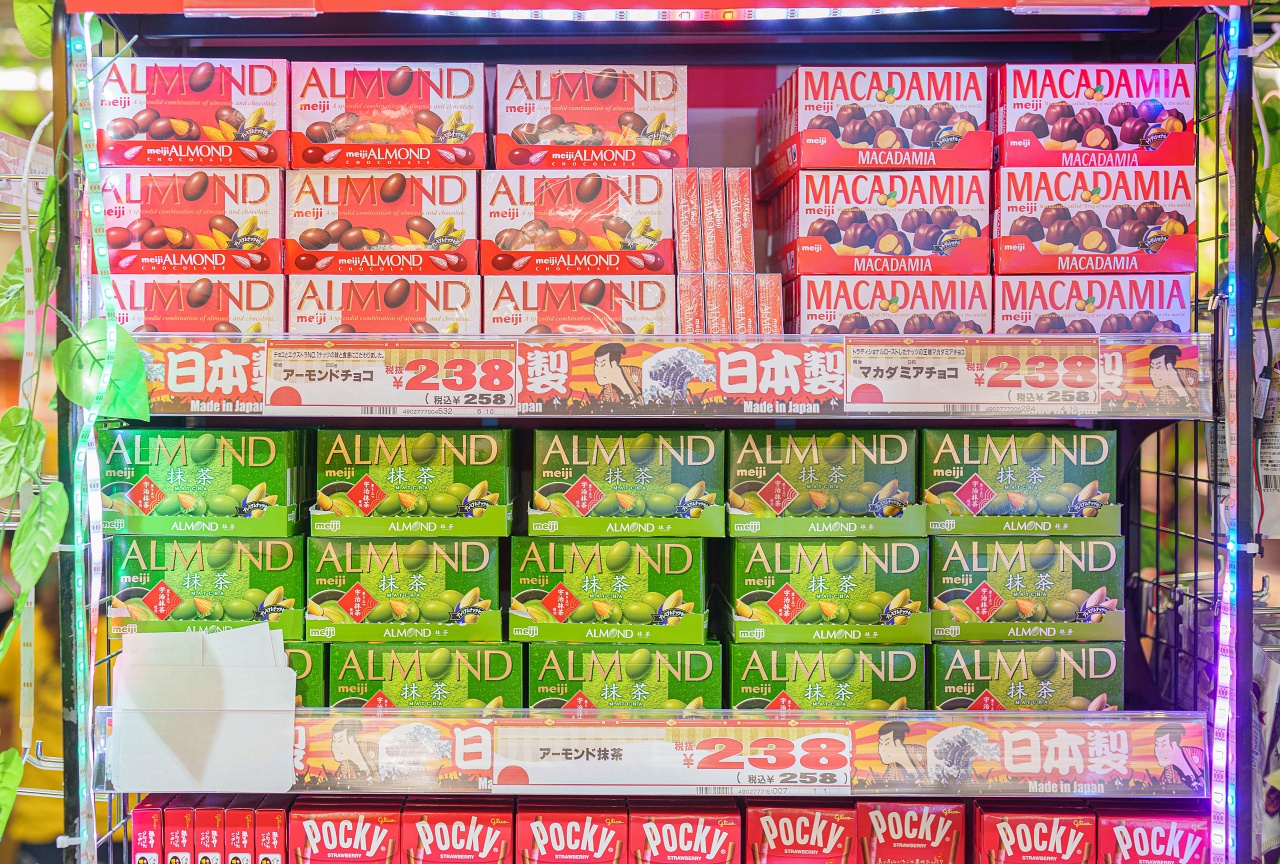
At checkout, we discover both bestsellers displayed near the entrance.
Fortunately, we can buy them.
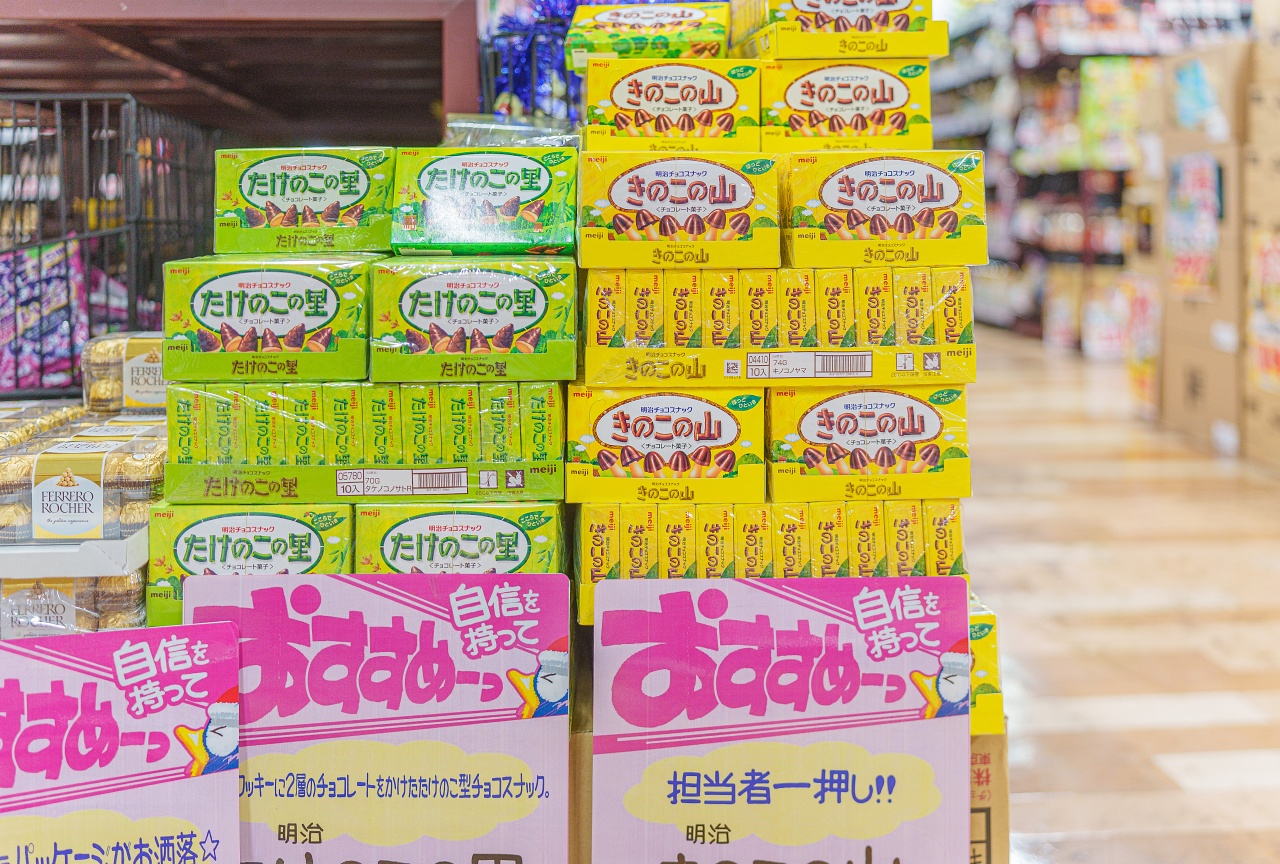
Meiji’s Kinoko no Yama (きのこの山), compared in Korea with Choco Songi.
Its sibling Takenoko no Sato is beside it.
Their chocolate flavor feels different from the Korean product and keeps drawing the author back.
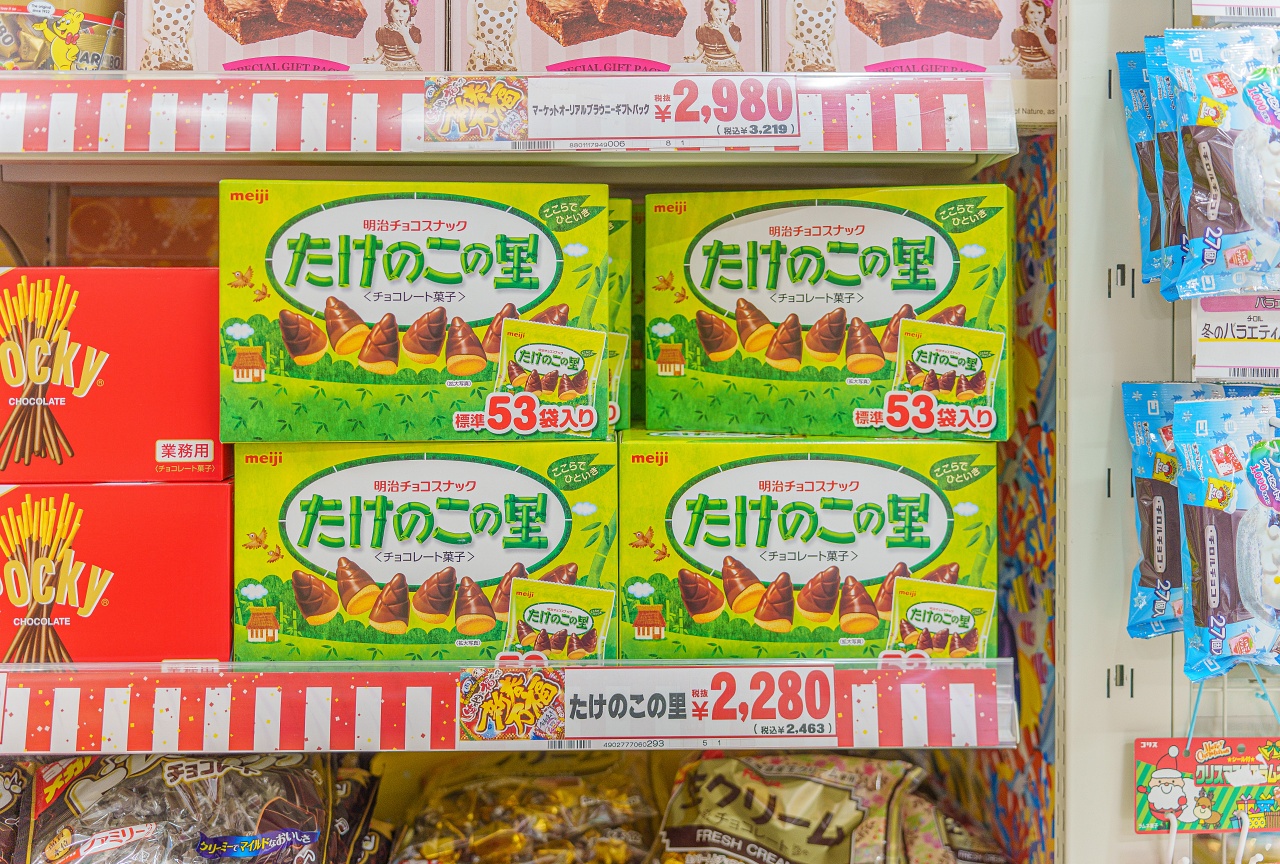
A large box looks useful for sharing at work.
With 53 pieces, it could provide 53 small gifts if handed out individually.
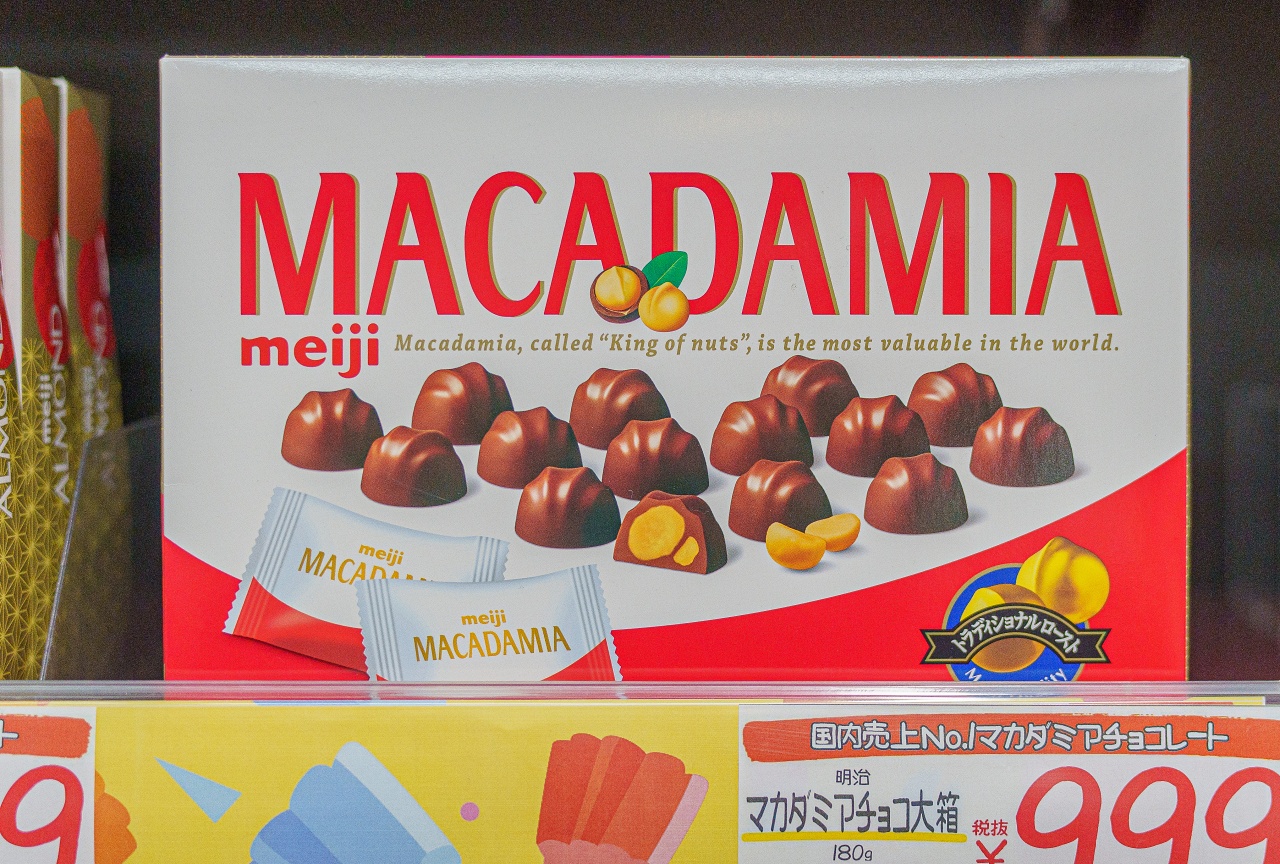
Meiji macadamia chocolate also comes in a larger pack.
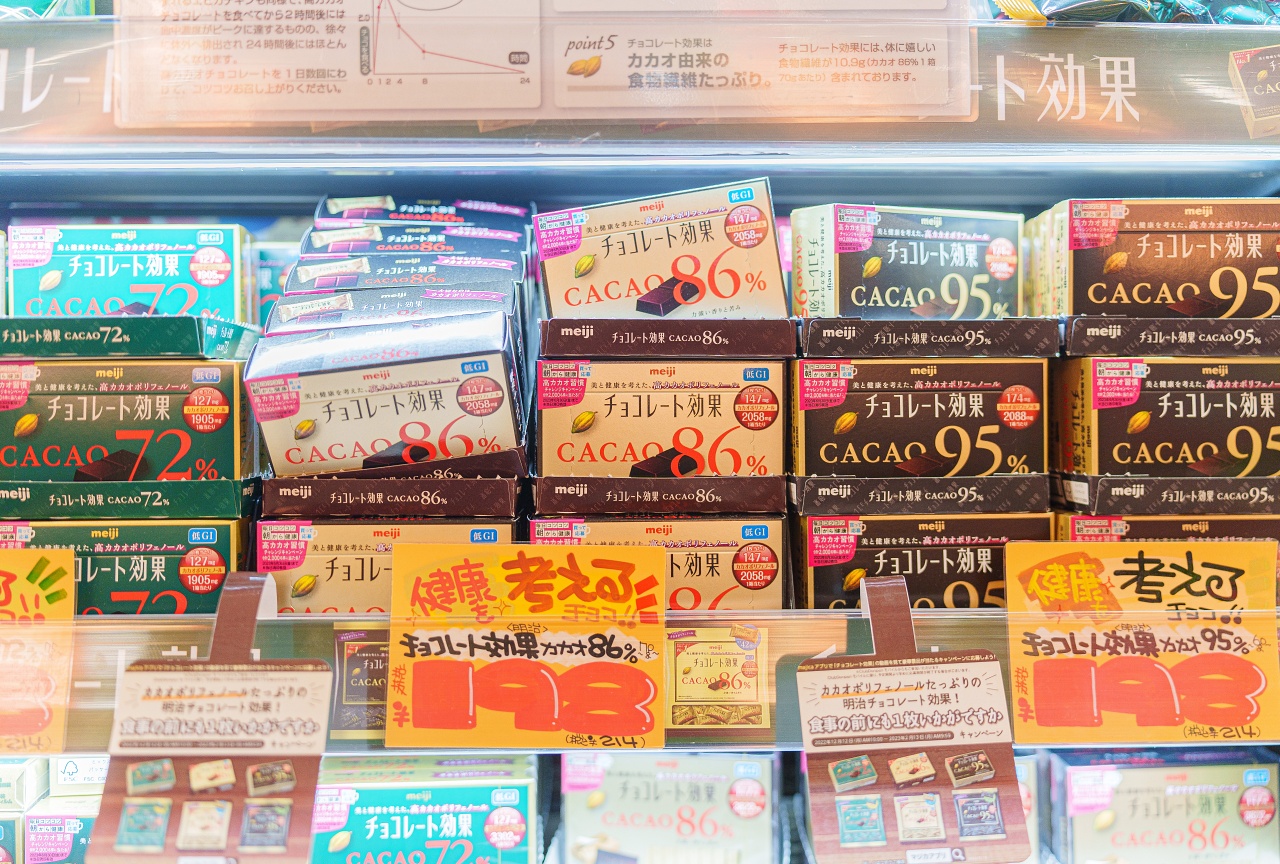
High-cacao chocolates range from 72% to 95%. The original presents them as a health-conscious choice, not an independently assessed health benefit.
Personally, I prefer 72%.
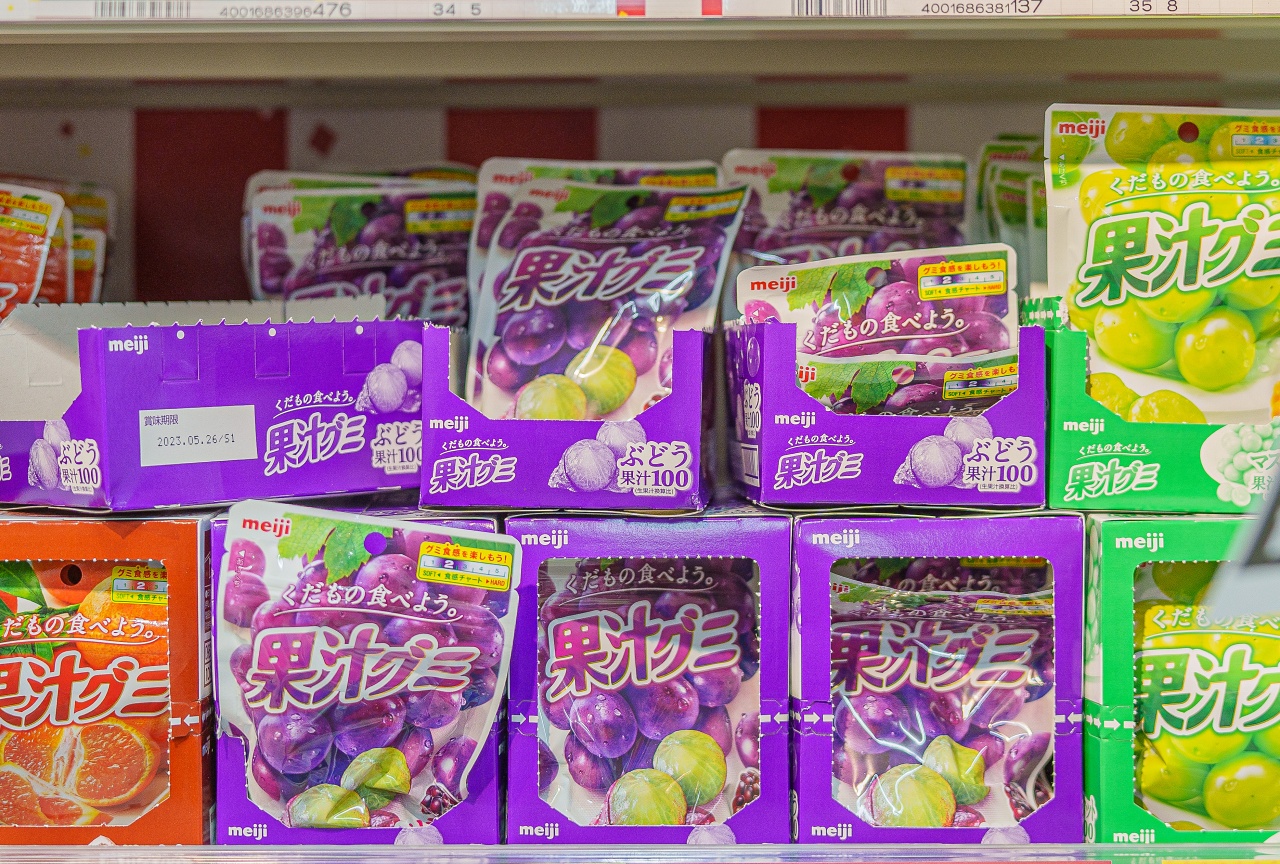
Meiji Kaju Gumi (果汁グミ), popular among the women the author knows.
The packaging’s ‘100% fruit juice’ claim and distinctive chewy texture are part of the appeal. This is a source product description, not a statement that the entire candy consists only of juice.
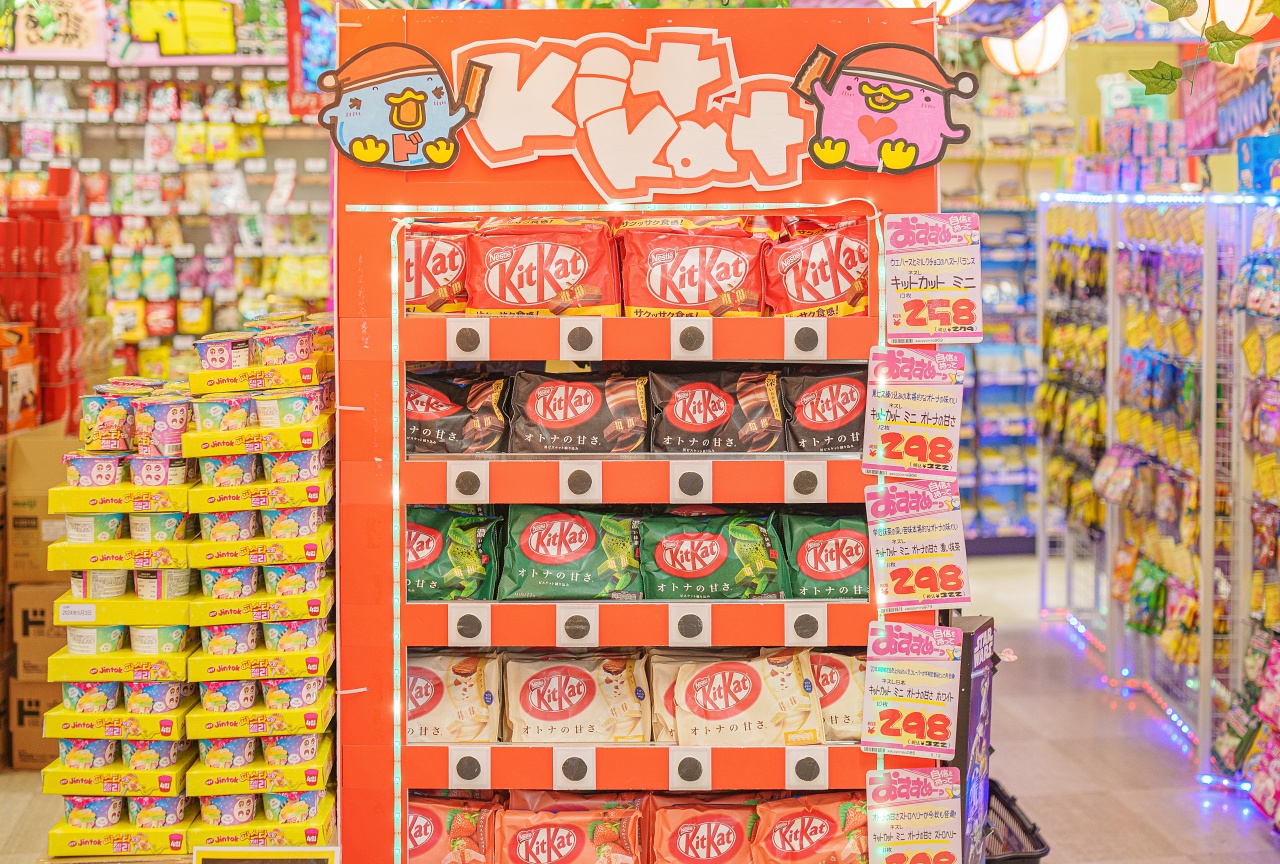
KitKat has its own display, reflecting its popularity as a souvenir.
Strawberry is described as a new flavor at the time.

Suntory Kakubin (角瓶), familiar as a highball base and then growing popular in Korea.
A highball is a family of cocktails.
It generally combines a spirit such as whisky or brandy with soda and ice. The source mentions shochu, vodka and whisky versions in Japan, with whisky especially common.
The observed Japanese price was roughly half the Korean price in the author’s comparison, not a current international-price guarantee.
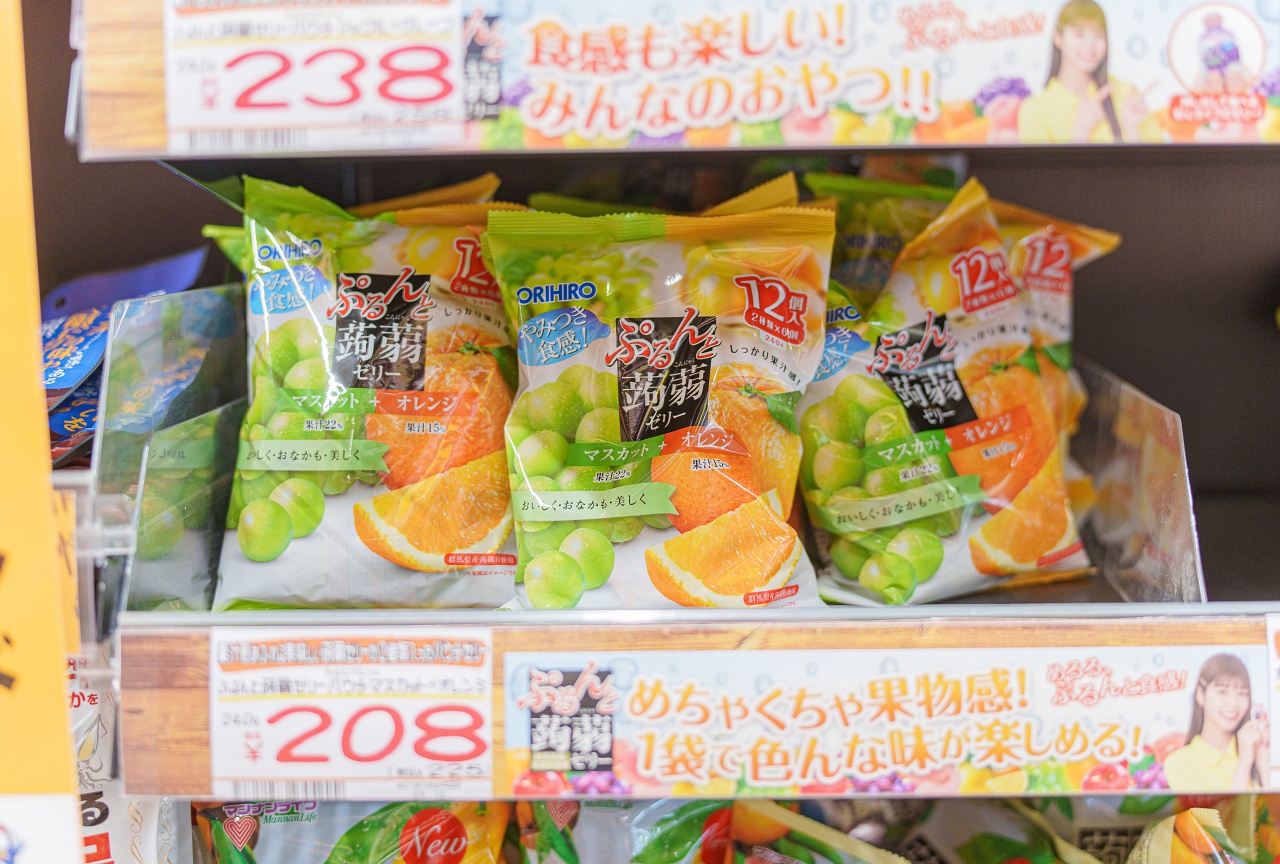
Orihiro konjac jelly is another familiar gift.
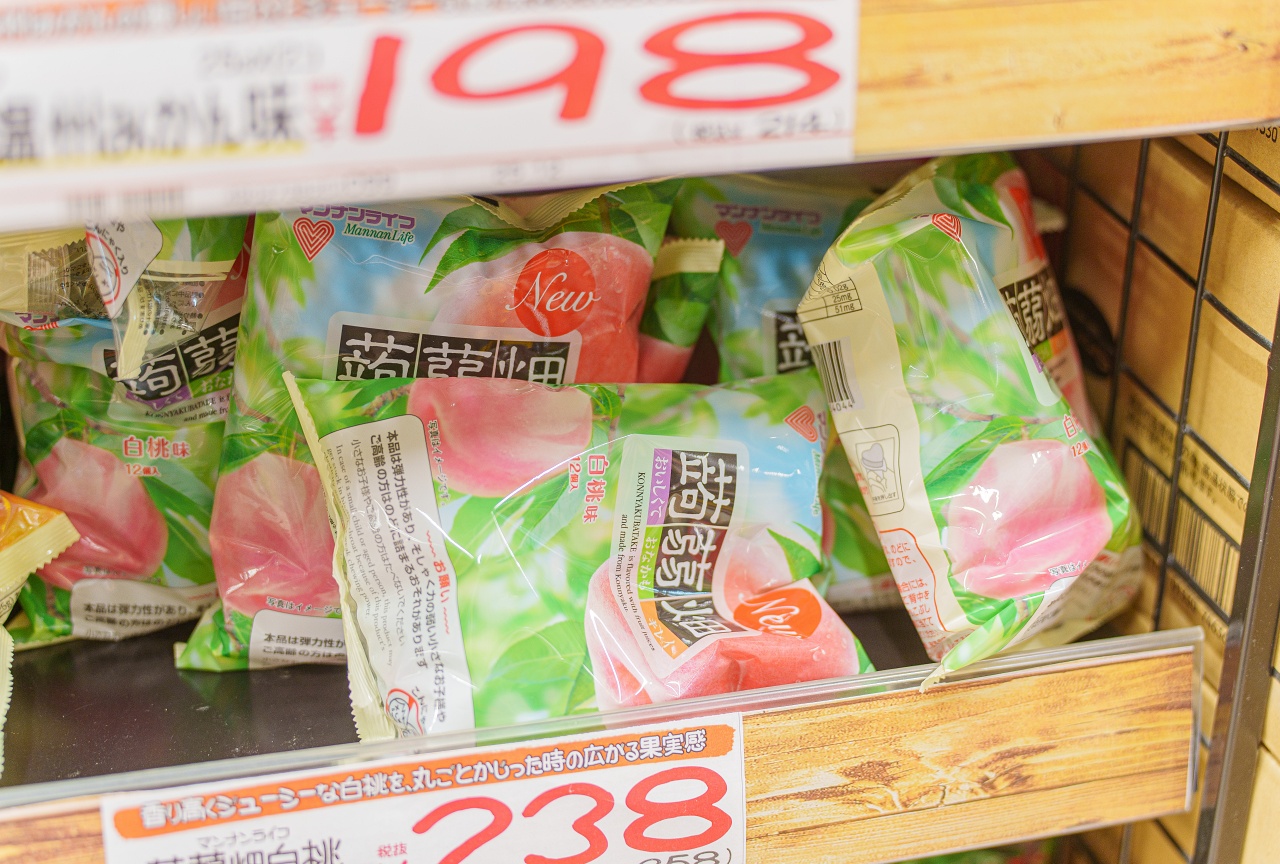
The original discusses choking risks from cup-shaped jelly and says only squeeze-pouch versions could be brought into Korea under the rule it understood then. That historical Korea-specific statement does not establish present Korean rules or U.S. import eligibility.
The author distinguished local purchase for consumption from importation. The passage does not guarantee safe consumption, particularly for children.
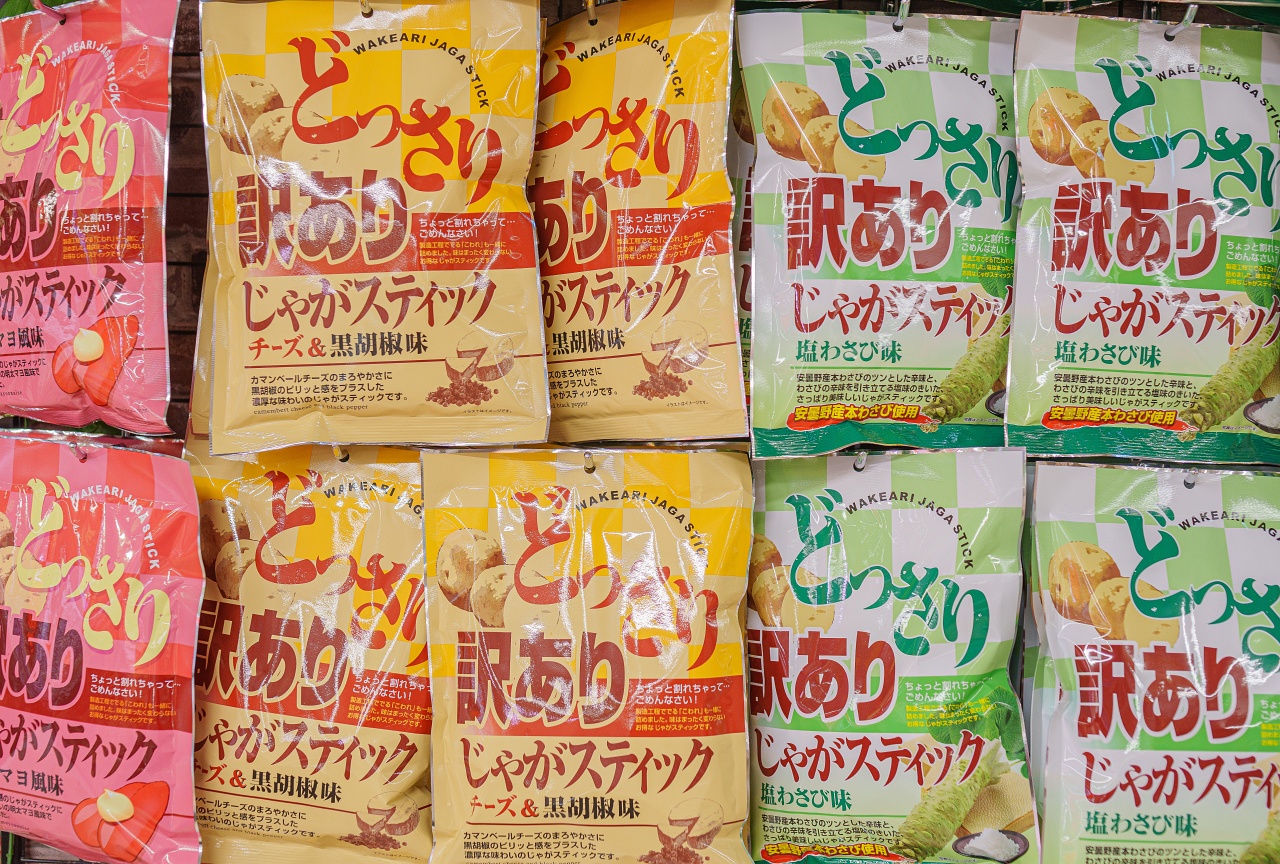
In potato-rich Hokkaido, there are several potato-stick flavors.
Mentaiko mayonnaise, cheese and pepper, and salt with wasabi.
Now the pharmacy shelves.
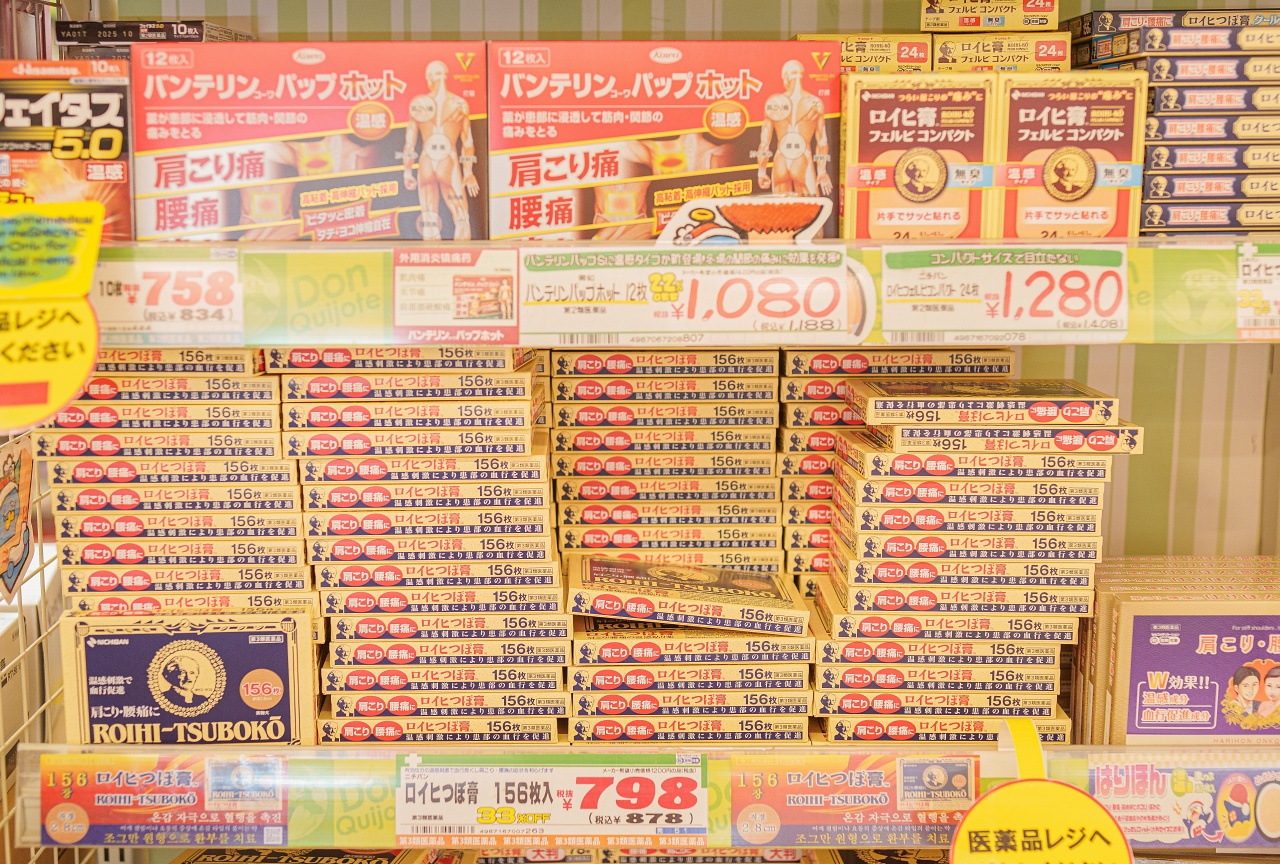
Roihi Tsuboko (ロイヒ つぼ膏), described as the most requested gift among older people the author knows, rather than a verified national ranking.
Known in Korea as coin patches, these are small round adhesive products. The source describes placing several on a selected area; use is governed by the actual product instructions, not this shopping account.
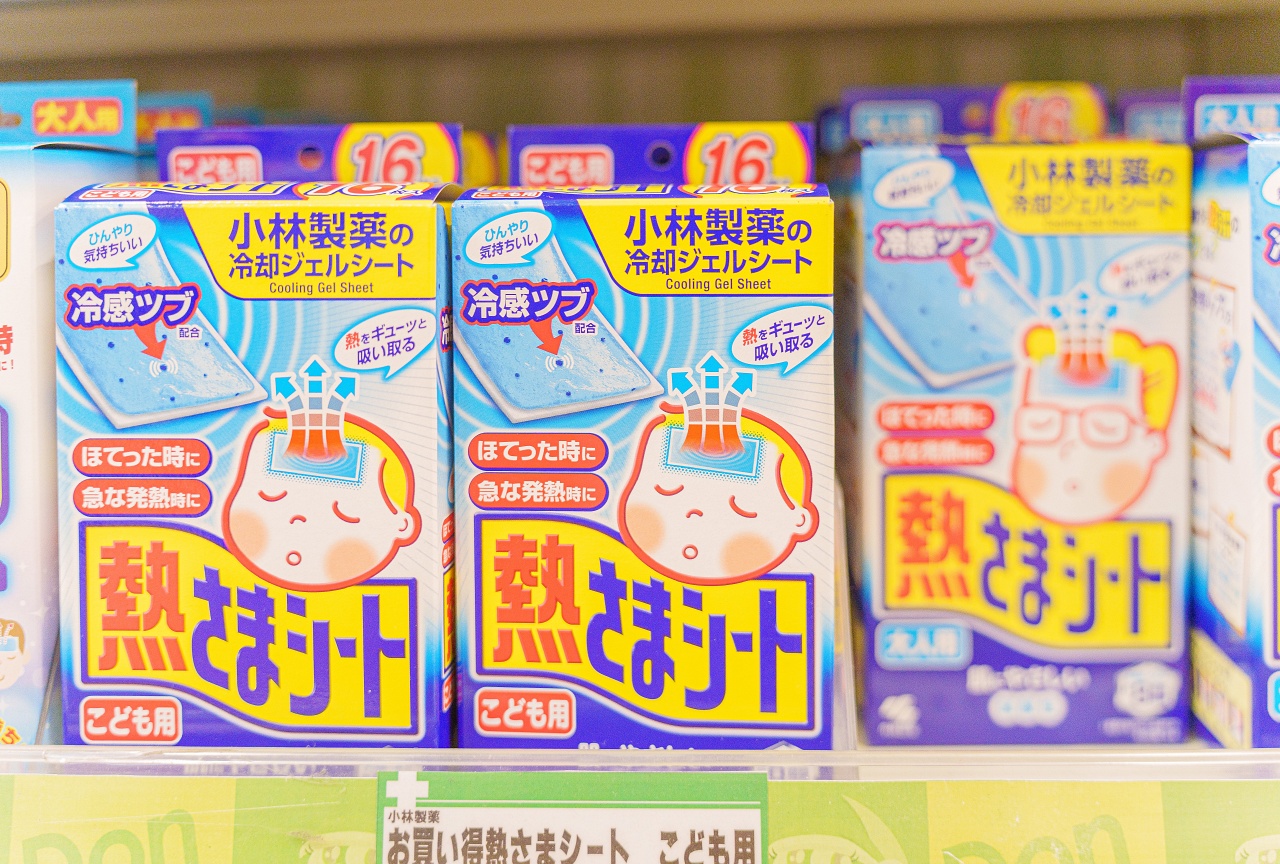
Netsusama Sheet (熱さまシート), a cooling-sheet product the original associates with fever.
The account distinguishes child-labeled versions as gentler. This is not advice to treat a child’s fever with a particular product.
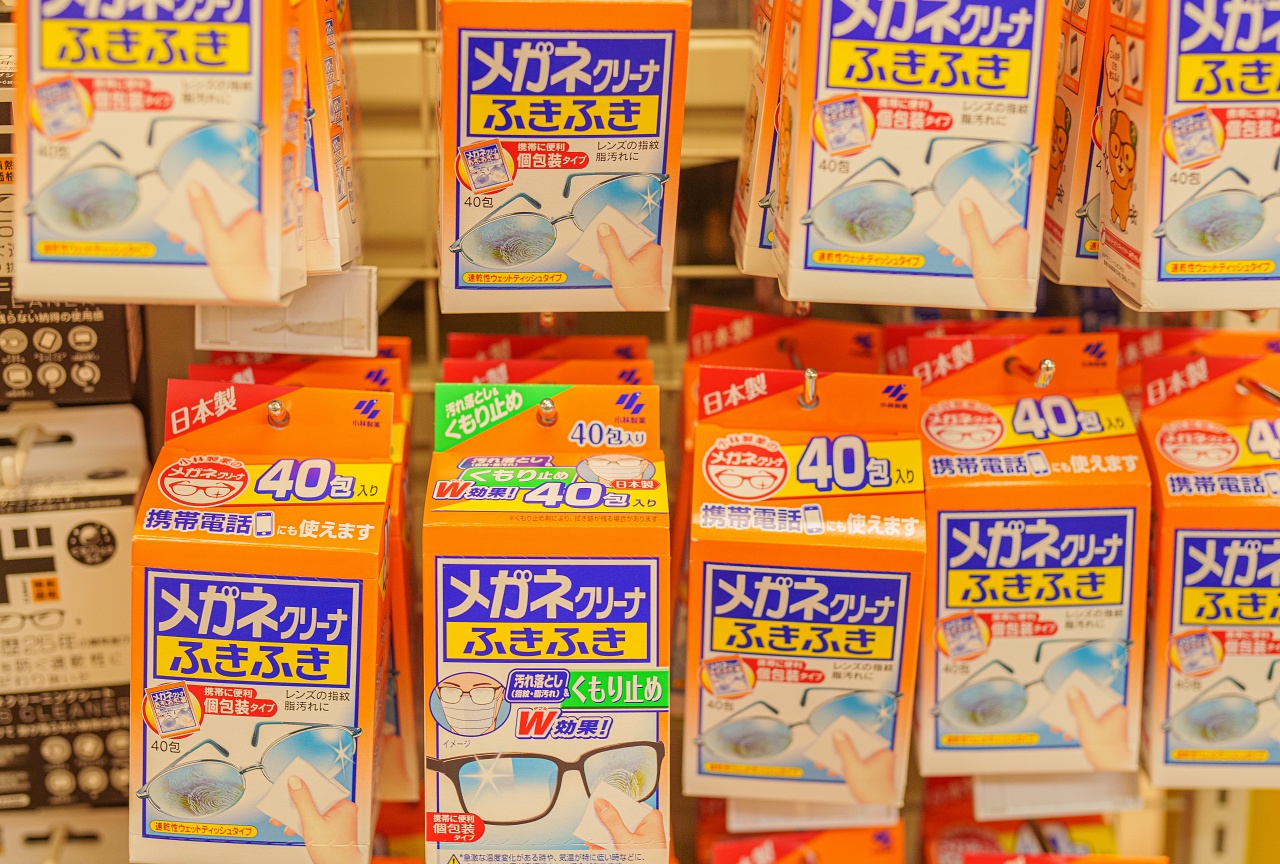
Megane Cleaner Fuki Fuki (メガネクリーナ ふきふき), wipes for cleaning glasses.
The green-marked version is described as anti-fog (くもり止め), useful in winter in the author’s view.
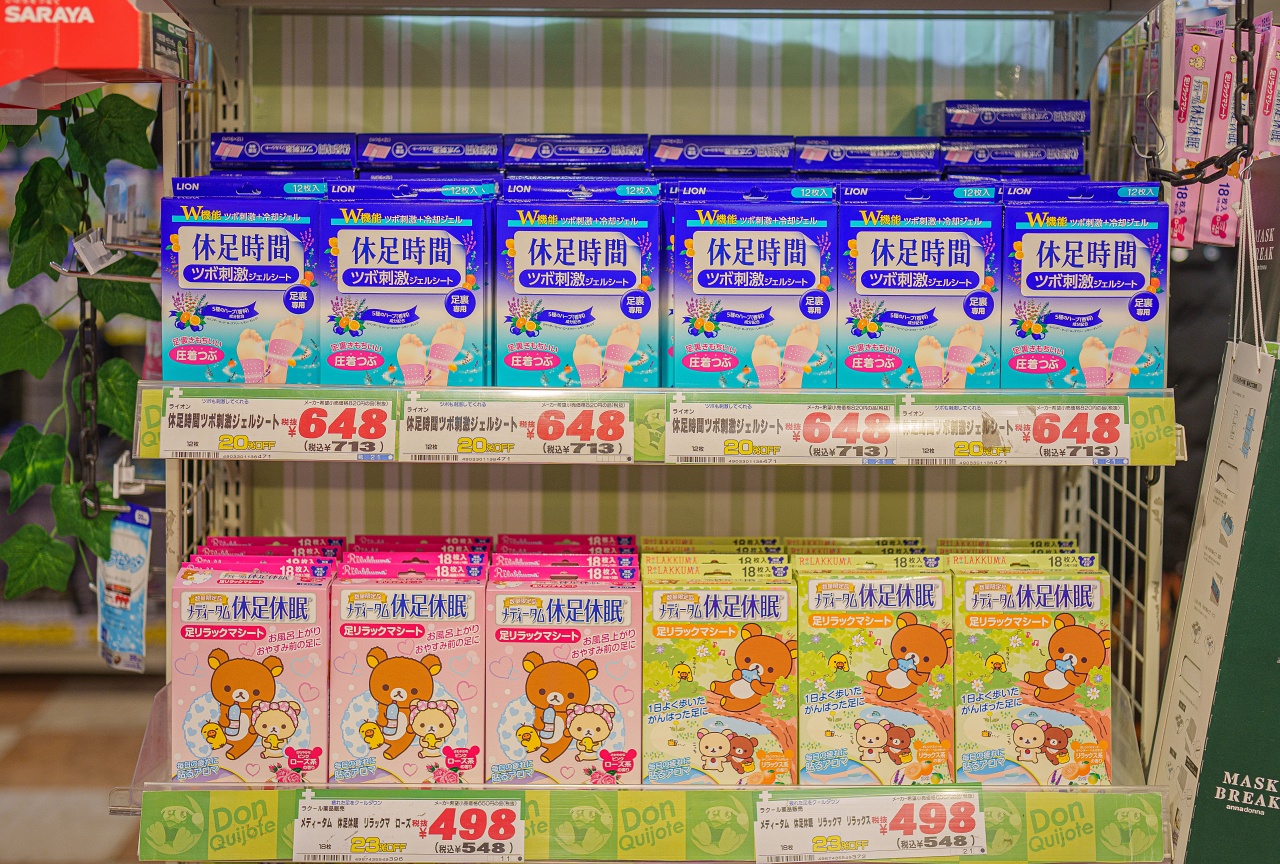
Kyusoku Jikan (休足時間), foot-and-leg sheets the author associates with tired legs after travel.
A Rilakkuma package below looks at first like a new version,
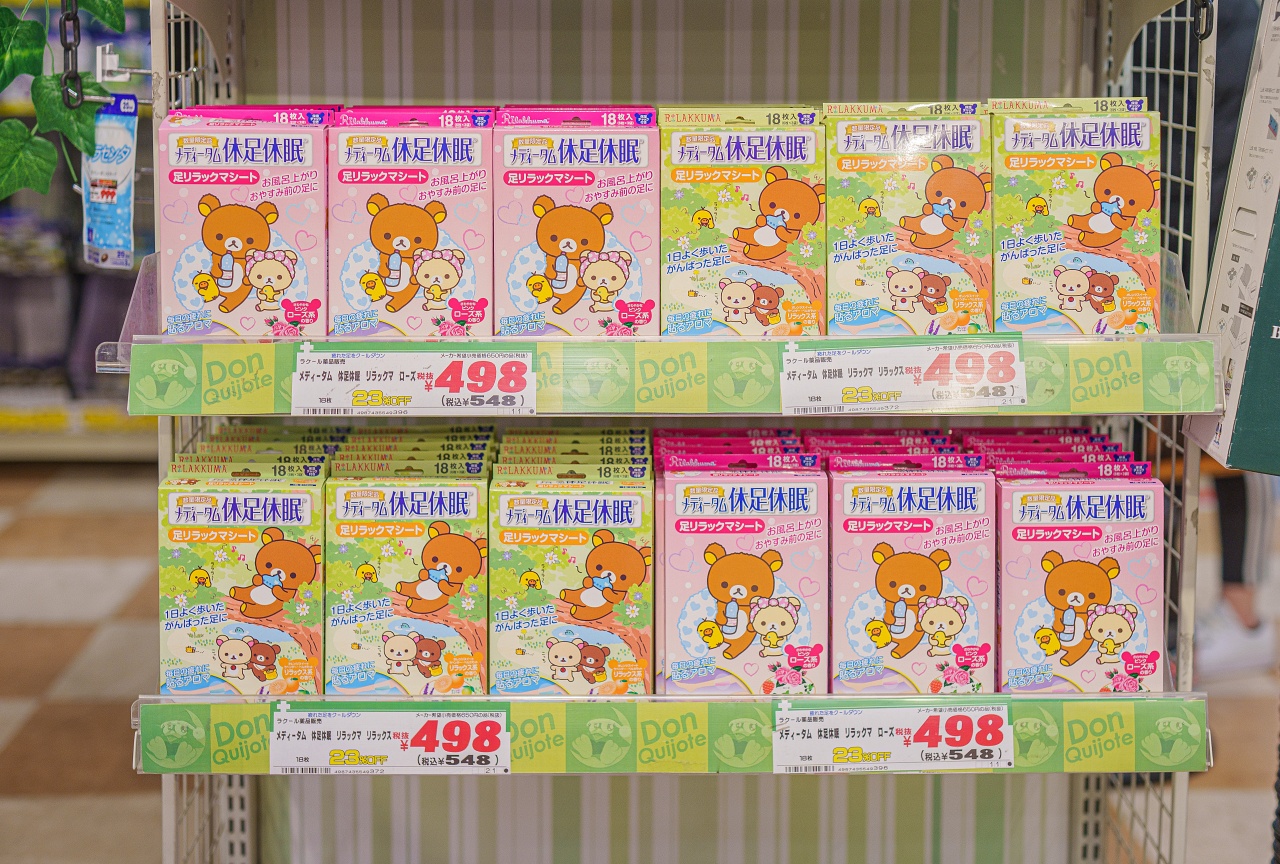
but reads Kyusoku Kyumin (休足休眠).
The author calls it an imitation. It is identified here as a differently named, similar-looking product rather than a verified counterfeit.
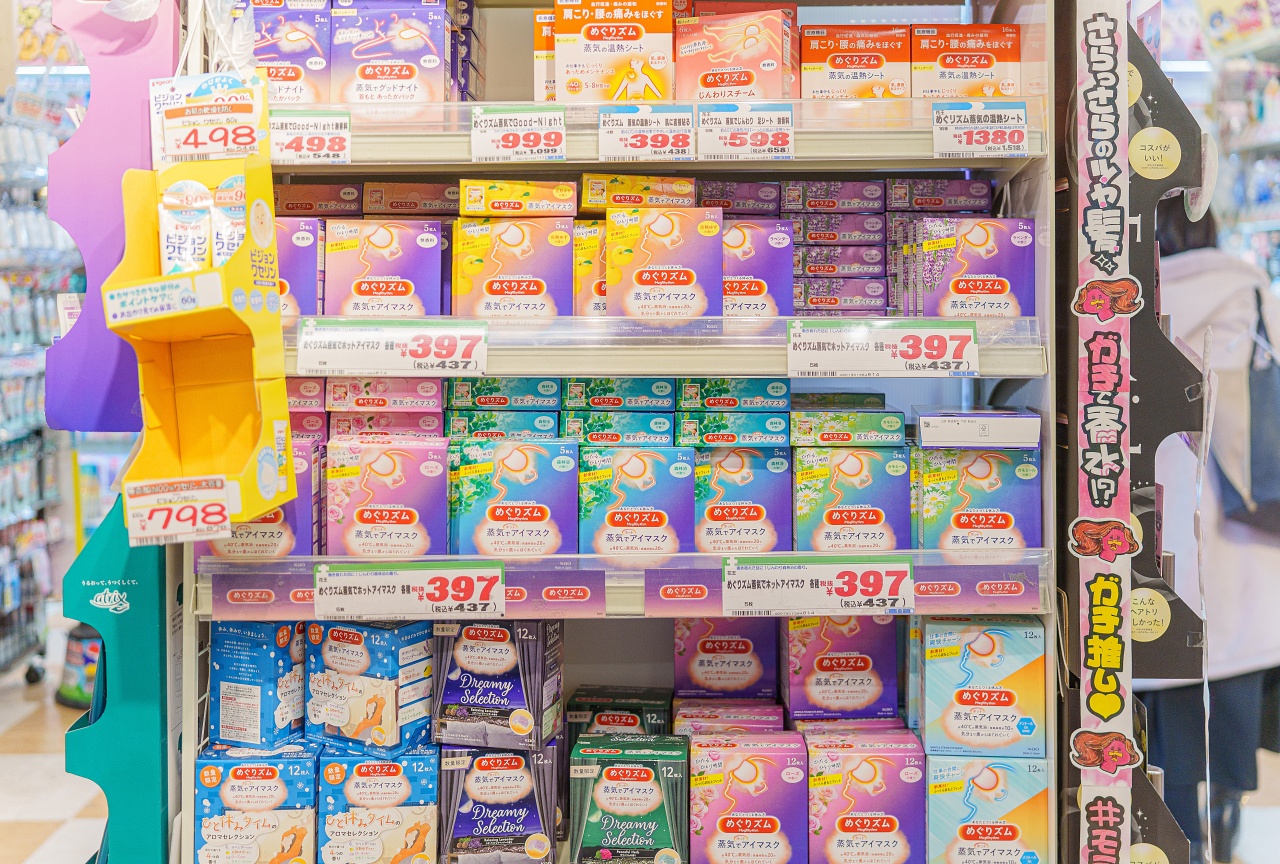
MegRhythm, a warming eye-mask product the original associates with tired eyes and sleep difficulties.
The source describes an eye-mask shape with a warming element and claims it eases fatigue. Those are product and author claims, not independently verified treatment advice.
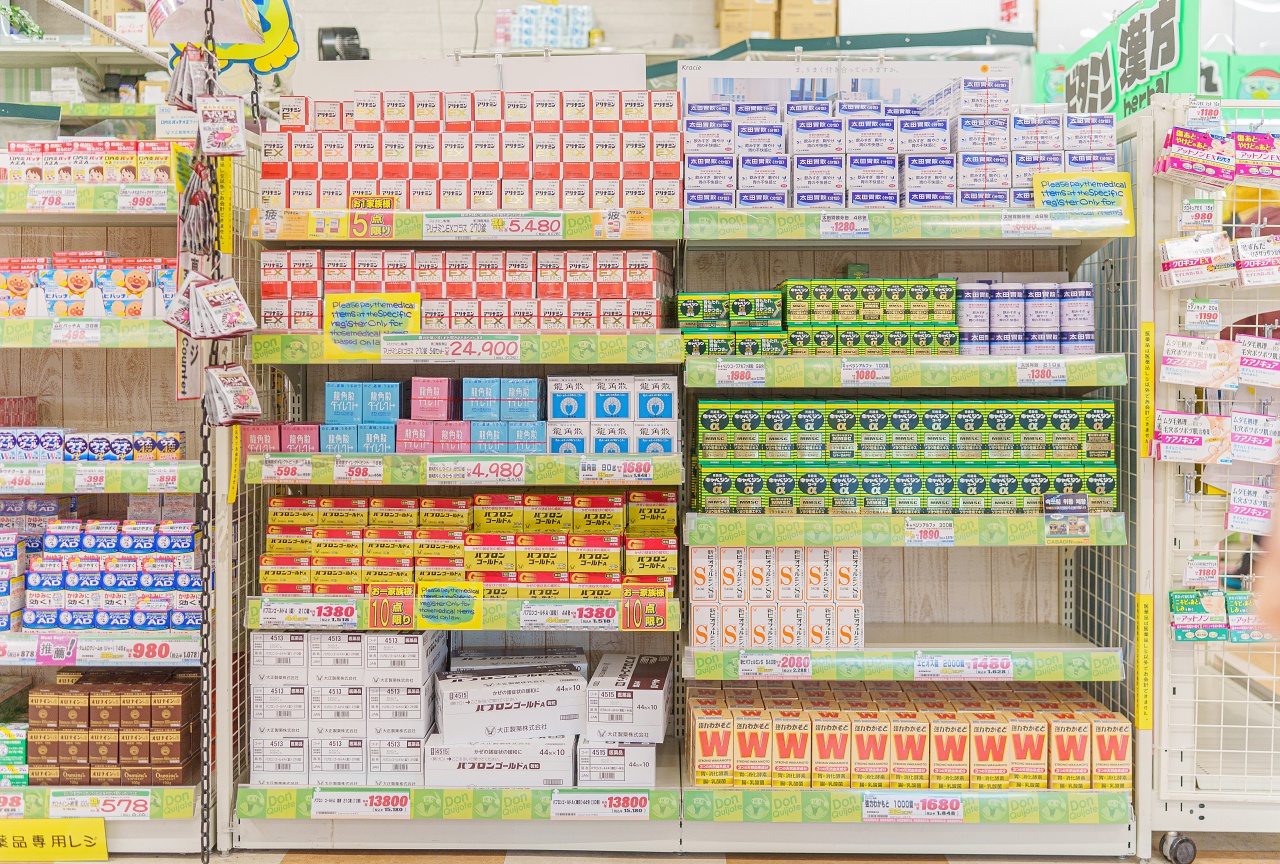
Ohta’s Isan, Cabagin and New Biofermin also appear, marketed respectively around digestion or intestinal health in the source.
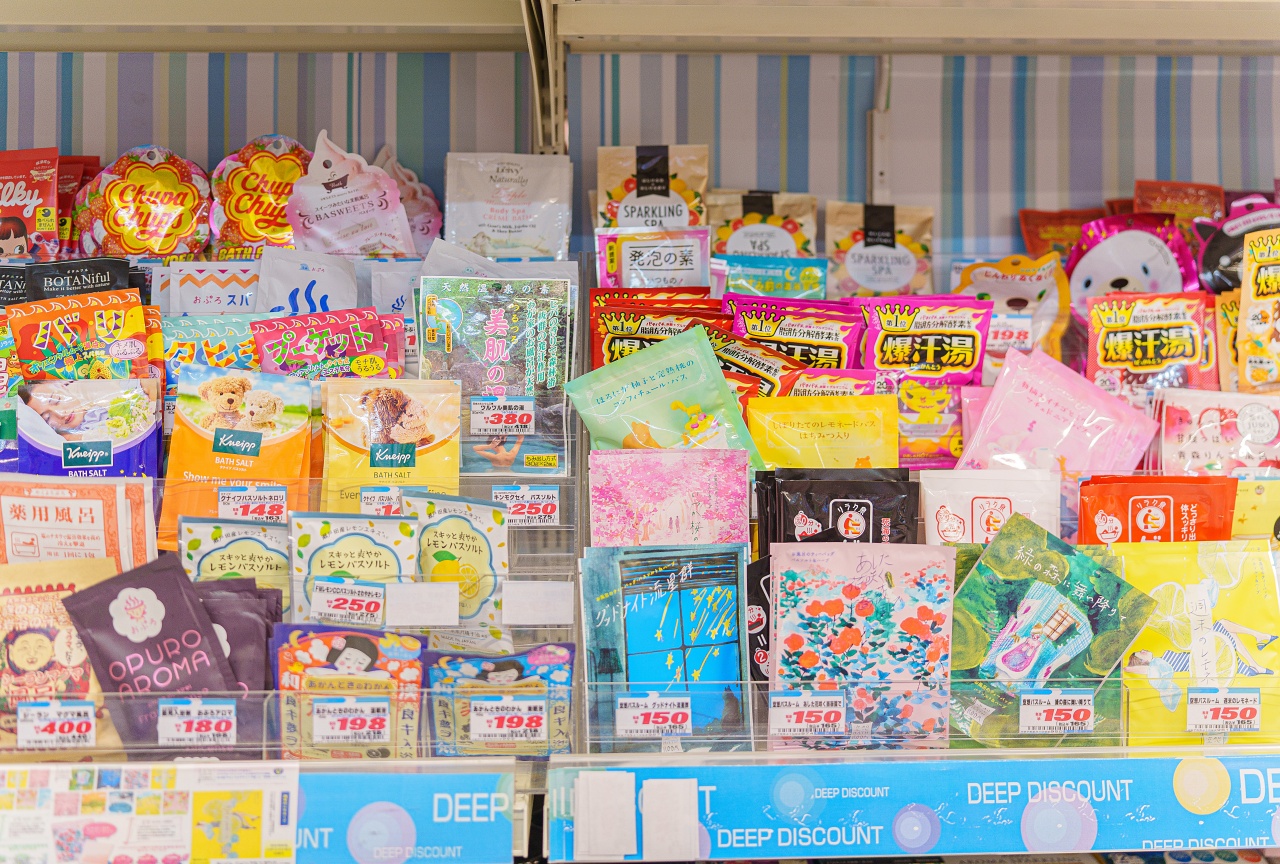
Bath products sold individually make it possible to compare several.
With gifts largely covered, we browse everyday items for ourselves.
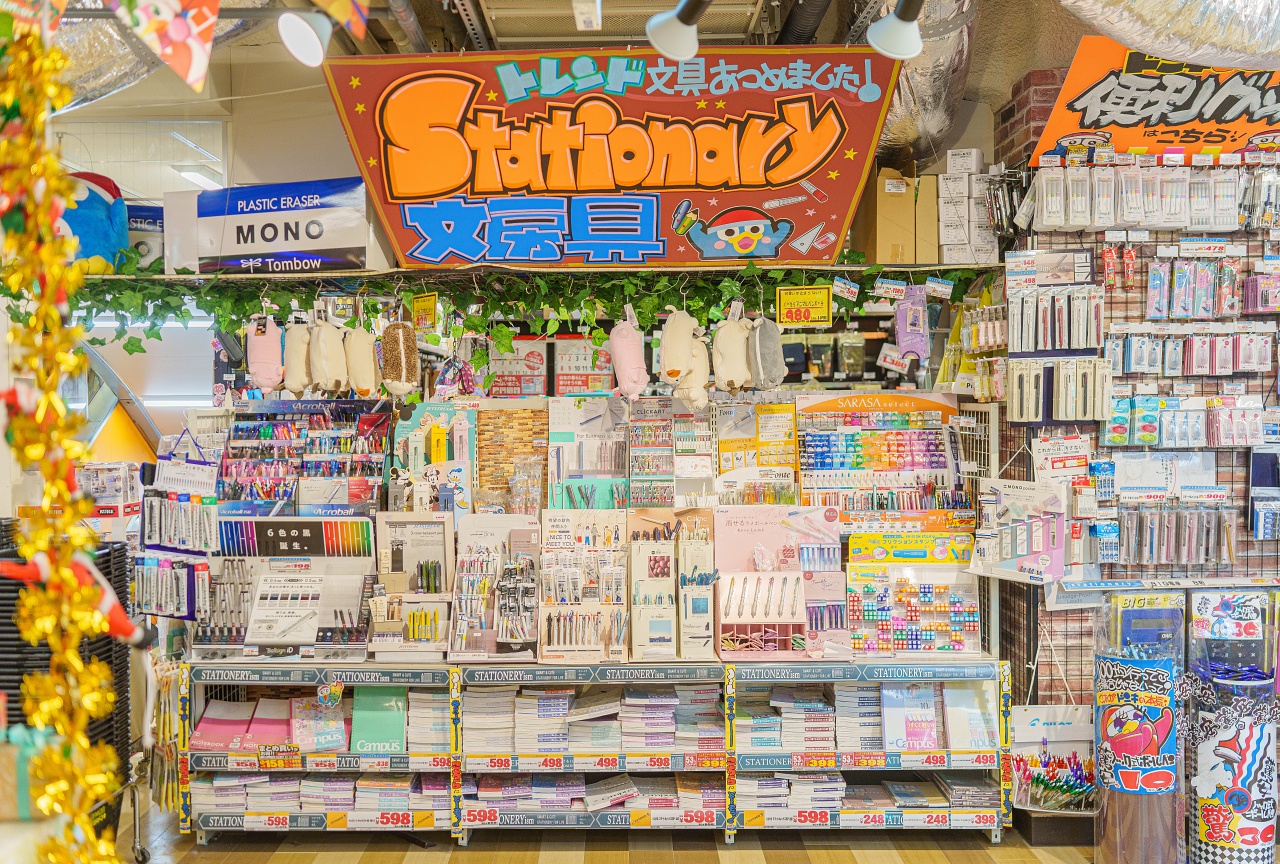
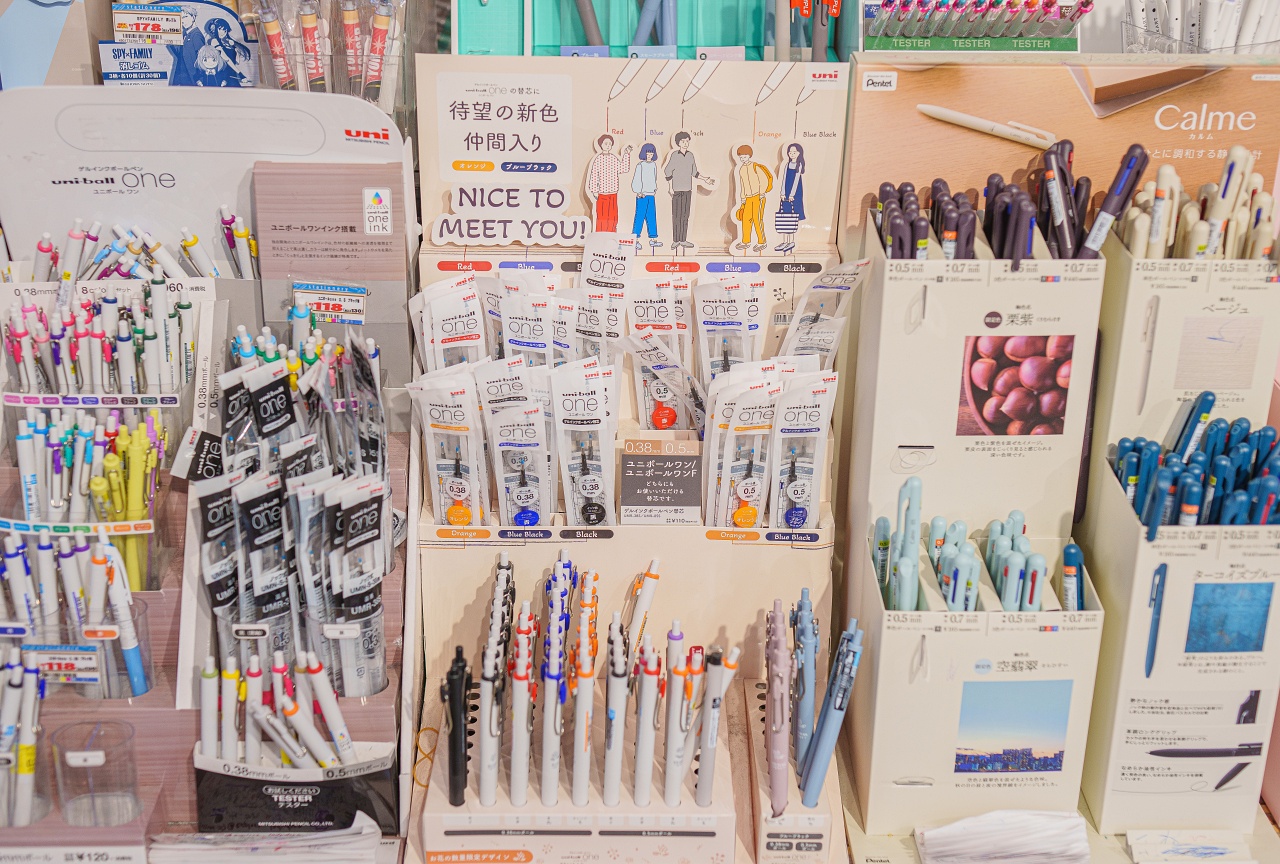
Japanese stationery: Zebra and Uni pens work well for the author, at prices lower than those observed in Korea then.
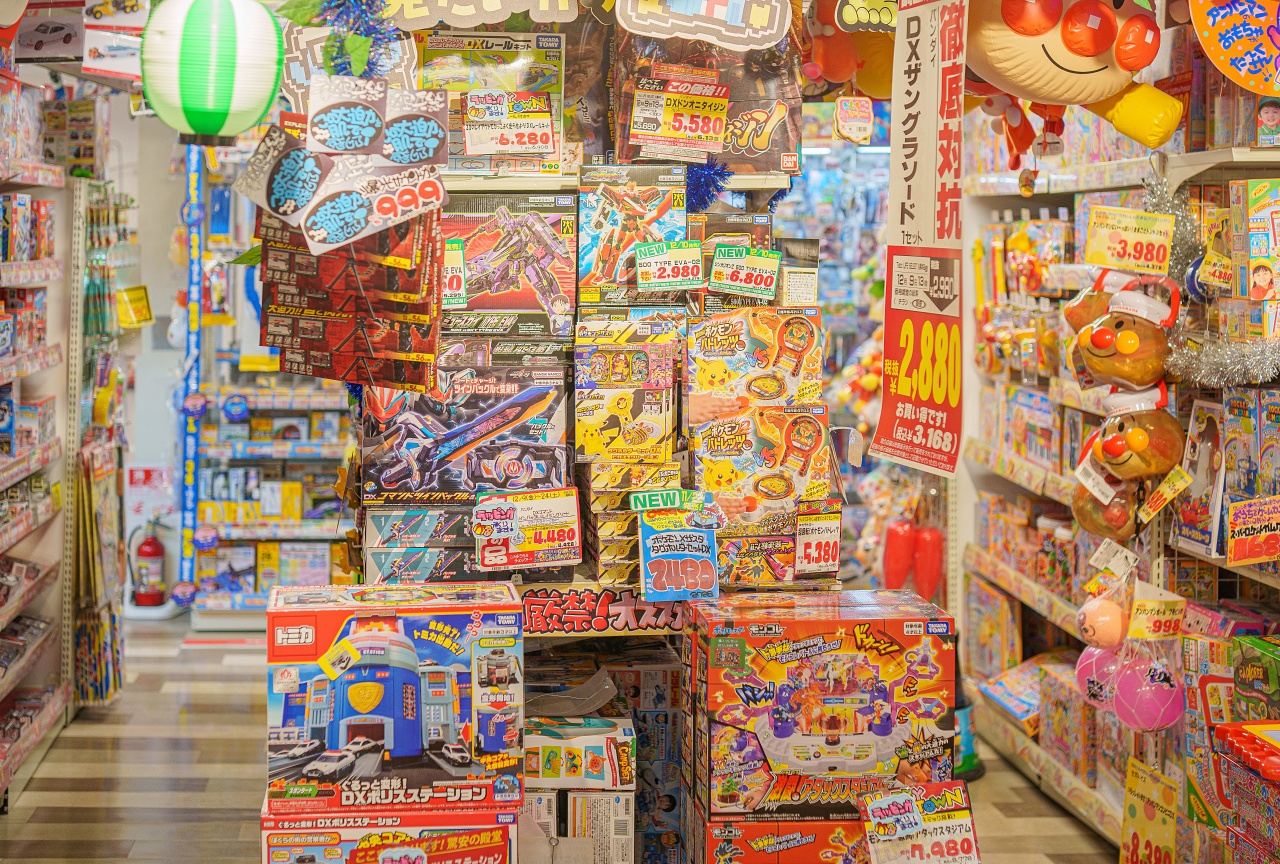
The toy area offers possible gifts for nieces and nephews.

But Gunpla catches my eye first.
Don Quijote sells Gundam model kits too.
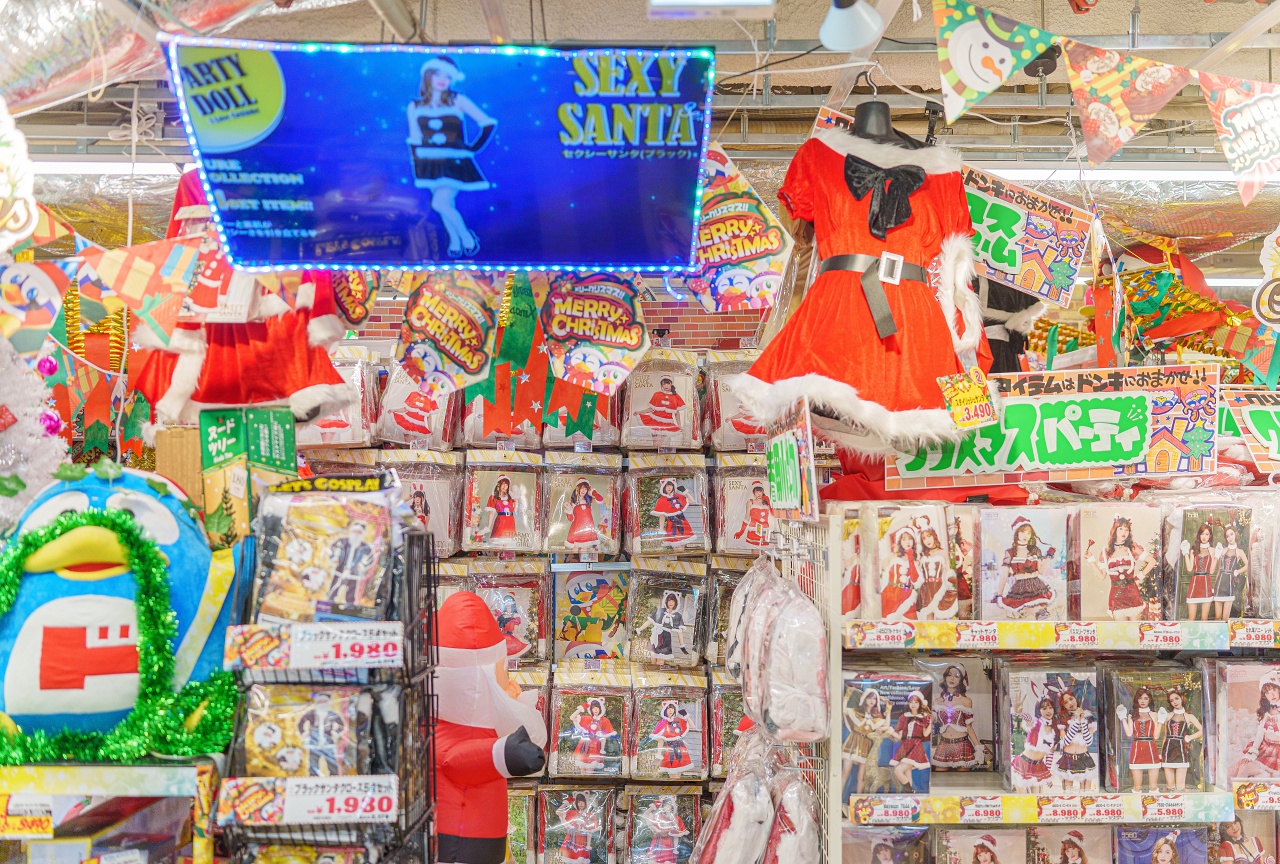
The cosplay area is another distraction.
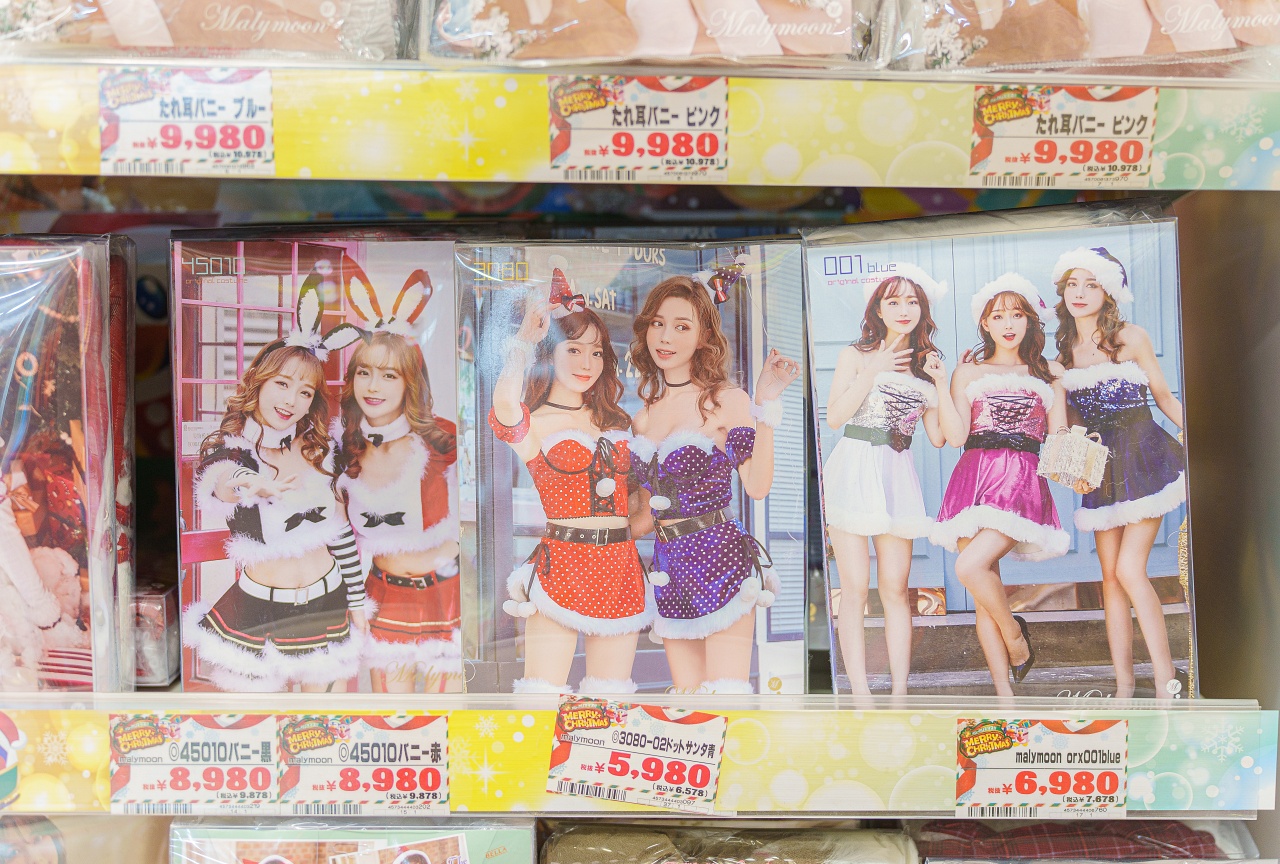
It is Christmas season, with plenty of Santa costumes.
The author finds buying these cheaper than making a costume in Korea; that is a personal source-period comparison.
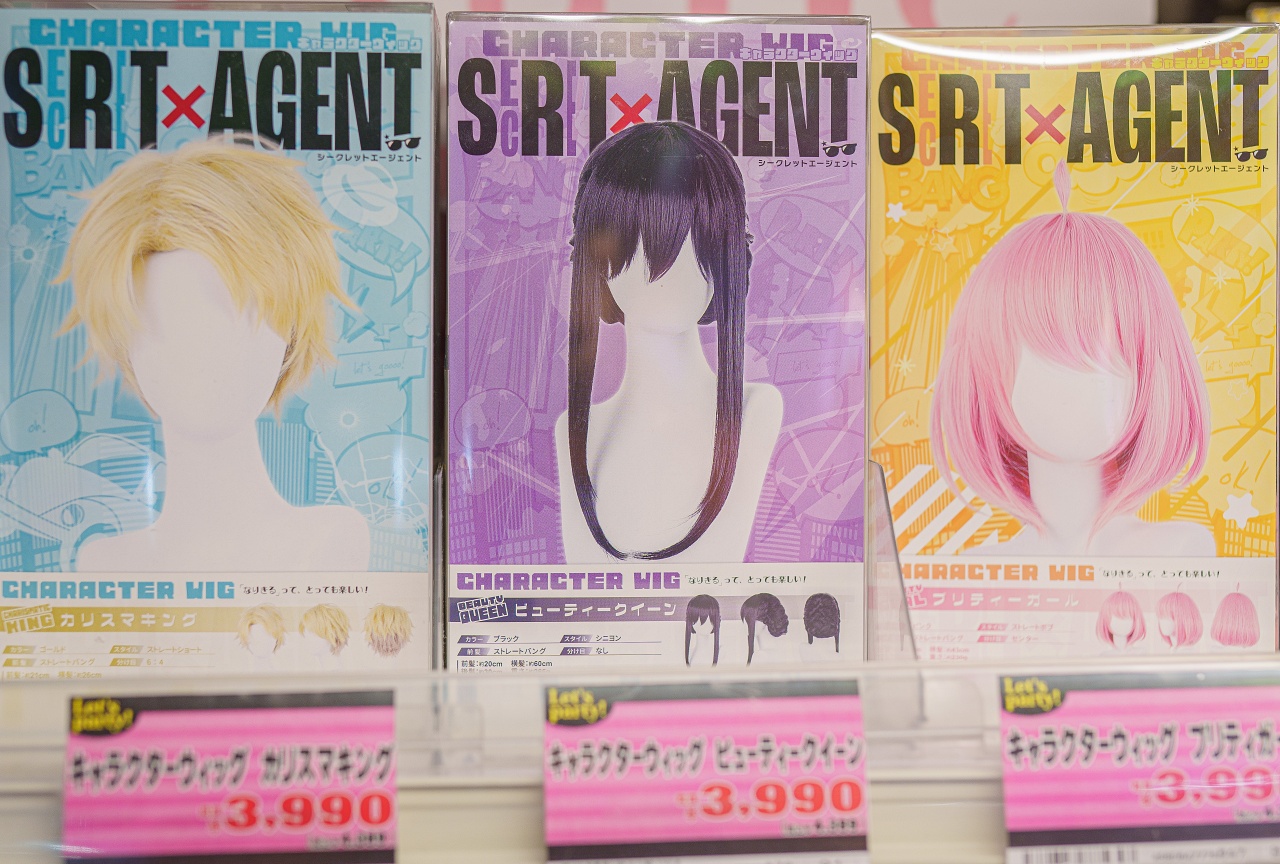
A wig for Spy × Family, popular at the time.
Recreating little pink-haired Anya seems ambitious, the author jokes.
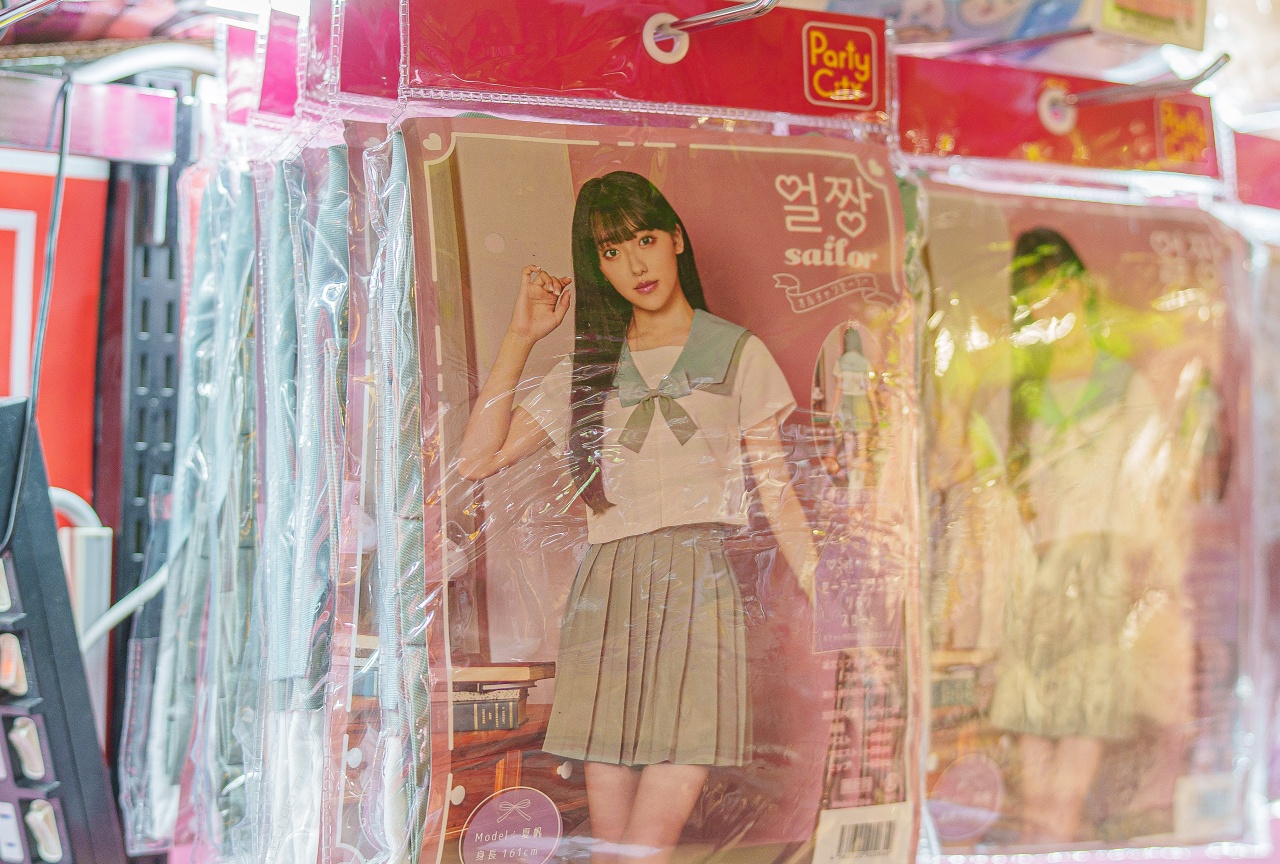
Unexpected Korean lettering appears.
Ulzzang, an older Korean beauty-related expression, seems to have found a Japanese audience.
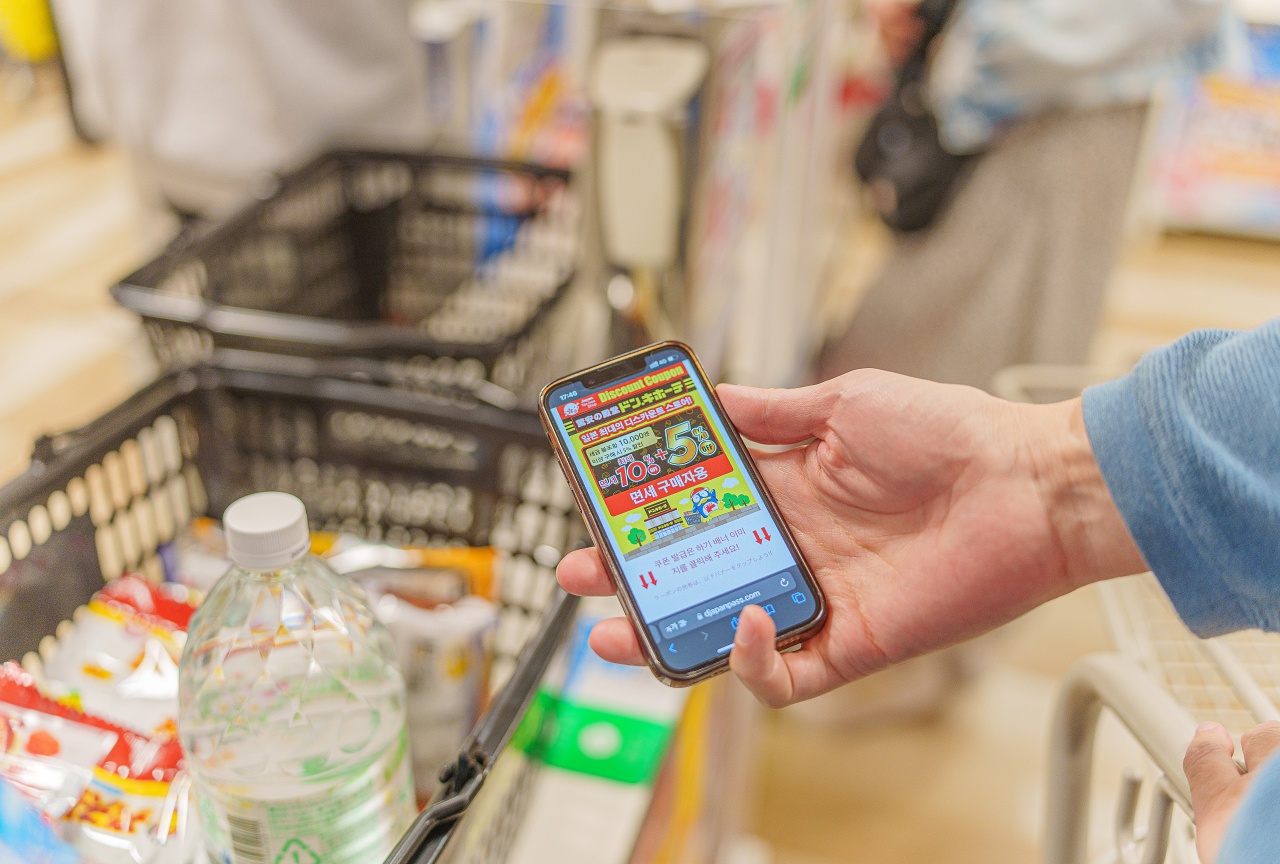


Shopping is nearly done, but the pharmacy selection feels limited, so we visit Satsudora, a major Hokkaido drugstore chain.
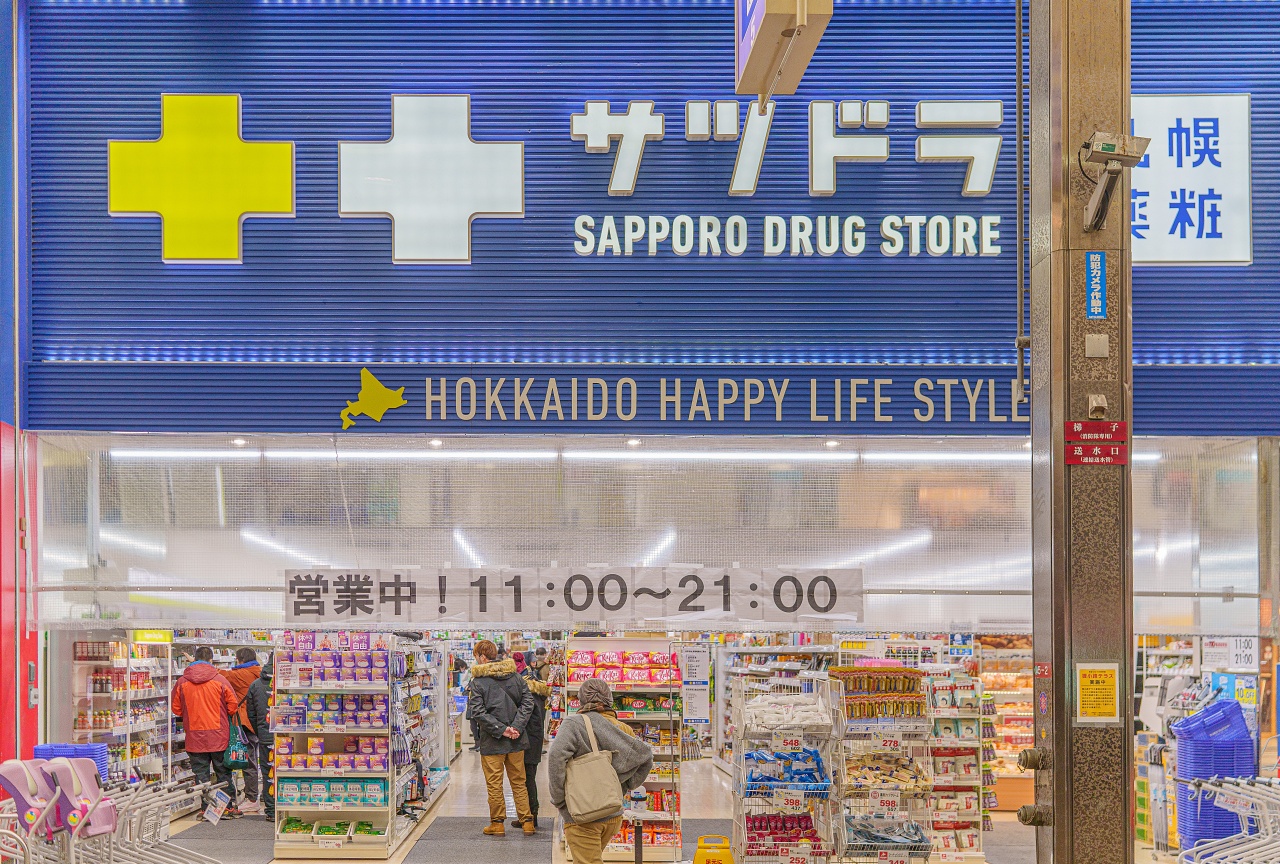
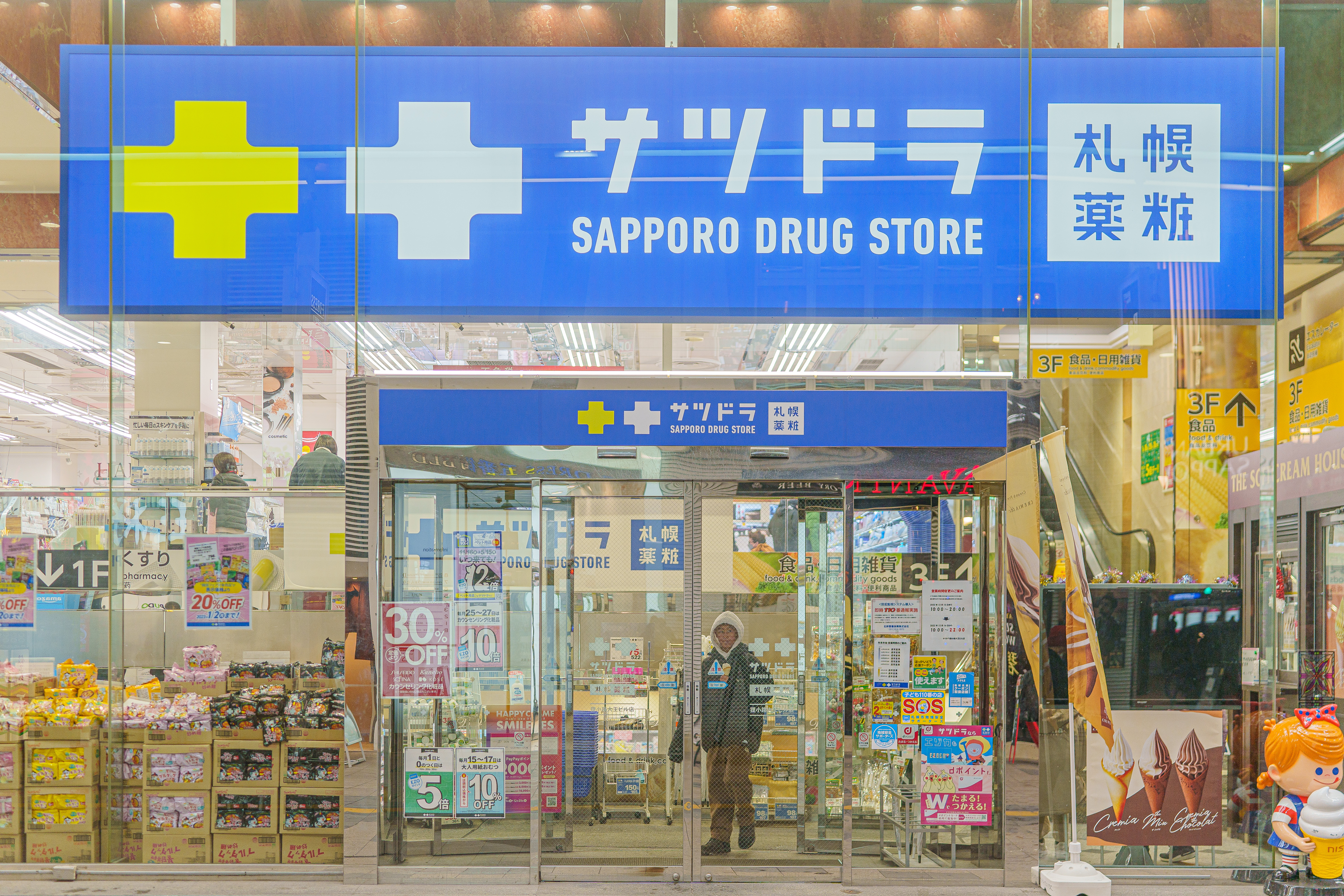
The source describes two branches in Tanukikoji and calls it Hokkaido’s largest drugstore chain, a superlative not freshly checked here. The visit surprises us.
Beyond medicines, the store sells snacks and fresh food,
at prices I find strikingly low.
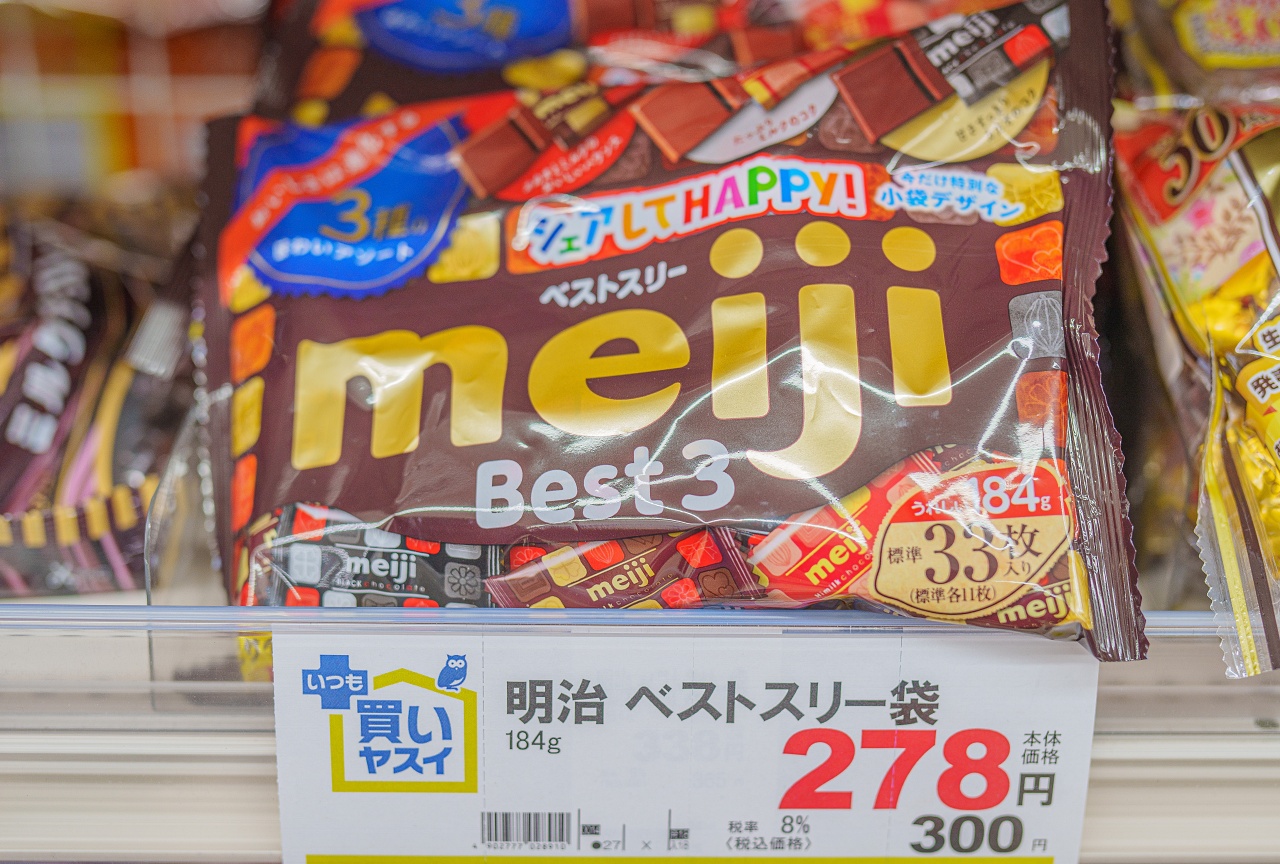
Meiji’s ‘Best 3’ assortment was not at the Don Quijote we visited.
Its 33 chocolates include dark, milk and high-milk varieties.
A convenient alternative to buying large bars.
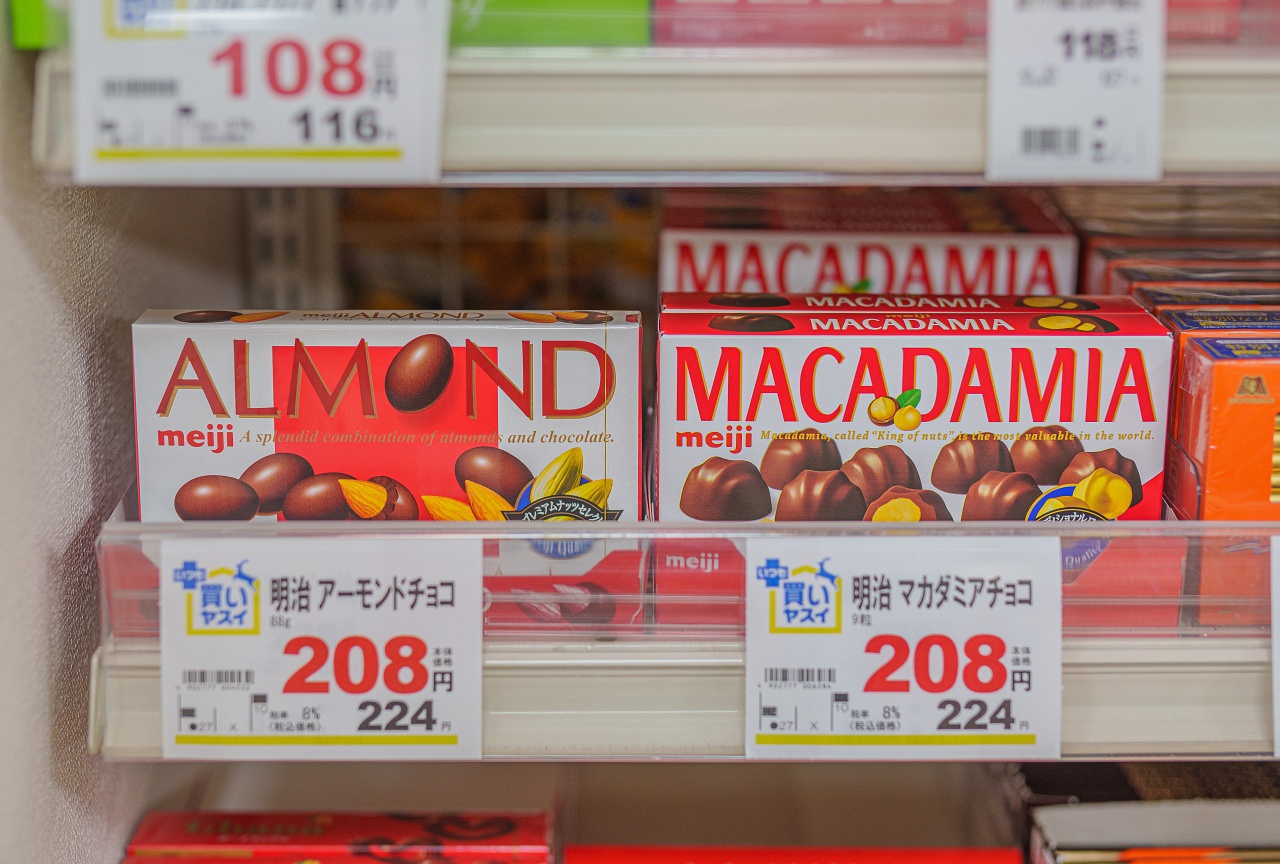
Prices fluctuate, but the almond and macadamia chocolates were more than 10% below the Don Quijote prices I had just seen.
Oh, the timing.
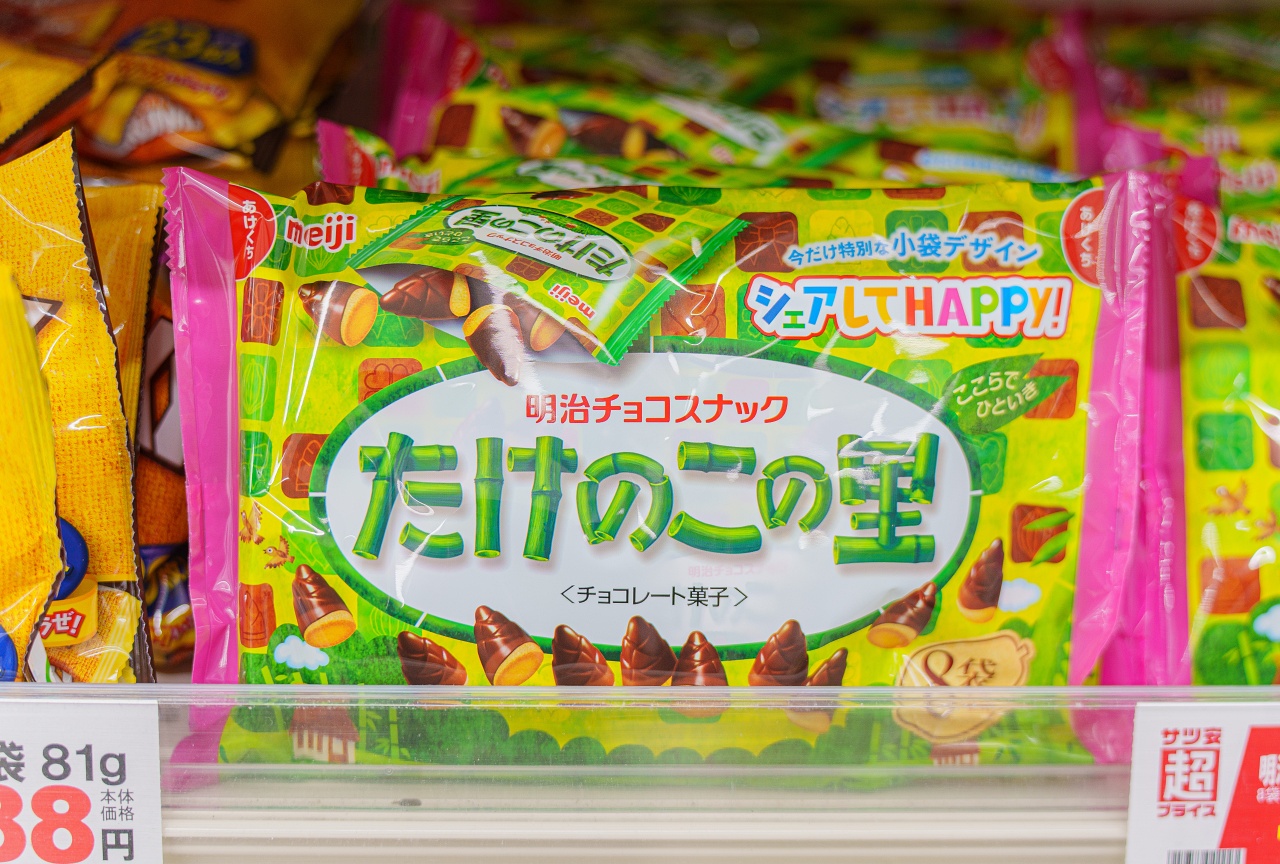
Takenoko no Sato is cheaper too.
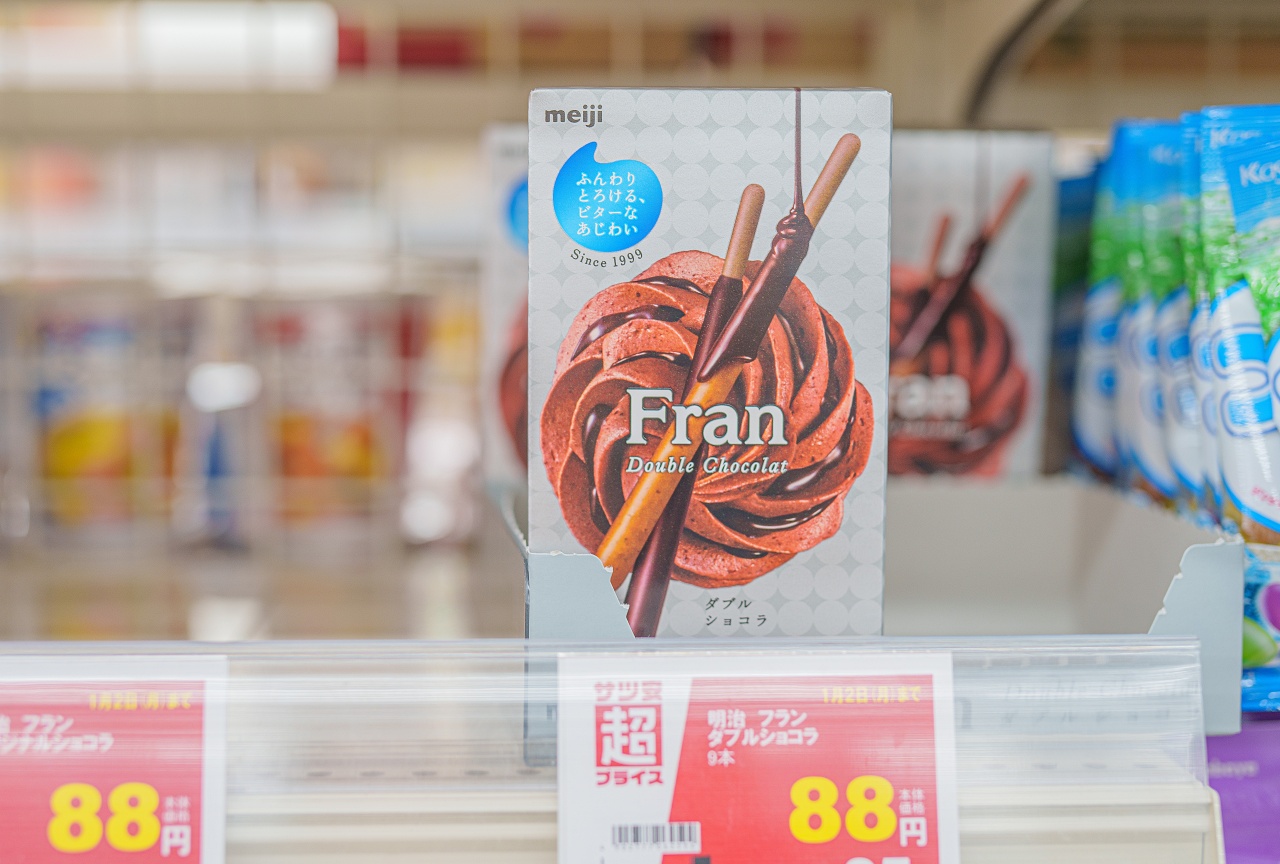
Meiji Fran is JPY 88, under JPY 100 even with tax in this source-period purchase.
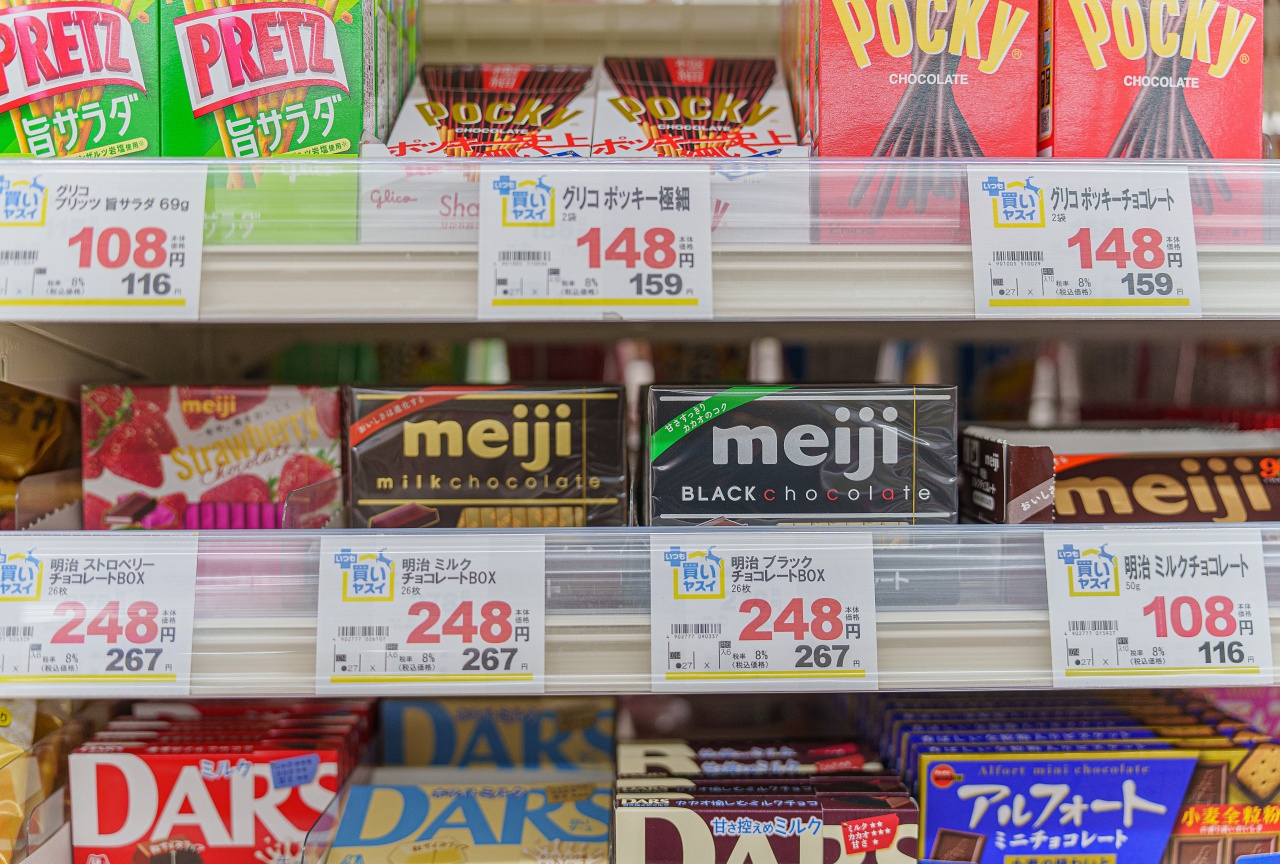
Overall, it feels very inexpensive.
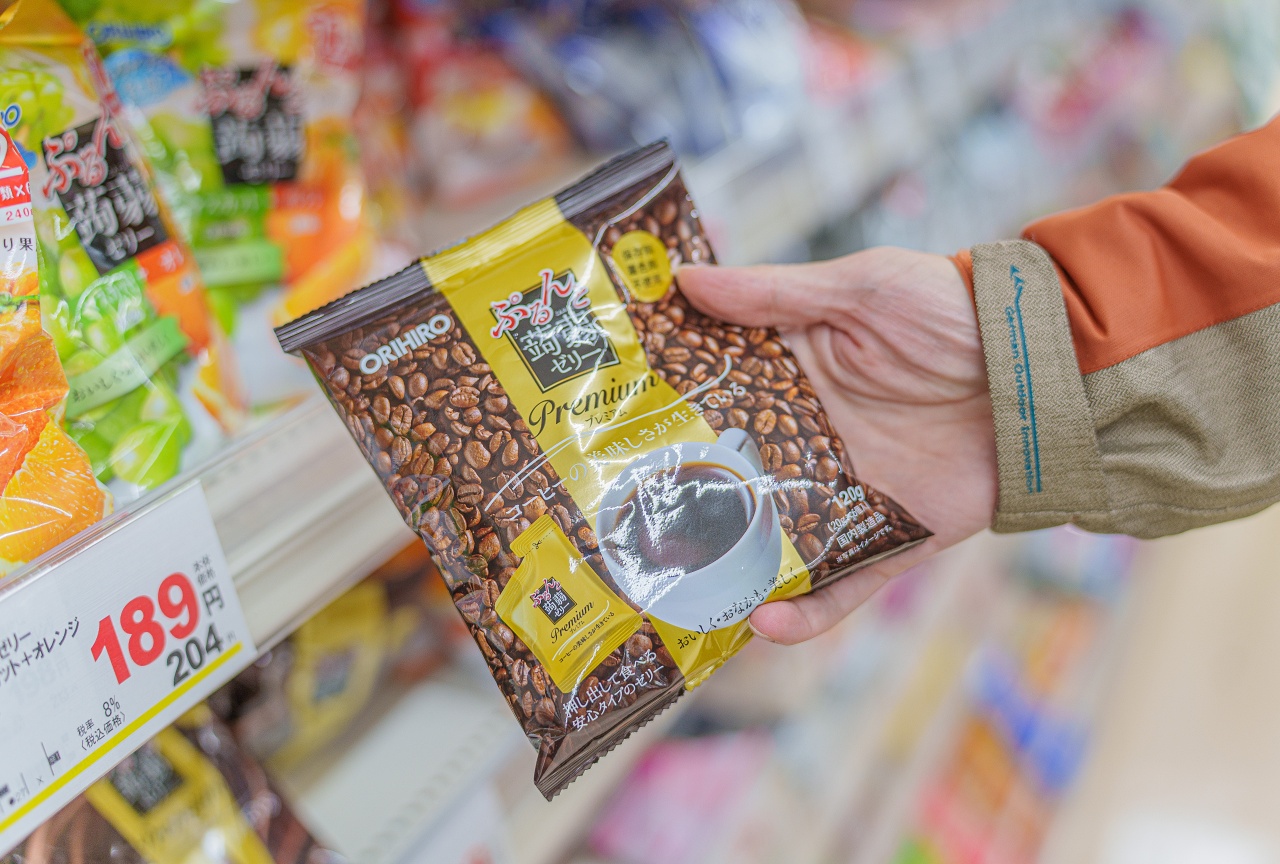
We also find coffee-flavored Orihiro konjac jelly.
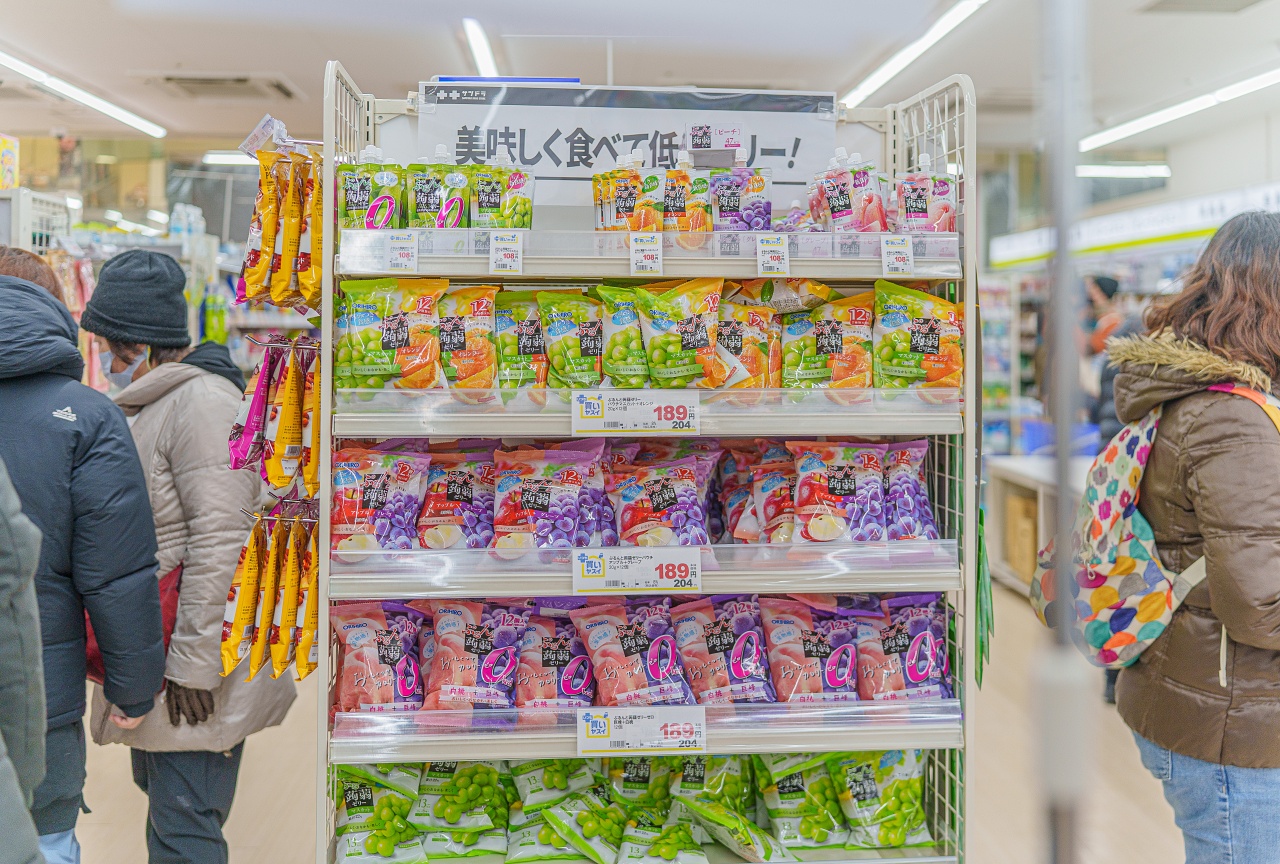
More konjac jelly,
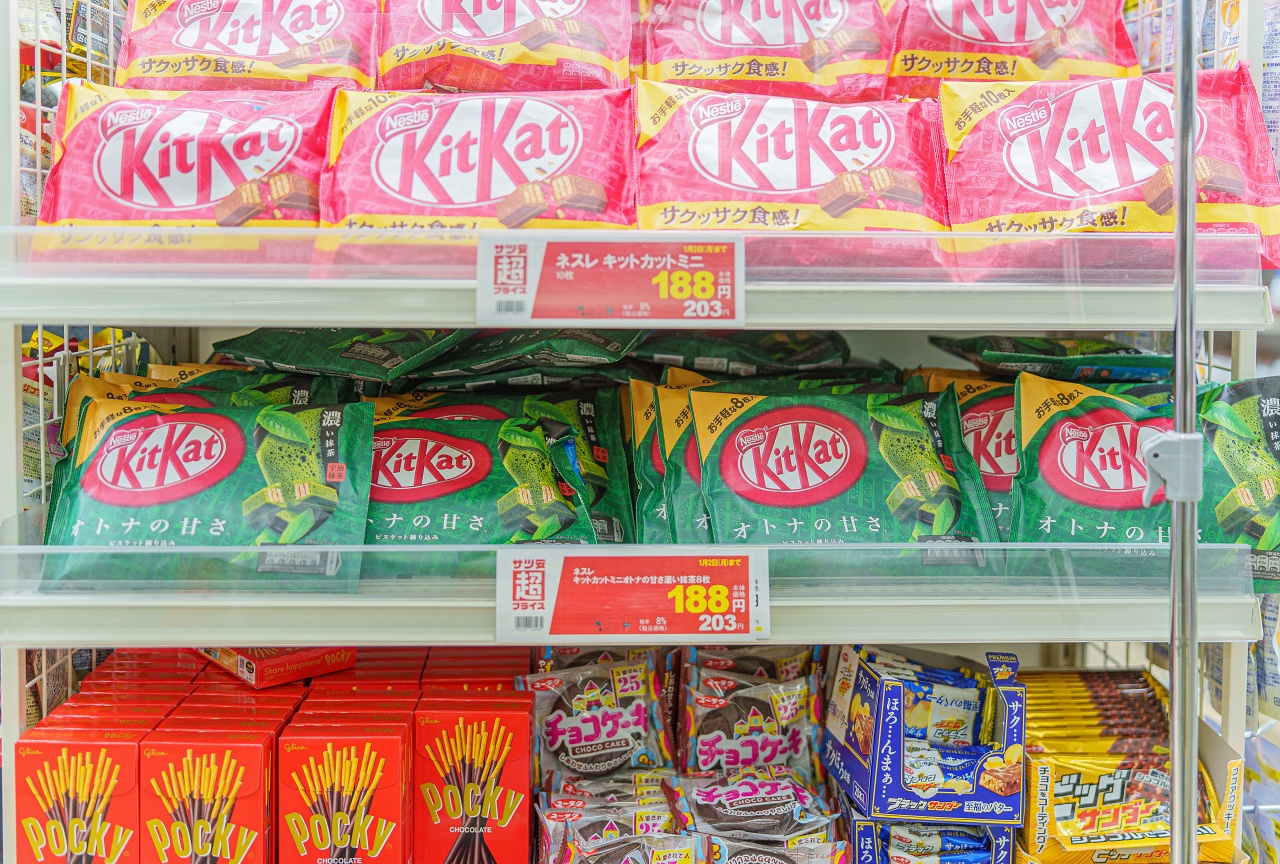
KitKat,
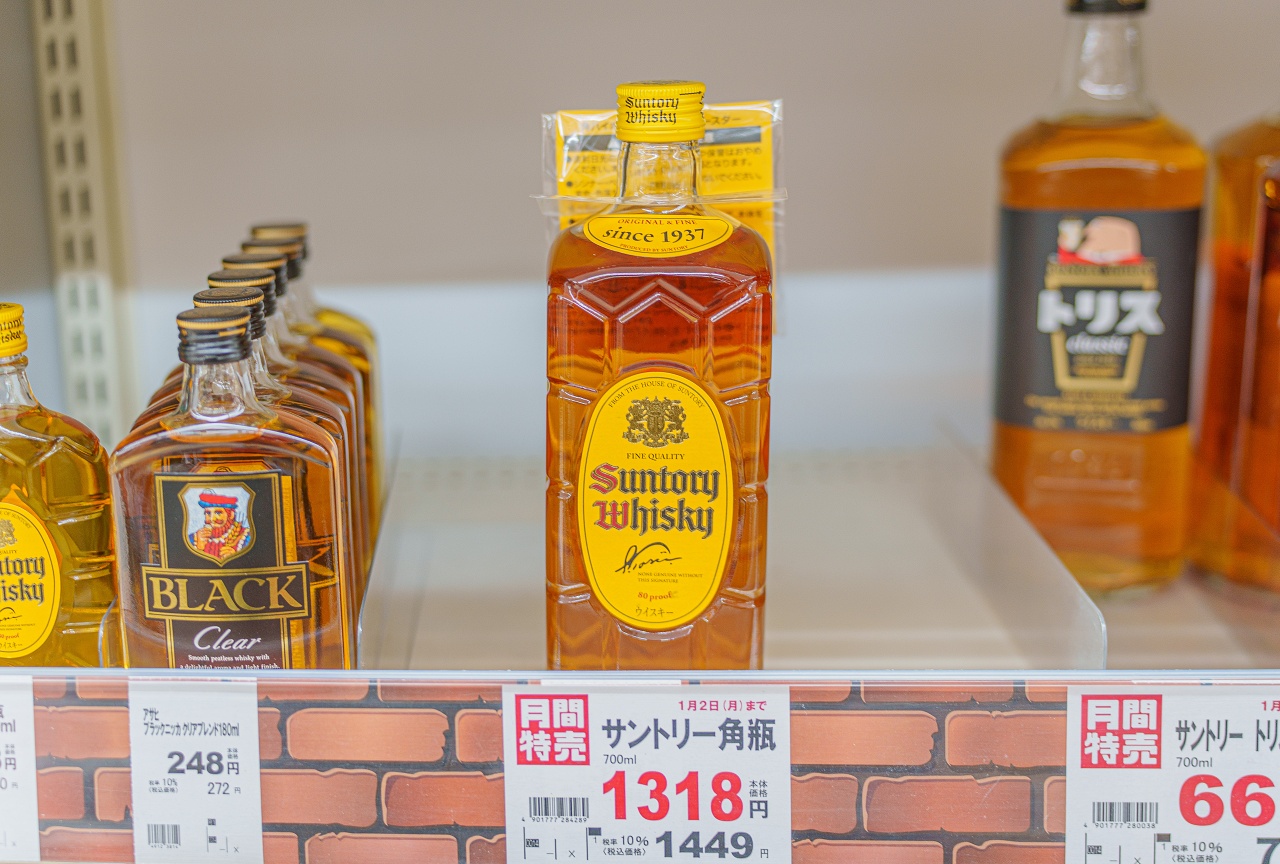
and Suntory Kakubin.
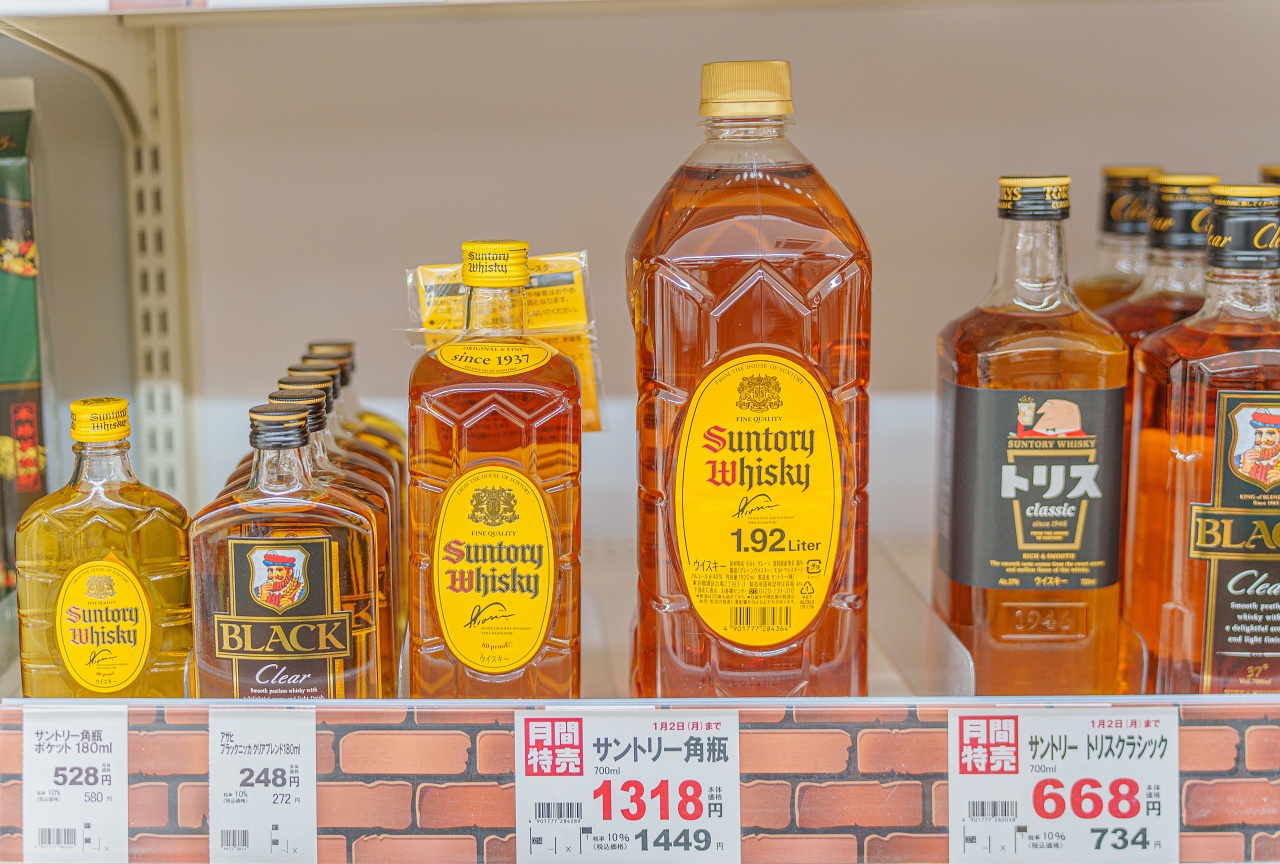
Beside the two-liter bottle, the smaller one looks rather modest.
The author decides against two liters because of customs-declaration inconvenience. This records the choice, without asserting an allowance for any destination.
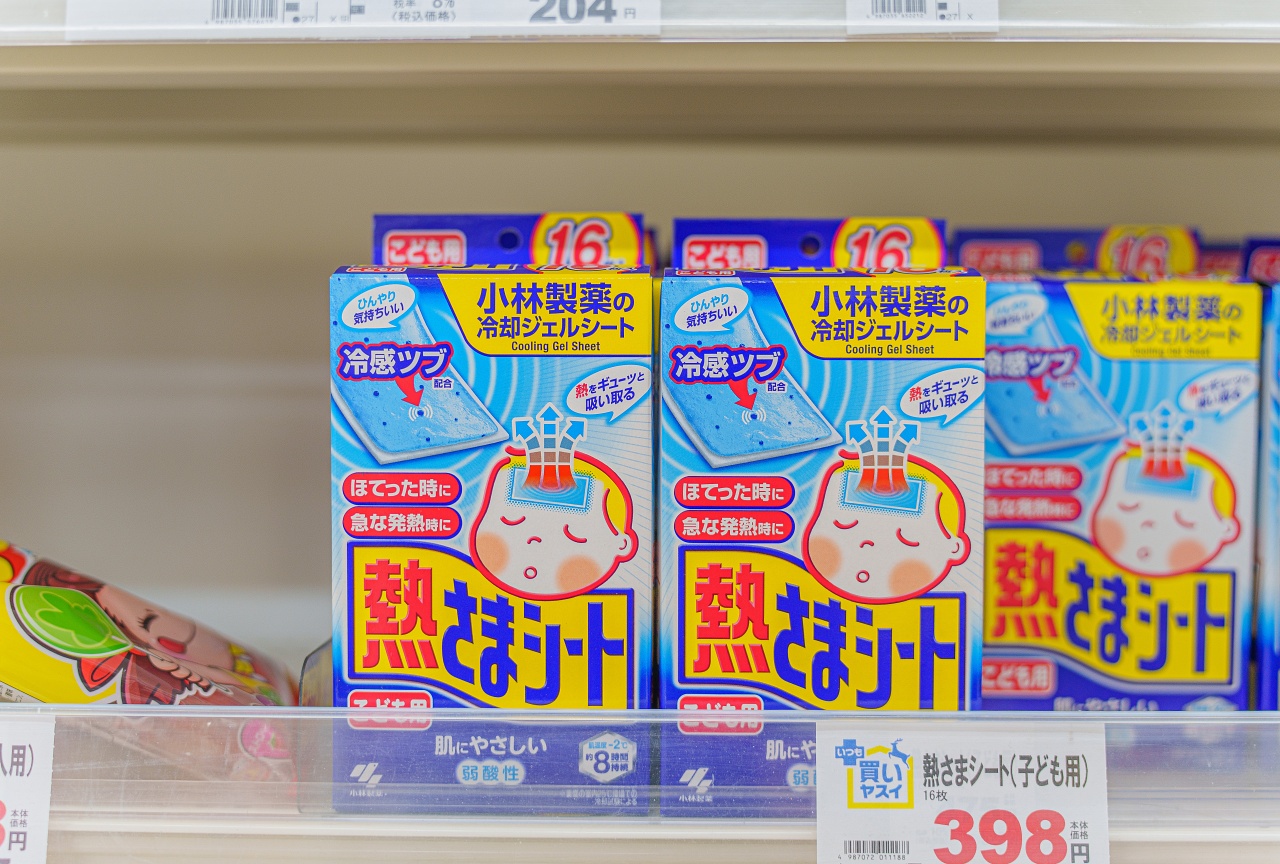
Netsusama Sheet.

Perfect Whip is still popular in the source period.
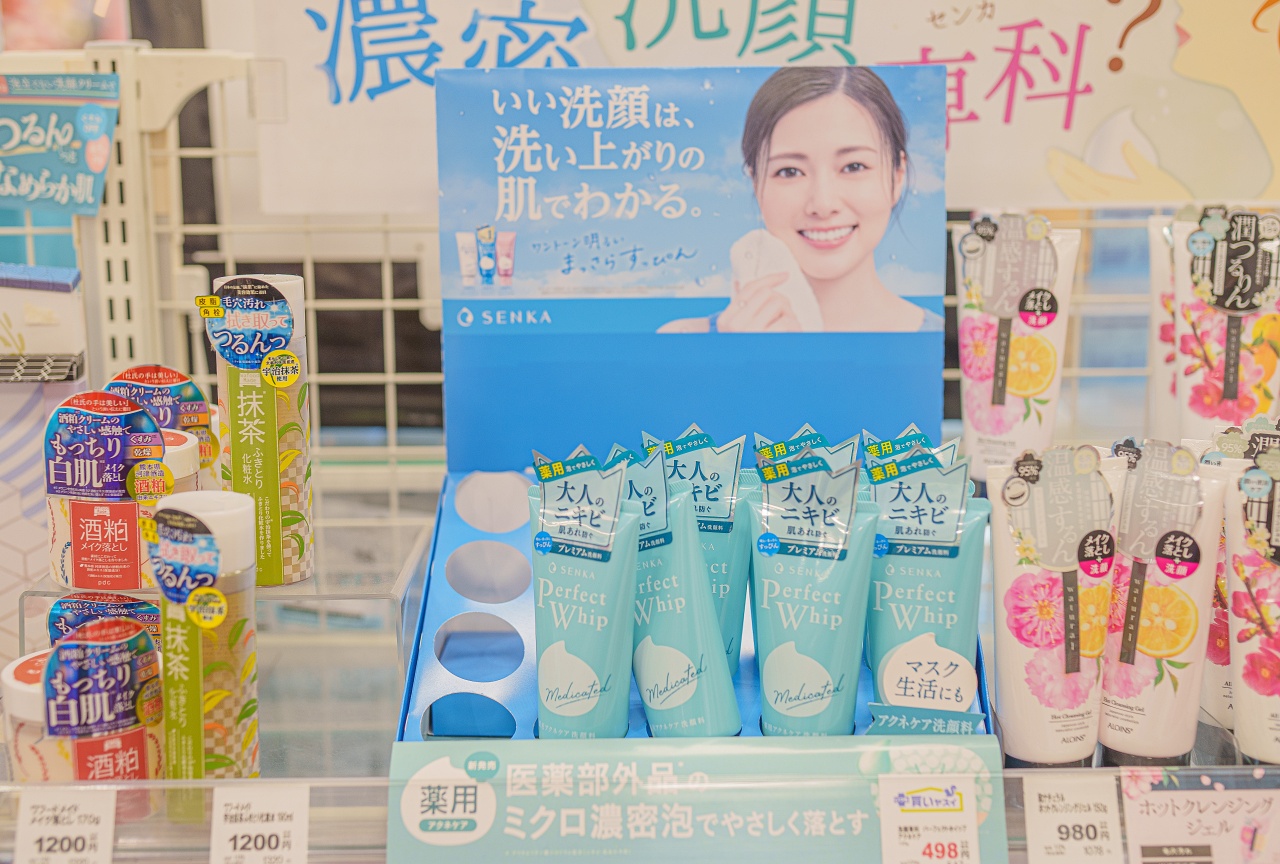
A newer Perfect Whip product appears.
It is marketed for adult acne, according to the original. No treatment claim is independently established here.
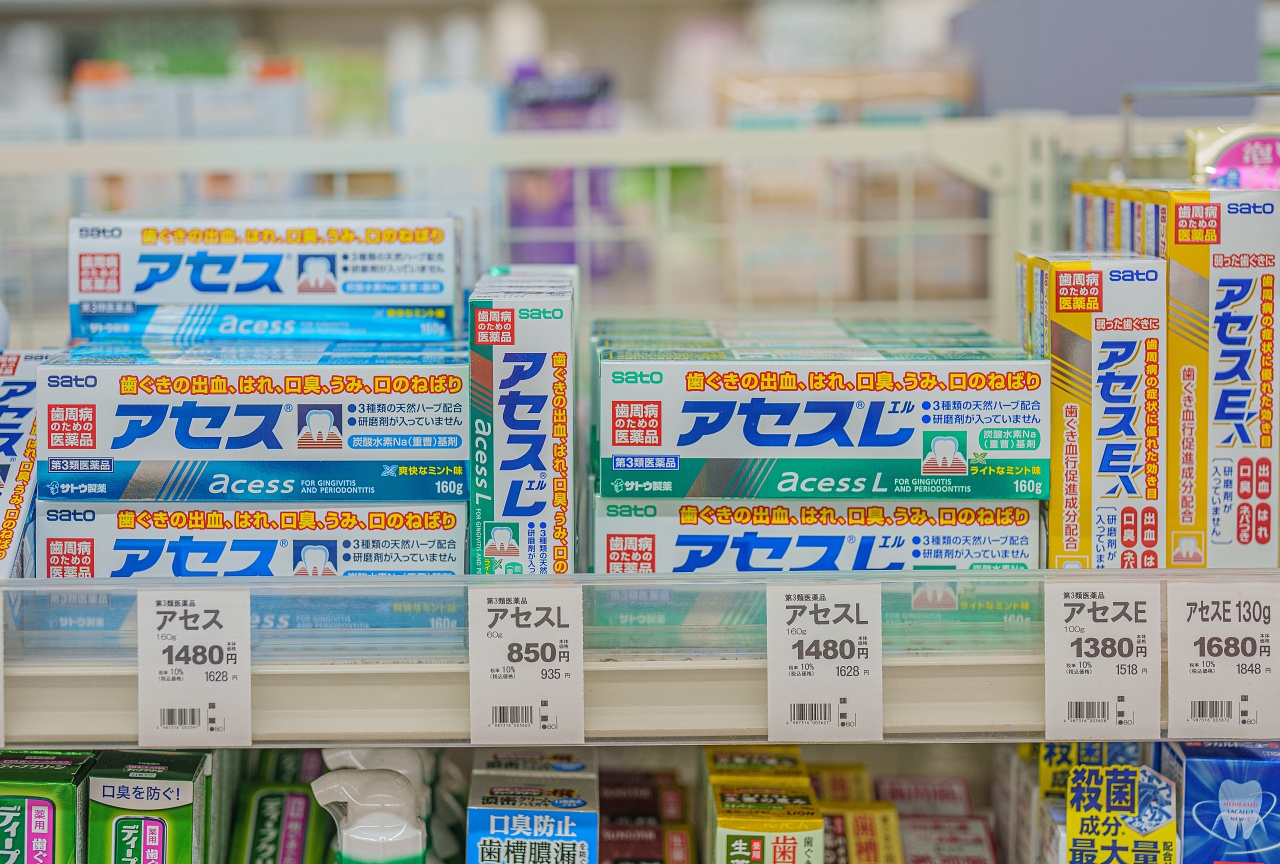
Acess toothpaste is described as marketed for gum inflammation and bleeding; these are source product claims.
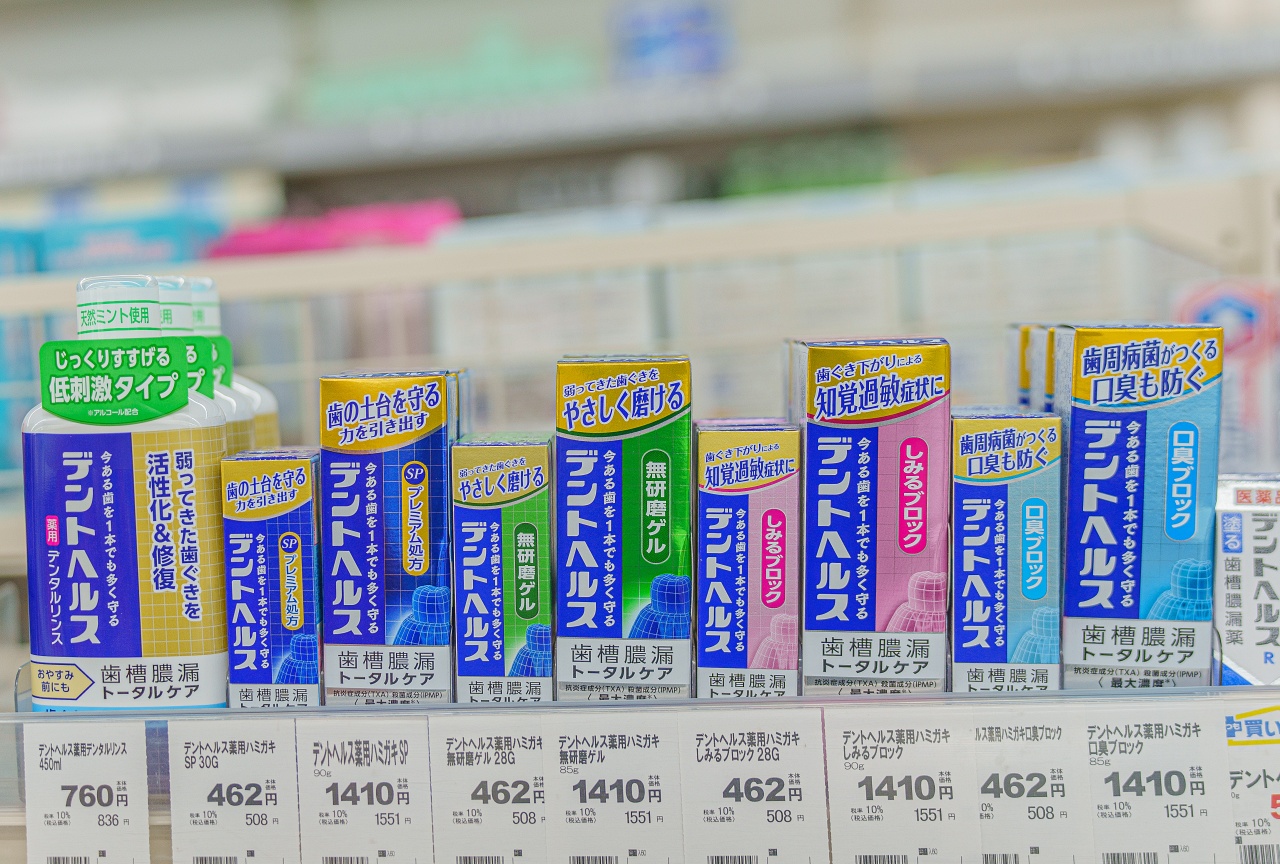
Dent Health is a toothpaste the author has tried and liked.
The green version is described as non-abrasive and somewhat expensive. The original recommends it after meals; check actual product instructions rather than treating this as dental advice.
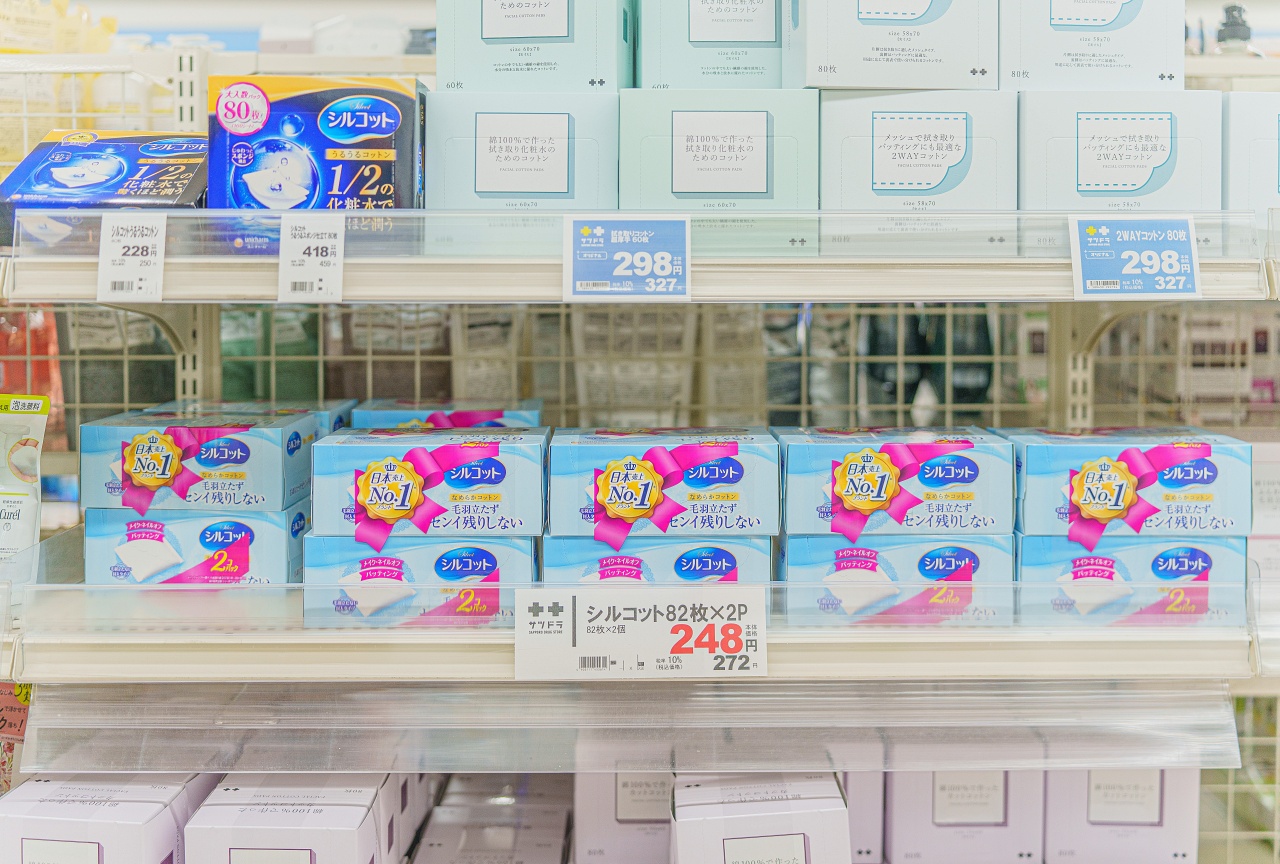
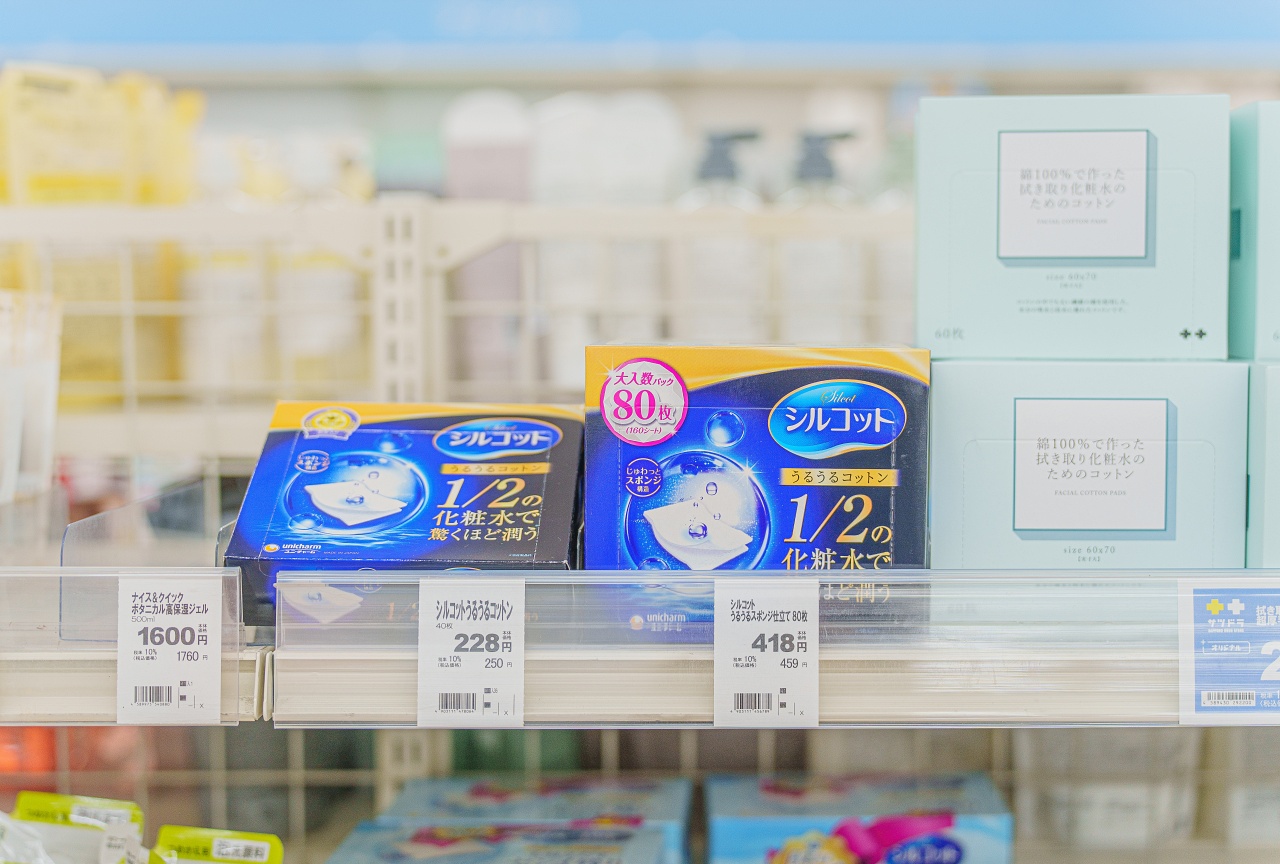
I have not used Silk Cotton, but friends specifically request it.
They say it is soft and convenient.
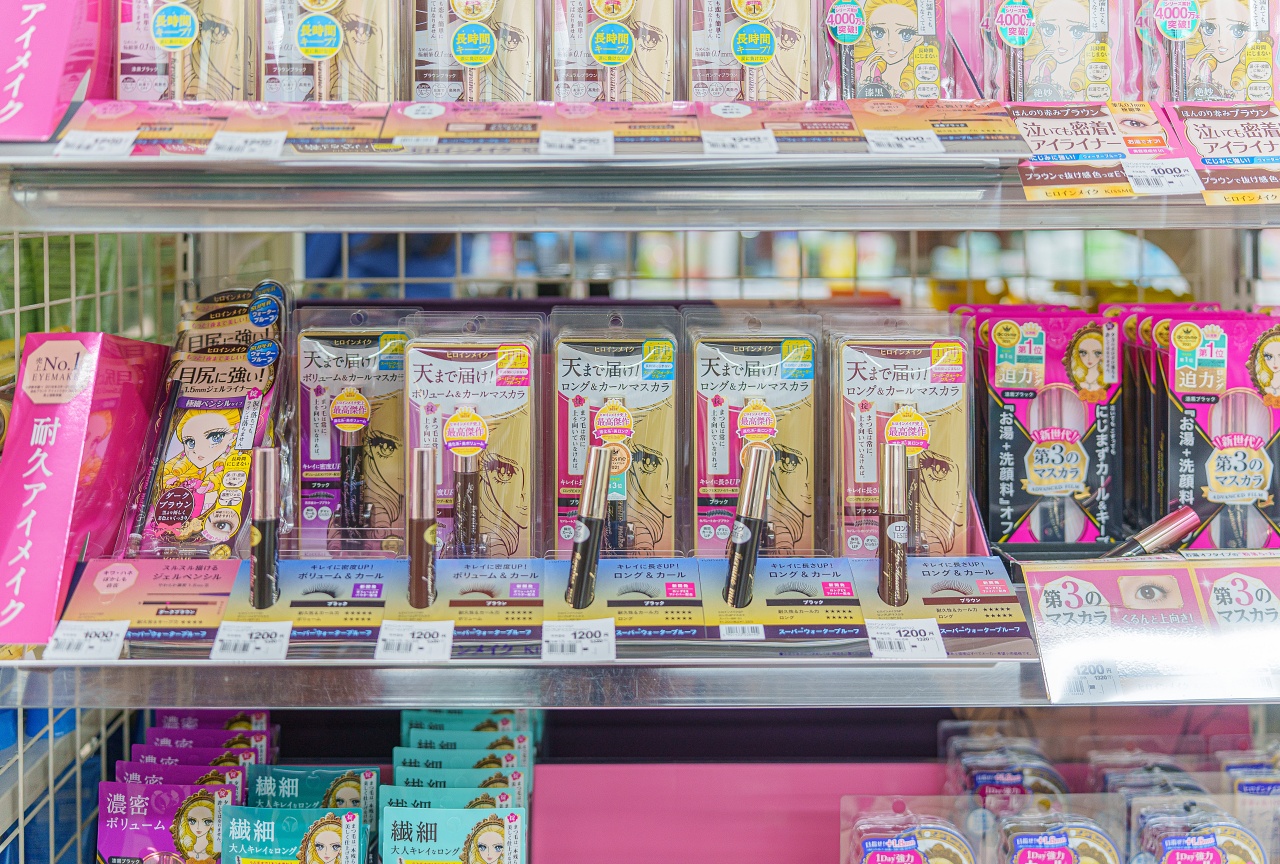
Kiss Me mascara, jokingly said to create camel-like lashes.
This is frequently requested too.
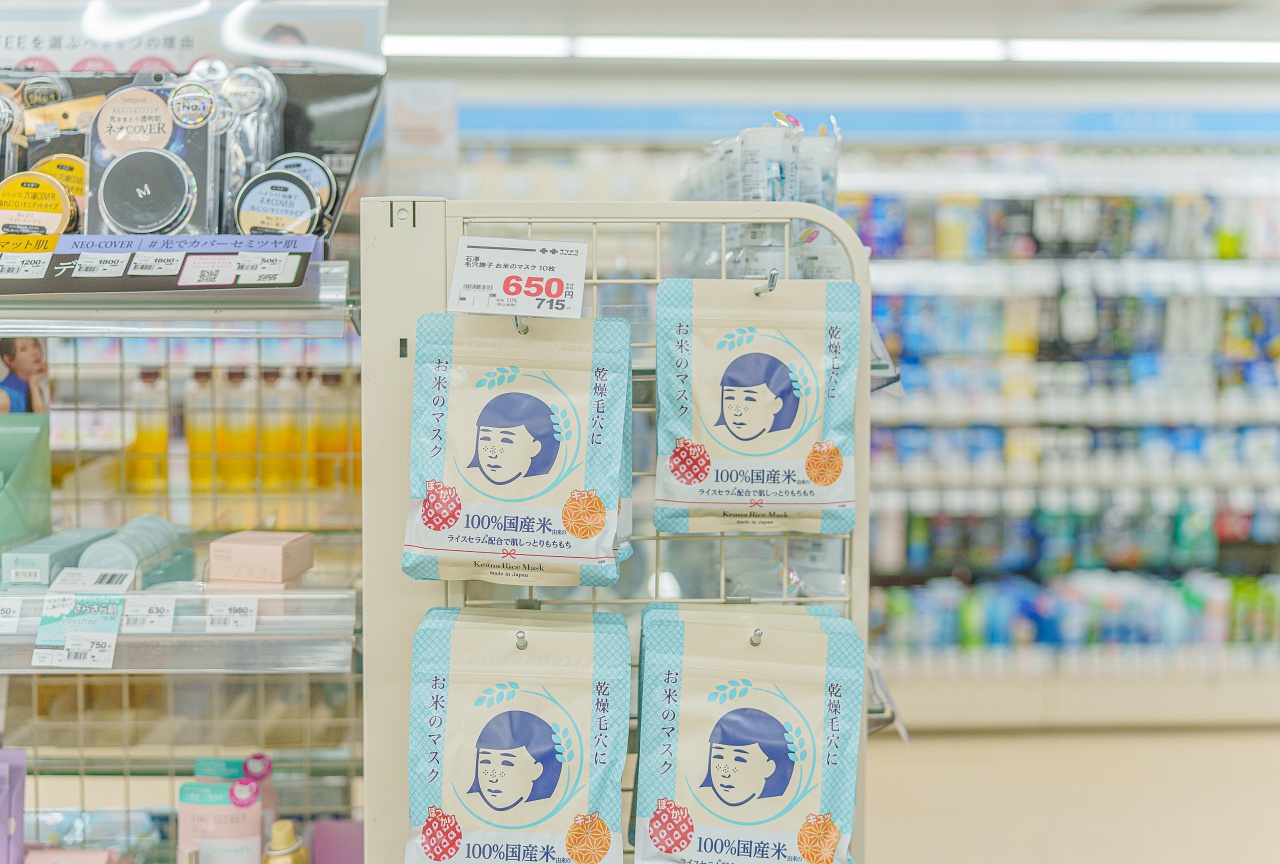
A rice facial mask that had become a hit in Japan.
The source mentions attention on Japanese cosmetics websites.
It repeats claims that rice extract removes dead skin and brightens skin. These are historical promotional claims, not a verified outcome.
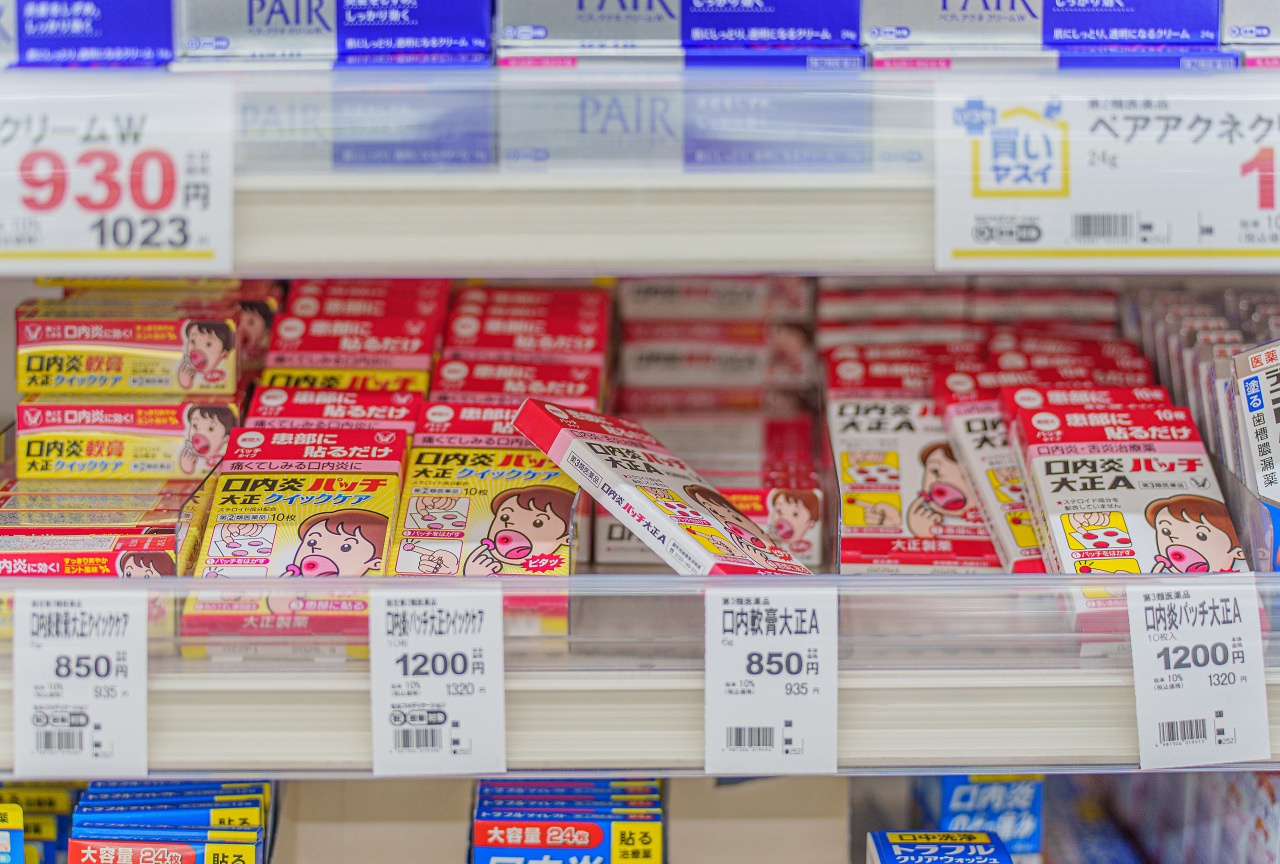
Taisho mouth-ulcer patches (口内炎大正 パッチ), introduced by the original for people troubled by mouth ulcers.
The source distinguishes ointment, adhesive patch and an oral product with similar illustrations, suggesting checking the red パッチ lettering to identify the patch. This is a product-identification note, not a treatment recommendation.
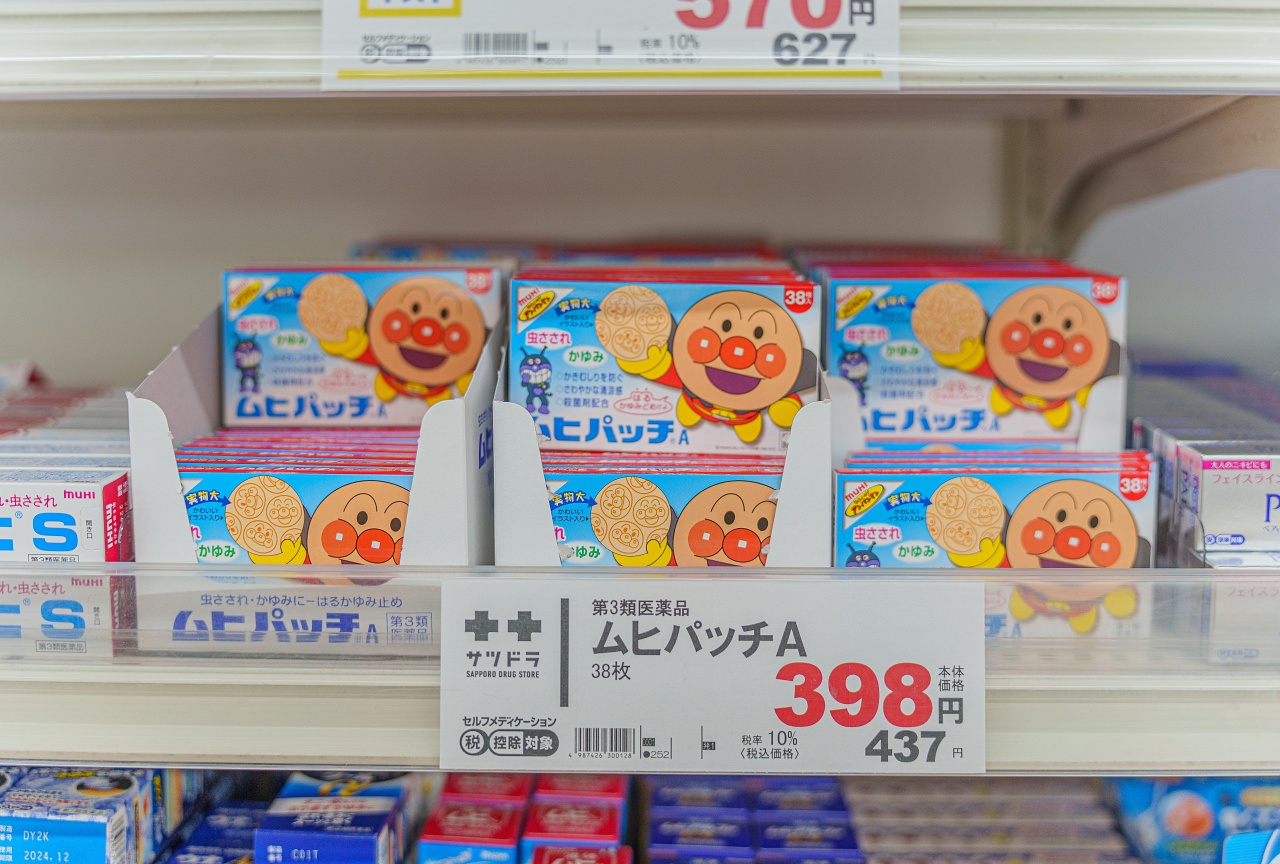
Anpanman Muhi Patch (ムヒパッチ).
The author praises it for insect or mosquito bites; that is a personal efficacy claim, not independently verified medical advice.
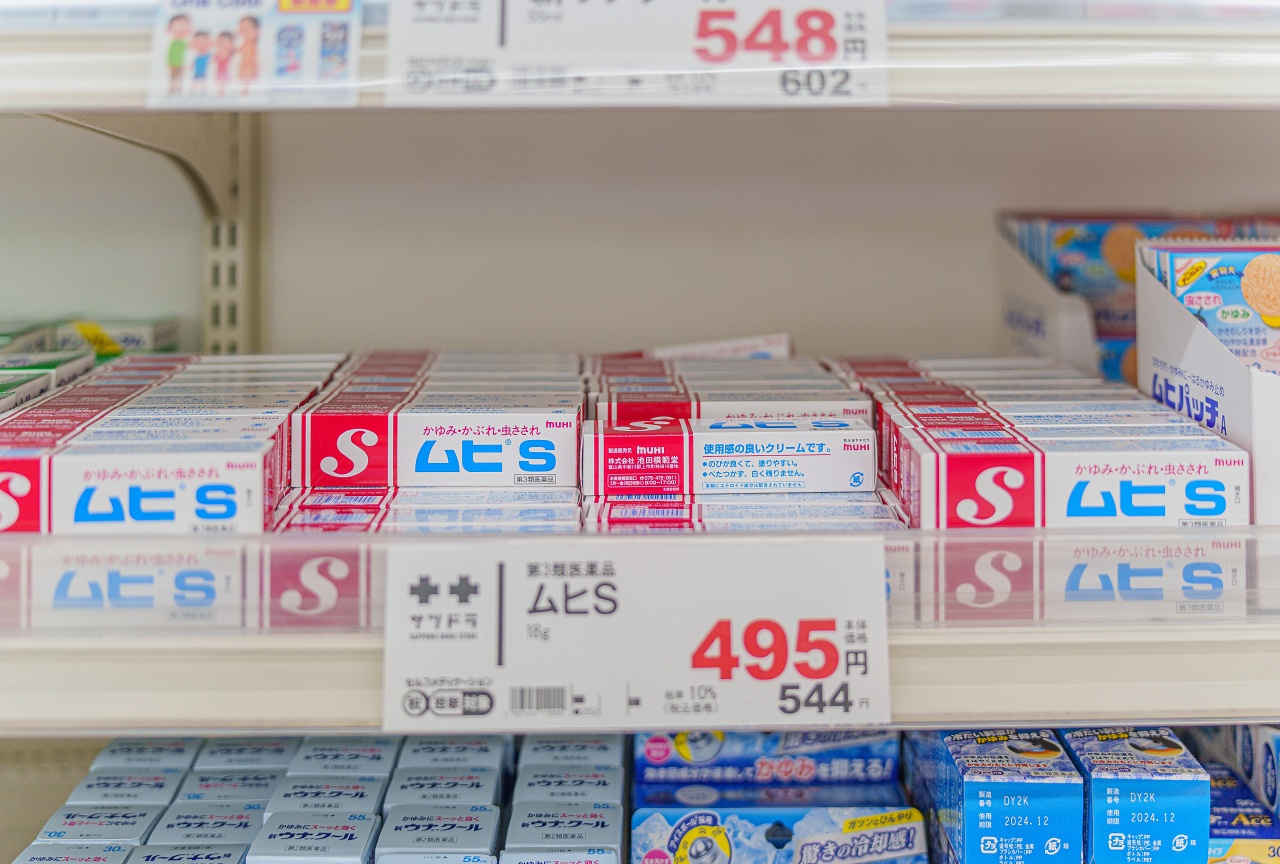
The original prefers the patch to the cream version.
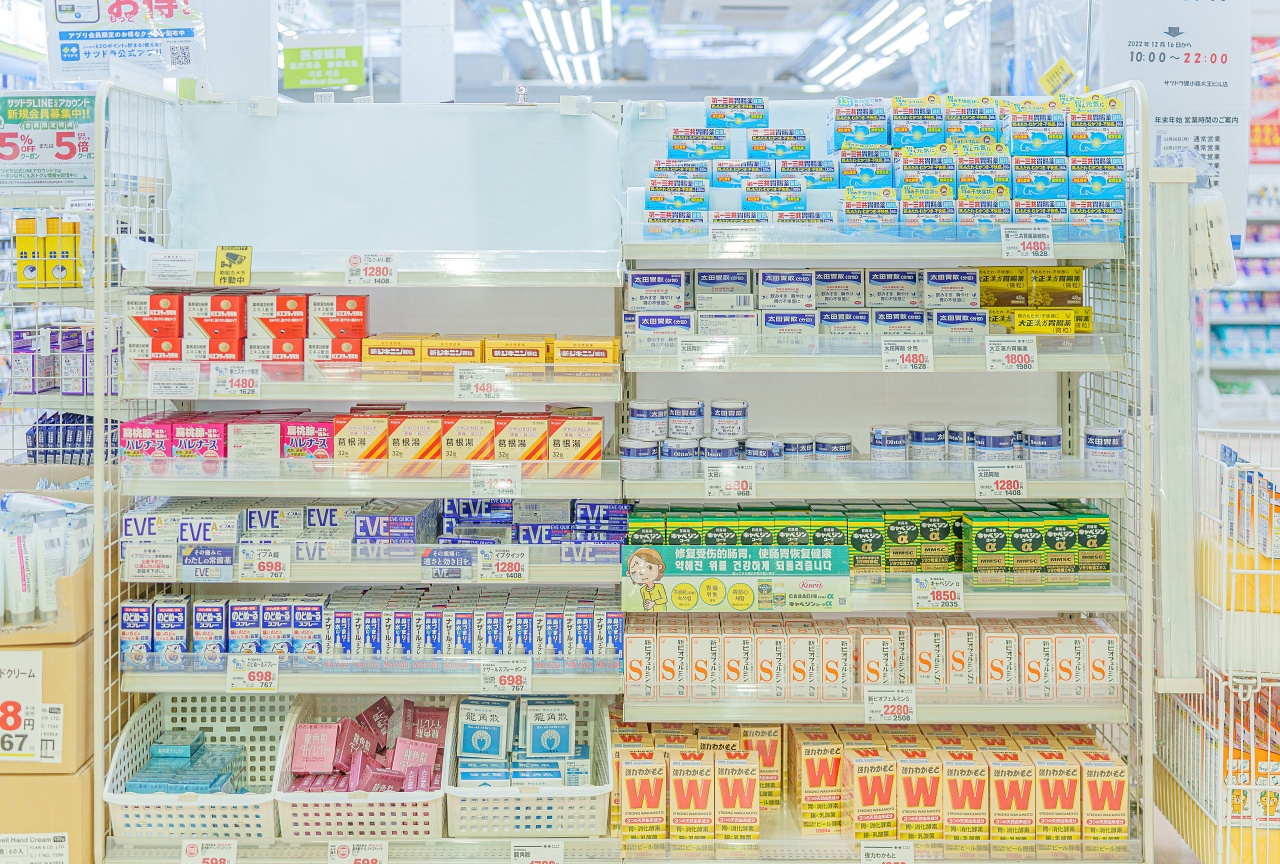
Here too are Ohta’s Isan, Cabagin and New Biofermin, introduced in the source through their digestion and intestinal-health marketing.