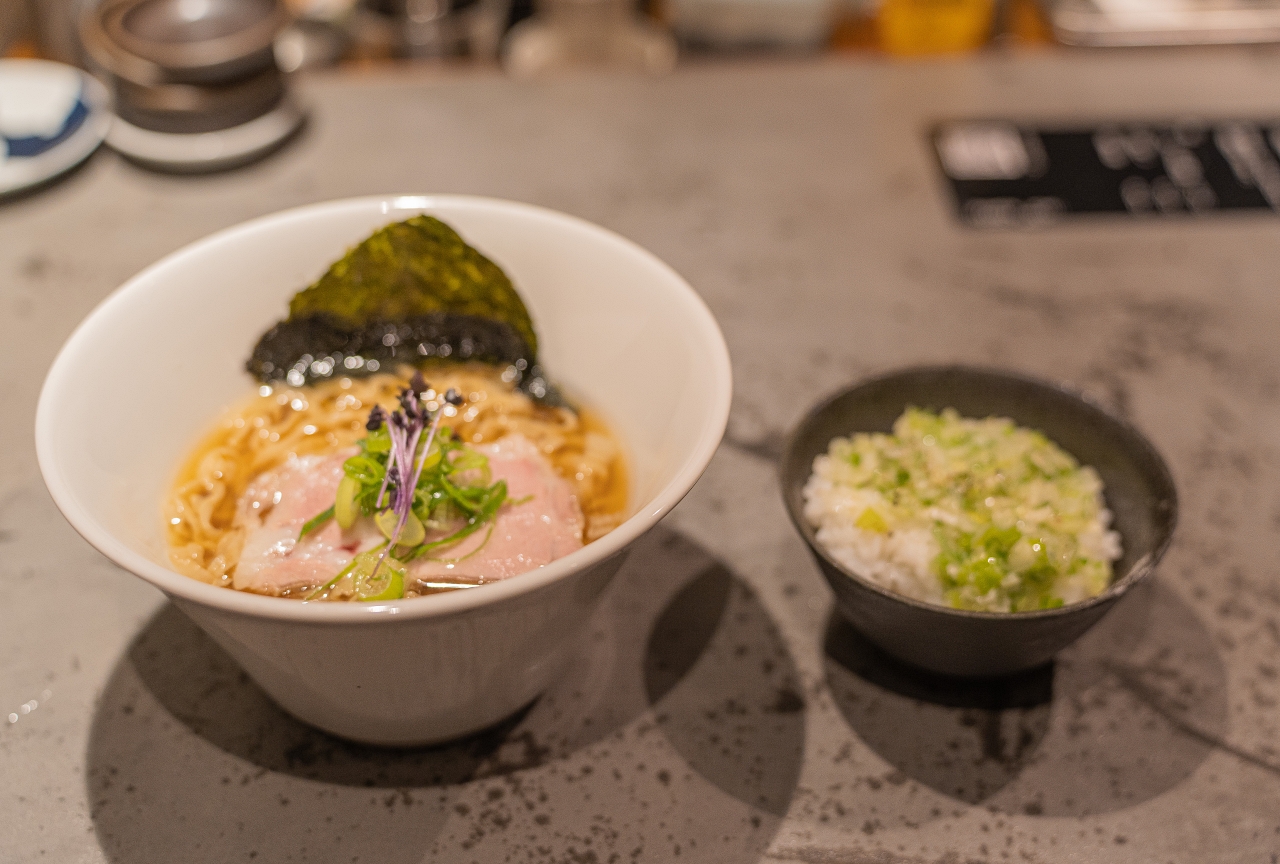
Hokkaido, Japan’s northernmost main island, is known for distinctive food, including ramen.
The origins of Hokkaido ramen are traced in the source to Chinese immigrants bringing the dish in the early 20th century. It was initially described as a simple bowl of noodles in a soy-sauce-based broth. Over time, local ingredients were incorporated, producing distinctive new styles.
One major development in Hokkaido ramen was miso ramen. The source explains that fermented soybean paste was readily available because it was already widely used in other regional dishes. Miso then began appearing in Hokkaido ramen broth, creating miso ramen.
With its rich, creamy character, it quickly grew popular and became an established Hokkaido dish. Many local restaurants specialized in it, helping make it one of the prefecture’s best-known foods. As more restaurants served ramen in the 1960s and 1970s, the culture continued to grow. Shops became familiar in towns and cities across Hokkaido, and the dish appealed to both residents and visitors.
The original background section describes continued growth and many shops offering varied styles. It names Sapporo’s Ramen Yokocho, a “Ramen Republic” in Asahikawa, and a ramen festival. The Asahikawa venue attribution is retained as an unverified source statement.
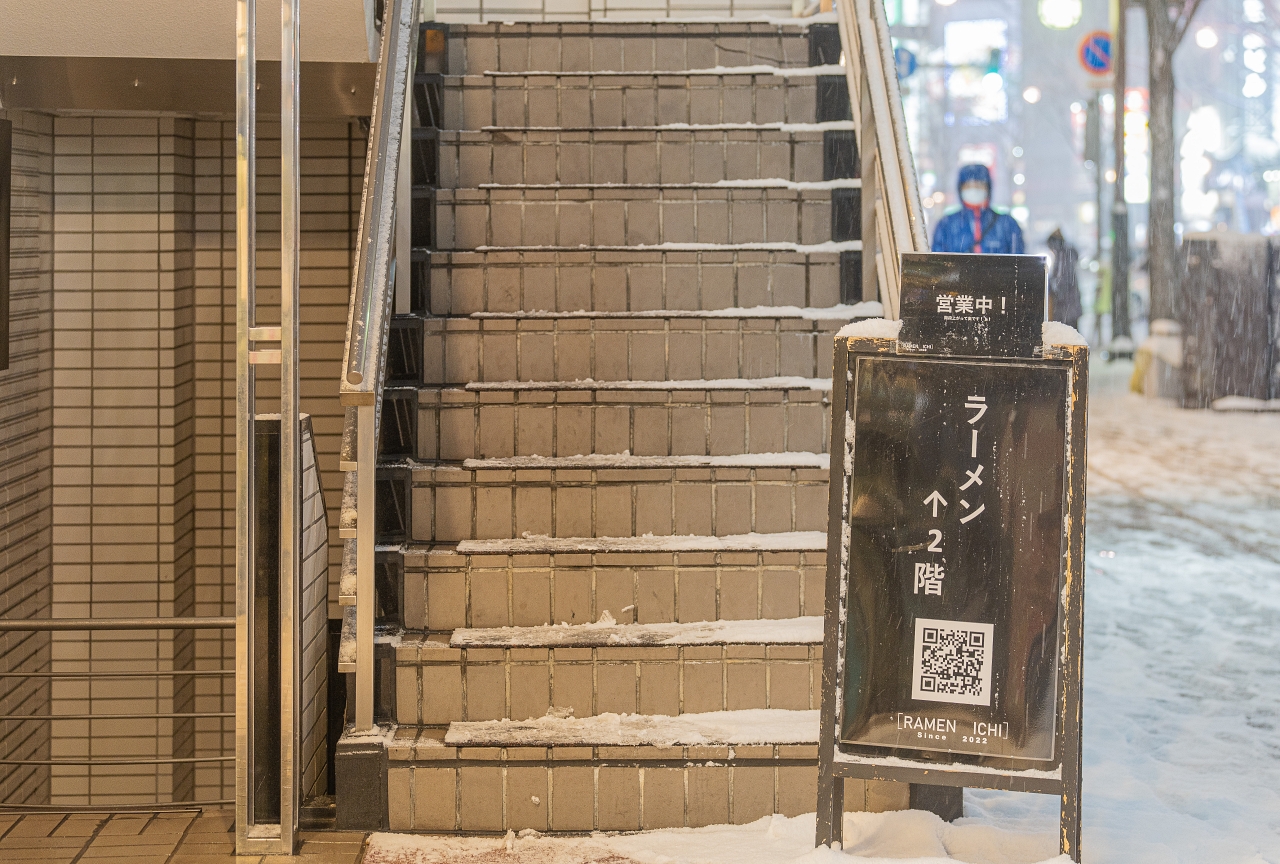
One snowy December winter night,
we arrived late in Sapporo and found a ramen shop still open after 8 p.m.
I guessed it might cater to shime—the final meal after drinking.
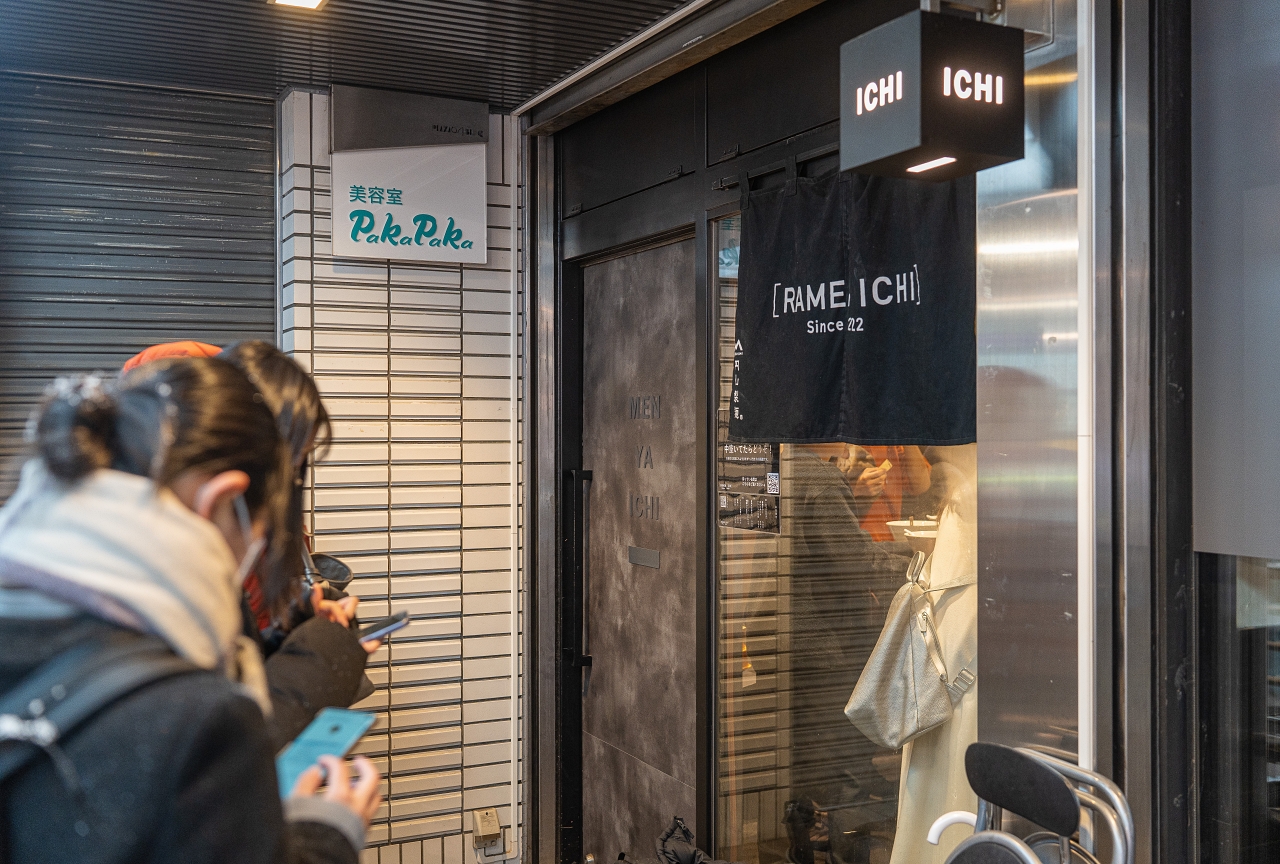
Up the stairs was a stylish-looking shop.
The entrance felt like a bar, but the sign said RAMEN ICHI.
I later learned it had been opened by university students and had attracted local attention.
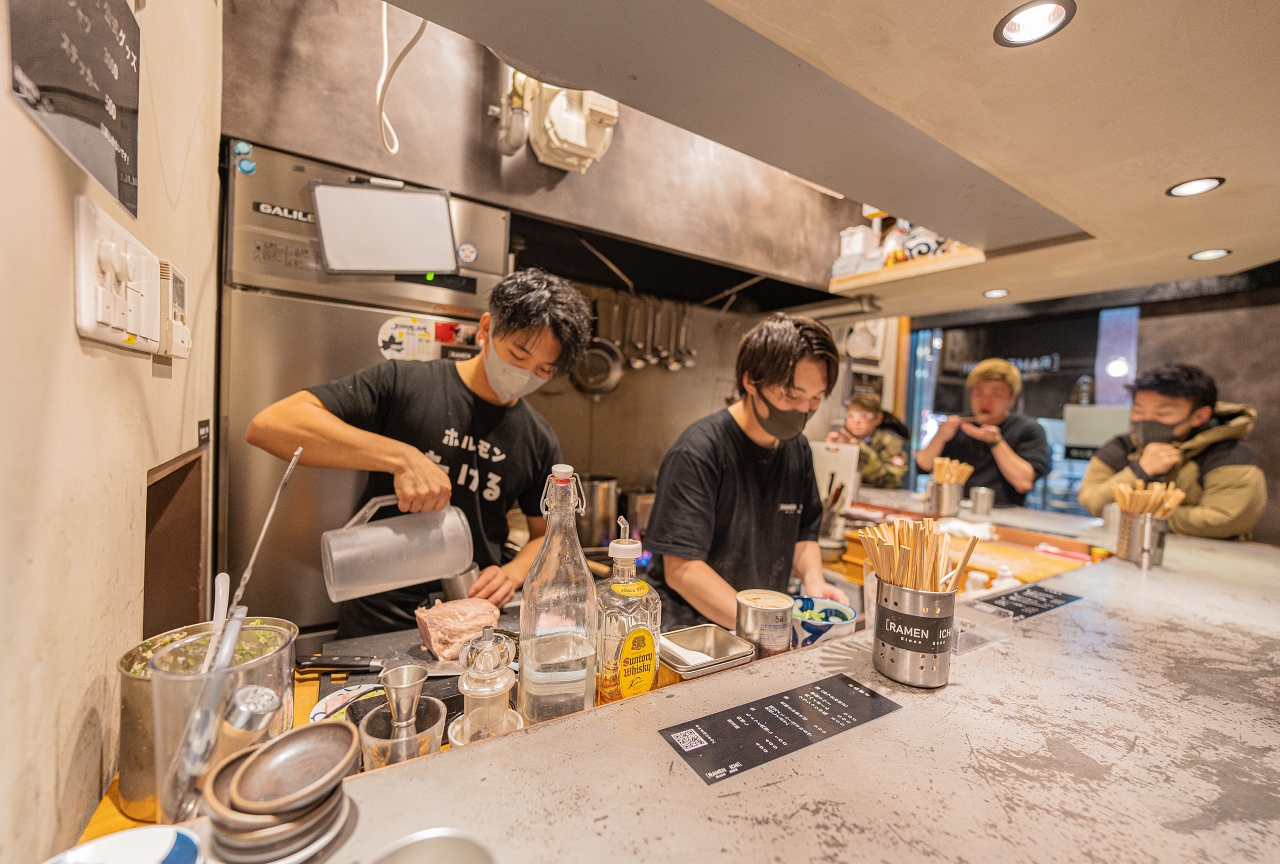
Inside, two staff members were busy preparing food in the modern space.
It was a standing restaurant, with no conventional seats.
The décor reinforced the bar-like impression.
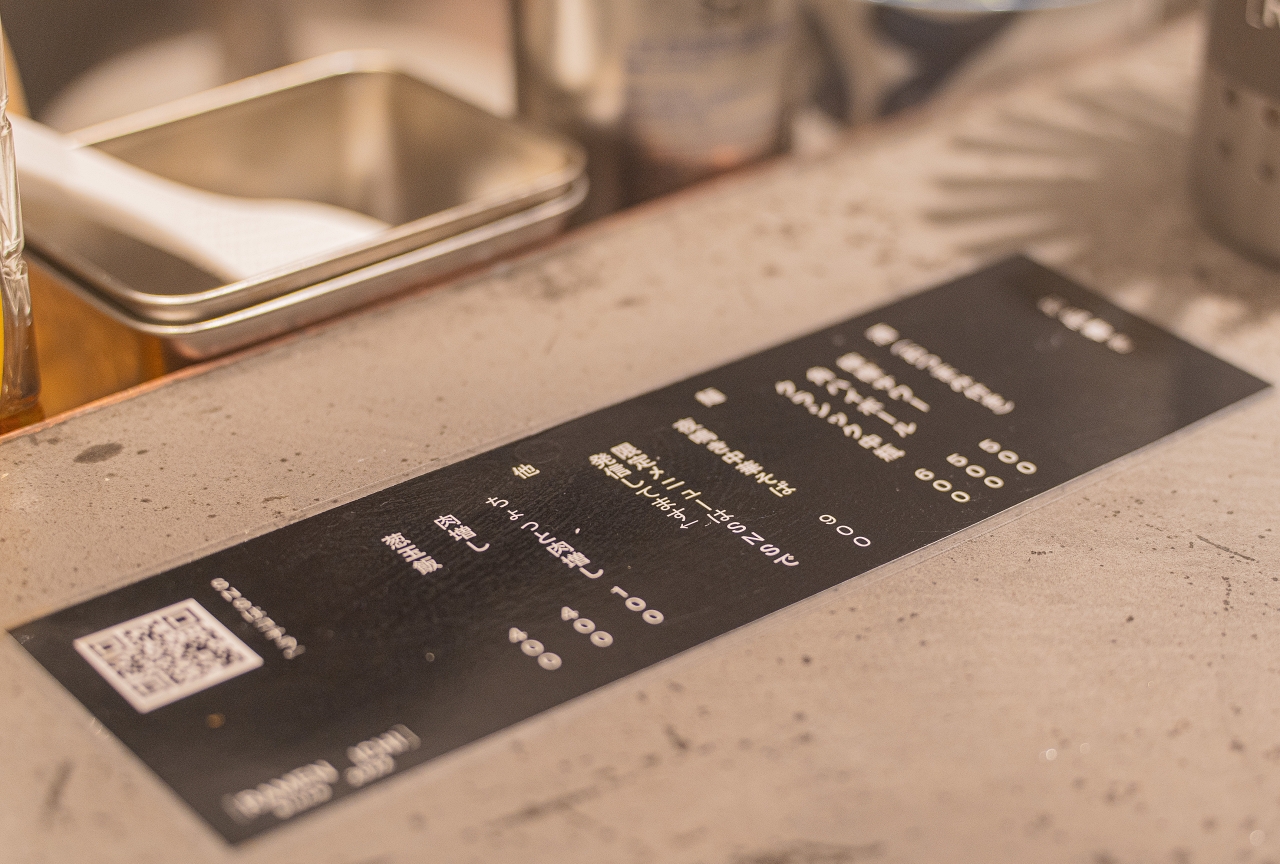
The main dish was yonaki chuka soba (夜鳴き中華そば).
I took the name to suggest noodles associated with the arrival of evening.
Seeing soba on a ramen menu might seem puzzling; the noodles offered a clue to my interpretation.
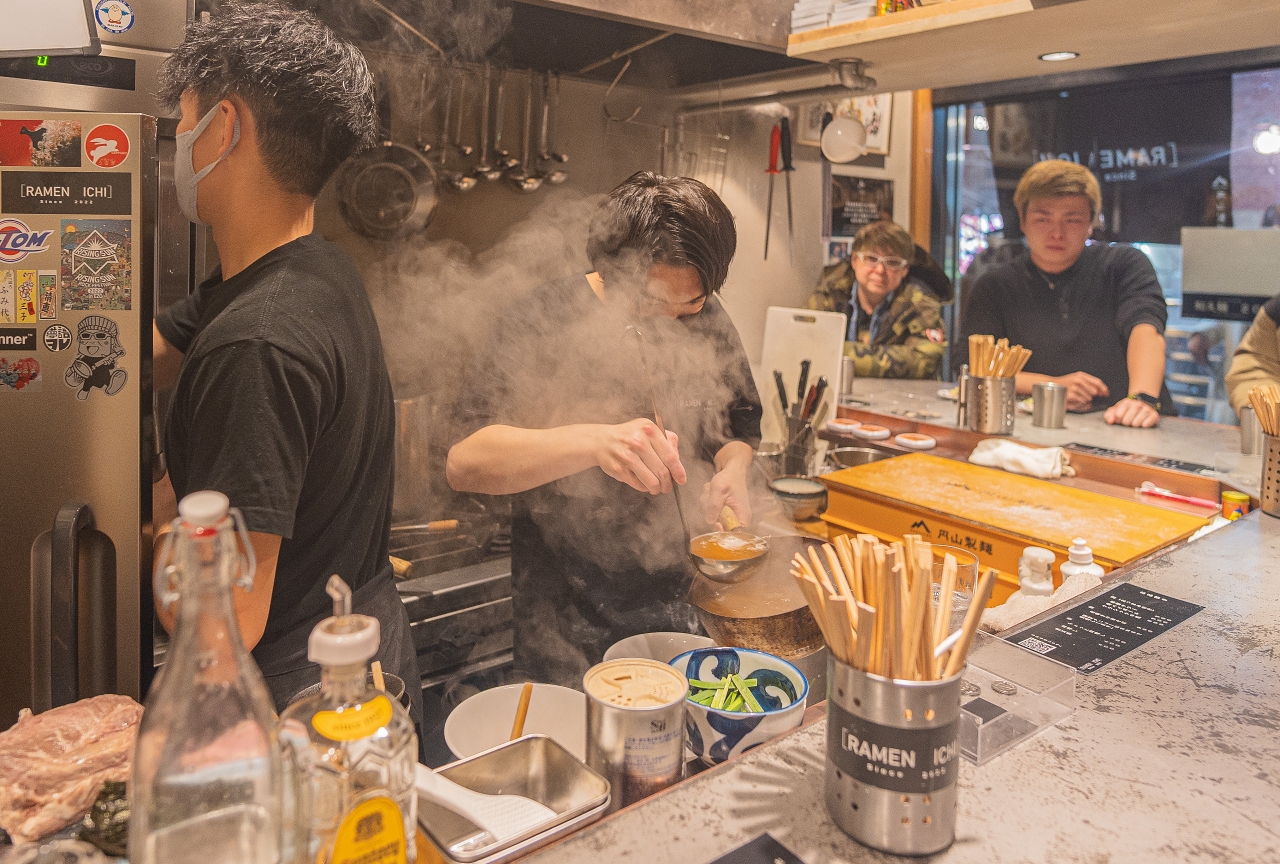
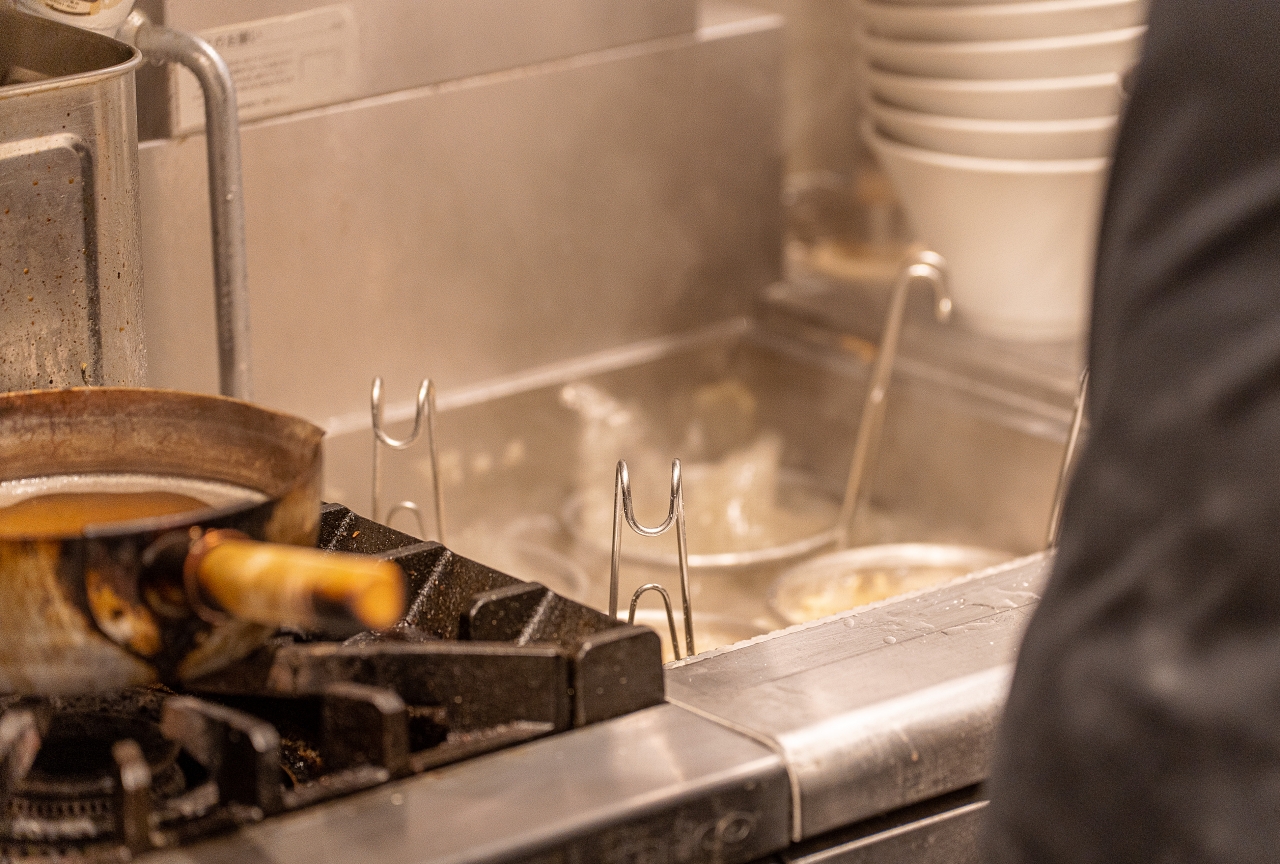
Partly prepared noodles were finished by hand on the spot, and their shape reminded me less of ramen
than of soba.
I wondered if that explained the name.
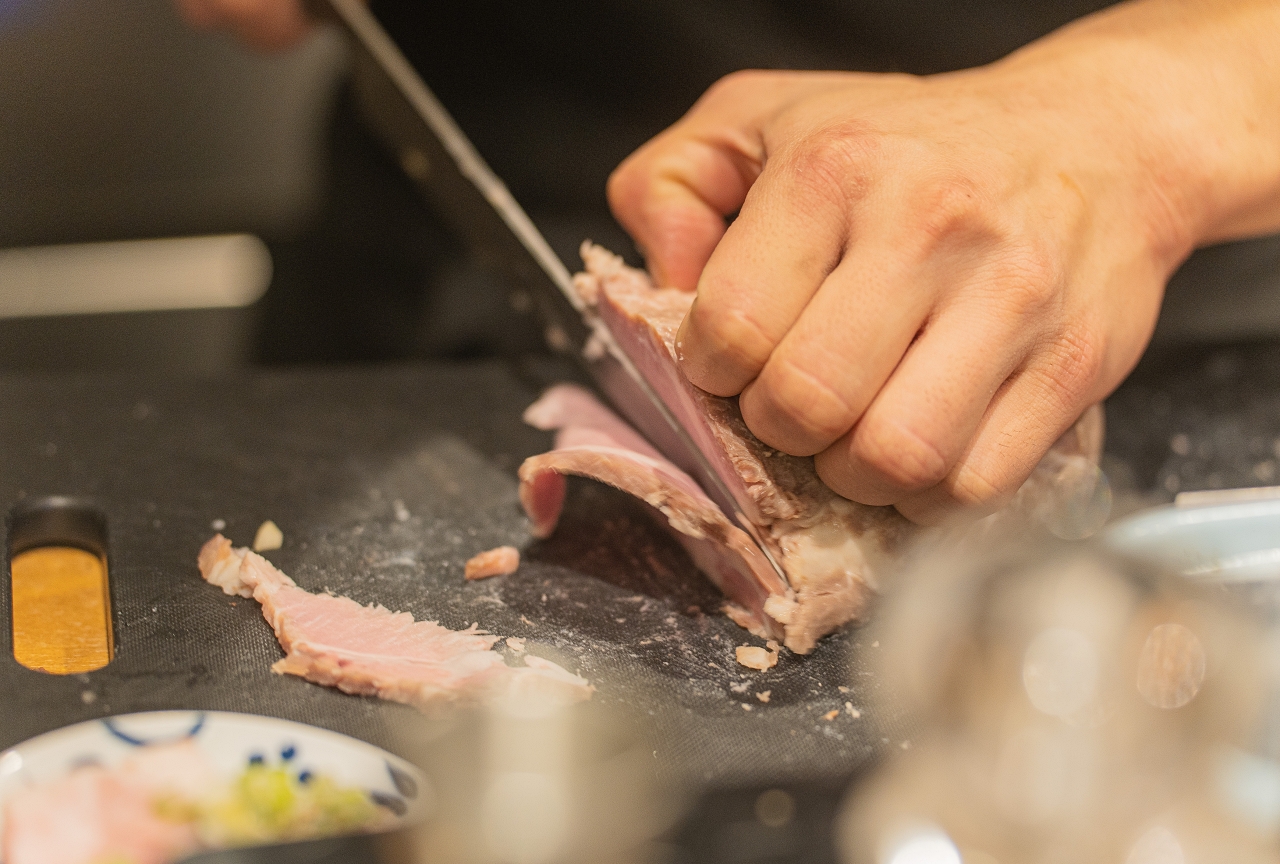
Chashu was, of course, another essential part of the bowl.
It was sliced to order and looked tender.
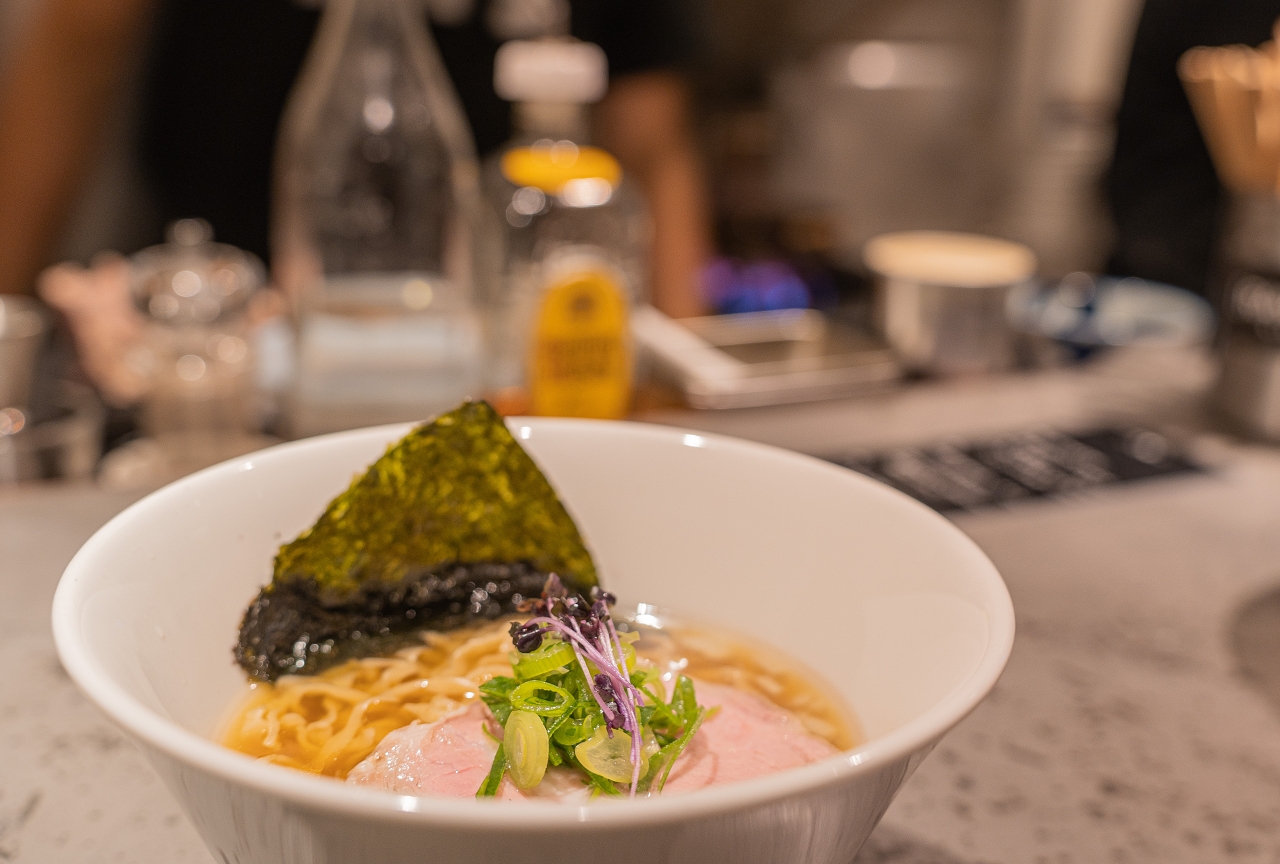
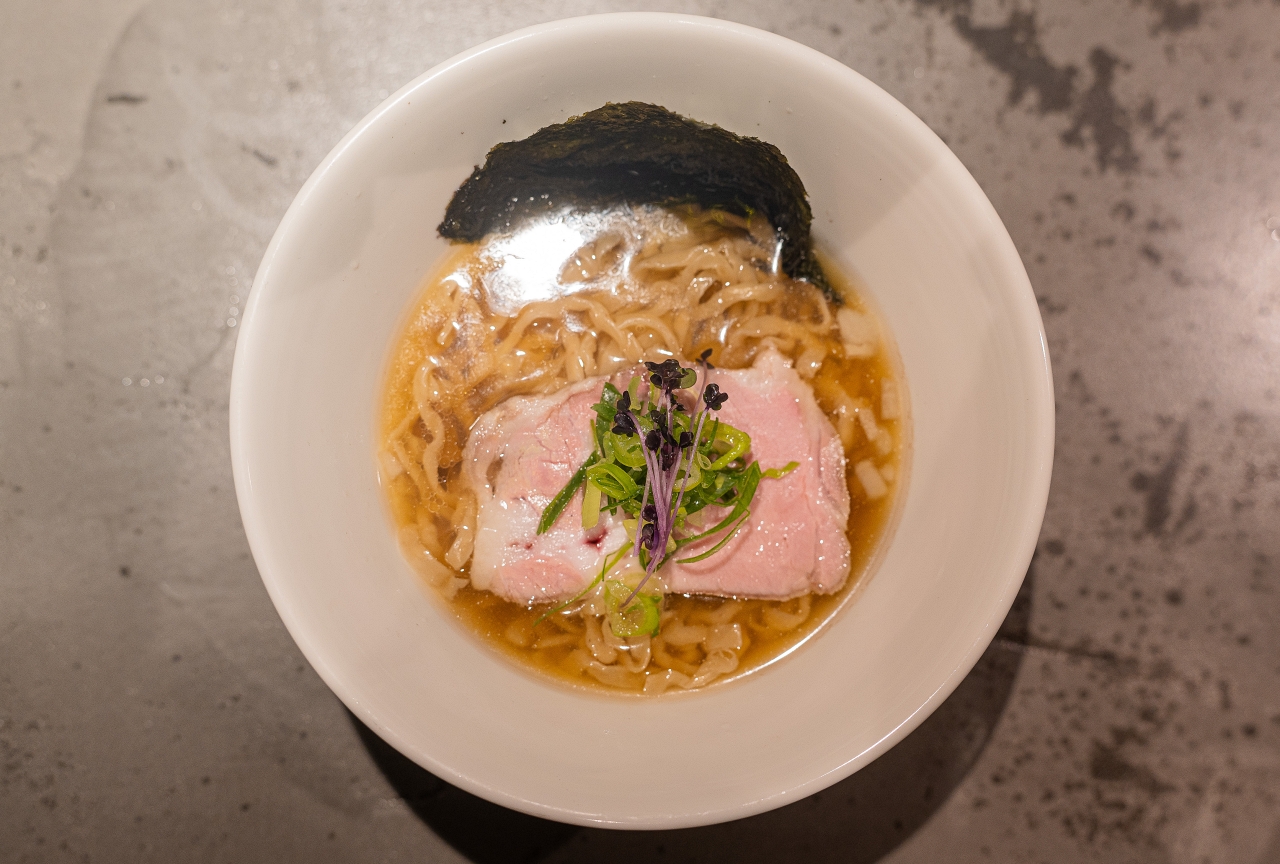
After about 10 minutes, the yonaki chuka soba arrived.
The clear, savory broth made a clean-tasting late-evening bowl after drinking.
The noodles were very springy; the source describes their satisfying bite as coming from low-protein flour.
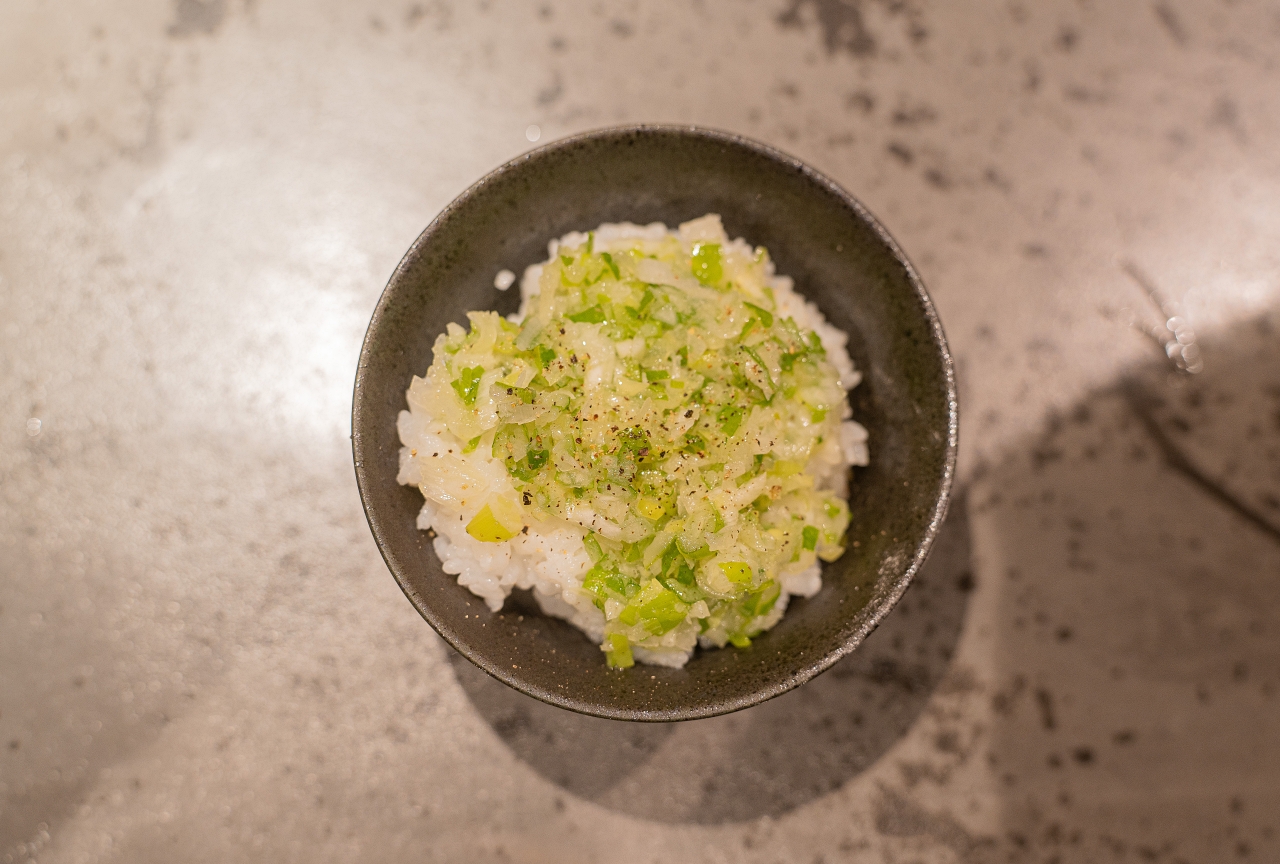
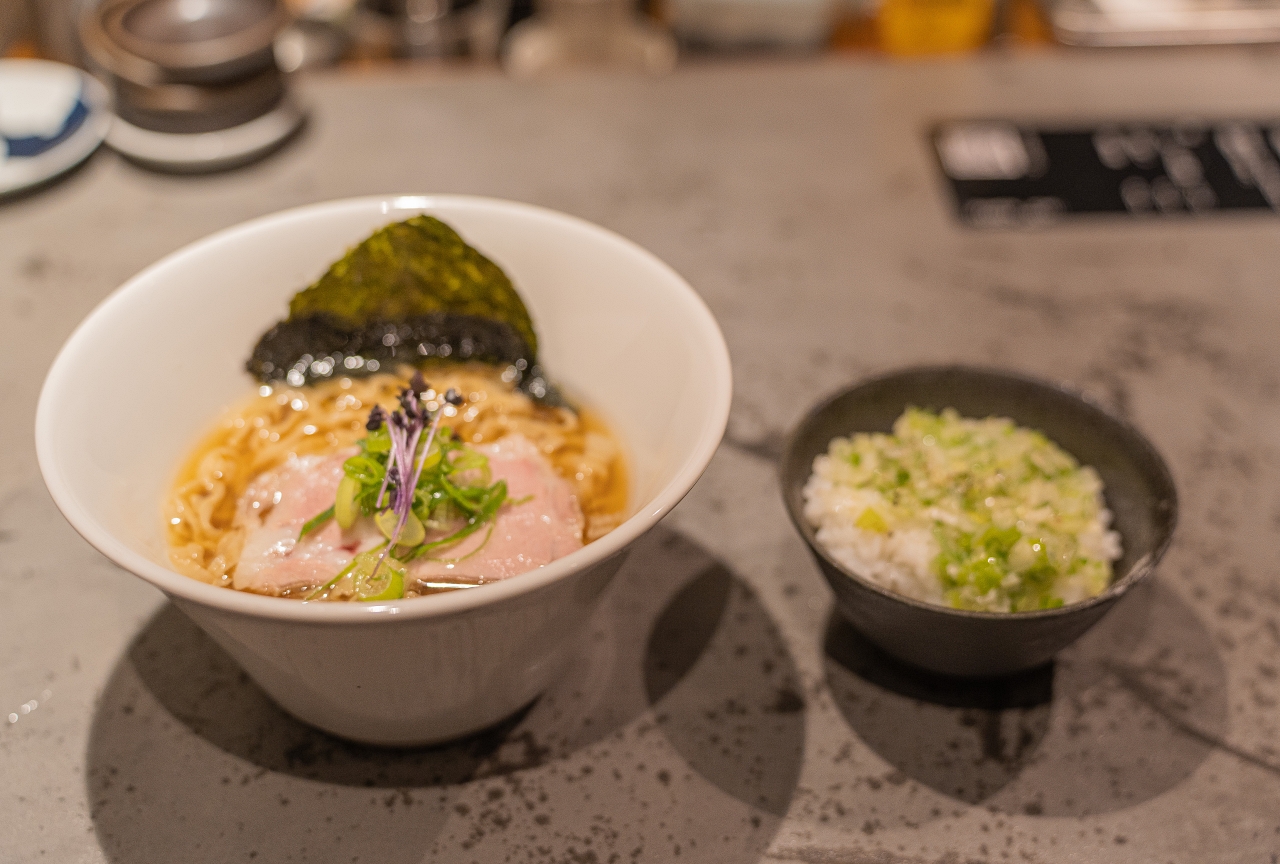
We also ordered the recommended negi gohan (葱ご飯), rice with scallions.
It was a wonderful pairing with the ramen.
The scallions’ sharpness and the broth’s umami worked beautifully together.
The source closes by reflecting on Hokkaido ramen’s decades of development, from a dish brought by Chinese immigrants to one of the region’s best-known foods. Its varied flavors and styles help explain its popularity with residents and visitors. Whether you enjoy miso, soy-sauce, or another style, the account presents Hokkaido as a rewarding place to explore ramen.