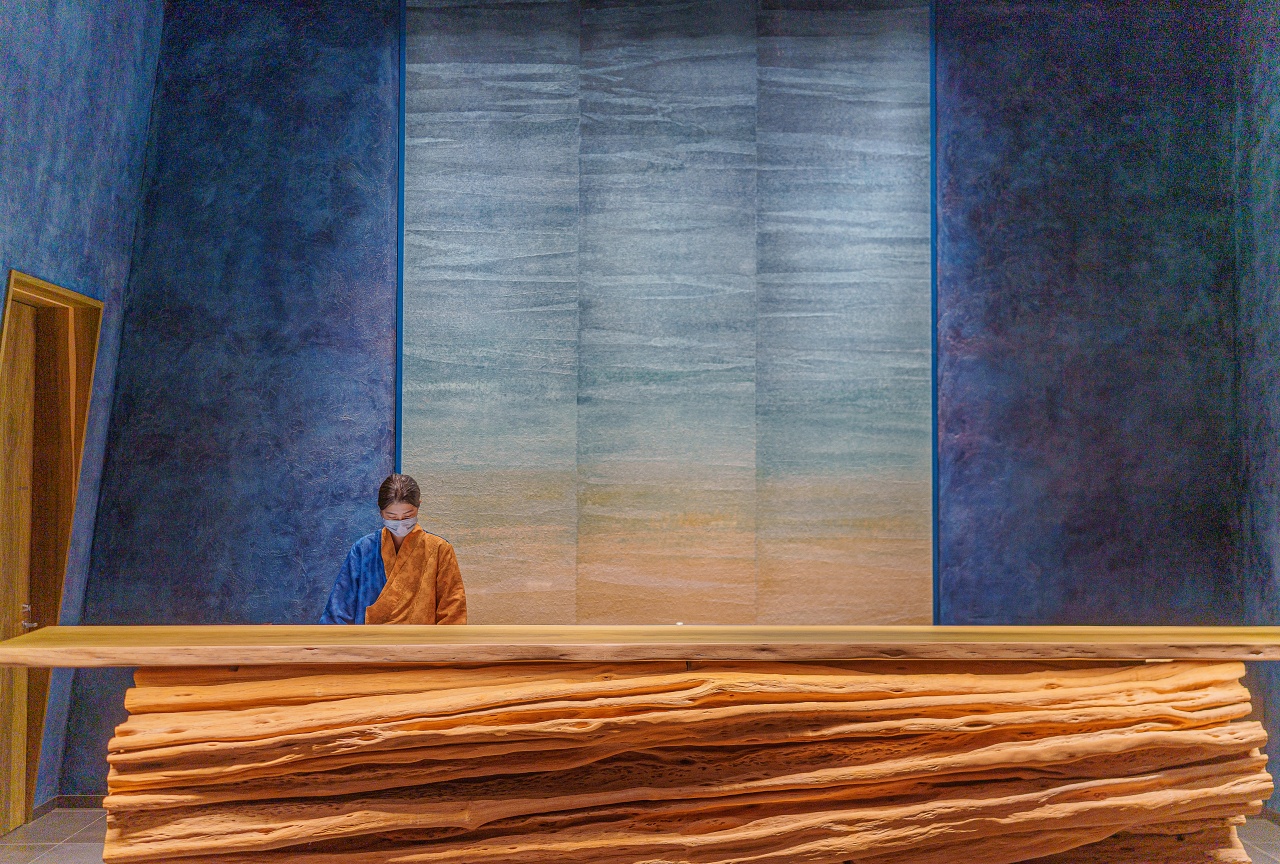
We finally visit HOSHINOYA, the luxury Hoshino Resorts property in Okinawa. The author describes the brand as less familiar in Korea but exceptionally prestigious in Japan. The source traces the company’s beginnings to Karuizawa, Nagano, in 1904, followed by the first Hoshino Onsen Ryokan in 1914. It developed into a hotel operator reinterpreting traditional inns and creating resorts with distinct themes and concepts.
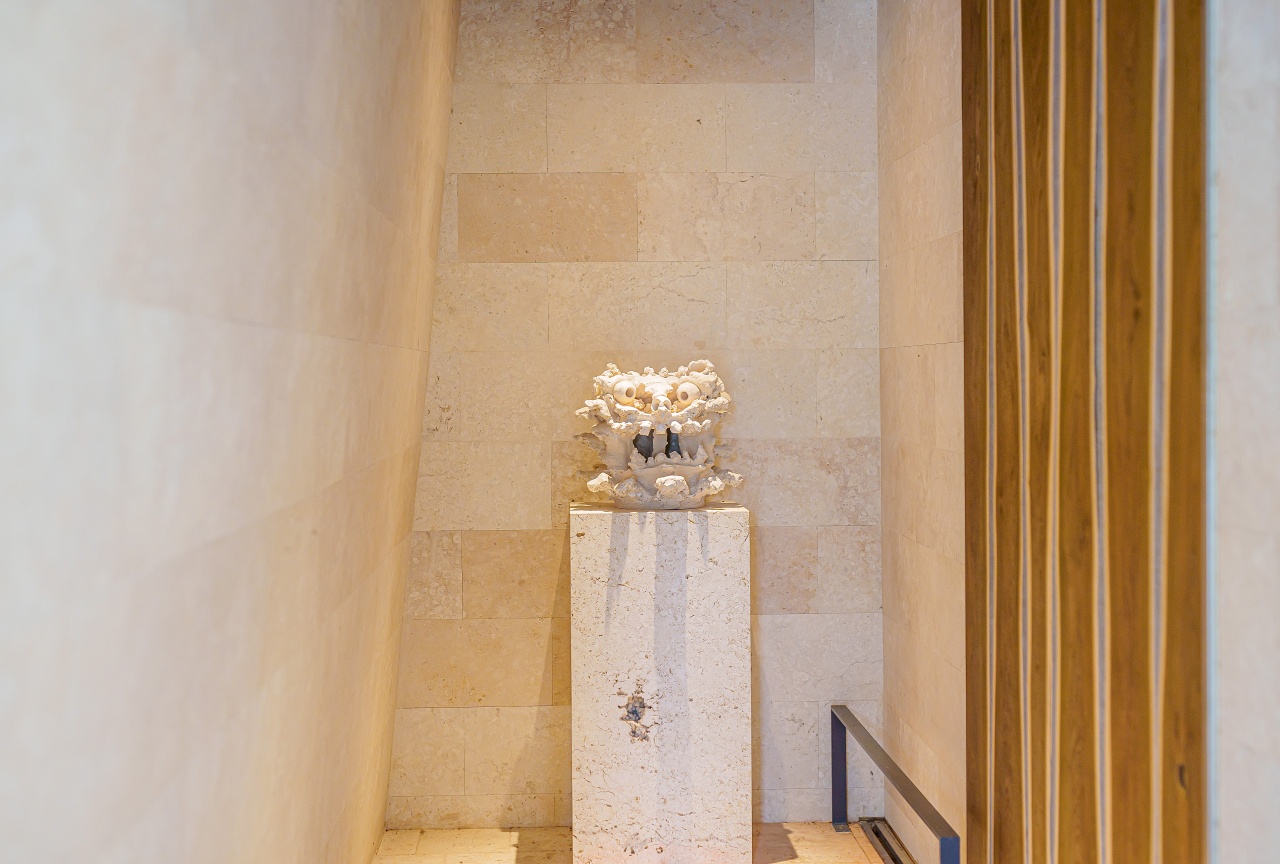
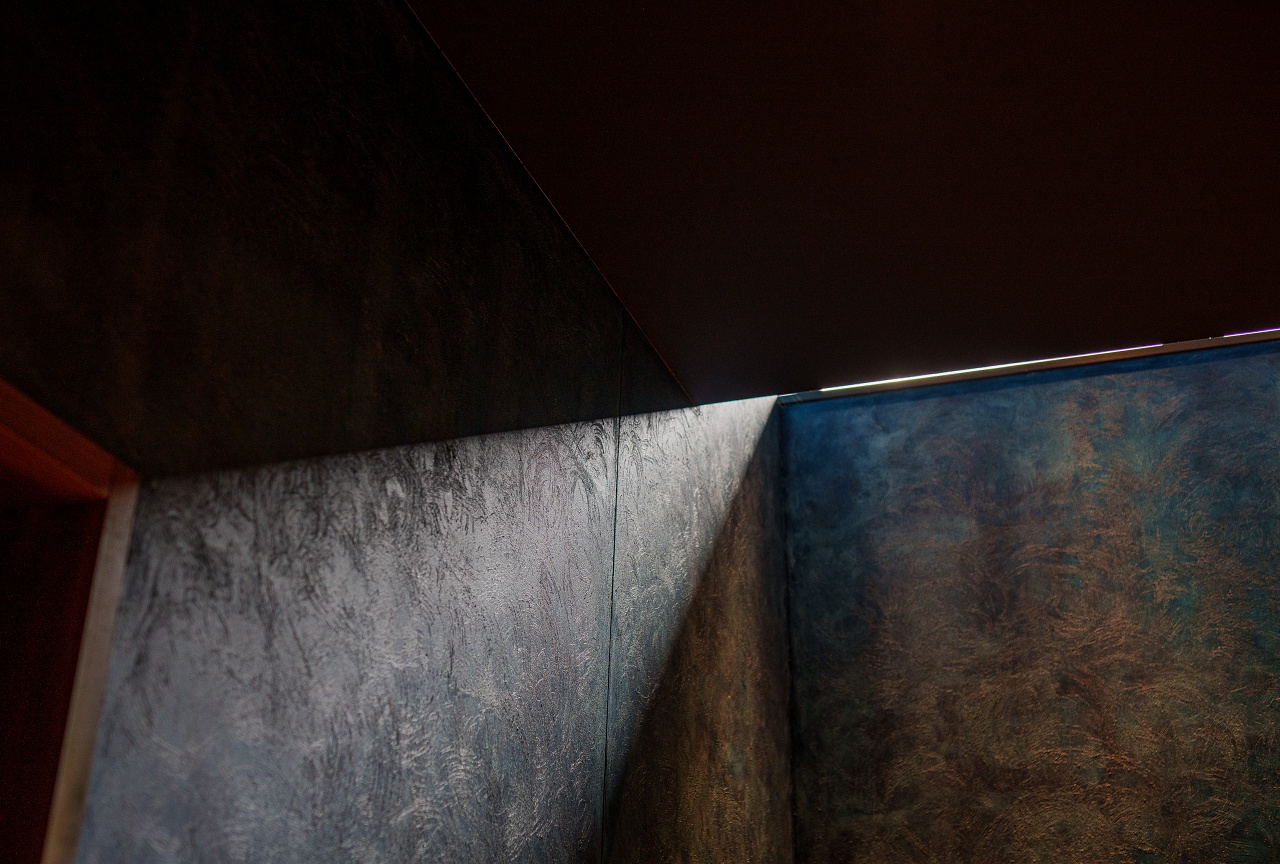
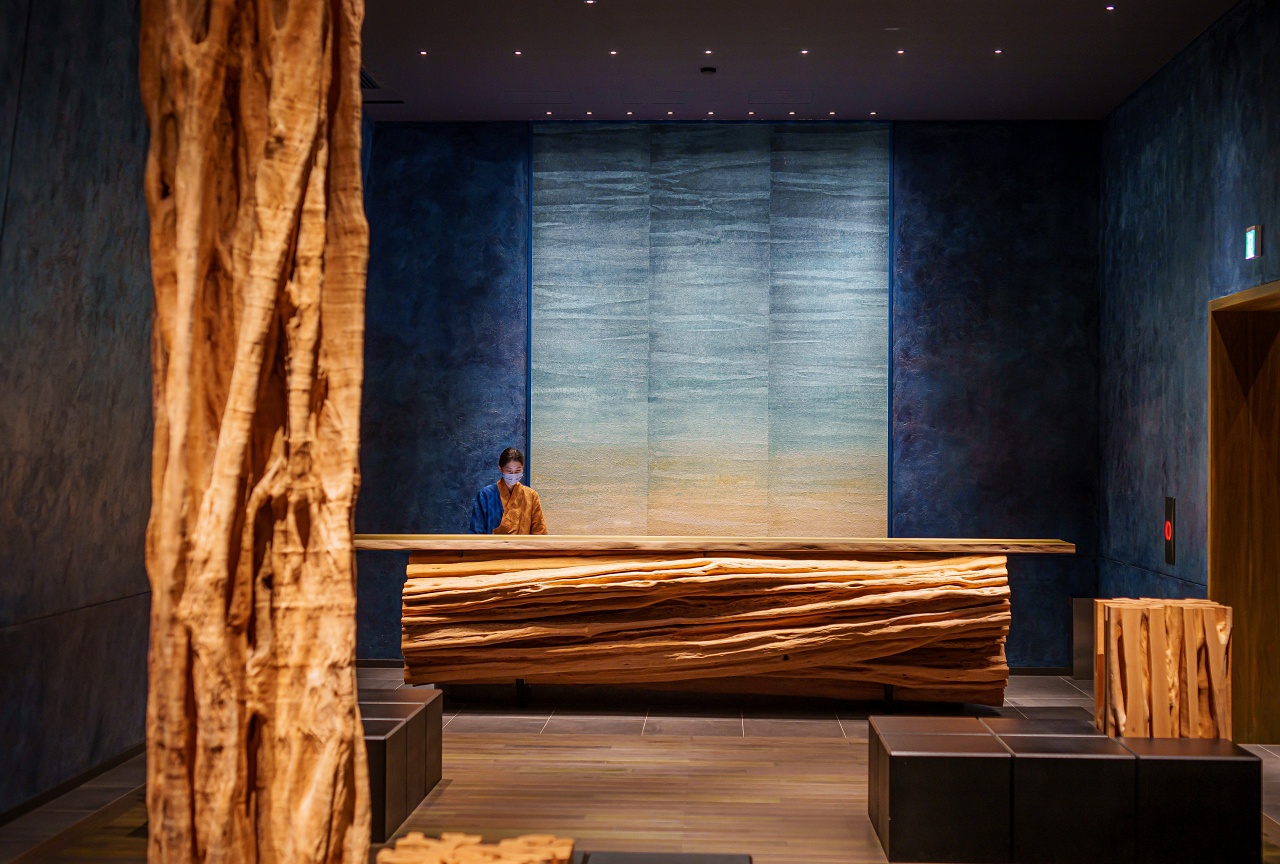

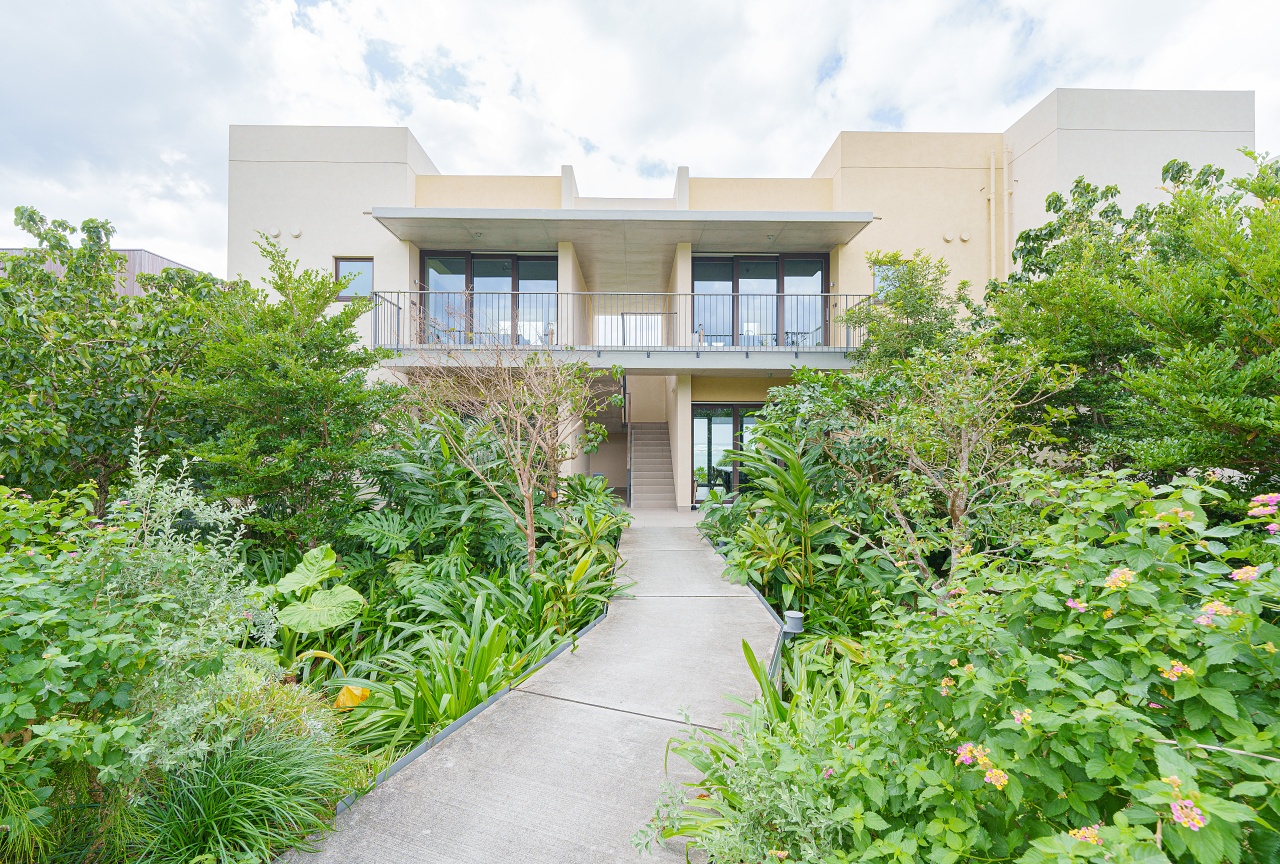
At the source date, the account describes a 109-year hotel history and several brands, with HOSHINOYA the most premium. Its concept, an ‘invitation away from the everyday,’ aims to create a different world. In Okinawa, the gusuku—castle-wall—concept brings local history and culture into the seascape. The original calls it Okinawa’s most luxurious space, a subjective description rather than a verified ranking. The entrance feels almost underwater: the gray-and-green outside gives way to a deep interior atmosphere, as though crossing into another world.
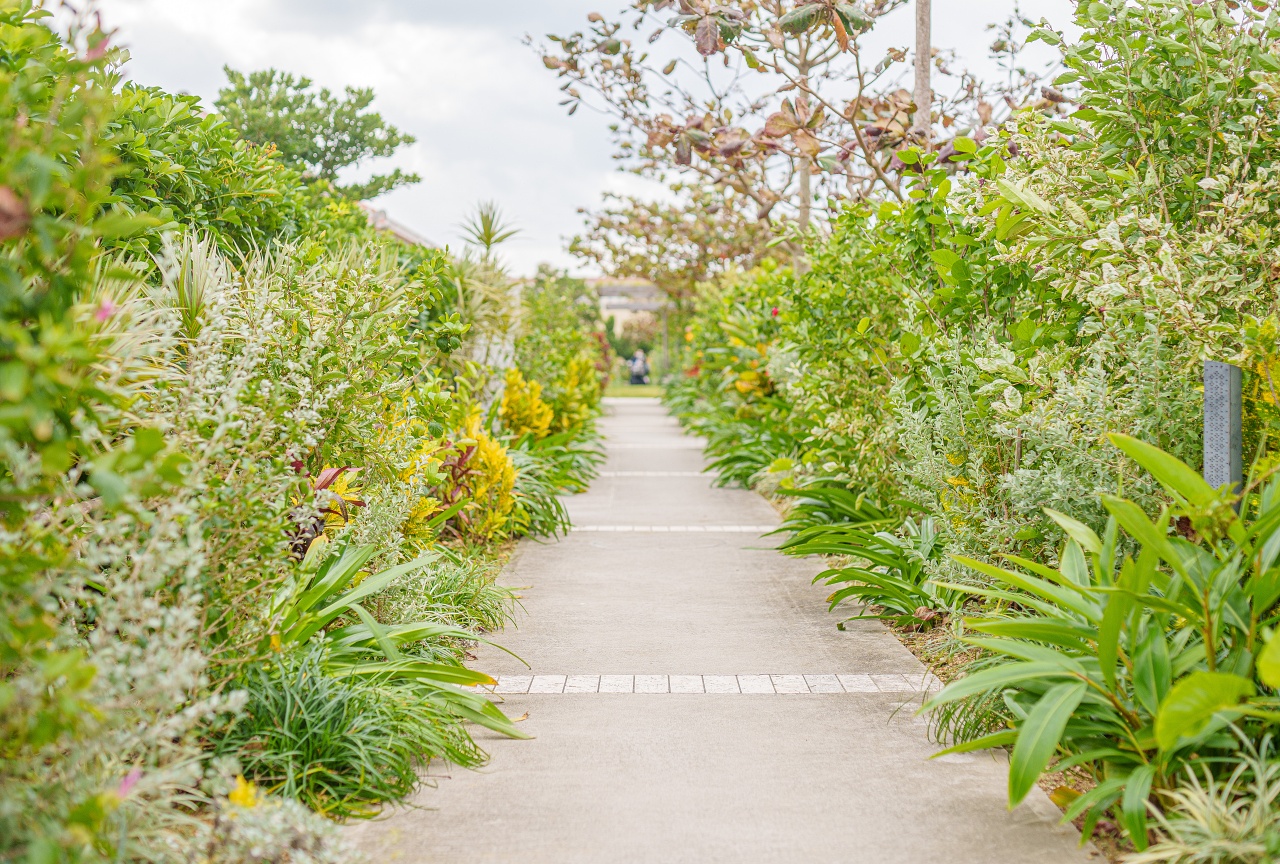
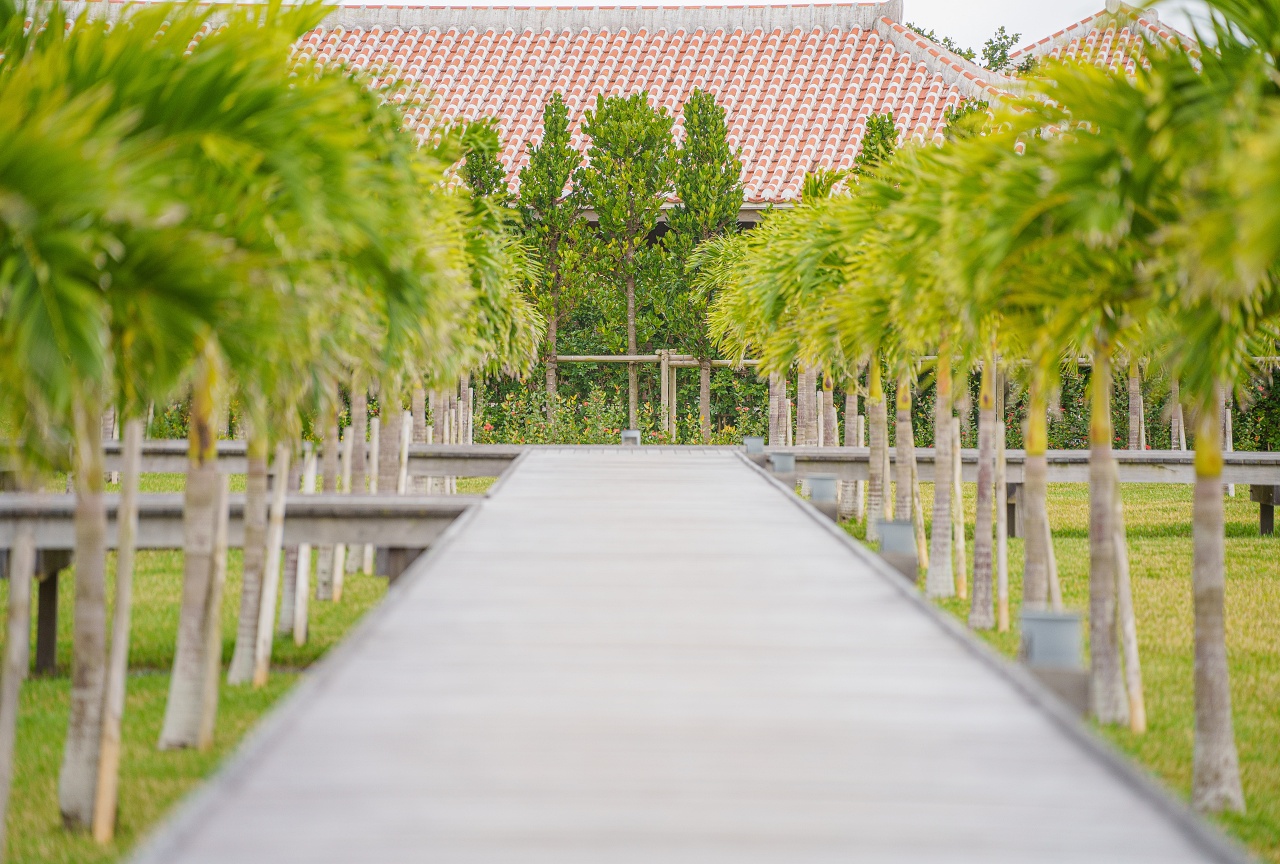
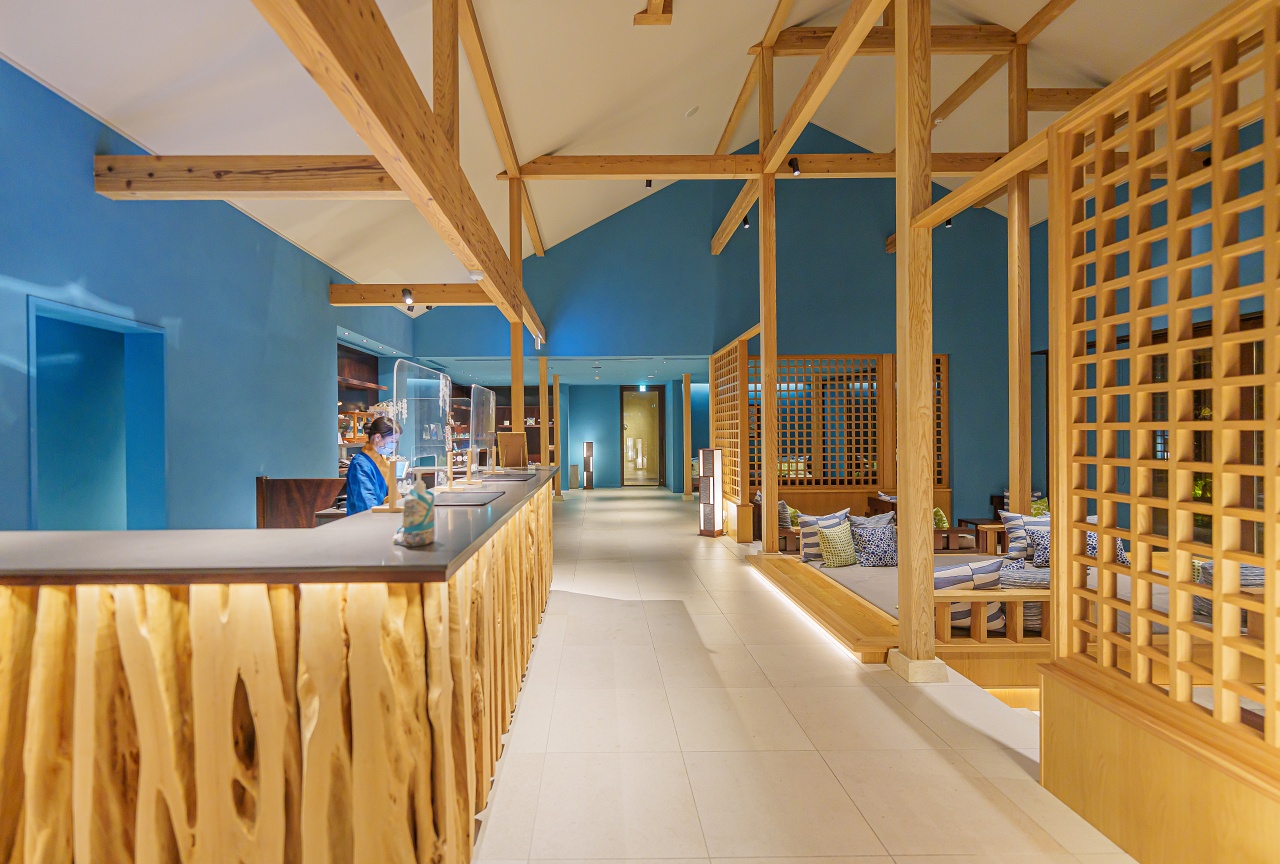
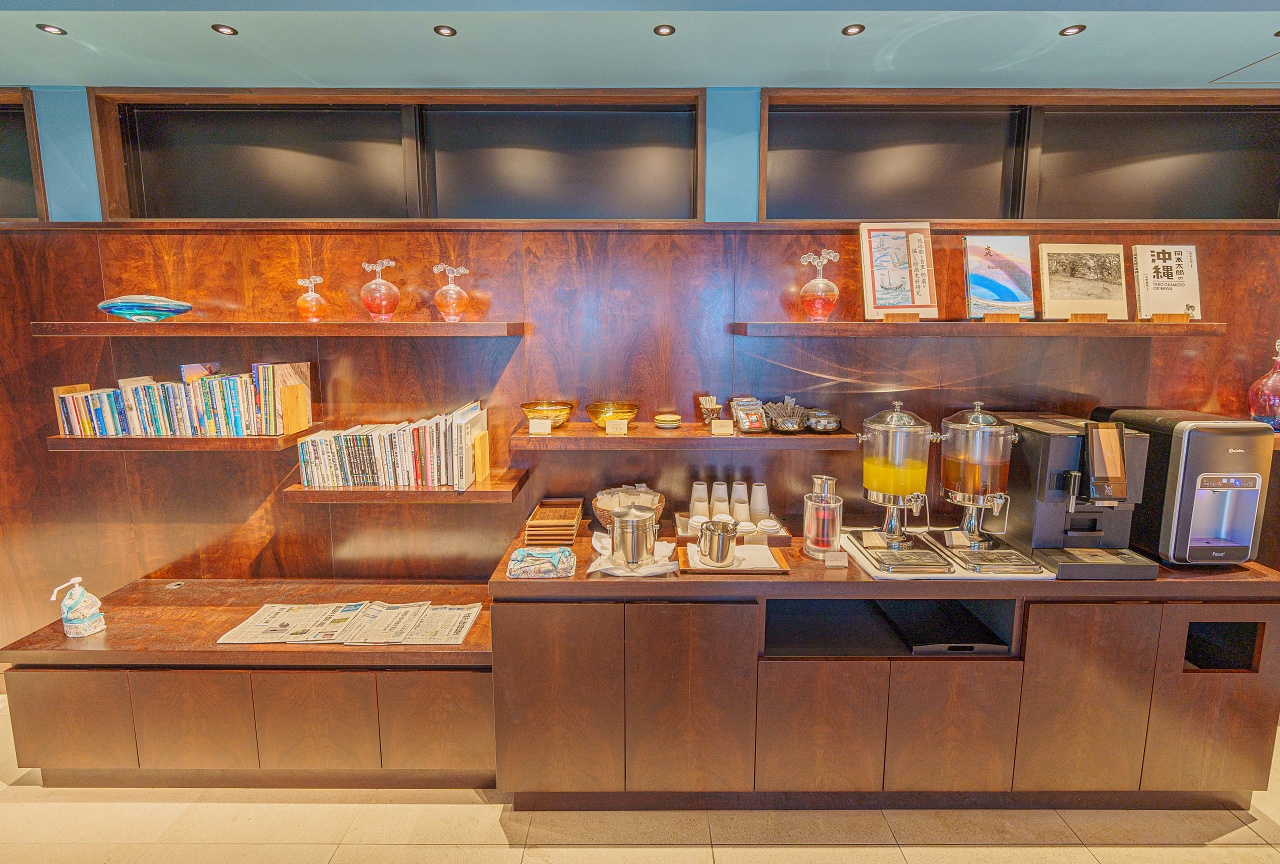
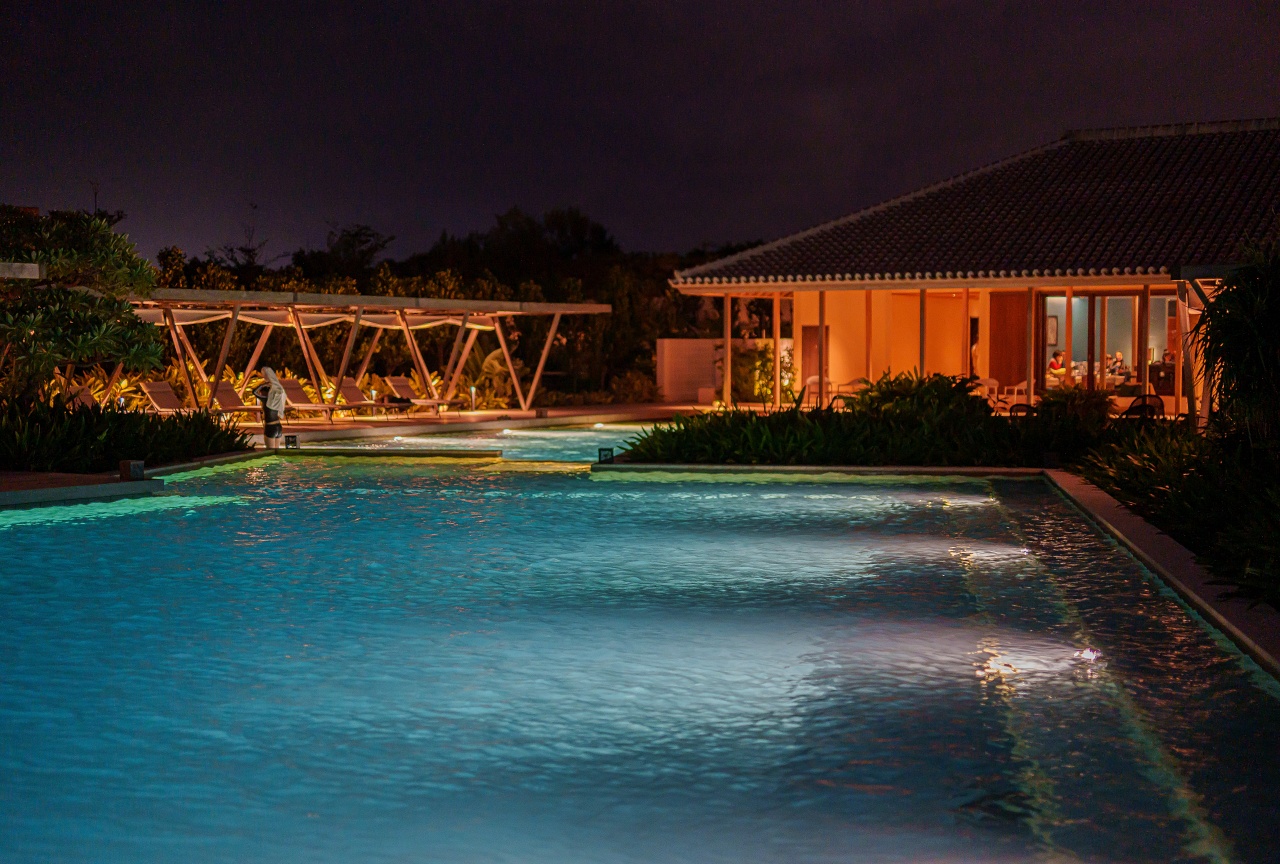
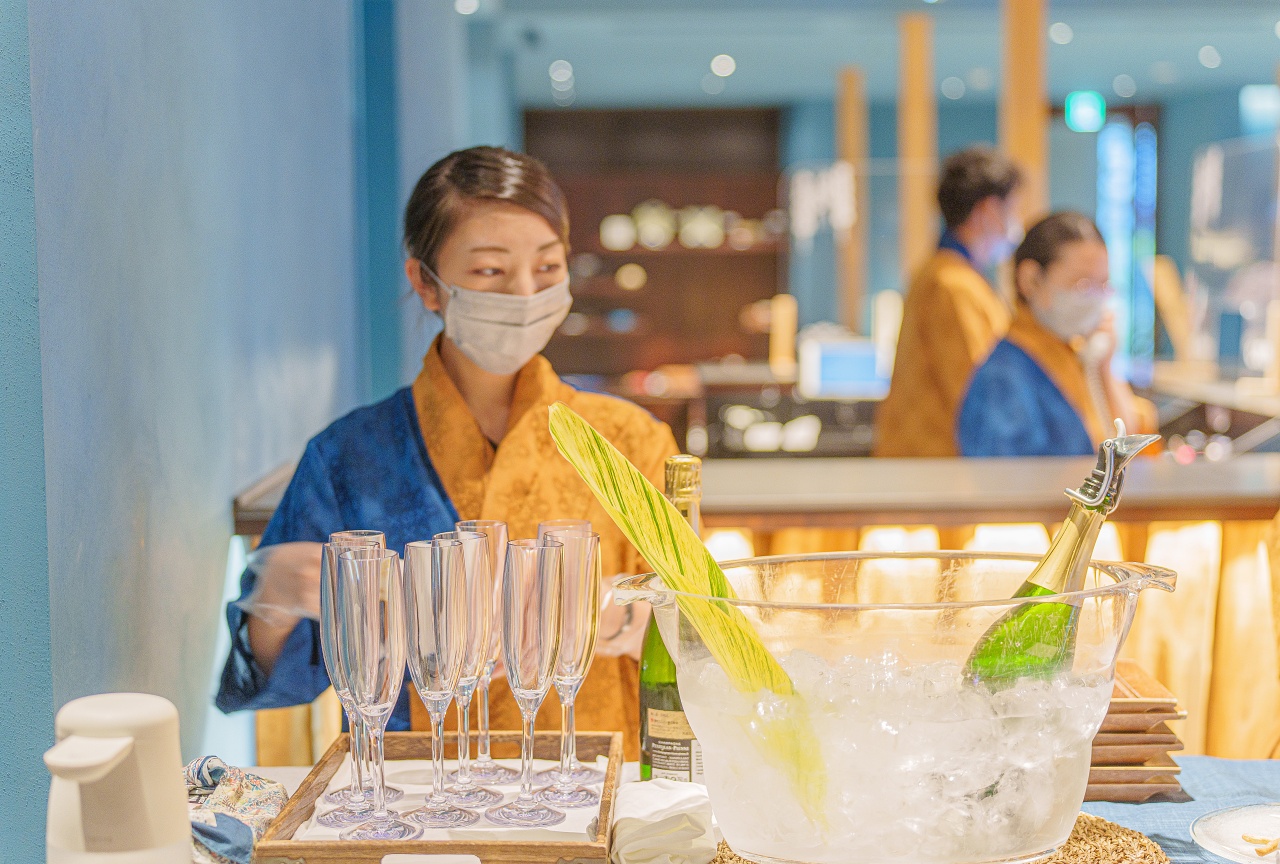
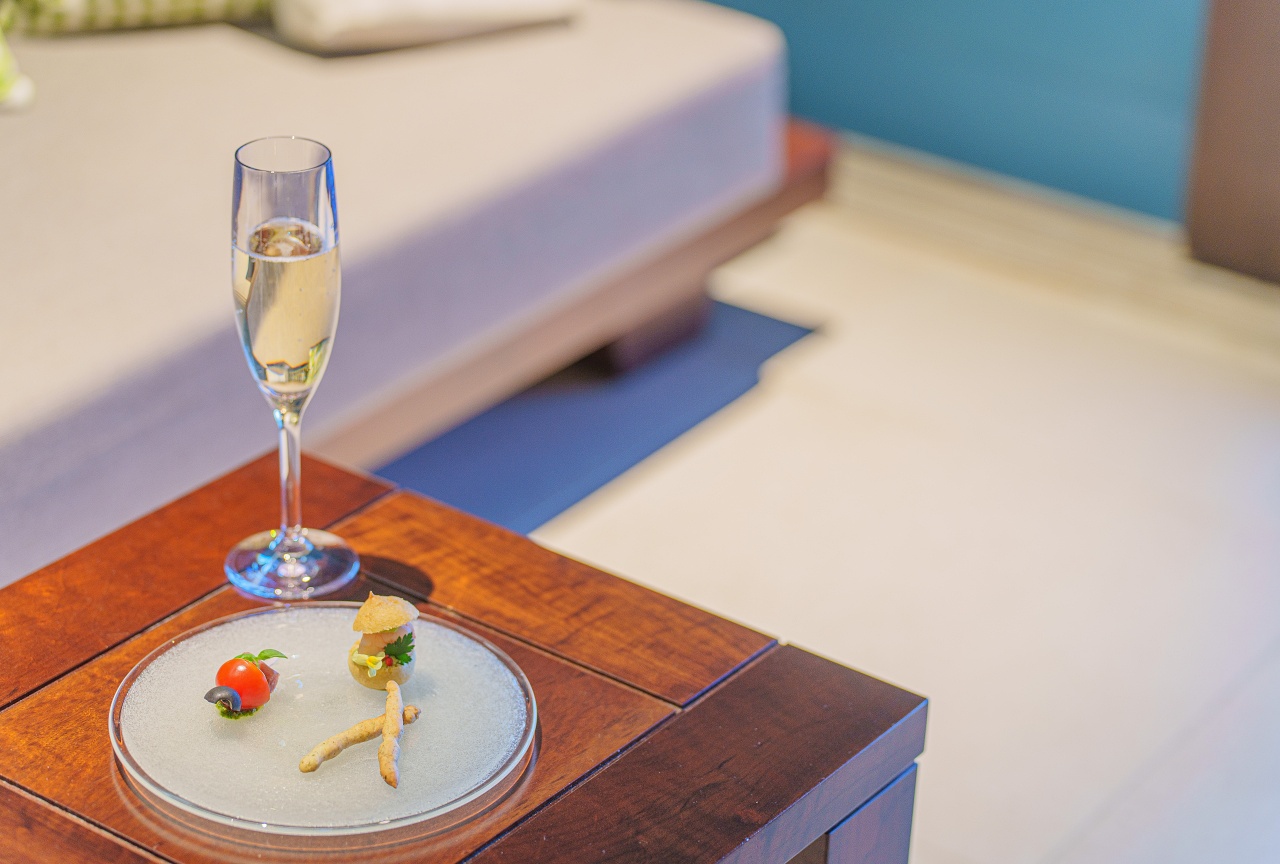
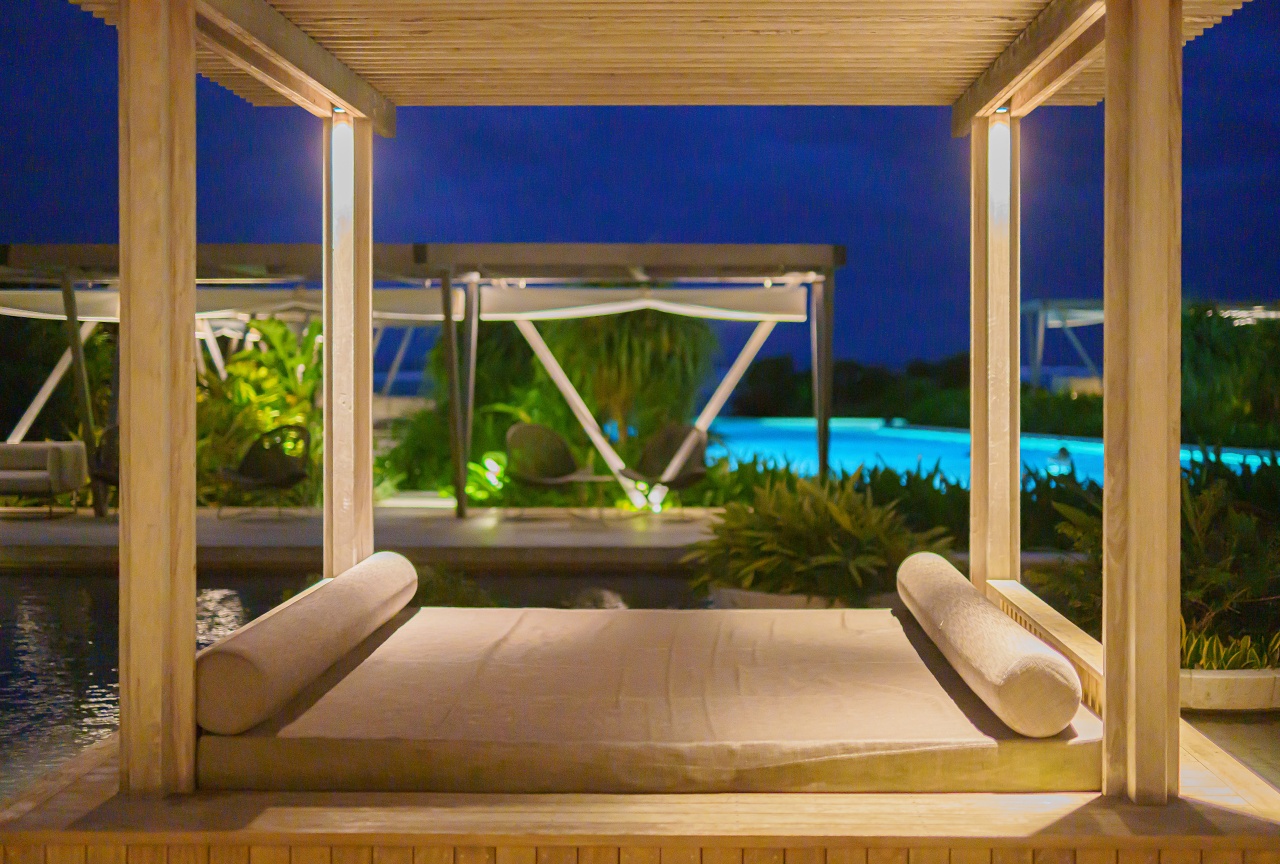
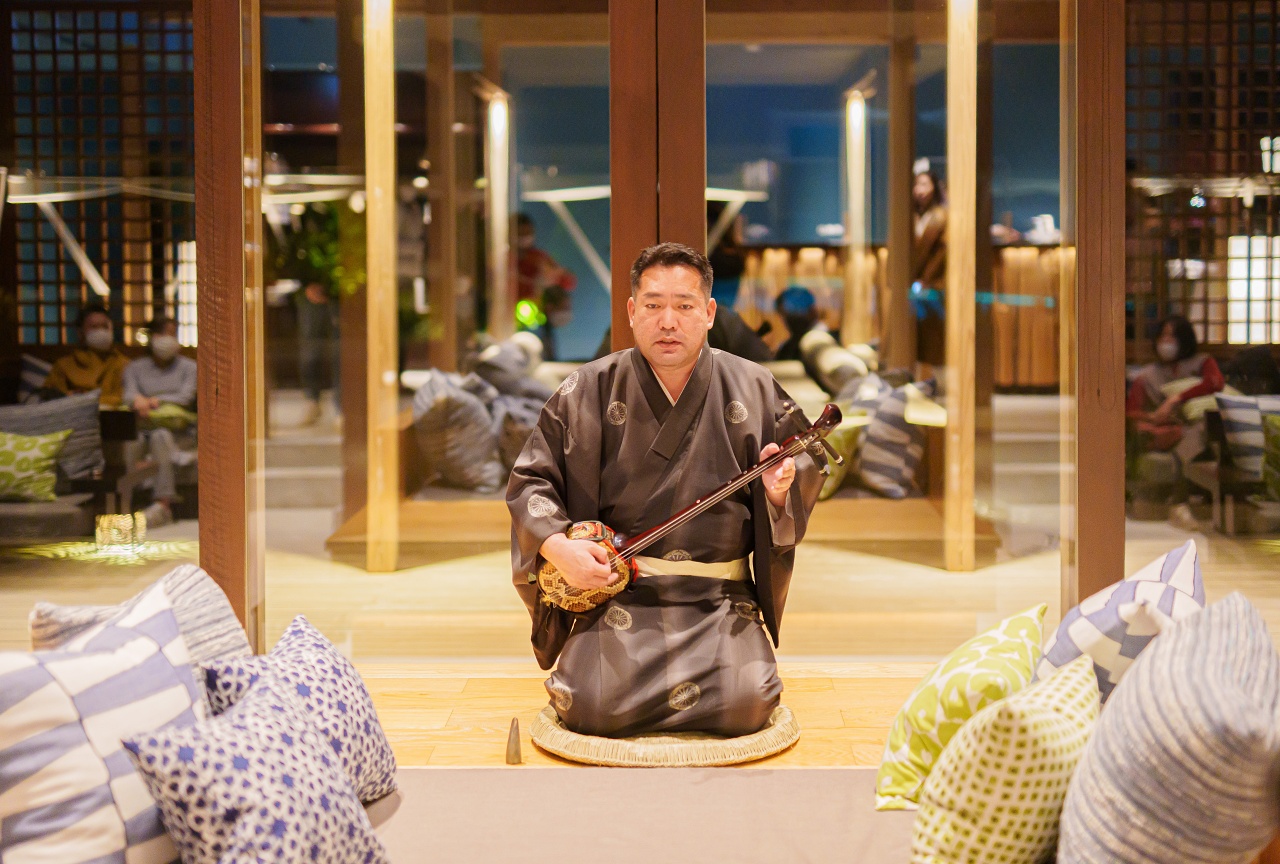
Beyond that tunnel and a green garden is reception, also usable as a lounge with teas, drinks and sweets. From December 1, 2022 through February, the source describes a sunset heated-pool aperitif experience: swim in the winter-warm pool, watch the changing sky, have a snack and drink champagne. It delivers a luxurious tropical-resort feeling in Okinawa. Evening performances were also offered, with changing daily programs to add variety for guests staying several nights.
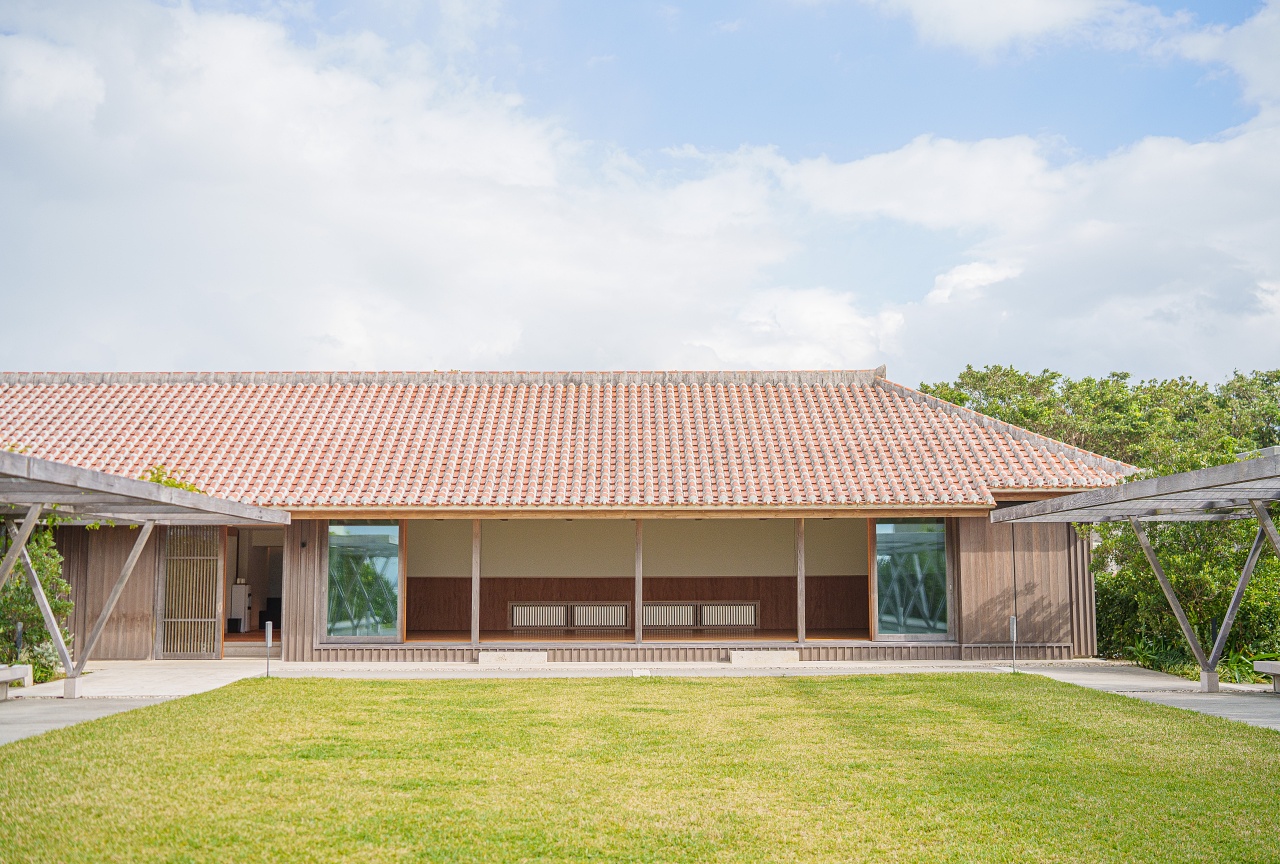
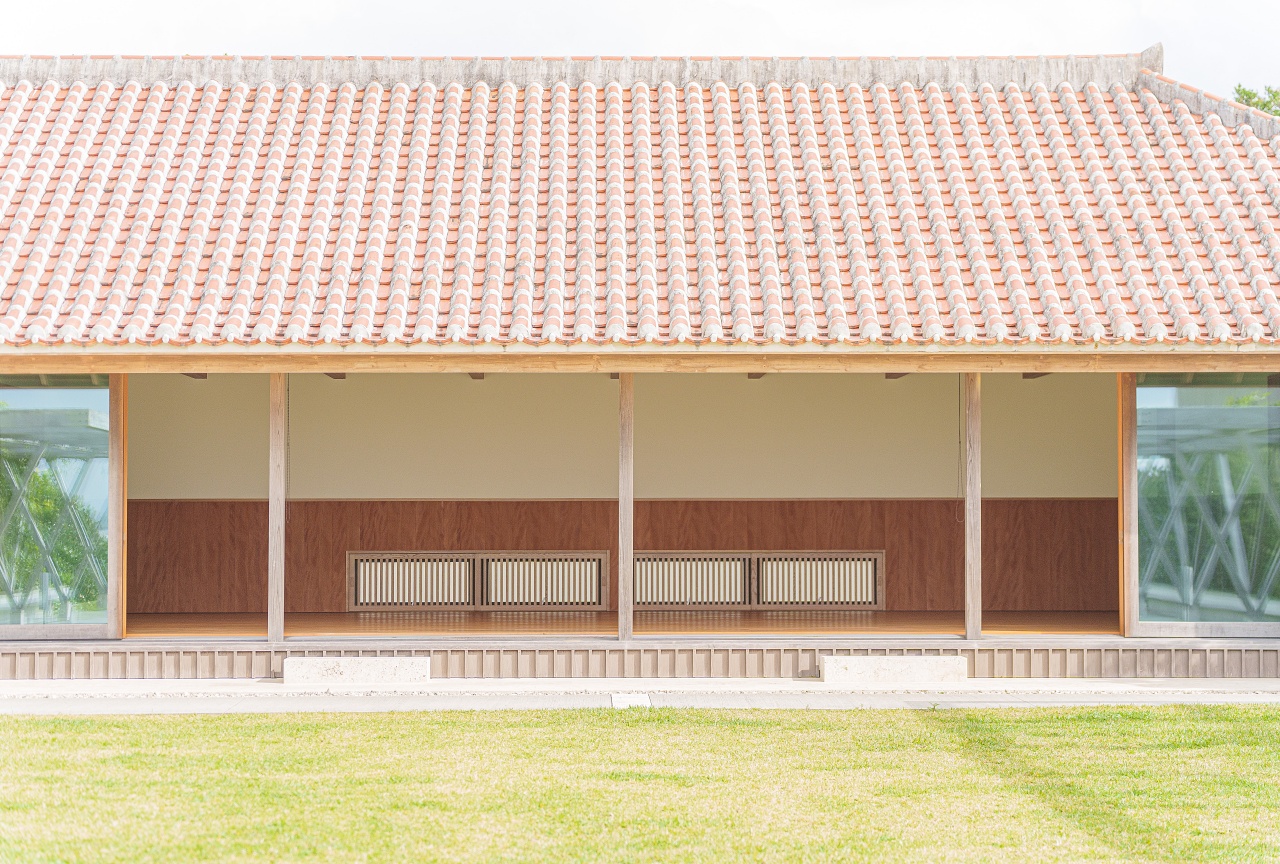
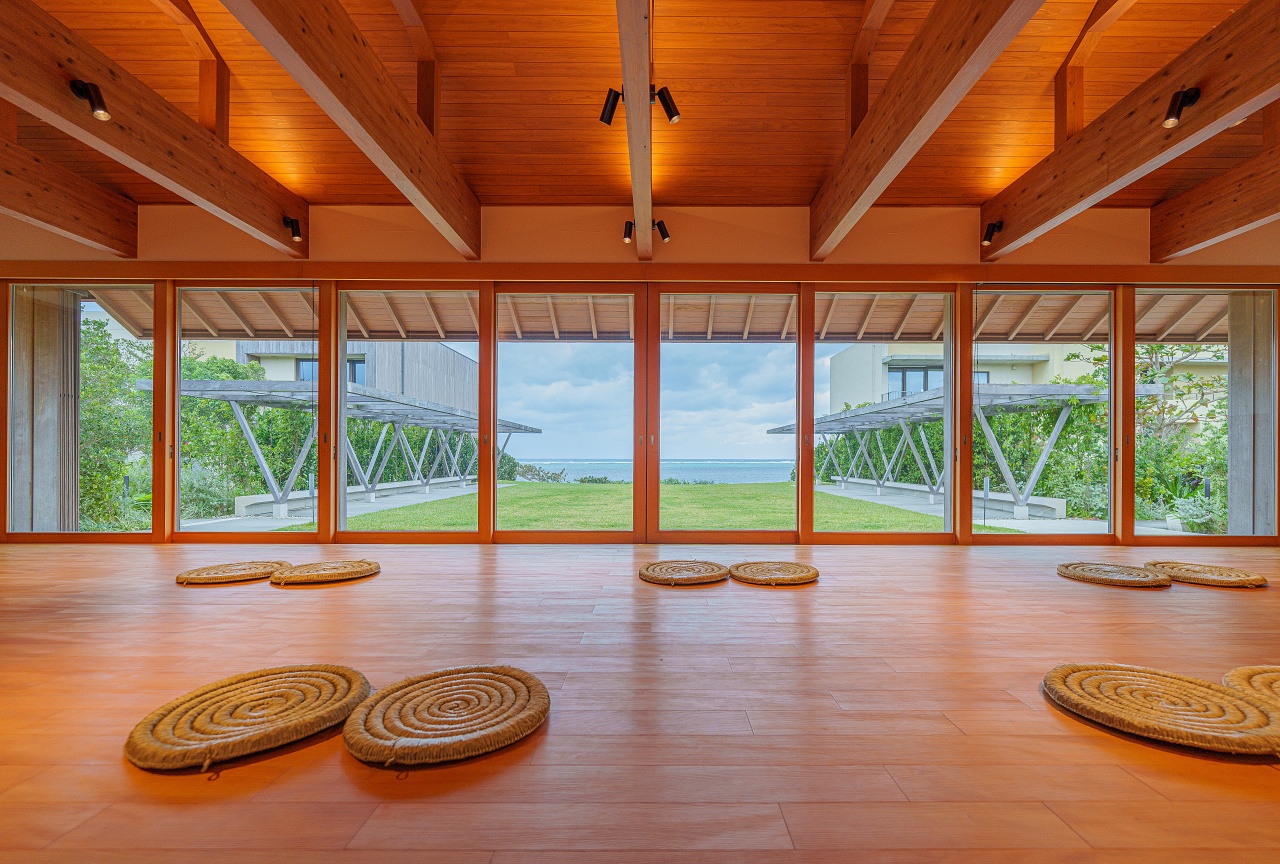
After 3 p.m. check-in, a staff member leads us to a pleasantly sunlit dojo, used for karate practice. Karate originated in Okinawa and emphasizes striking techniques using hands and feet. The source contrasts traditional controlled-contact, or sundome, karate with full-contact Kyokushin. It has spread worldwide and influenced mixed martial arts. Guests could also try a karate experience here.
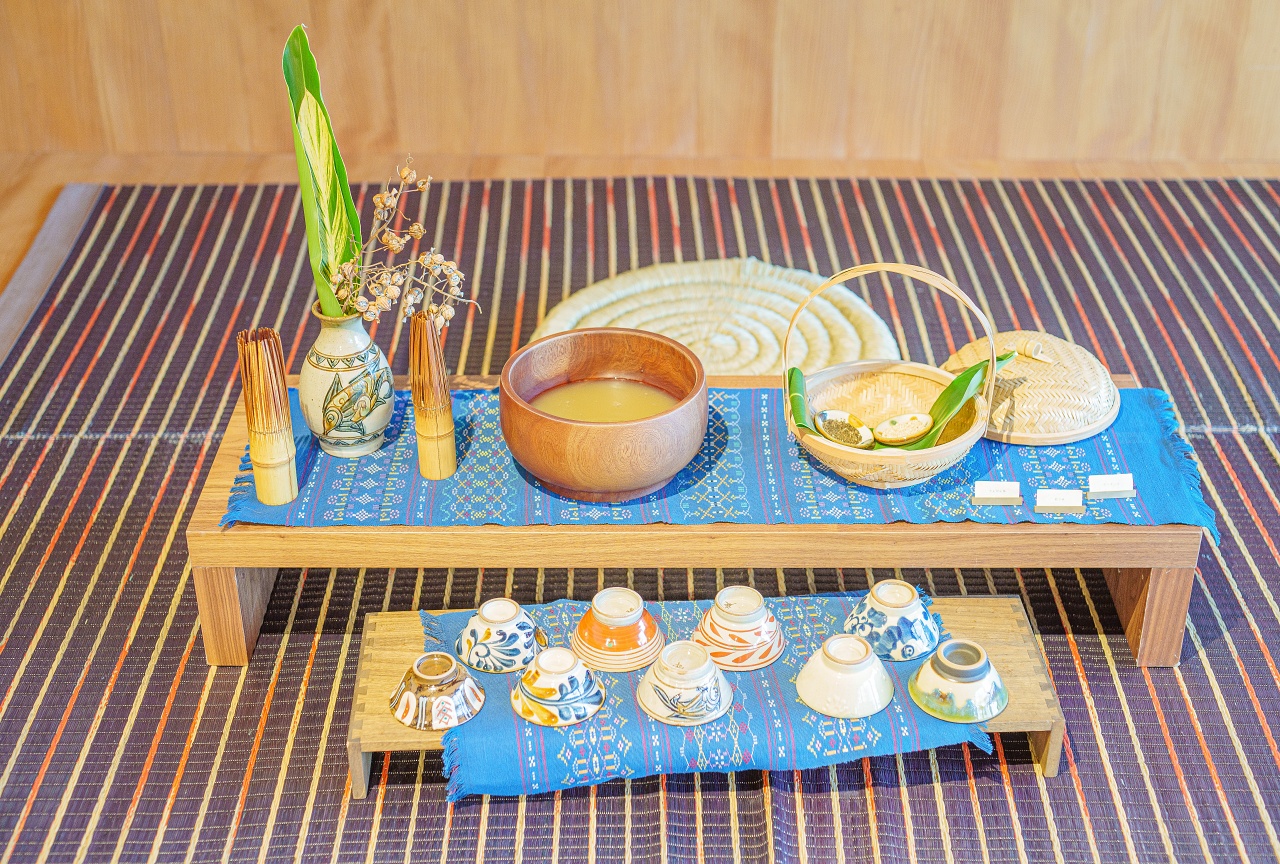
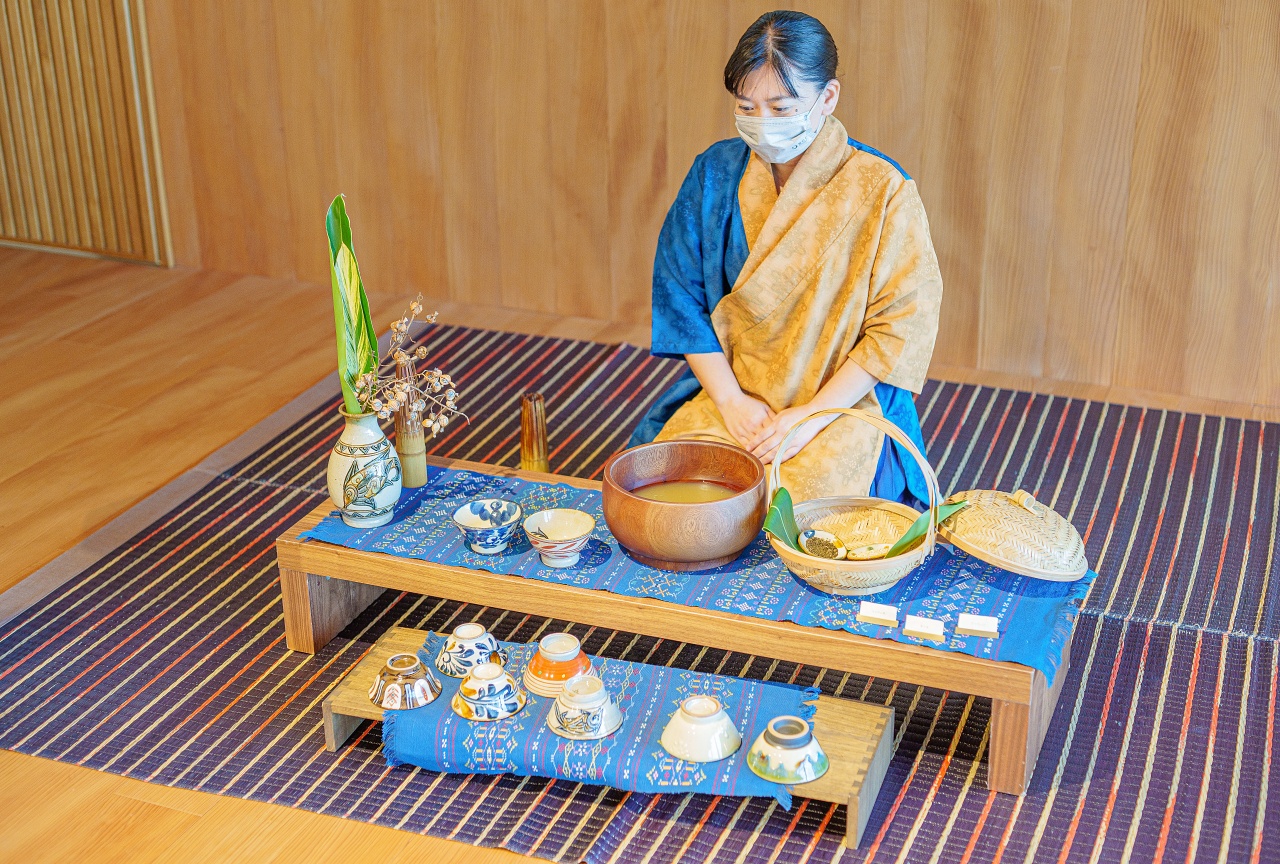
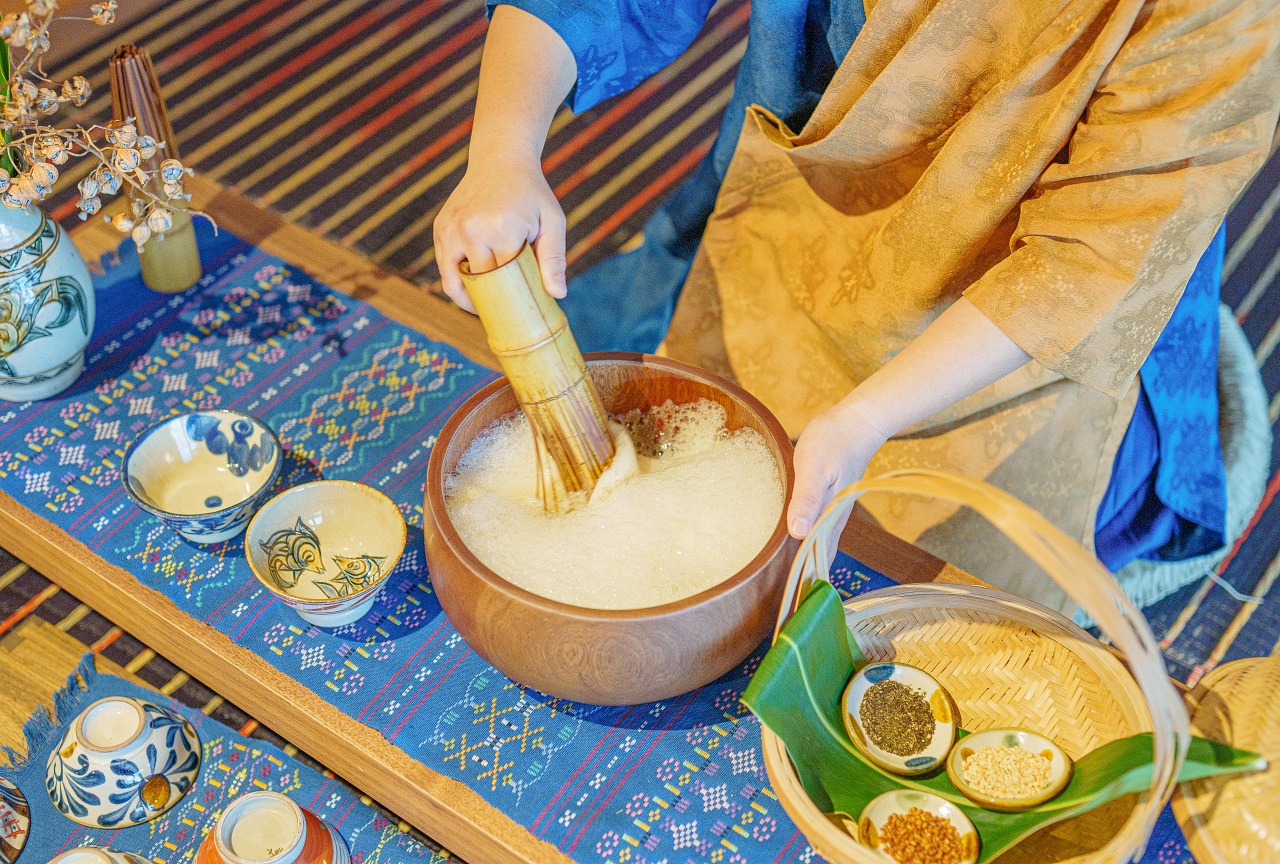
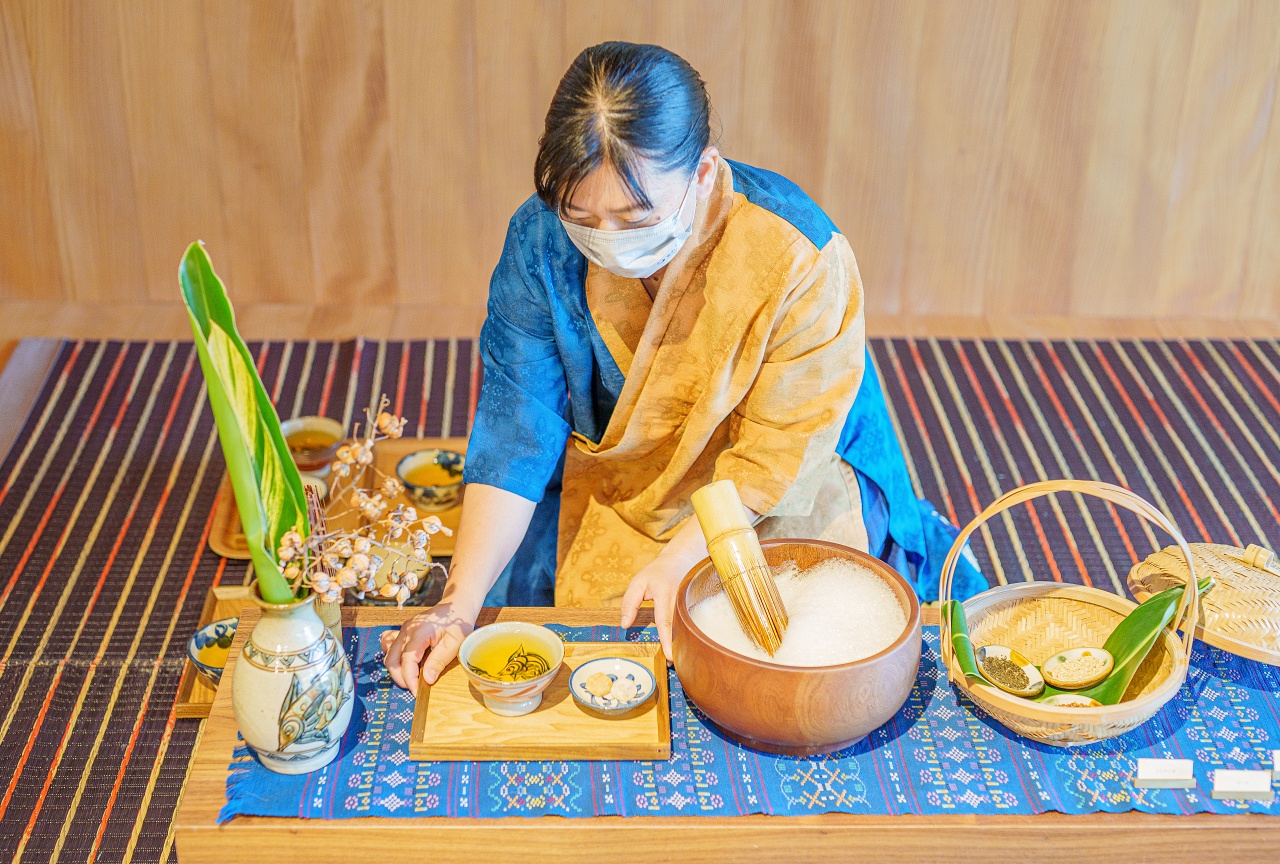
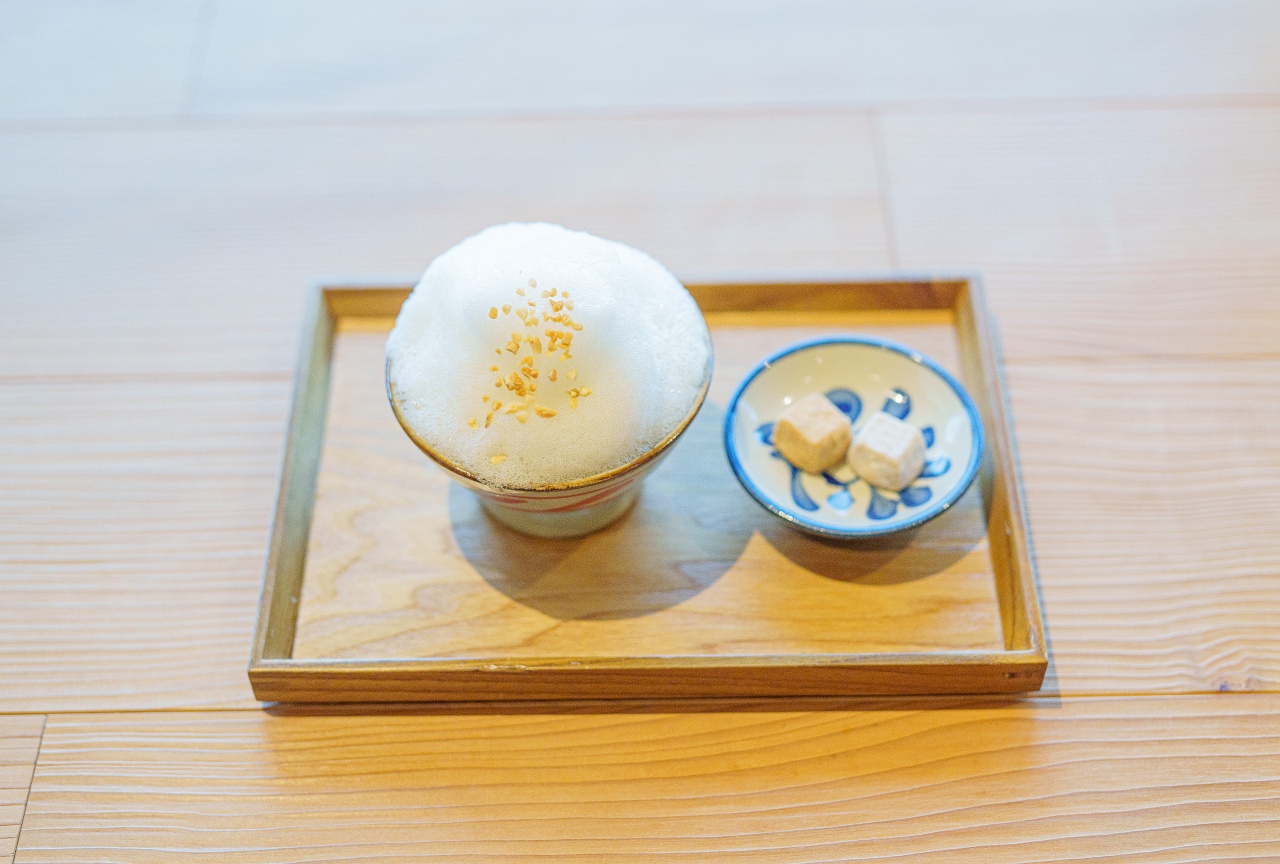
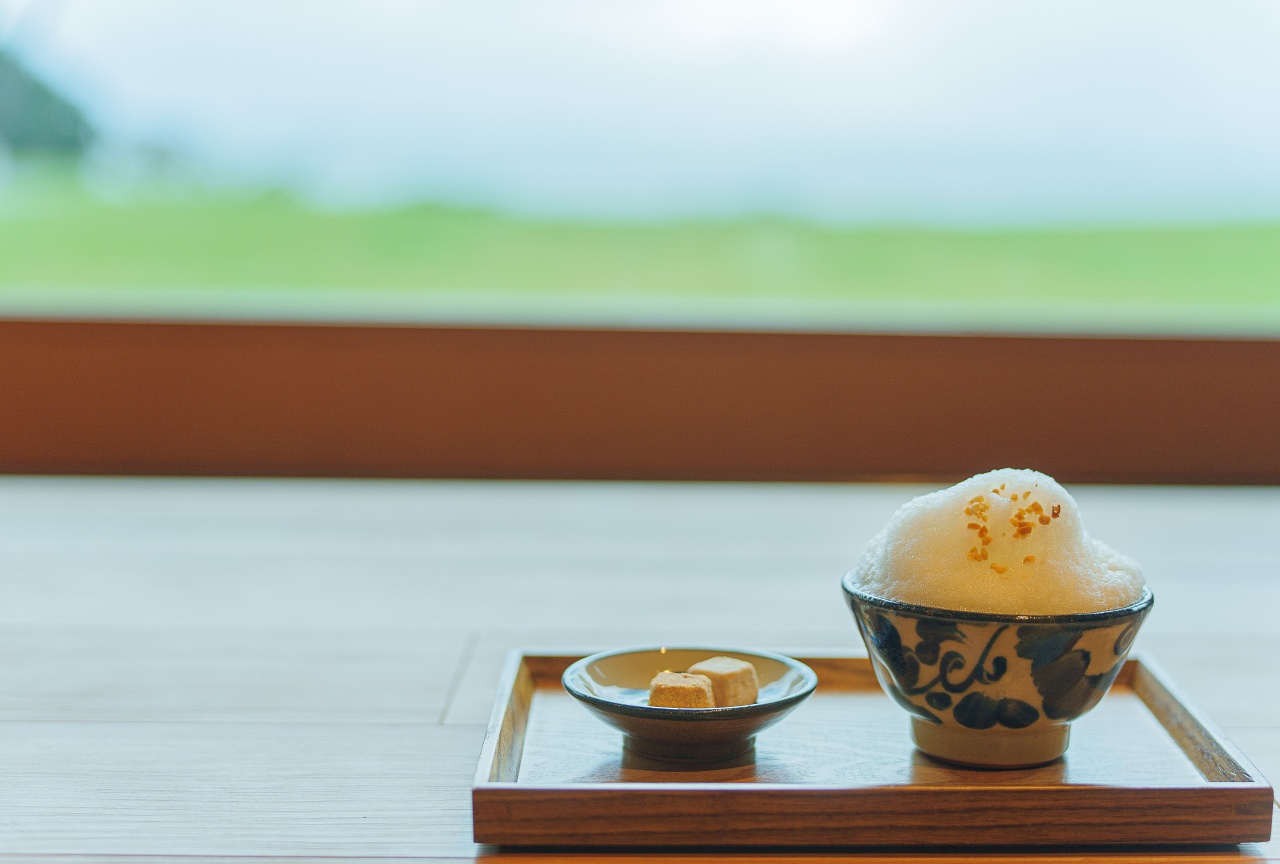
Unexpectedly, the dojo is also where we are served bukubuku-cha, Okinawa’s traditional foamy tea. Its name comes from the plentiful bubbles. Tea brewed with roasted brown rice and Okinawan water is combined with jasmine tea, then whisked with a bamboo whisk. The source associates it with celebrations and describes it as a rare drink once enjoyed by Ryukyu Kingdom nobles.
I have never had such a carefully prepared welcome drink. Receiving the tea helps me put the busyness of the day aside and prepare to enter the unhurried world of this Okinawan gusuku.
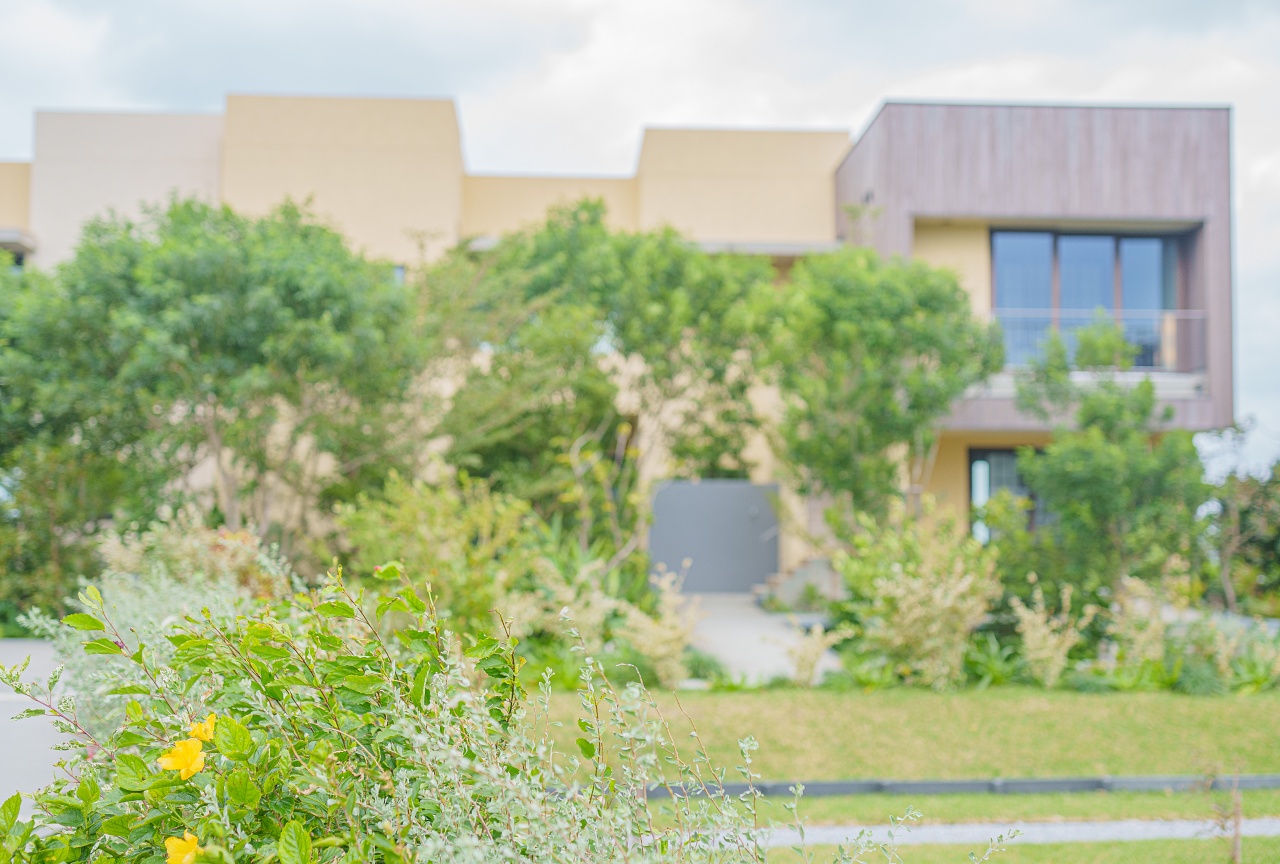
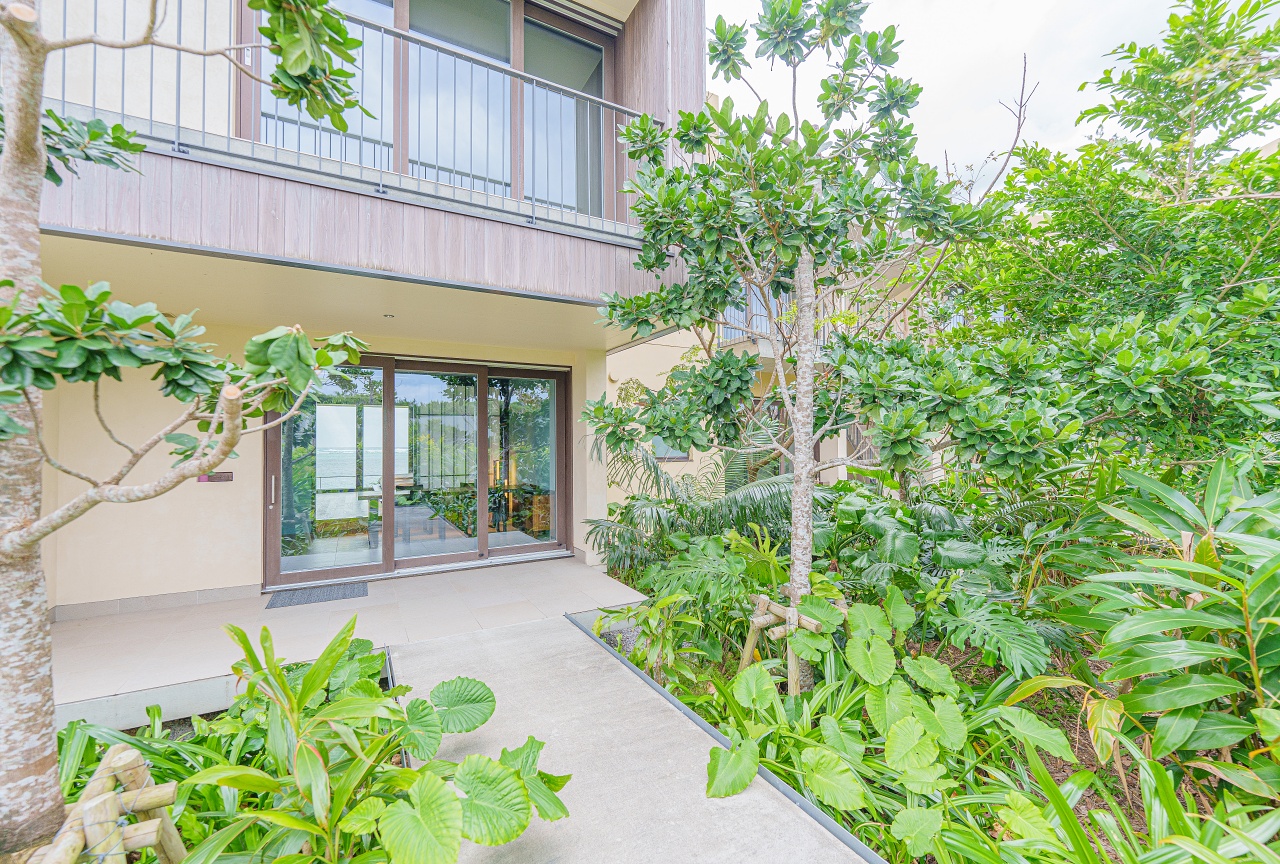
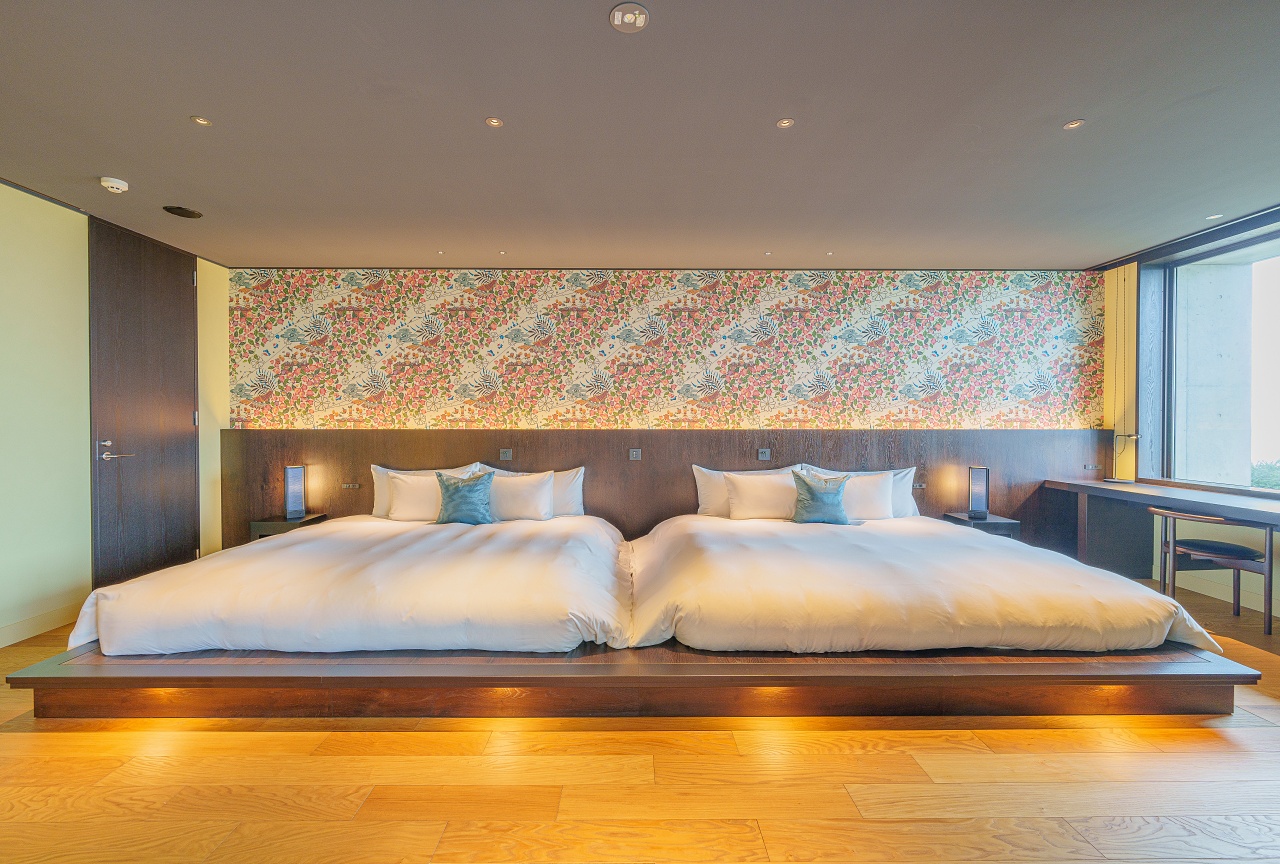
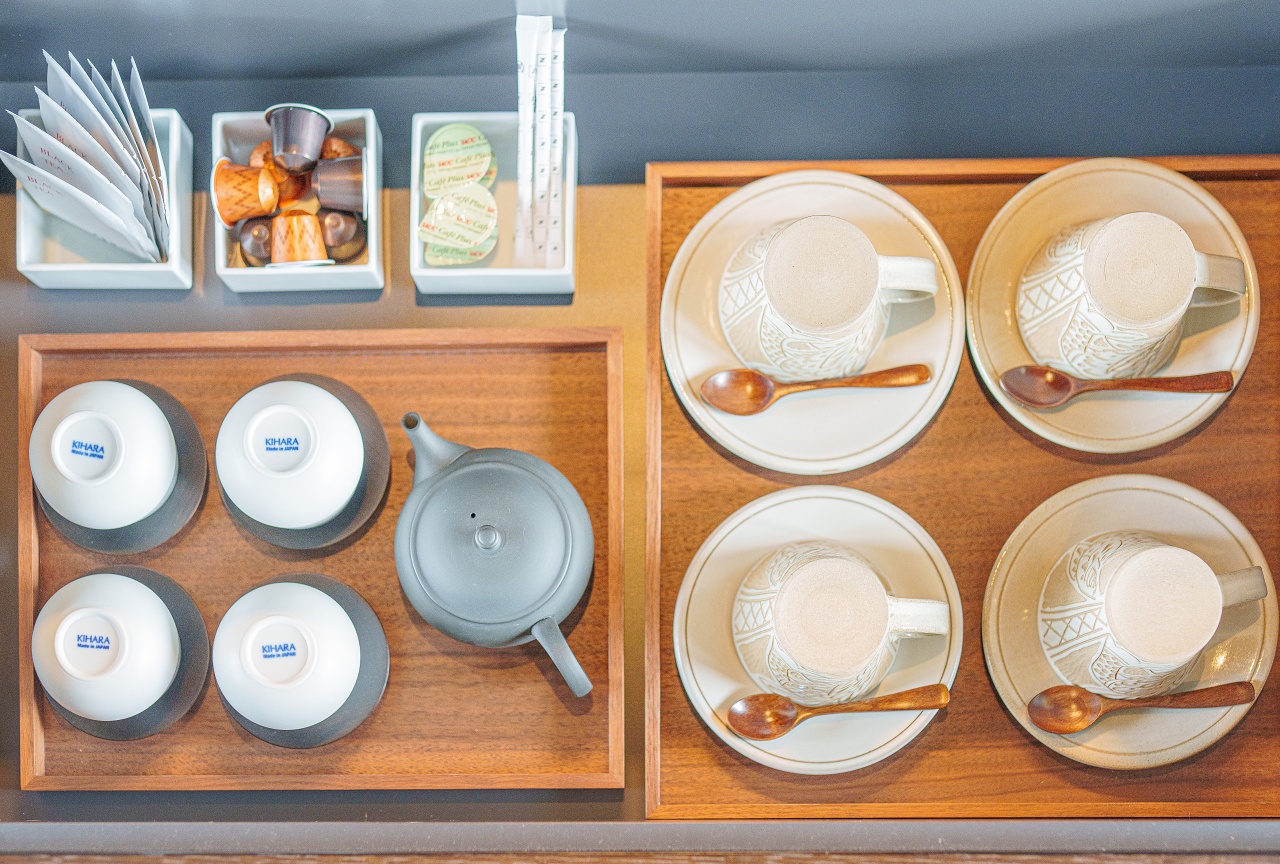
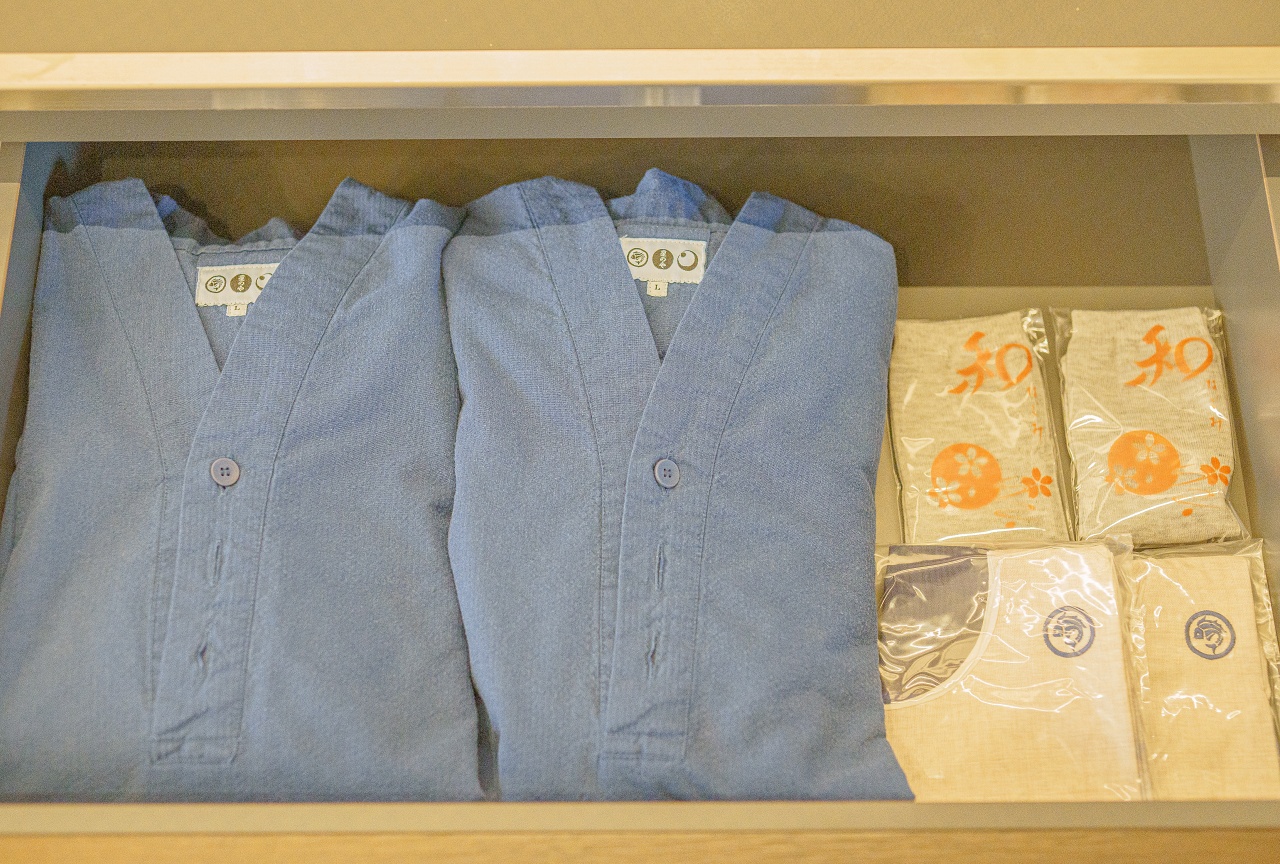
After tea and a little quiet time, we finally move to the room. The property offered four room types.
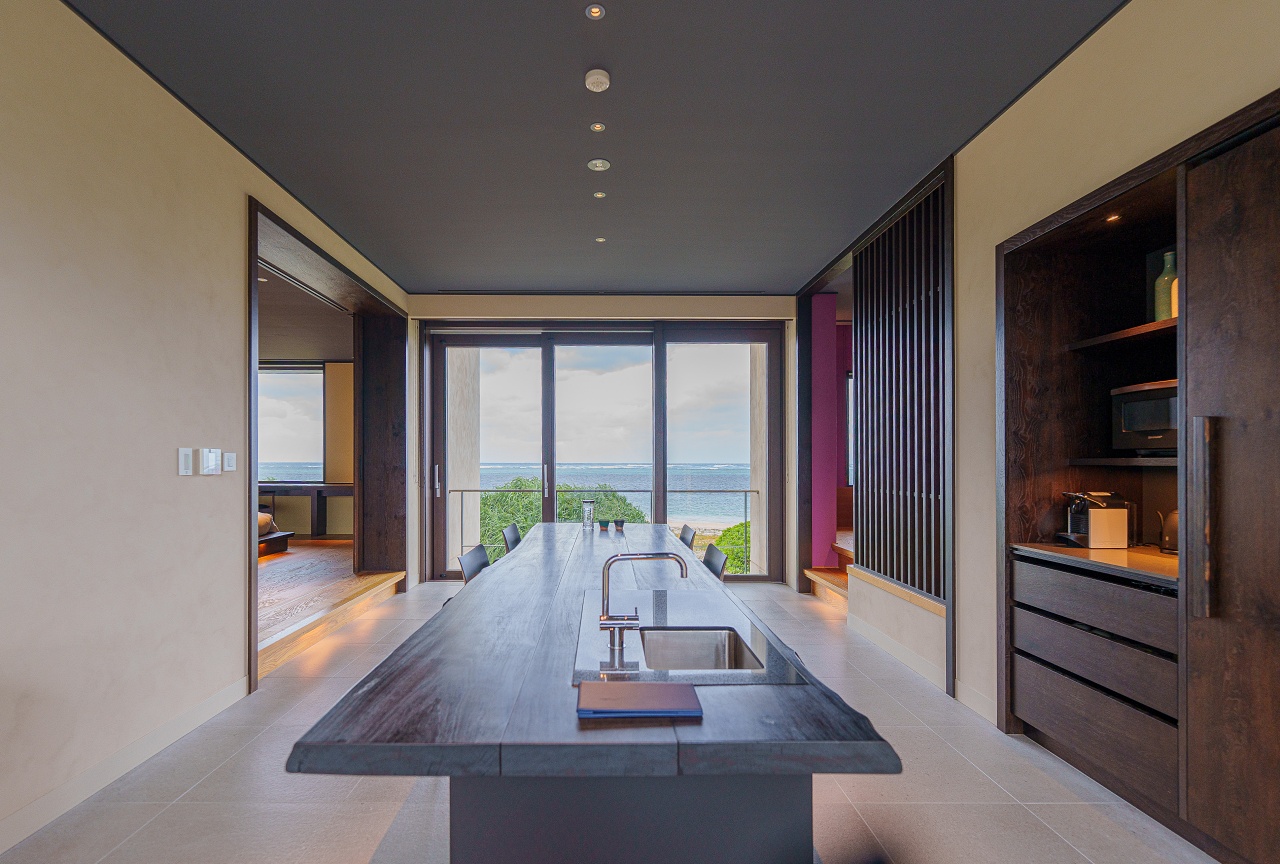
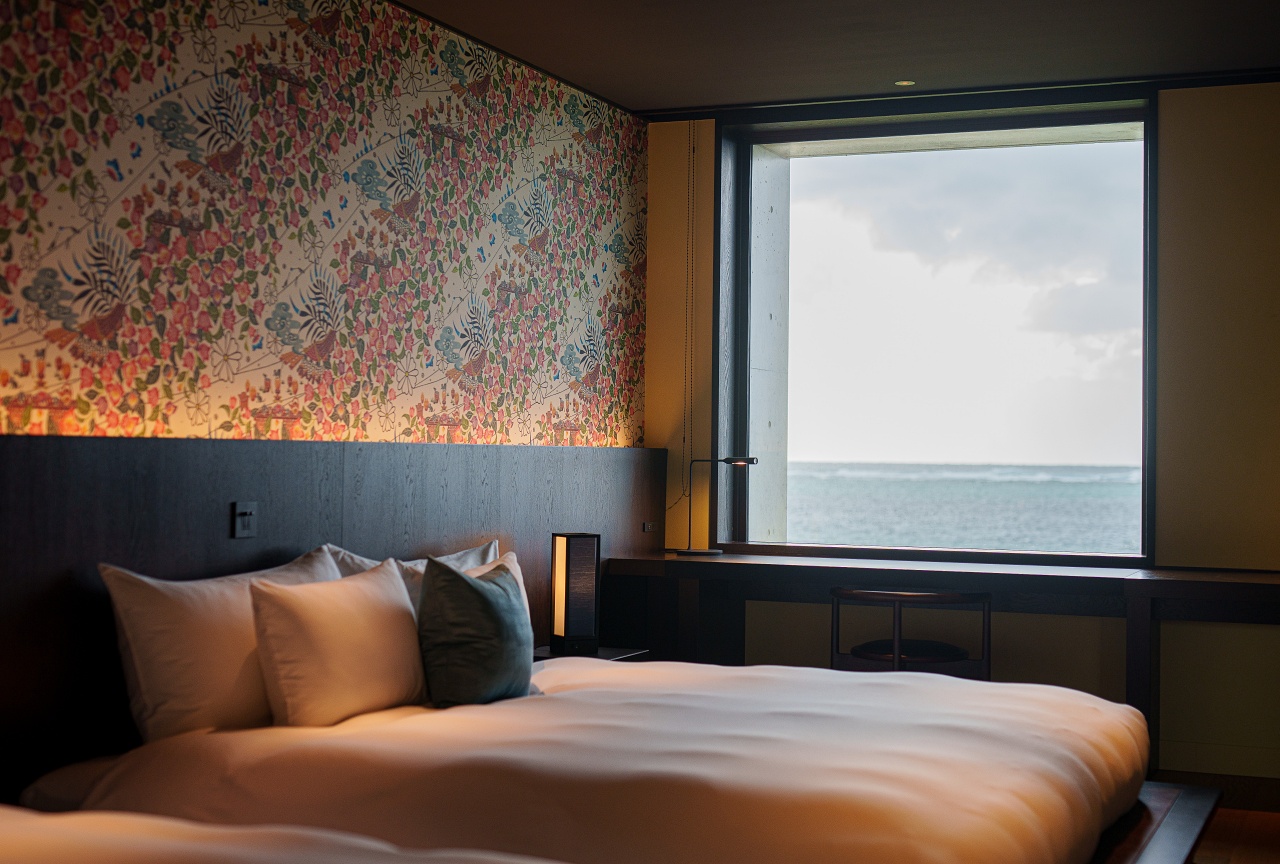
Tida, Fushi, Haru and Tin each had their own character. We stayed in Fushi, described as a spacious suite suited to longer stays, families or larger groups. The living room, indoor patio and bedroom are separate. Sea views extend from each space, and meals can be enjoyed on the indoor patio with waves in the background. The living room is designed for relaxing while seated near floor level.

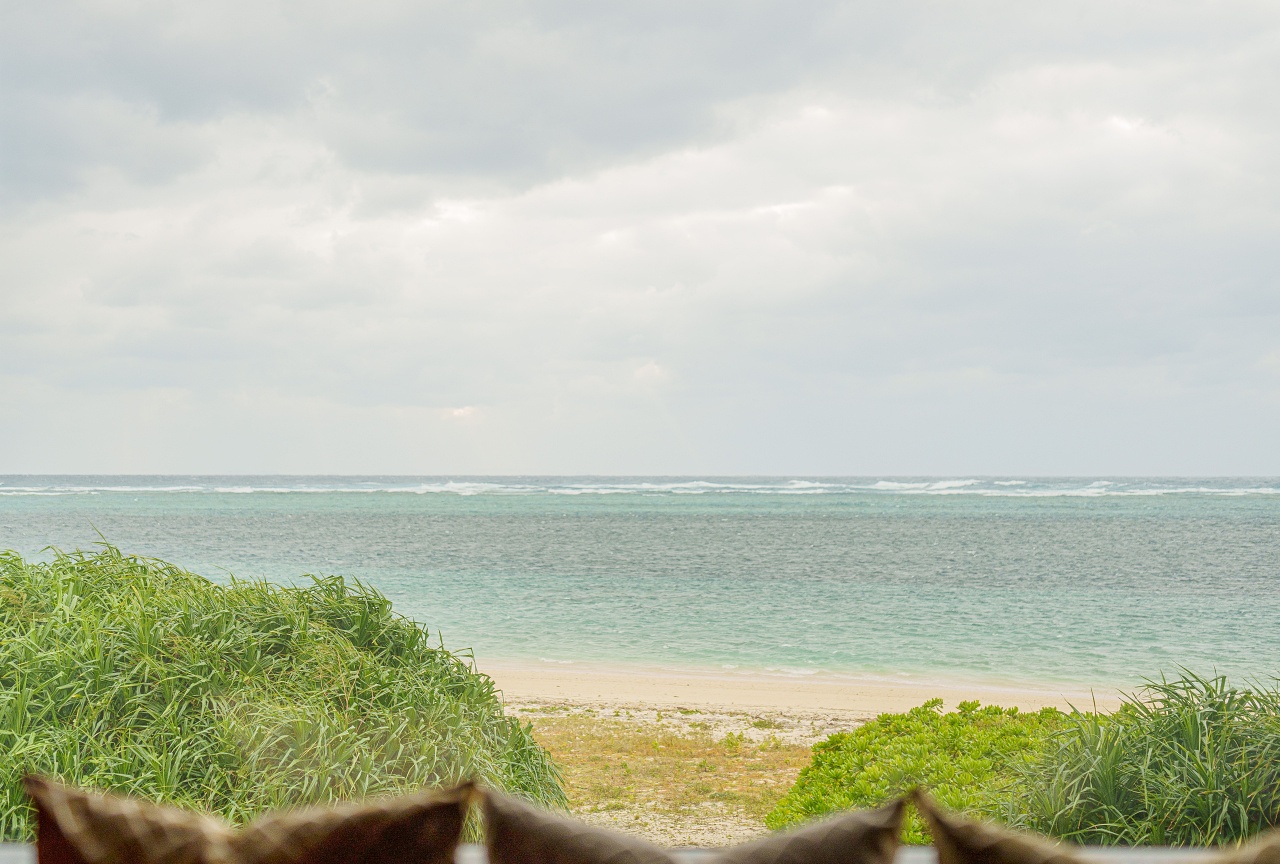
The source says HOSHINOYA rooms do not have televisions, encouraging guests to connect with their surroundings. Here, the sea through the large window becomes its own enormous screen, with the sound of waves in place of television audio—natural sound that is not part of my everyday life.
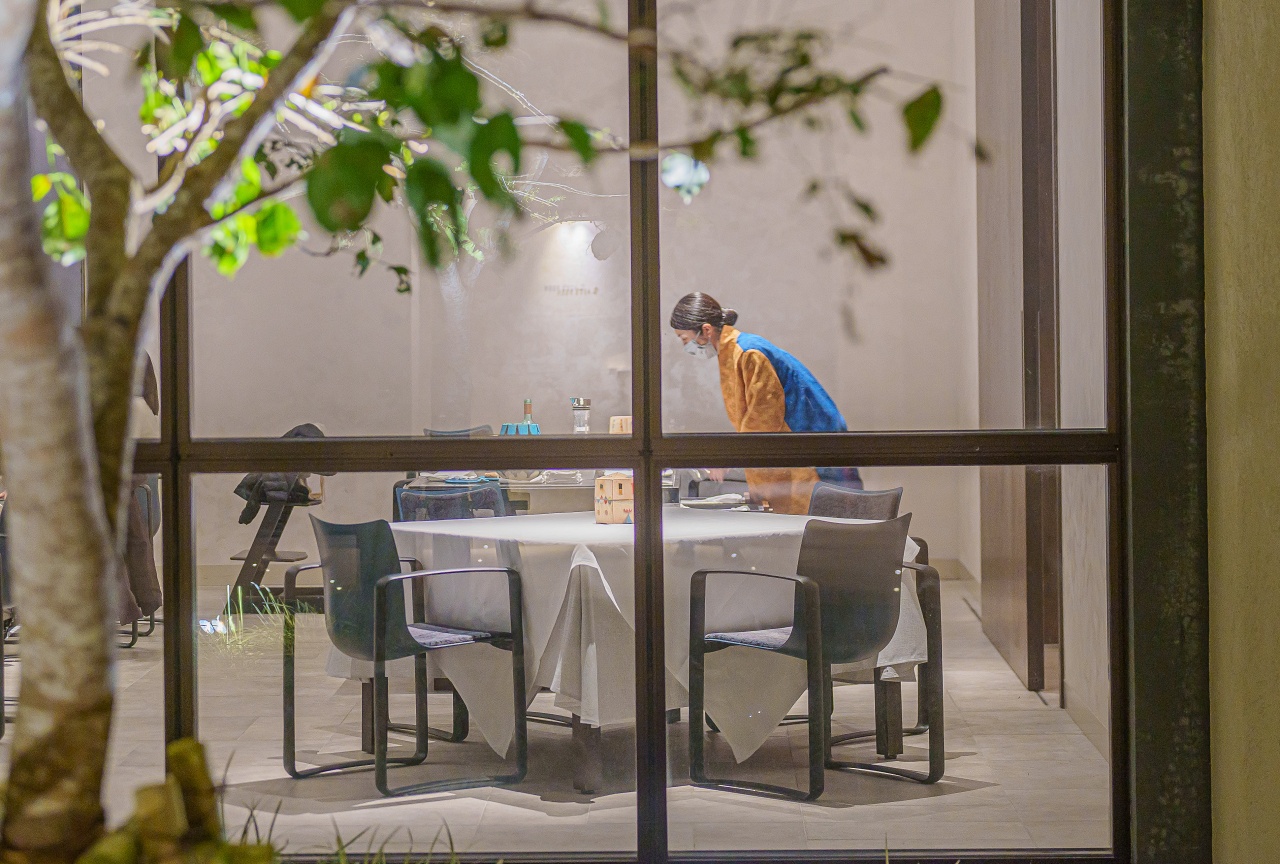
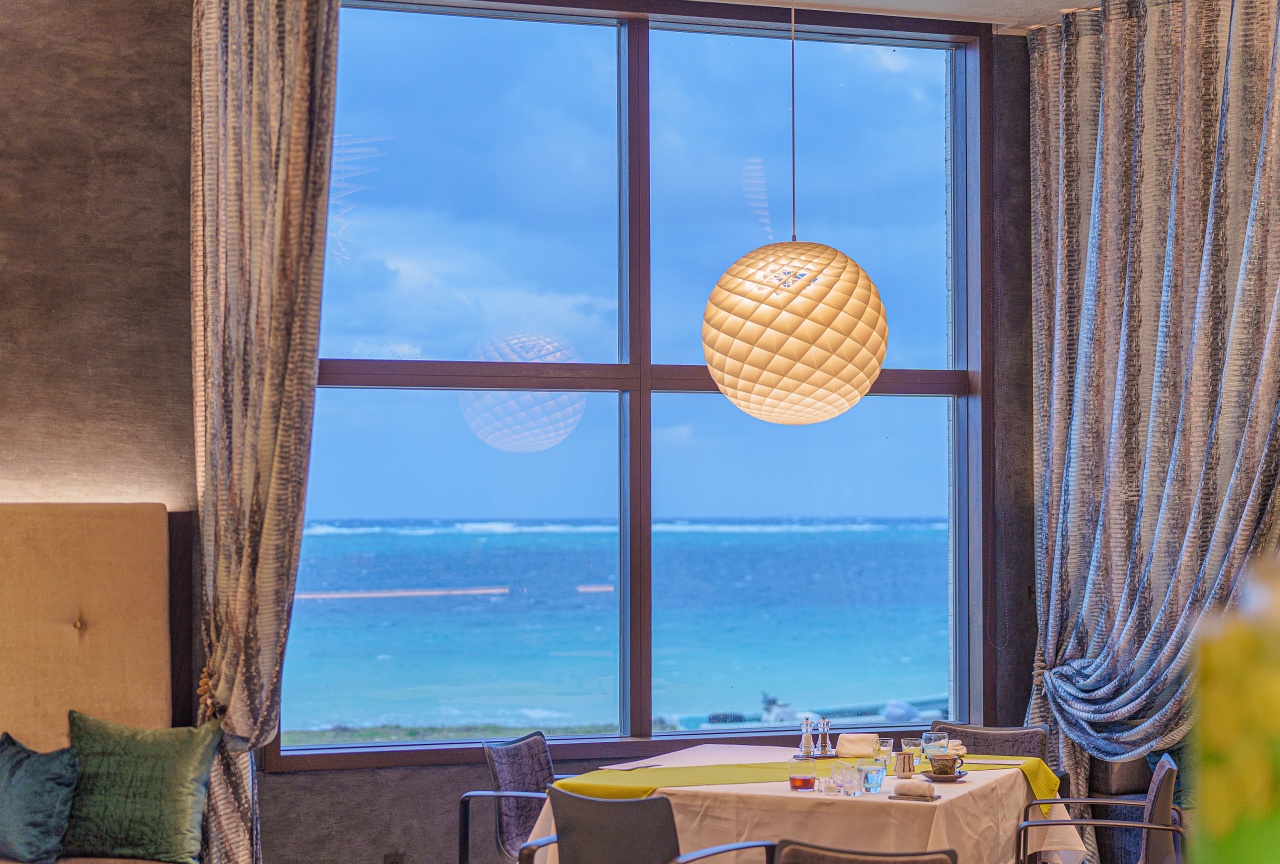
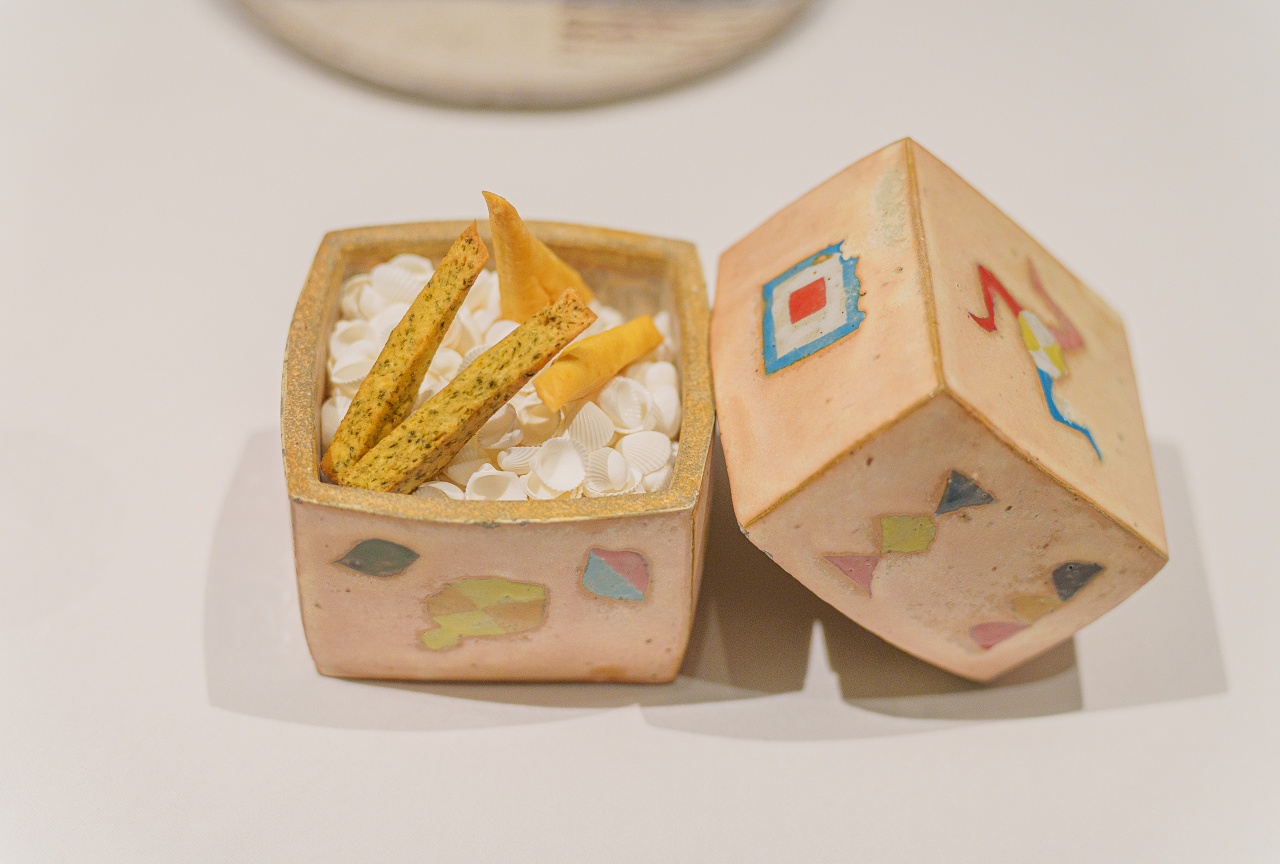
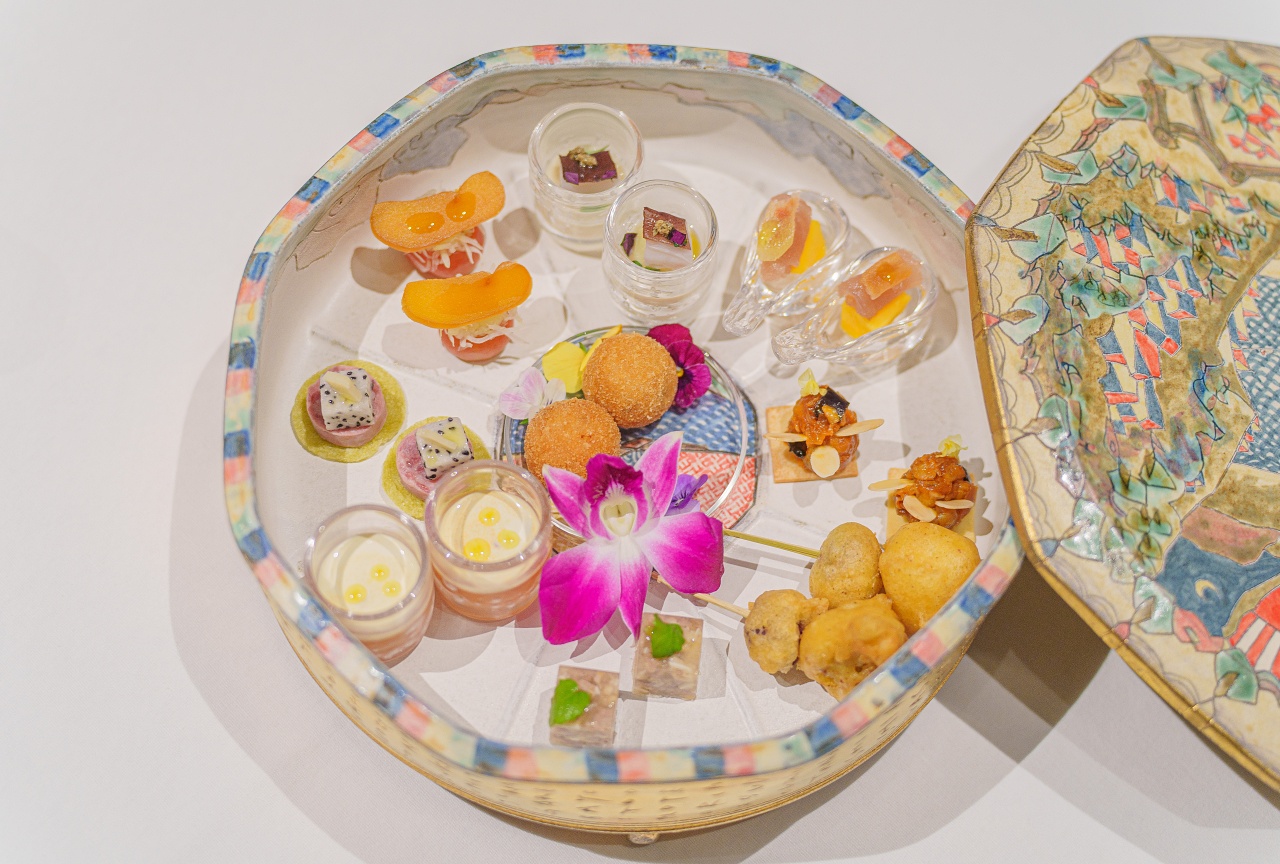
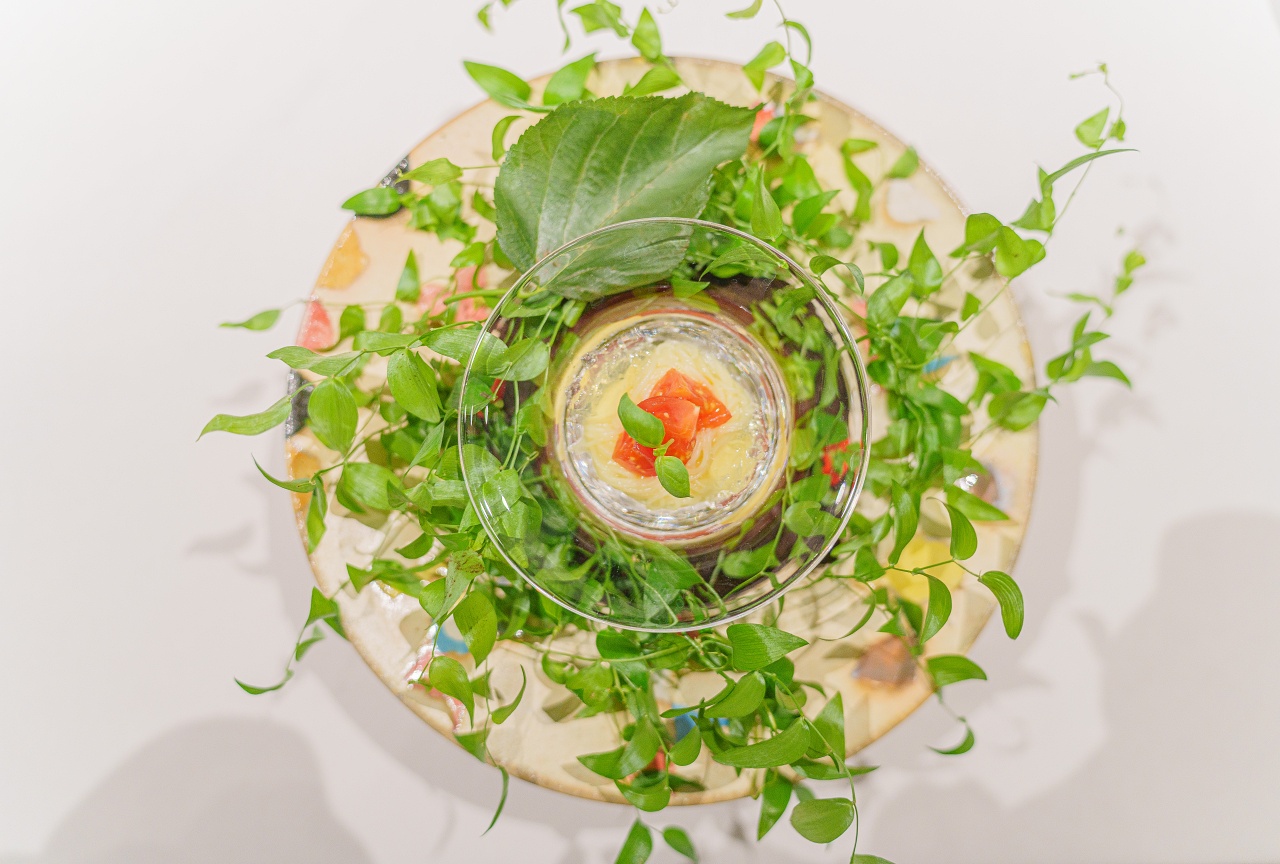
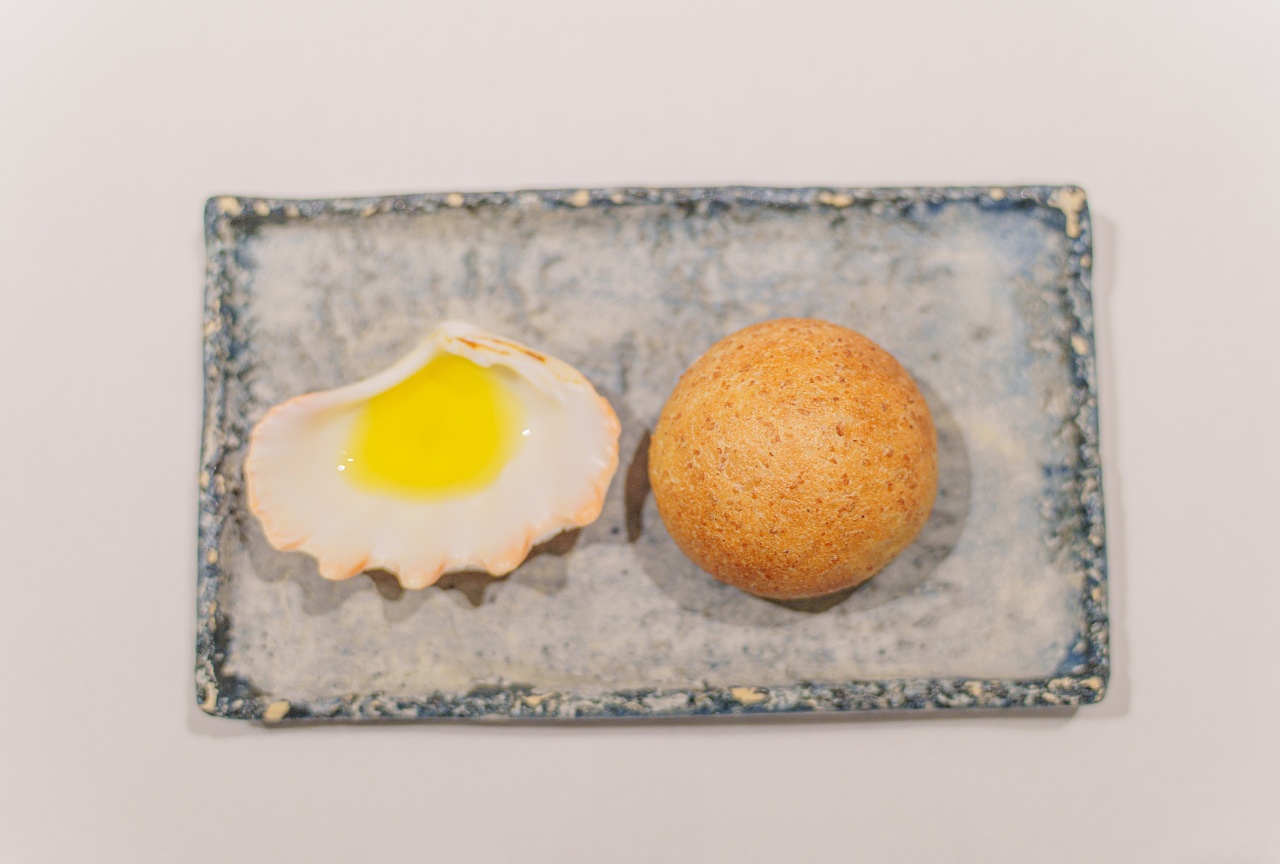
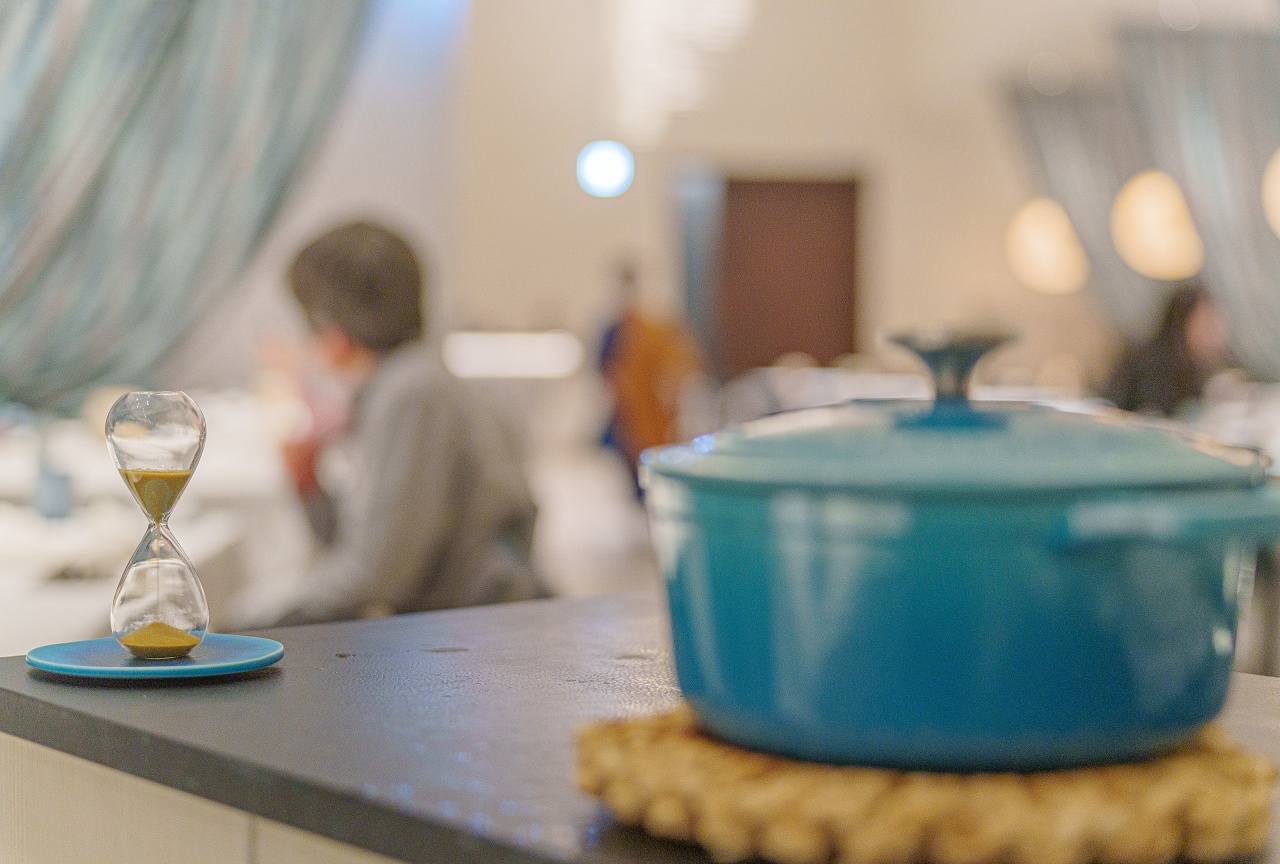
Dinner uses Okinawan seafood and ingredients through a Sicilian lens. The theme is Ryukyu-Sicilian. Why Sicily, so far from Okinawa? Sicily’s food developed through Greek, Carthaginian, Roman, Arab and Norman influences into something distinct from mainland Italy. Okinawa likewise has a food culture shaped by the Ryukyu Kingdom, China and the United States, distinct from mainland Japan. The resort’s course meal draws on that shared individuality.
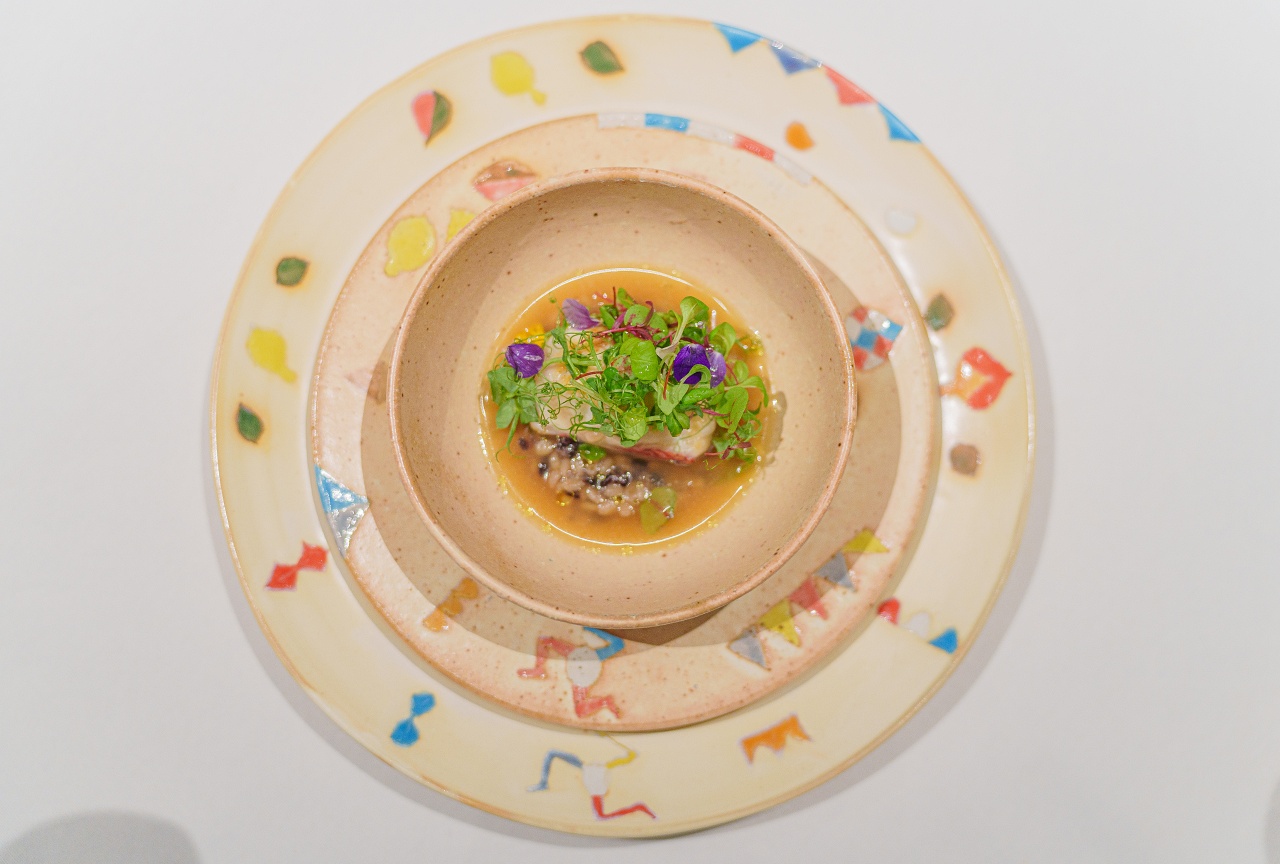
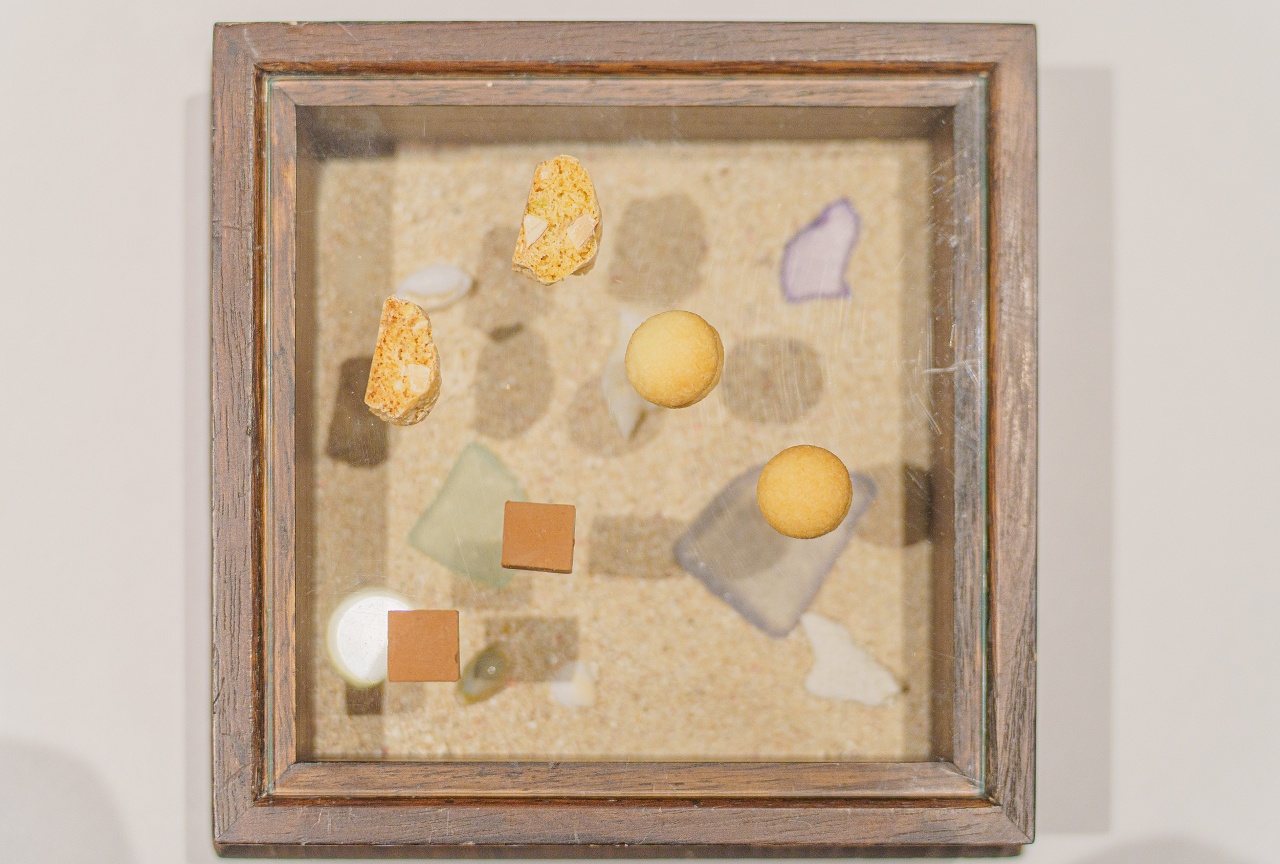
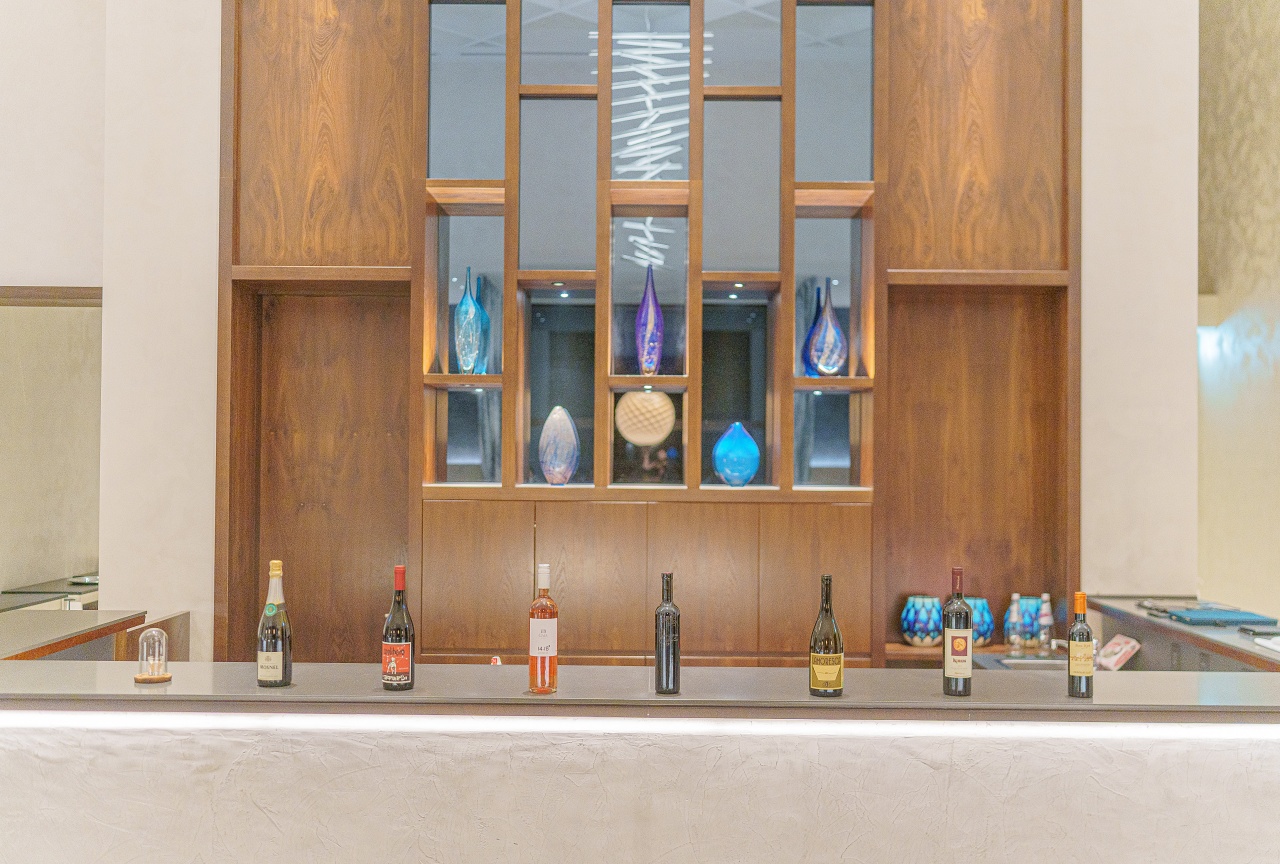
Ryukyu-Sicilian dining presents Okinawan seafood and vegetables using Sicilian approaches, with shared ingredients such as tuna, lemon and tomato. Dinner and wine accompany a sea view. The quoted dinner price was JPY 15,730 per person. If that felt too expensive, the source suggests nearby Hoshino Resorts Banta Café, with coffee and dessert on terraces above the sea, to be covered in a separate account.

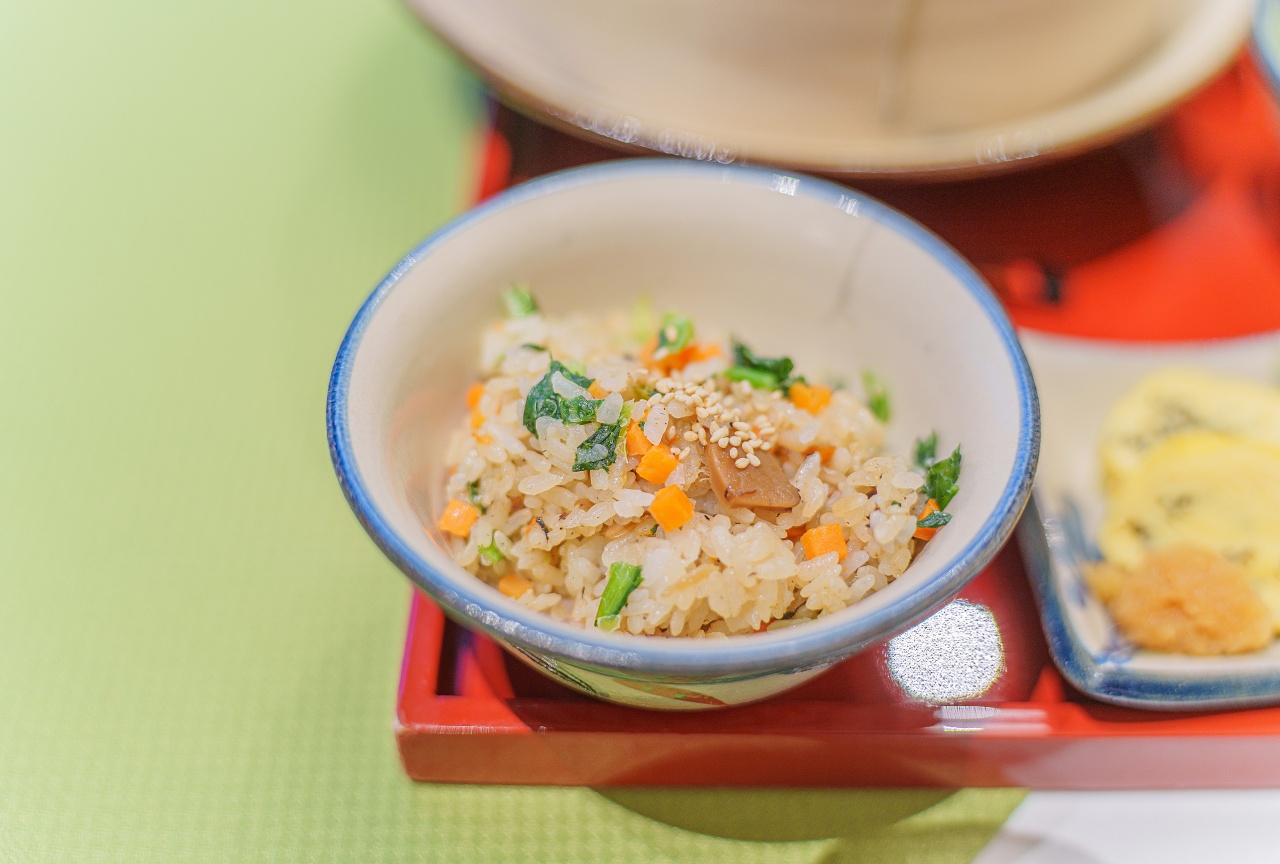
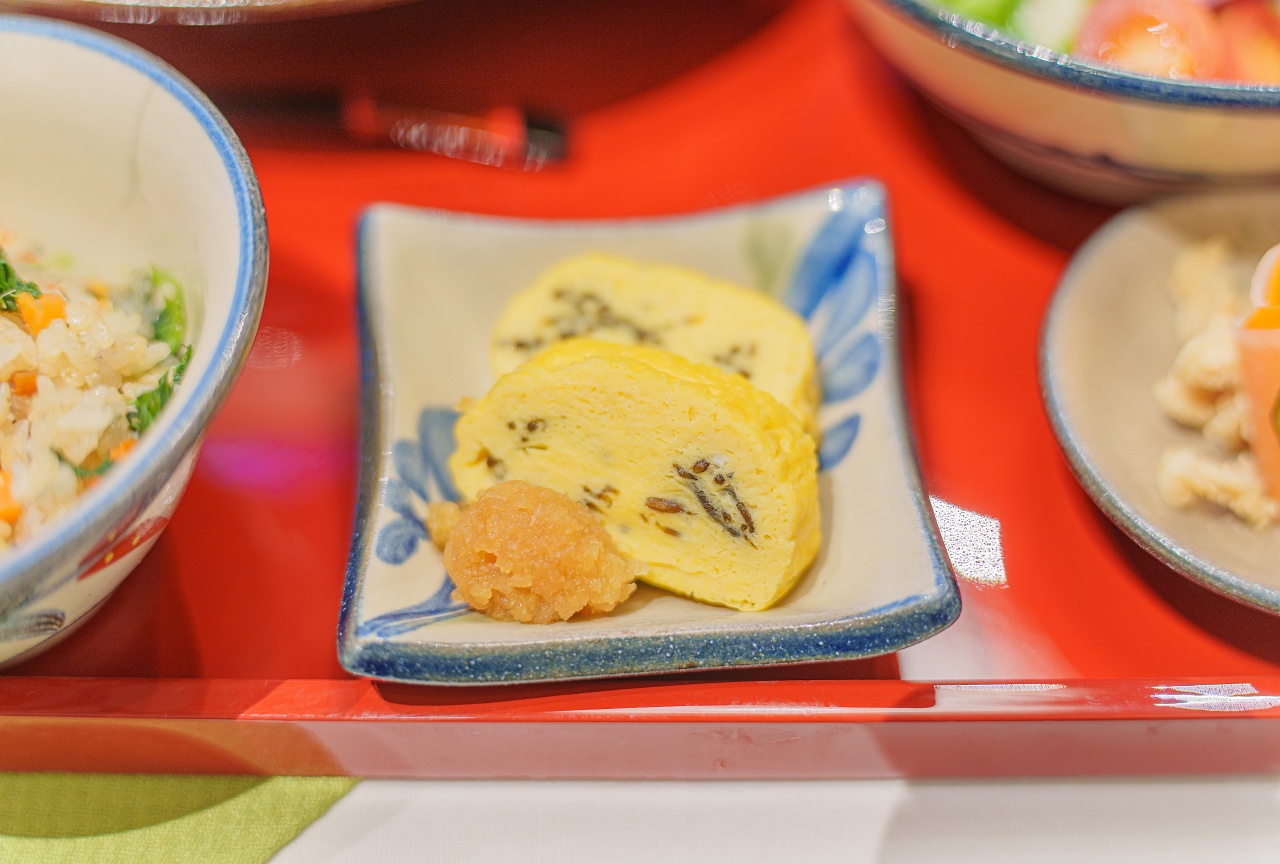
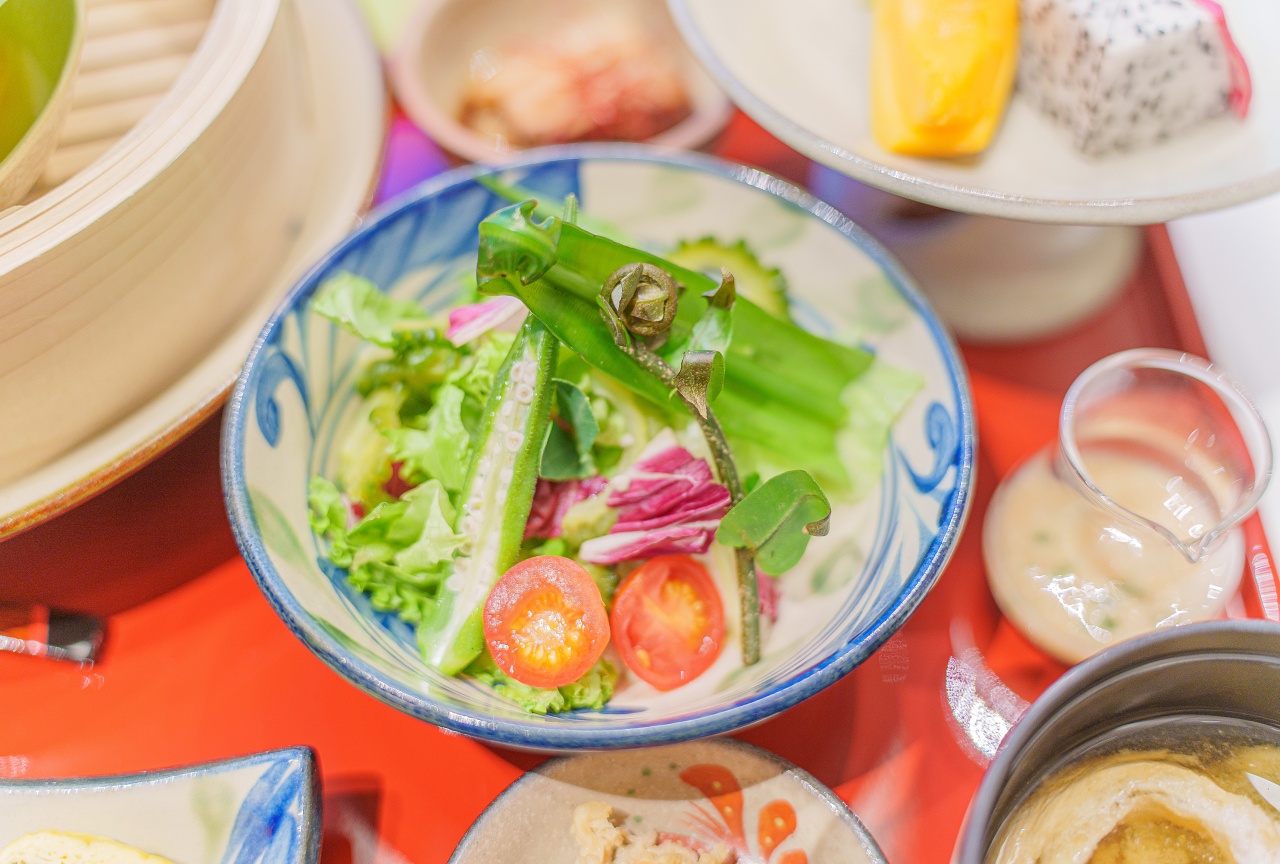
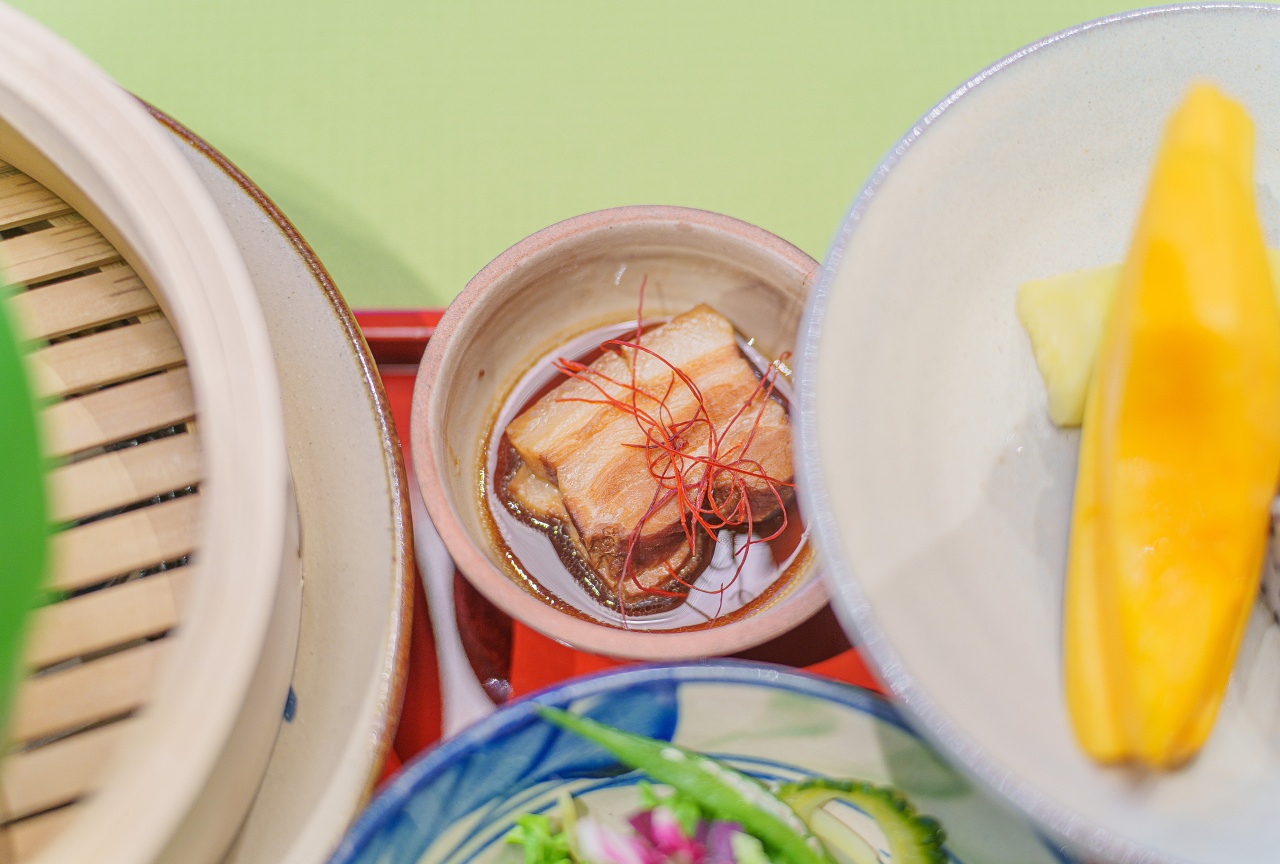
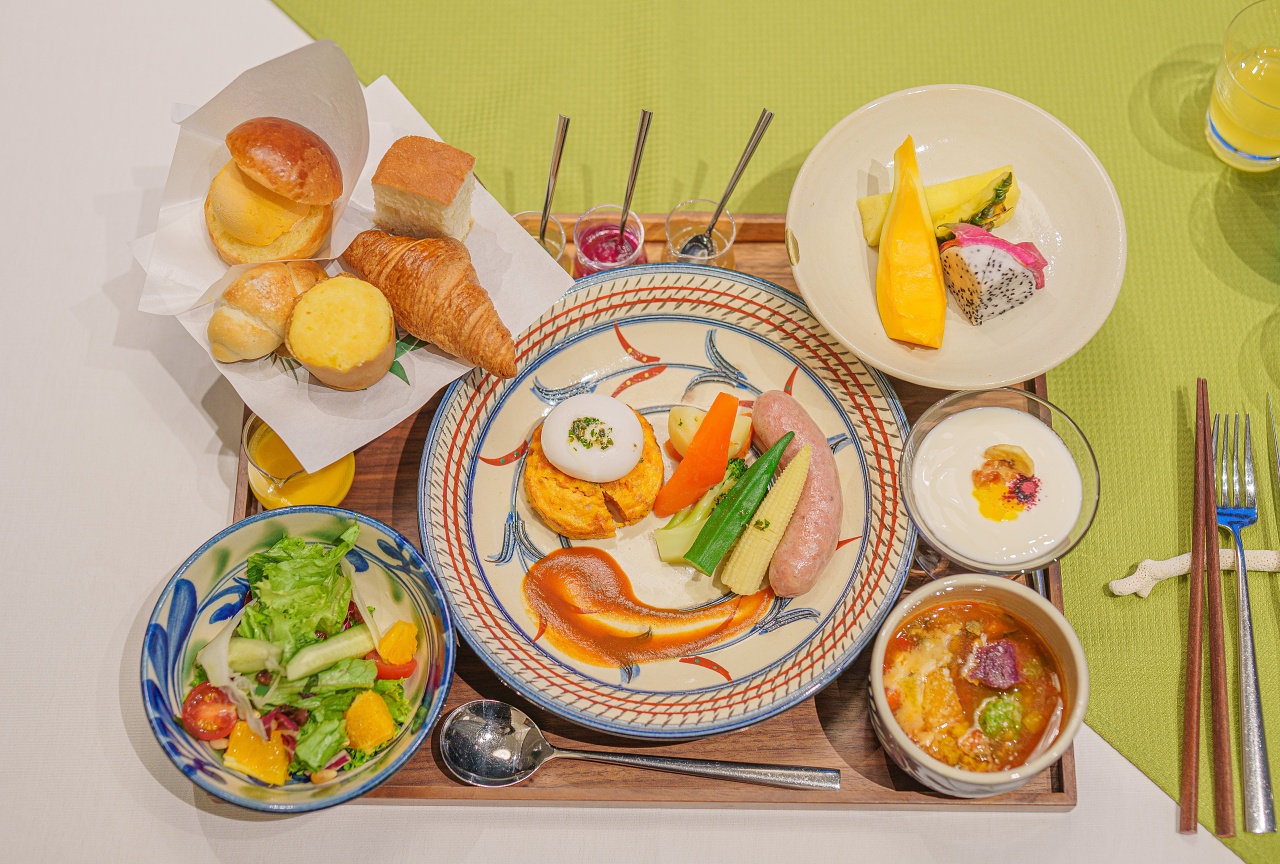
The account describes breakfast as including Okinawan-style miso soup, rice, kimchi and pickles, along with Sicilian-inspired dishes such as tuna-and-onion salad and lemon-and-carrot cake. The sea breeze makes an appealing setting for the meal; ‘healthy’ is the author’s description, not a nutritional assessment. Breakfast was JPY 4,400 per adult including tax. It could also be enjoyed in the room at a chosen time for the same price, with advance ordering required.
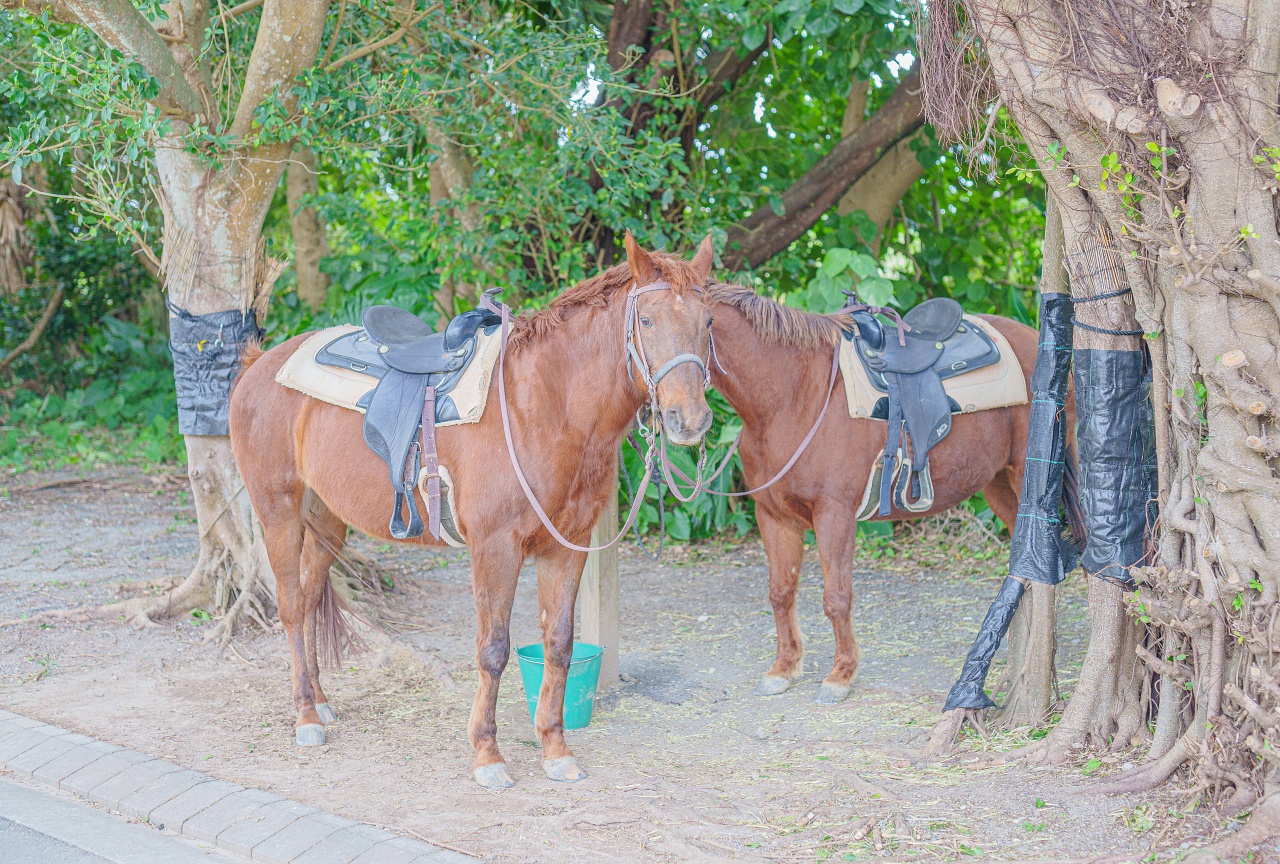
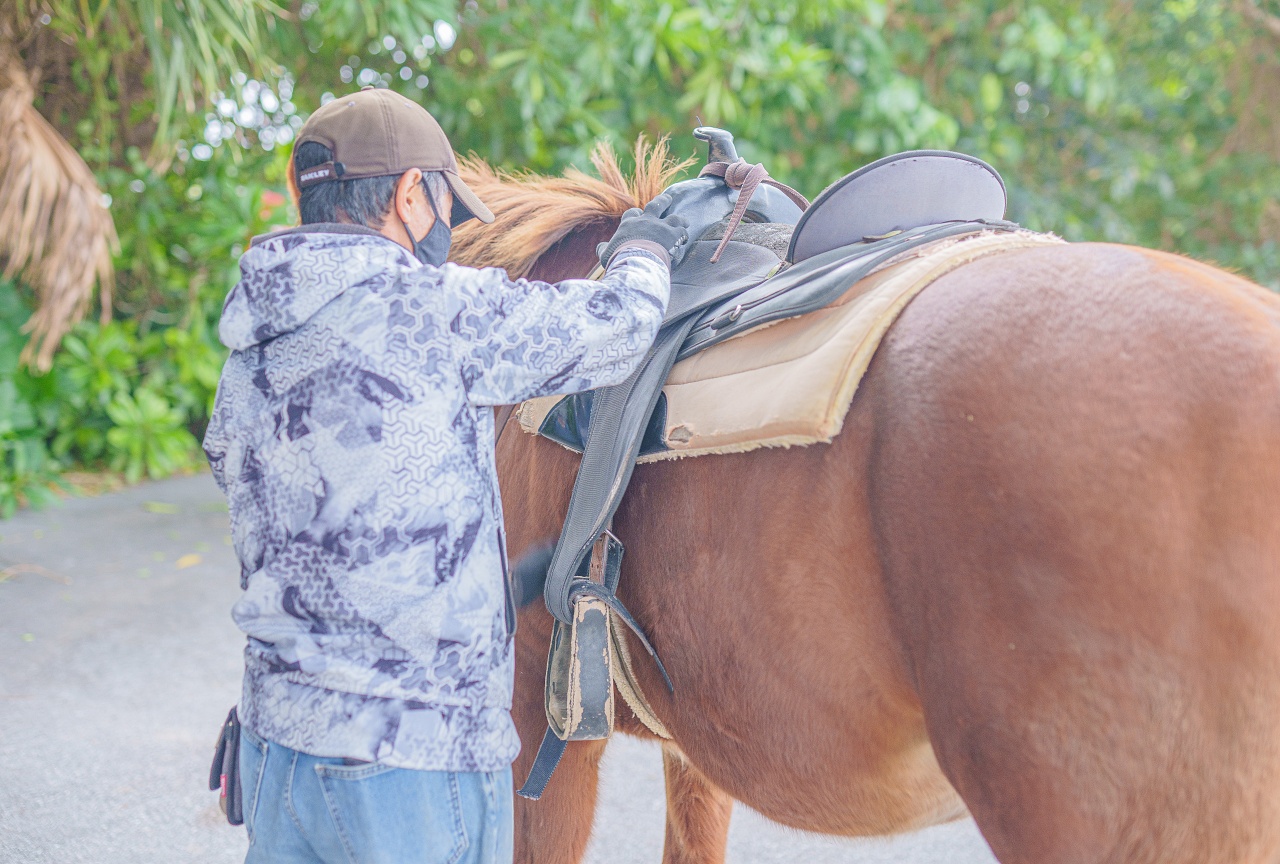
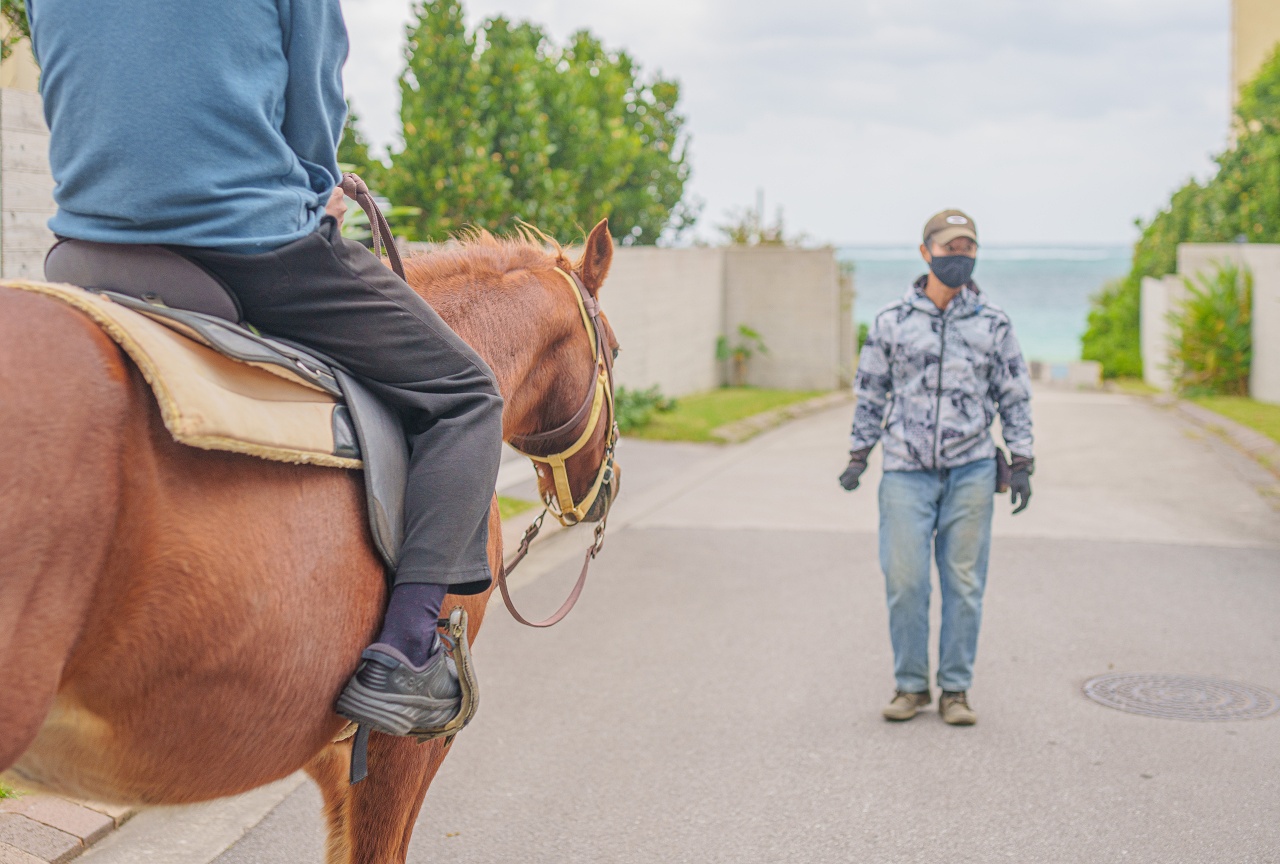
Activities are another part of the stay: gardening, martial arts in the dojo and beach horse riding, all intended to let guests spend time as though living in Okinawa. We try the horse riding, a refreshing morning outing along the beach in front of the hotel while looking toward the sea.
Advance booking was required. Morning rides were 30 minutes, with starts at 8, 8:30, 9 and 9:30 a.m., priced at JPY 6,050 per person. The source-period conditions were a minimum height of 130 cm, men weighing no more than 80 kg and women no more than 70 kg; pregnant guests could not participate. These are the historical operator conditions, not an assurance of present eligibility.
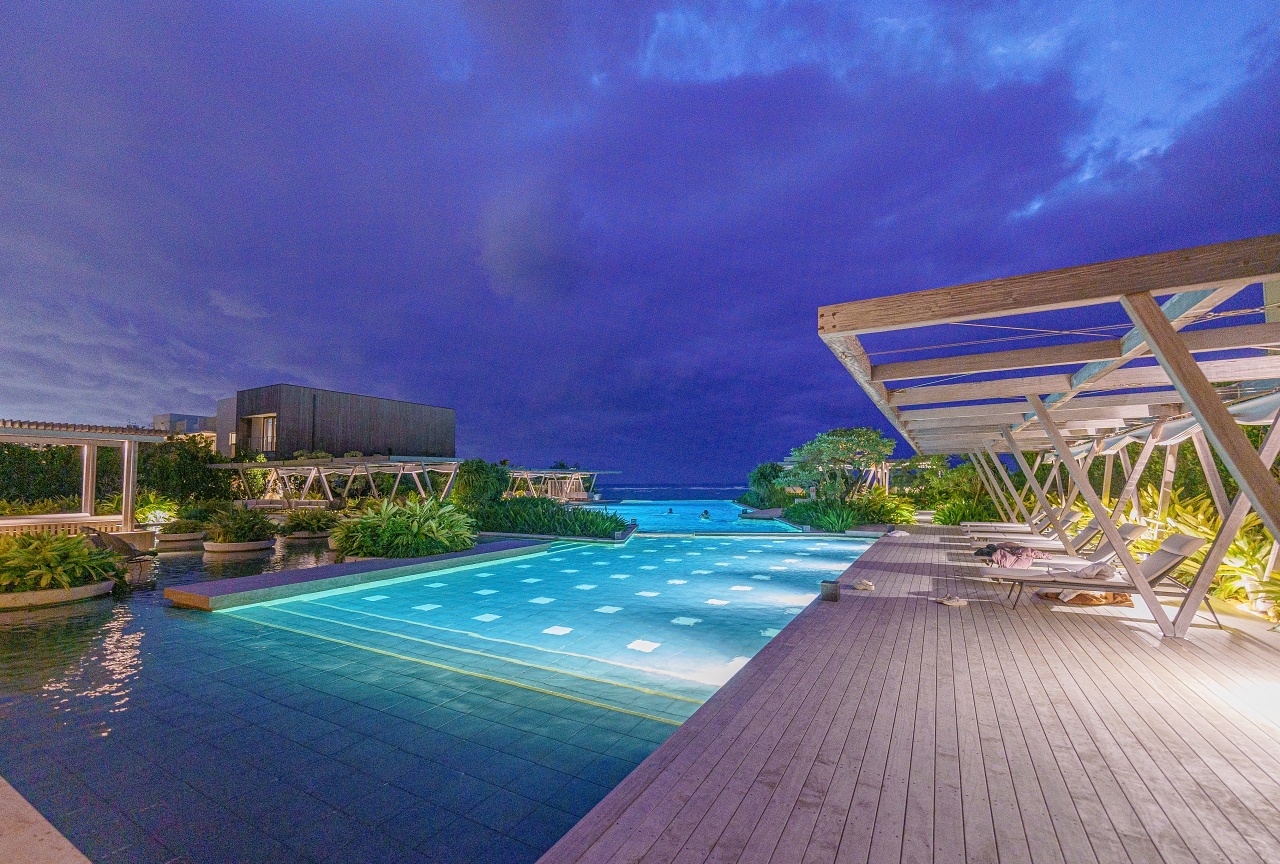
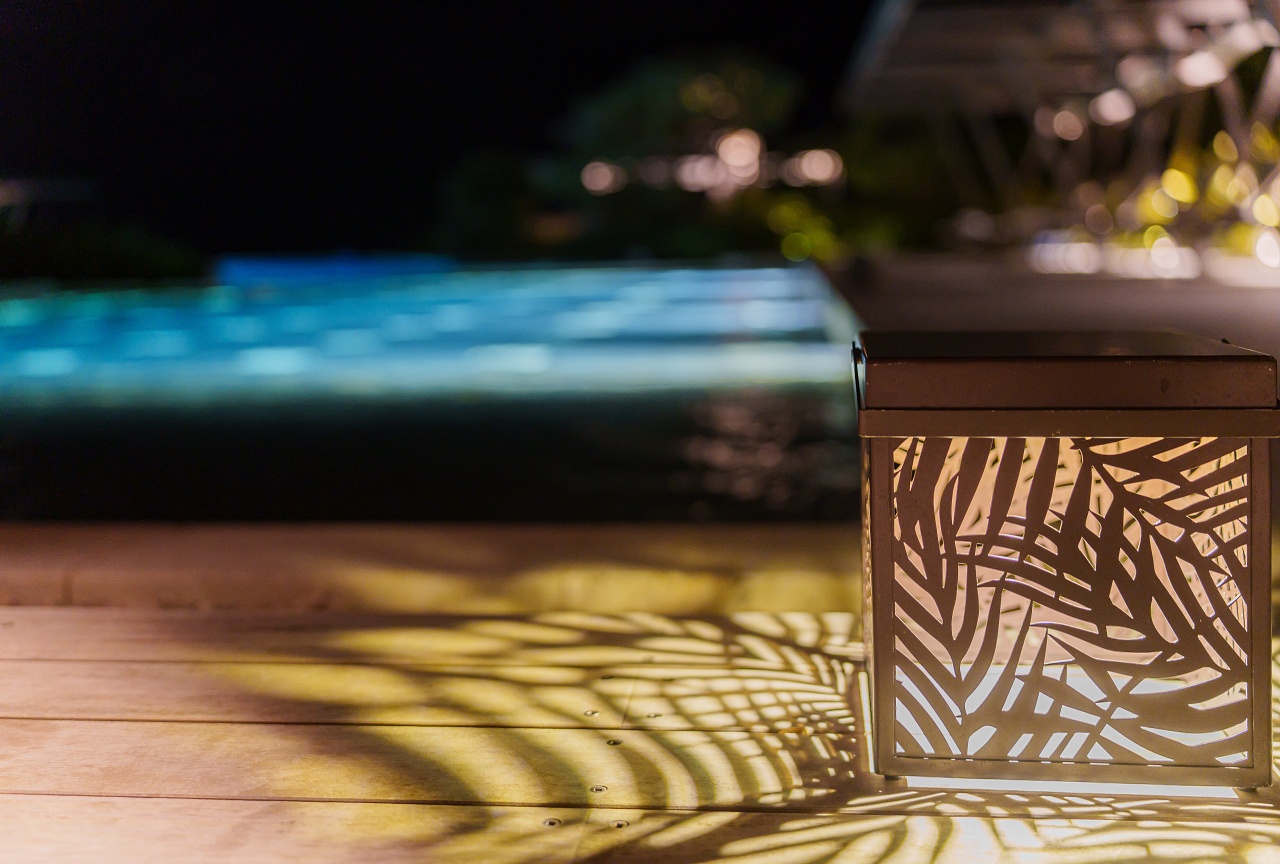
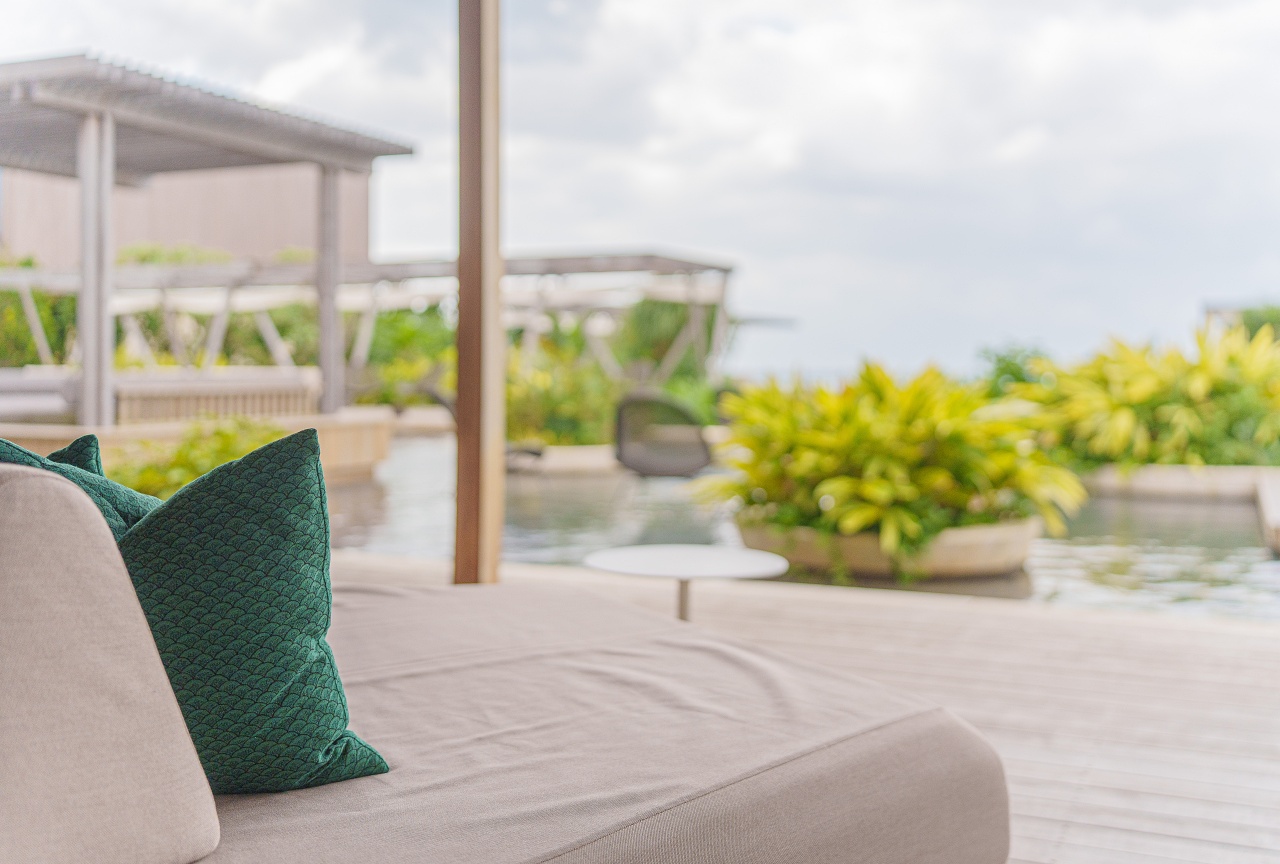
HOSHINOYA is Hoshino Resorts’ luxury brand. Its Okinawa property brings together the sea, a winter-usable infinity pool, varied activities and Sicilian-inspired dining. The design’s relationship with nature and the attentive hospitality the author experienced made it feel like an exceptional place to rest.
Hoshino Resorts — HOSHINOYA Okinawa
HOSHINOYA Okinawa · 474 Gima, Yomitan, Nakagami District, Okinawa 904-0327, Japan
★★★★☆ · Hotel (archived map-card rating)
www.google.com