We have brought together 101 existing visit records from EVERYDAY TRIP and 17 newly prepared restaurant introductions based on official information. Choose by area—such as Namba, Dotonbori or Umeda—and by food, then use the original photographs, visit accounts, shared Google Maps list and individual maps to plan your route.Shared Google Maps list
3MIN TRAVEL SELECTION GUIDE
Osaka Food Guide: Choose by Neighborhood and Food
Start with areas that fit your itinerary, such as Namba, Dotonbori, Shinsaibashi or Umeda, then narrow the choice to okonomiyaki, takoyaki, sushi, yakiniku or whatever you want to eat. The list also includes set meals, cafes, late-night food and historical visit accounts.
Selection and Update Policy
- Visit accounts and introductions: The existing 101 entries come from 3 Minute Travel / EVERYDAY_TRIP's visits and photographs. The 17 additions are introductions based on branch-specific official information and are distinguished from those personal dining accounts.
- Planning your route: Compare both neighborhoods—Namba, Dotonbori, Shinsaibashi, Umeda and others—and the food you want. Check each location on its Google map and build an itinerary with OSAKA GUIDE MAP.
- Scope: These 118 entries include restaurants, cafes and lounges, as well as shopping areas, a hot spring and historical records. The total combines 101 earlier visit records and 17 new introductions; it does not mean 118 restaurants that are all currently trading. The numbers are not restaurant rankings.
- Before visiting: Prices, menus, hours and closing days can change. Check the restaurant's official information and its individual map.
Writing, research and photography: 3 Minute Travel / EVERYDAY_TRIP. Existing layout reorganized:
· Quick selections, map connections and individual information labels were reorganized. Prices and opening information belong to the individual visit records; this was not a date on which every restaurant's current information was rechecked.
Official information checked and 17 new introductions added:
. This was not a blanket recheck of the current opening information for all 101 earlier visit records.
Osaka Food Guide: Frequently Asked Questions
Related Travel Guides
Quick Selection
Choose the food you want to jump to its category. Open the list to compare photographs and full descriptions.
OSAKA GUIDE MAPSee the locations on a map and plan your routeEDITOR'S QUICK PICKS
Short on Time? Start Here
Start with ten Osaka visit records. Compare the food and neighborhood routes, then continue to the full descriptions and maps. The display order changes when the page opens and does not represent a restaurant ranking.
- Shinsekai / Sushi — Rokusen, Tsutenkaku Main Restaurant — For a sushi and seafood meal before or after sightseeing at Tsutenkaku
- Namba / Okonomiyaki — Ajinoya Main Restaurant — For a first taste of one of Osaka's signature foods in Namba
- Hozenji / Tempura — Tempura Tenzan — For a counter-tempura meal during a Namba and Hozenji outing
- Hommachi / Soba — 100% Buckwheat 10 Soba Hommachi — For a light, quick noodle meal while passing through Hommachi
- Umeda / Takoyaki — Hanadako — For fitting famous takoyaki into a short stop around JR Osaka Station
- Horie / Set Meals — Yaoya to Gohan Ookura — For vegetable-rich Japanese home cooking while shopping in Horie
- Amerikamura / Wagyu — Yakiniku Kojima Hanare, Osaka Amerikamura — For focusing on a wagyu meal around Shinsaibashi and Amerikamura
- Umeda / Okonomiyaki — Okonomiyaki Yukari — For local flat-top cooking alongside Umeda shopping
- Namba / Fish Sets — Shinpachi Shokudo Namba Nankai-dori — For a quick charcoal-grilled fish set when eating alone in Namba
- Yodoyabashi / Robatayaki — Robata Maruju Yodoyabashi — For an evening of charcoal-grilled food and drinks in Yodoyabashi
Choose by Neighborhood Route
Namba–Dotonbori — A central route for a first visit, extending into the evening
Shinsaibashi–Horie — Combine shopping, cafes and yakiniku
Umeda–Fukushima — A northern route connecting JR travel, department stores and dinner
Hommachi–Yodoyabashi — Office-district lunches and local meals
Shinsekai–Tennoji — Kushikatsu and sightseeing in southern Osaka
OSAKA TASTE DIRECTORY
Choose at a Glance
Compare 118 entries on one page, distinguishing 101 earlier visit records from 17 new introductions. Select a place for its full description, map and related information. The numbers are not restaurant rankings.
Kobe Food GuideMore Food Guides Around Kansai: Kobe · Kyoto · Ebisuya in Kada, WakayamaKyoto Food GuideEbisuya in Kada, Wakayama
Yakiniku Kojima Hanare — Osaka Amerikamura (焼肉こじま 離れ 大阪アメ村)
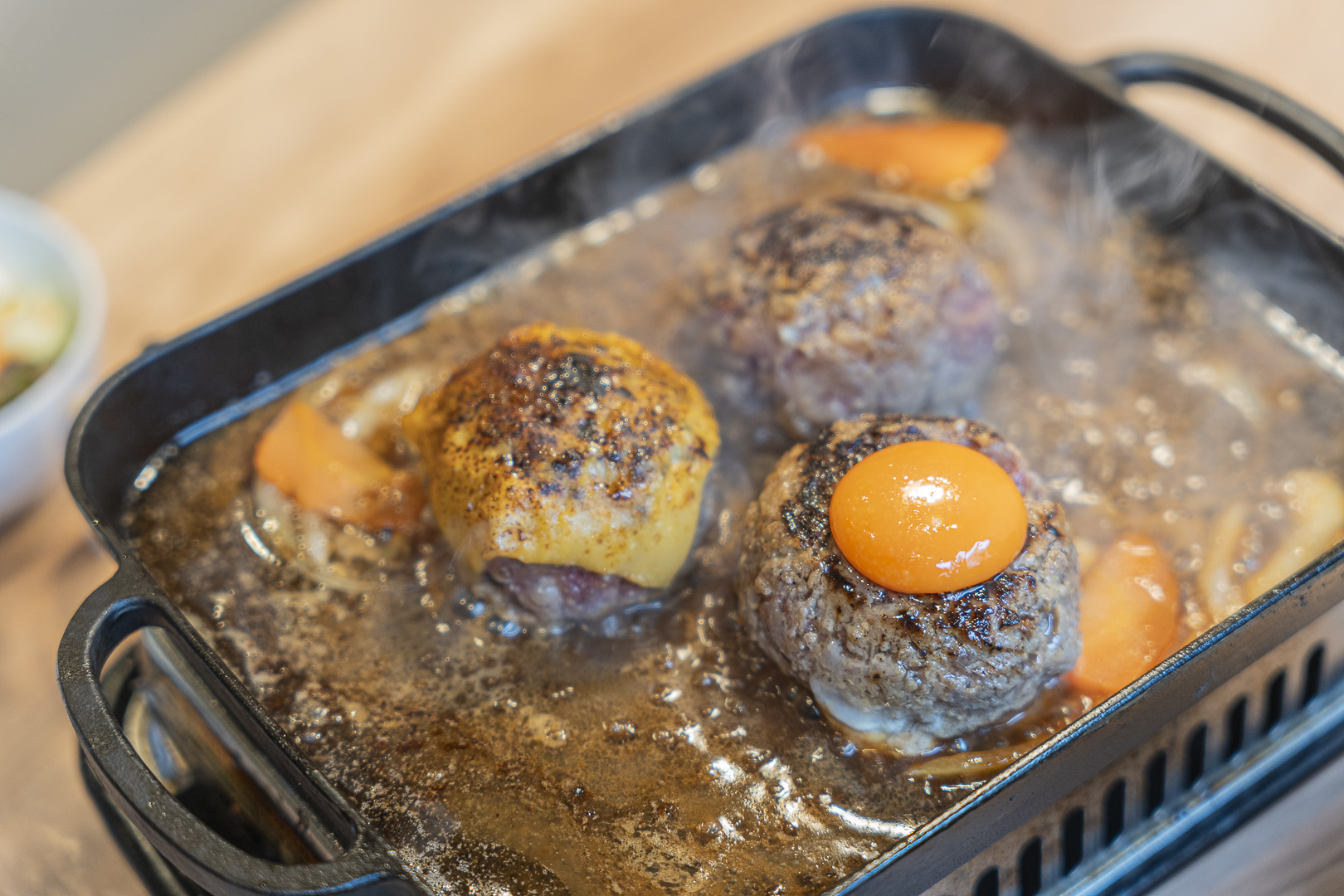
In Amerikamura, this lunch offshoot of a yakiniku restaurant with more than 40 years of history serves just one main dish: a wagyu hamburger steak nicknamed the 'drinkable hamburger steak.' A small portion starts at ¥990. You cook it on the hot plate in front of you, choosing anything from rare to well done. The Japanese Black wagyu is tender and juicy, and adding cheese or egg yolk makes it especially good with rice. The calm setting lets you take your time. It is an appealing Osaka lunch option even after overeating the night before.
Google Maps: Google Maps
Itamae Yakiniku Ichigyu — East Shinsaibashi branch (雌牛専門店 板前焼肉一牛 難波道頓堀店 離れ)
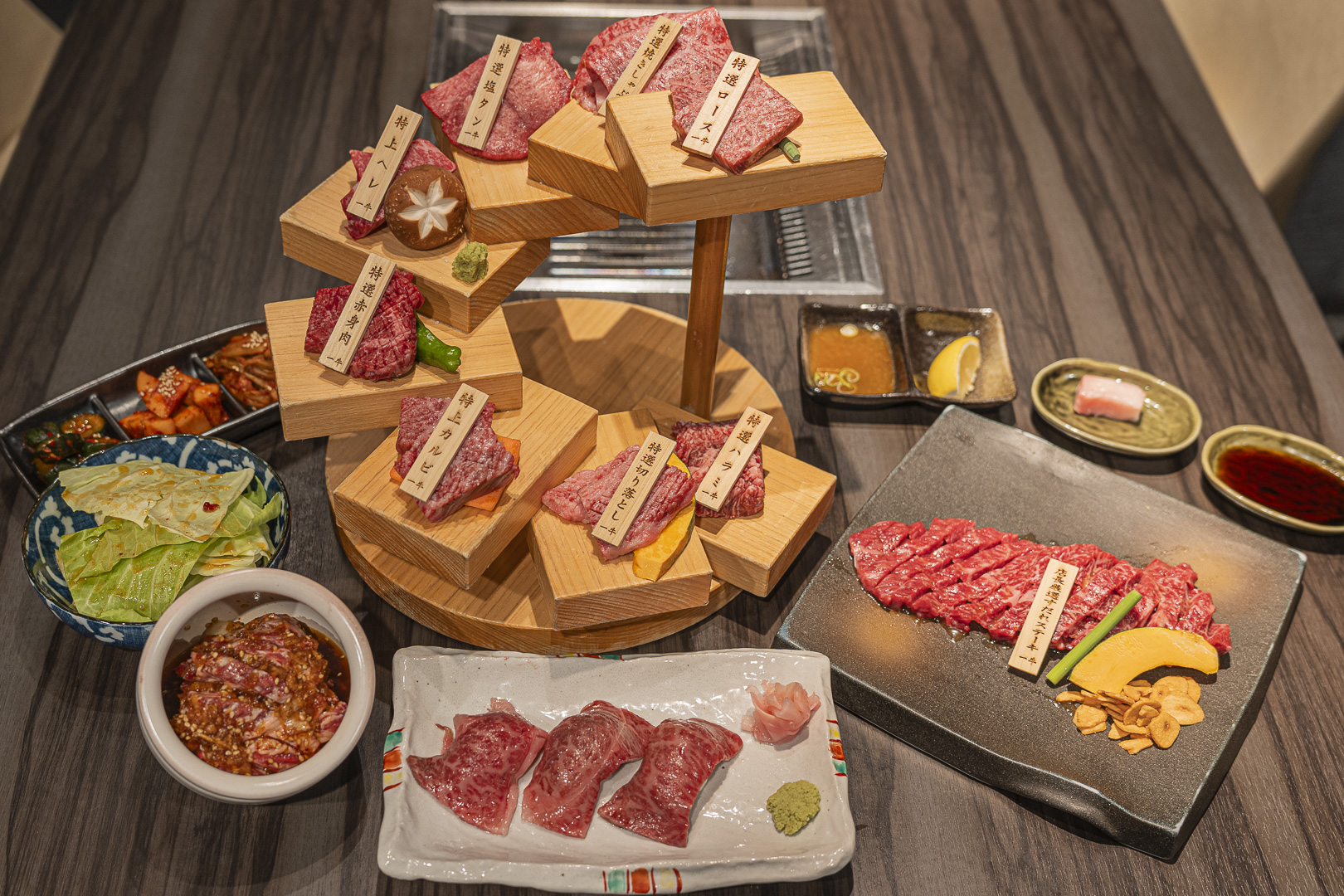
This branch of a popular Osaka yakiniku restaurant offers the fashionable stepped wagyu platter at a relatively approachable price. The eight-level assortment, ¥10,978, uses only A5-grade Japanese Black female cattle and lets you try several cuts in one meal. A staff member cooks the first piece and explains the timing and texture to aim for. The limited-quantity Sudare Steak, ¥3,278, seared Japanese Black wagyu nigiri, ¥1,650 for three pieces, and large jar-marinated skirt steak make worthwhile additions.
Google Maps: Google Maps
Akiyoshi — Nipponbashi (やきとりの名門秋吉 日本橋店)
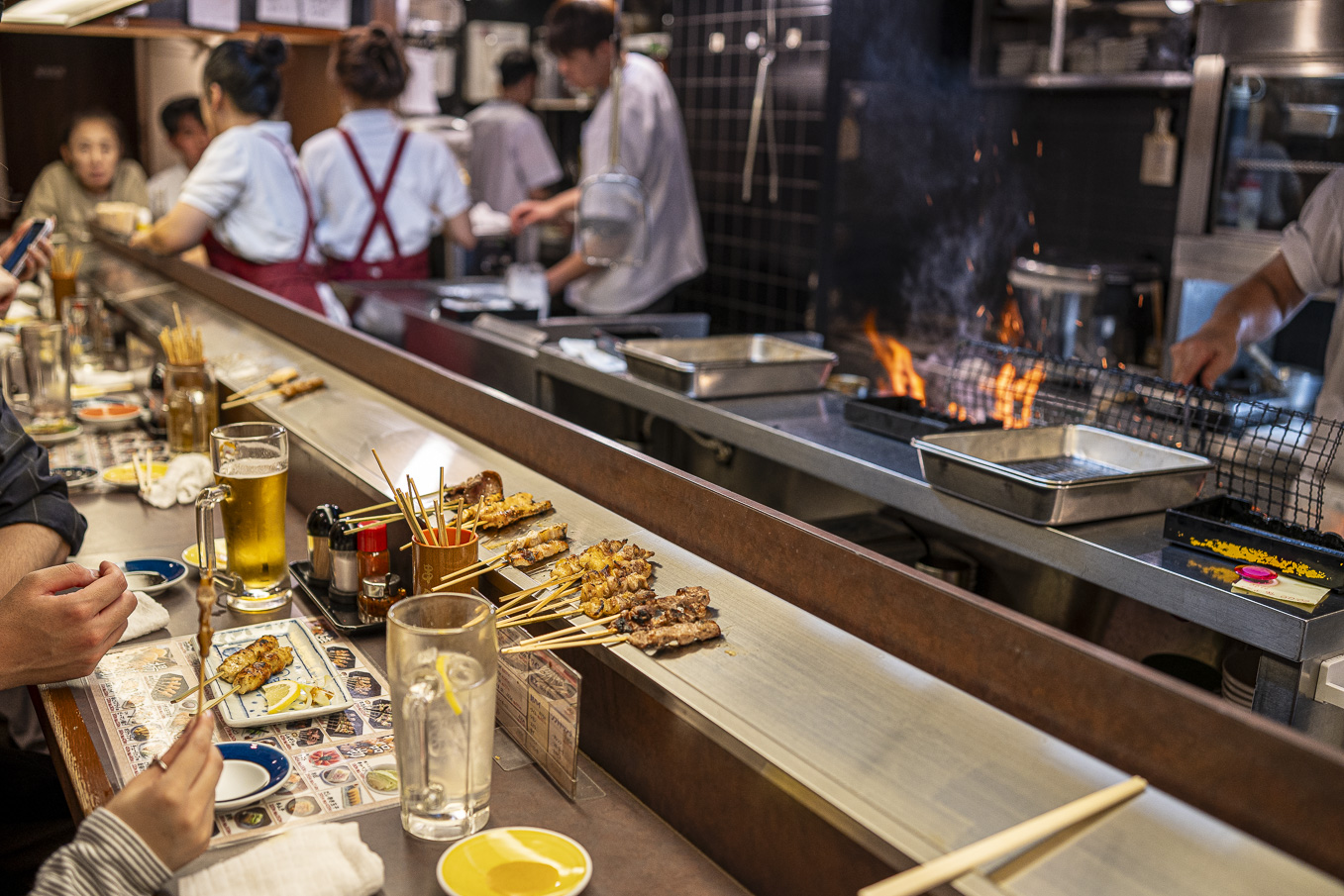
As the first skewers go onto the charcoal, the smoke carries a rich charcoal aroma. Salt-grilled skewers, young chicken and tsukune chicken meatballs are cooked right in front of the counter. They are straightforward dishes focused on the ingredients and the flavor of the grill. The beef kushikatsu is crisp and goes well with spicy miso, with a noticeably strong highball alongside. Most seats were still occupied after 9 p.m. The quiet atmosphere for enjoying skewers makes this a good place to experience an everyday side of Osaka.
Google Maps: Google Maps
Shinsaibashi Sand (心斎橋サンド)
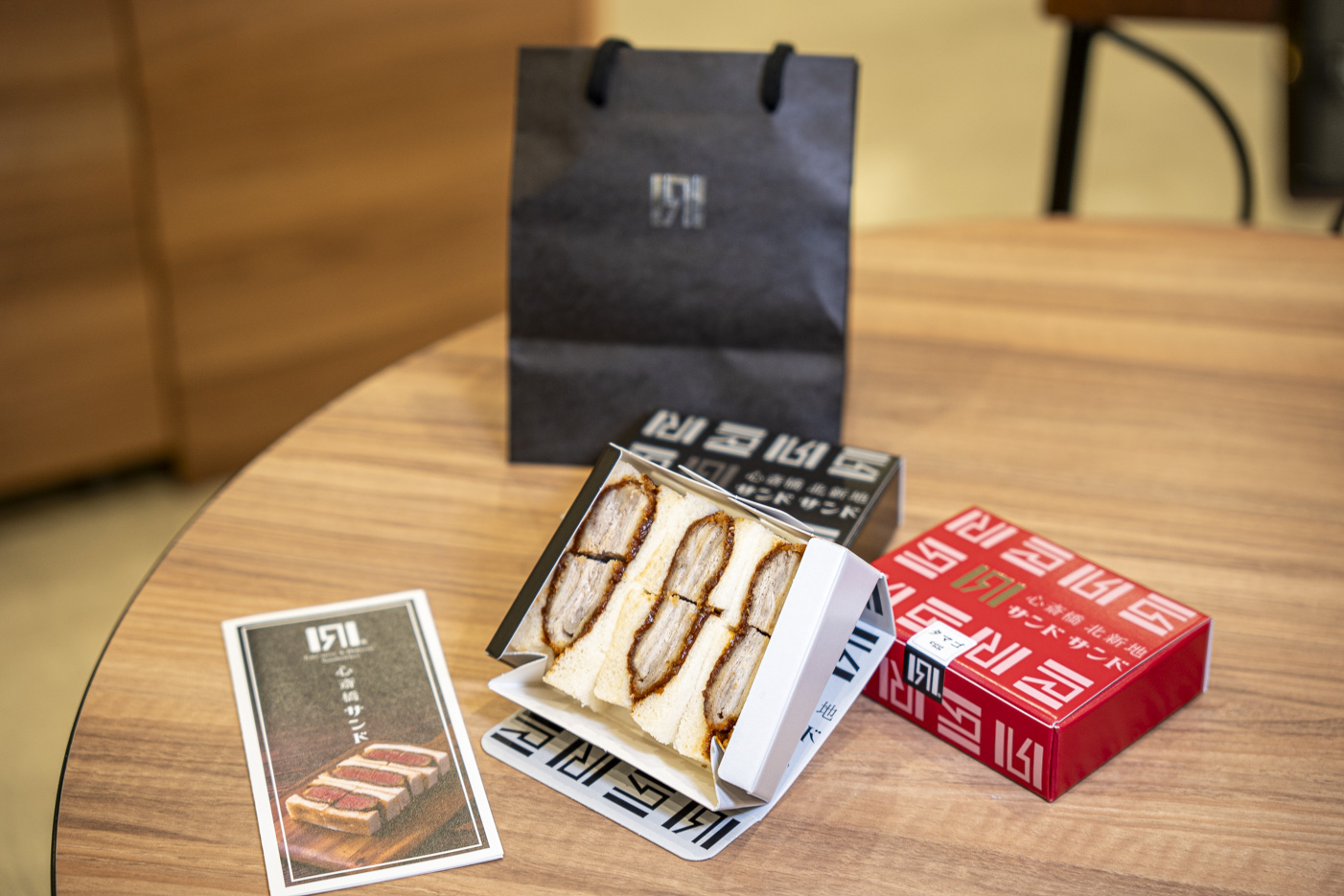
This Osaka katsu-sandwich specialist stays open until 5 a.m. The shop is small, but its neat takeaway boxes work well for a late-night snack or a food gift. The tamago katsu sandwich wraps fluffy fried egg in a crisp coating, while the beef katsu sandwich layers wagyu tenderloin for a concentrated meaty flavor. Add the minced-meat katsu sandwich and it becomes easy to understand the appeal of crisp cutlets and soft bread as an Osaka late-night treat.
Google Maps: Google Maps
Shinpachi Shokudo — Namba Nankai-dori (炭火焼干物定食しんぱち食堂 なんば南海通り店)

On the way from Namba Nankai-dori toward Dotonbori, a modest-looking fish set-meal restaurant catches the eye. Lightly seasoned fish meals and draft beer priced at just ¥176 offer a welcome pause between Osaka's richer dishes. The miso-grilled rockfish set pairs firm fish with a salty miso glaze for a comforting meal. The recorded opening hours ran from 7 a.m. into the evening, making it easy to fit in at different times of day. A simple meal like this suits at least one day of an Osaka trip.
Google Maps: Google Maps
Tempura Tenzan (天ぷら天山)
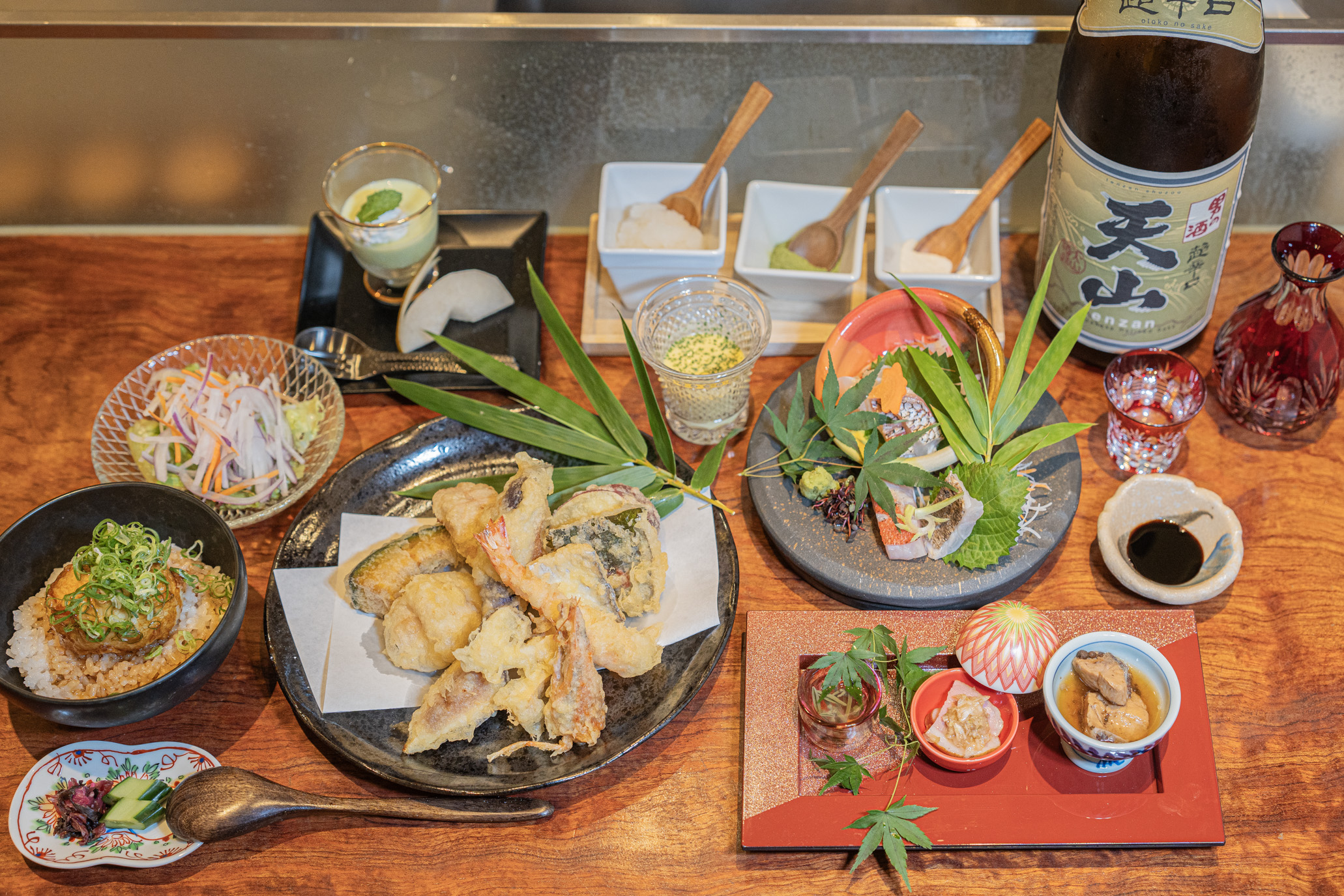
Hozenji Yokocho is a small alley that retains an older atmosphere in central Osaka. At 天ぷら天山, you can sit at the counter for a traditional tempura course fried by the chef in front of you. It starts with sashimi, followed by a succession of seasonal fried ingredients, and finishes with an egg-tempura rice bowl. After the meal, a tasting of three kinds of sake is available at the second-floor bar. It is well worth considering if you want a quiet setting with a distinctly Japanese atmosphere.
Google Maps: Google Maps
The Burg (ザ·バーグ)
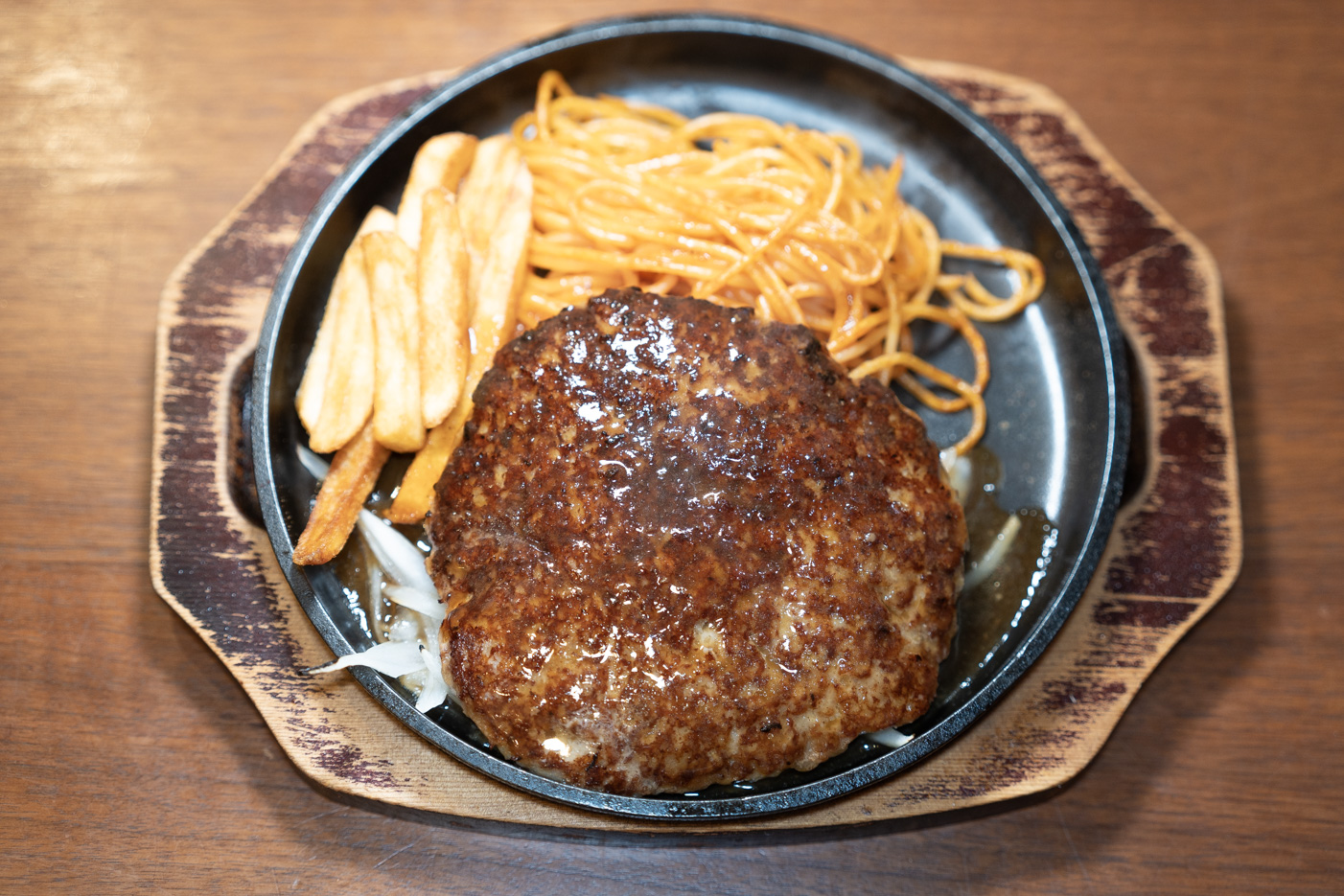
Near Daikokucho Station, ザ·バーグ is a hamburger-steak specialist popular with local office workers. Its Bikkuri hamburger-steak set includes a 300 g patty, spaghetti and fries for ¥1,100. The classic Japanese Western-style meal is straightforward but satisfying. The convenient location, about a five-minute walk away, and reasonable prices have earned it a reputation for value. It is popular enough to draw a line at lunchtime.
Google Maps
Ramen-so Rekishi wo Kizame — Osaka Nipponbashi (ラーメン荘 歴史を刻め 大阪日本橋店)

ラーメン荘 歴史を刻め 大阪日本橋店 is a popular local ramen shop about a two-minute walk from Ebisucho Station. Its substantial Buta W Ramen, ¥1,350, comes with double the meat. When ordering, you can choose the amounts of noodles, garlic, fat and vegetables. The broth has a rich soy-sauce base, and the chewy noodles work well with the bean sprouts. Although the shop is plain, the service is thoughtful; an umbrella was even provided on a rainy day. The portion, flavor and atmosphere make it a meal worth considering on an Osaka trip.
Google Maps: Google Maps
Unakama — Namba CITY (うな釜 なんばCITY店)
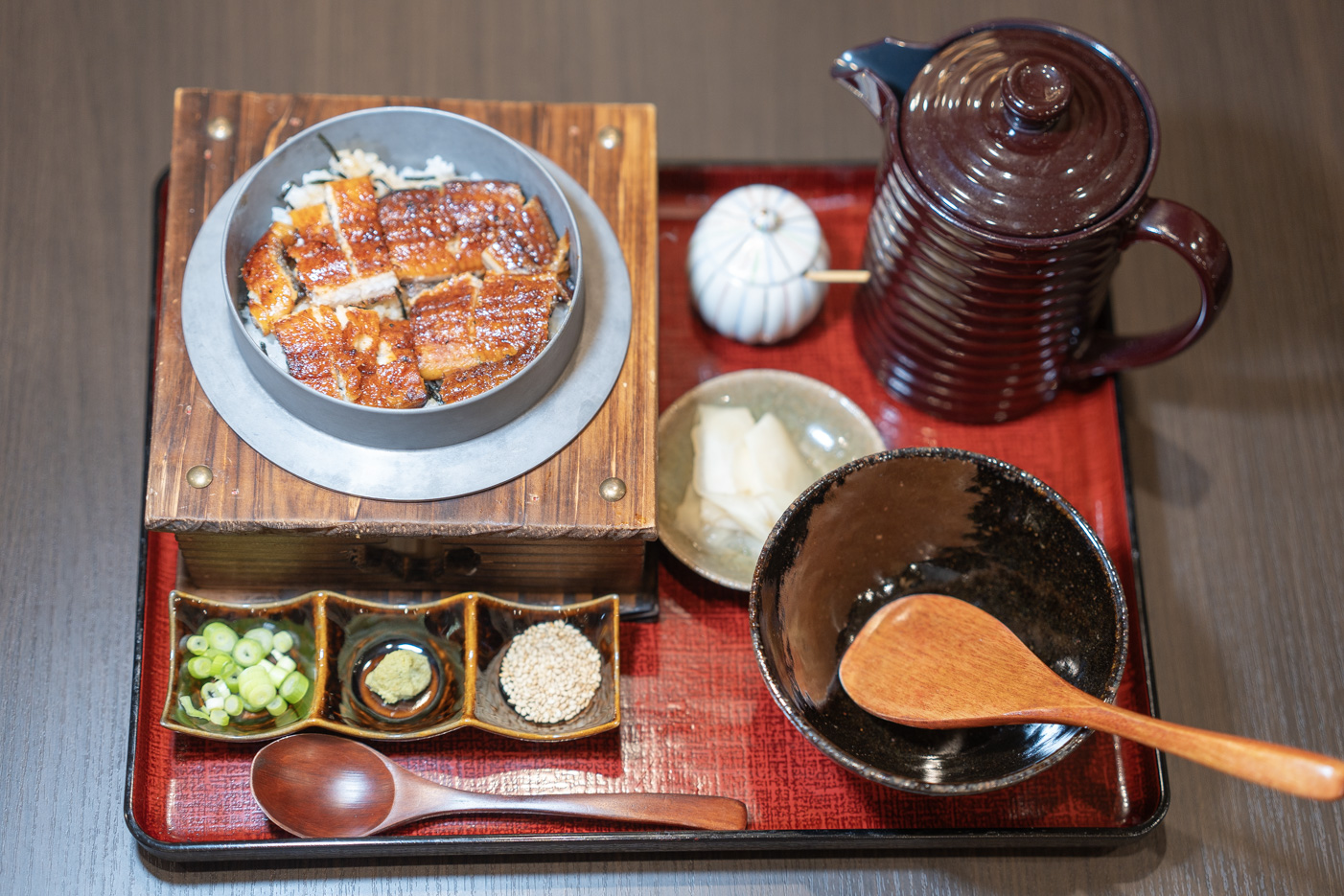
うな釜 serves eel hitsumabushi for ¥1,280. The meal includes eel, broth, pickled ginger and condiments so you can vary the way you eat it. Floor-seating tables suitable for solo diners make it an option when eating alone, and a touchscreen keeps ordering simple. It is on the first floor of Namba CITY's South Building, a convenient location to reach.
Google Maps
Tempura-ya-san (てんぷらやさん)
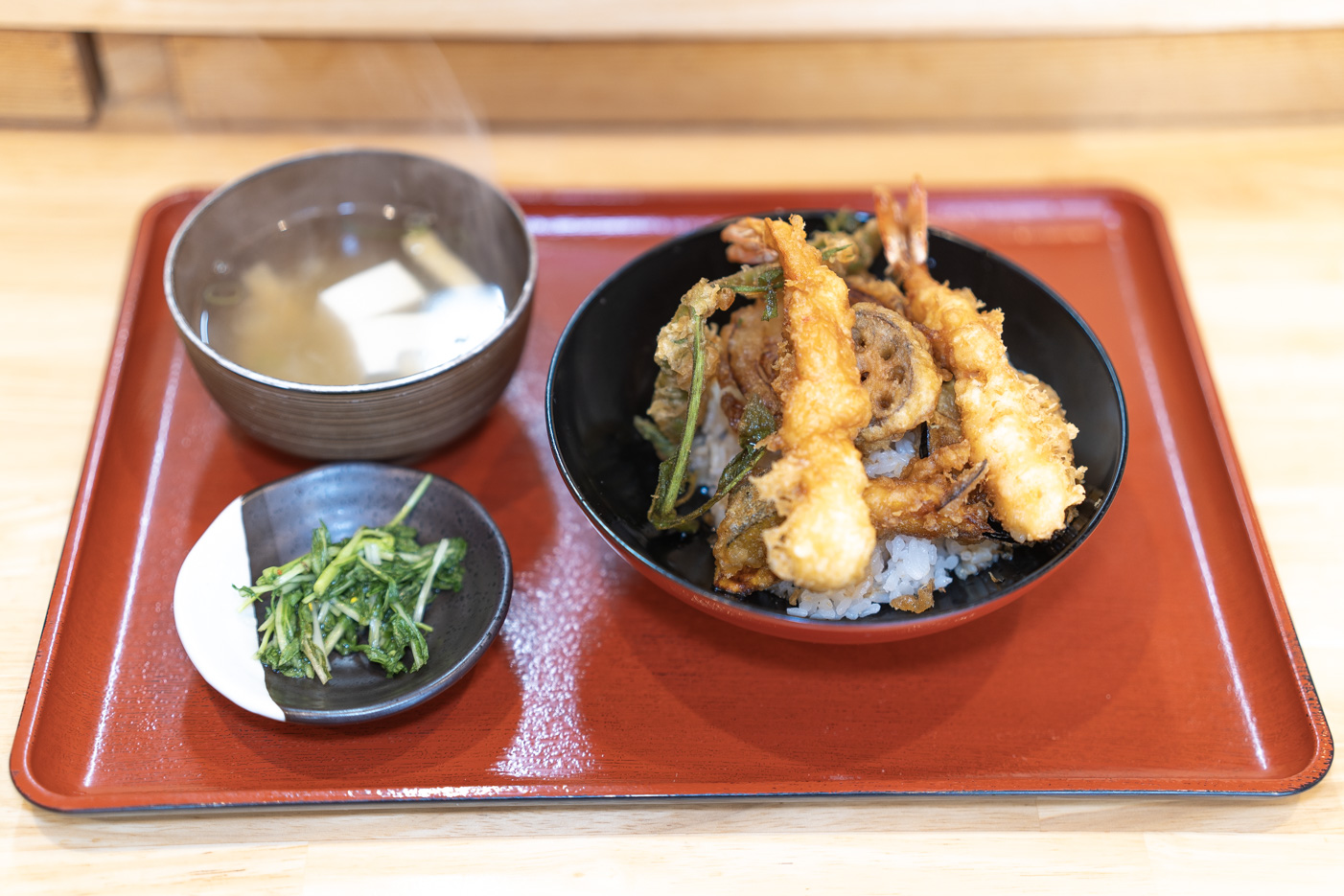
Near Daikokucho Station, てんぷらやさん specializes in good-value tendon, a rice bowl topped with tempura. The daily lunch special is a tendon set priced at ¥700. You can watch shrimp and vegetable tempura being fried to order in the open kitchen. Counter seating suits solo diners, barley tea is free, and miso soup can be ordered separately.
Google Maps: Google Maps
MAGIC SOLEIL (マジックソレイユ)
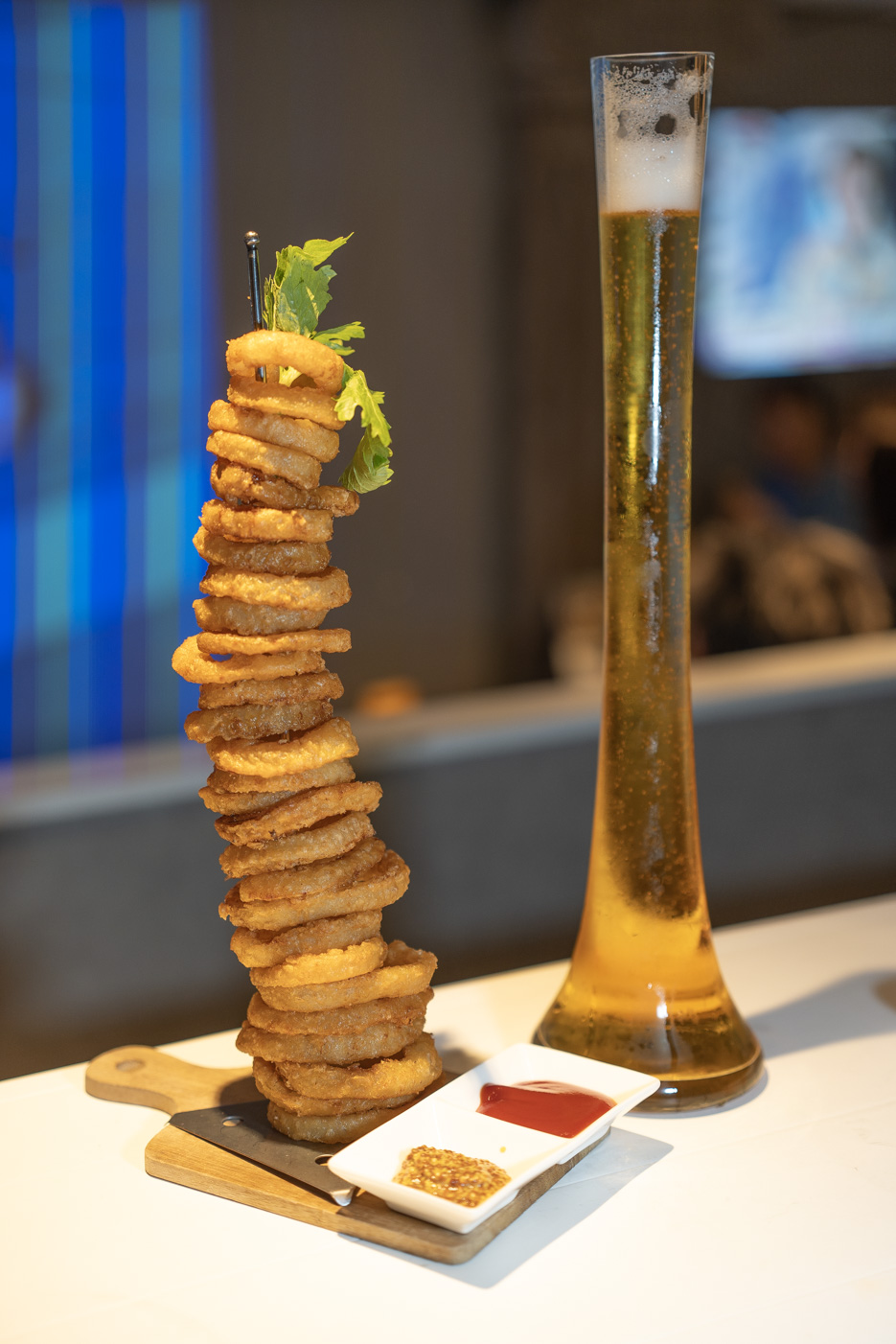
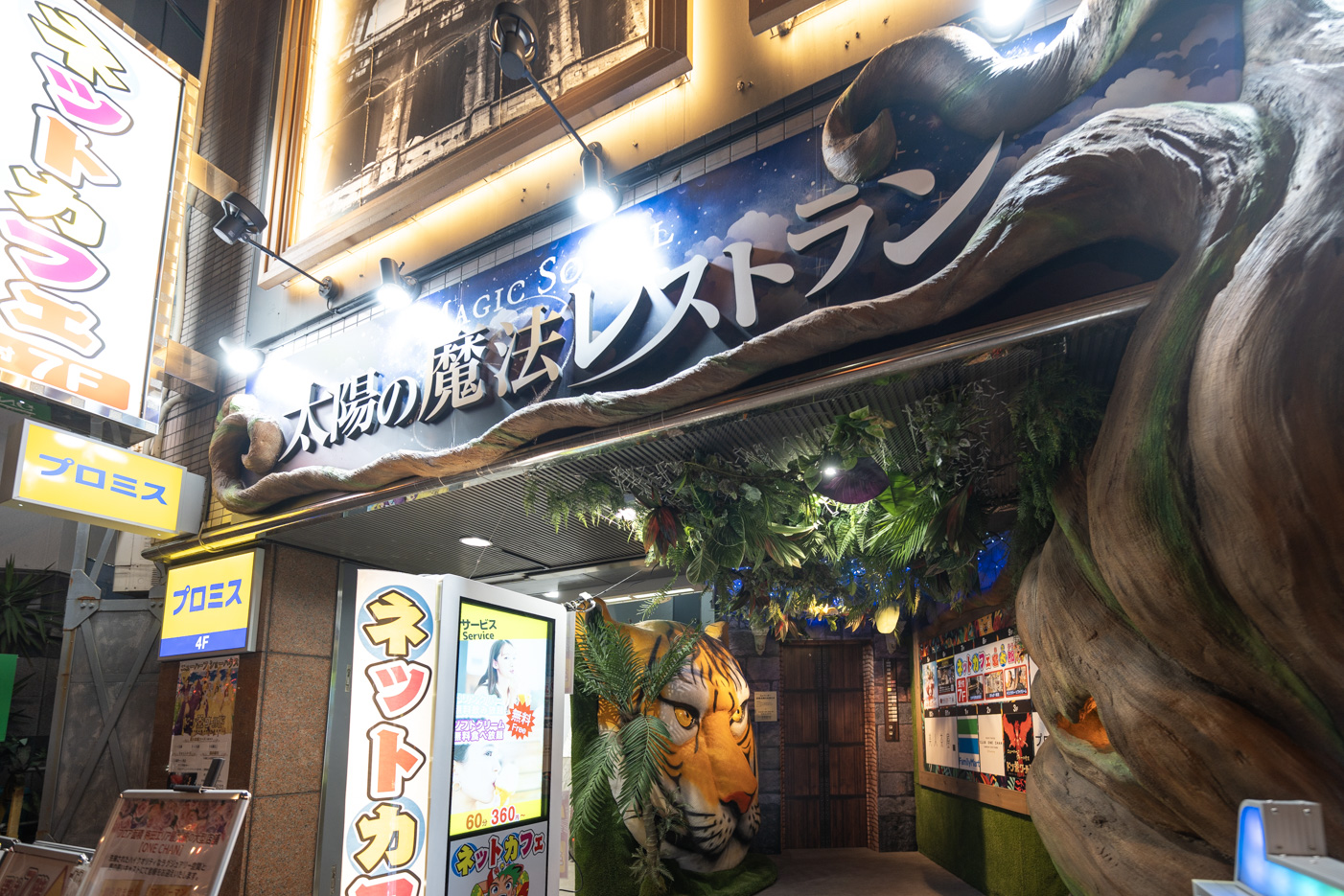
MAGIC SOLEIL is a theme-park-style restaurant near Hankyu Osaka-Umeda Station. Its amusement-park-inspired interior and magic shows make it popular with families. Other distinctive features include a system for tipping with virtual currency and a varied menu. Children's meal plates and magic items make it an entertaining space for younger visitors too.
Google Maps: Google Maps
Furusato (谷町 ふる里)

谷町 ふる里 is a 24-hour udon restaurant about a five-minute walk from Tanimachi 9-chome Station. Dating to 1948, it is loved locally for its rich dashi made from natural ingredients and quick service. Udon can arrive within a minute of ordering, which suits travelers who want a simple, quick meal. An English menu makes ordering easier, and it is especially convenient if you are staying nearby. The relatively high prices are worth keeping in mind, though.
Google Maps: Google Maps
Beard Papa's — Namba Walk (ビアードパパ なんばウォーク店)
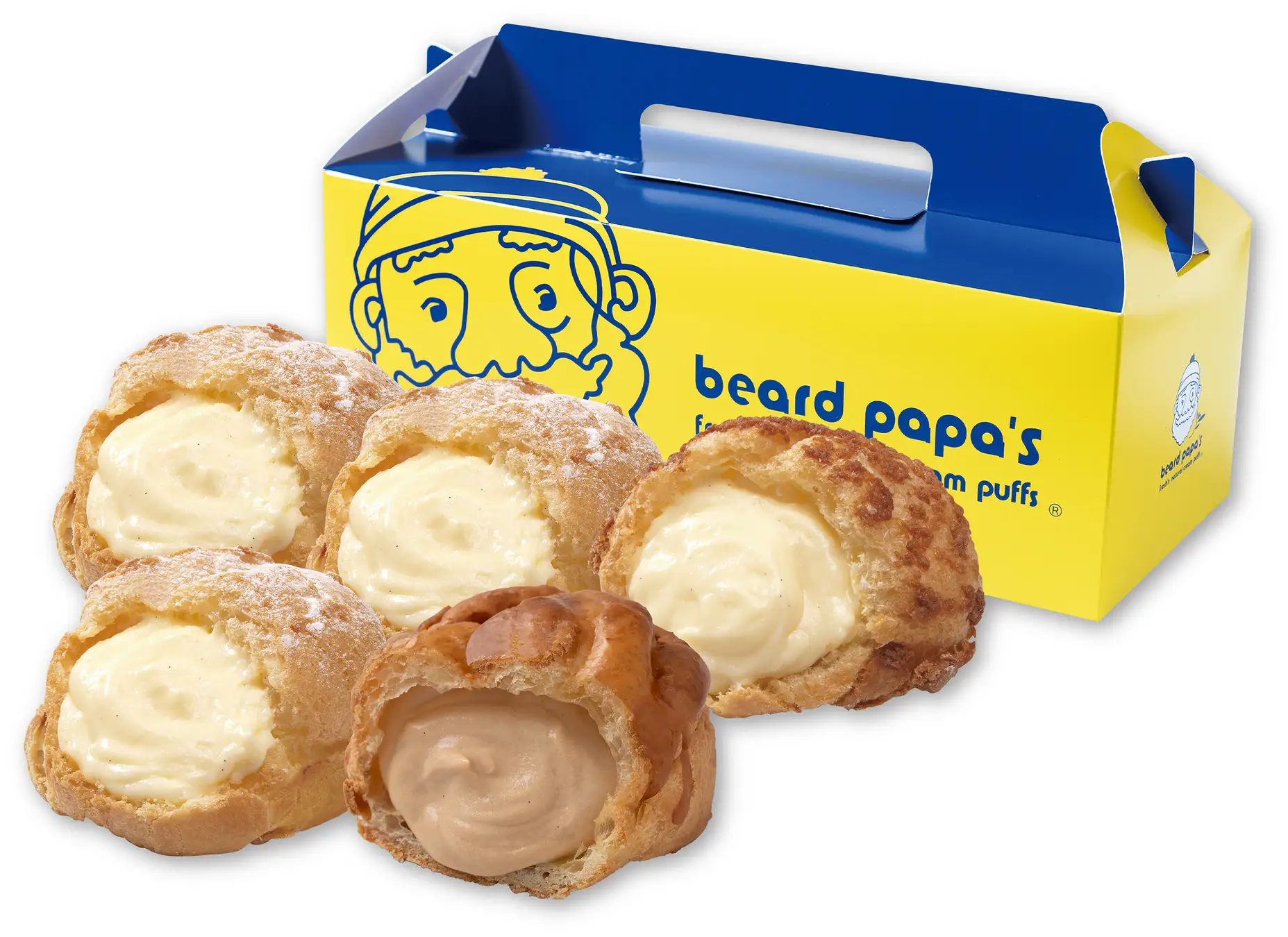
Beard Papa's is a cream-puff chain found across Osaka. The puffs are filled with cream after you order, keeping them fresh. A crisp pastry shell and smooth custard filling are the main appeal. Alongside the standard pie-crust puff, there are cookie-crust and mille-feuille versions. They are easy to take away as a snack during a trip or as a small food gift.
Google Maps: Google Maps
100% Buckwheat Soba 10 Soba — Hommachi (十割蕎麦専門店 10そば 本町店)
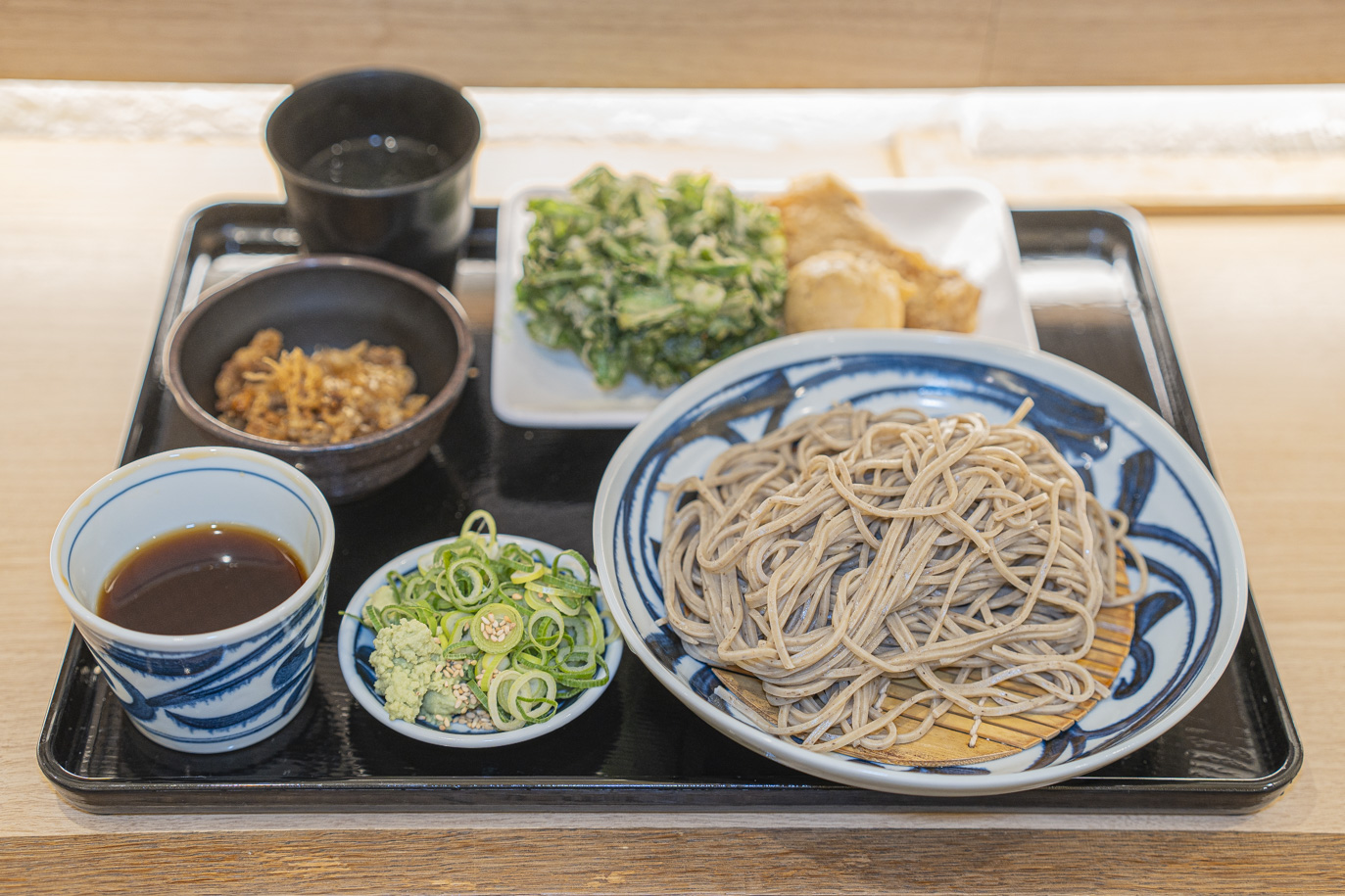
This juwari soba specialist is about a one-minute walk from Exit 9 of Hommachi Station. It serves freshly boiled noodles made with 100% buckwheat at an inexpensive price. You choose your own toppings and sauce, and there is a range of side dishes. The location and quick meal format are convenient when you want to eat and move on, and the restaurant is popular with residents and travelers alike.
Google Maps: Google Maps
Genroku Sushi — Dotonbori (元禄寿司 道頓堀店)
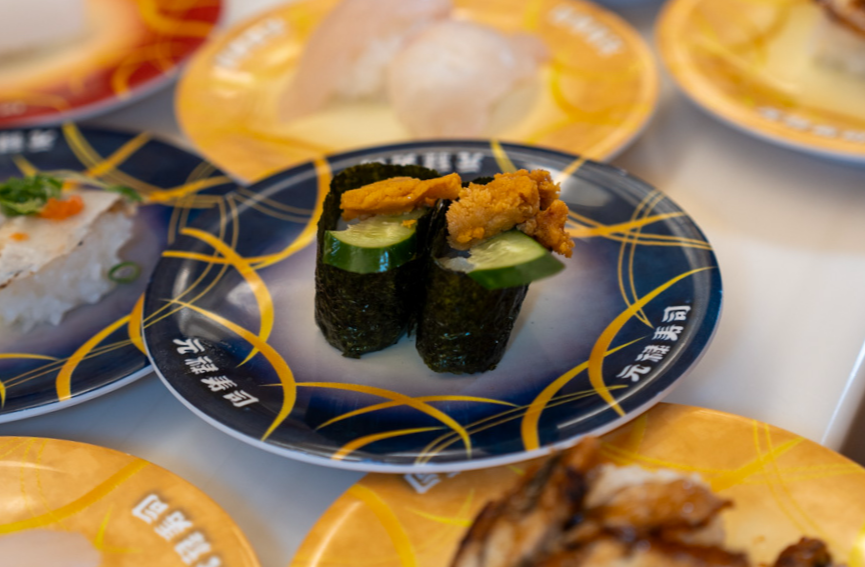
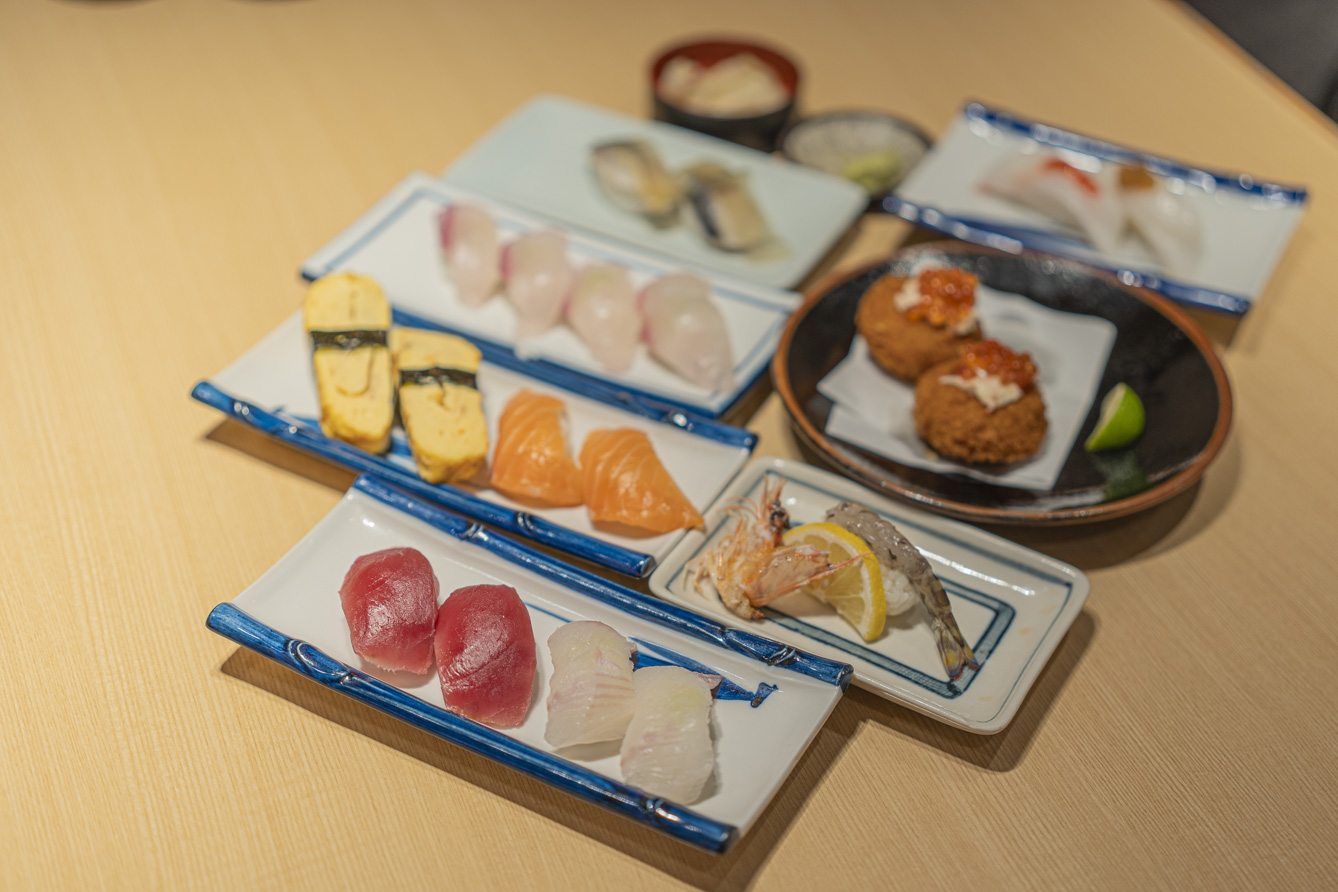
In central Namba-Dotonbori, this sushi restaurant is striking from the outside, with its enormous sushi sign. Genroku Sushi developed the original conveyor-belt sushi format now known around the world, helping make sushi an everyday pleasure rather than only a luxury. The extensive menu and clearly differentiated price levels are relatively easy for visitors to understand. With a recorded history of 65 years, the restaurant is loved by residents and people visiting Osaka from around the world. Fresh seafood and sushi made by skilled hands offer a quick, tasty, satisfying stop before more sightseeing in Dotonbori.
Google Maps
Ichifuji Shokudo (一富士食堂)
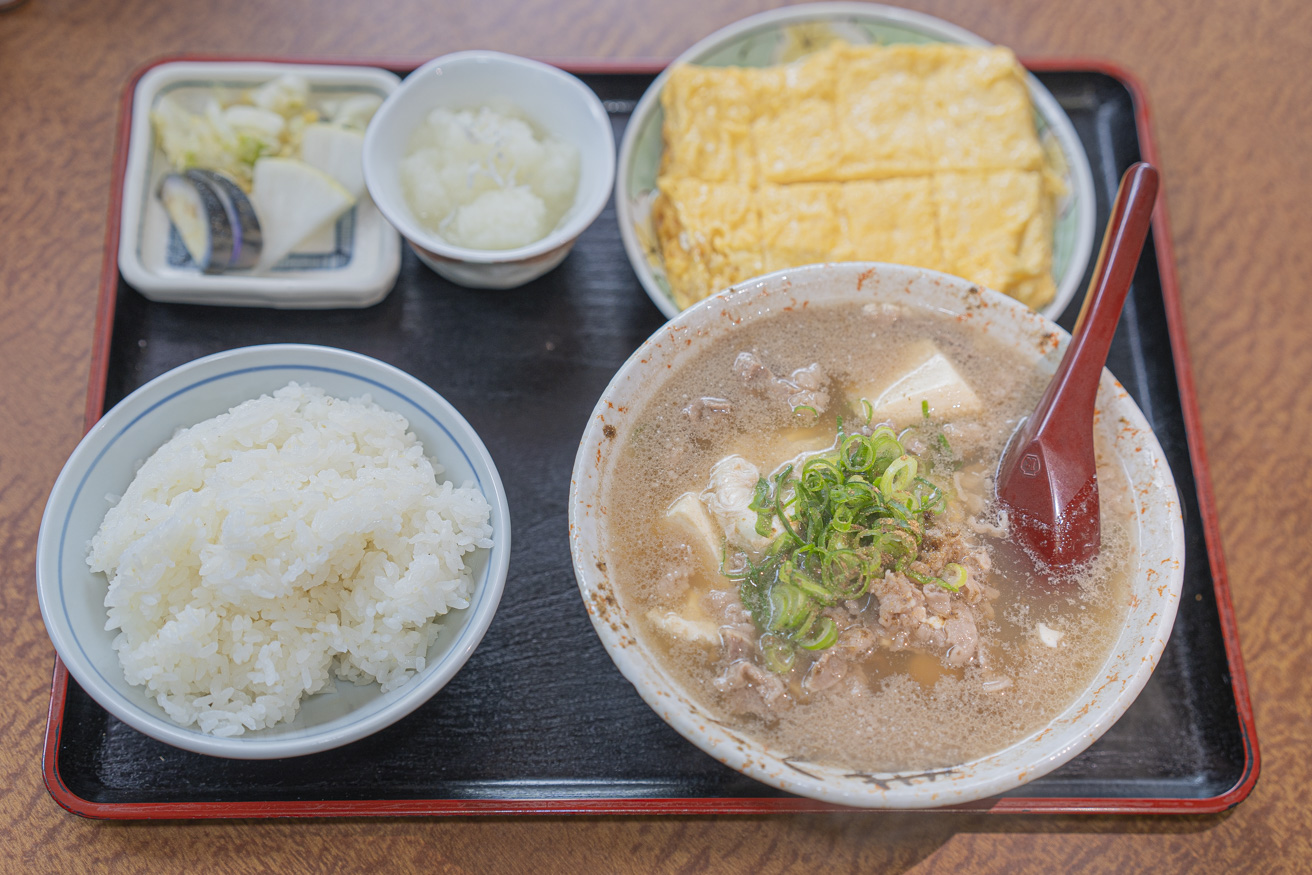
At 一富士食堂, local Osaka office workers line up for lunch. The specialties are dashimaki tamago, a rolled omelet bursting with dashi, and nikusui, a deeply savory beef broth. Ordering the two together is a good way to try flavors enjoyed by local diners. The source records cash-only payment, so bring cash if you plan to eat here.
Google Maps
Okonomiyaki Goeimon (おこのみ焼 伍栄門)
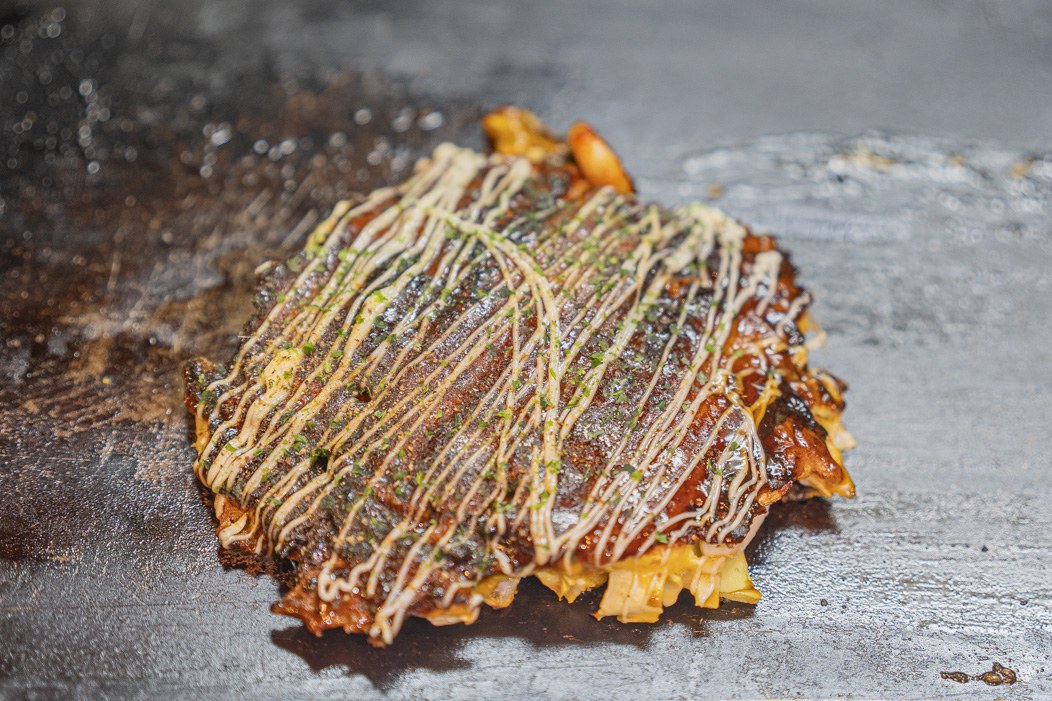
A few minutes' walk from Exit 3 of Temmabashi Station, おこのみ焼 伍栄門 is tucked inside the second floor of a red-brick building on a side street. Okonomiyaki, teppanyaki and a wide selection of individual dishes are its appeal. The owner is particular about ingredients: the sauce and noodles are sourced personally from Hyogo, sea lettuce and bonito flakes are chosen after repeated tastings, and the amakasu is specially ordered to an original specification. It is a good place to try the kind of okonomiyaki local office workers enjoy after work.Google Maps
Sakae Sushi (さかえすし)
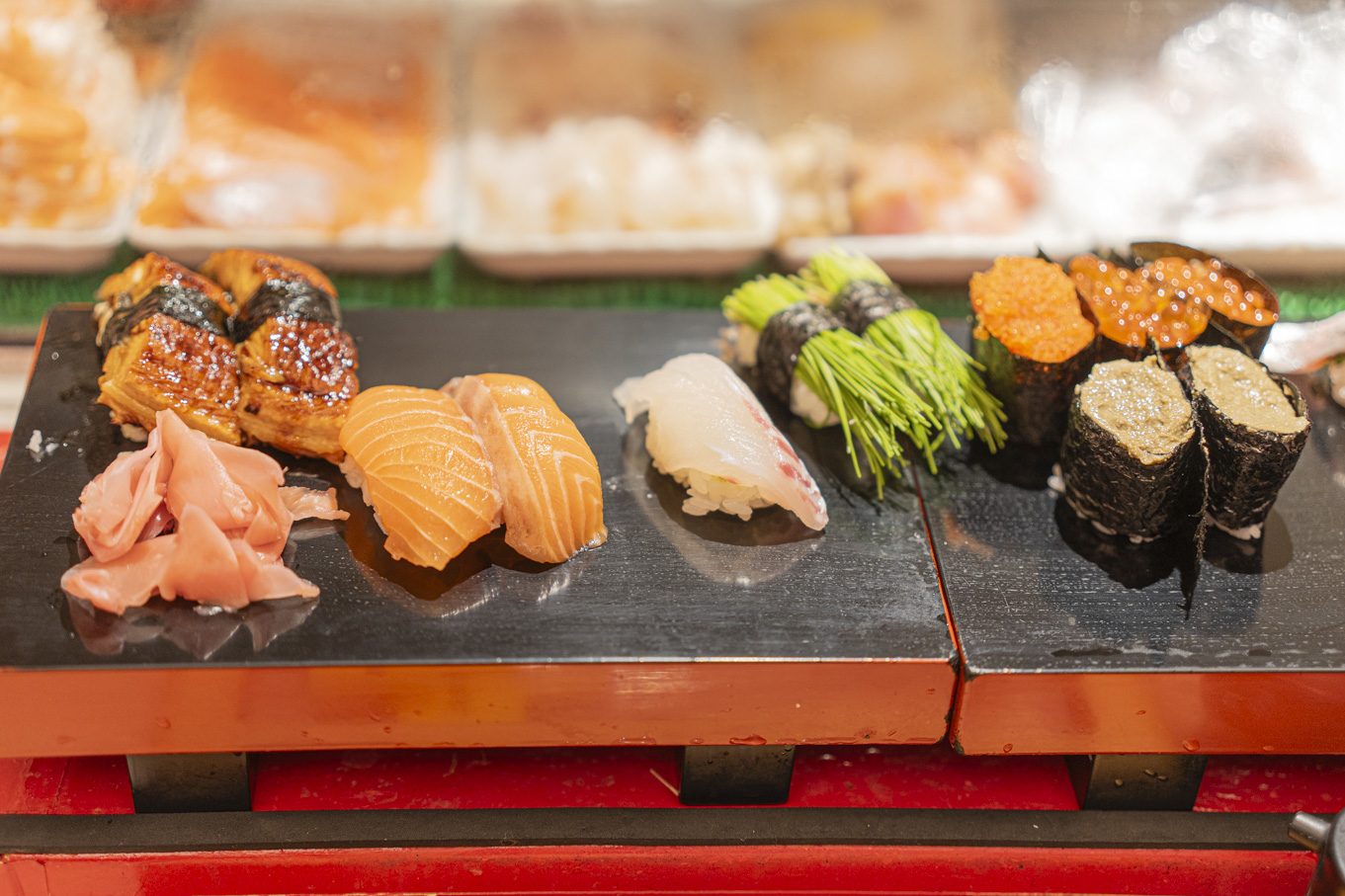
さかえすし in Shinsaibashi is a long-loved restaurant for traditional Edomae sushi. Fresh toppings and the chefs' skill produce carefully made sushi at reasonable prices. The recorded 24-hour opening schedule lets diners enjoy a proper sushi meal at a time that suits them. Watching pieces being shaped across the counter is part of the visual pleasure. Seasonal fish recommendations are especially good and attract repeat customers. The cozy setting feels like a grown-up hideaway and is popular with residents and travelers alike.
Google Maps: Google Maps
Izakaya Kaigenmaru (板場居酒屋 海源丸)
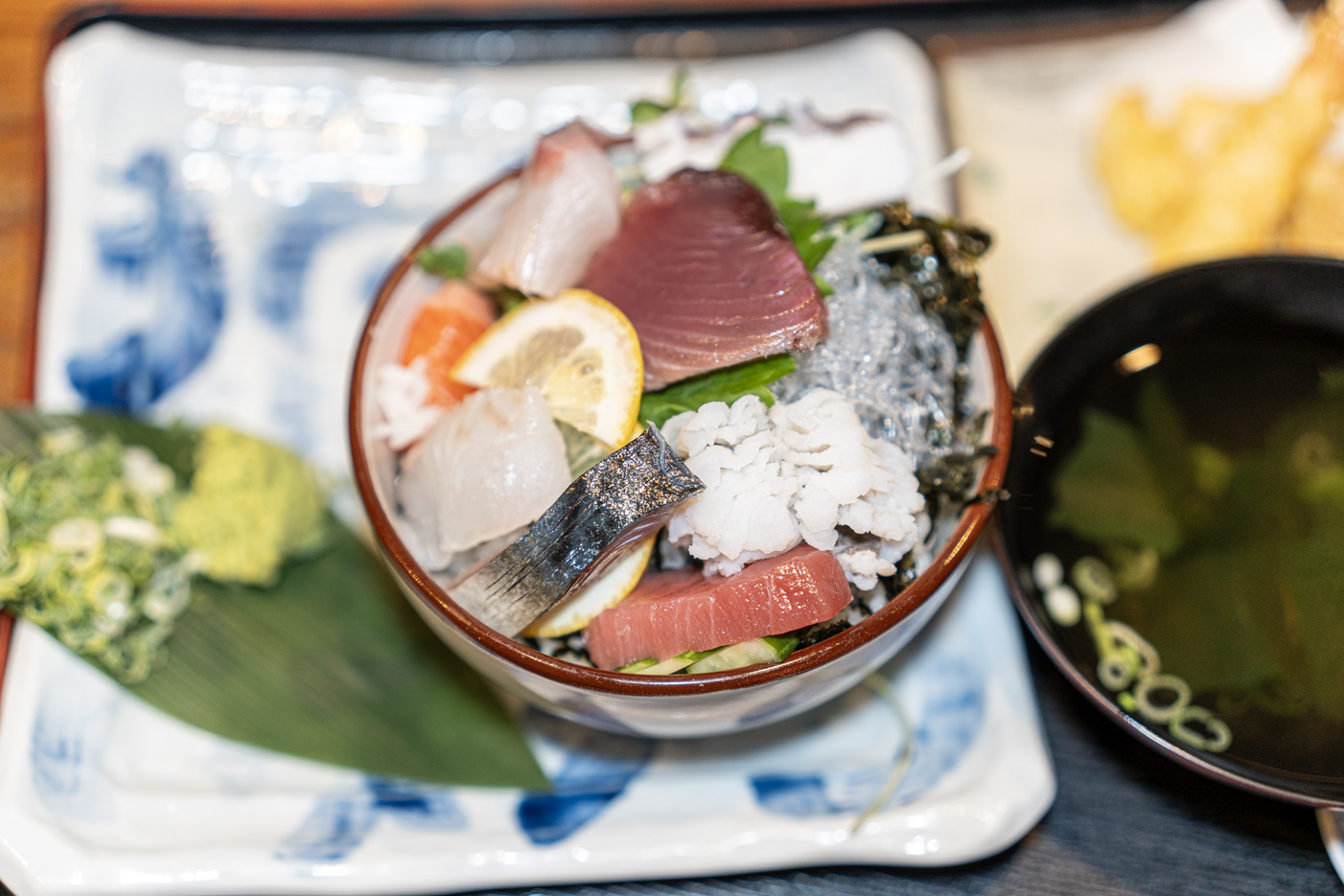
About a three-minute walk from Namba Station on the Midosuji subway line, 板場居酒屋 海源丸 pairs seasonal seafood dishes with selected regional sake. Lunch specials were offered from 11 a.m. to 2 p.m., including seafood rice bowls, sushi sets, sashimi sets and tempura sets. At around ¥1,000–¥1,400, they make a filling meal.
Google Maps: Google Maps
Steak House — Matured Steak Main Store
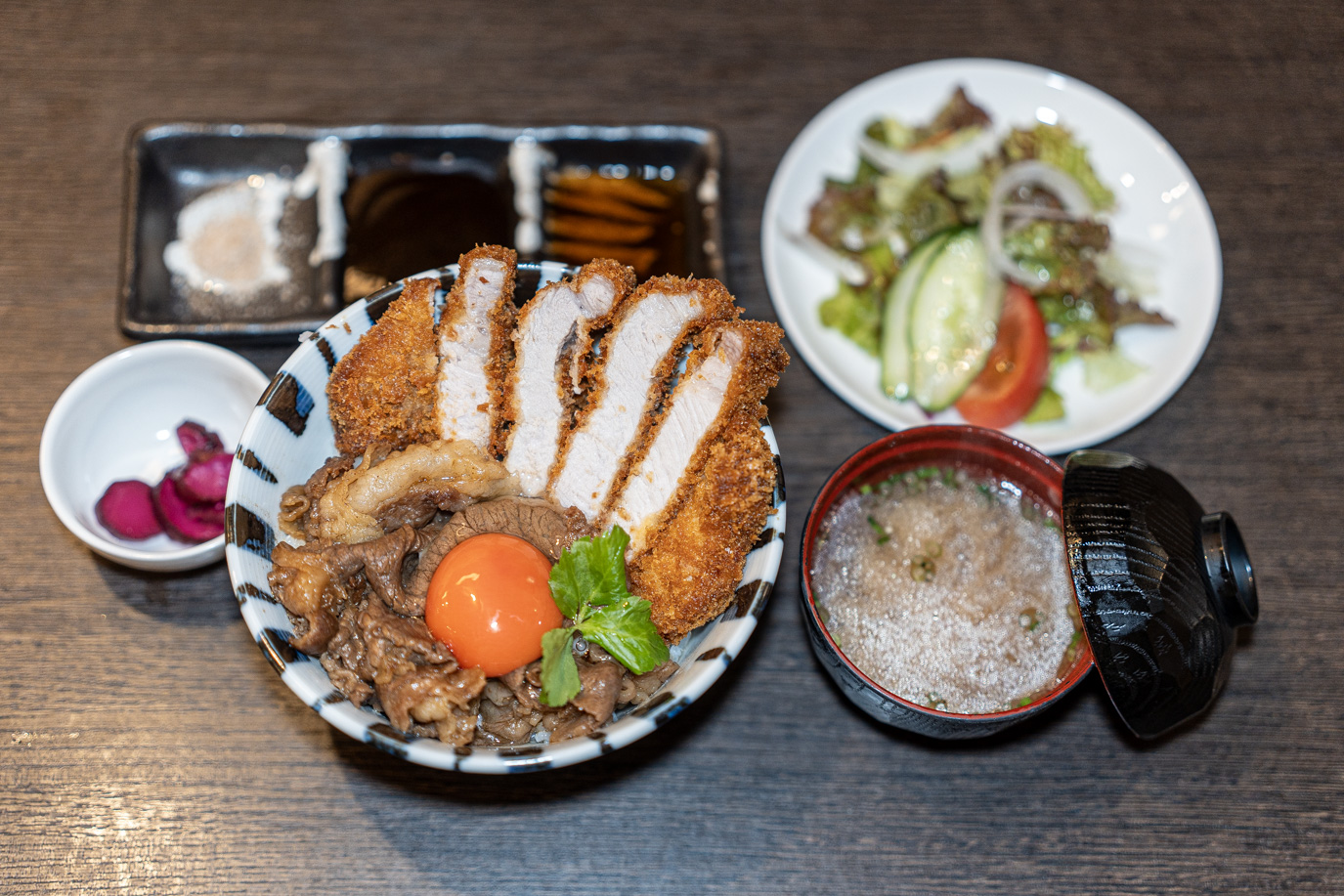
This tonkatsu specialist uses wagyu aged for more than 20 days and Kagoshima Mao pork, combining deep savory flavor with a crisp coating. The Shinsei Katsudon, ¥2,300, brings together braised wagyu beef and crispy pork cutlet, balancing a crisp exterior, tender meat and juices. The open kitchen adds a fire display and the theatrical appearance of large cuts of meat, giving diners a spectacle as well as a meal. It left me wondering whether the restaurant was particularly aimed at overseas visitors.
Google Maps: Google Maps
Japanese Craft Whisky Bar Common
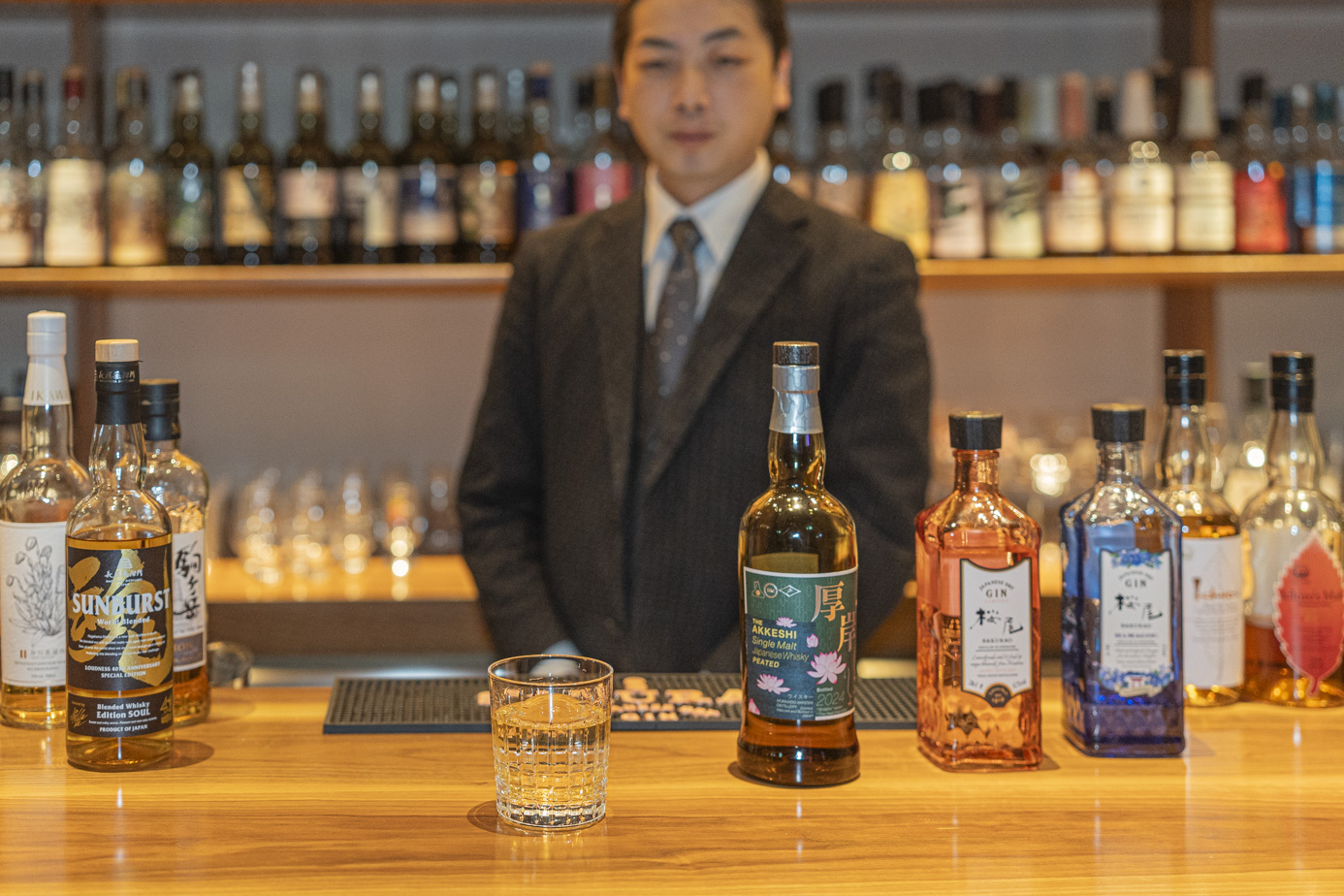
Japanese Craft Whisky Bar Common attracts visitors from Japan and around the world who come looking for original Japanese whisky after hearing about it by word of mouth. In the basement of Shinsaibashi PARCO, the bar focuses on Japanese craft whisky. Amid the many whiskies available, its aim is to introduce people to genuinely Japanese whisky. Small-scale, limited production offers distinctive flavors. Although Japanese whisky is the focus, other whiskies and classic cocktails are available too. There is no menu: after paying a ¥500 cover charge, tell the bartender your preferences and a drink will be prepared to suit you.
Google Maps
Kobe Akafuji — Shinsaibashi (神戸赤ふじ 心斎橋店)
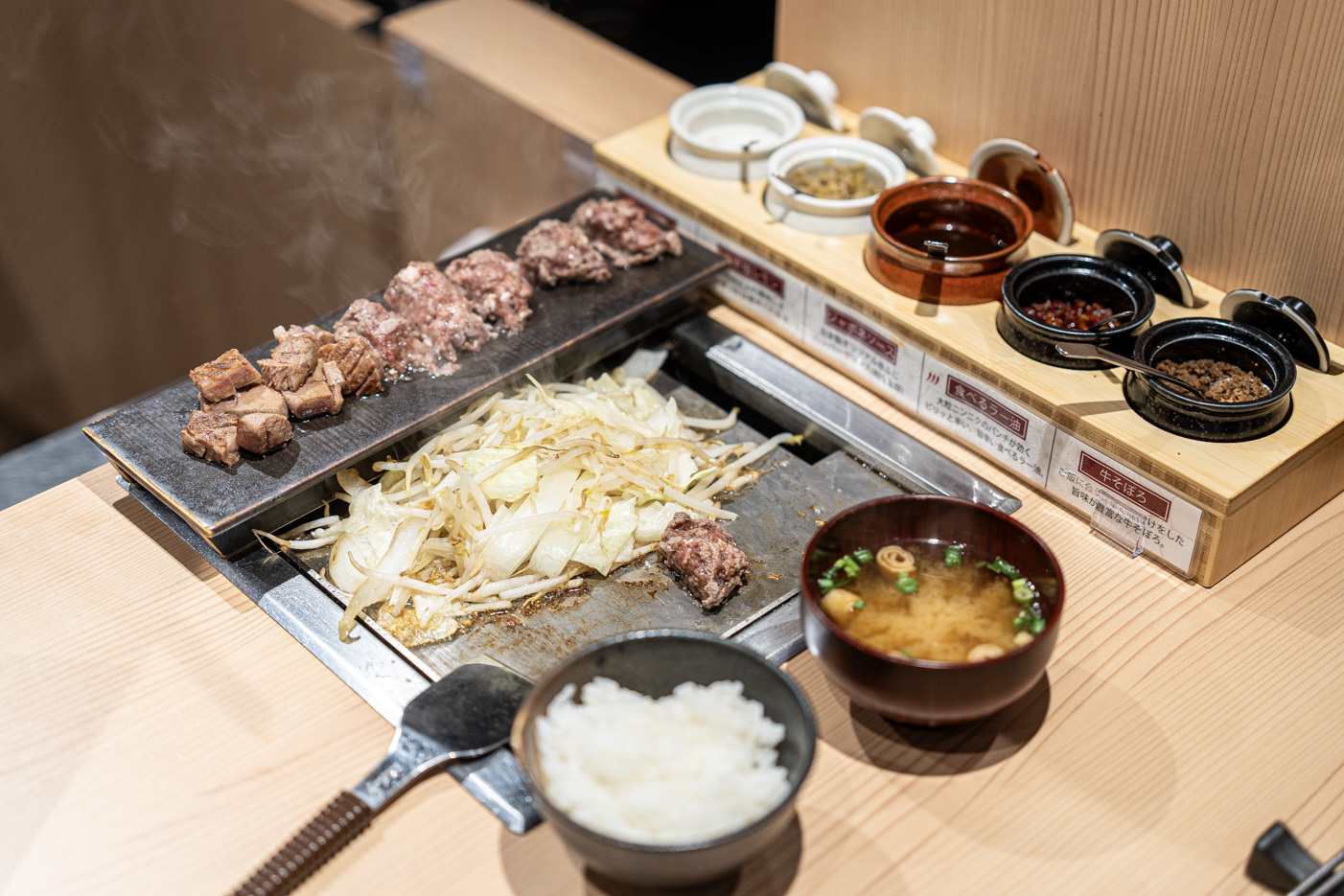
A hamburger-steak restaurant famous in nearby Kobe has finally arrived in Osaka. I had wanted to visit for some time, and I suggest considering it if you like hamburger steak. Wanting beef tongue as well, I ordered the medium premium Japanese Black wagyu Akafuji hamburger steak with marbled beef-tongue steak for ¥3,300. In hindsight, I recommend simply choosing the large hamburger steak. The finishing ochazuke, served in a hitsumabushi style, costs an extra ¥330 and is well worth adding.
Google Maps: Google Maps
Mocca (木ッ香)
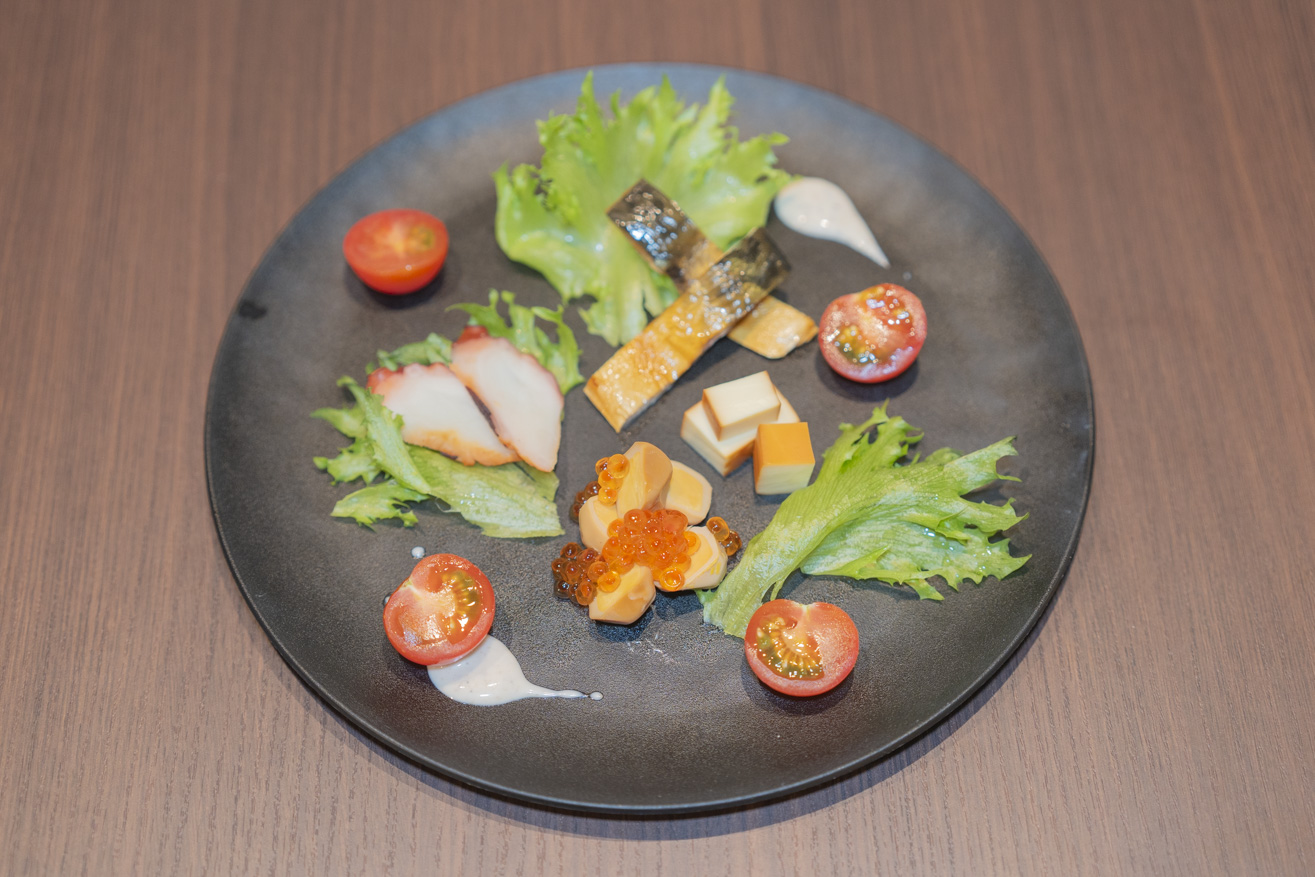
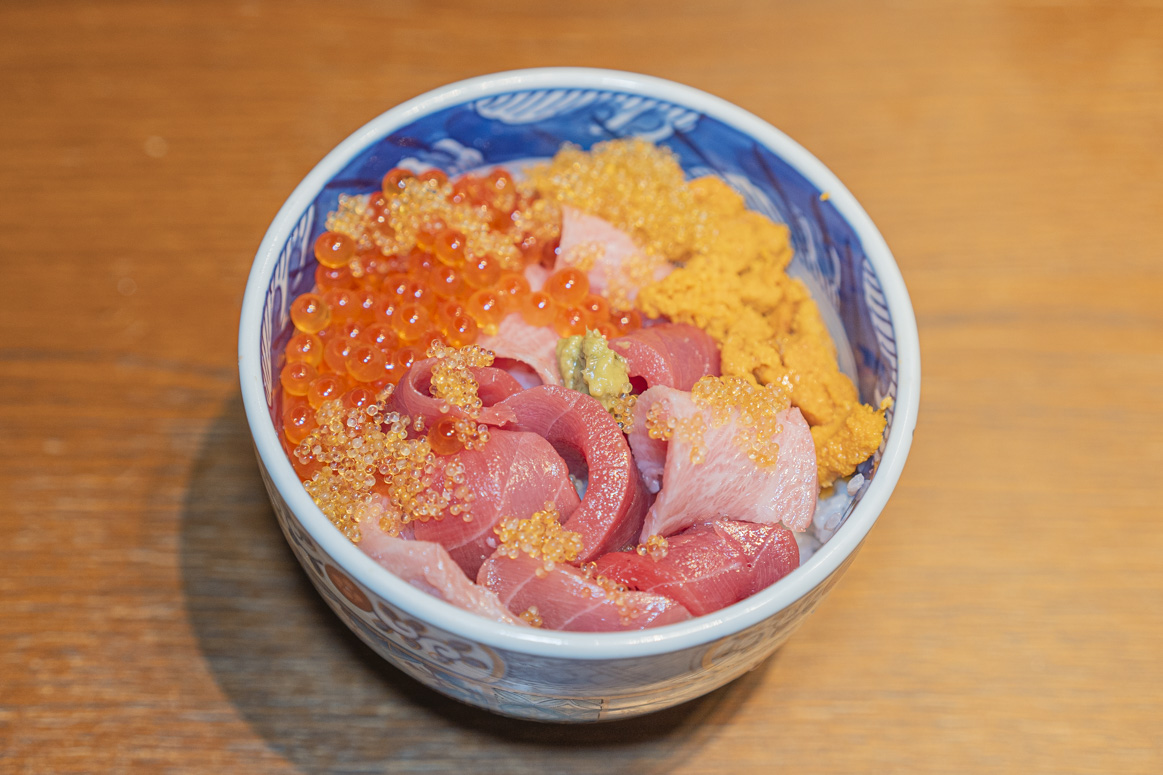
Kuromon Market can be so crowded with overseas visitors and so expensive that some frequent visitors to Japan describe it as a place to look around and then leave. Some compare it with Korea's Gwangjang Market. Near this notorious market, 木ッ香 Mocca offered food at roughly one-third of the market's prices. There was a broad selection of tuna, smoked snacks and other dishes suited to a drink. During the visit, an opening promotion offered 30% off through the end of June, bringing my meal to around one-fifth of Kuromon Market prices. The restaurant was not well promoted and was difficult to find on Google Maps. Although the map showed it as closed, it was trading at the time, so use the specific map link supplied here. These discount and opening-status descriptions are a record of that visit; confirm the current position directly with the restaurant before going.
Google Maps
Shinsaibashi PARCO (心斎橋PARCO)
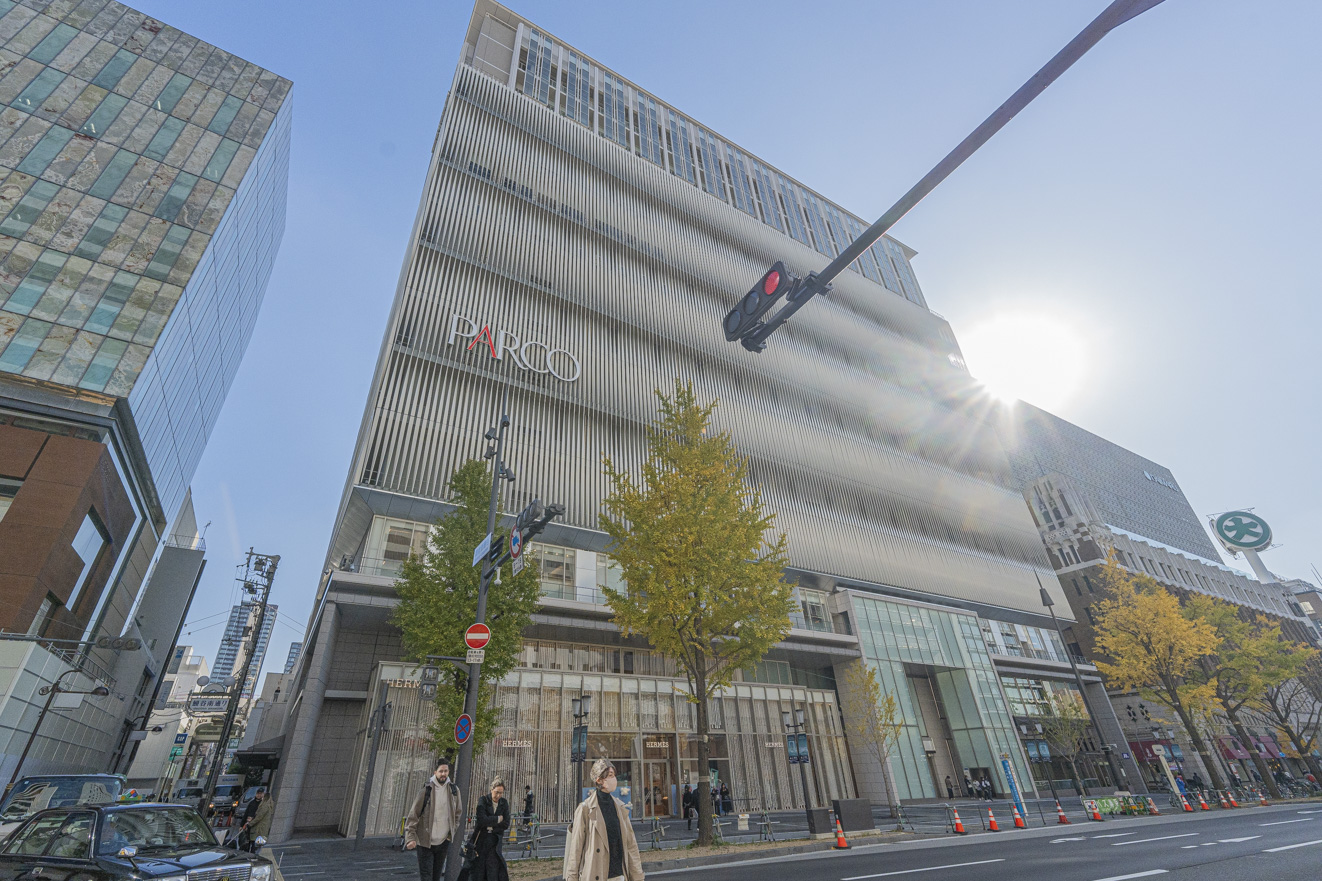
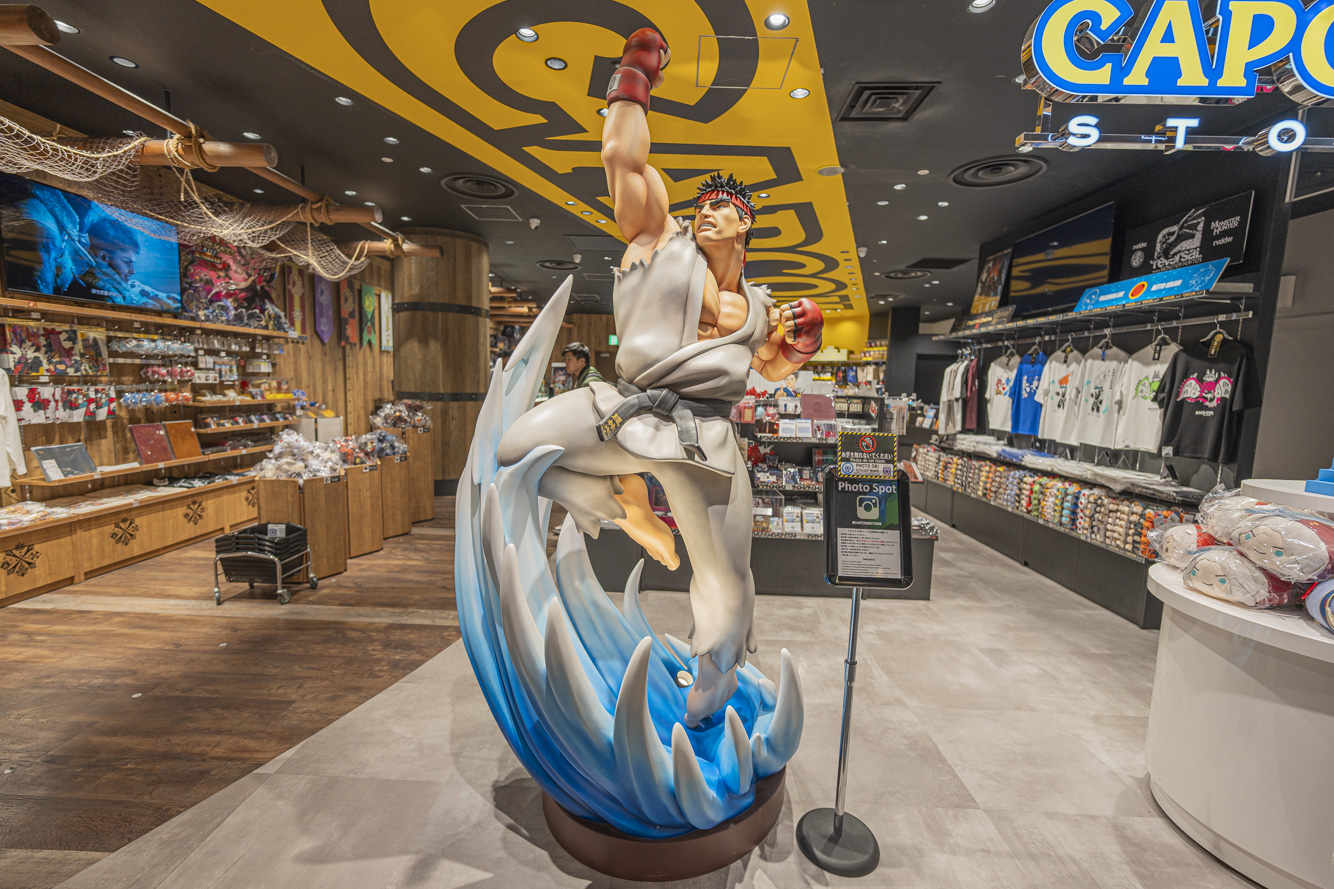
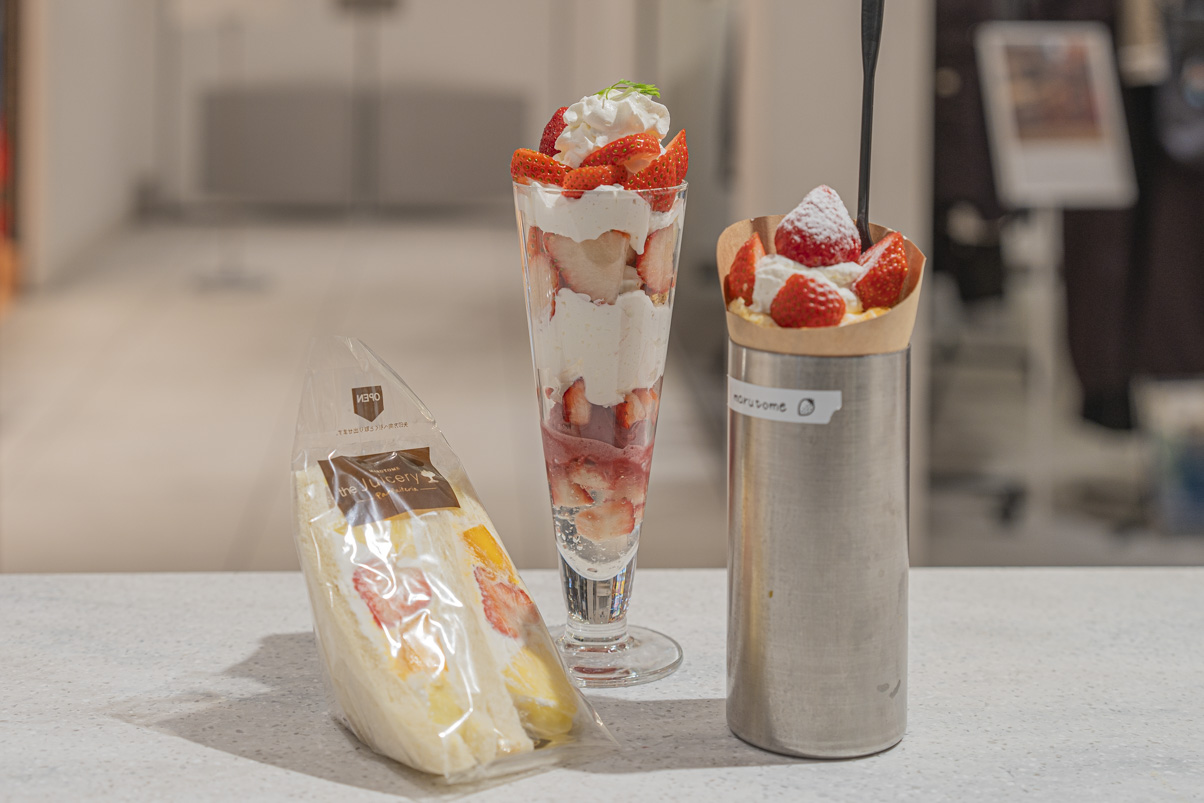
Shinsaibashi PARCO stands on Midosuji, one of Osaka's main streets. Its floors run from basement level 2 to the 14th floor above ground, with around 150 shops spanning many genres. Besides fashion, it offers anime, food and restaurants, pop culture, art and a cinema complex, leaving plenty of ways to spend time there. Direct access from Osaka Metro Shinsaibashi Station is convenient. The varied shops and dining options make it an appealing stop on an Osaka visit.
Google Maps: Google Maps
Shinsekai Kushikatsu Ittoku — Dotonbori Ebisubashi (新世界串カツいっとく道頓堀戎橋店)
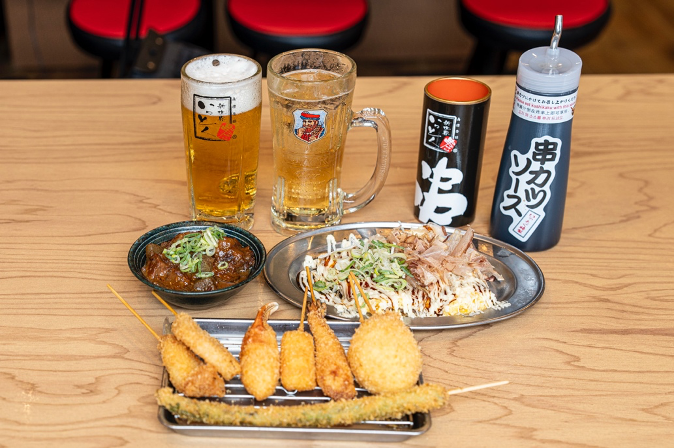
About a seven-minute walk from Namba Station, Osaka-Namba Station and JR Namba Station, 新世界串カツいっとく offers Osaka's famous kushikatsu in the heart of Namba, one of the city's main sightseeing areas. A varied menu, reasonable prices and thin, crisp coatings make these fried skewers appealing. It is a good choice if you want to try proper Osaka-style kushikatsu.
Google Maps
Yakiniku Rikimaru — Namba Dotonbori (焼肉力丸 なんば道頓堀店)
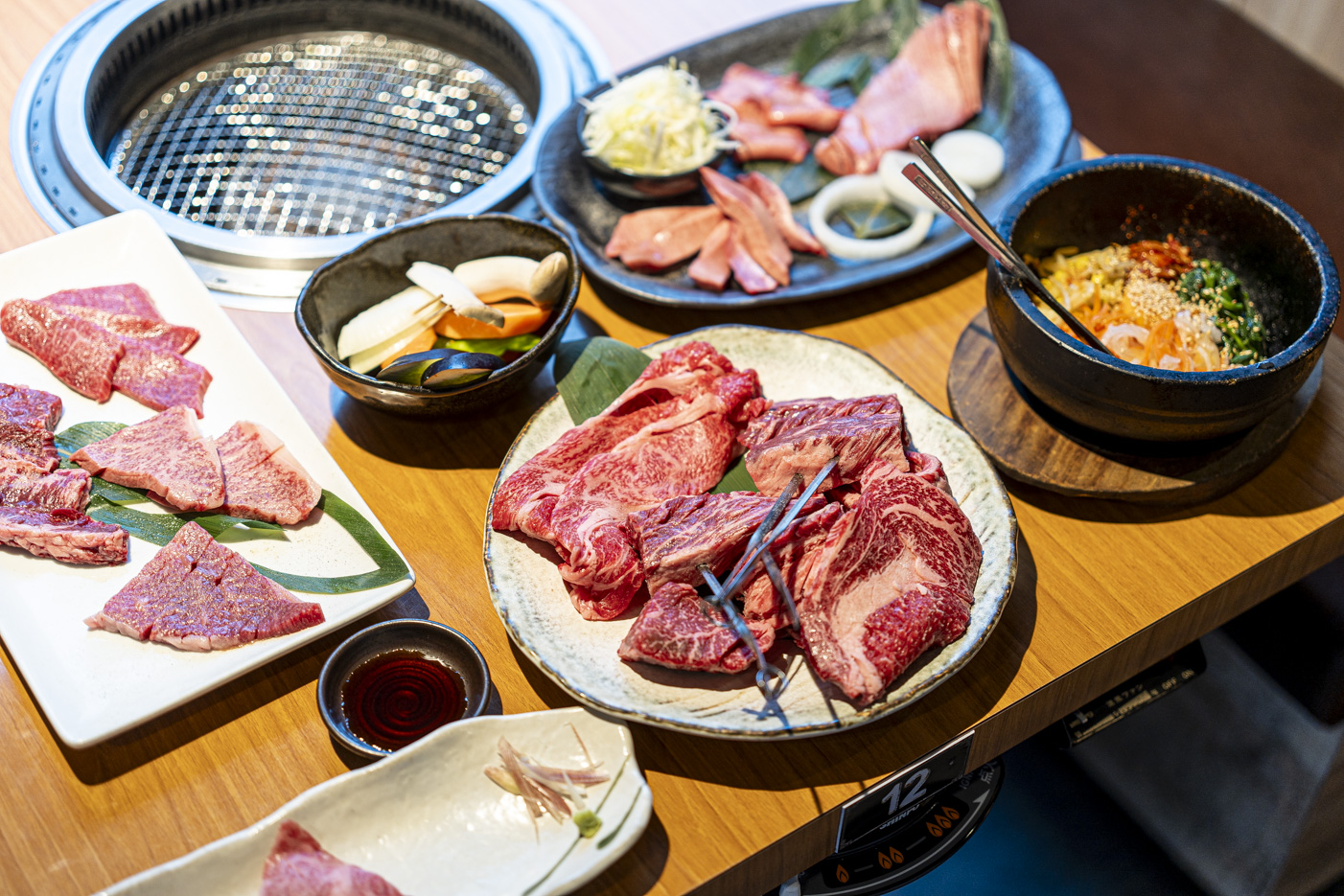
About a 30-second walk from Dotonbori's Glico neon sign, 焼肉力丸 offers all-you-can-eat Japanese Black wagyu. Of the Standard, Premium and Dotonbori courses, I recommend the Dotonbori course, ¥5,808, which includes Japanese Black wagyu. It starts with three styles of beef tongue—thick, thin and long slices—followed by options such as a four-cut wagyu assortment, an enormous rib cut and skirt-steak skewers. Meat sushi, bibimbap and other sides round out the meal. For location and value, it is close to the top of my all-you-can-eat yakiniku choices.
Read the detailed Rikimaru report ↗ (Korean; password required)
Google Maps: Google Maps
Tempura Makino — Namba Sennichimae (天ぷら定食まきの 難波千日前店)
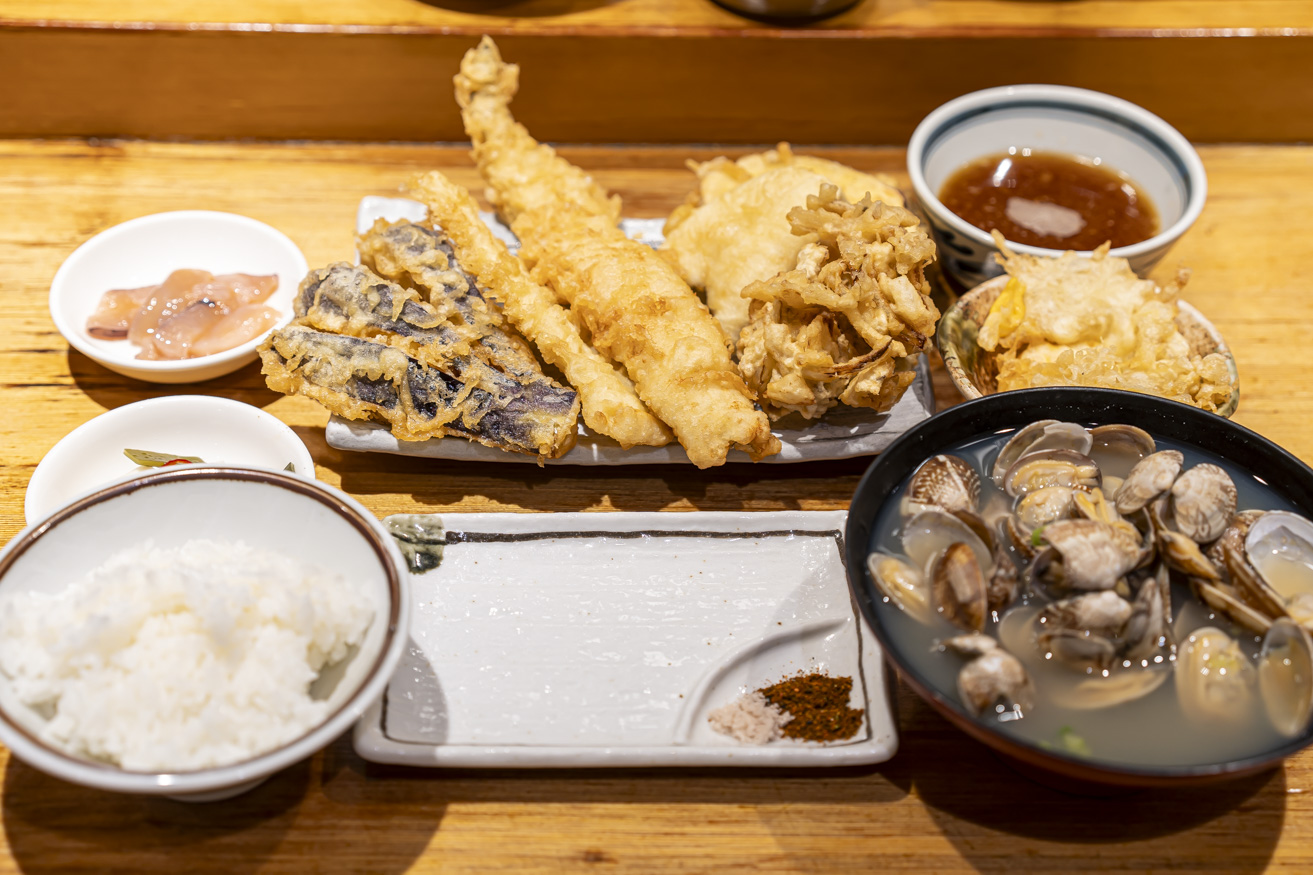
In Namba Sennichimae, まきの is known for crisp tempura made with seasonal ingredients. Fresh from the large frying pot, the substantial pieces retain both their texture and the ingredients' own flavors. The garlic-accented chicken and tender conger-eel tempura go particularly well with rice, and adding asari-clam miso soup is an excellent choice. The salted fermented squid and warm rice provided while you wait add to the satisfaction.
Google Maps
Tonkatsu Daiki (とんかつ大喜)
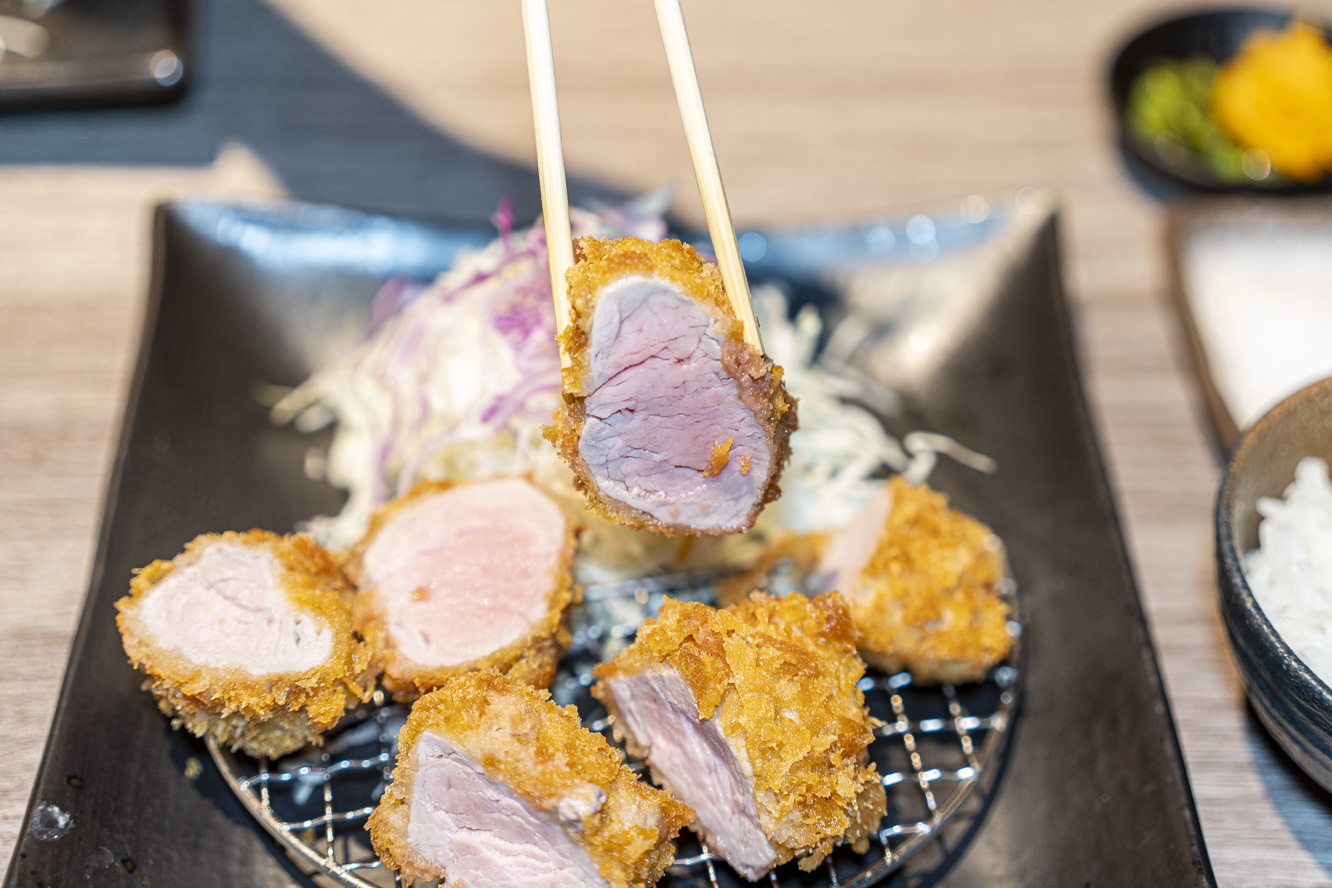
とんかつ大喜 is known for value despite its Michelin-related reputation in Osaka. Its reputation also means a long wait, but even after waiting two hours I felt this was an exceptional tonkatsu experience. Whenever seats open up, the owner points to someone in the line and calls 'YOU.' The chosen customers head inside happily. The system has a strangely ceremonial feeling.
Google Maps: Google Maps
Maru de Sankaku
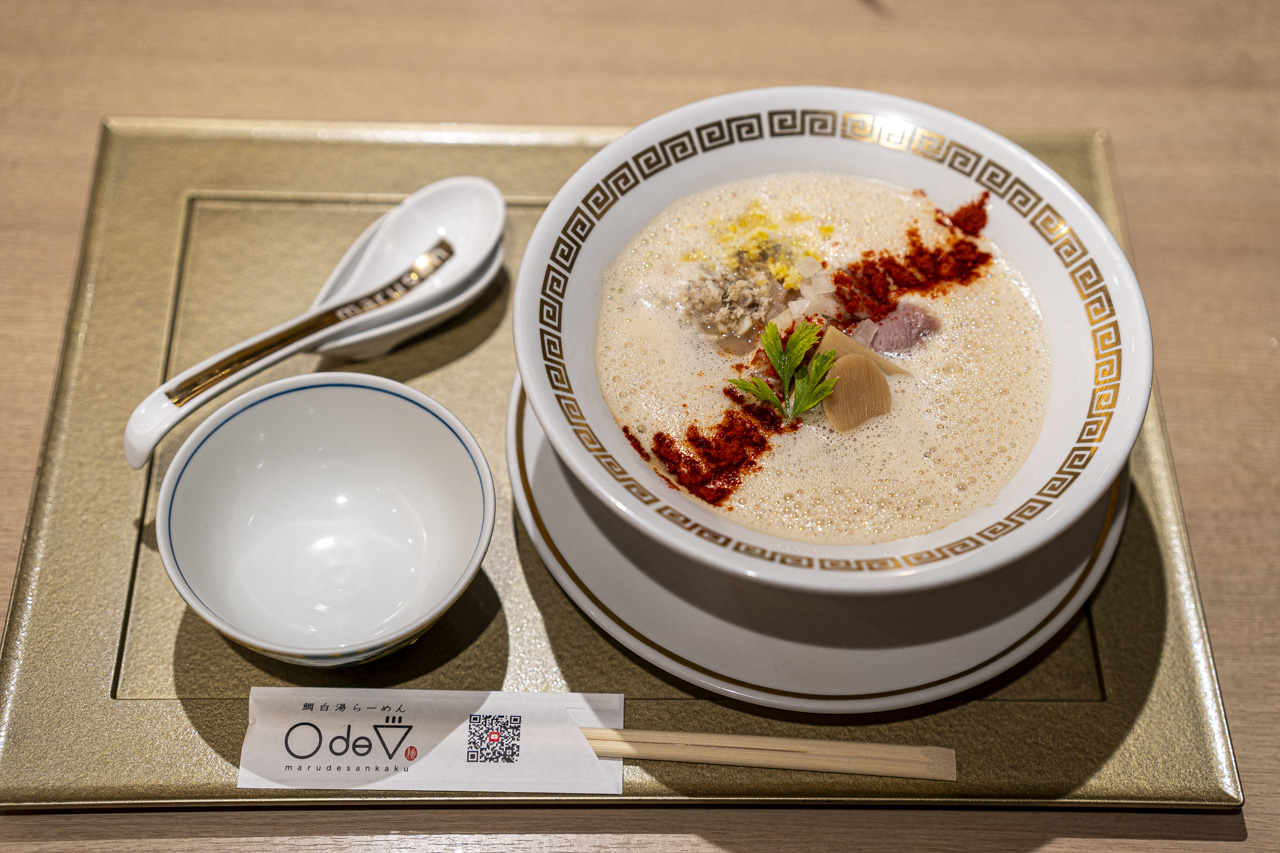
About a five-minute walk from Exit 4 of Shin-Osaka Station, Maru de Sankaku is known for its rich Tai Paitan Torori ramen, ¥970, made with sea-bream broth simmered for eight hours, and its lighter sea-bream rice, ¥350. Lines can be long, so arriving for opening is recommended. The atmosphere is comfortable for solo diners. Buy a meal ticket from the machine with cash.
Google Maps: Google Maps
Kitahorie Akariya (北堀江 灯屋)
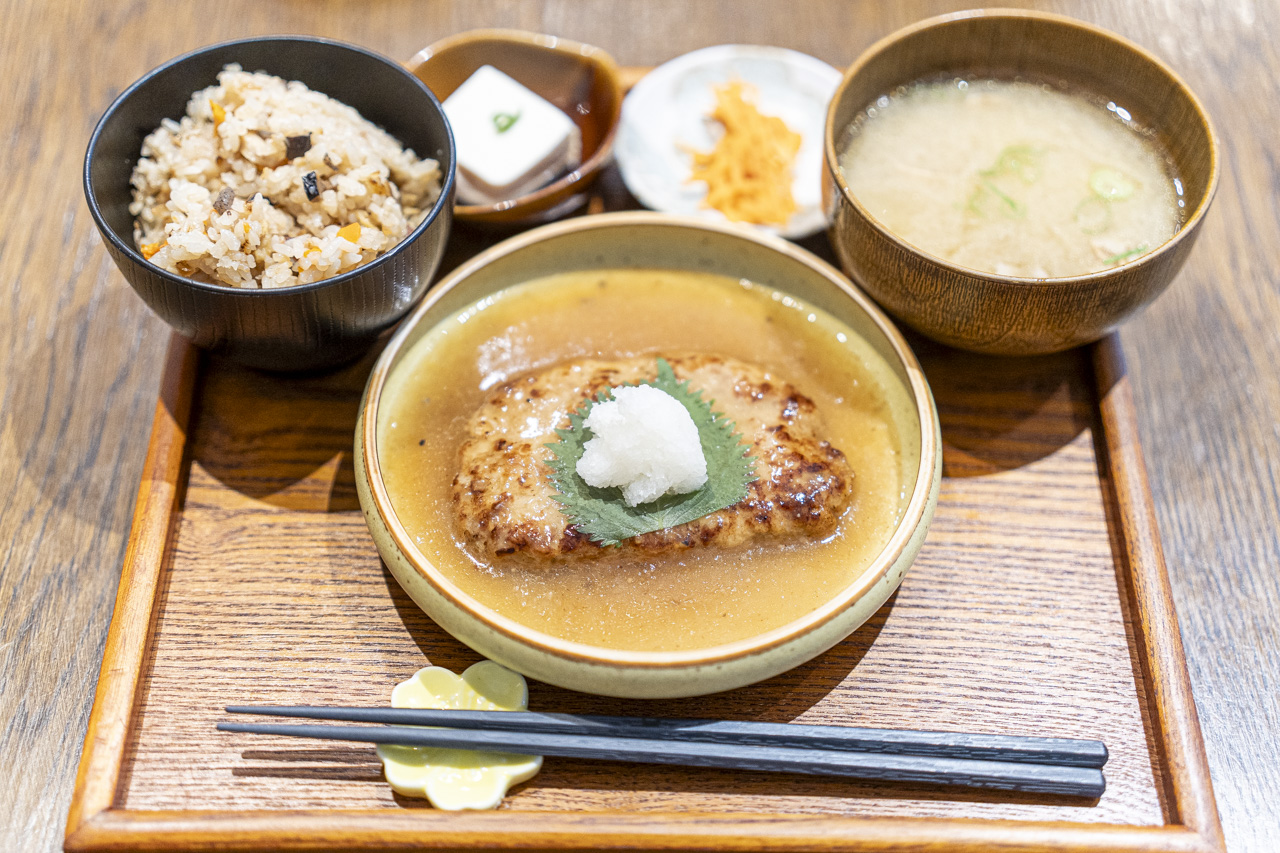
北堀江 灯屋 is a Japanese restaurant with a refined, calm atmosphere in Osaka's Kitahorie area. At lunchtime it serves set meals and seasonal side dishes made with carefully chosen ingredients. Its delicate flavors and attractive plating have a good reputation, and many dishes are a pleasure to look at. The moderate portions appeal to people seeking a balanced meal. It is a place to enjoy an unhurried lunch with a traditional Japanese atmosphere.
Google Maps
Charcoal-grilled Fish Set Meals at Shinpachi Shokudo (炭火焼干物定食 しんぱち食堂)

Shinpachi Shokudo's Osaka Nipponbashi branch specializes in charcoal-grilled set meals. Fresh fish and meat are grilled for a fragrant aroma, tender texture and rich flavor. Mackerel and horse-mackerel sets are especially popular, offering generous portions at reasonable prices. Breakfast choices include charcoal-grilled fish and a pork-belly-and-fried-egg set. The salmon and sardine breakfast sets offer inexpensive, freshly grilled fish, and the pork-belly-and-egg option is popular too. Extra egg or natto can be added at a low price.
Google Maps: Google Maps
Handmade Udon Konpira-san — Sanwa (手打ちうどん こんぴらさん 三和店)

This handmade-udon restaurant combines price, flavor and atmosphere. It is the kind of popular local shop that draws you in almost magnetically as you walk past. Basic udon costs ¥350, but its pleasantly chewy noodles taste far more substantial than that price suggests. Plain udon is very simple; if you want something more, the tempura udon topped with shrimp is a good choice.
Google Maps
Niku Gekijo (肉劇場)
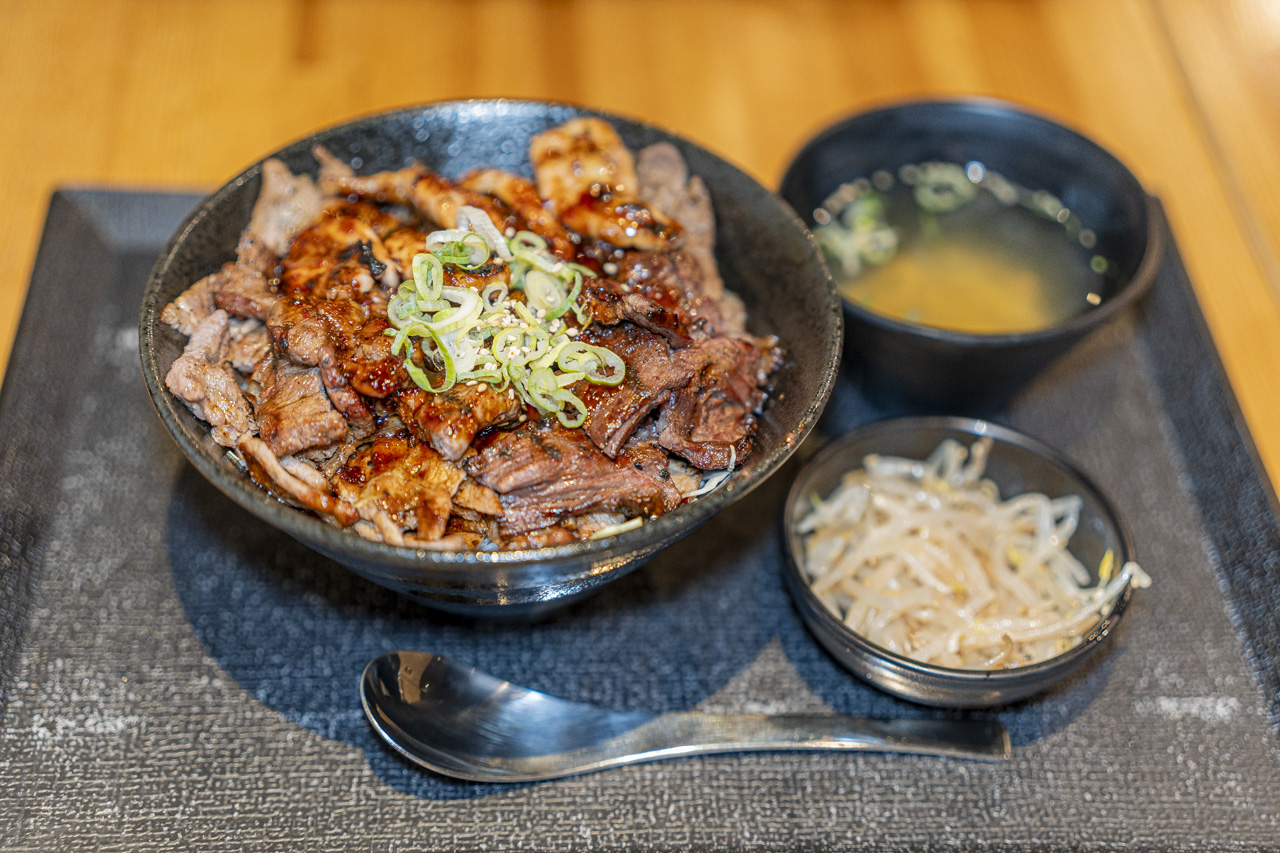
About a two-minute walk from Amagasaki Station, 肉劇場 offers generous meat meals at a low price without using processed meat. Its Chogekijo rice bowl has 450 g of meat in four varieties and is an enormous serving intended for one person. Fourteen sauces are available for unlimited refills, and bean sprouts and egg soup are included. The flame-seared meat adds a yakiniku-like aroma to a filling, satisfying, good-value meal.
Google Maps: Google Maps
Rokusen Sushi — Tsutenkaku Main Restaurant (六鮮 通天閣本店)
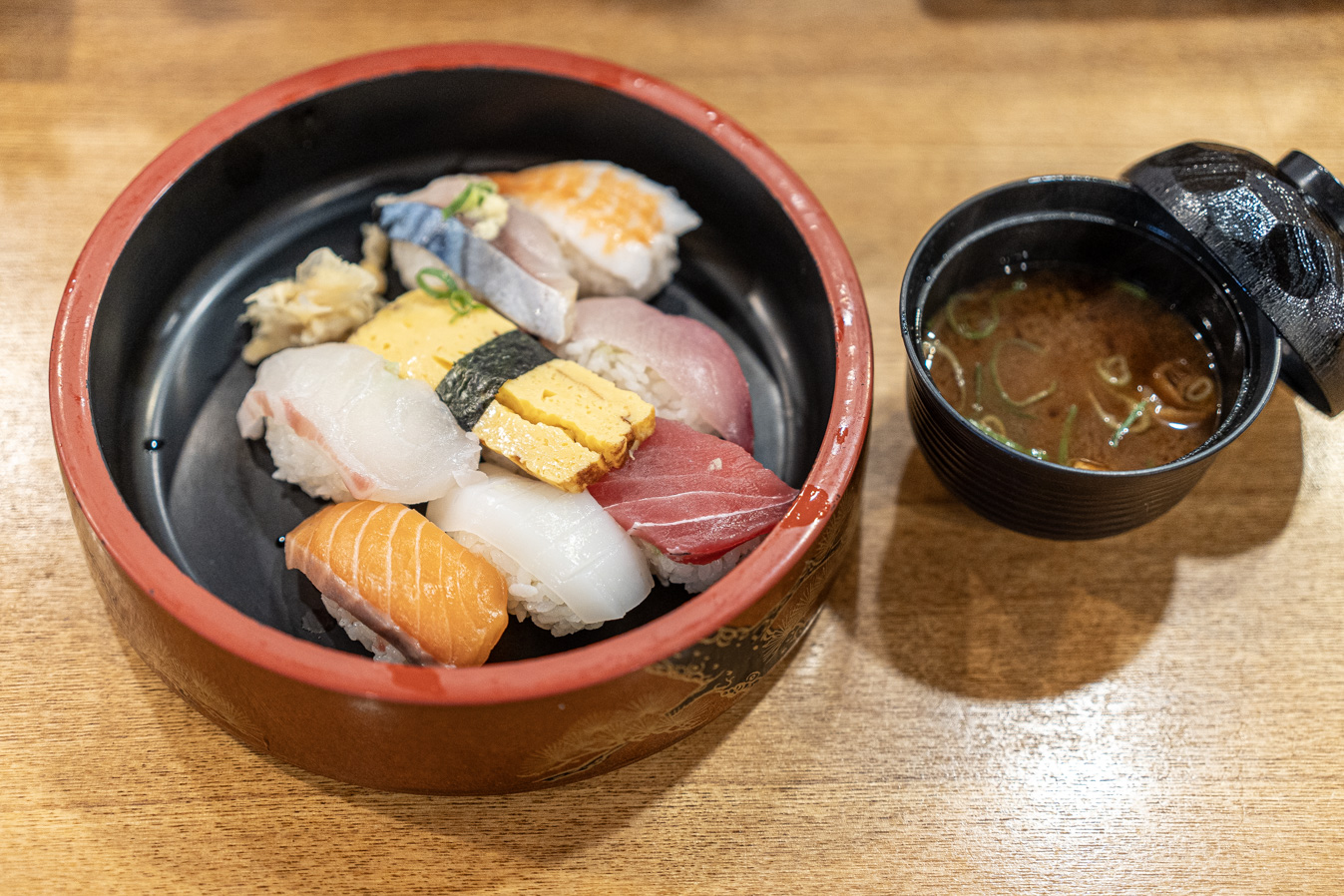
Directly beneath Tsutenkaku in Shinsekai, 六鮮 is a good-value sushi restaurant. The ¥700 sushi set is popular, with a generous variety of toppings; a Korean-language menu is also available. It is about a three-minute walk from Ebisucho Station. The dining room is busy with local customers, and the chefs' quick work is impressive. The lunch special is particularly good value and includes a generous helping of miso soup.
Google Maps: Google Maps
Yakiniku Gorichan — Shinsaibashi (黒毛和牛タンとハラミ 焼肉ごりちゃん心斎橋店)
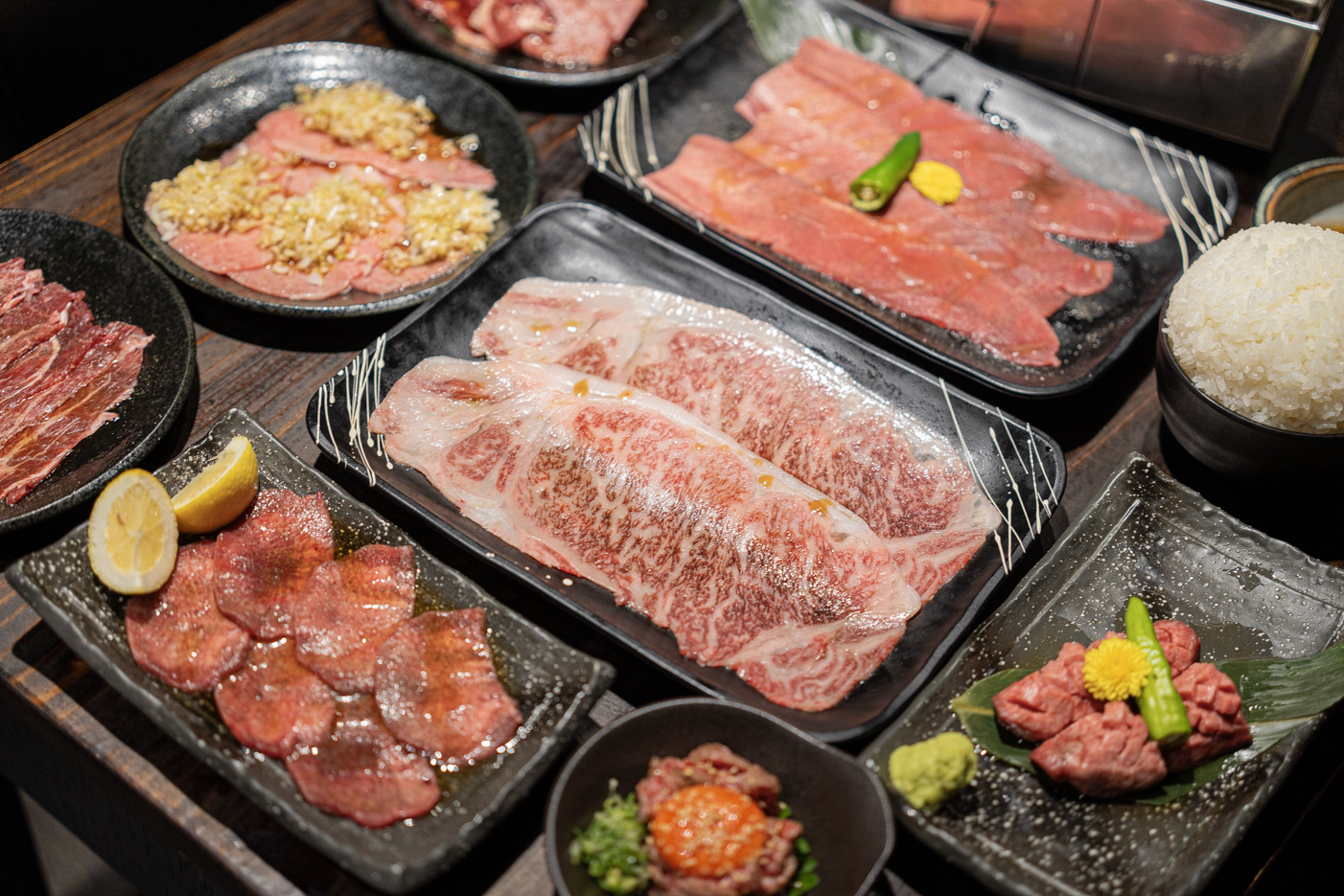
About a three-minute walk from Shinsaibashi Station, 焼肉ごりちゃん is run by Japanese food influencers. It can be difficult to find, but its energetic atmosphere, distinctive sauces and large servings of rice leave an impression. The meat selection includes cheek, the 'phantom' rib cut and truffle sukiyaki, with entertaining combinations. Many items are limited, so going early is sensible. It is a tucked-away Osaka yakiniku option with the enthusiastic atmosphere of a food show.
Google Maps: Google Maps
Maruman Sushi — Main Restaurant (丸まん寿司 本店)
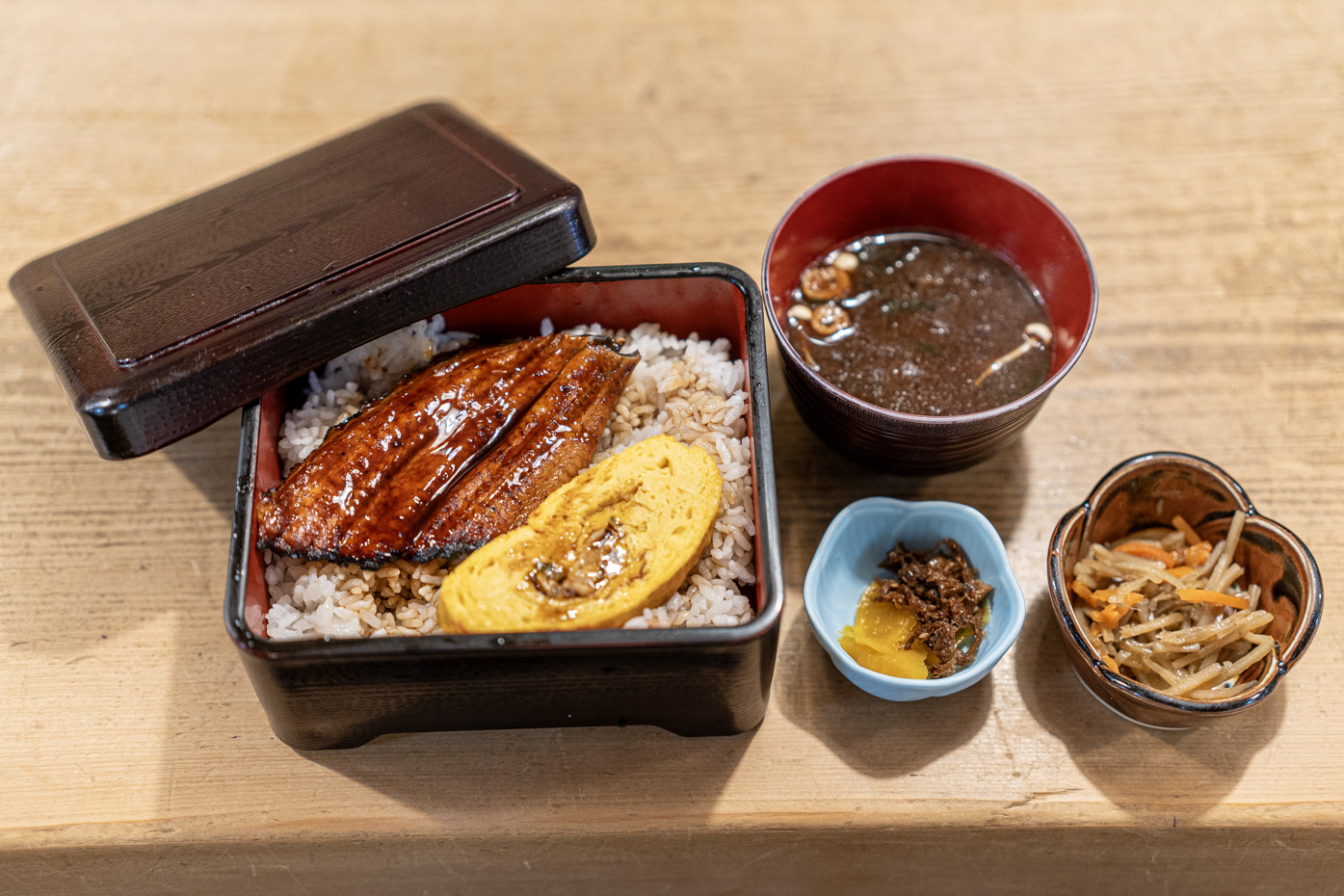
About a four-minute walk from Minami-morimachi Station, 丸まん寿司 is a long-established sushi restaurant with more than 70 years of history. Despite that pedigree, the lunch special is remarkably good value: ¥850 for an eel rice bowl, umaki rolled omelet with eel, and arajiru fish soup. Counter seats suit solo diners, making it a pleasant lunch stop to enjoy quietly.
Google Maps: Google MapsGoogle Maps
Yaoya to Gohan Ookura — Horie (八百屋とごはん おおくら|堀江店)
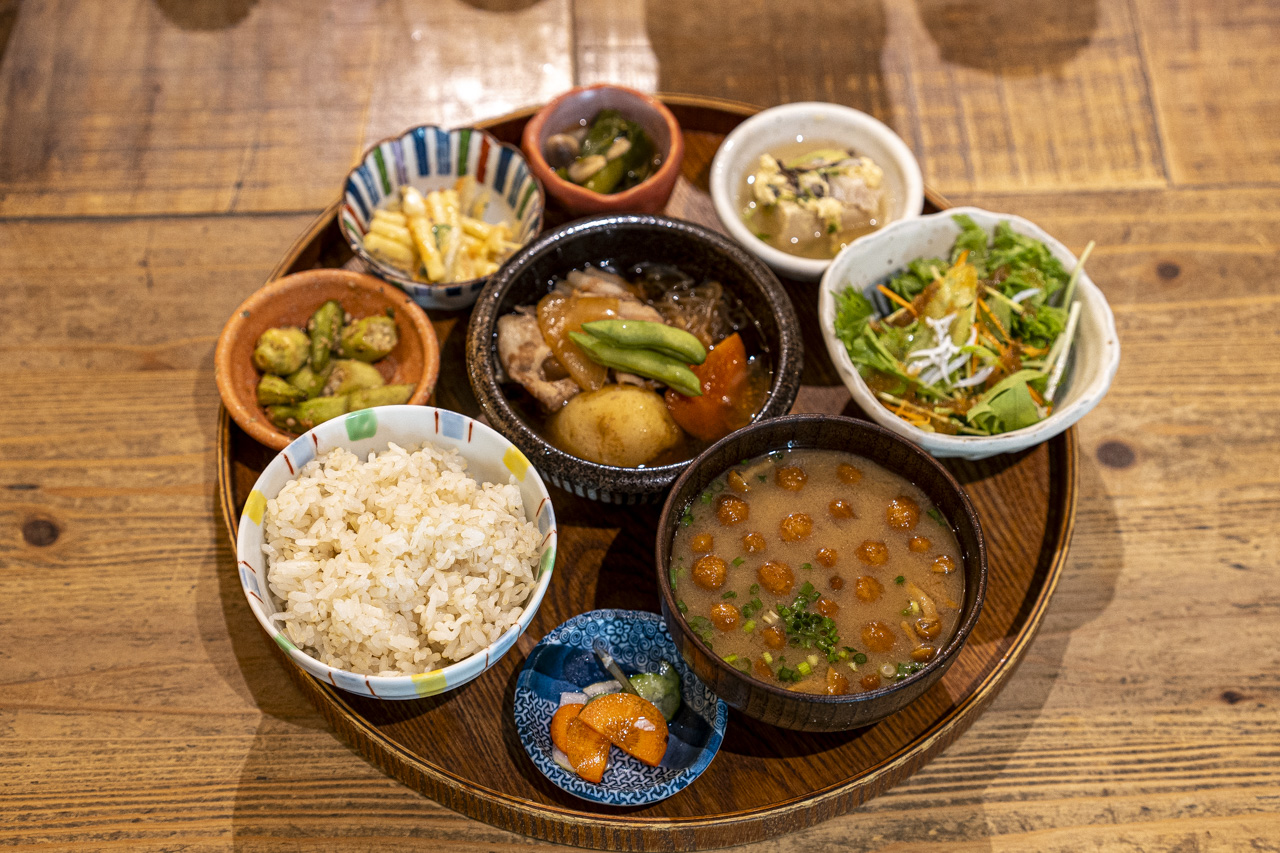
About a 40-second walk from Yotsubashi Station, 八百屋とごはん おおくら serves balanced set meals until 11 p.m. Its gently seasoned food is especially welcome late in the day. The ¥1,300 daily set includes several side dishes and nameko-mushroom miso soup. It is a late-night option worth considering when you want a proper meal instead of fast food.
Google Maps: Google Maps
Good-value Eel Sushi at Iccho (すし旬海楽 いっちょう)
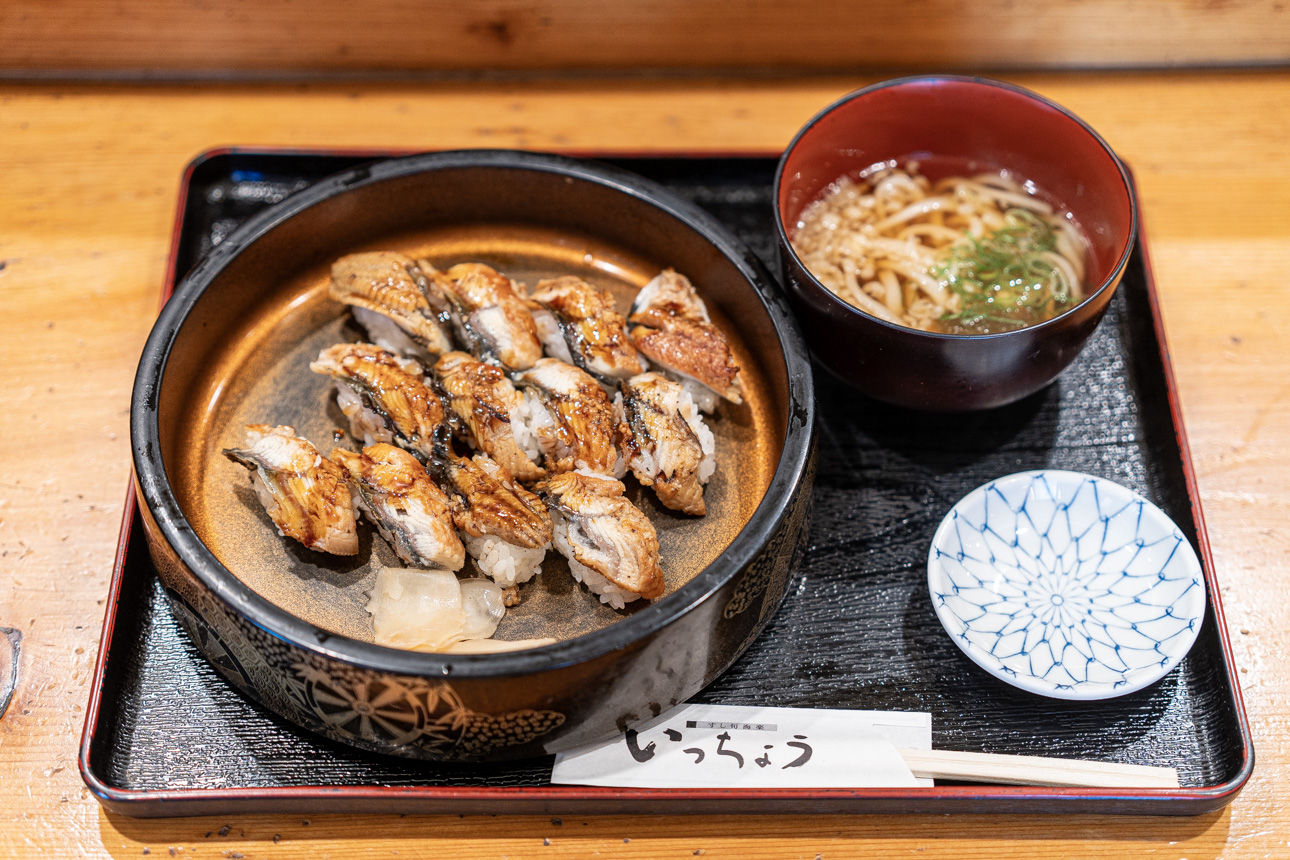
About a two-minute walk from Sakaisuji-Hommachi Station, すし旬海楽 いっちょう prepares eel sushi with striking speed. Lunch sushi sets with mini udon cost less than ¥1,000, but the eel sushi is the real draw. Twelve pieces made with Japanese eel are ¥2,200 and arrive remarkably quickly. Lunch payment is cash only in the source account, so plan accordingly.
Google Maps: Google Maps
Irresistible Torch-seared Wagyu at Tanpopo — Hommachi (たんぽぽ 本町店)
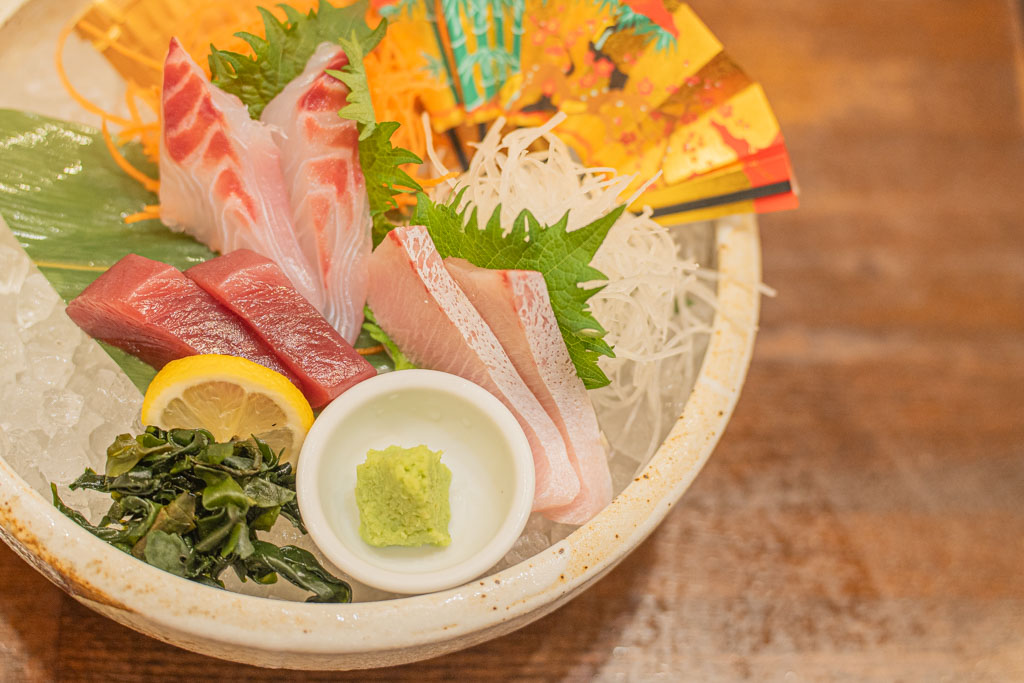
About a one-minute walk from Hommachi Station on the Midosuji line, this restaurant says it is particular about organic vegetables delivered directly from growers and fish delivered from fishing ports. It has the neighborhood feel of a local izakaya loved for more than 30 years. Photographs of producers around the restaurant add to that sense of trust. The enormous menu covers home-style dishes, courses, Japanese, Western and Chinese food, with plenty to drink. It feels like a hideout for nearby office workers and is a good place for a local izakaya experience.
Google Maps
Tonbi (豚美)
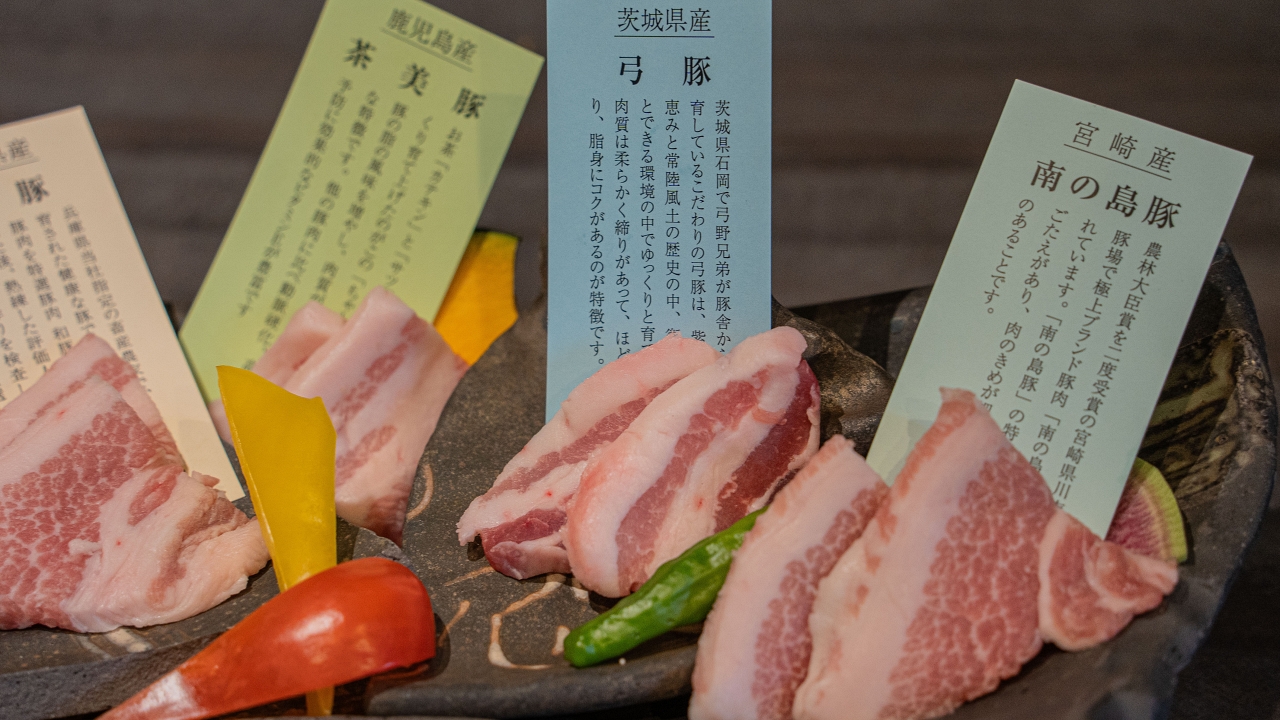
This branded-pork specialist is about a 20-second walk from Fukushima Station—the one in Osaka. Despite its neat, modern appearance, the source records 20 years of history. Fukushima is well known for beef restaurants, but 豚美 operates with the aim of promoting a pork culture in Osaka. The owner travels around Japan to select pork worth eating, and offers premium Japanese and overseas pork as yakiniku or pork-shabu-shabu hot pot. Comparing the varieties is part of the pleasure. The flavors may feel particularly familiar if you enjoy Korean-style pork belly.
Google Maps
Zeniya (ぜにや)
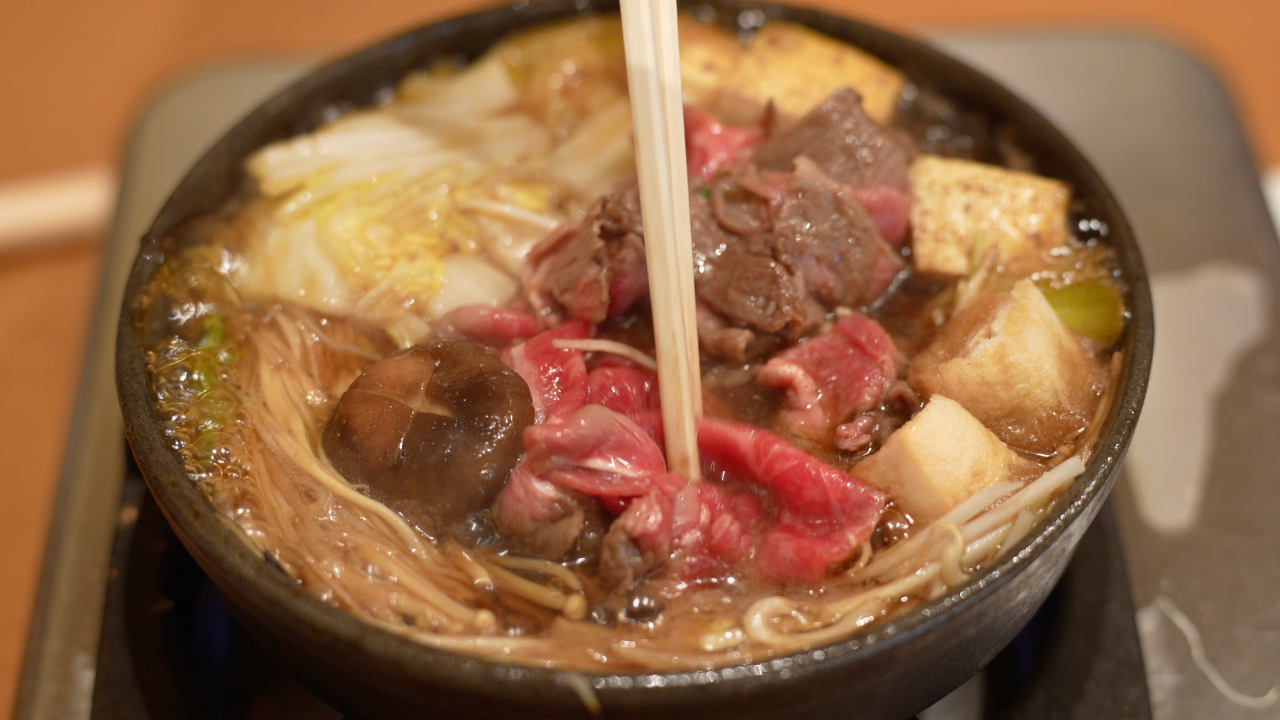
Even within Osaka's atmospheric Shinsekai district, this izakaya seemed to draw many local residents. Its cozy exterior is in the busy streets south of Tsutenkaku. Alongside kushikatsu and doteyaki, the menu offers sashimi, grilled dishes and other individual plates, so it can serve as a proper meal stop too. Prices are low, and the impression was of more residents than tourists, giving the restaurant an appealingly Osaka atmosphere. Shinsekai has become so tourist-focused that local favorites can be hard to find, but this one is inexpensive and reasonably tasty. I was especially pleased to eat a filling sukiyaki-style meal instead of yet another round of kushikatsu.
Google Maps
Taisho Yakiniku SUN Nasubi (大正焼肉SUNナスビ!!)
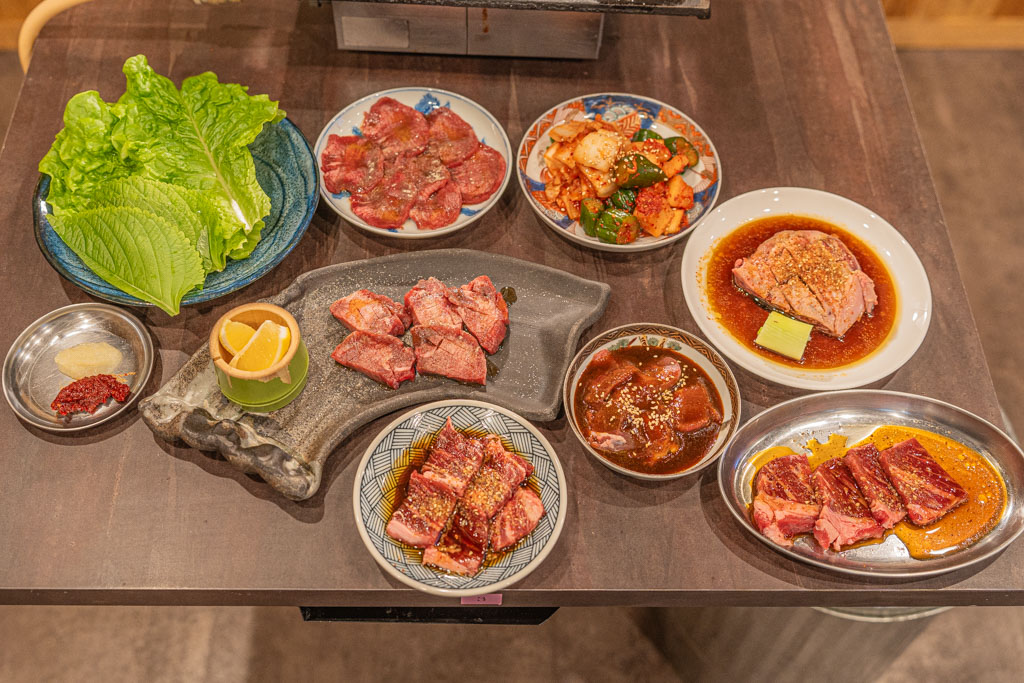
About a one-minute walk from Taisho Station, this is a restaurant to consider after several visits to Osaka. Buying directly from a meat wholesaler helps keep prices low. Its concept suits solo diners, with small portions offered inexpensively. The meat is presented simply, with no elaborate tricks, and the flavor feels straightforward and wholesome. Traveling alone, you can try a variety of cuts. The restaurant seems particularly serious about meat quality.
Google Maps
Yakiniku Kappo YP-ryu (焼肉割烹 YP流)
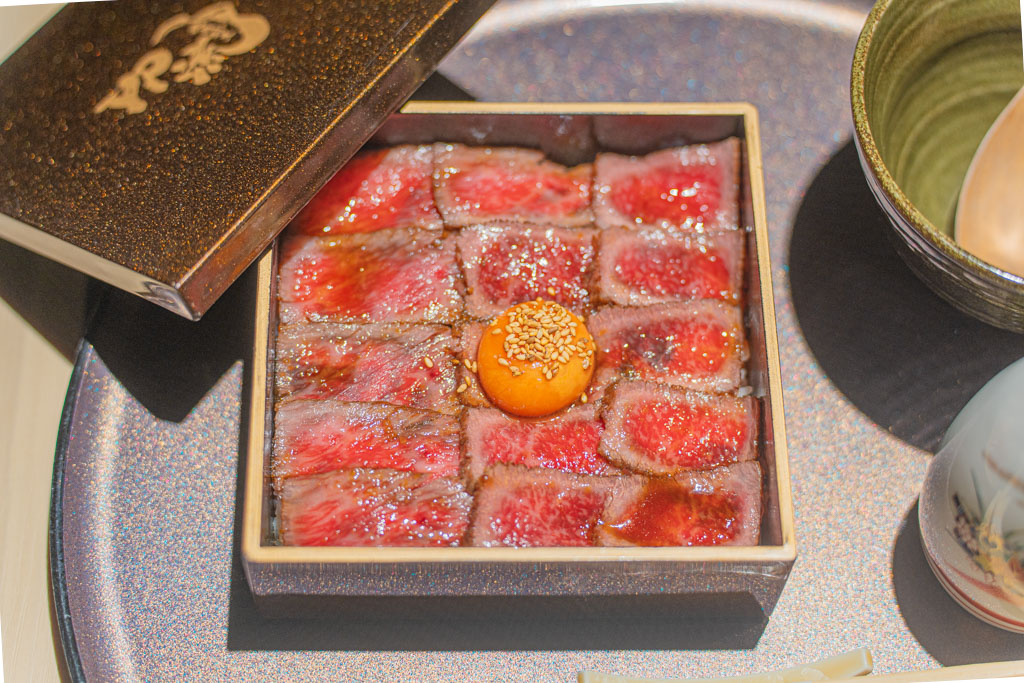
This restaurant opened in June 2022 and serves premium yakiniku under the slogan of a meal that will not leave your stomach feeling heavy. Convenient for both Shinsaibashi and Yotsubashi stations, its interior feels upscale and includes private rooms. One drawback is its popularity within Japan: lines form on most days. Dinner mainly consists of fairly expensive courses, but the inexpensive wagyu mabushi at lunch is very good. The chef slices the beef in front of you with the same sense of occasion as dinner, and the friendly service is a bonus. The aged wagyu is meltingly tender, and the mabushi format lets you change its flavor as you eat. There are two Osaka restaurants, so use the specific map link here: the other location does not offer this lunch special.
Google Maps
Toriya Umeboshi — Minami-Semba (鶏屋梅星 南船場)
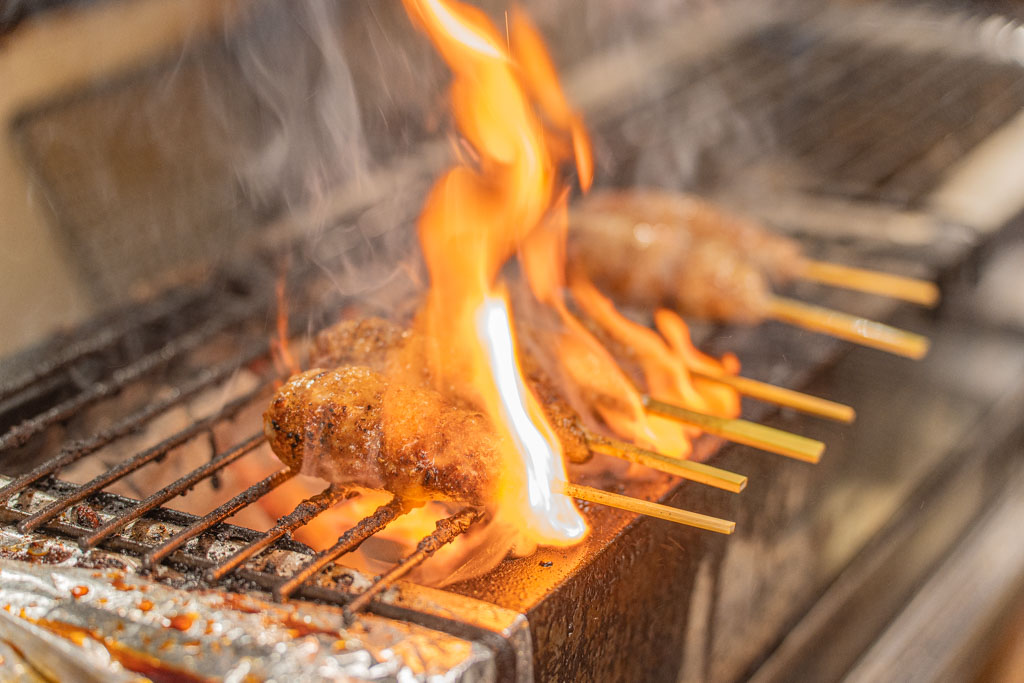
鶏屋梅星 offers plum-seasoned grilled chicken in a stylish setting, described in the original review as the world's first version of this preparation. Its popular tsukune was developed over a year. The plump charcoal-grilled chicken skewers are excellent. If you want to try the day's best ingredients, the chef's-choice yakitori is another good option. The many nearby hotels also bring an international mix of diners.
Google Maps
Akagakiya — Namba (あかがきや 難波店)
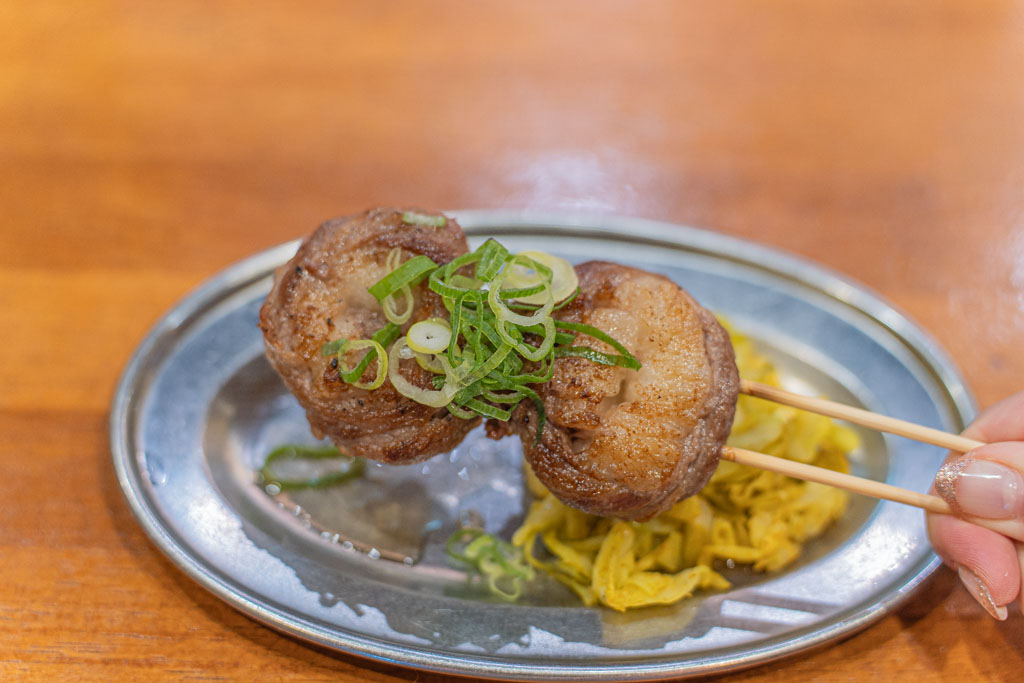
This lively, approachable standing izakaya has counters for drinking on your feet. It serves Osaka-style doteyaki along with individual dishes and familiar drinking snacks. With more than 100 years of history, it has many regulars; some families are said to have three generations who drink here. That makes large price increases difficult, and the low prices have kept it popular with local residents over the years. It also suits a solo drink, and with a little luck you might soon be chatting with office workers nearby. Smoking and nonsmoking shops are separate, so choose the one that suits you.
Google Maps
Tori Soba Zagin — Niboshi (鶏Soba 座銀 にぼし店)
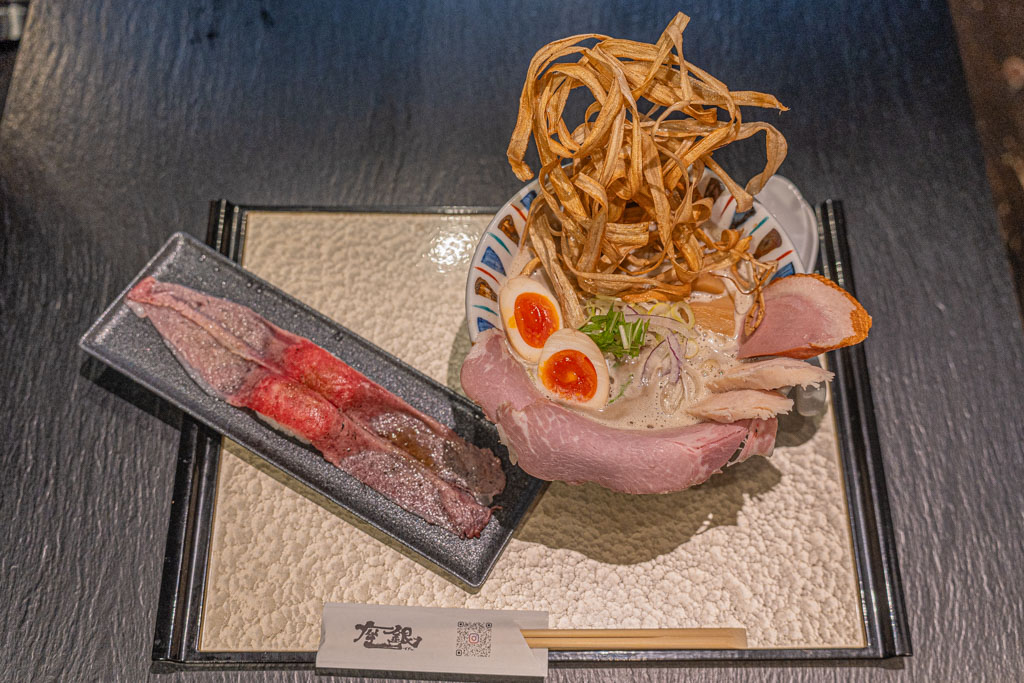
I wandered into this restaurant on a rainy day without much thought. There was no line, which may simply have been good luck: the restaurant's dried-sardine broth had earned it a place among the top 100 on a major Japanese dining website. Displays of different dried fish inside give a clue to its specialty. Niboshi Ginjo is the signature dish. The broth is so concentrated that it is almost thick, with an intense savory flavor. The noodles resemble a thinner version of flat knife-cut noodles, with a good bite and a smooth finish. I recommend adding most of the toppings if possible; the fried burdock is surprisingly good.
Google Maps
IBERICO-YA — Shinsaibashi (IBERICO-YA 心斎橋店)
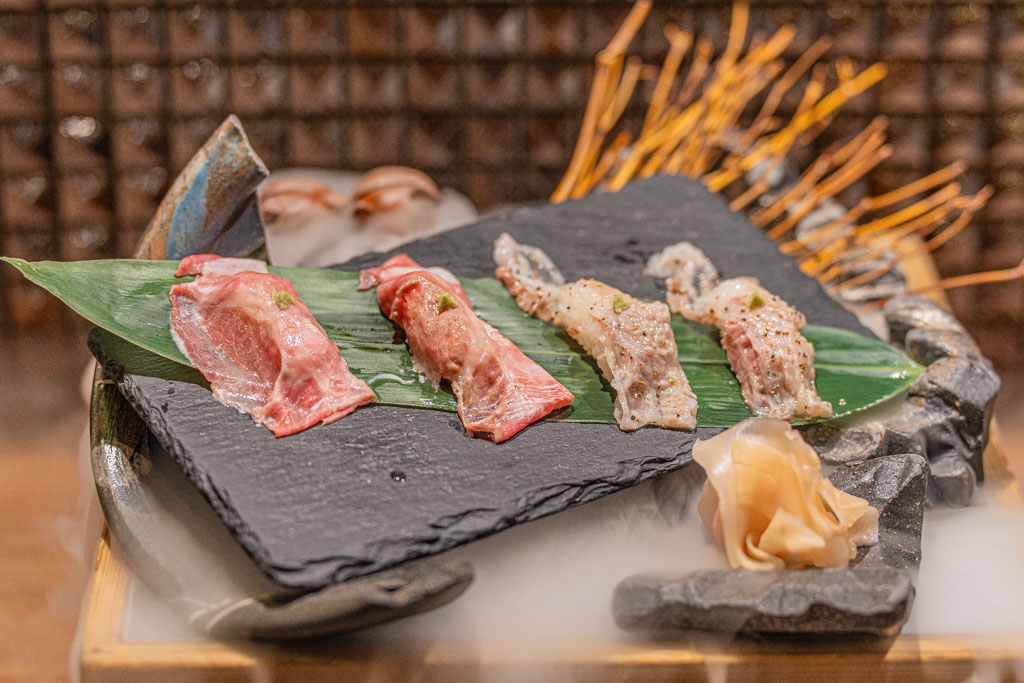
IBERICO-YA describes a history as the first chain to import and sell Spain's premium Iberico pork in Japan. The founder's enthusiasm comes through in a modern-classic interior filled with explanations of the pork's history and flavor. The source describes Iberico as a uniquely quality-graded pork and emphasizes the pioneer's pride in using only the highest-quality pork raised on its directly managed farm. This is an upscale restaurant built around course meals. I recommend the ¥8,800-per-person course, available for at least two diners, running from appetizers through the final shabu-shabu. Another pleasure is watching Iberico ham being sliced in front of you; the original account described the ham as worth more than ₩15,000,000.
Google Maps
Robata Maruju — Yodoyabashi (炉端まるじゅう 淀屋橋店)
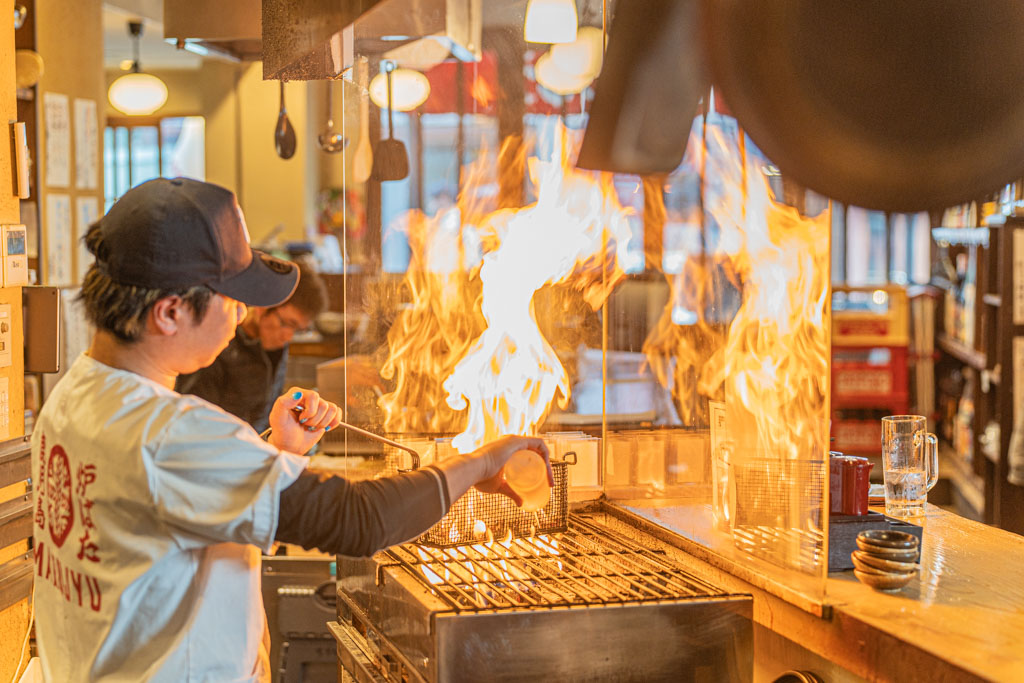
Regional ingredients are one of the pleasures of robatayaki. At 炉端まるじゅう, selected ingredients from Kagoshima—a region known for seafood and drinks—are served raw or grilled until sizzling. The owner is from Kagoshima and attracts nearby office workers with carefully chosen regional food and drink. The sashimi assortment and the limited Kagoshima sweet-potato shochu called Flamingo are especially worth trying. The sashimi includes tea-raised sea bream and yellowtail described in the account as specialties found only in Kagoshima.
Google Maps
Rikuro Ojisan no Mise — Namba Main Shop (りくろーおじさんの店 なんば本店)
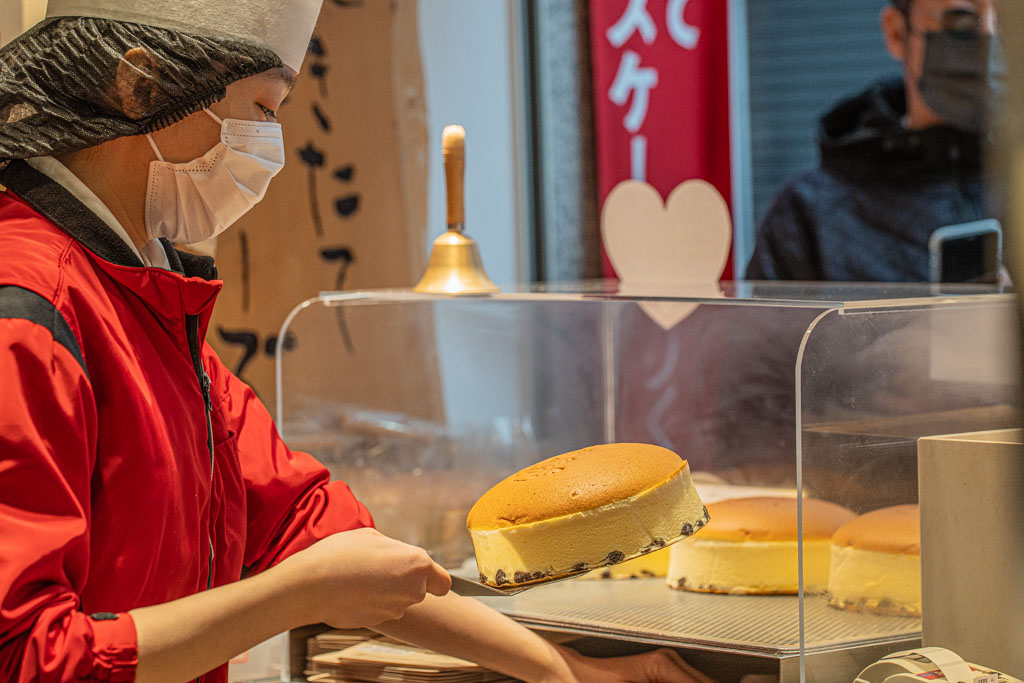
Rikuro Ojisan's famous Osaka cheesecake is soft and creamy, with a rich cheese flavor and a light texture that melts in the mouth. The original description attributes part of that flavor and texture to fresh ingredients sourced in Osaka, and describes the region as producing good milk and cheese. Raisins tucked into the bottom—jokingly called 'the devil's nipples' in the original account—provide a welcome burst of flavor in a cake that might otherwise seem a little plain. They are delicious too.
Google Maps
Kinga — Fukushima (究極のお酒あて鮨 謹賀 福島店)
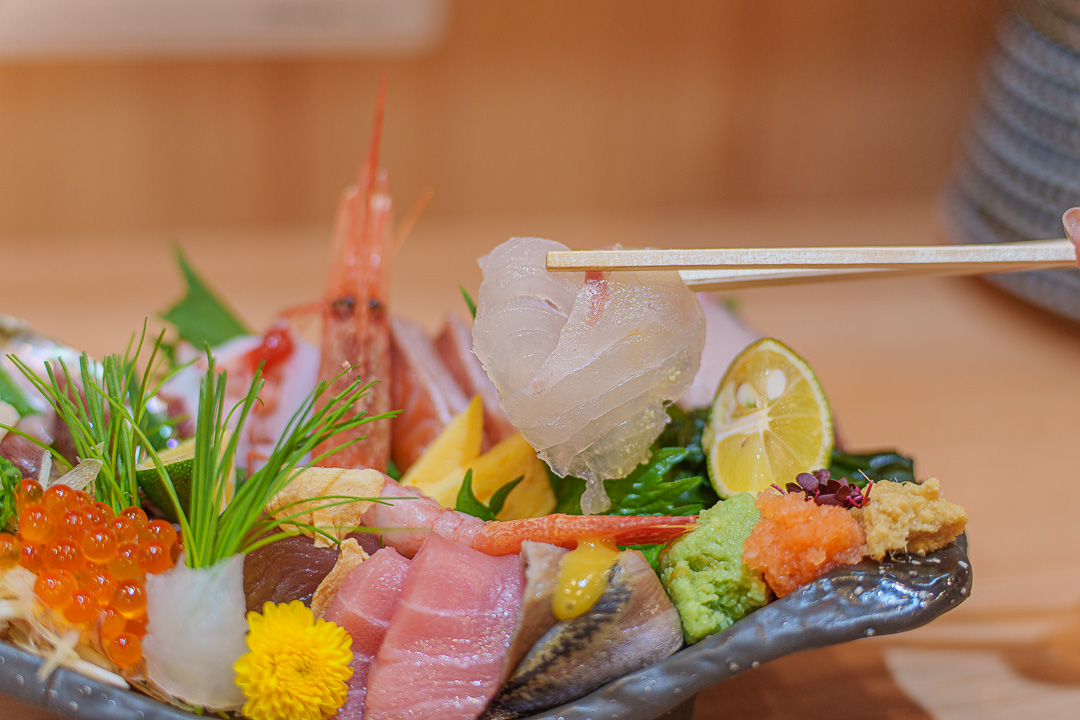
About a ten-second walk from Fukushima Station in Osaka, this restaurant pairs good sushi with good drinks. Families and couples are welcome, and it is a popular place for an early drink in Fukushima. Before 4 p.m. there was no compulsory appetizer charge, which made it even more appealing. Highballs were ¥190 each, no matter how many you ordered, and the day's recommended sushi was half price. The ¥1,800 sashimi assortment was so generous that I worried about the restaurant's margins. A salt slab arrived with it: you rub the sashimi against the slab, then dip it in soy sauce. I am not sure why, but it was entertaining.
Google Maps
All-you-can-eat Charcoal Yakiniku Jujuan — Juso (炭火焼肉 食べ放題 じゅじゅ庵 十三店)
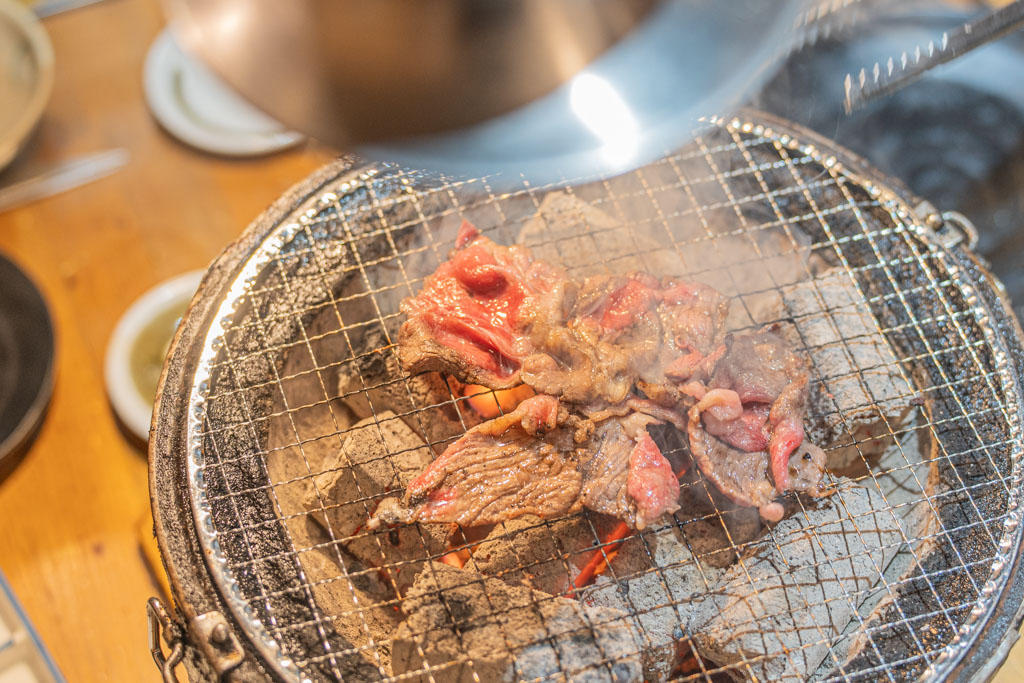
An all-you-can-eat meal is hard to resist in Japan too. This Osaka yakiniku restaurant is loved by local residents. Homemade kimchi and tasty rice sourced through direct contracts with growers are additional strengths. For the cheapest option, there is a ¥2,690 yakiniku course. I recommend the ¥3,690 all-you-can-eat wagyu course instead. The beef is not extraordinary, but unlimited wagyu at this price is difficult to find.
Google Maps
Ringo no Omoi (りんごのおもい)
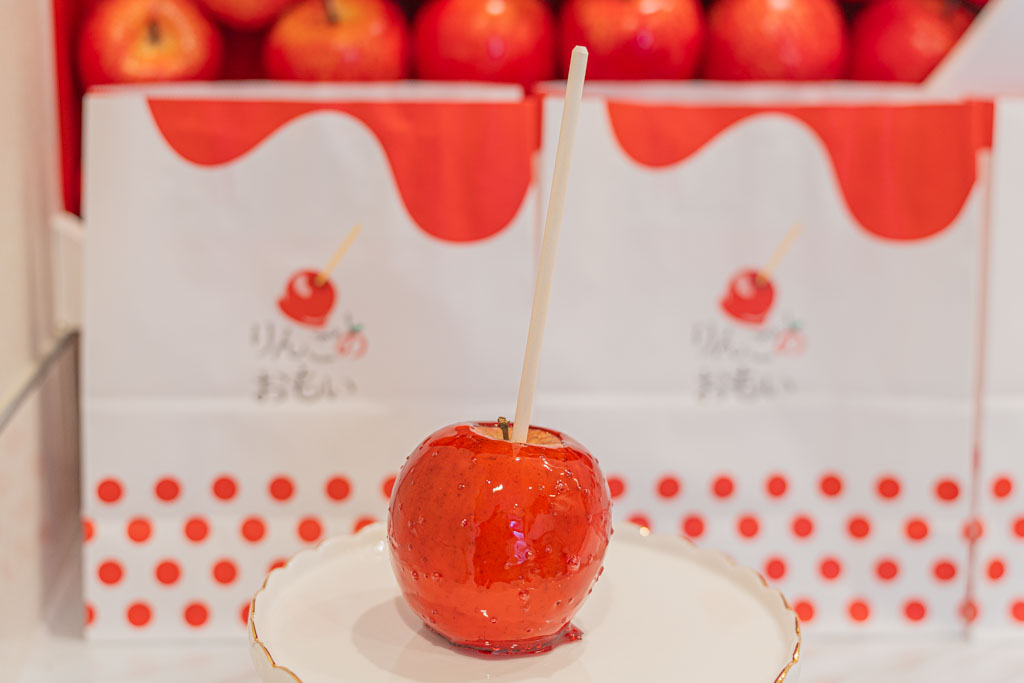
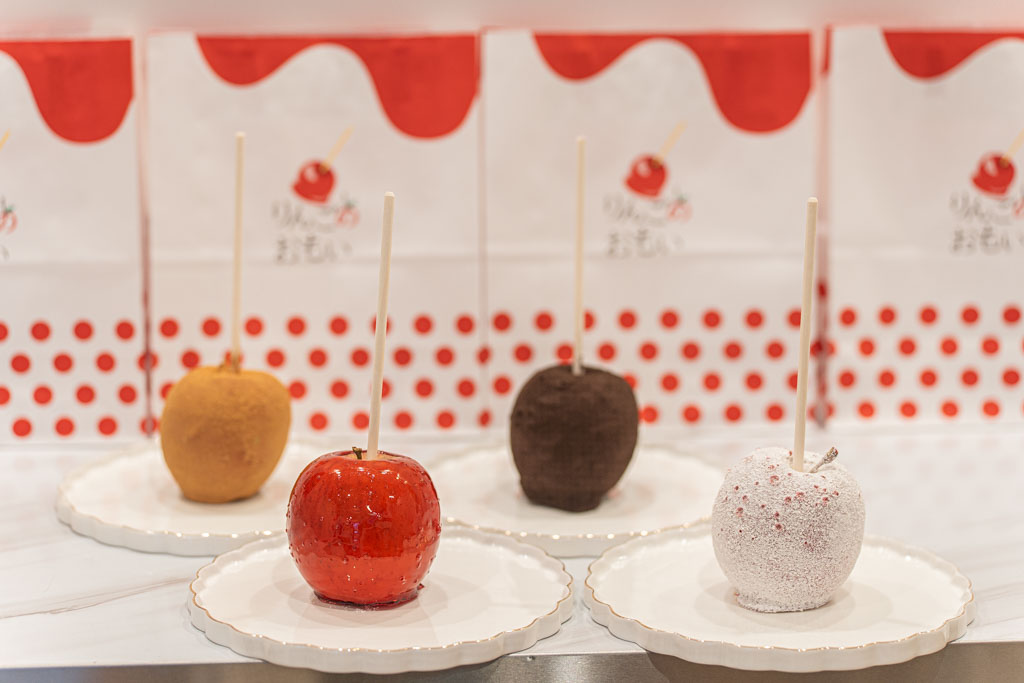
The takeaway-only りんごのおもい Shinsaibashi main shop serves candied apples. Fresh Japanese apples are coated in a very thin layer of candy made by a traditional Japanese sugar producer. The shop is popular on Instagram too, with the plain version attracting everyone from students to fathers. Cinnamon sugar, white chocolate and other flavors are available. The plain apple topped with whipped cream is particularly good, and you can take it back to your hotel. The many topping choices are part of the fun.
Google Maps
Jinrui Mina Menrui FACTORY (人類みな麺類 FACTORY)
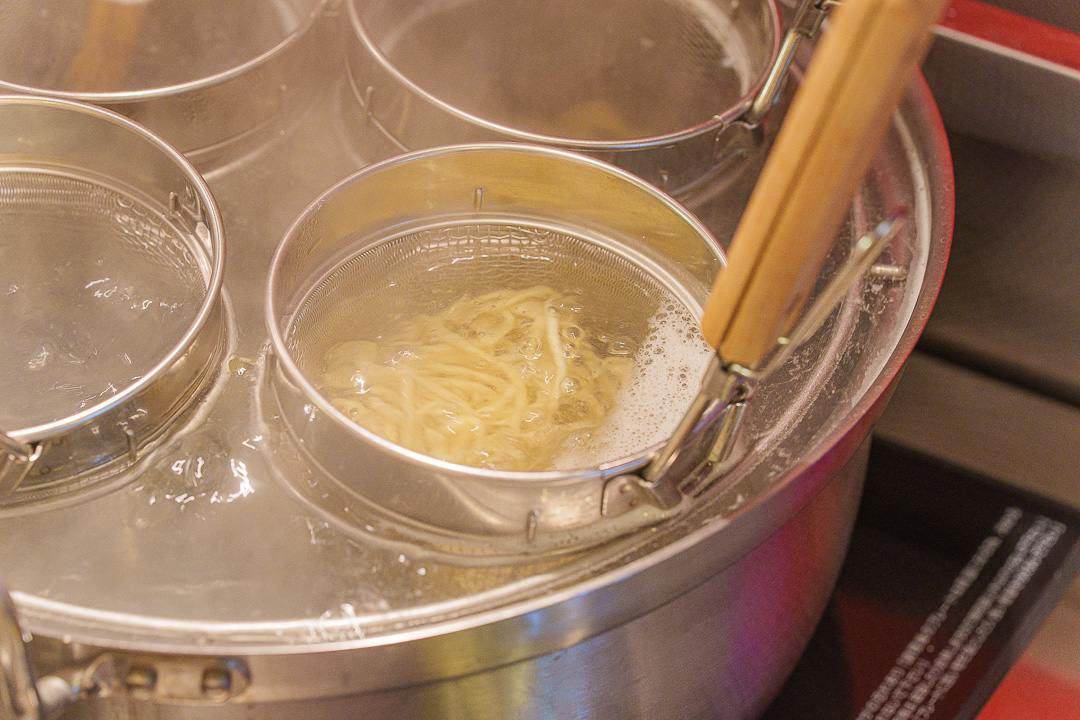
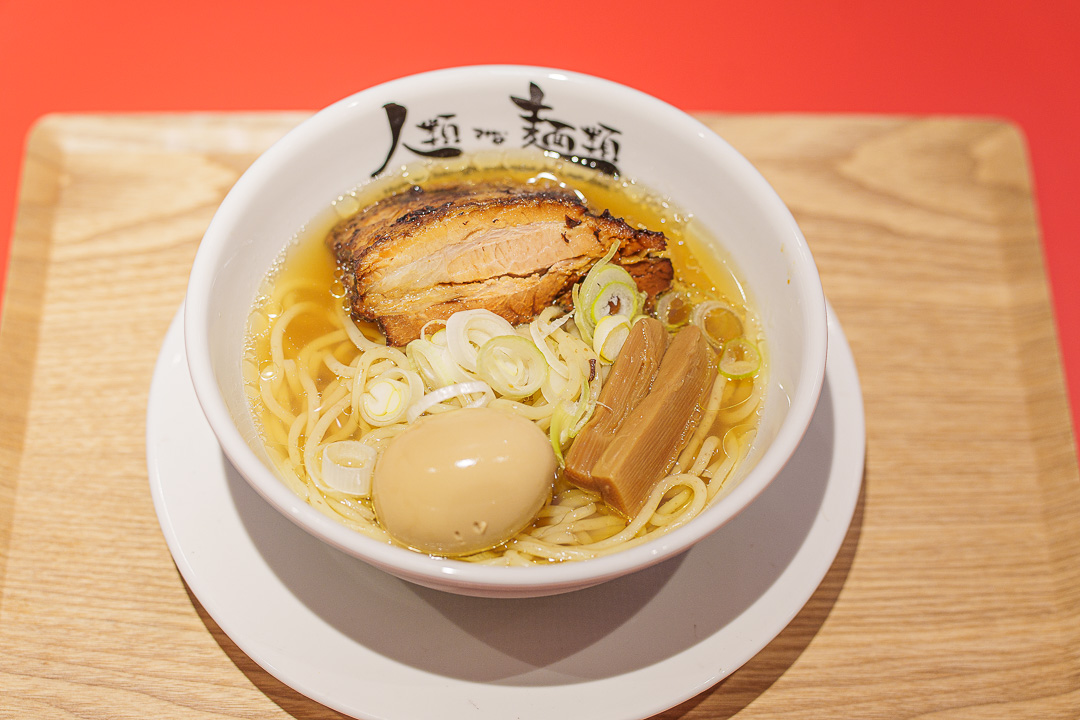
人類みな麺類 has been a famous name in Osaka ramen for years. Near Namba and Nipponbashi stations, it opened a ramen building offering a hands-on experience. Like the main restaurant, it offers soy-sauce and dark-soy-sauce ramen. On the first floor, you can make your own soy-sauce ramen, choosing among three types of soy sauce and different chashu options. Staff help with the process, and you eat your finished bowl on the second floor. It is a new kind of Osaka experience for travelers, with a choice of ramen styles and pork thickness. However, prices are relatively high, from ¥1,500 to more than ¥1,700, and the ramen made by a beginner was less impressive than I had hoped.
Google Maps
Fresh Offal Specialist Kyoraku Nikupuku (生ホルモン処 京洛 にくぷく)
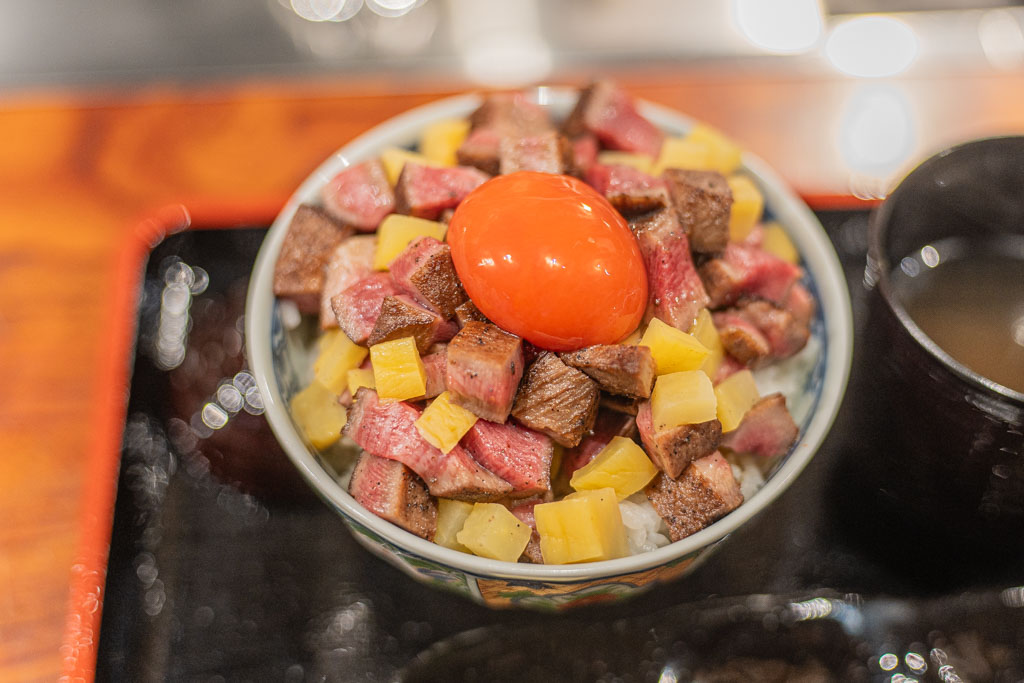
This yakiniku specialist focuses on premium, less common cuts. Dinner is an expensive meal in an atmospheric setting, but the visually striking Aburitan Takudon is available as a lunch special. Thick beef tongue is grilled rare and topped with appetizing cubes of pickled daikon. It certainly looks the part, although I think it tastes better with some of the generous pickle topping removed. My personal recommendation is the Sumibiyaki Nikujyu, a rice bowl topped with charcoal-seared wagyu, which is very good.
Google Maps
Shabuzen — Umeda (日本料理しゃぶ禅 梅田店)
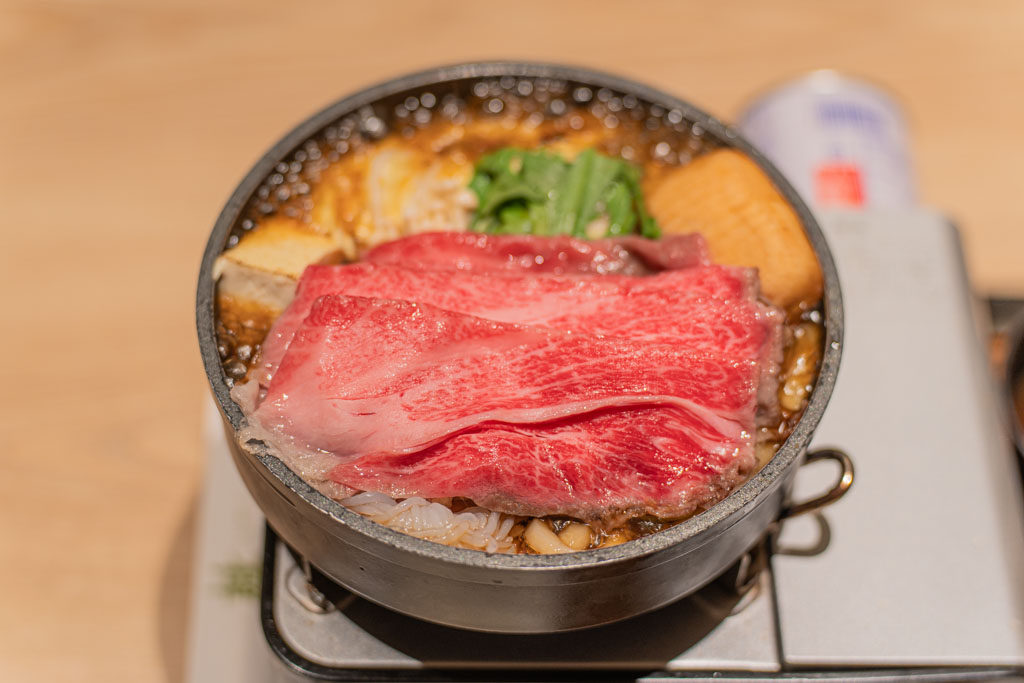
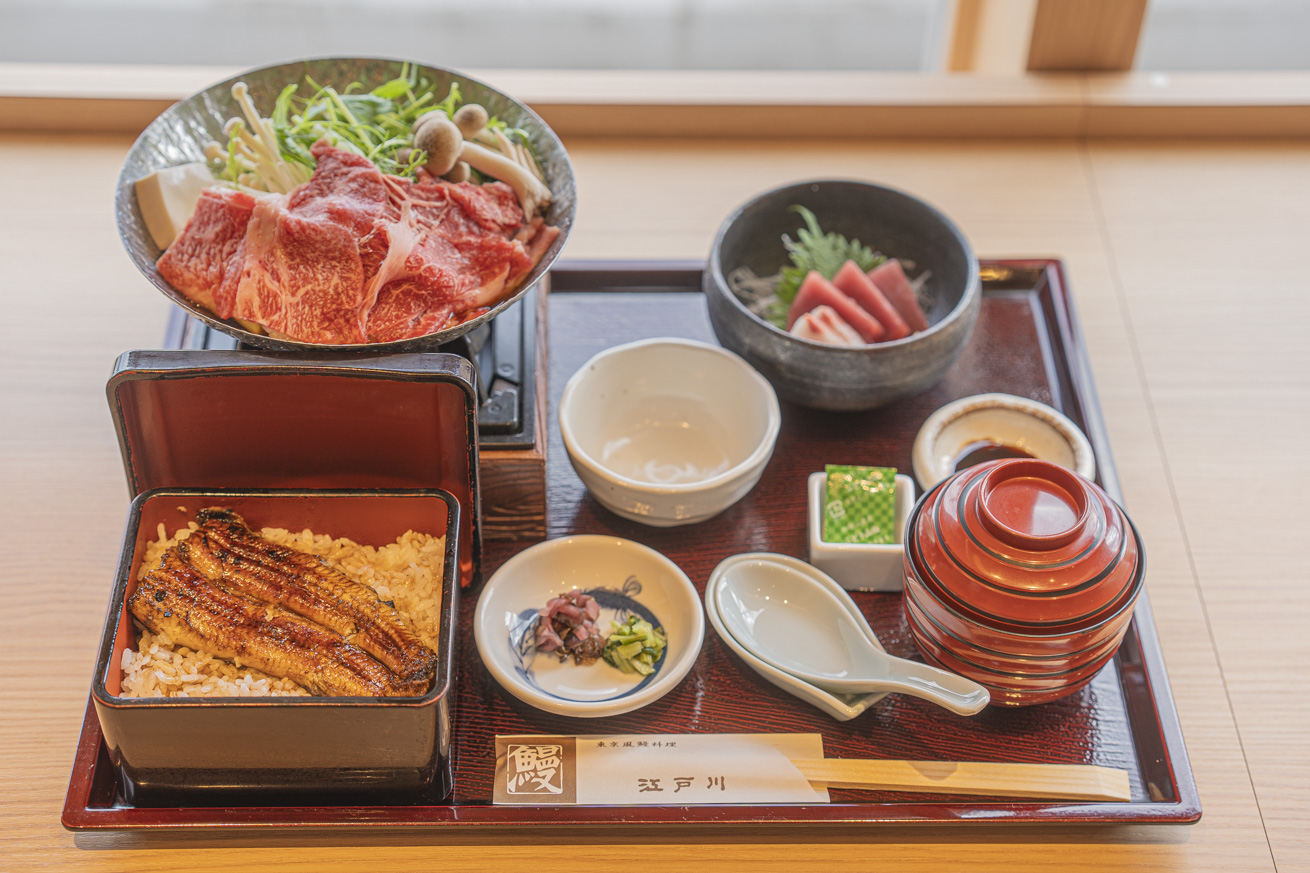
Close to Umeda and Nishi-Umeda stations, this shabu-shabu specialist also lets you enjoy sukiyaki alone. Japanese Black wagyu sukiyaki hot pot and shabu-shabu are available at relatively low prices, while the atmosphere and flavor stand up well against more expensive restaurants. Many nearby office workers eat here. I particularly recommend the Japanese Black wagyu sukiyaki lunch set: both the neat presentation and the cooking are good.
Google Maps
Bifutekiju / Nikumeshi Romantei (ビフテキ重・肉飯 ロマン亭)
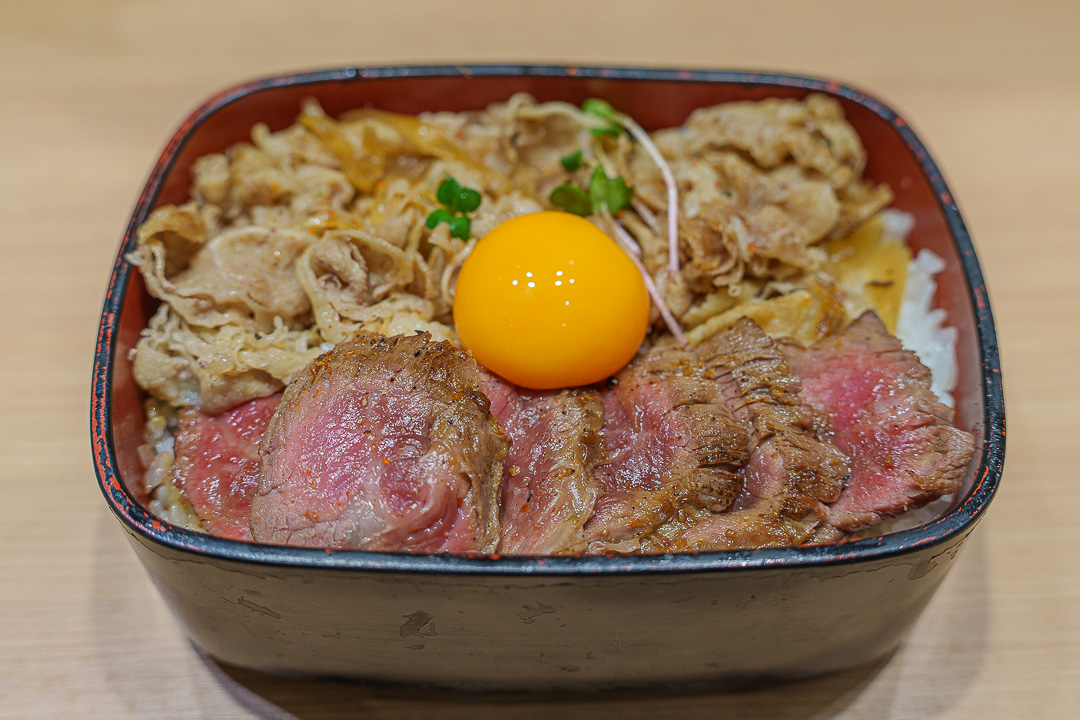
In the food hall on LUCUA's basement level 2, ビフテキ重・肉飯 ロマン亭 is a Japanese-style steak restaurant run by a well-known Osaka butcher. Counter seating suits solo diners, and the menu offers several choices. The Romantei Kinshige is a main dish combining steak and simmered beef. Ordered by itself, it comes with rice and yakumi condiments; adding the Ozen set gives you more flavors to explore.
Google Maps
Toki Sushi — Main Restaurant (ときすし 本店)
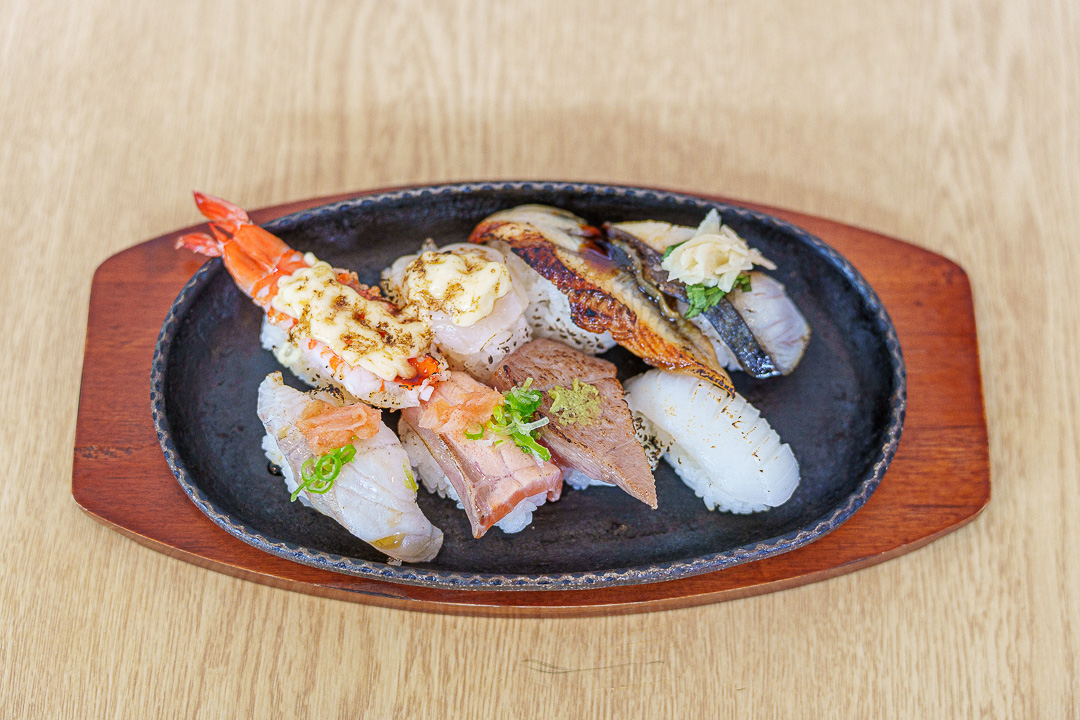
I visited after hearing about sushi finished with a blowtorch. It is worth considering if you want sushi but are hesitant about raw fish. In Ura-Namba, behind the busy main streets, ときすし serves approachable everyday sushi, somewhere between a conveyor-belt shop and a high-end sushi counter. Solo diners fit in comfortably. I tried the Sushiyaki lunch special: eight pieces for ¥1,760, a little expensive, but with decent ingredients. Searing reduces the fishy impression and brings out more savory flavor.
Google Maps
Emporio Armani Caffe — Closed in 2024 (Emporio Armani Caffè)

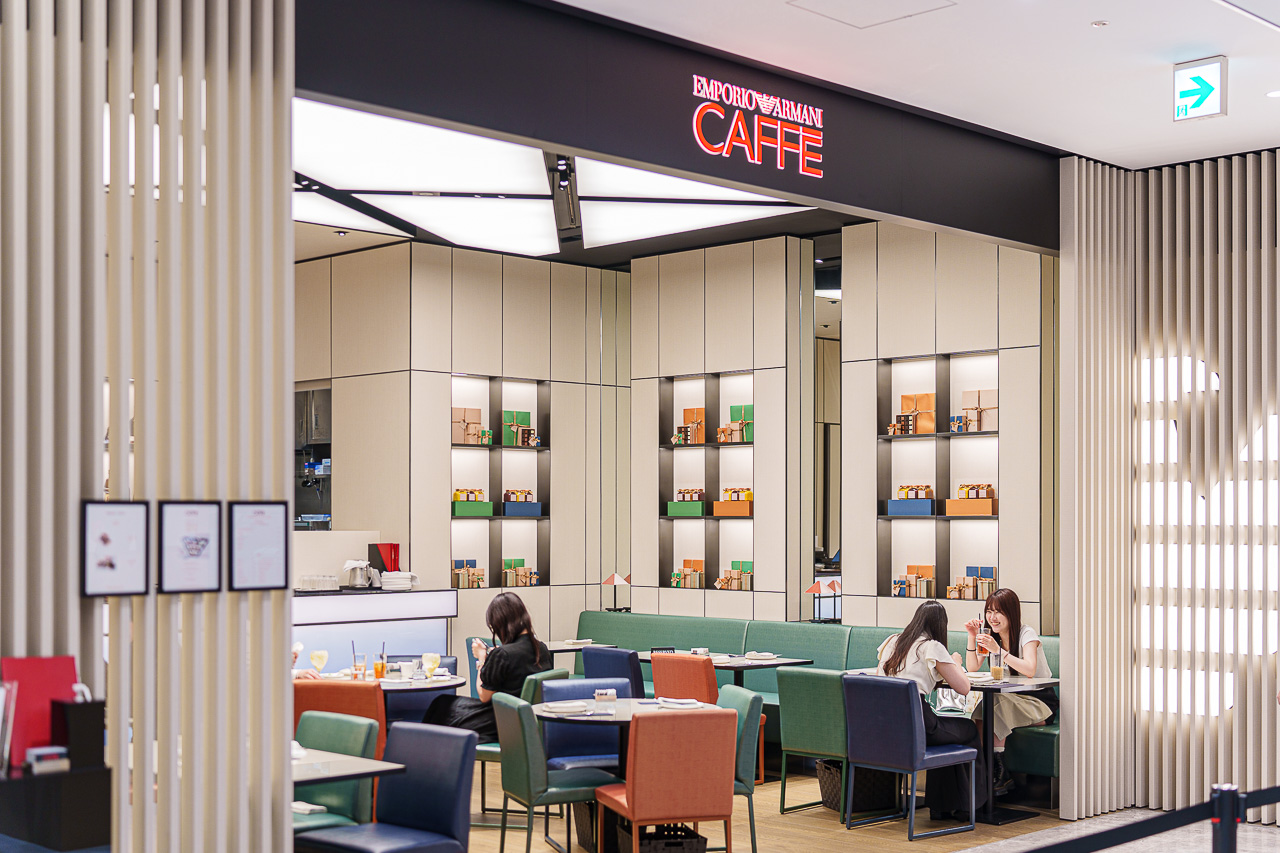
This archived Emporio Armani concept cafe was one of only two described in Japan, alongside the Omotesando location in Tokyo, and occupied Shinsaibashi PARCO in Osaka. Its signature afternoon-tea set carried the eagle emblem associated with Emporio Armani. A set that had been good value at ¥2,800 in October 2022 had risen into the ¥4,000 range, which surprised me. Saturdays and Sundays carried an additional ¥300 charge. The quality was below that of famous hotels or cafes, but the experience of having tea at a luxury-brand cafe inside a department store could still appeal. The source heading records the Osaka cafe as closed in 2024; this entry is retained as a historical account.
Google Maps
Yakiniku Nikudoshi (焼肉肉どうし)
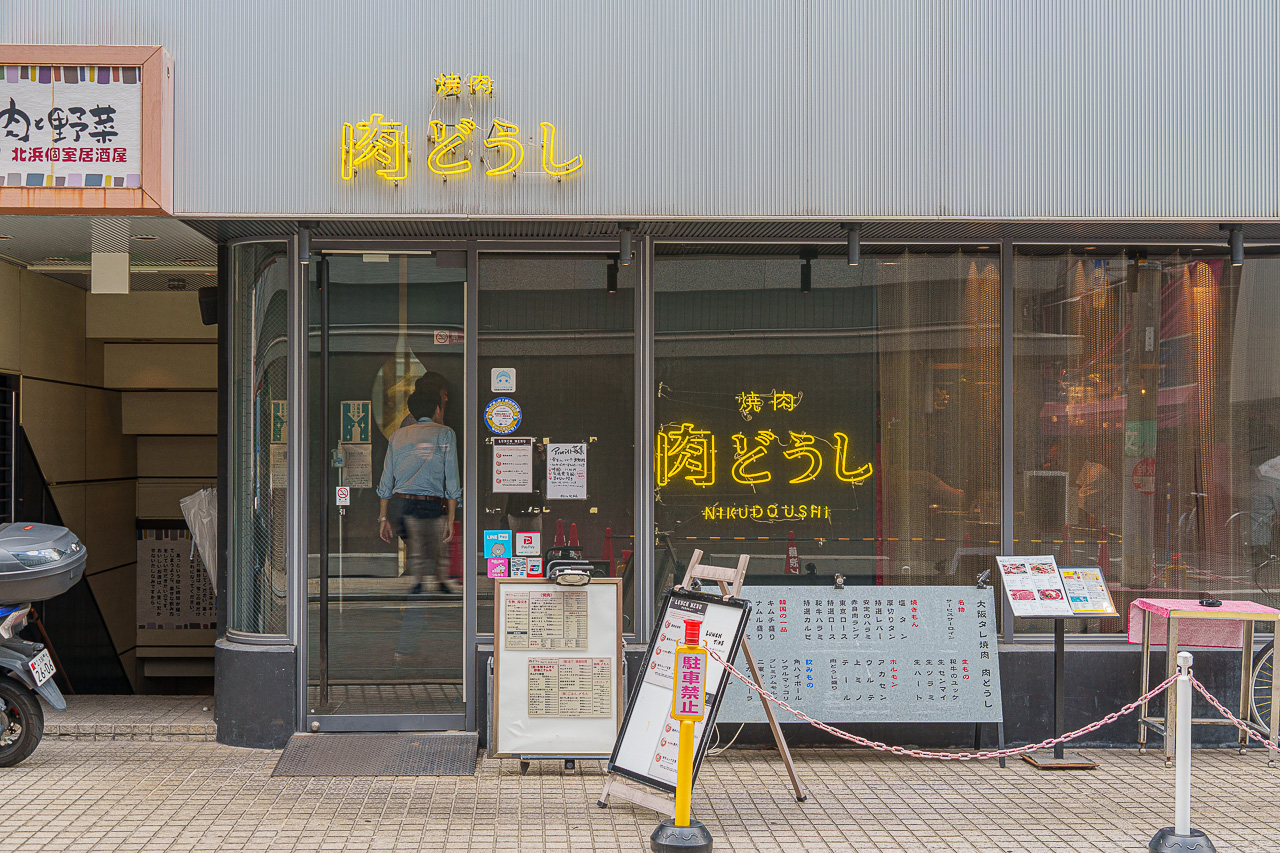
About a one-minute walk from Kitahama Station, amid many offices, this yakiniku restaurant serves a dish called yakisuki rather than ordinary sukiyaki. In sukiyaki, beef joins green onions, tofu, shirataki and other ingredients in plenty of seasoned liquid. Here, the yakishabu-style preparation is simpler: seasoned meat is grilled, then sukiyaki sauce is poured over it. It is straightforward but gives you the flavor of sukiyaki. The lunch special makes an inexpensive way to try it.
Google Maps
Teppan Bistro GT (鉄板ビストロGT)
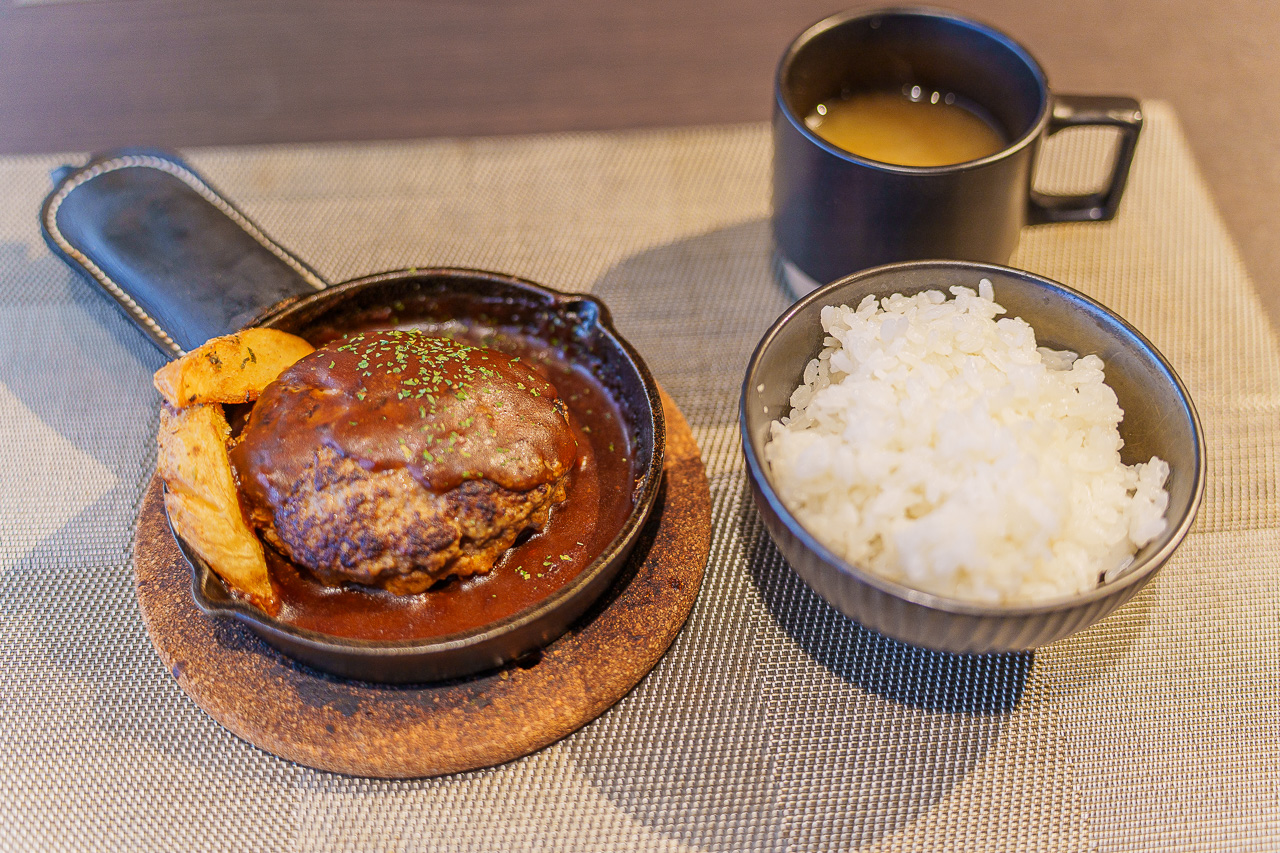
This bistro looks as though it becomes quite upscale in the evening. Inside are wine, an open kitchen and a flat-top grill. At lunch, a wagyu hamburger steak is available for ¥1,080. The meat is shaped after you order, and unlike the recent style of serving it rare for diners to finish cooking, it arrives fully cooked. It is ideal if you dislike underdone meat. Ask for a skillet after ordering if you want it to stay warm longer.
Google Maps
Jinrui Mina Menrui (人類みな麺類)
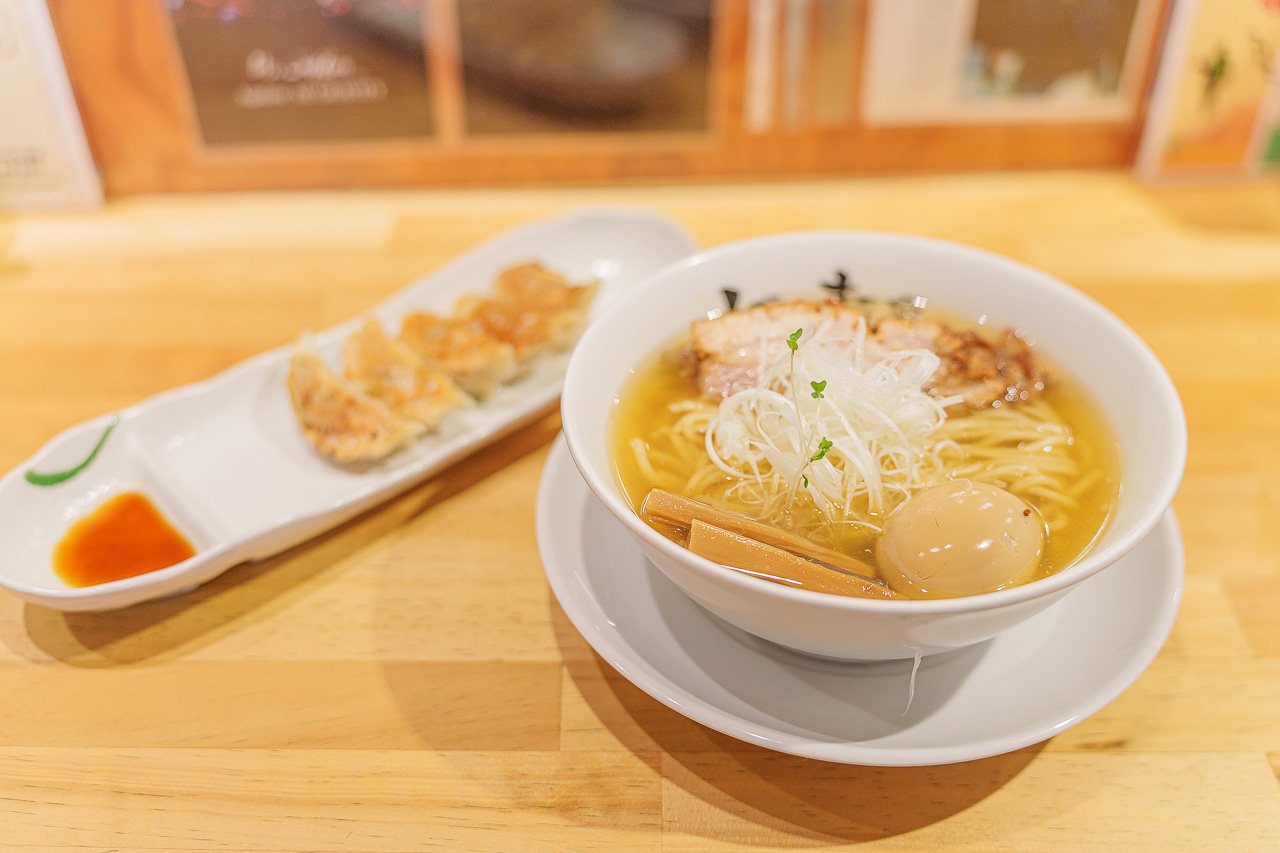
This ramen restaurant seemed to appear suddenly in Osaka and shoot to the top of the rankings. In the period covered by the original review, it would have been one of my choices for the city's hottest ramen spots. Thick, tender chashu, a clear broth bursting with shellfish savoriness, and whole-grain noodles that become more flavorful as you chew are the appeal. Such noodles are common now, but were less easy to find at the time. Turnover is quick, yet one- to two-hour waits are ordinary. The entrepreneurial owner also introduced unusual ideas, such as fast-track ramen access for users of his gym. In any case, this is one of Osaka's very famous ramen names.
Google Maps
DEARBROS.
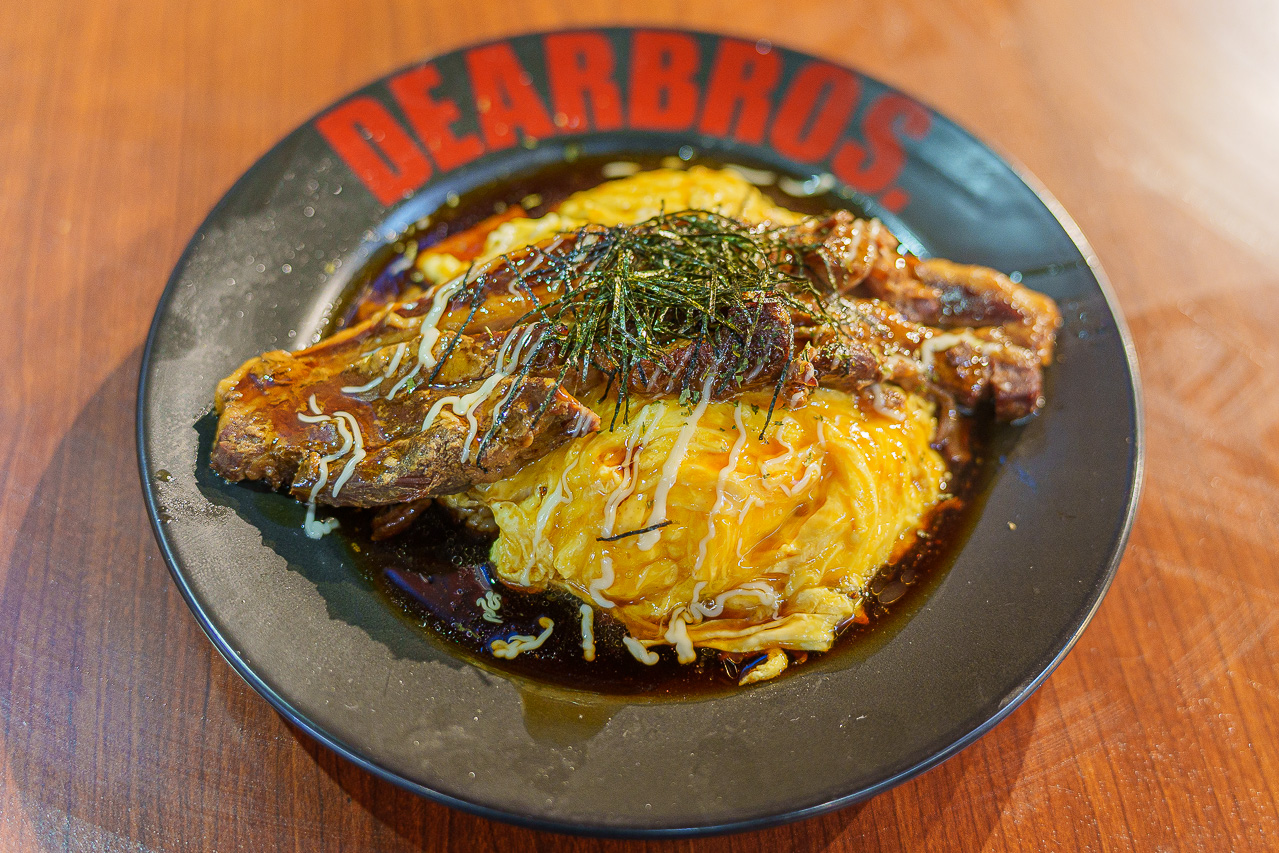
DEARBROS. feels to me like a place built around serving good food to 'dear brothers.' It serves sweet-flavored omurice in Namba's Sennichimae covered arcade, so it is easy to reach even in the rain. I stopped for a simple meal without expecting something extraordinary and found it quite tasty. A large-built cook was working hard in the kitchen, and the softness of the egg surprised me. The kakuni braised-pork omurice was good, with a sweet teriyaki-like flavor. I strongly recommend it if that sweet, child-friendly style appeals to you.
Google Maps
Shabucho (しゃぶ長)

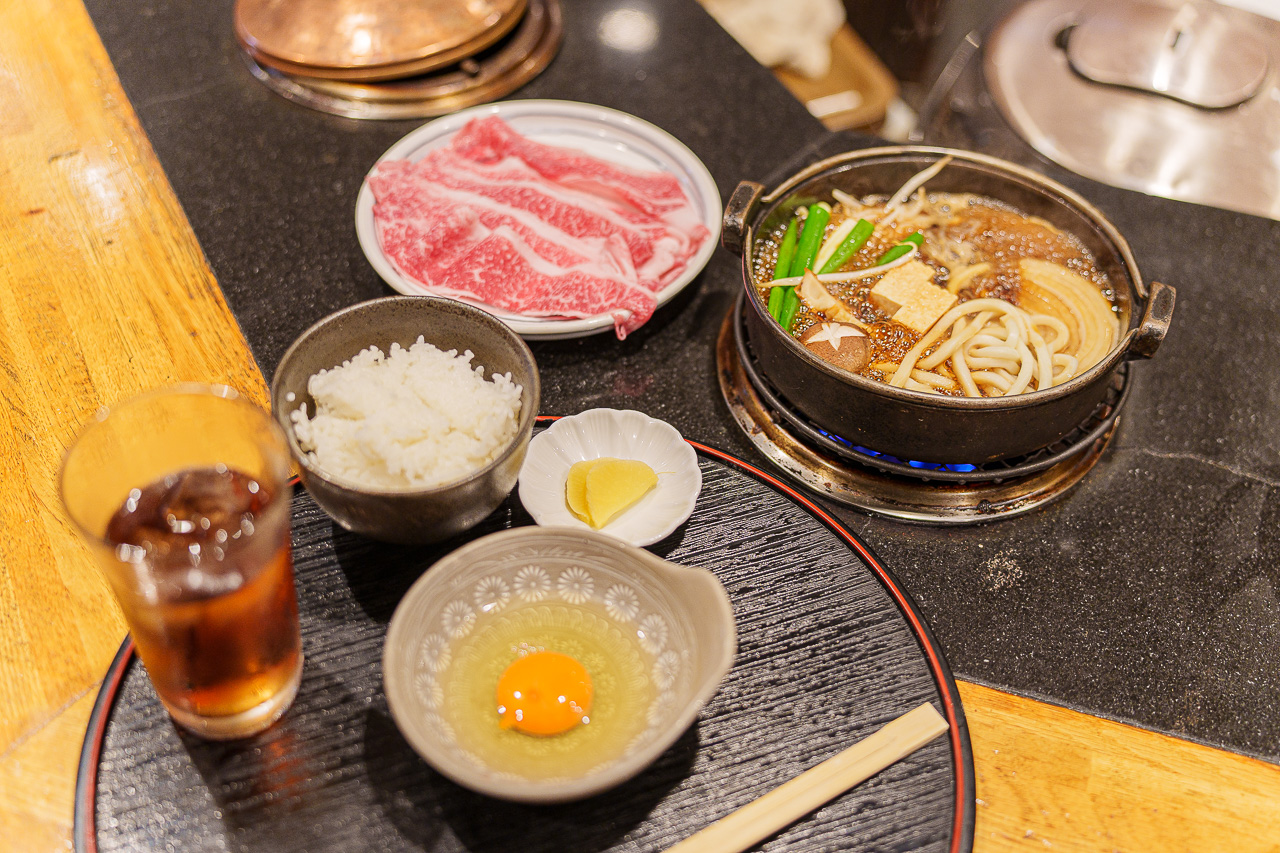
In Japan, where even a small serving of kimchi is often charged separately, しゃぶ長 felt notably generous. It is an upscale shabu-shabu and set-meal restaurant whose evening courses start around ¥5,000, but lunch is inexpensive. I recommend the ¥1,400 sukiyaki set. Each place has its own small stove for cooking. Instead of water, oolong tea is served—the sort of drink that might cost ¥200–¥300 elsewhere—and even refills are free. When I asked, the older gentleman warmly told me to have as much as I wanted and enjoy my meal. Rice refills are unlimited too.
Google Maps
Gyujirou — Ohatsutenjin (精肉卸問屋直営焼肉店 牛次郎 お初天神店)
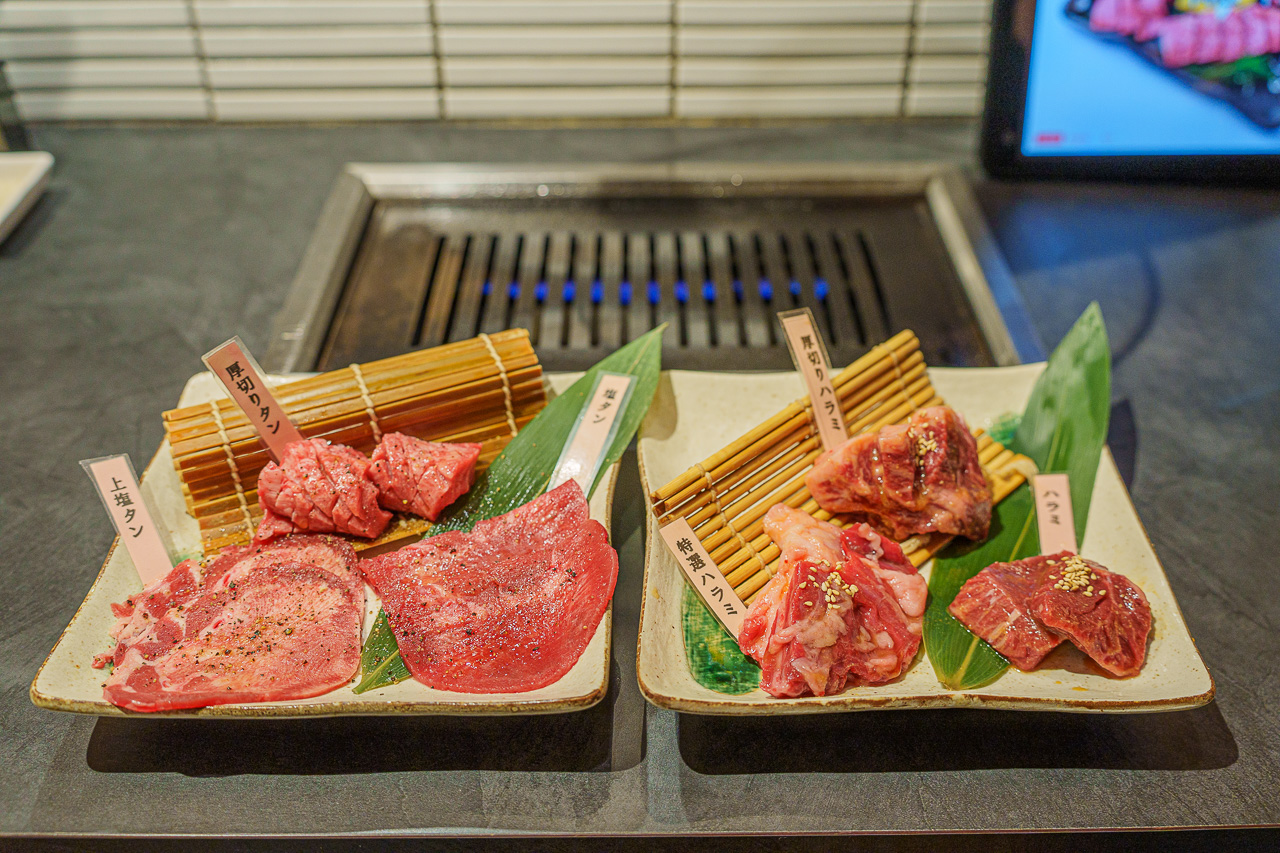
On Ohatsutenjin-dori near Umeda Station, 牛次郎 is associated with a meat wholesaler and offers Japanese Black wagyu at low prices. Its three-variety rice-bowl set is popular on Instagram, but only ten are available per day and I missed out. Instead, I ordered the next most popular choices: a beef-tongue tasting and a skirt-steak tasting. The meat looks unremarkable but is unquestionably good. The interior is clean and tidy, making it a reliable recommendation for a tasty yakiniku meal in Osaka.
Google Maps
Gyukatsu Tomita (牛かつ 冨田)
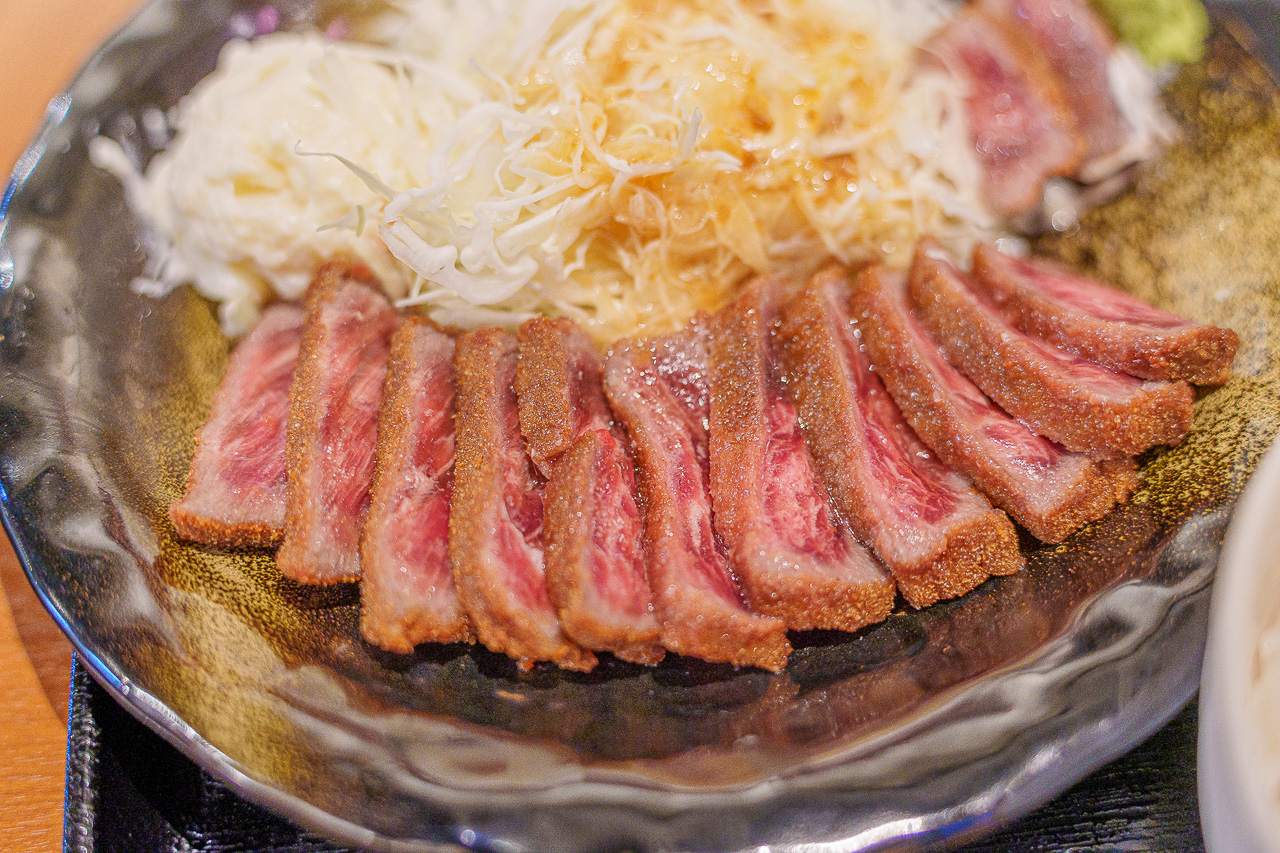
牛かつ 冨田 is a genuinely local restaurant with no card payments, telephone or other way to contact it, yet it is also known in Japan for its popularity with overseas visitors. When I went, all five tables were occupied by foreign diners and four were Korean. That initially made me wonder whether the reputation might be misleading, but the beef cutlet with grated yam and barley rice proved excellent. It is the sort of restaurant that makes you understand the appeal of gyukatsu. The meat tastes good rare and is also delicious briefly grilled on the individual hot plate.
Google MapsGoogle Maps
Milk Cafe
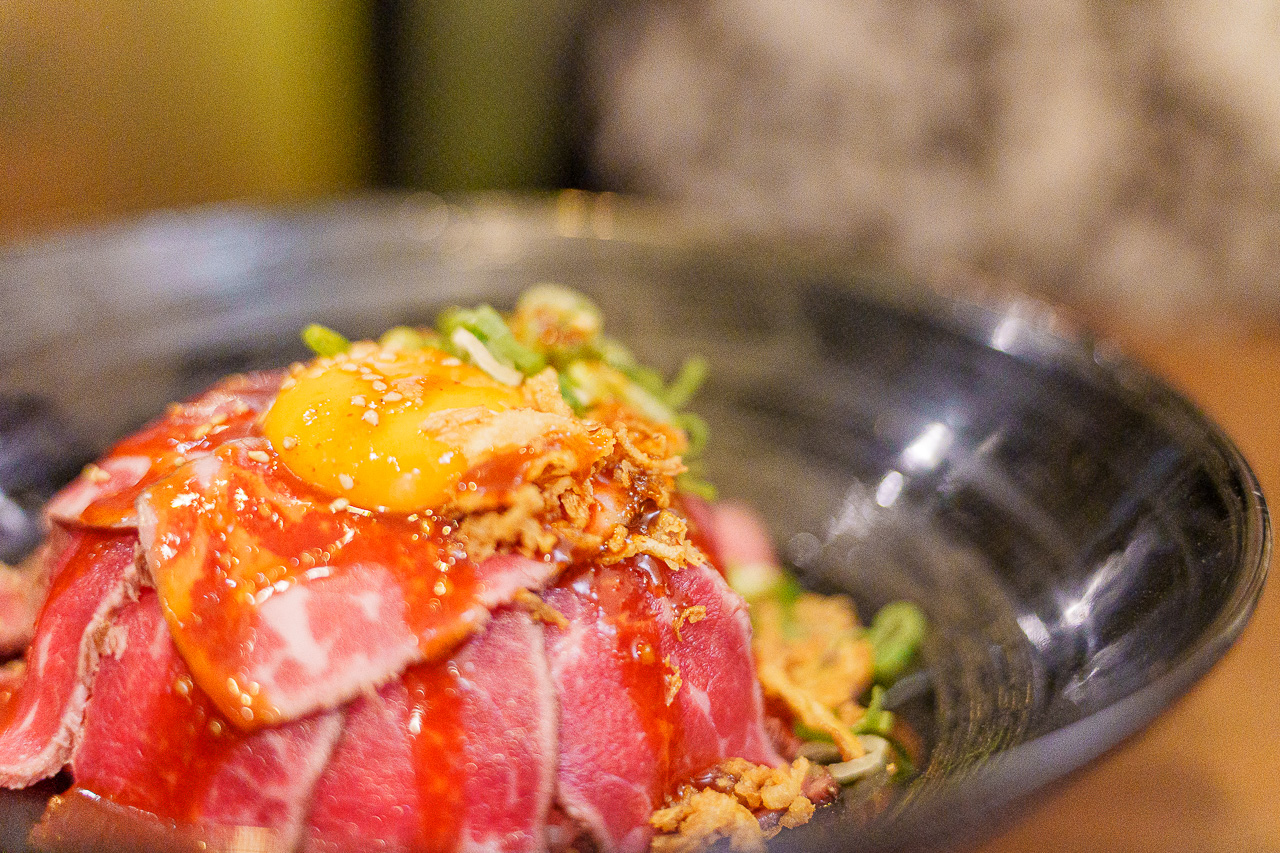
About a 30-second walk from Ebisucho Station near Den Den Town, Milk Cafe first looked like a roast-beef destination, but in the evening it is also known for highballs. Looking around, I spotted harder-to-find whiskies such as Hibiki and Yamazaki. The owner joked about Korean customers favoring expensive highballs and asked people to try less expensive ones too because supplies were running low. At lunch, the roast beef is the specialty: tender wagyu roast beef at an affordable price is very good. Staff in maid outfits providing exceptionally friendly service are an extra feature.
Google Maps
Shuzen Yayoi (酒膳 弥生)
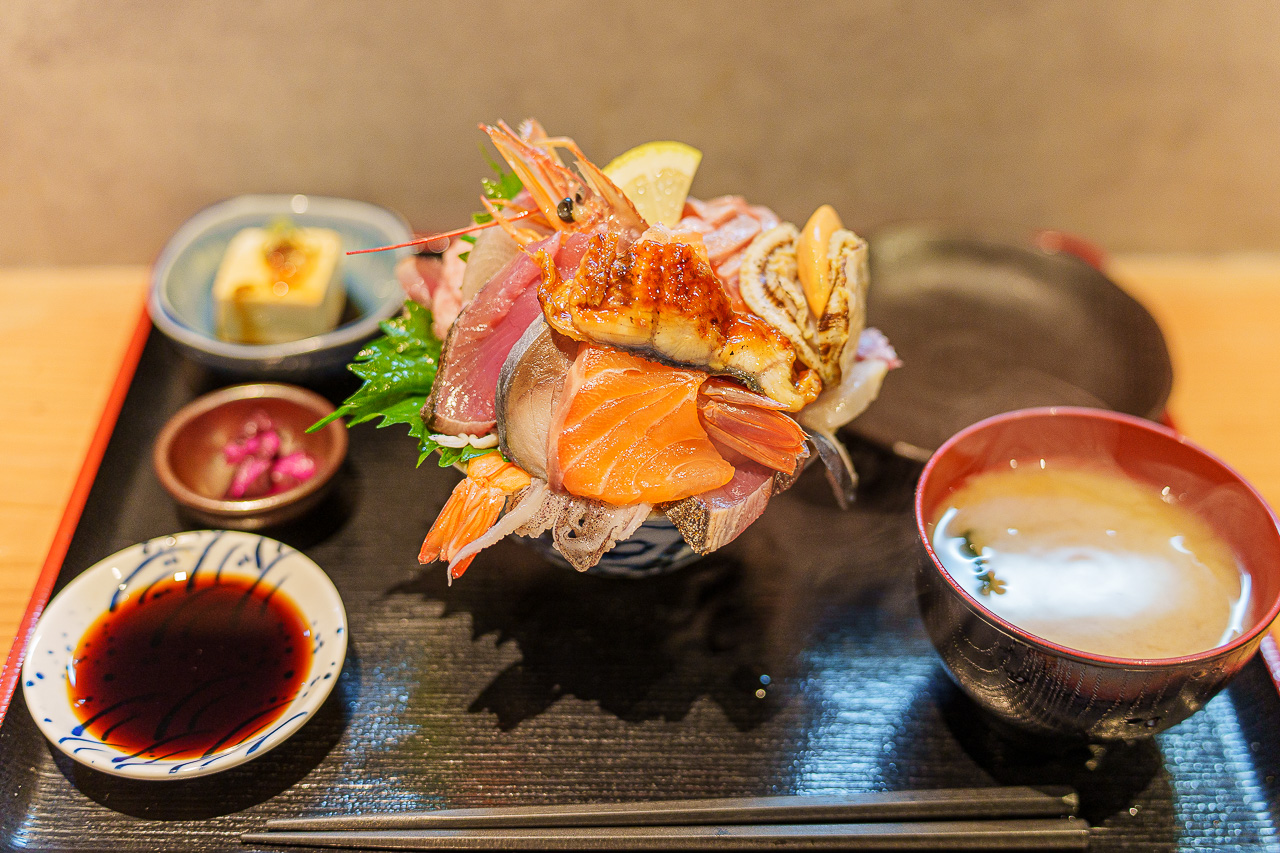
The quantity and quality at this price were striking. I had visited plenty of restaurants claiming to sell at cost, but none had been quite this generous. Portions seemed to grow dramatically with each step up in price. For one person, the premium seafood rice bowl, ¥2,530, is extremely filling. It is tasty and fresh-tasting, without an unpleasant fishiness. Next time, I would like to try two portions of one of the more expensive seafood bowls. It is a small restaurant with irregular closing days, though, so checking before you go is essential.
Google Maps
New Babe — Toyosaki (ニューベイブ豊崎)
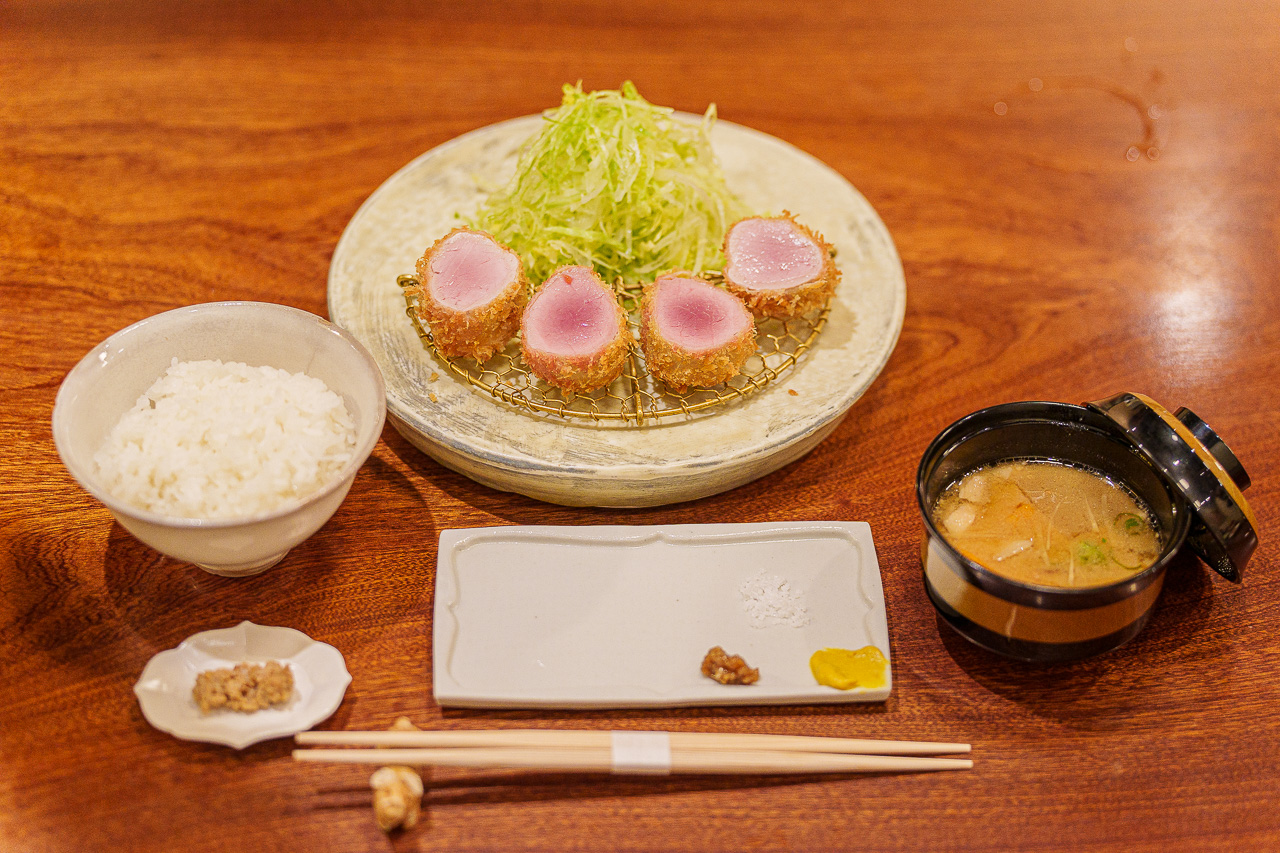
ニューベイブ豊崎 is an excellent tonkatsu specialist: crisp outside, tender within, with price, atmosphere, flavor and presentation all well judged. The main restaurant appeared to be near Sakaisuji-Hommachi Station, while the Toyosaki branch had newly opened near Nakatsu Station in an office-heavy area. The atmosphere was pleasant and the wait was shorter as of September 2023. I recommend the 'half' option for trying tenderloin and loin together. The tenderloin is crisp outside and meltingly soft within; the loin's fat tastes almost sweet.
Google Maps
Ramen War (ラーメン大戦争)
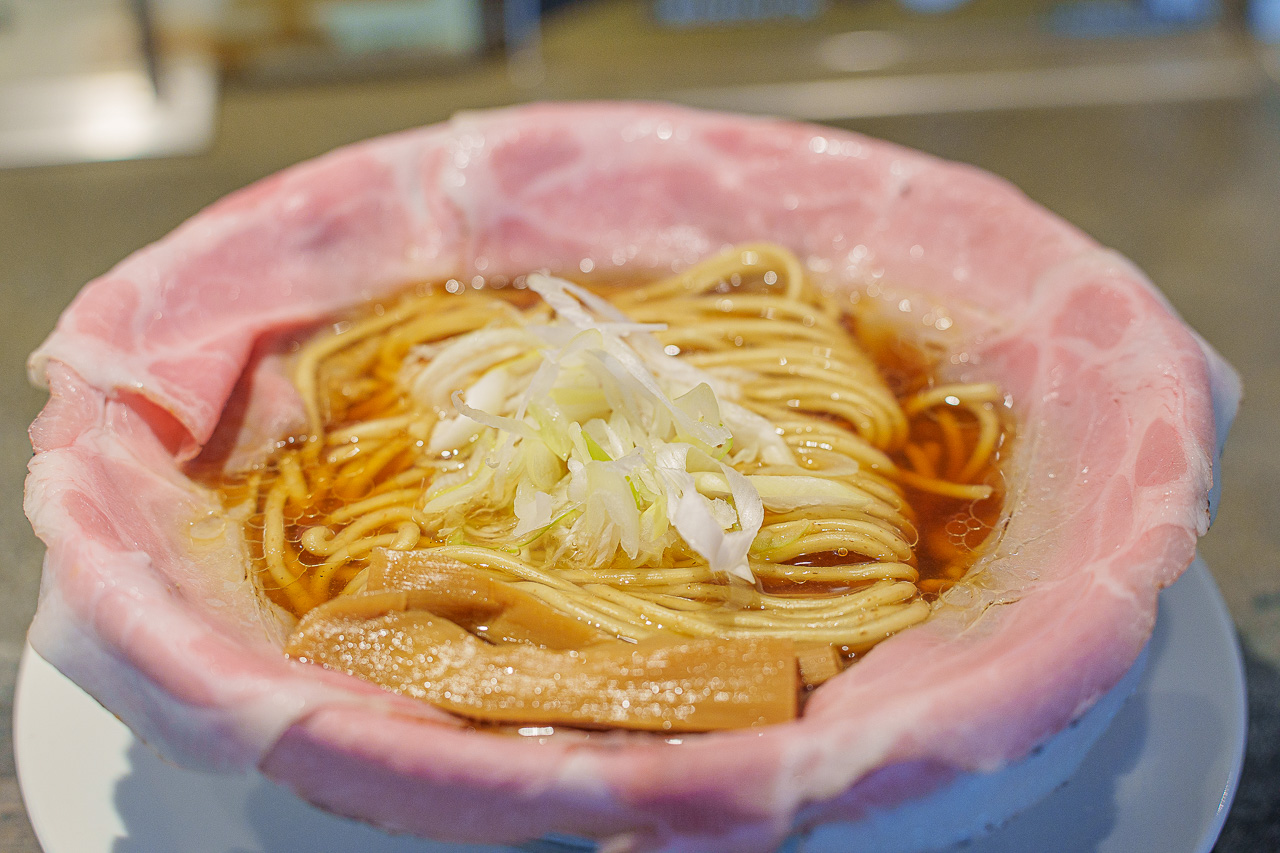
ラーメン大戦争 is related to Osaka's exceptionally popular 人類みな麺類. Its conspicuous English 'Ramen War' name made me wonder whether it was aimed at overseas visitors; its Japanese name means a great ramen war. The concentrated shellfish flavor and pleasantly chewy whole-grain noodles recall the parent restaurant. You can order up to five slices of chashu at no extra charge, and a half portion of extra noodles is free too. Dip the pork well into the broth and eat it with the noodles for an even better bite.
Google Maps
Tempura Daikichi (天ぷら 大吉)
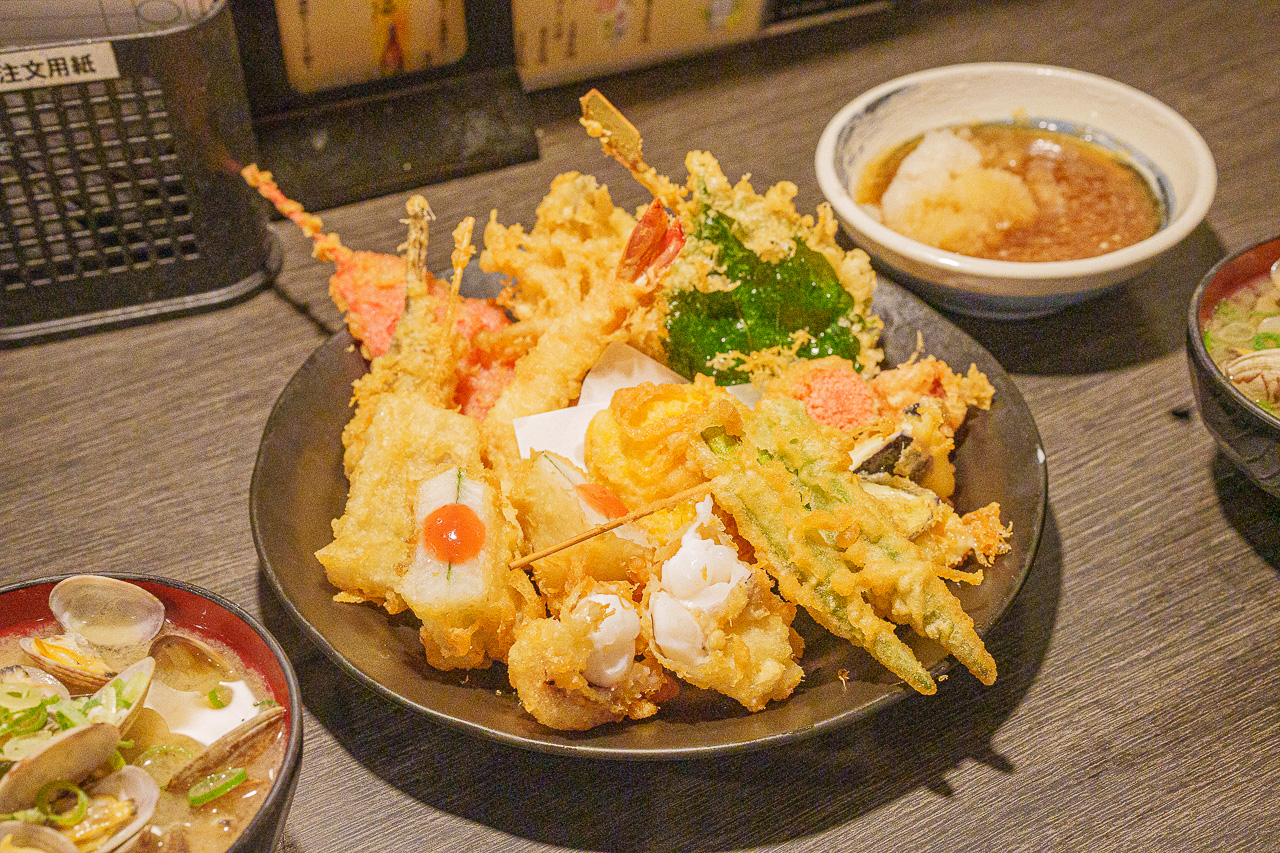
On the first floor of Namba CITY, beside Namba Parks, 天ぷら 大吉 offers chef's-choice tempura assortments in small, medium and large sizes. Fresh seafood landed that day makes the meal hard to dislike. The mentaiko tempura was particularly delicious; if it is not included in your assortment, make sure to order it separately. Asari-clam miso soup is another must. At this restaurant, you eat the clams and throw the shells onto the floor to tread on them—a peculiar mixture of satisfaction and guilt.
Google Maps
Uraya — Namba Main Restaurant (八百屋とごはん うらや)
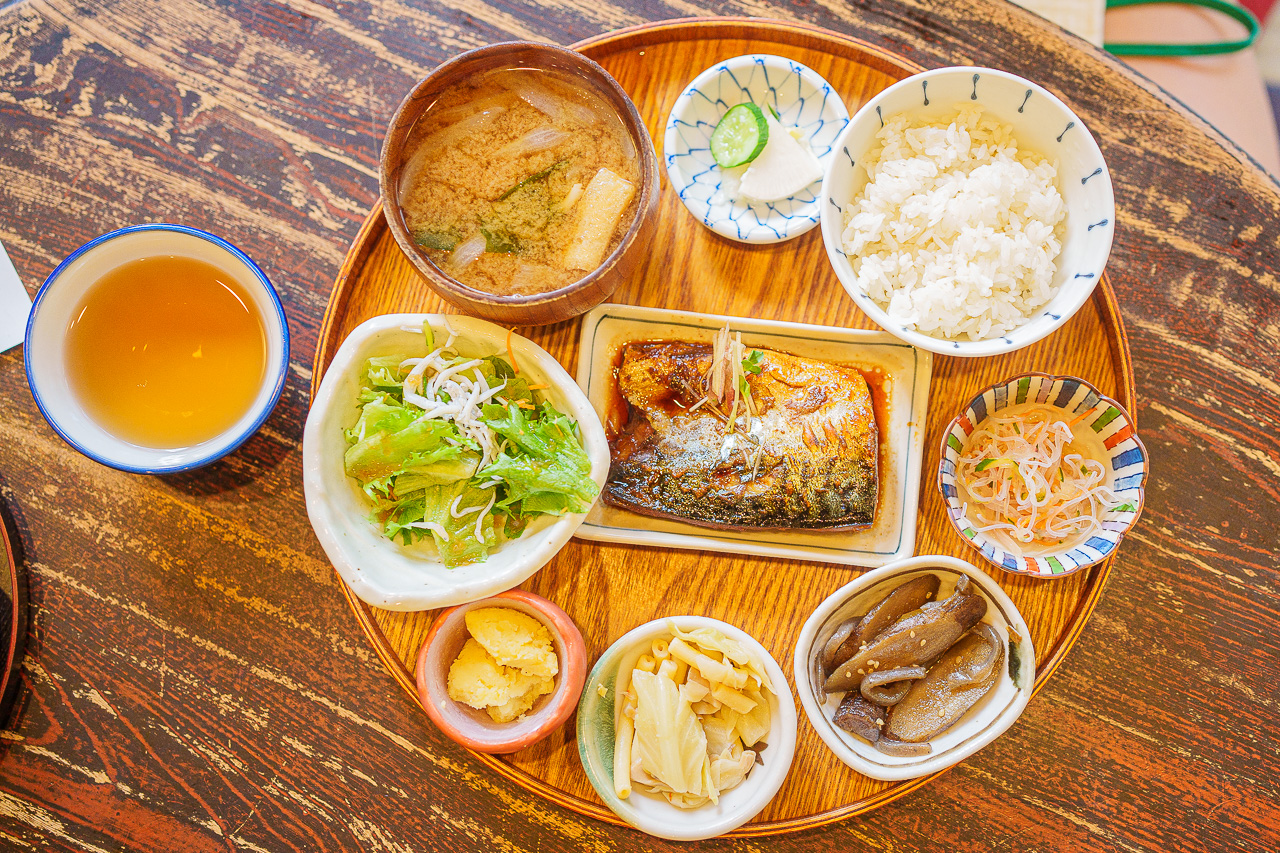
八百屋とごはん うらや is around Namba but on the opposite side from its busiest streets. Among Osaka restaurants known for strongly flavored sauces, this one focuses on simple, balanced home cooking. Set meals with names such as Energy, Recovery and Full Marks follow a theme of restoration and comfort. I would make time for it at least once on a four-day, three-night trip. Green plants, timber framing and an open kitchen feel restorative even before you eat.
Google Maps
Osaka Marriott Miyako Hotel (大阪 都ホテル)
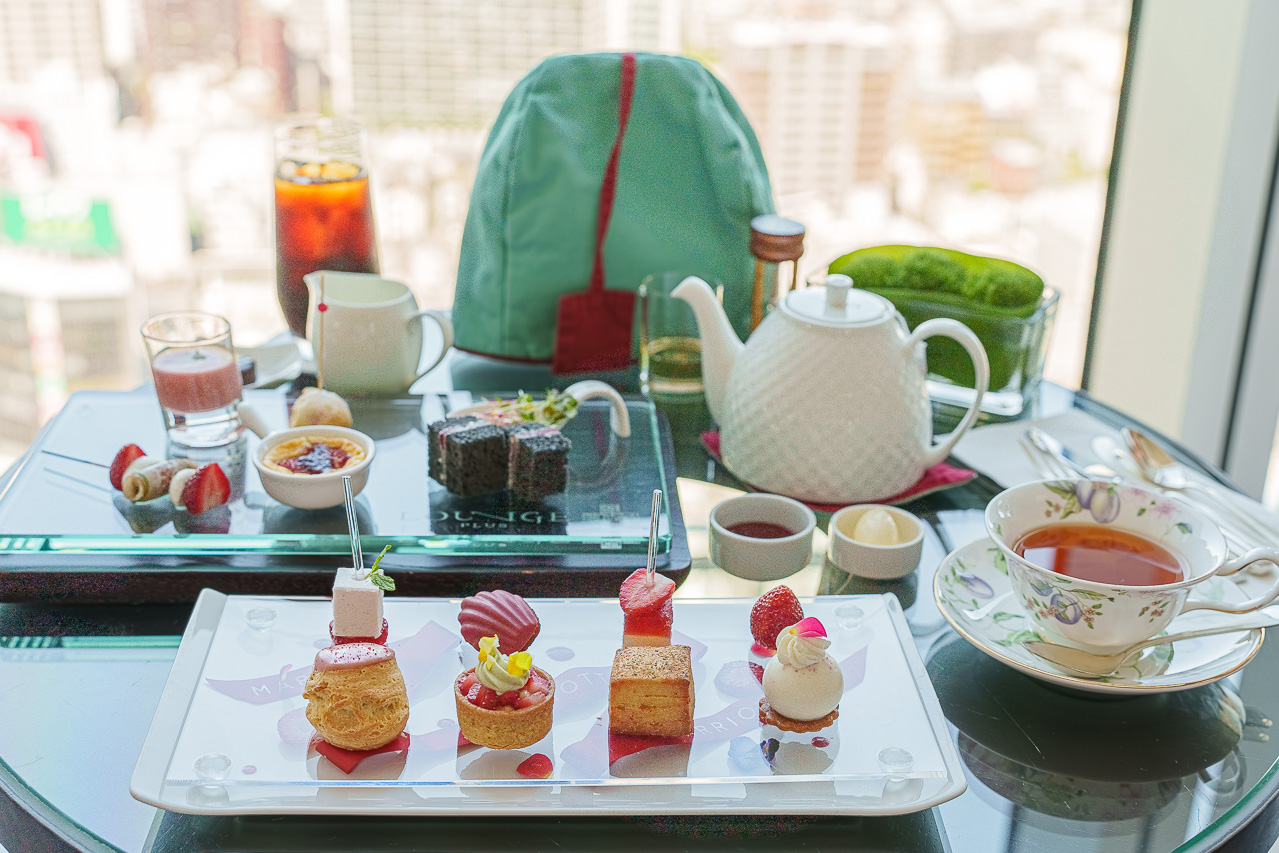
The luxury Osaka Marriott Miyako Hotel occupies Abeno Harukas, described in the source as Osaka's tallest building. Even without staying at the hotel, you can enjoy the remarkable view over tea at Lounge Plus on the 19th floor. The scenery makes it a fine setting for the seasonally changing afternoon tea. At ¥6,500 for 120 minutes, it is relatively expensive; I remembered a price of around ¥4,500 in early 2023, so the increase felt substantial. This is a place to go for the view.
Google Maps
Mugi to Tori (麦と鳥)
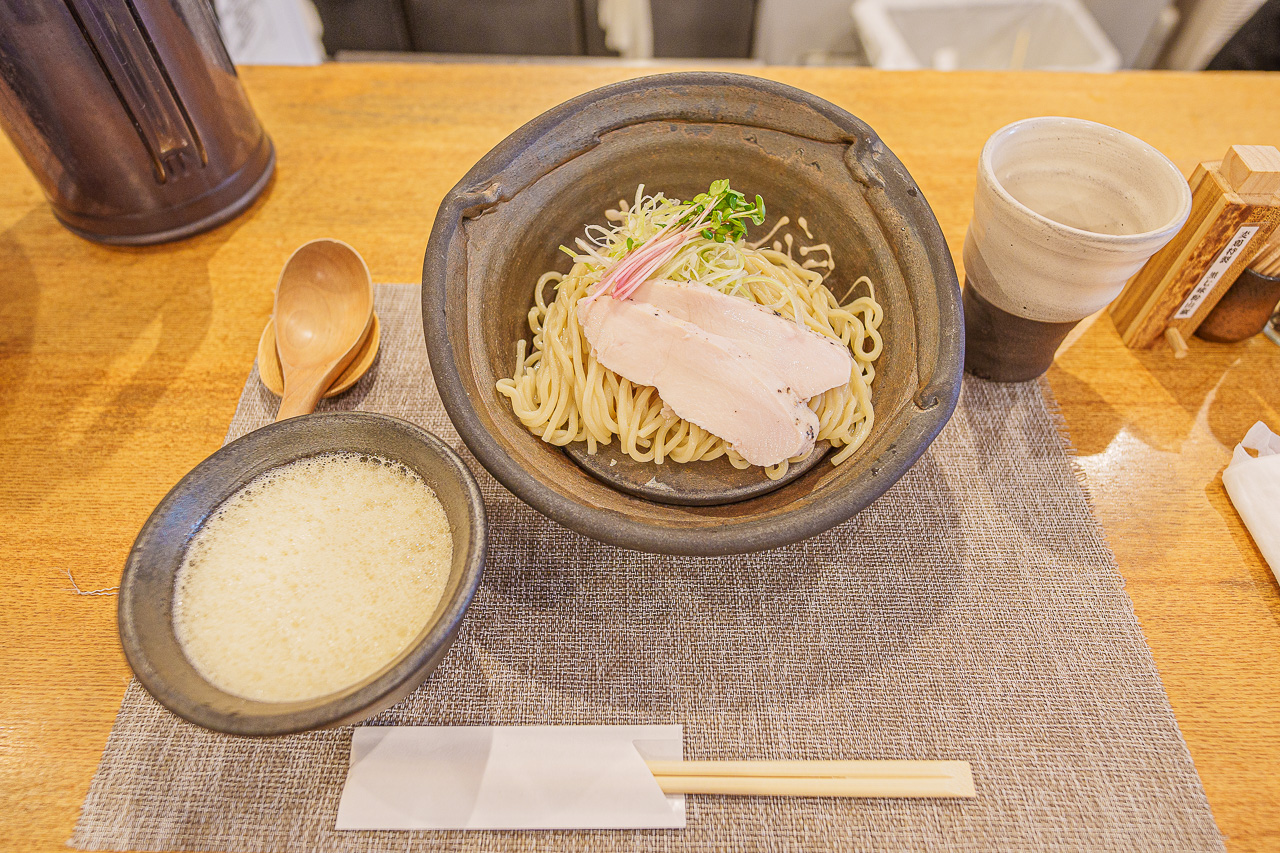
Featured in the program described in the original review as 'People Living in Osaka,' this ramen shop is about a five-minute walk from Shinsaibashi Station and attracts many office workers. Its specialty is a relatively gentle tori paitan, a rich white chicken broth. Every ramen style uses this base, including versions blended with mentaiko or sea urchin. Fresh chicken is simmered for a long time, and stylish bowls give the presentation an Italian feel. It is an option I recommend when tonkotsu seems too heavy but soy-sauce ramen too light. A Korean-language menu had also appeared by the time of the review, reflecting the restaurant's popularity.
Google Maps
Aozora blue (自家製粉石臼挽きうどん 青空blue)
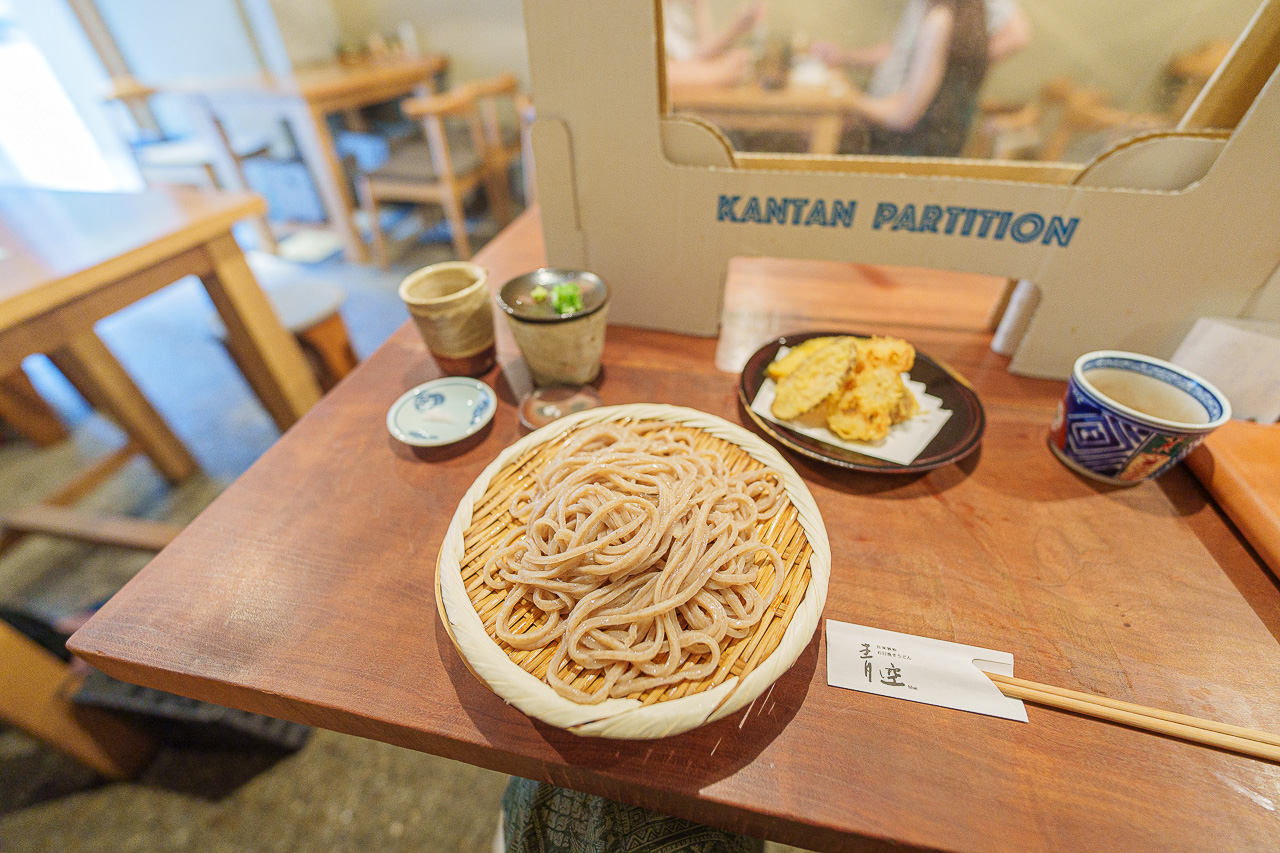
This is the kind of restaurant that makes you wonder whether you are eating udon or soba. The owner trained at a traditional soba restaurant and starts by milling the wheat to make whole-wheat udon. It has a coarser flavor than ordinary refined-flour udon, with a satisfying chew. Add ¥110 to the basic noodles for the Jikaseiko Arabiki Udon to experience the house style most clearly. The tempura is good too, so try it with those coarsely milled noodles. It is unusual and delicious. The Hirano-machi main restaurant has a history of Michelin Guide Bib Gourmand recognition.
Google Maps
Takamura Wine & Coffee Roasters (タカムラワイン&コーヒーロースターズ)
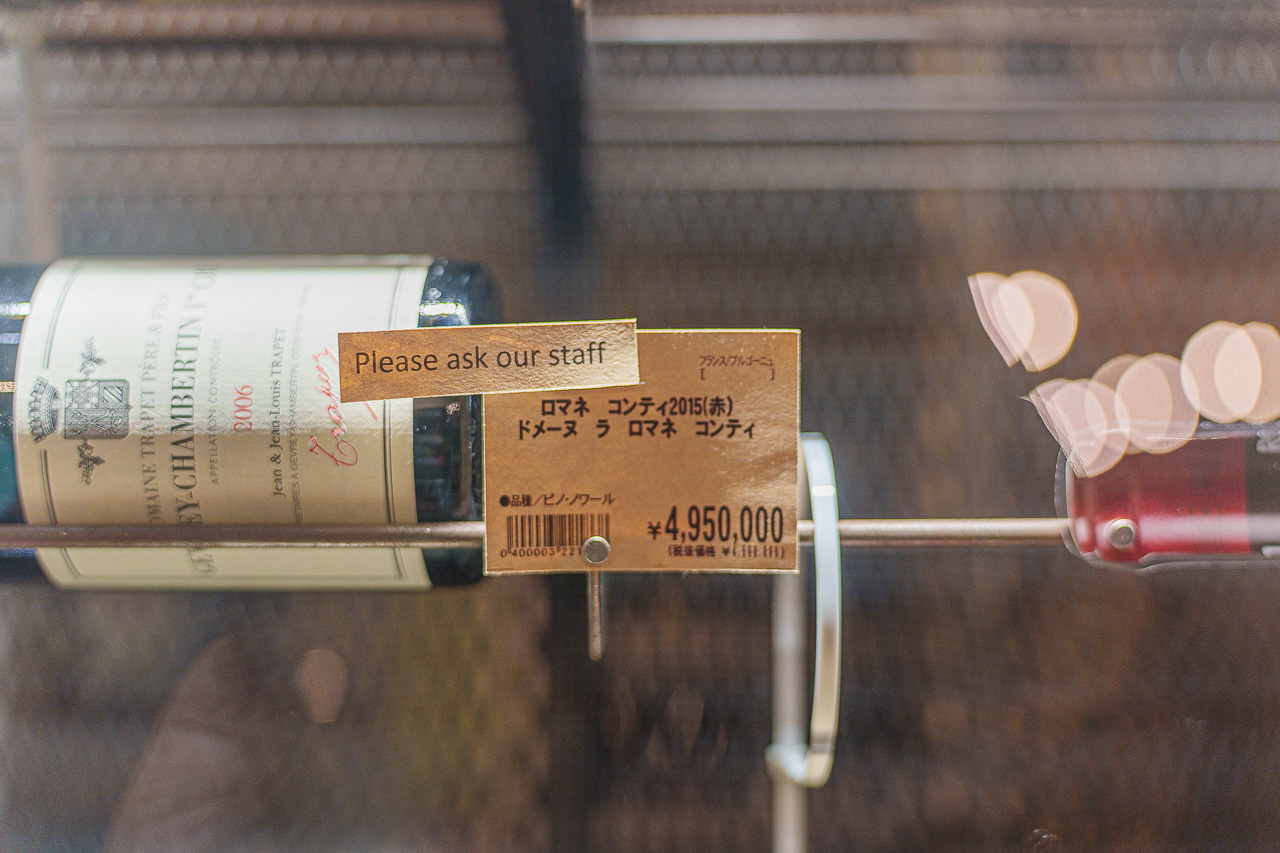
This combines a wine-bottle shop, cafe and coffee roastery. Its appeal includes trying wines described as costing more than ₩1,000,000 a bottle in small servings priced at ¥500–¥1,000. It is also a good place to compare wines while learning about them. Buy a ¥500 prepaid card and add credit as needed. Bottles described as worth ₩10,000,000–₩50,000,000 make even browsing entertaining. The coffee is of a standard associated with winning Japanese coffee competitions. Perhaps because everything else was so good, the doughnut was less impressive than expected.
Google Maps
Natural Hot Spring Hinata no Yu (天然温泉 ひなたの湯)
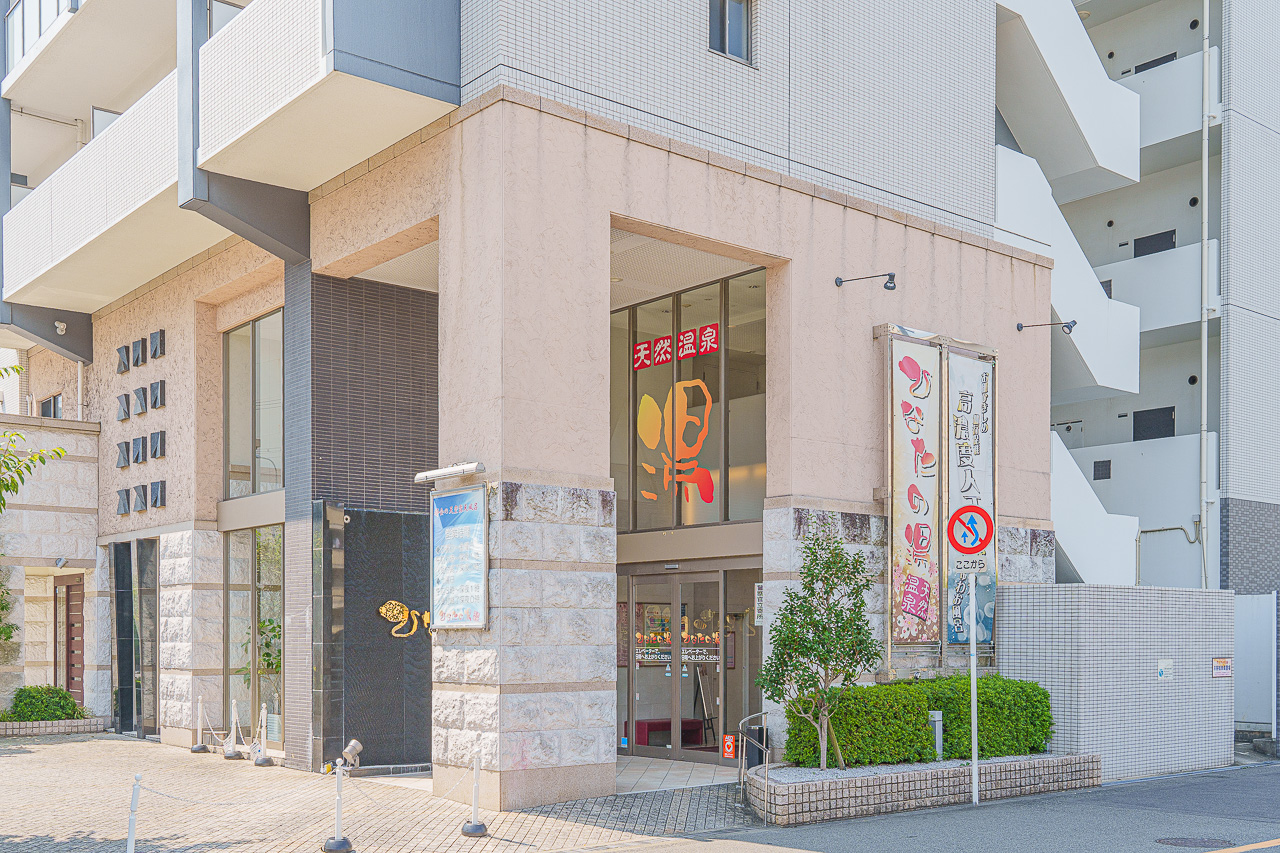
About a ten-minute walk from Shin-Osaka Station, ひなたの湯 is a natural hot-spring facility, something relatively uncommon in Osaka. I was less convinced about paying full admission, but found it quite worthwhile when entry was included with the E-Pass used at the time. The baths are on a ninth-floor rooftop with a good view. Options include a pot bath that lets you have a tub to yourself, a jet bath for relaxing tired muscles, and a carbonated bath described in the source as good for circulation. After bathing, a bottle of coffee-flavored milk feels obligatory. The pass-inclusion information is a record of that visit; check the official facilities and terms of the specific pass you intend to buy.
Google Maps
Yakiniku Kitan (焼肉 㐂舌)
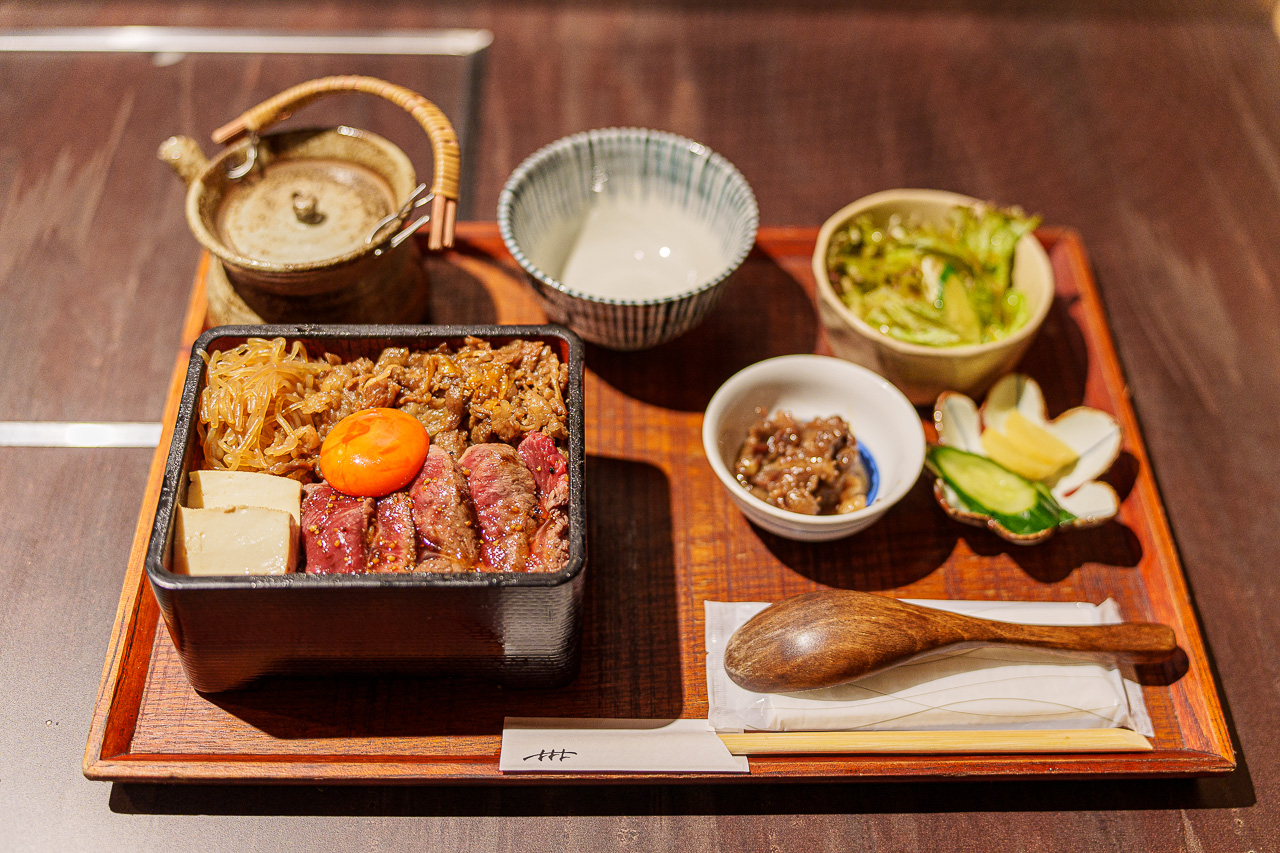
In the quiet Hozenji Yokocho alley near Namba, this wagyu specialist offers particularly good-value lunches. I recommend the aged Japanese Black beef steak and sukiyaki rice bowl, ¥1,580. For more wagyu, choose the aged Japanese Black wagyu steak bowl, ¥2,080. The aged meat is relatively lean and tender, while the sukiyaki melts in the mouth. The atmosphere has the weight and polish of an upscale restaurant. It felt like the sort of place that would soon have a line outside.
Google Maps
Kuromon Market (黒門市場)
Kuromon Market is a market and shopping street in Nipponbashi, Chuo Ward, Osaka. Food is displayed openly in the manner of a traditional market; it reminded the original writer of Gukje Market in Busan, Korea. Seafood is the main draw and looks fresh, but prices are higher than expected, leaving me wondering whether I wanted to pay that much to eat standing up. The quality is nevertheless good, which helps explain its popularity with overseas visitors. It felt like a tourist market with relatively few Japanese shoppers.
Google Maps
Shellfish Paitan Toride (貝白湯 砦)
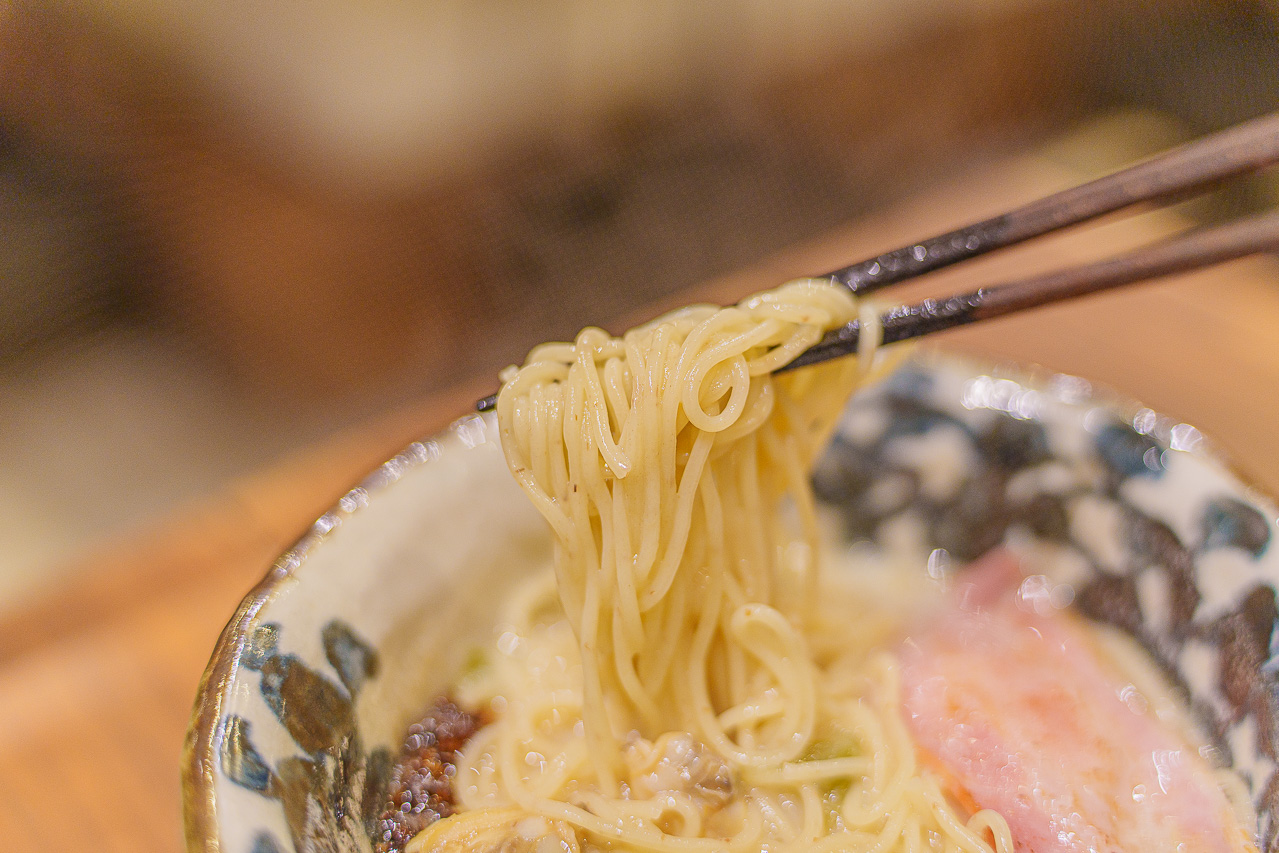
砦 uses a shellfish-based broth developed by its owner after the 2011 Great East Japan Earthquake. Several kinds of shellfish give it an intense savory flavor. According to the account, the owner had focused on tonkotsu ramen, but difficulties sourcing pork-bone broth after the earthquake led to research into a new approach. The main restaurant is in Sasebo, Nagasaki. The shellfish-broth Toride ramen and the tsukemen are well known.
Google Maps
Taishu Sukiyaki Hokuto (大衆すき焼き 北斗)
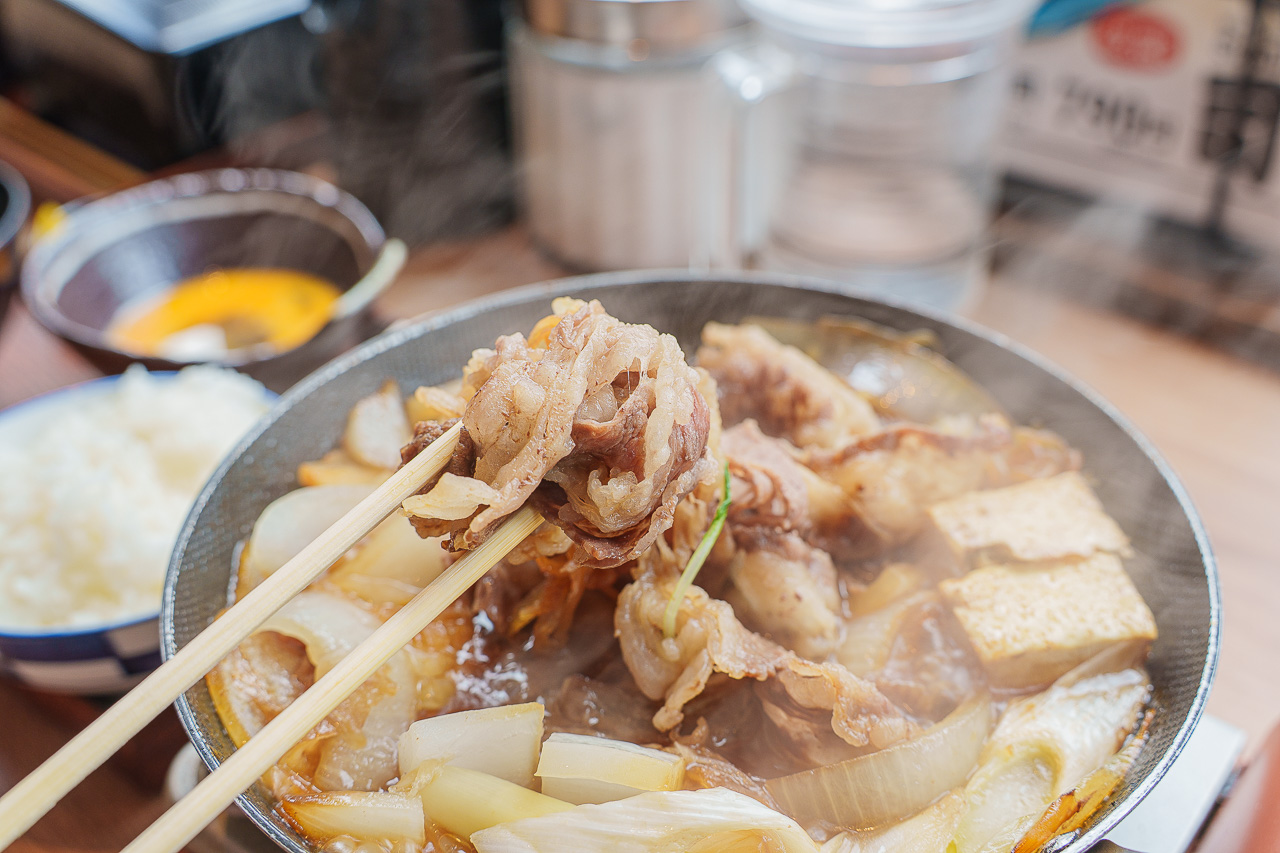
This sukiyaki specialist began in Kyoto. Its Osaka location is on the seventh floor of GEMS Namba, about a five-minute walk from Namba Station. The source describes sukiyaki as a shabu-shabu-style Japanese preparation in which meat and vegetables cook in soy sauce and apple sauce. At lunch, I recommend the inexpensive ¥1,100 sukiyaki set. Add ¥200 for a larger serving of meat. The ¥890 wagyu rice bowl is also meltingly tender.
Google Maps
Okonomiyaki Yukari — Sonezaki Main Restaurant (お好み焼ゆかり 曽根崎本店)
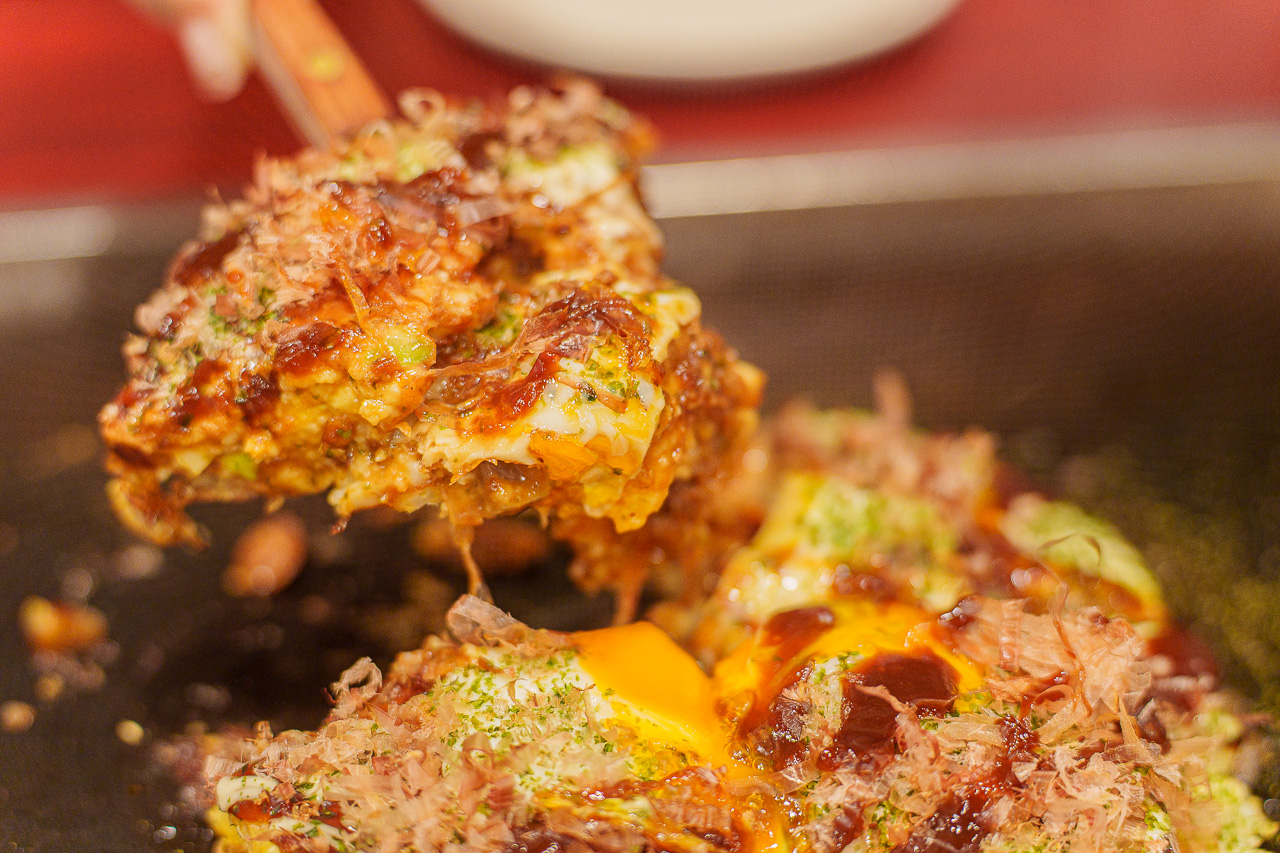
お好み焼ゆかり is an Osaka okonomiyaki chain. Okonomiyaki is a traditional Japanese dish of batter mixed with various ingredients and cooked on a flat-top grill. Yukari was founded in 1950, with branches in Umeda, Namba and Sennichimae among other areas. Popular dishes include the Special Mix-yaki, Yukari-yaki and American-yaki. If you want an unusual drink that is difficult to find in Korea, I recommend the Garigari-kun chuhai featured in the original account.
Google Maps
Yakiniku Kojima (焼肉こじま)
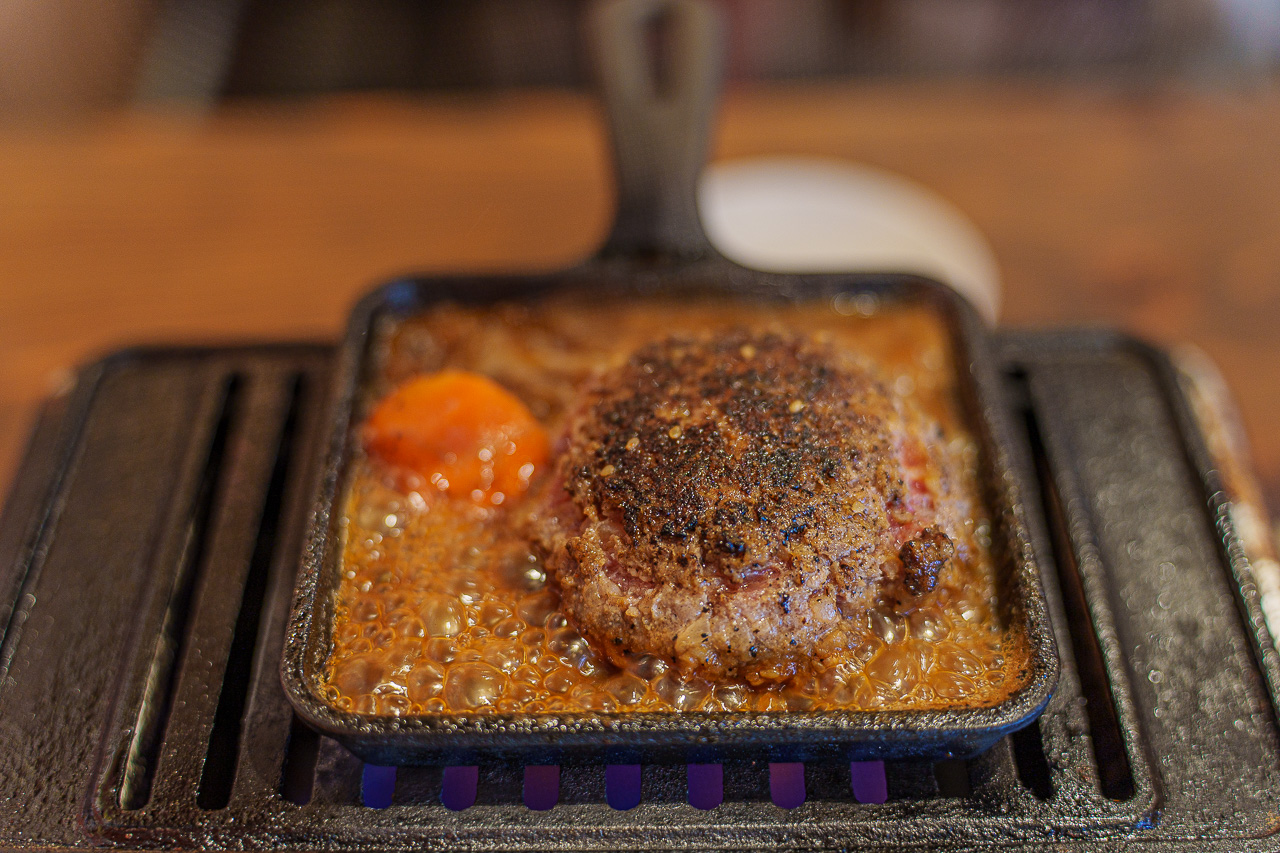
焼肉こじま in Ura-Namba, a little away from the busiest Namba streets, serves a fresh wagyu hamburger-steak lunch described in the original account as costing less than ₩10,000. The owner said it was not yet widely known among Korean visitors. Fresh wagyu is used to make the hamburger steaks each day, and the restaurant serves them rare; if you prefer otherwise, finish cooking the meat on the pan provided. Compared with a ¥2,000 hamburger steak I had eaten in Fukuoka, the quality and flavor at this price felt almost unbelievable.
Google Maps
Oni ni Kanabo (鬼に金棒)
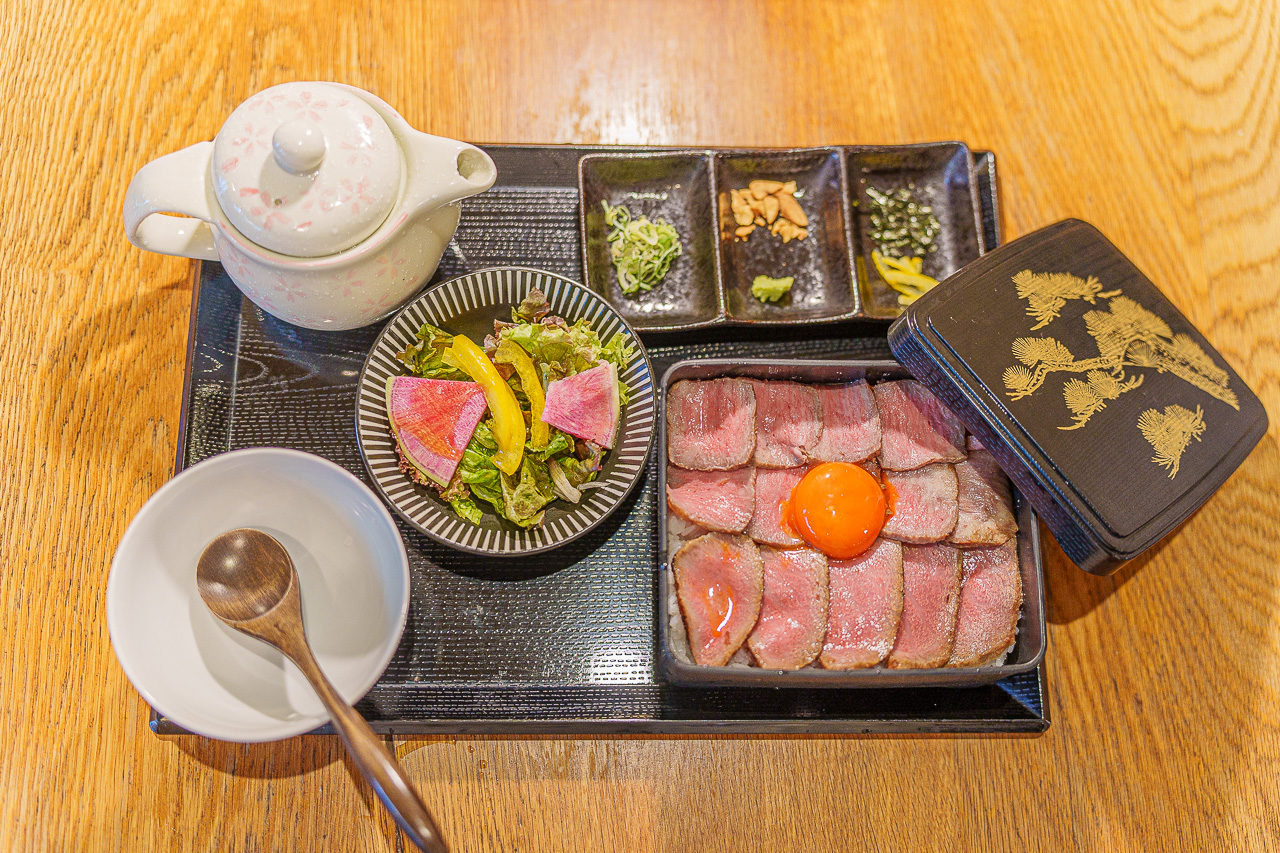
鬼に金棒 offers wagyu in a mabushi preparation more commonly associated with eel rice bowls. About a five-minute walk from Osaka-Umeda Station, it serves an inexpensive wagyu mabushi at lunchtime only. The usual name hitsumabushi combines hitsu, shortened from meshibitsu (飯櫃), a wooden container for rice, with mabushi (まぶし). Tender wagyu and a deep-colored egg yolk make an appetizing combination. Enjoy three changes of flavor: first eat it as it comes, then with seasonings, and finally with dashi broth poured over it.
Google Maps
Sushi Uoshin (魚心)
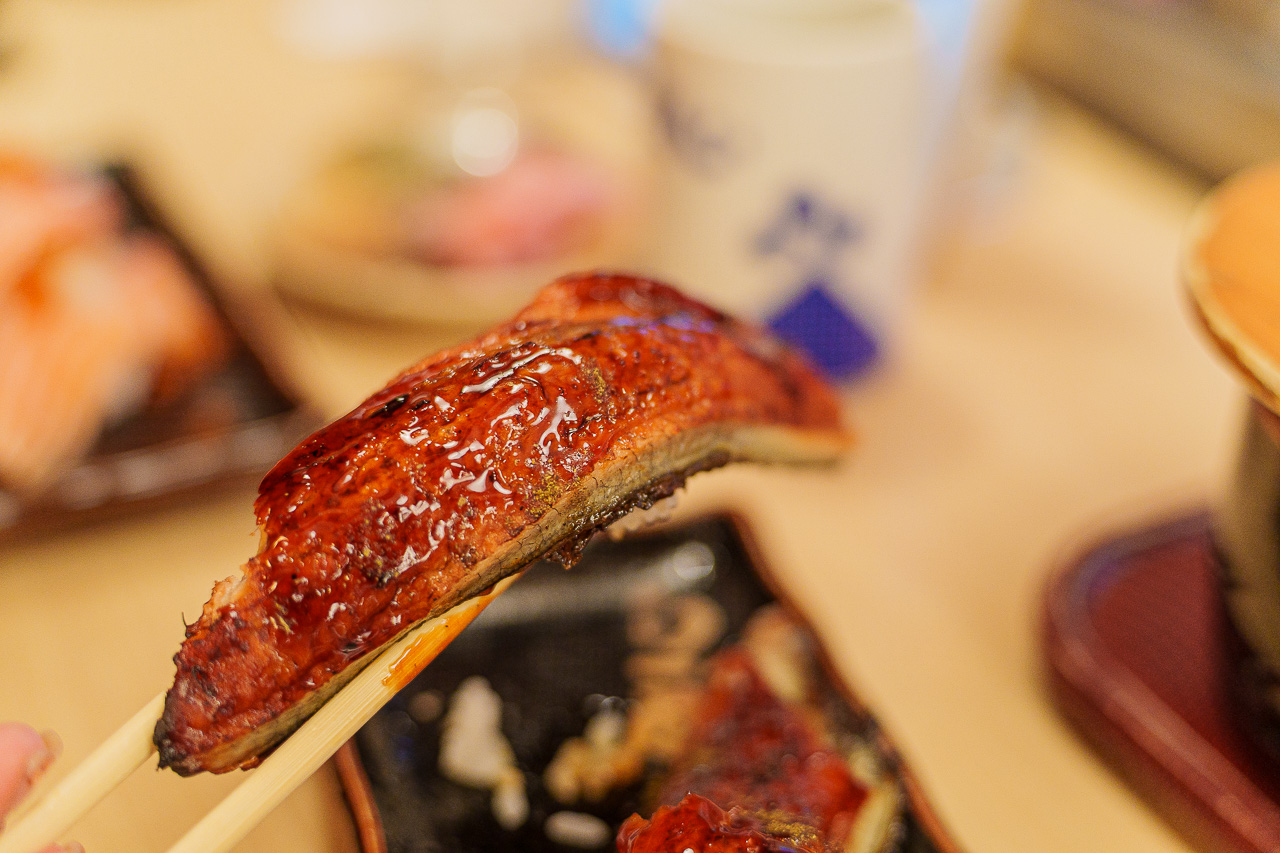
元祖ぶっち切り 魚心 serves fresh fish as strikingly large, good-value sushi. The toppings are roughly three times the size of ordinary sushi and almost spill over the rice. The name bucchigiri can suggest doing something exceptionally well, but here it refers to exceptionally large cuts. The eel sushi is particularly memorable and costs just ¥1,000 for two pieces. Whatever else you choose, make sure to try the eel and salmon here.
Google Maps
Obanzai Daikoku (おばんざい大黒)
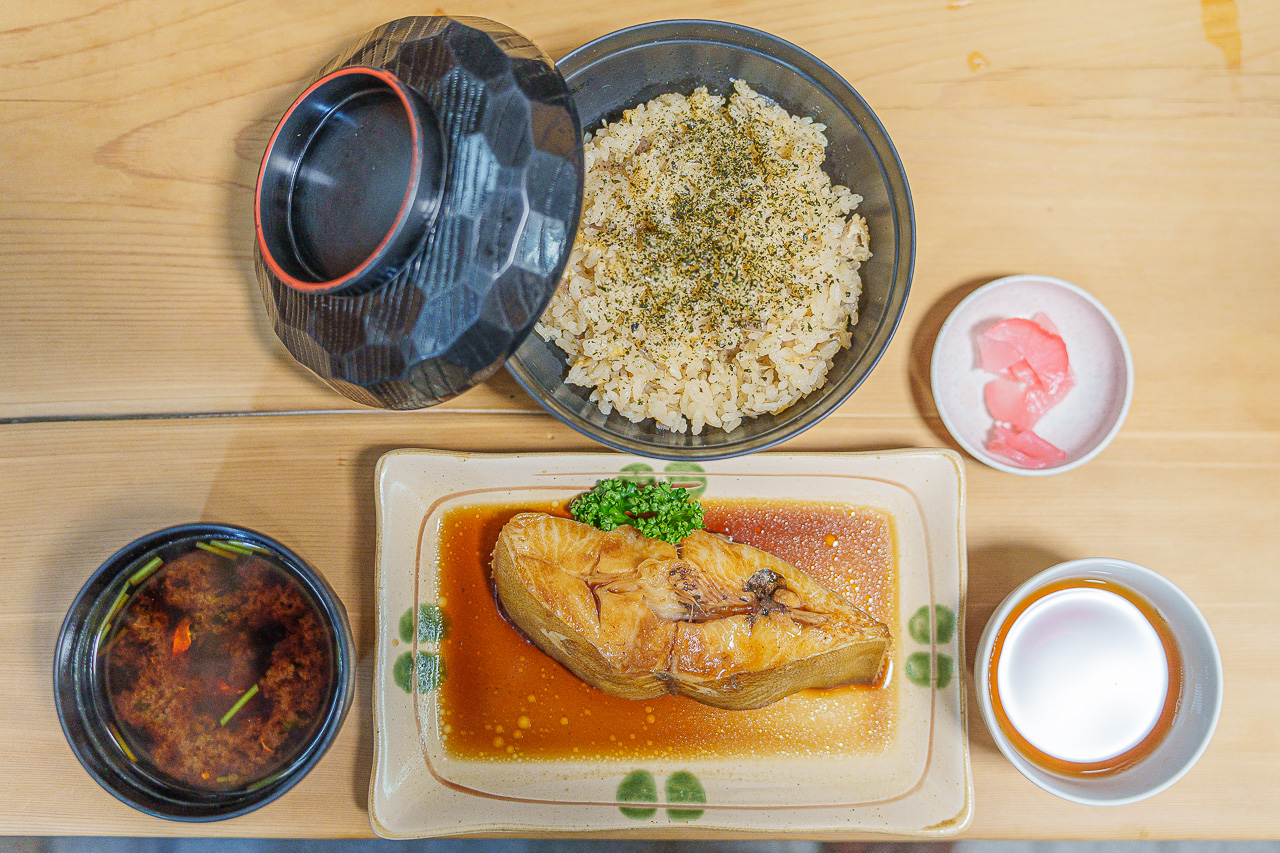
おばんざい大黒 specializes in Kyoto-style home cooking and is known for kayaku gohan, seasoned mixed rice. The original account describes a history of more than 120 years and Michelin recognition. Rice, soup and side dishes must all be ordered separately, and the restaurant is better known among residents than tourists. Individual dishes cost around ¥400–¥700, letting you build a meal to your taste. Simmered flatfish and kayaku gohan are the famous choices. A Korean-language menu is available. It is rather expensive for home cooking, but feels like an oasis among Osaka's more strongly flavored meals.
Google Maps
Aizuya — Namba (会津屋 難波店)
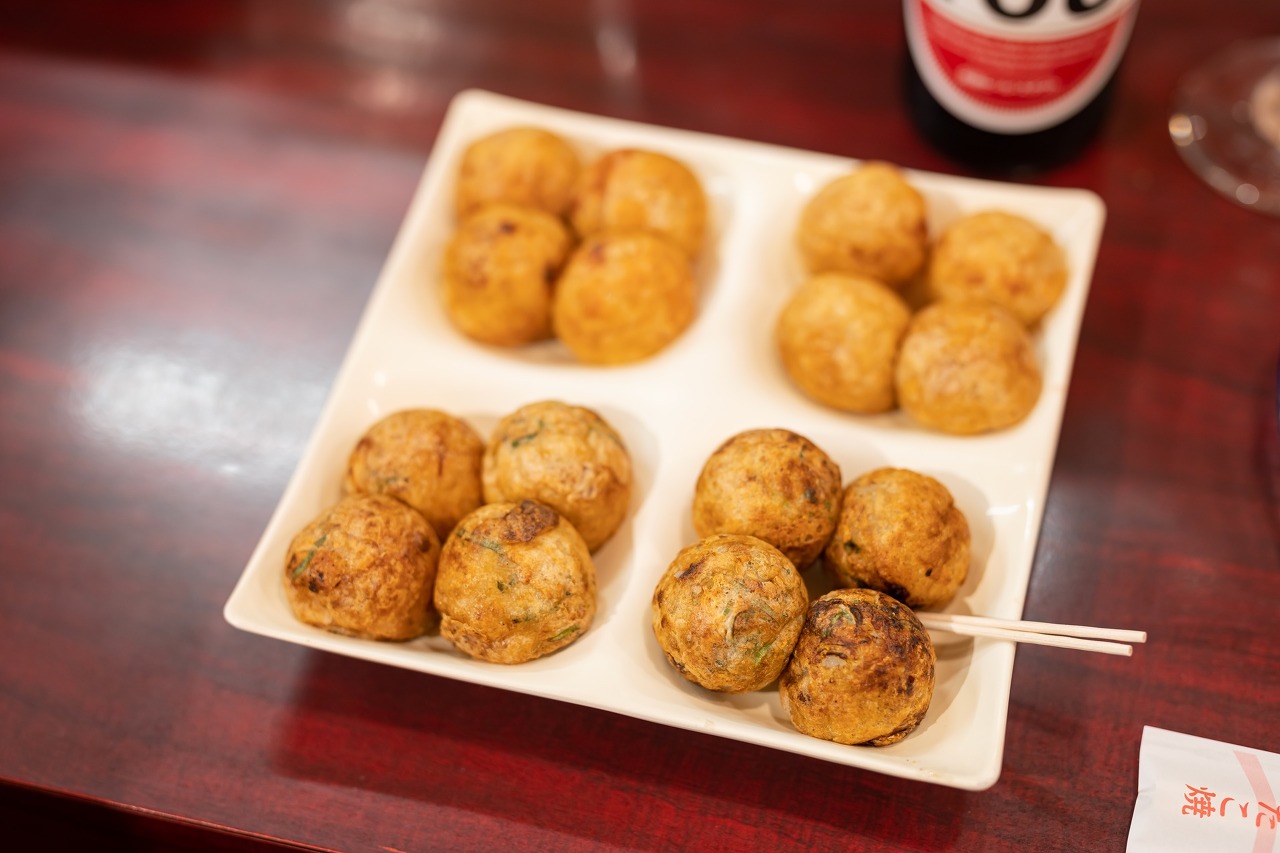
Takoyaki usually brings to mind plenty of sauce, mayonnaise and bonito flakes, but that was not how it began. At 会津屋, associated with takoyaki's origins, you can explore that history. The menu ranges from rajio-yaki, takoyaki's predecessor, to cheese takoyaki, without using sauce or mayonnaise. According to the chain's official history cited in the source, Aizuya received Michelin Guide Bib Gourmand recognition for three consecutive years, 2016–2018. My recommended location is in Namba's Nannan Town underground shopping area. Near Nankai Namba Station, you can enter through Exit E2 beside the first floor of Takashimaya Osaka. It is also close to Marui and Edion, where various Osaka sightseeing tickets can be exchanged, so it is easy to locate.
Google Maps
Bread and Espresso Sakaisuji Club (パン と エスプレッソ 堺筋俱楽部)
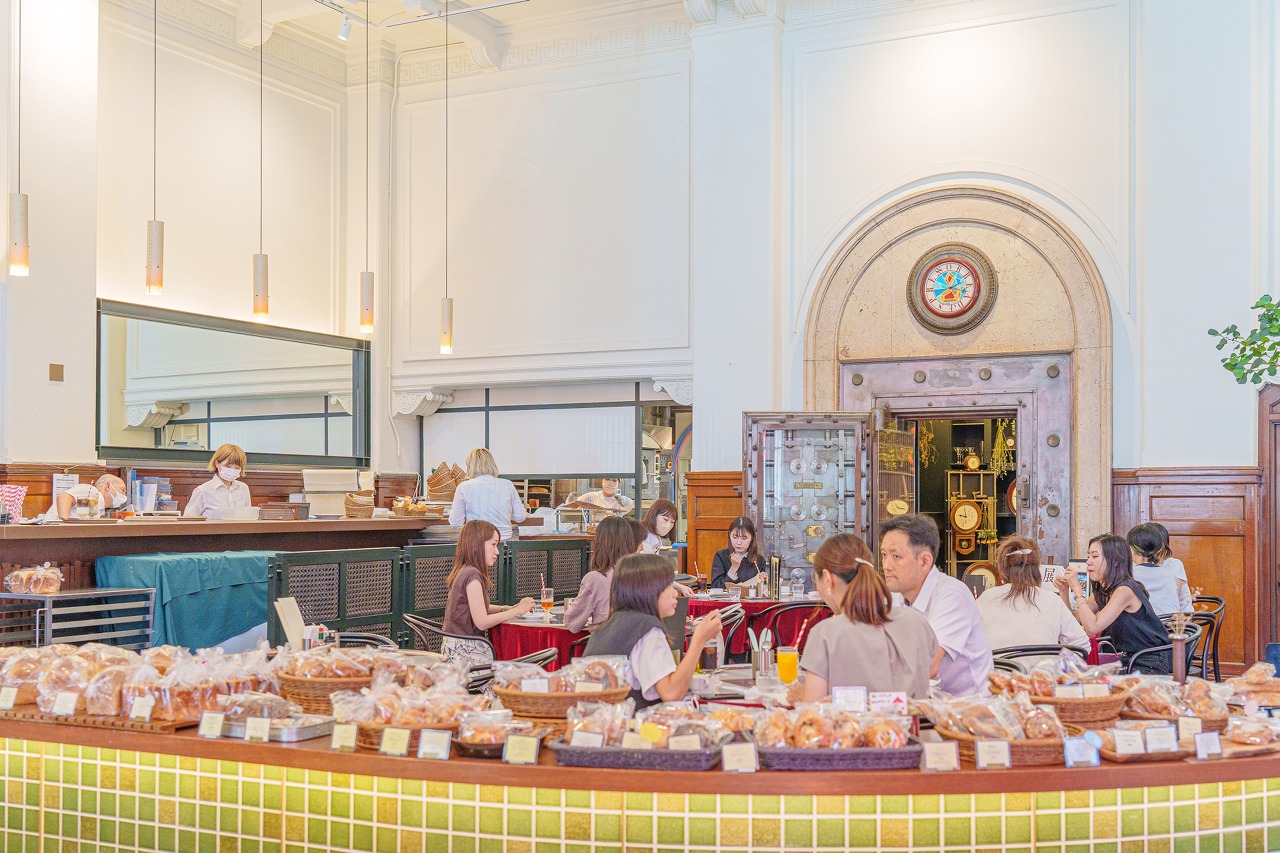
The Bread and Espresso bakery-cafe brand began in Tokyo's Omotesando in 2006. On November 15, 2021, パン と エスプレッソ 堺筋俱楽部 opened in Osaka's Minami-Semba area. It occupies a renovated bank dating back around 100 years. The walls and ceiling, more than 10 m high, have an impressive presence. Much of the bank atmosphere remains, including a former vault inside with an enormous door like something from a film. The afternoon tea, ¥4,200, is a menu option I recommend considering, although I did not try it myself.
Google Maps
Odoridako (踊りだこ)
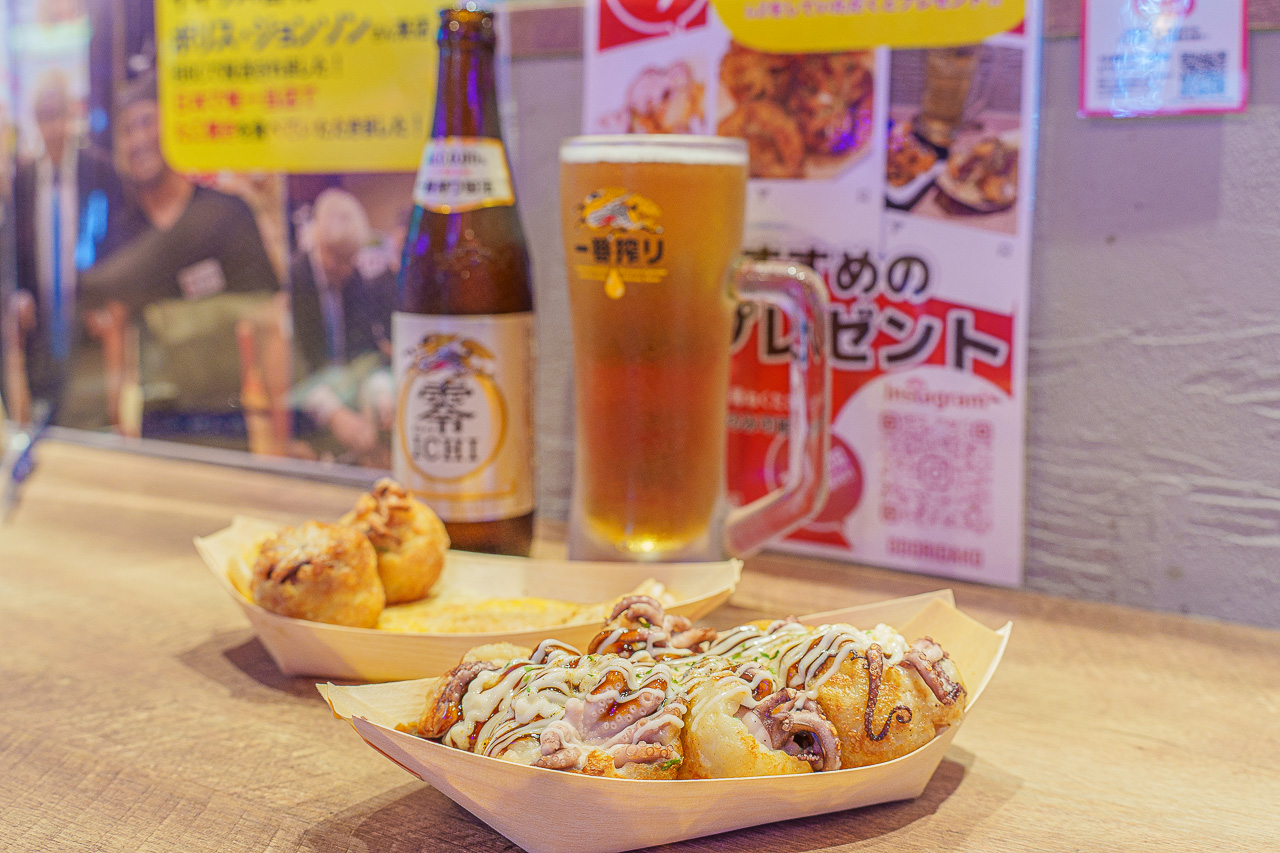
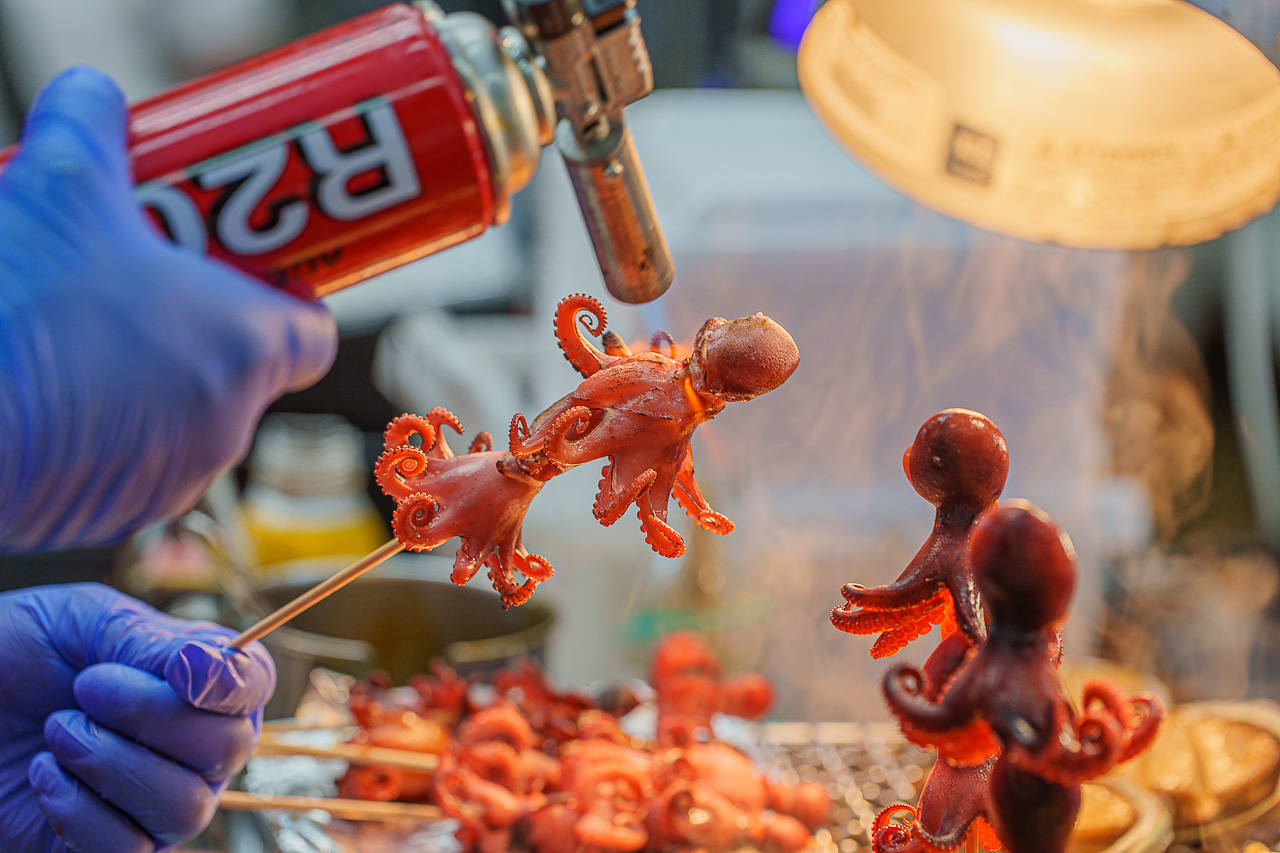
Takoyaki normally contains pieces of octopus, but 踊りだこ places an entire small webfoot octopus in each ball. Its name means 'dancing octopus.' The well-known chain has shops around Japan, recognizable by the substantial little octopus sitting on top. Around Namba, I recommend the PARCO location on the Shinsaibashi shopping street, where a ¥1,000 Takoyaki Senbero offer included beer and food. The regular version cost ¥650 for six or ¥950 for ten, relatively inexpensive prices. Another specialty is Odori Age Takoyaki, fried a little more for extra crispness: ¥550 for four or ¥850 for eight.
Google Maps
Miyoshi Udon (三吉うどん)
Directly below Tsutenkaku in Shinsekai, 三吉うどん is an unobtrusive shop with no obvious sign or information board. Local older men line up for its inexpensive ¥170 udon. It feels like a long-established Japanese shop from a television drama, and having no chairs adds to that impression. The udon is not extraordinary, yet something about it makes me drink every last drop of broth. The recorded hours were only 9 a.m.–3 p.m., so keep the short daytime schedule in mind.
Google Maps
Yakiniku Horumon Mansen (焼き肉ホルモン 万千)
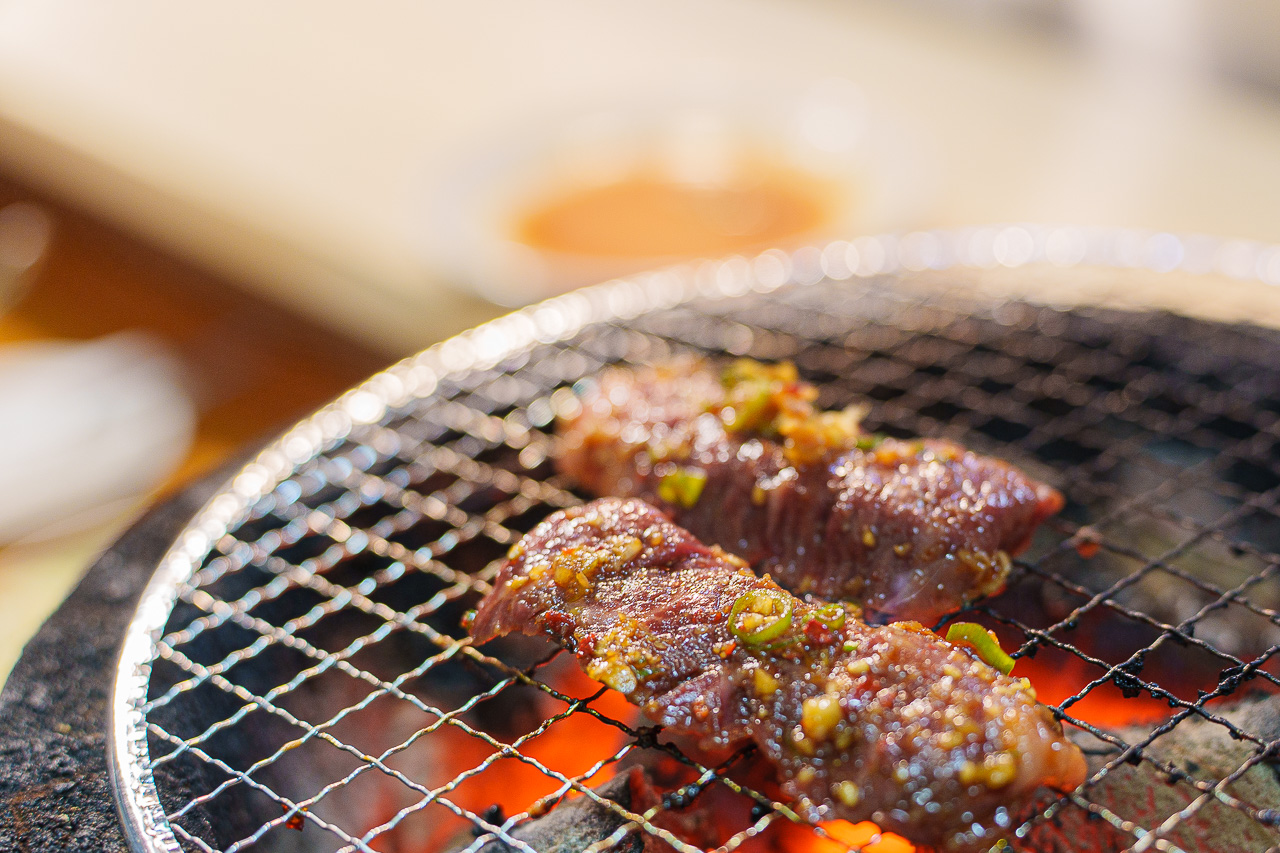
About a ten-minute walk from Namba Station, 焼き肉ホルモン 万千 is well placed for a meal after browsing the shopping streets. The owner trained at the extremely popular 焼肉万正 in Tsuruhashi before opening in Ura-Namba in March 2022. The most popular item, salted beef tongue, is limited to one serving per person because demand is so high. Unusually thick slices sit over a generous pool of special garlic-and-sesame-oil sauce. Grill both sides, then add some of that garlic sauce for a delicious bite. Grilling with lemon sauce is another option. The original account also enjoyed the fresh tongue rare at this restaurant.
Google Maps
Yakiton Eemonya (やきとんええもん家)
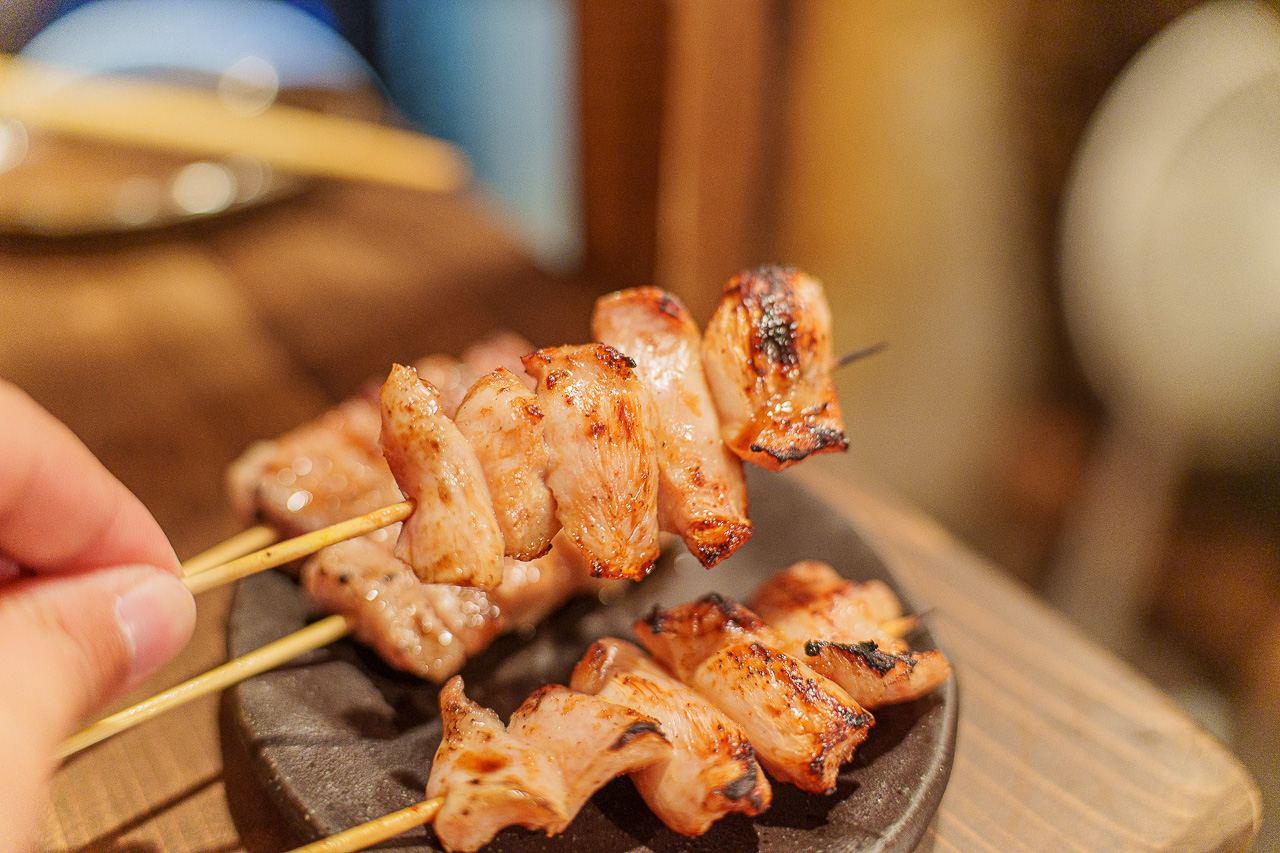
About a one-minute walk from Namba Station, やきとんええもん家 offers yakiton, less common in Osaka than other grilled skewers. Ton means pork: yakiton skewers use pork and offal, including kashira (cheek), shiro (intestine), nankotsu (cartilage), hatsu (heart) and tan (tongue), grilled much like yakitori. The restaurant uses binchotan charcoal. The original description connects its origins with a place called Bincho and emphasizes its clean burn, with very little smell or smoke on lighting and little flying ash or sparking. A useful order when faced with many skewer choices is the recommended five-skewer chef's selection, ¥900, featuring five cuts the restaurant is particularly confident about that day.
Google Maps
Ajinoya — Main Restaurant (味乃家 本店)
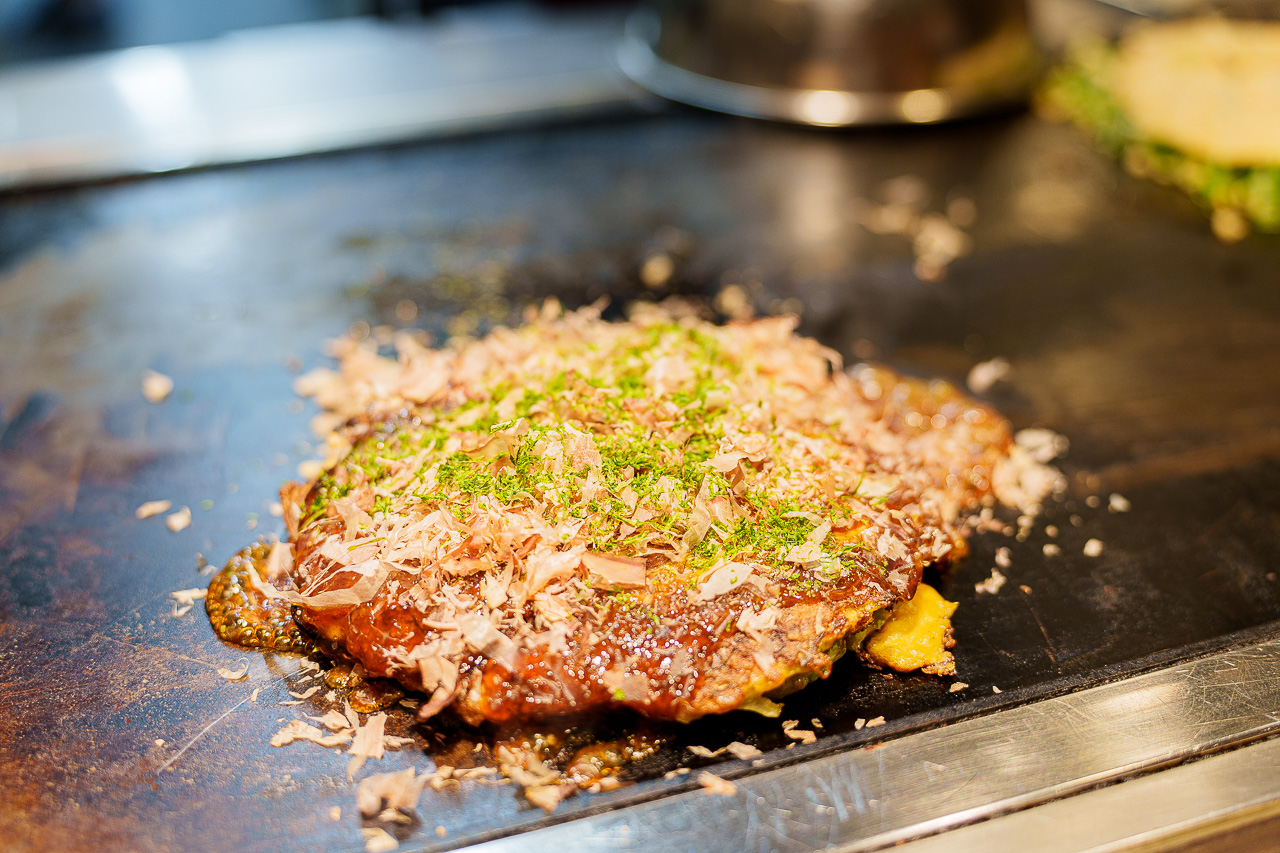
味乃家 is a long-established okonomiyaki restaurant in Namba. Founded in 1965, it has been passed down through four generations. Plenty of cabbage and relatively little flour give its okonomiyaki a soft texture. The sauce, described as responsible for 90% of the flavor, is homemade too. Selection for Tabelog's 100 notable okonomiyaki restaurants has helped it attract many fans. Recommended orders are the Special Mix, ¥2,750, and the Ajinoya Mix, a 1.5-person portion for ¥1,430. The source does not clearly state a portion number for the Special Mix.
Google Maps
Kushikatsu Omiya (串カツ 近江屋)
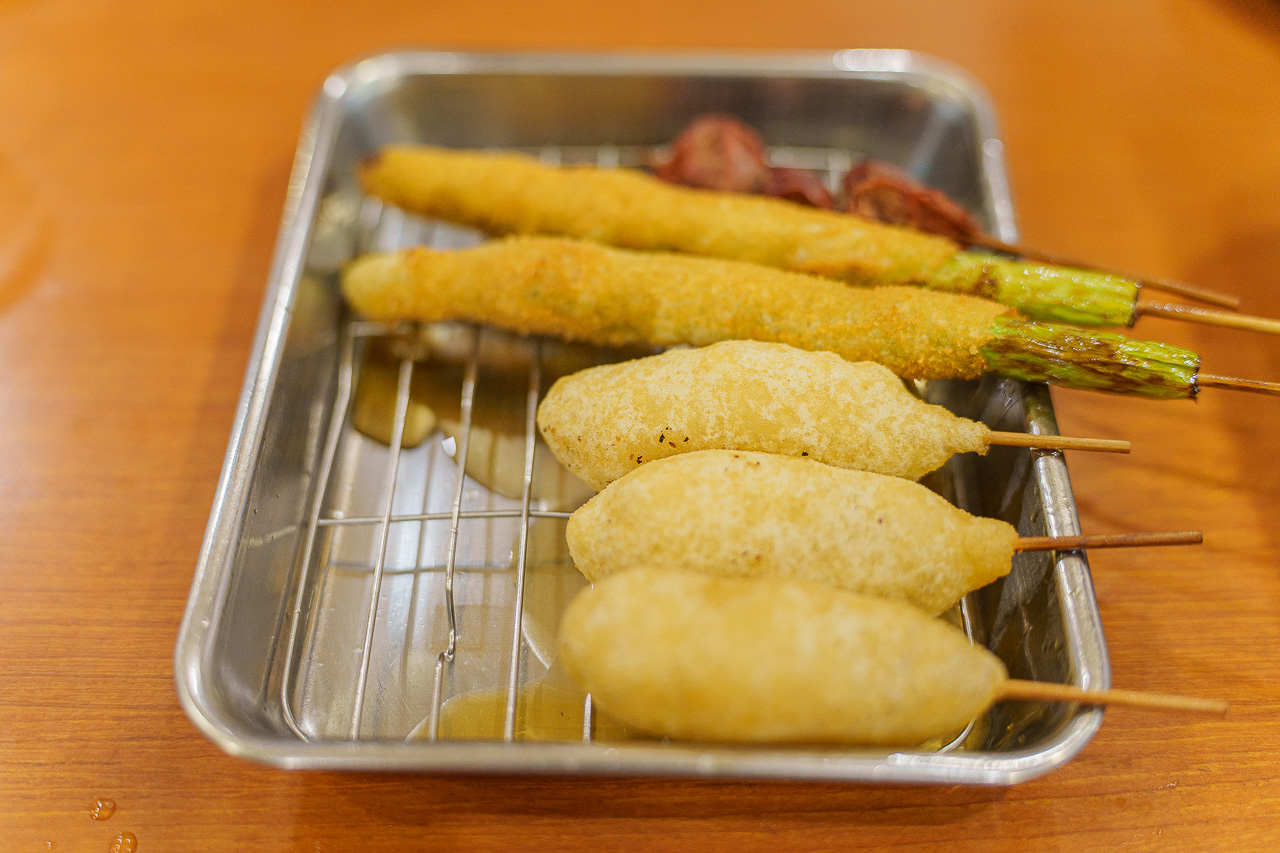
串カツ 近江屋 is a long-established kushikatsu restaurant in Shinsekai. Founded in 1922, it is also described in the source as associated with kushikatsu's origins. Unlike breadcrumb-coated versions, its skewers use only batter for a crisp yet fluffy texture. The homemade sauce is rich and deeply flavored. Both the main shop and annex are in Shinsekai: the main shop is entirely nonsmoking, while the annex allows smoking throughout. Recorded prices include the original kushikatsu at ¥90, shrimp ¥290, asparagus ¥220, sardine ¥130, whiting ¥130 and chicken gizzard ¥130. The best-known item is tako-age, ¥230, limited to one per person.
Google Maps
Kushikatsu Daruma (串カツ だるま)
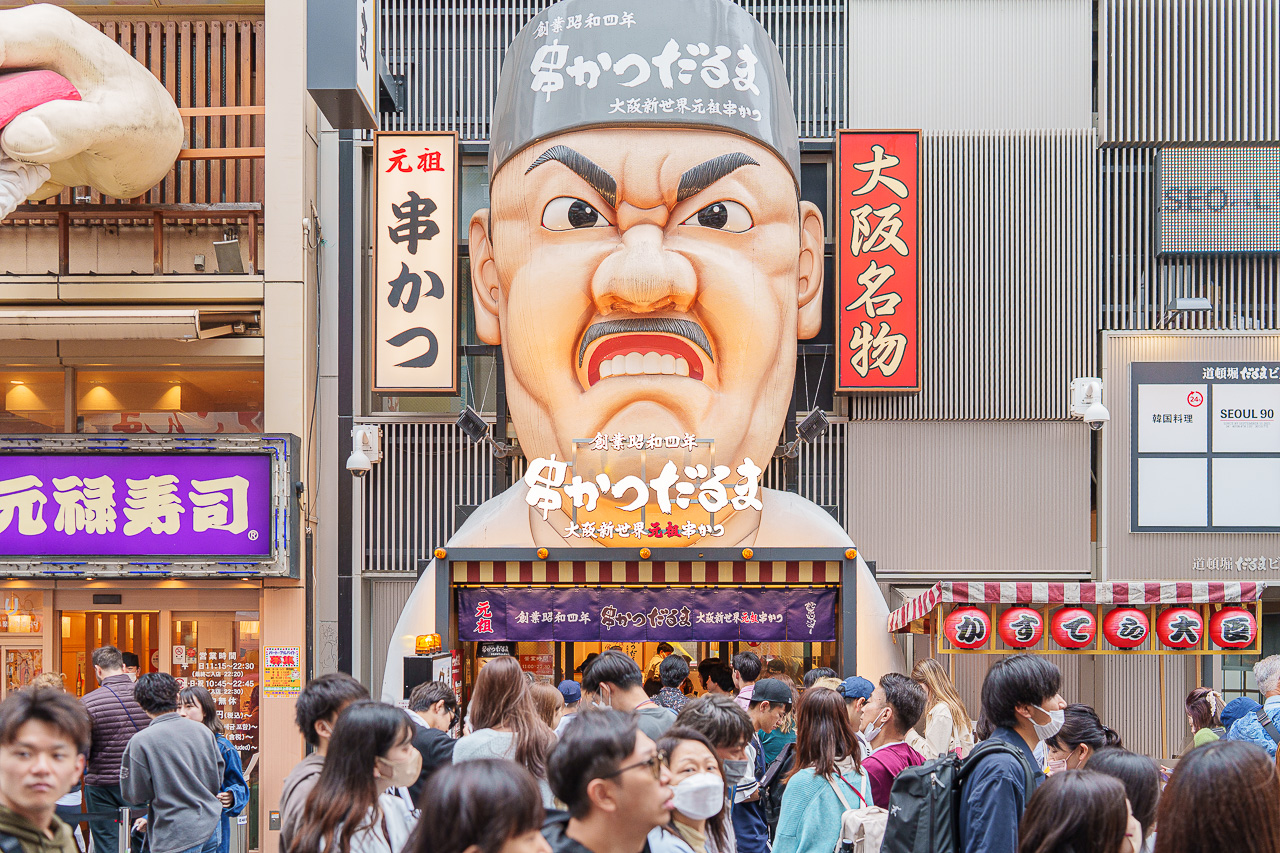
串カツ だるま is a chain serving Osaka's famous fried skewers. Small pieces of pork, vegetables and other ingredients are skewered, coated in breadcrumbs and fried, then seasoned with sauce or salt. Choices include cheese, shrimp, liver and beef tendon. Its angry-looking owner character makes the restaurants recognizable around Osaka. I had advised against the Namba location in the original account because its line was so long, but the food itself is inexpensive and tasty.
Google Maps
Hokkyokusei (北極星)
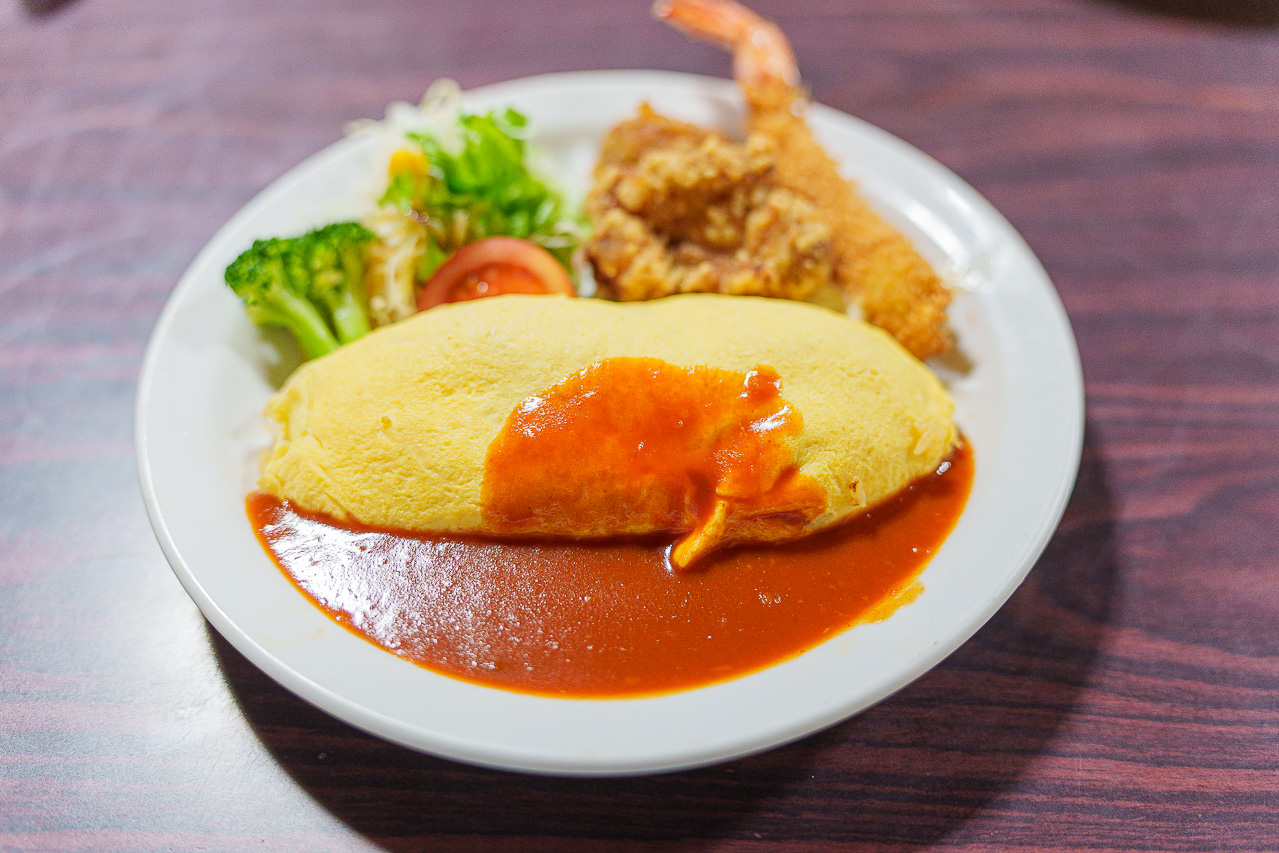
北極星 is known for omurice in Osaka: tomato-seasoned rice covered with egg. It opened as a Western-style restaurant in 1922 and is sometimes described as the originator of omurice. Moist, soft egg and a rich tomato sauce are its signatures. The interior recalls a traditional Japanese dining establishment, with a garden and stone features adding atmosphere. Tatami rooms with low chairs may be slightly uncomfortable for some diners. With roughly a century of history behind the dish, the soft egg and gently acidic tomato sauce are very good.
Google Maps
Handmade Soba Shuhari — Tanimachi (手打蕎麦 守破離 谷町店)
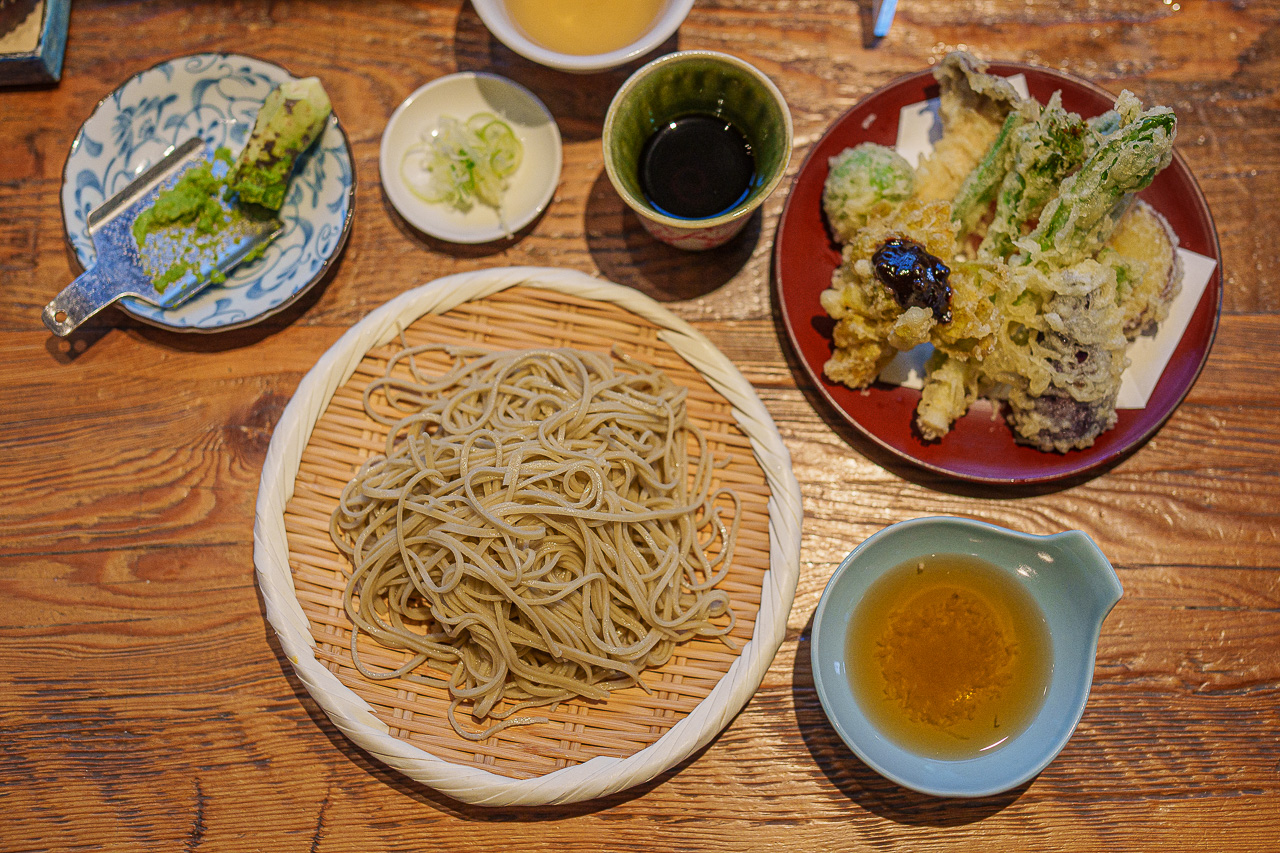
The original review describes this Osaka soba specialist as having one Michelin star and recognition among 100 notable restaurants on a major Japanese dining website; those accolades have not been independently rechecked here. It makes its own noodles from carefully selected buckwheat varieties and growing regions and offers an extensive soba menu. There are cold noodles, hot noodles and combinations with tempura. The standard noodles contain 80% buckwheat; an extra charge upgrades them to juwari, or 100% buckwheat. Grating wasabi to add to the noodles and dipping sauce is part of the pleasure. The noodles have a satisfying chew and texture. The tempura is so good that I wanted to order more on its own. The outlook is another attraction, so a window seat makes a popular place for photographs.
Google Maps
Ramen-ya Mitsuba — Abeno Outpost (ラーメン家 みつ葉 あべの出張所)
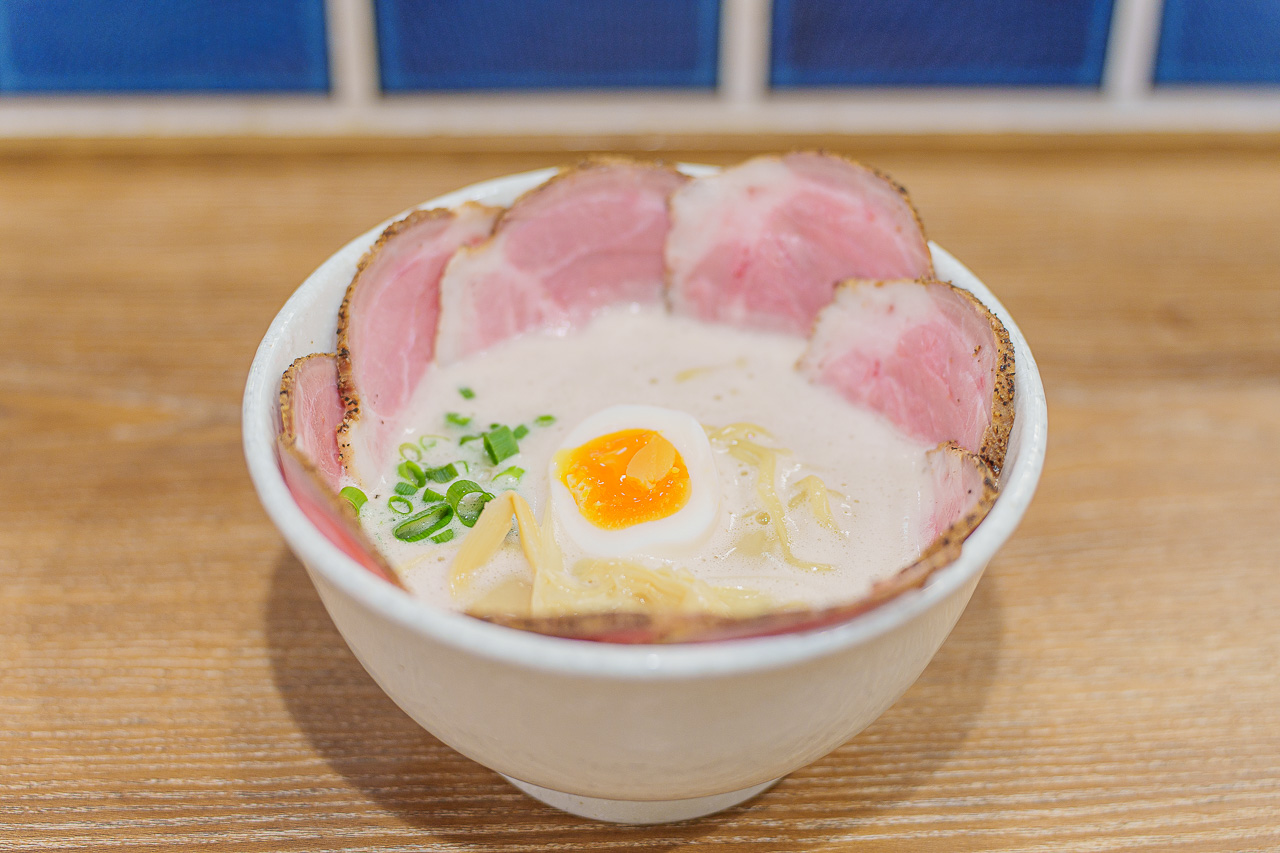
This ramen restaurant became famous for daily lines in Nara before arriving in Osaka too. The source describes a foamy tonkotsu style sometimes called cappuccino ramen. It is in Hoop DINING COURT on basement level 1 in the Abeno area by Tennoji Station. The basic flavors are salt and soy sauce, with tsukemen also available. The salt ramen blends six kinds of salt and is described as using plenty of dumplings and kelp. If you enjoy a rich pork-bone broth, this is a restaurant the original review strongly recommended trying.
Google Maps
Kushikatsu Taisho (串カツ 大将)
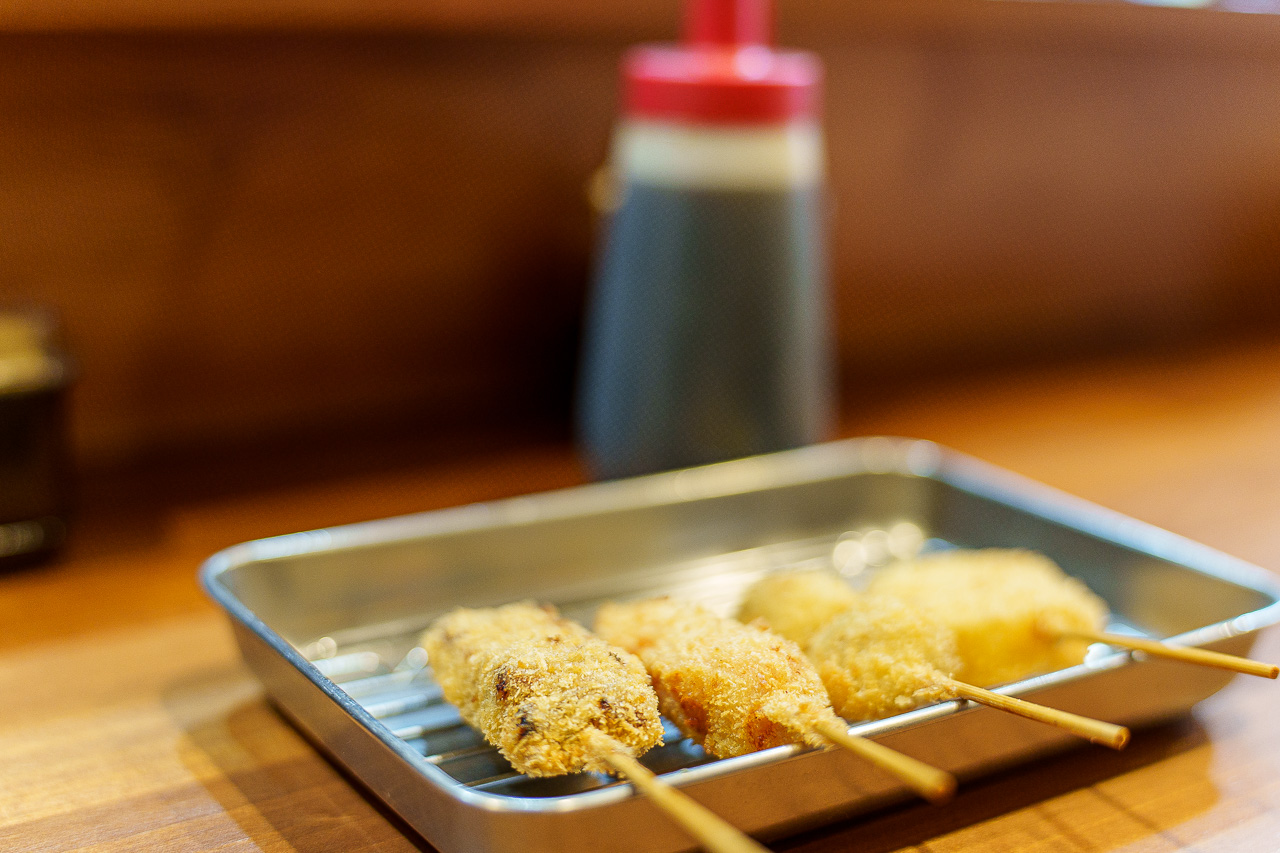
串カツ 大将 is a kushikatsu restaurant in Shinsekai, almost directly under Tsutenkaku. Freshly fried skewers with a thin coating pair well with its homemade sauce. Prices start at just ¥90, with pork, vegetables, cheese and many other choices. Sake, shochu and other drinks are available. The atmosphere feels entirely local, with counter seats, other seating and private rooms. The compulsory appetizer was especially good: a delicious simmered beef-tendon dish.
Google Maps
Hanadako (はなだこ)
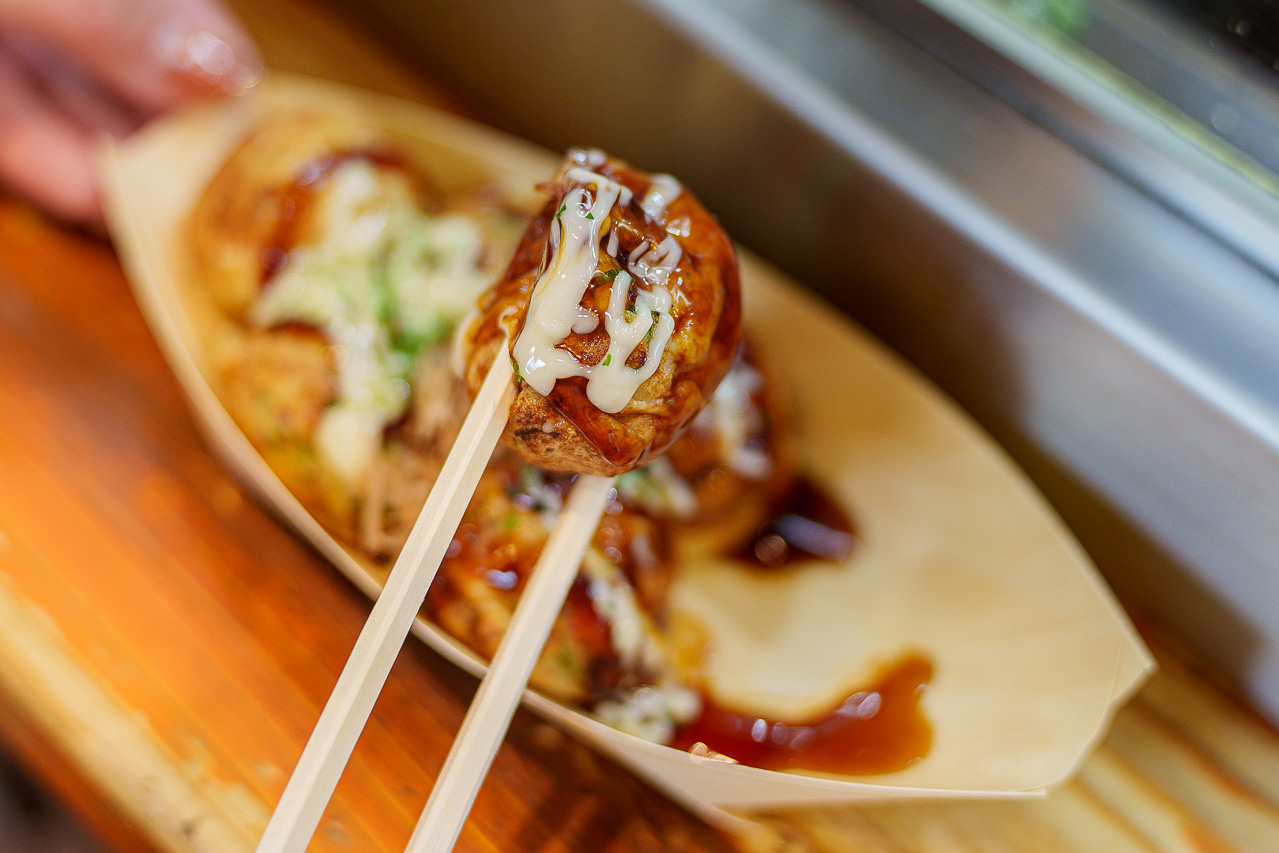
はなだこ in Umeda seems to have a constant line. About a one-minute walk from JR Osaka Station, this is a good place for Osaka-style takoyaki and is always busy. The stall-like shop has a small counter, and through the glass you can watch staff cooking batch after batch to serve the many customers quickly. The popular choices are plain takoyaki and negi-mayo, topped with green onions and mayonnaise. High-temperature cooking makes them crisp outside and fluffy inside. The plump, large balls topped with sauce and mayonnaise offer a delicious, classic Osaka flavor.
Google Maps
Sex Machine

Walking around Namba, you may encounter a restaurant whose name feels startling to a visitor raised with conservative Confucian attitudes: Sex Machine. Despite that suggestive name, it is a tasty wagyu yakiniku restaurant. Prices are relatively low for wagyu, and around ¥5,000 per person can cover a casual meal. The atmosphere is better than the name might suggest. Founded in Dotonbori in Showa 63, or 1988, it describes itself as a long-established yakiniku restaurant-bar combining grilled meat and funky music. Signature dishes include the Special Dynamite Loin and Misuji Garlic Butter, served with melted butter and garlic.
Google Maps
Osaka Umeda Takoyaki Market (大阪梅田たこ焼マーケット)

Several famous Osaka takoyaki shops come together around HEP FIVE, one of the city's well-known visitor destinations. As of August 2023, there were five: あべのたこ焼きやまちゃん, タコバル道頓堀くくる, たこ焼き十八番, 会津屋, associated with takoyaki's origins, and アメリカン村古賀流. The selection includes a shop visited by LE SSERAFIM. More than 100 seats reduce the wait and make it easy to compare takoyaki from different parts of Osaka. For content creators, it would even make a useful place to film a comparison of the city's takoyaki styles.
Google Maps
hannoc cake cafe
This patisserie-cafe is immediately outside Exit 3 of Nakazakicho Station. Choose a small cake from the display and a drink for a break during an Umeda itinerary. The 26-seat cafe offers both dine-in and takeaway, and its drinks use caramel and syrups made by the patissiers. Seat reservations are not accepted, but you can join the entrance queue online. If you plan to take a cake away, check the advance-order information on the official website first.
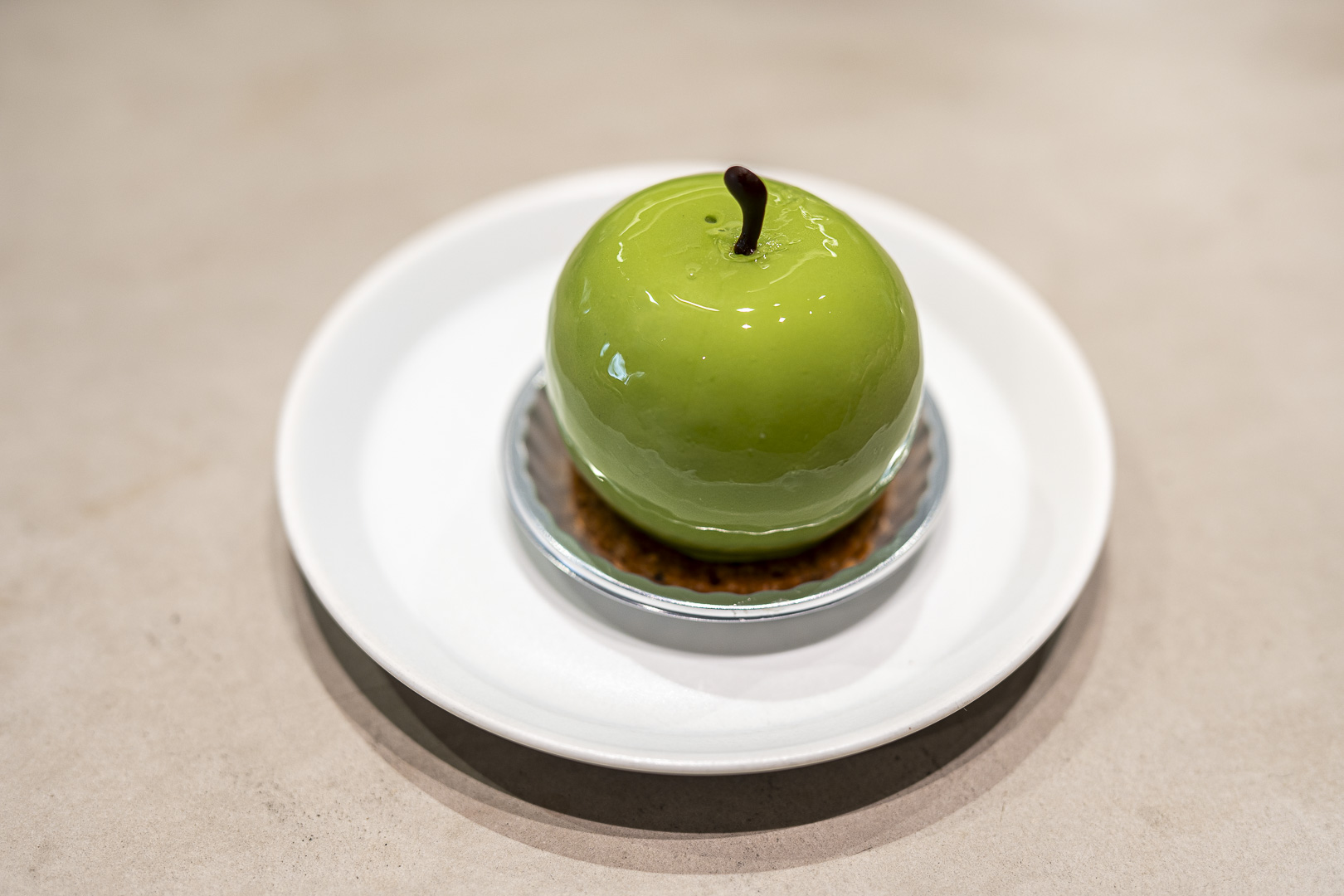
Address: 1F Naniwa Building, 4-12 Banzaicho, Kita-ku, Osaka
Google Maps · Official information
Daru Shokudo — Dojima Underground Shopping Area
In the Dojima underground shopping area, this restaurant offers curry and meat dishes. Beyond the Dojima Daru sign and menus by the entrance, curry topped with a heap of cutlet catches the eye. Rice, curry and substantial fried toppings share one plate, and roast-beef dishes are another option. It fits a meal into a route between Kitashinchi and Dojima. Choose the topping for your curry first; when dining with others, ordering different meat dishes can create a varied table.
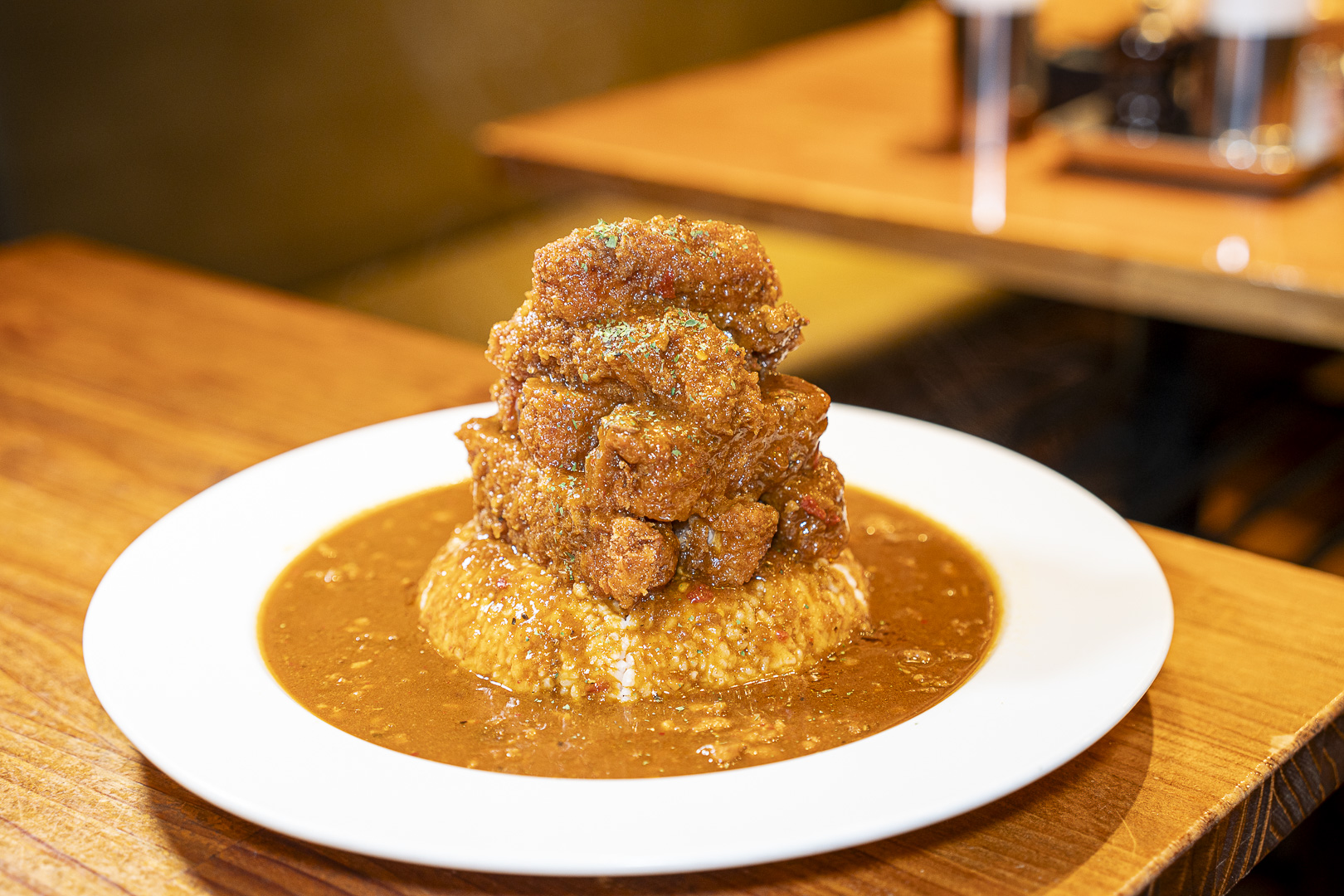
Address: No. 3, Dojima Underground Shopping Area, 1 Sonezakishinchi, Kita-ku, Osaka, Osaka Prefecture
Google Maps · Official information
Tonkatsu Wako — Crysta Nagahori
This Wako branch in the Crysta Nagahori underground shopping area serves tonkatsu set meals. Beside the dining space hung with noren curtains is a separate counter for choosing boxed meals. A set of tonkatsu, vegetables, rice and soup is useful when you want to sit down for a meal between shops in Shinsaibashi. Choose either a meal in the restaurant or a takeaway bento to suit your schedule. Marking the location along the underground route connecting with Nagahoribashi Station makes it easier to find.
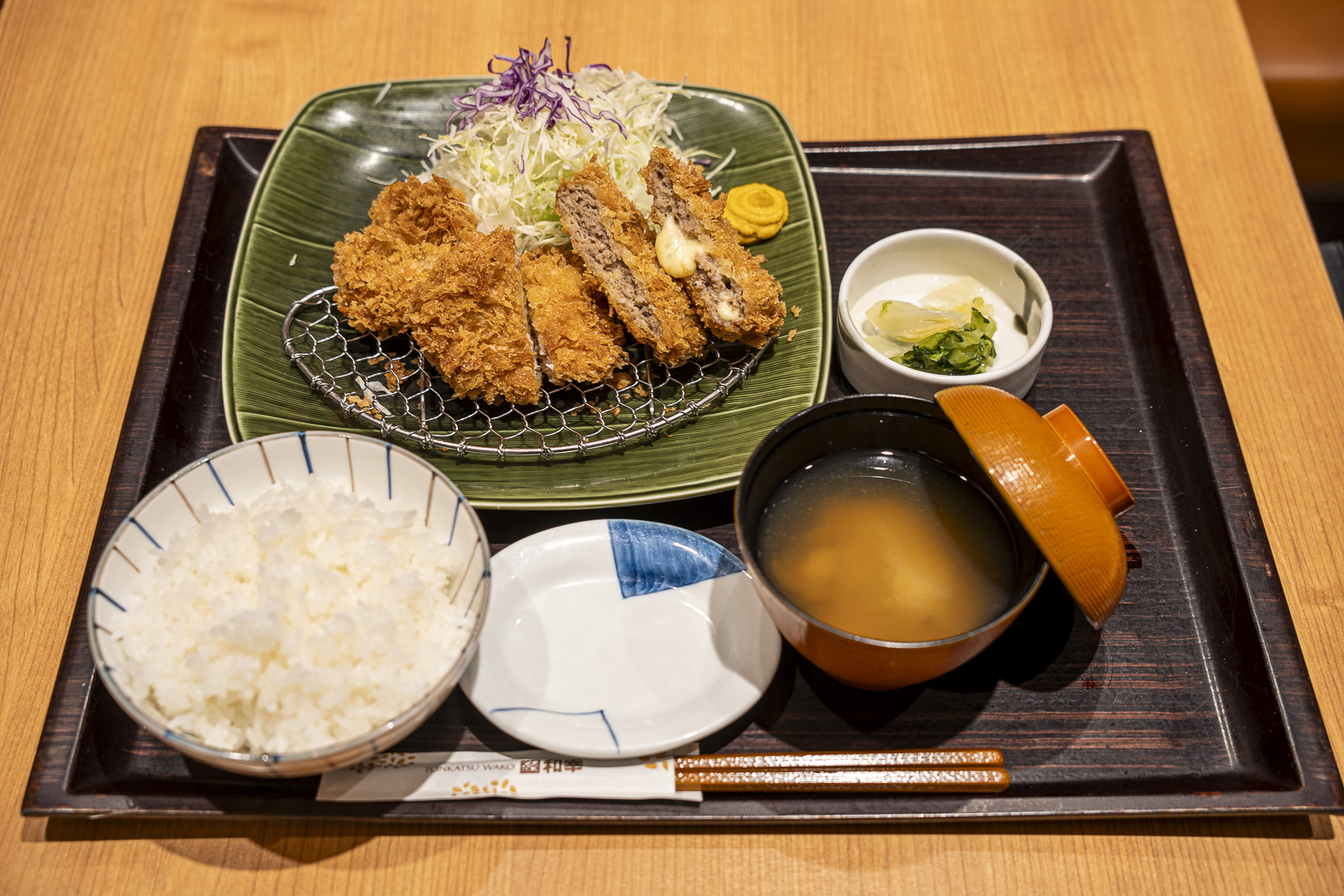
Address: No. 1, Nagahori Underground Shopping Area, 2 Minami-Semba, Chuo-ku, Osaka
Google Maps · Official information
Yoshibei — Namba Doguyasuji
This katsudon specialist is at the entrance to Namba's Doguyasuji shopping street. Check the menu at the entrance and buy a meal ticket; inside, a long counter runs beside the kitchen. Egg-topped katsudon and sauce katsudon are the main rice-bowl choices, convenient for a meal while browsing the kitchenware shops. It fits easily into a solo itinerary, and takeaway orders are possible. The ticket machine accepts credit cards and some transit IC cards as well as cash.
Address: 14-2 Namba-Sennichimae, Chuo-ku, Osaka
Google Maps · Official information
Chitose — Annex
This is Chitose's annex in the Namba Grand Kagetsu building. The photographs taken at the time show nikusui, a soup with beef and green onions, alongside a small bowl of rice with egg. The simple arrangement of soup and rice is also a record of that visit. Consider it when walking Namba's shopping streets or attending a performance. Meal tickets were bought at the entrance when the photographs were taken; check the restaurant's current information for ordering methods and available dishes. To avoid confusing it with the similarly named main restaurant, look specifically for the annex inside Namba Grand Kagetsu.

Address: 1F Namba Grand Kagetsu, 11-6 Namba-Sennichimae, Chuo-ku, Osaka
Google Maps · Official information
Pommier
In Nipponbashi 5-chome, look for the purple awning and Pommier sign. At the time of the photographs, the entrance menu listed both rice bowls and curry. It is worth remembering when you want a meal while exploring Den Den Town. The photographs show a rice bowl topped with egg and green onions, alongside soup and small side dishes. If you are walking through southern Nipponbashi, plan the meal around your other shopping stops. Check closing-day notices on the official account before visiting, then choose from the day's menu outside the shop.
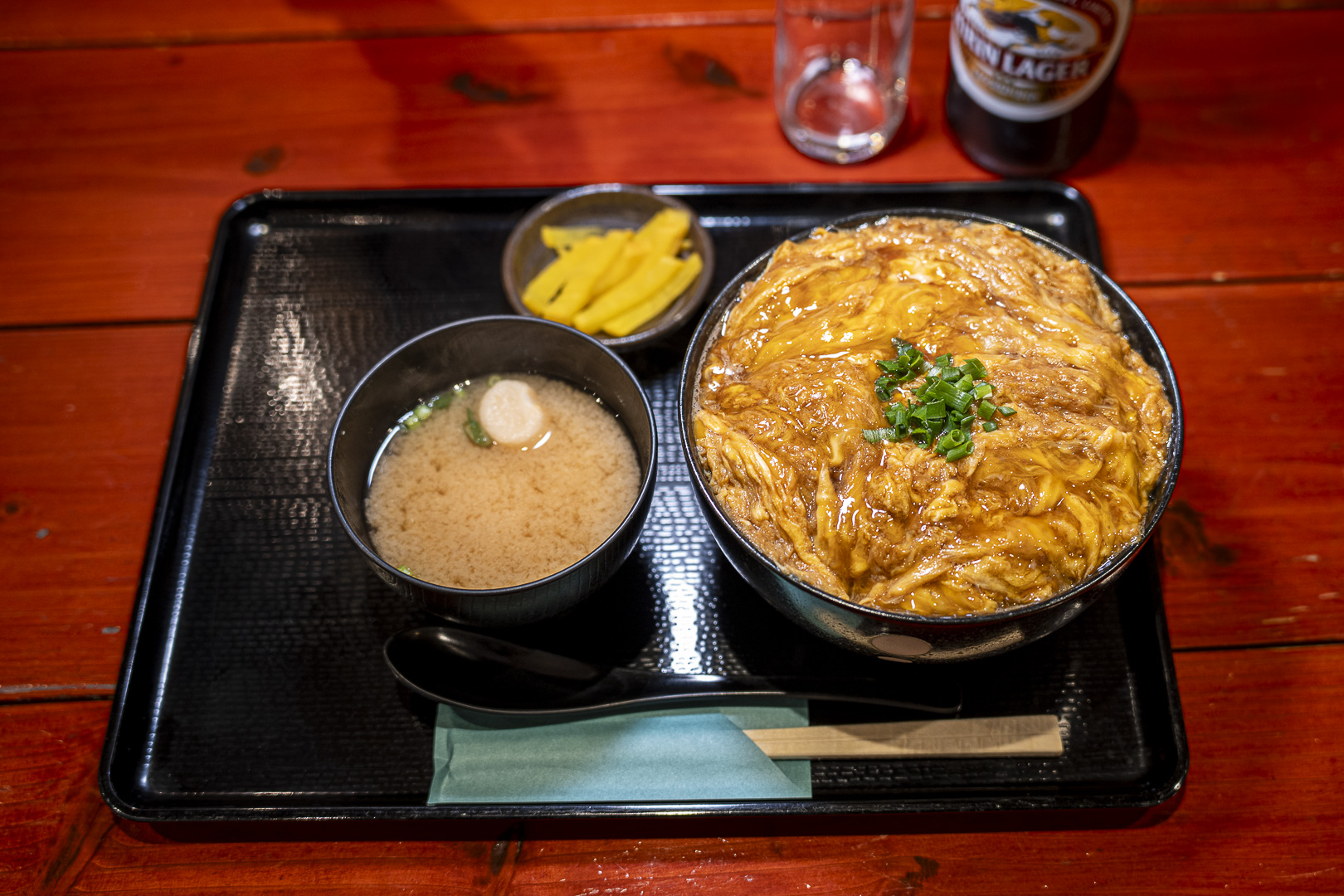
Address: 5-17-20 Nipponbashi, Naniwa-ku, Osaka
Google Maps · Official information
Shitennoji Chaya — Shitennoji Main Shop
This teahouse offers a break over tea and Japanese sweets while walking around Shitennoji. Wooden lattice doors, a white noren and the street-side Shitennoji Chaya sign identify the main shop. Photographs from the time show warabimochi with red beans and powder served separately, together with tea. Matcha or hojicha lattes and warabimochi drinks are other possibilities to look for. Add a tea break to a route between Shitennoji and Tennoji, and choose from the desserts offered when you visit.
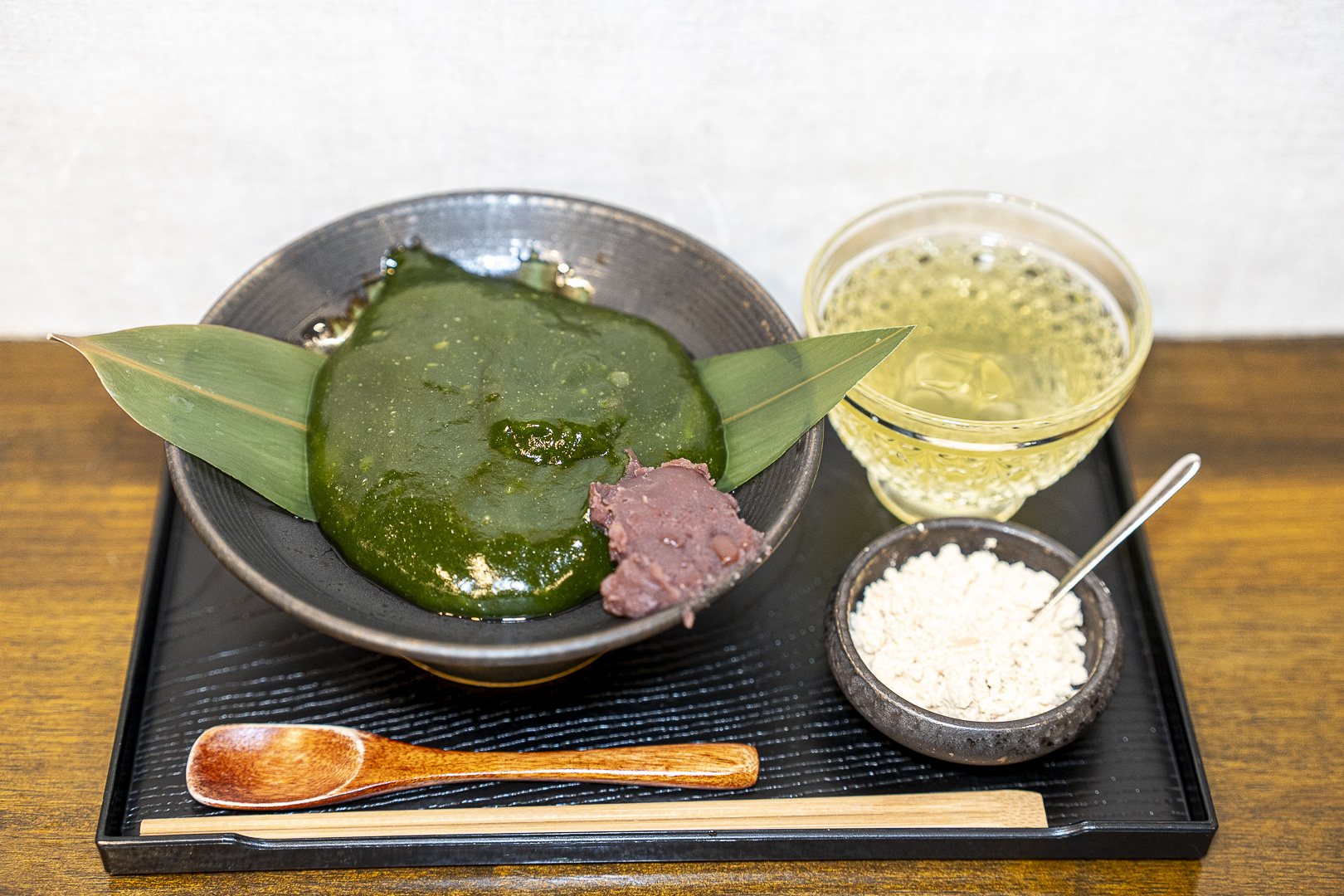
Address: 1-11-70 Shitennoji, Tennoji-ku, Osaka, Osaka Prefecture
Google Maps · Official information
Shinsaibashi Shokudo — Grilled Fish and Pot-cooked Rice
This Shinsaibashi set-meal restaurant emphasizes grilled fish and pot-cooked rice. Beneath a long sign advertising charcoal-grilled fish sets, the cooking area has a brazier. Photographs taken at the time show an opened-out grilled fish with rice, soup and small side dishes. It is useful when you want fish and rice instead of noodles between shopping stops. If you plan to stop while walking the Shinsaibashi shopping street, check the long restaurant name at the entrance and compare the fish choices and side dishes on the menu.
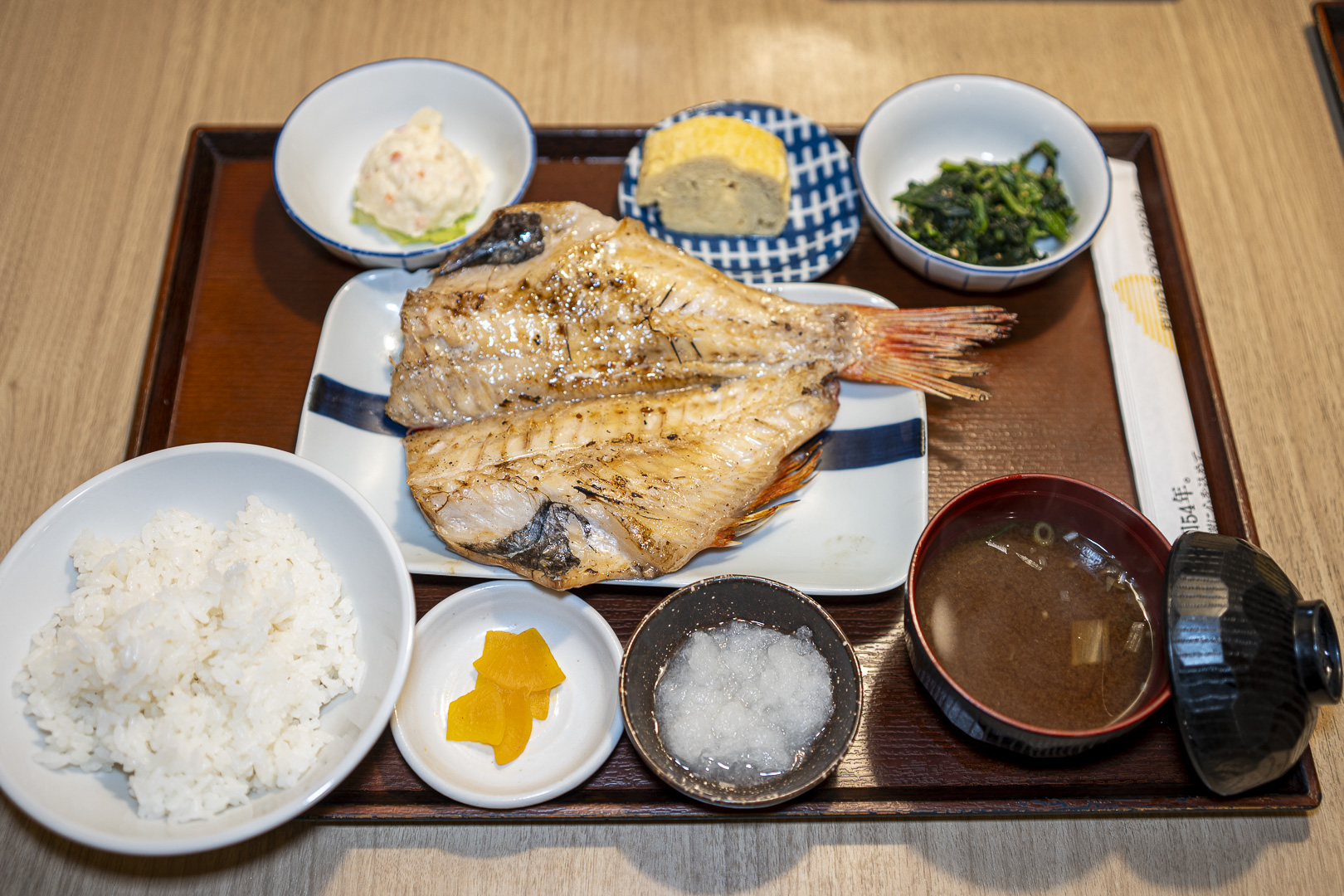
Address: 1F Miuraya Building, 3-7-17 Minami-Semba, Chuo-ku, Osaka
Google Maps · Official information
Ruki — Ekimarche Osaka
This casual restaurant is in Ekimarche Osaka, connected to JR Osaka Station. Blue-tiled columns, the Ruki logo on the windows and red star-shaped neon help identify it in the station dining area. Choose a rice-and-meat set meal and add dishes such as dumplings to build out the meal. It is worth considering when you want to eat around the station before or after a train journey or Umeda shopping. Work out your travel time first, then decide with your companions whether to order individual sets or share several dishes.
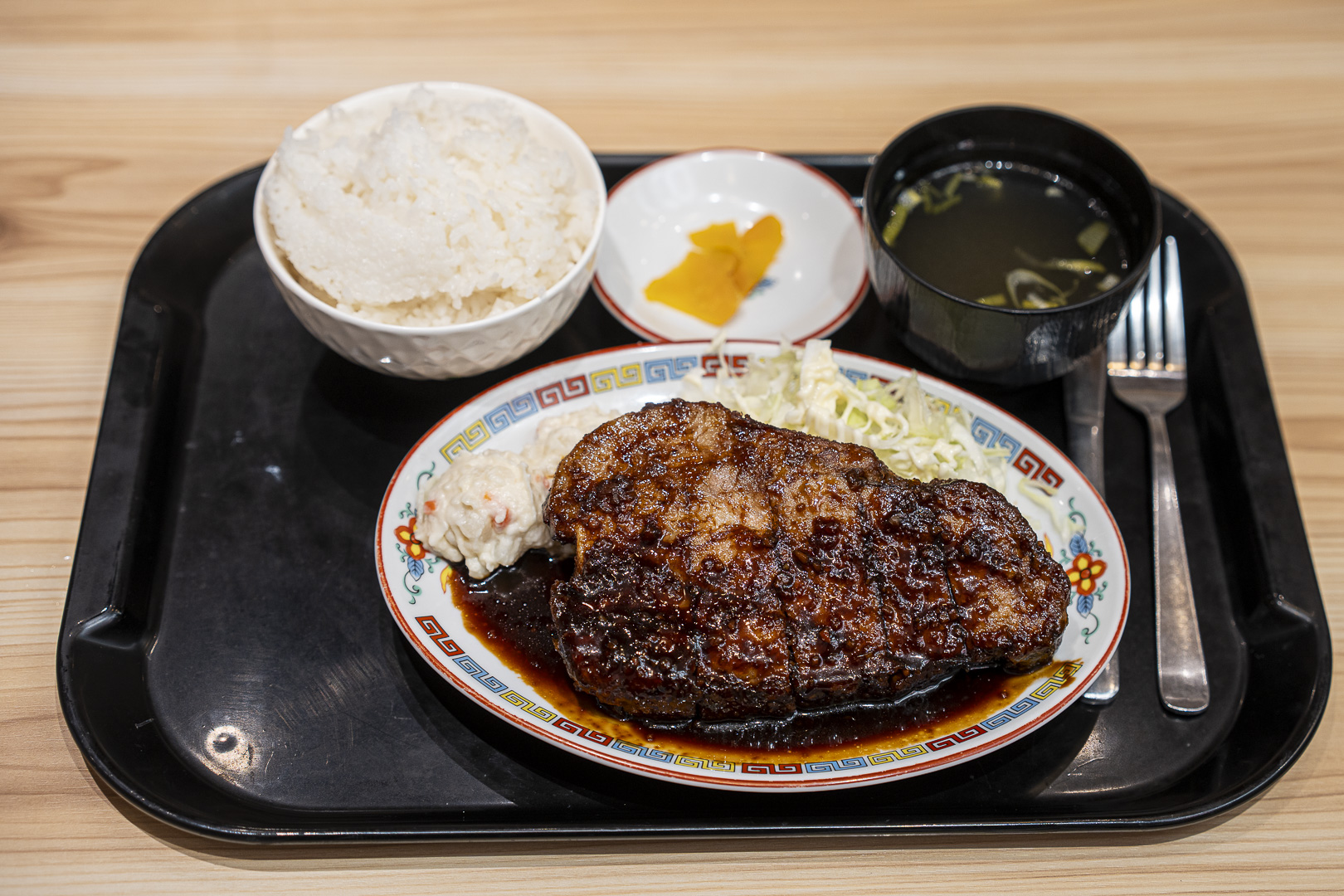
Address: 1F Ekimarche Osaka, 3-1-1 Umeda, Kita-ku, Osaka
Google Maps · Official information
Tako Tako King — Sankyubashi
This is Tako Tako King's Sankyubashi branch in a Higashi-Shinsaibashi side street. The large business name on the glass, the Sankyubashi branch lettering and entrance neon help you find it. Remember it when you want to add Osaka takoyaki to a shopping route around Shinsaibashi. Mark the Sankyubashi location on your map to avoid confusing it with another branch. Choose your portion and sides from the menu outside, then follow the on-site information about takeaway or eating in.
Address: 1F Iru Street Building, 1-13-23 Higashi-Shinsaibashi, Chuo-ku, Osaka
Google Maps · Official information
Ichimizen — Nipponbashi
The red awning and Ichimizen sign catch the eye on a Nipponbashi street corner. In the small, counter-focused shop, you can choose tendon generously piled with tempura; shrimp-tempura rice balls, or tenmusu, are also on the menu. The location fits a meal into a day around Kuromon Market and Ura-Namba. Decide whether a sit-down tendon or takeaway tenmusu suits your plans. To avoid another restaurant with the same name in a different area, check the Nipponbashi 3-chome address and sign.
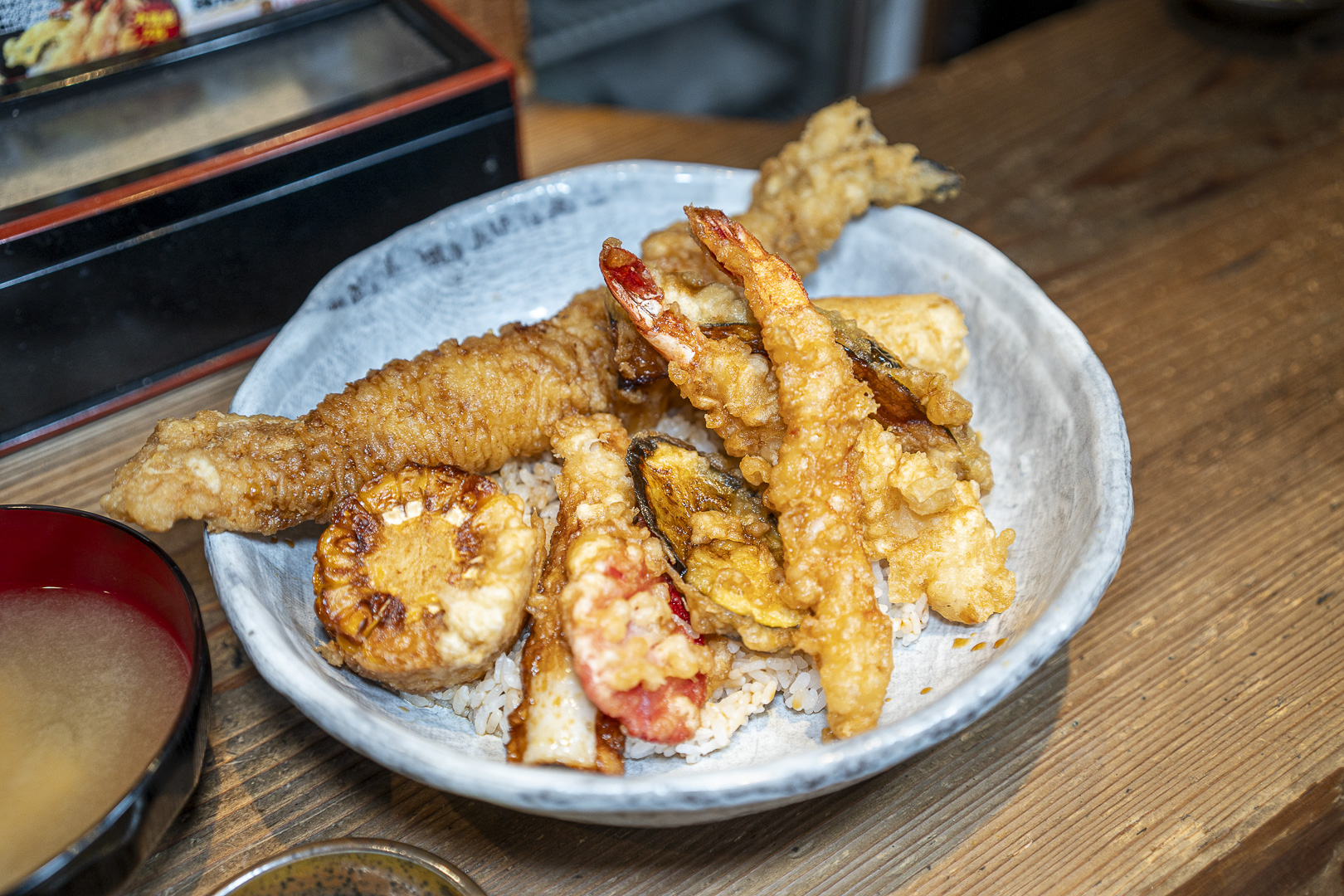
Address: 3-6-8 Nipponbashi, Naniwa-ku, Osaka, Osaka Prefecture
Google Maps · Official information
Tsuruya — Nipponbashi
In Nipponbashi, this restaurant offers meat meals centered on sukiyaki and shabu-shabu. Past the entrance with white lanterns and lattice decoration are wooden counters and table seats. Photographs from the time show a pot on an individual stove, with meat, rice and egg served separately. It is worth adding to a Namba itinerary when you want to take your time over a hot pot. Decide whether you will sit alone or at a table with companions, then choose the meat and meal combination from the menu.

Address: Nipponbashi Hosoi Building, 2-5-4 Nipponbashi, Chuo-ku, Osaka, Osaka Prefecture
Google Maps · Official information
Sea-bream Salt Soba Doka — Namba Dining Maison
This sea-bream salt-ramen specialist is in Namba Dining Maison at Takashimaya Osaka. Black tiles and a white sign identify it in the department store's dining area. You can have a bowl of ramen by itself or add a rice dish, making it convenient after Namba shopping. If you plan to eat before moving on, locate the eighth-floor dining area in advance. Looking at both the ramen and rice choices also makes it easier to adjust portions when companions order different dishes.
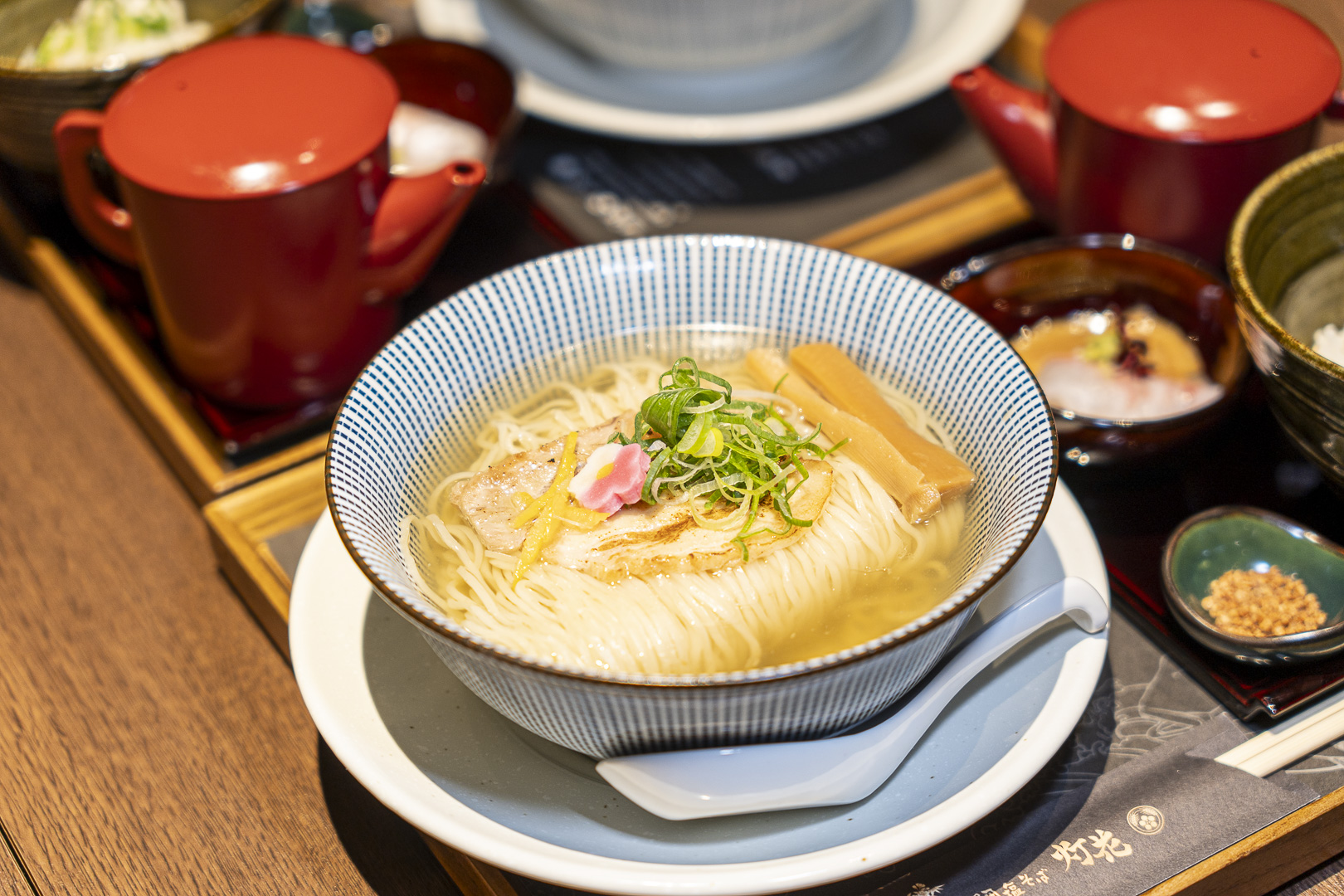
Address: 8F Namba Dining Maison, Takashimaya Osaka, 5-1-18 Namba, Chuo-ku, Osaka
Google Maps · Official information
Zundouya — Shinsaibashi
This Zundouya branch is in the Sena Building on Shinsaibashi-suji. A recessed entrance between stone columns, a large lantern and Zundouya lettering show the way in. The brand emphasizes a rich tonkotsu broth. Photographs from the time show ramen with meat and green onions in a red bowl, together with fried rice. If you plan to stop after shopping, check the restaurant's current information for available dishes and sides. Other branches are nearby, so confirm both the Shinsaibashi branch and Sena Building when arranging to meet someone.
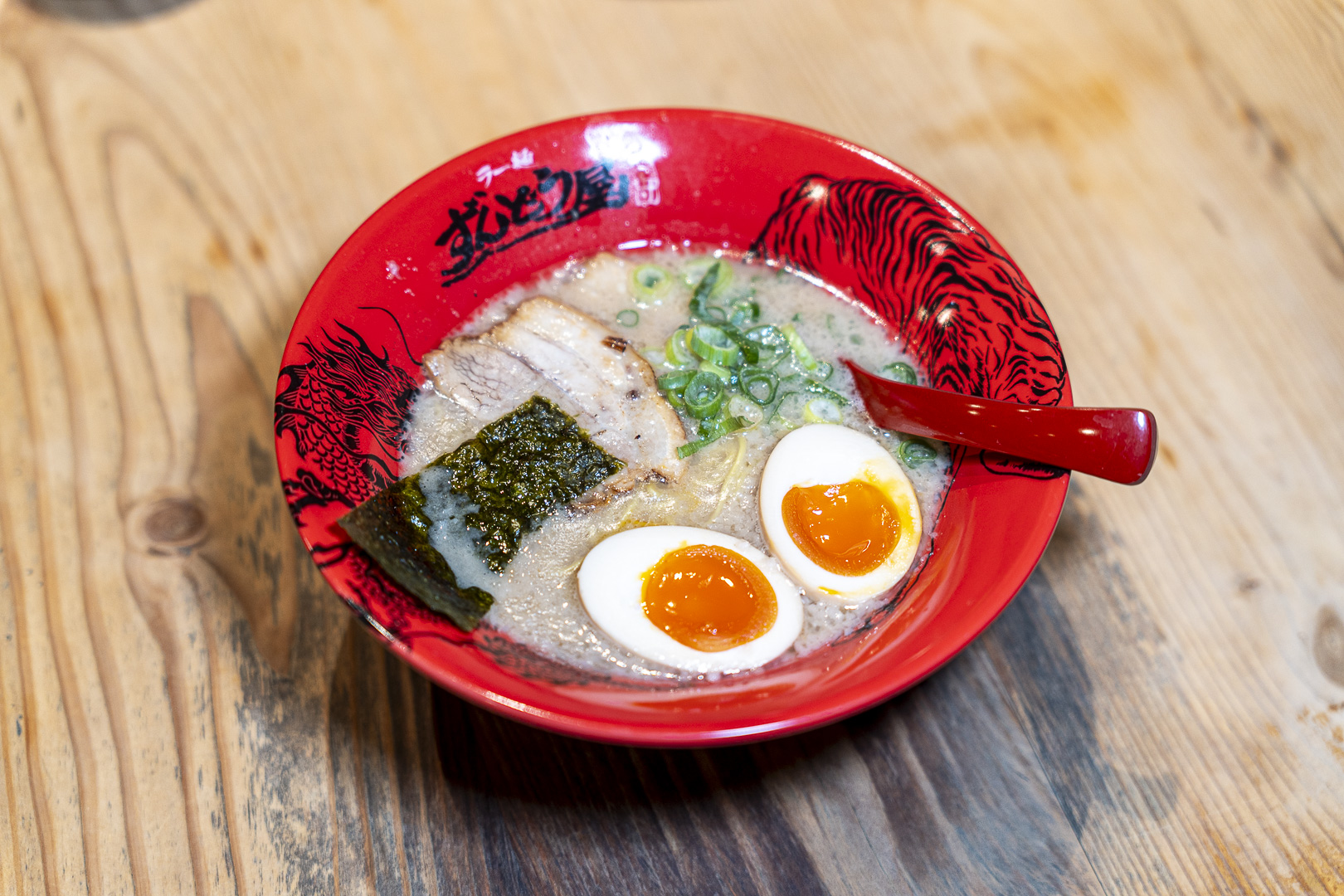
Address: 1F Sena Building, 1-5-7 Shinsaibashi-suji, Chuo-ku, Osaka, Osaka Prefecture
Google Maps · Official information
Zundouya — Namba Ebisubashi
Zundouya's Namba Ebisubashi branch fits a walk around Namba and Dotonbori. A brick exterior, a bulb-framed sign and the branch name on the glass door identify the entrance. The rich-tonkotsu brand has both counter and table seating for dining alone or with companions. Check the ticket machine for dishes to accompany a bowl of noodles. Other branches are in Dotonbori and Shinsaibashi, so marking this Ebisubashi branch's Namba 1-chome address on your map helps avoid confusion.
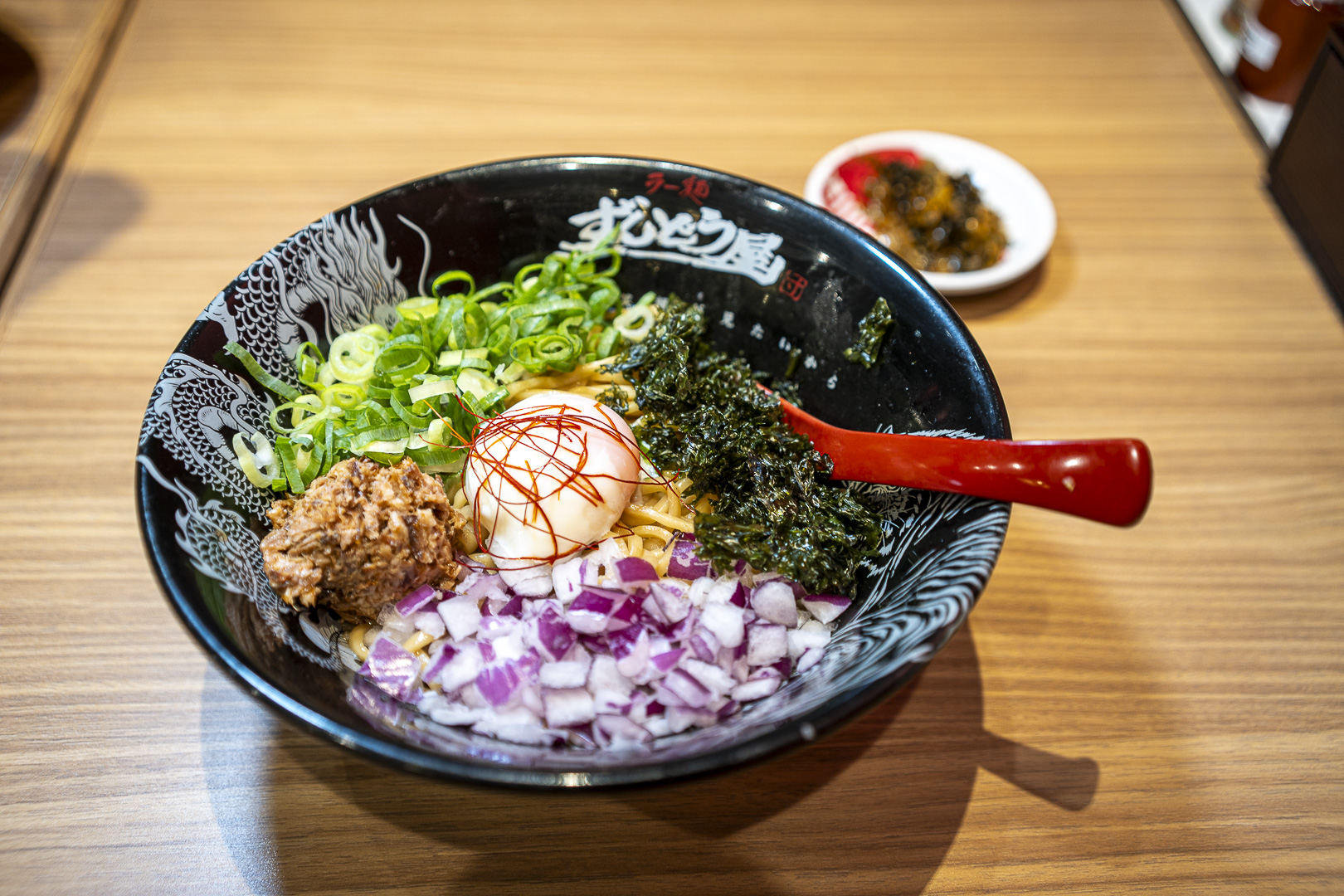
Address: 1F, 1-6-8 Namba, Chuo-ku, Osaka, Osaka Prefecture
Google Maps · Official information
Yakiniku R29
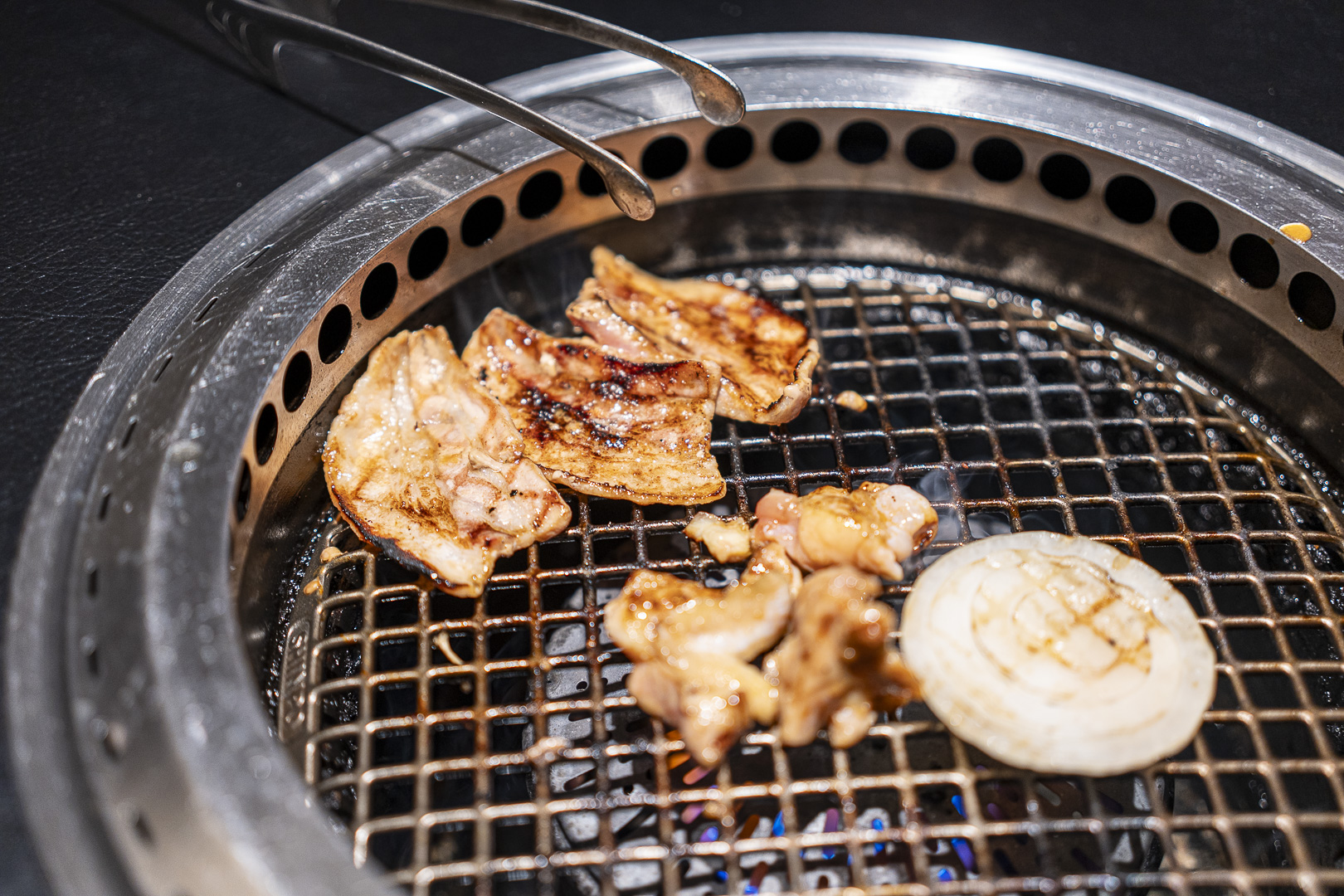
For a meal grilling meat yourself in Kitahorie, consider Yakiniku R29. The R29 lettering on a black screen, a pink diamond-shaped symbol and a glass door identify the entrance. You cook meat from the plates on a grill and share it in the usual yakiniku style. The location works for dinner after browsing Horie's shops and cafes. With a group, check the cuts available that day and the ordering units first, then choose plates to share.
Address: 1-15-7-102 Kitahorie, Nishi-ku, Osaka, Osaka Prefecture
Google Maps · Official information
Shijimi Takiniku Kuniki — Shinsaibashi
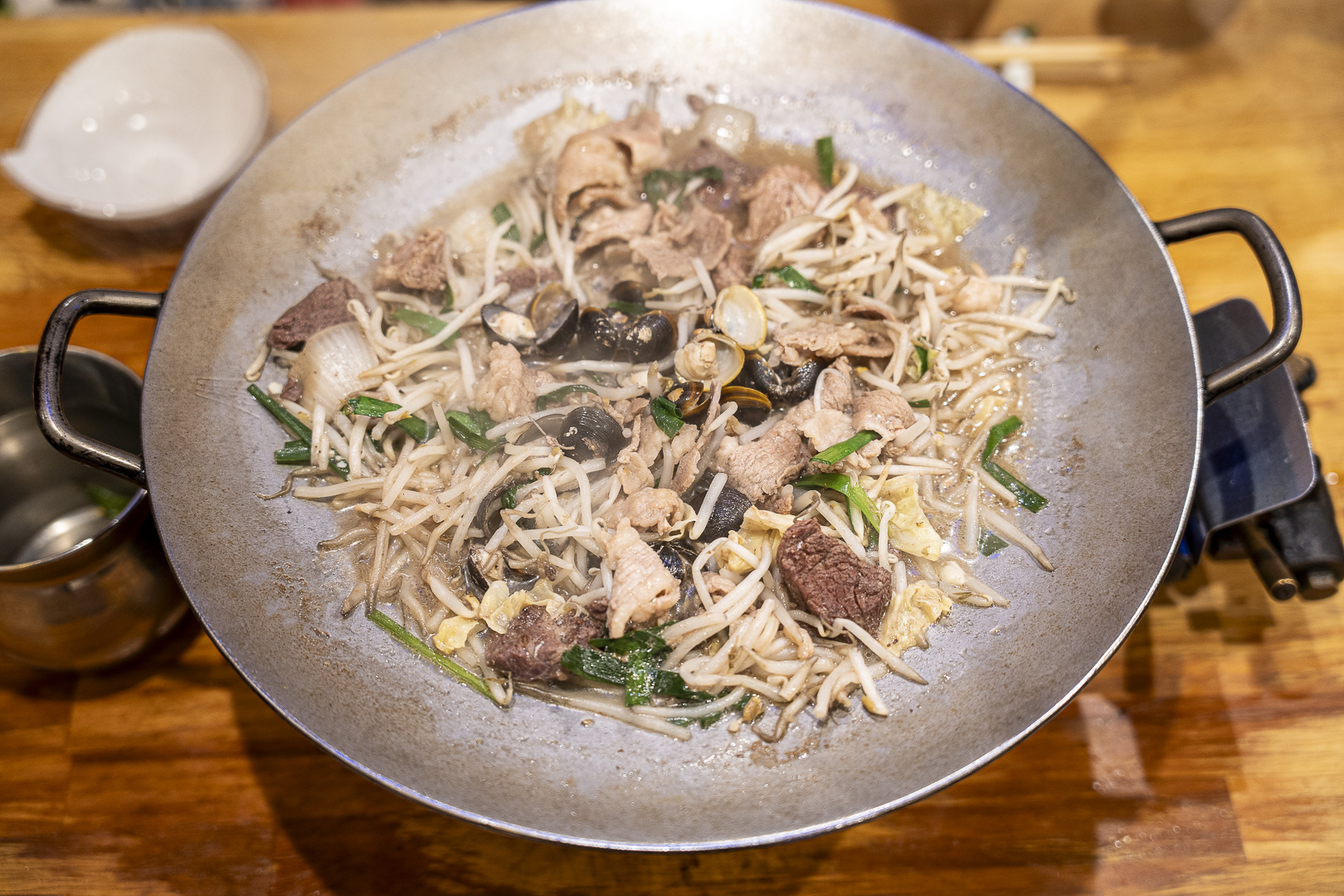
This Higashi-Shinsaibashi restaurant specializes in takiniku, cooking shijimi clams and meat together. Pass through lattice doors beneath an orange sign to see the open kitchen at work. Meat, vegetables and clams cook together in a broad pot, and rice is added to the remaining broth to finish the meal. It is an option around Shinsaibashi when you want a varied hot-pot dinner. Choose the meat and vegetable combination to suit your group and order with the final rice course in mind.
Address: 1F, 1-13-21 Higashi-Shinsaibashi, Chuo-ku, Osaka, Osaka Prefecture